Touch Archive Blog
- Home /
- Touch Archive Blog
Interactive Touch Screen Digital Signage: How It Works and What You Need
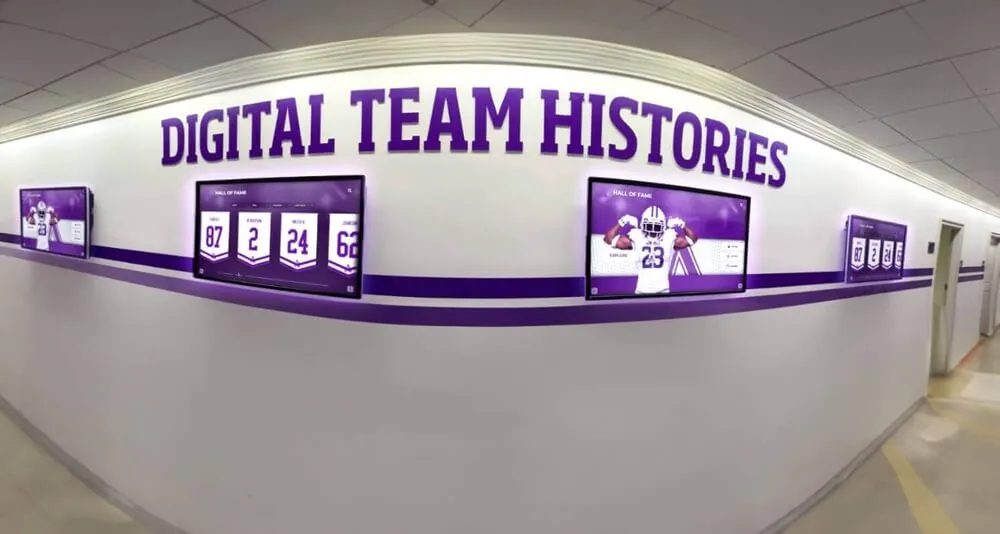
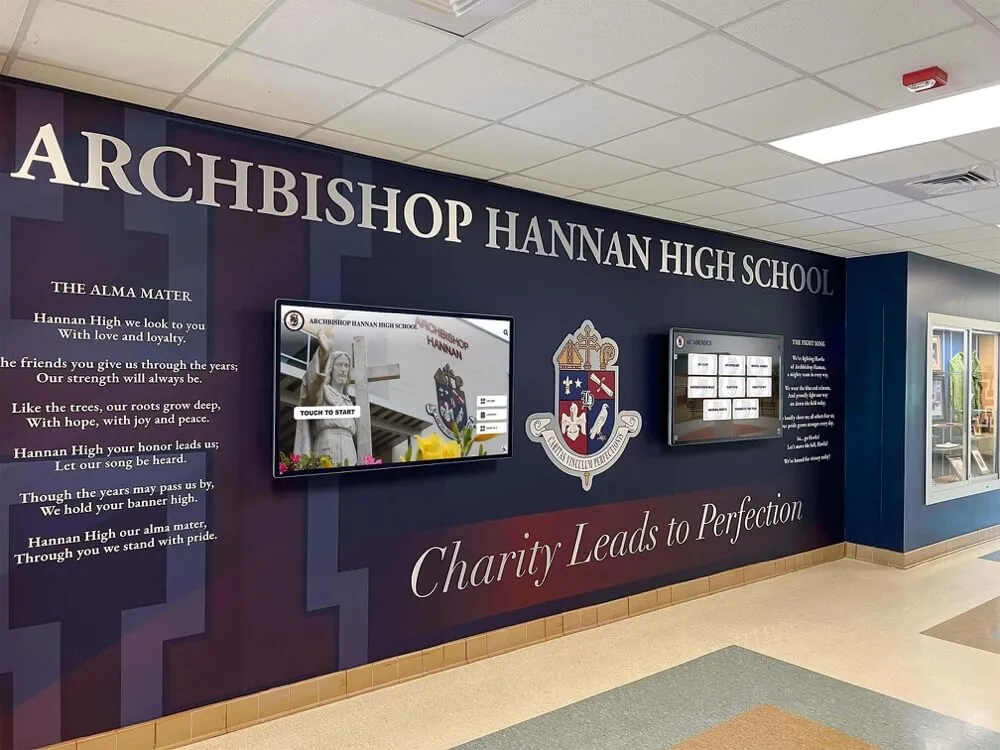
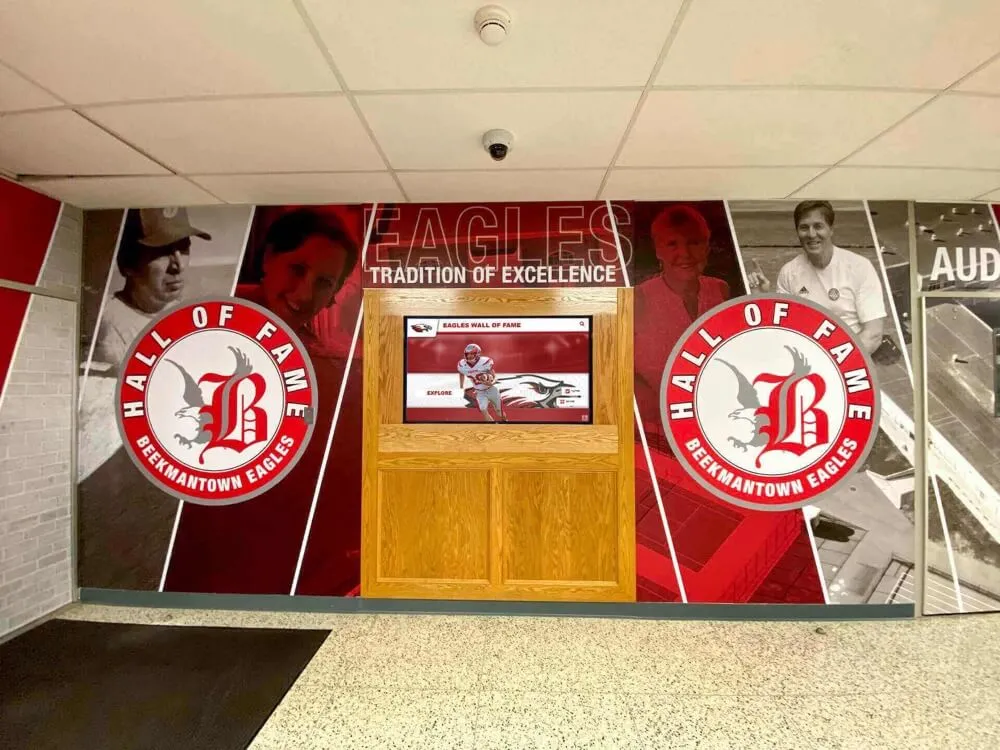
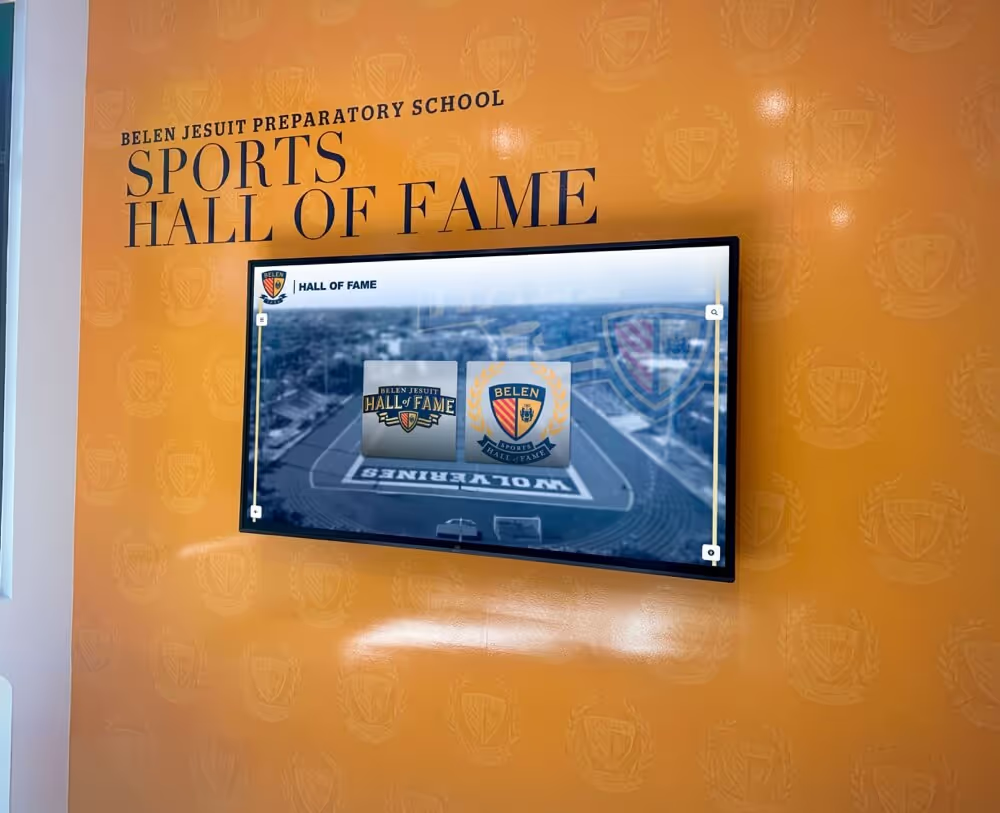
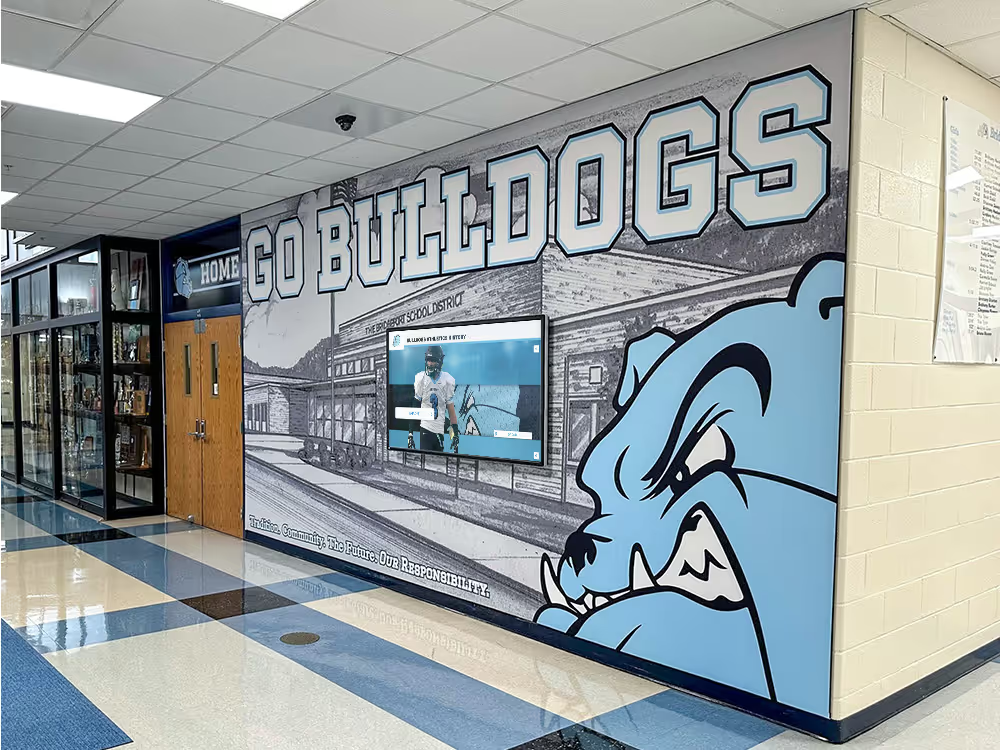
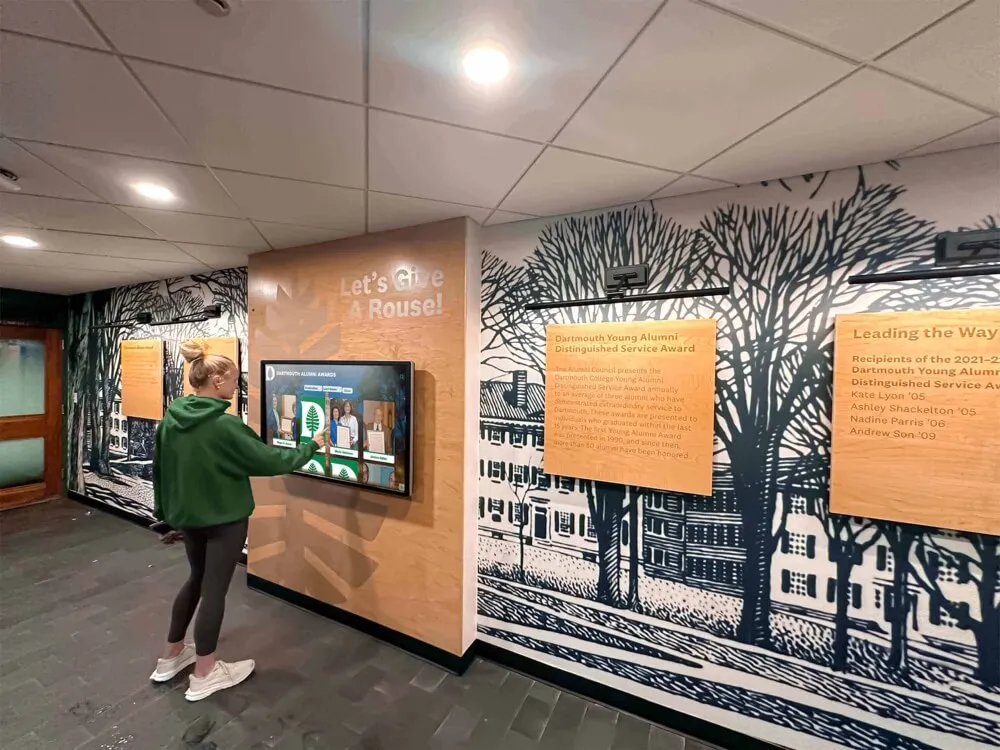
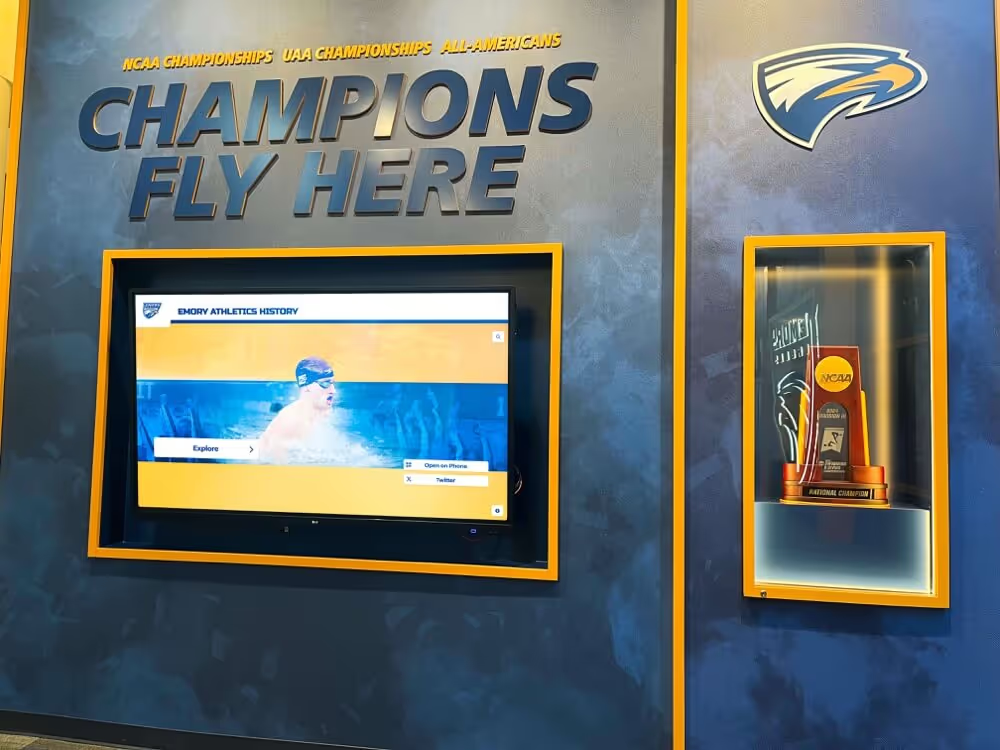
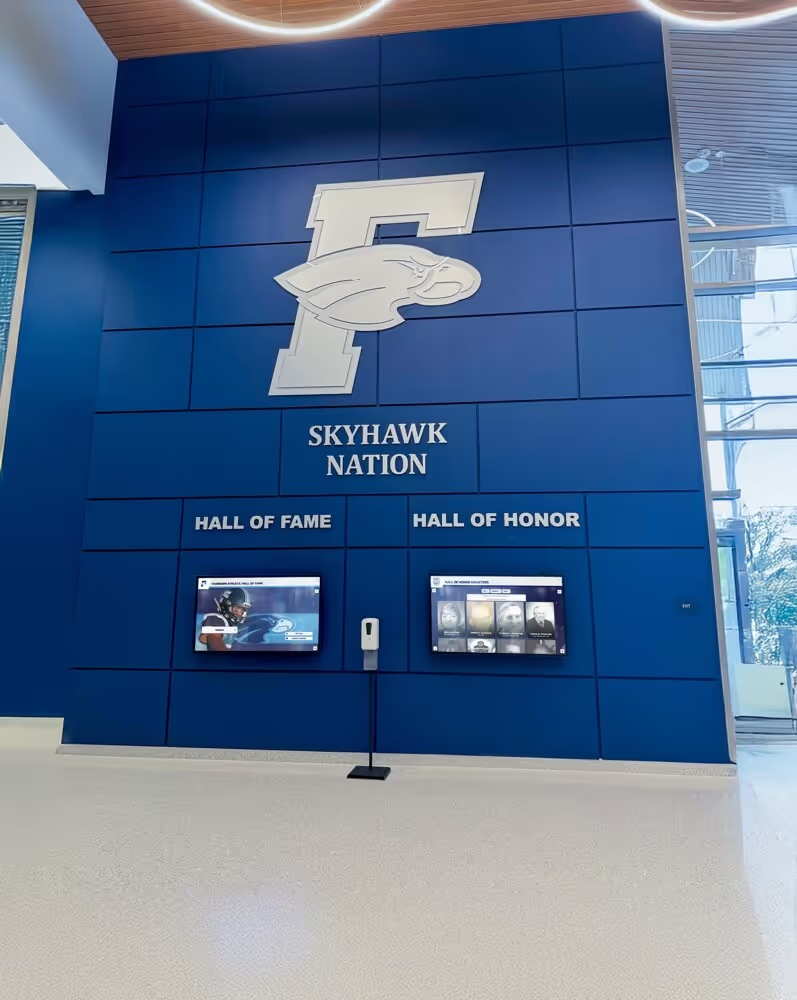
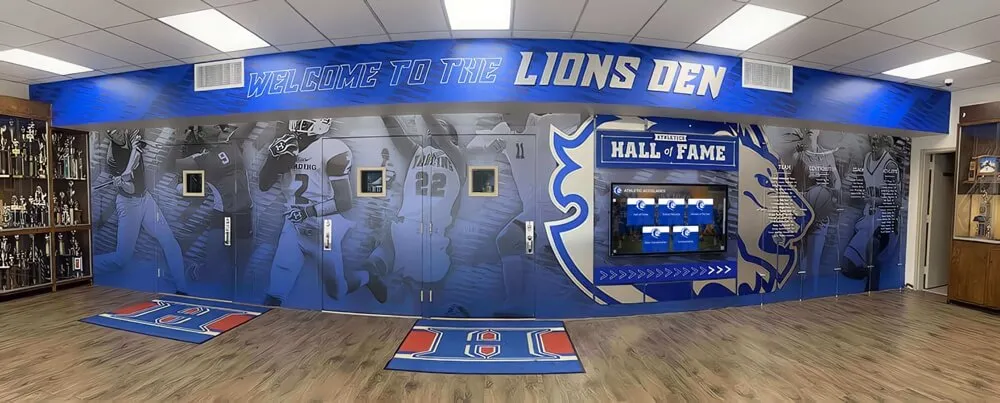
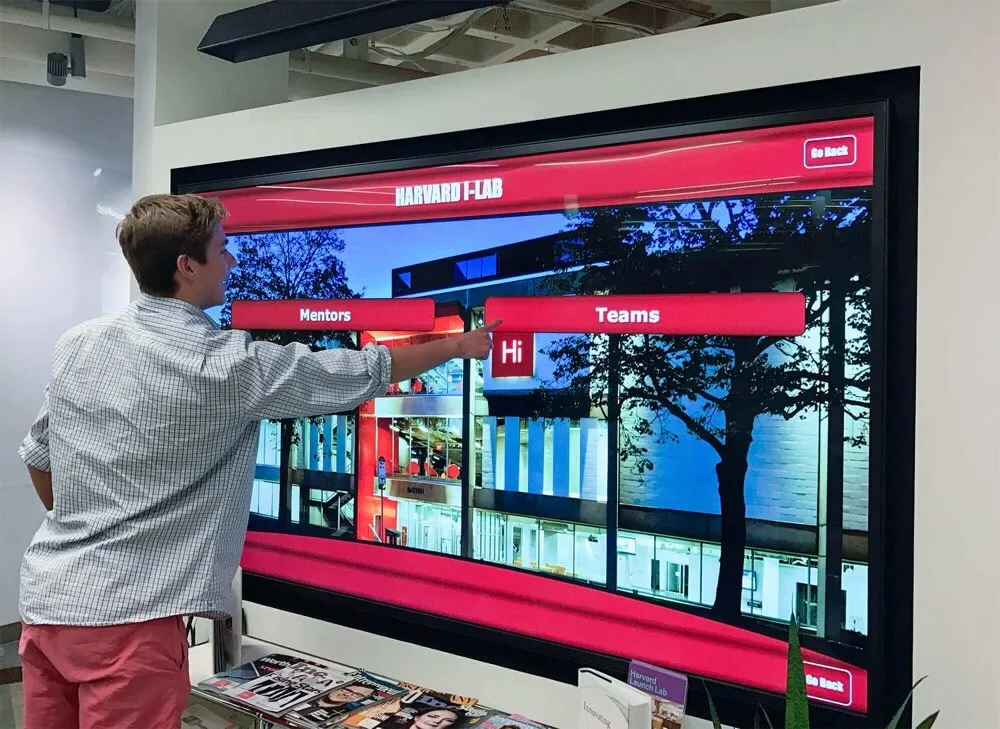
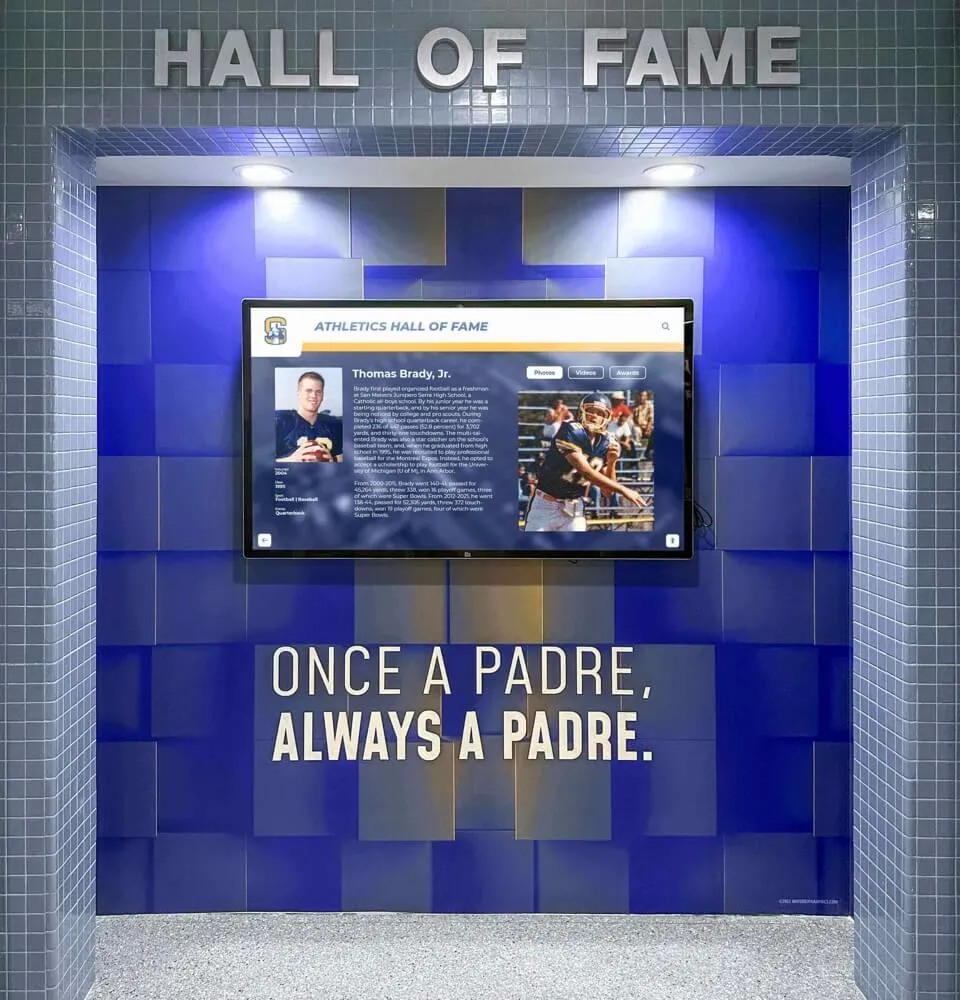
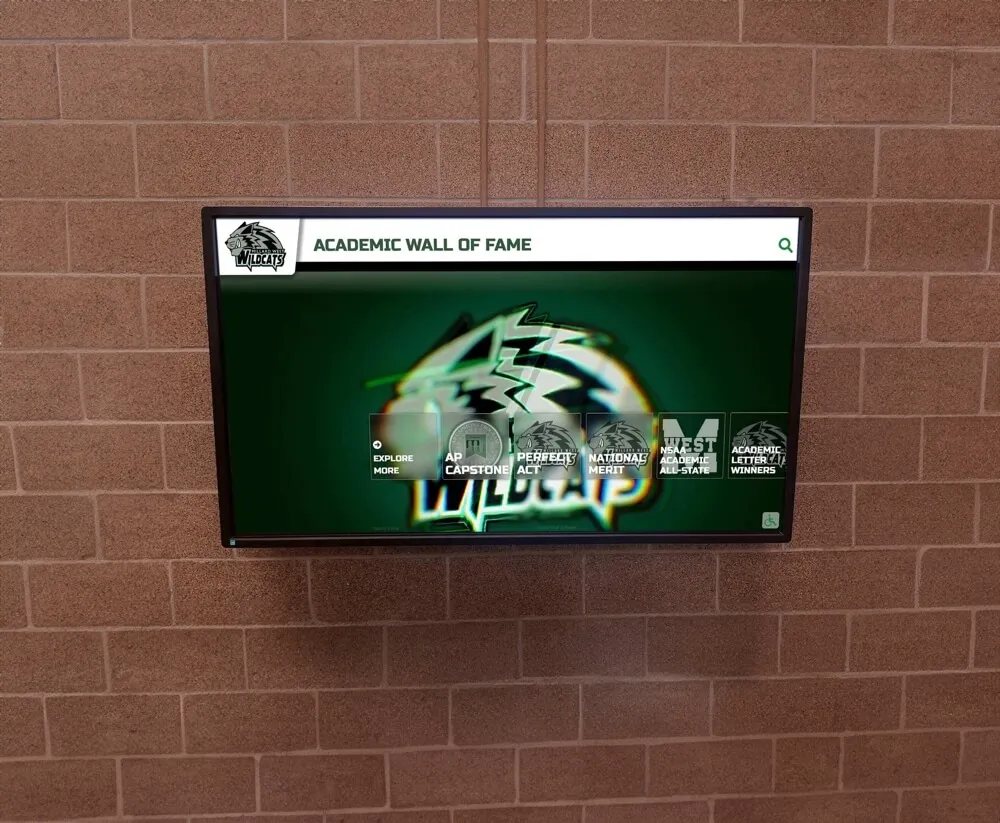
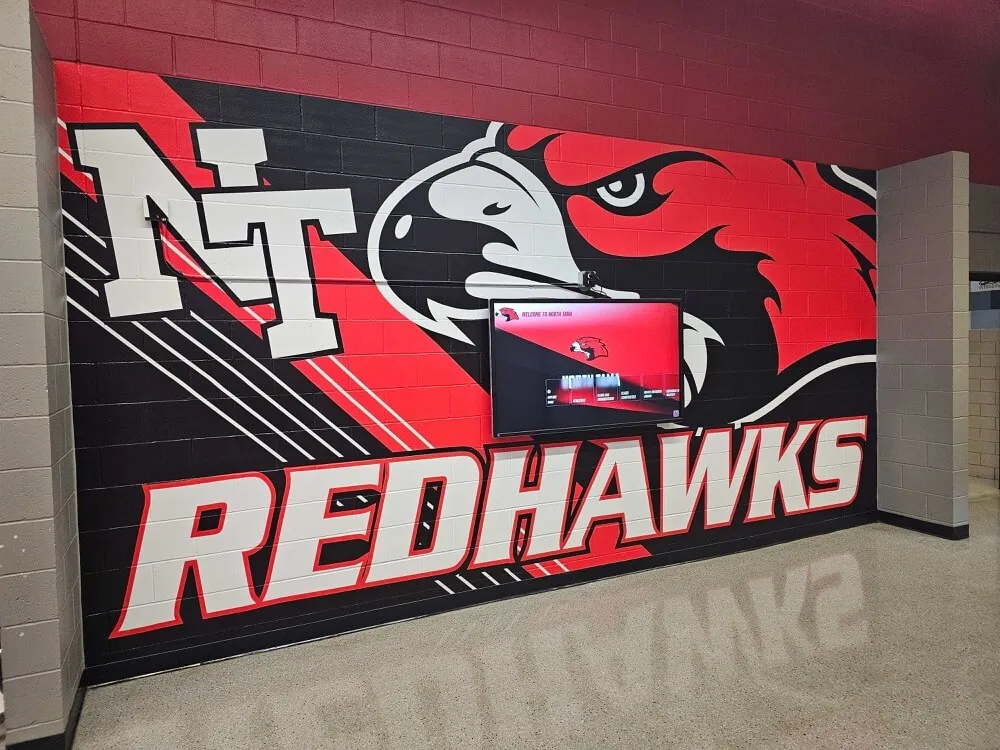
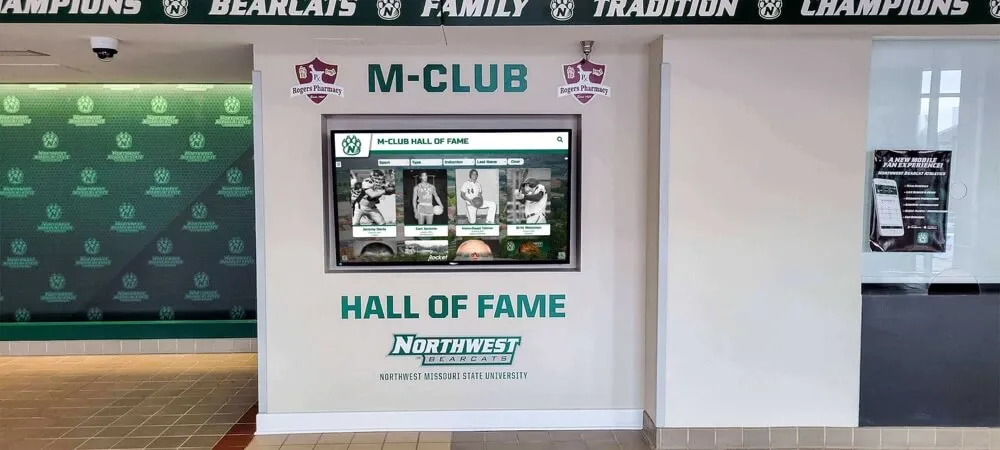
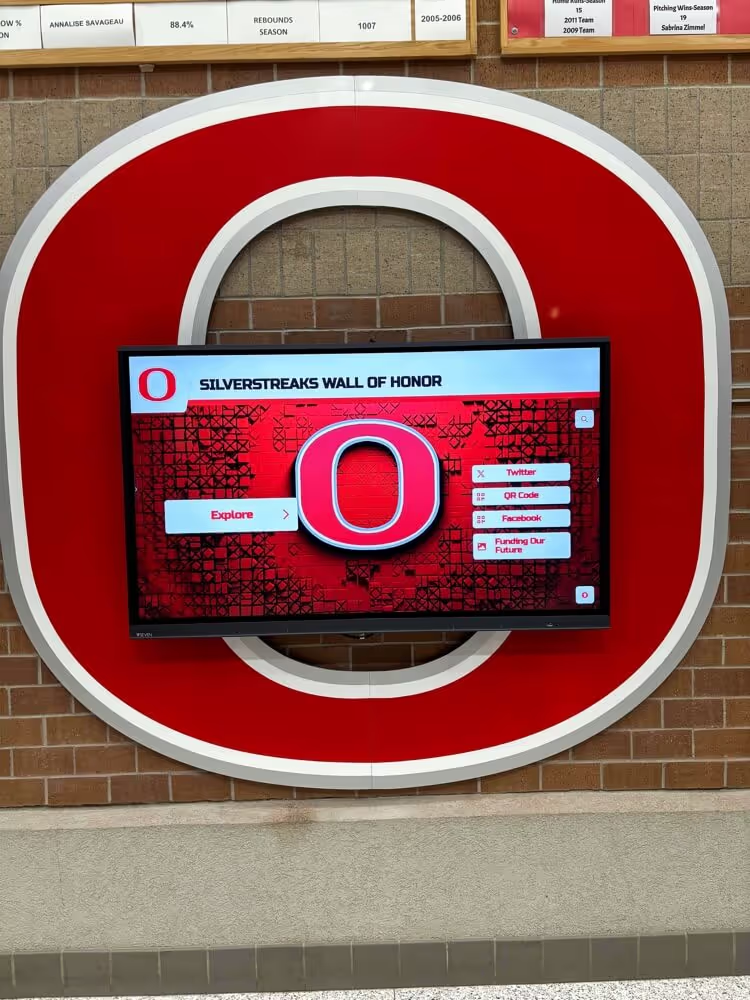
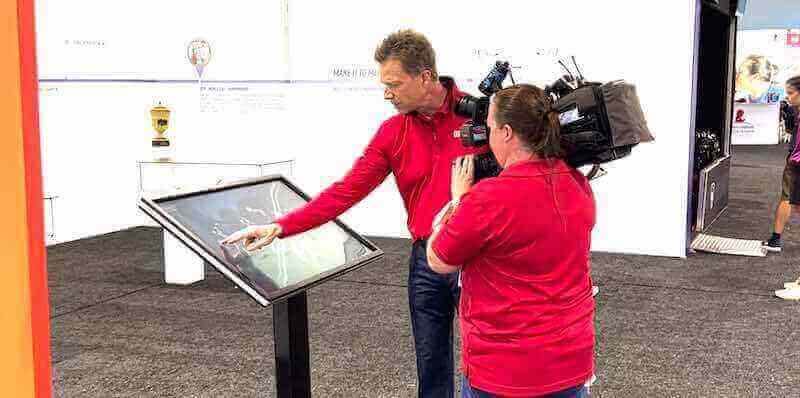
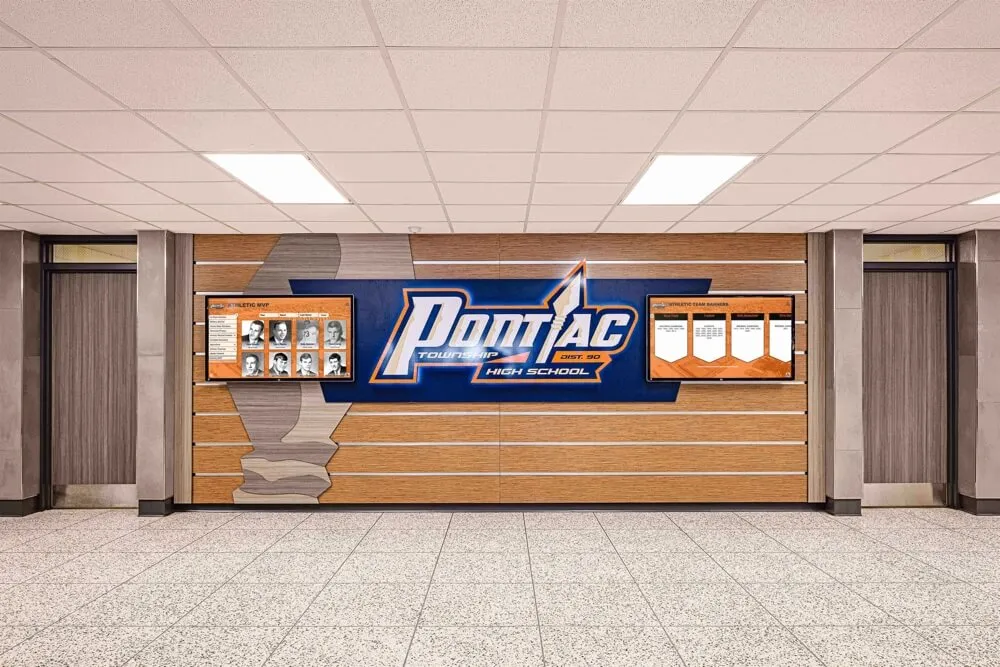
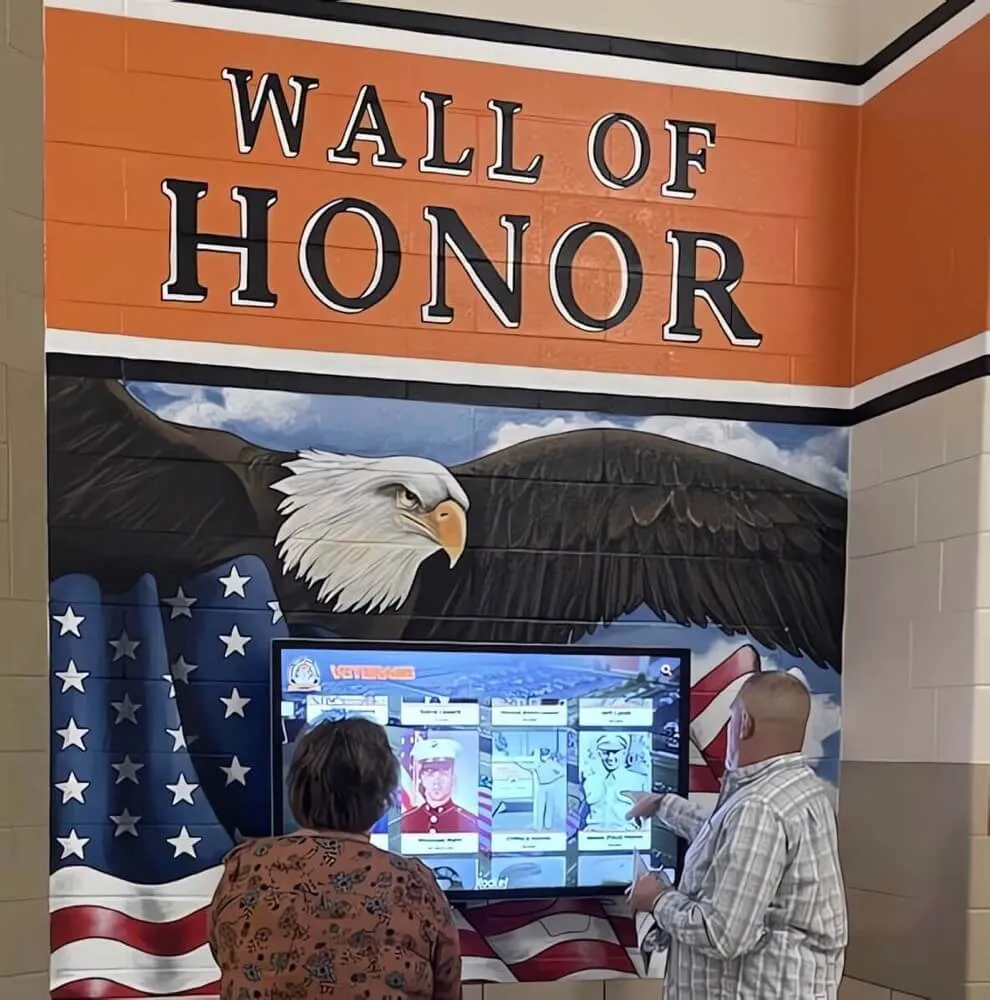
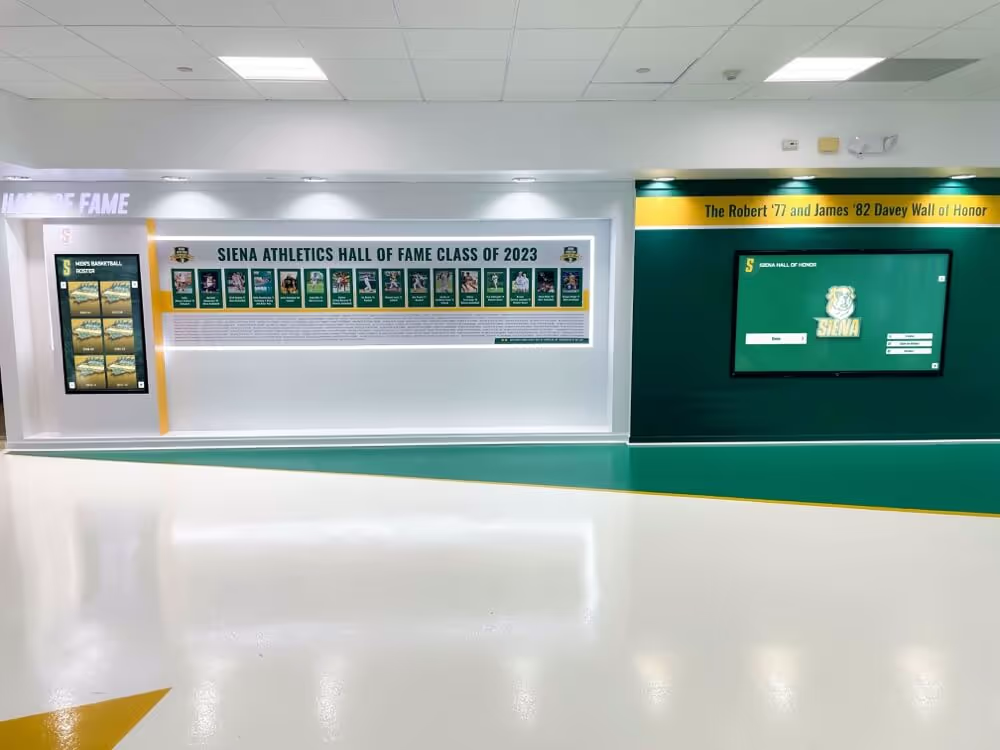
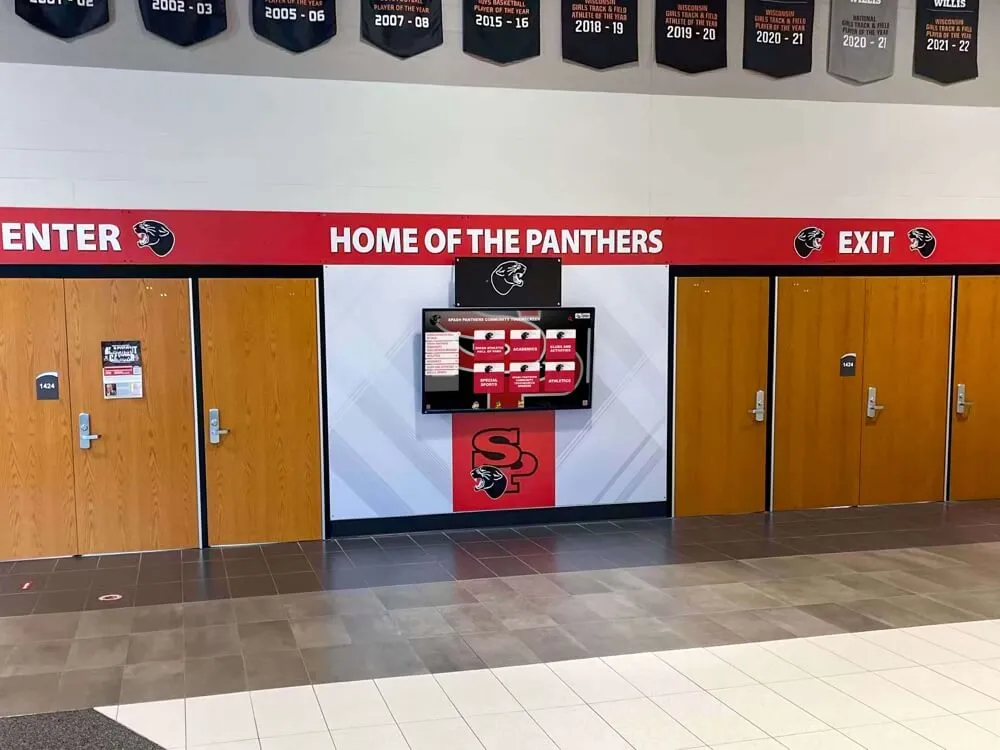
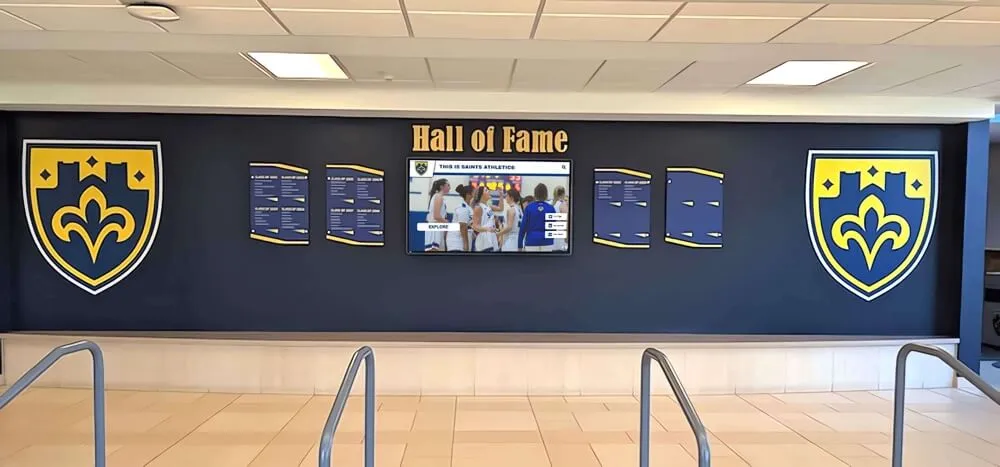
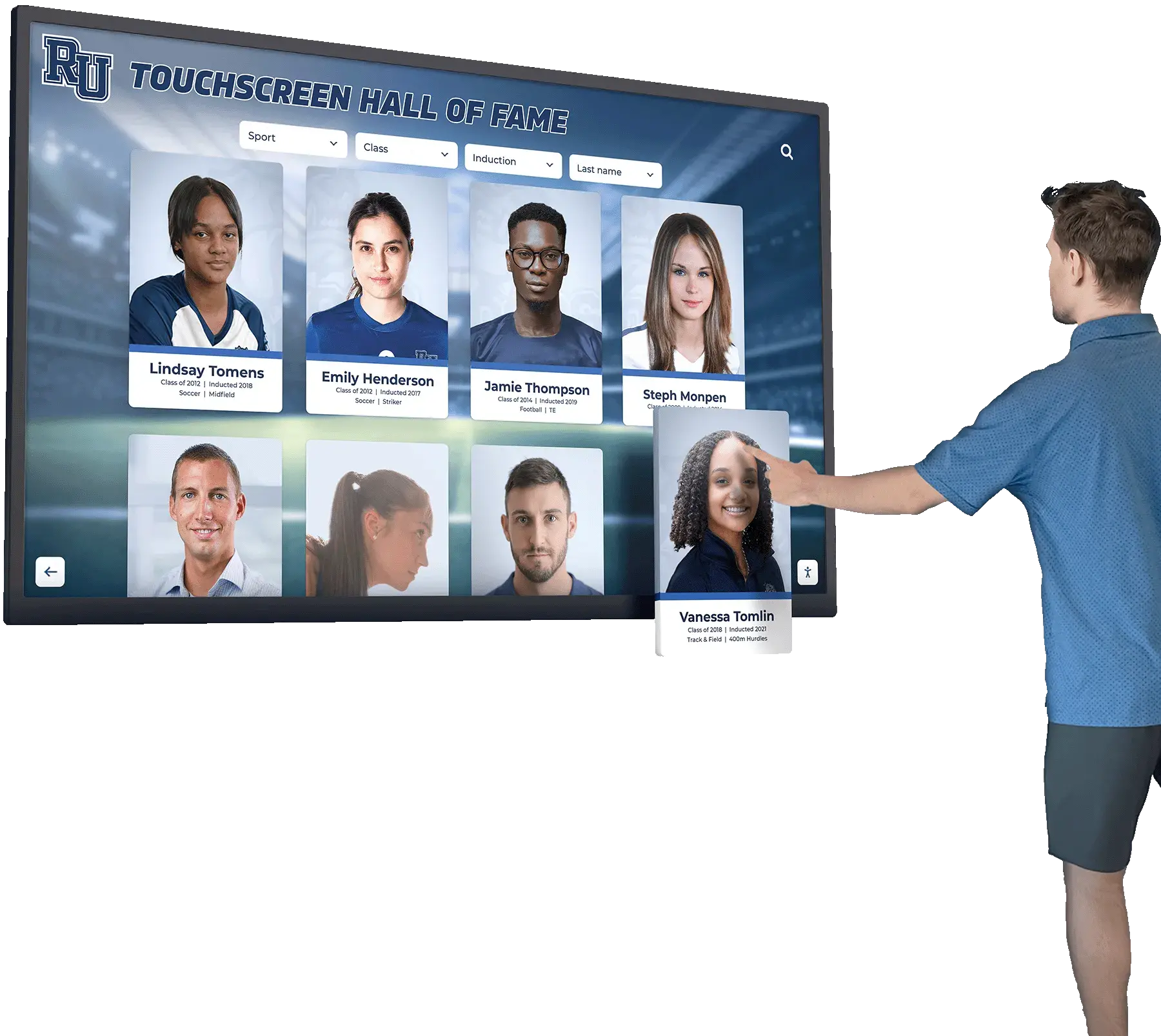
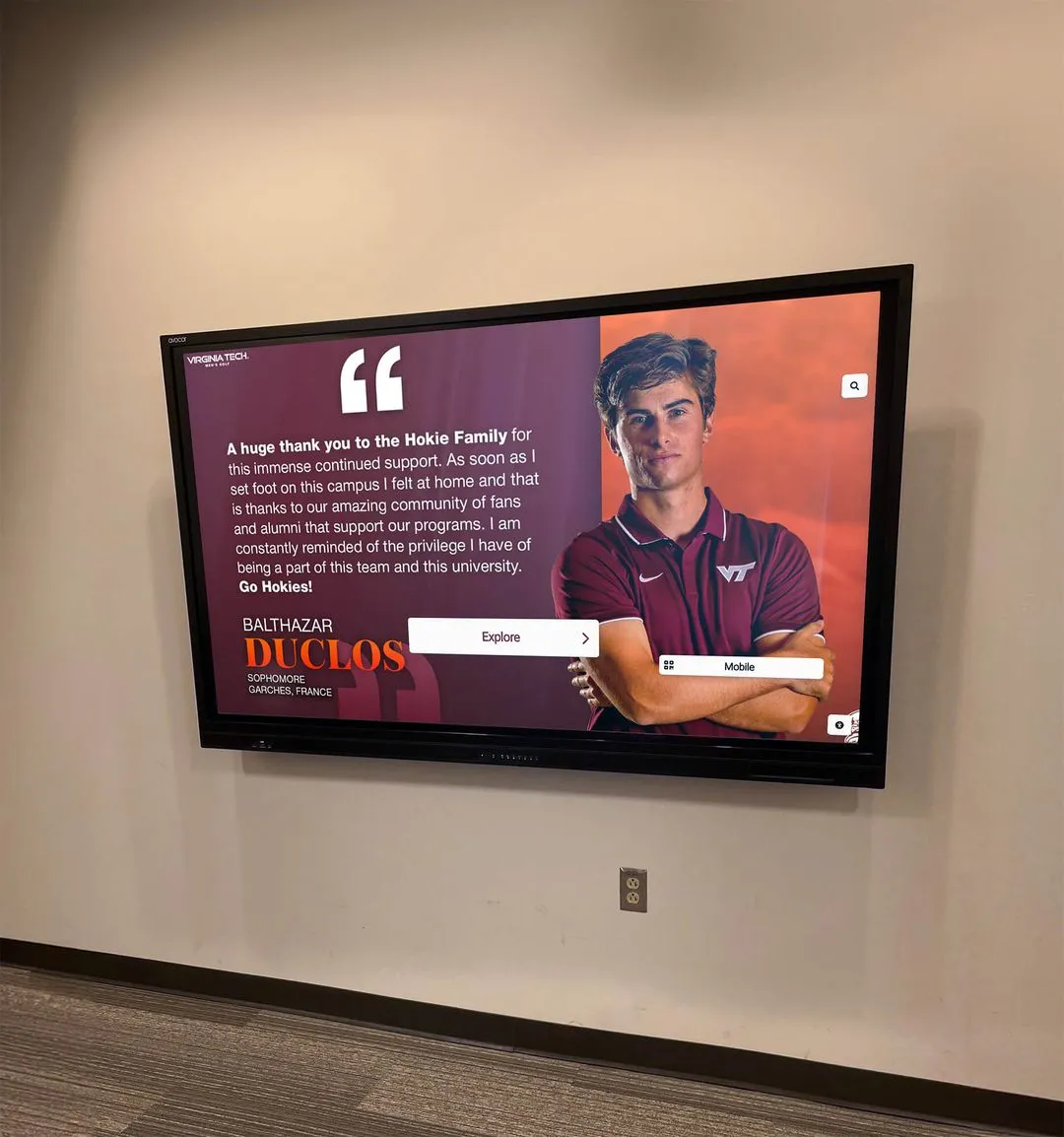
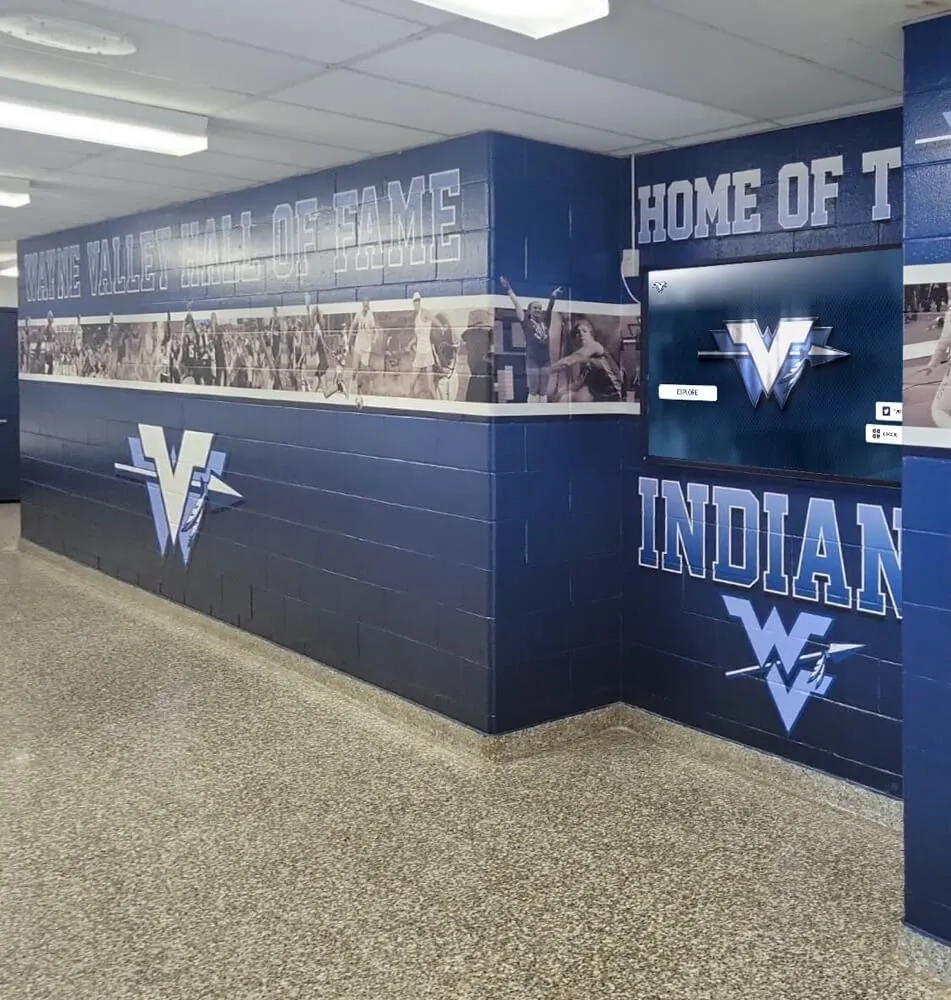
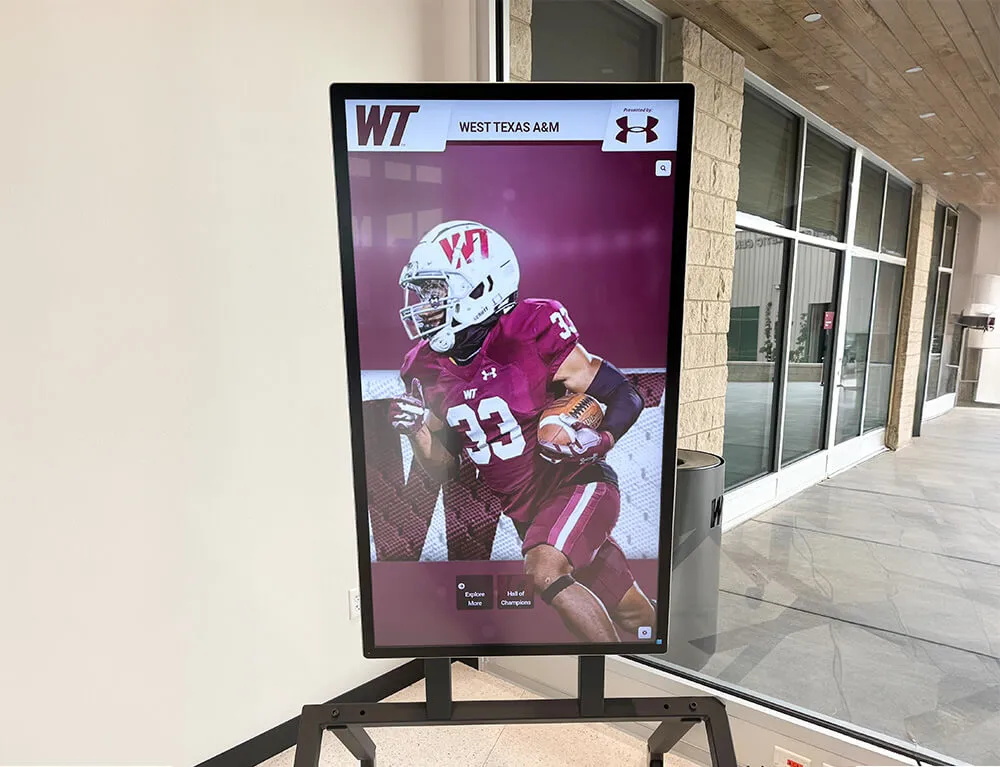
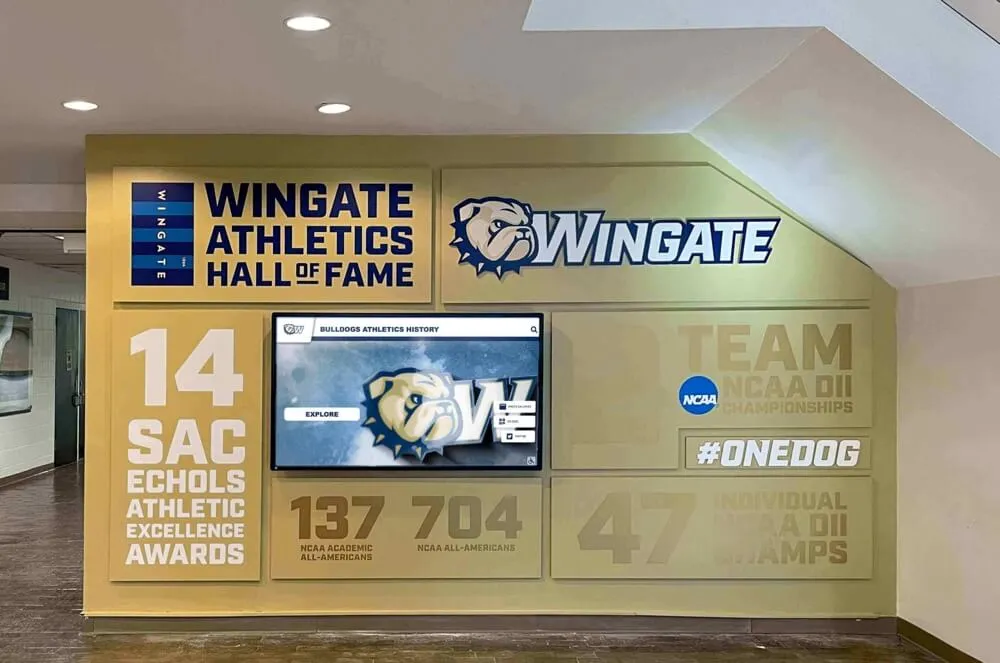
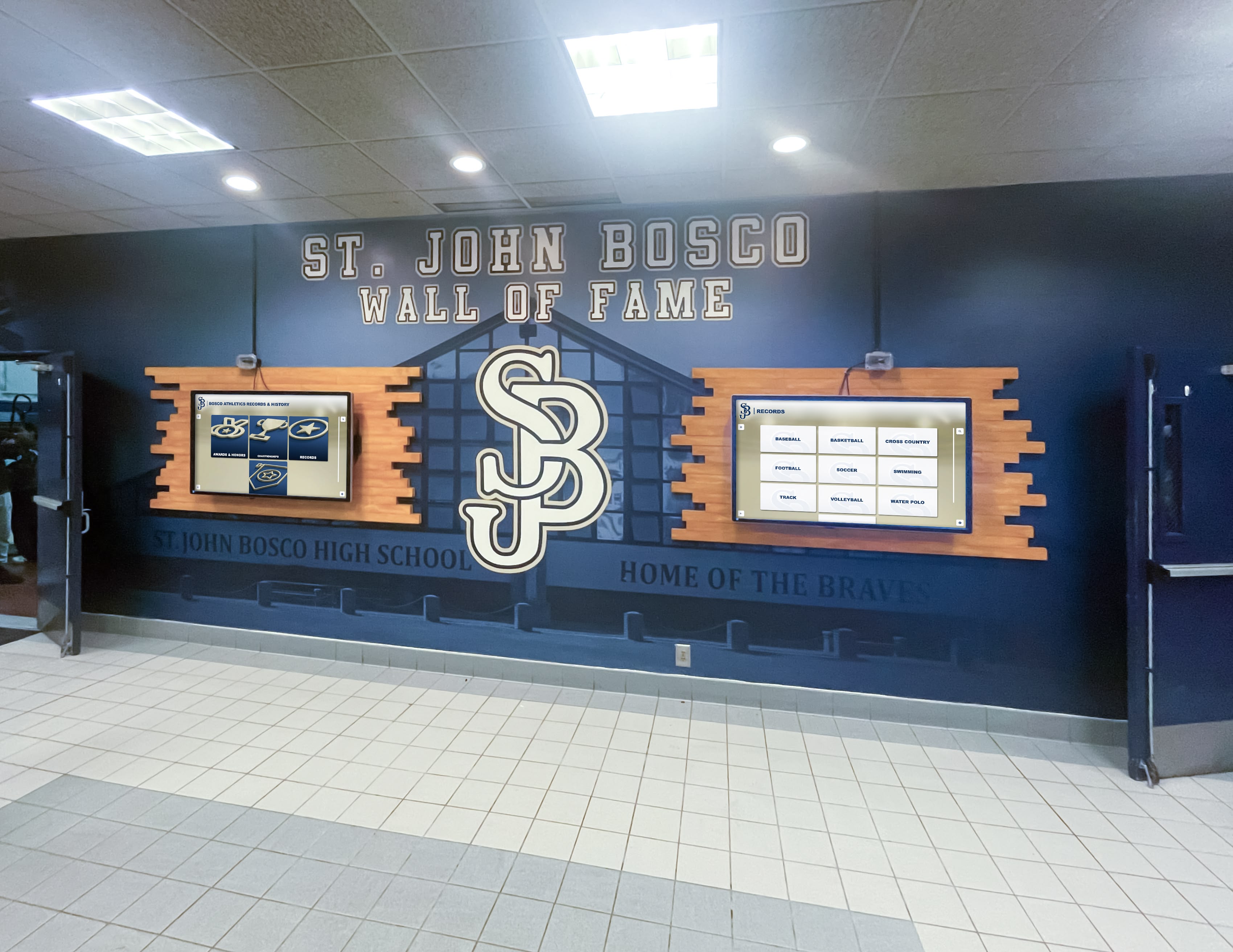
Walk into almost any modern school lobby, museum, or sports facility and you will find at least one interactive touchscreen display. These systems have moved from novelty to standard infrastructure over the past decade, yet many administrators and facilities managers purchase them without fully understanding how the technology works or what a complete installation actually requires.
Read More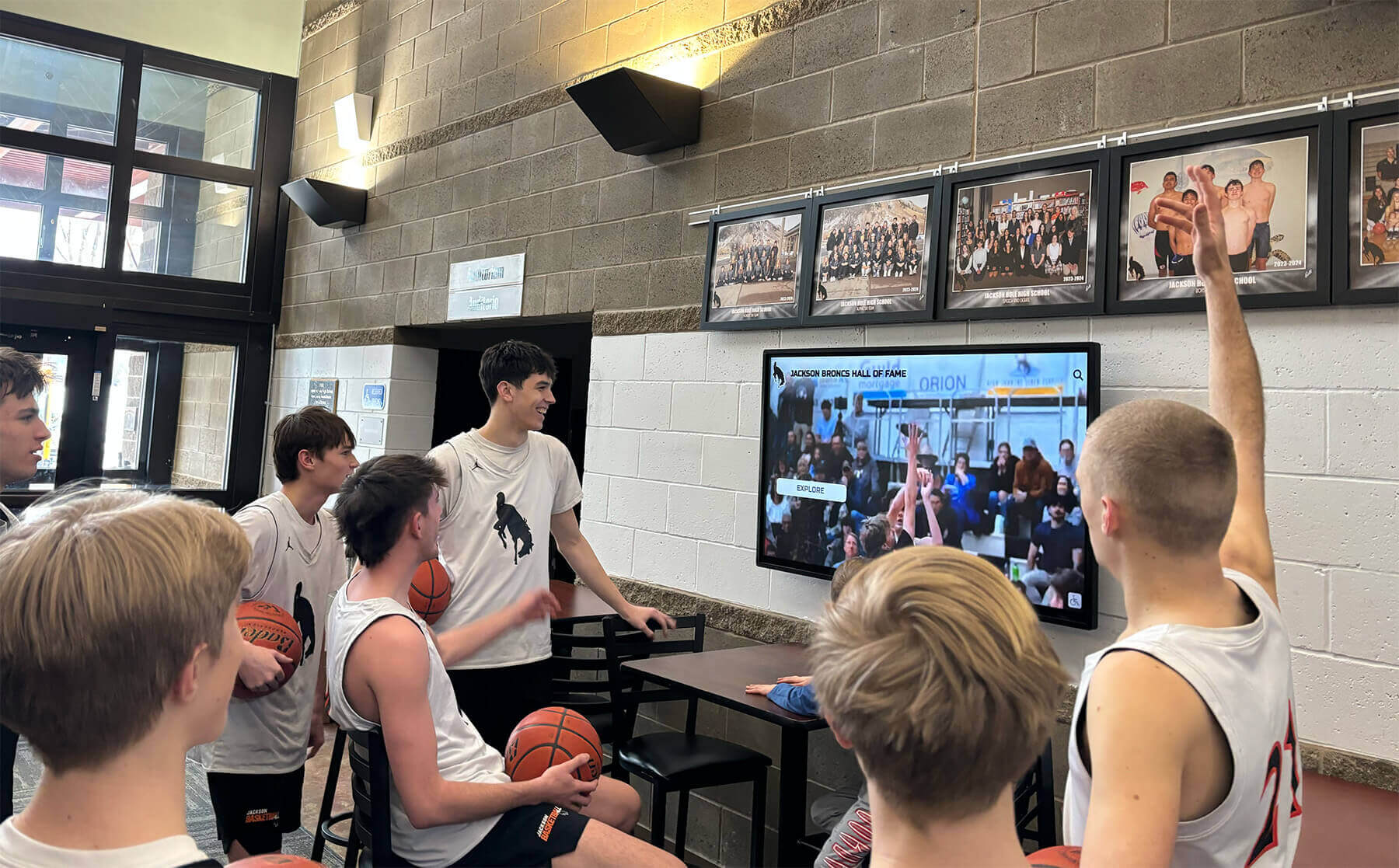
Athletic Archive Frame-Rate Conversion Workflow for Historic Game Video
An athletic archive frame rate conversion workflow is the structured sequence of decisions and steps a school or athletic program follows to safely change the playback frame rate of digitized or natively-digital game footage — from the original source frame rate recorded on VHS, Hi8, or early digital camcorders — to a frame rate required by a recognition display, digital hall of fame kiosk, or archival delivery system. The direct answer: frame rate conversion for athletic archives is not a single button press in an export dialog. It is a source-identification step, a source-to-delivery mapping decision, a conversion execution step with specific codec parameters, and a quality assurance pass that verifies the output before the master file is retired from the active workflow. Getting this sequence wrong — converting at the wrong rate, applying the wrong pulldown cadence, or failing to verify interlacing artifacts — produces game highlight footage where athletes move with judder, ghosting, or unnatural motion that undercuts the historical record and makes the footage unwatchable in a lobby display. This guide provides a complete frame rate conversion workflow for school athletic archives, written for athletic directors, archive coordinators, IT staff, and recognition program managers who are working with decades of game footage recorded across multiple camera formats and frame rate standards.
Read More
Athletic Archive Bit-Depth Preservation: Choose Capture Settings for Photos and Audio
Athletic archive bit depth preservation is the practice of capturing and storing school photos and audio recordings at a sufficient bit depth to retain the tonal gradations and dynamic detail that low-bit-depth files permanently discard. The direct answer: bit depth determines how many distinct values are available to represent the brightness of each pixel in an image or the amplitude of each sample in an audio recording. A photograph captured in 8-bit JPEG compresses 16.7 million possible color values into a fixed output — adequate for social media, insufficient for an archive that will be enlarged, color-corrected, and displayed on a high-resolution touchscreen decades from now. An audio recording captured in 16-bit holds 65,536 amplitude steps across its dynamic range; a 24-bit recording holds 16,777,216 — the difference between quiet crowd murmurs that disappear into the noise floor and quiet crowd murmurs that survive the digitization chain intact. For school athletic programs whose photographs will eventually appear in yearbook layouts, hall-of-fame displays, lobby recognition kiosks, and walls of honor, the bit depth decision made at the moment of capture is the decision that limits every downstream use of that file, permanently and without appeal. This guide explains what bit depth means for both photographic and audio archive content, specifies the capture settings that protect archival quality, walks through the conditions under which lower bit depths are acceptable, and provides decision tables for athletic directors, archive coordinators, IT staff, and facilities teams responsible for maintaining and publishing athletic heritage content.
Read More
Athletic Archive Audio Loudness Normalization: Preserve Consistent Historic Game Sound
Athletic archive audio loudness normalization is the process of measuring and adjusting the perceived volume of legacy game recordings, coach interviews, ceremony audio, and other athletic archive content so that every file in the collection plays at a consistent listening level. The direct answer: without loudness normalization, an athletic audio archive becomes difficult to use. A championship game broadcast from 1988 captured on a cassette may play at a fraction of the volume of a 2014 locker room recording made on a smartphone — the difference reflects recording conditions and equipment from different eras, not historical significance. When these files appear on recognition displays, lobby kiosks, digital trophy cases, and hall-of-fame touchscreens, sudden volume differences interrupt the audience experience and make quieter recordings effectively inaccessible to viewers who cannot easily adjust the system volume. This guide walks through the complete audio loudness normalization workflow in nine stages: auditing for volume inconsistency, selecting a loudness standard, measuring integrated loudness, applying normalization, managing dynamic range, reviewing results, creating access copies, documenting the process, and integrating normalized files into recognition and display platforms. It includes measurement reference tables, tool comparison charts, a step-by-step processing checklist, and a practical FAQ written for athletic directors, archive coordinators, IT staff, and facilities teams responsible for maintaining and displaying athletic heritage content.
Read MoreAthletic Archive Video Deinterlacing Workflow for Legacy Game Footage
An athletic archive video deinterlacing workflow is the structured sequence of steps a school or athletic department follows to convert legacy interlaced game footage — VHS tapes, Hi8 cassettes, Betamax recordings, and analog broadcast captures — into clean progressive video files that display correctly on modern screens and digital archive platforms. The direct answer: deinterlacing is not optional for legacy athletic footage. Interlaced video recorded in the NTSC era displays with visible horizontal combing artifacts on every modern monitor, projector, and touchscreen display. A championship game video that cannot be watched without visual distortion is not a usable archive record. The workflow in this guide covers the full path from identifying interlaced source material through capture, field-order assessment, deinterlacing method selection, processing, quality review, access-copy creation, and archive integration — with a method comparison table, a step-by-step checklist, and a practical FAQ for athletic directors, IT and facilities staff, archive coordinators, and recognition program administrators.
Read More
Athletic Archive Timecode Metadata Guide: Make Historic Game Video Searchable
An athletic archive timecode metadata guide is a documented set of standards and procedures a school or athletic department uses to attach precise time references — hours, minutes, and seconds — to meaningful moments inside digitized sports video, making those moments discoverable without requiring anyone to watch an entire recording from start to finish. The direct answer: timecode metadata transforms an unnavigable two-hour game recording into a searchable index of key plays, athlete appearances, ceremonies, and interviews. A game-winning field goal labeled 01:14:37 with athlete identifiers for every player visible in the sequence becomes findable through a catalog search, a digital archive display, or a hall of fame nomination workflow — none of which are possible from a raw video file with no internal index. This guide covers the four core timecode tasks for athletic video archives — key play indexing, ceremony documentation, interview timestamping, and athlete appearance tagging — with a complete metadata field table, timestamp format examples, and a practical workflow written for athletic directors, archive coordinators, IT staff, and booster volunteers managing historic sports video collections.
Read More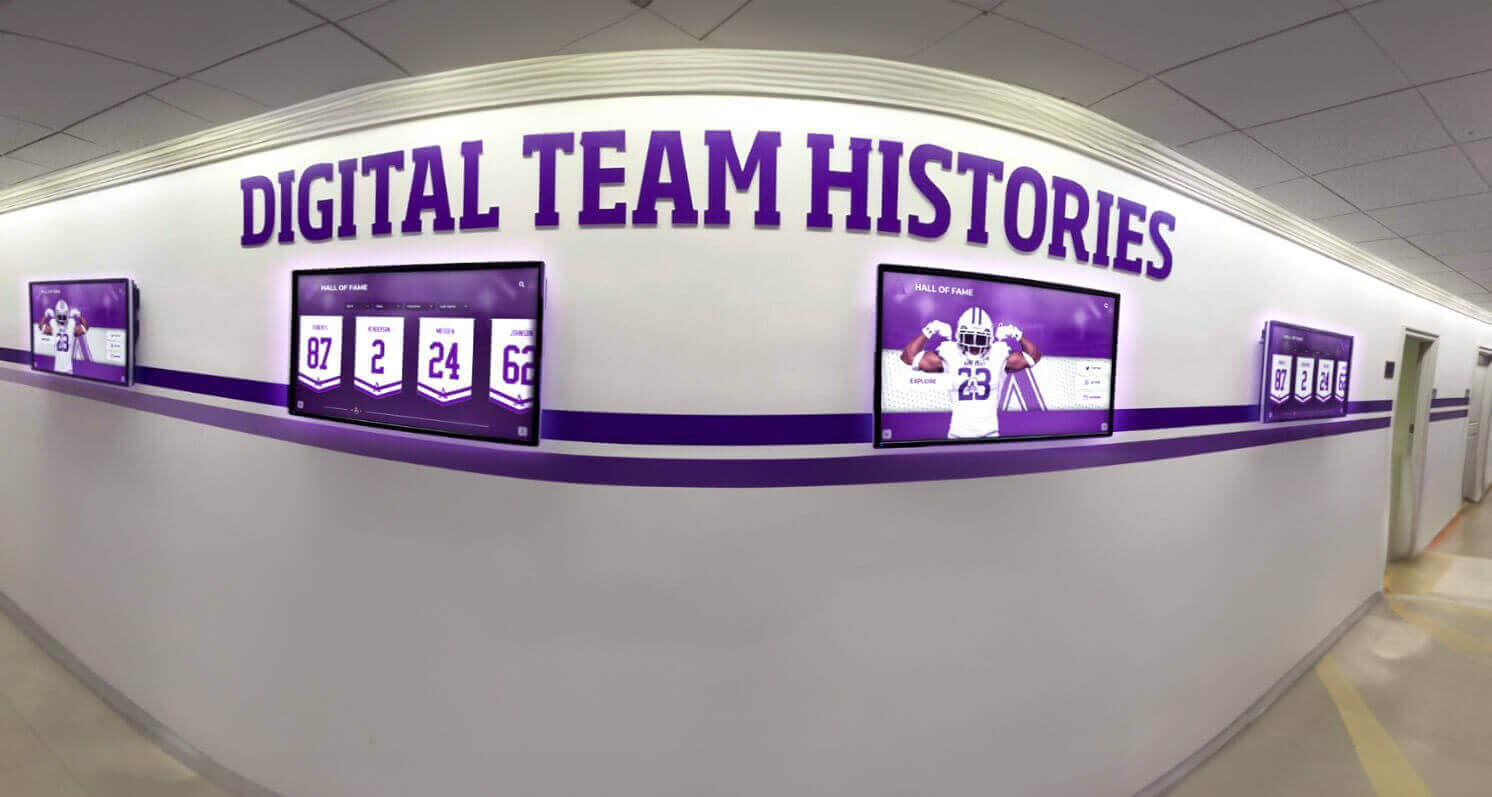
Digital Signage for Schools: A Complete Guide for Administrators
Digital signage for schools refers to networked display systems that deliver live content — announcements, schedules, recognition, emergency alerts, and more — across screens installed throughout a campus. Unlike static bulletin boards or printed posters, school digital signage updates in real time from a central platform, allows multiple content managers to publish simultaneously, and can be scheduled, segmented, and managed remotely without visiting each screen.
Read MoreAthletic Archive Content Provenance Records: Document the Source of Photos, Programs, and Results
An athletic archive content provenance record is a structured metadata entry that documents the origin, chain of custody, and acquisition context of every photograph, game program, result document, or media file entering a school’s athletic archive — establishing a traceable source for each item before it is cataloged, displayed, or published. The direct answer: when a school publishes historical photographs on a touchscreen recognition display, posts championship records in a hall of fame, or uses game programs as source evidence for award nominations, content provenance documentation answers three questions that arise repeatedly — Where did this come from? How did we get it? Can we publish it? A complete provenance record answers all three at the moment of publication, not weeks after a question is raised. This guide provides a required-field metadata template, a six-step provenance workflow, and material-type guidance for the three most common athletic archive categories — photographs, programs, and results — written for athletic directors, archives staff, administrators, and school IT or facilities teams building or expanding a digital athletic archive or recognition program.
Read MoreAthletic Archive File Format Identification Workflow: Inventory Unknown Files Before Preservation
An athletic archive file format identification workflow is a structured, repeatable process that school athletic directors, archive coordinators, facilities staff, and IT administrators use to survey a collection of unknown or legacy digital files, confirm what format each file actually is (not just what its extension claims), and produce a prioritized action list before any preservation, migration, or display work begins. The direct answer: run a format identification pass before you touch anything. Files with the wrong extension, obsolete codecs, proprietary containers, or unreadable signatures will silently fail during any migration or platform upload — and discovering that failure after you have committed hundreds of hours to a preservation project is far more costly than a two-hour inventory run at the start. This guide walks through the complete workflow in nine numbered steps, provides a tool-selection table matched to common athletic archive scenarios, explains what decisions to make based on what the identification reveals, and connects the workflow directly to the downstream goal of powering hall-of-fame displays, digital record boards, and interactive recognition systems with usable, verified content.
Read More
School Athletic Archive Folder Hierarchy: A Practical Structure for Teams, Seasons, and Media
A school athletic archive folder hierarchy is the structured directory layout that organizes every digital asset a program collects — team photographs, season rosters, game video, championship records, booster club documents, and game programs — so that any staff member, committee volunteer, IT administrator, or future archivist can locate a specific file without knowing who created it, what system originally produced it, or how many staff transitions occurred since it was saved. This guide provides a complete, ready-to-deploy folder hierarchy for school athletic archives of every size, with tree diagrams, annotated tables, and answers to the most common structural questions facing athletic directors, archive coordinators, facilities staff, and booster leaders.
Read MoreAthletic Archive Microfilm Storage Checklist: Inspection, Handling, and Digitization Triggers
An athletic archive microfilm storage checklist is a structured inspection and handling guide that school administrators, athletic directors, facilities managers, archive coordinators, and IT teams use to evaluate the physical condition of microfilm rolls and microfiche containing legacy athletic content — school newspaper athletic coverage, statistical record ledgers, program newsletters, yearbook sections, and booster association publications — before those materials are handled, loaded on a reader, or sent to a digitization vendor. The direct answer: microfilm inspection is the step that moves a school’s legacy film holdings from “we have rolls in a cabinet from the 1970s through 1990s” to a documented, prioritized account of which rolls are stable, which show early signs of degradation, and which have reached the condition thresholds that make immediate digitization necessary. Schools that skip the inspection phase risk damaging irreplaceable content during routine handling, missing active deterioration until image recovery is no longer possible, and sending deteriorated film to a scanning service that cannot produce usable output. This guide provides a complete checklist across five phases: storage environment assessment, physical film inspection, reader and scanner equipment condition, safe handling protocols, and digitization trigger evaluation. It is designed for school staff and volunteers completing an initial review, with the understanding that film showing significant deterioration should be referred to a qualified preservation professional before any further handling is attempted.
Read MoreAthletic Archive Magnetic Tape Storage Inspection Checklist
An athletic archive magnetic tape storage inspection checklist is a structured, item-by-item assessment tool that athletic directors, facilities staff, archive coordinators, and IT teams use to evaluate the physical condition of legacy magnetic tape media — VHS game tapes, cassette recordings of coach interviews, reel-to-reel ceremony audio, and camcorder formats such as MiniDV, Hi8, and Video8 — before those items are digitized, placed in long-term storage, or used in active recognition programming. The direct answer: magnetic tape inspection is the step between “we have a box of old tapes” and “we know which tapes are stable, which need immediate digitization, and which have degraded to the point where professional remediation is required before playback.” Without an inspection phase, athletic departments that send a box of VHS game tapes to a digitization service risk discovering — after paying for the project — that half the tapes carry corrupted signals, vinegar syndrome, or active oxide shedding that makes recovery expensive or impossible. A systematic inspection checklist, completed before digitization, produces a prioritized triage list that allows the school to direct preservation resources toward the tapes most likely to yield usable content and most at risk of imminent failure. This guide provides a complete inspection checklist organized across six phases: environmental conditions, physical media inspection, housing and container integrity, labeling and documentation, playback assessment, and pre-digitization triage. It is written for school administrators, athletic directors, IT and facilities teams, archive staff, and recognition-program owners working with tape collections of any size.
Read MoreAthletic Archive Audio Digitization Workflow: Preserve Interviews, Announcements, and Oral Histories
An athletic archive audio digitization workflow is the structured sequence of steps a school or athletic department follows to convert legacy audio recordings — cassette tapes, reel-to-reel reels, MiniDiscs, audio CDs, VHS audio tracks, and digital voice recorder files — into preserved digital audio files that are properly formatted, documented, and stored for long-term accessibility. The direct answer: audio digitization is more than connecting a tape deck to a computer. A complete workflow covers collection auditing, condition assessment, playback equipment selection, capture settings, file format decisions, metadata documentation, quality review, archival storage, and integration with the broader institutional archive. For an athletic program holding cassette recordings of championship locker room speeches, reel-to-reel tapes of radio broadcasts, or MiniDisc recordings of retired coach interviews, the difference between a systematic workflow and a casual copy attempt can be the difference between a recoverable oral history and a silent stretch of magnetic degradation. This guide walks through the complete audio digitization workflow in eight stages, with format guidance, equipment considerations, metadata requirements, and a practical FAQ written for athletic directors, archive coordinators, school librarians, and IT staff who are confronting boxes of audio media that have never been formally preserved.
Read MoreAthletic Archive Disk Imaging Procedure: Preserve Legacy Drives Before Files Are Lost
An athletic archive disk imaging procedure is the structured process a school or athletic department follows to create a complete, sector-by-sector copy of a legacy storage device — an aging hard drive, USB flash drive, CD-ROM, or DVD — before that device fails or becomes unreadable, capturing every file, folder, and deleted-but-recoverable item in a single protected image file that can be safely explored without risk to the original media. The direct answer: disk imaging is not the same as copying files. A file copy transfers only the files the operating system currently sees and considers intact. A disk image captures everything on the storage surface, including partially overwritten files, directory structures, and metadata that a standard file browser never displays. For an athletic archive holding decades of championship photographs, game-day programs, roster spreadsheets, and record documentation, the difference between a file copy and a verified disk image can be the difference between recovering a complete historical record and losing content that cannot be replaced. This guide walks through the full disk imaging procedure in eight stages, with tool recommendations, drive-type considerations, verification steps, and a practical FAQ written for athletic directors, archive coordinators, school IT staff, and facilities managers who are confronting a storage room full of legacy media.
Read MoreAthletic Archive Digital Preservation Budget Template: Storage, Labor, Vendors, and Contingency
An athletic archive digital preservation budget template organizes every cost a school can expect to incur when digitizing, storing, and maintaining its athletic history — photographs, game programs, championship records, rosters, and video — into four categories: storage, labor, vendors, and contingency. The direct answer to how much it costs: a small high school program digitizing fewer than 5,000 items typically plans an initial project budget in the low thousands of dollars, while a large program digitizing tens of thousands of items across multiple media types — and building out redundant cloud storage and a public-facing recognition display — may invest significantly more over a multi-year timeline. The template below breaks every cost category into its component line items, provides a budgeting formula, and connects each expenditure to the recognition displays and searchable archives that make the investment visible to students, alumni, and families.
Read MoreAthletic Archive Derivative File Creation Policy: Masters, Access Copies, and Thumbnails
An athletic archive derivative file creation policy is the written rule that tells everyone on your team — archive coordinator, IT staff, athletic department administrators, and hall-of-fame committee volunteers — exactly when to create a master file, when to produce an access copy, and when a thumbnail is required. The short answer: every digitized or natively digital file in a school athletic archive should exist in at least two tiers — a preservation master and an access copy — and any item displayed in a searchable interface or recognition screen should also have a thumbnail. Without a policy, derivative file creation is left to individual judgment each time a file is processed, producing an archive where some items have all three tiers, others have only a compressed copy of unknown provenance, and no one can reliably reproduce missing files from a master that may or may not have been saved.
Read More
Athletic Archive Digitization Project Closeout Checklist: Files, Metadata, Rights, and Handoff
An athletic archive digitization project closeout checklist is a structured, phase-by-phase verification sequence that athletic directors, school administrators, archive coordinators, and IT staff complete after the active scanning phase of a sports archive digitization project ends — confirming that every file has been delivered, every metadata record is complete, every rights question has been documented, and a responsible steward has formally accepted custody of the finished collection before project resources are released. The direct answer: a digitization project is not finished when scanning stops. It is finished when a designated steward has verified the files, confirmed the metadata, documented the rights status of every item, received access credentials and a handoff package, and signed a record that the archive meets the standard established at project kickoff. Skipping the closeout phase is the most common reason digitized collections become inaccessible within three years — files exist, but no one knows where they are, what the naming conventions mean, or whether the school has permission to display them publicly. This checklist covers all five closeout phases — file audit, metadata review, rights clearance, handoff documentation, and stakeholder sign-off — and is written for athletic directors, school administrators, facilities and IT staff, booster leaders, and recognition-program owners who need a finish line that produces a durable, usable archive rather than a folder of scanned files.
Read More
Athletic Archive Cloud Exit Plan: Protect Records When Platforms or Vendors Change
An athletic archive cloud exit plan is a documented, pre-approved procedure that a school or athletic program follows when a cloud storage vendor, digital archive platform, or recognition display provider stops operating, changes its pricing model, loses data, is acquired by another company, or no longer meets the school’s needs — covering what data must be exported, what formats it must be saved in, where off-platform backups are stored, who is authorized to execute the exit, and how historical records transfer to a replacement system without permanent loss. The direct answer: every school that stores photographs, record books, hall-of-fame inductee data, championship rosters, or recognition program content in any cloud or software-as-a-service platform should have a written exit plan before it is needed — because the moment a platform announces a shutdown or a contract dispute arises is not the moment to discover that your archive has no export path. This guide covers all five phases of a cloud exit plan — documentation, export testing, off-platform backup, contract review, and migration execution — and is written for athletic directors, school administrators, archive and recognition program coordinators, IT staff, and booster leaders who share responsibility for preserving institutional athletic history.
Read MoreAthletic Archive Inventory Reconciliation Checklist: Match Files, Catalog Records, and Storage Locations
An athletic archive inventory reconciliation checklist is the structured process that school administrators, athletic directors, archive coordinators, and IT staff use to compare three authoritative sources — the digital file store, the catalog or database of record, and the physical storage inventory — and confirm that every photograph, championship record, roster, and award document is represented consistently across all three. The direct answer: reconciliation is not a one-time cleanup; it is a scheduled comparison that catches discrepancies before they become permanent gaps. A file that exists on a drive but not in the catalog is undiscoverable. A catalog entry with no corresponding file is a promise the archive cannot keep. A physical box listed in a storage manifest but not cataloged is history that may never be digitized. This checklist walks athletic archive teams through a complete reconciliation cycle — from pre-work and role assignments through each source audit, the three-way comparison, discrepancy resolution, and sign-off — and explains how reconciled archives directly power the recognition displays, donor programs, and award ceremonies that celebrate institutional athletic history.
Read MoreAthletic Archive Technology Obsolescence Risk Register: Plan Before Hardware and Formats Fail
An athletic archive technology obsolescence risk register is a structured inventory that identifies every technology dependency in a school’s athletic archive — hardware, media format, software application, and playback device — and assigns each one a likelihood-of-failure rating, an impact rating if access is permanently lost, and a recommended mitigation action, so that the athletic department can prioritize digitization and format migration before irreplaceable records become unreadable. The direct answer: without a risk register, schools discover technology obsolescence reactively — when the VCR needed to play 1994 championship footage no longer powers on, when the software that created the statistical database is no longer sold, or when the only person who knew how to export the legacy file format has retired. A risk register converts reactive discovery into proactive planning by mapping every dependency before it fails. This guide provides a complete risk register framework for school athletic archives, a likelihood-impact-action table covering the most common technology dependencies in school athletic programs, a practical mitigation guide for each risk category, and a FAQ written for school administrators, athletic directors, advancement staff, facilities managers, and IT or content owners who are responsible for ensuring that decades of athletic history remain accessible and displayable as the underlying technology ages out.
Read MoreCategories
- Academic Excellence ( 6 )
- Academic Recognition ( 2 )
- Accessibility ( 1 )
- Achievement Celebration ( 1 )
- Alumni Engagement ( 9 )
- Alumni Resources ( 1 )
- Archive Management ( 2 )
- Athletic Appreciation ( 1 )
- Athletic Archives ( 2 )
- Athletic Department ( 1 )
- Athletic Facilities ( 1 )
- Athletic Leadership ( 1 )
- Athletic Marketing ( 1 )
- Athletic Programs ( 2 )
- Athletic Recognition ( 100 )
- Athletic Records ( 1 )
- Athletic Training ( 1 )
- Awards Programs ( 1 )
- Baseball Programs ( 1 )
- Baseball Recognition ( 1 )
- Basketball Programs ( 1 )
- Buying Guides ( 1 )
- Campus Culture ( 1 )
- Campus Engagement ( 1 )
- Career Development ( 1 )
- Coach Appreciation ( 1 )
- Coach Recognition ( 1 )
- Coaching Resources ( 1 )
- Community Building ( 2 )
- Community Honor ( 1 )
- Community Recognition ( 1 )
- Community Tribute ( 1 )
- Community Tributes ( 2 )
- Customer Support ( 1 )
- Defensive Excellence ( 1 )
- Design Systems ( 1 )
- Digital Accessibility ( 1 )
- Digital Archives ( 11 )
- Digital Displays ( 8 )
- Digital Hall of Fame ( 1 )
- Digital Preservation ( 7 )
- Digital Recognition ( 14 )
- Digital Signage ( 5 )
- Digital Solutions ( 2 )
- Digital Tools ( 1 )
- Digital Yearbooks ( 1 )
- DIY Projects ( 1 )
- Donor Recognition ( 7 )
- Educational Excellence ( 1 )
- Educational Leadership ( 3 )
- Employee Recognition ( 5 )
- Equipment Management ( 1 )
- Event Planning ( 5 )
- Events & Exhibitions ( 1 )
- Facility Design ( 1 )
- Facility Planning ( 4 )
- Facility Recognition ( 1 )
- Family Resources ( 1 )
- Field Hockey ( 1 )
- Football Recognition ( 6 )
- Fundraising ( 2 )
- Fundraising Technology ( 1 )
- Graduation ( 2 )
- Hall of Fame ( 1 )
- Hardware Solutions ( 1 )
- Heritage Preservation ( 1 )
- High School Athletics ( 1 )
- High School Sports ( 8 )
- Higher Education ( 2 )
- Historical Preservation ( 8 )
- Implementation Planning ( 1 )
- Installation ( 1 )
- Institutional Development ( 1 )
- Interactive Displays ( 8 )
- Interactive Kiosks ( 4 )
- Memorial Recognition ( 5 )
- Memory Care ( 1 )
- Modern Competition ( 1 )
- Multi-Screen Solutions ( 2 )
- Museums & Galleries ( 1 )
- Music Recognition ( 1 )
- Nonprofit Resources ( 3 )
- Platform Features ( 1 )
- Player Development ( 1 )
- Preservation ( 3 )
- Pricing Models ( 2 )
- Privacy & Compliance ( 1 )
- Reconocimiento Digital ( 1 )
- Recreational Athletics ( 1 )
- Roster Management ( 1 )
- School Administration ( 4 )
- School Archives ( 62 )
- School Branding ( 1 )
- School Budgeting ( 1 )
- School Celebrations ( 1 )
- School Communications ( 2 )
- School Culture ( 10 )
- School Design ( 1 )
- School Events ( 6 )
- School History ( 1 )
- School Identity ( 1 )
- School Memorabilia ( 2 )
- School Recognition ( 5 )
- School Resources ( 1 )
- School Solutions ( 2 )
- School Spirit ( 3 )
- School Technology ( 3 )
- School Traditions ( 19 )
- Seasonal Sports ( 1 )
- Senior Living ( 1 )
- Senior Night ( 4 )
- Service Awards ( 1 )
- Sports Awards ( 1 )
- Sports Education ( 2 )
- Sports History ( 1 )
- Sports Programs ( 1 )
- State Records ( 1 )
- Student Achievement ( 2 )
- Student Activities ( 1 )
- Student Engagement ( 1 )
- Student Leadership ( 2 )
- Student Media ( 2 )
- Student Recognition ( 24 )
- Teacher Appreciation ( 1 )
- Teacher Recognition ( 4 )
- Team Celebrations ( 2 )
- Team Development ( 2 )
- Team Photography ( 1 )
- Team Recognition ( 2 )
- Team Spirit ( 2 )
- Technology ( 3 )
- Tecnología Educativa ( 1 )
- Touchscreen Technology ( 1 )
- Track and Field ( 3 )
- Trophy Display ( 3 )
- Vendor Comparison ( 1 )
- Vendor Evaluation ( 2 )
- Wayfinding ( 1 )
- Workplace Culture ( 5 )
- Wrestling Programs ( 1 )
- Wrestling Recognition ( 2 )
Tags
- 8mm Film
- Academic Achievement
- Academic Archives
- Academic Awards
- Academic Competition
- Academic Excellence
- Academic Programs
- Academic Progress
- Academic Recognition
- Access Copies
- Accessibility
- Acid-Free Boxes
- ADA Compliance
- Administrative Recognition
- Administrator Resources
- AHSAA
- AI Procurement
- AI Quality Control
- Alabama Baseball
- Alumni Association
- Alumni Associations
- Alumni Display
- Alumni Engagement
- Alumni Events
- Alumni Honor
- Alumni Network
- Alumni Networks
- Alumni Outreach
- Alumni Profiles
- Alumni Programs
- Alumni Recognition
- Alumni Records
- Alumni Relations
- Alumni Resources
- Alumni Reunion Planning
- Alumni Stories
- Anniversary Celebration
- Appraisal
- Archival Management
- Archival Quality
- Archival Solutions
- Archival Storage
- Archive Digitization
- Archive Fields
- Archive Maintenance
- Archive Management
- Archive Organization
- Archive Protection
- Archive Workflow
- Archives Coordinator
- Archivos Digitales
- Artifact Display
- Athlete Profiles
- Athlete Recognition
- Athletic Achievement
- Athletic Alumni
- Athletic Archive
- Athletic Archives
- Athletic Awards
- Athletic Banquet
- Athletic Ceremonies
- Athletic Communications
- Athletic Department
- Athletic Department Culture
- Athletic Director
- Athletic Director Resources
- Athletic Directors
- Athletic Displays
- Athletic Documentation
- Athletic Equipment
- Athletic Facilities
- Athletic Facility
- Athletic Facility Design
- Athletic Hall of Fame
- Athletic History
- Athletic Leadership
- Athletic Memorabilia
- Athletic Photography
- Athletic Photos
- Athletic Programs
- Athletic Recognition
- Athletic Records
- Athletic Season Recap
- Athletic Storage
- Athletic Teams
- Athletic Traditions
- Athletic Training
- Athletic Training Room
- Audio Capture
- Audio Digitization
- Audio Loudness Normalization
- Audio Preservation
- Audio Processing
- Award Ceremonies
- Award Certificates
- Award Records
- Awards
- Awards Ceremony
- Awards Programs
- Awards Touchscreen
- B2B Research
- Backlog Reduction
- Backup
- Backup Strategy
- Band Awards
- Band Banquet
- Band Director Resources
- Banner Alternatives
- Baseball Awards
- Baseball Catcher Signs
- Baseball Championships
- Baseball Communication
- Baseball Display Case
- Baseball Senior Night
- Baseball Strategy
- Baseball Traditions
- Basketball Awards
- Basketball Programs
- Bit Depth Preservation
- Bond Funding
- Bookcase Yearbook Scanning
- Booster Club
- Brand Consistency
- Budget Solutions
- Budget Template
- Building Directory
- California Football
- Campaign Posters
- Campus Culture
- Campus Customs
- Campus Engagement
- Campus Navigation
- Campus Unity
- Capital Campaigns
- Capture Settings
- Career Paths
- Catalog Records
- Cataloging
- Catcher Signals
- Catcher Training
- Celebration Ideas
- Celebration of Life
- Ceremony Planning
- Championship Banners
- Championship Display
- Championship History
- Championship Memorabilia
- Championship Recognition
- Championship Retrospectives
- Championship Traditions
- Character Awards
- Checksum Verification
- Cheer Coach Gifts
- Cheerleading Competition
- Cheerleading Programs
- Cheerleading Routines
- CIF
- Class Celebration
- Class Composite Photos
- Class Composites
- Class Memories
- Class Reunion Ideas
- Class Ring
- Class Traditions
- Cloud Exit Plan
- Coach Appreciation Gifts
- Coach Appreciation Ideas
- Coach Recognition
- Coach Resources
- Coaches
- Coaching Culture
- Coaching Excellence
- Coaching Resources
- Collection Development Policy
- College Alumni
- College Board Recognition
- College Commitment
- College Preparation
- College Signing
- College Traditions
- Commencement
- Community Celebration
- Community Directory
- Community Engagement
- Community Memorials
- Community Recognition
- Community Service
- Community Sports
- Competitive Academics
- Competitive Gaming
- Complete Service
- Condition Report
- Consent Forms
- Content Creation
- Content Ideas
- Content Management
- Content Migration
- Content Provenance
- Content Setup
- Contingency
- Copyright Review
- Corporate Culture
- Creative Freedom
- Crisis Response
- Cross Country
- Custom Apparel
- Custom Layouts
- Custom Memorial Ideas
- Customer Success
- DAM for Schools
- Data Classification Policy
- Data Integrity
- Data Migration
- Data Preservation
- Dedication Plaques
- Defensive Recognition
- Defensive Rookie of the Year
- Dementia Care
- Derivative Files
- Design Consistency
- Design Governance
- Digital Archives
- Digital Asset Management
- Digital Competition
- Digital Content
- Digital Directory
- Digital Display
- Digital Displays
- Digital Donor Walls
- Digital Exhibitions
- Digital Exhibits
- Digital Hall of Fame
- Digital Inclusion
- Digital Kiosks
- Digital Memorial
- Digital Memorial Displays
- Digital Photo Display
- Digital Preservation
- Digital Recognition
- Digital Recognition Systems
- Digital Record Board
- Digital Scoreboard
- Digital Signage
- Digital Signage Kiosk
- Digital Signage Licensing
- Digital Signage Software
- Digital Timeline
- Digital Trophies
- Digital Trophy Case
- Digital Yearbooks
- Digitization
- Digitize
- Disaster Recovery
- Disc Golf Etiquette
- Disc Golf Penalties
- Disc Golf Rules
- Disc Golf Scoring
- Disk Imaging
- Display Case
- Display Cases
- Displays Interactivos
- DIY Display
- DIY Shadow Box
- Document Digitization
- Document Preservation
- Donation Request
- Donor Recognition
- Donor Recognition Wall Companies
- Donor Stewardship
- Donor Wall
- Donor Walls
- Drive Refresh
- Educational Compliance
- Educational Environments
- Educational Excellence
- Educational Institutions
- Educational Leadership
- Educational Technology
- Educator Recognition
- Elementary School Yearbook
- Email Preservation
- Emergency Contact List
- Employee Awards
- Employee Celebration
- Employee Engagement
- Employee of the Month
- Employee Recognition
- End of Season
- End of Year
- End of Year Awards
- End of Year Recognition
- Engagement Strategies
- Equipment Organization
- Equipment Showcase
- Esports
- Event Displays
- Event Management
- Event Planning
- Event Promotion
- Event Recognition
- Facility Graphics
- Facility Management
- Facility Navigation
- Facility Opening
- Facility Planning
- Facility Renovation
- Fall Sports
- Family Caregivers
- FERPA
- Field Equipment
- Field Hockey Conditioning
- Field Hockey Drills
- Field Hockey Practice
- Field Hockey Training
- File Format Identification
- File Formats
- File Integrity
- File Migration
- File Naming Conventions
- File Policy
- File Recovery
- File Validation
- Film Preservation
- Film Scanning
- Fixity
- Fixity Checks
- Folder Hierarchy
- Football
- Football Championships
- Football Hall of Fame
- Football Legends
- Football Playoffs
- Football Program
- Former Athlete Information Form
- Frame Rate Conversion
- Free Yearbook Archive
- Fundraising
- Fundraising Events
- Gala Planning
- Gallery Displays
- Game Footage
- Game Programs
- Game Recordings
- Georgia Football
- GHSA
- Gipper Alternative
- Graduate Communities
- Graduate Networks
- Graduate Recognition
- Graduate Relations
- Graduation Celebration
- Graduation Ceremony
- Graduation Honors
- Graduation Ideas
- Graduation Planning
- Graduation Stoles
- Graduation Traditions
- Grand Opening
- Grant Funding
- Graphics Tools
- Group Achievement
- Gym Lobby
- Gym Renovation
- Gym Scoreboard
- Gymnasium Construction
- Gymnasium Design
- Gymnasium Equipment
- Hall of Fame
- Hall of Fame Ceremony Program
- Hall of Fame Induction
- Hall of Fame Induction Ceremony
- Hall of Fame Nominations
- Hall of Fame Software
- Hallway Displays
- Hardware
- Hardware Warranty
- Heritage Conservation
- Heritage Preservation
- High School Athletics
- High School Championships
- High School Graduation
- High School Gym
- High School History
- High School Playoffs
- High School Rankings
- High School Sports Banners
- High School Sports Traditions
- High School Students
- High School Track and Field
- High School Wrestling
- Higher Education
- Historic Game Sound
- Historic Video
- Historical Media
- Historical Photos
- Historical Preservation
- Historical Records
- Hockey Awards
- Hockey Program History
- Hockey Puck Display Case
- Hockey Recognition
- Hockey Trophy Display
- Homecoming
- Honor Societies
- Honor Stoles
- Honor Wall
- IHSA
- Illinois Football
- Implementation
- Inclusive Technology
- Information Displays
- Information Kiosks
- Ingest Workflow
- Installation
- Installation Services
- Institutional Advancement
- Institutional Memory
- Intake Guide
- Interactive Display
- Interactive Displays
- Interactive Kiosks
- Interactive Software
- Interactive Touchscreen
- Interactive Touchscreens
- Interactive Wayfinding
- Intramural Programs
- Inventory
- Inventory Reconciliation
- IT Support
- Jerseys
- JV vs Varsity
- K-12
- Kiosk Management
- Kiosk Platforms
- Labor
- Latin Honors
- Latino Students
- Leadership
- Leadership Development
- Leadership Skills
- Legacy Displays
- Legacy Drives
- Legacy Media
- Legacy Preservation
- Legacy Video
- Letter Jacket
- Letterman Jacket
- Letterman Jacket Display
- Life Celebration
- Loan Agreement
- Magnetic Tape
- Maintenance Reduction
- Market Analysis
- Mascot History
- Master Files
- MDM
- Media Management
- Media Migration
- Memorial Displays
- Memorial Ideas
- Memorial Planning
- Memorial Plaques
- Memorial Recognition
- Memorial Service
- Memorial Service Music
- Memorial Walls
- Memory Care Technology
- Memory Display
- Memory Preservation
- Metadata
- Metadata Crosswalk
- Metadata Standards
- Microfilm
- Microfilm Storage
- Migration
- Milestone Recognition
- Minnesota Football
- Model UN
- Most Improved Player
- Most Valuable Player
- MSHSL
- Multi-Screen Display
- Multi-Screen Displays
- Multi-Year Agreements
- MUN
- Museum Kiosks
- Museum Technology
- Music Program Celebration
- Music Recognition
- MVP Award
- National Hispanic Recognition Program
- National Honor Society
- National Signing Day
- National Student Leadership Conference
- NCAA Signing
- Network Setup
- Networking Events
- New Jersey Football
- News Tickers
- NHRP
- NHS Essay
- Niche SaaS
- NJSIAA
- No-Code Solutions
- Nomination Process
- Non-Destructive Scanning
- Nonprofit Events
- Nonprofit Fundraising
- Nonprofit Management
- Nonprofit Solutions
- Nonprofit Technology
- Notable Alumni
- NSLC
- OCR
- Old Sports Photos
- Old Yearbook Photos
- One-Time Payments
- Online Archive
- Oral History
- Oregon Track Records
- Orphan Works
- OSAA Track
- Outdoor Sports Equipment Storage
- PA Script
- Pantallas Táctiles
- Parent Communication
- Parent Tributes
- PDGA Rules
- Pep Rally Activities
- Pep Rally Games
- Per-Screen Costs
- Personalized Tributes
- Photo Archive
- Photo Archives
- Photo Capture
- Photo Day Planning
- Photo Digitization
- Photo Display
- Photo Negatives
- Photo Preservation
- Photo Scanning
- Photo Sleeves
- Photo Tagging
- Photos
- Pitch Calling
- Player Achievement
- Player Development
- Player Profile Template
- Player Recognition
- Position Paper
- Practice Planning
- Preservation
- Preserve
- Presidential Volunteer Service Award
- Price Certainty
- Pricing
- Pricing Models
- Principal
- Principal Appreciation
- Principal Gifts
- Principal Retirement
- Privacy
- Procurement Guide
- Product Demonstrations
- Professional Installation
- Professional Scanning
- Professional Services
- Project Closeout
- Public High Schools
- Public Records
- PVSA
- Quality Checklist
- Quality Standards
- Questions to Ask Seniors
- Quiz Bowl
- Quiz Bowl Teams
- Rec Sports
- Recognition Content
- Recognition Displays
- Recognition Ideas
- Recognition Programs
- Recognition Quotes
- Recognition Software
- Recognition Technology
- Recognition Walls
- Reconocimiento Digital
- Record Boards
- Record Display
- Record Displays
- Records Management
- Recreational Athletics
- Recreational Sports
- Redaction Policy
- Rehabilitation Space
- Reminiscence Therapy
- Resident Engagement
- Retirement Celebration
- Retirement Gifts
- Retirement Party Ideas
- Retirement Planning
- Reunion Committee
- Reunion Planning
- RFP Pricing
- Ribbon Cutting
- Rights Management
- Rights Review
- Risk Register
- Rocket Alumni Solutions
- Rocket Graphics
- Rocket Recognition
- Rookie Awards
- Roster Form
- Roster Management
- Rosters
- Rugby Basics
- Rugby League
- Rugby Positions
- Rugby Rules
- Rugby Scoring
- Rugby Union
- Salón De La Fama
- Scanning
- Scanning Methods
- Scanning Workflow
- Scholarship Application
- School Administration
- School Administrator
- School Archive Room
- School Archives
- School Assembly
- School Athletic History Wall
- School Athletic Pride
- School Athletics
- School Awards
- School Branding
- School Budgeting
- School Building
- School Calendar
- School Celebrations
- School Community
- School Construction
- School Culture
- School Customs
- School Design
- School Digital Displays
- School Displays
- School Elections
- School Events
- School Fundraising
- School Graphics
- School Gymnasium
- School Hall of Fame Software
- School Hallway
- School Heritage Display
- School History
- School History Display
- School Identity
- School Leadership
- School Legacy
- School Management
- School Marketing
- School Mascots
- School Memorabilia
- School Memorials
- School Memories
- School Memory Book
- School Memory Preservation
- School Newspaper
- School Newspaper Archive
- School Newspaper Articles Ideas
- School Newspaper Covers Display
- School Newspaper Examples
- School Picture Wall
- School Pride
- School Recognition Days
- School Records
- School Reunions
- School Social Media
- School Spirit
- School Staff
- School Technology
- School Traditions
- School Walkthroughs
- School Yearbook
- School Yearbooks
- School-Recognition
- Scoreboard Installation
- Searchable Archives
- Searchable Collections
- Season Highlights
- Season Recap Display
- Season Records
- Season Stories
- Selection Criteria
- Self-Service Kiosks
- Senior Ads
- Senior Announcement
- Senior Athlete Celebration
- Senior Celebration
- Senior Class
- Senior Legacy
- Senior Living
- Senior Night
- Senior Night Recognition Script
- Senior Photos
- Senior Portraits
- Senior Quotes
- Senior Recognition
- Senior Traditions
- Senior Tribute
- Senior Year
- Senior Year Activities
- Senior Yearbook
- Senior Yearbook Ad Quotes From Parents
- Service Comparison
- Service Learning
- Shadow Box
- Sideline Cheers
- Signing Day Celebration
- Small Schools
- Soccer
- Social Media
- Social Media Displays
- Social Media Policy
- Social Media Preservation
- Softball Player Profile
- Softball Records
- Softball Senior Night
- Softball Traditions
- Spirit Shirts
- Split Screen
- Sponsor Recognition
- Sports Archives
- Sports Awards
- Sports Awards Ideas
- Sports Banner Design
- Sports Banners
- Sports Banquet
- Sports Banquet Planning
- Sports Culture
- Sports Facility
- Sports Facility Planning
- Sports Graphics
- Sports History
- Sports Leadership
- Sports Legacy
- Sports Media Archive
- Sports Medicine Facility
- Sports Memorabilia
- Sports Motivation
- Sports Photography
- Sports Program Ads
- Sports Recognition
- Sports Records
- Sports Team Poster
- Sports Team Roster Template
- Sports Team Traditions
- Sports Teams
- Spreadsheet Preservation
- Staff Appreciation
- Staff Recognition
- State Champions
- State Championships
- State Rankings
- Stick Skills
- Storage Costs
- Storage Inspection
- Storage Media
- Student Achievement
- Student Activities
- Student Assessment
- Student Athlete Health
- Student Athletes
- Student Awards
- Student Council
- Student Engagement
- Student Government
- Student Journalism
- Student Leadership
- Student Life
- Student Musicians
- Student Organizations
- Student Photos
- Student Privacy
- Student Progress Report
- Student Publications
- Student Recognition
- Student Success
- Subscription Pricing
- Superintendent
- Teacher Appreciation
- Teacher Appreciation Week
- Teacher Awards
- Teacher Gifts
- Teacher Recognition
- Teacher Retirement
- Teacher Tributes
- Teaching Excellence
- Teaching Legacy
- Team Appreciation
- Team Awards
- Team Building
- Team Building Activities
- Team Captain
- Team Captain Responsibilities
- Team Celebration
- Team Celebrations
- Team Culture
- Team Defense
- Team Levels
- Team Motto
- Team Photo
- Team Photo Day
- Team Photo Ideas
- Team Photos
- Team Pride
- Team Recognition
- Team Spirit
- Team Sports
- Team Traditions
- Team Training
- Team-Handbook
- Team-History
- Technical Support
- Technology Obsolescence
- Tecnología Escolar
- Template Systems
- Tennis Senior Night
- Tennis Traditions
- Texas Football
- Thumbnails
- Time Capsule
- Time Capsule Ideas
- Timecode
- Touch Screen Display
- Touchscreen Accessibility
- Touchscreen Archives
- Touchscreen Directory
- Touchscreen Display
- Touchscreen Displays
- Touchscreen Events
- Touchscreen Hall of Fame
- Touchscreen Hardware
- Touchscreen Installation
- Touchscreen Kiosk
- Touchscreen Kiosk Software
- Touchscreen Kiosks
- Touchscreen Networks
- Touchscreen Recognition Software
- Touchscreen Solutions
- Touchscreen Technology
- Touchstone Digital Solutions
- Tournament Trophies
- Track and Field
- Track and Field Records
- Track Awards
- Track History
- Track Programs
- Track Recognition
- Trade Show Technology
- Traditional Scoreboard
- Training
- Training Room Design
- Tribute Displays
- Tribute Music
- Tribute Recognition
- Trophies
- Trophy Case
- Trophy Cases
- Trophy Display
- Turnkey Solutions
- UIL Records
- Universal Design
- University Alumni
- University Athletics
- University Heritage
- Varsity Letter
- Varsity Letter Frame
- Varsity Sports
- Vendor Comparison
- Vendor Due Diligence
- Vendor Evaluation
- Vendor Management
- Vendor Selection
- Vendors
- VHS
- VHS Digitization
- Video Archive
- Video Conversion
- Video Deinterlacing
- Video Digitization
- Video Indexing
- Video Metadata
- Video Workflow
- Vintage Yearbooks
- Visitor Engagement
- Volleyball
- Volleyball Coaching
- Volleyball Drills
- Volleyball Practice Plan
- Volunteer Recognition
- Wall Wraps
- Wayfinding
- Wayfinding Systems
- WCAG 2.2
- Weather Widgets
- Web Capture
- Widgets
- Workplace Awards
- Workplace Culture
- Workplace Recognition
- Wrestler Recognition
- Wrestling Awards
- Wrestling Hall of Fame
- Wrestling Honors
- Wrestling Programs
- Wrestling Rankings
- Wrestling Recognition
- Yearbook
- Yearbook Archives
- Yearbook Captions
- Yearbook Design
- Yearbook Digitization
- Yearbook Digitization Services
- Yearbook Ideas
- Yearbook Layout
- Yearbook Layout Ideas
- Yearbook Messages
- Yearbook Photos
- Yearbook Preservation
- Yearbook Production
- Yearbook Search
- Yearbook Technology
- Yearbook Templates
- Youth Field Hockey