



Spring in Alabama brings more than blooming azaleas and warm weather—it marks the beginning of high school baseball season, culminating in the intense competition of the Alabama High School Athletic Association (AHSAA) playoffs. For schools across the state, from Birmingham suburbs to small rural communities, playoff baseball represents the ultimate test of team preparation, coaching strategy, and athletic dedication.
The Alabama high school baseball playoff system creates pathways for programs of all sizes to compete for state championships. With seven classifications spanning Class 1A through Class 7A, the AHSAA ensures schools compete against similarly-sized institutions while maintaining the competitive intensity that has made Alabama baseball a significant contributor to college and professional talent pipelines. Understanding this playoff structure helps coaches plan their seasons, athletes set meaningful goals, and communities celebrate their programs’ achievements appropriately.
This comprehensive guide explores Alabama’s high school baseball playoff system, from regular season preparation through state championship tournaments, while examining how schools across the state preserve and celebrate their playoff achievements for future generations.
Alabama’s high school baseball landscape combines passionate communities, dedicated coaches, and talented student-athletes who view playoff competition as the season’s ultimate objective. Whether your program regularly contends for championships or celebrates occasional playoff appearances, understanding the system enables better strategic planning and more meaningful recognition of team accomplishments.

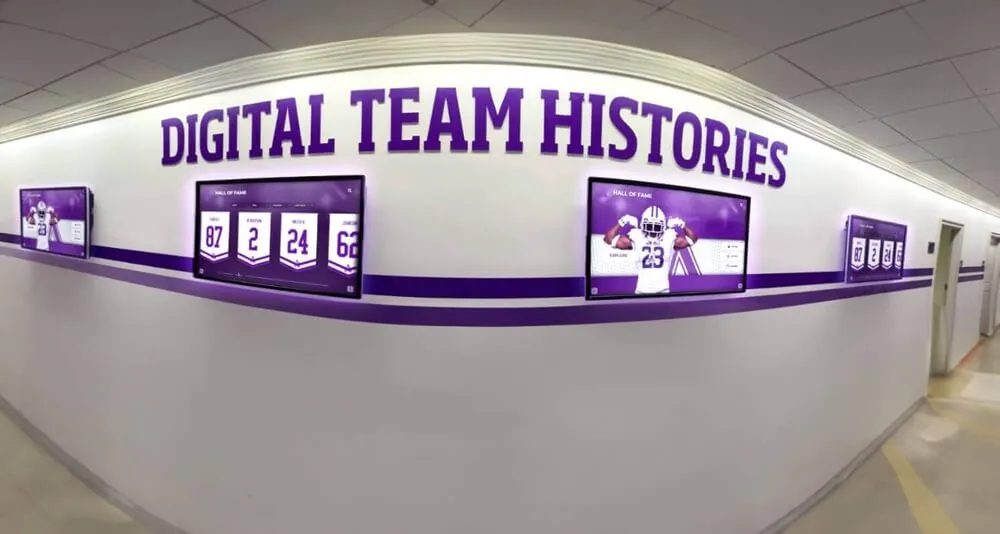
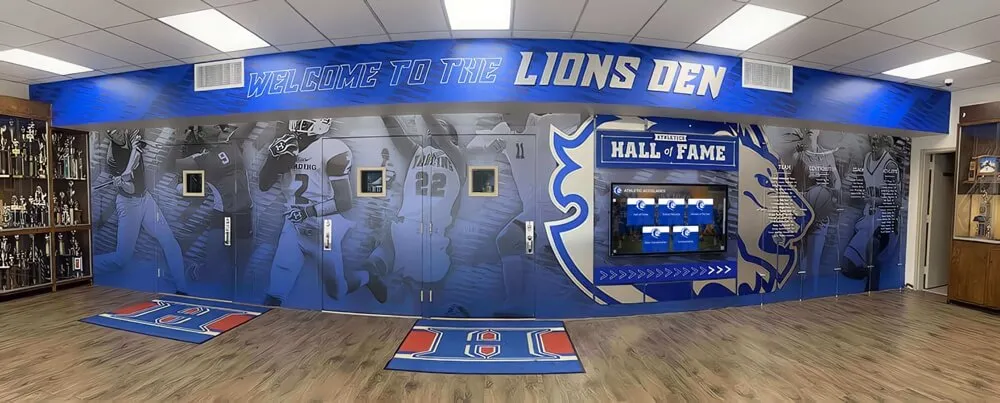
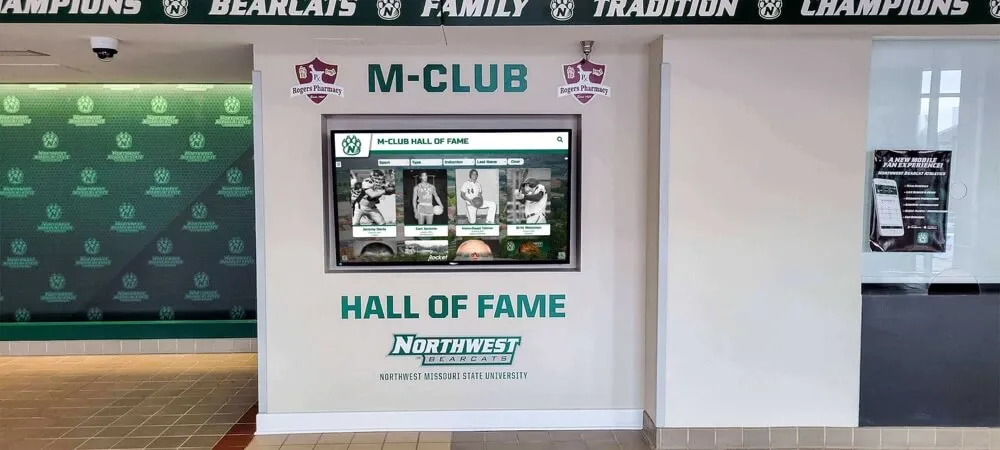
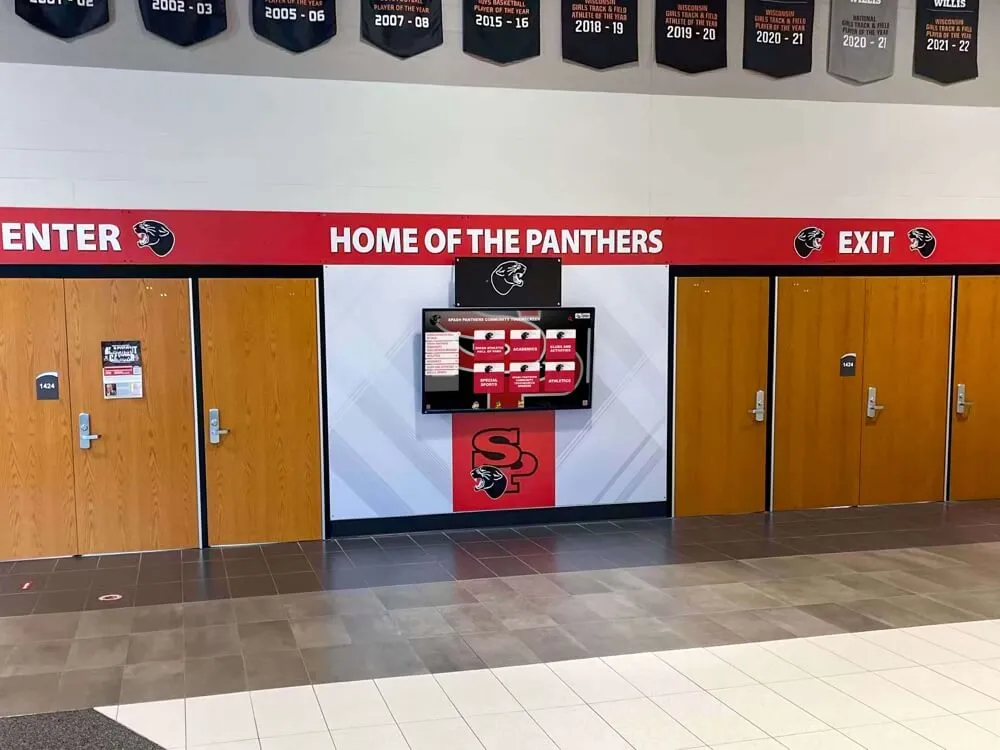
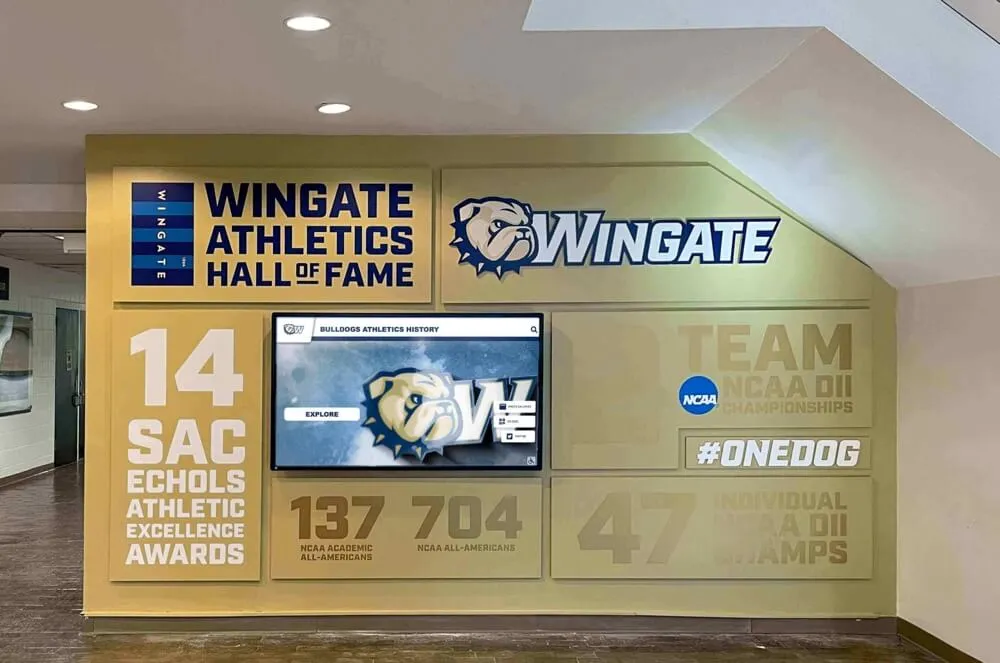
Alabama high schools celebrate baseball playoff achievements through displays honoring team success and individual player contributions
Understanding the AHSAA Classification System
The Alabama High School Athletic Association organizes baseball competition through a classification structure based on school enrollment, ensuring competitive balance across the state’s diverse institutional landscape.
Seven-Classification Structure
Alabama baseball operates through seven distinct classifications:
Classification Overview
- Class 7A: Largest schools with enrollments typically exceeding 1,200 students (grades 10-12)
- Class 6A: Large schools with enrollments generally between 900-1,200 students
- Class 5A: Mid-to-large schools with enrollments typically between 550-900 students
- Class 4A: Mid-sized schools with enrollments generally between 350-550 students
- Class 3A: Smaller schools with enrollments typically between 215-350 students
- Class 2A: Small schools with enrollments generally between 105-215 students
- Class 1A: Smallest schools with enrollments under 105 students
These enrollment ranges guide classification placement but may vary as the AHSAA periodically reclassifies schools based on updated enrollment data collected during designated count periods.
Reclassification Cycles
The AHSAA conducts reclassification every two years, examining enrollment figures to determine appropriate competitive placement:
Reclassification Process
- Enrollment counts conducted during specified periods
- Schools receive preliminary classification assignments
- Appeal period allowing schools to request adjustments based on specific circumstances
- Final classifications announced affecting two-year competitive cycle
- Regional alignment established within each classification
This systematic approach ensures classifications remain current despite population changes, school consolidations, and enrollment fluctuations affecting Alabama communities.
Schools should document classification history alongside championship achievements, providing context for understanding program success across different competitive environments. When reviewing historical records, digital archive systems enable easy documentation of classification changes alongside team achievements.
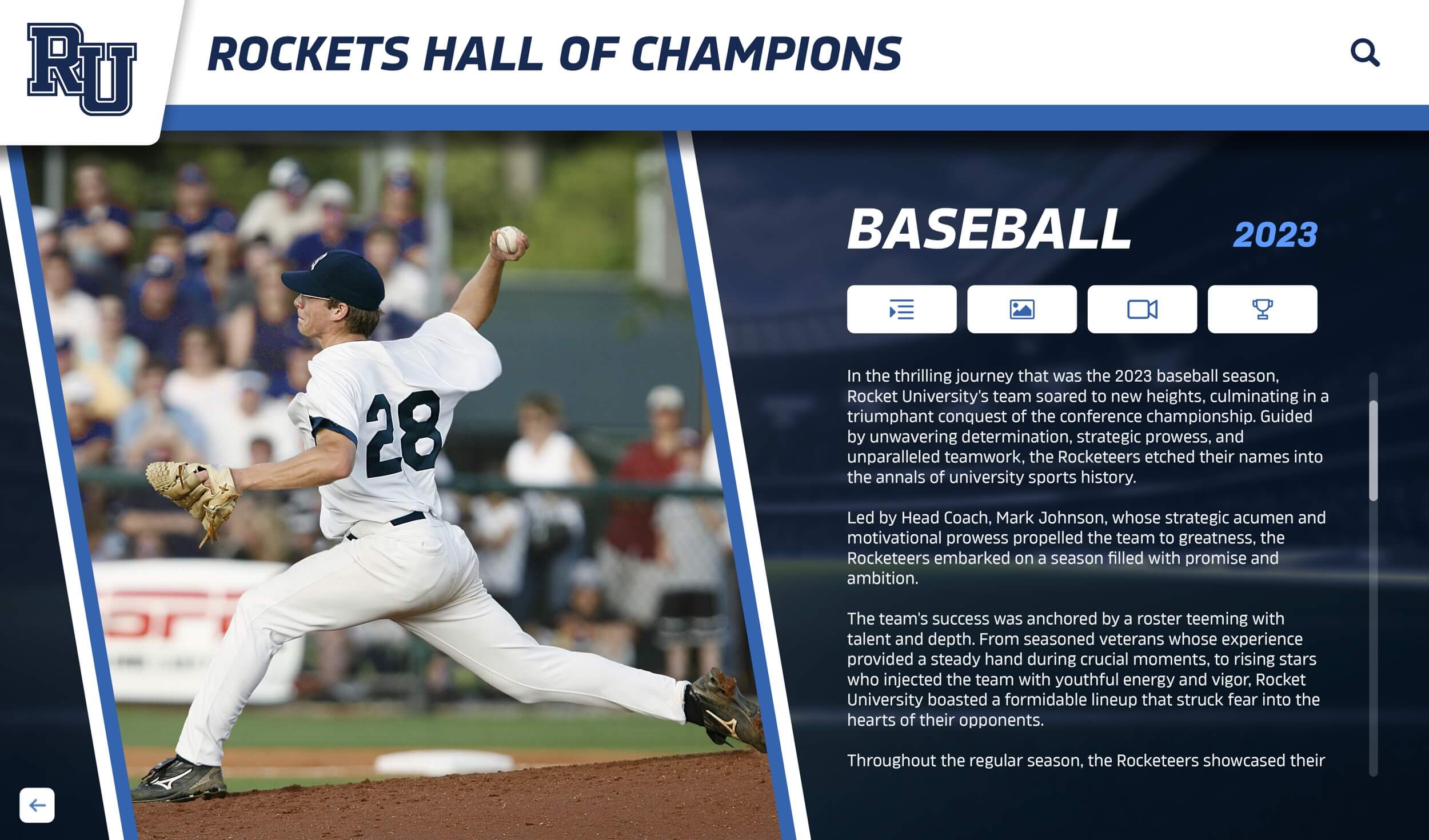
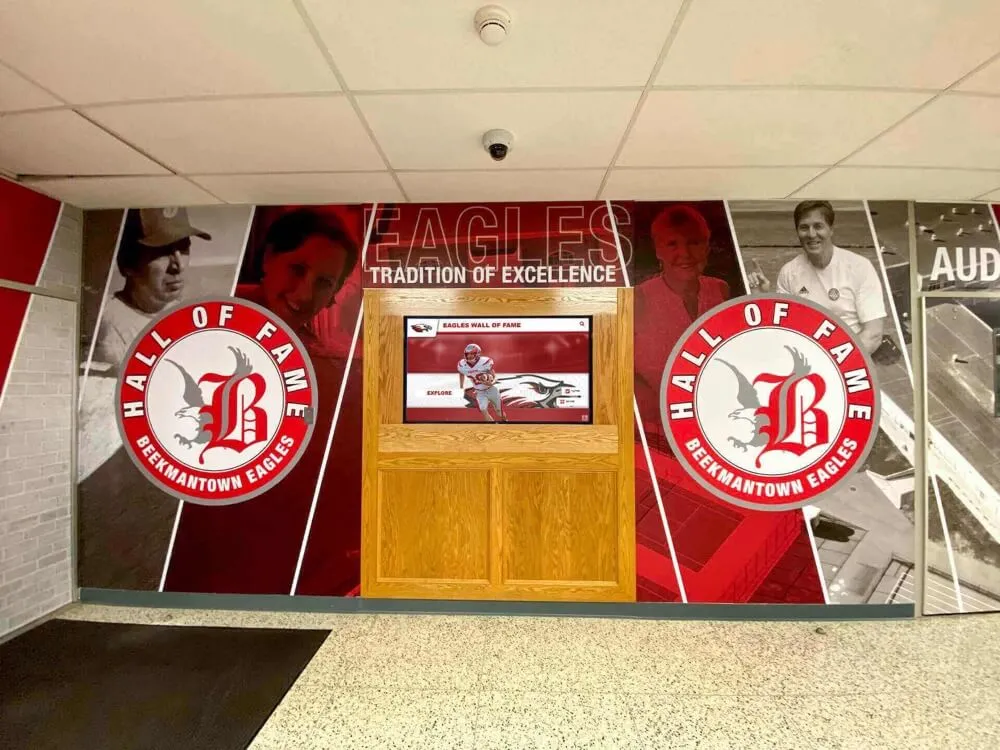
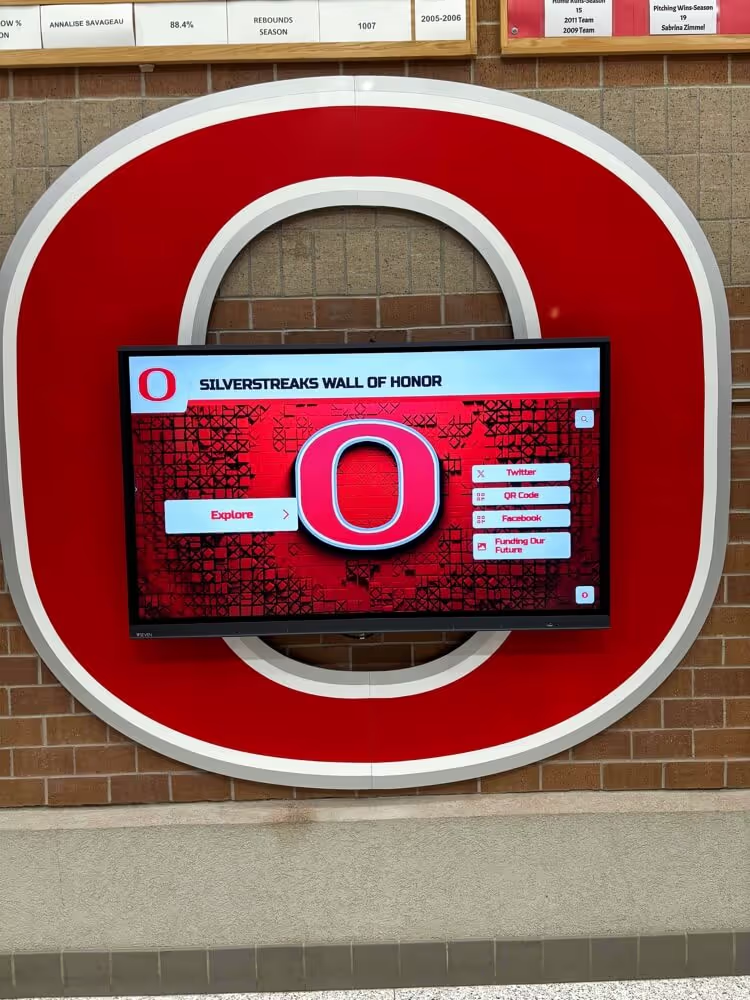
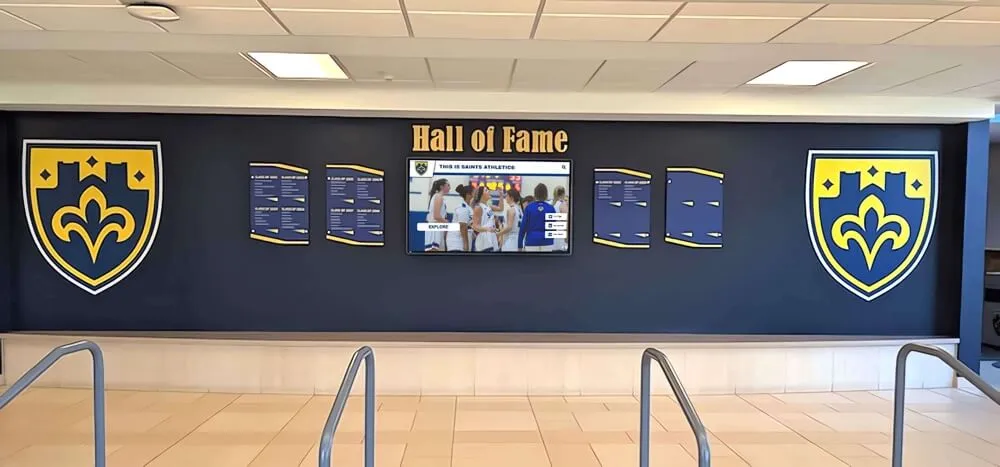
Modern recognition displays document playoff achievements within appropriate classification context, preserving complete program history
Regional Competition and Area Tournaments
Before advancing to state championship tournaments, Alabama baseball teams navigate regional and area-level competition that determines playoff qualification.
Area Competition Structure
Most AHSAA classifications organize schools into geographic areas during the regular season:
Area Assignment Process
- Schools assigned to areas based on geographic proximity
- Typically 3-5 schools per area depending on classification and region
- Area games count toward area standings determining playoff seeding
- Non-area games allow broader scheduling while building strength
- Area championships provide automatic playoff qualification
Area standings typically determine which teams advance to playoffs, with area champions receiving preferential seeding and hosting advantages in early playoff rounds.
Regular Season Scheduling Strategy Successful programs balance area competition requirements with non-area games strategically:
- Schedule quality non-area opponents building competitive preparation
- Protect home field advantage for critical area matchups
- Consider strength of schedule for seeding tiebreaker scenarios
- Balance player development goals with competitive positioning
- Account for weather makeup potential when scheduling flexibility matters
Regional Tournament Format
Following regular season area competition, qualified teams enter regional tournaments determining state championship advancement:
Regional Tournament Structure
- Area winners and designated runners-up qualify for regional play
- Single-elimination or double-elimination format depending on classification
- Regional champions advance to state championship tournaments
- Seeding determined by area finish and head-to-head results
- Host sites designated based on facility quality and competitive neutrality
Regional tournaments create pressure-packed environments where seasons end with single losses (in single-elimination formats) or following second defeats (in double-elimination structures). Teams must peak at precisely the right moment, making regular season preparation and depth development essential.
Programs documenting playoff journeys should capture regional tournament achievements, not just state championships. Many memorable seasons culminate in regional play, and these accomplishments deserve recognition alongside state-level success.
Weather Considerations and Makeup Protocols
Alabama’s spring weather significantly impacts baseball schedules and playoff timing:
Weather Management Strategies
- Flexible scheduling accommodating rain delays and postponements
- Multiple-day tournament formats with built-in makeup dates
- Turf field advantages for schools with all-weather playing surfaces
- Communication protocols ensuring teams, families, and officials receive timely updates
- Bracket adjustment procedures when weather significantly disrupts tournaments

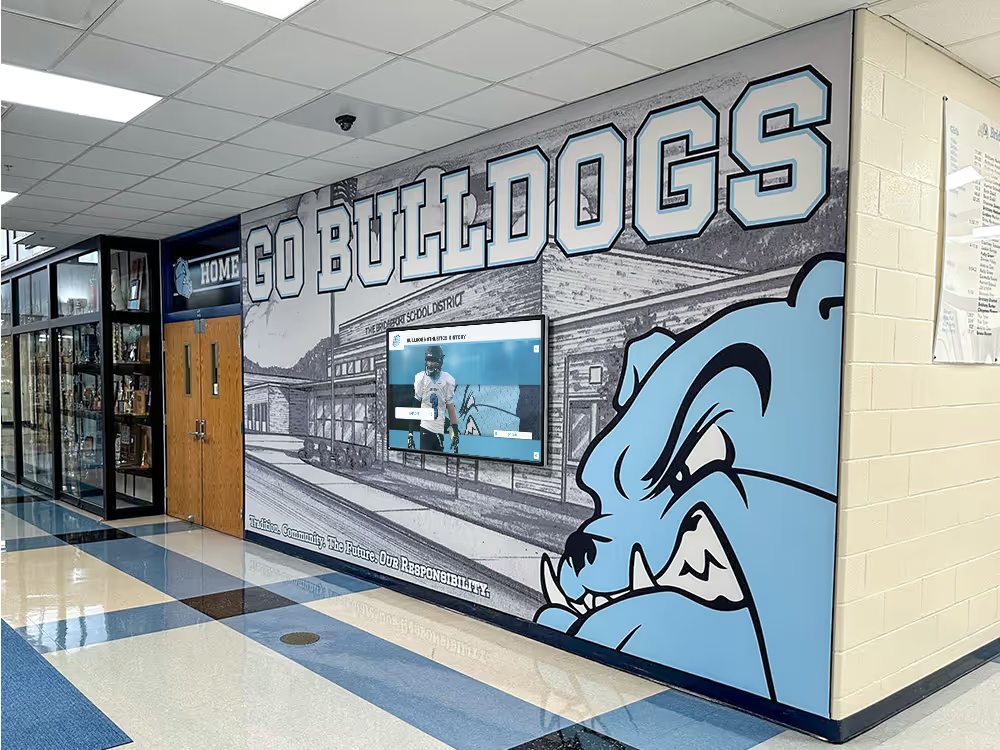
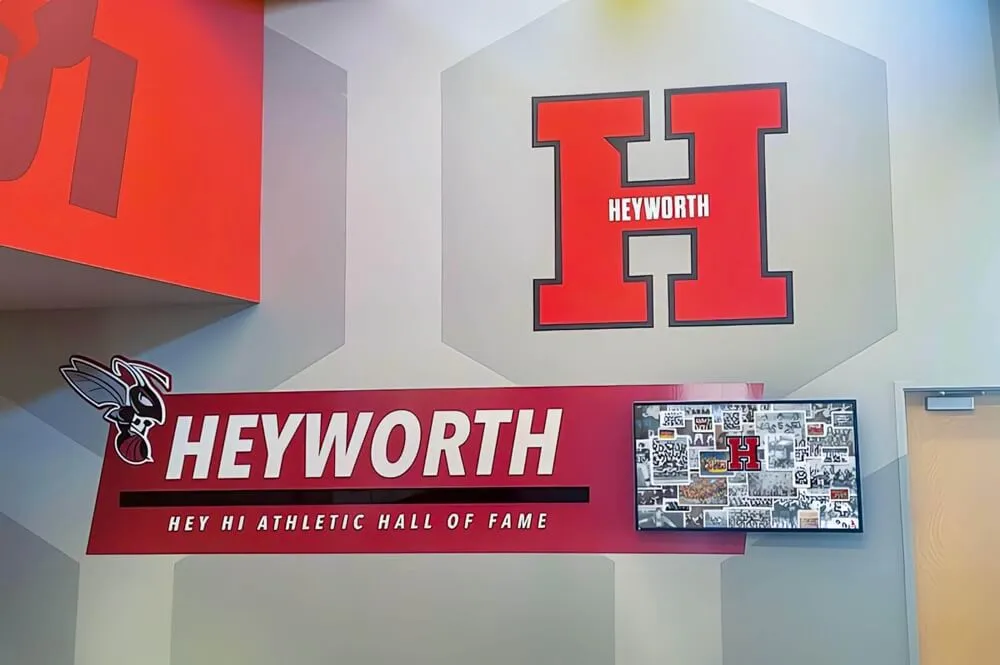
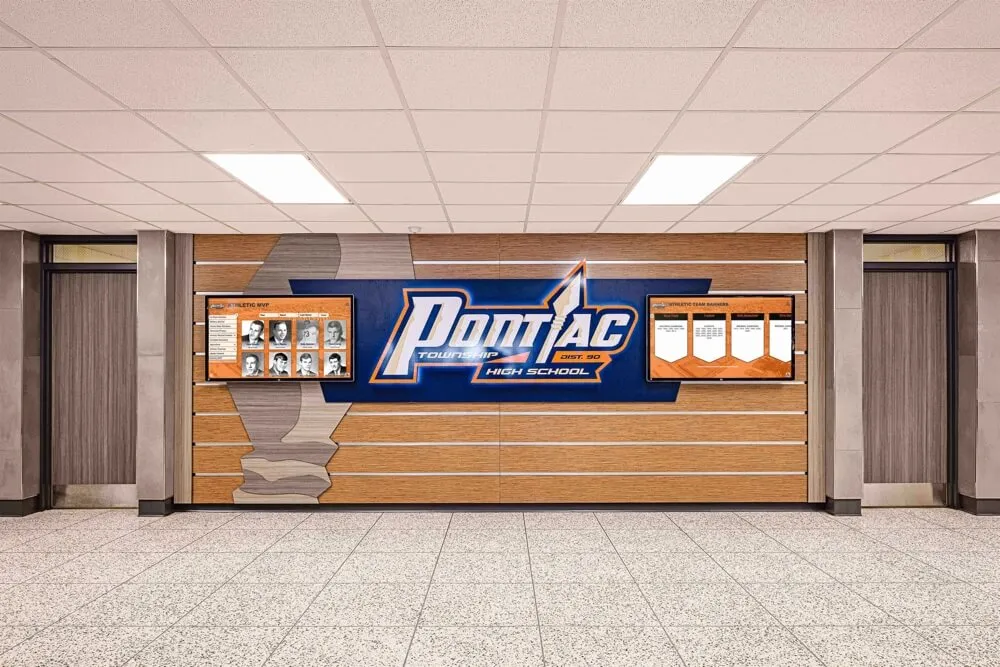
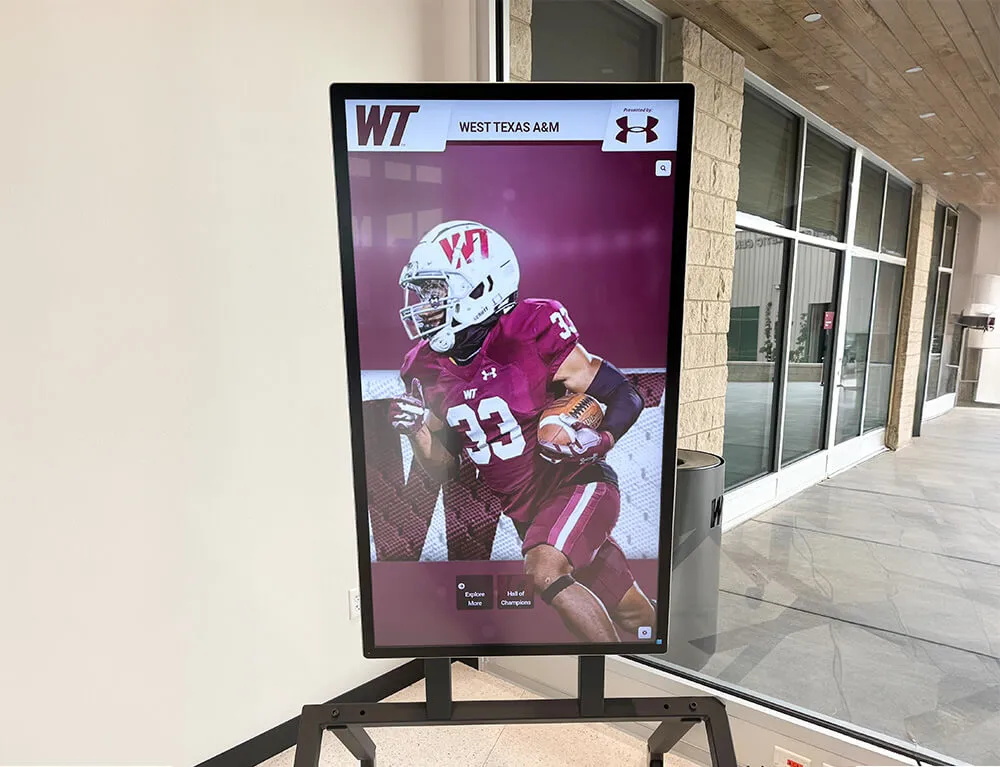
Strategic facility placement ensures playoff achievements remain visible to students, athletes, and visitors throughout the year
Successful programs prepare for weather disruptions through roster depth, pitching management, and mental preparedness enabling teams to maintain focus despite scheduling uncertainties.
State Championship Tournament Structure
The AHSAA state baseball championships represent the culmination of months of preparation, bringing together the state’s best teams across all seven classifications.
Oxford Sports Complex and Championship Venues
The AHSAA typically conducts state baseball championships at designated venues providing quality facilities and neutral competitive environments:
Championship Venue Considerations
- Multi-field complexes enabling simultaneous games across classifications
- Quality playing surfaces meeting championship competition standards
- Adequate seating and amenities for families, students, and community supporters
- Accessible locations considering travel for teams from across Alabama
- Professional atmosphere befitting championship-level competition
The Oxford Sports Complex has historically hosted AHSAA baseball championships, though venue assignments may vary by classification or scheduling needs. These neutral-site tournaments eliminate home field advantages while creating special championship atmospheres that differ from regular season environments.
Championship Format and Scheduling
State championship tournaments follow established formats determining Alabama’s baseball champions:
Tournament Structure Elements
- Double-elimination format used in most classifications
- Championship game (and if-necessary game) determining state champions
- Mercy rule provisions applying when score differentials reach specified margins
- Pitch count regulations protecting player health during concentrated tournament play
- Seeding based on regional tournament results and regular season records
Daily Schedule Considerations
- Multiple games per day requiring roster depth and pitching management
- Recovery time between games when teams play multiple contests daily
- Evening games providing optimal playing conditions during Alabama spring heat
- Championship finals often scheduled for optimal attendance and visibility
- Live streaming and broadcast coverage for fans unable to attend in person
Teams reaching championship tournaments must demonstrate depth beyond their top starters, as compressed schedules and elimination pressure test entire rosters.
Championship Recognition and Trophies
State championship teams receive official AHSAA recognition:
Championship Awards
- State championship trophy presented to winning teams
- Individual medals or rings for players and coaches
- Runner-up recognition for teams reaching championship finals
- All-tournament team selections honoring outstanding individual performances
- Formal recognition at AHSAA functions and communications
These tangible awards become centerpieces for school recognition displays, with championship trophies prominently featured in trophy cases and athletic facilities. For schools seeking to maximize championship recognition impact, athletic recognition displays provide frameworks for celebrating team success alongside individual achievements.
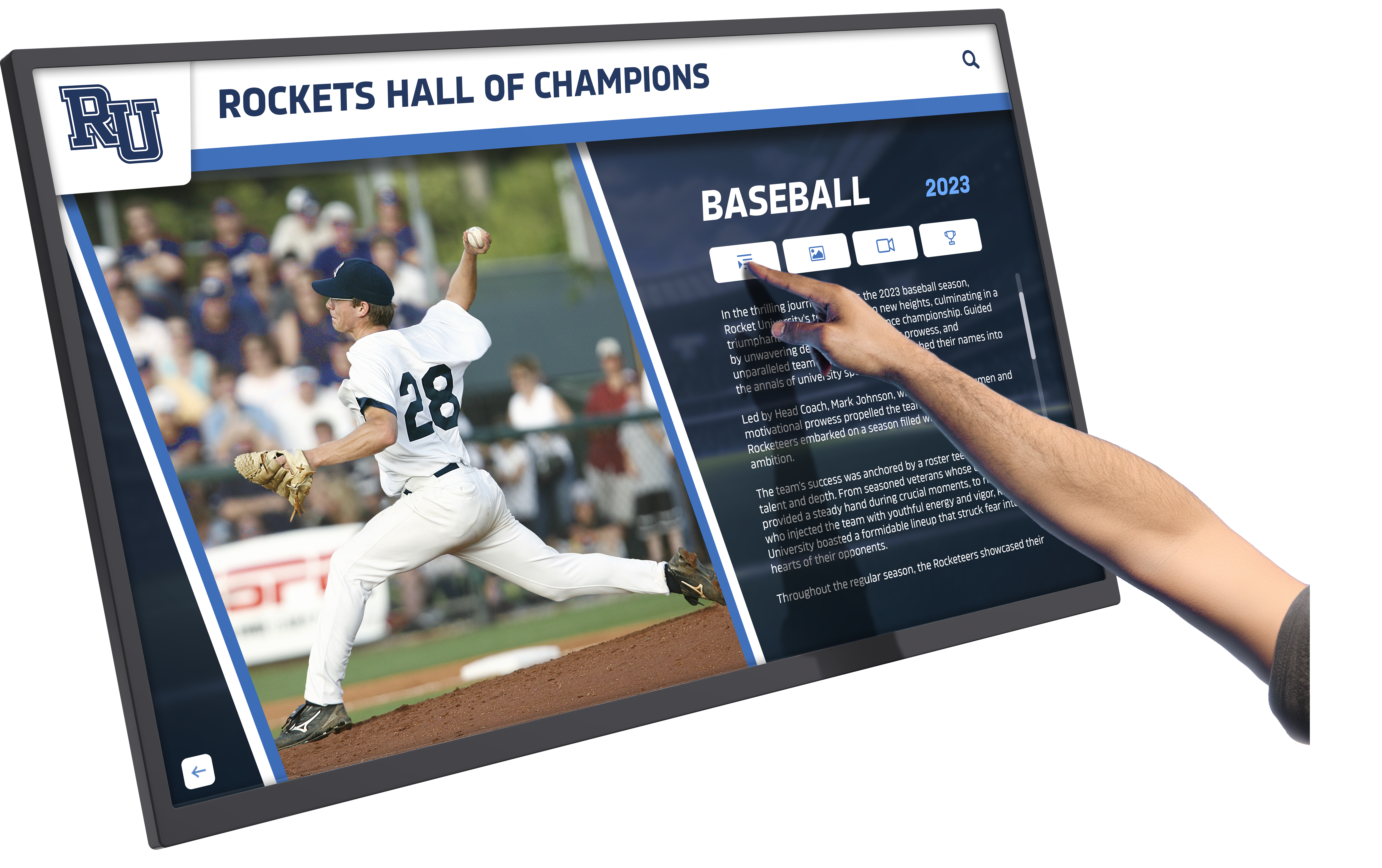
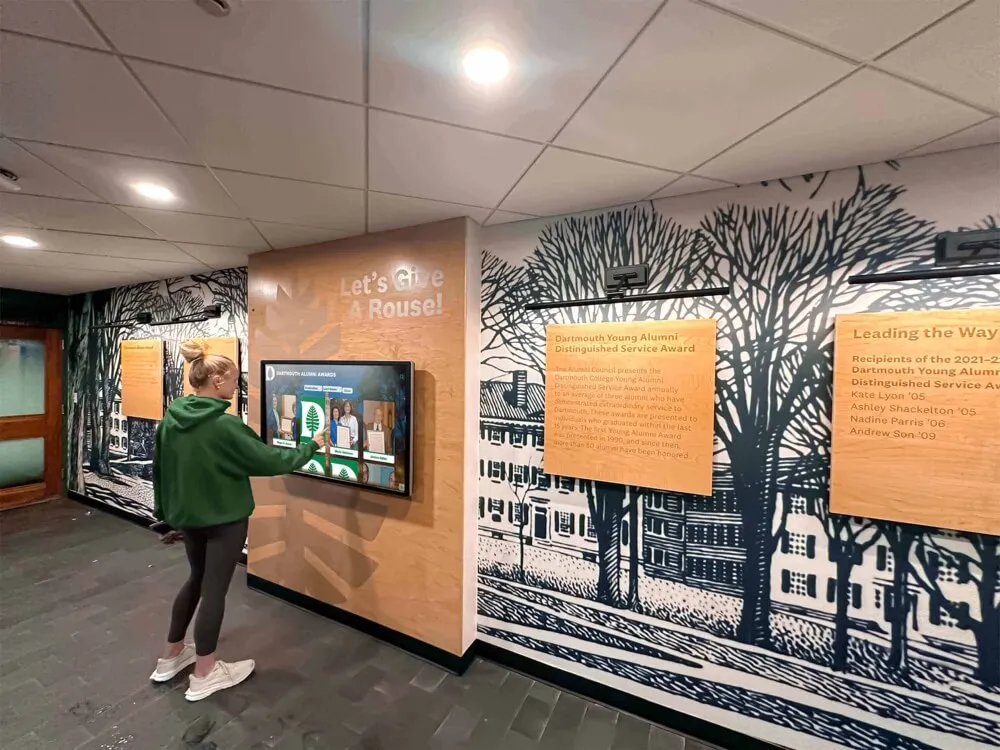
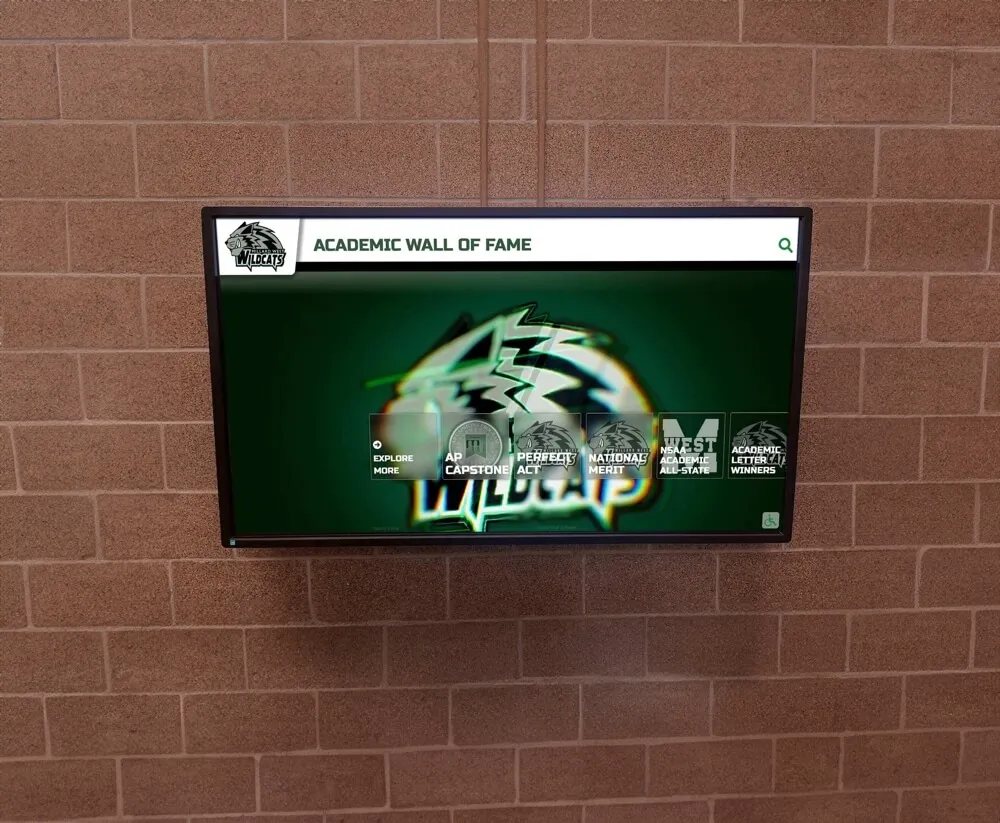
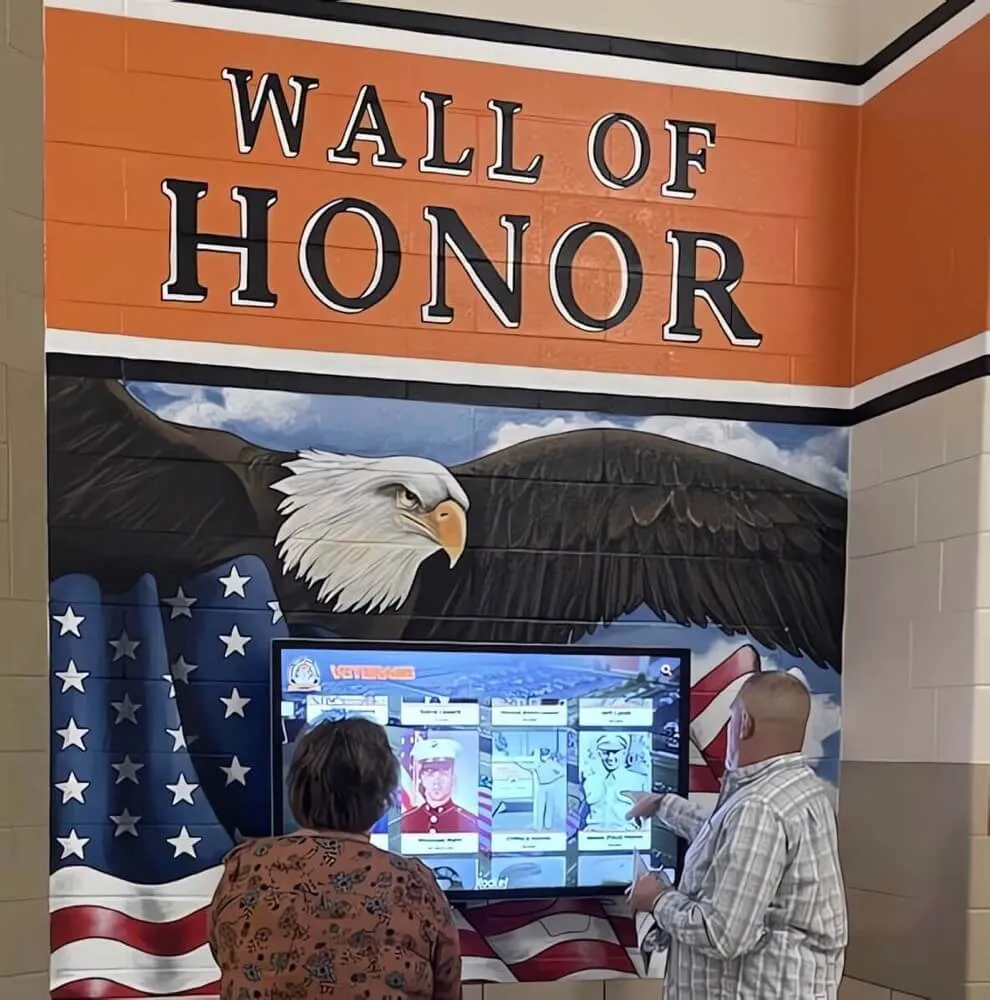
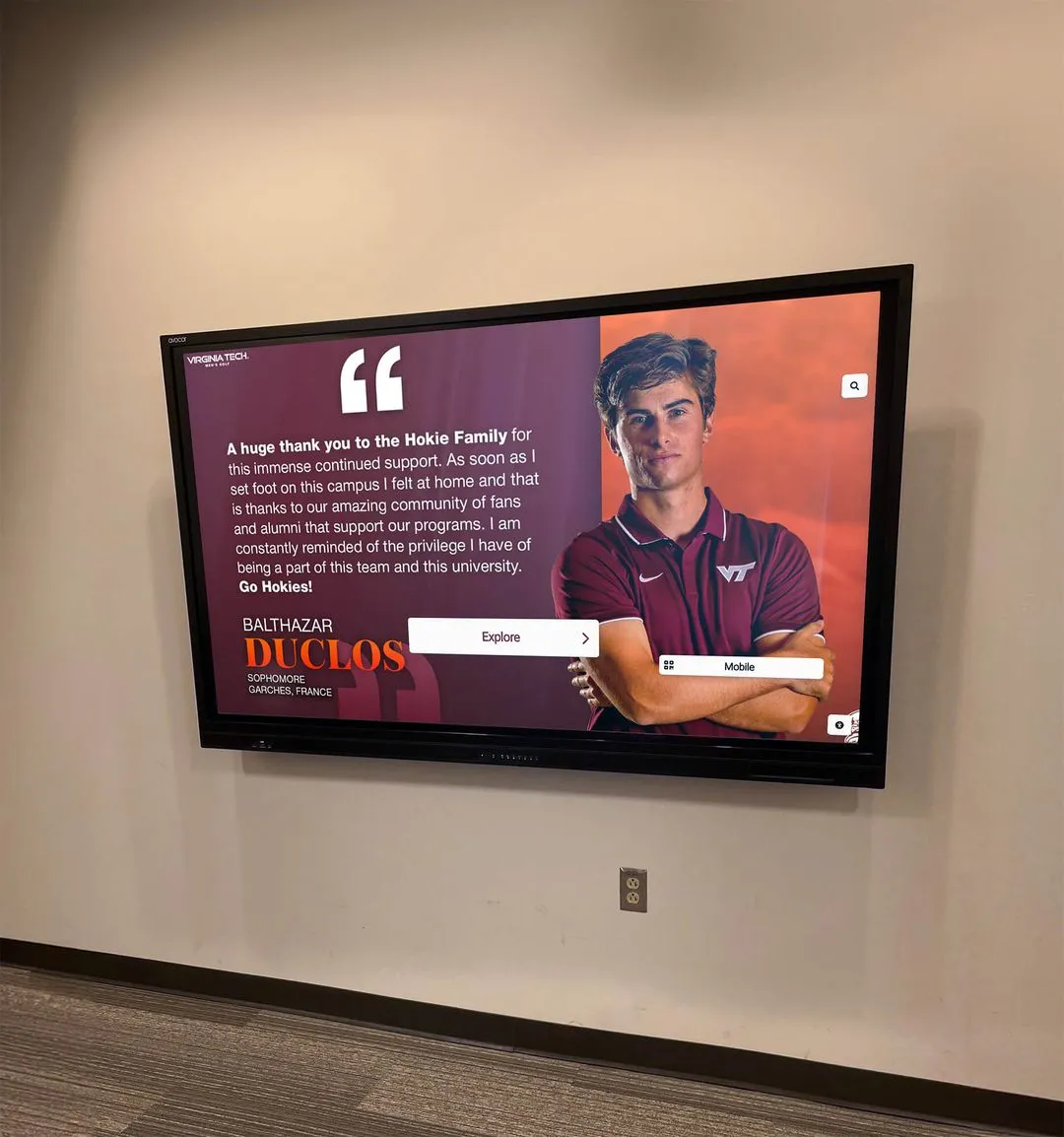
Interactive displays enable exploration of complete playoff histories, from area championships through state tournament runs
Qualifying for the Playoffs: Strategic Considerations
Understanding playoff qualification requirements enables coaches and programs to set appropriate seasonal goals while maximizing advancement opportunities.
Area Championship Pathways
Most AHSAA classifications award automatic playoff berths to area champions:
Area Title Implications
- Guaranteed playoff qualification regardless of overall record
- Preferential seeding in regional tournaments
- Home field advantage opportunities in early playoff rounds
- Psychological benefits of entering playoffs with championship momentum
- Recognition as area champions independent of playoff advancement
Programs focusing on area championships create clear, achievable goals while building toward playoff qualification. Even teams with modest overall records can advance through strong area performance.
Wild Card and Runner-Up Positions
Beyond area championships, additional playoff spots typically become available:
Playoff Expansion Positions
- Area runners-up qualifying based on record and head-to-head results
- Wild card selections from teams with strong overall records despite area finishes
- Tiebreaker protocols determining playoff participants when multiple teams equal records
- Seeding considerations affecting bracket placement and potential matchups
- Power points or ratings systems used in some classifications
Understanding these secondary qualification pathways enables programs to remain competitive for playoffs even after area championship hopes diminish. Strong non-area schedules sometimes provide wild card pathways when area competition proves especially challenging.
Regular Season Record Impact
While area results primarily determine playoff qualification, overall records matter for seeding and selection:
Record Considerations
- Win-loss records used for tiebreakers between teams with equal area standings
- Strength of schedule factored into wild card and seeding decisions
- Run differential sometimes considered in complex tiebreaker scenarios
- Head-to-head results weighted heavily when teams played during regular season
- Recent performance trends occasionally influencing selection committee decisions
Programs should maintain competitive intensity throughout schedules, as seemingly minor regular season games may ultimately impact playoff positioning through tiebreaker applications.
For athletic directors managing multiple sports’ playoff qualification tracking, comprehensive athletic recognition systems provide frameworks documenting achievements across all programs.
Historic Alabama Baseball Programs and Traditions
Alabama’s high school baseball history features programs with rich championship traditions and sustained competitive excellence.
Championship Tradition Programs
Several Alabama schools have established consistent playoff success:
Historically Successful Programs Programs from various classifications have built championship traditions through sustained excellence:
- Multiple state championships across different eras
- Consistent playoff appearances spanning decades
- Development of college and professional talent
- Strong community support and booster engagement
- Facility investments reflecting baseball’s importance to school identity
While specific program names and championship counts change over time, Alabama baseball features schools in each classification with proud playoff traditions worthy of celebration and preservation.
Small School Baseball Excellence
Lower classifications demonstrate that championship tradition transcends enrollment size:
Small School Success Factors
- Community unity around baseball programs
- Multi-sport athletes bringing diverse skills to baseball
- Innovative coaching maximizing limited roster sizes
- Geographic isolation creating intense area rivalries
- Alumni support maintaining program continuity across generations
Class 1A, 2A, and 3A championships represent accomplishments equal to larger classification titles, achieved within different competitive contexts but requiring identical dedication, skill development, and competitive execution.
Schools across all classifications should document playoff achievements with equal prominence, ensuring every championship season receives appropriate recognition regardless of enrollment-based classification.

Championship tradition displays connect current teams to program history, inspiring continued excellence across generations
Rivalry Games and Playoff Implications
Traditional Alabama high school rivalries gain additional intensity when playoff implications attach:
Playoff-Impacting Rivalries
- County rivals frequently competing in same areas
- Traditional opponents whose matchups determine area championships
- Geographic proximity creating natural competitive intensity
- Multi-generational community connections to rivalry games
- Playoff seeding implications amplifying traditional rivalry importance
These rivalry games become defining moments in seasons, with outcomes determining not just area standings but psychological advantages or disadvantages entering playoff competition. Programs document rivalry game results within broader championship histories, connecting traditional matchups to playoff success narratives.
Coaching Strategies for Playoff Success
Successful playoff runs require strategic preparation extending beyond talent development.
Pitching Management and Depth
Baseball’s unique athletic demands require careful planning:
Playoff Pitching Strategy
- Pitch count regulations necessitating multiple capable starting pitchers
- Tournament formats requiring 3-4 reliable arms to advance through elimination rounds
- Regular season roster development preparing depth for playoff demands
- Bullpen management balancing current game needs with next-game availability
- Relief pitcher development ensuring late-inning competitive options
Programs reaching championship tournaments almost universally demonstrate pitching depth beyond their ace, as compressed tournament schedules prevent relying on single dominant arms.
Defensive Consistency and Situational Preparation
Playoff baseball rewards teams eliminating self-inflicted mistakes:
Defensive Excellence Priorities
- Fundamental skill emphasis reducing errors in high-pressure situations
- Situational practice preparing for specific game scenarios
- Mental preparation handling playoff pressure and adversity
- Defensive positioning adjustments based on opponent scouting
- Backup position preparation ensuring injury or performance issues don’t create defensive vulnerabilities
Championship-caliber programs emphasize defense throughout seasons, understanding playoff advancement often depends more on preventing runs than scoring them.
Roster Depth and Player Development
Tournament success requires contributions beyond starting lineups:
Depth Development Strategies
- Regular season playing time for reserve players building experience
- Practice intensity ensuring all roster members remain game-ready
- Defined roles enabling every player to understand their potential playoff contributions
- Senior leadership guiding younger players through playoff pressure
- Confidence building for reserves who may face critical playoff moments

Comprehensive program documentation includes both championship teams and individual players who contributed to playoff success
Teams advancing through multiple playoff rounds inevitably rely on depth players making crucial contributions, making season-long roster development essential for championship pursuits.
Preserving Playoff Achievements and Championships
Alabama baseball playoff success deserves permanent recognition honoring athletes’ accomplishments while inspiring future teams.
Traditional Recognition Approaches
Schools have long celebrated playoff achievements through physical displays:
Conventional Recognition Methods
- Championship banners hanging in gymnasiums and athletic facilities
- Trophy cases displaying state championship hardware
- Team photos mounted in hallways and common areas
- Engraved plaques listing championship rosters
- Retired numbers honoring exceptional individual contributors
These traditional approaches effectively communicate program success but face inherent limitations:
- Physical space constraints limiting how many teams receive prominent display
- Static presentations lacking engagement for younger generations
- Difficulty updating displays as new championships occur
- Limited contextual information beyond names and years
- Maintenance challenges as materials age and deteriorate
Digital Archive and Recognition Systems
Modern technology transforms how schools preserve and celebrate playoff achievements:
Interactive Touchscreen Recognition Advantages
Solutions like Touch Archive provide comprehensive platforms specifically designed for athletic achievement preservation:
- Unlimited Historical Capacity: Single display showcases every playoff team, championship roster, and significant achievement throughout program history
- Rich Multimedia Integration: Photos, videos, season statistics, and playoff bracket progressions create engaging narratives impossible with static plaques
- Searchable Archives: Students, alumni, and visitors easily explore specific seasons, players, or achievements
- Classification Context: Documentation includes classification information ensuring appropriate historical interpretation
- Effortless Updates: Cloud-based management enables adding new playoff achievements without physical installation costs
- Multi-Sport Integration: Baseball championships appear alongside achievements from other programs, presenting comprehensive athletic excellence
These systems enable even space-constrained schools to honor every playoff team and championship comprehensively.
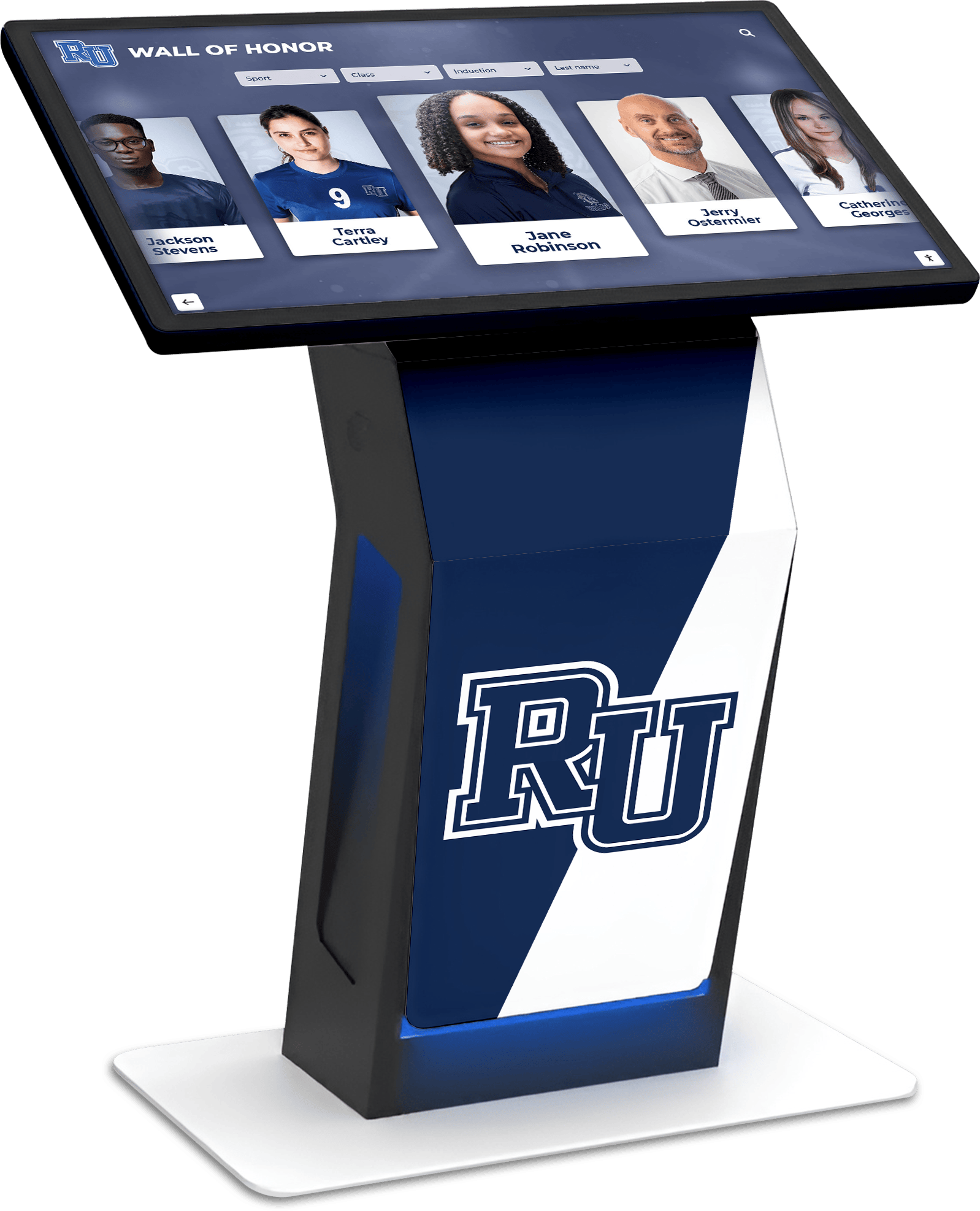
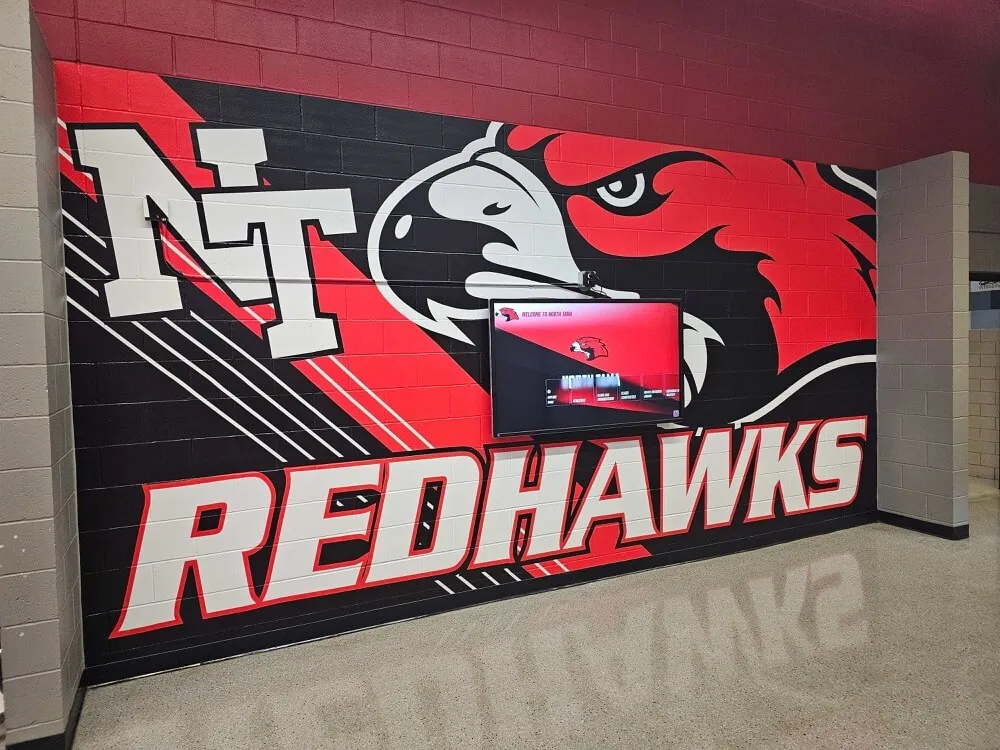
Modern recognition kiosks provide engaging, permanent tributes documenting complete playoff histories accessible to current and future generations
Documenting Complete Playoff Journeys
Effective recognition extends beyond championship seasons to celebrate all playoff achievements:
Comprehensive Playoff Documentation Elements
- Every playoff-qualifying season documented regardless of advancement depth
- Regional tournament successes honored alongside state championships
- Individual player statistics and achievements during playoff runs
- Coaching contributions across successful seasons
- Area championships and regular season accomplishments providing playoff context
- Season narratives describing teams’ paths through brackets
- Photos capturing memorable playoff moments and celebrations
This comprehensive approach ensures athletes from all successful seasons receive appropriate recognition, not just championship team members.
For schools managing recognition across multiple sports and achievement types, comprehensive hall of fame solutions provide integrated frameworks celebrating diverse institutional accomplishments.
Impact of Playoff Success on Programs and Communities
Championship runs and playoff achievements affect schools beyond trophy collection.
Community Pride and Identity
Baseball playoff success strengthens community connections to schools:
Community Impact Dimensions
- Local media coverage elevating school visibility
- Community gatherings around playoff games creating shared experiences
- Economic benefits from supporters attending games and tournaments
- Alumni engagement deepening when programs achieve playoff prominence
- Youth program enrollment increases as varsity success inspires younger players
Small Alabama communities particularly identify with baseball success, with playoff runs becoming defining community moments transcending the specific athletes involved.
College Recruitment and Exposure
Playoff competition provides showcases for college recruitment:
Recruitment Benefits of Playoff Success
- College scouts attending regional and state tournaments
- Increased visibility for players from successful programs
- Competitive game film against quality opponents
- Team success validating individual player statistics and performance
- Championship experience demonstrating player performance under pressure
Athletes from championship programs benefit from enhanced recruitment exposure, though individual talent remains the primary college consideration regardless of team success.
Program Sustainability and Support
Playoff success generates tangible benefits supporting long-term program health:
Sustainable Program Development
- Booster support increasing following championship runs
- Facility investment enthusiasm growing with program prominence
- Administrative support for program resources and coaching
- Community fundraising success leveraging playoff achievement pride
- Coaching stability as successful programs become desirable positions
These benefits extend beyond specific championship seasons, creating infrastructure and support enabling sustained competitive excellence.
For athletic directors demonstrating the impact of championship success to school leadership, athletic program recognition displays provide visible documentation of program accomplishments supporting resource allocation requests.
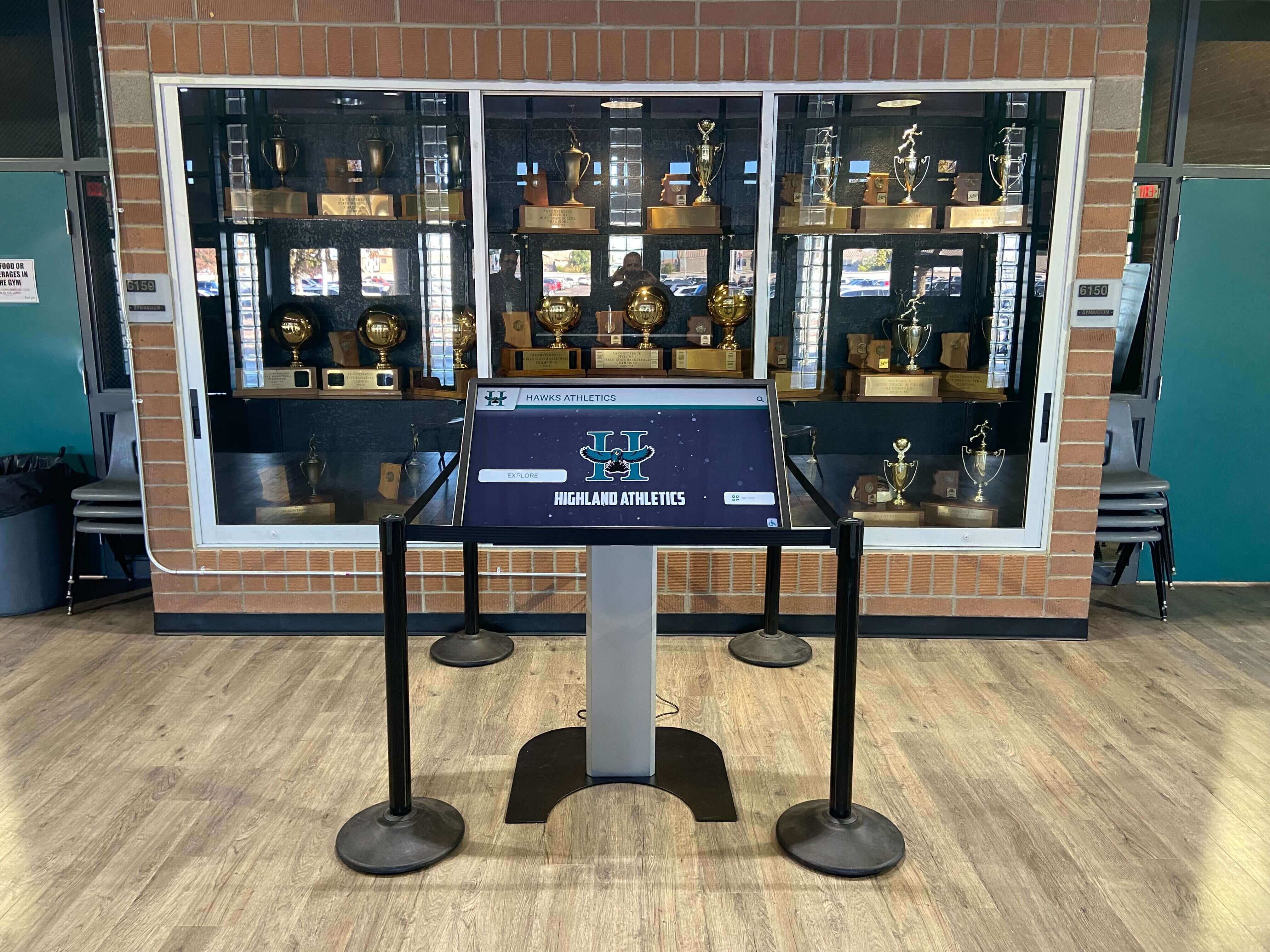
Integrated recognition systems combine traditional trophy displays with modern interactive elements, honoring past championships while engaging current students
Alabama Baseball Playoff Records and Milestones
Certain achievements stand out in Alabama high school baseball history.
State Championship Records
Multiple-championship programs have established impressive legacies:
Championship Achievement Milestones
- Programs with multiple state titles across different eras
- Back-to-back championships demonstrating sustained excellence
- Undefeated championship seasons representing perfect execution
- Championship teams featuring future professional players
- Coaching dynasties with multiple titles under single leadership
These milestone achievements deserve special recognition within schools’ comprehensive playoff documentation, highlighting extraordinary accomplishments standing above routine playoff success.
Individual Playoff Performance Records
Championship runs feature exceptional individual performances:
Notable Individual Playoff Achievements
- Multiple no-hitters or perfect games in playoff competition
- Extraordinary hitting performances during tournament runs
- Dominant pitching statistics across playoff games
- Game-winning performances in championship-deciding contests
- Multi-year playoff leaders who excelled across multiple seasons
Schools should document individual playoff excellence alongside team achievements, recognizing the exceptional athletes whose performances drove championship success.
Consecutive Playoff Appearances
Sustained playoff qualification represents significant program stability:
Consistency Achievement Recognition
- Programs with decade-plus consecutive playoff appearances
- Streaks continuing across coaching changes or classification adjustments
- Playoff qualification consistency despite roster turnover
- Programs establishing playoff participation as expectation rather than exception
- Community stability enabling multi-generational program excellence
These consistency achievements sometimes receive less attention than championships but represent remarkable program building and sustained competitive standards.
Preparing for Playoff Competition: Team Building Elements
Beyond tactical preparation, championship teams demonstrate specific cultural characteristics.
Leadership Development and Senior Contributions
Playoff success requires veteran leadership:
Senior Leadership Impact
- Experience managing playoff pressure situations
- Mentorship preparing underclassmen for postseason intensity
- Accountability standards elevating team preparation
- Historical program knowledge connecting current season to tradition
- Sacrifice and team-first mentality modeling championship behavior
Programs intentionally develop senior leadership throughout seasons, understanding playoff advancement often depends on veteran players’ poise and decision-making during critical moments.
Mental Preparation and Pressure Management
Playoff baseball tests mental toughness as much as physical skill:
Mental Preparation Strategies
- Visualization exercises preparing for high-pressure situations
- Pressure simulation during practice creating playoff-like environments
- Failure recovery practice teaching teams to respond after adversity
- Process focus emphasizing controllable execution over outcome anxiety
- Team cohesion building creating trust enabling performance under stress
Championship-caliber programs systematically prepare players mentally for playoff pressure, understanding talent alone proves insufficient when elimination stakes create performance anxiety.
Practice Intensity and Competitive Preparation
Regular season practice habits determine playoff readiness:
Championship-Level Practice Standards
- Daily intensity matching or exceeding game competition
- Situational practice preparing for specific playoff scenarios
- Mistake accountability creating zero-tolerance for mental errors
- Physical conditioning enabling peak performance in tournament formats
- Competitive drills fostering internal roster competition raising standards
Teams that practice at championship intensity during regular seasons demonstrate natural playoff readiness, while programs with inconsistent practice standards struggle when competition intensity elevates during elimination play.
For coaches seeking comprehensive athlete development approaches, athletic recognition and development programs provide frameworks connecting current preparation to long-term program excellence.
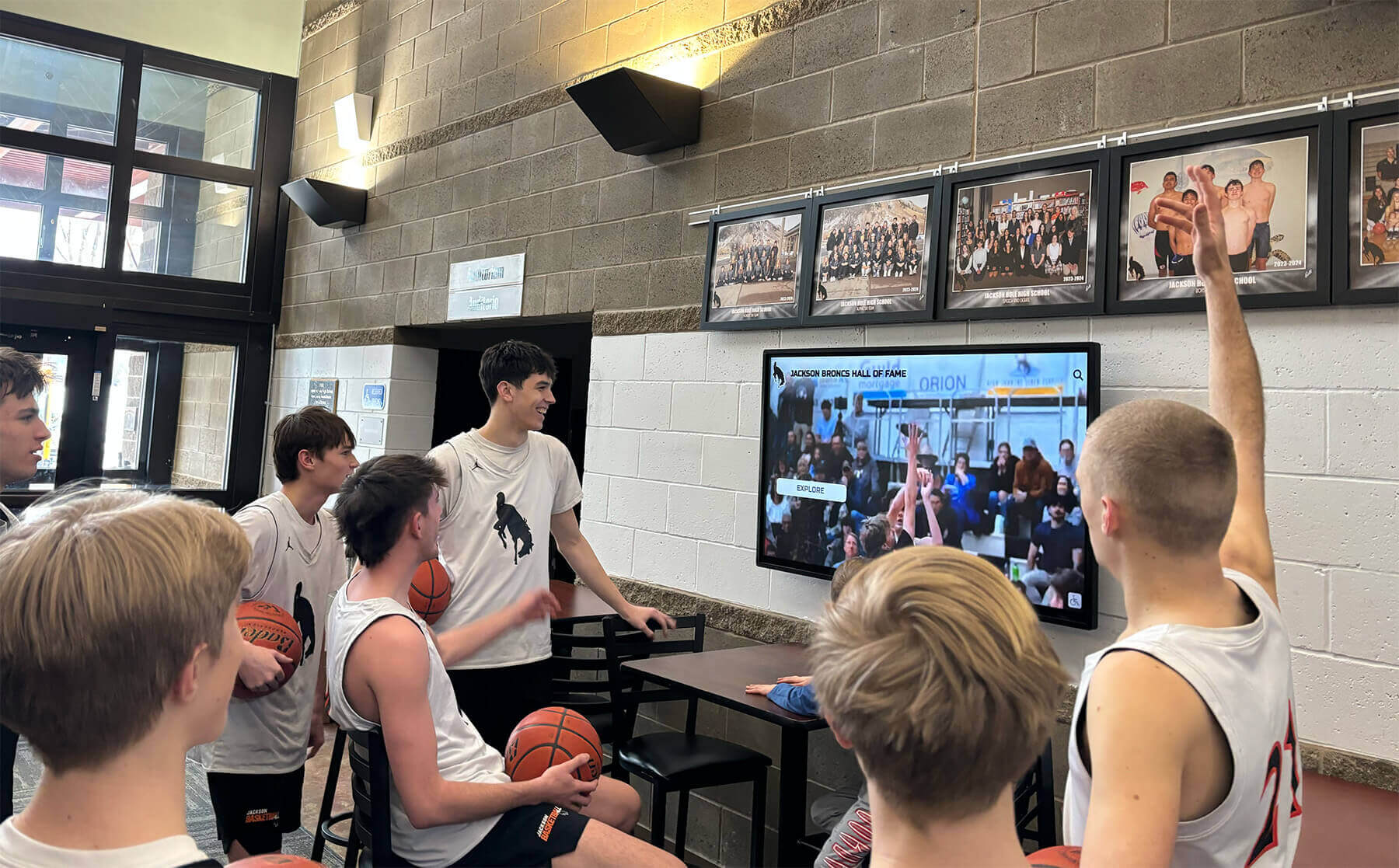
Interactive displays enable teams to revisit championship moments and playoff highlights, reinforcing program traditions and inspiring current players
Budget Considerations for Playoff Participation
Playoff advancement creates financial implications for athletic departments and families.
Tournament Travel and Accommodation Costs
Deep playoff runs require financial planning:
Playoff Expense Categories
- Transportation for teams, equipment, and supporters
- Accommodation costs for multi-day regional and state tournaments
- Meal expenses during extended tournament competitions
- Tournament entry fees and administrative costs
- Equipment and uniform maintenance ensuring championship appearance
Schools should plan for potential playoff expenses during budget development, ensuring deep tournament runs don’t create financial hardship preventing optimal team preparation.
Fundraising and Booster Support
Community support often funds playoff expenses:
Playoff Fundraising Strategies
- Booster club donations supporting tournament costs
- Pre-season fundraising anticipating potential playoff needs
- Community sponsors providing targeted playoff support
- Alumni contributions from former players celebrating program success
- District or school board contingency funds for athletic championship participation
Successful programs cultivate financial support systems ensuring economic factors never limit playoff participation quality or prevent athletes from competing at their highest level.
Recognizing Supporter Contributions
Financial supporters enabling playoff success deserve acknowledgment:
Donor Recognition Integration
- Booster club acknowledgment in championship recognition displays
- Individual donor recognition for major facility or program contributions
- Corporate sponsor visibility during playoff competitions and celebrations
- Annual appreciation events honoring financial supporters
- Digital recognition systems documenting supporter contributions alongside athletic achievements
For schools implementing comprehensive donor recognition, booster club recognition systems provide frameworks honoring financial support enabling program excellence.
Post-Season Traditions and Championship Celebrations
Playoff success provides opportunities for meaningful celebration traditions.
Championship Banquets and Celebrations
End-of-season events honor playoff achievements:
Celebration Event Elements
- Championship banquets recognizing team accomplishments
- Individual award presentations honoring player achievements
- Senior recognition ceremonies celebrating graduating athletes
- Community gatherings enabling broader participation in success celebration
- Media coverage extending championship recognition beyond immediate team
These formal celebrations provide closure for seasons while recognizing individual and team accomplishments deserving acknowledgment beyond trophy presentation.
Championship Ring or Award Presentations
Tangible awards create lasting championship memories:
Championship Award Options
- Championship rings for state title teams
- Medals or medallions for regional champions or runners-up
- Personalized awards acknowledging individual playoff contributions
- Team awards presenting unique elements to each player
- Coaching recognition awards honoring leadership
These physical awards become treasured possessions athletes retain throughout lifetimes, providing tangible reminders of championship experiences.
Community Celebration and Recognition
Successful programs share championships with supporting communities:
Community Celebration Approaches
- School assemblies celebrating championship teams
- City or county proclamations recognizing championships
- Local business displays honoring championship teams
- Parade or public event celebrating championship success
- Permanent community recognition beyond school-specific displays
These broader celebrations acknowledge that championship success results from community-wide support extending beyond players, coaches, and immediate athletic department personnel.

Publicly accessible recognition displays enable visitors and community members to explore championship histories, extending celebration beyond immediate team families
Multi-Sport Athletes and Baseball Playoff Scheduling
Many baseball players compete in multiple sports, creating unique challenges.
Spring Sport Scheduling Conflicts
Baseball playoffs sometimes overlap with other spring sports:
Multi-Sport Athlete Considerations
- Track and field championship timing occasionally conflicting with baseball playoffs
- Soccer postseason potentially overlapping with baseball tournament schedules
- Student-athlete decisions prioritizing one sport during conflict periods
- Coaching coordination enabling athletes to participate in multiple sports when possible
- Recognition of multi-sport athletes’ broader athletic contributions
Schools should support multi-sport participation while acknowledging that playoff advancement sometimes requires difficult priority decisions from athletes competing in multiple spring sports.
Football Recruiting and Baseball Focus
Spring baseball provides college recruitment visibility:
Dual-Sport Athlete Dynamics
- Football prospects using baseball for off-season conditioning and skill development
- College baseball recruitment occurring during spring season
- Athletic scholarship decisions affecting sport prioritization
- Coaching respect for athletes’ individual recruitment and future goals
- Recognition of athletes’ contributions regardless of their primary sport focus
Programs benefit from football players’ athletic abilities in baseball while respecting that some athletes view baseball as secondary to football recruitment priorities.
Academic and Athletic Balance
Spring baseball occurs during critical academic periods:
Academic Calendar Considerations
- Playoff schedules coinciding with final exams and end-of-term projects
- Scholarship eligibility dependent on maintaining academic standards
- Missed class time during tournament participation
- College application and decision timelines for seniors
- Balancing playoff preparation with academic responsibilities
Championship programs emphasize academic success alongside athletic achievement, understanding student-athletes must perform in classrooms regardless of playoff success on fields.
For schools documenting comprehensive student-athlete achievement, academic and athletic recognition systems provide integrated frameworks celebrating diverse accomplishments.
Future Trends in Alabama High School Baseball Playoffs
Alabama baseball continues evolving, with several trends likely influencing future playoff structures.
Technology Integration
Digital tools increasingly impact how teams prepare and compete:
Emerging Technology Applications
- Video analysis for opponent scouting and self-evaluation
- Statistical tracking providing detailed performance analytics
- Communication platforms facilitating team coordination
- Live streaming expanding championship access for distant supporters
- Digital recognition systems preserving playoff achievements
These technologies enhance competitive preparation while creating new opportunities for documenting and celebrating playoff success.
Facility Development and Improvement
School investment in baseball facilities continues:
Facility Enhancement Trends
- Artificial turf fields eliminating weather-related cancellations
- Indoor practice facilities enabling year-round skill development
- Improved lighting supporting evening games and extended seasons
- Stadium seating and amenities befitting championship-level competition
- Recognition displays integrating with facility renovations
Quality facilities support competitive success while demonstrating institutional commitment to baseball program excellence.
Youth Baseball Development Pathways
Improved youth development systems affect high school program quality:
Development Pipeline Enhancement
- Travel baseball providing advanced competition for developing players
- Youth coaching education improving fundamental skill development
- Facility access enabling year-round baseball participation
- College showcase events providing recruitment visibility
- Select team experiences preparing athletes for high school competitive intensity
Strong youth baseball systems create talent pipelines supporting high school program success, though programs must integrate players from diverse baseball backgrounds and training philosophies.
Conclusion: Celebrating Alabama Baseball Playoff Excellence
The Alabama high school baseball playoff system provides structured pathways for programs across seven classifications to pursue championship excellence. From area competition through regional tournaments to state championship finals, these playoffs test team preparation, coaching strategy, roster depth, and competitive execution under elimination pressure. Understanding this system enables coaches to plan strategically, athletes to set appropriate goals, and communities to celebrate achievements within proper competitive context.
For Alabama schools, playoff success deserves comprehensive recognition honoring athletes’ dedication while preserving program history for future generations. Whether your program regularly contends for state championships or celebrates occasional playoff appearances, these achievements represent significant accomplishments reflecting countless hours of practice, development, and competitive effort.
Preserve Your Baseball Program's Playoff Legacy
Discover how interactive touchscreen displays can help you showcase playoff achievements, championship history, and program tradition for current students and future generations.
Request a DemoModern recognition technology now enables even resource-constrained programs to document complete playoff histories comprehensively. Digital archive systems eliminate the space limitations and ongoing costs that have traditionally forced schools to choose which achievements receive prominent display. Every playoff team, championship roster, and significant accomplishment can receive permanent recognition accessible to students, alumni, and visitors exploring program traditions.
The strategies explored in this guide provide frameworks for understanding Alabama’s playoff structure, preparing teams for postseason success, and celebrating achievements appropriately. From regional competition through state championships, Alabama baseball playoffs create defining moments in athletes’ lives and memorable chapters in program histories. These accomplishments deserve recognition systems ensuring no playoff achievement gets forgotten regardless of years passing.
Start documenting your baseball program’s playoff history today, creating comprehensive archives that honor past achievements while inspiring current and future players to add new championship chapters to your tradition. Every area title, regional advancement, and state championship represents extraordinary dedication deserving permanent celebration that connects generations of athletes to your program’s competitive legacy.
Ready to transform how your school recognizes baseball playoff achievement? Explore Touch Archive solutions for comprehensive athletic recognition and team history preservation that bring your program’s playoff successes to life through engaging, interactive displays accessible to your entire school community.