



Every year, millions of students graduate from schools, colleges, and universities across America, moving forward into careers, communities, and new chapters of their lives. Yet their connection to the institutions that shaped them need not end at commencement. Alumni associations provide the organizational infrastructure that transforms individual graduates into cohesive, engaged communities that benefit both alumni themselves and the institutions they once attended.
Understanding the alumni association meaning helps educational leaders, advancement professionals, and graduates themselves appreciate how these organizations function as bridges connecting past students to present institutional needs while delivering ongoing value to members throughout their lifetimes. From high schools to major research universities, alumni associations serve similar core purposes: maintaining graduate engagement, facilitating professional networking, supporting institutional advancement, and preserving institutional traditions and history.
This comprehensive guide explores what alumni associations are, examines their multifaceted roles and activities, and explains why educational institutions at every level should invest in building robust alumni engagement infrastructure. Whether you’re an administrator considering establishing an alumni association, a development professional seeking to strengthen existing graduate networks, or simply curious about these vital educational organizations, understanding alumni associations reveals how institutions and graduates create mutually beneficial, enduring relationships.
Alumni associations represent more than nostalgic social clubs for former students. They function as strategic organizational assets that enhance institutional reputation, strengthen fundraising capacity, expand professional networks, support current students, and maintain cultural continuity across generations. The most effective alumni associations operate with clear missions, professional management, dedicated resources, and intentional programming that delivers genuine value to members while advancing institutional priorities.

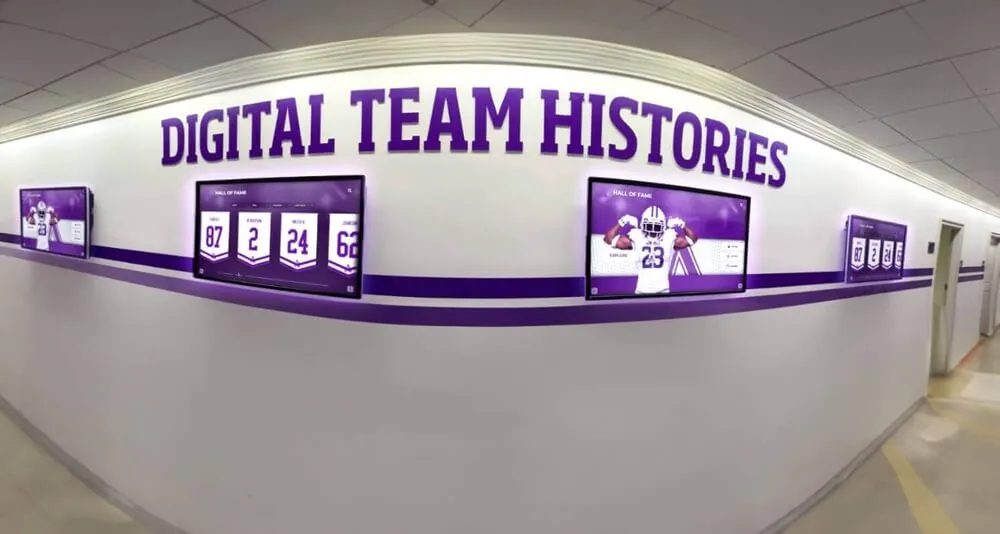
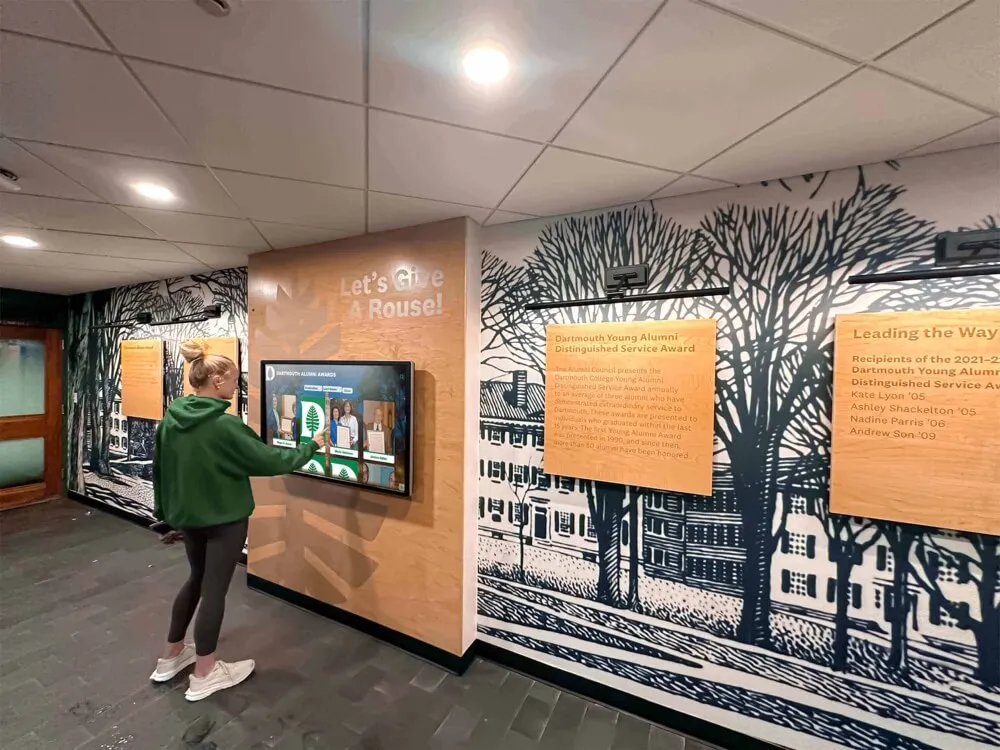
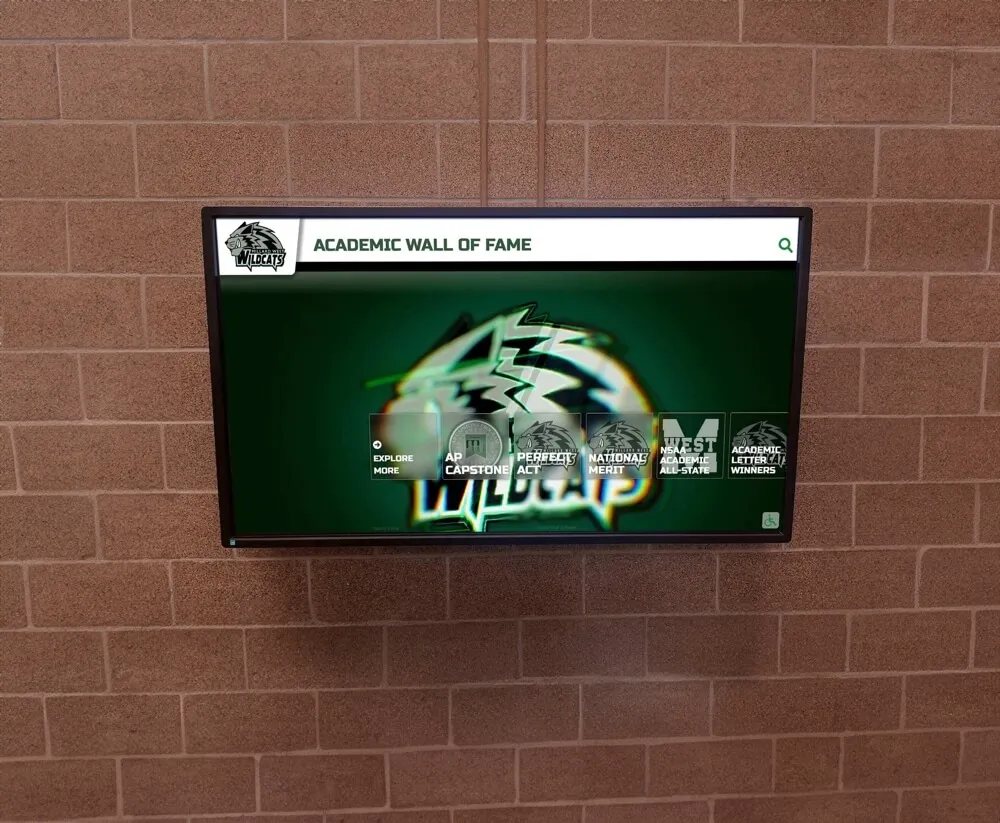
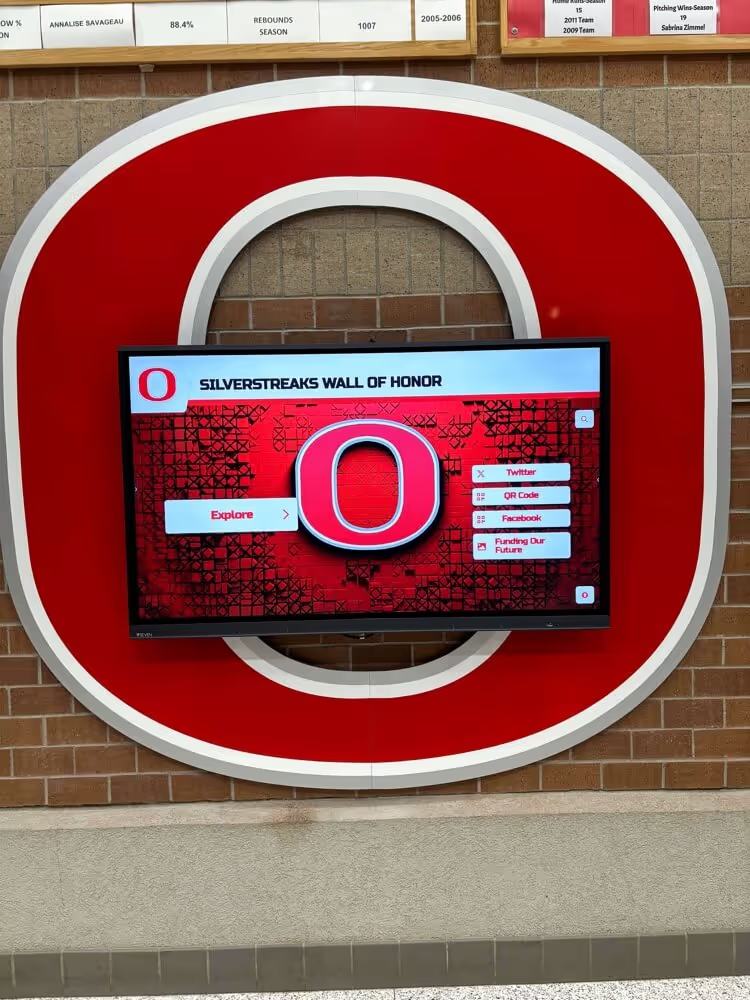
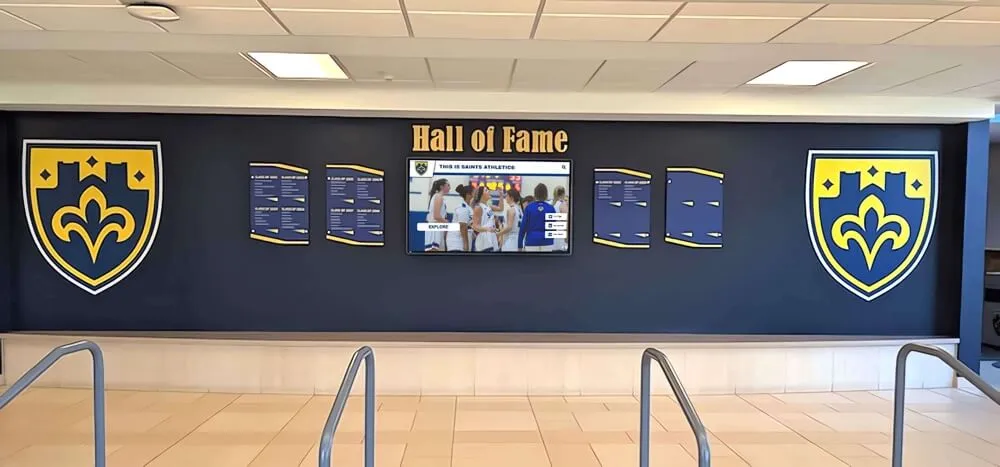
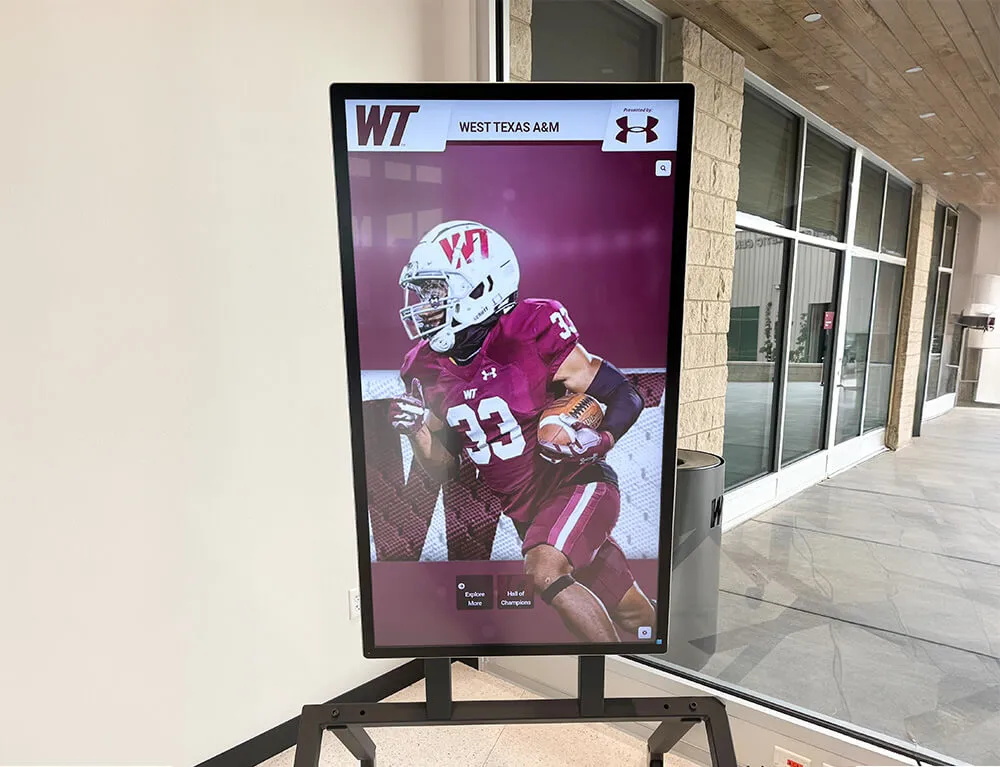
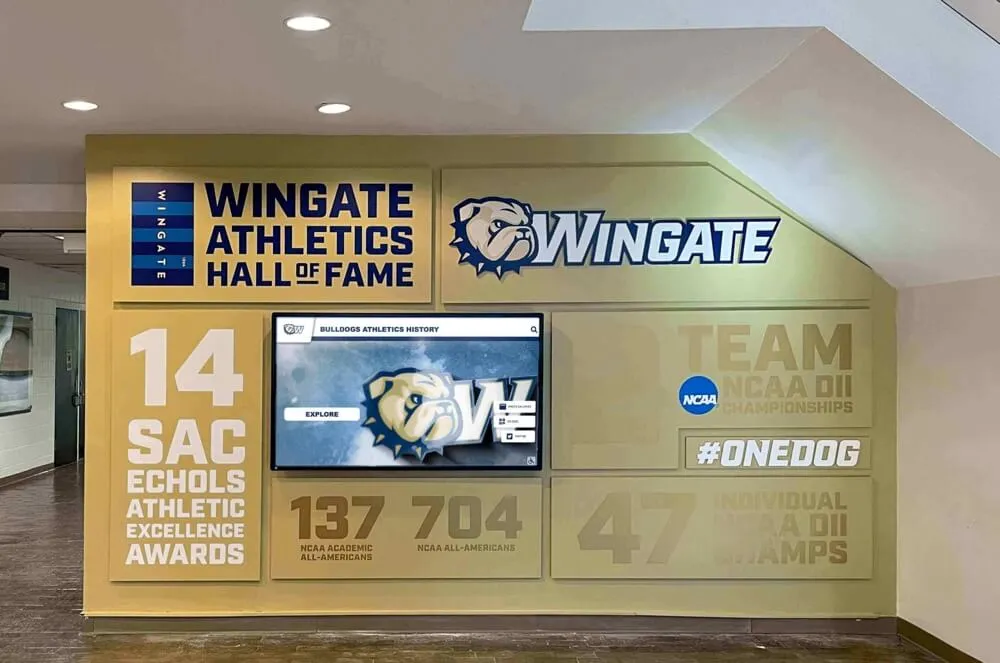
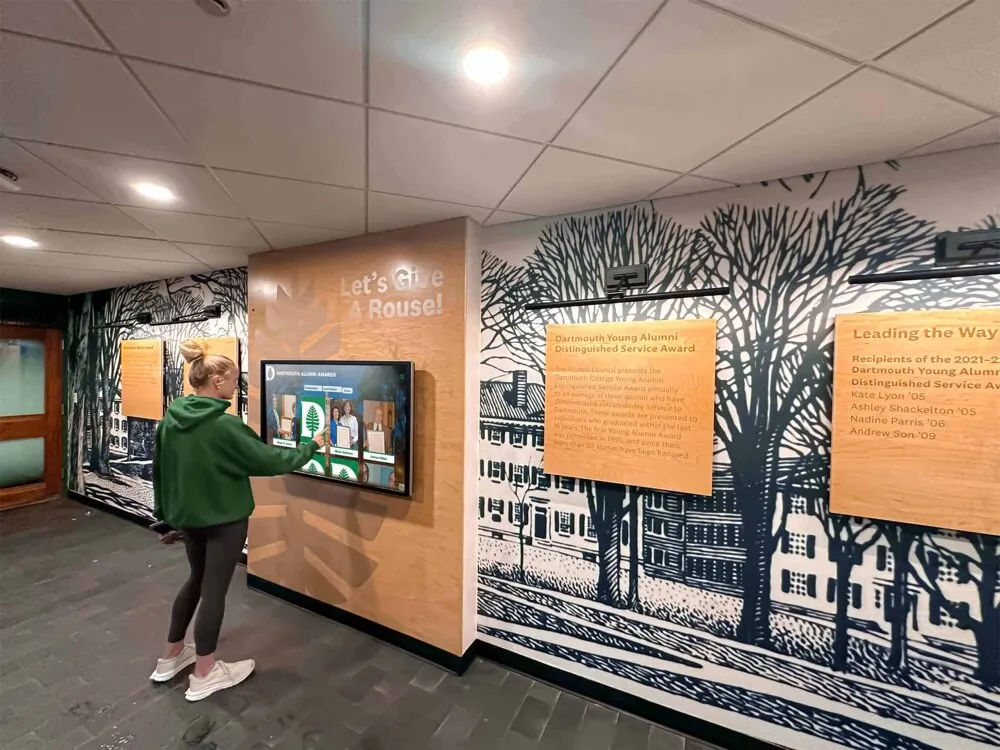
Modern alumni associations leverage technology like interactive displays to keep graduates connected to institutional history and current developments
Alumni Association Meaning: Defining the Organization
At its most basic level, an alumni association is an organized body of graduates from an educational institution who maintain formal connection to their alma mater through structured membership, programming, and governance. These organizations exist independently or operate as formal divisions within institutions, dedicated to sustaining graduate engagement and facilitating ongoing relationships between alumni and their schools.
Core Definition and Structure
Organizational Framework
Alumni associations typically feature several common structural elements:
Membership Base: All graduates of an institution typically qualify for membership, though some associations require dues or donations for active participation in certain benefits and programs.
Governance Structure: Most associations operate under formal governance models with elected boards of directors, executive committees, and officers who provide strategic oversight and policy direction.
Professional Staff: Larger associations employ dedicated professionals managing communications, events, fundraising, membership services, and programming, while smaller organizations may rely primarily on volunteer leadership.
Mission and Charter: Formal mission statements and organizational charters define purposes, responsibilities, and relationships with parent institutions.
Funding Sources: Financial support comes through various channels including membership dues, institutional funding, event revenues, corporate sponsorships, and philanthropic contributions.
Institutional Relationship Models
Alumni associations relate to their parent institutions through different organizational models:
Integrated Associations
Many associations function as departments within institutional advancement divisions, with staff reporting directly to university administrators. This model ensures tight alignment between alumni programming and institutional priorities while providing budget stability through institutional funding.
Independent Associations
Some associations operate as separate 501(c)(3) nonprofit organizations with independent boards, budgets, and staff. This structure provides operational autonomy and financial flexibility while requiring formal agreements defining institutional relationships and responsibilities.
Hybrid Models
Increasingly, institutions adopt hybrid approaches where associations maintain some operational independence while coordinating closely with advancement offices on fundraising, communications, and strategic initiatives.
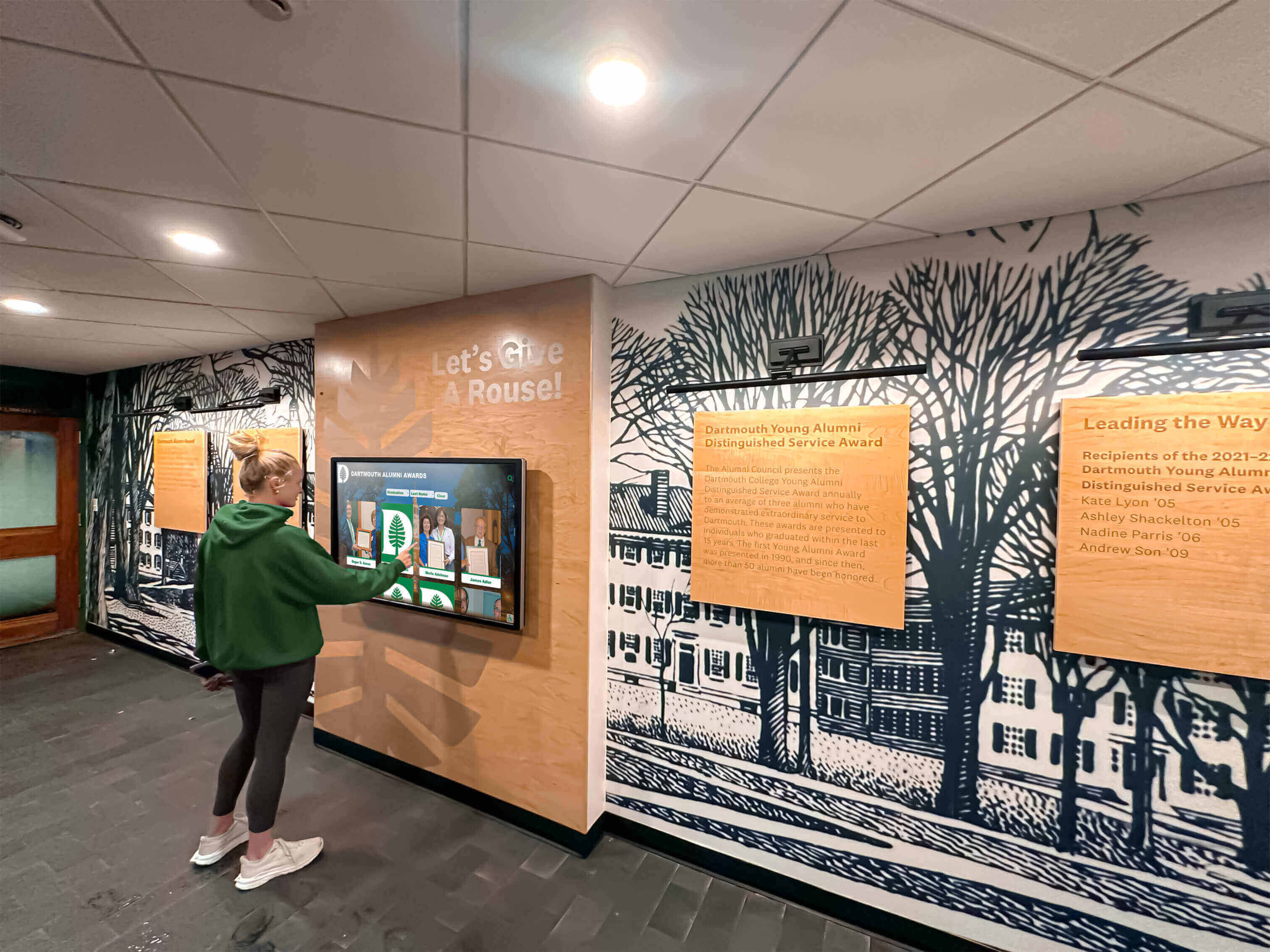
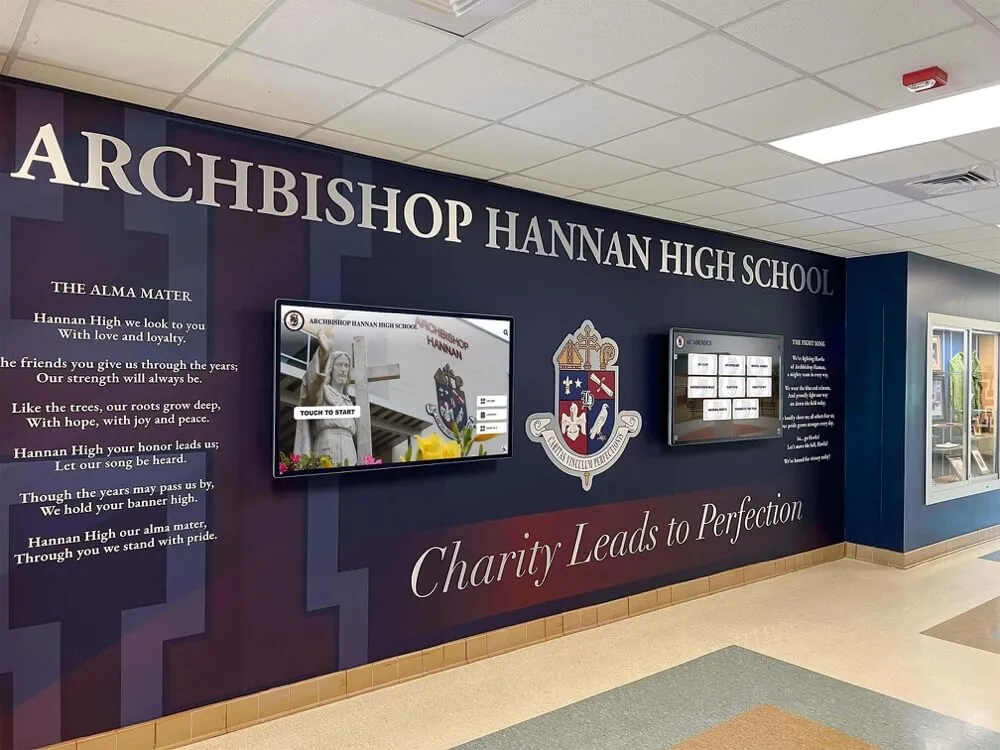
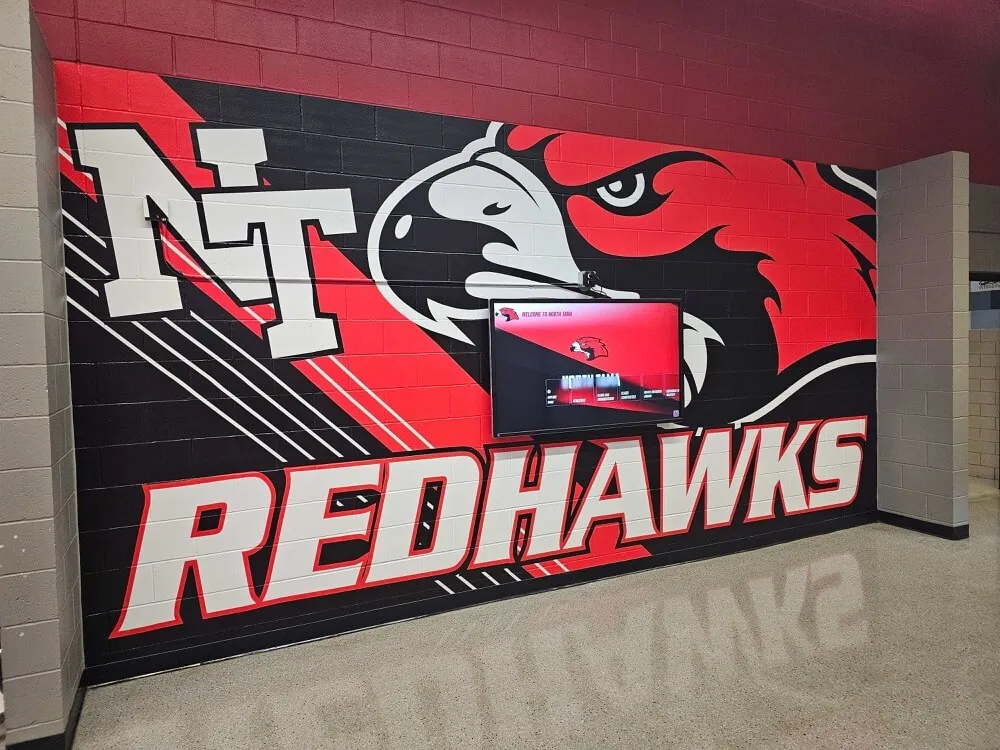
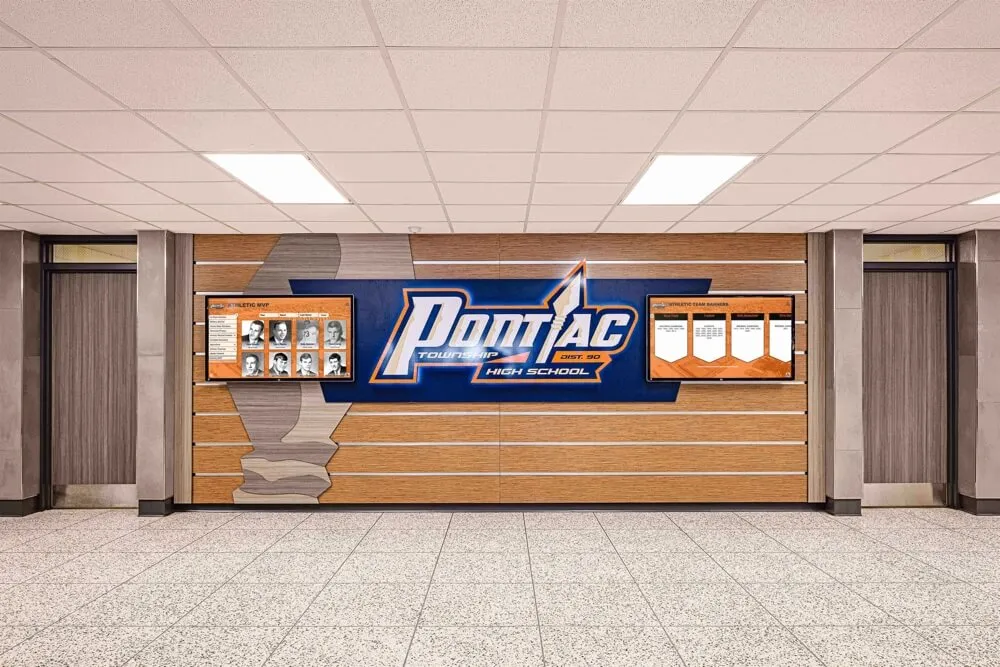
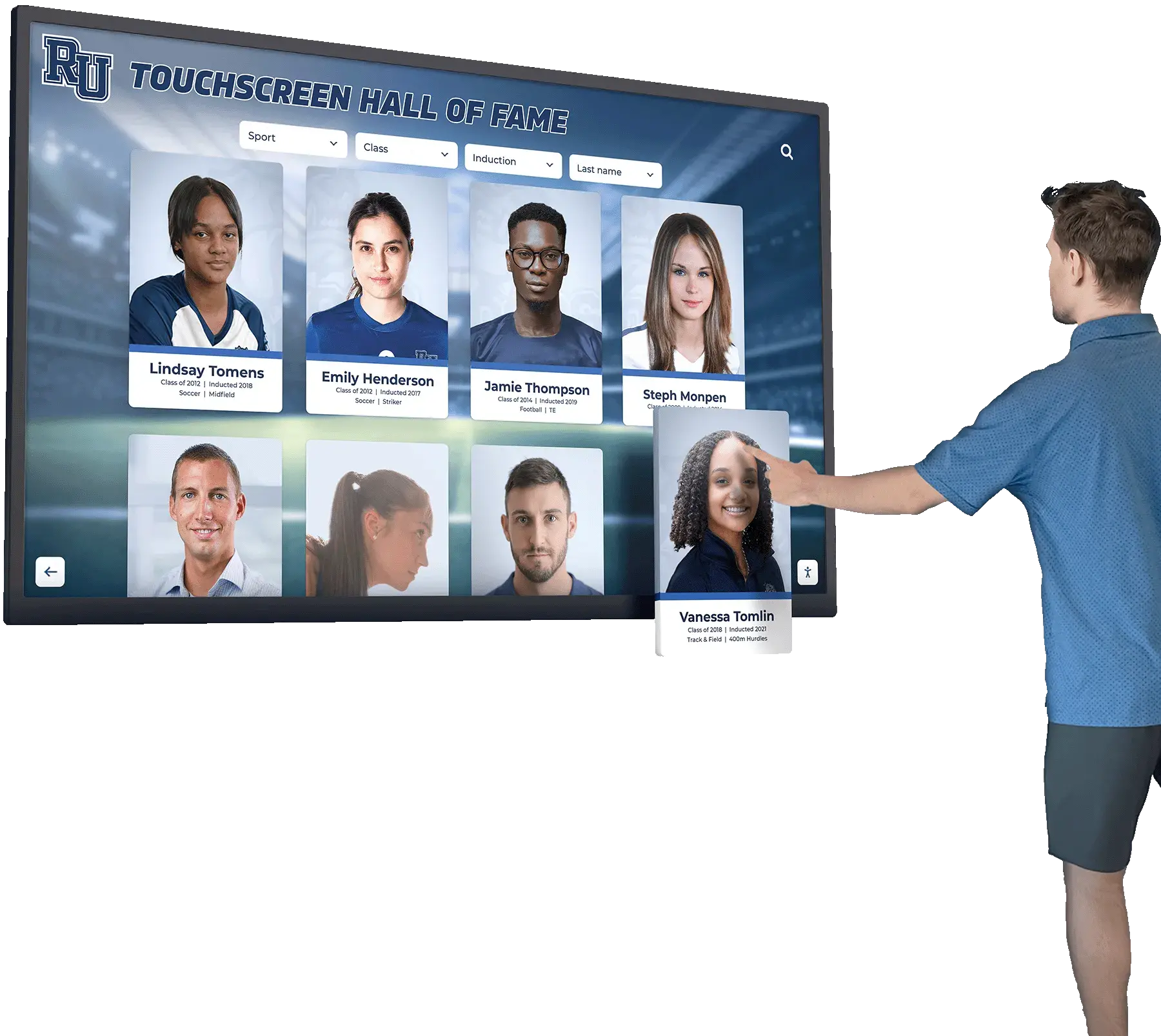
Alumni associations create connections between current students and accomplished graduates through recognition programs and mentorship opportunities
What Alumni Associations Do: Core Functions and Activities
Understanding what alumni associations actually do reveals their value proposition for both members and institutions. Effective associations execute multiple interconnected functions simultaneously.
Maintaining Graduate Connections and Engagement
The foundational purpose of alumni associations involves keeping graduates connected to institutions and fellow alumni long after graduation.
Communication Programs
Associations maintain regular contact with alumni through:
- Alumni magazines delivering high-quality editorial content about institutional developments, graduate achievements, and community news
- Email newsletters providing timely updates on events, opportunities, and institutional milestones
- Social media channels facilitating informal interaction and community building across platforms
- Class-specific communications targeting milestone reunion years and maintaining class cohort connections
- Annual reports documenting association activities, financial health, and impact metrics
Event Programming
Associations organize diverse events creating face-to-face engagement opportunities:
- Homecoming celebrations bringing alumni back to campus for athletics, reunions, and community gathering
- Regional chapter events enabling local connection through networking receptions, professional development programs, and social activities
- Milestone reunions celebrating 5th, 10th, 25th, and 50th anniversaries of graduation with dedicated programming
- Affinity group gatherings connecting alumni around shared identities, academic disciplines, or professional interests
- Family programming including spouses, children, and extended families in alumni community
Modern schools recognize that engaging alumni requires meeting them where they gather naturally, which increasingly means creating permanent touchpoints on campus through digital recognition displays and interactive exhibits celebrating graduate achievements.
Professional Networking and Career Support
Alumni associations provide career-related services that deliver tangible professional value justifying continued engagement.
Career Services and Job Placement
Effective associations extend career support beyond graduation through:
- Alumni job boards featuring opportunities from graduate employers and organizational partners
- Resume review services offering professional feedback on application materials
- Interview coaching preparing alumni for career transitions and advancement opportunities
- Industry networking events connecting professionals within specific fields
- Career panels featuring successful alumni sharing insights about various career paths
Mentorship Programs
Formal mentorship initiatives connect experienced alumni with recent graduates and current students:
- One-on-one mentoring pairing mentees with appropriate mentors based on industry, interests, and career stage
- Group mentorship allowing multiple mentees to learn from accomplished alumni professionals
- Speed mentoring events enabling brief consultations with numerous alumni mentors
- Industry-specific programs connecting students pursuing particular careers with relevant alumni professionals
These professional networking opportunities create reciprocal value: mentees receive guidance while mentors gain satisfaction from contributing to next-generation success and potentially identifying talented recruits for their organizations.
Institutional Advancement and Fundraising
Alumni associations play crucial roles in institutional fundraising and advancement strategies.
Annual Giving Campaigns
Associations often manage or support annual giving programs encouraging regular philanthropic participation:
- Class giving competitions creating friendly rivalry to increase participation rates
- Reunion giving initiatives capitalizing on milestone years when alumni feel especially connected
- Leadership annual giving societies recognizing consistent donors at various levels
- Digital giving platforms making contributions convenient and transparent
Major Gifts and Capital Campaigns
While major gift fundraising typically occurs through dedicated development offices, alumni associations support these efforts by:
- Identifying and cultivating prospective donors through engagement activities
- Building philanthropic culture through recognition and donor appreciation
- Providing volunteer leadership for campaign committees and advisory boards
- Connecting development officers with alumni networks and influencers
Donor Recognition and Stewardship
Associations implement recognition programs celebrating philanthropic support:
- Donor walls and displays publicly acknowledging contributions
- Giving societies creating tiered recognition for various support levels
- Impact reporting demonstrating how contributions advance institutional missions
- Appreciation events thanking donors and showcasing gift impact
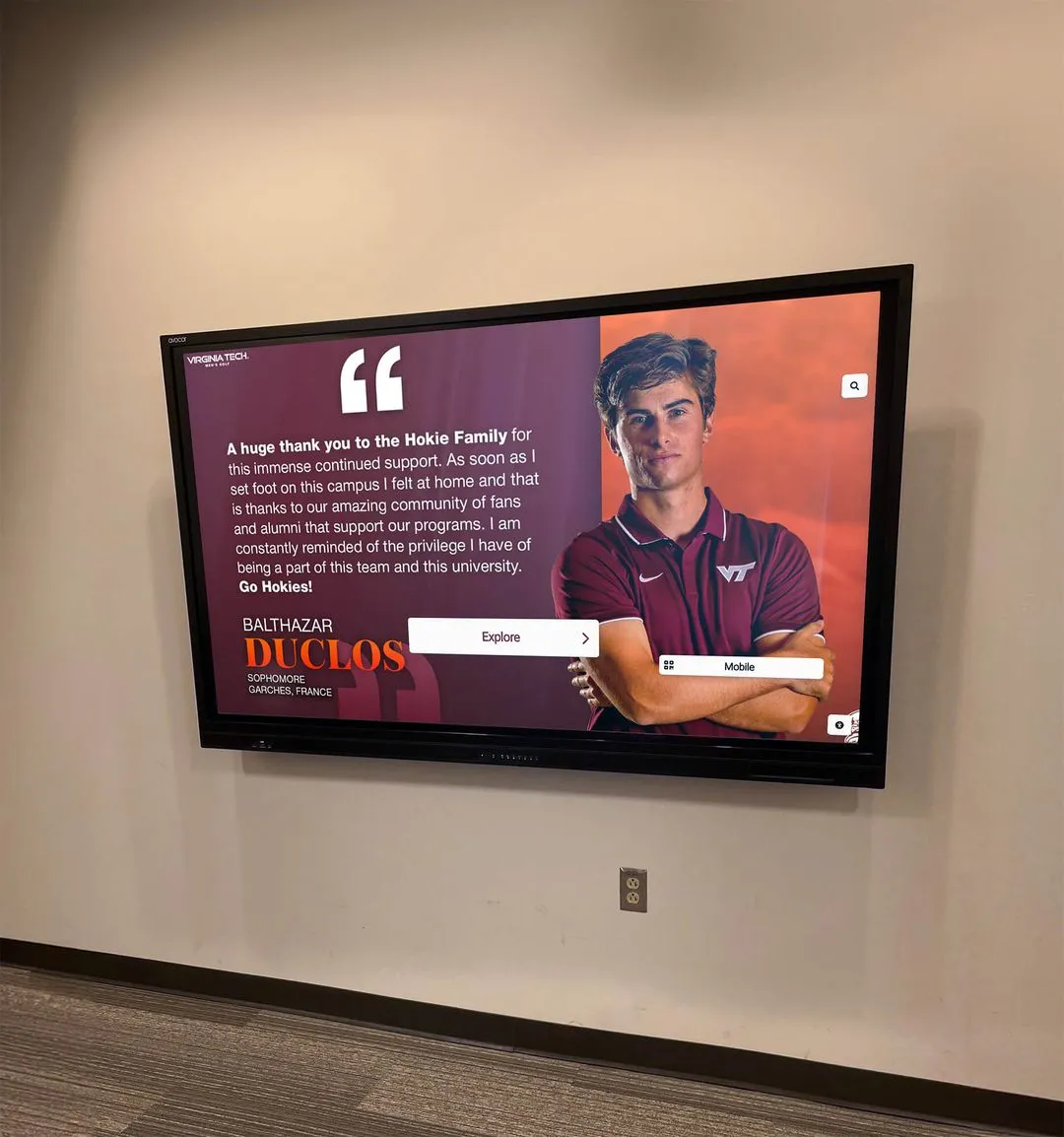
Many institutions now use digital donor recognition systems offering unlimited recognition capacity, easy updates, and engaging multimedia storytelling that traditional plaques cannot match.
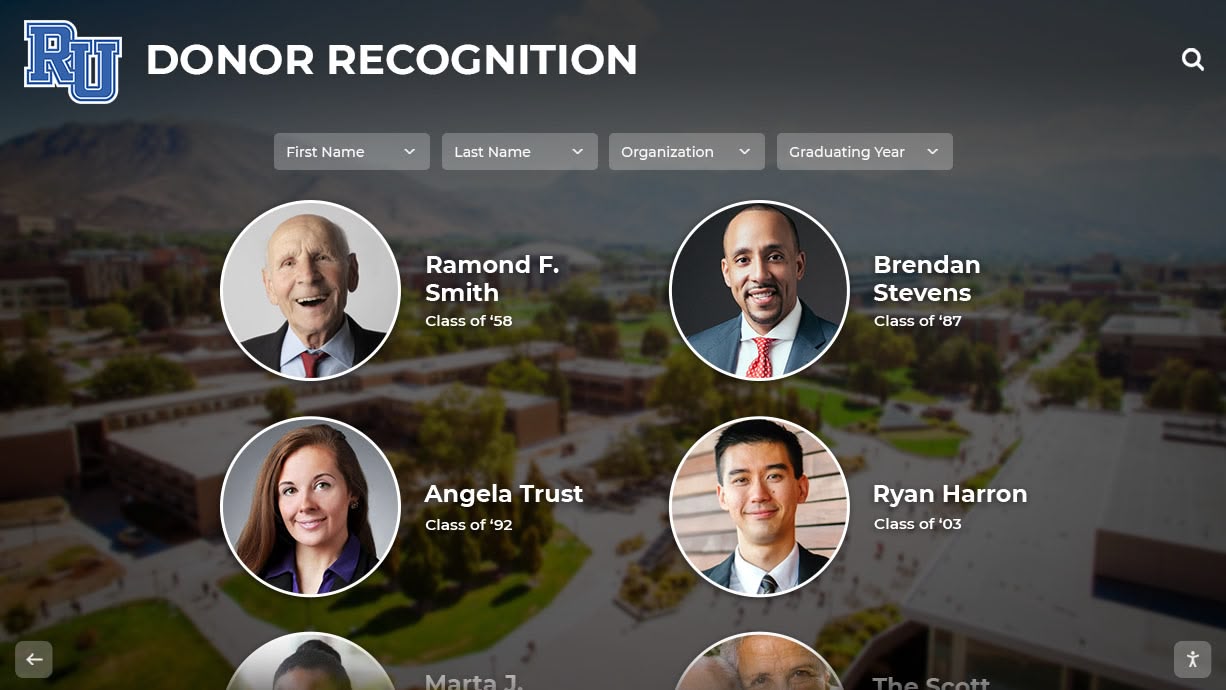
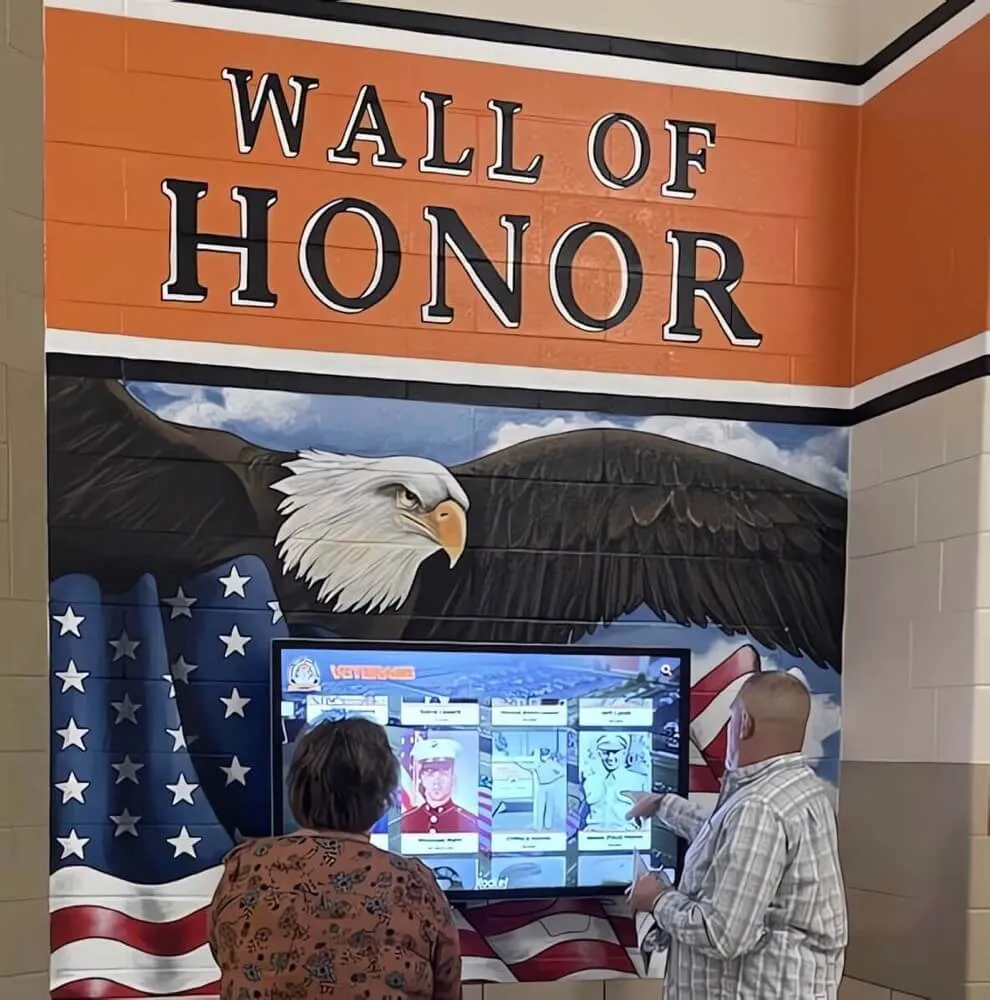
Recognition programs celebrate philanthropic alumni while inspiring giving culture within broader graduate communities
Student Support and Recruitment
Alumni associations directly benefit current and prospective students through various programs and initiatives.
Student Mentoring and Advising
Alumni connections provide invaluable guidance for current students:
- Career exploration discussions helping students understand various professional paths
- Internship and employment opportunities connecting students with alumni employers
- Graduate school advising from alumni who navigated similar educational transitions
- Life skills mentoring addressing challenges beyond academics
Admissions and Recruitment Support
Engaged alumni strengthen student recruitment through:
- Admissions interviews conducted by trained alumni volunteers in applicants’ home regions
- Recruitment events where alumni represent institutions at college fairs and information sessions
- Yield activities helping admitted students choose to enroll through personal outreach
- Legacy considerations where alumni children receive admissions consideration
Scholarship Funding
Many associations manage scholarship programs supporting student financial needs:
- Endowed scholarships funded by alumni gifts providing perpetual support
- Annual scholarships supported through ongoing fundraising activities
- Emergency funds addressing unexpected student financial crises
- Study abroad support enabling international educational experiences
Schools seeking to strengthen connections between current students and accomplished alumni often implement recognition displays celebrating graduate achievements while inspiring current students with examples of institutional success.
Preserving Institutional History and Traditions
Alumni associations serve as cultural stewards maintaining institutional memory and traditions across generations.
Historical Preservation
Associations often maintain institutional archives and historical records:
- Yearbook and publication collections documenting institutional evolution
- Photo and video archives preserving visual institutional history
- Oral history projects capturing graduate memories and experiences
- Artifact preservation protecting physical items of historical significance
Tradition Maintenance
Associations perpetuate cultural traditions that define institutional identities:
- Homecoming celebrations continuing decades-old traditions
- Reunion customs maintaining class-specific rituals and gatherings
- Fight songs and cheers preserving institutional music and spirit traditions
- Ceremonial practices continuing commencement traditions and milestone events
Halls of Fame and Recognition
Many associations manage halls of fame and recognition programs:
- Athletic halls of fame honoring accomplished student-athletes and coaches
- Distinguished alumni awards recognizing exceptional career achievements and community contributions
- Service awards celebrating volunteer contributions to institutions and communities
- Young alumni recognition highlighting rising stars early in their careers
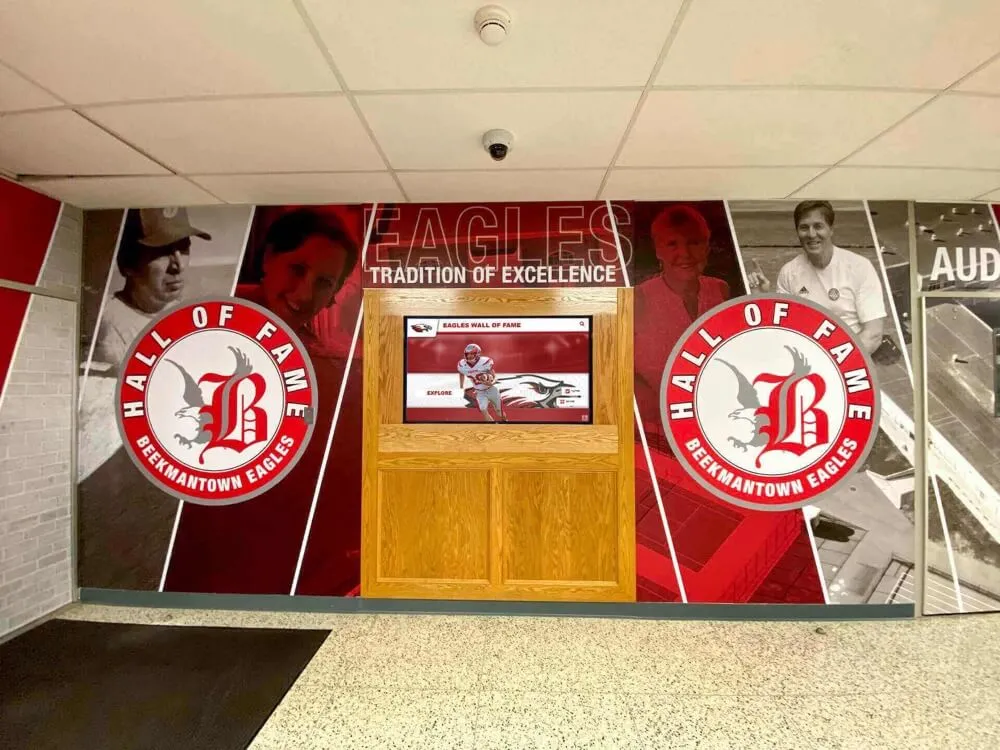
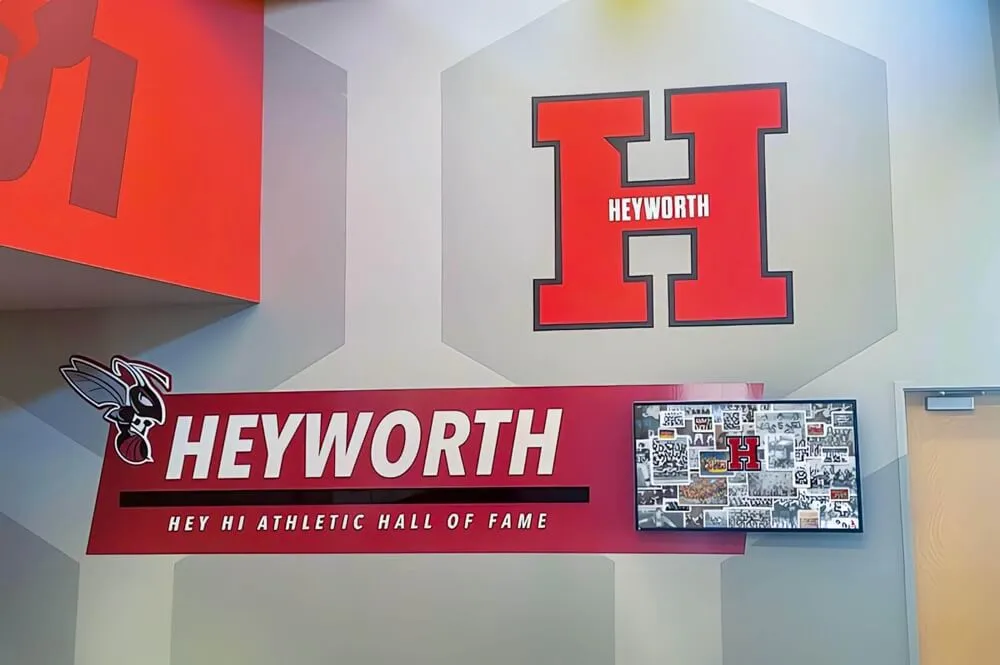
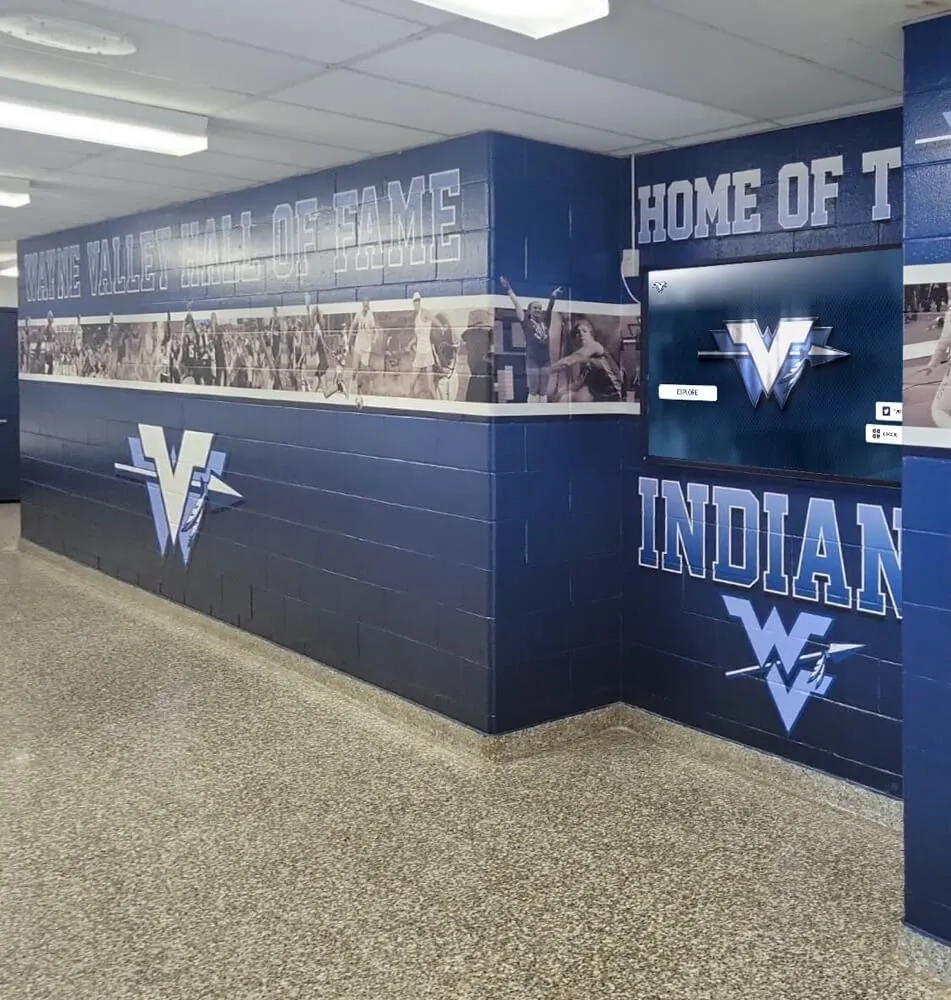
Modern institutions increasingly use interactive digital displays for halls of fame and recognition, offering unlimited honoree capacity, rich multimedia storytelling, and searchable databases that static plaques cannot provide.
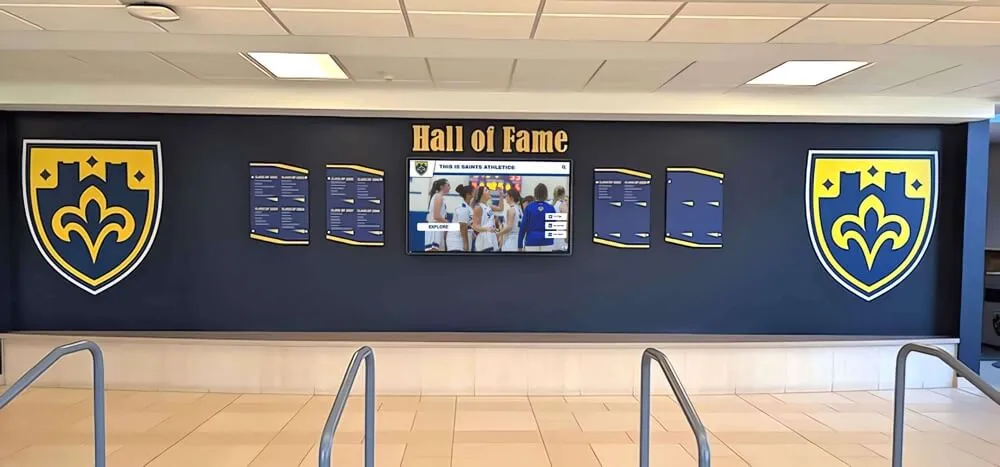
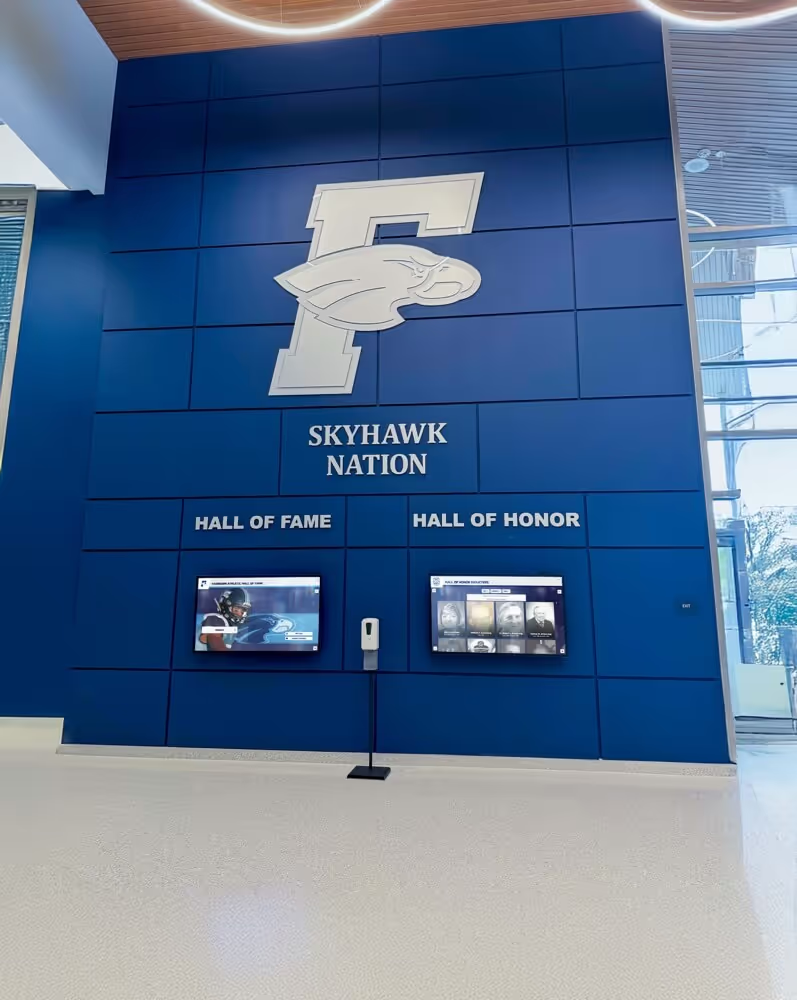
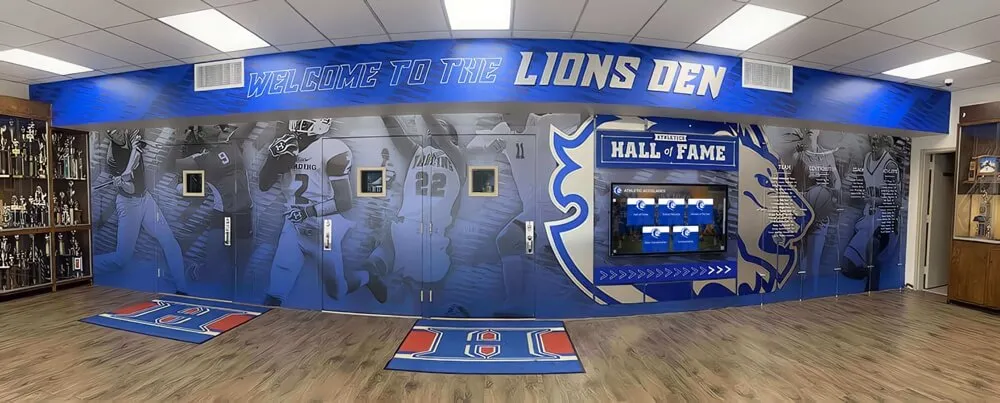
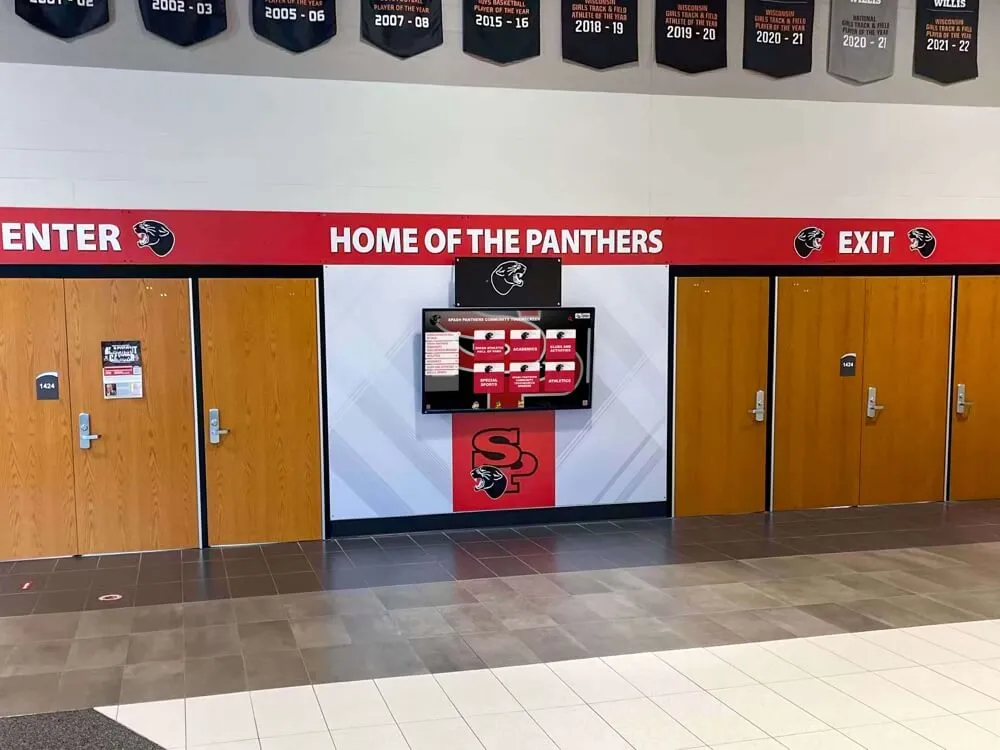
Halls of fame celebrate distinguished alumni while maintaining institutional traditions and inspiring current community members
Community Building and Social Connection
Beyond professional networking, alumni associations facilitate social connections and community building.
Geographic Chapter Networks
Regional chapters maintain local alumni communities:
- City-based chapters in major metropolitan areas where alumni concentrate
- Regional groups covering broader geographic territories
- International chapters serving alumni living abroad
- Virtual chapters connecting geographically dispersed alumni through digital platforms
Affinity Groups and Networks
Identity-based and interest-based groups create belonging within larger alumni populations:
- Cultural and ethnic affinity groups supporting shared identity connections
- LGBTQ+ alumni networks providing inclusive community spaces
- Professional industry groups connecting alumni within career fields
- Shared interest clubs based on hobbies, sports, or activities
Volunteer Opportunities
Associations coordinate volunteer activities enabling alumni contribution:
- Admissions interviewing helping evaluate prospective students
- Career mentoring supporting student professional development
- Event planning organizing regional and reunion programming
- Board and committee service providing governance and strategic guidance
- Phonathon participation conducting fundraising outreach
These volunteer opportunities allow alumni to maintain active institutional involvement beyond financial contributions.
Why Your School Needs an Alumni Association
Understanding alumni association benefits reveals why educational institutions should invest in building robust graduate engagement infrastructure.
Fundraising and Financial Support
The most obvious alumni association benefit involves enhanced philanthropic capacity and revenue generation.
Sustainable Funding Streams
Strong alumni engagement produces reliable financial support:
- Annual giving participation from engaged alumni who donate regularly
- Major gift prospects emerging from cultivated donor pipelines
- Planned giving commitments from alumni including institutions in estate plans
- Corporate matching gifts leveraged through alumni employment connections
Research consistently demonstrates correlation between alumni engagement levels and giving rates. Institutions maintaining regular communication, delivering valuable programming, and recognizing contributions consistently achieve higher donation participation than those treating alumni as occasional funding sources.
Economic Impact Beyond Direct Giving
Alumni associations generate financial value beyond direct donations:
- Tuition revenue from children of engaged alumni who attend as legacy students
- Corporate partnerships facilitated through alumni business connections
- In-kind contributions of services, materials, and expertise
- Volunteer hours reducing staffing costs for admissions, events, and programming
Institutional Reputation and Brand Strength
Alumni serve as ambassadors representing institutions in professional contexts, communities, and personal networks.
Professional Achievement Reflects Institutional Quality
Successful alumni demonstrate institutional value:
- Accomplished graduates validate educational quality
- Career achievements attract prospective students and faculty
- Professional leadership positions increase institutional visibility
- Industry influence creates partnership and collaboration opportunities
Schools celebrating graduate accomplishments through recognition programs amplify positive reputation while inspiring current students with achievement examples.
Word-of-Mouth Marketing
Engaged alumni become informal recruiters:
- Positive testimonials influence prospective student decisions
- Personal endorsements carry more credibility than institutional marketing
- Alumni children represent pre-qualified admission prospects
- Professional networks expose institutions to broader audiences
Student Recruitment and Yield
Alumni engagement directly impacts enrollment outcomes and student quality.
Admissions Support
Active alumni strengthen recruitment through:
- Interview capacity enabling personal evaluation of applicants
- Regional representation at college fairs and information sessions
- Yield conversations persuading admitted students to enroll
- Campus visit hosting welcoming prospective students and families
Legacy Admissions Advantages
Alumni children represent valuable recruitment segments:
- Higher likelihood of enrollment when admitted
- Often demonstrate strong institutional fit and engagement potential
- Create multi-generational connections strengthening family loyalty
- Reduce marketing costs through existing family relationships
Current Student Support and Success
Alumni associations provide resources benefiting current students throughout educational journeys.
Career Preparation and Placement
Alumni networks offer career advantages:
- Internship opportunities through alumni employers
- Job placement assistance via professional connections
- Industry insights from graduates working in fields students pursue
- Interview practice and resume feedback from experienced professionals
Many schools implement digital displays showcasing accomplished alumni in various career fields, helping current students envision potential career paths while celebrating graduate success.
Mentorship and Guidance
Alumni provide wisdom beyond what faculty and staff can offer:
- Career navigation advice based on personal experience
- Life skills guidance addressing challenges beyond academics
- Professional networking introductions and connections
- Emotional support during difficult transitions
Financial Support
Alumni-funded scholarships reduce student debt burdens and enable attendance:
- Merit scholarships recognizing academic achievement
- Need-based aid making education accessible
- Emergency funds addressing unexpected financial crises
- Study abroad support enabling international experiences
Institutional Stability and Continuity
Alumni associations provide stability transcending leadership changes, funding fluctuations, and institutional challenges.
Cultural Continuity
Engaged alumni maintain institutional traditions:
- Preserve historical knowledge across generations
- Sustain cultural practices and ceremonial traditions
- Provide institutional memory during leadership transitions
- Maintain standards and expectations for quality
Crisis Support and Advocacy
During institutional challenges, engaged alumni provide crucial support:
- Public advocacy defending institutional reputation
- Emergency fundraising responding to unexpected needs
- Political influence protecting institutional interests
- Community mobilization rallying support during crises
Long-Term Perspective
Alumni associations think beyond immediate concerns:
- Balance short-term pressures with long-term sustainability
- Represent graduate interests in institutional decision-making
- Maintain focus on enduring values amid changing circumstances
- Provide wisdom from experience across decades
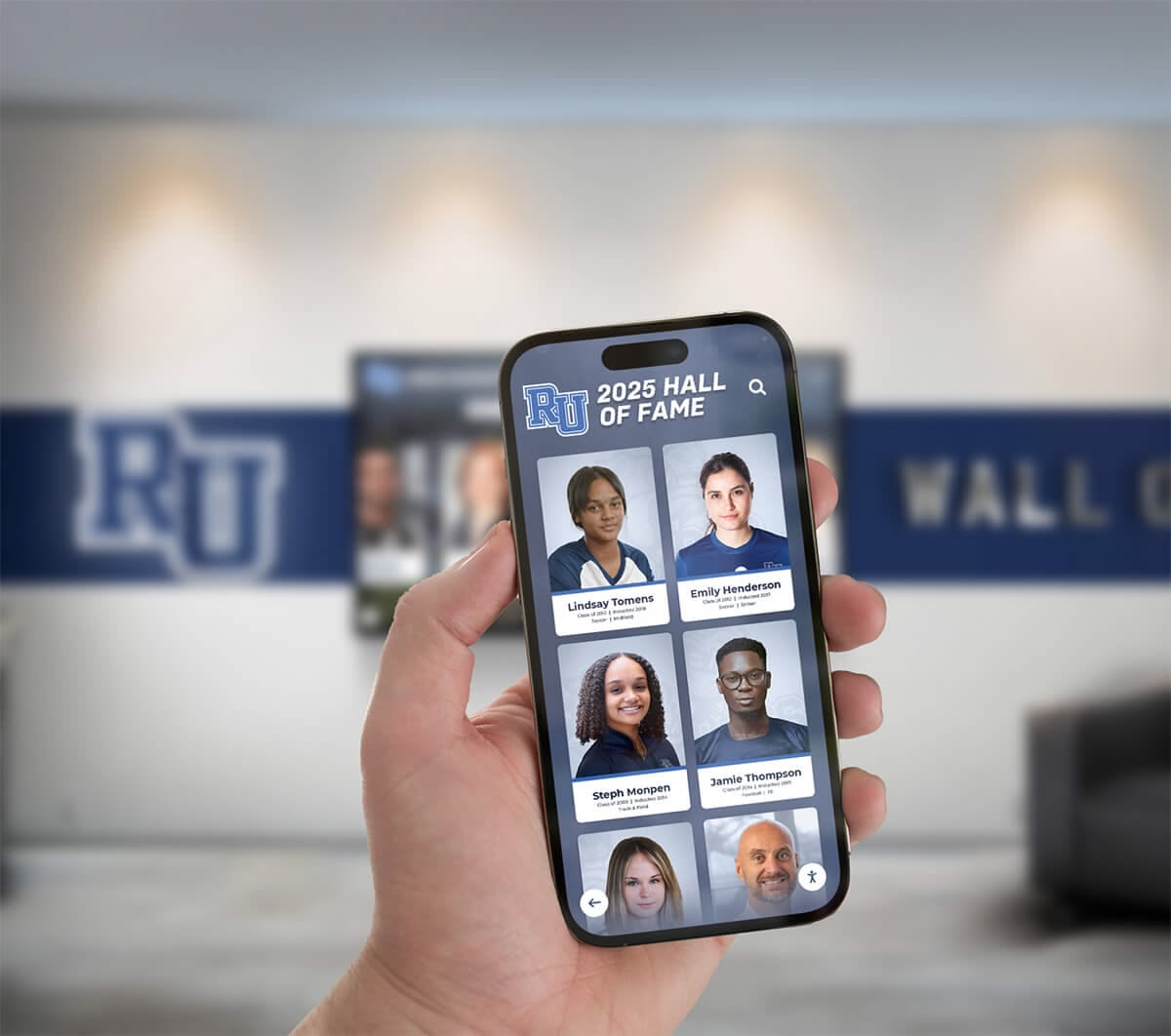
Modern technology enables alumni engagement beyond physical campus visits through mobile apps and digital platforms
Building an Effective Alumni Association: Key Components
Institutions seeking to establish or strengthen alumni associations should focus on several critical success factors.
Clear Mission and Strategic Vision
Effective associations operate with explicit purposes and measurable goals.
Mission Definition
Articulate precisely what your association exists to accomplish:
- Primary purposes and constituencies served
- Relationship with parent institution
- Core values guiding decisions and activities
- Distinction from institutional advancement office
Strategic Planning
Develop formal plans outlining:
- Multi-year goals and objectives
- Priority initiatives and programs
- Resource requirements and allocation
- Success metrics and evaluation processes
Professional Management and Governance
Quality staff and governance structures determine association effectiveness.
Professional Staffing
Invest in qualified professionals managing:
- Executive leadership providing strategic direction and institutional liaison
- Communications specialists managing publications, digital platforms, and messaging
- Event planners coordinating reunions, homecoming, and chapter activities
- Data managers maintaining alumni records and engagement metrics
- Fundraising professionals if association manages development activities
Governance Structure
Establish effective volunteer leadership:
- Board of directors providing oversight and policy guidance
- Executive committee managing routine decisions between board meetings
- Standing committees focusing on programming, finance, nominations, and other functions
- Chapter leaders directing regional and affinity group activities
Adequate Resources and Infrastructure
Associations require appropriate funding and operational infrastructure.
Budget and Funding
Secure sustainable financial support through:
- Institutional allocations from university budgets
- Membership dues and voluntary contributions
- Event revenues from programming
- Corporate sponsorships and partnerships
- Endowment income if established
Technology Platforms
Invest in systems enabling effective operations:
- Alumni database tracking contact information and engagement history
- Website and mobile apps providing information access and community connection
- Email marketing platforms managing communications
- Event registration systems streamlining programming logistics
- Social media presence facilitating informal interaction
Modern institutions increasingly invest in digital recognition and engagement technology creating permanent campus touchpoints where alumni naturally gather and engage with institutional history.
Valuable Programming and Services
Alumni participate when associations deliver genuine value worthy of time and attention.
Career and Professional Development
Provide services with tangible career benefits:
- Job boards and career counseling
- Professional networking events
- Industry-specific programming
- Mentorship opportunities
- Skill development workshops
Social and Community Building
Create opportunities for meaningful connection:
- Regional chapter events convenient to alumni
- Affinity group gatherings around shared identities
- Family-friendly programming including spouses and children
- Volunteer opportunities enabling contribution
- Social gatherings facilitating friendship
Benefits and Privileges
Offer tangible membership advantages:
- Library and facility access
- Discounted continuing education
- Travel programs and experiences
- Insurance and financial service benefits
- Campus event ticket priority
Effective Communication Strategies
Maintaining regular, valuable communication sustains engagement across alumni lifecycles.
Multi-Channel Approach
Reach alumni through preferred communication channels:
- Print publications for those preferring traditional media
- Email newsletters providing timely updates
- Social media enabling informal interaction
- Mobile apps meeting alumni where they spend attention
- Direct mail for milestone communications
Segmented Messaging
Tailor communications to specific audiences:
- Recent graduates need career support and young alumni programming
- Mid-career alumni value professional networking and volunteer opportunities
- Established professionals may offer mentorship and major gift capacity
- Retirees appreciate lifetime learning and legacy planning resources
Recognition and Celebration
Acknowledging alumni achievements motivates continued engagement while inspiring current students.
Awards and Honors
Develop recognition programs celebrating:
- Career accomplishments and professional achievement
- Community service and volunteer contributions
- Support for institution through giving and advocacy
- Distinguished service to association itself
Public Celebration
Share alumni success through:
- Feature stories in alumni publications and websites
- Social media highlights celebrating achievements
- Hall of fame displays permanently honoring distinguished graduates
- Event recognition during reunions and gatherings
Schools implementing comprehensive recognition programs often use interactive digital systems offering unlimited capacity for honorees, rich multimedia storytelling, and searchable databases that traditional plaques cannot provide.
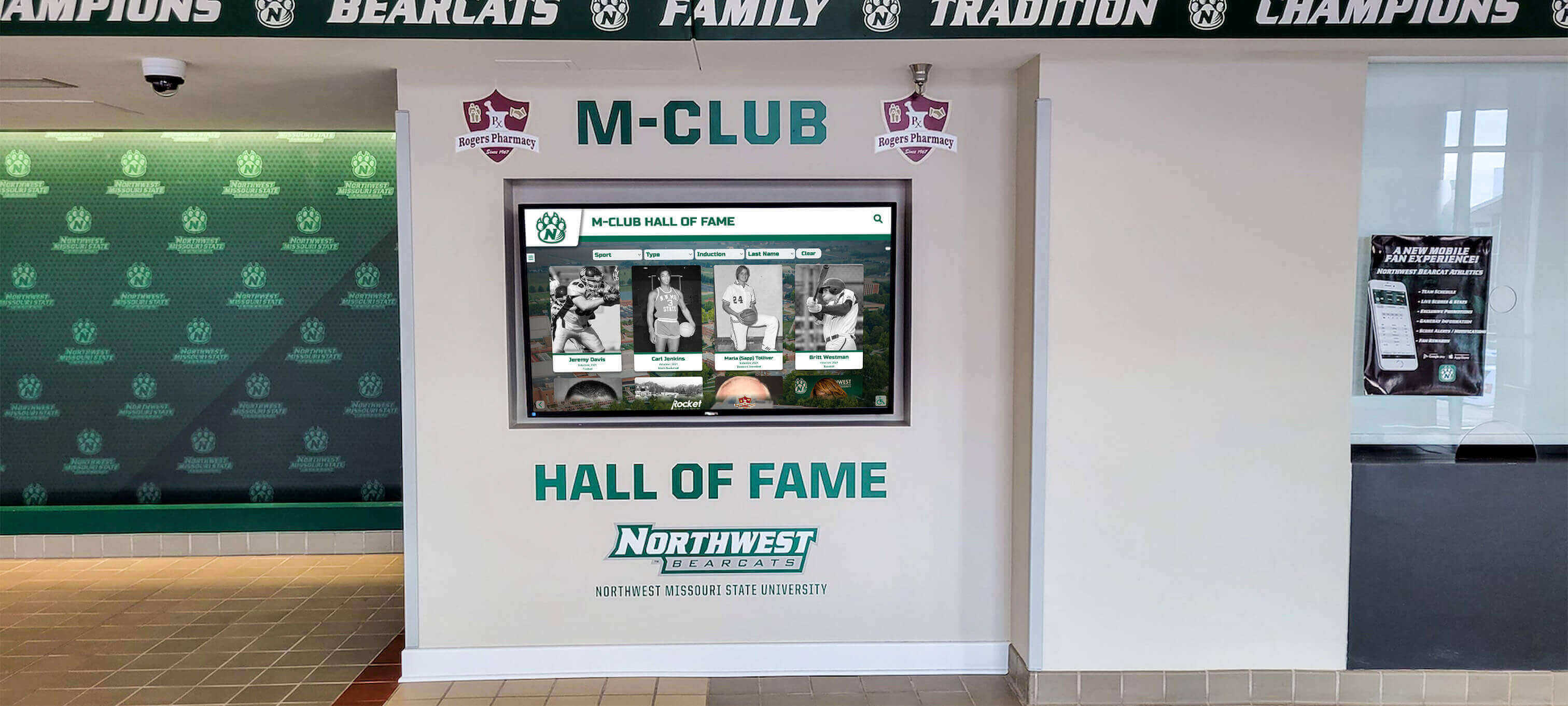
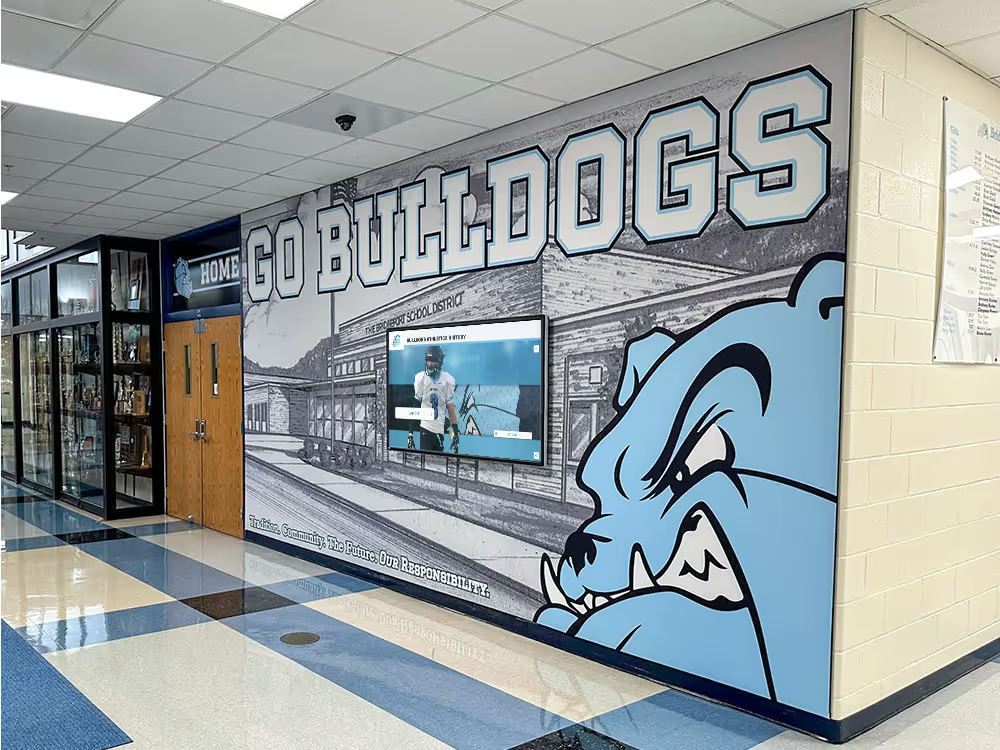
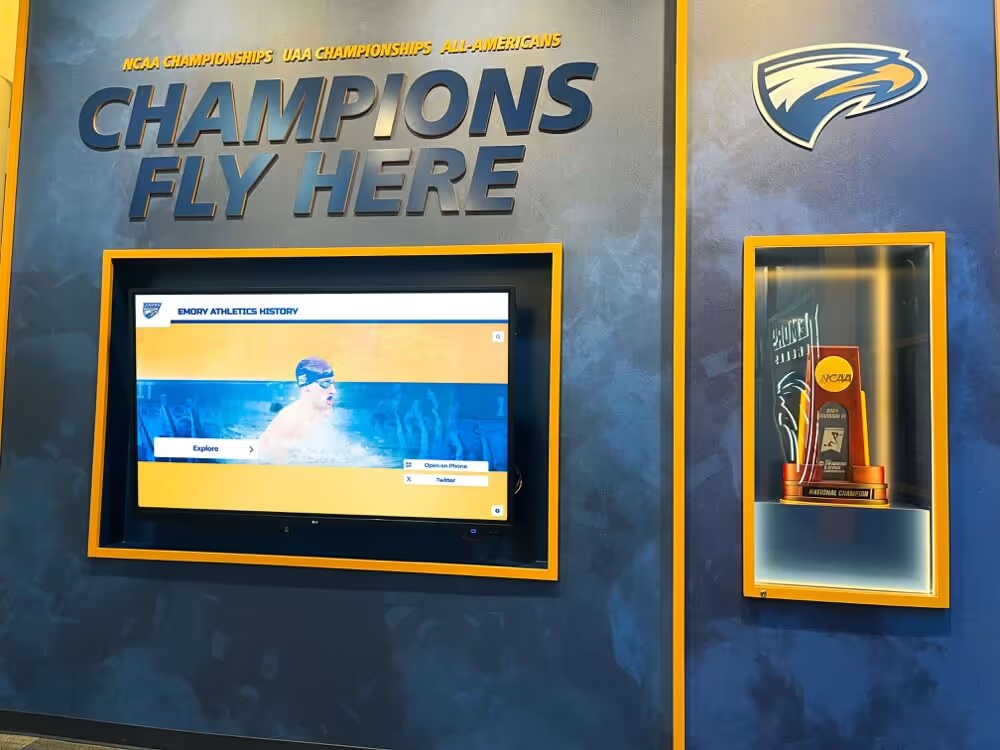
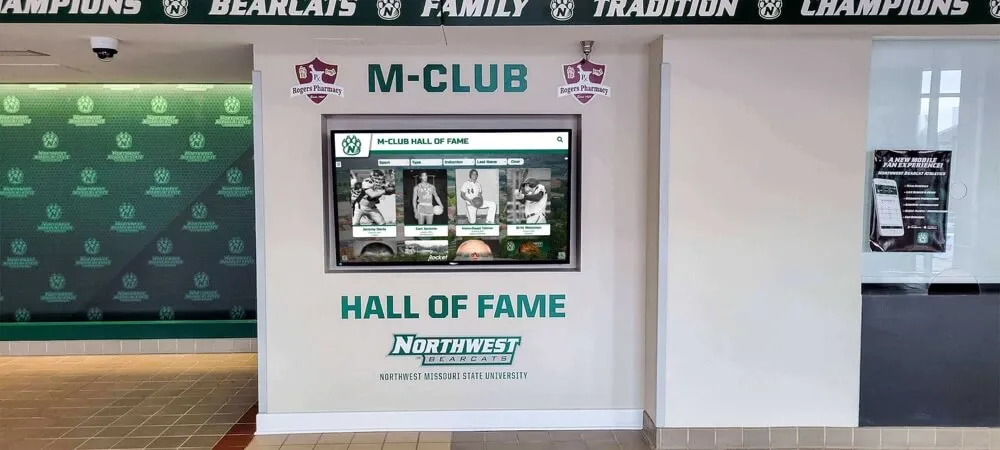
Athletic halls of fame honor competitive excellence while strengthening bonds between current athletes and accomplished alumni
Alumni Association Models Across Educational Levels
Different educational contexts require adapted alumni association approaches.
High School Alumni Associations
Secondary schools increasingly recognize value in maintaining graduate connections.
Unique Considerations
High school associations face distinct challenges and opportunities:
- Geographic concentration: Many alumni remain in local communities
- Generational breadth: Associations span alumni from teens to 90s
- Limited resources: Smaller budgets and staff than university counterparts
- Community integration: Deep roots in specific towns and regions
Effective Strategies
Successful high school associations:
- Leverage milestone reunions as primary engagement mechanisms
- Focus on local events requiring minimal travel
- Emphasize legacy families with multi-generational attendance
- Support current students through scholarships and mentoring
- Maintain affordability recognizing varied economic circumstances
Many high schools now implement digital recognition displays celebrating distinguished graduates while creating gathering points for reunions and community events.
College and University Alumni Associations
Higher education institutions maintain the most established and resourced alumni associations.
Structural Variations
University associations vary significantly:
- Large research universities may employ dozens of staff managing hundreds of thousands of alumni
- Liberal arts colleges often maintain smaller but highly engaged graduate communities
- Regional universities balance geographic concentration with national dispersion
- Community colleges increasingly recognize value in alumni engagement despite historically limited efforts
Programming Emphasis
University associations typically prioritize:
- Professional networking and career advancement
- Geographic chapter networks enabling local connection
- Academic affinity groups organized by school or department
- Major gift fundraising and capital campaign support
- Lifetime learning through lectures, courses, and cultural programming
Graduate and Professional School Associations
MBA programs, law schools, medical schools, and other specialized programs create powerful professional networks.
Professional Focus
Graduate program associations emphasize:
- Career networking within shared professional fields
- Industry events connecting alumni in legal, medical, business, and other sectors
- Continuing education delivering specialized knowledge and certifications
- Executive programming appealing to accomplished professionals
Integration Challenges
Graduate alumni often maintain multiple loyalties:
- Undergraduate alma mater relationships
- Graduate program connections
- Professional association memberships
- Employer organizational affiliations
Effective graduate associations deliver value justifying attention among competing demands.
Athletic Program and Team-Specific Associations
Former student-athletes maintain uniquely strong bonds through shared competitive experiences.
Team-Based Identity
Athletic alumni associations leverage:
- Intense emotional connections through sport
- Shared sacrifice and competitive memories
- Team identity transcending individual achievement
- Coach relationships providing leadership continuity
Programming Approaches
Successful athletic associations:
- Host reunions bringing former teammates together
- Organize game-day gatherings around athletic competitions
- Raise funds for scholarships and facility improvements
- Mentor current student-athletes
- Celebrate accomplishments through halls of fame
Many athletic programs now showcase achievements through digital recognition systems highlighting championship teams, record holders, and distinguished athletes in engaging, interactive formats.
Challenges Facing Alumni Associations
Understanding common challenges helps associations navigate obstacles and strengthen operations.
Engagement Across Generational Diversity
Associations serve alumni from different generations with varying preferences and expectations.
Generational Differences
Communication and program preferences vary:
- Silent Generation and Baby Boomers often prefer print publications and traditional events
- Generation X balances traditional and digital engagement
- Millennials expect mobile-first experiences and authentic communication
- Generation Z graduates demand social responsibility and inclusive community
Addressing Diversity
Effective strategies include:
- Multi-channel communication reaching different preferences
- Varied programming appealing to different interests and life stages
- Technology adoption meeting younger alumni where they engage
- Tradition maintenance honoring established customs
Geographic Dispersion
Alumni scatter across regions, countries, and continents after graduation.
Distance Challenges
Geographic separation creates obstacles:
- Difficulty attending campus events for distant alumni
- Reduced connection to institutional developments
- Weakened relationships with fellow graduates
- Challenges maintaining active chapter networks
Solutions
Associations address dispersion through:
- Robust regional chapter networks enabling local engagement
- Virtual programming reaching geographically dispersed alumni
- Hybrid events combining in-person and remote participation
- Digital platforms facilitating connection regardless of location
Limited Resources and Funding
Many associations operate with constrained budgets affecting program quality and scope.
Resource Constraints
Financial limitations impact:
- Professional staffing capacity and expertise
- Event quality and frequency
- Communication sophistication and reach
- Technology platform capabilities
- Programming diversity and innovation
Sustainable Funding Approaches
Associations strengthen finances through:
- Membership dues providing predictable revenue
- Institutional financial commitments
- Corporate sponsorships and partnerships
- Event revenues from programming
- Endowment building for long-term sustainability
Competition for Alumni Attention
Alumni face countless demands on limited time from employers, families, communities, and other organizations.
Attention Scarcity
Associations compete with:
- Career demands consuming time and energy
- Family responsibilities limiting availability
- Professional association memberships
- Civic and religious community involvement
- Social and recreational interests
Delivering Value
Successful associations earn attention by:
- Providing tangible career benefits through networking
- Creating meaningful social connections and community
- Offering lifetime learning and intellectual stimulation
- Enabling contribution through volunteer opportunities
- Demonstrating impact and meaningful use of participation
Data Management and Privacy Concerns
Maintaining accurate alumni records while respecting privacy creates ongoing challenges.
Data Quality Issues
Associations struggle with:
- Outdated contact information as alumni relocate
- Incomplete records lacking email addresses or preferences
- Duplicate entries creating confusion
- Missing engagement history and preferences
Privacy and Compliance
Regulatory requirements include:
- Data protection laws governing information use
- Opt-out preferences requiring respect
- Communication frequency limits
- Transparency about data usage
Effective data management requires investment in quality systems, regular updating processes, and appropriate privacy protections.
The Future of Alumni Associations: Trends and Innovation
Alumni engagement continues evolving as technology creates new possibilities and demographic shifts change expectations.
Digital Transformation
Technology reshapes how associations operate and engage alumni.
Virtual Programming
Digital events expand reach:
- Webinars and online panels eliminating geographic barriers
- Virtual reunions enabling distant alumni participation
- Hybrid events combining in-person and remote attendance
- On-demand content accommodating schedule conflicts
Mobile-First Experiences
Younger alumni expect smartphone-native platforms:
- Mobile apps providing directory access and event registration
- Push notifications about opportunities and news
- Social features enabling peer connection
- Digital credentials and benefits access
Enhanced Recognition Technology
Modern institutions deploy interactive digital displays showcasing alumni achievements through searchable databases, multimedia content, and unlimited recognition capacity that static plaques cannot match.
Personalization Through Data Analytics
Sophisticated data use enables unprecedented personalization.
Segmentation Strategies
Advanced analytics support:
- Communications tailored to individual interests and history
- Event recommendations based on preferences and behavior
- Volunteer opportunity matching aligning skills with needs
- Predictive modeling identifying engagement and giving likelihood
Privacy-Respecting Personalization
Effective approaches balance personalization with appropriate privacy:
- Transparent data use policies
- Opt-in preference centers
- Limited data retention periods
- Security protections preventing breaches
Inclusive Community Building
Progressive associations prioritize diversity, equity, and inclusion.
Affinity Groups
Identity-based communities create belonging:
- Cultural and ethnic alumni networks
- LGBTQ+ alumni organizations
- First-generation college graduate communities
- Women’s leadership networks
- Disability and accessibility groups
Equitable Programming
Inclusive practices include:
- Accessible events accommodating disabilities
- Affordable programming reducing economic barriers
- Diverse speaker and volunteer representation
- Global time zone consideration for virtual events
- Multi-language communication where appropriate
Lifelong Learning Emphasis
Alumni increasingly value intellectual engagement and skill development.
Educational Programming
Associations offer:
- Online courses and certificate programs
- Guest lectures from distinguished faculty and alumni
- Professional development workshops
- Book discussions and reading groups
- Behind-the-scenes campus research tours
Career Transitions Support
Lifetime career services help alumni navigate:
- Mid-career changes and advancement
- Industry transitions and pivots
- Entrepreneurship and business launches
- Retirement planning and transitions
Social Responsibility and Impact
Younger alumni expect institutions and associations to demonstrate social consciousness.
Purpose-Driven Engagement
Meaningful programming includes:
- Community service projects enabling contribution
- Social justice initiatives addressing inequities
- Environmental sustainability commitments
- Ethical leadership development
- Civic engagement and voter education
Transparent Impact Reporting
Associations demonstrate value through:
- Clear metrics showing programming reach
- Stories illustrating member benefits
- Institutional impact evidence
- Financial transparency and accountability
Measuring Alumni Association Success
Effective associations track metrics demonstrating impact and informing strategic decisions.
Engagement Metrics
Participation indicators reveal association health:
Event Attendance
- Total attendees across all programming
- Unique alumni reached through events
- Participation rates by demographic segments
- Regional chapter activity levels
Communication Engagement
- Email open and click-through rates
- Social media followers and interaction rates
- Publication readership and feedback
- Website traffic and mobile app usage
Volunteer Participation
- Number of active volunteers
- Volunteer hours contributed
- Committee and board engagement
- Alumni mentor participation
Financial Performance
Revenue and fundraising metrics demonstrate fiscal health:
Development Results
- Total philanthropic dollars raised
- Donor participation rates
- Average gift sizes
- Major gift identification and cultivation
- Planned giving commitments
Operational Sustainability
- Membership dues revenue
- Event net revenues
- Operational expense ratios
- Reserve fund levels
- Endowment growth
Member Satisfaction
Qualitative measures assess value delivery:
Satisfaction Surveys
Regular assessment of:
- Overall association satisfaction
- Program quality ratings
- Communication effectiveness
- Benefit utilization
- Net Promoter Score
Testimonials and Stories
Anecdotal evidence including:
- Career advancement attributable to alumni connections
- Meaningful relationships formed through programming
- Volunteer satisfaction and impact
- Student support outcomes
Institutional Impact
Association contributions to broader institutional goals:
Student Support
- Scholarship dollars provided
- Mentorship program participation
- Internship and job placements
- Admissions interview capacity
Reputation Enhancement
- Media mentions of accomplished alumni
- Professional leadership positions held
- Industry influence and partnerships
- Community perception improvements
Conclusion: The Enduring Value of Alumni Associations
The alumni association meaning extends far beyond simple definitions of organizational structure or membership models. At their best, alumni associations represent living embodiments of institutional values, bridges connecting generations of graduates, and strategic assets delivering mutual benefits to both members and parent institutions.
For alumni themselves, associations provide professional networking that advances careers, social connections that enrich lives, intellectual engagement that stimulates minds, and opportunities to contribute meaningfully to institutions and communities that shaped their development. The tangible and intangible value delivered through quality programming, meaningful recognition, and authentic community building justifies sustained engagement throughout lifetimes.
For educational institutions, alumni associations function as fundraising engines generating philanthropic support, reputation enhancers showcasing graduate success, recruitment assets attracting prospective students, current student support systems providing mentoring and employment opportunities, and cultural stewards preserving traditions and history across generations. The strategic advantages delivered by engaged graduate communities justify significant investment in professional staff, quality programming, and enabling infrastructure.
Whether your institution maintains an established alumni association seeking continuous improvement or considers creating organized alumni engagement for the first time, understanding core purposes, effective practices, and emerging trends positions you to build graduate communities delivering lasting value. The most successful associations share common characteristics: clear missions aligned with institutional goals, professional management and governance, adequate resources and infrastructure, valuable programming worthy of alumni attention, effective multi-channel communications, meaningful recognition of accomplishments, and continuous measurement and optimization based on evidence.
As technology reshapes engagement possibilities and demographic shifts change graduate expectations, alumni associations continue evolving while maintaining core purposes of connection, community, and contribution. Virtual programming expands reach, mobile platforms meet alumni where they engage, data analytics enable personalization, and interactive digital recognition systems celebrate achievements in ways traditional approaches cannot match.
The institutions investing strategically in alumni engagement—through professional staffing, quality programming, enabling technology, and authentic relationship building—create competitive advantages compounding across decades. Engaged alumni donate more generously, recruit more effectively, support students more actively, advocate more forcefully, and maintain connections more sustainably than passive graduate populations receiving occasional solicitations without meaningful engagement infrastructure.
For educational leaders, advancement professionals, and association volunteers seeking to strengthen graduate communities, the path forward requires commitment to delivering genuine value, investing adequately in enabling infrastructure, communicating effectively across generations and geographies, recognizing achievements appropriately, measuring impact rigorously, and continuously adapting to changing expectations while honoring enduring traditions.
Alumni associations represent more than organizational charts, membership databases, or event calendars. They embody institutions’ commitments to graduates, manifestations of educational missions extending beyond commencement, and communities providing lifelong belonging, support, and connection. Understanding alumni association meaning helps everyone involved—graduates, administrators, volunteers, and students—appreciate how these vital organizations transform individual degree recipients into powerful, interconnected communities benefiting members, institutions, and society throughout generations.
Ready to enhance your institution’s alumni engagement and recognition infrastructure? Discover how interactive digital displays create year-round connection opportunities while celebrating graduate achievements in ways traditional recognition methods cannot match. Modern recognition technology complements quality programming and communications to build comprehensive alumni engagement systems worthy of your graduates’ continued participation and support.