



Alumni represent your institution’s most powerful advocates, donors, mentors, and ambassadors. Keeping graduates engaged requires more than annual reunion mailings—it demands creative programming that delivers genuine value while strengthening lifelong connections to your school, college, or university.
Many institutions struggle with alumni engagement, hosting the same tired reunion formats year after year while attendance dwindles and younger graduates remain disconnected. Traditional approaches often fail to address what modern alumni actually want: meaningful networking opportunities, professional development, ways to give back beyond writing checks, and events that respect their limited time.
This comprehensive guide delivers 100 high-impact, actionable alumni event ideas specifically designed for private high schools, public high schools, charter schools, colleges, universities, and graduate programs. These ideas span networking events, career development programs, social gatherings, volunteer opportunities, virtual engagements, and creative celebrations—giving advancement professionals, alumni relations directors, and school administrators concrete strategies for building active, engaged alumni communities.
Alumni engagement has become increasingly important as institutions recognize that connected graduates donate more, recruit more prospective students, hire more recent graduates, and champion institutional priorities within their communities. The right event programming transforms passive alumni into active participants who see continued value in maintaining relationships with alma maters throughout their lives.

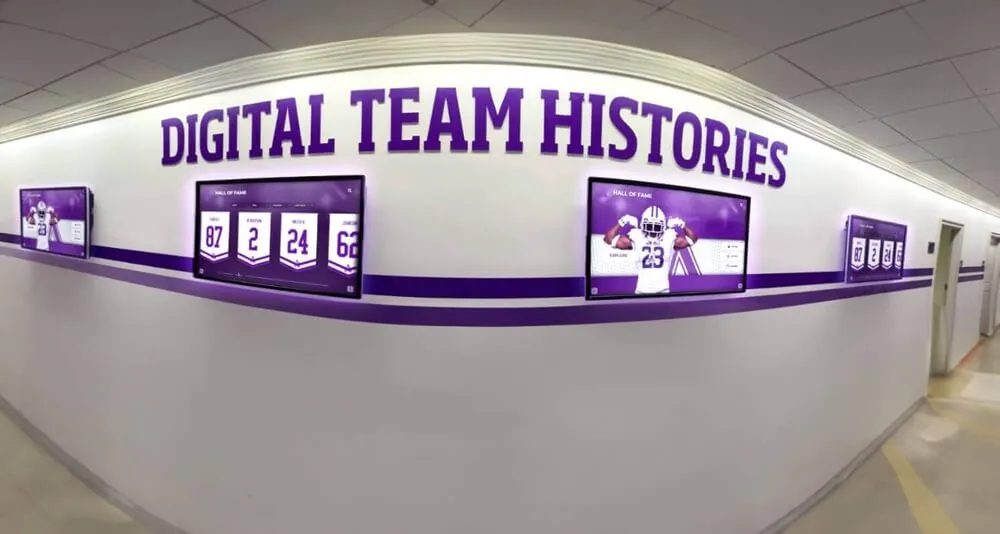
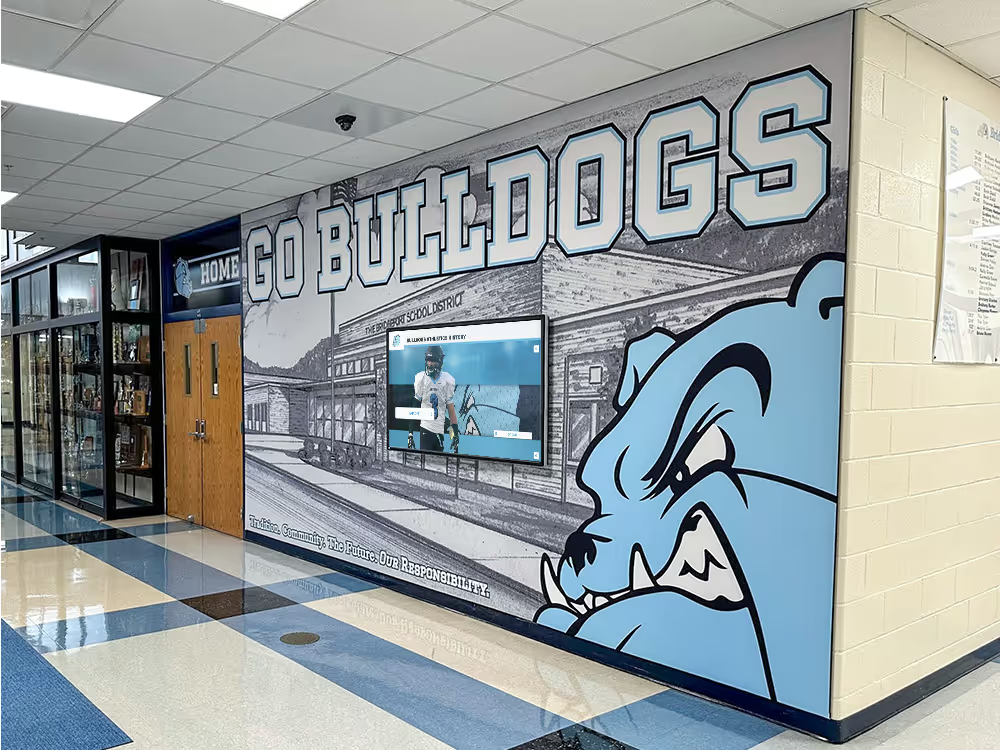
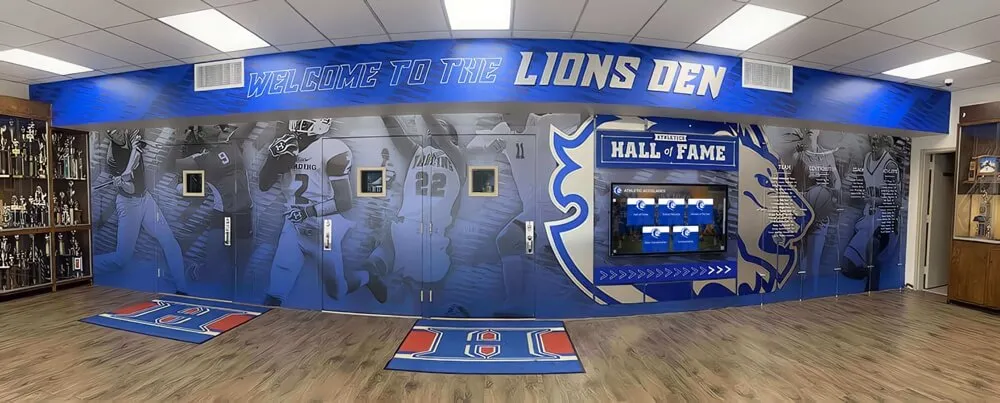
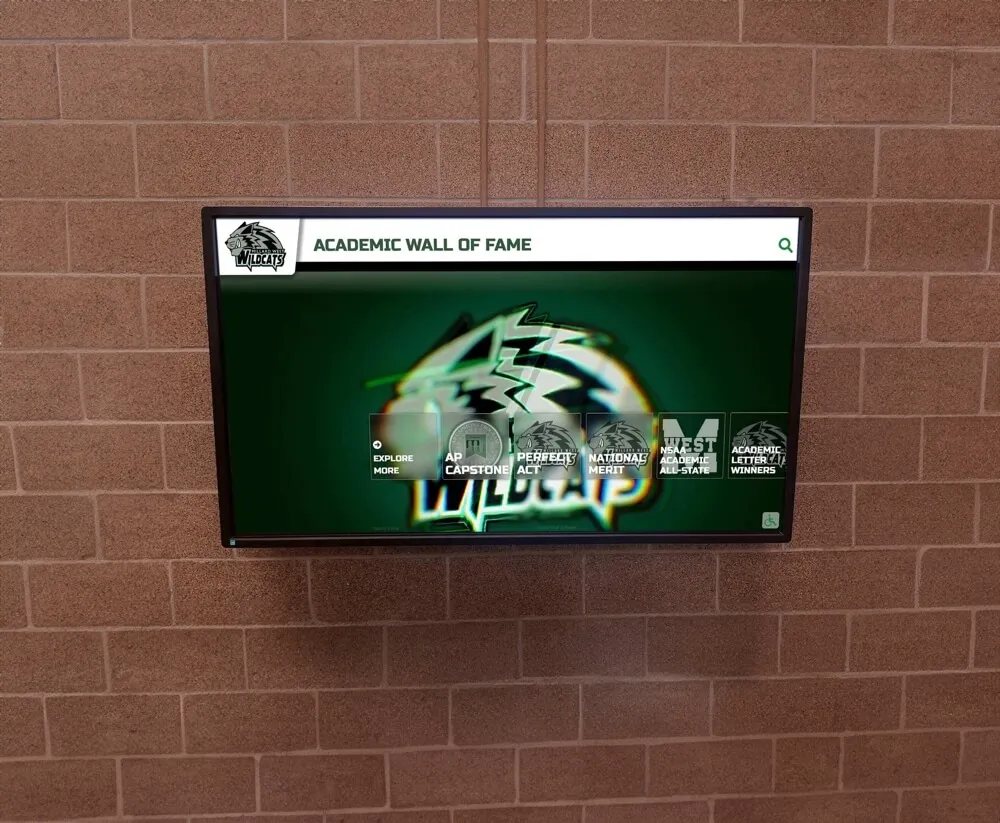
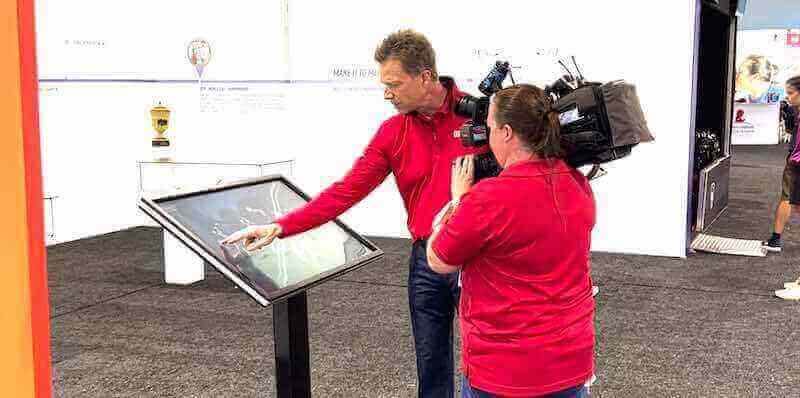
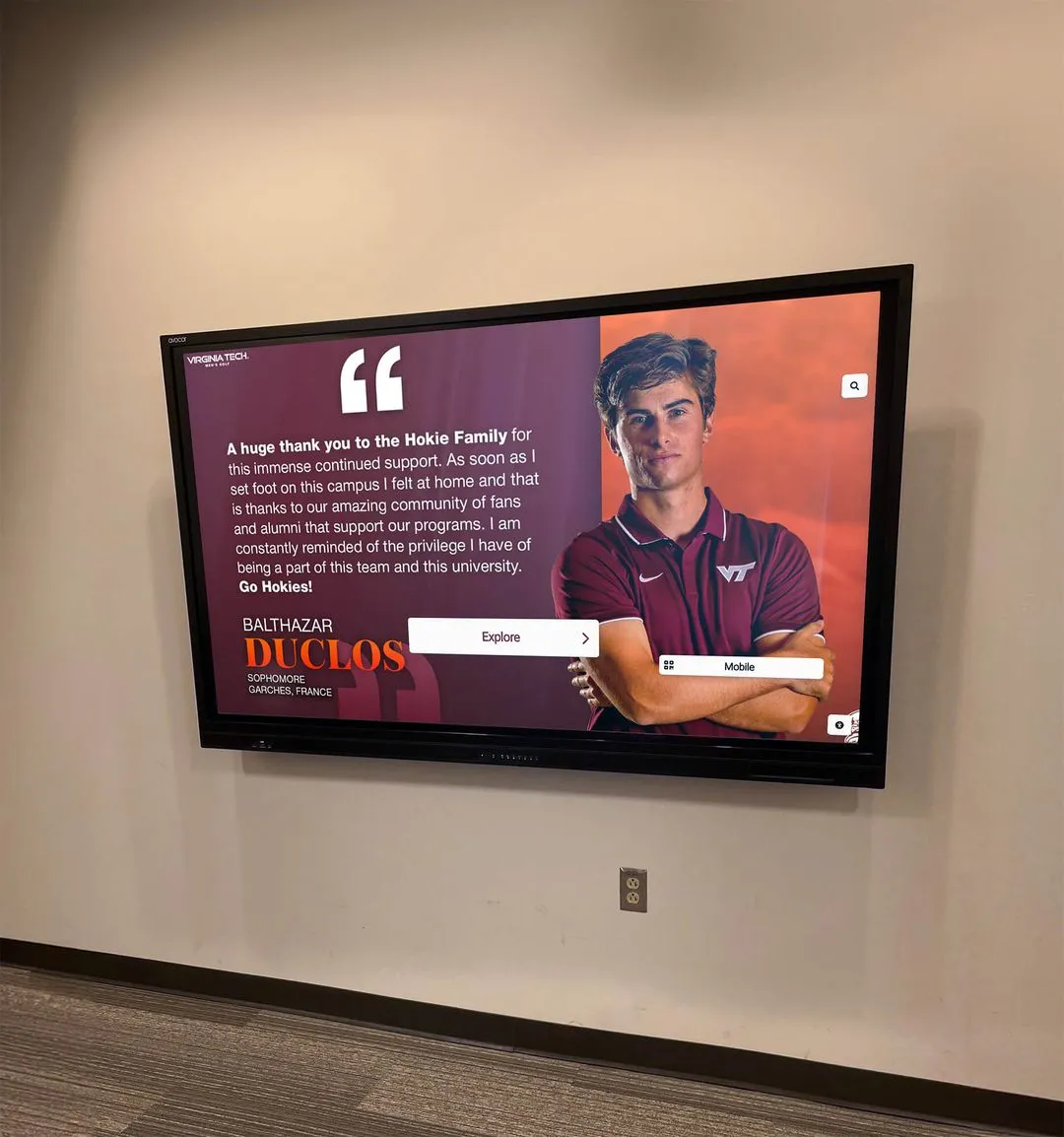
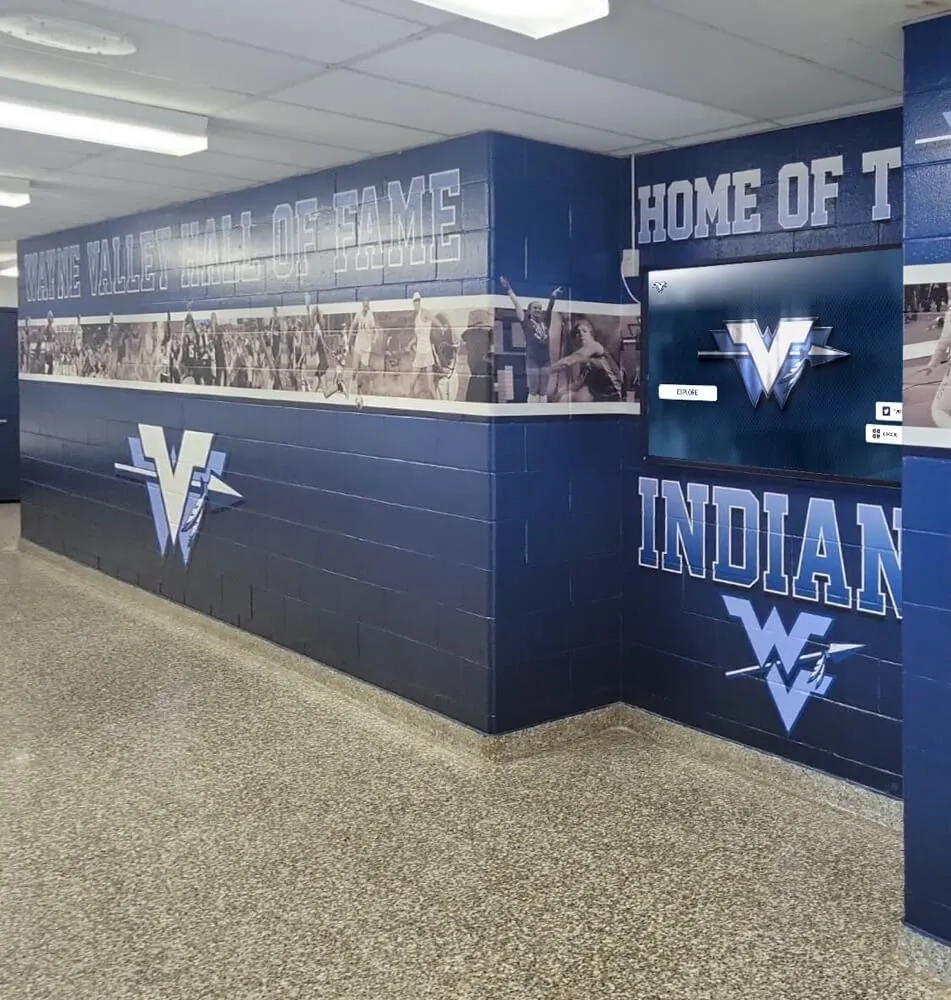
Modern alumni engagement combines meaningful programming with digital tools that help graduates stay connected to institutional history and community
Understanding Alumni Engagement Across Different Institution Types
Before diving into specific event ideas, recognizing how alumni engagement differs across educational contexts helps tailor programming effectively.
Private High School Alumni Relations
Private high schools often maintain exceptionally tight-knit alumni communities due to smaller graduating classes, shared traditions, and families with multi-generational attendance. Alumni events at these institutions should emphasize:
- Family legacy programming that honors multi-generational attendance patterns
- Academic and athletic rivalries that create belonging and school pride
- Donor cultivation since private schools depend heavily on alumni philanthropy
- College counseling connections where successful alumni advise current students
- Tradition preservation celebrating unique school customs, songs, and rituals
Private high school alumni typically show higher engagement rates when events create exclusive experiences tied to institutional prestige and tradition.
Public High School Alumni Engagement
Public high schools face unique challenges with larger graduating classes, diverse socioeconomic backgrounds, and fewer resources dedicated to advancement. Successful public school alumni programming focuses on:
- Milestone reunions (10, 20, 30 years) that build on existing class bonds
- Low-cost or free events removing financial barriers to participation
- Athletic competitions and homecoming building on sports traditions
- Community service projects enabling alumni to give back locally
- Nostalgia-driven programming that celebrates shared hometown memories
Public school events succeed when they feel inclusive, accessible, and deeply rooted in community identity rather than exclusivity.
Charter School Alumni Programs
Charter schools represent newer institutions often lacking established alumni networks and historical traditions. These schools benefit from:
- Foundational event programming creating new alumni traditions
- Mission-driven gatherings reconnecting alumni to educational philosophies
- Student-to-alumni pipelines where recent graduates mentor current students
- Young alumni focus since many charter schools haven’t produced decades of graduates
- Founder and educator connections celebrating teachers who shaped student experiences
Charter school alumni events should build institutional identity and create traditions that will strengthen as alumni communities mature.
College and University Alumni Relations
Colleges and universities maintain sophisticated advancement operations with dedicated alumni relations professionals, regional chapters, and substantial event budgets. University alumni programming emphasizes:
- Career networking and professional development delivering tangible value
- Academic affinity groups connecting alumni by major, school, or department
- Geographic chapters maintaining engagement across dispersed alumni populations
- Volunteer leadership structures creating alumni boards and regional representatives
- Fundraising integration where events support comprehensive campaigns
College events succeed when they provide professional value, intellectual engagement, and social connections that justify alumni time and travel.
Graduate Program Alumni Engagement
MBA programs, law schools, medical schools, and other graduate programs create powerful professional networks where alumni engagement directly impacts careers. Graduate program events should focus on:
- Industry-specific networking connecting alumni within professional fields
- Continuing education delivering specialized knowledge and certifications
- Executive programming appealing to accomplished mid-career and senior professionals
- Global reach accommodating internationally dispersed graduates
- Cohort reunions leveraging small program sizes and shared experiences
Graduate alumni value events that advance professional objectives and provide substantive business or career benefits.
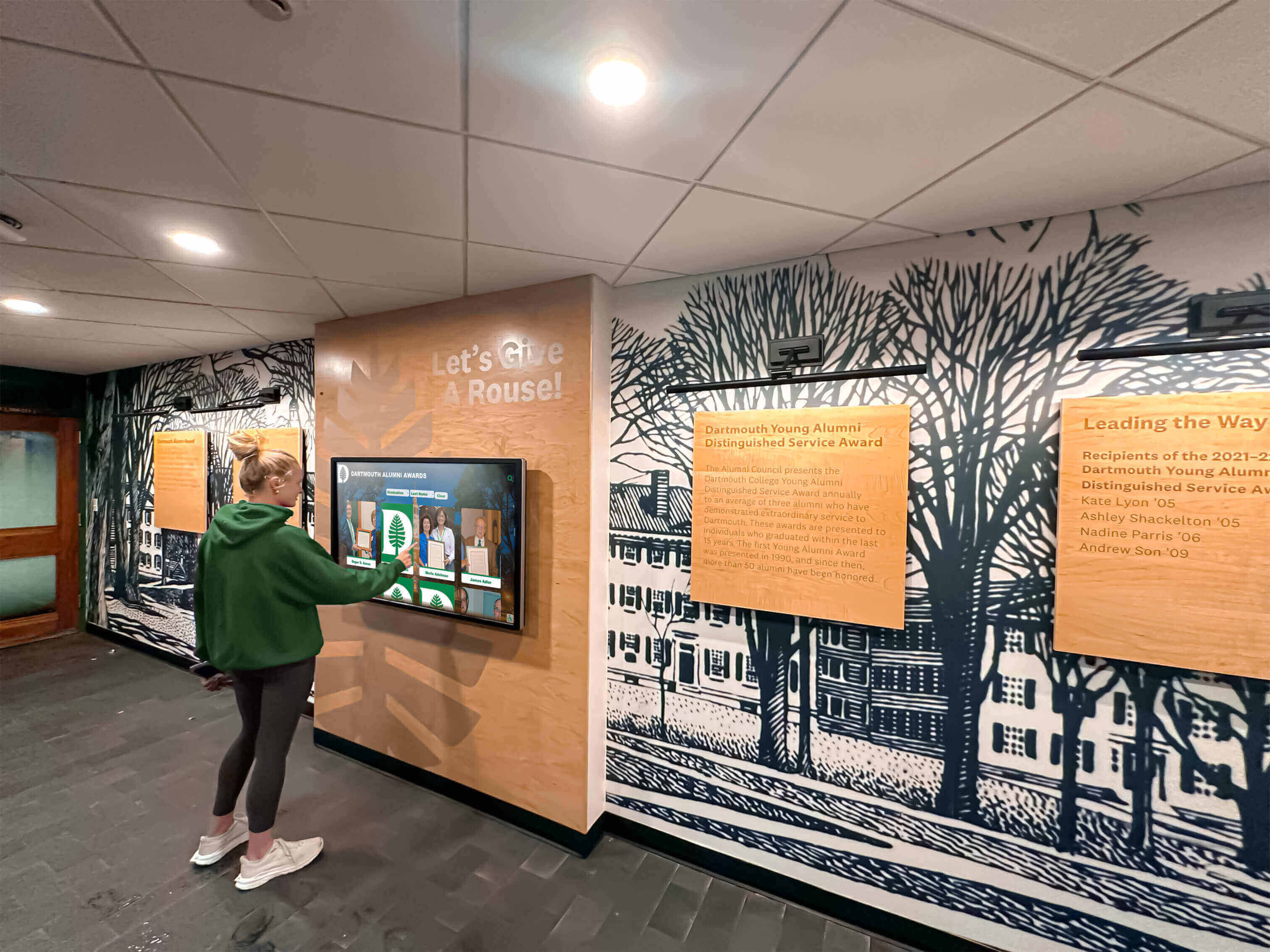
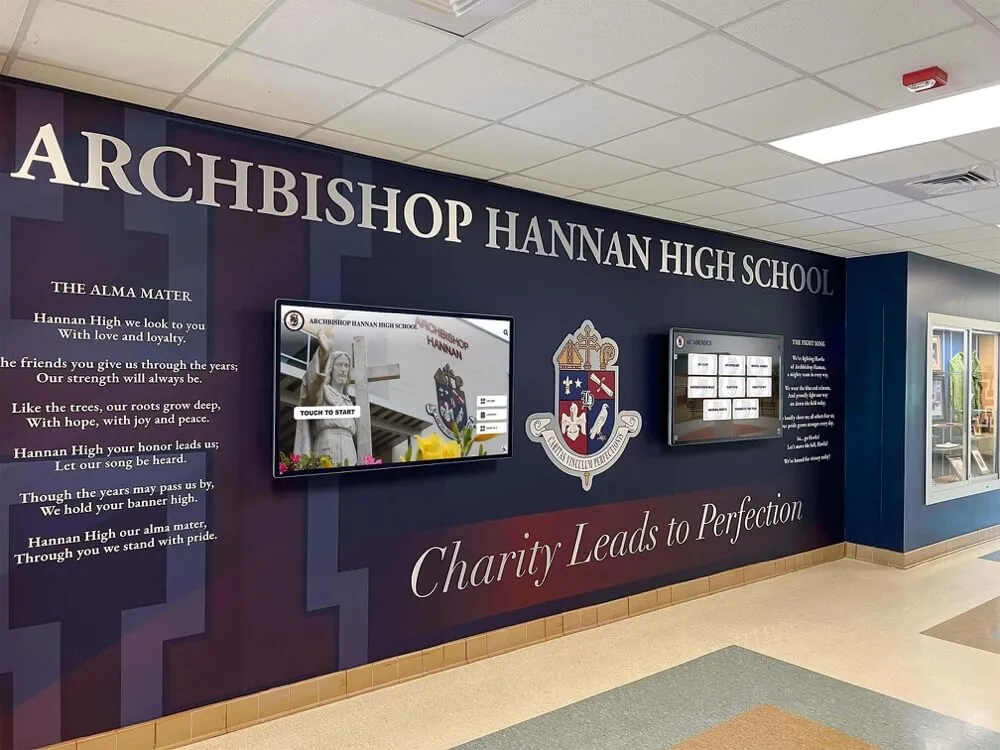
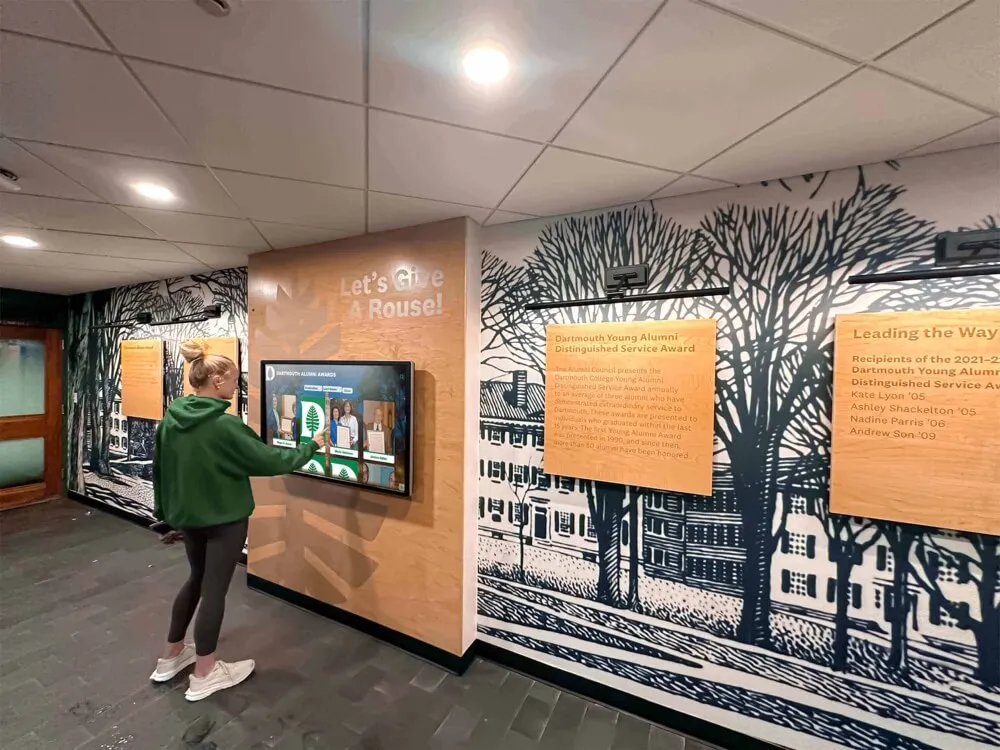
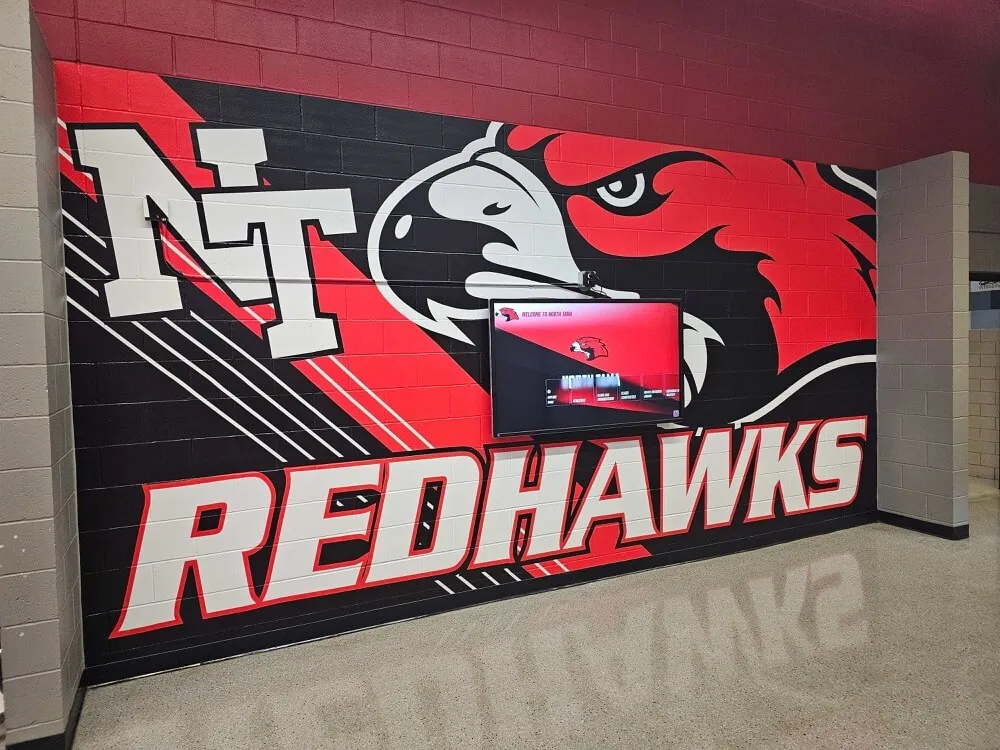
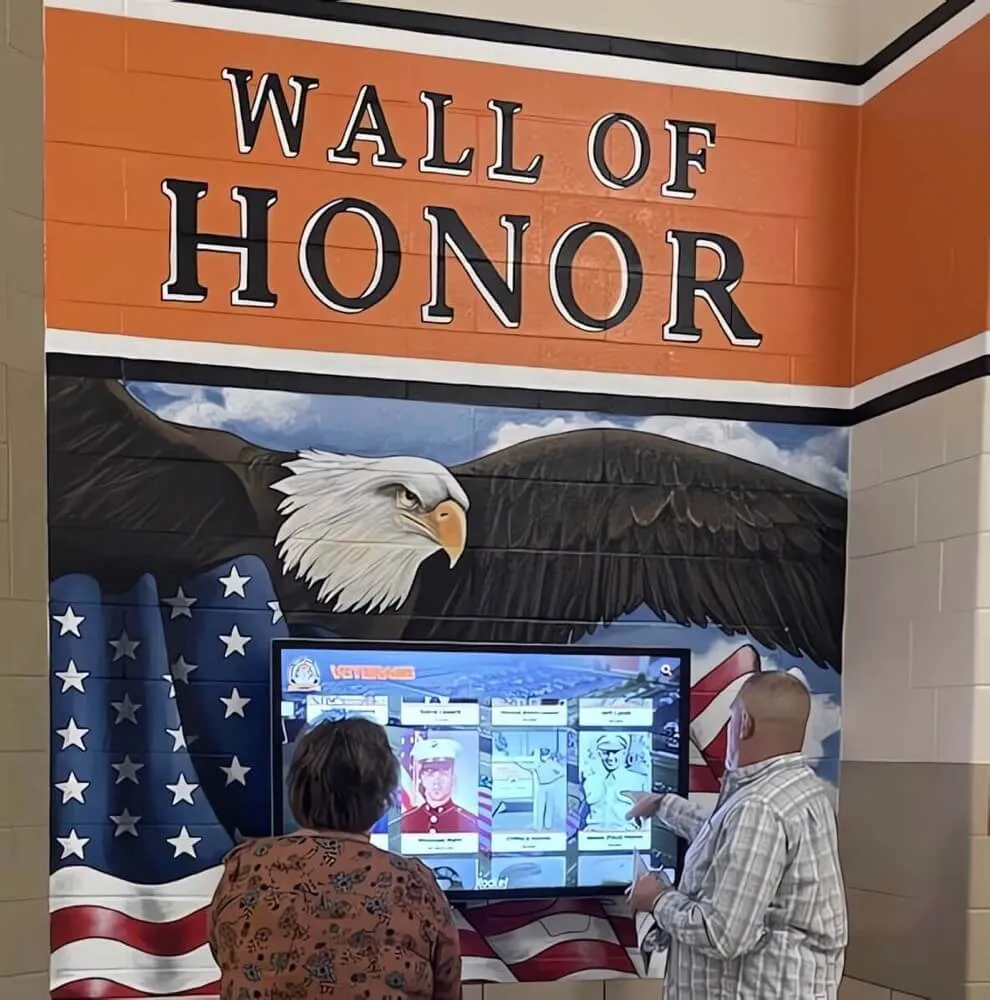
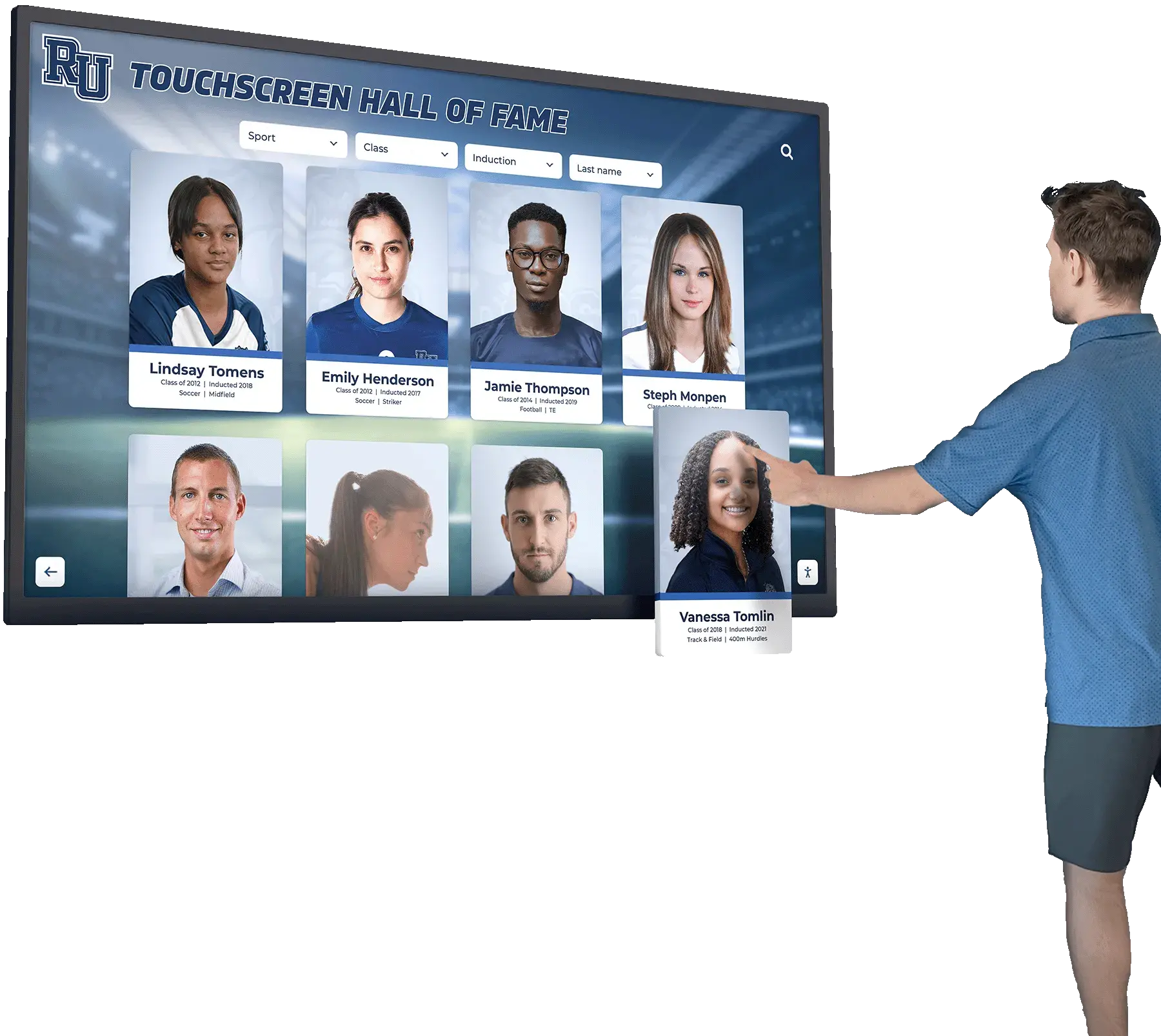
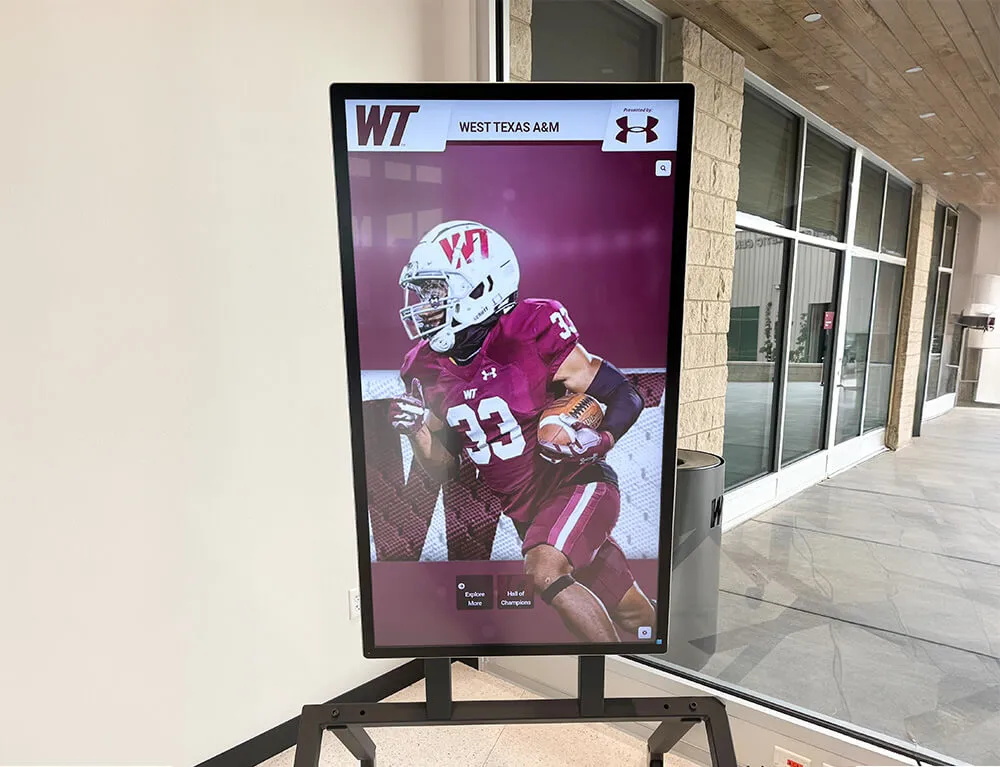
Interactive alumni displays create year-round engagement opportunities, allowing current students and visitors to explore graduate accomplishments
Networking and Professional Development Events (1-20)
Alumni consistently rank career advancement and professional networking among their top reasons for staying engaged with alma maters. These events deliver tangible value that justifies alumni time investment.
1. Speed Networking Events
Structure 5-7 minute rotating conversations between alumni across different graduation years, industries, and experience levels. These fast-paced events maximize connections while respecting limited schedules.
2. Industry-Specific Panels
Host panel discussions featuring alumni working in finance, healthcare, technology, education, or other fields. Current students and recent graduates benefit from insider perspectives on career paths.
3. Alumni Career Fairs
Create exclusive job fairs where alumni-owned businesses and alumni hiring managers recruit fellow graduates. This creates hiring pipelines benefiting both job seekers and employers.
4. Mentorship Program Launch Events
Kick off formal mentoring relationships with structured mixers pairing experienced alumni mentors with young professional mentees seeking guidance.
5. Executive Leadership Roundtables
Convene senior leaders for intimate discussions about strategic challenges, leadership development, and industry trends. Small group formats encourage vulnerable conversation.
6. LinkedIn Profile Workshops
Provide practical training on optimizing LinkedIn presence, networking strategies, and personal branding. Alumni at all career stages value these actionable skills.
7. Negotiation Skills Workshops
Bring alumni experts to teach salary negotiation, vendor negotiations, and conflict resolution tactics applicable across industries and career levels.
8. Entrepreneurship Pitch Competitions
Allow alumni entrepreneurs to pitch business ideas to fellow graduate investors, fostering startup culture while creating investment opportunities within alumni networks.
9. Resume and Interview Preparation Sessions
Offer professional development workshops where career counselors and hiring manager alumni provide feedback on resumes and conduct mock interviews.
10. Alumni Startup Showcase
Spotlight alumni-founded companies through demo days, allowing entrepreneurs to share their ventures while potential customers, employees, and investors connect.
11. Professional Skills Webinar Series
Create monthly virtual sessions teaching specific skills: public speaking, financial literacy, project management, or leadership competencies. Virtual formats maximize attendance.
12. Industry State of the Union Addresses
Feature prominent alumni delivering keynote presentations about industry trends, technological disruptions, and emerging opportunities in their fields.
13. Career Transition Support Groups
Form peer support circles for alumni navigating job searches, career pivots, or professional setbacks. These intimate gatherings provide emotional support alongside practical advice.
14. Alumni Board of Directors Networking
Connect alumni serving on corporate, nonprofit, and institutional boards, facilitating relationships among governance professionals while identifying potential institutional trustees.
15. Professional Association Integration
Partner with professional organizations (bar associations, medical societies, engineering groups) to co-host events where institutional identity intersects with professional identity.
16. First Job Survival Workshops
Help recent graduates navigate workplace politics, professional etiquette, financial planning, and work-life balance during challenging early career years.
17. C-Suite Breakfast Series
Host early morning breakfast conversations with CEO and executive-level alumni sharing leadership lessons. Premium positioning attracts accomplished professionals.
18. Virtual Coffee Chats
Facilitate casual 30-minute video conversations between randomly paired alumni, creating serendipitous connections that might not form through structured networking.
19. Graduate School Admissions Panels
Feature alumni who pursued advanced degrees discussing application strategies, program selection, financing education, and balancing graduate school with life responsibilities.
20. Alumni Hiring Consortium
Form collaborative agreements where alumni-owned companies commit to interviewing or hiring graduates, creating systematic career pipelines that benefit all parties.
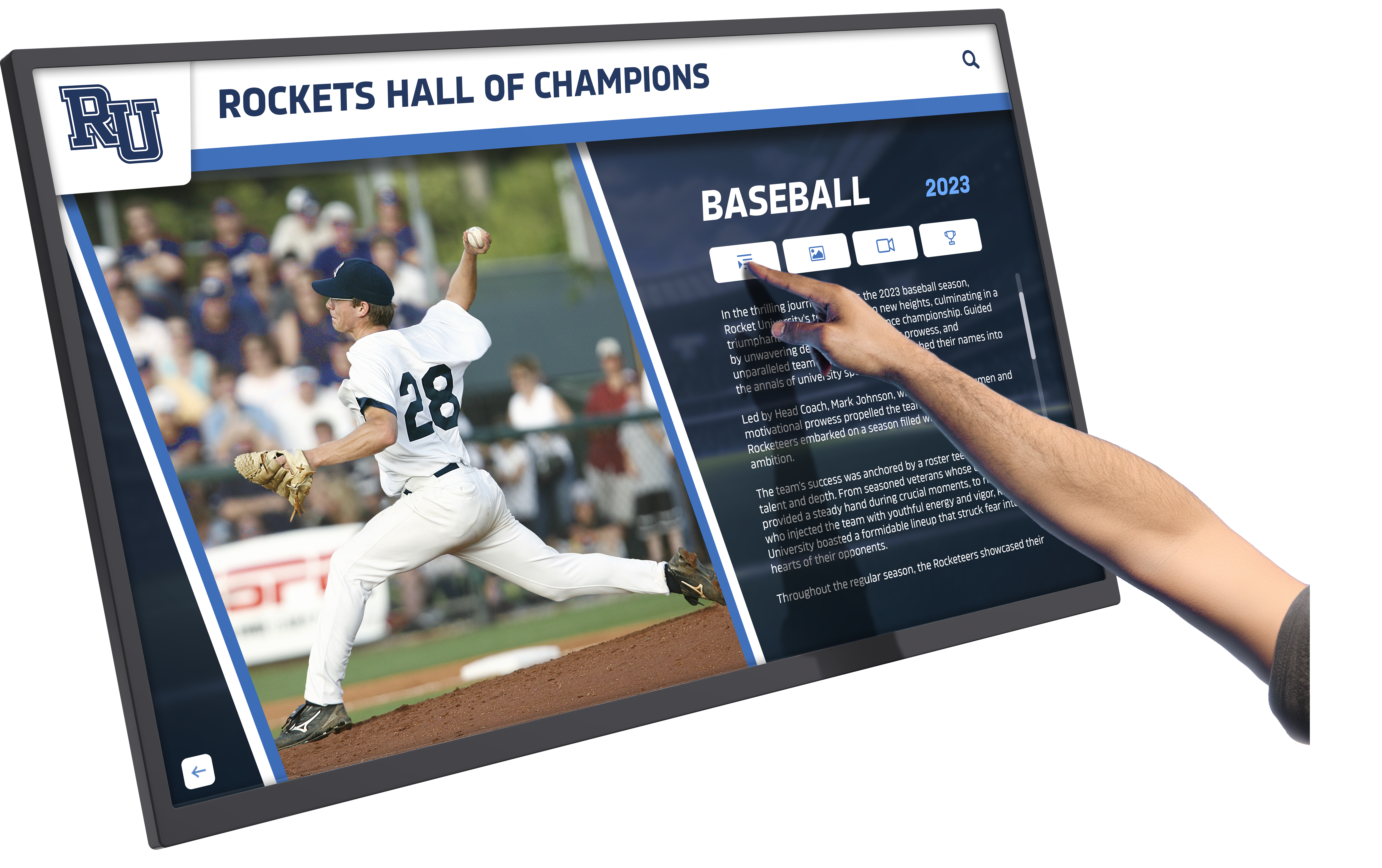
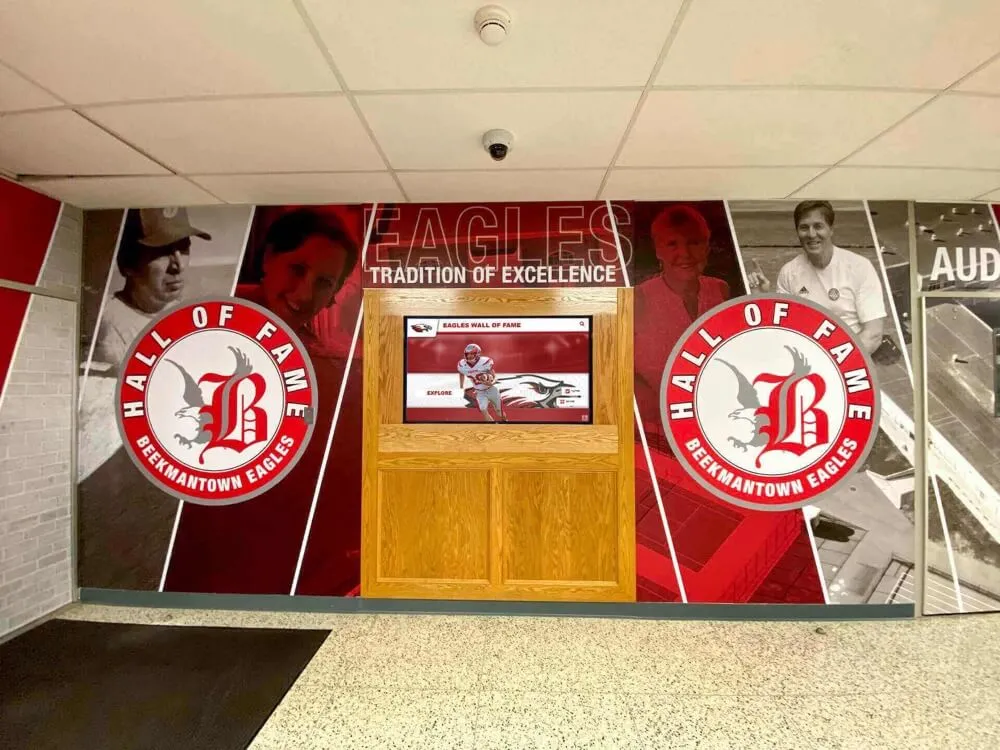
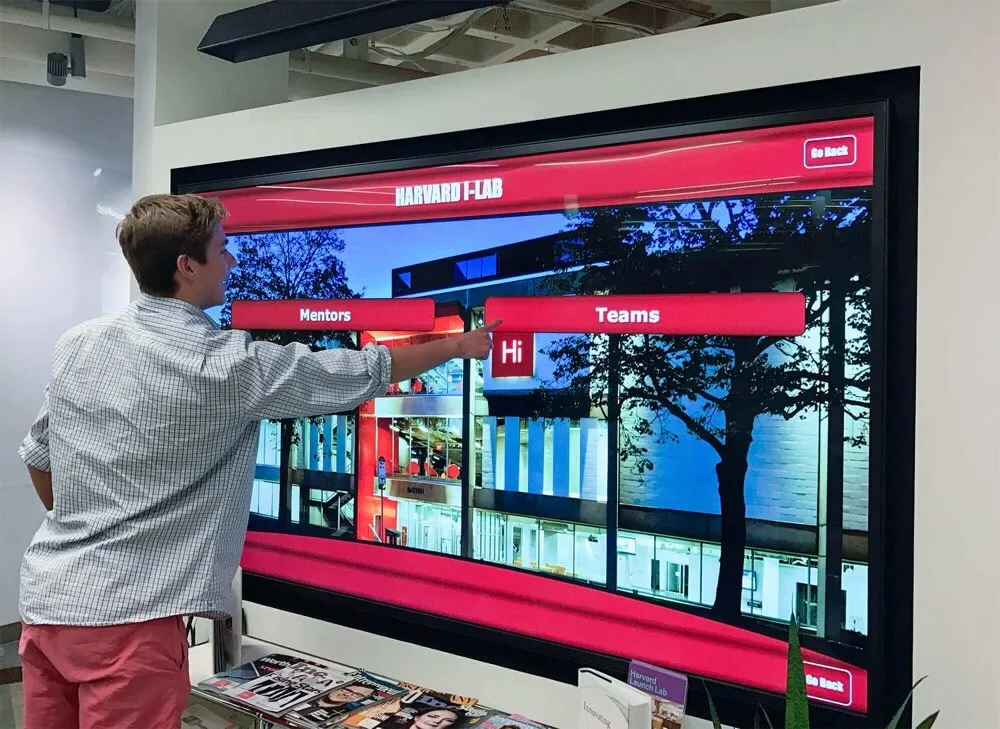
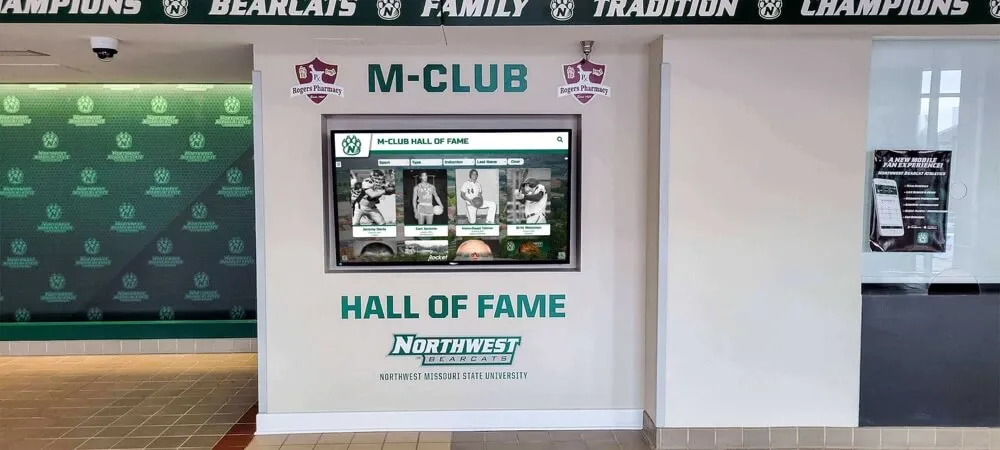
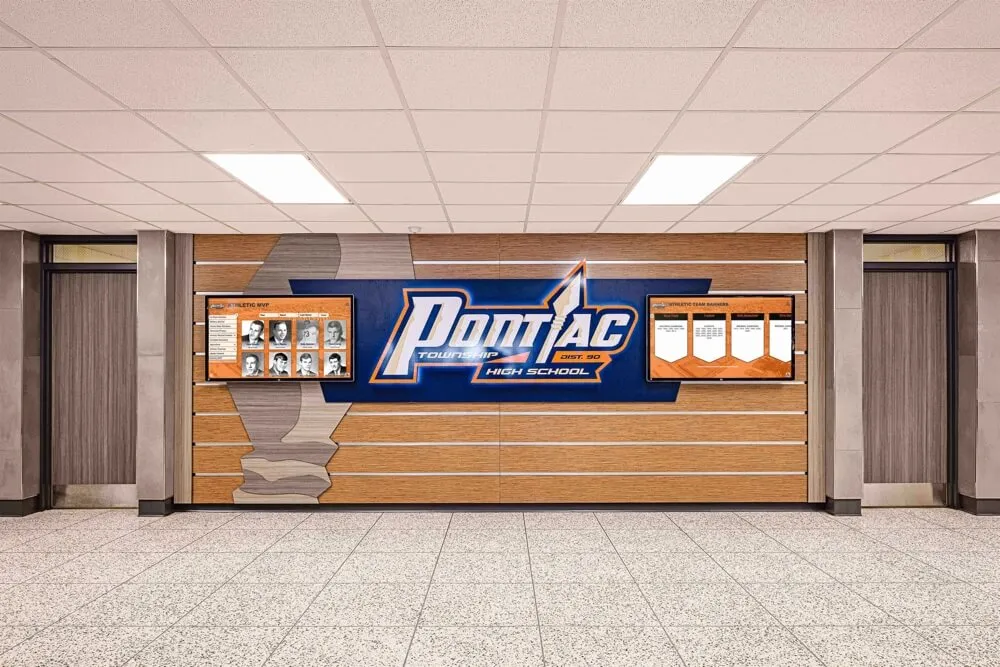
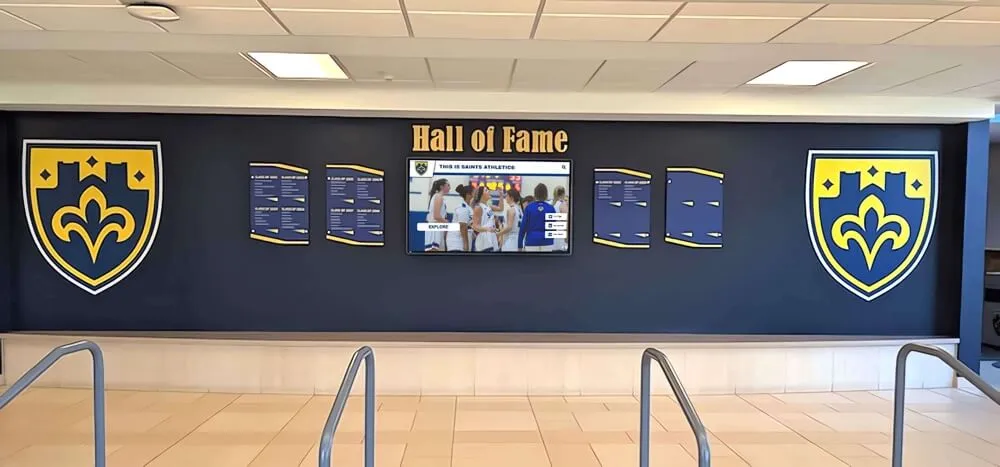
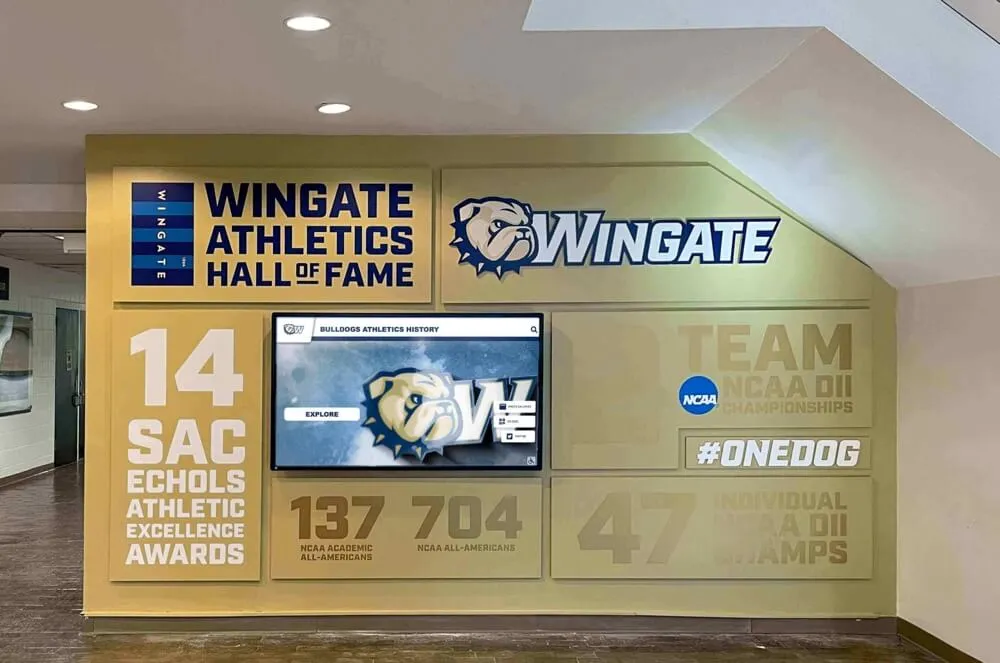
Digital recognition displays provide engaging focal points for alumni events, celebrating graduate achievements while encouraging interactive exploration
Social and Networking Events (21-40)
Social gatherings build relationships and community belonging without formal agendas. These events create fun, low-pressure environments where alumni reconnect.
21. Themed Trivia Nights
Host competitive trivia featuring institutional history, pop culture from graduation years, and general knowledge categories. Teams create natural networking while competing.
22. Decade-Themed Reunion Parties
Organize 1980s, 1990s, or 2000s-themed celebrations with era-appropriate music, décor, and costumes. Nostalgia creates powerful emotional connections.
23. Wine and Paint Nights
Combine artistic expression with social drinking at instructor-led painting sessions. These relaxed events appeal to creative alumni seeking stress relief.
24. Alumni Golf Tournaments
Classic fundraising events that mix recreation, networking, and institutional support. Golf’s slow pace facilitates extended conversations between holes.
25. Brewery or Winery Tours
Partner with alumni-owned breweries and wineries for behind-the-scenes tours, tastings, and social gatherings supporting fellow graduate businesses.
26. Campus Bar Crawls
For urban institutions, organize progressive bar crawls through neighborhood establishments, combining alumni networking with local business support.
27. Game Night Gatherings
Host board game, card game, or video game tournaments creating playful competition. These events particularly appeal to younger alumni.
28. Alumni Book Clubs
Form reading groups discussing fiction, professional development books, or texts written by fellow alumni authors. Intellectual engagement mixed with socializing.
29. Cooking Classes
Hire chef alumni or partner with cooking schools for hands-on culinary instruction. Shared meal preparation creates bonding opportunities.
30. Seasonal Outdoor Gatherings
Organize summer picnics, fall hayrides, winter ski trips, or spring hiking excursions. Outdoor settings encourage natural conversation.
31. Alumni Concert Series
Feature musician alumni performing at intimate venues, celebrating artistic graduates while creating sophisticated social experiences.
32. Comedy Night Fundraisers
Book comedian alumni or professional comics for fundraising shows. Laughter creates positive associations with institutional engagement.
33. Alumni Fashion Shows
Showcase fashion designer alumni or partner with local boutiques for runway events. These sophisticated gatherings attract style-conscious populations.
34. Karaoke Competitions
Embrace silly fun with alumni karaoke contests. Alcohol and nostalgia fuel participation in these memorable social experiences.
35. Film Screenings and Discussions
Screen movies directed by alumni, films set on campus, or movies relevant to institutional values, followed by moderated discussions.
36. Alumni Dance Parties
Host DJ-driven dance events recreating homecoming or prom atmospheres. These high-energy gatherings particularly attract younger demographics.
37. Potluck Dinner Parties
Create intimate gatherings where alumni bring dishes representing their cultural backgrounds, facilitating cultural exchange and conversation.
38. Alumni Coffee Mornings
Organize casual morning meetups at local coffee shops before work hours. Low commitment makes participation easy for busy professionals.
39. Escape Room Challenges
Book escape rooms for small alumni groups, creating teamwork challenges that bond participants through shared problem-solving.
40. Alumni Gaming Tournaments
Host esports competitions (Fortnite, League of Legends, FIFA) or fantasy sports leagues. Gaming engagement particularly resonates with younger alumni.
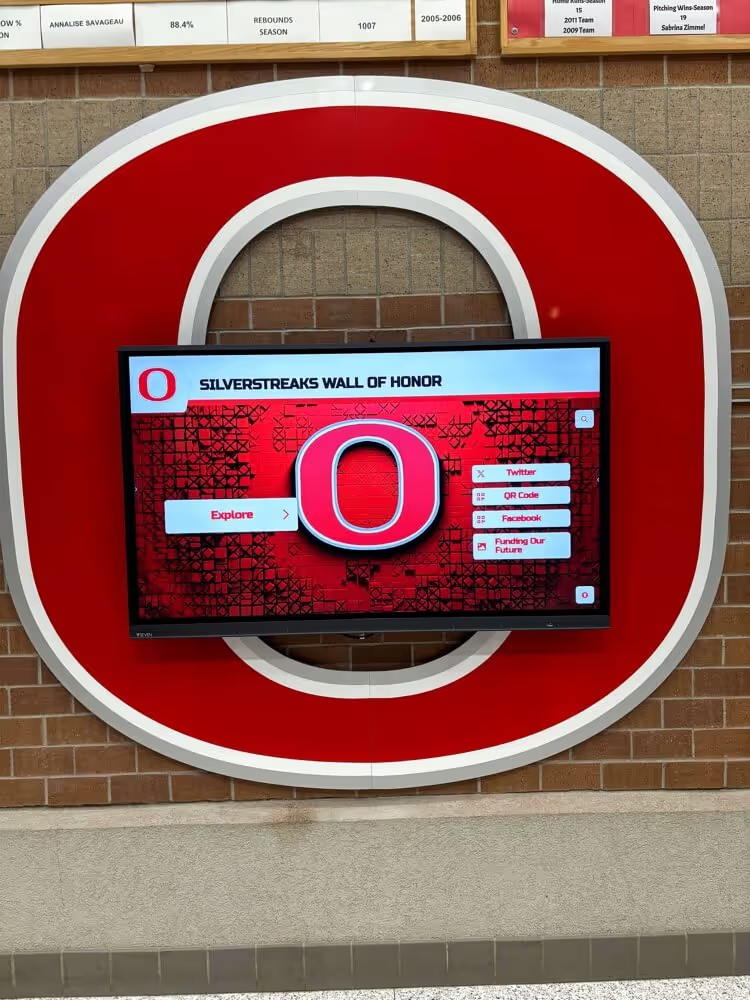
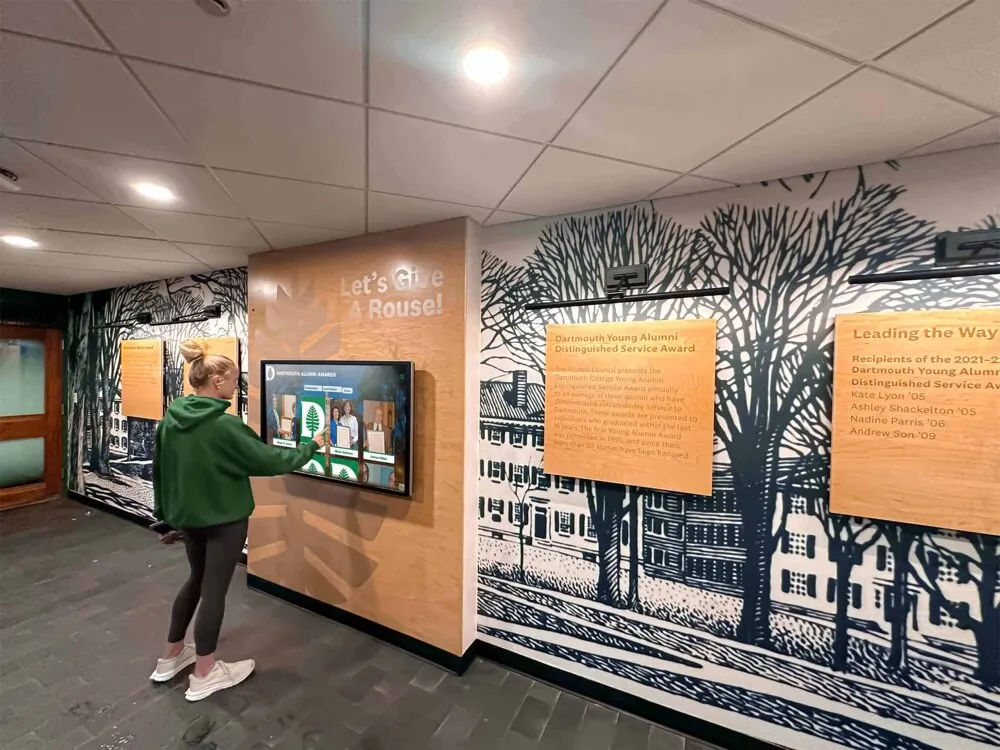
Digital interactive displays at alumni events create natural conversation starters, allowing graduates to explore institutional history and find familiar names while networking.
Athletic and Recreational Events (41-50)
Sports and recreation build on institutional athletic traditions while promoting health and wellness among alumni communities.
41. Alumni vs. Varsity Competitions
Organize friendly competitions where alumni teams face current varsity squads in basketball, soccer, volleyball, or other sports. These events attract large crowds.
42. 5K Fun Runs and Charity Races
Host alumni running events supporting institutional causes or local charities. Races accommodate various fitness levels while building community.
43. Alumni Intramural Leagues
Form ongoing recreational leagues for basketball, softball, flag football, or kickball. Regular competition sustains engagement throughout seasons.
44. Fitness Boot Camps
Hire trainer alumni to lead workout sessions on campus fields or at local gyms. Group fitness builds community while promoting wellness.
45. Homecoming Tailgate Parties
Plan elaborate pre-game tailgates around football or basketball homecoming weekends. These celebrations combine athletics, nostalgia, and school spirit.
46. Alumni Sporting Clays Tournaments
Organize shooting sports competitions for alumni interested in outdoor recreation. These niche events attract passionate participant communities.
47. Yoga and Wellness Retreats
Create weekend wellness retreats combining yoga, meditation, healthy eating, and relaxation. These events particularly appeal to female alumni.
48. Alumni Cycling Groups
Form regular cycling clubs for road biking, mountain biking, or casual rides. Ongoing activity sustains relationships beyond single events.
49. Tennis and Pickleball Tournaments
Host racquet sports competitions accommodating various skill levels. These accessible sports engage alumni who may not participate in contact sports.
50. Swimming and Water Sports Events
For institutions with aquatic facilities, organize alumni swim meets, water polo games, or poolside social gatherings.
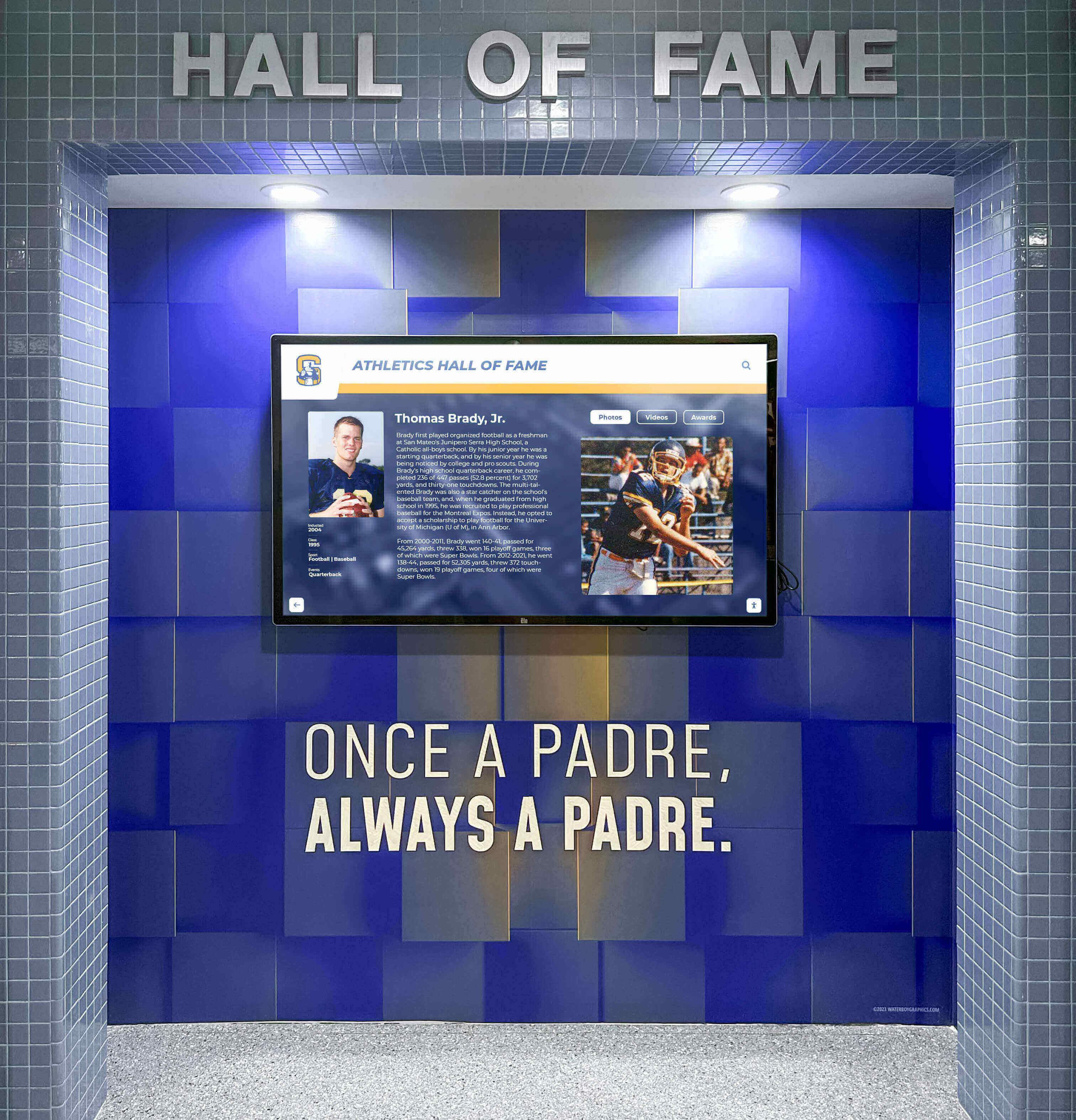
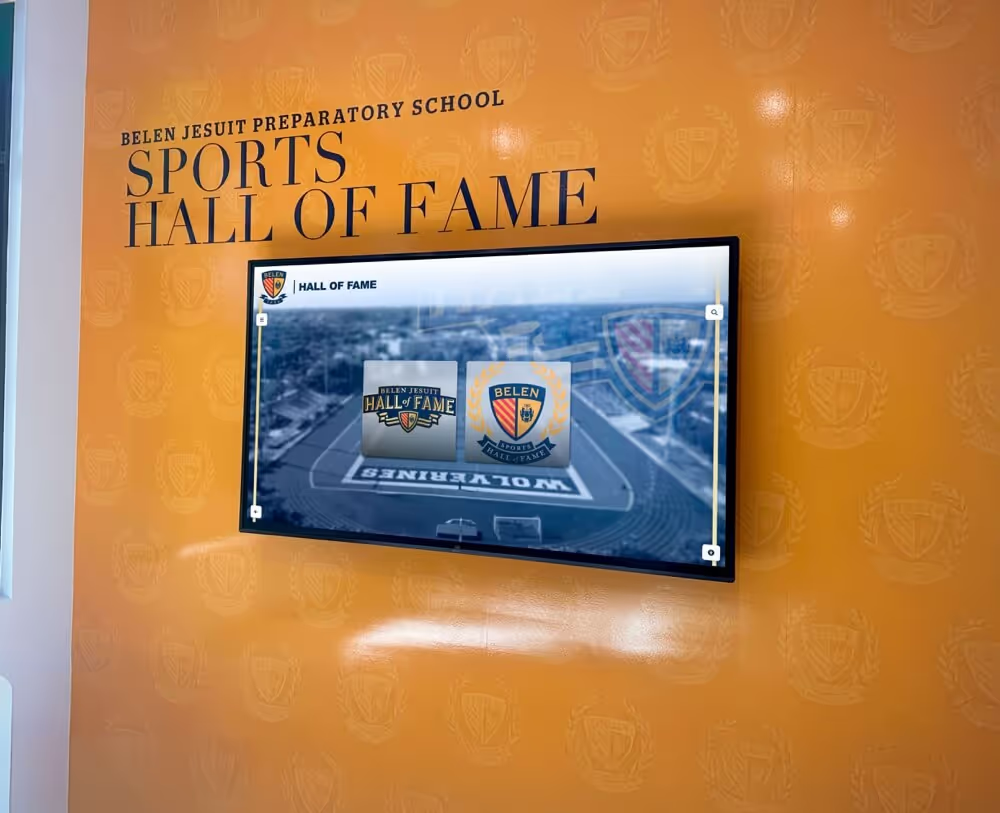
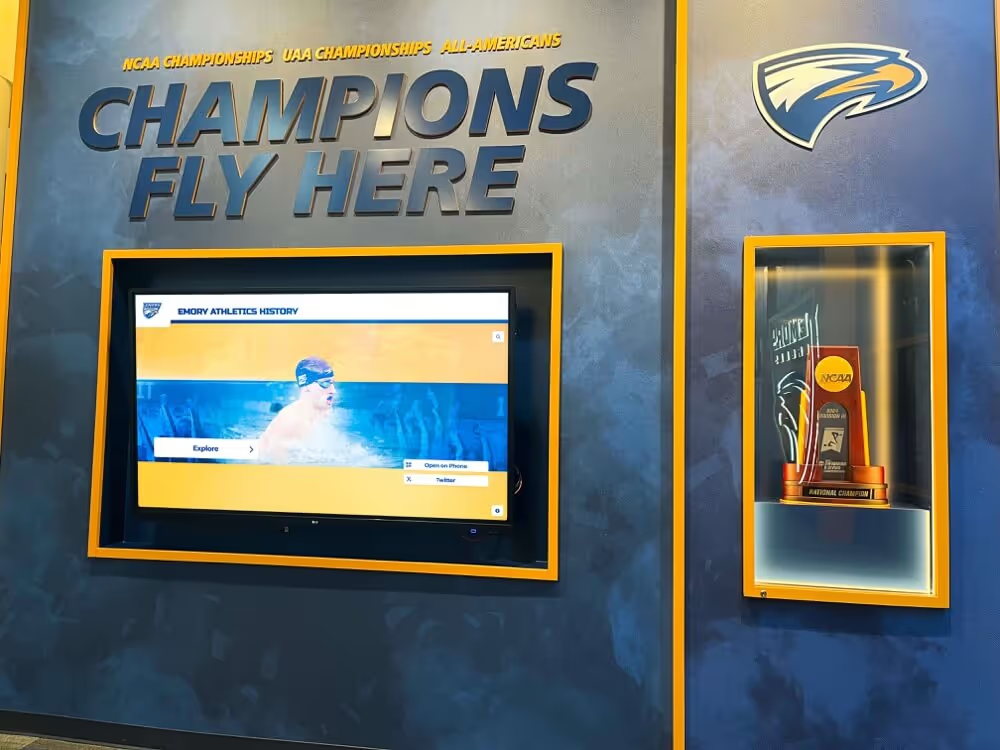
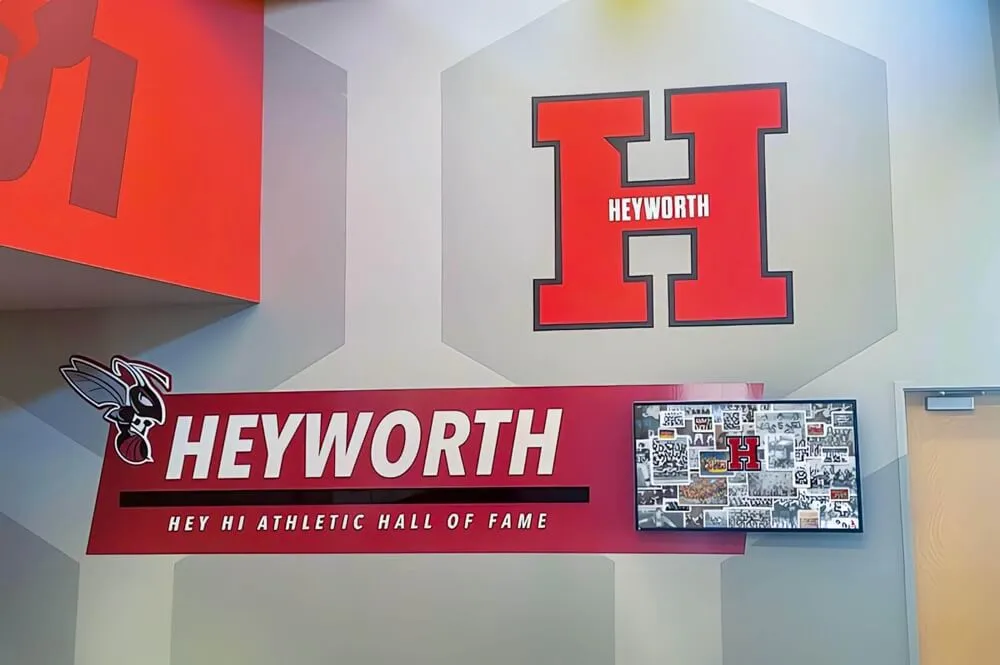
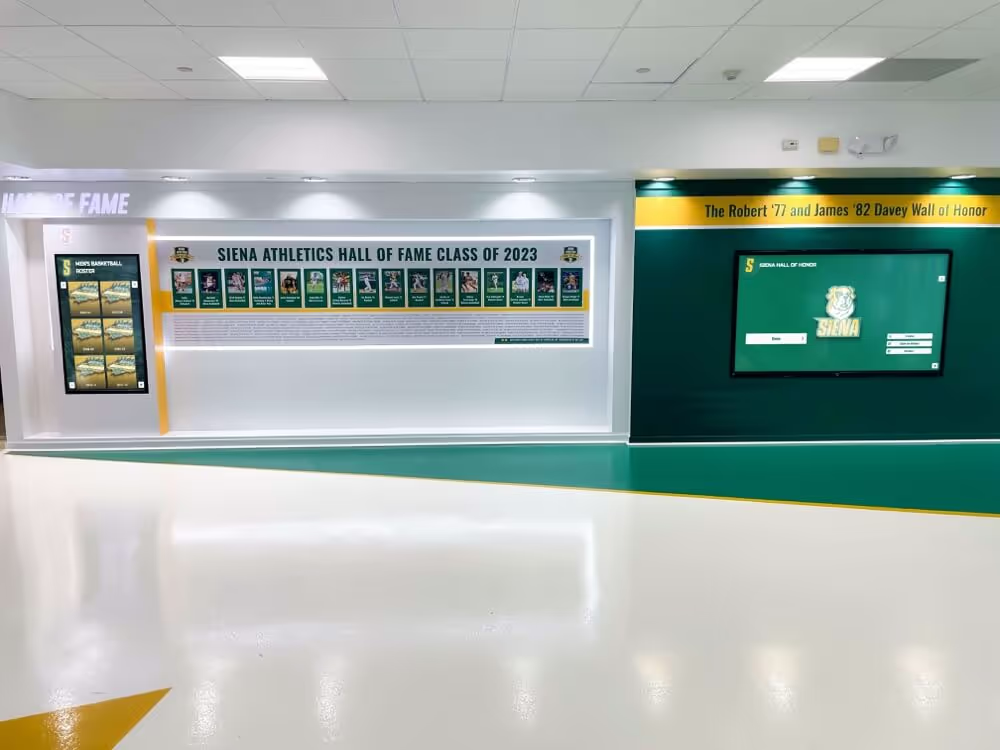
Athletic achievements deserve lasting recognition that alumni can explore at events and throughout the year
Educational and Cultural Events (51-65)
Intellectual and cultural programming demonstrates that institutions remain committed to lifelong learning beyond graduation.
51. Guest Lecture Series
Invite distinguished alumni, faculty, or external experts to deliver campus lectures on timely topics. Livestream for remote alumni participation.
52. Behind-the-Scenes Campus Tours
Provide exclusive access to laboratories, athletic facilities, libraries, or new buildings. VIP treatment makes alumni feel special.
53. Museum and Gallery Exhibitions
Host receptions at campus art museums or galleries featuring alumni artists. Cultural programming attracts sophisticated populations.
54. Historical Archive Exploration Sessions
Allow alumni to explore institutional archives, yearbooks, and historical documents. Nostalgia viewing creates powerful emotional responses.
55. Faculty Research Showcases
Feature faculty presenting current research in accessible formats. Alumni appreciate staying connected to institutional academic excellence.
56. Documentary Film Festivals
Screen documentaries created by alumni filmmakers or films addressing institutional values and social issues, followed by discussions.
57. Poetry and Creative Writing Readings
Host literary events where alumni authors, poets, and writers share work. These intimate gatherings celebrate creative accomplishments.
58. Foreign Language Conversation Tables
Create regular meetups where alumni practice foreign languages over coffee or meals. Language practice sustains intellectual engagement.
59. Astronomy and Stargazing Events
For institutions with observatories or planetariums, host evening stargazing sessions combining science education with social gathering.
60. Theatrical Performance Attendance
Organize group attendance at campus theater productions, followed by receptions with performers and directors. Cultural engagement builds community.
61. Historical Walking Tours
Lead guided tours exploring campus history, architecture, and institutional evolution. Physical exploration creates spatial memory connections.
62. TED-Style Talk Events
Feature alumni delivering short, powerful presentations about ideas, discoveries, or lessons learned. Varied formats engage modern audiences.
63. Debate and Discussion Panels
Host structured debates on controversial topics, demonstrating that institutions foster civil discourse and intellectual diversity.
64. Environmental Sustainability Workshops
Provide practical training on sustainable living, renewable energy, or environmental conservation. Mission-driven programming attracts value-aligned alumni.
65. Culinary History Tastings
Explore institutional culinary traditions through tastings of iconic cafeteria foods, regional specialties, or historically significant recipes.
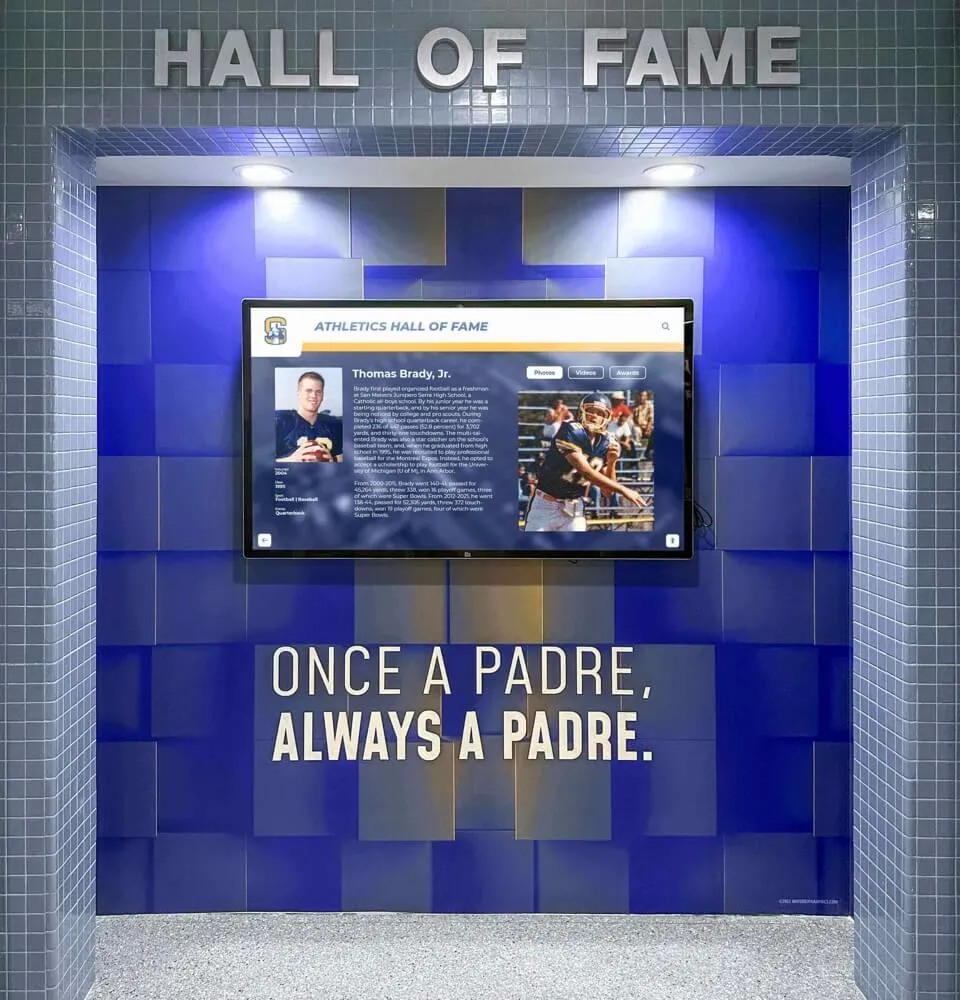
Educational archives and historical preservation play crucial roles in alumni engagement, helping graduates reconnect with institutional memories while preserving legacy for future generations.
Virtual and Hybrid Events (66-75)
Digital events expand reach to geographically dispersed alumni while accommodating busy schedules and travel limitations.
66. Virtual Happy Hours
Host video conference social gatherings where alumni connect over drinks from home. Breakout rooms facilitate small group conversations.
67. Online Class Reunions
Organize Zoom reunions for specific graduating classes, allowing participation regardless of geographic location. Screen sharing enables photo reminiscing.
68. Webinar Professional Development Series
Deliver monthly virtual training on career skills, industry trends, or personal development topics. Recorded sessions extend value.
69. Virtual Campus Tours
Create comprehensive video tours showcasing campus changes, new facilities, and nostalgic locations. Clickable elements let alumni control exploration.
70. Live-Streamed Athletic Events
Broadcast home games online with alumni-specific commentary and halftime features celebrating graduate athletes.
71. Virtual Bingo and Game Nights
Host online game events using digital platforms. Prize giveaways and friendly competition engage remote participants.
72. Digital Scavenger Hunts
Create online challenges requiring research through institutional websites, social media, and digital archives. Gamification drives engagement.
73. Alumni Podcast Series
Produce regular podcast episodes interviewing accomplished alumni about careers, life lessons, and institutional memories. Audio formats respect commute time.
74. Virtual Fitness Classes
Stream live workout sessions led by alumni fitness instructors. Regular scheduling builds routine participation.
75. Online Talent Shows
Host virtual talent competitions where alumni perform music, comedy, magic, or other talents. Voting and prizes create excitement.
Virtual formats proved essential during 2020-2021 and remain valuable for maintaining alumni connections across distances and life stages.
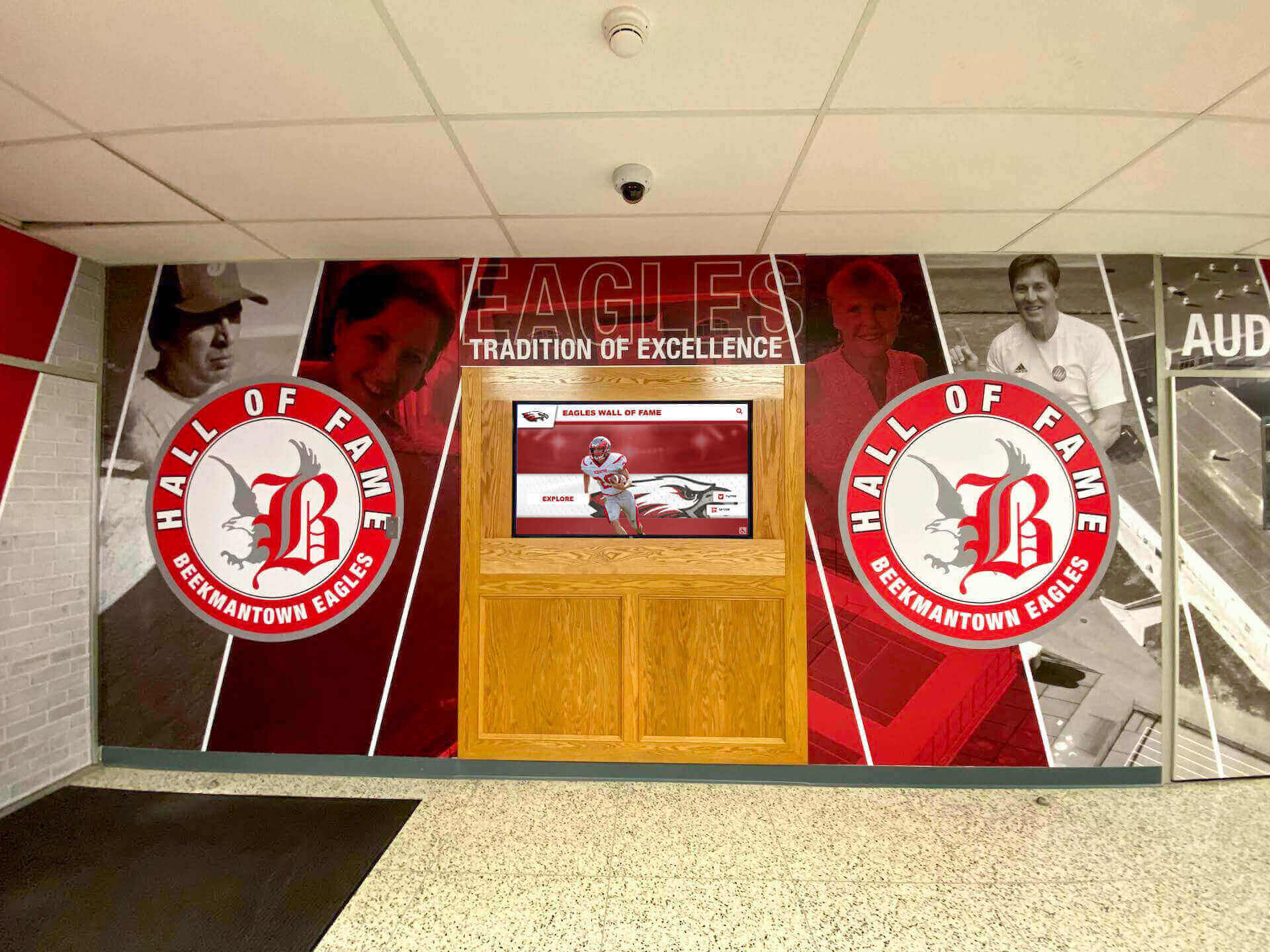
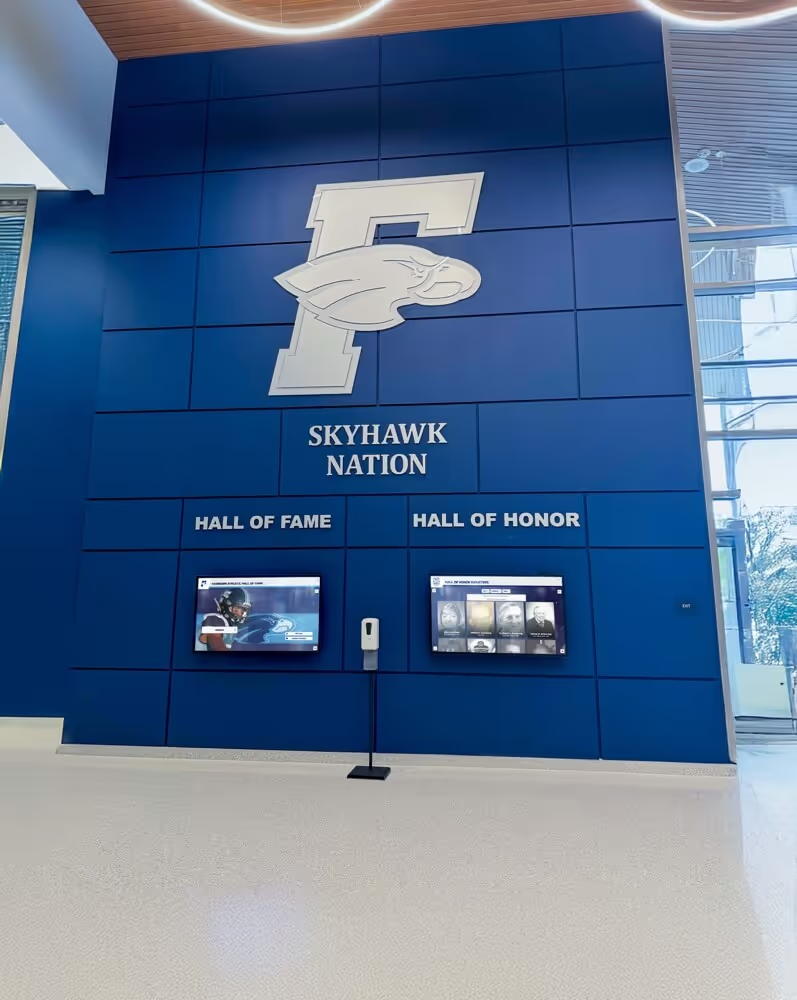
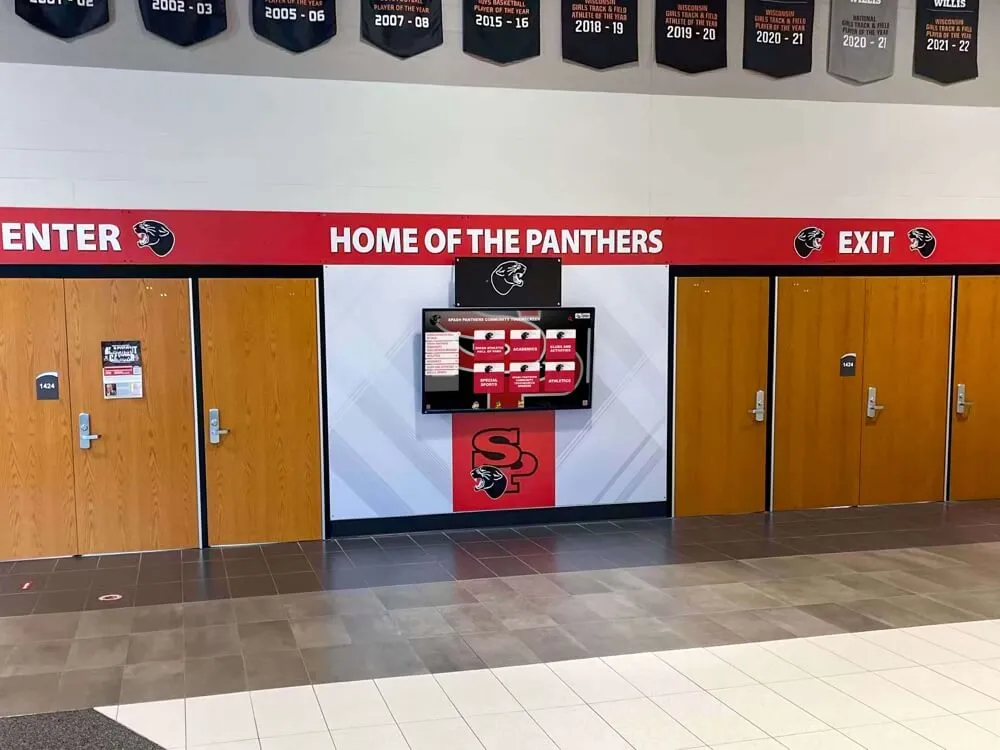
Prominent lobby displays create welcoming focal points for alumni returning to campus, reinforcing institutional pride
Service and Volunteer Events (76-85)
Alumni want to contribute meaningfully beyond financial donations. Service programming creates purpose-driven engagement opportunities.
76. Alumni Admission Ambassador Programs
Train alumni volunteers to interview prospective students, represent institutions at college fairs, or host regional information sessions.
77. Habitat for Humanity Build Days
Partner with Habitat for Humanity for alumni volunteer construction projects. Physical labor creates bonding while serving communities.
78. Food Bank and Hunger Relief Events
Organize volunteer shifts at food banks, soup kitchens, or food distribution programs. Service aligns with institutional values.
79. Environmental Cleanup Projects
Coordinate park cleanups, river restoration, or tree planting projects. Environmental stewardship appeals to mission-driven alumni.
80. Literacy and Tutoring Programs
Create reading programs where alumni volunteer as tutors for local students. Educational service connects to institutional missions.
81. Career Day Volunteers
Send alumni into local schools for career day presentations, exposing students to professional possibilities while representing institutions.
82. Blood Drive Competitions
Host friendly competitions between class years or regional chapters to see who donates most blood. Gamification drives participation in life-saving activity.
83. Fundraising Walk-a-thons
Organize walking events where alumni raise funds for institutional scholarships or local charities. Physical activity meets philanthropic purpose.
84. Senior Center Visits
Arrange visits to local senior centers where alumni provide companionship, entertainment, or practical assistance to elderly community members.
85. Disaster Relief Mobilization
When disasters strike, mobilize alumni networks to collect supplies, donate funds, or volunteer in affected communities.
Fundraising and Donor Cultivation Events (86-92)
Strategic events convert engaged alumni into financial supporters while honoring existing donors appropriately.
86. Major Donor Recognition Dinners
Host elegant affairs honoring top contributors with personal tributes, institutional updates, and exclusive access to leadership.
87. Giving Day Kickoff Celebrations
Launch annual giving days with energetic events creating momentum and excitement around 24-hour fundraising campaigns.
88. Legacy Society Induction Ceremonies
Formally recognize planned giving donors at special ceremonies honoring their estate commitments and inspiring others.
89. Scholarship Recipient Meetups
Connect scholarship donors with students benefiting from their generosity. Personal connections motivate continued giving.
90. Campaign Milestone Celebrations
Celebrate capital campaign progress with parties marking halfway points or fundraising goal achievements.
91. Silent Auction Galas
Host formal events featuring silent auctions with vacation packages, sporting event tickets, artwork, and experiences. Competitive bidding generates revenue.
92. Annual Fund Volunteer Phonathons
Engage alumni volunteers in calling fellow graduates to solicit annual fund gifts. Social events surrounding call nights build community.
Donor recognition displays at fundraising events publicly celebrate philanthropic alumni, inspiring others while honoring generosity appropriately.
Creative and Unique Events (93-100)
These innovative approaches break traditional molds, creating memorable experiences that distinguish your institution.
93. Alumni Time Capsule Ceremonies
Create time capsules with alumni contributions—letters to future selves, predictions, mementos—to be opened at future milestone reunions.
94. Campus Overnight Adventures
Invite alumni to sleep in residence halls, recreating student experiences with activities, meals, and nostalgia-driven programming.
95. Alumni Dating and Matchmaking Events
Host singles mixers for unattached alumni seeking romantic connections within institutional communities. Shared backgrounds create compatibility.
96. Murder Mystery Dinner Theaters
Organize interactive murder mystery events set on campus or at alumni venues. Role-playing and problem-solving create memorable entertainment.
97. Alumni Family Days
Create family-friendly programming where alumni bring spouses and children for carnival activities, campus tours, and multi-generational bonding.
98. Reverse College Fair Events
Let current students “recruit” alumni employers by presenting their skills, portfolios, and career interests in fair formats.
99. Alumni Maker and Craft Fairs
Showcase alumni artisans, craftspeople, and makers selling handmade goods. Creative marketplaces support entrepreneurial graduates.
100. Campus Mural Creation Projects
Commission alumni artists to create permanent campus murals, allowing artistic graduates to leave lasting legacies while involving broader communities in creation processes.
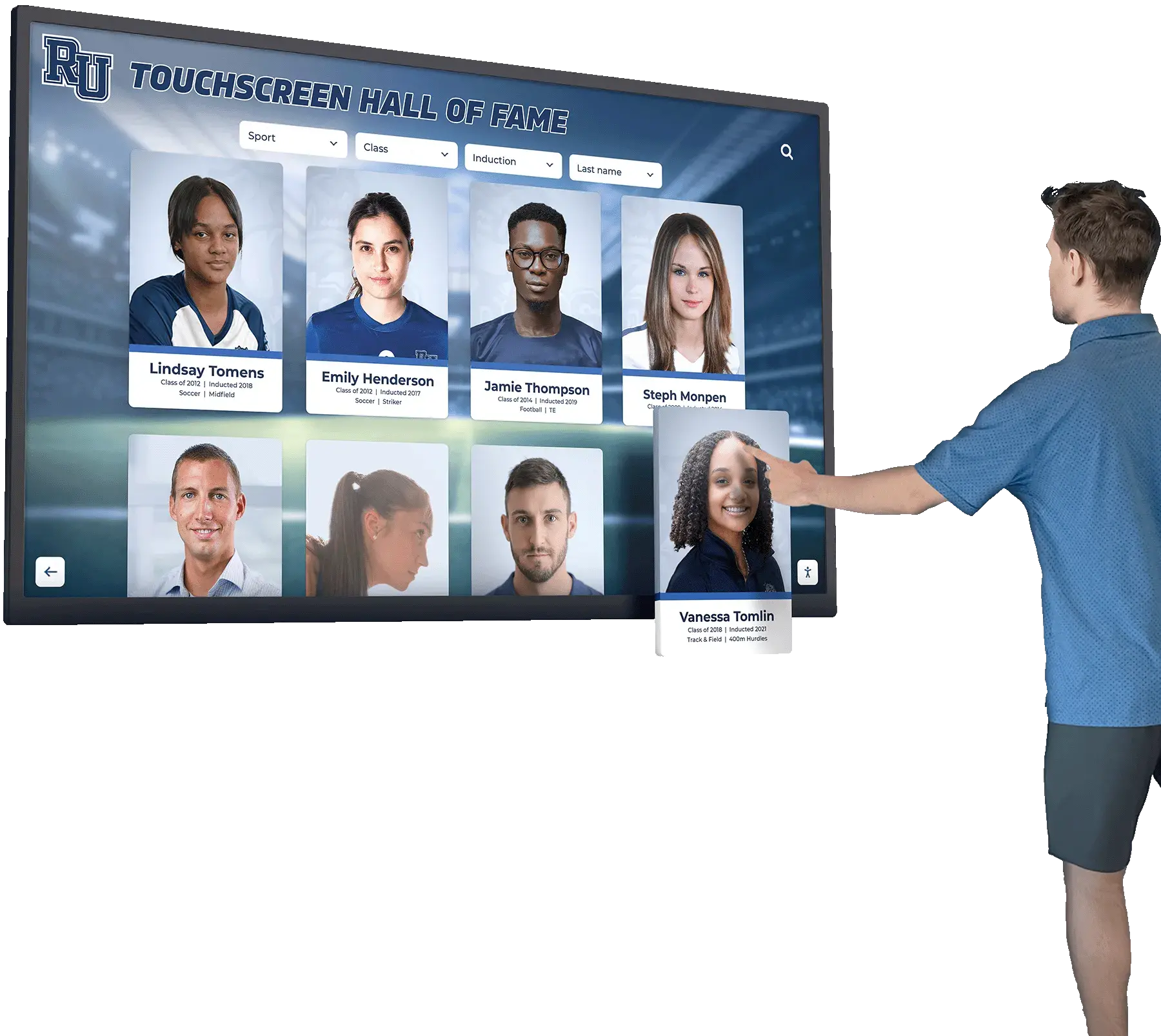
Interactive technology transforms static recognition into engaging experiences that alumni explore naturally at events
Making Events Successful: Implementation Best Practices
Great ideas fail without proper execution. These implementation strategies maximize attendance and impact.
Set Clear Event Objectives
Every event should serve specific purposes: fundraising, networking, recruitment, friend-raising, or donor cultivation. Clear objectives guide planning decisions and success measurement.
Events attempting to accomplish everything typically accomplish nothing. A major donor cultivation dinner should not double as young alumni networking. A homecoming tailgate should not become volunteer recruitment. Focus creates impact.
Use Technology Thoughtfully
Registration systems, mobile apps, and communication platforms simplify logistics while providing data for future planning.
Solutions like digital recognition displays create year-round engagement beyond single events, allowing alumni to explore institutional achievements and find their own recognition whenever they visit campus.
Personalize Communications
Generic email blasts generate low response rates. Segment communications by graduation year, major, geographic location, or engagement history. Personalized invitations dramatically improve attendance.
Reference specific shared experiences: “Remember Professor Johnson’s impossible organic chemistry exams? Reconnect with classmates who survived them together at our Chemistry Alumni Reception.”
Price Events Appropriately
Free events maximize attendance but may not generate revenue. Paid events create psychological commitment and revenue but create barriers. Consider tiered pricing: free for recent graduates, modest fees for mid-career alumni, higher fees for established professionals.
Promote Events Through Multiple Channels
Alumni consume information differently. Promote through email, social media, institutional websites, alumni publications, direct mail, and personal phone calls from volunteers. Multi-channel strategies reach broader audiences.
Create FOMO (Fear of Missing Out)
Share photos, videos, and social media content during events, showing non-attendees what they missed. This motivates attendance at future programs.
Collect Feedback and Data
Survey attendees about satisfaction, content preferences, and future event interests. Track attendance trends, demographics, and engagement patterns. Data drives continuous improvement.
Honor Institutional Traditions
Alumni return partially to reconnect with beloved traditions—fight songs, mascots, rituals, foods. Honor nostalgia while innovating. Balance creates comfort and excitement.
Accommodate Diverse Generations
Silent Generation, Baby Boomers, Generation X, Millennials, and Generation Z alumni have different preferences, communication styles, and life circumstances. Vary programming to appeal across demographics.
Partner with Students
Include current students in alumni events, creating mentorship moments while showing alumni how their contributions impact real people. Student presence reminds graduates why institutions matter.
Measuring Alumni Event Success
Tracking metrics proves value to institutional leadership while guiding future investments.
Attendance Metrics:
- Total attendees vs. registered participants (shows no-show rates)
- Attendance by graduation decade (reveals which cohorts engage)
- First-time attendees vs. repeat participants (measures pipeline health)
- Geographic distribution (informs regional chapter potential)
Engagement Indicators:
- Event satisfaction scores from post-event surveys
- Social media mentions, shares, and engagement
- Length of stay (early departures signal problems)
- Interaction patterns (isolated alumni vs. active networkers)
Advancement Outcomes:
- Donations made during or after events
- Planned giving discussions initiated
- Volunteer recruitment conversions
- New mentor sign-ups
Pipeline Metrics:
- Prospective student contacts generated
- Job opportunities posted or filled
- Business partnerships established
- Media coverage secured
Long-term Impact:
- Attendance trends across event series
- Alumni database updates secured
- New affinity group formation
- Event-specific giving societies created
Comprehensive measurement demonstrates return on investment while identifying improvement opportunities.
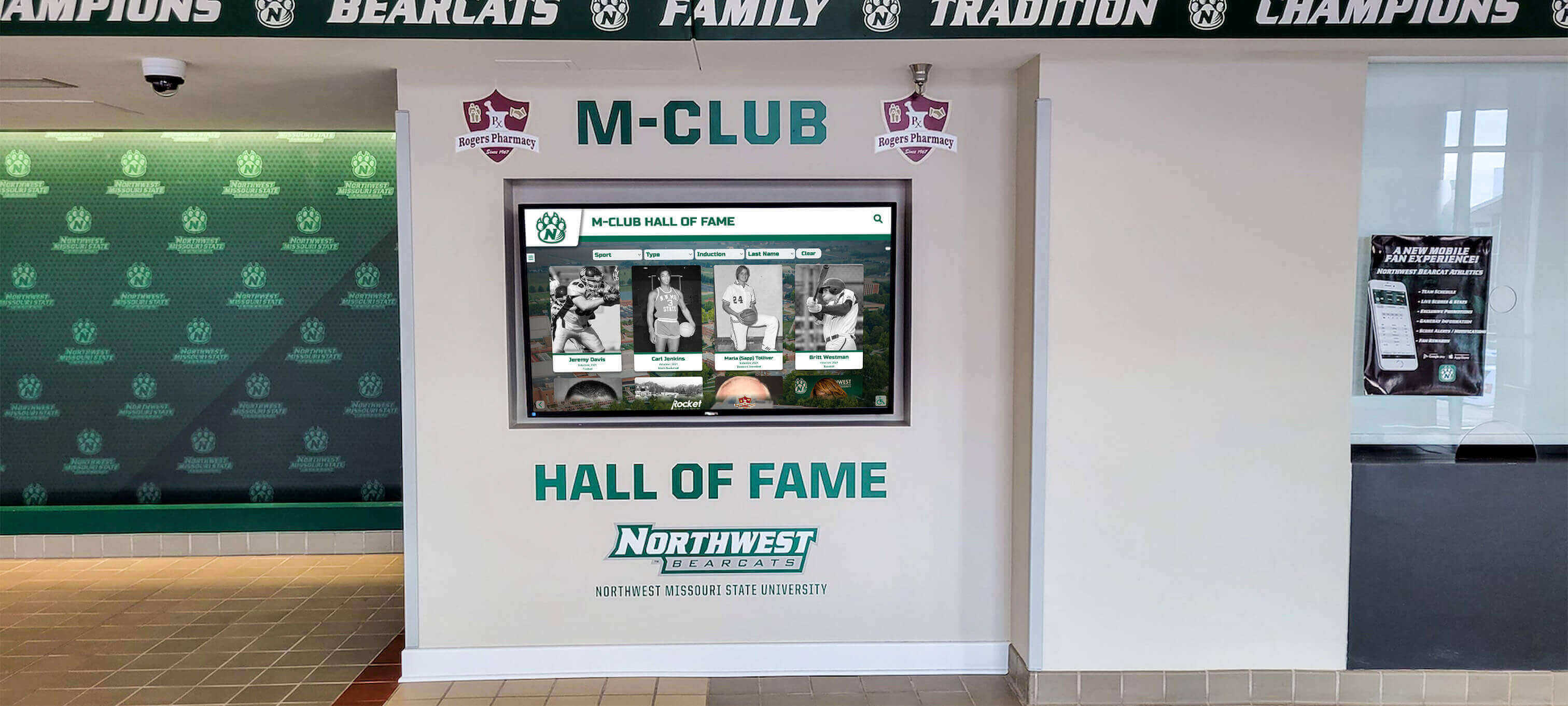
Permanent recognition displays provide consistent alumni engagement touchpoints, complementing periodic event programming
How Digital Recognition Enhances Alumni Engagement
While events create periodic connection points, digital recognition systems maintain engagement throughout the year. Interactive touchscreen displays showcasing alumni achievements, historical milestones, and institutional evolution create conversation starters at events while providing value to alumni visiting campus independently.
Modern digital archive displays transform how institutions recognize graduates:
Unlimited Recognition Capacity: Unlike physical plaques with finite space, digital systems accommodate unlimited alumni profiles, ensuring every graduate receives recognition regardless of when they attend or contribute.
Rich Storytelling: Digital formats enable photos, videos, career timelines, and personal narratives that static plaques cannot convey. Alumni explore peer accomplishments while sharing their own stories.
Easy Updates: When alumni achieve new milestones, institutions update profiles remotely without fabrication costs or installation delays. Recognition stays current.
Searchable Databases: Alumni search by name, graduation year, major, or achievement category, finding classmates and exploring institutional history naturally.
Event Integration: During reunions and gatherings, digital displays create natural gathering points where alumni browse memories together, facilitating conversations and reconnection.
Accessibility: ADA-compliant touchscreens ensure all alumni can explore recognition displays, while QR codes enable smartphone access for those unable to visit campus.
Analytics: Usage data reveals which alumni profiles generate most interest, which historical periods attract attention, and how visitors navigate content—insights informing future programming.
Institutions recognizing graduates through comprehensive digital systems demonstrate long-term commitment to celebrating accomplishments while creating infrastructure supporting sustained engagement beyond individual events.
Building Sustainable Alumni Engagement Programs
Individual events create moments; comprehensive programs build movements. Sustainable alumni engagement requires:
Leadership Commitment: Institutional leaders must prioritize alumni relations through appropriate staffing, budgets, and strategic emphasis. Alumni engagement cannot succeed as an afterthought.
Volunteer Infrastructure: Recruit, train, and support alumni volunteers serving as class agents, regional chapter leaders, and event committee members. Volunteers extend institutional capacity exponentially.
Segmentation Strategy: Different alumni populations require different approaches. Young alumni need career support; mid-career alumni want networking; established alumni seek meaning and legacy opportunities.
Continuous Communication: Events punctuate ongoing relationship-building through newsletters, social media, email updates, and personal outreach. Consistent communication maintains connection between programs.
Value Proposition: Alumni engage when institutions provide value—career advancement, intellectual stimulation, social connections, or meaningful contribution opportunities. One-way “give us money” messages fail.
Multi-year Programming Calendars: Plan event sequences creating rhythm and anticipation. Annual traditions become expected touchpoints while varied programming prevents monotony.
Assessment Culture: Regularly evaluate what works, what fails, and why. Willingness to cancel underperforming programs and invest in successful initiatives demonstrates strategic thinking.
Cross-functional Integration: Coordinate alumni relations with advancement, admissions, career services, athletics, and academic departments. Siloed approaches waste resources and confuse alumni.
Budget Realism: Quality events require appropriate investment. Underfunded programs generate poor experiences damaging institutional reputation more than no programs at all.
Long-term Perspective: Alumni engagement investment pays dividends across decades, not quarters. Patient institutions building genuine relationships eventually convert engagement into giving, volunteering, and recruiting.
Conclusion: Creating Lifelong Alumni Connections
Alumni represent your institution’s most valuable asset—proof that your educational mission creates lasting impact. The 100 event ideas presented here provide starting points for creating active, engaged alumni communities across high schools, colleges, and universities.
Successful programming balances tradition with innovation, respects alumni time while requesting engagement, asks for support while providing value, and celebrates past accomplishments while creating future connections. Events should feel meaningful rather than obligatory, exciting rather than tedious, and valuable rather than transactional.
Remember that alumni engagement represents long-term relationship building, not short-term transaction generation. The graduate who attends a young alumni networking event may not donate for fifteen years but remains in your community, eventually becoming a major donor, volunteer leader, or institutional champion.
Start with events matching your current capacity and resources. A single excellent program executed well outperforms five mediocre events attempted simultaneously. Build gradually, assess continuously, and invest in what works for your unique alumni population.
Most importantly, recognize that behind every alumni engagement strategy stands a simple truth: people want to belong to communities providing meaning, connection, and purpose. Create those experiences authentically, and alumni will respond enthusiastically.
Ready to enhance alumni engagement through permanent digital recognition? Talk to our team about interactive displays that complement your event programming while maintaining year-round connections with graduates.
Sources: