



Building a strong alumni network transforms graduates from former students into lifelong advocates, donors, and strategic partners who advance institutional missions for decades after leaving campus. Schools and universities with thriving alumni networks enjoy stronger fundraising outcomes, enhanced reputation, more effective student recruitment, and robust professional mentorship ecosystems that benefit current students and recent graduates alike.
Yet most institutions struggle to activate their alumni populations beyond the small percentage who naturally remain engaged. Graduation rates climb year after year, creating expanding pools of potential supporters, while engagement rates stagnate or decline. Traditional alumni relations approaches—sporadic newsletters, occasional reunion invitations, and fundraising appeals—fail to create the meaningful, sustained connections that drive authentic alumni investment in institutional success.
This comprehensive guide explores proven strategies for building alumni networks that genuinely engage diverse graduate populations, create reciprocal value for participants and institutions, and establish systematic approaches to lifelong alumni relationship development.
An effective alumni network represents far more than a contact database or social media group. True alumni networks function as living ecosystems where graduates find value through professional connections, continued learning, service opportunities, and meaningful relationships with their alma mater and fellow alumni across generations and geographic boundaries.

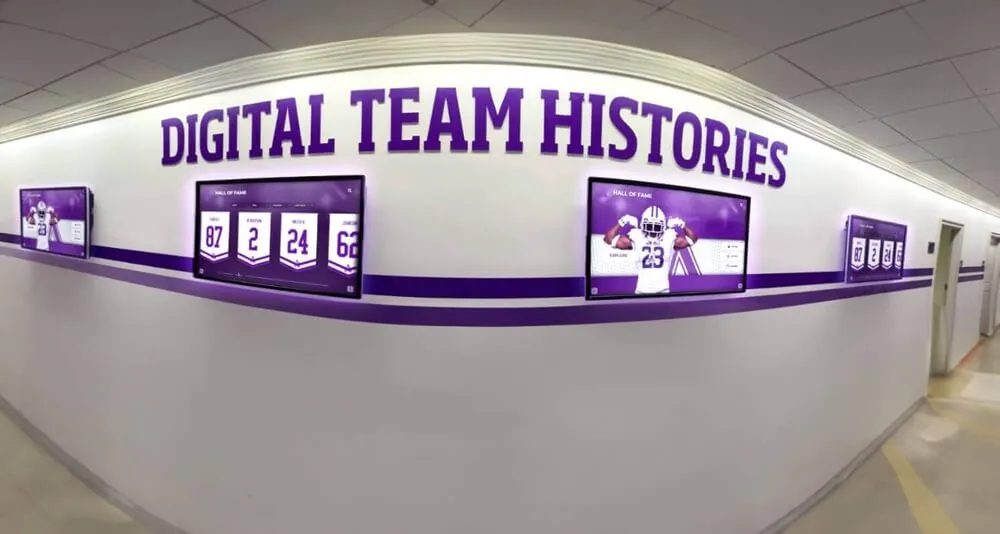
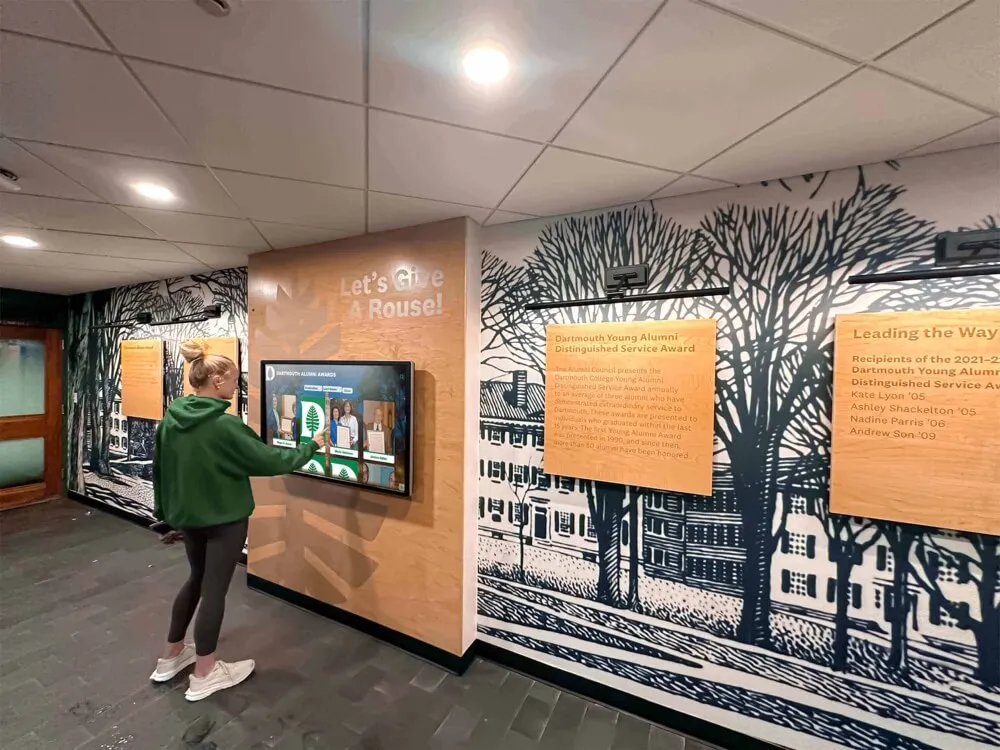
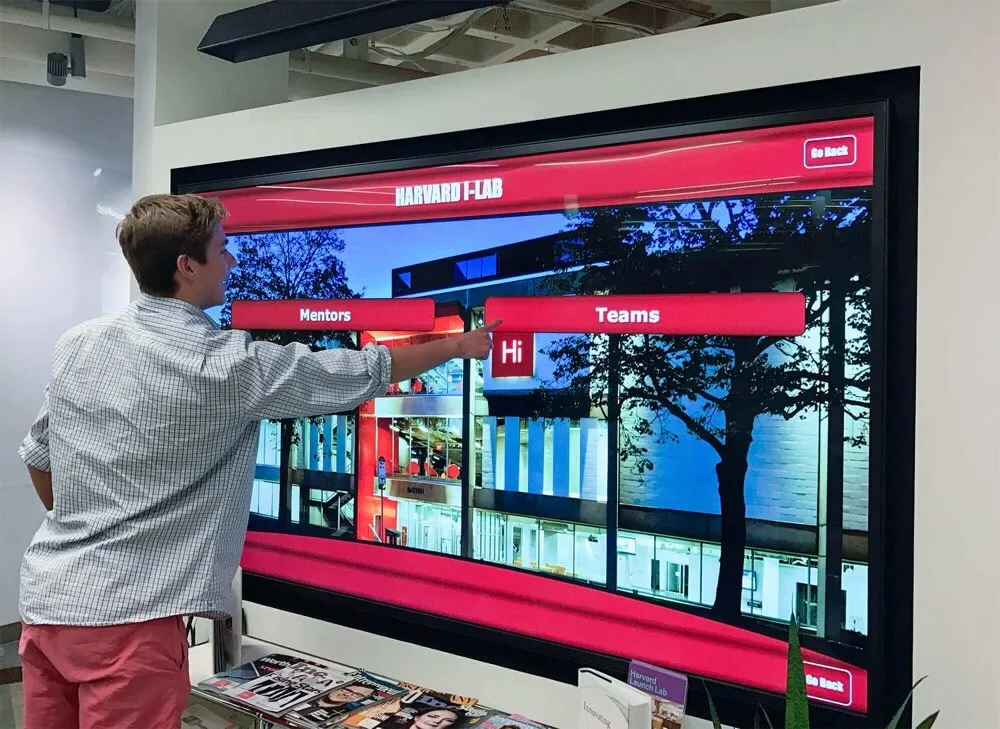
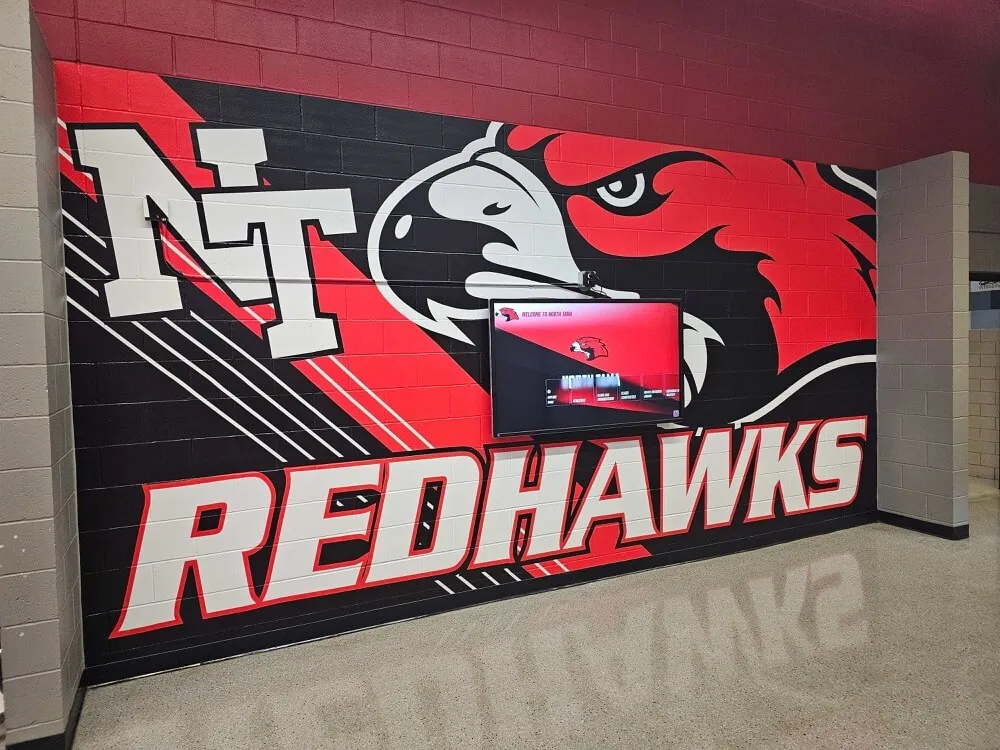
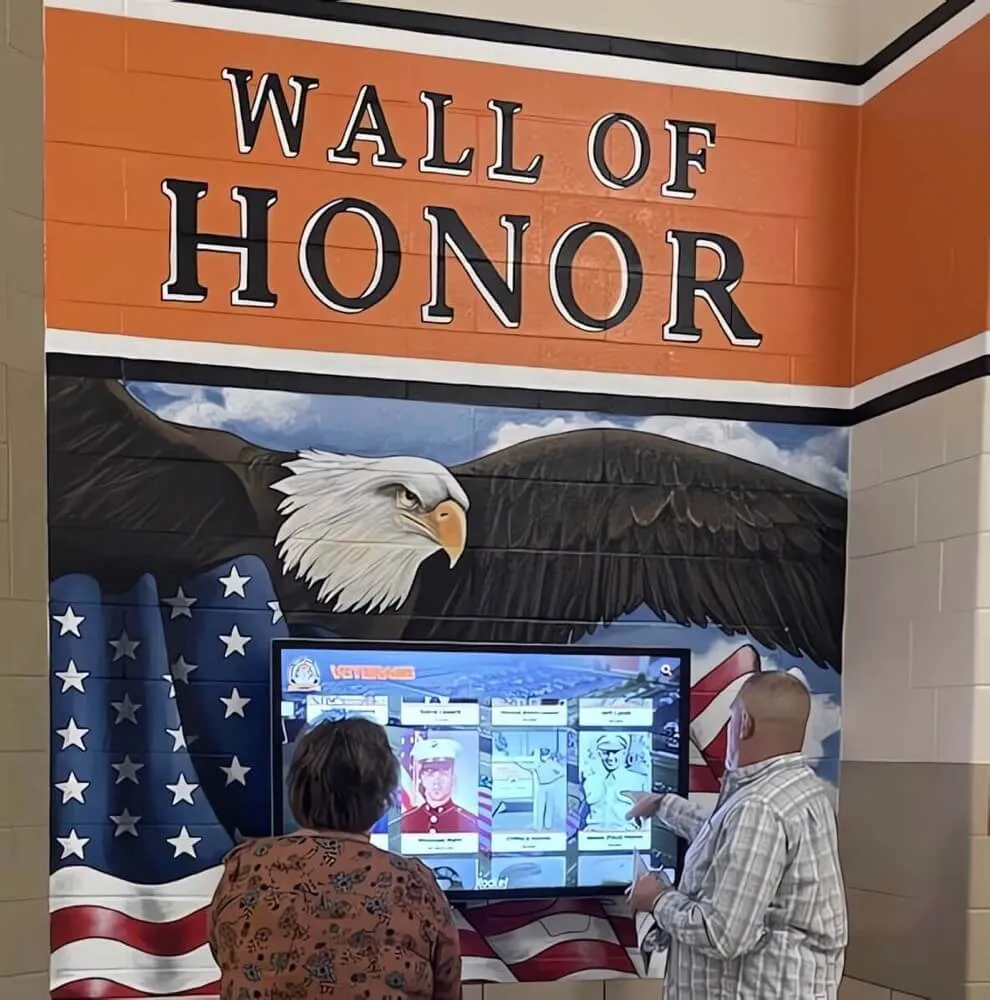
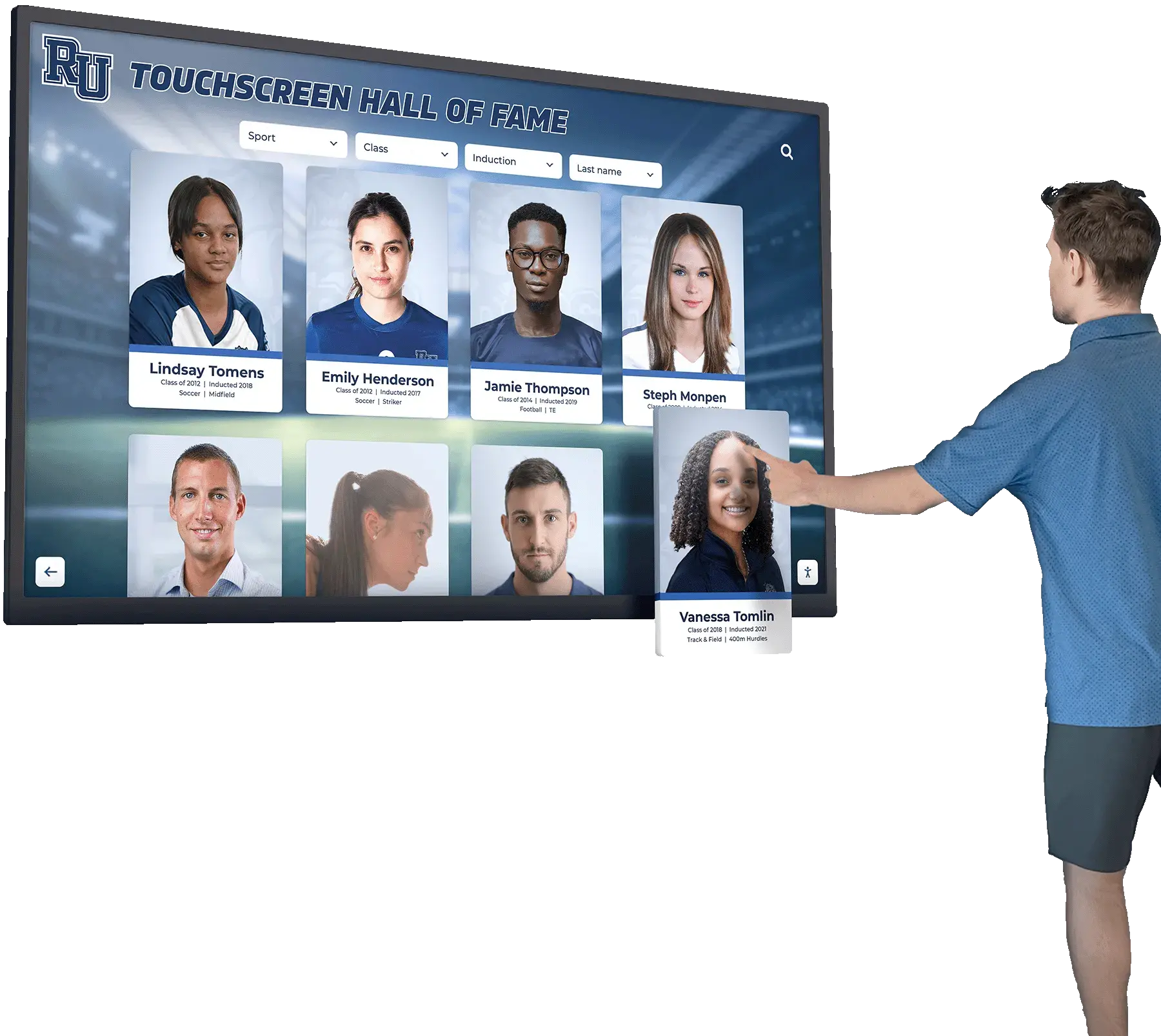
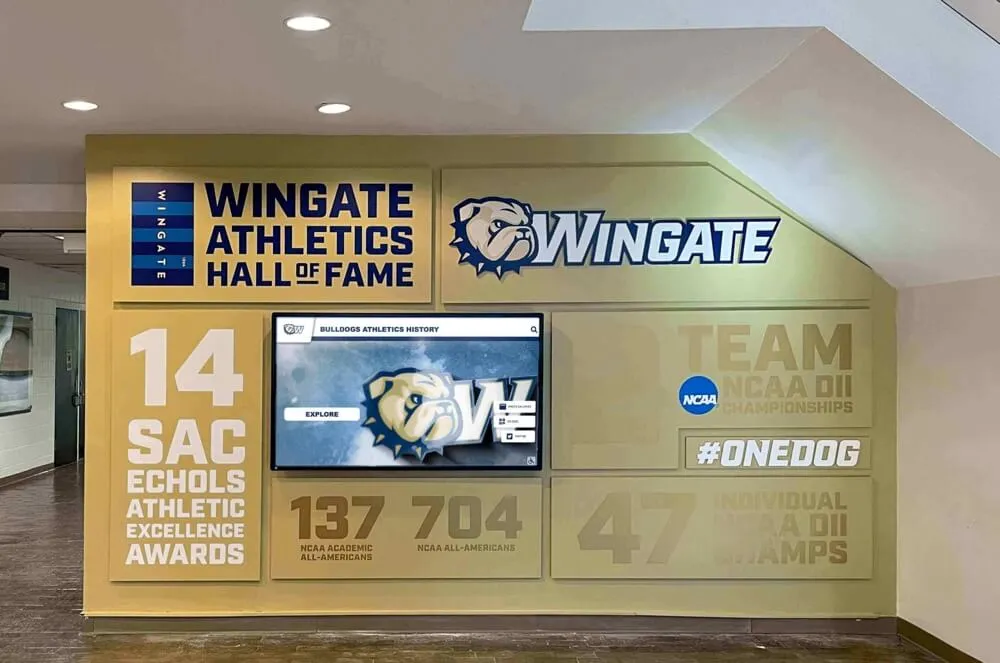
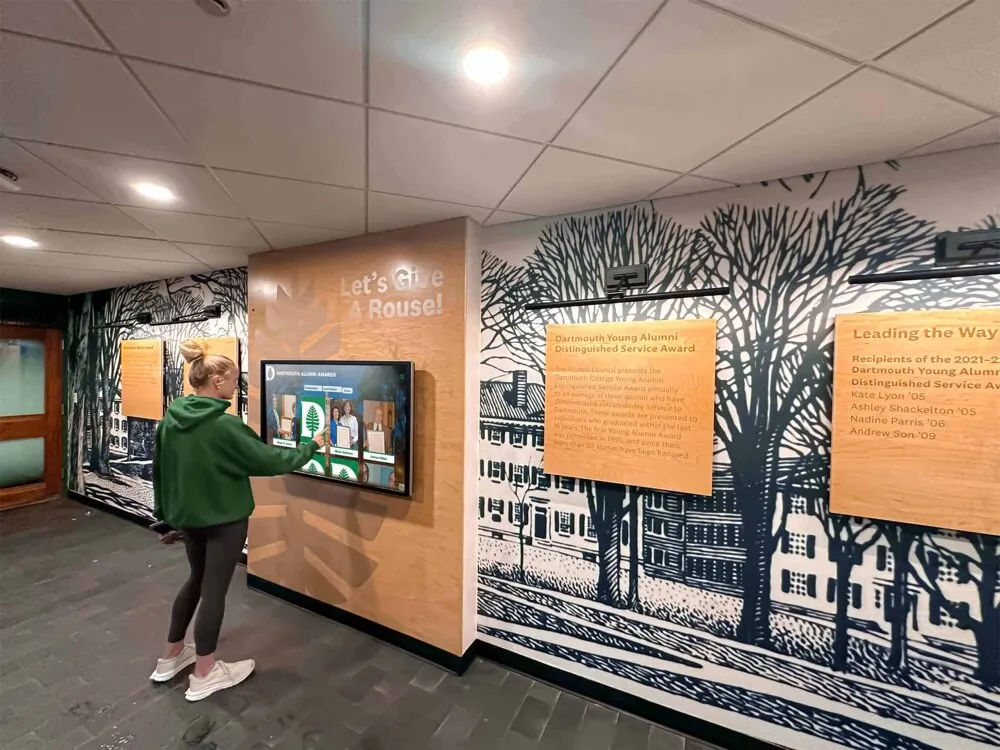
Interactive displays create natural engagement touchpoints where alumni explore institutional history and connect with their educational legacy
Understanding Alumni Network Value and Purpose
Before implementing specific tactics, institutions must clearly define what their alumni network should accomplish and how it creates mutual value for graduates and the institution.
Strategic Benefits of Strong Alumni Networks
Well-developed alumni networks deliver measurable institutional advantages:
Fundraising and Development Impact
- Engaged alumni donate at rates 3-5 times higher than unengaged graduates
- Regular communication and engagement build trust preceding major gift solicitations
- Alumni giving participation rates directly influence institutional rankings and reputation
- Sustained relationships enable planned giving and estate gifts
- Network effects create peer influence encouraging donation behavior
According to the Council for Advancement and Support of Education (CASE), institutions with highly engaged alumni networks consistently outperform peers in annual fund participation, major gifts, and total philanthropic revenue. The correlation between engagement quality and giving levels remains one of the most consistent findings in advancement research.
Student Recruitment and Enrollment
- Alumni serve as authentic ambassadors sharing genuine institutional experiences
- Graduate success stories demonstrate educational value to prospective students and families
- Alumni children and family members represent high-yield recruitment pools
- Professional alumni networks provide tangible career outcome evidence
- Geographic alumni chapters extend institutional reach into new markets
Career Development and Professional Networks
- Alumni connections facilitate student internships and job placements
- Mentorship programs leverage graduate expertise for current student benefit
- Industry-specific networks create professional advancement opportunities
- Geographic chapters provide relocation support and local professional connections
- Career panels and networking events connect students with established professionals
Reciprocal Value for Alumni Participants
Sustainable networks require genuine value delivery to alumni, not just institutional benefit extraction:
Professional Advancement
- Access to alumni professional networks and industry connections
- Mentorship opportunities with experienced graduates in relevant fields
- Job boards and career resources exclusive to alumni
- Professional development programming and continuing education
- Geographic and industry-specific networking events
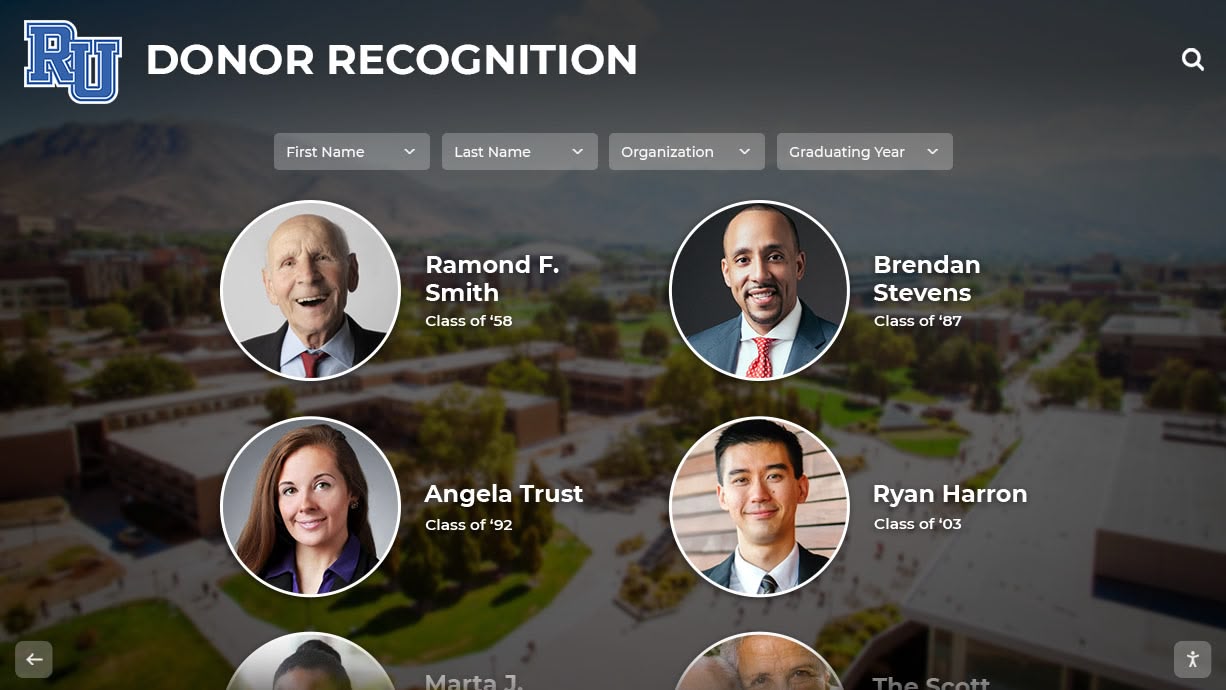
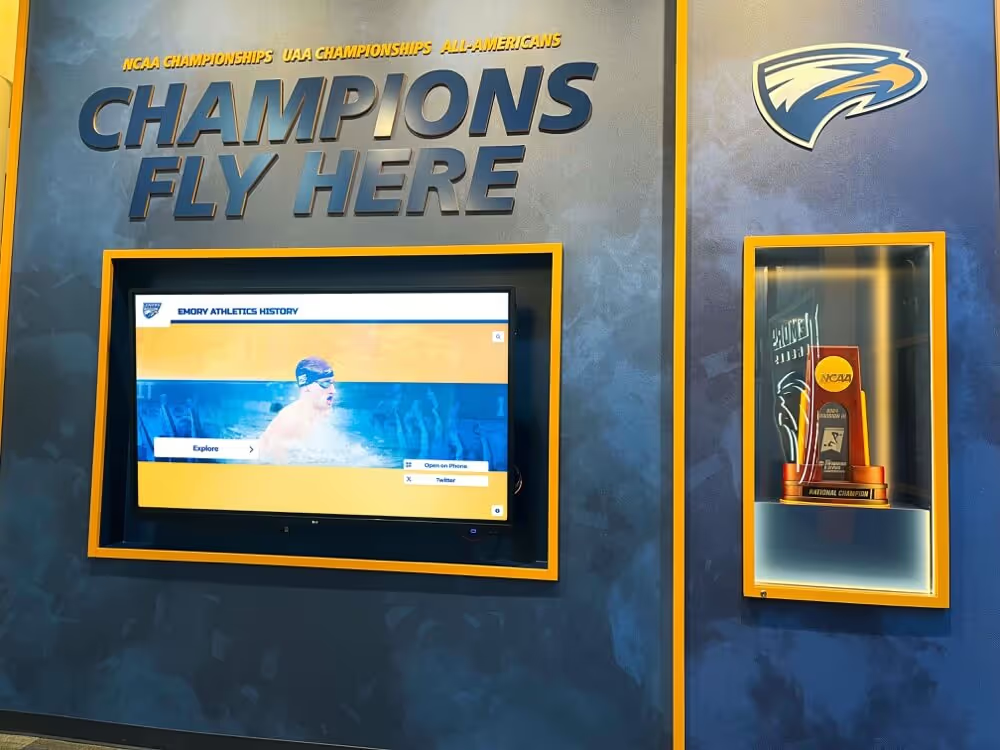
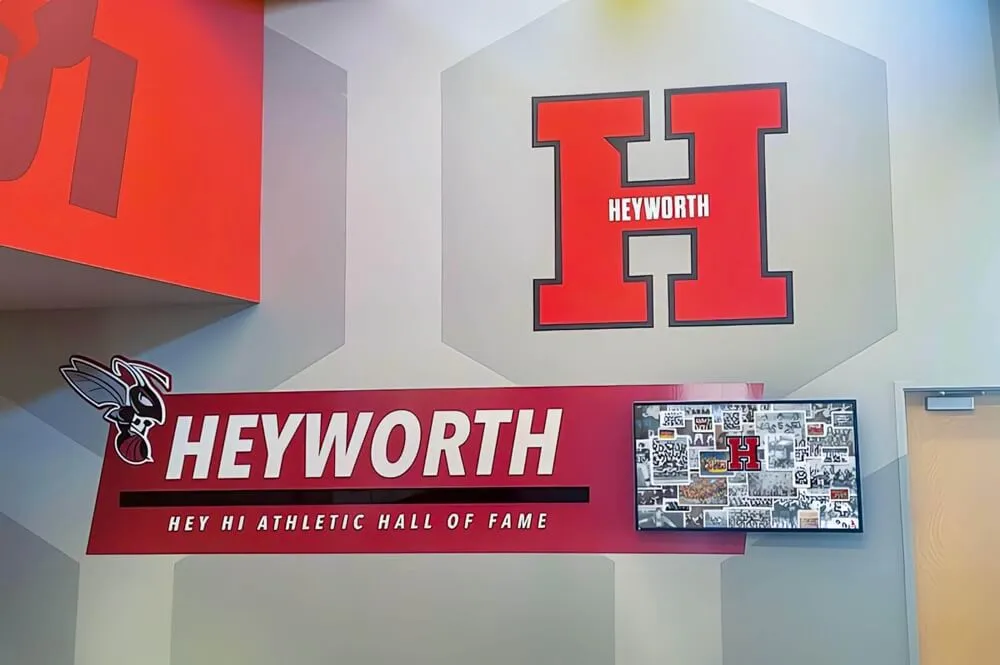
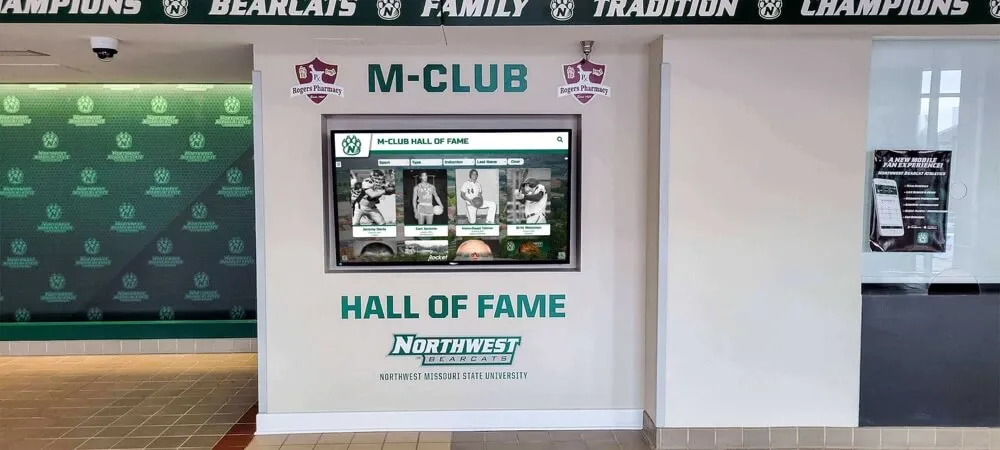
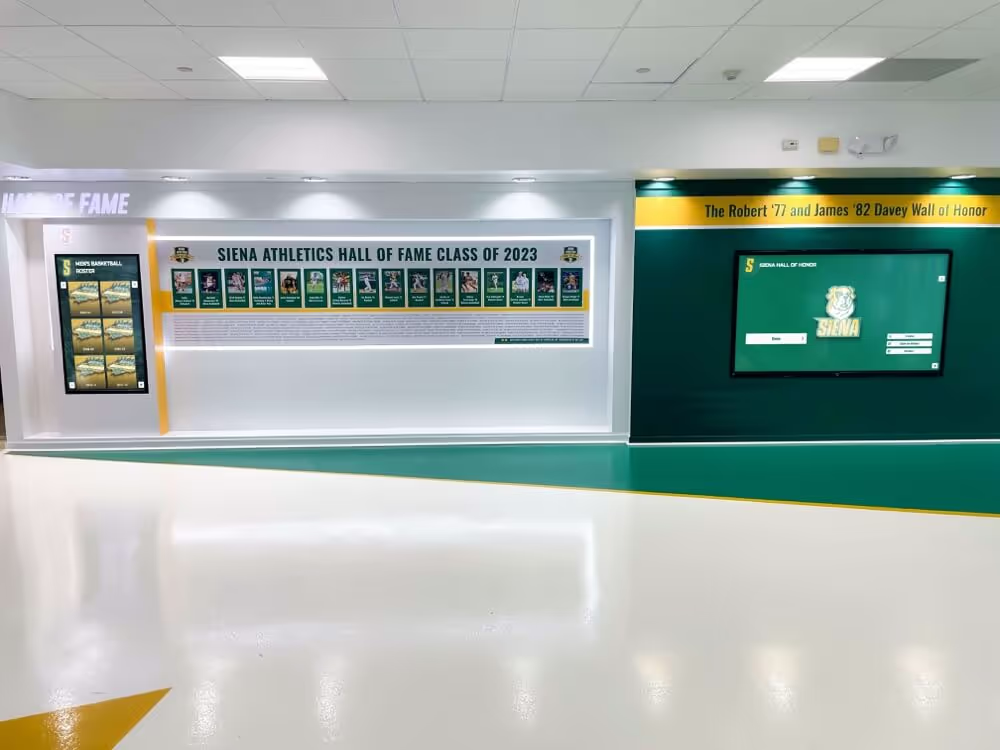
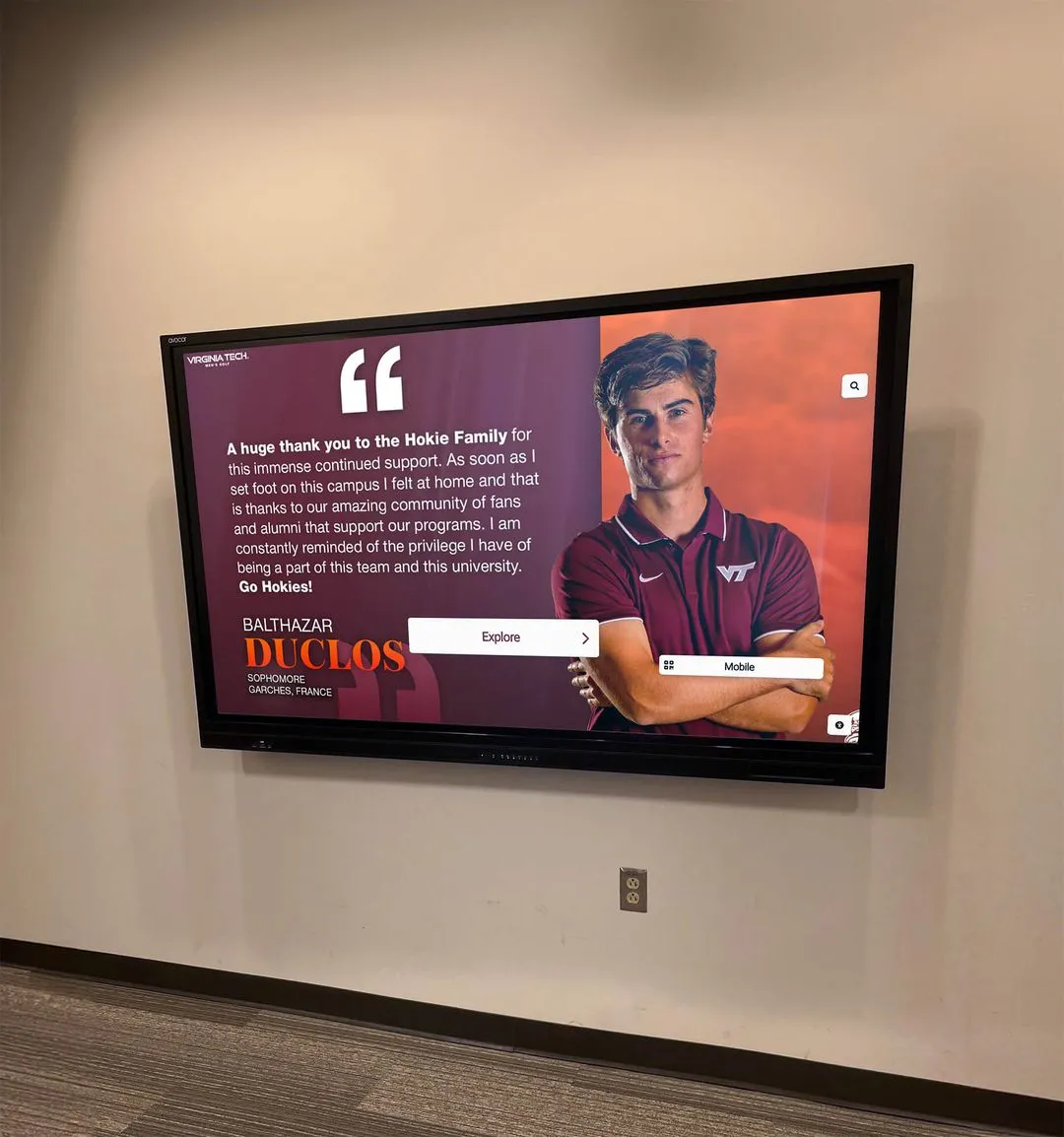
Recognition displays honor alumni achievements while reinforcing institutional pride and graduate identity
Continued Learning and Enrichment
- Alumni education programs and lectures
- Access to institutional resources including libraries and facilities
- Cultural programming leveraging campus arts and athletics
- Exclusive content from faculty and institutional thought leaders
- Lifelong learning opportunities aligned with alumni interests
Community and Belonging
- Maintained connections with classmates and friends from educational years
- Intergenerational community spanning diverse graduating classes
- Affinity groups based on shared interests, identities, or experiences
- Service opportunities enabling meaningful contribution
- Pride in institutional achievements and continued association
Institutions that excel at alumni engagement consistently deliver tangible value justifying continued alumni time and attention investment.
Building the Foundation: Alumni Network Infrastructure
Successful alumni networks require systematic infrastructure supporting relationship development, communication, and engagement programming.
Comprehensive Alumni Data Management
Effective networks begin with accurate, complete information about graduate populations:
Essential Alumni Data Elements
- Current contact information including email, phone, and mailing addresses
- Employment history and current professional information
- Educational credentials including degree(s), major(s), and graduation year(s)
- Geographic location enabling regional programming
- Engagement history tracking previous participation and giving
- Communication preferences and privacy settings
- Family relationships including legacy students and alumni relatives
Data Collection and Maintenance Strategies
- Systematic data collection during graduation processes
- Regular update campaigns encouraging profile refreshes
- LinkedIn and social media integration for professional information
- Event registration forms capturing current information
- Giving transaction data providing accurate contact details
- Alumni directory tools incentivizing profile completion
- Student information system integration preventing data fragmentation

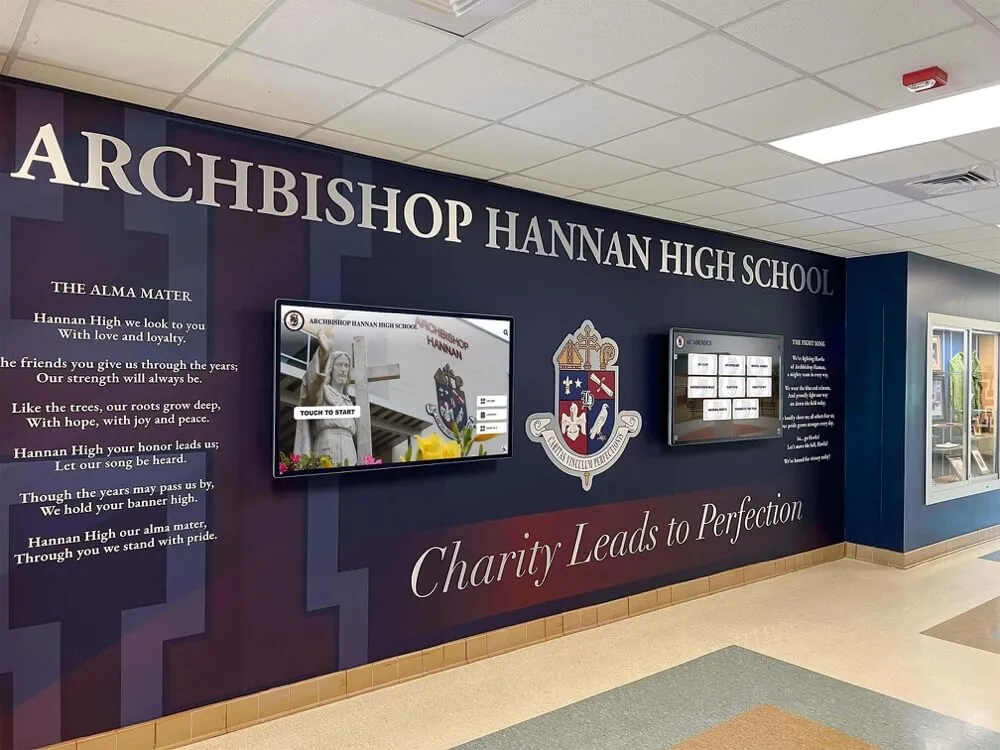
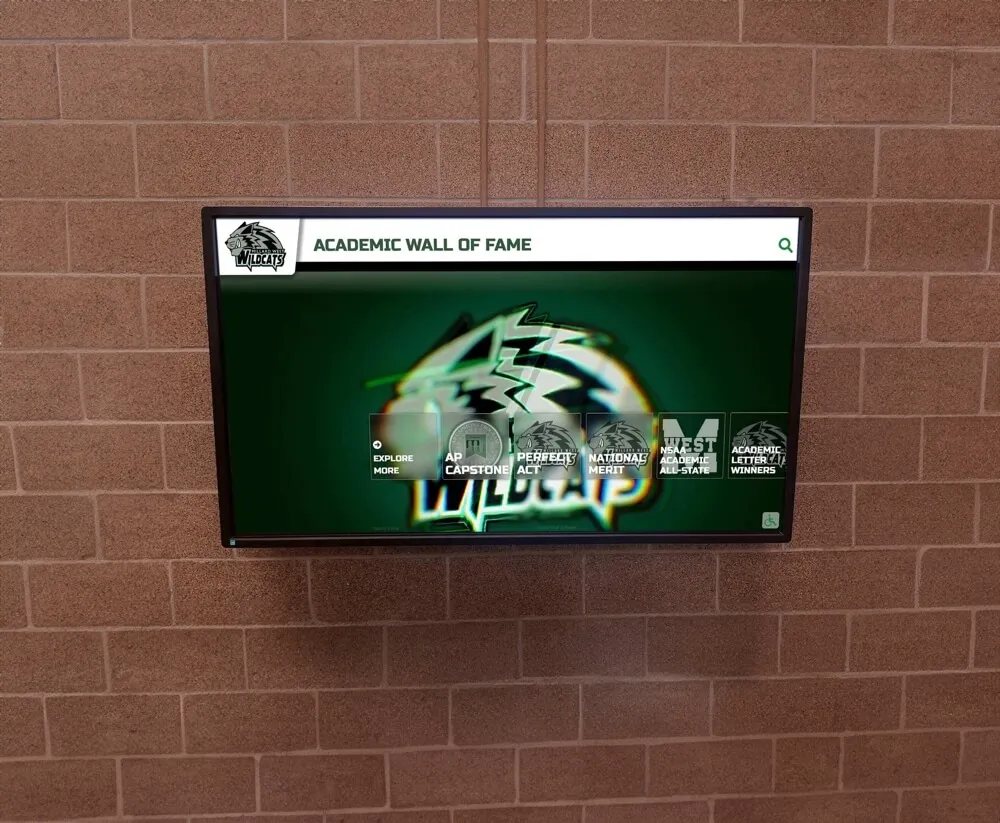
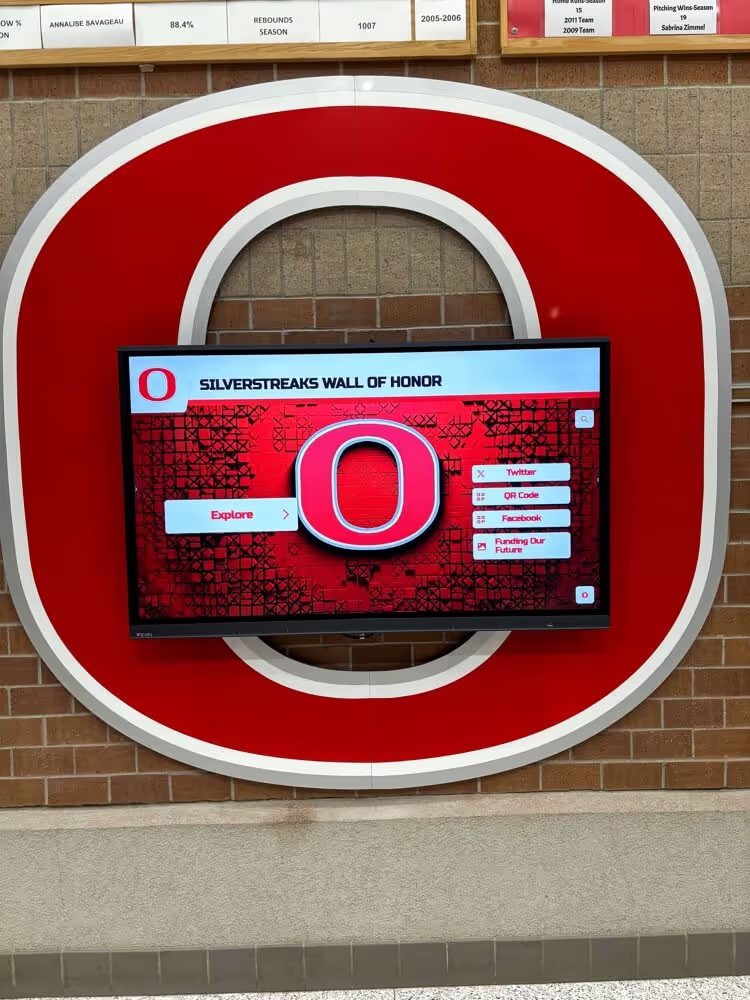
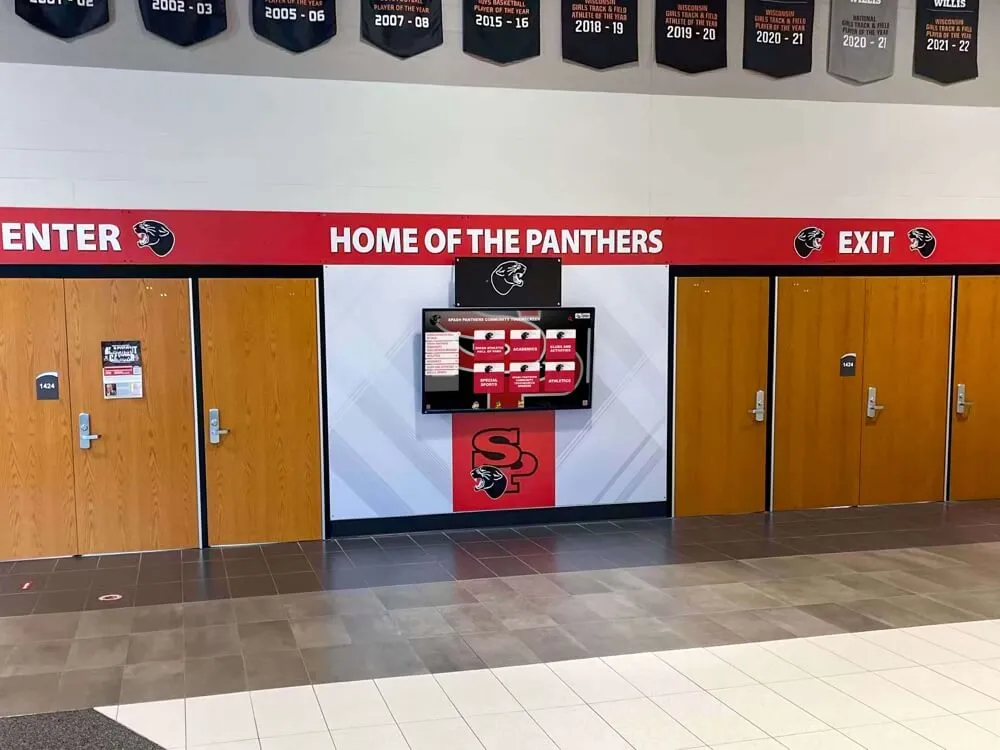
Campus displays provide information access while creating conversation starters for visiting alumni and prospective students
Research indicates alumni data decay rates of 20-30% annually without active maintenance efforts. Schools with strong networks implement systematic approaches keeping contact information current across their graduate populations.
Technology Platforms and Communication Tools
Modern alumni engagement requires appropriate technology infrastructure:
Alumni Management Systems Dedicated platforms designed for advancement operations:
- Constituent relationship management (CRM) tracking all alumni interactions
- Event management tools facilitating registration and attendance tracking
- Giving platforms integrating donation processing with engagement data
- Communication tools enabling targeted, personalized outreach
- Analytics and reporting capabilities measuring engagement effectiveness
- Mobile applications providing alumni directory access and content
Digital Community Platforms Online spaces facilitating alumni-to-alumni connection:
- Professional networking communities similar to LinkedIn
- Discussion forums organized by interest, industry, or geography
- Mentorship matching platforms connecting graduates with students
- Job boards featuring opportunities from alumni employers
- Content libraries providing exclusive resources and programming
- Virtual event capabilities enabling remote participation
Website and Digital Presence Public-facing platforms providing information and access:
- Dedicated alumni website sections with relevant content and resources
- Searchable alumni directories (respecting privacy preferences)
- Event calendars promoting upcoming programming
- News and stories highlighting alumni achievements
- Forms and tools enabling profile updates and engagement
- Integration with institutional marketing and communication channels
Schools should select platforms matching their technical capabilities, budget constraints, and graduate population characteristics rather than implementing sophisticated systems requiring resources they cannot sustain.
Segmentation Strategies: Understanding Your Alumni Population
Effective engagement requires recognizing diversity within graduate populations and tailoring approaches to different alumni segments.
Demographic and Psychographic Segmentation
Alumni populations contain dramatically different segments requiring distinct engagement strategies:
Career Stage Segmentation Recent graduates (0-5 years post-graduation):
- Focus on career development, networking, and professional advancement
- Lower disposable income limiting philanthropic capacity
- High engagement potential through convenient, valuable programming
- Strong interest in mentorship and job placement support
- Digital-first communication preferences
Established professionals (6-25 years post-graduation):
- Peak earning years and philanthropic capacity
- Family responsibilities affecting availability and engagement preferences
- Leadership potential for volunteer roles and mentorship
- Interest in institutional impact and strategic direction
- Hybrid communication preferences balancing digital and traditional
Senior alumni (25+ years post-graduation):
- Significant lifetime wealth and planned giving potential
- Nostalgia and legacy motivations for engagement
- Appreciation for recognition and continued relevance
- Interest in institutional history and tradition preservation
- Preference for traditional engagement formats and communication
Geographic Segmentation
- Local alumni (campus proximity): easy attendance at in-person events, facility access benefits, student interaction opportunities
- Regional alumni (within driving distance): quarterly or annual programming, special event participation
- National alumni (distant locations): virtual programming emphasis, major event travel justification
- International alumni: time zone considerations, virtual engagement priority, special travel experiences
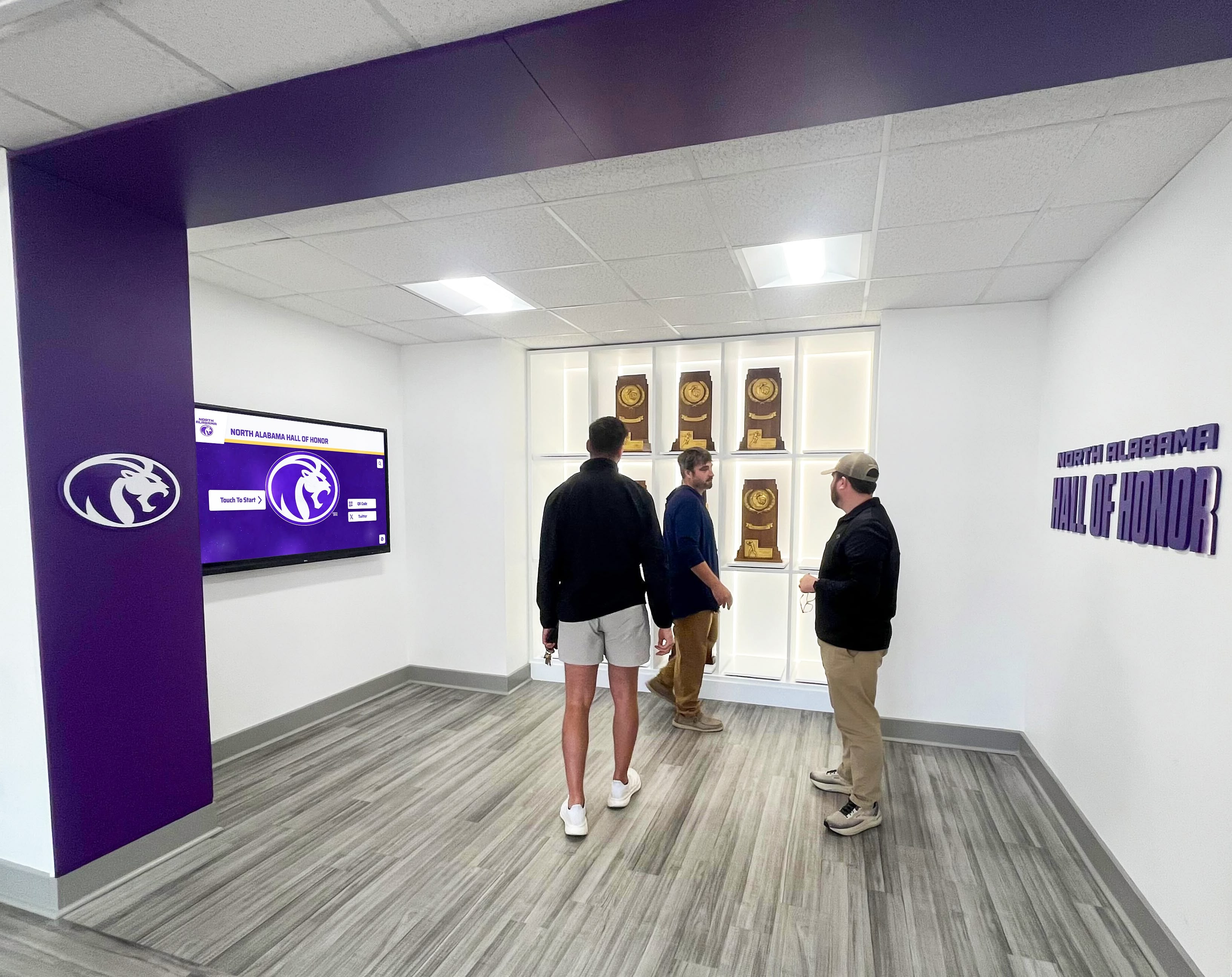
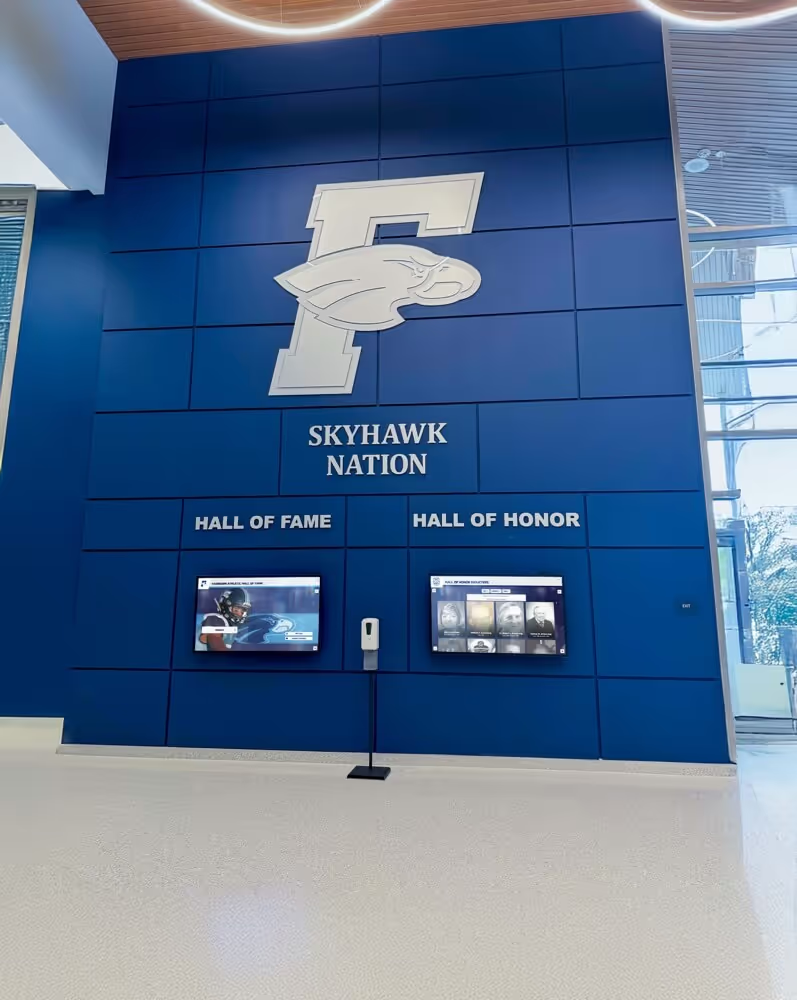
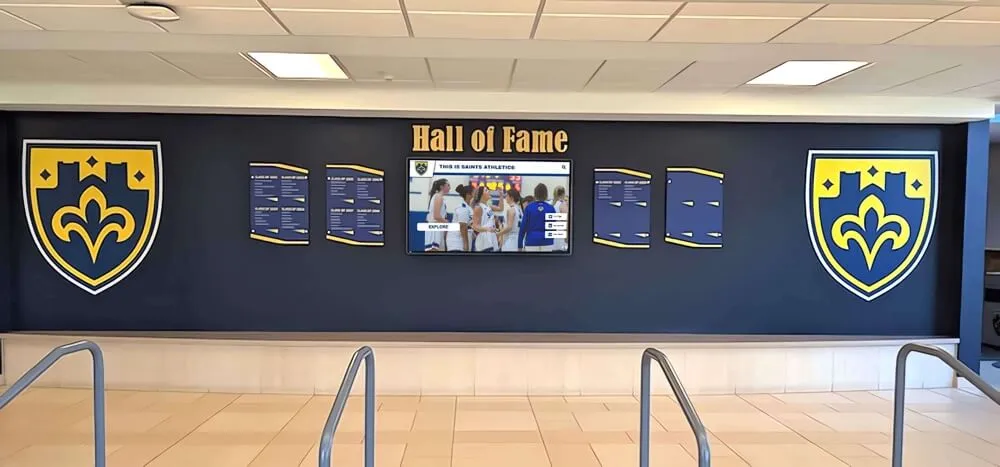
Physical spaces celebrating institutional achievement create natural gathering points for alumni visits and events
Professional and Interest Segmentation
- Industry-specific groups enabling targeted professional networking
- Academic discipline connections linking graduates through shared educational experiences
- Athletic affiliation connecting former student-athletes and sports supporters
- Greek life and social organizations maintaining continued identity connections
- Affinity groups based on identity, experience, or shared characteristics
Effective segmentation enables personalized communication and programming that resonates with specific alumni subsets rather than generic outreach failing to connect authentically.
Engagement Level Segmentation
Not all alumni demonstrate equal engagement propensity or current involvement:
Highly Engaged Alumni Current characteristics:
- Regular event attendance and program participation
- Consistent giving regardless of amount
- Active volunteer service and leadership roles
- Frequent communication and profile updates
- Strong institutional advocacy and referrals
Appropriate strategies:
- Recognition of contribution and continued appreciation
- Leadership development and increased responsibility opportunities
- Exclusive access and insider experiences
- Peer community building among fellow engaged alumni
- Solicitation for major gifts and planned giving
Moderately Engaged Alumni Current characteristics:
- Occasional event attendance at convenient opportunities
- Sporadic giving or single previous donation
- Responsive to communication but not proactive
- Maintained contact information but infrequent updates
- Positive institutional sentiment without active involvement
Appropriate strategies:
- Increased touchpoint frequency building familiarity
- Low-barrier participation opportunities
- Value demonstration through quality programming
- Clear pathways to deeper engagement
- Recognition of participation encouraging continued involvement
Unengaged or Lapsed Alumni Current characteristics:
- No event attendance or program participation history
- No giving record or distant last contribution
- Minimal communication interaction
- Outdated or missing contact information
- Unknown sentiment or awareness of current institution
Appropriate strategies:
- Contact information research and database hygiene
- Reengagement campaigns highlighting institutional developments
- No-ask communication focusing on value delivery
- Reunion year outreach leveraging milestone anniversaries
- Digital-first strategies requiring minimal commitment
Different alumni segments require fundamentally different engagement approaches. Resources allocated to re-engaging completely lapsed alumni often yield better returns when invested in converting moderately engaged alumni to higher involvement levels.
Essential Alumni Engagement Programming
Strong networks provide diverse programming meeting varied alumni needs and creating multiple entry points for participation.
Professional Development and Career Networking
Career-focused programming delivers clear value driving participation:
Industry and Professional Networks Organize alumni by career field for targeted connection:
- Technology sector networks connecting software engineers, product managers, and tech entrepreneurs
- Healthcare professional communities linking physicians, nurses, administrators, and researchers
- Education networks connecting teachers, administrators, and educational leaders
- Finance and business networks enabling cross-industry professional advancement
- Creative industry connections supporting artists, designers, and media professionals
For more ideas about creating engaging alumni gatherings, explore these creative alumni event concepts that strengthen network bonds.
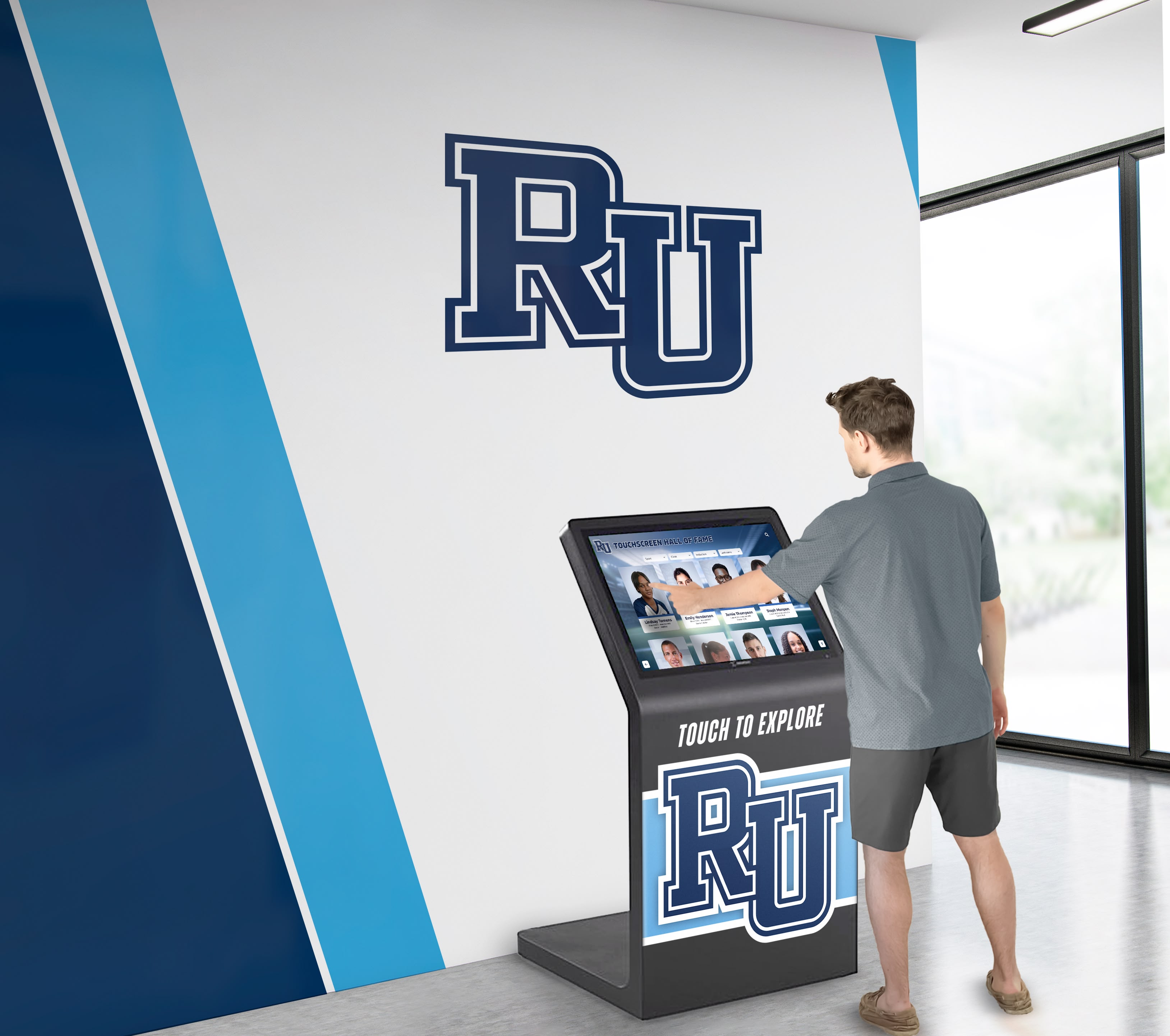
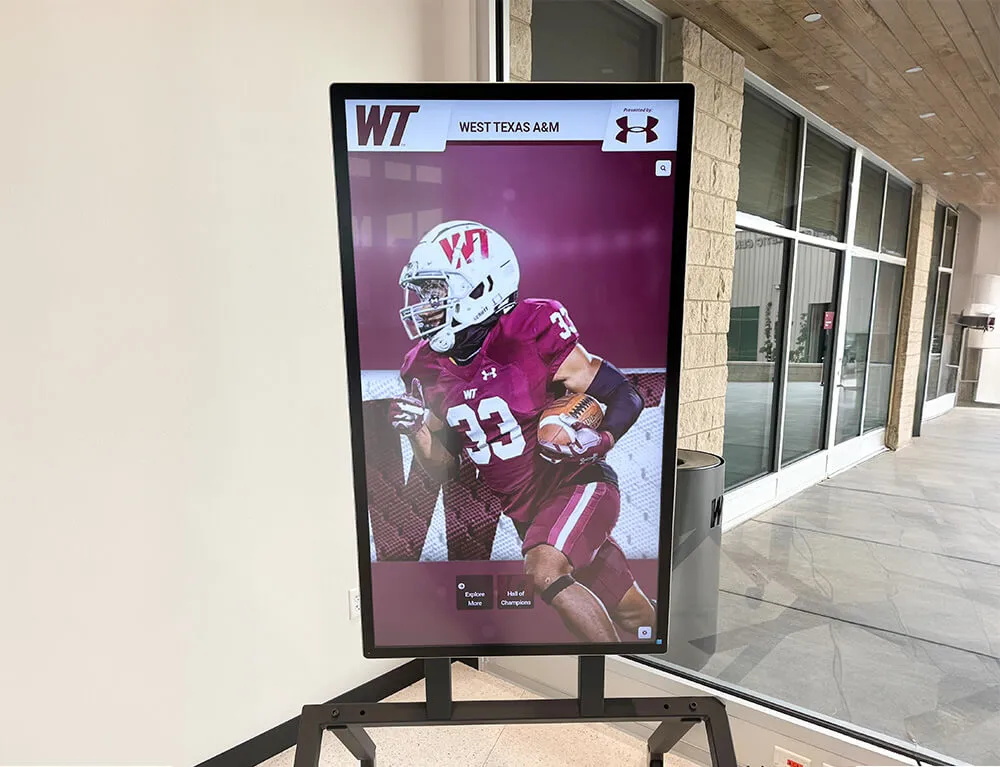
Campus wayfinding and information kiosks serve dual purposes providing practical assistance while showcasing institutional achievements
Mentorship Programs Connect experienced alumni with students and recent graduates:
- One-on-one mentorship matching based on career interests and compatibility
- Group mentorship programs enabling senior alumni to guide multiple mentees
- Speed mentoring events facilitating brief conversations with multiple professionals
- Virtual mentorship reducing geographic barriers to participation
- Industry-specific mentorship focused on particular career paths
Effective mentorship programs create reciprocal value—mentees receive guidance and connections while mentors experience satisfaction from contributing expertise and maintaining institutional relationships.
Career Development Programming Provide educational content supporting professional advancement:
- Industry trend webinars led by expert alumni or faculty
- Skills workshops teaching relevant professional capabilities
- Resume review services and interview preparation
- Career transition support for alumni changing industries or roles
- Entrepreneurship resources for alumni launching ventures
Job Boards and Placement Support Facilitate employment connections within alumni networks:
- Exclusive job postings from alumni employers
- Internship opportunities at alumni organizations
- Informational interview matching for career exploration
- Alumni hiring preferences creating network employment advantages
- Regional job fairs connecting local alumni and employers
Geographic Alumni Chapter Development
Regional networks serve alumni unable to regularly visit campus:
Chapter Structure and Leadership Successful chapters require thoughtful organization:
- Volunteer chapter leaders coordinating local programming
- Defined geographic boundaries preventing chapter overlap
- Institutional staff support providing resources and guidance
- Annual planning aligning chapter activities with broader strategy
- Budget allocation enabling quality local programming
Chapter Programming Models Vary activities based on chapter size and local preferences:
- Social gatherings at restaurants, bars, or alumni homes
- Athletic viewing parties for major games and championships
- Cultural event attendance (theater, museums, concerts)
- Service projects benefiting local communities
- Professional networking events leveraging local alumni expertise
- Prospective student recruitment support in regional markets
- Alumni event gatherings designed to strengthen network bonds
Schools should focus chapter development resources on geographic areas with sufficient alumni density to sustain regular programming rather than attempting global chapter coverage with insufficient critical mass.
Intellectual and Cultural Programming
Educational content maintains alumni connection with institutional mission:
Alumni Education Programs Provide continued learning opportunities:
- Weekend alumni college programs with intensive seminars
- Single-day lectures on timely topics from distinguished faculty
- Online course access enabling remote participation
- Book clubs discussing faculty publications or curriculum texts
- Research presentations showcasing institutional scholarly work
- Digital archives preserving institutional history for educational programming
These programs work particularly well when paired with campus facilities that celebrate institutional heritage and academic achievement, similar to academic recognition programs that honor student excellence.
Cultural and Athletic Event Access Leverage campus programming for alumni engagement:
- Theater and performing arts productions with alumni tickets
- Athletic season tickets and preferential seating
- Gallery exhibitions and museum access
- Guest lecture series and distinguished speaker events
- Special access opportunities unavailable to general public
- Recognition of distinguished alumni athletes through permanent hall of fame displays
Virtual Content and Digital Resources Extend intellectual programming beyond geographic constraints:
- Podcast series featuring faculty expertise and alumni stories
- Video content libraries providing on-demand educational resources
- Live-streamed events enabling remote participation
- Digital publications sharing institutional research and thought leadership
- Online communities facilitating discussion and connection
Recognition and Celebration: Honoring Alumni Achievement
Recognition programming strengthens alumni identity while providing engagement opportunities and inspiring current students.
Formal Award and Recognition Programs
Systematic recognition honors exceptional graduates:
Distinguished Alumni Awards Create prestigious designation recognizing outstanding achievement:
- Annual awards ceremonies with formal recognition and celebration
- Multiple categories reflecting diverse accomplishment types
- Nomination and selection processes ensuring worthy recipients
- Public recognition through institutional communications
- Permanent recognition displays preserving honoree legacies
Selection criteria should balance professional accomplishment, service to institution or society, and values demonstration aligned with institutional mission.
Young Alumni Achievement Recognition Celebrate emerging leaders establishing promising careers:
- “40 Under 40” or similar age-based recognition programs
- Recent graduate achievement highlighting early career success
- Entrepreneurship and innovation awards
- Social impact recognition honoring community contribution
- Platform provision enabling young alumni to share career journeys

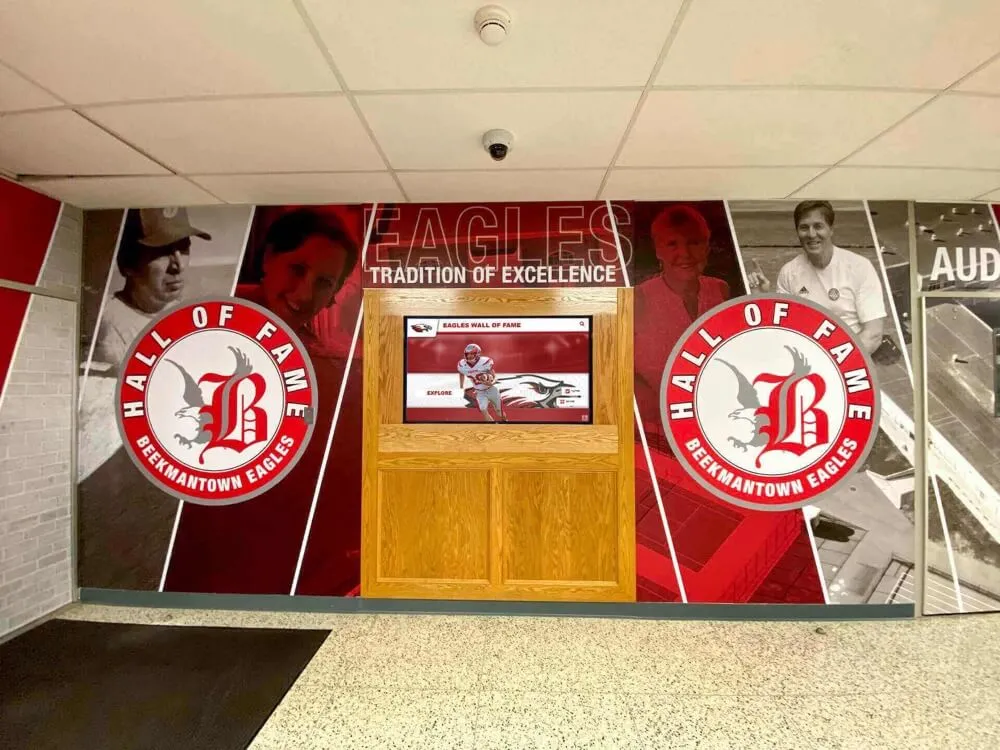
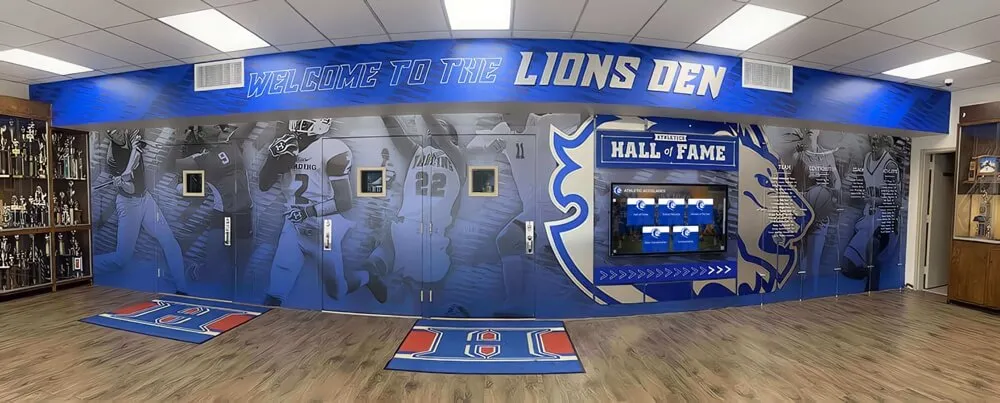
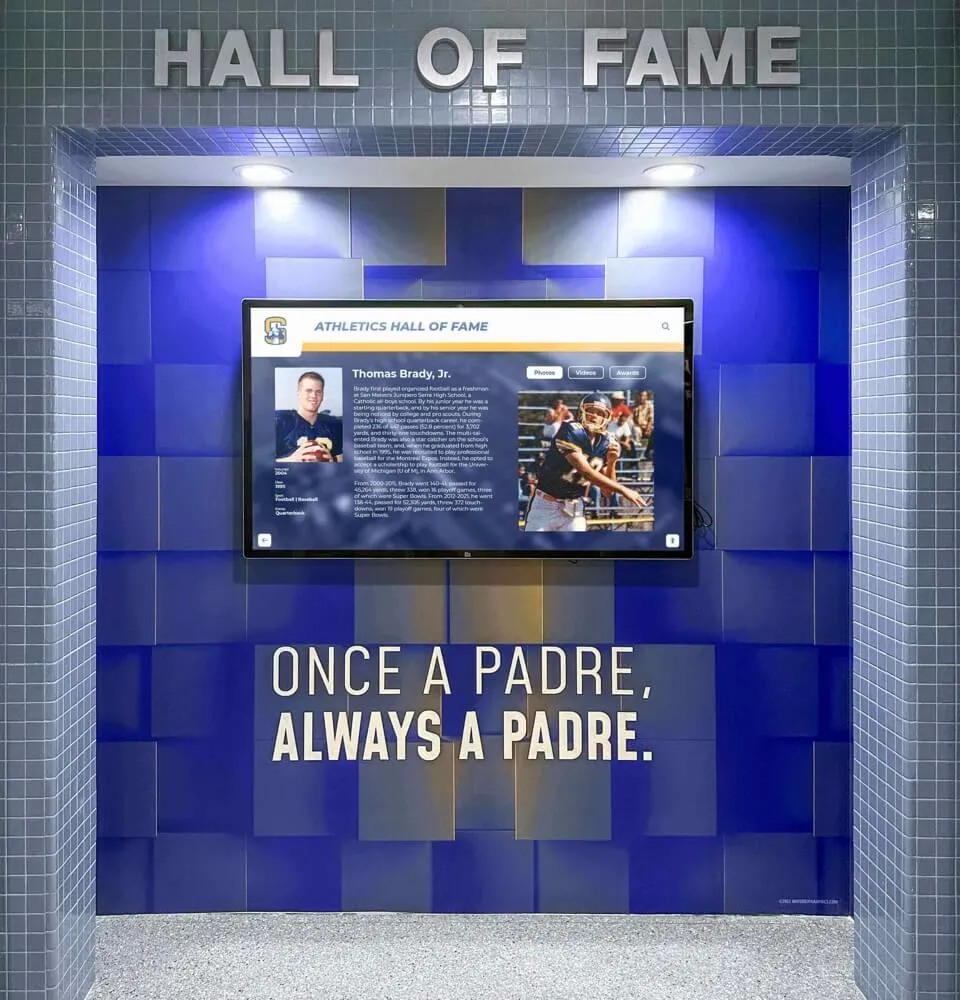
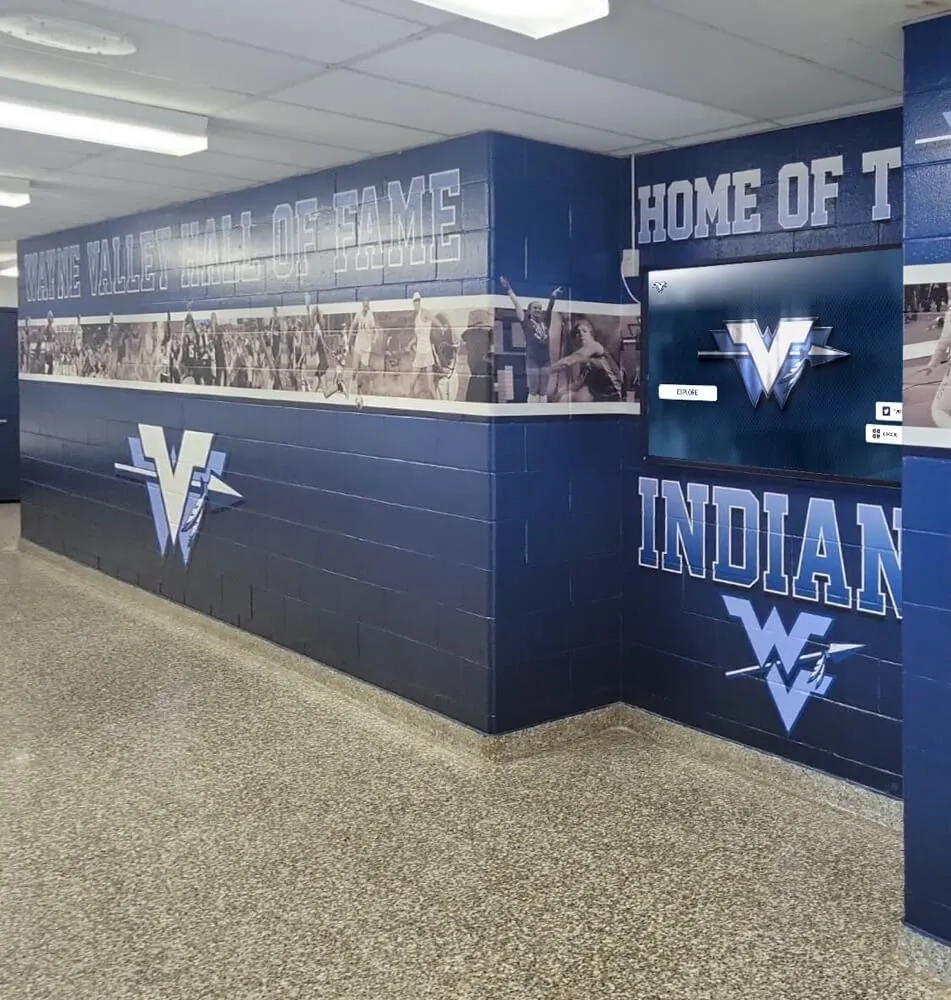
Lobby recognition displays combining murals and interactive technology create impressive focal points honoring athletic and alumni achievement
Hall of Fame Induction Programs Athletic and academic halls of fame provide structured recognition:
- Annual induction ceremonies with formal program and dinner
- Permanent displays featuring inductee profiles and achievements
- Family inclusion creating multi-generational engagement
- Historical documentation preserving institutional legacy
- Public celebration inspiring current students and building pride
Many institutions find that athletic hall of fame programs create particularly strong alumni engagement when properly designed and celebrated.
Digital Recognition and Archival Preservation
Modern recognition technology expands engagement possibilities:
Interactive Alumni Recognition Displays Solutions like Rocket Alumni Solutions transform traditional recognition through touchscreen technology:
- Unlimited alumni profiles eliminating space constraints of physical plaques
- Searchable databases enabling alumni to locate classmates and friends
- Historical archives preserving institutional legacy across decades
- Photo galleries and achievement documentation
- Timeline views showing institutional evolution across graduating classes
- Mobile accessibility extending recognition beyond physical campus
These systems create year-round engagement touchpoints where visiting alumni, prospective students, and community members explore graduate achievements and institutional history.
Web-Based Alumni Directories Online platforms facilitate alumni discovery and connection:
- Searchable profiles enabling network navigation
- Privacy controls respecting alumni preferences
- Professional information supporting career networking
- Integration with LinkedIn and social platforms
- Opt-in visibility ensuring appropriate participation
Social Media Recognition Digital channels amplify alumni achievement celebration:
- Regular features highlighting distinguished graduate accomplishments
- Milestone recognition for career achievements and life events
- Crowdsourced nominations enabling peer recognition
- Visual content showcasing alumni success stories
- Hashtag campaigns building community and visibility
Recognition should feel genuinely meaningful rather than perfunctory. Alumni respond to authentic celebration of significant accomplishments more than participation trophies or universal recognition that diminishes special achievement.
Communication Strategy: Keeping Alumni Connected
Systematic, thoughtful communication maintains relationships and drives engagement program participation.
Multi-Channel Communication Approaches
Effective alumni communication leverages diverse channels reaching different preferences:
Email Communication Primary channel for most institutional outreach:
- Segmented messaging tailored to specific alumni groups
- Mobile-optimized formatting ensuring readability across devices
- Balanced frequency avoiding inbox fatigue while maintaining presence
- Clear value proposition in every communication
- Testing and optimization improving open rates and engagement
Research suggests quarterly substantive communication maintains connection without overwhelming recipients, supplemented by event-specific and timely announcements.
Print Publications Traditional formats maintain value for certain segments:
- Alumni magazine showcasing institutional developments and graduate achievements
- Annual reports demonstrating impact and strategic direction
- Event invitations for major programs deserving special attention
- Recognition of major gifts and campaign milestones
- Reunion year communications building attendance
While younger alumni increasingly prefer digital communication, many established and senior graduates appreciate quality print publications demonstrating institutional investment in alumni relations.
Social Media Engagement Digital platforms enable two-way conversation and community building:
- Dedicated alumni social media accounts separate from general institutional channels
- User-generated content encouraging alumni to share experiences
- Live coverage of alumni events and campus developments
- Alumni takeovers providing authentic graduate perspectives
- Targeted advertising reaching alumni who don’t follow accounts organically
Direct Mail and Personal Outreach High-touch communication for priority segments:
- Handwritten notes for major donors and volunteers
- Birthday and anniversary cards recognizing milestones
- Personal emails from institutional leadership to engaged alumni
- Phone calls from student callers building personal connections
- Video messages from president or advancement leadership
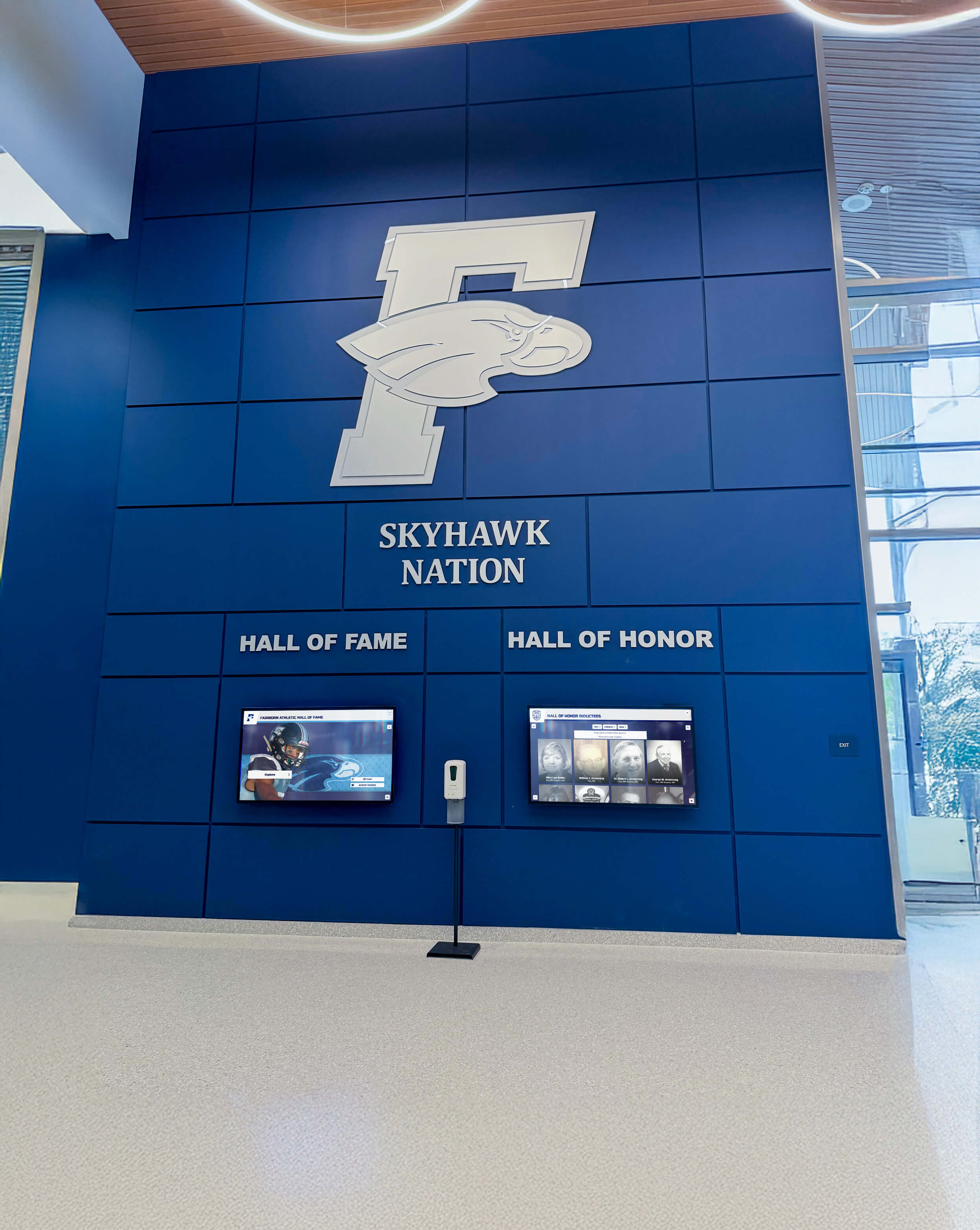
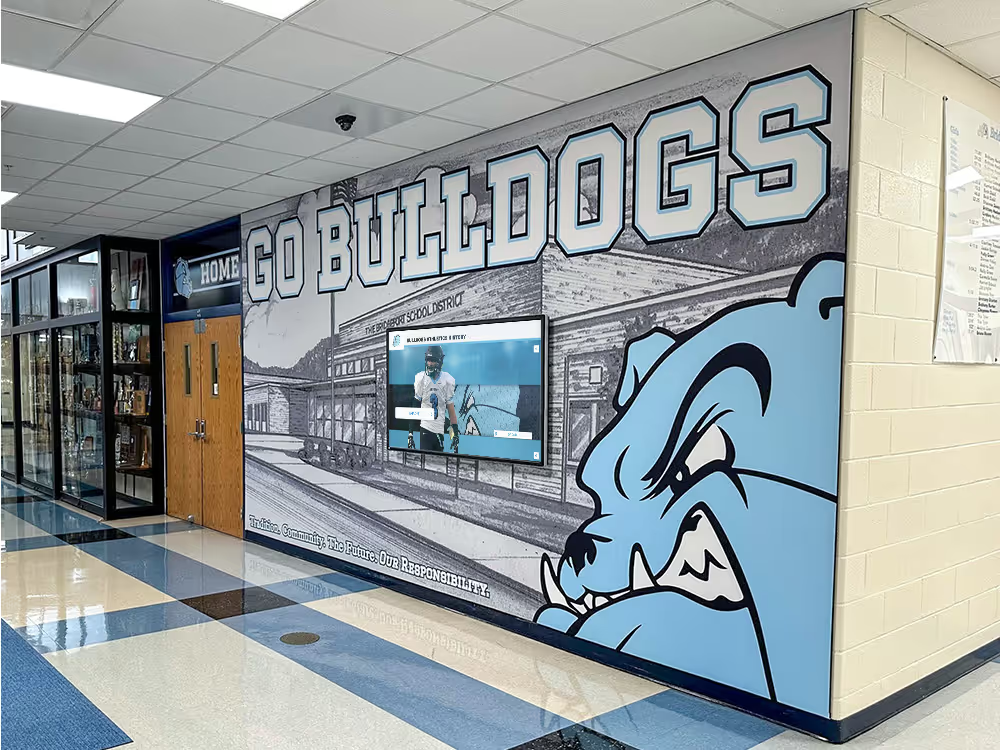
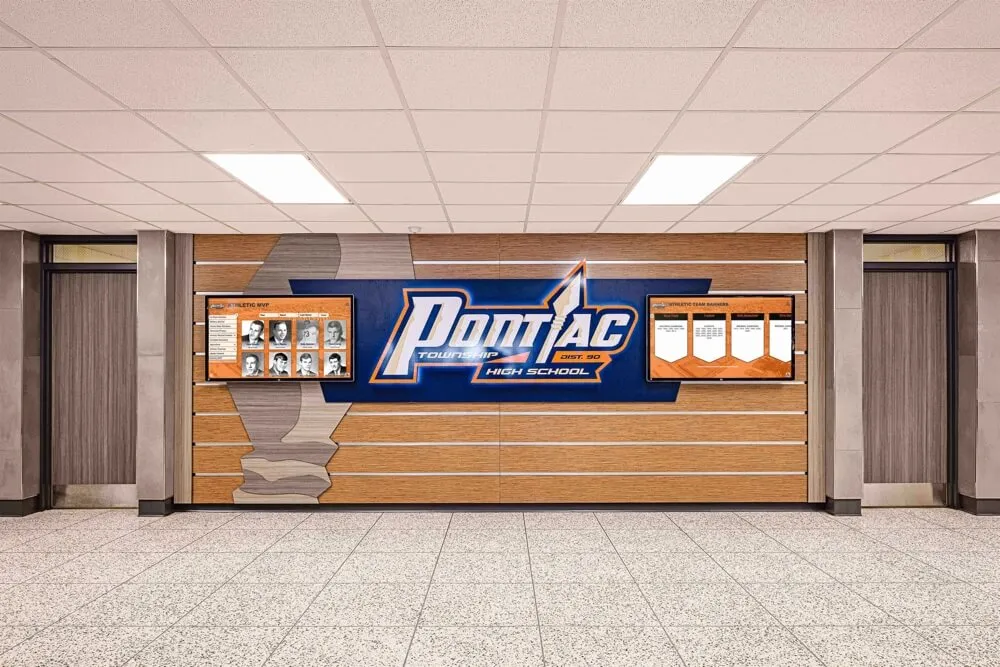
Comprehensive recognition installations create inspiring spaces celebrating institutional history and distinguished graduate achievements
Content Strategy and Messaging
Communication quality matters as much as channel selection:
Compelling Alumni Stories Feature authentic graduate experiences and achievements:
- Career journey narratives showing educational impact
- Service stories highlighting community contribution
- Innovation and entrepreneurship features celebrating risk-taking
- Overcoming adversity stories demonstrating resilience
- Unexpected path narratives showing diverse outcomes
Great storytelling creates emotional connection while demonstrating educational value to prospective students and families.
Institutional Updates and Impact Share developments demonstrating vitality and mission advancement:
- New programs and academic initiatives
- Facility improvements and campus developments
- Research breakthroughs and faculty achievements
- Student success stories and outcomes
- Strategic priorities and institutional direction
Alumni invest in institutions they perceive as thriving and making meaningful impact.
Student Connection Content Create bridges between alumni and current student experience:
- Student spotlights showing current campus life
- Academic program highlights demonstrating educational quality
- Campus tradition continuation across generations
- Student organization updates maintaining affinity group connections
- Athletics and activities showcasing institutional culture
This content helps alumni feel connected to current reality rather than only nostalgic past experiences.
Fundraising Integration: Converting Engagement to Philanthropic Support
While alumni networks provide value beyond fundraising, philanthropic support remains a critical network outcome.
Cultivation Through Engagement
Giving follows relationship development and trust building:
Engagement-First Approach Prioritize connection before solicitation:
- Consistent communication providing value without asking
- Program participation demonstrating institutional quality
- Recognition creating positive sentiment and pride
- Service opportunities enabling contribution before financial giving
- Relationship building preceding major gift conversations
The Council for Advancement and Support of Education consistently finds that alumni who participate in multiple engagement activities donate at dramatically higher rates than those receiving only solicitation communications.
Graduated Giving Strategies Build philanthropic habits over time:
- Annual fund participation establishing giving patterns
- Recurring monthly giving programs creating sustained support
- Reunion year giving campaigns leveraging milestone moments
- Challenge grants creating urgency and demonstrating impact
- Planned giving education for long-term legacy commitments
Recognition of Giving Honor philanthropic support appropriately:
- Donor societies providing tiered recognition levels
- Named opportunities for significant contributions
- Donor recognition walls displaying gratitude and inspiring additional support
- Annual recognition events celebrating donor commitment
- Stewardship reports demonstrating gift impact
Recognition should match donor preferences—some appreciate public acknowledgment while others prefer anonymity.
Affinity-Based Giving Programs
Connect philanthropy to specific alumni passions:
Department and Program Funds Enable giving to areas alumni value:
- Academic department support funding specific disciplines
- Athletic program giving supporting teams and sports
- Scholarship funds providing student support
- Facility projects improving specific campus spaces
- Program endowments creating perpetual impact
Alumni give most generously to areas where they experienced meaningful impact during their student years.
Student Support and Scholarships Direct connection to student success:
- Named scholarships creating donor legacy
- General scholarship support reducing student debt
- Emergency funds helping students in crisis
- Opportunity grants enabling enrichment experiences
- Work-study program support
Many alumni who never made major gifts during their careers respond generously to scholarship opportunities when they understand student need.
Volunteer Engagement: Activating Alumni Talent and Expertise
Financial resources represent only one form of valuable alumni contribution.
Structured Volunteer Programs
Organize meaningful service opportunities:
Advisory Boards and Councils Leverage alumni expertise for institutional benefit:
- Academic program advisory boards providing industry insight
- Institutional advancement committees supporting fundraising strategy
- Student career development councils connecting graduates with opportunities
- Athletic support boards advancing competitive programs
- Special project task forces addressing specific challenges
Effective boards provide clear mandates, appropriate authority, and genuine influence rather than ceremonial positions without meaningful contribution.
Event and Program Volunteers Alumni power for engagement activities:
- Alumni event planning committees
- Reunion coordinators for milestone classes
- Geographic chapter leadership
- Admissions ambassadors supporting student recruitment
- Career fair participants representing employers
Student Support Volunteers Direct service to current students:
- Mentorship program participants
- Guest speakers for classes and programs
- Mock interview providers
- Resume reviewers and career advisors
- Internship and job opportunity providers
This programming naturally connects to broader engagement efforts like homecoming celebrations that bring alumni back to campus for student-focused events.
Volunteer Management Best Practices
Sustaining volunteer engagement requires systematic approach:
Clear Expectations and Commitments Define volunteer roles and responsibilities:
- Specific time commitments and meeting frequencies
- Deliverables and contribution expectations
- Term limits and rotation policies
- Training and onboarding processes
- Recognition and appreciation approaches
Meaningful Work and Impact Ensure volunteers feel valued and effective:
- Genuine institutional needs matched to volunteer capabilities
- Authority and influence appropriate to commitment level
- Regular communication about impact and outcomes
- Opportunities for input and strategic contribution
- Respect for volunteer time and expertise
Recognition and Appreciation Honor volunteer service systematically:
- Annual volunteer recognition events
- Institutional awards for exceptional service
- Public acknowledgment in communications
- Behind-the-scenes access and insider experiences
- Tangible expressions of gratitude
Measuring Alumni Network Success
Systematic assessment enables continuous improvement and demonstrates alumni relations value.
Key Performance Indicators
Track meaningful metrics beyond vanity numbers:
Engagement Metrics
- Alumni event attendance and year-over-year trends
- Digital platform usage and interaction rates
- Email open rates and click-through percentages
- Directory profile completion and update frequency
- Social media following and engagement levels
- Volunteer participation and retention rates
Relationship Health Indicators
- Contact information accuracy and currency
- Sentiment measures from surveys and feedback
- Communications preference compliance
- Complaint and concern resolution effectiveness
- Alumni referral rates for recruitment and networking
Fundraising Outcomes
- Alumni giving participation rates
- Average gift sizes and total revenue
- Donor retention and upgrade percentages
- Planned gift commitments and pipeline
- Campaign progress against goals
Student and Institutional Benefits
- Alumni-facilitated internship and job placements
- Mentorship program participation and satisfaction
- Admissions yield from alumni referrals
- Reputation metrics and institutional rankings
- Student career outcome improvements
Effective assessment balances quantitative metrics with qualitative insights about relationship quality and alumni satisfaction.
Continuous Improvement Processes
Use evaluation to enhance programming:
Regular Program Assessment
- Post-event surveys gathering participant feedback
- Focus groups with diverse alumni segments
- Benchmark comparison against peer institutions
- Cost-benefit analysis of program investments
- Staff debrief sessions capturing lessons learned
Strategic Planning and Goal Setting
- Multi-year strategic plans with clear objectives
- Annual priority setting aligned with institutional goals
- Resource allocation matching priorities and opportunities
- Regular plan review and adjustment based on results
- Leadership involvement ensuring institutional alignment
Technology and Innovation in Alumni Networks
Modern tools enable engagement approaches previously impossible with traditional methods.
Digital Transformation Opportunities
Technology extends network reach and impact:
Virtual and Hybrid Events Expand participation beyond geographic constraints:
- Webinars and online programs reaching distant alumni
- Hybrid events combining in-person and remote participation
- On-demand content libraries enabling asynchronous engagement
- Virtual networking platforms facilitating connection
- Live streaming major campus events worldwide
Artificial Intelligence and Personalization Leverage data for customized experiences:
- Predictive analytics identifying engagement opportunities
- Personalized content recommendations
- Chatbots answering common alumni questions
- Automated communication triggered by behaviors
- Machine learning optimizing outreach timing and messaging
Mobile-First Strategies Meet alumni where they already spend time:
- Dedicated alumni mobile applications
- Mobile-optimized web experiences
- SMS communication for time-sensitive updates
- Mobile giving enabling convenient philanthropy
- Location-based notifications for traveling alumni
Interactive Recognition Technology
Modern displays transform traditional alumni recognition:
Digital Archive and Recognition Systems Solutions like Rocket Alumni Solutions overcome traditional recognition limitations:
- Unlimited capacity eliminating space constraints
- Searchable databases enabling alumni discovery
- Remote content management from anywhere
- Multimedia integration including photos and videos
- Real-time updates without physical plaque replacement
- Analytics tracking engagement and interaction
- Accessibility features ensuring universal access
These systems preserve institutional history while creating engaging experiences that connect alumni with their educational legacy and distinguished graduate achievements. The technology works particularly well in digital touchscreen applications that showcase heritage and celebration.
Integration Across Touchpoints Coordinated recognition across platforms:
- Physical campus displays in high-traffic locations
- Web-based directories accessible worldwide
- Mobile applications enabling on-the-go access
- Social media integration amplifying recognition
- Email communications celebrating achievements
This multi-channel approach ensures recognition reaches alumni regardless of campus visit frequency.
Special Considerations for Different Institution Types
Alumni network strategies should adapt to institutional context and characteristics.
Small College and University Networks
Institutions with smaller graduating classes face unique opportunities:
Intimacy Advantages
- Closer student-faculty relationships enabling lasting connections
- Stronger class identity and cohesion
- Higher percentage knowing institutional leadership personally
- Easier whole-network communication
- Greater individual visibility and recognition
Scale Challenges and Responses
- Limited staff resources requiring prioritization and focus
- Smaller geographic concentrations in most cities
- Volunteer dependence for program execution
- Creative approaches offsetting resource constraints
- Technology leverage maximizing limited staff capacity
Large Public University Networks
Major institutions with massive alumni populations require different approaches:
Scale Advantages
- Critical mass in most major metropolitan areas
- Specialized affinity networks serving niche interests
- Extensive volunteer leadership pipeline
- Diverse programming across many segments
- Major fundraising capacity from large populations
Complexity Management
- Sophisticated segmentation preventing generic approaches
- Technology requirements for database and communication scale
- Professional staff specialization by function or segment
- Clear brand identity amid decentralized schools and programs
- Coordination across academic units and geographic chapters
Secondary School Alumni Programs
High schools building alumni networks face distinct considerations:
Program Characteristics
- Younger alumni populations with evolving capacity
- Local and regional concentration of most graduates
- Multi-generational family connections
- Community ties and local identity
- Volunteer dependence and parent overlap
Many secondary schools find success with approaches similar to school spirit building initiatives that create lasting emotional connections.
Building Your Alumni Network: Implementation Roadmap
Starting or strengthening an alumni network requires systematic, staged implementation.
Assessment and Planning Phase
Current State Analysis
- Alumni data quality audit and cleanup priorities
- Existing program inventory and effectiveness assessment
- Stakeholder input from alumni, leadership, and staff
- Resource evaluation including budget and personnel
- Competitive analysis of peer institution approaches
Strategic Direction Setting
- Vision and mission definition for alumni relations
- Multi-year goals with measurable objectives
- Priority audience identification and segmentation
- Program portfolio design balancing diverse needs
- Success metrics and evaluation frameworks
Foundation Building Phase
Infrastructure Development
- Database implementation or improvement
- Technology platform selection and deployment
- Website and digital presence establishment
- Staff hiring or role clarification
- Budget allocation and fundraising strategy
Initial Programming Launch
- Pilot programs testing approaches with manageable risk
- Geographic chapter formation in priority locations
- Communication rhythm establishment
- Recognition program design and launch
- Volunteer recruitment and training
Growth and Optimization Phase
Program Expansion
- Successful pilot scaling to broader populations
- New programming based on alumni feedback
- Enhanced technology capabilities
- Increased staff capacity and specialization
- Larger budget investments in proven approaches
Continuous Improvement
- Regular assessment against goals and metrics
- Program refinement based on evaluation results
- Innovation and experimentation with new approaches
- Best practice sharing and peer learning
- Leadership development and succession planning
Conclusion: Creating Alumni Networks That Thrive
Building strong alumni networks requires sustained commitment, genuine value creation, and systematic relationship development that extends far beyond transactional fundraising. Institutions that excel at alumni engagement understand that networks function as living ecosystems requiring consistent investment, authentic communication, and reciprocal value exchange between graduates and their alma mater.
The strategies explored throughout this guide—from thoughtful segmentation and diverse programming to recognition technology and volunteer activation—provide comprehensive frameworks for developing networks that genuinely engage diverse graduate populations while advancing institutional missions. Success depends not on implementing every tactic but on selecting approaches aligned with your institutional context, alumni characteristics, and available resources.
Start by understanding your current alumni population, assessing their needs and preferences, and identifying gaps in existing programming. Build foundational infrastructure including accurate data, appropriate technology, and clear communication channels. Launch programming that delivers tangible value to participants while creating opportunities for deeper institutional connection. Measure results systematically and refine approaches based on evidence rather than assumptions.
Modern recognition technology like Rocket Alumni Solutions amplifies these efforts by creating permanent, accessible displays that honor alumni achievements while providing interactive experiences during campus visits and events. Digital systems preserve institutional history, celebrate distinguished graduates, and create natural engagement touchpoints that strengthen alumni identity and pride.
Your alumni represent your institution’s most powerful advocates, most generous donors, and most effective recruiters. The investment in building genuine relationships with graduates yields compounding returns over decades as engaged alumni create cycles of support, advocacy, and involvement that strengthen institutions immeasurably. Every touchpoint matters, every communication builds connection, and every program creates opportunities for alumni to discover value in maintaining lifelong relationships with their educational homes.
Strong alumni networks aren’t built overnight but through consistent, authentic engagement that respects alumni time while providing genuine value. Focus on creating experiences and connections that alumni genuinely appreciate rather than extracting support without reciprocal contribution. The institutions that thrive in coming decades will be those that recognize alumni relations not as fundraising tactics but as strategic imperatives central to institutional health and mission fulfillment.
Ready to create engaging recognition displays that become focal points for your alumni network? Rocket Alumni Solutions offers interactive touchscreen systems that showcase distinguished graduate achievements, preserve institutional history, and provide engaging experiences strengthening alumni connections. Request a demo to see how digital recognition displays can enhance your alumni engagement programming and celebrate your graduates’ lasting legacy.