Alumni Reunion Planning: A Step-by-Step Guide for Schools and Committees
- Home /
- Touch Archive Blog /
- Alumni Reunion Planning: A Step-by-Step Guide for Schools and Committees
The Easiest Touchscreen Solution




Live Example: Rocket Alumni Solutions Touchscreen Display
Interact with a live example (16:9 scaled 1920x1080 display). All content is automatically responsive to all screen sizes and orientations.
Alumni reunions represent milestone opportunities for schools to reconnect graduates with their alma mater, rekindle friendships formed during transformative years, and celebrate the enduring legacy of educational institutions. Whether planning a 10-year reunion for recent graduates or a 50-year celebration bringing elderly alumni back to campus, these gatherings create powerful emotional moments—former classmates embracing after decades apart, retired teachers reuniting with successful former students, and generations of alumni discovering their shared connection to a place that shaped their lives.
Yet behind every successful reunion lies months of careful planning, coordination, and decision-making. Alumni committees and school administrators face daunting challenges: locating graduates who moved away decades ago, creating programs that appeal to diverse age groups, managing budgets with uncertain attendance numbers, and organizing logistics for events that may draw hundreds of participants. Without systematic approaches, reunion planning becomes overwhelming—resulting in poorly attended events, disappointed participants, or committees that burn out before the reunion even occurs.
This comprehensive guide provides step-by-step alumni reunion planning strategies for schools, universities, and reunion committees. From initial timeline development through post-event follow-up, you’ll discover proven approaches that create memorable reunions while preserving institutional history and strengthening alumni connections for years to come.
Planning a successful alumni reunion requires understanding what makes these events meaningful beyond simple social gatherings. Reunions serve multiple purposes—reconnecting individuals with formative experiences, strengthening institutional identity, creating opportunities for advancement outreach, and preserving school traditions that connect generations of graduates.

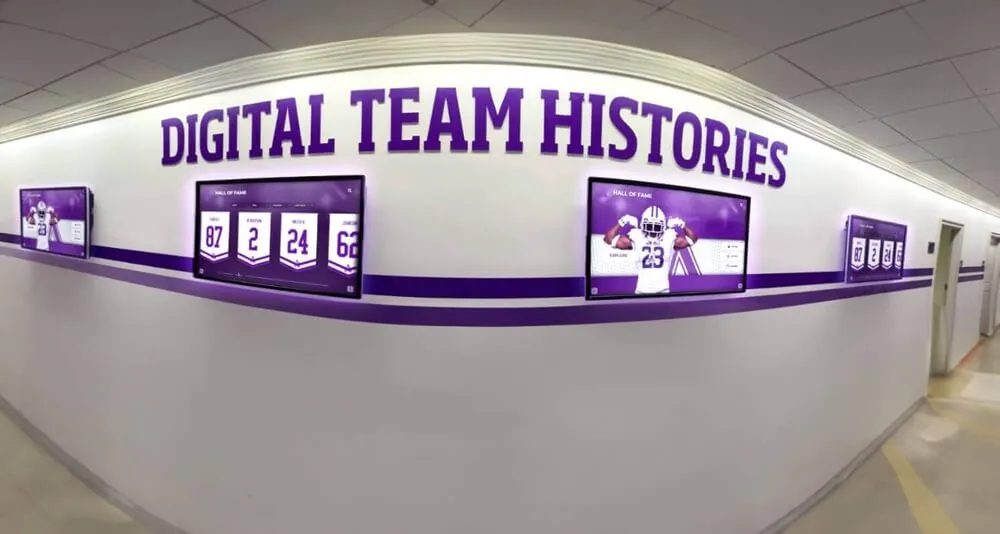
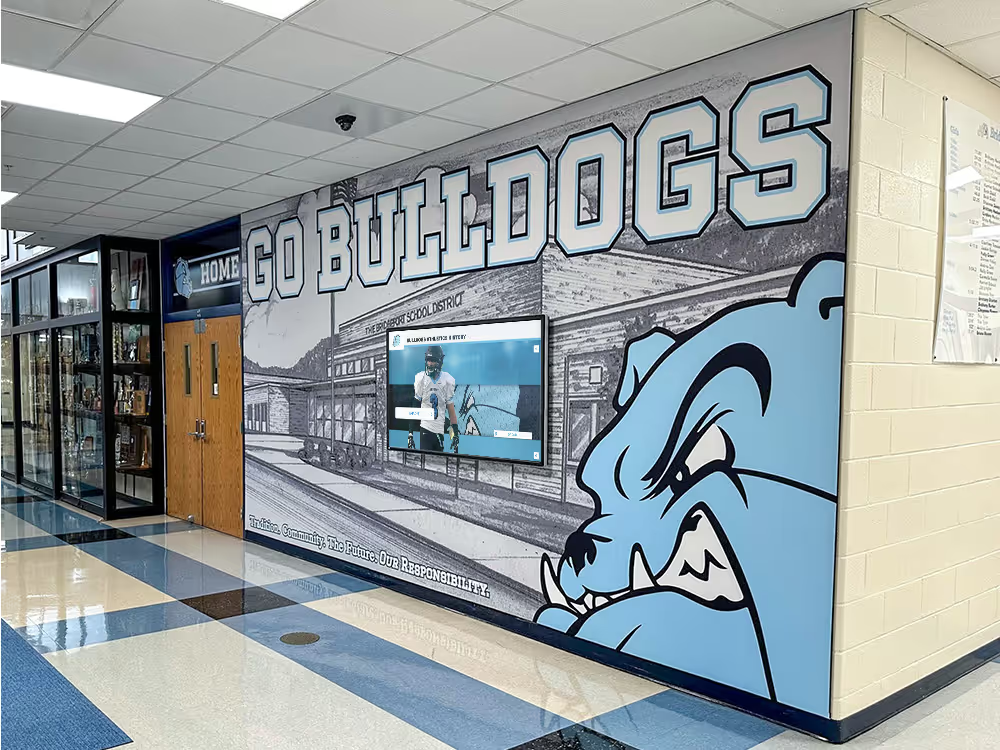
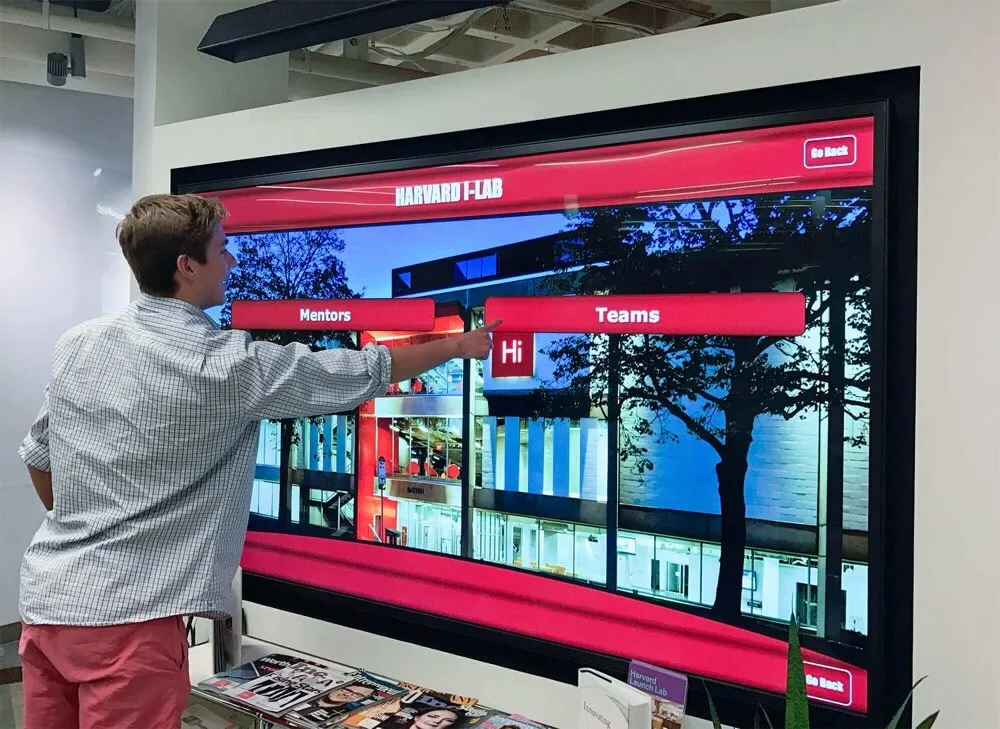
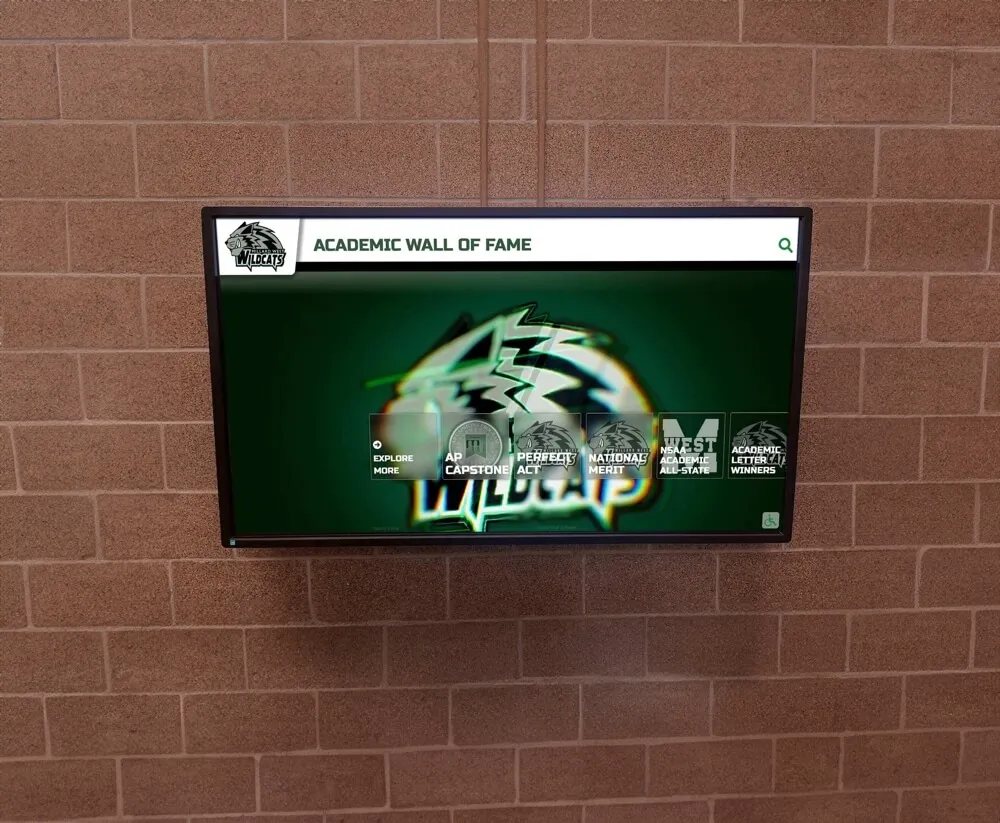
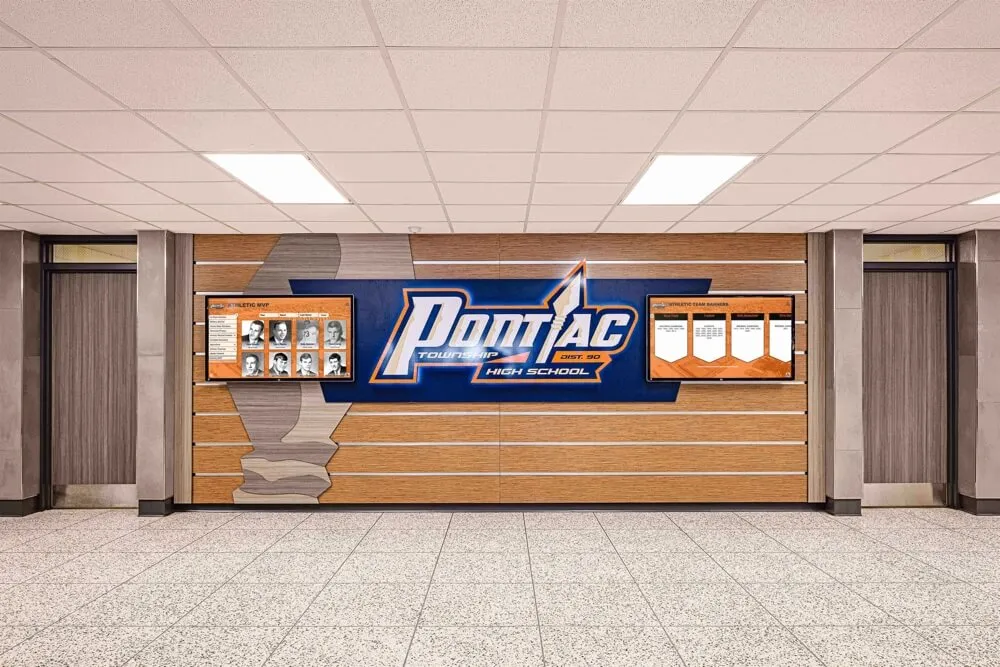
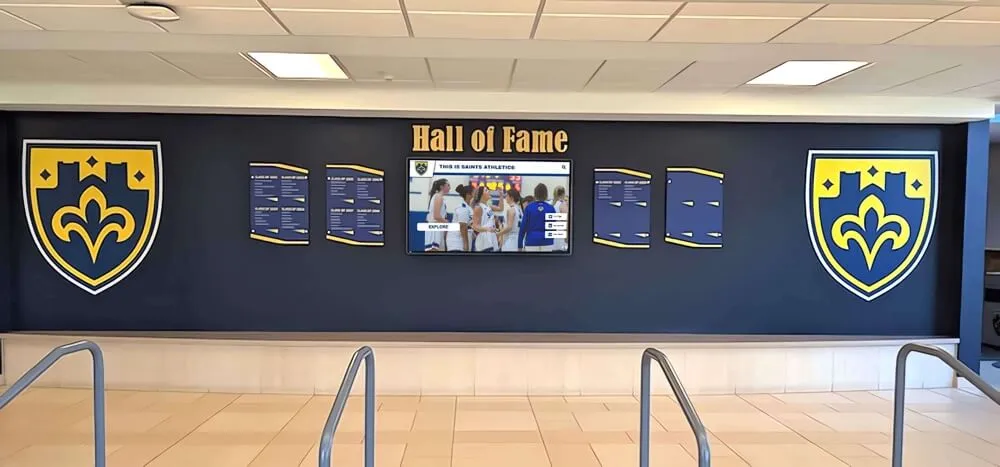
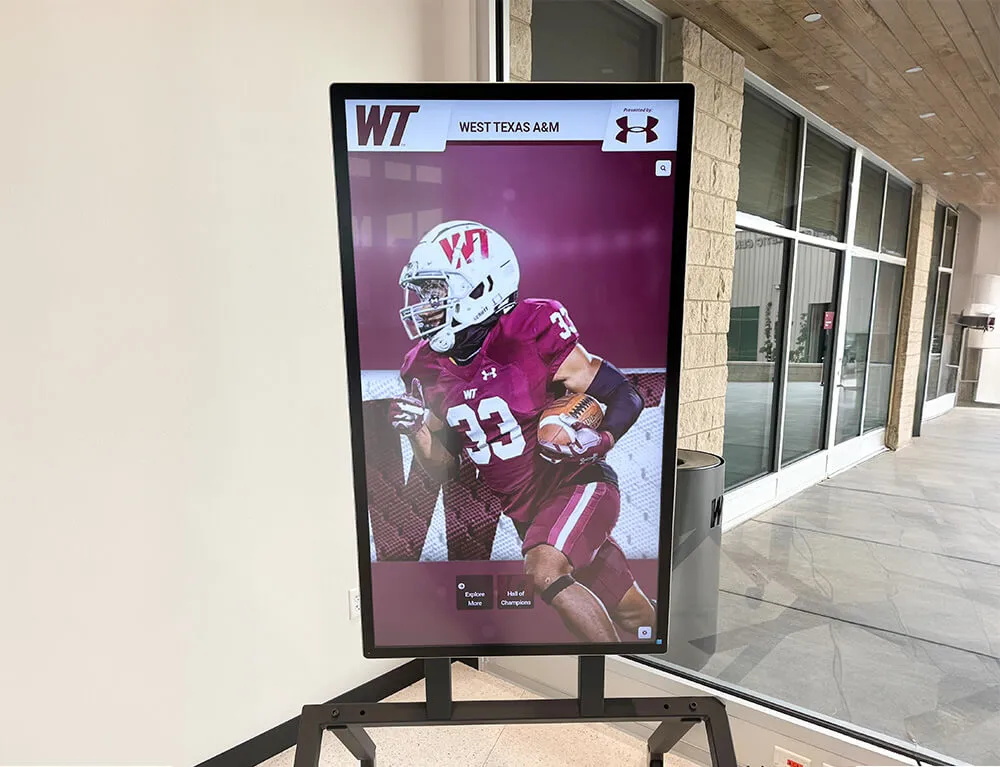
Modern interactive displays help alumni reconnect with school history and rediscover memories from their time on campus
Understanding Your Alumni Reunion Objectives
Before diving into logistics, successful reunion planning begins with clear objectives that guide all subsequent decisions and help committees measure event success.
Defining Reunion Purpose and Goals
Different stakeholders view reunions through different lenses, and alignment on core purposes prevents conflicts during planning:
Alumni Connection and Community Building
Many alumni attend reunions primarily to reconnect with classmates and relive shared experiences:
- Reuniting with friends from formative years
- Discovering current lives and career paths of classmates
- Sharing stories and memories from school days
- Feeling continued connection to place and period that shaped identity
- Introducing spouses and children to people who knew them when young
These social objectives should drive venue choices, program scheduling, and activity selection that maximize meaningful interaction time.
Institutional Pride and Legacy Preservation
Schools benefit when reunions strengthen alumni connection to institutional mission and history:
- Showcasing campus improvements and program achievements
- Celebrating school traditions that span generations
- Demonstrating impact of education on alumni success
- Strengthening emotional bonds between graduates and alma mater
- Creating opportunities for donor recognition and advancement conversations
These institutional objectives influence campus tour planning, recognition elements, and communication messaging before and during reunions.
Advancement and Development Opportunities
While reunions shouldn’t feel like fundraising events, they create natural opportunities for development work:
- Reconnecting lapsed donors with institutional mission
- Identifying potential major gift prospects from successful alumni
- Thanking current donors and recognizing their impact
- Sharing capital campaign updates and facility needs
- Building relationships that support future giving decisions
Advancement objectives require subtle integration—not overt solicitation—that respects the social nature of reunion gatherings while positioning future development conversations.
Setting Measurable Success Metrics
Clear metrics help committees evaluate reunion effectiveness and improve future planning:
Attendance and Participation Metrics
- Total registered attendees versus graduating class size
- Geographic diversity of attendees
- First-time reunion attendees versus repeat participants
- Family member participation rates
- Age range representation and multi-generational attendance
Engagement Quality Indicators
- Post-event satisfaction survey results
- Social media engagement and photo sharing
- Volunteer committee participation and enthusiasm
- Alumni database updates from reconnected graduates
- Duration of stay (full event versus partial attendance)
Institutional Benefit Measures
- New volunteer commitments from attendees
- Advancement conversations initiated or scheduled
- Alumni association membership renewals and new enrollments
- Media coverage and community awareness generated
- Historical information and photos contributed by alumni
These metrics provide concrete evidence of reunion impact beyond subjective impressions of success.
Identifying Your Target Audience
Understanding who you’re planning for shapes every aspect of reunion execution:
Milestone Year Reunions
Traditional milestone reunions (10, 25, 50-year) target specific graduation years:
- Shared experiences from attending school together
- Common life stage challenges and perspectives
- Age-appropriate activities and timing
- Stronger pre-existing relationships within class
- Clearer targeting for communication and outreach
All-Alumni Gatherings
School-wide reunions bring together multiple graduating classes:
- Greater attendance potential across years
- Cross-generational connection opportunities
- Broader volunteer committee recruitment
- More flexible programming appealing to age ranges
- Opportunities to showcase institutional evolution
Each approach offers distinct advantages, and many schools combine both—hosting milestone reunions during larger homecoming weekends that welcome all alumni.
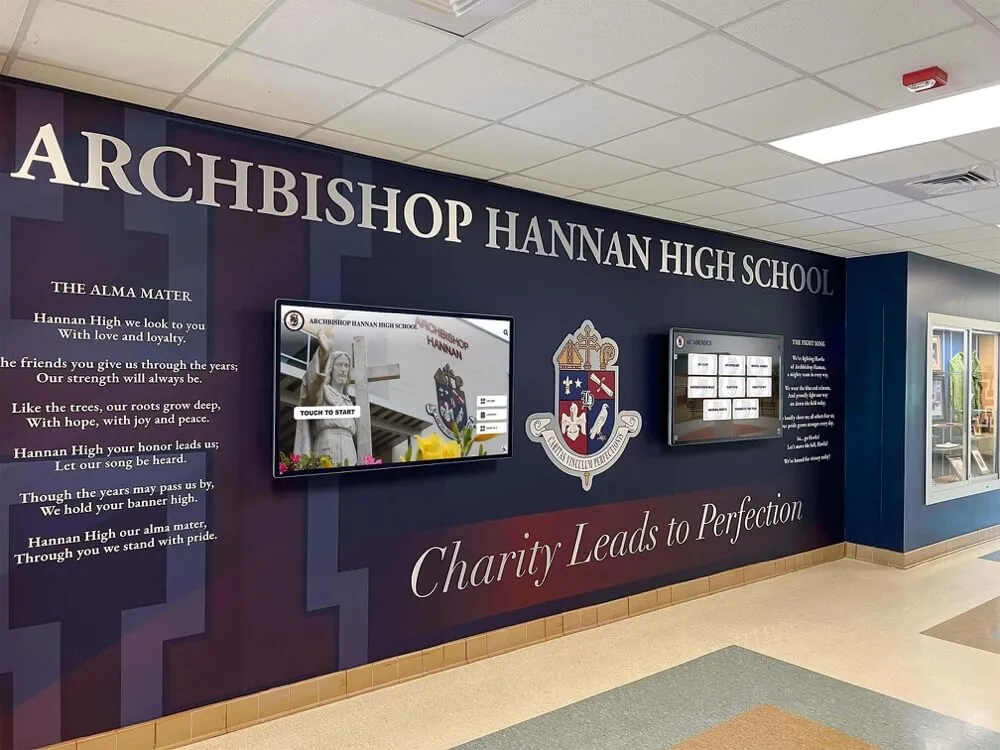
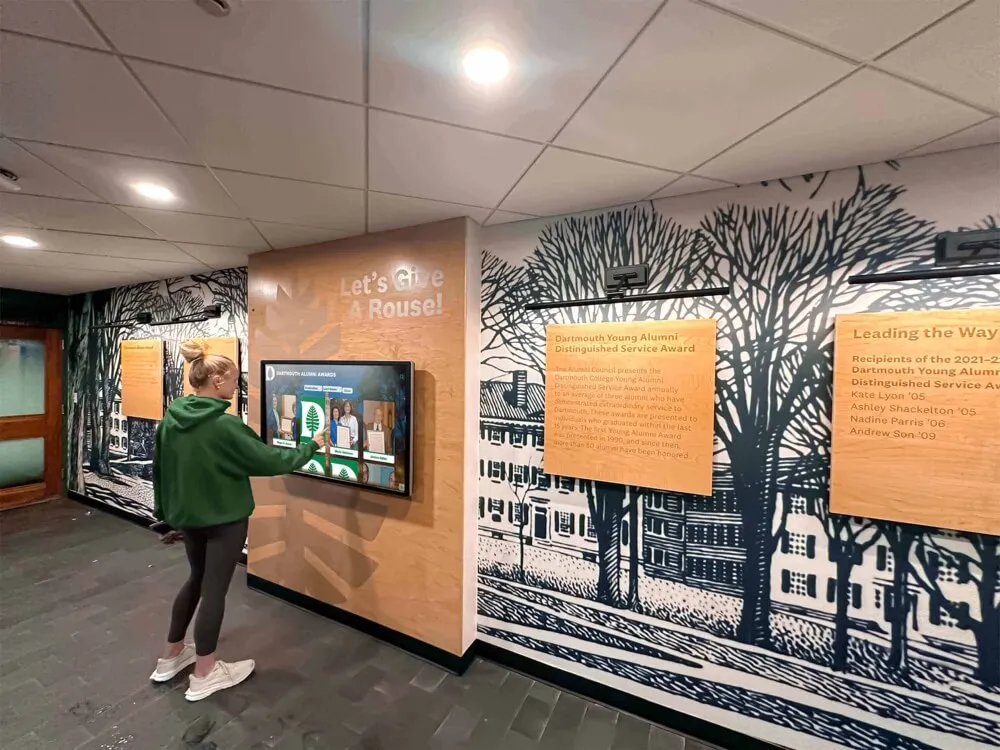
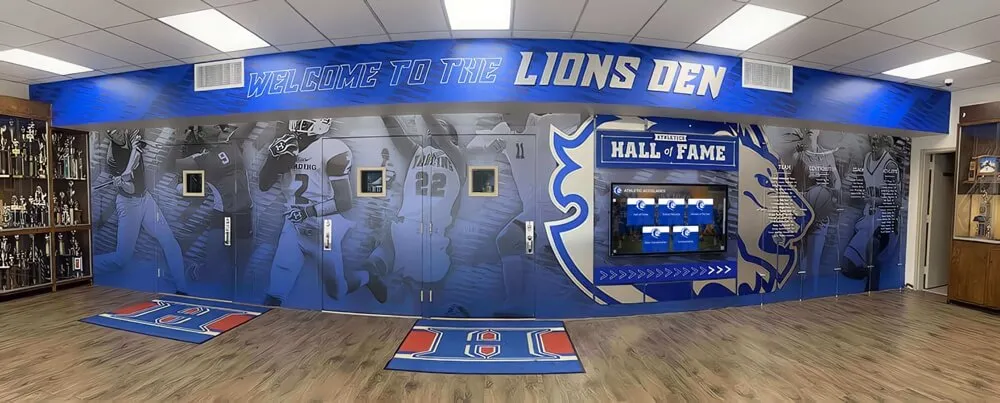
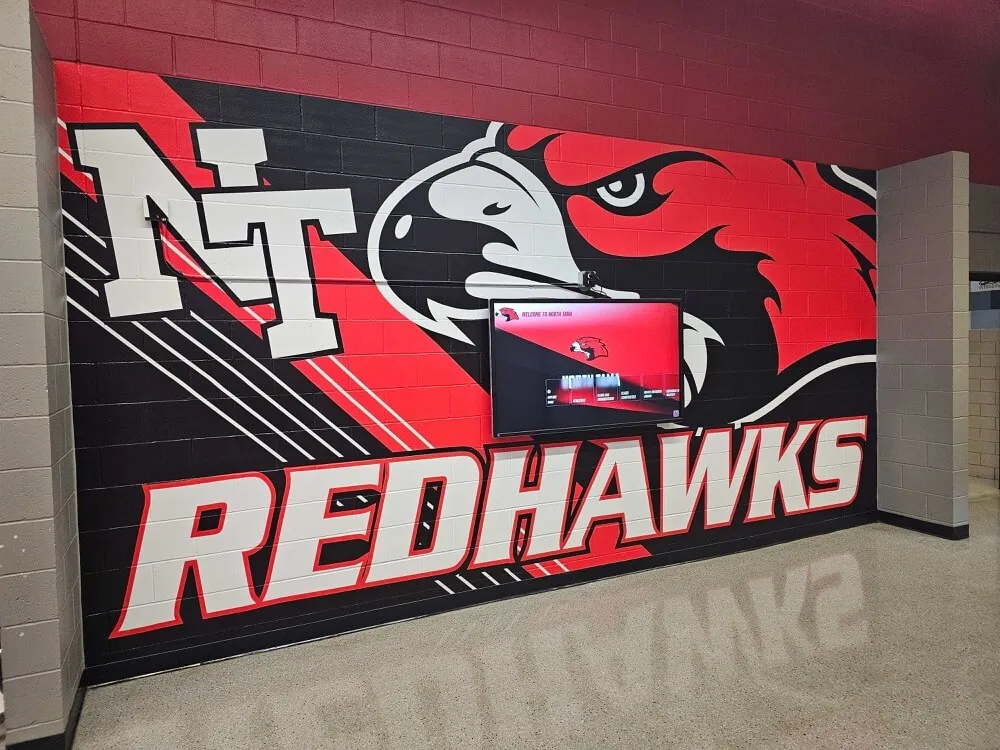
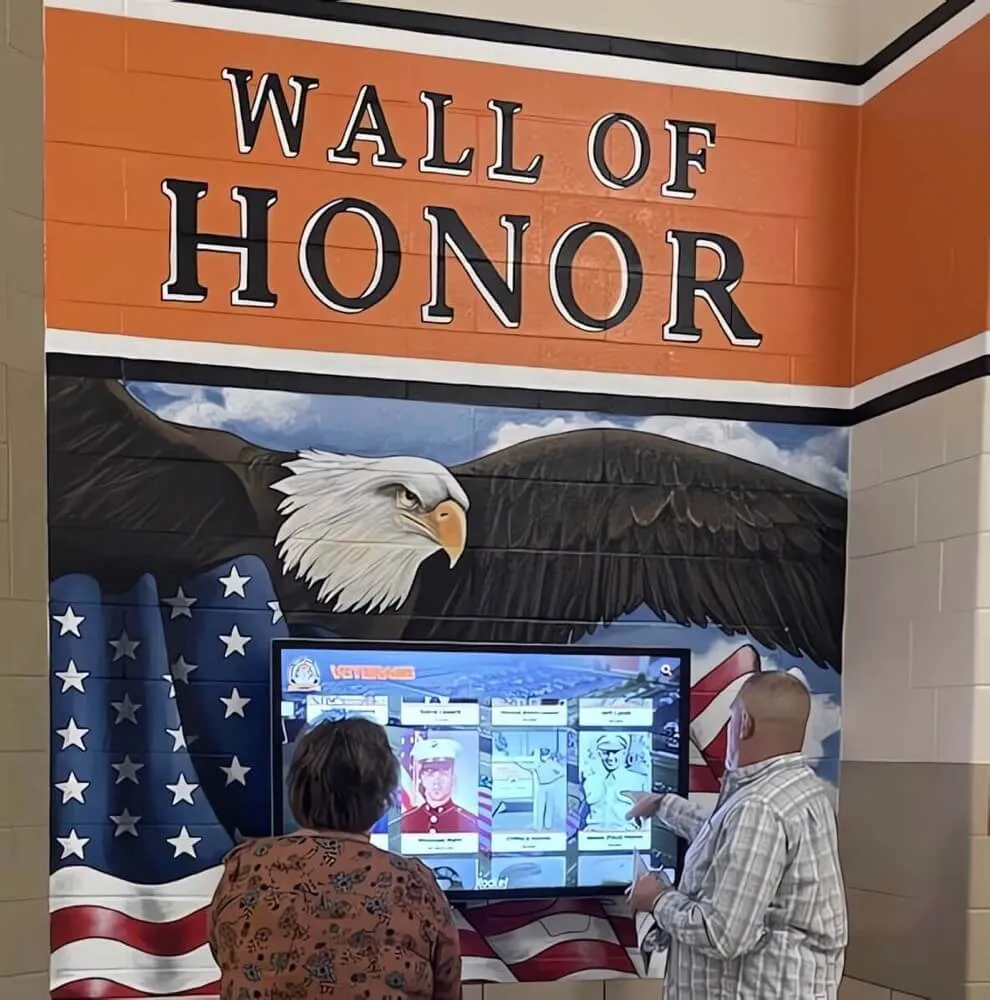
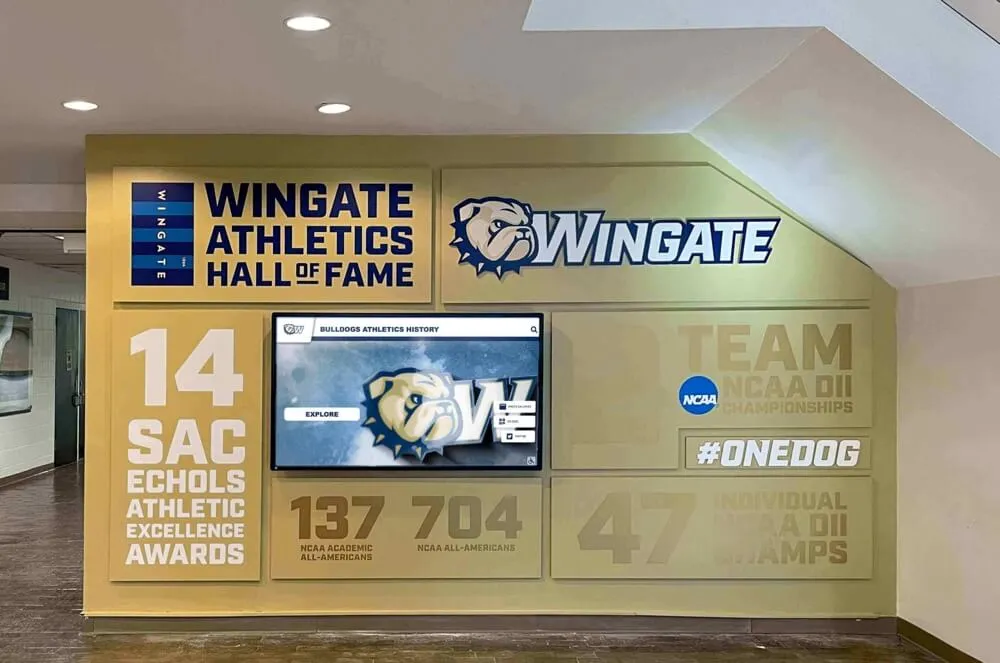
Interactive alumni displays connect current students with graduates who came before them, strengthening institutional tradition
Building Your Reunion Planning Timeline
Successful reunions require 12-18 months of advance planning, with specific milestones ensuring nothing gets overlooked as the event approaches.
12-18 Months Before: Foundation Setting
The earliest planning phase establishes structures that support all subsequent work:
Committee Formation and Role Assignment
Recruit volunteer committee members representing diverse perspectives:
- Recent graduates with energy and social media skills
- Mid-career alumni with organizational experience
- Older alumni with institutional knowledge and connections
- School staff liaisons providing institutional support
- Local alumni who can scout venues and vendors
Assign clear roles: committee chair, communications lead, venue coordinator, program director, treasurer, technology manager, and volunteer coordinator. Defined responsibilities prevent duplication and ensure accountability.
Budget Development and Funding Sources
Establish realistic budgets considering expected attendance:
- Per-person cost targets for meals, venue rental, entertainment
- Sponsorship opportunities from local businesses or alumni-owned companies
- Alumni association support or institutional subsidies
- Ticket pricing strategies (early bird, family rates, scholarship options)
- Contingency reserves for unexpected expenses
Many successful reunions operate revenue-neutral through ticket sales, while others receive institutional funding recognizing advancement benefits.
Venue Research and Preliminary Booking
Begin venue exploration considering capacity, accessibility, and emotional significance:
- School campus facilities (gyms, cafeterias, outdoor spaces)
- Local hotels or conference centers with banquet facilities
- Country clubs or special event venues
- Restaurants with private dining rooms for smaller classes
- Outdoor spaces requiring weather backup plans
Popular venues book early, especially for June and October reunions during peak seasons. Secure tentative holds while finalizing details.
9-12 Months Before: Communication Launch
Once foundations are set, shift focus to alumni outreach and engagement:
Database Cleanup and Missing Alumni Research
Accurate contact information determines reunion success:
- Review alumni database for current addresses and emails
- Research “lost” classmates through social media searches
- Reach out to known alumni seeking information about missing classmates
- Update institutional records with new information discovered
- Create missing alumni list for ongoing search efforts
This detective work often uncovers alumni who moved away decades earlier and lost touch completely.
Save-the-Date Announcements
Generate excitement and allow alumni to plan around reunion dates:
- Email announcements to all located alumni
- Social media posts in class-specific groups
- Printed postcards for alumni without email addresses
- Website landing page with preliminary details
- Staff recognition program announcements for retired faculty invitations
Early notification improves attendance by giving alumni time to arrange travel and request time off work.
Initial Survey for Program Planning
Gather input shaping program decisions:
- Preferred dates and times (Friday evening, Saturday afternoon, full weekend)
- Interest in campus tours, athletic events, or class photos
- Dining preferences and dietary restrictions
- Ideas for speakers, entertainment, or special activities
- Willingness to participate in planning committees or volunteer roles
Alumni input increases buy-in and ensures programming matches attendee interests.
6-9 Months Before: Program Development
With communication established, focus on creating memorable reunion experiences:
Event Programming and Schedule Creation
Develop detailed schedules balancing structure with social time:
- Welcome reception providing unstructured mingling time
- Formal dinner or meal with brief program elements
- Campus tours highlighting improvements and new facilities
- Athletic events or games alumni can participate in
- Classroom visits or academic program showcases
- Memory sharing sessions or video presentations
- Class photos and group documentation
- Late-night social options for those wanting extended conversation
Build in more social time than initially seems necessary—conversation is the primary reunion activity.
Speaker and Entertainment Selection
Choose program elements enhancing rather than dominating events:
- Brief principal or superintendent welcome remarks
- Distinguished alumni sharing career journey stories
- Retired teachers surprising attendees with appearances
- Student performances showcasing current programs
- Live music appropriate for class age and preferences
- Memory slideshows from yearbooks and personal photos
Keep formal programming under 45 minutes—lengthy programs frustrate alumni eager to reconnect with classmates.
Technology and Archive Planning
Modern reunions integrate digital elements that enhance experiences:
- Registration websites with secure payment processing
- Digital memory books collecting alumni updates and photos
- Interactive displays showing yearbook photos and school history
- High school wall of fame installations recognizing distinguished graduates
- Photo sharing apps or hashtags for event documentation
- Virtual attendance options for distant alumni
Technology should facilitate connection, not replace face-to-face interaction.
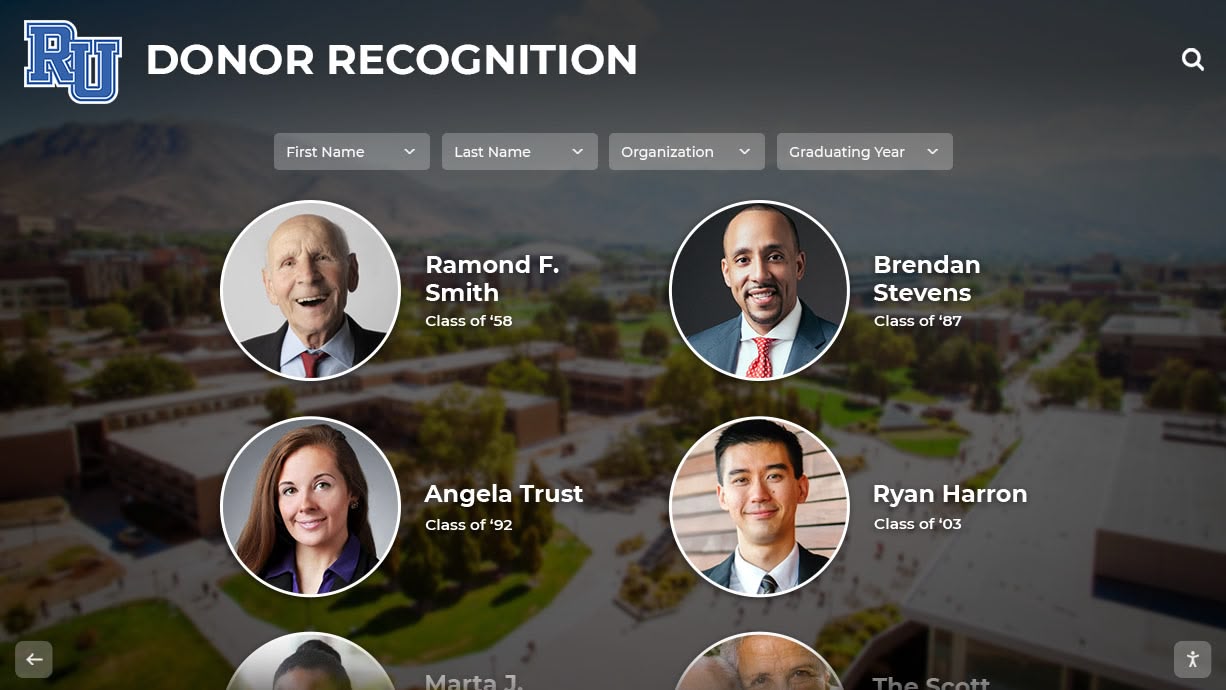
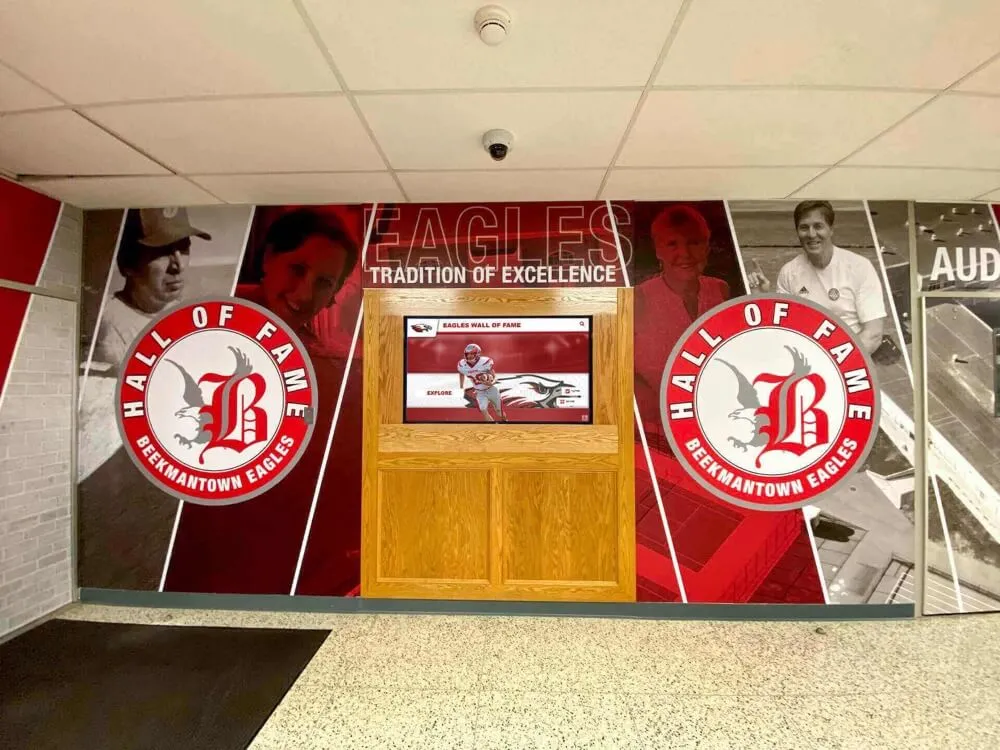
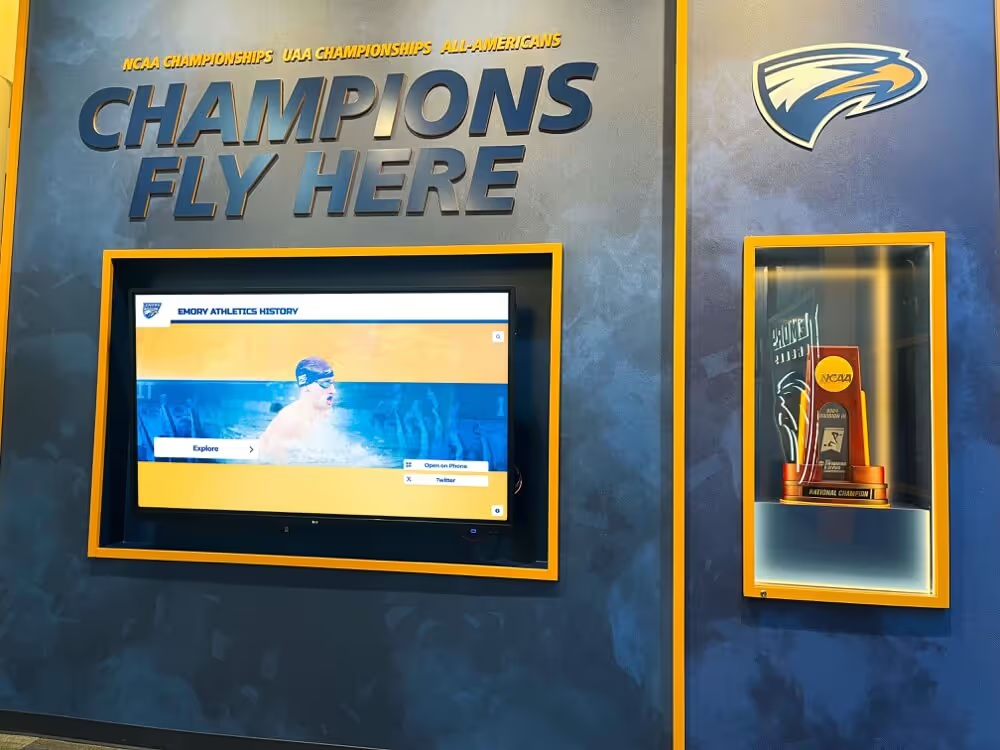
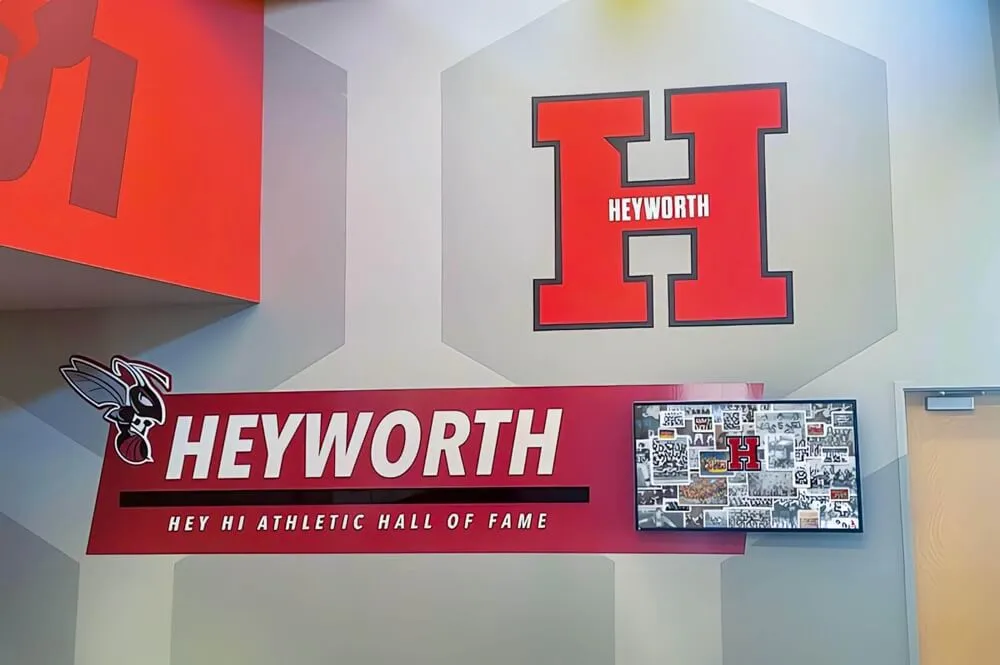
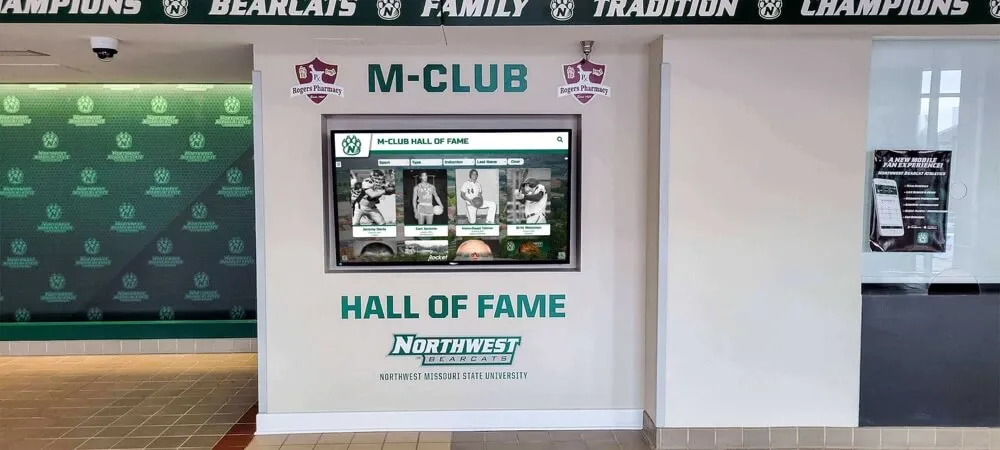
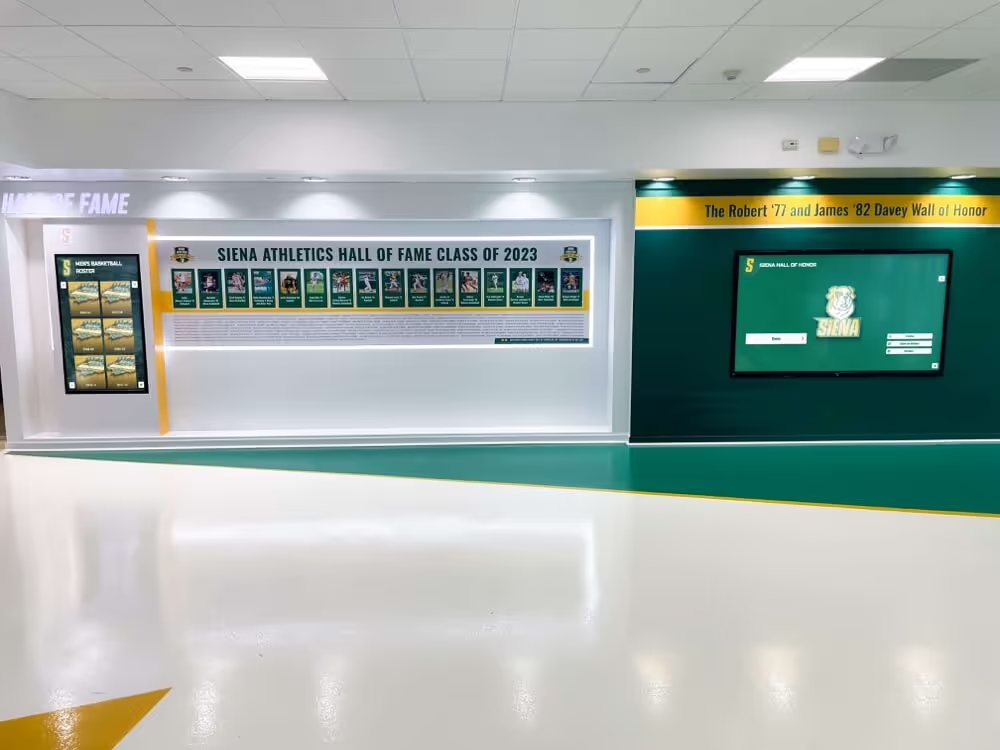
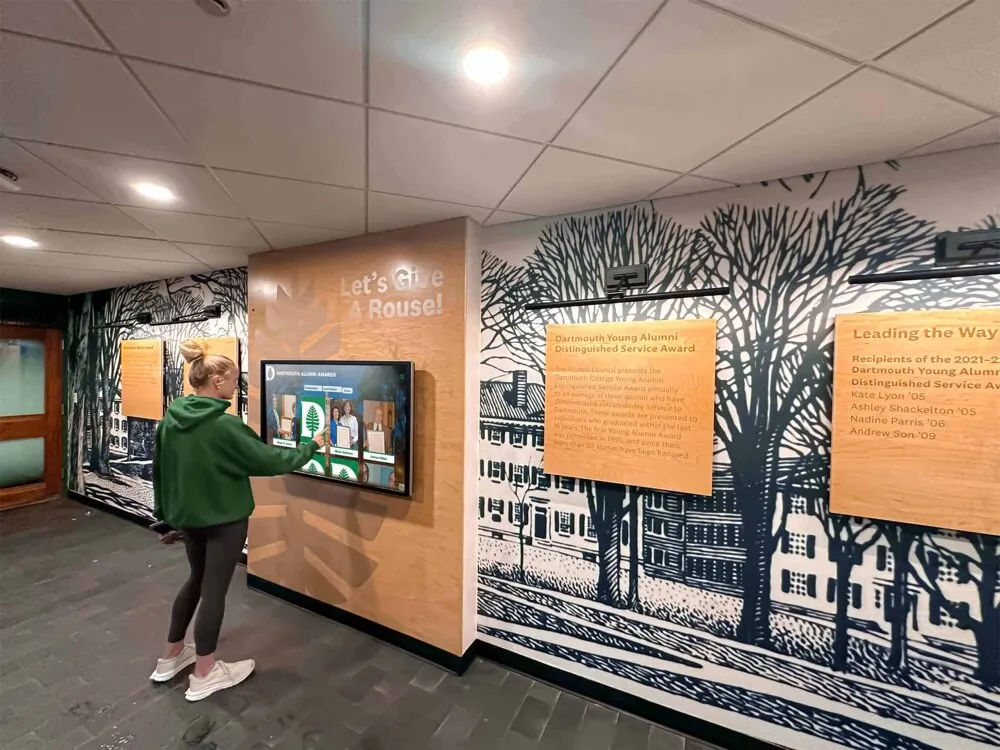
Digital recognition systems celebrate alumni achievements while preserving institutional history for future generations
3-6 Months Before: Logistics Finalization
As the reunion approaches, attention shifts to operational details:
Formal Invitation Distribution
Send detailed invitations through multiple channels:
- Formal email invitations with registration links
- Printed invitations for alumni preferring traditional correspondence
- Social media reminders and countdown posts
- Personal phone calls to key alumni or committee targets
- Partner/spouse invitation specifics and guest policies
Include all essential details: date, time, location, dress code, ticket prices, registration deadline, hotel recommendations, and parking information.
Registration System Management
Monitor registrations and adjust plans accordingly:
- Track registration pace compared to goals
- Identify gaps in expected attendees and conduct targeted outreach
- Process payments and maintain accurate financial records
- Collect dietary restrictions, accessibility needs, and guest information
- Send confirmation emails with additional details
Low registration numbers may require pivots in venue size or program scale.
Vendor Contracting and Coordination
Finalize all service provider relationships:
- Catering contracts with guaranteed minimums and maximums
- Photography and videography for event documentation
- Audio-visual equipment rental for presentations
- Decorations reflecting school colors and reunion theme
- Transportation options between hotels and venues
- Name tag printing with yearbook photos for easy identification
Confirm delivery schedules, payment terms, and day-of contact information for all vendors.
1-3 Months Before: Final Preparations
The final weeks involve detailed coordination and communication:
Detailed Program Scheduling
Create minute-by-minute timelines for reunion day:
- Setup crew arrival times and task assignments
- Vendor arrival and installation schedules
- Registration table staffing rotations
- Program element timing and speaker preparation
- Photography session schedules for class photos
- Cleanup crew responsibilities and timing
Share detailed schedules with all committee members, volunteers, school staff, and vendors.
Volunteer Coordination and Training
Brief volunteers on roles and responsibilities:
- Registration table procedures and attendee check-in
- Name tag distribution and attendee support
- Tour guide preparation and route planning
- Photography coordination for group and candid shots
- Problem-solving authority and escalation procedures
- Hospitality roles ensuring isolated alumni feel welcomed
Consider hosting volunteer orientation sessions for complex reunions requiring extensive support.
Communication Intensification
Increase outreach frequency as the event approaches:
- Weekly email updates with countdown messaging
- Last-call registration deadline reminders
- Detailed logistics information (parking, check-in, what to bring)
- Weather contingency plan announcements if applicable
- “We’ll miss you” messages to alumni unable to attend
- Post-event contact information collection for future planning
Final week communications should answer every possible attendee question proactively.
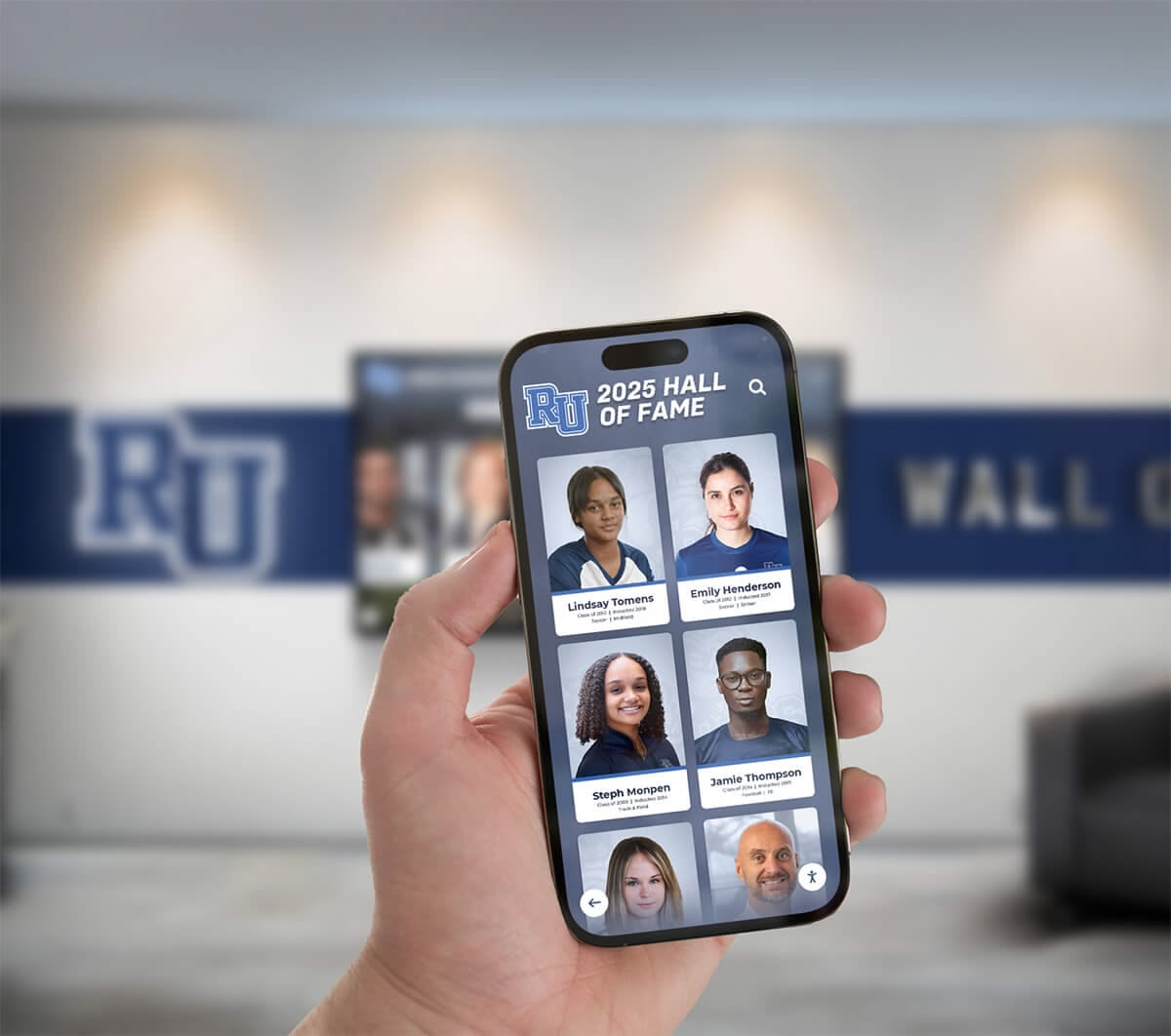
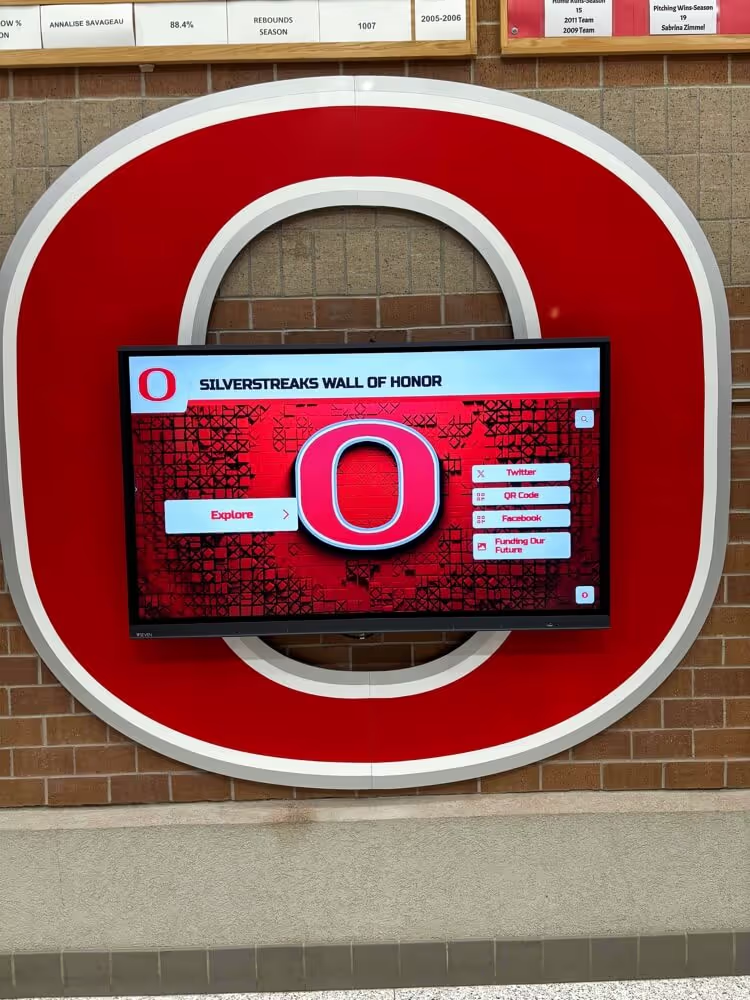
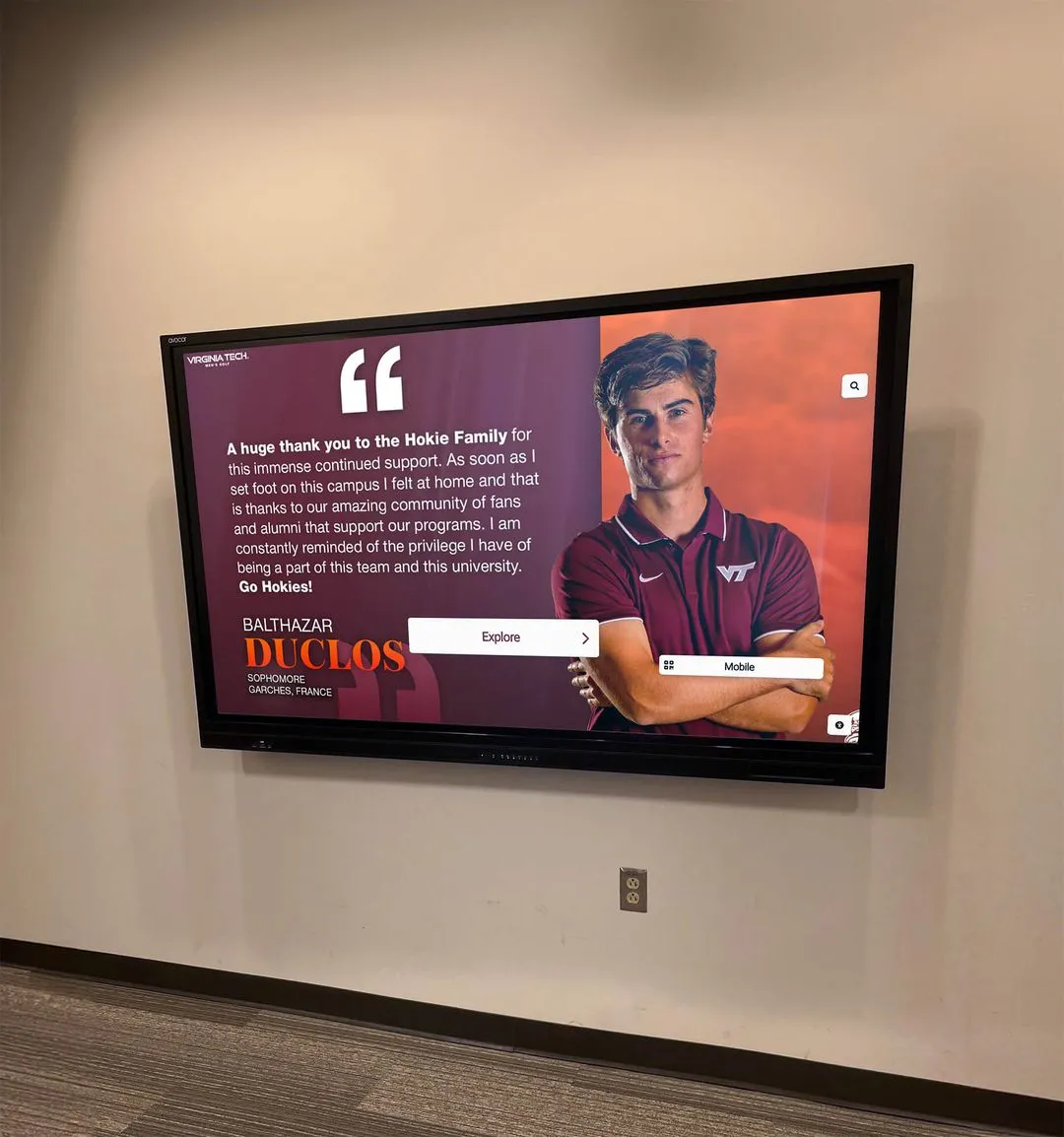
Mobile-friendly digital archives allow alumni to explore school history and share memories during reunion events
Creating Memorable Reunion Experiences
Beyond logistics, successful reunions incorporate thoughtful elements that create emotional connections and lasting memories.
Incorporating Historical Elements and Archives
Alumni seek connections to their shared past, and historical elements trigger powerful nostalgia:
Yearbook and Photo Displays
Create accessible historical documentation:
- Yearbook displays from reunion class years
- Photo collages showing school events, teams, and activities
- Decade-by-decade school history timelines
- “Then and now” comparison photos of campus buildings
- Digitized yearbooks accessible through interactive displays
Consider creating photo scavenger hunts where alumni identify themselves or classmates in historical images.
Memorabilia and Artifact Exhibitions
Showcase items evoking powerful memories:
- Athletic uniforms and equipment from reunion years
- Academic awards and championship trophies
- Student newspapers and publications from specific years
- Class rings, letterman jackets, and other personal items alumni loan
- Historical documents showing school history and evolution
Create opportunities for alumni to contribute their own memorabilia for display.
Interactive Memory Collection
Gather new historical content during reunions:
- Video booth recording alumni sharing favorite school memories
- Memory wall where attendees write recollections on cards
- Digital guestbook collecting updates and life stories
- Photo scanning stations digitizing personal photos alumni bring
- Oral history interviews with willing participants
This collected content enriches institutional archives while giving alumni meaningful reunion participation opportunities.
Facilitating Meaningful Connections
Reunions succeed when they create environments supporting genuine reconnection:
Ice Breaker Activities for Mixed Groups
Help alumni overcome initial awkwardness, especially in multi-class reunions:
- Name tag games encouraging conversation with multiple classmates
- Photo identification contests using yearbook pictures
- “Where are they now” guessing games about successful alumni
- Conversation starter cards with memory-triggering questions
- Team bonding activities adapted for reunion contexts
Keep activities optional so alumni comfortable diving into conversations can do so immediately.
Small Group Breakout Opportunities
Provide spaces for focused conversations:
- Team or club-specific gathering areas for athletes, band members, or activity participants
- Academic department tours allowing subject-area reconnection
- Informal gathering spaces away from large group areas
- Outdoor areas for alumni seeking quieter conversations
- Extended social hours allowing natural clustering without forced programming
Some alumni prefer intimate conversations with close friends over large group activities.
Intergenerational Connection Moments
Create opportunities connecting alumni across decades:
- Panel discussions with alumni from multiple graduation years
- Mentor matching programs connecting recent and established graduates
- Hall of fame induction ceremonies honoring distinguished alumni from various eras
- Photo opportunities with school mascots and traditions spanning decades
- Historical perspective sharing from oldest attending alumni
These moments strengthen institutional identity connecting all alumni regardless of graduation year.
Balancing Nostalgia with Current School Reality
Effective reunions honor the past while showcasing institutional progress:
Campus Evolution Tours
Help alumni understand school transformation since their graduation:
- New facility tours highlighting improvements and additions
- Academic program showcases demonstrating educational innovation
- Technology integration examples showing modern learning environments
- Student achievement presentations building pride in current excellence
- Superintendent presentations about district vision and direction
Balance nostalgia for “the way things were” with excitement about school’s future direction.
Student Involvement and Performances
Current students help alumni see themselves in today’s generation:
- Musical or theatrical performances by current students
- Athletic demonstrations or exhibitions by current teams
- Student ambassadors serving as tour guides and hosts
- Video messages from current students thanking alumni for legacy
- Student artwork displays showing creative programs
These interactions often surprise alumni with how much schools have evolved while maintaining core values.
Preservation of Beloved Traditions
Demonstrate continuity between alumni experiences and current school culture:
- School song performances including alumni in singing
- Traditional cheers or chants led by current students
- Mascot appearances and school spirit demonstrations
- Legacy program explanations showing tradition preservation
- Honor society recognition connecting past and present inductees
Traditions provide emotional anchors connecting generations of alumni to shared institutional identity.
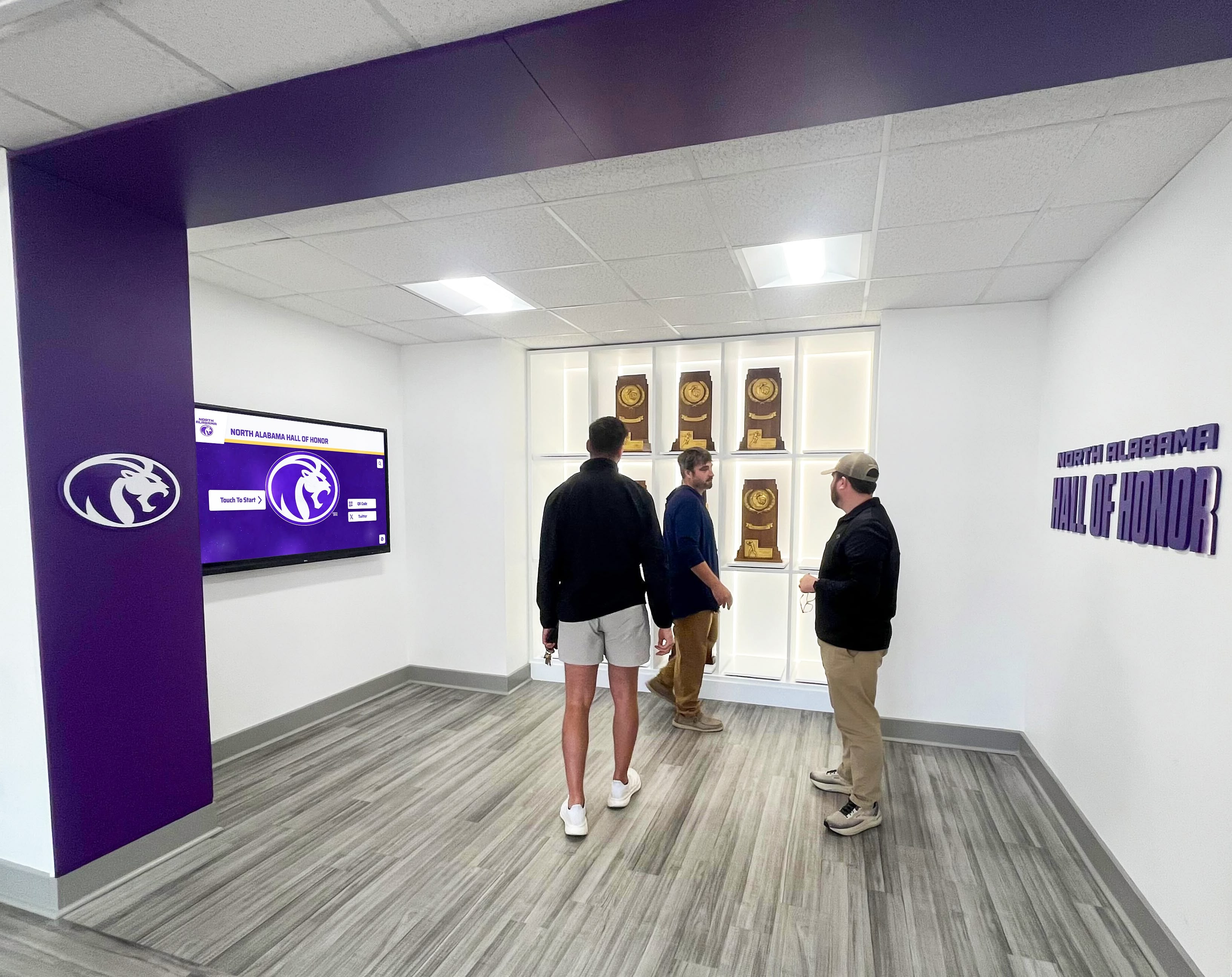
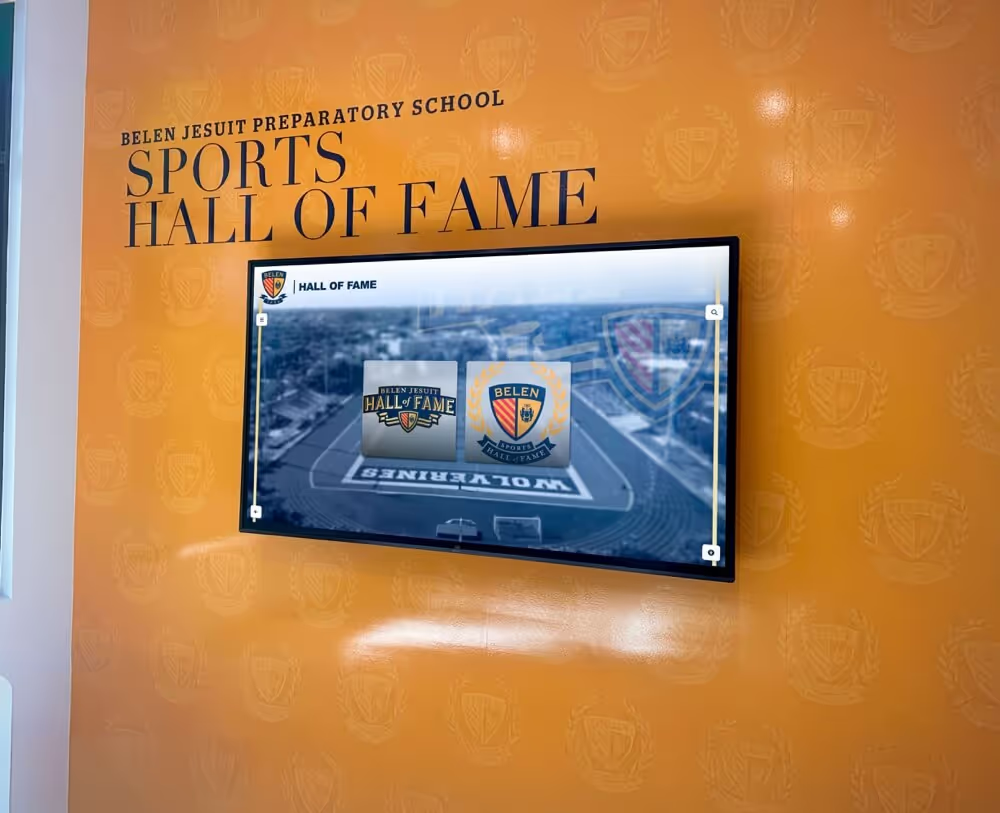
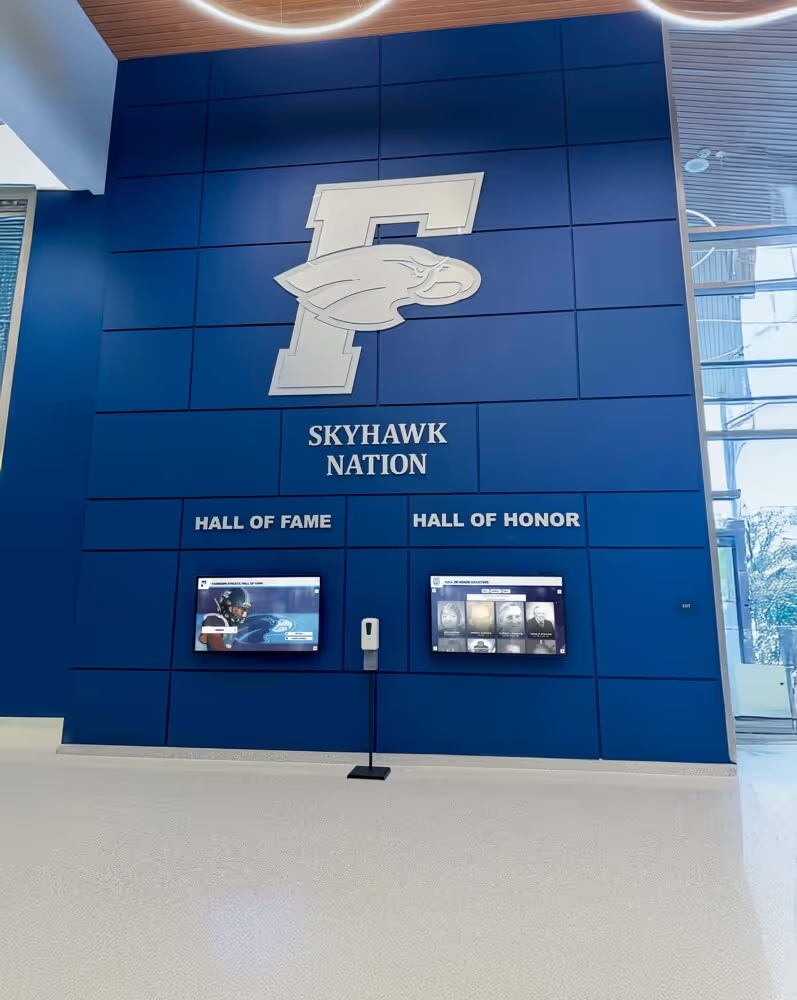
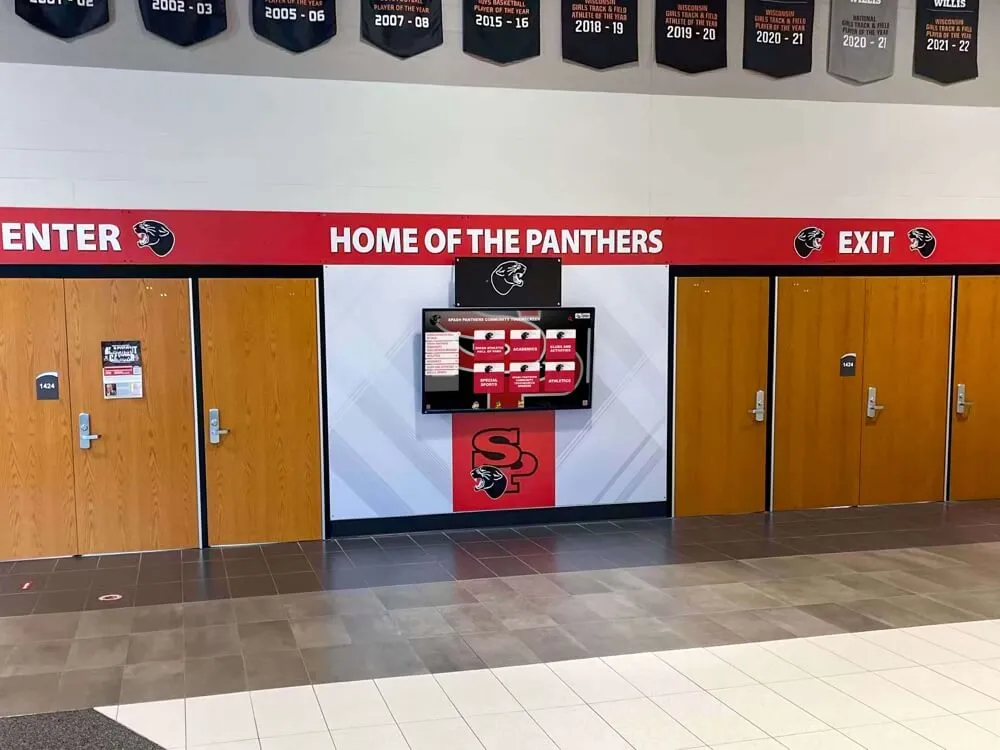
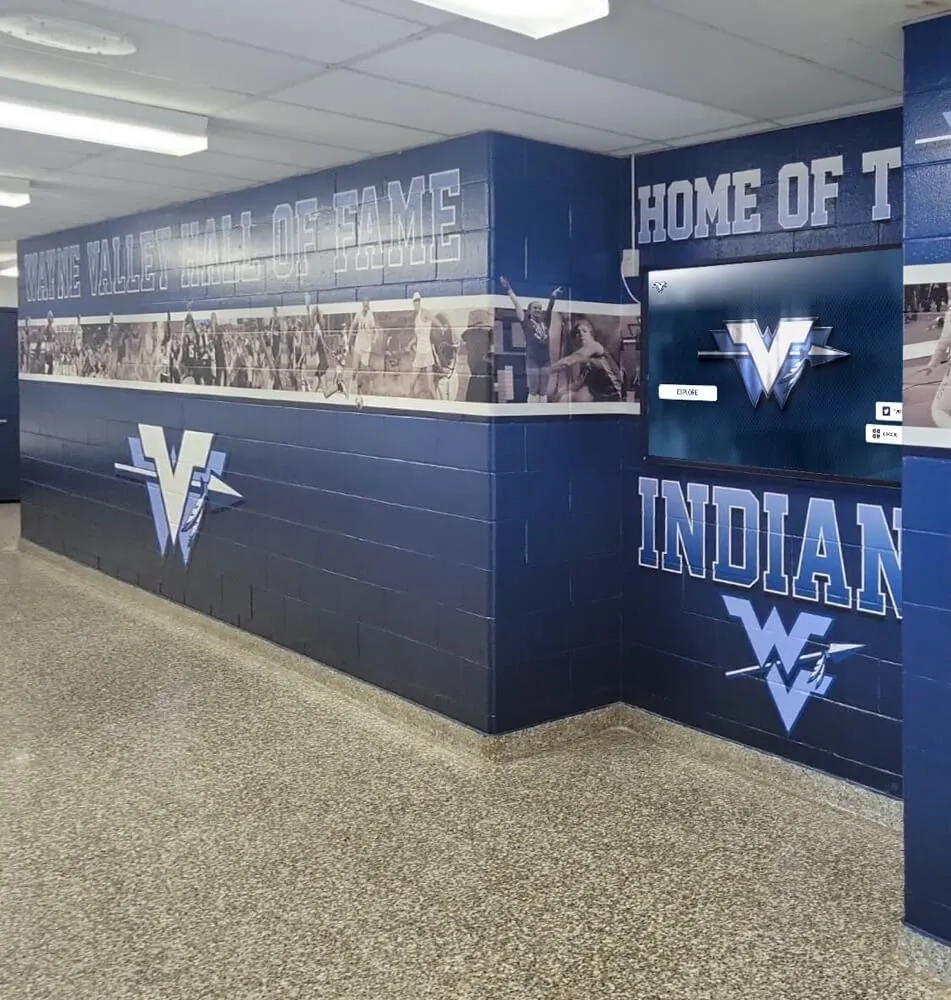
Alumni reconnect with their school's legacy through comprehensive displays celebrating achievements across generations
Managing Common Reunion Planning Challenges
Even well-organized committees encounter predictable obstacles requiring strategic responses.
Addressing Low Registration and Attendance
When registration numbers fall short of targets, implement recovery strategies:
Targeted Outreach Campaigns
Identify and reach specific alumni segments:
- Personal phone calls from classmates to non-registered alumni
- Targeted social media advertising to local alumni within driving distance
- One-on-one outreach to class leaders or popular students others might follow
- Pricing adjustments or early-bird extensions to address cost concerns
- Messaging emphasizing attendee names to show who’s already registered
Personal outreach often converts uncertain alumni when mass communications failed.
Program Pivots for Smaller Groups
Adjust planning when attendance falls significantly below projections:
- Venue changes to smaller, more intimate spaces
- Program simplification eliminating elements requiring larger audiences
- Cost adjustments reducing per-person expenses through simpler offerings
- Format changes to more casual settings like restaurant gatherings
- Reframing as “intimate reunion” rather than admitting disappointment
Smaller reunions can actually create better connection opportunities if committees embrace rather than apologize for size.
Handling Difficult Personalities and Conflicts
Reunions occasionally surface old tensions or difficult behaviors:
Proactive Conflict Prevention
Address potential issues before problems arise:
- Clear alcohol consumption policies preventing overindulgence
- Committee members designated as problem-solvers and peacekeepers
- Seating arrangements separating known antagonists if necessary
- Reminders about professional conduct expectations in communications
- Quick intervention protocols for addressing inappropriate behavior
Most conflicts never materialize, but planning prevents small issues from escalating.
Managing Reunion Crashers and Uninvited Guests
Establish policies about who can attend:
- Clear registration requirements with name verification
- Policies about non-alumni spouses, partners, or guests
- Check-in procedures confirming registrations before admission
- Respectful but firm communication with those attempting unauthorized entry
- Flexibility allowing registration-day sign-ups if space and food permit
Balance welcoming atmosphere with appropriate boundaries about who truly belongs at class-specific reunions.
Accommodating Accessibility and Special Needs
Inclusive reunions consider diverse attendee requirements:
Physical Accessibility Planning
Ensure all alumni can fully participate:
- ADA-compliant venues with wheelchair access and appropriate restrooms
- Parking accommodations near entrances for those with mobility limitations
- Seating arrangements considering physical comfort for various ages
- Audio amplification for hearing impaired attendees
- Visual accommodation for presentations and displays
- Service animal policies and appropriate accommodations
Advance surveys identifying specific needs allow proactive accommodation planning.
Financial Accessibility Considerations
Cost shouldn’t exclude interested alumni:
- Tiered pricing options with higher rates for those able to subsidize others
- Scholarship or reduced-rate tickets for alumni facing financial hardship
- Payment plans allowing registration with deposits and later balance payment
- Volunteer opportunities offsetting ticket costs through work exchange
- Free portions of reunion (campus tours, afternoon activities) separated from paid dinner
Reunion committees should never turn away alumni solely due to inability to pay.
Weather and Emergency Contingency Planning
Outdoor or partially outdoor reunions require backup planning:
Weather Alternative Strategies
Develop clear plans for various conditions:
- Indoor backup spaces pre-arranged with venues
- Weather decision deadlines and communication processes
- Tent rental options for covered outdoor spaces
- Activity modifications adapting programs to weather reality
- Clear communication about weather call timing and methods
Check forecasts frequently during the final week and communicate decisions proactively.
Emergency Response Preparation
Anticipate medical or safety emergencies:
- First aid kits and designated committee members with relevant training
- Emergency contact information for all attendees collected during registration
- Relationship with nearby hospitals or urgent care facilities
- Severe weather shelter locations identified and communicated
- Committee member phone tree for crisis communication
Most reunions proceed without emergencies, but preparation ensures appropriate response if needed.

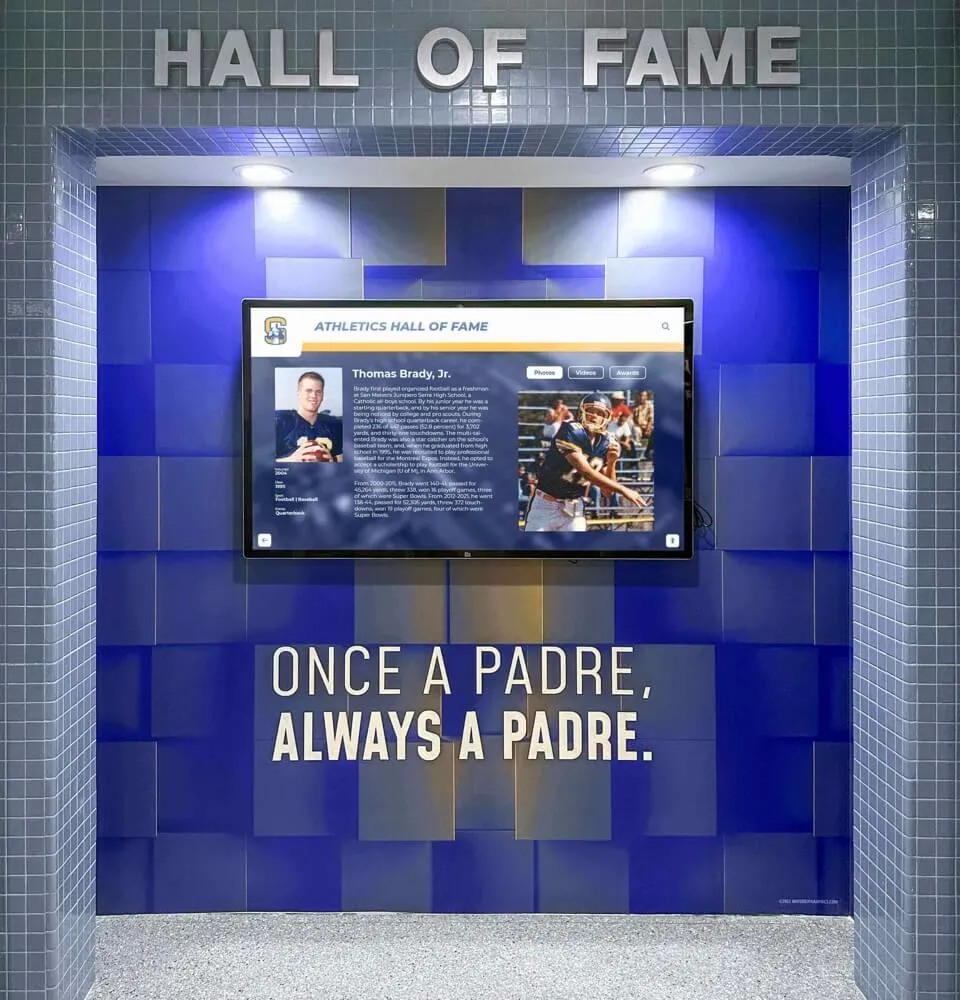
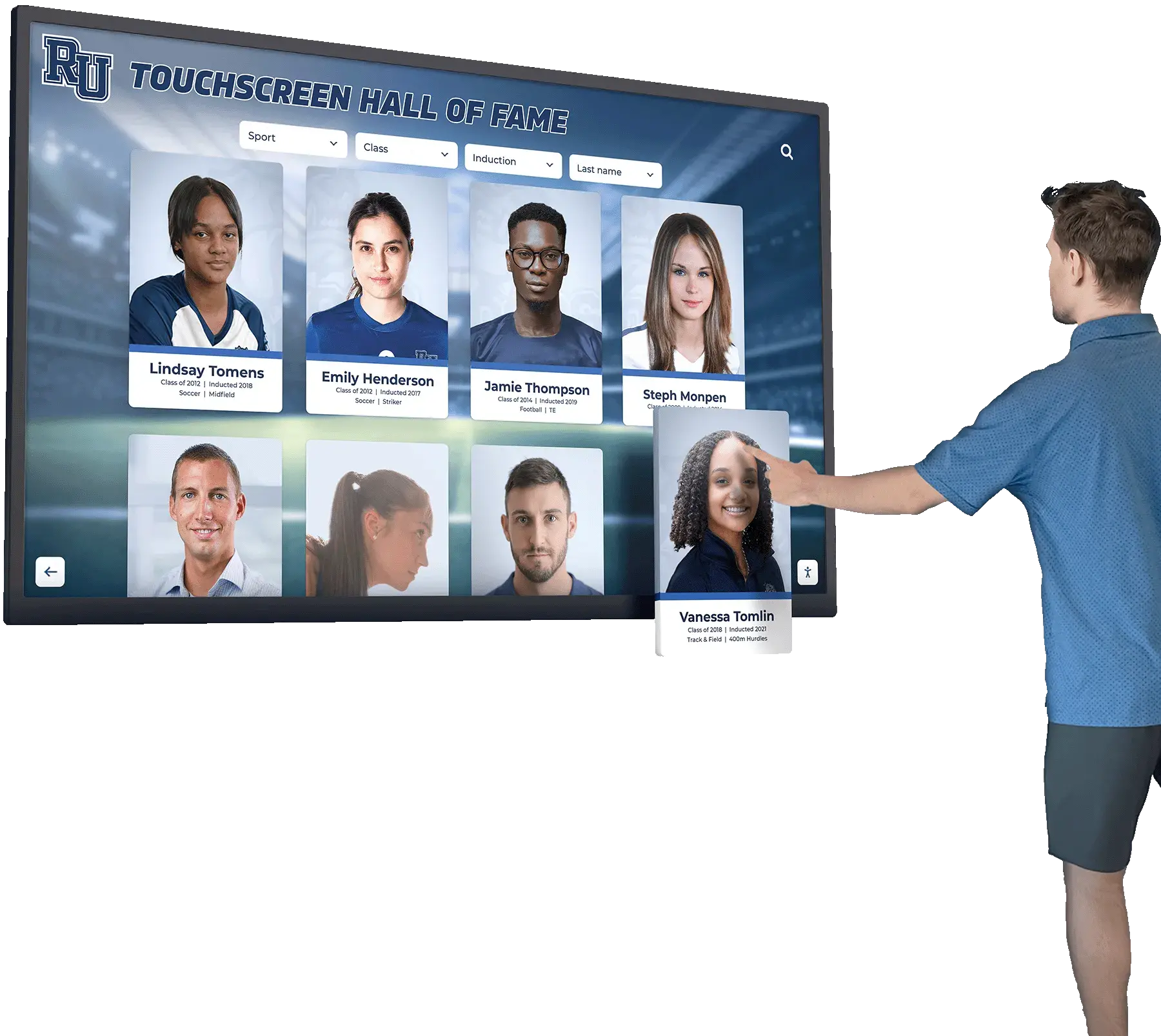
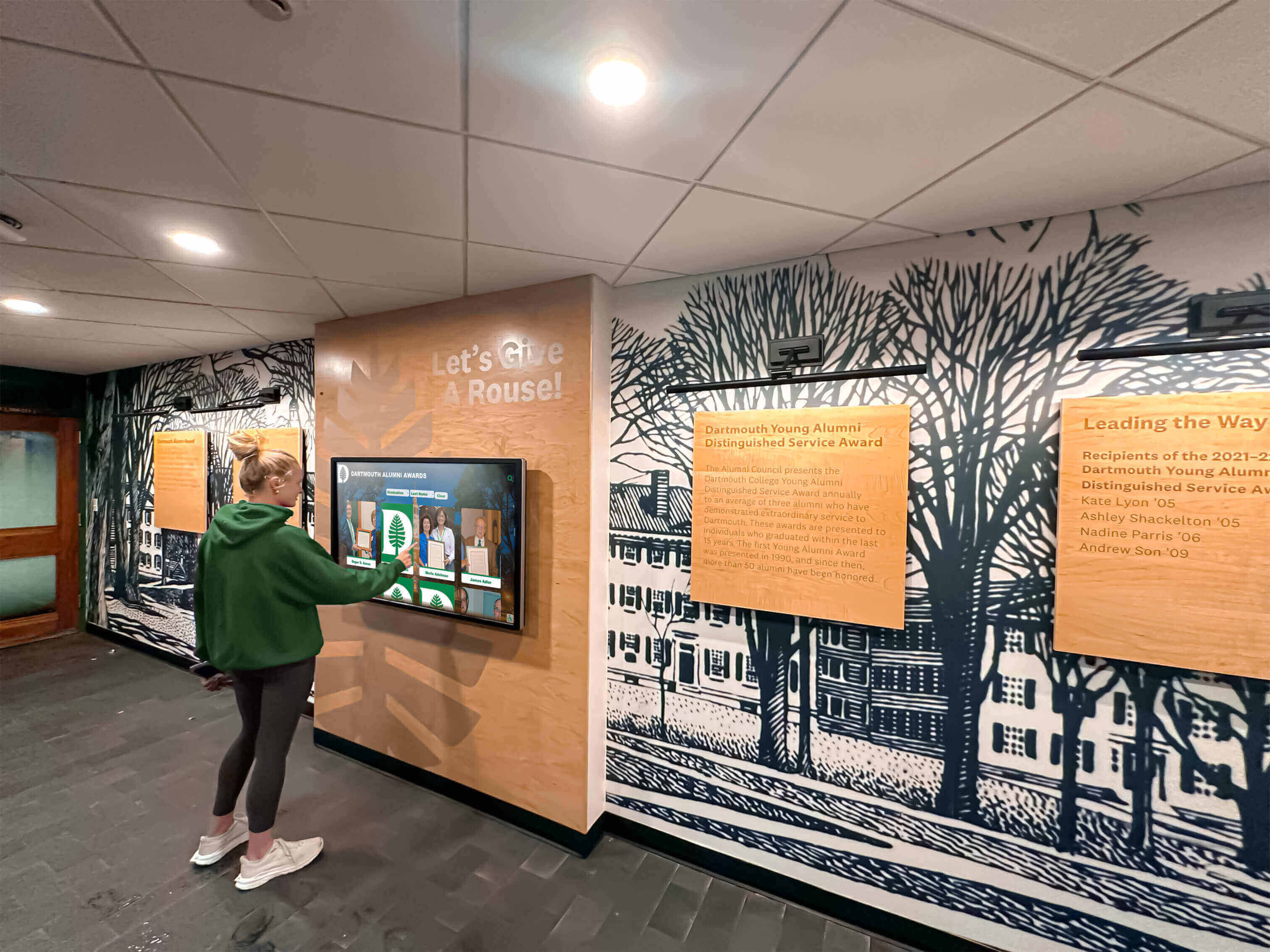
Interactive touchscreen displays engage alumni with searchable archives of achievements, photos, and school history
Post-Reunion Follow-Through and Legacy Building
Reunion work doesn’t end when the event concludes—thoughtful follow-up maximizes long-term benefits.
Immediate Post-Event Communication
Connect with attendees while memories remain fresh:
Thank You Messages and Photo Sharing
Express appreciation and maintain momentum:
- Thank you emails to all attendees within one week
- Photo galleries posted online for downloading and sharing
- Video highlights compiled and distributed
- Social media posts celebrating reunion success
- Recognition of committee members and volunteers
- Acknowledgment of sponsors and donors supporting the event
These communications extend positive feelings and keep connections active.
Feedback Collection and Evaluation
Gather insights improving future reunions:
- Post-event surveys assessing satisfaction and collecting suggestions
- Committee debrief meetings documenting lessons learned
- Financial reconciliation and final budget reports
- Attendance data analysis identifying trends
- Success metric assessment against pre-established goals
Documentation helps future committees avoid repeating mistakes and build on successes.
Maintaining Alumni Engagement Between Reunions
Don’t let connections fade entirely until the next milestone reunion:
Digital Community Building
Create year-round engagement opportunities:
- Class-specific social media groups or pages
- Quarterly email newsletters with class updates
- Online directories allowing classmates to find each other
- Digital memory sharing platforms for ongoing reminiscence
- Virtual gathering options for geographically dispersed alumni
Sustained engagement increases attendance at future reunions.
Archival Contribution Integration
Continue collecting historical content gathered during reunions:
- Digitization of contributed photos and memorabilia
- Touchscreen displays incorporating reunion-gathered content
- Oral history archive development from recorded interviews
- Updated alumni databases with biographical information collected
- Recognition systems honoring alumni achievements shared during reunions
This ongoing work preserves institutional history while giving reunion contributions lasting impact.
Planning for Future Reunions
Use current reunion insights for continuous improvement:
Documentation for Future Committees
Create resources helping subsequent organizers:
- Detailed planning timelines with actual versus planned dates
- Vendor contact information and performance evaluations
- Budget templates and cost analysis
- Successful program elements worth repeating
- Challenges encountered and resolution strategies
Well-documented processes dramatically reduce future committee workload.
Multi-Reunion Coordination
Many schools benefit from coordinated reunion scheduling:
- Homecoming weekend hosting multiple milestone classes simultaneously
- Shared venue booking reducing per-class costs
- Combined programming elements appealing to all attendees
- Cross-class interaction opportunities at multi-generational events
- Institutional support efficiency through consolidated timing
Coordinated approaches create synergies benefiting all participating classes.
Modern Technology Solutions for Alumni Reunion Success
Contemporary reunions increasingly incorporate technology enhancing traditional elements while preserving personal connection.
Digital Registration and Communication Platforms
Specialized software streamlines reunion organization:
Registration Management Systems
Purpose-built platforms offer capabilities including:
- Secure online payment processing
- Customizable registration forms collecting needed information
- Automatic confirmation and reminder emails
- Real-time attendance tracking and reporting
- Integration with name tag printing and check-in systems
These systems dramatically reduce administrative burden compared to manual spreadsheet management.
Communication and Engagement Tools
Stay connected throughout planning and beyond:
- Email marketing platforms tracking open rates and engagement
- Text messaging services for last-minute updates
- Event apps providing schedules, maps, and attendee directories
- Social media integration facilitating organic sharing
- Survey tools collecting feedback and input
Multi-channel communication ensures messages reach alumni through their preferred platforms.
Interactive Historical Displays and Archives
Modern schools complement traditional memory elements with digital solutions:
Touchscreen Archive Installations
Interactive displays transform how alumni experience institutional history:
- Searchable databases of yearbook photos and school records
- Video archives of athletic events, performances, and celebrations
- Timeline presentations showing school evolution across decades
- Alumni achievement galleries recognizing distinguished graduates
- Interactive maps showing where alumni live and work post-graduation
These installations become natural gathering points during reunions as alumni explore shared history together.
Mobile-Accessible Digital Collections
Extend archive access beyond physical displays:
- Responsive websites providing archive access from any device
- QR codes connecting physical spaces to digital content
- Mobile apps alumni download for continued access after reunions
- Social sharing features allowing alumni to post discoveries
- Cloud-based storage ensuring content preservation
Alumni appreciate being able to explore school history from home after reunions conclude.
Preserving Your School’s Legacy Through Alumni Reunions
Alumni reunions represent more than social events—they strengthen institutional identity, preserve community memory, and connect generations of graduates to shared educational legacy. Schools that invest in thoughtful reunion planning create lasting benefits extending far beyond individual gatherings.
Effective alumni reunion planning balances logistical excellence with emotional resonance, ensuring graduates feel welcomed, valued, and connected to alma maters that shaped their lives. From initial timeline development through post-event follow-up, systematic approaches create memorable experiences while building sustainable practices supporting ongoing alumni engagement.
Modern solutions increasingly help schools preserve and share their history with current students, alumni, and broader communities. Interactive touchscreen displays transform how institutions celebrate achievements, recognize distinguished alumni, and maintain living archives accessible during reunions and throughout the year. These digital systems complement traditional reunion elements by providing searchable, updateable platforms that grow alongside institutional history—creating permanent records of the legacy your reunions celebrate.
Whether planning your first milestone reunion or improving upon decades of tradition, thoughtful attention to both details and big-picture objectives ensures alumni gatherings that honor the past while building stronger connections supporting your school’s future. Start your reunion planning today, and create experiences that graduates will treasure for the rest of their lives.
Live Example: Rocket Alumni Solutions Touchscreen Display
Interact with a live example (16:9 scaled 1920x1080 display). All content is automatically responsive to all screen sizes and orientations.