Athletic Archive Orphan Works Review Checklist: Use Historical Media Responsibly
- Home /
- Touch Archive Blog /
- Athletic Archive Orphan Works Review Checklist: Use Historical Media Responsibly
The Easiest Touchscreen Solution




Live Example: Rocket Alumni Solutions Touchscreen Display
Interact with a live example (16:9 scaled 1920x1080 display). All content is automatically responsive to all screen sizes and orientations.
An athletic archive orphan works review checklist is a structured process for identifying historical photographs, game programs, newspaper clippings, and other media items in a school athletic archive whose copyright owner cannot be located through a reasonably diligent search — and for documenting that search before the item is displayed publicly, added to a digital recognition program, or reproduced in a hall-of-fame nomination packet.
The short answer: triage each item by likely copyright status, conduct and log a good-faith ownership search using the sources most likely to yield a result, assign a risk tier based on what the search found, document everything in a written record, and review the file periodically for any new ownership information that surfaces. This guide gives athletic directors, school administrators, hall-of-fame committees, and alumni staff a repeatable workflow for handling historical media responsibly before it reaches a public-facing display.
Every athletic archive contains items whose provenance is genuinely unclear. A black-and-white photograph from a 1967 championship game may have no photographer credit. A regional newspaper clipping announcing a school record may come from a paper that closed decades ago. A meet program printed by a local booster organization in 1981 may have been created by a vendor whose business no longer exists. None of those items is automatically in the public domain, and none of them is automatically off-limits — but using them responsibly requires a documented review process before public display.
Orphan works — creative works still protected by copyright whose owner cannot be found despite a good-faith search — occupy a particular operational space for school archives. The legal framework around orphan works in the United States remains incomplete; there is no safe harbor statute that eliminates risk for good-faith users. What exists is a practical consensus around diligent search as the foundation of responsible use, and consistent documentation as the defense against future ownership claims. This checklist operationalizes that consensus for athletic archive contexts. For specific determinations about your institution’s rights exposure, work with qualified legal counsel; this guide provides educational operational guidance, not legal advice.

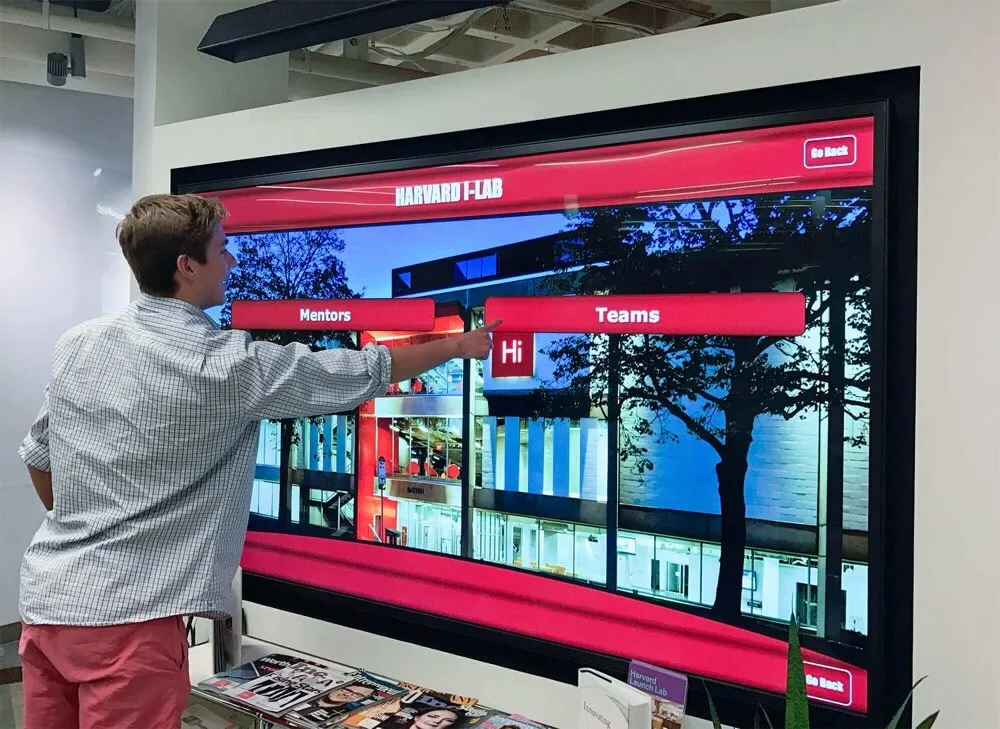
Historical athletic media — portraits, programs, clippings, and photographs — regularly surfaces in school archives without clear copyright ownership documentation; a systematic orphan works review protects the institution before any item reaches a public display
Why Athletic Archives Encounter Orphan Works
Athletic archives draw from a wider range of original sources than most institutional record collections. Understanding where orphan works originate helps archive staff identify which items require review before the review even begins.
Third-party photographers at games and events. Schools and booster organizations frequently invited local photographers — freelancers, newspaper photographers, or commercial studios — to cover games, banquets, and championships. Rights to those images may have been transferred, retained by the photographer, or were never formally documented. When the photographer has died, retired, or cannot be located, the images become functionally orphaned even if a copyright technically persists with an heir or successor.
Newspaper and wire service photographs. Clippings from local and regional newspapers are among the most common items in athletic archives. The copyright in a news photograph typically belongs to the photographer or the publication that commissioned it — not the school or program that appeared in the image. When a publication has ceased operations, been acquired, or merged, tracing the current rights holder requires research into media ownership chains that can be complex and time-consuming.
Booster and alumni publications. Programs, yearbooks, and newsletters produced by booster organizations, alumni associations, or athletic department volunteers may have uncertain authorship. If the creating organization dissolved without transferring records, if the original creator is unknown, or if multiple contributors produced content without copyright assignment documentation, ownership of the underlying material is unclear.
Commercial vendors and studio portraits. Team portrait packages from commercial photography studios represent a recurring ambiguity. The studio typically retains copyright in the original images; the school purchases a license to use prints, not the underlying copyright. When the studio has closed, ownership of the copyright may have passed to an estate, a successor business, or may be genuinely untraceable.
Building a complete digital archive for schools and colleges requires confronting exactly this category of historical media — the items that are most valuable to display are often the ones whose rights history is least clear.
What Makes a Work an Orphan (and What Does Not)
Before conducting a review, archive staff benefit from understanding the categories that matter operationally.
A work is a potential orphan when it meets two conditions simultaneously: it is still within the copyright term (not yet in the public domain), and the rights holder cannot be identified or located through a reasonably diligent search. Both conditions must be present. A work whose author died in 1930 is likely in the public domain in the United States regardless of whether the rights holder can be found. A work whose rights holder is clearly a living corporation that can be contacted is not an orphan, even if the contact process is inconvenient.
Public domain is not the same as orphan works. Items published in the United States before January 1, 1928 are in the public domain. Items published between 1928 and 1977 have more complex status depending on registration, renewal, and notice requirements — the Cornell Copyright Chart is a standard reference for this analysis. Items created after 1977 are presumptively within copyright for the life of the author plus 70 years, and require a genuine ownership search rather than a date-based assessment.
Unpublished works have different rules. Photographs taken at games and events but never commercially published follow the unpublished works rules rather than the published works rules, and the copyright term is generally longer. Handwritten rosters, personal notes, and internal documents shared within a program are typically unpublished works.
The Athletic Archive Orphan Works Review Checklist
Apply this checklist to each item — or to each batch of items with a common origin — before the item is used in any public-facing context: digital display, website publication, printed recognition program, or hall-of-fame nomination documentation.
Phase 1: Item Triage
- Identify the item type: photograph, newspaper clipping, printed program, yearbook page, commercial portrait, illustration, or other
- Examine the item for any copyright notice or photographer credit on the item itself or its reverse
- Check the original source materials (folder, envelope, donation letter) for any provenance notes
- Record the approximate creation date and any identifying marks (studio stamps, publication names, dates)
- Determine whether the item is published or unpublished based on its origin
- Apply a preliminary date assessment: items with a clear pre-1928 publication date can be noted as likely public domain without a full orphan works search; all others proceed to Phase 2
- Assign a preliminary category: (a) rights holder known and contactable, (b) rights holder uncertain — search required, (c) likely public domain — verify date
Items in category (a) require a permissions request rather than an orphan works review. Items in category (c) require date verification using a copyright term reference tool. Items in category (b) proceed to Phase 2.
Phase 2: Ownership Research and Search Log
Conduct the ownership search and log each source consulted, the date of the search, the search terms used, and the result. A documented search log is the record that demonstrates the diligence of the review.
2.1 Search the item itself and associated materials
- Search the item for any photographer name, studio name, publication name, or copyright notice
- Search the donor record, accession file, or any accompanying correspondence for rights information
- Search the institution’s own records for any license agreement, purchase order, or rights transfer related to the item
- Log each search: source consulted, date, search terms, outcome
2.2 Search public copyright records
- Search the U.S. Copyright Office records at copyright.gov/public-records/ for the photographer’s name, studio name, or title of the work
- Search the Copyright Office registration and renewal records (available for works registered before 1978 in digitized form through the Online Books Page at onlinebooks.library.upenn.edu/cce/)
- Log each search: database, date, search terms, outcome
2.3 Search for the creator or original rights holder
- Search online directories, professional association records, and news archives for the photographer or studio name
- Search newspaper databases for the publication name if the item is a clipping — identify whether the publication still exists, was acquired, or ceased operations
- For commercial photography studios: search business registrations and successor-company records in the state of original operation
- For booster organizations: search the organization’s current status with the secretary of state or equivalent, and search for any successor organization
- Log each search: source, date, search terms, outcome
2.4 Search successor and estate holders
- If the photographer or creator is deceased, search for any estate documentation or heir information
- If the original publisher was acquired, search for the current corporate successor
- Contact any identified successor with a written inquiry describing the item and requesting confirmation of rights status
- Log any contact attempts: date, method, response received or date by which no response was received
2.5 Search available digitized archives
- Search Google, newspaper archive databases, and historical image databases for the image or closely related images that may carry caption or credit information
- Search the Internet Archive and the Library of Congress digital collections for the specific publication if applicable
- Log each search: source, date, outcome
Phase 3: Risk Assessment
After completing the search log, assess the residual risk of display based on what the search found and did not find.
| Risk Tier | Description | Criteria | Recommended Action |
|---|---|---|---|
| Tier 1 — Lower risk | Work is in the public domain or rights holder has been identified and contacted | Date analysis confirms public domain, or written permission obtained | Proceed with documentation of basis |
| Tier 2 — Moderate risk | Rights holder unlocated after good-faith search; low commercial value of item | Thorough search conducted; item is non-commercial in nature; no evidence of active enforcement | Proceed with full search log on file; restrict commercial use |
| Tier 3 — Higher risk | Rights holder unlocated but item has significant commercial value or recent origin | Item is a high-quality professional photograph; item is recent (within 20 years); item resembles stock photography | Obtain legal guidance before proceeding |
| Tier 4 — Do not display | Rights holder identified but permission not obtained or denied | Contact made; rights holder alive and reachable; no license granted | Remove from display; pursue license |
Assign the tier in the search log and note the reasoning.

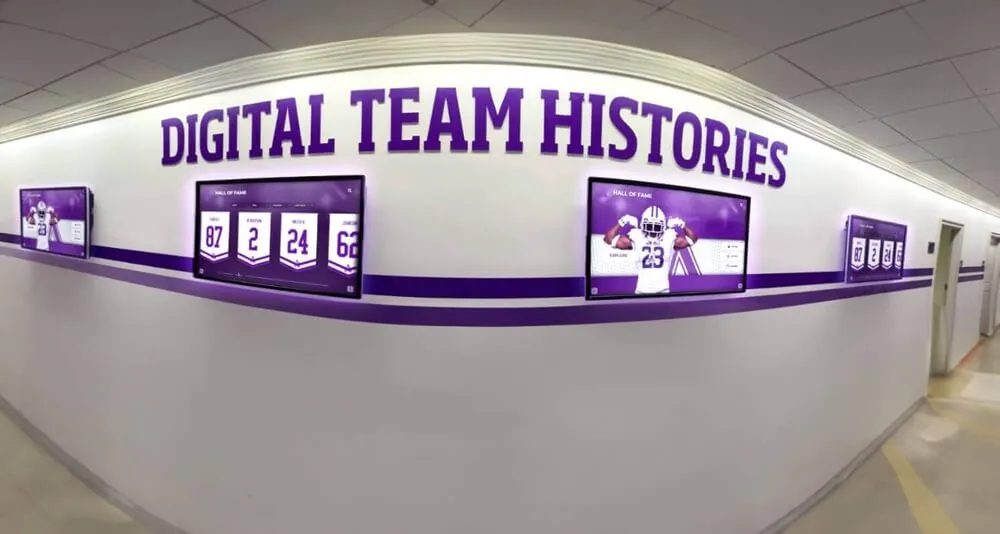
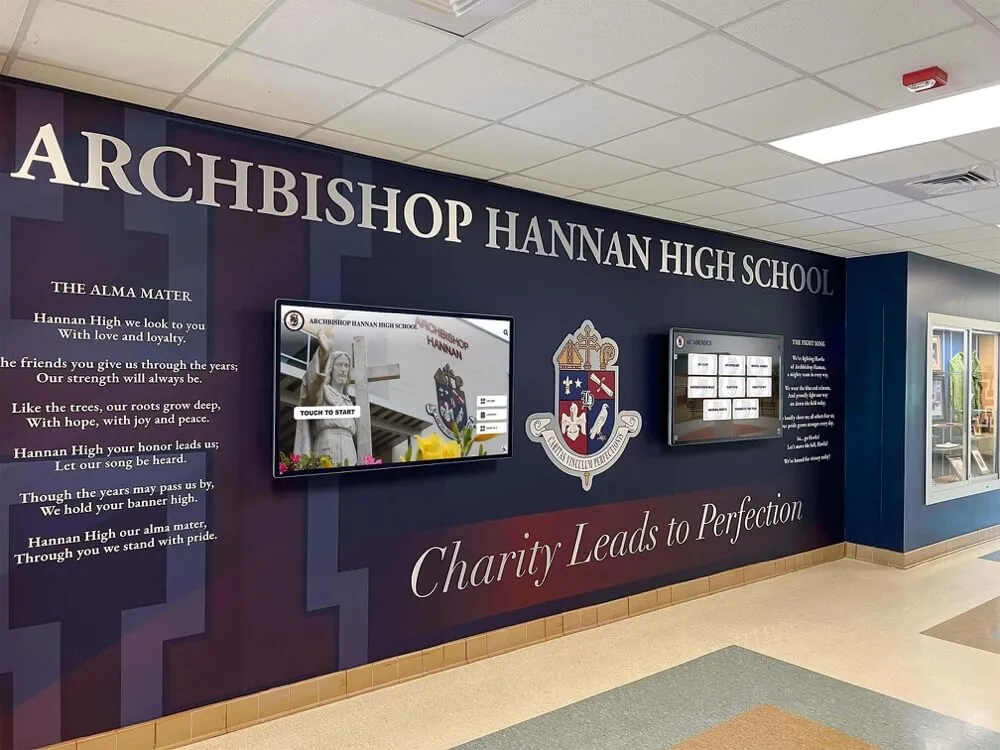
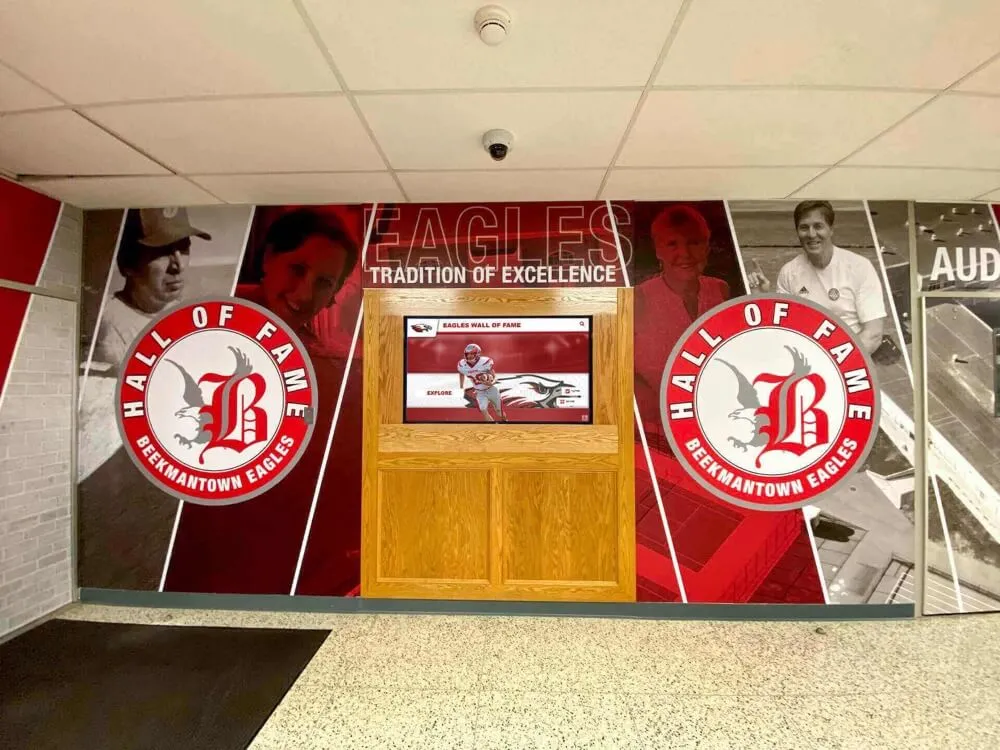
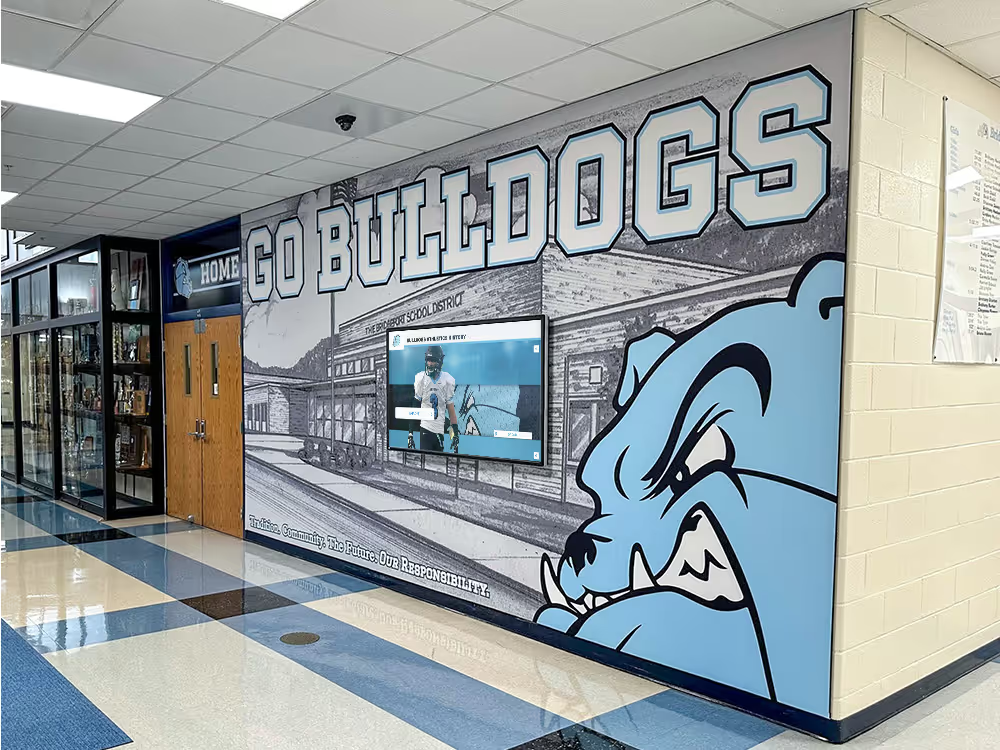
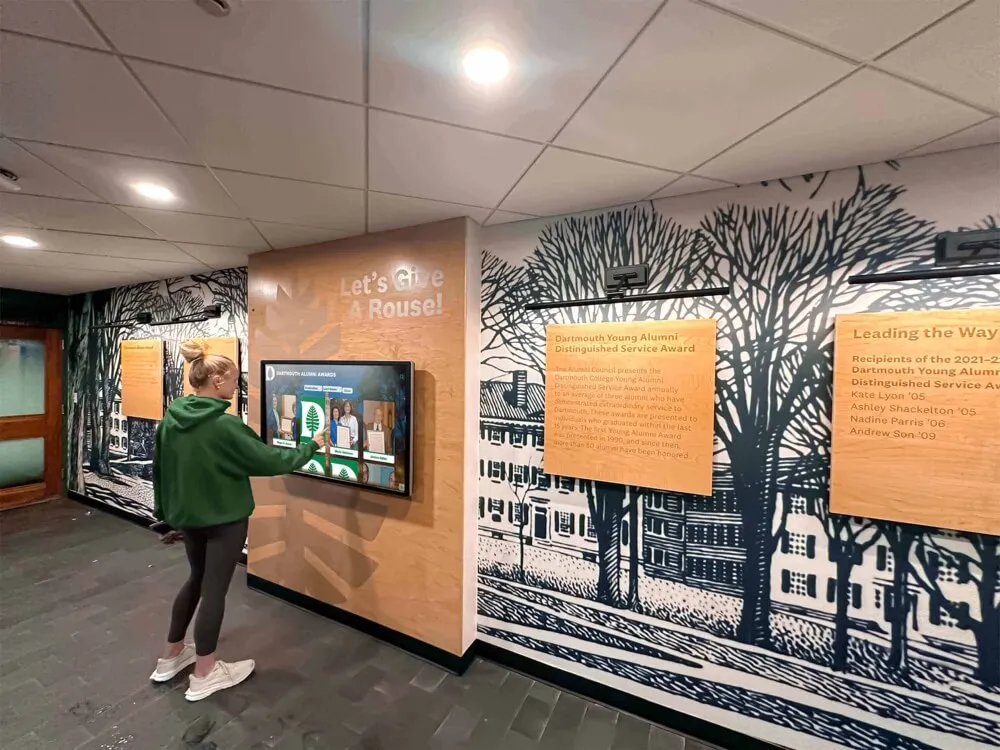
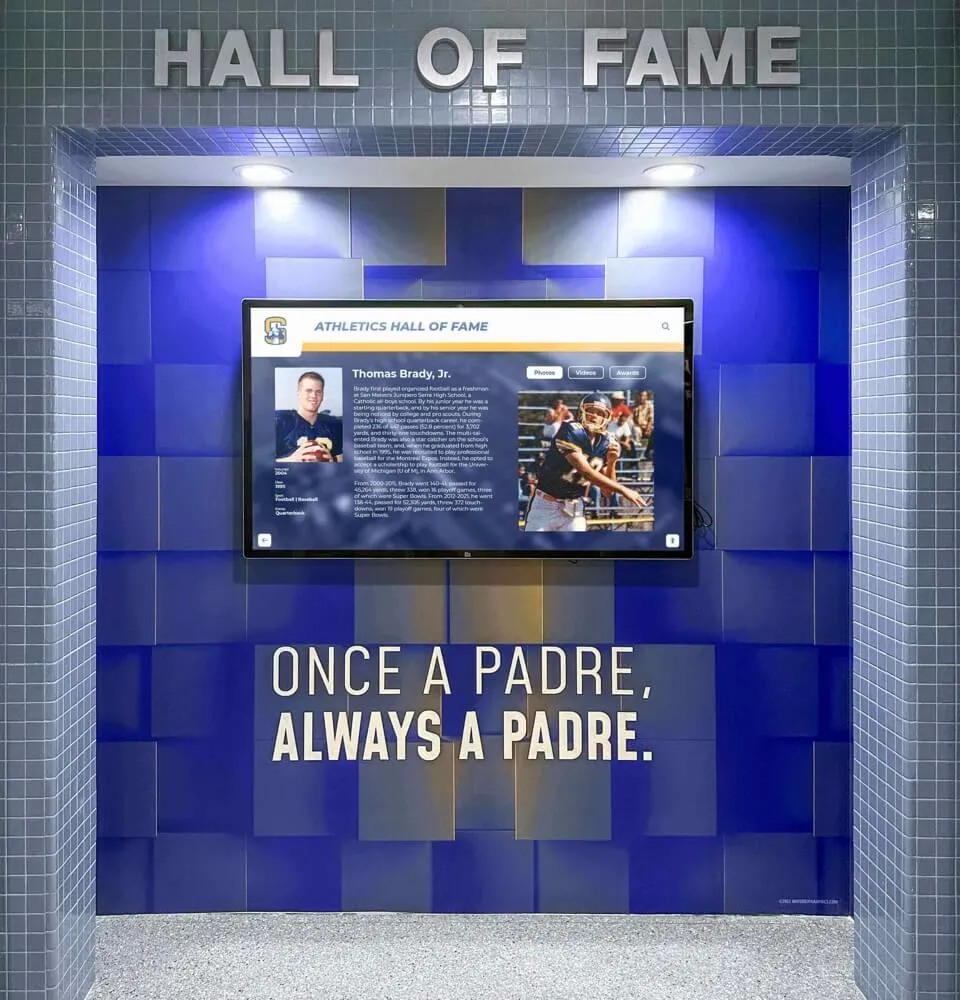
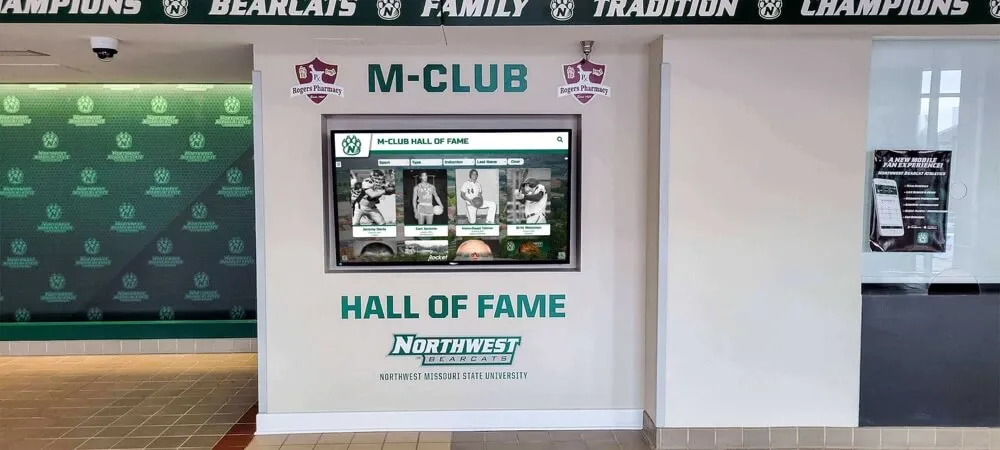
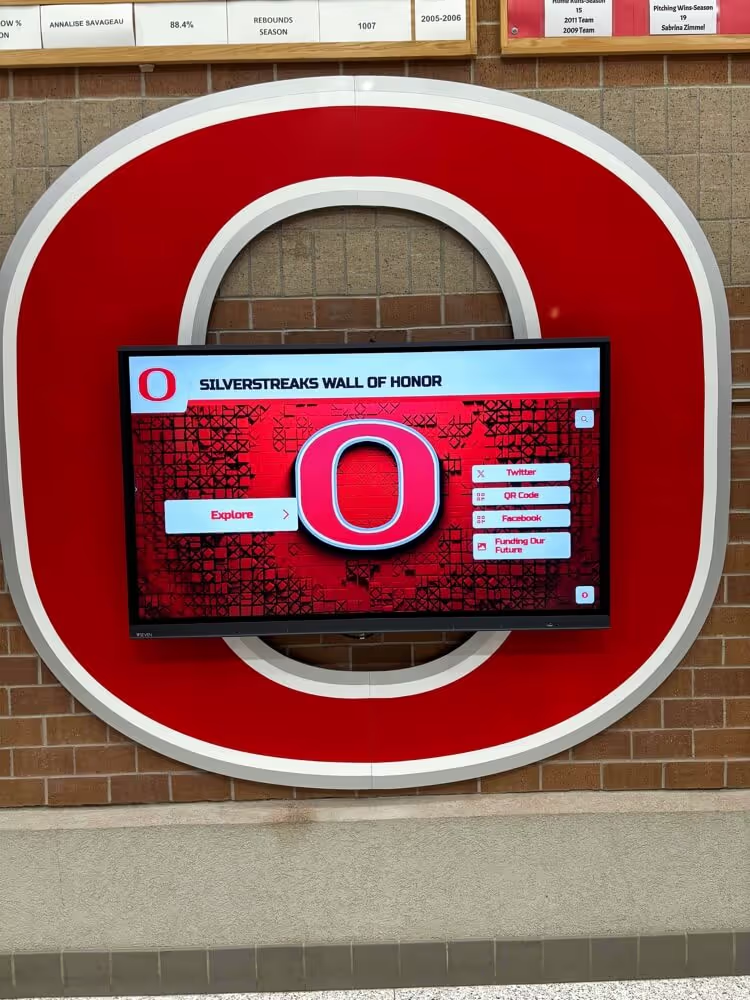
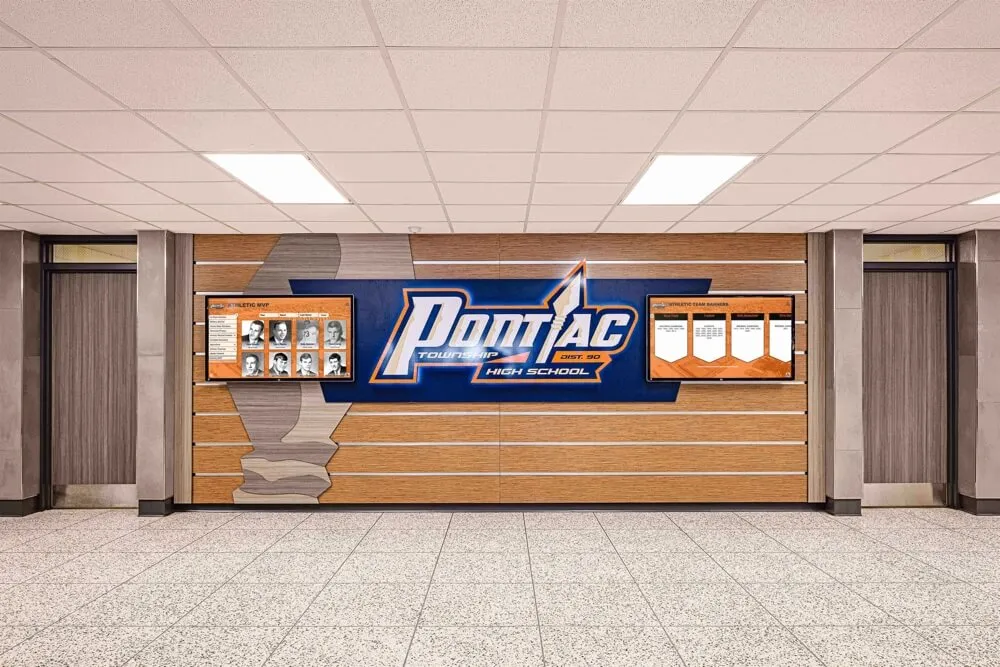
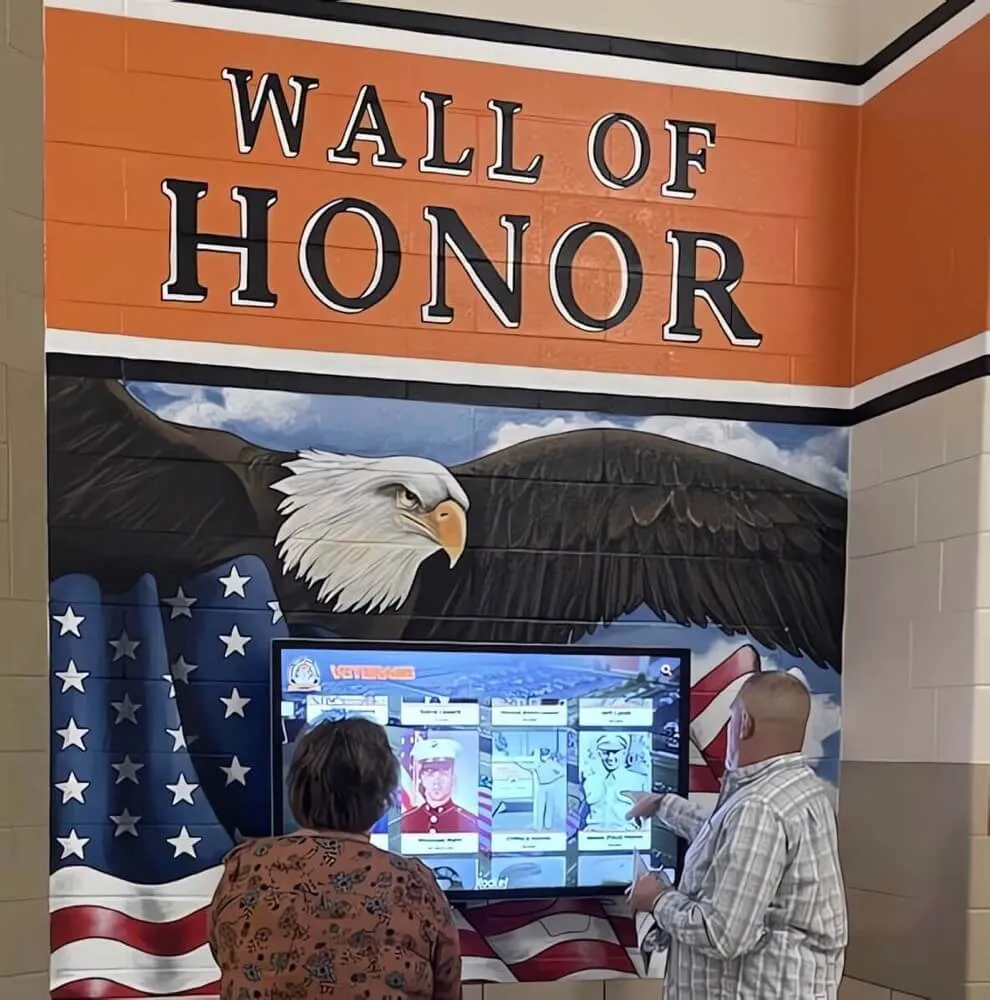
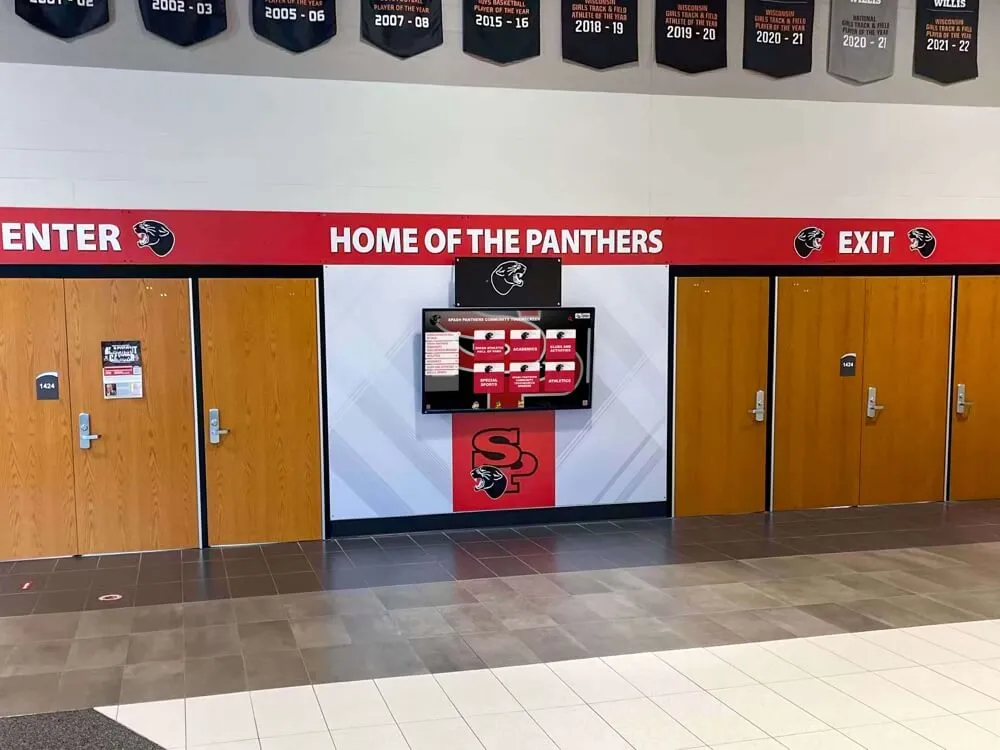
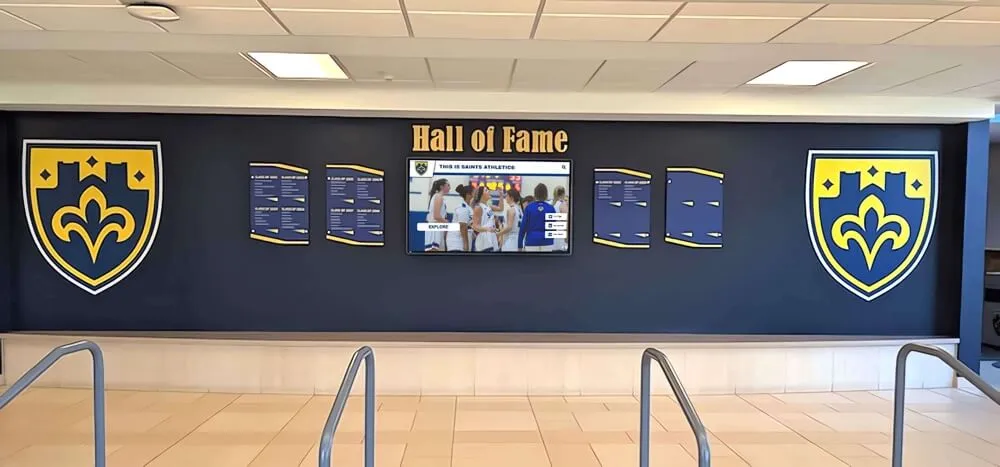
Public-facing digital displays in school hallways draw directly from the athletic archive — completing the orphan works review before an item reaches the display protects the institution and honors the responsible use of historical media
Phase 4: Documentation Before Display
Before an item is added to a digital display, recognition program, or public-facing publication, the archive file should contain each of the following:
- Completed search log with dates, sources, and outcomes for every search conducted
- Risk tier assignment with written rationale
- Copy of any permission letter, license agreement, or correspondence with the rights holder
- Copy of any legal guidance received if the item was escalated to Tier 3
- Note on the intended display context: digital hall-of-fame display, printed program, website, nomination packet, or other
- Name and title of the staff member who conducted the review
- Date of review completion
Maintain this documentation in a location associated with the archive item — either as a companion file in the same folder or as a field in the archive’s metadata record. The documentation is only useful if it can be retrieved promptly if ownership information surfaces after display has begun.
Phase 5: Periodic Re-Review
Orphan works can cease to be orphans. Rights holders may surface after a display has been in place for years, through estate settlements, business acquisitions, or simply because the rights holder discovers the use. Periodic re-review of displayed items keeps the archive current.
- Schedule a re-review of all Tier 2 and Tier 3 items at least every three years
- When a re-review is conducted, repeat the Phase 2 search using current databases and resources — rights holder information may have been added to public records since the original search
- If new ownership information surfaces during re-review, escalate the item immediately to Phase 3 re-assessment and Phase 4 re-documentation before continuing display
- Keep the search log as a cumulative record, adding each re-review as a new dated entry rather than replacing the original search documentation
The Search Log Format
Every search conducted during Phase 2 should be recorded in a search log using a consistent format. The log does not need to be complex — it needs to be complete. A spreadsheet with one row per search is sufficient.
| Field | Description |
|---|---|
| Item ID | The archive identifier for the item being researched |
| Item description | Brief description: type, date range, subject, origin |
| Search date | Date the search was conducted |
| Source consulted | Database, office, website, or contact method used |
| Search terms | Name, title, date range, or other terms entered |
| Result | Found / Not found / Partial information — with notes |
| Searcher name | Name of the staff member conducting the search |
Preserve the search log as a permanent record in the item’s archive file. If the institution uses a digital archive platform, attach the search log as a document to the item’s metadata record so the review history travels with the item.
Connecting Orphan Works Review to Digital Recognition Programs
Athletic archives with an active orphan works review process are better positioned to populate recognition displays accurately and confidently. When a hall-of-fame nomination committee needs a historical photograph to accompany an inductee’s profile, the archive can provide a documented item rather than a legally ambiguous one. When a digital hall-of-fame display is being built, the display administrator can pull from a reviewed inventory rather than conducting item-by-item reviews under production pressure.
Athletic directors who oversee both the archive and the recognition program understand that the operational burden of an undocumented archive shows up at exactly the wrong moment — when recognition content is needed quickly and the provenance of the only available photograph is unknown.
For programs building or rebuilding their recognition displays, digital archive resources for schools and universities address the broader infrastructure that supports responsible use — not just the legal layer, but the metadata, search, and display systems that make a reviewed archive operationally useful.
Digital recognition display design draws directly from the archive. The richer and more accurately documented the archive, the more complete and compelling the display — and the fewer obstacles arise between a historical item and its rightful place in a public recognition program.
Programs that include donor acknowledgment in their recognition display work — naming donors and sponsors alongside athletic records — benefit from the same documentation discipline. Public recognition commitments for donors involve their own rights and accuracy considerations, and maintaining documented records for all public display items, athletic and donor-related alike, creates a consistent institutional standard.
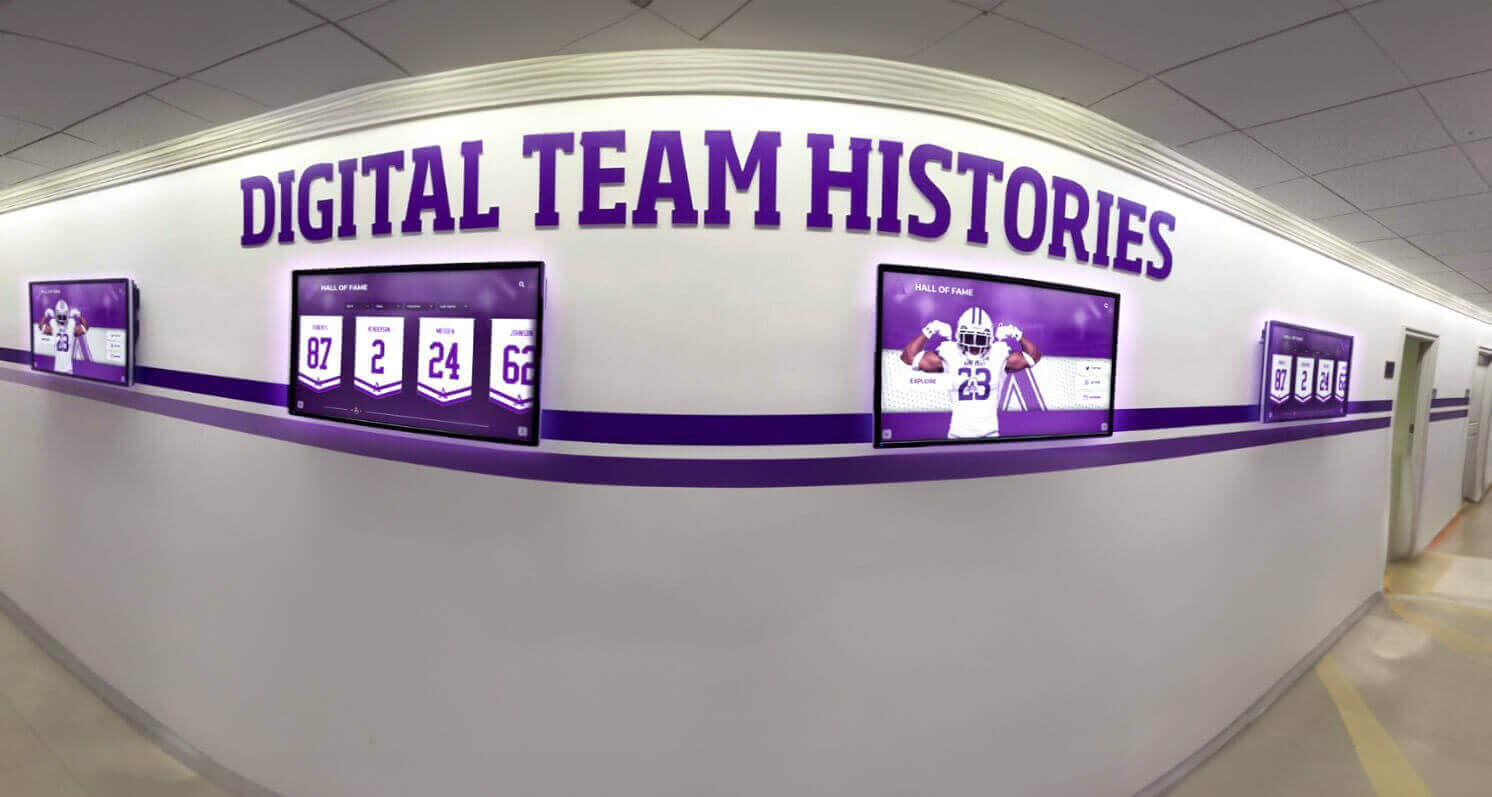
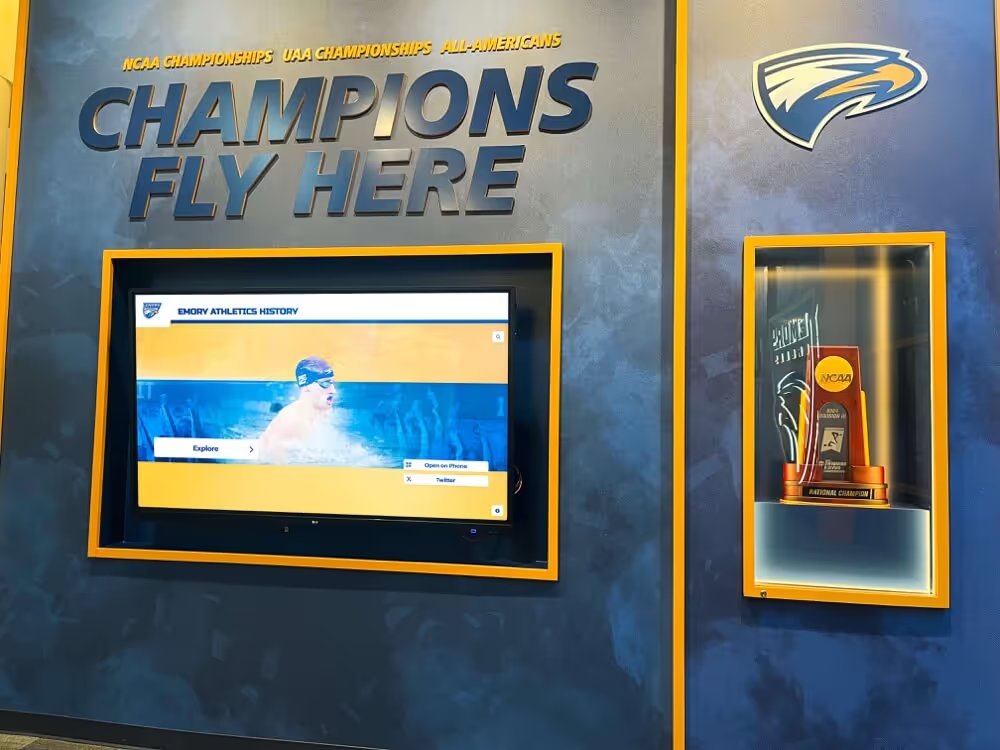
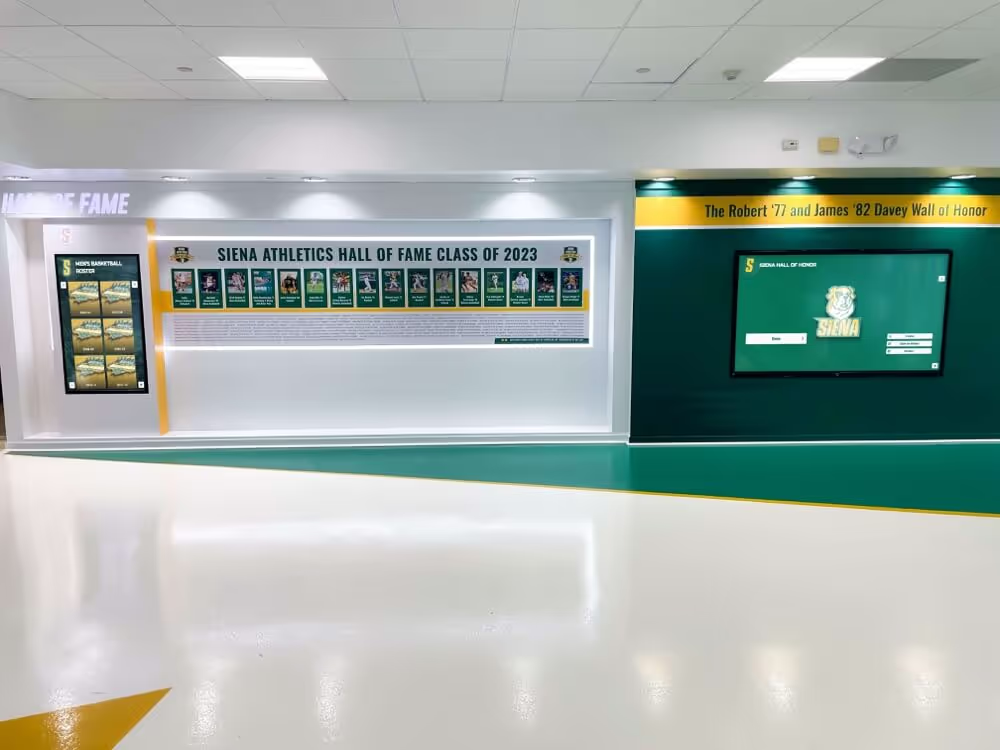
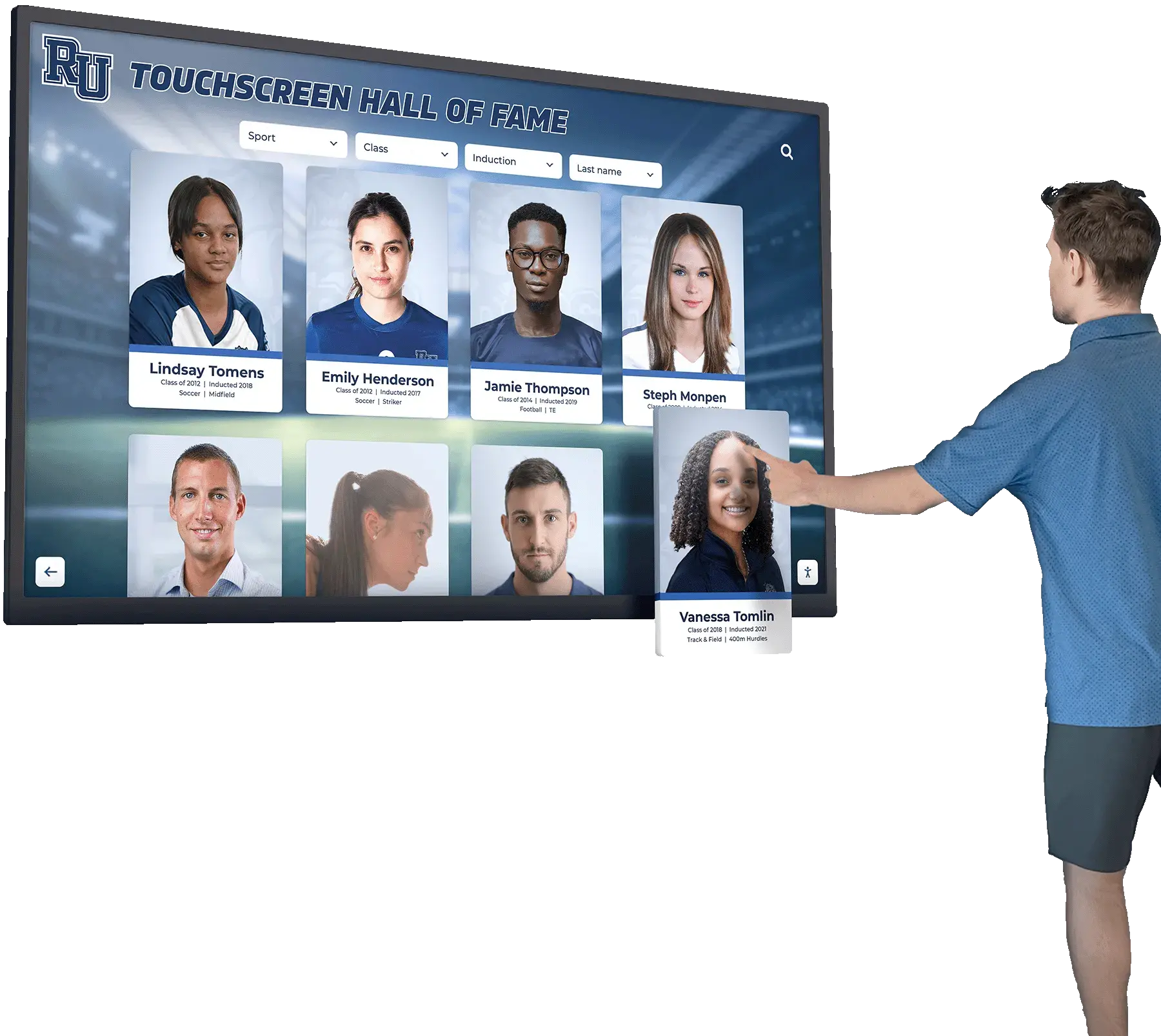
Every image and document behind a digital team history display has a copyright status — a completed orphan works review checklist is what makes the archive behind the display defensible as well as compelling
Frequently Asked Questions
Does fair use apply to historical athletic photographs displayed in a school hall of fame?
Fair use is a defense to copyright infringement, not a pre-authorization. Whether a specific use qualifies as fair use depends on a four-factor analysis that considers the purpose and character of the use, the nature of the copyrighted work, the amount used, and the effect on the market for the original. School hall-of-fame displays may have arguments in their favor on some factors — particularly non-commercial educational purpose — but fair use analysis is highly fact-specific and provides no advance certainty. An orphan works review is a separate and complementary process; completing the review and documenting a good-faith search is not a substitute for fair use analysis, but neither is fair use a substitute for knowing who owns the copyright. Work with qualified counsel on specific fair use questions.
How far back do we need to go to find items that are clearly in the public domain?
In the United States, published works with a copyright notice from before January 1, 1928 are in the public domain. Works published from 1928 onward have status that depends on registration and renewal requirements. The Stanford Copyright and Fair Use Center and Cornell’s copyright duration chart are standard reference resources for date-based analysis. Items published before the 1920s — many pre-World War II photographs and early program covers — are generally safe to treat as public domain after verifying the publication date, but the analysis for 1928–1963 items is more complex and benefits from using a dedicated reference tool.
What if we receive a demand to remove an item after it has been on display for years?
A documented search log and risk tier assignment demonstrates that the institution acted in good faith — it cannot eliminate liability, but it is evidence of responsible conduct. If a claim is received, take the item offline promptly while reviewing the claim, retrieve the documentation from the archive file, and consult qualified counsel. Do not destroy the search log or documentation; maintain it as part of the record.
Should the school’s legal counsel review the orphan works process before we begin?
Involving legal counsel in the initial design of the process — particularly the risk tier criteria and the decision rules for Tier 3 items — is a reasonable precaution for programs with large archives or significant public display programs. Counsel can help calibrate the depth of search required for different item types and can advise on the institution’s risk tolerance. The checklist above reflects widely accepted good-faith search practices, but institutions vary in their policies and exposure, and a local review of the process before it is deployed at scale is worth the investment.
Can we use a historical photograph if the photographer’s estate cannot be found?
The inability to find the estate after a documented diligent search is one of the defining conditions of an orphan work. What follows from that determination — whether and how to proceed with display — depends on the risk tier assigned, the nature of the display, and the institution’s own policy. There is no blanket answer that applies to all cases. Document the search, assign the appropriate tier, and consult counsel for items in the higher-risk tiers.
Turn a carefully reviewed athletic archive into a recognition display your school will be proud of for decades.
A completed orphan works review checklist is the foundation — historical photographs documented, search logs on file, risk tiers assigned. The next step is making that reviewed archive visible: an interactive touchscreen that surfaces decades of athletic history for students, alumni, and visitors every day they walk through the building. Rocket Alumni Solutions works with schools to turn organized, well-documented archives into recognition experiences that bring institutional history to life.
Live Example: Rocket Alumni Solutions Touchscreen Display
Interact with a live example (16:9 scaled 1920x1080 display). All content is automatically responsive to all screen sizes and orientations.