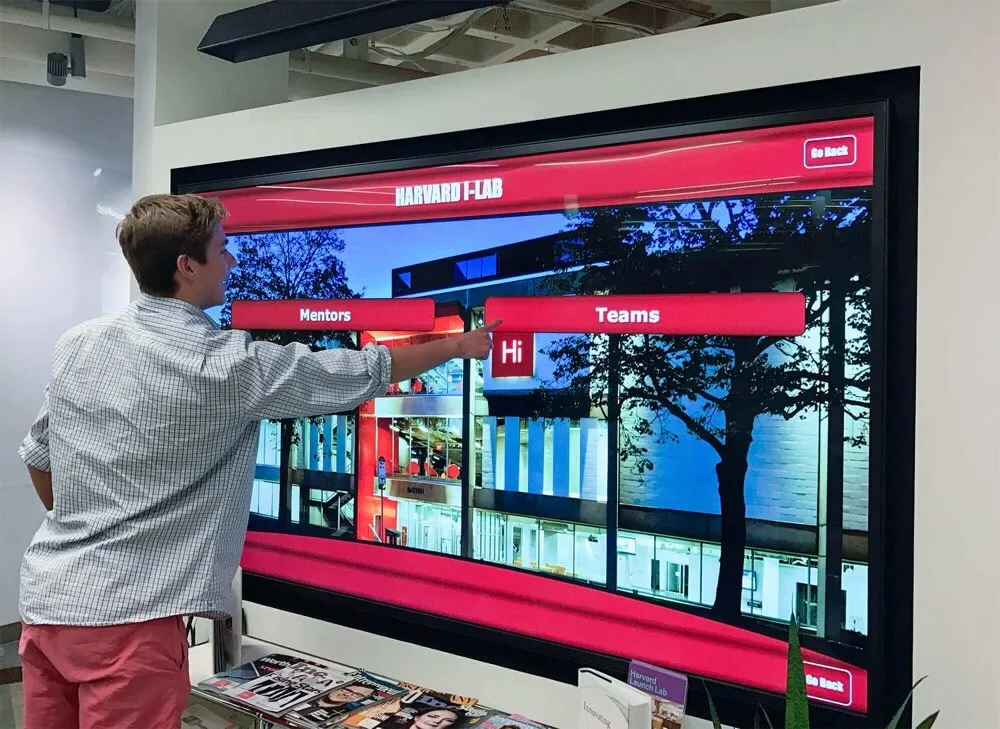




Walk into any school whose athletic program commands genuine respect and you’ll notice something distinct before you see a single scoreboard—the building itself tells the story. Championship banners span gymnasium rafters. Hallway displays trace decades of competing athletes back through time. Coaches greet student-athletes by name. The energy is tangible. That atmosphere doesn’t emerge by accident. It’s the product of deliberate, sustained work on athletic department culture: the shared values, rituals, recognition systems, and physical environments that shape how athletes, coaches, staff, families, and communities experience a school’s sports programs.
Building strong athletic department culture is one of the most impactful—and most underestimated—responsibilities an athletic director carries. Culture determines whether athletes give maximum effort when outcomes are uncertain, whether alumni stay connected after graduation, whether the community shows up for Thursday night games, and whether prospective students choose your school because of what the athletic program represents. No hiring decision, facility investment, or scheduling strategy delivers a return comparable to a genuinely strong culture built across years.
This guide examines what makes athletic department culture powerful, how to build and reinforce it through concrete programs and spaces, and how modern recognition tools help schools preserve traditions while continuously renewing the connection between present athletes and their program’s legacy.
Athletic culture and athletic success share a reinforcing relationship: strong cultures attract motivated athletes and coaches who produce competitive results, while competitive results—when recognized and preserved properly—reinforce the cultural pride that attracted them in the first place. Understanding this cycle helps athletic directors invest in culture strategically rather than treating it as a soft, peripheral concern.

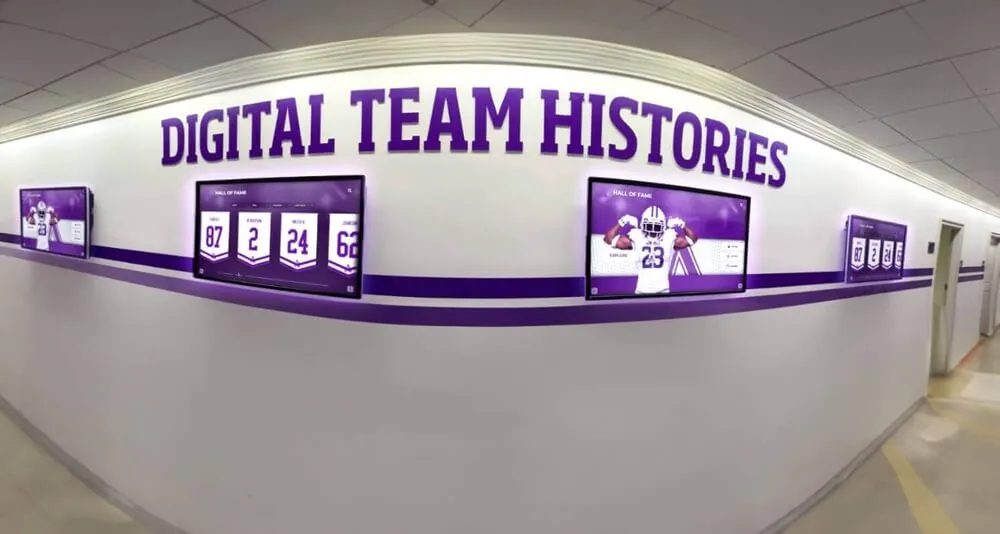
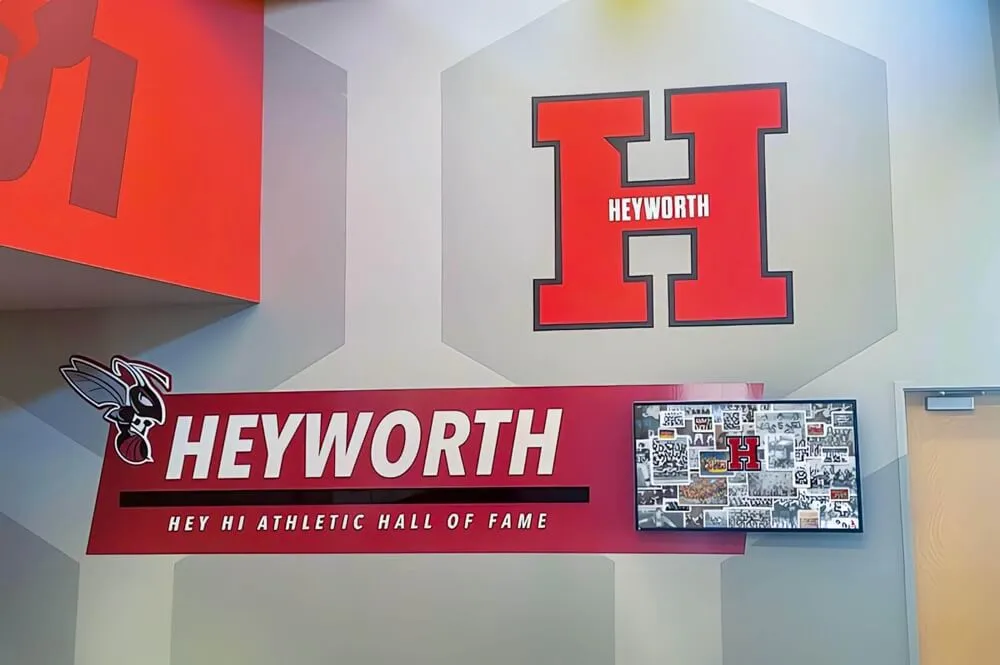
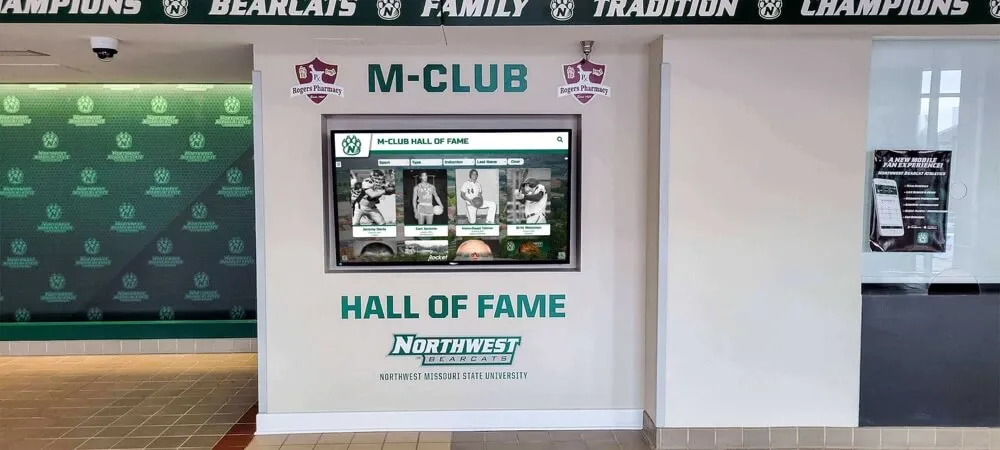
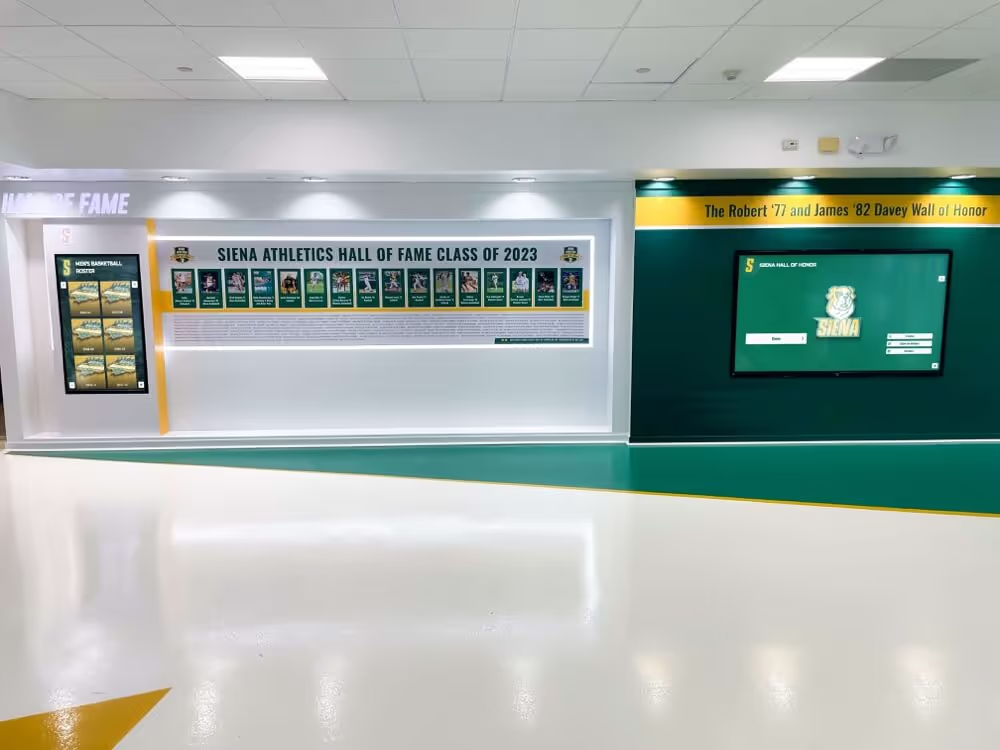
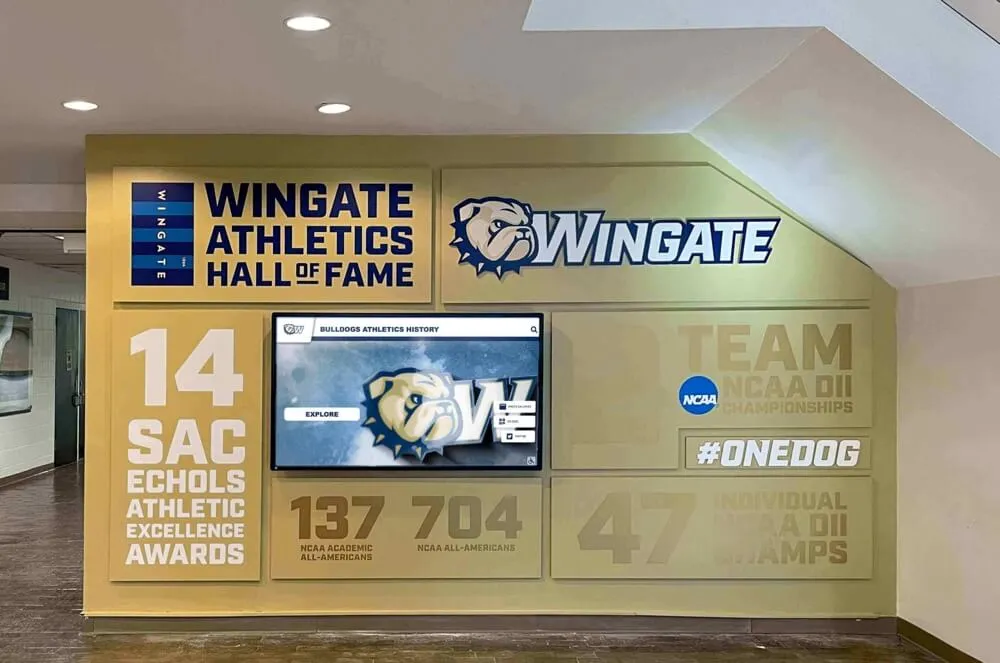
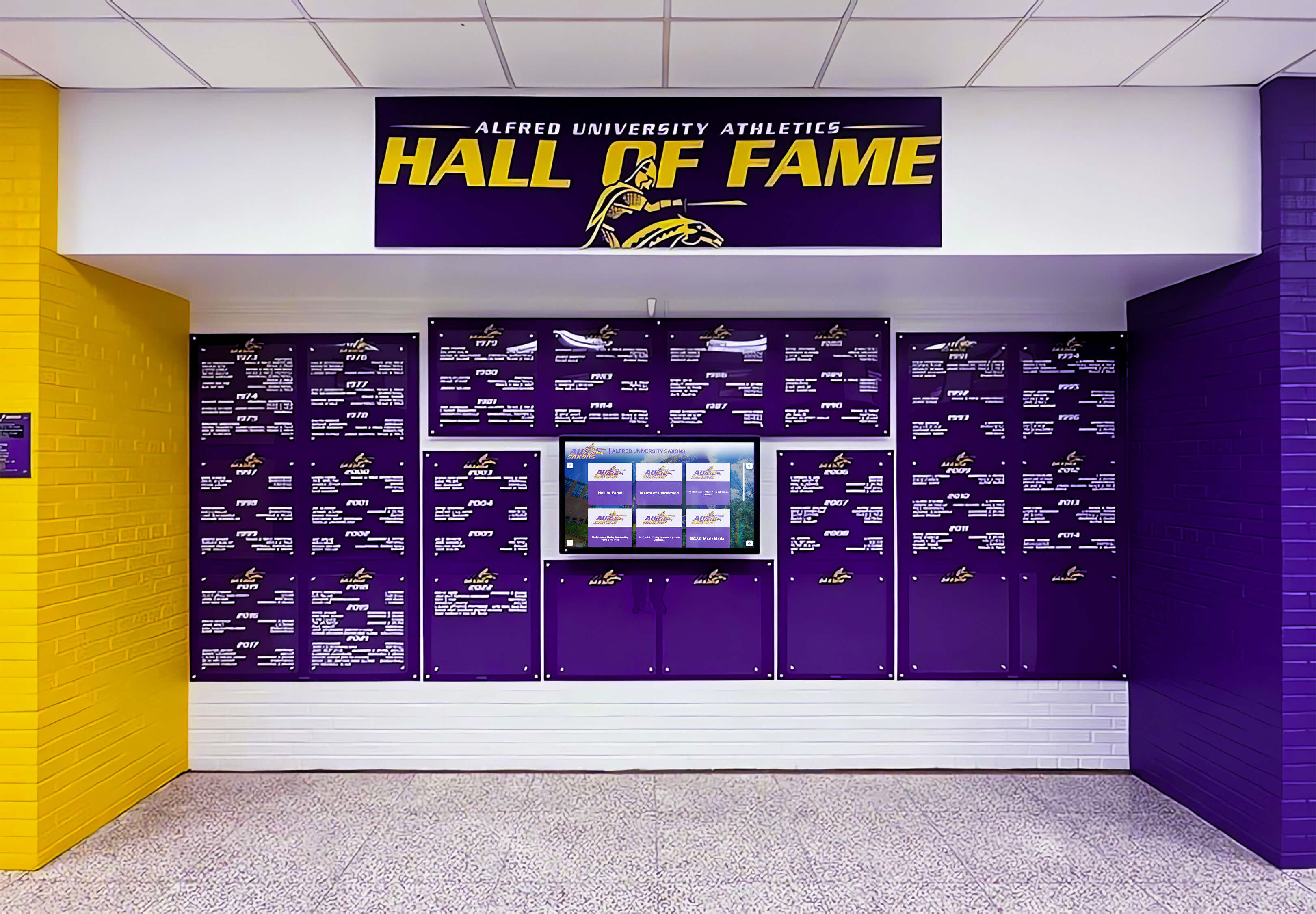
A well-designed athletic hall of fame anchors program identity and makes the connection between current athletes and decades of program tradition visually immediate
What Athletic Department Culture Actually Is
Before building culture intentionally, it helps to understand what it consists of in practical terms. Athletic department culture encompasses several overlapping dimensions that collectively define how a program feels to everyone it touches.
Shared Values and Behavioral Standards
The most fundamental layer of culture is the set of values a program actually lives by—not just the words on a mission statement, but the standards coaches enforce when games are on the line and the behaviors athletes observe in their peers and leaders.
Strong athletic cultures typically center on:
- Effort and preparation: Expectations that athletes bring full focus to practice regardless of the opponent or season record
- Accountability: Clear consequences when standards slip, applied consistently across starters and reserves
- Respect: Toward opponents, officials, teammates, coaches, and the program’s history
- Excellence beyond competition: Recognizing athletes who perform in the classroom, serve the community, and represent the school well off the field
- Inclusion and belonging: Ensuring athletes from all backgrounds feel genuine ownership of the program’s identity
These values become cultural when they’re consistently modeled, enforced, and celebrated—not when they’re printed in the team handbook. Athletic directors influence this dimension largely through coaching hires and the standards they hold coaches accountable to.
Ritual and Tradition
Every program that sustains strong culture across coaching changes has embedded rituals that connect current athletes to their predecessors. These might be formal: an annual hall of fame induction ceremony, a senior night format that remains consistent year after year, a specific pre-game routine passed down through team generations. Or they might be informal: particular team gatherings, recognition customs, or ceremonies only athletes who’ve been in the program fully understand.
The durability of ritual is what makes it culturally powerful. An athlete who knows the same pre-game tunnel walk their school’s athletes have been doing for twenty years experiences that routine differently than a team that invented it last semester. Ritual creates continuity—and continuity creates pride.
Physical Environment and Visual Identity
Athletic facilities communicate cultural priorities before anyone says a word. Schools with genuine athletic pride invest in physical environments that reflect it: well-maintained training spaces, prominent display of historical achievements, consistent use of school colors and mascot identity throughout athletic areas.
When athletes train in facilities that honor the people who competed before them—through hall of fame displays, championship record boards, framed jerseys of standout alumni—they experience the weight and meaning of program membership differently than athletes whose practice spaces communicate indifference to history.
Visiting teams notice this too. The program that walks into your facility and sees evidence of accumulated excellence and institutional pride has already received information about what they’re facing.
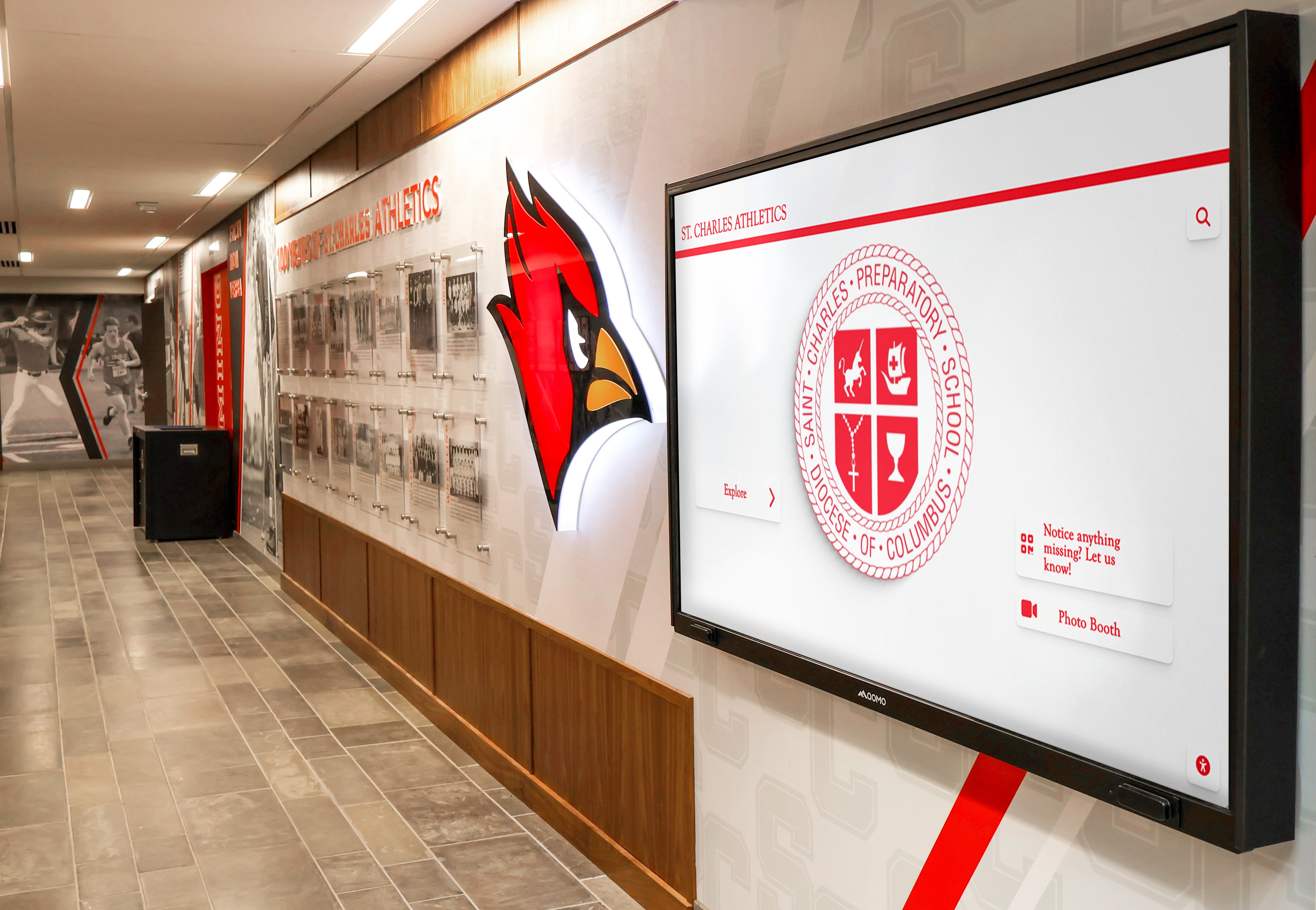
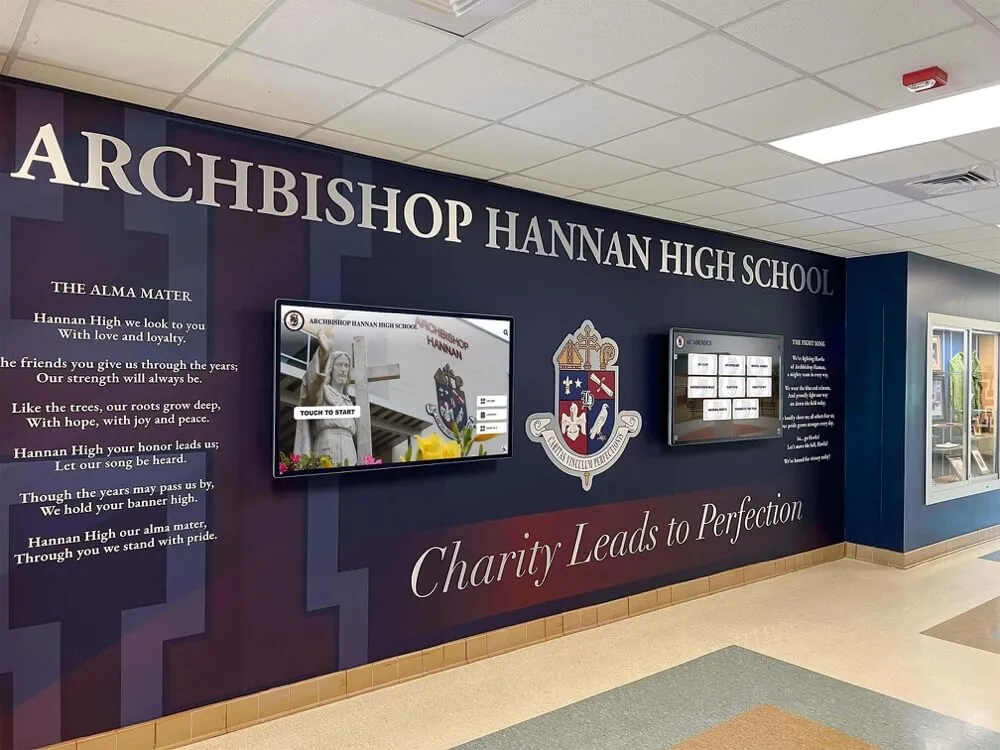
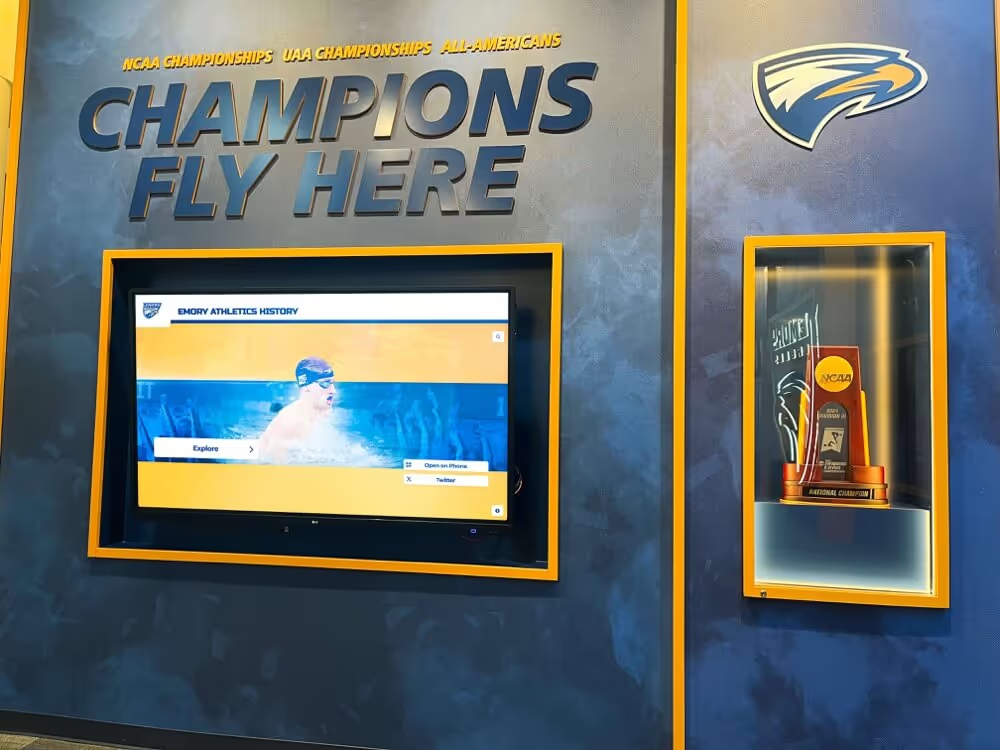
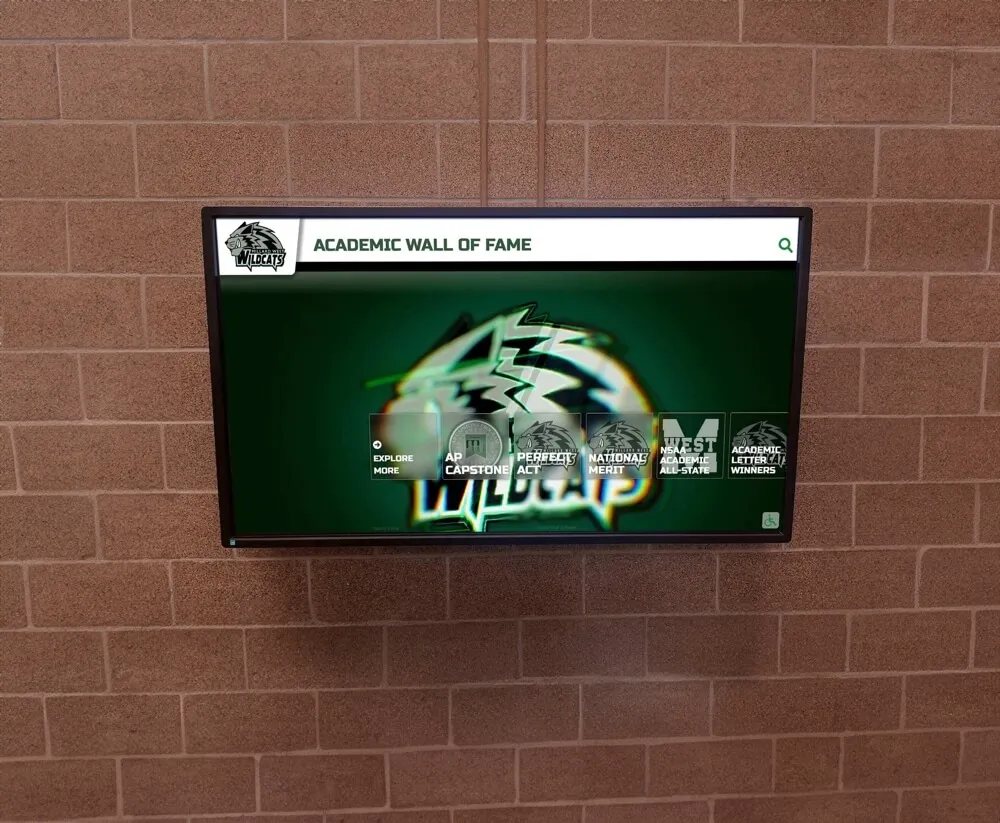
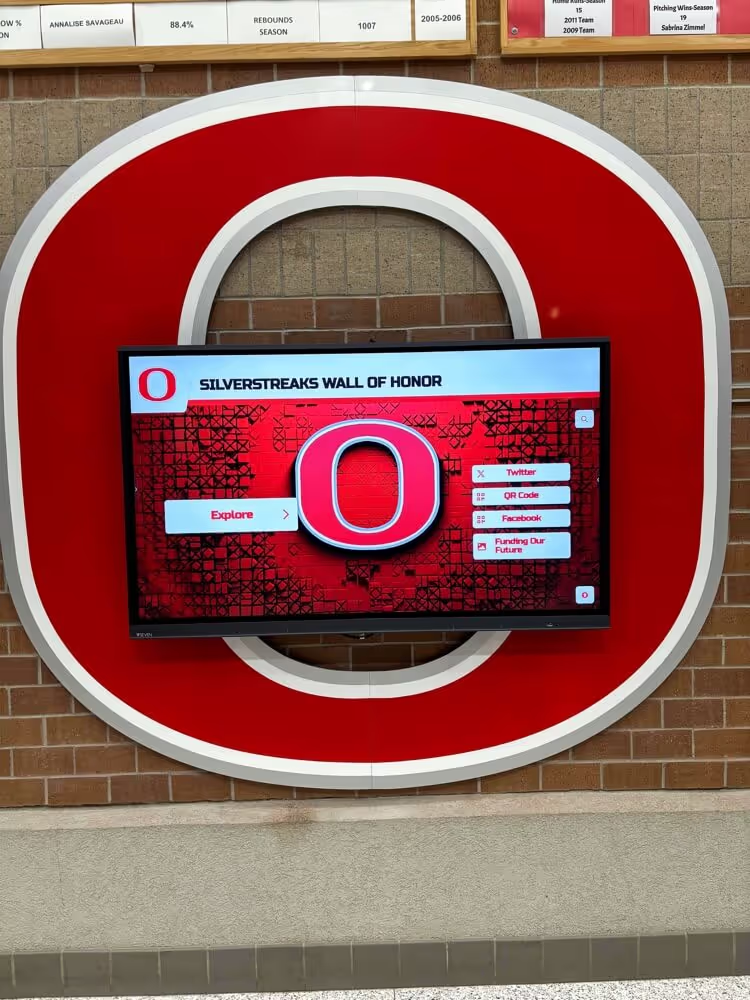
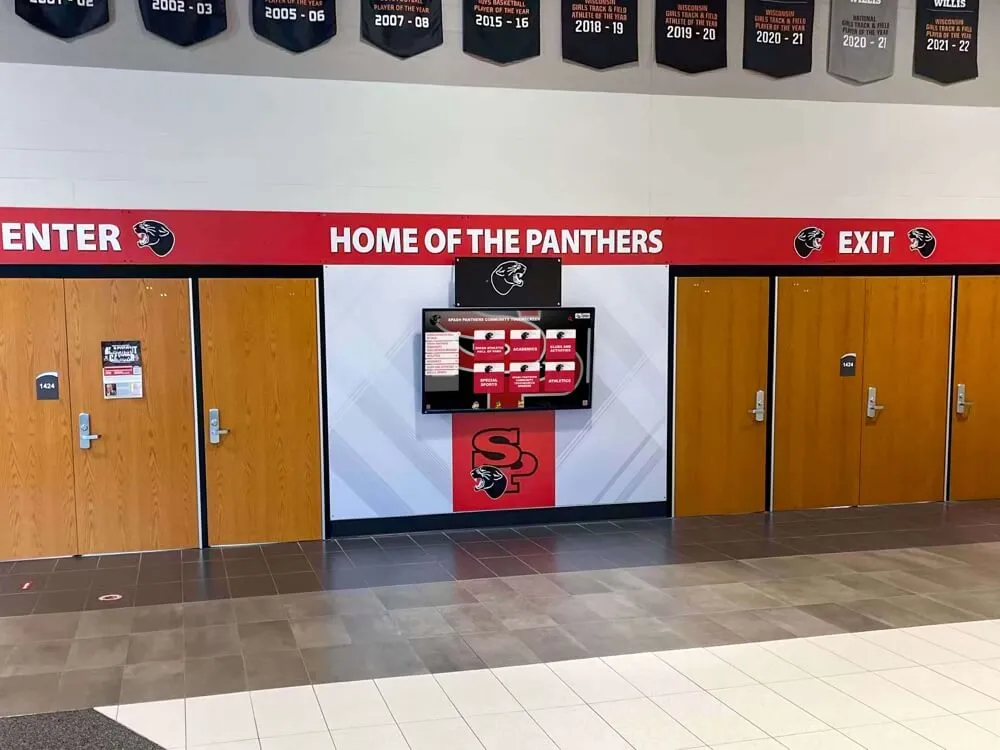
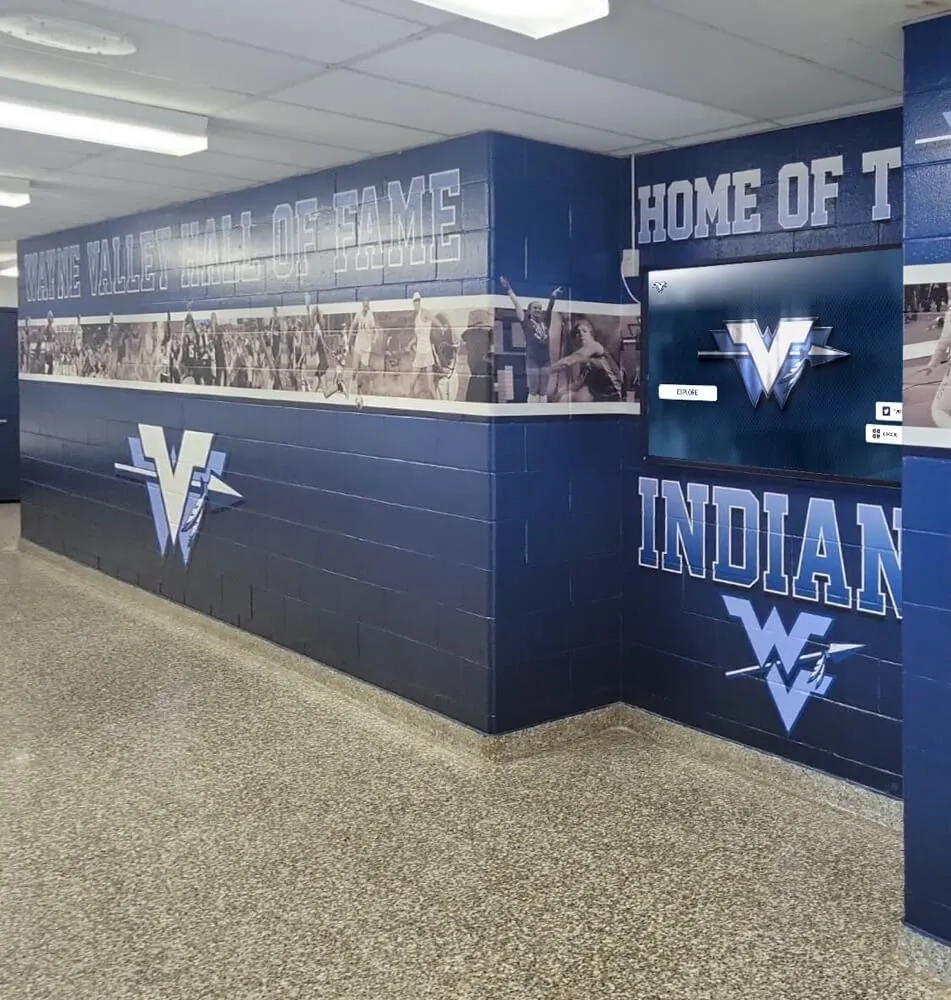
Athletic hallway displays that blend mascot identity with achievement recognition reinforce program culture in spaces athletes pass through daily
Recognition Systems
How a program recognizes achievement powerfully shapes what athletes value and pursue. Recognition systems that acknowledge only end-of-season awards for elite performers communicate narrow priorities. Programs that recognize academic achievement, service, improvement, leadership, and competitive excellence create broader cultures where more athletes feel genuinely seen.
Recognition also operates across time horizons. In-season recognition through social media, announcements, and bulletin board displays keeps athletes motivated during long stretches of a season. Annual recognition through banquets and award ceremonies marks season milestones. And permanent recognition through halls of fame, record boards, and display cases creates the lasting institutional memory that connects generations.
Building Athletic Traditions That Last
Traditions don’t create themselves—they require deliberate establishment followed by consistent reinforcement across years. Athletic directors who understand this invest intentionally in the rituals and ceremonies that become, over decades, the cultural bedrock newer athletes inherit.
Senior Recognition Ceremonies
Senior recognition events—whether senior nights for individual sports or comprehensive senior banquets—formalize the transition of athletes who’ve given years to a program. Done well, these ceremonies communicate that athletic participation represents a meaningful life chapter deserving formal acknowledgment.
The most effective senior recognition programs feature personal tributes from coaches, peer recognition from teammates, family participation, and documentation of each senior’s full career contributions. Awards and recognition ceremonies for high school students that include permanent display elements—a photo, plaque, or digital profile added to a hall of fame system at the ceremony’s conclusion—transform a single evening into a permanent record that athletes can revisit for the rest of their lives.
Annual Hall of Fame Inductions
Hall of fame programs represent one of the most culturally powerful traditions an athletic department can establish. Annual inductions that follow consistent criteria and ceremony formats create anticipation among alumni, provide current athletes with aspirational examples, and generate sustained community attention to program history.
Critically, hall of fame traditions require permanence and visibility to accomplish their cultural purpose. A custom-designed hall of fame that occupies prominent space in an athletic facility—visited by current athletes daily and by alumni who return for games, reunions, and events—continuously reinforces the connection between past excellence and present program identity.
Record Boards and Achievement Milestones
Record boards that document program bests for individual and team performance create an ongoing relationship between current athletes and historical achievement. A swimmer who posts times within striking distance of a program record established fifteen years ago has a connection to that predecessor the record board makes concrete. When they eventually break the record, the moment carries weight that plain statistics can’t replicate.
For measurable-performance sports—swimming, track and field, cross-country, wrestling—maintaining accurate, visible record boards represents one of the most effective culture-building investments an athletic department can make. Schools increasingly use digital record board systems that update automatically, ensuring records are always accurate without relying on manual update processes that frequently fall behind.
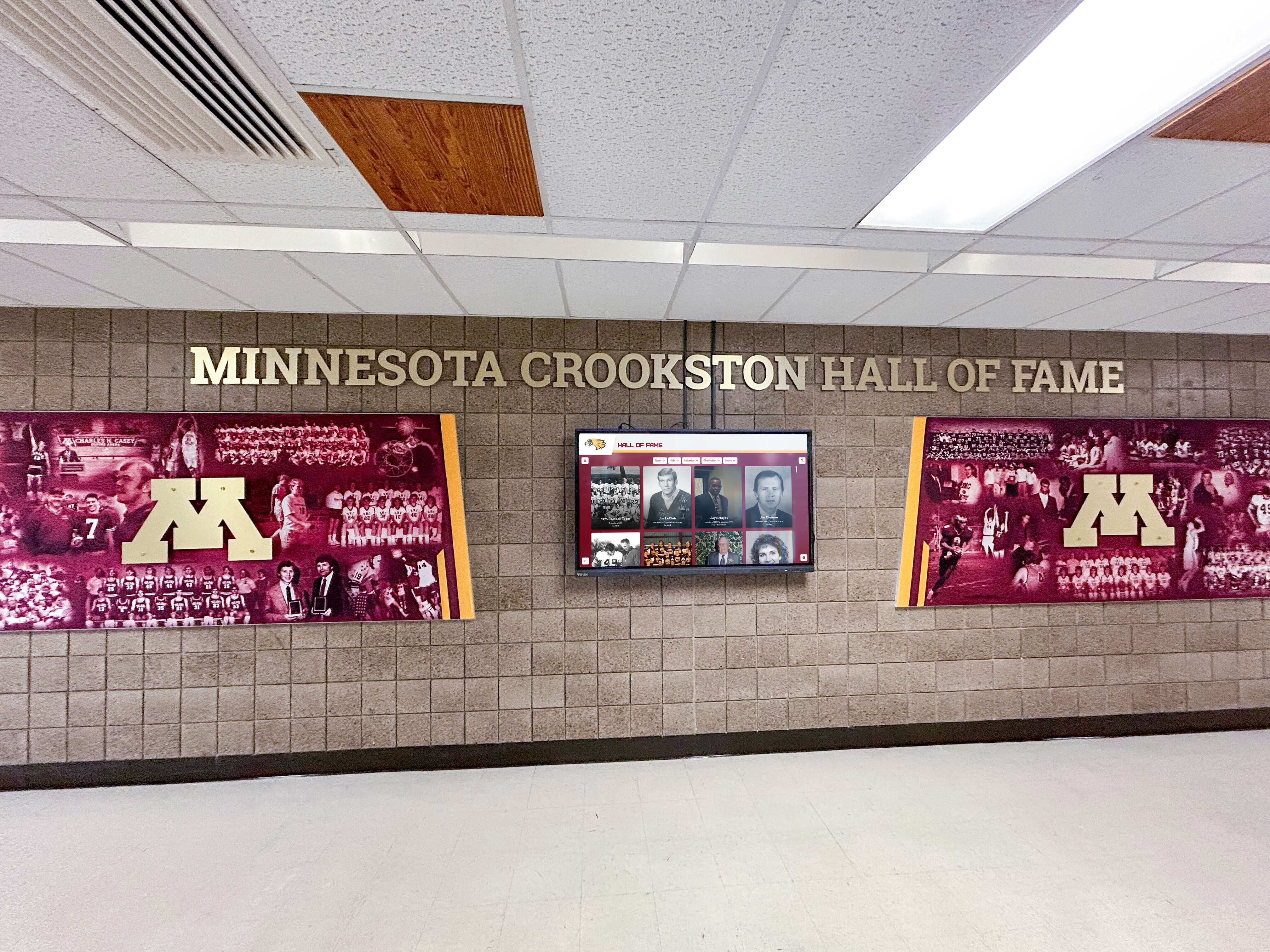
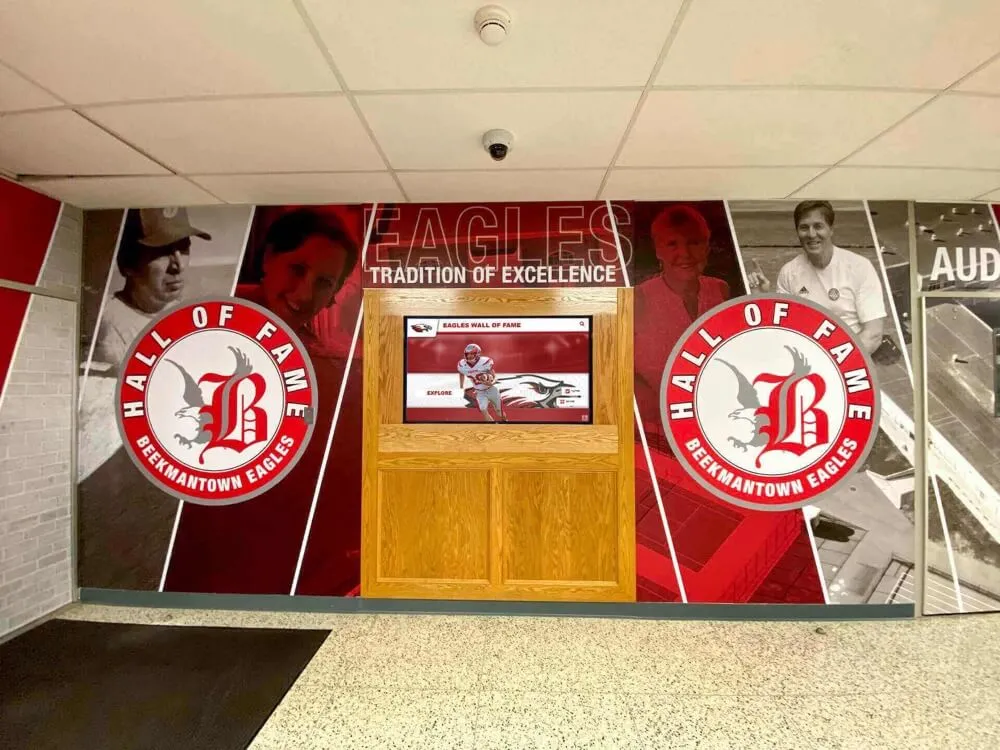
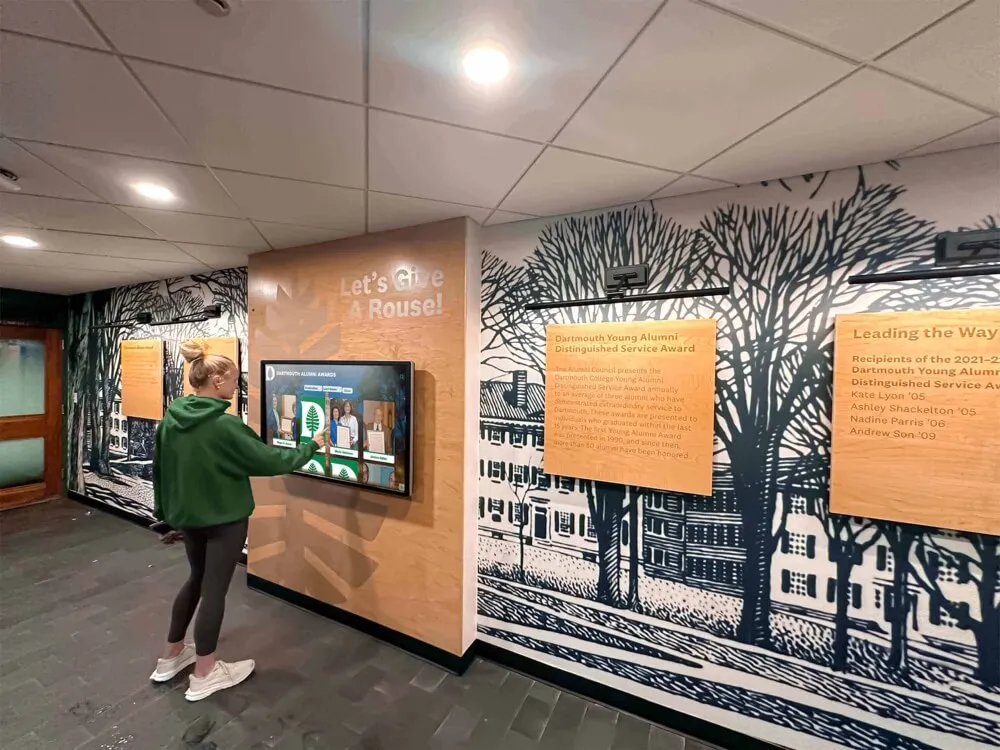
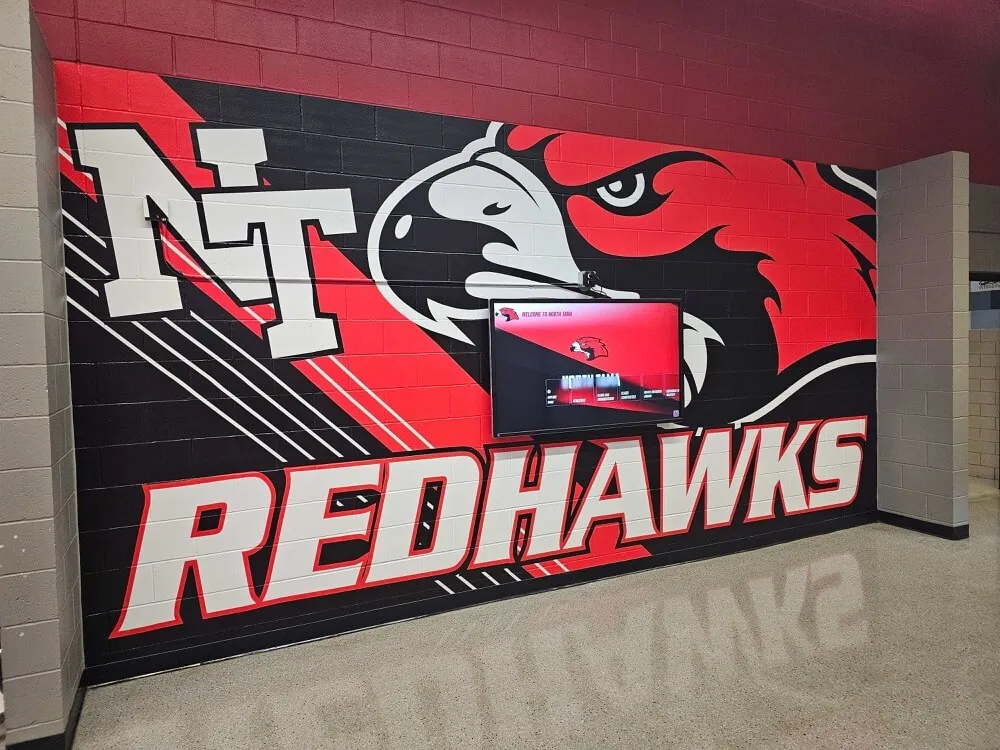
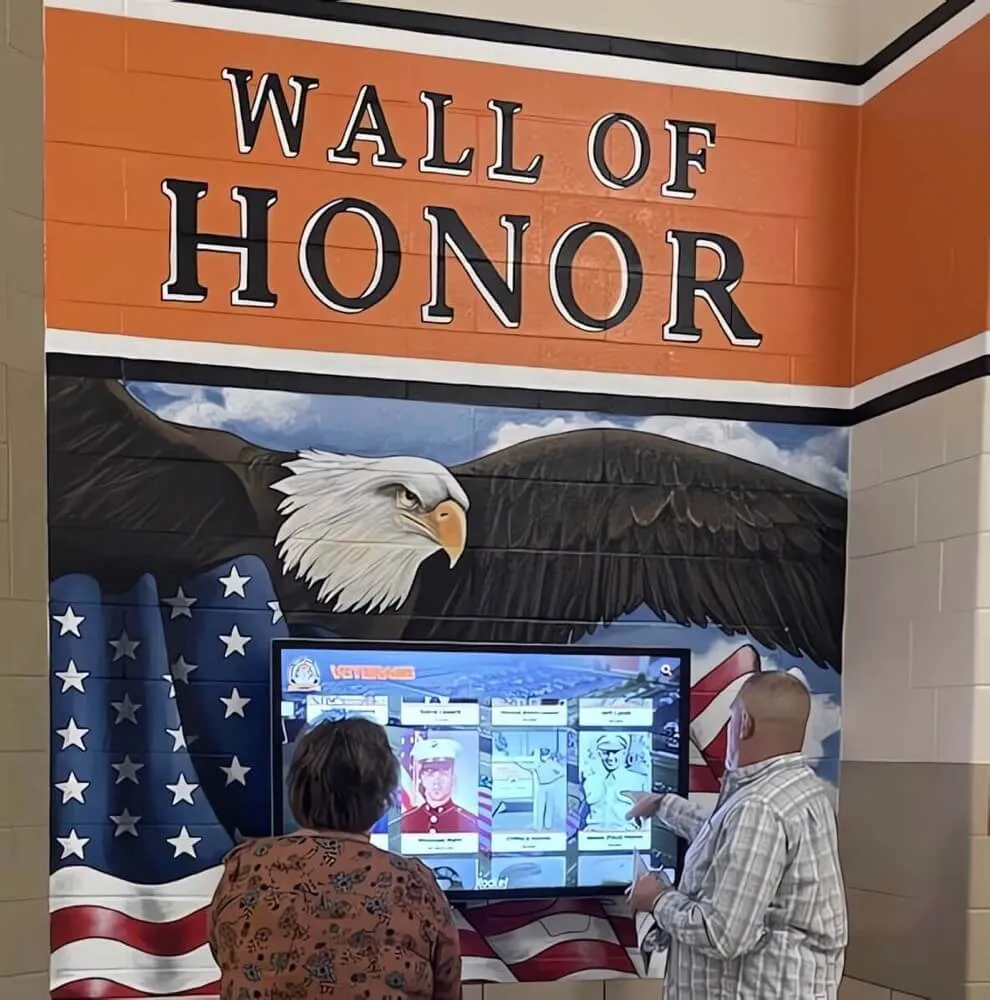
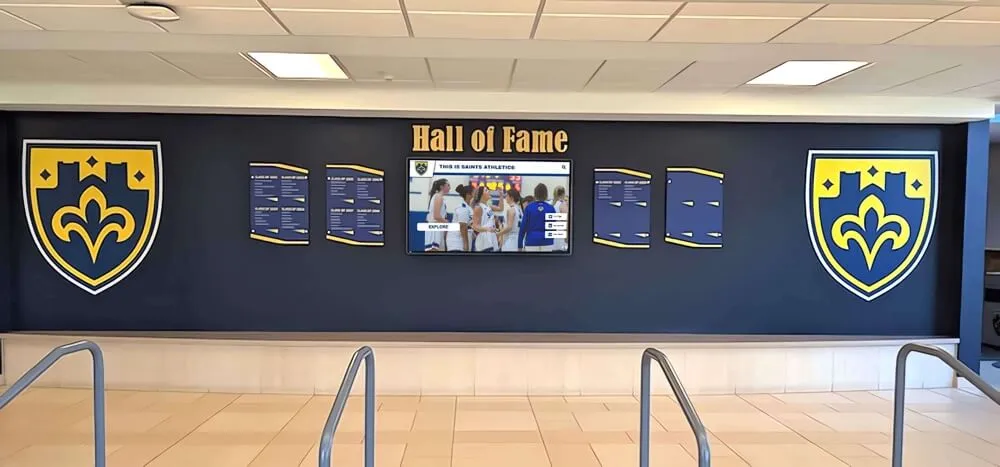
Combining large-format murals with digital displays creates recognition spaces that blend visual impact with the flexibility to honor new inductees without physical renovation
Physical Spaces That Build Athletic Pride
The built environment of an athletic program shapes culture in ways that administration, coaching, and programming cannot replicate. Athletes who train in spaces that visibly honor program history develop a different sense of institutional identity than athletes whose facilities show no evidence of accumulated achievement.
Strategic Trophy and Achievement Display
Most schools accumulate decades worth of trophies, plaques, and awards with no coherent strategy for displaying them. Championship hardware sits in aging trophy cases with fading labels. Plaques accumulate dust in storage rooms. Digital photos of championship teams exist only in personal coaches’ archives. This represents a missed cultural opportunity of significant magnitude.
A comprehensive digital trophy case strategy starts by auditing existing recognition assets and establishing coherent display standards: what gets displayed prominently in athletic lobbies and hallways, how it’s organized and labeled, how physical artifacts connect to digital archives, and how new achievements get systematically added.
Schools that invest in this audit typically discover both more history than they realized they had and significant gaps in documentation—seasons and athletes whose contributions were never formally recognized. Both findings present opportunities to deepen cultural foundations.
Championship Banners and Visual Hierarchy
Championship banners in gymnasiums and field houses serve cultural functions beyond commemorating victories. They establish visual hierarchy that communicates what achievement looks like within your program, they orient new athletes toward long-term goals, and they make program history impossible to ignore during competition.
Managing this visual impact thoughtfully matters. Gymnasiums with banners spanning every available rafter space lose legibility—no individual achievement stands out. Schools managing substantial championship histories benefit from strategies that highlight peak accomplishments prominently while preserving documentation of all achievements across formats. Managing championship banners and gym wall space through a combination of physical banners and digital display systems addresses both the space constraint and the need for complete historical documentation.
Jersey Displays and Alumni Recognition
Retiring and displaying jerseys of exceptional athletes represents one of the most powerful individual recognition gestures available to athletic programs. A retired jersey in a display case communicates an unambiguous institutional message: this athlete’s contribution was singular enough to warrant permanent, prominent acknowledgment.
Schools that combine physical jersey displays with contextual documentation—the athlete’s career statistics, achievements, and story displayed alongside the jersey—create recognition experiences far more meaningful than the jersey alone conveys. Jersey frame display ideas for showcasing athletic achievements increasingly incorporate digital elements that allow visitors to explore the athlete’s full career while standing in front of the framed artifact.
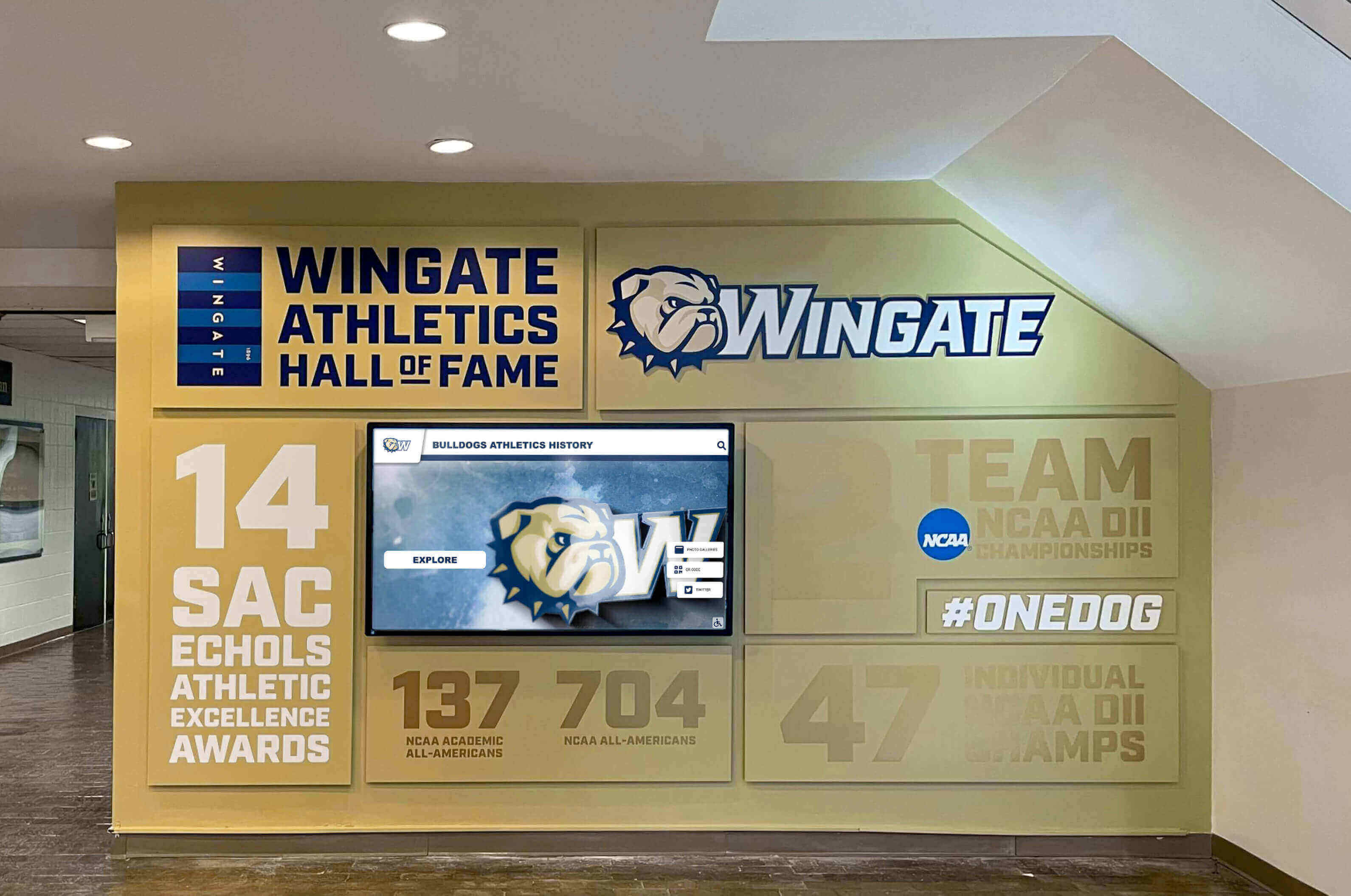
A dedicated hall of fame lobby creates a destination within athletic facilities that draws alumni, prospective athletes, and community members into direct engagement with program history
Hallway and Corridor Recognition Systems
High-traffic athletic corridors—the hallways athletes walk through daily moving between classrooms, locker rooms, and practice facilities—represent continuous cultural real estate that most schools underutilize. These spaces can document program history, current achievements, academic recognition, community service contributions, and motivational content in ways athletes encounter dozens of times per week.
Dedicated athletic hallway displays that evolve over time—updated with current season accomplishments, transitioning to historical documentation at season’s end—create visible evidence of sustained program achievement that shapes athlete identity gradually through constant exposure.
Recognition That Reinforces Culture
The relationship between recognition systems and athletic culture runs deeper than most athletic administrators initially appreciate. Recognition shapes what athletes pursue, what they value, and how they interpret their participation in ways that accumulate into the cultural norms that define a program’s character.
Recognizing the Complete Athlete
Programs that recognize only competitive achievement communicate that athletic participation is purely transactional—effort earns playing time, performance earns awards. Programs that formally recognize academic achievement, leadership, community service, and character development build cultures where athletes understand themselves as complete people whose program membership reflects more than what they do on a scoreboard.
The most culturally effective programs use recognition architecture that spans multiple dimensions. Understanding the full range of academic and athletic recognition programs helps athletic directors design systems that reinforce the values they actually want their programs to embody.
This matters practically: when an athlete sees that academic honor roll recognition receives the same visible, permanent display treatment as all-conference athletic recognition, the message about program priorities is unmistakable.
Honoring Coaches and Support Staff
Athletic department culture extends to the staff who build programs across years and often decades. Coaches who feel genuinely recognized for their work—by administration, athletes, and the broader community—build stronger teams and remain in programs longer, creating the continuity that cultures require to deepen.
Formal coach appreciation and recognition programs that include permanent recognition elements—a display presence within the hall of fame, documented coaching career records, formal ceremony—communicate institutional respect for coaching contributions. Support staff who enable programs to function—athletic trainers, equipment managers, facilities personnel—similarly benefit from recognition that acknowledges their contribution to program success.
Athletic directors who use the right software tools for comprehensive administrative and recognition management find that the logistical overhead of maintaining robust recognition systems decreases substantially, allowing more focus on the human dimensions of culture building.
Preserving Championship Moments
Championship seasons deserve recognition that persists past the celebration season. The rings, banners, and trophies that mark peak achievement carry diminishing cultural impact when their documentation fades—when athletes from winning seasons become names on a faded plaque rather than fully realized figures whose stories current athletes can explore.
Programs that invest in commemorating championship seasons through durable, detailed recognition—with athlete profiles, season statistics, game-by-game documentation, and media archives accessible to current athletes—create living historical resources that continuously renew cultural connection to peak achievement.
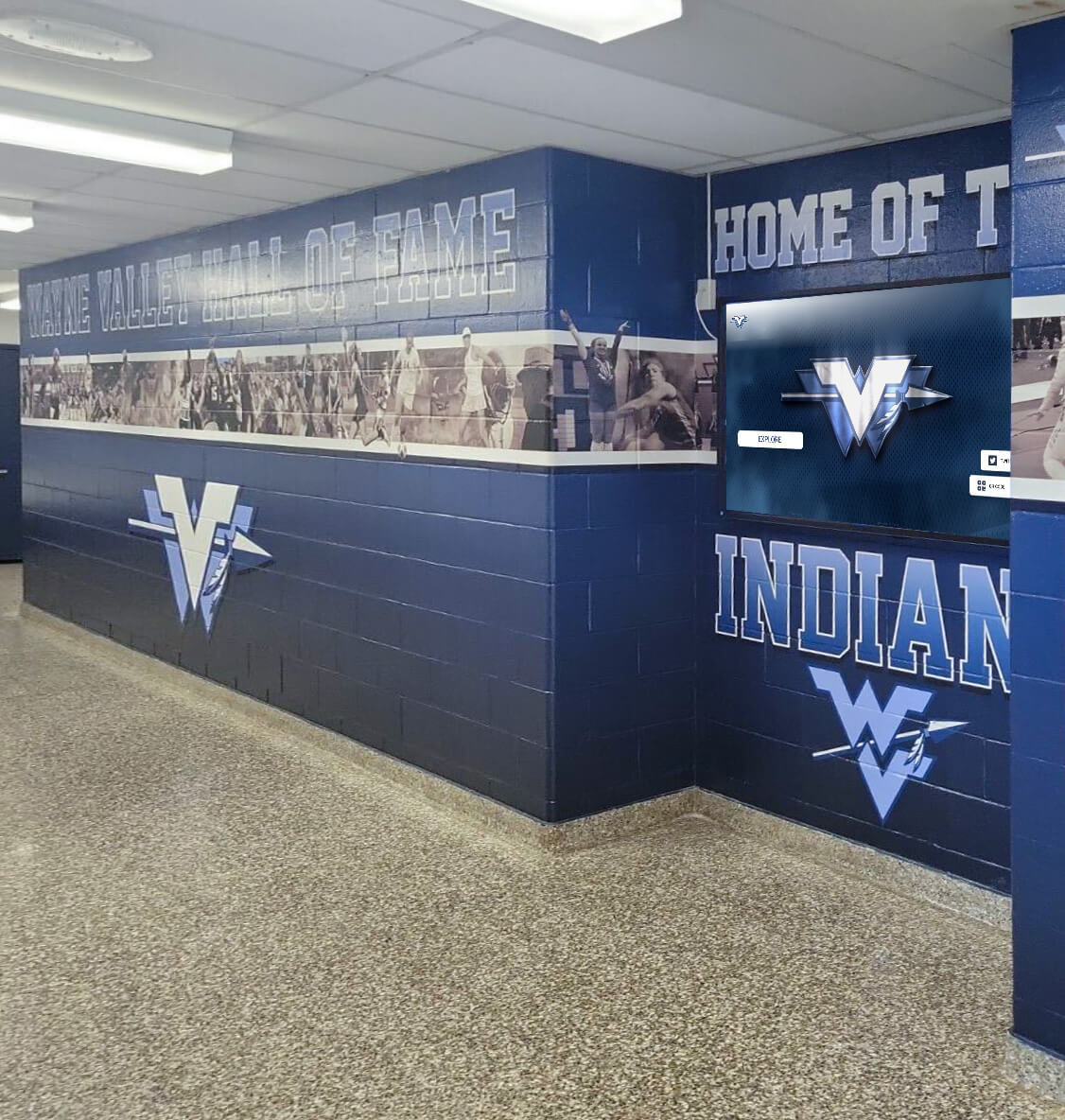
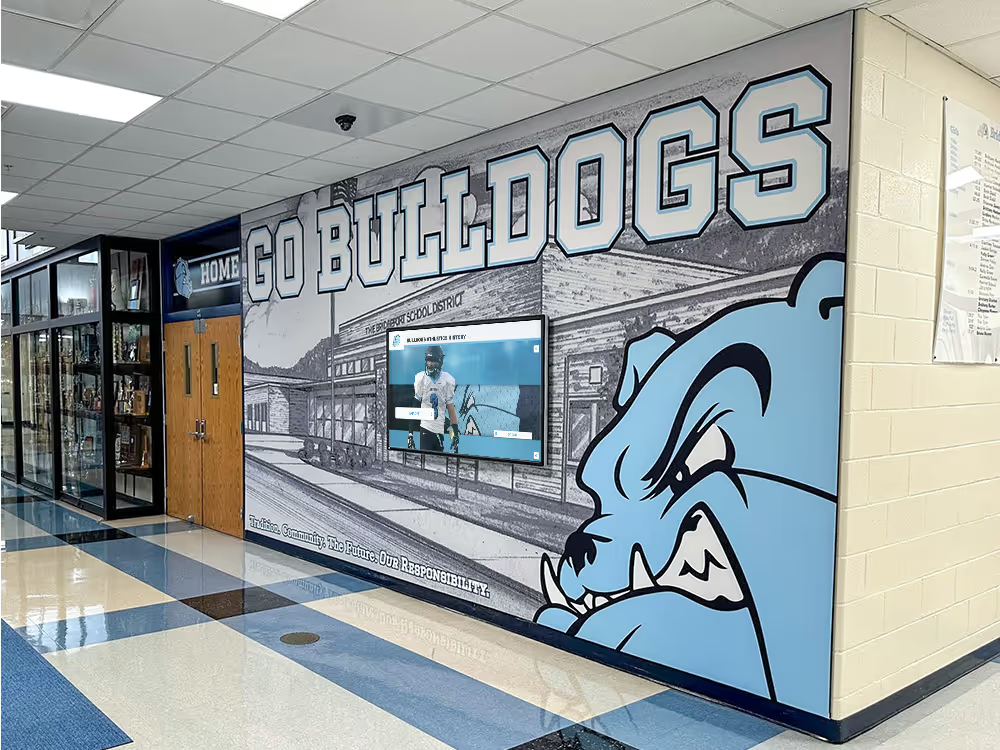
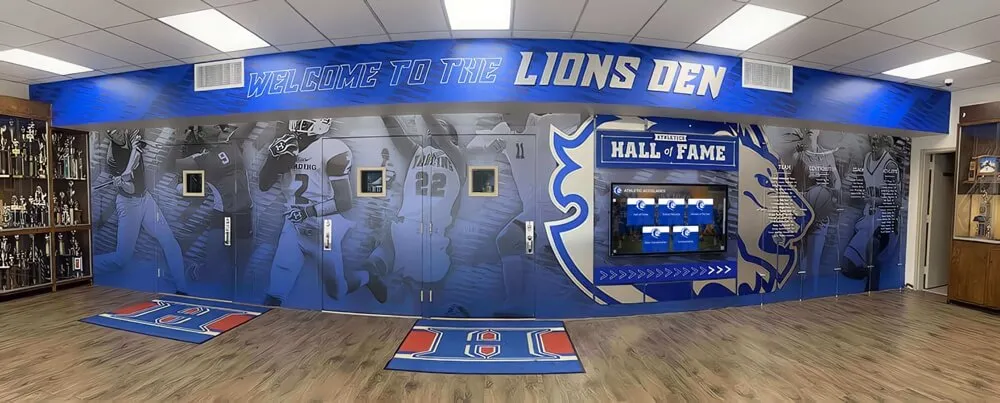
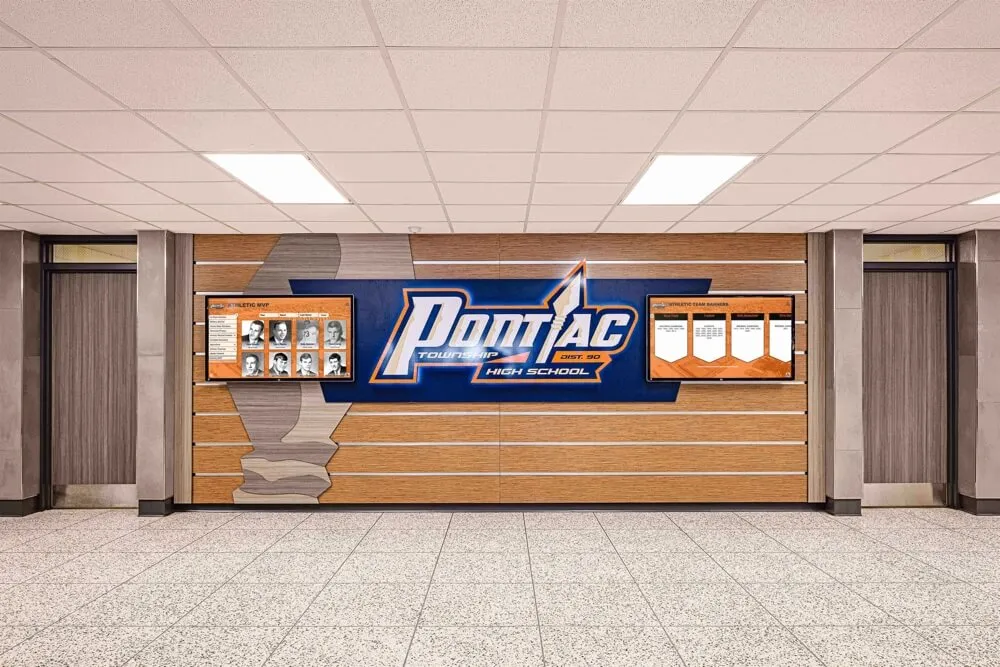
Branded athletic hallway murals paired with structured recognition displays create immersive cultural environments that make program identity unmistakable throughout daily facility use
Alumni Connection as a Cultural Foundation
Athletic programs with the deepest cultures maintain strong alumni connections that sustain cultural continuity across coaching changes and institutional transitions. Alumni who feel genuine ownership of a program’s identity become advocates, mentors, donors, and volunteers who strengthen current teams in ways no budget allocation can replicate.
Systematic Alumni Engagement
Organic alumni engagement rarely sustains itself without deliberate systems. The athletes who graduated three years ago are building careers, families, and geographic distance from their school. Programs that maintain alumni connections invest in regular touchpoints: newsletters documenting current team achievements, formal homecoming engagement events, hall of fame ceremonies that provide legitimate reasons to return, and recognition displays that ensure alumni see evidence of their place in program history when they do visit.
Programs that create comprehensive alumni recognition systems documenting athletes’ complete careers—including their post-graduation achievements—create mutual relationship incentives. Athletes know their school will document and display their achievements; the school knows alumni connected to permanent recognition feel ongoing investment in program success. Recognition plaques and permanent display elements that feature alumni careers within hall of fame contexts give graduates a tangible reason to stay connected to a program’s ongoing story.
Using Alumni as Cultural Ambassadors
Alumni who achieved genuinely at your program carry cultural credibility that current coaches and administrators cannot replicate. When a former All-State athlete who went on to compete collegiately talks to current athletes about what the program meant to their development, the message lands differently than any coach’s speech.
Athletic directors who systematically connect accomplished alumni with current athletes—through hall of fame inductions, guest presentations, alumni mentorship programs, and informal relationship facilitation—use these connections as cultural transmission mechanisms. Alumni who were shaped by program traditions naturally communicate and reinforce those traditions to the next generation.
Bring Your Athletic Program's History to Life
Discover how Touch Archive's interactive touchscreen displays help athletic programs preserve decades of achievement, honor athletes across generations, and build the kind of visible, living culture that current athletes are proud to represent.
Request a DemoDigital Tools for Preserving and Displaying Athletic Culture
The physical spaces and ceremonial traditions that define athletic culture require documentation systems capable of preserving them across time and communicating them to audiences that physical displays alone cannot reach. Digital recognition tools have become central to how modern athletic programs build and sustain culture.
Interactive Hall of Fame Systems
Traditional hall of fame displays—framed plaques mounted on walls, aging photos in cases—serve their purpose for visitors who encounter them in person. But they reach no one who isn’t physically present, they accommodate limited amounts of information per inductee, and updating them requires physical renovation. Interactive touchscreen hall of fame systems address all three constraints.
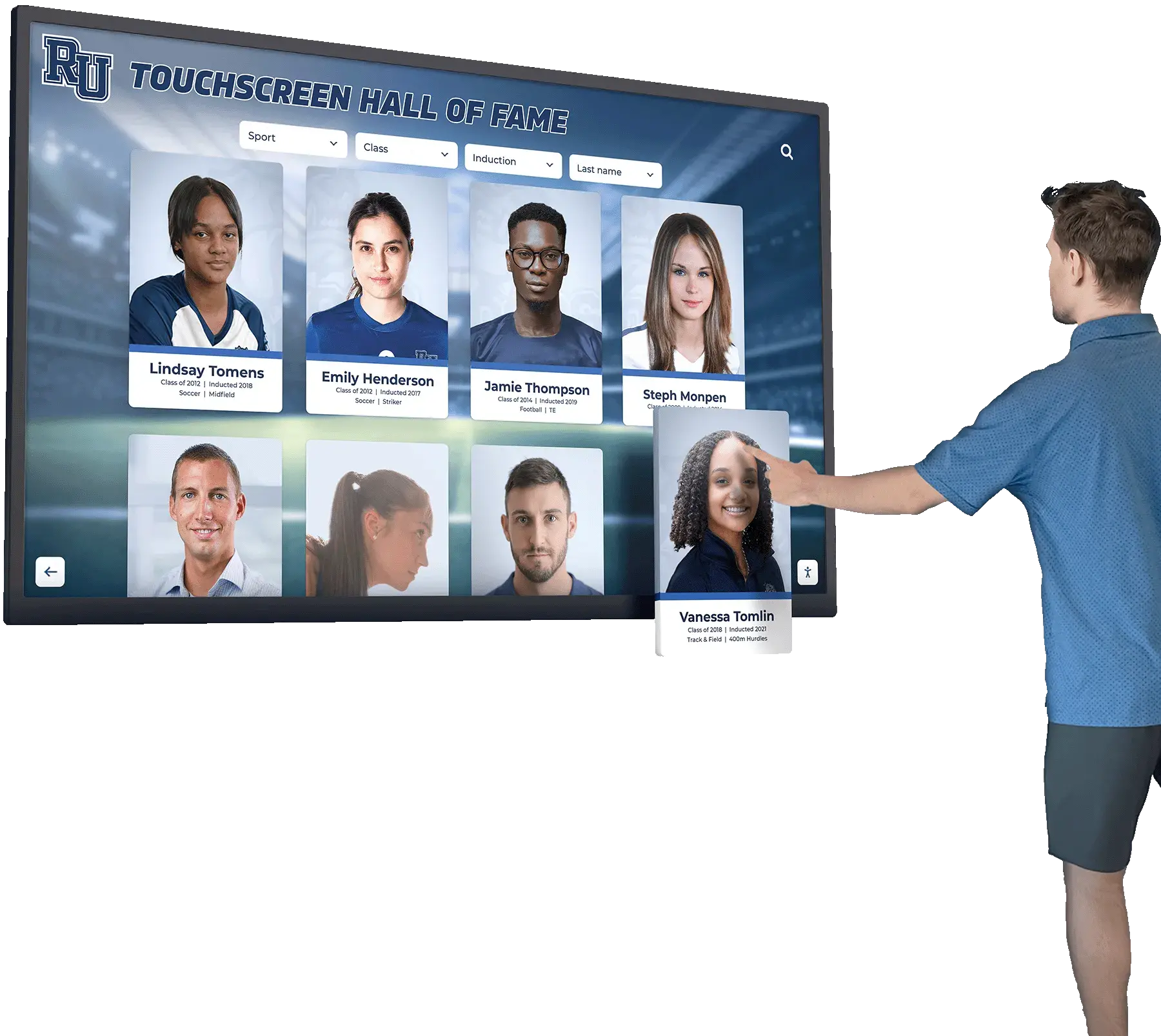
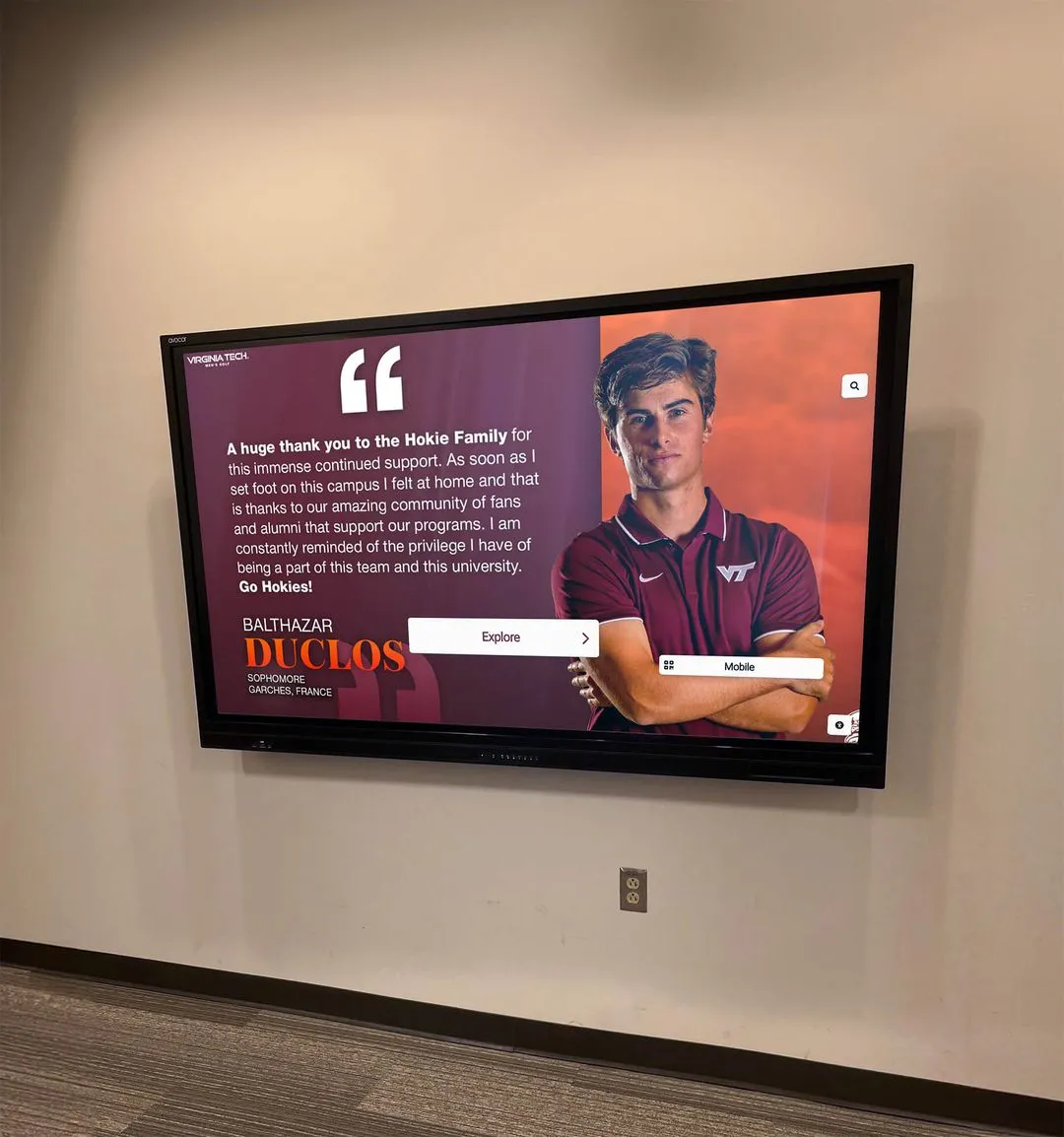
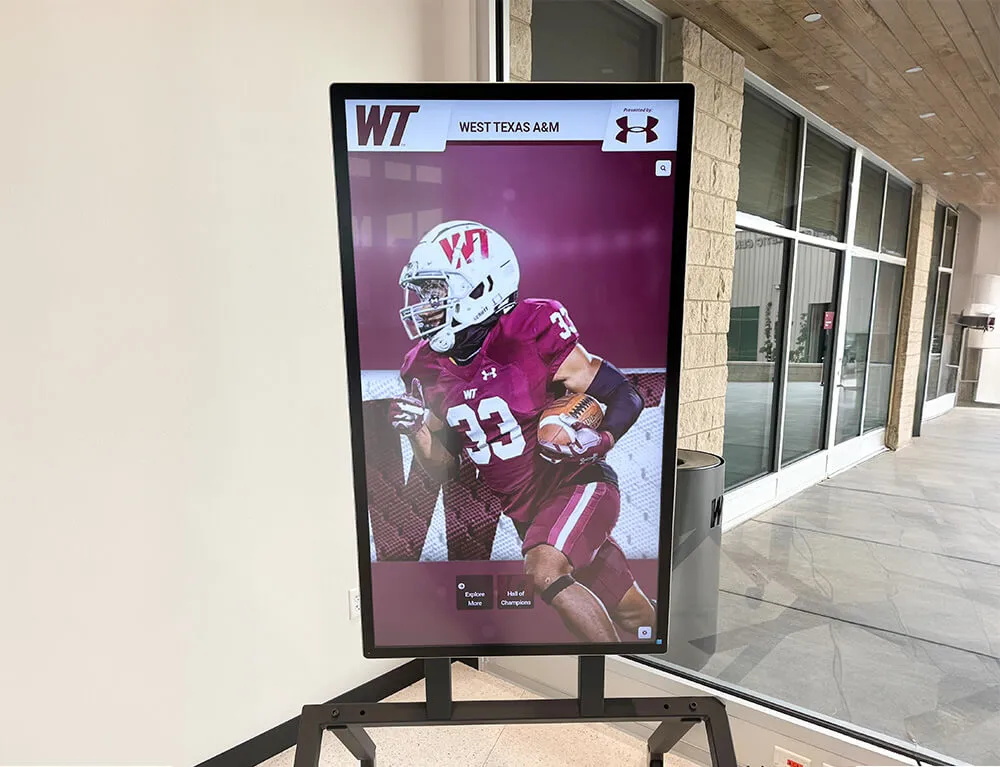
A touchscreen hall of fame allows visitors to browse complete inductee profiles—career statistics, biographical context, video highlights, photos from playing days—while standing at a single display point. New inductees get added digitally without physical construction. And the same content can be accessed remotely through web interfaces, allowing alumni anywhere in the world to explore program history.
Digital Record Boards
For sports where individual and team records carry significant cultural weight, digital record boards that update automatically represent substantial improvements over manually maintained physical boards. Athletes can see current records during practice, creating daily awareness of historical benchmarks they’re competing against or approaching. When records fall, the update is immediate—no waiting for someone to order a new nameplate and install it.
The motivational and cultural effect of accurate, visible records is difficult to overstate for sports where personal improvement is both measurable and meaningful to athlete identity.
Seasonal Archive Systems
Building athletic culture requires accumulating institutional memory systematically, season by season. Programs that document each team’s season—final record, individual honors, key milestones, photos, and video—create archives that grow more culturally valuable over time. A student who discovers their parent’s high school team documented in a searchable digital archive develops an immediate personal connection to program history.
Season documentation is most effective when it’s systematic and consistent: the same information captured for every team every year, organized in formats athletes and alumni can browse intuitively.
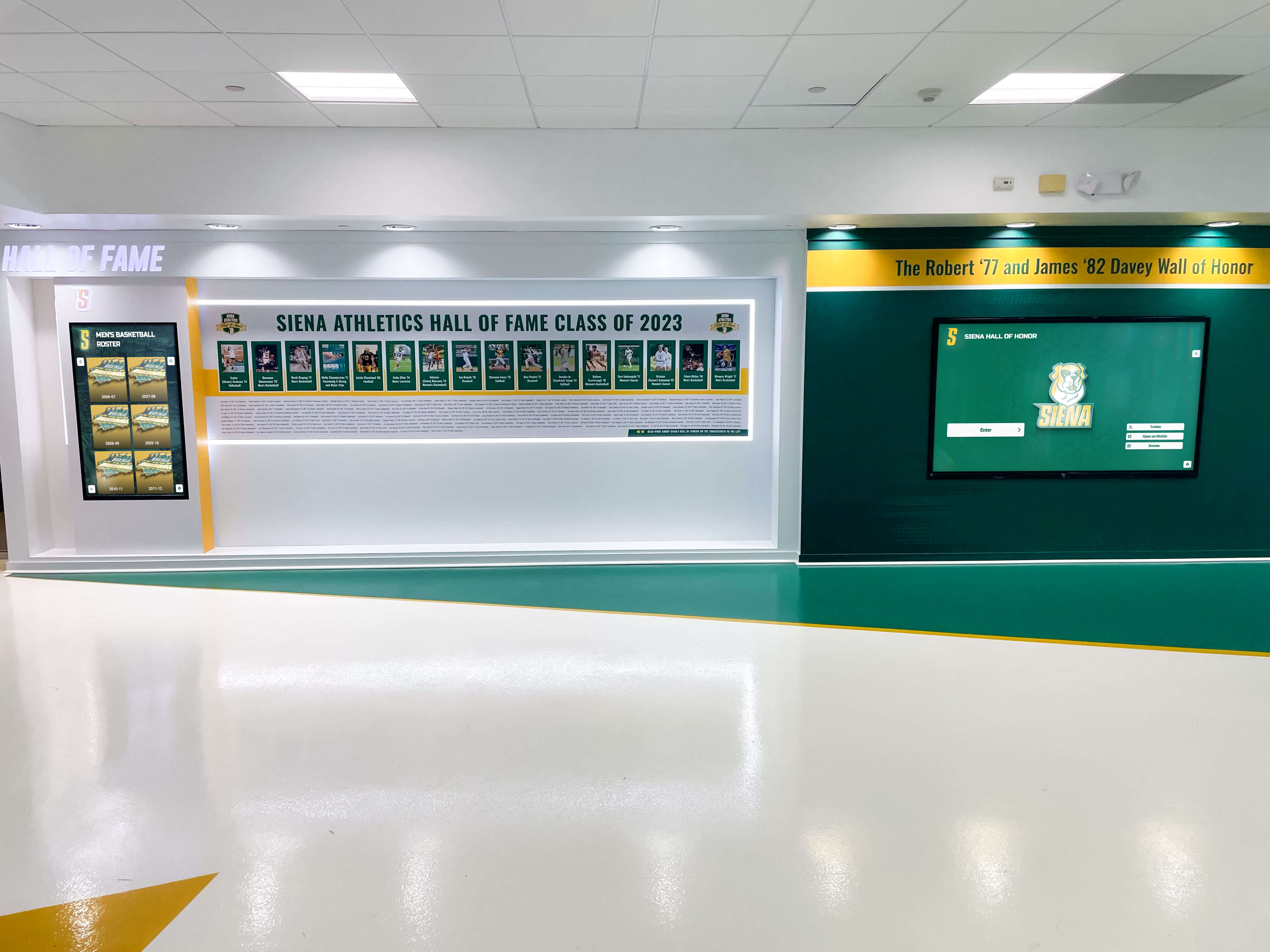
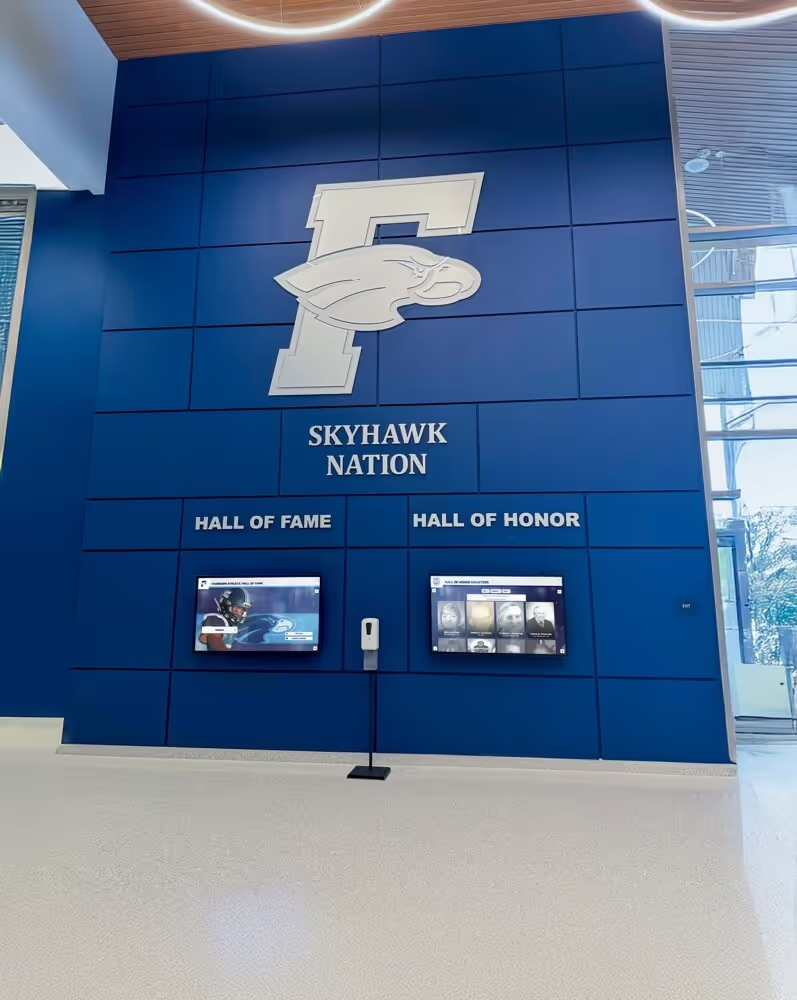
Annual hall of fame wall displays create accumulating visual records of program excellence that grow more culturally significant with each class inducted
Practical Steps for Athletic Directors
Building athletic department culture is a long-term investment, but specific, concrete actions can produce measurable improvements within a single academic year.
Audit Your Current Recognition Assets
Start with a comprehensive inventory of what you’re currently doing and displaying. Walk your athletic facilities with fresh eyes: what story do the walls tell? What’s missing? What exists in storage or in coaches’ hard drives that deserves permanent display?
Identify gaps between the history you have and the history you’re actively honoring. Most programs discover both rich archives they’ve underutilized and significant periods poorly documented. Both represent opportunities.
Establish Recognition Calendars
Culture requires consistent rhythms. Map your annual recognition calendar explicitly: which events happen when, what recognition occurs at each, and how those moments connect to permanent documentation systems. Senior night ceremonies, banquet awards, hall of fame inductions, and record board updates should all be scheduled, planned, and resourced consistently—not handled ad hoc based on available time.
Invest in Facilities That Signal Priorities
Every physical investment in athletic recognition—a renovated trophy display area, a new interactive hall of fame, branded hallway murals, updated record boards—sends a clear message to athletes, coaches, families, and the community about institutional priorities. Facilities that look neglected communicate neglect. Facilities that look carefully maintained and thoughtfully organized communicate care and pride.
Prioritize investments that have the highest daily exposure: the spaces athletes walk through every day will shape their sense of program identity far more than elaborate facilities they encounter only during occasional events.
Build Coach Accountability for Culture
Athletic directors set the tone for program culture, but coaches build it day to day. Coach hiring decisions, performance evaluations, and professional development investments all shape whether the values an athletic department espouses are actually lived in practice facilities, locker rooms, and competitive venues.
Building coaching staff recognition into formal systems—publicly acknowledging coaches whose programs reflect program values, providing coaches with resources to build their own team cultures, and including cultural metrics in performance conversations—reinforces that culture is a professional priority, not a background concern.
Long-Term Cultural Sustainability
Athletic department culture doesn’t maintain itself. Coaching turnover, administrative changes, facility aging, and the natural drift of institutional attention create ongoing risks to cultural continuity. Sustained cultures require ongoing investment and periodic renewal.
The most durable athletic cultures have two key characteristics: they’re embedded in physical infrastructure that persists across coaching generations, and they have systematic processes—hall of fame programs, annual ceremonies, digital archives—that continue regardless of who’s in specific roles.
When culture lives primarily in the knowledge and practices of specific coaches, it’s vulnerable to turnover. When it lives in buildings, in archives, in ceremonies with documented formats, and in recognition systems with established criteria, it has institutional permanence that individual changes can’t easily disrupt.
Athletic directors who think deliberately about which cultural elements they’re building into durable infrastructure—versus which depend on specific people staying in place—make strategic choices that compound positively over years. Each generation of athletes who inherits a strong culture and adds to it passes along something more substantial than they received.
Build Athletic Culture That Lasts Generations
Touch Archive helps athletic programs create the visible, lasting recognition infrastructure that sustains program pride across coaching changes and institutional transitions. From interactive hall of fame systems to comprehensive season archives, our digital displays transform how schools honor their athletic heritage.
Request a DemoConclusion: Culture as the Athletic Director’s Most Important Work
Athletic department culture is the environment in which everything else in a sports program happens. Talented athletes develop more completely in programs with strong cultures. Coaching quality attracts and retains better coaches. Community support deepens when communities feel genuine pride in what a program represents. Fundraising succeeds more easily when donors feel connected to institutional history and purpose.
Building that culture requires consistent attention across multiple dimensions: the values coaches enforce daily, the rituals and traditions programs maintain across years, the physical spaces that honor history and signal priorities, and the recognition systems that communicate what programs genuinely value.
Digital tools have made one historically challenging dimension of culture building—preserving and communicating institutional history—substantially more accessible. Programs that invest in comprehensive, searchable, visually compelling recognition archives create resources that strengthen cultural connections across geographic and temporal distance in ways physical displays cannot match.
The athletic directors who build the most enduring cultures treat recognition, history preservation, and facility investment not as administrative overhead but as core strategic work. They understand that every athlete who walks through a facility and encounters visible evidence of accumulated program excellence receives a message about what their participation means—and that message shapes the effort, pride, and commitment those athletes bring to every practice, every game, and every moment of their tenure in the program.
Strong athletic department culture is built incrementally, through hundreds of consistent choices across years. Start with the decisions in front of you: the display that should be updated, the recognition system that deserves more visibility, the tradition that should be formalized, the archive that should be digitized. Each step builds on the ones before it, and the compounding value of sustained cultural investment eventually creates something no single initiative could produce—a program identity so distinctive and well-established that athletes seek it out, alumni never fully leave it, and communities organize their pride around it.