



When a school district prepares to hire its next athletic director, the interview process often reveals more about the institution’s values than the candidate’s résumé ever could. The questions a search committee asks—and the answers they reward—signal what the school genuinely cares about: championship banners, or championship culture; seasonal wins, or generational memory. Increasingly, forward-thinking schools structure athletic director interviews around a distinct cluster of concerns: how will this person steward our records, govern our recognition programs, maintain our halls of fame, and keep alumni connected across the decades? This guide collects and explains those questions so that both hiring committees and candidates arrive prepared.
Athletic director interview questions span a wide range of topics, from budget management to scheduling conflicts. But the questions that best predict long-term program health tend to focus on institutional memory—the systems, traditions, and community bonds that outlast any single coaching staff or athletic season. The sections below organize these questions by theme, explain what each question is really trying to surface, and suggest the governance frameworks that strong candidates reference in their answers.

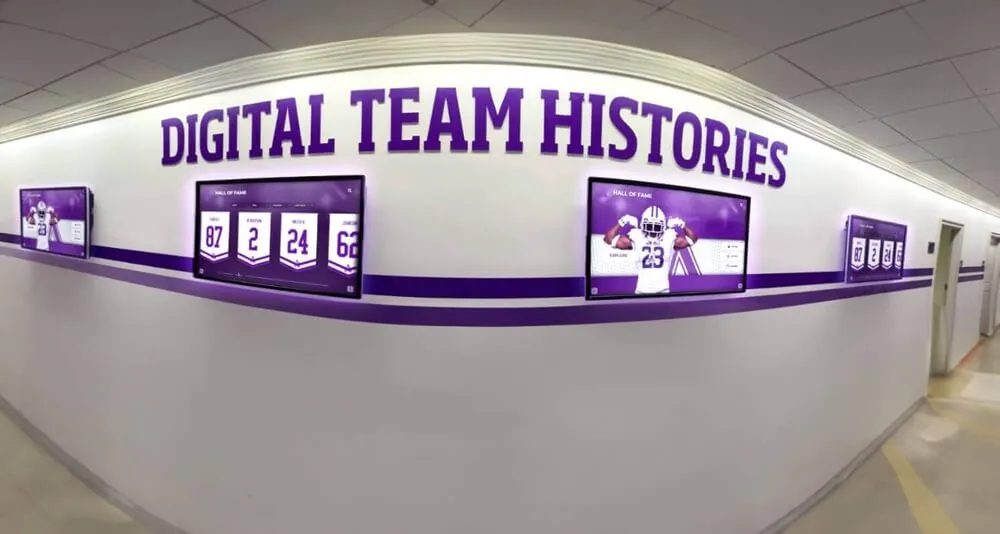
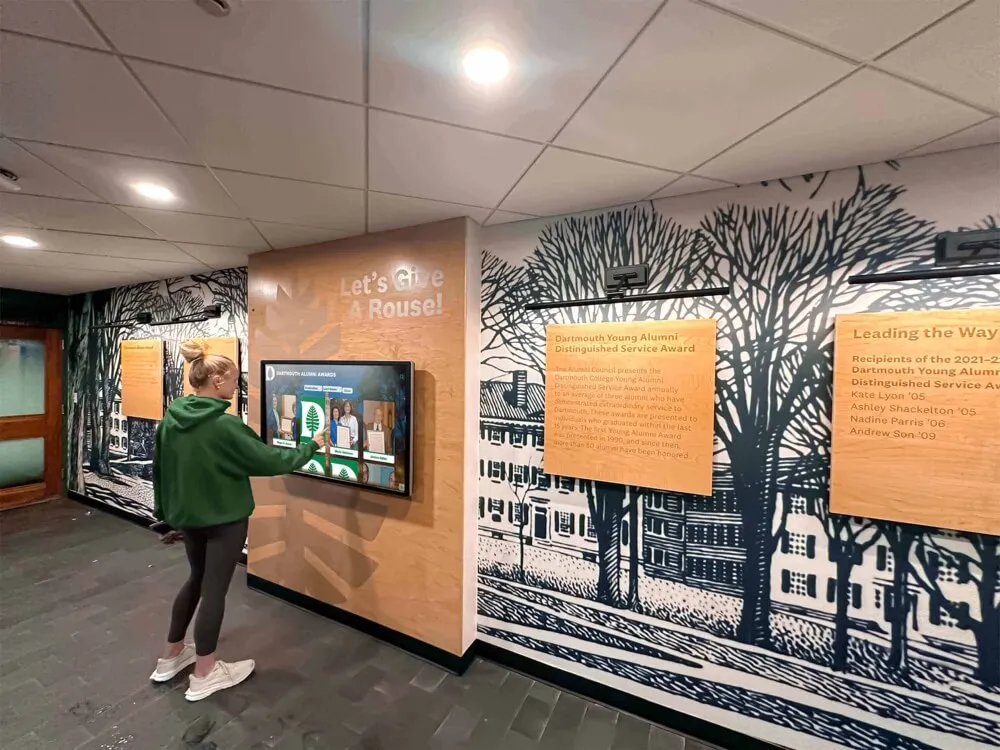
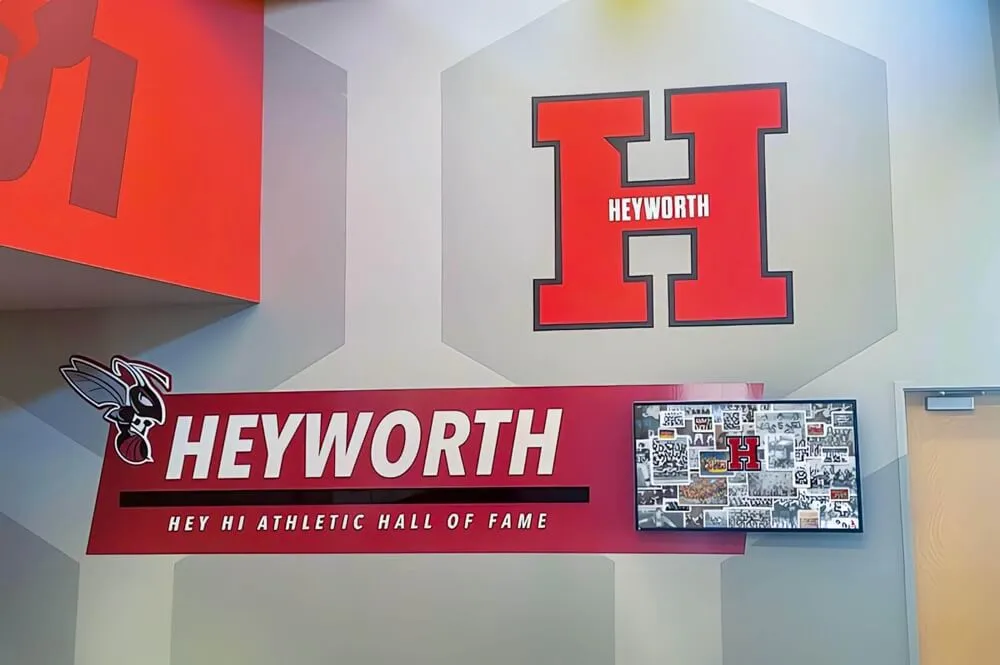
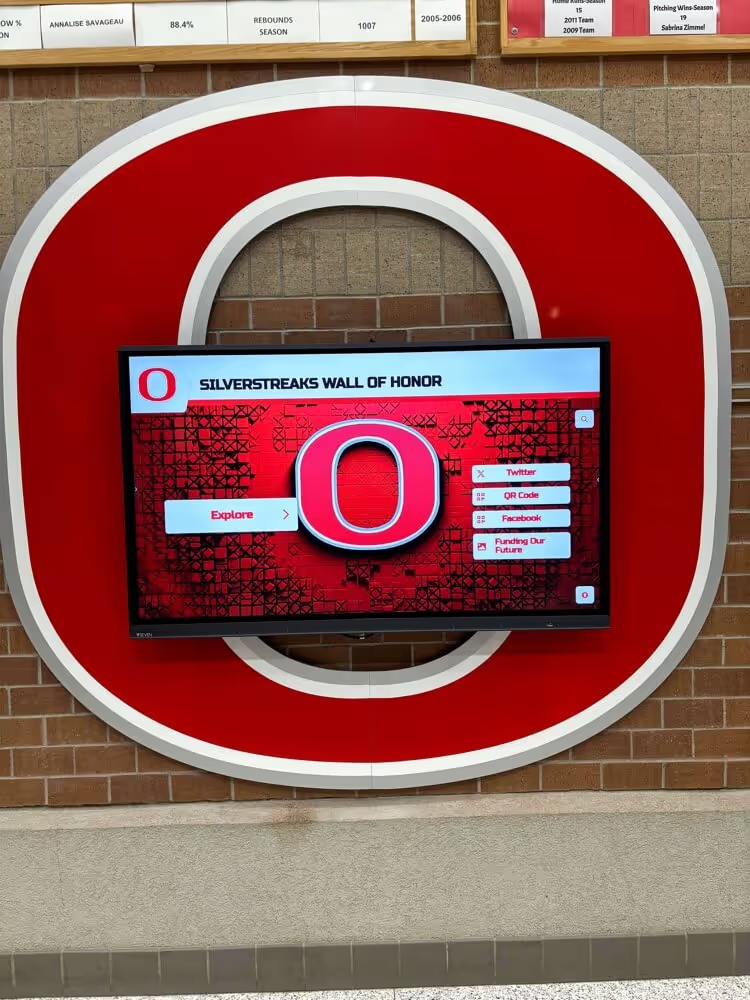
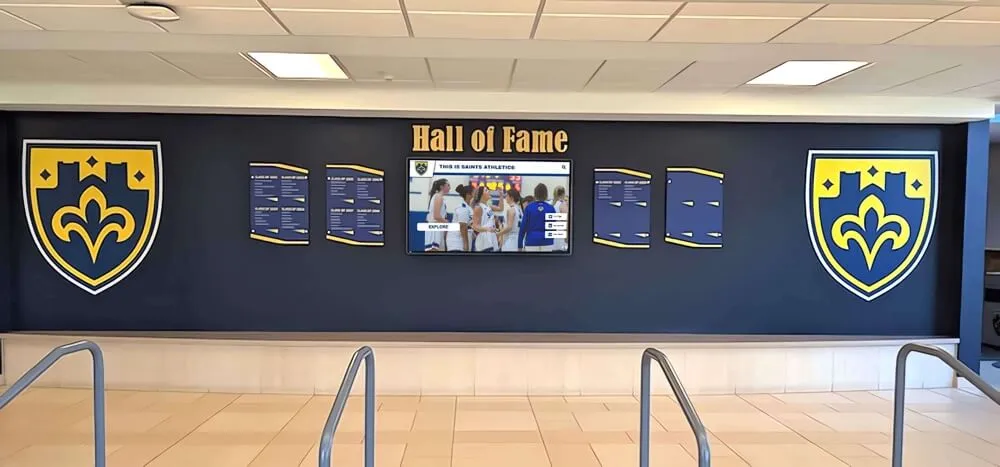
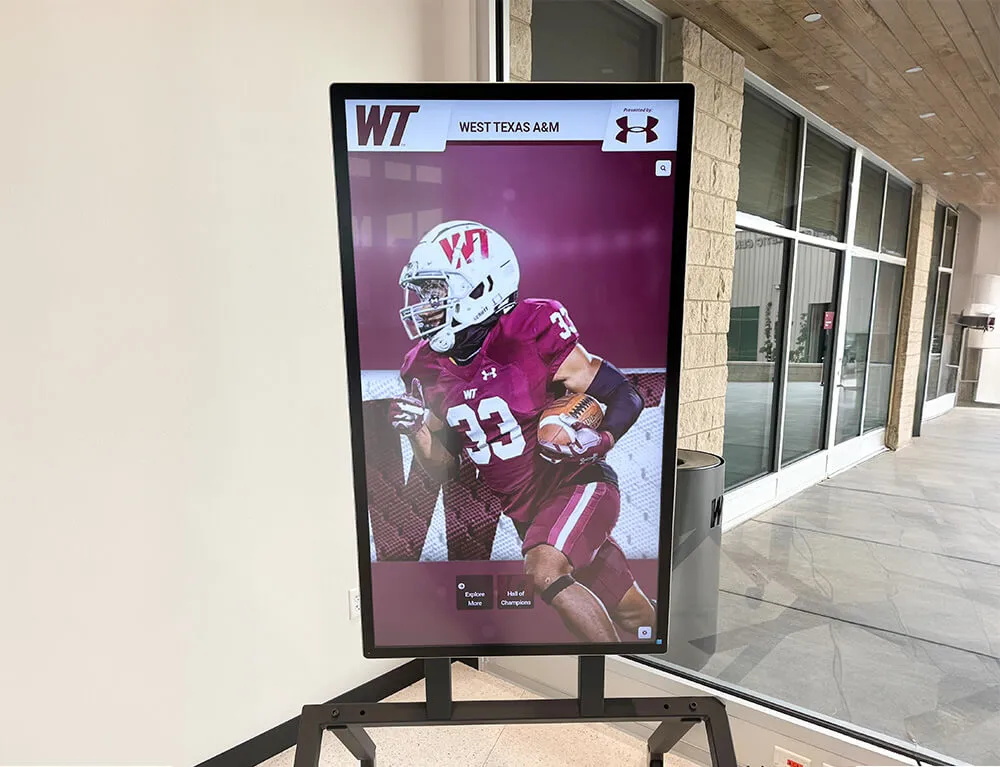
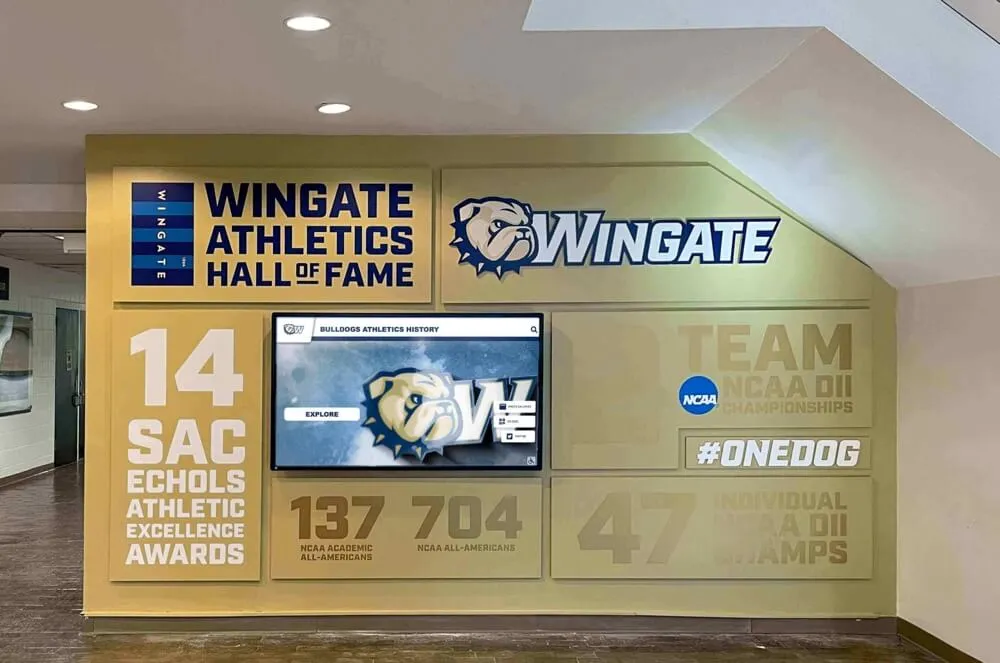
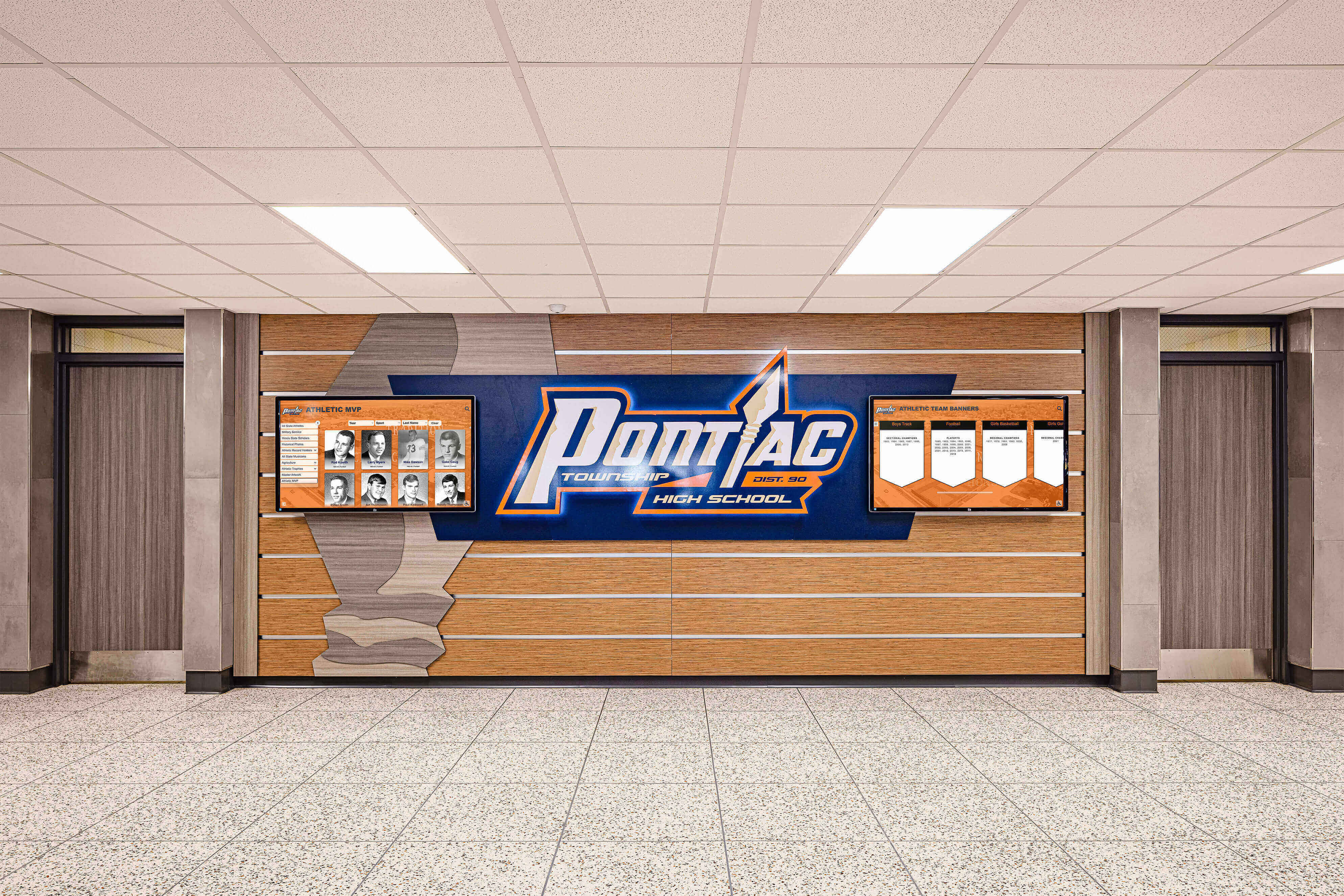
Modern athletic recognition programs blend physical displays with digital archives that remain searchable for alumni decades after graduation
What Hiring Committees Are Really Asking
Before diving into specific questions, it helps to understand the underlying concerns driving this category of inquiry. Schools that ask about recordkeeping and recognition are usually grappling with one or more of the following challenges:
- Records exist only in spreadsheets or institutional memory, with no searchable archive
- Hall of fame inductee criteria were never written down, creating inconsistency across selection cycles
- Alumni engagement has plateaued because graduates have no easy way to revisit their athletic histories
- Physical trophy cases and record boards have become outdated or overcrowded, and no one owns the update process
- Display governance—who can add, modify, or remove a recognized athlete’s name—is ambiguous
An athletic director who can speak directly to these pain points in an interview demonstrates both strategic vision and operational competence.
Athletic Director Interview Questions: Records and Recordkeeping
“How would you approach auditing and organizing existing athletic records?”
What the question surfaces: Whether the candidate treats records as living institutional assets or static files.
Strong candidates describe a phased approach: first inventorying what exists (paper ledgers, spreadsheets, trophy case plaques, printed record boards), then digitizing and centralizing records into a searchable system, and finally establishing an update workflow so current-season performances can be entered within a defined timeframe after each season ends.
Weaker answers focus only on digitization without addressing the ongoing governance question—who enters records, who approves changes, and how corrections are handled when a record is later disputed.
Follow-up questions hiring committees use:
- How would you handle a situation where two sources disagree on an all-time record?
- Who on your staff would own record updates during the season?
- What is your philosophy on preserving records from before formal digital tracking began?
“Describe your experience with athletic record verification and dispute resolution.”
What the question surfaces: Operational maturity around data integrity.
Athletic record disputes are more common than outsiders expect. A swimmer’s best time may appear differently in a meet program, a coach’s logbook, and a state association database. A candidate who has navigated these conflicts—and who has built simple verification protocols to prevent them—signals the kind of attention to institutional accuracy that protects the school’s credibility over time.
“What systems have you used or would you implement for preserving statistical records?”
What the question surfaces: Technology fluency and vendor awareness.
Candidates should be able to discuss both short-term options (spreadsheet-based tracking, integration with existing athletic management software) and long-term archiving approaches—including digital display platforms that make records publicly visible in hallways or lobbies rather than locked in administrative databases. Schools exploring interactive display solutions for recognition and information increasingly expect athletic directors to understand how record data flows from administrative systems to public-facing displays.
Interview Questions About Awards and Recognition Programs
“How do you evaluate whether a recognition program is working?”
What the question surfaces: Whether the candidate thinks about recognition as a program with measurable outcomes, not just an annual event.
Effective athletic recognition programs share several characteristics: clear eligibility criteria documented in writing, consistent application of those criteria across seasons and sports, a defined calendar so recipients know when to expect announcements, and some mechanism for archiving past recipients so the recognition history is accessible to future students and alumni. Candidates who describe only the ceremony—the banquet, the plaques, the trophies—without addressing the underlying governance are missing the programmatic layer that makes recognition durable.
Strong answer indicators:
- References to written criteria updated on a defined cycle
- Mentions of an archive where past recipients can be looked up
- Awareness that recognition gaps (years where records are spotty) undermine credibility
“What is your approach to equitable recognition across all sports and genders?”
What the question surfaces: Commitment to Title IX principles in recognition as well as competition.
This question is increasingly standard in high school and collegiate athletic director searches. The best candidates articulate a structural approach—ensuring that award categories exist proportionally across sports, that display space is allocated fairly, and that historical records are curated with the same care for lower-profile sports as for football or basketball.
Committees increasingly note that digital recognition platforms can address physical space constraints that previously caused inequitable display practices. When a hallway only has room for twenty trophy cases, smaller sports get crowded out. Digital trophy case solutions allow unlimited depth—every sport, every season, every award—without requiring additional square footage.

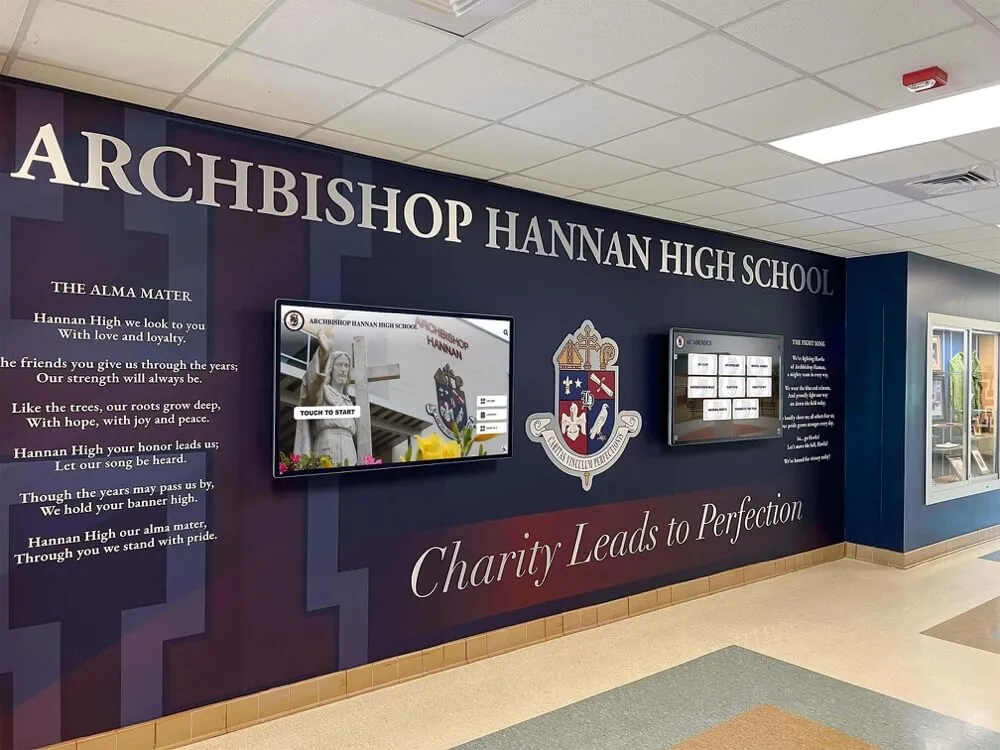
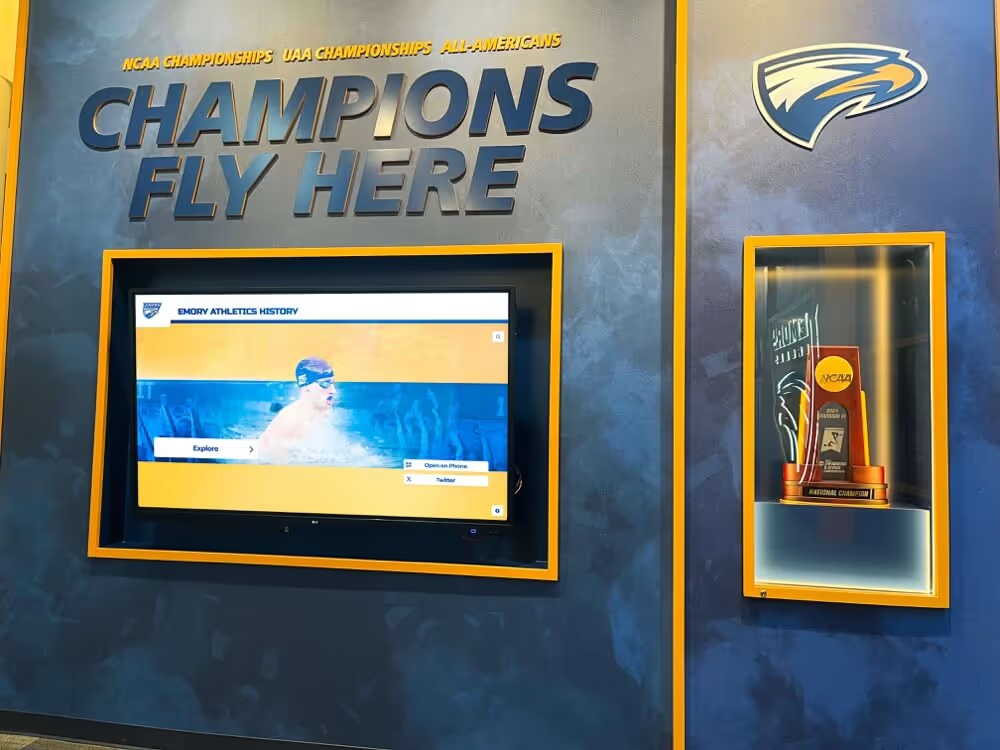
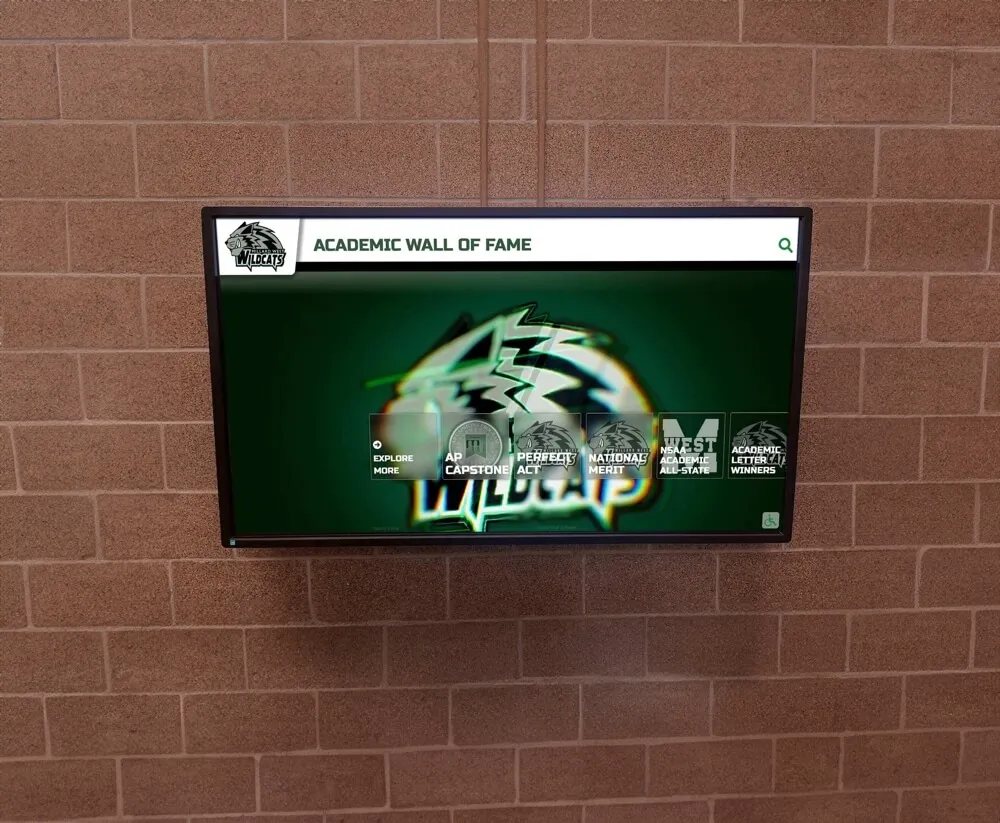
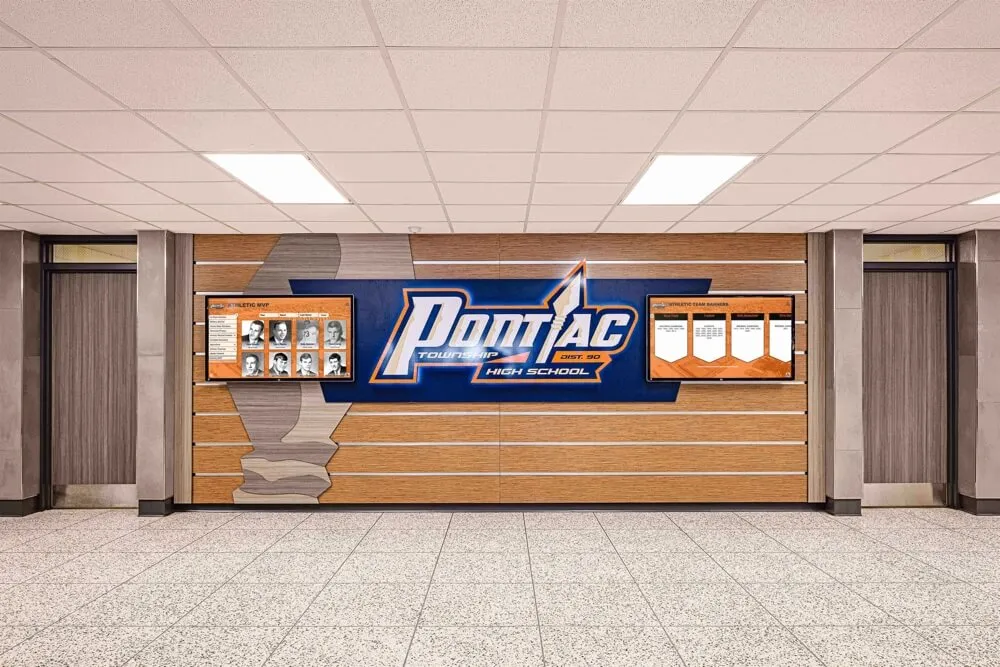
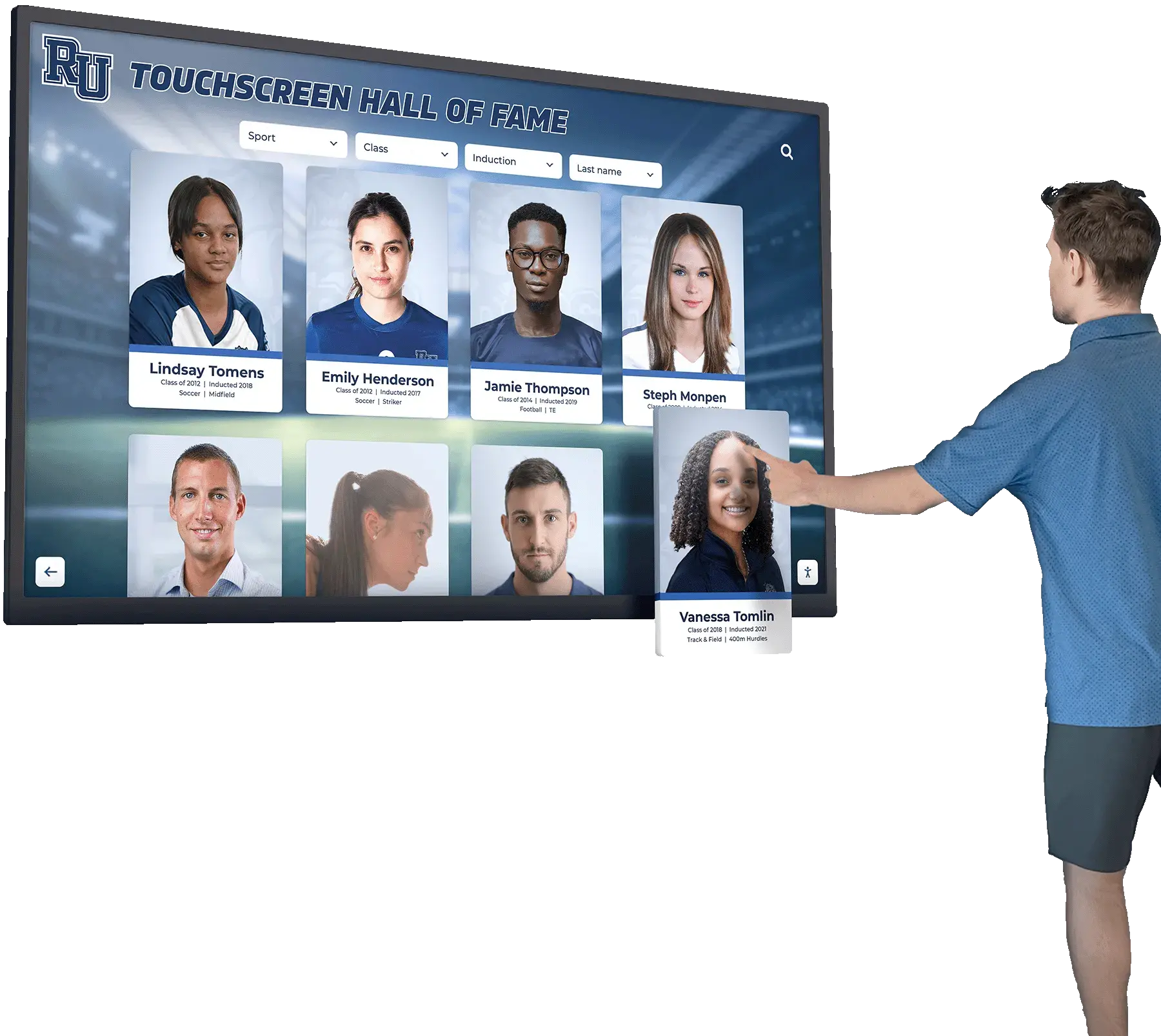
Interactive touchscreen systems allow visitors to explore the full breadth of a school's athletic recognition history across all sports
“How would you structure a senior athlete recognition program?”
What the question surfaces: Attention to tradition-building and student experience.
Senior recognition programs are among the most emotionally significant moments in a student-athlete’s school career. Candidates who describe structured, well-documented programs—with consistent criteria, advance communication to families, and archives that preserve each cohort’s names for future reference—demonstrate understanding of how recognition programs shape school culture and alumni loyalty.
Interview Questions About Hall of Fame Governance
“What criteria would you use—or propose—for athletic hall of fame induction?”
What the question surfaces: Whether the candidate will establish written, defensible criteria or rely on subjective committee judgment.
This is one of the highest-stakes questions in athletic director interviews, because hall of fame governance disputes are surprisingly common and reputationally damaging. A committee that inducts inconsistently—or worse, excludes a historically significant athlete because no one documented the criteria—faces community backlash that can follow an athletic director for years.
Strong candidates describe criteria across multiple dimensions:
| Criterion Category | Examples |
|---|---|
| Athletic achievement | School records held, all-state honors, championship contributions |
| Character and sportsmanship | Conduct record, community contributions during and after enrollment |
| Alumni standing | Continued connection to school community |
| Legacy contribution | Coaching, mentorship, fundraising for the program |
| Time since graduation | Most schools require a minimum waiting period (commonly 5–10 years) |
Candidates should also address how criteria are reviewed: who can propose changes, how frequently the criteria document is revisited, and whether the criteria apply retroactively to historical candidates. Schools managing wall-of-honor programs for deceased alumni face additional governance questions around posthumous nominations and family consent.
“How do you handle a situation where a former inductee’s conduct warrants reconsideration?”
What the question surfaces: Crisis governance readiness and policy framework thinking.
This question has become increasingly common in athletic director searches over the past decade. Strong candidates describe a governance framework—a written policy that defines the review process, specifies who has standing to request a review, establishes the evidentiary standard, and outlines how decisions are communicated to the affected individual and the public. Candidates who have never considered this scenario are revealing a gap in institutional risk awareness.
“Who should have authority to update or modify display content in recognition spaces?”
What the question surfaces: Display governance structure and operational clarity.
This question is more important than it sounds. In many schools, no one has clear authority over the athletic record board, the trophy case labels, or the hall of fame plaque wall—which means updates don’t happen, errors persist, and the physical recognition environment gradually loses credibility. Strong candidates describe a layered governance structure:
- Content ownership: The athletic director or a designated staff member approves all recognition content changes
- Technical execution: A defined workflow for how changes are submitted, reviewed, and implemented
- Audit trail: Documentation of what was changed, when, and by whom
Schools implementing digital recognition displays find that software-based governance—where content changes require login, approval, and timestamped confirmation—solves the ambiguity problem that plagues physical installations.
Interview Questions About Alumni Engagement
“What strategies have you used or would you implement to keep alumni connected to the athletic program?”
What the question surfaces: Understanding of alumni relations as a long-term institutional investment, not just an annual reunion event.
Athletic alumni represent one of the most loyal and potentially generous segments of a school’s giving base—if the school maintains meaningful connection across the decades. Candidates who focus only on reunion events or booster club dinners are missing the everyday-connection infrastructure that builds sustained engagement.
Stronger answers reference:
- Searchable digital archives where alumni can look up their own records, teammates, and seasonal statistics at any time
- Milestone outreach triggered by anniversaries (ten years since a championship season, for example)
- Recognition updates that notify alumni when a record they hold is broken or when a teammate is inducted into the hall of fame
- Physical spaces that give returning alumni a reason to visit—lobbies and hallways where their history is displayed and interactive
Schools that have installed touchscreen recognition kiosks in lobbies report that alumni engagement increases measurably when graduates can walk in during a homecoming event and search their own names in a system that preserves their full athletic history.
“How would you approach creating or improving a digital archive of athletic history?”
What the question surfaces: Technology strategy and vendor evaluation capability.
Many schools have decades of athletic history stored in formats that are rapidly becoming inaccessible—35mm slides, VHS highlight reels, paper scorebooks, physical negatives. An athletic director who has thought seriously about digital archiving will describe a triage approach: identify the most at-risk media first, establish partnerships with digitization vendors or institutional resources, and build a preservation workflow that captures new records going forward.
Strong candidates also distinguish between storage (keeping files somewhere) and accessibility (making them findable and publicly visible). Archiving is only valuable if alumni and community members can actually retrieve the material they’re looking for.
“How do you approach recognition for alumni who have made significant contributions after graduation?”
What the question surfaces: Whether the candidate thinks of alumni relations as a two-way channel—not just asking graduates for support, but also formally honoring the paths their athletes take after leaving school.
The best athletic programs build systematic recognition for alumni achievement: a coach who credits the school’s program for shaping their professional career, a former athlete who has become a prominent figure in their community, or a graduate who has made significant philanthropic contributions to the school. Candidates who can describe criteria, nomination processes, and display governance for post-graduation recognition demonstrate a mature understanding of how institutional loyalty is built over decades.
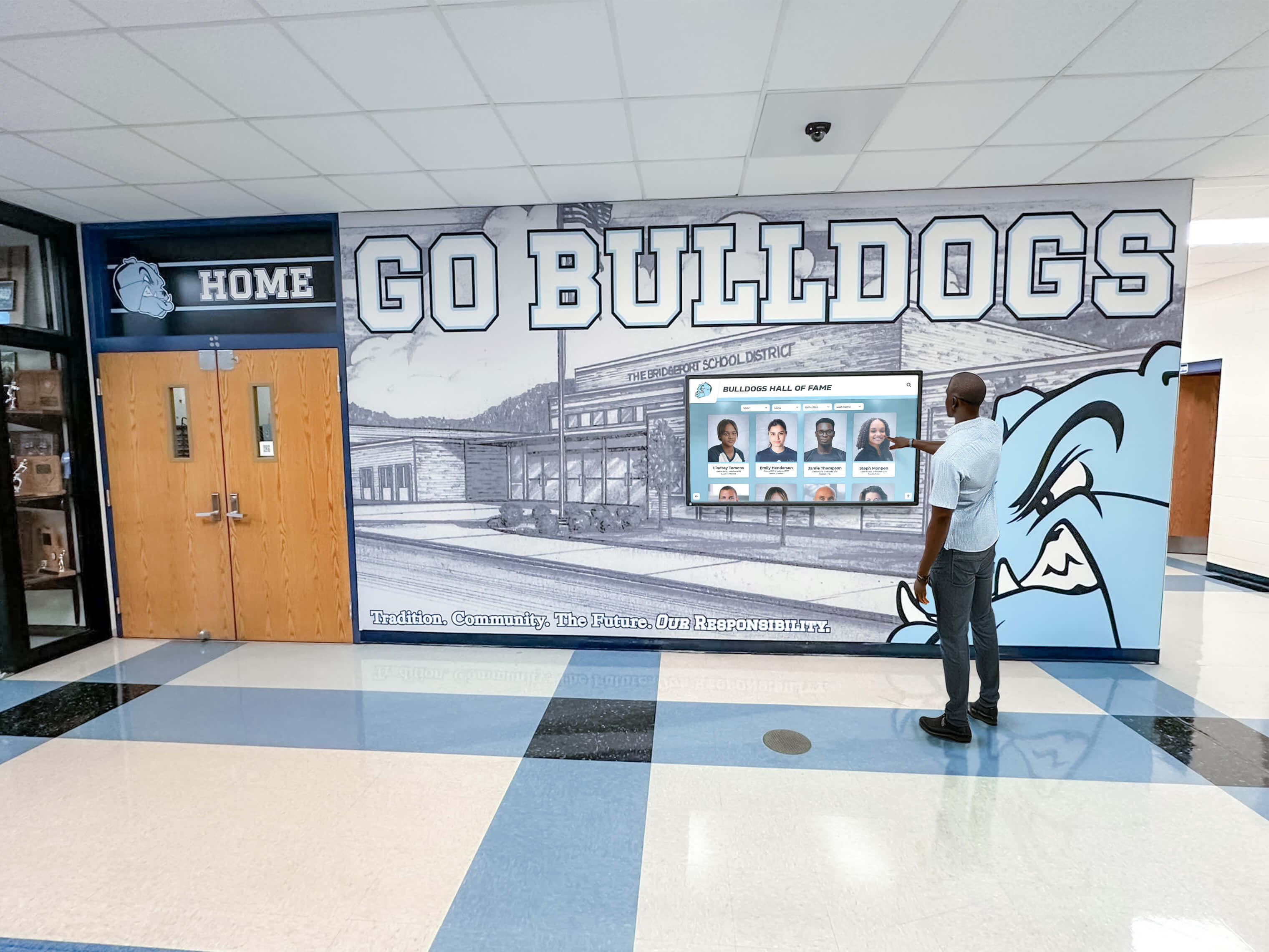
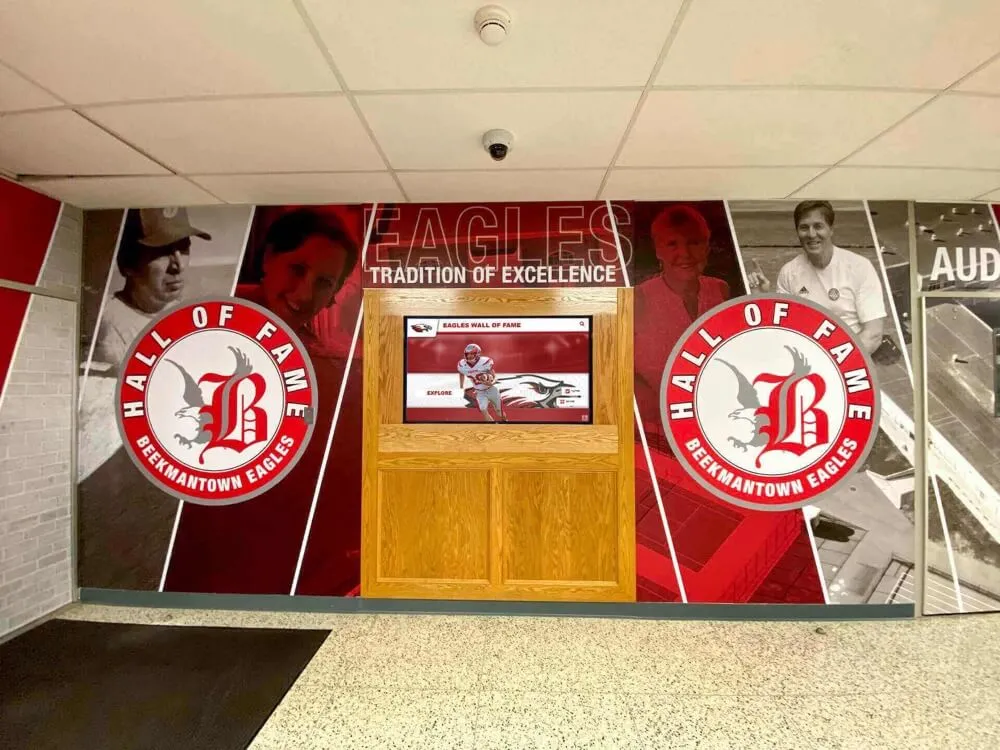
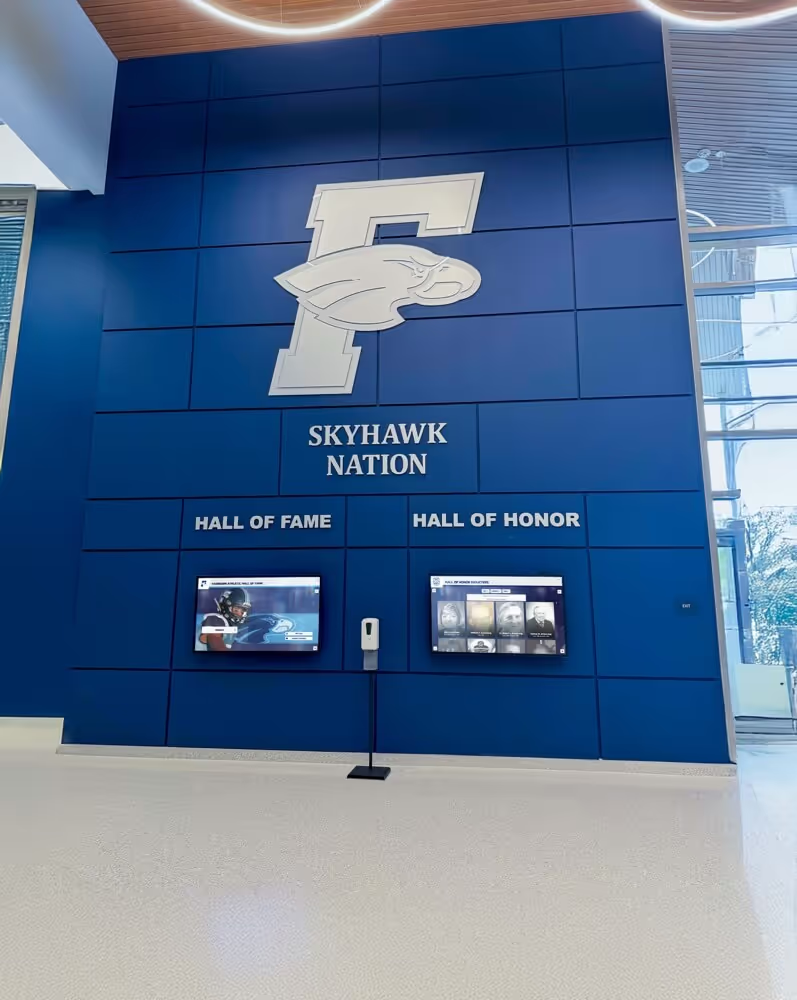
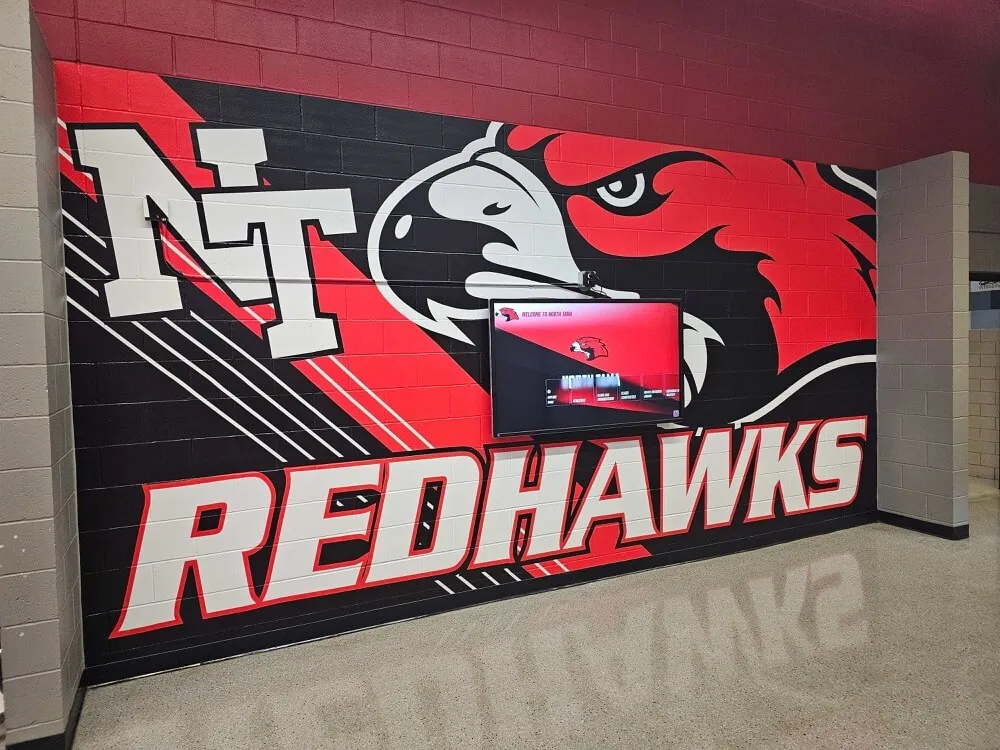
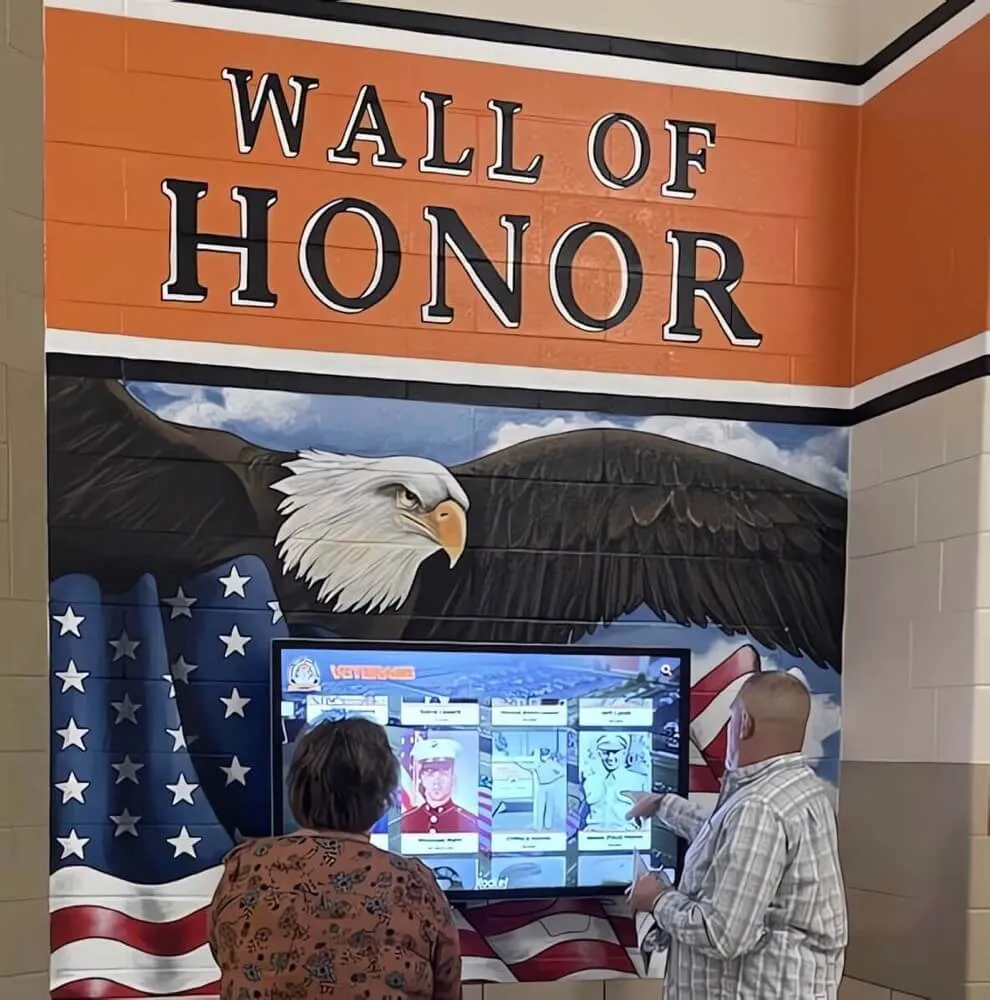
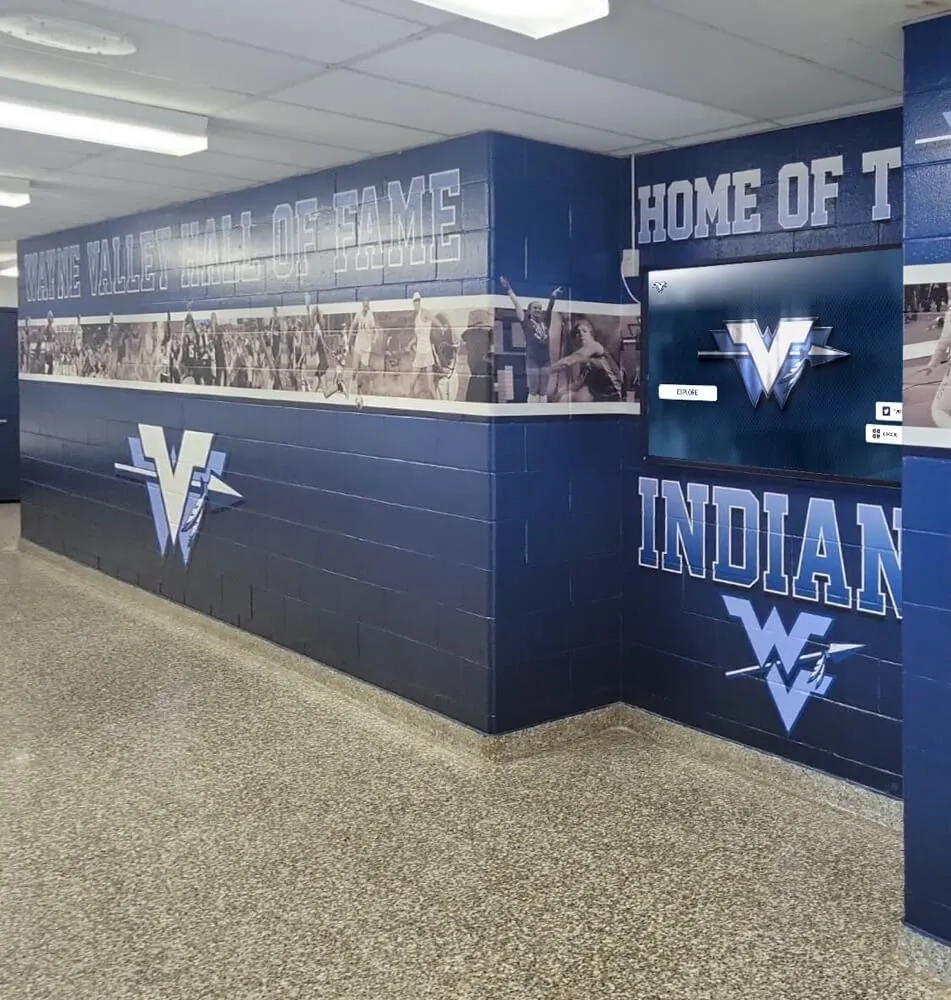
Interactive displays allow alumni to explore their athletic history at any time—not just during scheduled reunion events
Interview Questions About Digital Displays and Physical Recognition Spaces
“How would you evaluate whether our current physical recognition spaces are meeting their goals?”
What the question surfaces: Observational capability and strategic vision for built environments.
Physical recognition spaces—trophy cases, record boards, hall of fame walls, championship banners—communicate institutional values to every visitor who walks through the building. A candidate who approaches this question thoughtfully will describe a structured evaluation:
- Inventory what exists and whether the content is current and accurate
- Assess visibility and traffic patterns — is the recognition space in a high-visibility location?
- Review the update workflow — how often is content updated, and who owns that process?
- Gather community feedback — do alumni and students feel the space honors their history?
- Compare physical capacity to program scope — does the space have room for the program’s growth?
Schools that have worked through this evaluation often find that physical recognition infrastructure hasn’t kept pace with program growth. The result: crowded trophy cases, outdated record boards, and hall of fame walls that ran out of space years ago. This is where digital display solutions for sports recognition have become a significant part of the modern athletic director’s toolkit.
“What is your experience with digital recognition platforms or interactive display systems?”
What the question surfaces: Familiarity with the technology landscape and ability to evaluate vendors.
This question is asked less frequently than it should be, but schools that have invested in digital recognition platforms report that athletic director buy-in is the single most important predictor of successful adoption. An AD who understands what these systems can do—and how they integrate with existing records workflows—will drive utilization. One who treats the technology as an IT department concern will see the display become a screensaver nobody updates.
Key capabilities candidates should be able to discuss:
- Content management interfaces that athletic staff (not just IT) can operate
- Search functionality that allows visitors to find specific athletes, seasons, or records
- Media support for photos, video highlights, and documents
- Access control and approval workflows for content updates
- Integration with existing athletic management and database systems
Platforms like Rocket Alumni Solutions are designed specifically for school and collegiate athletic programs, combining touchscreen display hardware with content management systems built around the recognition workflows athletic directors actually use. Donor and recognition display systems share many of the same governance considerations—centralized content control, flexible display configurations, and searchable archives that serve community engagement goals.
“How would you approach a capital request for upgrading our recognition displays?”
What the question surfaces: Budget advocacy skill and ability to make the ROI case for recognition infrastructure.
Athletic recognition upgrades are rarely the top line item in a capital request, which means ADs who want to modernize their recognition spaces need to build compelling cases for administrators and school boards. Strong candidates describe how they would frame the investment in terms that resonate with decision-makers:
- Alumni giving correlation: Schools with robust recognition programs report stronger alumni giving rates because graduates who feel honored maintain deeper emotional connections to institutions
- Recruitment: Student-athletes and their families make enrollment decisions partly based on how a school’s athletic environment signals investment in its program
- Community pride: Recognition spaces that visitors find impressive contribute to the school’s broader community standing
- Longevity: Digital platforms that can be updated without replacement reduce long-term cost compared to physical plaques and printed record boards
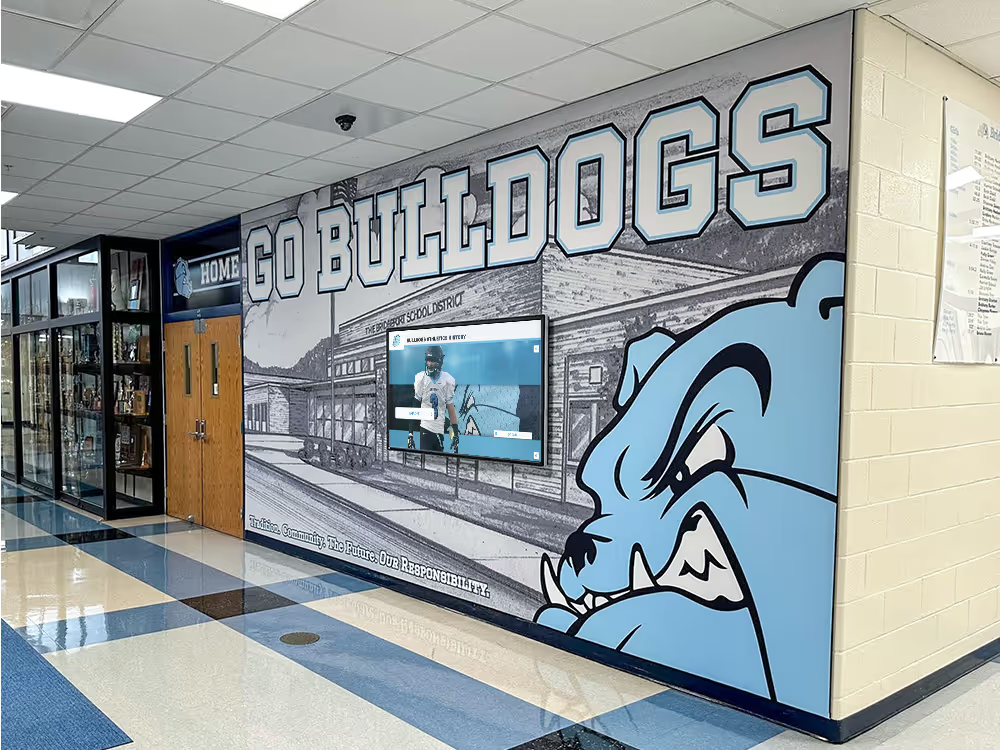
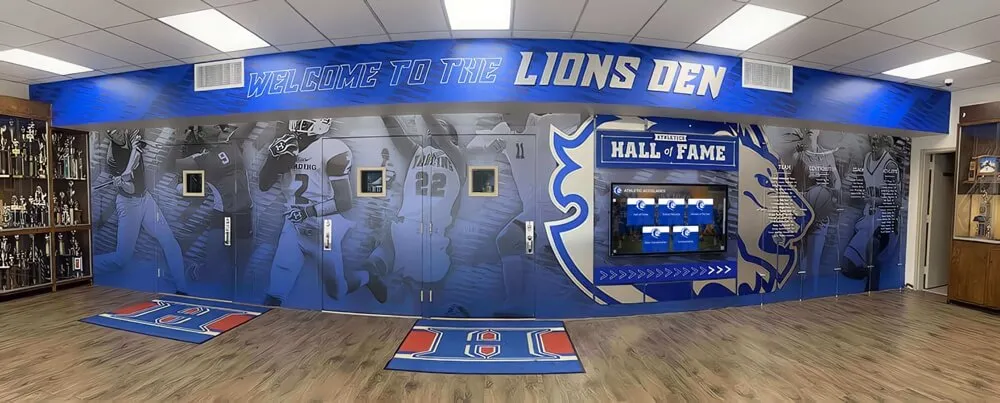
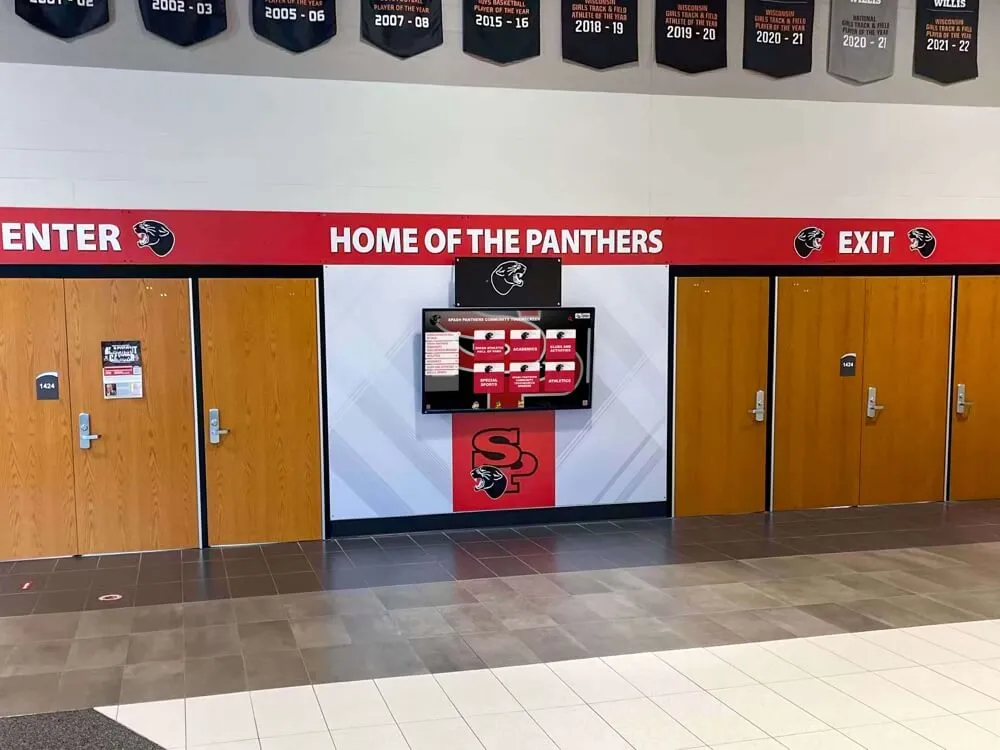
Well-maintained physical honor boards signal institutional investment in athletic history—and digital systems extend that capacity without requiring additional wall space
A Sample Interview Question Checklist for Search Committees
The following checklist consolidates the question categories above into a practical framework for athletic director search committees evaluating candidates on records, recognition, and community engagement:
Records and Recordkeeping
- How would you audit and organize existing athletic records?
- How do you handle record disputes and verification conflicts?
- What systems would you implement for long-term record preservation?
- Who would own the record-update workflow on your staff?
Awards and Recognition Programs
- How do you evaluate whether a recognition program is effective?
- How do you ensure equitable recognition across sports and genders?
- How would you structure senior and end-of-season recognition?
- How do you document recognition criteria so they can be applied consistently?
Hall of Fame Governance
- What criteria would you propose for hall of fame induction?
- How would you handle a conduct-based review of a sitting inductee?
- Who should have authority to update recognition display content?
- How do you handle posthumous nominations?
Alumni Engagement
- What strategies would you use to keep alumni connected to the athletic program?
- How would you approach creating or improving a digital athletic archive?
- How do you recognize alumni achievement that occurs after graduation?
- What role should digital platforms play in year-round alumni engagement?
Digital Displays and Physical Spaces
- How would you evaluate whether current recognition spaces are meeting their goals?
- What experience do you have with digital recognition platforms?
- How would you make the capital case for upgrading recognition infrastructure?
What Strong Candidates Say About Recognition Technology
Experienced athletic directors who have managed recognition programs through a technology transition tend to emphasize a few recurring themes when asked about their approach:
Records and displays should be connected. The most efficient recognition workflows eliminate the gap between administrative records and public-facing displays. When a student-athlete breaks a school record, that information shouldn’t require a separate manual process to appear on a hallway display or in a searchable archive—it should flow from the same source of truth.
Searchability is a service to alumni. A recognition archive that can only be browsed chronologically serves current visitors. One with robust search—by athlete name, sport, year, record category, or award—serves alumni who want to share their history with family members, find former teammates, or simply revisit their years of competition.
Governance prevents disputes before they start. Athletic programs that establish written criteria for every recognition program—who qualifies, who decides, how decisions are communicated—report fewer complaints and more community confidence than programs that rely on implicit institutional knowledge.
Physical and digital recognition are complementary. Schools that replace physical trophy cases entirely with digital systems often find that community members miss the tactile, permanent-feeling quality of physical recognition. Schools that maintain both—physical installations anchoring the space, digital systems providing depth and searchability—tend to report the highest overall satisfaction from alumni and community visitors. Resources like yearbook archiving workflows and school memory preservation offer useful analogies: the physical artifact and the digital record serve different but complementary functions.
Understanding honor roll recognition thresholds and criteria can also inform how athletic recognition tiers are structured—particularly in schools where athletic honors are presented alongside academic distinctions at the same ceremonies.
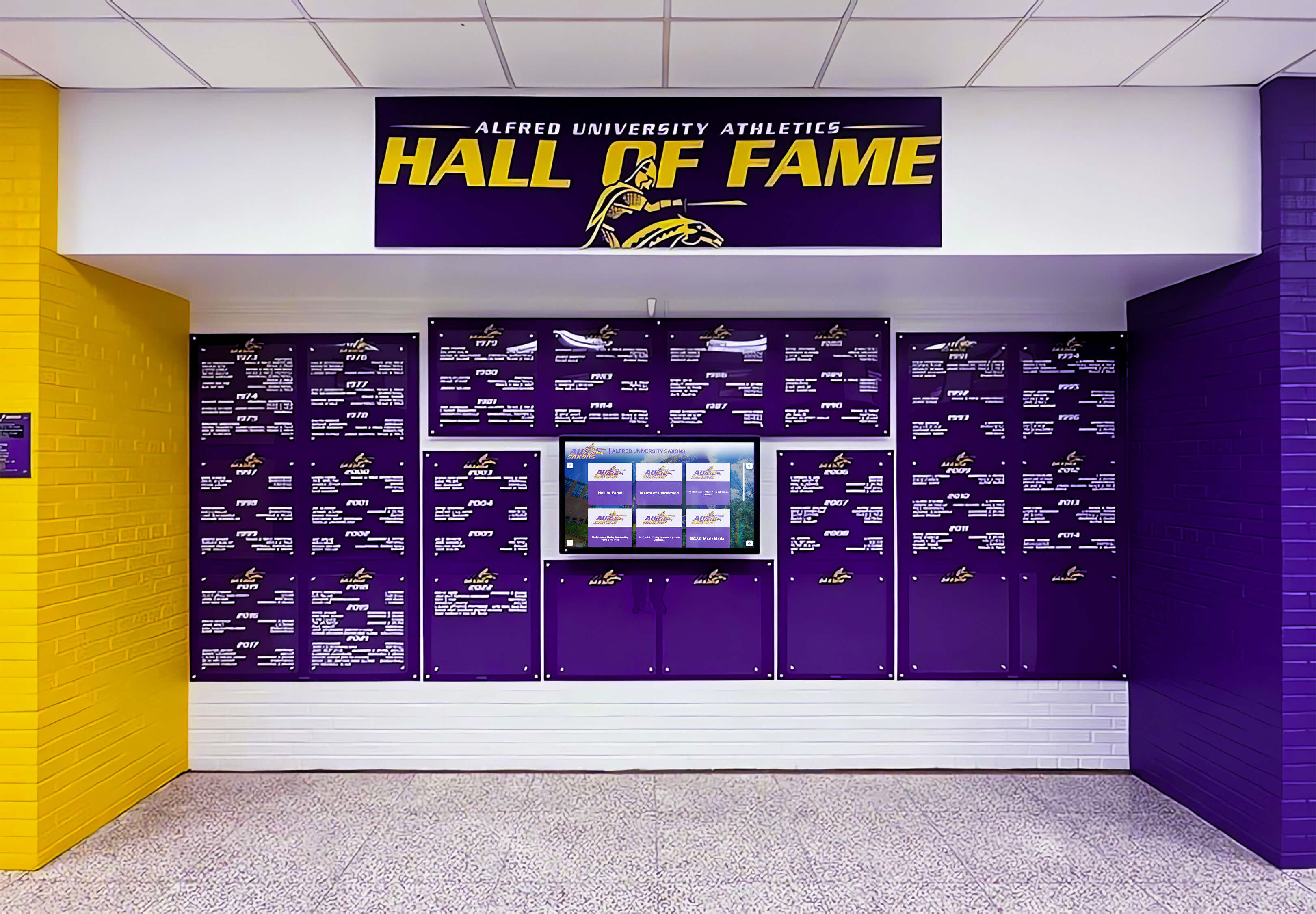
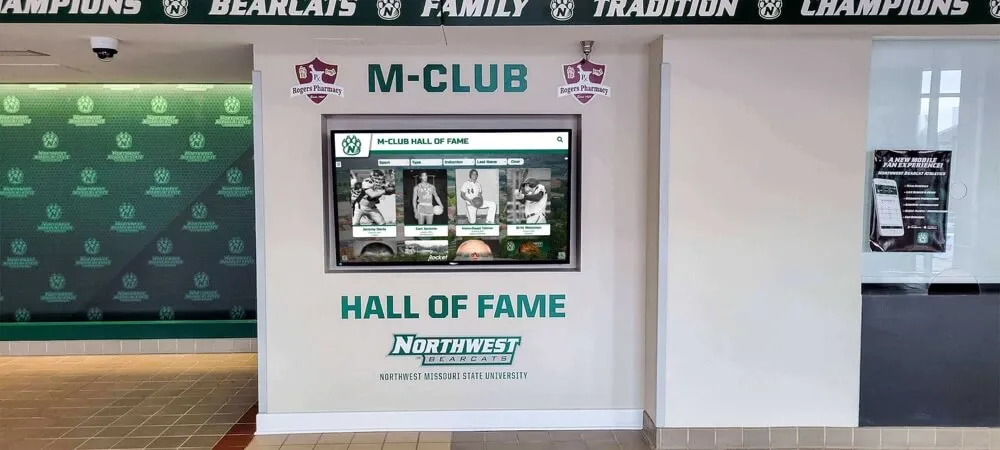
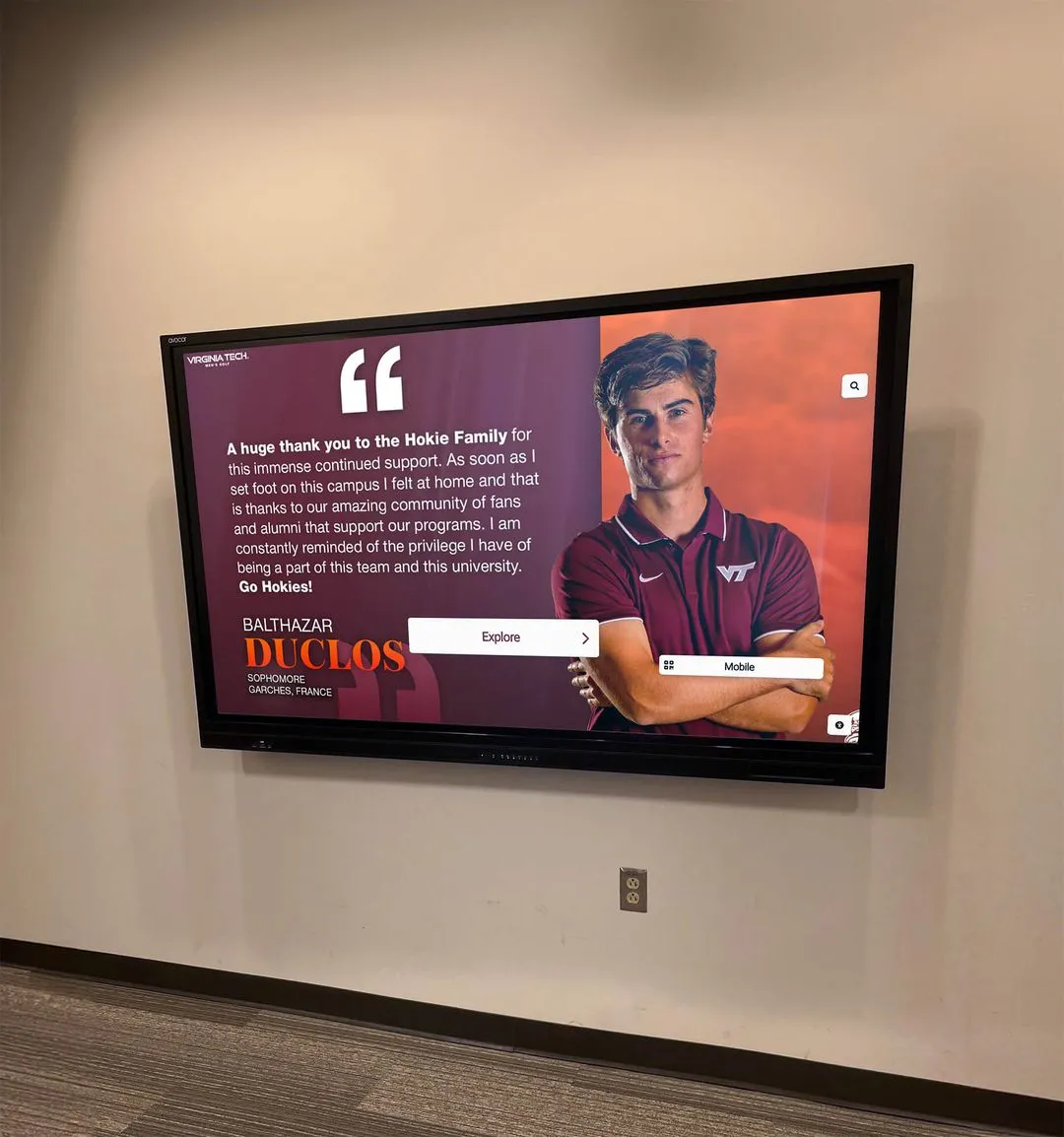
University-level recognition programs demonstrate the professional-grade archiving and display standards that high schools increasingly aspire to match
Preparing for the Recognition and Records Questions
Whether you are a search committee preparing your question bank or a candidate preparing your answers, the core of this category comes down to one question: does this person treat athletic recognition as a living institutional system, or as a periodic ceremonial event?
The candidates—and programs—that get recognition right tend to share a set of convictions:
- Records belong to the institution and must be stewarded with the same care as financial or personnel records
- Recognition criteria should be written, reviewed, and consistently applied—not improvised each selection cycle
- Alumni connection is built through year-round infrastructure, not just homecoming events
- Physical and digital recognition spaces require active governance, not passive maintenance
- Every student-athlete who contributed to a program’s history deserves to be findable in that program’s archive
These convictions, when articulated clearly in an interview, signal the kind of institutional stewardship that school communities trust over the long arc of an athletic director’s tenure.
See How Modern Schools Are Transforming Athletic Recognition
Schools across the country are using Rocket Alumni Solutions to connect their athletic records, awards archives, and alumni engagement programs through interactive touchscreen displays that visitors can explore for decades. If your school is evaluating how to modernize its recognition infrastructure—or preparing to hire an athletic director who will lead that transformation—a live demonstration shows exactly what is possible.