



An athletic memorabilia loan agreement is a written document that records the terms under which a donor, alumnus, or family lends physical artifacts — game-worn jerseys, championship trophies, framed records, or historic photographs — to a school for display, archiving, or digitization. Without a signed agreement, questions about ownership, responsibility for damage, display permissions, and return timelines have no written baseline to reference. A clear loan agreement protects both the lender and the institution, creates a legal record of the artifact’s custody status, and removes ambiguity from every subsequent decision about how the item is handled, shown, and eventually returned.
This template covers every section a school athletic department, hall-of-fame committee, or archive coordinator needs to execute a complete memorabilia loan: party identification, item description and condition at intake, display and usage rights, digitization permissions, insurance and liability allocations, and return terms. Administrators can use the template as a standalone document or adapt individual sections to integrate with an existing collection management system. Nothing here constitutes legal advice — consult legal counsel before finalizing agreements involving items of significant monetary value.
A jersey donated informally decades ago may now be the subject of a family dispute about its eventual return. A trophy on permanent display in the main lobby may have never had its ownership formally documented. These situations are more common in school athletic archives than most administrators expect, and they are almost always resolvable when a properly executed loan agreement exists. When one does not, resolution often requires significant staff time, strained donor relationships, or costly legal consultation.

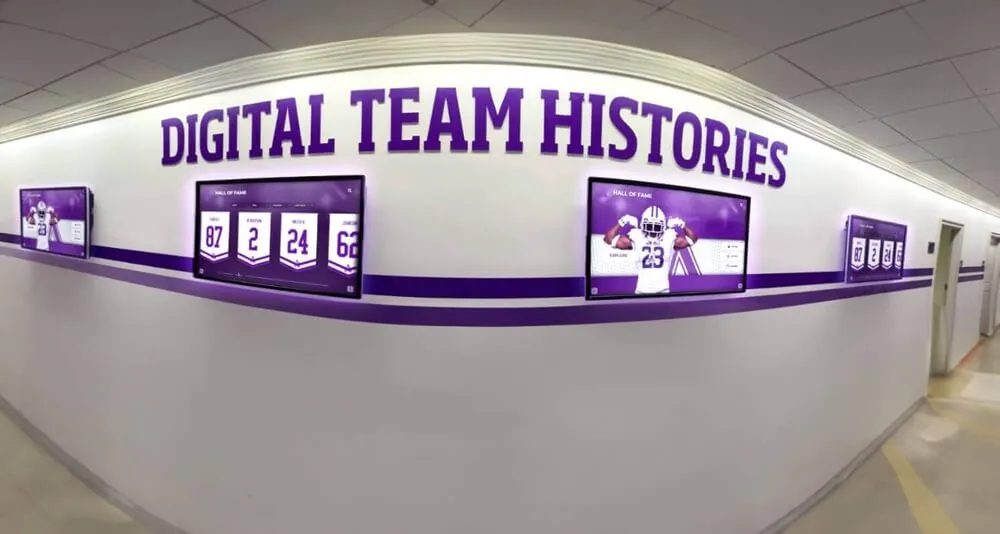
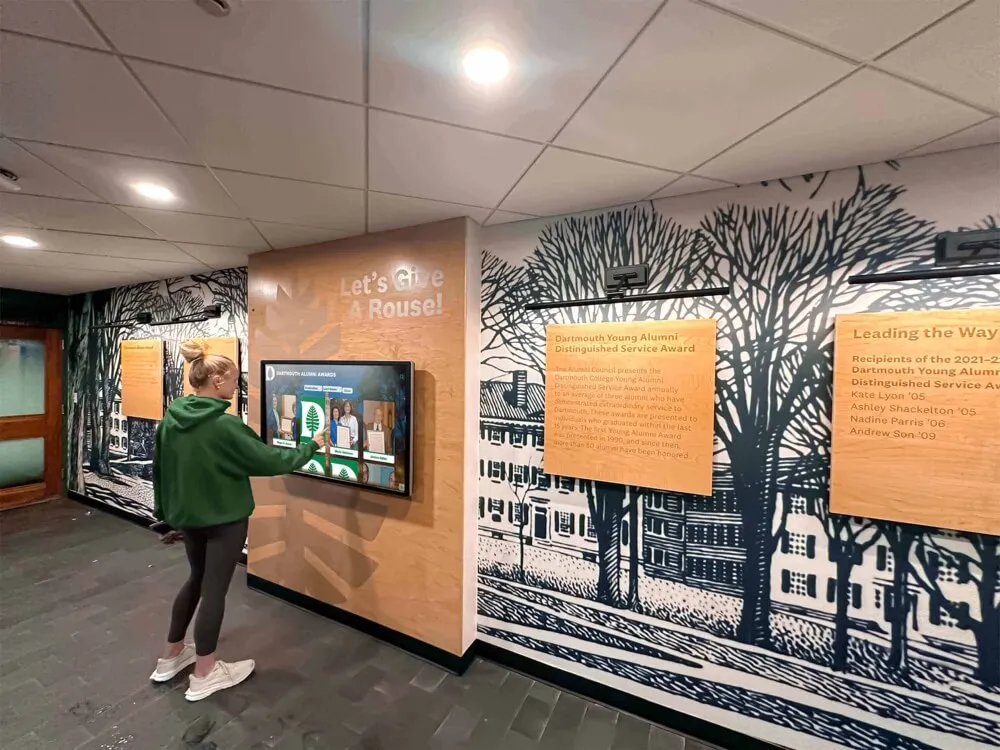
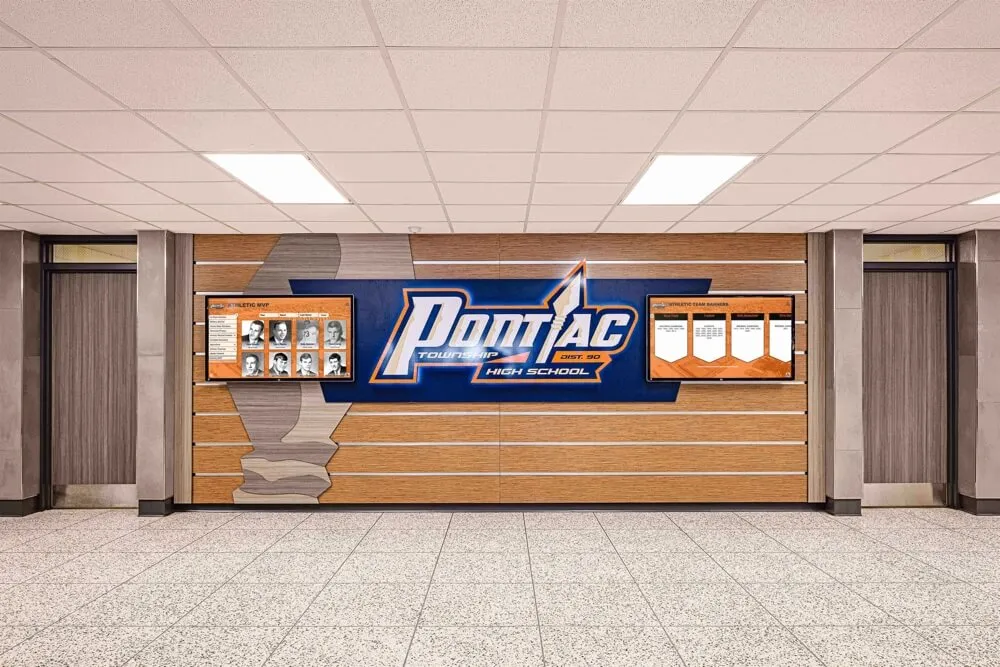
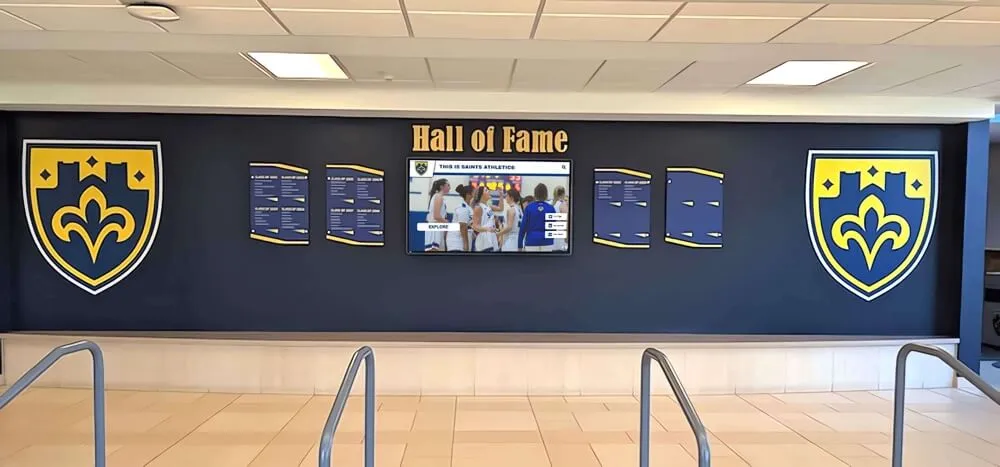
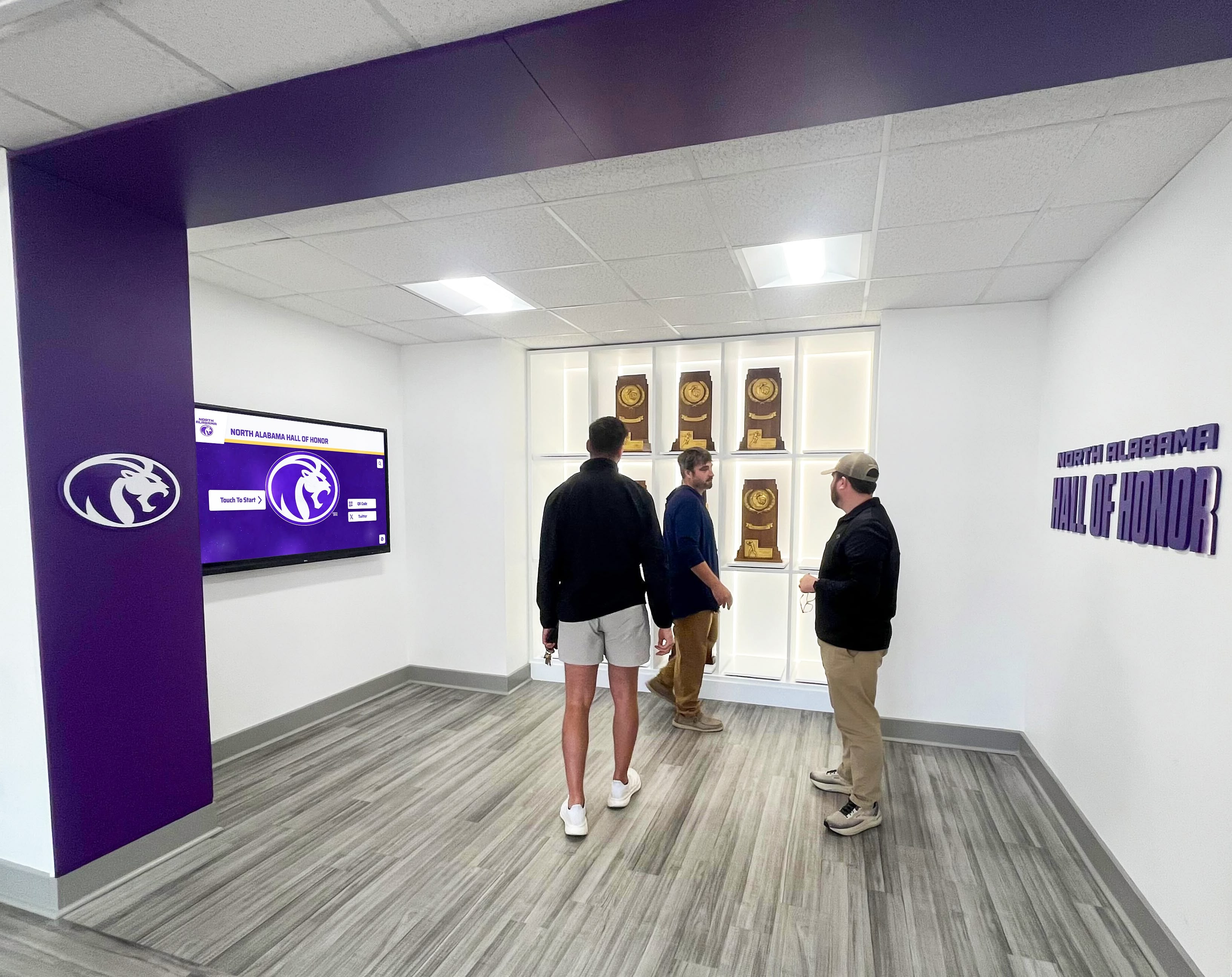
A well-managed athletic hall of fame depends on clear documentation — loan agreements define the ownership, care, and return terms for every artifact in the display
Why Schools Need a Formal Athletic Memorabilia Loan Agreement
Schools receive physical artifacts through several channels: direct donations, estate gifts, family loans intended as long-term display arrangements, and transfers from retiring coaches or staff members who accumulated materials over decades of service. The informal nature of many of these transfers — a phone call, a handshake, an email thread from 2009 — creates real risk for both the institution and the lender.
A formal loan agreement serves four distinct functions:
Establishes documented ownership status. The agreement specifies whether the item is a gift (ownership transfers to the school) or a loan (ownership remains with the lender). This single distinction drives every subsequent custody, insurance, and return decision.
Allocates responsibility for care and damage. By defining the standard of care the school commits to — climate controls, handling protocols, display case requirements — the agreement gives the lender confidence that their artifact will be protected and gives the school a documented standard to meet.
Creates a framework for display and reproduction rights. An athletic artifact on display in a lobby hallway may also appear in the school yearbook, a booster club fundraising brochure, or a social media post celebrating a championship anniversary. The agreement specifies which uses are permitted, which require additional written consent, and which are prohibited.
Prevents future disputes. A signed, dated document referencing a specific item with a specific condition record is the clearest possible evidence of what both parties understood and agreed to at the time of the loan. Schools managing robust academic achievement recognition programs find that the same documentation discipline that serves academics well applies equally to athletic artifact management.
Key Parties in a Memorabilia Loan
Every loan agreement identifies at least two parties:
- The Lender: the individual or family who owns the artifact and is placing it in the school’s custody. This may be a former athlete, their surviving family member, a retired coach, or an estate representative.
- The Borrowing Institution: the school, athletic department, or archive program formally accepting custody. The agreement should name the specific administrative unit responsible — not just the school district — and identify the staff role (e.g., Athletic Director, Archive Coordinator) responsible for the artifact’s stewardship.
In some cases a third party is involved: a conservator engaged to assess or stabilize the item before display, or a partner institution (a local history museum, a conference hall of fame) that will host the artifact for a specified period. If any third party will handle the artifact, the agreement should name them and define their role explicitly.
Template Section 1 — Loan Agreement Header
Complete the header before any item-specific fields. Header information establishes the legal and administrative context for the entire agreement.
| Field | Notes |
|---|---|
| Agreement number | Sequential identifier linking this agreement to the catalog record for the loaned item |
| Agreement date | Date both parties sign; not the date the item is delivered |
| Loan type | Temporary loan (defined end date) / Indefinite loan (no fixed end date, terminable by either party with notice) / Renewable annual loan |
| Lender name | Full legal name of the individual or entity retaining ownership |
| Lender contact information | Mailing address, phone, and email; note if lender has designated an authorized representative |
| Authorized representative (if applicable) | Name and relationship to lender; attach a copy of any power of attorney or estate authorization |
| Borrowing institution | Full legal name of the school or department accepting custody |
| Institutional contact | Name, title, and contact information of the staff member responsible for the loaned item |
| Loan start date | Date the institution takes physical custody of the item |
| Loan end date (if applicable) | Leave blank for indefinite loans; specify process for renewing or terminating |
| Governing law | State whose laws govern interpretation of the agreement |
Template Section 2 — Item Description and Condition at Loan
A loan agreement without a specific, accurate item description provides little protection. An item described only as “a basketball jersey” is impossible to distinguish from any other jersey in a collection if questions arise later.
| Field | Notes |
|---|---|
| Item title | Descriptive working title: “1987 State Championship Game-Worn Basketball Jersey — No. 22” |
| Catalog number | Assigned catalog number; should match the condition report for the same artifact |
| Artifact type | Textile / Trophy-Hardware / Photograph / Document / Equipment / Mixed / Other |
| Physical description | Color(s), dimensions, materials, markings, and any identifying features |
| Athlete or subject name | Full name of the athlete or person associated with the artifact, if applicable |
| Sport or activity | Specific sport, event, or program the artifact is associated with |
| Year or season | Year(s) or season(s) the artifact is associated with |
| Provenance summary | Brief description of the artifact’s documented history — how the lender acquired it, its chain of custody |
| Appraised value (if known) | Fair market value at time of loan, if a formal appraisal has been conducted; note appraiser name, date, and credentials |
| Condition at loan (overall grade) | Use a standardized five-level scale: Excellent / Good / Fair / Poor / Conservation Needed |
| Condition notes | Specific damage, wear, or deterioration present at the time the loan begins |
| Condition report attached | Yes / No — reference the condition report number if a separate document has been completed |
| Condition photographs taken | Yes / No — number and file reference numbers for intake photographs |
Both parties should sign and date the item description section at the time of intake, confirming the item received matches what the agreement describes.
Template Section 3 — Display and Usage Rights
This section defines what the school may and may not do with the artifact during the loan period. Clarity here prevents misunderstandings when new display opportunities arise — a facility renovation, a documentary project, a traveling exhibit.
| Field | Options |
|---|---|
| Primary display location | Specific room, hallway, case, or gallery where the item will be displayed |
| Display format | Open display / Enclosed display case / Storage with scheduled exhibition / Digital representation only |
| Approved secondary locations | List any additional locations the lender approves for display; note that any unlisted location requires separate written consent |
| Loan to third parties | Permitted with lender written consent / Not permitted without further agreement |
| Photography for institutional use | Permitted for internal records / Permitted for school publications / Permitted for public communications — specify which |
| Photography by visitors or media | Permitted freely / Permitted with institutional supervision / Not permitted |
| Commercial use | Not permitted / Permitted only with prior written lender consent — specify any revenue-sharing terms |
| Credit line required | Yes — specify exact credit language / No credit required |
| Name or likeness rights | Specify if the agreement covers use of the associated athlete’s name, image, or biographical information alongside the artifact |
Schools building or expanding physical recognition spaces — including halls of fame that combine physical artifacts with digital displays — benefit from reviewing top hall of fame display tools for athletics and donors to understand the range of display formats that loan agreements may need to address.
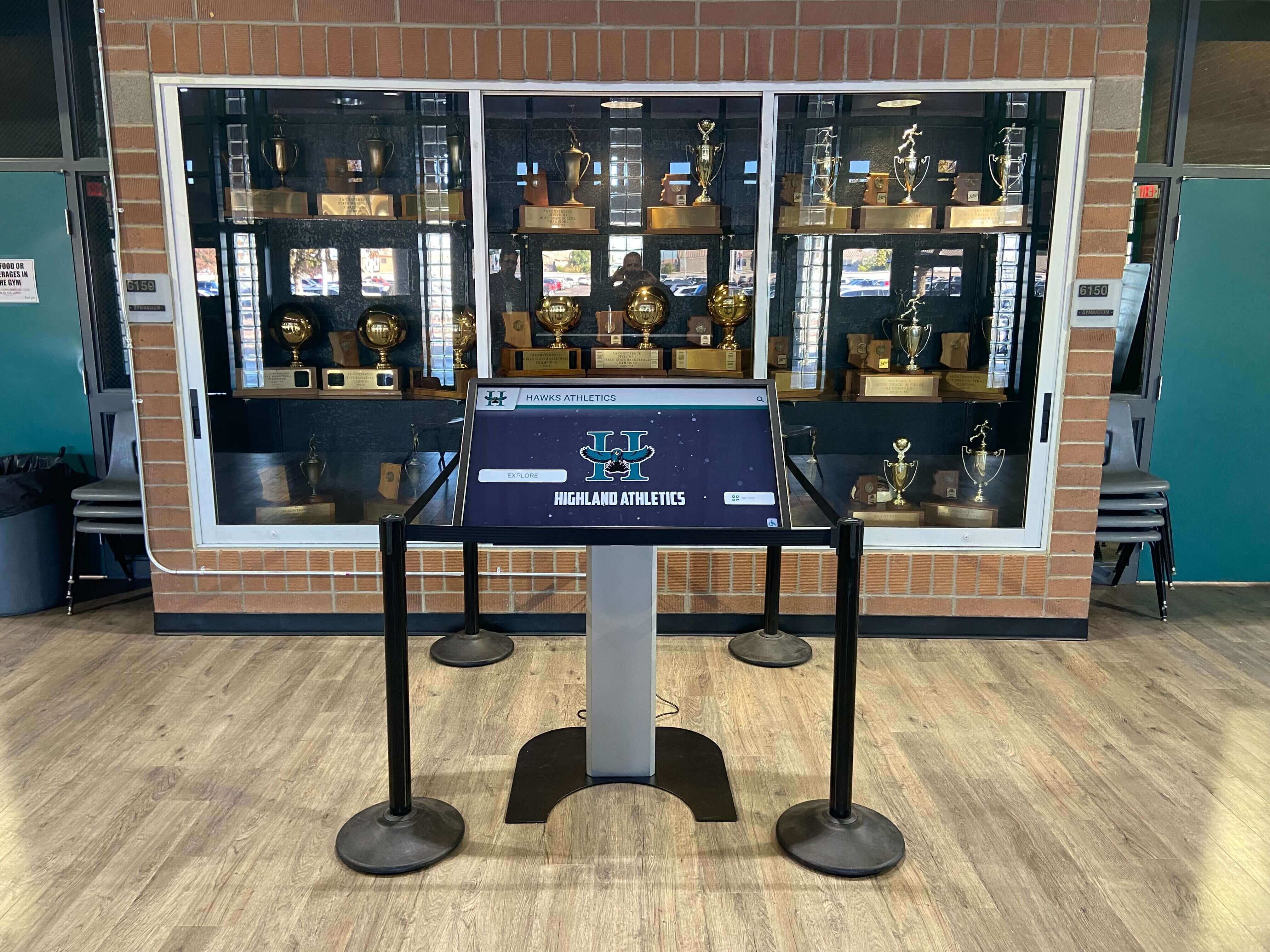
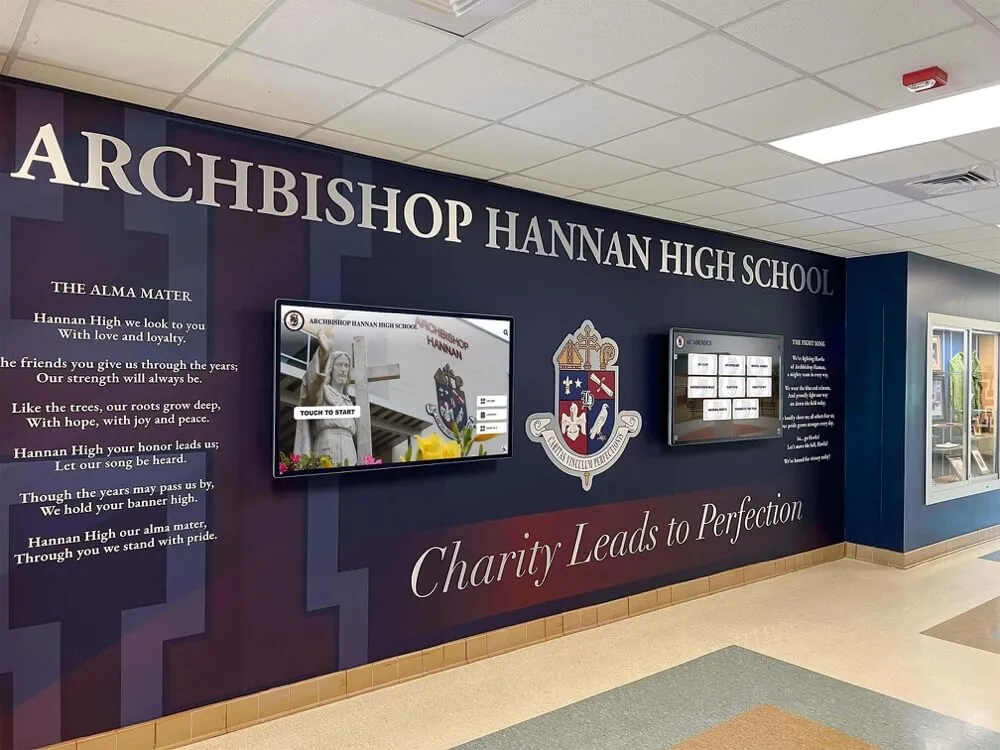
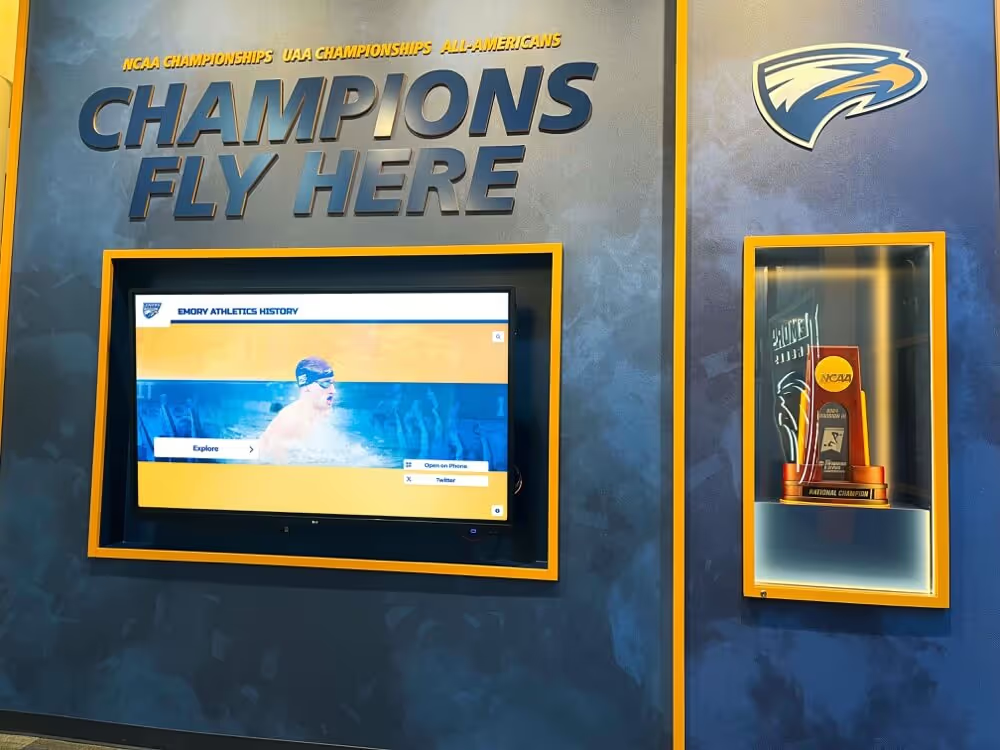
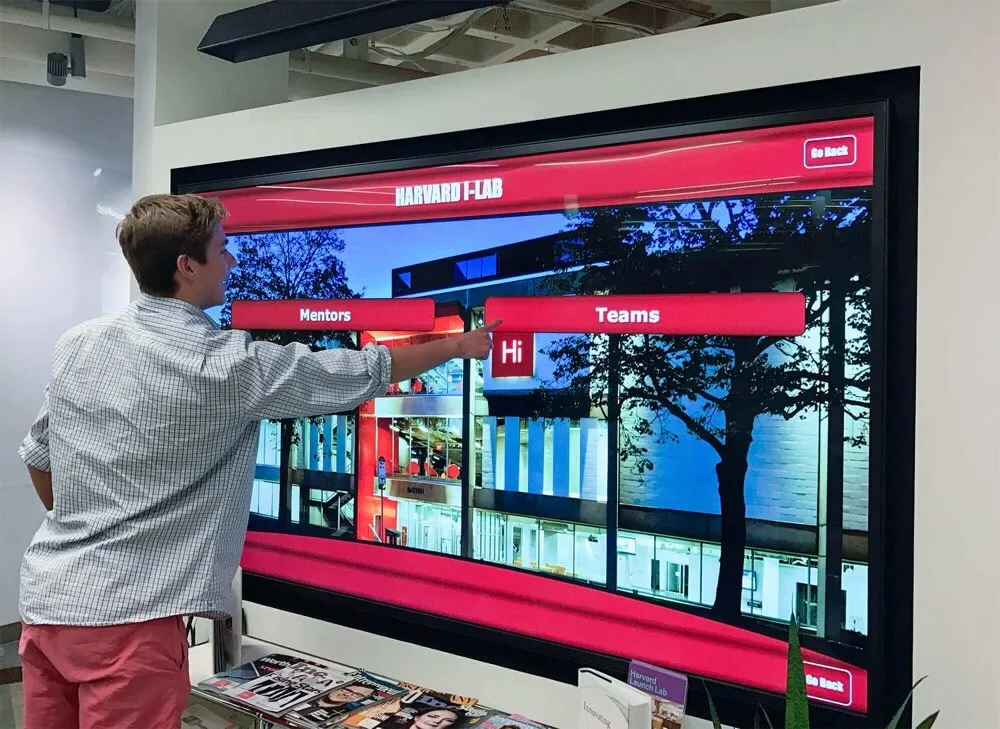
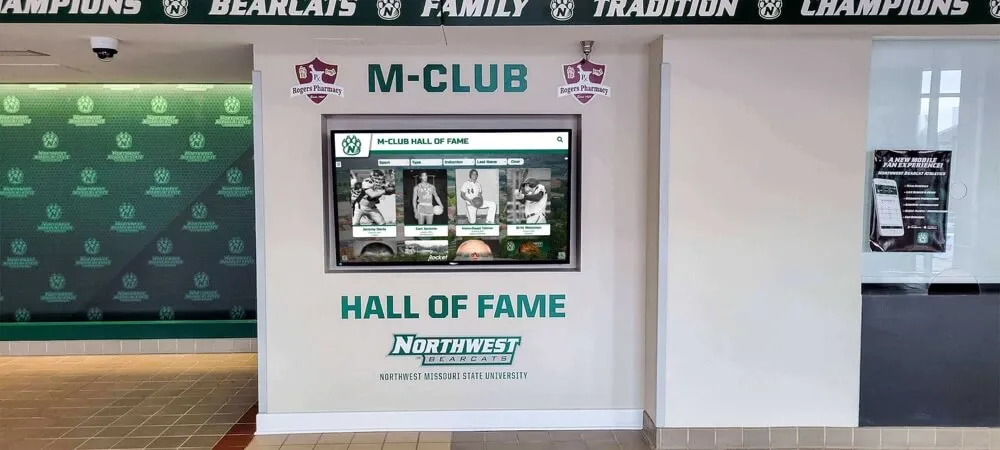
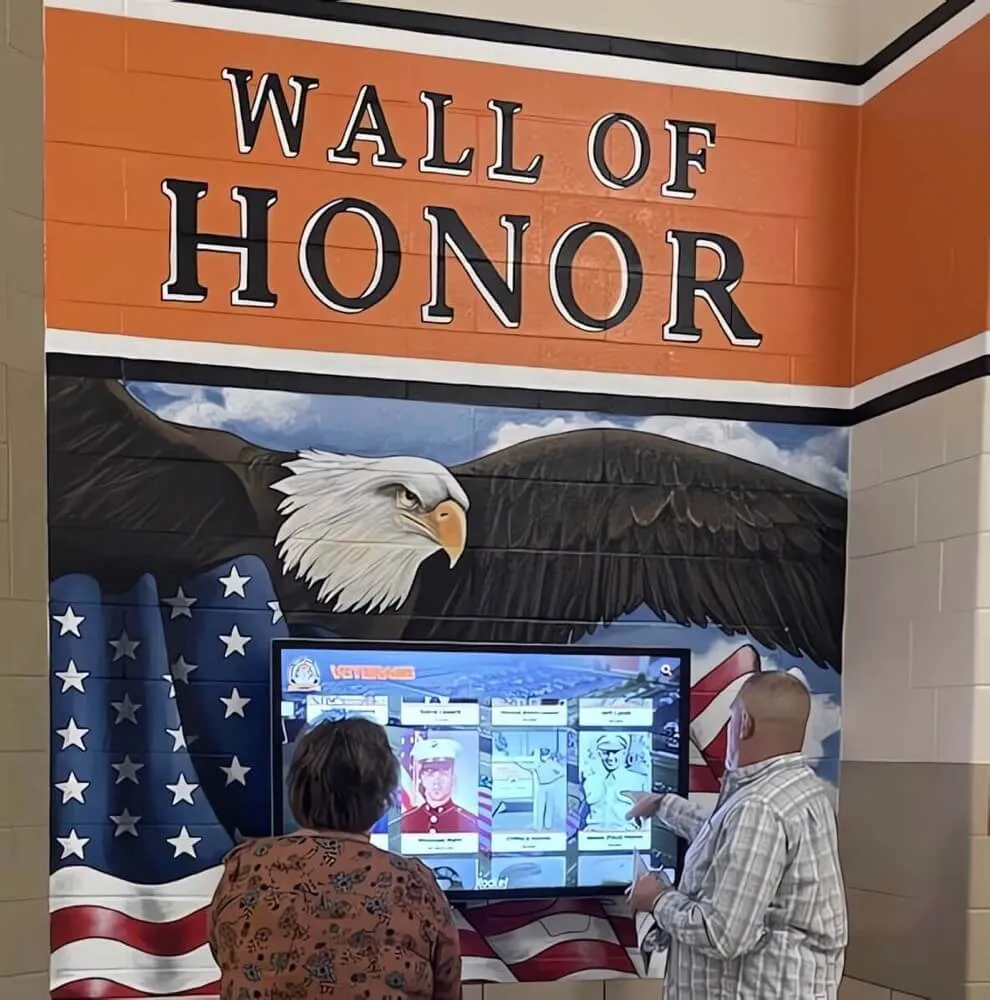
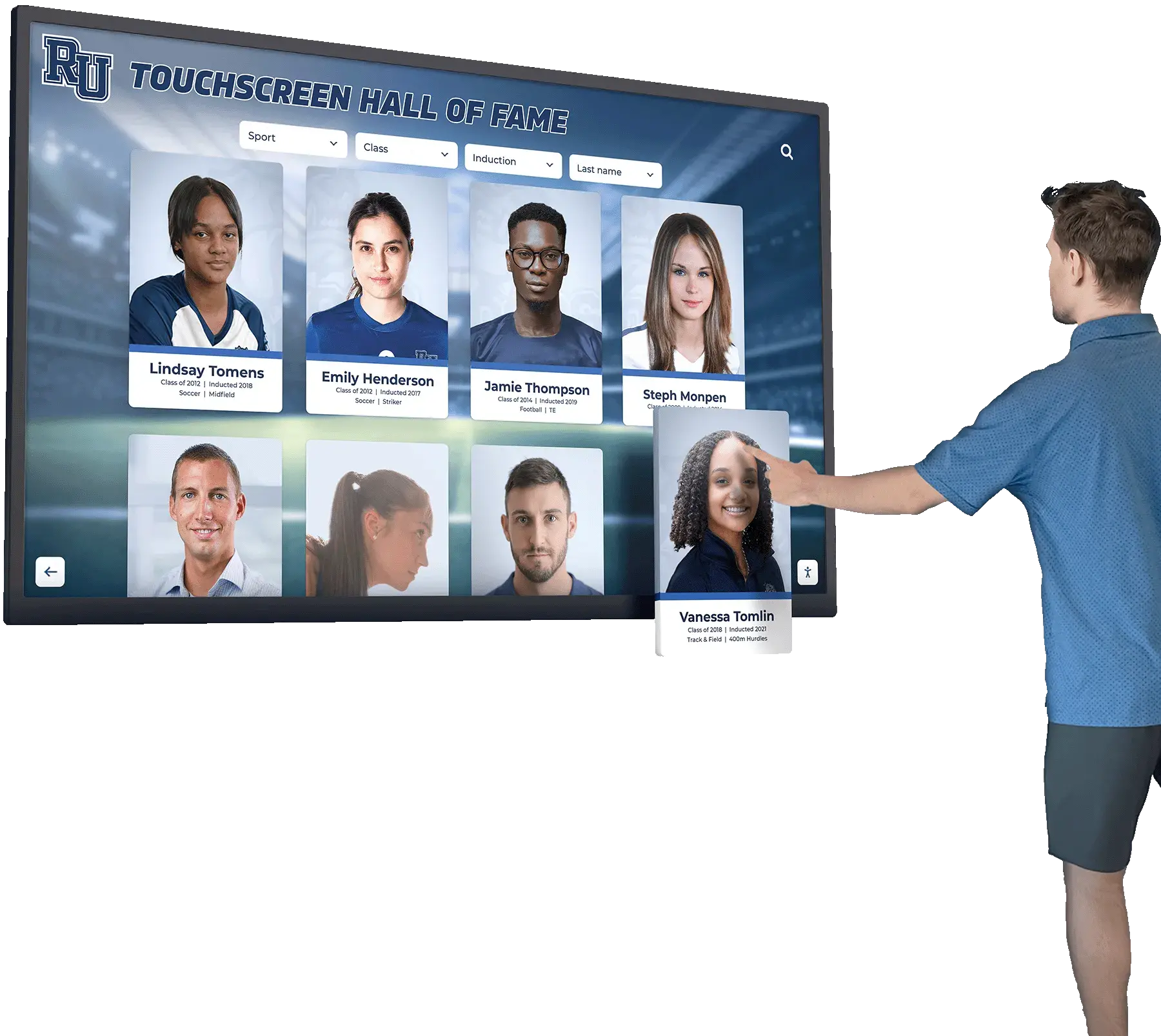
Loan agreements should explicitly address whether loaned artifacts may be featured in digital recognition systems integrated with or adjacent to physical display cases
Template Section 4 — Digitization and Reproduction Permissions
As schools increasingly integrate physical collections with digital recognition platforms, digitization permissions have become one of the most consequential sections of any loan agreement. A high-resolution scan or photograph of a loaned artifact is itself a reproduction — one that may outlast the loan and exist across multiple systems after the physical item is returned.
| Field | Options |
|---|---|
| Digitization permitted | Yes / No / Yes, with conditions — specify conditions |
| Digitization purpose | Institutional records only / Internal digital display / Public-facing digital archive / External licensing — specify |
| Resolution limits | No restriction / Specify maximum DPI or file dimension for distributed copies |
| Metadata publication | Lender approves publication of item metadata (athlete name, year, sport, description) alongside the digital image: Yes / No / Yes with review |
| Digital display platforms | List approved platforms: in-school touchscreen kiosk / school website / social media / external partner platforms |
| Retention after loan ends | Digital files must be deleted upon loan termination / Digital files may be retained for institutional records only / Lender must be consulted |
| Reproduction for publications | Permitted in school yearbook / Permitted in booster club materials / Permitted in press releases / Not permitted — specify |
| AI or automated processing | Specify whether the digital image may be processed through AI-assisted tagging, facial recognition, or similar systems |
Questions about data integrity in digital hall of fame systems are increasingly relevant as schools adopt platforms that automate metadata generation, record-board ranking, and digital archive management. The loan agreement is the appropriate place to establish what the lender has consented to, so that platform capabilities do not outpace documented permissions.
Template Section 5 — Care, Insurance, and Liability
This section defines the standard of care the school commits to and allocates financial responsibility if damage occurs. Many institutions have general property insurance that covers items in their custody; the loan agreement should address whether that coverage applies to the loaned artifact and at what value.
| Field | Notes |
|---|---|
| Standard of care | Describe the physical conditions the institution commits to: climate-controlled storage (temperature and humidity targets), UV-filtering display enclosures, acid-free packing materials, restricted handling by named staff roles |
| Insurance coverage | Confirm whether the institution’s property or fine arts insurance covers the loaned item; state the type of coverage and coverage limit |
| Appraised value used for insurance | Reference the appraised value from Section 2; note the date of the appraisal and the scheduled review interval |
| Lender’s own insurance | Note whether the lender intends to maintain their own insurance on the item during the loan; specify which policy is primary in the event of a claim |
| Liability for damage — negligence | Define the institution’s liability for damage resulting from negligence by staff: responsible for repair or replacement cost / responsible up to appraised value / liability limited to a specified cap |
| Liability for damage — force majeure | Define how responsibility is allocated for damage from fire, flood, or other events beyond the institution’s control |
| Notification requirements | Institution must notify lender within how many business days if damage, theft, or significant change in condition is discovered |
| Conservation and repair | Who authorizes conservation or repair: lender must approve all conservation work / institution may authorize emergency stabilization and notify lender within specified timeframe |
| Loss or theft | Institution must file a police report and notify lender within one business day; appraised value serves as the basis for financial settlement |
Template Section 6 — Return Terms and Termination
A loan agreement without clear return terms creates open-ended custody situations that can persist long after both parties intended them to end. This section defines how and when the item comes back to the lender, and what happens when either party initiates termination.
| Field | Options |
|---|---|
| Loan end date | If fixed, state the date; if the loan is indefinite, state the termination process |
| Renewal process | Automatic renewal for successive one-year terms unless either party gives written notice / Must be actively renewed with signed addendum |
| Lender termination notice | Number of days of written notice the lender must provide to request return; 30–90 days is a common range |
| Institution termination notice | Number of days of written notice the institution must provide before returning an item it no longer needs to display |
| Return shipping | Specify who is responsible for return shipping cost, packing materials, and carrier selection |
| Return condition documentation | Institution will complete a condition assessment before return and provide lender with a signed exit condition report and photographs |
| Successor institution | Define what happens to the loan agreement and the item if the school district reorganizes, the athletic program is discontinued, or the archive is transferred to another entity |
| Unclaimed items | If the lender cannot be located after a specified number of documented outreach attempts, specify the institution’s disposition rights — hold for an additional defined period, transfer to a partner institution, or other disposition consistent with applicable state property laws |
Storing and Accessing Loan Agreement Records
An executed loan agreement is only useful if staff can find it when they need it. Schools that maintain physical copies in a general administration file and digital copies in a standalone folder — with no connection to the artifact’s catalog record — frequently discover that the two records have diverged or that the agreement cannot be located when the lender calls.
The most effective approach connects each loan agreement directly to the artifact’s catalog entry. When a staff member looks up catalog record 2014-ATH-0047 (the 1987 state championship jersey), the loan agreement, condition report, digitization log, and display history should all be accessible from the same record. This integration is especially important for hall of fame recognition tools for athletics, donors, and history programs, which increasingly serve as the system of record for both physical artifacts and the documentation that governs their use.
Physical copies of signed agreements should be stored in an acid-free folder in a locked filing location, organized by catalog number. Digital copies should be stored in the institution’s document management system with access restricted to staff roles that handle collection management. Both the lender and the institution should receive a countersigned copy at the time of execution.
Set a calendar reminder to review all active loan agreements on an annual basis. Review prompts should include: Has the lender’s contact information changed? Has the item’s condition changed? Is the display location still appropriate? Is the appraised value still current? Are the digitization permissions still aligned with how the artifact is actually being used?
From Physical Loan to Digital Recognition
A loan agreement that addresses digitization permissions is also the document that enables a loaned artifact to become part of a school’s digital recognition archive. A championship trophy displayed in a lobby case and documented under a loan agreement that permits institutional digitization can be photographed in high resolution, described with accurate metadata drawn from the agreement’s item description section, and surfaced in a searchable interactive display — all within the permissions the lender has already granted.
This connection between physical loan documentation and digital display capability is increasingly central to how schools build comprehensive athletic archives. Leading hall of fame display platforms for schools enable administrators to enter structured artifact records, connect photographs to named athletes and seasons, and build timeline views that let students and alumni trace a program’s history across decades. The loan agreement is what makes those entries authoritative: every artifact in the digital archive carries documented ownership status, confirmed display permissions, and a verified condition record.
For programs evaluating how to structure both the physical and digital sides of athletic recognition, hall of fame tools reviewed across athletics, arts, and history categories provide a useful benchmark for understanding the feature sets and workflow integrations most relevant to schools managing active loan collections.

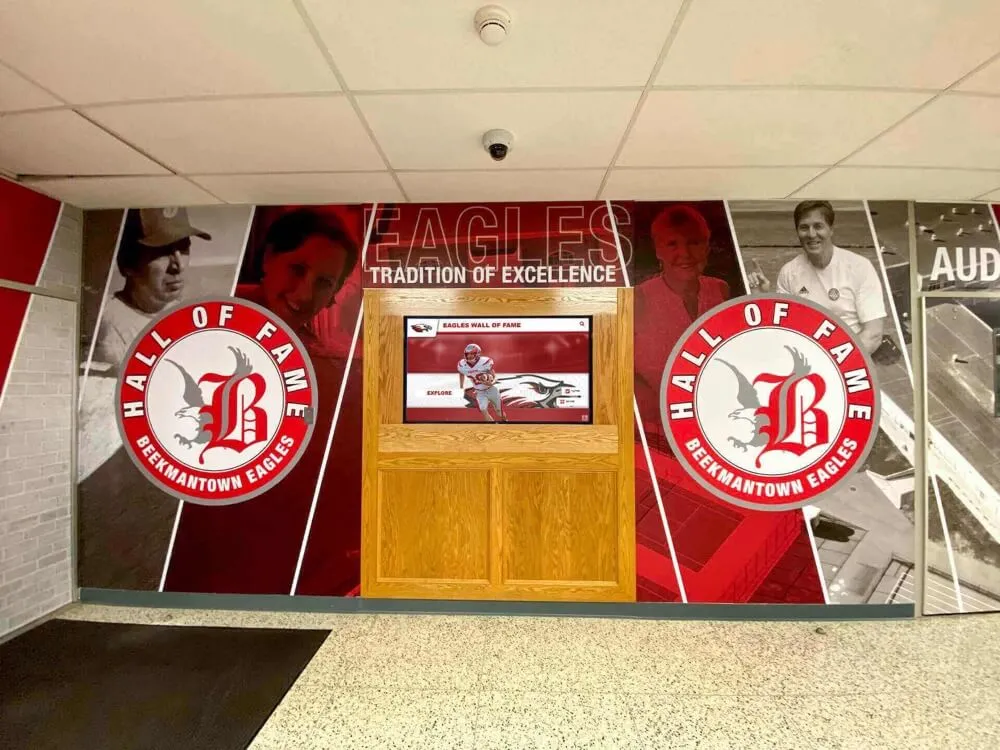
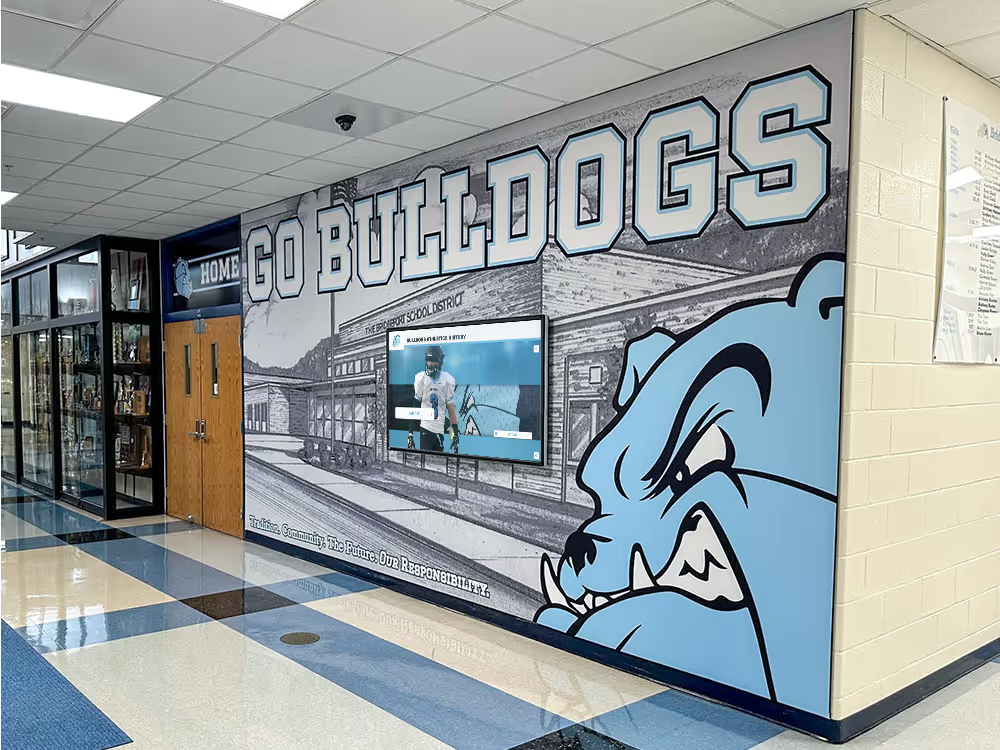
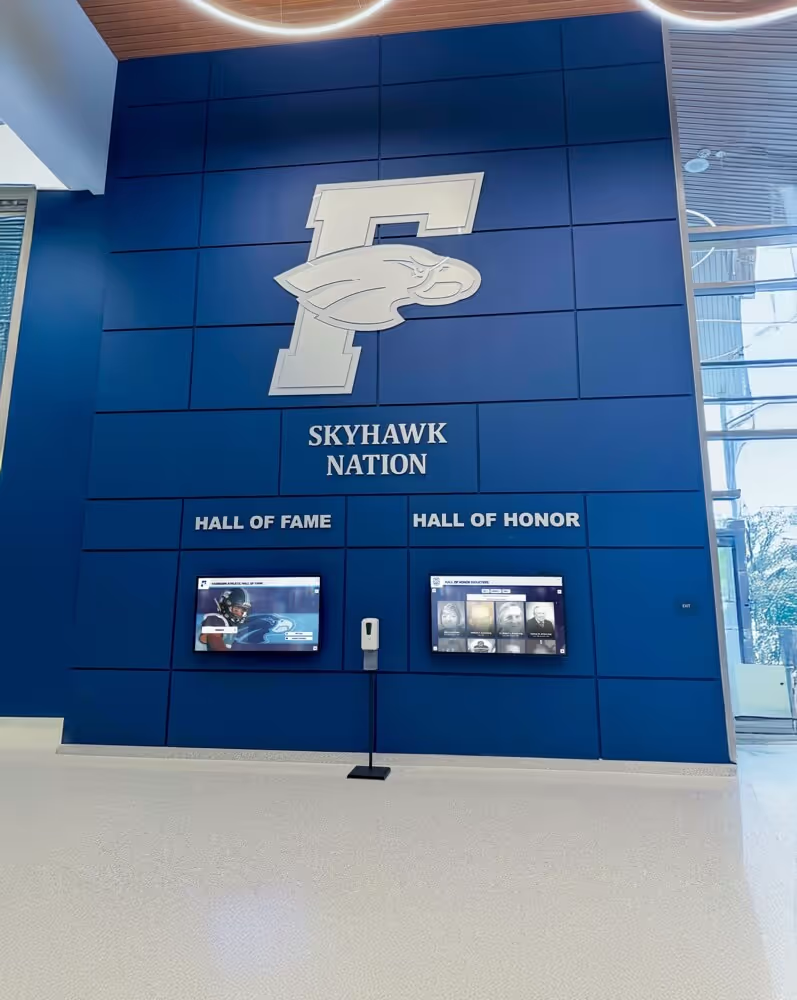
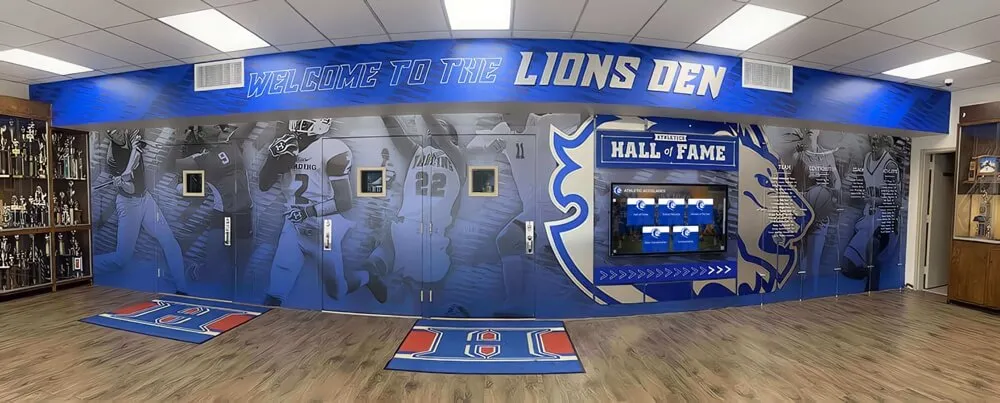
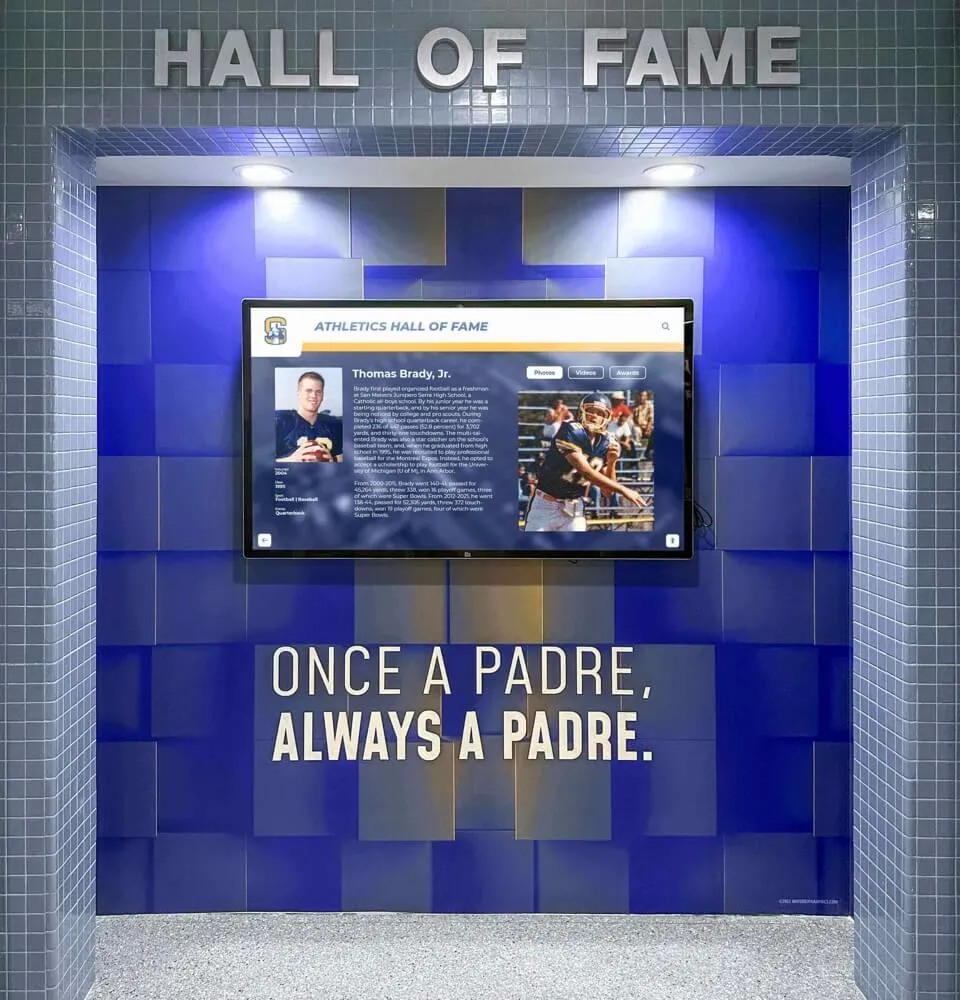
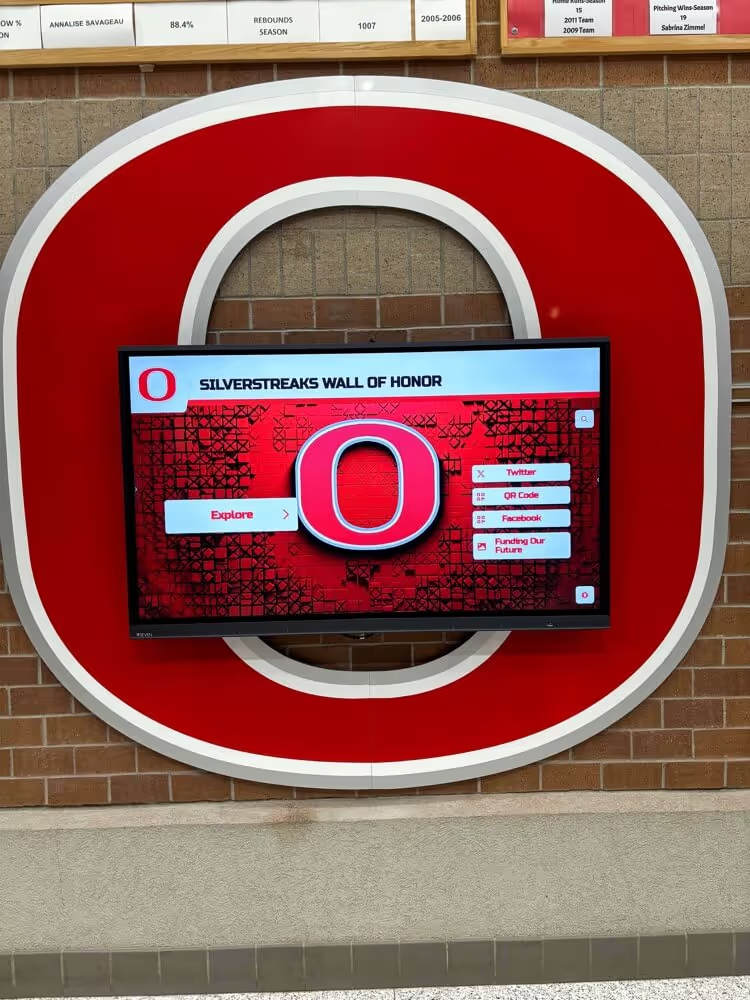
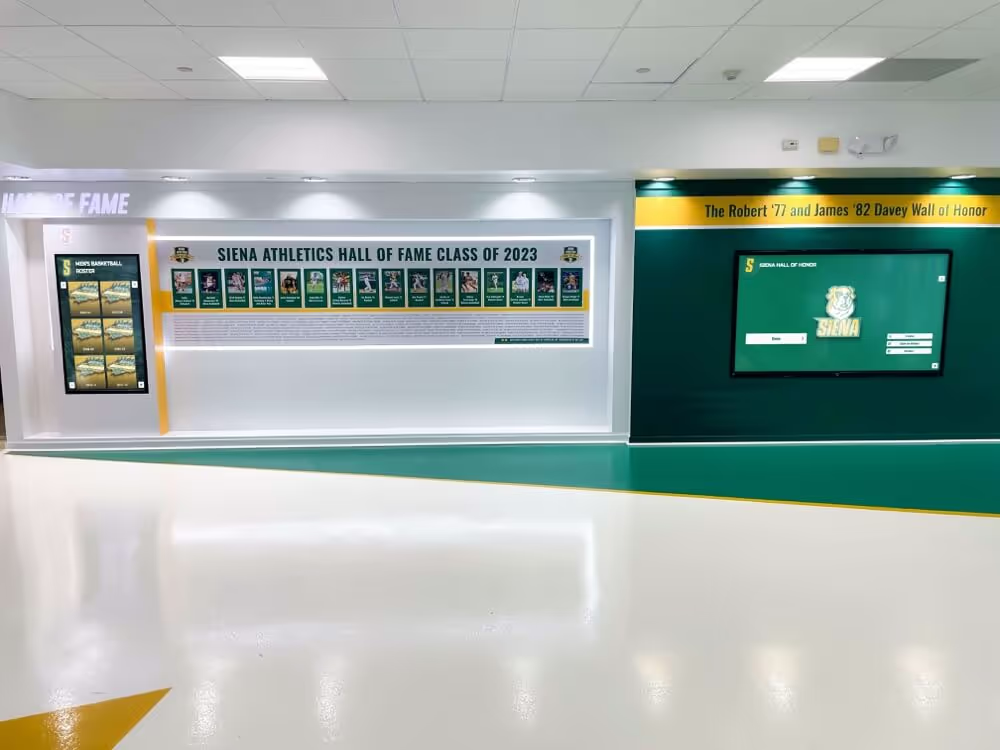
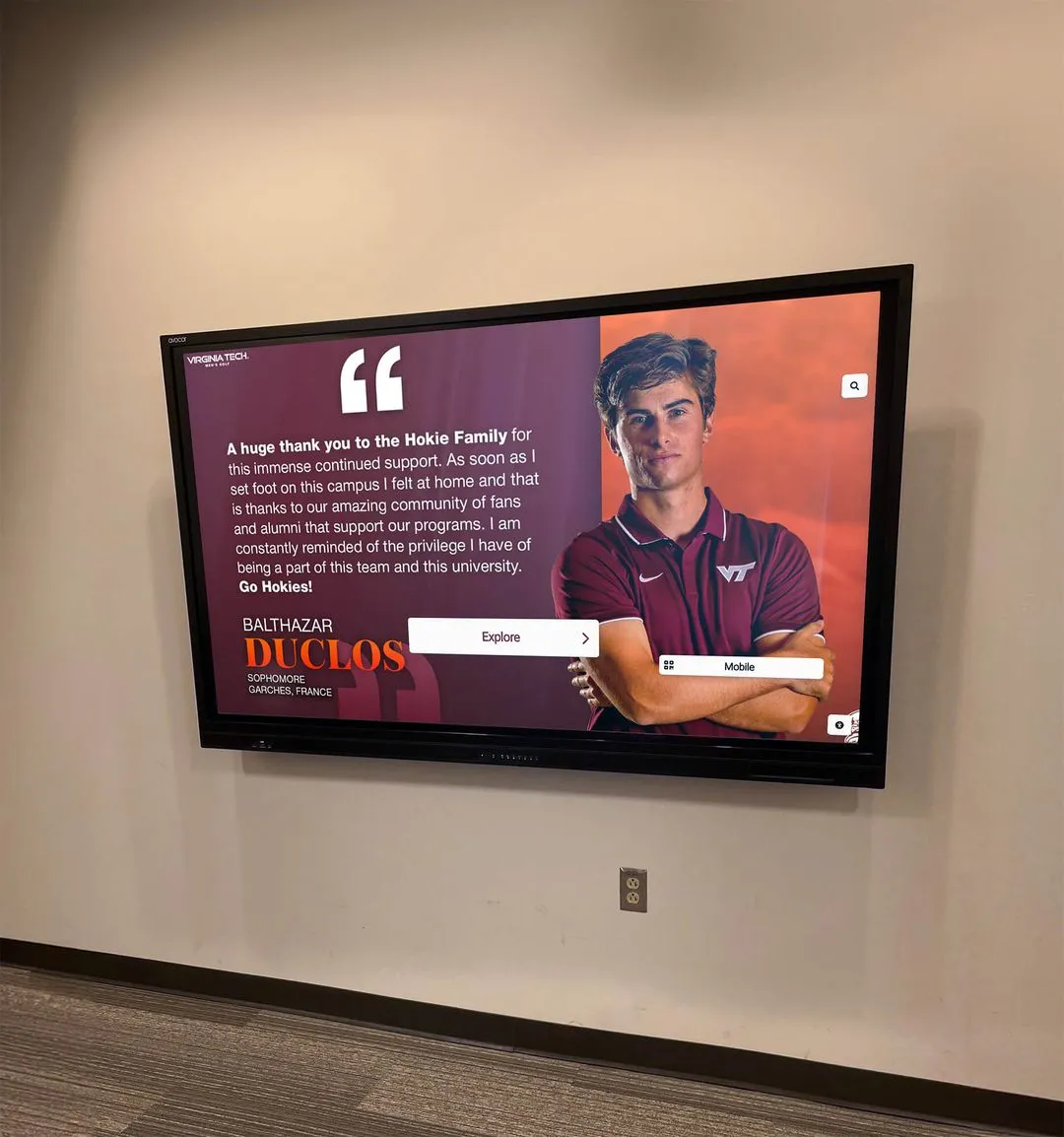
Digital recognition displays that feature loaned artifacts draw their authority from the loan agreement — documented ownership, condition records, and digitization permissions make every entry complete
Schools implementing or expanding digital recognition archives will find touchscreen display tools for school recognition programs a practical starting point for understanding how loan documentation workflows map onto platform capabilities, from structured data entry to scheduled publishing and remote content management.
Frequently Asked Questions
Does a loan agreement cover both temporary and indefinite loans? Yes, but the return terms section should distinguish clearly between them. A temporary loan has a fixed end date and a defined return process. An indefinite loan has no preset end date but must specify how either party can initiate return — typically through written notice with a defined lead time. Use the loan type field in the header to establish which applies, and ensure the return section is consistent with that designation.
What happens if the lender dies during an indefinite loan period? The agreement should include a successor clause naming what happens when the lender is no longer available to communicate directly. Common approaches include specifying that the lender’s estate inherits the lender’s rights and responsibilities under the agreement, and requiring the institution to make documented outreach to the lender’s designated next of kin or estate representative before any change in the item’s display, storage, or disposition status.
Should the institution get a professional appraisal before accepting a loan? The institution is not required to obtain an appraisal, but the loan agreement should at minimum acknowledge whatever value has been established for the item — whether through a formal appraisal commissioned by the lender, an informal estimate, or an explicit statement that no appraisal has been conducted. The appraised value drives the insurance coverage decision; without it, the institution cannot confirm that the item is adequately covered.
Can a loan agreement be converted to a gift agreement later? Yes, and this is a common progression for loaned items that have been on display for many years and for which the lender no longer anticipates requesting return. The conversion should be executed as a separate gift acceptance agreement, signed by both parties, that explicitly supersedes the original loan agreement, confirms ownership transfer, and releases the institution from return obligations. Both documents should be retained in the archive file.
How should the agreement address items with personal significance but low monetary value? Many of the most historically significant items in a school archive — a handwritten scorebook from the program’s founding season, a photograph signed by an athlete who later passed away — have significant institutional and sentimental value but low formal monetary value. The agreement should still be executed fully: condition documentation, display rights, and return terms matter regardless of appraised value. The insurance and liability section can acknowledge a modest estimated value while noting the item’s specific institutional significance.
How do loan agreements interact with digital hall of fame platforms? When an institution displays a loaned artifact’s photograph and associated data in a digital recognition system, the platform’s use of that content is governed by the digitization permissions the lender granted in the agreement. Schools should review the loan agreement’s digitization section before entering an artifact into any new platform, confirm that the intended use falls within the granted permissions, and update the agreement with a signed addendum if new uses arise that were not anticipated at the time of execution. For a broad view of how digital yearbook and hall of fame platforms handle artifact records, reviewing platform feature documentation alongside loan agreement templates helps administrators anticipate which permissions need to be addressed at intake.
What if the lender and institution disagree about the condition of the item at return? The return condition documentation field in the return terms section addresses this directly. The institution completes a full condition assessment before returning the item, provides the lender with a signed exit condition report, and retains a copy in the archive file. The intake condition report completed at the start of the loan serves as the objective baseline. Photograph documentation at both intake and return is the single most effective way to resolve disagreements about condition changes during the loan period.
Conclusion
An athletic memorabilia loan agreement is a short document that prevents long problems. Executed consistently at the start of every loan — from the championship trophy donated by a retiring coach to the game-worn jersey lent by a former athlete’s family — it gives both parties a written record of what was agreed, protects the institution from liability disputes, and creates the documentation infrastructure that makes digital recognition possible.
The template sections in this guide — header, item description and condition, display rights, digitization permissions, care and insurance, return terms — cover the full scope of a well-structured loan agreement. Adapt them to your institution’s catalog system, have legal counsel review any significant modifications, and execute them consistently from the moment an artifact enters your custody.
When loan agreements are connected to catalog records and integrated with digital recognition platforms, every loaned jersey, trophy, and photograph in your archive becomes a fully documented, display-ready entry — one that honors the athlete who wore it, acknowledges the family who preserved it, and tells the program’s story to every student and alumnus who walks through the building.
See How Documented Athletic Archives Come to Life on Interactive Displays
Every loaned jersey, trophy, and photograph backed by a complete loan agreement is a candidate for a searchable, story-rich digital archive entry. Rocket Alumni Solutions transforms physical collection records into interactive touchscreen recognition experiences that engage students, alumni, and visitors every day.
Request a Demo