



Athletic training rooms serve as medical headquarters for school and university sports programs, providing essential spaces where student athletes receive injury prevention, evaluation, treatment, and rehabilitation services. These specialized facilities operate at the intersection of healthcare and athletics, requiring thoughtful design that balances clinical functionality with motivational environments supporting athlete recovery and performance.
The modern athletic training room faces complex demands beyond basic treatment space. Athletic trainers manage increasing caseloads across multiple sports, treating everything from acute injuries requiring immediate evaluation to chronic conditions demanding ongoing rehabilitation. Equipment needs span from examination tables and modalities to rehabilitation tools and emergency supplies. Documentation requirements necessitate dedicated workspace for electronic medical records. Storage must accommodate supplies for dozens of sports across entire athletic seasons. Meanwhile, the training room culture profoundly affects athlete buy-in—facilities that feel sterile and clinical may discourage athletes from seeking preventive care, while welcoming spaces that celebrate program tradition encourage proactive health management.
Schools and universities investing in athletic training room design report measurable benefits: reduced injury rates through improved prevention programming, faster recovery times from optimized treatment protocols, enhanced athletic trainer effectiveness from functional layouts, and strengthened athlete trust fostered by professional yet motivating environments that demonstrate institutional commitment to student athlete welfare.
This comprehensive guide examines athletic training room design principles addressing space allocation, equipment selection, workflow optimization, and environmental considerations that create functional facilities supporting comprehensive sports medicine programs for student athletes at every competitive level.
Understanding Athletic Training Room Purpose and Functions
Before addressing specific design elements, successful training room projects begin with clear understanding of the diverse functions these facilities serve throughout athletic seasons.
Core Athletic Training Services
Athletic training rooms support multiple critical functions:
Injury Prevention and Education
Proactive athletic training begins before injuries occur:
- Pre-participation physical examinations and screenings
- Preventive taping, bracing, and protective equipment fitting
- Flexibility and mobility assessments identifying injury risks
- Strength and conditioning evaluation highlighting imbalances
- Athlete education about injury prevention strategies
- Warm-up and recovery protocol instruction
- Hydration and nutrition guidance supporting performance
Training rooms designed with adequate space for preventive services enable athletic trainers to emphasize injury avoidance rather than solely reactive treatment.

Acute Injury Evaluation and Treatment
When injuries occur, training rooms provide immediate care:
- Emergency assessment and stabilization of acute injuries
- Clinical evaluation determining injury severity and treatment needs
- Initial treatment with ice, compression, and elevation
- Wound care and bandaging for abrasions and lacerations
- Pain management through appropriate modalities
- Injury documentation and medical record maintenance
- Physician referral coordination when necessary
- Communication with coaches and parents about injury status
Efficient training room layouts enable athletic trainers to respond quickly to emergencies while maintaining organized treatment protocols.
Rehabilitation and Recovery
Injured athletes require dedicated rehabilitation space:
- Progressive rehabilitation protocols returning athletes to competition
- Therapeutic modalities including electrical stimulation, ultrasound, and thermal therapy
- Therapeutic exercise programming addressing specific injury deficits
- Manual therapy techniques supporting tissue healing
- Functional progression exercises simulating sport demands
- Return-to-play testing evaluating readiness for competition
- Ongoing monitoring preventing re-injury
Well-designed rehabilitation zones provide necessary equipment and space for comprehensive recovery programs extending from initial injury through full return to sport.
Workflow Optimization for Athletic Trainers
Athletic training room design significantly affects operational efficiency:
Treatment Capacity and Patient Flow
High school training rooms may serve 50-100 athletes daily during peak seasons, while university facilities handle hundreds of student athletes across dozens of sports. Efficient layouts prevent bottlenecks by providing:
- Adequate treatment tables for simultaneous athlete care
- Clear pathways preventing congestion during busy pre-practice periods
- Designated zones for different services (taping, treatment, rehabilitation)
- Visibility enabling athletic trainers to monitor multiple athletes
- Accessibility supporting athletes with various injury types and mobility limitations
Schools planning training room renovations should analyze peak usage patterns, identifying maximum daily athlete volume to ensure adequate capacity.
Storage and Organization Systems
Athletic trainers manage extensive supplies requiring systematic organization:
- Taping supplies for multiple sports and body areas
- Modality equipment (ultrasound, electrical stimulation, laser therapy)
- Therapeutic exercise equipment (resistance bands, weights, stability tools)
- Braces and protective equipment across varied sizes
- First aid and emergency supplies including AED equipment
- Cleaning and sanitation supplies for infection control
- Ice and cooling therapy resources
- Documentation and administrative materials
Strategic storage placement reduces time spent retrieving supplies while maintaining organized, professional environments that inspire athlete confidence in care quality.
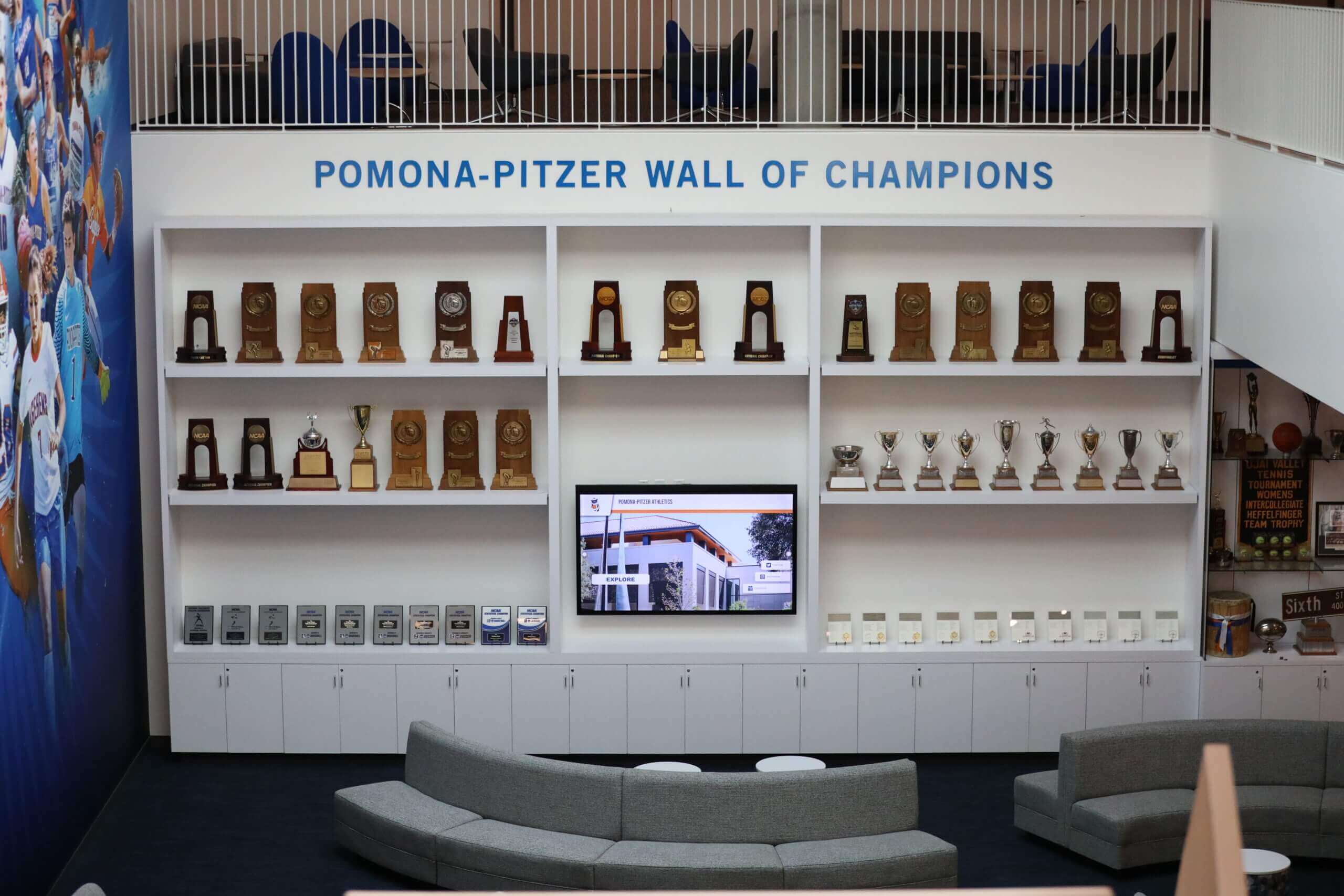
Space Allocation and Functional Zones
Effective athletic training room design organizes space around distinct functional needs while creating efficient workflows between zones.
Treatment and Taping Areas
Core treatment spaces form training room foundations:
Treatment Table Configuration
Clinical treatment areas require careful planning:
- Minimum 3-4 treatment tables for high school programs
- 6-10 tables for comprehensive university athletic programs
- Spacing allowing athletic trainer access from both sides (minimum 4-5 feet between tables)
- Adjustable-height tables accommodating diverse treatment needs
- Durable, easily cleanable upholstery for infection control
- Electrical outlets near each table supporting modality use
- Privacy curtains when space allows for sensitive examinations
Treatment table quality affects both athletic trainer effectiveness and athlete comfort during extended rehabilitation sessions.
Taping and Preparation Stations
Pre-practice taping represents high-volume training room activity:
- Dedicated taping benches or tables separate from treatment areas
- Standing-height surfaces (42-44 inches) optimizing athletic trainer ergonomics
- Supply storage immediately adjacent to taping stations
- Flooring selection withstanding tape adhesive residue
- Adequate capacity preventing pre-practice congestion
- Student athletic trainer workspace for supervised practice
Strategic taping area design prevents treatment zones from becoming congested during peak pre-practice periods when dozens of athletes require taping simultaneously.
Rehabilitation and Exercise Space
Injured athletes recovering from significant injuries need dedicated rehabilitation areas:
Therapeutic Exercise Zone
Progressive rehabilitation requires appropriate space and equipment:
- Minimum 200-300 square feet for dedicated rehabilitation
- Larger programs benefit from 400-600 square feet enabling multiple concurrent rehab athletes
- Flooring appropriate for exercise (rubber, turf, or resilient surfaces)
- Wall-mounted or free-standing equipment (pull-up bars, cable systems, mirrors)
- Plyometric and agility equipment for advanced rehabilitation phases
- Adequate ceiling height for overhead exercises
- Visibility enabling athletic trainer supervision during treatment of other athletes
Modality and Therapy Equipment
Various treatment modalities require designated space:
- Electrical stimulation and ultrasound units
- Cold therapy systems and ice machines
- Hot pack heating units for thermal therapy
- Compression therapy equipment
- Laser therapy devices
- Hydrotherapy equipment when budgets allow
- Modality carts enabling flexible treatment locations
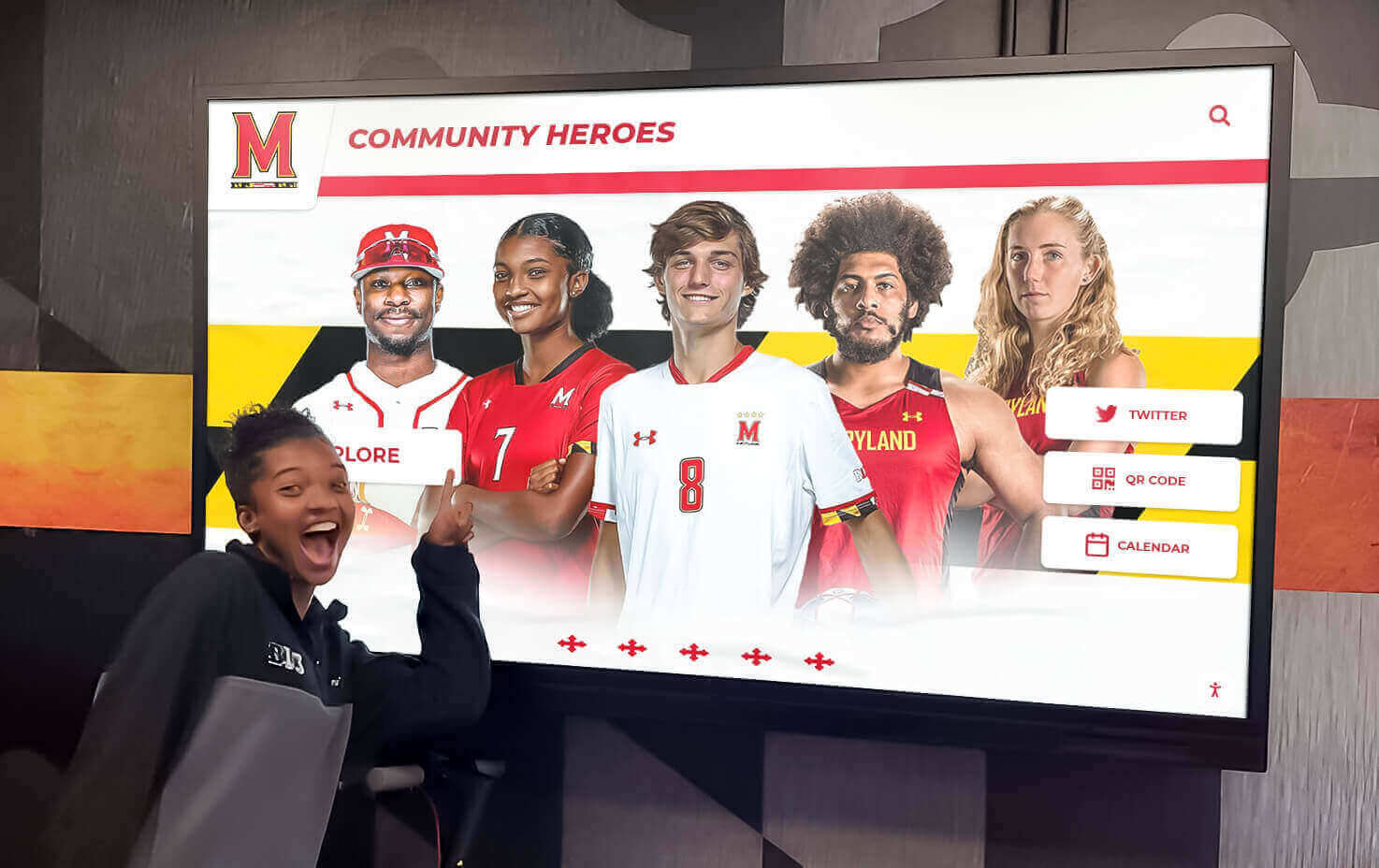
Equipment selection should reflect sports served and injury patterns common to athletic programs while balancing comprehensive capabilities with budget realities.
Office and Administrative Space
Athletic trainers require dedicated workspace beyond direct athlete care:
Documentation and Communication Areas
Modern sports medicine involves substantial administrative work:
- Desk space for electronic medical record documentation
- Computer workstations with HIPAA-compliant security
- Phone access for physician communication and parent contact
- File storage for paper records and forms
- Meeting space for athlete education sessions
- Privacy for confidential athlete conversations
- Charging stations for electronic devices
- Reference materials and continuing education resources
Athletic trainers balancing simultaneous treatment and documentation benefit from computer access visible from treatment areas enabling efficient record-keeping while supervising rehabilitation.
Storage and Supply Management
Organized storage systems prevent operational inefficiency:
- Climate-controlled areas for temperature-sensitive supplies
- Locked cabinets for controlled medications and sensitive equipment
- Clearly labeled organization systems enabling quick supply location
- Inventory management systems preventing supply shortages
- Separate storage for cleaning supplies and sanitation materials
- Adequate shelving accommodating bulk supply purchasing
- Easy accessibility to high-use items like tape and ice bags
Well-designed storage represents investment in athletic trainer time efficiency—organized systems reduce minutes wasted searching for supplies during busy pre-practice periods.
Recognition and Motivation Integration
Athletic training rooms benefit from environments balancing clinical functionality with motivational elements:
Program Culture and Athlete Inspiration
Training rooms where athletes spend significant time during injuries influence recovery mindsets:
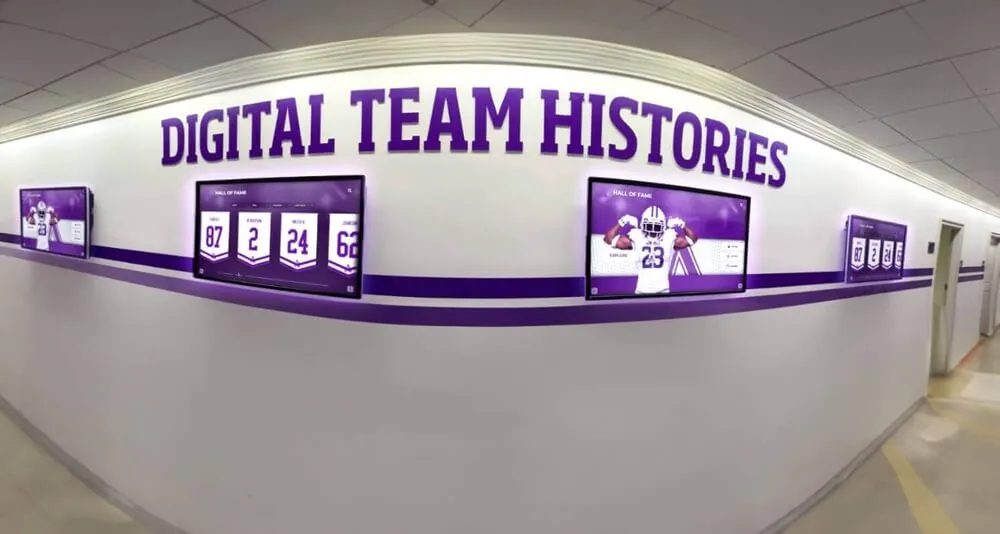
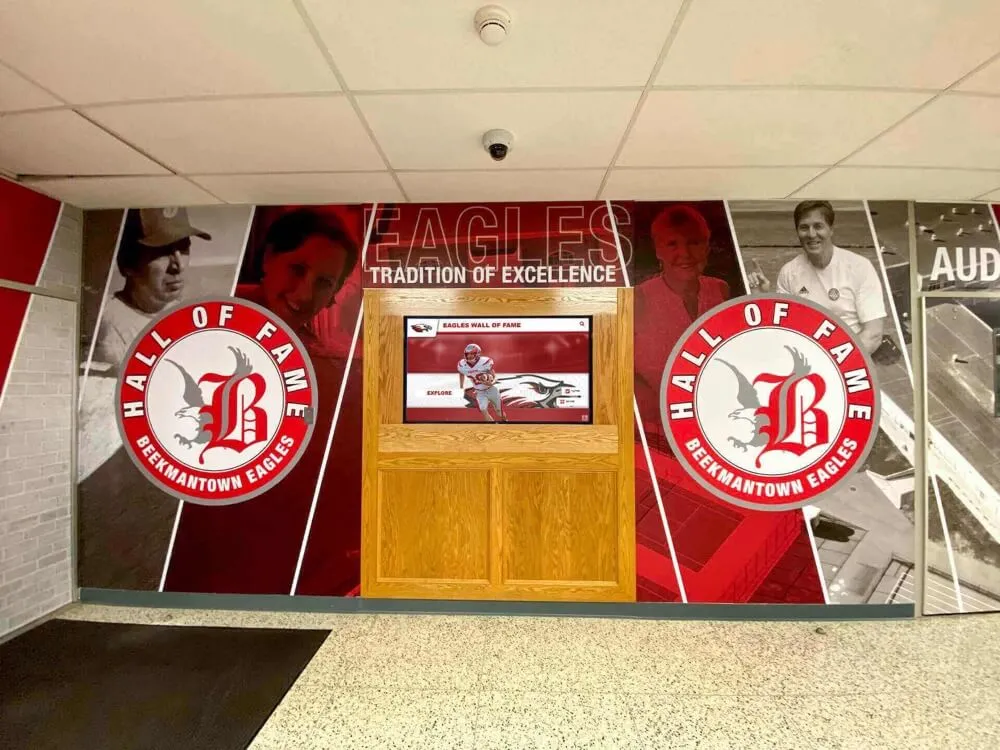
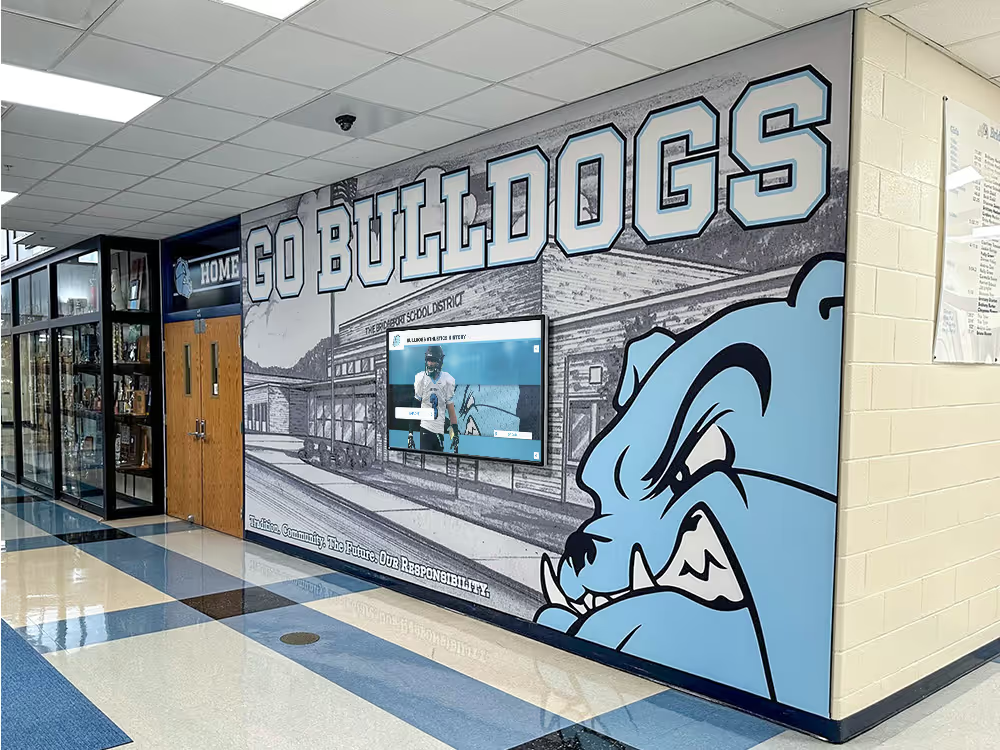
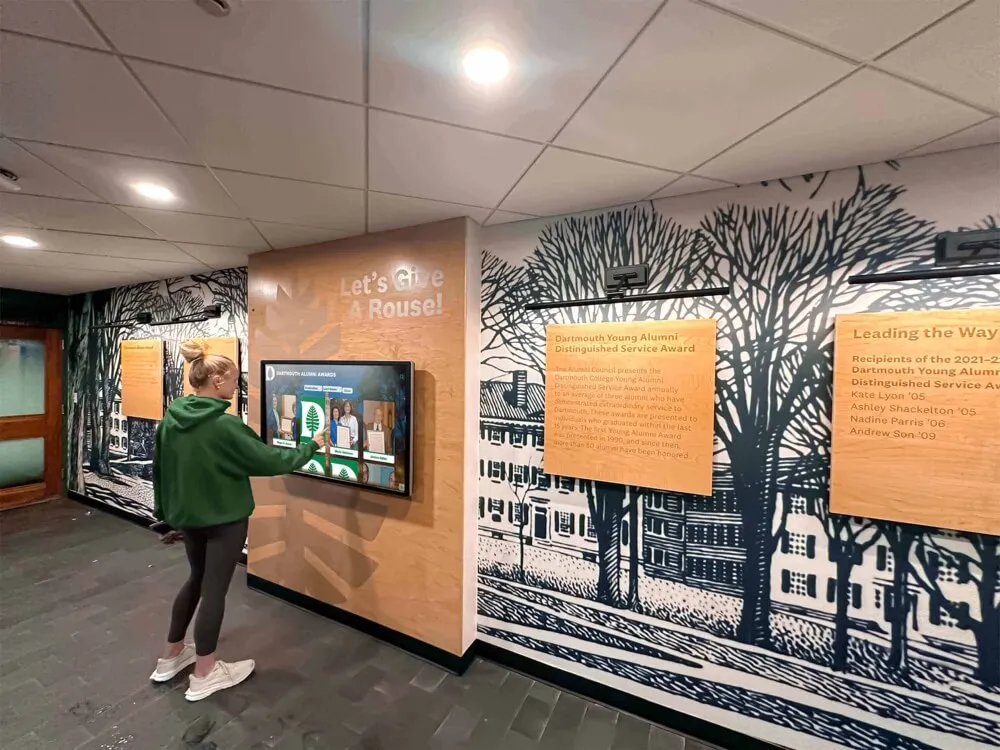
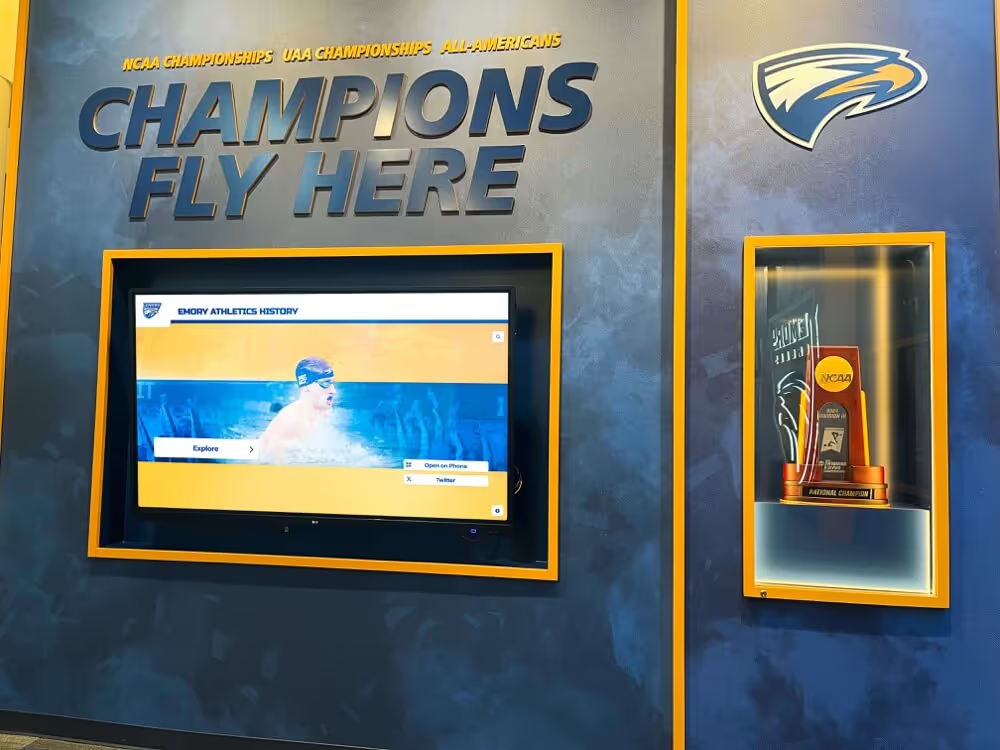
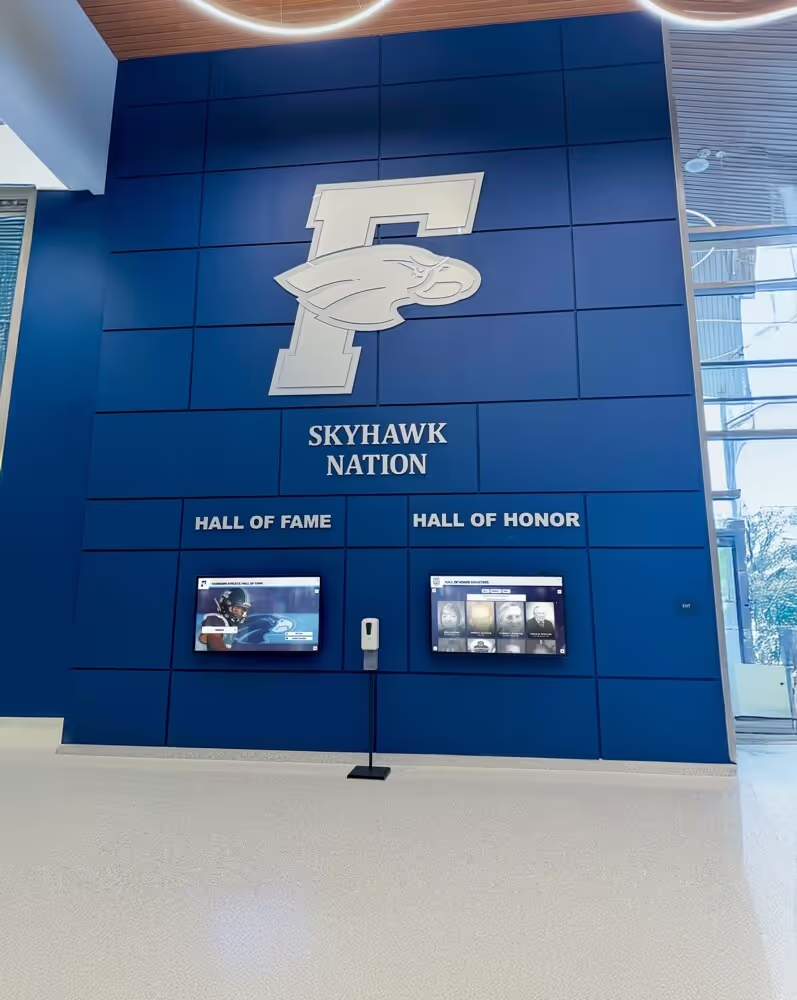
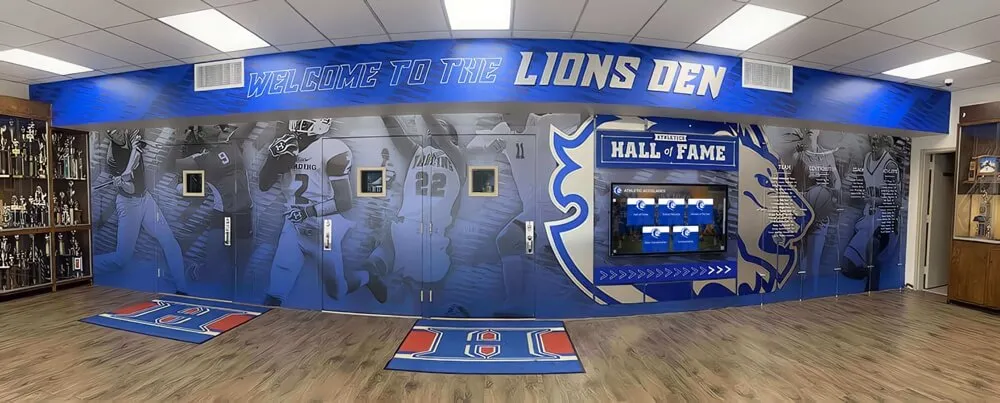
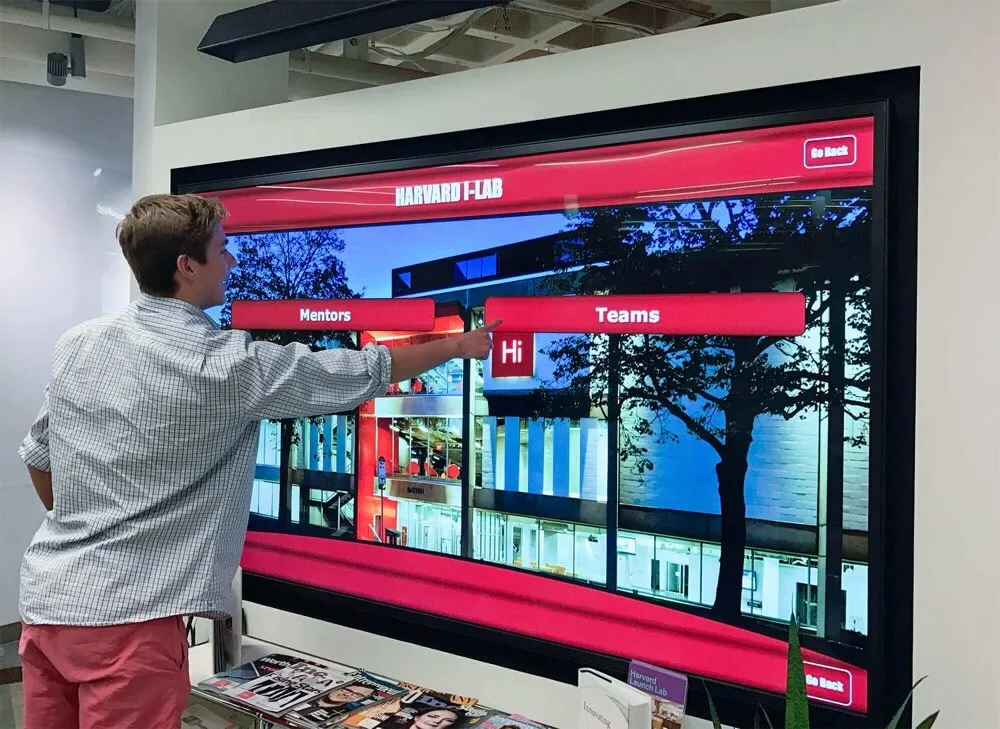
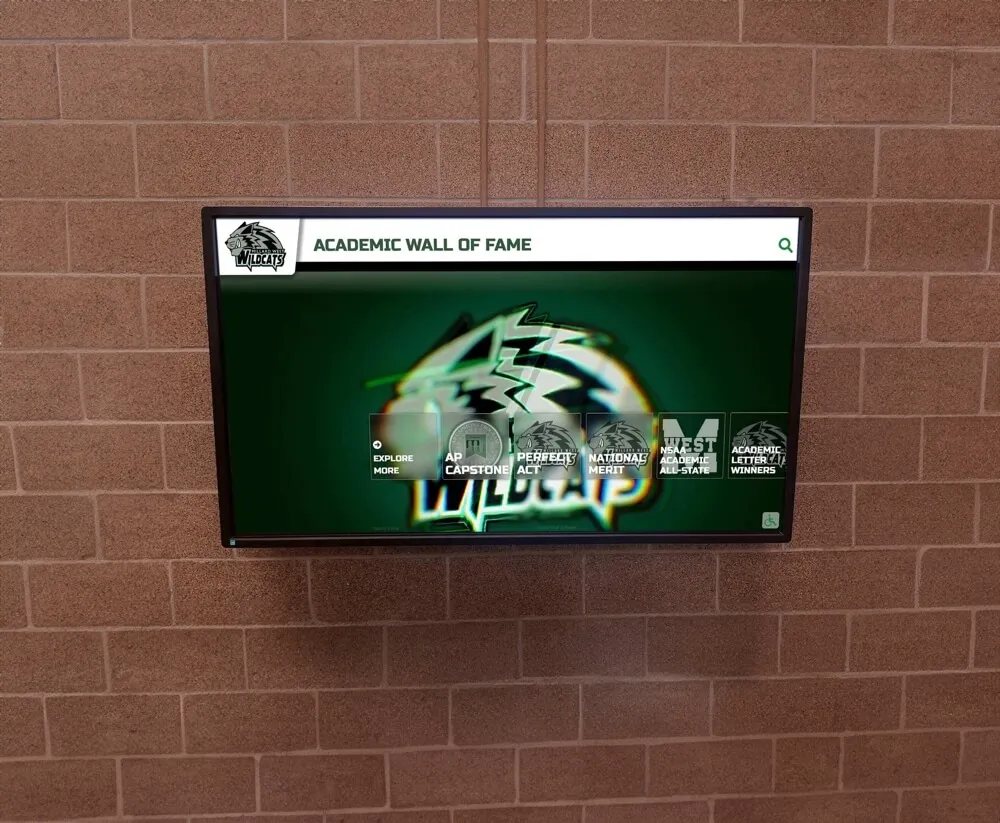
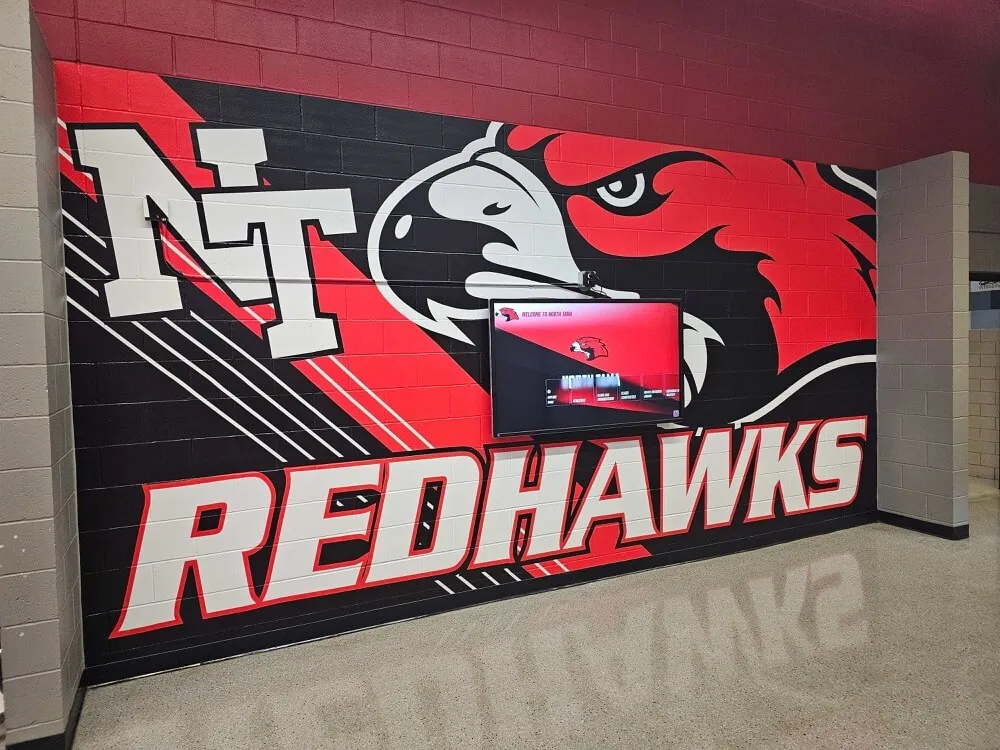
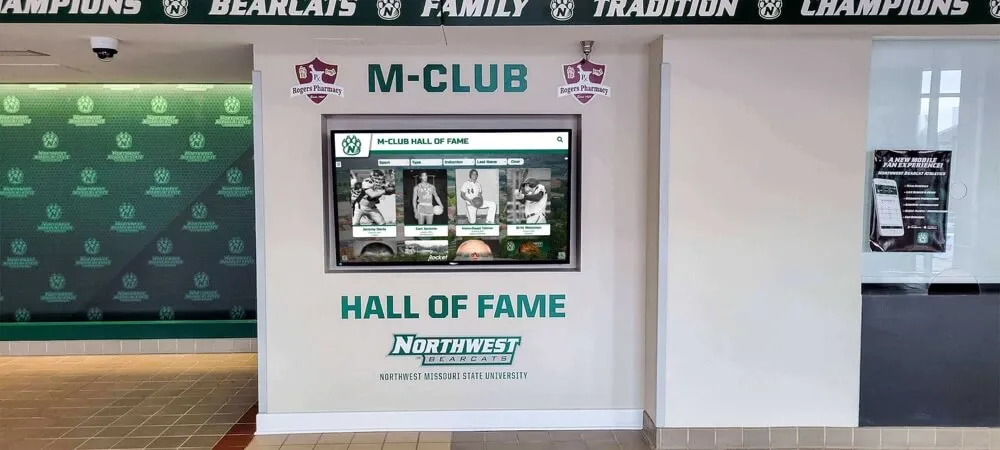
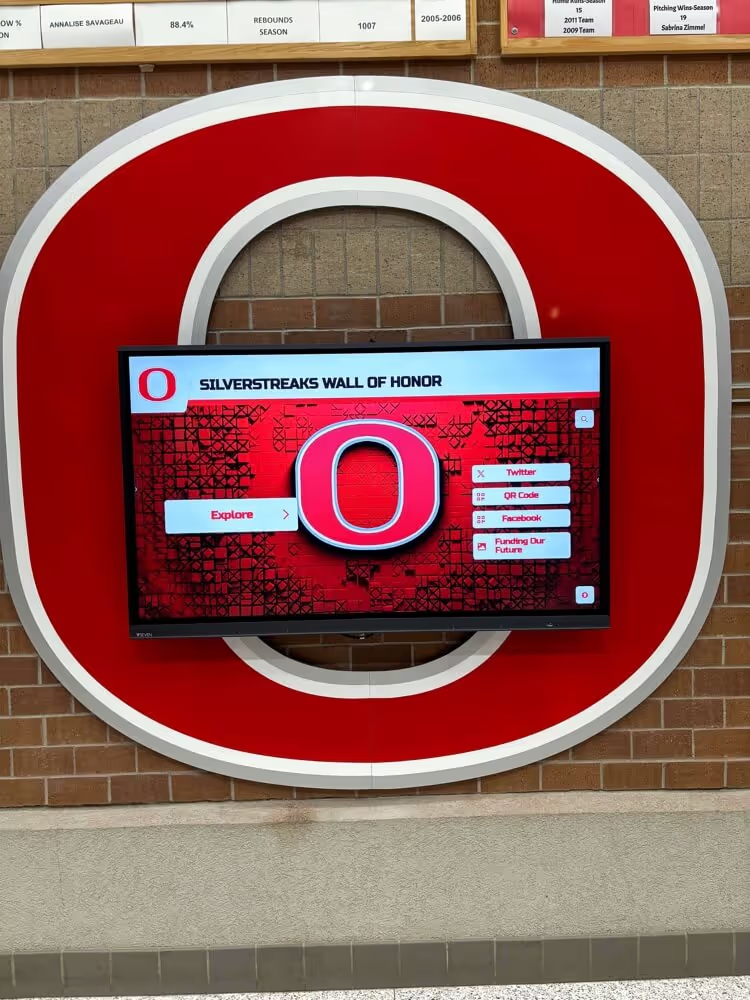
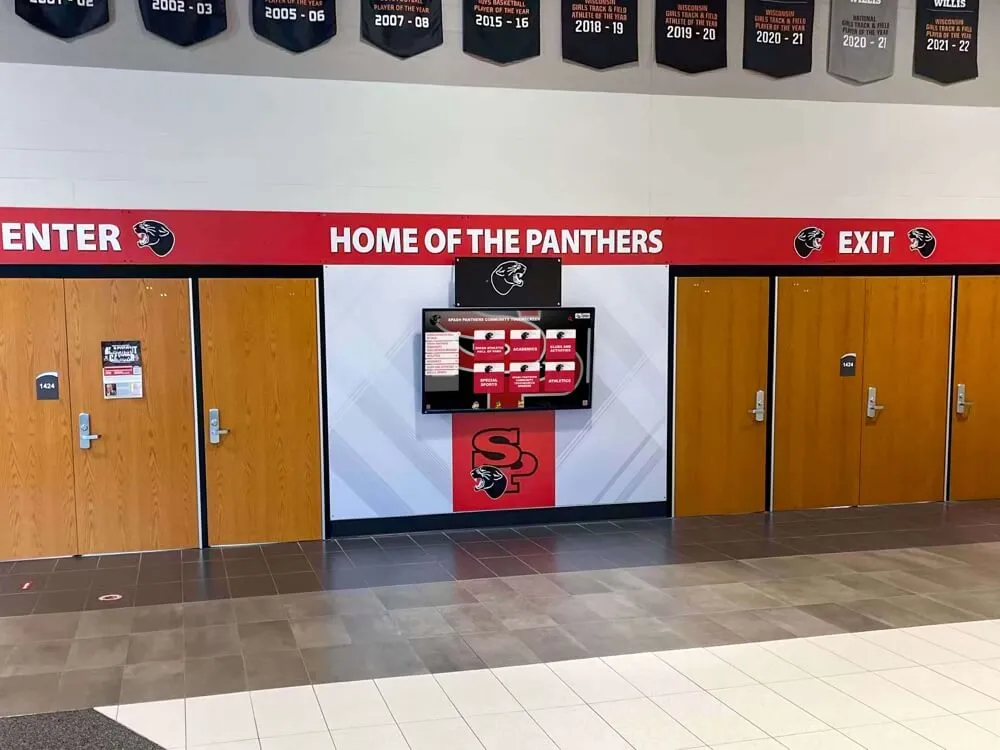
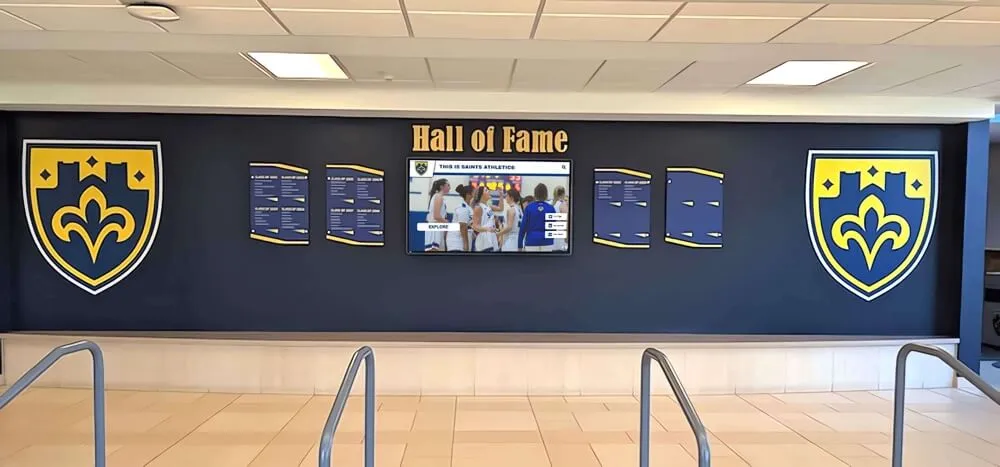
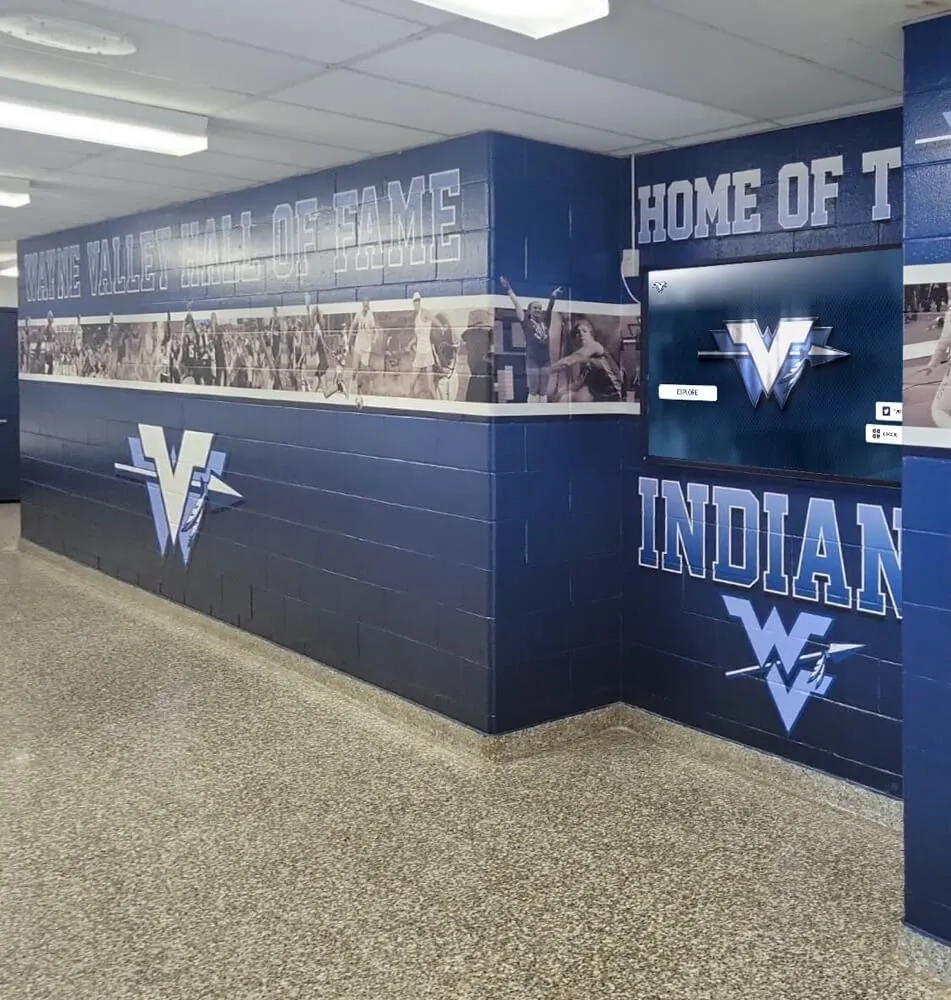
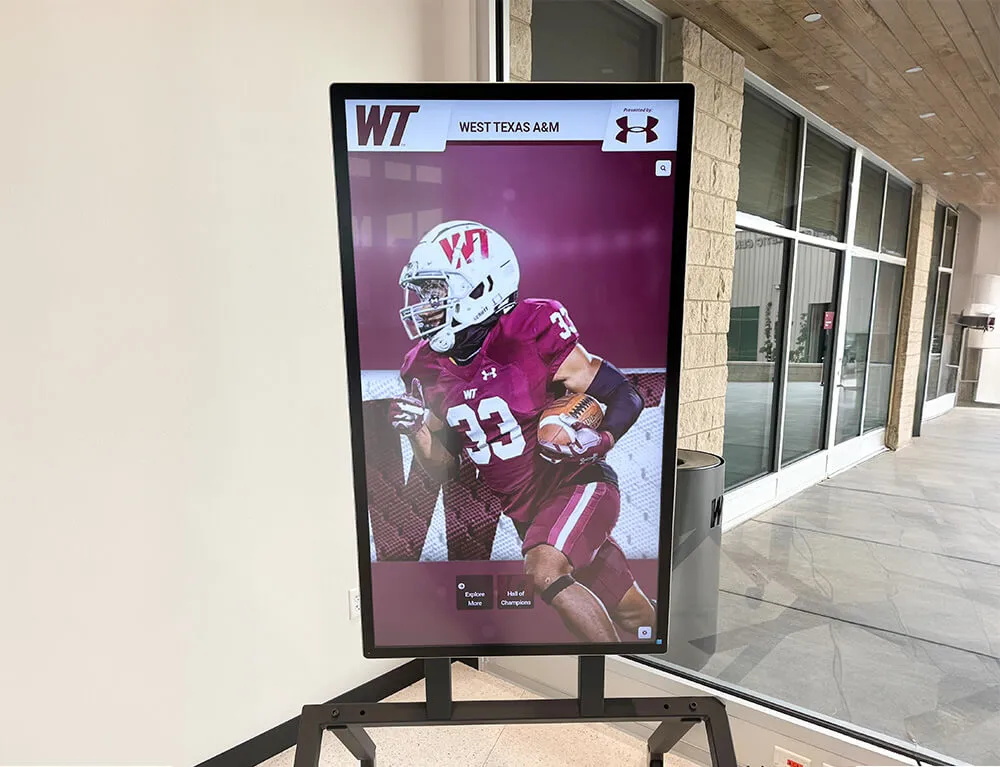
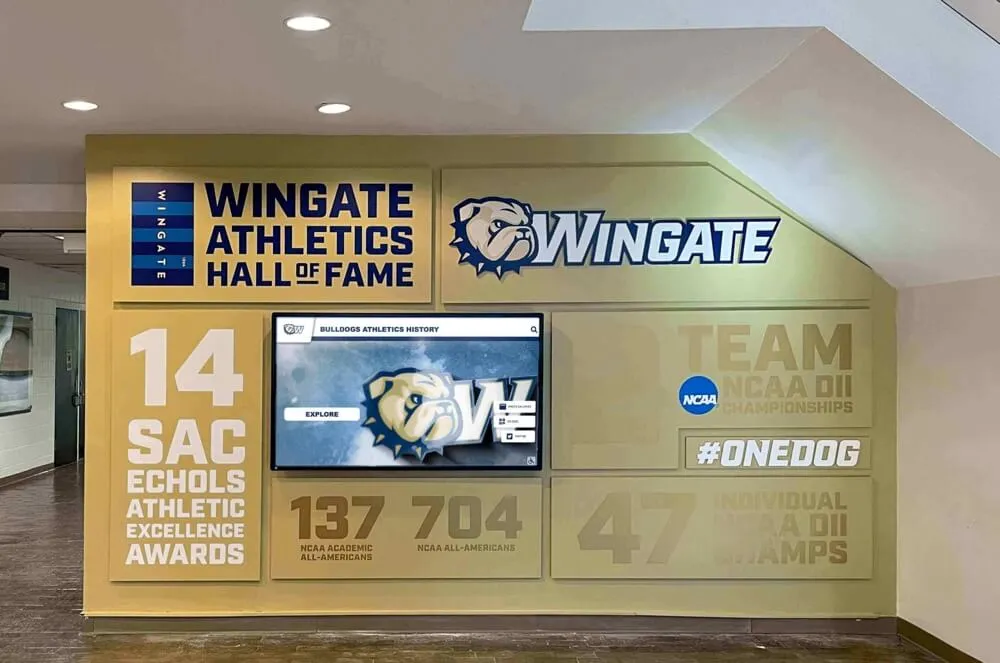
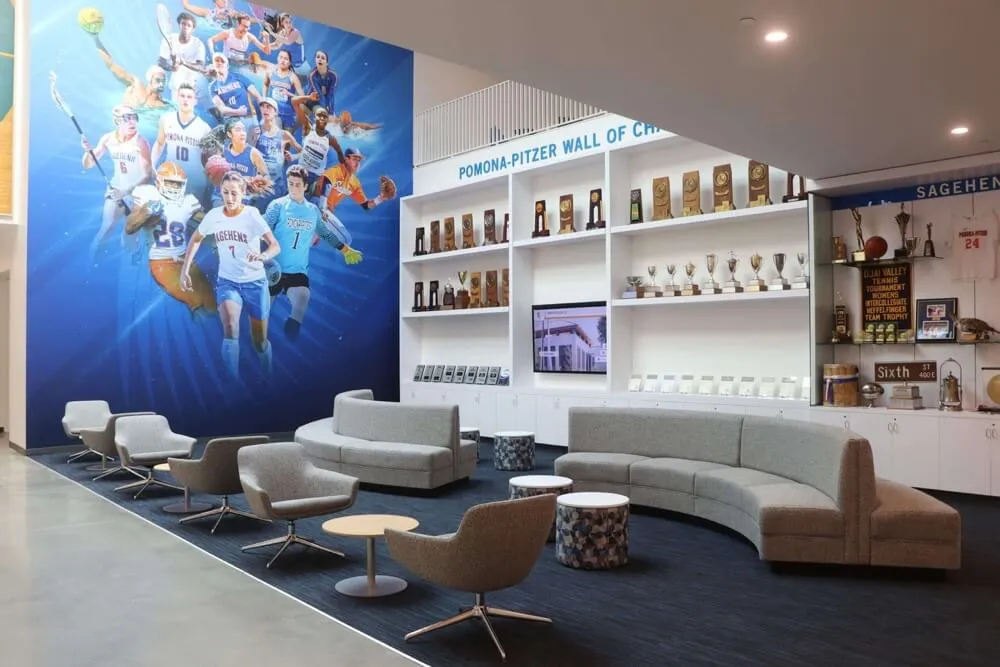
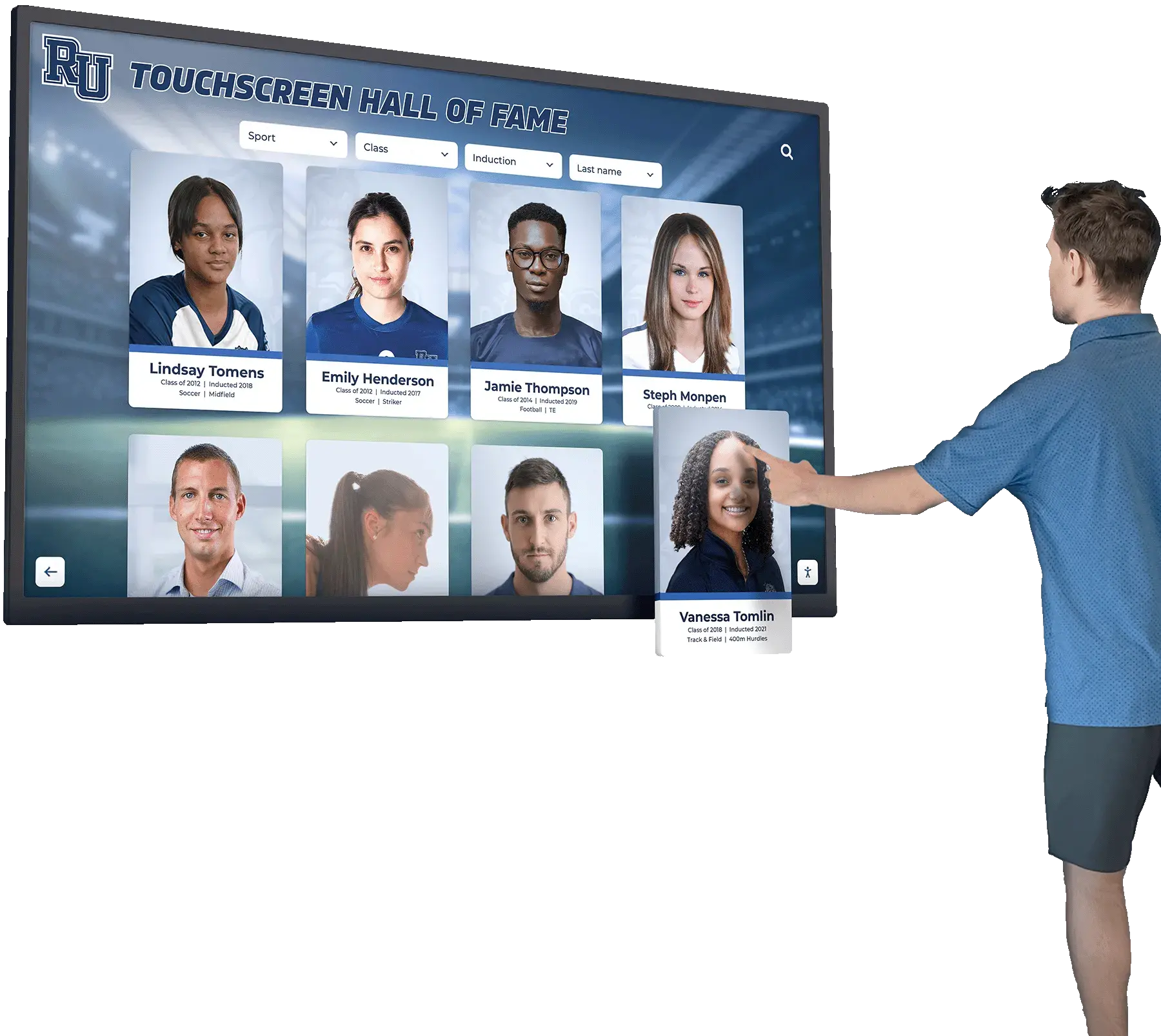
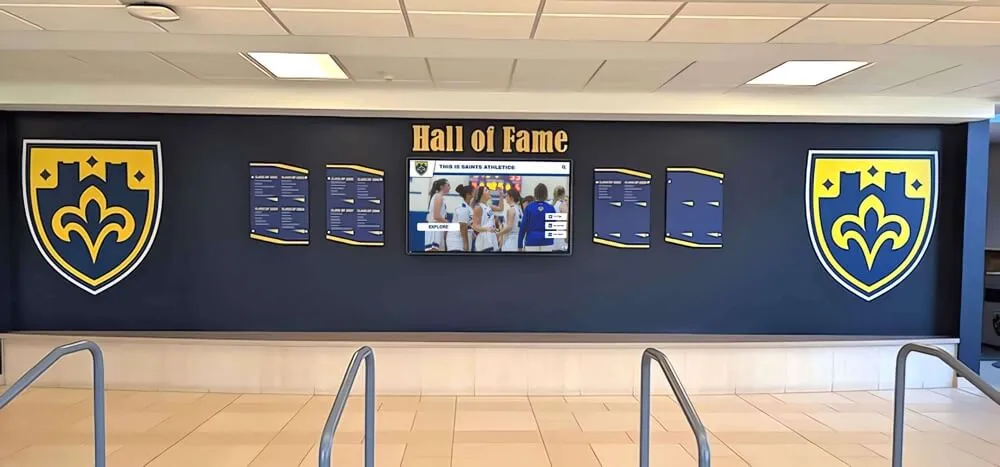
Modern programs increasingly incorporate motivational displays and recognition elements into training room design, creating environments that inspire athletes during challenging rehabilitation periods. Digital recognition displays showcasing program achievements, comeback stories from previously injured athletes, and motivational messaging reinforce positive attitudes essential for successful recovery.
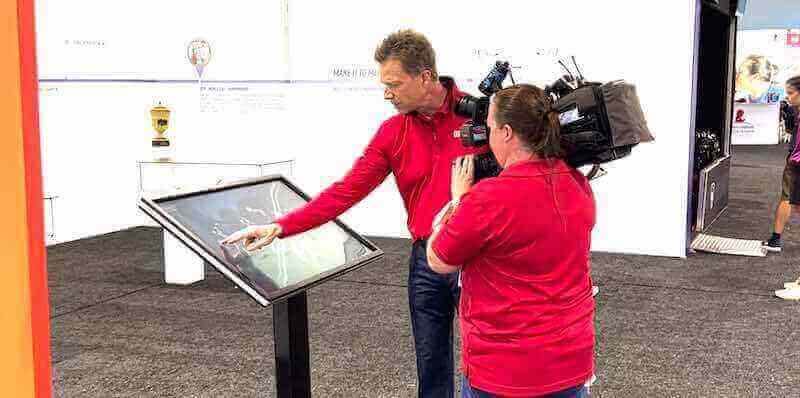
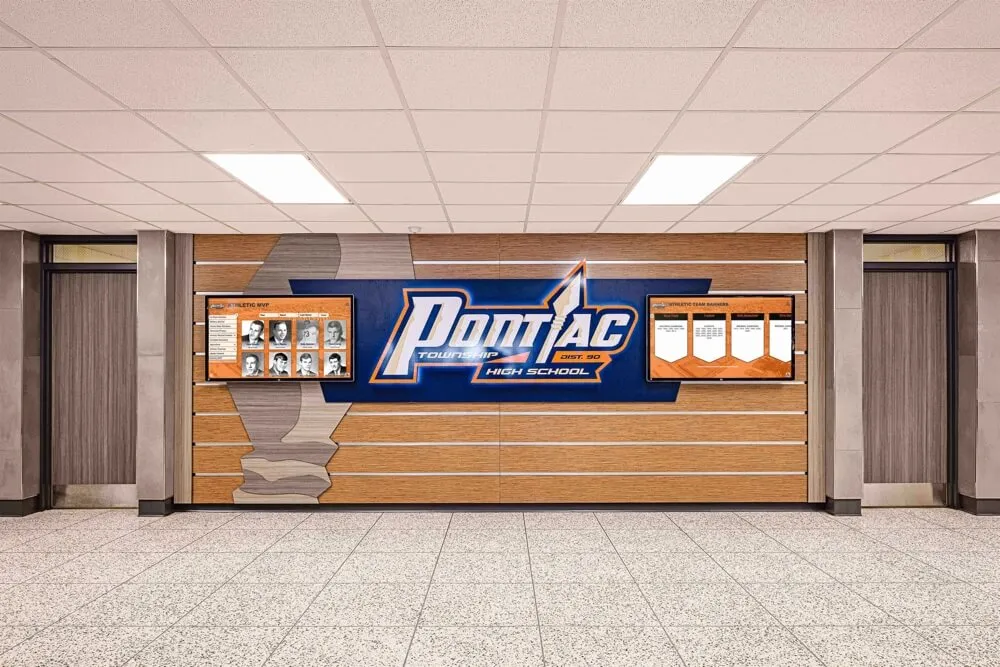
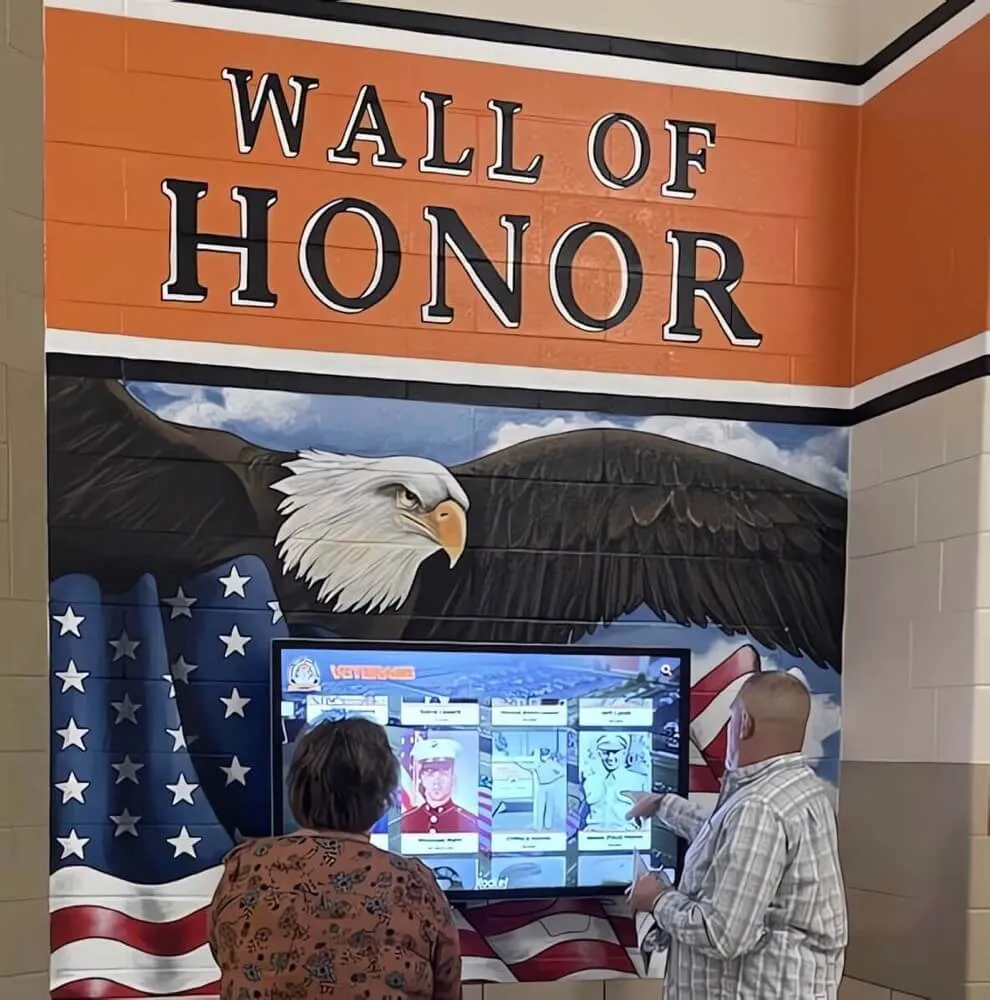
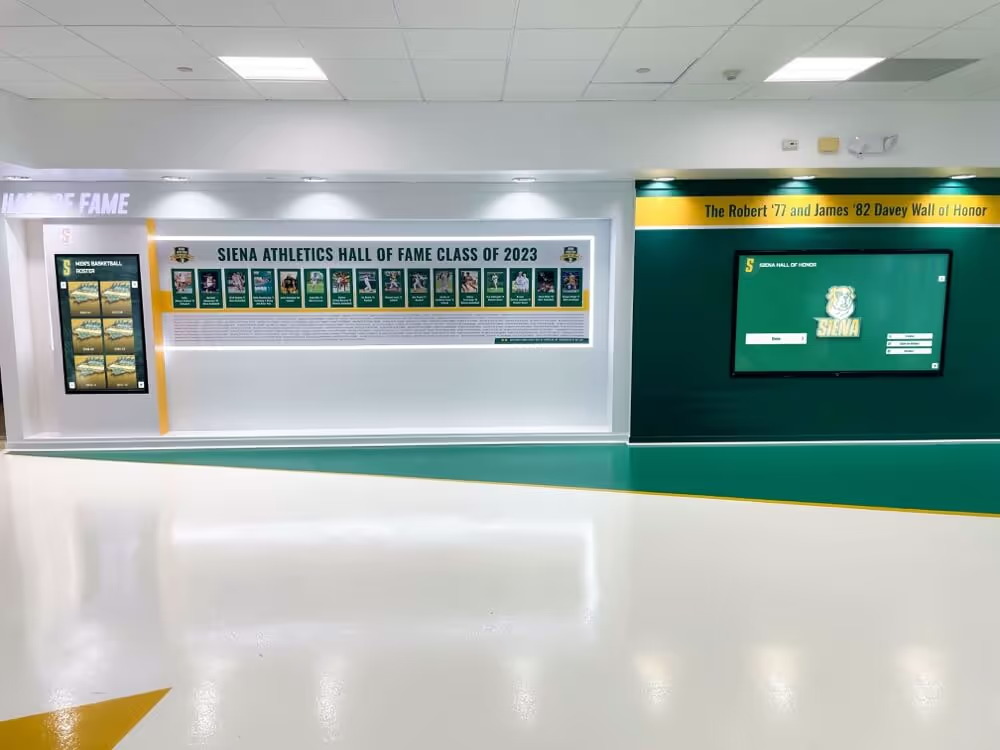
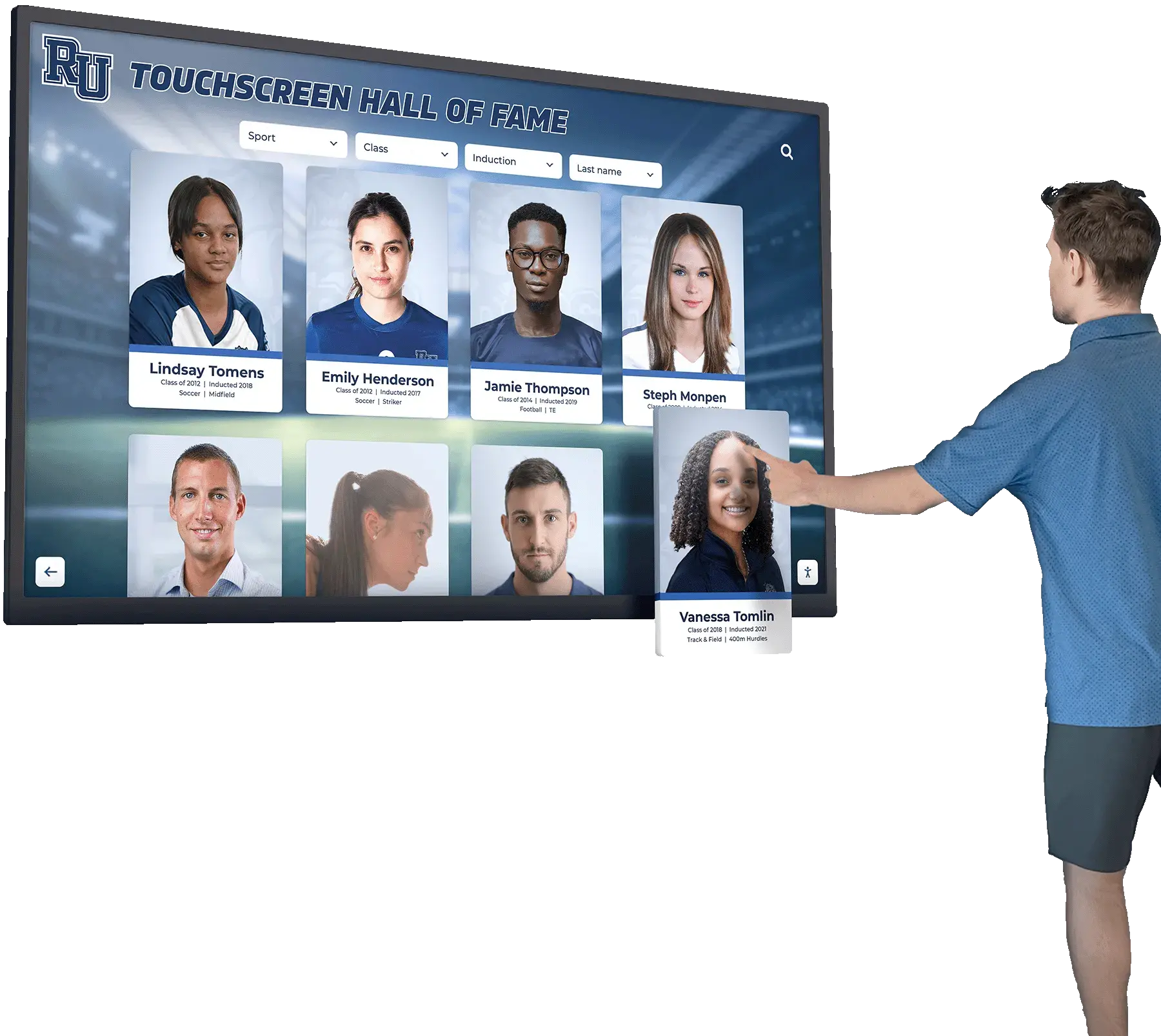
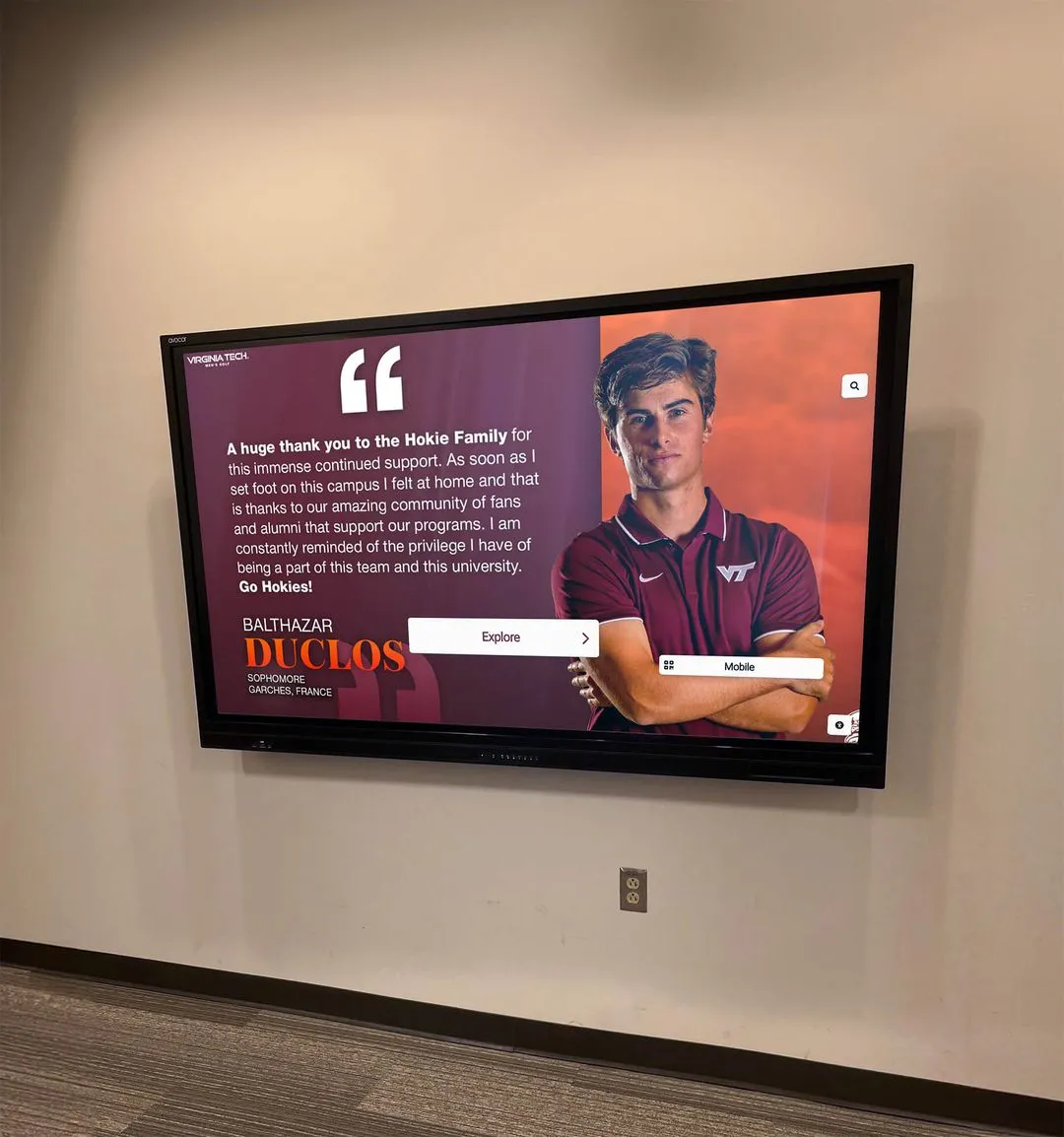
Solutions like Rocket Alumni Solutions enable schools to integrate interactive touchscreen displays in training room lobbies or adjacent hallways, featuring athlete profiles, championship histories, and comeback narratives that motivate injured athletes working through rehabilitation protocols. Athletes spending weeks or months in training rooms benefit from visual reminders of program tradition and the successful returns of previous injured athletes who persevered through similar recovery journeys.
Educational and Communication Displays
Training room walls provide valuable communication space:
- Injury prevention educational posters and graphics
- Rehabilitation protocol guidelines for common injuries
- Emergency action plan documentation visible to all staff
- Athletic training staff credentials and certifications
- Sports medicine philosophy and program values
- Recognition of athlete dedication to rehabilitation
- Comeback stories celebrating successful injury recovery
Thoughtful environmental design transforms clinical spaces into motivational facilities supporting the psychological aspects of injury recovery alongside physical rehabilitation.
Equipment Selection for Athletic Training Rooms
Appropriate equipment enables comprehensive sports medicine programming while respecting budget constraints.
Essential Treatment Equipment
Core equipment requirements for functional athletic training rooms:
Treatment Tables and Surfaces
Foundation equipment for any training room:
- Adjustable treatment tables with durable upholstery ($800-$2,000 per table)
- Taping benches or standing-height tables ($400-$800 each)
- Examination table for injury evaluation ($1,500-$3,000)
- Rolling stools enabling athletic trainer mobility ($100-$300 each)
- Treatment table accessories (bolsters, pillows, positioning aids)
Quality treatment tables represent long-term investments lasting 10-15 years with proper maintenance.
Modality and Therapy Equipment
Therapeutic devices supporting injury treatment:
- Ultrasound units for deep tissue treatment ($2,000-$5,000)
- Electrical stimulation for pain management and muscle re-education ($1,500-$4,000)
- Cold therapy systems (ice machines or game-ready systems: $3,000-$8,000)
- Hot pack heating units for thermal therapy ($400-$1,000)
- Compression therapy equipment for swelling management ($3,000-$6,000)
- Therapeutic laser for tissue healing ($8,000-$15,000)
Equipment priorities should reflect injury patterns common to sports served—programs with significant football participation may prioritize cold therapy capacity, while programs with many throwing athletes might emphasize modalities supporting shoulder rehabilitation.
Rehabilitation and Exercise Equipment
Progressive rehabilitation requires diverse therapeutic exercise tools:
Strength and Conditioning Tools
Recovery from injury demands targeted strengthening:
- Adjustable dumbbells (5-50 lbs) for progressive resistance ($500-$1,500)
- Resistance bands and tubing in varied tensions ($200-$500)
- Stability and physio balls supporting core training ($200-$400)
- Foam rollers and self-myofascial release tools ($300-$600)
- Medicine balls for explosive training (3-20 lbs: $300-$700)
- Cable column system for multi-planar exercises ($2,000-$5,000)
- Specialized equipment for sport-specific rehabilitation
Functional Training Equipment
Return-to-sport progression requires sport-specific tools:
- Agility ladder and speed training equipment ($200-$400)
- Cones and markers for movement pattern training ($100-$300)
- Balance training equipment (wobble boards, BOSU balls: $300-$800)
- Plyometric boxes for jump training ($400-$1,000)
- Slide boards for lateral movement training ($300-$800)
- Sport-specific equipment simulating competition demands
- Timing systems measuring functional performance metrics
Equipment enabling objective measurement of rehabilitation progress—strength, range of motion, balance, speed—provides valuable return-to-play decision-making data.
Emergency and First Aid Supplies
Athletic training rooms maintain comprehensive emergency preparedness:
Emergency Response Equipment
Life-saving equipment requiring immediate access:
- Automated External Defibrillator (AED) with clear visibility ($1,500-$2,500)
- Spine board and cervical immobilization equipment ($500-$1,500)
- Crutches in varied sizes supporting multiple injury types ($50-$150 per pair)
- Emergency splints for fracture stabilization ($300-$800)
- Emergency action plan documentation posted prominently
- Emergency contact information for EMS and medical facilities
- Bloodborne pathogen cleanup kits for safety protocol compliance
Regular emergency drill practice ensures athletic training staff can respond effectively during actual emergencies.
Daily Treatment Supplies
High-use supplies requiring systematic stocking:
- Athletic tape in multiple widths and types ($800-$2,000 per season)
- Pre-wrap and skin preparation supplies ($300-$700 per season)
- Ice bags, cold packs, and cooling therapy supplies ($200-$500 per season)
- Bandages, gauze, and wound care materials ($500-$1,000 per season)
- Topical medications and first aid supplies ($400-$800 per season)
- Cleaning and disinfection supplies for infection control ($300-$700 per season)
- Disposable gloves and personal protective equipment ($200-$500 per season)
Bulk purchasing and systematic inventory management reduce supply costs while preventing shortage-related treatment delays.
Infrastructure and Building Systems Considerations
Athletic training room functionality depends on appropriate building infrastructure:
Plumbing and Water Access
Water access significantly affects training room operations:
Essential Plumbing Features
- Multiple sinks for handwashing and equipment cleaning (minimum 2-3 sinks)
- Hot and cold water access supporting various cleaning needs
- Floor drains in treatment areas facilitating cleaning
- Ice machine with adequate capacity (high school: 200-400 lbs per day; university: 500-1,000+ lbs per day)
- Water access for hydration and therapeutic applications
- Appropriate drainage for whirlpool or hydrotherapy equipment if included
- Backflow prevention for safety compliance
Water access placement should consider workflow—sinks near taping areas enable quick cleanup without traversing entire training rooms.
Electrical and Technology Infrastructure
Modern athletic training requires substantial electrical capacity:
Power Distribution and Connectivity
- Adequate electrical circuits preventing overload (minimum 20-amp circuits throughout)
- Abundant outlets near treatment tables (minimum one duplex outlet per table)
- Dedicated circuits for ice machines and refrigeration equipment
- Computer network access supporting electronic medical records
- Charging stations for athletic trainer and athlete devices
- Adequate lighting (50-75 foot-candles minimum for clinical work)
- Emergency lighting for power outage safety
- Communication systems (phones, intercoms) connecting to athletic offices
Future-proofing electrical infrastructure enables technology adoption without expensive retrofits—abundant power and network connectivity accommodate evolving sports medicine practices.
Climate Control and Ventilation
Athletic training room environments significantly affect usability:
HVAC Requirements
- Adequate cooling capacity managing heat-generating equipment and athlete density
- Humidity control preventing moisture issues in frequently wet environments
- Ventilation providing fresh air exchange (minimum 6 air changes per hour)
- Temperature control enabling clinical comfort (68-72°F optimal)
- Separate zone control from general school/university HVAC when possible
- Air filtration supporting infection control
- Noise management enabling communication and concentration
Athletes recovering from heat-related conditions require cool environments, while athletes emerging from ice baths need adequate heating—flexible climate control serves diverse needs.
Flooring and Surface Considerations
Athletic training room flooring must balance multiple requirements:
Flooring Selection Criteria
Treatment and office areas benefit from:
- Durable, cleanable surfaces supporting infection control
- Comfort for athletic trainers standing extended periods
- Resistance to water, tape adhesive, and chemical spills
- Noise reduction supporting clinical concentration
- Professional appearance inspiring athlete confidence
- Slip resistance for safety with wet conditions
- ADA accessibility compliance
Common options include:
- Commercial vinyl composition tile (VCT) balancing cost and durability ($3-$6 per square foot)
- Rubber flooring providing comfort and durability ($8-$15 per square foot)
- Luxury vinyl plank (LVP) offering aesthetic appeal ($6-$12 per square foot)
Rehabilitation areas require:
- Impact-absorbing surfaces supporting exercise
- Traction appropriate for agility and movement training
- Durability withstanding equipment and repeated athletic use
- Easy maintenance and cleaning
Options include rubber flooring, artificial turf sections, or specialized sports flooring depending on rehabilitation programming needs.
Budget Planning and Cost Management
Athletic training room design requires realistic financial planning balancing comprehensive functionality with available resources.
Project Cost Considerations
Training room renovation and construction costs vary significantly based on scope:
Renovation Cost Ranges
High school athletic training room renovations typically range $50,000-$150,000 including:
- Space reconfiguration and construction ($20,000-$60,000)
- Plumbing and electrical upgrades ($10,000-$30,000)
- Flooring, walls, and finishes ($8,000-$20,000)
- Equipment and furnishings ($12,000-$40,000)
University athletic training facilities often invest $200,000-$500,000+ for comprehensive training rooms supporting multiple sports with extensive rehabilitation spaces and advanced equipment.
New Construction Considerations
Purpose-built athletic training rooms in new construction typically cost $200-$350 per square foot including:
- Building structure and mechanical systems
- Specialized plumbing and electrical infrastructure
- Clinical-grade finishes and surfaces
- Built-in storage and millwork
- Core equipment package
A 1,500 square foot high school athletic training room represents $300,000-$525,000 investment within larger athletic facility projects.
Funding Sources and Strategies
Schools and universities pursue varied approaches to funding athletic training room improvements:
Institutional Allocations and Capital Budgets
Many training room projects receive funding through:
- Capital improvement budgets addressing facility needs
- Athletic department allocations prioritizing athlete welfare
- Safety and risk management initiatives reducing injury liability
- Title IX compliance projects ensuring equitable facilities
- Deferred maintenance programs addressing aging facilities
Booster Clubs and Fundraising
Community support often supplements institutional funding:
Programs with active booster club support frequently raise funds specifically for athletic training room improvements, recognizing that athlete health infrastructure benefits entire athletic programs. Booster fundraising particularly supports equipment purchases and technology upgrades that institutional budgets struggle to accommodate.
Donor Recognition Integration
Major donors supporting athletic training room construction or renovation often receive appropriate acknowledgment through:
- Facility naming opportunities for significant contributions
- Recognition plaques acknowledging donor generosity
- Digital donor recognition displays showcasing facility supporters
- Permanent acknowledgment in adjacent athletic facility spaces
Schools implementing fundraising campaigns for training room improvements report success when emphasizing athlete safety, injury prevention benefits, and competitive advantages comprehensive sports medicine programs provide.
Phased Implementation Approaches
Budget constraints often necessitate staged improvements:
- Phase 1: Essential safety upgrades and equipment replacement
- Phase 2: Space reconfiguration and workflow optimization
- Phase 3: Technology integration and recognition displays
- Phase 4: Advanced rehabilitation equipment and capacity expansion
Phased approaches enable progress within annual budget constraints while maintaining operational training rooms throughout multi-year improvement timelines.
Safety, Compliance, and Accessibility
Athletic training room design must address multiple regulatory and safety requirements:
ADA Accessibility Compliance
Federal law mandates accessible athletic training facilities:
Physical Access Requirements
- Accessible entrance routes from parking and athletic facilities
- Doorway widths accommodating wheelchair passage (minimum 36 inches clear)
- Accessible treatment tables with appropriate height and transfer space
- Accessible restroom facilities within or adjacent to training rooms
- Maneuvering space throughout training rooms (minimum 60-inch turning radius)
- Accessible paths connecting all functional training room zones
- Appropriate floor surfaces preventing mobility barriers
Facility Feature Accessibility
- Accessible ice machines and water fountains with appropriate mounting heights
- Accessible storage enabling equipment access for all users
- Visual and auditory emergency notification systems
- Accessible communication systems and technology
- Recognition displays meeting WCAG accessibility standards
HIPAA Privacy and Security
Athletic training rooms handle protected health information requiring appropriate security:
Physical Privacy Measures
- Private consultation areas for sensitive athlete conversations
- Visual barriers preventing casual observation of treatment
- Secure storage for medical records and documentation
- Controlled access limiting training room entry to authorized individuals
- Signage indicating private medical spaces
- Sound privacy enabling confidential communication
Electronic Security Requirements
- HIPAA-compliant electronic medical record systems
- Secure computer access requiring authentication
- Workstation positioning preventing screen visibility to unauthorized individuals
- Encrypted data transmission for remote access
- Regular security training for athletic training staff
- Incident reporting protocols for privacy breaches
Infection Control and Sanitation
Sports medicine facilities require rigorous cleanliness standards:
Cleaning and Disinfection Protocols
- Daily cleaning schedules for treatment tables, taping benches, and equipment
- Disinfection protocols following infectious disease guidelines
- Appropriate cleaning product selection effective against pathogens
- Hand hygiene stations throughout training rooms
- Laundry facilities for towels, linens, and reusable materials
- Waste disposal systems managing medical waste appropriately
- Regular deep cleaning and facility maintenance schedules
Facility Design Supporting Infection Control
- Surfaces selected for cleanability and disinfection compatibility
- Adequate handwashing stations with soap and hand sanitizer
- Floor drains enabling thorough cleaning
- Ventilation systems providing fresh air and reducing airborne pathogen transmission
- Storage preventing cross-contamination between clean and soiled supplies
- Personal protective equipment readily available to athletic training staff
Technology Integration in Modern Athletic Training Rooms
Advanced technology increasingly supports athletic training operations and athlete care:
Electronic Medical Records and Documentation
Digital record-keeping systems improve efficiency and compliance:
EMR Platform Benefits
Modern athletic training management software provides:
- Comprehensive injury documentation meeting medical-legal standards
- Treatment tracking through rehabilitation progression
- Communication tools connecting athletic trainers, physicians, coaches, and parents
- Statistical analysis identifying injury patterns and program risks
- Insurance and workers’ compensation documentation
- HIPAA-compliant security protecting athlete privacy
- Mobile access enabling documentation at practice and competition venues
Popular platforms like Healthy Roster, ATS (Athletic Training System), and Presagia serve schools and universities with athletic training-specific functionality.
Infrastructure Requirements
EMR implementation requires:
- Reliable high-speed internet connectivity
- Adequate computer workstations for athletic training staff
- Tablet or mobile device access for field documentation
- Cloud-based backup protecting medical records
- Technical support addressing system issues
- Staff training ensuring effective system utilization
Recognition and Communication Displays
Athletic training rooms and adjacent spaces increasingly incorporate digital displays:
Athlete Motivation and Program Culture
Digital recognition systems transform training room environments:
Schools implementing interactive recognition displays in training rooms and surrounding athletic facility spaces report that injured athletes engage more positively with rehabilitation when surrounded by program achievement stories and comeback narratives. Touchscreen displays can feature:
- Comeback athlete profiles celebrating successful injury recovery
- Program championship histories inspiring current athletes
- Athletic training staff recognition and credentials
- Educational content about injury prevention and recovery
- Motivational messaging and program values
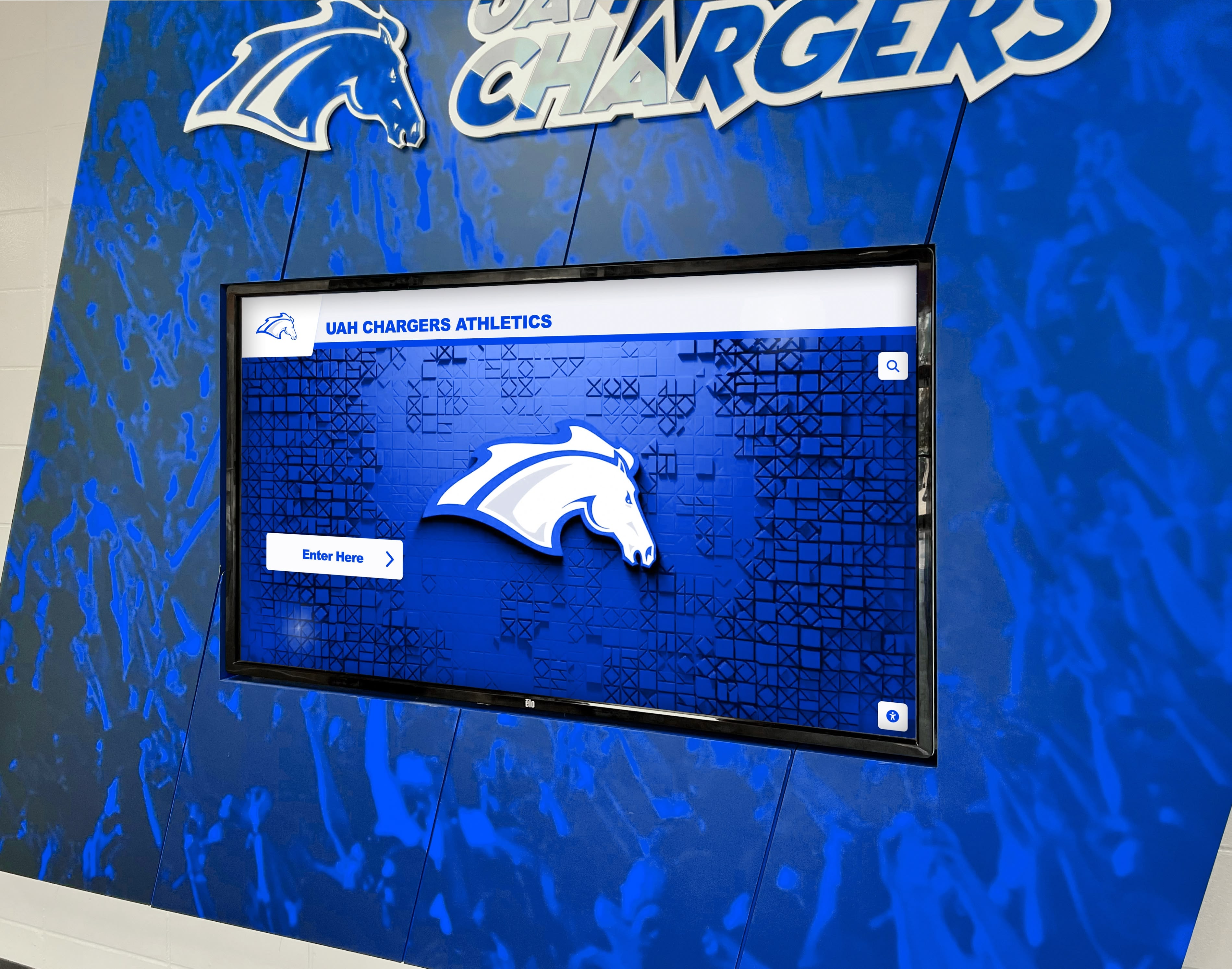
Rocket Alumni Solutions provides cloud-based systems enabling athletic trainers or athletic directors to update recognition content remotely, featuring rehabilitation success stories and motivational content supporting positive recovery mindsets.
Communication and Scheduling Displays
Digital signage supports training room operations:
- Daily schedules showing athletic trainer availability
- Athlete appointment reminders reducing missed treatments
- Practice and competition schedules coordinating coverage
- Emergency contact information and protocols
- Educational content rotation providing injury prevention guidance
- Athletic department announcements and communications
Creating Welcoming Athletic Training Room Environments
Beyond functional requirements, successful training rooms create positive environments supporting athlete health and recovery:
Balancing Clinical and Motivational Elements
Athletic training rooms should feel professional yet welcoming:
Clinical Excellence and Professionalism
Athletes trust training rooms demonstrating medical competence:
- Clean, organized environments reflecting professional standards
- Quality equipment indicating institutional investment in athlete care
- Proper medical supply organization inspiring confidence
- Athletic trainer credentials visibly displayed
- Evidence-based practice materials and continuing education
- Systematic protocols for common injuries and treatments
Motivational and Team-Oriented Atmosphere
Training rooms supporting long-term rehabilitation benefit from inspirational elements:
- Team colors and branding creating familiar athletic environments
- Achievement recognition celebrating program success
- Comeback stories from previously injured athletes
- Motivational quotes and messaging encouraging perseverance
- Music and audio creating positive atmospheres during rehabilitation
- Natural lighting when possible supporting mood and recovery
- Comfortable seating for athletes during treatment wait times
The most effective training rooms balance medical professionalism with motivational environments communicating that injury represents temporary setback rather than permanent limitation.
Student Athletic Trainer Integration
Programs with student athletic trainer assistance require appropriate workspace:
Student AT Considerations
Training rooms hosting student athletic trainers benefit from:
- Designated student workspace separate from head athletic trainer areas
- Taping stations enabling supervised student practice
- Educational materials and learning resources
- Clear protocols defining student responsibilities and limitations
- Supervision visibility ensuring appropriate oversight
- Storage for student supplies and personal belongings
- Recognition celebrating student athletic trainer contributions to programs
Student athletic trainer programs provide valuable workforce assistance while offering students healthcare career exploration—proper training room design accommodates educational mission alongside clinical care.
Conclusion: Investing in Student Athlete Health Through Thoughtful Design
Athletic training room design represents institutional commitment to student athlete health, safety, and comprehensive care extending far beyond competitive performance. Thoughtfully designed facilities enable athletic trainers to provide injury prevention services, acute injury management, rehabilitation programming, and athlete education within efficient environments optimized for comprehensive sports medicine practice. The most successful athletic training rooms balance clinical functionality with motivational elements that inspire injured athletes throughout challenging recovery periods, creating spaces that athletes trust and utilize proactively rather than avoid until injuries become severe.
Schools and universities planning athletic training room renovations or new construction benefit from systematic approaches examining athletic trainer workflow needs, athlete service requirements, equipment priorities, infrastructure necessities, and budget realities before making design decisions. Engaging athletic training staff throughout planning processes ensures facilities address actual operational needs rather than theoretical ideals disconnected from daily practice realities. Athletic trainers managing injury prevention and treatment daily bring invaluable insights about storage organization, treatment table placement, rehabilitation space requirements, and workflow optimization that architects and administrators might overlook without direct input.
Beyond purely functional considerations, modern athletic training rooms increasingly recognize the importance of motivational environments supporting the psychological aspects of injury recovery alongside physical rehabilitation. Digital recognition displays featuring program achievements, comeback stories from previously injured athletes, and inspirational messaging transform clinical spaces into team-oriented environments reminding injured athletes they remain valued program members working toward return to competition. Solutions like Rocket Alumni Solutions enable schools to integrate interactive touchscreen displays showcasing athletic program tradition, athlete recognition, and rehabilitation success narratives that inspire positive recovery mindsets essential for successful rehabilitation outcomes.
The athletic training rooms designed and constructed today will serve student athletes for decades, shaping injury outcomes, return-to-play timelines, and long-term athlete health for generations of teams. Investment in comprehensive planning, functional design, quality equipment, and motivational environments creates lasting value that transcends any single season or sport, establishing sports medicine infrastructure that protects athlete welfare while enabling sustainable athletic programming built on foundation of comprehensive health management and injury care excellence.
Ready to explore how digital recognition displays can transform your athletic training room and surrounding athletic facility spaces into motivational environments supporting athlete recovery and celebrating program tradition? Discover how Touch Archive helps schools and universities create engaging recognition systems that showcase program achievements, honor comeback athletes, and inspire current student athletes through interactive touchscreen displays that complement athletic training room design while providing sustainable long-term recognition solutions accessible to athletes, families, and communities throughout years.