Baseball Catcher Signs: How to Read and Call Pitches Like a Varsity Backstop
- Home /
- Touch Archive Blog /
- Baseball Catcher Signs: How to Read and Call Pitches Like a Varsity Backstop
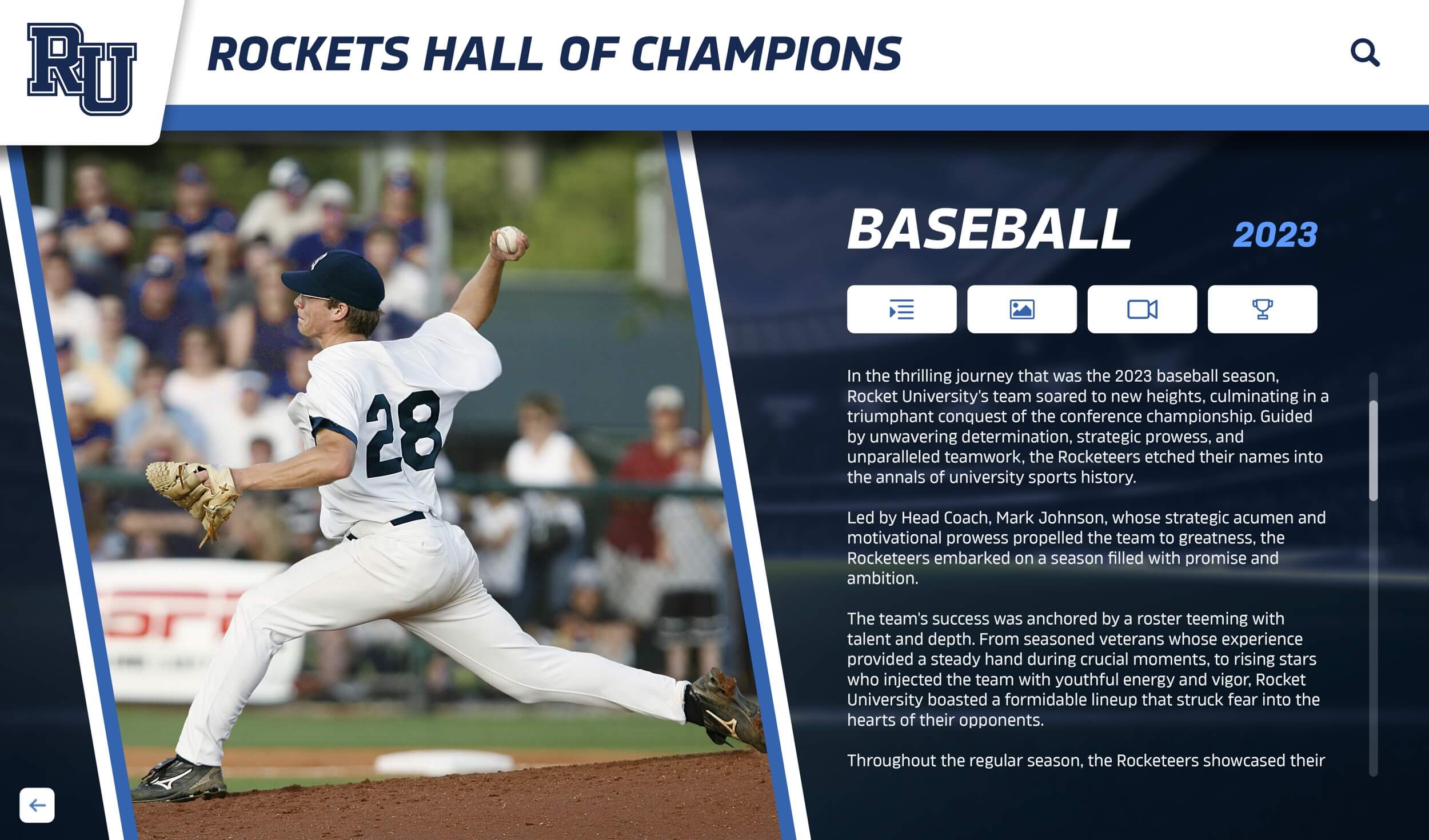
The Easiest Touchscreen Solution




Live Example: Rocket Alumni Solutions Touchscreen Display
Interact with a live example (16:9 scaled 1920x1080 display). All content is automatically responsive to all screen sizes and orientations.
Behind every great pitcher stands an exceptional catcher orchestrating the game through an intricate language of signals invisible to most fans. Baseball catcher signs represent one of sport’s most sophisticated communication systems—a silent conversation between battery mates that determines pitch selection, location, and sequencing throughout nine innings. Yet for many young catchers and baseball students, this crucial skill remains mysterious, learned haphazardly through trial and error rather than systematic instruction.
The modern backstop faces unprecedented complexity in pitch calling. Traditional finger signals now compete with electronic PitchCom devices. Sign-stealing concerns require elaborate indicator systems and multiple signal sequences. Advanced analytics inform pitch selection with data previous generations never accessed. Meanwhile, catchers must read opposing hitters, manage pitcher confidence, adjust to umpire strike zones, and maintain deception—all while executing the physical demands of baseball’s most grueling position.
This comprehensive guide demystifies baseball catcher signs, providing the knowledge varsity backstops use to call games effectively, communicate clearly with pitchers, adapt to modern technology, and develop the strategic thinking that transforms catchers from equipment managers into field generals controlling every pitch.
The catcher position carries unique authority in baseball. While coaches call plays in football and point guards direct basketball offenses, baseball catchers exercise real-time strategic control, selecting each pitch based on count, situation, scouting reports, and pitcher capabilities. This autonomy requires mastering communication systems that keep these decisions secret from opponents while ensuring complete clarity with pitchers and infielders.

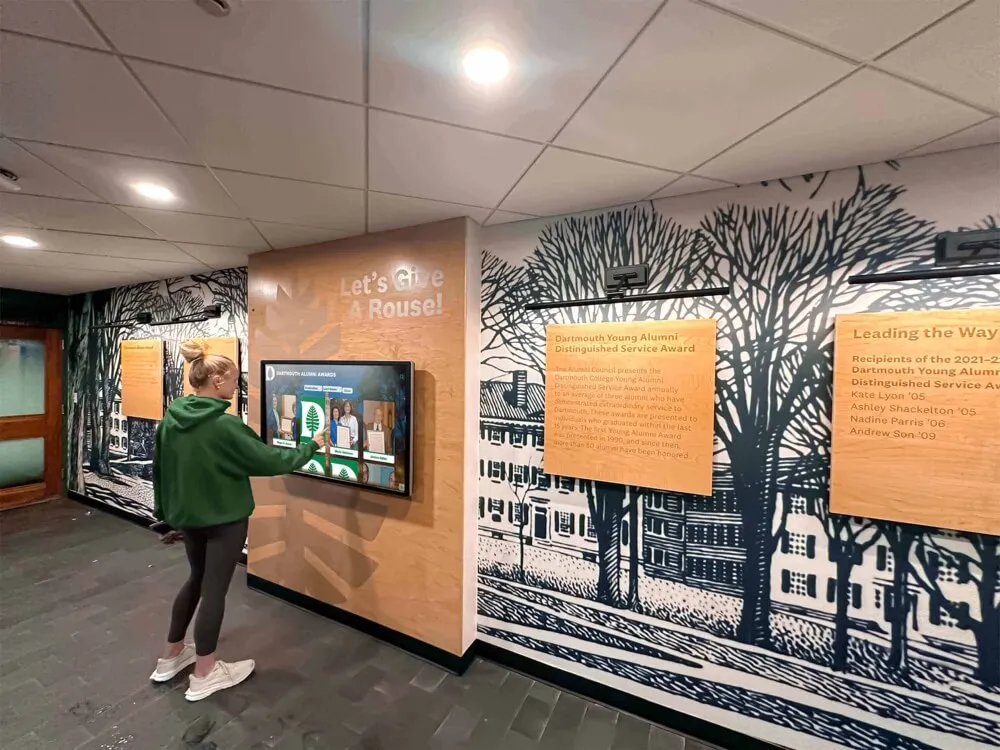
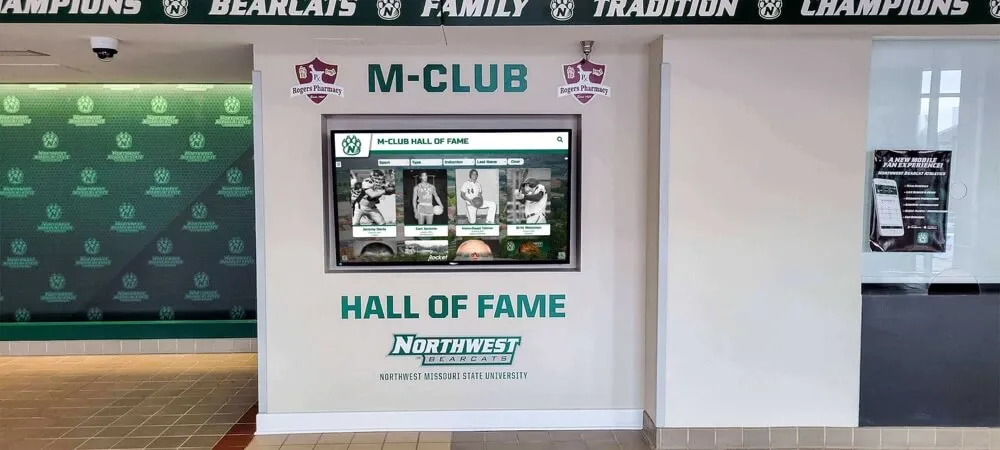
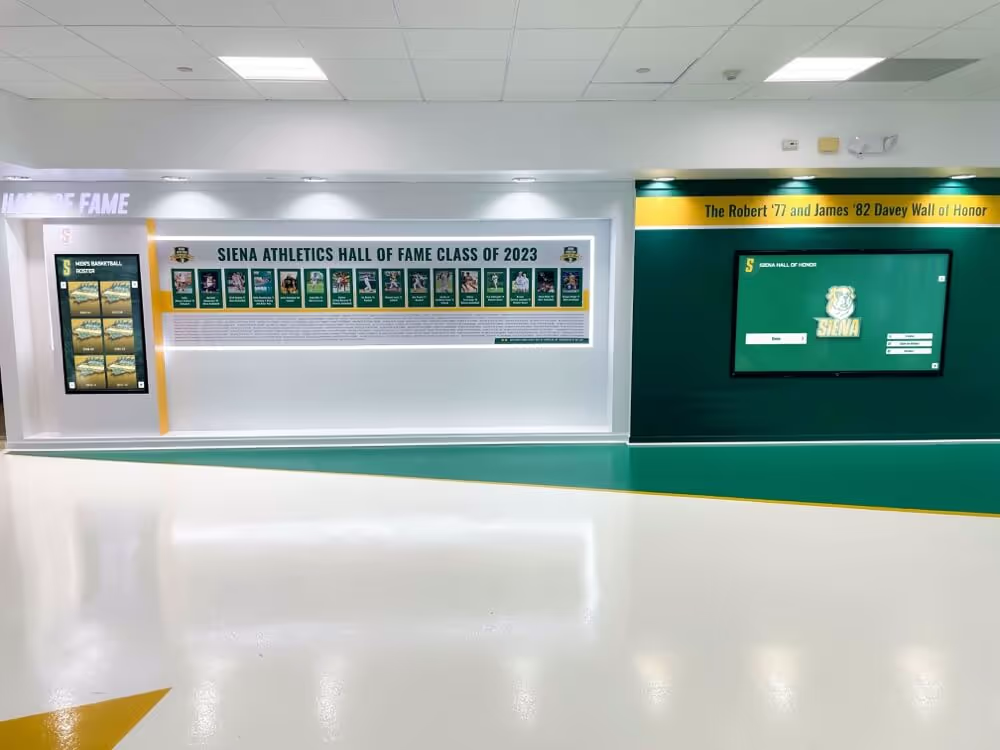
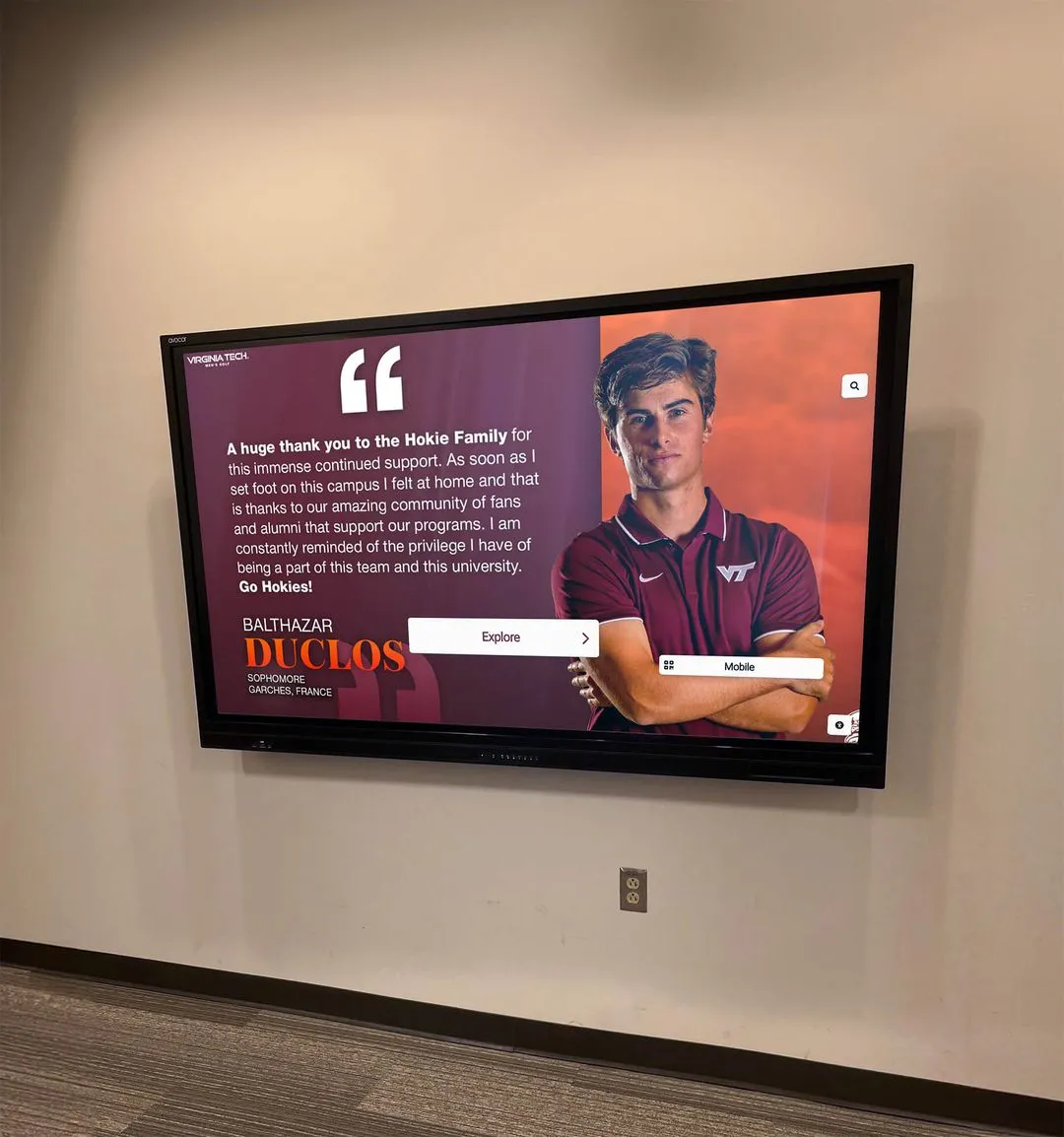
Great battery combinations between catchers and pitchers become legendary partnerships celebrated in program history for generations
Understanding Basic Catcher Sign Systems
Baseball catcher signs evolved from simple finger signals into sophisticated communication systems protecting pitch information from opponents while maintaining crystal-clear understanding between battery mates.
Traditional Finger Signal Fundamentals
The foundation of catcher signaling uses finger combinations visible to pitchers but concealed from base runners and opposing coaches:
Basic Sign Structure
Standard finger signals assign specific meanings to finger combinations:
- One finger: Fastball (universal standard)
- Two fingers: Curveball or breaking ball
- Three fingers: Changeup or off-speed pitch
- Four fingers: Additional pitch (slider, cutter, splitter depending on pitcher’s repertoire)
- Wiggling fingers: Specialty pitches or specific variations
- Fist or closed hand: Pitchout or intentional ball
Location Signaling
After pitch type, catchers signal desired location:
- Target positioning: Catcher sets up inside, outside, high, or low
- Additional finger signals: Follow-up signs indicating specific quadrants
- Body positioning: Subtle stance adjustments indicating location
- Secondary signs: Separate location indicators following pitch type
- Verbal confirmation: Quick words or sounds reinforcing visual signals
This basic system works effectively when bases are empty and opponents cannot see signals from their dugout or coaching boxes.
Sign Complexity With Runners on Base
When runners occupy second or third base—positions offering clear views of catcher signs—backstops must implement more sophisticated systems preventing sign theft:
Indicator Systems
Catchers designate one signal as the “hot” indicator, with only the subsequent sign counting:
- First sign after indicator: If indicator is “two fingers,” catcher flashes two fingers, then the actual pitch sign follows
- Multiple indicators: Rotating which finger count serves as indicator between innings or batters
- Count-based indicators: Indicator changes based on ball-strike count
- Inning-based systems: Different indicators for odd versus even innings
- Pre-determined sequences: Indicator rotates through established pattern pitchers memorize
Multiple Sign Sequences
Rather than single indicators, catchers flash multiple signs with specific positions holding meaning:
- Second sign system: Catcher flashes three or four signs; only the second sign counts
- Third sign system: Only the third signal represents actual pitch
- Add-subtract systems: Catcher flashes two signs; pitcher adds or subtracts numbers to determine pitch
- Odds-evens systems: Odd-numbered signs indicate one pitch, even numbers another
- Outs-based systems: Number of outs determines which sign position counts
These systems require practice and mental discipline, as pitchers must quickly decode signals while maintaining mound presence and rhythm.
Pump Systems and Signal Variations
Advanced programs use “pump” systems where signal repetition or specific patterns hold meaning:
Pump-Based Communication
- Single pump: First sign given once means one pitch type
- Double pump: Same sign flashed twice indicates different pitch
- Triple pump: Sign shown three times means third pitch option
- Pump combinations: Mixing singles and doubles within sequences
- Verbal pumps: Catcher voice changes (pitch calls, chatter) serving as indicators

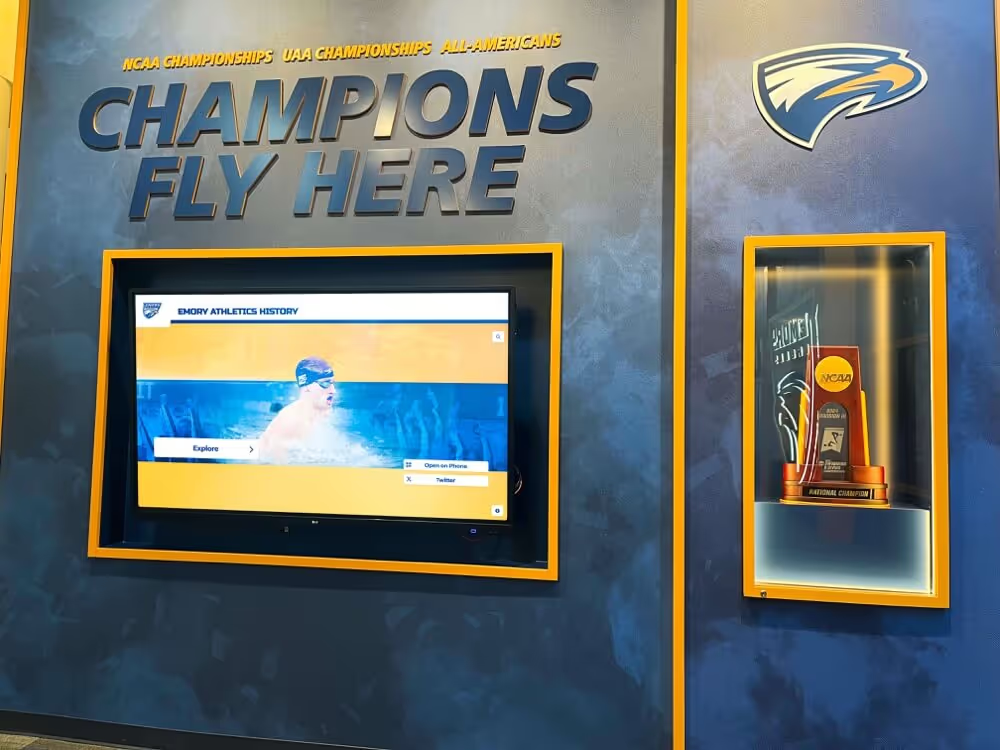
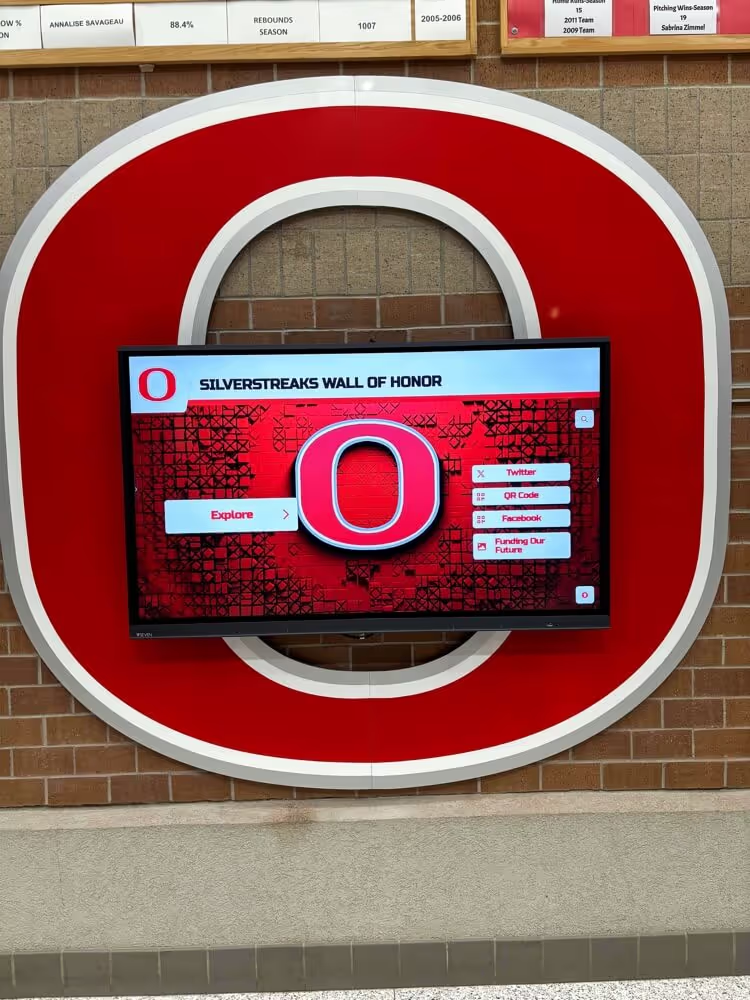
Outstanding catchers earn recognition for game management skills beyond statistics, with battery leadership honored alongside offensive production
Body Language Signals
Experienced catchers incorporate subtle physical cues:
- Glove taps: Tapping chest protector or shin guards indicating specific meanings
- Mask touches: Adjusting or touching mask as signals
- Foot positioning: Stance width or foot placement variations
- Crouch depth: How low catcher sits varying with specific signs
- Timing variations: Speed of sign delivery carrying additional meaning
These multi-layered systems create nearly unbreakable codes while requiring significant practice time developing battery chemistry and mutual understanding.
Modern PitchCom Technology and Electronic Signs
Baseball’s 2022 introduction of PitchCom devices fundamentally changed catcher-pitcher communication, offering advantages while creating new challenges catchers must navigate.
How PitchCom Systems Work
PitchCom provides direct audio communication from catcher to pitcher and selected infielders:
Device Components and Setup
- Catcher transmitter: Wristband device with buttons for pitch types and locations
- Pitcher receiver: Audio speaker in cap transmitting catcher’s selections
- Infielder receivers: Middle infielders optionally receiving same information
- Language options: Communication in pitcher’s native language when needed
- Volume control: Adjustable audio levels accommodating different preferences
Operational Advantages
PitchCom offers several benefits over traditional signs:
- Eliminates sign-stealing concerns completely when bases are occupied
- Faster pace of play without complex sign sequences
- Clear communication reducing crossed signals and mound visits
- Language flexibility for international pitchers
- Infield positioning awareness when middle infielders receive signals
- Simplified system for young or inexperienced battery combinations
Programs at all levels increasingly adopt PitchCom, particularly for varsity competition where pace and security justify the equipment investment.
PitchCom Limitations and Traditional Sign Necessity
Despite advantages, PitchCom hasn’t eliminated traditional signs entirely:
Situations Requiring Traditional Signs
- Technology failures: Dead batteries, malfunctions, or connection issues necessitate backup systems
- Youth league restrictions: Many leagues prohibit electronic devices requiring manual signals
- Pitcher preference: Some pitchers prefer visual confirmation or dislike audio devices
- Specific situations: Pickoff plays, intentional walks, and defensive positioning often use traditional signs
- Practice and development: Young catchers still learn finger signals building fundamental skills
- Backup communication: Programs maintain traditional systems as redundancy
Hybrid Approaches
Most programs now employ combined systems:
- PitchCom for pitch selection with runners on base
- Traditional signs when bases are empty
- Manual signals for defensive plays and positioning
- Finger confirmation of PitchCom selections for pitcher comfort
- Practice time dedicated to both systems maintaining proficiency
Modern catchers must master both traditional and electronic communication, switching seamlessly as situations demand throughout games.
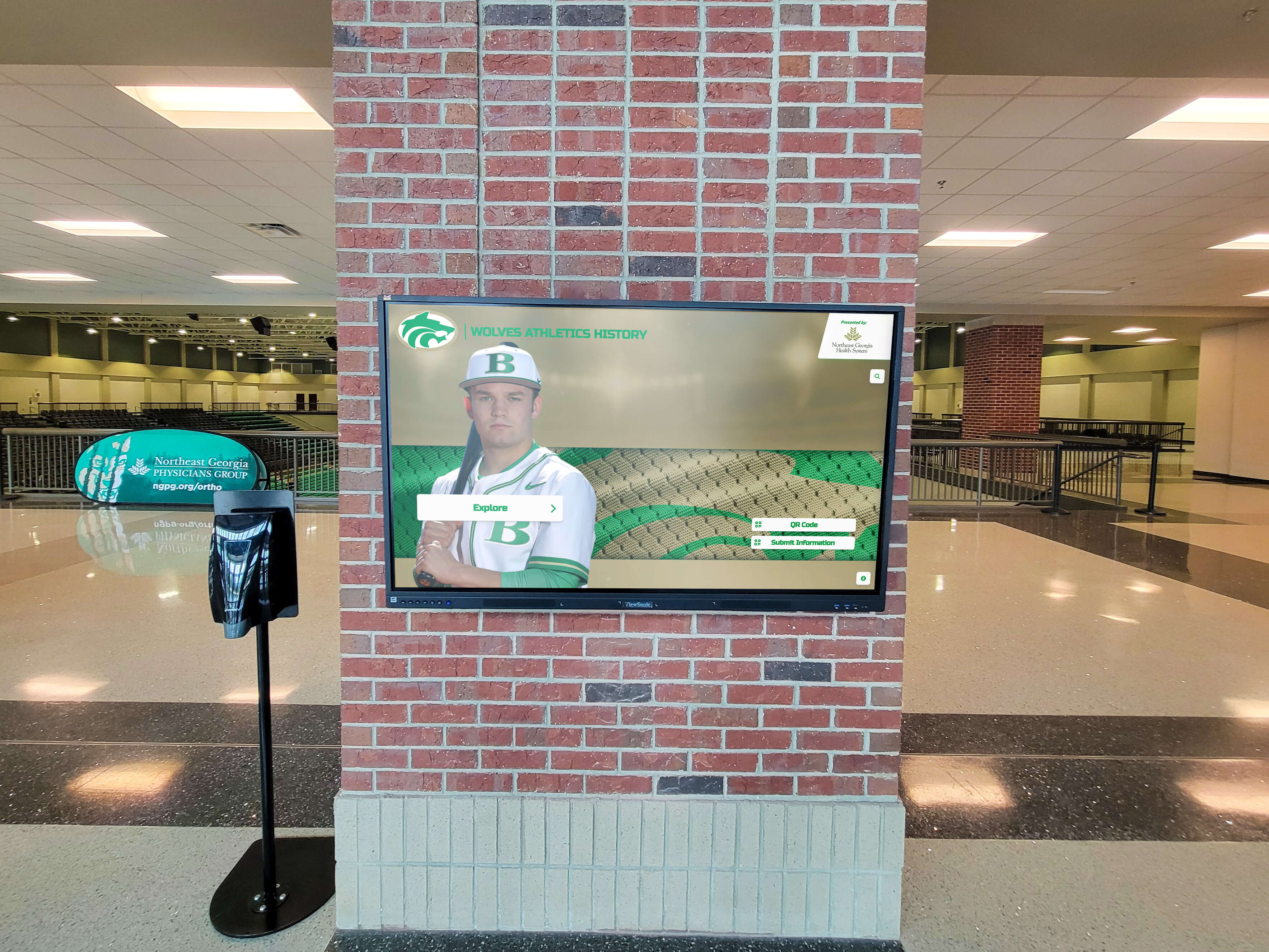
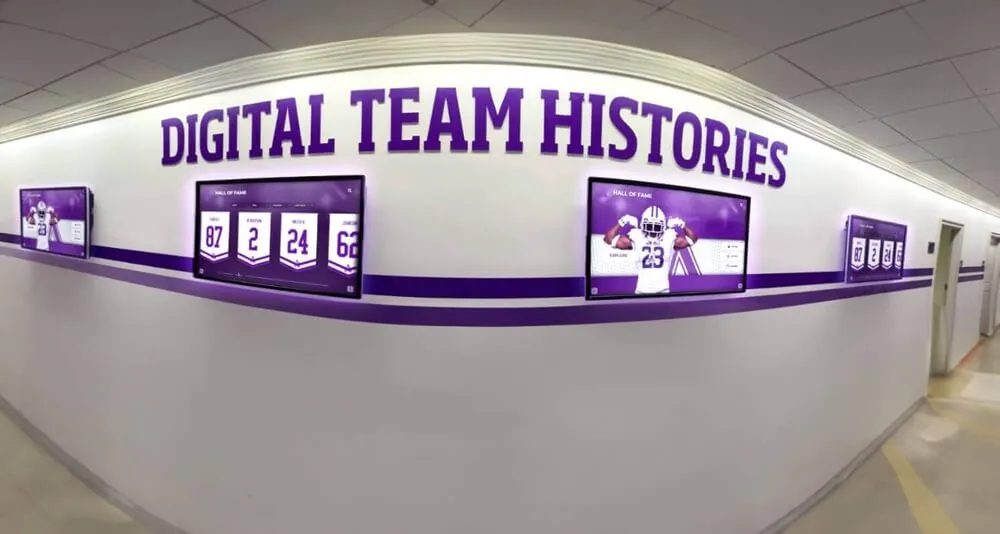
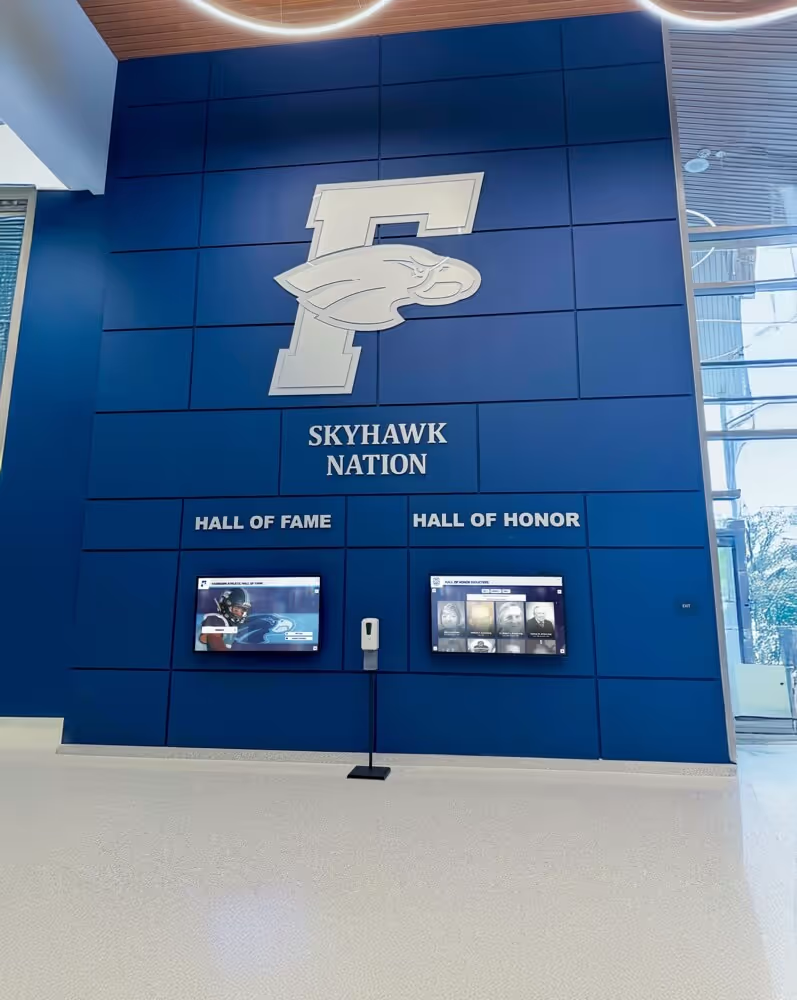
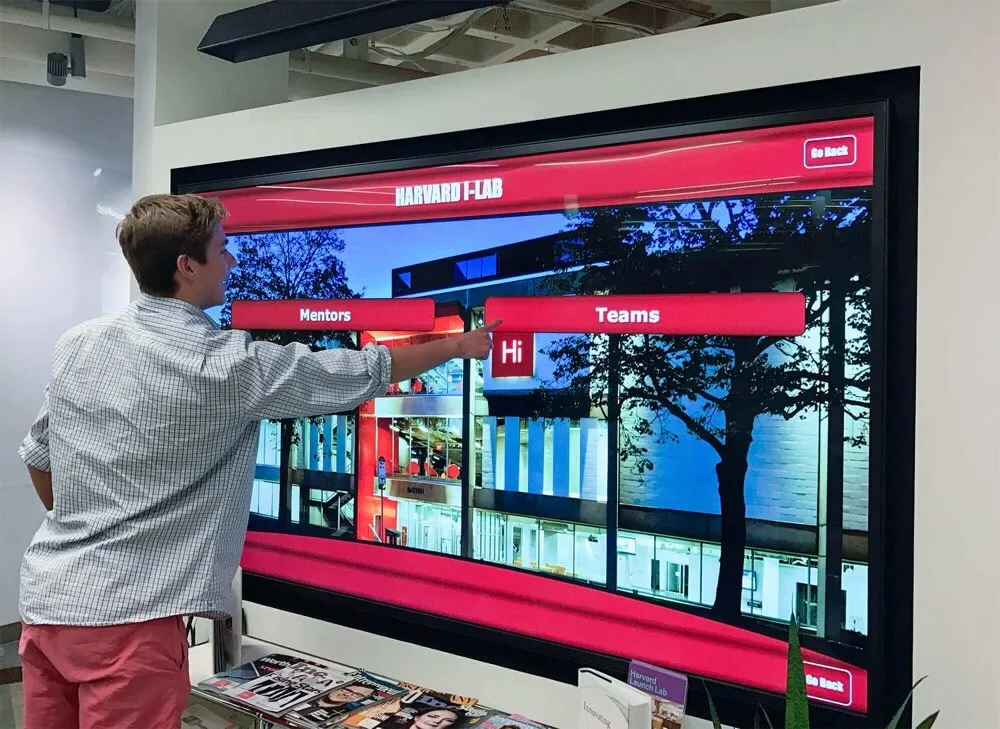
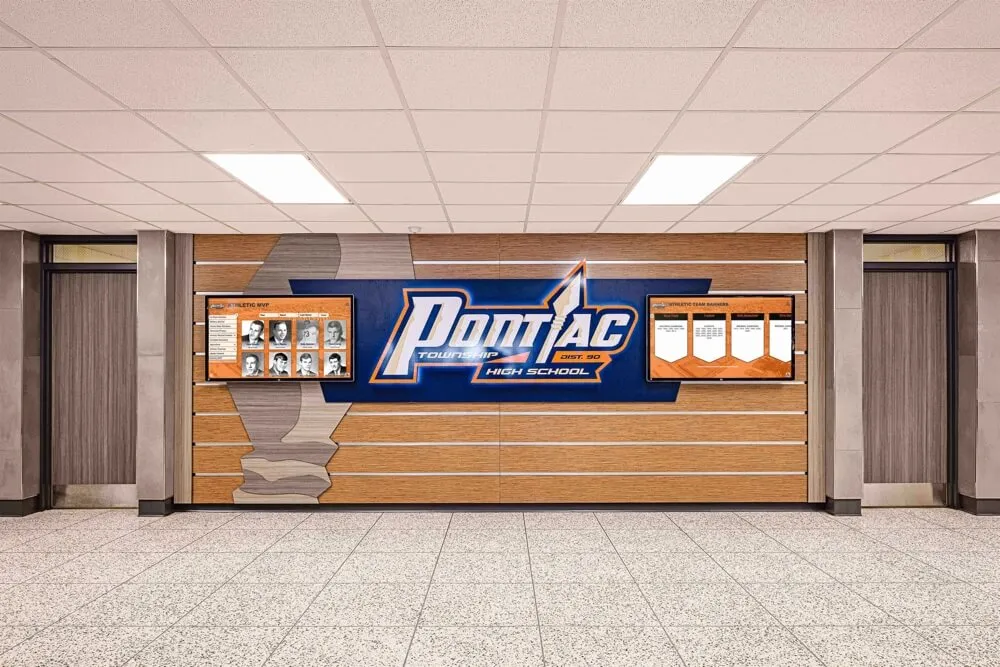
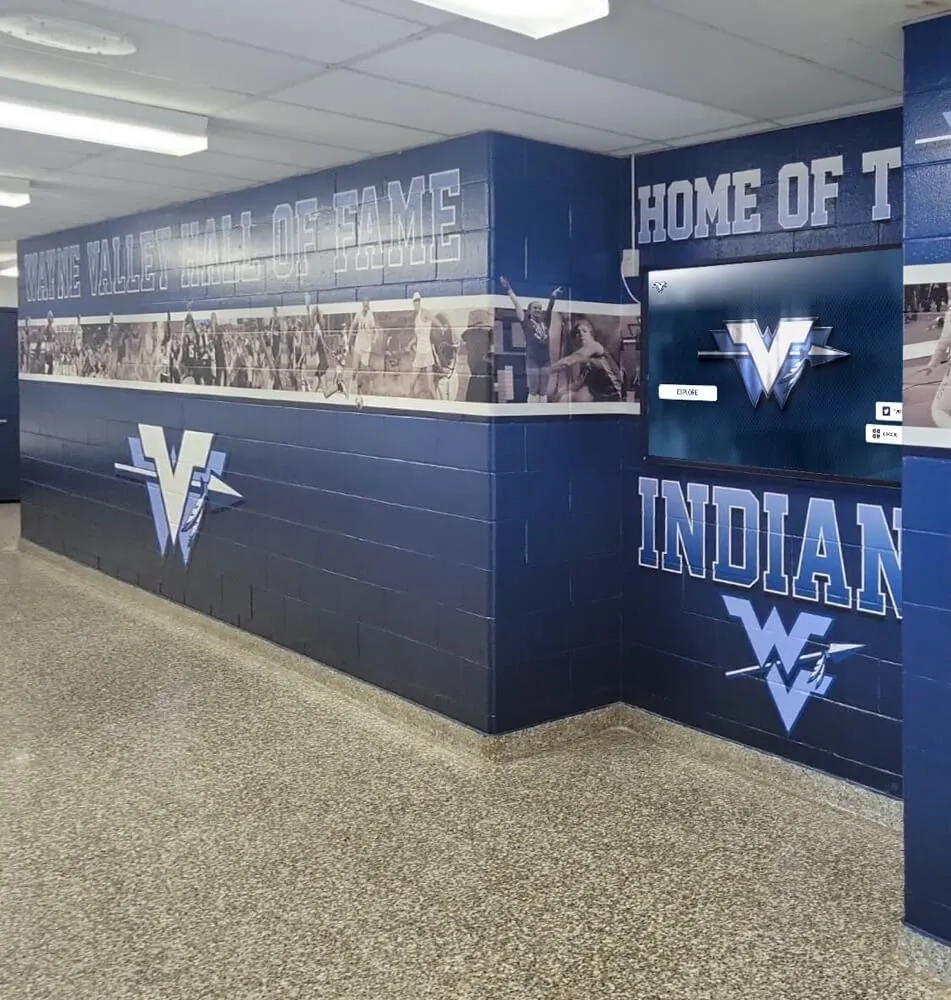
Baseball program achievements including exceptional battery combinations remain visible year-round through strategically placed recognition displays
The Art of Pitch Calling: Strategic Decision-Making
Effective signal transmission means nothing without sound pitch-calling strategy—the analytical and intuitive decision-making distinguishing elite catchers from average backstops.
Understanding Pitcher Strengths and Arsenals
Smart pitch calling begins with intimate knowledge of your pitcher’s capabilities:
Assessing Pitch Quality and Confidence
Every pitcher brings different strengths requiring catcher awareness:
- Best pitch identification: Knowing which pitch generates most swings-and-misses or weak contact
- Confidence levels: Understanding which pitches pitcher trusts in pressure situations
- Effectiveness tracking: Monitoring which pitches work effectively during specific games
- Location capabilities: Recognizing where pitcher can consistently throw each pitch type
- Stamina patterns: Understanding how pitch effectiveness changes as pitch count rises
- Sequencing preferences: Learning which pitch combinations pitcher executes most effectively
Pitch Repertoire Management
Catchers must strategically deploy each pitch type:
- Fastball usage: Establishing strike-throwing ability and setting up off-speed pitches
- Breaking ball timing: Identifying optimal counts and situations for curveballs and sliders
- Changeup deployment: Using speed differential effectively after fastball establishment
- Specialty pitch situations: Knowing when cutters, splitters, or other variations provide advantages
- Rest between pitch types: Avoiding overuse of arm-stressing breaking pitches
- Early versus late game: Adjusting pitch mix as games progress and hitters see multiple at-bats
Outstanding catchers function as copilots, maximizing pitcher effectiveness through strategic pitch selection aligned with individual strengths and current performance.
Reading Hitters and Exploiting Weaknesses
Pitch calling requires constant hitter analysis, identifying tendencies and exploiting vulnerabilities:
Pre-Game Scouting and Preparation
Catchers study opponents before first pitch:
- Scouting reports: Reviewing documented hitter tendencies, weaknesses, and hot zones
- Video study: Watching film identifying swing mechanics and pitch vulnerabilities
- Statistical analysis: Understanding which pitch types and locations hitters struggle against
- Lineup analysis: Preparing specific plans for each opposing hitter in order
- Situational tendencies: Knowing how hitters approach different counts and game situations
- Recent performance: Accounting for current hot or cold streaks affecting approach
Programs that systematically document player information enable catchers to call games with analytical precision previous generations lacked.
In-Game Adjustments and Pattern Recognition
Static scouting reports provide starting points, but elite catchers adjust constantly based on real-time observations:
Identifying In-Game Patterns
- Swing adjustments: Noticing when hitters move closer, farther, or change timing
- Hot zone evolution: Recognizing which locations hitters square up during specific games
- Count tendencies: Tracking whether hitters expand or narrow zones in different counts
- Situational approach: Observing how hitters change strategy with runners in scoring position
- Pitcher effectiveness: Noting which pitches work effectively against specific hitters
- Umpire zone: Adjusting to how umpires call inside, outside, high, and low pitches
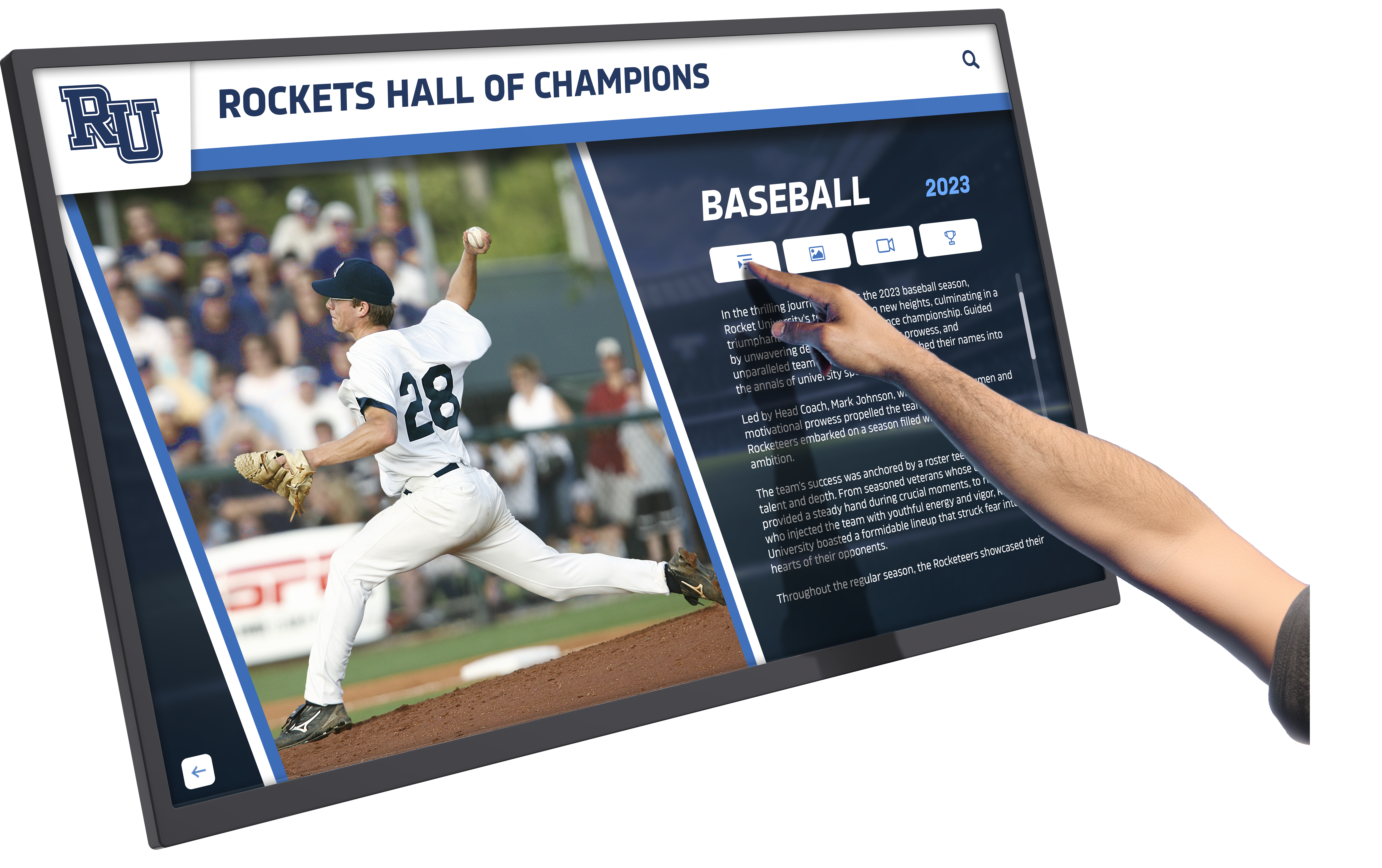
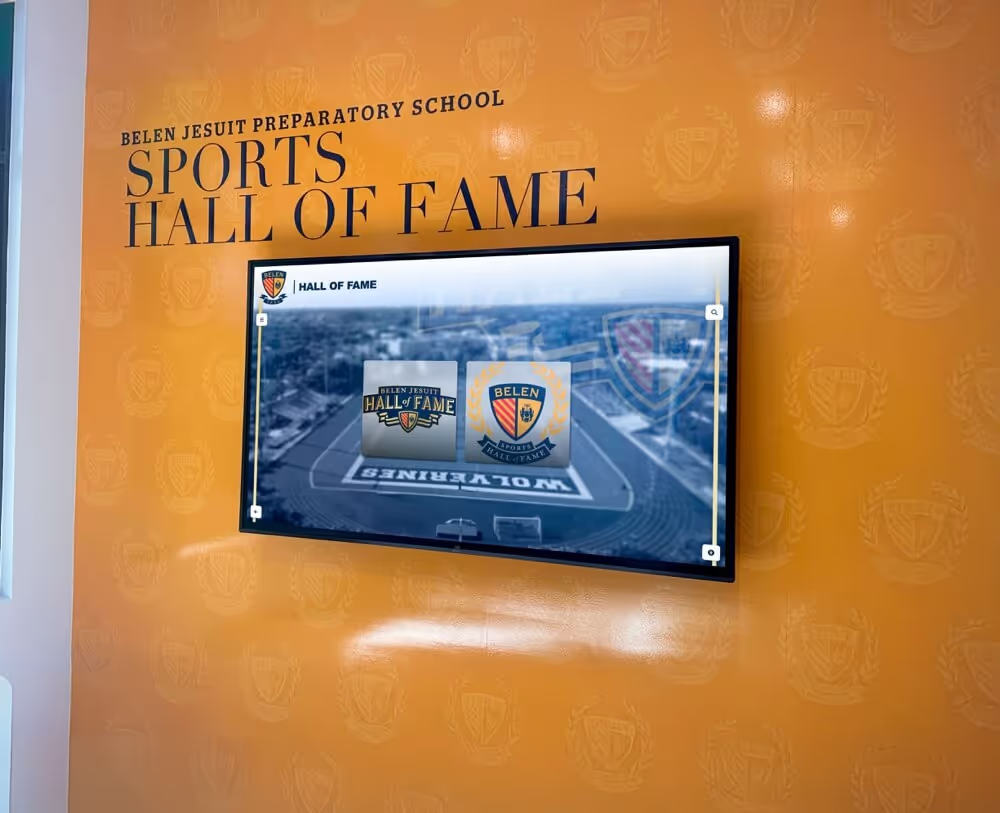
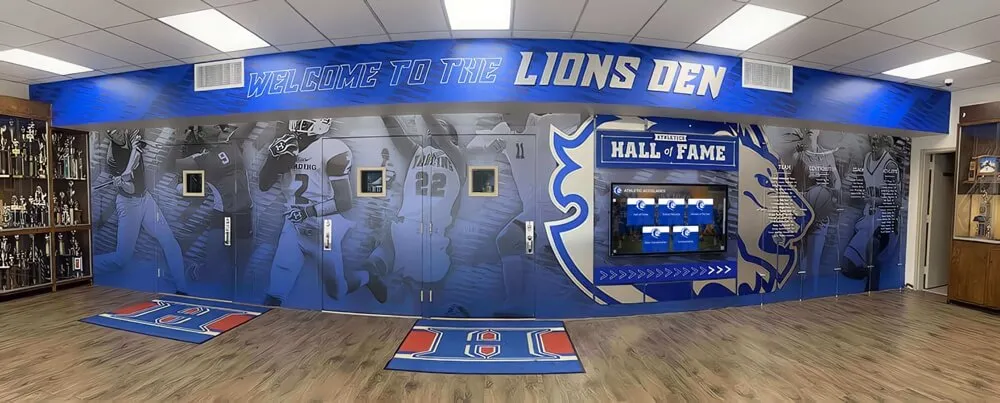
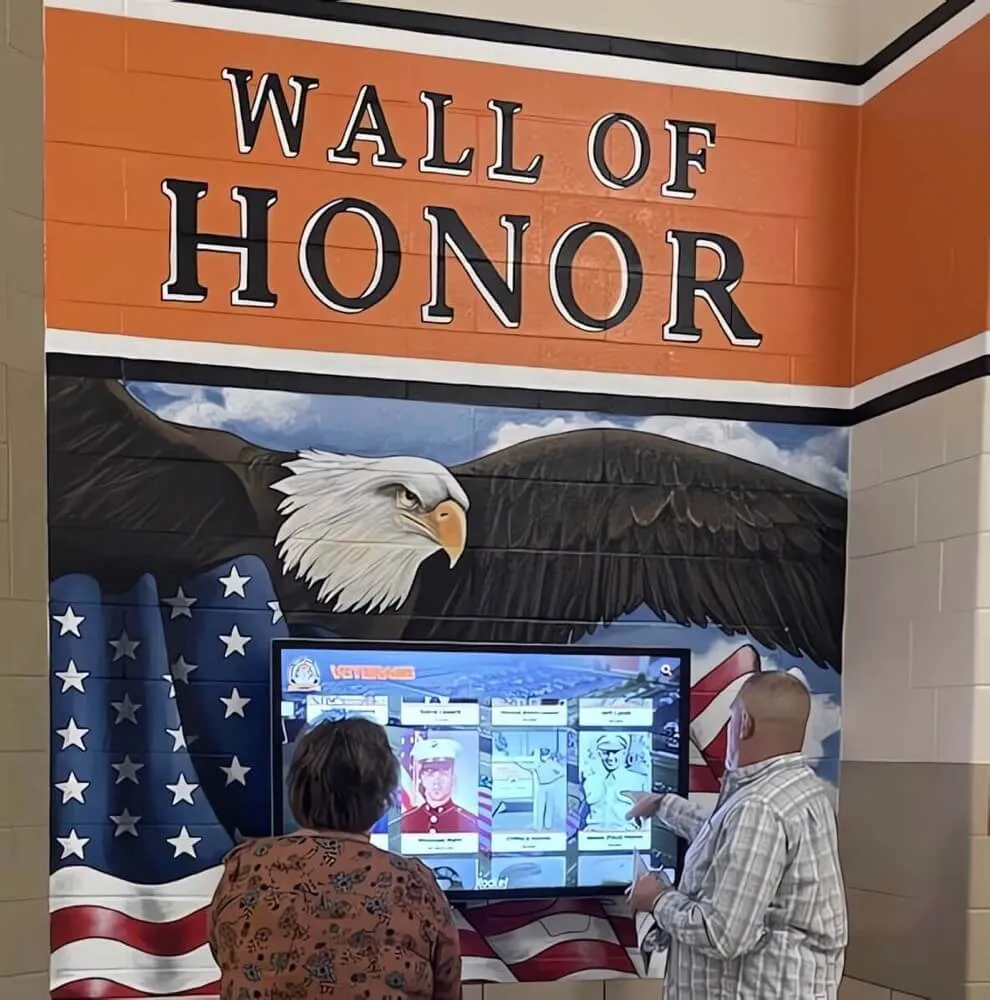
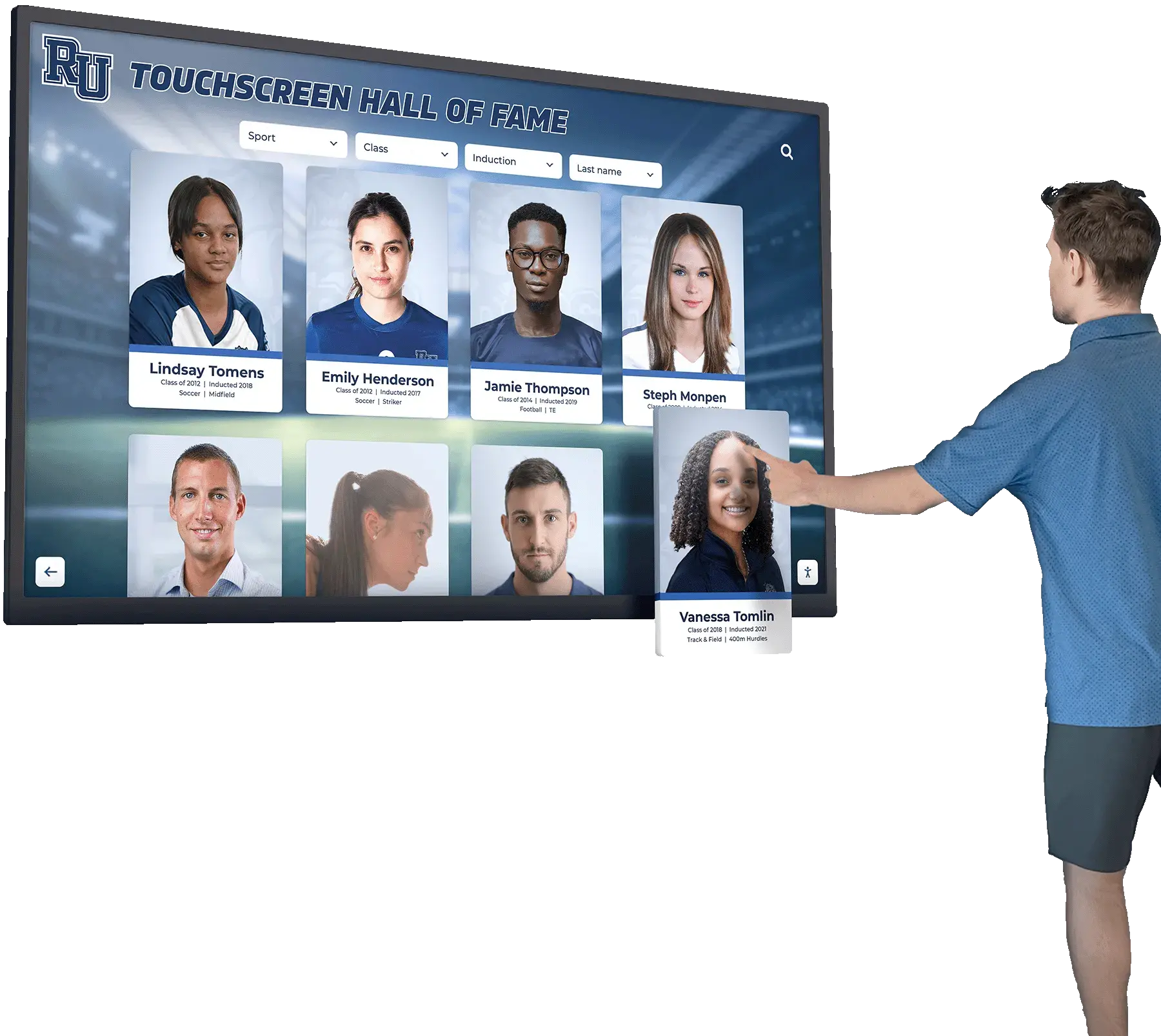
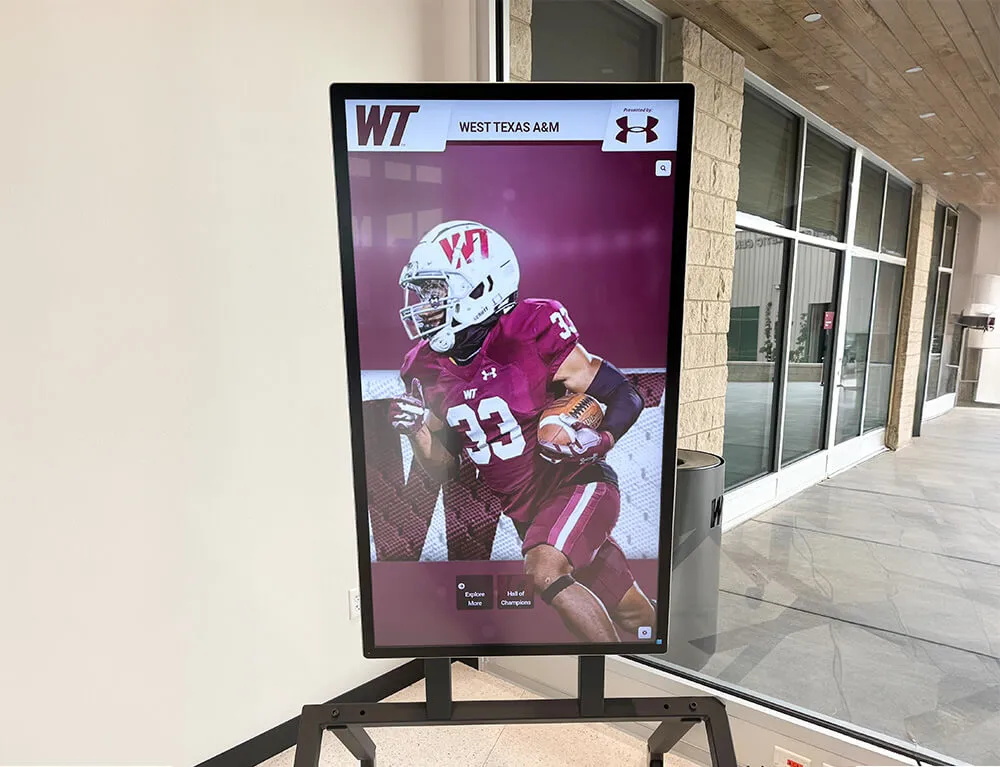
Interactive displays preserve catcher achievements including game-calling excellence and defensive prowess for program historical archives
Sequencing and Deception
Great pitch calling employs strategic sequencing that keeps hitters off-balance:
- Establishing patterns then breaking them: Showing one sequence twice, then changing the third time
- Speed differentials: Maximizing effectiveness of changeups through fastball establishment
- Location variation: Avoiding predictable patterns (inside-outside-inside becomes readable)
- Count-specific surprises: Throwing unexpected pitches in hitter-favorable counts
- Waste pitches: Intentionally throwing balls on 0-2 counts inducing chase swings
- First-pitch strategy: Varying between strikes and tempting pitches outside zone
These strategic elements separate catchers who simply receive pitches from backstops who genuinely control games through intelligent, adaptive decision-making.
Count Management and Situation-Specific Calling
Effective pitch calling requires count awareness, understanding how ball-strike combinations drastically change optimal pitch selection.
Pitcher’s Count Strategies (0-2, 1-2, 0-1)
When ahead in counts, catchers possess maximum flexibility and strategic options:
Two-Strike Approach
With two strikes, catchers can:
- Expand the zone: Throwing pitches off the plate tempting chase swings
- Waste pitches: Intentionally throwing balls forcing hitters to swing at pitcher’s pitch
- Put-away pitches: Using pitcher’s best strikeout pitch for finishing
- Location precision: Targeting edges of strike zone generating weak contact or whiffs
- Breaking ball usage: Deploying curves and sliders hitters must protect against
- Surprise fastballs: Throwing heaters when hitters anticipate off-speed pitches
Early-Count Control (0-1, 1-1)
Getting ahead early provides advantages throughout at-bats:
- First-pitch strikes: Establishing aggressive strike-throwing forcing hitter defense
- Quality over deception: Throwing best pitches for strikes rather than tricky sequences
- Setting up later pitches: Showing fastballs inside setting up away breaking balls
- Confidence building: Easy strikes boosting pitcher rhythm and mound presence
- Quick outs: Working efficiently generating weak contact on early pitches
Programs emphasizing first-pitch strikes and early-count advantages typically demonstrate better team ERA and defensive efficiency than those constantly pitching from behind.
Hitter’s Count Management (2-0, 3-1, 2-1)
When behind in counts, catchers must minimize damage while competing aggressively:
Avoiding Damage on Hitter’s Counts
- Fastball command: Throwing strikes with best command pitch avoiding walks
- Quality locations: Targeting zones generating ground balls or weak fly balls even if contacted
- Avoiding middle-middle: Never grooving pitches over heart of plate
- Competitive pitches: Throwing near-strikes forcing umpire decisions
- Trust in defense: Accepting contact knowing fielders make plays
- Waste pitch avoidance: Throwing strikes rather than 3-0 counts when behind 2-0
Strategic Concessions
Sometimes giving in strategically makes sense:
- Intentional walks: When facing dangerous hitter with first base open
- Pitching around: Throwing competitive but difficult pitches accepting walks over big hits
- Contact management: Allowing weak contact rather than walking hitters
- Pitch count awareness: Avoiding extended at-bats grinding out pitcher early
- Lineup consideration: Saving pitcher’s best pitches for more dangerous upcoming hitters
Understanding when to compete aggressively versus when strategic concession makes sense represents advanced game management separating elite catchers from adequate backstops.
Situational Pitch Calling With Runners on Base
Base runners and scoring situations fundamentally change optimal pitch selection:
Preventing Stolen Bases
With speedy runners on first base:
- Fastball frequency: Throwing more fastballs for quicker catcher release times
- Slide-step coordination: Calling pitches pitcher can throw from abbreviated delivery
- Pitchout timing: Reading runners and calling pitchouts at optimal steal attempts
- Breaking ball limitation: Reducing slow curves that give runners extra jump time
- Quick delivery pitches: Emphasizing cutters and two-seamers with compact deliveries
Double Play Situations
With runner on first and less than two outs:
- Ground ball pitches: Calling sinkers, two-seamers, and low breaking balls inducing grounders
- Location low: Keeping pitches down in zone increasing ground ball probability
- Avoiding elevation: Never throwing pitches middle-up that generate fly balls
- Contact acceptance: Throwing strikes generating contact rather than strikeout attempts
- Quick work: Operating efficiently keeping defense engaged and ready
Scoring Position Defense
With runners on second or third base:
- Strike zone aggressive attack: Throwing strikes avoiding walks that score runs automatically
- Quality over deception: Establishing strikes first, sequencing second
- Weak contact locations: Targeting zones generating pop-ups or easy ground balls
- Breaking ball precision: Executing off-speed pitches perfectly or defaulting to fastballs
- Pitcher confidence: Calling pitches pitcher trusts most rather than overthinking
These situational adjustments demonstrate baseball’s strategic complexity, where identical 2-1 counts demand completely different approaches based on base runners, outs, score, and inning.
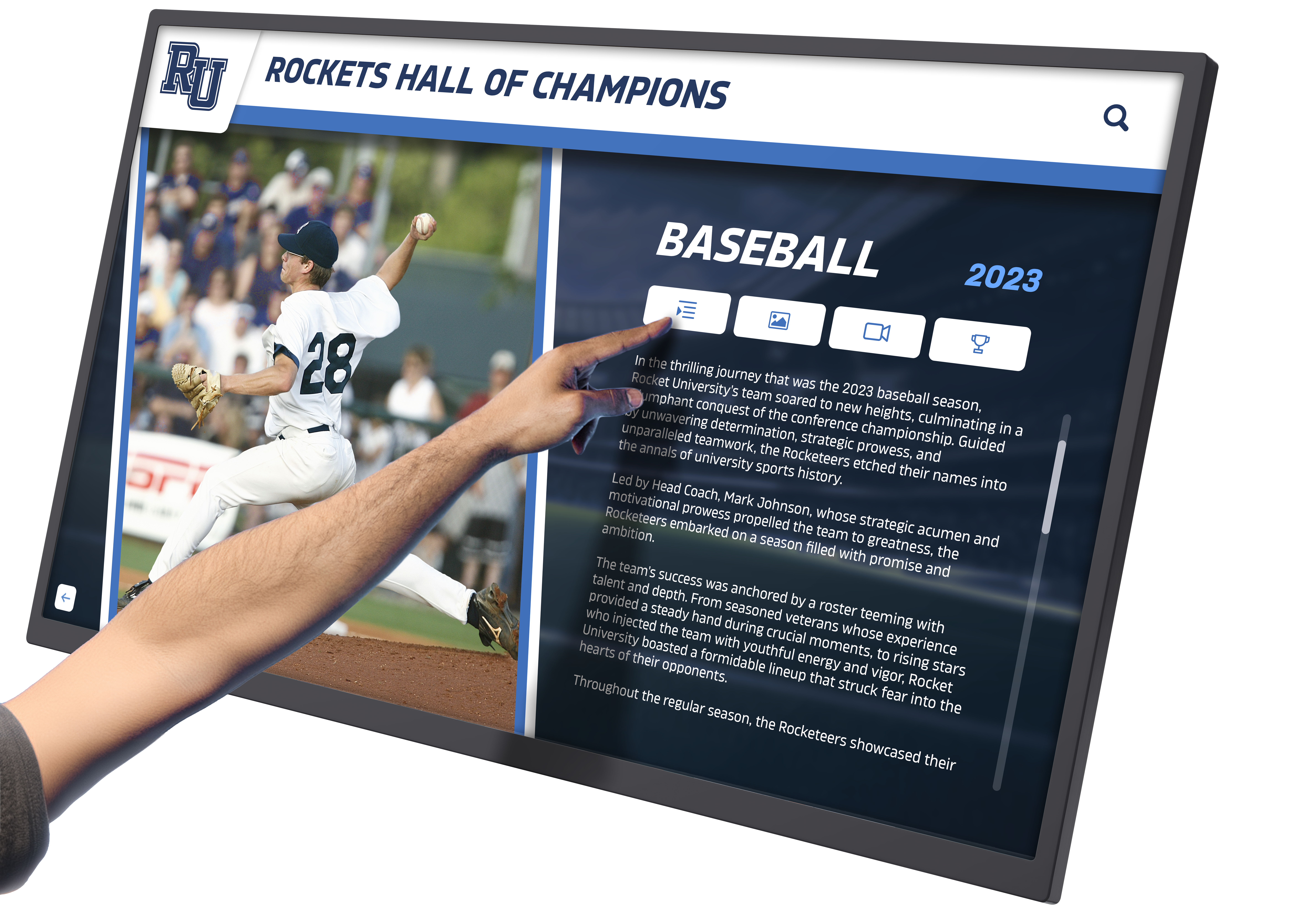
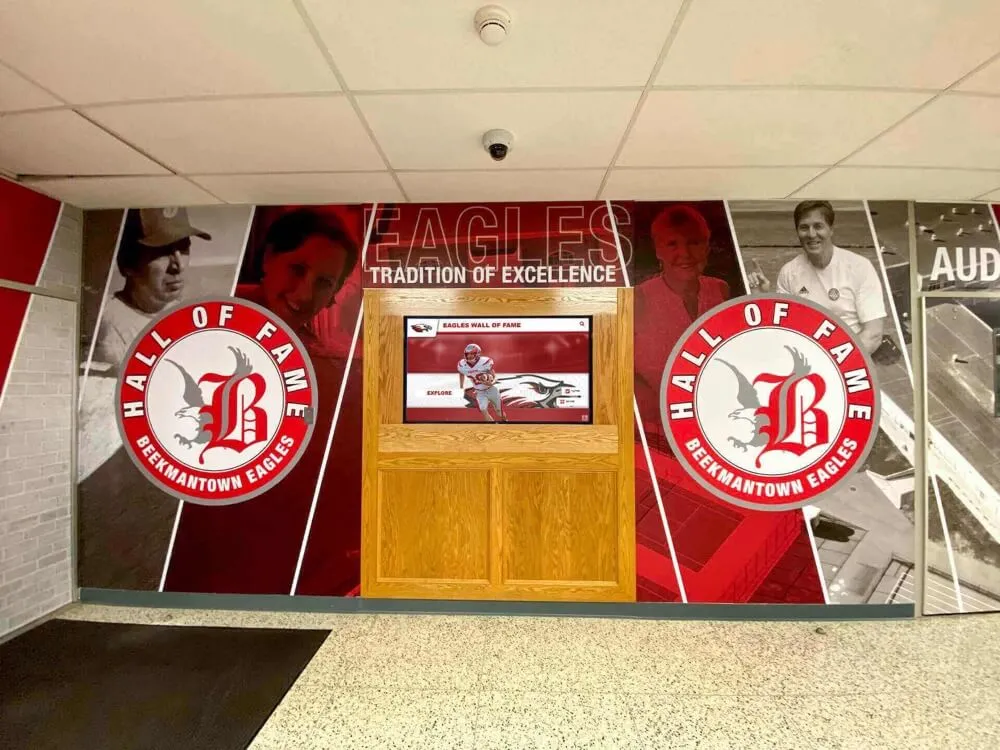
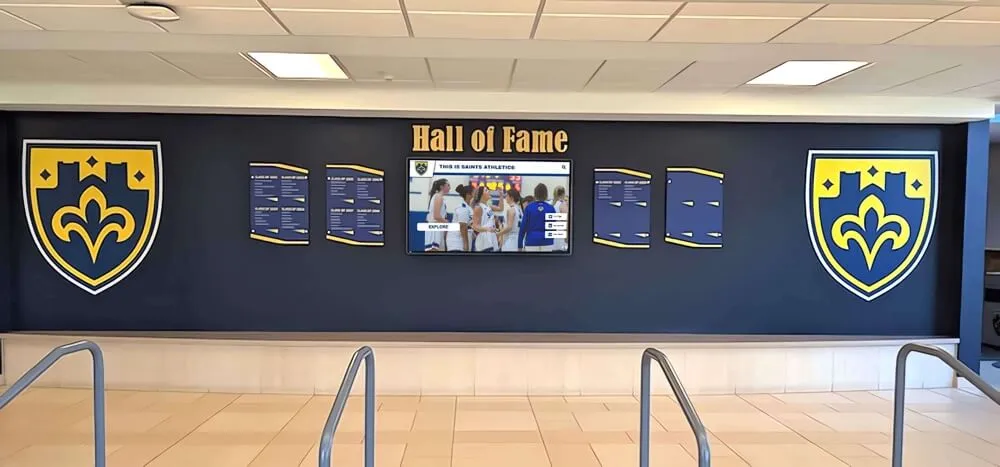
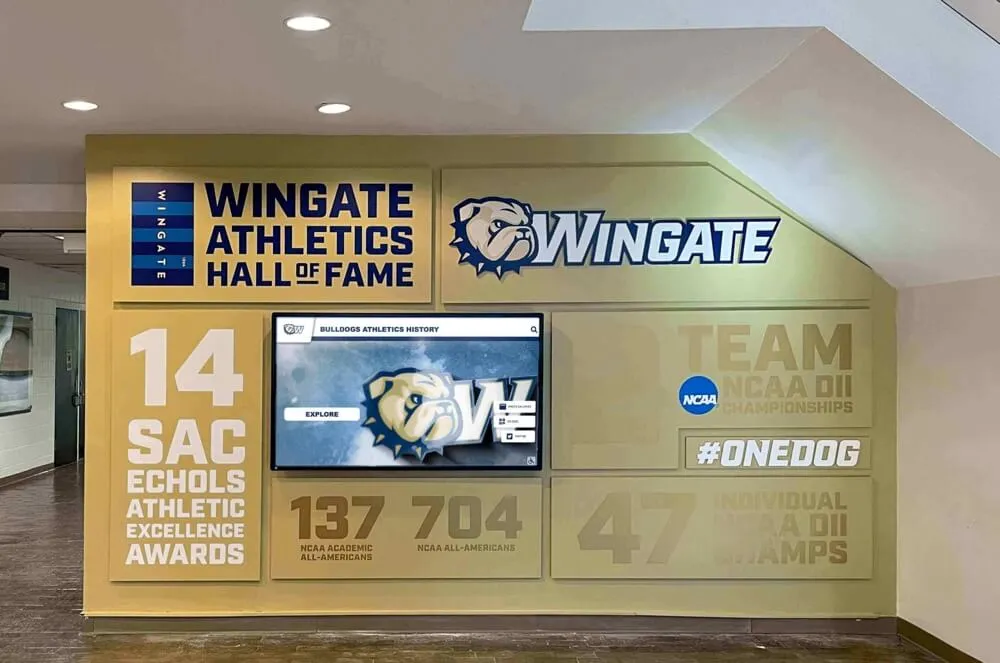
Championship battery combinations and defensive excellence become permanent program history through comprehensive digital recognition systems
Communication Beyond Signs: Building Battery Chemistry
Signal systems matter little without strong catcher-pitcher relationships built on trust, communication, and mutual understanding developed through countless practice repetitions and game situations.
Pre-Game Preparation and Game Planning
Effective batteries begin preparation long before first pitch:
Joint Scouting and Strategy Sessions
Catchers and pitchers should collaborate on game plans:
- Reviewing scouting reports together discussing each hitter
- Agreeing on primary approaches to dangerous hitters
- Identifying situations for specific pitch sequences
- Discussing pitcher feel and confidence in different pitches
- Establishing sign systems and confirmation procedures
- Planning base runner situations and defensive plays
- Setting expectations for mound visit triggers and communication
This collaborative preparation ensures shared vision when games begin, reducing mid-game disagreements and crossed signals.
Bullpen Sessions and Practice Communication
Building battery chemistry requires intentional practice time:
- Live batting practice with sign communication
- Bullpen sessions simulating game sequences and situations
- Practicing sign systems until automatic and instantaneous
- Building trust through consistent location work
- Developing pitcher confidence in catcher’s calls
- Establishing rhythm and timing between battery mates
- Communication about pitch grips, release points, and feel
Programs prioritizing battery development typically demonstrate superior game execution compared to those assuming game experience alone builds necessary communication.
Mound Visits: When and How to Communicate
Strategic mound visits provide opportunities for critical adjustments, but timing and content determine effectiveness:
Optimal Mound Visit Timing
Catchers should visit the mound when:
- Pitcher loses strike zone or command deteriorates significantly
- Missed signs or communication confusion requires clarification
- Defensive positioning needs adjustment for specific hitters
- Pitcher shows frustration, loss of focus, or emotional challenges
- Strategy changes necessitate discussion (intentional walk, pitching around)
- Breaking pitcher’s negative momentum or rhythm reset
- Buying time for bullpen warm-up when change appears imminent
Effective Mound Visit Communication
Brief, focused conversations deliver maximum impact:
- Stay positive and confident regardless of situation
- Reference specific adjustments rather than vague encouragement
- Remind pitcher of strengths and what’s working
- Simplify approach when pitcher overthinks or loses feel
- Confirm sign systems if confusion has occurred
- Quick mechanical reminders if fundamentals have broken down
- Express unwavering confidence and trust in pitcher’s ability
The best mound visits last 20-30 seconds, deliver clear messages, and return pitchers to mound with renewed focus and confidence—quality over quantity.
Reading Pitcher Body Language and Confidence
Elite catchers constantly monitor pitcher demeanor, adjusting approach when confidence wavers or frustration builds:
Identifying Pitcher Struggles
Physical and emotional cues signal when pitchers need support:
- Body language: Slumped shoulders, head hanging, or visible frustration
- Tempo changes: Working too quickly or slowly disrupting rhythm
- Mound behavior: Excessive rosin use, glove adjustments, or ball examination
- Eye contact: Avoiding catcher’s eyes or appearing distracted
- Delivery changes: Mechanical variations from normal motion
- Location patterns: Consistently missing spots or throwing predictable pitches
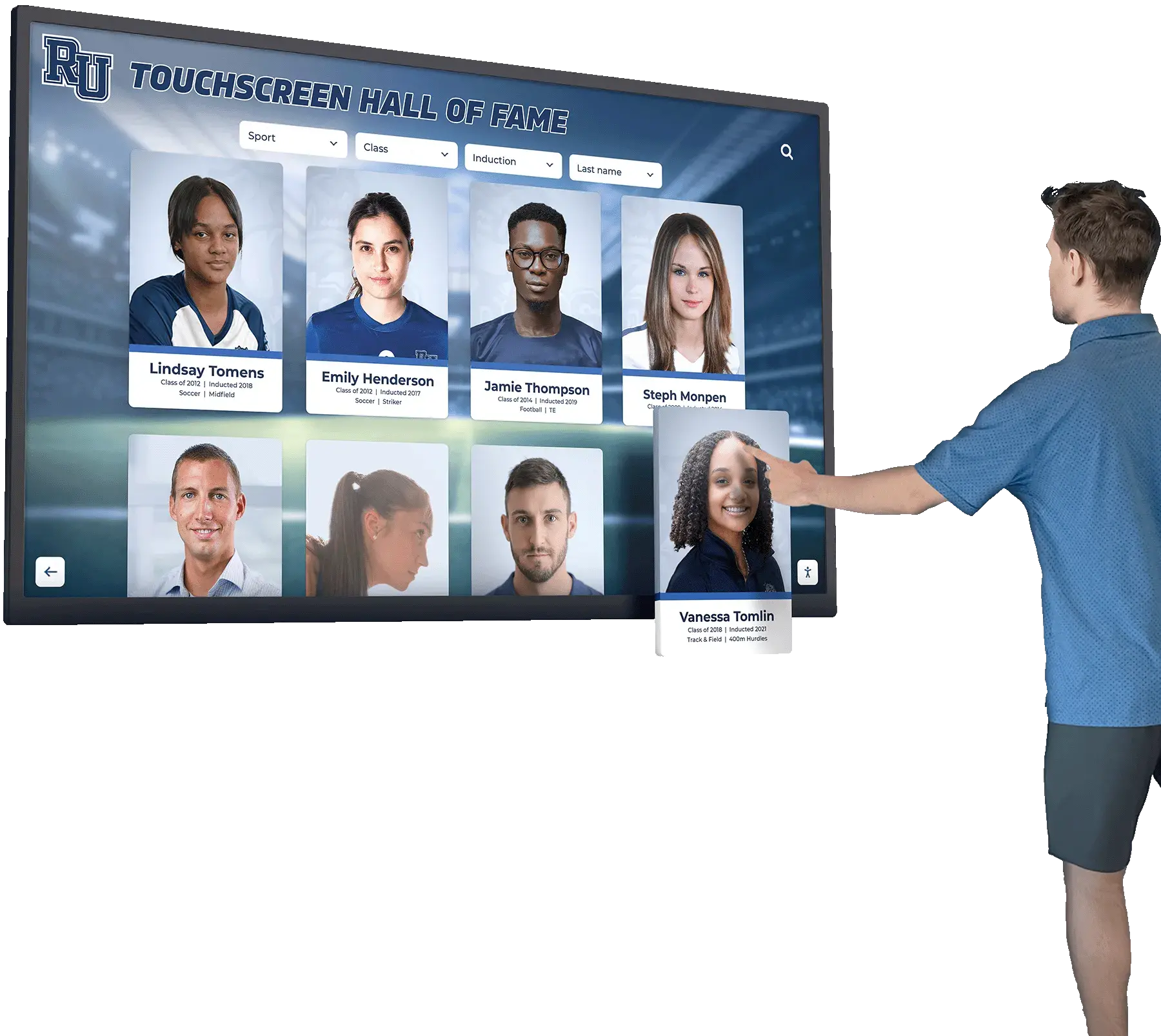
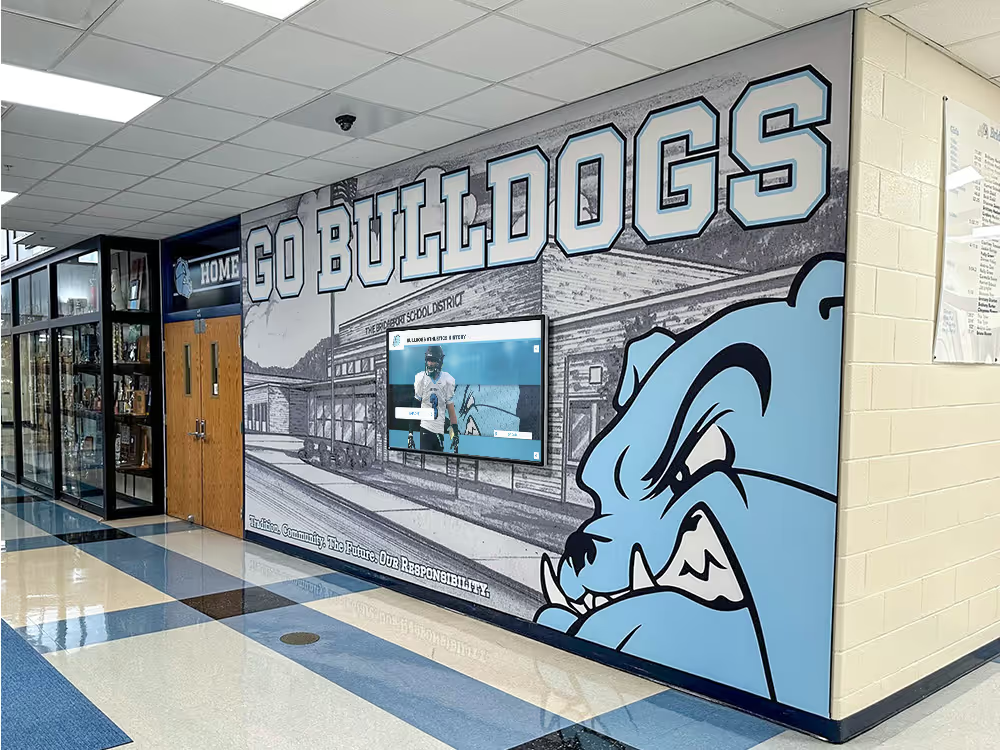
Digital archives enable alumni catchers and pitchers to revisit battery partnerships and career achievements decades after graduation
Building and Maintaining Pitcher Confidence
Catchers control pitcher confidence through constant communication:
- Enthusiastic reinforcement after quality pitches
- Immediate recovery from bad pitches or unlucky hits
- Body language projecting complete confidence regardless of score
- Blame acceptance: Taking responsibility for pitch selection on bad outcomes
- Credit assignment: Giving pitcher credit for good results
- Emotional stability: Remaining calm during pressure situations
- Belief communication: Expressing unwavering faith in pitcher’s ability
The psychological management aspect of catching often impacts game outcomes more significantly than physical receiving skills or throwing arms—confident pitchers execute better than talented but doubting hurlers.
Defensive Coordination and Infield Communication
Catchers function as defensive quarterbacks, coordinating positioning and communicating strategy beyond simple pitch calling.
Pickoff Plays and Timing Signals
Controlling the running game requires coordinated timing between catchers, pitchers, and infielders:
Pickoff Sign Systems
Catchers signal pickoff plays through:
- Count systems: Timing pickoff on specific count (pitcher counts to three, throws)
- Visual triggers: Catcher touching mask, adjusting shin guard, or specific movement
- Verbal calls: Code words embedded in normal chatter triggering throws
- Infielder signals: Middle infielders signaling readiness for pickoff attempts
- Timing patterns: Pre-determined timing based on pitcher’s rhythm and stretch routine
Daylight Plays
Coordinated middle infield pickoffs:
- Shortstop or second baseman breaks toward bag when runner leads
- Catcher signals pitcher to throw when defender moves (“daylight” appears between runner and defender)
- Requires perfect timing and communication avoiding balk calls
- Practiced extensively during spring training and pre-season
- Most effective against aggressive baserunners with large leads
Defensive Positioning and Shift Communication
Modern baseball’s defensive shift prevalence makes catcher coordination crucial:
Pre-Pitch Positioning Signals
Catchers communicate defensive alignment:
- Standard positioning versus shifted alignment signals
- Depth adjustments (infield in, halfway, back)
- Outfield positioning (no doubles depth, shallow, standard)
- First and third base positioning variations
- Pitcher coverage responsibilities on balls in play
Situation-Specific Adjustments
Different game situations require position changes:
- Bunt defense: Corners crash, middle infielders cover bases
- First-and-third steal defense: Coordinating who covers second on steal attempt
- Rundown communication: Directional calling during pickle situations
- Pop fly coordination: Calling who takes difficult flies between positions
- Cut-off and relay positioning: Ensuring proper alignment on base hits
These defensive elements extend catcher responsibilities far beyond receiving pitches, requiring field awareness, strategic thinking, and leadership presence throughout nine innings.
Developing Young Catchers: Teaching Sign Systems
Youth baseball programs face unique challenges introducing catcher signs while managing age-appropriate complexity and developing fundamental skills.
Age-Appropriate Sign Progression
Catcher sign complexity should match player developmental stage:
Youth Baseball (Ages 8-12)
- Simple one-finger systems: One equals fastball, two equals change-up
- No runners on base modifications: Keep signs consistent regardless of situation
- Coach involvement: Coaches often calling pitches with catchers relaying signals
- Focus on fundamentals: Prioritizing receiving, blocking, and throwing over complex signs
- Binary choices: Limiting pitch selection to two options maximum
- Clear communication emphasis: Ensuring pitcher understanding over deception
Middle School (Ages 12-14)
- Introduction of indicators: Simple “first sign” or “second sign” systems with runners on
- Three-pitch repertoires: Adding curveballs or breaking balls to fastball-changeup combinations
- Location signaling: Basic inside-outside location communication
- Player pitch calling: Transitioning from coach calls to catcher decision-making
- Defensive coordination: Beginning to coordinate pickoffs and defensive positioning
- Battery practice: Dedicated time building pitcher-catcher communication
High School (Ages 14-18)
- Complex indicator systems: Multiple indicators, pump systems, and advanced sequences
- Full pitch arsenals: Managing four or five pitch types per pitcher
- Strategic pitch calling: Count management, sequencing, and hitter-specific approaches
- Advanced defensive coordination: Shifts, pickoffs, defensive positioning schemes
- PitchCom adoption: Introducing electronic systems while maintaining traditional sign proficiency
- Leadership development: Catchers managing pitching staffs and defensive units
This developmental progression prevents overwhelming young catchers while systematically building sophistication as physical and mental capabilities mature.
Practice Drills for Sign Communication
Dedicated practice time improves battery communication and reduces game mistakes:
Sign Recognition Drills
- Flash drills: Catchers flash random signs, pitchers identify pitch type and location
- Speed drills: Rapid sign sequences improving processing speed
- Complex systems practice: Working through indicator and multiple-sign sequences
- Distraction drills: Sign recognition while coaches yell or create distractions simulating games
- Eyes-closed visualization: Pitchers mentally processing sign sequences without visual confirmation
- Wrong sign recovery: Practicing immediate correction when signs are missed
Game Situation Practice
- Bullpen sessions with full sign sequences
- Live batting practice using game-realistic communication
- Simulated innings practicing base runner sign adjustments
- Pressure situation practice: Two strikes, runners on, competitive situations
- Mound visit practice: Simulating communication under time constraints
- PitchCom integration: Alternating between electronic and manual systems
Battery Chemistry Building
- Scheduled battery partner throwing sessions
- Film study together reviewing at-bats and pitch sequences
- Pitch effectiveness charting during bullpens
- Post-game debriefs discussing what worked and what didn’t
- Trust-building exercises emphasizing partnership
- Communication preference discussions
Programs investing practice time in battery communication typically demonstrate fewer crossed signals, better pitch execution, and stronger pitcher-catcher relationships than those assuming game repetitions alone build necessary skills.
Honoring Baseball’s Great Catchers and Battery Combinations
The catcher position has produced some of baseball’s most celebrated players—backstops who controlled games through intelligence, leadership, and exceptional battery partnerships deserving permanent recognition.
Legendary Catchers in Baseball History
From Yogi Berra and Johnny Bench to modern stars like Yadier Molina and Buster Posey, great catchers become franchise cornerstones and baseball hall of fame inductees celebrated for complete careers combining offensive production, defensive excellence, and game management mastery.
Programs honor outstanding catchers through:
Statistical Recognition
- Career games caught and innings behind plate
- Defensive statistics: Caught stealing percentage, passed balls, errors
- Offensive production from demanding defensive position
- Pitcher ERA when specific catcher works versus team average
- Championship contributions and postseason performance
- All-conference, all-state, and post-season honors
Leadership and Intangible Acknowledgment
- Battery chemistry and pitcher development contributions
- Game-calling excellence and strategic mastery
- Team leadership and defensive coordination
- Durability and toughness playing demanding position
- Pitcher confidence and staff management
- Championship team contributions beyond statistics
Preserving Baseball Program History and Catcher Legacies
Effective recognition systems document and celebrate exceptional catchers who shaped program success:
Traditional Recognition Approaches
- Trophy cases displaying catcher awards and achievements
- Record boards documenting statistical excellence
- Championship team photos highlighting battery combinations
- Retired numbers honoring legendary backstops
- Engraved plaques commemorating career achievements
Modern Digital Recognition Solutions
Traditional recognition faces space limitations and static presentation challenges. Digital hall of fame displays overcome these constraints while creating more engaging catcher tributes:
- Unlimited capacity honoring every catcher across program history
- Comprehensive profiles including statistics, achievements, and battery partnerships
- Photo galleries documenting careers from freshman to senior seasons
- Video integration showcasing defensive highlights and game-calling excellence
- Championship team documentation with complete rosters and season narratives
- Searchable archives enabling alumni to revisit careers decades later
- Easy updates adding current season achievements without installation costs
Schools using interactive recognition displays report significantly higher alumni engagement, facility visitor interaction, and program pride compared to traditional static trophy cases with limited capacity.
Programs can showcase the complete evolution of the catching position—from traditional sign systems to modern PitchCom communication—while honoring every backstop who donned the tools regardless of playing time or statistical production. This comprehensive recognition validates the position’s unique demands while inspiring current catchers to uphold the standard set by program legends.
For programs seeking to celebrate baseball achievements alongside other sports, comprehensive athletic recognition systems provide frameworks honoring catchers within broader athletic hall of fame contexts connecting baseball excellence to school-wide athletic tradition.
Common Catcher Sign Mistakes and How to Avoid Them
Even experienced catchers make communication errors that cost runs, momentum, and games—awareness of common mistakes enables systematic improvement.
Sign Clarity and Visibility Issues
Poor Positioning During Signs
Catchers sometimes flash signs from positions pitchers struggle to see:
- Standing too early before pitcher looks for sign
- Inadequate crouch depth hiding fingers from pitcher’s view
- Body angles presenting signs at difficult viewing angles
- Insufficient separation between finger positions
- Glove interference blocking pitcher’s sightlines
- Distance from plate affecting sign visibility
Solutions:
- Establish consistent pre-pitch routine ensuring pitcher readiness
- Maintain proper crouch depth with clear finger presentation
- Position body square to pitcher maximizing visibility
- Exaggerate finger separation ensuring clear differentiation
- Hold signs steady avoiding movement during presentation
- Use glove to shield signs from opponents without blocking pitcher
Signal Confusion and Crossed Signs
The most costly mistakes occur when catchers and pitchers see different signs:
Common Confusion Sources
- Incomplete sign sequences: Pitcher looking away before complete signal
- Rushed signs: Flashing signs too quickly for pitcher processing
- Inconsistent indicators: Forgetting which indicator system applies
- Base runner confusion: Failing to switch systems with runners on base
- PitchCom miscommunication: Device failures without backup plan
- Multiple catchers: Different catchers using different systems with same pitcher
Prevention Strategies:
- Maintain eye contact until pitcher acknowledges sign
- Slow down sign sequences in pressure situations
- Review sign systems during mound visits if any doubt exists
- Establish clear base runner sign changes pitchers expect
- Practice both PitchCom and traditional systems as backup
- Standardize sign systems across catching staff
- Confirm unusual or surprise pitch selections with secondary signs
One crossed sign can determine game outcomes—systematic practices preventing confusion prove invaluable.
Predictable Patterns and Sign-Stealing Vulnerability
Even with sophisticated sign systems, predictable patterns make stealing possible:
Pattern Recognition Vulnerabilities
- Identical sequences repeated too frequently
- Count-based predictability (always fastball on 3-2)
- Hitter-specific patterns opponents recognize
- Timing tells: Taking longer for certain pitch signs
- Body language revealing pitch types
- Inconsistent base runner sign changes
Maintaining Deception:
- Vary sign sequences regularly even with bases empty
- Avoid rigid formulas in specific counts
- Change indicators between innings or mid-game
- Flash signs with consistent timing regardless of pitch
- Conscious body language control
- Random sign system adjustments keeping opponents uncertain
Modern video technology enables sophisticated sign analysis—maintaining deception requires constant vigilance and systematic variation preventing pattern recognition.
The Future of Catcher Communication in Baseball
Baseball’s communication systems continue evolving as technology, analytics, and competitive pressures drive innovation in how catchers and pitchers coordinate strategy.
Technology Trends Beyond PitchCom
Electronic communication will likely expand beyond current PitchCom implementation:
Emerging Technologies
- Augmented reality displays: Visual pitch location suggestions in catcher’s vision
- Artificial intelligence pitch calling: Data-driven recommendations based on real-time analysis
- Biometric feedback: Pitcher fatigue and stress monitoring informing pitch selection
- Defensive coordination systems: Automated positioning suggestions based on hitter tendencies
- Video integration: Real-time access to hitter swing patterns during games
- Advanced pitch tracking: Immediate feedback on pitch movement and location accuracy
Balancing Technology and Traditional Skills
As technology expands, programs must balance innovation with fundamental skill development:
- Maintaining traditional sign proficiency as backup systems
- Teaching strategic thinking rather than automated decision-following
- Emphasizing catcher intelligence alongside technological assistance
- Preserving battery chemistry and communication relationships
- Developing catchers who understand “why” behind pitch calls, not just “what”
The future likely features hybrid approaches where technology informs decisions while catchers maintain ultimate strategic control and game-reading capabilities.
Analytics Integration in Pitch Calling
Data-driven approaches increasingly influence catcher decision-making:
Analytics Applications
- Hitter hot zones: Heat maps showing where specific hitters damage pitches
- Pitch effectiveness data: Which pitcher offerings generate best results against specific hitters
- Count-specific tendencies: What pitches and locations work best in different counts
- Sequencing analysis: Which pitch patterns generate optimal outcomes
- Environmental factors: Park dimensions, weather, and field conditions affecting strategy
- Championship-caliber approaches: Data from successful programs informing best practices
Preserving Catcher Instincts
While analytics provide valuable information, game-calling excellence still requires:
- Reading real-time adjustments hitters make during specific games
- Understanding pitcher confidence and current stuff quality
- Adapting to umpire strike zones and game flow
- Managing psychological elements data doesn’t capture
- Making instinctive decisions in pressure moments
- Building relationships and trust with pitchers
The best modern catchers synthesize analytical preparation with in-game instincts, using data as foundation while maintaining flexibility and situational awareness technology alone cannot provide.
Conclusion: Mastering the Language Behind the Plate
Baseball catcher signs represent far more than finger combinations—they embody the sophisticated strategic language through which catchers control games, manage pitchers, exploit opponent weaknesses, and demonstrate the intellectual demands making catching baseball’s most cerebral position. From traditional finger signals to modern PitchCom technology, from basic pitch-type communication to complex sequencing strategies, mastering catcher signs requires systematic study, dedicated practice, strong battery relationships, and continuous learning as the game evolves.
The techniques explored in this guide provide comprehensive frameworks for calling pitches effectively across all situations—understanding sign systems from basic to advanced, developing strategic pitch-calling instincts, building battery chemistry through communication, and adapting to modern technology while preserving traditional skills. Whether learning fundamentals as young backstop or refining approaches as experienced varsity catcher, these principles enable more effective game management and strategic control determining outcomes on every pitch.
Preserve Your Baseball Program's Legacy
Discover how interactive touchscreen displays can help you honor exceptional catchers, legendary battery combinations, and complete baseball program history—creating lasting tributes that alumni and current players can explore for generations while celebrating the strategic excellence that makes baseball unique.
Request a DemoMost importantly, great catcher sign systems and pitch-calling strategies enable backstops to maximize their impact beyond physical tools, transforming good catchers into field generals who elevate pitcher performance, control game tempo, and provide leadership extending throughout defensive units. These communication skills represent controllable elements any catcher can develop through dedicated study and practice regardless of arm strength, blocking ability, or offensive production—democratizing excellence and enabling catchers of all physical profiles to contribute at high levels through intelligence and preparation.
Modern baseball provides unprecedented resources for catcher development—PitchCom technology simplifying communication, analytical data informing strategy, video study revealing opponent tendencies, and systematic training programs teaching skills previous generations learned purely through experience. Yet the fundamental principles remain constant: clear communication, strategic thinking, battery chemistry, and competitive instincts separating catchers who simply receive pitches from backstops who genuinely control games through every signal flashed between their legs.
Programs that emphasize catcher development, invest in battery chemistry building, teach systematic sign progressions, and honor exceptional backstops create cultures where intelligent game management becomes valued equally with physical tools—producing catchers who understand that every pitch begins with their call and every game flows through their strategic decisions.
For schools seeking to celebrate their baseball tradition including outstanding catchers, battery partnerships, and championship teams, digital recognition platforms provide comprehensive solutions honoring complete program history. These systems document not just statistics but the strategic excellence, leadership qualities, and game-management mastery that make great catchers invaluable to their programs—preserving these achievements alongside offensive stars and pitching aces in permanent displays celebrating every contributor to baseball success.
Start developing your catcher sign systems today with confidence that systematic instruction, dedicated practice time, strong battery relationships, and continuous learning will create backstops who control games through intelligence, communication, and strategic mastery. Every effectively called game, every pitcher made better through smart sequencing, and every championship earned through defensive excellence validates the hours spent mastering the sophisticated language of baseball catcher signs that separates average backstops from field generals commanding respect throughout their programs.
Ready to celebrate your baseball program’s complete history? Explore Touch Archive solutions for comprehensive athletic recognition and team history preservation, or request a demo to see how your catchers’ achievements, battery partnerships, defensive excellence, and championship contributions can be preserved permanently through interactive displays engaging current players, returning alumni, and baseball enthusiasts for generations to come.
Live Example: Rocket Alumni Solutions Touchscreen Display
Interact with a live example (16:9 scaled 1920x1080 display). All content is automatically responsive to all screen sizes and orientations.