



Baseball senior nights represent one of the most emotional moments in any high school or college athletic season. These ceremonies celebrate graduating players who have dedicated years to your program, honoring their commitment while creating lasting memories for athletes, families, and teammates. Yet planning a meaningful senior night requires balancing tradition with creativity, logistics with emotion, and celebration with the practical realities of game schedules.
Many coaches and athletic directors struggle to create senior night experiences that truly resonate. Ceremonies can feel rushed between games of doubleheaders, recognition may lack personal touches that make each athlete feel valued, and permanent displays that preserve these moments often get overlooked in favor of temporary decorations. Families drive hours to attend, seniors anxiously anticipate their moment in the spotlight, and younger players watch closely—making thoughtful planning essential.
This comprehensive guide provides actionable baseball senior night ideas that honor your graduating athletes with the celebration they deserve while creating traditions that strengthen your program’s culture for years to come.
Baseball senior nights mark significant transitions for athletes who have invested countless hours developing their skills, building team bonds, and representing your program. These ceremonies deserve careful planning that celebrates individual journeys while reinforcing the team-first mentality that defines successful baseball programs.

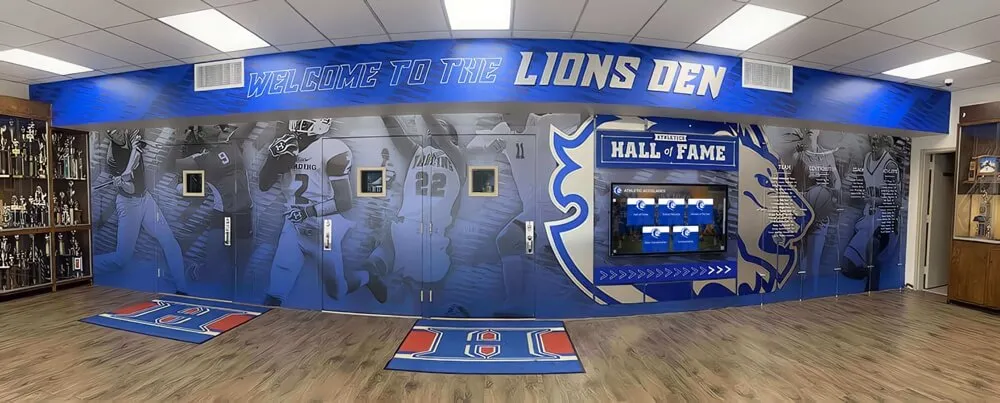
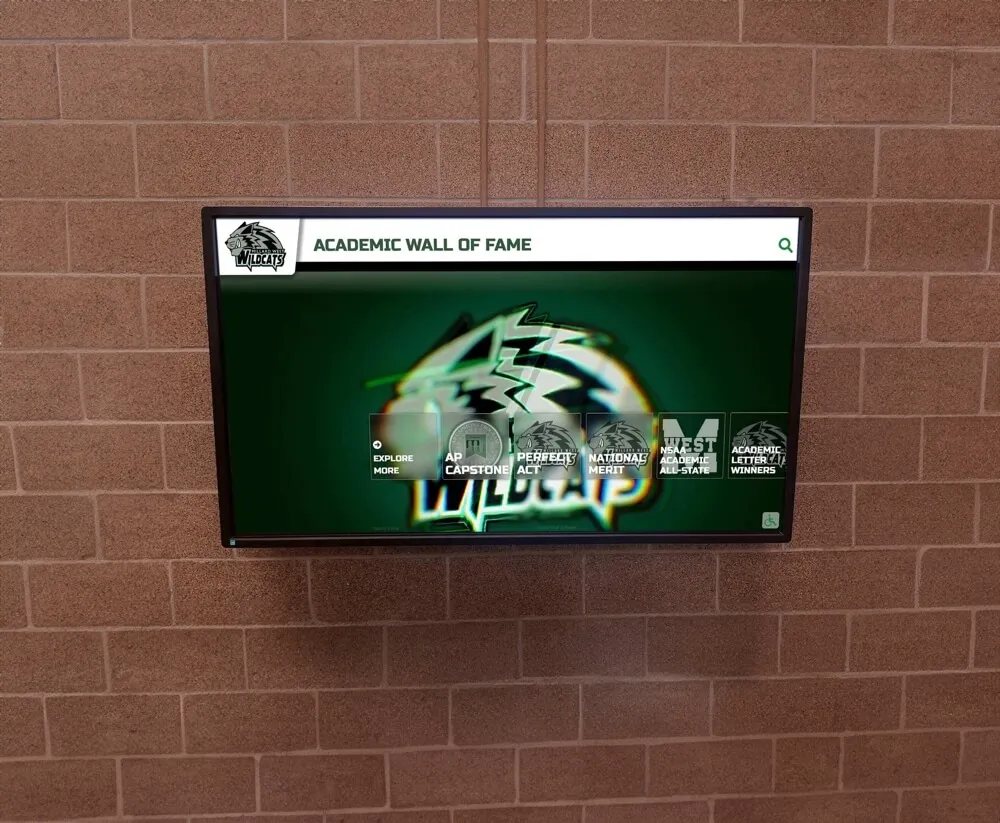
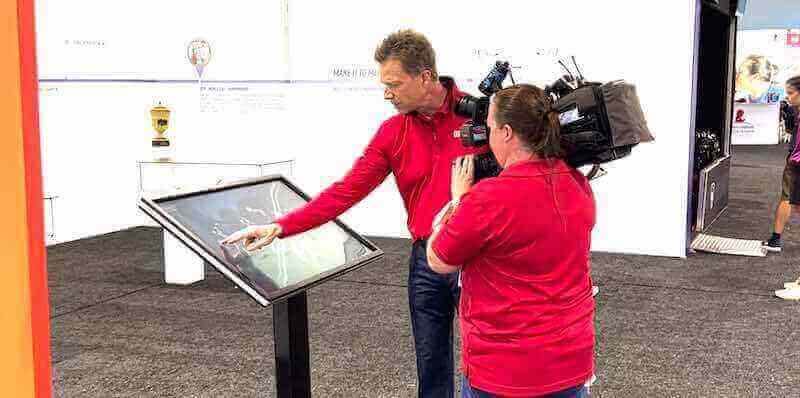
Baseball senior nights create lasting memories for graduating athletes while honoring their contributions to your program
Planning Your Baseball Senior Night Timeline
Successful senior night celebrations require advance planning to coordinate schedules, communicate with families, and prepare recognition materials that honor each athlete appropriately.
Selecting the Right Game
Choosing which game to designate as senior night involves several strategic considerations:
Scheduling Factors
- Select a home game late in the regular season when senior emotions naturally peak
- Avoid the final regular season game which may have playoff seeding implications requiring full focus
- Consider Friday or Saturday evening games when family attendance is typically highest
- Check for schedule conflicts with other school events, holidays, or community activities
- Verify field conditions and backup plans for weather-impacted spring schedules
Competitive Considerations
- Balance honoring seniors with maintaining competitive intensity needed for playoff preparation
- Consider opponent strength—some programs prefer celebrating against traditional rivals while others choose more manageable opponents
- Account for whether the game counts toward conference standings or playoff positioning
- Plan for emotional impact on senior performance—some players elevate their game while others struggle with ceremony distractions
Most programs designate senior night 2-3 weeks before regular season conclusion, providing emotional celebration while allowing time to refocus on postseason preparation.
Creating Your Senior Night Planning Timeline
Systematic planning ensures no details get overlooked as the special night approaches:
6-8 Weeks Before
- Confirm senior roster and gather player information
- Select game date and notify families
- Begin gathering photos, statistics, and biographical information
- Order any printed materials, plaques, or gifts requiring production time
- Plan ceremony format and script
3-4 Weeks Before
- Send detailed information to senior families about ceremony logistics
- Coordinate with announcer on senior introductions and biographical details
- Arrange for photographer/videographer to document ceremony
- Order flowers, frames, or other presentation items
- Confirm field access for family members during ceremony
1-2 Weeks Before
- Finalize ceremony script and practice with announcer
- Confirm all materials have arrived and are prepared
- Send reminder communications to senior families with parking and arrival instructions
- Brief team on ceremony expectations and behavior
- Prepare field setup requirements
Game Day
- Arrive early to set up ceremony materials and test sound system
- Conduct brief walkthrough with seniors explaining ceremony flow
- Coordinate with field crew on ceremony logistics
- Assign team responsibilities for assisting with ceremony elements
- Have backup plans ready for weather or timing challenges
This systematic approach ensures smooth execution while reducing last-minute stress for coaches already managing game preparation.
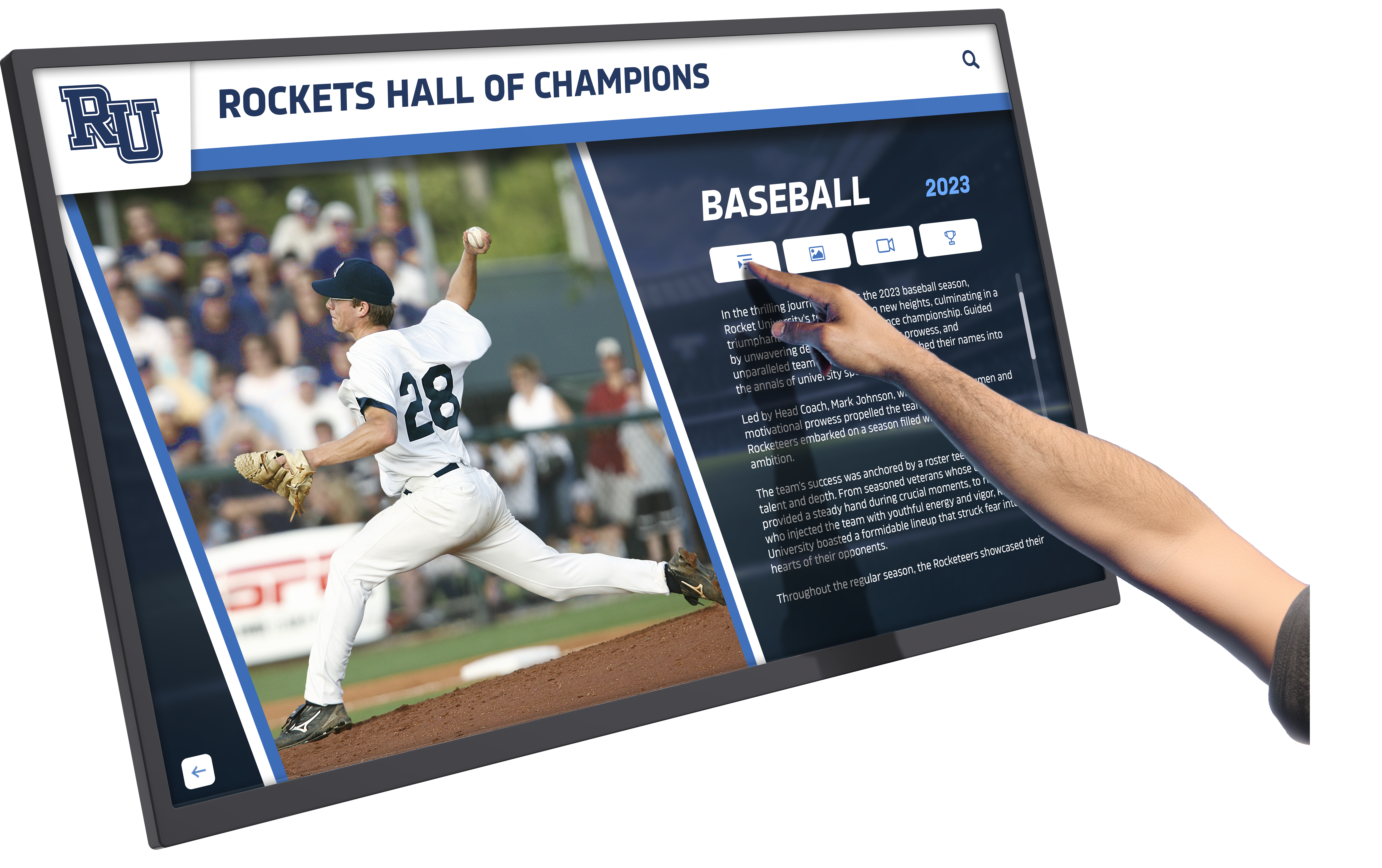
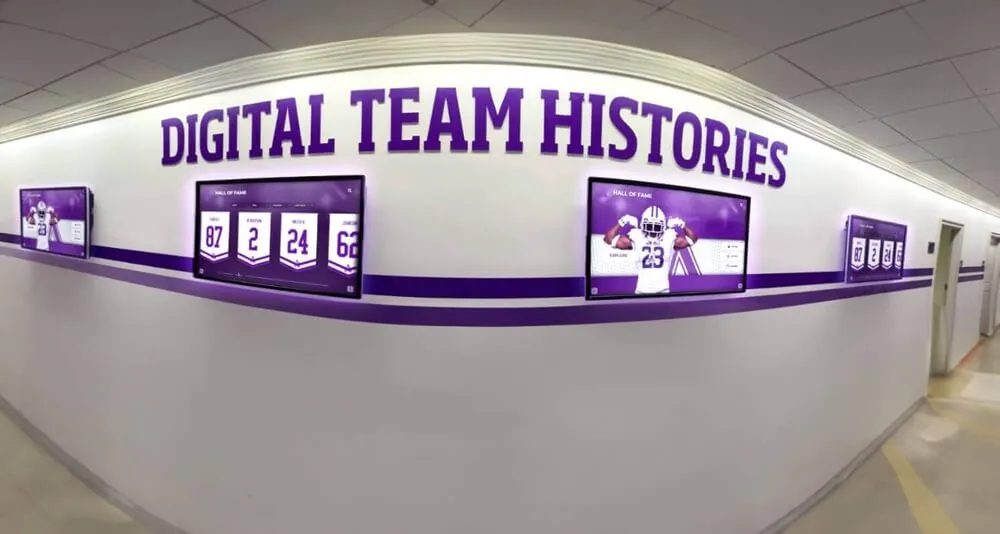
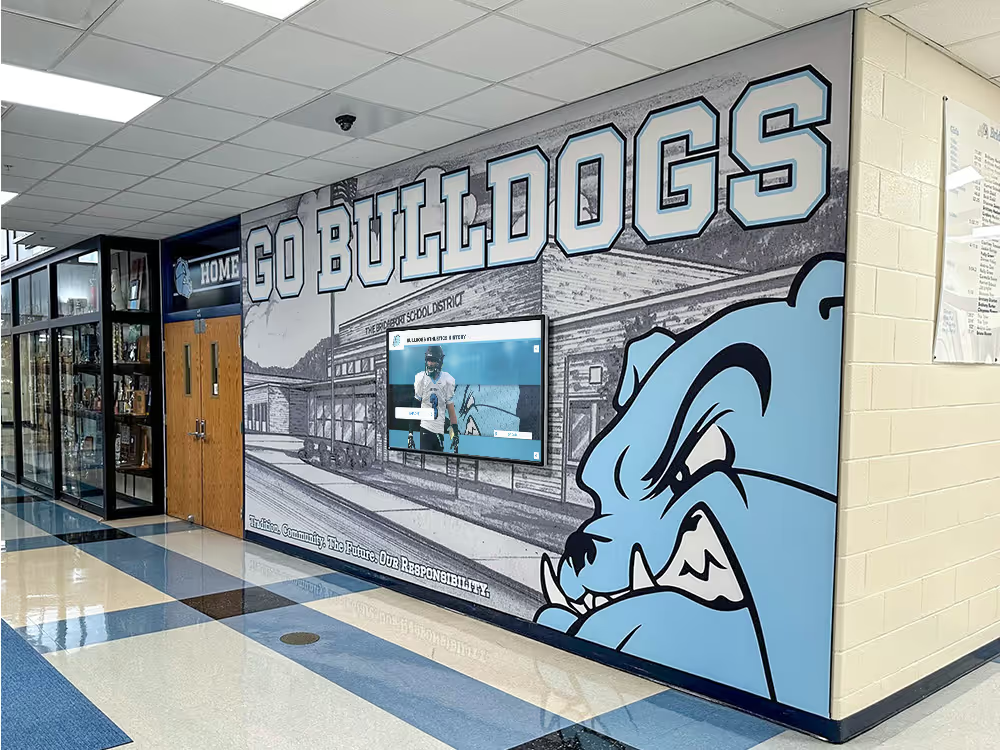
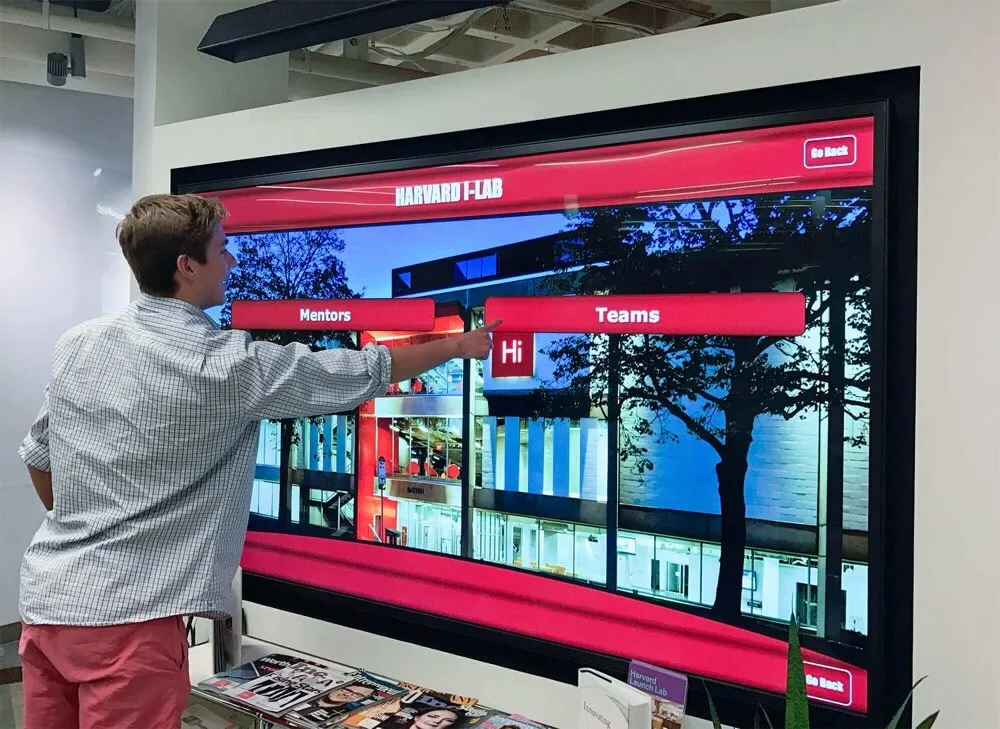
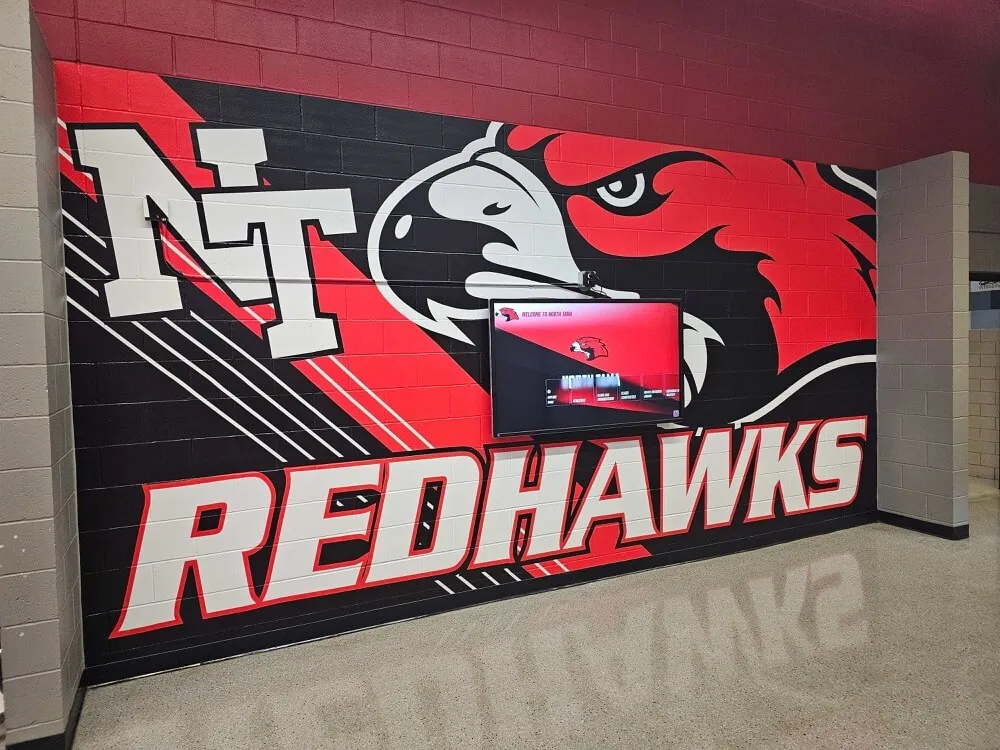
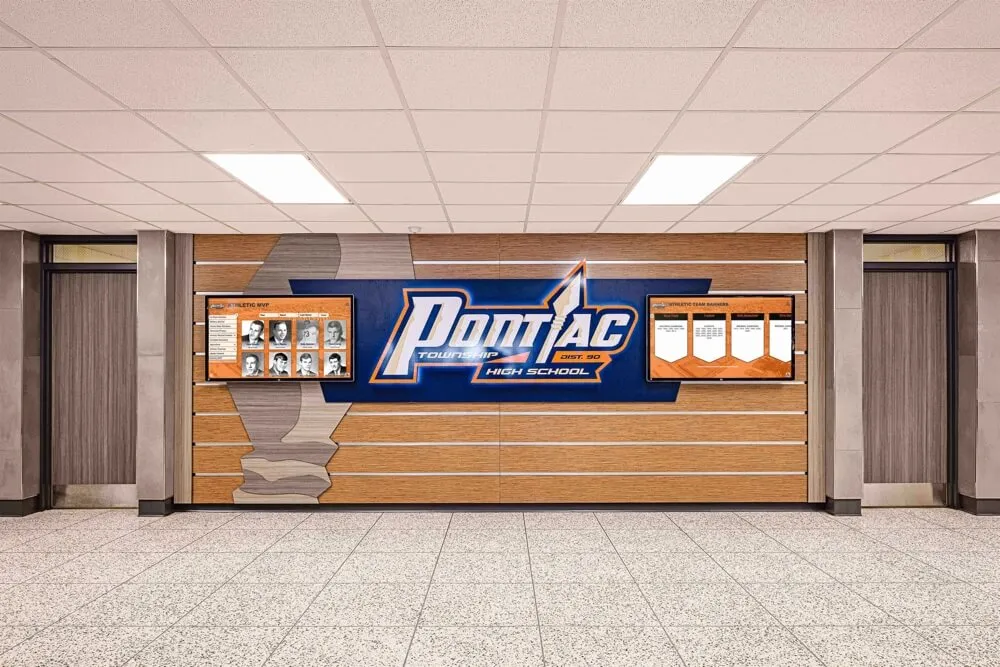
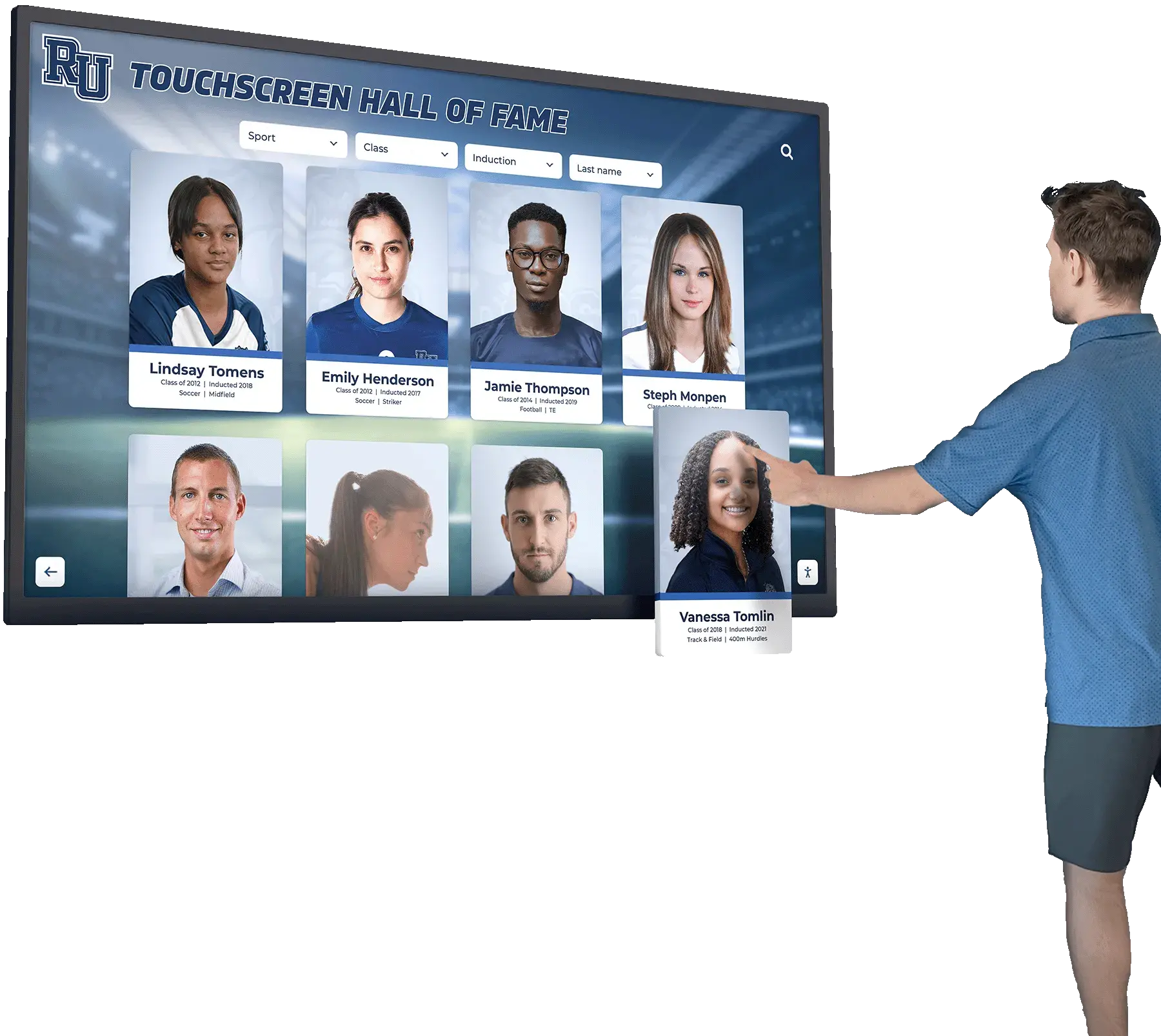
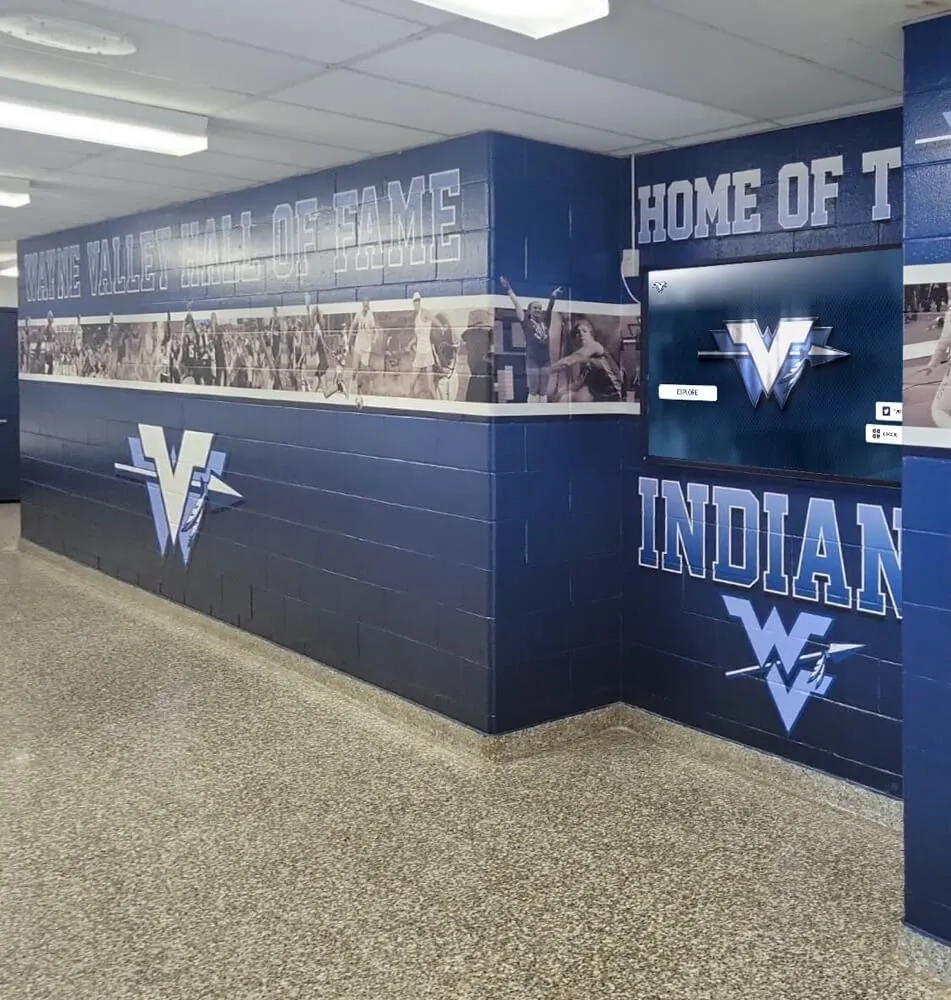
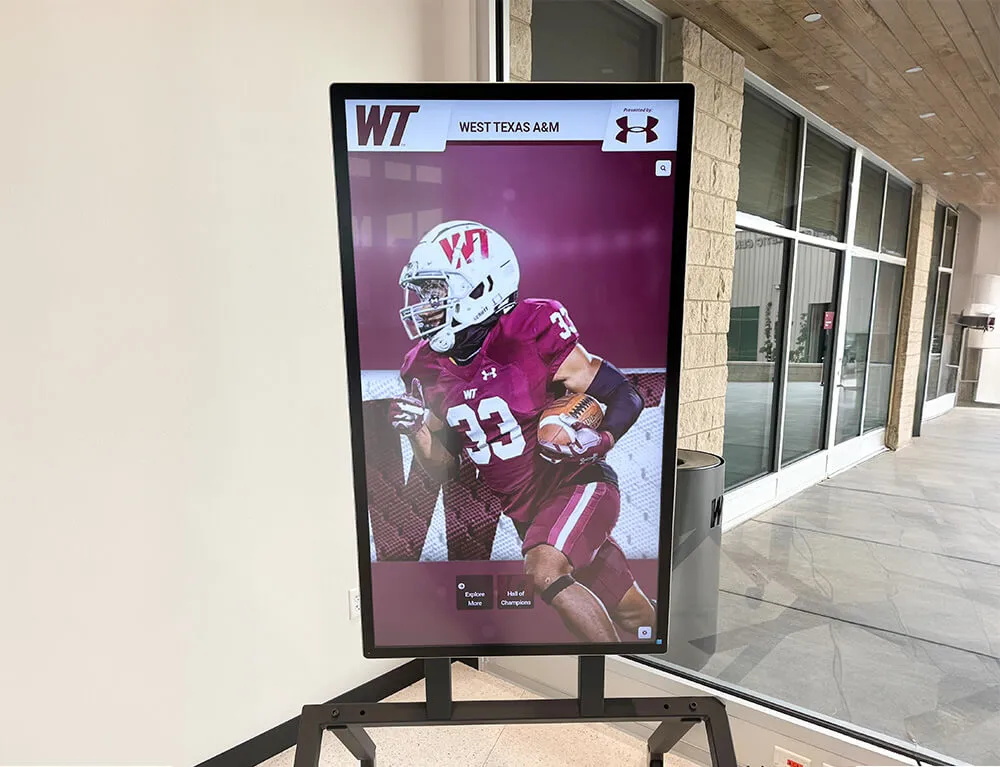
Modern recognition systems preserve senior night honors permanently, creating lasting tributes accessible to families and future teams
Creative Senior Recognition Ceremony Ideas
The ceremony itself provides opportunities for personal touches that make each senior feel valued and celebrated.
Individual Player Introductions
Thoughtful introductions share each senior’s unique story with the crowd:
Biographical Elements to Include
- Player’s full name, position, and jersey number
- Years of participation in your program
- Academic major or post-graduation plans
- Career statistics or signature moments
- Personal interests or unique characteristics
- Memorable quotes or team contributions beyond statistics
Introduction Format Options
- Traditional PA announcement while player walks to designated area with family
- Video montage playing on stadium screens featuring photos from player’s career
- Teammate testimonials recorded in advance and played during introduction
- Coach’s personal remarks highlighting each player’s impact on program
- Player’s own prepared statement thanking teammates, coaches, and family
The most meaningful introductions balance standardization ensuring equal time for all seniors with personalization making each athlete feel their individual journey is recognized.
Family Involvement Strategies
Senior night celebrates families who supported athletes throughout their careers:
Family Participation Ideas
- Parents escort seniors onto field during introductions
- Family members present flowers or framed jerseys to players
- Reserved seating section for senior families near ceremony area
- Photo opportunities with family and player in uniform
- Parent recognition for years of support and transportation to countless games
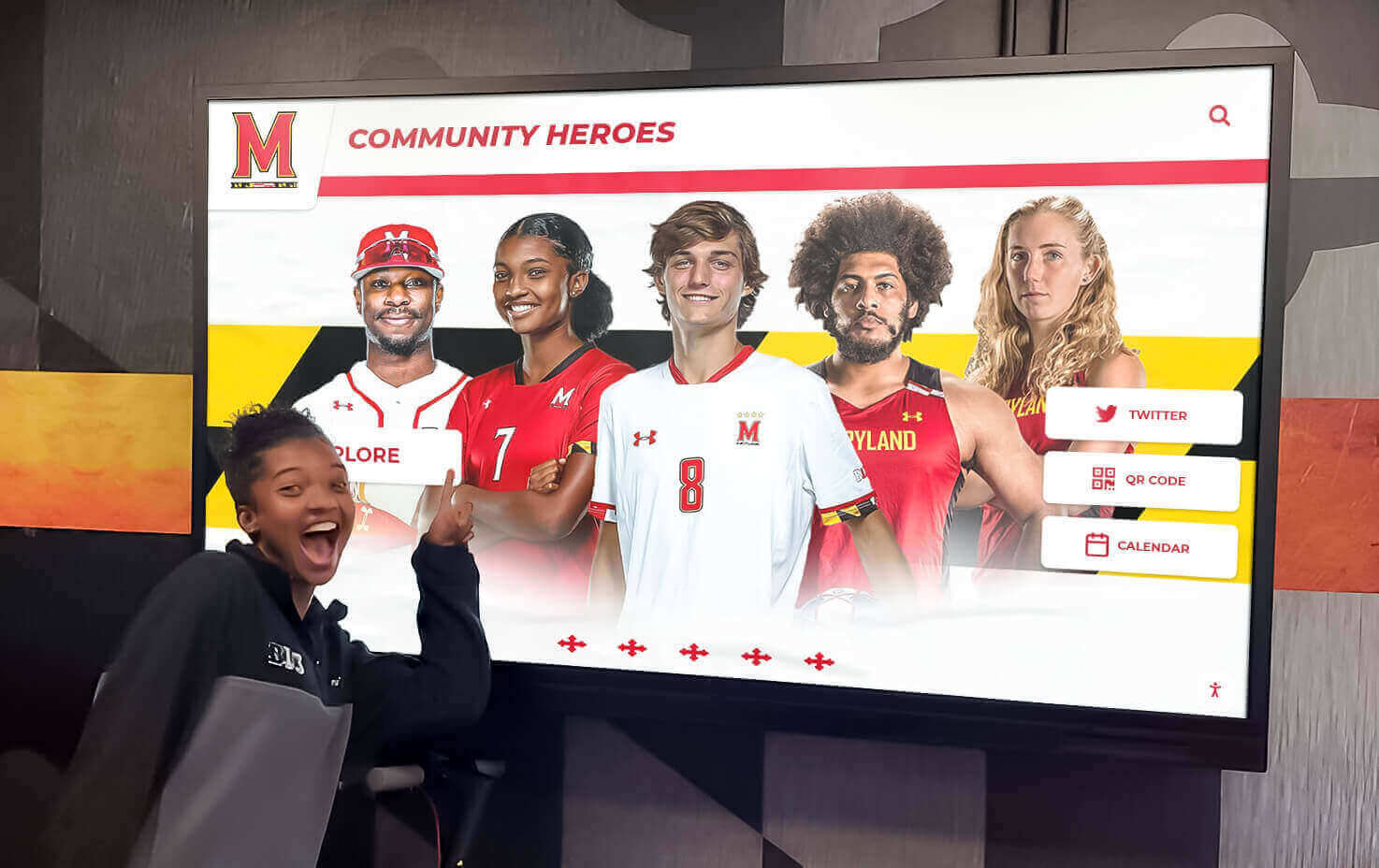
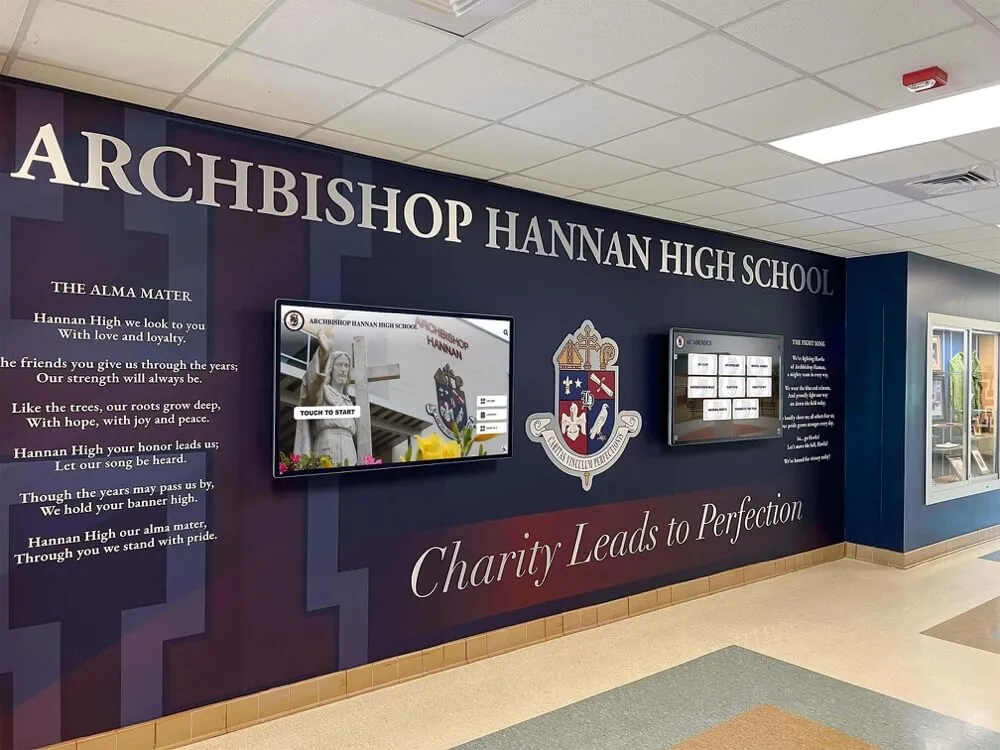
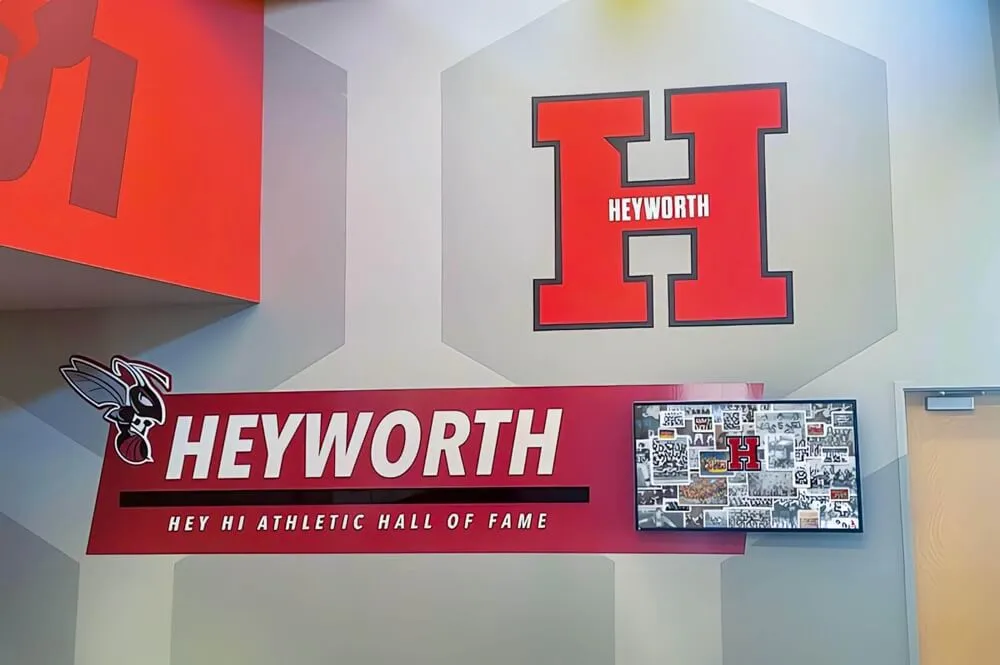
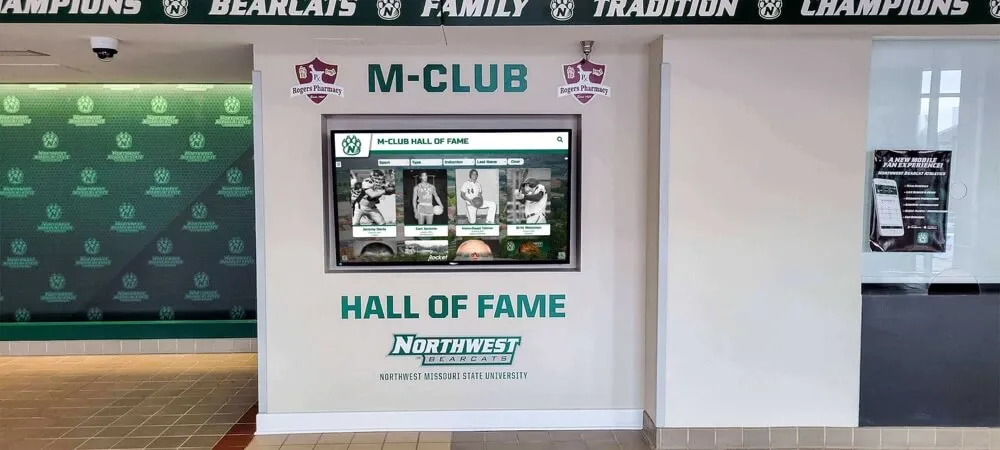
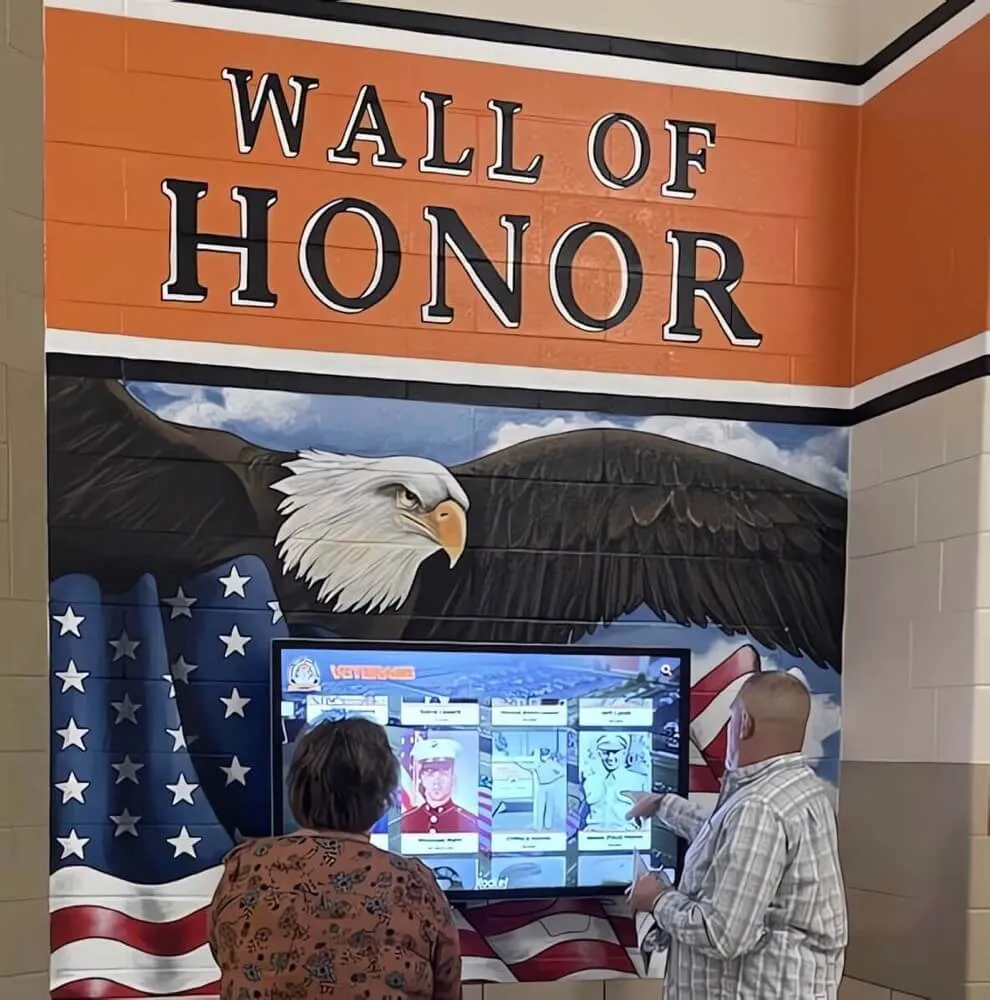
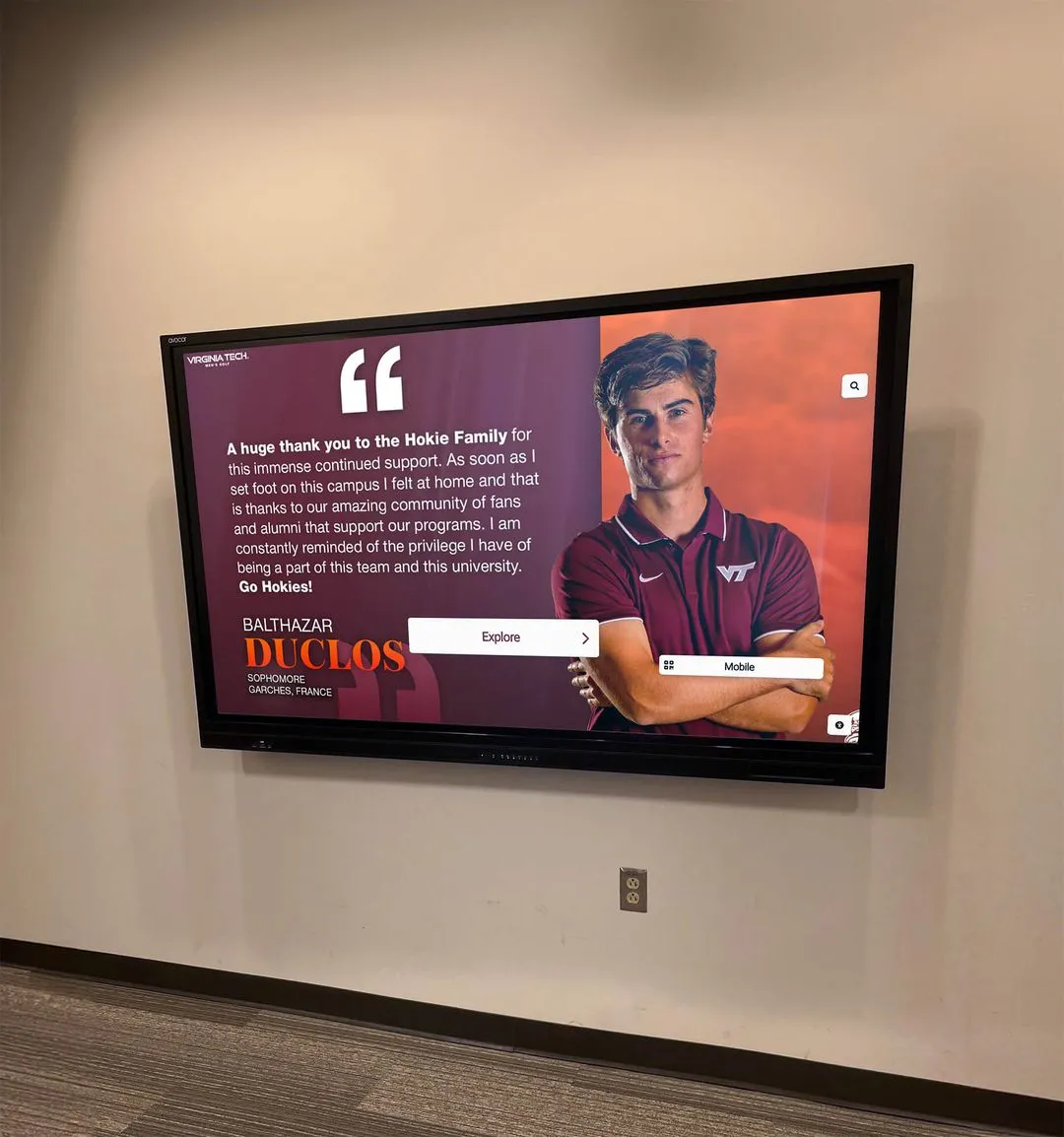
Recognition displays enable ongoing celebration of senior achievements beyond ceremony night
Accommodating Diverse Family Situations
- Flexibility for seniors whose parents cannot attend
- Options for extended family members or mentors to participate
- Sensitivity to difficult family circumstances
- Alternative recognition approaches for seniors uncomfortable with public attention
- Inclusive language acknowledging various family structures
These considerations ensure every senior receives meaningful recognition regardless of their personal circumstances.
Team and Teammate Recognition
Senior night also provides opportunities for teammates to honor graduating players:
Peer Recognition Ideas
- Underclassmen present gifts or letters to seniors
- Team video featuring testimonials from teammates
- Captains’ speeches honoring senior leadership
- Team creates poster board or banner signed by all players
- Younger players serve as escorts or assistants during ceremony
These peer-to-peer recognitions often mean as much to seniors as formal ceremony elements, reinforcing team bonds and program culture.
Physical Gifts and Keepsakes
Tangible items provide lasting mementos that seniors treasure long after playing careers conclude.
Traditional Senior Night Gifts
Several time-honored gift options remain popular across baseball programs:
Framed Jersey or Photo
- Game-worn jersey professionally framed with plate including player name, years, and statistics
- Senior year action photo in quality frame with engraved nameplate
- Team photo with individual spotlight on senior
- Collage of photos from player’s career in program
- Shadow box combining jersey, photos, and memorabilia
Personalized Baseball Equipment
- Game ball engraved with senior’s name, years, and signature achievement
- Bat engraved with player information and presented ceremonially
- Custom bat display rack with nameplate
- Personalized equipment bag with graduation year
- Glove display case preserving equipment used during senior season
Recognition Plaques and Awards
- Individual plaque commemorating senior’s contributions
- Program-specific awards (Most Valuable Senior, Leadership Award, etc.)
- Academic achievement recognition for student-athletes
- Position-specific acknowledgments (Defensive Player Award, etc.)
- Character awards recognizing intangible contributions
Many programs combine multiple gifts creating comprehensive recognition packages that seniors value across different dimensions.
If you’re looking for long-term recognition that extends beyond physical gifts, solutions like digital trophy cases preserve senior achievements permanently.
Creative and Personalized Gift Ideas
Beyond traditional options, creative gifts add memorable personal touches:
Customized Team Apparel
- Letterman jacket with senior year patches and achievements
- Custom hoodie or warm-up jacket with player name and number
- Team polo or quarter-zip with senior year embroidery
- Hat or cap collection representing player’s career milestones
- Personalized uniform elements (batting gloves, arm sleeves, etc.)
Memory Books and Scrapbooks
- Professionally designed book chronicling player’s career
- Teammate contributions with favorite memories and inside jokes
- Photo collections from practices, games, and team events
- Coach’s letter to senior reflecting on their development
- Statistics pages documenting career achievements
Experience-Based Gifts
- Team dinner at senior’s favorite restaurant
- Professional batting cage or training session
- Tickets to professional baseball game for senior and family
- Program contribution in senior’s name to charity of their choice
- Mentorship connection with program alumni in senior’s career field
These personalized approaches demonstrate thoughtfulness beyond generic recognition, showing seniors their individual impact was noticed and valued.
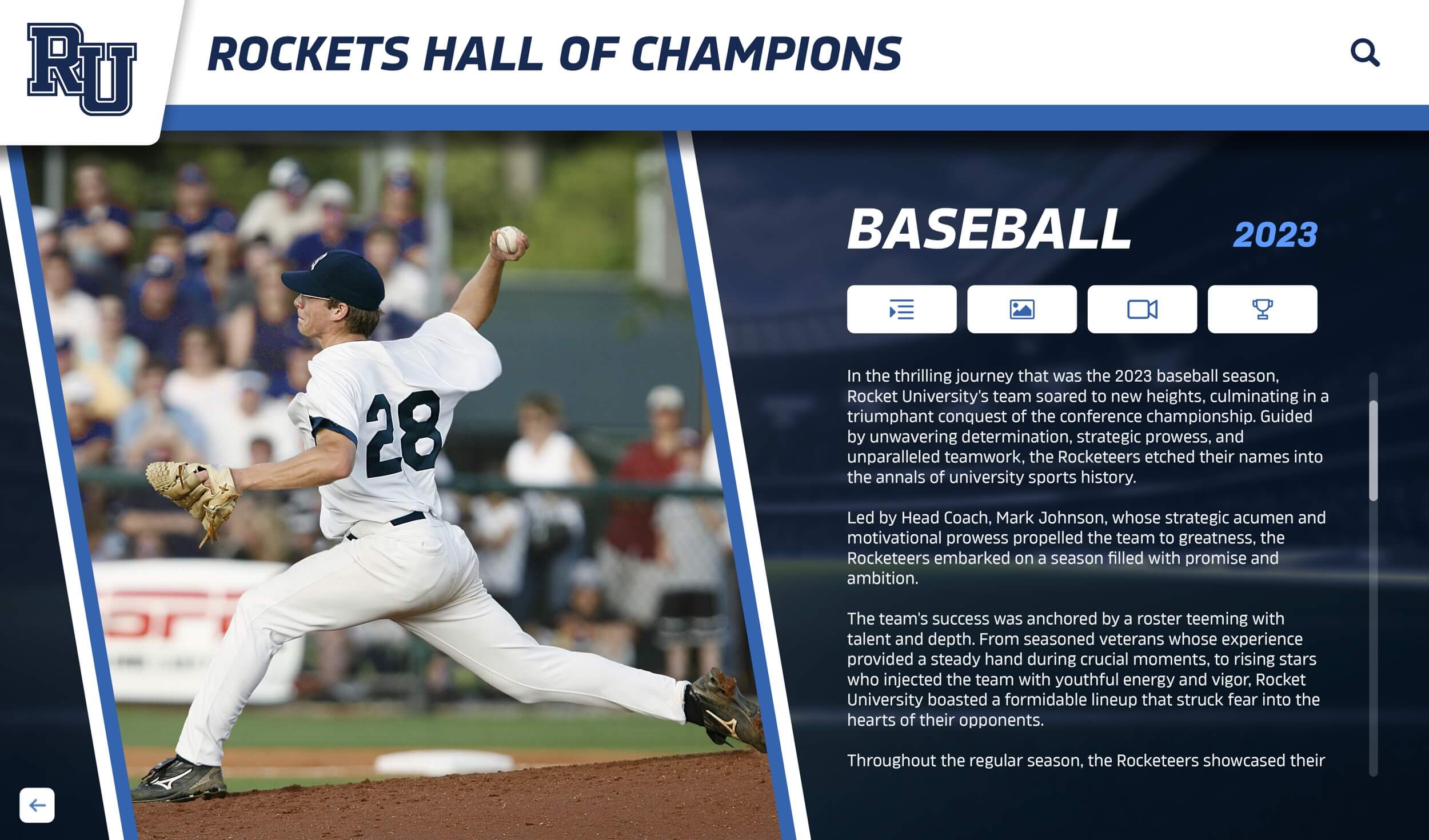
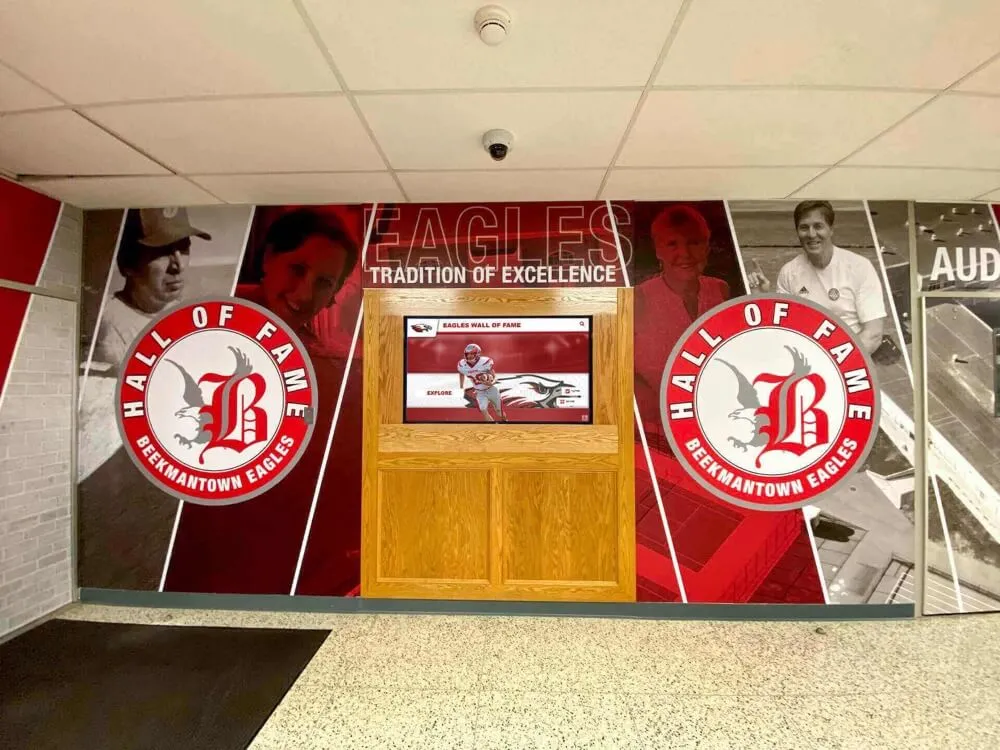
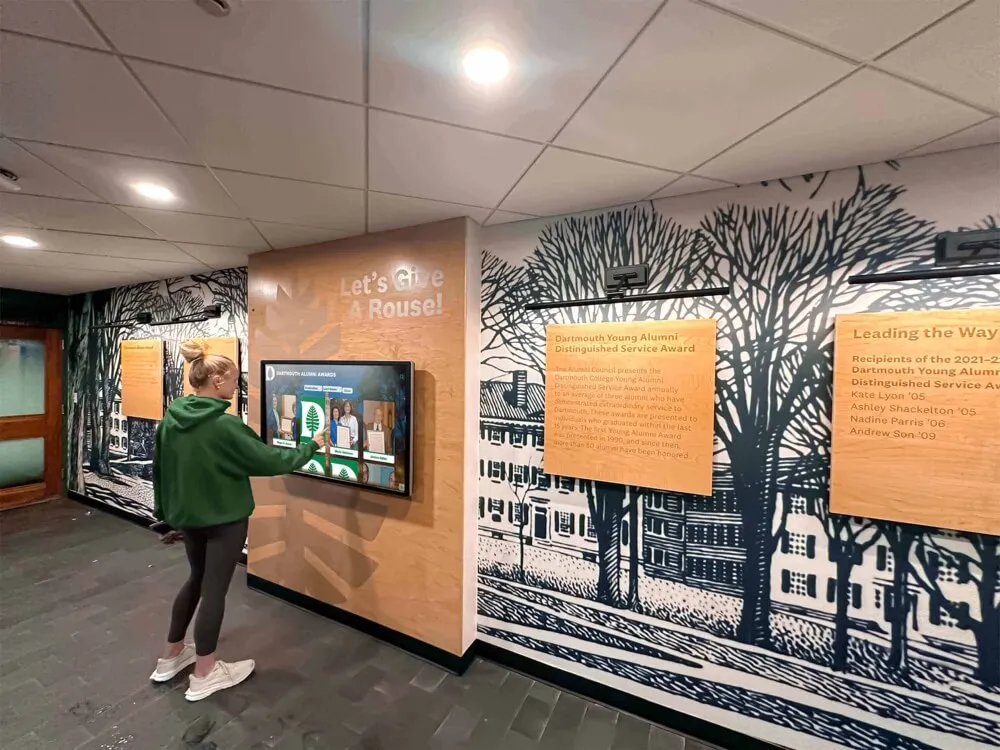
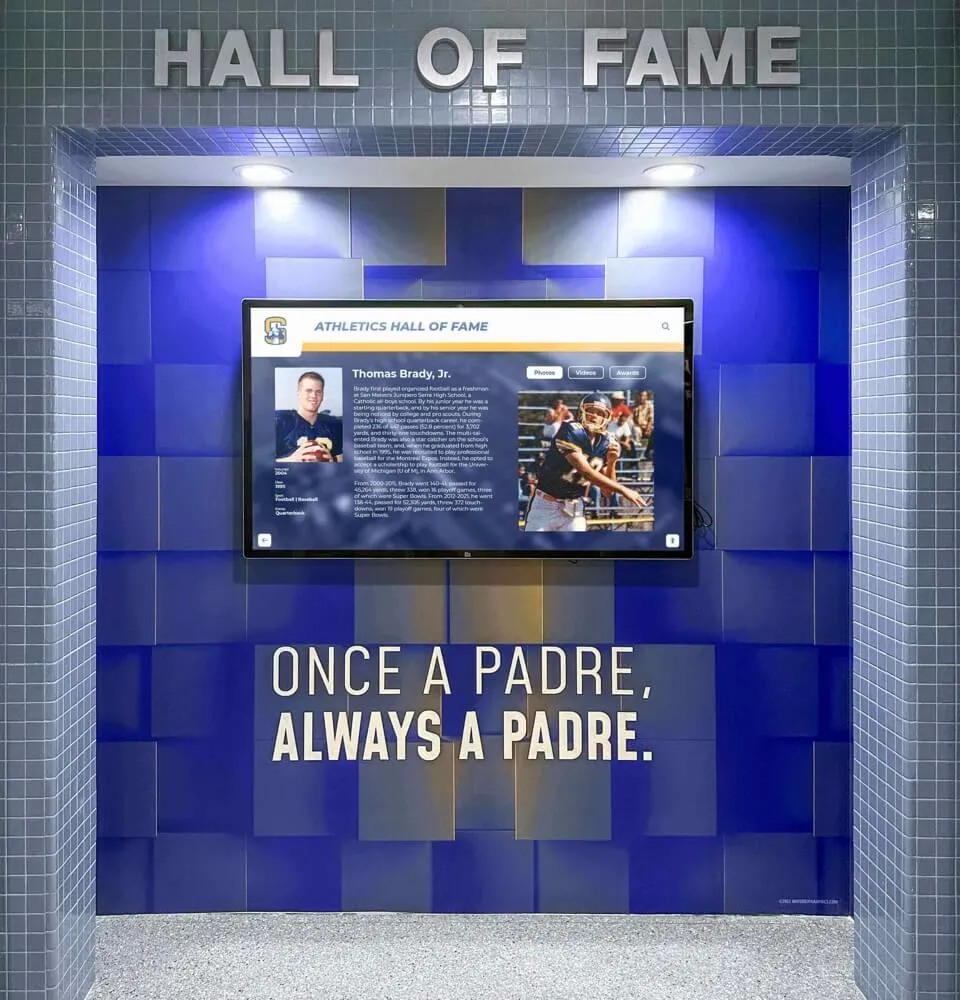
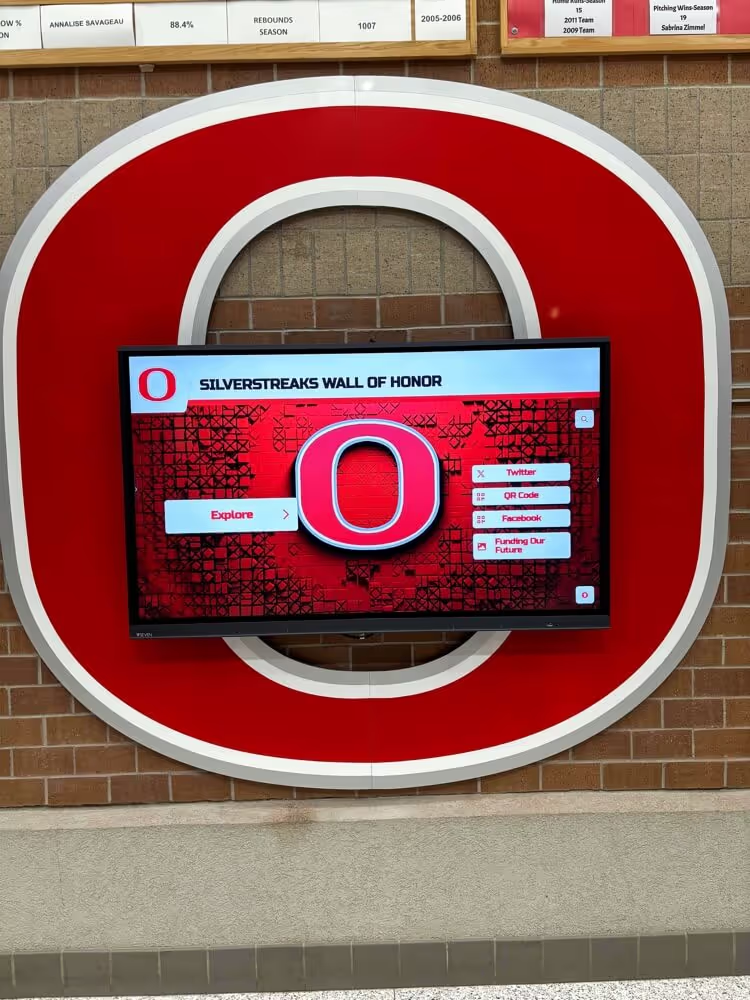
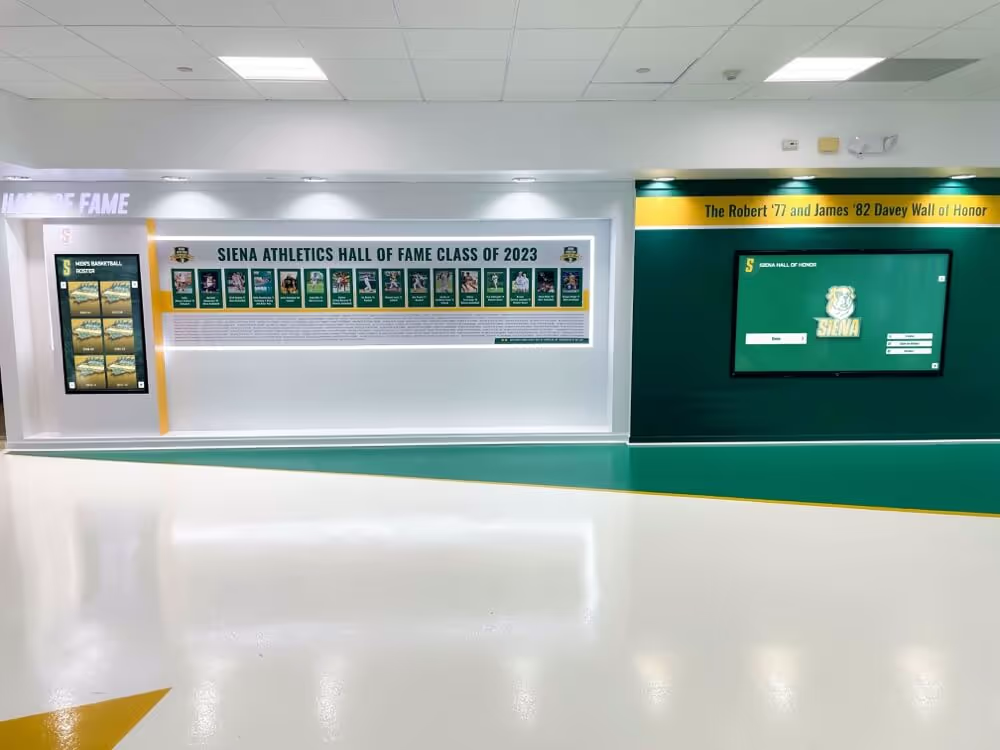
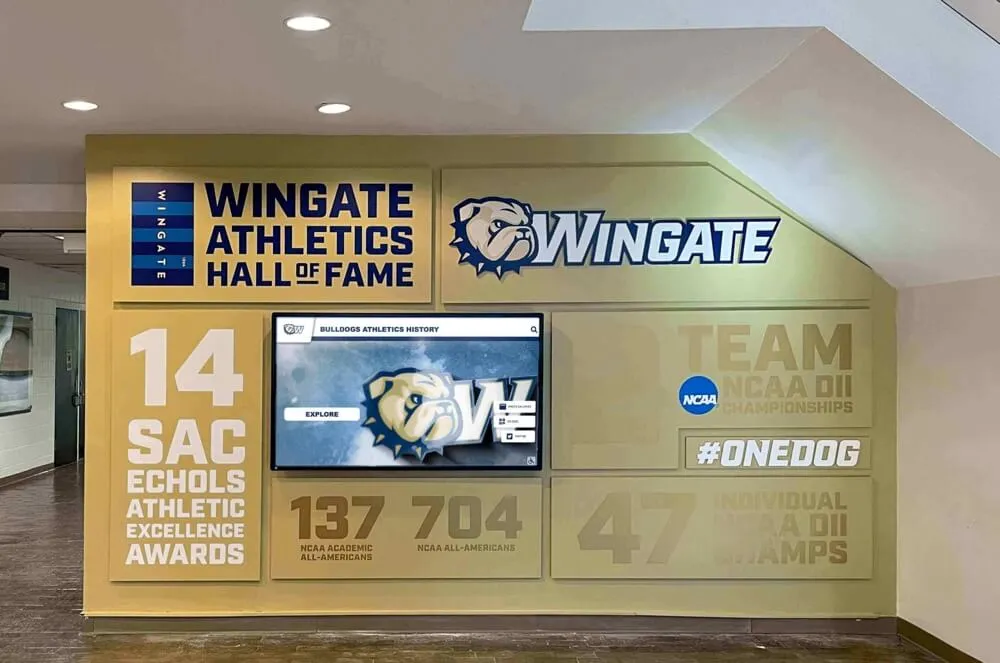
Permanent recognition displays ensure senior achievements remain visible and celebrated for future generations
Ceremony Logistics and Execution
Smooth ceremony execution requires careful attention to timing, coordination, and contingency planning.
Pre-Game Versus Between-Games Timing
When to conduct ceremonies significantly impacts both emotional resonance and logistical complexity:
Pre-Game Ceremony Advantages
- Minimizes disruption to game preparation and warm-up routines
- Allows ample time without feeling rushed
- Enables families to arrive early specifically for ceremony
- Provides emotional transition time before competition begins
- Reduces pressure on field crew to quickly reset between events
Pre-Game Ceremony Challenges
- Lower crowd attendance if ceremony starts before scheduled game time
- Potential impact on senior player warm-up and pre-game routines
- Weather uncertainty for outdoor ceremonies scheduled before games
- Risk of ceremony running long and delaying first pitch
Between-Games Ceremony (for Doubleheaders)
- Larger crowd already present for first game
- Creates natural break between competitions
- Maximizes audience for senior recognition
- Emotional momentum carries into second game
Between-Games Challenges
- Tight time constraints between games
- Field preparation needs for second game
- Senior player fatigue or emotional drain before competing again
- Logistical complexity coordinating family access during brief window
Most programs find pre-game ceremonies allow more meaningful, unhurried recognition while between-game timing works when crowds and scheduling make it necessary.
Field Setup and Equipment Needs
Proper planning ensures your ceremony area supports the experience you envision:
Physical Setup Requirements
- Designated ceremony area (usually between home plate and pitcher’s mound)
- Microphone and sound system with backup batteries
- Tables or stands for gifts, flowers, and presentation materials
- Chairs for senior families if ceremony is extended
- Photo backdrop or program banners for picture opportunities
- Adequate lighting for evening ceremonies
Weather Contingencies
- Backup indoor location for rain or severe weather
- Tent or covering protecting gift displays
- Ceremony timing flexibility if weather causes delays
- Clear communication plan for location changes
- Protected storage for framed items and presentation materials
Personnel Coordination
- Announcer briefed on pronunciation, script, and pacing
- Field crew ready to assist with setup and breakdown
- Photographer positioned for optimal ceremony coverage
- Team manager or assistant organizing gift distribution
- Athletic director or administrator available for unexpected issues
These details may seem minor but significantly impact ceremony quality and participant experience.
Managing Ceremony Length
Balancing meaningful recognition with reasonable timing requires careful planning:
Time Allocation Strategies
- Aim for 3-5 minutes per senior including introduction, walk, and presentation
- Keep remarks concise and focused on genuine highlights
- Use video elements strategically to add content without extending ceremony time
- Coordinate family photos for after ceremony rather than during
- Practice ceremony timing in advance to identify areas requiring adjustment
Large Senior Class Considerations For programs with many graduating seniors:
- Group introductions by position or alphabetically
- Abbreviated individual remarks with comprehensive program included
- Staggered family escort timing to maintain flow
- Photo stations operating simultaneously with ceremony
- Extended pre-ceremony reception allowing personal interaction time
Most effective ceremonies balance giving each senior their moment while maintaining energy and audience engagement throughout.
If you’re planning comprehensive recognition that includes multiple graduating classes, explore senior night planning approaches used across various sports.
Permanent Recognition and Legacy Building
Senior night represents one evening, but permanent recognition ensures graduating athletes remain part of your program’s ongoing story.
Creating Lasting Physical Displays
Permanent installations honor seniors while inspiring current and future players:
Traditional Recognition Approaches
- Engraved plaques mounted in fieldhouse or locker room
- Senior class composite photos displayed chronologically
- Achievement boards listing career statistical leaders
- Letter winner recognition walls documenting participation across years
- Trophy cases including senior awards and team achievements
Space and Budget Limitations Traditional physical recognition faces inherent constraints:
- Limited wall space forcing difficult decisions about whose achievements get displayed
- Mounting costs for professional engraving and installation
- Difficulty updating displays as new seniors graduate
- Static presentations lacking engagement for younger generations
- Maintenance challenges as materials age and information becomes outdated
These limitations often result in partial recognition where some seniors receive prominent display while others get minimal or no permanent acknowledgment—an inequity many programs find uncomfortable.
Digital Recognition Display Solutions
Modern technology overcomes traditional limitations while creating more engaging recognition experiences:
Interactive Touchscreen Archive Systems Solutions like Touch Archive transform how programs preserve and celebrate senior achievements:
- Unlimited Recognition Capacity: Single display showcases every senior across all years without space constraints
- Comprehensive Profiles: Each senior receives detailed profile including statistics, photos, achievements, and personal information
- Searchable Archives: Families and alumni easily find specific seniors regardless of graduation year
- Multimedia Integration: Photos, videos, and career highlights create rich tributes impossible with static plaques
- Easy Updates: Cloud-based management enables adding new seniors each year without installation costs
Programs using digital archive displays report significantly higher engagement from current students, returning alumni, and facility visitors compared to traditional recognition approaches.
Permanent Yet Dynamic Recognition Digital systems provide permanence while remaining current:
- Senior night honorees immediately added to permanent archive
- Career statistics automatically update as records are set
- Photo galleries expand throughout players’ careers
- Alumni achievements added as former seniors accomplish professional milestones
- Historical team photos and championship documentation preserved indefinitely
This approach ensures every senior receives equal recognition opportunity regardless of space or budget limitations.
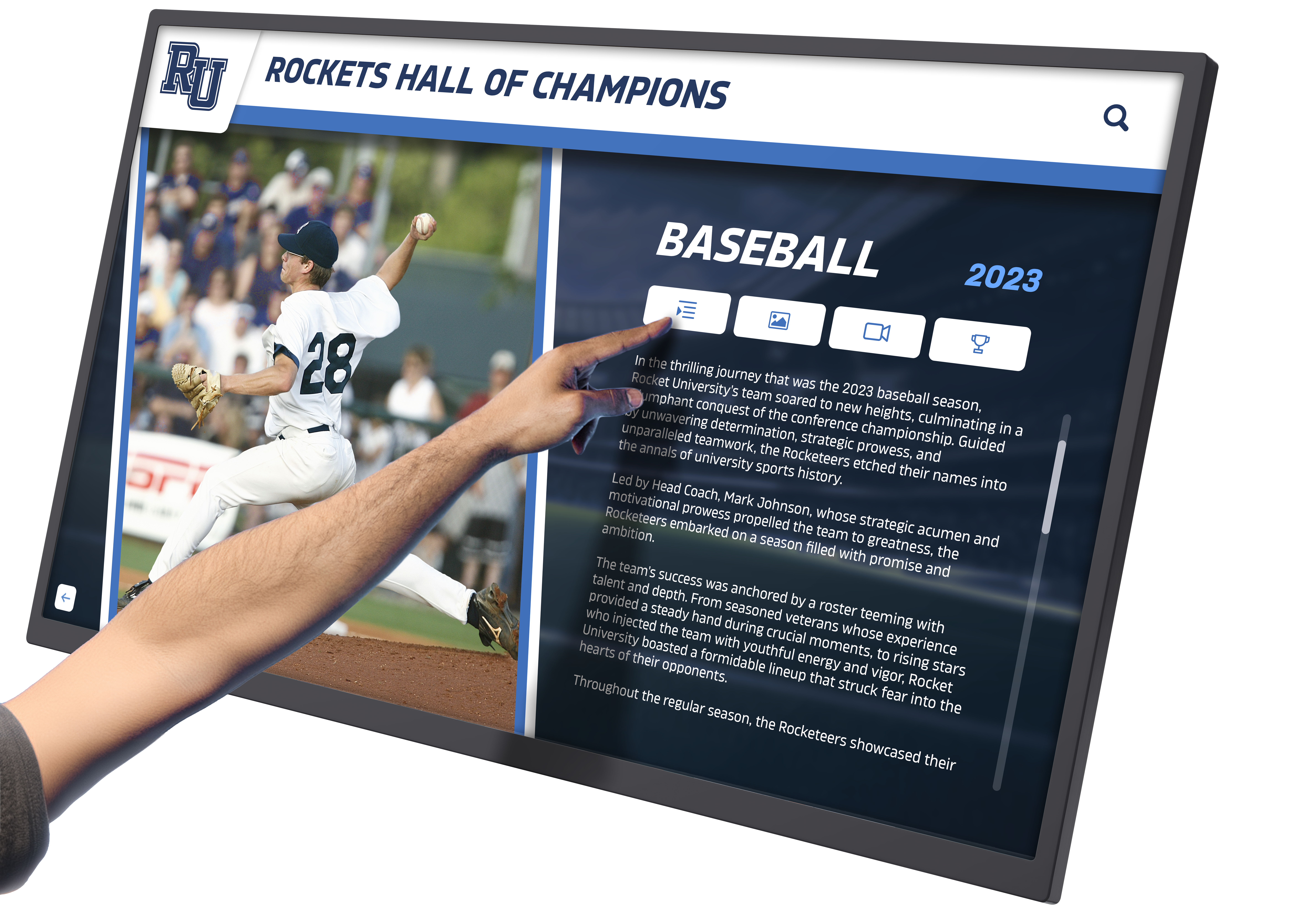
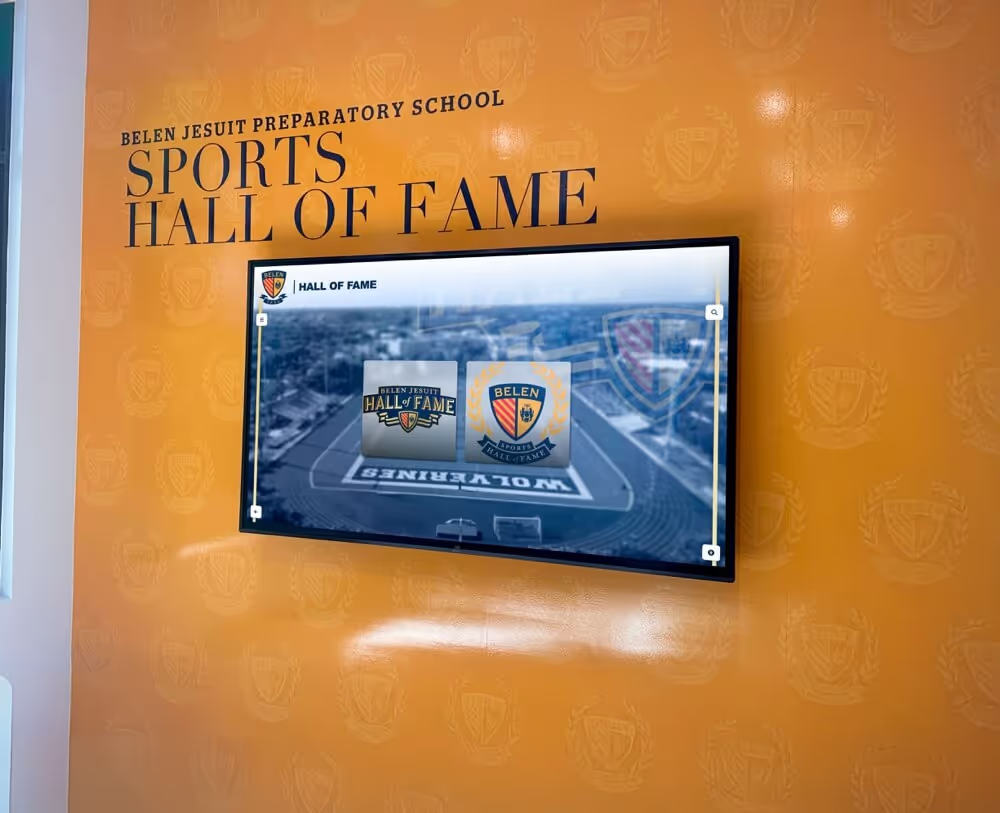
Digital recognition platforms create engaging, permanent tributes that honor every senior while preserving complete program history
Integrating Senior Recognition Into Broader Archives
The most effective recognition systems connect senior celebrations to comprehensive program history:
Comprehensive Program Documentation
- All senior classes documented chronologically creating continuous narrative
- Team championship seasons highlighted with senior contributors identified
- Individual record progressions showing how seniors built on previous generations
- Coaching history connecting mentors to graduating classes they developed
- Facility evolution documenting program growth witnessed by different senior classes
Alumni Connection Features Digital recognition enables ongoing engagement:
- Alumni update personal profiles with post-graduation accomplishments
- Former teammates reconnect through searchable archives
- Reunion planning benefits from accessible historical rosters
- Fundraising appeals leverage emotional connection to permanent recognition
- Mentorship programs connect current seniors with graduated players
These broader applications transform senior night from annual ceremony into part of continuous program tradition and community building.
For athletic departments seeking comprehensive recognition across all sports, athletic hall of fame systems provide frameworks honoring seniors alongside other significant achievements.
Pre-Ceremony Activities and Build-Up
The days leading to senior night provide opportunities for extended celebration and team bonding.
Senior Week Team Activities
Many programs dedicate the week before senior night to special activities honoring graduating players:
Team Building Events
- Senior-led practice where graduating players run drills
- Team dinner with seniors sharing advice and favorite memories
- Video night watching highlights from seniors’ careers
- Underclassmen prepare gifts, cards, or video messages
- Seniors versus underclassmen scrimmage or skills competition
Public Recognition Opportunities
- Social media spotlights featuring each senior throughout the week
- Local media interviews with graduating players
- School announcements highlighting senior achievements
- Classroom visits where seniors speak about their experiences
- Community thank-you events for businesses supporting program
These extended activities make senior week special beyond the single ceremony night.
Locker Room and Facility Decorations
Transforming team spaces creates memorable atmosphere:
Decoration Ideas
- Individual locker decorations for each senior created by teammates
- Photo collages from seniors’ careers displayed in hallways
- Banners with senior names and jersey numbers hanging in facility
- Countdown signs marking days until senior night
- Memory wall where teammates post favorite moments with seniors
Involving Younger Players Underclassmen creating decorations builds program culture:
- Teaches younger players to honor those who came before
- Creates personal connections across class years
- Establishes tradition of celebrating seniors that current underclassmen will experience
- Demonstrates team-first mentality valuing all contributions
- Provides tangible way for younger players to show appreciation
These efforts communicate that senior night matters to entire program, not just graduating athletes.
Social Media and Communication Strategy
Strategic communication amplifies senior night recognition:
Pre-Ceremony Content
- Individual senior spotlights released daily leading to event
- Throwback photos showing seniors’ development over their careers
- Video clips of senior highlights or memorable moments
- Parent interviews sharing their perspective on athlete’s journey
- Infographics highlighting senior career statistics
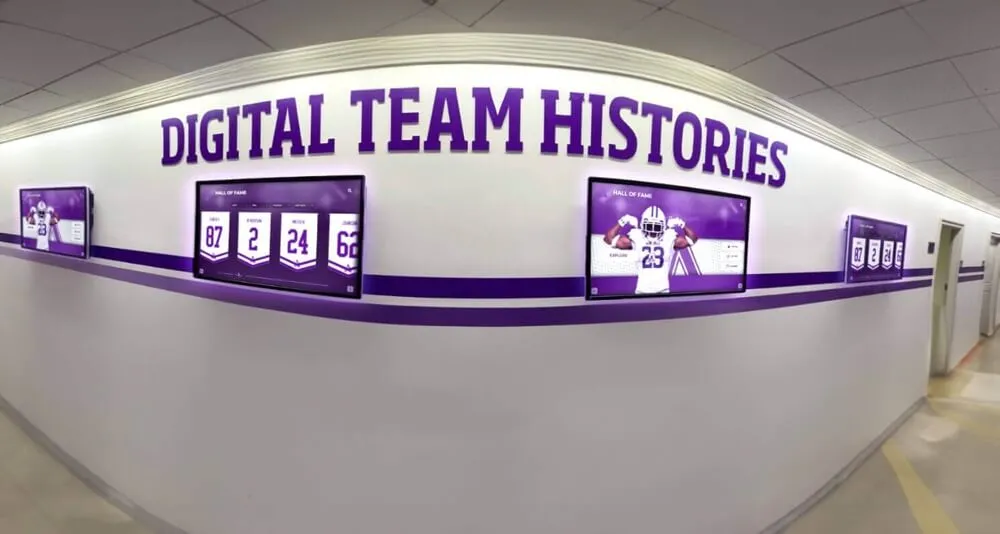
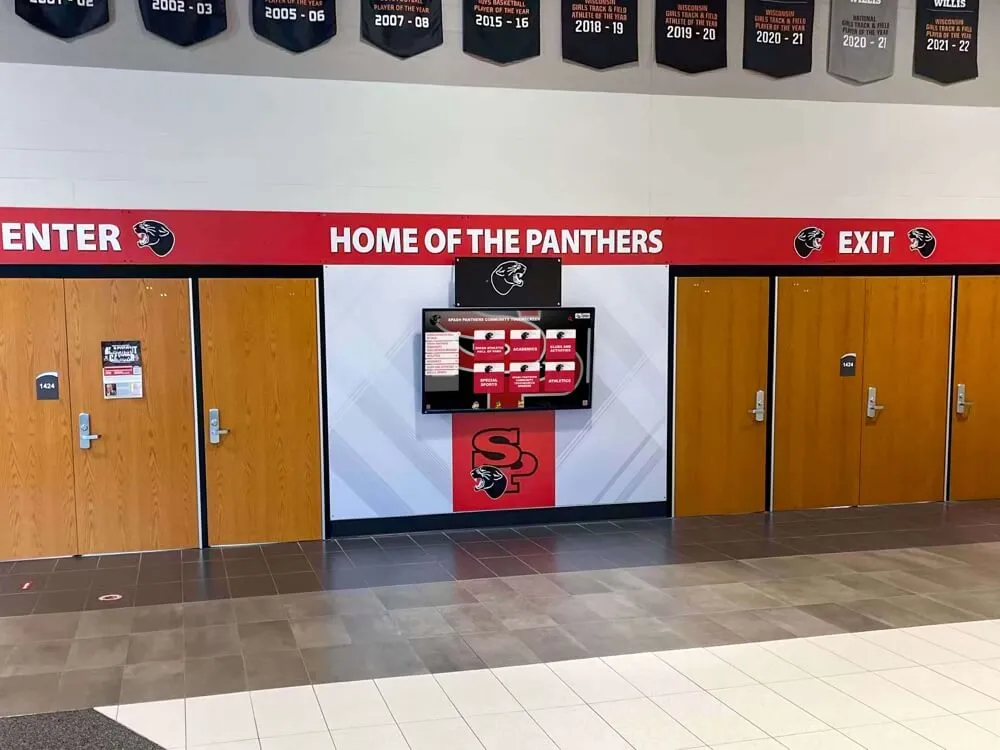
Strategic placement of recognition displays ensures senior achievements remain visible throughout facilities year-round
Live Coverage
- Facebook or Instagram live streaming ceremony for distant family
- Twitter updates with photos as each senior is recognized
- Dedicated event hashtag enabling community participation
- Real-time photo sharing to program accounts
- Stories capturing behind-the-scenes ceremony preparation
Post-Event Content
- Photo gallery from ceremony shared within 24 hours
- Video recap of ceremony highlights
- Individual senior thank-you posts in following days
- Statistics and achievements infographic for each senior
- Links to permanent digital recognition where families can continue viewing
This comprehensive approach extends senior night impact beyond the few hours of ceremony and game.
Incorporating Academic and Character Recognition
Baseball senior nights provide opportunities to honor achievements beyond athletics.
Academic Excellence Acknowledgment
Recognizing academic success reinforces student-athlete expectations:
Academic Honor Elements
- GPA recognition for seniors maintaining high academic standards
- National Honor Society or academic society membership acknowledgment
- College acceptances and scholarship awards announcement
- Academic All-Conference or All-State recognition
- Major fields of study and post-graduation academic plans
Presentation Approaches
- Academic cords or stoles worn during ceremony
- Special plaques for senior scholar-athletes
- Coach’s remarks highlighting balance of athletics and academics
- Academic statistics (GPA, honors classes, AP courses) included in program
- College commitment recognition for students continuing education
Programs emphasizing academics during athletic ceremonies communicate that education remains the priority—an important message to current players and community.
Character and Leadership Awards
Intangible contributions deserve recognition equal to statistics:
Character-Based Recognition Categories
- Leadership award for senior demonstrating team-first mentality
- Most Improved award for player showing greatest development
- Coaches’ Award for athlete exemplifying program values
- Teammate Award voted by peers for player making others better
- Community Service recognition for engagement beyond baseball
Implementation Strategies
- Vote-based awards involving team input
- Coach determination awards based on season-long observation
- Criteria shared with team early in season establishing expectations
- Equal emphasis on character awards as performance-based recognition
- Specific examples shared when presenting awards illustrating why recipient was selected
These awards often mean more to recipients than statistical recognition, validating contributions that may not appear in box scores.
For programs looking to honor academic and athletic achievement comprehensively, explore approaches used in academic recognition programs that can be adapted to senior nights.
Budget-Friendly Senior Night Ideas
Creating meaningful recognition doesn’t require elaborate budgets—thoughtfulness matters more than expense.
Low-Cost Gift Alternatives
Personal recognition can be achieved affordably:
DIY Gift Ideas
- Team-signed baseball or bat from all current players
- Scrapbook created by teammates with photos and messages
- Handwritten letters from coaches reflecting on player’s journey
- Digital photo frame pre-loaded with career highlight photos
- Custom t-shirt designed by team featuring senior’s name and number
Pooled Resources
- Booster club funding for modest unified gifts
- Parent volunteers organizing cost-sharing for flowers or frames
- Alumni donations supporting senior recognition fund
- Local business sponsorships covering specific ceremony elements
- Team fundraising dedicated to senior night expenses
Free Recognition Elements
- Heartfelt coach speeches requiring no cost
- Teammate video testimonials recorded on phones
- Social media recognition reaching broad audience
- Certificate templates designed in-house and printed
- Personalized playlists of seniors’ favorite songs played during warm-up
The most meaningful recognition comes from genuine appreciation, not expensive gifts.
Maximizing Existing Resources
Strategic use of what you already have reduces additional expenses:
Repurposing Team Assets
- Game-used baseballs signed by team
- Old uniform tops or practice jerseys as keepsake alternative to purchasing new
- Team equipment (backup bats, catcher’s gear, etc.) retired and presented to seniors
- Existing photo collections from team photographer assembled into collages
- Program history materials from previous years as context for seniors’ contributions
Volunteer Coordination
- Parent committees handling ceremony logistics
- Team parents creating decorations and display materials
- Alumni volunteers sharing responsibilities
- School media classes documenting ceremony as class project
- Local photography students shooting event in exchange for portfolio material
Digital Solutions Reducing Physical Costs
- Digital recognition displays eliminate ongoing plaque engraving costs
- Social media replacing printed programs
- Electronic invitations instead of mailed announcements
- Projected presentations instead of printed posters
- Cloud storage for photos instead of printed albums (with digital access for families)
These approaches allow programs with limited budgets to create dignified, meaningful senior nights without financial strain.
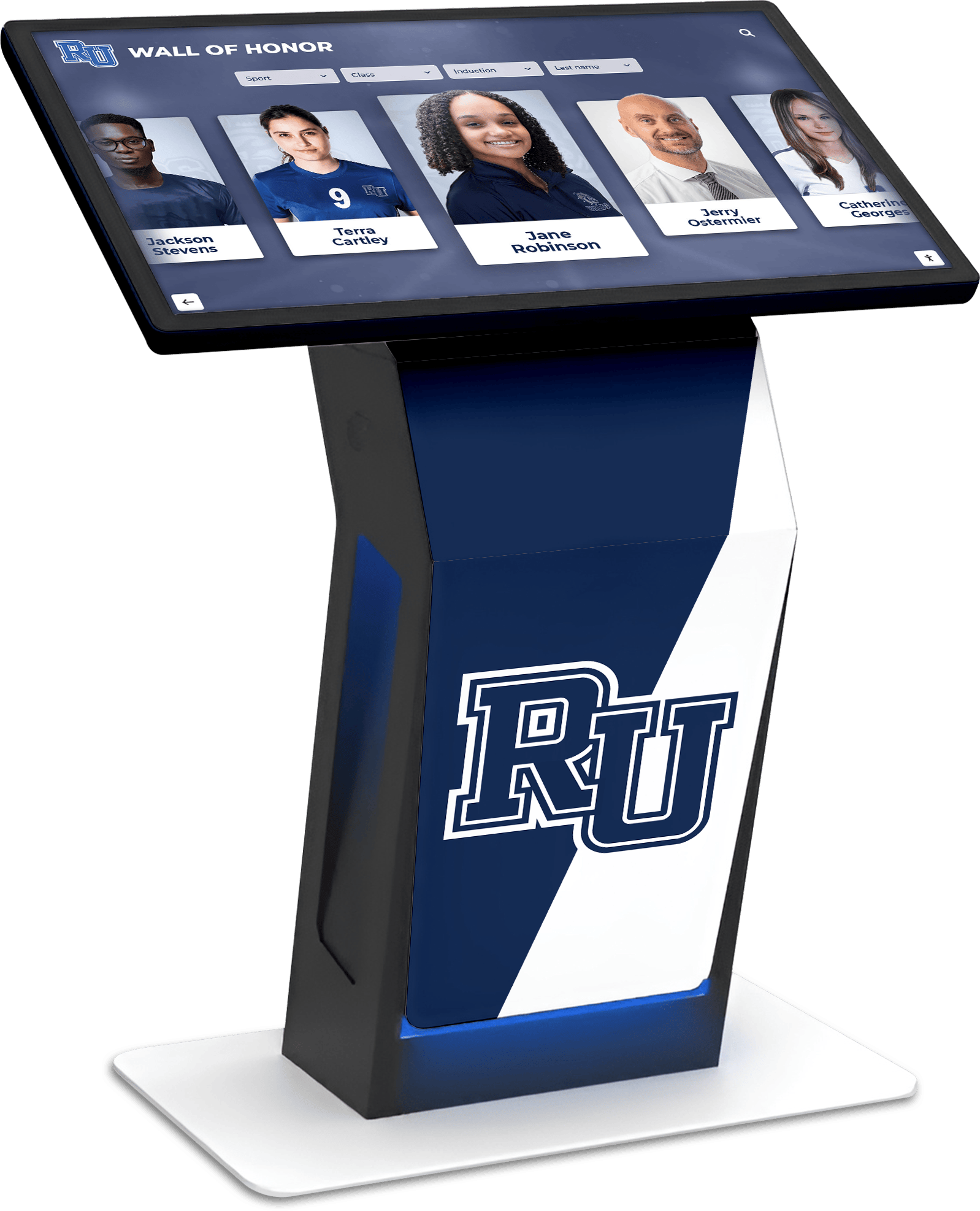
Modern recognition kiosks provide affordable permanent displays that honor unlimited seniors without recurring costs
Special Considerations for Different Program Types
Senior night planning varies based on program level and circumstances.
High School Baseball Senior Nights
High school programs face unique considerations:
Academic Calendar Constraints
- Spring baseball seasons often compressed by weather
- Senior night scheduling complicated by prom, graduation, and other spring events
- Family schedules challenging with multiple children in different activities
- School facility availability competing with other spring sports
- Late-season academic pressures (AP exams, final projects) affecting attendance
Multi-Sport Senior Recognition
- Many baseball seniors also compete in fall or winter sports with their own ceremonies
- Coordinating with athletic department on recognition standards across sports
- Avoiding redundancy if school has combined senior night for all spring sports
- Balancing baseball-specific recognition with school-wide senior athlete celebrations
- Senior night fatigue from families attending multiple children’s ceremonies across sports
Parent and Family Dynamics
- High school parents often more emotionally invested in ceremonies
- Extended family (grandparents, siblings, etc.) attendance expectations
- Parent coordination of flower purchases, gift presentations, and other elements
- Sensitivity to socioeconomic differences in family recognition approaches
- Managing parent expectations about ceremony length and individual attention
College Baseball Senior Nights
College programs have different dynamics:
Academic Pressure and Timing
- Senior night typically occurring during critical final weeks of semester
- Balancing ceremony with end-of-term academic obligations
- Families traveling potentially long distances requiring advance notice
- Professional scouts in attendance for senior prospects
- Graduate student-athletes receiving recognition after multiple years
Diverse Player Backgrounds
- International players whose families cannot attend
- Junior college transfers honored despite shorter tenure
- Redshirt seniors who have been in program five or more years
- Walk-on versus scholarship player recognition dynamics
- Transfer portal considerations impacting team continuity and tradition
Post-Graduation Transition Focus
- Emphasis on professional aspirations and draft prospects
- Career networking and alumni connections
- Graduate school or professional school acceptances
- Military service or career commitments
- Connection to professional alumni who blazed trails before them
For college programs managing complex senior recognition, collegiate athletic recognition systems provide frameworks that honor achievements while supporting ongoing alumni engagement.
Travel and Select Baseball Organizations
Competitive non-school programs have unique senior night opportunities:
Tournament-Based Recognition
- Year-end tournaments providing natural senior night venue
- Regional or national events as ceremonial backdrop
- Championship game weekend incorporating senior recognition
- Season-ending showcase events honoring graduating players
- Conference tournament settings with broader competitive community present
Multi-Team Coordination
- Travel organizations with multiple age-group teams recognizing seniors collectively
- Coordinating senior nights across different program levels
- Unified ceremonies honoring seniors from different teams together
- Balancing individual team identities with program-wide recognition
- Creating traditions establishing consistent senior night approach across teams
Extended Season Timelines
- Summer season extending senior celebrations beyond school calendar
- Fall ball providing additional opportunities for senior recognition
- Recruiting showcases coinciding with senior athlete visibility
- Off-season training programs as relationship conclusion point
- College commitment timelines influencing when recognition occurs
These programs benefit from flexibility in scheduling while sometimes lacking physical home facilities providing natural ceremony venues.
Multimedia and Documentation
Capturing senior night creates lasting memories and promotional materials for future recruitment.
Professional Photography and Videography
Quality documentation preserves senior night for participants:
Essential Shots to Capture
- Individual senior portraits in uniform on field
- Family photos with senior during ceremony
- Presentation moments as gifts are exchanged
- Team photos with all seniors together
- Candid emotional moments throughout ceremony
- Action shots if seniors play in game following ceremony
- Full ceremony footage for families unable to attend
Photographer Coordination
- Professional photographer or videographer if budget allows
- Parent volunteer photographers with quality equipment
- Multiple photographers ensuring complete coverage
- School media programs documenting as educational project
- Designated photo times enabling systematic coverage
Image Management and Distribution
- Online gallery with download access for families
- Social media sharing with appropriate permissions
- Archive photos for permanent recognition displays
- Team yearbook or media guide inclusion
- Recruitment materials showing program culture
Quality documentation serves immediate memory preservation while supporting long-term program promotion and alumni engagement.
Creating Senior Videos
Video montages create emotional ceremony highlights:
Video Content Ideas
- Photo progression from freshman to senior year
- Game highlights from memorable performances
- Teammate testimonials and favorite memories
- Coach reflections on player development
- Family baby photos and childhood baseball pictures
- Behind-the-scenes team moments and inside jokes
- Senior’s own reflections on their career
Video Production Approaches
- Professional video production if resources available
- Student video production classes as curriculum integration
- Parent volunteer editors with skills and software
- Online video creation tools and templates
- Team manager or student assistant project
- Alumni with media careers volunteering services
Distribution and Preservation
- Played during ceremony on stadium screens
- Posted to team website and social media
- Individual copies provided to senior families
- Archived with program historical materials
- Incorporated into permanent digital recognition displays
These videos become treasured keepsakes families revisit for years while documenting program culture for prospective recruits.
When planning multimedia recognition, consider how content integrates with comprehensive sports recognition systems that preserve achievements across seasons.
Weather and Contingency Planning
Spring baseball seasons require backup plans for ceremony logistics.
Indoor Ceremony Alternatives
Weather may force moving ceremonies indoors:
Indoor Venue Options
- School gymnasium or auxiliary gym
- Cafeteria or commons area
- Athletic facility lobby or hallway
- Fieldhouse or indoor training facility
- Auditorium or performing arts center
Indoor Ceremony Adaptations
- Abbreviated timing fitting venue constraints
- Modified logistics accommodating building capacity
- Adjusted sound system and technical requirements
- Alternative photo backdrop arrangements
- Contingency communication plan for location changes
Maintaining Ceremony Meaning
- Preserve core elements regardless of venue changes
- Same gifts, introductions, and recognition format
- Family involvement adapted to space constraints
- Post-ceremony field photos if weather clears
- Positive framing emphasizing celebration over venue disappointment
Clear advance communication about weather contingencies reduces confusion if changes become necessary.
Rescheduling Considerations
Severe weather may require postponing ceremonies entirely:
Rescheduling Decision Factors
- Forecast certainty and timing of weather windows
- Availability of families if ceremony moves to different date
- Schedule constraints with limited remaining home games
- Emotional impact on seniors awaiting recognition
- Championship tournament proximity limiting alternative dates
Communication Protocols
- Decision-making timeline communicated in advance
- Multiple communication channels (text, email, social media)
- Backup date identified when initially scheduling senior night
- Clear point person for families to contact with questions
- Emphasis on celebration importance over specific date
Alternative Recognition Approaches If weather repeatedly prevents ceremony:
- Recognition during practice with family invitations
- Tournament site ceremony if team advances to playoffs
- End-of-season banquet as primary recognition venue
- Individual senior celebrations scheduled separately
- Permanent display recognition regardless of ceremony challenges
Flexible, communicative approach to weather challenges maintains senior night meaning despite logistical complications.
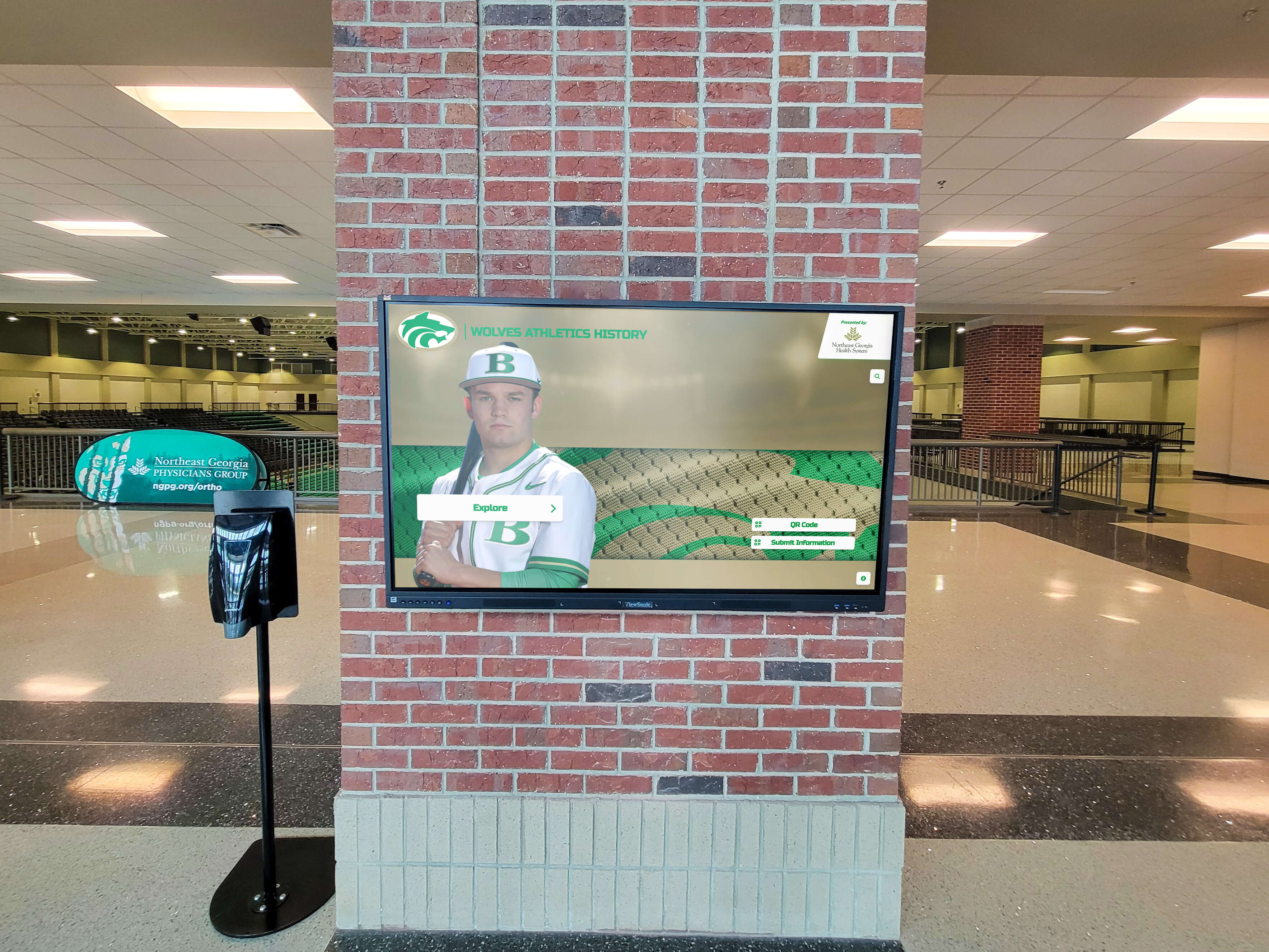
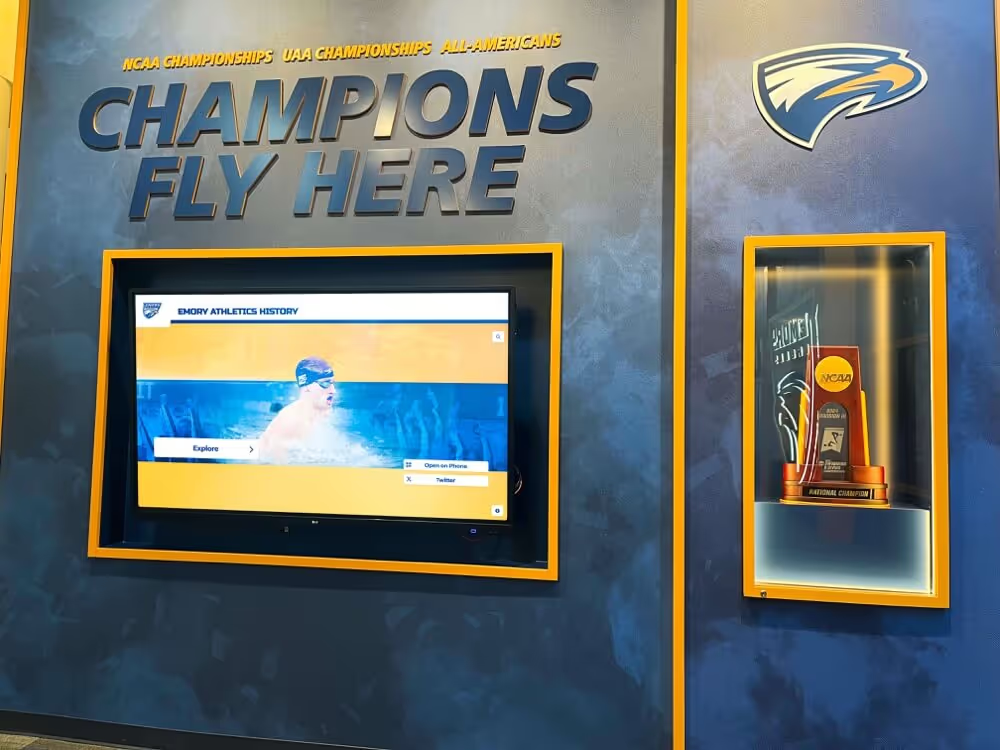
Strategic display placement in indoor facilities ensures senior recognition remains prominent regardless of ceremony venue
Post-Ceremony Follow-Up
The days following senior night provide opportunities for extended recognition and relationship maintenance.
Thank You Communications
Acknowledging participants strengthens relationships:
Personalized Thank You Notes
- Coaches writing individual letters to each senior
- Seniors thanking families for support throughout careers
- Team thanking community supporters who attended
- Athletic department thanking donors supporting ceremony
- Recognition of volunteers who made event possible
Public Acknowledgment
- Social media thank you posts
- Local media follow-up stories
- School newsletter features
- Athletic department website highlights
- Email communications to broader community
These follow-up communications demonstrate that senior night was valued and meaningful to entire program.
Maintaining Senior Connections
Graduating doesn’t end relationships with program:
Ongoing Engagement Strategies
- Alumni newsletter including senior class updates
- Social media groups connecting graduated players
- Invitation to future senior nights and special events
- Mentorship opportunities for current players
- Recruitment referrals from satisfied program alumni
Career and Life Support
- Job networking through program connections
- Recommendation letters from coaches
- Advice and guidance during college transitions
- Recognition of post-graduation achievements
- Continued relationship beyond competitive careers
Programs maintaining strong alumni connections benefit from enhanced reputation, recruitment support, and community engagement.
For ideas about long-term alumni engagement through athletics, explore alumni recognition approaches that keep graduated athletes connected to programs.
Adding Seniors to Permanent Archives
Final step is ensuring senior night recognition becomes part of permanent program history:
Digital Archive Integration
- Senior profiles added to interactive display systems
- Photos from ceremony incorporated into player profiles
- Career statistics and achievements documented
- Post-graduation updates added as accomplished
- Searchable database enabling future access
Physical Documentation
- Team record books updated with senior statistics
- Historical files maintained for program archives
- Media guides and yearbooks documenting senior class
- Facility displays featuring senior achievements
- Championship banners noting senior contributors
This systematic documentation ensures no senior’s contribution is forgotten regardless of years passing.
Building Senior Night Traditions
Consistent traditions create senior night culture that enhances program identity.
Establishing Ceremony Traditions
Repeated elements create recognizable senior night character:
Annual Tradition Ideas
- Specific song played as seniors walk with families
- Senior speech to teammates expressing gratitude
- Senior class gift to program (equipment, facility enhancement, etc.)
- Seniors wearing special warm-up shirts or jerseys
- First pitch ceremony with senior parents throwing to senior catchers
- Team huddle specifically honoring seniors before or after ceremony
- Senior-selected charity receiving donation in their honor
Tradition Development Process
- Survey seniors about meaningful traditions they experienced or suggest
- Implement new traditions as pilot then evaluate effectiveness
- Avoid over-complication making traditions difficult to sustain
- Document traditions so future ceremony planners maintain consistency
- Balance consistency with flexibility for unique circumstances
The most meaningful traditions feel authentic to your specific program rather than simply copying what others do.
Creating Senior Class Legacy Projects
Physical or programmatic contributions extend senior impact:
Legacy Project Ideas
- Fundraising for facility improvements (batting cage, bullpen upgrades, field enhancements)
- Establishing scholarship fund for future players
- Equipment donations to youth baseball programs in community
- Mentorship program connecting seniors with youth players
- Community service projects benefiting local organizations
- Training video library created by seniors for developing players
Implementation Approach
- Senior class selects project early in season
- Project completed before or shortly after graduation
- Recognition of legacy contribution during senior night
- Permanent acknowledgment of senior class gift
- Tradition continued annually by subsequent classes
These projects create lasting impact beyond individuals’ playing careers while teaching leadership and community responsibility.
For programs interested in comprehensive legacy building, athletic program recognition systems provide frameworks documenting multiple forms of contribution.
Involving the Broader Baseball Community
Senior night provides opportunities for community engagement beyond immediate team family.
Youth Program Connections
Senior recognition inspires younger players:
Youth Engagement Strategies
- Invite youth baseball programs to attend senior night game
- Seniors available for autographs and photos with youth players
- Recognition of seniors’ involvement coaching or mentoring youth teams
- Youth players serve as ceremonial bat boys/girls for senior night game
- Discussion of pathway from youth programs through high school seniors
Developmental Benefits
- Youth players see tangible progression and what dedication produces
- Seniors model positive athlete behavior for young players
- Community baseball pipeline strengthened through connections
- Recruitment benefits as youth players aspire to play for your program
- Seniors receive meaningful appreciation from next generation
These connections strengthen community baseball culture while supporting program sustainability.
Alumni and Former Player Participation
Past players attending senior night reinforces program continuity:
Alumni Involvement Ideas
- Alumni recognition during ceremony acknowledging program tradition
- Former seniors return to support current graduating class
- Alumni speak to team about life after high school baseball
- Generations of program participants connect at event
- Alumni donations supporting senior night expenses or gifts
Building Alumni Culture
- Systematic outreach inviting alumni to senior nights
- Special recognition for milestone alumni (10, 25, 50 year reunions)
- Alumni section in stands during senior night games
- Post-ceremony reception enabling alumni and senior interaction
- Alumni mentoring program launched through senior night connections
Strong alumni presence demonstrates program longevity and importance beyond individual seasons.
Community Partner Recognition
Senior night can acknowledge community support:
Sponsor and Donor Recognition
- Public acknowledgment of businesses supporting program
- Banner or signage recognizing sponsors during ceremony
- Invitation to ceremony for significant supporters
- Connection between support and senior opportunities created
- Foundation for ongoing community partnership cultivation
Community Integration
- Local media coverage highlighting seniors
- Community members invited to celebrate players they’ve supported
- Connections to local baseball history and tradition
- Recognition of community resources enabling program success
- Reciprocal support for community events and organizations
This broader engagement positions baseball program as community asset rather than isolated school activity.
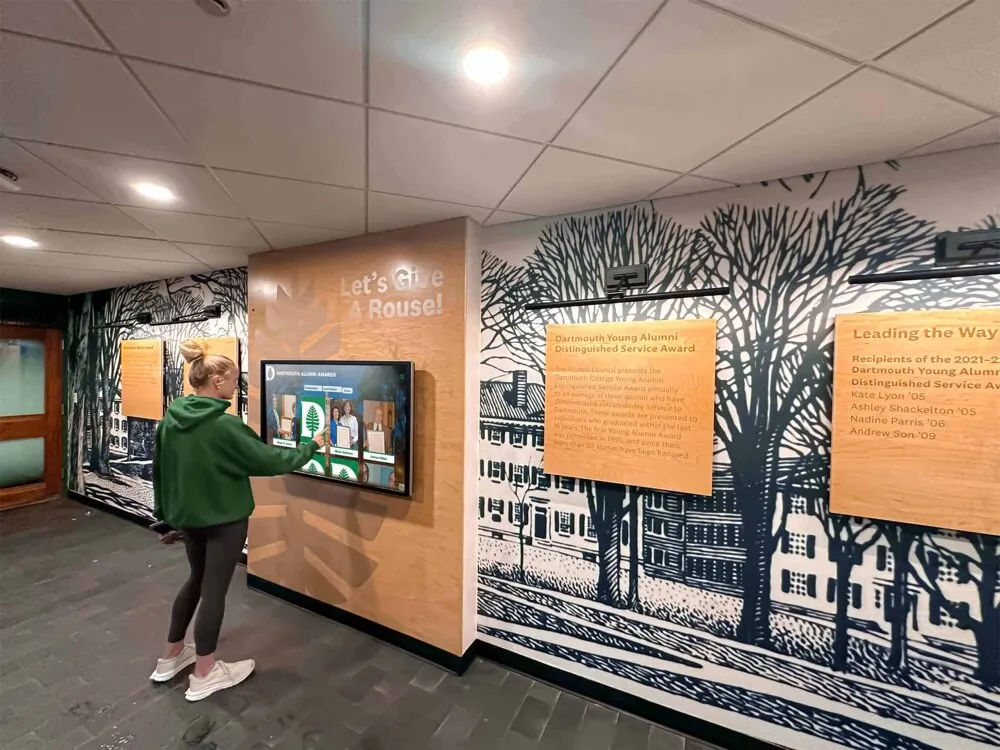
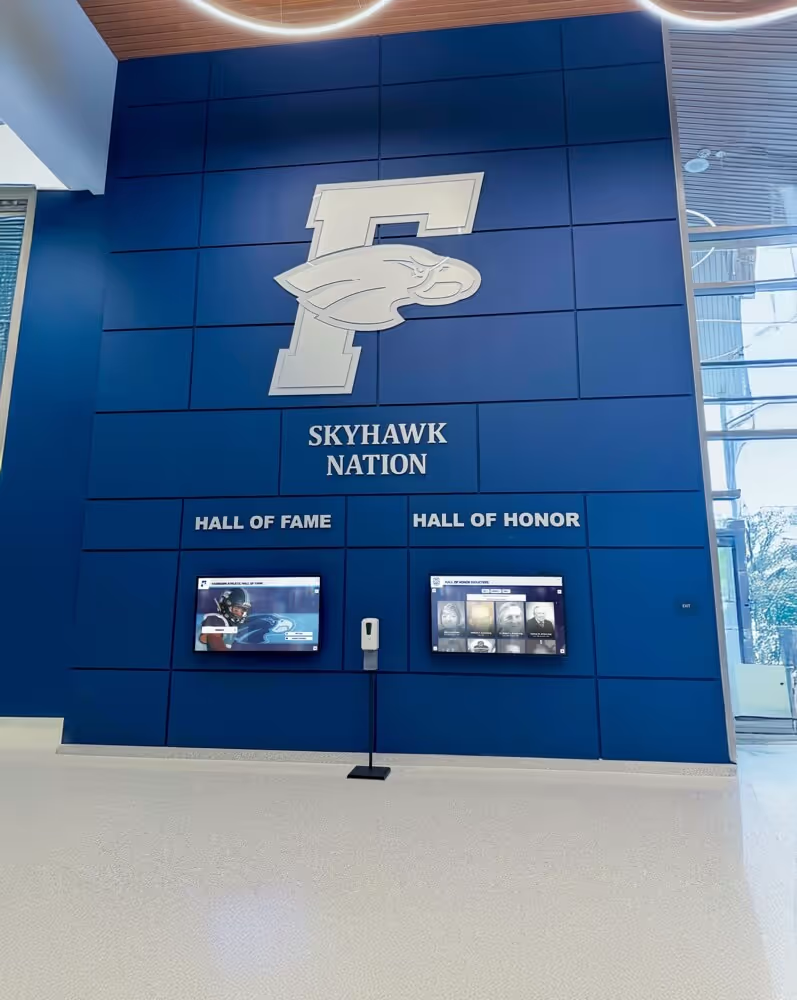
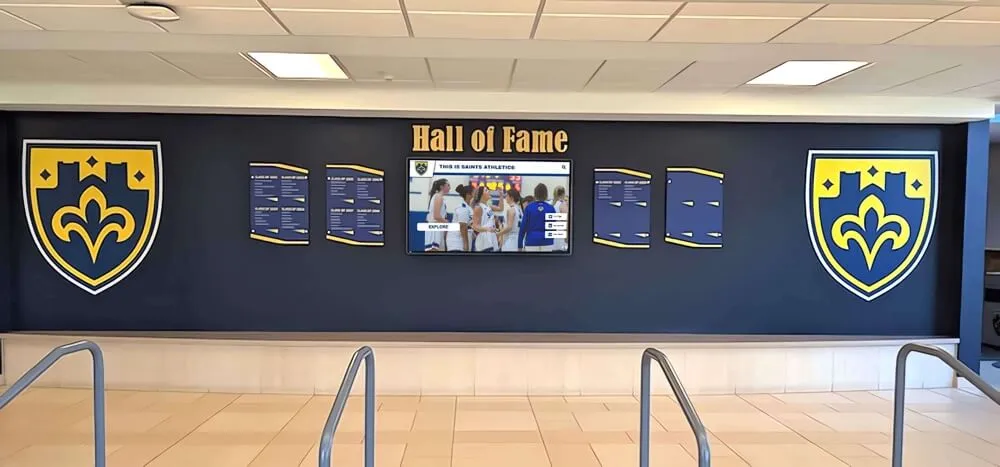
Prominent campus placement of recognition displays engages diverse stakeholders in celebrating baseball senior achievements
Addressing Sensitive Situations
Senior nights occasionally involve difficult circumstances requiring thoughtful handling.
Seniors With Limited Playing Time
Every senior deserves meaningful recognition regardless of contributions:
Inclusive Recognition Approaches
- Equal ceremony time and presentation for all seniors
- Highlighting non-statistical contributions (practice effort, team support, character)
- Coach remarks emphasizing different forms of value to program
- Statistics contextualized appropriately for varying roles
- Teammate testimonials recognizing support players provide
Avoiding Hierarchy
- No “star” versus “bench player” distinction in ceremony
- Alphabetical or jersey number order rather than perceived importance
- Similar gift quality regardless of playing time
- Equal photo opportunities and family inclusion
- Genuine appreciation expressed for every senior’s commitment
Programs maintaining inclusive senior night cultures communicate that every team member matters—an important message for current underclassmen.
Difficult Family Circumstances
Sensitivity required for challenging family situations:
Adaptations for Various Circumstances
- Flexibility for seniors whose parents are deceased, incarcerated, or absent
- Alternative family member or mentor participation options
- Coach, athletic director, or other mentor walking with senior if needed
- Discretion and privacy protecting student from uncomfortable attention
- Private conversations with senior about their preferences
Supporting Seniors Through Challenges
- Team family concept ensuring every senior feels supported
- Teammates’ families including seniors in celebrations
- Program-funded elements ensuring financial barriers don’t limit participation
- Counselor or administrator support for emotional challenges
- Focus on celebration rather than highlighting difficult circumstances
Compassionate handling of these situations demonstrates program values beyond athletic performance.
Injured Seniors and Medical Circumstances
Injuries shouldn’t diminish senior night significance:
Honoring Injured Seniors
- Full ceremony participation regardless of ability to play
- Recognition of courage and perseverance through injury
- Career highlights prior to injury celebrated appropriately
- Contributions as teammate and supporter while injured acknowledged
- No diminishment of ceremony elements due to inability to compete
Medical or Health Challenges
- Accommodations for seniors with disabilities or health conditions
- Modified ceremony elements enabling full participation
- Sensitivity to energy limitations or medical needs
- Privacy respected regarding health information
- Celebration of everything athlete has contributed despite challenges
These circumstances provide opportunities to demonstrate that being valued team member extends beyond athletic contribution.
Measuring Senior Night Success
Evaluating ceremony effectiveness enables continuous improvement.
Gathering Feedback
Systematic assessment improves future ceremonies:
Feedback Collection Approaches
- Senior and family surveys sent within week after ceremony
- Team meeting discussion about senior night experience
- Coach self-assessment identifying areas for improvement
- Photo and video review noting logistical successes and challenges
- Community feedback through social media comments and messages
Key Assessment Areas
- Ceremony timing and flow
- Recognition quality and personalization
- Family experience and involvement
- Technical execution (sound, lighting, coordination)
- Emotional impact and meaningful moments
- Areas for improvement in future years
Honest assessment ensures ceremonies get better over time.
Documentation for Future Planning
Creating institutional knowledge supports continuity:
Senior Night Planning Resources
- Ceremony script template with timing annotations
- Equipment and supply checklist
- Timeline template showing planning phases
- Vendor and volunteer contact list
- Budget template with expense categories
- Best practice notes from previous years
- Photo examples showing effective setup and logistics
Succession Planning Senior night planning shouldn’t depend on single person’s knowledge:
- Written procedures enabling smooth transitions
- Assistant coach or administrative involvement in planning
- Parent committee structure continuing across years
- Digital storage of planning materials accessible to successors
- Orientation for new staff including senior night traditions
These resources prevent losing institutional knowledge during coaching or staff changes.
Continuous Improvement Mindset
Best programs treat senior night as evolving tradition:
Improvement Strategies
- Annual review of ceremony with team leadership
- Research of other programs’ senior night approaches
- Incorporation of senior feedback into subsequent ceremonies
- Technology adoption enhancing recognition and engagement
- Balance between tradition preservation and meaningful innovation
Programs committed to excellent senior nights make incremental improvements each year rather than repeating the same ceremony indefinitely.
Conclusion: Creating Senior Nights That Matter
Baseball senior nights represent far more than ceremonial obligations—they provide opportunities to honor dedicated athletes, celebrate program tradition, strengthen community bonds, and establish lasting legacies that inspire current and future players. When planned thoughtfully with attention to individual recognition, inclusive participation, and meaningful permanent preservation, these ceremonies become milestone moments athletes and families cherish for lifetimes.
The strategies explored in this guide provide comprehensive frameworks for creating senior nights that balance emotional significance with logistical execution, personal recognition with team culture, and one-night celebrations with permanent legacy building. From ceremony planning and gift selection to permanent digital recognition displays and community engagement, these approaches ensure graduating athletes receive the acknowledgment their commitment deserves.
Preserve Your Baseball Seniors' Legacy
Discover how interactive touchscreen displays can help you honor every senior permanently, creating lasting tributes that families and future teams can explore for generations.
Request a DemoMost importantly, effective senior nights communicate to current underclassmen that dedication to your program will be recognized and celebrated when their senior night arrives—motivating commitment and effort throughout players’ careers. These ceremonies demonstrate that being part of your baseball program means more than wins and losses; it means belonging to tradition, community, and family that values every member’s contributions.
Whether your program operates with abundant resources or modest budgets, the core elements of meaningful senior night remain constant: genuine appreciation, personal recognition, family involvement, and permanent preservation of athlete achievements. Technology like Touch Archive now enables even resource-constrained programs to provide comprehensive, lasting recognition that previous generations could only achieve with significant space and financial investment.
Start planning your next baseball senior night today with confidence that thoughtful attention to ceremony details, recognition approaches, and permanent preservation will create experiences your graduating athletes never forget. Every senior who receives heartfelt recognition for their dedication reinforces your program’s culture and inspires the next generation of players to commit themselves fully to the journey ahead.
Ready to transform how your program honors baseball seniors? Explore Touch Archive solutions for comprehensive athletic recognition and team history preservation, or request a demo to see how your seniors’ achievements can be preserved and celebrated permanently through interactive displays that engage current teams and returning alumni alike.