



Teacher recognition represents one of the most powerful tools school leaders have to retain excellent educators, boost morale, and create cultures where teaching excellence thrives. When schools systematically celebrate outstanding instruction—from exemplary classroom management to innovative curriculum design—they send clear messages about what matters while providing acknowledgment that extends far beyond individual recognized teachers.
Yet many schools struggle to make teacher recognition feel meaningful rather than perfunctory. Recognition often defaults to generic certificates hastily printed before staff meetings, award ceremonies that feel obligatory rather than celebratory, or static bulletin boards in staff lounges that quickly become outdated. Meanwhile, transformative teachers who invest countless hours beyond contract requirements, innovative educators pioneering new instructional approaches, and dedicated professionals mentoring colleagues receive the same basic acknowledgment as everyone else.
This comprehensive guide explores evidence-based strategies for designing and implementing teacher award certificates and recognition programs that celebrate diverse contributions, motivate continued excellence, and create lasting impact throughout your educational community.
Effective teacher recognition extends beyond identifying top performers during Teacher Appreciation Week—it creates systematic approaches that acknowledge excellence across multiple dimensions while ensuring recognition opportunities exist for educators at all career stages. Schools that excel at teacher recognition create environments where educational excellence receives visibility and celebration comparable to student and athletic achievements.

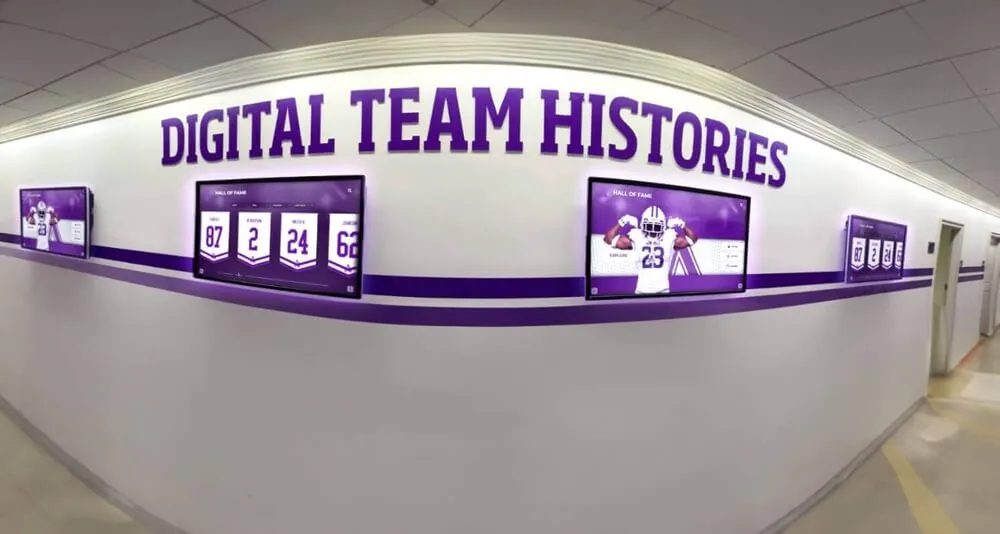
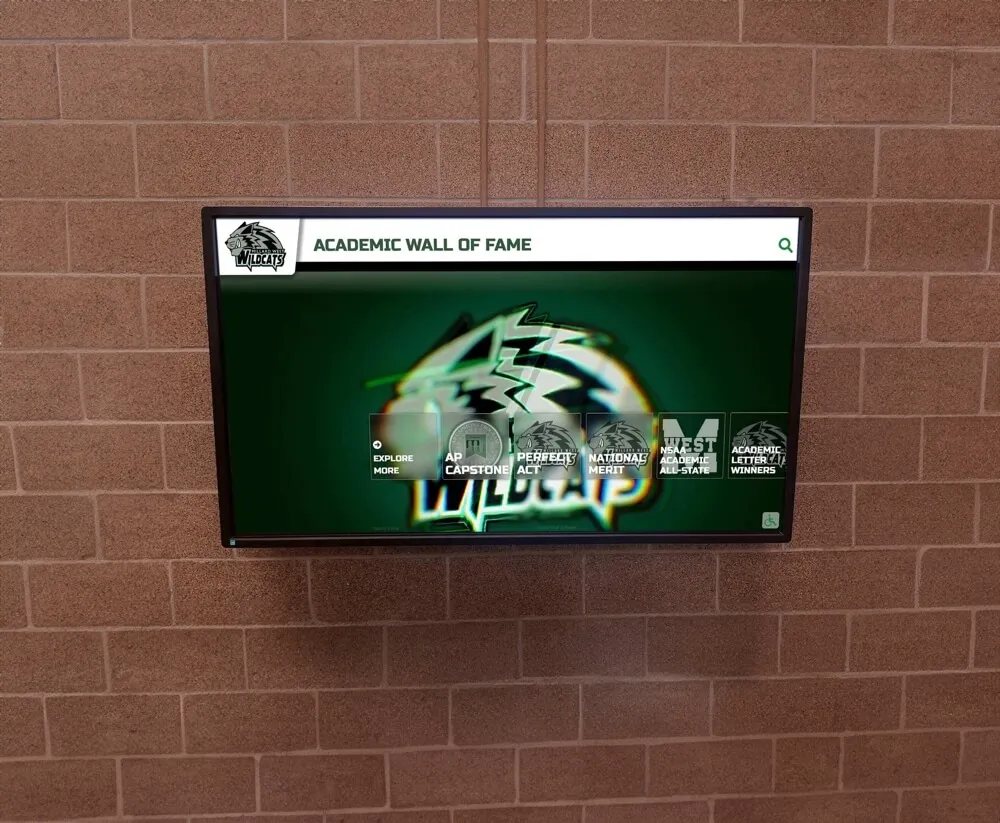
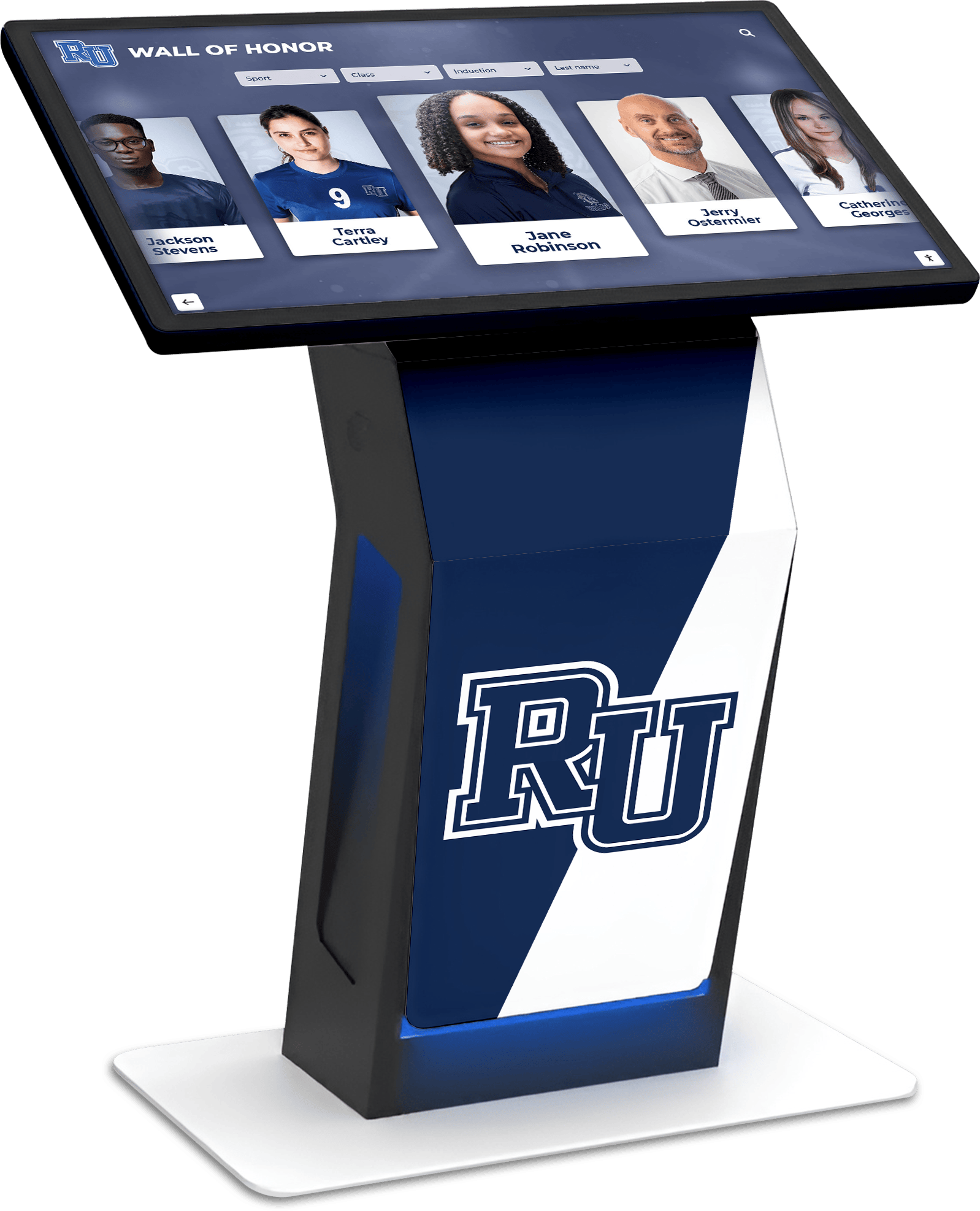
Modern recognition displays make teacher excellence visible throughout school communities, moving beyond temporary certificates to permanent acknowledgment
Why Teacher Recognition and Awards Matter
Understanding the impact of systematic teacher recognition helps school leaders design programs that maximize positive outcomes.
Research-Based Benefits of Teacher Recognition
Educational research consistently demonstrates the power of appropriate teacher acknowledgment:
Teacher Retention and Job Satisfaction
- Recognized teachers demonstrate significantly higher job satisfaction and retention rates
- Public acknowledgment reduces feelings of isolation common in teaching profession
- Systematic recognition addresses intrinsic motivation critical for educator engagement
- Visible appreciation reinforces specific teaching behaviors and approaches worth continuing
- Recognition programs correlate with reduced burnout and compassion fatigue
According to research on educator retention, teachers who feel valued and appreciated by school leadership are significantly more likely to remain in their positions long-term. This becomes especially critical given national teacher shortages affecting schools across all communities.
School Culture and Morale
- Recognition creates positive ripple effects throughout staff communities
- Visible teacher acknowledgment models appreciation culture for students
- Systematic recognition reduces negative staff room dynamics
- Comprehensive recognition programs improve overall school climate metrics
- Teacher celebration strengthens collaborative professional environments
What Makes Recognition Meaningful to Teachers
Teachers consistently identify specific characteristics that make recognition feel genuine:
Specificity and Personalization
- Recognition citing specific examples rather than generic praise
- Acknowledgment of unique contributions and individual teaching style
- Personal messages demonstrating genuine understanding of work
- Context explaining why recognition matters
- Detail showing that evaluators actually observed teaching practice

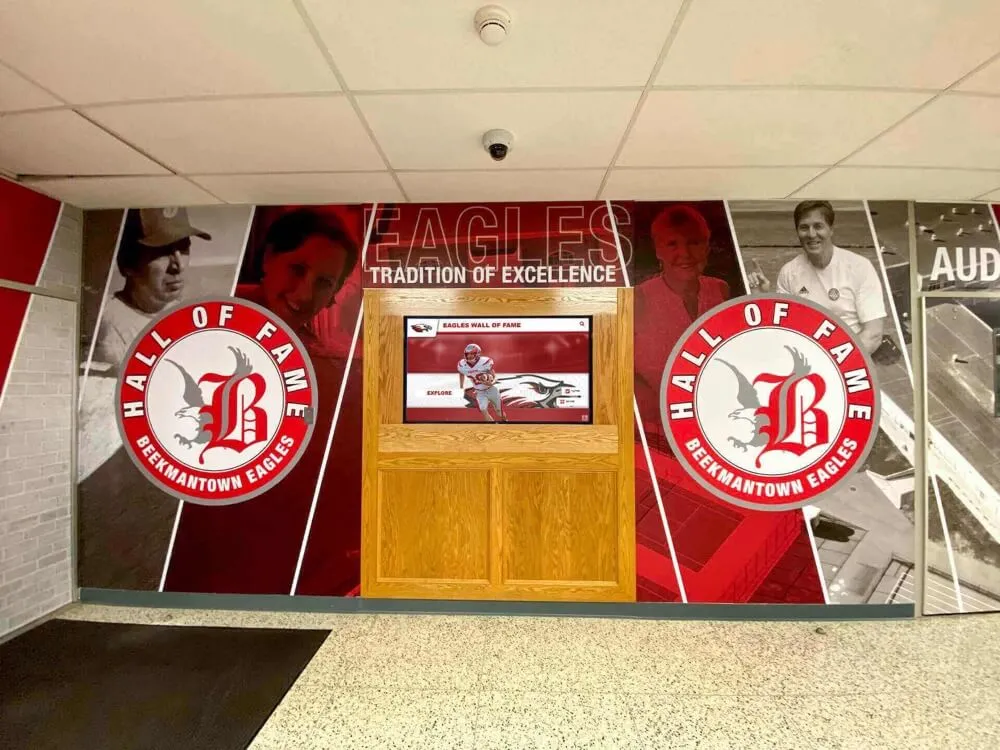
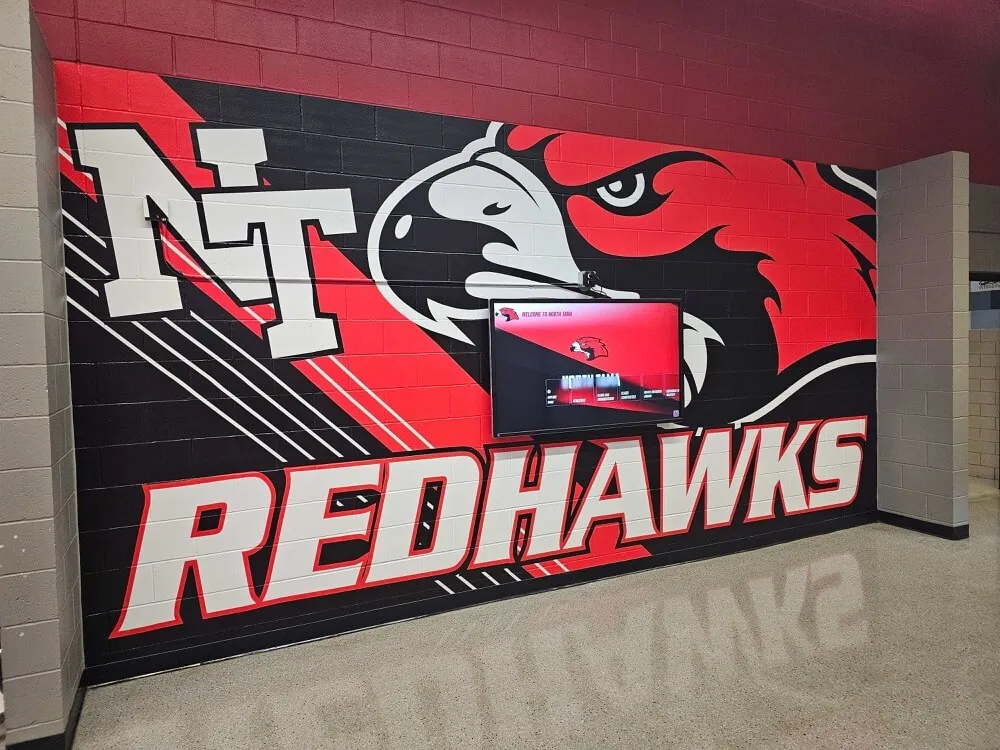
Strategic placement of recognition displays in high-traffic areas maximizes visibility and impact for teacher acknowledgment
Authenticity and Sincerity
- Recognition that feels earned rather than obligatory
- Leadership demonstrating genuine understanding of teaching challenges
- Peer acknowledgment carrying weight from fellow professionals
- Timing that connects recognition to actual accomplishments
- Formats appropriate to achievement significance
The key to maximizing these benefits lies in designing recognition systems that feel meaningful, authentic, and aligned with your institution’s educational mission.
Essential Elements of Effective Teacher Award Certificates
Whether digital or printed, the best teacher award certificates share essential design characteristics that maximize impact and meaning.
Certificate Content Components
Header and Title Design
- Clear award designation explaining recognition purpose
- School name, logo, and branding elements
- Award category or specific achievement type
- Formal yet warm tone appropriate to professional recognition
- Visual hierarchy emphasizing key information
Recognition Statement The certificate body should include:
- Teacher’s full name prominently displayed
- Specific achievement, contribution, or exemplary practice being recognized
- Date or time period of recognition
- Personalized description of why recognition was earned
- Context connecting individual contribution to school mission
Authority and Validation Effective certificates establish legitimacy through:
- Signature lines for principal, superintendent, or board members
- Date of award presentation
- Official school seal or emblem when appropriate
- Recognition committee or selection process acknowledgment
- Board of education approval notation for significant awards

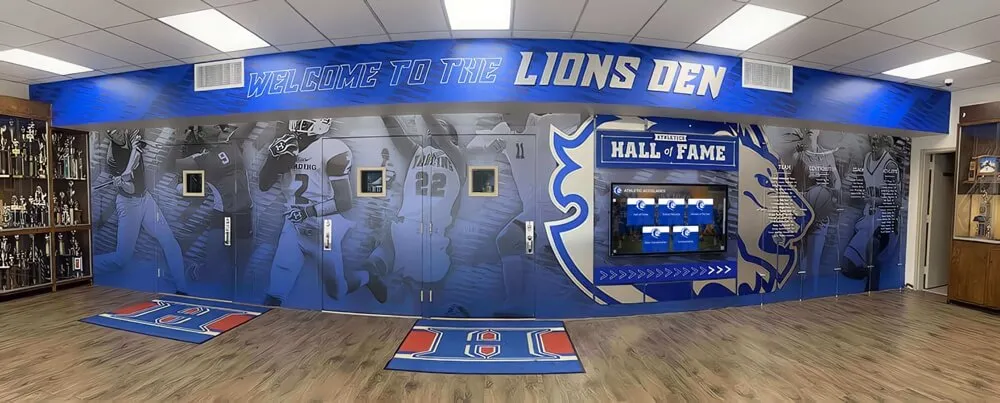
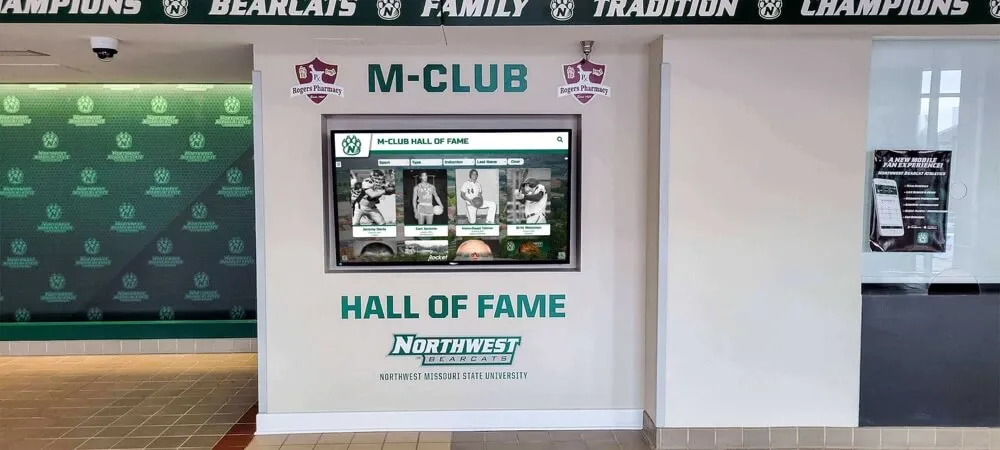
Professional recognition displays preserve teacher achievements alongside student and athletic accomplishments
Visual Design Principles for Teacher Certificates
Professional Aesthetics
- Clean, uncluttered layouts emphasizing readability
- Professional color schemes reflecting school branding
- Quality typography appropriate for formal recognition
- Border treatments adding formality without distraction
- White space creating visual breathing room
Balancing Formality with Warmth Teacher recognition certificates should:
- Maintain professional appearance warranting framing and display
- Incorporate personal touches demonstrating genuine appreciation
- Avoid overly generic corporate templates feeling impersonal
- Include design elements reflecting educational mission
- Balance traditional formality with contemporary accessibility
Print Quality Considerations For physical certificates:
- Heavy cardstock or certificate paper appropriate for framing
- High-resolution printing without pixelation or color banding
- Matte or semi-gloss finishes suitable for signatures
- Standard frame sizes enabling easy display
- Archival-quality materials preventing degradation
Types of Teacher Award Certificates by Category
Comprehensive recognition programs acknowledge diverse teaching contributions beyond single achievement dimensions.
Academic Excellence and Student Achievement
Student Growth and Achievement Recognition
- Teachers demonstrating exceptional student learning gains
- Educators closing achievement gaps for struggling students
- Instructors achieving outstanding standardized test results
- Teachers receiving exceptional student feedback and evaluations
- Educators pioneering successful intervention programs
Subject-Specific Teaching Excellence
- Outstanding STEM instruction and student engagement
- Exemplary literacy instruction and reading achievement
- Excellence in arts education and student creativity
- Exceptional physical education and wellness promotion
- Career and technical education program excellence
Similar to how schools recognize academic achievement programs for students, teacher recognition should celebrate instructional excellence across all subject areas.
Innovation and Professional Growth
Instructional Innovation Awards
- Teachers implementing cutting-edge educational technology
- Educators developing original curriculum materials
- Instructors pioneering new pedagogical approaches
- Teachers creating successful interdisciplinary programs
- Educators establishing innovative assessment methods

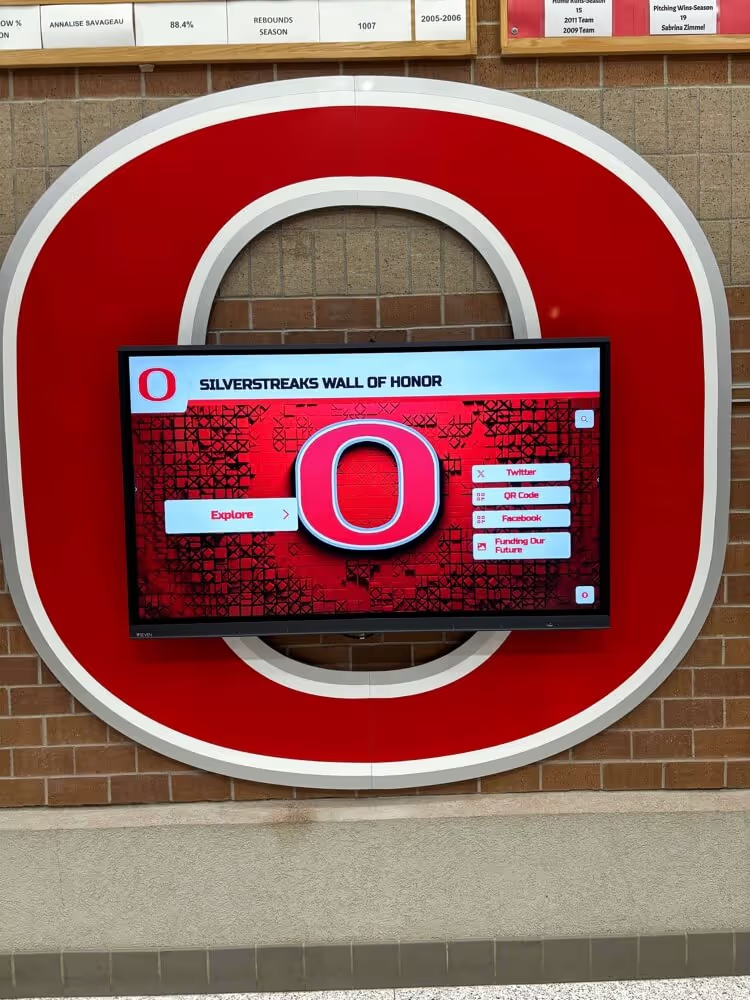
Lobby recognition areas honor teachers alongside students and alumni, integrating staff appreciation into school culture
Professional Development Leadership
- Teachers pursuing advanced degrees and certifications
- Educators leading professional learning communities
- Instructors presenting at conferences and workshops
- Teachers mentoring new educators and student teachers
- Educators pursuing National Board Certification
Service and Leadership Recognition
School Community Leadership
- Department chair excellence and instructional leadership
- Committee work and school improvement contributions
- Extracurricular sponsorship and student activity advising
- Peer mentoring and collaborative culture building
- Parent communication and family engagement excellence
Student Support Beyond Classroom
- Exceptional student advocacy and support
- Outstanding work with at-risk or special populations
- Excellence in student mentoring and guidance
- Exemplary work building student relationships
- Above-and-beyond commitment to student success
Comprehensive recognition similar to employee recognition programs ensures diverse contributions receive appropriate acknowledgment.
Career Milestone Recognition
Service and Longevity Awards
- 5, 10, 15, 20+ year service milestones
- Retirement celebration and career acknowledgment
- Lifetime achievement and legacy recognition
- Continuous service to single school or district
- Distinguished career spanning decades
Special Achievement Recognition
- Teacher of the Year awards at building, district, or state levels
- Grant recipient acknowledgment for funded projects
- Published authors and educational researchers
- National or state award recipients
- Community service and civic leadership
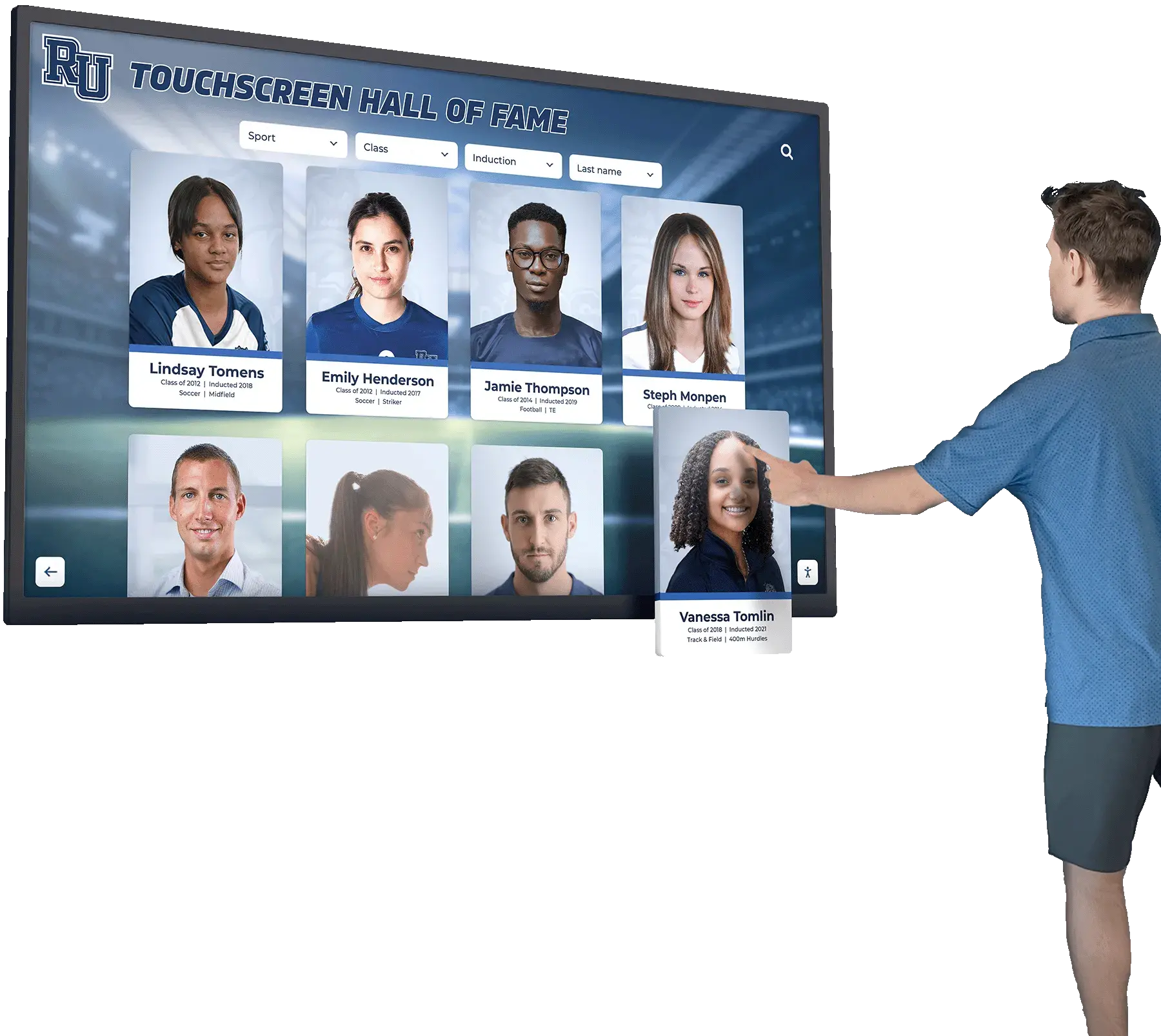
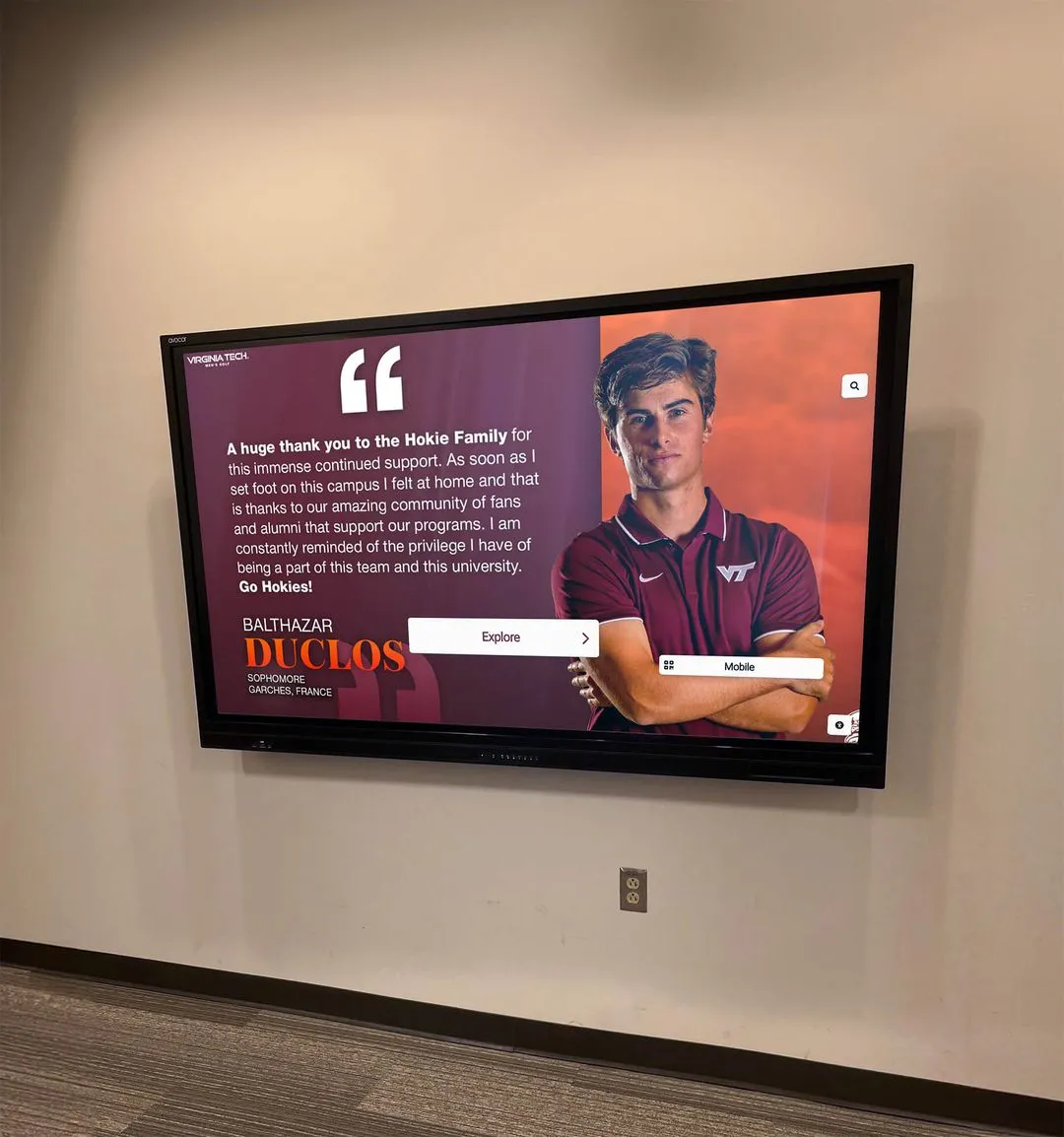
Interactive displays enable detailed teacher profiles showcasing complete career achievements, publications, and impact stories
Traditional Certificate Design Templates and Options
Schools typically choose between several approaches for certificate creation.
Desktop Publishing and Template Software
Microsoft Word and Publisher Templates
- Built-in certificate templates providing starting points
- Customizable borders, fonts, and layout elements
- Mail merge capabilities for multiple recipients
- Accessible to most school administrators
- Limitation: often generic appearance unless extensively customized
Canva and Online Design Platforms
- Professional templates designed by graphic designers
- Drag-and-drop customization requiring minimal design skill
- Brand kit features maintaining consistency across certificates
- Cloud-based collaboration enabling committee input
- Free and premium options fitting various budgets
Professional Graphic Design Software
- Adobe InDesign or Illustrator for maximum customization
- Complete control over every design element
- Professional results warranting significant awards
- Requires design expertise or contracted designer
- One-time design investment enabling ongoing use
Pre-Printed Certificate Options
Office Supply and Educational Product Vendors
- Ready-to-print certificate paper with decorative borders
- Various designs appropriate for different recognition types
- Affordable option for frequent recognition needs
- Simple addition of recipient-specific information
- Professional appearance without design expertise required
Custom Printed Certificates from Specialty Vendors
- Fully designed certificates printed professionally
- Foil stamping, embossing, or premium finishing options
- Significant awards warranting investment in quality
- Bulk pricing for annual recognition programs
- Longer lead times requiring advance planning
Certificate Framing and Presentation
Presentation Considerations
- Quality frames appropriate to recognition significance
- Matting adding professional appearance
- Standard frame sizes (8.5x11, 11x14) for accessibility
- Presentation during staff meetings, ceremonies, or special events
- Envelope or folder protecting certificates during presentation
Many schools complement traditional certificate presentations with photographs posted in staff areas or featured in school communications.

Integrated recognition systems combine traditional elements with digital displays creating comprehensive teacher acknowledgment spaces
Moving Beyond Paper: Digital Teacher Recognition Systems
While traditional certificates serve important purposes, modern schools increasingly complement or replace paper-only recognition with permanent digital systems that overcome inherent limitations.
Limitations of Traditional Certificate-Only Recognition
Visibility and Impact Constraints
- Certificates typically seen only by recipients and immediate family
- Staff lounge bulletin boards reach limited audiences
- Paper recognition requires physical presence to view
- Awards presented during meetings receive brief attention
- No systematic way to showcase complete teaching careers
Practical and Administrative Challenges
- Physical certificates degrade, get lost, or damaged over time
- Storage and archival challenges for district records
- Difficult to search or reference historical recognition
- Updates require physical replacement of displayed items
- Space limitations force removal of older recognition
Equity and Comprehensive Recognition
- Bulletin board space constraints limit whose recognition displays
- Long-service teachers’ early career awards disappear from view
- No easy way to showcase complete department or building excellence
- Families and community members rarely see teacher recognition
- Alumni cannot access recognition of beloved former teachers
Digital Recognition Display Advantages
Modern touchscreen recognition systems like those from Rocket Alumni Solutions address traditional limitations while enhancing teacher acknowledgment:
Unlimited Recognition Capacity Digital archive displays overcome physical space constraints:
- Single display showcases unlimited teachers across all award categories
- No need to remove historical recognition to accommodate current awards
- Comprehensive archives preserve institutional teaching excellence history
- All departments and achievement types receive equal display capacity
- Complete teaching careers documented in searchable profiles
Enhanced Visibility and Engagement Interactive displays create visibility impossible with paper certificates:
- High-traffic lobby placement ensuring community exposure
- Search functionality enabling visitors to find specific teachers
- Filtering by department, award type, year, and achievement
- Detailed profile pages telling complete career stories
- Photo galleries documenting teaching careers and impact
- Video tributes and personal reflection integration
Permanent Preservation and Accessibility Cloud-based systems ensure lasting recognition:
- Awards permanently archived rather than lost or degraded
- Remote access enabling families and alumni worldwide to view
- Mobile-optimized displays accessible across devices
- Integration with school websites and communication platforms
- Historical documentation preserving institutional memory
Schools implementing comprehensive recognition displays report that teacher appreciation becomes visible and celebrated throughout communities rather than limited to private certificate receipt.

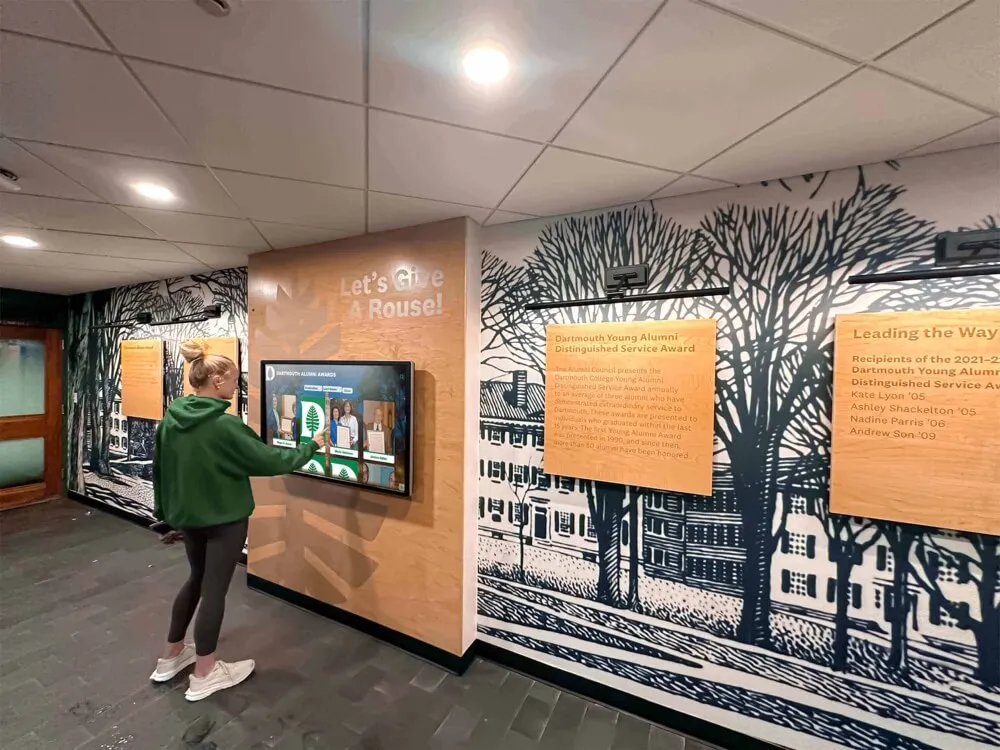
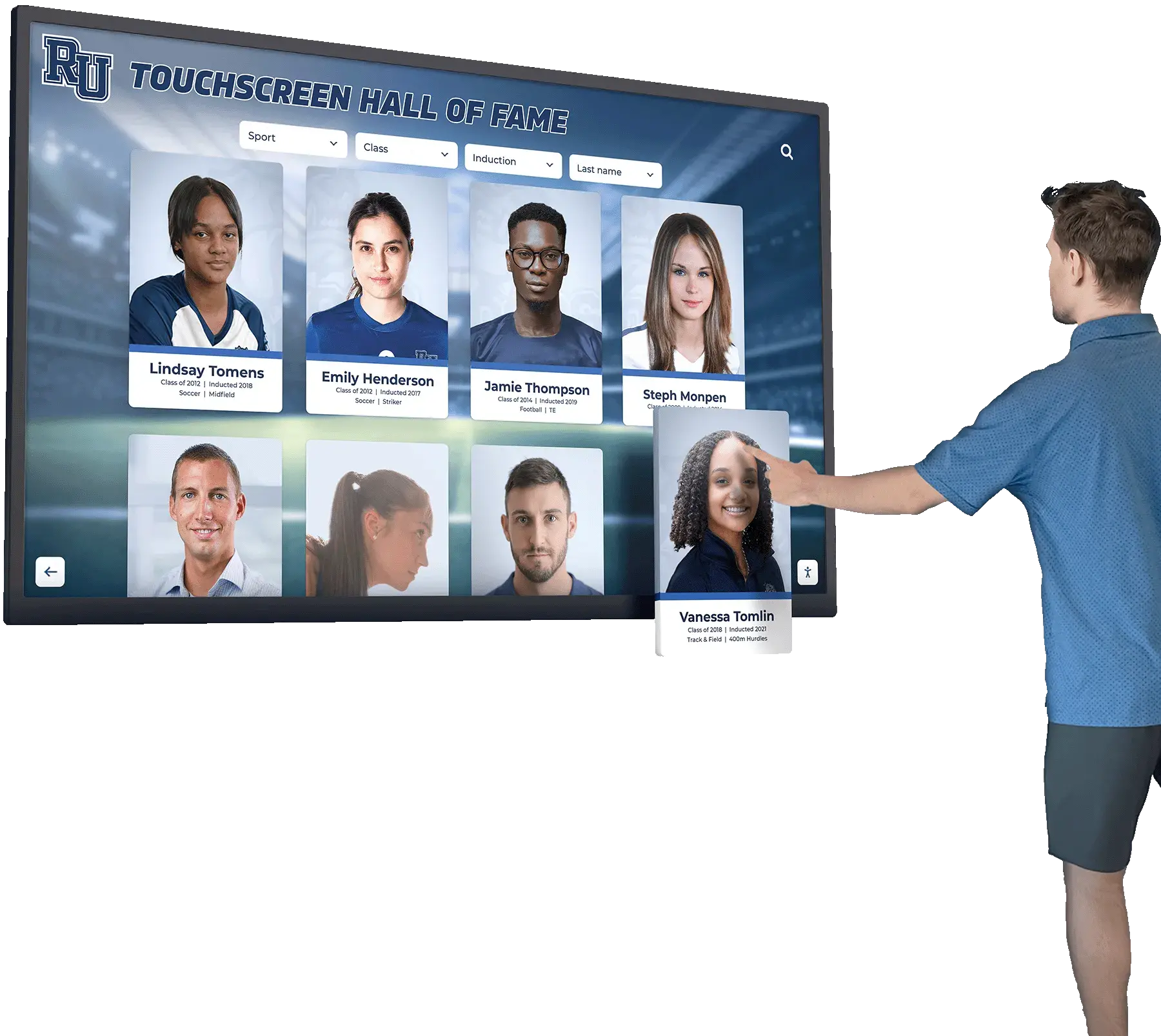
Touchscreen interfaces make exploring teacher achievements engaging and accessible to students, families, and community members
Implementing Systematic Teacher Recognition Programs
Effective recognition requires more than just certificate templates—it demands systematic approaches ensuring consistent, equitable acknowledgment.
Establishing Recognition Criteria and Categories
Multi-Dimensional Recognition Framework Successful programs acknowledge:
- Teaching excellence and student achievement impact
- Innovation and continuous improvement efforts
- Leadership and service to school community
- Longevity and sustained commitment
- Special achievements and external recognition
- Peer-nominated recognition for collegial impact
Clear Selection Processes Transparent systems build credibility:
- Written criteria for each award category
- Selection committee composition and process
- Nomination procedures accessible to all stakeholders
- Timeline for nominations, selection, and notification
- Documentation supporting recognition decisions
- Appeals or feedback mechanisms when appropriate
Balancing Frequency and Significance Recognition tier structure:
- Daily or weekly acknowledgment for smaller achievements
- Monthly recognition highlighting specific contributions
- Quarterly or semester major awards
- Annual recognition for significant accomplishments
- Career milestone celebrations at appropriate intervals
Building Teacher Recognition Into School Culture
Regular Recognition Touchpoints Systematic acknowledgment opportunities:
- Principal shout-outs during staff meetings
- Email recognition to entire faculty
- Social media celebration of teaching excellence
- Newsletter features highlighting teacher achievements
- Morning announcement integration when appropriate
- Community recognition programs engaging broader audiences
Peer Recognition Programs Teacher-to-teacher acknowledgment:
- Peer nomination processes for formal awards
- Informal appreciation note systems
- Department or grade-level recognition traditions
- Mentoring relationship acknowledgment
- Collaborative team celebration
- Professional learning community highlights
Student and Family Involvement Stakeholder participation strengthening impact:
- Student nomination of exceptional teachers
- Family feedback integration into recognition
- Student speeches or presentations during awards
- Thank-you note campaigns and appreciation weeks
- Alumni recognition of influential educators
- Community partner acknowledgment of teacher excellence

Entrance displays welcome visitors while showcasing teacher excellence, making educator recognition central to school identity
Recognition Event Planning
Teacher Appreciation Week Celebrations Annual recognition events:
- Structured activities throughout appreciation week
- Daily themes honoring different aspects of teaching
- Staff breakfast, lunch, or reception events
- Student-led appreciation activities
- Community partner sponsorship and support
- Gift or appreciation item distribution
Formal Recognition Ceremonies
- Beginning or end-of-year recognition events
- Awards ceremony similar to athletic banquets honoring teachers
- Board of education recognition presentations
- Retirement celebration integrating career recognition
- New teacher welcome and mentor acknowledgment
- Department or building-specific recognition gatherings
Public and Community Recognition Extending acknowledgment beyond building:
- Local media features on award recipients
- Chamber of commerce or civic organization partnerships
- Education foundation awards and grants
- State and national teacher recognition program participation
- Alumni association teacher tribute events
- Social media campaigns celebrating educators publicly
Creating Personalized and Meaningful Teacher Certificates
Generic recognition feels obligatory; personalized acknowledgment demonstrates genuine appreciation.
Writing Effective Recognition Statements
Specific Achievement Description Effective certificates include:
- Concrete examples of recognized behavior or achievement
- Student impact evidence or specific outcomes
- Context explaining why contribution matters
- Unique aspects of individual teaching approach
- Details demonstrating actual observation and understanding
Example: Generic versus Specific Recognition
Generic: “In recognition of outstanding teaching excellence and dedication to students.”
Specific: “In recognition of your innovative Project-Based Learning approach that increased student engagement 40% while developing real-world problem-solving skills preparing students for STEM careers. Your mentorship of three new teachers sharing these methods has transformed our entire Science Department culture.”
The difference significantly impacts how valued teachers feel.
Personalization Strategies
Individual Teaching Style Acknowledgment Recognition reflecting unique approaches:
- Subject-specific language and examples
- Grade-level appropriate context
- Teaching philosophy alignment
- Individual personality and strengths
- Specific relationships or mentoring impact
Career Context Integration
- Years of service acknowledgment
- Previous accomplishments and recognition
- Growth trajectory and professional development
- Department or school history connection
- Future potential and continued contribution
Personal Messages from Leadership
- Handwritten notes accompanying certificates
- Principal or superintendent personal remarks
- Board member acknowledgment for significant awards
- Colleague testimonials integrated into recognition
- Student or family appreciation included

Interactive displays enable detailed storytelling about teacher careers impossible with traditional certificates alone
Digital Certificate Templates and Online Recognition
Technology enables new approaches to teacher acknowledgment while maintaining or enhancing formality and impact.
Digital Certificate Design Tools
Online Design Platforms
- Canva Pro for education offering premium templates
- Adobe Express for quick professional designs
- Visme certificate makers with interactive elements
- Lucidpress for brand-consistent recognition materials
- Google Slides for collaborative design processes
Advantages of Digital Certificate Distribution
- Email delivery enabling immediate recognition
- Social media sharing with permission
- Website posting in staff recognition sections
- Digital signature integration for remote leadership
- Easy archival and retrieval from cloud storage
- Environmental benefits reducing paper consumption
- Cost savings on printing and materials
Hybrid Recognition Approaches
Many schools combine approaches maximizing impact:
- Digital certificates for immediate acknowledgment
- Printed versions for framing and display
- Integration into permanent recognition displays
- Social media announcement with digital graphic
- Website recognition page with certificate image
- Physical presentation during staff meeting or event
This multi-channel approach ensures recognition reaches various audiences through preferred formats.
Extending Recognition Beyond Individual Certificates
Comprehensive programs integrate awards into broader teacher appreciation systems.
Building Teacher Recognition Displays
Physical Recognition Spaces Traditional display approaches:
- Staff lounge recognition walls showcasing certificates
- Main office display cases honoring current award recipients
- Hallway displays in administrative areas
- Department bulletin boards celebrating teachers
- Library or media center educator tribute sections
Digital Recognition Integration Modern permanent acknowledgment:
Schools increasingly invest in comprehensive digital recognition displays transforming temporary certificate recognition into lasting acknowledgment:
- Teacher award recipients featured in lobby displays
- Complete career profiles documenting achievements over time
- Search and filter functionality enabling community exploration
- Photo galleries preserving teaching career moments
- Integration of awards, publications, and special achievements
- Alumni testimonials honoring influential educators
- Video tributes and personal reflection content
Solutions like Rocket Alumni Solutions enable schools to showcase unlimited teachers and awards through interactive touchscreen displays in high-traffic areas, creating permanent visibility for teaching excellence that certificates alone cannot achieve.
Web-Based Recognition Extensions
School Website Integration Online recognition reaching broader audiences:
- Staff recognition page highlighting award recipients
- News and announcement sections celebrating achievements
- Photo galleries from recognition events
- Teacher biography pages including awards and recognition
- Newsletter features distributed to families and community
- Social media integration extending reach
Alumni Engagement Opportunities
- Alumni association teacher tribute programs
- Former student testimonials about influential teachers
- Reunion recognition events honoring retired educators
- Endowed awards funded by grateful alumni
- Digital displays connecting current and former teachers to alumni supporters
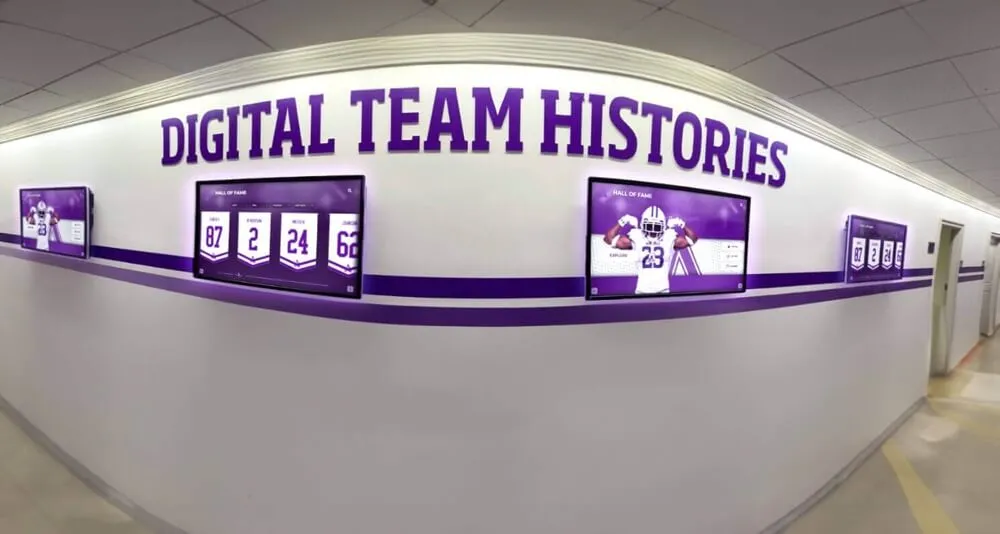
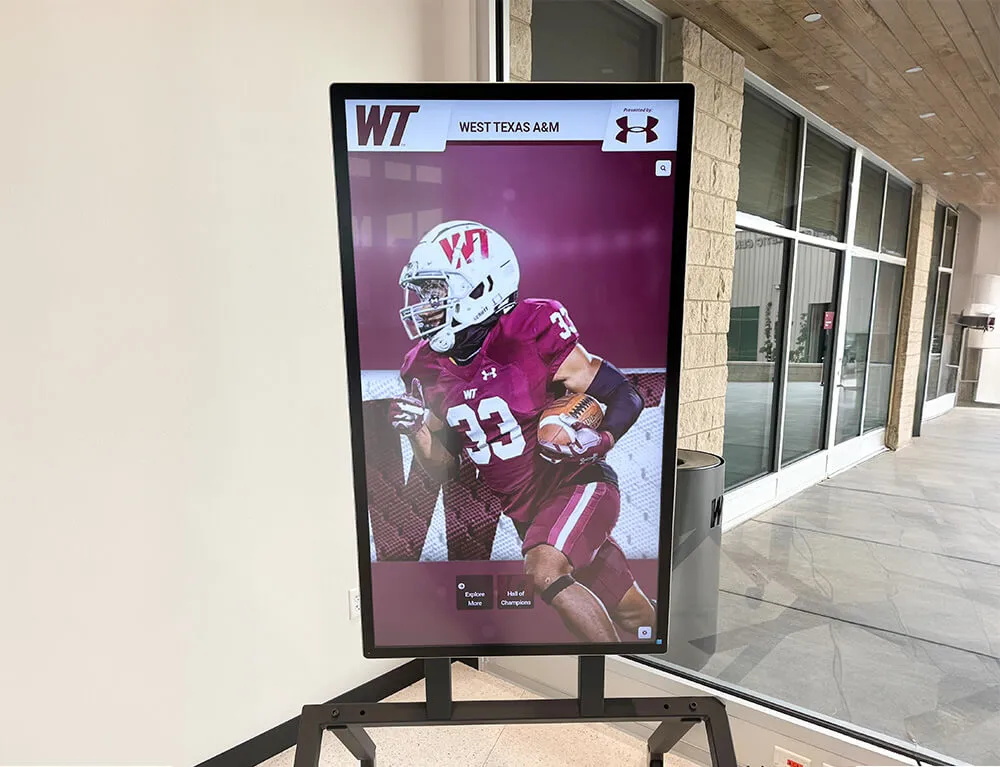
Strategic placement of recognition displays throughout buildings ensures teacher excellence receives visibility comparable to student and athletic achievements
Measuring Teacher Recognition Program Success
Regular assessment ensures programs achieve intended goals and justify resource investment.
Quantitative Metrics
Participation and Coverage Data
- Percentage of teachers receiving some recognition annually
- Distribution across departments and experience levels
- Recognition frequency and category diversity
- Nomination and selection process participation rates
- Year-over-year trend analysis
Retention and Satisfaction Indicators
- Teacher retention rates correlated with recognition
- Job satisfaction survey results
- Exit interview feedback mentioning recognition
- Recruitment success and attraction to district
- Transfer request patterns
Qualitative Assessment
Teacher Feedback
- Surveys about recognition program meaningfulness
- Focus groups discussing appreciation culture
- Informal conversations about what feels valuable
- Suggestions for recognition improvements
- Peer relationship and morale observations
Cultural Indicators
- Staff meeting atmosphere and energy
- Collaboration patterns and professional community
- Teacher willingness to go beyond requirements
- Innovation and risk-taking in instruction
- Mentoring participation and peer support
Regular assessment enables continuous improvement ensuring recognition programs remain meaningful and impactful rather than perfunctory.
Special Considerations for Different School Contexts
Recognition approaches should adapt to institutional contexts and teacher populations.
Elementary School Teacher Recognition
Age-Appropriate Involvement
- Student participation in teacher appreciation appropriate to development
- Family engagement emphasizing teaching partnership
- Grade-level team recognition alongside individual acknowledgment
- Specialist teacher recognition ensuring equity across roles
- Support staff inclusion in comprehensive appreciation
Secondary School Recognition
Department and Subject Area Balance
- Ensuring recognition equity across all departments
- Acknowledging both core and elective teaching excellence
- Extracurricular advisor recognition for extensive time commitments
- Department chair leadership acknowledgment
- Cross-curricular collaboration and team teaching recognition
District-Level Recognition Programs
Multi-Building Coordination
- Consistent criteria and processes across buildings
- Building-level and district-level recognition tiers
- Superintendent and board of education involvement
- District-wide Teacher of the Year selection processes
- State and national recognition program nomination coordination
- Communication ensuring all buildings feel equitably acknowledged

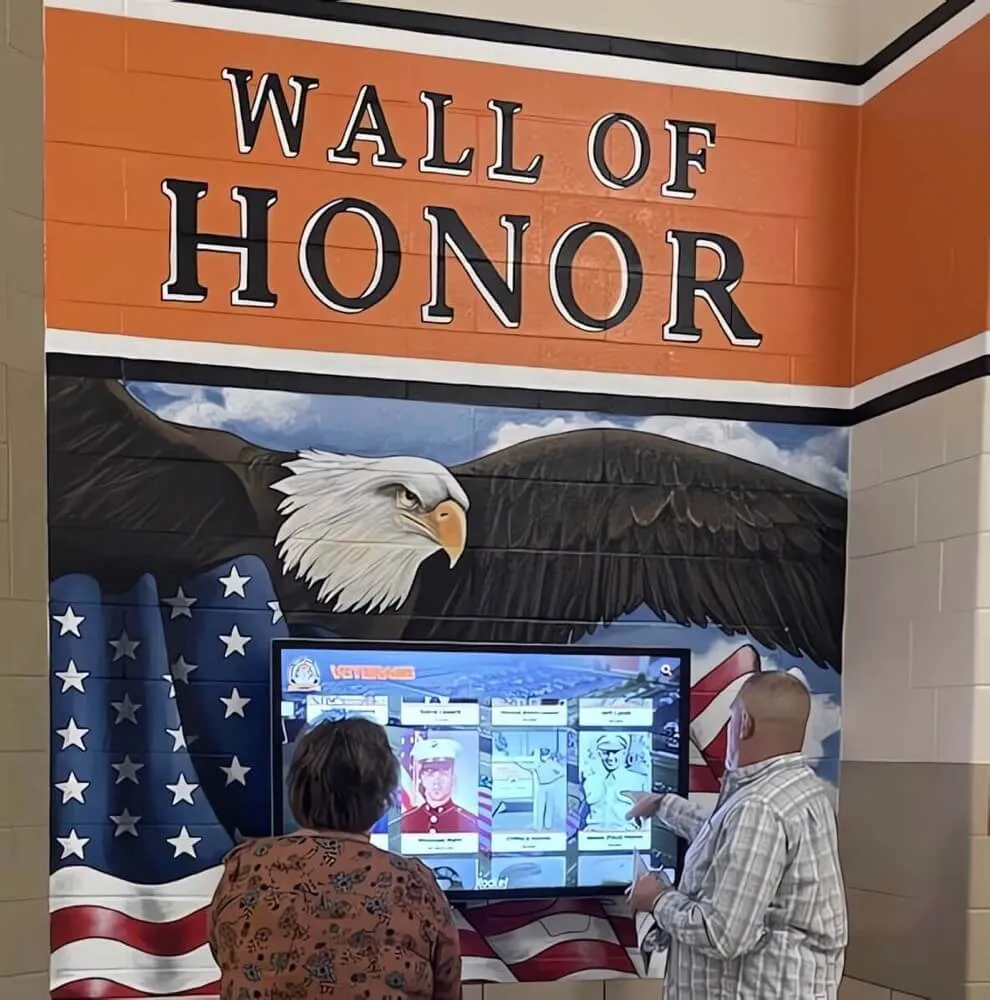
Recognition displays honoring teachers alongside community heroes and alumni create comprehensive celebration of local excellence
Avoiding Teacher Recognition Pitfalls
Common mistakes can undermine recognition effectiveness and even create resentment.
Recognition Equity Issues
Avoiding Favoritism Perceptions
- Transparent selection criteria and processes
- Diverse committee composition
- Documentation supporting recognition decisions
- Rotating recognition ensuring broad participation over time
- Multiple recognition categories creating varied pathways
Acknowledging Diverse Teaching Contexts
- Recognition criteria acknowledging different challenges
- Honoring excellence in difficult assignments or populations
- Avoiding overemphasis on easily measured outcomes
- Recognizing support for struggling students alongside high achievers
- Acknowledging innovation even when outcomes remain uncertain
Balancing Recognition with Privacy
Teacher Comfort and Preferences
- Understanding that not all teachers enjoy public recognition
- Offering private acknowledgment options when appropriate
- Respecting requests for modest recognition
- Balancing public celebration with individual comfort levels
- Personal communication before public announcement
Maintaining Authenticity
Avoiding Recognition Inflation
- Maintaining meaningful standards for recognition
- Distinguishing routine expectations from recognition-worthy excellence
- Limiting award frequency preserving significance
- Genuine criteria preventing “everyone gets a trophy” dynamics
- Honest feedback accompanying recognition when appropriate
Thoughtful attention to these challenges ensures recognition strengthens rather than undermines staff culture and morale.
Conclusion: Creating Cultures Where Teaching Excellence Thrives
Teacher award certificates and recognition programs represent strategic investments in educator retention, instructional quality, and school culture. When schools systematically celebrate teaching excellence across multiple dimensions—from innovative instruction to student relationship building—they create environments where educational professionals feel valued, motivated, and committed to continued growth.
The strategies explored in this guide provide comprehensive frameworks for building recognition systems that honor diverse teaching contributions while remaining authentic, equitable, and aligned with educational goals. From beautifully designed certificates acknowledging specific achievements to digital touchscreen archive displays preserving complete teaching careers, these approaches transform teacher acknowledgment from occasional perfunctory gestures to systematic celebration woven throughout school culture.
Modern technology enables schools to extend recognition impact far beyond private certificate receipt. Digital recognition displays in school lobbies showcase teaching excellence to entire communities while preserving institutional memory across generations. Interactive systems allow students, families, and alumni to explore teacher achievements, creating visibility for educational professionals comparable to student and athletic recognition.
Transform Teacher Recognition at Your School
Discover how Touch Archive digital recognition displays help schools celebrate teaching excellence permanently. Showcase unlimited teacher awards, complete career profiles, and achievement stories through engaging interactive touchscreens that honor educators year-round, not just during appreciation week.
Request a DemoBuilding effective teacher recognition requires moving beyond limiting assumptions about who deserves acknowledgment and how appreciation should appear. Certificates remain valuable for formal recognition and personal keepsakes, but comprehensive programs integrate awards into broader systems ensuring teaching excellence receives visibility throughout school communities.
Start where you are with recognition programs you can implement immediately, then systematically expand to create comprehensive approaches your educators deserve. Every teacher who receives meaningful recognition for their dedication and excellence develops stronger connection to your school community and greater motivation to continue pursuing instructional growth.
Your teachers’ contributions deserve celebration equal to any other achievement in your school. With thoughtful planning, appropriate technology, and consistent implementation, you can create recognition systems that honor every teaching accomplishment while building the positive, motivating educational culture where all teachers thrive professionally.
Ready to explore how digital recognition displays can complement your teacher appreciation programs while preserving awards and achievements permanently? Discover how Touch Archive solutions help schools create comprehensive teacher recognition systems through interactive touchscreen displays that celebrate educators alongside students, athletes, and alumni in unified recognition experiences that strengthen entire school communities.