



California high school football represents the largest and most competitive landscape in American prep athletics. With nearly 1,600 programs competing across 10 CIF sections and 13 competitive divisions, the state’s ranking systems help schools, athletes, and fans understand relative team strength while creating frameworks for playoff seeding and championship pathways.
Yet navigating California’s football rankings presents unique challenges. Unlike states with centralized ranking systems, California’s size and diversity require understanding multiple section-based approaches, national ranking methodologies, and the California Interscholastic Federation’s division assignment process. Schools frequently wonder how their programs compare regionally and statewide, while athletes and families seek context for understanding competitive levels across this massive football ecosystem.
This comprehensive guide explores California’s high school football ranking systems, from section-level classifications to national recognition, while examining how schools preserve and celebrate their football achievements throughout their institutional archives.
California’s geographic size, population density, and football tradition create a prep football landscape unmatched in scale and competitiveness. Understanding ranking systems helps stakeholders navigate this complex environment while providing context for team achievement and program trajectory.

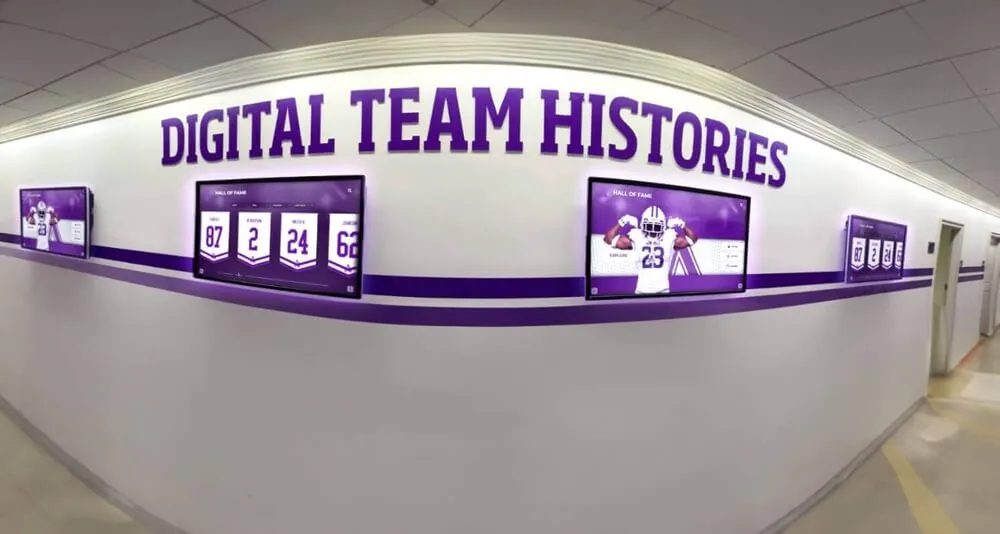
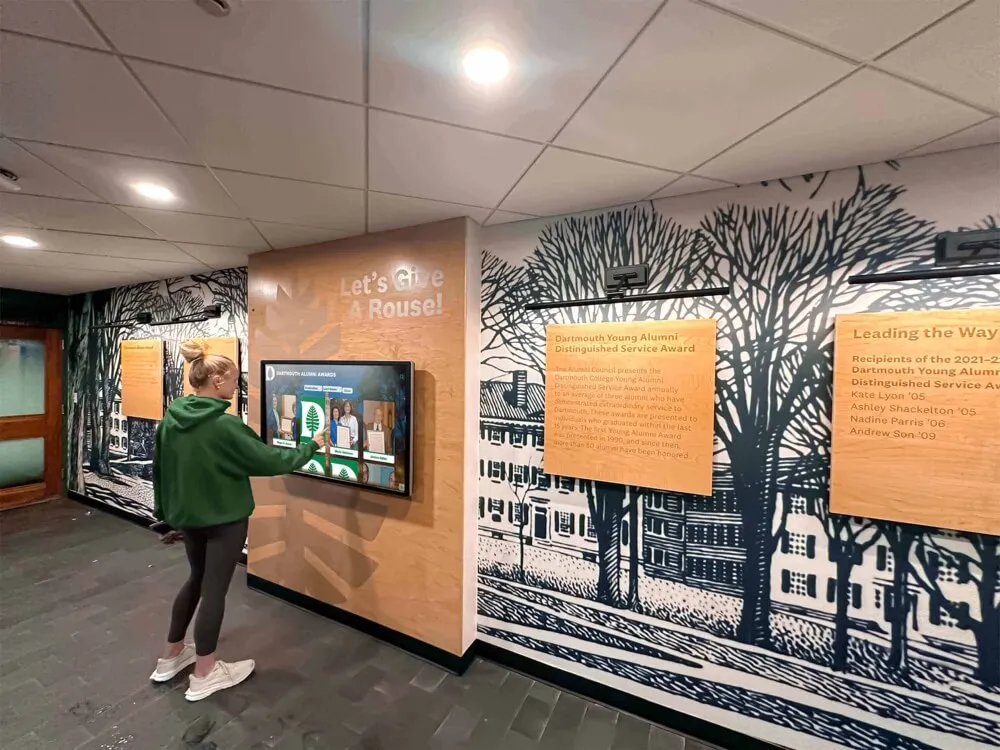
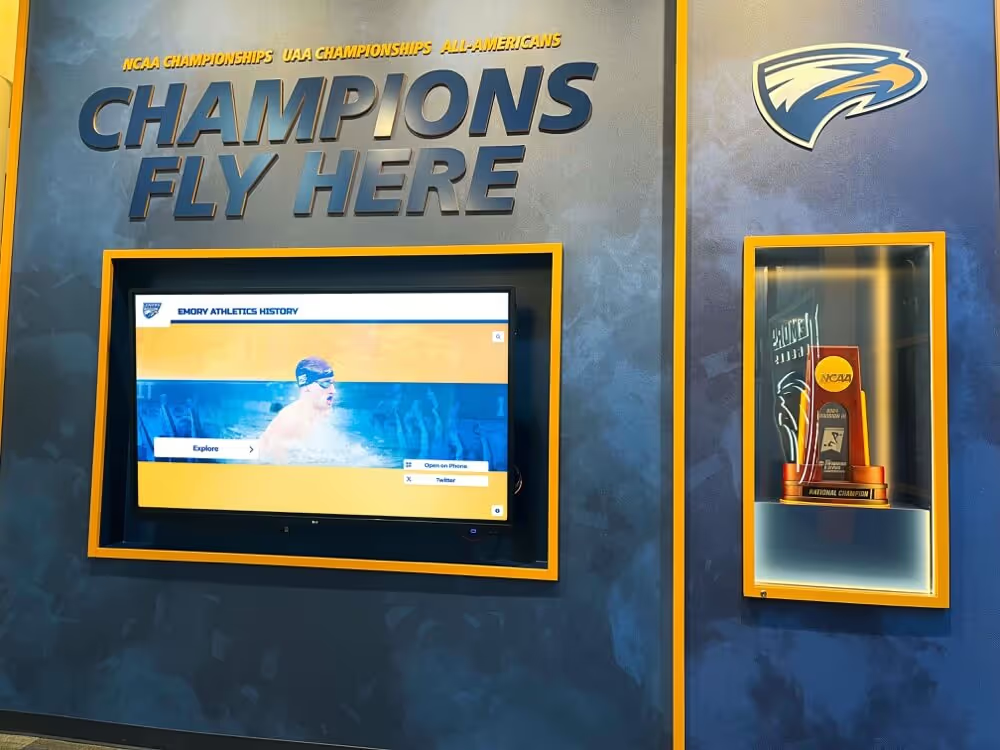
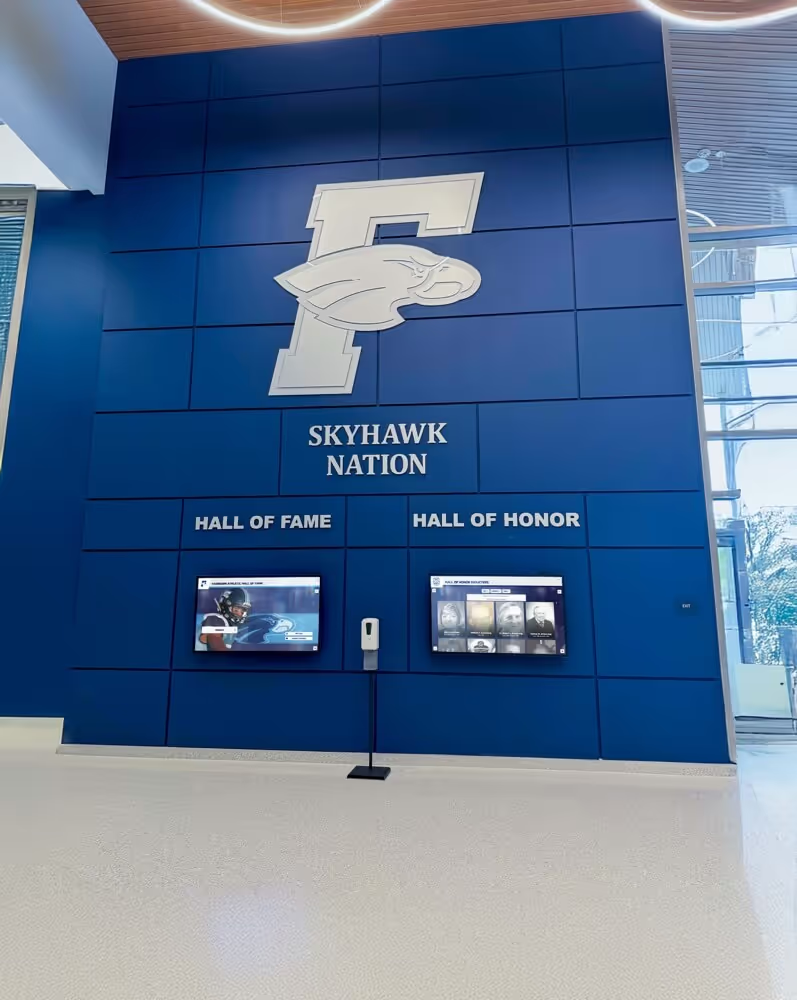
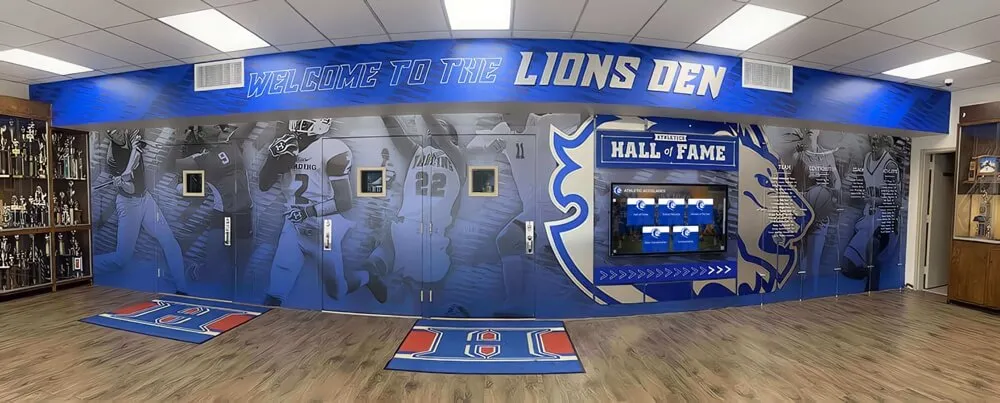
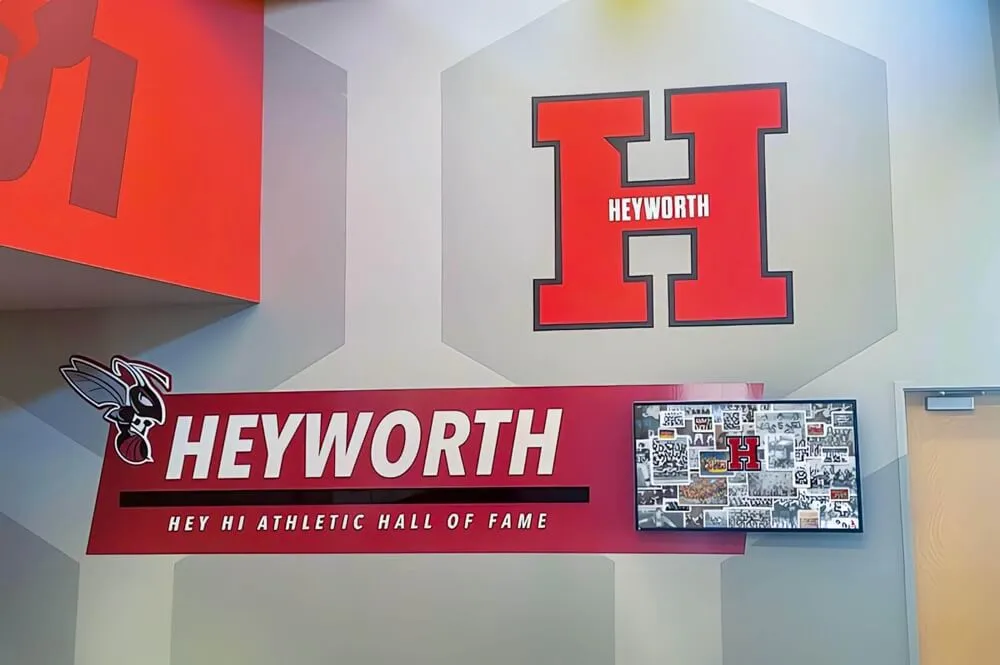
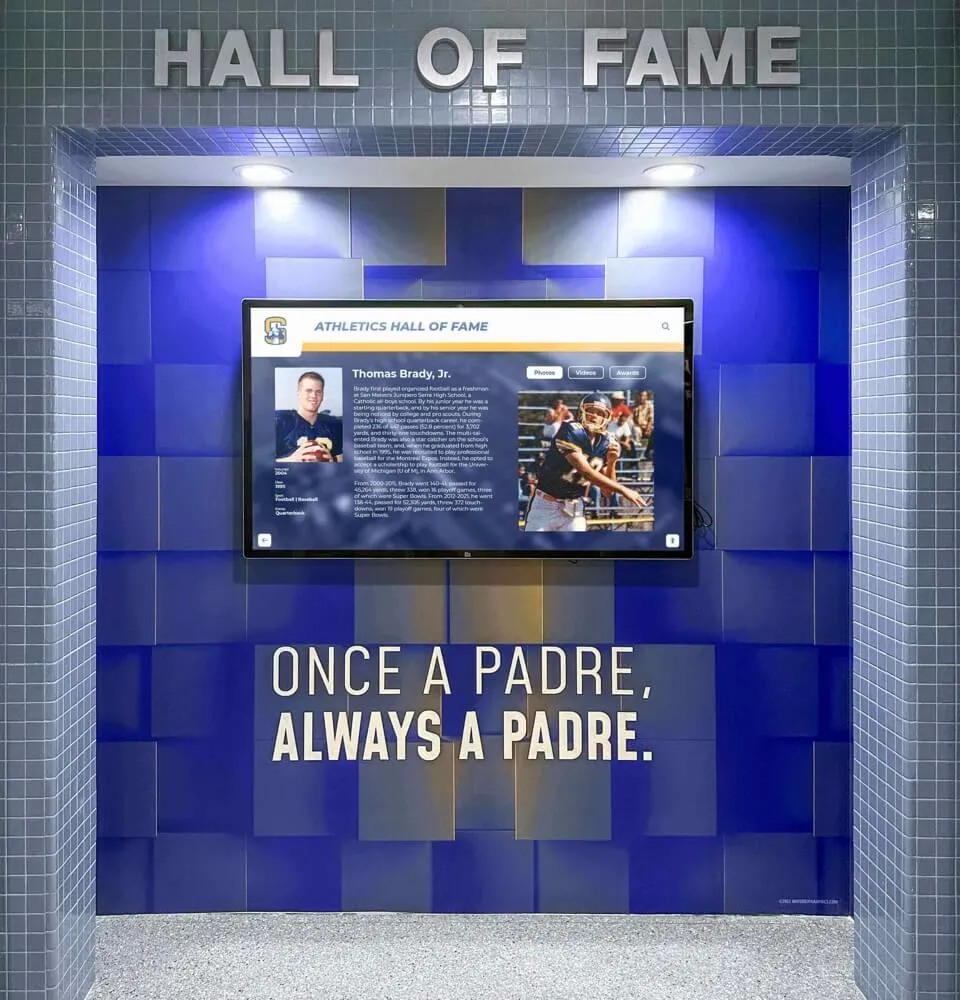
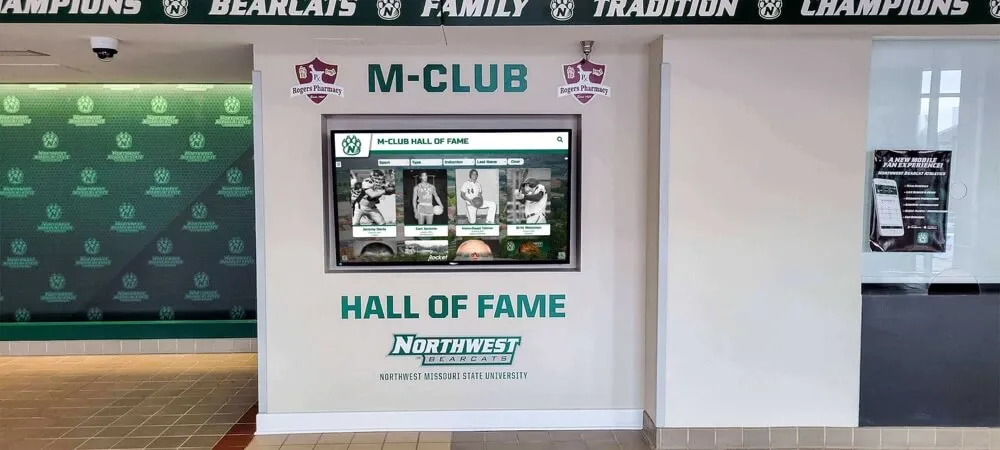
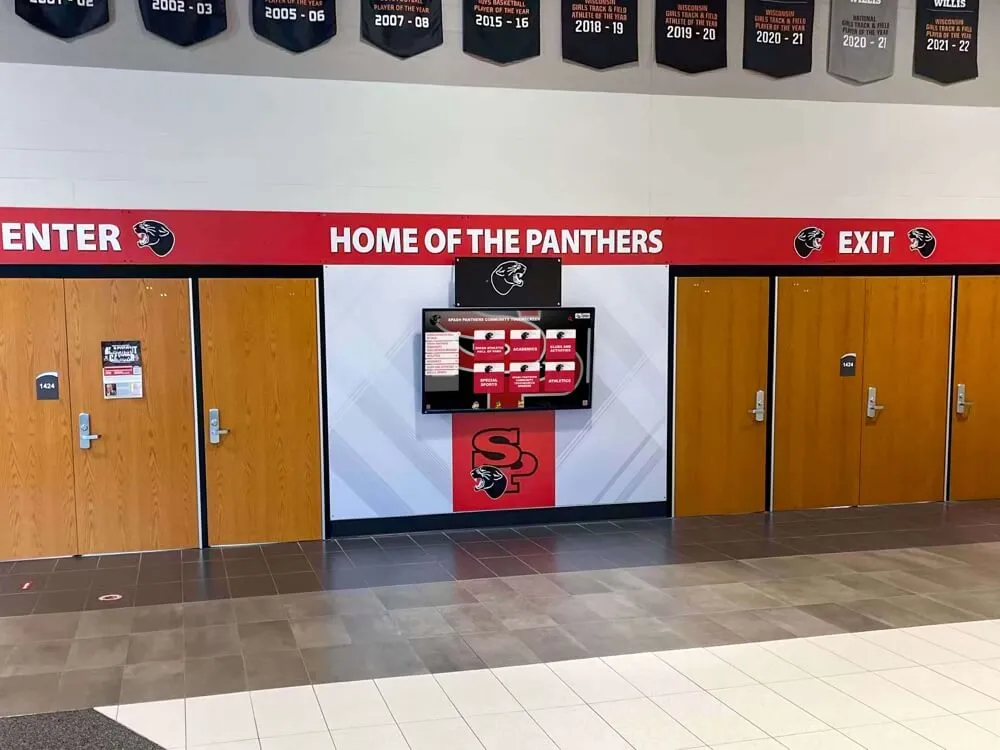
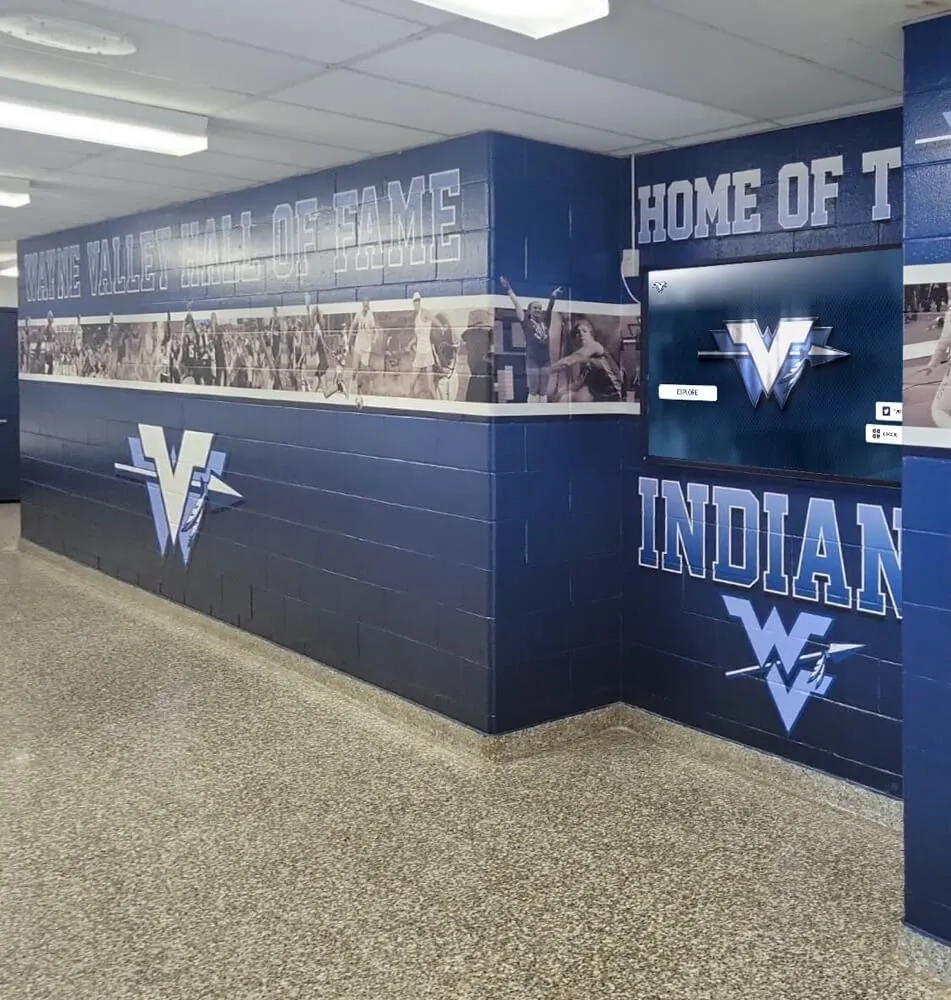
California high schools showcase football achievements through displays honoring championship history and program excellence
The California Interscholastic Federation (CIF) Structure
The CIF provides governance for California high school athletics through a decentralized section-based model unique among large states.
Understanding California’s 10 CIF Sections
California divides into geographic sections that independently manage championships and playoff systems:
Northern California Sections
- North Coast Section (NCS): Bay Area and surrounding counties including powerhouses from traditional football strongholds in the East Bay and North Bay regions
- Sac-Joaquin Section (SJS): Sacramento and Central Valley including consistently competitive programs from both urban and suburban districts
- Northern Section (NS): Far northern California with smaller enrollment schools and unique geographic challenges
- Central Coast Section (CCS): Peninsula and South Bay communities including some of the state’s most competitive Division I programs
Central California Sections
- Central Section (CS): San Joaquin Valley region featuring strong football traditions in communities where Friday night football defines fall culture
Southern California Sections
- Los Angeles City Section (LACS): Los Angeles Unified School District programs competing independently from surrounding areas
- Southern Section (SS): Largest CIF section encompassing most of Southern California outside LASD including nationally-ranked programs
- San Diego Section (SDS): San Diego County schools with distinct playoff structure and competitive divisions
- Oakland Section (OAK): Oakland Unified School District programs
- San Francisco Section (SFS): San Francisco Unified School District schools
Each section independently determines division assignments, playoff formats, and championship structures, creating significant variation in how rankings function statewide.
CIF Division System and Competitive Equity
Rather than organizing solely by enrollment, California employs competitive equity principles attempting to create balanced playoff fields:
Division Assignment Methodology
- Historical success metrics over rolling multi-year periods
- Strength of schedule calculations
- Recent playoff performance
- Geographic considerations within sections
- Enrollment factors balanced against competitive success
This system means successful programs compete in higher divisions regardless of school size, while struggling large-school programs may compete in lower divisions—a distinction important for understanding ranking context.
Schools frequently move between divisions based on program trajectory, making year-to-year comparisons complex but ensuring more competitive balance than pure enrollment-based systems.
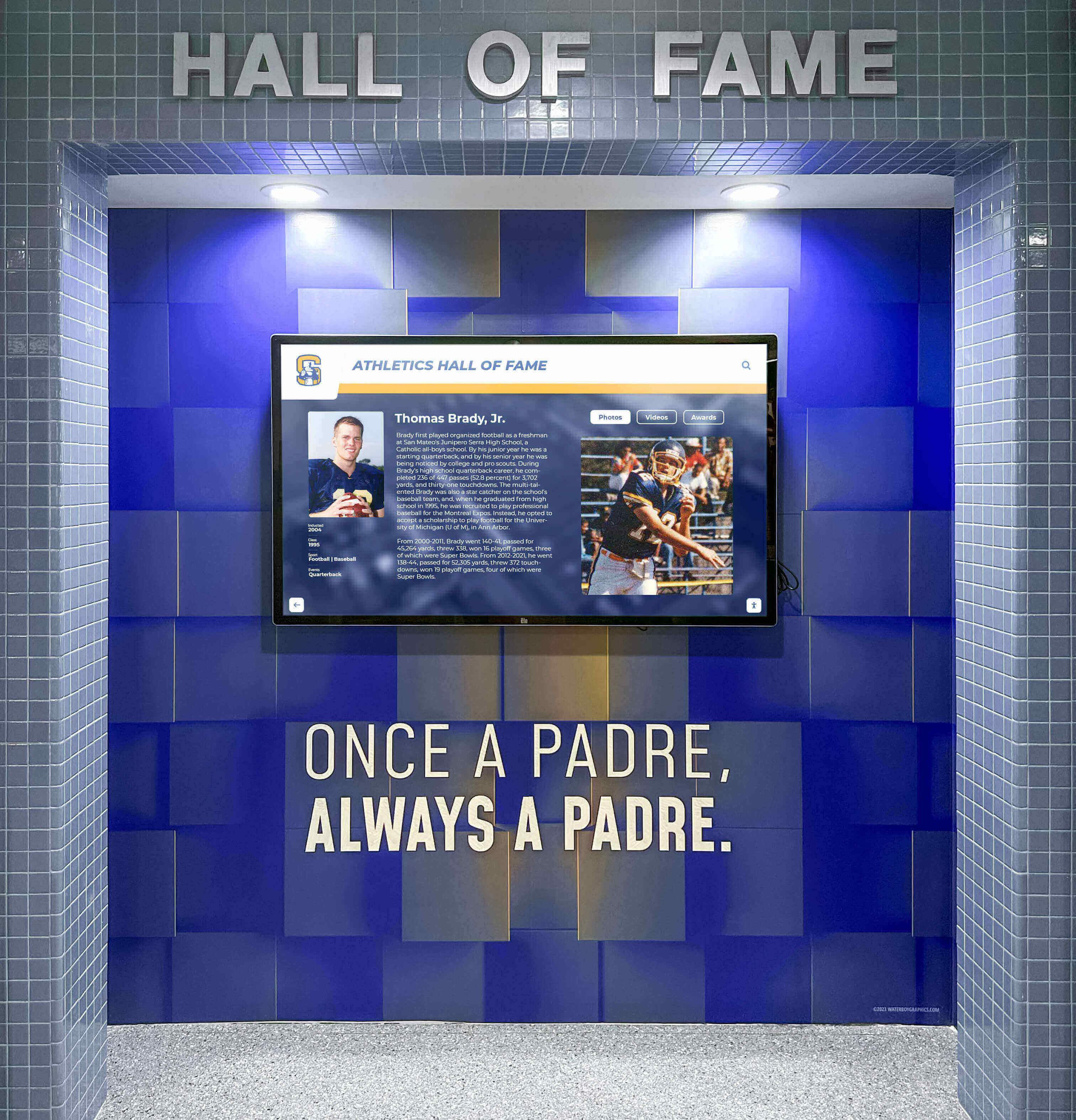
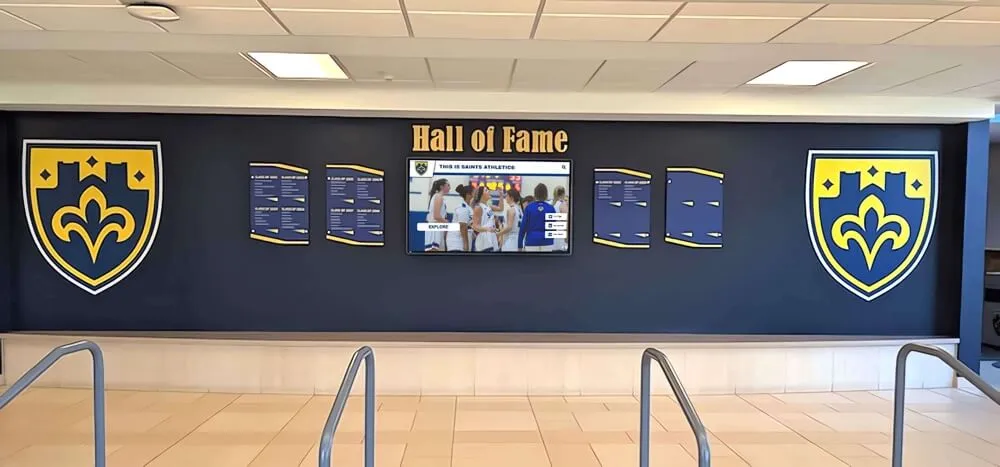
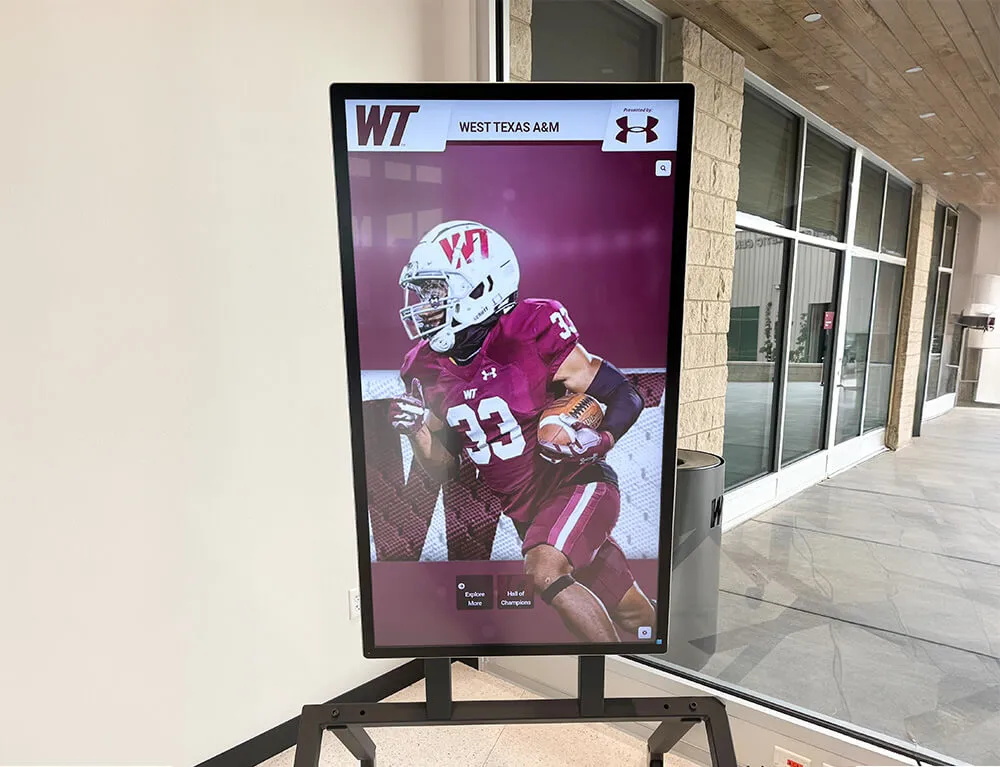
Modern recognition systems allow schools to archive complete football program histories including division classifications and competitive achievements
Section-Level Ranking Systems
Each CIF section approaches rankings differently, reflecting regional priorities and organizational preferences.
Southern Section Rankings and RPI
The CIF Southern Section, encompassing most of Southern California’s football powers, utilizes a Rating Percentage Index (RPI) system for playoff seeding:
Southern Section RPI Components
- Winning percentage (weighted at 25%)
- Opponents’ winning percentage (weighted at 50%)
- Opponents’ opponents’ winning percentage (weighted at 25%)
- Strength of schedule bonuses for playing higher-division opponents
- Geographic proximity considerations for scheduling fairness
The Southern Section publishes weekly RPI rankings during the season, providing transparency for playoff projections. Schools monitor RPI calculations to understand playoff positioning and division placement.
Programs competing in the Southern Section’s highest divisions (Division 1 and Division 2) frequently appear in national rankings, with traditional powers like Mater Dei, St. John Bosco, and Servite consistently ranked among the nation’s elite programs.
Sac-Joaquin Section and NorCal Approach
The Sac-Joaquin Section employs competitive equity metrics determining playoff divisions:
SJS Division Determination Factors
- Four-year rolling enrollment average
- Success points based on wins, playoff advancement, and opponent strength
- Adjustment factors for program trajectory
- Athletic program competitiveness across multiple sports
This system creates dynamic division assignments where successful programs advance to higher divisions while struggling programs move down, ensuring competitive balance year-to-year.
Bay Area Section Rankings
The North Coast and Central Coast sections utilize slightly different approaches reflecting their regions’ characteristics:
NCS and CCS Ranking Considerations
- CalPreps.com computer rankings frequently referenced
- Section committee evaluations incorporating subjective elements
- Historical success within section
- Non-section game performance against quality opponents
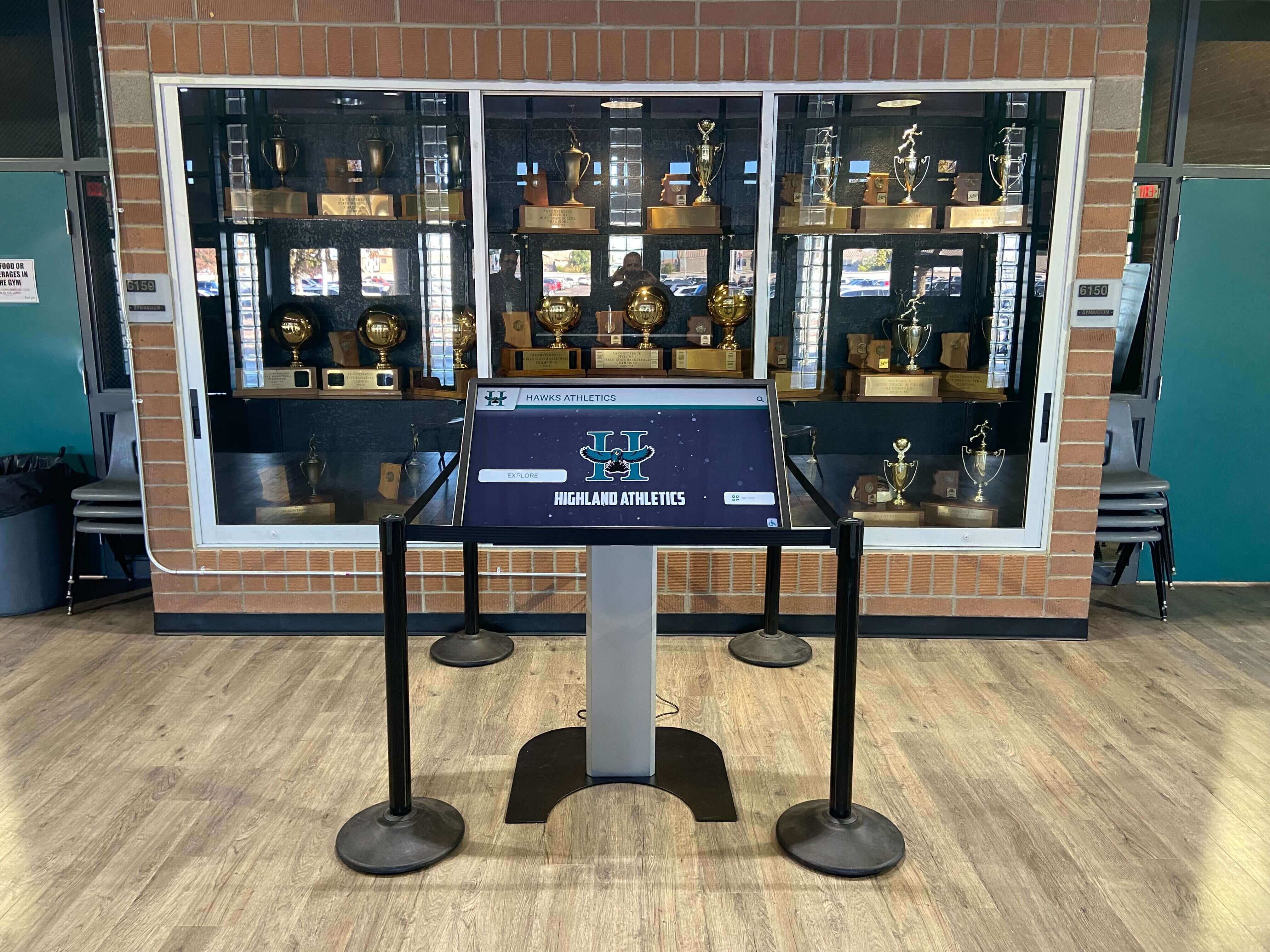
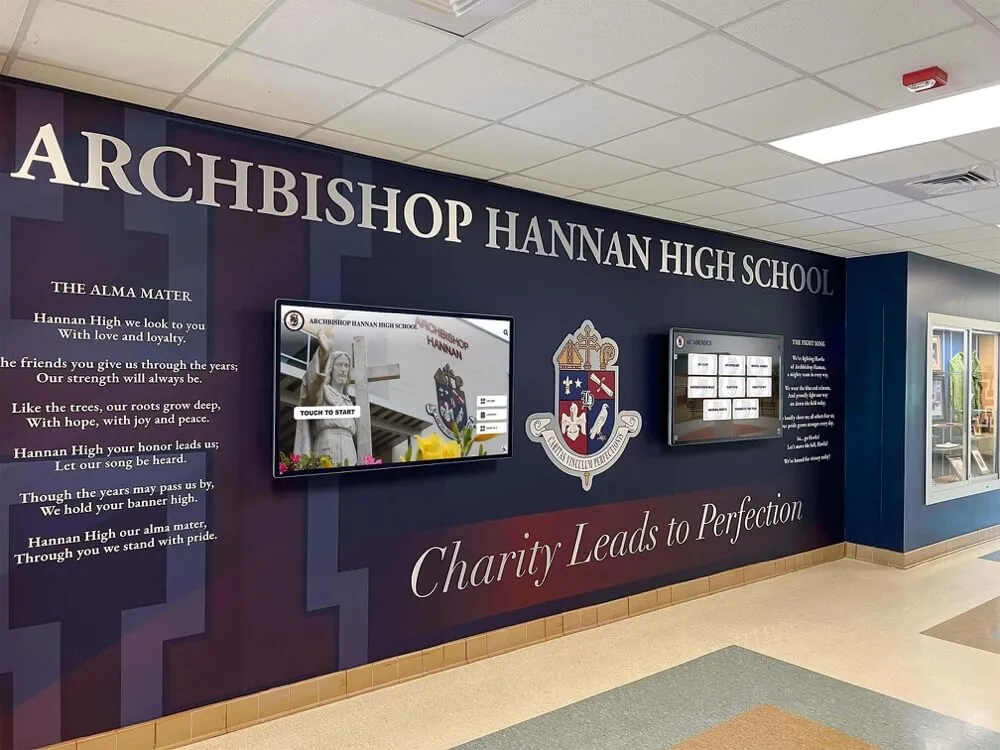
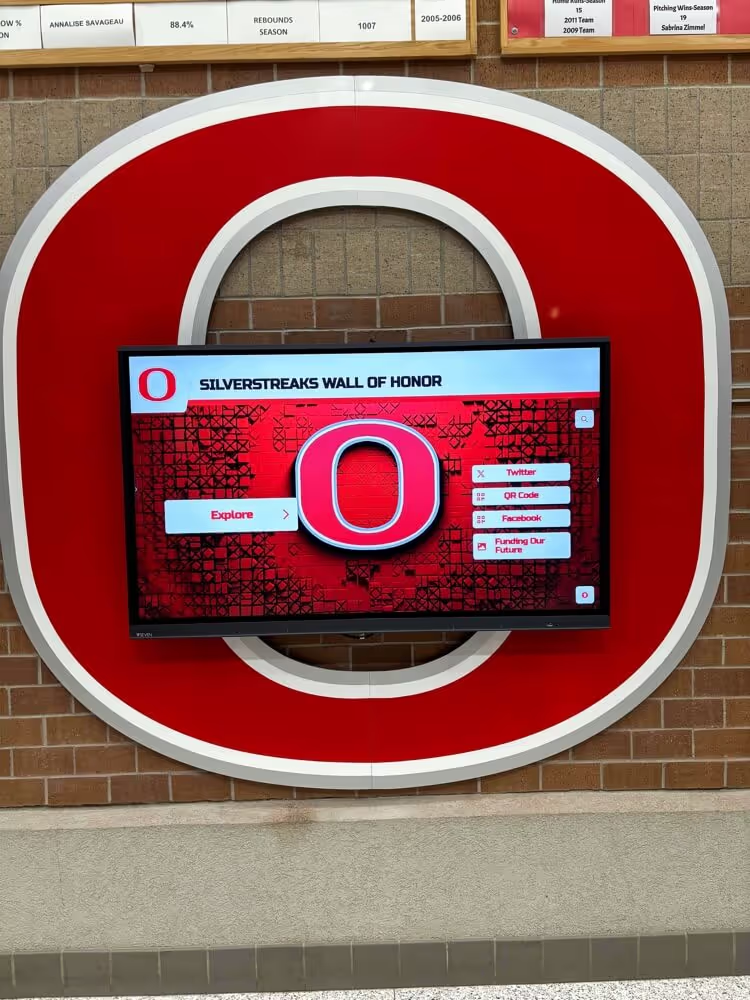
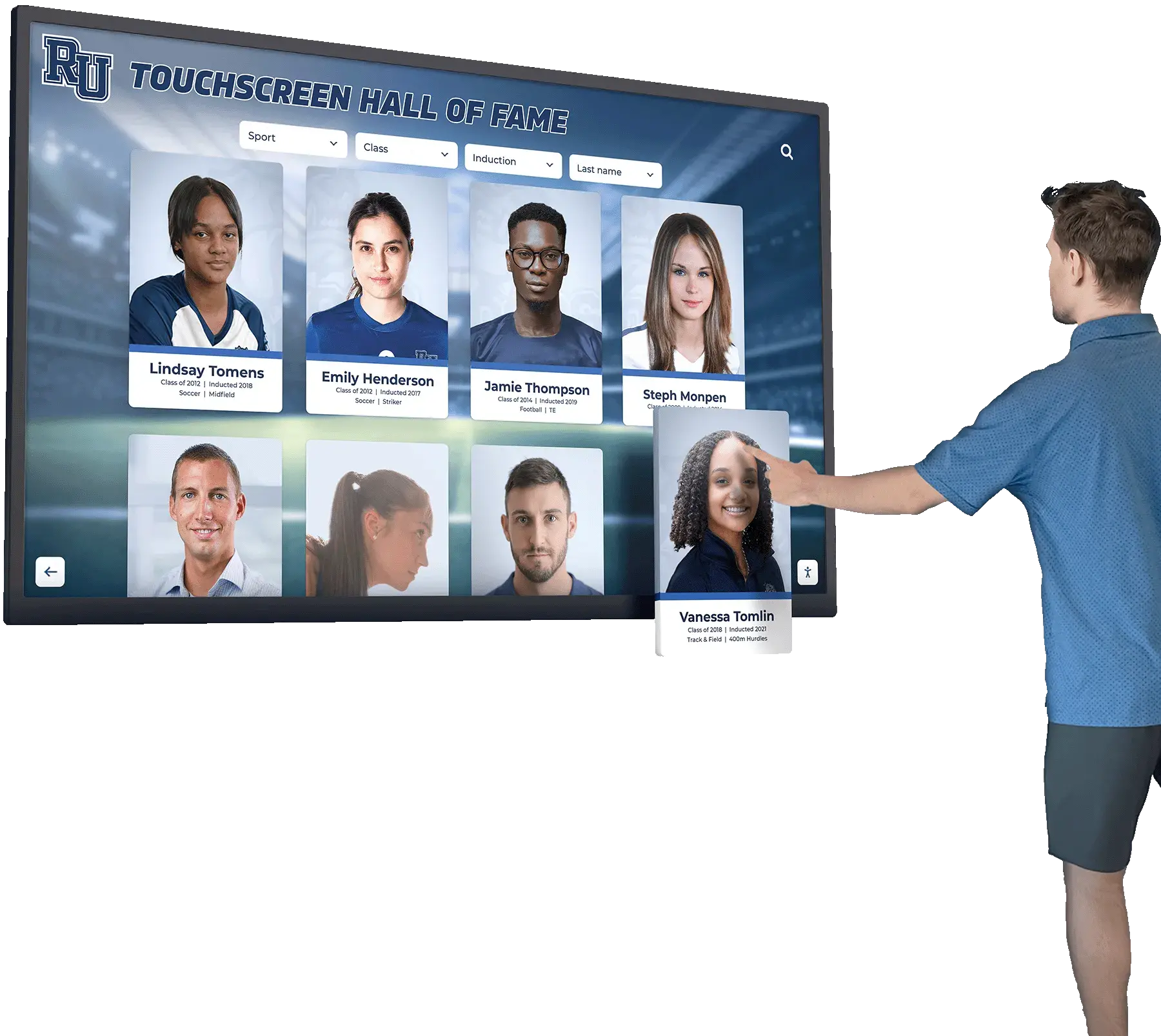
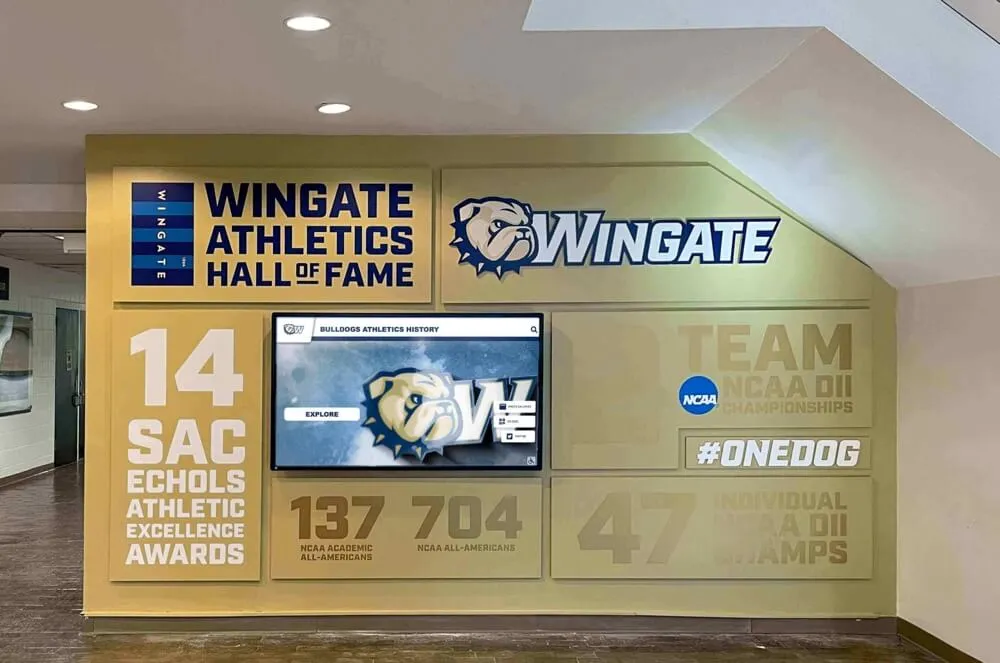
Interactive displays provide access to complete program records including historical rankings and section championships
These sections balance computational rankings with committee input, recognizing that algorithmic systems may not capture all relevant competitive factors.
State and Regional Ranking Systems
Beyond section-based rankings, multiple state and regional systems attempt to compare programs across California’s massive football landscape.
CalPreps.com Rankings
CalPreps provides the most widely-referenced statewide football rankings using computer algorithms:
CalPreps Methodology
- Game-by-game scoring margin data
- Opponent quality calculations
- Strength of schedule adjustments
- Dynamic updates throughout season
- Historical database enabling multi-year comparisons
CalPreps generates separate rankings for each division and an overall state ranking regardless of division, allowing understanding of both divisional competitiveness and absolute strength.
The system’s transparency and mathematical foundation make it popular for comparing programs across sections, though critics note algorithms can’t capture all competitive nuances.
Schools frequently reference CalPreps rankings when discussing program strength and competitive positioning, making the system influential despite lacking official CIF status.
MaxPreps California Rankings
MaxPreps, owned by CBS Sports, provides widely-followed national and state rankings incorporating multiple data points:
MaxPreps Ranking Components
- Computer algorithm calculations
- Editorial input from regional experts
- Strength of schedule evaluations
- Quality wins emphasis
- National competitive context
MaxPreps generates separate rankings for different competitive tiers and publishes weekly updates throughout the season with analysis explaining ranking movements.
The platform’s national scope enables comparison of California’s top programs against elite teams nationwide, providing context for the state’s football strength relative to other regions.
Many California programs appearing in MaxPreps’ national top-25 rankings showcase this recognition through their school’s displays and communications, reflecting the prestige associated with national acknowledgment.
If you’re documenting multiple seasons of rankings and want them easily accessible, explore digital archive displays for schools and sports programs that preserve historical achievement data.
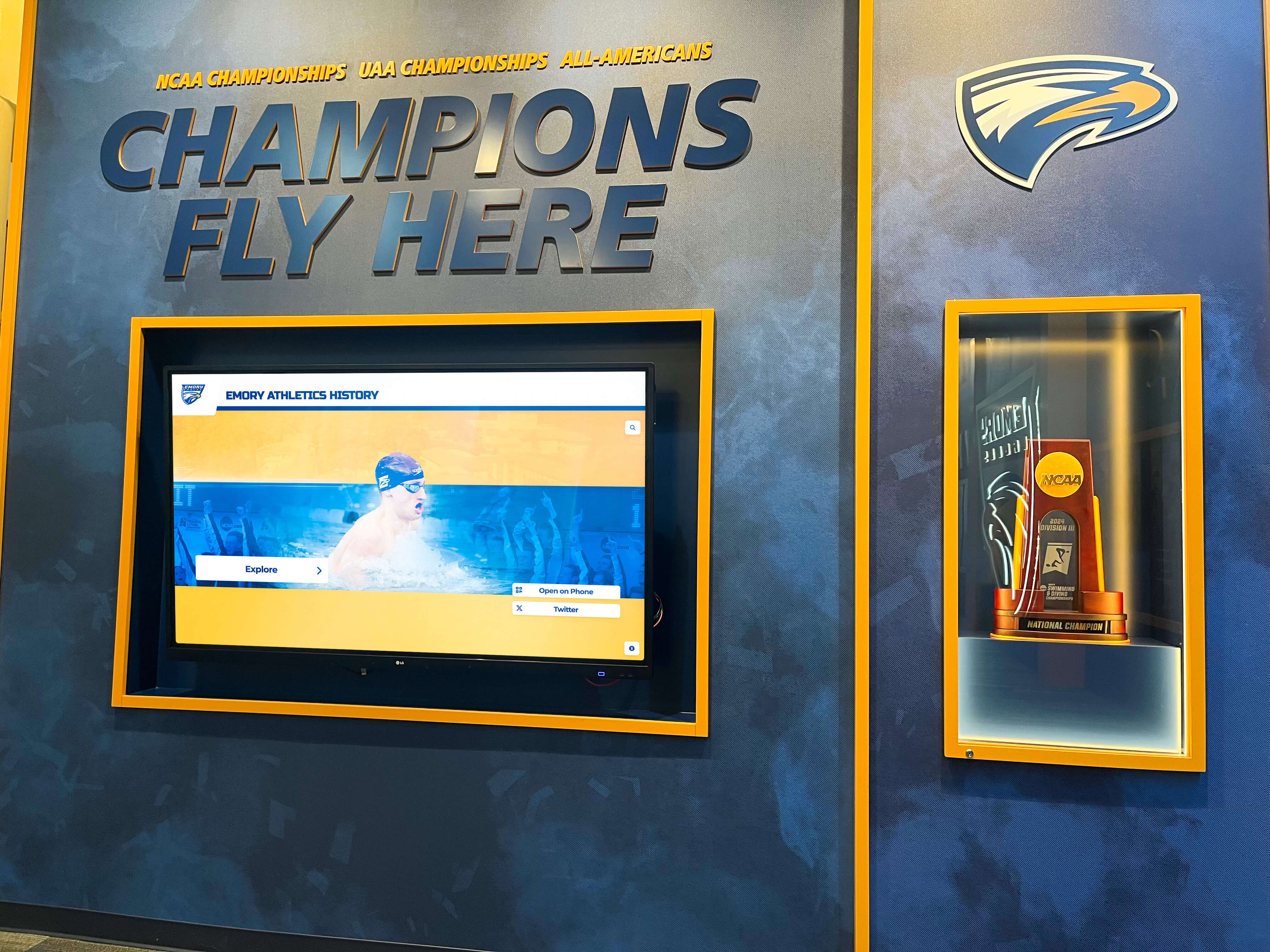
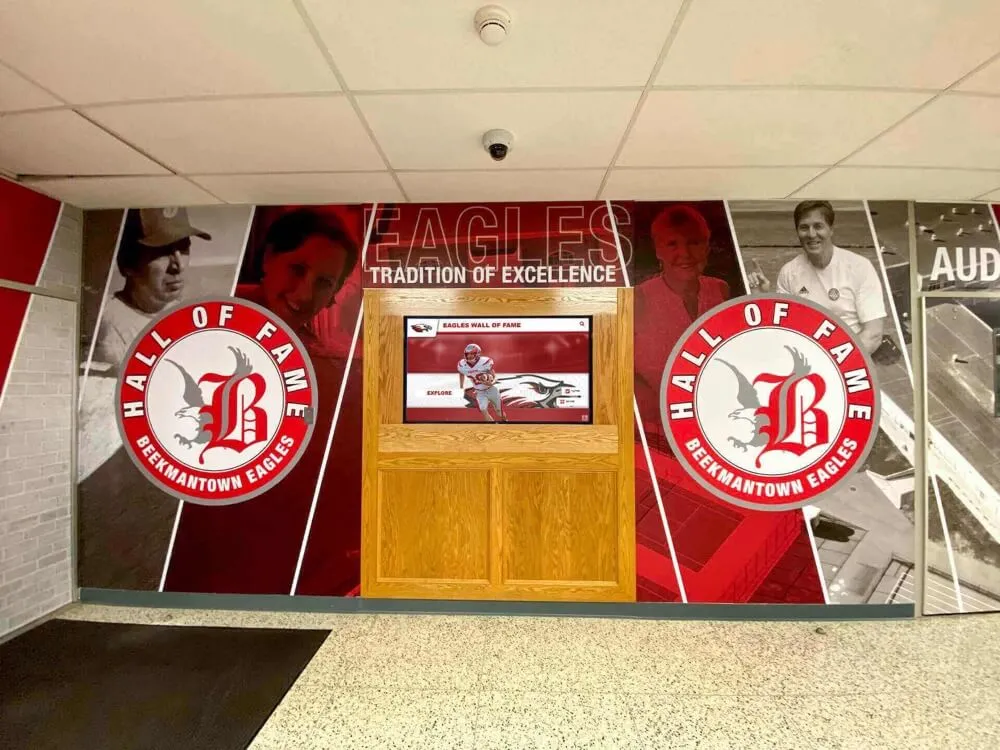
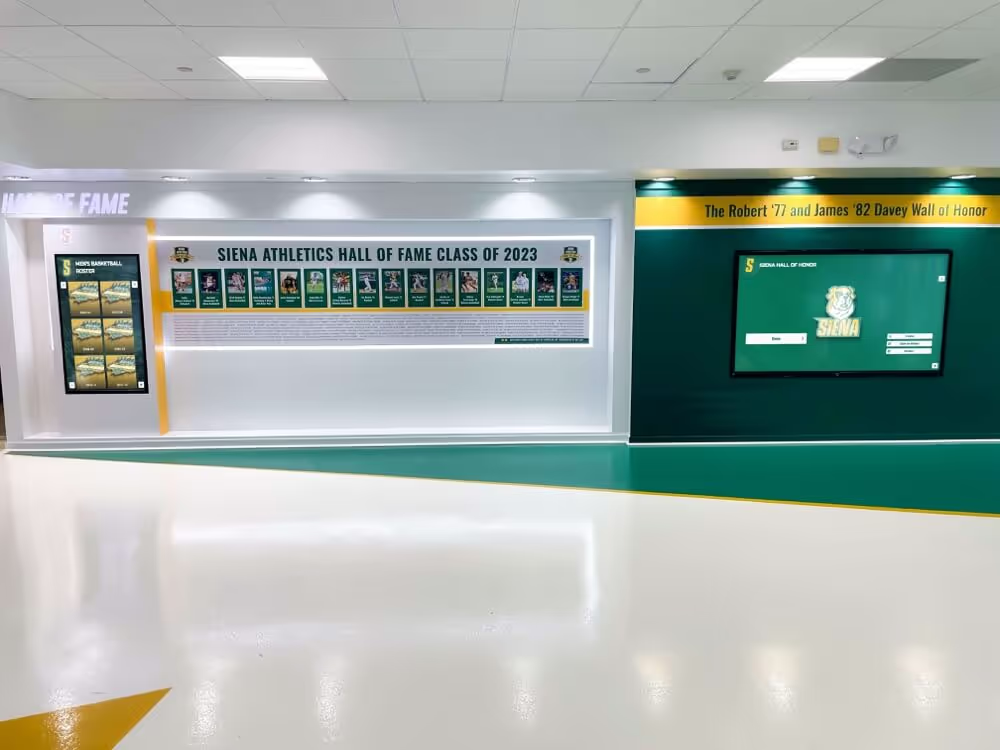
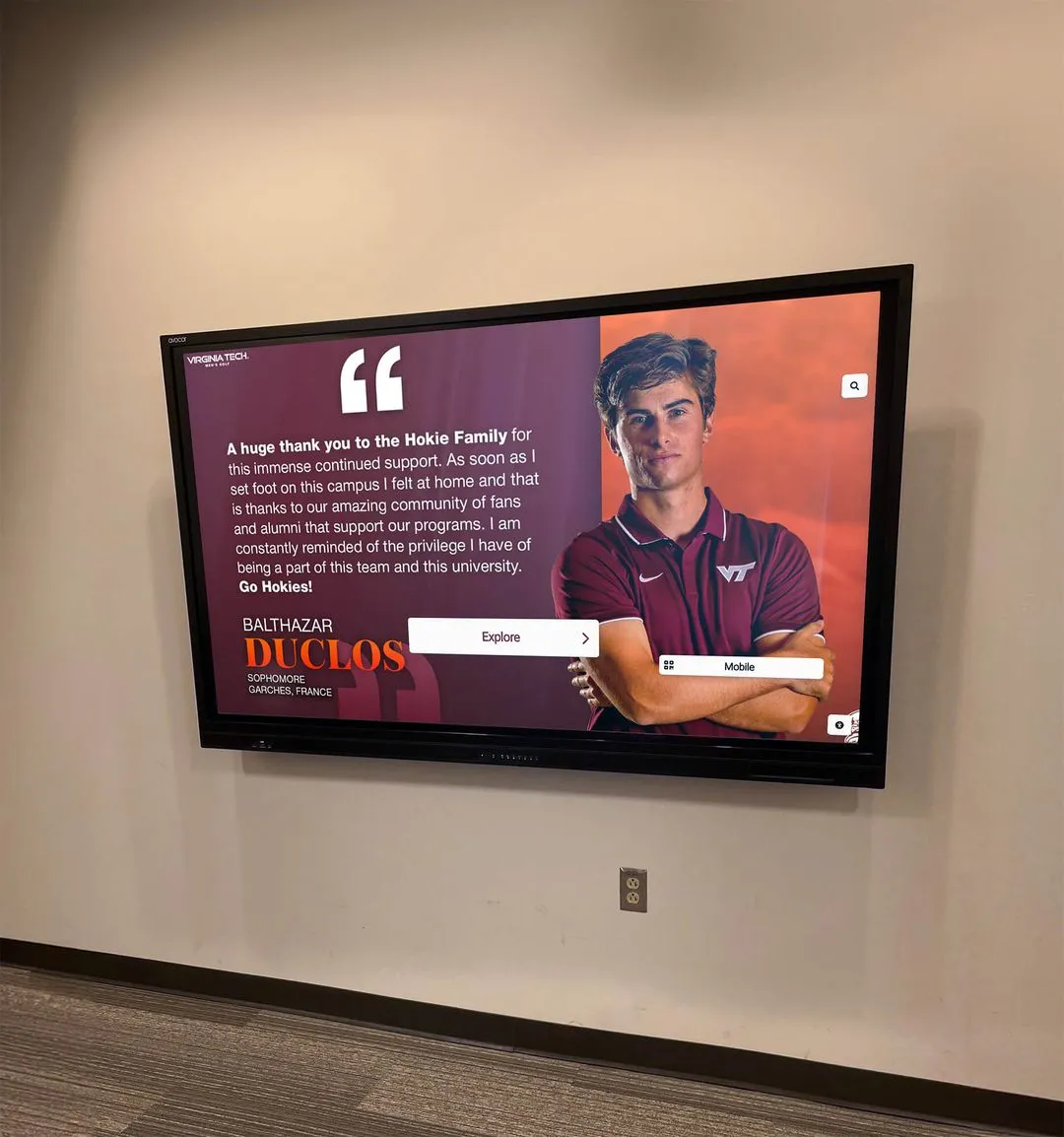
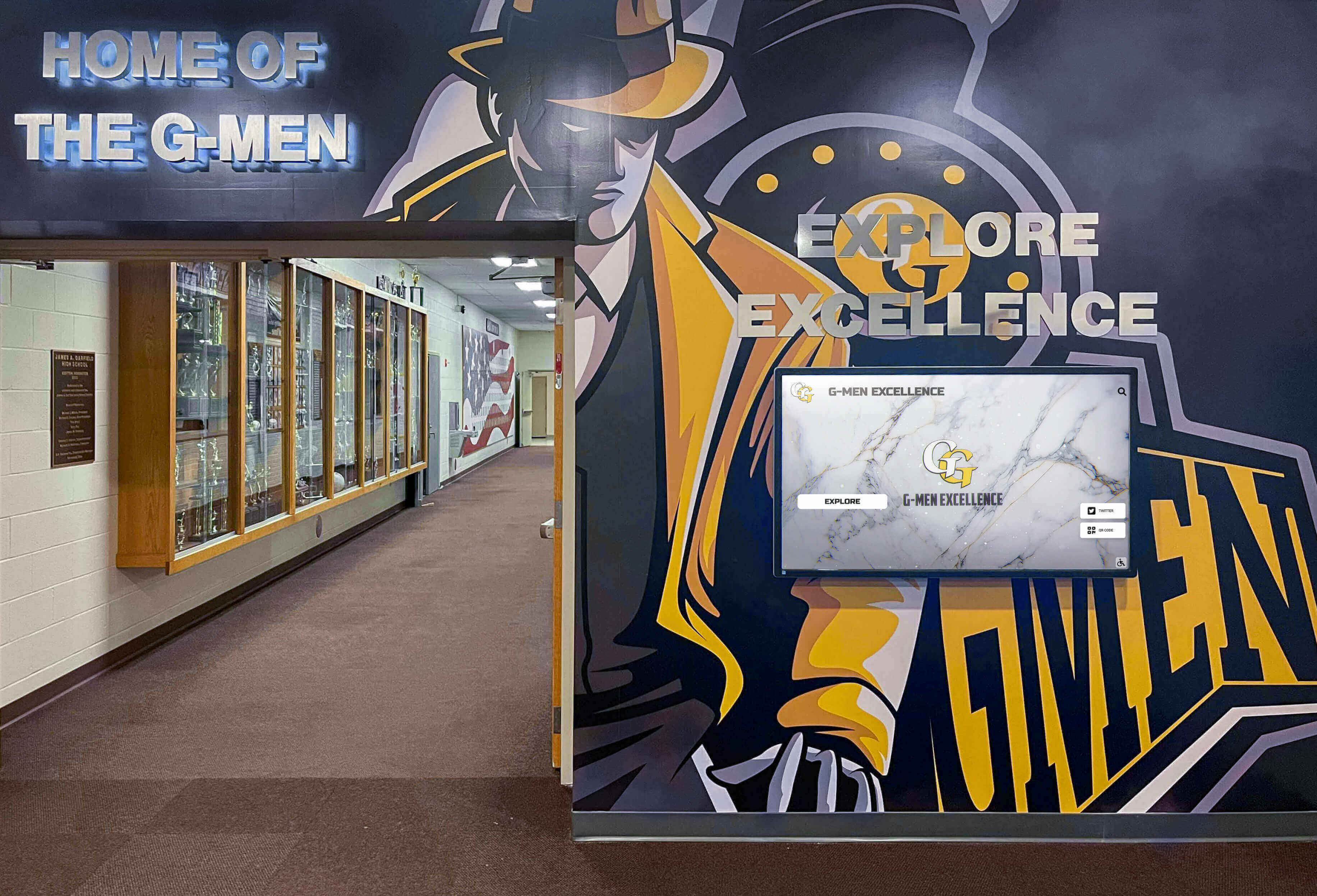
Comprehensive recognition systems document championship achievements alongside rankings and competitive milestones
National Rankings and California Programs
California consistently produces nationally-ranked programs competing for recognition among America’s best high school football teams.
National Ranking Services
Multiple national organizations rank high school football teams, with California programs frequently dominating top-25 lists:
Major National Ranking Systems
- USA Today Super 25: Long-established national rankings emphasizing schedule strength and quality wins
- MaxPreps National Rankings: Computer and editorial hybrid providing weekly updates and detailed analysis
- High School Football America: Regional balance emphasis with national championship game implications
- PrepNation Rankings: Emerging system focusing on holistic program evaluation
California programs regularly comprise 20-30% of national top-25 rankings, reflecting the state’s football strength depth.
California’s Nationally Elite Programs
Certain California programs have established consistent national ranking presence:
Southern California Powers Programs like Mater Dei (Santa Ana), St. John Bosco (Bellflower), and Servite (Anaheim) compete annually for national championship recognition, scheduling games against elite programs from across the country to validate their rankings.
These programs feature in national rankings discussions year-round, attract Division I college recruits, and set standards for program excellence nationwide.
Northern California Contenders Programs including De La Salle (Concord), Serra (San Mateo), and Folsom maintain national ranking relevance, though geographic factors sometimes limit their national schedule opportunities compared to Southern California counterparts.
Central Valley Representatives Strong programs from the Central Section occasionally achieve national ranking recognition, demonstrating California’s football excellence extends beyond coastal urban areas.
Schools achieving national ranking recognition often feature this prominently in their athletic facilities, using touchscreen displays and recognition walls to document these prestigious achievements for current students and visitors.
Strength of Schedule Considerations
National rankings heavily weight strength of schedule, influencing how California’s top programs approach scheduling:
Scheduling Strategies
- Interstate rivalry games against Texas, Florida, and other football powerhouses
- Participation in national showcase events and tournaments
- Non-section games against elite California opponents
- Balanced approach maintaining section competitiveness while seeking national challenges
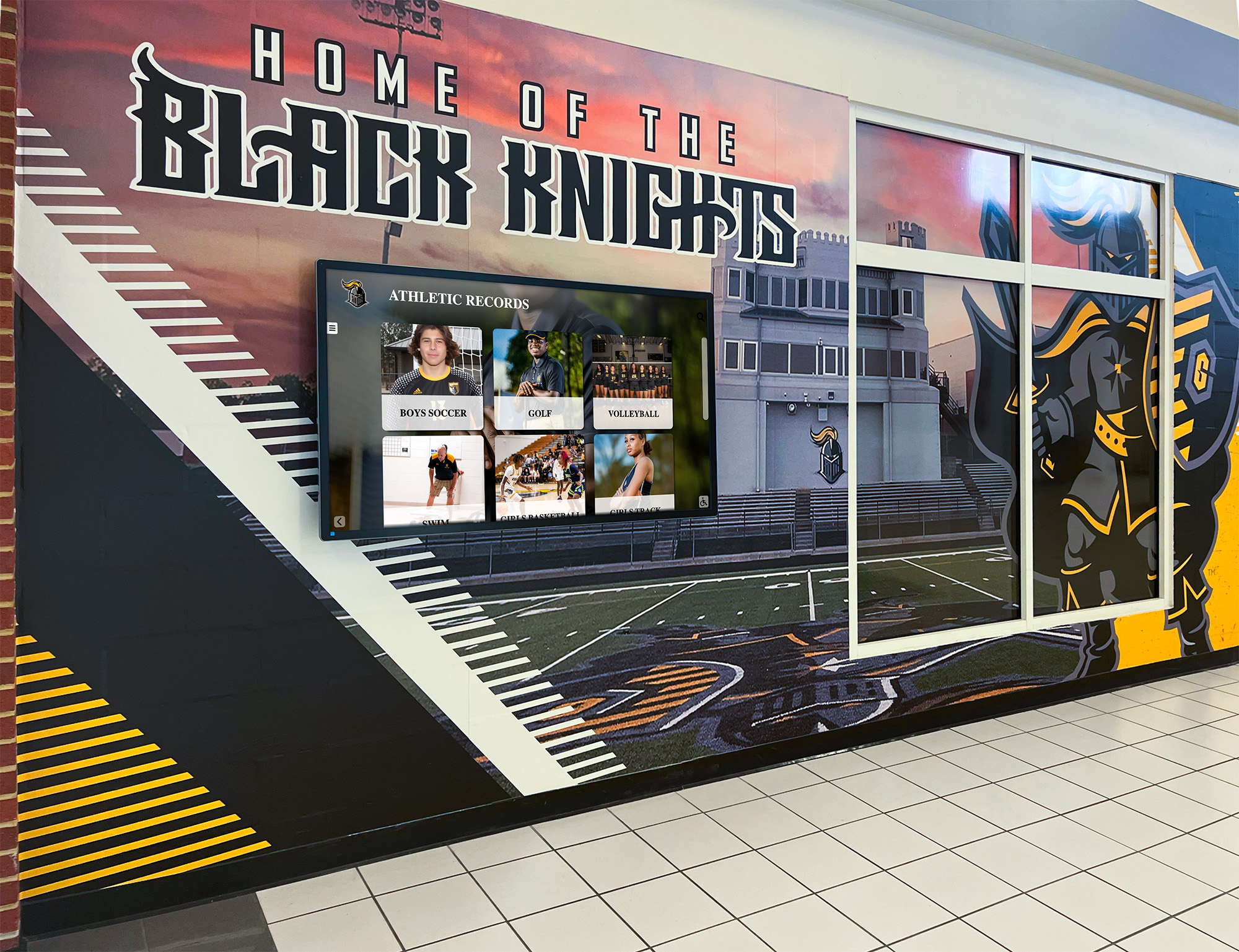
Schools document schedule strength and competitive achievements through comprehensive historical archives
Top programs intentionally schedule difficult opponents to boost computer rankings and demonstrate their ability to compete against elite competition, even accepting occasional losses to nationally-ranked opponents.
Understanding Division Parity and Rankings
California’s division system creates complexity when interpreting rankings across different competitive tiers.
Division I Through Division 13 Structure
The competitive equity system means division numbers don’t correspond directly to enrollment sizes:
Division Characteristics
- Division 1-2: Highest competitive level featuring many nationally-ranked programs regardless of enrollment
- Division 3-5: Strong competitive divisions with regional powerhouses and quality college prospects
- Division 6-8: Mid-tier competitive balance with varying school sizes
- Division 9-13: Smaller enrollment schools and programs rebuilding competitiveness
A Division 6 champion from one section might compete effectively with Division 3 teams from another section, making cross-section comparison challenging.
Small School Football Excellence
Lower divisions feature highly competitive football deserving recognition equal to higher divisions:
Small School Competitive Factors
- Community support often exceeding larger schools
- Multi-sport athletes competing in football
- Innovative coaching compensating for talent pool limitations
- Geographic rivalries creating intense competitive environments
- Championship tradition spanning decades
Division 10-13 champions achieve excellence within their competitive context and deserve celebration equal to Division 1 champions competing in different circumstances.
Schools should document achievements across all divisions in their historical archives, ensuring every championship and ranking milestone receives appropriate recognition. Athletic hall of fame displays provide systematic approaches to celebrating achievement regardless of division level.
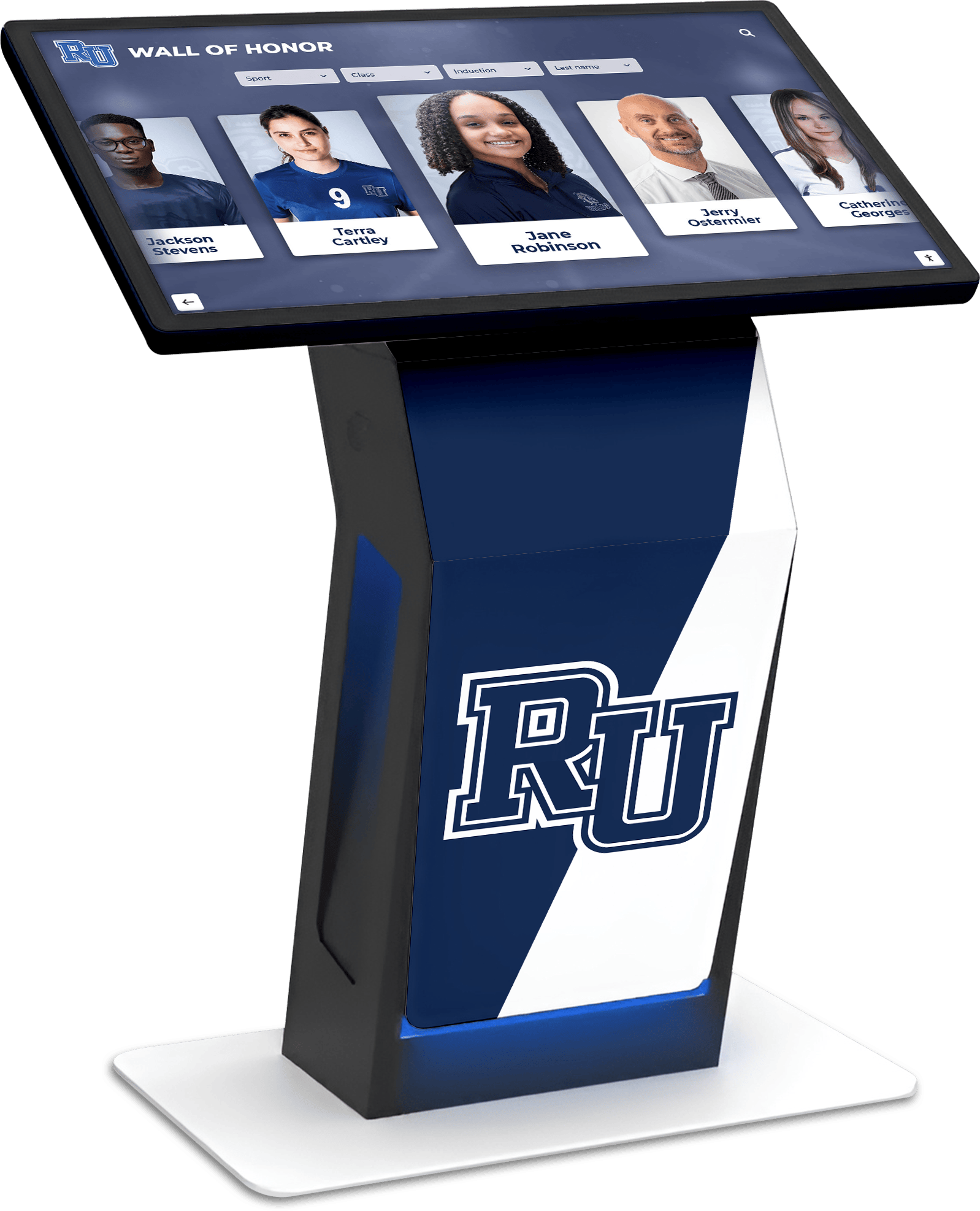
Modern recognition systems document achievements across all competitive divisions ensuring comprehensive program history preservation
Regional Rankings and Local Recognition
Beyond state and national rankings, regional systems provide important competitive context.
County and League Rankings
Many counties and leagues maintain their own ranking systems:
Local Ranking Benefits
- Relevant comparison among direct competitors
- League championship race context
- Traditional rivalry game implications
- Community media coverage and recognition
- Historical comparison within consistent geographic boundaries
Orange County, San Diego County, and Bay Area media outlets provide regional rankings throughout the season, generating community engagement and discussion.
Media-Generated Rankings
Local newspapers, radio stations, and digital media create rankings serving regional audiences:
Community Media Rankings
- Weekly updates with local analysis and commentary
- Player-of-the-week recognitions tied to team performance
- Historical context connecting current teams to program tradition
- Community poll elements engaging local supporters
- Playoff projection discussions based on ranking position
These rankings build community connection to local programs, creating visibility that extends beyond win-loss records to cultural significance within communities.
Schools partnering with local media to celebrate achievements can extend recognition beyond campus through multiple channels, creating comprehensive acknowledgment of program success.
Playoff Implications of Rankings
Rankings directly influence playoff positioning and championship paths across California’s section structure.
Section Playoff Seeding
Most sections use ranking systems determining playoff brackets:
Seeding Methodology
- Higher-ranked teams receive playoff byes when brackets include them
- Home field advantage for higher seeds through playoff rounds
- Bracket positioning attempting to balance geographic travel with competitive equity
- Protection of higher seeds from early matchups with other top-ranked teams
Understanding ranking position helps programs and supporters project playoff paths and championship probabilities.
State Bowl Championship Games
California’s Open Division system creates state-level championship opportunities:
State Championship Structure
- Open Division featuring each section’s highest-ranked team
- Division-specific state bowl games across multiple competitive tiers
- Regional bowl games (NorCal vs. SoCal matchups)
- National ranking implications for Open Division participants
The state bowl system, established to determine California’s best team across sections, relies heavily on rankings determining which teams qualify for Open Division versus divisional state championships.
Programs achieving state bowl qualification feature this prominently in their recognition systems, documenting these prestigious achievements as program pinnacles.
For schools wanting to celebrate state championship achievements, digital recognition systems provide dynamic presentation options that traditional static displays cannot match.
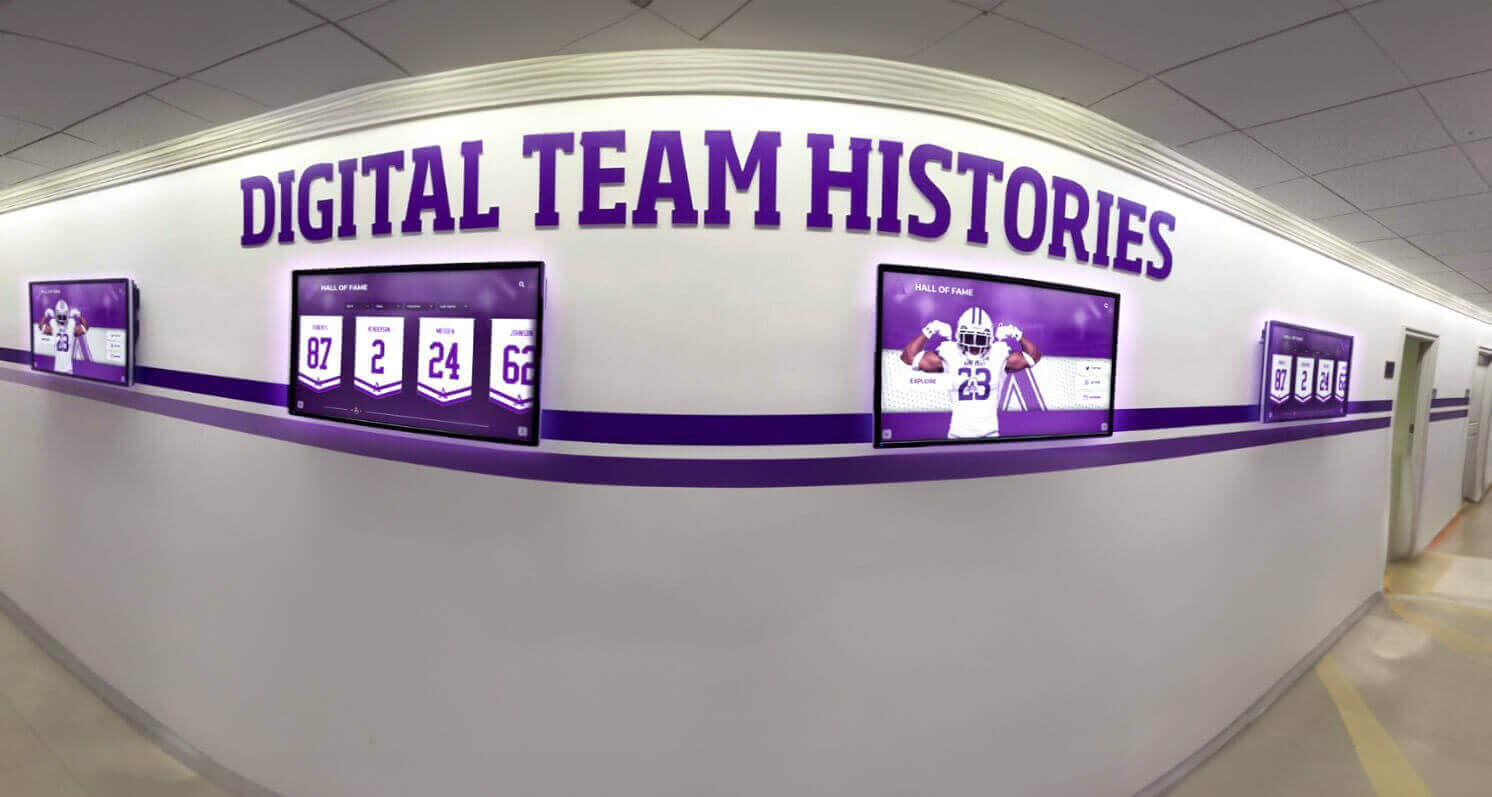
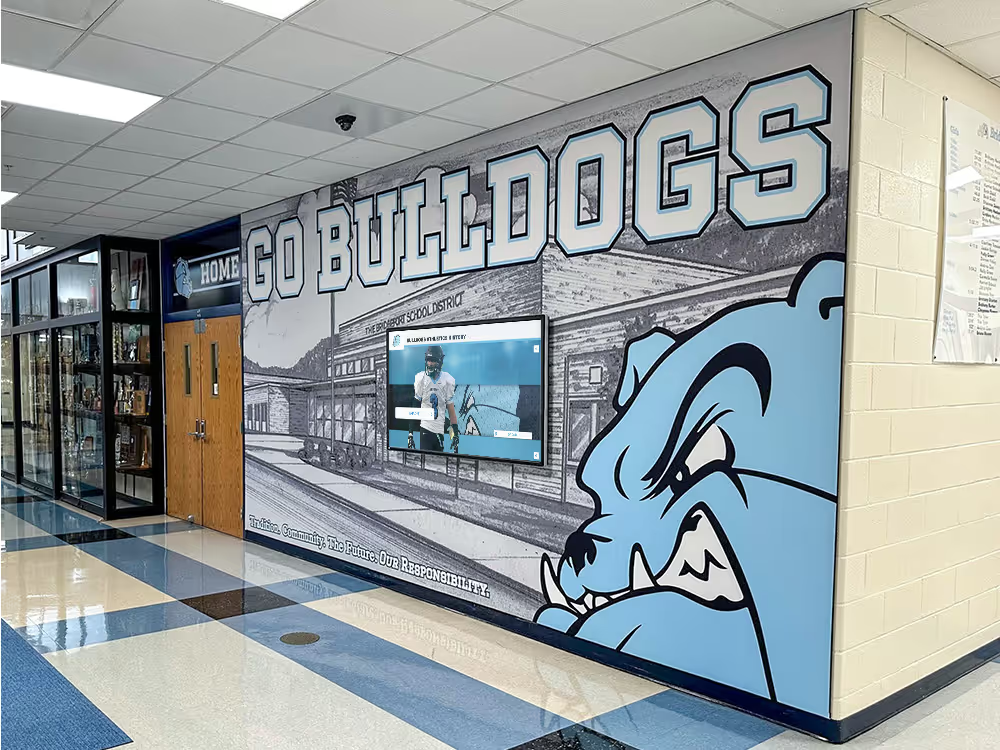
Comprehensive team history displays preserve playoff achievements and ranking milestones across multiple seasons
Using Rankings for Program Development
Beyond playoff seeding, rankings provide valuable data for program assessment and strategic planning.
Competitive Benchmarking
Rankings enable programs to measure progress against meaningful standards:
Program Assessment Applications
- Year-over-year ranking trajectory showing program direction
- Comparison against traditional rivals and competitive peers
- Division placement trends indicating competitive positioning
- Identification of scheduling gaps or strength of schedule weaknesses
- Recruiting benchmarks demonstrating program competitiveness level
Successful programs systematically analyze ranking data informing strategic decisions about scheduling, division placement goals, and program resource allocation.
College Recruiting Context
Rankings influence college recruiting by providing context for talent evaluation:
Recruiting Implications
- College scouts prioritize highly-ranked programs with quality competition
- Player statistics and performance gain credibility from strong team rankings
- National ranking recognition attracts recruiting attention from major programs
- Division level context helps colleges assess competition quality
- State bowl appearances provide showcase opportunities for prospects
Athletes from highly-ranked programs benefit from elevated visibility, while players from lower-ranked programs may need to create additional opportunities for college exposure.
Community Engagement and Support
Rankings generate community interest supporting program sustainability:
Community Building Benefits
- Local media coverage increases with higher rankings
- Community pride and identity connection to program success
- Booster support and fundraising success correlating with competitiveness
- Youth program enrollment increases as varsity program succeeds
- Alumni engagement deepening when programs achieve ranking recognition

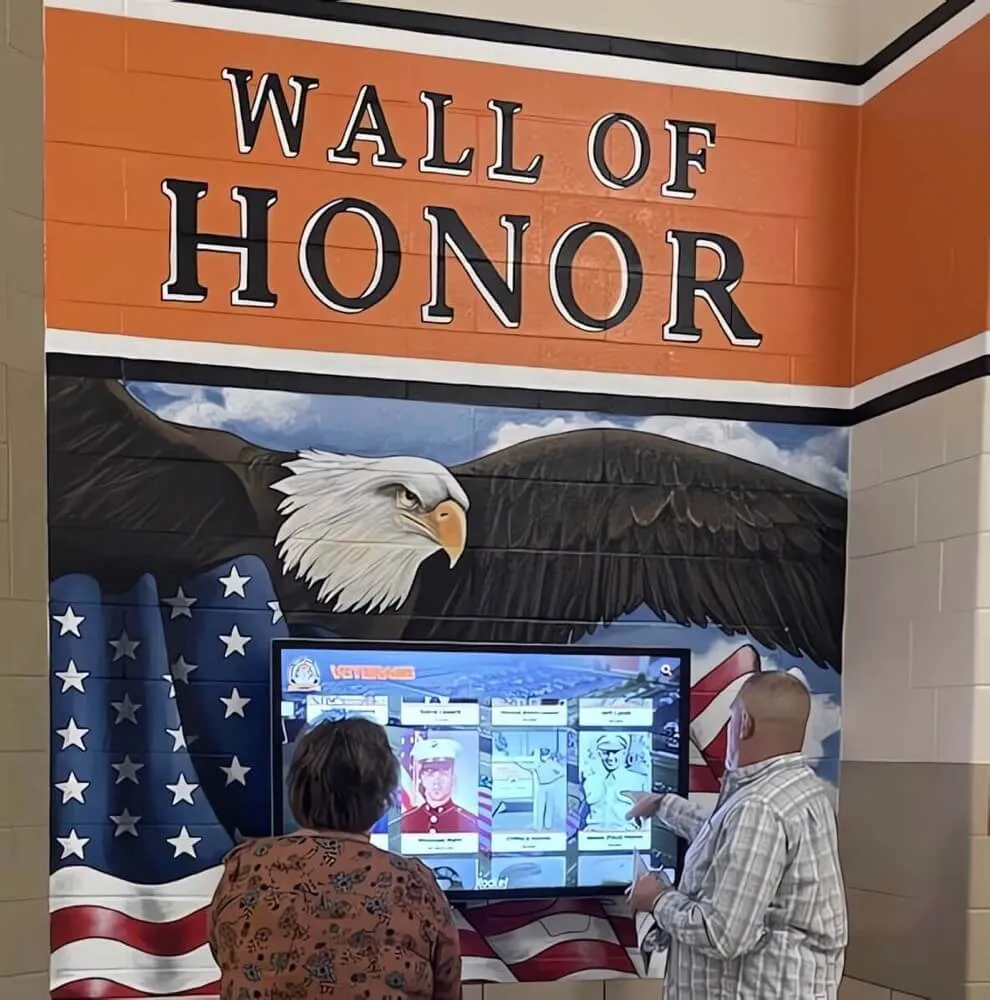
Interactive recognition systems engage families and community members in celebrating program achievements
Documenting ranking achievements through permanent recognition systems creates visible reminders of program success that sustain community support across coaching changes and competitive cycles.
Preserving Football Legacy Through Digital Archives
California’s rich high school football history deserves systematic preservation ensuring future generations understand program tradition and achievement.
Digital Recognition Display Advantages
Modern touchscreen systems overcome limitations of traditional recognition approaches:
Unlimited Historical Capacity Traditional plaques and wall space force schools to choose which achievements receive visibility. Digital archive displays eliminate this constraint:
- Comprehensive team records across all seasons and divisions
- Individual player statistics and recognition throughout program history
- Championship documentation with photos, rosters, and season narratives
- Ranking milestones and competitive achievements across decades
- Searchable interfaces enabling quick access to any season or player
Solutions like Touch Archive provide platforms specifically designed for preserving and showcasing athletic program histories.
Dynamic Content Updates
Digital systems enable easy updates as new achievements occur:
- Season-by-season additions without physical construction
- Weekly ranking updates during current season
- Playoff bracket progressions and championship celebrations
- Photo gallery additions throughout seasons
- Statistical record updates as new achievements occur
Schools report spending minutes rather than hours updating digital recognition systems compared to traditional physical displays requiring professional installation for each addition.
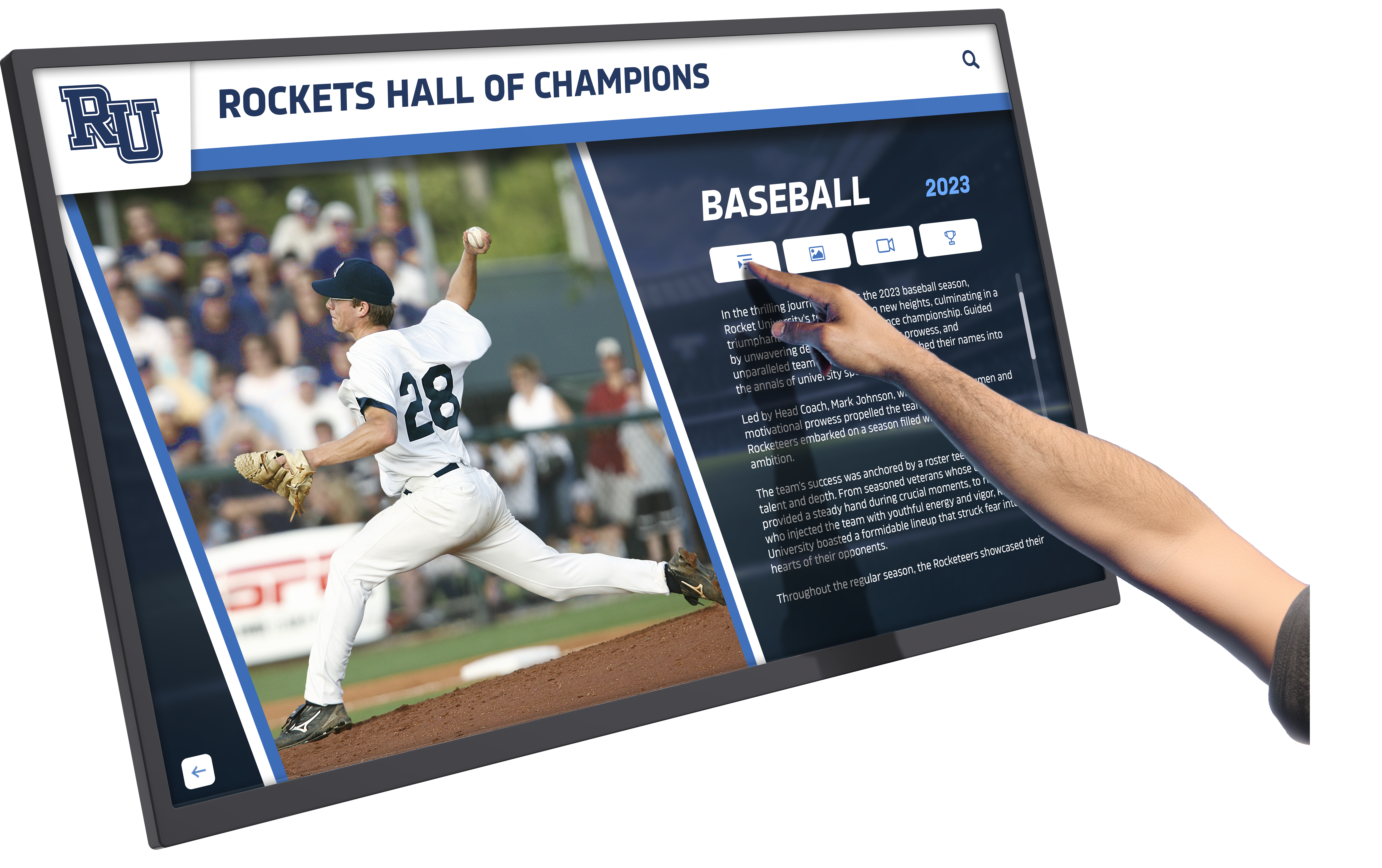
Touchscreen interfaces create engaging experiences for exploring football program history and rankings
Comprehensive Football Program Documentation
Effective archival systems document football program histories across multiple dimensions:
Essential Historical Elements
- Season records and playoff results across all years
- Division classifications and competitive context by era
- State and section ranking achievements throughout program history
- Championship seasons with detailed documentation
- Coaching history connecting program continuity
- Notable player achievements and college placement
- Rivalry game results and traditional opponent records
- Facility evolution and program development milestones
This comprehensive approach creates complete program narratives rather than highlighting isolated achievements, helping current students understand the program’s historical trajectory and tradition.
Interactive Exploration Features
Modern recognition systems transform static displays into engaging explorations:
Interactive Capabilities
- Search functionality finding specific seasons, players, or achievements
- Filtering by division, decade, championship seasons, or ranking milestones
- Timeline views showing program development across eras
- Individual player profile pages with statistics and accomplishments
- Photo galleries documenting teams, facilities, and key moments
- Video integration for championship highlights and historic games
These interactive features create experiences engaging students, alumni, and visitors in ways traditional plaques cannot achieve.
To see examples of interactive systems that preserve football history alongside other athletic achievements, explore digital hall of fame platforms for high schools.
Ranking Transparency and Methodology Understanding
Stakeholders benefit from understanding how different ranking systems calculate positions.
Computer Ranking Algorithms
Most prominent ranking systems utilize computer algorithms with specific methodologies:
Common Algorithmic Elements
- Win-loss records as foundation with varying weights
- Scoring margin calculations with maximum values preventing blowout incentives
- Strength of schedule measuring opponent quality
- Recency weighting valuing current performance over early season
- Head-to-head results creating tiebreakers between similarly-ranked teams
Computer rankings provide objectivity and eliminate human bias, though they cannot account for all competitive nuances like injuries, weather conditions, or intangible team characteristics.
Editorial and Committee Rankings
Some systems incorporate human evaluation alongside or instead of algorithms:
Subjective Ranking Advantages
- Context incorporation for unusual circumstances
- Injury impact considerations
- Quality of play evaluation beyond final scores
- Geographic balance ensuring representation across regions
- Traditional program reputation and sustained excellence recognition
Critics note subjectivity can introduce bias, but supporters argue human evaluation captures nuances algorithms miss.
Understanding methodology helps stakeholders interpret rankings appropriately rather than treating all systems as equivalent.
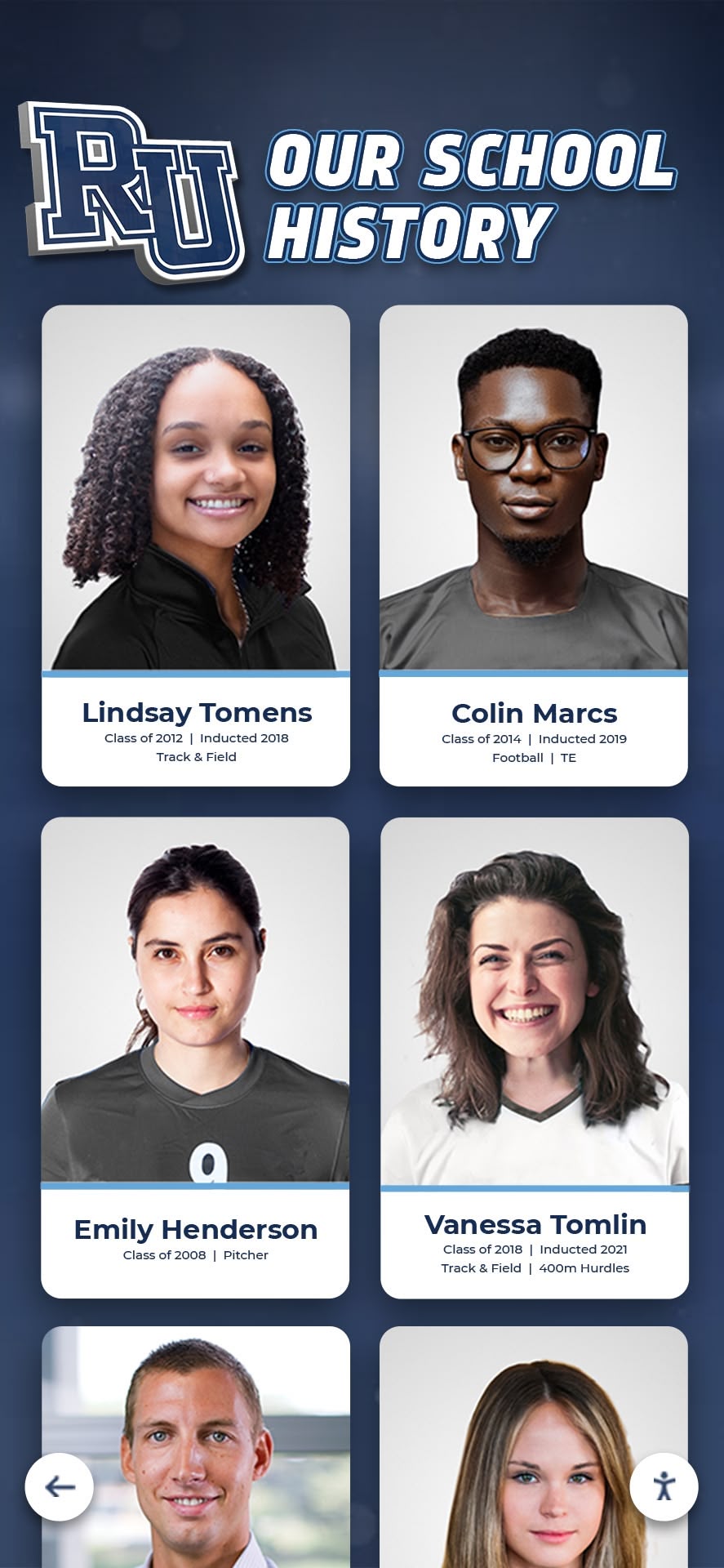
Comprehensive archives connect current rankings to historical program achievement creating continuous tradition narratives
Challenges in California Football Rankings
California’s size and structure create unique ranking system challenges worth acknowledging.
Cross-Section Comparison Difficulties
Limited inter-section play makes comparing programs from different regions challenging:
Comparison Obstacles
- Sections play predominantly within their geographic regions
- State bowl games provide limited cross-section data points
- Competitive equity systems differ between sections creating non-comparable divisions
- Travel costs and academic calendar constraints limit out-of-section scheduling
- Computer rankings rely on transitive property assumptions across limited connecting games
A Division 1 team from the Southern Section might face dramatically different competition than a Division 1 team from the Northern Section, making direct comparison speculative.
Division Movement Complexity
Competitive equity systems create year-to-year division changes complicating historical comparison:
Historical Analysis Challenges
- Championship achievements in different divisions carry varying prestige levels
- Programs moving between divisions makes multi-year comparison difficult
- Enrollment changes interact with competitive factors creating complex classification outcomes
- Section realignment and division structure changes over decades
- Records and statistics accumulated across multiple competitive contexts
Schools documenting historical achievements should include division and competitive context enabling appropriate interpretation of accomplishments across eras.
Small Sample Size Issues
Short seasons and limited playoff formats create statistical noise:
Statistical Limitations
- 10-game regular seasons provide limited data for algorithm accuracy
- Single playoff losses eliminate teams from championship contention
- Early season performance may not reflect team quality after development
- Injury impact disproportionately affects small sample sizes
- Weather and field condition variations create game-to-game inconsistency
These limitations mean rankings should inform rather than definitively determine team quality assessments.
Future Trends in California Football Rankings
California’s ranking systems continue evolving, with several trends likely influencing future approaches.
Data Analytics Integration
Advanced statistical analysis increasingly informs ranking systems:
Emerging Analytical Approaches
- Expected points added calculations measuring play efficiency
- Situational performance metrics beyond final scores
- Player-level analytics aggregating to team ratings
- Machine learning models identifying competitive patterns
- Real-time data integration providing immediate ranking updates
As analytics sophistication increases, ranking systems may incorporate more nuanced competitive evaluations beyond traditional win-loss and scoring margin calculations.
Standardization Discussions
California football stakeholders periodically discuss more standardized statewide ranking approaches:
Potential Standardization Benefits
- Consistent division assignment methodology across sections
- Unified state playoff system beyond current Open Division
- Coordinated scheduling facilitating cross-section comparison
- Standardized data collection enabling better algorithmic accuracy
- Clear advancement paths from section to state to national recognition
However, California’s size and section autonomy tradition create obstacles to significant centralization.
Recognition Technology Evolution
How schools showcase ranking achievements continues advancing:
Technology Trends
- Cloud-based recognition systems enabling real-time updates
- Mobile accessibility extending recognition beyond physical campus
- Social media integration amplifying achievement celebration
- Searchable archives preserving complete program histories
- Interactive displays creating engaging exploration experiences
Trophy display case solutions increasingly incorporate digital elements combining traditional physical trophies with comprehensive digital documentation.
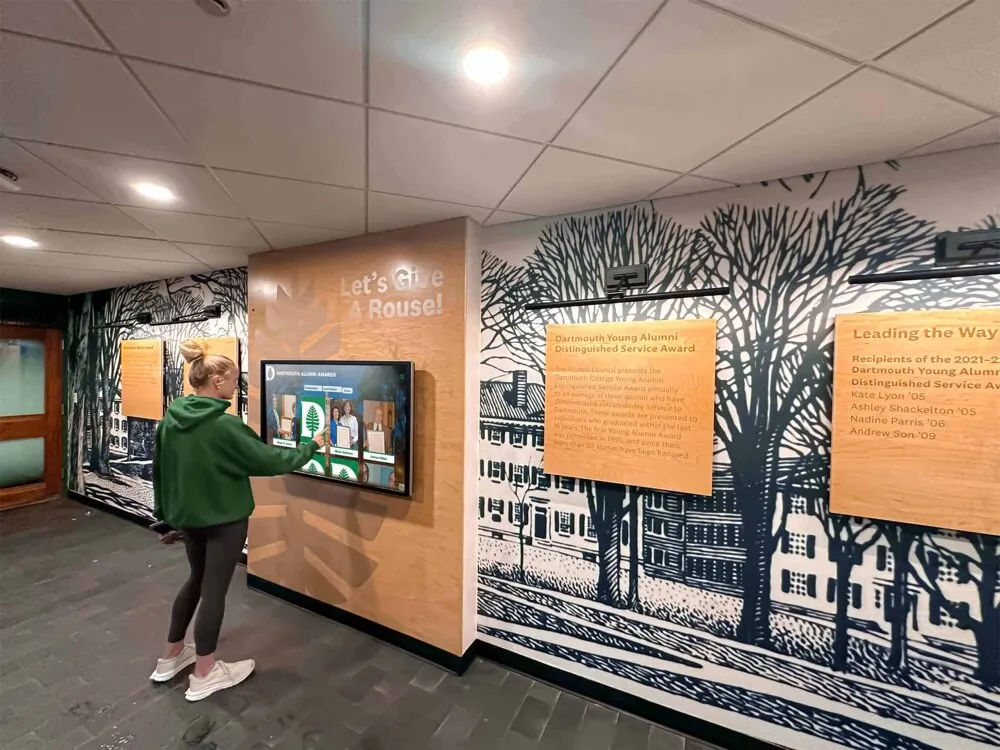
Strategic placement of recognition displays in high-traffic areas ensures football achievements remain visible throughout campus
Building Recognition Systems for Football Achievement
Schools celebrating football success benefit from systematic approaches to recognition and preservation.
Multi-Channel Recognition Strategies
Effective recognition extends beyond single displays:
Comprehensive Recognition Approach
- Prominent physical displays in athletic facilities and main campus areas
- Interactive touchscreen systems providing detailed exploration capabilities
- Web-accessible platforms enabling alumni and community engagement
- Social media celebration of current season achievements
- Print and email communications highlighting ranking milestones
- Community media partnerships extending recognition reach
This multi-channel approach ensures achievements receive visibility across stakeholder groups and communication preferences.
Balancing Current and Historical Recognition
Recognition systems should honor both present and past achievements:
Balanced Display Design
- Current season rankings and records prominently featured
- Historical championship seasons and ranking milestones documented
- Program tradition narratives connecting past to present
- Notable alumni and player achievement recognition
- Coaching legacy acknowledgment
- Facility and program development evolution documentation
This balance creates continuity showing current teams as latest chapters in ongoing program narratives rather than isolated from institutional tradition.
For guidance on comprehensive athletic recognition approaches, see resources on establishing athletic halls of fame that celebrate football alongside other sports achievements.
Sustainability and Long-Term Maintenance
Recognition systems require ongoing attention ensuring they remain current and relevant:
Maintenance Considerations
- Designated staff responsibilities for content updates
- Regular update schedules throughout and after seasons
- Archive addition processes for historical documentation
- Technology refresh planning as hardware and software evolve
- Budget allocation for system sustainability
Cloud-based platforms with intuitive content management systems minimize technical expertise requirements, enabling school staff to maintain recognition displays without constant professional support.
Engaging Multiple Stakeholders Through Rankings
Football rankings create engagement opportunities across diverse school community stakeholders.
Student Engagement
Current students benefit from understanding program competitive positioning:
Student Connection Strategies
- Morning announcement ranking updates during season
- Social media posts celebrating ranking achievements
- Interactive displays in student common areas
- Connection between rankings and playoff positioning
- Historical context showing current team within program tradition
Recognition systems positioned in high-traffic student areas create daily touchpoints reinforcing program pride and competitive awareness.
Alumni Connection
Rankings provide conversation points reconnecting alumni with current programs:
Alumni Engagement Applications
- Historical rankings showing competitive context from alumni era
- Comparison of current rankings to alumni-era achievements
- Reunion event features highlighting program evolution
- Alumni mentoring connections with current players
- Fundraising appeals tied to competitive excellence goals
Interactive displays enable alumni to explore their era within comprehensive program histories, creating personal connection points that strengthen alumni-institution bonds.
For more ideas about alumni engagement through athletics, explore how schools can create alumni connections using digital recognition platforms.
Family and Community Engagement
Rankings generate family pride and community identity connection:
Community Building Strategies
- Public-facing recognition displays in building entrances
- Web accessibility enabling family viewing from home
- Community event recognition presentations
- Local media partnerships celebrating ranking achievements
- Youth program promotion tied to varsity program success
High-profile recognition of ranking achievements demonstrates institutional commitment to football excellence, supporting community pride and program sustainability.
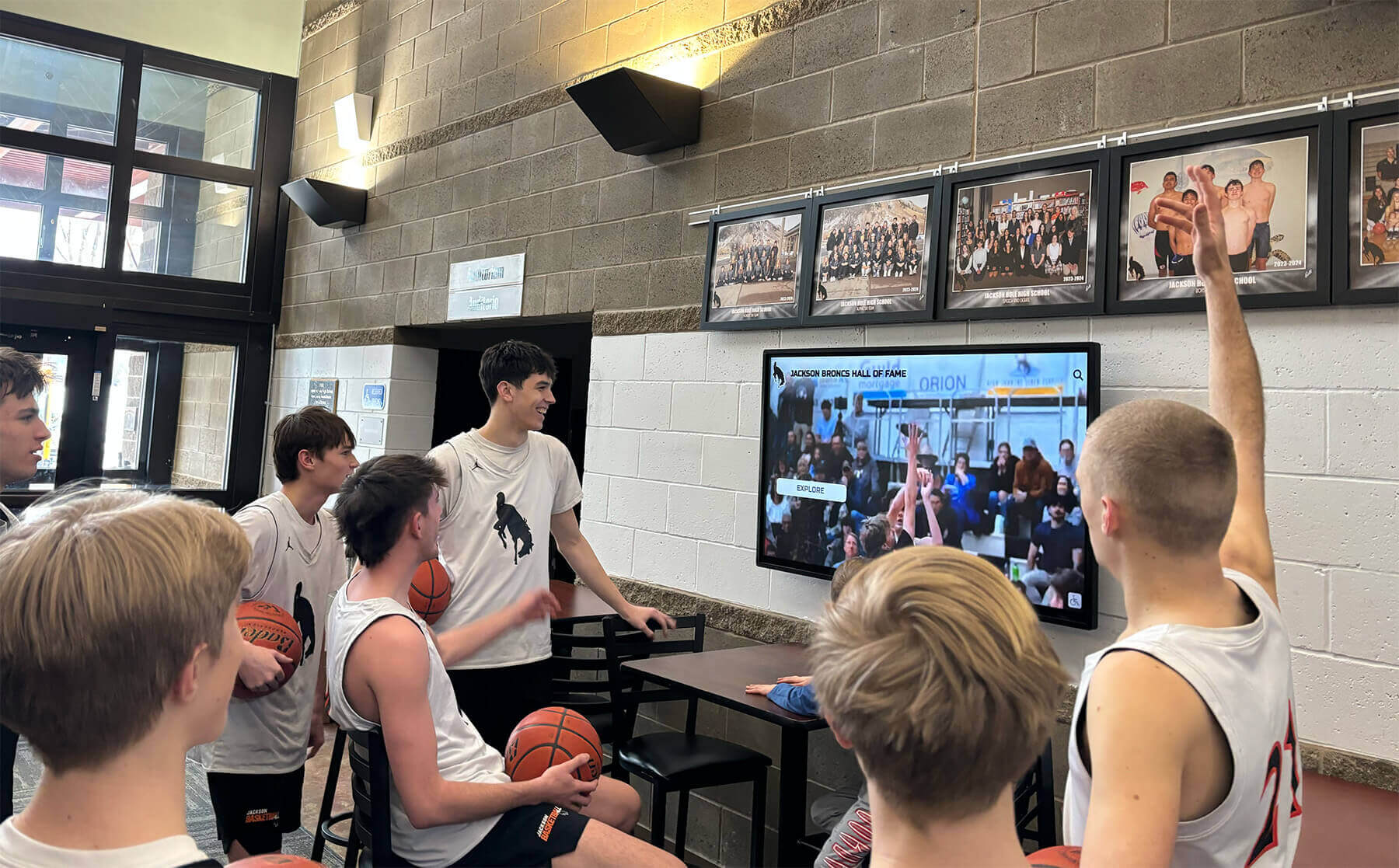
Public displays in school lobbies enable families and visitors to explore football achievements and program history
Rankings and Student-Athlete Development
Beyond competitive positioning, rankings provide developmental opportunities for student-athletes.
Goal Setting and Motivation
Rankings create concrete targets motivating team effort:
Motivational Applications
- Weekly ranking goals throughout regular season
- Playoff seeding objectives influencing late-season preparation
- Division advancement aspirations for building programs
- State and national ranking milestones for elite programs
- Historical comparison goals honoring program tradition
Coaches systematically use rankings in team meetings, creating visible measures of progress and achievement beyond individual game outcomes.
Resilience and Adversity Response
Ranking fluctuations teach valuable lessons about responding to setbacks:
Character Development Opportunities
- Responding to ranking drops after losses with renewed focus
- Maintaining humility when achieving high rankings
- Understanding external evaluation limitations and biases
- Focusing on controllable performance factors versus ranking outcomes
- Long-term perspective prioritizing improvement over short-term position
These lessons extend beyond football, providing life skills applicable to academic and career challenges.
Team Identity and Culture Building
Shared ranking goals create cohesive team culture:
Culture Development Benefits
- Common objectives unifying diverse team members
- Pride in program competitive positioning
- Connection to program tradition and expectations
- Accountability to teammates and coaches
- Celebration opportunities strengthening team bonds
Programs with strong cultures systematically use rankings as culture-building tools rather than treating them as mere external evaluations.
Conclusion: Navigating and Celebrating California Football Rankings
California high school football rankings provide essential frameworks for understanding competitive positioning, guiding playoff seeding, and recognizing program achievement across the state’s massive and diverse football landscape. From CIF section-based systems to statewide computer rankings and national recognition, these multiple ranking approaches offer different perspectives on team quality and competitive context.
For California schools, understanding ranking methodologies enables strategic program development, while systematic recognition of ranking achievements preserves football legacy and builds community connection. Whether your program competes for national rankings in Division 1 or celebrates divisional championships in smaller competitive tiers, your achievements deserve comprehensive documentation and celebration that honors athletes’ dedication and program tradition.
Preserve Your Football Program's Legacy
Discover how interactive touchscreen displays can help you showcase your team's ranking achievements, championship history, and program tradition for current students and future generations.
Request a DemoThe strategies explored in this guide provide comprehensive understanding of California’s football ranking systems while highlighting opportunities for celebrating program achievements through modern recognition approaches. From digital archive displays preserving decades of football history to interactive systems enabling students and alumni to explore program traditions, technology now enables recognition capabilities impossible with traditional static displays.
Rankings matter because they provide context for achievement, motivation for continued excellence, and frameworks for fair competition across California’s unmatched high school football landscape. Your program’s ranking achievements—whether section championships, state bowl appearances, or national recognition—represent countless hours of athlete dedication, coaching excellence, and community support deserving permanent celebration.
Start documenting your football program’s ranking history today, creating comprehensive archives that honor past achievements while inspiring future generations to add new chapters to your program’s competitive legacy. Every ranking milestone, playoff appearance, and championship season tells part of your institution’s story deserving preservation and celebration.
Ready to transform how your school recognizes football achievement? Explore Touch Archive solutions for comprehensive athletic recognition and team history preservation, or request a demo to see how your program’s rankings and achievements can come to life through interactive displays.