Cheerleading Routines: Building a Crowd-Ready Sideline or Competition Set
- Home /
- Touch Archive Blog /
- Cheerleading Routines: Building a Crowd-Ready Sideline or Competition Set
The Easiest Touchscreen Solution




Live Example: Rocket Alumni Solutions Touchscreen Display
Interact with a live example (16:9 scaled 1920x1080 display). All content is automatically responsive to all screen sizes and orientations.
Every successful cheerleading season depends on building routines that captivate audiences, energize athletes, and showcase your squad’s skills. Whether you’re choreographing a high-energy sideline routine to fire up Friday night crowds or perfecting a competition set targeting national rankings, the process of building effective cheerleading routines requires balancing creativity with technical precision, entertainment value with safety protocols, and tradition with innovation.
Many coaches and captains struggle with routine construction—sideline cheers fall flat when crowds don’t respond, competition routines lack the scoring elements judges expect, or squads attempt skills beyond their technical readiness creating safety risks. Teams spend countless hours practicing routines that fail to maximize their strengths, overlook crucial transitions, or simply don’t connect with their intended audiences. The difference between good routines and great ones often comes down to systematic planning and thoughtful choreography.
This comprehensive guide walks through building both sideline and competition cheerleading routines from initial concept to final performance, providing frameworks that help squads at every level create crowd-ready sets that highlight their talents while maintaining the safety and spirit that define exceptional cheerleading programs.
Cheerleading routines serve as the foundation of your program’s identity, creating memorable moments that define school spirit and athletic celebrations for your entire community. Well-crafted routines become traditions passed down through generations of cheerleaders, featured on championship banners, and preserved as cherished memories.

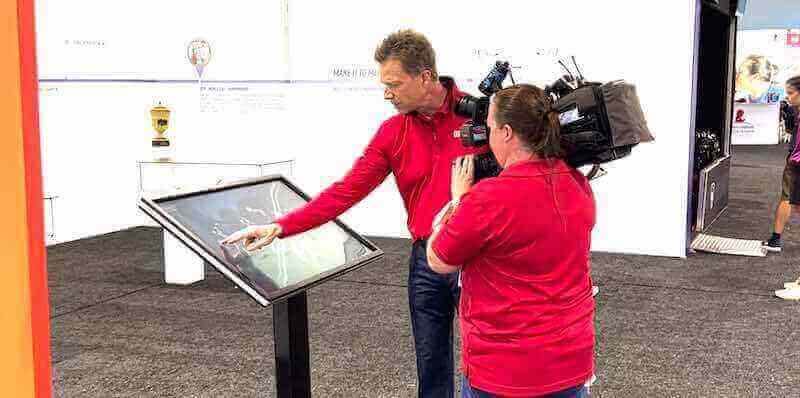
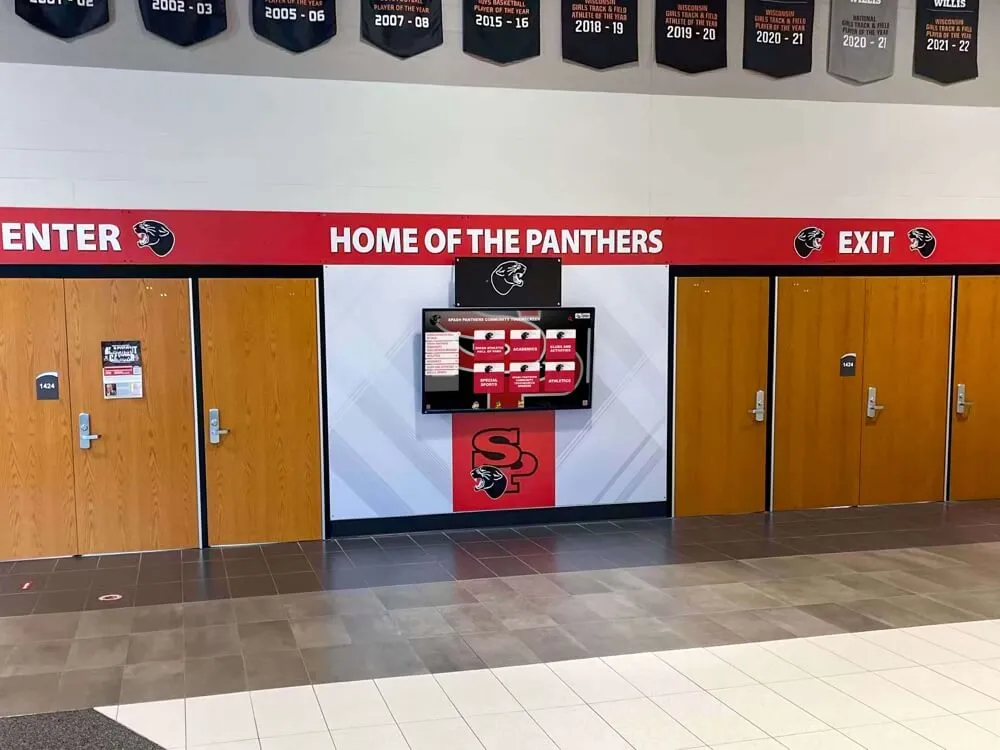
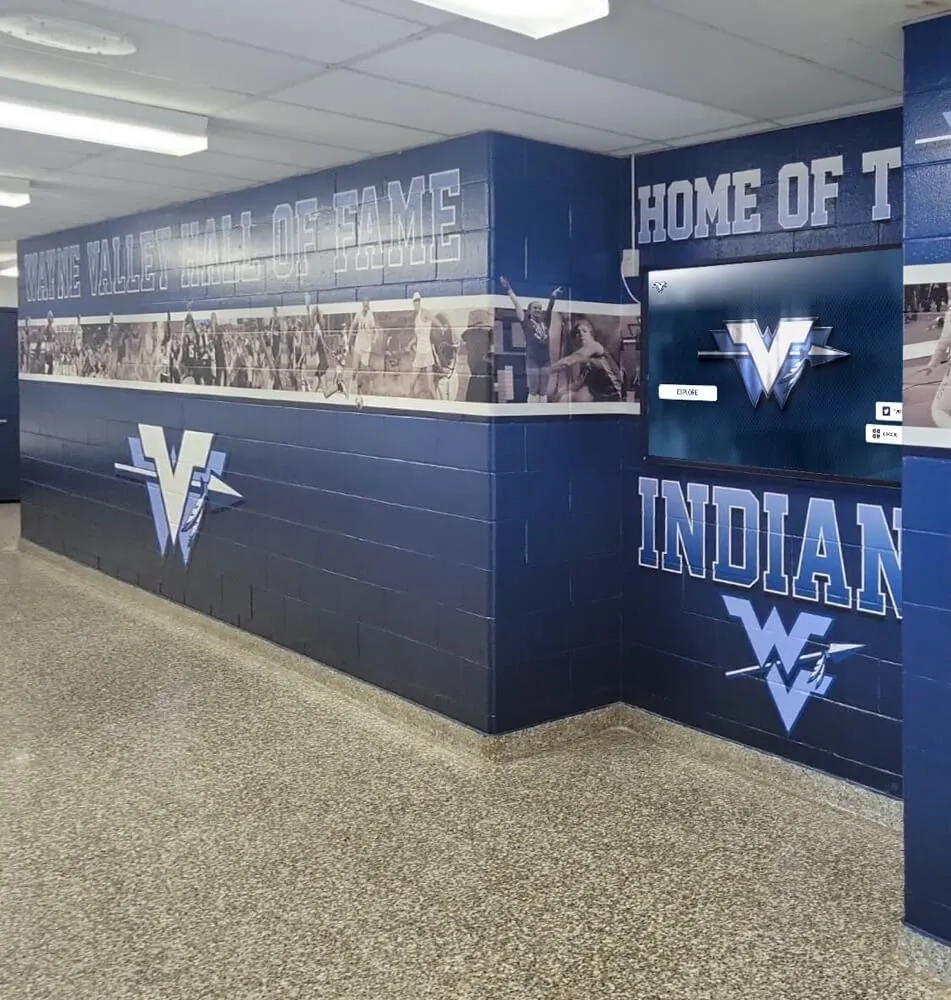
Cheerleading routines create energizing traditions that bring communities together and build lasting school spirit
Understanding Different Types of Cheerleading Routines
Before building routines, understanding the distinct purposes and requirements of different routine types ensures you’re designing for the right context and judging criteria.
Sideline Routines and Game Day Cheers
Sideline cheerleading focuses on engaging crowds during athletic events and building energy throughout games:
Primary Goals of Sideline Routines
- Generate crowd participation and noise during key game moments
- Maintain energy levels throughout extended competitions
- Lead organized cheers coordinating student sections
- Fill timeouts and breaks with entertaining performances
- Build school spirit and community connection
- Support athletes with motivational cheers
Sideline Routine Characteristics
- Shorter duration (typically 30-90 seconds per cheer)
- Highly repeatable throughout a single game
- Easy-to-follow movements encouraging crowd participation
- Loud, clear chants and words audible in noisy environments
- Less complex stunts allowing quick setup and breakdown
- Adaptable to different game situations and momentum shifts
- Focus on sharp motions and synchronized movements
Effective sideline routines prioritize audience engagement over technical difficulty, creating interactive experiences that make crowds feel part of the action rather than passive observers.
Competition Routines
Competition cheerleading demands routines built specifically for judging criteria and scoring maximization:
Competition Routine Elements
- Precise 2:30 minute duration meeting competition requirements
- Sophisticated choreography showcasing advanced skills
- Strategic difficulty progression building throughout routine
- Incorporation of all required elements (stunts, tumbling, jumps, dance)
- Seamless transitions maximizing performance time
- Synchronized execution across entire squad
- Creative elements demonstrating originality within rules
Competition Scoring Considerations
- Technical skill difficulty and execution quality
- Creativity and entertainment value
- Team synchronization and precision
- Safety and appropriate skill level for age division
- Crowd appeal and performance quality
- Incorporation of current trends and innovative elements
Competition routines require months of preparation, focusing on technical perfection and strategic choreography designed specifically for competitive advantage rather than crowd interaction.

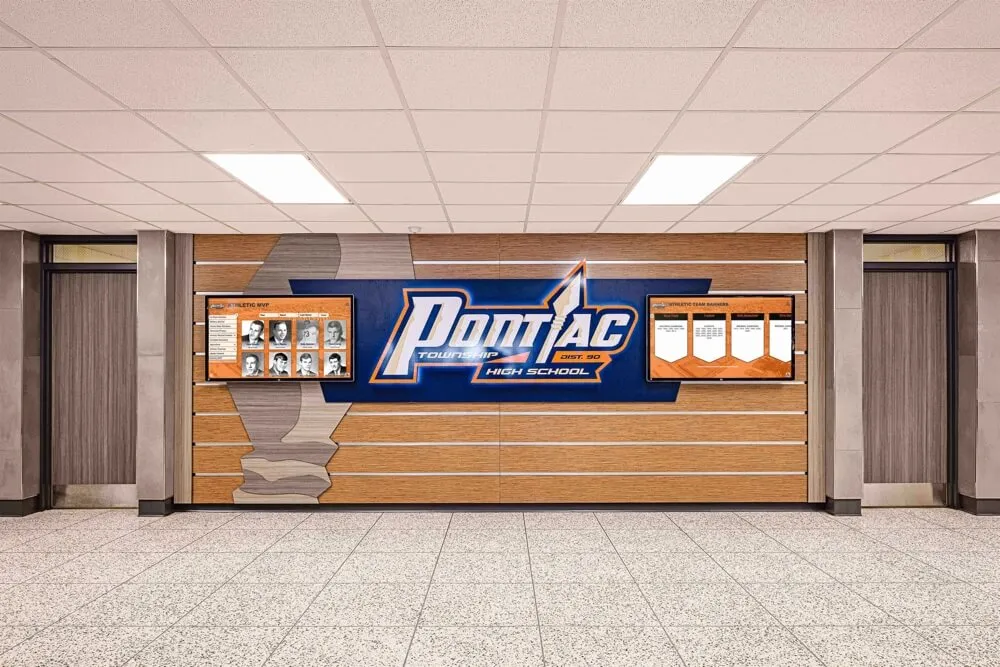
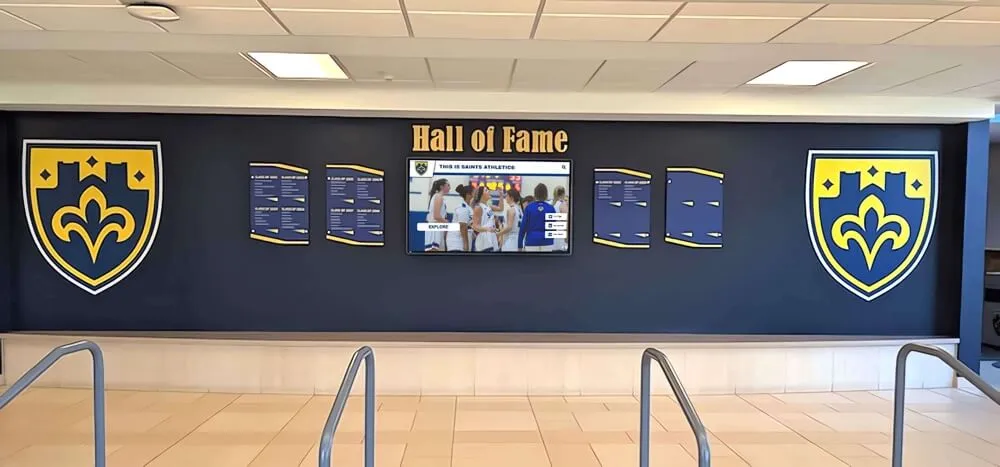
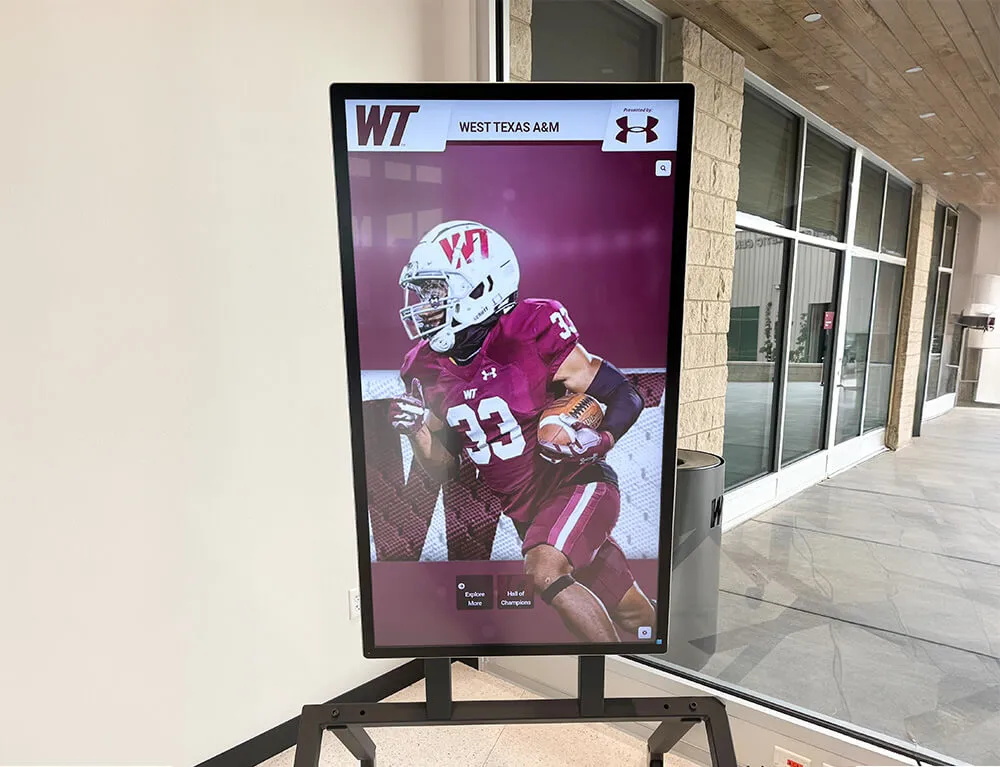
Cheerleading routines showcase athletic skill and dedication deserving permanent recognition alongside other sports achievements
Building Effective Sideline Routines
Creating sideline routines that consistently energize crowds requires understanding game flow, crowd psychology, and practical execution constraints.
Analyzing Your Game Environment
Before choreographing sideline cheers, assess the specific context where you’ll perform:
Venue Considerations
- Sound system availability and quality
- Space constraints on sidelines or court edges
- Surface conditions (grass, track, hardwood, mat)
- Proximity to crowd and sight lines
- Environmental factors (outdoor weather, indoor acoustics)
Timing and Game Flow
- Natural break opportunities (timeouts, quarter breaks, halftime)
- Sport-specific momentum moments (touchdowns, three-pointers, goals)
- Transition periods between plays
- Length of typical breaks dictating routine duration
- Coordination with band, announcer, and game officials
Understanding these factors ensures your routines fit seamlessly into game atmosphere rather than disrupting flow or competing with other elements.
Creating Crowd-Engaging Cheer Structure
The most effective sideline routines follow proven structural patterns:
Opening Attention-Grabber (4-8 counts)
- Sharp motion sequence catching crowd attention
- Loud unified yell or clap pattern
- Visual formation creating instant impact
- Clear signal this cheer is beginning
Main Body with Repetition (16-24 counts)
- Simple, repeatable movements crowds can follow
- Clear words or chants with memorable rhythm
- Building energy through repetition and volume
- Synchronized motions throughout squad
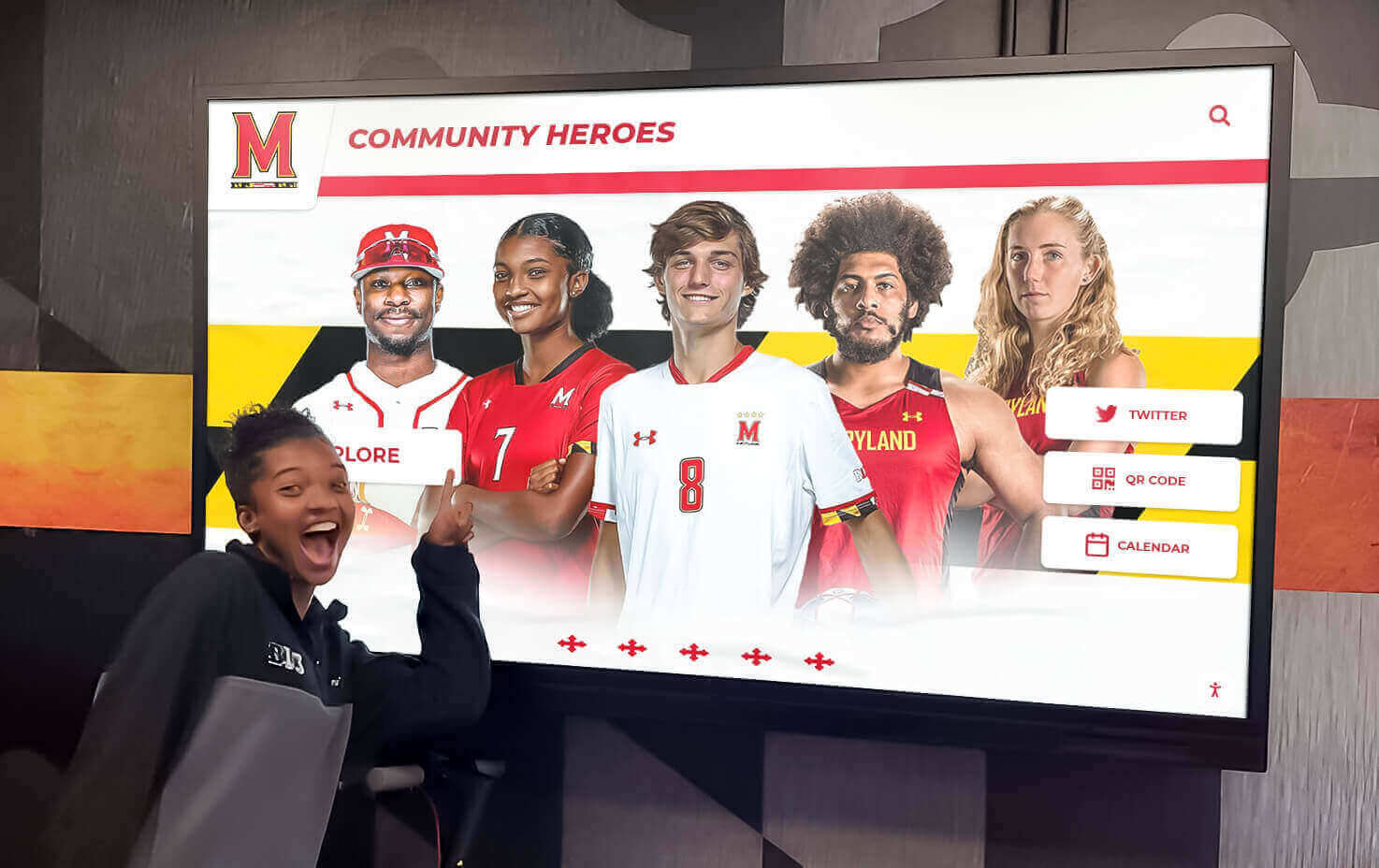
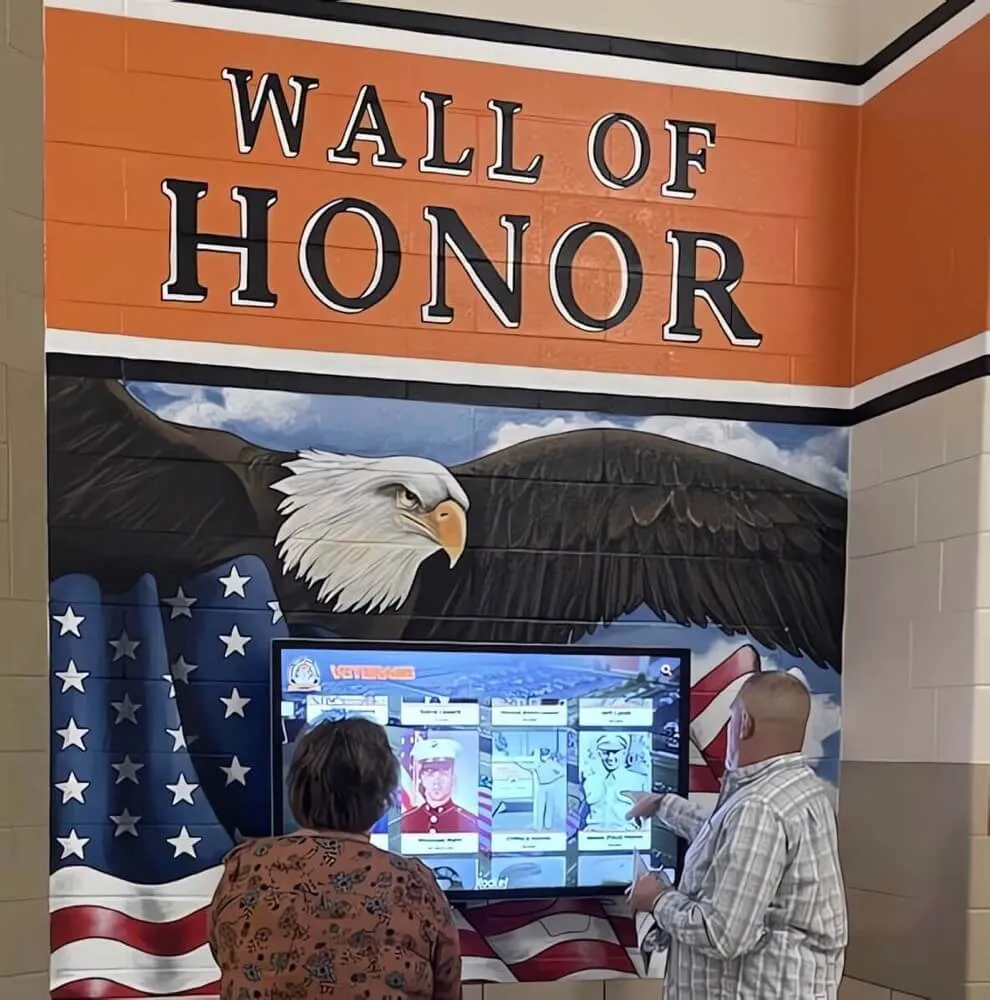
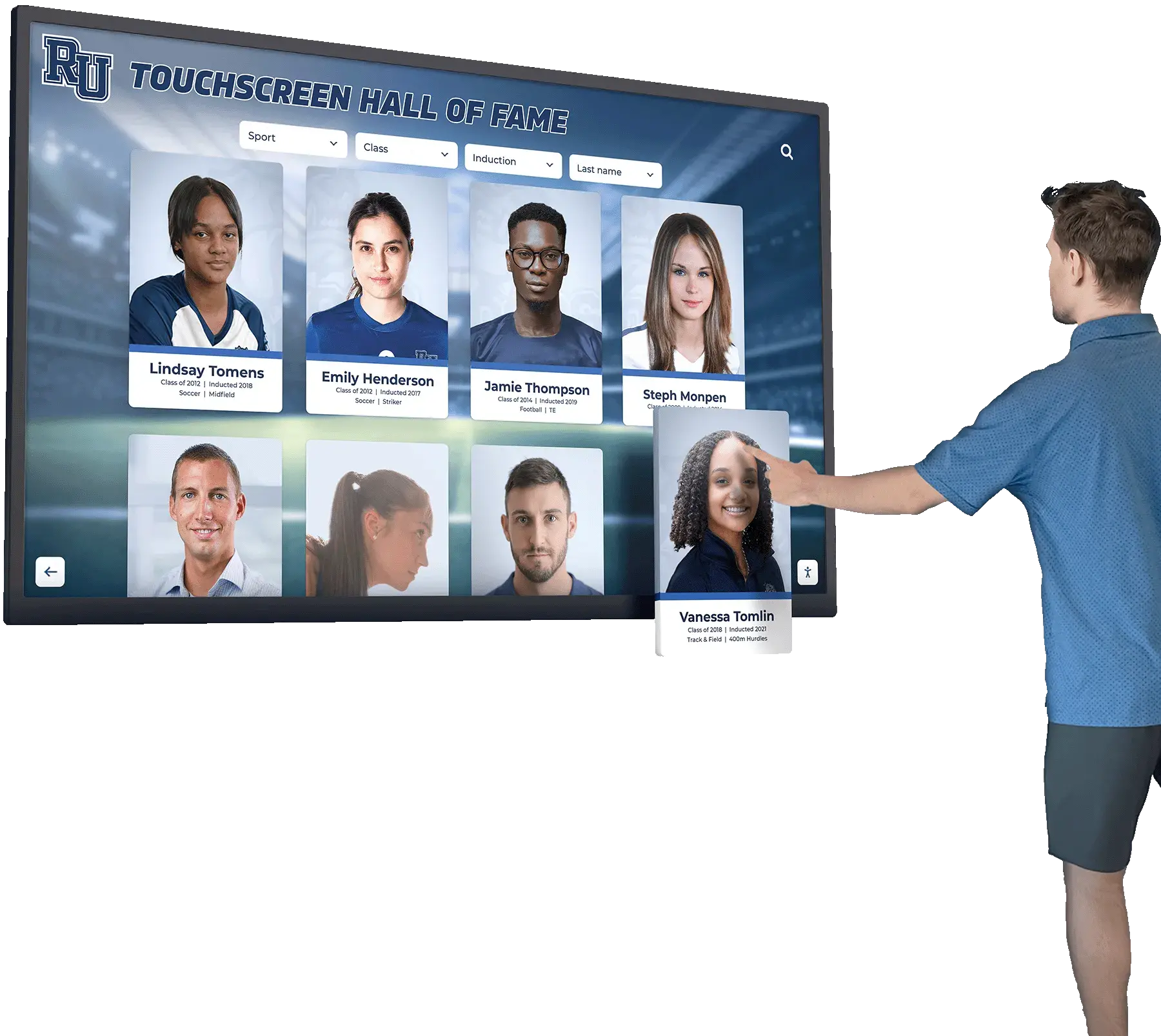
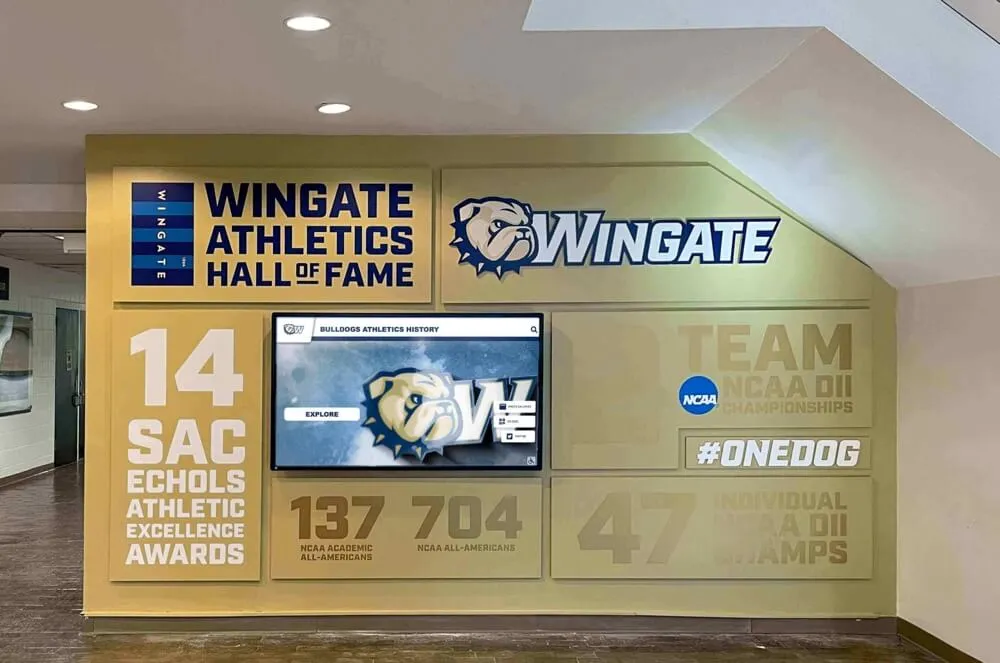
Modern schools preserve cheerleading traditions through digital displays celebrating squad achievements
Crowd Participation Section (8-16 counts)
- Call-and-response patterns with student section
- Simple motions crowds can mimic
- Escalating volume building excitement
- Clear cues for crowd involvement
Strong Finish (4-8 counts)
- Memorable ending position or motion
- Unified final yell
- Visual punctuation signaling completion
- Quick transition back to ready position
This structure creates predictable patterns helping crowds know when and how to participate.
Essential Sideline Routine Elements
Incorporate these core components when building game day cheers:
High-Impact Motions
- T-motion and touchdown variations
- High V and low V formations
- Daggers and punches
- Clasp and clap combinations
- School-specific signature moves
Effective Chant Patterns
- Rhythmic school name spelling
- Team name repetition with building volume
- Defense or offense prompts
- Score announcements
- Victory declarations
Simple Stunt Inclusions
- Partner stunts requiring minimal setup
- Thigh stands and shoulder sits
- Quick prep-level group stunts
- Basket tosses during extended breaks
- Signs, poms, or megaphones for visual variety
Keep sideline stunts simple and safe—you’re performing on unpredictable surfaces without full competition safety protocols.
Sample Sideline Routine Framework
“Defense” Cheer Structure Example:
Opening (8 counts):
- Counts 1-4: Sharp daggers with “D!” on each count
- Counts 5-8: High V position with “DEFENSE!” yell
Main Body (24 counts):
- Counts 1-8: Alternating right/left punches spelling “D-E-F-E-N-S-E”
- Counts 9-16: Repeat with louder volume and sharper motions
- Counts 17-24: Clap pattern (clap-clap-stomp-stomp) with “Defense! Defense!”
Crowd Section (16 counts):
- Counts 1-4: Point to crowd, yell “We say Defense!”
- Counts 5-8: Crowd responds “Defense!”
- Counts 9-16: Repeat call-and-response with increasing tempo
Finish (8 counts):
- Counts 1-4: Low V building to high V
- Counts 5-8: Unified jump with “Let’s go!” landing in clean position
This 56-count cheer runs approximately 45 seconds at game tempo, perfect for timeout length while building progressive energy.
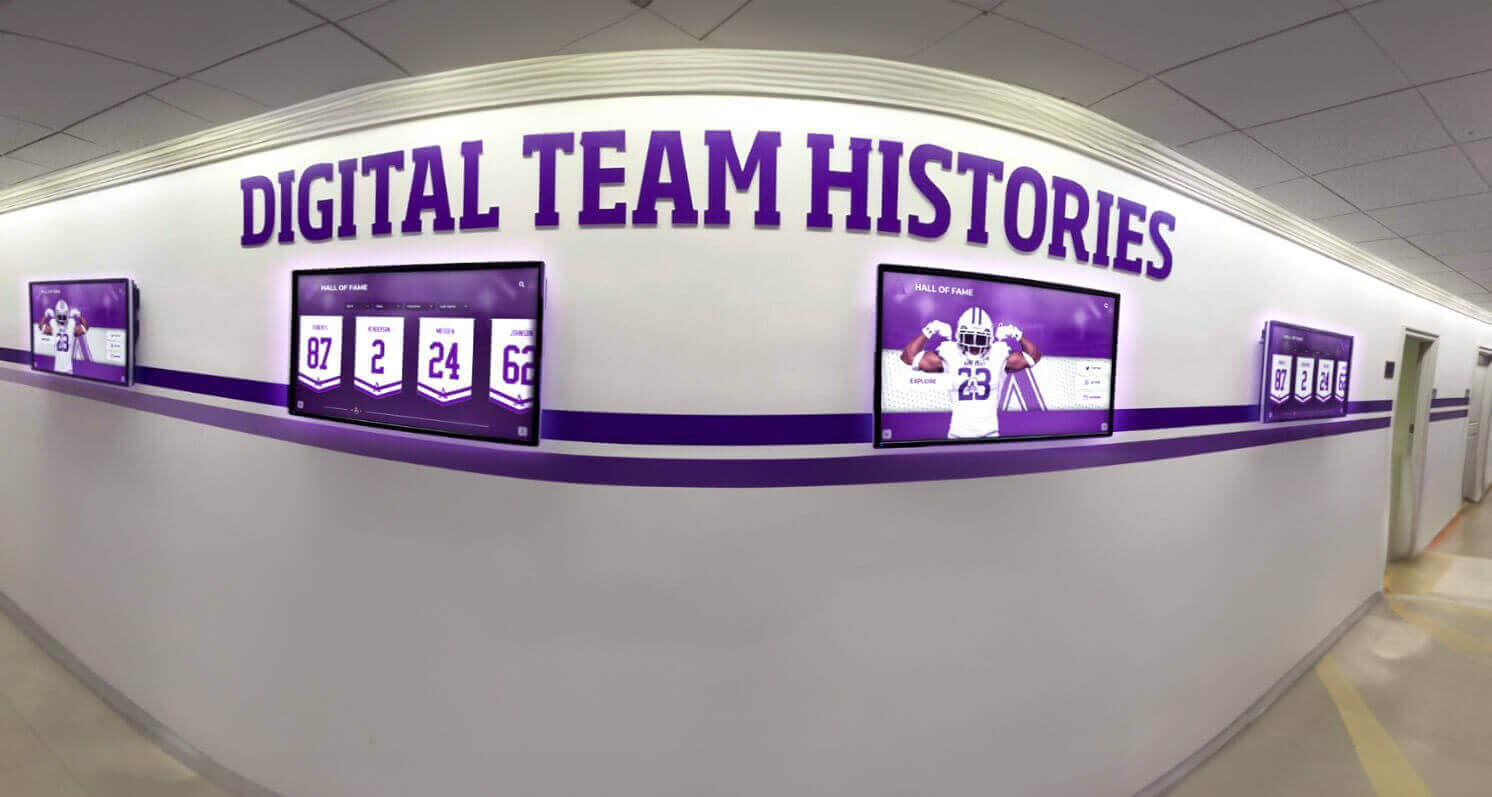
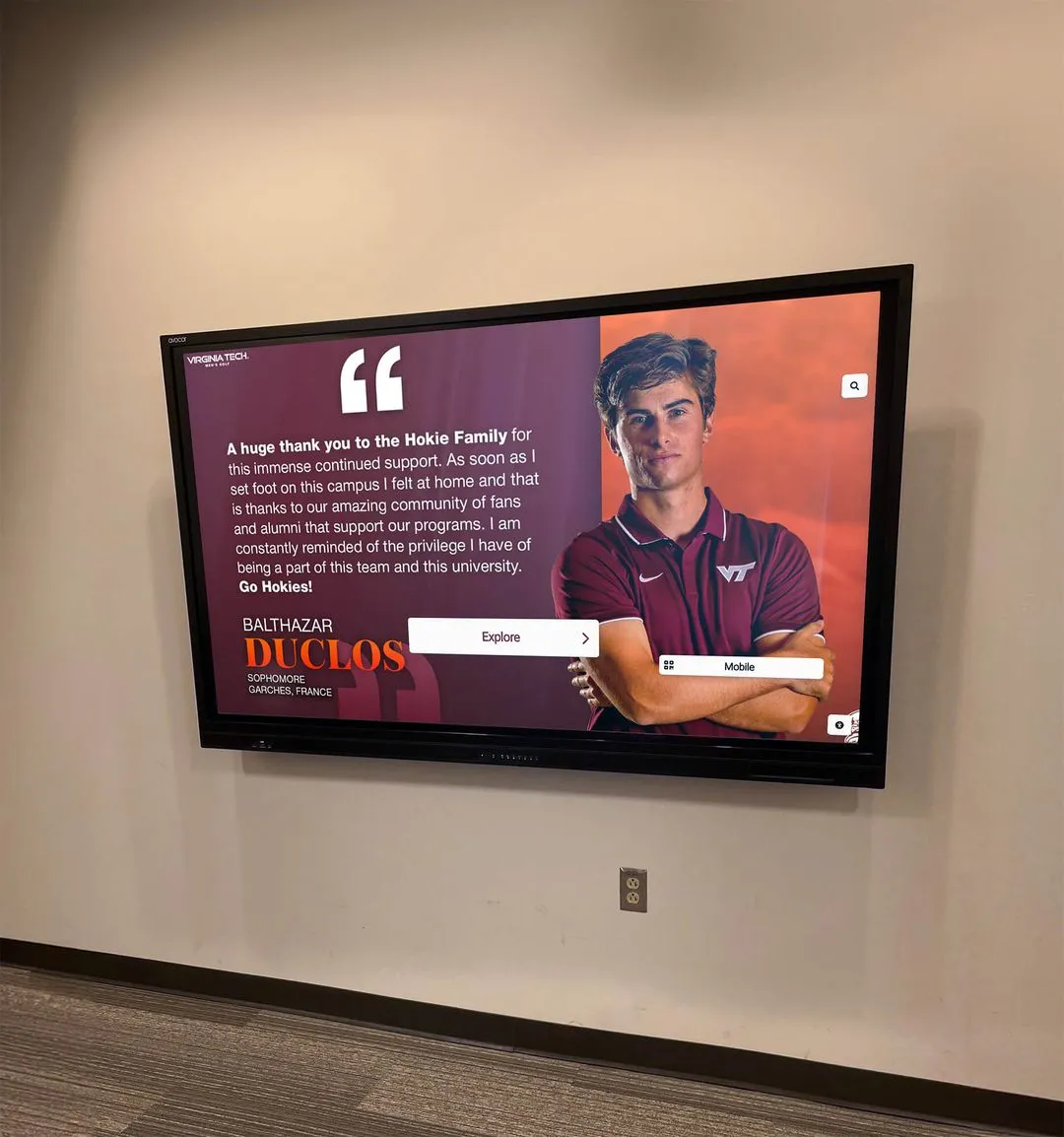
Championship cheerleading squads deserve recognition alongside other athletic programs through permanent displays
Constructing Competition Routines
Competition routines require strategic choreography addressing specific scoring rubrics and division requirements while showcasing your squad’s unique strengths.
Competition Routine Planning Timeline
Building competition-ready routines demands months of systematic development:
6-8 Months Before Competition
- Assess squad skills and identify competitive level
- Research division requirements and scoring criteria
- Set skill goals for tumbling, stunts, and pyramids
- Select music and establish theme
- Create initial choreography framework
4-5 Months Before
- Teach foundational choreography and transitions
- Begin skill progression training
- Develop pyramid sequences
- Refine tumbling passes
- Start building stamina for full 2:30 routine
2-3 Months Before
- Perfect difficult skills and combinations
- Polish synchronization and timing
- Add performance elements and facials
- Practice full routine repeatedly
- Film and analyze for improvements
1 Month Before
- Final routine refinements
- Peak physical conditioning
- Performance practice with pressure simulation
- Costume fittings and final preparations
- Mental preparation and visualization
This timeline ensures skills develop safely while allowing adequate refinement time.
Strategic Section Breakdown
Competition routines typically follow this proven structure:
Opening Section (0:00-0:30)
- High-impact start commanding immediate attention
- Clean formation establishing visual foundation
- Signature element showcasing squad identity
- Energy setting tone for entire performance
Stunt Section One (0:30-1:00)
- Progressive difficulty building from strong bases
- Varied heights and positions demonstrating versatility
- Smooth transitions between stunt groups
- Synchronization across all stunt groups
Tumbling/Jump Section (1:00-1:20)
- Strategic tumbling passes maximizing scoring
- Jump sequences with excellent technique
- Combinations showcasing individual and group skills
- Creative transitions into next section
Pyramid Section (1:20-1:50)
- Routine highlight featuring most difficult skills
- Creative construction and transitions
- Strong building technique and dismounts
- Visual impact from formation design
Dance/Stunt Combination (1:50-2:15)
- High-energy choreography maintaining momentum
- Final stunt sequence or skill showcase
- Performance quality with engaging facials
- Building toward powerful conclusion
Closing (2:15-2:30)
- Strong final skill or formation
- Memorable ending position
- Clean simultaneous finish
- Confident performance quality
Each section should flow seamlessly into the next, minimizing wasted counts and maximizing scoring opportunities.
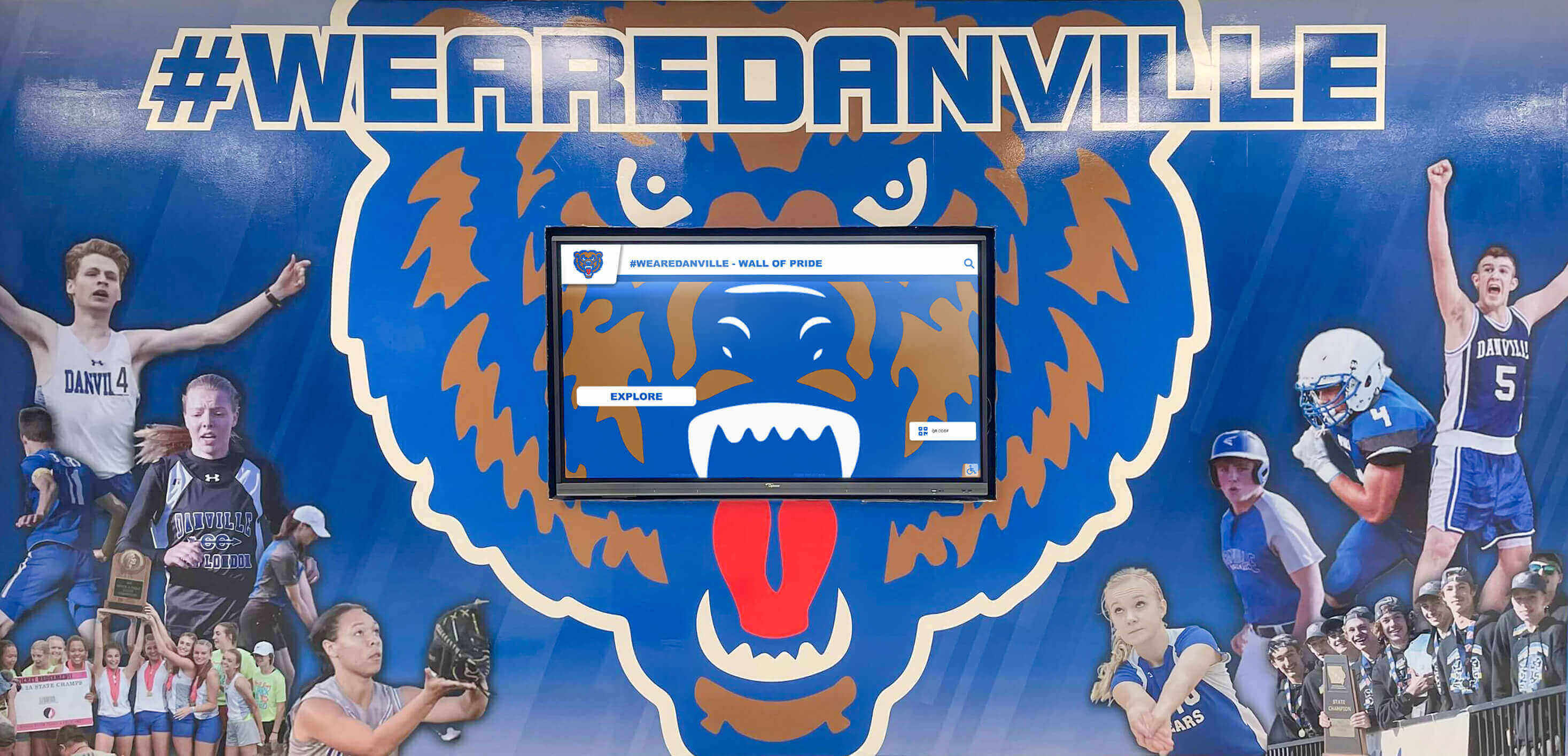
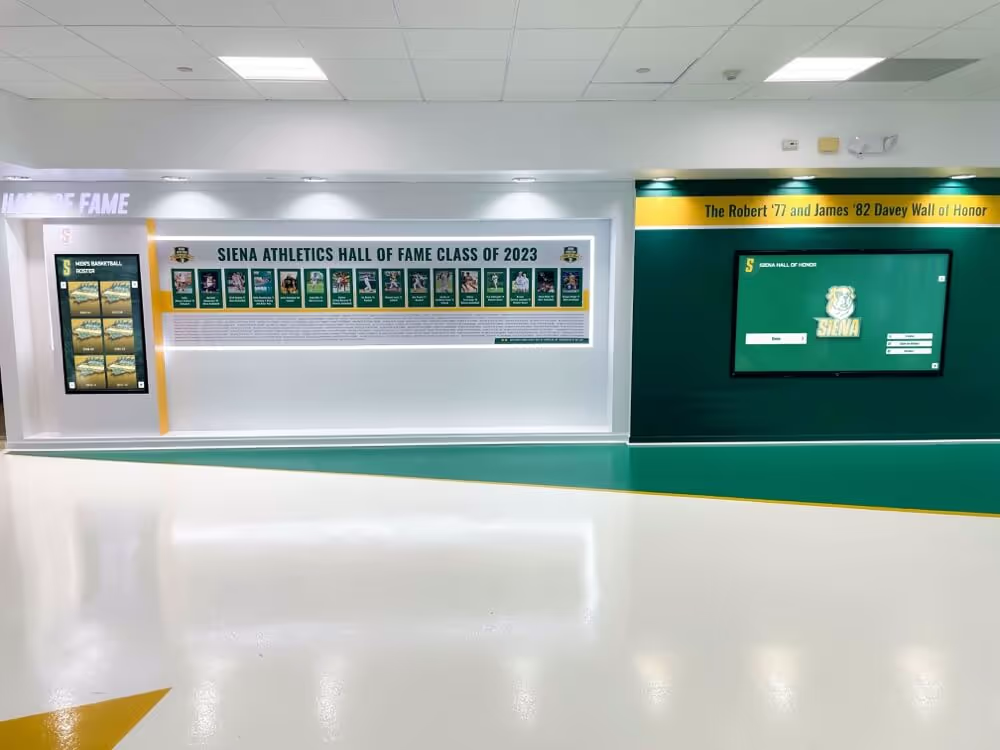
Comprehensive athletic displays recognize all programs contributing to school spirit, including cheerleading squads
Choreography Fundamentals for Both Routine Types
Regardless of routine purpose, certain choreographic principles create more effective and visually appealing performances.
Creating Sharp, Synchronized Movements
Visual impact depends heavily on motion quality and squad synchronization:
Motion Technique Essentials
- Exact arm placement hitting precise positions
- Strong muscle control maintaining tight motions
- Consistent height and angle across entire squad
- Sharp hits with clean beginning and ending points
- Appropriate facial expressions matching routine energy
Achieving Squad Synchronization
- Detailed eight-count breakdowns for every section
- Consistent counts and tempo across all practices
- Mirror practice helping athletes see proper execution
- Video review identifying timing inconsistencies
- Drilling repetition building muscle memory
The difference between good and great routines often comes down to whether every athlete hits every motion at exactly the same moment with identical placement and energy.
Effective Formation Design and Transitions
Strategic formations maximize visual impact and scoring potential:
Formation Principles
- Varied levels creating depth (standing, kneeling, prone)
- Balanced spacing using available performance area
- Clear focal points directing audience attention
- Formations highlighting specific skills or athletes
- Symmetry or intentional asymmetry with purpose
Smooth Transition Execution
- Shortest possible paths between formations
- Staggered movement creating visual interest
- No wasted counts during transitions
- Purposeful transitional movements rather than walking
- Clear counts ensuring simultaneous arrivals
Well-designed formations and transitions make routines appear seamless and professional while maximizing every available count.
Music Selection and Routine Pacing
Music dramatically impacts routine effectiveness and audience engagement:
Sideline Music Considerations
- Recognizable songs encouraging crowd singing
- High-energy beats matching cheer tempo
- School-appropriate lyrics and themes
- Clear audio quality for outdoor venues
- Copyright permissions for competition use
Competition Music Strategy
- Custom mixes highlighting routine sections
- Beat patterns matching choreography counts
- Voice-overs introducing team and building energy
- Strategic tempo changes creating dynamic pacing
- Sound effects emphasizing key moments
Quality music elevates routines from adequate to memorable, creating emotional connections with audiences and judges.
Incorporating Difficulty While Maintaining Safety
Advanced skills increase scoring potential but must balance with safety:
Safe Skill Progression
- Master fundamentals before attempting advanced skills
- Proper training progression from simple to complex
- Adequate spotting during skill development
- Athletic trainer consultation on injury prevention
- Age-appropriate difficulty following guidelines
Competition Skill Requirements
- Division-specific mandatory elements
- Difficulty levels appropriate for athlete age and training
- Legal skills per governing body rules (USASF, NFHS, etc.)
- Deduction avoidance through rule compliance
- Strategic difficulty placement maximizing scores
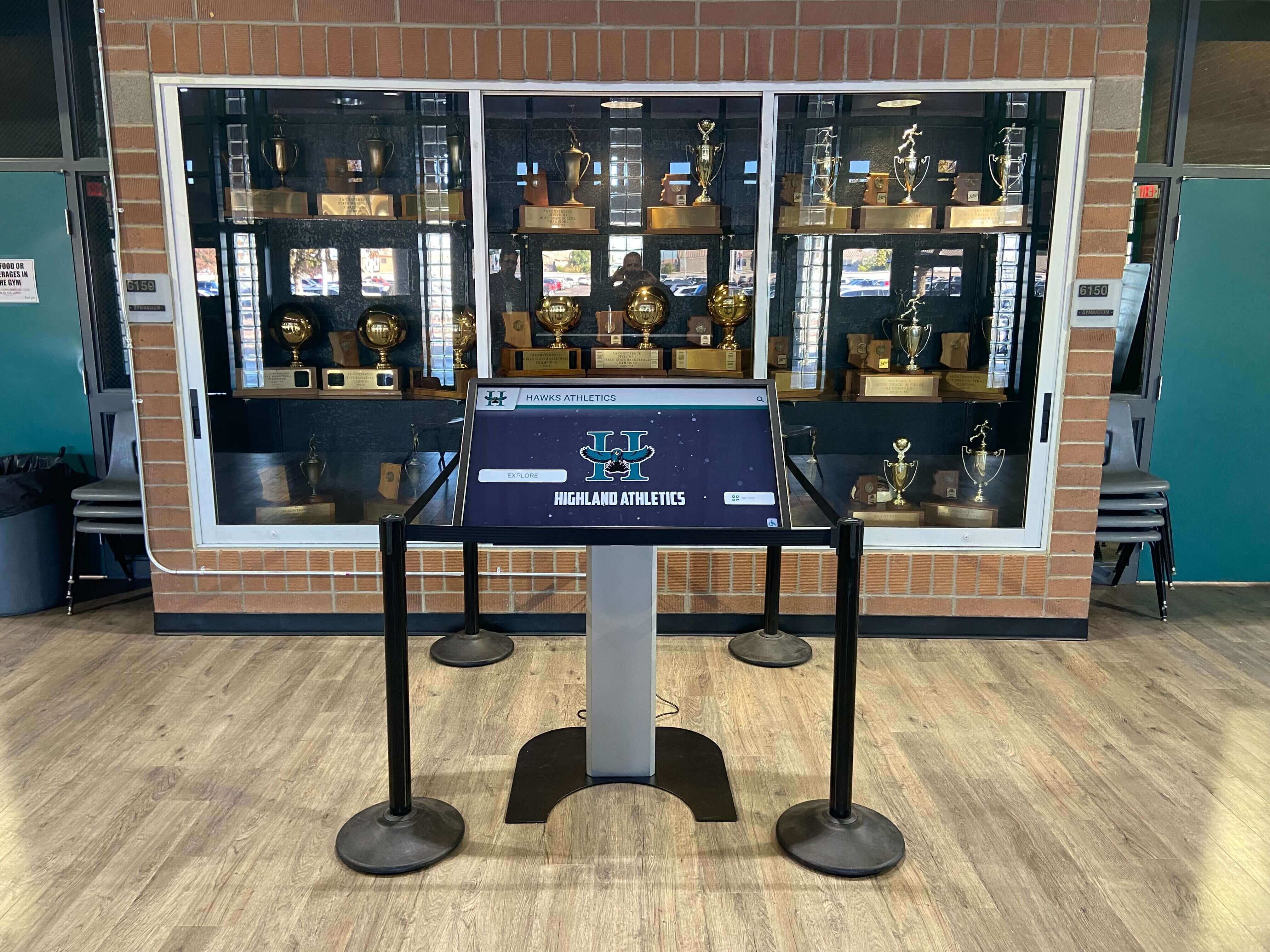
Cheerleading achievements deserve prominent display alongside traditional sports recognition
Never compromise athlete safety for competitive advantage—injured athletes cannot perform, and safe routines still win championships when executed with excellence.
Building Your Routine Library
Successful programs maintain extensive routine collections adaptable to various situations and events.
Essential Routine Categories
Develop cheerleading routines across these categories for comprehensive coverage:
Game Situation Cheers
- Kickoff/tip-off opening routines
- Defensive situation cheers
- Offensive momentum builders
- Victory celebration routines
- Come-from-behind encouragement cheers
- Time management and clock awareness cheers
School Spirit and Tradition
- Fight song choreography
- Alma mater routines
- Rivalry game special cheers
- Homecoming traditions
- Senior recognition routines
- School spirit week activities and celebrations
Multi-Sport Adaptations
- Football-specific cheers
- Basketball game routines
- Volleyball competition cheers
- Wrestling match energy builders
- Sport-neutral general cheers
Building diverse routine libraries ensures you’re prepared for any situation while giving squads variety preventing practice monotony.
Documenting and Teaching Routines
Systematic documentation helps preserve routines and facilitate teaching:
Documentation Methods
- Written eight-count sheets with formation diagrams
- Video recordings from multiple angles
- Verbal descriptions of key transitions and skills
- Formation charts showing athlete positions
- Music files with count markers
Teaching New Routines Efficiently
- Break routine into manageable sections
- Teach formation and counts separately, then combine
- Practice mirror-image for proper directional learning
- Drill problem sections repeatedly before full run-throughs
- Use captains and veterans to assist teaching
Well-documented routines become program assets passed to future squads, preserving traditions while allowing evolution.
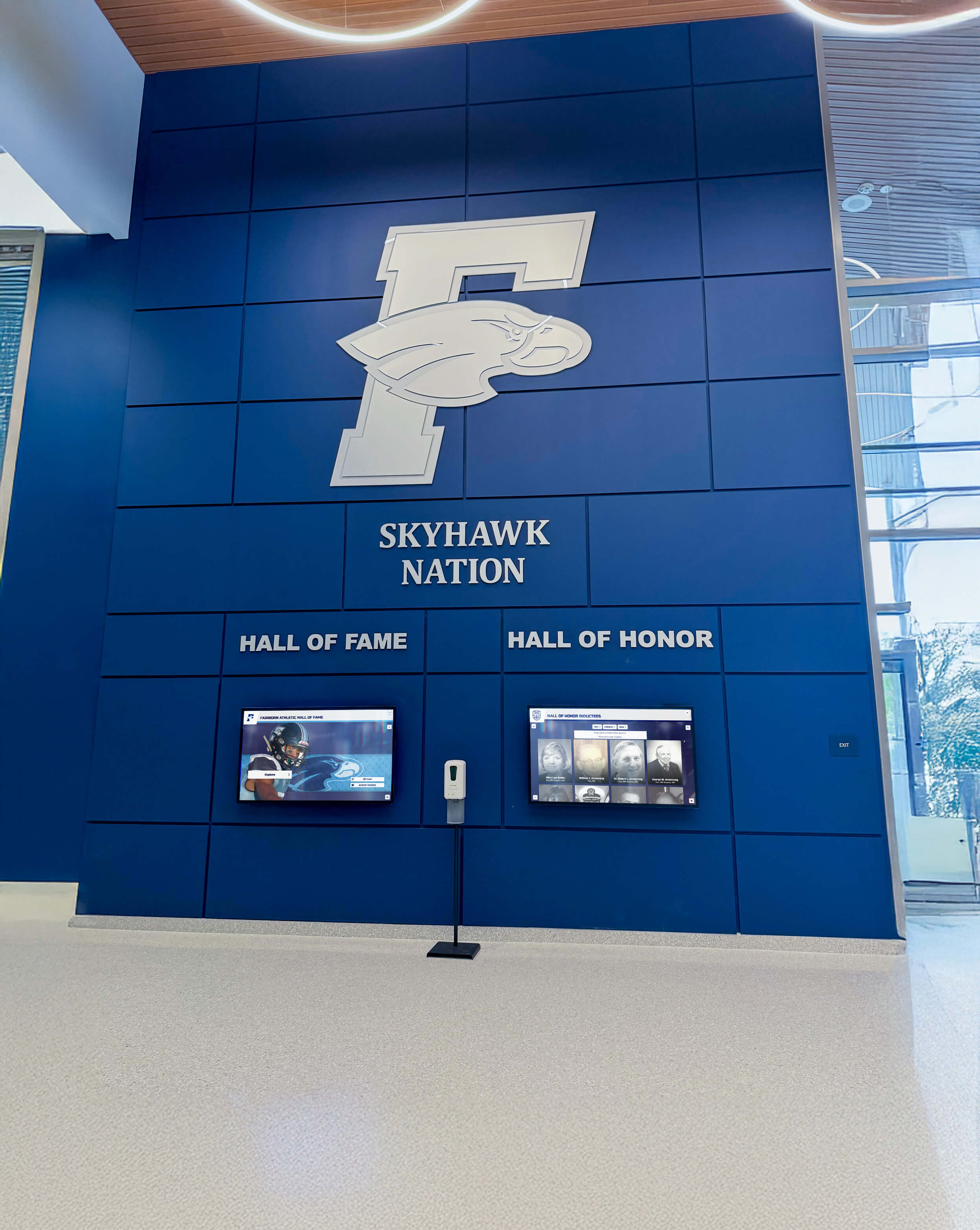
Cheerleading traditions and championship achievements become part of lasting school legacy through recognition displays
Practice Strategies for Routine Perfection
Building exceptional routines requires more than good choreography—systematic practice transforms concepts into polished performances.
Effective Practice Structure
Maximize practice time with intentional structure:
Warm-Up and Skill Development (20-30 minutes)
- Cardiovascular conditioning building stamina
- Flexibility training preventing injuries
- Tumbling skill progression
- Stunt technique refinement
- Jump drills and motion practice
Routine Practice Segments (45-60 minutes)
- Section-by-section breakdown practice
- Transition drilling between sections
- Full routine run-throughs
- Cleaning and synchronization work
- Performance practice with full energy
Cool-Down and Mental Preparation (10-15 minutes)
- Physical stretching and injury prevention
- Routine visualization and mental rehearsal
- Team building and encouragement
- Performance feedback and goal setting
This structure balances skill development, routine refinement, and team cohesion.
Identifying and Correcting Common Issues
Address these frequent routine problems during practice:
Synchronization Problems
- Athletes counting differently or at different speeds
- Inconsistent motion technique creating visual misalignment
- Rushed transitions causing formation errors
- Varied energy levels across squad
Solutions: Count out loud together during practice, use mirrors for real-time feedback, video analysis showing specific discrepancies, designate count leaders for sections
Energy and Performance Quality
- Inconsistent facials and expressions
- Low energy during routine sections
- Performance anxiety affecting confidence
- Lack of crowd engagement during sideline routines
Solutions: Performance practice simulating competition pressure, facial expression drills, confidence-building exercises, team bonding activities strengthening connections
Technical Execution Challenges
- Stunt timing and technique issues
- Tumbling passes lacking power or precision
- Jump height and technique inconsistencies
- Formation spacing and alignment problems
Solutions: Individual skill coaching, strength and conditioning programs, repetition drilling fundamentals, formation markers during practice
Systematic problem identification and targeted solutions accelerate improvement.
Competition Preparation Strategies
Final competition preparation requires specific approaches:
Performance Simulation
- Full routine run-throughs in competition uniforms
- Practice in similar venue environments when possible
- Invited audience creating performance pressure
- Judge evaluation with constructive feedback
- Time pressure and repetition building stamina
Mental Preparation Techniques
- Visualization of perfect routine execution
- Positive self-talk and affirmations
- Pressure management strategies
- Team unity building and mutual support
- Confidence development through preparation
Final Week Protocols
- Reduced injury risk by limiting new skill attempts
- Focus on consistency over perfection
- Rest and recovery preventing burnout
- Light run-throughs maintaining muscle memory
- Positive team atmosphere and excitement building
Proper competition preparation maximizes months of hard work when it matters most.
Adapting Routines for Special Situations
Versatile squads modify routines for various contexts and unexpected situations.
Weather and Environmental Adaptations
Outdoor events and variable conditions require flexibility:
Rain and Wet Conditions
- Eliminate tumbling on wet surfaces
- Modify stunts reducing slip risks
- Adjust formations for limited dry areas
- Protect poms and signs from moisture
- Have indoor backup routines prepared
Extreme Heat or Cold
- Adjust routine length preventing exhaustion
- Modify uniforms when safe and permitted
- Increase water breaks during practice
- Account for reduced flexibility in cold
- Monitor athletes for weather-related issues
Limited Space or Surface Changes
- Scale formations to available area
- Adjust stunt groups for space constraints
- Modify tumbling for surface type
- Adapt choreography to venue limitations
Preparation for various conditions ensures performances proceed safely regardless of circumstances.
Incorporating School Traditions
Connect cheerleading routines to broader school culture:
Mascot Integration
- Coordinated choreography with mascot appearances
- Mascot-specific chants and routines
- School colors and imagery in formations
- Traditional fight song choreography
Partnership with Other Programs
- Coordinated performances with dance teams during athletic banquets
- Collaboration with band on musical elements
- Support for student recognition programs
- Participation in school open house events and demonstrations
Alumni and Community Engagement
- Special routines for homecoming traditions
- Recognition of former cheerleaders at reunions
- Community performance opportunities
- Youth camp demonstrations teaching fundamental routines
These connections strengthen program visibility and community support.
Preserving Cheerleading Legacy and Recognition
Championship routines and squad achievements deserve permanent recognition celebrating contributions to school spirit and athletic success.
Documenting Squad Achievements
Preserve your program’s accomplishments and traditions:
Historical Documentation
- Championship routine videos and photographs
- Competition results and rankings
- Individual athlete achievements and college commitments
- Squad rosters and captains by year
- Signature routines defining program identity
Recognition Displays
- Championship banners and awards in athletic facilities
- Trophy case displays featuring squad accomplishments
- Photo walls celebrating squad traditions
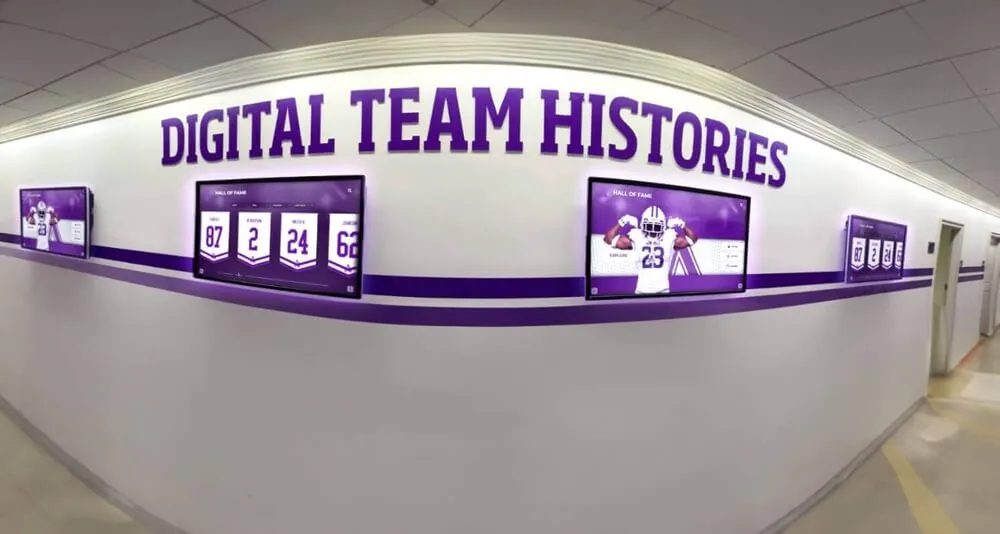
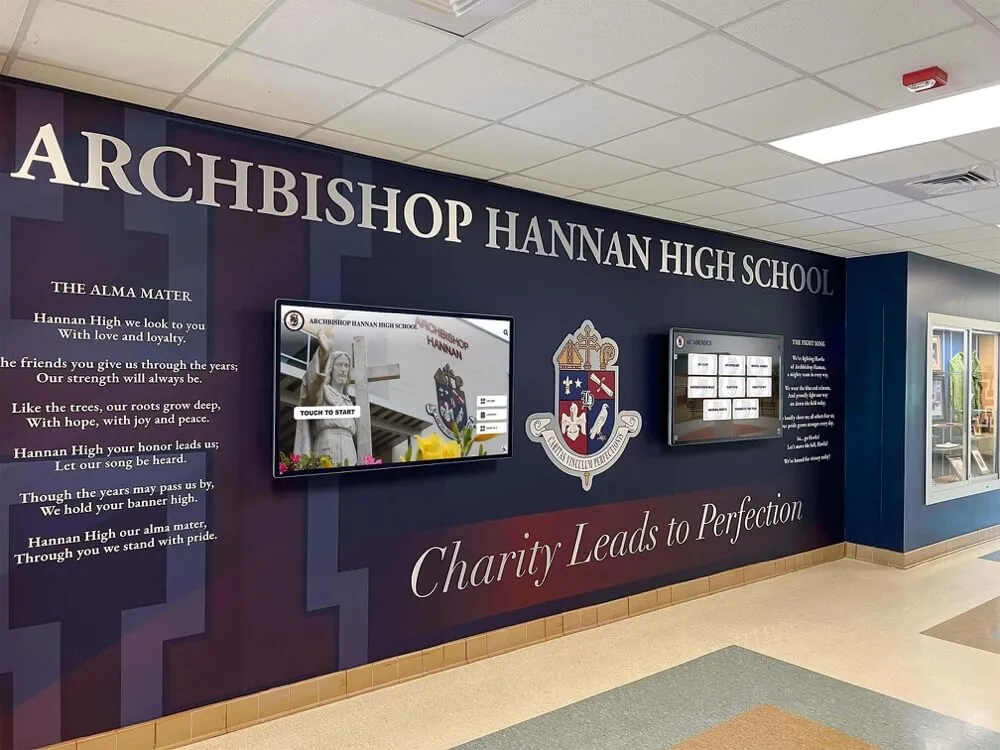
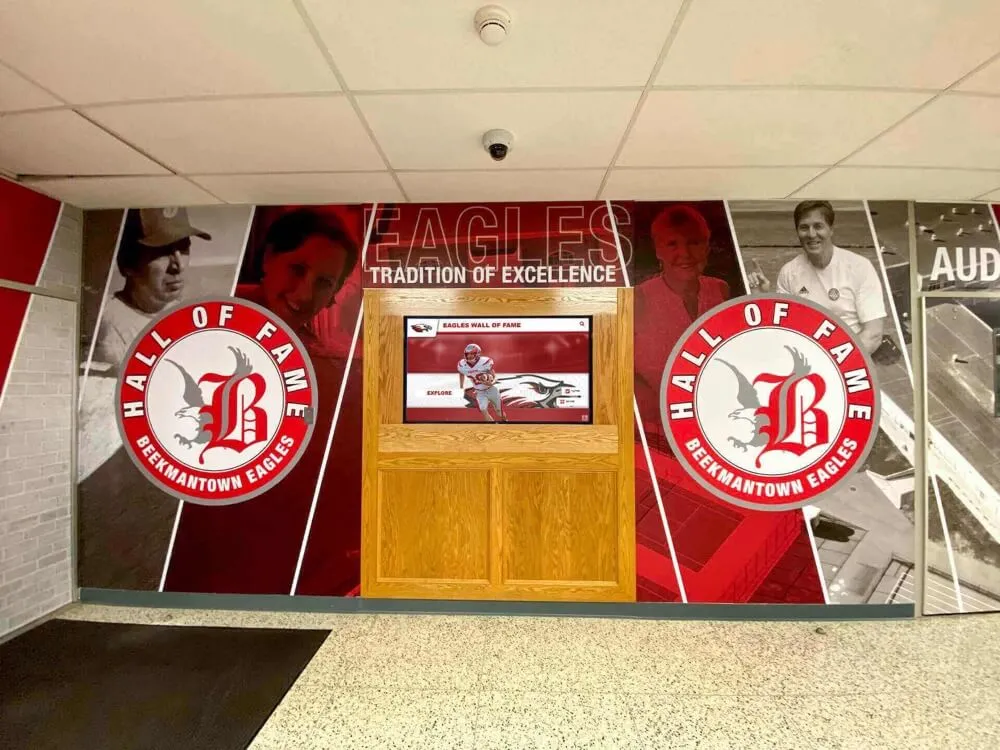
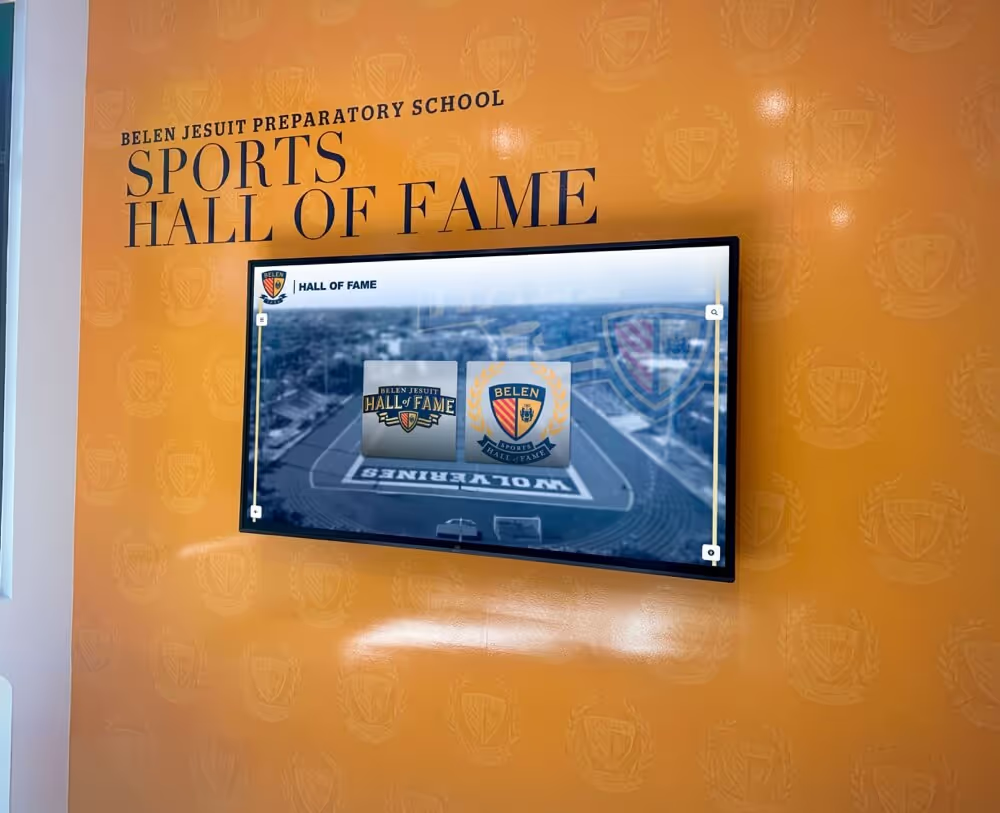
- Digital recognition systems preserving performances and achievements
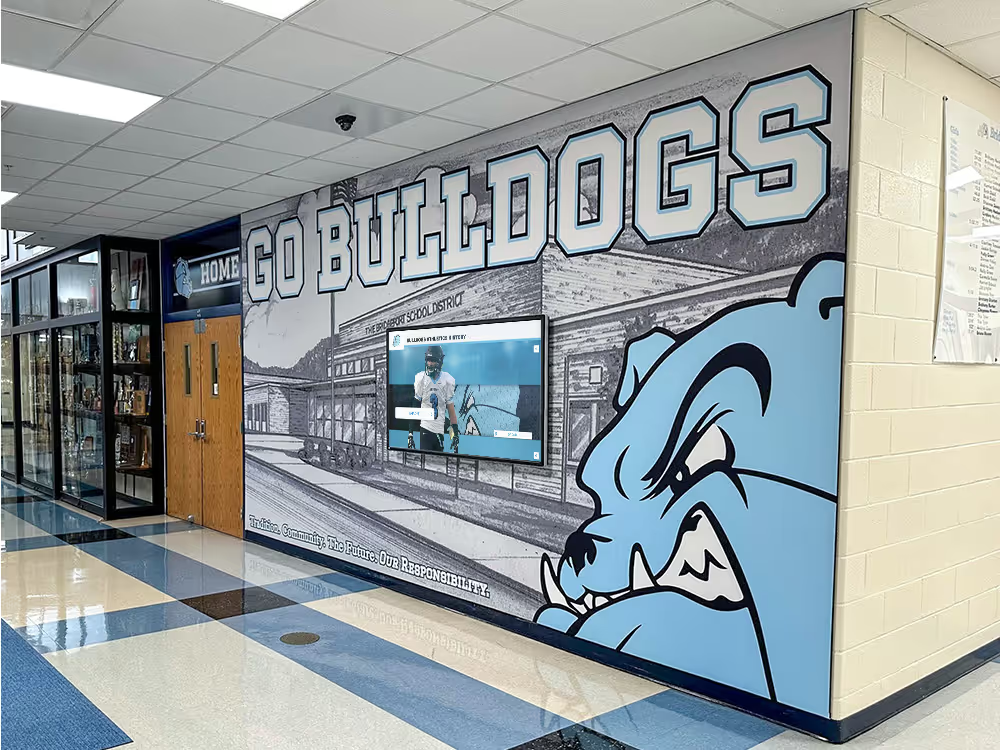
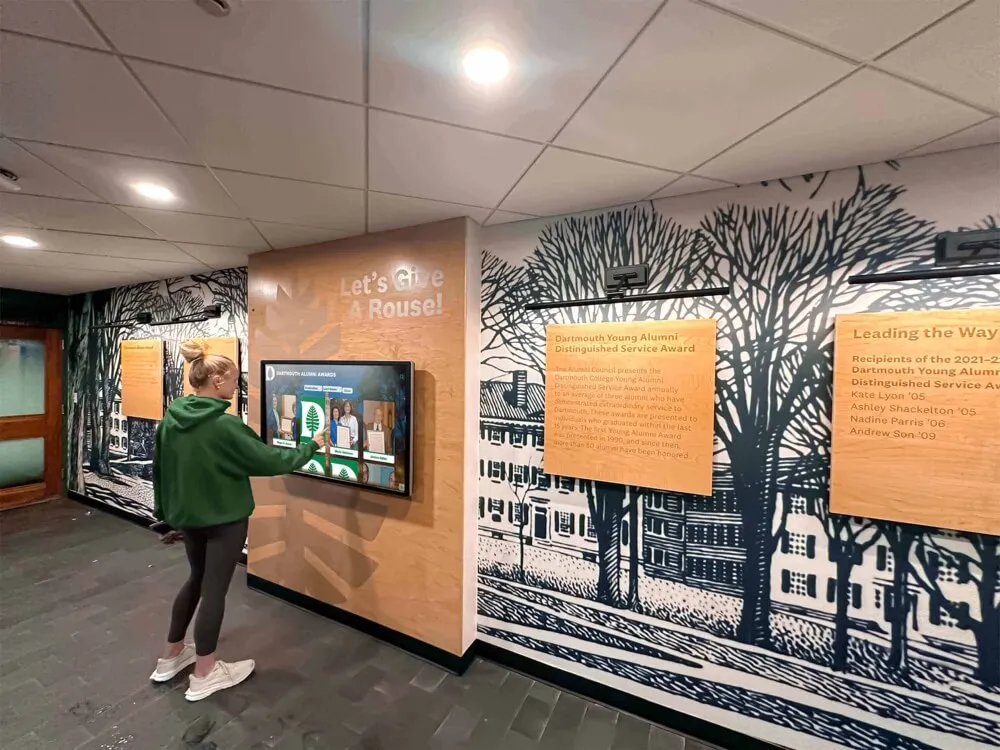
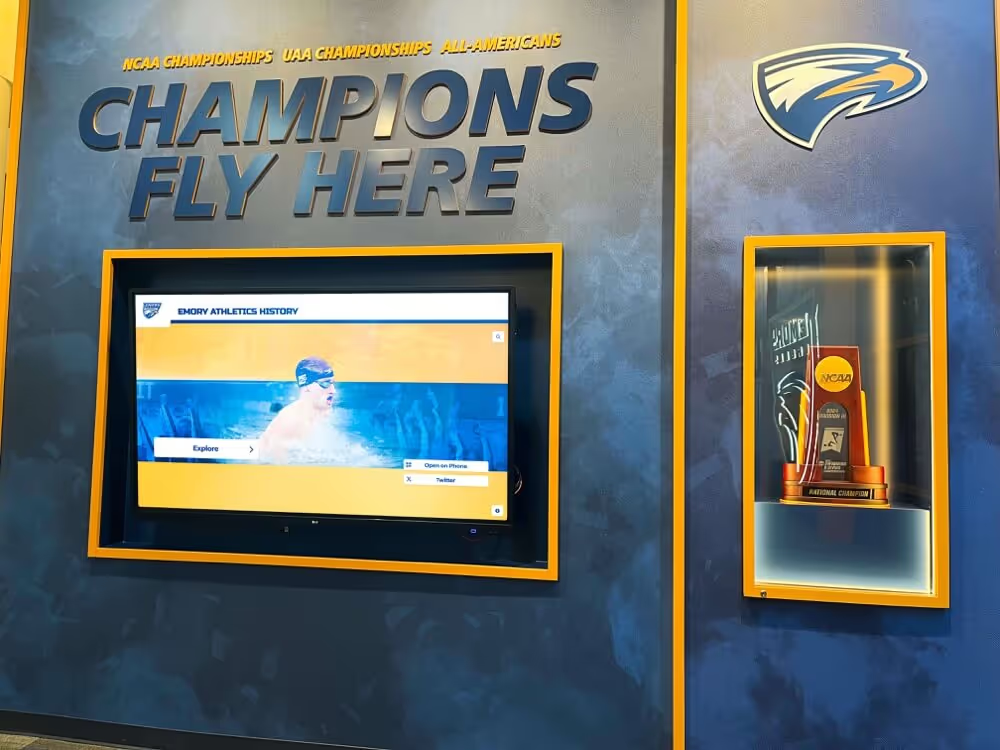
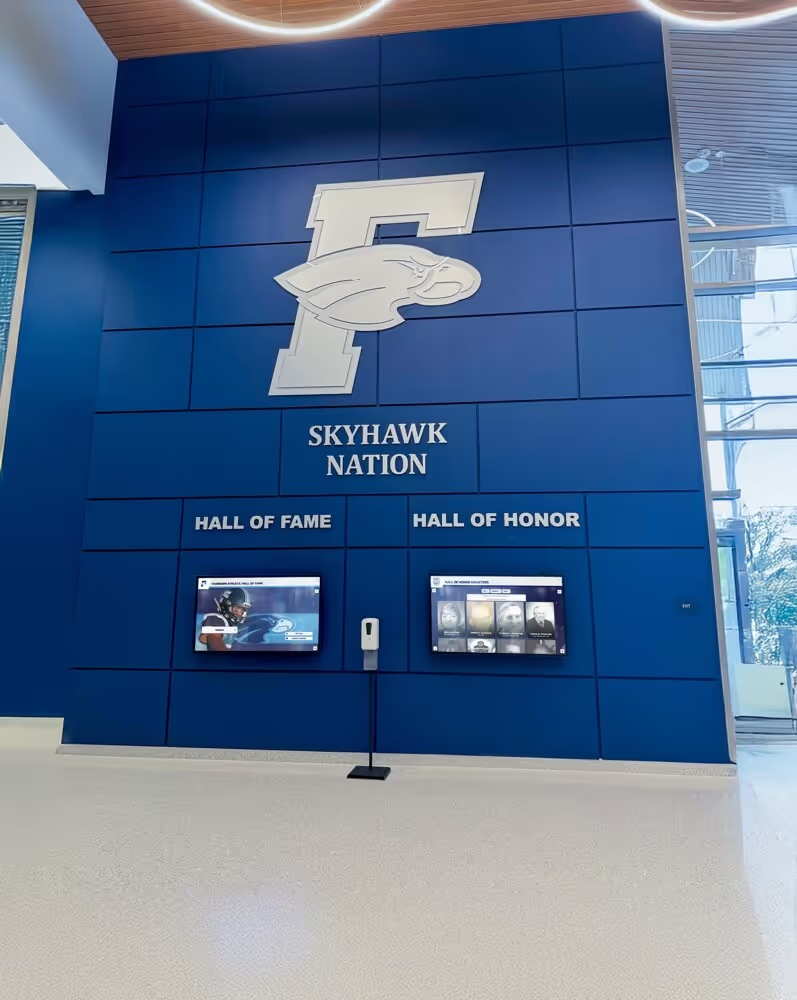
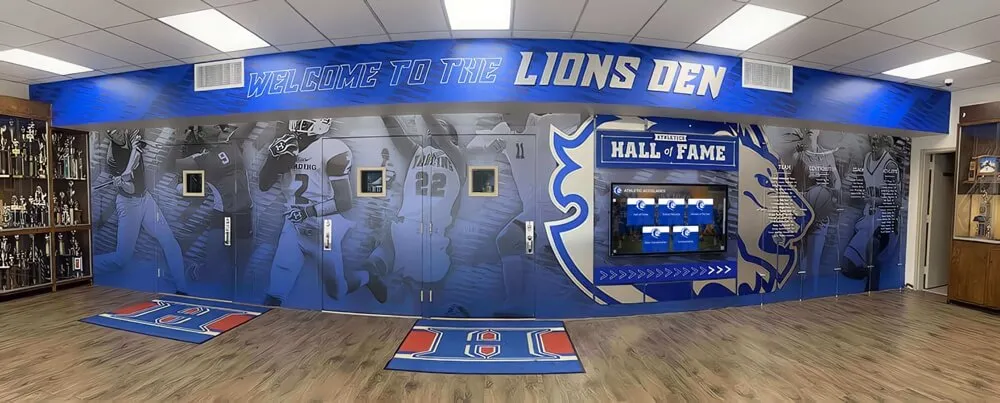
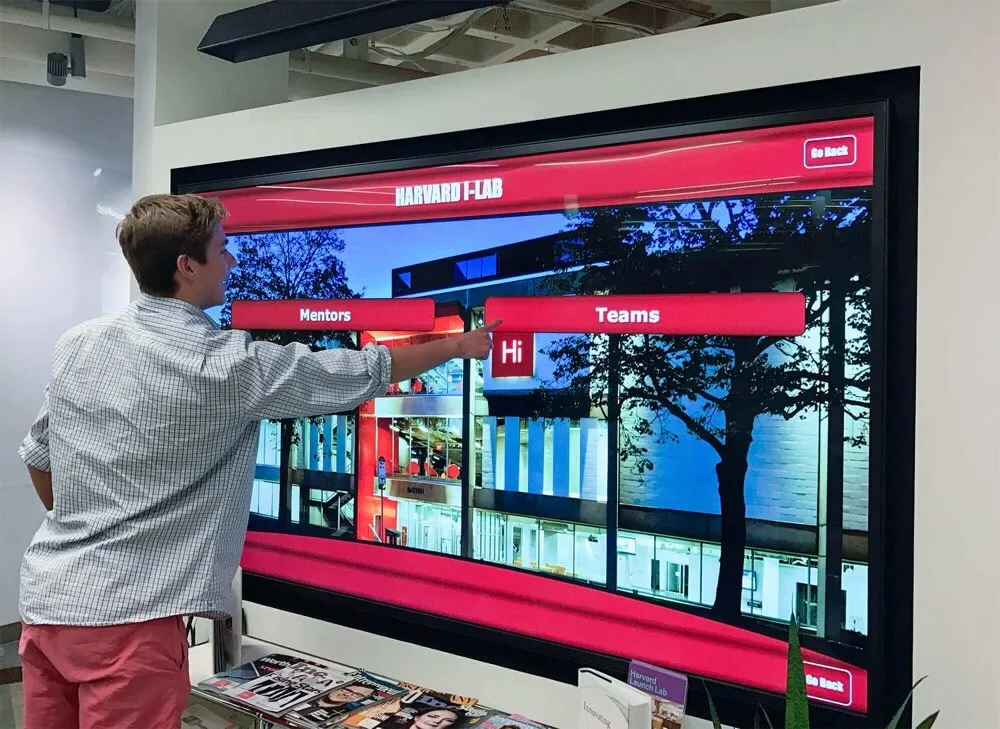
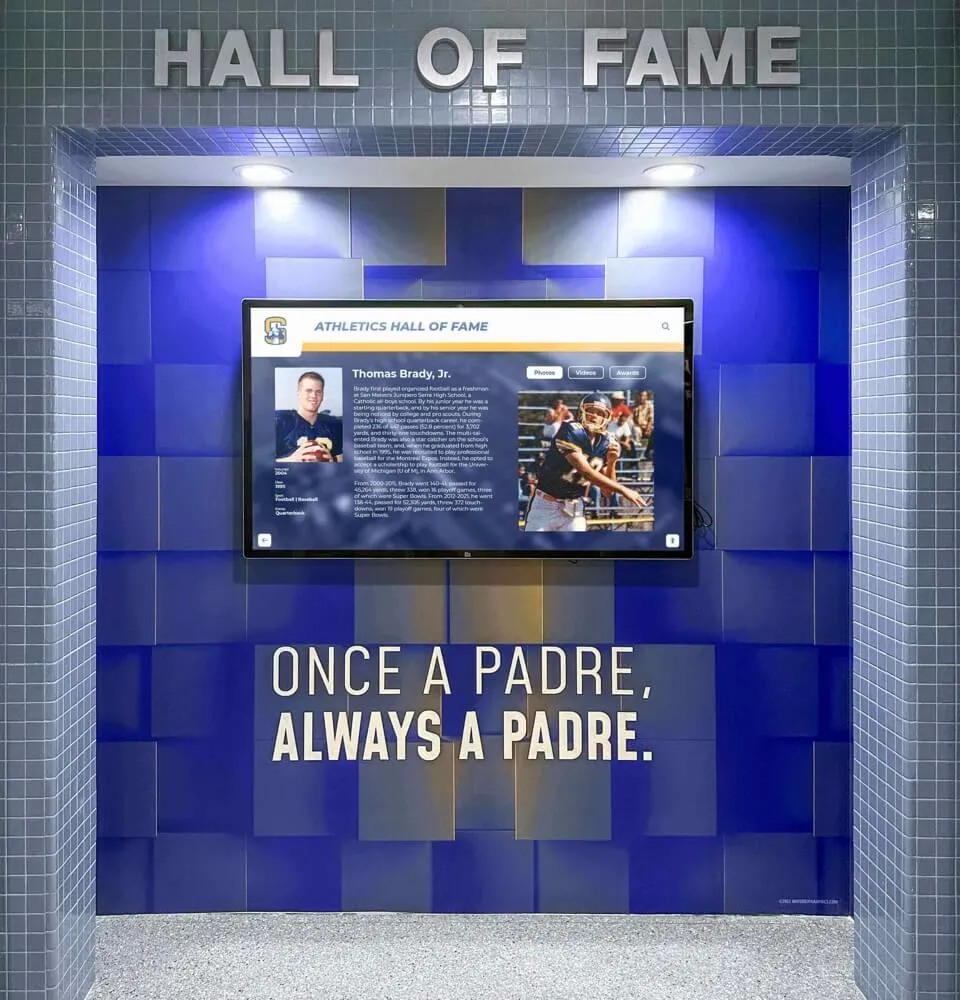
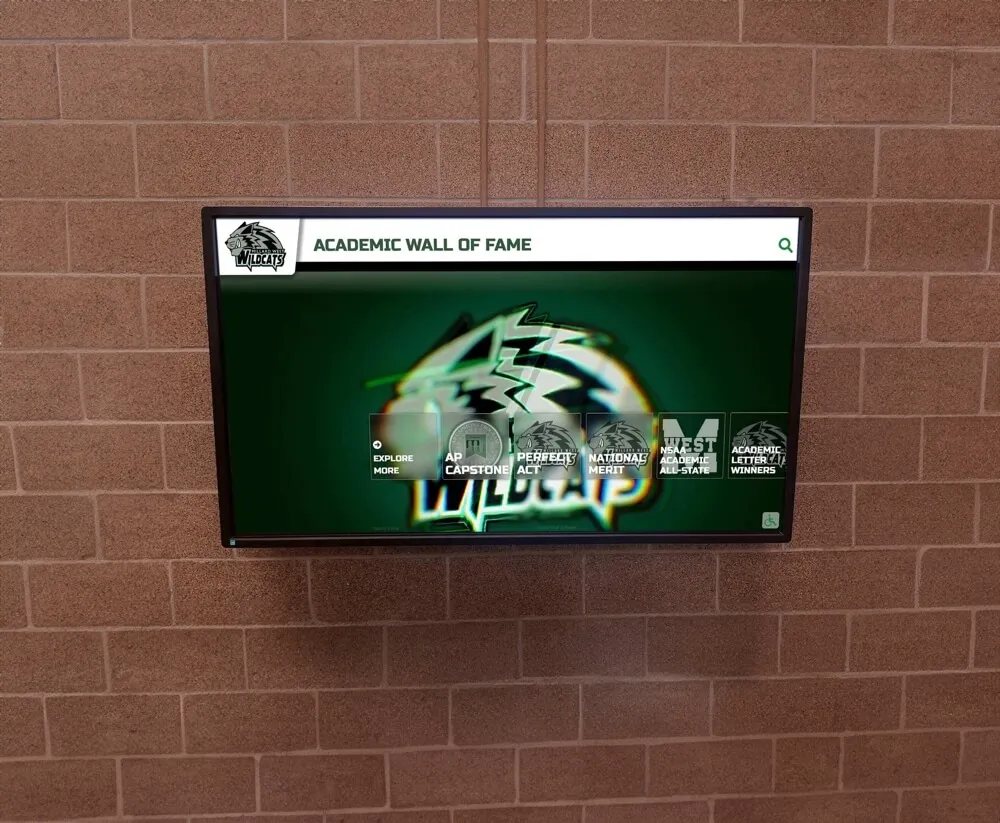
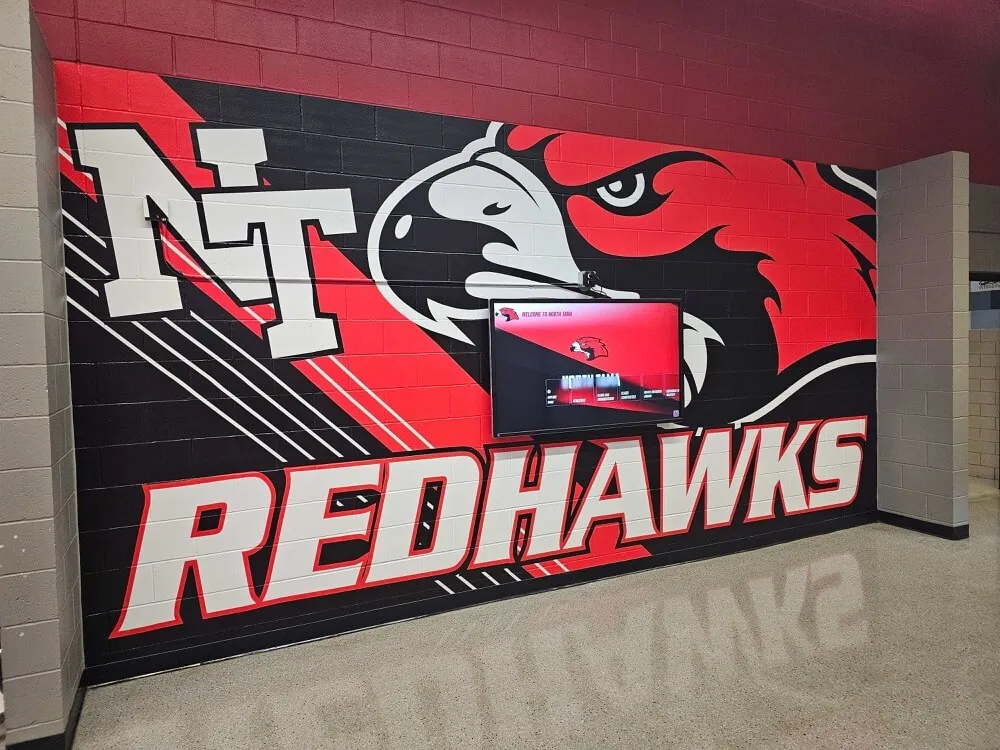
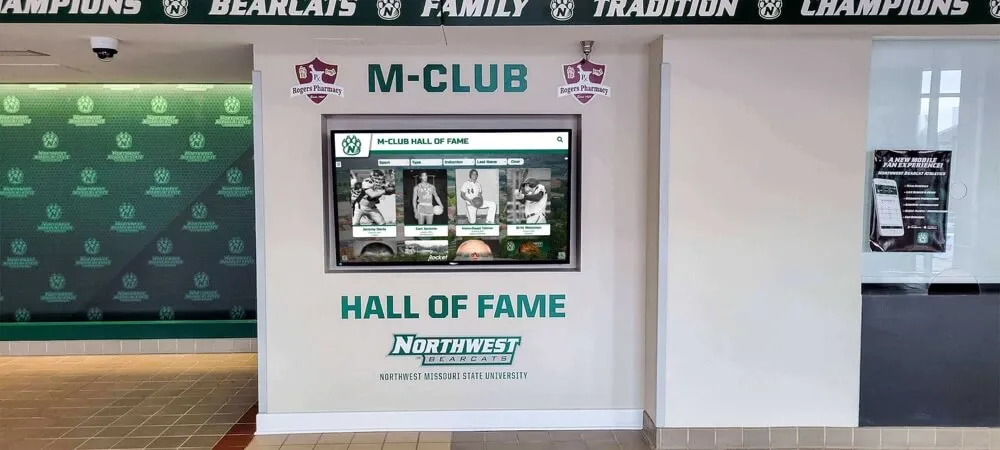
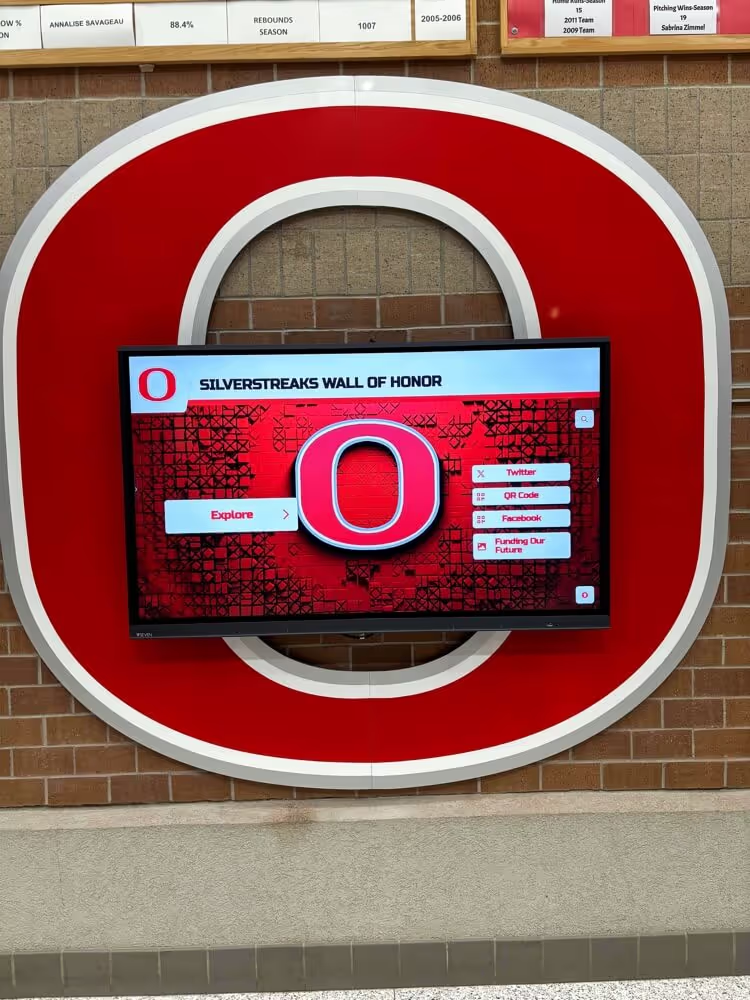
Many schools now utilize interactive touchscreen displays that showcase cheerleading alongside other athletic programs, ensuring spirit squads receive equal recognition for their contributions to school pride and athletic events. These digital recognition platforms allow schools to feature championship routines, squad histories, and individual achievements in engaging formats accessible to students, alumni, and visitors.
Sharing Routines and Building Program Culture
Strong programs develop cultures celebrating excellence and tradition:
Team Traditions
- Senior routine performances at final competitions
- Captain selection and leadership development
- Squad bonding through shared routine experiences
- Annual performance showcases for families and community
Youth Development
- Youth cheer camps teaching fundamental routines
- Mentorship programs connecting current and former cheerleaders
- Demonstration performances inspiring younger athletes
- Clinic opportunities spreading your program’s techniques
Digital Presence
- Social media sharing performance highlights
- Website documentation of squad history
- Video archives preserving championship routines
- Virtual showcases during remote learning periods
Building comprehensive recognition ensures current and future cheerleaders understand their program’s legacy while feeling motivated to add their own achievements.
Routine Evaluation and Continuous Improvement
The best programs systematically evaluate routines and implement improvements based on performance data and feedback.
Performance Assessment Methods
Multiple evaluation approaches provide comprehensive feedback:
Video Analysis
- Record routines from multiple angles during performances
- Compare execution to original choreography
- Identify synchronization discrepancies
- Spot technique issues requiring correction
- Track improvement over season progression
Judge and Coach Feedback
- Competition score sheets highlighting strengths and weaknesses
- External coach evaluations providing objective perspective
- Peer review from other squads at competitions
- Parent and crowd response gauging engagement
Self-Assessment
- Squad discussion after performances
- Individual athlete reflection on personal execution
- Captain leadership in identifying improvement areas
- Honest evaluation without negativity or blame
Combining objective video evidence with subjective feedback creates complete performance pictures.
Implementing Improvements
Turn evaluation insights into concrete improvements:
Targeted Practice Focus
- Dedicate practice time to specific problem areas
- Drill weak sections until consistently strong
- Individual coaching for athletes struggling with skills
- Formation adjustments addressing spacing issues
Choreography Refinements
- Modify sections not scoring well or engaging crowds
- Adjust difficulty levels to squad capabilities
- Improve transitions increasing flow and reducing wasted counts
- Replace ineffective elements with stronger alternatives
Strategic Planning
- Set measurable goals for next performance
- Create action plans addressing identified weaknesses
- Schedule additional practices when necessary
- Celebrate improvements maintaining positive momentum
Continuous improvement mindsets transform good squads into championship programs.
Building Cheerleading Excellence
Exceptional cheerleading routines result from systematic planning, dedicated practice, and unwavering commitment to both entertainment and technical excellence. Whether you’re choreographing sideline cheers that unite your community during Friday night games or building competition routines targeting national championships, the principles remain consistent: understand your purpose, showcase your strengths, execute with precision, and perform with passion.
The routines you build today become tomorrow’s traditions—performances remembered by athletes long after graduation, celebrated on championship banners and recognition walls, and passed down through generations of cheerleaders who learn that spirit, skill, and teamwork create something far greater than any individual performance.
Your squad’s achievements deserve recognition that matches the dedication required to perfect every count, nail every stunt, and deliver performances that define school spirit. Many schools now ensure cheerleading receives equal prominence alongside traditional sports through comprehensive athletic recognition systems that celebrate all contributors to their athletic programs and community pride.
Ready to create recognition displays that permanently honor your cheerleading program’s achievements and traditions? Discover how interactive touchscreen systems help schools celebrate their spirit squads alongside other athletic accomplishments, preserving championship routines, squad histories, and individual achievements for current students and future generations to experience and appreciate.
Live Example: Rocket Alumni Solutions Touchscreen Display
Interact with a live example (16:9 scaled 1920x1080 display). All content is automatically responsive to all screen sizes and orientations.