



Few events carry the emotional weight of a well-planned class reunion. Former classmates who haven’t seen each other in a decade walk through the same halls where they grew up, reconnect with teachers who shaped their thinking, and discover how much—and how little—everyone has changed. But the difference between a reunion people talk about for years and one they politely forget often comes down to planning, creativity, and intentionality. Generic banquet dinners with name tags no longer meet the expectations of alumni who travel across the country to attend.
Schools and alumni associations that consistently host meaningful reunions understand something important: class reunion ideas are not just about entertainment. They are about honoring what the class built together, celebrating how individuals have grown since graduation, and strengthening the bonds between alumni and the institution that shaped their lives. Reunion planning done well builds lasting loyalty, surfaces potential donors and mentors, and gives graduates a reason to stay connected for decades.
This guide delivers 30 concrete class reunion ideas organized around the full lifecycle of reunion planning—from early preparation through on-site experience, recognition, and lasting legacy. Whether you are planning a 10-year milestone reunion, a 50th anniversary celebration, or a school-wide homecoming, these strategies will help you create gatherings that alumni actually want to attend.
Class reunions succeed when they offer something graduates cannot get anywhere else: access to their shared history, recognition of their achievements, and genuine connection to the people and places that defined a formative chapter of their lives. The 30 ideas below are organized into six categories, each addressing a different dimension of what makes reunions memorable.

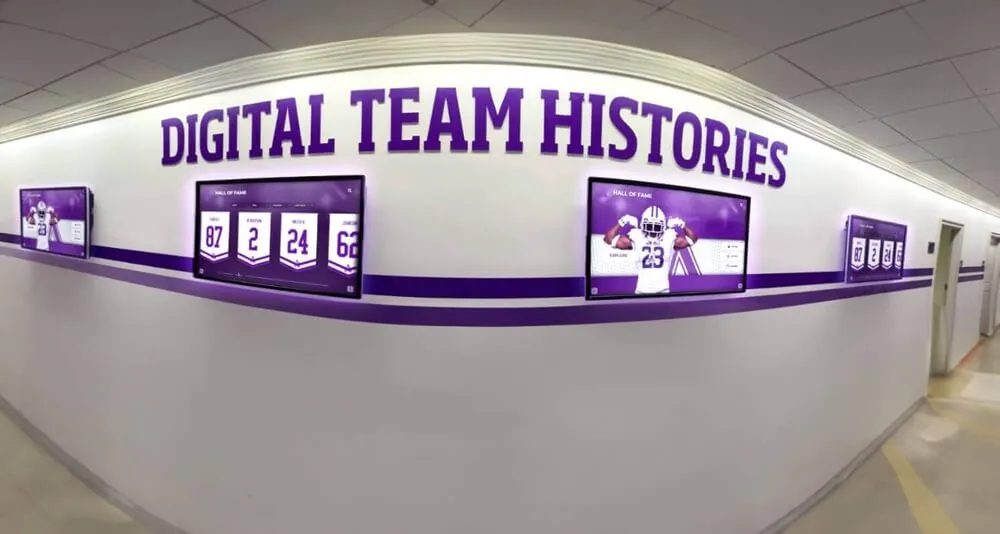
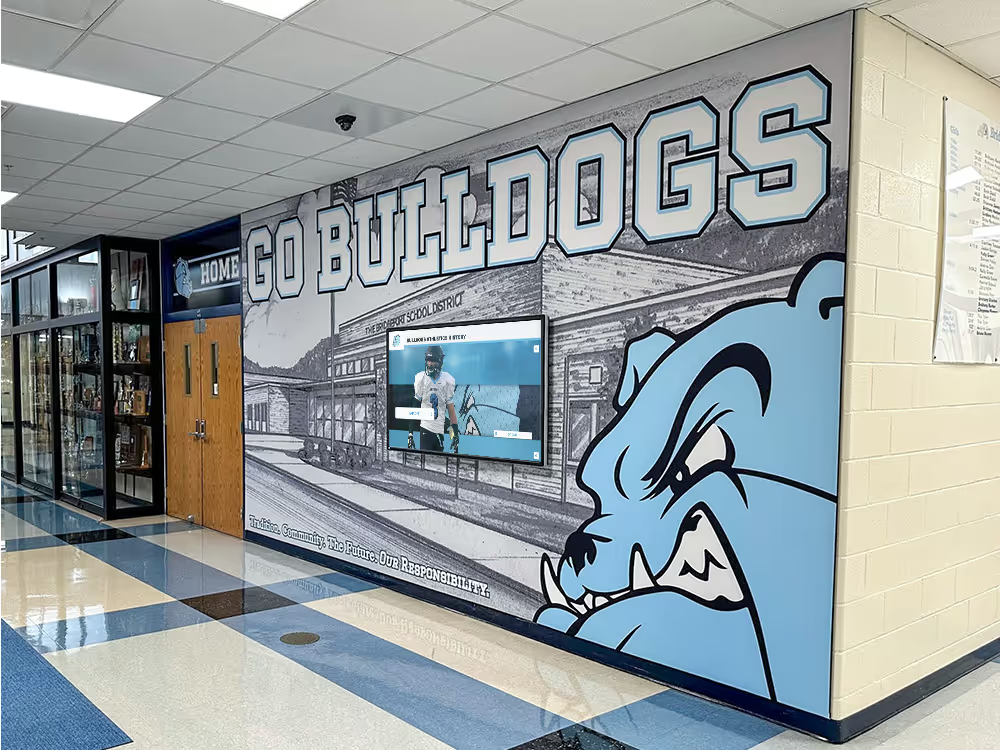
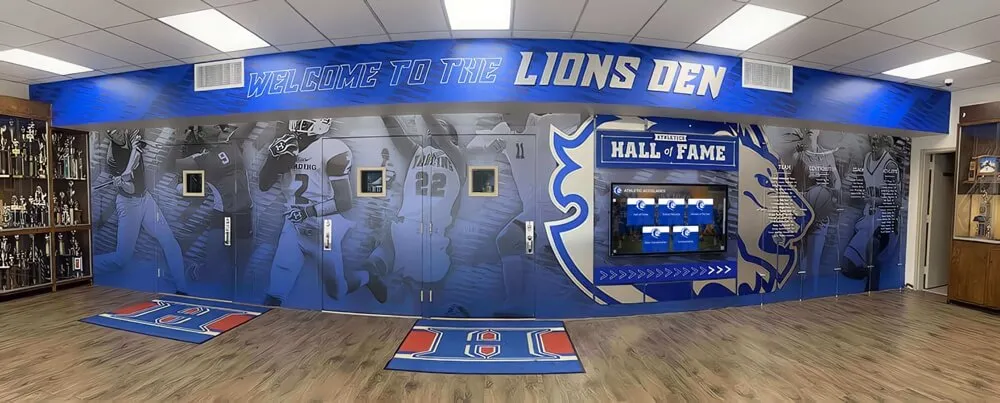
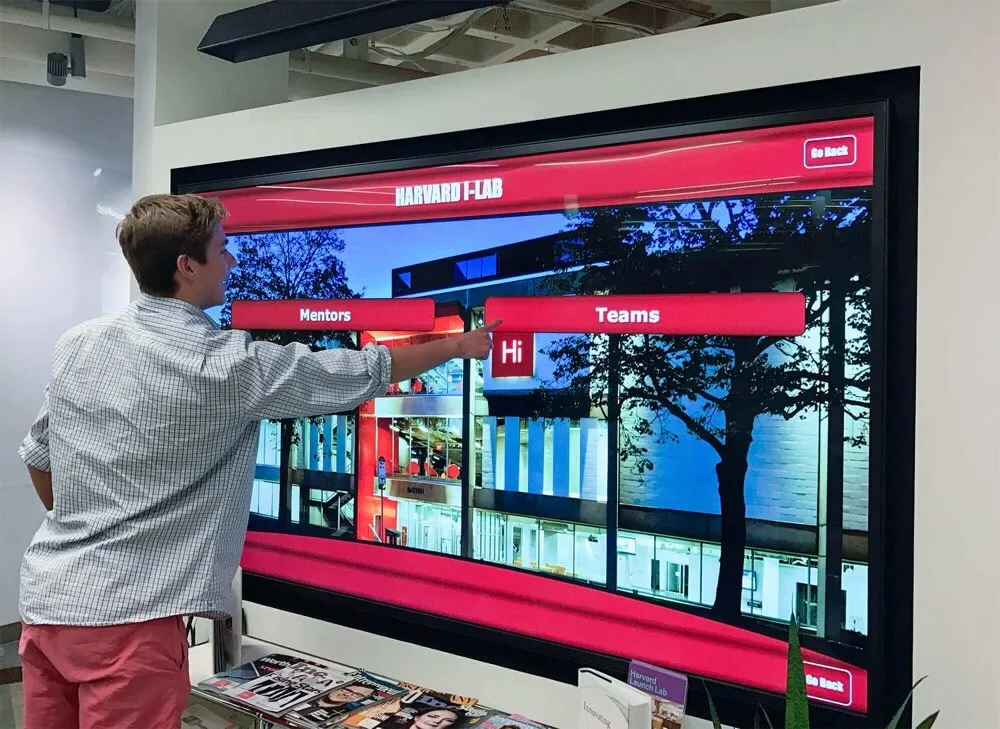
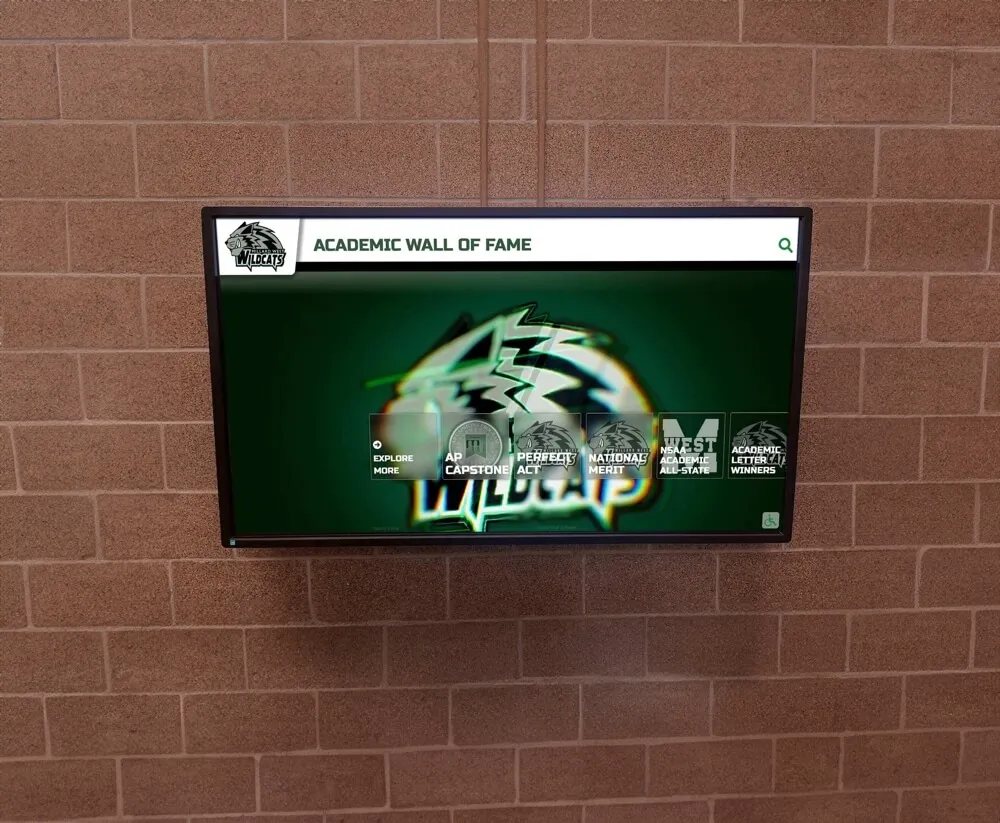
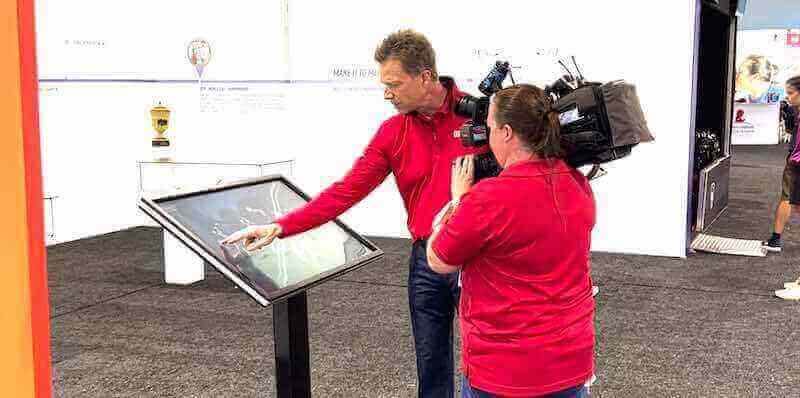
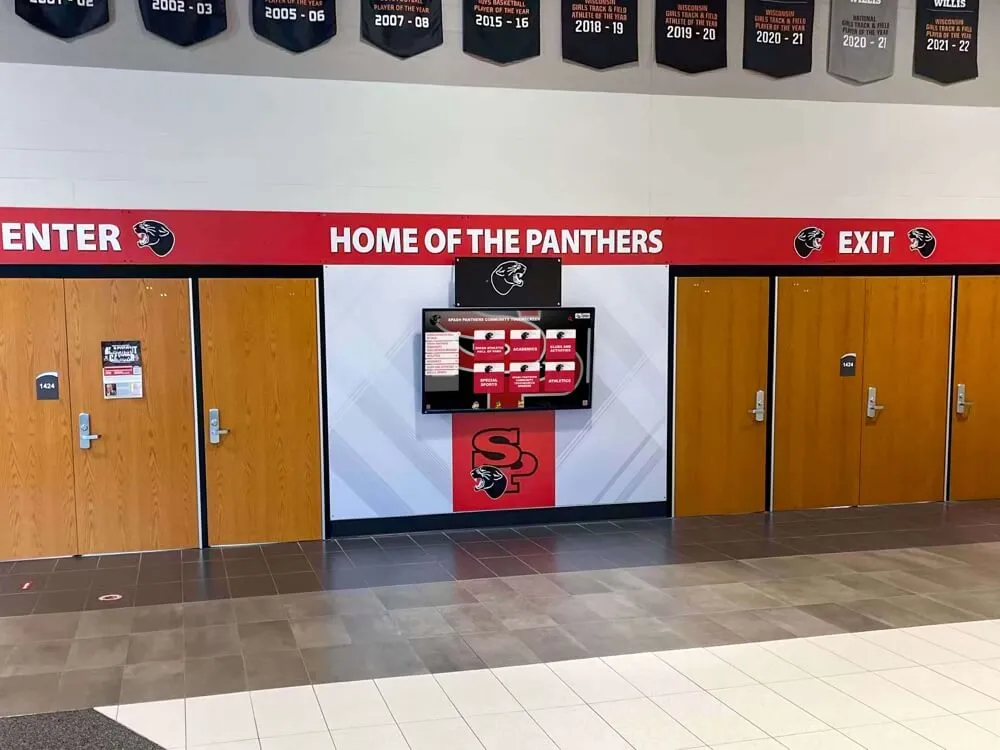
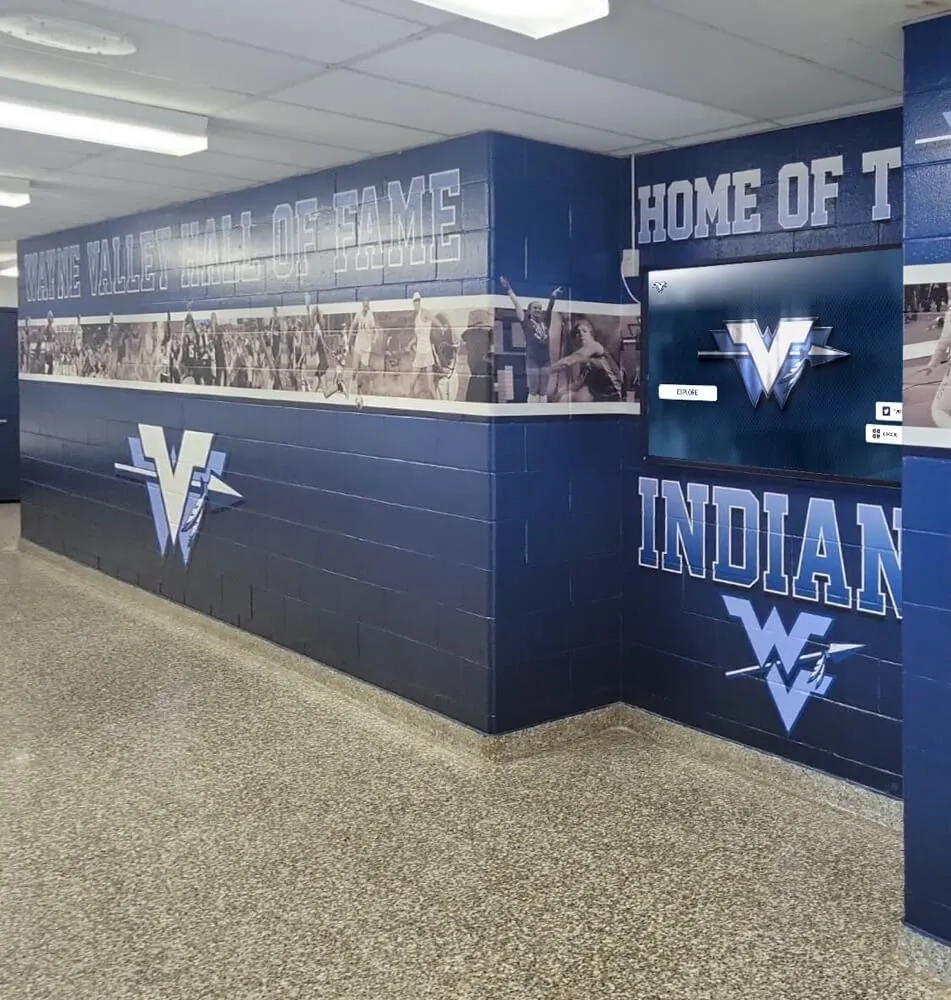
Interactive digital displays allow returning alumni to explore decades of class history, achievement records, and archived photos in a single touchpoint
Pre-Event Planning: Building a Foundation for Success
The most creative reunion programming fails without strong planning infrastructure behind it. These first ideas focus on the organizational groundwork that makes everything else possible.
1. Form a Representative Reunion Committee
The quality of a reunion committee directly determines the quality of the reunion. Aim for 8–12 members who represent different social circles, geographic locations, and backgrounds within the graduating class. Committees with only one or two organizers inevitably plan reunions that reflect narrow preferences; diverse committees surface better ideas, reach more classmates, and distribute the workload sustainably.
Assign specific roles: a communications lead manages outreach and social media, a logistics lead handles venue and catering, a recognition lead coordinates awards and honors, and a technology lead manages digital assets and displays. Clear ownership prevents duplication and ensures nothing falls through the cracks.
2. Lock In Milestone Years and Dates Early
Milestone reunions—5, 10, 25, 50 years—generate the strongest attendance because alumni plan around them. Schools and alumni associations that publish a multi-year reunion calendar allow graduates to plan travel and family schedules years in advance. Announce dates at least 12–18 months ahead for milestone reunions; shorter timelines significantly reduce attendance.
A detailed high school reunion planning timeline and checklist maps out exactly when each planning task should happen—from committee formation through post-event follow-up—so nothing gets missed as the event approaches.
3. Build a Dedicated Reunion Website or Landing Page
A central digital hub serves as the authoritative source for event details, registration, and class updates. Include RSVP functionality, a map of the venue, a FAQ section, payment processing for tickets, and a class news submission form where alumni can share career updates, family milestones, and recent achievements ahead of the reunion.
Update the site regularly as details develop. Classmates who check early and find an incomplete placeholder page rarely return. A well-maintained site builds anticipation and signals that the reunion is professionally organized.
4. Send a Pre-Reunion Class Survey
One of the most underused class reunion ideas is simply asking classmates what they want. A short survey sent 9–12 months before the reunion surfaces preferences about venues, activities, formats, and pricing. It also gives the committee valuable current-location data for invitations and helps identify classmates who are willing to volunteer or sponsor.
Survey results guide programming decisions with real data rather than assumptions, reducing the risk of expensive commitments that fail to resonate with the actual class.
5. Partner with the School’s Alumni Association
Alumni associations bring infrastructure, databases, and institutional credibility that independent class committees lack. They often maintain updated contact information for graduates, have established relationships with school facilities, and can provide budget support, staff assistance, or promotional channels.
When schools host reunions in partnership with their alumni association, both parties benefit: the school deepens alumni relationships, and the committee gains resources that make larger, higher-quality events possible. This partnership model is particularly valuable for schools exploring how to build a strong alumni network that supports graduates throughout their careers.
Venue and Atmosphere Ideas: Creating the Right Environment
Where you hold a reunion shapes how alumni feel from the moment they arrive. These ideas address venue selection and environmental design.
6. Host the Reunion on Campus
Nothing reactivates emotional memory like walking through the same hallways, sitting in the same courtyard, or seeing the same gymnasium where formative moments happened. Campus-based reunions give alumni direct access to the physical spaces of their shared history—an advantage no hotel ballroom can replicate.
Work with the school’s facilities team to reserve appropriate spaces: gymnasiums, cafeterias, auditoriums, athletic fields, or outdoor courtyards. Campus access also allows for school tours, which consistently rank among the most appreciated reunion activities, especially when attendees can see renovations and improvements made since graduation.
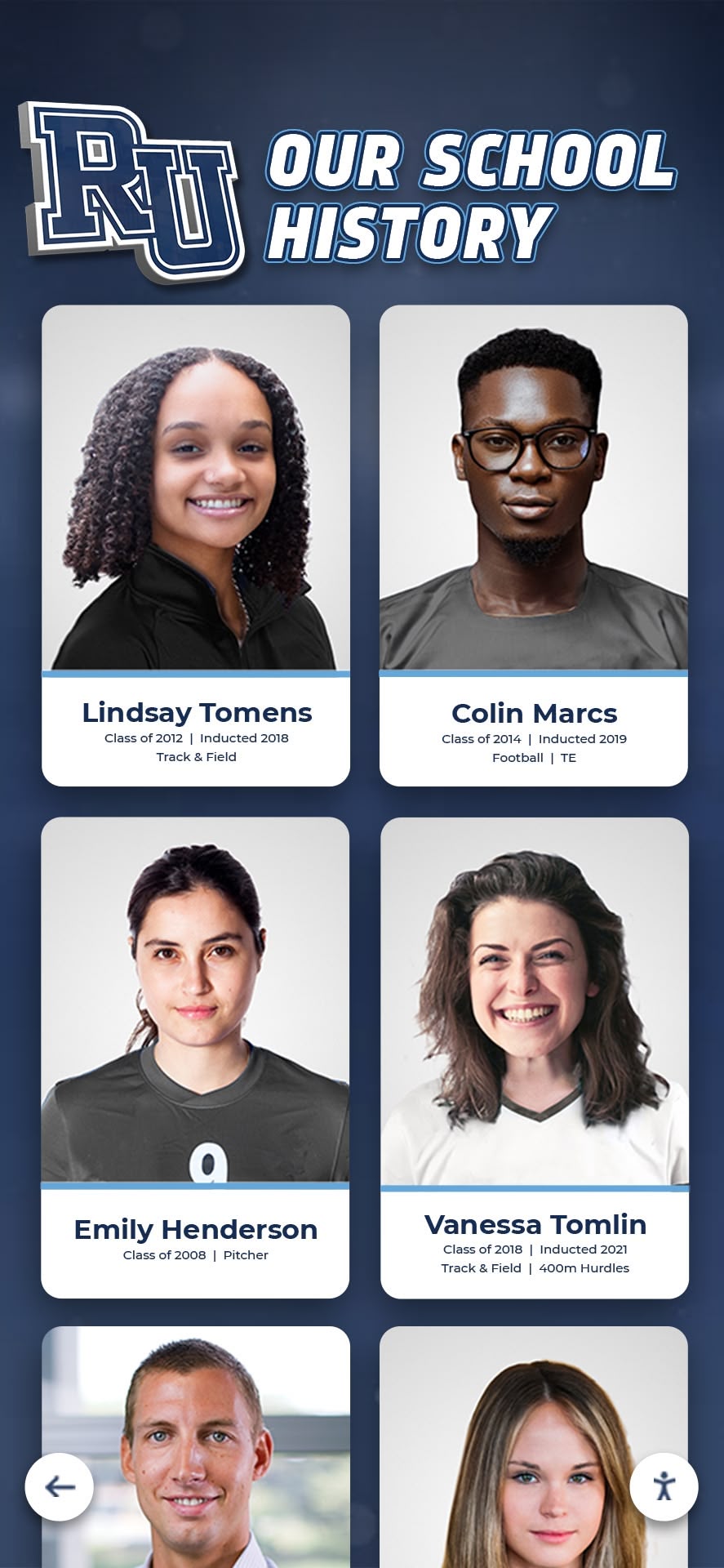
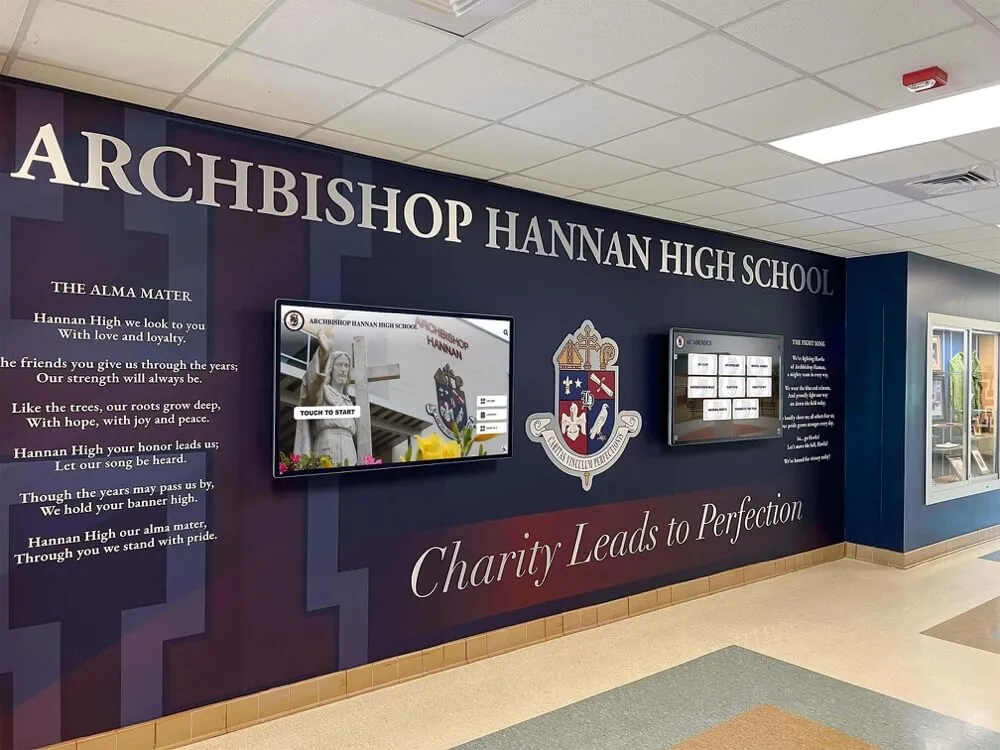
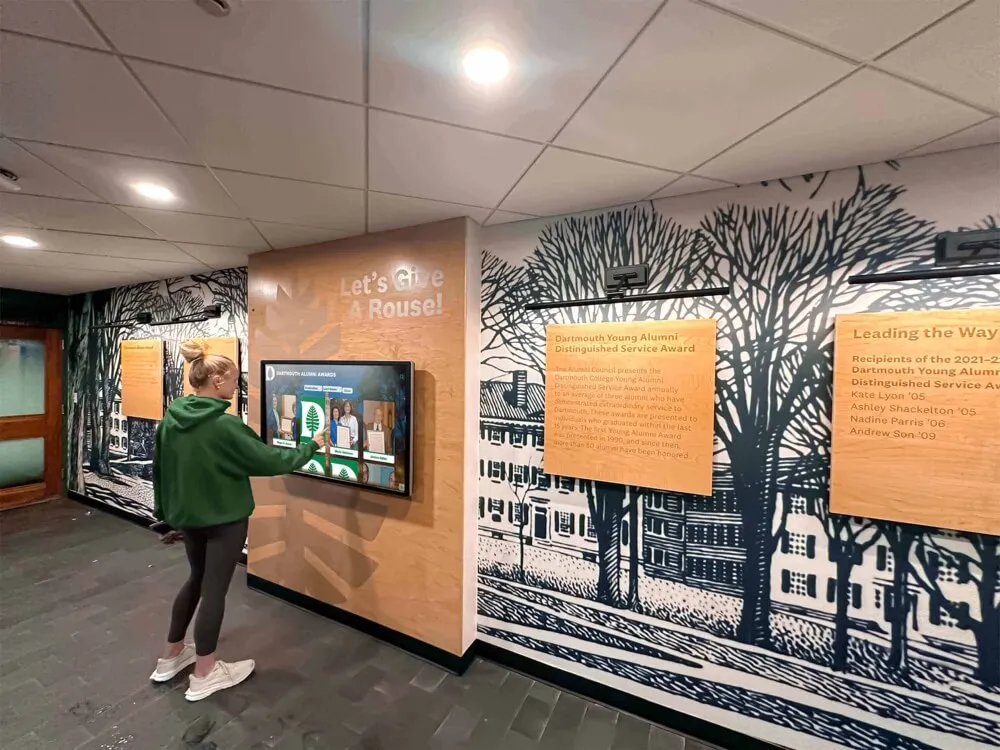
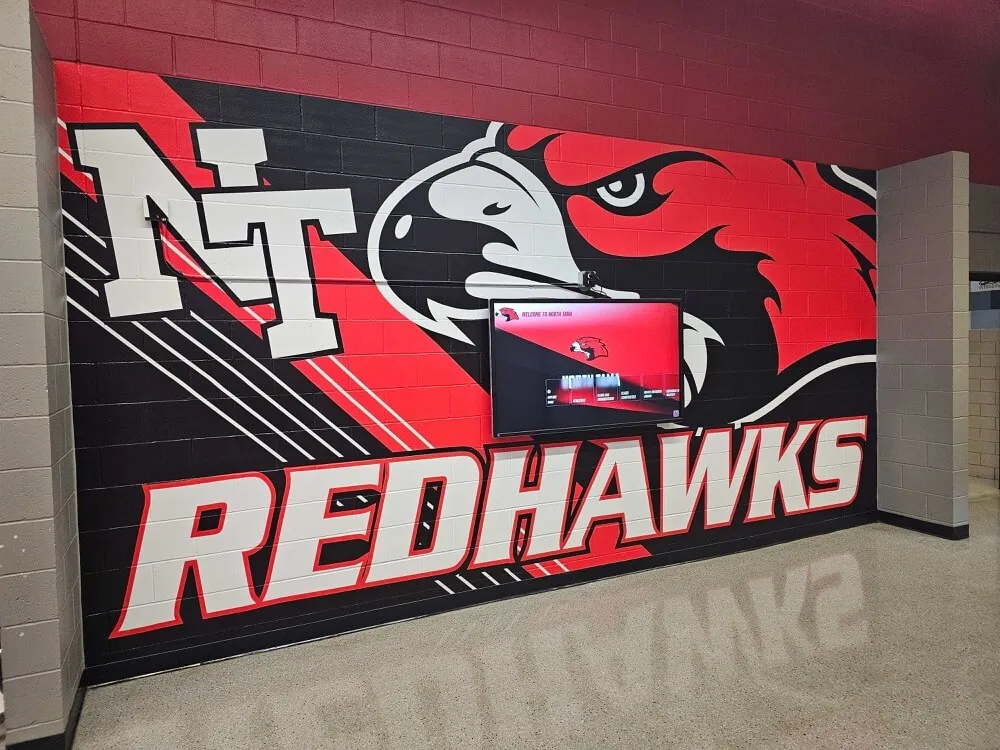
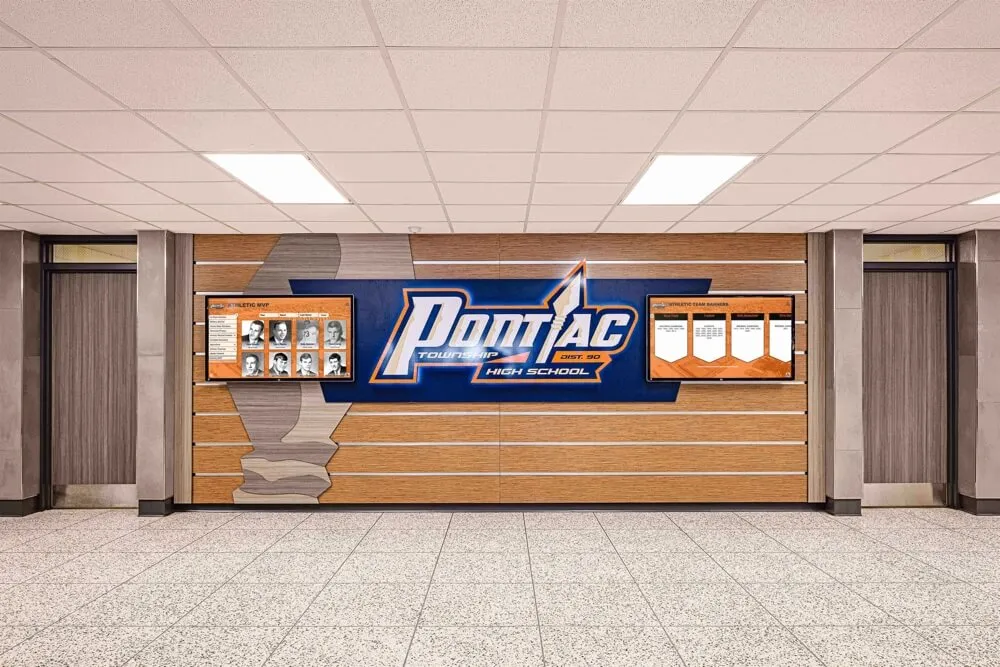
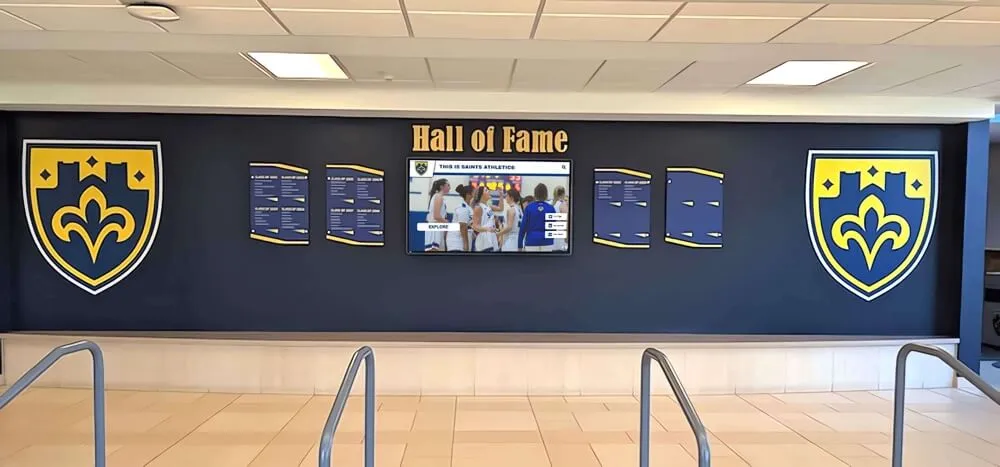
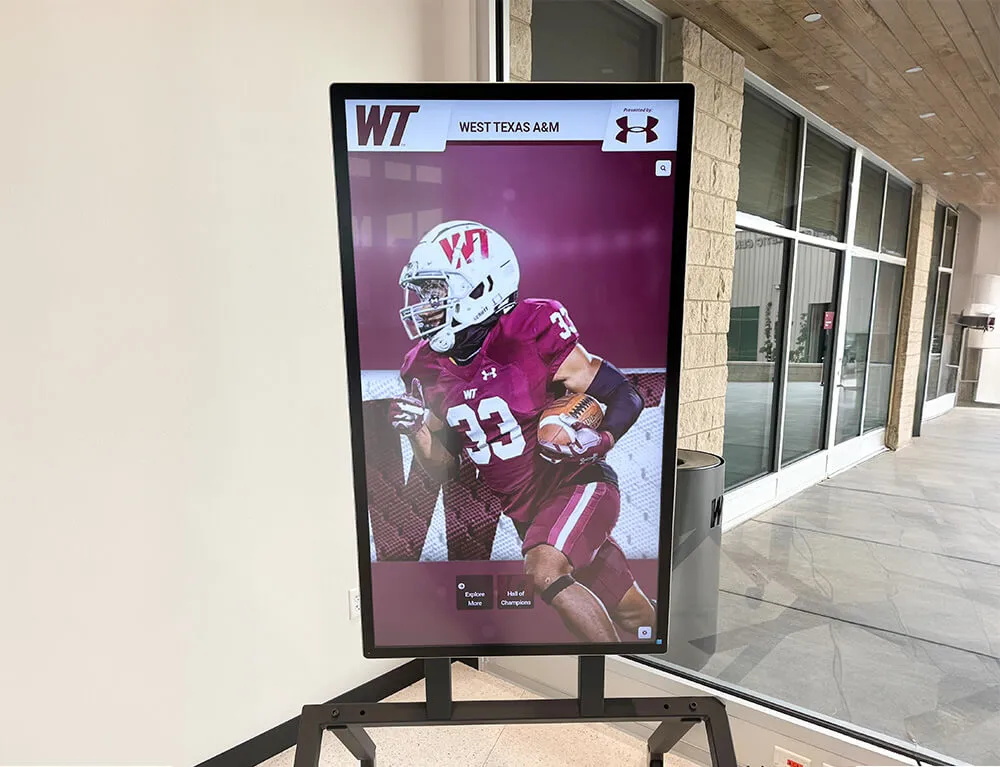
Physical and digital archives of class history give returning alumni immediate connection to the achievements of their graduating year
7. Design Decor Around the Graduation Year’s Cultural Moment
The most effective reunion atmospheres anchor guests in a specific time. Decor, music, and visual elements drawn from the graduation year’s popular culture—hit songs, major events, fashion trends, sports championships—trigger immediate nostalgia and conversation. Use period newspaper front pages, yearbook photos enlarged into wall displays, and curated playlists to create a genuine time-capsule effect.
Budget for quality printing of historic class photos as oversized display prints. These become natural gathering points where alumni cluster to identify old friends and recall shared memories.
8. Create a “Then and Now” Photo Display Walk
Set up a physical or digital gallery pairing senior portraits with recent photos submitted by classmates. The contrast between graduation-era photos and current images generates humor, warmth, and immediate social conversation. Encourage photo submissions through the reunion website in the months before the event.
This concept scales from simple printed panel displays to interactive digital kiosks where attendees browse submissions and add their own current-day updates in real time.
9. Designate a Class Memory Corner
A dedicated space where alumni can record and share memories creates a living archive that grows throughout the event. Options include a memory wall with blank cards and markers, a video booth where classmates record 60-second “what I remember most” messages, or a large shared canvas where attendees write or draw their favorite moments.
The resulting content has lasting value: scanned cards and compiled video messages can be shared digitally with the entire class after the reunion, extending the event’s impact for weeks afterward.
10. Bring School Colors and Mascots Into Every Detail
From centerpieces and napkins to photo backdrops and merchandise, consistent use of school colors and mascot imagery reinforces institutional identity throughout the event. These visual cues remind alumni of their shared affiliation and create aesthetically cohesive photography that looks compelling in post-event social sharing.
Partner with the school’s athletics or marketing department to ensure proper use of official logos, mascots, and color specifications. Official branding lends authenticity that generic “reunion” decorations cannot match.
Activities and Entertainment Ideas: Filling the Program with Meaning
11. Host a Class Trivia Night
A trivia competition built entirely around the class’s shared history—songs from the graduation year, school events, teacher names, sports results, pop culture moments—creates structured fun that works across different personality types. Unlike open-ended mingling, trivia gives quieter attendees a structured way to participate and interact.
Organize teams deliberately to mix different social groups from school days, ensuring classmates connect with people they might not have been close to originally.
12. Organize a Campus Tour Showcasing Changes
Alumni are often surprised—and moved—by how much their school has changed in the years since graduation. A guided tour led by a current administrator or student ambassador showcases new facilities, renovated spaces, and program expansions. Seeing the school invest in its future deepens alumni appreciation for the institution.
Tour stops that contrast old and new—the former gym now transformed, the classroom wing that was added—generate particularly strong engagement and conversation.
13. Arrange a “Where Are They Now” Panel Discussion
Select five to eight classmates from diverse career paths to participate in a moderated panel about their post-graduation journeys. Panelists who overcame significant challenges, built unusual careers, or made unexpected life pivots consistently generate the most compelling discussions.
This format allows attendees to learn from peers in a structured setting while honoring the range of paths that classmates have followed. It works especially well for milestone 25- and 50-year reunions where life trajectories have had time to fully develop.
14. Incorporate a Community Service Component
Reunions that include a volunteer or service component give classmates a shared purpose beyond nostalgia. Options include a morning beach or park cleanup, assembling care packages for a local food bank, or a fundraising challenge for a school program the class chooses to support.
Service activities create new shared memories rather than simply revisiting old ones—which matters for keeping reunions fresh across multiple milestone years.
15. Bring In Period-Appropriate Entertainment
A live band or DJ performing a curated set of songs from the graduation year creates an immediate, shared soundtrack for the evening. Music from the specific era of the graduating class’s high school years—not just the graduation year itself—generates the strongest emotional responses and the most dancing.
Consider whether a formal program works better before or after social time. Most successful reunion formats favor social mingling first, with structured entertainment and recognition programming following after guests have reconnected.
16. Host an Athletic Reunion Game or Tournament
For classes with strong athletic identities, organizing a flag football game, softball tournament, or pickup basketball event the afternoon before the main reunion creates an additional touchpoint and builds energy heading into the evening celebration. Former athletes who might otherwise feel like reunion programming doesn’t speak to them become central participants in this format.
Pair the athletic activity with recognition of the class’s team championships and athletic achievements—intramural sports programs and competitive athletic legacies are part of the full story of any graduating class.
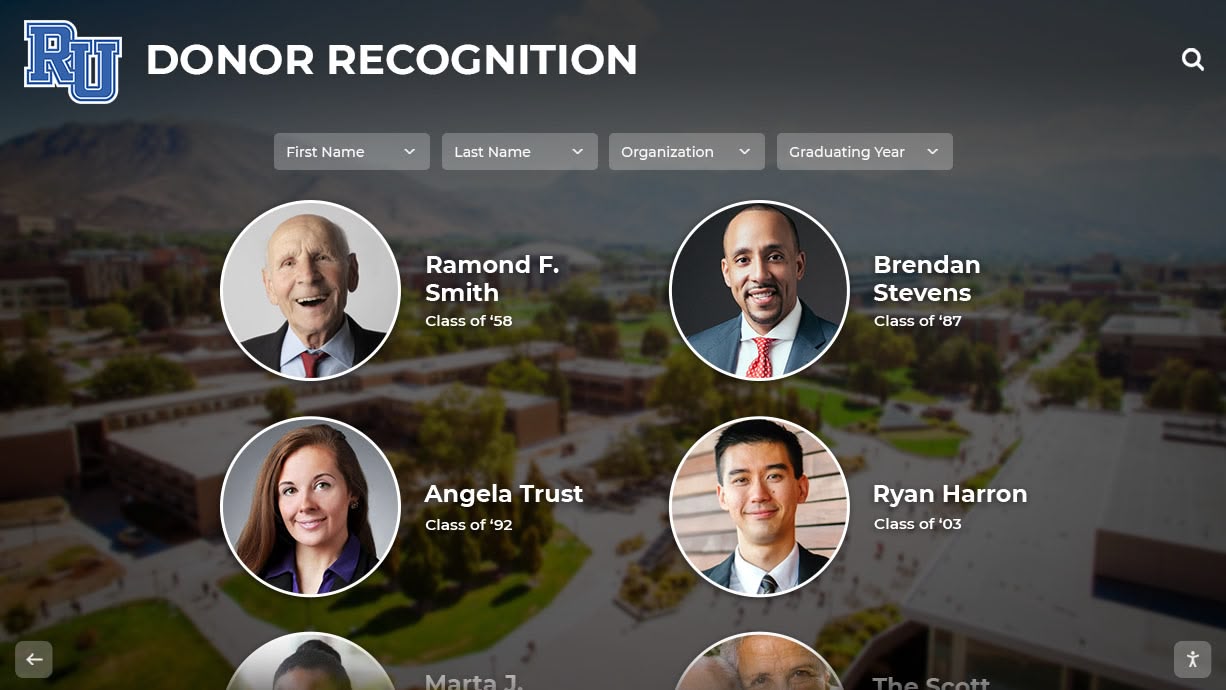
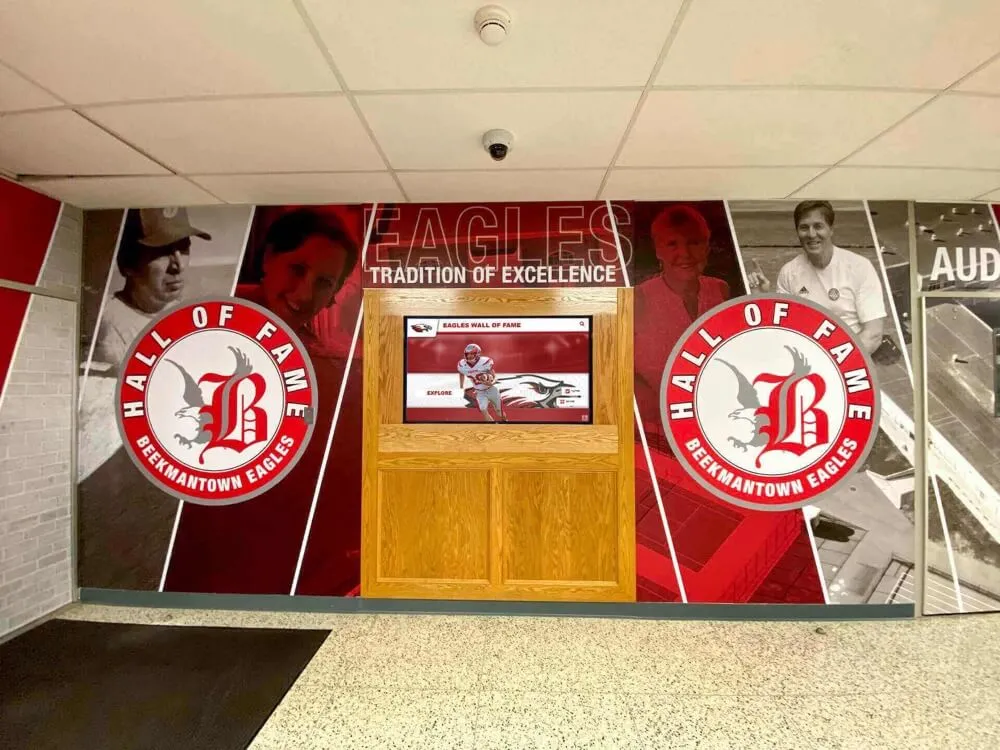
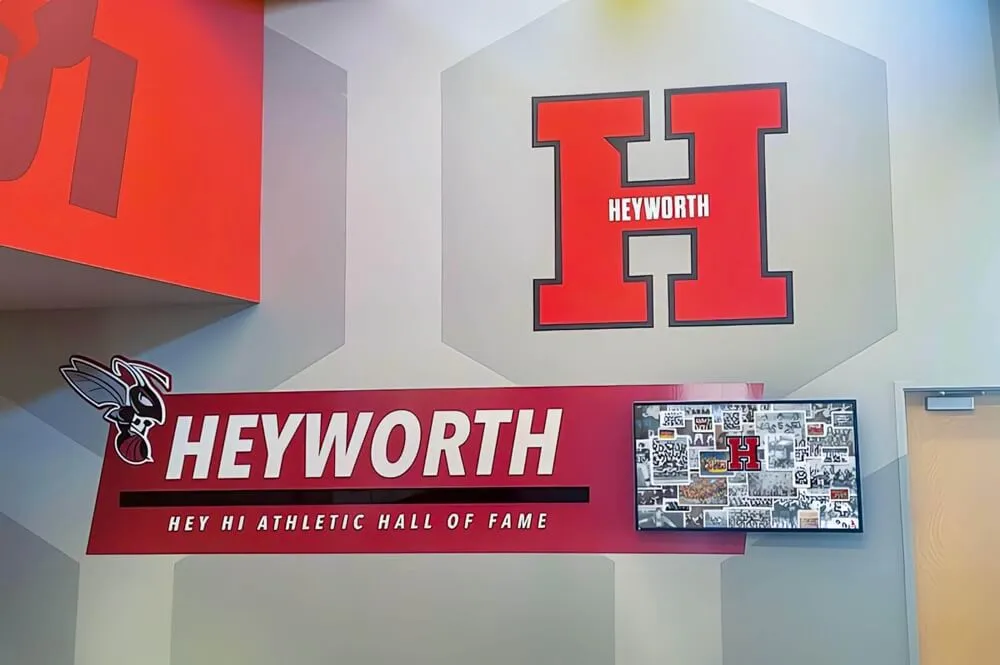
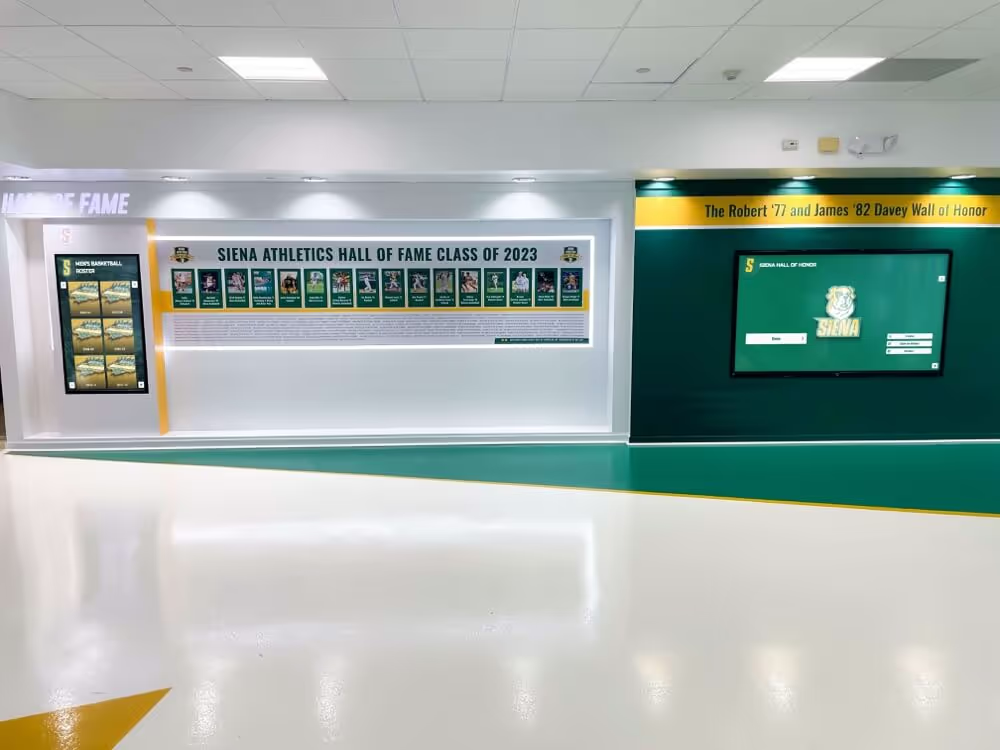
Permanent alumni recognition displays honor graduates year-round, creating touchpoints that extend reunion impact beyond single-night events
Recognition and Achievement Celebration Ideas
Recognition transforms a social gathering into a genuine celebration of what the class has built and become. These ideas address how to honor individual and collective achievement.
17. Create “Most Likely To” Achievement Awards
Connect senior superlatives from the original yearbook to real outcomes. Award a “Most Likely to Succeed—Verified” trophy to classmates whose careers matched senior predictions, and a “Plot Twist” award to those who went in completely unexpected directions. The humor and warmth of connecting old predictions to real outcomes creates memorable award moments that resonate across the room.
These awards work best when framed with affection rather than judgment—celebrating the unpredictability of life after graduation rather than ranking outcomes.
18. Honor Classmates Who Served in the Military or Emergency Services
A formal tribute to classmates who served in the military, worked as first responders, or dedicated careers to public service adds a moment of genuine gravity to reunion programs. This recognition matters deeply to honorees and their families, and it demonstrates that the class values service alongside professional and personal achievement.
Coordinate with families of classmates who were killed in action or died in service to ensure respectful, accurate recognition that honors their sacrifice.
19. Create a Memorial Tribute for Classmates Who Have Passed
Acknowledging classmates who have died since graduation honors their memory and acknowledges the reality that reunions span enough time for loss to be part of the class’s story. A brief, dignified tribute—a slideshow, a moment of silence, or a dedicated memorial table—prevents the absence of these classmates from feeling like erasure.
Work with families in advance if possible, and provide the opportunity for brief tributes from classmates who would like to share memories.
20. Present Distinguished Alumni Awards Tied to the School Hall of Fame
Reunion events are ideal occasions for formal academic recognition of accomplished graduates. Coordinating reunion awards with the school’s hall of fame nomination process ensures that outstanding alumni receive not just reunion-night recognition but permanent, year-round visibility within the institution.
Inducting a class member into the school’s athletic or academic hall of fame during the reunion creates a moment of genuine prestige—and gives the inductee a tangible connection to the school that lasts long after the event ends.
21. Recognize Career and Life Milestones
Beyond formal awards, many reunion programs benefit from lighter recognition of class milestones: the first grandparent in the class, the furthest traveler, the classmate who has lived in the most cities, the one who has worked at the same company for 20 years. These categories ensure more classmates receive a moment of acknowledgment and generate warmth without requiring a full award ceremony format.
Collect milestone data through pre-reunion surveys so recognition moments feel genuine rather than improvised.
Keepsake and Memory-Making Ideas
Tangible takeaways and memorable experiences extend the reunion’s impact far beyond the event itself.
22. Commission a Custom Reunion Memory Book
A professionally designed reunion memory book—distinct from the original yearbook—captures current photos, career bios, and personal updates from classmates who contributed content before the event. Distribute the book at the reunion as a take-home keepsake that attendees can revisit for decades.
Include the class’s timeline of shared memories alongside individual updates to connect personal stories to the collective history. Working with the school to incorporate official archives and historical photos gives the memory book a depth that purely social content cannot achieve.
Schools increasingly digitize their photo archives to make this kind of content accessible. Resources on finding yearbooks through digital displays explain how institutions are making historic images available for exactly these purposes.
23. Set Up a Branded Photo Booth
A photo booth with school-colored props—pennants, banners, mascot accessories, year signs—gives attendees a fun, structured photo opportunity and generates shareable social content throughout the event. Position the booth near the entrance so early arrivals use it while waiting for more guests, and keep it accessible throughout the evening.
Include a direct-share option that emails photos immediately, reducing the friction between taking a photo and sharing it with the class.
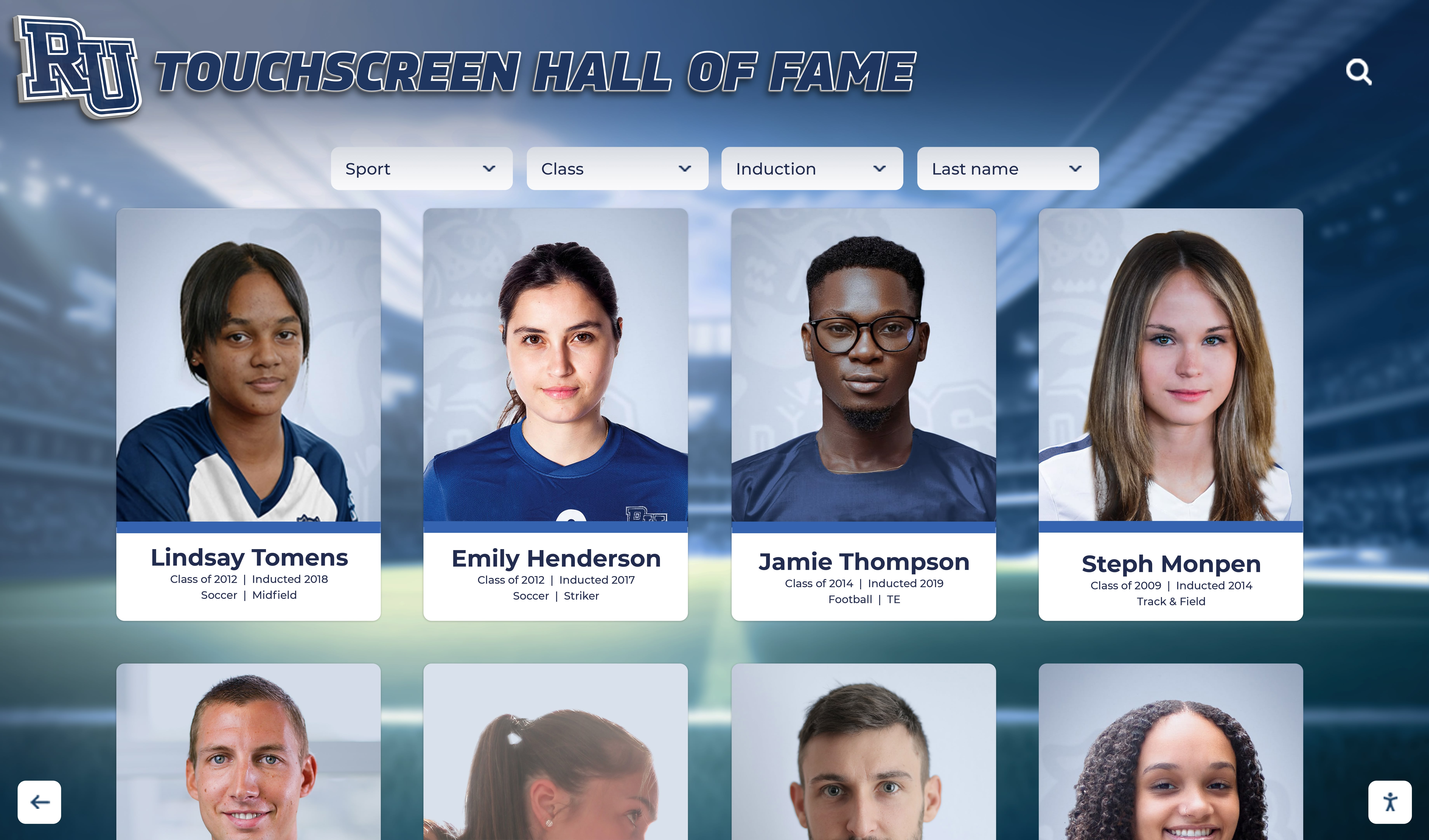
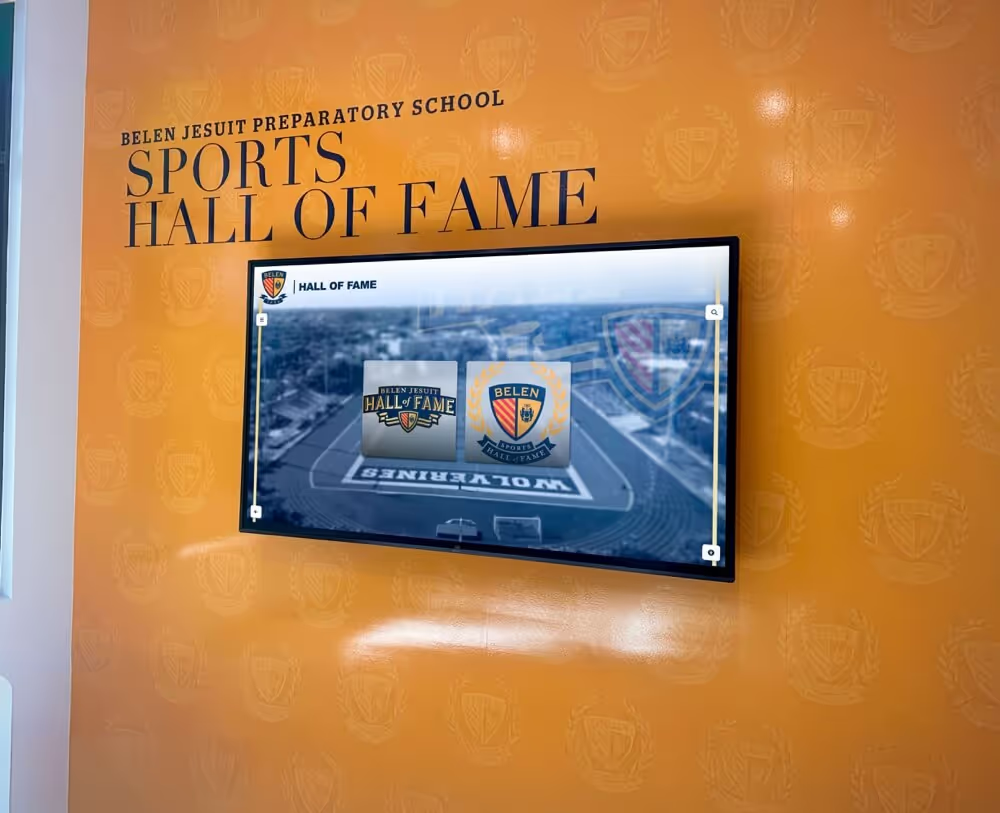
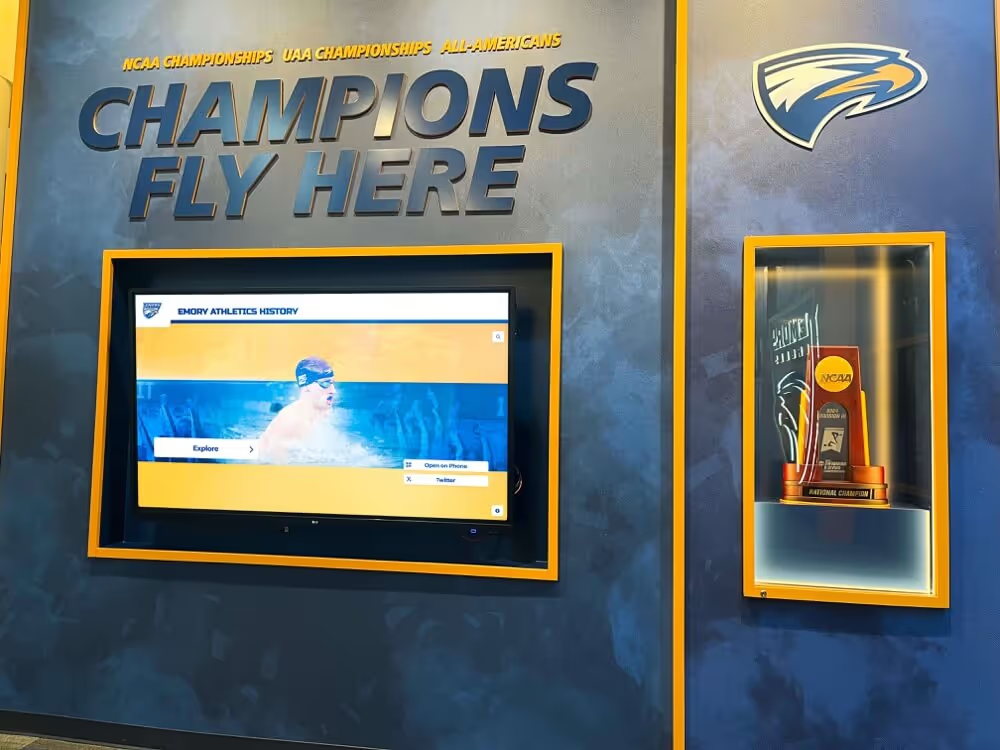
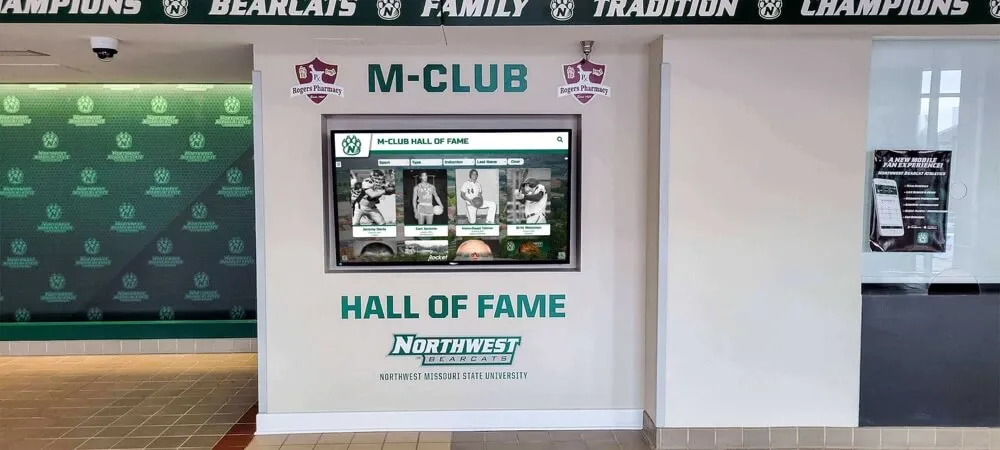
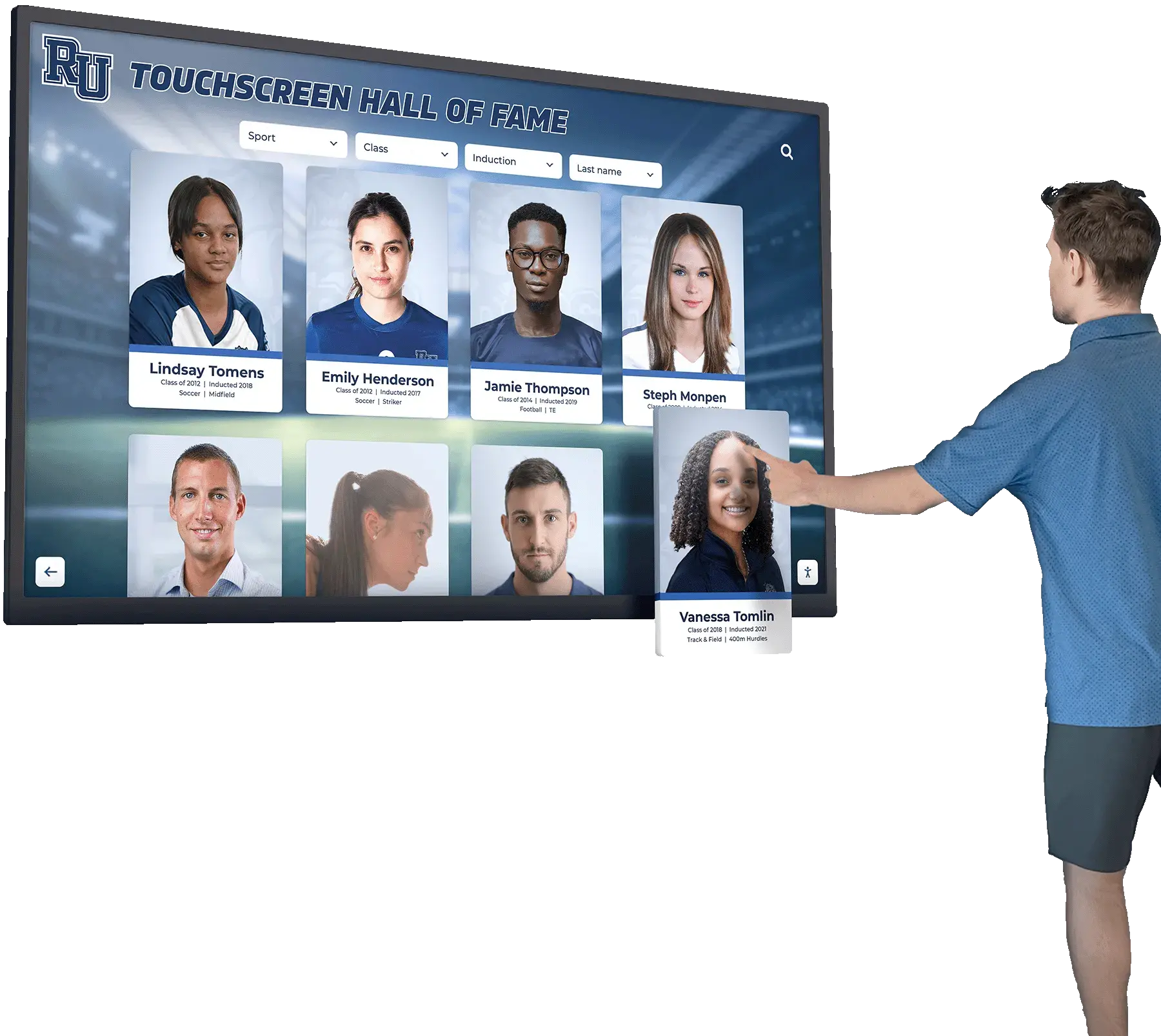
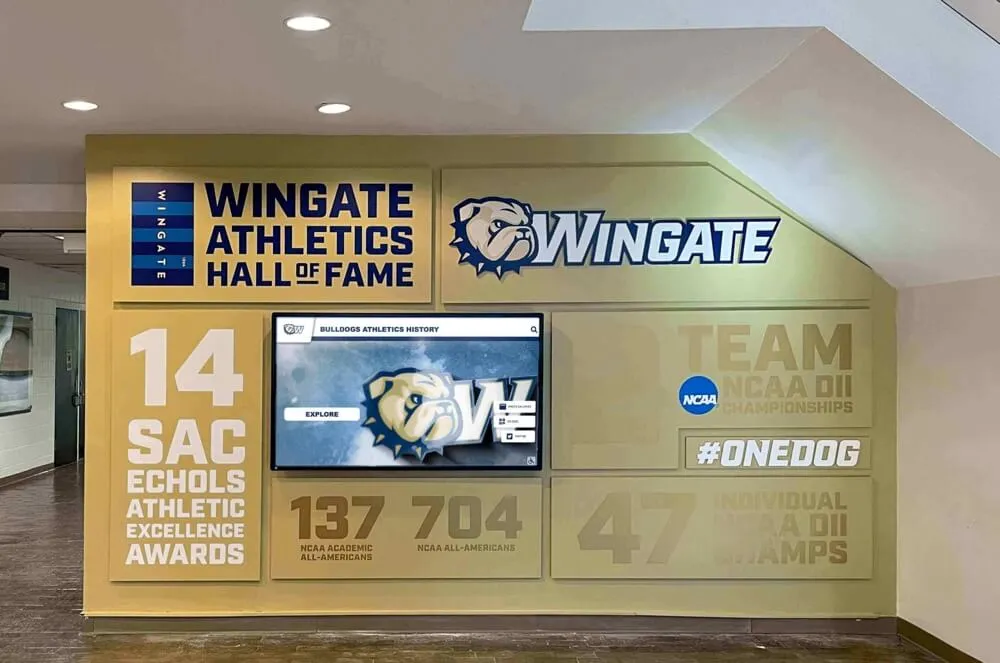
Digital archive displays at reunions let alumni browse the full history of their class's athletic, academic, and extracurricular achievements
24. Distribute Custom Reunion Merchandise
Class-year branded merchandise—hats, t-shirts, hoodies, tote bags—with the school name, mascot, and reunion year creates wearable memories that alumni use long after the event. Quality merchandise that people actually want to wear serves as ongoing brand ambassador for the school and the alumni community.
Consider offering an online store that opens 6–8 weeks before the reunion, allowing pre-orders and eliminating waste from surplus inventory.
25. Create a Class Time Capsule for the Next Reunion
At the current reunion, invite attendees to contribute sealed letters, printed photos, and personal mementos to a class time capsule scheduled to be opened at the next milestone reunion. This creates a tangible connection between the current gathering and the one a decade or more in the future—and gives classmates an additional reason to attend the next reunion.
Store the capsule in a designated location at the school, formalizing the ongoing relationship between the class and the institution.
26. Compile and Share a Reunion Video Montage
Work with a videographer or talented volunteer to compile pre-submitted video messages, current event footage, and archival photos into a short reunion video distributed digitally to all classmates—including those who couldn’t attend—within two weeks of the event. This extends the reunion’s emotional impact to the full class, not just those present.
Yearbook-style presentations can draw on resources like senior page design approaches to create visually compelling presentations that respect the design conventions alumni remember from their school years.
Technology and Digital Experience Ideas
Modern class reunion ideas increasingly incorporate technology to enhance on-site experiences and create lasting digital legacies.
27. Install a Touchscreen Archive Display at the Venue
One of the most impactful class reunion ideas available to schools today is setting up an interactive touchscreen display that lets alumni browse the full history of their graduating class: yearbook photos, athletic records, academic achievements, club rosters, and championship seasons. Rather than a static poster display, a touchscreen archive invites sustained engagement—alumni can spend 20–30 minutes exploring content, discovering details they’d forgotten, and sharing discoveries with classmates standing nearby.
These installations work particularly well near entrances and social gathering spaces where alumni naturally congregate. Schools that already use touchscreen kiosks for events and interactive displays can leverage existing systems for reunion-specific content, or deploy temporary setups tailored to the event.
28. Create a Class Social Media Hashtag and Live Feed Display
A dedicated reunion hashtag promoted in advance and displayed prominently at the venue creates a real-time social layer to the event. A live feed display showing hashtagged posts from attendees encourages participation, makes guests feel seen when their photos appear publicly, and generates an organic social media footprint for the school’s alumni program.
This approach works especially well for schools with younger alumni populations who are active social media users.
29. Livestream the Reunion for Remote Classmates
Inevitable conflicts mean some alumni who genuinely want to attend cannot make it. A simple, well-produced livestream of key reunion moments—the recognition program, the memorial tribute, the panel discussion—allows remote classmates to participate from wherever they are. Even a modest production quality livestream generates significant goodwill among alumni who feel included despite the distance.
Create a private streaming link distributed through the class email list rather than broadcasting publicly, preserving the intimate nature of the event while expanding access.
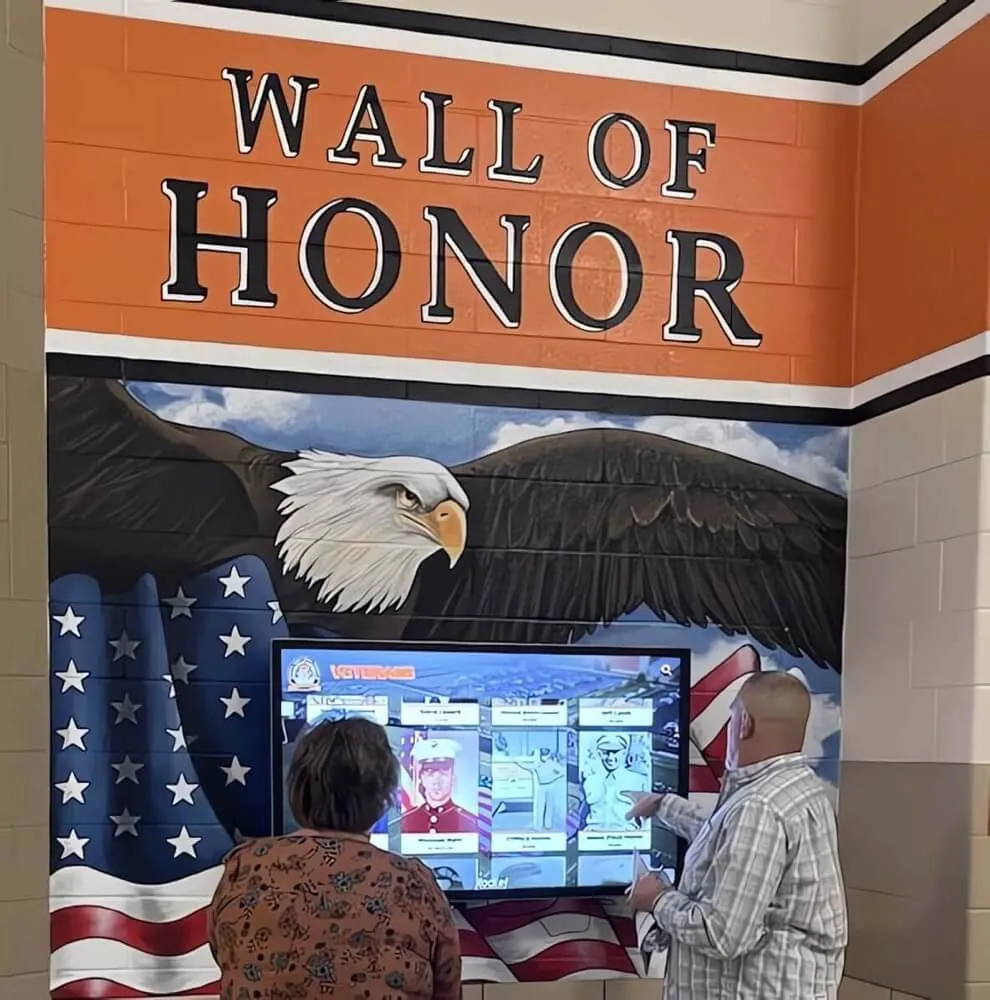
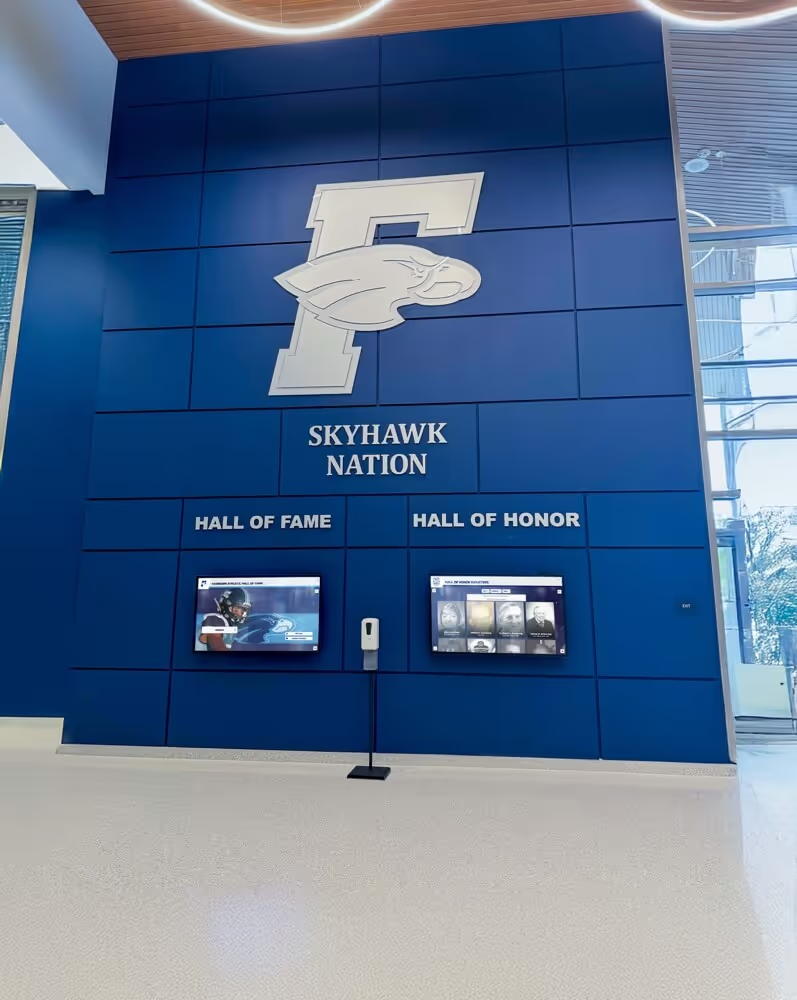
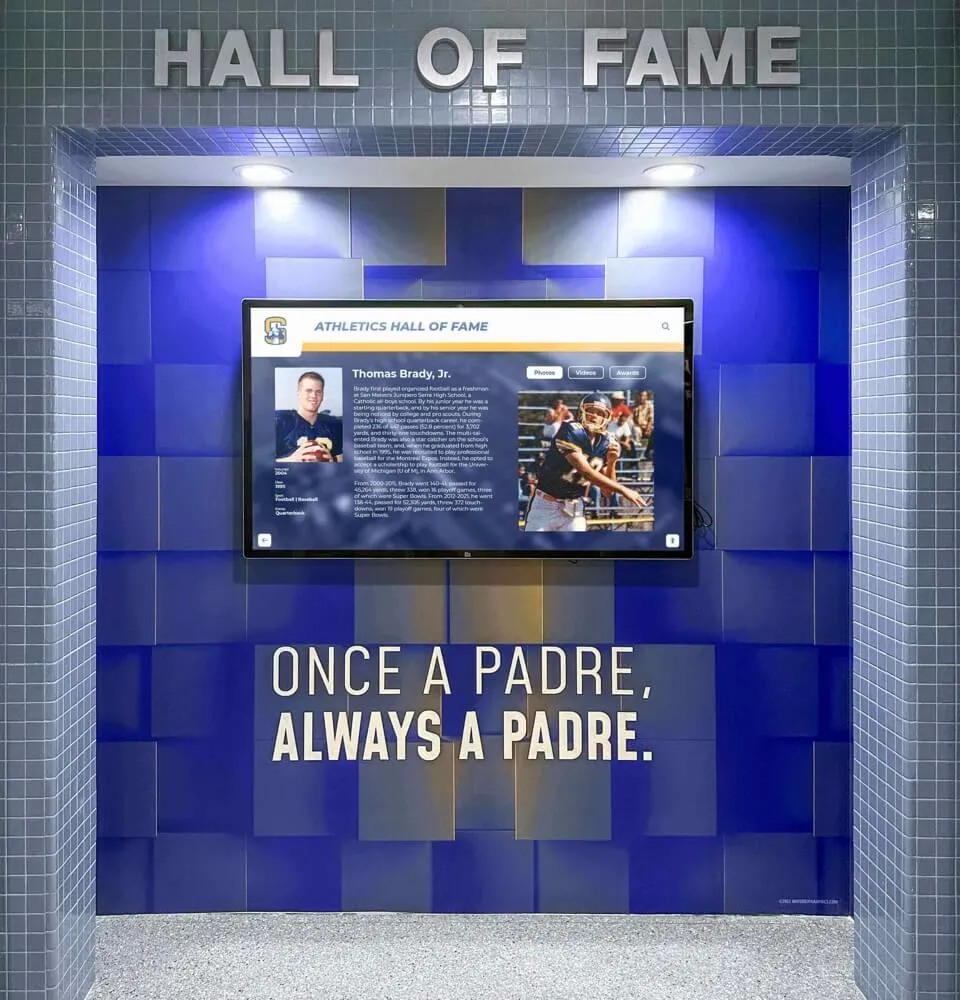
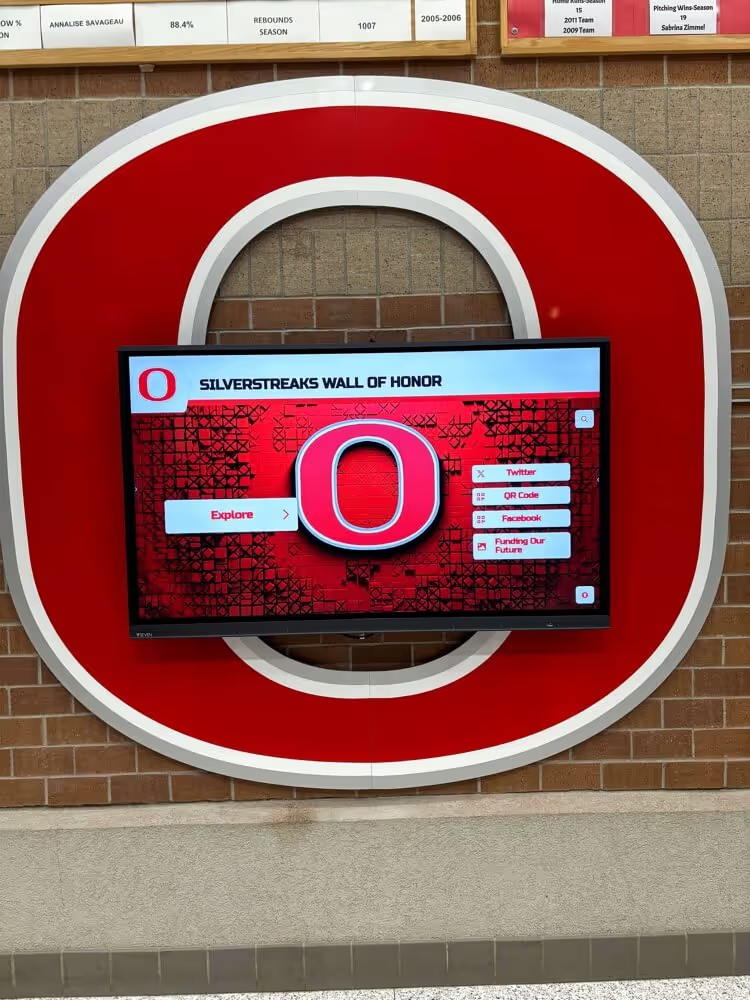
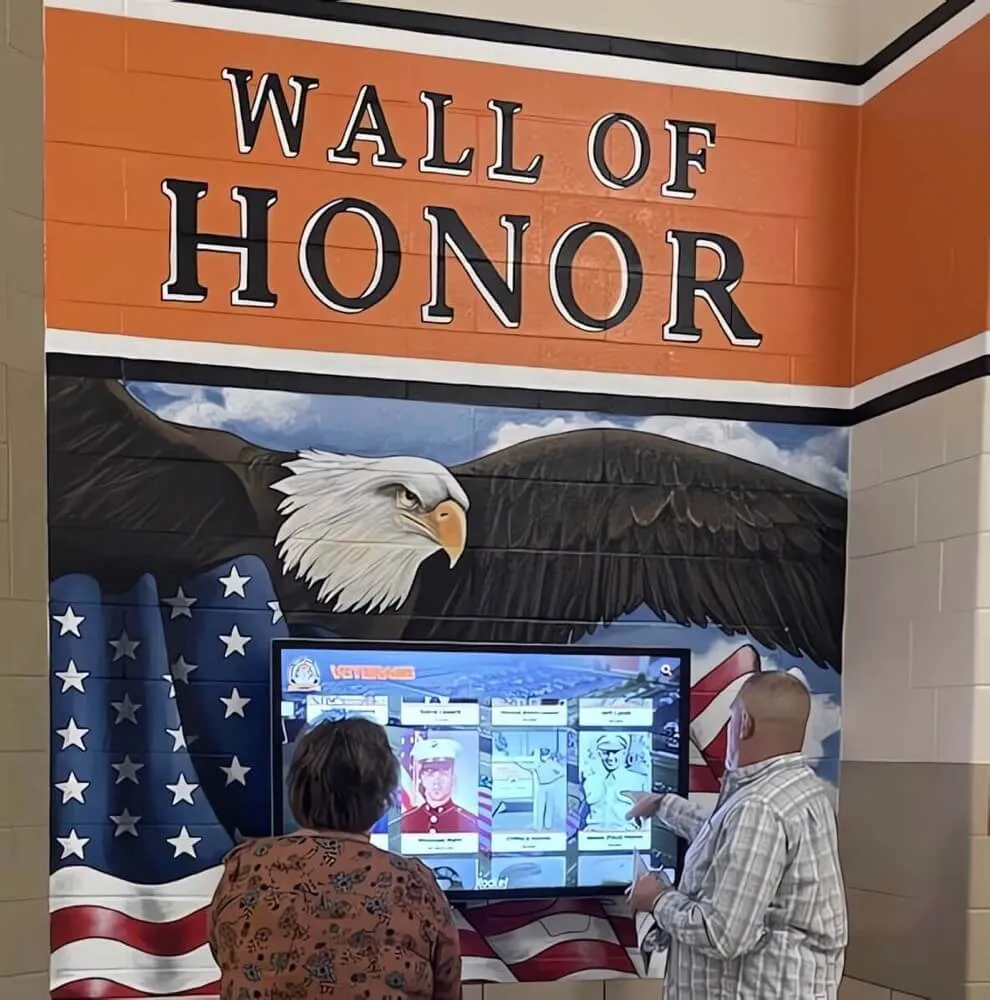
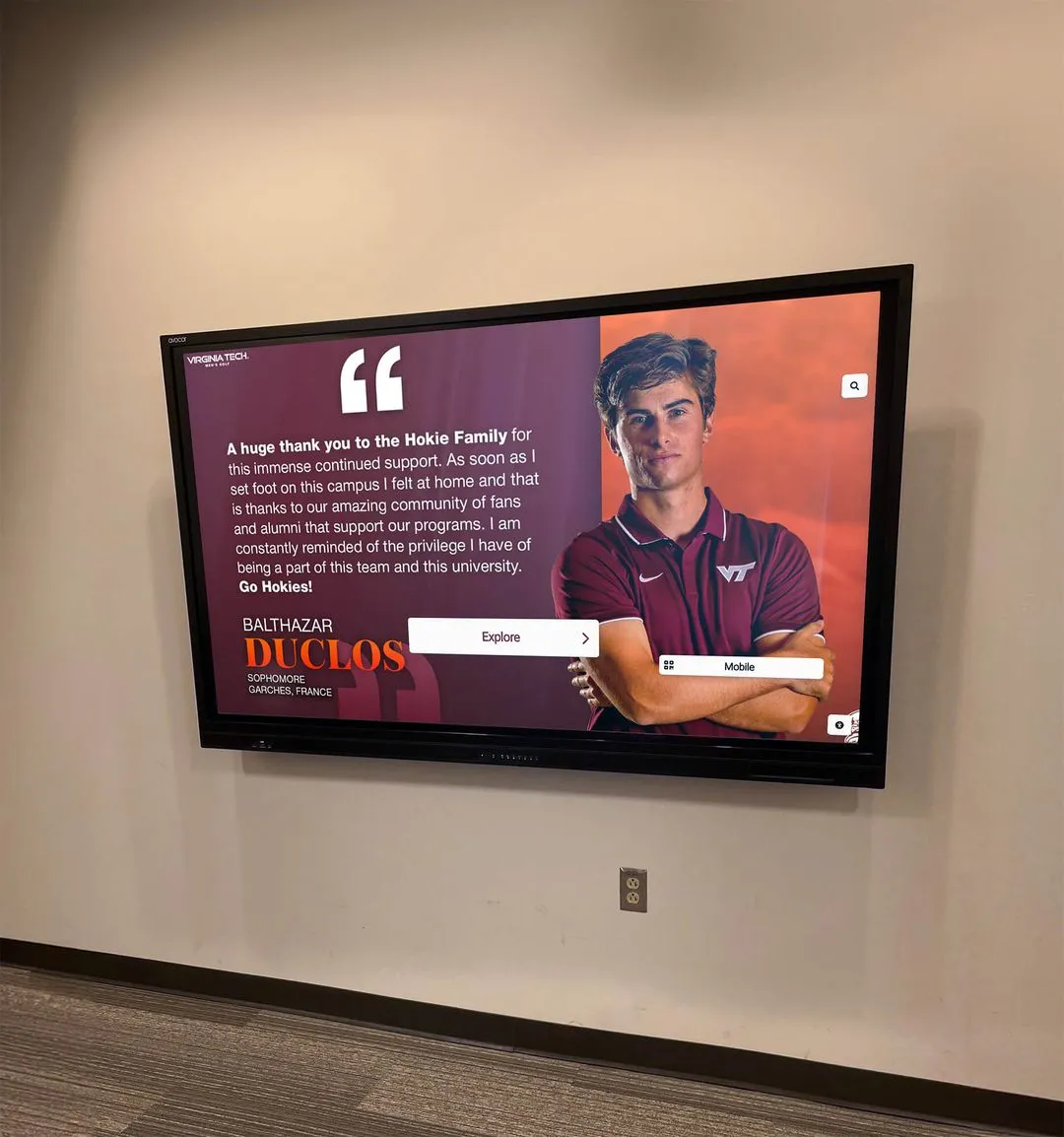
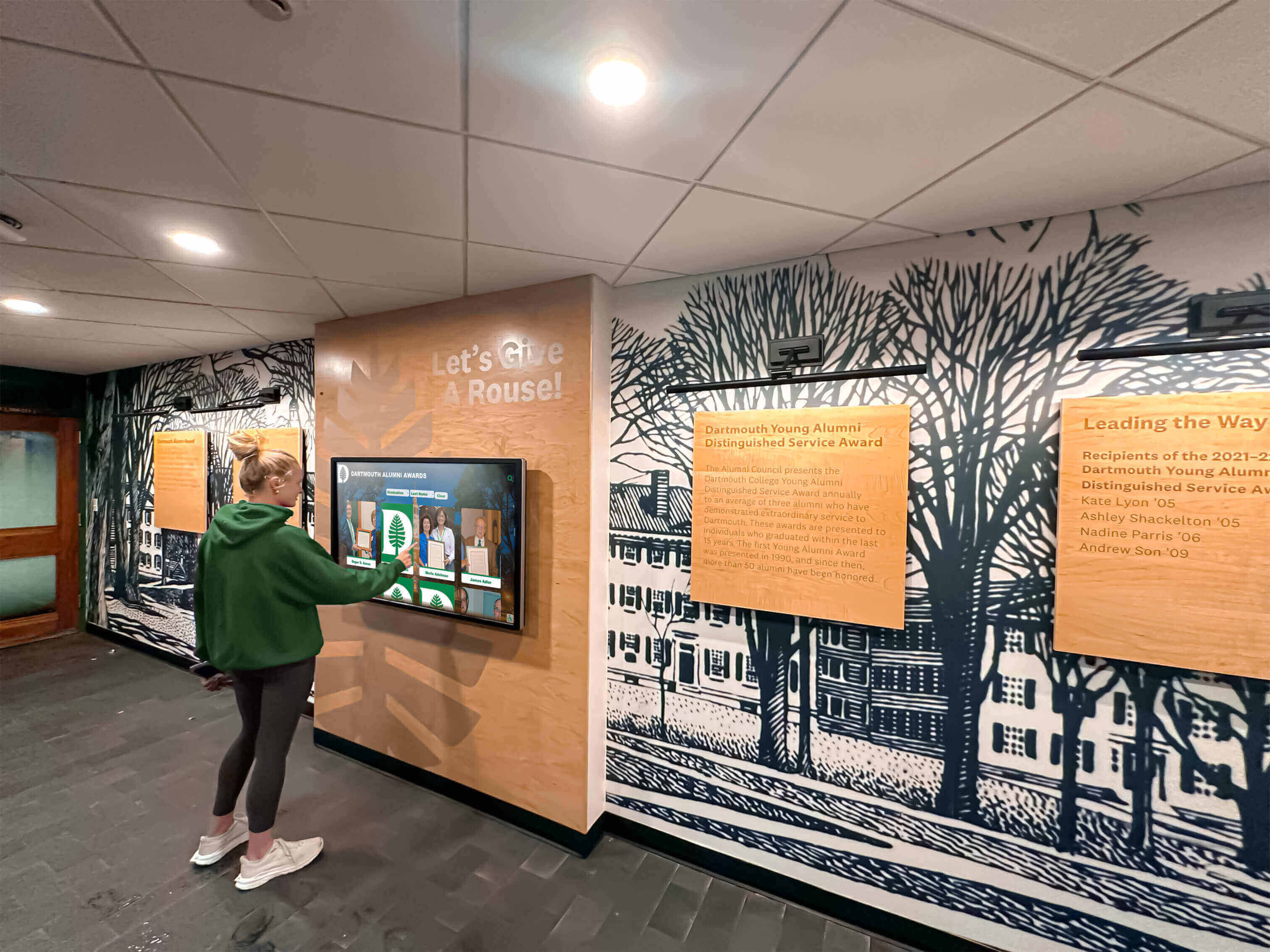
Permanent digital walls of honor give reunion visitors a tangible, lasting record of class achievements that remains accessible to future generations
30. Build a Permanent Digital Archive of Class History
The most enduring of all class reunion ideas is investing in a permanent digital archive that preserves the class’s story beyond any single event. Schools that digitize class photos, yearbooks, athletics records, and achievement histories create searchable, accessible archives that serve every future reunion—and give current students and visitors year-round access to the institution’s living history.
A strong foundation for this kind of institutional memory begins with understanding the full school history touchscreen options available to K–12 schools, colleges, and universities—from full-service professional installations to scalable DIY approaches that grow over time.
Turning Reunion Success Into Long-Term Alumni Engagement
A reunion is a beginning, not an endpoint. Schools and alumni associations that capture the energy of a successful reunion and channel it into ongoing engagement programs compound its value many times over.
After the event, follow up within 10 days with thank-you communications, the video montage or reunion recap, and a survey gathering feedback. Use reunion attendance data to update your alumni database, which becomes increasingly valuable for every future outreach effort.
Consider establishing a class gift tradition where reunion attendees collectively fund a specific school improvement—a scholarship, a piece of equipment, a facility enhancement—in their name. Class gifts create tangible legacy, strengthen donor relationships, and give alumni a reason to stay engaged with institutional priorities rather than simply reconnecting periodically.
The reunion committee that delivered this year’s event contains your best candidates for ongoing alumni engagement leadership. Transition their energy into class ambassador roles, annual giving programs, mentorship coordination, or planning committees for the next milestone reunion.
Schools that use reunions as anchors within broader alumni engagement strategies build communities that stay active between reunions—attending homecoming events, mentoring current students, volunteering for institutional initiatives, and giving year after year.
Making Class Reunion Ideas Work for Your Institution
Not every idea in this guide applies to every institution or every milestone year. A 5-year reunion of a recent graduating class calls for different energy than a 50-year celebration of alumni in their late sixties. A small private school reunion of 80 people requires different logistics than a state university class of 3,000. The through-line across all 30 ideas is the same: prioritize authentic recognition, preserve class history, and create genuine opportunities for connection.
The schools and alumni associations that consistently produce memorable reunions are the ones that treat reunion planning as an investment in institutional relationships, not just event logistics. The digital tools, recognition frameworks, and archival systems they build in service of reunions continue delivering value through homecoming events, advancement campaigns, mentorship programs, and the day-to-day work of building alumni communities that last.
Preserve Your Class History With a Permanent Digital Archive
Reunions are more meaningful when alumni can browse decades of class history in one place. Rocket Alumni Solutions builds interactive touchscreen displays that give returning graduates immediate access to yearbook archives, championship records, academic achievements, and the full story of their school’s legacy—creating reunion experiences that go far beyond name tags and dinner buffets.
See how Rocket Alumni Solutions transforms class history into a living archive →