



Every senior class leaves something behind—a yearbook, a gift, a memory. But few objects carry the weight of a class ring. That single piece of jewelry, bearing the school crest and graduation year, becomes a wearable piece of institutional identity that alumni carry for decades. The class ring ceremony has been a rite of passage in American schools for well over a century, yet many institutions underestimate how deeply this tradition connects graduates to their school’s ongoing story.
For school administrators, senior class advisors, and alumni coordinators, the class ring is not just merchandise—it is a touchpoint in a larger ecosystem of school identity. When schools pair ring traditions with thoughtful recognition infrastructure, the result is an alumni community that feels seen, remembered, and genuinely connected. This guide examines where the class ring tradition comes from, what makes it endure, and how schools can extend the symbolic power of the ring into permanent, accessible forms of institutional memory.
Few senior traditions rival the class ring for sheer longevity and emotional resonance. From the ornate seal rings worn by West Point graduates in the 1830s to the highly personalized designs commissioned by high school seniors today, the class ring has survived every shift in American school culture—remaining a consistent symbol of belonging, achievement, and pride. Understanding why the tradition persists, and how to make it work harder for your school community, matters more than ever as institutions seek meaningful ways to engage alumni and celebrate graduates.

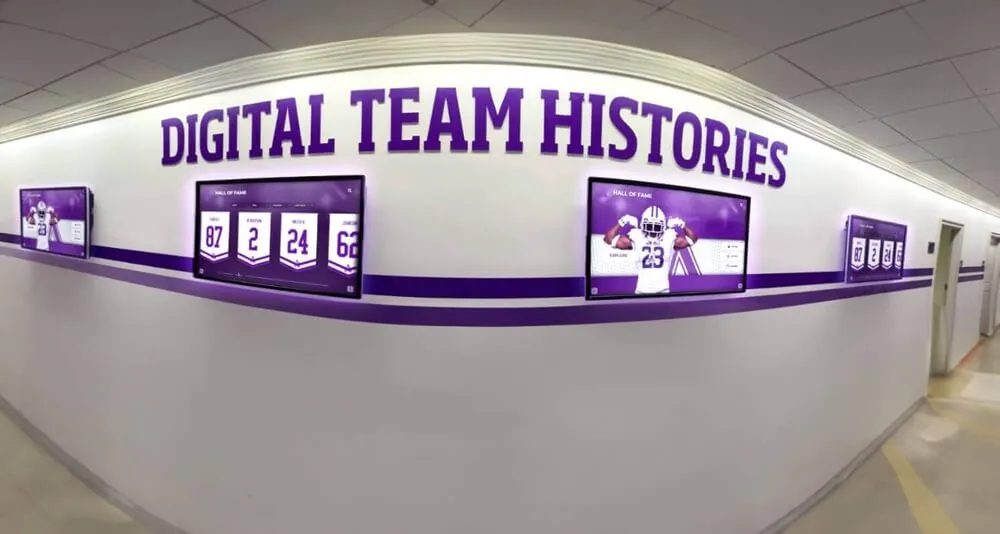
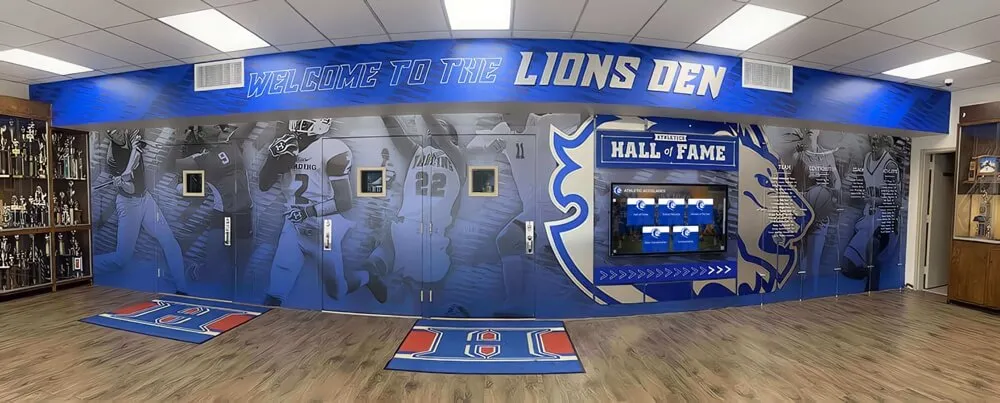
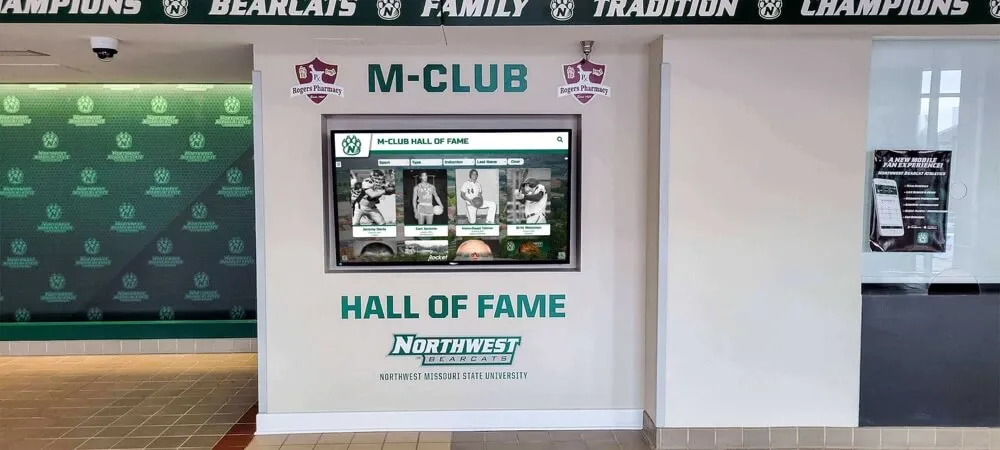
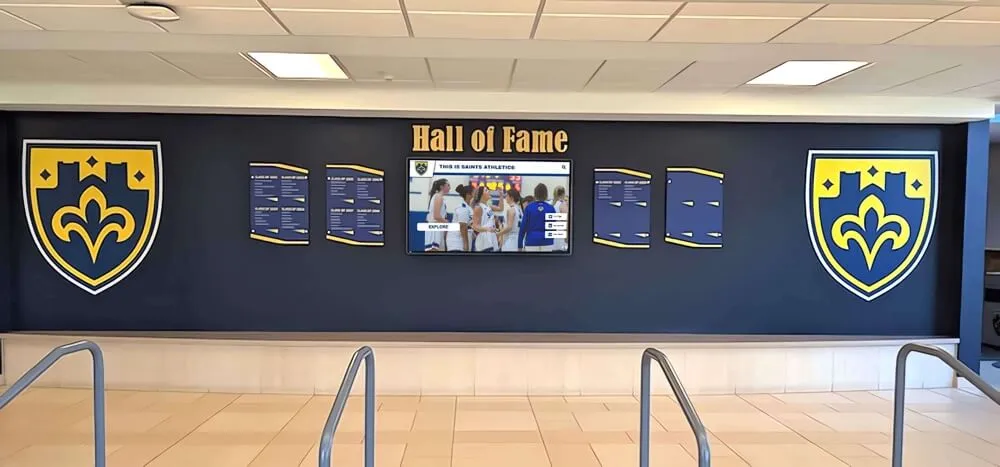
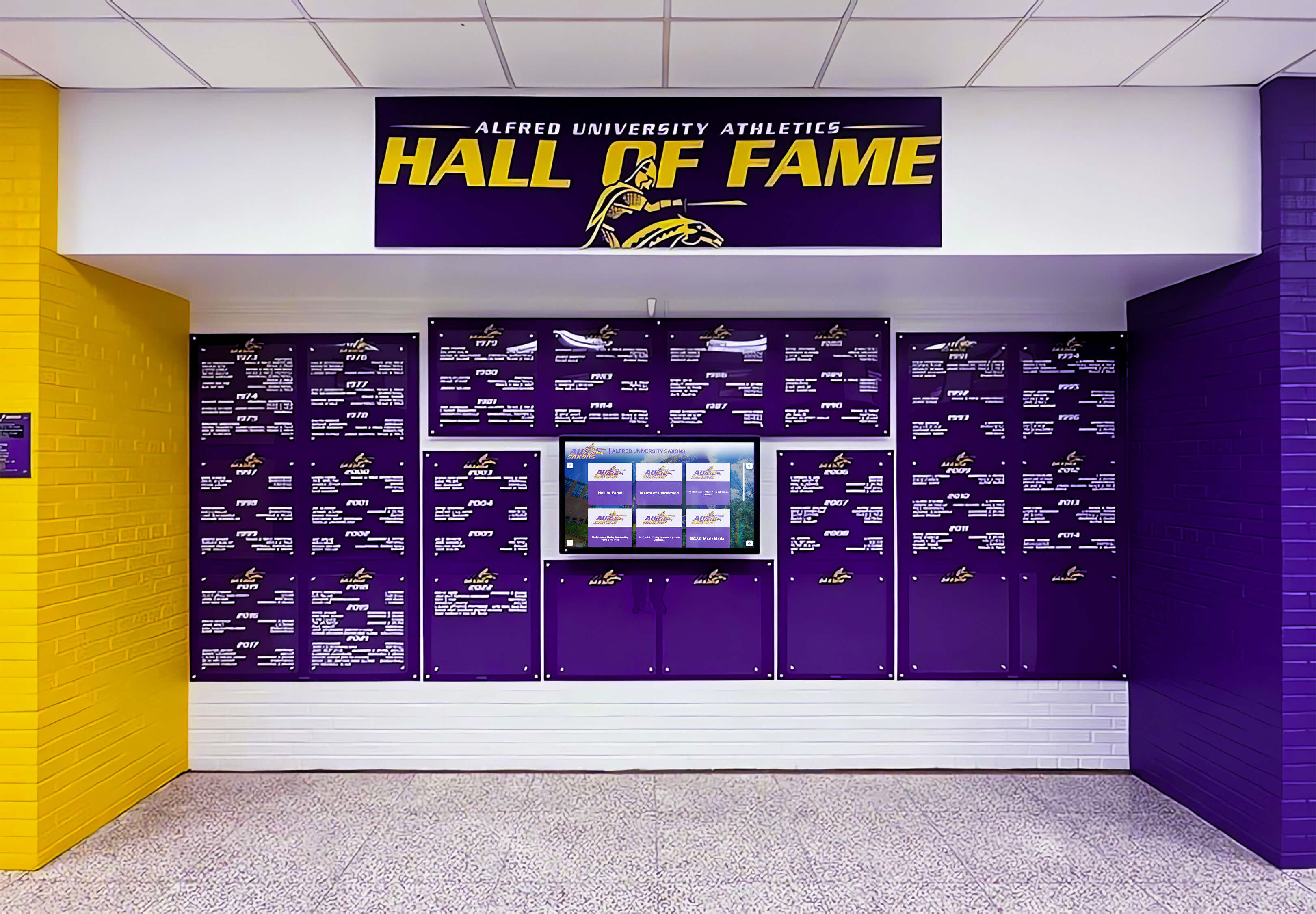
School colors embedded in recognition displays reinforce the same institutional identity that graduates carry in their class rings for a lifetime
The History of the Class Ring in American Schools
The class ring tradition in the United States traces its origins to the United States Military Academy at West Point, where the Class of 1835 is credited with commissioning the first official class rings. The rings served a practical purpose—identifying graduates of the institution—but quickly accumulated symbolic weight as markers of shared experience and elite membership.
From Military Academies to Mainstream Schools
The tradition spread from military institutions to civilian universities during the latter half of the 19th century. By the early 20th century, high schools across America had adopted the custom, adapting its symbols and aesthetics to fit local school cultures. The growth of the tradition coincided with the broader expansion of secondary education and a growing sense that completing high school was itself an achievement worthy of commemoration.
Key milestones in class ring history:
- 1835: West Point Class of 1835 introduces the first official institutional class rings in the United States
- Late 1800s: Practice spreads to major universities seeking similar cohort recognition
- Early 1900s: High schools begin adopting the tradition as secondary education expands nationally
- Mid-20th century: Ring manufacturers standardize design elements; ring presentation ceremonies become formalized in school calendars
- Late 20th century: Customization options expand significantly; personalization becomes a central element of the tradition
- Present day: Digital components, alternative materials, and gender-inclusive sizing broaden the tradition while preserving its core symbolism
The Ring Ceremony: A Ritual of Belonging
Most schools formalize the class ring with a presentation ceremony—often called “ring day”—typically held during junior or senior year. These ceremonies vary widely in format. Some schools stage elaborate chapel services or all-school assemblies; others hold smaller events within individual homerooms or advisory periods. What they share is the element of ritual: a defined moment when students receive physical recognition of their membership in a specific graduating class.
The ceremony functions as institutional storytelling. When a principal or class advisor places a ring on a student’s finger and speaks to what it represents, they are narrating the school’s values, history, and expectations. That narrative—repeated across hundreds of ceremonies and thousands of graduates—accumulates into something larger: the school’s living identity.
Schools that invest in meaningful school traditions from the very first day of enrollment build the kind of cultural continuity that makes the ring ceremony genuinely powerful, rather than a commercial transaction. Students arrive with a sense of school pride already forming—and the ring ceremony becomes its confirmation.
What a Class Ring Symbolizes: Design Elements and Their Meaning
The anatomy of a class ring is more deliberate than it might appear. Every standard design element carries symbolic weight, and schools that help students understand those symbols strengthen the tradition’s meaning across generations.
Core Design Components
The Stone or Center Element
The ring’s center stone is typically the school’s official color, chosen to represent institutional identity. Many schools allow students to select alternative stones from a limited palette, but the school color option connects individual rings to the collective identity of the graduating class—making every ring immediately identifiable to anyone who recognizes the institution.
The School Crest or Seal
Flanking the center stone, one side of the ring usually features the official school seal or crest. This element directly links the wearer to institutional history. Schools with strong visual identities—distinctive seals, recognizable mascots, consistent crests—produce rings that communicate belonging immediately to anyone who recognizes the symbol.
The Graduation Year
The year panel is the element that makes each class’s ring distinct from all others. It anchors the wearer to a specific cohort, enabling the ring to function as a reunion signal: alumni spotting the same year on each other’s rings instantly recognize a shared experience. This single engraved number becomes the basis for every alumni encounter the ring facilitates across a graduate’s lifetime.
Personalization Options
Modern ring manufacturers offer extensive personalization: individual sport or activity icons, academic achievement engravings, name inscriptions, and alternative metals. This flexibility serves a genuine purpose—helping students express the specific dimensions of their high school experience that mattered most. An athlete includes their sport icon; a National Honor Society member may add an academic symbol; a four-year band member might incorporate a musical element.
Why the Symbolism Matters for Schools
The layered symbolism of the class ring makes it unusual among senior recognition traditions. Unlike a letter jacket, which communicates athletic achievement, or a yearbook, which documents a single year, the class ring attempts to compress an entire high school experience—institutional identity, personal achievement, cohort belonging—into a single wearable object.
That compression is both the ring’s strength and its limitation. The ring communicates that the wearer attended your school during a particular era. It does not communicate what they achieved, who mentored them, or what programs shaped their experience. That fuller story requires other forms of recognition infrastructure—which is precisely where schools have significant room to strengthen what the ring represents.
Students who wear class rings alongside other senior recognition symbols—from graduation regalia to honor cords for graduation—benefit from an overlapping layer of recognition that contextualizes their school membership within their specific academic and extracurricular achievements.
Building a Strong Class Ring Program: What Schools Can Do
Schools with the strongest ring traditions treat the program as part of a larger recognition ecosystem rather than a standalone event.
Structuring the Ring Ceremony for Maximum Impact
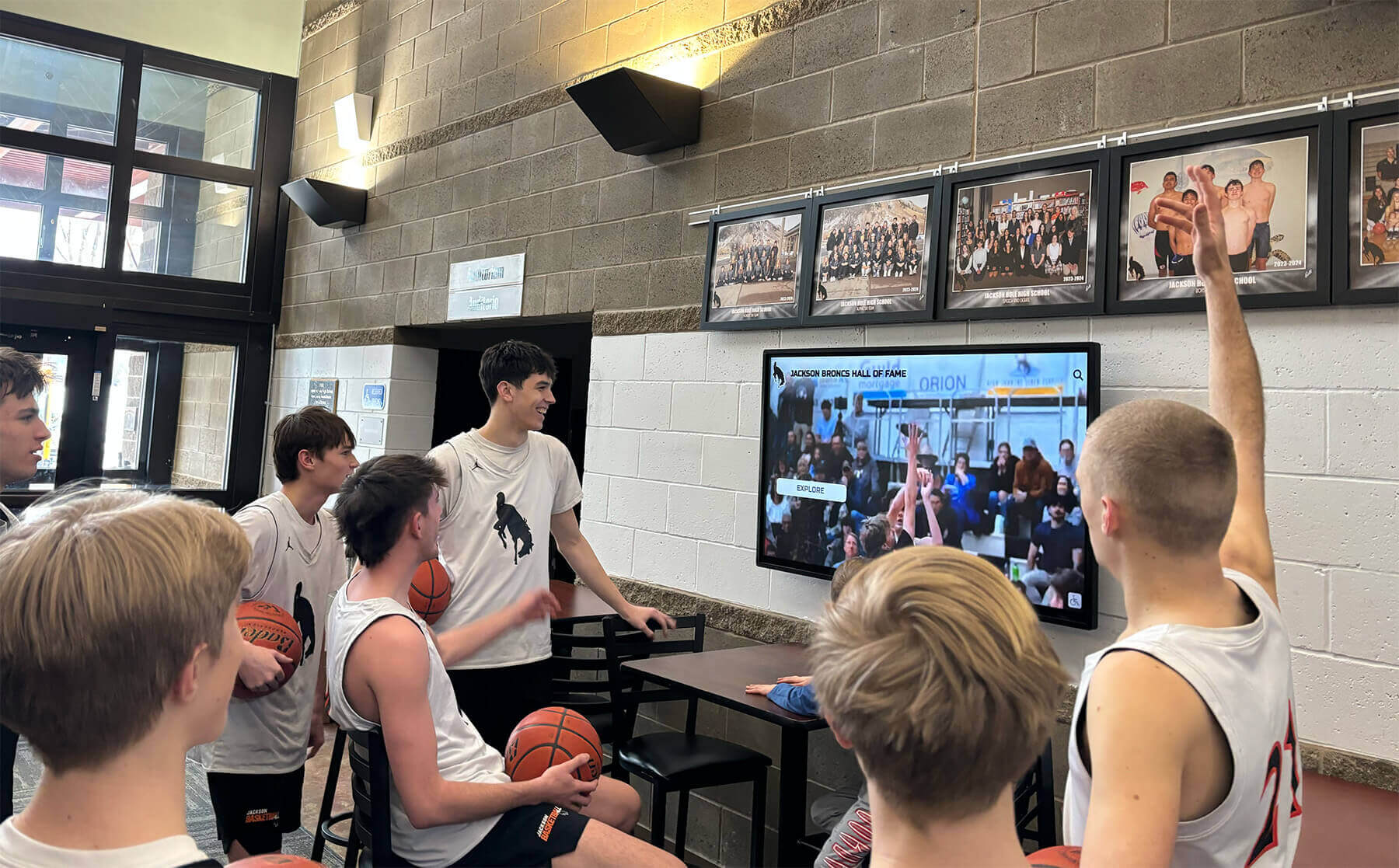
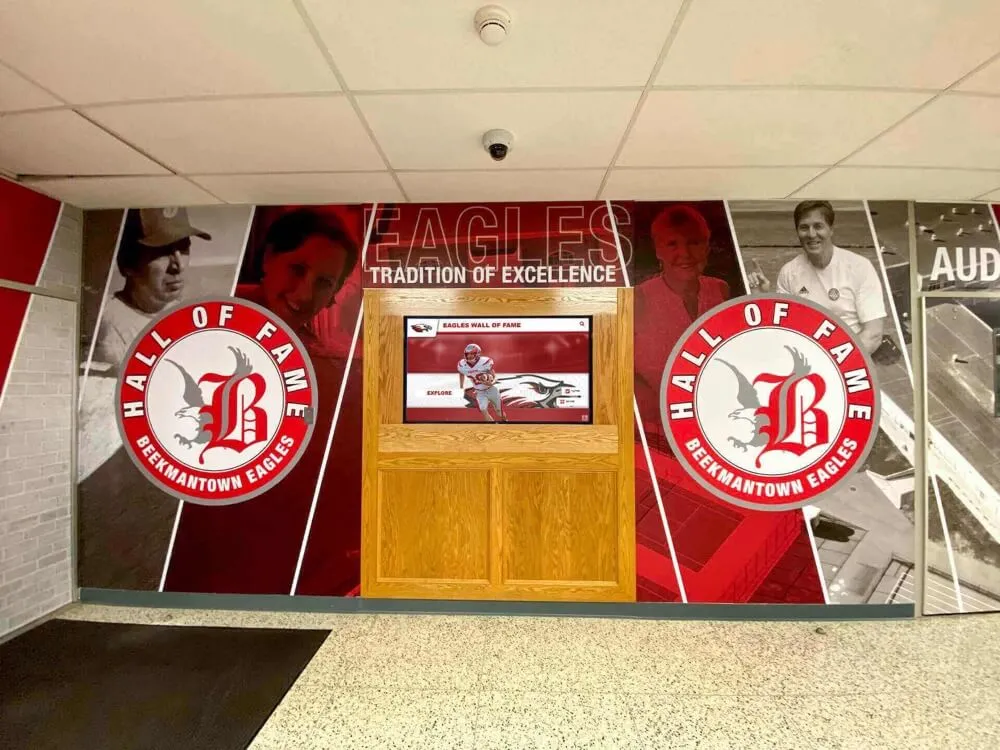
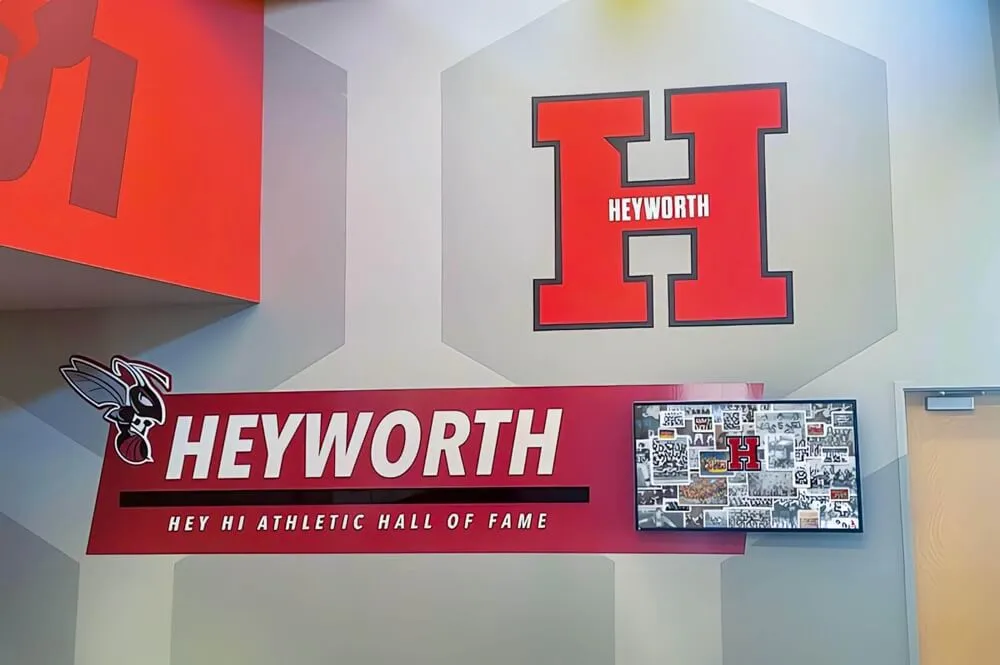
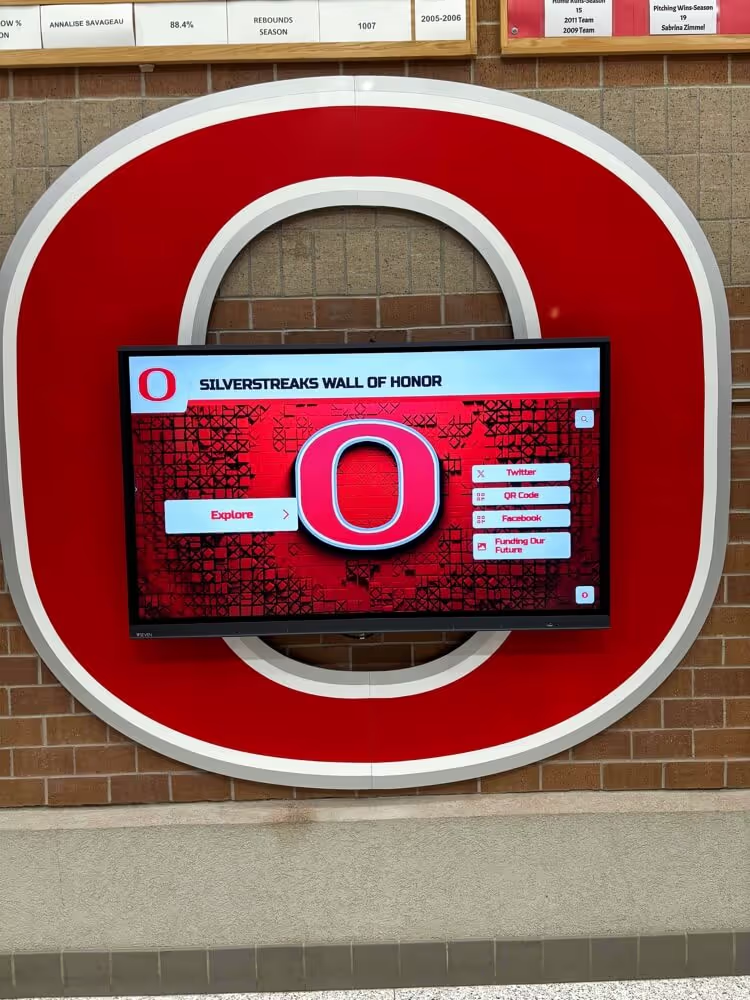
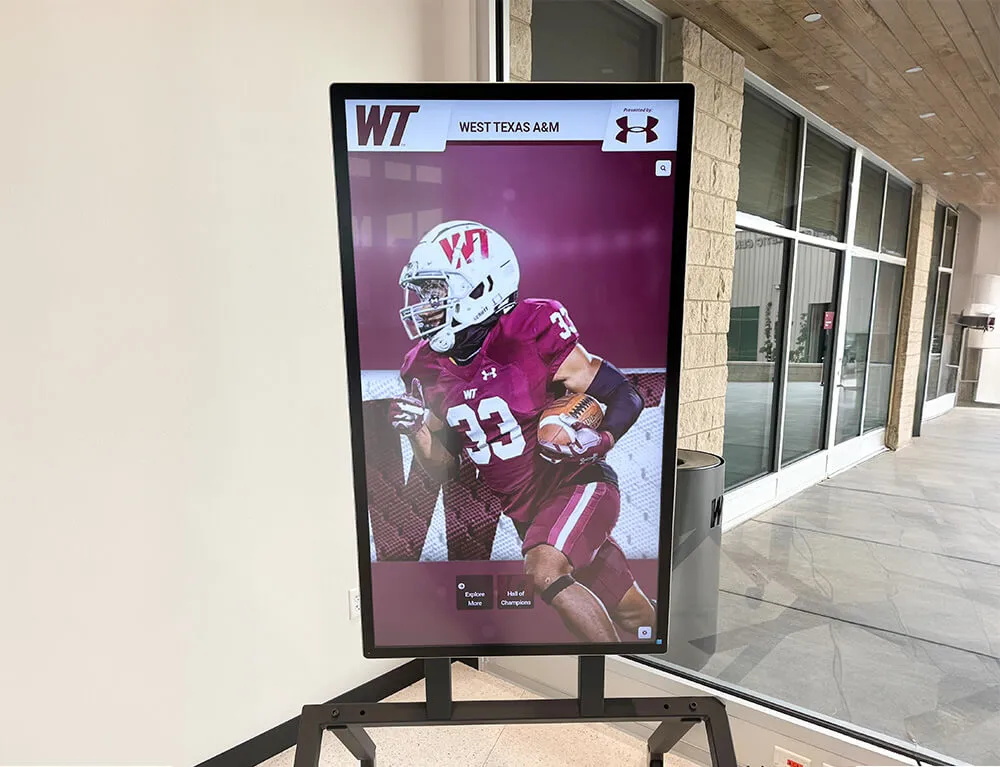
Lobby recognition displays create the right environment for ring ceremony gatherings, connecting individual milestones to the broader school achievement story
A well-designed ring ceremony accomplishes several things simultaneously:
- Honors the school’s history by contextualizing the ring within a tradition stretching back decades or generations
- Celebrates the current class with specific acknowledgment of who these students are and what they have accomplished together
- Projects forward by articulating what the ring will mean when graduates return for community events and reunions decades from now
- Involves alumni and families who recognize the tradition from their own experience, creating an intergenerational moment
The physical setting matters. Ring ceremonies held in spaces that embody school pride—lobbies with recognition walls, gymnasiums featuring championship banners, hallways lined with hall of fame displays—reinforce the tradition’s meaning through environment.
Connecting Ring Traditions to Homecoming and Alumni Events
Class rings become most powerful as identity symbols when alumni encounter them in social settings. Homecoming events consistently surface ring-related interactions: alumni spotting classmates’ matching rings, comparing graduation years, and reconnecting through the shared visual shorthand of school colors and crests.
Schools that intentionally incorporate ring recognition into alumni events—featuring class year displays at reunions, creating photo opportunities beside school symbols, or building interactive archives where alumni can see their graduation year documented—extend the ring’s connective power well beyond the ceremony itself.
Well-organized class reunion events bring class ring symbolism to life in ways no single ceremony can replicate. When alumni gather, rings become conversation starters, identity signals, and nostalgic connectors that carry institutional memory forward across decades.
Partnering with Ring Vendors Strategically
Most schools work with established ring manufacturers who handle the commercial logistics of ordering, customization, and delivery. Strategic schools view this partnership as more than a fulfillment arrangement. They ensure that:
- Ring designs accurately reflect current school visual identity and are consistent with broader brand guidelines
- Ceremony guidance is provided to students and families in advance
- Historical ring designs from prior decades are documented and occasionally referenced during ceremonies to reinforce tradition continuity
- The ring program is promoted alongside other significant senior milestone events, including high school awards ceremonies that honor graduates for their full range of achievements
Class Rings and School Identity: The Archival Angle
This is where the class ring tradition intersects most directly with the work of school administrators, alumni coordinators, and institutional archivists: the ring is a physical artifact of school identity, and tracking the history of ring designs over time creates a compelling institutional archive.
Class Rings as Historical Documents
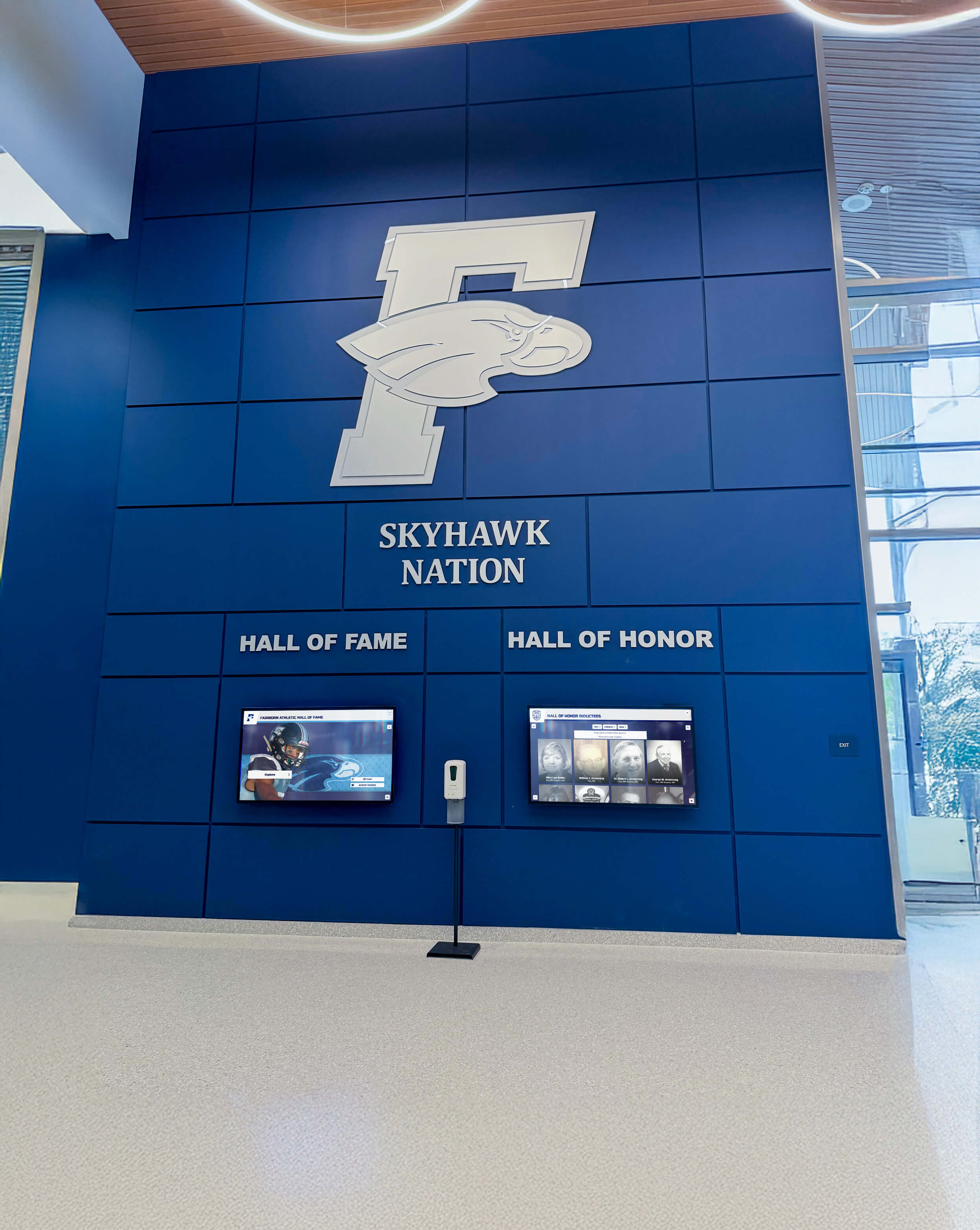
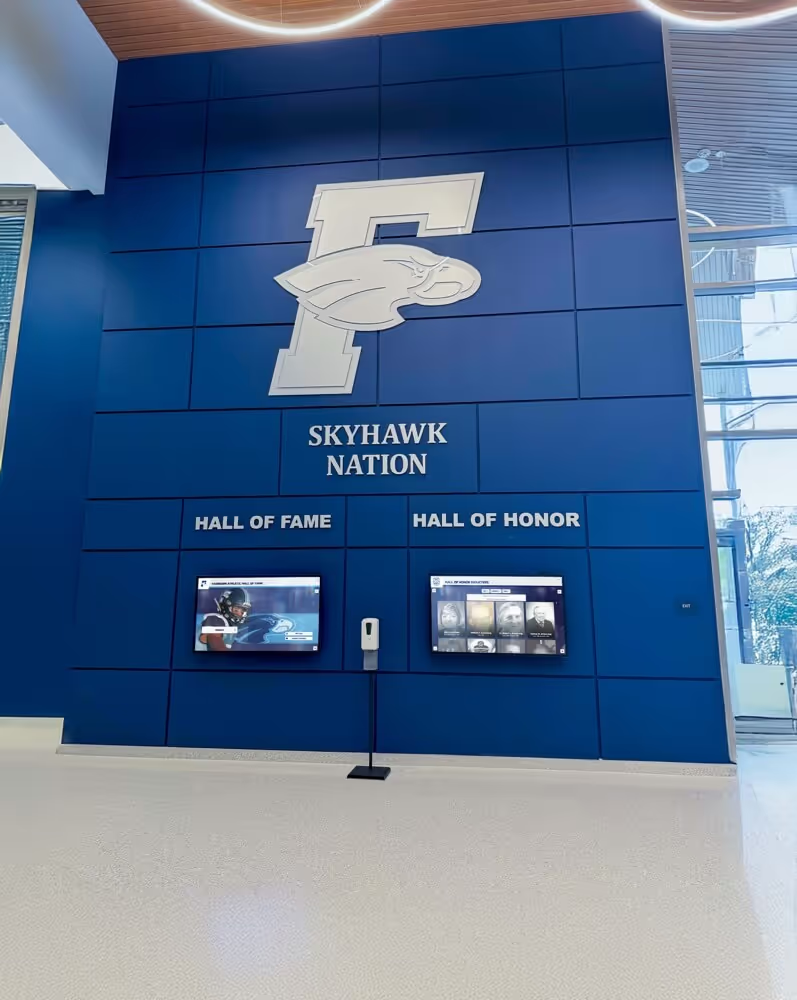
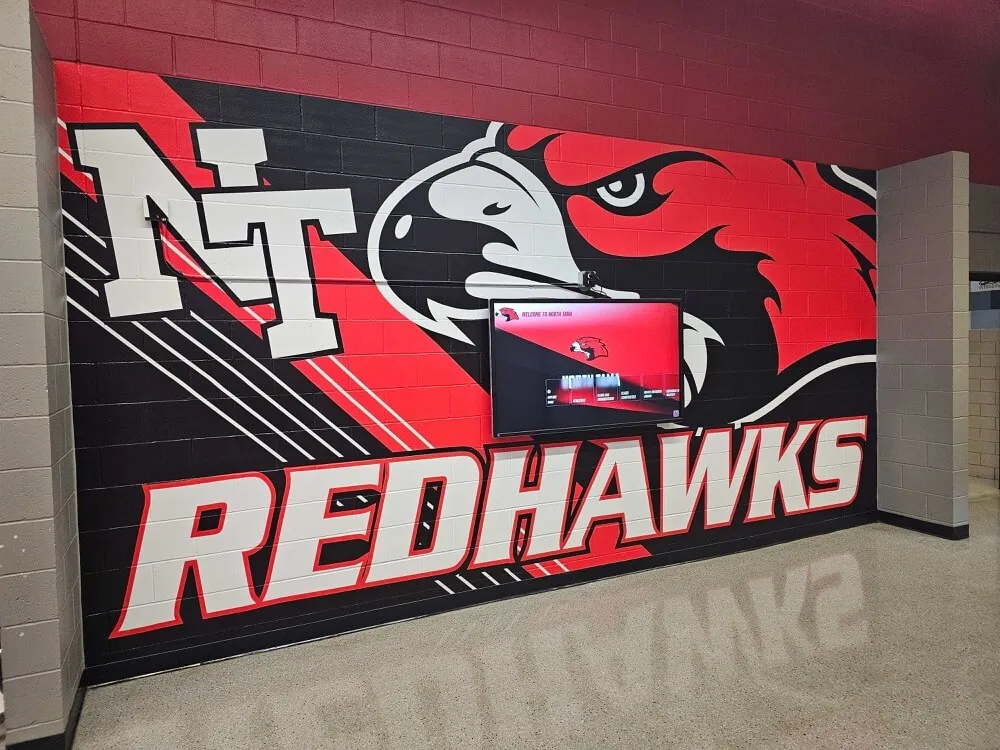
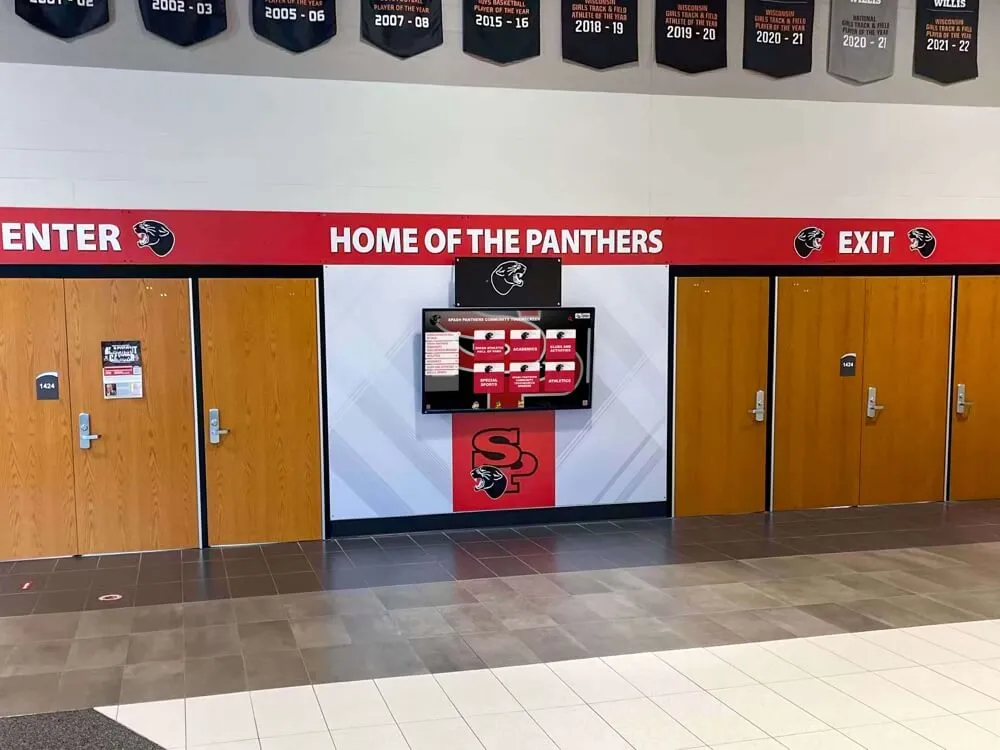
School lobbies that showcase institutional identity create the same sense of permanent belonging that class rings represent for individual graduates
Ring designs change across decades. The crest may be updated; school colors occasionally shift; mascot imagery evolves with redesigns. A collection of class rings spanning sixty or seventy years documents the visual history of the institution in a tangible, intimate way. Schools that have preserved or photographically documented rings from multiple eras possess a unique historical resource that commercial sellers cannot replicate.
Some schools display historical ring photographs or physical examples as part of broader alumni and history exhibits. Paired with yearbook photographs, championship records, and faculty histories, they contribute to a rich institutional narrative that current students can explore and alumni can rediscover.
What a class ring archive can include:
- Photographs of ring designs by decade, showing crest and color evolution
- Documentation of changes in school colors, mascot imagery, or seal design visible across ring generations
- Notable alumni wearing class rings in significant public moments
- Donation programs enabling alumni to contribute historical rings to school collections for rotating display
Administrators who want to make this archive accessible to current students and returning alumni can explore how to digitize yearbooks and historical displays without damage as part of a broader digitization initiative that preserves institutional memory for future generations.
Interactive Timeline Displays and the Class Ring Narrative
Interactive displays installed in school lobbies and hallways can incorporate class ring history alongside athletic records, academic milestones, and notable alumni profiles. This approach transforms the class ring from a personal keepsake into a chapter in the school’s ongoing story—visible to every current student, visiting family member, and returning alumni.
When a 1978 graduate returns for a reunion and sees their graduation year’s ring design displayed alongside the championship teams and faculty members of their era, the school has accomplished something significant: it has made that alumnus feel genuinely remembered, not just acknowledged.
Alumni Connection Through Class Rings: Long-Term Identity
The Ring as Reunion Catalyst
Class rings function as identity signals across alumni generations. The moment two strangers compare rings and discover matching school colors or graduation years, a connection is made that no social media platform fully replicates. Schools that actively cultivate this network effect—by maintaining strong visual identity consistency across decades and by creating reunion events that celebrate graduation year cohorts—multiply the ring’s social utility.
For school administrators planning reunion programming, class ring photographs and designs offer compelling material. A display of ring designs from the graduating decade creates immediate engagement and nostalgia—and provides a visual anchor for conversations about school history that would otherwise be difficult to structure.
Digital Hall of Fame Systems and Alumni Identity
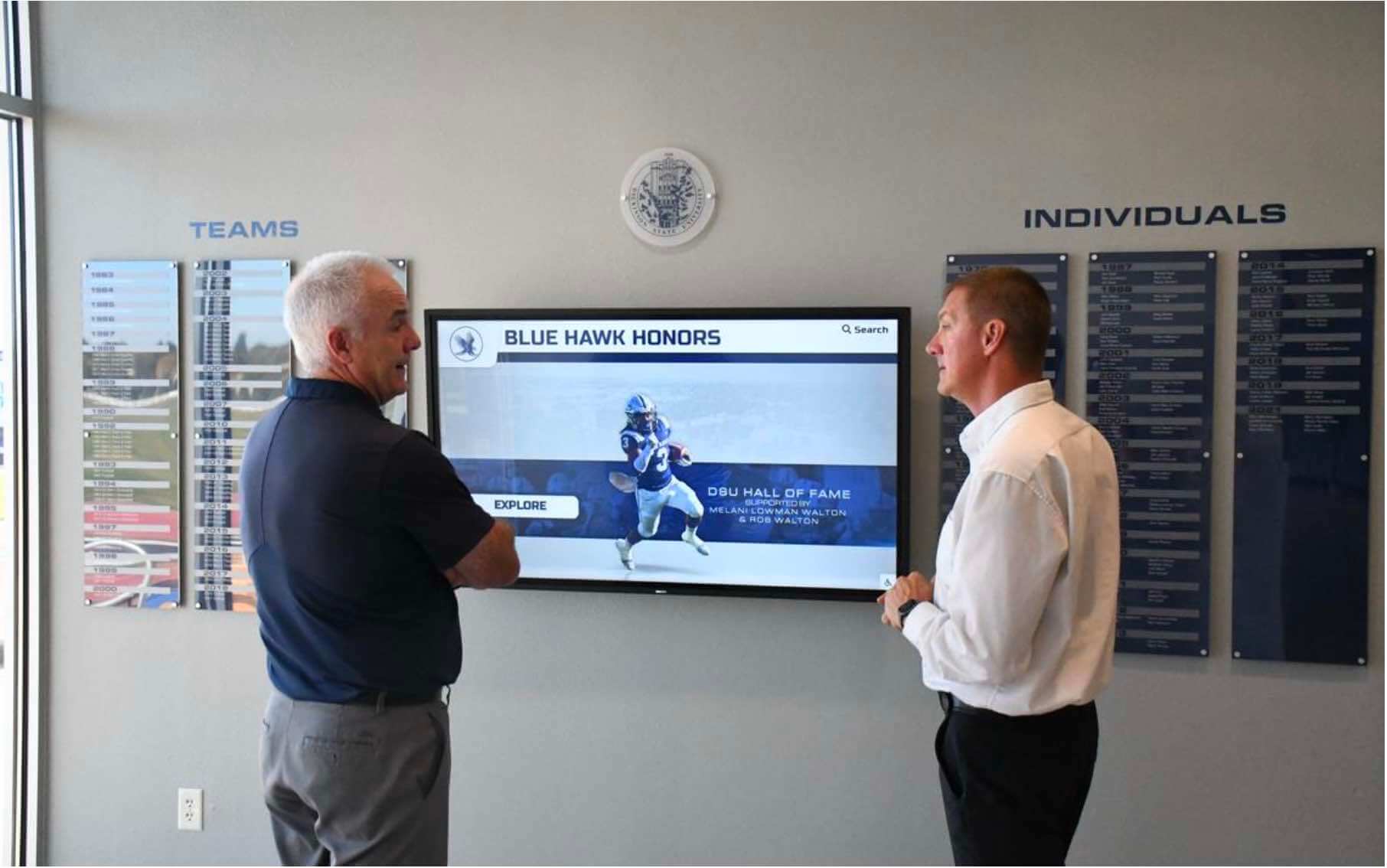
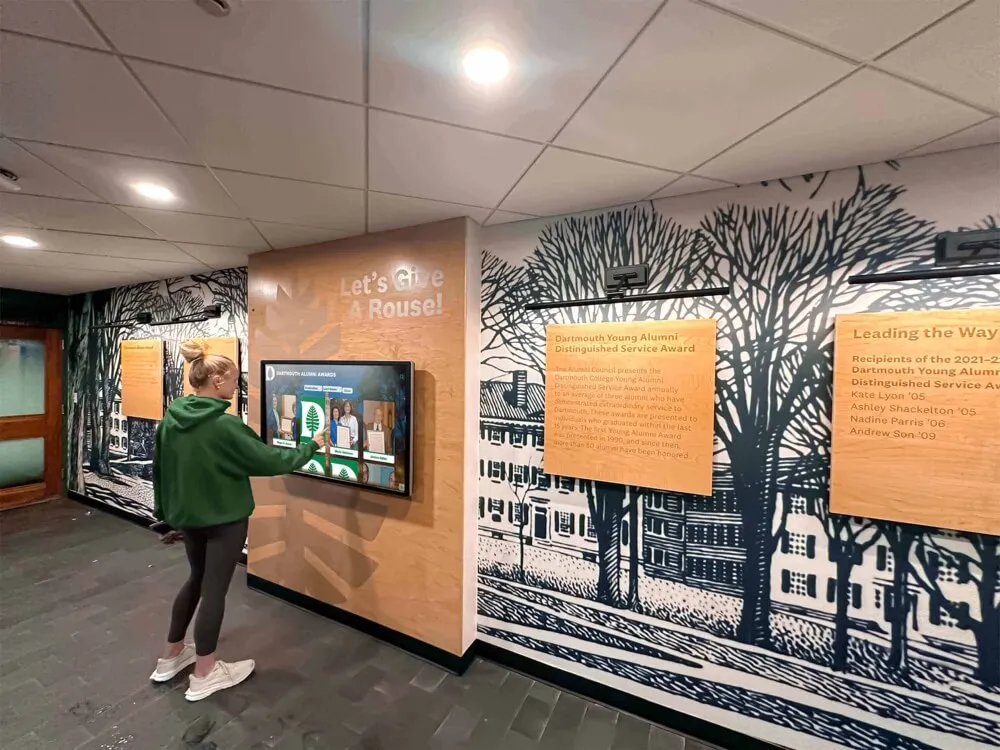
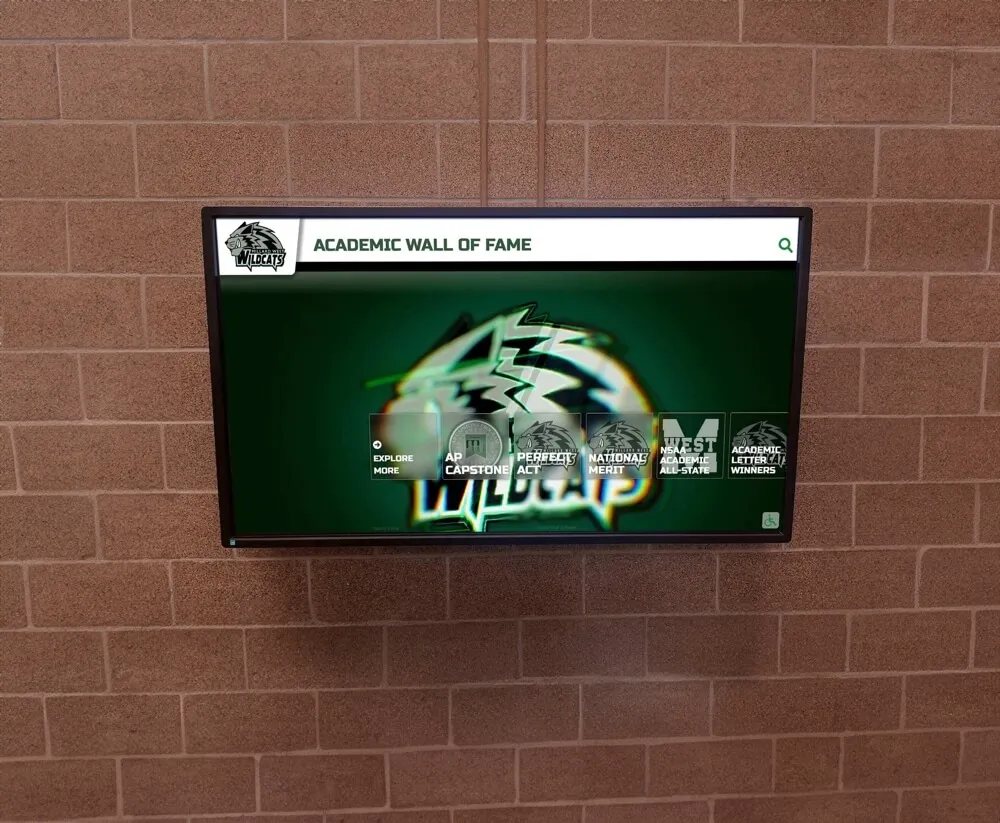
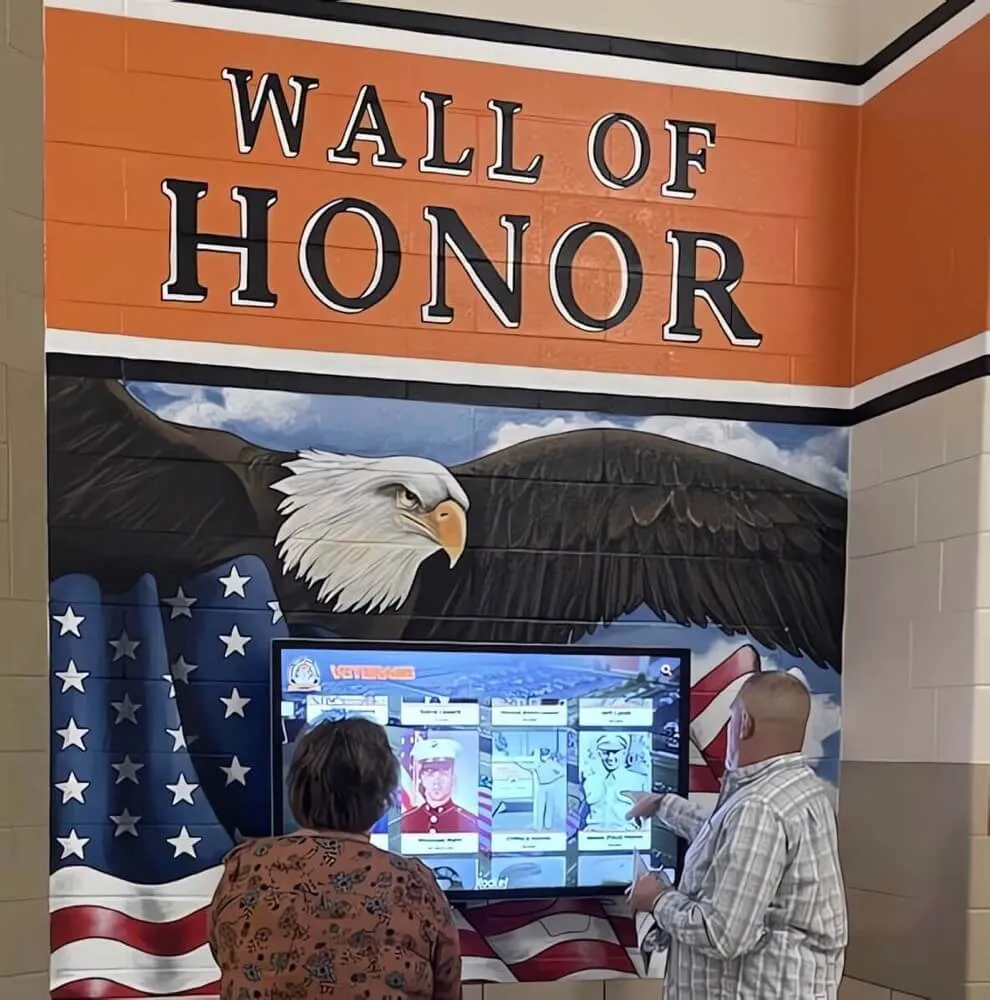
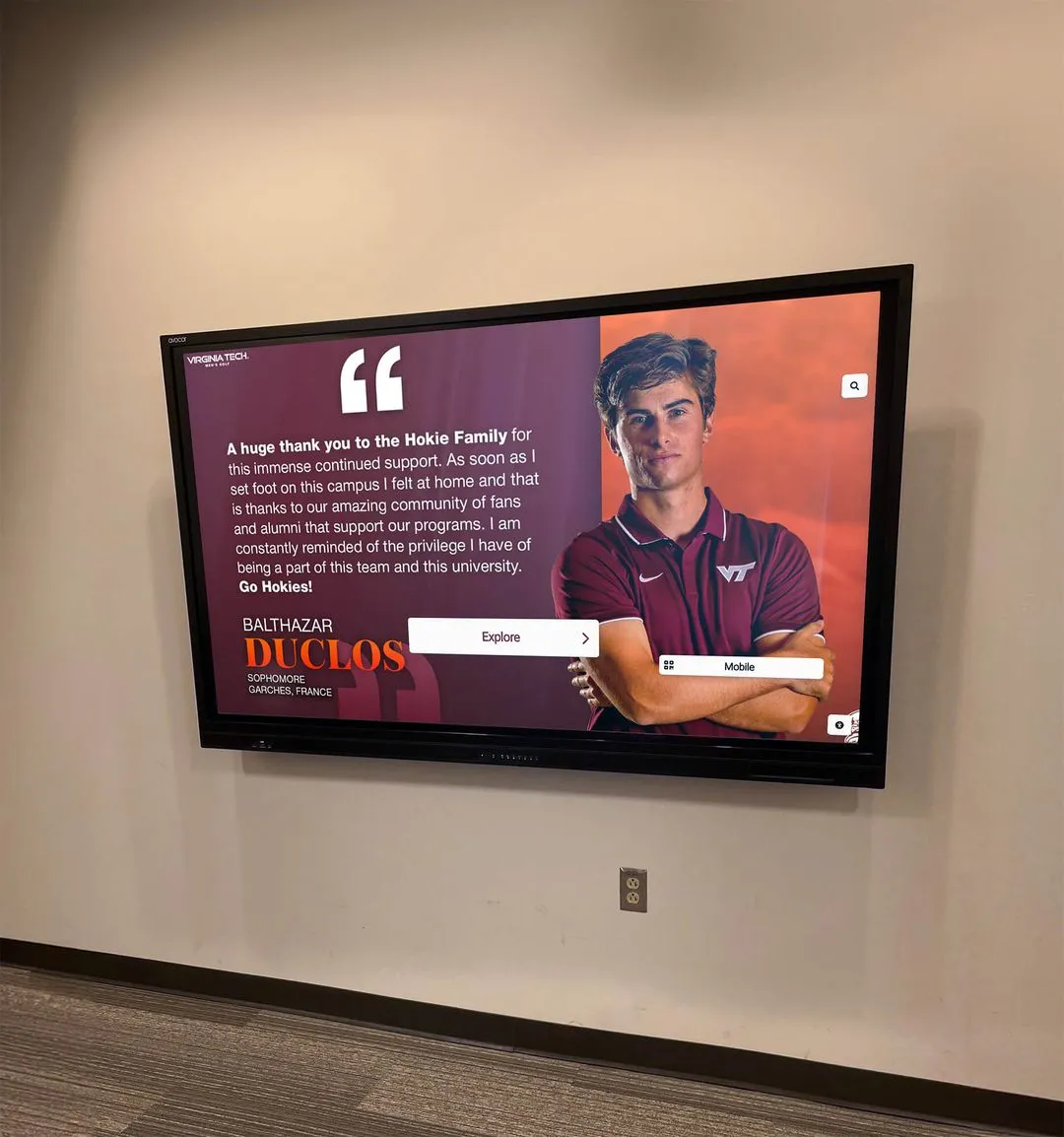
Digital recognition systems invite alumni to engage with institutional history the same way class rings invite daily connection to school identity
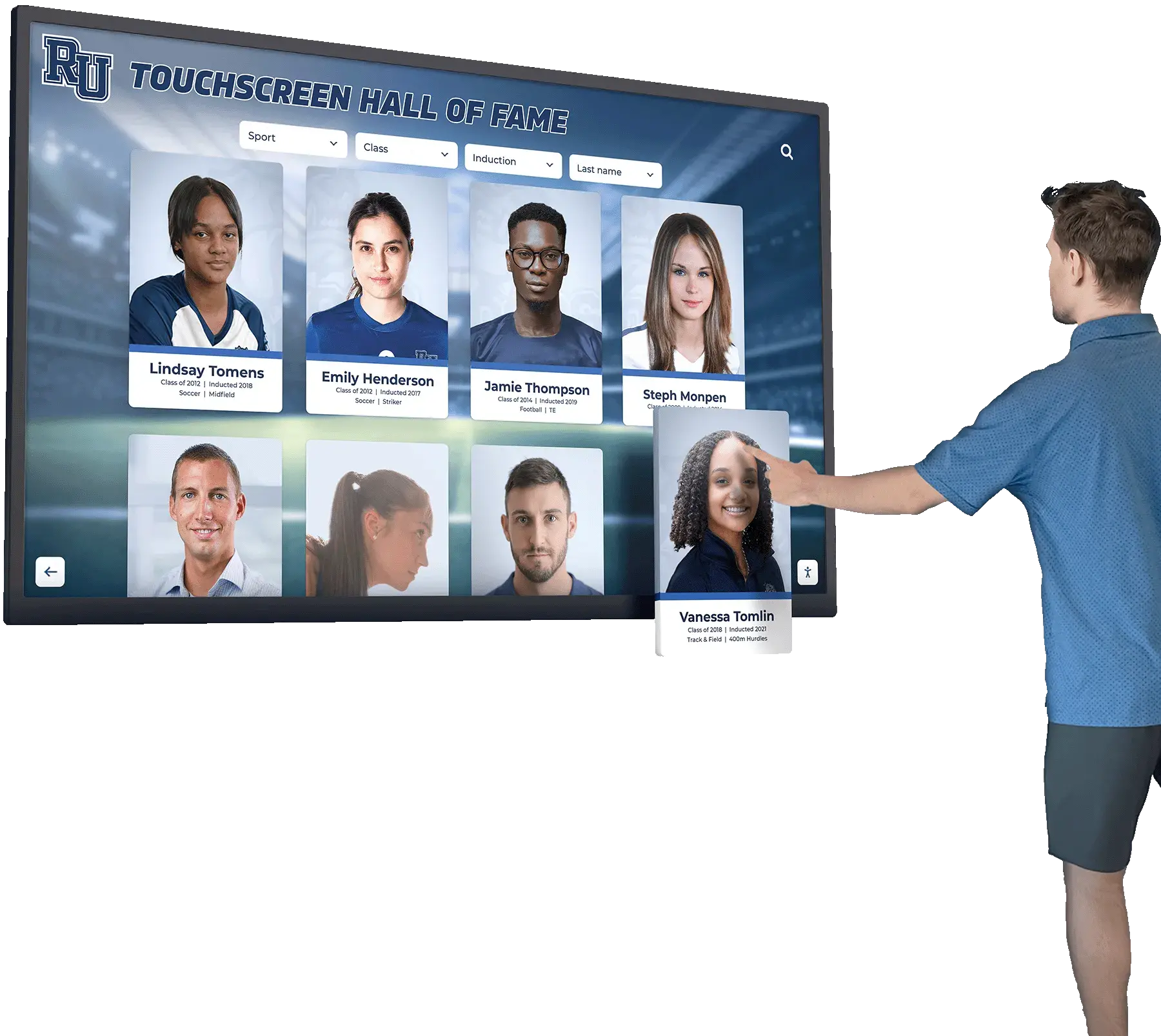
A digital hall of fame extends the connective work that class rings begin. Where a ring connects an individual graduate to a graduating class and institution, a digital recognition system connects entire graduating classes to decades of institutional history—and makes that history explorable by current students, visiting families, and returning alumni alike.
Schools increasingly recognize that touchscreen recognition displays in lobbies, hallways, and athletic facilities serve as permanent ring ceremonies of a different kind: welcoming spaces where the school’s identity is always on display, where achievements are searchable by year, and where no graduate’s contribution fades because there is no physical space constraint.
What digital recognition adds to the class ring tradition:
- Searchable archives organized by graduation year—the same year stamped on every ring
- Individual graduate profiles that give the cohort dimension depth beyond a single engraved date
- Athletic and academic achievement records associated with each graduating class
- Alumni update features that track where graduates went and what they accomplished
- Photo galleries documenting the ring ceremony itself across graduating years
This combination—physical ring plus digital archive—gives every graduation year the two things that make recognition meaningful: a tangible symbol of belonging and a permanent institutional record.
Extend Your Ring Tradition Into a Digital Archive
Rocket Alumni Solutions touchscreen displays help schools build permanent, searchable recognition archives that give every graduating class the institutional memory it deserves. See how interactive displays work alongside your existing traditions.
Request a DemoModernizing the Class Ring Tradition Without Losing Its Meaning
What Changes and What Should Stay the Same
Every generation of students tests the relevance of inherited traditions. The class ring has faced this test repeatedly and consistently passed—though not without evolution. Understanding which elements are essential and which are adaptable helps schools maintain the tradition’s core power while keeping it relevant to current students.
Elements worth preserving:
- The formal ceremony marking ring receipt as a significant milestone
- School colors and crest as the ring’s primary visual identity elements
- The graduation year as a cohort marker enabling alumni connection across generations
- Parental and family involvement in the ceremony
- Intentional connection to the school’s history and legacy through ceremony language and setting
Elements open to evolution:
- Metal and material options, including titanium, silicone alternatives, and recycled metals
- Digital components such as QR codes linking to graduate profiles or school archives
- Gender-neutral designs and inclusive sizing options
- Environmental sustainability considerations in manufacturing and packaging
Connecting Physical and Digital Recognition
The most forward-thinking schools treat the class ring not as an isolated tradition but as the physical anchor of a broader digital identity system. A graduate’s ring represents their class; a searchable digital archive represents their individual contributions to school history.
Schools that maintain comprehensive digital archives for schools and universities create a particularly rich experience: alumni can revisit not just their ring year’s achievements but the faces, teams, and moments that defined their era. The digital archive gives the graduation year stamped on every ring a dimension of institutional memory it could never hold alone.
When seniors are thinking about how to commemorate their final year, the class ring sits alongside other graduation milestones—from graduation cap decoration ideas to senior night celebrations—as part of a complete recognition ecosystem that honors the full scope of student achievement before graduation day arrives.
Preserving Class Ring History: A Practical Guide for School Administrators
Starting a Class Ring Archive
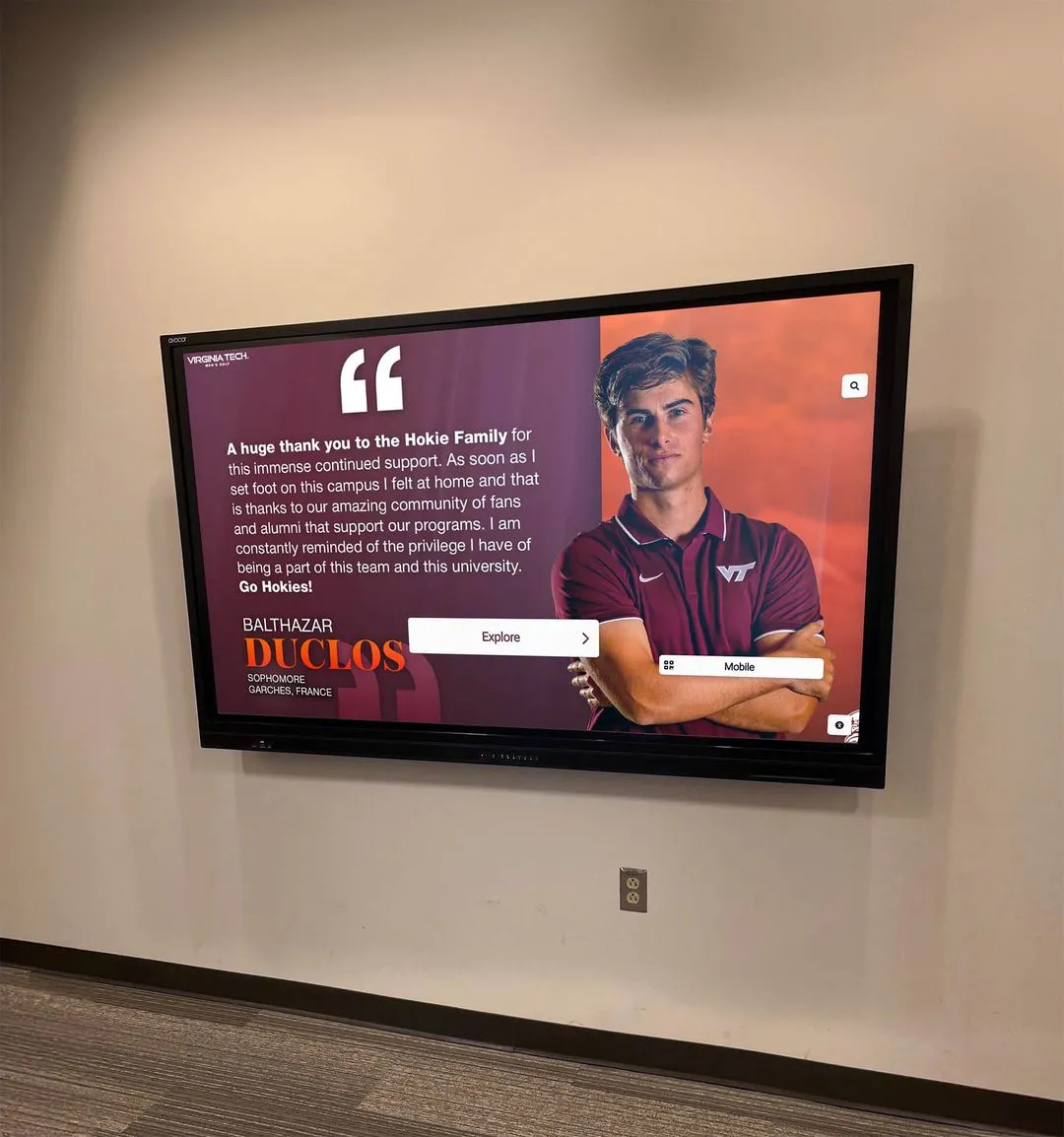
Physical display systems and archived recognition materials create the institutional memory that gives class ring traditions their lasting significance beyond graduation day
Schools interested in building a class ring archive can begin with practical steps requiring minimal budget:
- Document current ring designs photographically each year before ordering begins, creating a consistent visual record that will compound in value over decades
- Reach out to alumni associations requesting photographs or donations of historical rings from prior decades
- Review manufacturer archives — many ring companies maintain records of school ring designs going back decades and can provide historical images or specifications
- Integrate ring history into alumni communications, asking graduates to share photos of their rings and stories about the moment they received them
- Create display space in the lobby or hallways showcasing ring design evolution alongside yearbook photographs, championship banners, and other historical materials
- Designate a tradition keeper — a faculty member or staff position responsible for documenting and maintaining ring history within the broader school archive
Connecting Ring Archives to Interactive Displays
A class ring photograph archive becomes most powerful when integrated into a searchable interactive recognition system. Administrators and alumni associations can work together to upload historical ring images alongside graduating class profiles, athletic records, and faculty histories—creating a unified digital archive that tells the school’s complete story.
Interactive displays positioned in high-traffic areas of the school building—main lobby, gymnasium entrance, library—ensure that this archive reaches current students who may have no direct connection to the alumni it documents, but who benefit from understanding the institution they are joining. This connection between past and present is precisely what the class ring itself attempts to establish, and a digital archive extends that reach exponentially.
For schools with decades of graduation history, these archives become genuinely compelling: a current freshman searching the class of 1975 might find not just athletic records and yearbook photos but the specific ring design their grandparent wore—a visual connection spanning generations that no physical ring ceremony can replicate.
Integrating Ring Traditions Into the Broader Alumni Program

Graduate portrait archives organized by class year give the graduation year on every class ring an institutional dimension that connects generations of alumni
The class ring tradition does not exist in isolation. It is most effective when supported by a comprehensive alumni engagement infrastructure:
Annual ring ceremony enhancements:
- Invite alumni from significant anniversary years (5, 10, 25, 50) to attend and speak at current ring ceremonies
- Display historical ring designs in the ceremony venue
- Create a “ring wall” tradition where graduating seniors add their class year alongside previous generations
- Document each ceremony with photos and video for the growing archive
Alumni communication:
- Feature ring history in alumni newsletters and social media
- Invite alumni to share ring stories in anniversary years
- Use ring year milestones to prompt reunion engagement
- Build searchable online alumni directories organized by graduation year
Physical campus integration:
- Install recognition displays that reference graduating class years alongside athletic and academic achievements
- Create visual timelines that include ring design evolution alongside program milestones
- Develop lobby displays that welcome returning alumni with explicit connection to their graduation year
Conclusion: The Class Ring as Foundation, Not Finale
The class ring endures because it does something no other senior tradition quite manages: it gives graduates a permanent, physical object that represents institutional belonging. That object travels with them through decades of life, surfaces at unexpected moments, and consistently returns their identity to their school community.
But the ring is not the full story—it is a foundation. A symbol that gestures toward a richer narrative that the school itself must maintain. When schools invest in recognition infrastructure that gives that symbol context—through interactive archives, digital halls of fame, historical timelines, and sustained alumni engagement programs—they transform the class ring from a graduation keepsake into the visible corner of a living institutional identity that graduates can explore, rediscover, and share across generations.
The most powerful school communities do not rely on the ring alone to maintain alumni connection. They build the kind of permanent recognition systems that make every graduate feel that their class year—the year stamped on their ring—is genuinely documented, celebrated, and part of an ongoing story worth returning to.
Build the Recognition System Your Class Ring Tradition Deserves
Touch Archive interactive displays help schools create permanent, searchable recognition archives that extend the symbolic power of class rings into lasting institutional memory. From senior class profiles to decade-spanning alumni histories, discover how digital recognition transforms graduation traditions into lifelong school identity.
Request a Demo