



Walk onto any college campus during orientation week and you’ll witness something remarkable—upperclassmen eagerly teaching freshmen the proper way to sing the fight song, the exact route to walk around campus landmarks, and which statues to touch for good luck before finals. These college traditions create threads that connect students across generations, transforming individual experiences into shared institutional identity.
College traditions represent far more than quirky customs or nostalgic rituals. They establish belonging for incoming students, create shared experiences that bond classmates together, and provide continuity that connects current undergraduates with alumni who graduated decades earlier. When a senior performs the same ring ceremony her grandmother experienced fifty years prior, she participates in living history that makes her individual college experience part of something larger and more enduring.
Yet many colleges struggle to preserve and celebrate these traditions effectively. Physical displays documenting campus customs become outdated, oral traditions fade as institutional memory weakens, and newer students remain unaware of rich campus heritage that could deepen their connection to their institution. Schools that systematically document, celebrate, and teach their traditions create stronger campus cultures and more engaged alumni communities.
Understanding college traditions requires recognizing their diverse forms—from academic ceremonies steeped in centuries of history to contemporary customs that emerged just decades ago. This comprehensive guide explores more than 50 unique college traditions from universities nationwide, examining how institutions preserve campus heritage and why these customs matter for student life and alumni engagement.

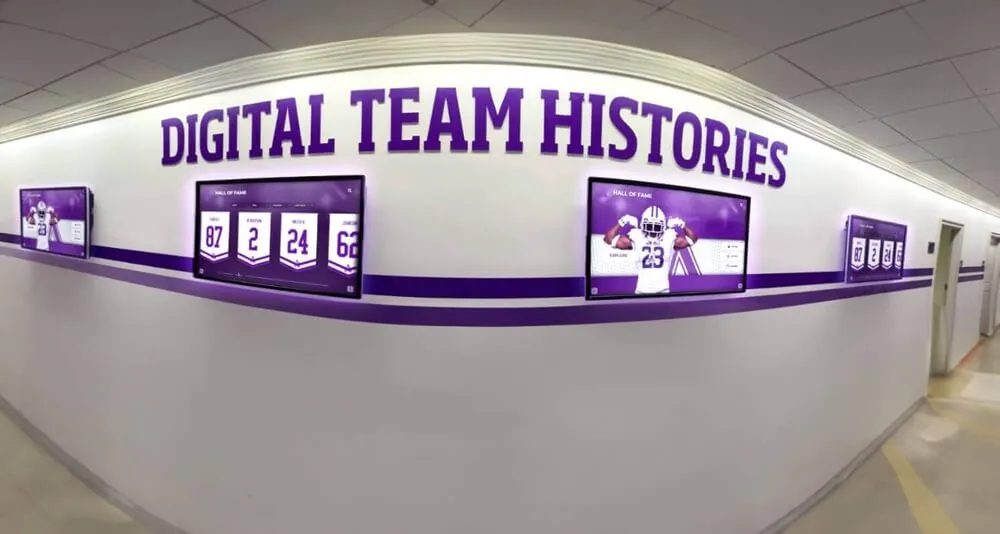
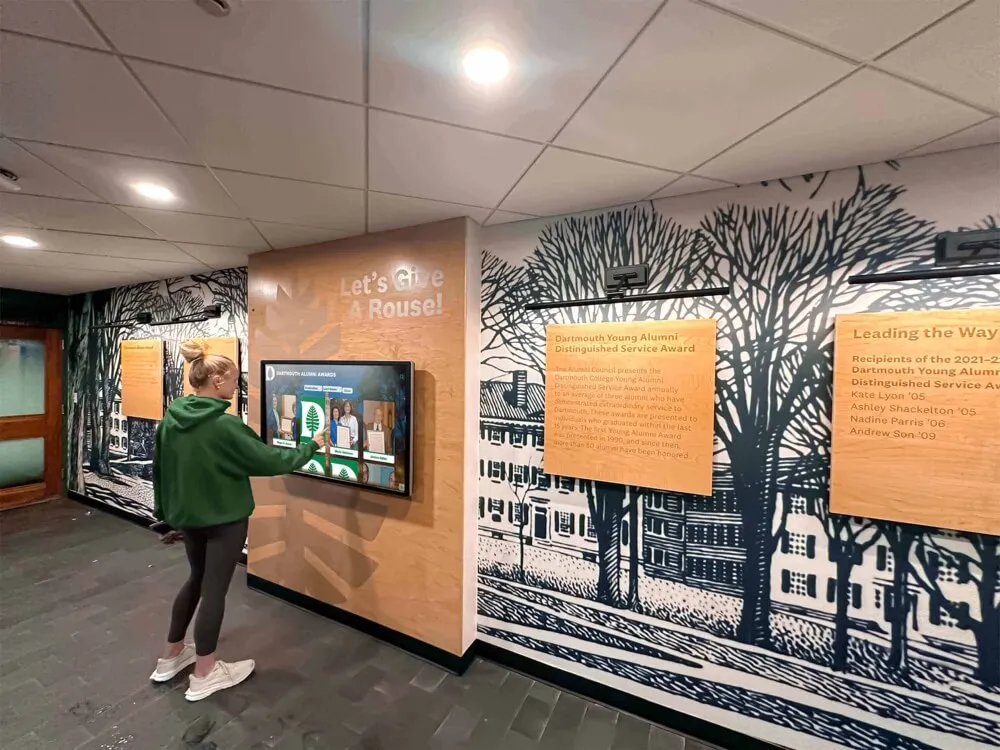
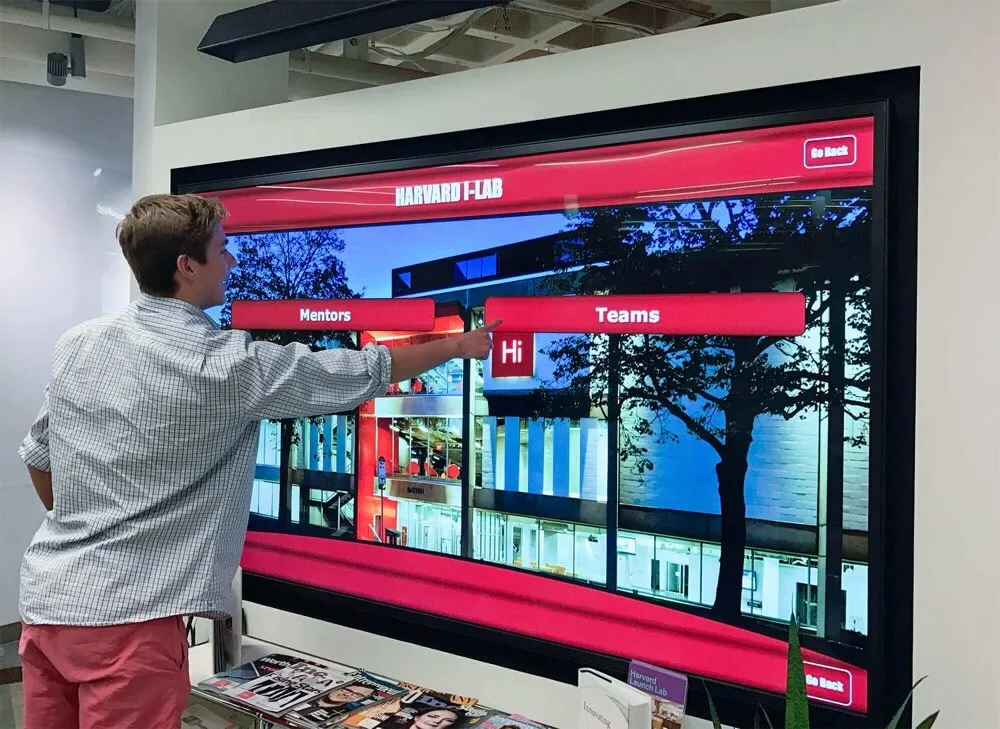
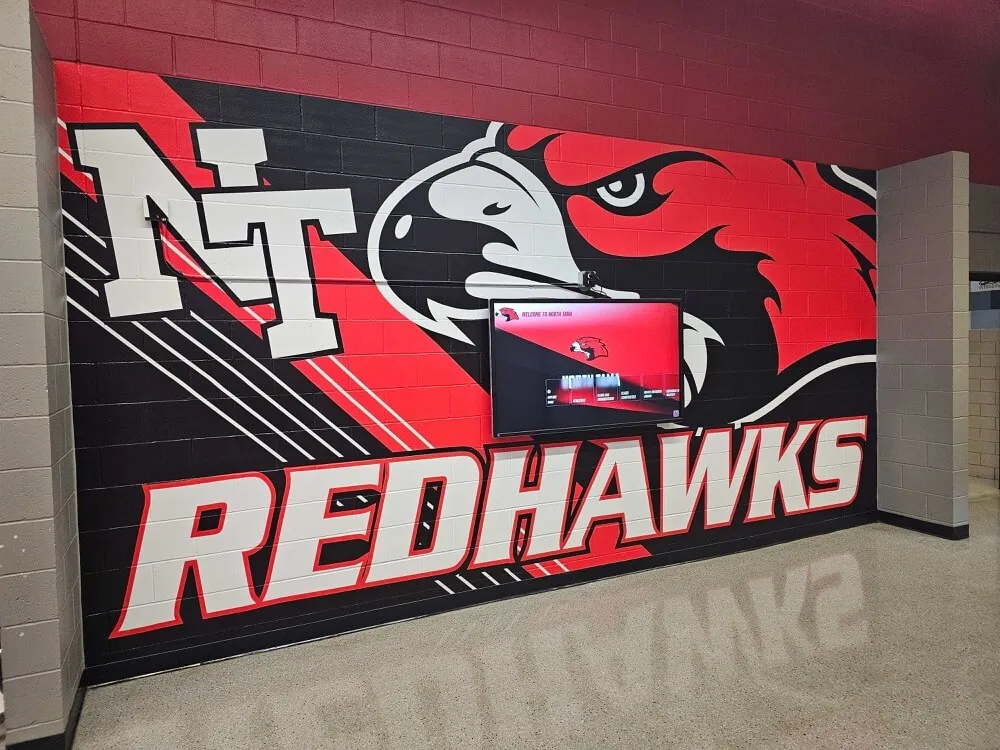
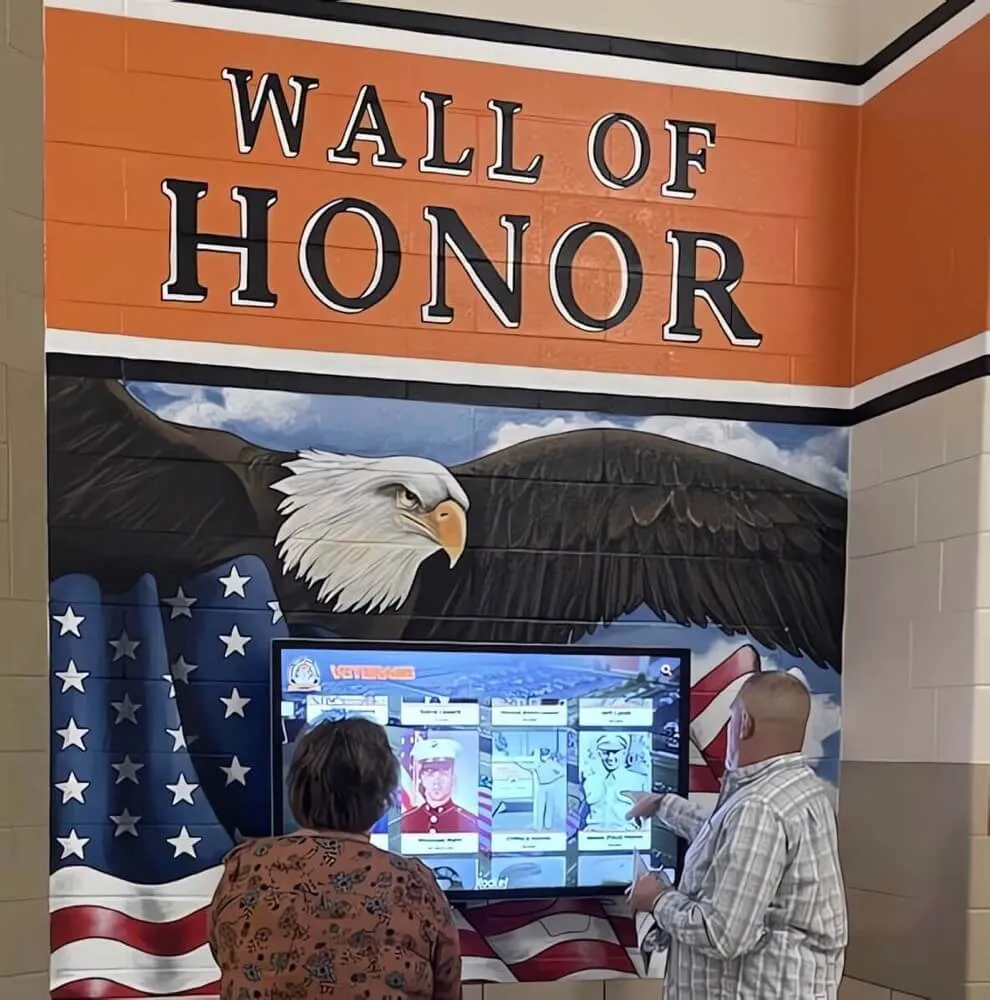
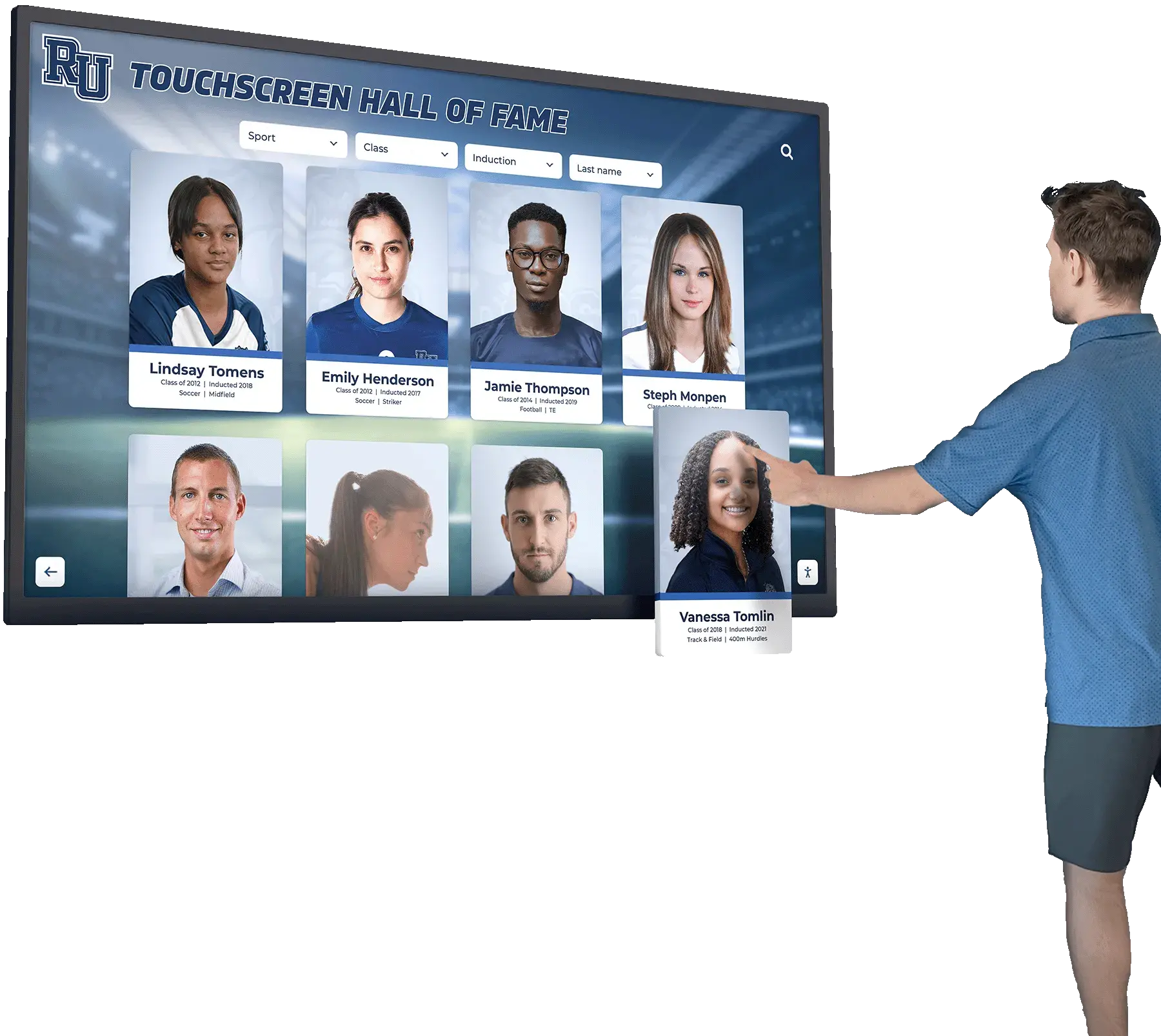
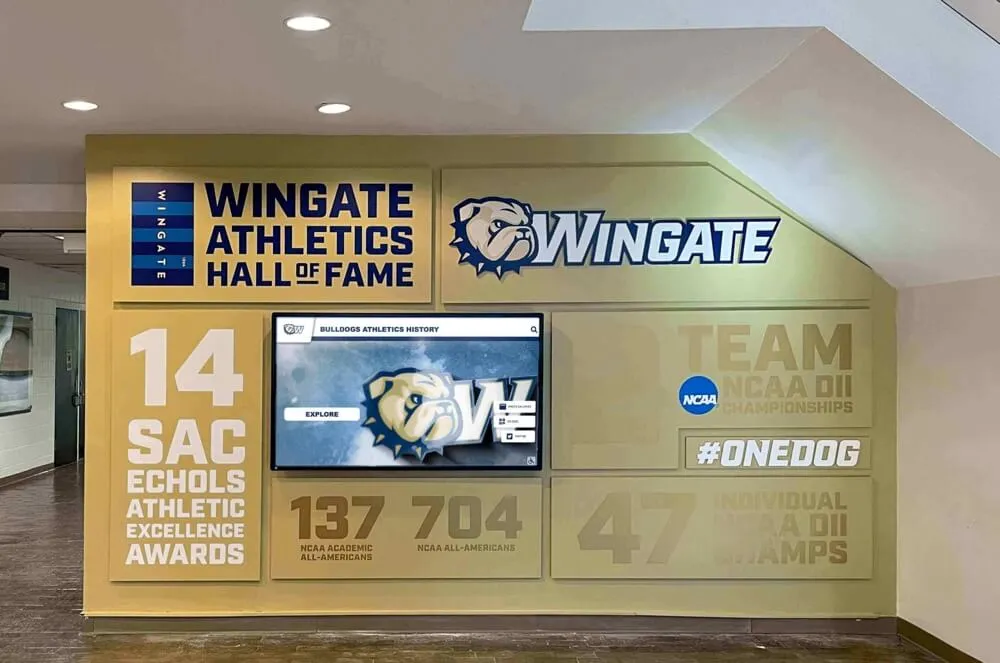
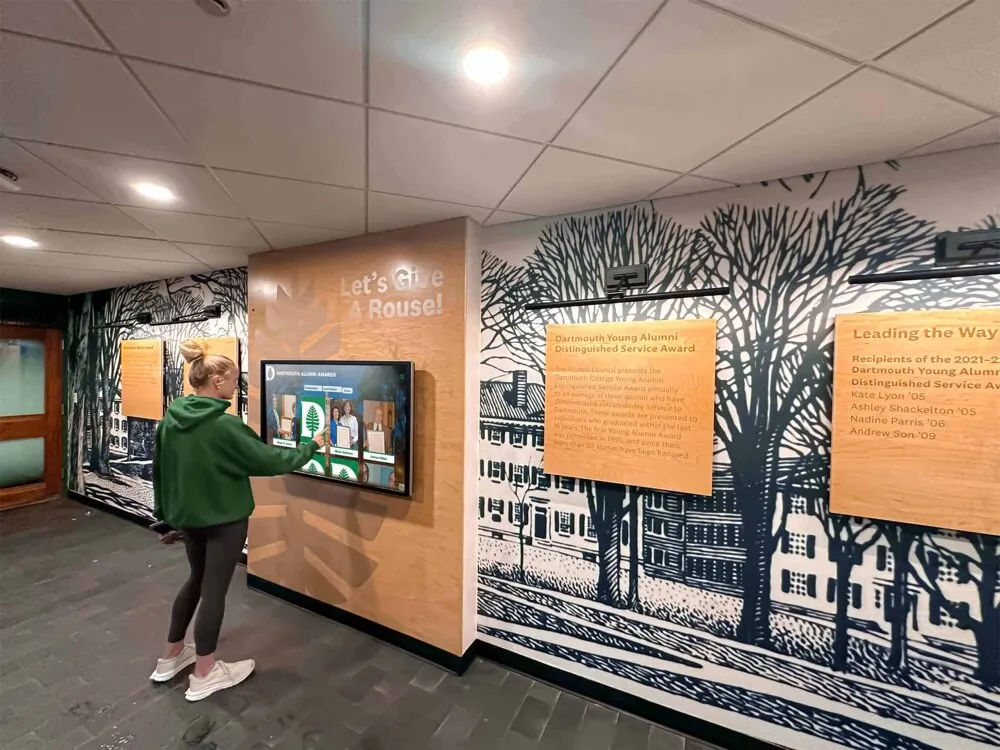
Interactive displays help colleges document and showcase campus traditions, making institutional heritage accessible to students and alumni
Academic Traditions: Ceremonies That Mark Educational Milestones
Academic traditions form the foundation of college customs, marking transitions through undergraduate life with formal ceremonies that connect current students to centuries of educational heritage.
Convocation and Commencement Ceremonies
Opening Convocation: Many institutions begin each academic year with formal convocation ceremonies that officially welcome new students into the academic community. These traditions often include:
- Processional marches where faculty members wear colorful academic regalia representing their degree-granting institutions
- Symbolic passing of knowledge from upperclassmen to first-year students
- Lighting of ceremonial candles or torches representing the transmission of learning
- Presidential addresses outlining institutional values and academic expectations
- Singing of alma maters that introduce new students to school songs they’ll sing at graduation
Baccalaureate Services: Religious and secular institutions alike often hold baccalaureate services the weekend before commencement, providing reflective gatherings before the celebratory graduation ceremony.
Commencement Traditions: Graduation ceremonies incorporate numerous time-honored customs:
- The academic procession ordered by degree level and faculty seniority
- Hooding ceremonies for graduate students where faculty mentors place academic hoods on their mentees
- Turning of the tassel from right to left after degree conferral
- Presentation of class gifts to the institution
- Recessional walks where new graduates leave as alumni for the first time
Class Ring Ceremonies
Class ring traditions create powerful symbols of educational achievement and institutional connection:
Ring Premiere: Schools like Texas A&M University host elaborate ring day celebrations where eligible students first receive their class rings. Thousands of students gather to simultaneously put on their rings for the first time, marking their transition to “ring-eligible” status within the campus hierarchy.
Ring Dunking: At some military academies and service-oriented institutions, students participate in ring dunking ceremonies where they drop their new rings into commemorative pitchers filled with beverages, then must chug the entire contents to retrieve their ring from the bottom.
Ring Blessings: Faith-based universities often incorporate religious ring blessing ceremonies where clergy members consecrate class rings, dedicating them to service and ethical leadership.
These traditions create tangible connections between alumni who wear the same distinctive rings regardless of graduation year. Many colleges now incorporate digital displays showcasing ring traditions and class history to help current students understand the heritage behind these symbols.
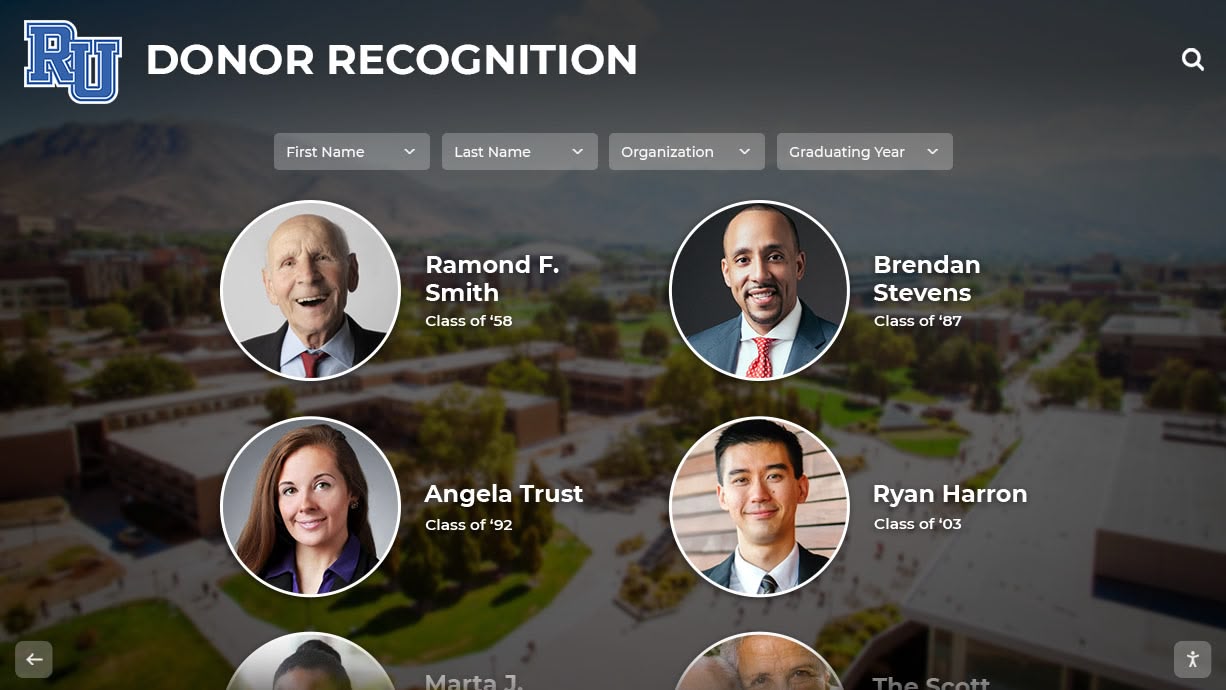
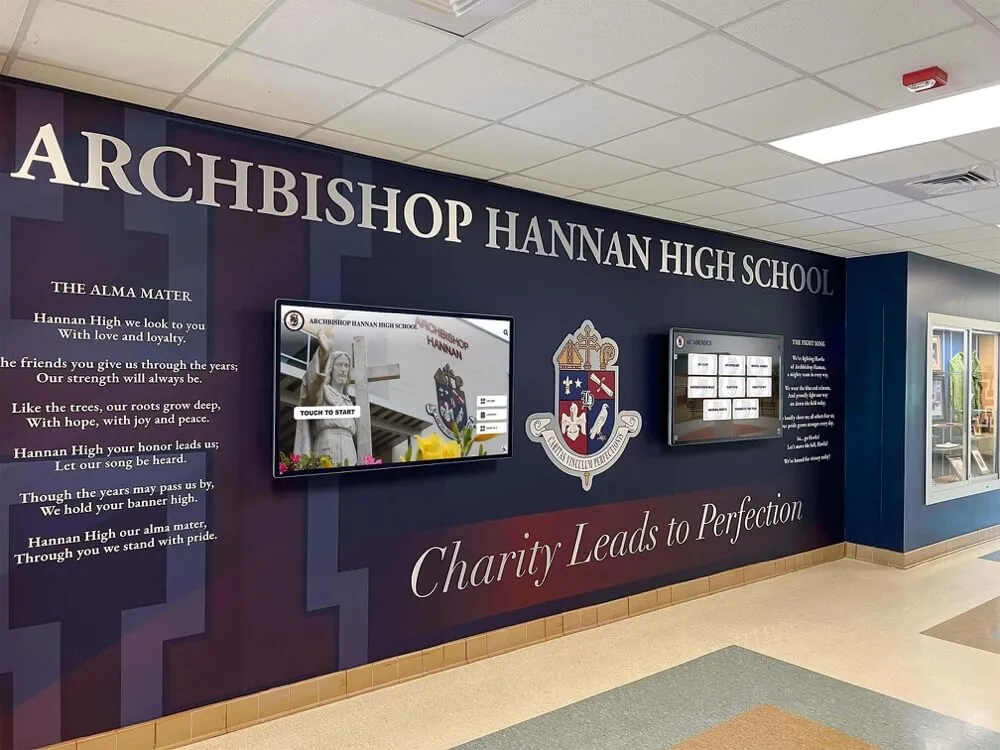
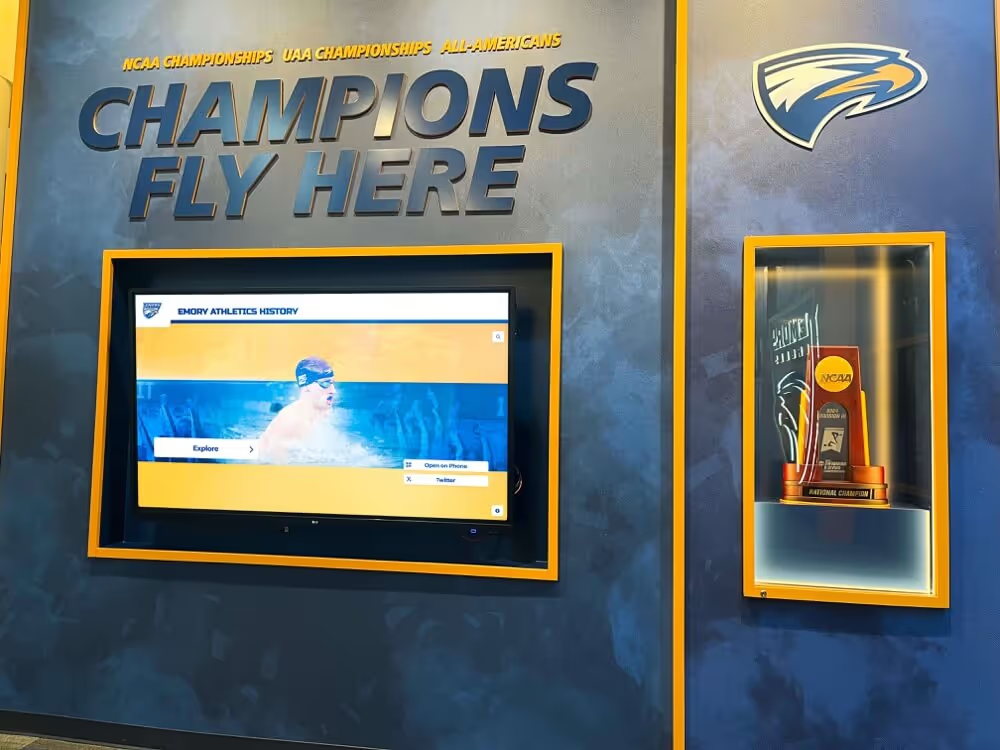
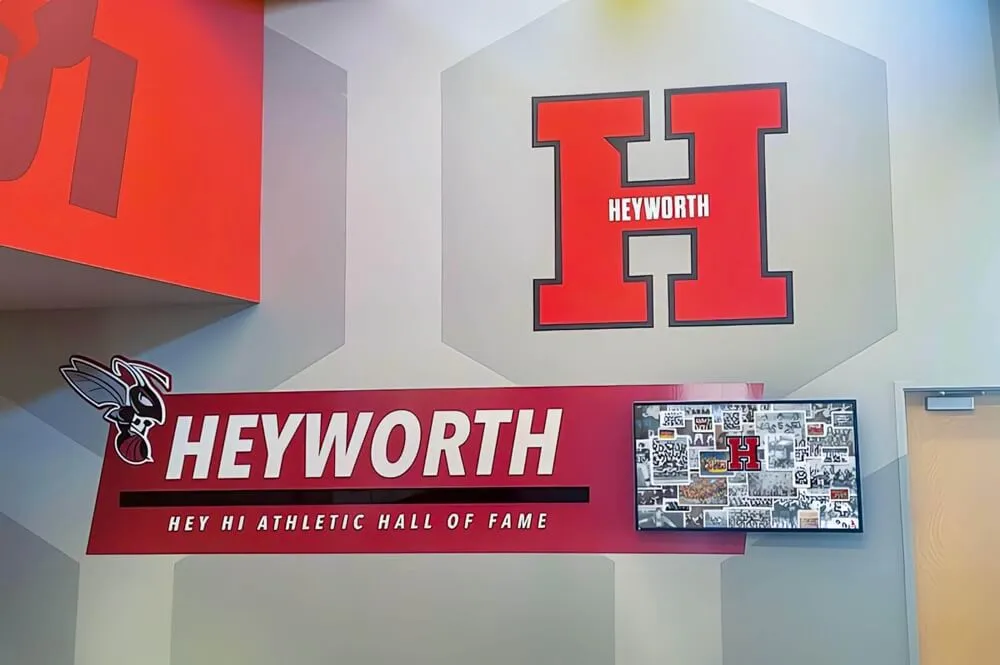
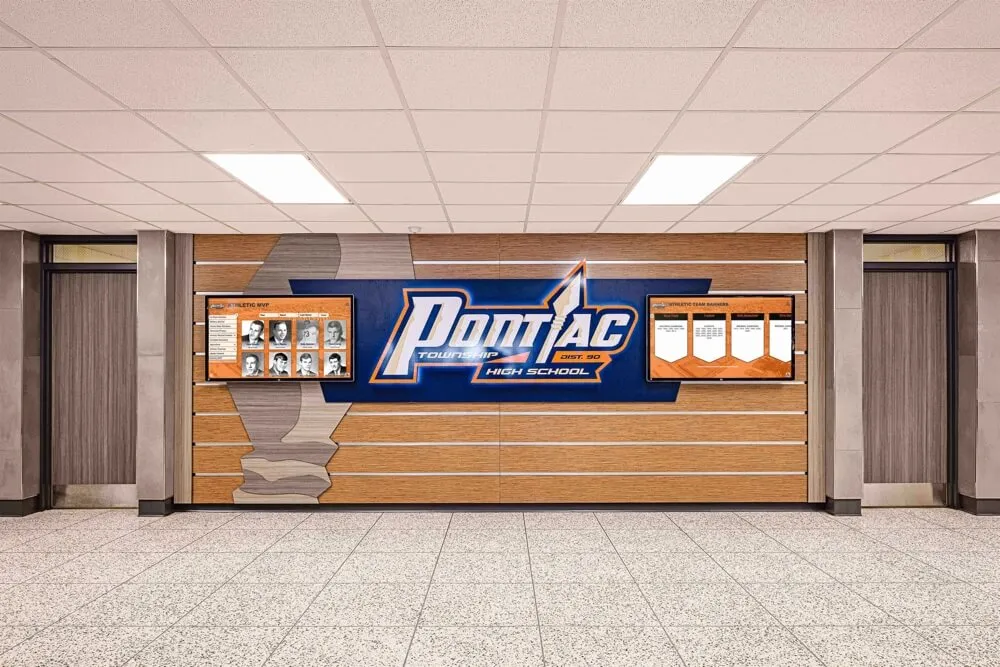
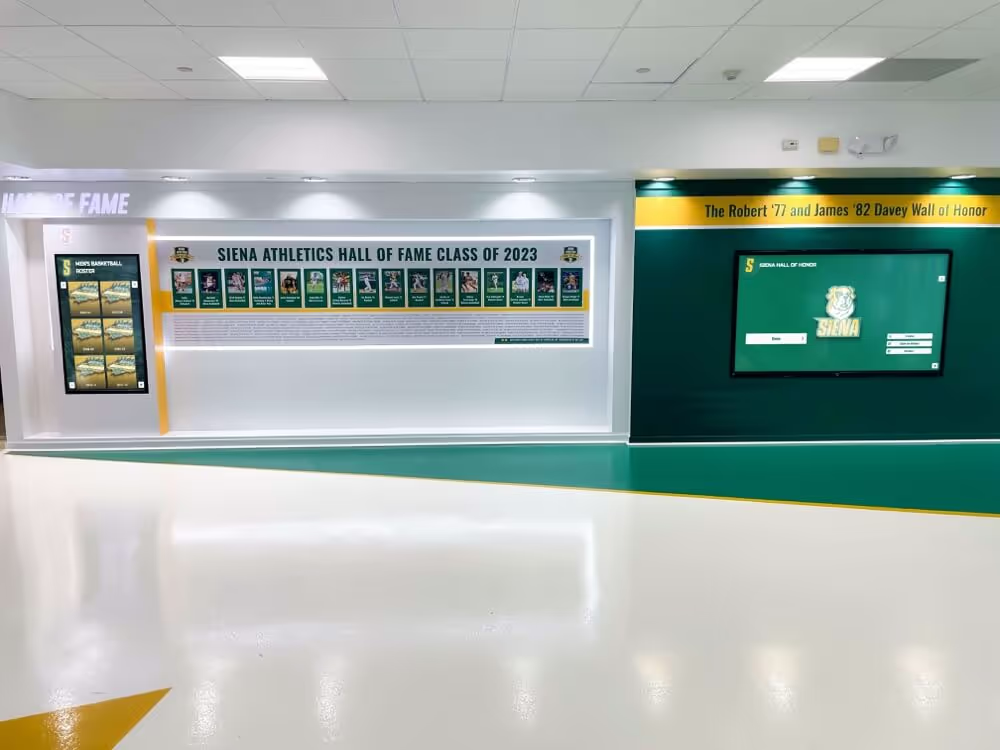
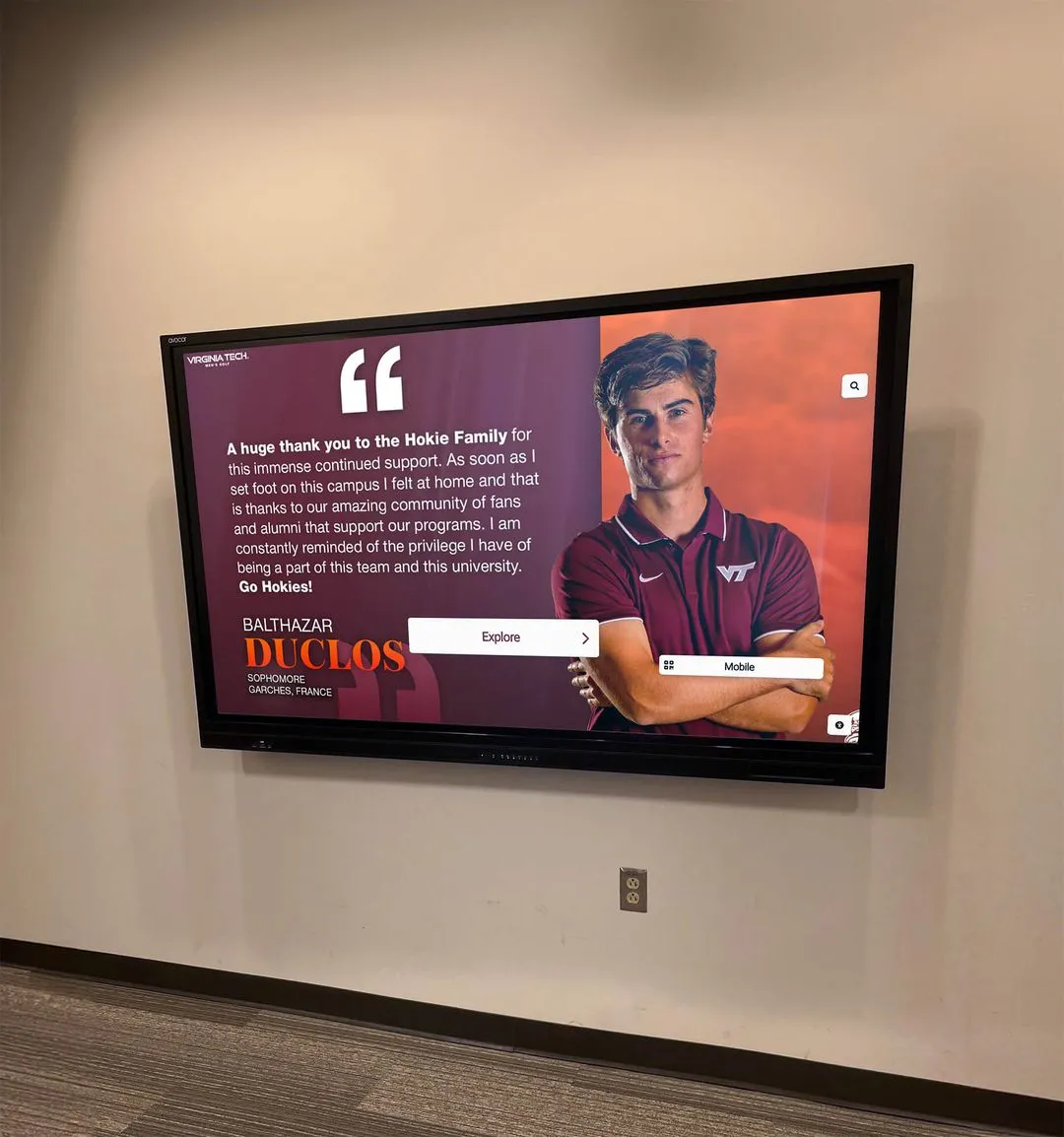
Universities preserve class traditions and alumni achievements through permanent displays that honor institutional heritage
Athletic Traditions: Celebrating Competition and School Spirit
College sports traditions generate some of the most visible and passionate campus customs, creating shared experiences that unite students, alumni, and broader communities.
Pre-Game Rituals and Celebrations
Athletic traditions build excitement before competitions while teaching school spirit to new generations:
Midnight Yell Practice: Texas A&M’s legendary Midnight Yell Practice brings thousands of students to the stadium at midnight before home football games to practice cheers and yells led by five elected Yell Leaders—a tradition that female students can attend only if brought by a male date and given a kiss at midnight (a controversial aspect being reconsidered by modern students).
Dotting the I: Ohio State University’s marching band forms the word “OHIO” during pregame performances, with a senior sousaphone player receiving the honor of “dotting the i” by marching to that position—one of college football’s most recognizable traditions.
Running of the Balls: At Clemson University, players rub Howard’s Rock, mounted on a pedestal overlooking the east end zone, then run down the hill onto the field—a tradition started in the 1960s that Tiger players consider essential to home game rituals.
War Eagle Flight: Auburn University flies a golden eagle or hawk around the stadium before kickoff, with the bird landing at midfield as fans yell “War Eagle!” This living mascot tradition creates dramatic pregame moments.
Jump Around: At University of Wisconsin football games, the stadium plays House of Pain’s “Jump Around” between the third and fourth quarters, with all 80,000+ fans jumping in unison—creating seismic activity detectable by campus geology equipment.
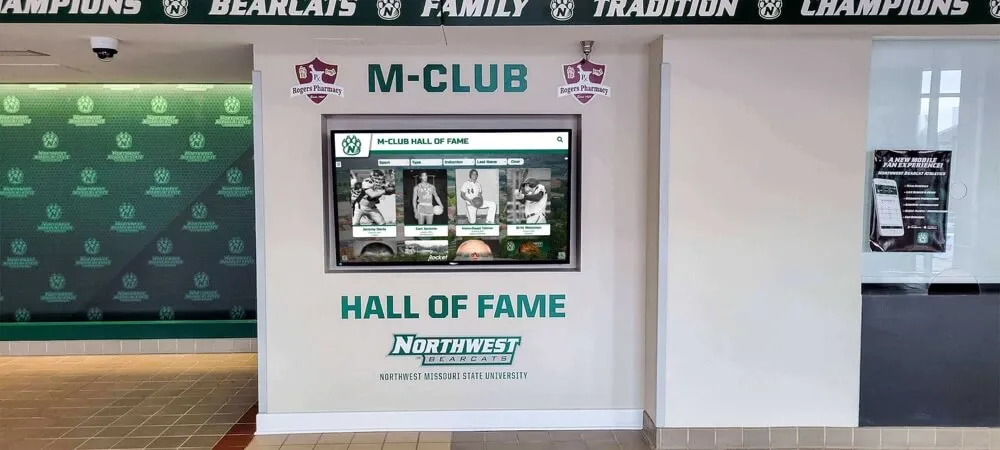
Schools often document these athletic traditions through hall of fame displays celebrating championship teams and legendary moments that define institutional sports heritage.
Victory Celebrations and Trophy Traditions
College traditions transform athletic victories into campus-wide celebrations:
Victory Bells: Many institutions ring campus bells after athletic victories. The University of North Carolina rings the Bell Tower after Tar Heel victories, while USC rings its Victory Bell following football wins over UCLA.
Painting The Rock: Northwestern University’s “Rock” sits in a central campus location where students paint it overnight to announce events, celebrate victories, or make statements. Strict informal rules govern painting rights, with groups camping out to claim painting time.
Rivalry Trophies: College sports feature dozens of rivalry trophy traditions:
- The Old Oaken Bucket (Indiana vs. Purdue football)
- Paul Bunyan’s Axe (Wisconsin vs. Minnesota football)
- The Stanford Axe (Stanford vs. California football)
- The Floyd of Rosedale pig trophy (Iowa vs. Minnesota football)
- The Little Brown Jug (Michigan vs. Minnesota football)
These trophy traditions extend back decades or even over a century, with detailed histories that connect current athletes to legendary predecessors. Modern universities preserve these stories through digital archives that document championship seasons and rivalry histories.
Senior Day Ceremonies: Universities honor graduating athletes during emotional senior day or senior night celebrations where fourth-year and fifth-year players are recognized before home crowds, often walking across the field or court with family members as announcers share their contributions to the program.
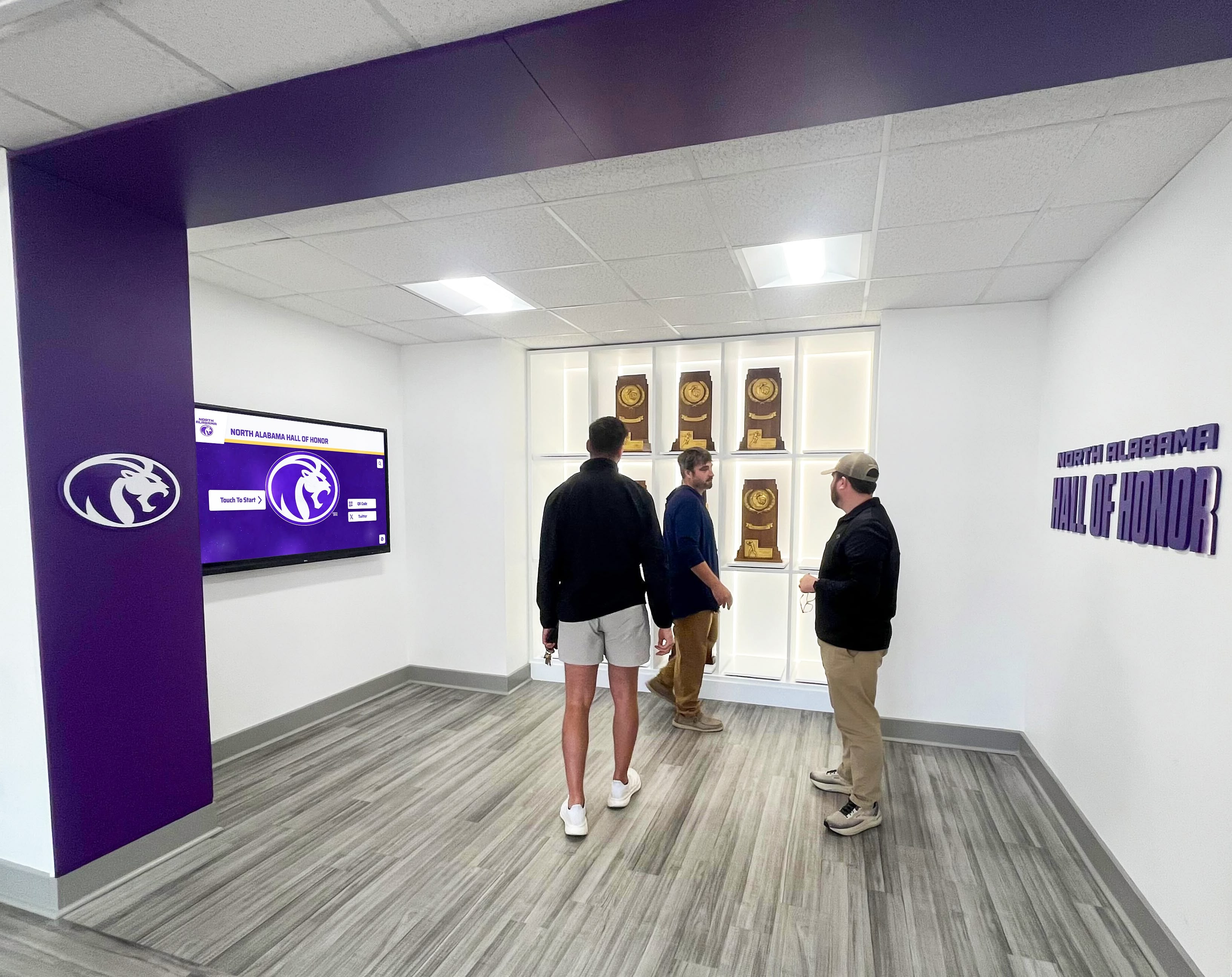
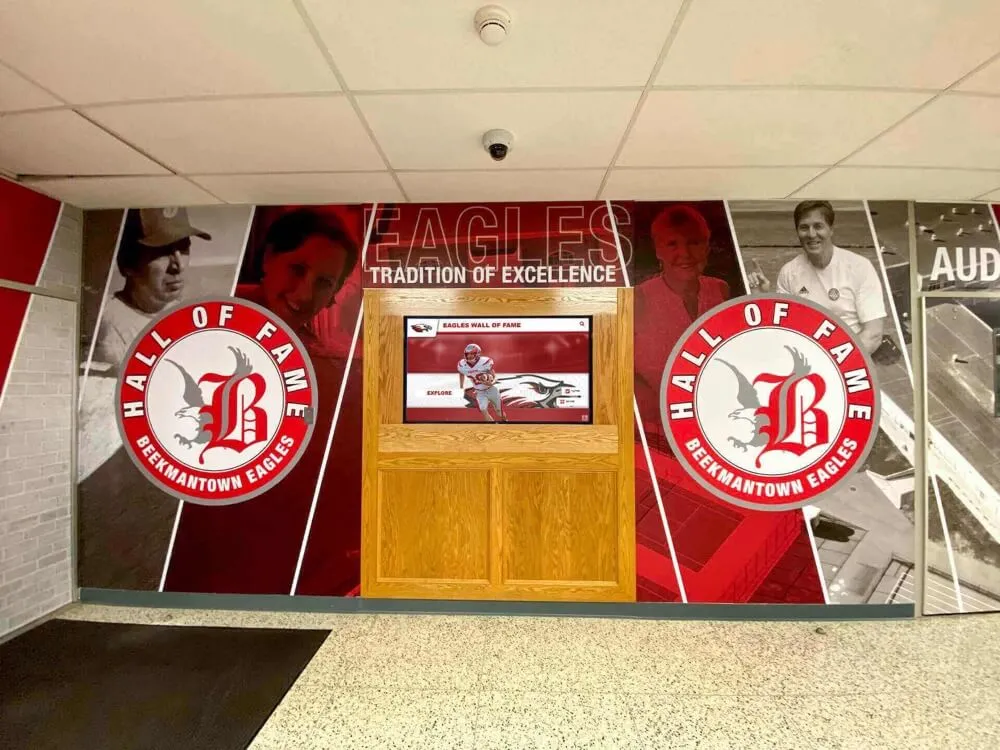
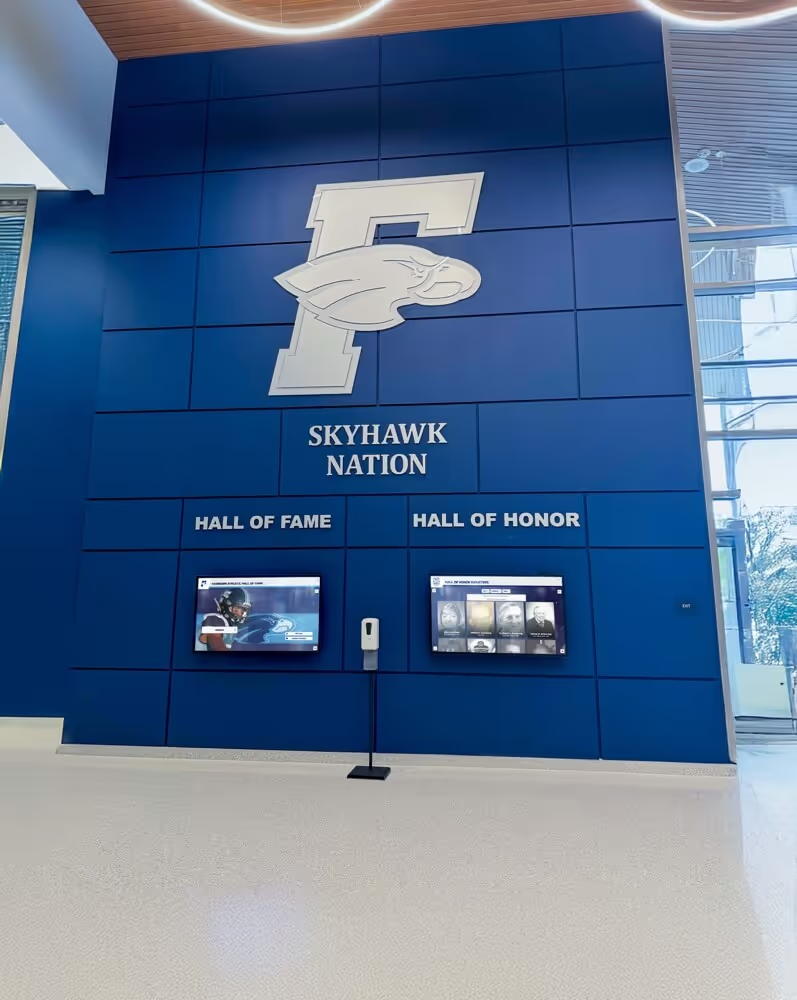
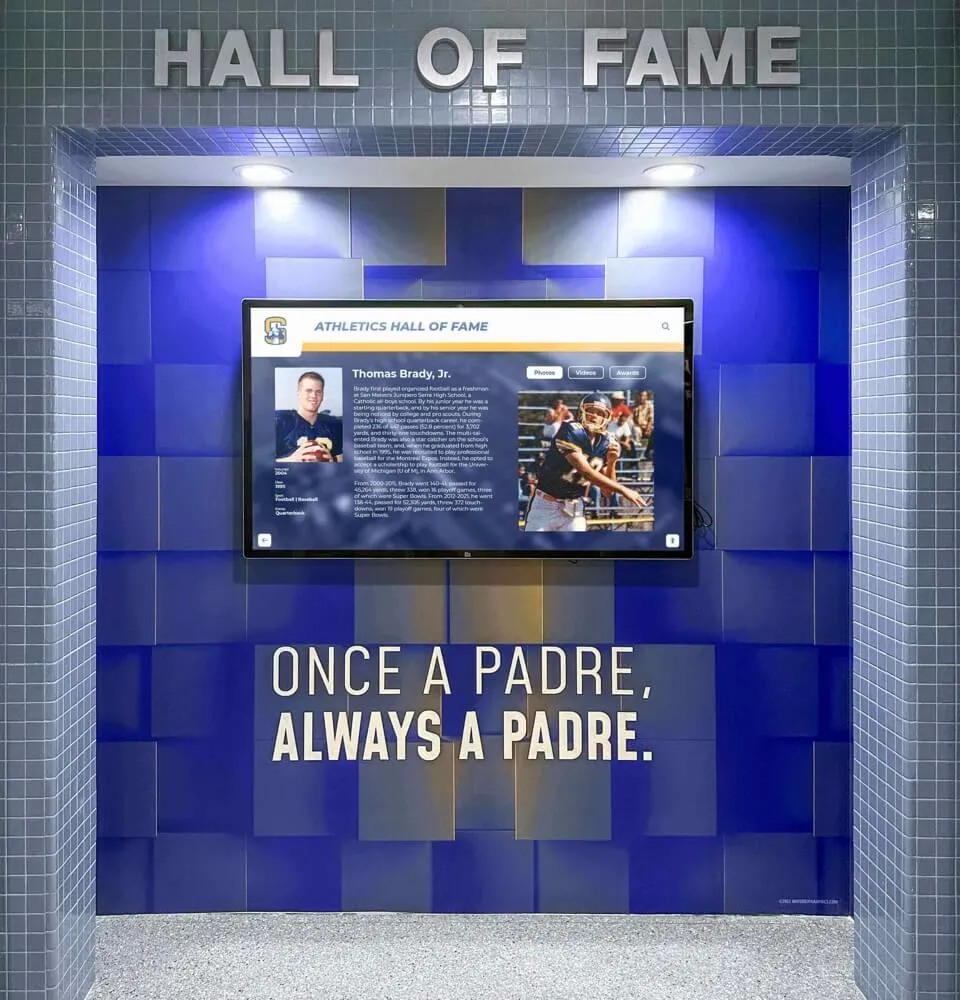
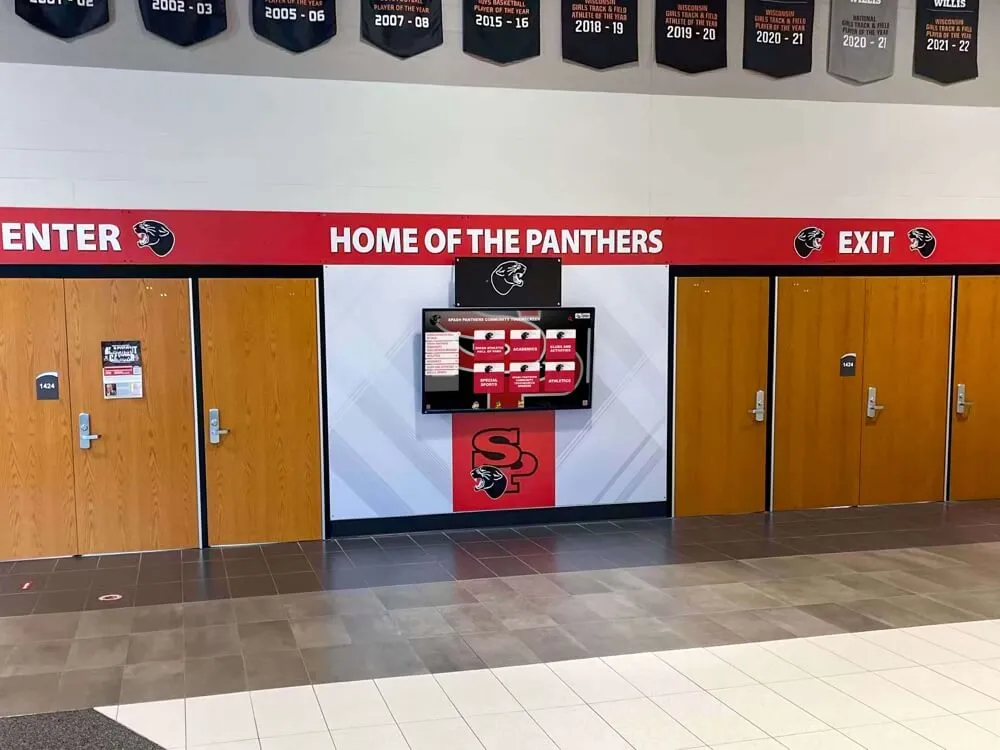
Athletic hall of honor displays preserve championship traditions and celebrate decorated athletes across generations
Campus Customs: Daily Rituals That Define Student Life
Beyond formal ceremonies, countless informal campus customs shape daily student experiences and create distinctive institutional identities.
Good Luck Traditions and Superstitions
Students across college campuses follow superstitious traditions they believe influence academic success:
Statue Rubbing: Universities feature countless “lucky” statues that students touch before exams:
- Harvard students rub John Harvard’s left foot for luck (though tourists unknowingly rub a statue that isn’t actually John Harvard)
- Penn State students believe rubbing the Nittany Lion Shrine’s nose brings good fortune
- Purdue students spin the wheels on the Boilermaker Special for exam luck
- University of Michigan students touch the School of Music’s Burton Tower plaques
Walking Superstitions: Campus pathways become subject to elaborate rules:
- At Michigan, students avoid stepping on the brass “M” embedded in the Diag, believing doing so dooms them to fail their first blue book exam
- At Indiana University, students avoid walking over the college seal in the center of the Sample Gates, which legend says ensures graduation failure
- At Texas A&M, students must wear their class ring before stepping on the university seal
Exam Week Rituals: Final exam periods generate unique traditions:
- UCLA’s “Midnight Yell” has students opening windows and screaming at midnight during finals week to release stress
- At Tufts University, students receiving “Jumbo kisses” (kisses at the elephant mascot statue) supposedly earn good luck on exams
- Many campuses feature formal or informal “primal screams” where stressed students gather to yell collectively
Food and Dining Traditions
College dining traditions create community around shared meals:
Formal Dinners: Residential college systems, particularly at Princeton, Yale, and Harvard, host formal dinners where students dress formally and dine family-style while faculty members join student tables—traditions adapted from British university customs.
Senior Breakfasts: Many colleges host senior breakfasts during the final weeks before graduation, with university presidents serving breakfast to graduating students while faculty members mingle with soon-to-be alumni.
Midnight Breakfast: Numerous institutions serve breakfast foods at midnight during finals week, with administrators, faculty, and staff serving stressed students pancakes and eggs during late-night study sessions.
Food Throws: At some institutions, cafeteria food becomes part of tradition:
- At Princeton, after the last lecture of certain popular courses, students throw toast
- At several military academies, plebes (first-year students) must follow elaborate dining protocols during formal meals
Greek Life Traditions: Fraternity and Sorority Customs
Greek organizations maintain elaborate traditions that define fraternity and sorority experiences on campuses nationwide.
Recruitment and Initiation Traditions
Formal Recruitment: Sororities conduct structured recruitment (commonly called “rush”) with daily rounds over several days where potential new members visit houses, with specific dress codes and structured conversations for each round. The final “bid day” when women receive and accept sorority membership offers features elaborate reveals and celebrations.
Big/Little Programs: Most Greek organizations pair new members with initiated members who serve as mentors, culminating in “reveal” events where new members discover their “big brother” or “big sister” through gifts, puzzles, and surprises.
Ritual Ceremonies: Each Greek organization maintains secret initiation rituals, many dating back to the organization’s founding in the 1800s, that formally welcome members into full membership after completing new member education periods.
Modern fraternities and sororities increasingly document their organizational history through interactive displays that showcase chapter traditions and accomplished alumni while maintaining the confidential nature of ritual ceremonies.
Philanthropy and Service Traditions
Greek organizations build institutional identities around signature philanthropic events:
Dance Marathons: Many campuses host annual dance marathons where Greek chapters compete while raising funds for children’s hospitals, inspired by Penn State’s THON—the largest student-run philanthropy in the world, raising over $15 million annually.
Week-Long Fundraisers: Individual chapters often host annual fundraising weeks featuring multiple events supporting their national philanthropy partners, with elaborate themes and campus-wide participation.
Founder’s Day Celebrations: Fraternities and sororities celebrate their founding dates with formal ceremonies, community service projects, and gatherings that honor founding members and organizational heritage.
Seasonal Traditions: Annual Events That Mark the Academic Calendar
College calendars feature recurring seasonal traditions that students anticipate throughout their undergraduate years.
Homecoming Traditions
Homecoming week generates numerous traditions beyond the football game itself:
Homecoming Court: Many institutions elect homecoming kings, queens, princes, and princesses, with elaborate campaigns and voting processes culminating in crowning ceremonies at halftime.
Yard Displays and Decorations: Greek houses, dormitories, and student organizations create elaborate homecoming displays and decorations, often competing for prizes in various categories.
Parade Traditions: Homecoming parades feature student-built floats, marching bands, alumni participants, and local community involvement, with decades-old photos documenting the evolution of this tradition.
Bonfire Rallies: Schools including Texas A&M (whose massive bonfire tradition was discontinued after a tragic collapse in 1999), the University of Texas, and others host bonfire events generating school spirit before homecoming games.
Universities often use alumni event traditions to reconnect graduates with campus customs they participated in during their student years.
Spring Traditions and Events
Spring Formals: Greek organizations, student groups, and entire campuses host spring formal dances with elaborate themes, often at off-campus venues, marking the approaching end of the academic year.
Fountain Days: Many universities feature a warm spring day when students ritually jump into or celebrate around campus fountains, signaling winter’s end:
- At MIT, students drop pianos off tall buildings on “Drop Date” (the last day to drop classes without penalty)
- Columbia students participate in “Orgo Night” where the marching band storms Butler Library at midnight during finals to “distract” organic chemistry students
Outdoor Concerts and Festivals: Numerous colleges host annual spring concerts or festivals:
- University of Pennsylvania’s “Hey Day” sees juniors process through campus in class shirts while being showered with foam by seniors
- Carnegie Mellon’s “Spring Carnival” features booth competitions where organizations build elaborate interactive displays
Senior Week: The week before commencement typically features multiple senior class events including barbecues, semiformal and formal dances, ceremonial tree plantings, and campus tours saying goodbye to favorite locations.
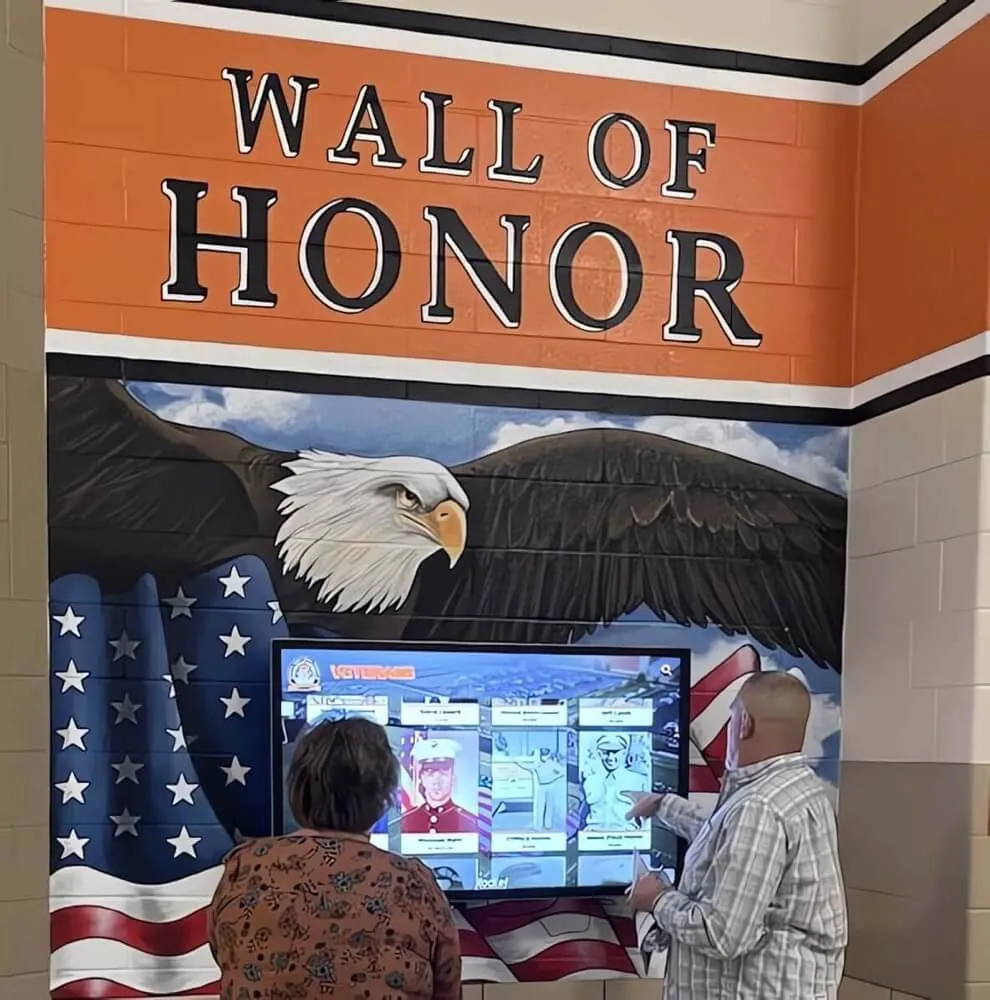
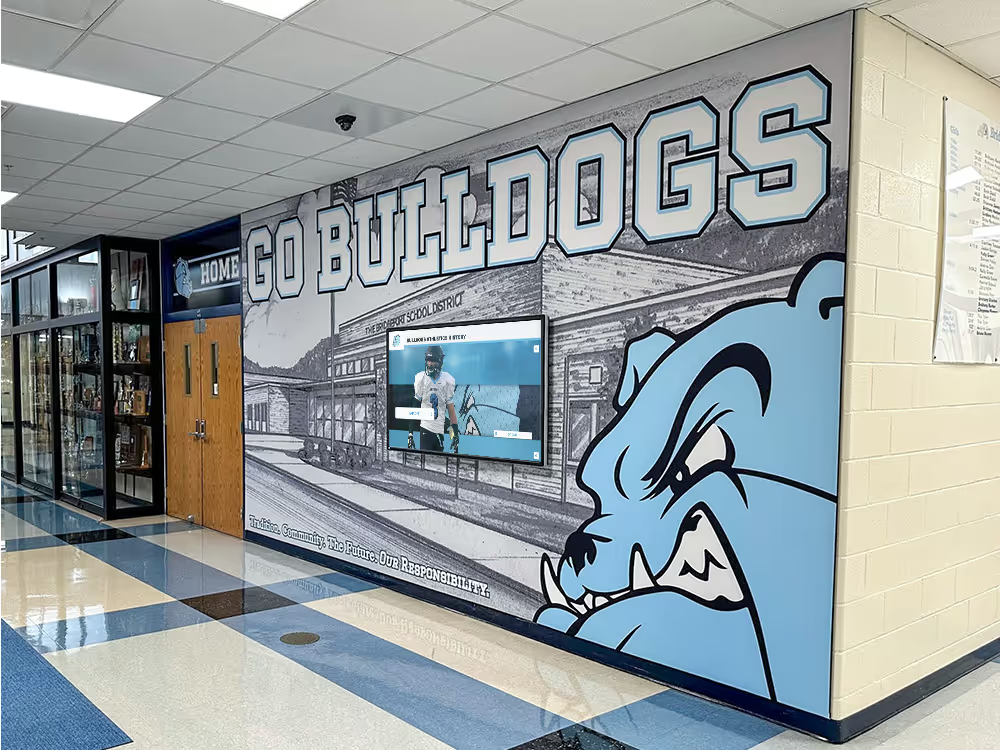
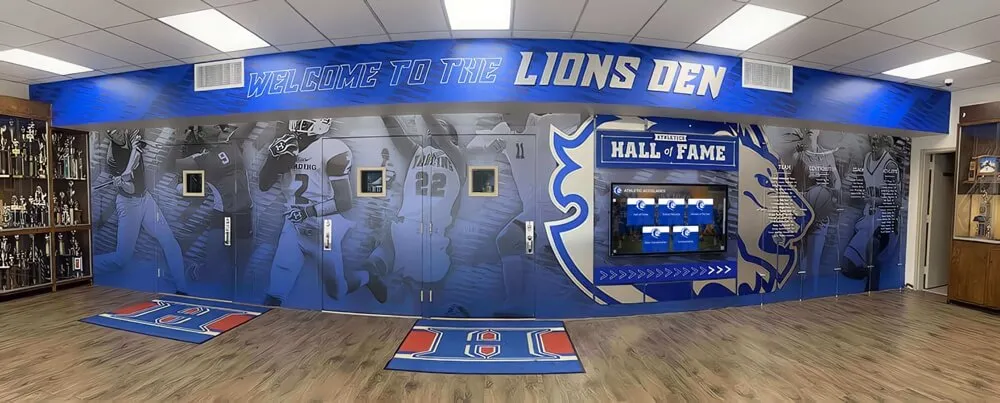
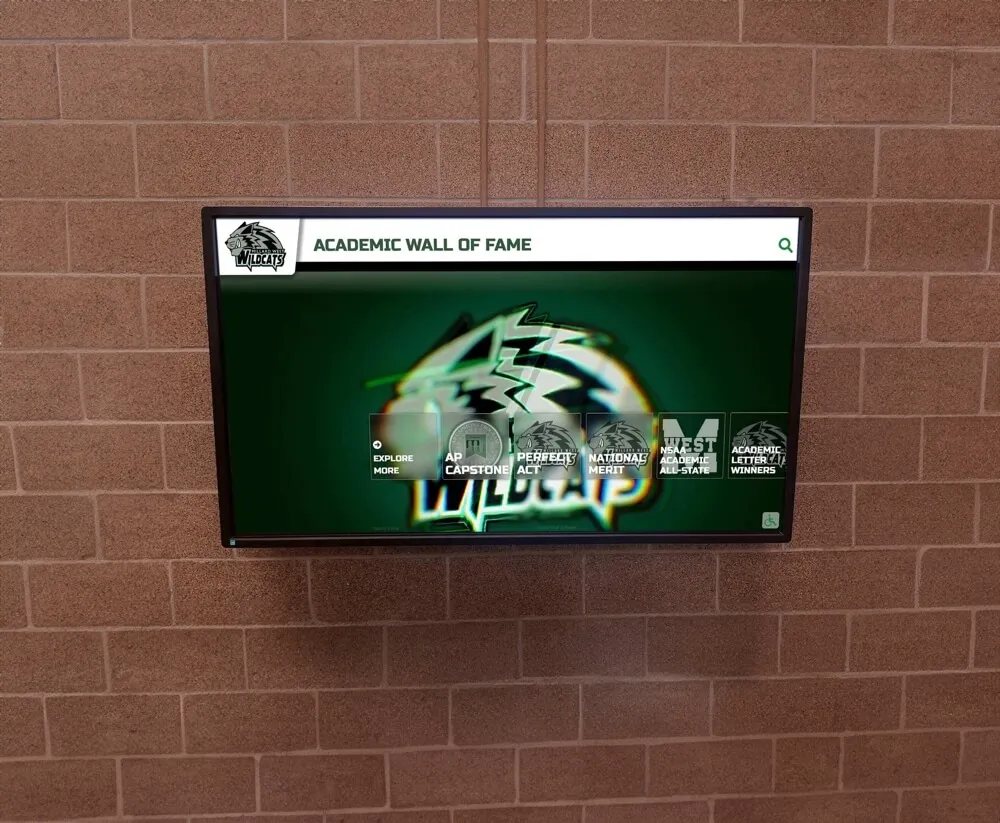
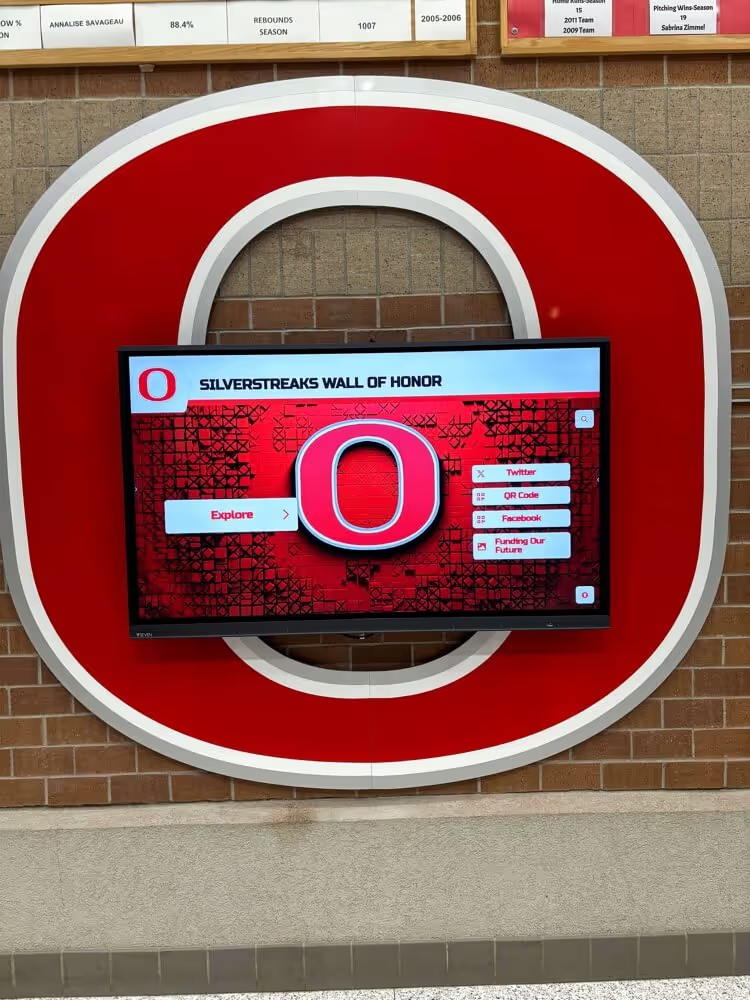
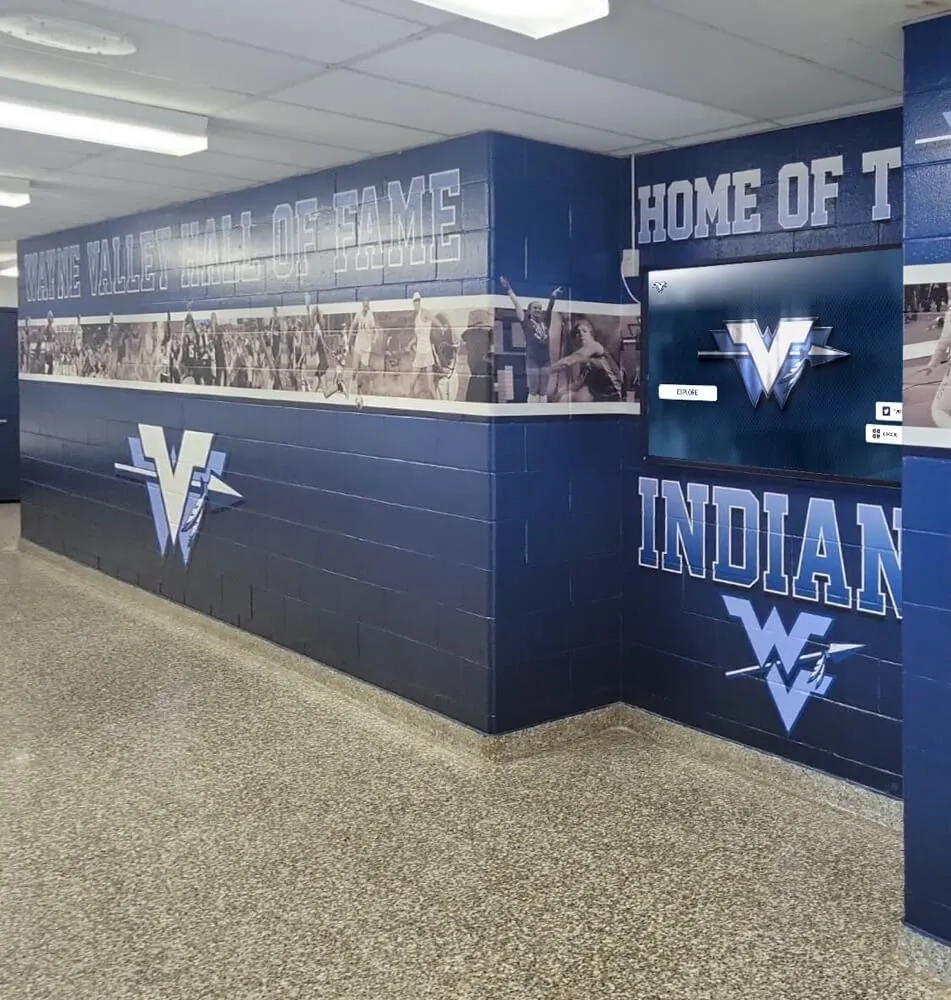
Digital walls of honor preserve campus traditions and institutional heritage in high-traffic areas where students and visitors explore school history
Residence Hall Traditions: Creating Community in Campus Housing
Residential communities develop distinctive traditions that create belonging within campus housing.
Dormitory Customs
Secret Santa Programs: Residence halls organize hall-wide or floor-wide Secret Santa gift exchanges during December, with reveals at holiday parties before winter break.
Hall Governments and Spirit Competitions: Dormitories compete against each other in intramural sports, fundraising competitions, and spirit challenges throughout the year, with rivalry traditions developing between specific halls.
RA Traditions: Resident Assistants create floor traditions including:
- Weekly floor dinners or study breaks with snacks
- Door decorations for residents’ birthdays
- Floor family trees pairing upperclass residents with first-years as “big siblings”
- End-of-semester floor celebrations before finals
Senior Walk-Throughs: At residential colleges, graduating seniors sometimes process through their former dormitories, knocking on doors and saying goodbye to younger students still living in rooms they once occupied.
Many universities now install interactive displays in residence halls showcasing building history, famous alumni who lived there, and traditions associated with specific dormitories.
Honor Traditions: Recognizing Excellence and Service
Academic and service recognition traditions celebrate student achievements while reinforcing institutional values.
Academic Honor Societies
Induction Ceremonies: Honor societies including Phi Beta Kappa, Tau Beta Pi, and discipline-specific organizations host formal induction ceremonies recognizing academic achievement with:
- Candlelight processions
- Ceremonial cord or stole presentations
- Keynote addresses from distinguished alumni society members
- Reception celebrations for inductees and their families
Senior Honor Societies: Campus-specific senior honor societies recognize leadership and service:
- Yale’s Skull and Bones, Scroll and Key, and other secret societies
- University of Florida’s Florida Blue Key
- Duke University’s Order of the Red Friars and Order of the White Duchy
- Penn State’s Lion’s Paw and Parmi Nous
These societies maintain elaborate selection processes and traditions, though many have faced criticism for secrecy and exclusivity.
Leadership Recognition Programs
Universities increasingly formalize traditions recognizing student leaders:
Senior Awards Ceremonies: Annual events recognize graduating seniors for leadership, service, academic achievement, and contributions to campus life, with multiple award categories honoring diverse forms of excellence.
Wall of Honor Inductions: Colleges create walls of honor, halls of fame, and leadership recognition displays documenting exceptional students. Modern institutions implement interactive touchscreen displays that preserve these recognition traditions while allowing easy updates as new honorees are selected annually.
Student Government Transitions: Student government organizations conduct formal transition ceremonies where outgoing officers pass symbolic items (gavels, pins, or other regalia) to newly elected leaders.
Cultural and Diversity Traditions: Celebrating Community Identity
Campus traditions increasingly reflect institutional commitment to celebrating diverse student communities.
Heritage Month Celebrations
Universities mark heritage months with signature events:
Black History Month Programs: February features speaker series, cultural showcases, step show competitions, and educational programs honoring African American heritage and contributions.
Hispanic Heritage Month: September-October programming includes cultural festivals, speaker series, and celebrations of Latino/a/x culture and achievement.
Asian Pacific American Heritage Month: May programming celebrates Asian and Pacific Islander cultures through performances, food festivals, and educational events.
Pride Month: June (or April during the academic year) features LGBTQ+ programming including drag shows, speakers, film series, and celebrations of queer history and culture.
International Student Traditions
International Education Week: November celebrations highlight global perspectives through cultural fairs where international students share food, music, and traditions from their home countries.
Flag Processions: Many universities incorporate “Parade of Nations” where international students carry flags from their home countries during opening convocation or special international events.
Cultural Performance Showcases: Student organizations representing various cultural communities host annual performance showcases featuring traditional dance, music, and artistic expressions.
Athletic Banquet Traditions: Honoring Team Success
End-of-season athletic banquets feature distinctive traditions recognizing athletic achievement and team contributions.
Team Award Presentations: Coaches present awards including Most Valuable Player, Most Improved, Coaches’ Awards, and academic achievement recognition during formal team dinners attended by athletes, families, and athletic department staff.
Many programs adapt sports banquet traditions and athletic celebration formats from successful high school programs while adding collegiate elements.
Senior Recognition: Programs honor graduating athletes with video tributes, speeches, and gifts commemorating their careers, often presenting framed jerseys or other memorabilia.
Record Recognition: Athletes who break program records or achieve All-American status receive special recognition during banquets, with their names added to program record boards displayed in athletic facilities.
Team Legacy Projects: Some programs have seniors present gifts to the team—equipment, training resources, or contributions to facility improvements—leaving tangible legacies for future athletes.
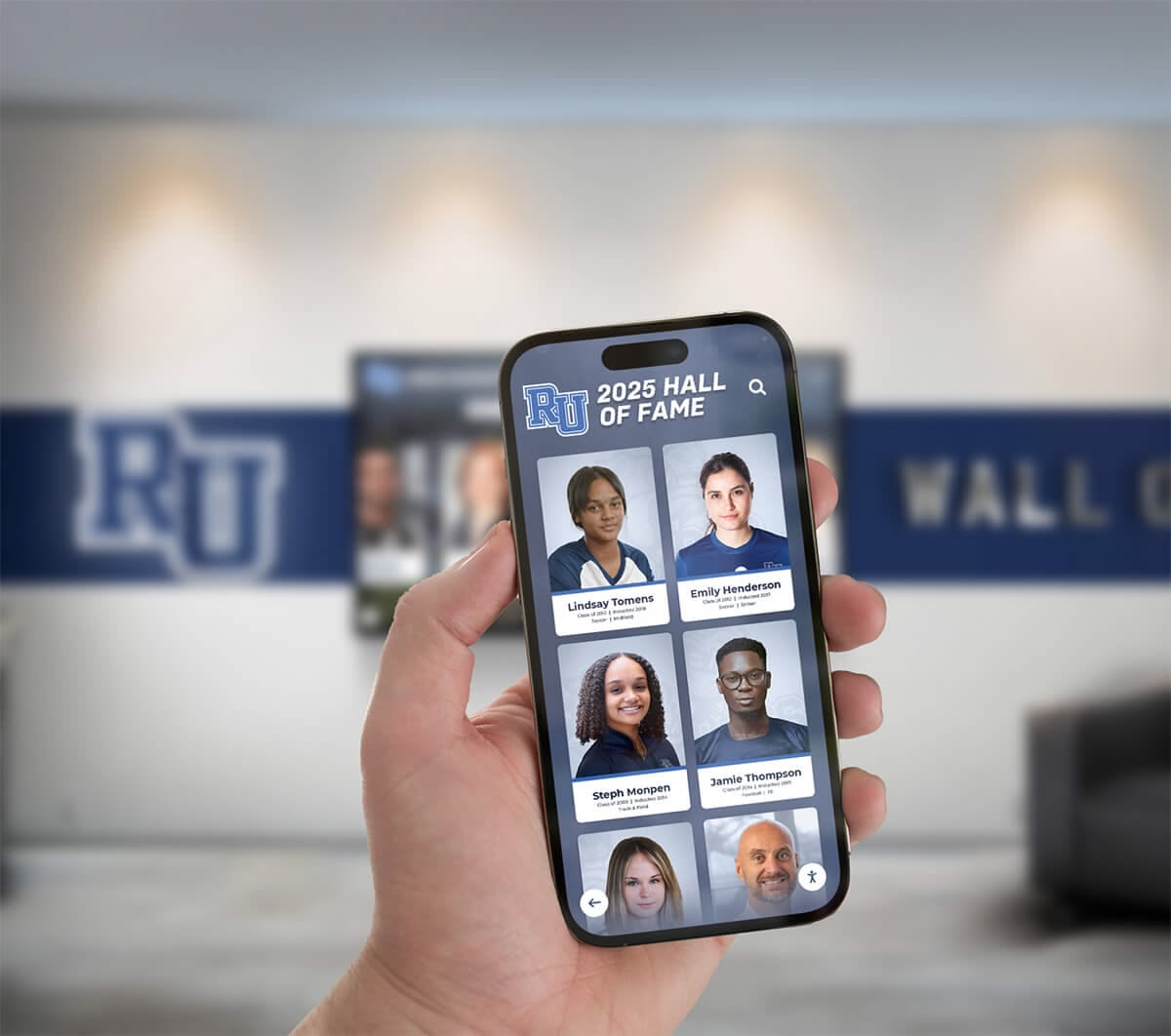
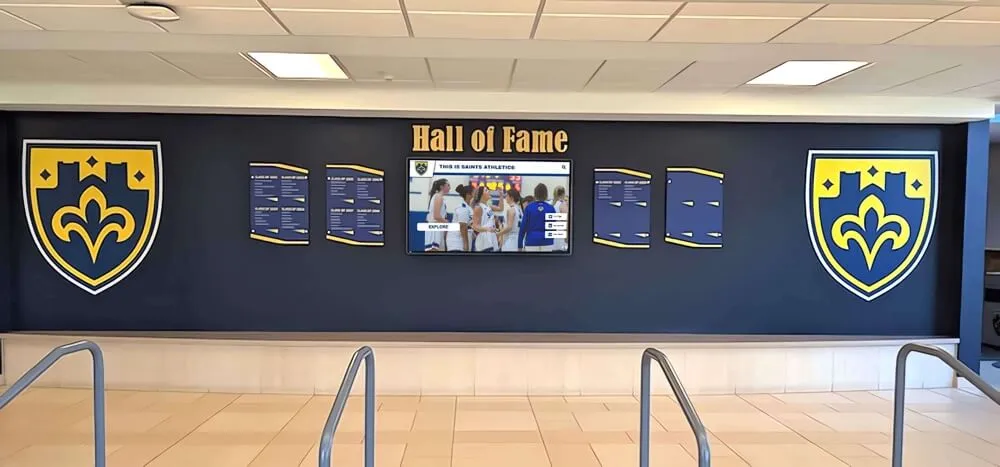
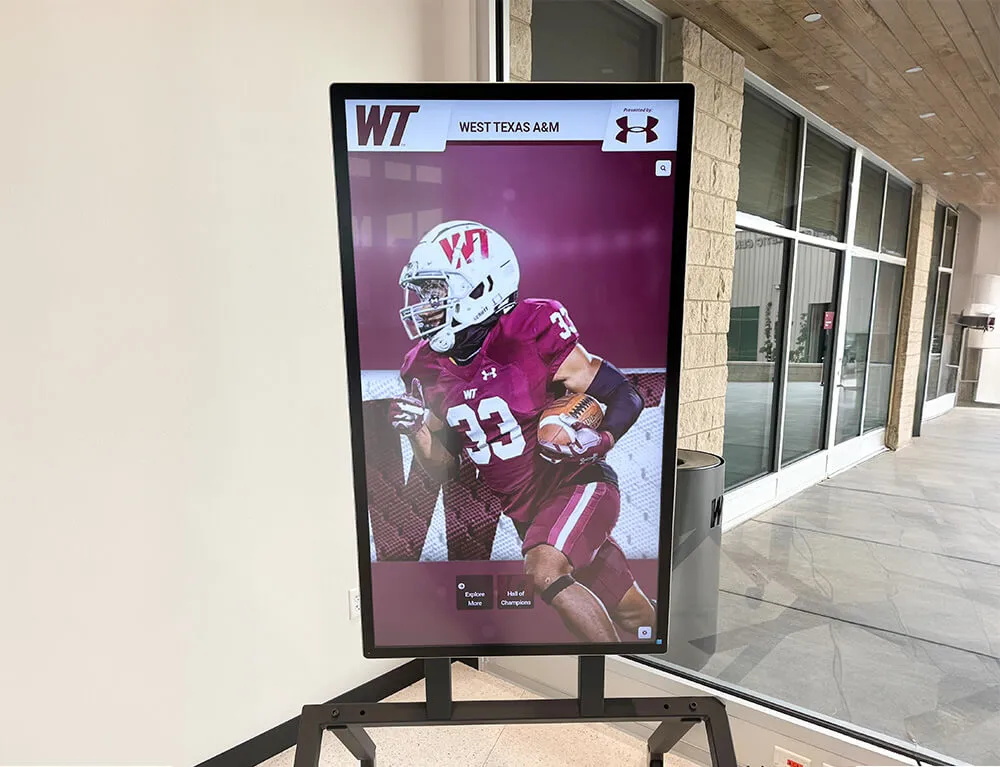
Mobile access to digital tradition archives allows students and visitors to explore campus heritage and institutional history from any device
Class Year Traditions: Creating Cohort Identity
Class-specific traditions build bonds among students graduating the same year while distinguishing graduating classes from one another.
Class Customs by Year
First-Year Traditions: Freshman classes participate in opening ceremonies, class photos, and activities designed to build cohort identity from the moment students arrive on campus.
Sophomore Traditions: Some institutions mark the transition from first-year to sophomore status with ceremonies or events, though these are less common than first-year or senior traditions.
Junior Traditions: Ring premiere ceremonies and junior class gift selection often mark this pivotal year when students begin thinking seriously about senior year and life after graduation.
Senior Traditions: Final-year students participate in elaborate senior week programming, class gift campaigns, senior surveys creating class profiles, and various “last chance” events before graduation.
Class Gift Traditions
Graduating classes often present gifts to their institutions:
Physical Gifts: Classes donate benches, trees, sculptures, or other physical additions to campus, often installed in high-traffic areas with plaques noting the graduating class year.
Fundraising Goals: Classes set participation goals for senior class gift campaigns, measuring success by percentage of classmates donating rather than total dollar amounts raised.
Legacy Projects: Some classes fund scholarships, create endowments, or contribute to specific capital projects, with naming opportunities recognizing the graduating class’s generosity.
Digital Recognition: Universities increasingly recognize class gifts and senior contributions through interactive displays documenting class histories and successive class contributions to institutional development.
School Spirit Traditions: Celebrating Institutional Pride
Distinctive spirit traditions differentiate colleges while generating enthusiastic school pride.
Fight Songs and Alma Maters
Learning the Songs: Institutions teach fight songs and alma maters during orientation, at athletic events, and through campus sing-alongs, ensuring students graduate knowing songs they’ll sing at alumni events decades later.
Performance Traditions: Specific songs play at designated moments:
- “Hail to the Victors” at Michigan after victories
- “Boomer Sooner” at Oklahoma after each touchdown
- “Ramblin’ Wreck” at Georgia Tech before games
- University-specific alma maters sung at commencement
Modification Traditions: Students often develop unofficial modified lyrics to fight songs or create irreverent parody versions, though official ceremonies use traditional lyrics.
Mascot Traditions
Live Mascots: Universities maintaining live mascots develop elaborate care traditions:
- University of Georgia’s lineage of bulldogs named Uga, currently at Uga XI
- University of Texas’s Longhorn steer Bevo
- Colorado’s buffalo Ralphie who runs onto the field before home games
- Yale’s bulldog Handsome Dan
- The University of Tennessee’s Bluetick Coonhound Smokey
Costumed Mascot Appearances: Student performers in mascot costumes maintain secret identities, with elaborate selection processes and performance traditions surrounding these school spirit representatives.
Mascot Legends: Campus lore often attributes special powers or creates elaborate backstories for mascots, statues, and symbols.
Many institutions adapt spirit week celebration models throughout the academic year to maintain school spirit beyond homecoming week.
Preserving and Celebrating College Traditions
As college traditions evolve, institutions face important questions about how to document campus customs, teach traditions to new students, and adapt heritage to contemporary values.
Documentation Challenges
Many college traditions exist primarily in oral form, passed from upperclassmen to new students through demonstration rather than written documentation. This informal transmission creates challenges:
Tradition Evolution: Customs change gradually over time as details are forgotten, modified, or intentionally updated, making it difficult to determine “authentic” versions of traditions.
Institutional Memory: When traditions aren’t formally documented, they risk being forgotten entirely if a few years pass without active participation.
Competing Narratives: Different alumni cohorts remember traditions differently, leading to debates about proper observance of campus customs.
Accessibility: Students unfamiliar with traditions may feel excluded from campus culture if customs aren’t clearly explained and taught.
Modern Solutions for Tradition Preservation
Forward-thinking institutions implement systematic approaches to documenting and celebrating campus heritage:
Digital Archives: Universities create comprehensive digital repositories documenting traditions with photos, videos, written descriptions, and oral histories from multiple generations of alumni.
Interactive Campus Displays: Colleges increasingly install touchscreen displays in high-traffic campus locations where students can explore institutional history, learn about traditions, and understand the stories behind campus customs. Solutions like Rocket Alumni Solutions provide platforms specifically designed for preserving and showcasing campus heritage through engaging interactive experiences.
Orientation Programming: Institutions build tradition education into formal orientation programs, ensuring all new students learn about significant campus customs and their historical contexts.
Living History Documentation: Colleges create ongoing documentation processes where current students photograph and record contemporary tradition observances, creating historical records for future generations.
Alumni Contributions: Universities solicit alumni memories, photos, and stories about campus traditions they participated in, building comprehensive historical perspectives that span decades.
Balancing Tradition and Progress
Modern colleges face tensions between honoring heritage and adapting traditions to reflect contemporary values:
Exclusionary Traditions: Some historical customs reflected or reinforced discrimination based on gender, race, or other characteristics. Institutions must decide whether to eliminate, modify, or contextualize problematic traditions.
Accessibility Considerations: Traditional ceremonies and events don’t always accommodate students with disabilities, requiring thoughtful adaptation to ensure inclusive participation.
Cultural Sensitivity: As campuses become more diverse, institutions reconsider traditions that may feel alienating to students from different cultural backgrounds.
Safety Concerns: Certain tradition elements pose safety risks, requiring modification or discontinuation despite their popularity with students.
Successful institutions navigate these challenges by engaging campus communities in conversations about which traditions merit preservation, which require modification, and which no longer serve positive purposes.
Creating New College Traditions
While honoring existing customs, colleges also consciously create new traditions that reflect contemporary campus values and student interests.
Characteristics of Successful New Traditions
Traditions that take root and become lasting campus customs typically share several characteristics:
Authenticity: New traditions must genuinely reflect campus culture and values rather than feeling artificially imposed by administrators.
Simplicity: The most enduring traditions feature straightforward participation that doesn’t require elaborate explanation or preparation.
Frequency: Annual traditions give each undergraduate class multiple opportunities to participate, building memories across their college years.
Meaning: Successful traditions connect participants to something larger—institutional history, community values, or shared experiences with other students and alumni.
Flexibility: Traditions that allow some adaptation and personalization by each participating cohort remain vibrant rather than becoming stale repetitions.
Visibility: Traditions performed in public spaces with high participation rates become recognized campus customs more quickly than private or limited-participation events.
Recent Tradition Innovations
Colleges across the country continue innovating new customs that resonate with current students while creating potential traditions for future generations. Universities document these emerging customs alongside historical traditions, recognizing that today’s innovations become tomorrow’s cherished heritage.
Conclusion: The Enduring Power of College Traditions
College traditions serve purposes far beyond entertainment or nostalgia. They create institutional identities that distinguish universities from one another, build social cohesion among diverse student populations, connect current undergraduates to alumni spanning generations, and establish memorable experiences that deepen institutional loyalty.
The most effective traditions balance honoring heritage with adapting to contemporary values, creating space for all students to participate meaningfully while preserving elements that connect current customs to historical practices. When a first-year student participates in a tradition older than her grandparents, she joins a continuum of students who shared similar experiences in the same spaces—creating powerful bonds across time.
As colleges navigate rapid social changes, evolving student populations, and shifting educational landscapes, traditions provide stability and continuity. They remind campus communities of institutional missions, values, and identities that transcend individual semesters or student cohorts. Universities that thoughtfully preserve, celebrate, and teach their distinctive traditions create richer campus cultures where students feel connected to something larger than their individual educational experiences.
Modern technology enables institutions to document and showcase campus heritage more effectively than ever before. Rather than relegating tradition documentation to dusty archives accessed only by researchers, colleges can create engaging interactive displays that make institutional history accessible to students passing through campus daily. When students can explore decades of homecoming photos, read about the origins of campus customs, or discover distinguished alumni who participated in the same traditions decades earlier, they develop deeper appreciation for the communities they’ve joined.
Your college’s traditions represent living history that connects generations of students to shared institutional identity. Whether centuries-old academic ceremonies or recently established campus customs, these traditions deserve systematic preservation, thoughtful celebration, and intentional transmission to new generations of students who will carry them forward.
Ready to preserve and celebrate your institution’s unique traditions? Rocket Alumni Solutions provides interactive touchscreen displays that showcase campus heritage, document institutional traditions, and create engaging experiences where students and alumni explore your college’s distinctive history. Our solutions help universities transform static historical documentation into dynamic, accessible displays that keep traditions alive for future generations. Request a demo to discover how digital archives can strengthen your campus culture and alumni engagement.