



Graduation stoles represent one of the most visible and meaningful forms of student recognition at commencement ceremonies. These decorative sashes draped over academic robes instantly identify students who have achieved academic excellence, demonstrated exceptional leadership, or made significant contributions to their school communities. For graduating seniors, earning the privilege to wear a custom graduation stole marks the culmination of years of dedication and achievement.
Schools increasingly recognize that custom graduation stoles serve dual purposes—celebrating individual accomplishment during ceremony day while creating lasting visual documentation of student excellence. Photographs of stole-wearing graduates populate yearbooks, alumni archives, and institutional recognition displays, preserving these achievement markers for decades.
This comprehensive guide explores how educational institutions design and implement graduation stole programs that meaningfully recognize diverse achievements, maintain ceremonial traditions, and create archival records that honor graduate accomplishments long after commencement concludes.
Custom graduation stoles have evolved from simple color-coded sashes into sophisticated recognition tools that communicate specific achievements, organizational affiliations, and honor society memberships. Understanding how to effectively design and implement stole programs helps schools create graduation experiences that appropriately celebrate student excellence across multiple dimensions.

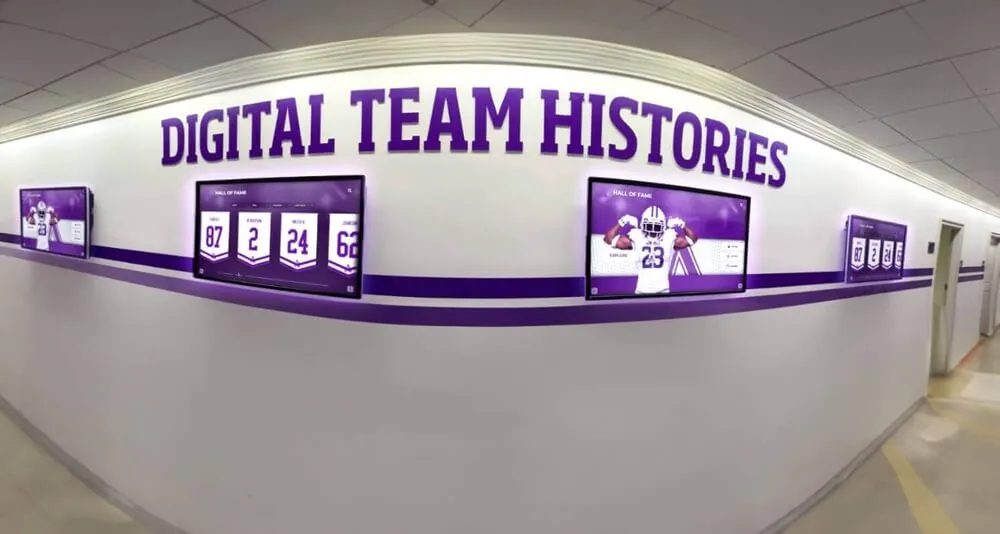
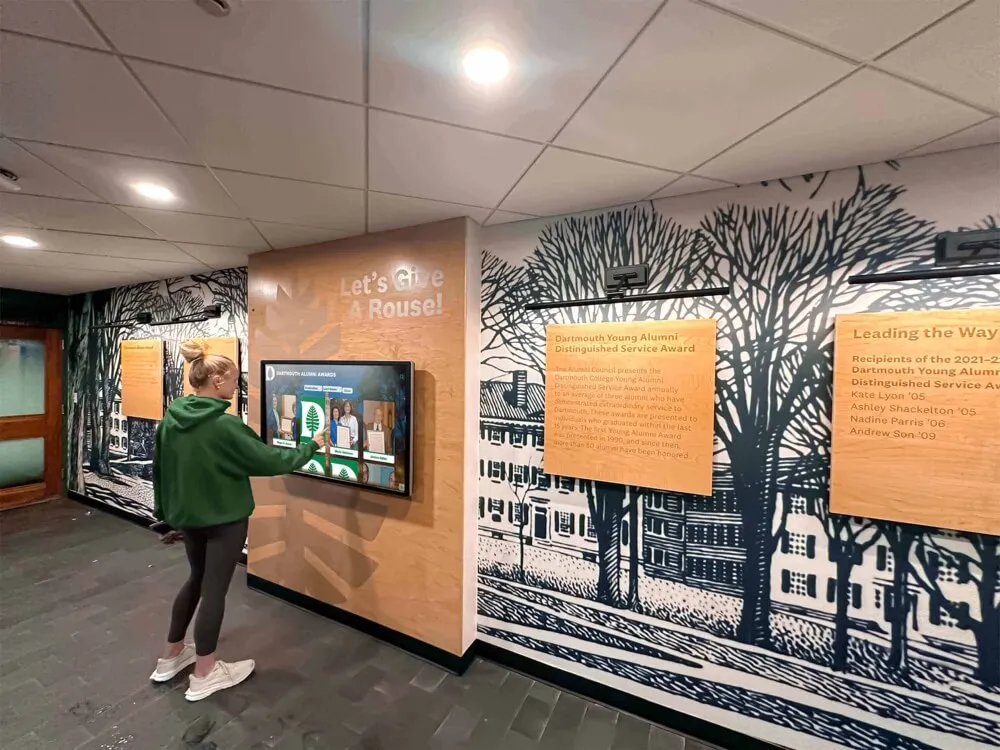
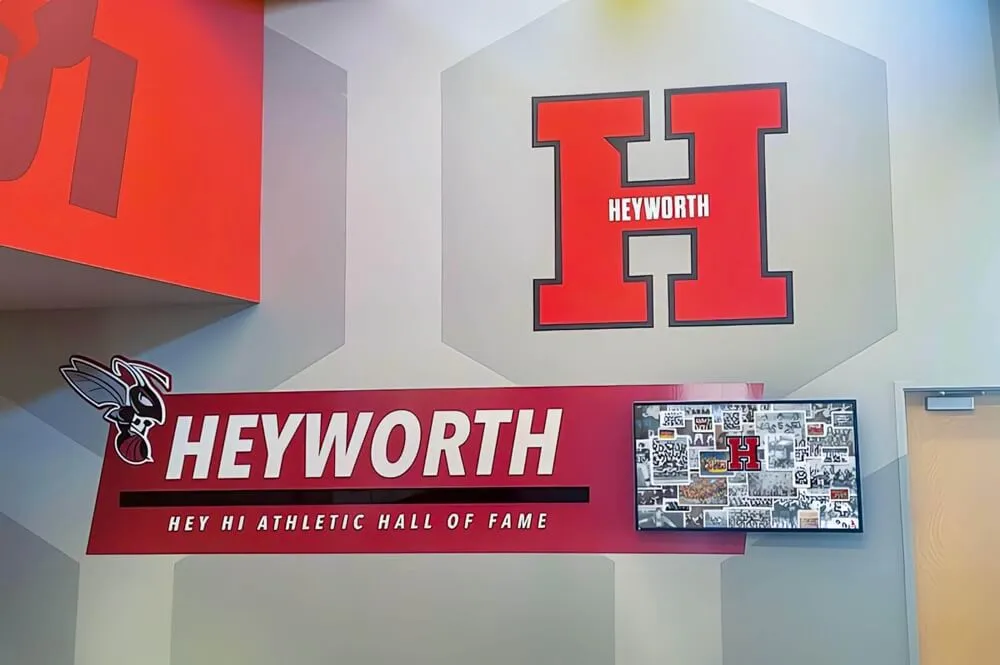
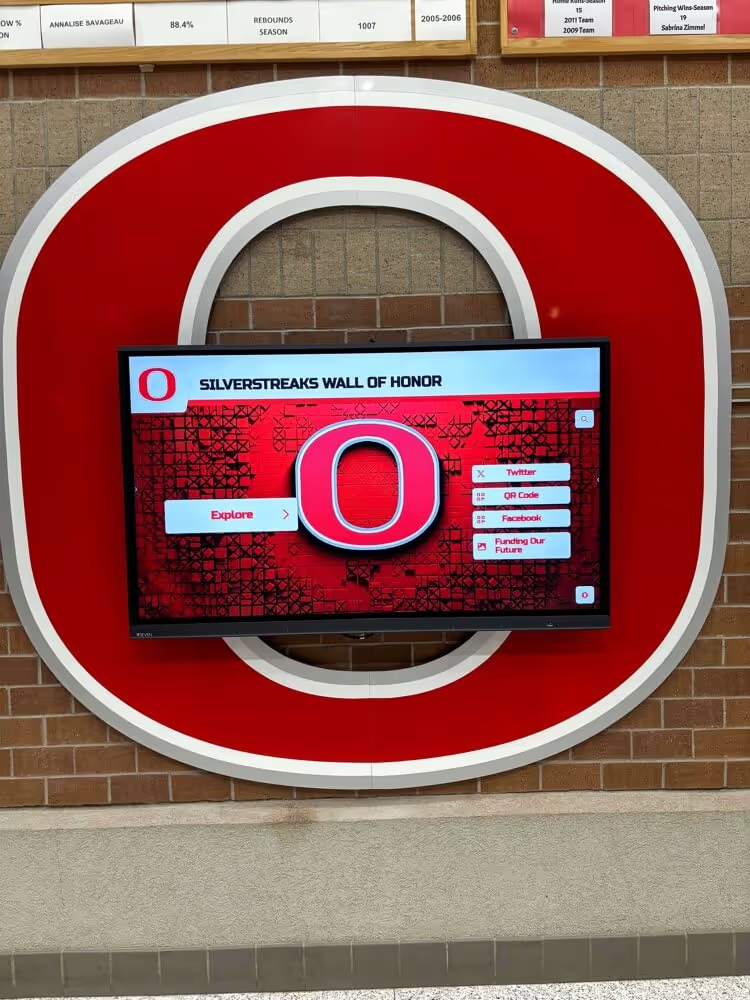
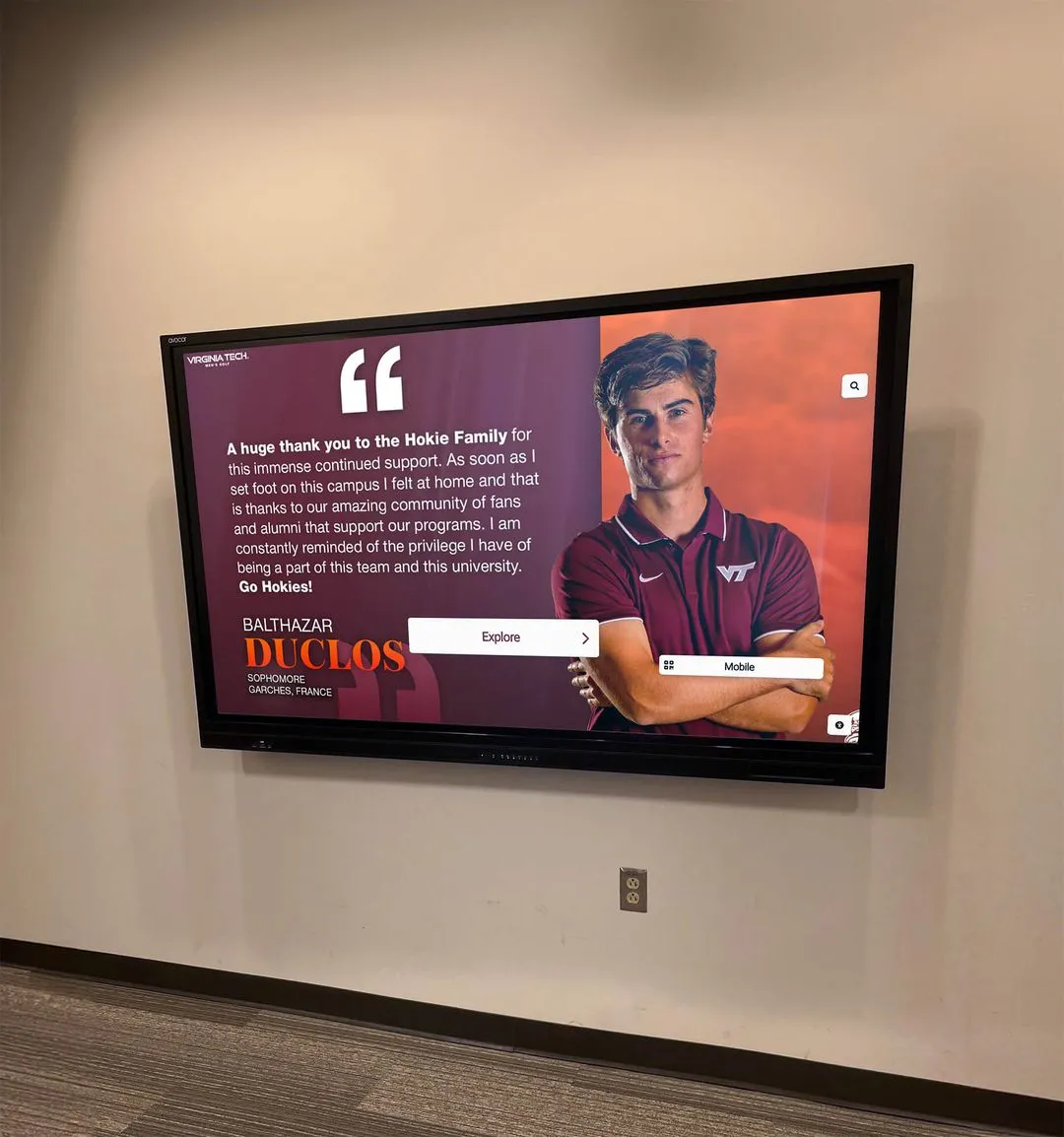
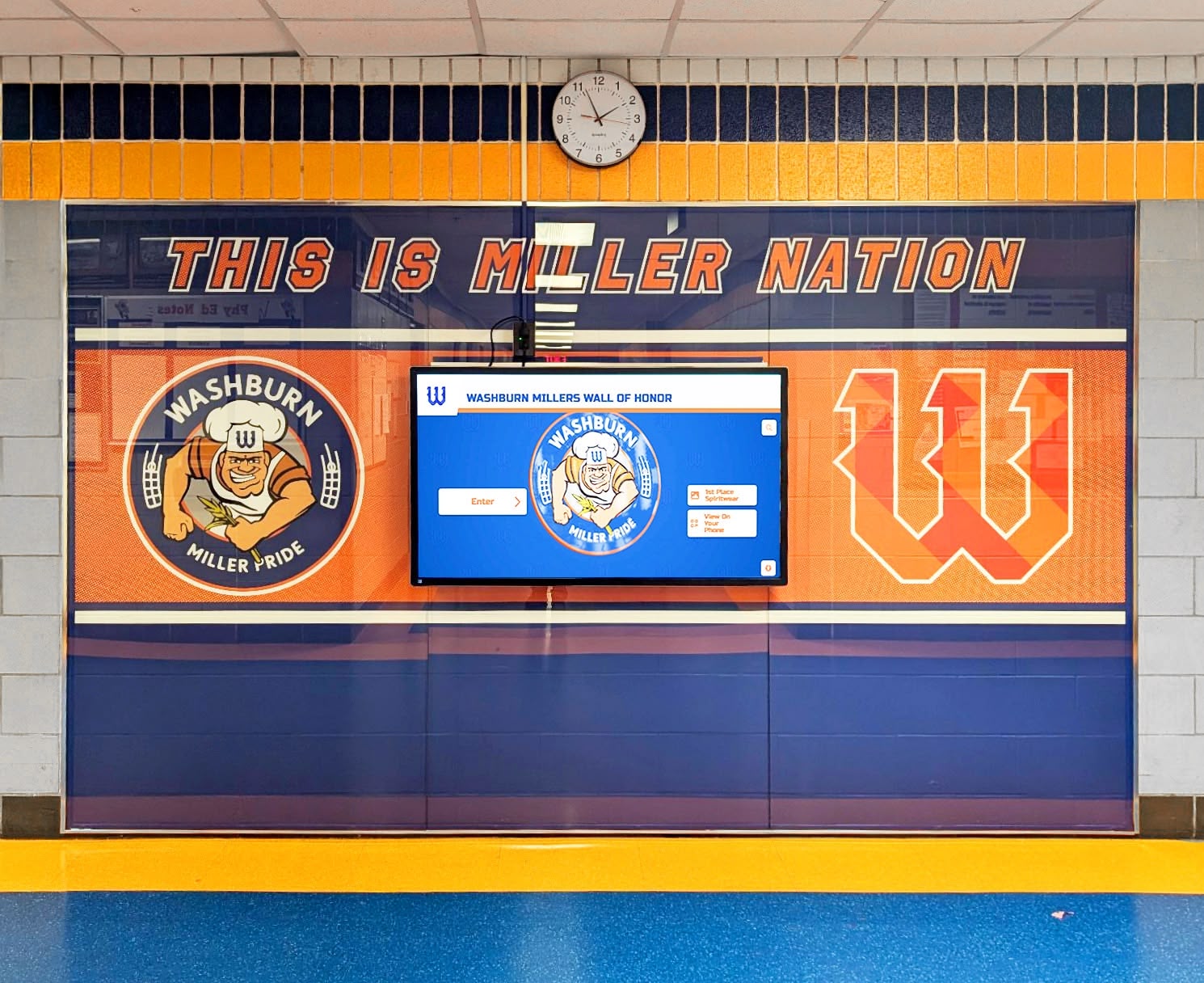
Modern recognition systems preserve graduation achievements including honor stole recipients in permanent digital archives
Understanding Graduation Stole Traditions and Significance
Graduation stoles carry rich ceremonial meaning rooted in academic traditions dating back centuries. Understanding this context helps schools design stole programs that honor tradition while reflecting contemporary recognition priorities.
Historical Origins of Academic Stoles
Academic stoles originated in medieval European universities as functional garments worn by clergy and scholars. These early stoles served practical purposes—providing warmth and identifying wearers’ religious orders or academic affiliations. Over centuries, stoles evolved into purely ceremonial accessories that signify achievement and organizational membership.
Modern graduation stoles maintain connections to these historical roots while adapting to reflect diverse contemporary achievements. Today’s stoles recognize everything from cumulative GPA thresholds to specific departmental honors, leadership roles, and co-curricular accomplishments.
The Visual Impact of Graduation Stoles
Graduation ceremonies create powerful visual moments when hundreds of graduates in identical robes process together. Stoles break this uniformity, allowing achievement recognition visible from audience seating. Parents scanning crowds for their graduates notice stoles immediately, and ceremony photographers naturally focus on stole-wearing students who stand out visually.
This visibility serves important institutional purposes beyond individual recognition. When graduation programs explain stole meanings, audiences gain understanding of the diverse pathways to excellence within educational communities. Families learn that schools value not only traditional academics but also leadership, service, artistic achievement, and specialized program completion.
Schools that thoughtfully design stole programs create ceremony moments that celebrate achievement breadth while maintaining appropriate focus on the collective graduation milestone.
Types of Custom Graduation Stoles Schools Award
Effective stole programs recognize multiple achievement categories, ensuring diverse students find pathways to ceremonial recognition. Understanding common stole types helps schools design comprehensive recognition systems.
Academic Achievement Stoles
Academic stoles represent the most traditional form of graduation recognition, honoring students who maintain high grade point averages throughout their educational careers.
Honors Designation Stoles
- Summa Cum Laude (typically 3.9-4.0 GPA): Gold or distinctive institutional colors
- Magna Cum Laude (typically 3.7-3.89 GPA): Silver or secondary institutional colors
- Cum Laude (typically 3.5-3.69 GPA): Bronze or tertiary institutional colors
- High Honors recognition below Latin honors thresholds
Many schools use color gradation systems that make academic achievement levels immediately recognizable. Gold stoles signifying highest honors carry unmistakable prestige, while bronze or white stoles honor solid academic performance worthy of ceremony recognition.
Academic achievement stoles often become cherished keepsakes that students preserve for decades, displaying them alongside diplomas and class memorabilia. Schools can showcase these honor recipients through comprehensive recognition program systems that extend visibility beyond ceremony day.

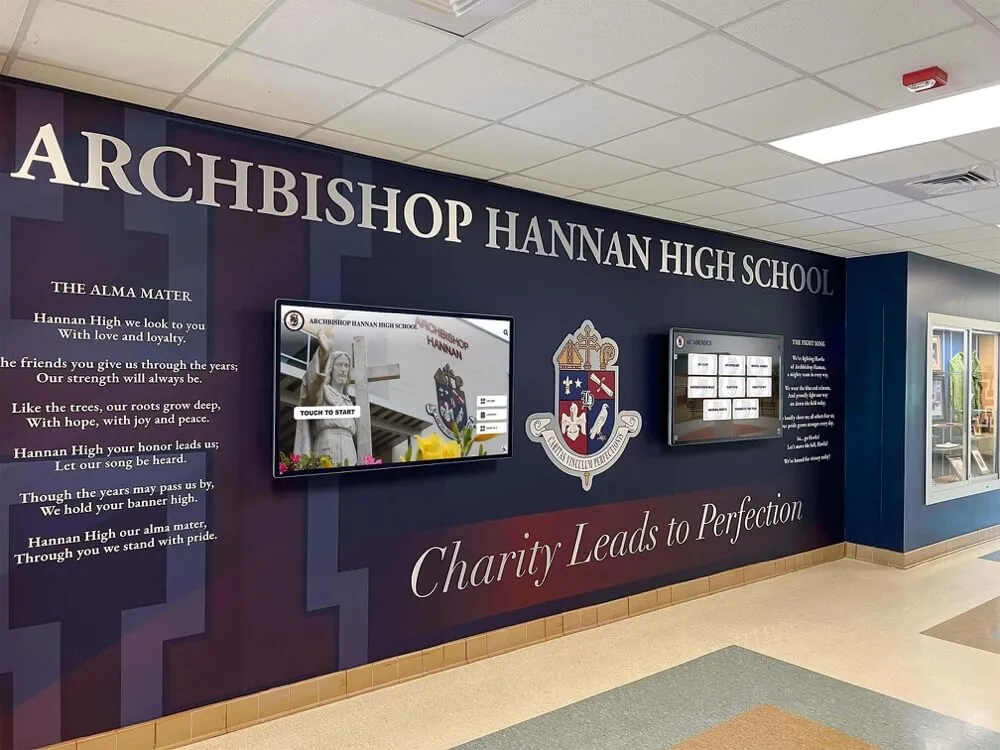
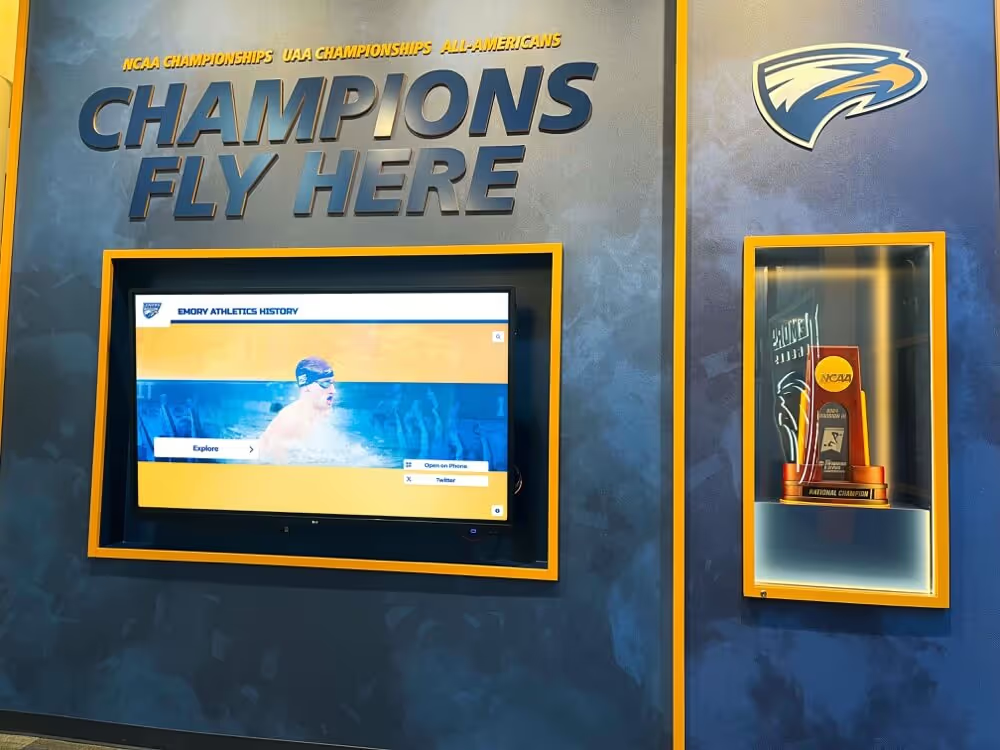
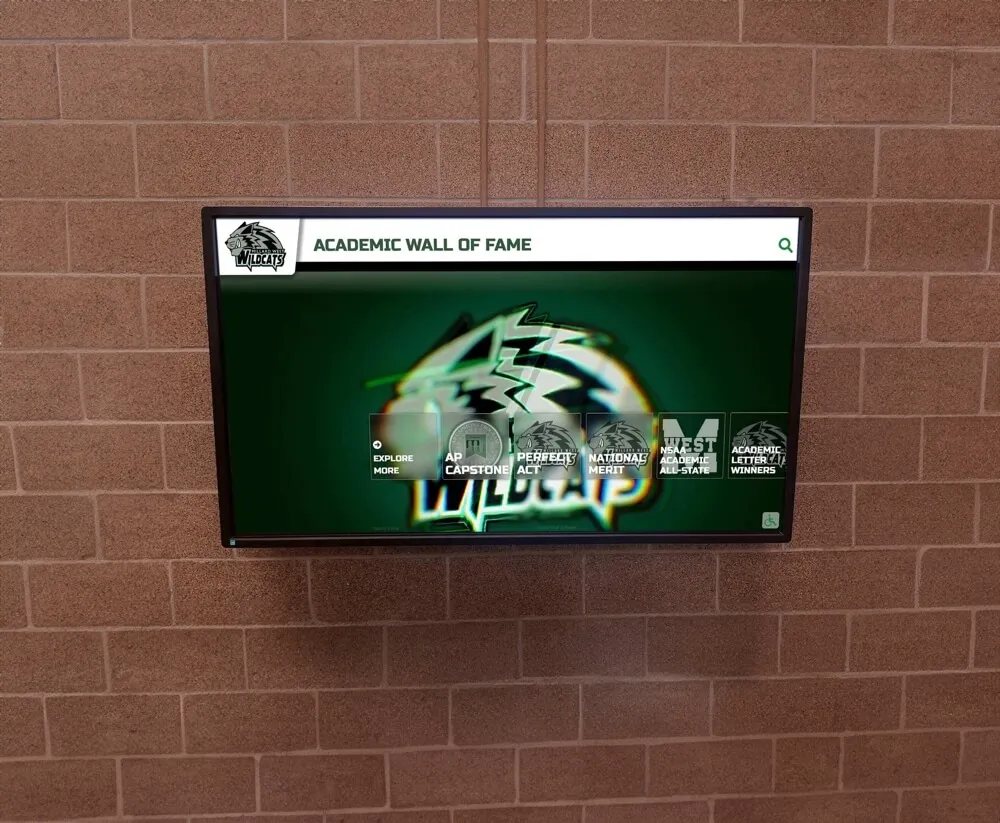
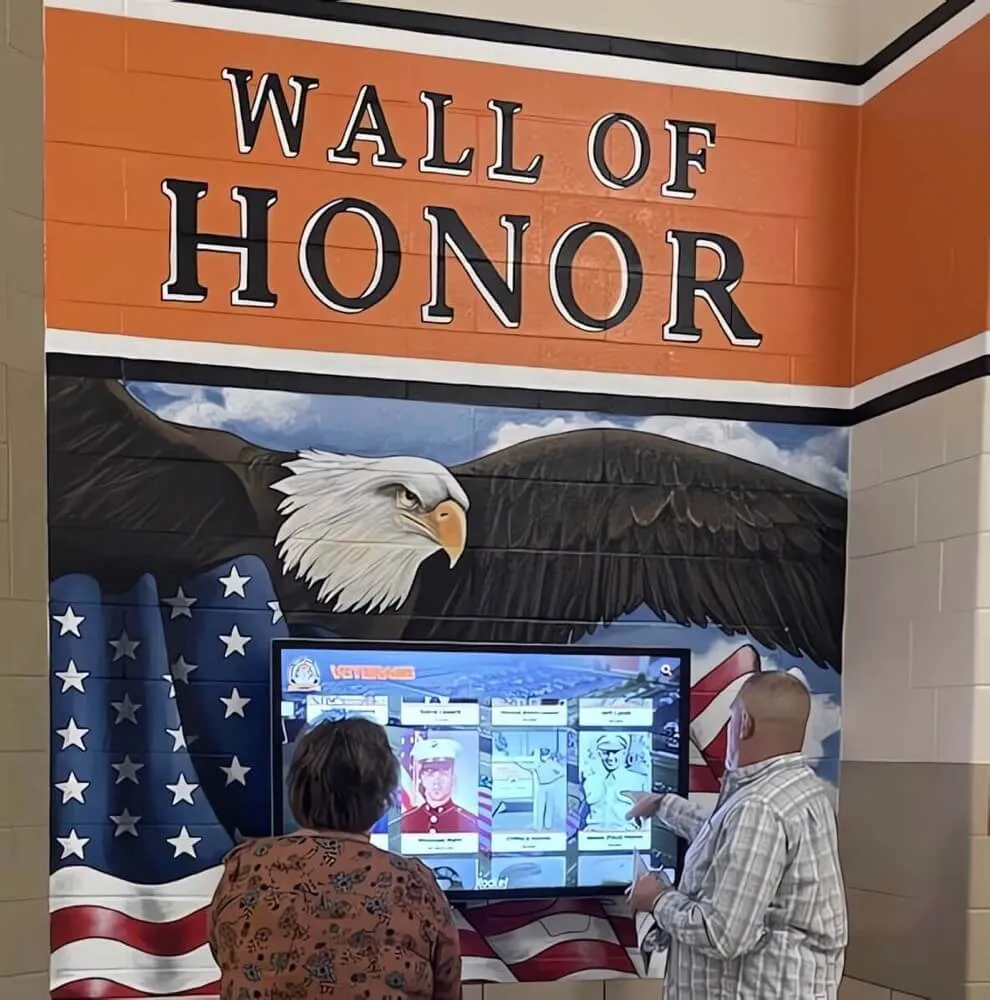
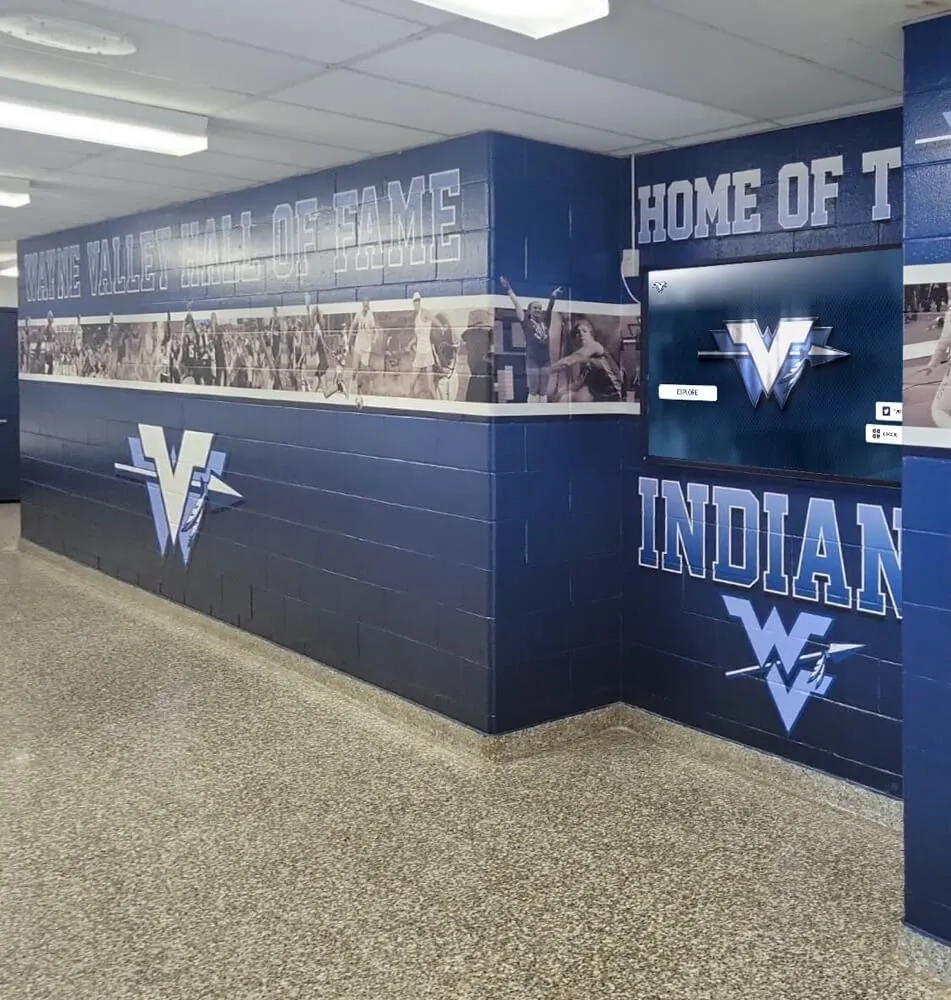
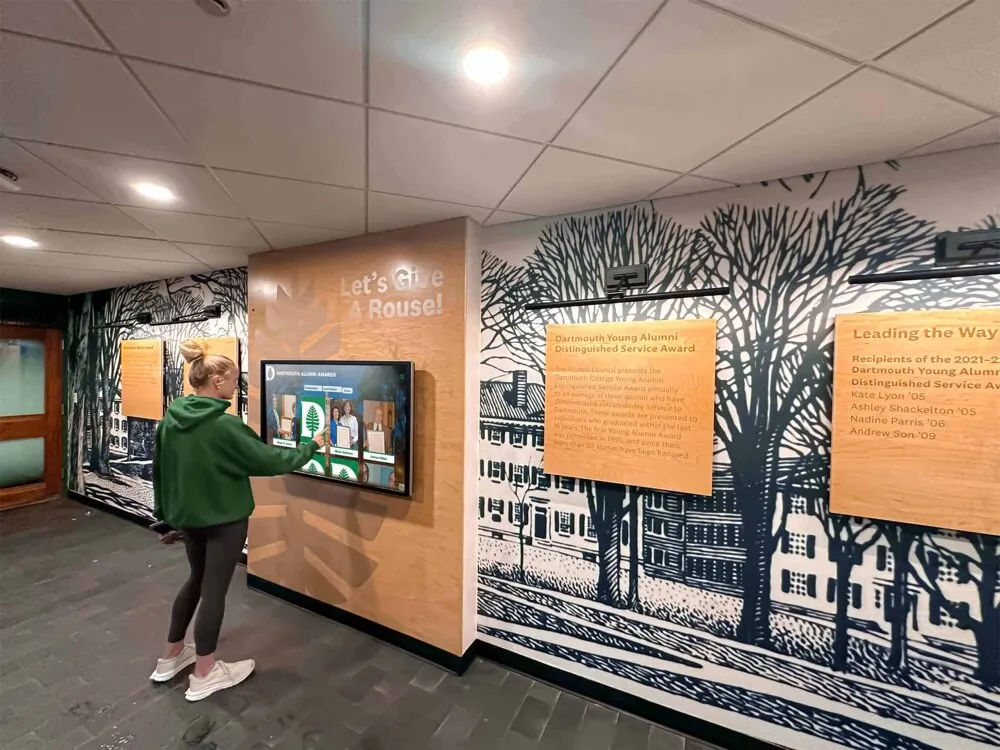
Digital displays can showcase honor stole recipients alongside their achievements and photographs
Honor Society and Organization Stoles
National and local honor societies provide distinctive stoles to graduating members, creating visible recognition of selective academic organizations.
Common Honor Society Stoles
- National Honor Society: Gold with NHS embroidery
- National Technical Honor Society: Red, white, and blue tri-color
- Sociedad Honoraria Hispánica: Red and gold or Spanish national colors
- Science National Honor Society: Blue with organizational symbols
- Mu Alpha Theta Mathematics Honor Society: Purple or mathematics-themed designs
- Rho Kappa Social Studies Honor Society: Burgundy or organization-specific colors
Honor societies typically provide standardized stoles to all graduating members, ensuring consistent visual identity while recognizing selective membership. These stoles often feature embroidered organizational logos, Greek letters, or symbolic imagery representing academic disciplines.
Beyond national organizations, schools create local honor societies recognizing specialized achievements—arts honors, career technical program completion, or school-specific leadership designations. Custom stoles for these groups strengthen institutional identity while providing recognition options for students who excel in non-traditional pathways.
Leadership and Service Recognition Stoles
Many schools award distinctive stoles recognizing demonstrated leadership, significant community service contributions, or sustained volunteer commitment throughout high school careers.
Leadership Program Stoles
- Student government officers and representatives
- Peer mentorship program leaders
- Class officers (president, vice president, secretary, treasurer)
- School ambassador programs
- Leadership academy graduates
Service Hour Recognition Stoles
- 100+ documented service hours: Bronze or white
- 200+ service hours: Silver or blue
- 300+ service hours: Gold or distinctive honor colors
- Presidential Service Award recipients
Service stoles often feature symbols representing volunteerism—hands, hearts, or community imagery—embroidered alongside hour thresholds. These visible markers demonstrate that schools value civic engagement alongside traditional academics, sending powerful messages about institutional priorities.
Schools can preserve these leadership achievements through student mentorship recognition displays that connect graduating leaders with underclassmen seeking role models.
Departmental and Program-Specific Stoles
Academic departments and specialized programs often design custom stoles recognizing excellence within specific disciplines or successful completion of rigorous program sequences.
Departmental Excellence Stoles
- STEM program graduates: Science-themed colors (green, blue) with related symbols
- Visual and performing arts: Art-themed colors (purple, theatrical masks, musical notes)
- Career and technical education: Industry-specific colors matching trade conventions
- World languages: Colors representing studied cultures or language families
- Advanced Placement/International Baccalaureate: Program-specific recognition
Specialized Program Stoles
- Dual enrollment college credit earners
- Industry certification holders
- Capstone project completers
- Research program participants
- Specialized academy graduates (medical, engineering, business)
Departmental stoles create natural affinity connections particularly valuable at large schools where students identify more strongly with programs than general institutional identity. Graduates wearing engineering program stoles naturally congregate for photographs, strengthening program communities that extend into alumni networks.
These specialized achievements contribute to comprehensive school histories that can be preserved through digital archiving systems designed for educational institutions.
Athletic and Co-Curricular Achievement Stoles
Schools increasingly recognize co-curricular achievements that demonstrate dedication, skill development, and competitive excellence parallel to academic accomplishments.
Athletic Recognition Stoles
- Varsity letter earners in multiple sports
- Team captains and athletic leadership
- Conference or state championship team members
- All-conference or all-state honor recipients
- Scholar-athlete combined academic and athletic excellence
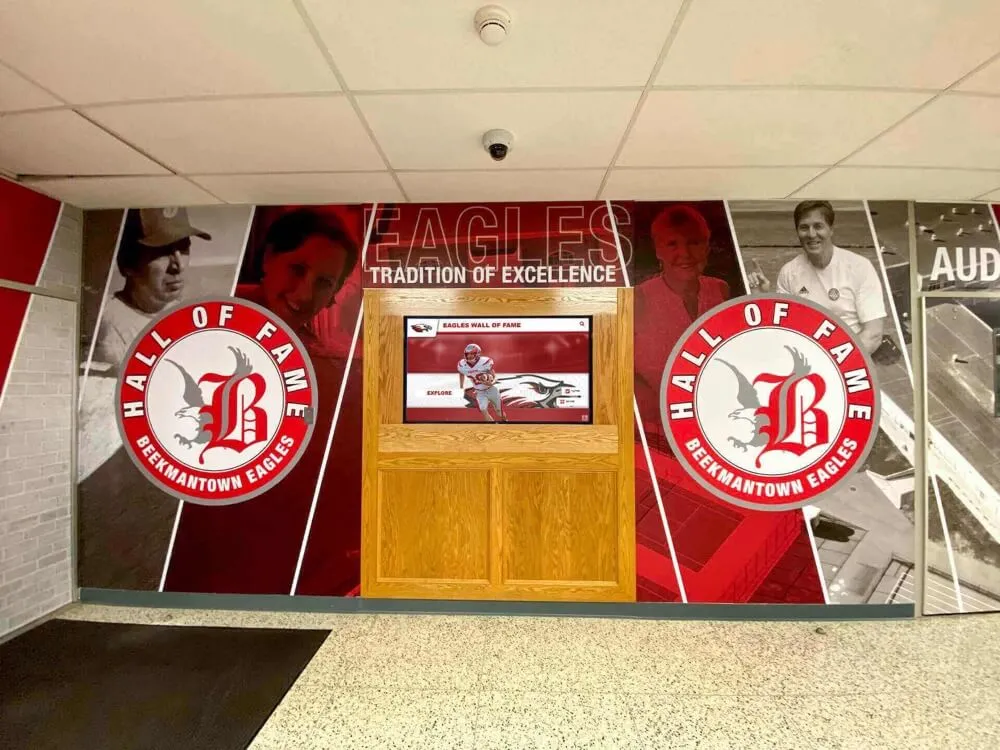
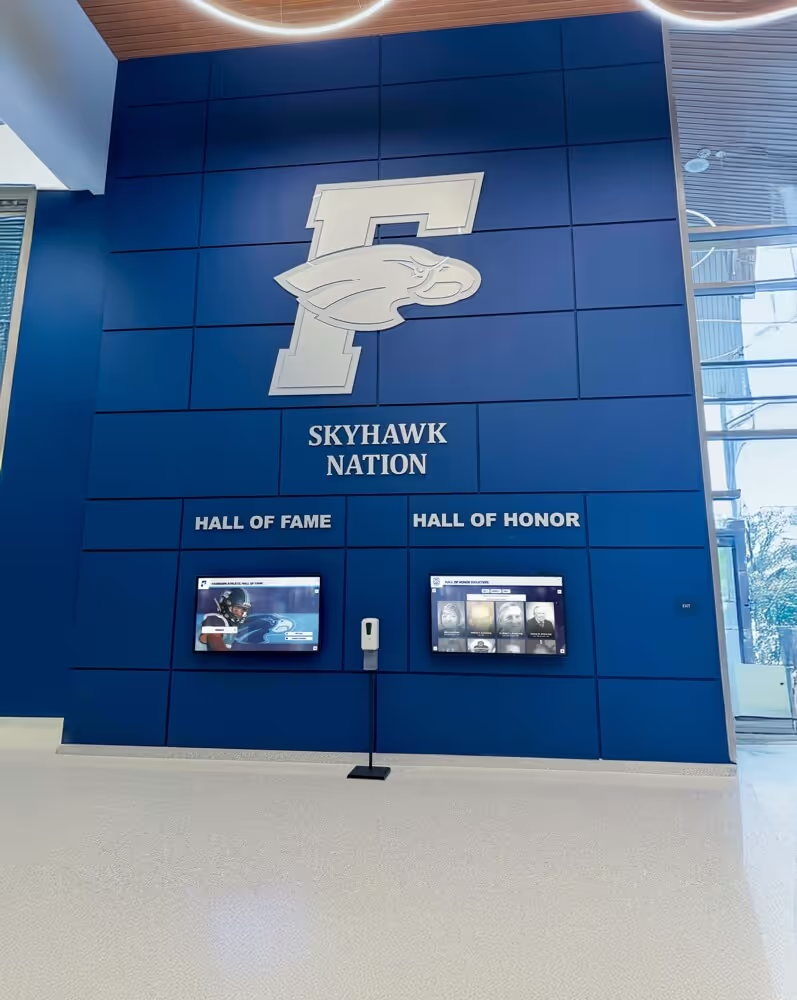
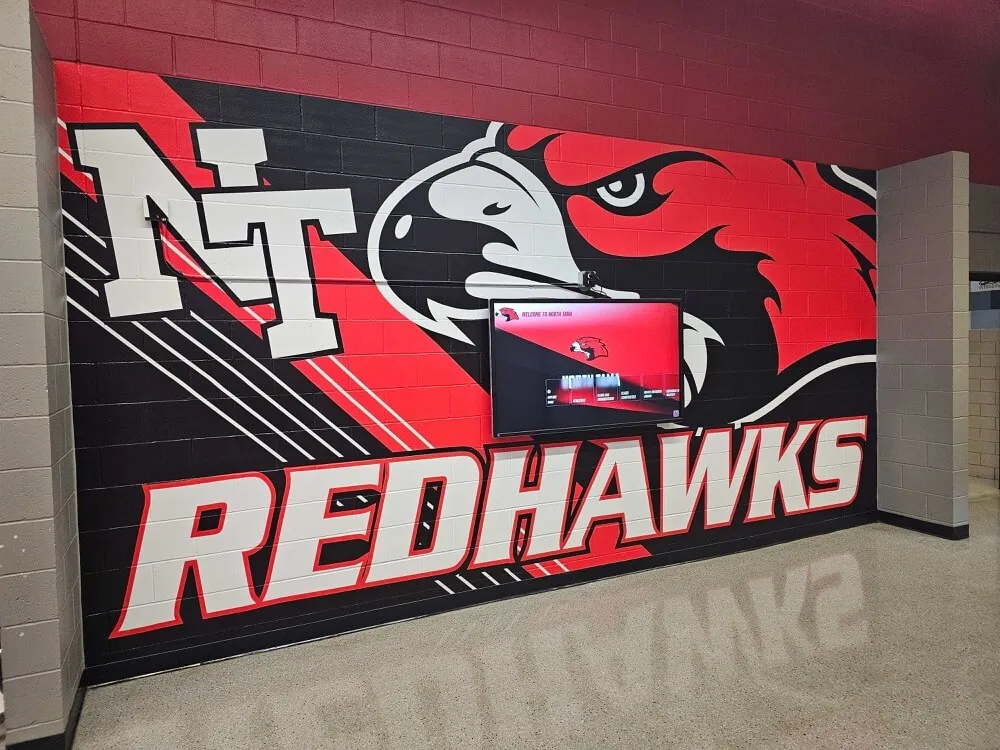
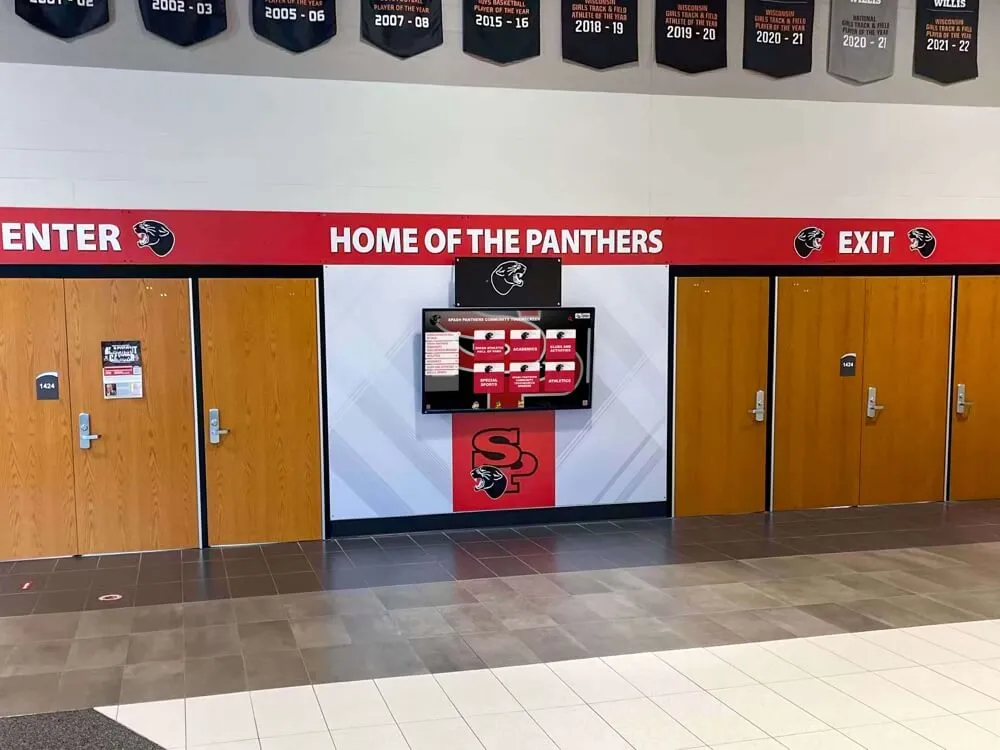
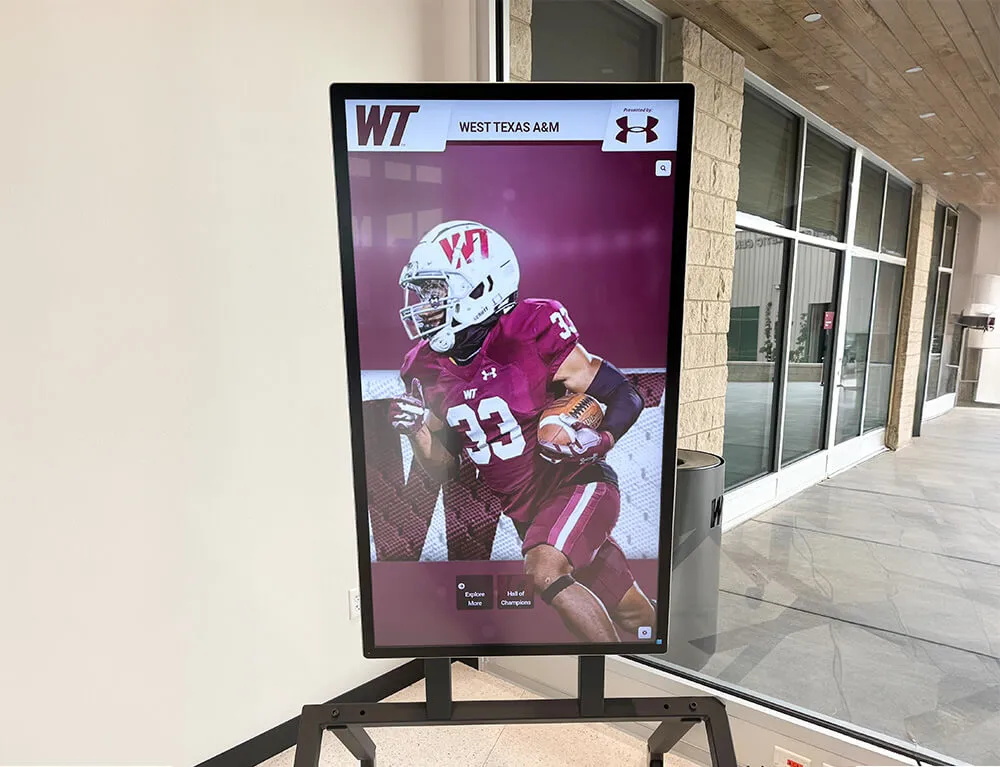
Touchscreen displays allow schools to create searchable archives of stole recipients and their accomplishments
Performing Arts and Competition Stoles
- Theater program four-year participants
- Marching band section leaders and drum majors
- Show choir competition medalists
- Debate team state qualifiers
- Academic competition team members
Athletic and competitive activity stoles validate achievement pathways that may not appear on traditional transcripts but represent significant dedication and skill development. For students whose primary high school identity centers on athletics or arts, these stoles provide appropriate ceremony recognition.
Graduation Stole Color Meanings and Design Considerations
Color selection carries significant meaning in academic regalia traditions. Understanding color symbolism helps schools design stole programs that communicate clear recognition hierarchies while maintaining visual appeal.
Traditional Academic Color Meanings
Academic color traditions evolved over centuries, creating conventional associations between specific colors and academic disciplines or achievement levels:
Achievement Level Colors
- Gold: Highest honors, distinction, exceptional achievement
- Silver: High achievement, secondary honors designation
- White: Purity, achievement, often used for general honors
- Blue: Loyalty, truth, academic excellence
- Purple: Royalty, distinction, specialized achievement
- Red: Courage, sacrifice, often used for service recognition
- Green: Growth, renewal, environmental or science focus
Discipline-Specific Traditional Colors
- Arts: Brown or drab
- Business: Drab or tan
- Education: Light blue
- Engineering: Orange
- Fine Arts: Pink
- Law: Purple
- Medicine: Green
- Music: Pink
- Nursing: Apricot
- Philosophy: Dark blue
- Physical Education: Sage green
- Science: Golden yellow
- Social Science: Cream
- Theology: Scarlet
While these traditional associations carry historical weight, schools increasingly design custom color schemes reflecting institutional branding and creating distinctive recognition visible in ceremony photographs.
Creating Custom Stole Color Schemes
Effective custom stole programs balance traditional meaning, institutional identity, and practical visibility concerns. Consider these design factors when developing graduation stole color palettes:
Visibility from Distance Ceremony audiences often sit far from processional routes and stage areas. Stole colors should remain clearly visible and distinguishable even from back rows. Metallics, bold colors, and high-contrast combinations work better than pastels or subtle variations.
Photographic Considerations
Graduation photographs preserve stole recognition for decades. Colors should photograph well under various lighting conditions—indoor ceremony venues, outdoor processionals, individual portrait sessions. Test color samples in typical photography conditions before finalizing orders.
Multiple Stole Coordination Students earning multiple achievements may wear multiple stoles or combination designs. Plan color coordination carefully to avoid visual clashes. Some schools solve this challenge by allowing students to wear only one stole representing their highest achievement or most significant accomplishment.
Institutional Branding Integration Custom stoles provide opportunities to reinforce school colors and visual identity. Many institutions use primary school colors for highest achievement stoles, creating immediate visual connections between top students and institutional pride.
Schools managing comprehensive recognition including graduation honors can extend visibility through digital trophy case systems displaying achievement across multiple categories.
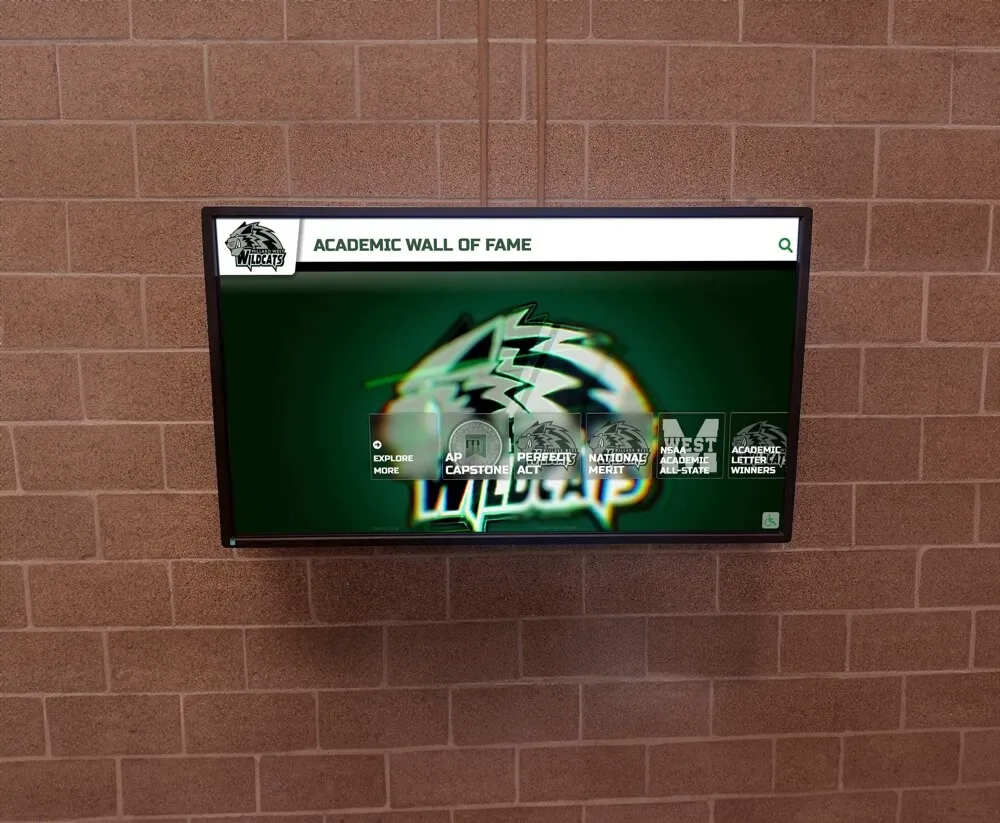
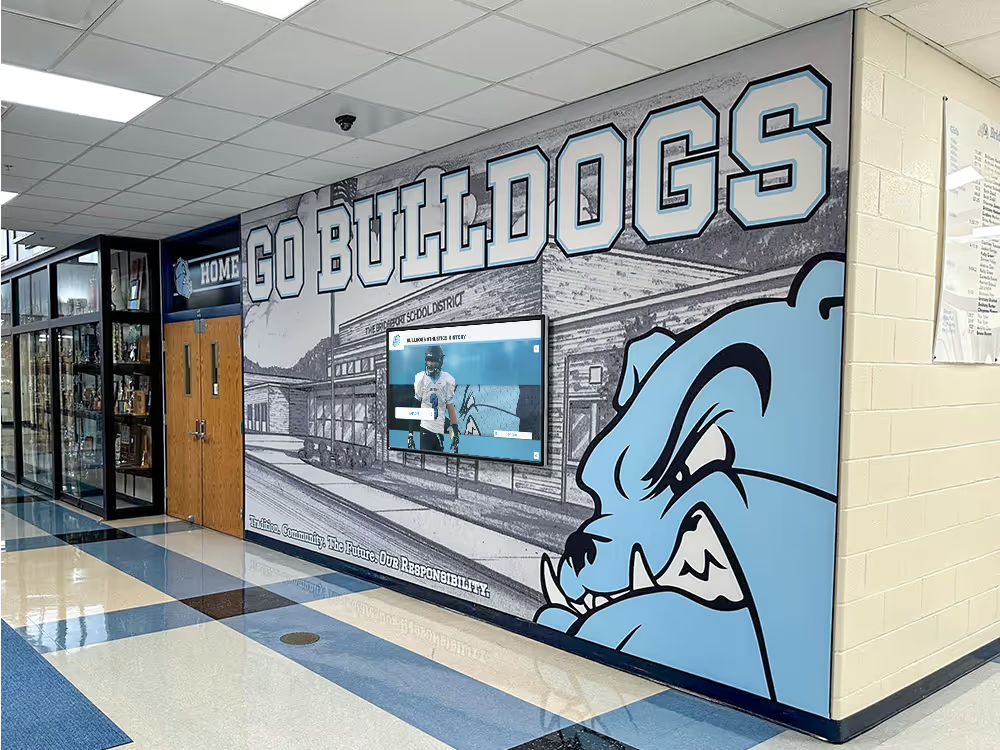
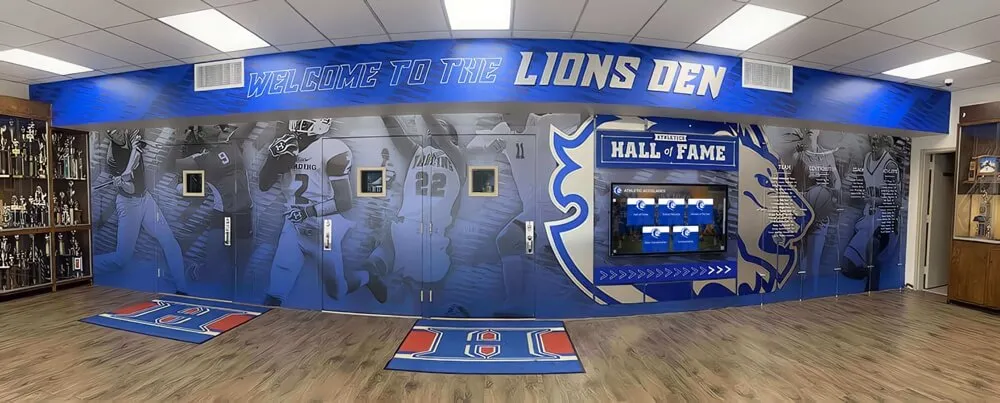
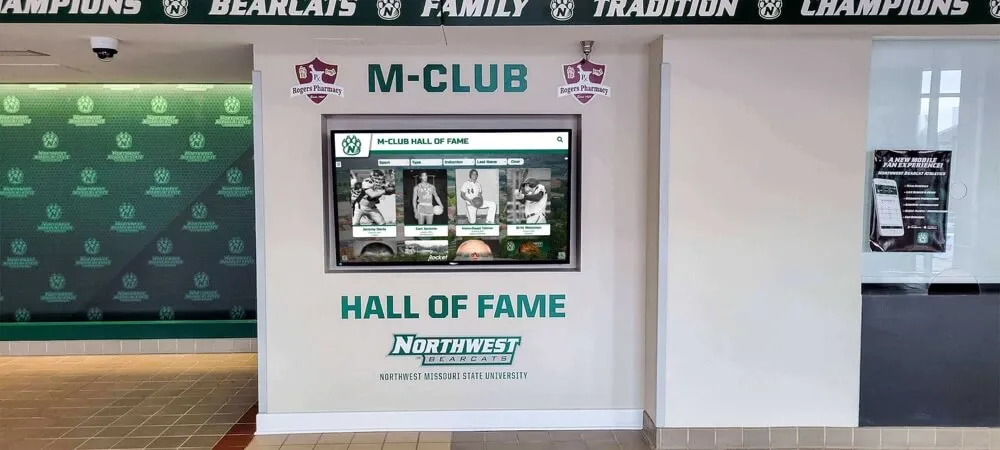
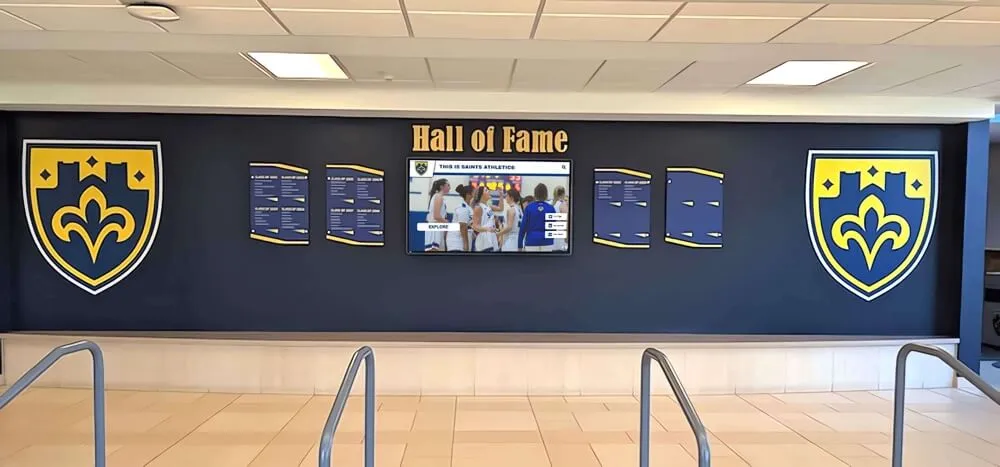
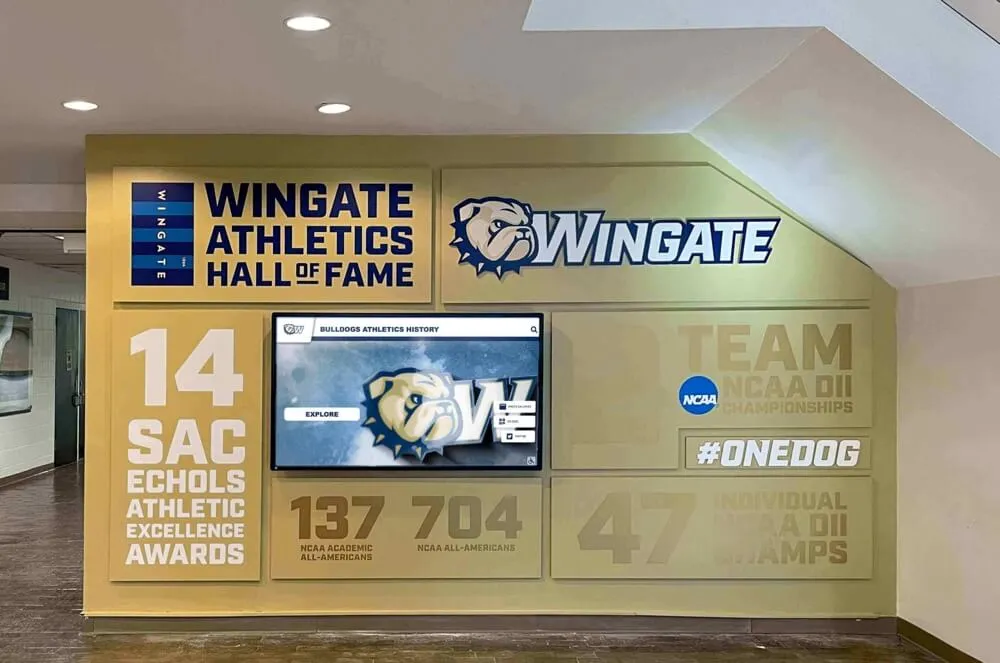
Schools can create permanent archives celebrating academic excellence including graduation honor stole recipients
Implementing Effective Graduation Stole Programs
Successful stole programs require careful planning, clear communication, and fair implementation processes that maintain recognition value while avoiding excessive complexity.
Establishing Stole Eligibility Criteria
Clear qualification standards ensure stole programs maintain credibility and recognition value. Ambiguous criteria create student confusion, parent complaints, and administrative headaches when graduation approaches.
Academic Achievement Thresholds Base honors designations on clearly documented GPA thresholds calculated consistently across all students. Specify whether calculations include weighted grades for advanced courses, which grade point scale applies (4.0, 5.0, 100-point), and which academic terms factor into final determinations.
Communicate GPA calculation methods to students and families early in high school careers so students understand requirements and can track progress. Avoid mid-program criteria changes that disadvantage students who planned coursework based on published standards.
Cumulative vs. Senior Year Requirements Decide whether achievement recognition reflects four-year cumulative performance or senior year accomplishment. Cumulative standards reward sustained excellence while senior-year criteria provide redemption opportunities for students who struggled initially but demonstrated significant improvement.
Some schools implement tiered systems recognizing both—cumulative GPA honors plus separate “graduating with distinction” recognition for exceptional final-year performance.
Service Hour Documentation Standards Service recognition requires verifiable hour tracking with appropriate adult supervision confirmation. Establish documentation procedures early, requiring students to log hours with supervisor signatures throughout high school rather than scrambling for verification senior year.
Specify which activities qualify—school-sponsored programs, community organization volunteering, family caregiving (or exclusion of such), religious organization service, political campaigns. Clear boundaries prevent disputes while ensuring service recognition maintains appropriate meaning.
Membership Duration Requirements Honor society and organization stoles typically require active membership throughout designated periods. Specify minimum participation duration, attendance expectations for meetings and activities, and good standing requirements that could result in stole privilege revocation.
Ordering Custom Graduation Stoles: Practical Considerations
Schools must balance quality expectations, budget constraints, and ordering timelines when purchasing custom graduation stoles for recognition programs.
Timing and Lead Times Reputable graduation regalia suppliers require 8-12 weeks minimum lead time for custom embroidered stoles. Schools ordering during peak season (March-May) should expect longer production timelines. Begin planning processes 4-6 months before ceremonies to ensure comfortable ordering windows.
Rush orders incur premium pricing and may limit customization options. Avoid circumstances requiring rush production through early planning.
Quality and Material Considerations Graduation stoles range from budget polyester satin ($5-10 per stole) to premium bridal satin with intricate embroidery ($25-50+ per stole). Quality directly impacts how stoles photograph and wear during potentially lengthy outdoor ceremonies.
Consider these quality factors:
- Fabric weight and drape (heavier materials photograph better, lighter fabrics suit hot weather)
- Color fastness (cheap dyes may bleed in rain or fade quickly)
- Embroidery quality (dense stitching, clean edges, color accuracy)
- Length standardization (60-72 inches typical, ensure consistency within order)
- Finishing details (clean hems, secure stitching, appropriate interfacing)
Budget Planning Custom stole program costs vary dramatically based on achievement category distribution. Budget planning requires estimating how many students will earn each stole type based on historical data.
Some schools absorb stole costs within general graduation budgets, while others charge student fees for honor privileges. If charging students, communicate costs early and offer payment plans or hardship waivers ensuring financial constraints don’t prevent earned recognition display.
Vendor Selection and Quality Control Request samples before committing to large orders. Evaluate multiple suppliers, comparing not just pricing but production timelines, customization capabilities, minimum order quantities, and customer service responsiveness.
Check references from other schools regarding on-time delivery, order accuracy, and problem resolution when issues arise. Graduation regalia problems discovered days before ceremonies create crisis situations with limited resolution options.
Schools preserving comprehensive graduation records including stole recipients can integrate this data into digital hall of fame platforms that extend recognition visibility.
Communicating Stole Program Information to School Communities
Clear communication prevents confusion, manages expectations, and helps families understand the significance of stoles their graduates wear during commencement ceremonies.
Student and Family Communication
Early Program Introduction Introduce stole recognition programs during freshman orientation or welcome events. Early awareness allows students to plan academic and co-curricular involvement with stole eligibility in mind. Students who understand service hour thresholds as freshmen can pace volunteer commitments rather than scrambling senior year.
Provide printed materials summarizing all stole categories, eligibility requirements, and recognition significance. Make this information continuously accessible through student handbooks, school websites, and counseling office resources.
Progress Monitoring Support Help students track progress toward stole eligibility throughout high school. Academic counselors can include GPA threshold proximity in regular advising conversations. Activity sponsors can remind participants of hour tracking or participation requirements.
Progress visibility motivates continued effort while preventing end-of-year disappointment when students discover they narrowly missed recognition thresholds without awareness of shortfalls correctable earlier.
Final Eligibility Notification Notify students of stole eligibility 4-6 weeks before graduation, allowing time for questions, appeals of calculation errors, or submission of documentation. Provide clear pickup instructions, ceremony wearing guidelines, and return requirements if stoles must be collected afterward.
For students not earning stoles, consider private notification rather than public eligibility lists that embarrass non-recipients. Frame communications positively, emphasizing that graduation itself represents significant achievement regardless of additional honors.
Ceremony Program Explanation
Graduation programs should clearly explain stole meanings so audience members understand recognition significance. Brief descriptions help families appreciate diverse achievement pathways and reduce confusion about why some graduates wear multiple stoles while others wear none.
Sample Program Text: “Graduating students wear colored stoles representing exceptional achievement in academics, leadership, service, and specialized programs. Gold stoles signify summa cum laude academic honors (3.9+ GPA), silver represents magna cum laude (3.7-3.89 GPA), and white indicates cum laude (3.5-3.69 GPA). Purple stoles recognize students completing 200+ documented community service hours, while red honors student government officers and school ambassadors. Specialized program stoles in various colors celebrate departmental excellence and honor society membership.”
Keep explanations concise while providing sufficient detail for audience understanding. Complete stole description lists can appear in program inserts rather than main ceremony programs if multiple categories make brief summaries impractical.

Creating permanent digital archives ensures stole recipient recognition extends beyond ceremony day
Photographing and Archiving Graduation Stole Recognition
Graduation photographs serve dual purposes—providing cherished family keepsakes while creating institutional archives documenting student achievement. Thoughtful photography planning ensures stole recognition remains visible and accessible long after ceremonies conclude.
Professional Ceremony Photography Guidelines
Work with ceremony photographers to ensure stole recognition receives appropriate documentation. Provide photographers with stole meaning guides so they understand which students merit special attention beyond standard processional coverage.
Processional Coverage Instruct photographers to capture stole-wearing graduates during processional entries. These walking shots beautifully showcase stoles draped over robes while capturing ceremony atmosphere. Wide shots showing multiple honor students together demonstrate recognition program scope.
Stage Moment Photography During diploma presentations and handshake moments, stole visibility depends on photographer positioning and graduate orientation. Brief graduates to turn slightly toward camera positions after receiving diplomas, ensuring stole colors remain visible in official ceremony photographs.
Honor Graduate Group Photography Schedule dedicated photography time for honor categories—all summa cum laude students together, service stole wearers, honor society groups. These photographs serve multiple purposes: formal school archives, social media content celebrating achievement, display material for recognition walls, and yearbook spreads.
Group photographs create lasting documentation showing achievement cohorts and ceremony memories graduates treasure for decades. Students forming friendships through shared honors programs appreciate photographs capturing these connections.
Creating Searchable Digital Archives
Traditional photograph storage in filing cabinets or basic computer folders limits accessibility and fails to preserve the context surrounding stole recognition. Modern digital archive systems transform static images into searchable, explorable resources that serve institutional purposes for decades.
Comprehensive Graduate Profiles Effective archives link graduation photographs with complete graduate profiles documenting:
- Stole categories earned and specific honors achieved
- Cumulative GPA and class rank information
- Honor society memberships and leadership positions
- Service hour totals and volunteer organization involvement
- Athletic achievements, arts accomplishments, and competition success
- Post-graduation plans—college attendance, military service, career paths
These detailed profiles transform simple graduation photographs into rich historical records that provide context for achievement recognition visible in stole-wearing images.
Searchable Archive Interfaces Digital archive platforms allow users to search and filter graduates by multiple criteria—graduation year, specific honors earned, stole colors worn, or achievement categories. Advancement offices use search functionality to identify accomplished alumni for recognition events, mentorship program recruitment, or fundraising cultivation.
Current students exploring archives gain inspiration seeing graduates from similar programs or backgrounds who achieved excellence. Families browsing archives during school visits understand institutional priorities and recognition breadth, creating positive enrollment impressions.
Interactive digital displays in school hallways transform these archives into daily recognition experiences rather than resources accessed only during occasional administrative needs.
Yearbook Integration and Historical Context Graduation stole photographs naturally belong in yearbook spreads celebrating senior accomplishments. Digital archives should connect with yearbook content, allowing users to view both formal graduation portraits and candid senior year photographs capturing fuller student experiences.
Historical yearbook scanning and digitization connects contemporary stole recognition with decades of institutional tradition. Alumni exploring archives can discover stole programs from their graduation years, compare recognition categories across eras, and trace how achievement celebration evolved over institutional history.
Schools can leverage professional yearbook digitization services to create comprehensive historical archives spanning entire institutional timelines.
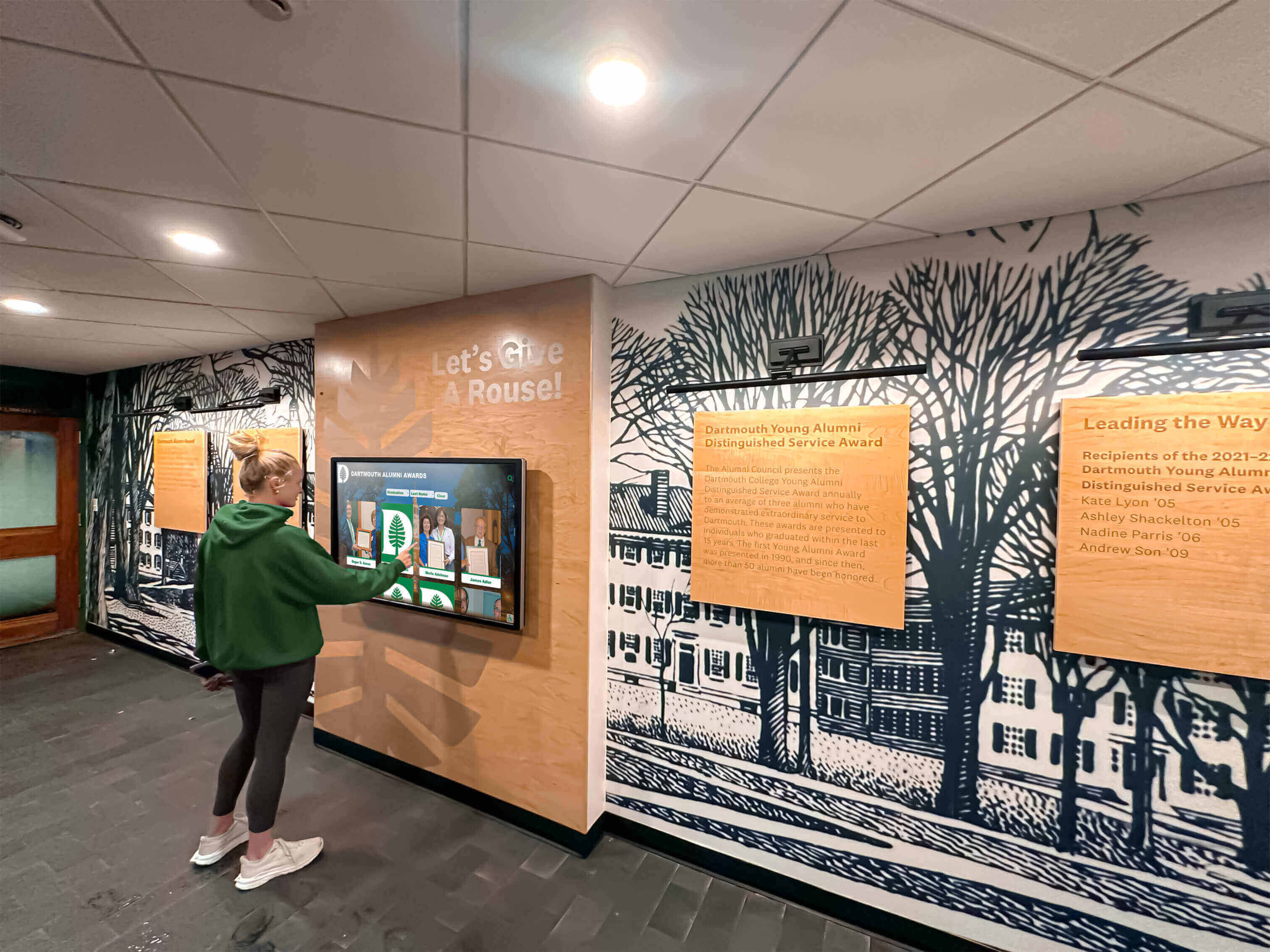
Interactive touchscreen systems allow students and visitors to explore graduation achievement archives
Integrating Stole Recognition with Comprehensive Achievement Systems
Graduation stoles represent endpoint recognition in comprehensive achievement systems that document and celebrate student excellence throughout educational careers. The most effective programs integrate graduation honors with year-round recognition creating continuous achievement visibility.
Building Recognition Continuity
Freshman to Senior Achievement Pathways Help students understand connections between current involvement and graduation recognition opportunities. When freshmen join service organizations, explain how sustained participation builds toward service stole eligibility. Academic counselors discussing GPA thresholds early create awareness that helps students set appropriate goals and course challenge levels.
Recognition continuity means students don’t discover achievement possibilities only months before graduation when opportunities for qualifying have passed. Early program introduction combined with regular progress visibility creates four-year achievement narratives rather than last-minute scrambles.
Interim Milestone Celebration Celebrate progress milestones before graduation—100 service hour recognition events, junior year academic achievement celebrations, departmental excellence awards. These interim moments maintain motivation while creating recognition opportunities for students who may not reach highest graduation honors but demonstrate commendable progress.
Interim celebrations also provide photography opportunities and archive content documenting achievement development rather than only final outcomes.
Digital Display Systems for Year-Round Recognition
While graduation stoles provide ceremony day visibility, modern digital recognition systems extend achievement celebration throughout school years and into alumni archives.
Interactive Touchscreen Recognition Walls Touchscreen displays in prominent hallway locations showcase current stole recipients alongside broader achievement archives spanning decades. Students walking past these displays daily absorb messages about valued achievements, normalize intellectual excellence, and discover role models worth emulating.
Interactive features allow users to filter displays by achievement category, graduation year, or personal connections. Alumni visitors returning to campus can search for their own profiles, discover classmates’ post-graduation successes, and see how they fit within institutional achievement traditions.
Schools implementing these systems report significant increases in recognition visibility, student engagement with achievement archives, and family appreciation during campus visits.
Mobile-Accessible Achievement Archives QR codes linked to digital recognition platforms allow ceremony attendees to access detailed graduate profiles during commencement. Family members scan codes printed in programs to read full achievement descriptions, view additional photographs, and explore honor category explanations.
Mobile accessibility extends archive reach beyond school physical locations, allowing alumni, prospective families, and community members to explore achievement records from anywhere.
Automated Content Updates Modern recognition systems integrate with student information databases to automatically update honor roll listings, achievement milestones, and graduation honors. This automation eliminates manual update burdens that cause traditional display cases to show outdated content.
Automated systems ensure stole recipients appear in digital recognition displays promptly after graduation, maintaining archive currency that reflects genuine institutional achievement celebration rather than displays abandoned after initial installation.
Schools seeking comprehensive recognition solutions can explore interactive digital display systems designed specifically for educational environments.
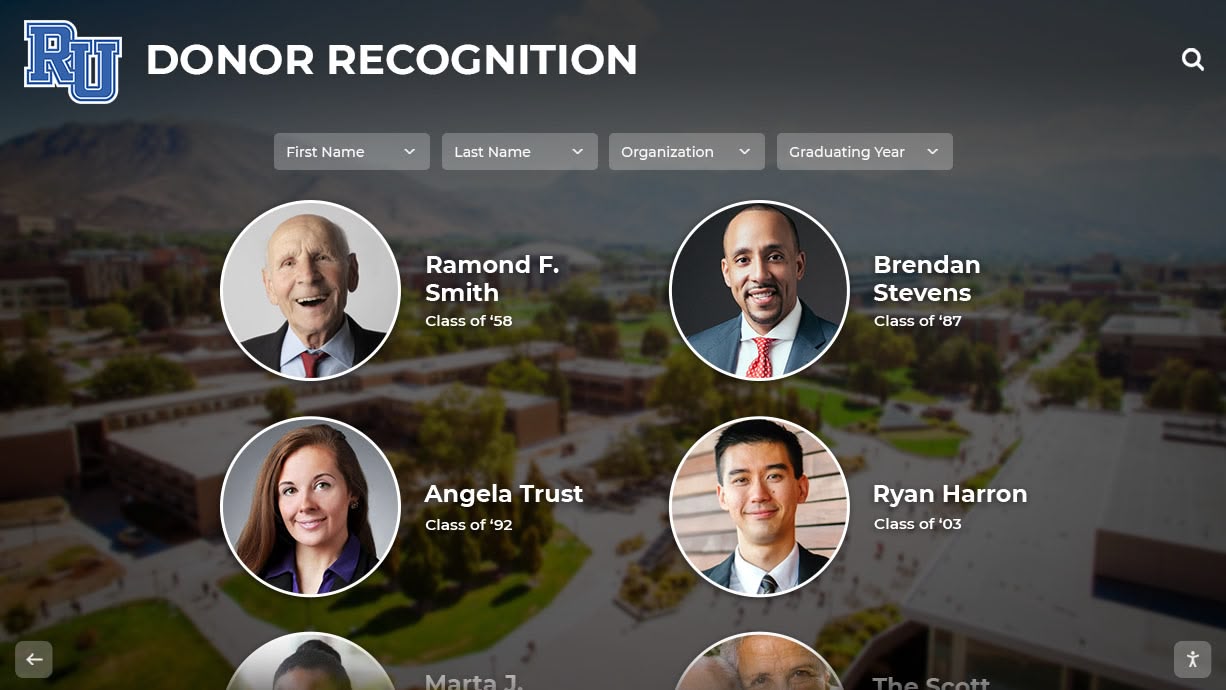
Comprehensive digital systems showcase graduation achievements alongside alumni success stories and institutional heritage
Best Practices for Graduation Stole Programs
Schools with effective stole recognition programs share common practices that maximize program value while maintaining implementation sustainability.
Maintain Recognition Value Through Appropriate Standards
Recognition loses meaning when achievement thresholds become too easy or when excessive stole categories create visual confusion during ceremonies. Establish standards ensuring stole recipients represent genuine achievement deserving special recognition.
Most schools limit ceremony stole wearing to 15-30% of graduates through appropriate threshold setting. If significantly more students earn stoles, consider raising standards or consolidating categories. If fewer than 10-15% qualify, standards may be unnecessarily restrictive, limiting recognition opportunities.
Regular program evaluation every 2-3 years allows adjustments based on achievement pattern changes, new program introductions, or shifting institutional priorities.
Balance Tradition with Inclusive Recognition
Traditional honors focused narrowly on GPA often excluded students excelling in non-traditional areas—hands-on technical programs, arts achievement, leadership development, or community service. Contemporary stole programs recognize multiple intelligence forms and diverse excellence pathways.
Inclusive recognition doesn’t mean lowering standards—it means creating varied standards allowing different students to demonstrate excellence. The engineering competition medalist deserves recognition equally valuable as highest GPA recognition, though achievements differ fundamentally.
Schools offering 4-6 distinct stole categories (academic levels, leadership/service, departmental/program, co-curricular excellence) typically achieve good balance between manageable complexity and inclusive opportunity.
Create Opportunities for Multiple Stole Wear
Students achieving excellence across multiple domains naturally earn multiple stole categories—summa cum laude GPA plus service hours plus honor society membership. Establish clear policies addressing multiple stole situations before questions arise weeks before graduation.
Common Approaches:
- Allow unlimited stole wearing (students wear all earned recognition)
- Limit to two or three most significant stoles (student chooses based on personal priorities)
- Create combination stoles indicating multiple honor categories
- Establish hierarchy where highest achievement stole supersedes lower categories
Each approach carries advantages. Unlimited wearing fully celebrates achievement breadth but can create visual confusion during ceremonies. Limited stole policies maintain cleaner aesthetics while forcing difficult choices. Combination stoles elegantly solve multiple-achievement situations but require additional design and production planning.
Document and Celebrate Stole Recipient Achievements
Graduating with honors represents significant accomplishment deserving celebration beyond brief ceremony recognition. Create multiple touchpoints honoring stole recipients:
Pre-Ceremony Recognition
- Special reception honoring all stole recipients and their families
- Individual letters to parents celebrating specific student achievements
- Local newspaper features highlighting honor graduates
- Social media recognition campaigns in weeks before graduation
- Physical displays in school entryways showcasing upcoming graduates
During Ceremony Enhancement
- Honor graduate seating sections creating visual impact during processional
- Brief mentions during ceremony addresses acknowledging achievement
- Photography time dedicated to honor graduate group pictures
- Program descriptions explaining stole significance to audiences
Post-Graduation Archive Integration
- Permanent digital recognition displays accessible year-round
- Alumni achievement archives searchable by graduation honors
- Yearbook spreads highlighting stole recipients with detailed achievement descriptions
- Historical tracking showing honor graduate post-secondary success
- Mentorship program connections linking honor graduates with current students
These multiple touchpoints create recognition experiences that extend beyond single ceremony moments, demonstrating genuine institutional appreciation for student excellence.
Prepare for Common Implementation Challenges
Even well-designed stole programs encounter implementation challenges requiring proactive planning and clear policies.
GPA Calculation Disputes Students occasionally challenge GPA calculations when they fall just short of honors thresholds. Establish clear appeal processes allowing grade verification while maintaining firm deadlines preventing last-minute chaos. Most disputes arise from misunderstandings about weighted GPA calculations or which terms factor into final determinations—clear communication prevents most confusion.
Service Hour Documentation Issues Students claiming hundreds of service hours without proper documentation create verification nightmares weeks before graduation. Require ongoing documentation throughout high school rather than accepting year-end submissions. Establish verification standards requiring adult supervisor signatures and organization contact information allowing spot-check confirmation.
Stole Cost and Access Concerns If students must purchase earned stoles, financial constraints may prevent display for some deserving graduates. Offer hardship application processes allowing fee waivers ensuring achievement recognition doesn’t depend on family financial circumstances. Some schools create stole scholarship funds where community donations provide stoles for students unable to afford purchase.
Vendor Delivery Problems Graduation regalia suppliers occasionally miss delivery deadlines, arrive with incorrect customization, or ship incomplete orders. Order early, build buffer time, and maintain vendor accountability through confirmed delivery dates. Have contingency plans for worst-case scenarios—perhaps generic honor stoles from local suppliers as temporary solutions if custom orders fail.
Graduation Stole Recognition in the Digital Age
Modern schools increasingly recognize that ceremony day represents just one moment in continuous recognition journeys. Digital systems extend graduation honor visibility throughout school years and into decades-long alumni engagement.
Creating Permanent Digital Achievement Records
Traditional graduation programs listing stole recipients provide temporary ceremony reference but offer no lasting searchable archives. Contemporary schools build comprehensive digital repositories where stole recognition integrates with complete graduate profiles including:
Academic Achievement Documentation
- Cumulative GPA and class rank context
- Advanced coursework completion and college credits earned
- Subject-specific excellence awards and departmental honors
- Standardized test achievements and academic competition results
Leadership and Service Records
- Detailed service hour breakdowns by organization and activity type
- Leadership position descriptions with terms served and responsibilities
- Peer recognition and teacher nominations explaining leadership impact
- Project descriptions documenting specific community contributions
Co-Curricular Achievement Archives
- Athletic participation, varsity letter years, team leadership, statistical highlights
- Performing arts involvement, lead roles, competition placements
- Club memberships, officer positions, activity descriptions
- Specialized program participation and certification completions
These comprehensive profiles transform graduation stole recognition from simple color-coded ceremonial markers into entry points for exploring rich achievement narratives that explain why students earned specific honors.
Connecting Current Students with Graduate Achievement Models
Digital recognition systems create powerful mentorship and inspiration opportunities by connecting current students with relevant graduate role models. Freshmen exploring career interests can discover graduates from similar programs who achieved stole-worthy excellence, see their achievement pathways, and understand post-graduation outcomes.
This connection strengthens school culture by demonstrating that achievement remains relevant beyond graduation—honor students don’t simply disappear after ceremonies but continue representing institutional excellence throughout careers.
Interactive displays encourage exploration through intuitive search and filtering. Students can browse by graduation decade, achievement category, current career field, or demographic characteristics, finding role models matching their identities and aspirations.
Preserving Institutional Achievement Heritage
Schools with decades or centuries of graduation tradition possess rich achievement heritage often inadequately preserved. Digitizing historical graduation records, yearbook photographs, and ceremony programs creates searchable archives spanning entire institutional histories.
Alumni exploring these archives discover stole recognition traditions from their graduation eras, compare achievement categories across decades, and situate personal accomplishments within longer institutional narratives. This historical context deepens alumni connections to schools and demonstrates that contemporary recognition systems honor longstanding traditions of celebrating excellence.
Historical preservation also reveals achievement pattern changes over time—GPA threshold adjustments, new honor society introductions, evolving recognition priorities. These patterns help current administrators make informed program design decisions grounded in institutional tradition while responding to contemporary needs.
Schools can partner with specialized digital archive providers who understand educational institution needs and build platforms specifically designed for preserving achievement heritage.
Conclusion: Honoring Achievement Through Thoughtful Stole Programs
Custom graduation stoles represent visible symbols of student excellence that create meaningful ceremony moments while providing lasting recognition markers preserved in photographs and archives. Schools designing thoughtful stole programs communicate clear institutional values about diverse achievement pathways, provide attainable recognition goals motivating student effort, and celebrate accomplishments deserving ceremonial honor.
Effective programs balance tradition with innovation—maintaining meaningful achievement standards while recognizing excellence across multiple dimensions beyond traditional academics. They integrate ceremony-day stole recognition with comprehensive year-round systems that celebrate progress milestones and maintain achievement visibility long after graduation concludes.
As schools increasingly recognize the archival value of graduation photography and achievement documentation, digital systems transform static stole recognition into searchable, explorable resources serving institutional purposes for decades. Current students gain inspiration from achievement archives, alumni discover role models and renew connections with institutional heritage, and advancement offices build engagement strategies around comprehensive graduate profiles.
The stoles students wear during graduation ceremonies represent more than decorative sashes—they embody years of dedication, mark significant accomplishments, and connect individual graduates to institutional traditions of celebrating excellence. Schools honoring these achievements through well-designed recognition programs, thoughtful ceremony integration, and permanent digital preservation create lasting value extending far beyond single commencement moments.
Whether your institution is launching new stole recognition programs or enhancing existing traditions, comprehensive digital display systems can transform how you celebrate and preserve student achievement for generations to come.