Honoring the memory of those who have passed or made lasting contributions to a community requires more than simply recording a name and date. A meaningful custom memorial plaque captures the essence of a person’s life, celebrates their achievements, and ensures their legacy endures for future generations.
Schools remember beloved teachers who shaped countless students. Organizations honor founders whose vision created lasting institutions. Families commemorate loved ones whose influence extended throughout their communities. Each situation demands personalized recognition that reflects unique stories, contributions, and relationships.
This comprehensive guide explores custom memorial plaque ideas spanning traditional engraved installations to modern digital tribute systems. You’ll discover design considerations, placement strategies, personalization options, and contemporary approaches that address common memorial challenges while creating lasting acknowledgment that genuinely honors those being remembered.
Memorial plaques serve multiple purposes beyond simple remembrance. They provide gathering places for reflection, educate future generations about institutional history, acknowledge contributions that shaped communities, and offer comfort to those grieving losses. The most effective memorials balance dignity with personalization—creating tributes that feel both respectful and genuinely representative of the individuals being honored.

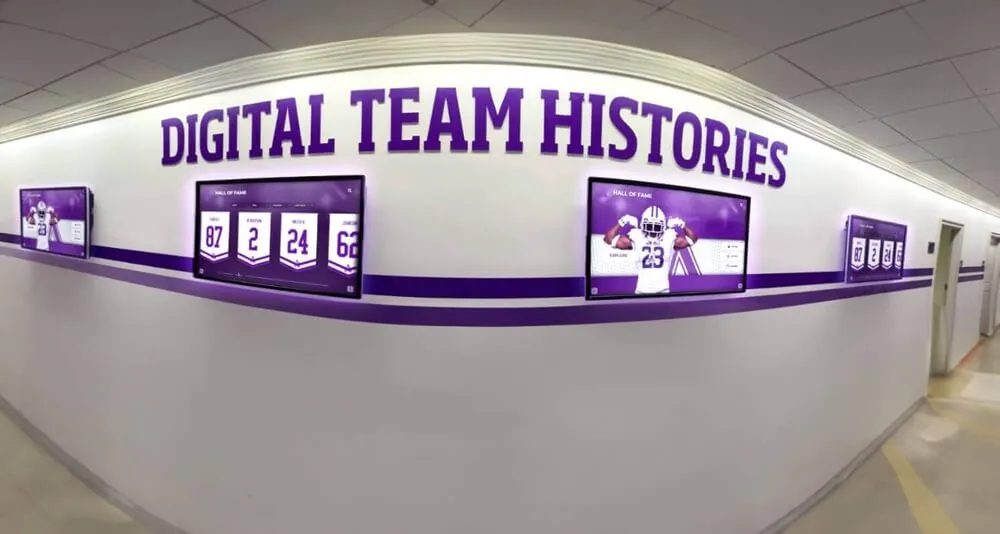
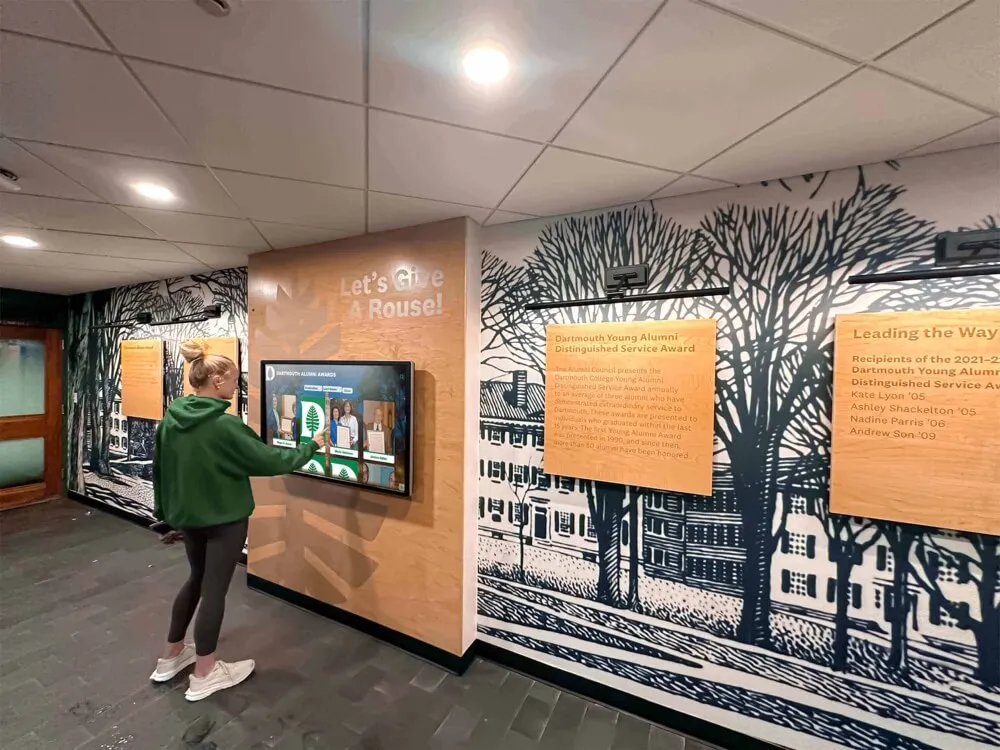
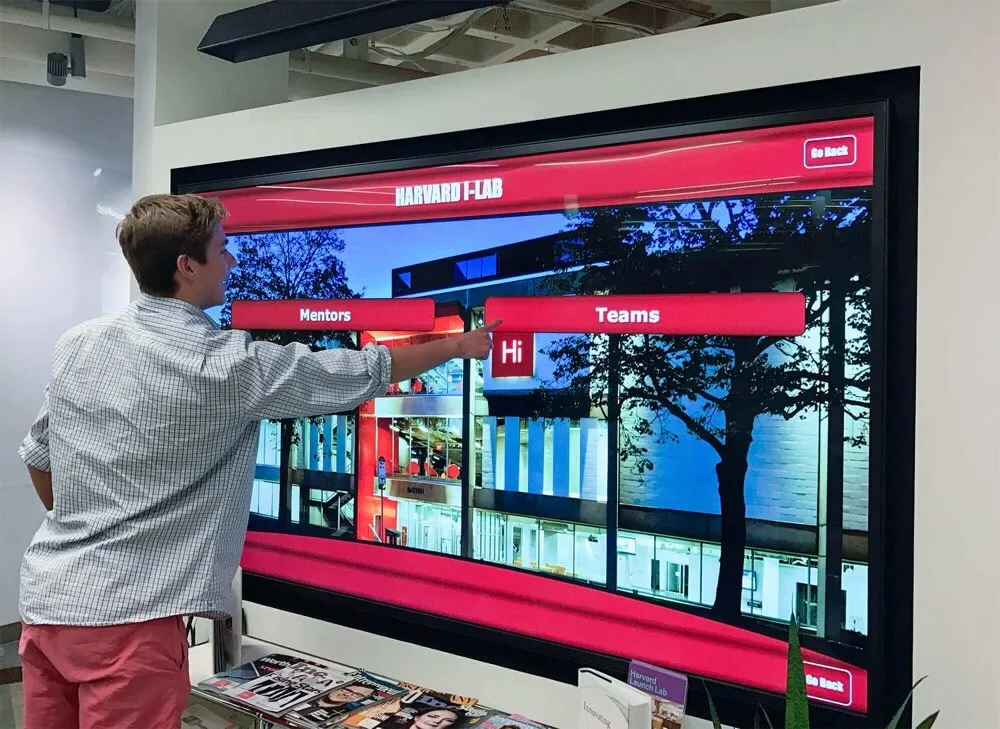
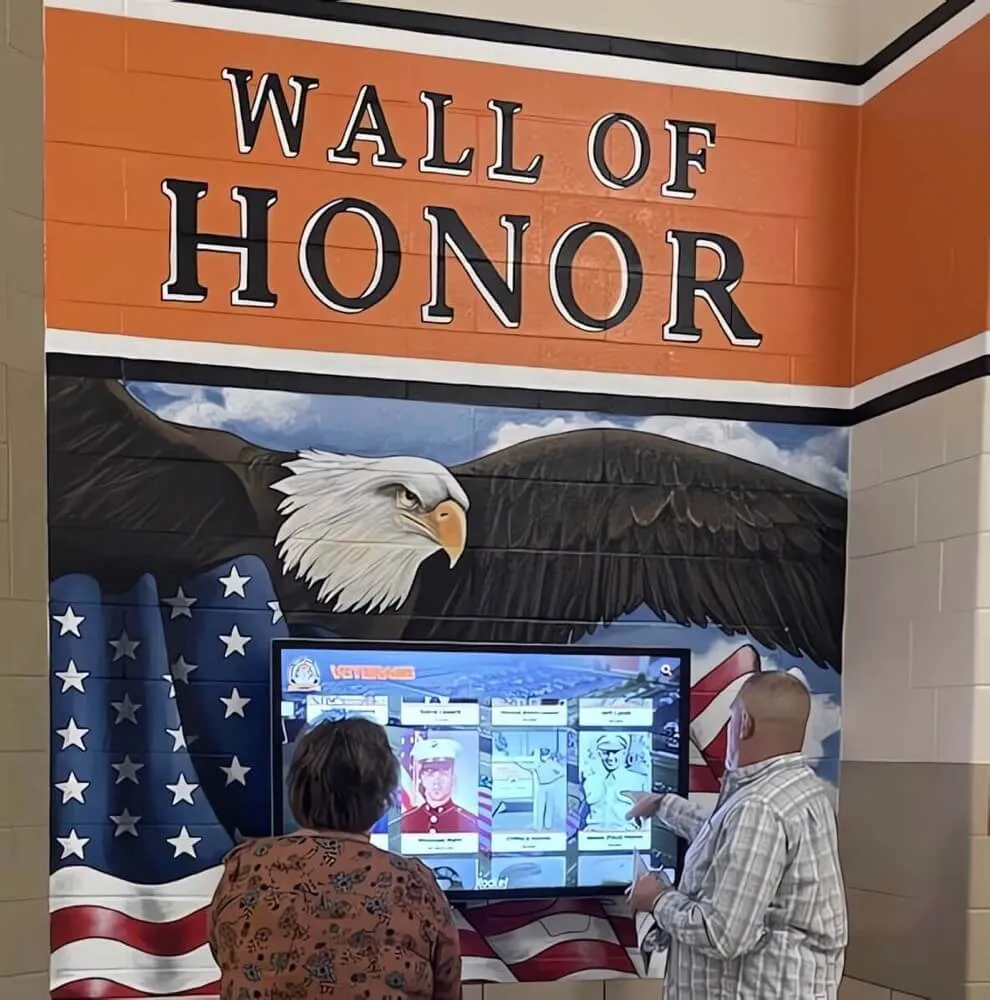
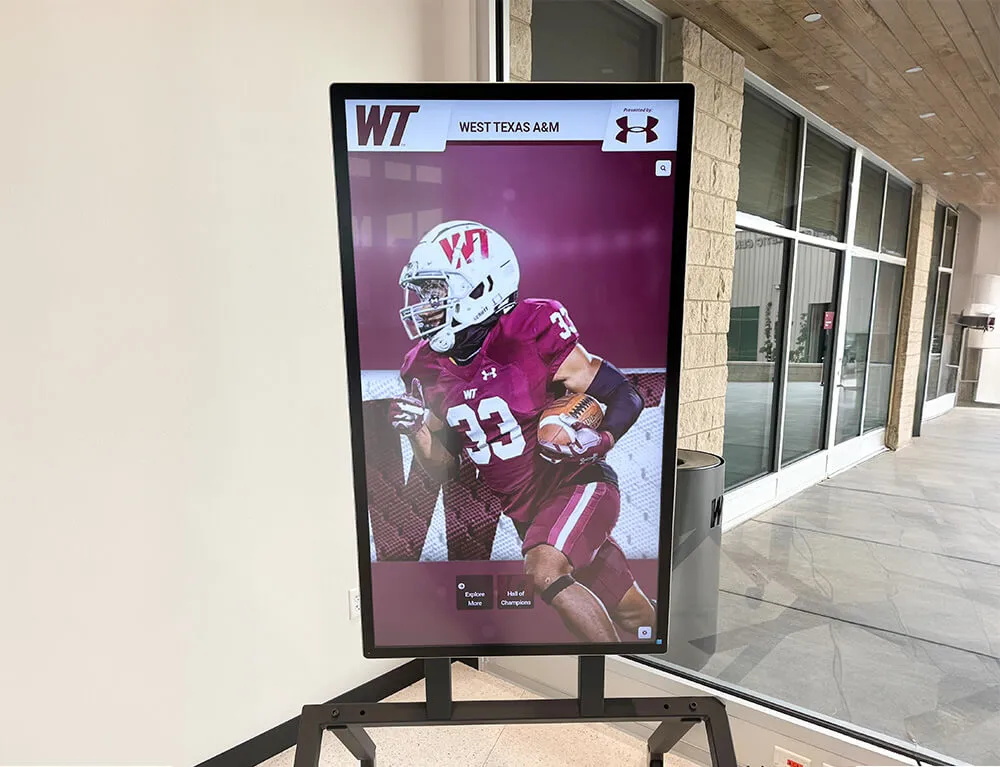
Modern memorial recognition systems enable families and visitors to explore detailed tributes honoring community members and their contributions
Understanding Memorial Plaque Purpose and Placement
Before selecting specific memorial approaches, consider where tributes will be displayed and what purposes they’ll serve for your community.
Memorial Contexts and Settings
Different environments require distinct memorial approaches:
Educational Institutions
Schools and universities memorialize:
- Deceased faculty members and staff who dedicated careers to education
- Alumni who achieved notable success or made significant contributions
- Students whose lives ended tragically, creating community loss
- Founders, benefactors, and leaders who shaped institutional development
- Championship teams or individuals whose achievements defined program excellence
- Historical figures significant to campus legacy and tradition
Educational memorials serve students, faculty, families, alumni, and visitors who encounter tributes during daily facility use or special occasions.
Religious Organizations
Faith communities honor:
- Pastoral leaders who served congregations across decades
- Founding members who established and built communities
- Major donors whose generosity enabled facility construction or programs
- Members with particularly strong commitment or service records
- Deceased children and young people whose losses deeply affected communities
- Historical figures central to denominational or local church history
Community Organizations and Nonprofits
Civic groups memorialize:
- Founders who conceived and established organizations
- Board members and volunteers with exceptional dedication
- Community leaders whose service benefited entire regions
- Donors whose philanthropy enabled mission fulfillment
- Members who exemplified organizational values
- Historical figures significant to local heritage
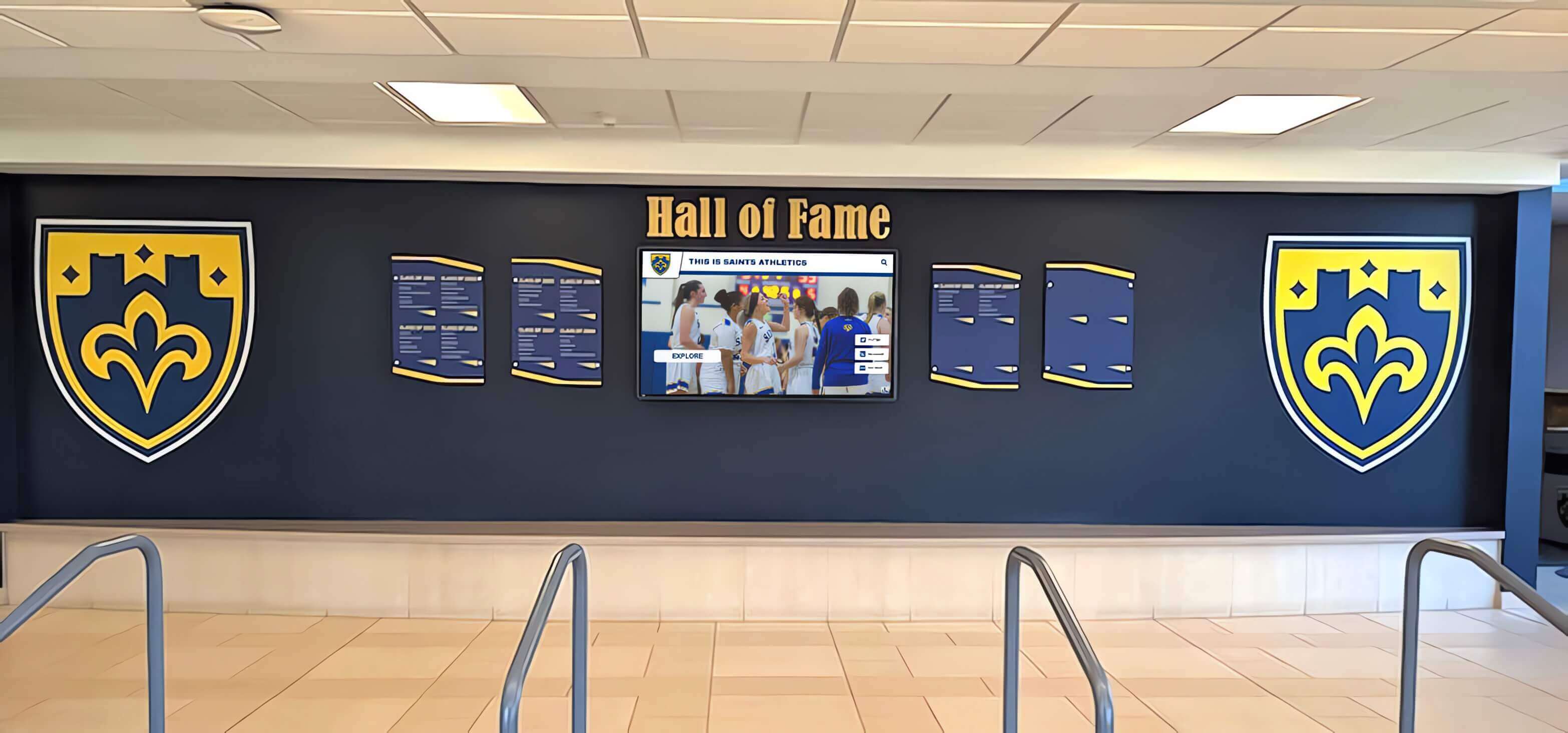
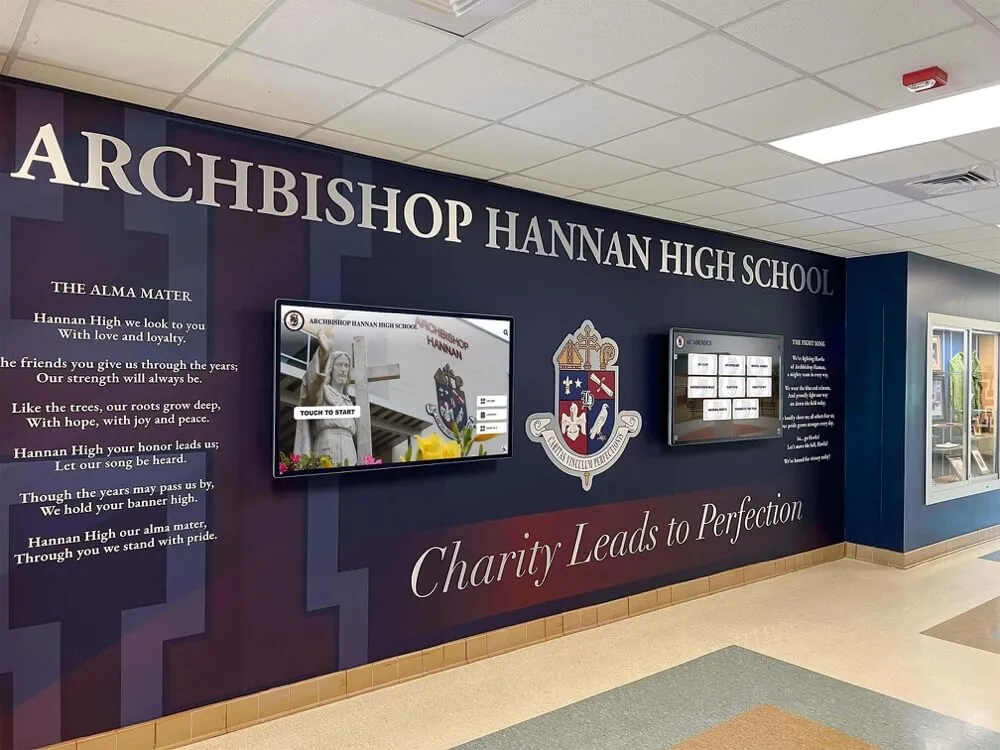
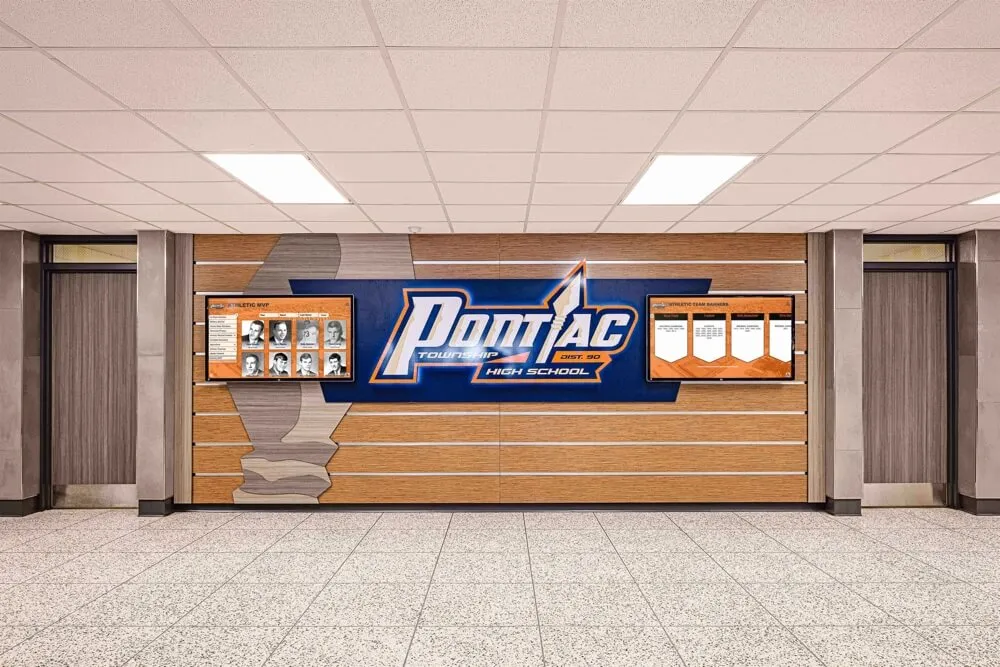
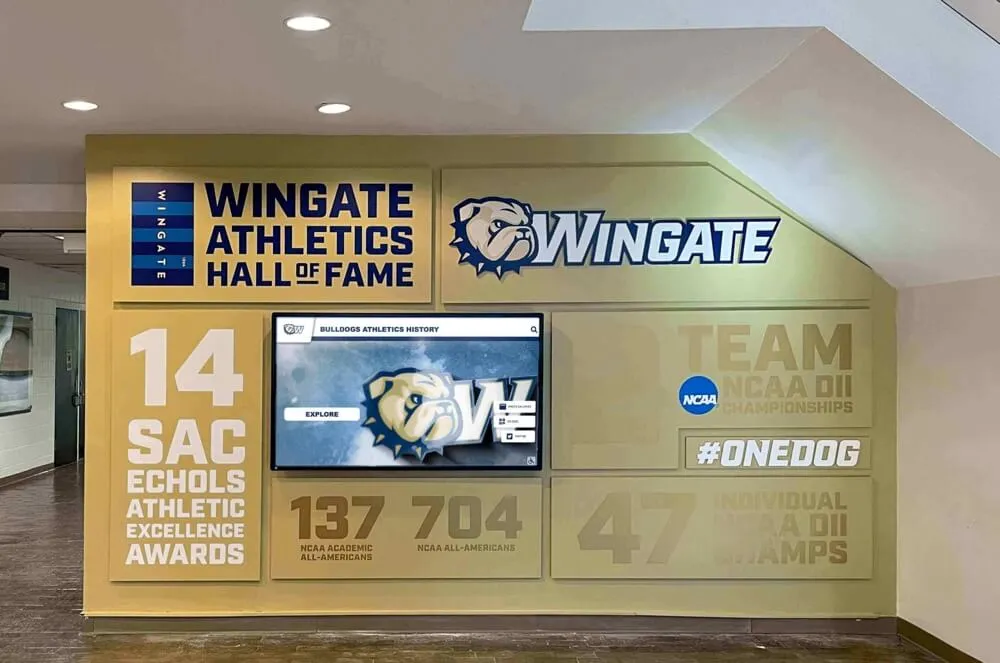
Memorial displays in institutional settings combine respectful acknowledgment with accessible information about those being honored
Athletic Facilities and Programs
Sports organizations honor:
- Coaches who built successful programs across careers
- Athletes who achieved championship success or record-breaking performances
- Team members whose lives ended during active careers
- Booster members and supporters who enabled program development
- Officials, trainers, and support staff integral to program success
For athletic organizations managing comprehensive recognition programs, memorial tributes often integrate with broader hall of fame and achievement displays.
Strategic Memorial Placement
Where memorials are located significantly affects visibility and impact:
High-Traffic Central Locations
Primary institutional spaces offer maximum visibility:
- Main entrance lobbies where visitors first enter facilities
- Common areas where community members gather regularly
- Hallways connecting frequently used spaces
- Auditoriums or performance spaces hosting events
- Libraries or study areas encouraging reflection
- Administrative offices where families and visitors often visit
Dedicated Memorial Spaces
Some organizations create specific memorial areas:
- Memorial gardens or outdoor contemplative spaces
- Dedicated chapel or reflection rooms
- Memorial hallways or corridors exclusively for tribute displays
- Named facilities honoring specific individuals or groups
- Courtyard spaces designed for remembrance and gathering
Context-Specific Placements
Match memorial locations to the individuals being honored:
- Teachers memorialized near classrooms where they taught
- Coaches honored in facilities where they coached
- Donors recognized in spaces their giving created
- Alumni commemorated in buildings representing their class era
- Community leaders acknowledged in spaces reflecting their service
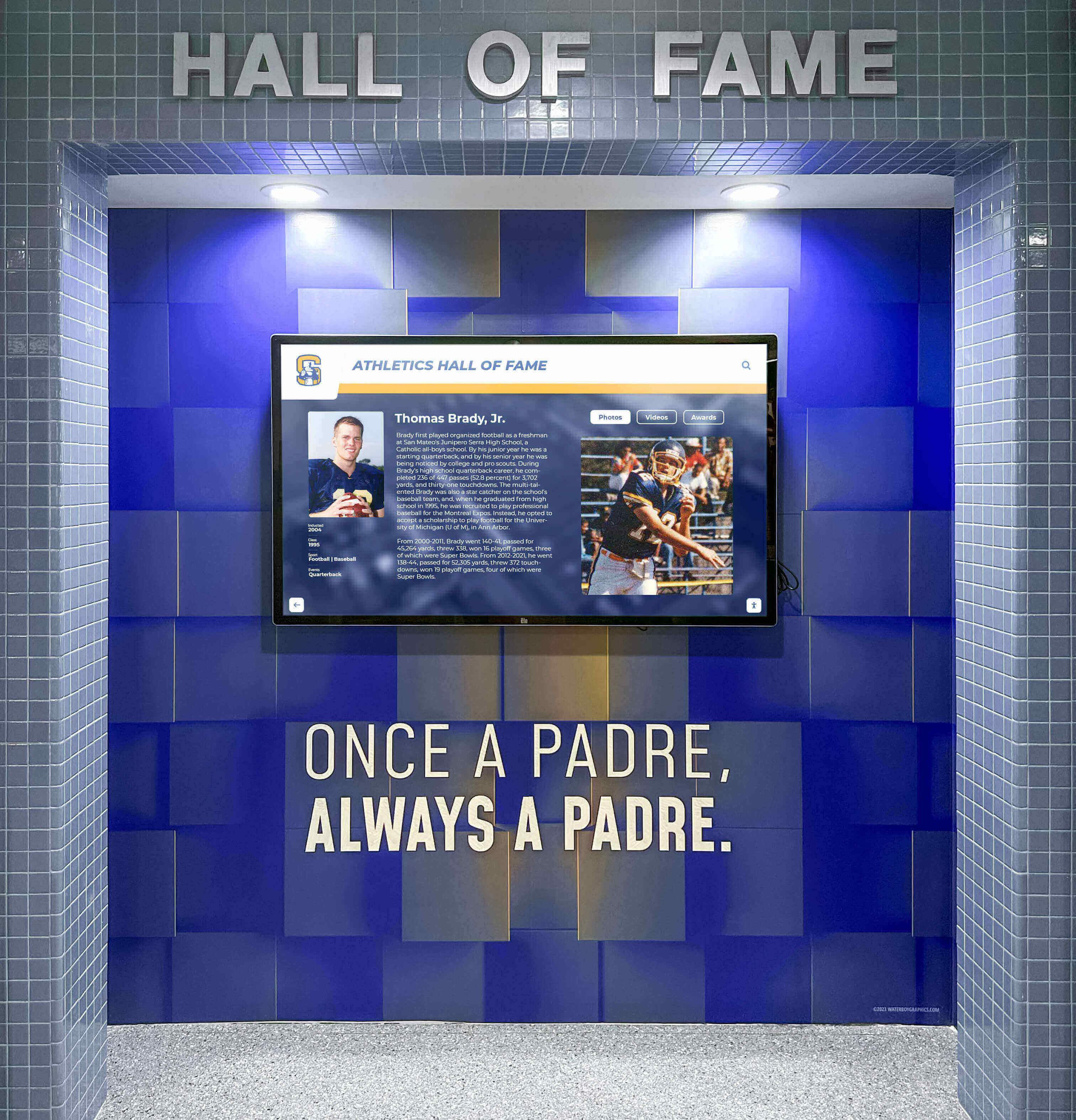
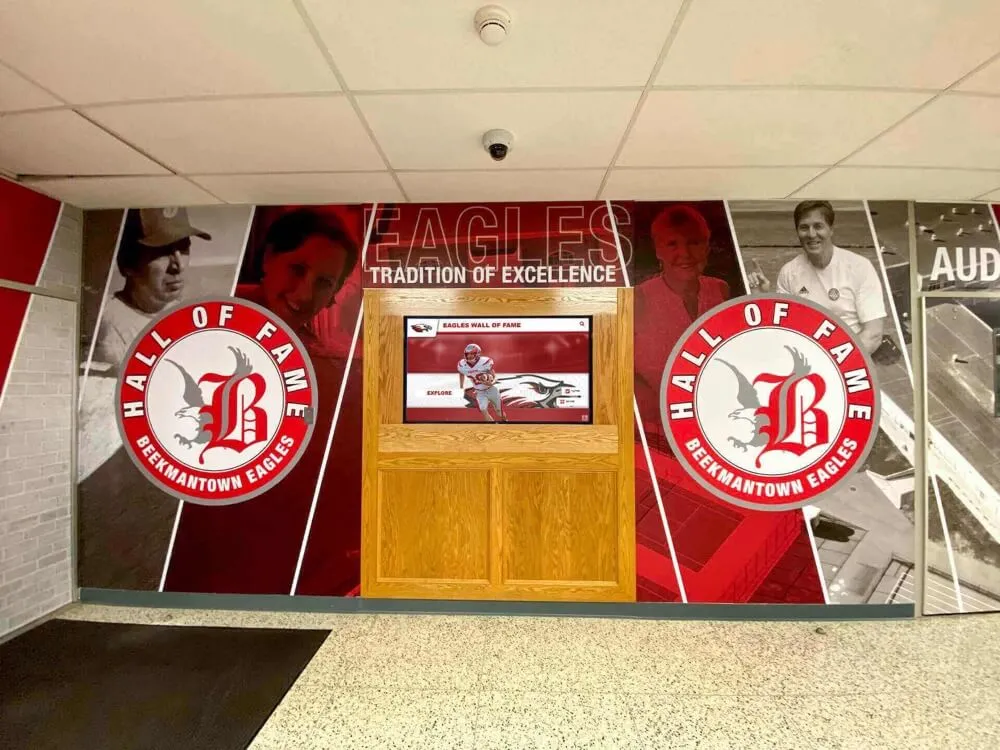
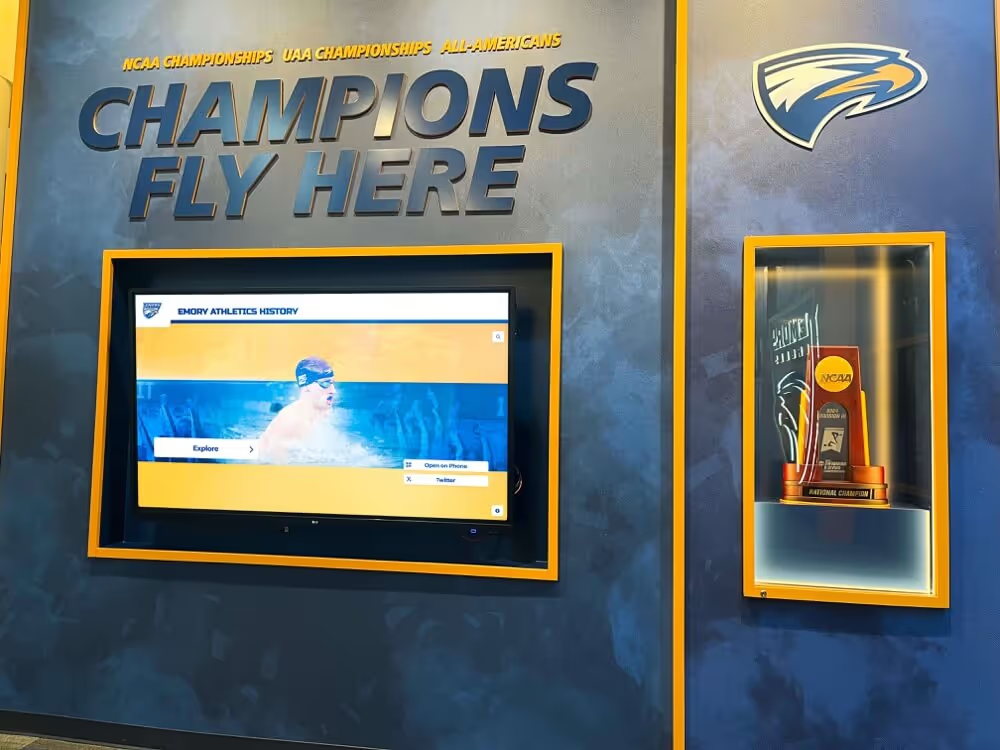
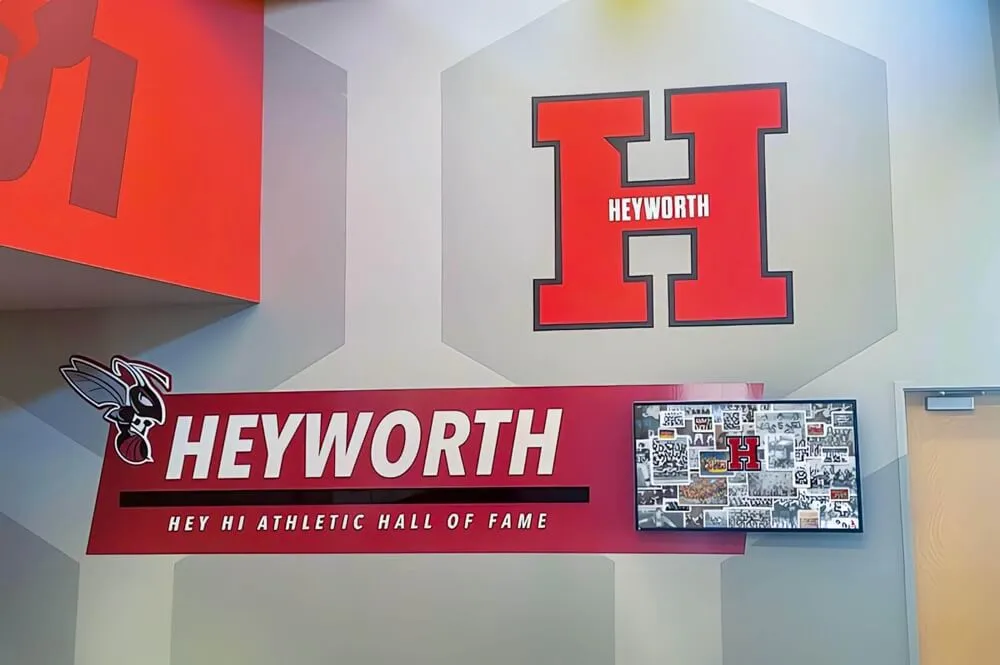
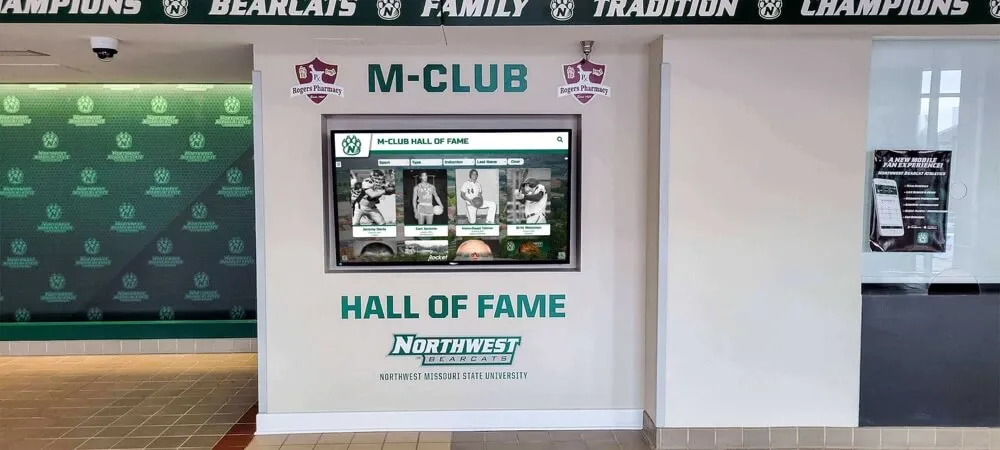
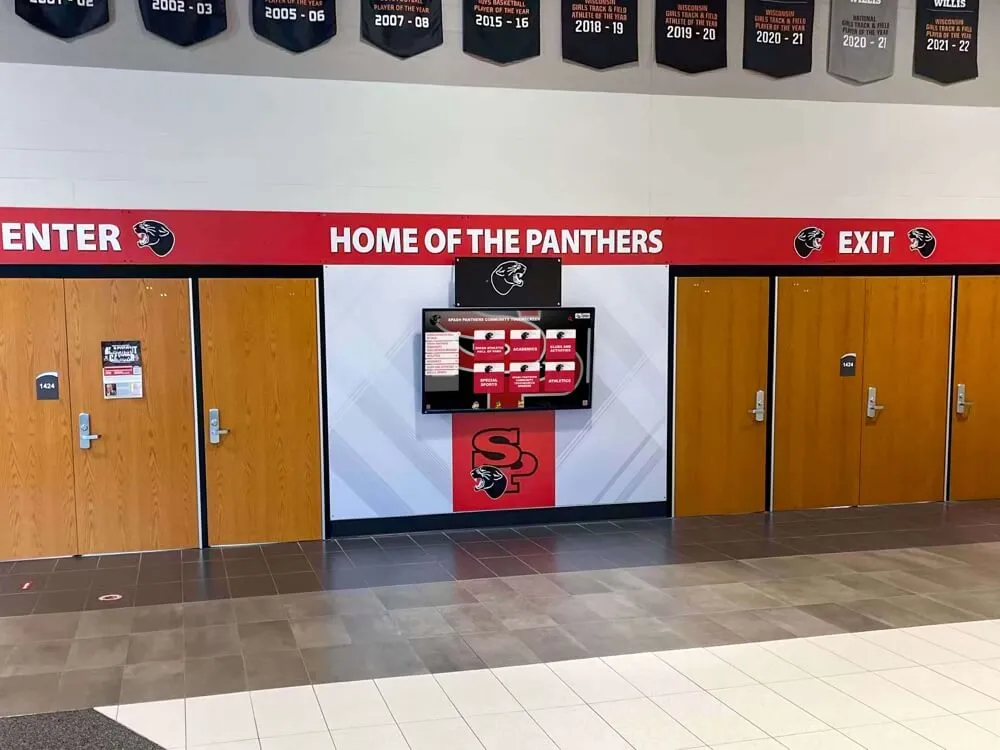
Athletic facility memorials honor coaches, athletes, and supporters who shaped program traditions and achievements
Traditional Custom Memorial Plaque Options
Time-tested memorial approaches continue providing dignified, permanent recognition suitable for many contexts.
Engraved Metal Plaques
Classic metal plaques remain popular for individual memorials:
Material Options and Characteristics
- Bronze: Premium traditional choice with natural patina development over time, suitable for both indoor and outdoor placement
- Brass: Bright gold appearance requiring regular polishing to maintain luster, ideal for prestigious indoor locations
- Aluminum: Cost-effective lightweight option resistant to corrosion, appropriate for both environments
- Stainless Steel: Modern appearance with excellent durability, particularly suitable for contemporary architectural contexts
- Copper: Rich warm tones developing distinctive patina, often chosen for artistic or historical significance
Typical Dimensions and Layouts
Individual memorial plaques commonly measure:
- Small format: 6" x 8" or 8" x 10" for basic name, date, and brief inscription
- Medium format: 10" x 12" or 12" x 16" for additional biographical details or quotes
- Large format: 16" x 20" or larger for comprehensive tributes with extended narratives
Engraving and Design Elements
Personalize metal plaques through:
- Font selection reflecting formality and readability requirements
- Border designs from simple lines to ornate decorative elements
- Organizational seals, logos, or emblems
- Religious symbols appropriate to faith communities
- Photographic reproduction through chemical etching processes
- Raised or recessed lettering affecting visual presentation
- Finish variations including polished, brushed, or oxidized surfaces
Installation Methods
Metal plaques attach through:
- Direct wall mounting with concealed fasteners
- Standoff mounting creating dimensional separation from walls
- Frame mounting incorporating wood or metal borders
- Post mounting for outdoor garden or pathway installations
- Integration into larger memorial wall structures
Cost Considerations
Expect engraved metal plaques to range from $150-800 per plaque depending on size, material, engraving complexity, and quantity ordered. Outdoor installations require weatherproof coatings increasing costs by 15-30%.
Stone and Granite Memorial Markers
Natural stone provides substantial, permanent memorial options:
Stone Types and Applications
- Granite: Extremely durable with minimal maintenance, available in black, gray, red, and other colors
- Marble: Classic elegant appearance with natural veining, though less weather-resistant than granite
- Limestone: Softer stone with warm tones, best suited for protected indoor environments
- Slate: Distinctive layered appearance with excellent engraving contrast
- Sandstone: Earthy appearance appropriate for garden or outdoor memorial settings
Engraving Techniques
Stone memorials utilize:
- Sandblasting: Most common technique creating clean, deep engravings visible indefinitely
- Laser Etching: Precise detail reproduction including photographic images and complex designs
- Hand Carving: Traditional artistic approach for premium custom memorials
- Inlay Work: Incorporating bronze, copper, or other materials into stone for contrast
Size and Configuration Options
Stone memorials range from:
- Individual plaques: 12" x 18" to 24" x 36" mounted on walls or displayed on easels
- Floor medallions: Circular or custom shapes set into flooring
- Memorial benches: Functional seating incorporating inscribed surfaces
- Memorial walls: Large installations accommodating dozens of individual entries
- Freestanding monuments: Substantial outdoor structures for prominent memorials
Schools and organizations creating permanent memorial installations often choose granite for its combination of dignity, permanence, and design flexibility.
Investment Requirements
Stone memorials typically cost $400-3,000+ depending on size, stone type, engraving complexity, and installation requirements. Custom shapes, photographic reproduction, and artistic elements increase costs significantly.
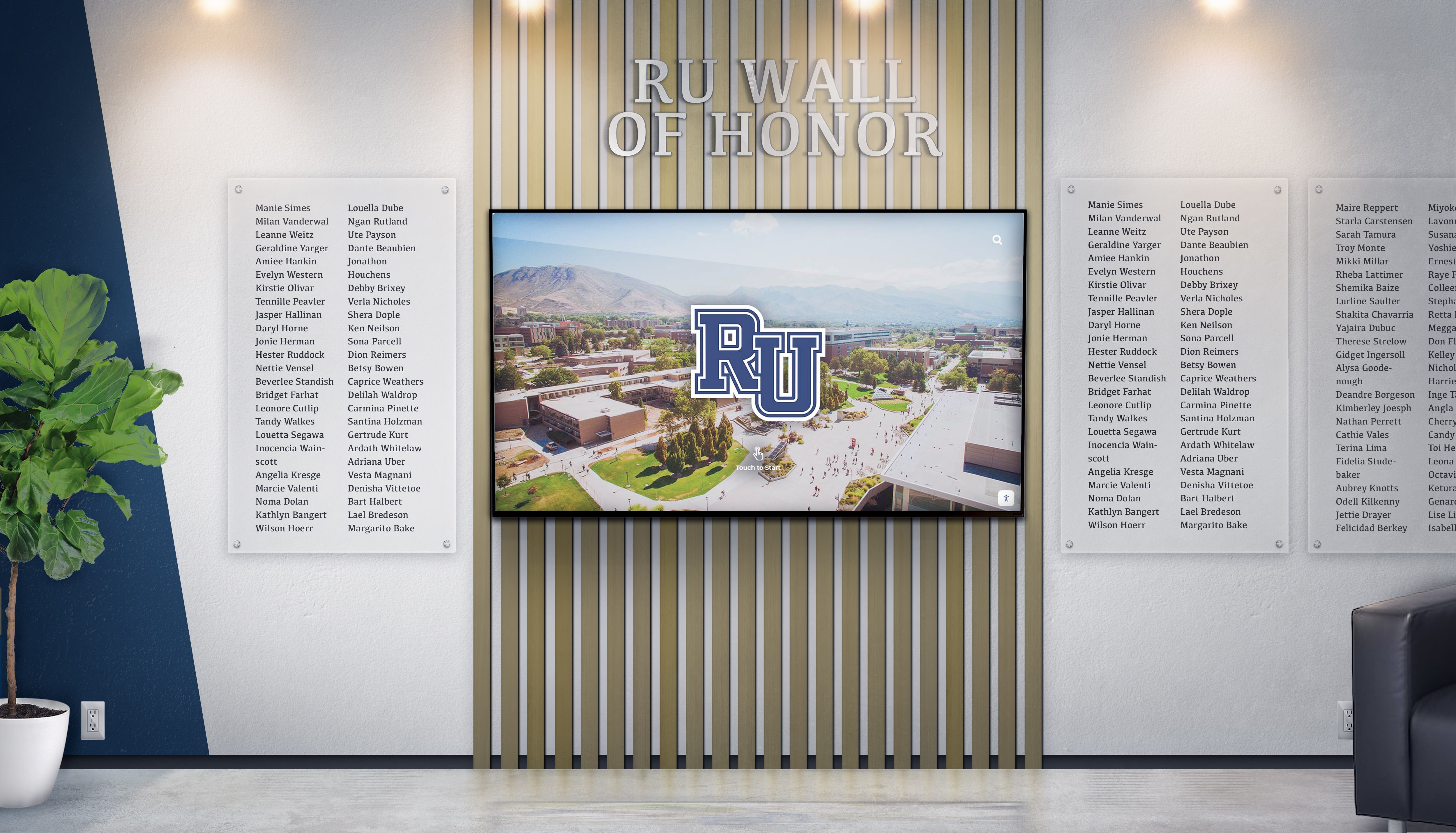
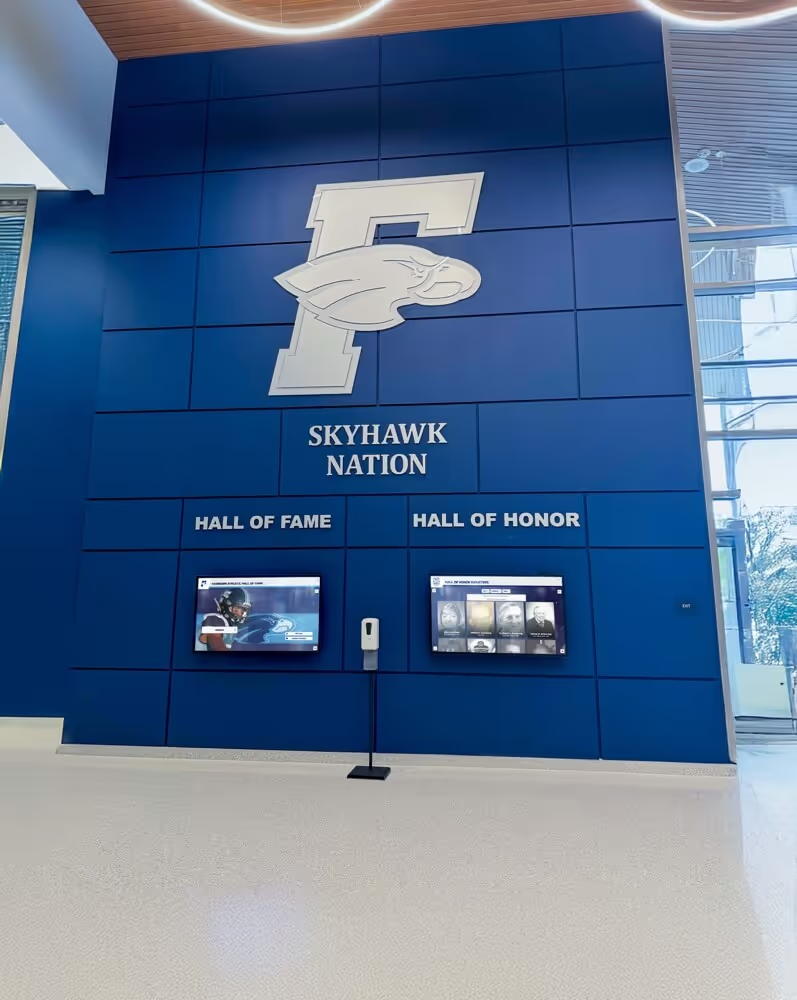
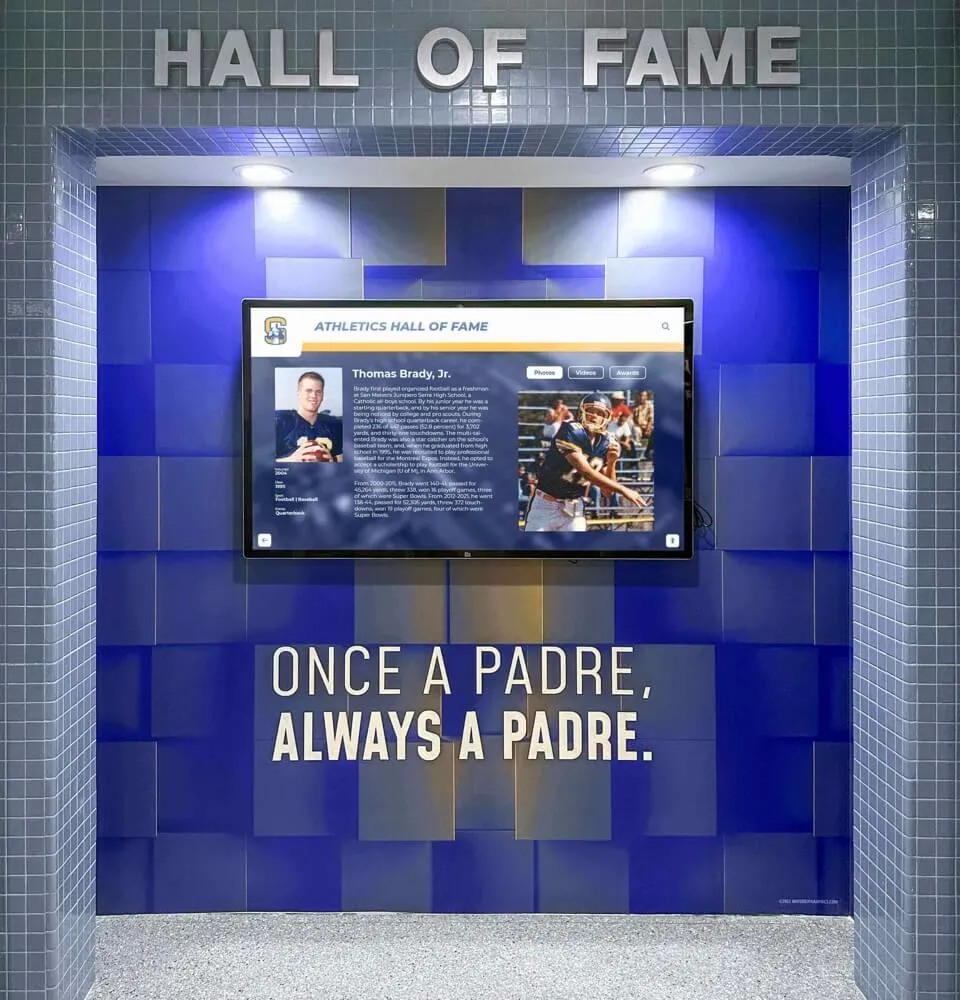
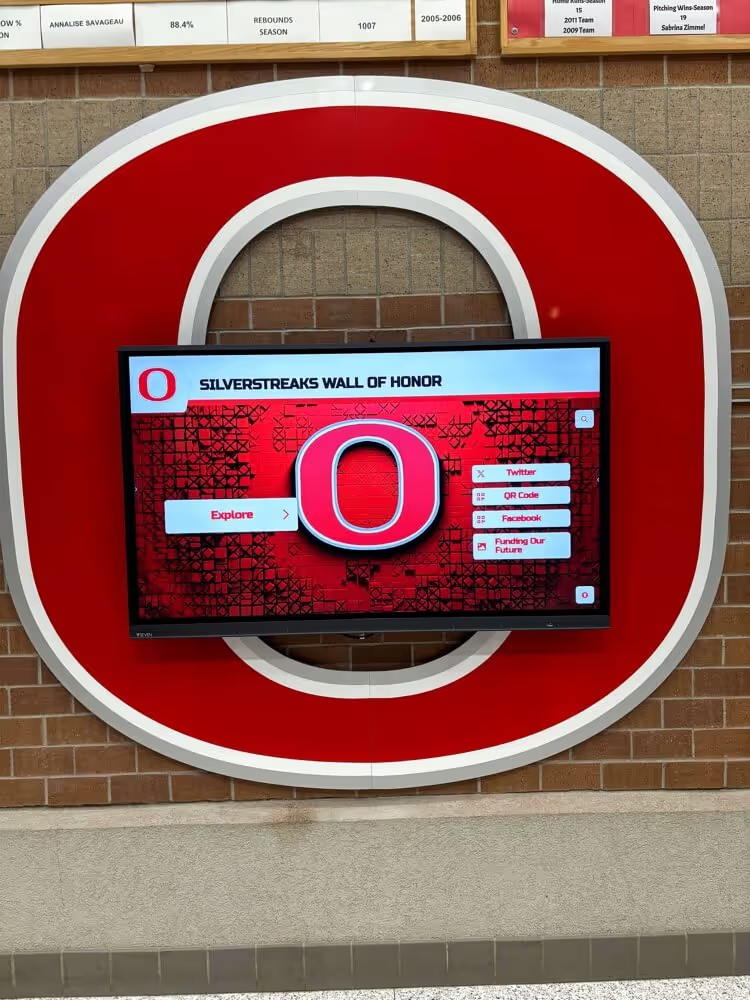
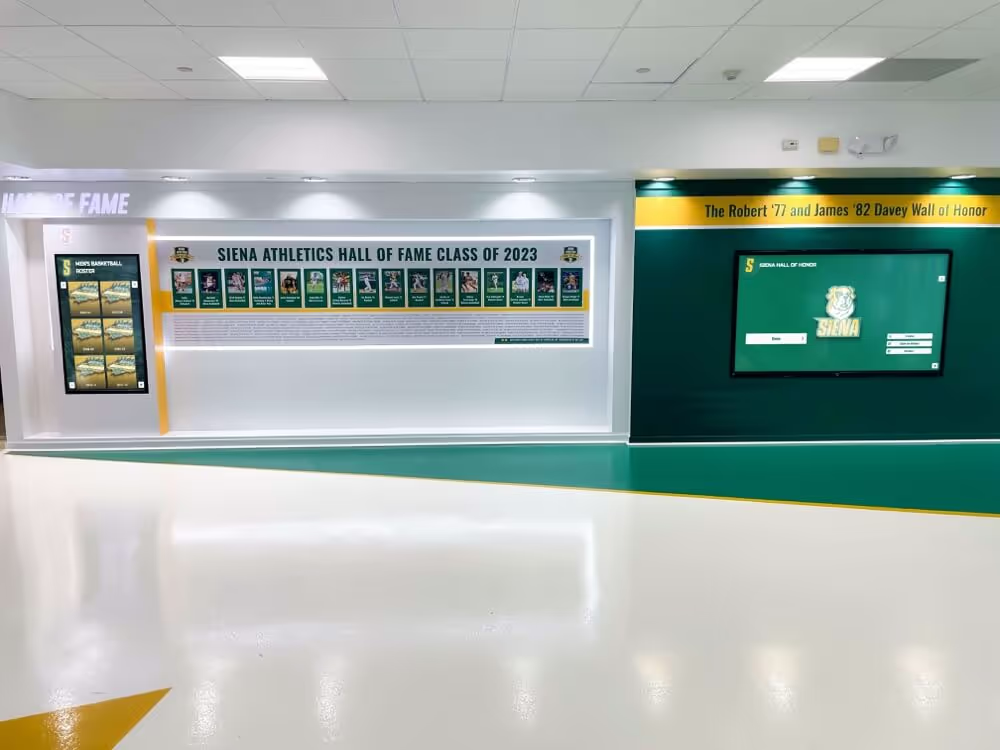
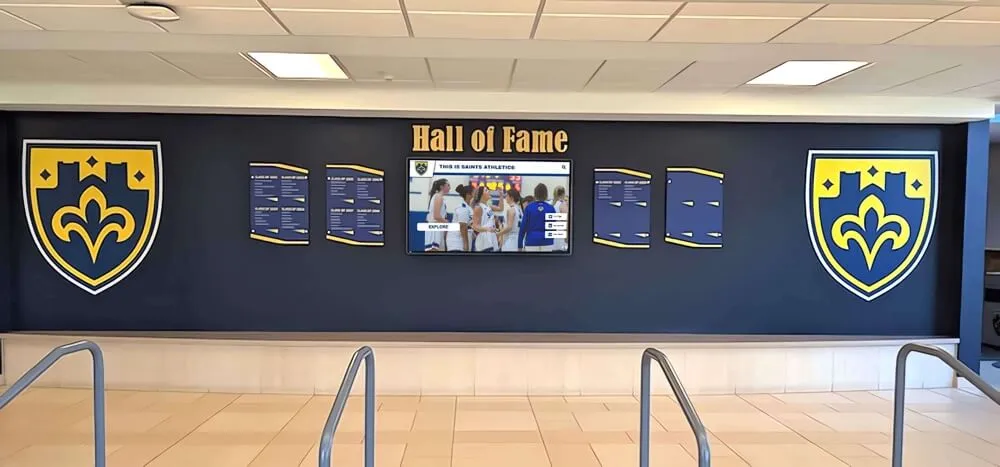
Memorial installations can combine traditional engraved elements with modern display technology for enhanced storytelling and accessibility
Memorial Wall Assemblies
Larger memorial installations accommodate multiple tributes:
Configuration Approaches
- Grid layouts: Uniform plaque sizes arranged in orderly rows and columns
- Tiered arrangements: Varying plaque sizes based on contribution level or memorial category
- Chronological displays: Organization by date honoring long-term institutional history
- Thematic groupings: Clustering memorials by department, era, or contribution type
- Artistic compositions: Custom layouts incorporating architectural or symbolic elements
Expansion Planning
Memorial walls must accommodate future additions:
- Pre-planned expansion space: Allocating blank areas for anticipated growth
- Modular systems: Designs enabling seamless addition of sections as needed
- Continuous formats: Border designs extending naturally without distinct endpoints
- Digital integration: Supplementing physical capacity with unlimited digital tributes
Organizations should plan memorial walls accommodating at least 150-200% of initial needs to prevent premature space exhaustion.
Design Cohesion
Maintain visual consistency through:
- Standardized plaque sizes within categories
- Uniform materials and finishes
- Consistent typography and layout formats
- Coordinated mounting hardware
- Complementary architectural framing
Professional Design Services
Memorial wall design benefits from architectural and design expertise ensuring:
- Appropriate scale and proportion for space
- Proper lighting highlighting tributes
- ADA compliance for viewing height and accessibility
- Professional installation preventing damage
- Maintenance accessibility for cleaning and updates
Memorial Garden Elements
Outdoor memorial options provide contemplative natural settings:
Engraved Brick Pathways
Common participatory memorial approach:
- Standard brick sizes (4" x 8" most common) enabling broad participation
- Engraving limited to 3-4 lines of text due to surface constraints
- Pathway layouts creating walking routes through memorial spaces
- Cost typically $100-250 per brick making entry-level participation accessible
- Regular maintenance required to maintain legibility and appearance
Memorial Benches and Furniture
Functional memorial elements:
- Bench backs or seats incorporating engraved plaques
- Tables or furniture pieces with memorial inscriptions
- Dedication plaques on functional elements throughout gardens
- Typical investment $1,500-5,000 per bench including engraving and installation
Memorial Trees and Plantings
Living memorials connecting nature to remembrance:
- Trees planted with commemorative markers
- Garden beds or plantings with dedication plaques
- Memorial groves honoring groups or multiple individuals
- Requires ongoing landscaping maintenance and eventual tree replacement considerations
For institutions managing comprehensive recognition across campus, outdoor memorial gardens complement indoor tribute displays providing diverse remembrance options.
Climate and Maintenance Factors
Outdoor memorials require:
- Weather-resistant materials and finishes
- Regular cleaning and maintenance schedules
- Seasonal care including snow removal and plant maintenance
- Periodic restoration as weathering occurs
- Accessibility considerations during inclement weather
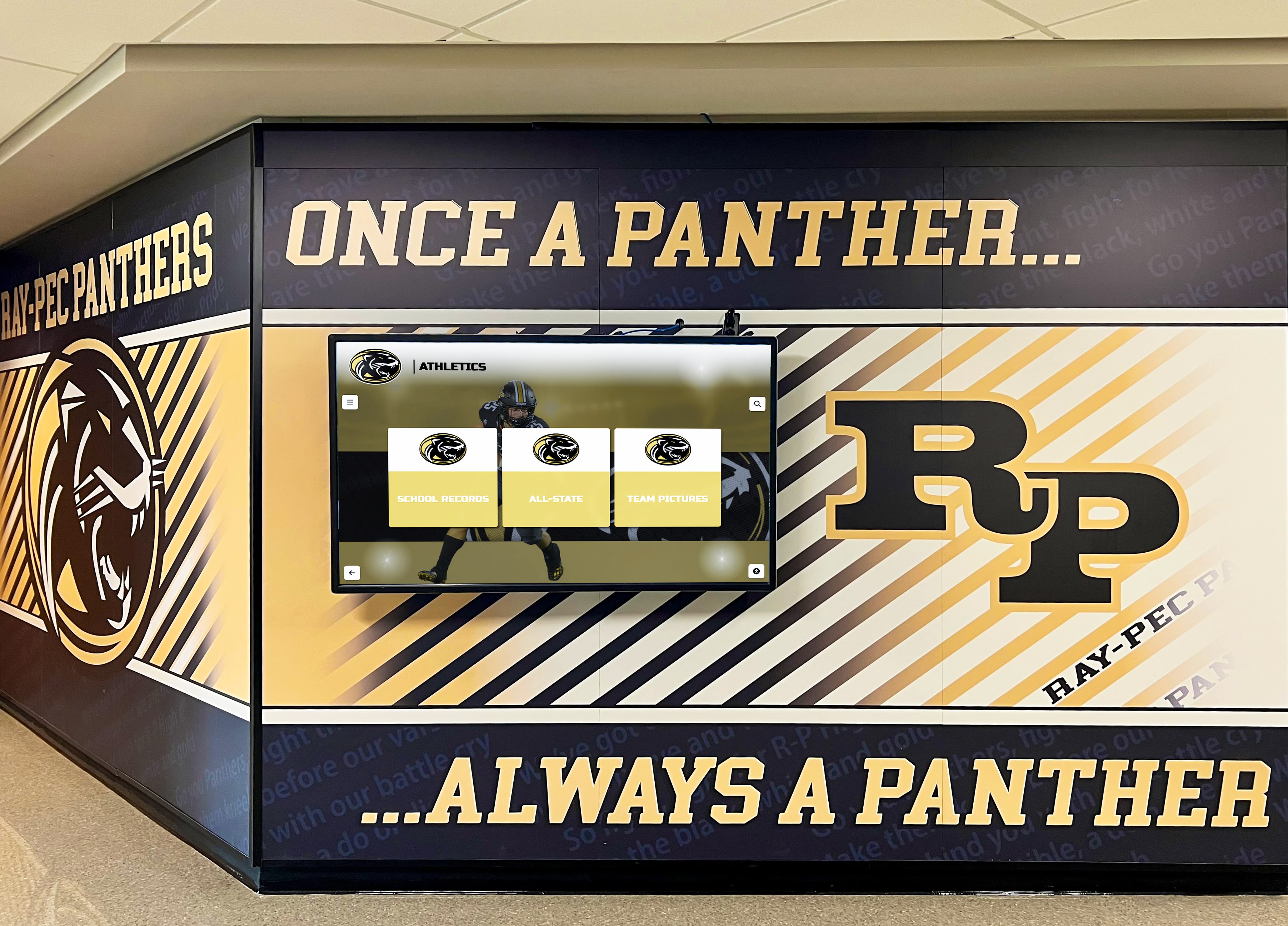
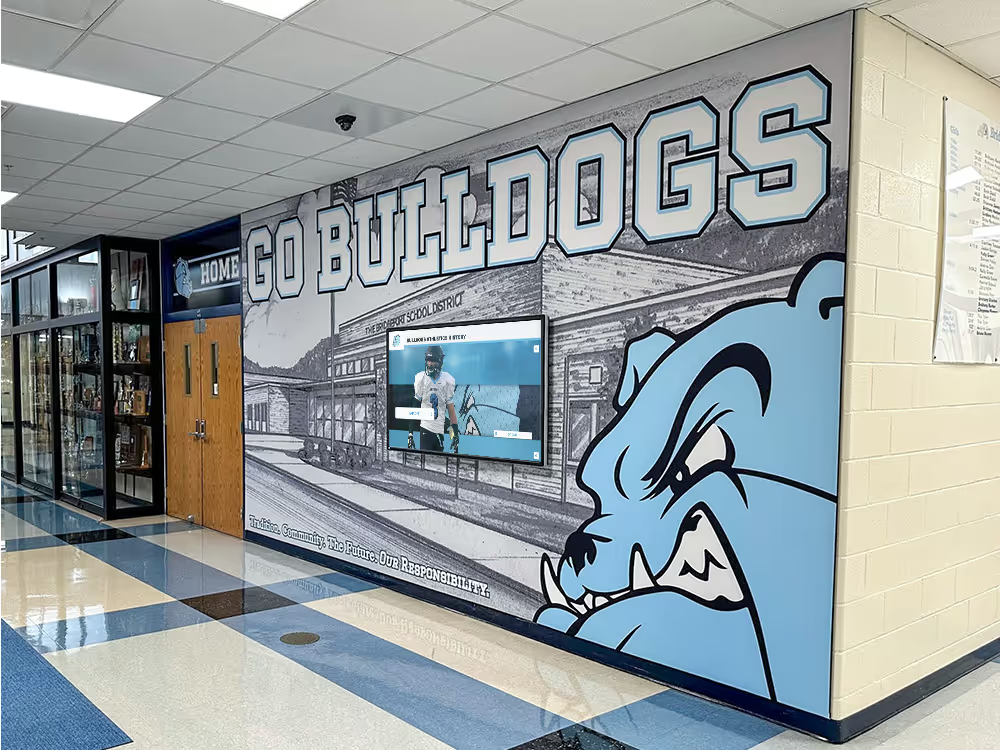
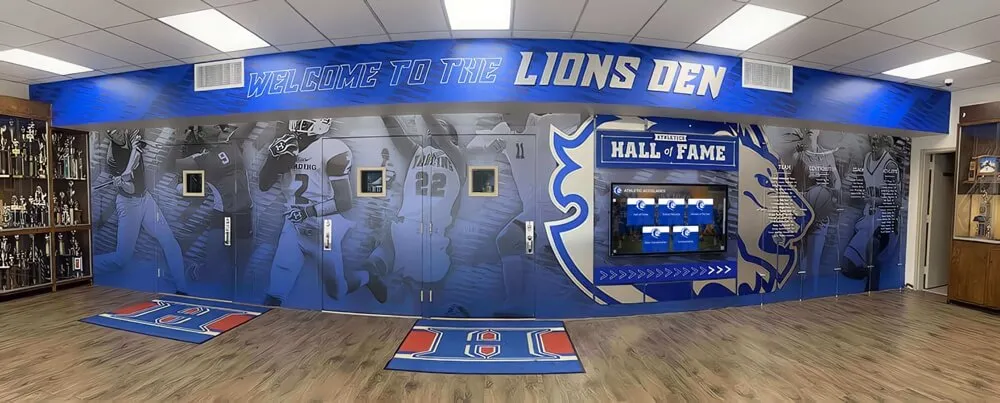
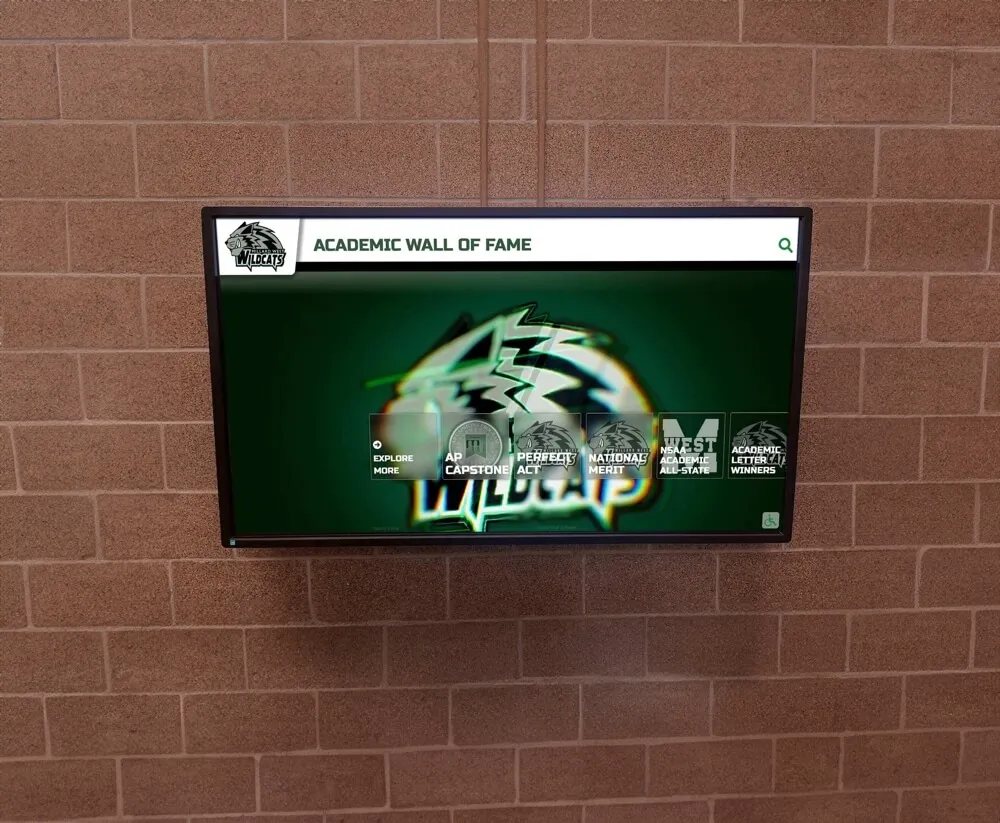
Memorial installations in educational facilities honor individuals while maintaining architectural harmony with surrounding spaces
Personalizing Memorial Plaque Content
Generic memorials fail to capture individual uniqueness. Thoughtful personalization creates meaningful tributes.
Essential Memorial Information
Every memorial should include:
Basic Identification
- Full legal name (including maiden names when appropriate)
- Birth and death dates or active service period
- Professional title, position, or role
- Years of service, tenure, or association with organization
- Significant affiliations or memberships
Biographical Context
Extend beyond basic facts with:
- Brief career summaries highlighting significant achievements
- Educational background and credentials
- Major accomplishments or contributions
- Leadership positions held
- Awards and recognition received during lifetime
- Impact statements describing influence on organization or community
Personal Elements
Humanize memorials through:
- Favorite quotations or personal mottos
- Character qualities or values exemplified
- Hobbies, interests, or passions outside professional roles
- Family acknowledgment when appropriate
- Personal anecdotes illustrating personality or approach
- “In their own words” statements using actual quotations
Memorial Inscription Guidelines
Length and Readability
Balance comprehensiveness with practical constraints:
- Traditional plaques: Limit to 50-100 words ensuring legibility at standard viewing distances
- Larger installations: Expand to 150-250 words for comprehensive tributes
- Multiple sections: Separate basic information from extended biographical details
- Font sizing: Ensure smallest text measures at least 1/4" high for visibility
Organizations implementing recognition systems with extended capacity can provide comprehensive biographies impossible on physical plaques.
Tone and Language
Memorial inscriptions should reflect:
- Respectful formal tone appropriate to solemn context
- Specific details rather than generic platitudes
- Authentic voice reflecting personality when appropriate
- Accessible language avoiding excessive jargon
- Positive focus on contributions and achievements
- Sensitivity to family preferences and cultural considerations
Avoiding Common Pitfalls
Memorial inscription problems to prevent:
- Generic statements applicable to anyone rather than specific individual
- Excessive length making text illegible or overwhelming
- Omitting significant achievements or contributions
- Failing to secure family approval before installation
- Using insider terminology unfamiliar to broader audiences
- Neglecting cultural or religious considerations
Photo and Image Integration
Visual elements enhance memorial personalization:
Traditional Photo Reproduction
Physical plaques can incorporate images through:
- Ceramic photo tiles: Permanent full-color images fused onto ceramic surfaces, weather-resistant for outdoor use
- Laser-etched portraits: Grayscale photo reproduction on metal or stone, creating detailed permanent images
- Embossed photos: Three-dimensional relief representation on metal surfaces
- Enameled images: Hand-applied enamel creating artistic portrait representations
Photo integration typically adds $100-400 to memorial costs depending on size and technique.
Photo Selection Guidelines
Choose memorial photos showing:
- Clear facial visibility and recognition
- Professional appearance appropriate to context
- Positive expressions reflecting personality
- Current or prime career-period representation depending on preference
- High-resolution quality enabling reproduction without pixelation
- Appropriate backgrounds without distracting elements
Securing Family Permission
Always obtain explicit family consent for:
- Photo usage in public memorial displays
- Biographical information included in inscriptions
- Quotations or personal statements attributed to deceased
- Contact information if memorial enables ongoing connection
Respect privacy preferences while honoring memory appropriately.
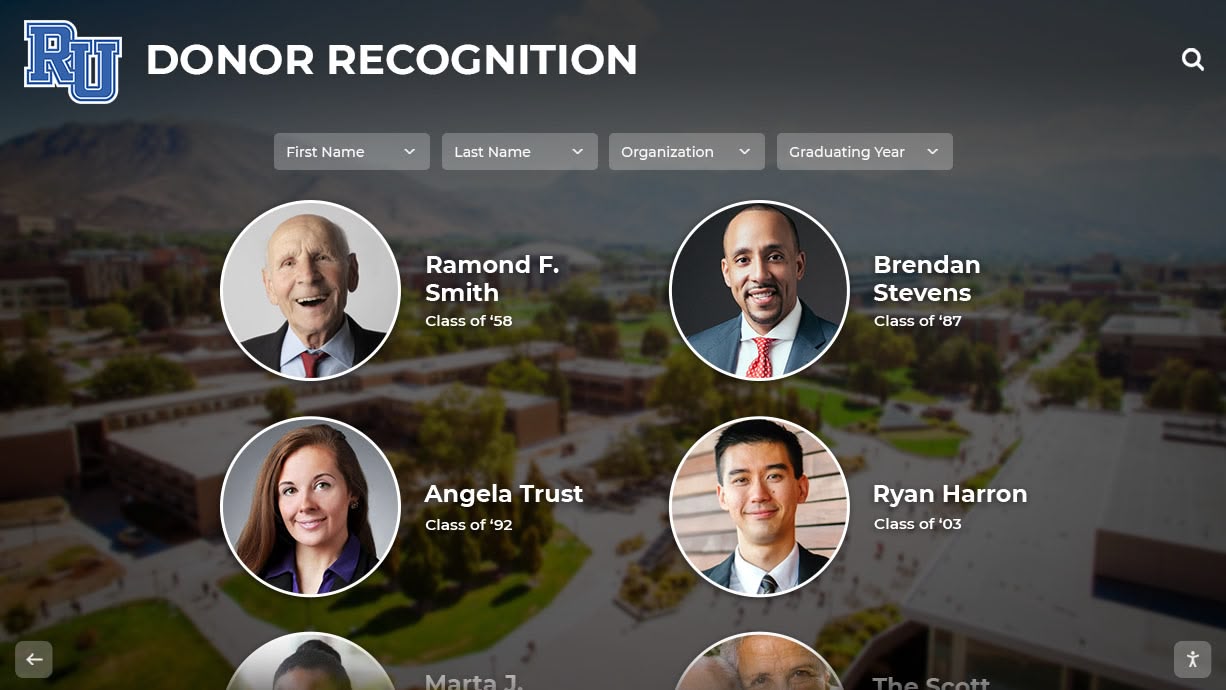
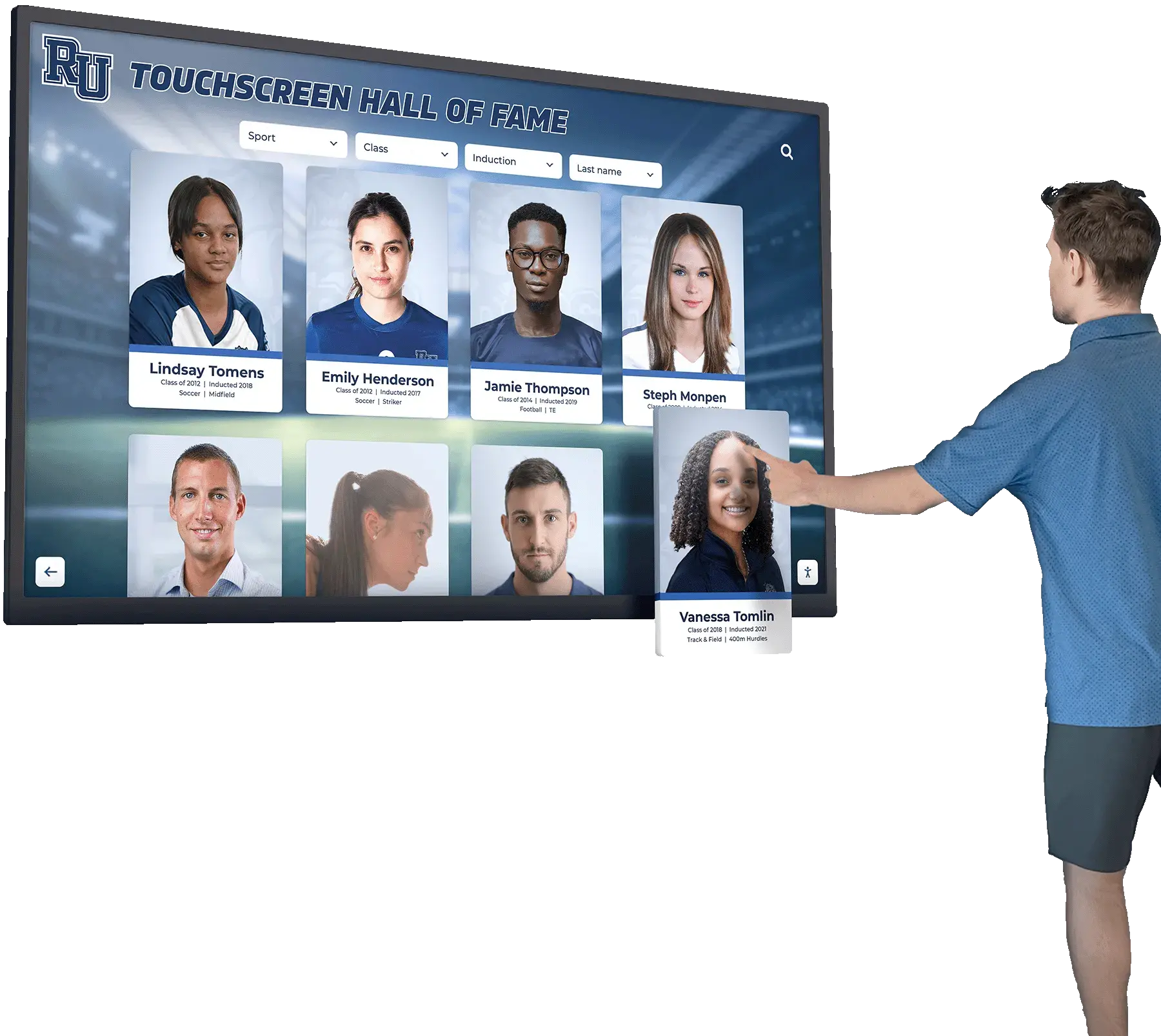
Portrait integration in memorial displays helps personalize tributes while providing visual recognition for current and future community members
Modern Digital Memorial Solutions
Contemporary technology addresses traditional memorial limitations while enhancing personalization and accessibility.
Digital Memorial Wall Systems
Interactive touchscreen displays transform memorial capabilities:
Unlimited Capacity
Physical memorial walls eventually fill completely, forcing difficult decisions about which individuals to include or exclude. A school memorializing teachers across decades might need space for 50-100+ individuals. Traditional walls require extensive physical space and substantial investment.
Digital memorial systems eliminate these constraints. A single touchscreen display can honor unlimited individuals—accommodating 100, 500, or 1,000+ memorials without additional space requirements or incremental costs per entry.
Comprehensive Biographical Content
Traditional plaques limit content to basic facts due to space constraints. Digital memorials enable comprehensive tributes including:
- Extended biographical narratives describing full careers and contributions
- Multiple high-quality photographs from various life periods
- Video tributes featuring family interviews or archival footage
- Audio recordings of voices, speeches, or performances
- Document archives including published works, letters, or historical materials
- Impact statements from colleagues, students, or community members
- Family statements providing personal perspectives and remembrance
Search and Navigation Features
Large memorial collections become difficult to navigate. Visitors looking for specific individuals on walls with dozens or hundreds of plaques must search systematically—often unsuccessfully.
Digital systems provide:
- Alphabetical search by surname enabling instant location
- Department or affiliation filtering
- Timeline browsing by date or service period
- Keyword search across all biographical content
- Featured memorial rotation highlighting specific individuals
- Random discovery encouraging exploration beyond targeted searches
Easy Updates and Maintenance
Traditional memorials require professional services for any modifications:
- Correcting errors necessitates replacing entire plaques
- Adding new memorials costs $200-500+ per entry
- Updating information is effectively impossible once engraved
- Photo reproduction quality degrades over time requiring restoration
Digital memorial content updates instantly through cloud-based content management:
- Staff log in from any device to make corrections immediately
- Adding new memorials requires no physical installation or additional cost
- Biographical information expands as new details become available
- Photos update or supplement easily maintaining current quality
Organizations managing digital memorial and recognition systems can maintain comprehensive, current tributes without the constraints and recurring costs of physical installations.
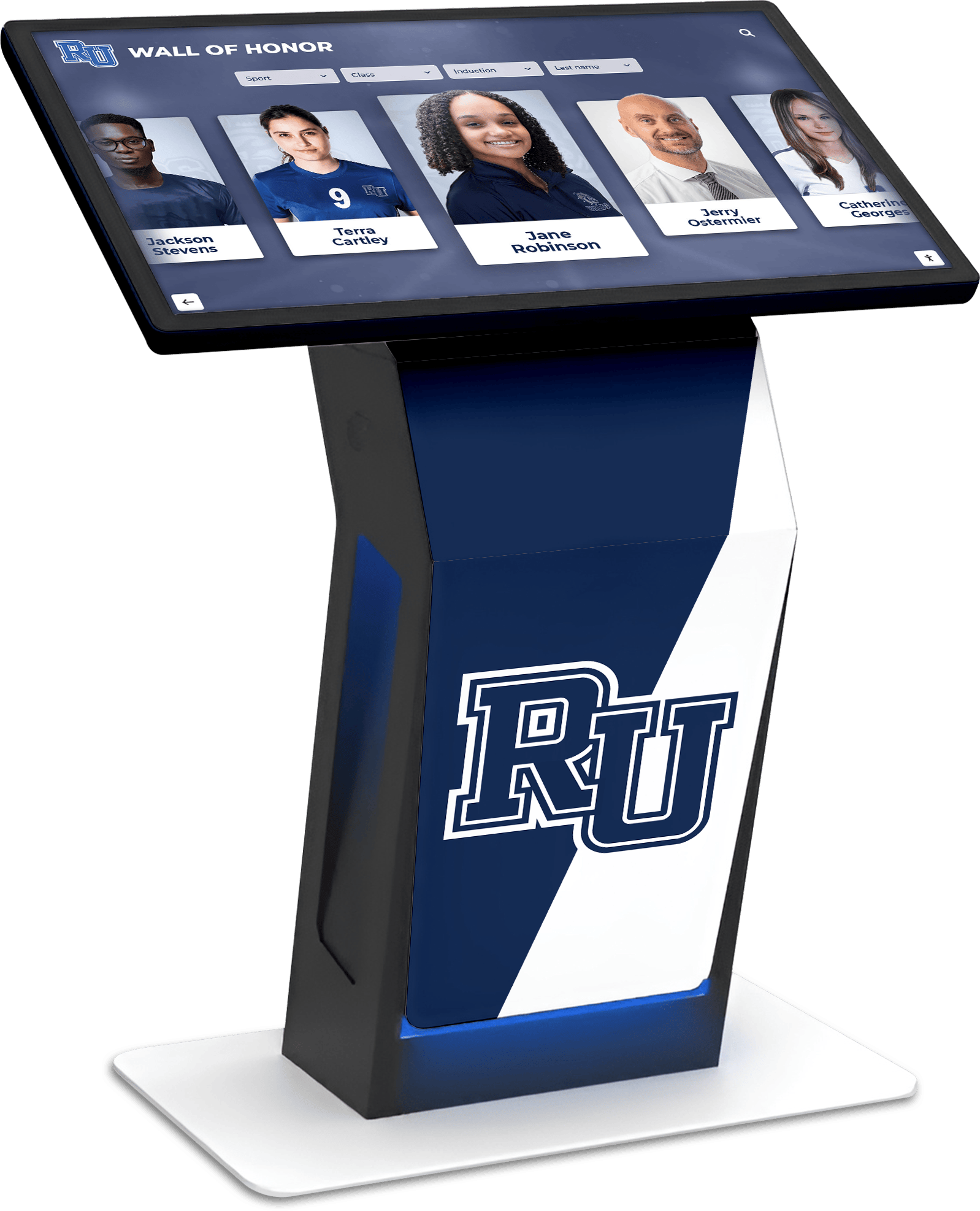
Interactive memorial kiosks provide comprehensive tributes accessible to families, students, and visitors without physical space constraints
Hybrid Memorial Approaches
Many organizations combine traditional and digital elements:
Physical Memorial with Digital Extension
Maintain traditional engraved wall honoring highest-profile memorials while supplementing with digital display accommodating comprehensive community remembrance:
- Traditional plaques: Honor founding leaders, long-serving members, or major contributors with physical memorials
- Digital supplement: Include all others in searchable digital system eliminating exclusion concerns
- Cross-referencing: Physical plaques direct visitors to expanded digital biographies
This hybrid approach preserves traditional aesthetic preferences while addressing practical capacity limitations.
QR Code Integration
Add QR codes to traditional plaques enabling smartphone access to extended content:
- Physical plaque provides basic memorial information
- QR code links to comprehensive online memorial page
- Families access photos, videos, and extended narratives without physical display constraints
- Cost-effective enhancement of existing memorial installations
Video Display Rotation
Supplement traditional memorial walls with adjacent digital screens displaying:
- Memorial photo slideshows with biographical information
- Video tribute compilations
- Historical footage and archival materials
- Family-provided remembrance content
- Rotating featured memorials ensuring comprehensive visibility over time
Memorial Accessibility Considerations
Digital systems excel at accessibility:
Multiple Format Presentation
- Large text sizing for vision-impaired visitors
- High-contrast viewing modes
- Screen reader compatibility for comprehensive accessibility
- Audio description capabilities for visual content
- Multiple language support for diverse communities
Remote Access Options
Modern memorial systems enable:
- Online memorial directories accessible worldwide
- Family sharing capabilities
- Mobile device compatibility
- Alumni and community member access regardless of physical proximity
Educational institutions and organizations implementing comprehensive digital recognition often include memorial tributes alongside achievement recognition, creating integrated institutional history platforms.
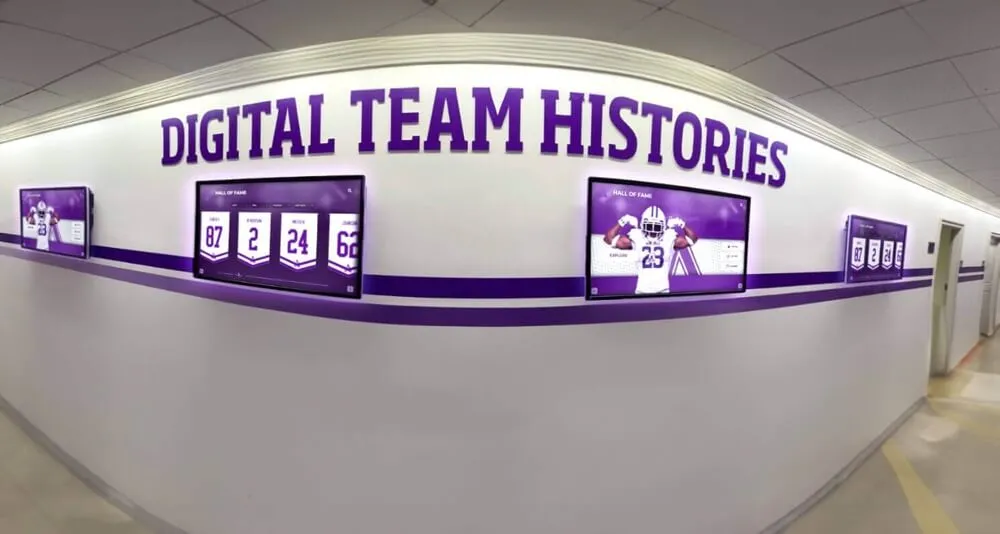
Networked memorial displays provide consistent tributes across multiple facility locations while enabling centralized content management
Memorial Design and Aesthetic Considerations
Effective memorials balance beauty, dignity, and accessibility.
Architectural Integration
Memorial installations should complement surrounding environments:
Material Coordination
Match or complement existing architectural materials:
- Wood memorials in facilities featuring timber construction
- Stone installations coordinating with masonry architecture
- Metal selections reflecting hardware finishes throughout buildings
- Color palettes harmonizing with institutional branding
- Contemporary digital displays integrated with modern facility aesthetics
Scale and Proportion
Size memorial installations appropriately:
- Modest spaces require restrained memorial sizes preventing overwhelming
- Large lobbies or hallways accommodate substantial memorial walls
- Viewing distance dictates minimum text sizing and layout
- Ceiling height affects vertical memorial dimensions
- Multiple smaller installations may suit distributed facilities better than single large memorial
Lighting Design
Proper illumination ensures visibility and dignity:
- Dedicated memorial lighting highlighting displays
- Adjustable fixtures accommodating different times of day
- Backlighting enhancing readability and visual interest
- Avoiding glare on polished surfaces or digital screens
- Energy-efficient LED systems providing consistent illumination
Cultural and Religious Sensitivity
Memorial design must respect diverse beliefs:
Symbol Selection
Choose inclusive imagery or offer customization:
- Religious symbols appropriate for faith-based organizations
- Secular designs for public institutions serving diverse populations
- Optional symbol customization for individual memorials
- Cultural motifs reflecting community demographics
- Universal symbols like doves, trees, or flames when inclusive approach desired
Language and Terminology
Be mindful of diverse perspectives:
- “In loving memory” versus “in celebration of life” reflecting different traditions
- Religious versus secular blessing or closing statements
- Cultural approaches to death acknowledgment and remembrance
- Multiple language options for diverse communities
- Consultation with affected families ensuring cultural appropriateness
Privacy and Disclosure Preferences
Respect varying comfort levels with public memorialization:
- Optional anonymous memorials for those preferring privacy
- Tiered disclosure allowing name-only versus comprehensive biographical sharing
- Family control over memorial content and visibility
- Removal or modification options if circumstances change
- Secure permission processes before public display
For institutions managing memorial recognition alongside other community tributes, integrated systems can accommodate diverse preferences and cultural requirements.
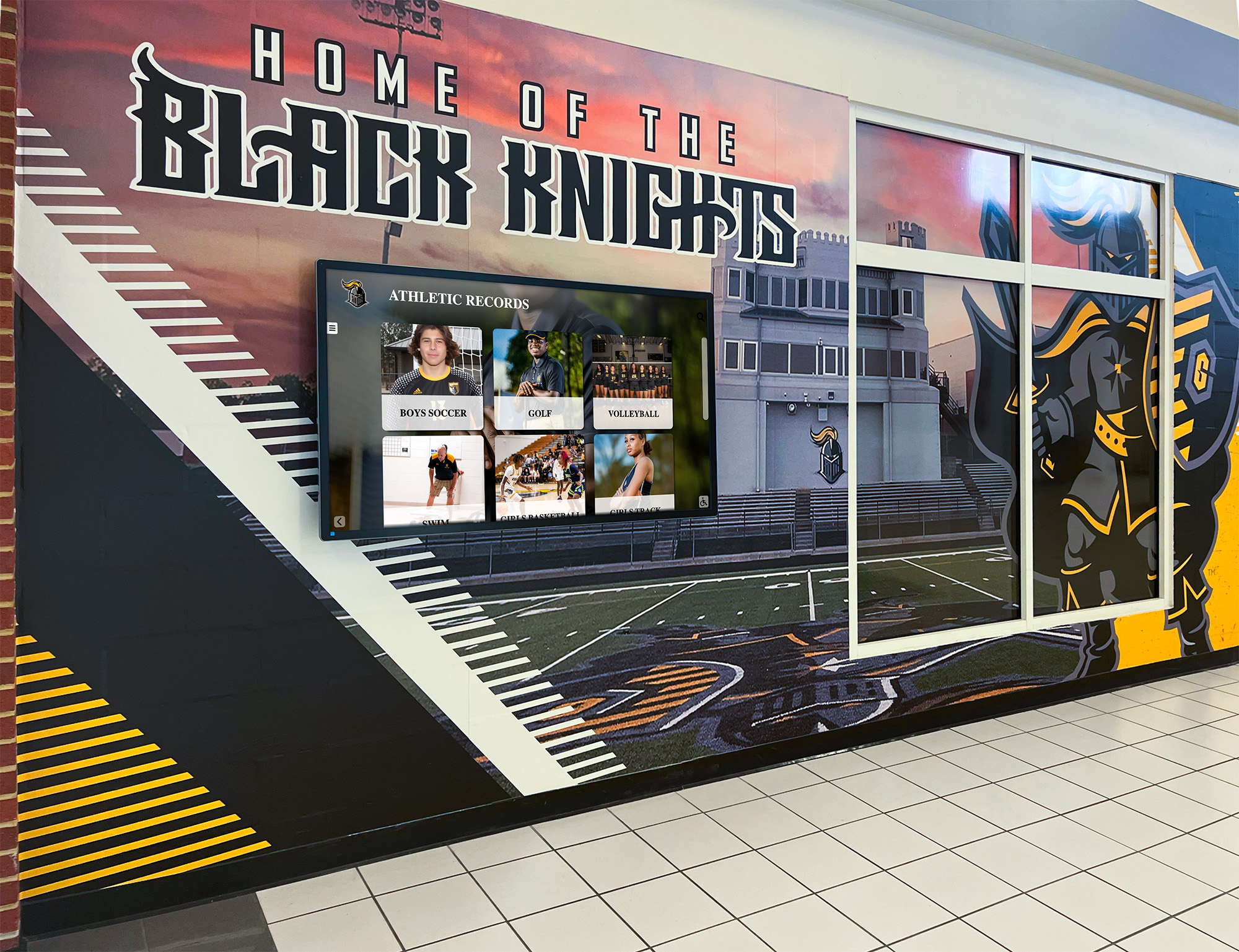
Memorial installations in educational settings combine respectful acknowledgment with institutional identity and tradition
Memorial Program Administration and Policies
Systematic approaches ensure consistent, fair memorial recognition.
Eligibility Criteria
Establish clear standards for memorial inclusion:
Service-Based Criteria
Common thresholds include:
- Educational institutions: Minimum 10-15 years of employment for faculty/staff memorials
- Organizations: Minimum service periods or board membership duration
- Religious communities: Minimum membership duration or contribution thresholds
- Exceptions: Allow flexibility for extraordinary circumstances like line-of-duty deaths or exceptional contributions
Contribution-Based Criteria
For donor or benefactor memorials:
- Minimum gift thresholds ($25,000-$100,000+ typical for major memorials)
- Cumulative lifetime giving levels
- Planned giving commitments meeting minimum values
- Non-financial contribution recognition for exceptional volunteer service
Committee Review
Many organizations establish memorial review committees ensuring:
- Consistent application of criteria
- Consideration of special circumstances
- Family liaison and communication
- Design approval and content verification
- Installation scheduling and coordination
Timeline Considerations
Post-Death Waiting Periods
Some organizations implement waiting periods (typically 6-12 months) before memorial installation allowing:
- Family healing and recovery time
- Appropriate tribute planning and design
- Content gathering and verification
- Fundraising for memorial costs when applicable
Anniversary Memorialization
Alternative approaches include:
- Annual memorial ceremonies recognizing all individuals passing during previous year
- Periodic memorial additions (every 2-3 years) consolidating installations
- Immediate acknowledgment through temporary displays pending permanent memorialization
Cost Management Structures
Organizational Funding
Some institutions fund all memorials centrally:
- Consistent memorial quality and design
- Elimination of family financial burden
- Simplified administration
- Clear budget planning and projection
Family-Funded Memorials
Alternatively, families may underwrite memorial costs:
- Family control over memorial design and content
- Reduced institutional expense
- Potential quality and consistency variation
- Sensitivity required around financial constraints
Hybrid Approaches
Many organizations implement tiered systems:
- Institutional funding covers standard memorials meeting basic criteria
- Enhanced memorials available through family contributions
- Donation opportunities allowing others to sponsor memorials
- Endowment funds generating ongoing memorial maintenance revenue
For organizations implementing comprehensive memorial and recognition systems, digital platforms significantly reduce per-memorial costs enabling broader inclusion without budget constraints.
Content Guidelines and Approval
Biographical Accuracy
Ensure memorial content accuracy through:
- Verification of dates, names, and factual information
- Review of biographical summaries against records
- Fact-checking of achievements and contributions
- Citation of awards and recognition
- Family verification of personal information
Family Approval Process
Establish clear protocols:
- Advance family review of all content before installation
- Reasonable modification periods allowing input
- Final sign-off requirements before proceeding
- Ongoing communication maintaining family connection
- Update processes if circumstances change
Dispute Resolution
Prepare for occasional disagreements:
- Clear policies guiding content decisions
- Administrative review processes for contested memorials
- Mediation resources for family conflicts
- Withdrawal options if consensus cannot be reached
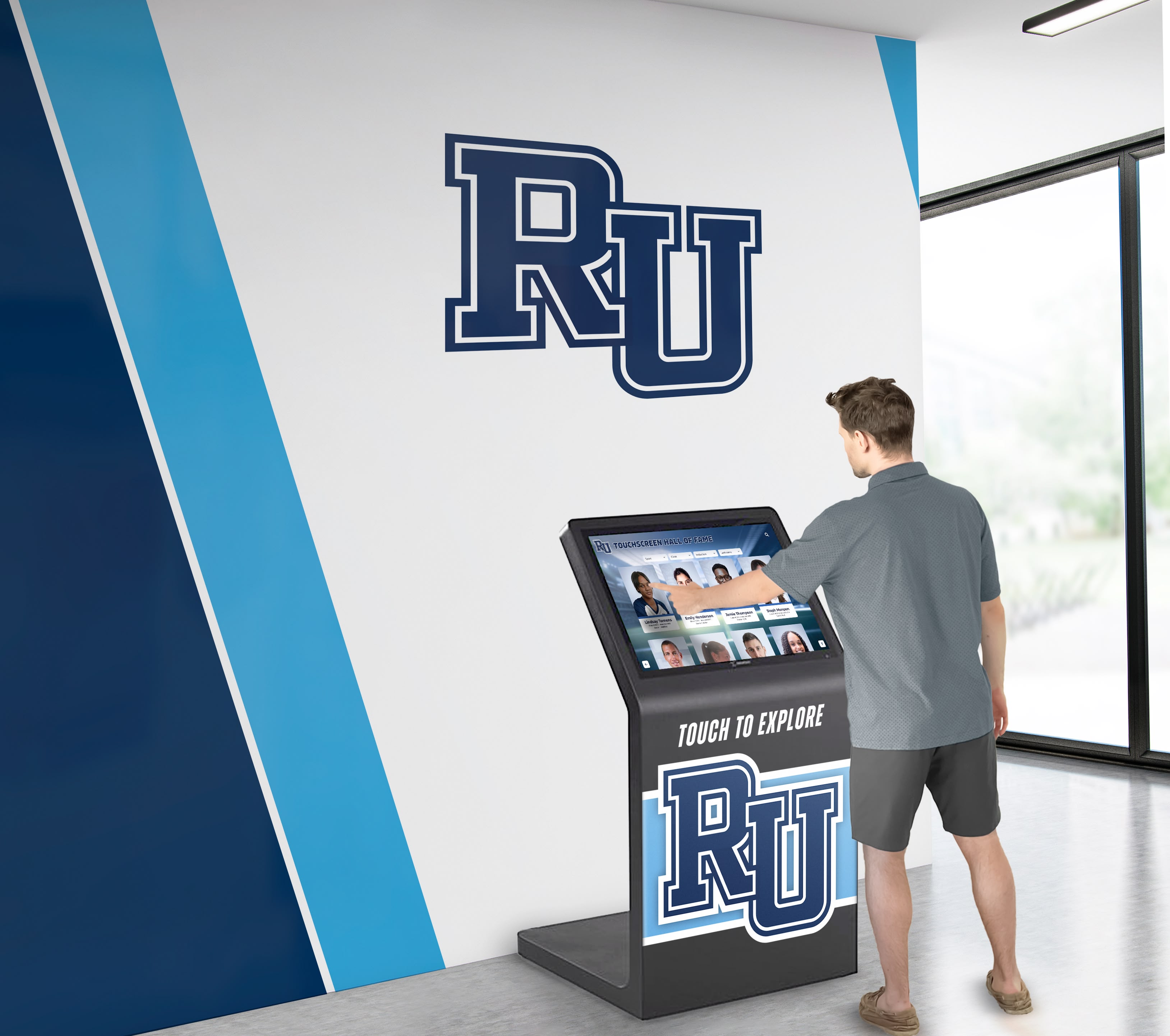
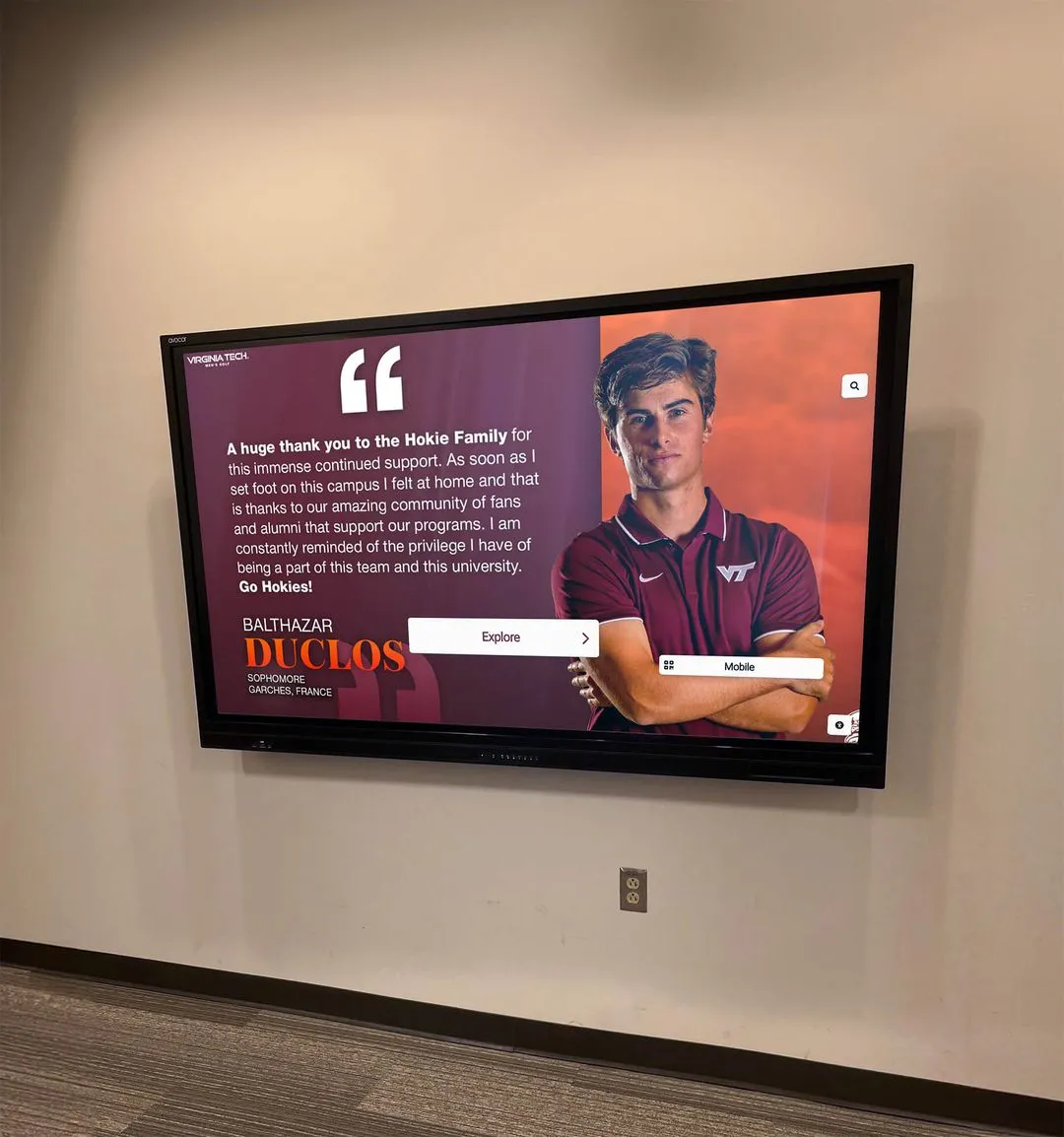
Modern memorial systems provide user-friendly interfaces enabling visitors to explore tributes and learn about those being honored
Memorial Maintenance and Preservation
Sustaining memorial quality over decades requires systematic care.
Physical Memorial Maintenance
Regular Cleaning Schedules
Traditional memorials need consistent care:
- Metal plaques: Quarterly cleaning removing dust, fingerprints, and tarnish
- Stone memorials: Semi-annual cleaning with appropriate stone-specific products
- Outdoor installations: More frequent cleaning addressing weathering and environmental exposure
- Glass or acrylic: Weekly cleaning maintaining clarity and visibility
Periodic Restoration
Even quality memorials eventually require:
- Re-engraving or re-finishing when weathering affects legibility
- Replacement of damaged or deteriorated elements
- Refinishing of metal surfaces experiencing corrosion
- Resealing of outdoor stone preventing moisture damage
Budget 10-15% of original installation costs annually for maintenance and eventual restoration.
Digital Memorial System Maintenance
Software and Content Updates
Digital systems require:
- Regular software updates ensuring security and functionality
- Content additions as new memorials are needed
- Photo and biographical information updates
- Technical support for troubleshooting issues
- User interface improvements based on feedback
Hardware Lifecycle Management
Plan for technology refresh:
- Touchscreen displays: 5-7 year typical replacement cycle
- Computer hardware: 4-6 year replacement intervals
- Network infrastructure: Ongoing updates maintaining connectivity
- Mounting hardware: Periodic inspection ensuring secure installation
Organizations implementing solutions like Rocket Alumni Solutions benefit from comprehensive support including software updates, technical assistance, and content management guidance.
Historical Documentation
Preserve memorial information comprehensively:
Digital Archives
Maintain records including:
- All biographical content and memorial inscriptions
- Original photo files and multimedia content
- Family contact information for future communication
- Installation documentation and design specifications
- Approval records and committee decisions
Institutional History Integration
Connect memorials to broader history:
- Chronicle institutional evolution through memorial timeline
- Document how individuals shaped organizational development
- Preserve stories for future generations
- Create searchable historical databases
- Enable research and historical inquiry
For educational institutions and organizations managing comprehensive historical archives, memorial tributes integrate naturally with broader preservation initiatives.
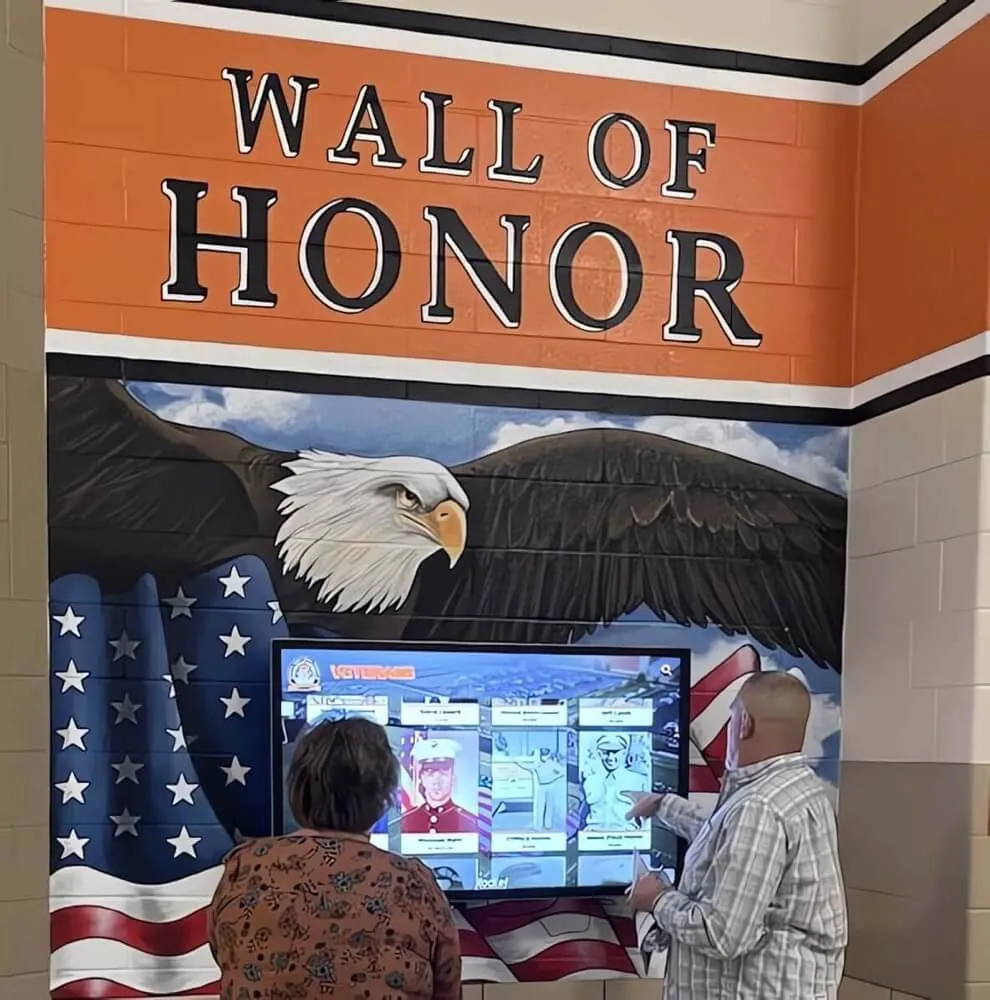
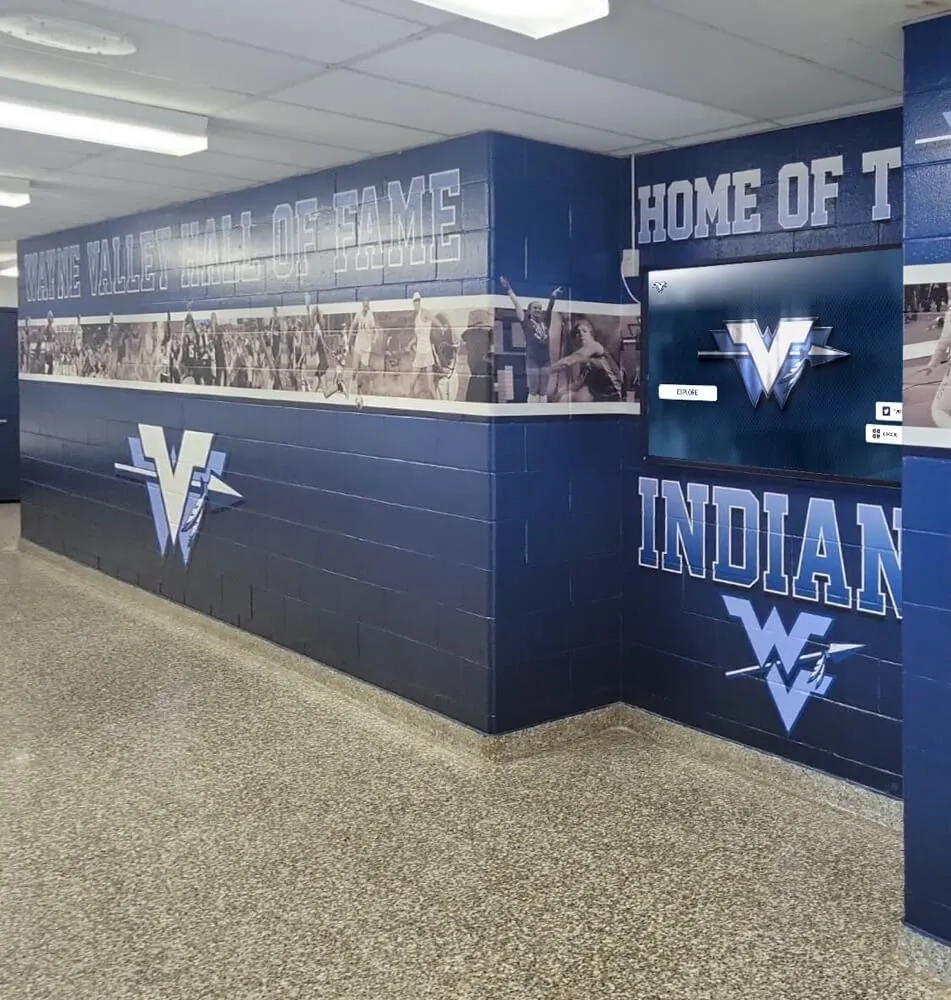
Thoughtfully designed memorial installations create spaces where communities gather to honor those who shaped institutional history
Memorial Dedication and Unveiling Ceremonies
Formal dedication events provide meaningful family acknowledgment.
Planning Memorial Ceremonies
Event Timing
Schedule dedications considering:
- Family availability and preferences
- Anniversary dates significant to deceased
- Organizational calendar avoiding conflicts
- Weather considerations for outdoor memorials
- Adequate planning time for meaningful preparation
Attendee Coordination
Memorial ceremonies typically include:
- Immediate family members as primary guests of honor
- Extended family and close personal friends
- Organizational leadership and colleagues
- Community members with connections to deceased
- Current students, members, or organizational participants
Program Elements
Effective dedication ceremonies incorporate:
- Welcome remarks from organizational leadership
- Biographical tribute summarizing contributions and legacy
- Family member remarks (optional based on preference)
- Memorial unveiling or dedication moment
- Musical selections or cultural elements appropriate to context
- Reception or gathering time for personal sharing
- Photo opportunities for family at memorial
Virtual Participation Options
Enable broader participation through:
- Live streaming of ceremonies for distant family
- Recording and archiving for future viewing
- Virtual memorial book allowing online condolences
- Social media sharing with family permission
- Online memorial pages supplementing physical tributes
Post-Ceremony Communication
Following dedications:
- Thank attendees through personalized communication
- Share photos with family members
- Distribute ceremony recordings
- Update memorial website or digital displays
- Begin promoting memorial to broader community
Organizations implementing comprehensive community recognition systems can coordinate memorial tributes with other celebratory acknowledgment, creating integrated institutional culture.
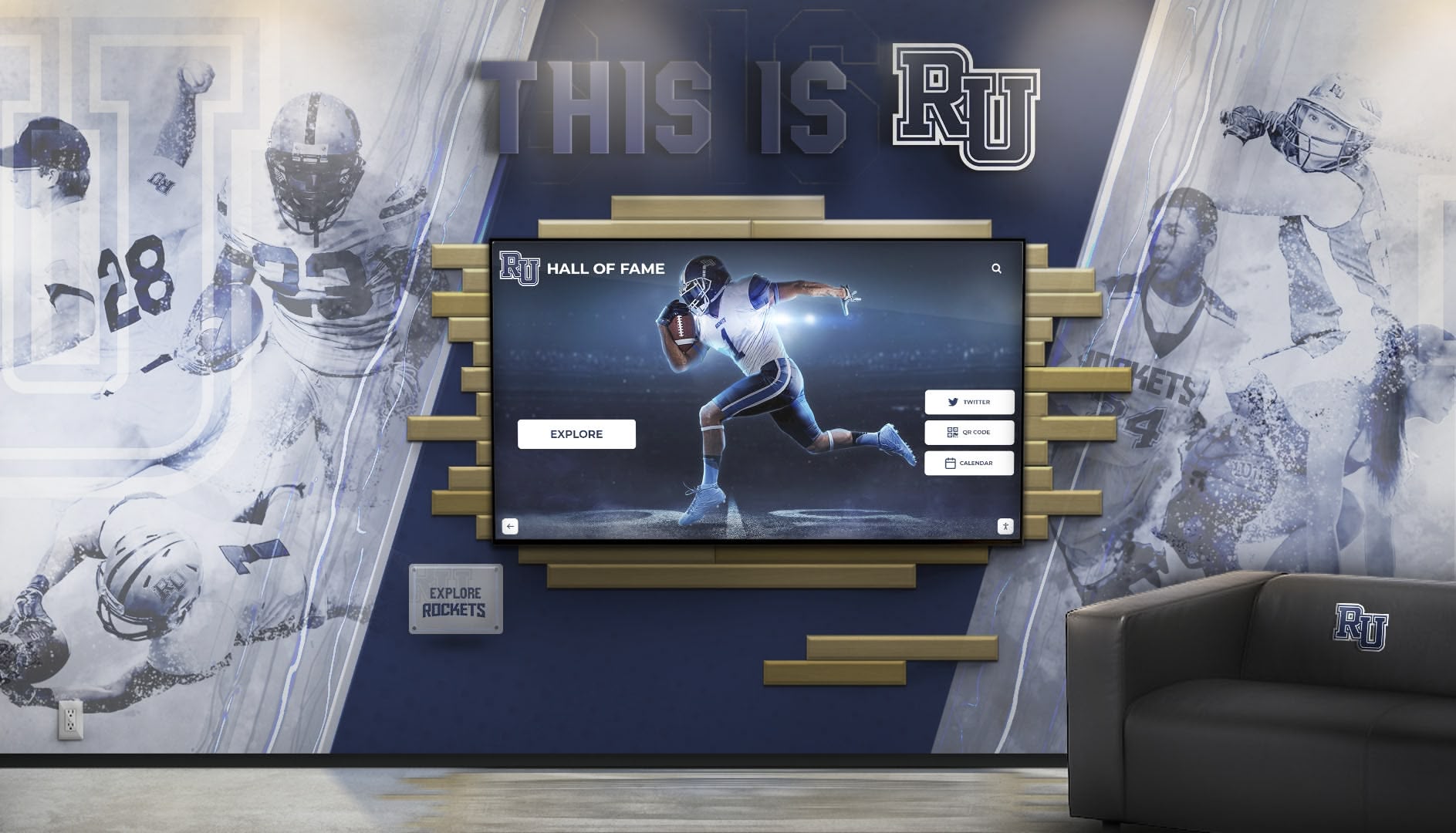
Memorial displays in institutional lobbies create prominent tributes visible to entire communities while honoring individual contributions
Comparing Memorial Approach Options
Understanding trade-offs helps guide decision-making:
Traditional vs. Digital Memorial Comparison
When Traditional Memorials Work Best:
- Small, stable community with limited anticipated memorials (fewer than 25-30 individuals)
- Adequate permanent wall space in high-visibility protected location
- Organizational culture strongly valuing permanent physical installations
- Budget accommodates ongoing per-memorial costs ($200-500+ per addition)
- Simple name/date/basic information meets community expectations
- No need for photos, extended biographies, or multimedia content
When Digital Memorials Offer Advantages:
- Growing community anticipating many memorials over time
- Limited physical wall space constraining traditional approaches
- Desire for comprehensive biographical content, photos, and stories
- Budget requires cost-effective unlimited-capacity solution
- Need for easy updates, corrections, and content additions
- Preference for searchable, accessible memorial information
- Interest in analytics showing memorial engagement patterns
Cost Comparison Over Time
Traditional Memorial Investment:
Initial wall installation: $5,000-25,000 depending on size and materials Per-memorial addition cost: $200-500 each Maintenance: 10-15% of installation cost annually 25 memorials over 10 years: $15,000-40,000 total 100 memorials over 25 years: $40,000-100,000+ total
Digital Memorial Investment:
Initial system: $6,000-15,000 for hardware and software Per-memorial addition cost: $0 (unlimited capacity) Maintenance: $500-1,500 annually for software/support Hardware refresh: $4,000-8,000 every 5-7 years 25 memorials over 10 years: $15,000-25,000 total 100 memorials over 25 years: $25,000-45,000 total
Digital approaches typically deliver 40-60% cost savings over time, particularly for growing memorial programs.
Hybrid Implementation Strategy
Many organizations implement graduated approaches:
Phase 1: Traditional Core Installation
- Create traditional memorial wall for founding leaders and highest-profile individuals
- Design with modest expansion capacity for near-term additions
- Establish memorial program policies and procedures
Phase 2: Digital Supplement
- Add digital display system accommodating unlimited additional memorials
- Maintain design coherence between traditional and digital elements
- Cross-reference physical and digital memorials
Phase 3: Eventual Digital Migration
- As traditional wall fills and update costs accumulate, transition entirely to digital
- Maintain traditional installation as historical artifact
- Comprehensive digital system becomes primary memorial platform
This phased approach respects traditional preferences while building toward more scalable long-term solutions.
Create Meaningful Memorial Tributes Without Space Limitations
Discover how Touch Archive digital memorial displays help schools and organizations honor unlimited individuals with comprehensive tributes featuring photos, biographies, and personal stories. Interactive touchscreen systems provide searchable, accessible memorials that families treasure while eliminating the space constraints and ongoing costs of traditional installations.
Explore Memorial SolutionsConclusion: Honoring Memories Meaningfully
Custom memorial plaques serve purposes far beyond recording names and dates. They preserve legacies, educate future generations, provide comfort to grieving families, and strengthen community bonds through shared remembrance of those who shaped organizational history and culture.
The memorial approaches explored in this guide demonstrate diverse options spanning traditional engraved installations to modern digital tribute systems. While specific methods vary, the most meaningful memorials share common characteristics: they capture individual uniqueness through personalization, they balance dignity with authentic representation, they remain accessible and maintainable over decades, and they genuinely honor those being remembered in ways their families treasure.
Technology has fundamentally expanded memorial possibilities. Digital memorial systems eliminate the space constraints, limited information capacity, and accumulating update costs that have always restricted traditional approaches. For schools, organizations, and institutions anticipating many memorials over time, digital platforms deliver comprehensive acknowledgment impossible through conventional methods—while typically costing significantly less over years.
Yet effective memorial programs transcend specific technologies or materials. Success requires establishing clear policies guiding consistent recognition, securing family input and approval throughout development, maintaining memorial quality through systematic care, and creating tributes that genuinely reflect the individuals being honored rather than impersonal standardized acknowledgment.
Those you memorialize deserve recognition that captures their unique contributions, celebrates their influence, and ensures their legacies endure meaningfully. Whether you choose traditional engraved plaques, modern digital displays, or hybrid approaches combining both, implement memorials worthy of the lives they honor.
Ready to explore how modern memorial systems can help you honor community members while preserving institutional history across generations? Learn how Touch Archive helps schools and organizations create comprehensive, accessible memorial tributes through digital displays that accommodate unlimited individuals while providing the rich biographical content and personalization that families value most.