



When professional leagues announce their Defensive Rookie of the Year winners, they celebrate athletes who made immediate impact on the most demanding side of the game—defense. These awards recognize first-year players who mastered defensive schemes, displayed instincts beyond their experience level, and contributed to team success through stops, rebounds, tackles, and saves rather than highlight-reel offense.
The same recognition principle translates powerfully to school athletic programs. Defensive rookie of the year awards honor first-year athletes who excel at the challenging, often underappreciated defensive fundamentals that win championships. Whether it’s a freshman linebacker reading plays, a rookie goalkeeper commanding the box, or a first-year post player protecting the rim, these awards validate that defensive excellence matters and that newcomers can make meaningful contributions immediately through effort, intelligence, and commitment on the defensive end.
This comprehensive guide explores how to create meaningful defensive rookie of the year recognition that celebrates first-year defensive standouts while building program cultures that value defense as much as offense.
Defense wins championships—this timeless sports axiom recognizes that while offense generates excitement, defensive excellence determines sustainable success. Yet defensive contributions often receive less recognition than offensive achievements, and rookie defensive standouts face the additional challenge of being overlooked simply due to their inexperience. Defensive rookie of the year awards address both issues by specifically honoring first-year athletes who excel at the demanding fundamentals that stop opponents and create winning margins.

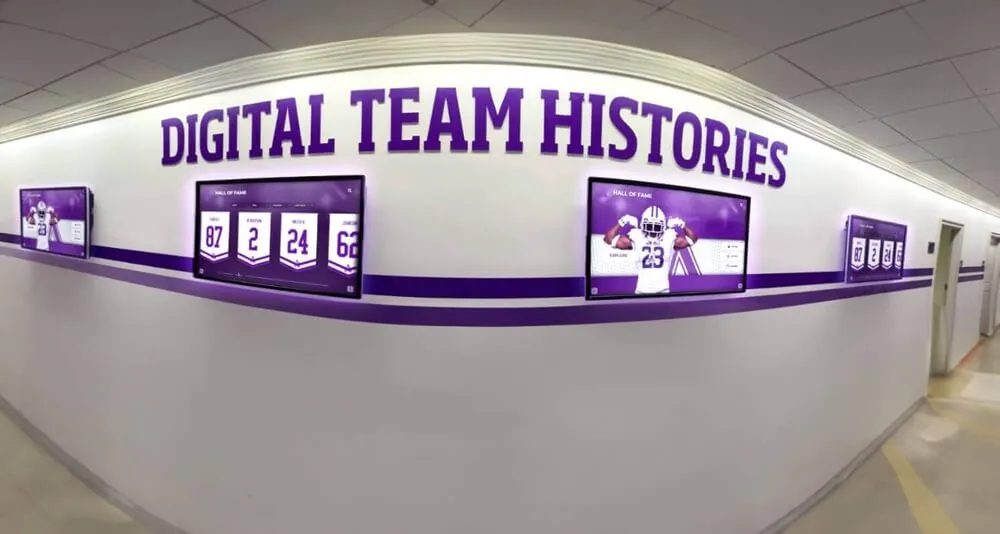
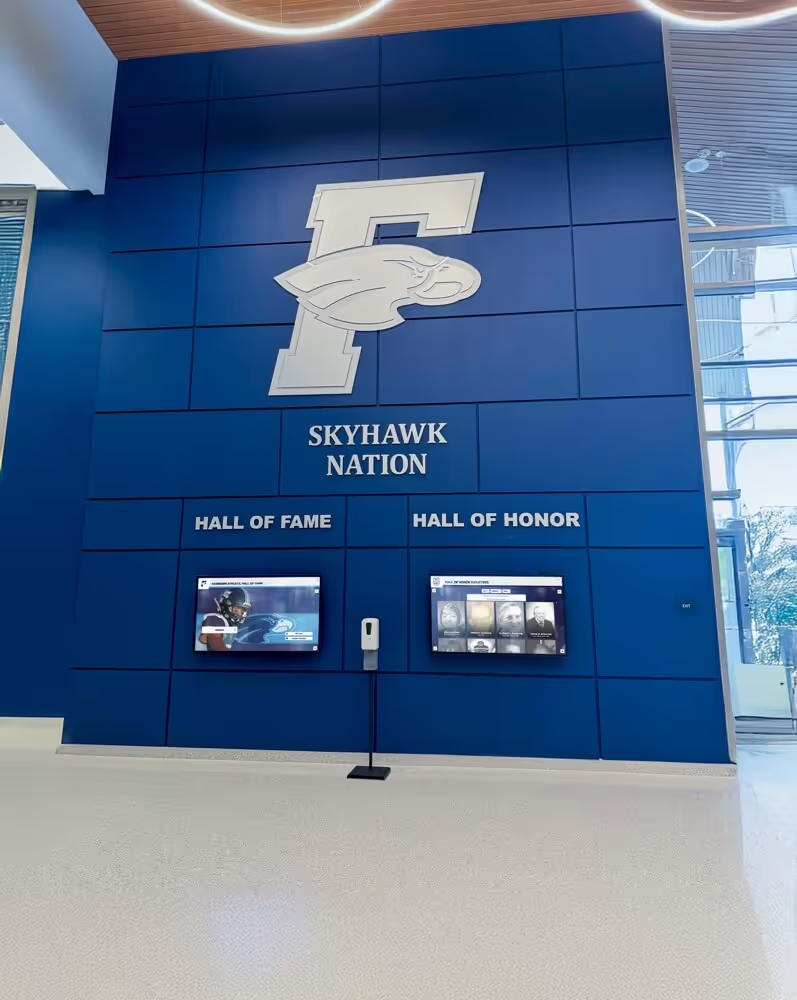
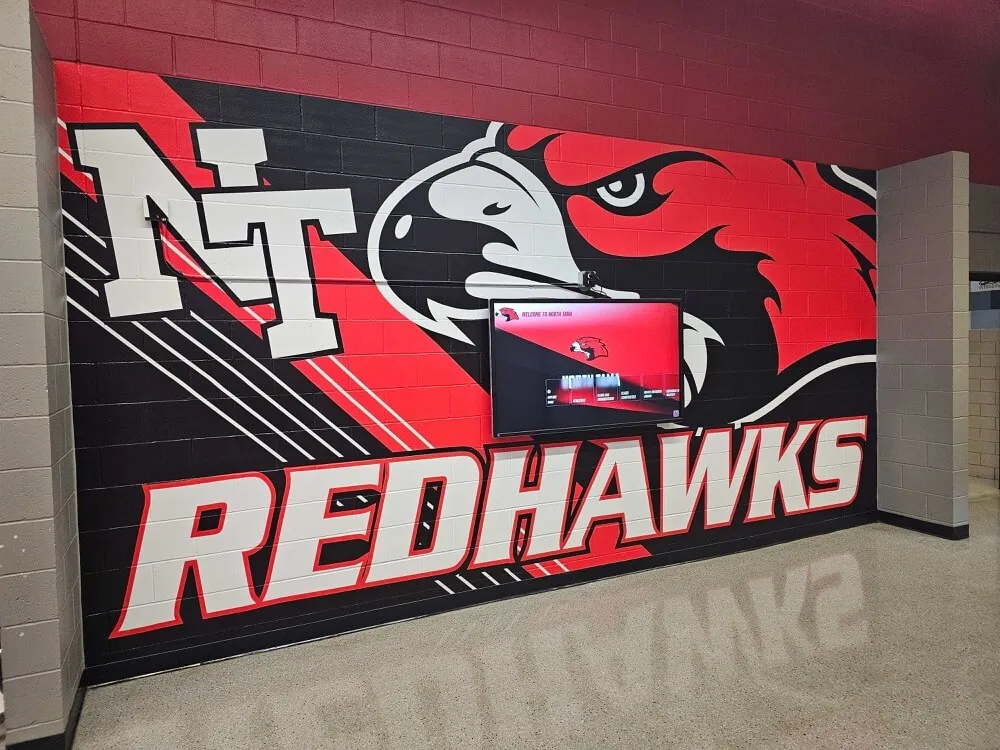
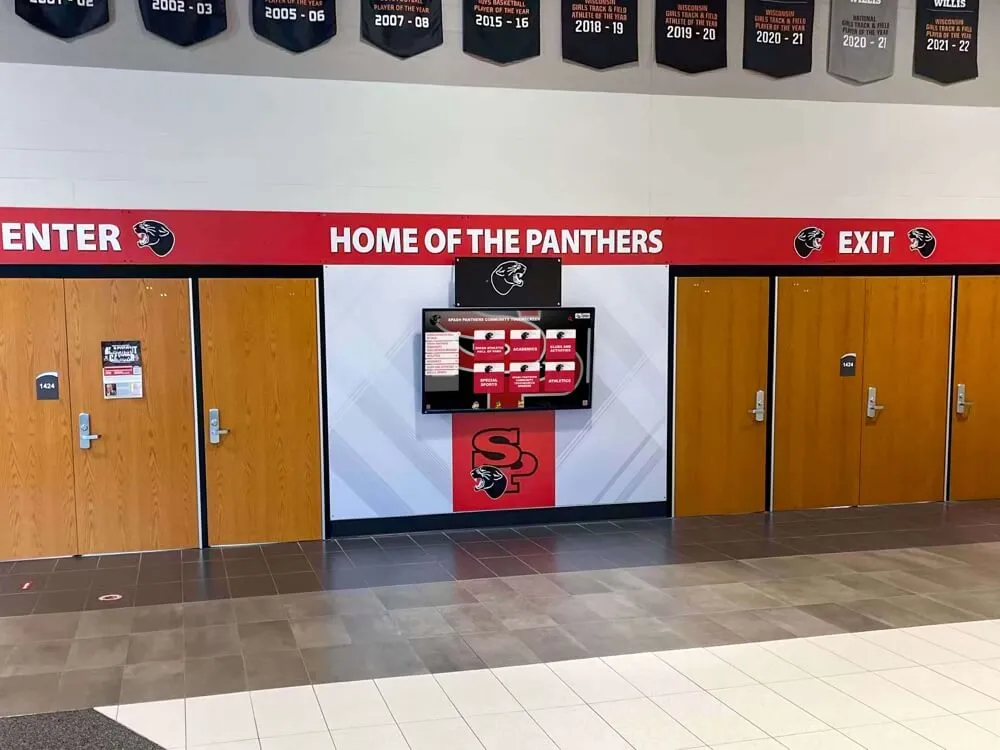
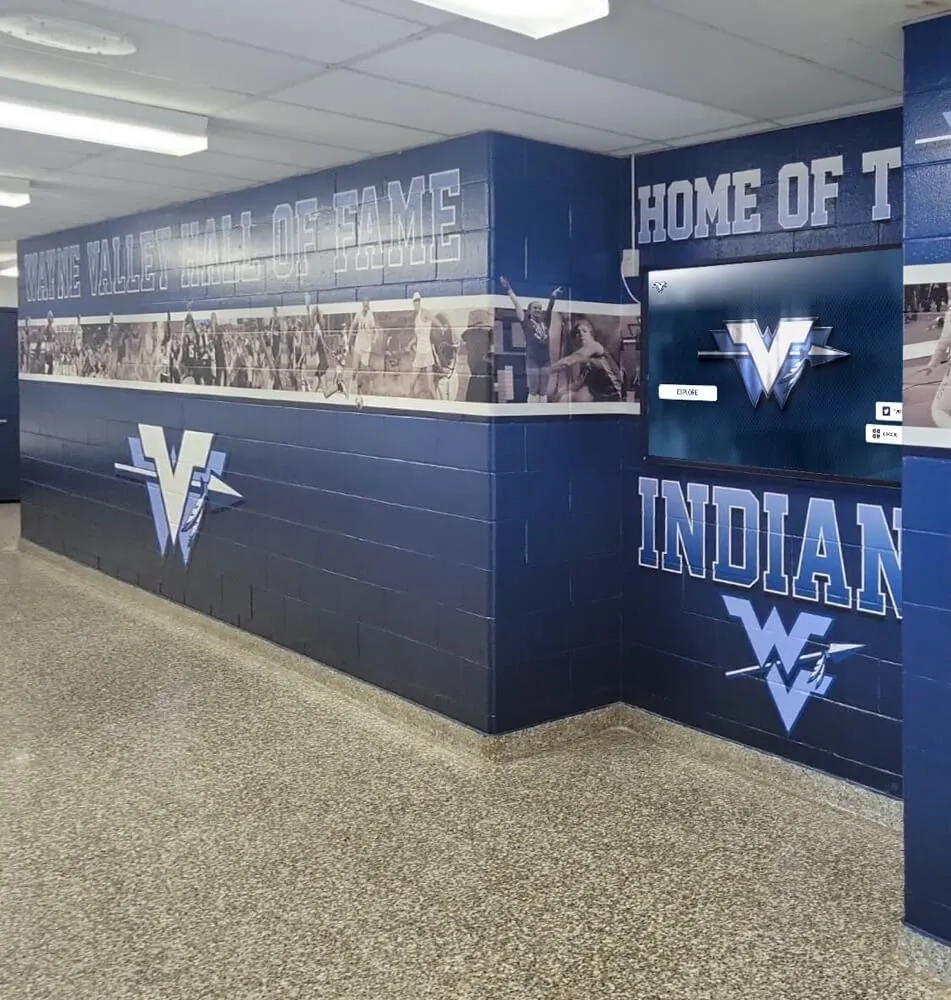
Recognition displays showcasing defensive excellence inspire program cultures that value both sides of the game
Understanding Defensive Rookie of the Year Recognition
Effective defensive rookie awards begin with understanding what makes this recognition category unique and valuable within athletic programs.
The Philosophy Behind Defensive Rookie Awards
Defensive rookie recognition operates on distinct principles from both general rookie awards and defensive MVP recognition:
Immediate Impact Despite Inexperience
First-year defensive standouts demonstrate characteristics that deserve celebration:
- Defensive instincts that translate immediately to competitive play
- Willingness to accept coaching and master complex defensive schemes
- Physical commitment to challenging defensive assignments
- Mental toughness to handle mistakes inherent in learning defense
- Team-first mentality prioritizing stops over personal statistics
- Rapid development from inexperience to reliable contributor
Defensive Excellence Requires Different Recognition
Defense demands specific acknowledgment separate from offensive awards:
- Statistical contributions often less visible than offensive metrics
- Effort and positioning creating success for teammates
- Prevention-based achievement versus production-based statistics
- Mental game reading opponents and anticipating plays
- Physical sacrifice taking charges, diving for balls, and blocking
- Consistency across entire games versus momentary highlights
These philosophical foundations make defensive rookie awards particularly powerful for developing program cultures that value complete team play.
Why Defensive Rookie Recognition Matters
Programs that specifically honor defensive rookies create multiple benefits:
Individual Athlete Impact
Defensive rookie recognition creates unique motivational effects:
- Validates defensive effort for first-year athletes seeking identity
- Provides recognition pathway for players without offensive skills
- Acknowledges work ethic and coachability producing rapid development
- Builds confidence in players learning demanding defensive roles
- Demonstrates that defense offers path to significant recognition
- Encourages continued defensive specialization and excellence
For many rookies, defensive recognition represents their first significant athletic honor—a moment validating their decision to commit to team defense.
Team Culture Benefits
Defensive rookie awards strengthen overall program culture:
- Signals to entire team that defense receives equal recognition value
- Reduces pressure on rookies to produce offensively to earn acknowledgment
- Creates pathway for first-year athletes to contribute meaningfully
- Demonstrates coaching staff values defensive fundamentals
- Inspires returning players seeing defensive excellence recognized
- Builds defensive identity across team from youngest players up
Program Recruitment Advantages
Defensive rookie recognition creates strategic benefits:
- Recruiting pitch demonstrating multiple recognition pathways
- Appeal to defensive-minded athletes seeking appreciation
- Parent and athlete confidence in comprehensive player development
- Reputation for valuing all contributions not just scoring
- Alumni testimonials about defensive recognition meaning
- Facility displays showcasing defensive achievement tradition

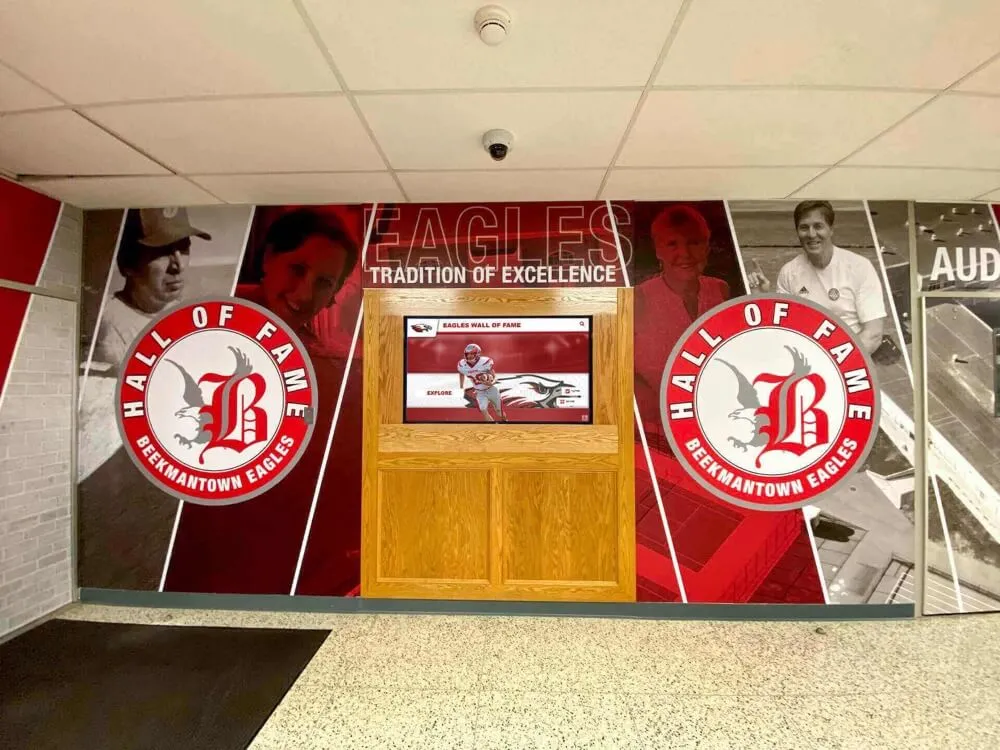
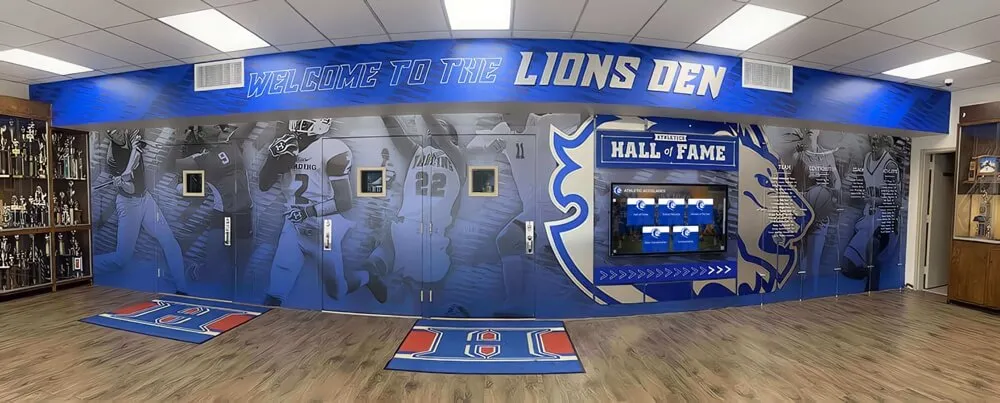
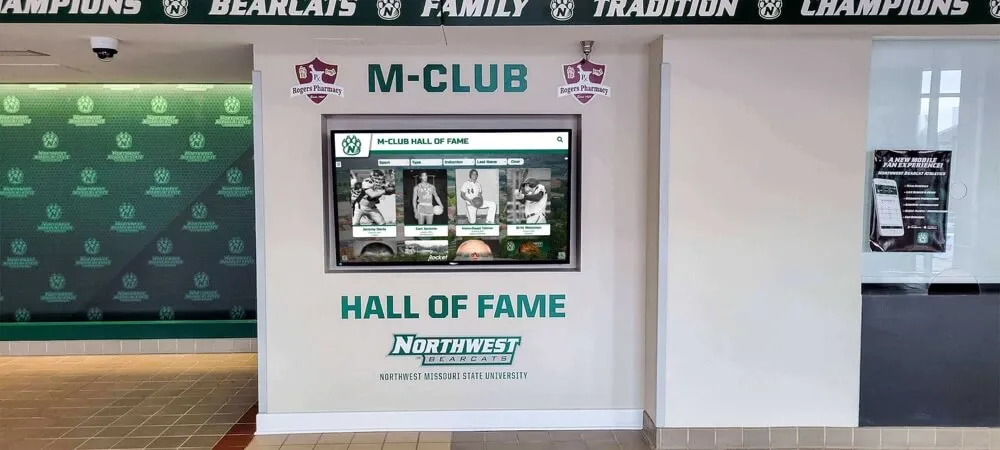
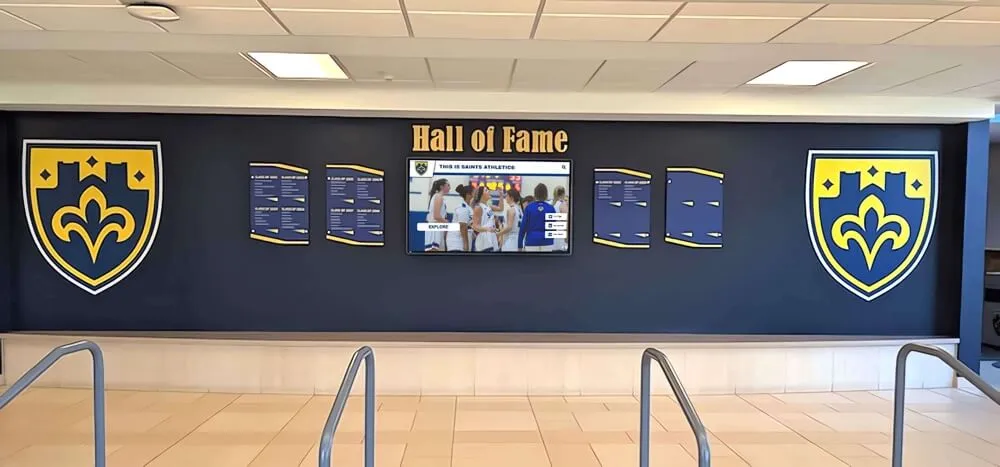
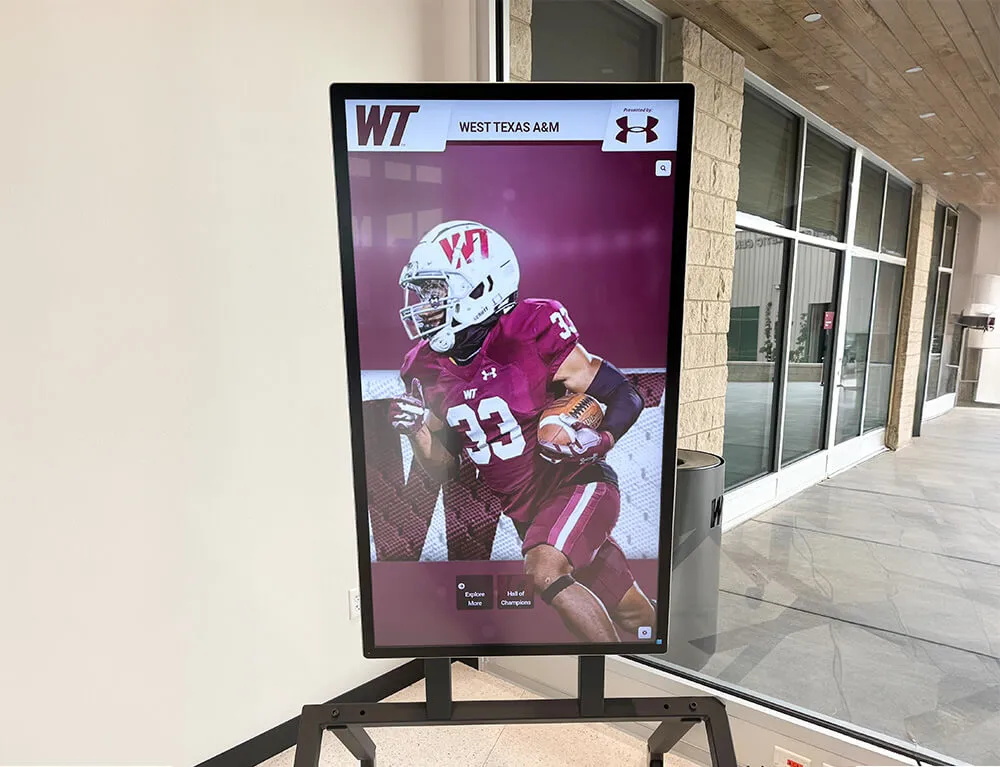
Permanent recognition displays preserve defensive achievements that inspire future athletes
Addressing Common Recognition Challenges
Despite benefits, defensive rookie awards face implementation challenges that thoughtful design addresses:
Measurement Complexity
Quantifying defensive excellence presents inherent difficulties:
- Many crucial defensive contributions lack clear statistical tracking
- Positioning and deterrence preventing attempts don’t appear in box scores
- Scheme responsibility versus individual initiative creates attribution challenges
- Opponent quality affects defensive statistics significantly
- Playing time variations complicate per-game versus total contribution comparison
- Coach subjective evaluation necessary for complete assessment
Balancing Rookies Against Veterans
Defensive awards create tension between experience levels:
- Risk of defensive rookie award diminishing overall defensive MVP
- Challenge of comparing first-year contributions to veteran excellence
- Potential perception that defensive rookie is consolation prize
- Balancing recognition for immediate impact versus sustained excellence
- Maintaining prestige for both rookie and veteran defensive awards
- Clear criteria distinguishing what each award celebrates
Sport-Specific Defensive Variations
Different sports require adapted defensive recognition:
- Team defense emphasis versus individual defensive assignments
- Position-specific defensive responsibilities and metrics
- Statistical availability varying widely across sports
- Defensive scheme complexity affecting individual evaluation
- Physical versus tactical defensive contributions
- Objective metrics supplemented with subjective assessment needs
Systematic implementation addressing these challenges ensures defensive rookie awards maintain meaning and motivational power.
For comprehensive approaches to athletic recognition programs valuing defense alongside offense, explore frameworks that build cultures of complete team play.
Defining Defensive Rookie Selection Criteria
Clear, objective criteria prevent arbitrary selection while ensuring awards recognize genuine defensive excellence among first-year athletes.
Establishing Rookie Eligibility
First, define what constitutes a rookie for award purposes:
Standard Rookie Definitions
Most programs use one of these approaches:
- First year of participation in program at any level (true freshmen only)
- First year of varsity competition (includes JV transfers to varsity)
- Transfer athletes in first season with new program
- Athletes returning after multi-year absence (military, mission, etc.)
- First year in specific sport (multi-sport athletes who add new sport)
Eligibility Clarifications
Address edge cases with clear policies:
- Distinguish between practice squad and game participation minimums
- Define how partial previous seasons affect eligibility
- Clarify whether summer development program participation affects rookie status
- Determine if injury-redshirt years count against rookie eligibility
- Address transfer students with prior competitive experience
- Handle multi-level programs (JV performance considered or varsity only)
Clear eligibility criteria prevent disputes while ensuring athletes meeting spirit of award remain qualified.
Quantifiable Defensive Metrics
Statistical categories provide objective evaluation foundation:
Universal Defensive Statistics
Across most sports, these metrics indicate defensive contribution:
- Games played and defensive minutes or snaps (participation volume)
- Opponent scoring when athlete on field/court (defensive efficiency)
- Turnovers forced (steals, interceptions, fumble recoveries, takeaways)
- Defensive rebounds or clearances (possession control)
- Blocks, deflections, or disruptions (shot/pass prevention)
- One-on-one defensive success rate against assigned opponents
Sport-Specific Defensive Metrics
Different sports emphasize particular defensive achievements:
Basketball Defensive Metrics
- Defensive rebounds per game
- Steals and deflections
- Blocks and altered shots
- Opponent field goal percentage when defending
- Charges taken
- On-ball defensive assignments held below season averages
Football Defensive Statistics
- Tackles (total, solo, tackles for loss)
- Sacks and quarterback pressures
- Passes defended and interceptions
- Forced fumbles and recoveries
- Third-down stops and red-zone stands
- Assignment gap discipline and missed tackles
Soccer/Hockey Defensive Metrics
- Tackles won and interceptions
- Clearances and blocked shots
- Goals against average (for goalkeepers)
- Save percentage and clean sheets
- Duels won in defensive third
- Successful defensive positioning preventing chances
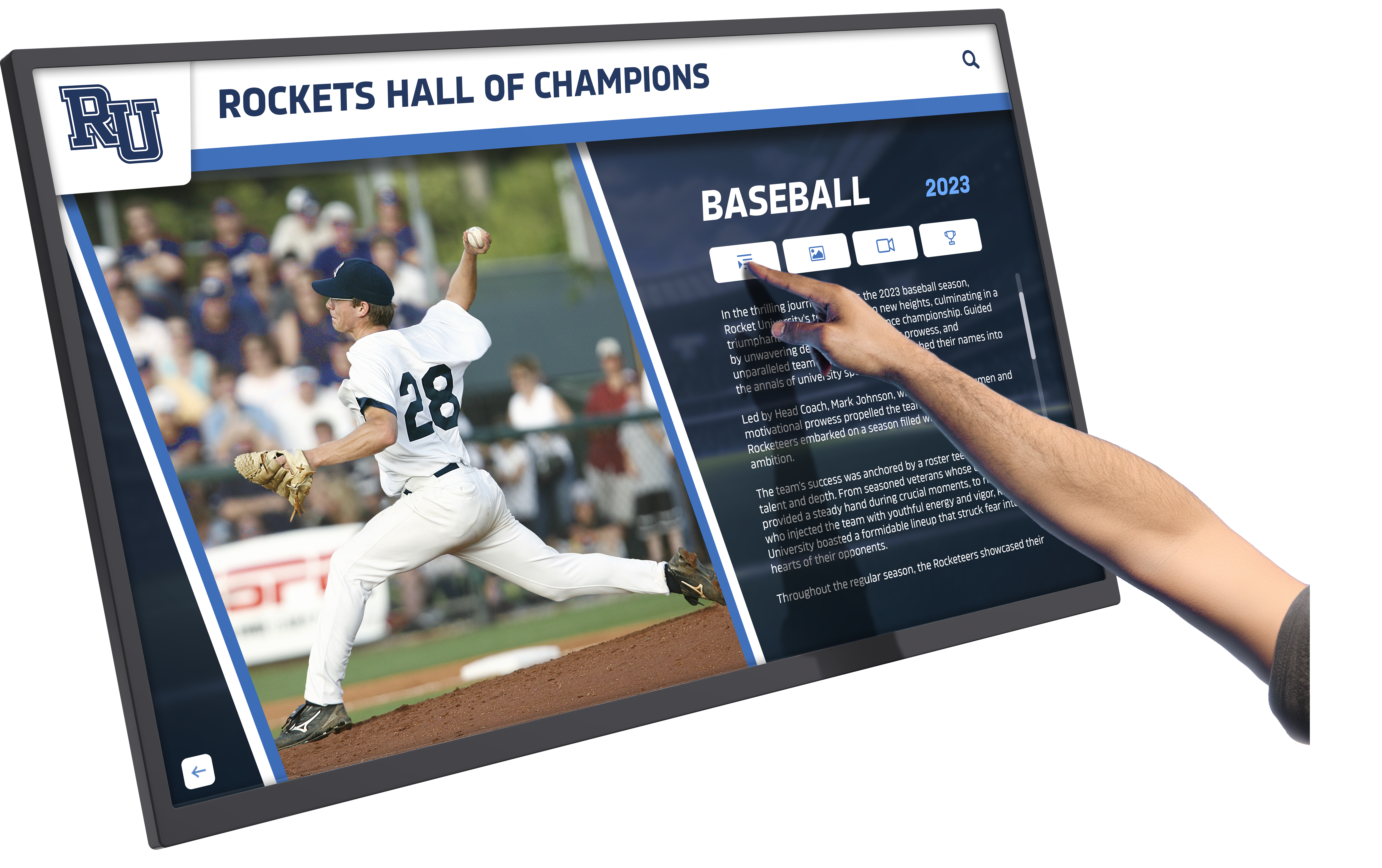
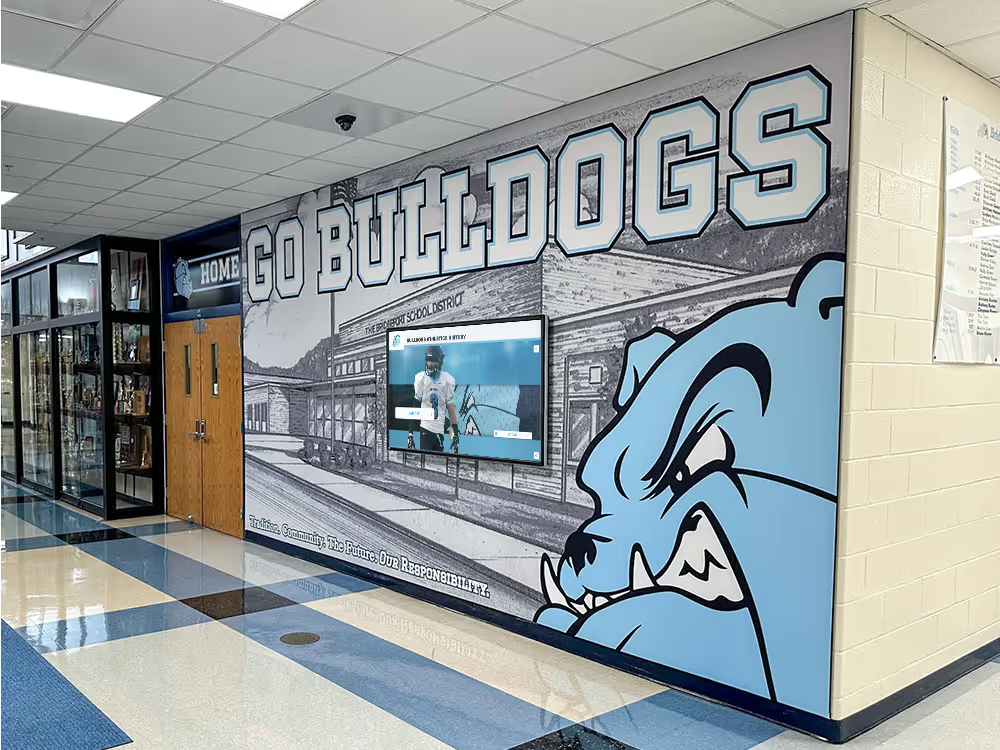
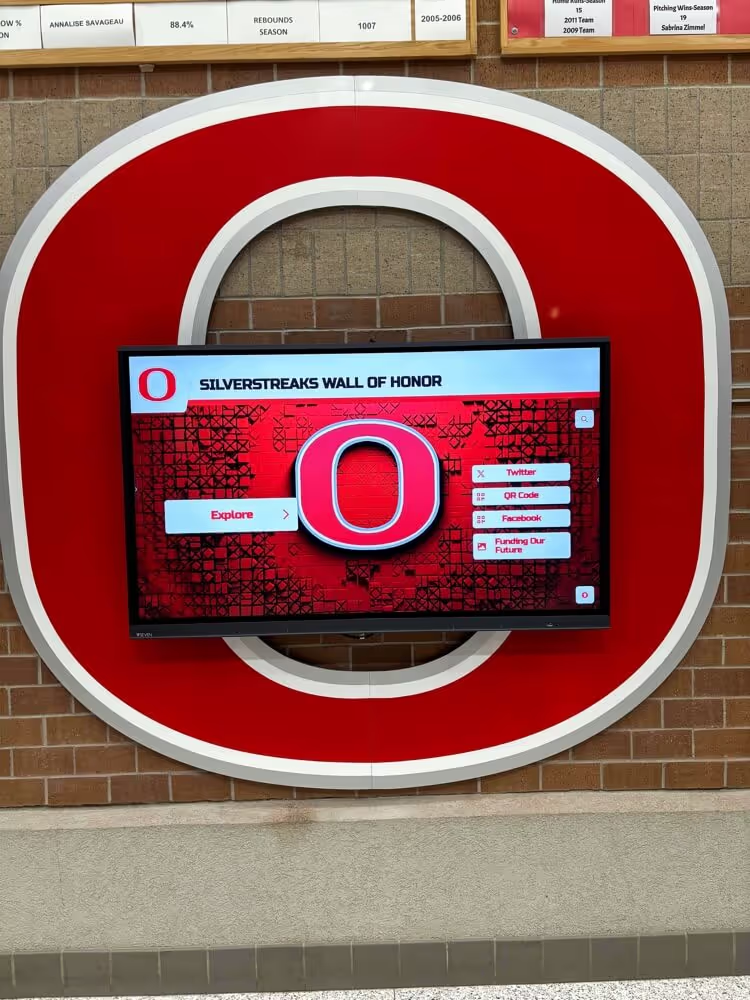
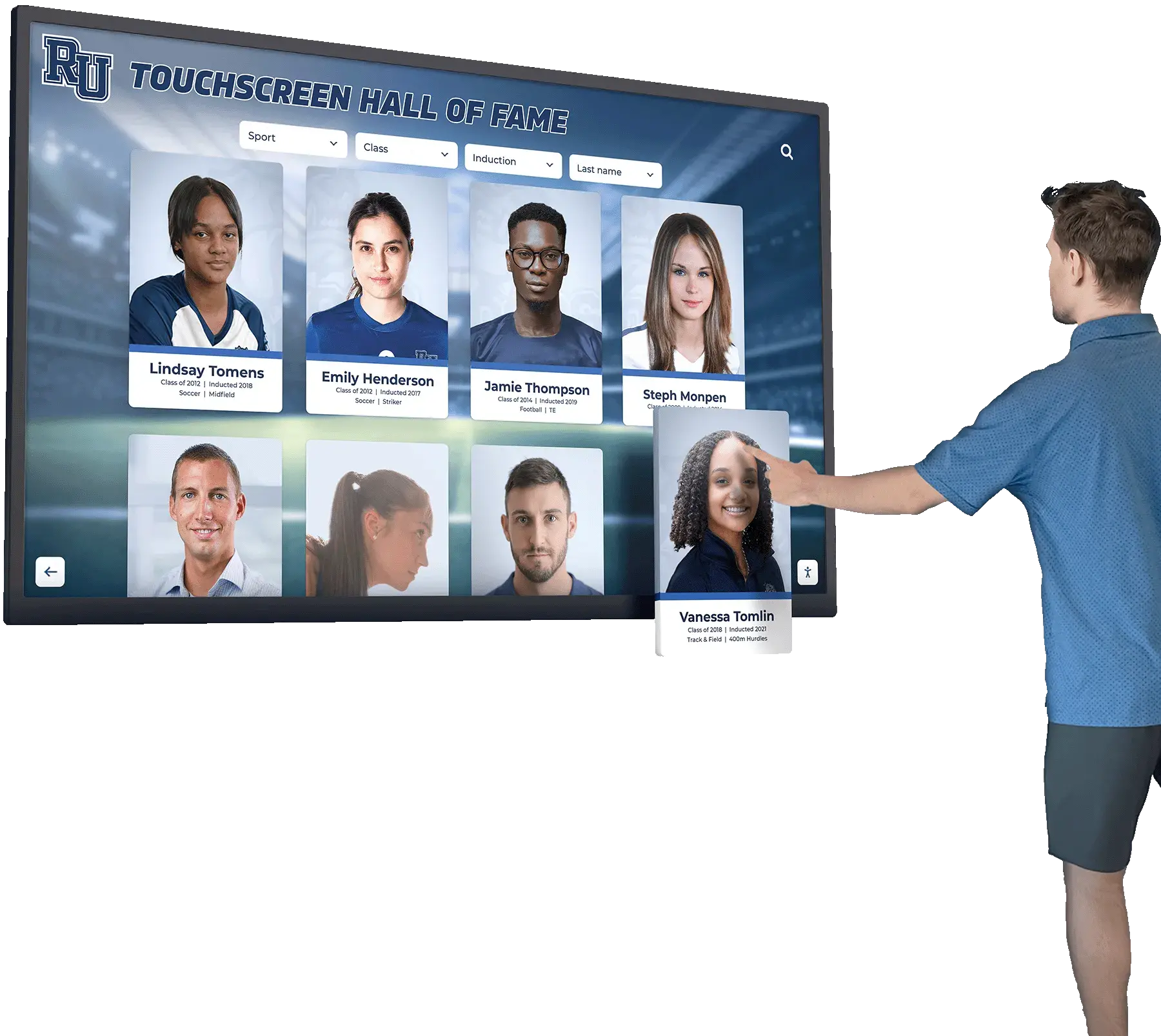
Digital systems enable comprehensive documentation of defensive statistics across seasons
Baseball/Softball Defensive Statistics
- Fielding percentage and error rate
- Range factor and defensive runs saved
- Outfield assists and caught stealing (catchers)
- Double plays turned
- Putouts in key situations
- Defensive innings played versus errors
Volleyball Defensive Metrics
- Digs and defensive efficiency rating
- Blocks (solo and assisted)
- Reception percentage for defensive specialists
- Opponent hitting percentage when athlete in back row
- Service receive rating
- Emergency saves and diving plays
Qualitative Defensive Indicators
Beyond statistics, subjective evaluation captures complete defensive excellence:
Defensive Intelligence and Anticipation
Mental game separates good from elite defenders:
- Reading opponents and anticipating plays before they develop
- Communicating defensive adjustments and rotations
- Understanding defensive schemes and assignments thoroughly
- Studying opponents and exploiting weaknesses strategically
- Making intelligent decisions under pressure
- Positioning preventing attempts rather than just making stops
Physical Commitment and Effort
Defensive excellence requires consistent physical sacrifice:
- Willingness to take charges, block shots, and absorb contact
- Hustle pursuing loose balls and running down plays
- Contesting every shot/pass regardless of success likelihood
- Sacrificing body for defensive stops and saves
- Maintaining defensive intensity when offense struggles
- Playing through physical fatigue and minor injuries
Coachability and Development
First-year defensive excellence requires rapid learning:
- Responsiveness to coaching feedback and adjustments
- Film study commitment improving defensive recognition
- Practice intensity developing defensive fundamentals
- Acceptance of defensive assignments regardless of preference
- Improvement trajectory throughout season
- Implementation of advanced defensive concepts beyond basics
Team Defensive Impact
Individual excellence should strengthen collective defense:
- Team defensive performance when athlete plays versus sits
- Leadership communicating and organizing teammates defensively
- Mentorship helping other rookies learn defensive schemes
- Consistency providing reliable defensive presence
- Clutch defensive performance in crucial moments
- Complementing teammates through unselfish defensive play
Combining quantitative statistics with qualitative assessment creates comprehensive evaluation resistant to narrow metrics gaming.
For programs interested in trophy display solutions showcasing defensive awards alongside other achievements, permanent recognition systems preserve these honors.
Selection Process and Methodology
Systematic selection processes ensure defensive rookie awards maintain credibility and fairness.
Coach-Led Evaluation Approaches
Coaching staff involvement provides informed defensive assessment:
Defensive Coordinator Selection
Defensive coordinators possess specialized expertise:
- Direct oversight of all defensive personnel and schemes
- Film study revealing defensive contributions statistics miss
- Understanding of assignment responsibility versus individual freelancing
- Awareness of opponent quality affecting defensive metrics
- Ability to evaluate development trajectory throughout season
- Final accountability for defensive performance and teaching
This specialized approach works particularly well in sports with dedicated defensive coaching.
Coaching Staff Collaborative Selection
Multi-coach evaluation prevents individual bias:
- Head coach providing overall team perspective
- Defensive coordinator emphasizing technical defensive excellence
- Assistant coaches contributing position-specific insights
- Athletic director input ensuring program-wide consistency
- Discussion revealing defensive excellence multiple coaches observe
- Consensus building increasing award credibility and acceptance
Structured discussion protocols prevent dominant personalities from unduly influencing outcomes while ensuring comprehensive evaluation.
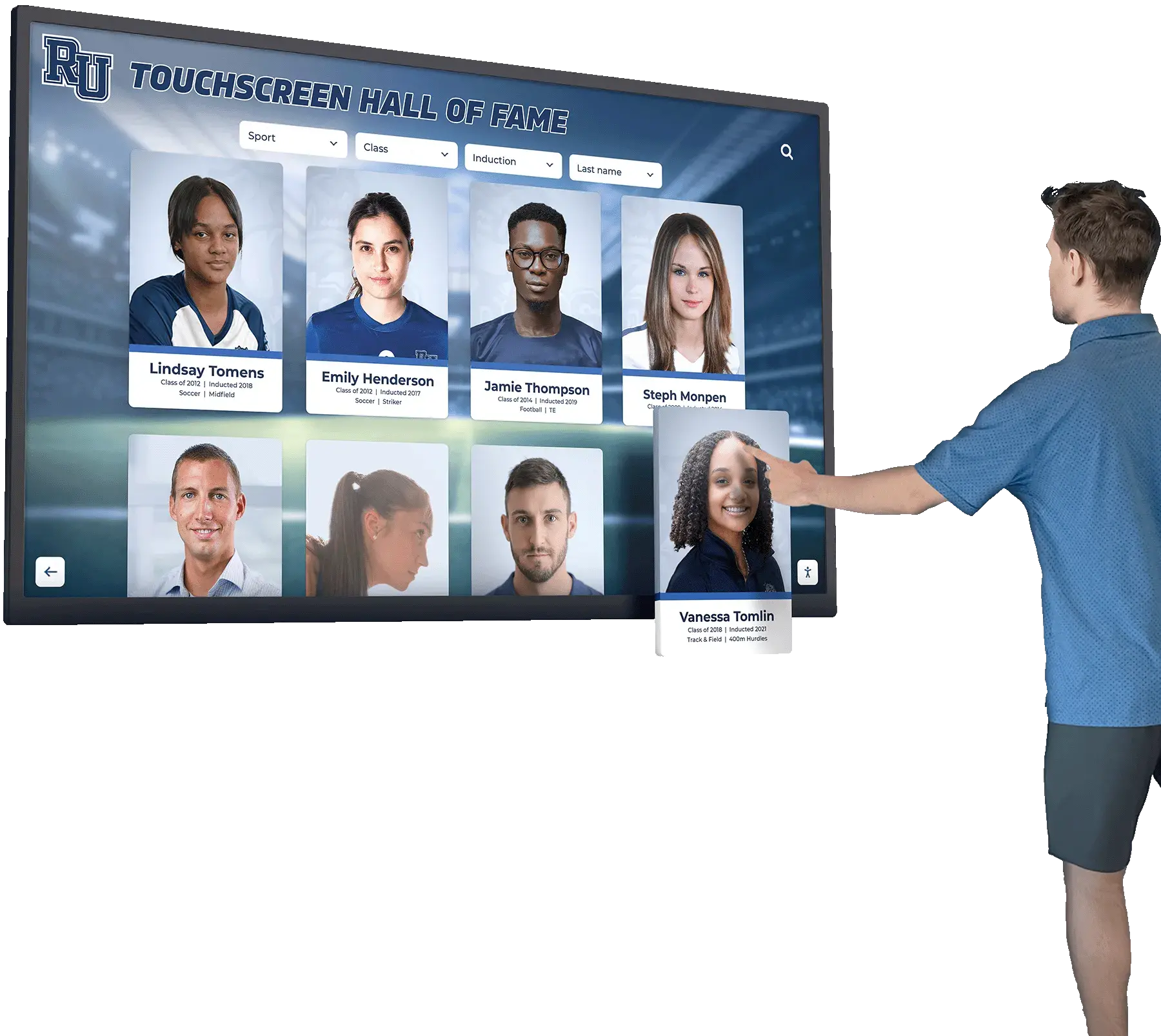
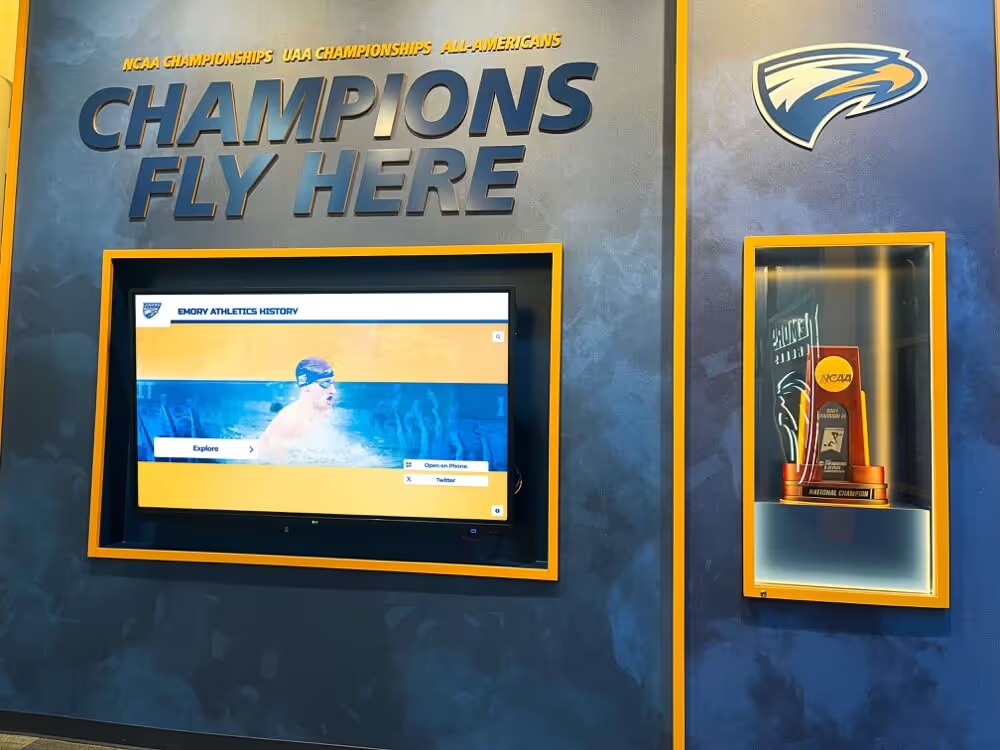
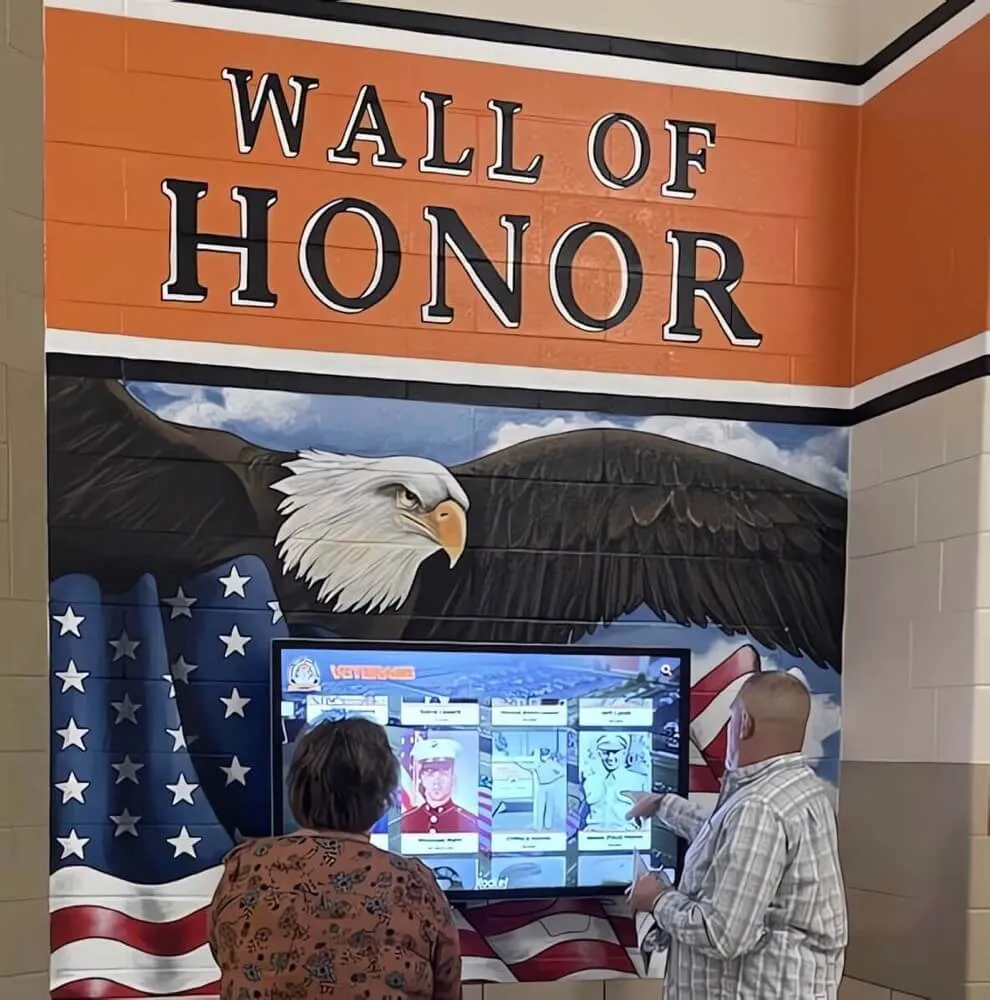
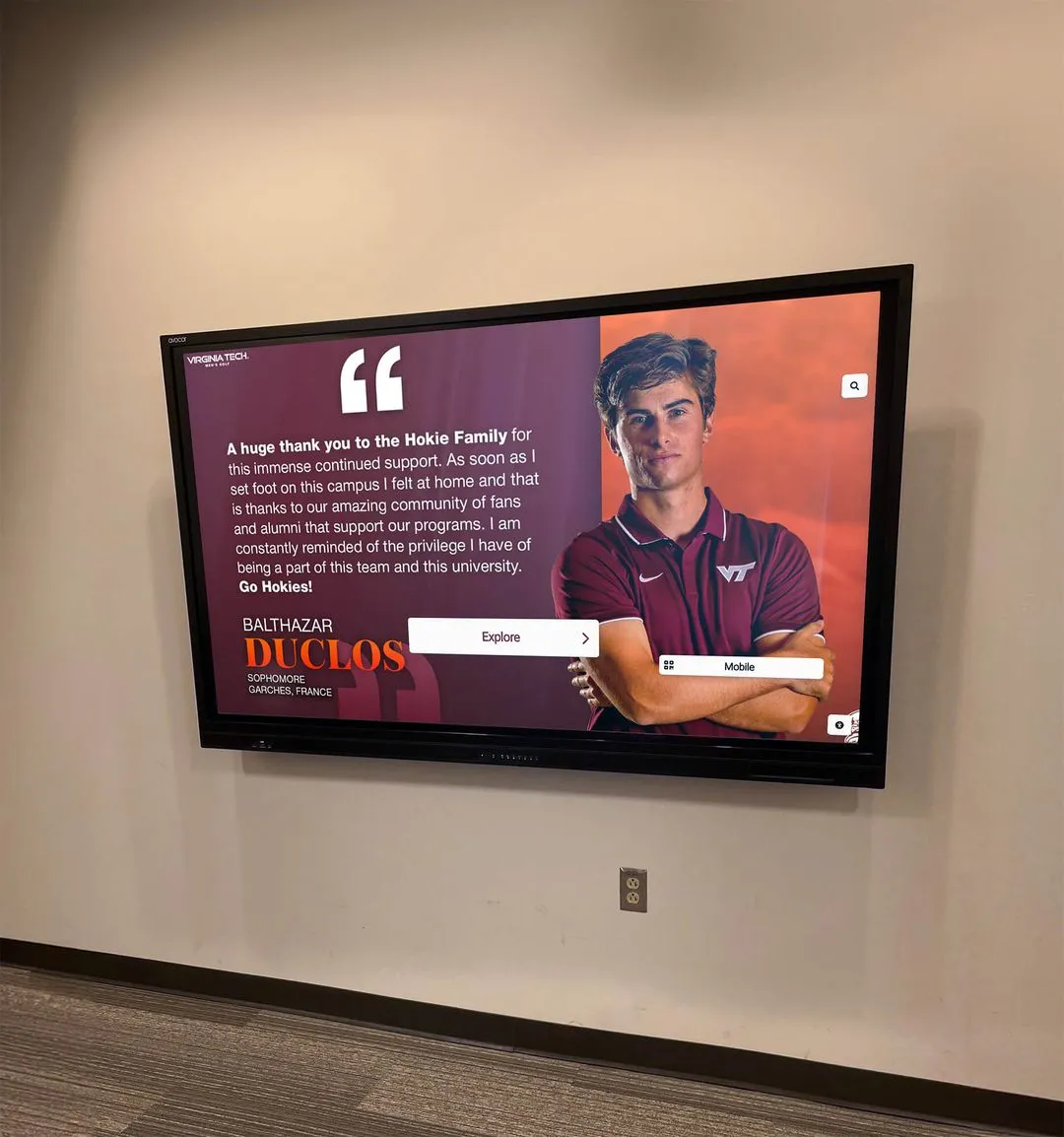
Modern recognition systems enable coaches to document and showcase defensive player development
Statistical and Film-Based Analysis
Objective data supports subjective evaluation:
Defensive Statistical Review
Quantitative analysis provides foundation:
- Season-long defensive statistics compilation
- Per-game and per-minute normalized metrics
- Comparative analysis against teammates and opponents
- Improvement trajectory from early season to late season
- Championship and crucial game defensive performance
- Statistical outliers indicating exceptional defensive impact
Film Study Evaluation
Video review reveals contributions statistics miss:
- Assignment adherence and scheme execution accuracy
- Positioning preventing shots/passes that don’t appear in statistics
- Communication and leadership organizing teammates
- Effort plays that don’t result in measurable statistics
- Clutch defensive stops in critical moments
- Comparison of early season versus late season technique improvement
Opponent-Adjusted Analysis
Context matters when evaluating defensive performance:
- Quality of offensive players defended directly
- Team offensive efficiency ratings of opponents faced
- Opponent scoring when athlete plays versus sits
- Performance against elite offensive opponents
- Championship and playoff defensive performance
- Defensive consistency across varying competition levels
Player and Peer Input Methods
Team member participation can enhance credibility:
Defensive Player Voting
Defensive teammates witness daily excellence:
- Position group voting within defensive units
- Defensive practice performance observation
- Peer respect for defensive commitment and sacrifice
- Recognition of defensive intelligence and communication
- Acknowledgment of defensive leadership among rookies
- Democratic process increasing team buy-in
Peer voting works best as input to coaches rather than sole determinant, preventing popularity contests while incorporating valuable teammate perspective.
Blended Coach-Player Selection
Combining perspectives balances strengths:
- Coaches provide statistical data and scheme evaluation
- Players contribute peer observations and defensive impact assessment
- Weighted combination preventing either group dominating completely
- Discussion between coaching staff and defensive leaders
- Final decision incorporating both quantitative and qualitative input
- Transparency about process building trust across team
This collaborative approach creates comprehensive evaluation while maintaining coaching staff’s ultimate responsibility for award integrity.
For ideas about comprehensive end-of-season recognition including defensive awards, explore sports banquet planning approaches celebrating diverse achievements.
Sport-Specific Defensive Rookie Recognition
Different sports require tailored defensive rookie criteria reflecting their unique demands.
Basketball Defensive Rookie Excellence
Basketball defensive impact manifests across multiple dimensions:
Perimeter Defensive Rookies
Guards and wings demonstrating immediate defensive value:
- On-ball defense forcing opponents below season averages
- Defensive versatility guarding multiple positions
- Steals and deflections disrupting offensive flow
- Defensive communication calling out screens and assignments
- Transition defense preventing fast-break opportunities
- Charges taken and hustle plays defending aggressively
Interior Defensive Rookies
Posts and bigs protecting rim and controlling paint:
- Blocks and shot alterations deterring drives
- Defensive rebounding controlling possessions
- Post defense preventing easy interior scoring
- Help defense rotations protecting teammates
- Physicality setting screens and establishing position
- Pick-and-roll defensive coverage and switching ability
Defensive Specialist Rookies
First-year players excelling in defensive roles:
- Assignment to opponent’s best offensive player
- Late-game defensive substitutions in crucial possessions
- Full-court pressure and trap defensive schemes
- Defensive intensity regardless of offensive minutes
- Practice defensive simulation preparing team for opponents
- Defensive culture setting through attitude and effort
Basketball programs often recognize both perimeter and interior defensive rookies acknowledging different skill sets required.
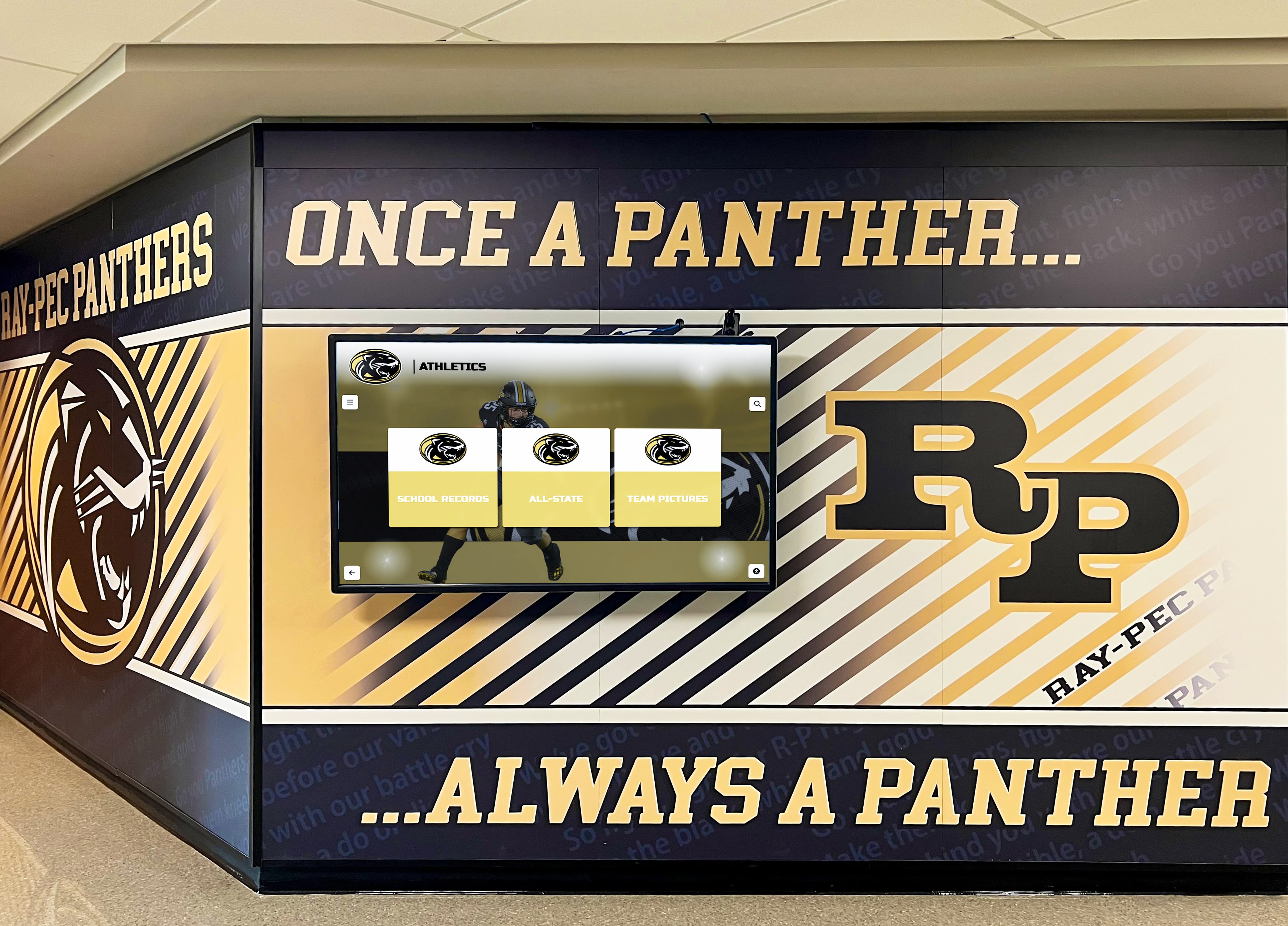
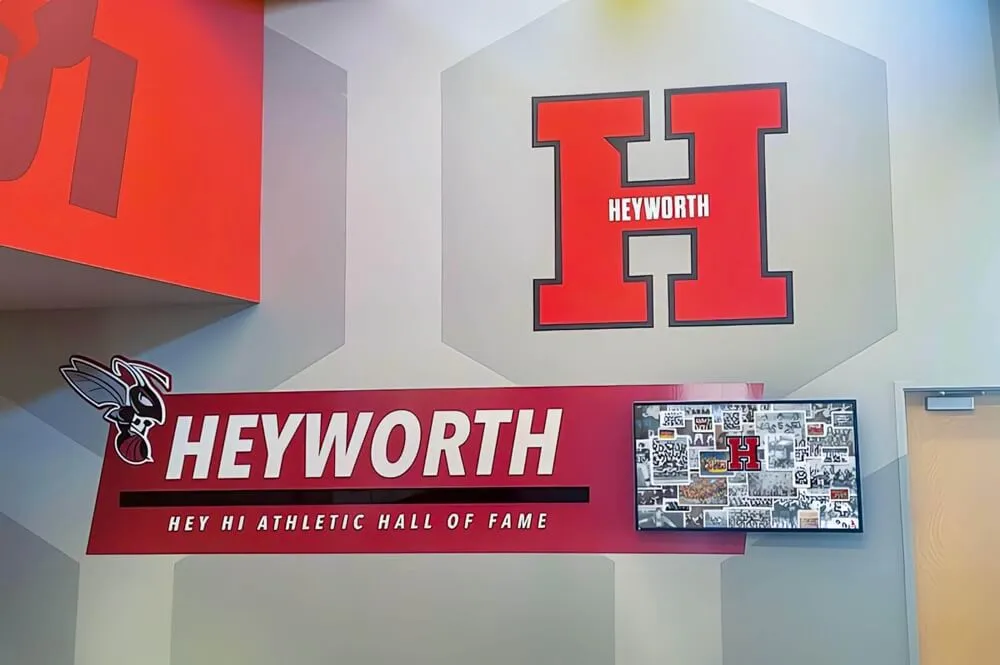
Athletic facility displays showcase defensive achievement alongside offensive excellence
Football Defensive Rookie Excellence
Football’s positional specialization requires position-specific defensive evaluation:
Defensive Line Rookie Recognition
First-year linemen making immediate impact:
- Tackles for loss disrupting running plays
- Quarterback pressures and sacks collapsing pocket
- Run gap discipline maintaining defensive integrity
- Double-team recognition and leverage battles
- Motor and effort chasing plays sideline to sideline
- Physical toughness playing through contact every snap
Linebacker Defensive Rookies
First-year linebackers demonstrating instincts:
- Total tackle production across run and pass defense
- Coverage ability on tight ends and backs
- Gap responsibility in run defense
- Blitz timing and effectiveness pressuring quarterbacks
- Sideline-to-sideline range making plays
- Leadership communicating defensive adjustments
Secondary Defensive Rookies
Defensive backs excelling in coverage and ball skills:
- Pass breakups and interceptions creating turnovers
- Man coverage ability locking down receivers
- Zone coverage recognition and route anticipation
- Tackling in space preventing yards after catch
- Communication calling out formations and routes
- Ball awareness creating contested catches and deflections
Special Teams Defensive Excellence
Rookies contributing on special teams defense:
- Coverage team tackles limiting return yardage
- Blocked kicks and return defense
- Kickoff and punt coverage lane discipline
- Physical play setting tone on special teams
- Leadership on coverage units
- Transition into defensive role from special teams success
Football programs may recognize overall defensive rookie of the year or position-specific defensive rookie honors depending on program size.
Soccer/Hockey Defensive Rookie Recognition
Position-specific defensive contributions in soccer and hockey:
Defensive Field Players
Backs and defensive midfielders/defensemen:
- Tackles won and possession recovered
- Clearances and blocked shots
- One-on-one defensive success against opposing attackers
- Positioning preventing dangerous chances before they develop
- Transition defense recovering when possession lost
- Aerial dominance winning headers (soccer) or board battles (hockey)
Goalkeeper Rookie Excellence
First-year netminders commanding goal:
- Save percentage and goals against average
- Clean sheets (shutouts) recording
- Big saves in crucial moments
- Distribution starting counterattacks (soccer) or transition (hockey)
- Communication organizing defensive shape
- Composure under pressure and clutch playoff performance
Defensive Midfielder/Two-Way Forward Recognition
Hybrid roles blending defense and offense:
- Defensive work rate tracking back and recovering
- Interceptions and tackles in dangerous areas
- Transition defense preventing counterattacks
- Screening and protecting back line
- Possession recovery winning ball back quickly
- Tactical discipline maintaining defensive shape
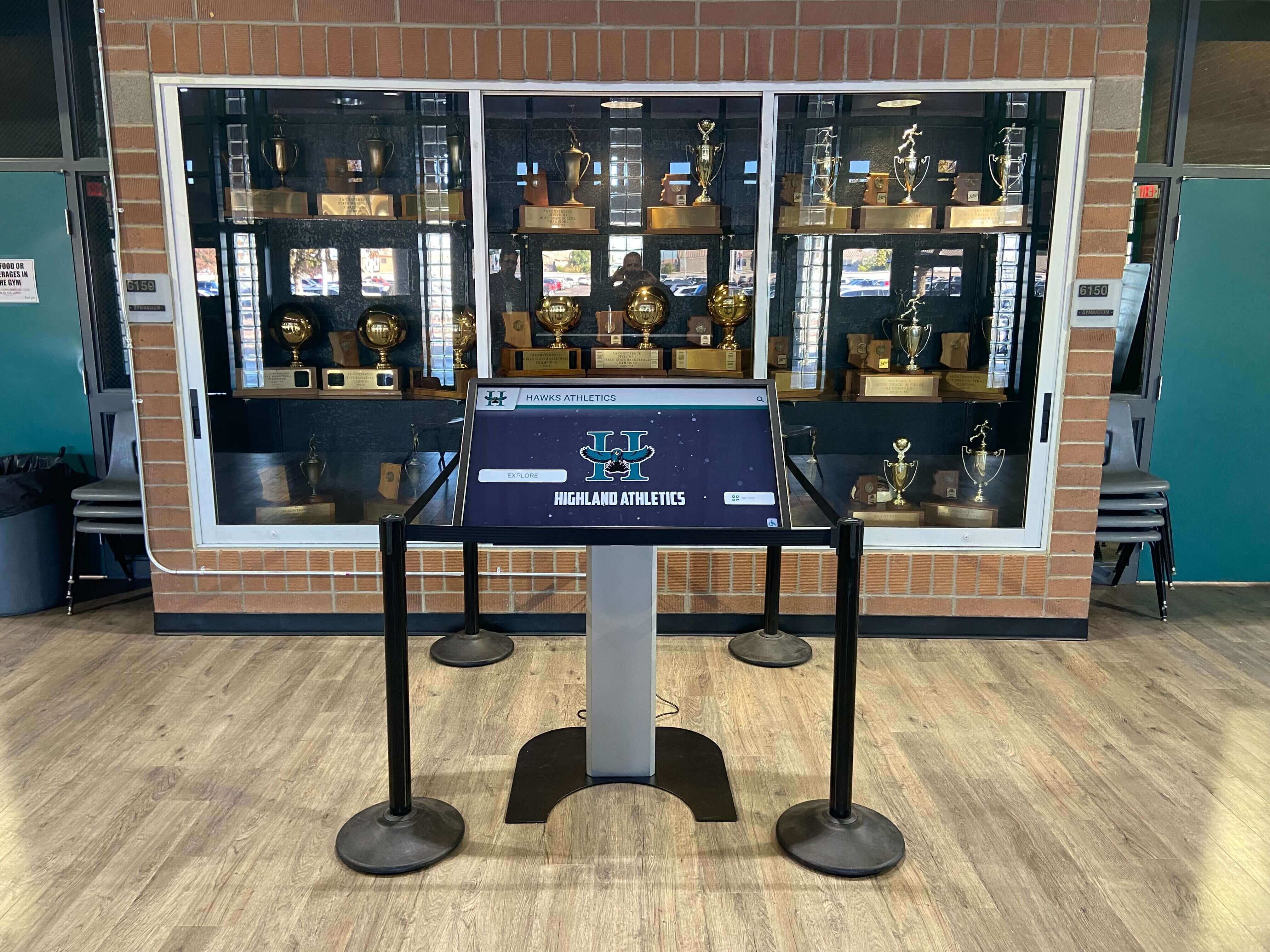
Recognition displays integrating defensive awards with championship trophies create comprehensive program narratives
Baseball/Softball Defensive Rookie Excellence
Defensive excellence across diamond positions:
Infield Defensive Rookies
First-year infielders showing defensive prowess:
- Fielding percentage and error-free games
- Range and positioning making difficult plays routine
- Double play pivot execution (middle infielders)
- Strong accurate throws across diamond
- Scooping difficult throws saving errors for teammates
- Instincts reading hitters and positioning accordingly
Outfield Defensive Rookies
First-year outfielders demonstrating defensive skill:
- Route efficiency and ball tracking ability
- Throwing arm strength and accuracy preventing extra bases
- Diving catches and wall play fearlessness
- Gaps covered in outfield alignment
- Communication avoiding collisions and backing up bases
- Relay throws hitting cutoff men accurately
Catcher Defensive Recognition
Rookie catchers managing game defensively:
- Caught stealing percentage controlling running game
- Pitch blocking and framing skills
- Game calling and pitcher management
- Leadership organizing defensive alignments
- Pop time to second base on steal attempts
- Fearlessness blocking plate and handling collisions
Pitcher Defensive Excellence
Pitchers excelling defensively beyond mound work:
- Fielding percentage on comebackers and bunts
- Pickoff moves controlling running game
- Covering first base on grounders to right side
- Backing up bases on throws
- Holding runners preventing stolen bases
- Quick reactions on line drives and comebackers
Baseball and softball programs may recognize position-specific defensive rookies or overall defensive excellence depending on roster size and team structure.
For recognition displays showcasing defensive achievements, explore senior night poster ideas that can be adapted for rookie defensive recognition ceremonies.
Presenting Defensive Rookie Awards
Award presentation significantly impacts recognition meaning and motivational value.
Award Timing and Setting
Strategic timing and venue selection maximize impact:
End-of-Season Banquet Presentation
Traditional banquet setting provides formal recognition:
- Comprehensive audience including families and community
- Context within full season awards program
- Equal prestige with offensive and overall team awards
- Opportunity for detailed defensive story presentation
- Photo opportunities and formal commemoration
- Integration with senior recognition and team celebration
Mid-Season Defensive Recognition
Some programs offer interim defensive acknowledgment:
- Monthly defensive player recognition including rookie category
- Builds season-long defensive culture and emphasis
- Provides motivation throughout season not just end
- Multiple recognition opportunities for different defensive contributors
- Ongoing defensive excellence rather than single retrospective award
- Weekly defensive standout acknowledgment during practice or meetings
Championship and Playoff Recognition
Special defensive acknowledgment for postseason excellence:
- Playoff defensive MVP including rookie consideration
- Championship game defensive standout recognition
- Tournament all-defensive team selections
- State or conference all-defensive rookie teams
- Postseason achievement separate from regular season awards
- Clutch defensive performance in elimination scenarios
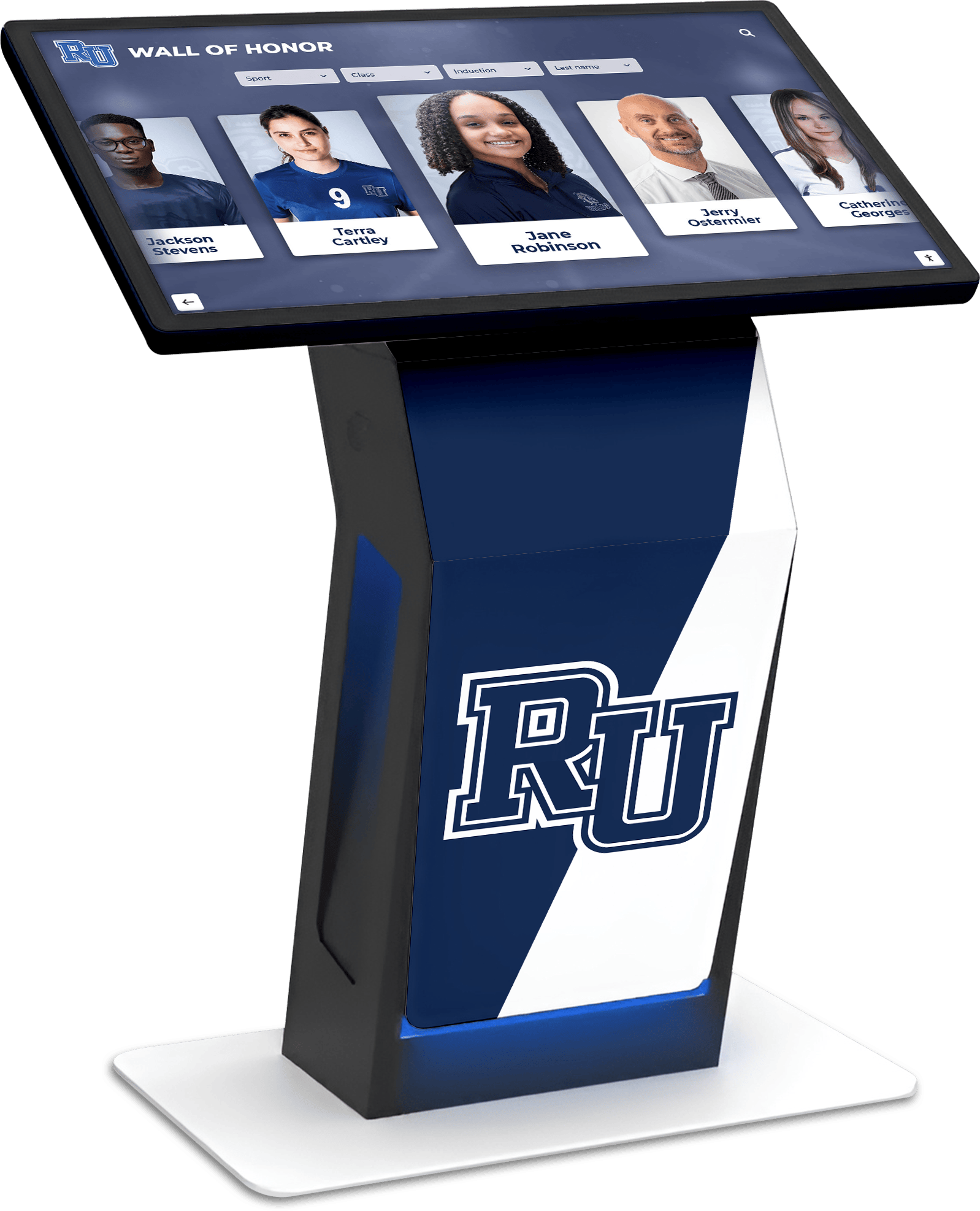
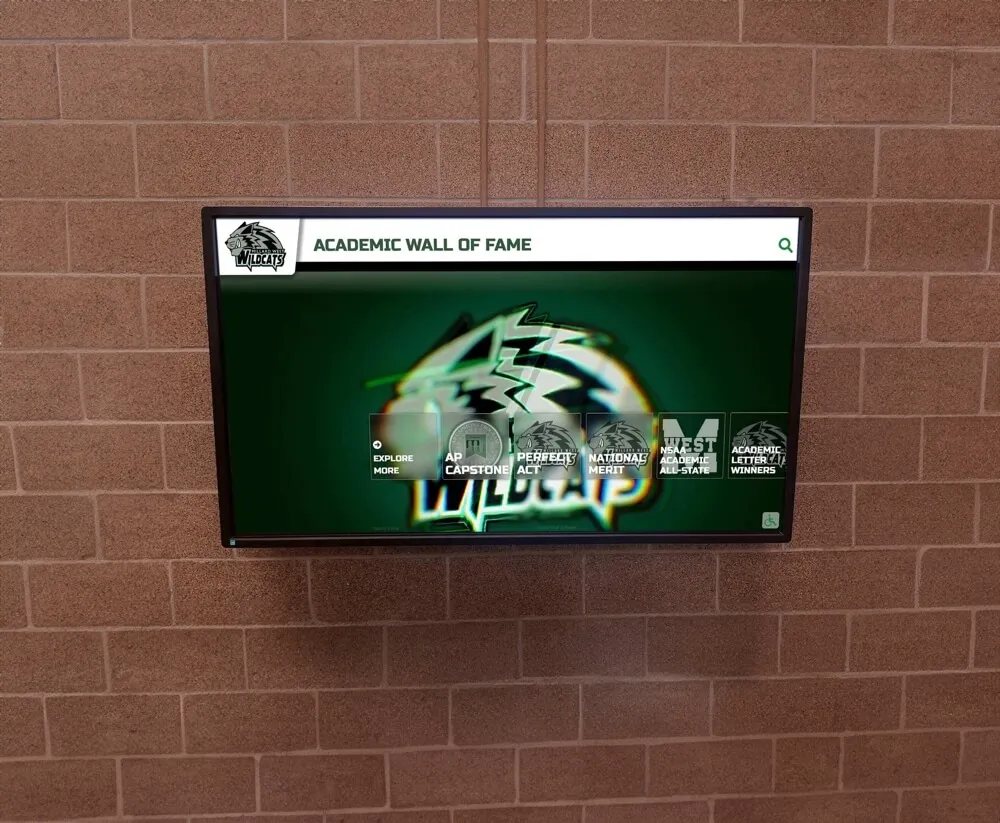
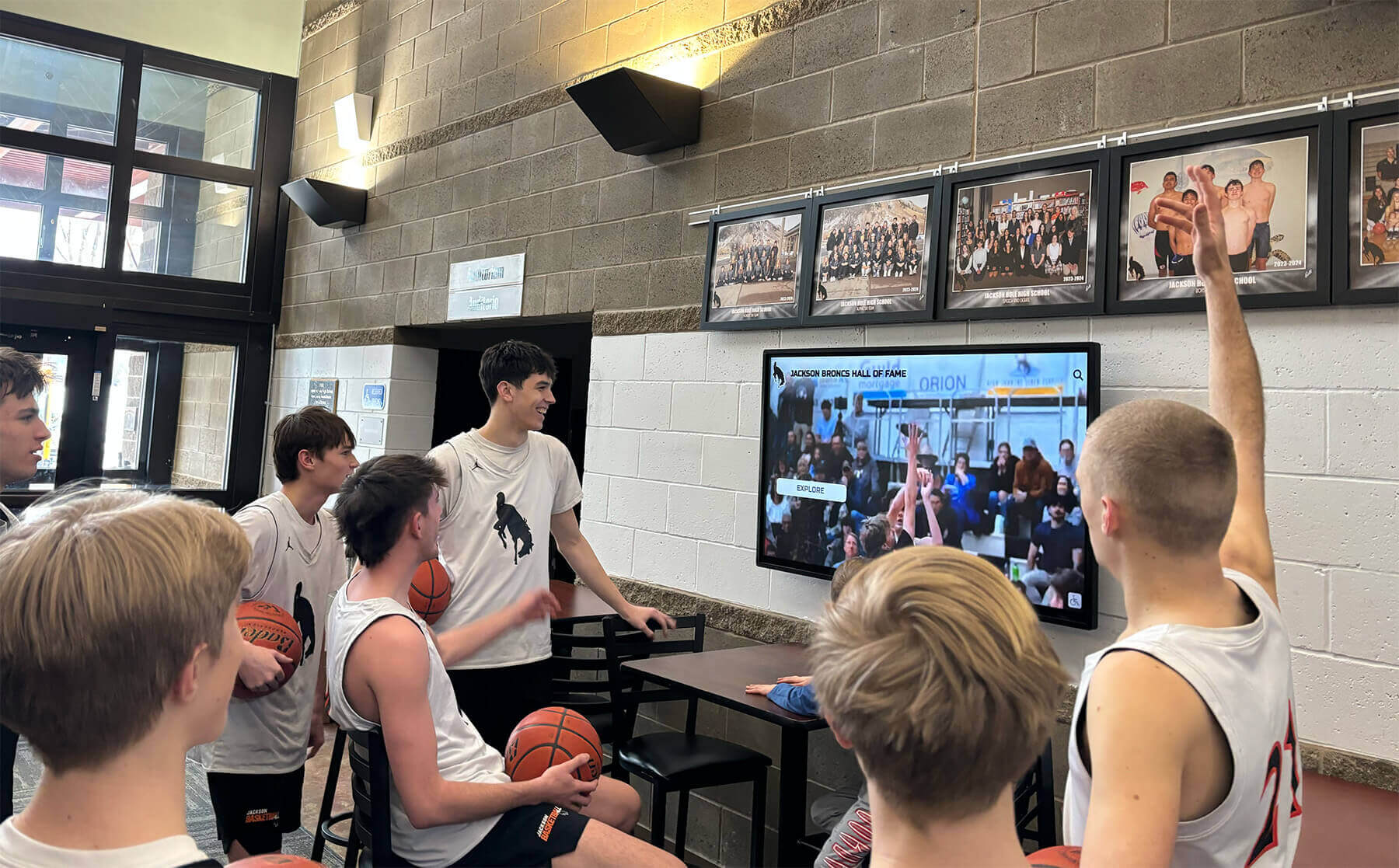
Modern recognition kiosks provide permanent platforms celebrating defensive excellence alongside all achievements
Crafting Meaningful Presentation Remarks
How coaches present defensive rookie awards impacts recipient experience:
Telling the Defensive Development Story
Effective presentations contextualize defensive excellence:
- Specific description of defensive challenges rookies face
- Concrete examples of defensive growth throughout season
- Documentation of key defensive stops and clutch plays
- Statistical evidence of defensive impact and improvement
- Character and attitude enabling rapid defensive development
- Future defensive potential unlocked through rookie season success
Emphasizing Defensive Value and Sacrifice
Presentation must celebrate defensive commitment:
- Frame defensive excellence as equally valuable as offensive achievement
- Emphasize defensive stops creating team success and wins
- Celebrate physical sacrifice inherent in defensive excellence
- Highlight defensive intelligence and preparation often invisible
- Acknowledge defensive consistency across full season not just highlights
- Project optimism about continued defensive growth and impact
Connecting Individual Defense to Team Success
Link rookie defensive excellence to team benefit:
- Specific games where defensive contribution proved decisive
- Championship success enabled by defensive excellence
- Inspiration provided to teammates through defensive commitment
- Team defensive improvement correlating with rookie contribution
- Opponent respect and adjustment to defensive ability
- Future team success built on defensive foundation
Physical Award Selection
Tangible recognition reinforces defensive rookie acknowledgment:
Traditional Trophy and Plaque Options
Classic awards remain popular:
- Quality trophy or plaque proportional to award significance
- Defensive-specific design elements (defensive imagery, symbols)
- Personalization with athlete name, year, sport, achievement
- Display-worthy presentation maintaining prestige over time
- Consistent design within program award family
- Durable construction for long-term keepsake value
Creative Defensive Recognition Alternatives
Non-traditional awards increase meaning:
- Defensive-themed gear (practice jersey, defensive playbook, equipment)
- Custom plaque featuring defensive statistics and achievement narrative
- Framed photo montage showcasing defensive highlights
- Personalized letter from coaches describing defensive impact
- Game ball or equipment from signature defensive performance
- Special defensive designation for following season recognizing continued excellence
Digital Recognition Integration
Modern platforms provide permanent acknowledgment:
- Profile in digital athletic recognition system highlighting defensive excellence
- Interactive displays telling defensive development story
- Video montage documenting season defensive highlights
- Statistical dashboard showing defensive metrics and impact
- Social media spotlight celebrating defensive achievement
- Program website feature and permanent defensive archive
Combining physical keepsake with digital permanent recognition maximizes impact while ensuring achievement preservation.
For comprehensive recognition approaches preserving defensive achievements, explore memorial wall ideas adaptable to athletic achievement displays.
Professional Defensive Rookie of the Year Context
Understanding professional defensive rookie recognition provides context for school programs:
NFL Defensive Rookie of the Year
The NFL’s Defensive Rookie of the Year award establishes standard:
Selection Criteria and Process
Professional criteria informing school approaches:
- Statistical production across defensive categories
- Team defensive improvement correlating with rookie contribution
- Versatility and consistent performance throughout season
- Playoff performance and clutch defensive plays
- Votes from media and NFL stakeholders
- Recognition of position-specific defensive excellence
Recent Winners and Impact
Professional defensive rookies demonstrating immediate impact:
- First-year players earning Pro Bowl selections
- Rookie defensive dominance changing games and opponent strategies
- Physical skills combined with mental preparation and film study
- Character and work ethic enabling rapid professional adaptation
- Long-term career success built on rookie defensive foundation
- Team success correlation with elite defensive rookie contribution
Translating Professional Standards to School Sports
Adapting professional recognition to developmental programs:
- Age-appropriate expectations for high school defensive rookies
- Statistical adjustments for shorter seasons and smaller samples
- Development trajectory emphasis over absolute performance
- Coach evaluation supplementing limited statistical tracking
- Character and effort components balancing measurable achievement
- Future potential consideration alongside current production
NBA Defensive Rookie Excellence
Basketball’s professional defensive rookie standouts:
Professional Defensive Impact Metrics
Advanced statistics measuring defensive contribution:
- Defensive rating and opponent field goal percentage
- Defensive win shares and plus-minus metrics
- Defensive versatility guarding multiple positions
- Rim protection and perimeter defensive excellence
- Defensive rebounding and possession control
- All-defensive team selections for rookies
School Program Adaptation
Translating professional defensive evaluation to high school:
- Simplified defensive statistics accessible to school programs
- Coach subjective evaluation supplementing limited tracking
- Film study revealing defensive positioning and communication
- Opponent adjustment and game-planning around defensive rookie
- Teammate and peer recognition of defensive excellence
- Development trajectory from early season to late season playoffs
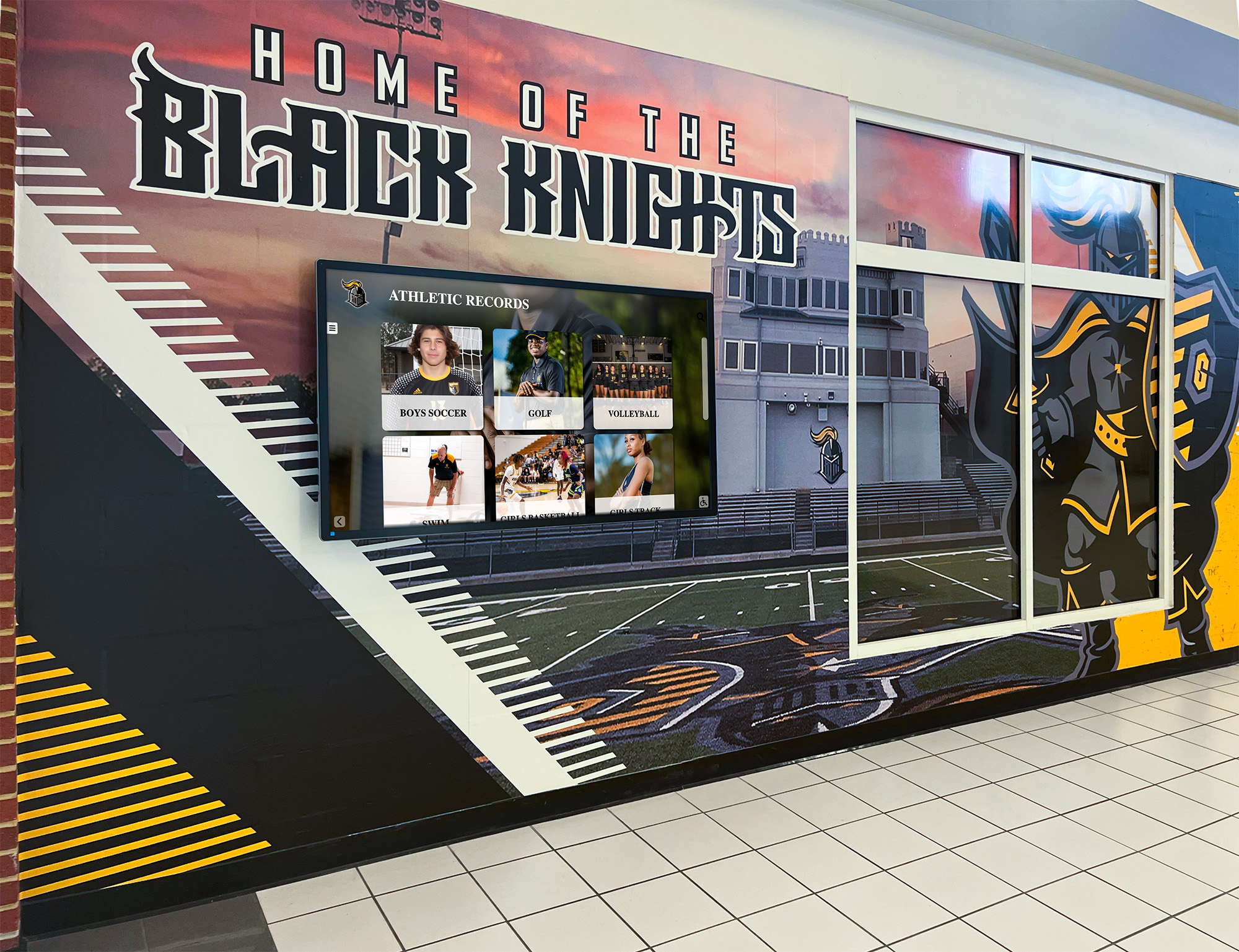
Integrating defensive recognition within athletic facilities creates cohesive defensive culture and visibility
Professional Hockey and Soccer Defensive Rookies
Other sports’ approaches to defensive rookie recognition:
NHL Calder Trophy Defensive Consideration
Hockey’s rookie award including defensive excellence:
- Defensive metrics (plus-minus, blocked shots, takeaways)
- Goaltender rookie excellence (save percentage, shutouts)
- Two-way play combining defensive responsibility with offensive contribution
- Penalty kill effectiveness and short-handed situations
- Playoff performance and clutch defensive plays
- Team defensive improvement with rookie contribution
MLS and International Soccer Defensive Rookies
Soccer’s defensive rookie standouts:
- Clean sheets and goals against average for defenders
- Tackles won and interceptions in defensive third
- Distribution accuracy starting attacks from back
- Aerial dominance and physical defensive presence
- Leadership organizing defensive shape and communication
- Consistency across long season and different competitions
These professional examples provide frameworks school programs adapt to their specific contexts while maintaining core recognition of immediate defensive impact by first-year athletes.
For ideas about building recognition programs that honor excellence across multiple categories, explore comprehensive approaches applicable to athletic recognition.
Building Defensive Culture Through Rookie Recognition
Most effective recognition systems reinforce defensive program values and culture.
Recognition Criteria Reflecting Defensive Values
Award categories should emphasize what defensive program prioritizes:
Defensive Effort and Hustle Recognition
Beyond statistics, effort defines great defense:
- Hardest Working Defensive Player (rookie category)
- Defensive Hustle Award for first-year athletes
- Charges Taken Award recognizing physical sacrifice
- Dive and Floor Play Award celebrating effort plays
- Pursuit Award for chasing down opponents relentlessly
- Iron Defense Award for consistent defensive intensity
Defensive Intelligence Awards
Mental game separates good from elite defenders:
- Defensive IQ Award for scheme mastery
- Film Study Award for preparation excellence
- Communication Award for organizing teammates
- Anticipation Award for reading opponents
- Adjustment Award for halftime and in-game adaptations
- Scouting Award for opponent study and preparation
Team Defensive Excellence
Collective defensive achievement recognition:
- Best Defensive Unit (including rookie contributors)
- Defensive Improvement Award for position groups
- Championship Defense Award for playoff excellence
- Shutout/Clean Sheet Recognition for complete defensive efforts
- Defensive Stand Award for clutch stops
- Practice Defense Award for developmental contributions
These value-aligned awards communicate that defensive excellence requires more than natural athletic ability—it demands preparation, effort, intelligence, and sacrifice.
Connecting Defensive Recognition to Academic Success
Balancing athletic defensive excellence with academic achievement:
Scholar-Defensive Player Programs
Academic excellence alongside defensive commitment:
- Academic All-Conference defensive recognition
- GPA-based achievement for defensive standouts
- Study habits translating to film study excellence
- Time management balancing defense preparation and academics
- Leadership in classroom and on defensive end
- College placement based on academic and defensive reputation
Life Skills Through Defensive Excellence
Character development through defensive commitment:
- Work ethic from defensive preparation translating to career success
- Mental toughness from defensive challenges building resilience
- Team-first mentality from defensive sacrifice creating leadership
- Accountability from defensive assignments teaching responsibility
- Persistence from defensive development requiring sustained effort
- Humility from defensive role often lacking public recognition
Post-Graduation Defensive Impact
Alumni success traced to defensive foundation:
- College athletic placement emphasizing defensive skill and character
- Career success attributed to defensive work ethic and persistence
- Coaching career paths starting with defensive specialization
- Leadership roles in careers built on defensive team-first mentality
- Alumni testimonials about defensive recognition meaning
- Mentorship of current players by defensive alumni
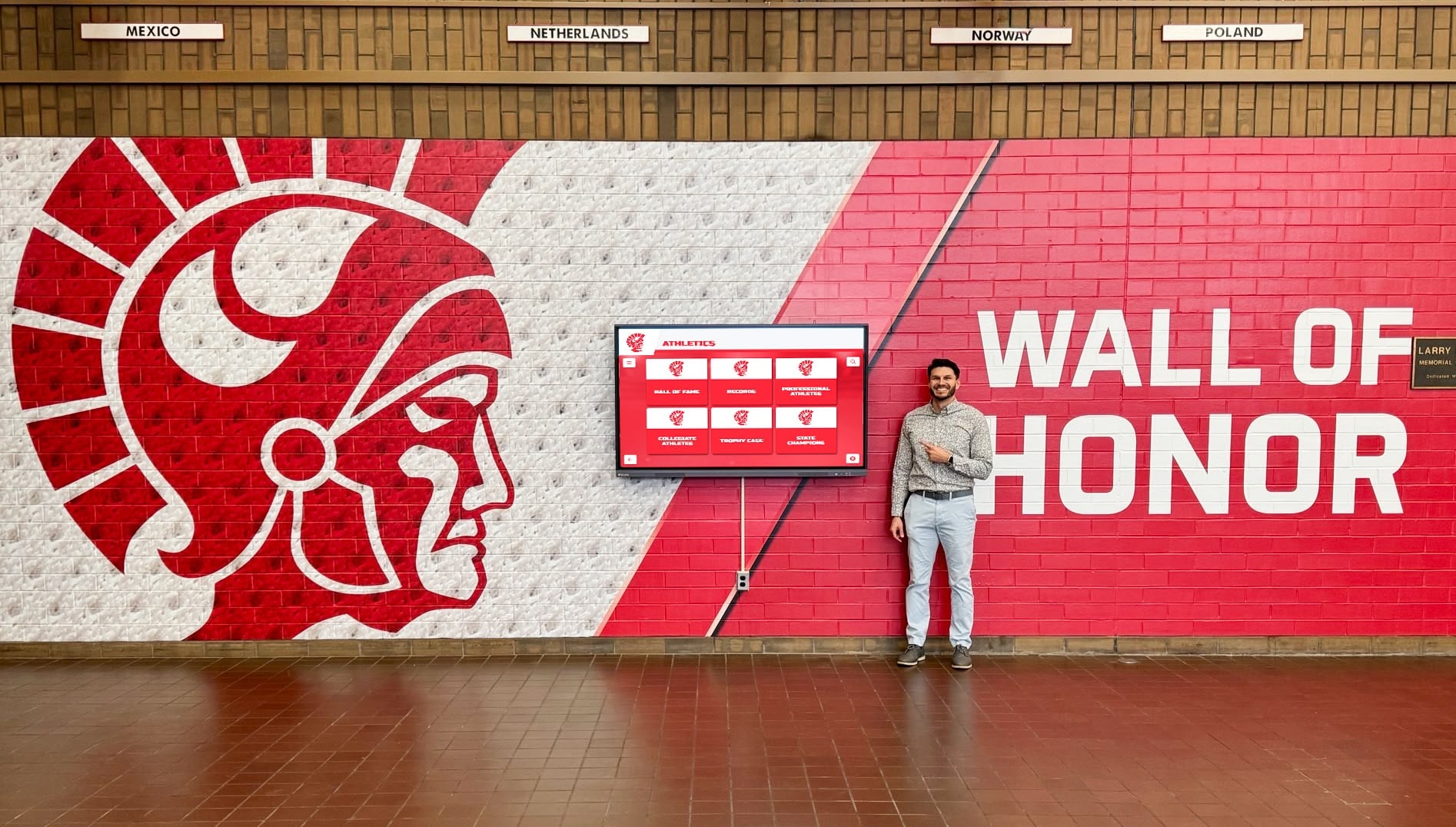
Wall of honor displays integrating defensive awards create visible defensive culture and tradition
Building Multi-Generational Defensive Tradition
Creating defensive program identity through recognition:
Historical Defensive Excellence Connection
Current rookies compared to defensive legends:
- All-time defensive rankings including rookie achievements
- Alumni defensive excellence acknowledgment and comparison
- Family defensive legacy across generations
- Coaching era defensive identity and evolution
- Championship defensive performances through program history
- Defensive tradition documentation and storytelling
Future-Focused Defensive Development
Recognition creating defensive pipeline:
- Underclassmen defensive promise and potential awards
- Developmental defensive trajectory recognition
- Next-generation defensive leadership identification
- Defensive standard-bearer designation for future seasons
- Defensive tradition continuation awards
- Defensive mentorship of younger athletes by recognized rookies
Programs that systematically connect current defensive rookies to historical defensive tradition create cultures where commitment to defensive excellence passes across generations while first-year athletes immediately feel part of something larger than themselves.
Implementing Defensive Rookie Recognition Programs
Creating systematic defensive rookie recognition requires planning and sustained commitment.
Program Design and Development
Initial Planning Phase
Establishing defensive rookie recognition foundation:
- Define rookie eligibility criteria clearly
- Identify defensive statistics tracked systematically
- Establish selection committee or process
- Determine award presentation timing and format
- Budget allocation for physical awards
- Communication strategy announcing award and process
- Integration with existing recognition programs
Selection Process Development
Creating fair, credible evaluation:
- Statistical compilation methods and sources
- Film study protocol and evaluation rubric
- Coach evaluation forms and discussion format
- Player input collection if incorporated
- Timeline from season end to winner announcement
- Transparency about criteria and process
- Appeals or feedback mechanism if needed
Award Presentation Planning
Maximizing recognition impact:
- Banquet or ceremony integration
- Presentation remarks preparation
- Physical award ordering with appropriate lead time
- Digital recognition platform updates
- Social media announcement strategy
- Media relations and publicity approach
- Photo documentation and keepsake creation

Accessible lobby displays enable continuous recognition of defensive excellence alongside all athletic achievements
Annual Management and Sustainability
Season-Long Tracking
Systematic defensive documentation:
- Game-by-game defensive statistics compilation
- Film study notes documenting qualitative defensive excellence
- Coach observations and developmental assessments
- Incident log of clutch defensive plays and moments
- Comparison tracking against teammates and opponents
- Injury and playing time context for statistical evaluation
Post-Season Selection Process
Structured evaluation ensuring credibility:
- Statistics compilation and verification
- Film review session with coaching staff
- Candidate identification and discussion
- Voting or consensus building if committee-based
- Winner notification and family communication
- Award preparation and presentation logistics
- Historical record documentation and archiving
Long-Term Program Maintenance
Sustaining defensive rookie recognition:
- Historical winner records and archives maintenance
- Award criteria refinement based on program evolution
- Budget allocation ensuring sustained recognition
- Staff training for continuity during coaching transitions
- Alumni engagement maintaining institutional knowledge
- Program evaluation and improvement annually
- Technology updates for digital recognition platforms
Systematic planning prevents recognition programs from depending on single individuals while ensuring consistent quality across seasons regardless of staff changes.
For comprehensive recognition technology supporting defensive achievement documentation, explore digital archives enabling permanent preservation of defensive excellence.
Conclusion: Celebrating Defensive Rookie Excellence
Defensive rookie of the year awards represent powerful recognition honoring first-year athletes who excel at the challenging, often underappreciated fundamentals that win championships. When designed thoughtfully with clear criteria, systematic selection, and meaningful presentation, defensive rookie awards communicate that programs value complete play—that stopping opponents matters as much as scoring, that team success depends on defensive excellence, and that rookies can make immediate meaningful impact through commitment to the demanding defensive side of the game.
The recognition strategies explored in this guide provide comprehensive frameworks for implementing defensive rookie awards that motivate continuous development while honoring first-year athletes whose dedication produced measurable defensive impact. From establishing objective defensive metrics to creating permanent digital recognition displays, these approaches ensure defensive excellence receives acknowledgment equal to offensive achievement while specifically celebrating rookies who demonstrated immediate defensive contributions.
Preserve Your Defensive Excellence Legacy
Discover how interactive touchscreen displays can help you permanently celebrate defensive rookie achievements alongside championships, creating lasting inspiration for current and future athletes committed to defensive excellence.
Request a DemoMost importantly, effective defensive rookie recognition creates environments where first-year athletes understand that defensive commitment provides pathway to meaningful acknowledgment regardless of offensive production—that programs value complete players who sacrifice for team success, that defensive excellence matters deeply to winning cultures, and that rookies willing to embrace defensive challenges receive recognition celebrating their contributions.
Whether your program operates with abundant resources or modest budgets, the core elements of meaningful defensive rookie recognition remain constant: clear criteria valuing defensive contributions, fair selection processes incorporating both statistics and subjective evaluation, thoughtful presentation honoring recipients’ defensive sacrifice, and permanent preservation ensuring defensive achievements inspire future athletes. Technology like Touch Archive now enables even resource-constrained programs to provide comprehensive documentation of defensive rookie excellence that previous generations could only achieve through extensive manual record-keeping.
Start building your defensive rookie recognition program today with confidence that systematic attention to defensive criteria definition, selection processes emphasizing both quantitative and qualitative defensive excellence, and permanent preservation documenting defensive achievements will create systems your athletes never forget. Every first-year athlete who receives heartfelt recognition for their defensive dedication reinforces your program’s defensive culture and inspires future rookies to commit themselves fully to the challenging, rewarding excellence that defines championship defense.
Ready to transform how your program honors defensive rookie excellence? Explore Touch Archive solutions for comprehensive athletic recognition preserving defensive achievements permanently through interactive displays that engage current teams while inspiring future generations of defensive standouts committed to team-first excellence.