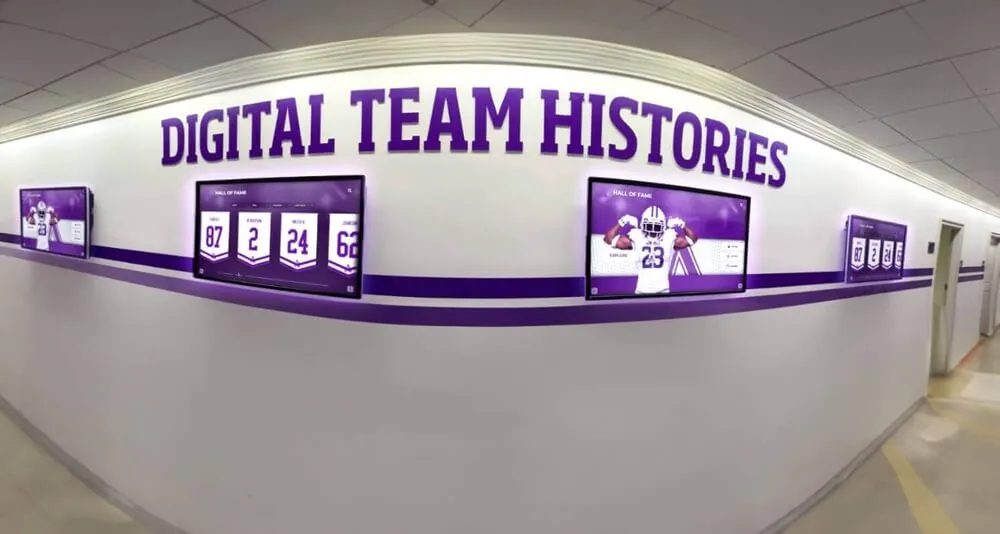
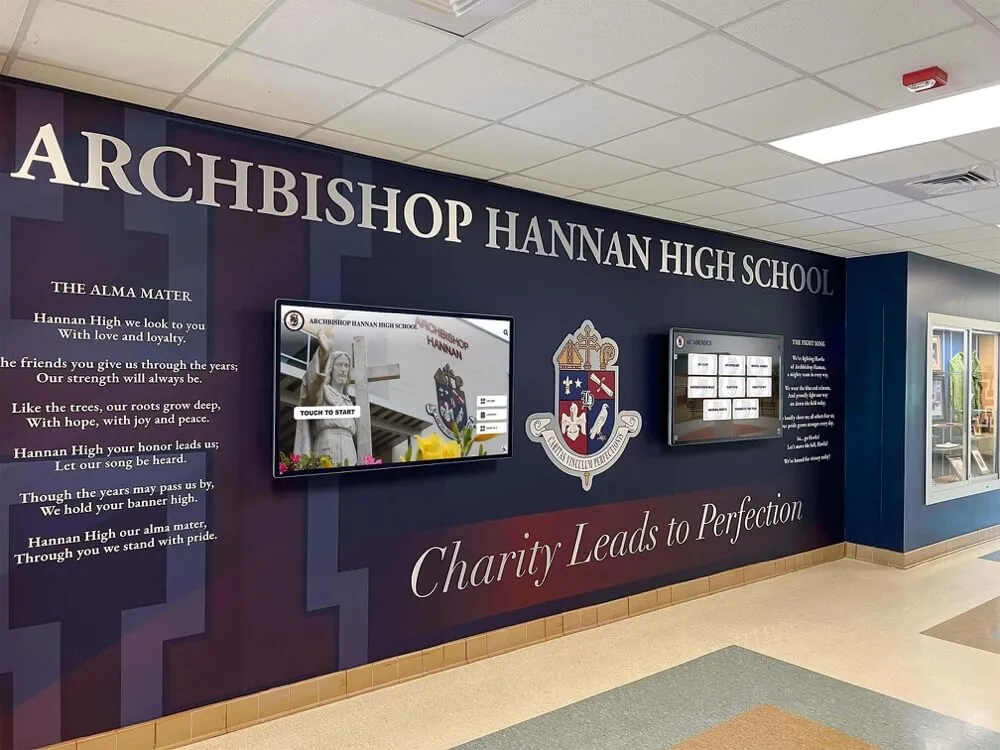
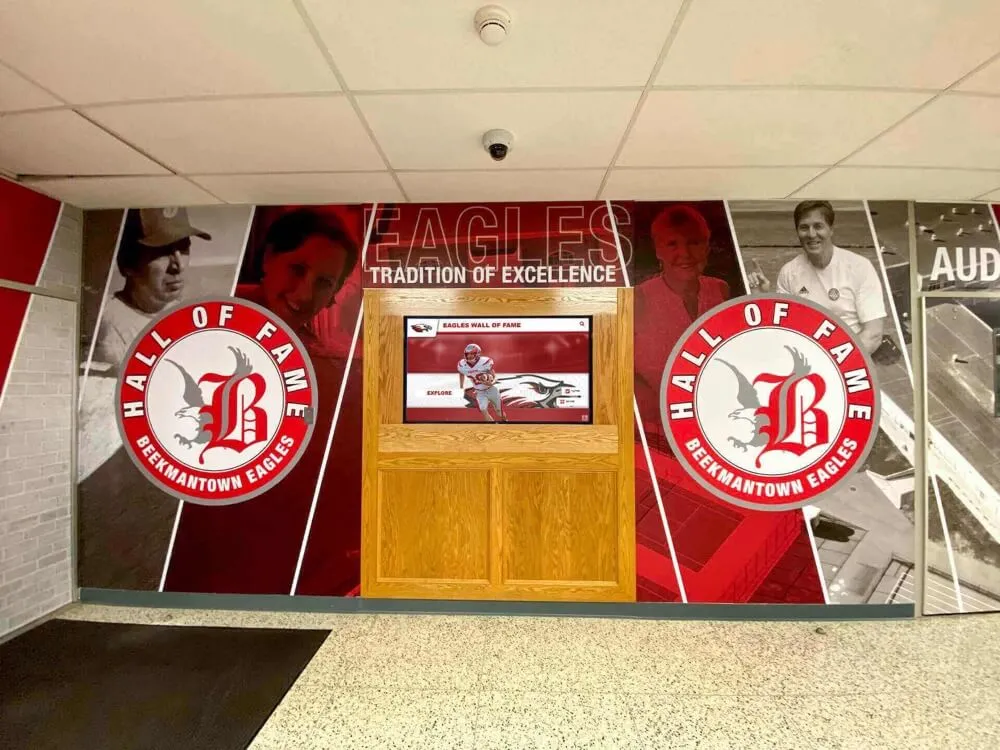
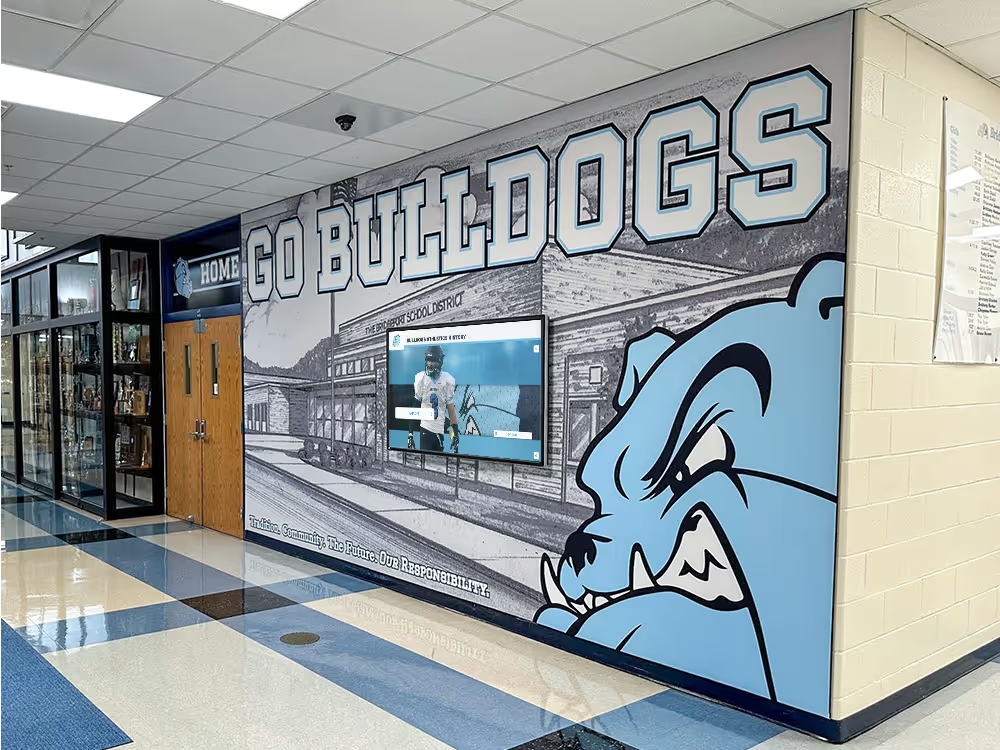
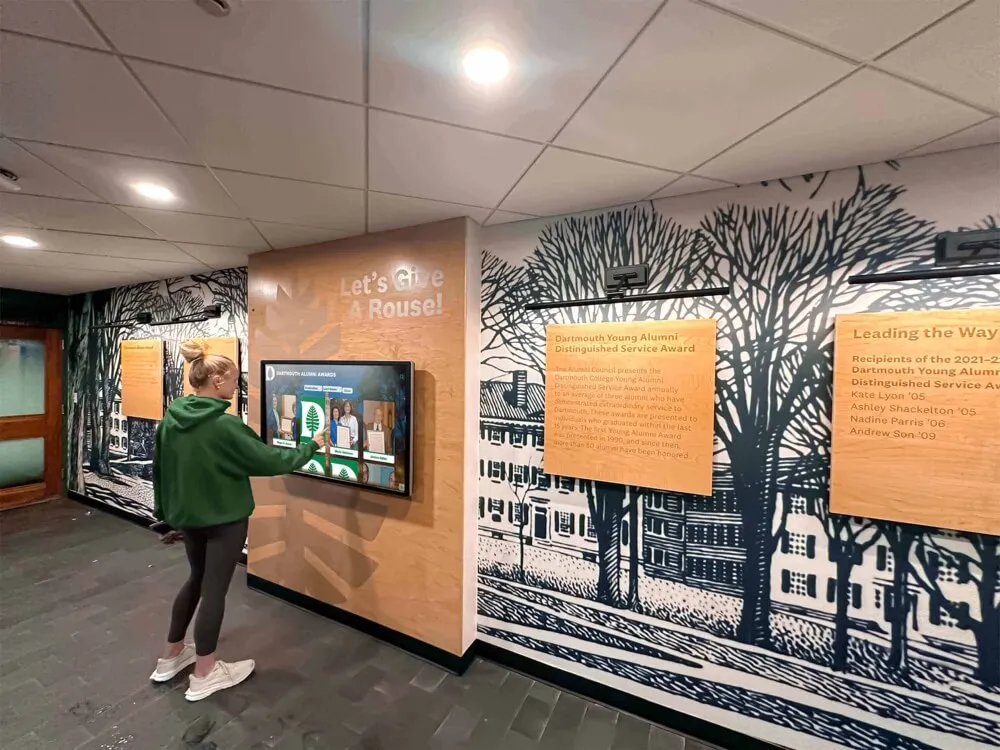
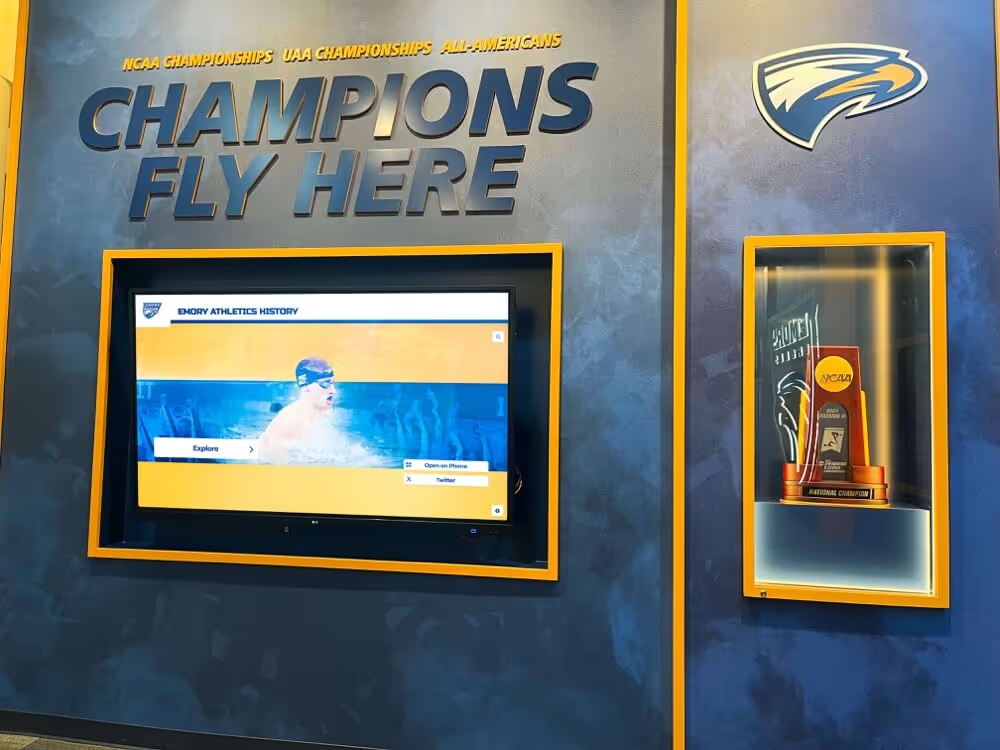
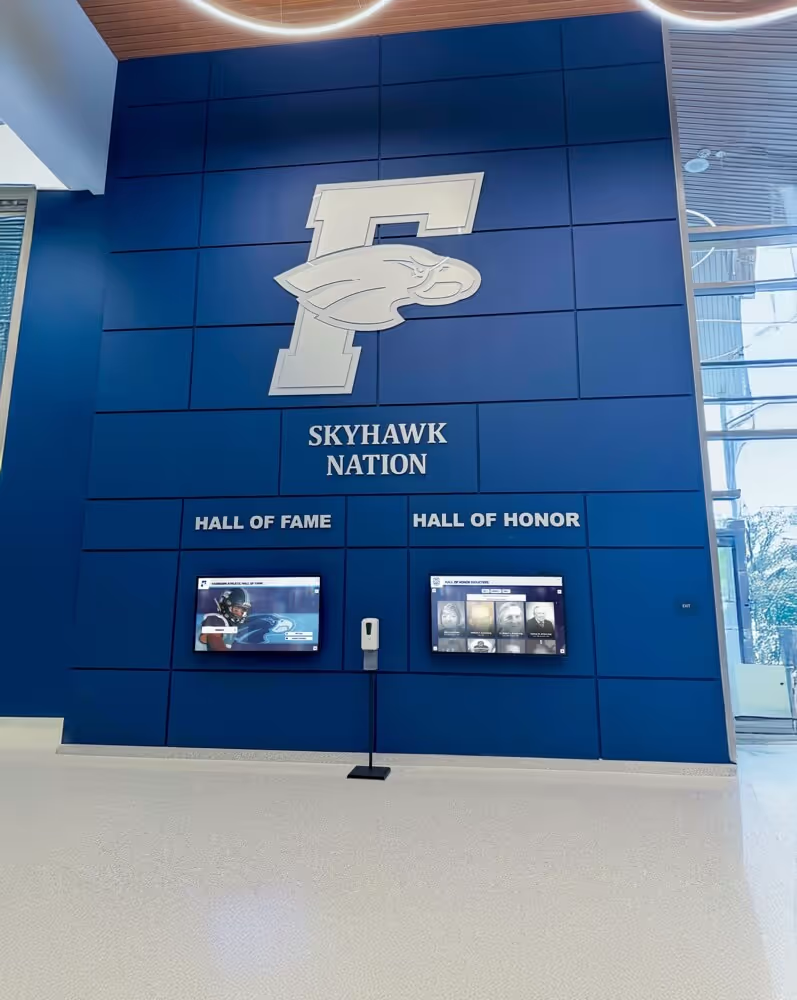
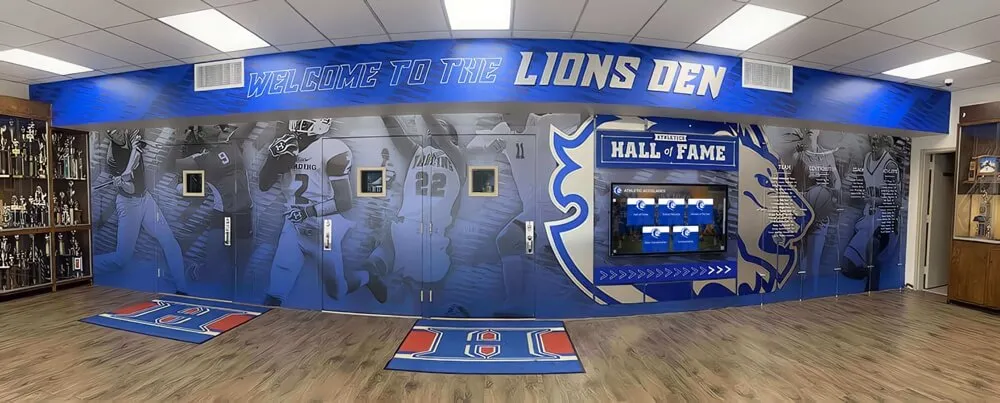
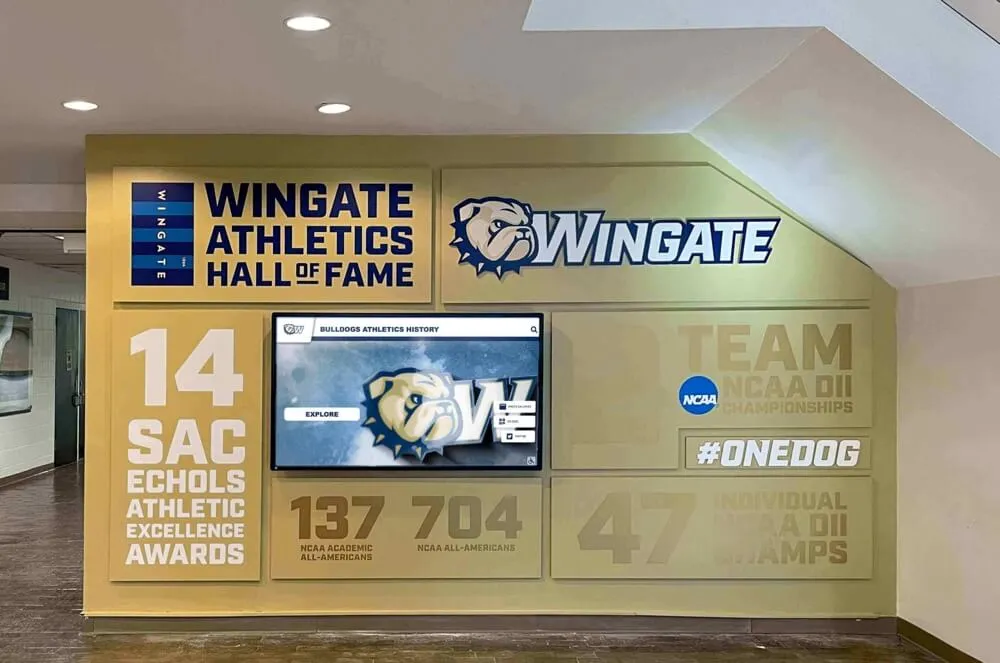
Campus administrators face a persistent challenge: creating meaningful engagement opportunities that resonate with diverse student populations while celebrating institutional achievements. Traditional recognition methods—static plaques, paper newsletters, and trophy cases—fail to capture student attention in an environment where digital interaction is the norm.
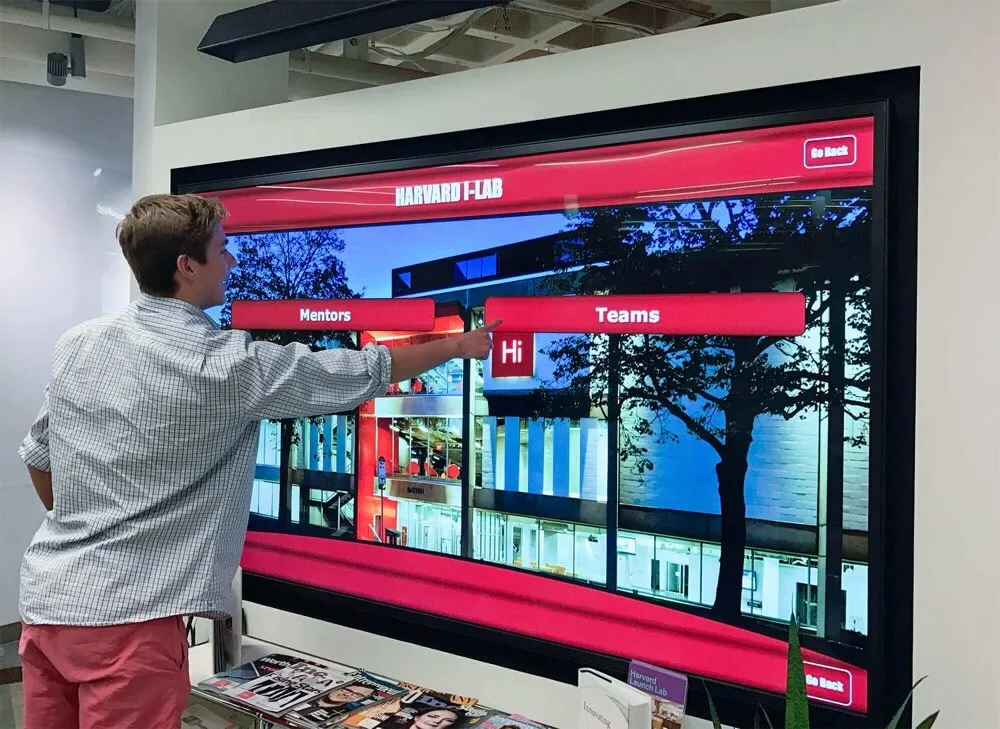
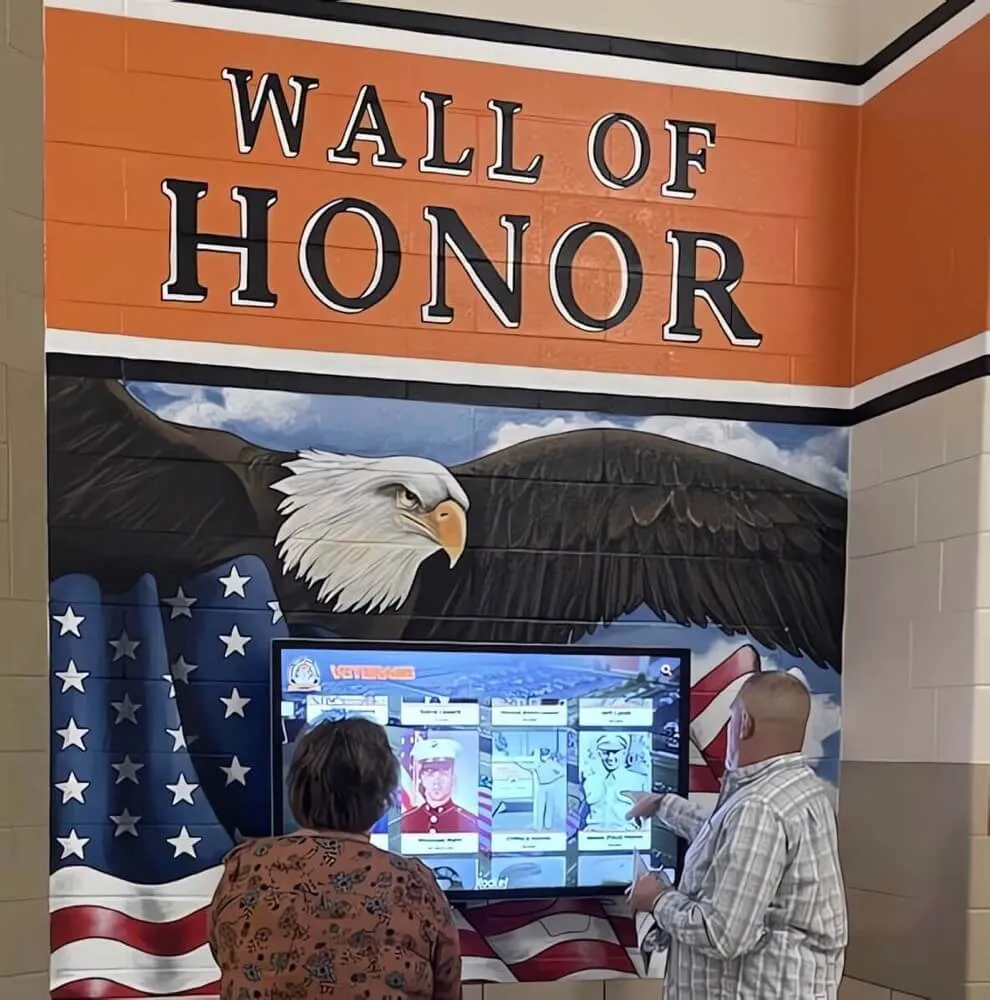
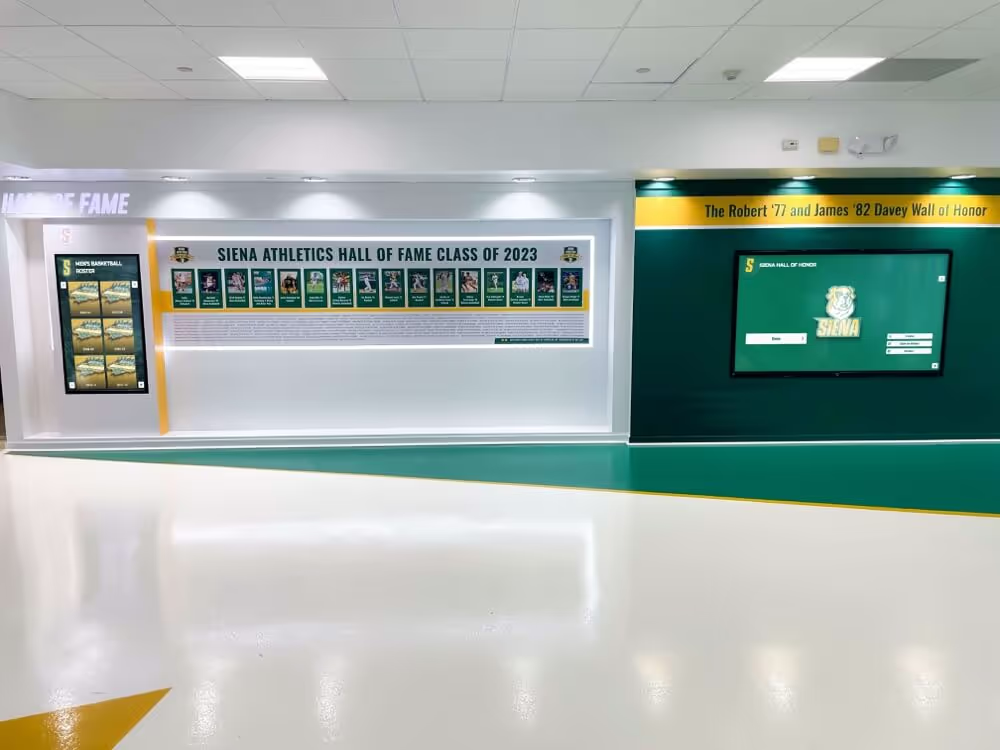
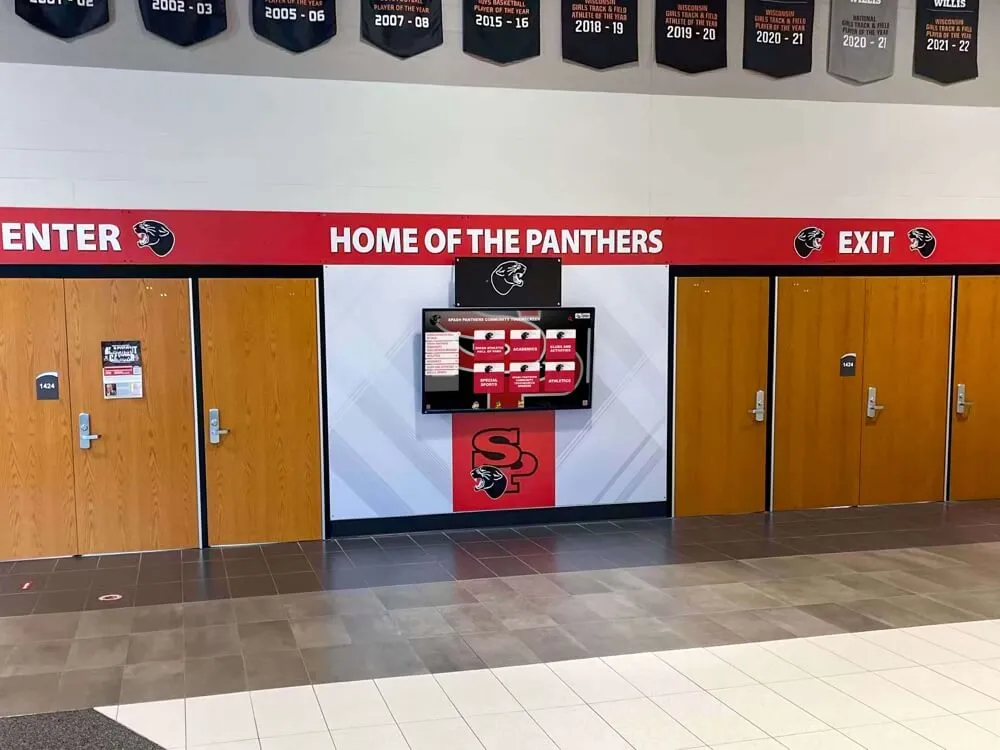
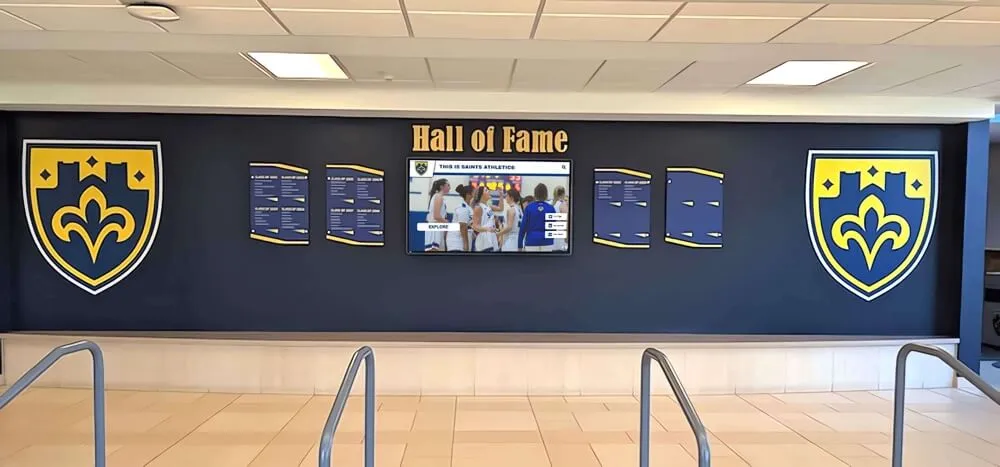
Digital record boards address this engagement gap by transforming how campuses recognize achievements, share information, and build community. Schools implementing interactive recognition displays report measurable increases in student interaction with institutional content, with visitors spending an average of 3-5 minutes exploring digital displays compared to mere seconds glancing at traditional plaques.
This guide presents 20 practical ideas for using digital record boards to increase campus engagement, from athletic record tracking to academic honors, alumni connections, and community building initiatives that create lasting impact.
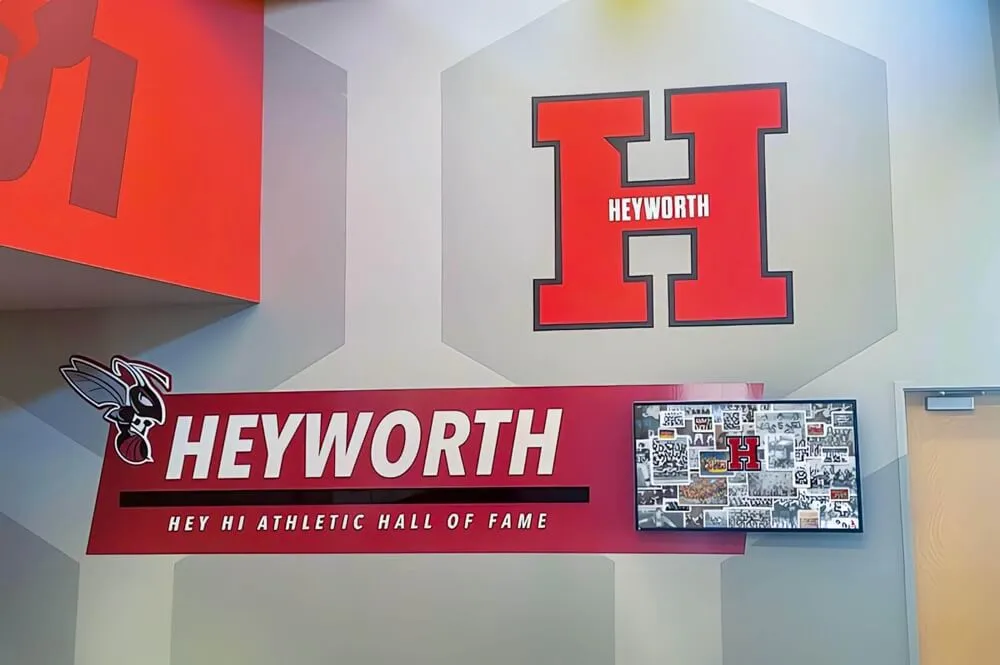
Understanding Digital Record Boards for Campus Engagement
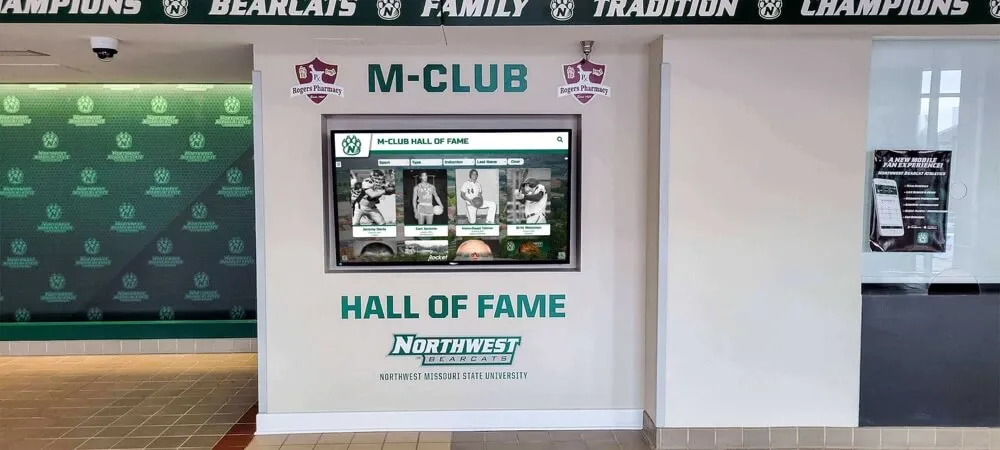
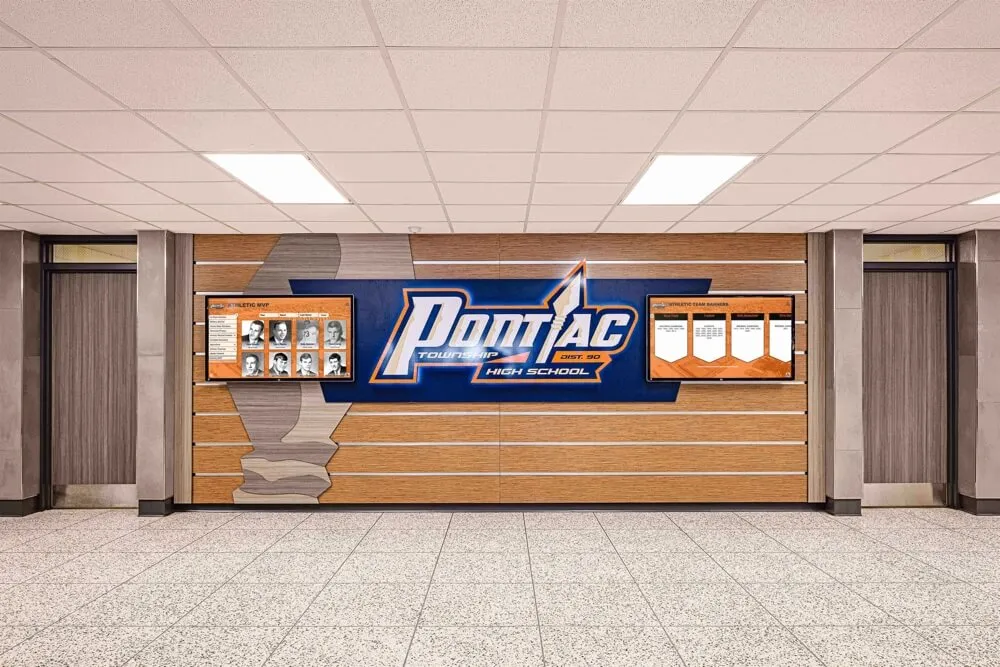
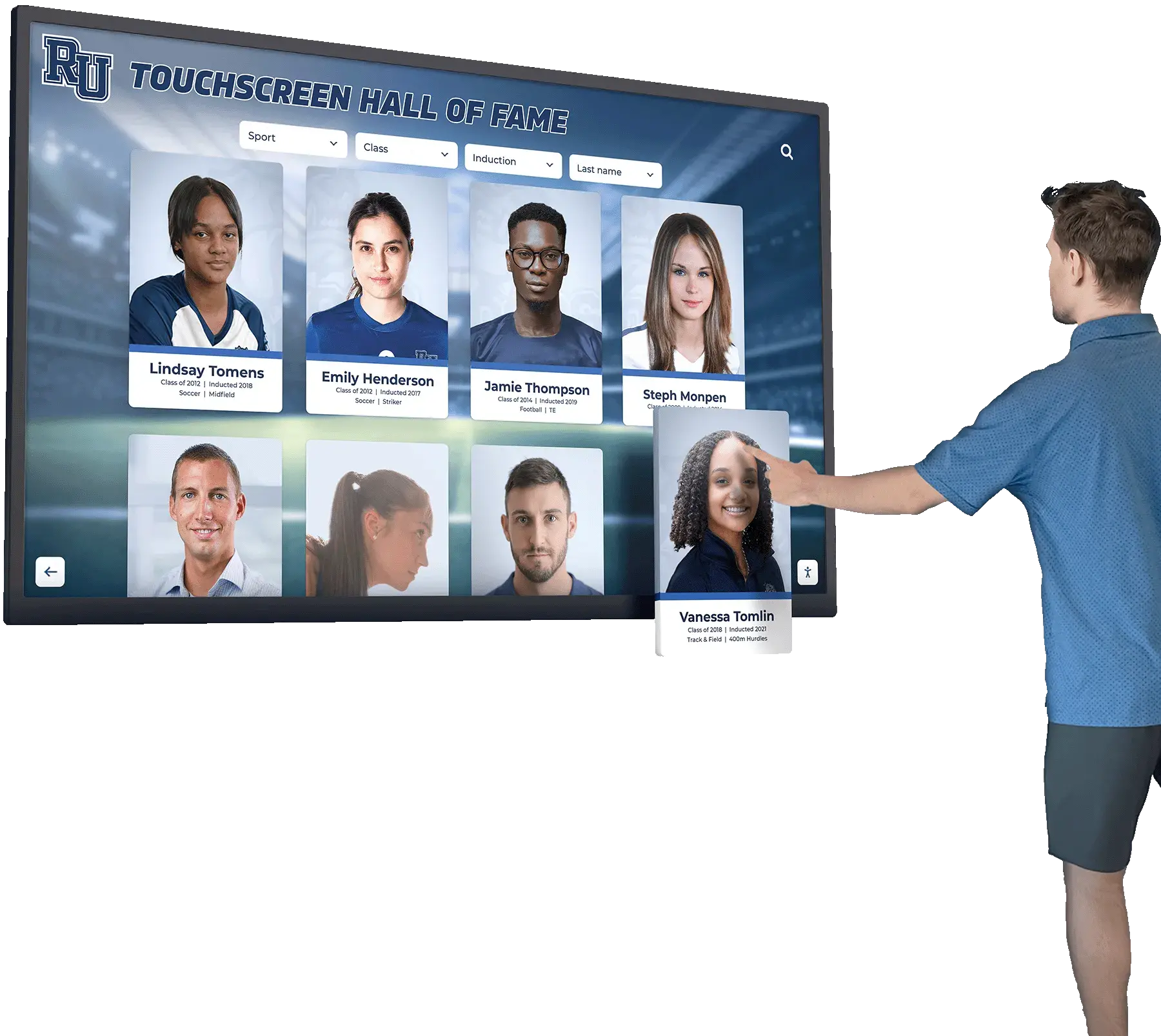
Digital record boards combine touchscreen technology with content management systems to create interactive displays that present achievements, records, and institutional information. Unlike traditional recognition methods limited by physical space and static presentation, digital platforms allow unlimited entries, real-time content updates, and engaging multimedia presentations.
The technology serves multiple campus needs simultaneously—athletic record tracking, academic honor rolls, historical archives, and community recognition—while providing analytics that measure engagement and inform content strategy.
Schools report that digital trophy case solutions address space limitations while creating more engaging recognition experiences than traditional displays.
Athletic Recognition and Record Tracking
1. Real-Time Season Records Display
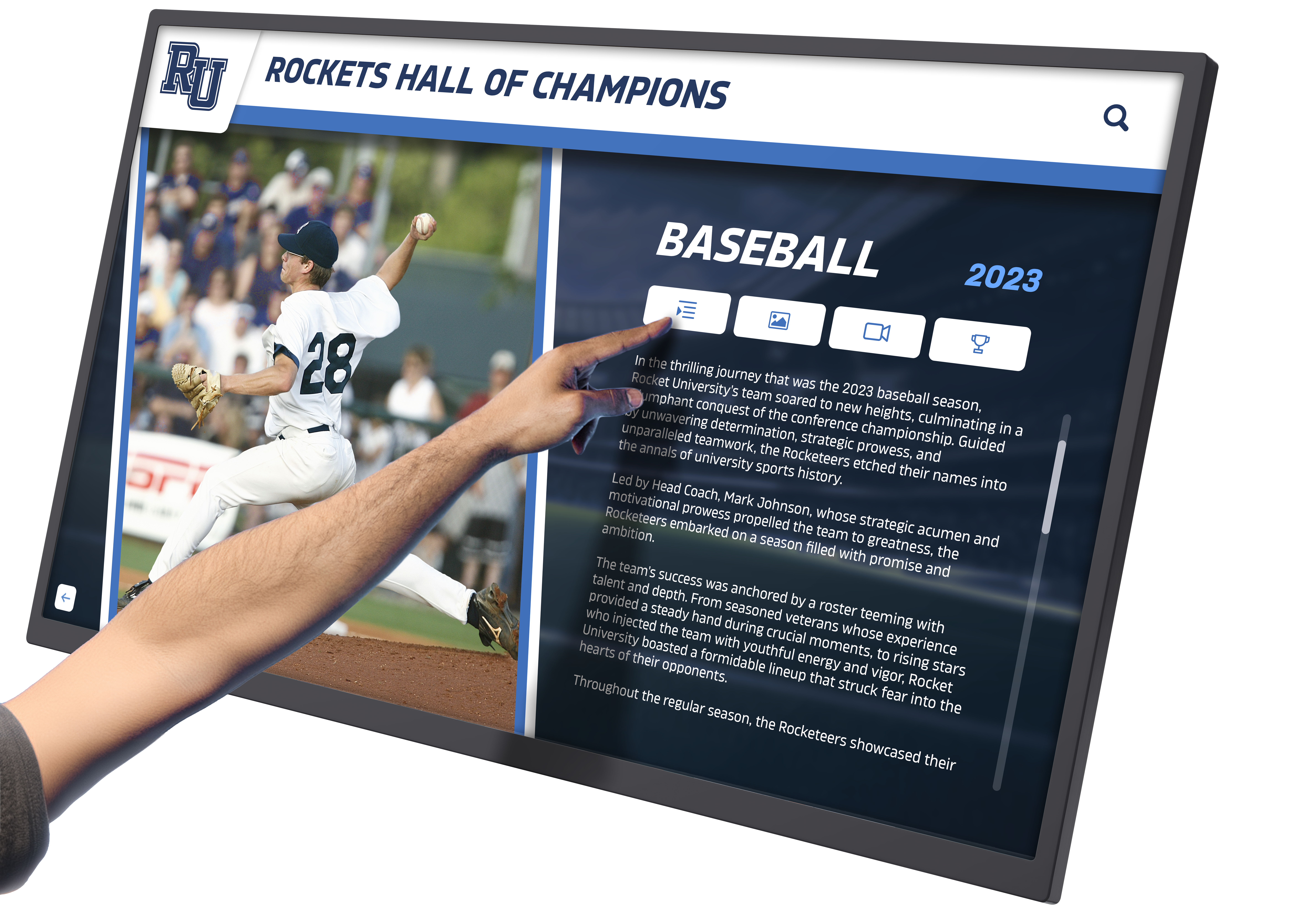
Display current season records as they happen. Update individual and team statistics automatically after each competition, allowing students, parents, and visitors to track performance throughout the season. This immediate recognition maintains excitement and engagement during active seasons rather than waiting for end-of-year ceremonies.
Configure displays to show top performers in each sport category—fastest times, highest scores, most points, defensive leaders—with automatic ranking based on latest results. Athletes see their achievements recognized immediately, creating motivation for continued excellence.
2. All-Time Record Holders Archive
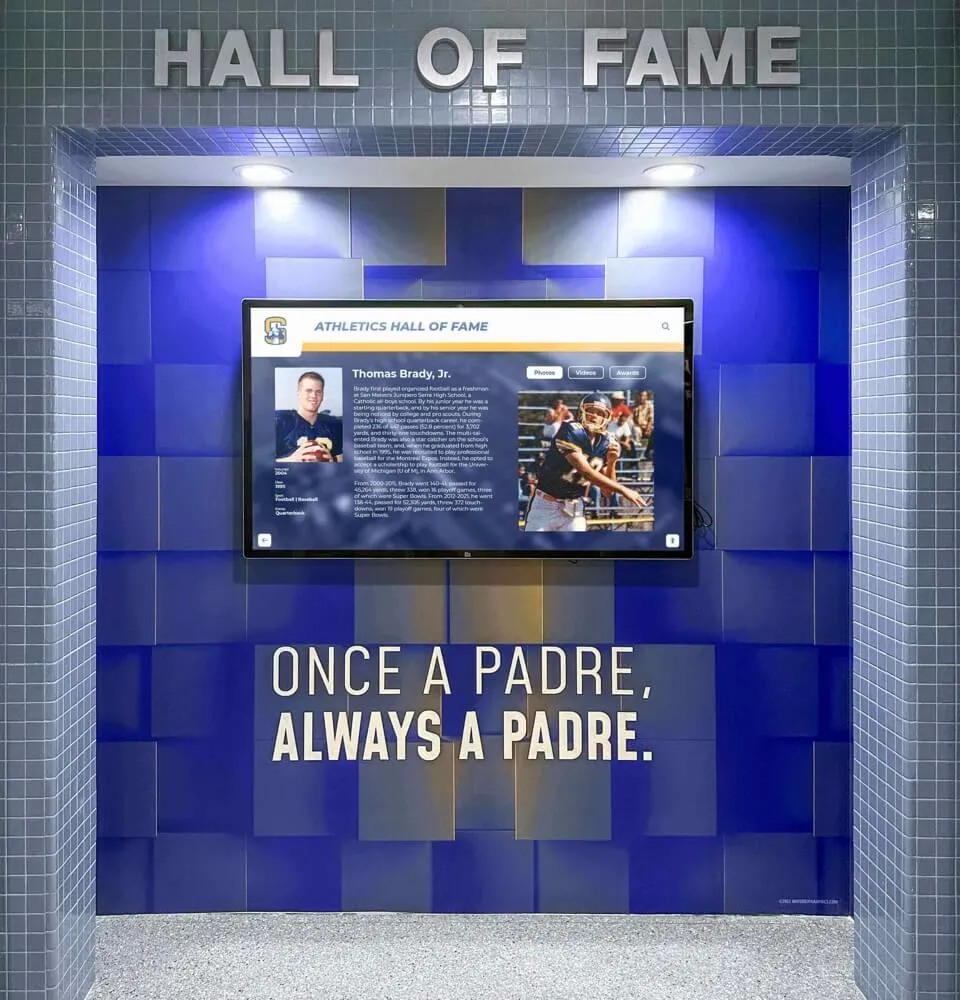
Create comprehensive archives of all-time school records across every sport. Include athlete profiles with photos, graduation years, record details, and historical context. Students browsing the display discover institutional history while current athletes see clear targets for breaking long-standing records.
Organize records by sport, decade, or achievement type. Add context about conditions when records were set—facility upgrades, rule changes, or exceptional circumstances—that helps current students appreciate historical achievements.
3. Championship Team Recognition
Dedicate sections to championship teams with complete rosters, season highlights, final records, and championship game details. Include team photos, coaching staff recognition, and notable achievements from that season.
Many programs implementing state championship recognition displays find that displaying complete team history increases pride and creates connection between current and former students.
4. Student-Athlete Spotlight Rotation
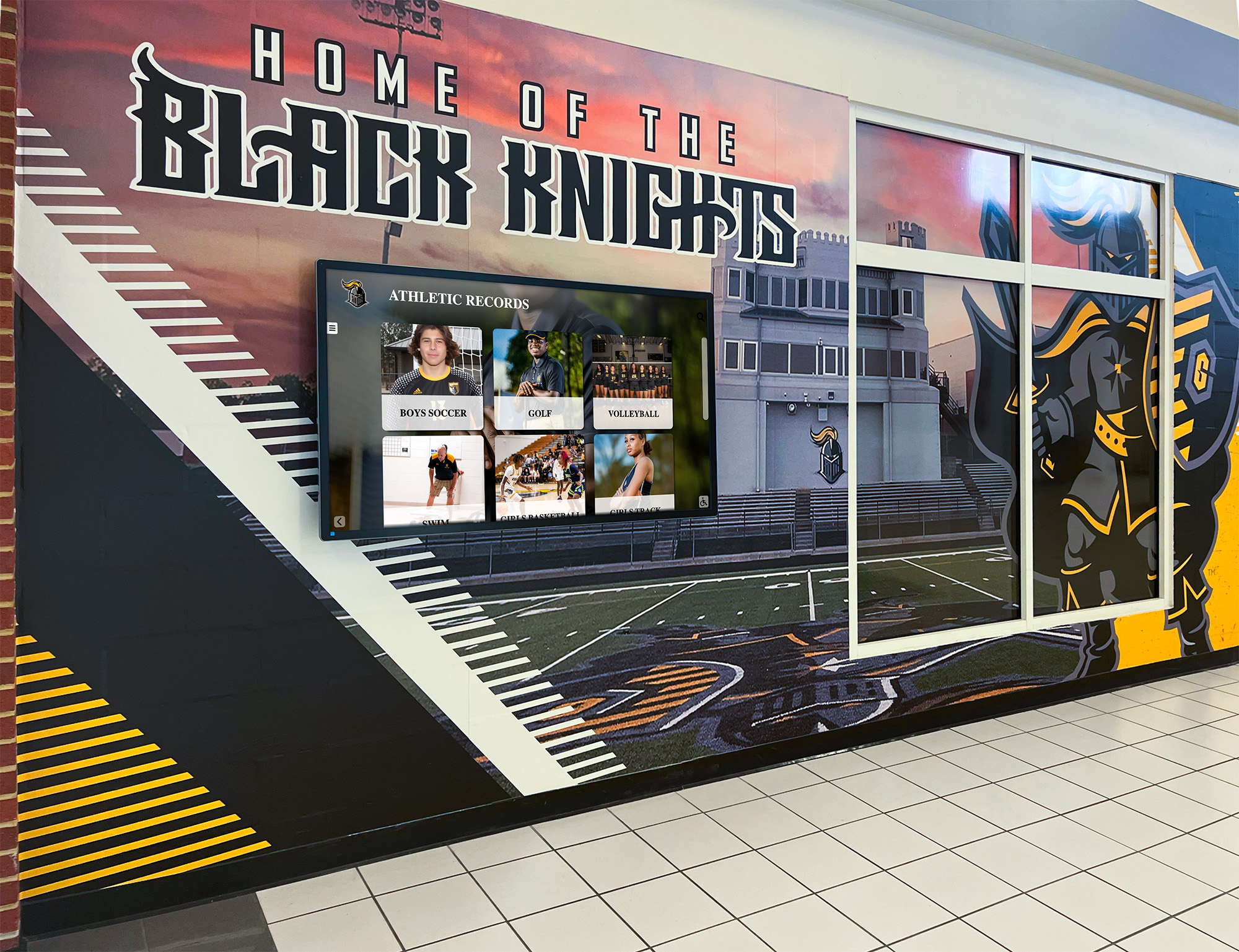
Feature rotating spotlights on current student-athletes, highlighting not just athletic performance but also academic achievements, community service, leadership roles, and future plans. This comprehensive recognition demonstrates that athletic excellence exists alongside academic and personal development.
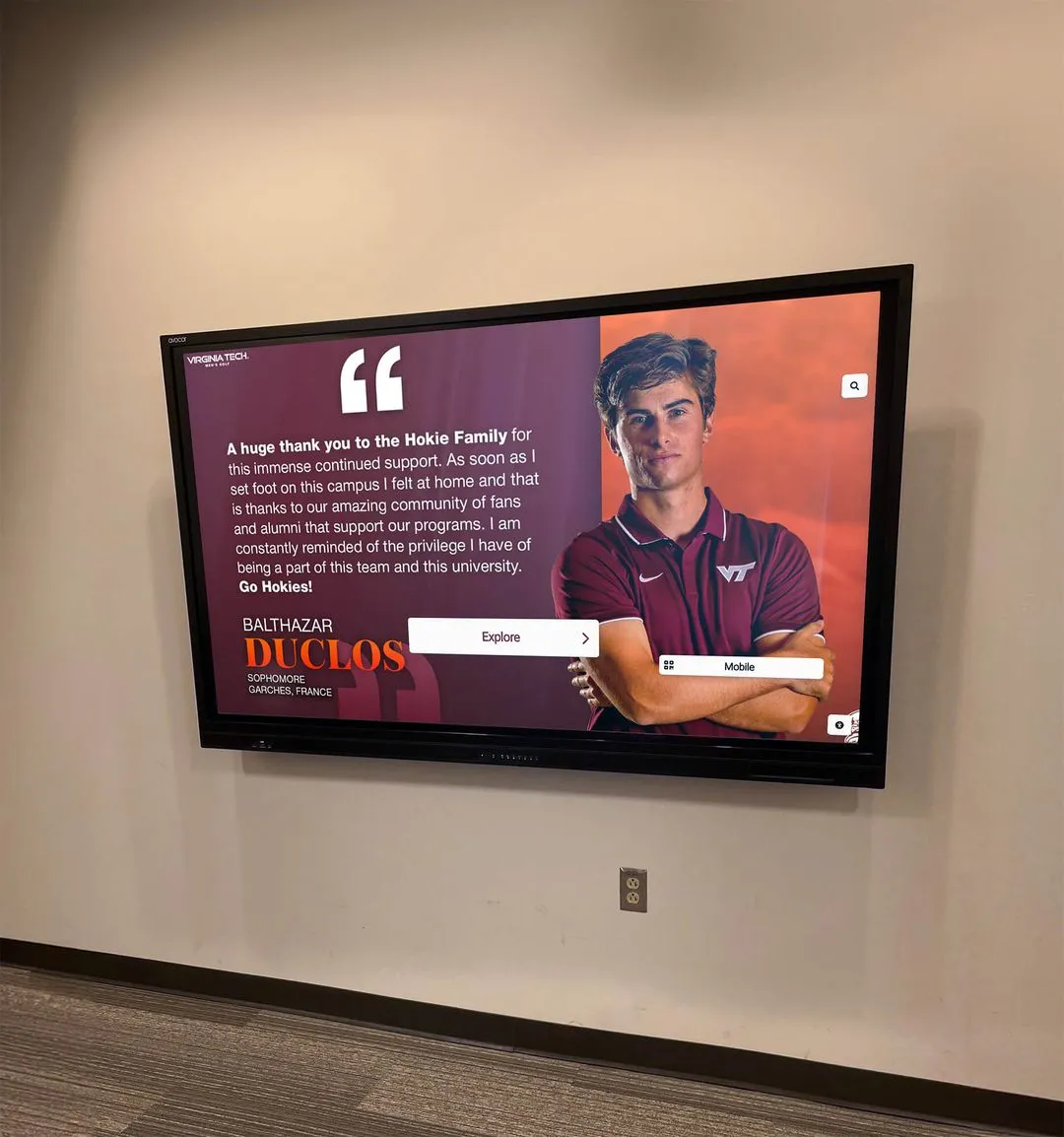
Update spotlights weekly or monthly, ensuring every athlete receives recognition throughout their time at the institution. Include quotes from coaches, teammates, or the athletes themselves about their experience and goals.
5. Conference and Regional Comparisons
Display how school records compare to conference, regional, or state standards. This context helps students understand the significance of achievements and creates clear goals for aspiring record-breakers. Show where current athletes rank compared to competitors from other schools.
Update comparative data regularly to reflect current standings. This ongoing awareness of competitive position increases engagement and creates conversation around athletic performance.
Academic Achievement Recognition
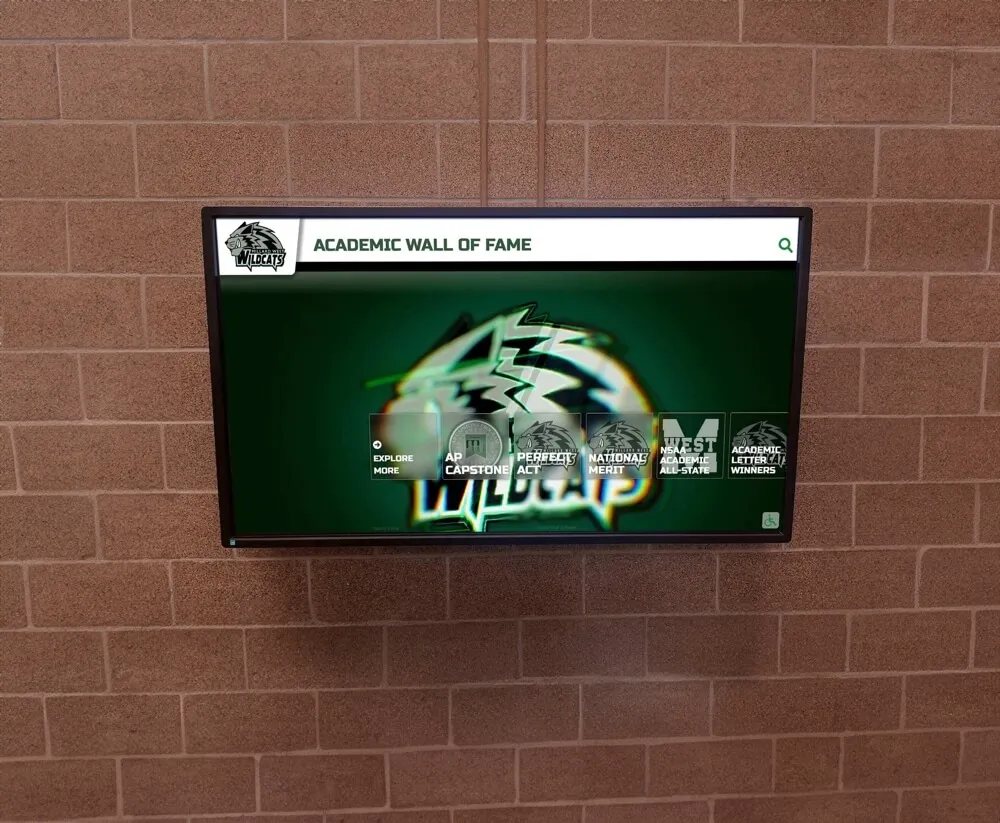
6. Honor Roll and Academic Excellence Boards
Display academic achievement with the same prominence given to athletic success. Feature honor roll students, academic award recipients, and scholarship winners with photos and achievement details.
Many institutions find that academic recognition programs increase student motivation when given equal visibility to athletic accomplishments. Update displays each grading period to maintain current relevance.
7. Departmental Achievement Tracking
Create department-specific recognition boards for science fair winners, debate team achievements, musical performance honors, theater productions, and technical competition results. Each academic area deserves dedicated recognition that celebrates discipline-specific excellence.
Include project descriptions, competition details, and student reflections on their work. This depth of information engages peers interested in similar pursuits and may inspire participation in academic competitions.
8. Perfect Attendance and Academic Consistency Recognition
Recognize students who demonstrate consistent excellence—perfect attendance, four-year honor roll, progressive GPA improvement. These achievements require sustained effort and deserve celebration alongside single-event accomplishments.
Display multi-year tracking that shows student progression over time. This longitudinal recognition demonstrates institutional memory and appreciation for persistent dedication.
9. College Acceptance and Scholarship Recognition
Celebrate college acceptances and scholarship awards as they arrive throughout senior year. Display which colleges accepted students, scholarship amounts received, and intended majors. This real-time recognition maintains excitement throughout the acceptance season.
Aggregate data showing total scholarship dollars earned by each class creates healthy competition between graduation years. Include information about college commitment recognition best practices for maximum impact.
10. National Merit and Academic Distinction Programs
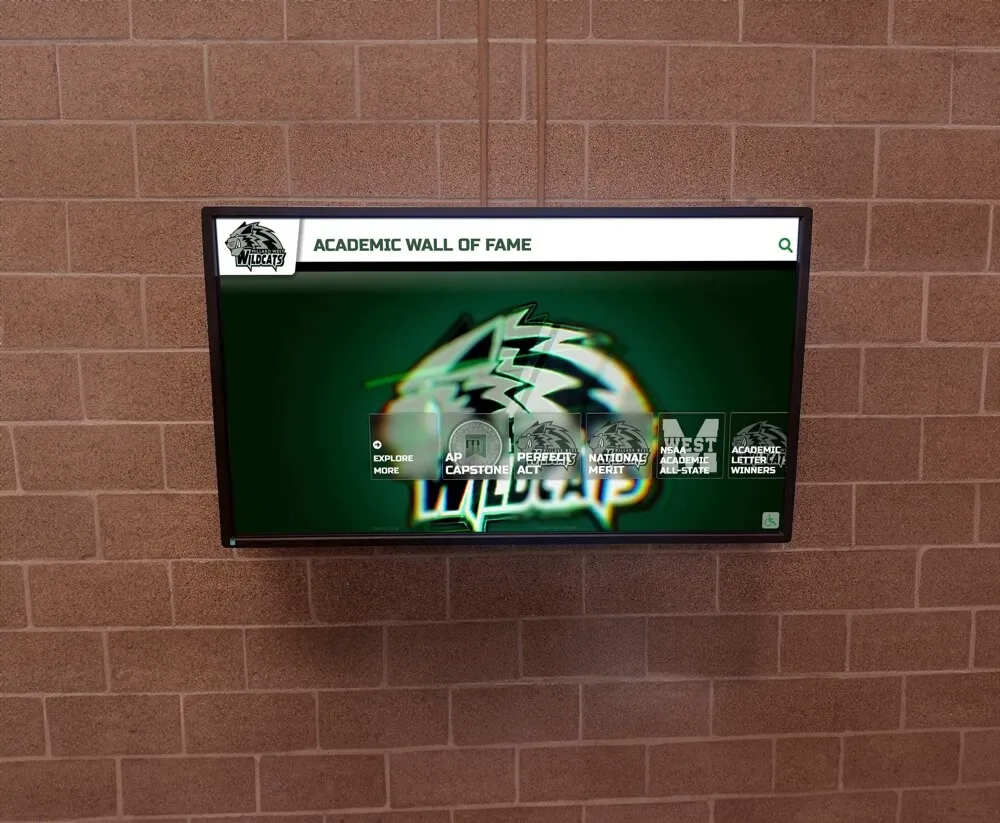
Recognize students earning national academic distinctions—National Merit Scholars, National Honor Society members, AP Scholars, and specialized program participants. These achievements represent exceptional academic performance and deserve prominent recognition.
Include program requirements and selection criteria so underclassmen understand what these honors represent and how to pursue similar recognition.
Historical Archives and Institutional Memory
11. Graduating Class Composites Archive
Digitize and display decades of class composites, making historical photos searchable and accessible. Alumni visiting campus can locate their own photos and those of classmates, creating instant connection with institutional history.
Enable search by graduation year, name, or activity participation. This searchability transforms static archives into engaging interactive experiences. Schools implementing digital class composite displays report increased alumni engagement and donation activity.
12. Facility and Campus Evolution Timeline
Document campus transformation through photos and descriptions showing facility construction, renovations, and campus growth. Students appreciate understanding how their campus developed over decades or centuries.
Include construction photos, architectural plans, dedication ceremonies, and before-and-after comparisons. This visual history creates appreciation for campus spaces and connects current students to those who came before.
13. Distinguished Alumni Profiles
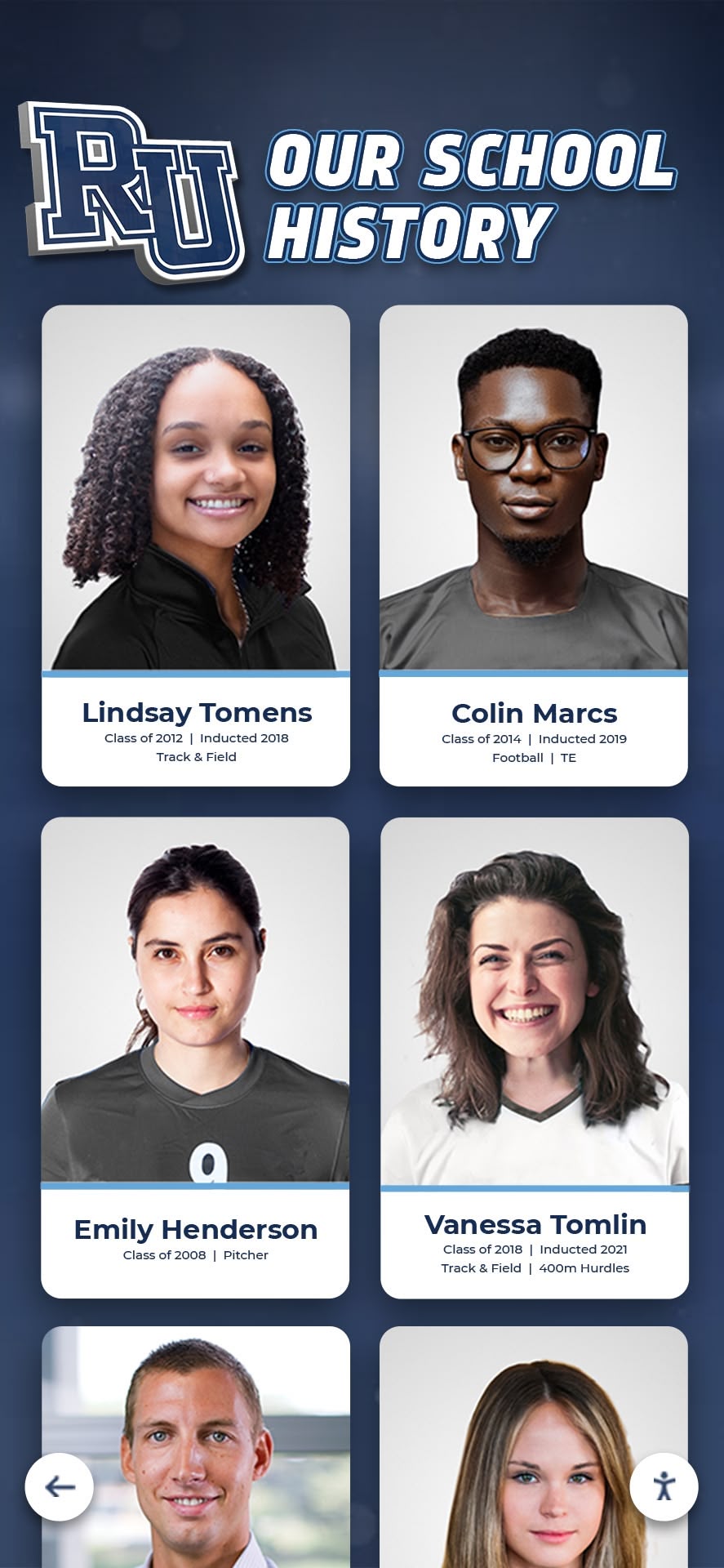
Feature alumni who achieved notable success in various fields—business leaders, entertainers, politicians, educators, military leaders, community servants. Include their graduation years, activities while attending, and subsequent achievements.
Update profiles to include recent accomplishments and maintain current information. Provide contact options for alumni willing to mentor current students or speak at campus events.
14. Institutional Milestone Celebration
Recognize significant institutional milestones—founding anniversaries, accreditation achievements, enrollment records, facility dedications, and program expansions. This content builds pride in institutional success and helps students understand their place in ongoing institutional history.
Create countdown displays for upcoming milestone anniversaries. This anticipatory content builds excitement and provides natural opportunities for celebration planning.
Community Building and Student Engagement
15. Student Organization Showcases
Provide recognition space for student organizations to display activities, membership, achievements, and upcoming events. Rotate which organizations receive featured placement, ensuring all groups receive visibility throughout the academic year.
Include meeting information, membership requirements, and contact details for students interested in joining. This practical information converts display views into organizational participation.
16. Service Project and Community Impact Tracking
Display community service hours contributed by students, service project details, and community impact metrics. Show which organizations benefited from student service and quantify the value of contributions made.
Many schools find that visible service recognition increases participation in community projects. Consider creating friendly competition between grade levels or student organizations for most service hours contributed.
17. Student Art and Creative Work Gallery
Dedicate display space to rotating student artwork, photography, creative writing, and multimedia projects. This recognition for creative students provides the same prominence traditionally given to athletic and academic achievements.
Update galleries monthly or quarterly, ensuring many students see their work featured throughout the year. Include artist statements describing inspiration and creative process.
18. School Spirit and Tradition Education
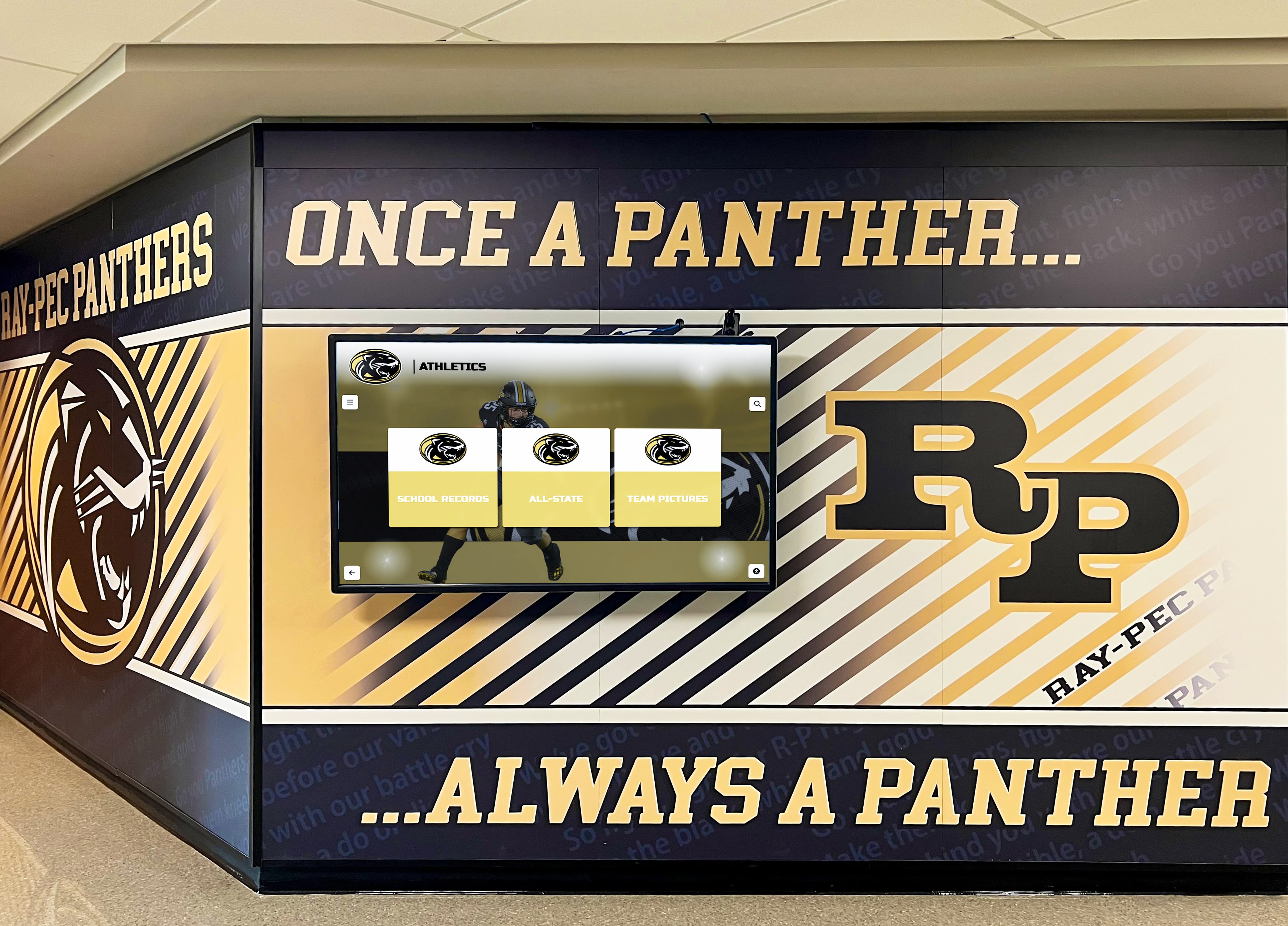
Use displays to educate new students about school traditions, fight songs, mascot history, rivalry backgrounds, and spirit week customs. This content helps new students assimilate into school culture quickly.
Include videos of traditional events, explanations of school symbols, and guides to participating in major school activities. This educational content builds connection and increases participation in traditional events.
19. Event Promotion and Calendar Integration
Display upcoming events—athletic competitions, performing arts shows, academic competitions, club meetings, and community gatherings. Update automatically from school calendars to ensure current accuracy.
Include event details, ticket information, and attendance instructions. This practical information increases event attendance by making participation logistics clear and accessible.
20. Interactive Campus Directory and Wayfinding
Provide interactive campus maps with building directories, room locations, department contacts, and navigation assistance. This practical functionality serves daily needs while the same displays provide recognition content.
Include staff directories with photos, department information, and contact details. This dual-purpose approach maximizes display value and ensures consistent traffic.
Implementation Considerations for Maximum Engagement
Content Strategy and Update Frequency
Successful digital record board programs require consistent content updates. Establish clear ownership for each content category—who updates athletic records, academic honors, event calendars—and create regular update schedules.
Plan for seasonal content variation. Athletic content dominates during competition seasons, while academic recognition increases during grading periods. Balance content types to maintain year-round relevance for diverse student interests.
Placement and Visibility
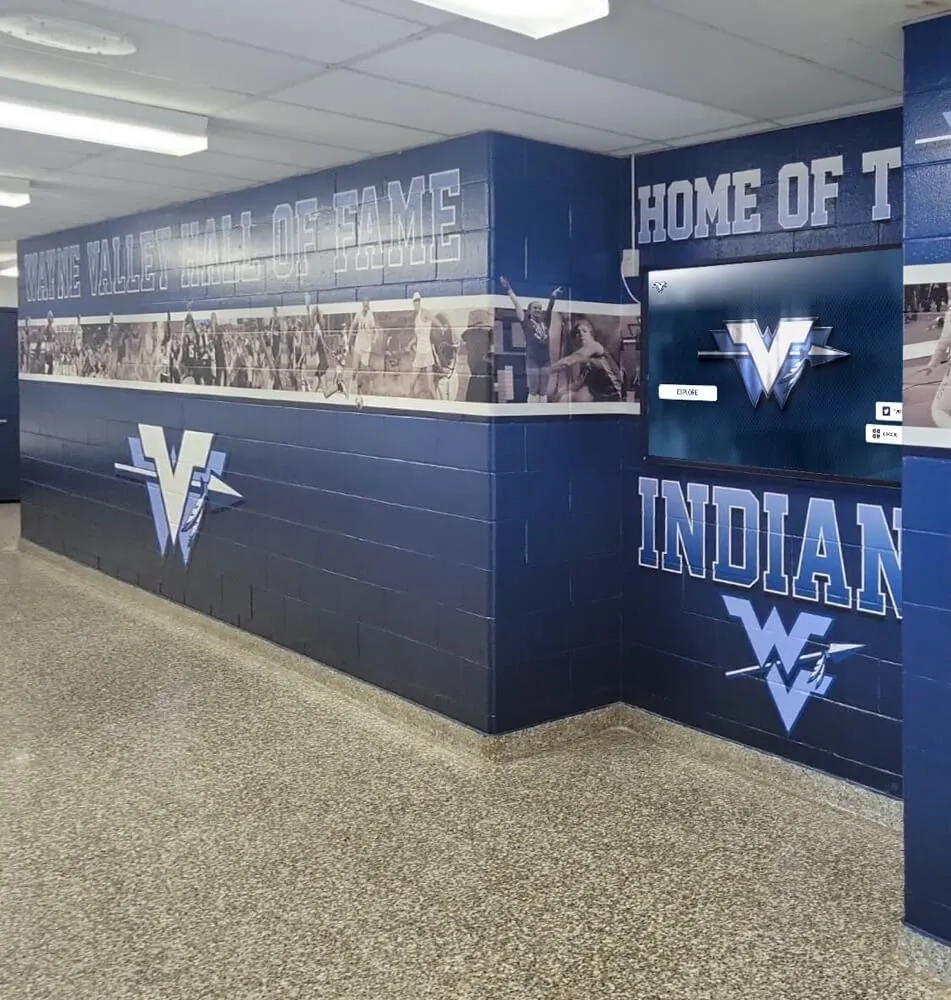
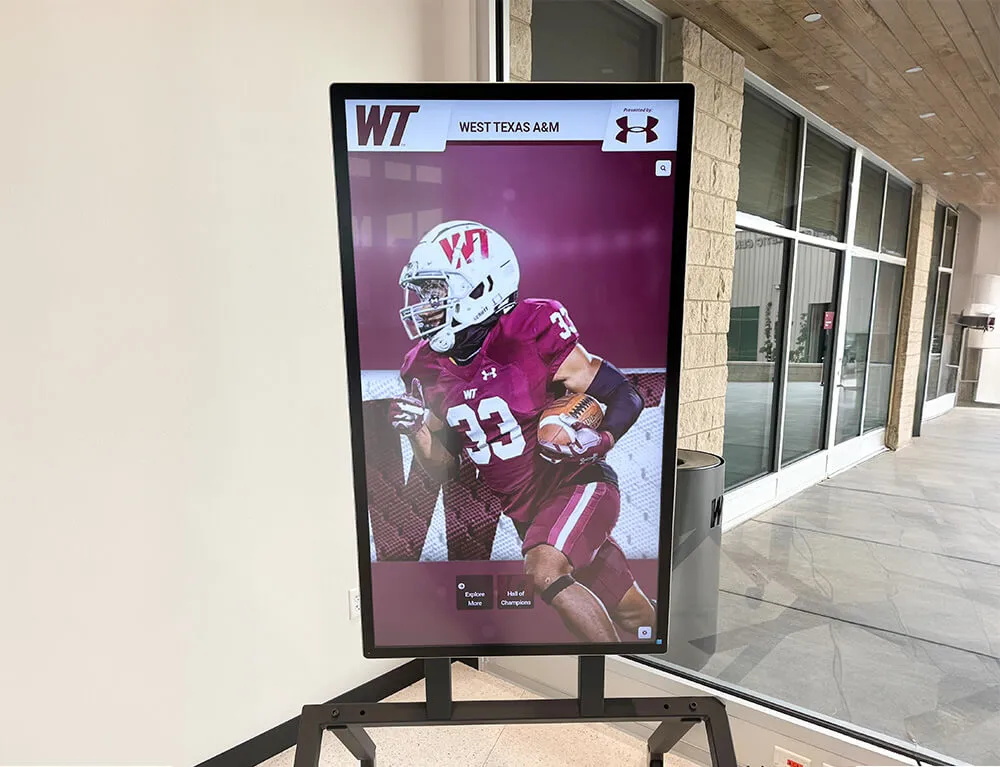
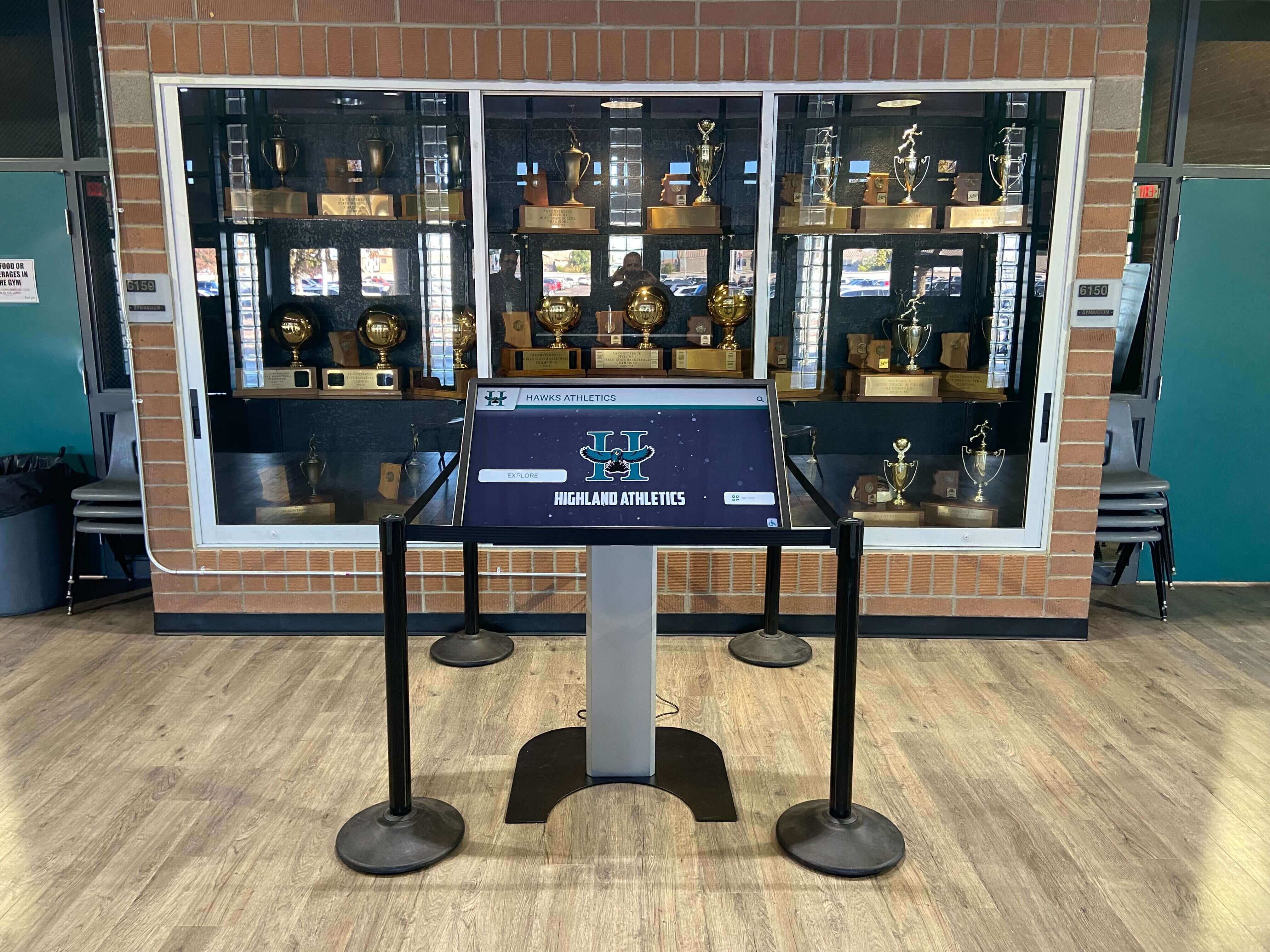
Strategic display placement determines engagement levels. High-traffic locations—main entrances, cafeterias, athletic facilities, lobbies—receive maximum views. Consider sight lines, lighting conditions, and whether students naturally pause in those locations.
Many schools implementing school digital signage solutions find that multiple smaller displays throughout campus create more engagement than single large installations.
Mobile Access and Remote Engagement
Extend digital record board content beyond physical displays through mobile-responsive websites and QR code access. Students can explore recognition content on personal devices, while alumni and parents access school achievements remotely.
This extended access increases content value and justifies the effort required for comprehensive digital archives. Remote accessibility particularly benefits alumni engagement and parent communication.
Accessibility and Inclusive Design
Ensure all students can access and interact with digital displays. Follow WCAG 2.2 AA accessibility standards for touch target sizes, color contrast, readable fonts, and alternative text. Consider display height and touch zone accessibility for students with mobility limitations.
Include multiple languages when serving diverse student populations. Provide audio descriptions for visually impaired users when feasible.
Privacy and Permission Management
Establish clear policies about student recognition and photo usage. Obtain necessary permissions before displaying student images or information. Provide opt-out options for students or families preferring privacy over public recognition.
Document permission practices carefully to ensure compliance with student privacy regulations and institutional policies.
Measuring Engagement and Impact
Analytics and Usage Tracking
Modern digital record board platforms provide analytics showing which content receives most engagement, how long visitors interact with displays, peak usage times, and popular search terms. Use this data to inform content strategy and maximize relevance.
Track engagement patterns by location to determine whether display placement effectively reaches target audiences. Consider relocating underperforming displays or refreshing content in high-traffic locations more frequently.
Student Feedback and Content Requests
Create mechanisms for students to request recognition, suggest content, or provide feedback about displays. This participatory approach increases ownership and ensures content reflects current student interests.
Conduct periodic surveys asking students which types of recognition matter most, what historical content interests them, and what practical functionality would increase daily display usage.
Long-Term Engagement Metrics
Measure broader institutional metrics potentially influenced by recognition programs—student retention rates, alumni engagement levels, participation in extracurricular activities, event attendance. While digital displays alone don’t drive these outcomes, they contribute to overall campus culture and community building.
Track whether specific initiatives—like service hour recognition or academic achievement displays—correlate with increased participation in those activities over time.
Choosing the Right Digital Record Board Solution
When selecting digital record board technology for campus engagement, prioritize platforms designed specifically for educational institutions rather than general digital signage software. Purpose-built solutions understand recognition workflows, archival needs, and school-specific requirements.
Consider total cost of ownership including hardware, software subscriptions, content creation support, and ongoing maintenance. Solutions like Rocket Alumni Solutions offer subscription-based pricing with unlimited entries and screens, making comprehensive campus-wide implementation financially feasible.
Evaluate whether vendors provide content migration services for existing records, design assistance for professional appearance, and training for staff who will manage displays. Implementation success depends significantly on vendor support quality.
Assess update workflows carefully. Choose platforms with easy-to-use content management systems that allow designated staff to update information independently without requiring technical expertise or vendor assistance for routine changes.
Creating Sustainable Campus Engagement Through Digital Recognition
Digital record boards succeed when they become integral to campus culture rather than occasional recognition tools. Establish routines for content creation, update schedules that maintain current information, and cross-departmental collaboration ensuring diverse content types receive appropriate attention.
Assign executive sponsorship to recognition initiatives, giving them institutional priority and budget protection. Appoint content coordinators with clear responsibilities and adequate time allocation for managing display content.
Build recognition into existing workflows. When athletic results are recorded, simultaneously update displays. When honor rolls are published, add information to digital boards. This parallel processing ensures timely updates without creating separate workstreams.
Celebrate the recognition program itself. Share engagement metrics with campus community, highlight particularly interesting historical discoveries made possible by digital archives, and recognize students whose achievements appear on displays.
The most successful campus engagement initiatives create virtuous cycles where recognition inspires achievement, achievement generates new content, and fresh content maintains ongoing community interest. Digital record boards enable this continuous engagement by removing the space constraints and update limitations that restrict traditional recognition methods.
Schools implementing comprehensive digital recognition strategies report measurable improvements in school spirit, increased participation in recognized activities, and stronger connections between current students and institutional history. These outcomes justify the investment in modern recognition technology while creating lasting benefits for campus community.
Ready to transform campus engagement through digital record boards? Book a demo to see how interactive recognition displays can build community and celebrate achievement at your institution.