



Schools face an ongoing challenge with yearbook preservation: physical copies deteriorate over time, storage space becomes increasingly scarce, and accessing historical yearbooks requires navigating crowded shelves or climate-controlled archives. Meanwhile, alumni seeking connections to their school years find themselves unable to access these memories without visiting campus, and current students miss opportunities to explore institutional history that could strengthen their connection to school traditions.
Digital yearbooks address these preservation and accessibility challenges by transforming traditional printed yearbooks into searchable, interactive archives accessible anywhere. These systems eliminate physical storage constraints, preserve content permanently through online infrastructure, and create engaging experiences that connect current students, alumni, and families to institutional history. Schools implementing digital yearbook archives report increased alumni engagement, reduced archival storage costs, and improved ability to share school traditions with prospective families.
This comprehensive guide explores digital yearbook solutions for educational institutions, examining everything from digitization planning to interactive display implementation, privacy compliance to alumni engagement strategies. Whether digitizing decades of existing yearbooks or planning a hybrid print-digital approach, this guide provides frameworks for successful yearbook preservation that serves your community for generations.
Traditional yearbook preservation presents schools with mounting challenges. Physical books require significant storage space, deteriorate through handling and environmental exposure, and remain accessible only to those who can physically visit archives. Alumni associations report declining reunion attendance partly because graduates cannot easily reconnect with classmates, and schools struggle to use yearbook content for advancement activities that could strengthen donor relationships.

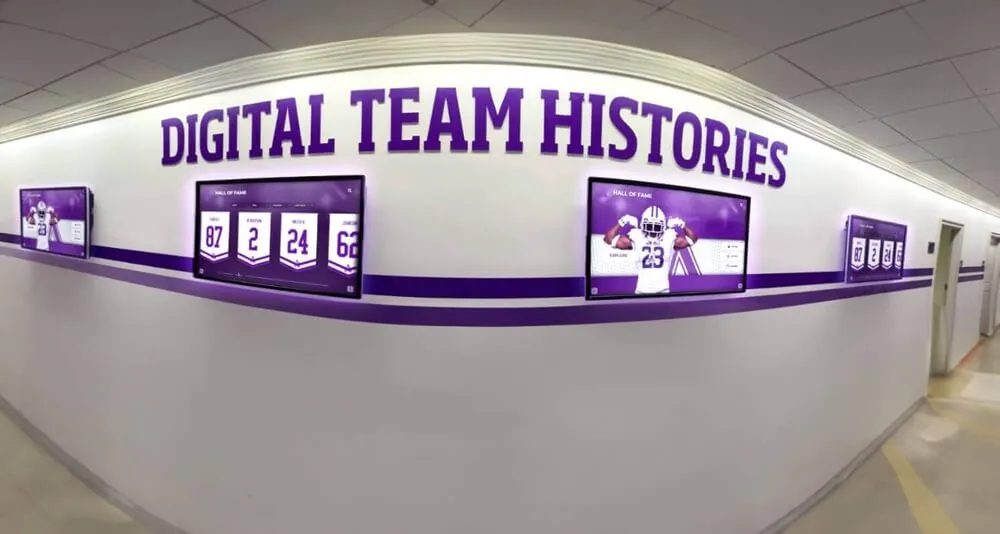
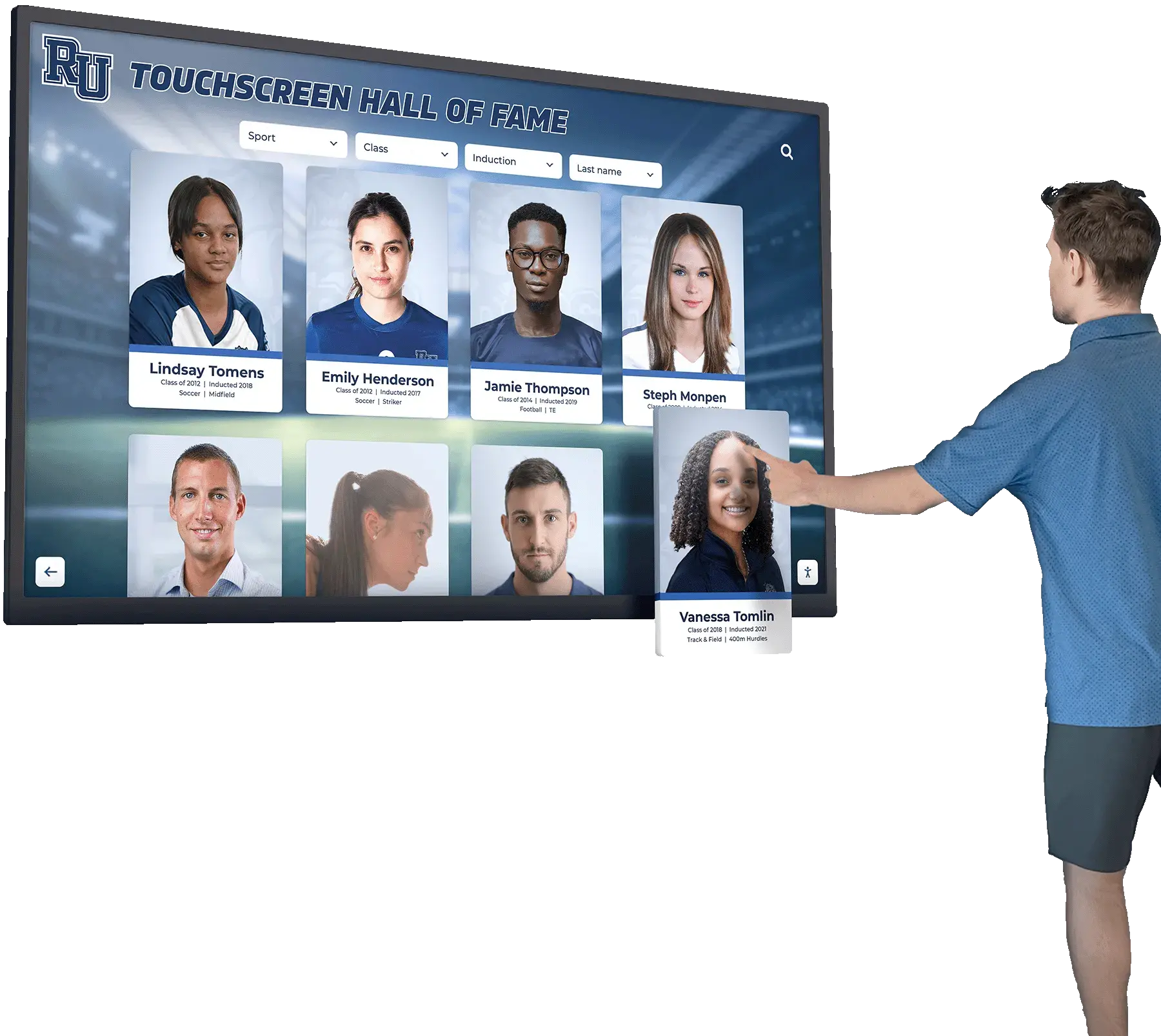
Digital yearbook archives transform static printed pages into searchable, interactive experiences accessible to entire school communities
Understanding Digital Yearbook Solutions
Digital yearbook systems encompass several complementary approaches to preserving and sharing yearbook content electronically.
Core Digital Yearbook Formats
Schools implement digital yearbooks through various platforms depending on institutional goals:
Searchable PDF Archives
Basic digitization creates portable document format versions of printed yearbooks:
- Page-by-page scans of complete yearbook volumes
- Optical character recognition (OCR) enabling text searches
- Download capabilities for personal archiving
- Minimal interactive features beyond page navigation
- Lower implementation costs compared to advanced platforms
- Accessibility through web browsers on any device
Schools often begin with PDF archives as initial digitization steps before potentially advancing to more sophisticated platforms.
Interactive Database Systems
Advanced digital yearbook platforms structure content as searchable databases:
- Individual student profile entries with photos and biographical information
- Class composites organized by graduation year
- Activity and organization rosters with member listings
- Athletic team records with roster details and achievements
- Searchable directories enabling quick location of specific individuals
- Tagging systems connecting students to activities, clubs, and awards
Database-driven systems provide significantly greater functionality compared to simple PDF scans, enabling powerful search and discovery features that recreate the experience of browsing physical yearbooks while adding capabilities impossible with printed books.
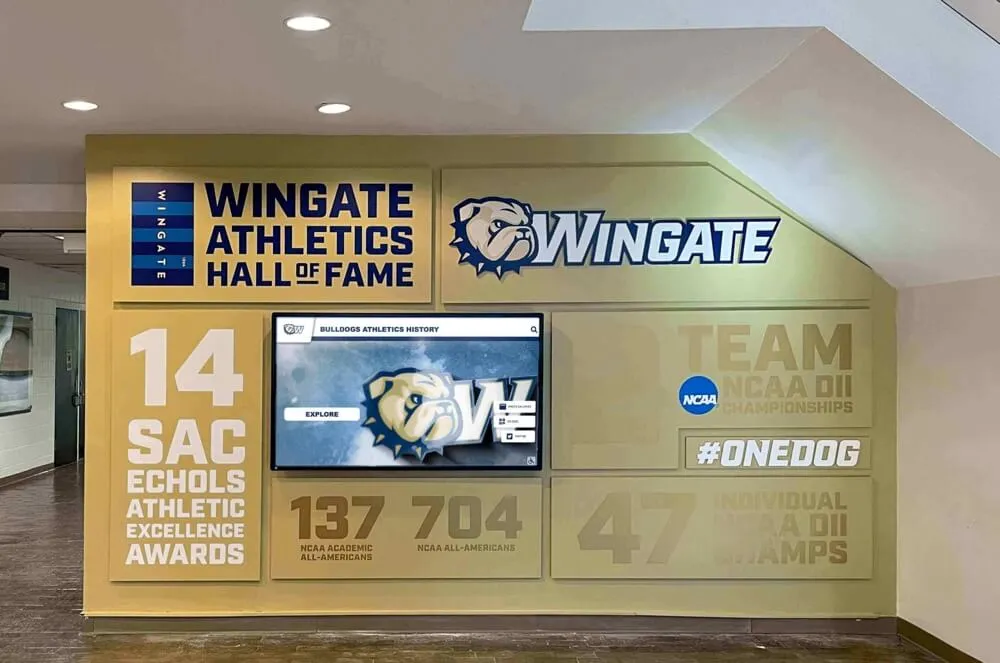
Touchscreen Interactive Displays
Physical interactive installations in school facilities create engaging yearbook exploration:
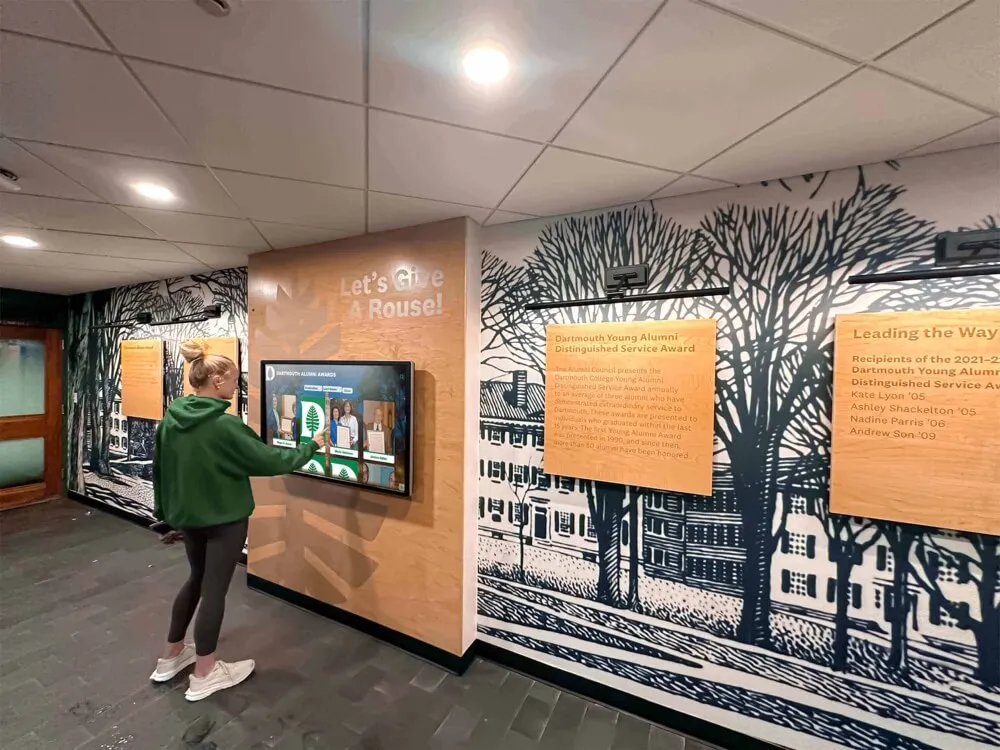
- Large touchscreen displays mounted in lobbies, libraries, or student centers
- Intuitive touch navigation through yearbook archives spanning decades
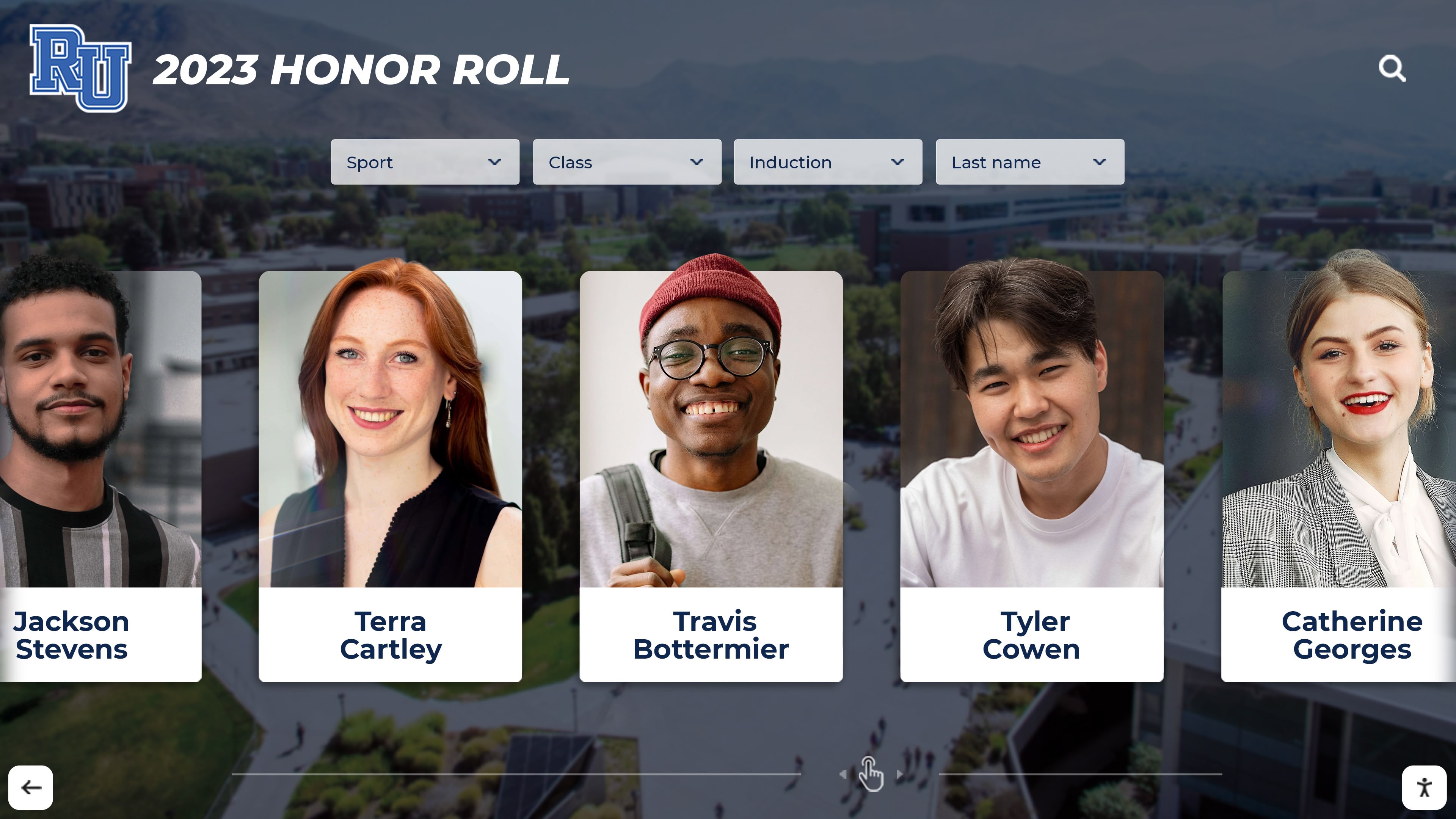
- Visual browsing interfaces showcasing class composites and group photos
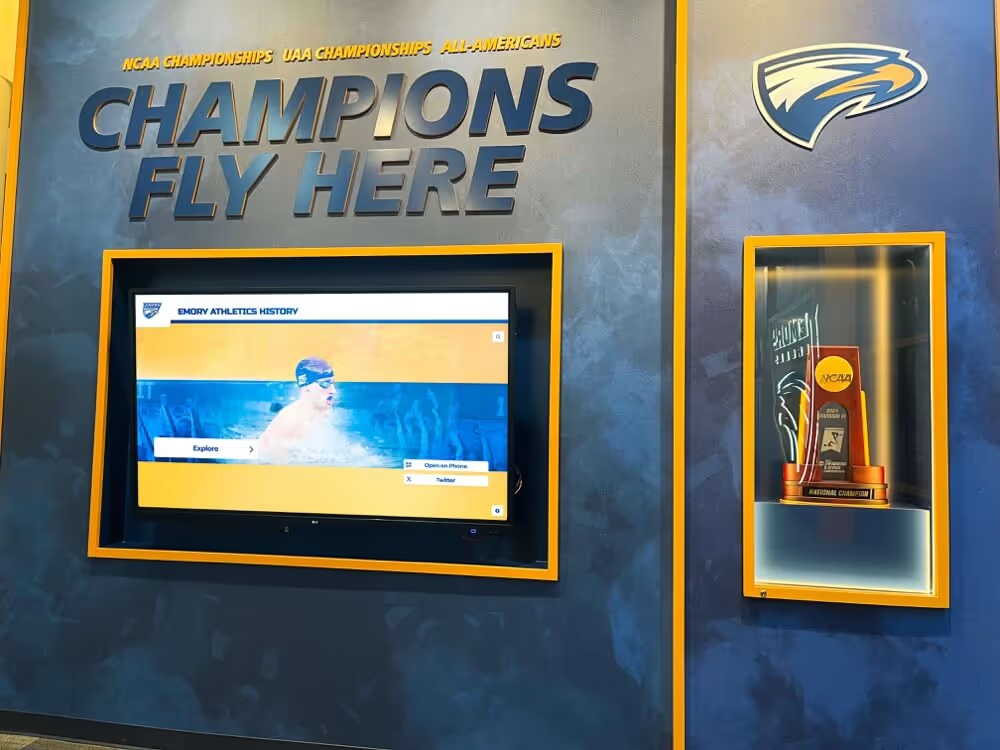
- Integration with broader digital recognition systems for athletics and academics
- Guest access enabling reunion visitors to explore their graduation years
- Photo capture and social sharing features connecting digital experience to personal devices
Schools implementing interactive touchscreen kiosk solutions report substantially increased engagement with yearbook archives compared to online-only access, particularly during campus events and reunion weekends.
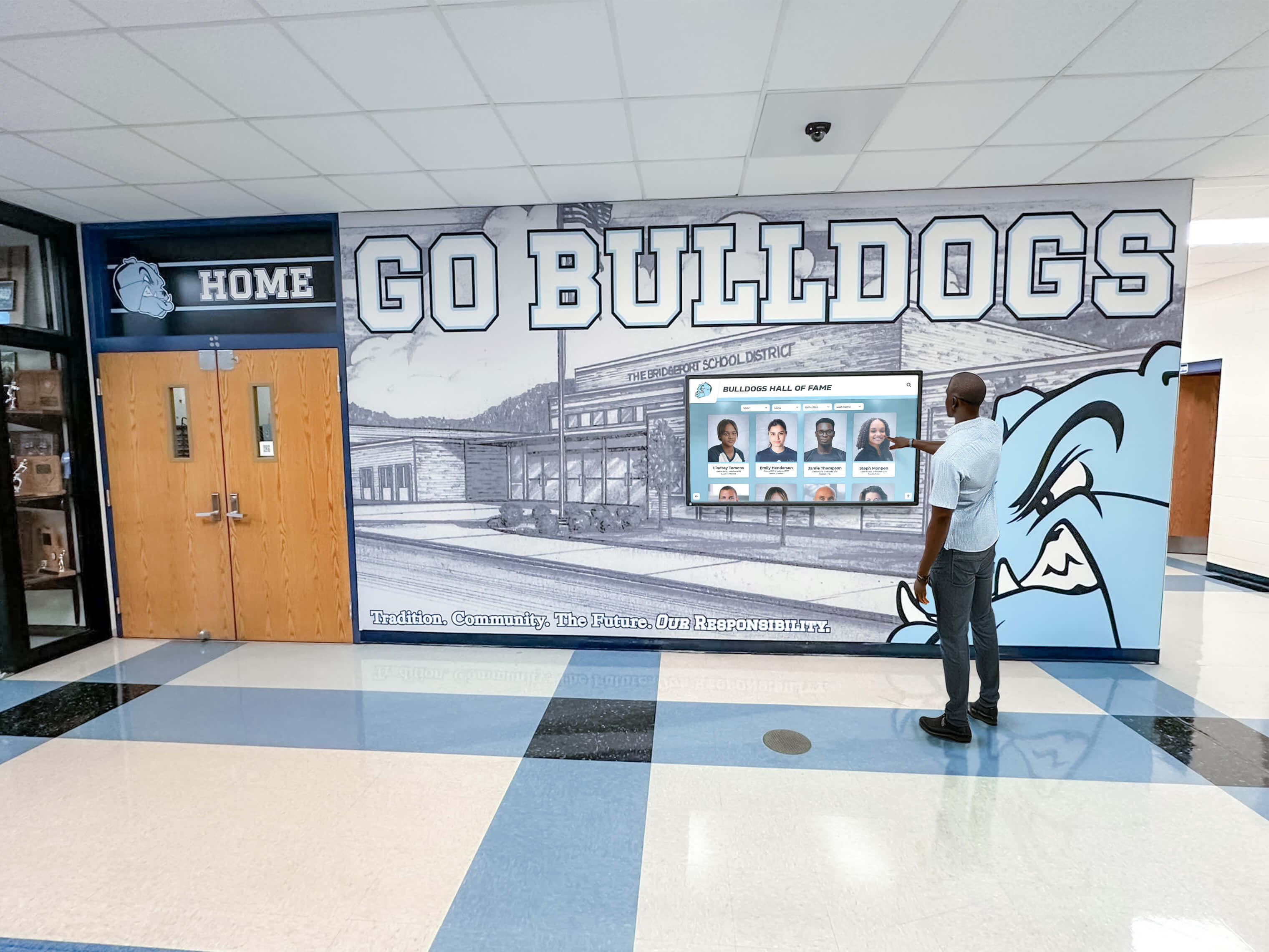
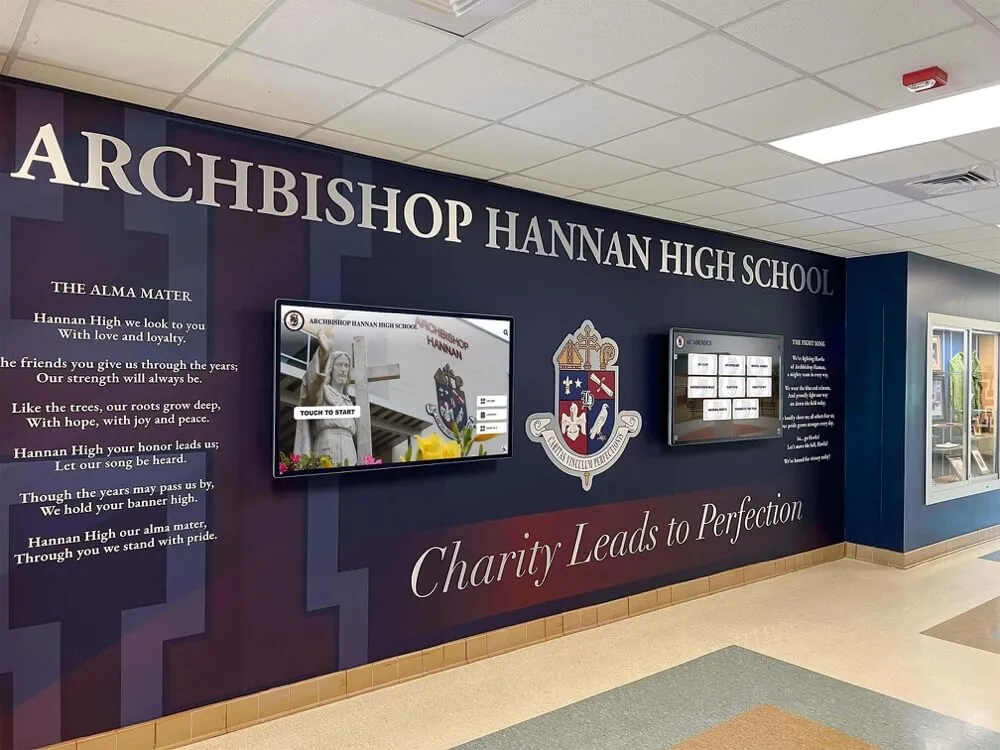
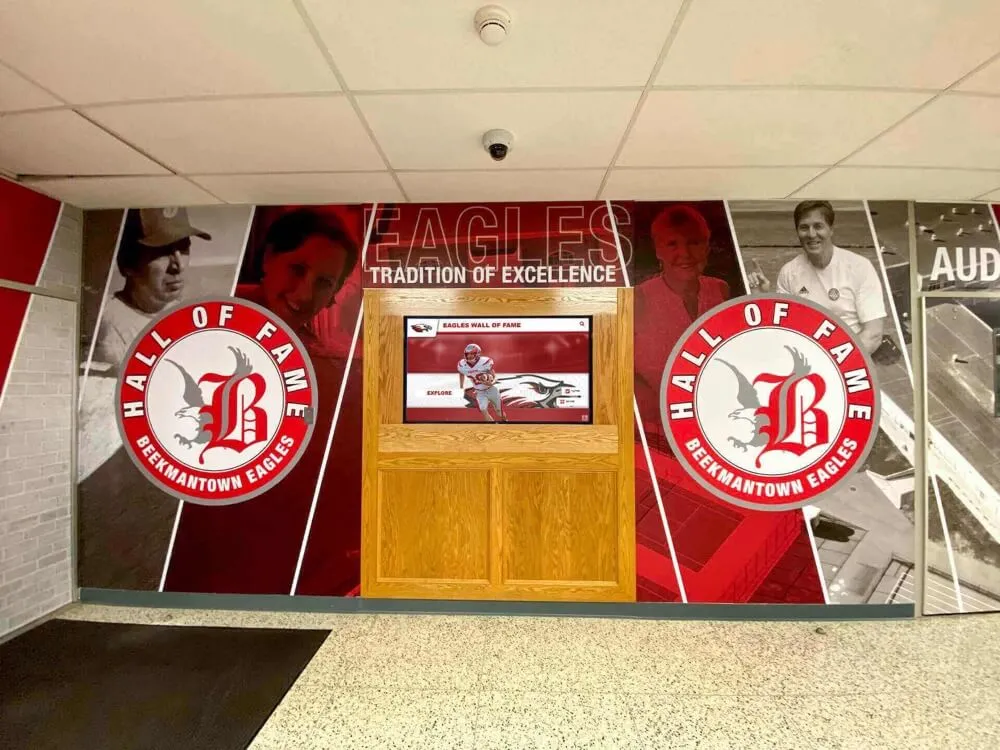
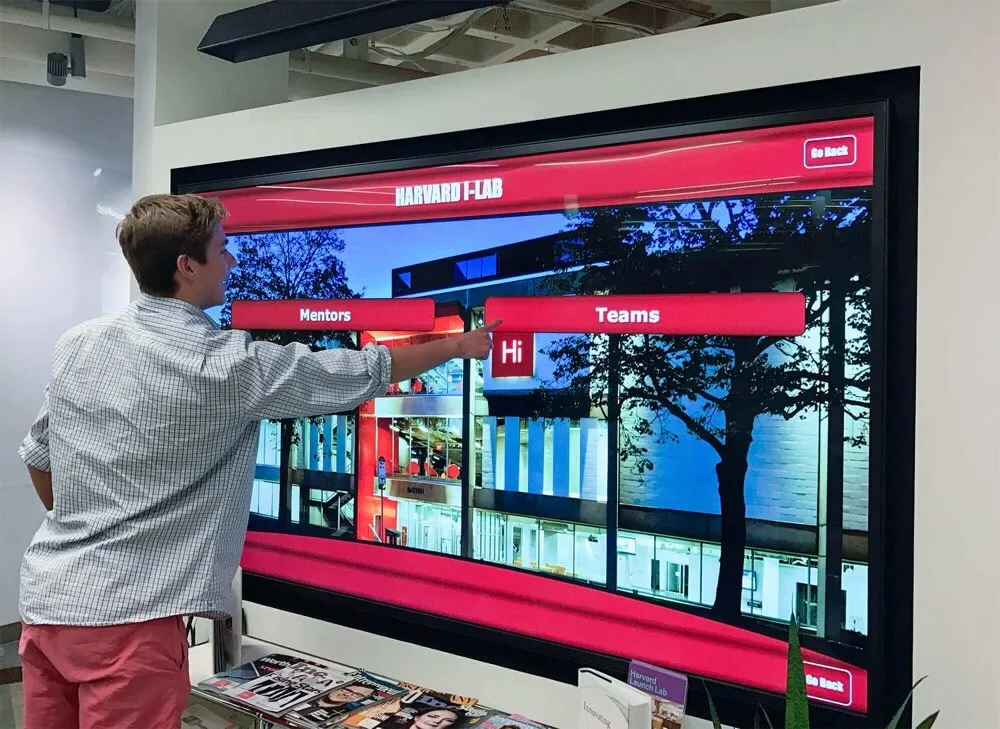
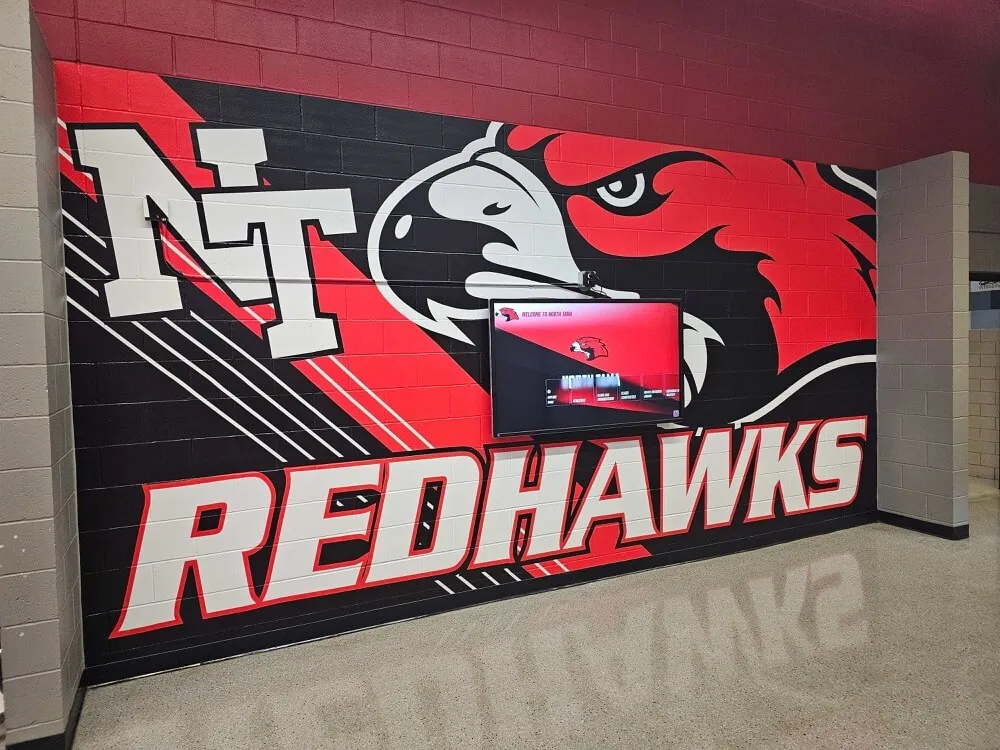
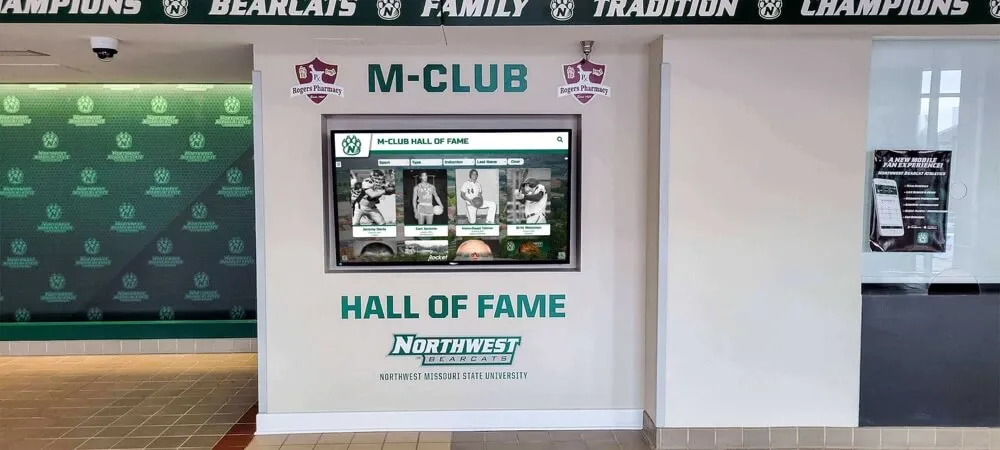
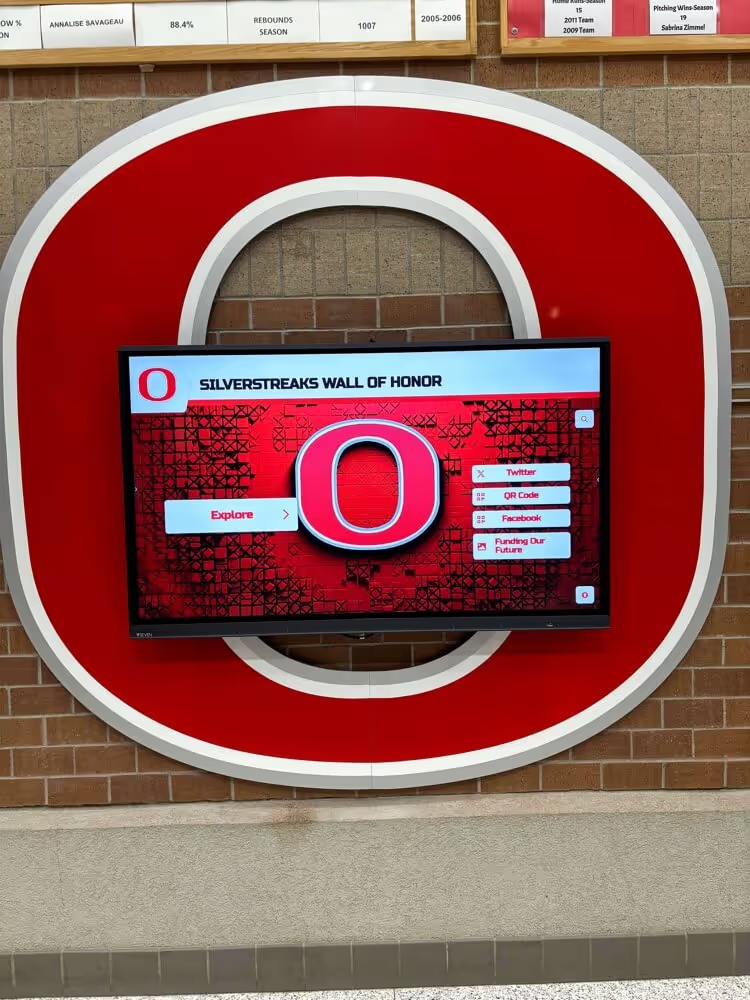
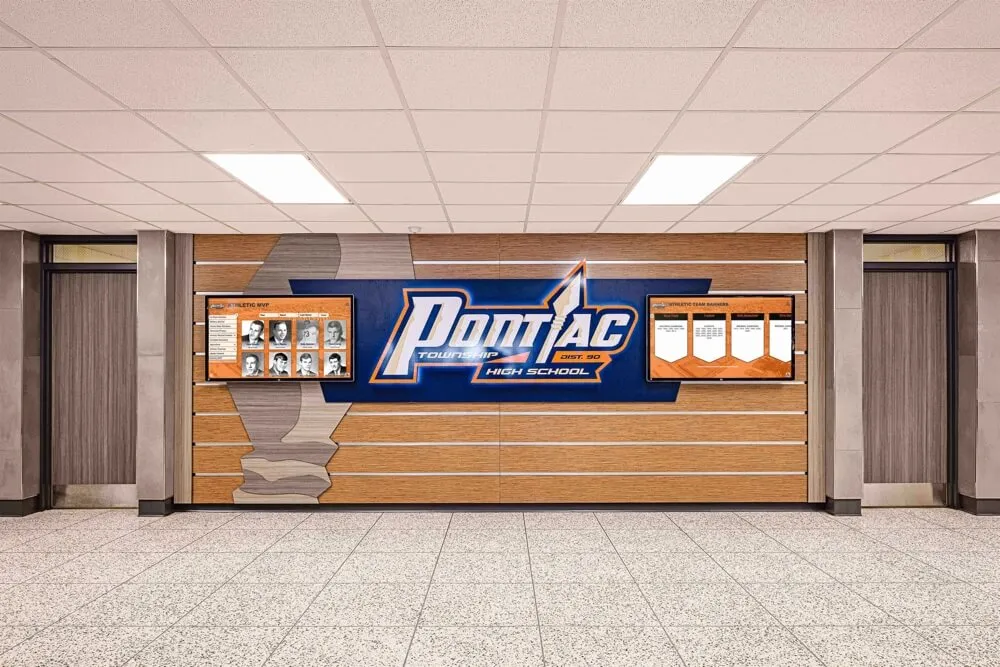
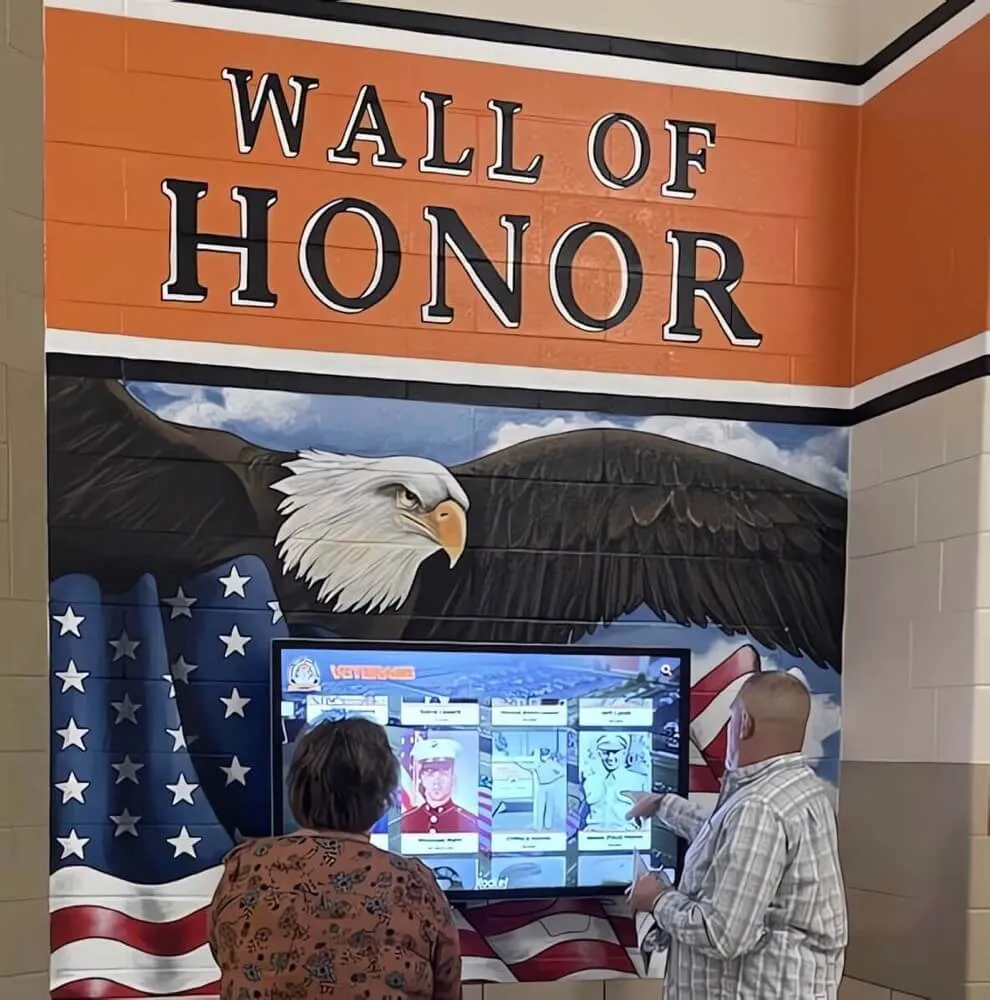
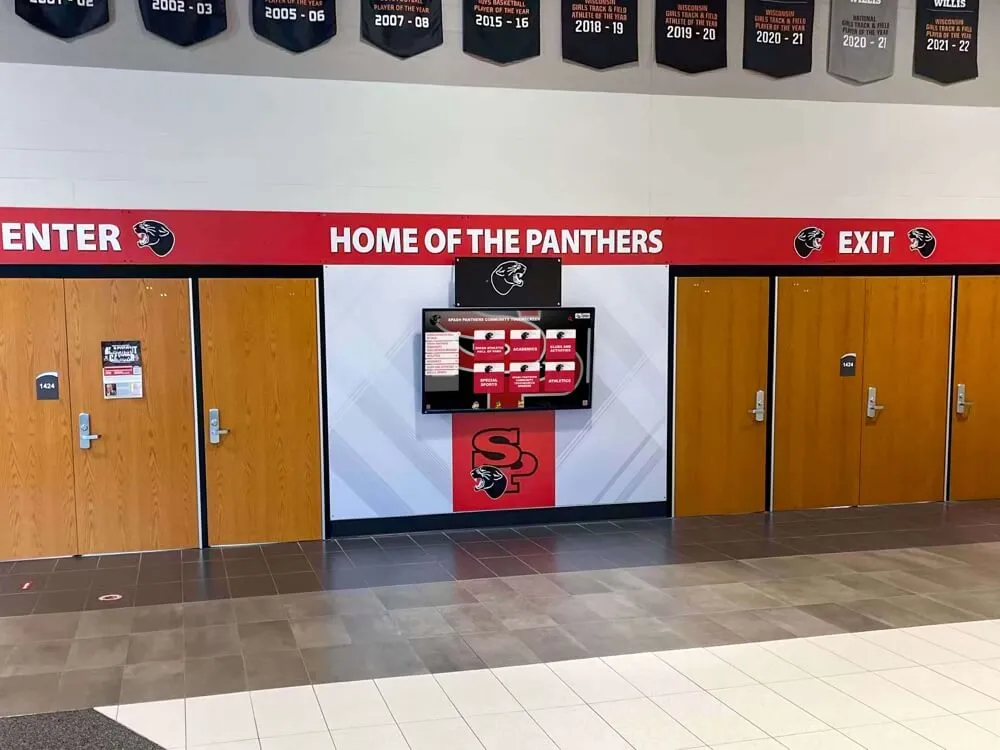
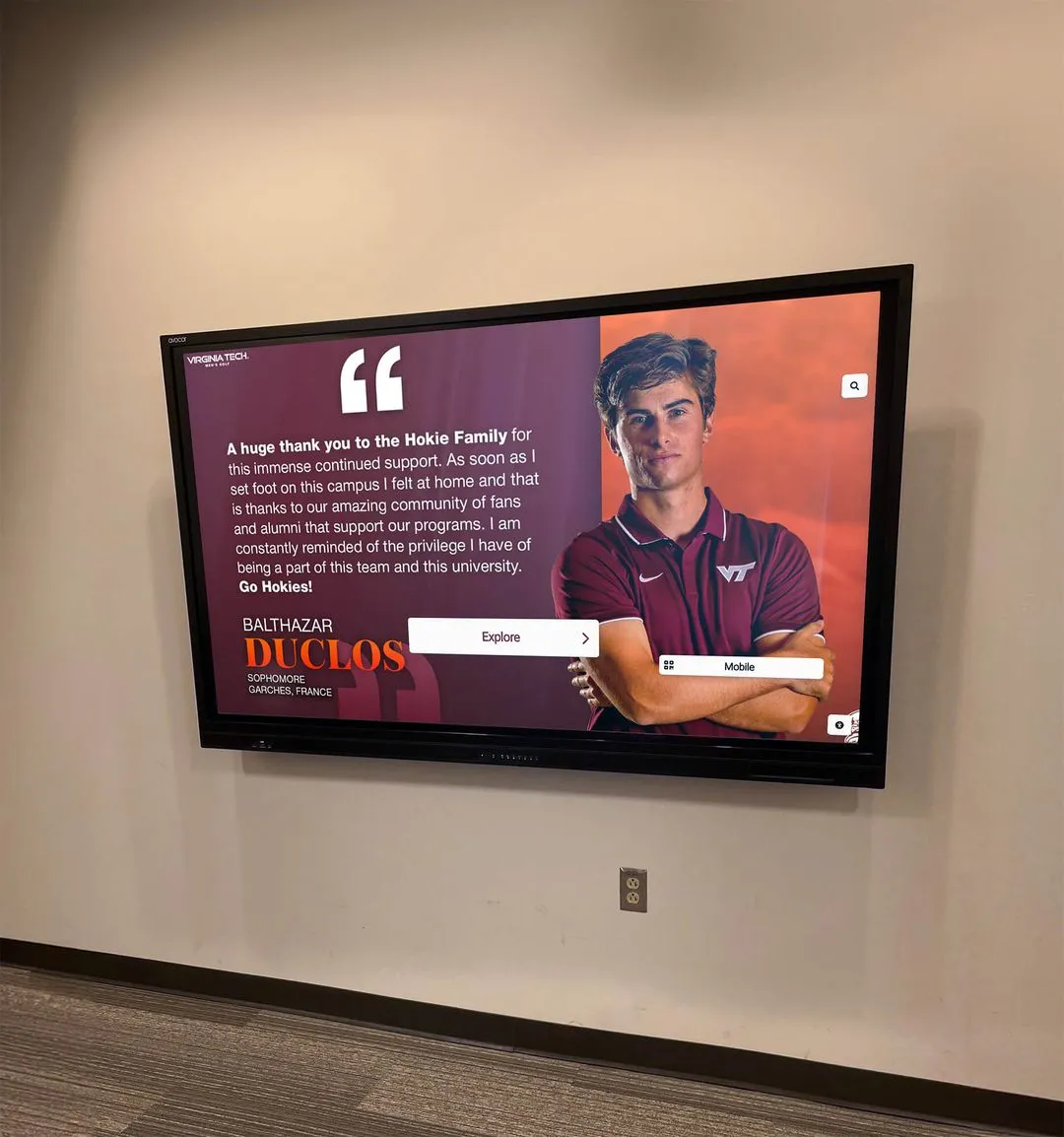
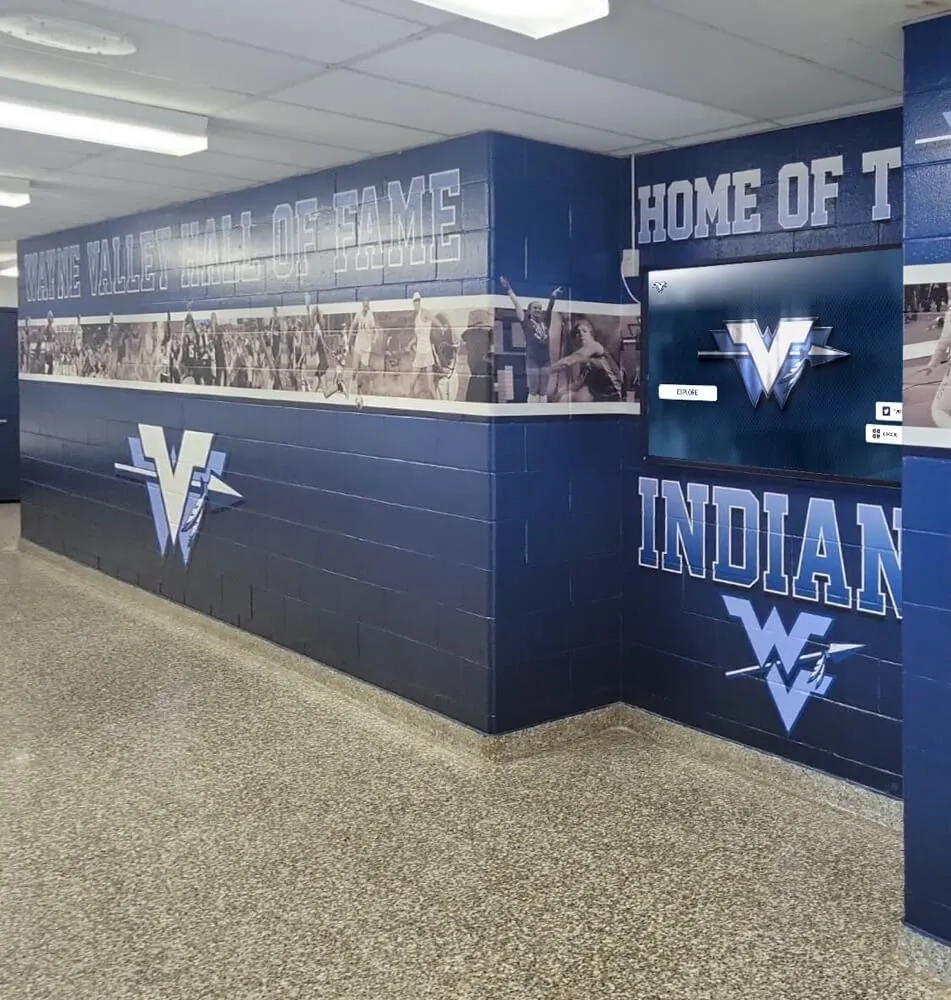
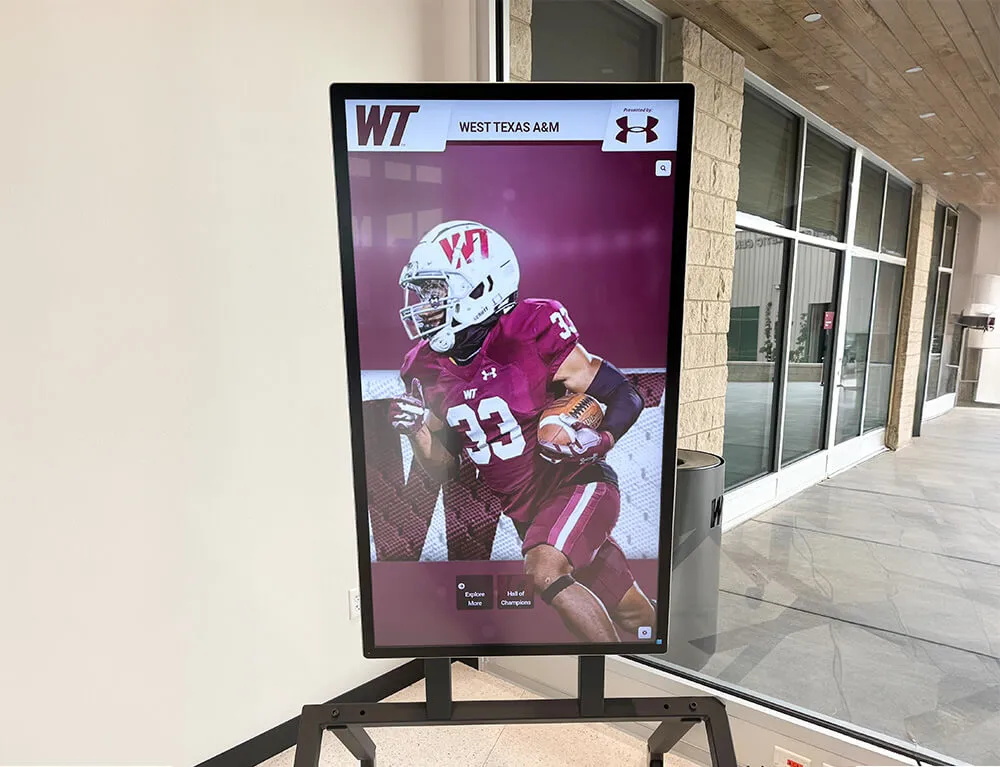
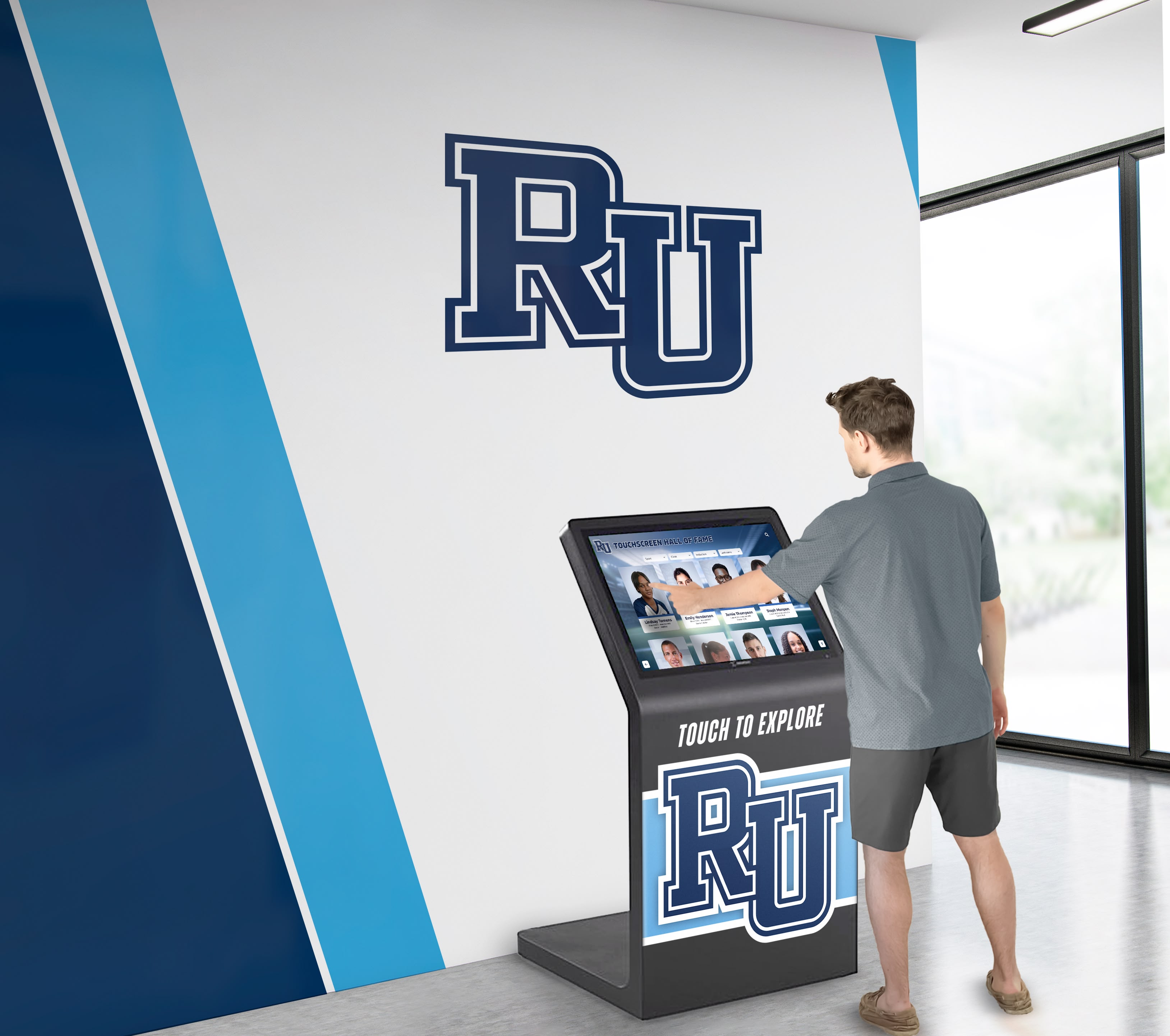
Interactive displays installed in high-traffic areas encourage spontaneous exploration of school history and yearbook archives
Benefits of Digital Yearbook Archives
Transitioning from physical-only yearbook preservation delivers measurable advantages across multiple institutional objectives.
Unlimited Accessibility for Stakeholders
Digital archives remove geographic and temporal barriers to yearbook access:
- Alumni worldwide can explore graduation year memories without campus visits
- Families relocating after graduation maintain connections to school experiences
- Reunion committees access historical content for event planning and marketing
- Advancement offices use yearbook data for prospect research and donor outreach
- Current students explore institutional traditions and historical context
- Faculty and administrators reference historical information for anniversary celebrations
Schools report that digital yearbook access generates significantly increased alumni engagement compared to physical archives accessible only during limited library hours.
Permanent Preservation Without Degradation
Digital formats eliminate preservation concerns inherent to physical books:
- No deterioration from repeated handling, environmental conditions, or aging
- Elimination of risks from water damage, fire, or other disasters
- Cloud-based storage with redundant backups ensuring permanence
- Ability to restore damaged or missing physical yearbooks through existing digital archives
- Quality preservation of photographs that would fade in physical copies
- Protection of irreplaceable historical content for future generations
Space Efficiency and Cost Savings
Digital storage eliminates physical space requirements and associated costs:
- Liberation of valuable square footage currently dedicated to yearbook storage
- Elimination of climate control costs for archival preservation
- Reduction in physical handling by staff retrieving volumes for patron requests
- Avoidance of archival supply costs for protective storage materials
- Reduced insurance costs associated with irreplaceable historical document collections
- Reallocation of storage spaces to higher-value institutional purposes
Enhanced Search and Discovery
Digital platforms enable finding specific content impossible with physical yearbooks:
- Name searches instantly locating all appearances of specific individuals
- Activity filters showing all members of particular clubs, teams, or organizations across years
- Graduation year browsing for reunion planning and class communications
- Cross-referencing identifying common classmates among multiple alumni
- Trending content highlighting most-viewed profiles or popular graduation years
- Suggested connections based on shared activities, teams, or friend groups
These discovery features create new forms of engagement with yearbook content beyond the linear page-by-page browsing possible with physical books.
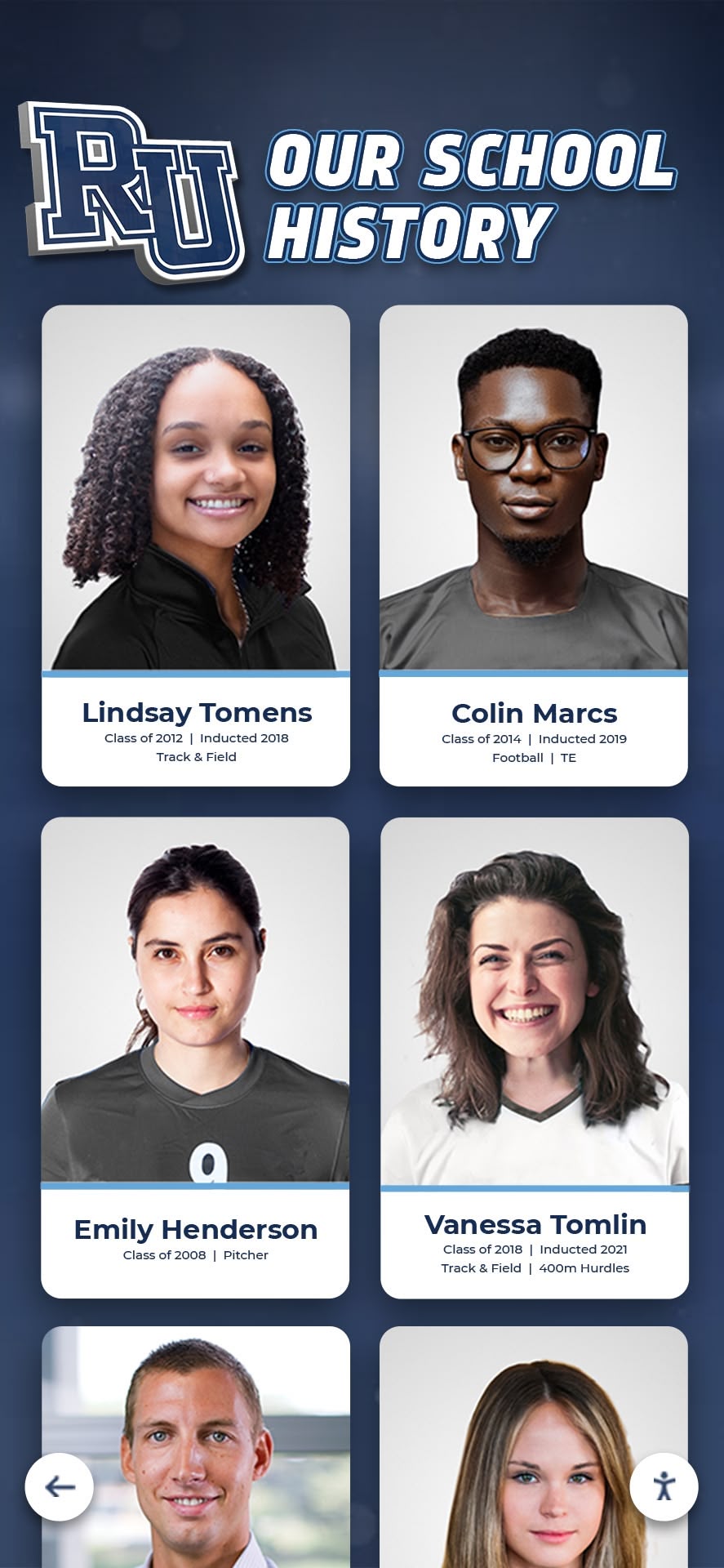
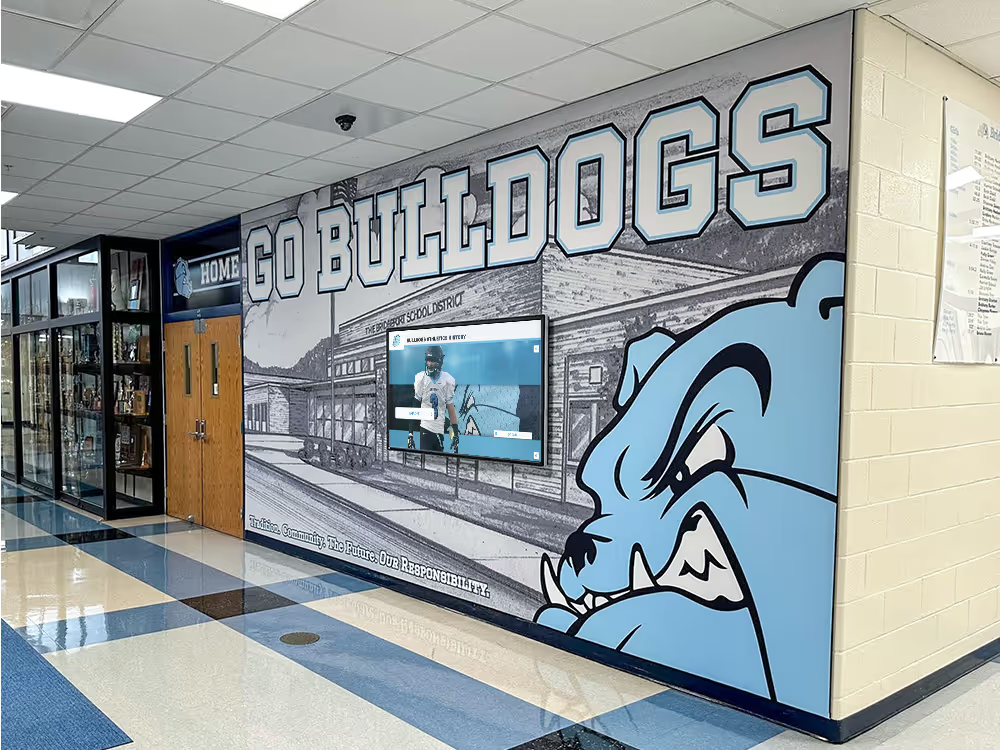
Searchable digital archives enable quick discovery of specific individuals, graduating classes, and student organizations across decades of yearbooks
Planning Your Digital Yearbook Implementation
Successful yearbook digitization requires systematic planning addressing technical, privacy, and operational considerations.
Assessing Your Yearbook Collection
Understanding collection scope informs project planning and budgeting:
Inventory Existing Yearbook Volumes
Comprehensive collection assessment establishes project parameters:
- Total number of yearbook volumes requiring digitization
- Date range spanning earliest to most recent editions
- Identification of missing years in existing collections
- Condition assessment noting damaged or deteriorating volumes
- Special editions including anniversary books or commemorative publications
- Supplemental materials such as memory books, athletic programs, or student publications
Schools frequently discover gaps in supposedly complete collections, necessitating outreach to alumni and community members who may possess missing volumes.
Evaluate Current Access and Usage Patterns
Understanding how stakeholders currently interact with yearbooks shapes digital solution selection:
- Frequency of patron requests to view historical yearbooks
- Primary user groups (alumni, students, researchers, staff)
- Common search purposes (reunion planning, family history research, advancement prospecting)
- Peak usage periods (reunion seasons, anniversary years, homecoming)
- Access barriers preventing desired usage (limited hours, appointment requirements, handling restrictions)
- Staff time currently dedicated to retrieving and supervising yearbook access
This usage data helps prioritize which graduation years receive digitization first and informs feature selection for digital platforms.
Determine Privacy and Permission Requirements
Legal and ethical considerations vary by institution and jurisdiction:
- Review applicable student privacy regulations including FERPA requirements
- Assess existing permission policies for yearbook photography and publication
- Evaluate historical consent status for students in older yearbook volumes
- Consult legal counsel regarding digital republication of historical content
- Develop opt-out procedures for individuals requesting exclusion from digital archives
- Establish parental consent requirements for recent graduation years
Many schools implementing digital recognition displays navigate similar privacy considerations requiring comprehensive policies before public launch.
Digitization Methods and Vendors
Several approaches exist for converting physical yearbooks to digital formats, each with distinct cost and quality tradeoffs.
In-House Scanning Operations
Schools with appropriate equipment may conduct digitization internally:
Required Equipment and Setup
- High-resolution flatbed scanners or specialized book scanners
- Computer workstations with sufficient processing power and storage
- Photo editing software for image correction and improvement
- OCR software converting scanned text to searchable content
- Backup storage systems for digital file preservation
- Dedicated workspace for scanning operations
Process Considerations
- Staff training on scanning techniques and quality control standards
- Time investment potentially spanning months for large collections
- Careful handling protocols preventing damage to aging volumes
- Color correction and image improvement for better visual quality
- Metadata creation documenting graduation years, page numbers, and contents
- Quality assurance reviews ensuring scanning completeness and accuracy
In-house digitization offers budget advantages but requires substantial staff time and technical capability.
Professional Digitization Services
Specialized vendors provide turnkey yearbook digitization:
- Pickup and secure transportation of physical yearbook collections
- High-volume scanning with specialized equipment ensuring quality and speed
- Professional page preparation and image refinement
- OCR processing creating fully searchable text
- Metadata development organizing content for easy navigation
- Digital file delivery in specified formats with archival-quality standards
Professional services typically complete projects faster than in-house efforts while reducing institutional staff burden. Costs vary widely based on yearbook quantity, page counts, and desired output specifications.
Hybrid Approaches Combining Methods
Many schools employ combinations of digitization strategies:
- Professional services for historical yearbooks requiring special handling
- In-house scanning for recent volumes in better condition
- Volunteer programs engaging alumni in digitizing graduation year volumes
- Phased approaches beginning with most-requested graduation years
- Ongoing digitization of new yearbook editions as published
- Crowdsourcing initiatives requesting alumni share personally-owned copies of missing volumes
Professional digitization services typically deliver higher-quality results in shorter timeframes compared to in-house scanning operations
Selecting Digital Yearbook Platforms
Platform selection significantly impacts long-term satisfaction and institutional value:
Essential Platform Capabilities
Evaluate solutions against core functionality requirements:
Content Organization and Navigation
- Intuitive browsing by graduation year and student name
- Search functionality enabling quick location of specific individuals
- Filters for activities, sports teams, academic honors, and organizations
- Class composite views showing complete graduating classes
- Individual student profile pages aggregating all appearances
- Cross-linking connecting related content and common classmates
Accessibility and User Experience
- Responsive design supporting desktop, tablet, and mobile devices
- Fast loading times even with high-resolution historical photographs
- ADA WCAG 2.1 AA compliance ensuring accessibility for users with disabilities
- Guest access options not requiring account creation for basic browsing
- Password protection options for schools restricting access to verified community members
- Multi-language support for international school populations
Administrative and Content Management
- Cloud-based content management system for remote updates
- Bulk upload capabilities for efficient addition of digitized content
- Metadata editing tools correcting errors or adding missing information
- Usage analytics tracking engagement and popular content
- Export functions for advancement office data utilization
- Integration capabilities with existing school information systems
Schools should evaluate how digital archive display solutions align with broader institutional technology ecosystems and strategic priorities.
Security and Privacy Features
Protection of student information requires strong security:
- Role-based access controls limiting administrative permissions
- Secure authentication for users accessing restricted content
- Opt-out mechanisms enabling removal of individual profiles upon request
- Audit logging tracking administrative actions and content changes
- Data encryption for stored content and transmission security
- Compliance with applicable privacy regulations including FERPA and COPPA
Long-Term Sustainability Factors
Consider vendor stability and platform longevity:
- Company financial stability and market presence
- Platform update frequency and feature development roadmap
- Data portability enabling migration if changing vendors
- Service level agreements defining uptime guarantees and support availability
- Total cost of ownership including setup, subscription, and support fees
- References from similar institutions with multi-year platform experience
Implementing Digital Yearbook Archives Successfully
Methodical implementation ensures smooth launches that achieve institutional objectives while avoiding common pitfalls.
Project Planning and Timeline Development
Realistic scheduling accounts for complexity and resource availability:
Typical Implementation Phases
Most digitization projects follow similar sequences:
Phase 1: Planning and Preparation (4-8 weeks)
- Collection inventory and condition assessment
- Digitization method selection and vendor evaluation
- Platform selection and contract negotiation
- Privacy policy development and legal review
- Budget finalization and funding source identification
- Project team formation and responsibility assignment
Phase 2: Digitization Execution (Varies by collection size)
- Physical yearbook preparation and organization
- Scanning operations or vendor delivery
- Quality control review of digitized content
- OCR processing and text verification
- Metadata creation and content organization
- Backup and archival file storage
Phase 3: Platform Setup and Content Loading (6-12 weeks)
- Platform configuration and branding customization
- Content migration and database population
- Search function testing and optimization
- User access configuration and permission setup
- Administrative training for ongoing content management
- Beta testing with limited user groups
Phase 4: Launch and Promotion (4-6 weeks)
- Public announcement through multiple communication channels
- User orientation materials and tutorial creation
- Alumni outreach highlighting new access capabilities
- Social media campaigns showcasing historical content
- On-campus promotion to current students and faculty
- Media relations generating community awareness
Schools implementing comprehensive school history touchscreen displays typically require 6-12 months from initial planning to public launch for extensive collections.
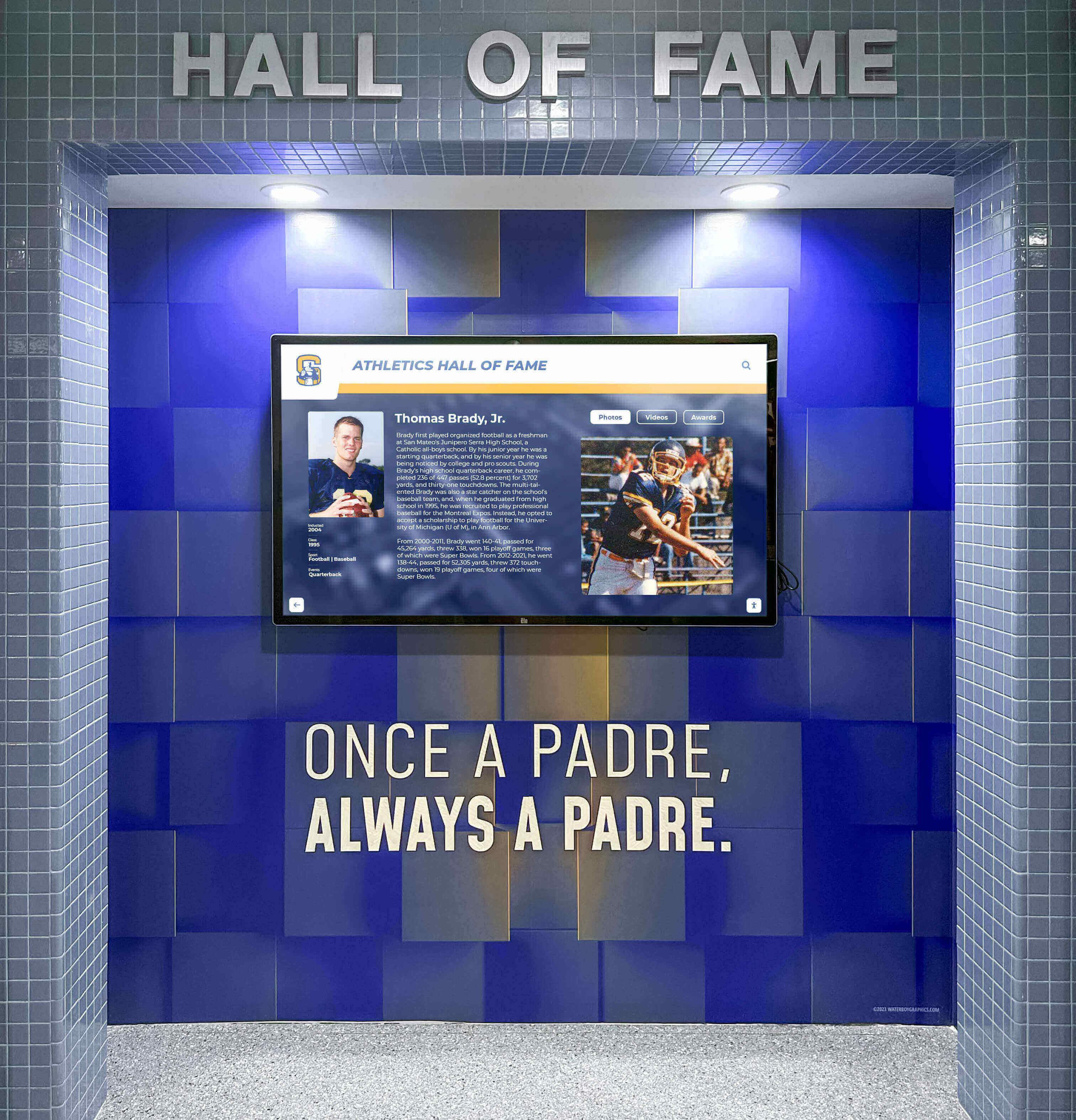
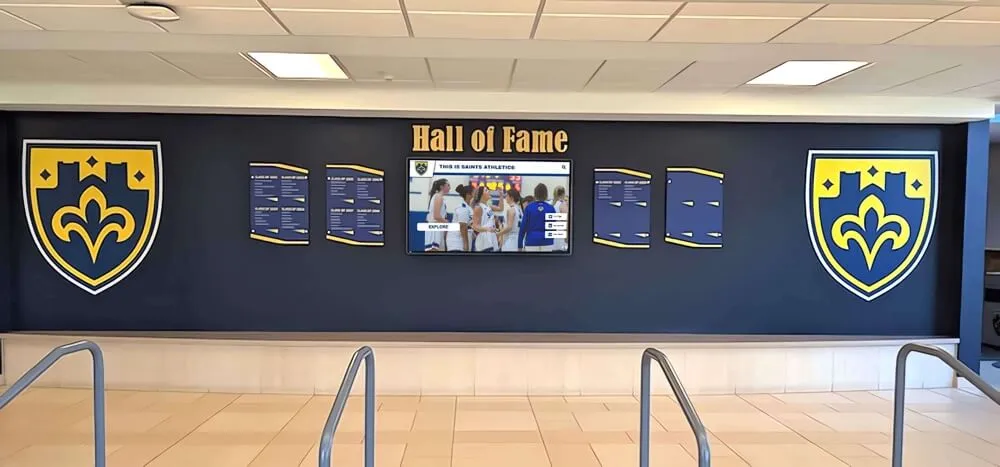
Successful implementations integrate yearbook archives with broader school history and recognition systems
Privacy Compliance and Student Protection
Digital yearbook publication requires careful attention to student privacy rights and applicable regulations.
FERPA Compliance Considerations
The Family Educational Rights and Privacy Act governs student information in educational records:
Directory Information and Yearbook Content
- Yearbooks typically contain directory information schools may disclose without consent
- Directory information includes names, photographs, dates of attendance, and participation in activities
- Schools must provide annual notification of directory information policies
- Parents and eligible students may opt out of directory information disclosure
- Historical yearbook content published before digital republication involves complex consent questions
Recommended Privacy Practices
- Develop clear privacy policies specifically addressing digital yearbook archives
- Implement opt-out procedures enabling removal requests from digital archives
- Establish response protocols handling privacy complaints or removal requests
- Limit access to recent graduation years while making older archives more publicly available
- Consult legal counsel specializing in education privacy law before launch
- Document consent processes used for historical yearbook publication
Creating Opt-Out and Removal Procedures
Clear processes respect individual privacy preferences:
- Prominent contact information for privacy requests on yearbook archive pages
- Simple web forms enabling individuals to request profile removal
- Reasonable response timeframes (typically 30-60 days for processing requests)
- Notification to requesters confirming removal completion
- Partial removal options (removing names while retaining unidentified photographs)
- Appeals processes for denied requests
Schools should maintain written policies documenting privacy protection measures and staff training on appropriate responses to privacy concerns.
Engaging Alumni and Current Students
Successful archives generate ongoing usage through strategic promotion and engagement initiatives.
Launch Marketing Strategies
Build awareness and drive initial traffic to new digital archives:
Alumni Communications
- Email campaigns to all alumni announcing archive launch
- Featured stories in alumni magazines and newsletters
- Social media campaigns showcasing historical photographs and notable classmates
- Reunion event integration encouraging exploration of graduation year archives
- Ambassador programs enlisting class representatives to promote within networks
- Testimonial collection from early users sharing rediscovery experiences
Campus Promotion
- Student assembly presentations introducing archives and historical context
- Classroom integration for history and social studies lessons
- Library displays highlighting featured graduation years or notable alumni
- Interactive display installations in high-traffic areas encouraging spontaneous exploration
- Student organization collaborations showcasing club and activity histories
- Orientation programs for new students connecting to institutional traditions
Community Outreach
- Local media stories celebrating archive launch and community access
- Historical society partnerships connecting to broader community history initiatives
- Public library information sharing for residents with school connections
- Social media engagement campaigns using historical photographs
- Anniversary milestone promotion tied to significant graduation years
- Volunteer recognition thanking contributors to digitization efforts
Sustained engagement requires ongoing content promotion highlighting interesting discoveries, notable alumni anniversaries, and connections to current events.
Usage Analytics and Continuous Improvement
Track engagement metrics informing ongoing enhancement:
- Most-viewed graduation years identifying popular content
- Search query analysis revealing what users seek
- Geographic access patterns showing alumni reach
- Device usage patterns (desktop vs. mobile) guiding optimization priorities
- Referral sources indicating successful promotion channels
- User session duration and navigation patterns identifying usability issues
Regular analytics review enables data-driven decisions about content expansion priorities, feature enhancements, and promotion strategies.
Integrating Digital Yearbooks with Broader Recognition Systems
Maximum institutional value emerges when yearbook archives connect to comprehensive historical preservation and recognition initiatives.
Connecting to Digital Hall of Fame Displays
Yearbook content enriches athletic and academic recognition systems:
- Athlete profile pages linking to yearbook appearances and team photos
- Academic honor roll integration showing recognition continuity across student experience
- Club and organization rosters documenting extracurricular participation
- Leadership position documentation showing student government and team captains
- Award recipient listings connecting to yearbook recognition pages
- Coach and faculty profiles showing tenure across multiple yearbook editions
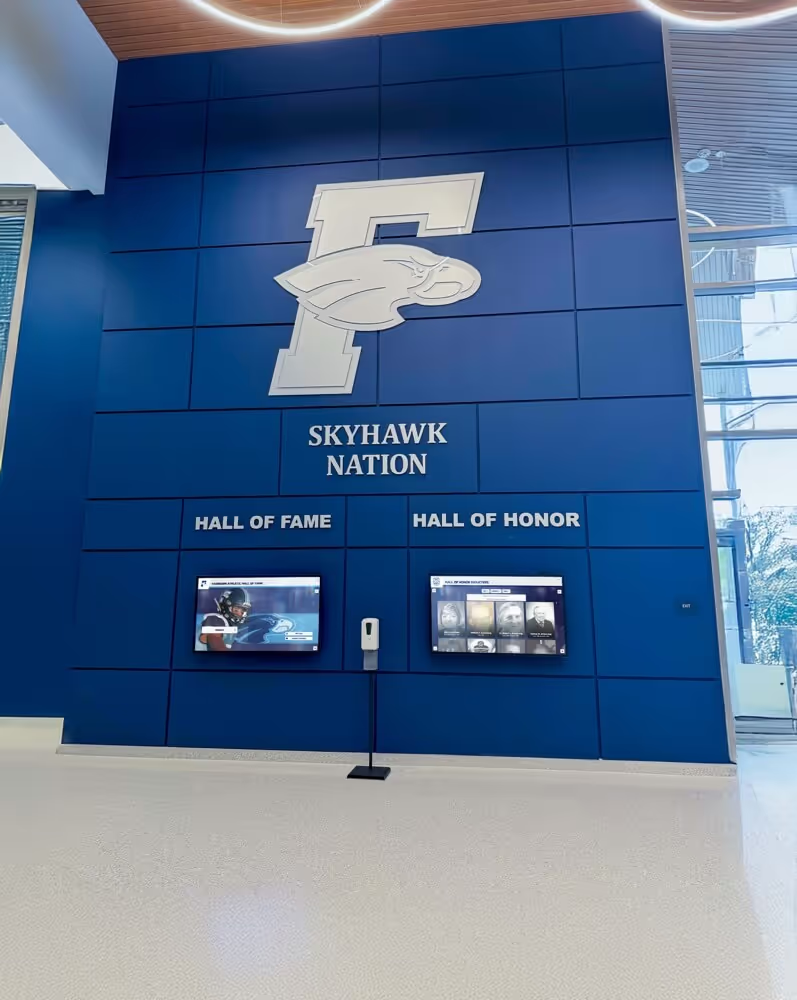
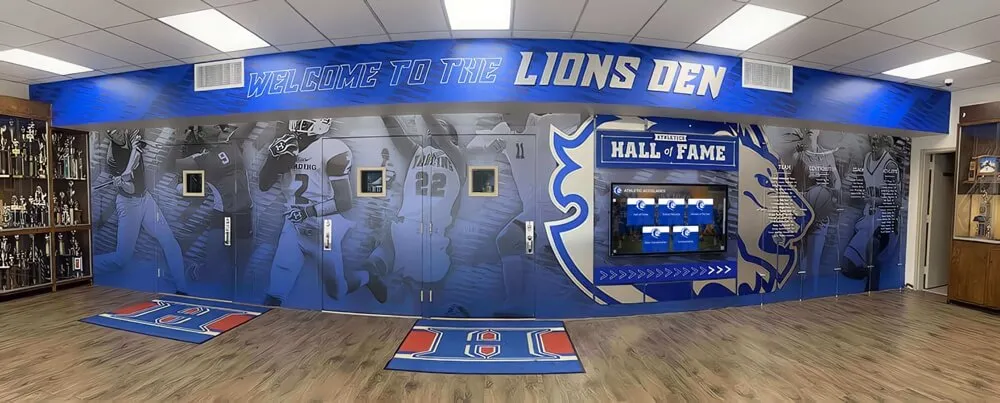
Schools implementing digital hall of fame solutions report that yearbook integration significantly increases engagement with recognition displays by providing richer biographical context.
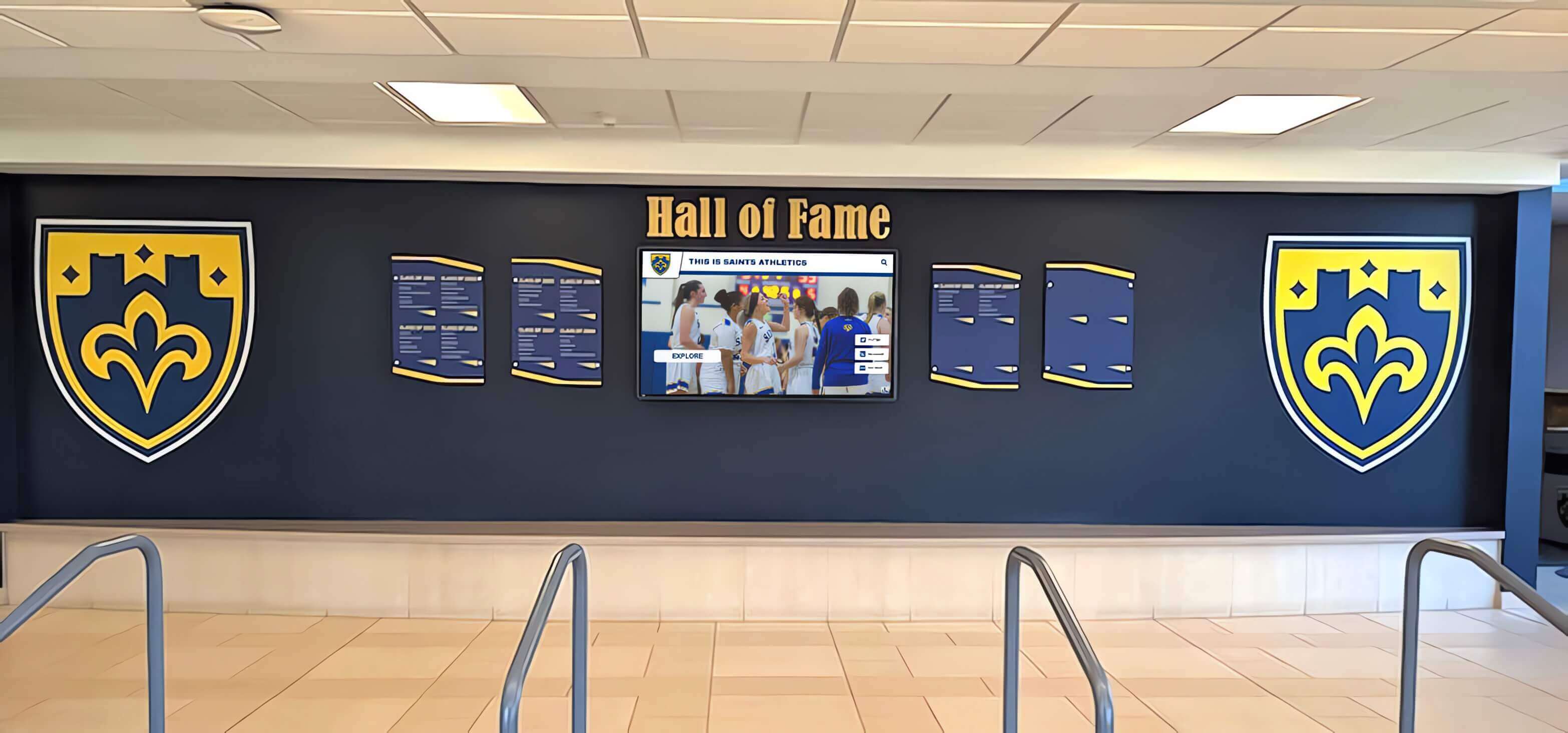
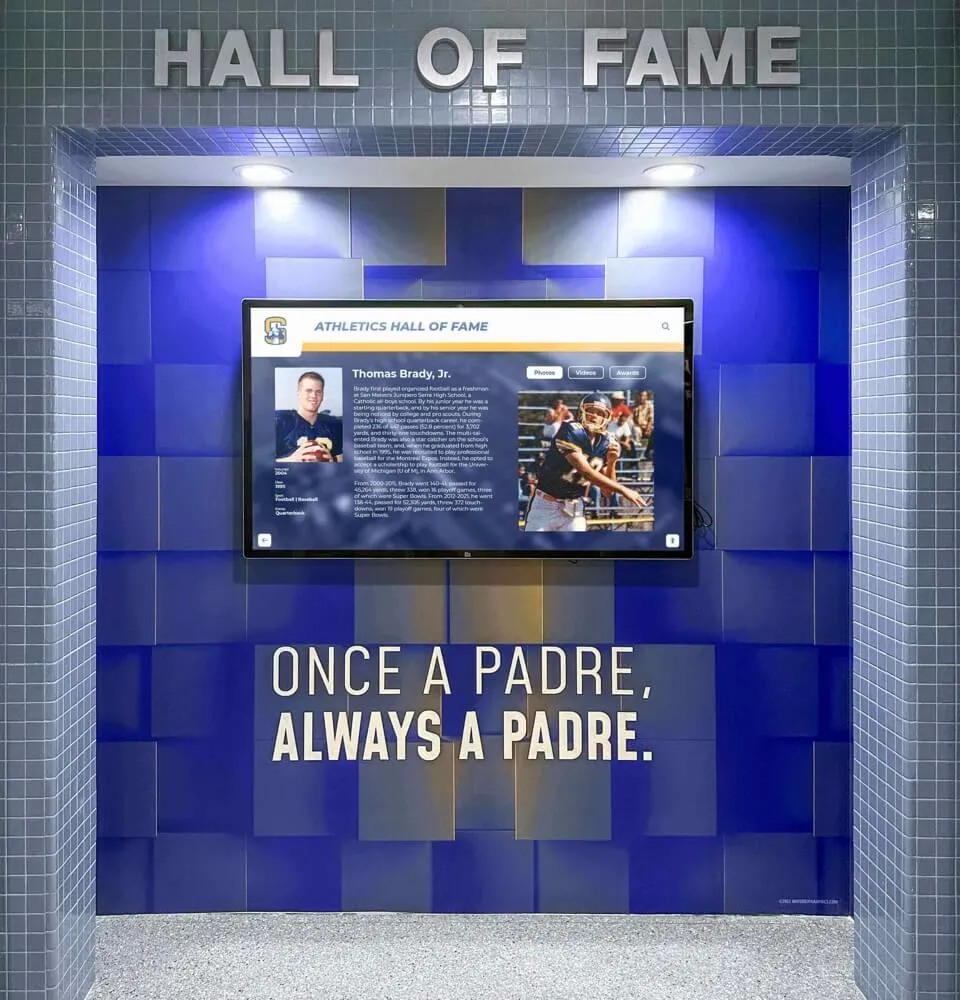
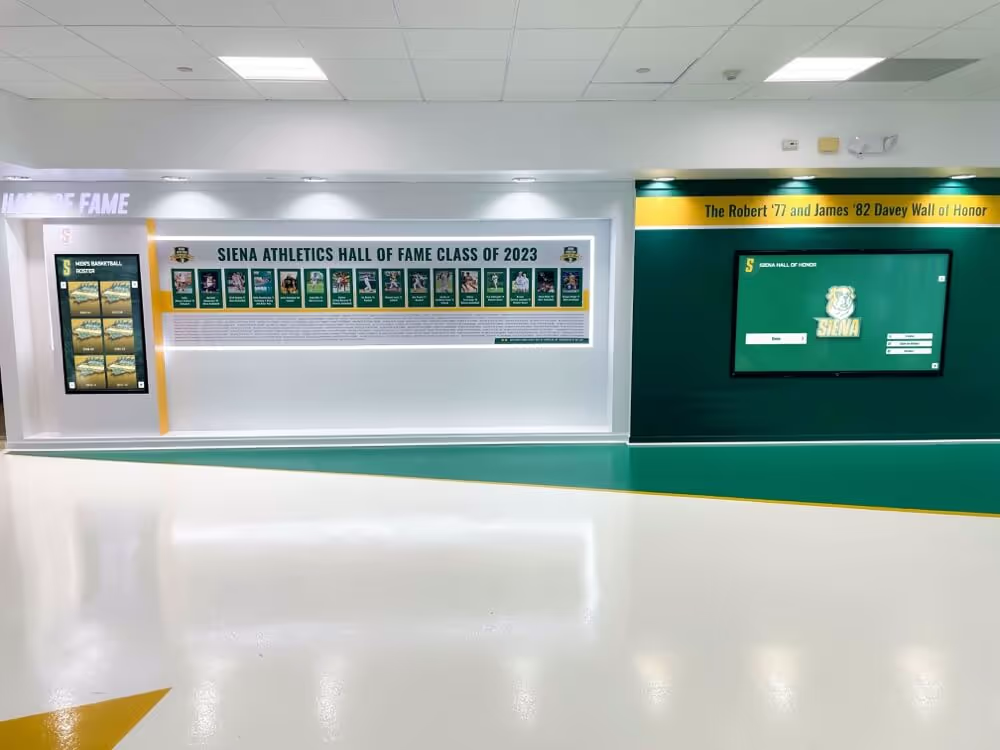
Integrated systems connecting yearbook archives to athletic and academic recognition displays create comprehensive institutional memory
Alumni Advancement and Fundraising Applications
Development offices leverage yearbook data for relationship building:
Prospect Research Enhancement
- Yearbook content identifying leadership positions and achievement patterns
- Activity participation suggesting engagement capacity and interests
- Peer group identification for social network analysis
- Historical giving pattern research through dedication page review
- Family legacy research tracking multi-generational attendance
- Career trajectory analysis informed by activity and leadership history
Engagement Strategy Development
- Class giving campaigns promoting reunion year participation
- Affinity group outreach to former athletes, club members, and activity participants
- Volunteer recruitment targeting individuals with demonstrated leadership
- Event marketing using yearbook nostalgia to promote attendance
- Storytelling content featuring alumni experiences and achievements
- Milestone anniversary outreach celebrating significant graduation years
Donor Recognition Integration
- Digital donor walls linking to yearbook profiles showing school connection
- Giving society rosters enriched with yearbook photographs and biographical information
- Campaign progress displays featuring supporter yearbook portraits
- Legacy society recognition connecting multi-generational family attendance
- Named scholarship recipient profiles linking to donor yearbook pages
Organizations implementing digital donor recognition displays find that yearbook integration strengthens emotional connections between donors and beneficiaries.
Preservation of Supplemental Historical Content
Expand beyond traditional yearbooks to preserve comprehensive institutional memory:
Athletic Program Materials
- Team photograph collections spanning decades
- Championship banners and tournament programs
- Record board documentation showing progression across years
- Coaching milestone recognition and career statistics
- Facility evolution documentation showing venue improvements
- Historic game programs and event materials
Many schools addressing digital trophy case needs discover that yearbook integration creates more compelling athletic history presentations than isolated trophy documentation.
Performing Arts Documentation
- Theater production programs and cast photographs
- Concert programs and ensemble rosters
- Art exhibition catalogs and student work documentation
- Festival participation and competition results
- Faculty director and instructor history
- Facility and equipment evolution documentation
Academic Program Archives
- Honor society membership records and induction ceremonies
- Academic competition results and team photographs
- Research symposium programs and presentation abstracts
- Graduation ceremony programs and commencement speakers
- Faculty recognition and milestone celebrations
- Curriculum evolution and program development history
Overcoming Common Digital Yearbook Implementation Challenges
Anticipating obstacles enables proactive solutions preventing project delays and dissatisfaction.
Budget Constraints and Funding Strategies
Digitization costs concern schools with limited technology budgets:
Total Cost Components
- Professional scanning services or in-house equipment investment
- Platform subscription fees or perpetual licensing costs
- Staff time for project management and quality control
- Legal counsel for privacy policy review
- Training expenses for administrators and staff
- Marketing and promotional materials for launch
Funding Source Options
- Annual operating budget allocations from library or technology departments
- Alumni association funding from engagement and communications budgets
- Development office support recognizing advancement applications
- Special anniversary campaign inclusion as preservation initiative
- Memorial gift designation for alumni remembrance initiatives
- Grant applications to foundations supporting educational technology or preservation
Phased Implementation Reducing Initial Costs
- Begin with most-requested graduation years rather than comprehensive collection
- Start with basic PDF archives before advancing to sophisticated database platforms
- Implement online access before adding expensive interactive display hardware
- Utilize volunteer labor for appropriate tasks reducing service costs
- Negotiate multi-year contracts spreading expenses across fiscal years
- Pursue sponsorship opportunities from reunion classes funding graduation year digitization
Technical Challenges and Quality Control
Digitization quality significantly impacts user satisfaction and archive value:
Common Scanning Issues
- Poor image resolution making text difficult to read or faces unrecognizable
- Color inaccuracy misrepresenting original yearbook appearance
- Binding shadows obscuring text near book spines
- Page skew requiring rotation correction
- Missing pages discovered only after yearbook return
- Inconsistent file naming creating organizational challenges
Quality Assurance Procedures
- Detailed scanning specifications provided to vendors or in-house staff
- Sample scanning review before full collection processing
- Page-by-page verification confirming completeness
- Test searches verifying OCR accuracy and searchability
- Color calibration ensuring faithful reproduction
- Backup verification confirming proper archival storage
Metadata Accuracy and Completeness
- Correct graduation year assignment for each volume
- Accurate page numbering enabling citation and reference
- Proper categorization of content sections (portraits, activities, sports, advertisements)
- Name verification for searchable individual profiles
- Activity and organization tagging enabling filtered browsing
- Copyright and permission documentation for each volume
Investing in quality control prevents frustrating user experiences and costly re-digitization projects.
Managing Ongoing Content and Updates
Digital archives require ongoing administration maintaining accuracy and currency:
Annual Yearbook Addition
- Established workflows integrating new yearbook editions upon publication
- Consistent formatting standards ensuring uniform appearance across years
- Timely addition enabling current students to access recent volumes
- Promotion highlighting new content availability
- Archive completeness maintaining unbroken chronological sequences
Error Correction and Content Enhancement
- Procedures for reporting and correcting errors in existing content
- Name spelling corrections improving search accuracy
- Missing information addition as alumni provide details
- Photo identification projects naming previously unknown individuals
- Historical context addition explaining traditions and terminology
- Supplemental content linking including newspaper articles and memorabilia
Platform Updates and Feature Additions
- Regular software updates maintaining security and performance
- Feature enhancement adoption as platforms introduce capabilities
- User feedback collection informing improvement priorities
- Accessibility compliance maintenance as standards evolve
- Mobile optimization ensuring quality experiences on evolving devices
- Integration updates as institutional systems change
Schools should establish clear administrative responsibility for ongoing archive management rather than assuming launch completion ends all project work.
Measuring Success and Return on Investment
Quantify digital yearbook value through metrics aligned with institutional priorities:
Engagement Metrics
Track usage demonstrating archive value:
- Total user sessions and unique visitors monthly
- Pages viewed per session indicating engagement depth
- Search queries performed revealing user intentions
- Alumni vs. current student usage patterns
- Geographic reach showing access from alumni locations worldwide
- Returning visitor rates suggesting sustained interest
Alumni Relations Impact
Connect archives to advancement objectives:
- Alumni database profile completions using yearbook information
- Event attendance correlation with archive launch and promotion
- Donor acquisition among engaged archive users
- Volunteer recruitment success among active users
- Social media engagement on yearbook-related content
- Email open and click rates on yearbook-themed communications
Operational Efficiencies
Document staff time and cost savings:
- Reduced staff hours handling physical yearbook retrieval requests
- Eliminated climate control costs for storage space reallocation
- Avoided replacement costs for damaged or deteriorating volumes
- Reduced insurance expenses for irreplaceable collection protection
- Decreased supply costs for archival storage materials
- Improved reference service speed and capacity
Educational Value
Assess impact on current students and programs:
- Classroom integration frequency in curriculum lessons
- Student research projects utilizing yearbook primary sources
- New student orientation program incorporation
- Historical awareness assessment comparing student cohorts
- School pride indicators tracking student connection to traditions
- Faculty satisfaction with historical content accessibility
Future Trends in Digital Yearbook Technology
Emerging technologies promise enhanced engagement and new applications:
Artificial Intelligence Applications
Machine learning enables advanced features:
- Automated face recognition identifying individuals across multiple photos
- Smart tagging suggesting activity and organization associations
- Pattern recognition identifying friendship networks and social connections
- Predictive search improving query interpretation and result relevance
- Content recommendation engines suggesting related profiles and connections
- Automated metadata generation reducing manual data entry
Augmented Reality Experiences
AR integration creates immersive historical exploration:
- Mobile apps overlaying historical photographs on current campus locations
- Interactive physical yearbook scanning revealing digital content enhancements
- Virtual reunion experiences enabling remote participation
- Historical facility visualization showing building evolution
- Gamification encouraging exploration through scavenger hunt features
- Social sharing integration connecting digital discoveries to personal networks
Voice Interface Integration
Voice-activated search simplifies access:
- Natural language queries enabling conversational information requests
- Hands-free operation benefiting accessibility
- Smart speaker integration extending access to home environments
- Audio descriptions supporting visually impaired users
- Multilingual voice support serving international communities
These emerging capabilities will further distinguish sophisticated digital yearbook platforms from basic PDF archives while creating new opportunities for meaningful engagement with institutional history.
Taking the Next Step with Digital Yearbooks
Digital yearbook archives represent significant institutional investments preserving irreplaceable historical content while creating new opportunities for alumni engagement, student connection to traditions, and advancement activities supporting long-term sustainability. Schools successfully implementing digital yearbook solutions typically discover unexpected benefits beyond initial objectives—from alumni reconnections leading to major gifts, to current students developing deeper school pride through historical awareness, to families choosing schools partly because of evident commitment to preserving community bonds across generations.
Whether beginning with a modest pilot project digitizing popular graduation years or pursuing comprehensive collection digitization paired with interactive display installations, the essential first step involves assessing your current yearbook collection, evaluating stakeholder needs, and exploring platform options aligned with institutional goals and resources.
Solutions like Rocket Alumni Solutions transform yearbook preservation from static archives into dynamic, searchable experiences accessible throughout your community. Interactive touchscreen displays bring yearbook content into high-traffic campus locations, creating spontaneous moments of discovery and connection, while cloud-based access enables worldwide alumni engagement with graduation year memories. These integrated systems preserve institutional history permanently while creating ongoing value through enhanced engagement, operational efficiency, and support for advancement priorities.
Ready to explore how digital yearbooks could serve your school community? Talk to our team to discuss your yearbook archive goals and discover solutions tailored to your institution’s unique needs and priorities.