How to Digitize Vintage School Yearbooks: Service Options and Archival Quality
- Home /
- Touch Archive Blog /
- How to Digitize Vintage School Yearbooks: Service Options and Archival Quality
The Easiest Touchscreen Solution




Live Example: Rocket Alumni Solutions Touchscreen Display
Interact with a live example (16:9 scaled 1920x1080 display). All content is automatically responsive to all screen sizes and orientations.
Vintage school yearbooks represent irreplaceable institutional memory—decades of student portraits, championship teams, beloved faculty, and community milestones captured in pages that grow more fragile each year. As bindings deteriorate, pages yellow, and photographs fade, schools face a critical decision: invest in professional digitization services that preserve these treasures permanently, or risk permanent loss of visual history that defines institutional heritage.
Professional yearbook digitization services transform fragile physical volumes into archival-quality digital collections accessible to alumni worldwide while protecting originals from handling damage. Yet service options vary dramatically—from budget scanning operations producing basic PDFs to archival specialists delivering museum-quality preservation with comprehensive metadata, searchable databases, and interactive display integration.
This comprehensive guide examines professional digitization service options for vintage school yearbooks, comparing quality standards, pricing models, turnaround times, and deliverable formats. Whether managing a small collection of significant volumes or undertaking comprehensive multi-decade preservation projects, understanding service capabilities helps schools make informed decisions protecting institutional memory effectively and economically.
Schools accumulate yearbook collections spanning 50, 75, even 100+ years—thousands of pages documenting institutional evolution through changing fashions, expanding facilities, evolving programs, and generations of community members. When administrators finally recognize preservation urgency, the task feels overwhelming. Professional digitization services exist precisely for these situations, offering expertise, equipment, and workflows that transform ambitious preservation goals into achievable projects.

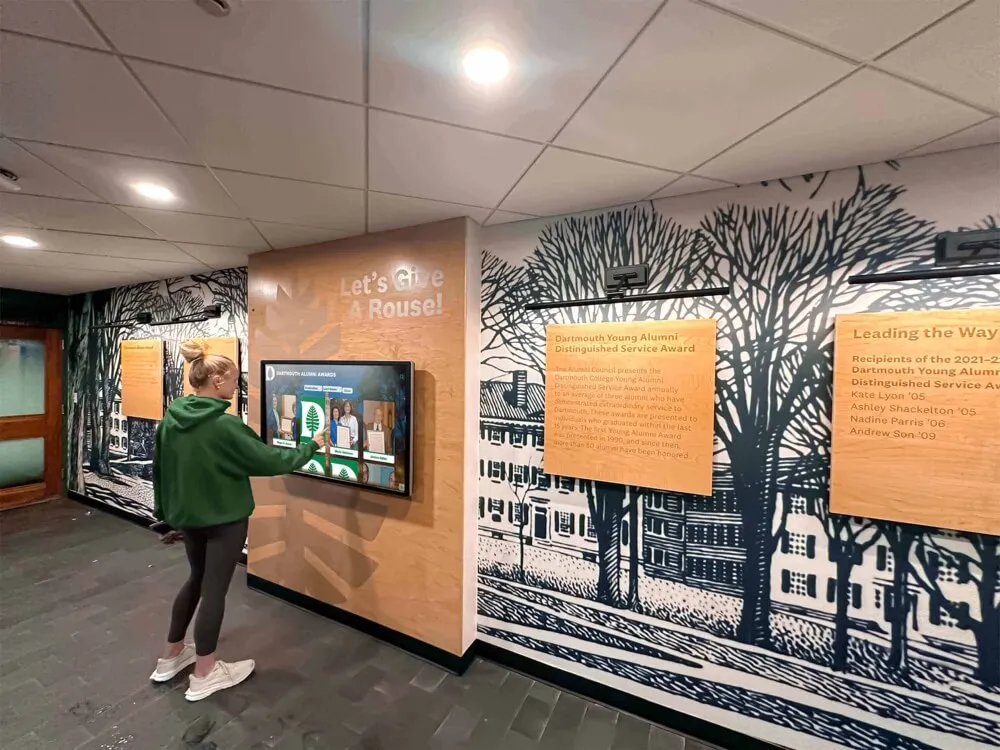
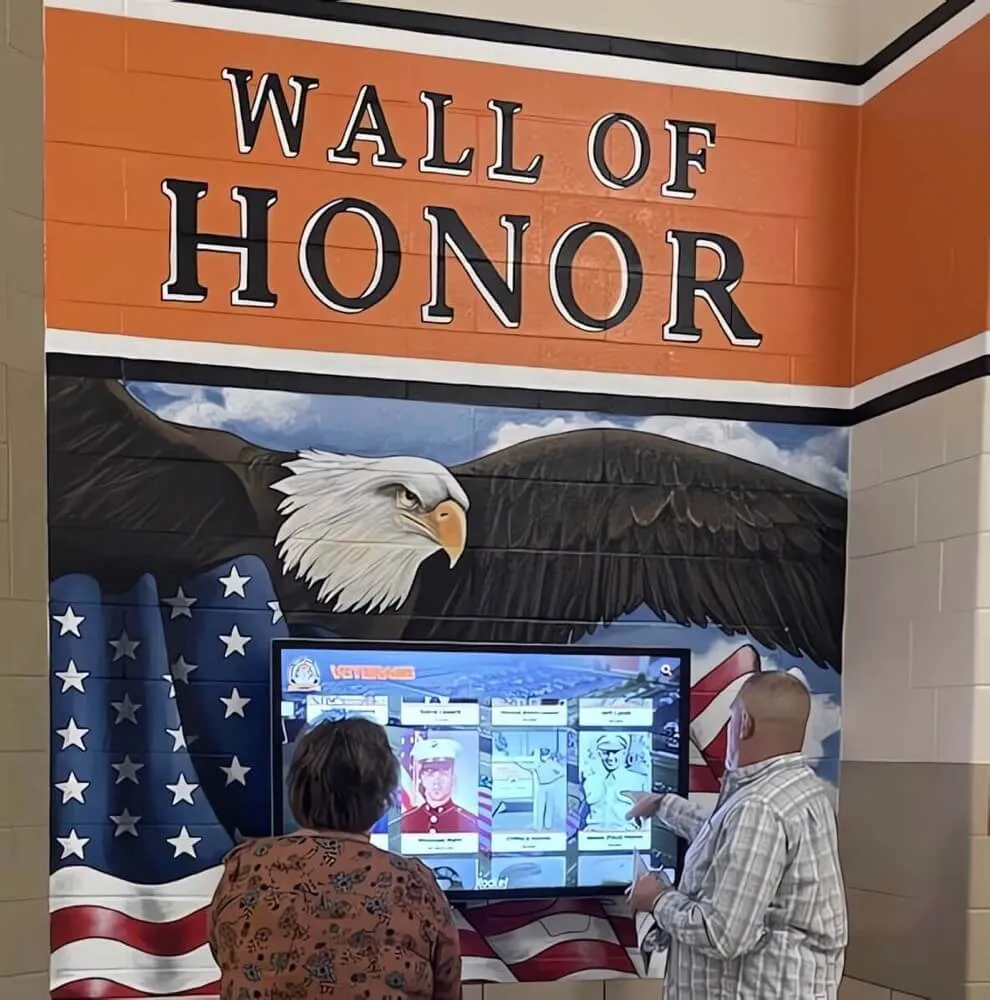
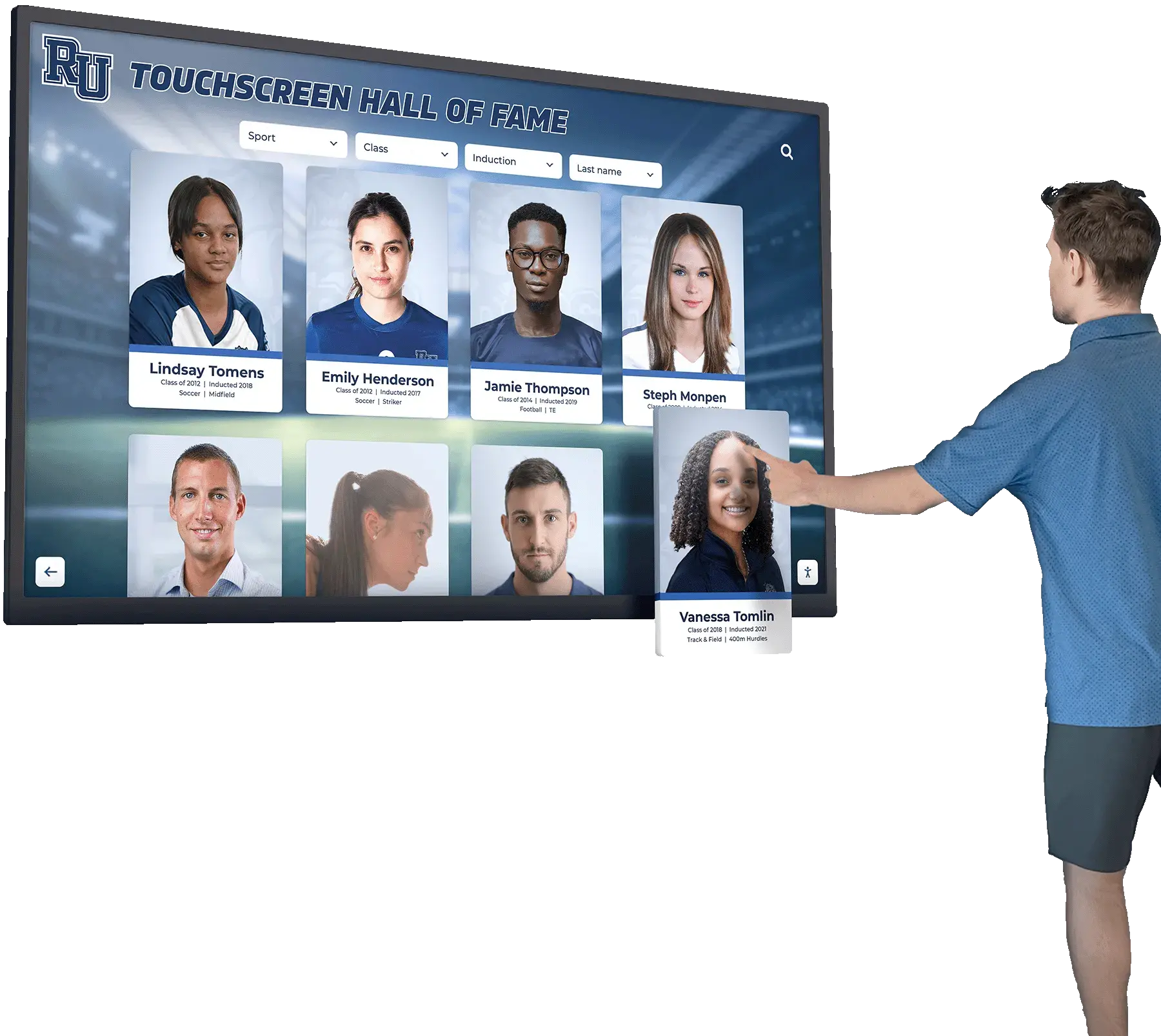
Archival-quality digitization preserves institutional memory permanently while enabling modern interactive access through searchable databases and digital displays
Understanding Professional Yearbook Digitization Services
Professional services provide specialized capabilities schools rarely possess internally, making outsourcing practical and cost-effective for most institutions.
What Professional Services Include
Comprehensive digitization vendors deliver far more than basic scanning:
Complete Physical Handling and Transportation
Professional operations manage logistics protecting valuable materials:
- Secure pickup from school locations with chain-of-custody documentation
- Specialized transportation preventing physical damage during transit
- Climate-controlled facilities maintaining optimal storage conditions during projects
- Insurance coverage protecting against accidental damage or loss
- Careful book handling by trained technicians understanding fragile material requirements
- Return shipping with protective packaging ensuring safe arrival
Specialized Scanning Equipment and Expertise
Purpose-built technology preserves materials while capturing quality:
- Non-destructive overhead book scanners eliminating binding stress
- V-cradle support systems opening books to safe angles without forcing
- Professional-grade imaging sensors capturing fine detail and accurate color
- Consistent lighting eliminating shadows and ensuring even illumination
- Automated page-turning systems for volumes in adequate condition
- Manual capture methods for extremely fragile materials requiring minimal handling
Post-Scanning Processing and Enhancement
Raw scans receive professional refinement:
- Color correction adjusting for yellowed pages and faded photographs
- Cropping and alignment standardizing presentation across collections
- Resolution optimization balancing file size with quality requirements
- Dust and artifact removal cleaning digital images
- Contrast adjustment improving legibility and visual appeal
- Page sequencing verification ensuring complete accurate ordering
File Format Delivery and Organization
Clients receive usable, well-organized digital assets:
- Multiple format delivery including archival masters and access derivatives
- Logical folder structures organizing files by year and section
- Consistent file naming conventions enabling easy navigation
- Multi-page PDF compilation creating complete yearbook documents
- OCR (Optical Character Recognition) enabling text searchability
- Cloud storage or physical drive delivery based on client preference
Schools exploring comprehensive yearbook scanning and digitization approaches benefit from understanding full-service capabilities extending beyond simple image capture to complete archival solutions.
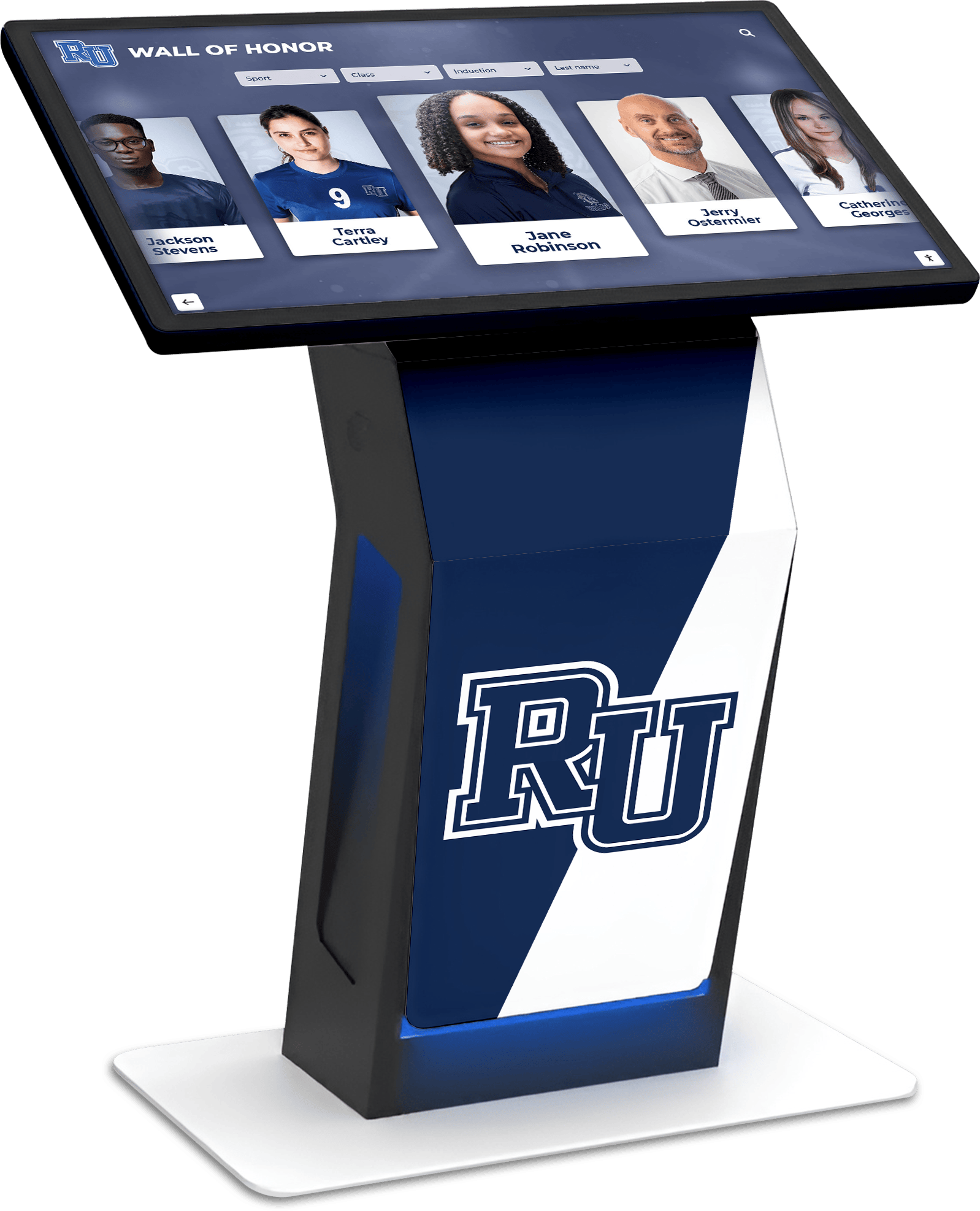
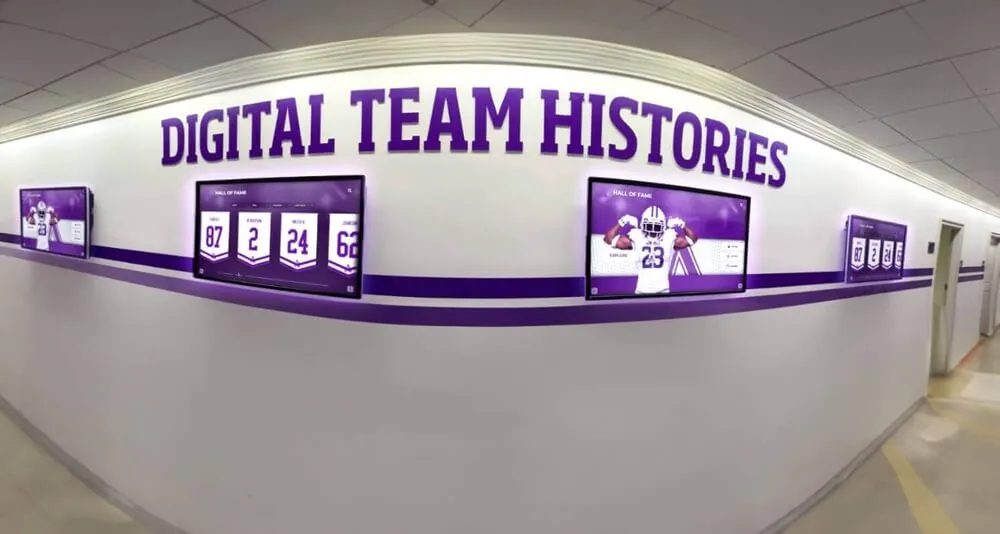
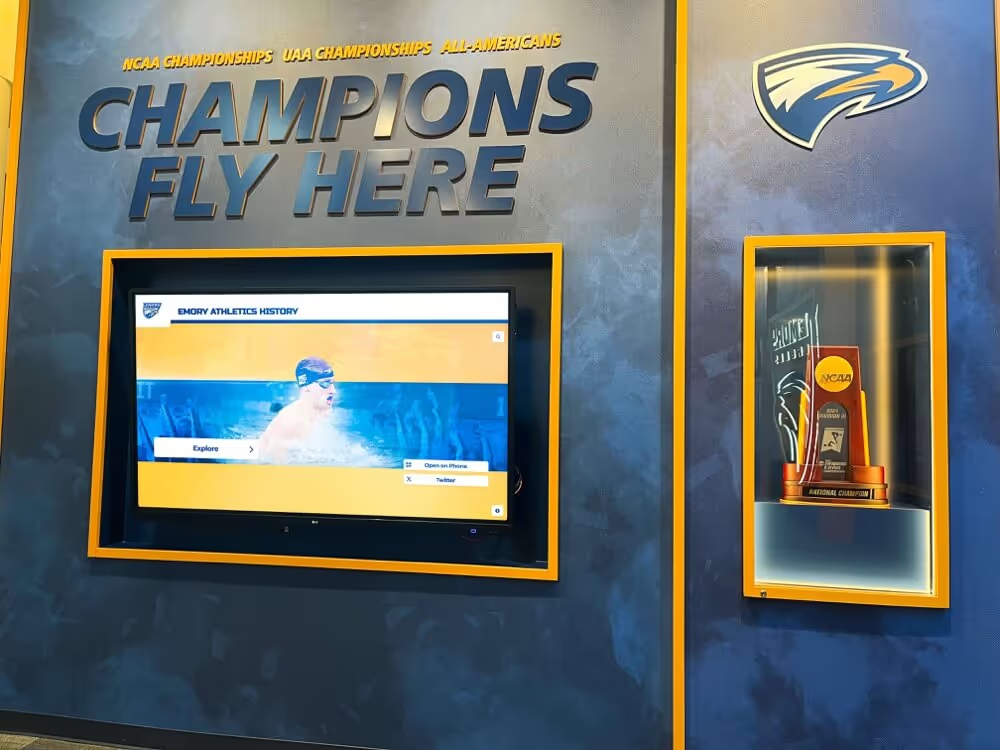
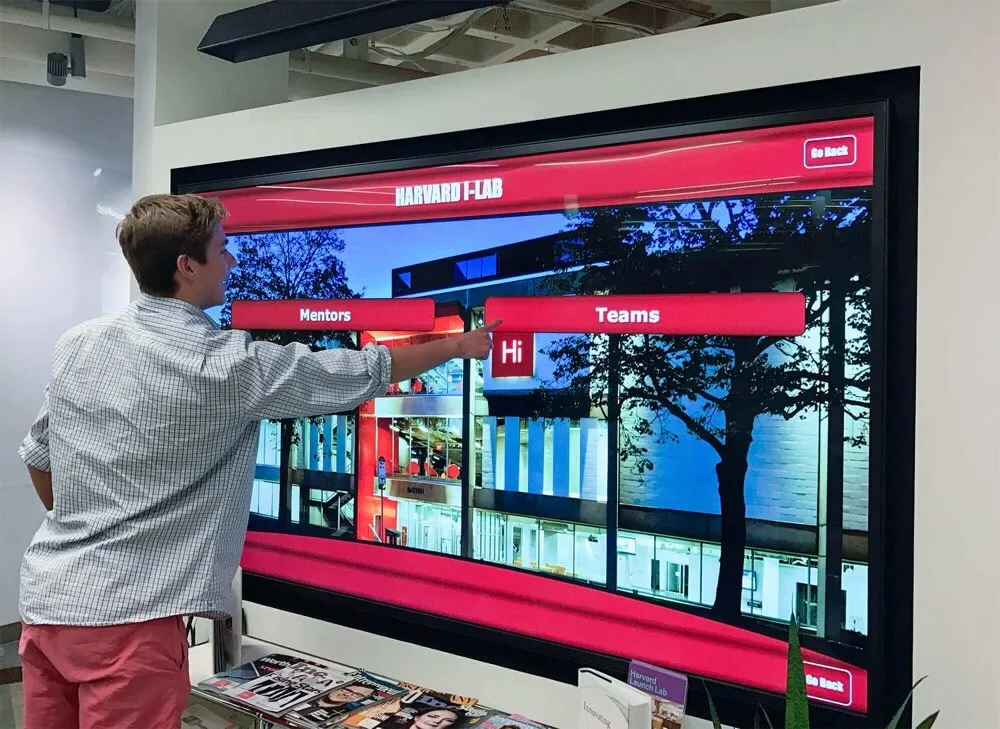
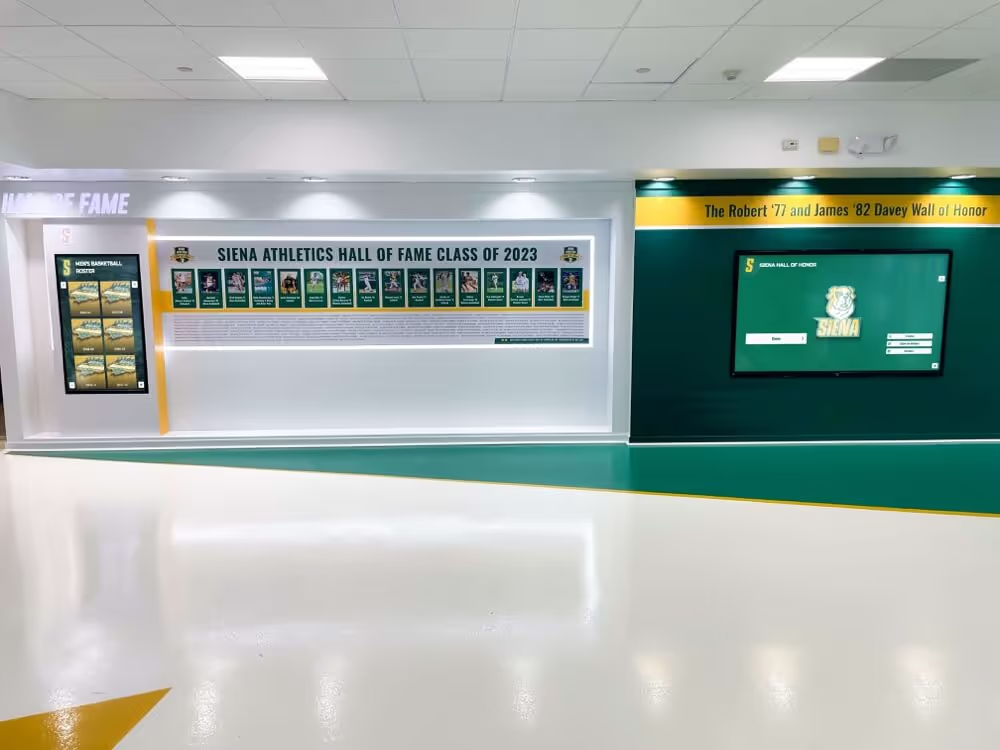
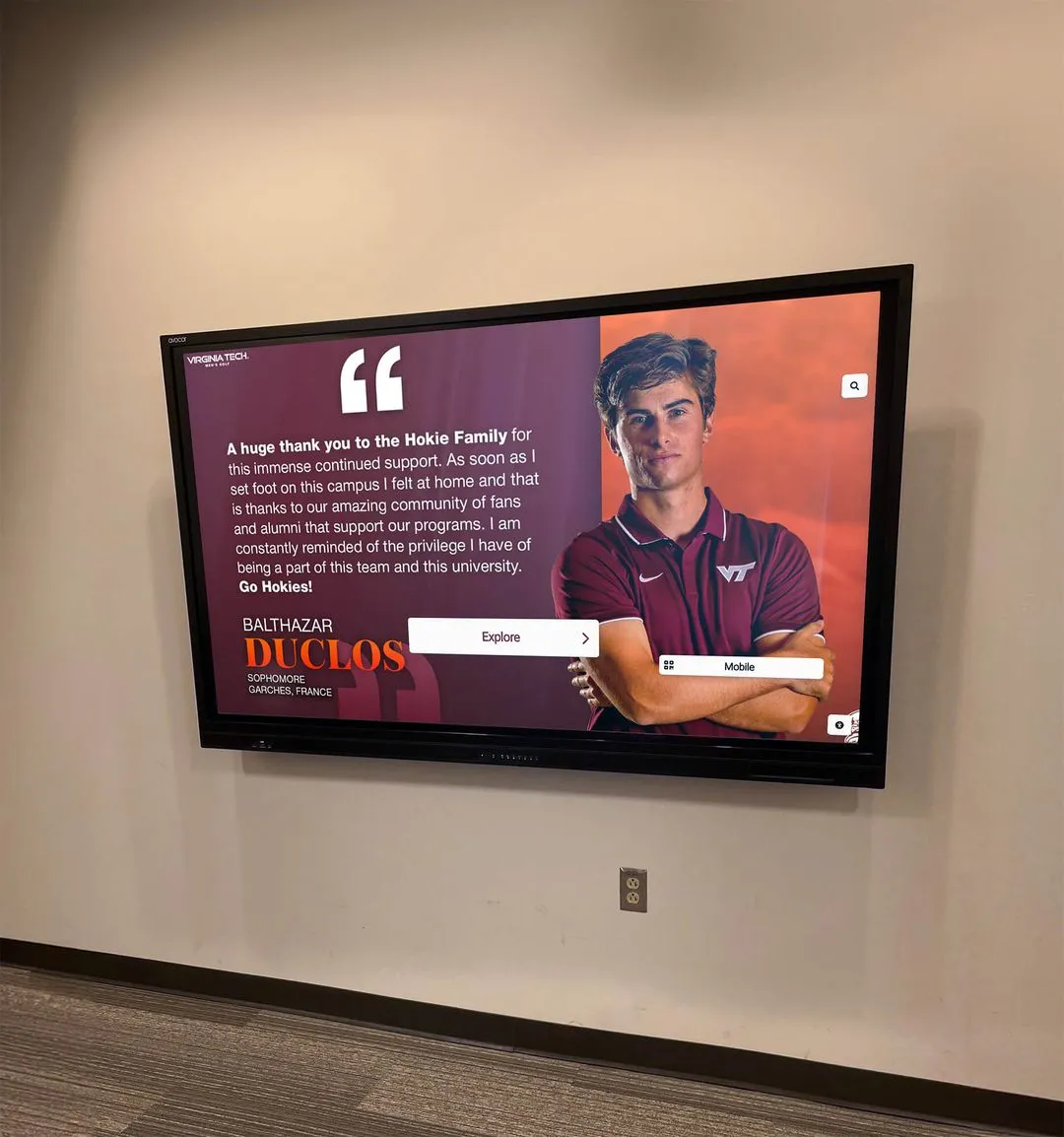
Professional digitization services prepare content for interactive display systems making historical yearbooks accessible to current students, alumni, and visitors
Service Tiers and Quality Levels
Different vendors target distinct market segments with varying quality standards and pricing:
Basic Document Scanning Services
Entry-level providers offer straightforward conversion:
- Standard flatbed or feed-scanner equipment designed for documents rather than books
- 300 DPI resolution suitable for basic viewing but limited archival value
- Minimal image processing beyond basic cropping
- Simple PDF output without OCR or advanced features
- Fast turnaround at lowest price points
- Best suited for modern yearbooks in excellent condition requiring basic access copies
- Pricing typically $0.30-0.60 per page
Mid-Tier Heritage Digitization Specialists
Established vendors balancing quality and economy:
- Professional overhead book scanners protecting fragile bindings
- 400-600 DPI resolution providing archival-quality preservation
- Comprehensive post-processing including color correction and enhancement
- Searchable PDF creation with OCR text extraction
- Metadata creation including basic indexing and descriptions
- Reasonable turnaround times (4-8 weeks for standard projects)
- Suitable for most school yearbook preservation projects
- Pricing typically $0.60-1.20 per page
Premium Archival Preservation Services
Museum-quality vendors serving demanding institutional requirements:
- State-of-the-art book scanning technology with minimal material handling
- 800-1200 DPI master file creation for maximum preservation fidelity
- Extensive image restoration addressing damage, fading, and deterioration
- Comprehensive metadata schemas with detailed indexing and controlled vocabularies
- Multiple derivative file formats optimized for different applications
- Archival storage consultation and long-term preservation planning
- Integration support for content management systems and display platforms
- Ideal for rare or severely damaged materials requiring expert handling
- Pricing typically $1.50-3.00+ per page
Understanding service tier differences helps institutions match project requirements with appropriate vendors rather than overpaying for unnecessary features or accepting inadequate quality for important preservation needs.
Evaluating Digitization Service Providers
Selecting the right vendor determines project success, making careful evaluation essential before committing valuable materials.
Key Questions to Ask Potential Vendors
Thorough vetting reveals capabilities, experience, and reliability:
Technical Capabilities and Equipment
Understanding vendor infrastructure:
- What specific scanning equipment do you use for bound volumes?
- What maximum book dimensions can your scanners accommodate?
- What resolution options are available, and what do you recommend for our materials?
- How do you handle extremely fragile or damaged yearbooks?
- What file formats are delivered as standard, and what optional formats are available?
- Do you provide OCR processing for text searchability?
- What quality control processes verify scan completeness and accuracy?
Experience and Expertise
Assessing relevant background:
- How many yearbook digitization projects have you completed?
- Can you provide references from schools with similar projects?
- What is your experience with materials from our specific time period?
- Do you have conservation expertise for damaged materials requiring stabilization?
- What training do technicians receive in handling fragile historical materials?
- Are you familiar with educational privacy regulations affecting yearbook content?
Project Management and Timeline
Understanding workflow and expectations:
- What is your typical turnaround time for projects of our scope?
- How many volumes can you process simultaneously?
- What project tracking and communication do you provide during digitization?
- Can we prioritize specific volumes for earlier completion?
- What happens if materials are damaged during the project?
- Do you offer rush services if we need faster completion?
Pricing and Deliverables
Clarifying costs and final products:
- What is your pricing structure—per page, per volume, or flat project fees?
- Are there minimum project sizes or setup fees?
- What exactly is included in base pricing versus optional upgrades?
- How are unusually large, small, or difficult volumes handled in pricing?
- What file delivery methods are standard, and are there additional costs for specific formats?
- Who owns the digital files, and what usage rights do we receive?
Schools implementing comprehensive digital archive solutions recognize that vendor selection impacts long-term usability as much as immediate preservation outcomes.
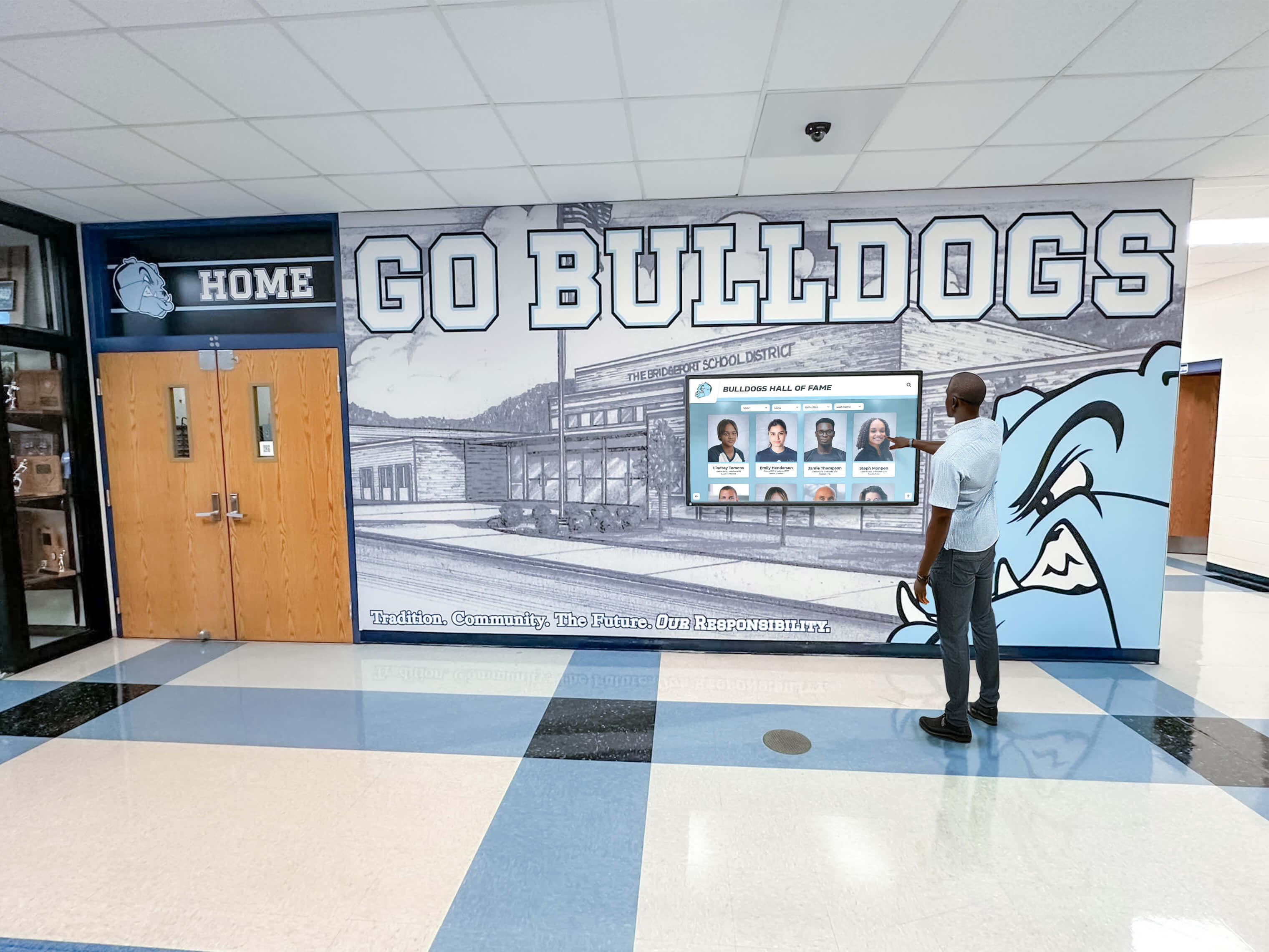
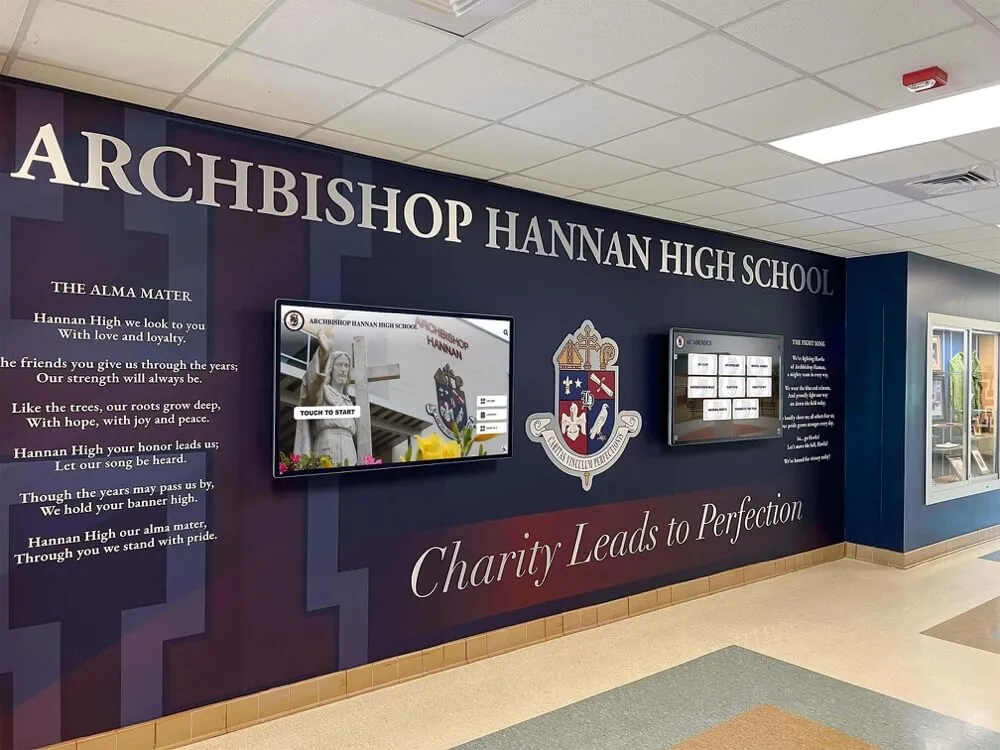
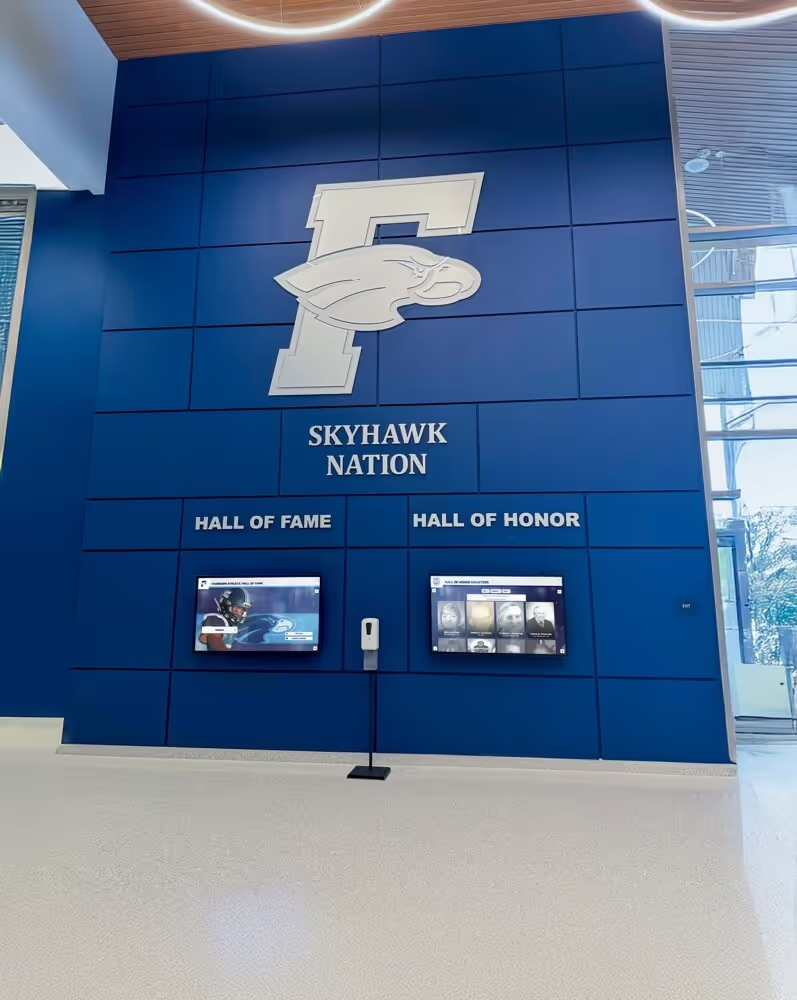
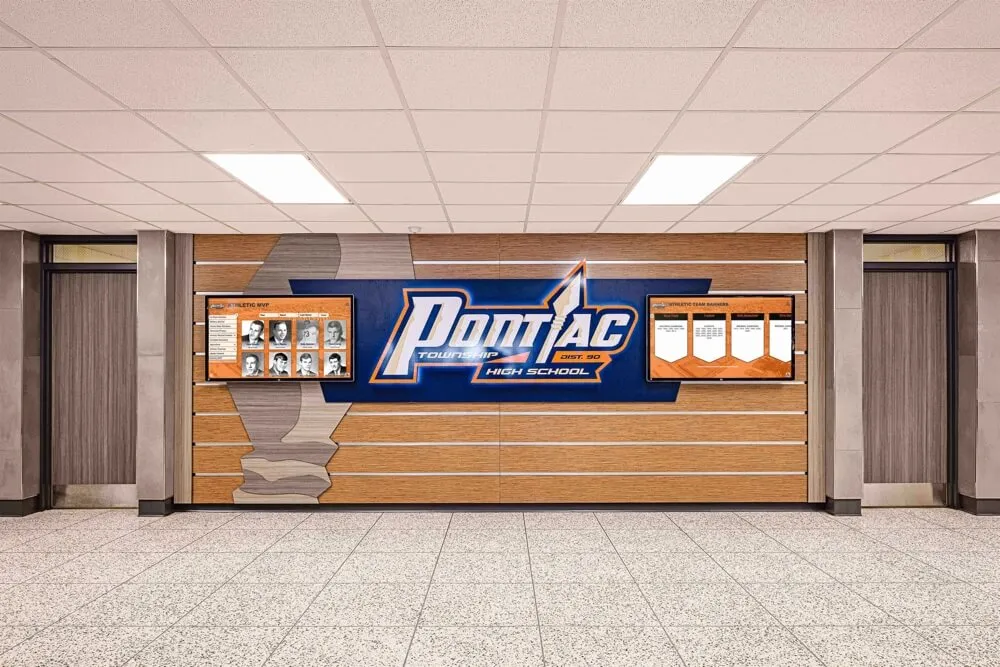
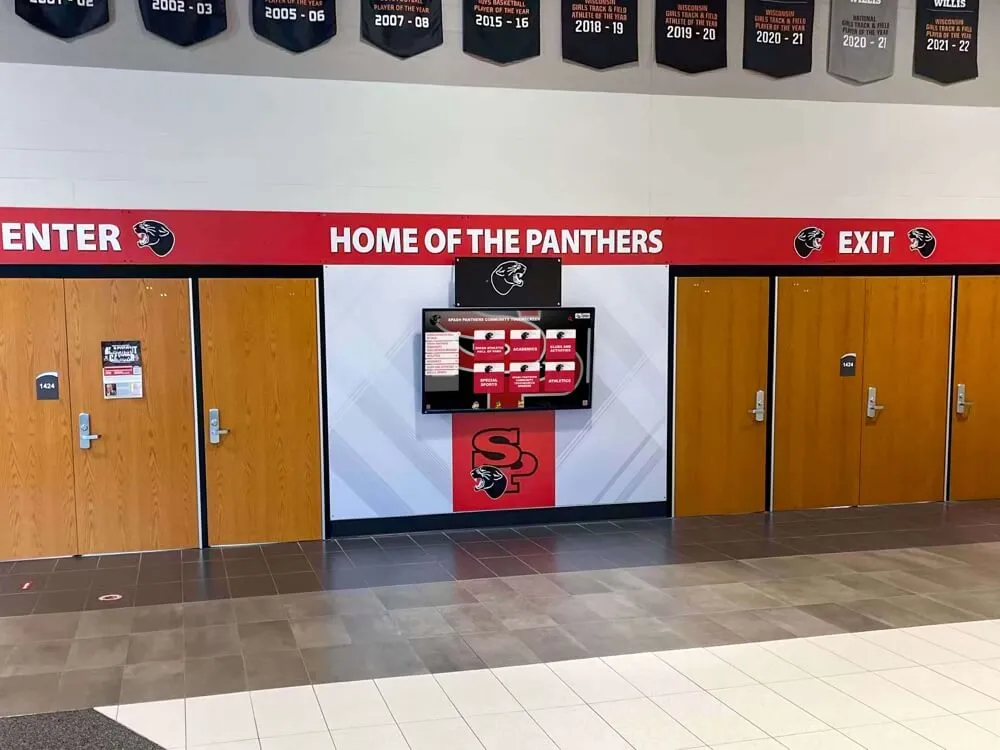
Quality digitization services prepare content for engaging display systems that transform archival materials into community experiences
Service Provider Categories and Specializations
Different vendor types bring distinct strengths:
Local Photography Studios and Print Shops
Community businesses offering supplemental services:
- Convenient local access for material drop-off and consultation
- Personal service with direct communication
- Familiar with local school community and context
- Generally smaller-scale operations with limited specialized equipment
- Variable quality depending on specific equipment and expertise
- Best for small projects or ongoing annual yearbook digitization
- May lack capacity for large historical backlog projects
National Document Scanning Companies
Large commercial operations with broad capabilities:
- High-volume processing capacity handling large collections efficiently
- Standardized workflows ensuring consistent quality
- Professional project management and tracking systems
- Competitive pricing through operational scale
- Multiple facility locations for geographic convenience
- Comprehensive insurance and security protocols
- May lack specialized expertise in fragile historical materials
- Book handling practices sometimes optimized for speed over preservation
Heritage and Archival Preservation Specialists
Boutique firms focused specifically on historical materials:
- Deep expertise in fragile and damaged material handling
- Conservation background understanding preservation best practices
- Specialized equipment designed specifically for delicate bound volumes
- Archival-quality standards exceeding commercial document scanning
- Comprehensive metadata and cataloging expertise
- Integration support for museum-quality content management systems
- Higher pricing reflecting specialized expertise and careful handling
- Smaller operational capacity may extend project timelines
Library and University Digitization Centers
Academic institutions offering commercial services:
- Research-level quality standards and archival expertise
- Scholarly metadata creation and controlled vocabulary application
- Experience with educational materials and institutional archives
- Access to academic preservation networks and resources
- Grant funding sometimes available for collaborative projects
- Limited commercial availability as academic projects take priority
- Geographic availability varies by region and institution
Understanding vendor types helps schools identify candidates matching specific project requirements, collection characteristics, and institutional priorities rather than defaulting to first-contact or lowest-price options.
Archival Quality Standards and Specifications
Technical specifications determine whether digitization creates genuine preservation or merely temporary access copies requiring future re-scanning.
Resolution and Image Capture Requirements
Appropriate capture specifications balance long-term preservation with practical file management:
Archival Master Resolution Standards
Preservation-grade scanning ensures future flexibility:
- Minimum 600 DPI for standard text and photographic content preservation
- 800-1200 DPI for materials with very small text, fine photographic detail, or significant fading
- Higher resolution enables future applications like facial recognition, detailed restoration, or large-format printing
- Excessive resolution (over 1200 DPI) creates unnecessarily large files without meaningful quality improvement
- Color depth of 24-bit or 48-bit capturing full tonal range for restoration flexibility
- Uncompressed or lossless formats (TIFF, PNG) maintaining complete information without quality loss
Access Derivative Specifications
Practical working copies serve daily usage:
- 300-400 DPI JPEG files balancing quality with reasonable file sizes for web viewing and sharing
- 150-200 DPI thumbnails for gallery views and preview browsing
- Multi-page PDF at 300 DPI with OCR text layer for complete yearbook viewing and searching
- Mobile-optimized versions with reduced resolution for smartphone access without excessive data usage
Special Consideration for Vintage Materials
Older yearbooks require adjusted specifications:
- Heavily yellowed or faded photographs benefit from higher resolution capturing subtle tonal variations
- Newsprint-quality paper with visible screen patterns requires resolution exceeding dot-per-inch threshold
- Small printed text common in vintage layouts demands higher resolution for legibility
- Color scanning recommended even for black-and-white yearbooks preserving paper aging characteristics and subtle toning
Institutions creating comprehensive historical digital archives recognize that archival master files serve as permanent preservation format while access derivatives meet immediate usage needs.
File Format Selection for Long-Term Preservation
Format choices impact accessibility and longevity:
Archival Master Storage Formats
Long-term preservation requires stable formats:
- TIFF (Tagged Image File Format): Industry standard for archival preservation, lossless compression, broad software support, predictable behavior
- PNG (Portable Network Graphics): Open-source lossless format, smaller file sizes than TIFF, excellent for web-compatible archival storage
- JPEG2000: Advanced format with lossless compression option, less universal support than TIFF or PNG
- DNG (Digital Negative): Adobe’s raw format providing maximum editing flexibility, requires specialized software
Access and Distribution Formats
Practical daily use formats:
- JPEG: Universal compatibility, reasonable file sizes with quality compression, ideal for web display and sharing
- PDF/A: Archival PDF standard ensuring long-term readability, excellent for complete yearbook documents with searchable text
- WebP: Modern web-optimized format with superior compression, growing but not yet universal browser support
Metadata Standards and Embedded Information
Structured information preserves context:
- IPTC and XMP metadata fields embedded within image files documenting source, dates, rights, and descriptions
- Dublin Core schema providing standardized archival description framework
- Custom metadata fields capturing yearbook-specific information like names, teams, and events
- Sidecar files (XML, JSON) accompanying images with detailed structured information
Professional digitization services should deliver both archival preservation masters for long-term storage and practical access derivatives optimized for web platforms, interactive displays, and sharing—ensuring institutions maintain authentic preservation copies while enabling widespread usage.
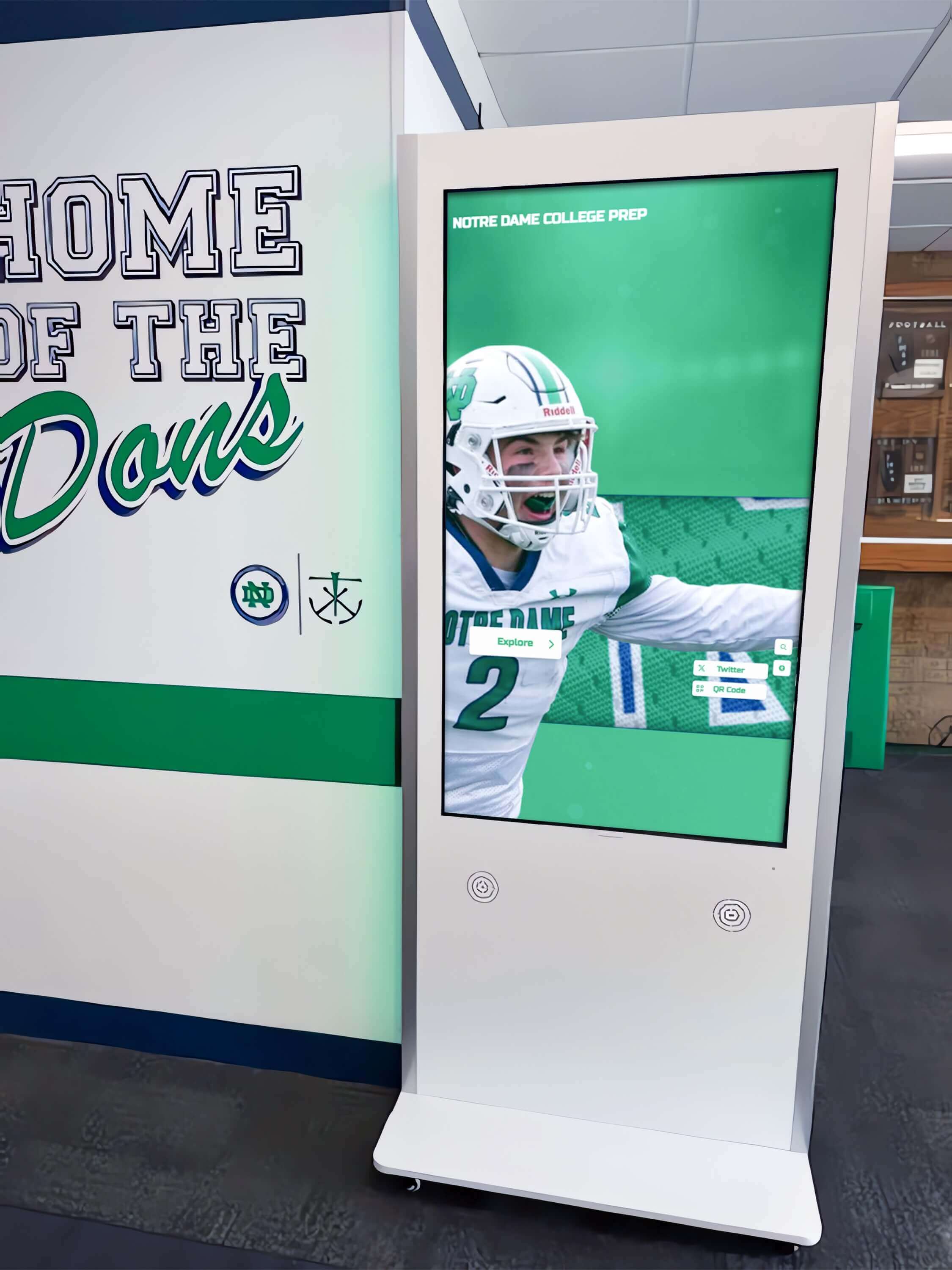
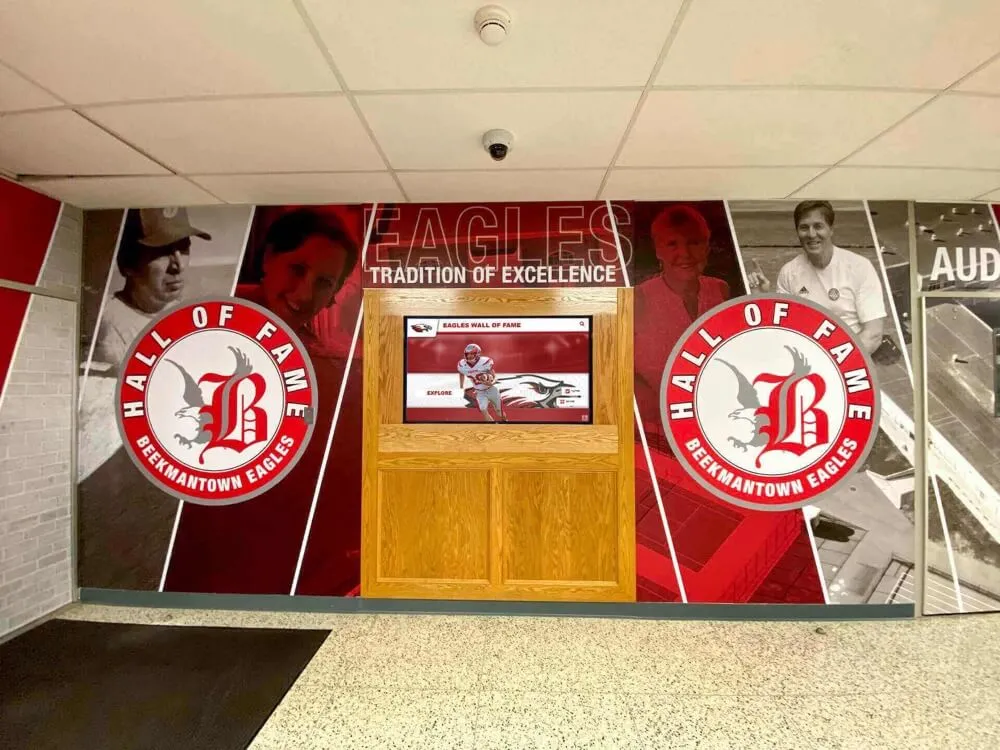
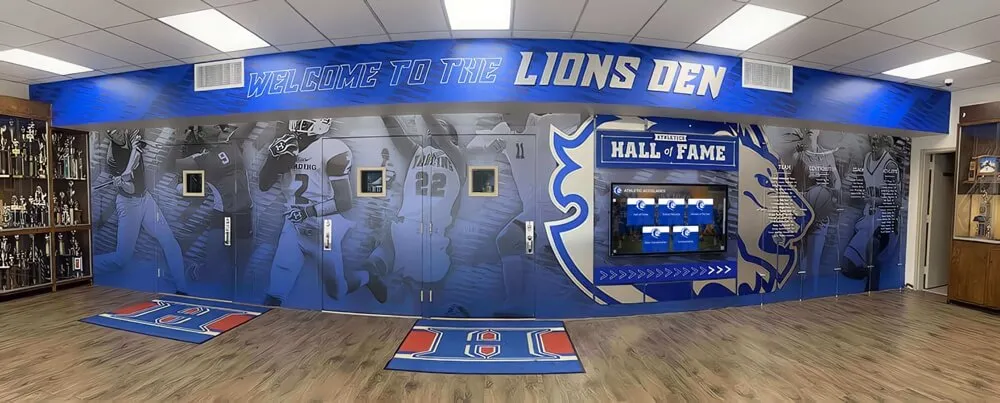
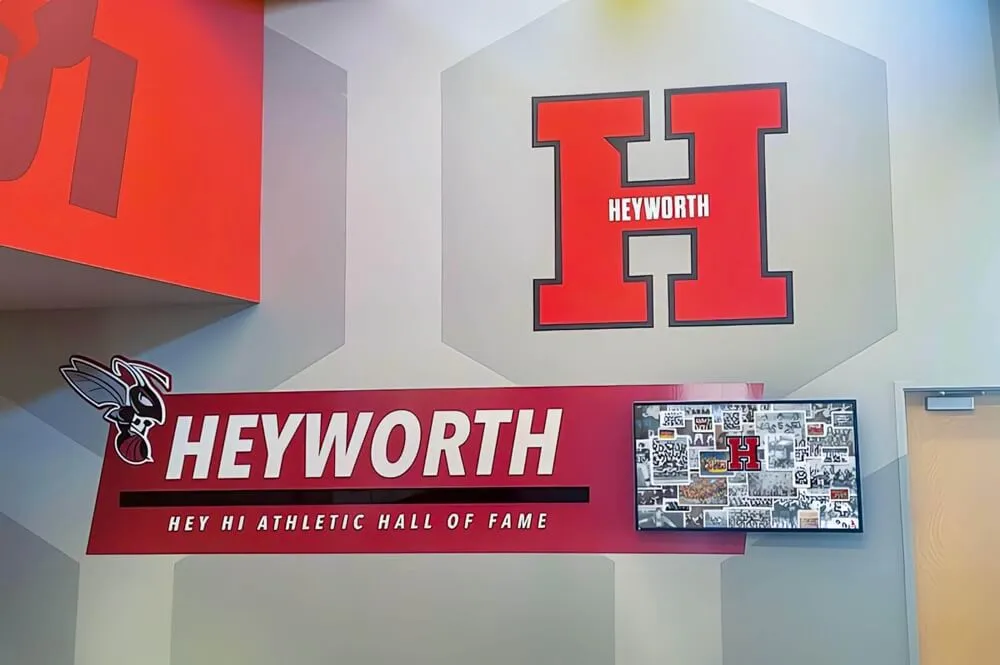
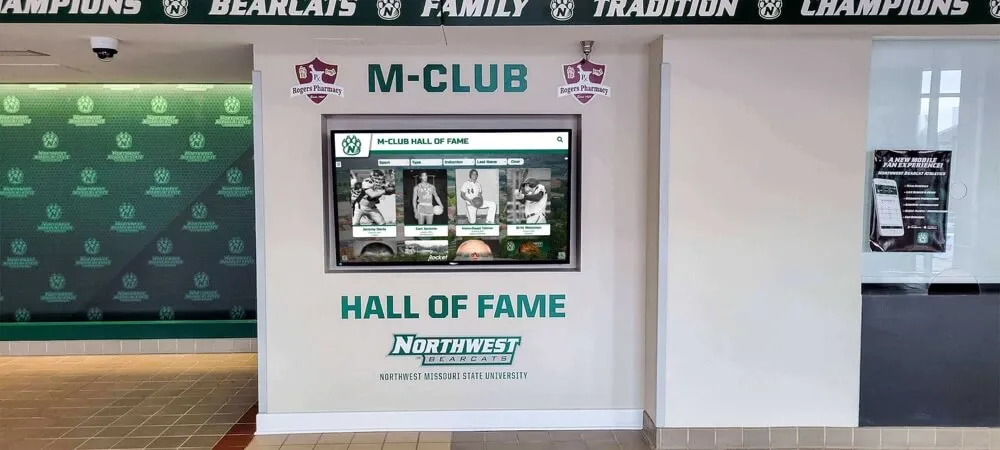
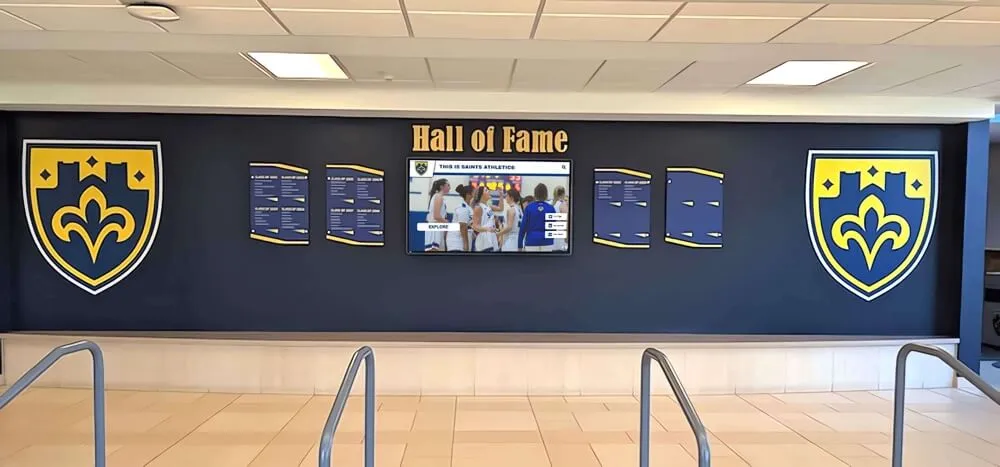
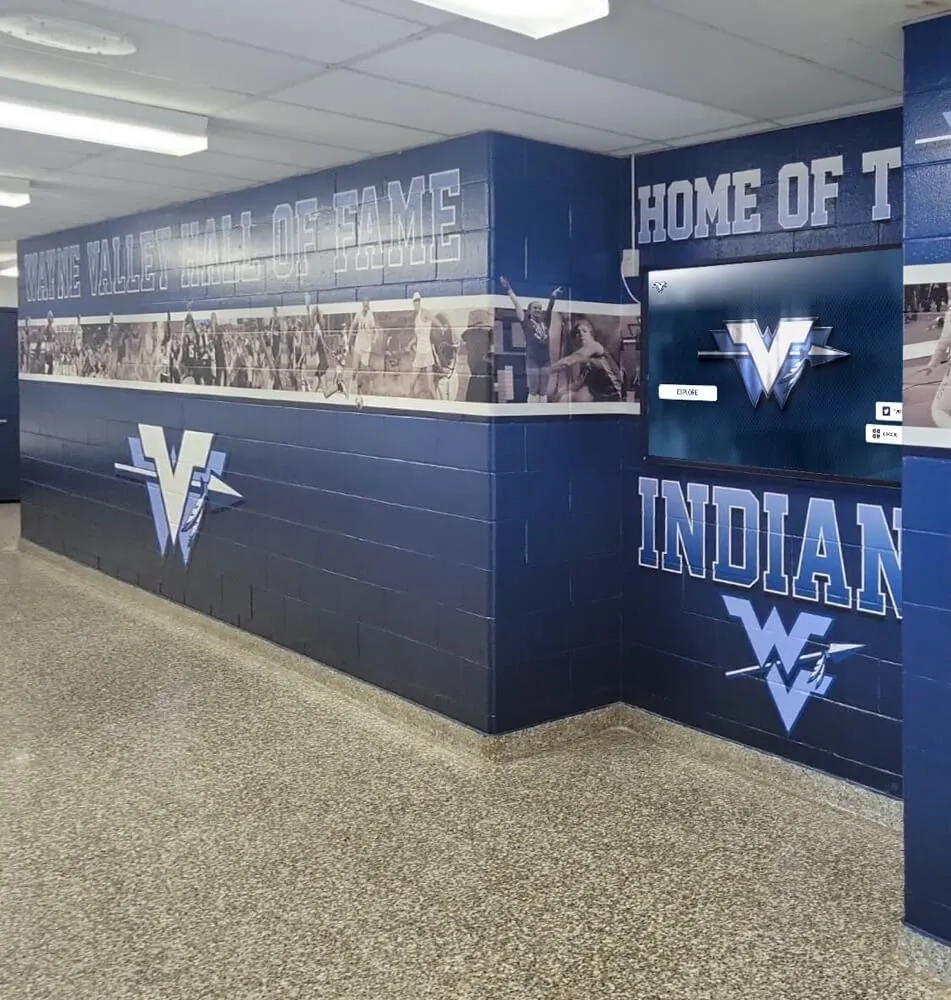
Archival-quality digitization supports modern interactive installations that make historical yearbook content engaging and accessible throughout campus facilities
Cost Analysis and Budget Planning
Understanding pricing structures helps institutions budget appropriately for comprehensive preservation projects.
Professional Service Pricing Models
Vendors structure fees differently based on operational approaches:
Per-Page Pricing
Most common model charging for actual content digitized:
- Typical range: $0.40-$2.00 per page depending on quality tier and volume
- Simple calculation multiplying total page count by per-page rate
- Volume discounts often available for large projects (1,000+ pages)
- Allows precise budgeting once collection inventory is complete
- Per-page rates typically include standard scanning, basic processing, and single file format delivery
- Enhanced services (OCR, advanced restoration, multiple formats) may add $0.10-0.50 per page
Per-Volume Flat Rates
Some vendors charge per yearbook regardless of page count:
- Typical range: $75-$350 per standard yearbook (150-250 pages)
- Simplifies budgeting for collections with consistent yearbook sizes
- May be disadvantageous for unusually thick or thin volumes
- Usually includes complete scanning, processing, and searchable PDF creation
- Flat rates often bundle services charged separately under per-page pricing
Project-Based Quotations
Complex or large-scale projects may receive custom pricing:
- Comprehensive assessment of specific collection characteristics
- Accounting for special handling requirements for damaged materials
- Including metadata creation, custom indexing, or platform integration
- Reflecting specific timeline requirements or priority scheduling
- Often more favorable pricing for large institutional commitments
- Requires detailed project specification and negotiation
Hybrid Pricing with Minimum Fees
Protecting vendor efficiency while serving various project sizes:
- Minimum project fees (commonly $500-$2,000) covering setup and overhead
- Per-page or per-volume charges above minimum threshold
- Ensures small projects remain economically viable for vendors
- May make very small projects disproportionately expensive
Hidden Costs and Additional Fees
Complete project costs extend beyond base scanning charges:
Potential Additional Charges
Services sometimes priced separately:
- Transportation and shipping: $50-$200 depending on collection size and distance
- Rush fees: 25-100% surcharge for expedited turnaround
- Storage media: $25-$150 for hard drives if physical delivery required
- Duplicate format delivery: $50-$200 for additional file formats beyond standard
- Enhanced metadata creation: $0.25-$1.00 per page for detailed indexing
- Damaged material surcharges: $25-$100 per volume requiring special handling
- Re-scanning fees: Charges for quality issues requiring second attempts
- Cloud storage setup: One-time or subscription fees for vendor-hosted access platforms
Questions to Clarify Pricing
Avoiding budget surprises:
- What exactly is included in your base per-page or per-volume pricing?
- Are there minimum project fees or setup charges?
- What shipping and transportation costs should we expect?
- How do you price unusually large, small, or damaged volumes?
- What additional costs might apply to our specific project?
- Are volume discounts available for our collection size?
- What payment terms and schedule do you require?
Similar to budgeting considerations for complete digital recognition systems, yearbook digitization costs should account for entire project scope including delivery, storage, and long-term access platforms.
Budgeting for Complete Projects
Realistic financial planning ensures successful completion:
Sample Project Cost Estimates
Representative budget examples:
Small Project: 15 Priority Yearbooks (2,500 pages)
- Professional mid-tier service at $0.75/page: $1,875
- Transportation and packaging: $100
- Hard drive delivery media: $75
- Enhanced OCR and searchable PDF: $250
- Total estimated cost: $2,300
Medium Project: 50 Yearbooks Complete Decade (8,500 pages)
- Professional mid-tier service at $0.65/page (volume discount): $5,525
- Transportation and packaging: $175
- Cloud storage setup: $150
- Comprehensive metadata creation: $850
- Total estimated cost: $6,700
Large Project: 120 Yearbooks Complete Collection (22,000 pages)
- Professional mid-tier service at $0.55/page (large volume discount): $12,100
- Transportation and packaging: $350
- Archival-grade master files upgrade: $1,200
- Detailed indexing and metadata: $3,300
- Interactive display platform integration: $1,500
- Total estimated cost: $18,450
Budget Planning Strategies
Making ambitious projects financially feasible:
- Phased implementation: Digitize priority decades first, expanding collection across multiple fiscal years
- Grant funding: Alumni associations, historical societies, and local foundations often support preservation initiatives
- Fundraising campaigns: Dedicated yearbook preservation appeals with visible impact metrics
- Volunteer supplementation: Use professionals for scanning while conducting metadata creation internally
- Service tier matching: Use premium services for most fragile materials, mid-tier for standard volumes
- Annual allocation: Establish ongoing budget line digitizing recent yearbooks continuously while addressing historical backlog progressively
Schools exploring comprehensive approaches to historical digitization discover that systematic multi-year programs prove more sustainable than attempting complete one-time projects straining institutional budgets.

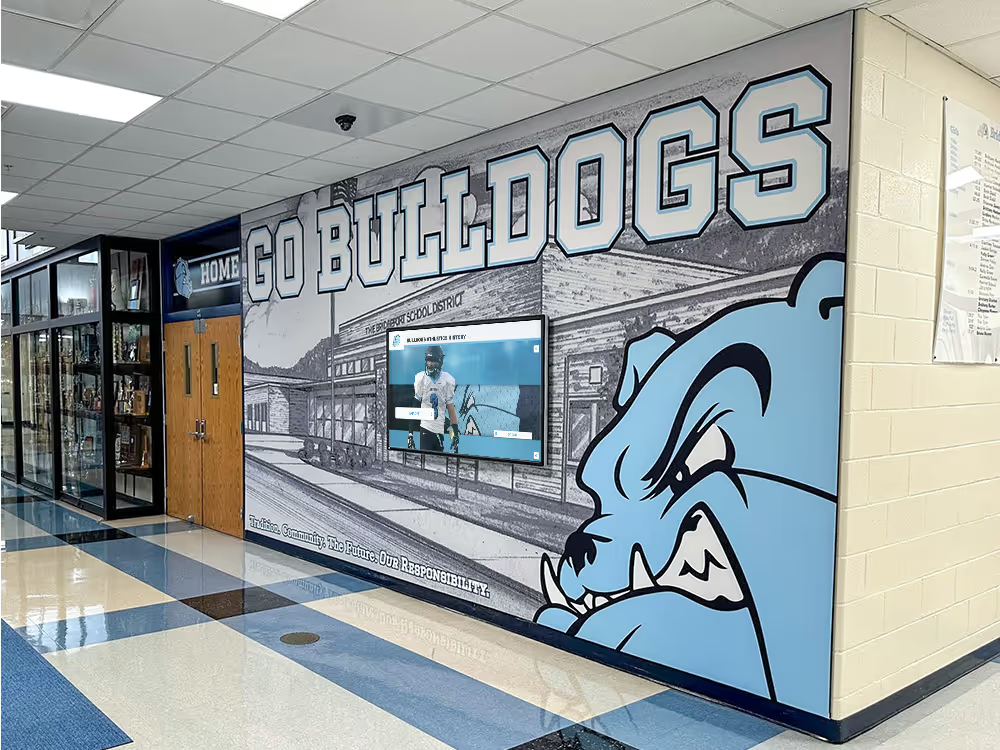
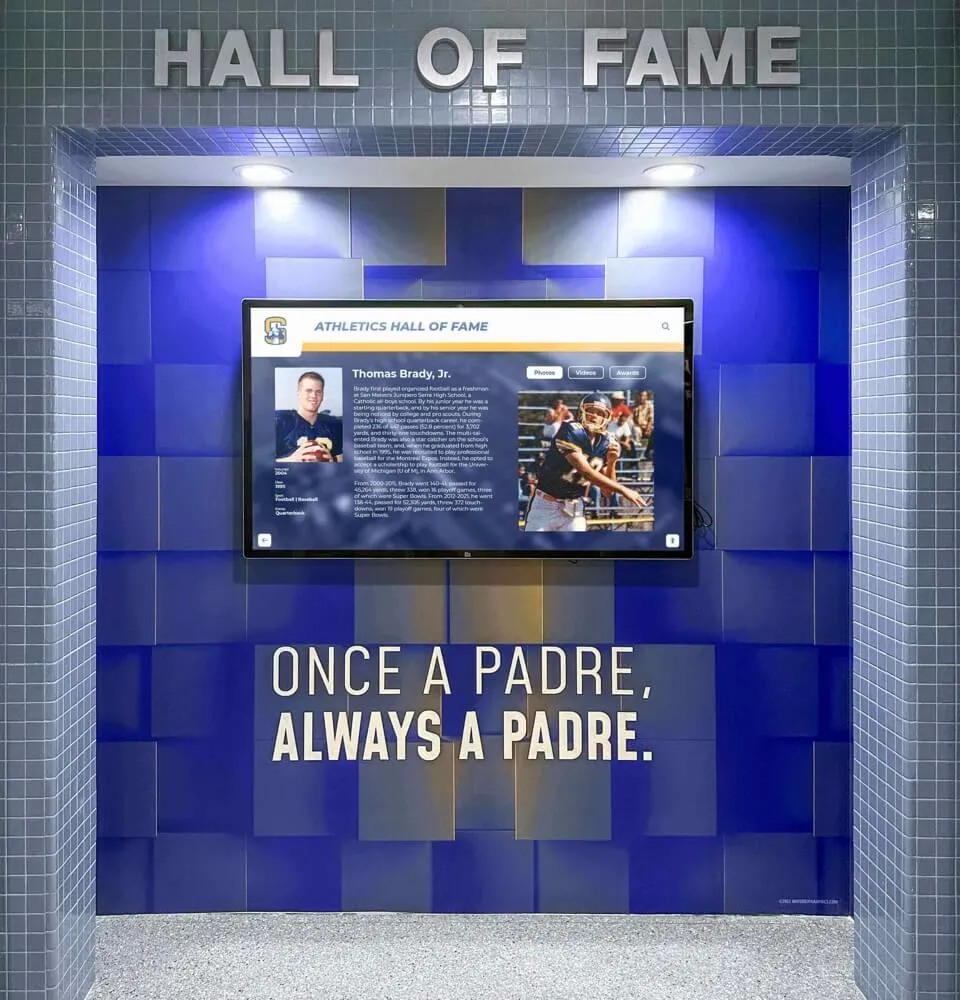
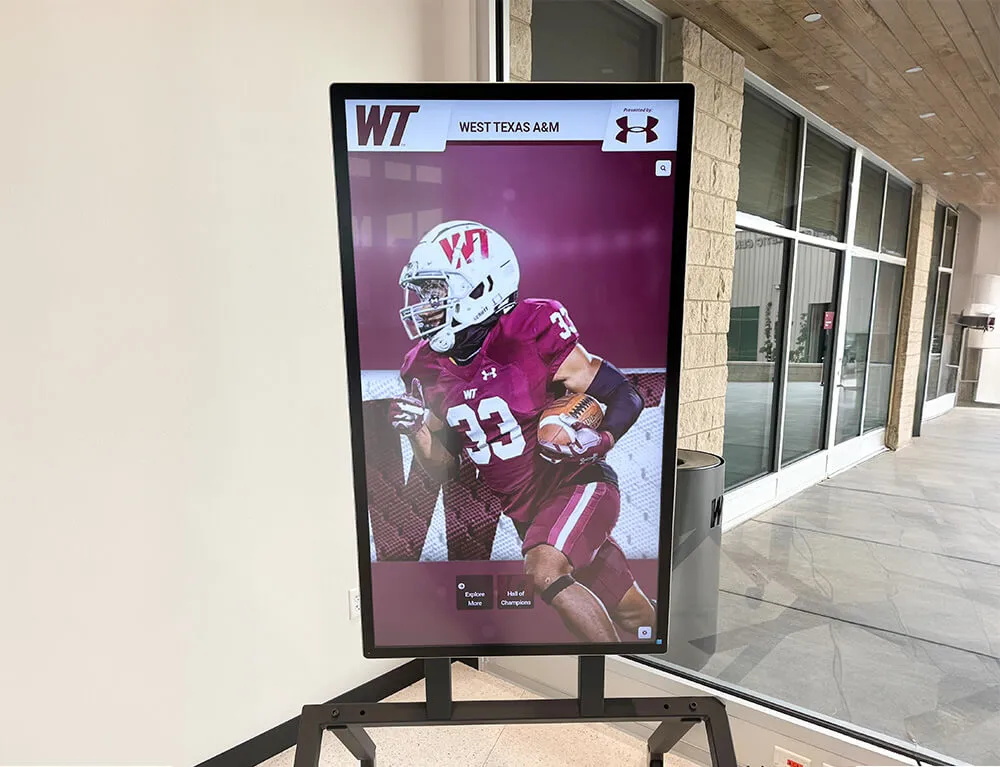
Professional digitization services prepare yearbook collections for engaging interactive displays that transform archival content into community experiences
Project Timeline and Process Management
Understanding typical workflows helps institutions set realistic expectations and coordinate effectively with vendors.
Standard Project Phases and Duration
Professional digitization follows predictable sequences:
Phase 1: Project Planning and Quotation (1-2 weeks)
Initial consultation establishing parameters:
- Collection assessment reviewing volume counts, page estimates, and condition
- Specification discussion determining resolution, formats, and special requirements
- Pricing quotation based on detailed project scope
- Timeline estimate accounting for vendor capacity and client priorities
- Contract negotiation clarifying deliverables, responsibilities, and terms
- Scheduling coordination establishing pickup and delivery dates
Phase 2: Material Pickup and Intake (1 week)
Vendor assumes custody and begins processing:
- Scheduled pickup at school location with inventory verification
- Transportation to vendor facility using specialized handling
- Detailed intake documentation with photographic condition recording
- Final volume and page count verification potentially adjusting quotations
- Communication confirming material receipt and beginning production
- Chain-of-custody documentation protecting institutional assets
Phase 3: Digitization Production (3-8 weeks)
Core scanning and processing work:
- Sequential scanning progressing through yearbook collection chronologically or by priority
- Quality control review ensuring completeness and technical standards
- Image processing including color correction, cropping, and enhancement
- OCR processing creating searchable text from page images
- Metadata creation applying basic or enhanced indexing as specified
- File organization implementing agreed-upon naming and structure conventions
- Progress updates communicating milestone completion and timeline accuracy
Phase 4: Review and Quality Assurance (1-2 weeks)
Verification before final delivery:
- Sample review allowing client examination of representative content
- Quality issue resolution addressing any concerns or specification variances
- Revision work re-scanning pages with technical problems
- Final compilation assembling complete deliverables
- Metadata verification and export preparation
- Delivery method coordination scheduling return and digital transfer
Phase 5: Delivery and Project Completion (1 week)
Materials and digital files returned:
- Original yearbook return with protective packaging
- Digital file delivery via cloud download, shipped drives, or direct transfer
- Final documentation including technical specifications and metadata schemas
- Invoice settlement and payment processing
- Post-project support availability for questions or issues
- Archive consultation addressing long-term storage and access planning
Total Typical Timeline: 6-12 weeks for standard mid-sized projects, though vendor capacity, project complexity, and seasonal demand create significant variation.
Managing Large Multi-Year Projects
Extensive collections require phased approaches:
Strategic Phasing Approaches
Breaking ambitious goals into manageable increments:
- Priority-based phasing: Begin with most-requested decades, most fragile volumes, or milestone anniversary years
- Chronological phasing: Work systematically through decades establishing complete sequential coverage
- Condition-based phasing: Address materials in critical condition immediately while stable volumes await later phases
- Budget-aligned phasing: Match annual appropriations with realistic project scopes avoiding funding gaps
- Display-driven phasing: Prioritize content supporting specific recognition initiatives or upcoming anniversary celebrations
Maintaining Consistency Across Phases
Ensuring cohesive results despite multi-year execution:
- Establish technical specifications at project beginning maintaining standards throughout all phases
- Document metadata schemas applied consistently across different implementation years
- Work with consistent vendors avoiding quality variations from changing service providers
- Maintain organized master file storage integrating new phases seamlessly with completed work
- Track progress systematically documenting completion status and remaining work
Schools implementing comprehensive digital archival programs recognize that sustained multi-year initiatives often prove more successful than rushed single-phase projects attempting unrealistic scopes.
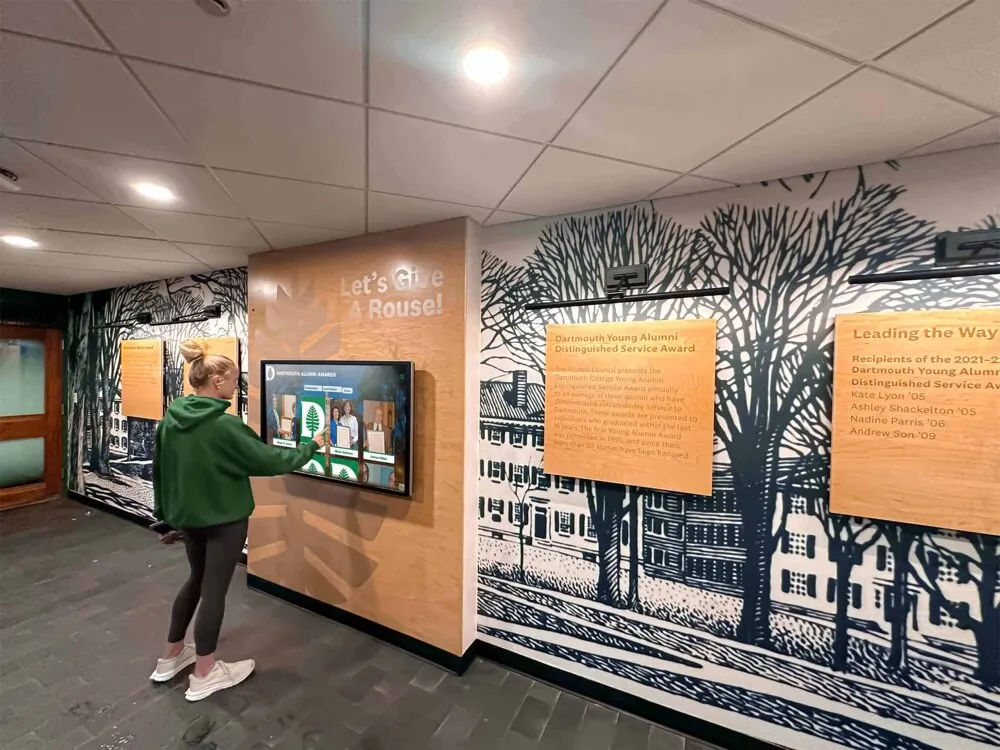
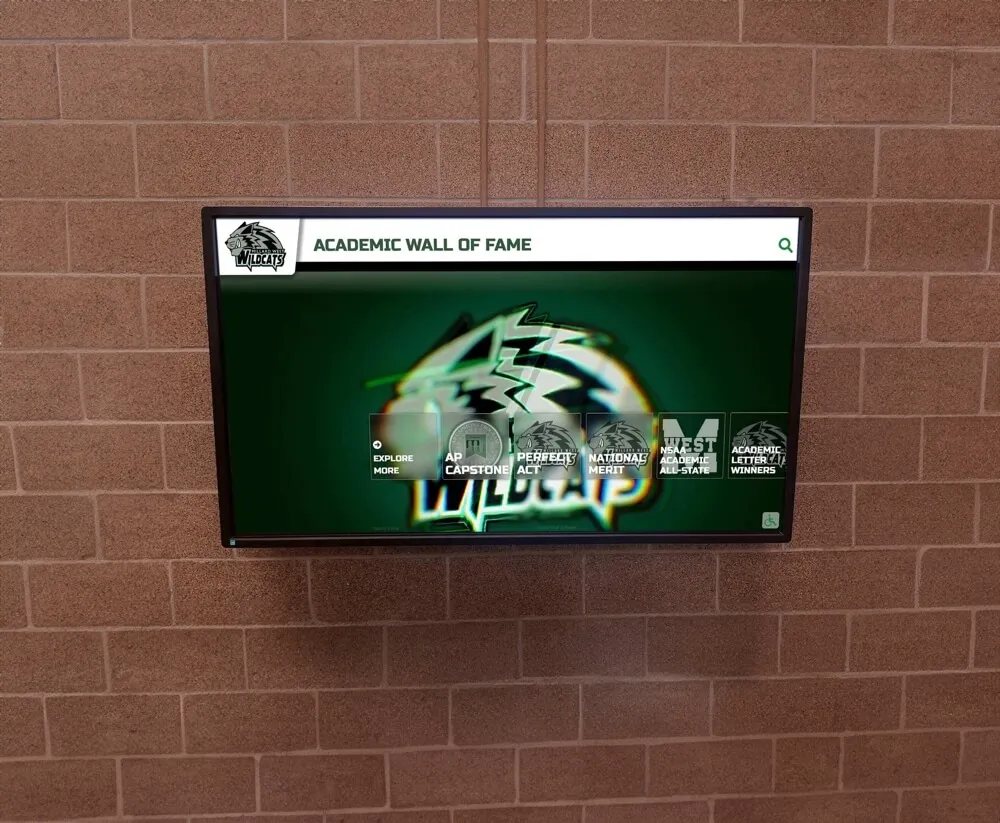
Professional digitization services create content ready for intuitive touchscreen systems that honor institutional heritage while providing modern interactive access
Preparing Your Collection for Digitization Service
Proper preparation before vendor pickup ensures smooth projects and optimal results.
Inventory and Documentation
Thorough pre-project organization prevents issues:
Creating Comprehensive Collection Inventories
Systematic documentation before vendor engagement:
- List each yearbook by publication year and volume number
- Estimate page counts (exact counts if available, typical estimates if unknown)
- Document physical dimensions noting unusually large or small volumes
- Record binding types identifying perfect-bound, sewn, or spiral formats
- Note special characteristics like color sections, fold-outs, or inserts
- Flag condition concerns requiring vendor awareness before handling
- Photograph collection showing overall scope and storage condition
- Identify any access restrictions or privacy concerns requiring special handling
Organizing Materials for Pickup
Physical arrangement facilitating efficient processing:
- Group yearbooks chronologically by publication year
- Separate damaged volumes requiring special attention from standard condition materials
- Remove loose materials, bookmarks, or ephemera preventing scanning interference
- Document any missing years in chronological sequences
- Package appropriately for transportation if shipping rather than vendor pickup
- Create detailed packing lists matching inventory documentation
- Designate primary contact person for vendor questions during project
Condition Assessment and Special Handling Identification
Communicating material challenges prevents problems:
Documenting Pre-Existing Damage
Protecting against inappropriate liability:
- Photograph existing binding damage, torn pages, or loose sections
- Note water damage, stains, or discoloration requiring enhanced processing
- Identify stuck pages or damaged sections needing conservation decisions
- Document missing pages establishing baselines before vendor receipt
- Share condition documentation with vendor before material transfer
- Establish clear policies regarding acceptable risk during digitization
- Determine whether fragile volumes warrant conservation treatment before scanning
Prioritizing Special Handling Requirements
Volumes needing extra care:
- Extremely fragile bindings requiring minimal opening angles
- Brittle pages at risk of damage from normal handling
- Oversized or undersized volumes requiring specialized equipment
- Materials with significant existing damage warranting restoration decisions
- Rare or particularly valuable volumes meriting premium preservation approaches
- Items with privacy or copyright concerns requiring consultation
Clear communication about collection characteristics helps vendors prepare appropriate equipment, schedule adequate time, and price projects accurately based on actual requirements rather than discovering complications mid-project.
After Digitization: Maximizing Value from Digital Archives
Converting physical yearbooks to digital files represents only the beginning—true value emerges through effective access and creative applications.
Digital Asset Management and Storage
Organizing and protecting digital investments ensures long-term value:
Archival Storage Best Practices
Redundant preservation protecting against loss:
- Maintain minimum three complete copies following archival 3-2-1 rule (3 copies on 2 different media types with 1 off-site)
- Store master archival files separately from access derivatives protecting preservation copies
- Implement cloud backup to commercial services (Google Drive, Dropbox, Microsoft OneDrive, specialized archival repositories)
- Maintain local backup on network attached storage (NAS) or institutional servers
- Create external hard drive backups stored in separate physical locations
- Schedule regular backup verification testing restoration processes
- Monitor storage media health replacing aging drives before failure
- Document storage locations and access procedures ensuring institutional continuity
File Organization Systems
Logical structures enabling discovery and management:
- Organize primary folders by publication year maintaining chronological order
- Create consistent subfolders separating master files, derivatives, and metadata
- Implement descriptive file naming conventions including year, page number, and content descriptions
- Develop folder and naming documentation guiding future additions and maintenance
- Maintain parallel organization structures across different storage locations
- Regular audits verifying file completeness and organization consistency
Interactive Display and Access Platforms
Making digitized yearbooks genuinely accessible to intended audiences:
Web-Based Archive Portals
Online platforms serving worldwide alumni and researchers:
- Institutional website integration providing centralized historical content access
- Search functionality enabling name-based queries finding individuals across decades
- Year and section browsing revealing institutional evolution chronologically
- High-resolution image viewers with zoom capabilities for detail examination
- Download and sharing features allowing alumni to access personal memories
- Mobile optimization serving smartphone users effectively
- Analytics tracking revealing popular content and user engagement patterns
Interactive Touchscreen Display Systems
Physical installations creating spontaneous discovery:
- Lobby and entrance locations ensuring maximum visibility for daily campus traffic
- Athletic facility installations connecting historical achievements with current programs
- Library and archive space displays serving research and educational purposes
- Alumni center touchscreens facilitating reunion planning and donor engagement
- Intuitive interfaces enabling browsing without instruction or training
- Cloud-based content management allowing remote updates without facility visits
- Integration with broader digital recognition systems celebrating institutional legacy
Content Management Capabilities
Sustainable systems supporting ongoing expansion:
- Cloud-based platforms enabling continuous addition of newly digitized content
- User-friendly upload interfaces allowing non-technical staff to manage archives
- Metadata editing capabilities refining descriptions and indexing over time
- Analytics dashboards revealing usage patterns and popular content
- Role-based permissions protecting content while enabling authorized updates
- Scheduled content rotation highlighting specific decades or themes periodically
- Multi-display coordination showing synchronized content across networked installations
Schools implementing comprehensive digital display solutions discover that well-designed access platforms transform archival investments into daily community engagement rather than rarely-accessed digital storage.

Professional digitization services prepare content for engaging interactive displays throughout campus facilities making institutional history accessible and engaging
Measuring Success and Demonstrating Impact
Tracking outcomes justifies preservation investment and guides ongoing development.
Quantitative Usage Metrics
Data revealing community engagement with digital archives:
- Total yearbook volumes digitized documenting preservation progress
- Complete page counts processed establishing project scope
- Website traffic and archive page views indicating community interest
- Search queries revealing what content users actively seek
- Most-viewed yearbooks and pages identifying high-value material
- Download statistics tracking content sharing and personal archiving
- Geographic distribution of users revealing alumni reach patterns
- Return visitor rates demonstrating sustained engagement beyond one-time viewing
Qualitative Impact Outcomes
Stories illustrating community value beyond statistics:
Alumni Reconnection and Engagement
Personal connections facilitated through archival access:
- Alumni testimonials describing memories rediscovered through digital yearbooks
- Reunion attendance increases correlated with yearbook archive launches
- Class fundraising campaigns leveraging yearbook content for reunion awareness
- Social media sharing spreading institutional visibility through alumni networks
- Volunteer recruitment from engaged graduates reconnecting with institutional history
- Donor cultivation relationships strengthened through historical reference and recognition
Educational and Community Benefits
Broader institutional impacts beyond alumni engagement:
- Student research projects using primary source yearbook materials
- Classroom integration enriching history, social studies, and cultural curriculum
- Community history initiatives partnering with local historical societies
- Media coverage celebrating preservation achievements generating positive visibility
- Athletic recognition programs enhanced through historical team documentation
- Facility naming and dedication events incorporating historical context from yearbook research
Institutional Legacy and Pride
Long-term cultural strengthening:
- Current student appreciation for traditions and institutional evolution
- Faculty and staff understanding of institutional heritage and community context
- School pride fostered through accessible historical narratives
- Brand differentiation highlighting institutional longevity and heritage
- Intergenerational connections bridging alumni across decades through shared memories
Comprehensive measurement demonstrates that professional yearbook digitization delivers value far exceeding preservation alone—justifying investment while guiding ongoing archive development prioritizing highest-impact content and features.
Making the Decision: Service Selection Checklist
Systematic evaluation ensures optimal vendor selection for your institution’s specific needs:
Essential Vendor Qualification Criteria
Critical factors determining service appropriateness:
Technical Capabilities
- Specialized book scanning equipment protecting fragile bindings
- Resolution capabilities meeting archival preservation standards (600+ DPI)
- Multiple file format delivery including archival masters and access derivatives
- OCR processing creating searchable text from scanned pages
- Quality control processes ensuring completeness and technical standards
- Metadata creation capabilities matching project requirements
Experience and Expertise
- Demonstrated experience with educational yearbook collections
- References from schools with similar project scopes
- Conservation knowledge for damaged materials requiring special handling
- Privacy and copyright awareness relevant to educational records
- Project management capabilities coordinating complex multi-phase work
Business Reliability
- Adequate insurance coverage protecting valuable institutional materials
- Secure facility and storage conditions during project duration
- Financial stability ensuring project completion
- Clear contract terms establishing deliverables, timeline, and responsibilities
- Responsive communication and customer service throughout project
Pricing and Value
- Transparent pricing structure without hidden fees
- Competitive rates compared to similar service providers
- Appropriate value proposition balancing quality with budget constraints
- Flexible payment terms accommodating institutional procurement processes
Project Alignment
- Capacity to complete project within desired timeline
- Geographic proximity for convenient material transfer (or robust shipping protocols)
- Integration support for planned display platforms or content management systems
- Ongoing relationship potential for future digitization needs
- Cultural fit and collaborative approach matching institutional preferences
Final Decision Framework
Synthesizing evaluation into vendor selection:
- Define project scope precisely including volume counts, condition assessment, and desired deliverables
- Establish budget parameters determining acceptable cost ranges and funding availability
- Identify timeline requirements accounting for institutional priorities and planning cycles
- Request proposals from 3-5 qualified vendors enabling meaningful comparison
- Evaluate proposals systematically using checklist criteria and institutional priorities
- Check references thoroughly contacting previous clients about experience and satisfaction
- Negotiate contract terms clarifying any ambiguities before project commencement
- Establish communication protocols ensuring smooth coordination throughout project
- Document decisions and rationale supporting future evaluation and continuous improvement
Professional yearbook digitization represents significant institutional investment deserving careful vendor selection matching specific collection needs, quality requirements, and budget constraints with appropriate service providers.
Transform Digitized Yearbooks Into Interactive Community Experiences
Professional digitization services preserve your vintage yearbook collection permanently—but modern interactive touchscreen displays transform archival files into engaging community experiences that connect current students, alumni, and visitors with institutional heritage every day.
Touch Archive solutions help schools showcase professionally digitized yearbook content through intuitive interactive displays that make decades of institutional memory instantly searchable, beautifully presented, and accessible throughout your campus. Cloud-based content management enables continuous expansion as you digitize additional volumes, while comprehensive search functionality helps alumni find specific classmates and memories instantly.
From comprehensive athletic recognition to complete institutional history archives, discover how professional touchscreen technology maximizes the value of your digitization investment through engaging displays that celebrate institutional legacy while strengthening connections across generations.
Explore interactive display solutions for your digitized yearbook collection →
Vintage school yearbooks contain irreplaceable institutional memories deserving professional preservation that protects fragile materials while creating accessible digital archives serving current and future generations. Professional digitization services offer specialized equipment, expert handling, and archival-quality standards that internal efforts rarely match—transforming ambitious preservation goals into achievable projects through systematic workflows, comprehensive processing, and reliable delivery.
Understanding service options, quality standards, pricing models, and vendor capabilities empowers schools to make informed decisions protecting institutional memory effectively and economically. Whether beginning with focused priority projects digitizing select significant volumes or pursuing comprehensive multi-decade preservation paired with interactive display installations, selecting appropriate professional services matching specific collection characteristics and institutional requirements determines long-term success.
The technology, expertise, and service providers exist today making ambitious yearbook digitization achievable for schools of all sizes and budgets. What remains is commitment to beginning the work—conducting thorough collection assessment, evaluating qualified vendors systematically, and taking first steps toward preserving visual history that grows more valuable with each passing year while enabling modern interactive access through engaging displays that honor institutional heritage across generations.
Live Example: Rocket Alumni Solutions Touchscreen Display
Interact with a live example (16:9 scaled 1920x1080 display). All content is automatically responsive to all screen sizes and orientations.