



When a school completes a new athletic facility, a nonprofit opens an expanded community center, or a university launches a scholarship fund, one question inevitably arises: how do we properly recognize the donors who made this possible?
Donor recognition goes far beyond simple courtesy. Research shows that 53% of donors who stop giving cite lack of appreciation as their primary reason for discontinuing support. Meanwhile, organizations with visible recognition programs see measurably higher donor retention rates and increased major gift participation. The way you acknowledge supporters directly impacts whether they’ll give again—and whether others will be inspired to join them.
This guide showcases real-world donor recognition examples from schools, universities, nonprofits, and community organizations. You’ll discover creative approaches spanning traditional plaques to modern digital displays, each demonstrating how effective recognition honors past generosity while cultivating future support.
The most successful donor recognition programs share common characteristics: they make philanthropy visible, they’re scalable as donor communities grow, they tell compelling stories beyond names and amounts, and they create recognition experiences that donors genuinely value. Organizations that implement thoughtful recognition systems build cultures where giving is celebrated, normalized, and continuously inspired.

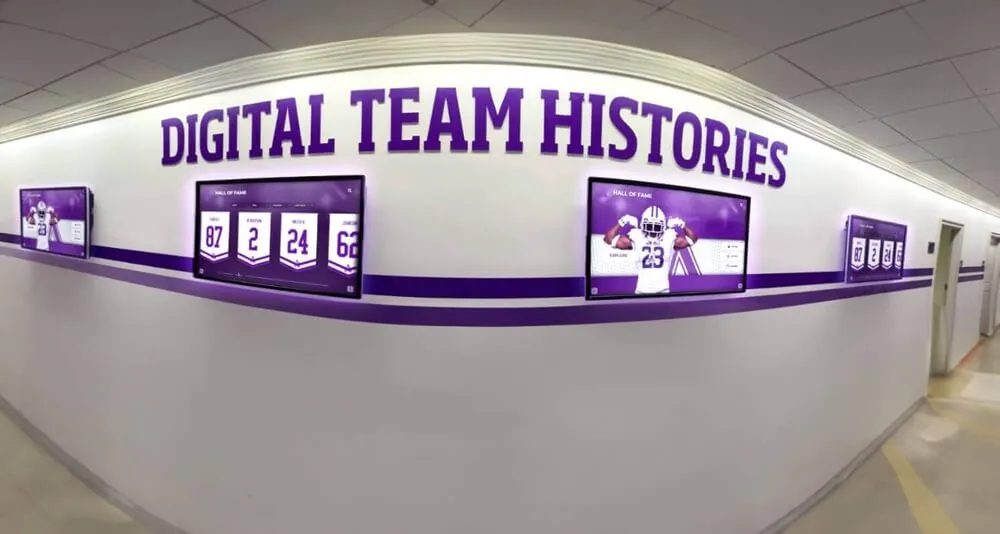
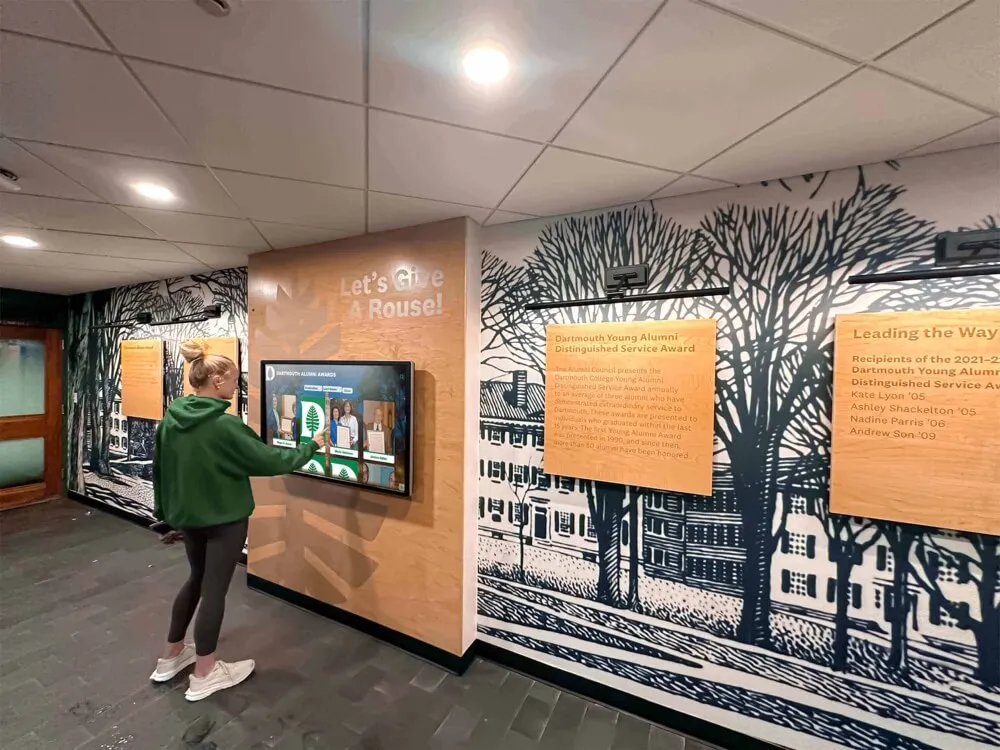
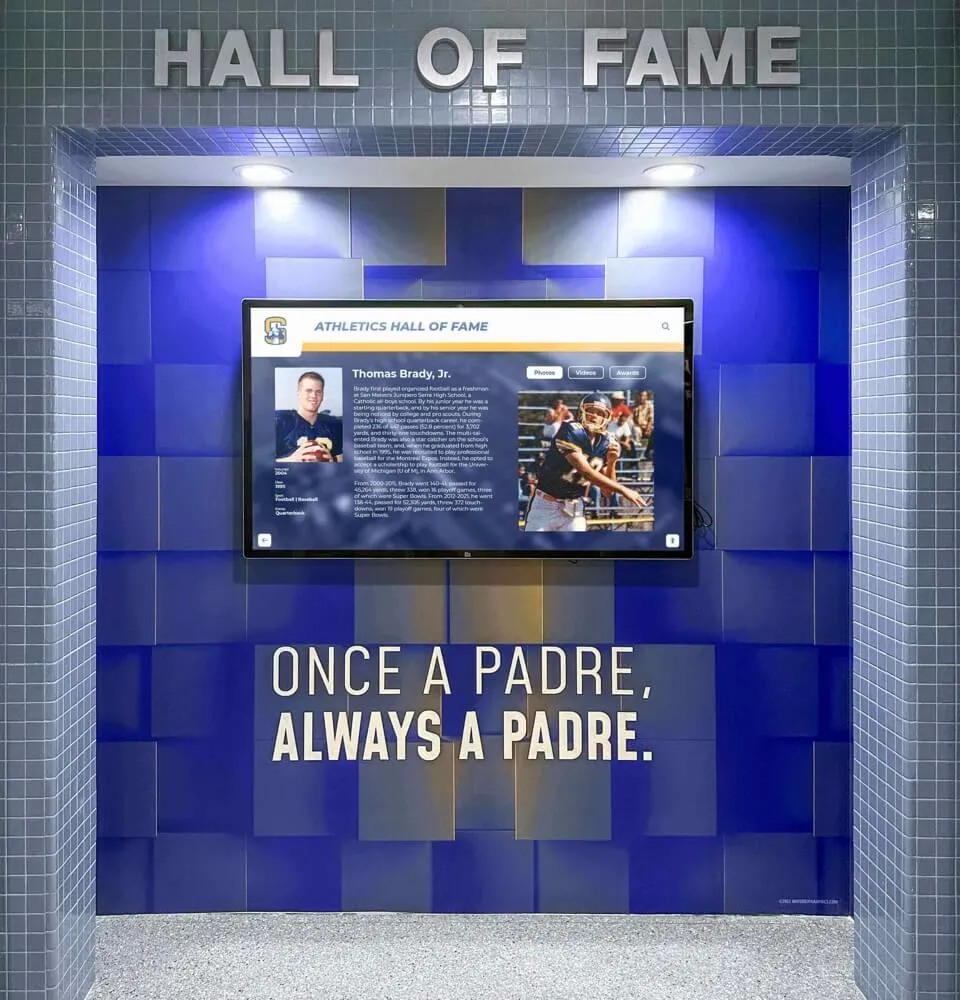
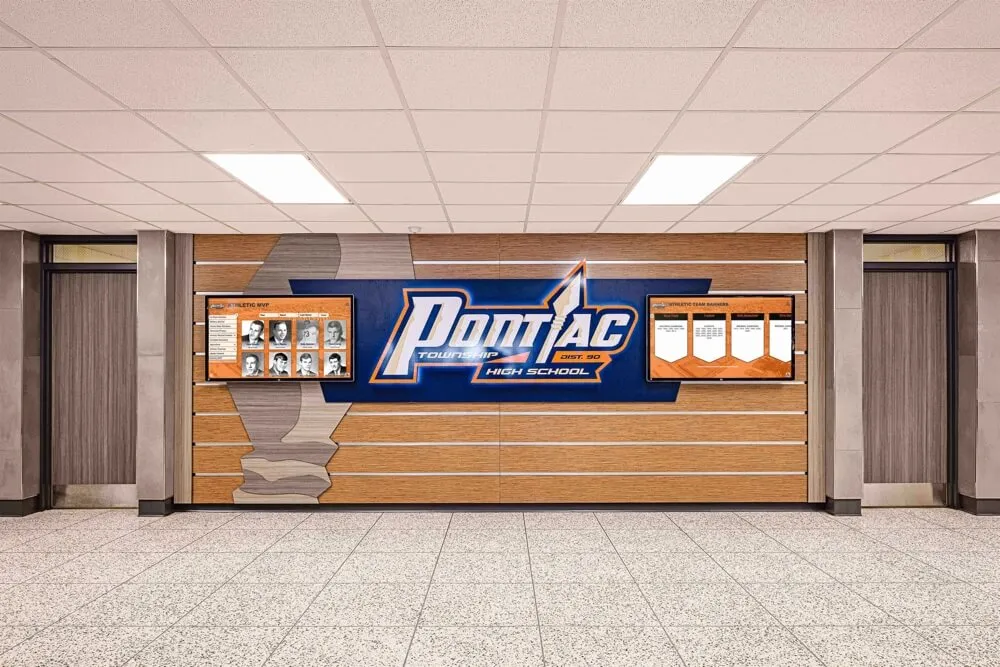
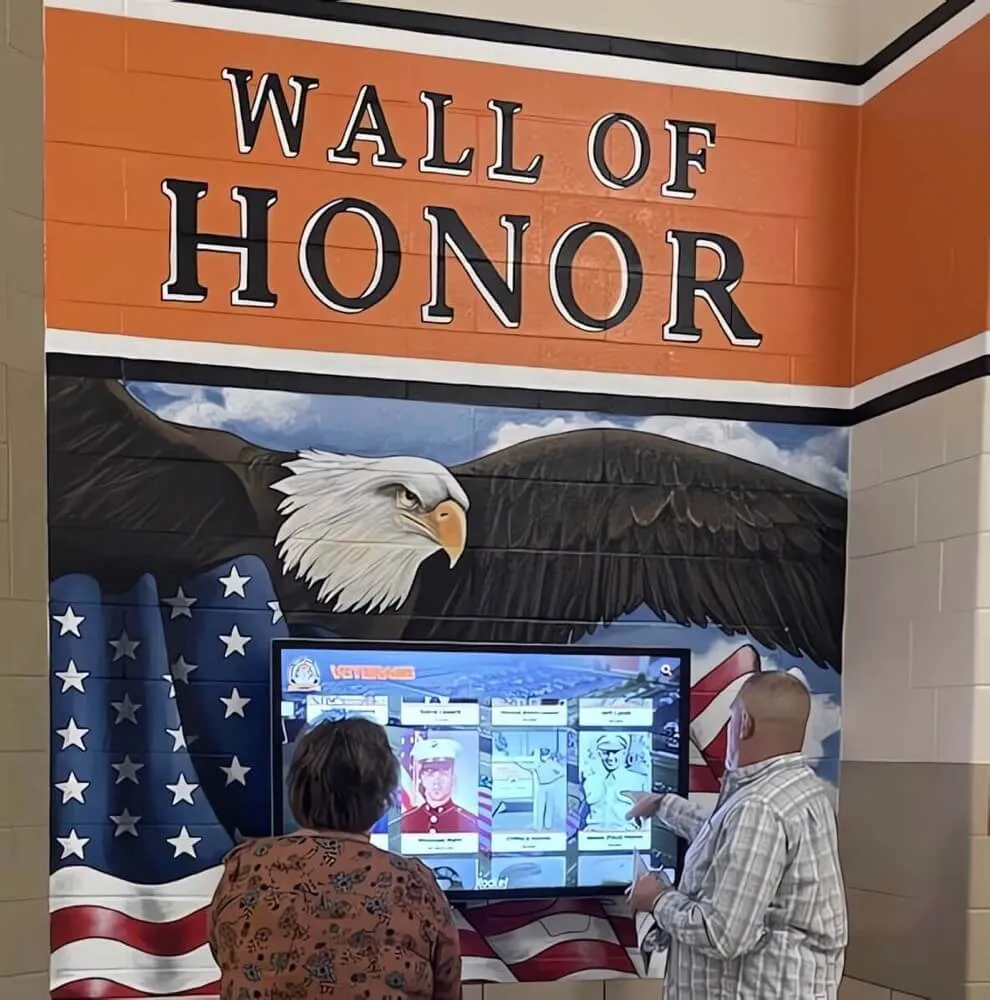
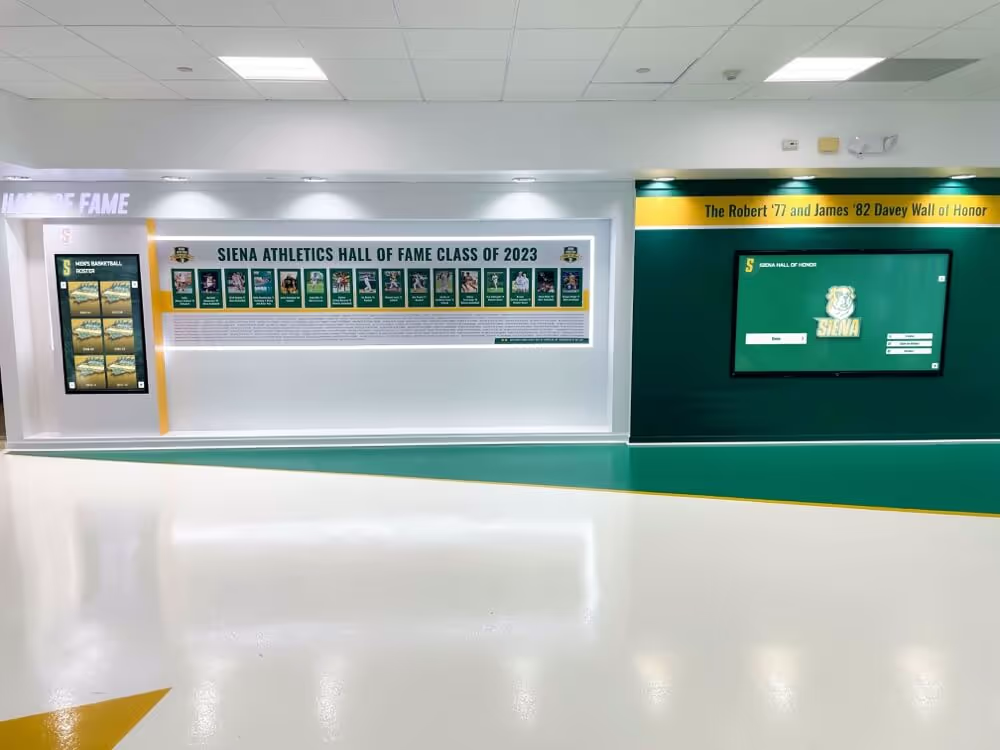
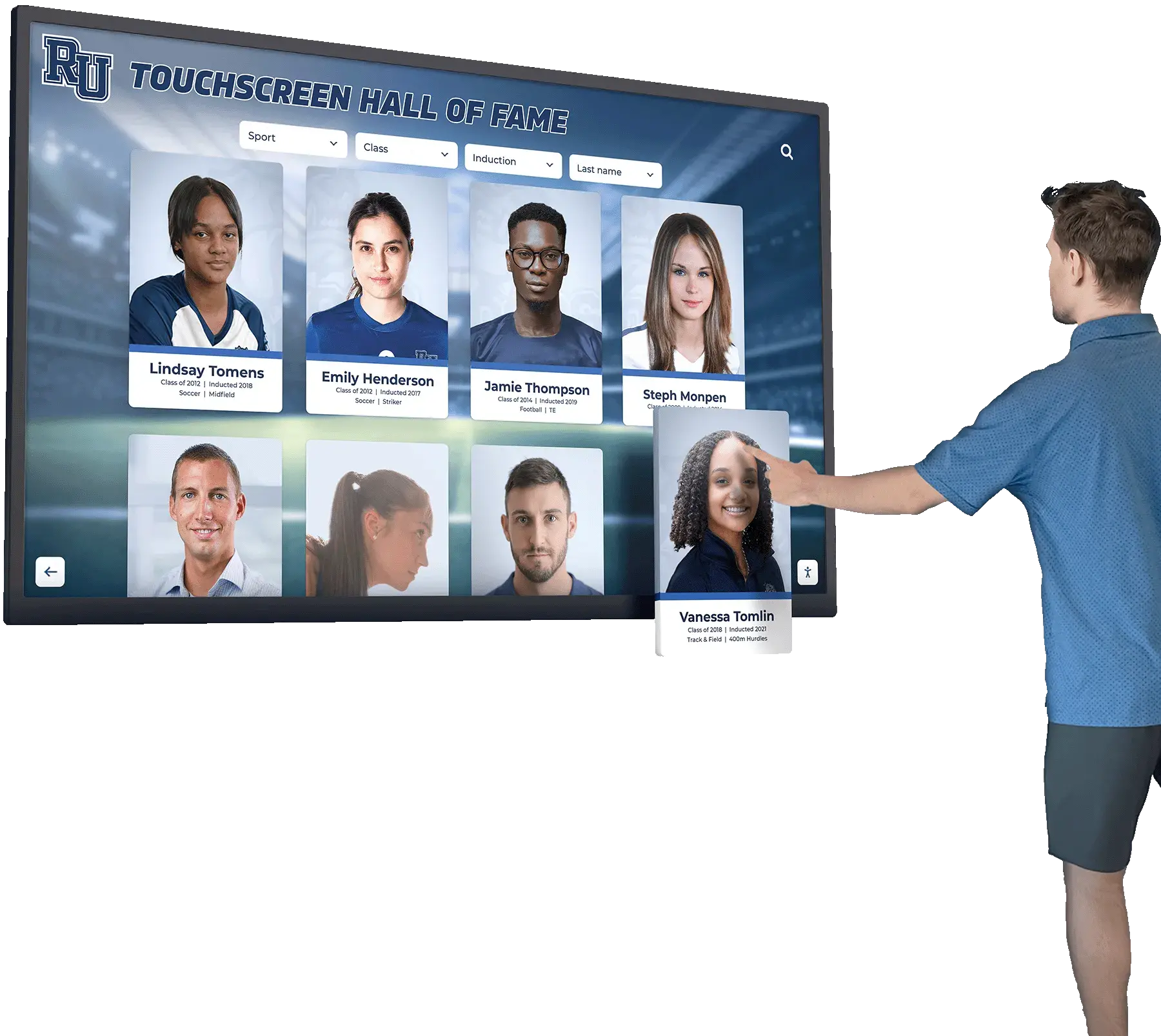
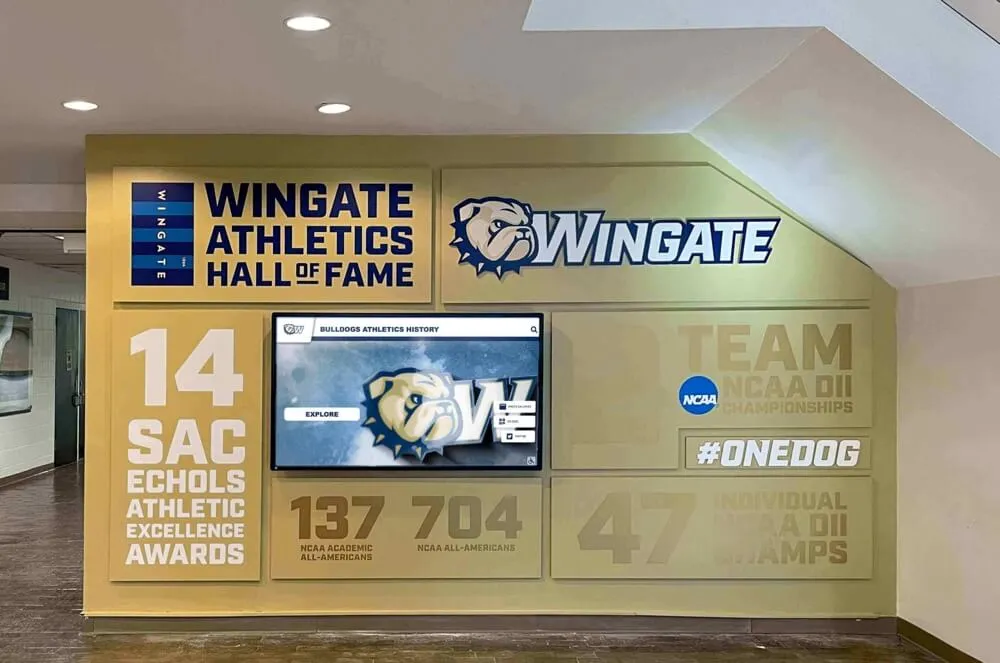
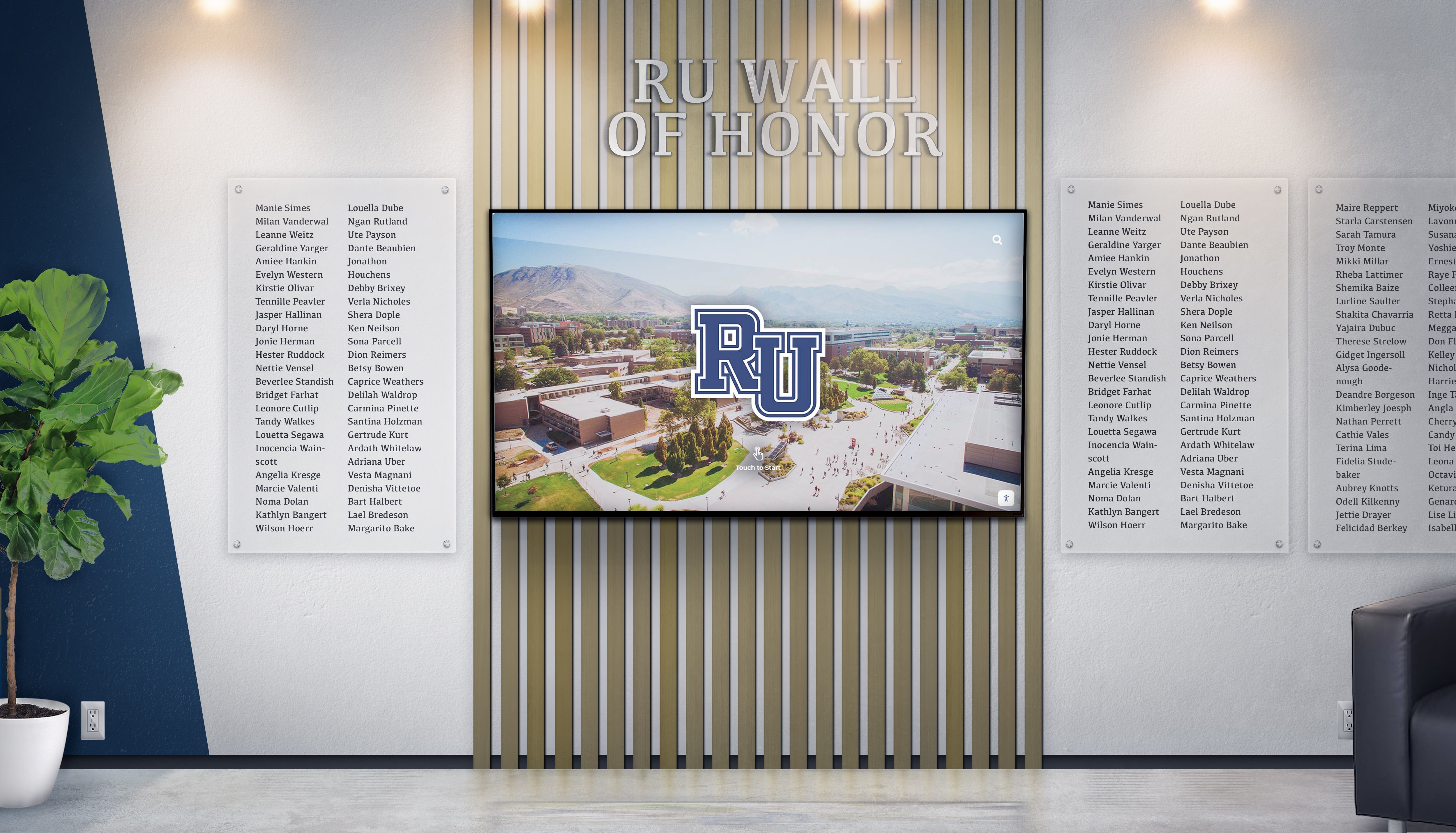
Integrated recognition systems combine digital displays with traditional elements, providing flexible acknowledgment that grows with your donor community
Traditional Donor Recognition Examples That Still Work
Despite advances in technology, several time-tested recognition approaches continue delivering results for organizations with stable donor bases and adequate space.
Engraved Donor Walls and Plaque Displays
The classic donor wall featuring engraved nameplates arranged by giving level remains popular in institutional settings.
What Makes This Effective
Permanent engraved installations convey lasting commitment. When donors see their names carved in stone, metal, or wood, they experience tangible permanence that digital displays cannot replicate. The physical craftsmanship and materials quality communicate organizational seriousness about honoring commitments.
Educational institutions particularly favor traditional donor walls in prominent locations—main entrance lobbies, library atriums, performing arts center foyers, and athletic facility entrances. These high-traffic placements ensure consistent visibility for donors, students, families, and visitors.
Implementation Considerations
Traditional donor walls work best when:
- Your donor base grows slowly and predictably, making space planning manageable
- You have adequate wall space in visible, climate-controlled locations
- Your budget accommodates future expansion costs (typically $200-500 per new plate)
- Your organizational aesthetic favors traditional materials and classic design
- You don’t need to include photos, stories, or multimedia content alongside names
Organizations choosing engraved donor walls should plan for growth by allocating additional space sections or designing modular layouts enabling seamless expansion.
Cost Reality
Initial installations range from $5,000-$50,000 depending on size, materials, and complexity. Future additions require ordering new plates ($100-300 each), professional engraving, and installation labor—creating recurring expenses every time donor communities expand.
Donor Recognition Gardens and Memorial Spaces
Outdoor recognition transforms landscaping into living donor acknowledgment.
How This Works
Organizations create dedicated garden spaces where donors sponsor specific elements—engraved bricks forming pathways, benches with memorial plaques, trees with dedication markers, or sculptural elements acknowledging major gifts. These spaces provide contemplative environments connecting philanthropy with beauty and nature.
Schools and universities commonly implement brick campaigns enabling broad participation at modest giving levels. Alumni, graduating classes, sports teams, and community members purchase engraved bricks creating pathways through campus or surrounding significant buildings.
Best Applications
Recognition gardens suit organizations with:
- Outdoor space in central, frequently traversed locations
- Climate conditions supporting year-round accessibility
- Capital campaigns funding buildings or major outdoor improvements
- Memorial giving programs honoring deceased community members
- Desire for participatory recognition at entry-level giving tiers
For educational institutions managing multiple recognition programs across campus, digital recognition displays complement outdoor installations by bringing all recognition into centralized, searchable systems.
Maintenance Requirements
Outdoor recognition demands ongoing care. Engraved surfaces require regular cleaning. Plant materials need pruning, replacement, and seasonal care. Weather causes wear requiring periodic restoration. Budget for landscaping maintenance and occasional refurbishment ensuring recognition spaces remain attractive and legible over time.
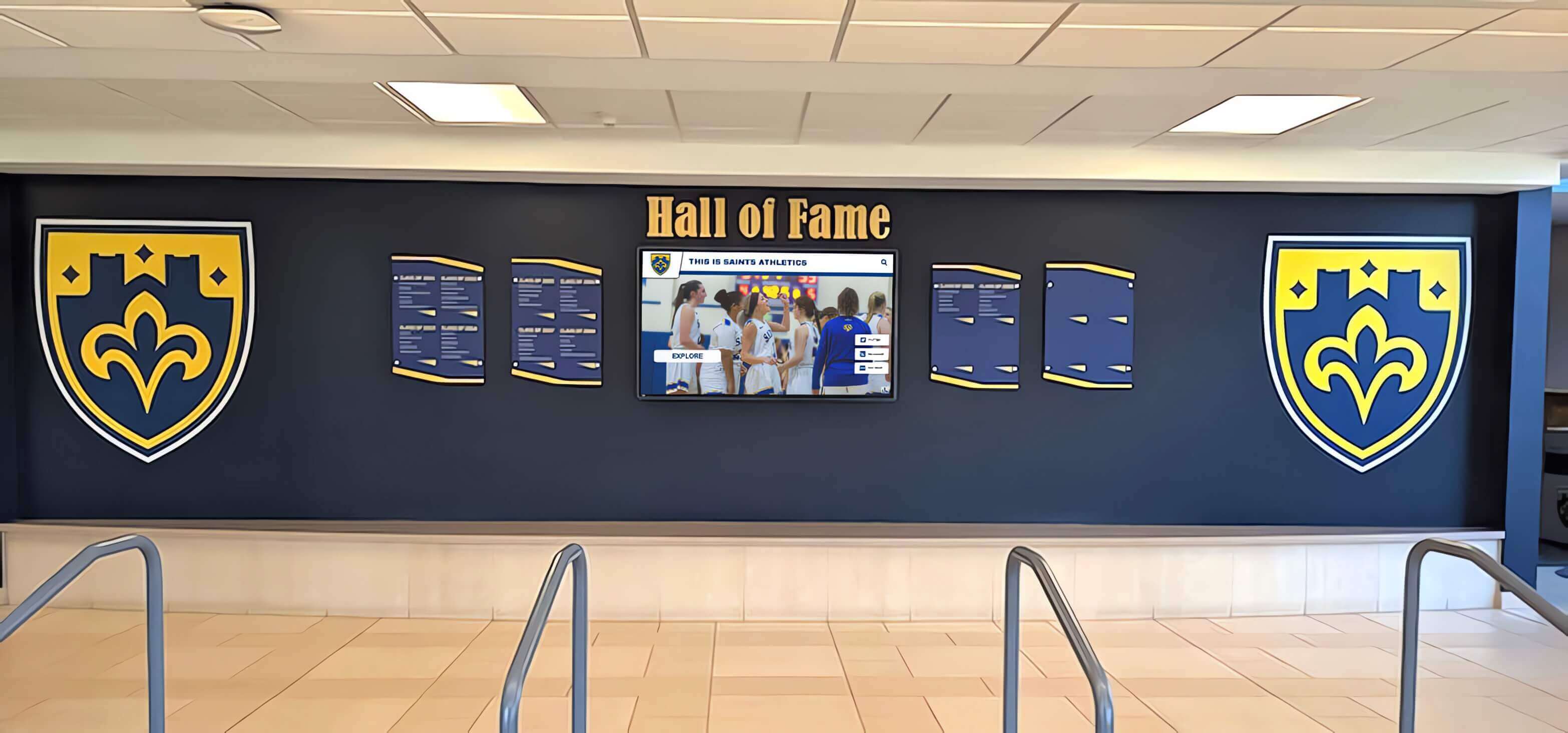
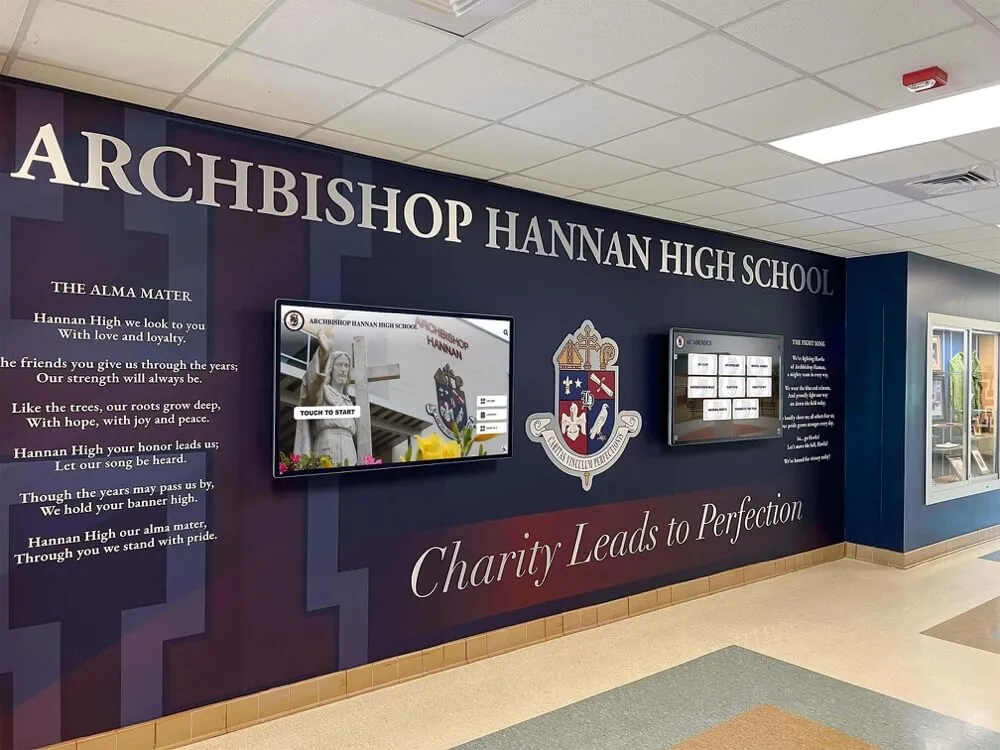
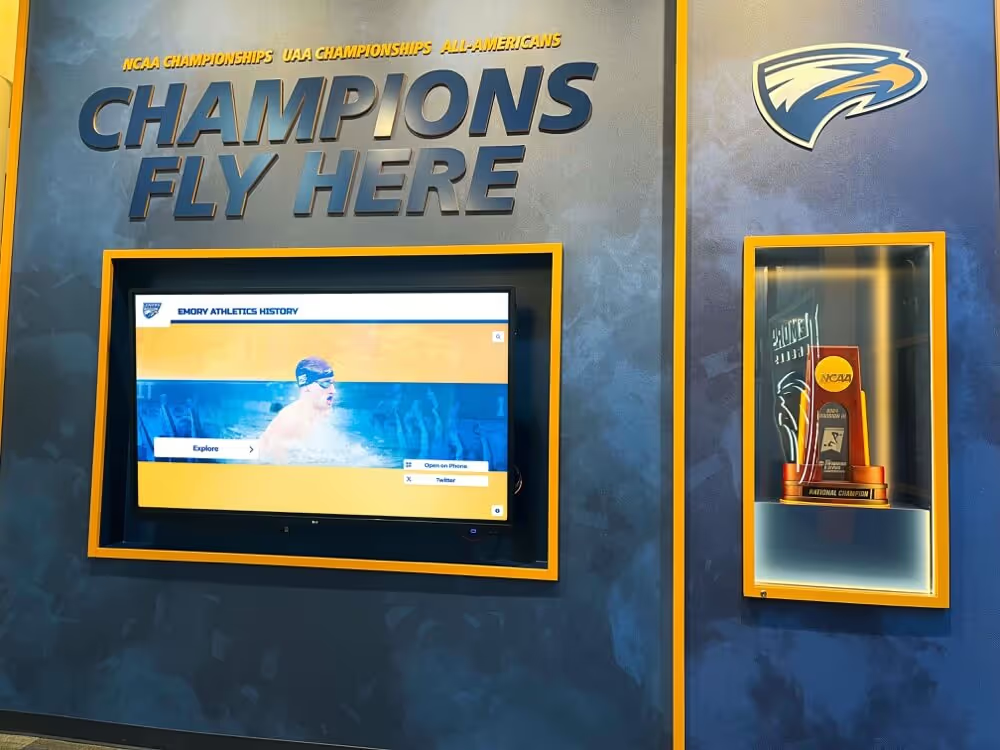
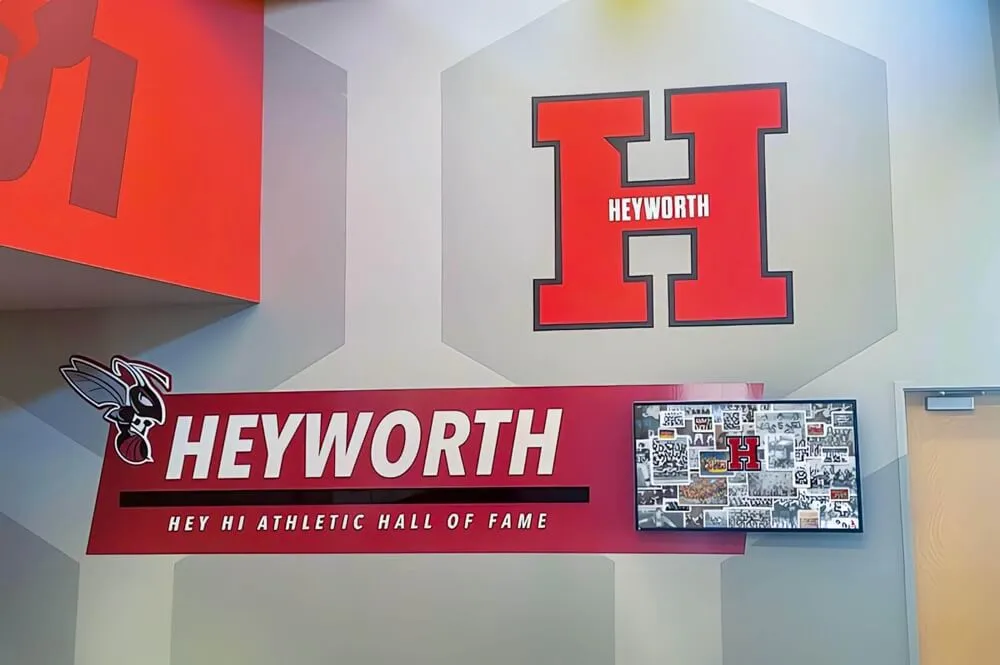
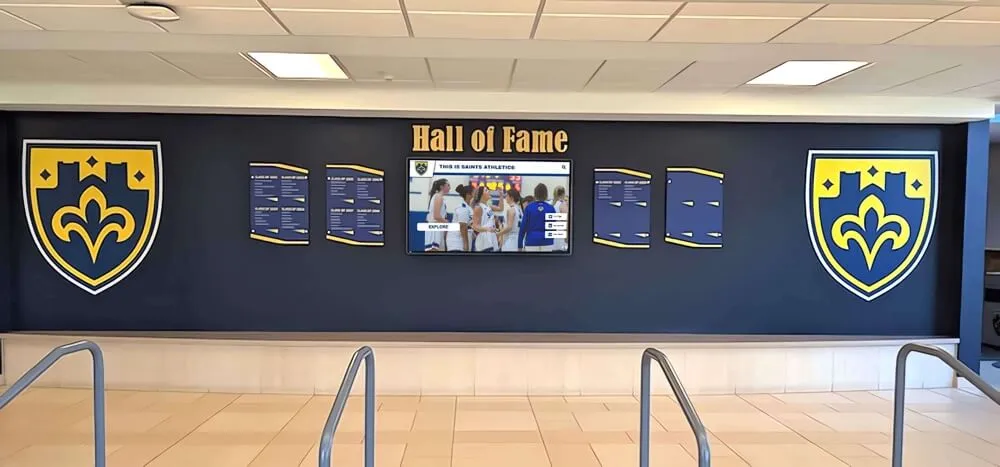
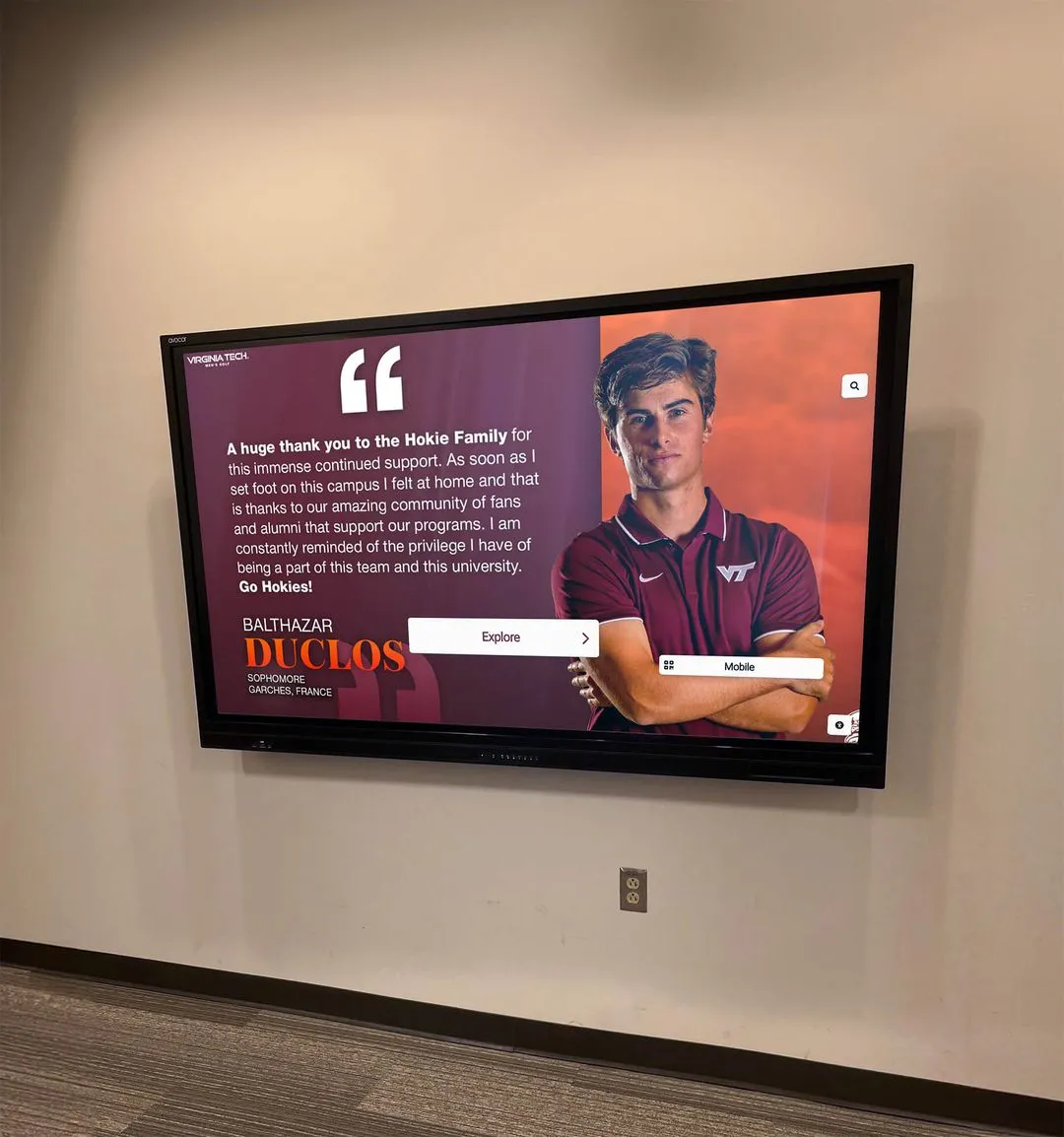
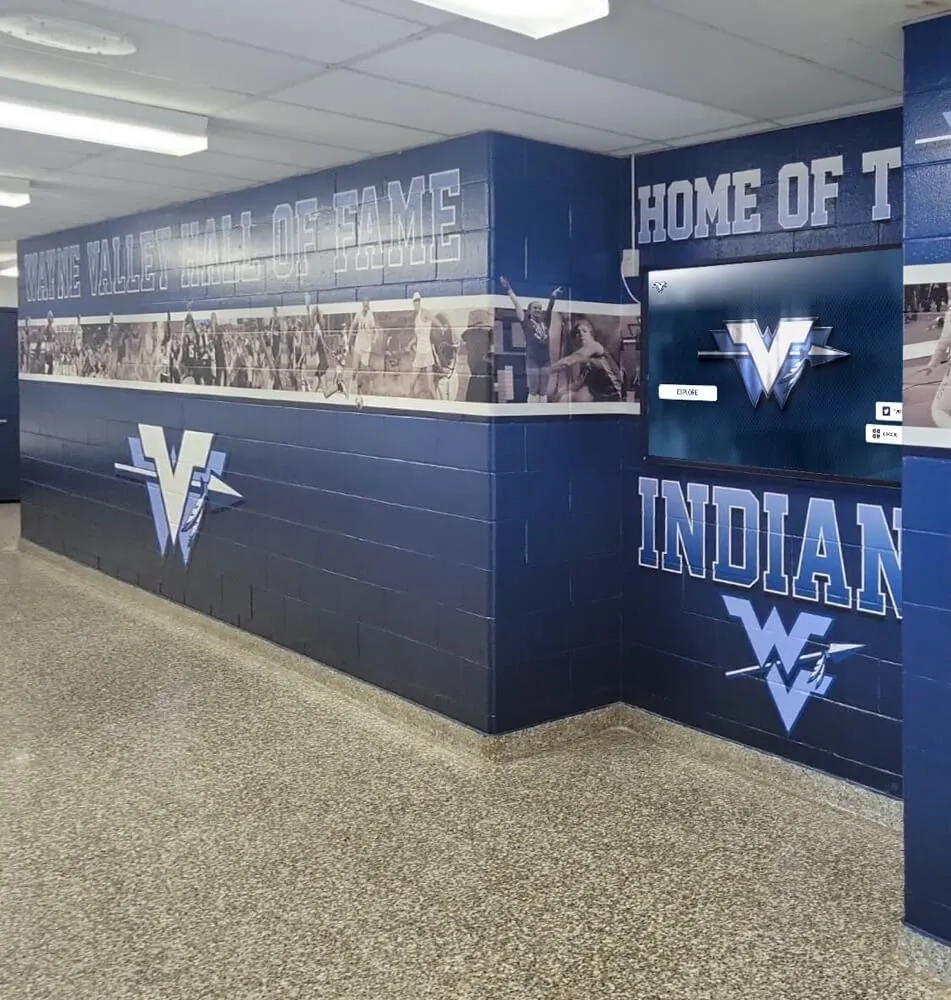
Hybrid approaches combine traditional design elements with modern digital capabilities, offering flexibility while honoring institutional aesthetics
Named Spaces and Building Recognition
Major donors often receive recognition through named facilities, rooms, or building components.
Recognition Scale
Naming opportunities typically align with contribution levels:
- Buildings and Facilities: Major gifts ($1M+) for entire buildings or significant facilities
- Rooms and Spaces: Substantial gifts ($100K-$500K) for named classrooms, laboratories, theaters, or specialized spaces
- Program Elements: Mid-level gifts ($25K-$100K) for scholarships, program initiatives, or specific features
- Functional Components: Entry-level naming ($5K-$25K) for seats, equipment, or specific items
Visibility Strategy
Named spaces require clear signage communicating donor recognition. Entrance plaques, interior signage, and donor acknowledgment in promotional materials ensure visibility. Many organizations create “named spaces directories” near main entrances helping visitors locate specific recognized areas while showcasing comprehensive donor support.
Educational facilities often implement comprehensive recognition programs documenting facility donors, historical contributors, and ongoing support in accessible formats.
Perpetuity Considerations
Named spaces raise complex questions about duration. Will recognition last perpetually, or only during the donor’s lifetime? What happens during renovations when named spaces are reconfigured? Establish clear policies before offering naming opportunities, preventing future conflicts when facility needs change.
Digital Donor Recognition Examples Leading the Way
Modern technology addresses traditional recognition limitations while creating engagement impossible with static displays.
Interactive Touchscreen Donor Displays
Digital donor walls eliminate space constraints while adding multimedia capabilities that deepen donor recognition.
How This Transformation Works
Large touchscreen displays—typically 43-55 inches mounted in prominent locations—enable visitors to explore comprehensive donor recognition interactively. Rather than limited physical space forcing difficult choices about which donors to feature, digital systems accommodate unlimited supporters across all giving levels.
Visitors search alphabetically, filter by giving tier, browse by recognition year, or explore featured donor stories. Each profile includes photos, giving history, optional personal statements, impact descriptions, and organizational acknowledgment far exceeding what engraved plaques can communicate.
Real Implementation: University Capital Campaign Recognition
Consider a university completing a $150 million capital campaign with 3,200 individual donors across multiple giving tiers. Traditional donor wall approaches would require massive physical space—or force excluding lower-tier supporters entirely.
Instead, the university installed touchscreen displays in three strategic locations: the main library lobby, the new student center, and the athletics complex. All donors from $1,000 lifetime giving upward receive individual profiles with:
- Professional donor photos or family images
- Full giving history with cumulative totals
- Optional “Why I Give” statements explaining motivation
- Specific impact descriptions showing what contributions funded
- Recognition of multi-generational family giving patterns
- Search and filtering enabling quick discovery
The system cost approximately $15,000 for three displays and software licensing, compared to estimated $400,000 for equivalent traditional wall space covering 3,200 individual entries. Moreover, adding new donors requires zero additional cost—staff simply log into the cloud-based management system and create new profiles.
Measurable Engagement Benefits
Organizations implementing digital donor recognition systems report significant advantages:
- 85% reduction in per-donor recognition costs over time
- Unlimited capacity accommodating any size donor community
- Instant updates enabling real-time recognition of new gifts
- Rich storytelling through photos, videos, and impact narratives
- Searchability helping visitors find specific donors quickly
- Analytics revealing which donor stories generate most interest
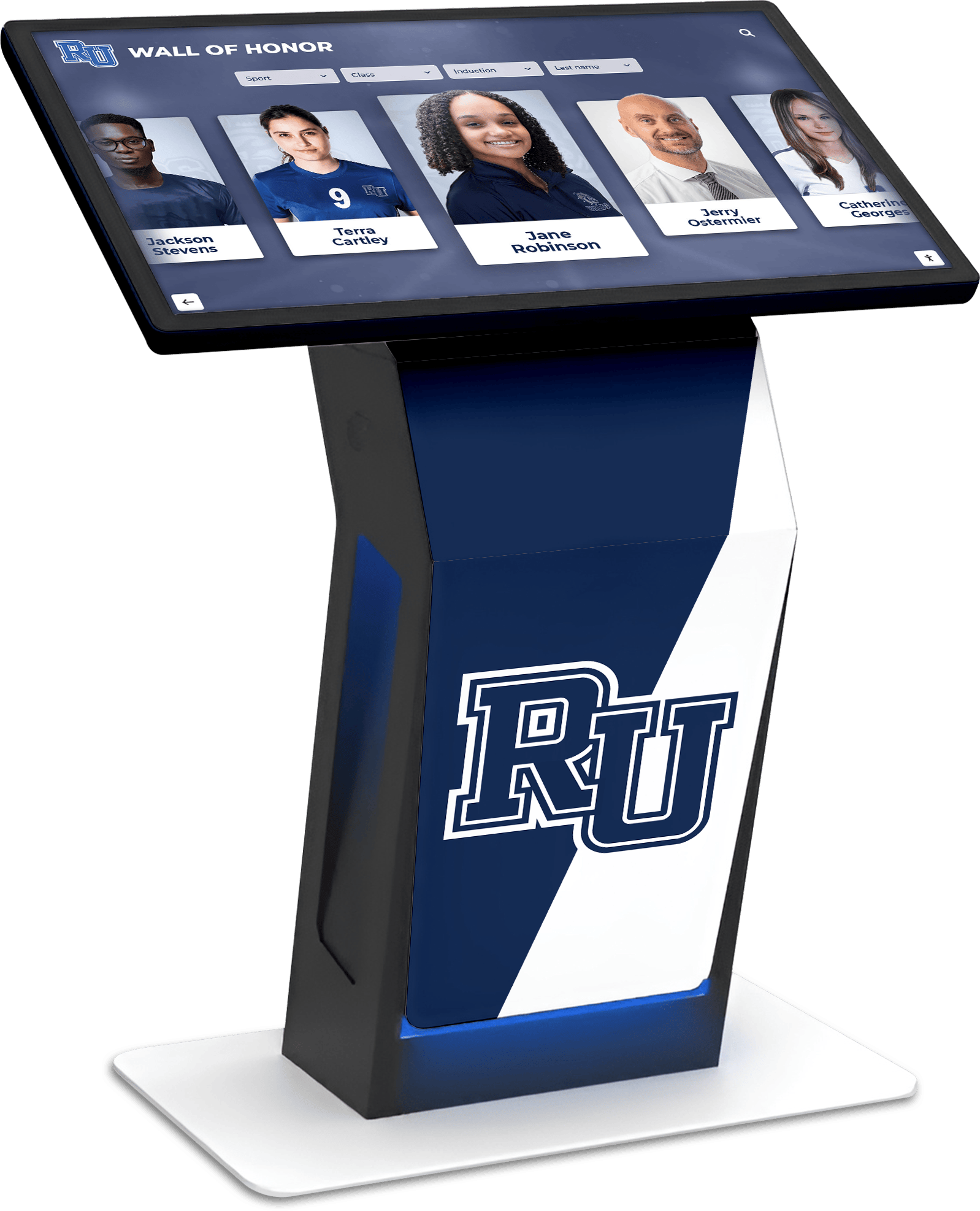
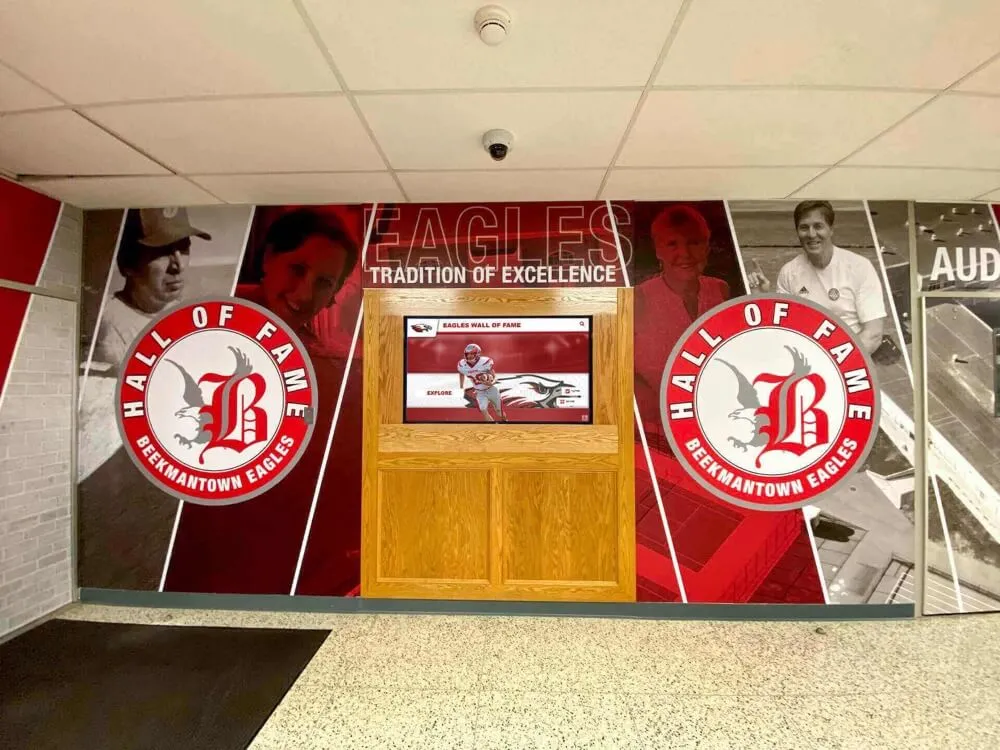
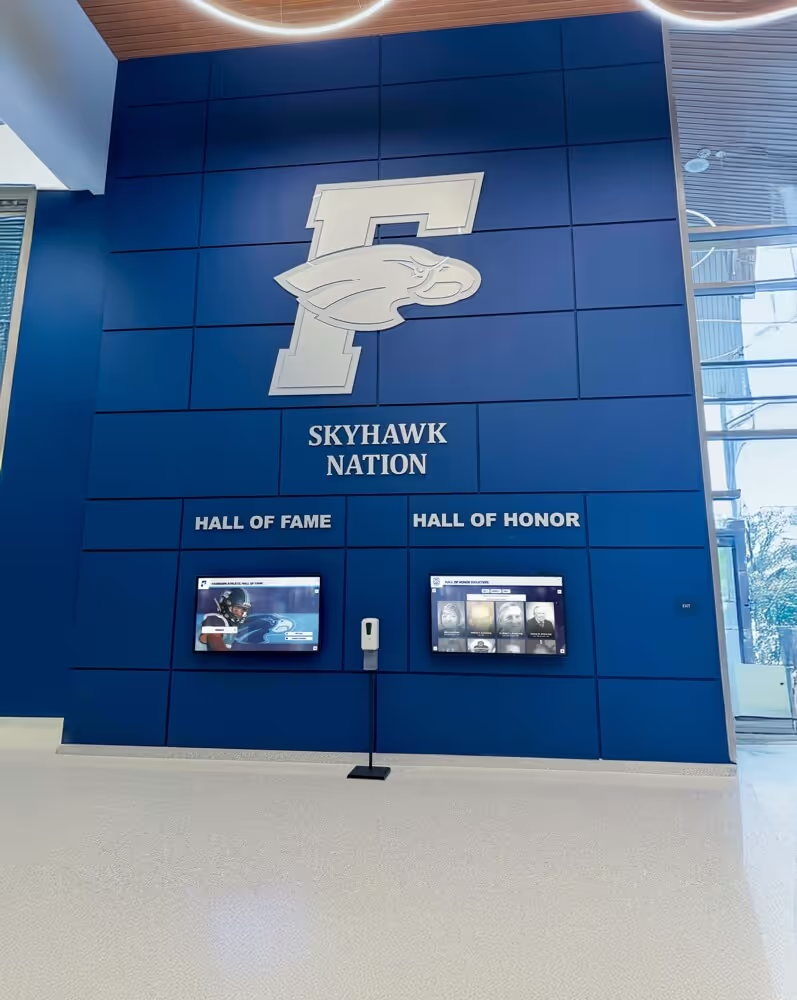
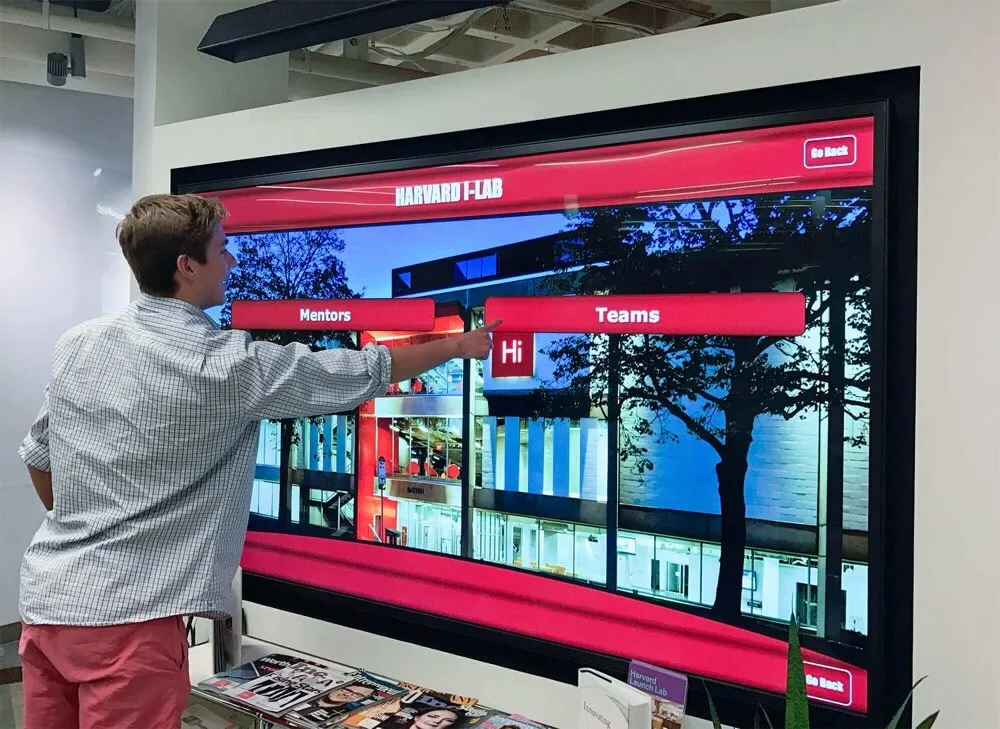
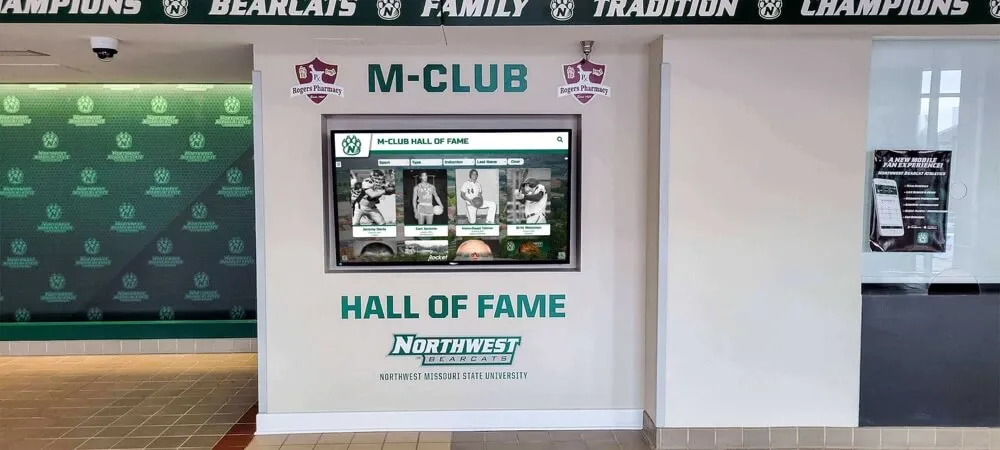
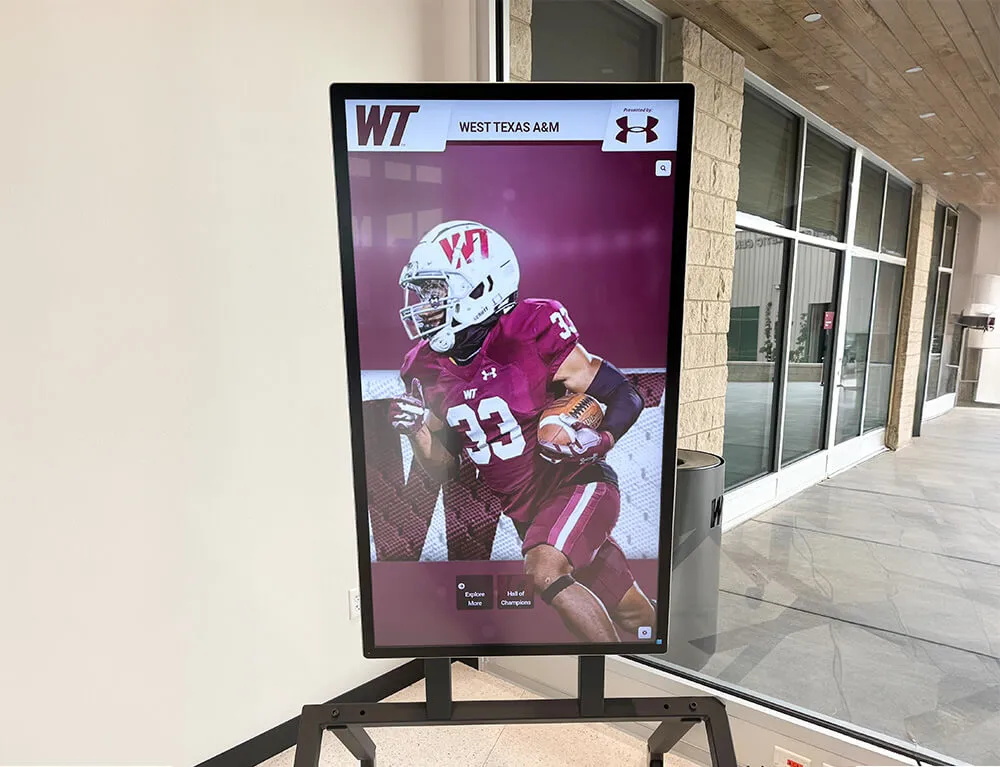
Interactive touchscreen kiosks provide comprehensive donor recognition without physical space constraints, accommodating unlimited supporters while enabling rich multimedia storytelling
Video Wall Donor Recognition Displays
Large-format video walls create dramatic donor recognition in high-visibility spaces.
Implementation Approach
Multi-screen video walls (typically 2x2 or 3x3 display arrangements creating 80-135 inch viewing areas) present rotating donor recognition alongside organizational mission content. These installations work particularly well in:
- Main entrance lobbies with significant daily foot traffic
- Event spaces where galas and fundraising gatherings occur
- Athletic facilities during games with large spectator audiences
- Performing arts centers before performances and during intermissions
- Conference centers hosting organizational programming
Content Strategy
Effective video walls alternate between content types:
- Individual donor recognition slides with photos and quotes
- Donor tier showcases celebrating specific giving societies
- Impact videos showing programs donor support enables
- Historical recognition honoring legacy giving over decades
- Upcoming giving opportunities and campaign progress updates
Content rotates continuously, ensuring every donor receives repeated visibility over time while maintaining visual interest for regular facility users.
Scale and Investment
Video wall installations range from $8,000 (basic 2x2 configuration) to $50,000+ (large-scale installations with professional content production). Content management systems enabling remote updates typically cost $1,000-3,000 annually depending on features and support levels.
Digital Signage Networks for Distributed Recognition
Organizations with multiple buildings or locations benefit from networked digital signage displaying coordinated donor recognition.
Network Applications
Rather than centralizing all recognition in single locations, digital signage networks distribute acknowledgment across facilities:
- School Districts: Recognition displays in every building showcasing district-wide supporters
- Multi-Site Nonprofits: Coordinated donor acknowledgment across service locations
- University Campuses: Distributed recognition in academic buildings, athletics facilities, student centers
- Healthcare Systems: Recognition across multiple hospitals and outpatient facilities
- Religious Organizations: Donor acknowledgment in multiple worship and community spaces
Content Management Benefits
Centralized cloud-based systems enable staff to update all displays simultaneously from any location. When new major gifts arrive, recognition appears instantly across all facilities. Campaign progress updates, seasonal recognition themes, and highlighted giving opportunities maintain consistent organizational messaging.
This coordination ensures donors receive equal recognition regardless of which facility visitors enter, while preventing the fragmentation common when different departments manage separate recognition efforts.
Organizations managing comprehensive recognition programs across multiple locations find networked approaches essential for maintaining consistency and managing updates efficiently.
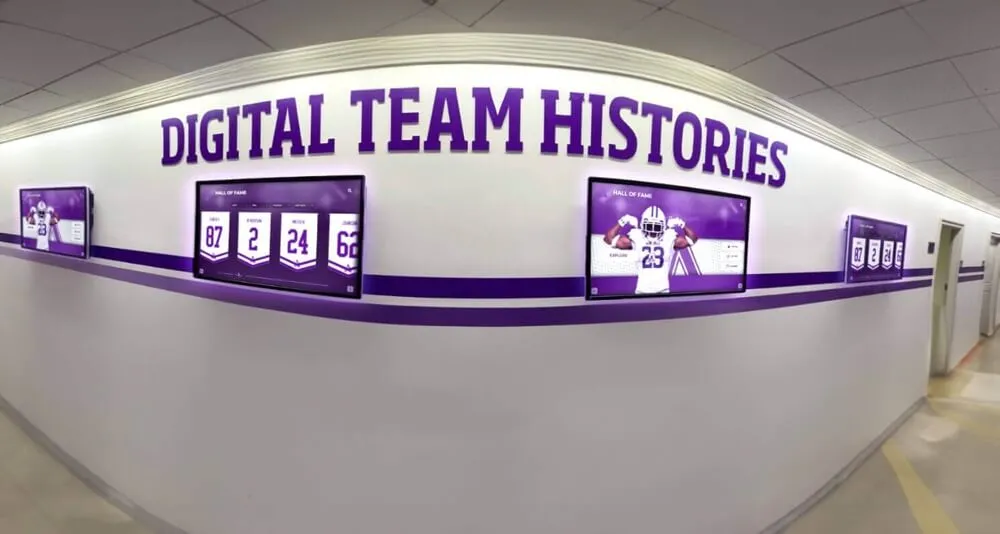
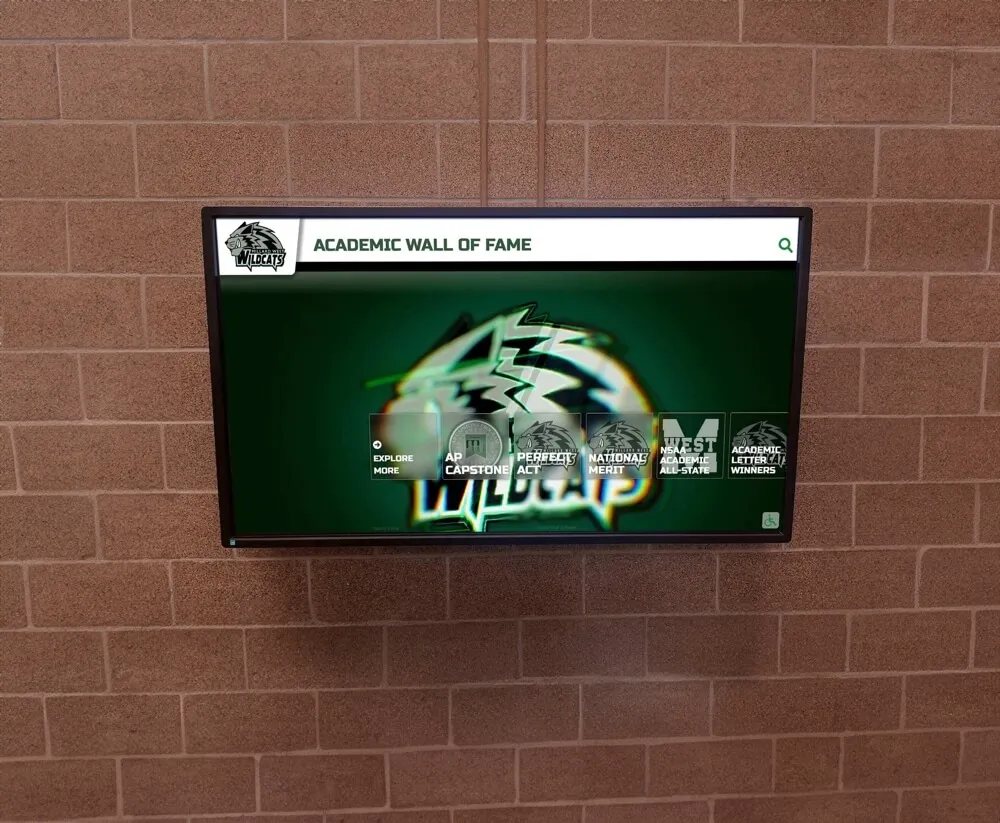
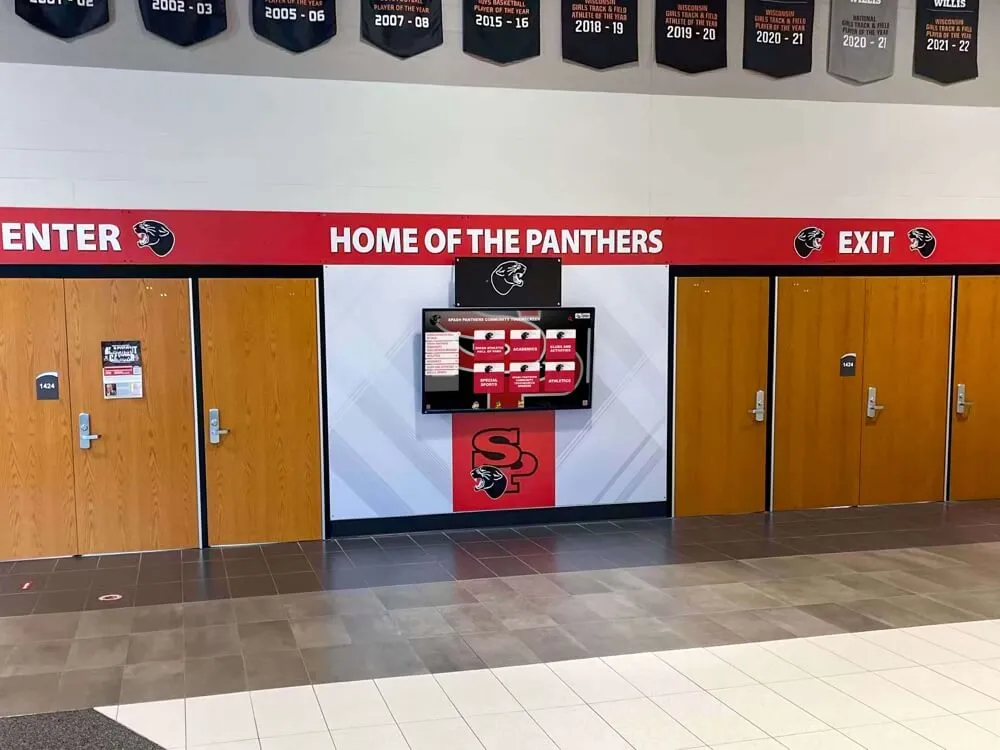
Networked digital displays provide consistent donor recognition across multiple locations while enabling centralized content management
Creative Donor Recognition Examples by Organization Type
Different institutions implement recognition strategies aligned with their specific missions, communities, and donor expectations.
K-12 Schools and Educational Foundations
Primary and secondary schools face unique recognition challenges given diverse stakeholder communities and limited budgets.
Example: Athletic Booster Recognition Program
A high school athletic booster organization supporting 18 varsity sports needed recognition accommodating hundreds of annual donors at levels from $100 to $25,000. Traditional plaques would have required entire hallway sections while excluding many smaller donors.
The solution combined approaches:
- Digital Touchscreen Display: Freestanding kiosk in athletics lobby featuring all booster donors searchable by name, sport, or year
- Annual Recognition Wall: Rotating physical display acknowledging current-year major donors ($5,000+)
- Game Program Recognition: Printed acknowledgment in all athletic event programs
- Social Media Features: Regular posts highlighting featured donor stories
This multi-channel approach ensured all contribution levels received appropriate acknowledgment while maintaining special visibility for major supporters. The digital system costs approximately $6,000 initially with $800 annual software licensing, compared to estimated $15,000+ for traditional wall space accommodating equivalent donors.
Example: School Building Campaign Recognition
An elementary school completing a $4 million building expansion with 800+ donor families (including many modest contributions) implemented tiered recognition:
- Cornerstone Donors ($50,000+): Named spaces within building plus engraved exterior recognition
- Leadership Donors ($10,000-$49,999): Recognition wall near main entrance listing names by tier
- Sustaining Donors ($1,000-$9,999): Digital display in lobby with searchable donor directory
- Supporting Donors (under $1,000): Digital recognition plus printed acknowledgment in dedication program
This structure provided appropriate recognition proportional to giving while ensuring every contributing family received acknowledgment. The digital component accommodated the hundreds of smaller donors who collectively provided substantial campaign support.
Schools managing donor recognition alongside other institutional achievements often implement comprehensive platforms displaying academic excellence, athletic achievements, and philanthropic support through unified systems.
Universities and Higher Education Institutions
Colleges and universities typically manage complex, multi-generational donor relationships requiring sophisticated recognition approaches.
Example: Alumni Giving Society Recognition
A private university with 40,000 living alumni organized giving societies by cumulative lifetime contributions. Recognition needed to accommodate donors ranging from recent graduates giving $100 annually to estate gifts exceeding $10 million.
The recognition program included:
- Premier Recognition Lounge: Named space in alumni center featuring top-tier donors with individual plaques
- Digital Wall of Honor: Three large touchscreen displays across campus showing all giving society members
- Annual Report Publication: Comprehensive printed donor listing distributed to all alumni
- Online Donor Directory: Searchable web-based recognition accessible worldwide
- Legacy Garden: Outdoor space with engraved pavers for planned giving commitments
Individual donor profiles in digital and online systems included:
- Graduation year and academic program
- Giving society tier and year joined
- Cumulative giving total
- Specific programs or scholarships supported
- Optional personal statements about giving motivation
- Multi-generational family giving patterns when applicable
This comprehensive approach ensured donors felt genuinely appreciated through multiple touchpoints while accommodating the scale and complexity of major university advancement programs.
Example: Athletic Facility Donor Recognition
A Division I university opening a new $60 million athletics complex with 1,200+ donors implemented hybrid recognition:
Physical recognition for premium tiers:
- Named facilities for seven-figure gifts
- Engraved recognition at premium seat locations
- Donor plaques in specialized training areas
Digital recognition for broad participation:
- Interactive touchscreen displays in main concourse showing all donors
- Video boards displaying rotating donor recognition during events
- Searchable online directory accessible to all alumni
The digital components accommodated the majority of donors while reserving permanent physical recognition for highest giving tiers, balancing traditional expectations with practical capacity limitations.
Higher education institutions often integrate donor recognition with comprehensive alumni engagement platforms showcasing athletic achievements, academic distinction, and philanthropic support through unified digital systems.
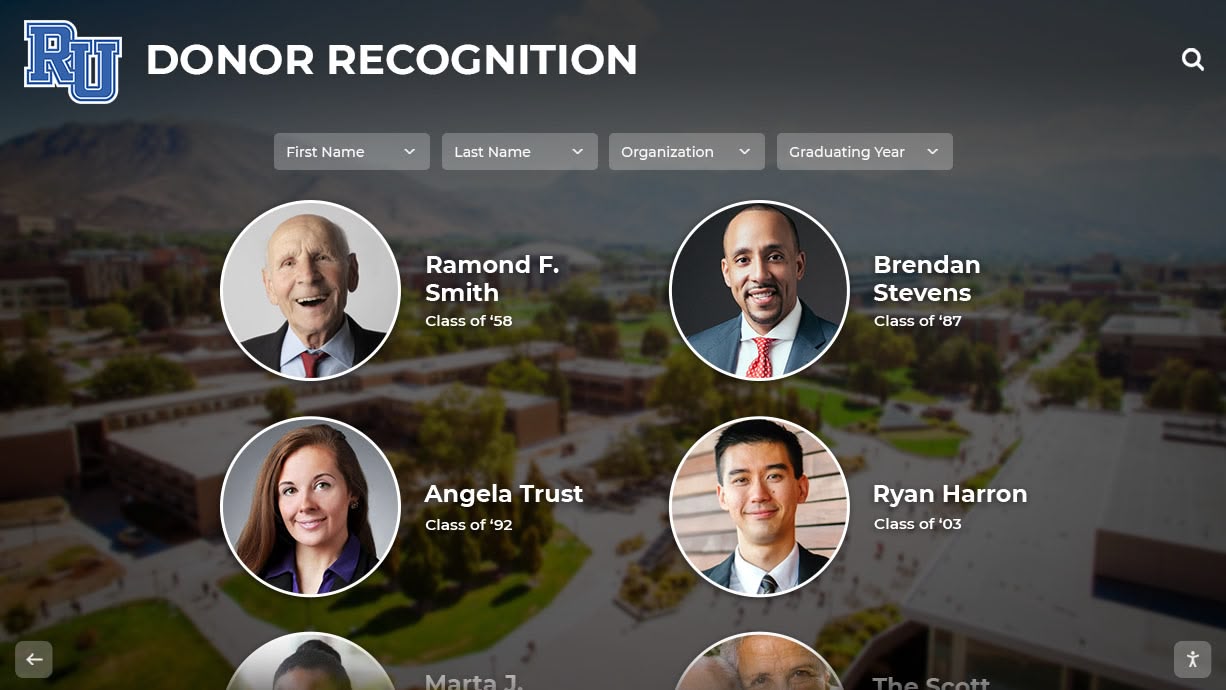
University donor recognition programs often integrate alumni achievement stories with philanthropic acknowledgment, connecting giving to institutional mission and impact
Nonprofits and Community Organizations
Nonprofit organizations serving diverse missions demonstrate creative recognition adapted to limited budgets and varied donor bases.
Example: Community Foundation Legacy Society
A regional community foundation managing $150 million in charitable assets wanted to recognize 300+ legacy society members who included the foundation in estate plans.
Traditional recognition challenges:
- Legacy gift values often unknown or subject to change
- Donors ranged from young professionals to elderly retirees
- Strong preference for photo inclusion to personalize recognition
- Need to accommodate additions as new members joined annually
- Limited physical space in foundation offices
The solution: touchscreen display in foundation lobby featuring:
- Searchable legacy society member directory
- Individual profiles with donor photos and optional biographical statements
- “Why I included the foundation in my estate” personal statements
- Year joined legacy society (avoiding gift amount disclosure)
- Optional recognition of family members included in plans
The digital approach accommodated uncertain gift values while providing meaningful recognition. Personal statements humanized giving motivation, creating inspiration for visitors considering their own planned gifts.
Example: Social Services Organization Donor Wall
A homeless services nonprofit completing a new shelter facility needed to recognize 500+ campaign donors ranging from $50 individual contributions to $250,000 corporate gifts—while maintaining mission-appropriate tone.
Recognition approached needed careful balance: celebrating donor generosity without creating opulent displays inappropriate for facility serving community members experiencing poverty. The solution:
- Modest Donor Recognition Wall: Simple, dignified engraved display near staff entrance acknowledging major donors
- Digital Recognition in Community Room: Touchscreen display accessible to donors, volunteers, and board members—but not in client-facing spaces
- Annual Report and Website Recognition: Comprehensive donor listing in publications distributed to stakeholder community
- Private Donor Appreciation Events: Personal recognition through cultivation events rather than extensive public displays
This approach honored donors appropriately while respecting client dignity and maintaining focus on mission rather than fundraising visibility.
Nonprofits implementing donor recognition systems benefit from flexible platforms accommodating diverse recognition approaches aligned with organizational values and stakeholder expectations.
Religious Organizations and Faith Communities
Houses of worship and faith-based organizations implement recognition respecting spiritual values while acknowledging contributions enabling ministry.
Example: Church Building Campaign Recognition
A growing congregation completing a $3 million sanctuary expansion with broad congregational participation faced theological questions about public giving recognition. Some members felt public acknowledgment contradicted Biblical teachings about giving in secret, while others wanted visible celebration of community generosity.
The compromise approach:
- Anonymous Aggregate Recognition: Public displays showing campaign progress and participation percentages without individual names
- Private Donor Registry: Book maintained in church office listing all contributors (accessible to leadership only)
- Optional Individual Recognition: Donors could choose to be listed in dedication program and on website recognition page
- Celebration Event Recognition: Private donor appreciation gathering honoring contributors
This flexible system respected diverse theological perspectives while providing appropriate acknowledgment options.
Example: Seminary Scholarship Endowment Display
A theological seminary with 150 endowed scholarships funded by donor gifts needed recognition honoring benefactors while connecting students to supporters enabling their education.
The recognition program included:
- Endowment Directory: Digital display in main library showing all scholarship funds
- Donor Profiles: Individual entries including donor photos, biographical information, and motivation for establishing scholarships
- Student Connections: Profiles showing current scholarship recipients (with permission) and impact statements
- Historical Context: Information about scholarship establishment and cumulative student support
This approach transformed donor recognition from simple acknowledgment into meaningful connection between benefactors and students whose educations they enabled—deepening appreciation while inspiring additional endowment establishment.
Religious institutions managing donor recognition alongside historical preservation can implement systems showcasing congregational history, ministry milestones, and philanthropic support through integrated platforms.

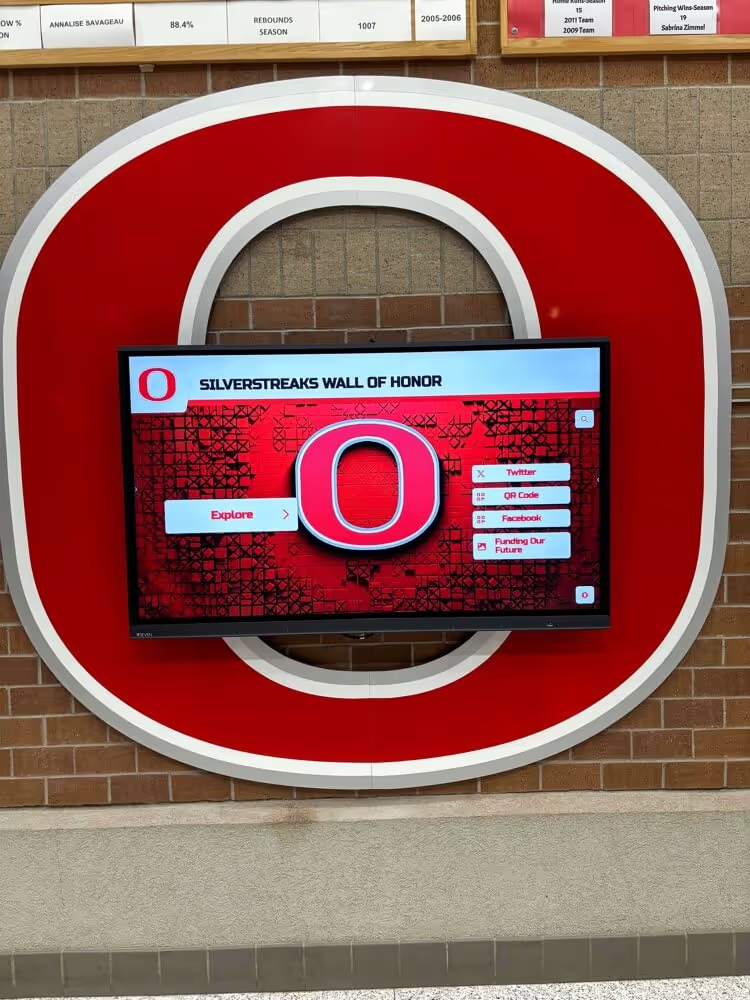
Interactive recognition displays enable visitors to explore donor stories and organizational impact at their own pace, creating deeper engagement than static plaques
Key Elements of Effective Donor Recognition Programs
Successful recognition transcends specific formats, reflecting underlying principles that maximize impact regardless of approach.
Tell Donor Stories, Not Just Names
The most compelling recognition moves beyond name lists to share why donors give and what motivates their support.
Implementation Strategies
Organizations creating meaningful donor storytelling include:
- “Why I Give” Statements: Brief quotes from donors explaining personal connection to mission
- Giving Journey Narratives: Descriptions of how donor relationships evolved over time
- Family Giving Traditions: Recognition of multi-generational support patterns
- Impact Focus: Specific descriptions of what donor contributions accomplished
- Donor-Beneficiary Connections: When appropriate, connecting supporters to community members whose lives they improved
These narrative elements transform recognition from impersonal lists into inspiring stories demonstrating real human motivation behind philanthropy.
Balance and Permission
Not all donors want extensive public profiles. Effective programs offer tiered options:
- Full Profile: Name, photo, biographical details, giving statement, and impact description
- Standard Recognition: Name, optional photo, and basic acknowledgment
- Minimal Listing: Name only with giving tier or year
- Anonymous Recognition: Acknowledgment of gift without donor identification
Always secure explicit permission before publishing photos, biographical details, or personal statements.
Implement Searchable, Accessible Recognition
Recognition serves little purpose if donors and their families cannot easily locate acknowledgment.
Essential Accessibility Features
Modern recognition systems should include:
- Alphabetical Search: Instant lookup by donor surname
- Giving Tier Filters: Browsing specific recognition societies or levels
- Year or Campaign Filters: Finding donors from specific periods
- Keyword Search: Full-text search across all donor profiles
- Multiple Language Support: Recognition accessible to diverse communities
- Screen Reader Compatibility: Accessibility for visitors with vision impairments
- Mobile Optimization: Recognition viewable on personal devices
Digital platforms excel at providing these capabilities, while traditional walls require clear organizational structure and potentially printed directories helping visitors locate specific donors.
Organizations implementing searchable recognition systems report higher donor satisfaction as supporters easily find their recognition and share with family members.
Create Recognition Proportional to Giving Levels
Differentiated acknowledgment ensures major donors receive prominence while honoring all contributions.
Typical Tier Structure
Most organizations implement three to five recognition tiers:
- Pinnacle Level ($100,000+ or campaign-specific major gift): Named spaces, premium physical recognition, featured digital profiles
- Leadership Level ($25,000-$99,999): Prominent physical placement, detailed digital profiles
- Sustaining Level ($5,000-$24,999): Standard physical or digital recognition with full profile capabilities
- Supporting Level ($1,000-$4,999): Digital recognition and program listing
- Contributing Level (under $1,000): Digital recognition or annual program acknowledgment
Tier structures vary based on organizational scale, community capacity, and campaign context. A small school foundation may begin leadership recognition at $5,000, while major universities reserve top tiers for seven-figure gifts.
Visual Differentiation
Recognition design should distinguish tiers through:
- Size and placement variations for physical installations
- Featured positioning or extended profiles in digital systems
- Distinct recognition formats or materials by tier
- Special recognition events or benefits for premium donors
- Exclusive communication channels for major supporters
Clear differentiation motivates giving level increases while maintaining appreciation for all contribution levels.
Plan for Growth and Long-Term Maintenance
Recognition systems must accommodate expanding donor communities without expensive retrofitting.
Digital Advantage for Scalability
Traditional recognition limitations become apparent over time:
- Fixed space fills completely, requiring difficult expansion decisions
- Adding new donors costs $200-500 per entry
- Layout redesign needed when original sections fill
- Some donors eventually excluded when space exhausted
Digital systems eliminate these constraints:
- Unlimited capacity accommodating any donor community size
- Zero incremental cost per new donor added
- Consistent presentation regardless of total number
- Simple content management enabling instant updates
For organizations anticipating donor community growth—particularly those in capital campaigns or building sustained annual giving programs—digital approaches provide financial sustainability impossible with traditional methods.
Maintenance Planning
All recognition requires ongoing care:
Traditional Recognition:
- Regular cleaning of engraved surfaces
- Periodic refinishing or restoration
- Replacement of damaged or illegible elements
- Expansion planning and implementation
Digital Recognition:
- Software updates and security maintenance
- Content refreshes keeping displays current
- Hardware replacement on 5-7 year cycles
- Technical support for troubleshooting
Budget for these ongoing needs, ensuring recognition remains professional and current over decades, not just at initial installation.
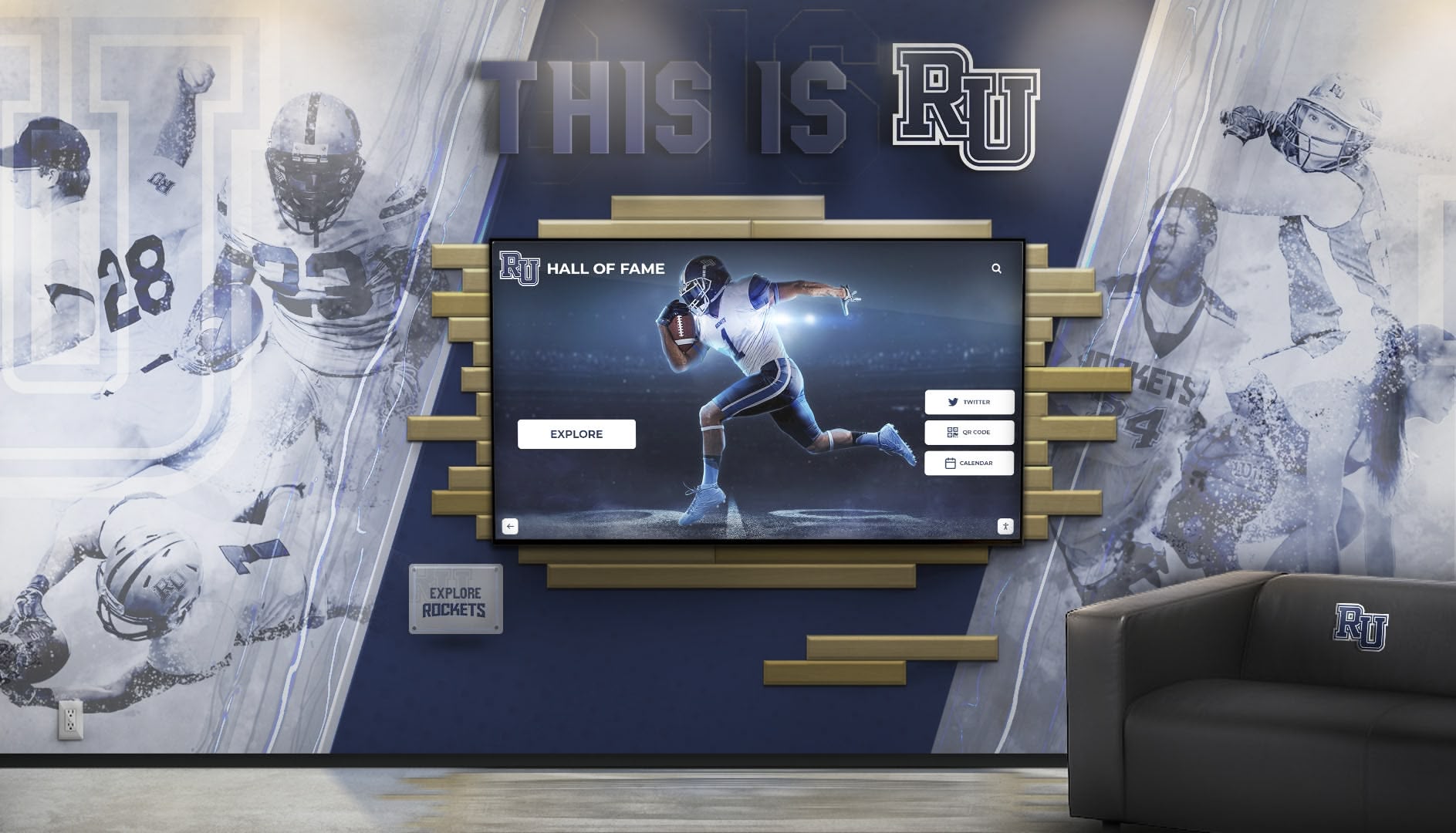
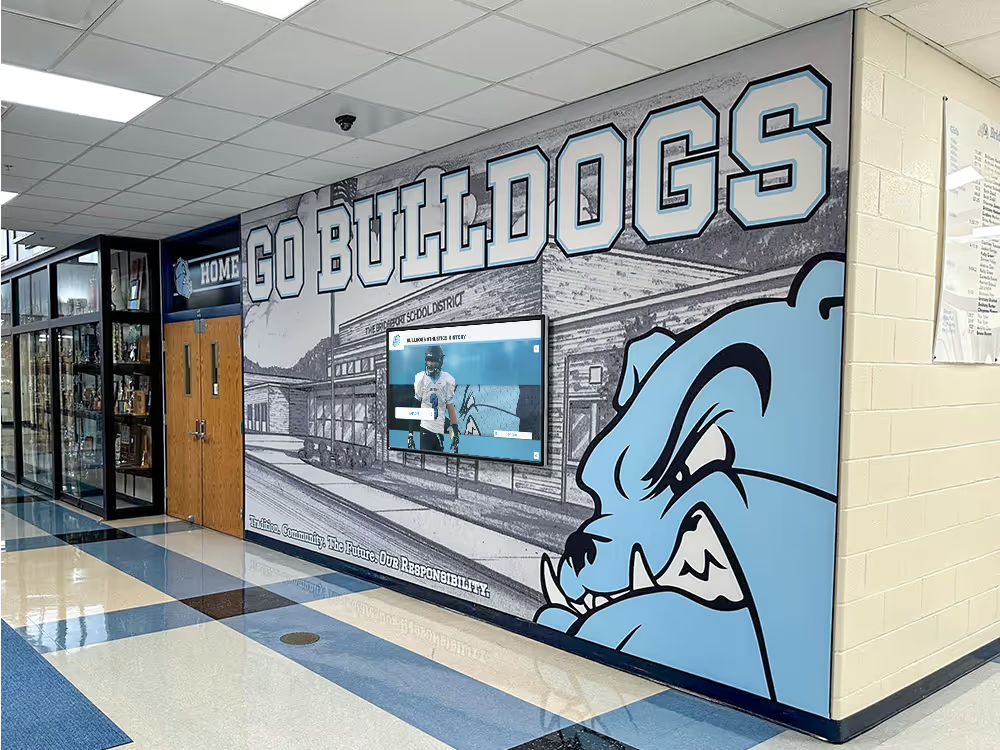
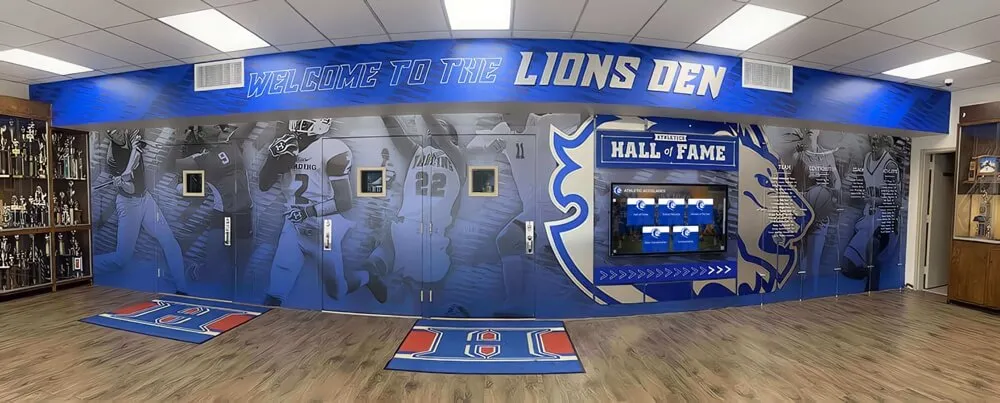
Combining traditional design elements with modern digital displays creates recognition systems that honor institutional heritage while providing contemporary functionality
Implementing Your Donor Recognition Program: Practical Steps
Moving from recognition concepts to functioning systems requires systematic planning addressing organizational needs and resources.
Phase 1: Assessment and Planning
Inventory Current Recognition
Begin by documenting existing approaches:
- What donor recognition currently exists across your organization?
- Which donors are acknowledged and through what methods?
- Where are recognition displays located and how visible are they?
- What gaps exist in current recognition coverage?
- How satisfied are donors with existing acknowledgment?
This assessment reveals what works, what needs improvement, and where gaps require attention.
Define Recognition Requirements
Establish clear parameters:
- How many donors require recognition currently and anticipated future growth?
- What giving tiers will you recognize and at what thresholds?
- What donor information will profiles include (names only, photos, stories, impact)?
- Where should recognition be located for maximum visibility?
- What budget is available for initial implementation and ongoing maintenance?
- Who will manage content updates and system administration?
Clear requirements guide vendor selection and system design.
Stakeholder Input
Gather perspectives from key groups:
- Major Donors: What recognition do significant supporters value?
- Development Staff: What recognition supports cultivation and stewardship?
- Board Members: What approach aligns with organizational values?
- Facilities Team: What locations work technically and aesthetically?
- Communications Staff: How does recognition integrate with other acknowledgment?
Broad input ensures recognition meets diverse stakeholder needs.
Phase 2: Approach Selection and Vendor Evaluation
Traditional vs. Digital Decision Factors
Choose approaches based on organizational context:
Consider Traditional Recognition When:
- Donor community grows slowly (fewer than 10-20 new major donors annually)
- Adequate permanent wall space exists in high-visibility locations
- Organizational culture strongly favors permanent physical installations
- Budget accommodates ongoing per-donor update costs
- No need for photos, multimedia, or extensive donor information
Consider Digital Recognition When:
- Donor community grows substantially or unpredictably
- Limited physical space constrains traditional approaches
- Budget requires cost-effective recognition for unlimited donors
- Desire for photos, stories, impact statements, and rich donor profiles
- Need for instant updates without physical installation costs
- Want analytics showing which donors and stories generate engagement
Many organizations implement hybrid approaches: traditional recognition for highest giving tiers plus digital systems accommodating broader donor communities.
Vendor Evaluation Criteria
When selecting recognition systems, assess:
For Traditional Installations:
- Portfolio demonstrating similar organizational experience
- Material quality and craftsmanship standards
- Design capabilities and customization options
- Installation expertise and process
- Future expansion services and relationships
- References from comparable organizations
For Digital Systems:
- Content management simplicity for non-technical staff
- Unlimited capacity and scalability
- Photo and multimedia support
- Search and filtering capabilities
- Remote management from any device
- Analytics and engagement tracking
- Accessibility compliance (screen readers, contrast modes, font scaling)
- Hardware quality and expected lifespan
- Support and training services
- Total cost of ownership (hardware, software, support)
Organizations exploring comprehensive recognition platforms should evaluate solutions like Rocket Alumni Solutions offering donor recognition, alumni engagement, and institutional achievement display through integrated systems.
Phase 3: Implementation and Launch
Content Development
Successful recognition requires quality content:
- Donor Database Population: Compile comprehensive donor information including names, giving histories, contact details
- Photo Collection: Request donor photos through email campaigns and personal outreach
- Story Gathering: Collect “why I give” statements and donor narratives
- Impact Documentation: Develop descriptions of what donor support accomplished
- Rights and Permissions: Secure written consent for all photos, quotes, and biographical details
Start content development early—photo and story collection often takes longer than technical implementation.
Installation and Testing
Professional installation ensures optimal performance:
- Site preparation including electrical and network infrastructure
- Hardware mounting with cable management
- Software configuration and content loading
- Comprehensive testing of all features and functionality
- Staff training on content management and troubleshooting
- Soft launch with limited audience for feedback collection
- Adjustments based on initial user experiences
Launch Communication
Maximize recognition impact through announcement:
- Individual Donor Notification: Personal letters informing donors their recognition is now visible
- Organization-Wide Announcement: Newsletter, website, and social media sharing about new recognition program
- Dedication Event: Optional celebration unveiling recognition and thanking donors
- Media Relations: Press releases for significant recognition programs
- Ongoing Promotion: Regular features highlighting donor stories and recognition
Strong launch communication ensures donors know they’re recognized and feel appropriately appreciated.
Phase 4: Maintenance and Continuous Improvement
Regular Content Updates
Recognition requires consistent maintenance:
- New Donor Addition: Timely recognition of recent contributions
- Information Corrections: Quick fixes when errors discovered
- Photo Updates: Refreshing images periodically
- Content Refresh: Updating impact statements and organizational information
- Deceased Donor Protocols: Appropriate handling when donors pass away
Establish clear processes and assign responsibilities ensuring updates happen promptly.
Engagement Monitoring
Track recognition effectiveness:
- Usage Analytics: For digital systems, monitor interaction frequency and patterns
- Donor Feedback: Survey supporters about recognition satisfaction
- Observational Data: Note how visitors use recognition displays
- Gift Impact Analysis: Assess whether recognition correlates with continued giving
- Comparative Benchmarking: Evaluate against peer organization approaches
Continuous Refinement
Use data to improve recognition:
- Adjust content based on what generates engagement
- Expand popular features and donor stories
- Simplify navigation when confusion observed
- Add requested information or functionality
- Maintain fresh, current appearance through regular updates
Recognition should evolve continuously based on evidence about what works best for your specific community.
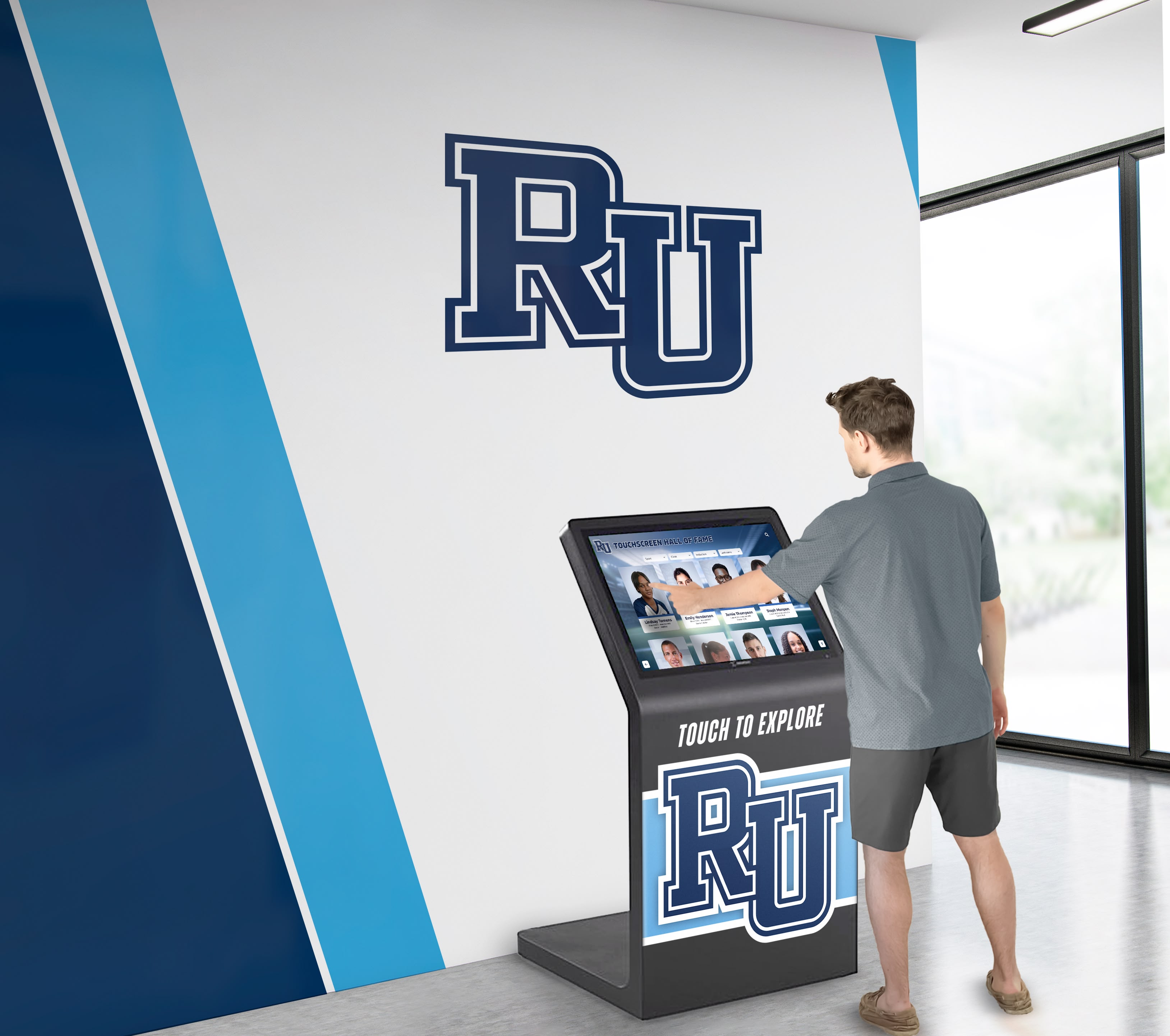
Modern touchscreen kiosks make donor recognition interactive and engaging, enabling visitors to explore supporter stories and organizational impact
Measuring Donor Recognition Success
Effective recognition programs should demonstrate impact justifying investment and informing continuous improvement.
Donor Retention and Giving Metrics
The ultimate recognition success measure: does it affect donor behavior?
Key Indicators to Track
- Donor Retention Rates: Percentage of donors giving again in subsequent years
- Giving Level Progression: Donors moving to higher recognition tiers
- Major Gift Solicitation Success: Whether recognition supports cultivation
- Planned Giving Commitments: Estate gift pledges following recognition visibility
- New Donor Acquisition: Whether visible recognition inspires first-time giving
Compare these metrics before and after recognition implementation, isolating recognition impact from other stewardship factors when possible.
Anecdotal Feedback
Quantitative data complements qualitative donor responses:
- Thank-you notes mentioning recognition appreciation
- Comments during facility tours or events
- Feedback during solicitation conversations
- Social media engagement when donors share recognition
- Family member responses to memorial recognition
These qualitative indicators often reveal emotional impact that numbers alone cannot capture.
Engagement Analytics for Digital Systems
Digital recognition platforms provide detailed usage data:
Interaction Metrics
- Daily sessions and total interactions
- Average interaction duration
- Most-viewed donor profiles
- Search queries revealing what visitors seek
- Peak usage times and days
- Bounce rates (visitors leaving immediately)
Content Performance
- Which donor stories generate longest engagement
- Photo versus non-photo profile comparison
- Video content view rates and completion
- Filter and search feature usage
- Return visitor patterns
These analytics guide content improvement, revealing what recognition approaches work best for your specific community.
Organizations implementing comprehensive recognition and engagement platforms can analyze engagement patterns informing both recognition design and broader development strategies.
Stakeholder Satisfaction Assessment
Regular evaluation ensures recognition meets diverse needs:
Donor Surveys
Periodic questionnaires assess donor perspectives:
- Satisfaction with recognition visibility and presentation
- Perception of recognition appropriateness to giving level
- Interest in enhanced recognition features (photos, stories, video)
- Preferences about recognition frequency and channels
- Overall feeling of organizational appreciation
Staff and Board Feedback
Internal stakeholders provide operational insights:
- Ease of content management and updates
- Effectiveness supporting donor cultivation conversations
- Technical reliability and support needs
- Alignment with organizational brand and values
- Return on investment perception
Community Perception
Broader stakeholder views matter:
- Alumni, parents, and community member awareness of donor support
- Prospective donor reactions to visible recognition
- Media and public perception of organizational gratitude
- Volunteer and board recruitment benefits from visible support
Comprehensive assessment ensures recognition delivers value to all stakeholder groups.
Common Donor Recognition Mistakes to Avoid
Understanding frequent pitfalls prevents costly errors.
Mistake 1: Inadequate Planning for Growth
Organizations often implement recognition with current donor lists without anticipating growth.
The Problem
Physical donor walls designed for 100 donors fill completely within three years as campaigns succeed. Organizations face expensive expansion, layout redesign, or the politically difficult decision about which new donors to exclude.
The Solution
Either allocate substantial excess space in traditional installations (typically 200-300% of current needs) or implement digital systems with unlimited capacity. Never assume donor communities won’t grow—successful development programs continuously expand supporter bases.
Mistake 2: Insufficient Donor Information Collection
Recognition potential exceeds available content when organizations fail to gather photos, stories, and biographical details during gift processing.
The Problem
Organizations install recognition systems capable of rich donor profiles, then discover they possess only names and giving amounts. Retroactive photo collection and story gathering requires substantial effort with declining response rates as time passes from original gifts.
The Solution
Build content collection into standard gift acknowledgment processes. Thank-you letters should request donor photos and optional “why I give” statements. Make photo submission easy through email or web portals. Collect information while donor enthusiasm is highest—immediately following gifts.
Mistake 3: Hidden or Low-Traffic Placement
Even exceptional recognition delivers minimal impact when visitors don’t see it.
The Problem
Organizations place donor recognition in administrative wings, upper floors, or locations requiring intentional visits. Most stakeholders never encounter acknowledgment, undermining recognition value and failing to inspire additional giving.
The Solution
Prioritize high-traffic, central locations where daily facility users and visitors naturally pass. Main entrance lobbies, gathering spaces, and event venues ensure consistent recognition visibility. Accept that premium locations may limit space—another argument for space-unlimited digital approaches.
Mistake 4: Neglected Maintenance and Updates
Initial recognition quality matters little if systems become outdated and unmaintained.
The Problem
Organizations install recognition then fail to add new donors, correct errors, update information, or maintain physical condition. Outdated recognition suggests organizational disorganization and actually harms donor relations when supporters see they haven’t been acknowledged or recognition contains errors.
The Solution
Assign clear responsibility for recognition maintenance. Establish regular update schedules. Budget for ongoing costs. Choose systems matching your staff capacity—organizations without technical staff should avoid complex platforms requiring specialized expertise.
Mistake 5: One-Size-Fits-All Recognition
Treating all donors identically regardless of giving level fails to differentiate major supporters.
The Problem
Democratic impulses lead some organizations to provide identical recognition for $100 and $100,000 donors. While well-intentioned, this approach undermines major gift fundraising where differentiated recognition motivates substantial contributions.
The Solution
Implement clear tier structures with proportional recognition. Major donors deserve enhanced acknowledgment—not because they’re more important as people, but because their contributions enable substantially more impact. Balance inclusive recognition of all supporters with appropriate differentiation by giving level.
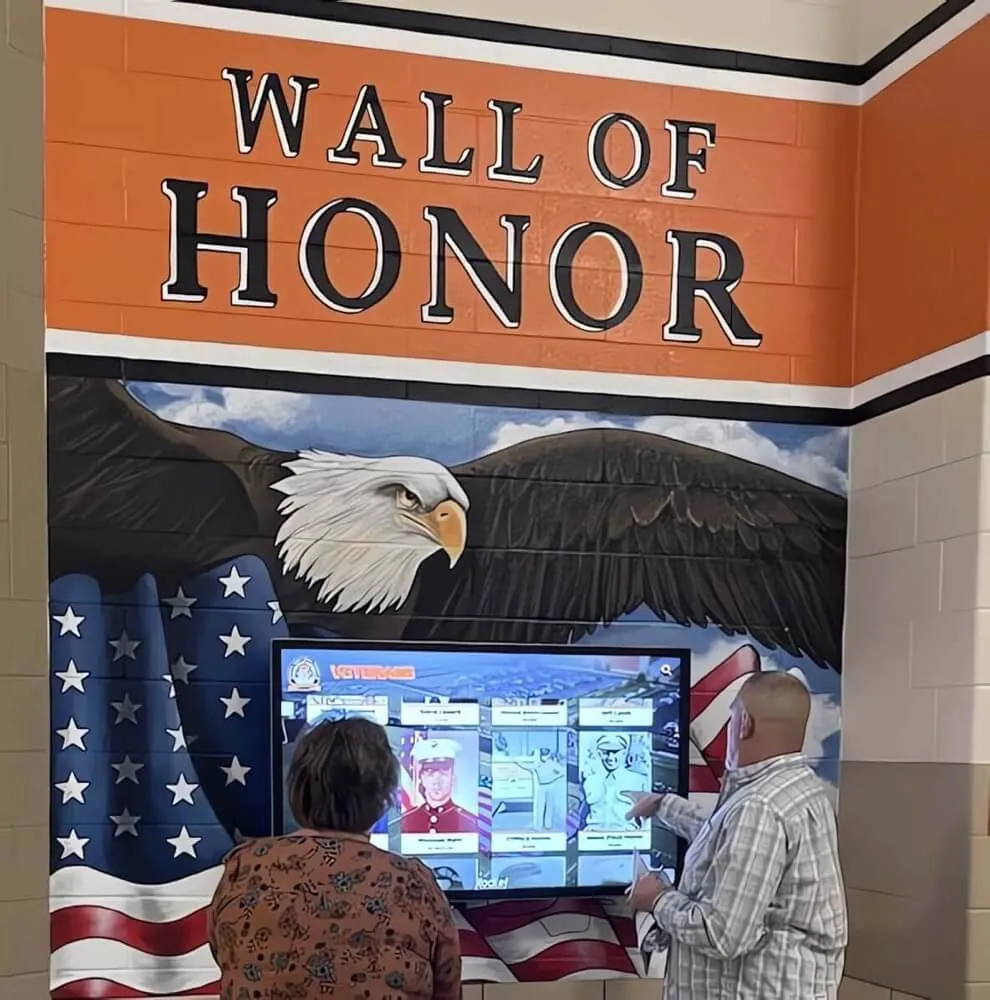
Thoughtful donor recognition design creates inspiring spaces where visitors understand organizational support while honoring contributor generosity
Conclusion: Creating Donor Recognition That Drives Future Giving
Effective donor recognition transcends courtesy—it represents strategic investment in development program sustainability. When organizations implement recognition systems that make philanthropy visible, tell compelling donor stories, remain scalable as communities grow, and create experiences supporters genuinely value, they build cultures where giving is celebrated and continuously inspired.
The donor recognition examples explored in this guide demonstrate diverse approaches spanning traditional engraved installations to cutting-edge digital displays. While specific methods vary, the most successful programs share common characteristics: they honor all contribution levels appropriately, they tell stories beyond names and amounts, they accommodate growth without expensive retrofitting, and they maintain professional quality over time through consistent maintenance.
Technology has fundamentally transformed recognition possibilities. Digital touchscreen systems eliminate the space constraints, update costs, and limited information capacity that have always limited traditional approaches. For growing organizations or those with limited physical space, digital recognition delivers comprehensive acknowledgment impossible through conventional methods—while typically costing less over time than repeatedly updating engraved installations.
Yet technology alone doesn’t create effective recognition. Success requires understanding what donors value, implementing systems matching organizational capacity for ongoing management, placing recognition where stakeholders will see it, and maintaining consistent quality as years pass. Organizations that approach recognition systematically—planning thoughtfully, implementing professionally, and managing consistently—create programs that strengthen donor relationships and inspire continued generosity.
Your donors made your mission possible. They deserve recognition that honors their contributions while inspiring others to join them. Whether you choose traditional installations, modern digital systems, or hybrid approaches combining both, implement recognition worthy of the generosity it acknowledges.
Ready to explore how modern recognition systems can help you honor donors while building sustained philanthropic support? Discover comprehensive donor recognition solutions designed specifically for schools, universities, nonprofits, and community organizations seeking to celebrate supporters and strengthen development programs.