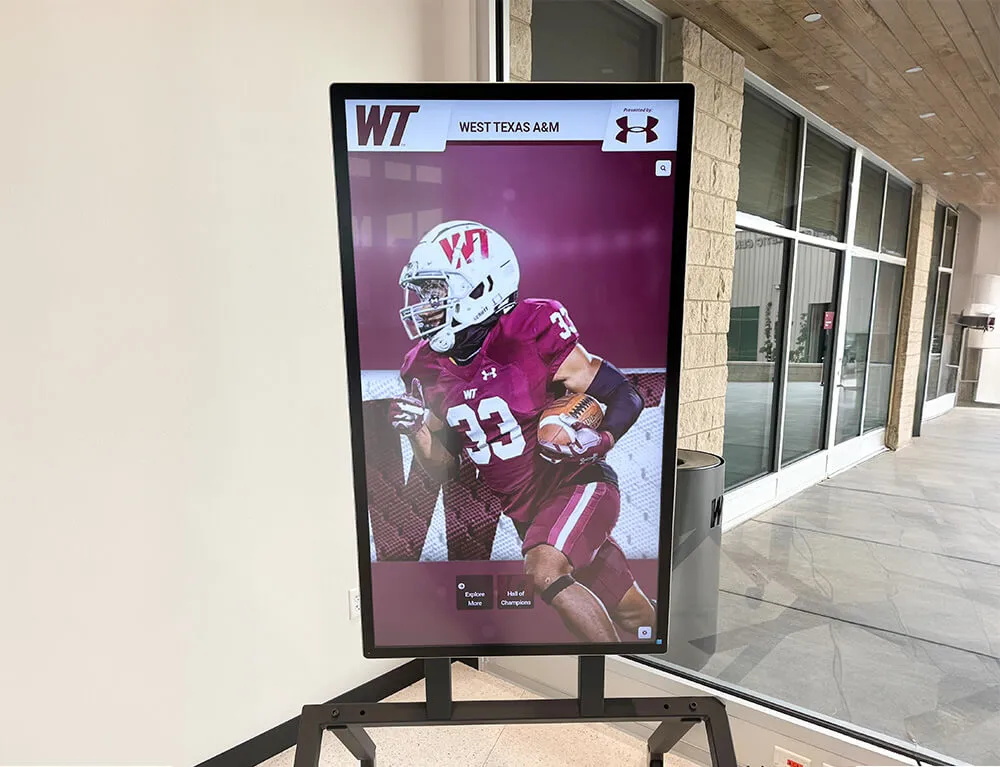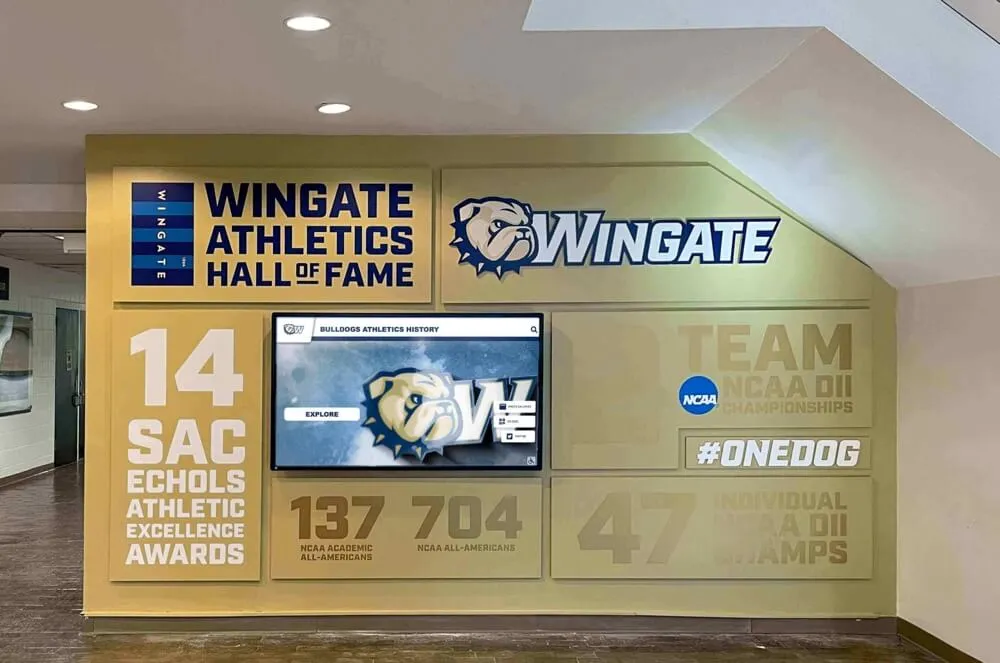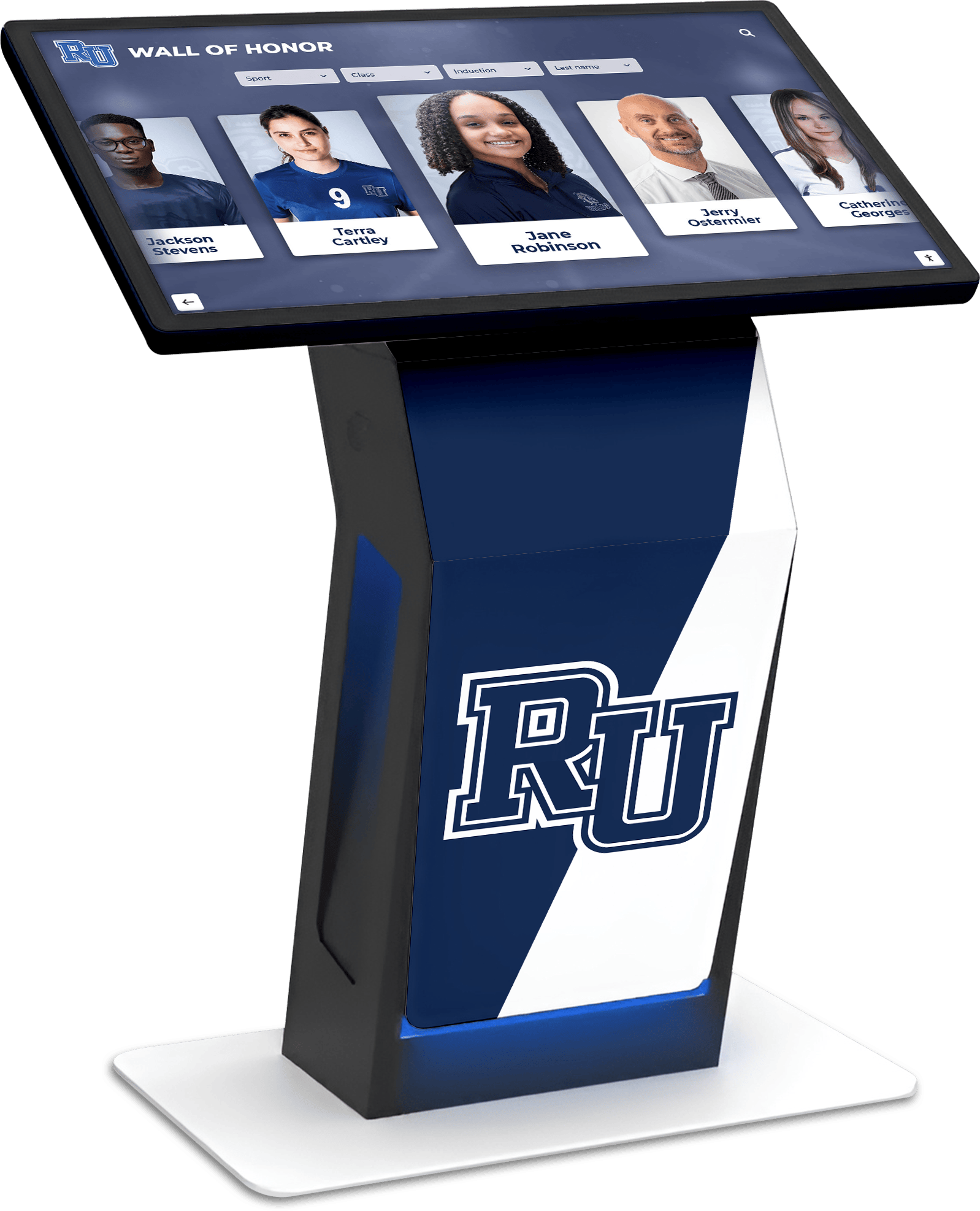




Donor walls represent one of the most visible and lasting ways nonprofits acknowledge the individuals, families, and organizations that make their missions possible. When visitors enter your facility and see donors prominently recognized, they witness tangible evidence of community support—and often feel inspired to contribute themselves.
Yet many nonprofit leaders struggle with donor wall implementation. Traditional engraved plaques require expensive updates whenever new major donors join your community. Physical space limitations force difficult decisions about which contributors to feature. Recognition methods that worked a decade ago fail to resonate with younger donors who expect interactive, multimedia experiences.
This guide explores donor wall options available to nonprofits in 2026, from traditional engraved displays to digital interactive touchscreens. You’ll discover ten specific donor wall ideas adaptable to different budgets and organizational needs, plus practical implementation guidance based on what actually works for nonprofit organizations.
Nonprofits that excel at donor recognition create cultures where philanthropy is visible, celebrated, and normalized. According to research on nonprofit fundraising effectiveness, 43% of organizations consider donor recognition walls essential to their overall fundraising success. Meanwhile, 53% of lapsed donors cite lack of appreciation as their primary reason for discontinuing support, with donor retention rates averaging only 43% across the sector.

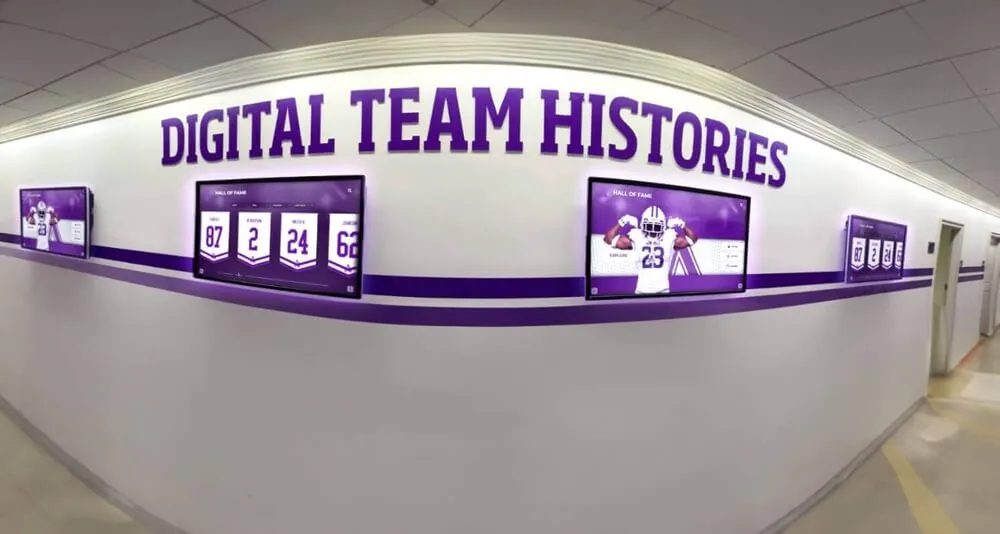
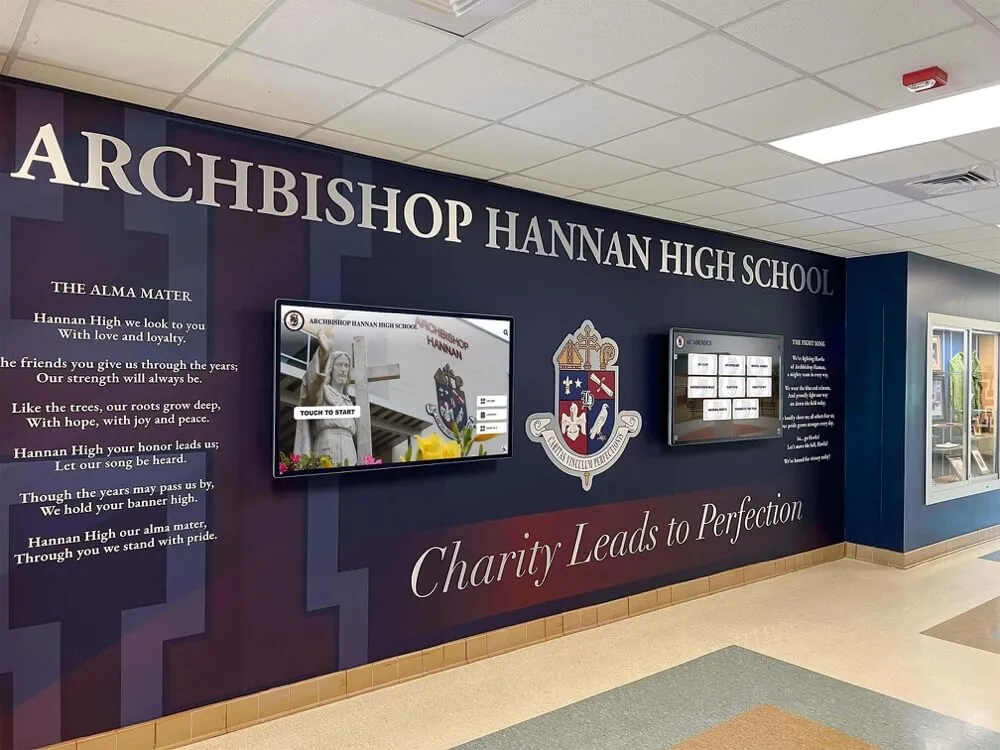
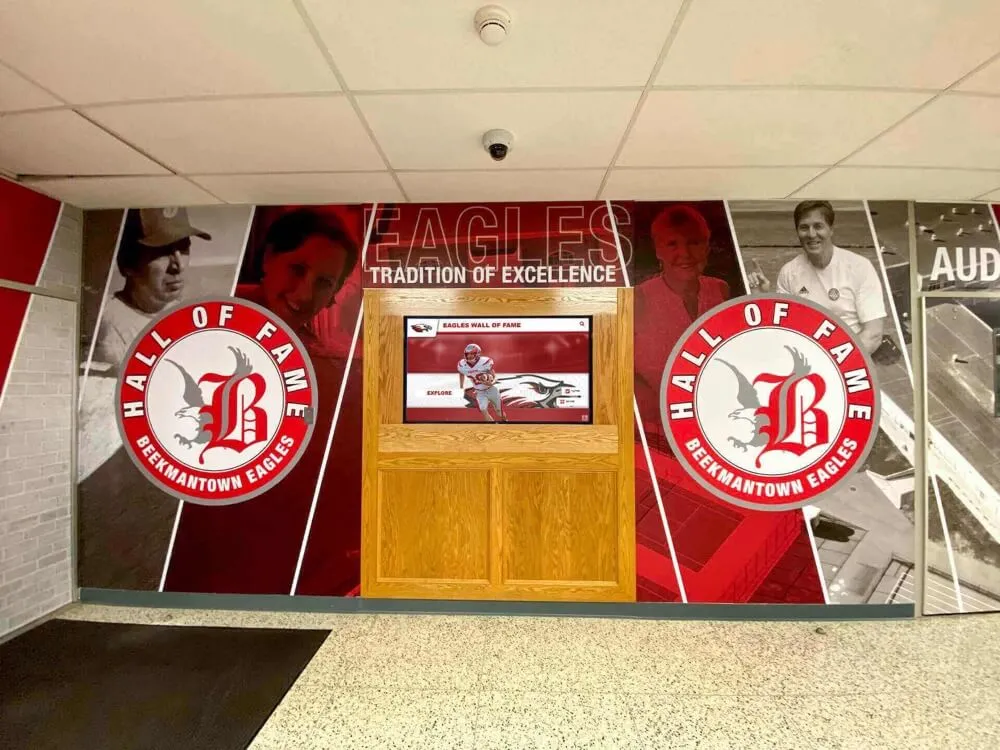
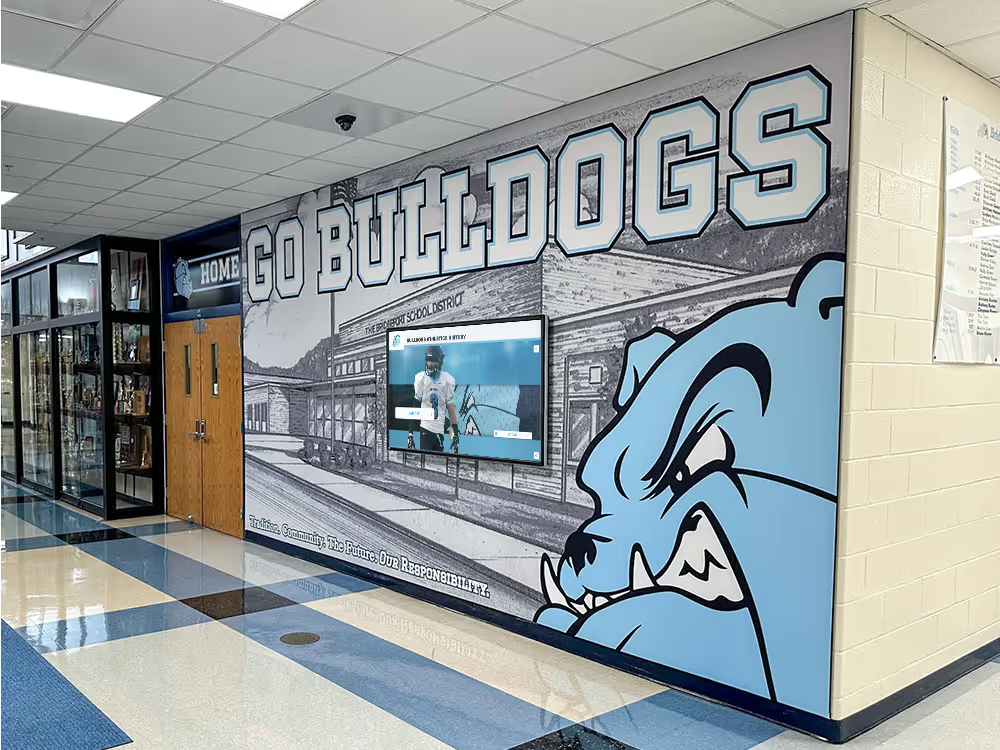
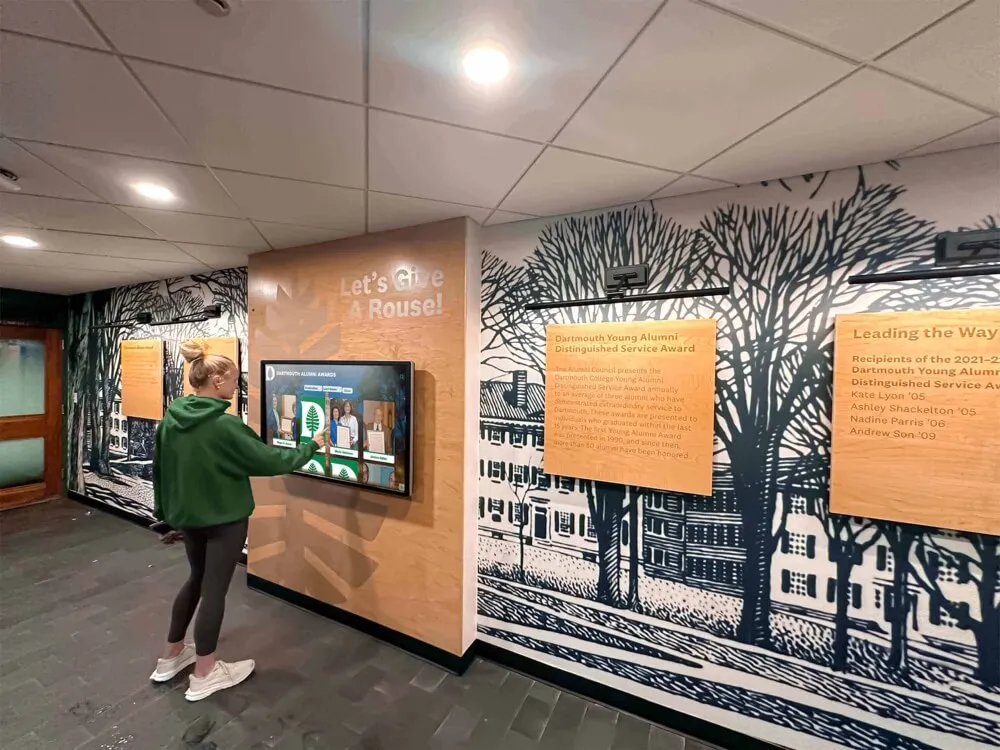
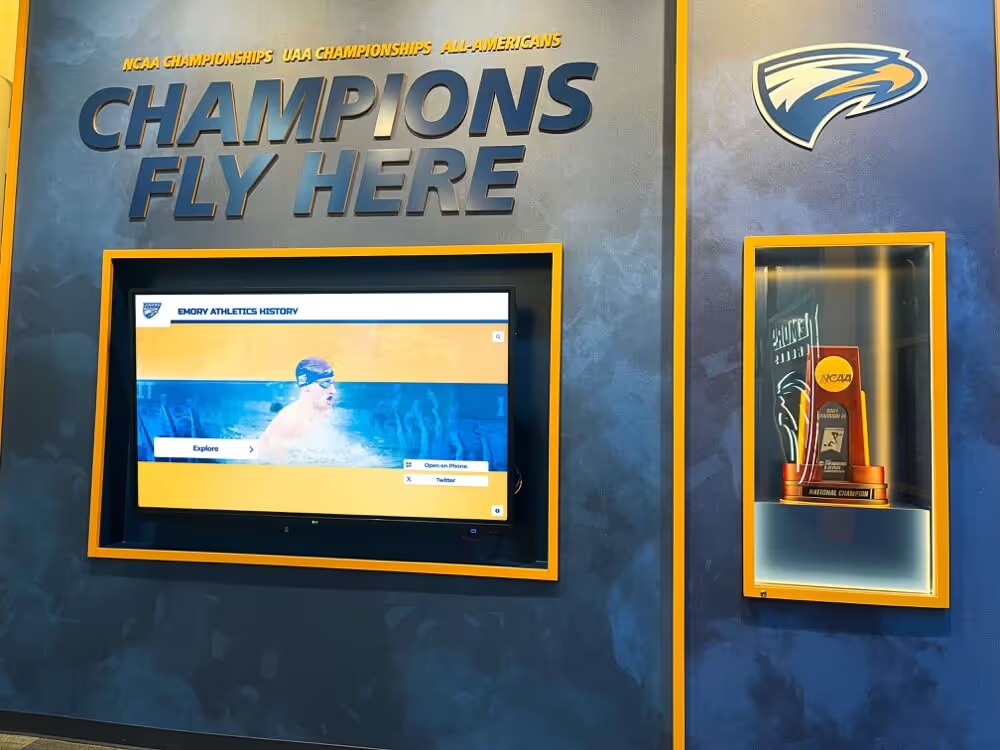
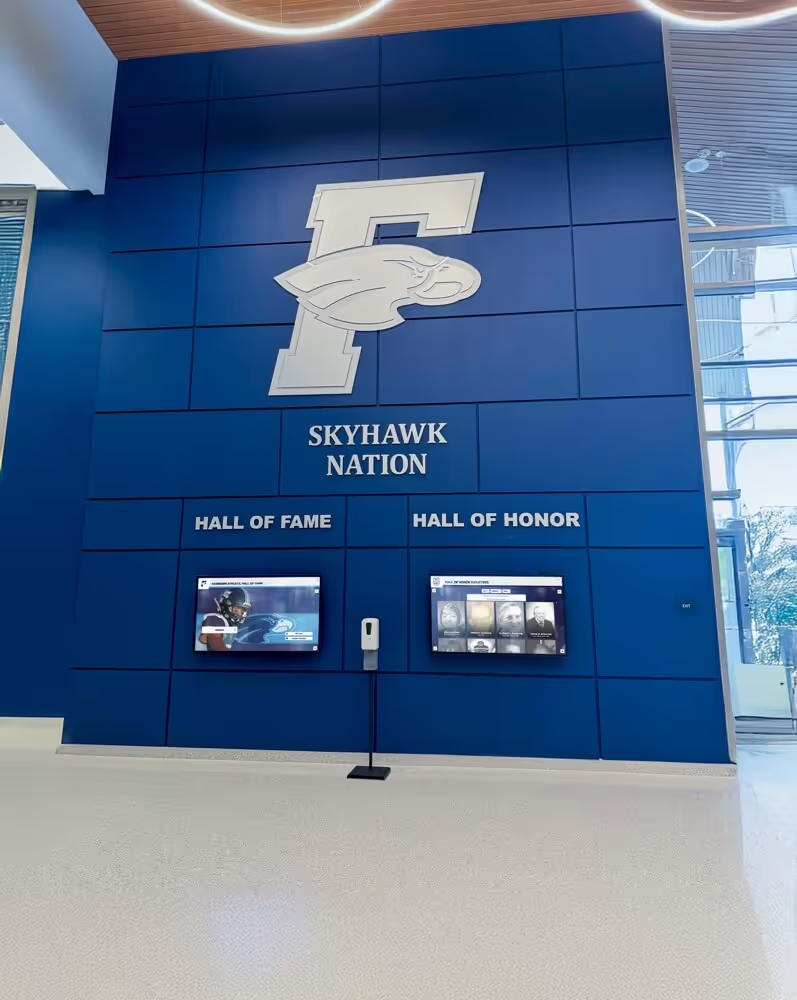
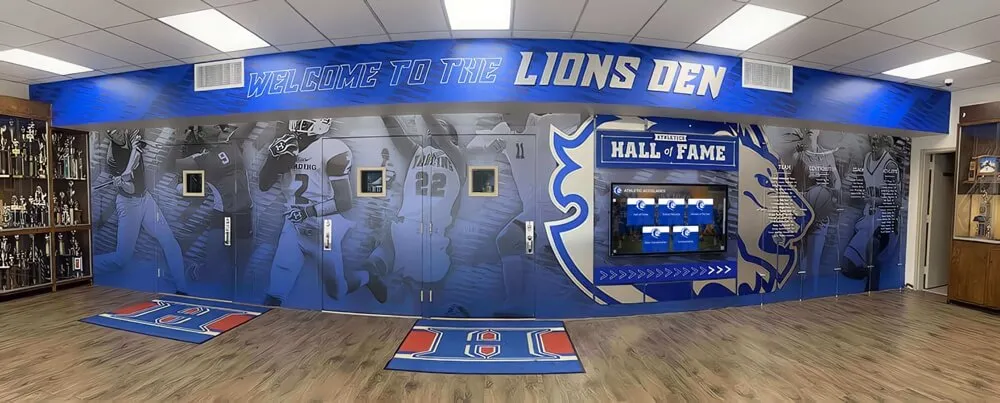
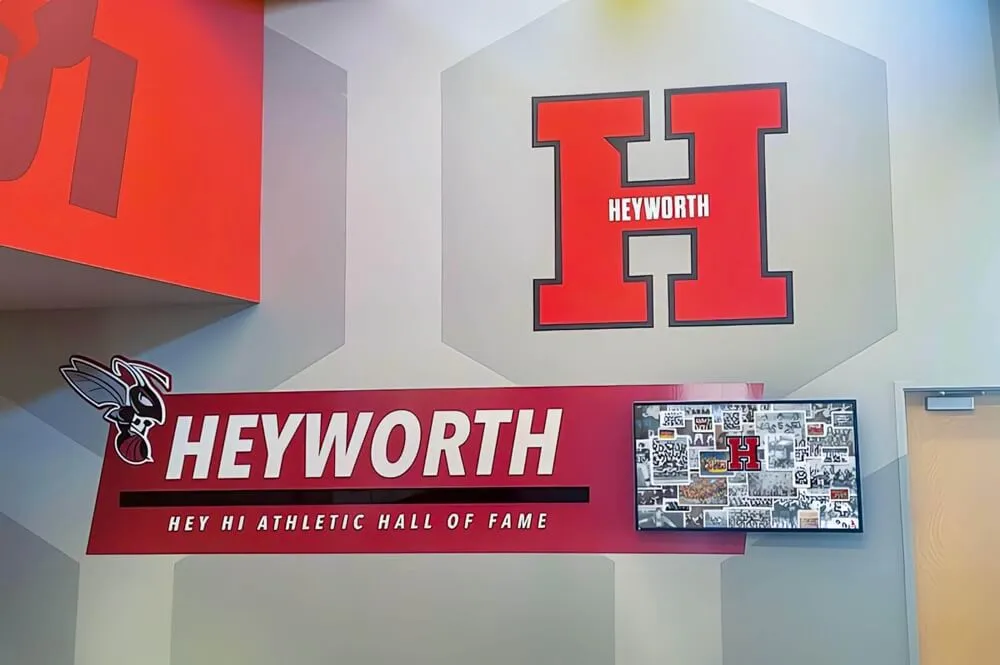
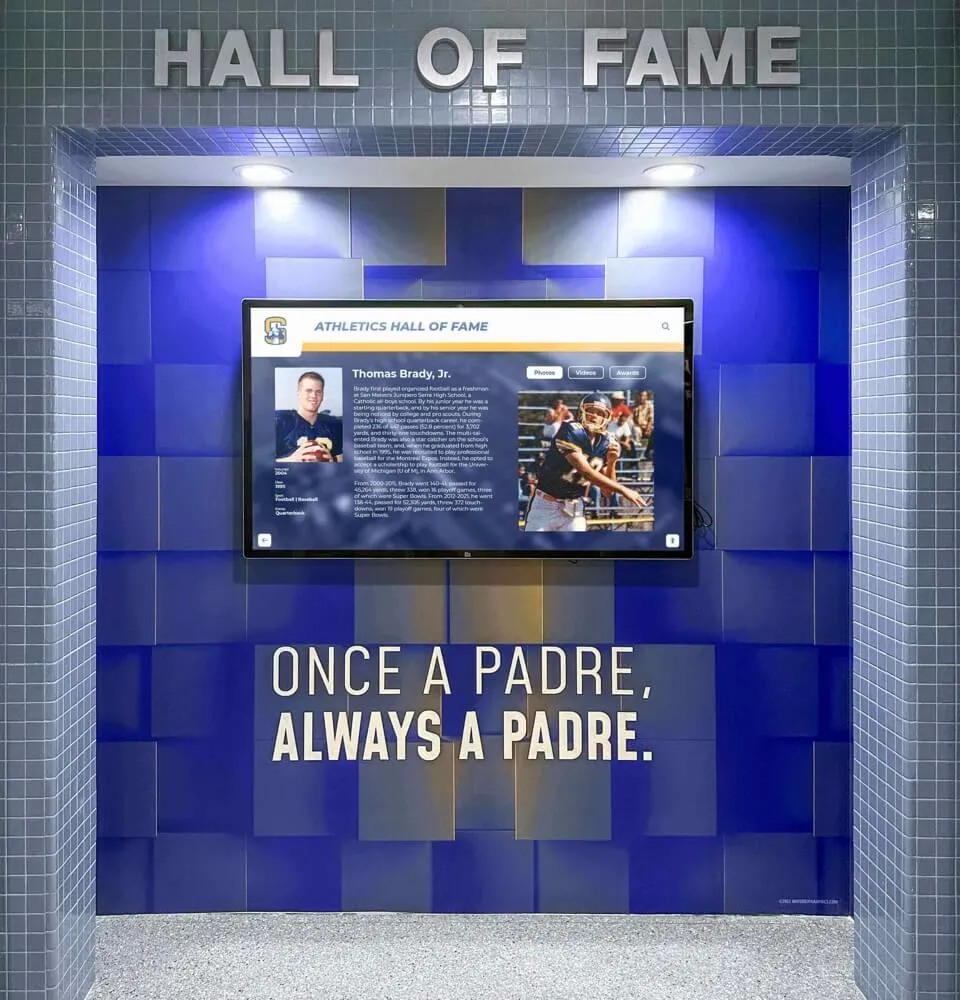
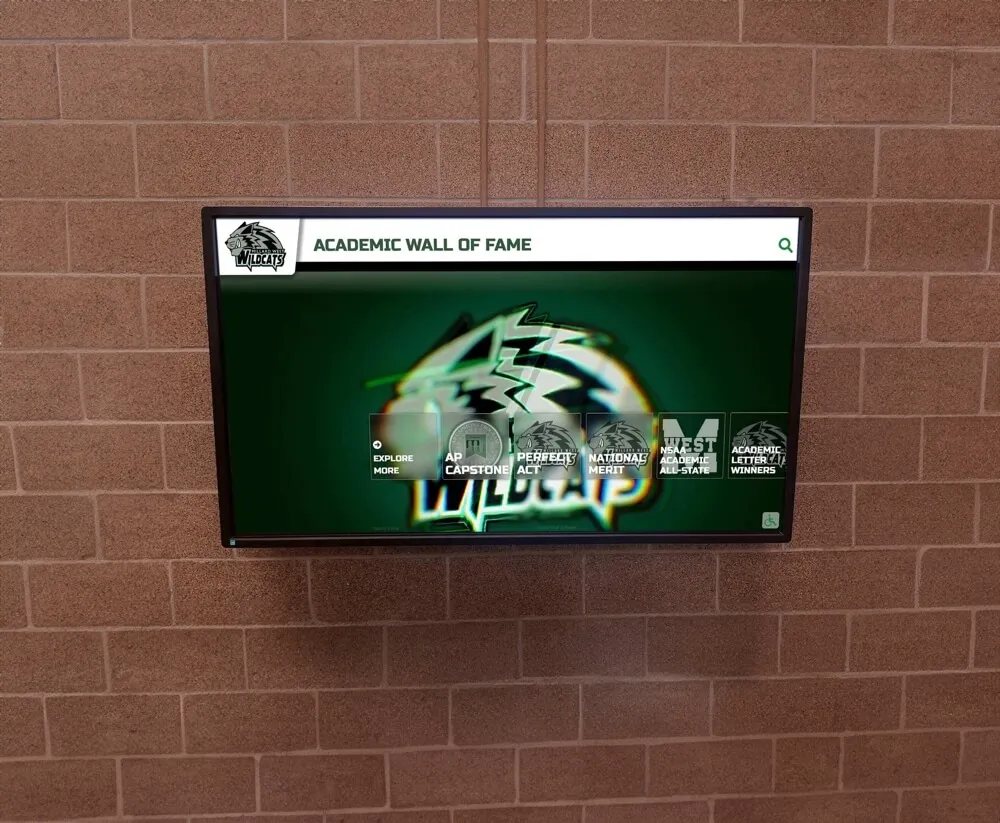
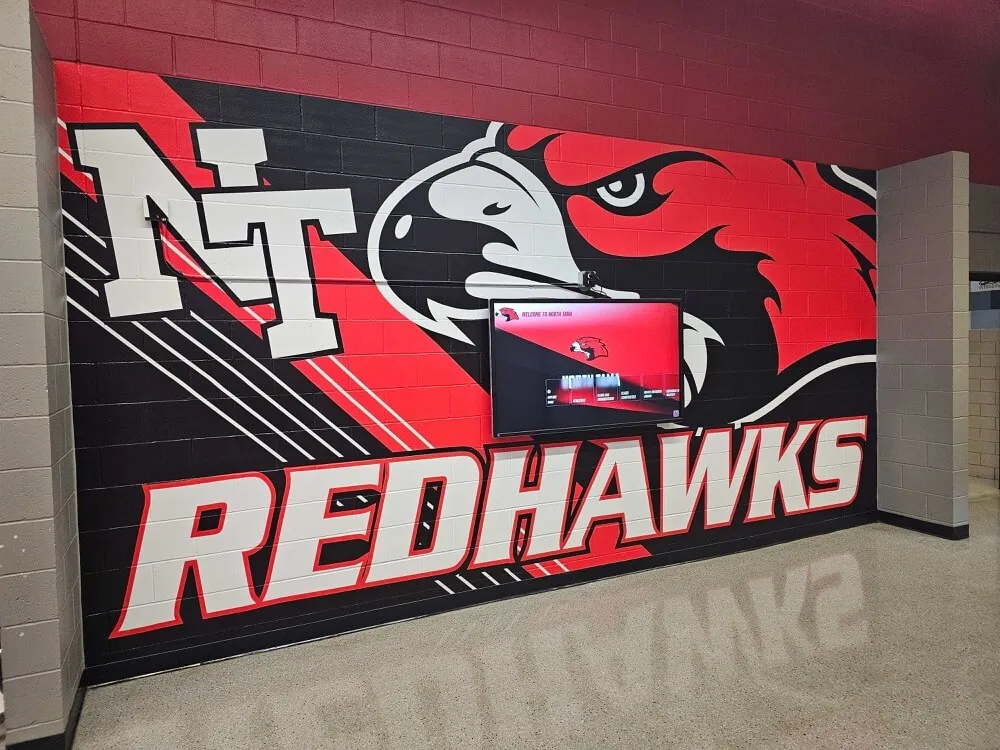
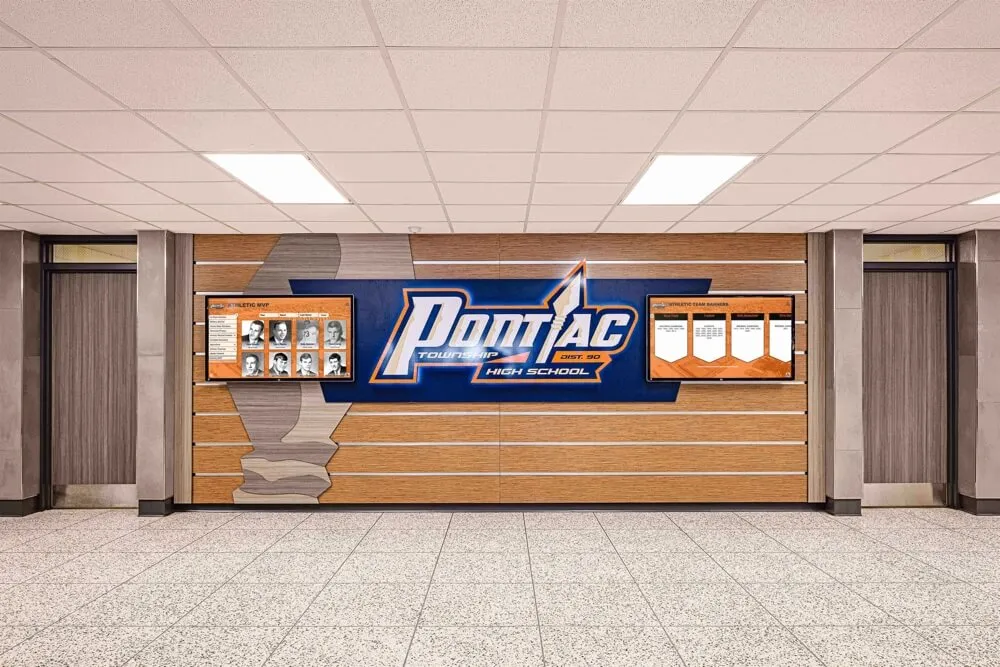
Modern donor recognition displays make philanthropy visible while providing flexible recognition options as donor communities grow
What Makes Donor Walls Effective Recognition Tools
Understanding why donor walls work helps nonprofits design recognition programs that genuinely impact fundraising outcomes.
The Psychology Behind Donor Recognition
Public recognition satisfies fundamental human needs while serving organizational fundraising objectives. Research in donor behavior reveals several psychological mechanisms at work:
Social Proof and Community Validation
When prospective donors see community members publicly recognized for philanthropy, giving becomes normalized as a valued community behavior. Donor walls provide tangible evidence that others support your mission, reducing perceived risk for contributors who wonder whether their gifts will matter.
Legacy and Memorialization
Many donors—particularly those making estate gifts or memorial contributions—seek lasting recognition that outlives their lifetimes. Physical and digital donor walls create permanent public records of charitable impact, fulfilling donor desires for lasting legacy while honoring memory gifts appropriately.
Aspirational Motivation
Donor walls showcase giving levels and recognition tiers, helping prospects visualize themselves among recognized contributors. When donors see peers acknowledged at specific contribution levels, they gain concrete understanding of what their own gifts could accomplish.
Reciprocal Gratitude
Public recognition demonstrates organizational appreciation in tangible, visible ways that private thank-you letters alone cannot achieve. Donors who see their names prominently displayed report feeling genuinely valued, increasing satisfaction and likelihood of continued support.
Measurable Impact on Fundraising
Donor recognition walls deliver quantifiable benefits beyond psychological satisfaction:
Increased Giving Participation
Research from Adler Display on fundraising recognition trends indicates that organizations using donor recognition as part of fundraising strategies see increased repeat donations and higher lifetime value from donors.
Improved Donor Retention
Since lack of appreciation drives donor attrition, visible recognition programs help reverse this trend. Organizations implementing recognition walls as part of comprehensive stewardship programs report improved retention compared to those relying solely on private acknowledgment.

Strategic placement in high-traffic areas ensures donor recognition reaches both existing supporters and prospective contributors
Enhanced Capital Campaign Success
Capital campaigns rely on major gifts from lead donors willing to make substantial commitments. Prominent donor wall recognition helps campaign leaders secure these gifts by offering meaningful, lasting acknowledgment proportional to contribution levels.
Volunteer and Board Recruitment
Visible donor recognition attracts community leaders interested in associating with well-supported organizations. Prospective board members and volunteers view donor walls as evidence of organizational stability and community investment.
Traditional vs. Digital Donor Walls: Understanding Your Options
Nonprofits evaluating donor wall options face fundamental decisions about recognition format, each approach offering distinct advantages and limitations.
Traditional Physical Donor Walls
Permanent installations featuring engraved names on plaques, bricks, tiles, or decorative elements have served nonprofits for generations.
Advantages of Traditional Approaches
- Permanent, tangible presence creates lasting memorial quality
- No technical requirements or ongoing maintenance beyond cleaning
- Classic aesthetic fits traditional institutional architecture
- No learning curve for visitors of any age or technical ability
- One-time capital investment with minimal recurring costs
Limitations and Challenges
Physical donor walls present ongoing challenges that affect long-term sustainability:
Update Difficulties and Costs
Adding new donors requires physical modification—ordering new engraved plates, hiring installers, and redesigning layouts when original space fills. These updates typically cost $150-$500 per new donor depending on materials and installation complexity.
Space Constraints
Physical walls offer finite space. When original recognition areas fill completely, nonprofits face difficult choices: start a second wall elsewhere (fragmenting recognition), reduce individual entry sizes (diminishing impact), or exclude lower-tier donors entirely.
Limited Information Capacity
Physical engravings accommodate names and perhaps contribution levels or years, but cannot include donor stories, photos, recognition messages, or the context that makes giving meaningful. This limitation reduces emotional connection and storytelling opportunities.
Accessibility Issues
Engraved plaques at standard heights may be difficult for visitors using wheelchairs to read comfortably. Small text becomes illegible for visitors with vision impairments, excluding these community members from recognition experiences.
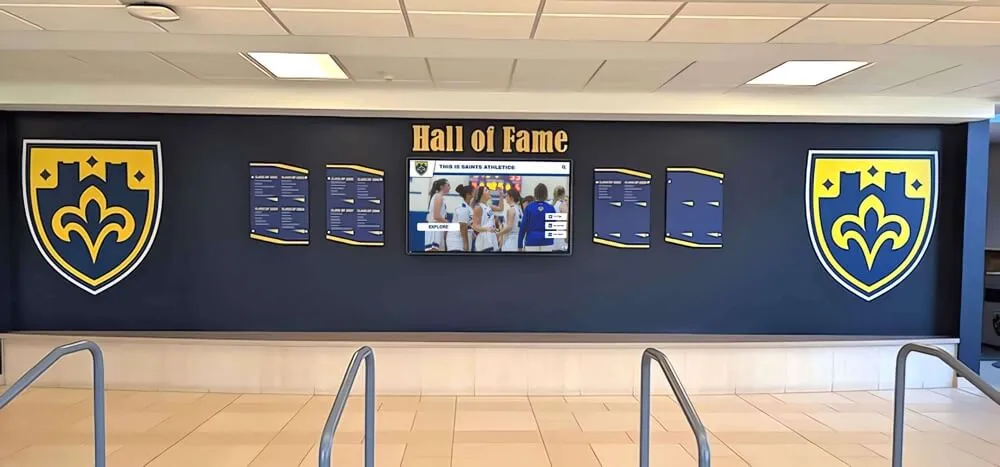
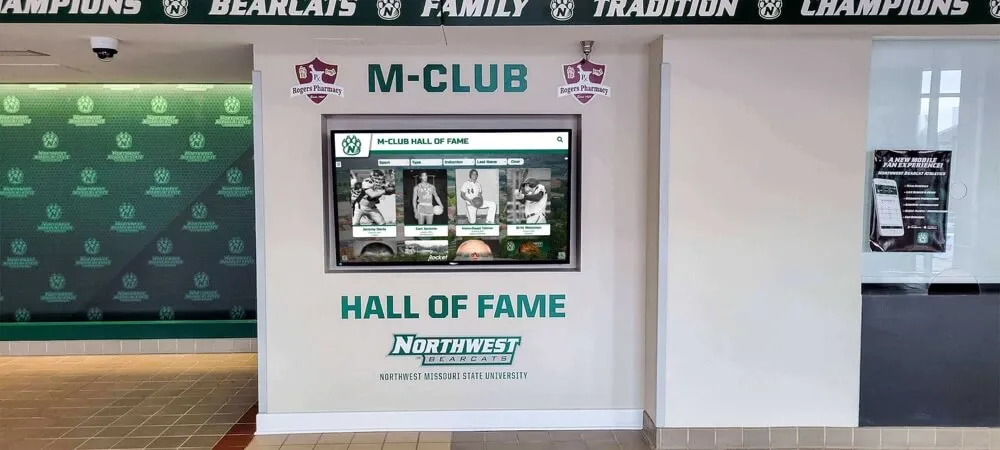
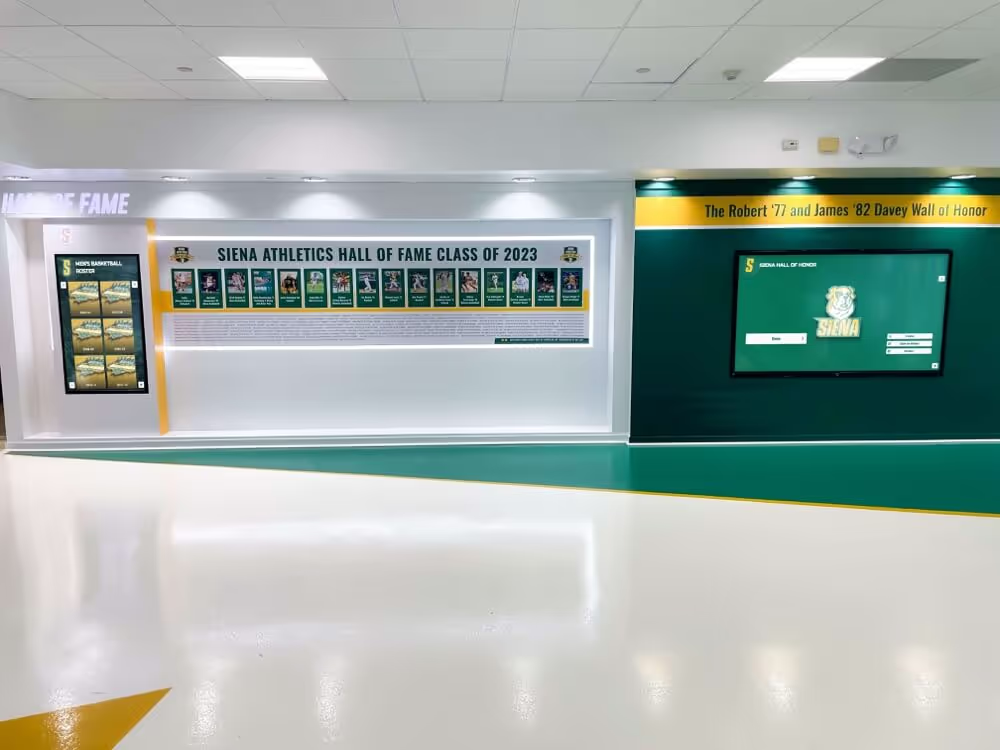
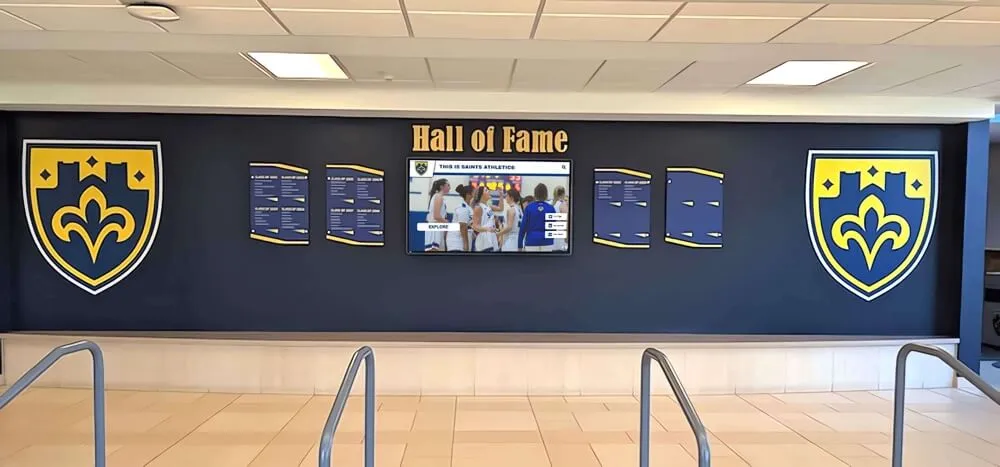
Hybrid approaches combine the permanence of traditional elements with the flexibility of digital displays
Digital Interactive Donor Walls
Touchscreen displays and digital recognition systems have emerged as powerful alternatives to traditional donor walls, addressing many limitations while introducing new capabilities.
Core Advantages of Digital Recognition
Modern digital donor walls solve the constraints that limit traditional approaches:
Unlimited Capacity
Digital systems accommodate unlimited donors without physical space constraints. Whether recognizing 50 or 5,000 contributors, the same display size works effectively. As donor communities grow, simply add new entries to the database—no construction required.
Rich Multimedia Content
Digital displays support photos, videos, donor messages, giving stories, impact descriptions, and interactive elements impossible with engraved plaques. These multimedia capabilities create emotional connections that deepen appreciation and inspire additional giving.
Instant Updates from Anywhere
Cloud-based content management systems allow staff to add new donors, update recognition tiers, correct information, and refresh content remotely from any device—no physical access or installation labor required. Updates that once took weeks and hundreds of dollars now happen instantly at no incremental cost.
Enhanced Searchability
Visitors can search alphabetically, by giving level, by recognition year, or through other filters to locate specific donors quickly rather than scanning hundreds of engraved names. This searchability increases engagement, particularly for visitors seeking specific individuals.
Accessible Design Options
Digital displays support text-to-speech functionality, adjustable font sizes, high contrast modes, and other accessibility features that make recognition inclusive for all visitors. Multiple language options welcome diverse communities without cluttering physical space.
Solutions like digital donor recognition displays provide nonprofits with flexible recognition systems that grow with donor communities while maintaining professional presentation.
Digital Donor Wall Considerations
Digital approaches require different resources than traditional installations:
- Initial hardware investment for displays and mounting (typically $3,000-$8,000 depending on screen size and capabilities)
- Ongoing software subscription or licensing fees ($500-$2,000 annually for most nonprofit solutions)
- Occasional technical support needs for troubleshooting
- Content creation expertise for optimal multimedia presentations
- Electricity costs for continuous display operation (minimal, typically $5-$15 monthly)
For most organizations, these ongoing costs prove significantly lower than repeatedly updating traditional donor walls, with the added benefit of unlimited capacity and rich multimedia recognition impossible with engraving.
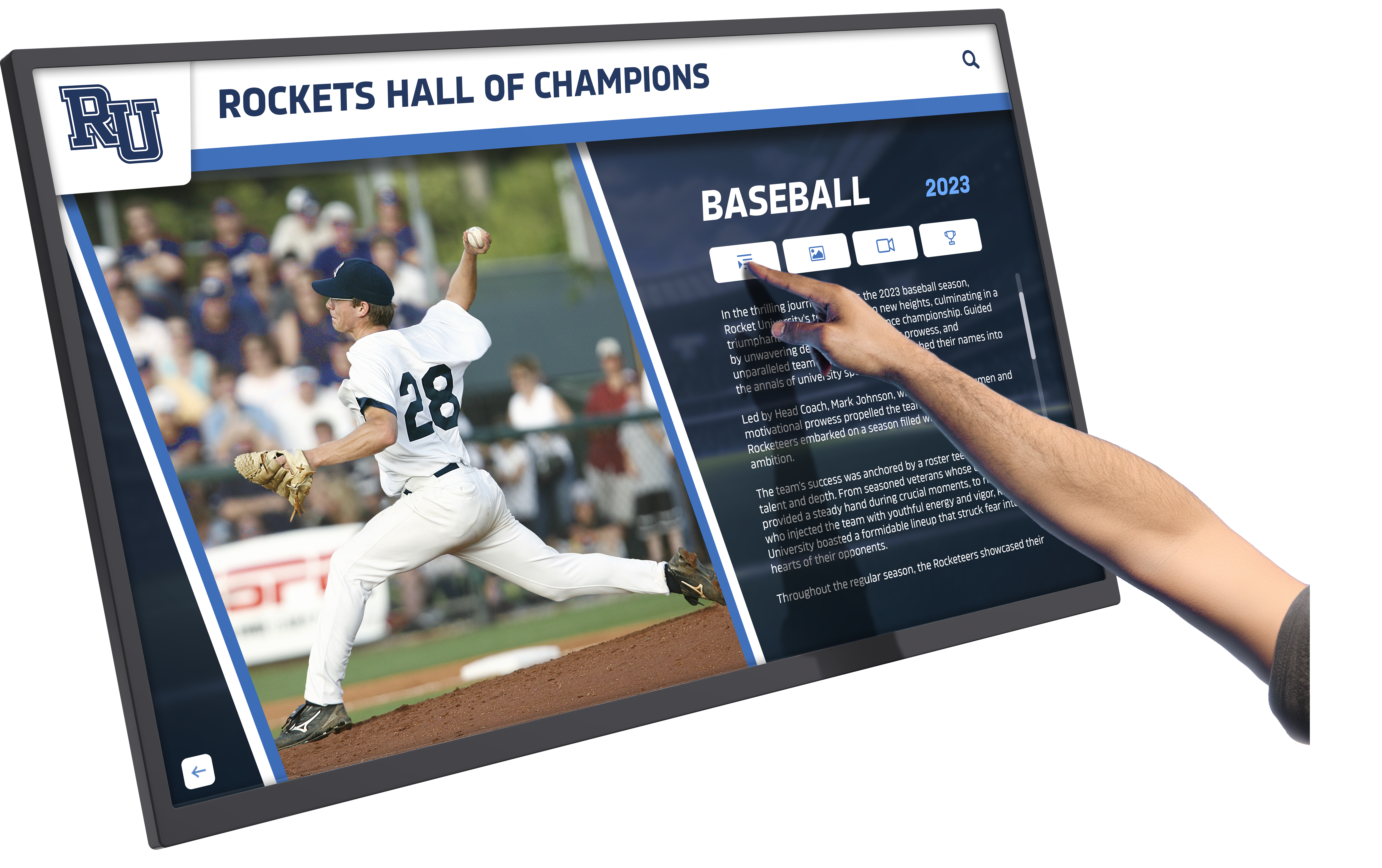
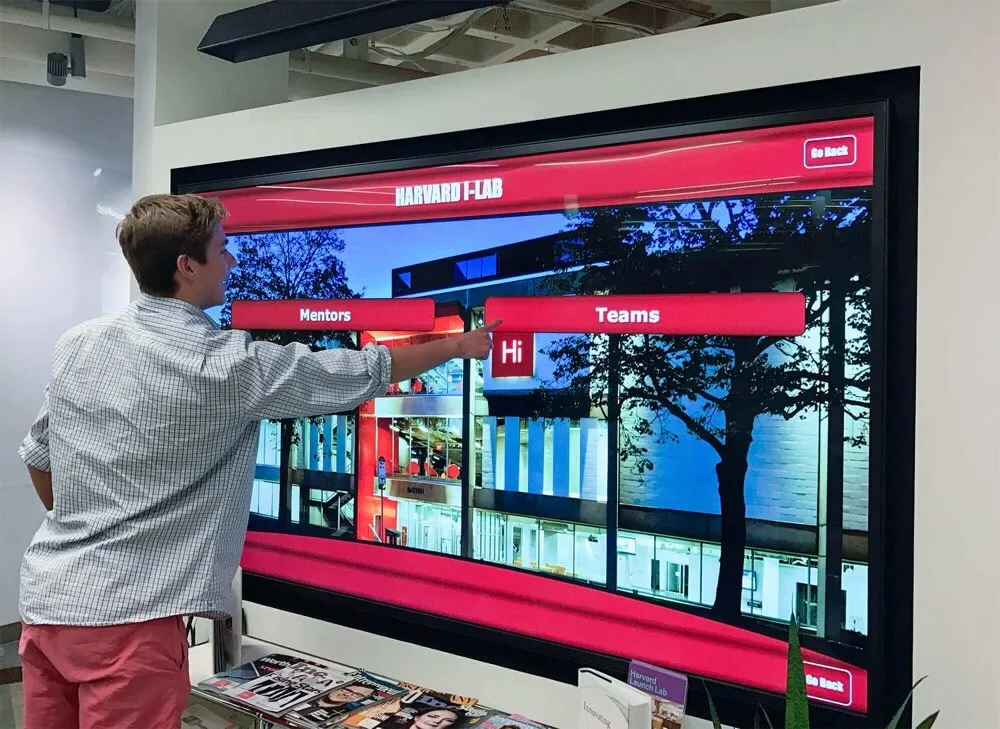
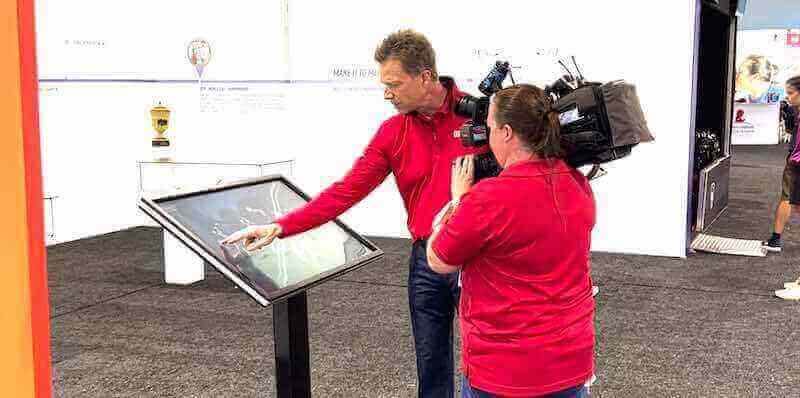
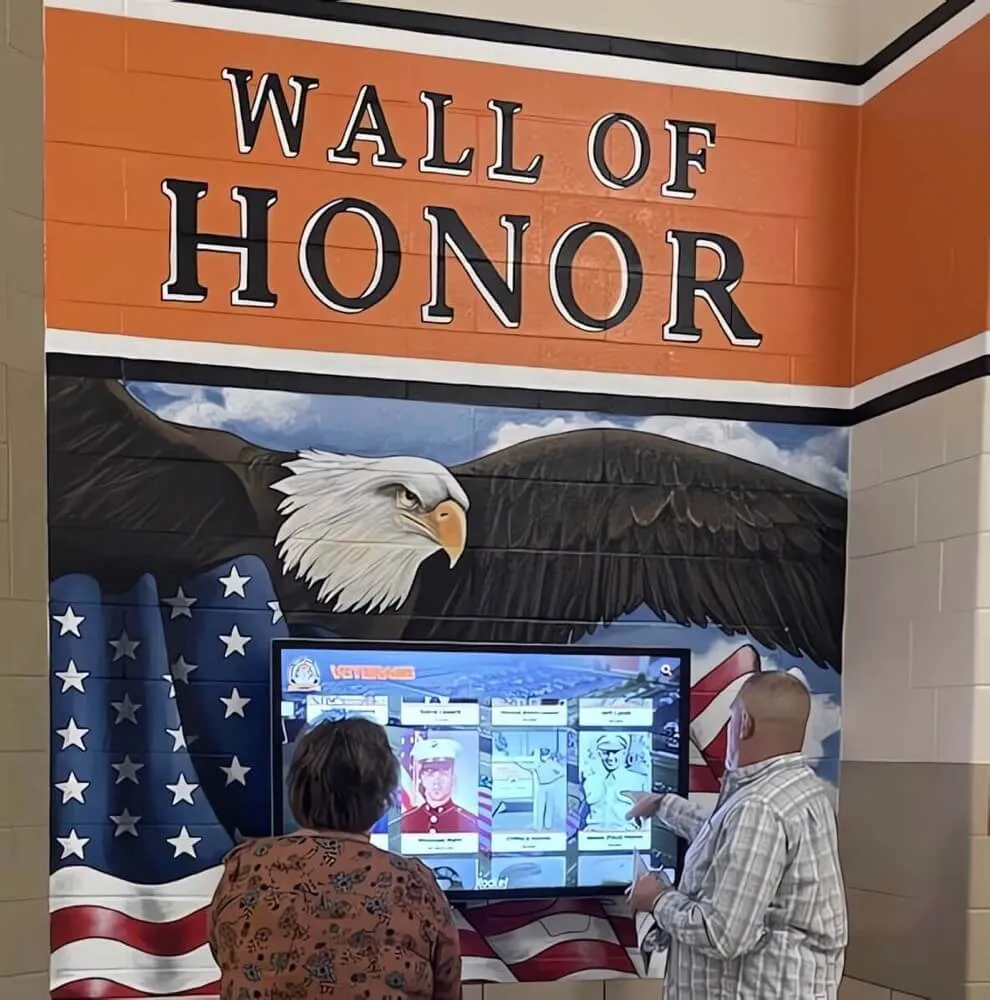
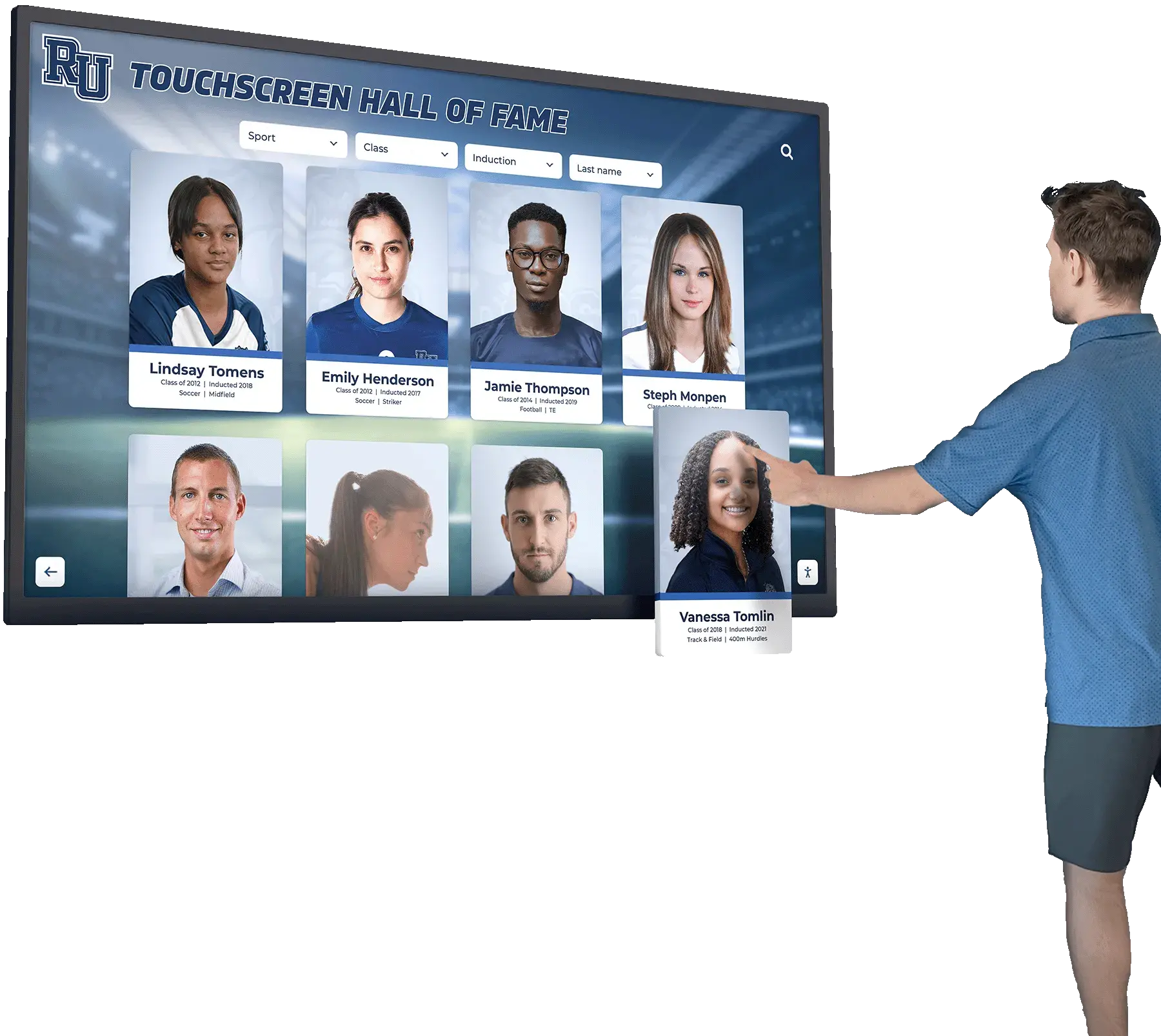
Interactive touchscreen technology enables visitors to explore donor recognition at their own pace and search for specific contributors
10 Top Donor Wall Ideas for Nonprofits in 2026
These specific donor wall concepts address different nonprofit needs, budgets, and organizational contexts. Consider which approaches align with your facility, donor demographics, and recognition goals.
1. Interactive Touchscreen Donor Recognition Displays
Floor-standing or wall-mounted touchscreen kiosks provide comprehensive donor recognition with unlimited capacity and rich multimedia content.
How This Works
Large touchscreen displays (typically 43-55 inches) installed in lobbies, event spaces, or other high-traffic areas allow visitors to browse donor recognition interactively. Visitors tap to explore donors by giving level, alphabetically, by year, or through search functionality. Each donor profile includes photos, contribution details, optional personal messages, and organizational impact descriptions.
Best For
- Organizations with growing donor communities that will exceed physical wall space
- Nonprofits seeking to include donor stories, photos, and impact narratives alongside names
- Institutions wanting to recognize donors at multiple giving levels without space constraints
- Organizations that frequently add new donors and want instant, cost-free updates
Implementation Considerations
- Installation in temperature-controlled indoor spaces away from direct sunlight
- Electrical outlet access for continuous operation
- Content management system selection and initial donor database population
- Staff training for ongoing content updates and donor additions
Modern interactive touchscreen recognition systems offer nonprofits recognition flexibility that adapts as donor communities evolve, without requiring physical modifications or ongoing installation costs.
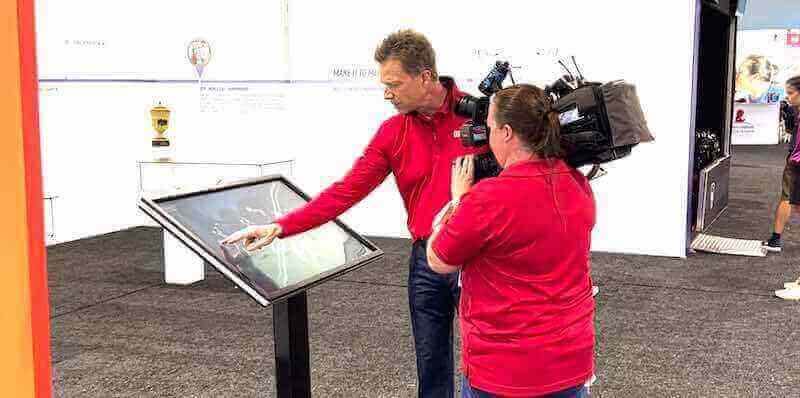
Freestanding touchscreen kiosks provide comprehensive donor recognition without permanent architectural modifications
2. Tiered Recognition Wall with Giving Level Sections
Organize donor recognition by contribution tiers, clearly displaying giving levels and visually demonstrating impact proportional to donation sizes.
How This Works
Design physical or digital walls with distinct sections for each recognition tier (e.g., Legacy Circle $100,000+, Champion Level $50,000-$99,999, Sustainer Level $25,000-$49,999, etc.). Within each tier section, list all donors at that giving level. This structure makes recognition proportional to giving while still honoring all contributors.
Best For
- Capital campaigns with specific major gift tiers
- Organizations that want to motivate giving level increases
- Nonprofits with clear giving society structures
- Annual fund programs with recurring donor level recognition
Design Tips
- Use visual hierarchy through size, color, or position to distinguish tiers
- Include the number of donors needed at each level to reach campaign goals
- Update regularly as donors move into higher recognition tiers
- Consider “open spots” messaging that shows opportunities for new donors to join specific tiers
3. Chronological Donor Timeline Wall
Organize donor recognition chronologically, showing your organization’s philanthropic history over time.
How This Works
Arrange donor recognition along a timeline spanning your organization’s history—or focusing on a specific campaign period. Each year or era section displays donors who contributed during that timeframe. This approach contextualizes giving within organizational history while acknowledging that donor support built your institution over time.
Best For
- Organizations with long operational histories (schools, universities, hospitals, cultural institutions)
- Anniversary campaigns and milestone celebrations
- Legacy-focused campaigns emphasizing multi-generational support
- Institutions that want to connect current donors with historical supporters
Historical Context Benefits
Timeline approaches allow organizations to honor founding donors, recognize historical support that may have been previously unacknowledged, and demonstrate sustained community investment across generations. For organizations with extensive archives, digital historical timeline displays can integrate donor recognition with broader institutional history.
4. Mission-Themed Visual Donor Wall
Design donor recognition around visual themes that reflect your organizational mission, creating immediate emotional connection.
How This Works
Rather than generic layouts, create donor wall designs incorporating imagery central to your mission. Environmental nonprofits might shape recognition around a tree with donors as leaves. Arts organizations could feature a performance stage with donors in audience positions. Animal welfare groups might create recognition around the animals they serve. These thematic approaches reinforce mission connection while acknowledging supporters.
Examples by Organization Type
- Environmental Organizations: Tree with donor leaves, river tributaries, natural elements
- Arts Organizations: Stage curtains, gallery walls, musical notation, theater architecture
- Animal Welfare: Paw prints, habitat scenes, animal silhouettes
- Healthcare: Heart with supporting vessels, healing hands, community wellness imagery
- Education: Books, academic architecture, knowledge trees, pathway imagery
- Social Services: Community circles, supporting hands, bridge imagery
Implementation Options
Mission-themed walls work with both traditional (engraved or printed elements arranged in thematic shapes) and digital formats (interactive graphics with donors as clickable elements within mission-related imagery).
5. Photo Gallery Donor Wall
Feature donor photos alongside names, creating personal connection and humanizing philanthropy.
How This Works
Include photographs of individual donors, donor families, or corporate representatives alongside recognition entries. Photos transform recognition from lists of names into celebrations of real people who make your mission possible. Consider pairing photos with brief quotes about why donors support your organization or what your mission means to them.
Collection Strategies
- Request photos during donation acknowledgment process
- Organize photo collection events where donors visit to be photographed with staff, clients, or at your facility
- For memorial/tribute gifts, invite families to submit photos of honored individuals
- For corporate donors, use company logos or photos of representatives presenting gifts
Privacy Considerations
Always obtain explicit permission before displaying donor photos. Some donors prefer name-only recognition for privacy reasons. Offer photo inclusion as optional enhancement rather than requirement.
Digital systems make photo management significantly easier than physical installations, allowing donors to submit photos digitally and enabling staff to add or update images remotely without physical construction.
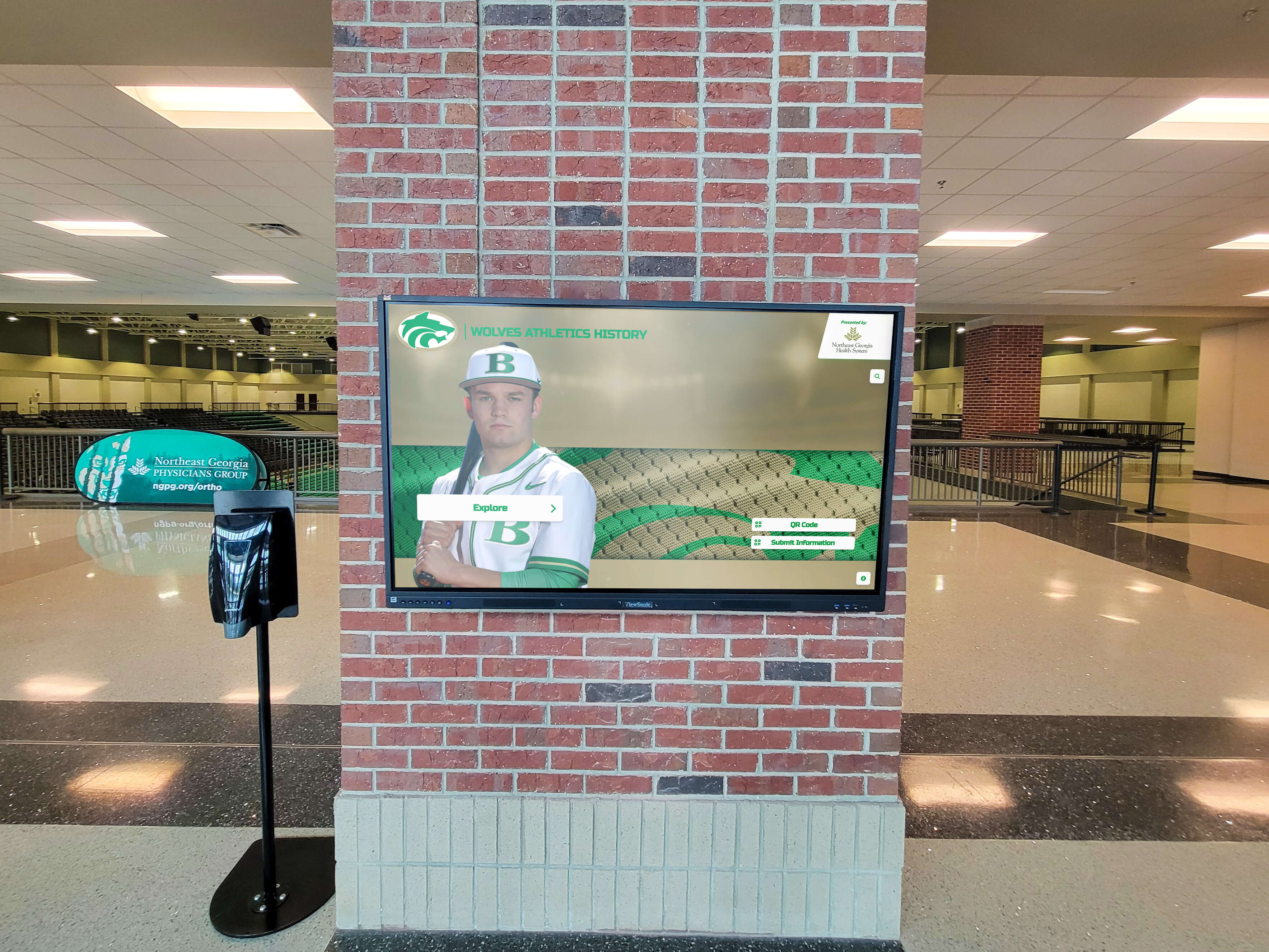
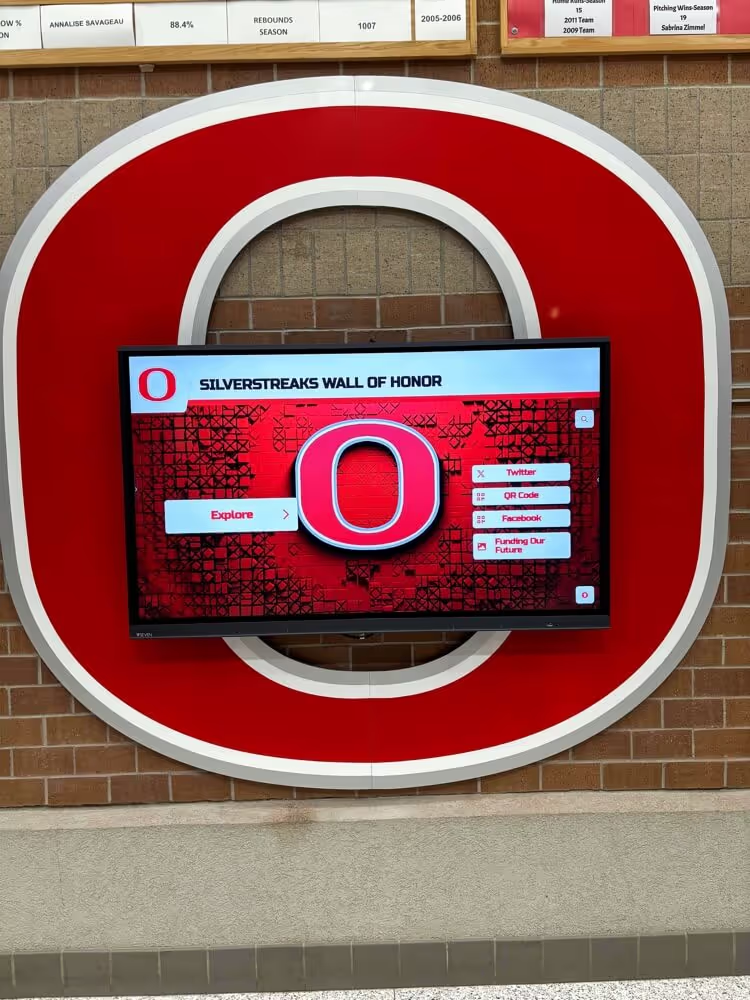
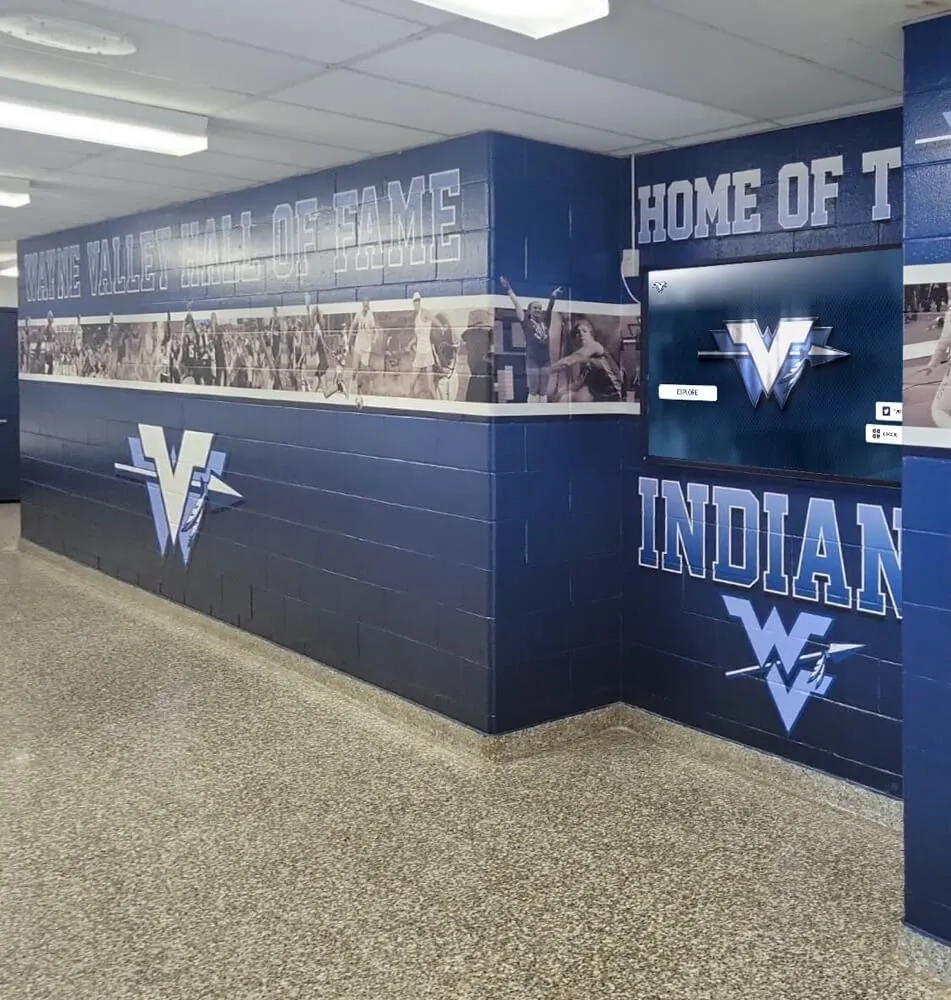
Strategic architectural integration makes recognition displays feel intentional and permanent within facility design
6. Donor Impact Statement Wall
Connect donor recognition directly to organizational impact, showing what contributions accomplish.
How This Works
Rather than simply listing donor names, pair recognition with specific impact statements showing what donor support achieves. For example: “Sarah Johnson’s gift provided 200 students with school supplies” or “The Martinez Family Foundation’s support built our community kitchen.” This approach transforms recognition from acknowledgment into impact storytelling.
Impact Documentation Strategies
- Track specific program outcomes enabled by donor contributions
- Link restricted gifts directly to the programs they funded
- For unrestricted giving, attribute to organizational priorities (operating support, program expansion, capacity building)
- Update impact statements as programs progress and outcomes become measurable
- Include photos or videos showing programs in action alongside donor recognition
Why This Matters
Impact-focused recognition serves multiple purposes: it validates donors’ decisions to give by demonstrating tangible outcomes, it educates prospective donors about what contributions accomplish, and it reinforces your organization’s accountability and effectiveness.
Digital displays excel at impact storytelling because they accommodate detailed narratives, photos, and videos that physical plaques cannot include. Digital recognition displays for nonprofit donors enable organizations to regularly update impact information as programs evolve.
7. Perpetual Recognition Wall with Rolling Annual Donors
Create ongoing recognition for annual fund donors and recurring contributors through displays that update each fiscal year.
How This Works
Designate a donor wall section (or separate display) specifically for current-year donors, updating annually to recognize this year’s contributors. This approach ensures annual fund donors receive public acknowledgment even at lower giving levels, while creating renewable motivation for continued support. Donors know their recognition remains visible only through continued giving.
Annual Donor Benefits
- Motivates recurring contributions by making recognition dependent on continued support
- Honors annual fund donors who may not reach major gift levels
- Creates urgency around fiscal year-end giving (to ensure inclusion)
- Allows organizations to acknowledge smaller gifts that might not warrant permanent installation
Digital Advantage
Digital systems make annual recognition updates effortless—simply refresh the display content at fiscal year start to reflect current donors. Physical implementations require annual plaque replacement, making digital approaches far more cost-effective for perpetual recognition programs.
8. Memorial and Tribute Donor Wall
Create dedicated recognition space for gifts made in honor or memory of individuals, acknowledging both donors and those they commemorate.
How This Works
Establish a donor wall section specifically for memorial and tribute gifts, listing both the donor and the individual honored. Format entries as: “Gift from [donor name] in memory of [honored individual]” or “In honor of [individual] from [donor name].” This dual acknowledgment respects both the contributor and the person they seek to honor.
Sensitive Design Considerations
Memorial and tribute gifts carry emotional weight requiring thoughtful presentation:
- Use respectful, dignified design aesthetics avoiding celebratory tones inappropriate for memorial context
- Consider including birth/death years or brief relationship descriptions if families permit
- Group memorial gifts together creating communal recognition space rather than scattering among general donors
- Allow families to add photos or brief biographical statements about honored individuals
- Provide options for anonymous memorial donors who prefer recognition only for honored individuals
Memorial recognition often represents some of the most meaningful gifts nonprofits receive. Organizations that handle memorial recognition with appropriate sensitivity build deep family connections that often lead to additional support over time. Memorial wall recognition systems provide frameworks for honoring these meaningful contributions appropriately.
9. Corporate Sponsor Recognition Wall
Designate specific recognition for corporate partners, business sponsors, and foundation supporters with distinct presentation format.
How This Works
Create a separate donor wall section (or dedicated display) specifically for corporate and foundation donors, featuring company logos alongside names. Corporate recognition typically includes additional details like partnership years, sponsored programs, or in-kind contribution descriptions. This segmentation acknowledges that business giving operates differently than individual philanthropy.
Corporate Donor Expectations
Business supporters often have specific recognition requirements:
- Logo display with consistent branding per corporate identity guidelines
- Recognition of specific sponsored programs, events, or initiatives
- Clear giving level tiers matching sponsorship packages
- Professional, business-appropriate aesthetic
- Prominent placement where customers, employees, and business partners will see recognition
- Easy updates when sponsorship agreements renew or giving levels change
Digital Benefits for Corporate Recognition
Digital displays offer advantages particularly valuable for corporate sponsors:
- Rotating recognition if multiple corporate partners share display space
- Video content showing sponsored programs in action
- Clickable elements linking to corporate partner websites (for digital displays with internet connectivity)
- Professional presentation that mirrors corporate sponsors’ own brand standards
- Instant updates when sponsorship terms change or agreements renew
10. Legacy Society Recognition Wall
Create distinctive recognition for planned giving donors who have included your organization in their estate plans.
How This Works
Establish a “Legacy Society” or similar program recognizing individuals who have made planned gift commitments—bequests, charitable trusts, life insurance beneficiary designations, retirement account beneficiaries, etc. Feature these donors prominently with special recognition reflecting the extraordinary nature of estate commitments.
Why Legacy Recognition Differs
Planned giving represents fundamentally different donor relationships:
- Gift values may not be known (many planned gifts have undisclosed amounts)
- Gifts may not be received for decades or until donor death
- Recognition acknowledges intention and commitment rather than completed gift
- Legacy donors tend to be older, long-term supporters with deep institutional connections
- Estate gifts often represent the largest single contributions donors ever make
Legacy Wall Design Approaches
- Use distinctive design elements (elegant materials, special sections, unique visual treatment) differentiating legacy recognition from annual donors
- Avoid giving level tiers since many legacy commitments involve undisclosed amounts
- Include years donors joined the legacy society rather than gift amounts
- Consider optional biographical elements, photos, or “why I give” statements from legacy donors
- Update regularly as new donors formalize estate gift commitments
Research indicates that visible legacy recognition programs encourage additional planned gift commitments. When donors see peers acknowledged for estate gifts, planned giving becomes normalized as natural extension of lifetime support rather than unusual behavior.
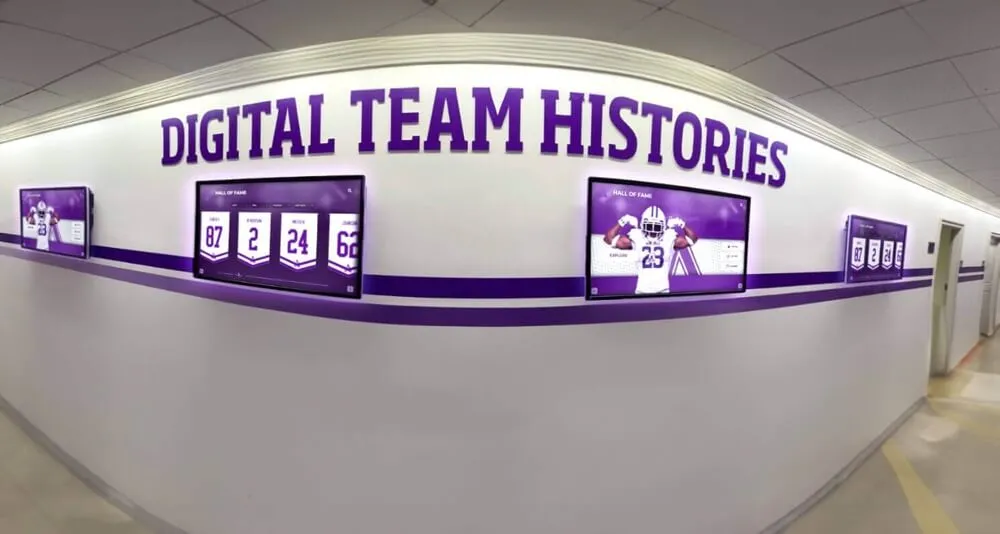
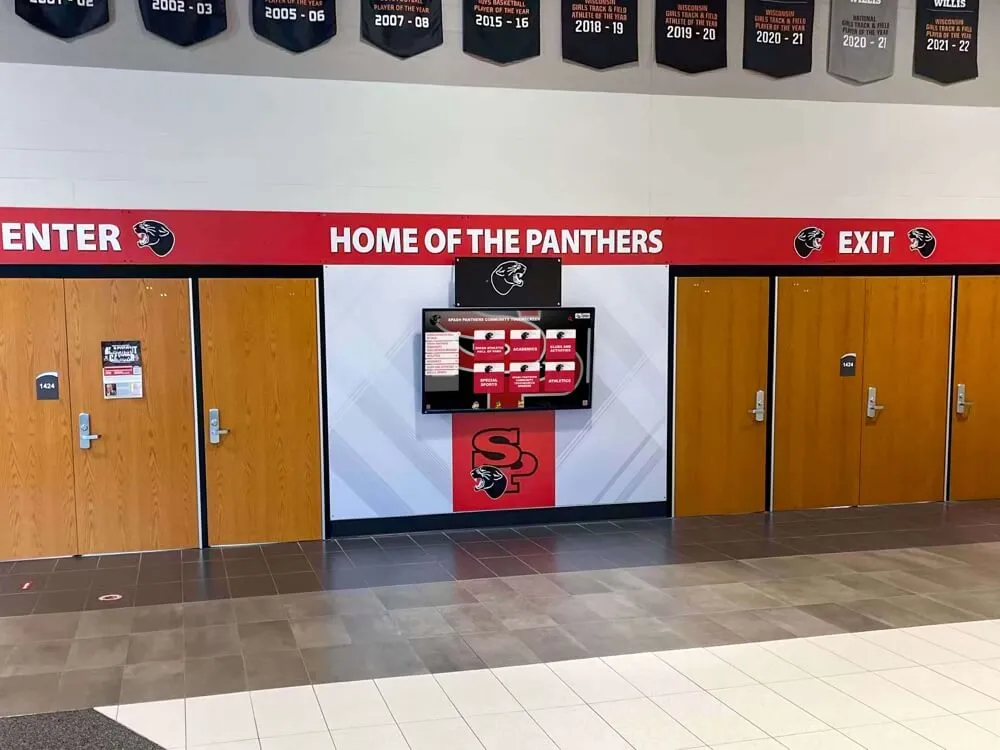
Multiple coordinated displays allow organizations to recognize different donor categories while maintaining cohesive design aesthetic
Essential Planning Considerations for Donor Wall Implementation
Before committing to specific donor wall approaches, nonprofits should address fundamental planning questions that affect long-term success.
Location and Placement Strategy
Donor wall location dramatically impacts effectiveness and visibility.
High-Value Placement Options
- Main entrance lobbies: Maximum visibility for all visitors, clients, and staff
- Event spaces: Visibility during fundraising events, galas, and donor gatherings
- Board rooms: Constant visibility during leadership meetings
- Reception areas: Extended viewing time while visitors wait
- Hallways connecting high-traffic areas: Consistent daily visibility
Avoid Low-Traffic Areas
Placing donor walls in administrative wings, back hallways, or areas rarely visited by anyone beyond staff wastes recognition opportunities. Donors deserve acknowledgment in spaces where recognition will be seen, appreciated, and inspire additional giving.
Digital Display Placement Considerations
Touchscreen locations require additional factors:
- Climate-controlled indoor spaces (not exterior installations or areas with temperature extremes)
- Protection from direct sunlight that creates screen glare and accelerates hardware wear
- Accessible positioning at appropriate heights for wheelchair users and children
- Electrical access without visible cord runs that detract from professional appearance
- Adequate floor space for freestanding kiosks (approximately 3 feet diameter clearance)
Budget Planning and Cost Structure
Understanding complete costs helps nonprofits make informed decisions.
Traditional Physical Donor Wall Costs
- Initial design and fabrication: $5,000-$50,000 depending on size, materials, and complexity
- Installation: $1,000-$5,000 for professional mounting and finishing
- Future updates: $150-$500 per new donor plate including engraving and installation
Digital Donor Wall Investment
- Hardware (display, mounting, touchscreen kiosk): $3,000-$8,000 initial investment
- Software/content management system: $500-$2,000 annually (subscription or licensing)
- Initial content creation and donor database population: $1,000-$3,000 (one-time)
- Future updates: $0 per donor (instant remote updates)
Break-Even Analysis
For organizations planning to add 20+ new major donors annually, digital approaches typically break even within 3-5 years compared to repeated physical update costs. The unlimited capacity, rich multimedia content, and instant updates make digital systems increasingly cost-effective over time.
Donor Privacy and Recognition Preferences
Not all donors want public recognition. Establishing clear policies respects donor preferences while maximizing participation.
Anonymous Gift Options
Always offer anonymous giving options for donors preferring privacy. Display anonymous donors collectively: “5 Anonymous Donors at the Benefactor Level.” This approach acknowledges their generosity while respecting privacy preferences.
Opt-In vs. Opt-Out Approaches
Consider whether donor wall inclusion should be automatic with opt-out options, or require explicit opt-in consent:
- Opt-out approach: Include all donors by default unless they specifically decline recognition
- Opt-in approach: Include only donors who explicitly consent to public recognition
Most nonprofits use opt-out approaches with clear language in gift acknowledgments: “Your name will be included on our donor recognition wall unless you notify us of your preference for anonymity.”
Name Variation Preferences
Some donors have specific preferences about name display:
- Legal names vs. preferred names or nicknames
- Individual names vs. family names (“The Smith Family” vs. “John and Maria Smith”)
- Corporate names with or without legal designations (LLC, Inc., etc.)
- Foundation names vs. family names
- Recognition of specific individuals within family foundations
Ask donors about recognition preferences during gift acknowledgment conversations to ensure accurate, appropriate display.
Content Management and Update Processes
Establishing efficient systems for adding new donors and updating information prevents recognition walls from becoming outdated.
Digital Content Management Advantages
Cloud-based systems allow authorized staff to update donor recognition from any device with internet access—no physical facility access required. This remote capability enables:
- Immediate addition of new donors after gift processing
- Instant corrections if donor information changes or errors are discovered
- Regular content refresh with updated photos, impact statements, or program information
- Scheduled recognition for estate gifts that become realized
- Easy management for staff working remotely or across multiple facilities
Physical Update Procedures
Organizations choosing traditional donor walls should establish clear processes:
- Quarterly or semi-annual update schedules for new donor additions
- Designated vendor relationships for engraving and installation
- Budget allocation for ongoing update costs
- Staff responsible for tracking new donors requiring wall addition
- Photo documentation of wall status to track capacity and plan for space limitations
Many organizations underestimate ongoing management requirements for physical donor walls. Without clear processes and budget allocation, walls become outdated—undermining their effectiveness and actually harming donor relations when supporters see recognition isn’t maintained.
Integrating Donor Walls with Overall Stewardship
Donor walls function most effectively as components of comprehensive stewardship programs rather than isolated recognition efforts.
Stewardship Touchpoints Reinforcing Wall Recognition
- Invitation to view new donor wall or updated content during facility visits
- Photo opportunities for major donors at their wall recognition
- Social media posts featuring donor wall recognition (with permission)
- Thank-you letters mentioning donor wall inclusion
- Event programming incorporating donor wall unveiling or updates
- Newsletter features about recently added donor recognition
- Board meeting acknowledgment of new donor wall additions
Connecting Physical and Digital Presence
Many organizations combine physical and digital recognition approaches:
- QR codes on physical plaques linking to digital profiles with extended content
- Physical donor walls complemented by online recognition pages
- Small physical displays in lobbies directing visitors to comprehensive digital installations
- Hybrid walls combining permanent traditional elements with digital displays for detailed content
This multi-channel approach ensures recognition reaches donors preferring different formats while maximizing limited physical space.
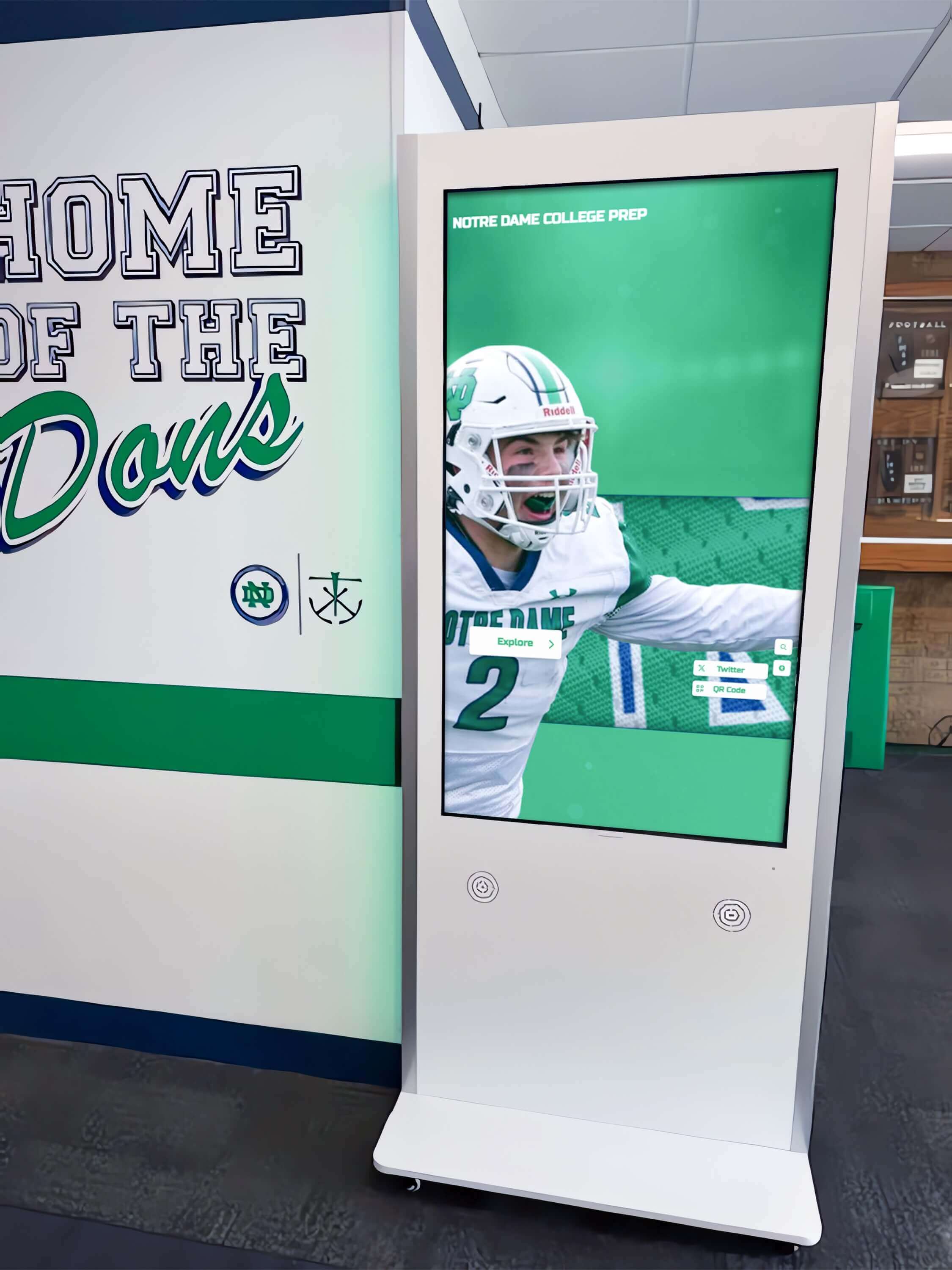
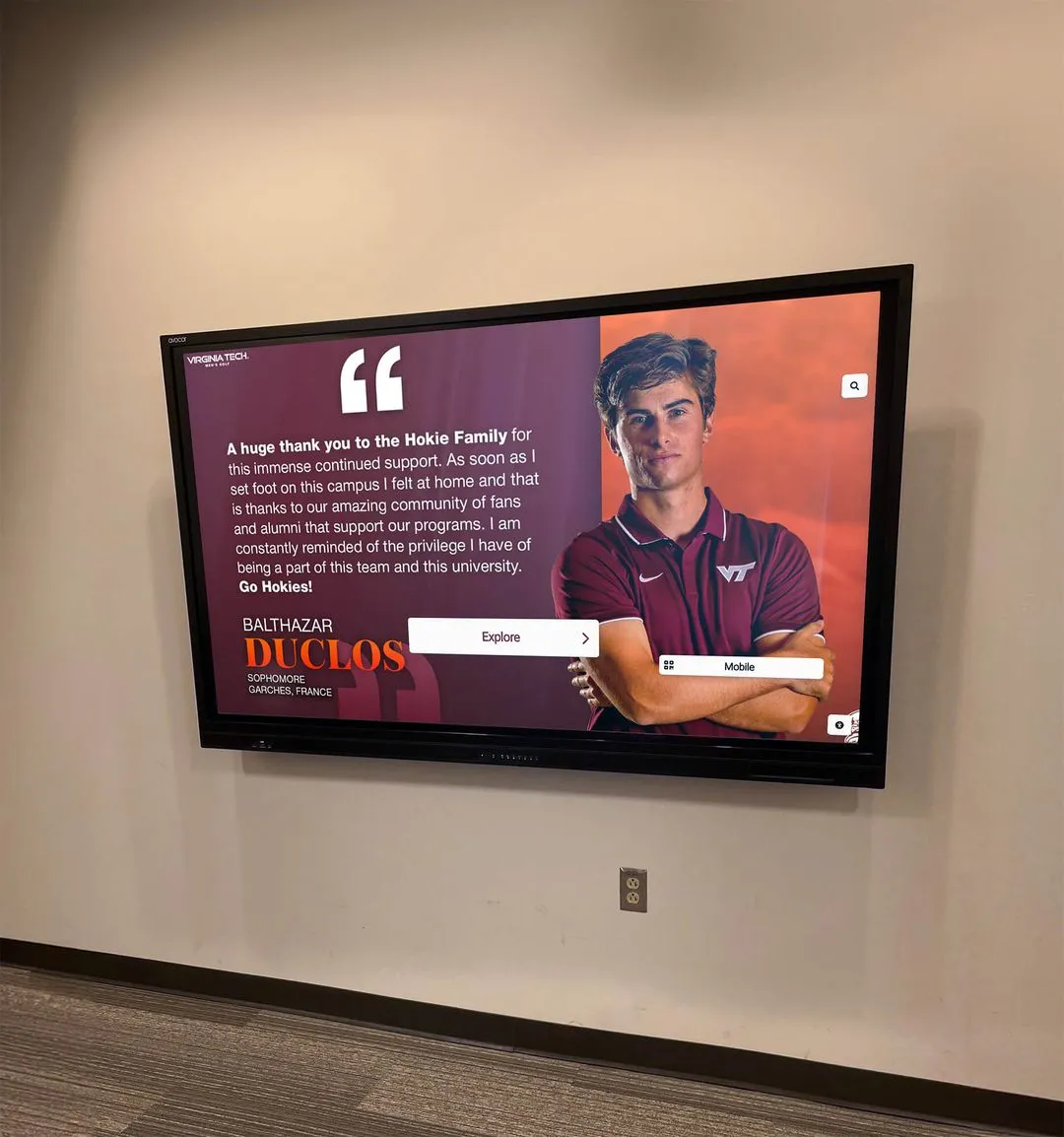
Freestanding kiosks provide flexible placement options without requiring permanent architectural modifications or wall space
Measuring Donor Wall Effectiveness
Like other fundraising investments, donor wall effectiveness should be evaluated through metrics that inform continuous improvement.
Engagement Metrics
For digital donor walls, engagement analytics reveal actual usage:
- Number of daily interactions/sessions
- Average interaction duration
- Most-viewed donor profiles
- Search queries and browsing patterns
- Peak usage times and days
These metrics help organizations understand how visitors actually use recognition displays and which content generates greatest interest.
Fundraising Impact Indicators
Connect donor wall implementation to fundraising outcomes:
- New major gifts received after donor wall installation
- Donor retention rates comparing pre- and post-installation periods
- Planned giving commitments following legacy wall recognition
- Donor giving level increases after tiered recognition implementation
- Anecdotal feedback from donors about recognition impact
While donor walls alone don’t cause fundraising outcomes, organizations typically observe positive trends in giving following effective recognition program implementation.
Qualitative Feedback
Systematic feedback collection provides insights that metrics alone cannot capture:
- Donor satisfaction with recognition presentation
- Visitor comments and reactions observed by staff
- Board member observations about donor responses
- Event attendee feedback when donor walls feature prominently
- Family testimonials about memorial recognition
This qualitative feedback often proves more valuable than quantitative metrics for understanding emotional impact and making design improvements.
Current Trends Shaping Donor Recognition in 2026
Understanding current trends helps nonprofits implement donor walls that feel contemporary and aligned with donor expectations.
Increased Digital Adoption
The shift toward digital donor recognition has gained considerable momentum. Organizations implementing digital donor walls report improved capabilities compared to traditional approaches. According to industry analysis, digital donor recognition walls result in a 25% increase in donation engagement compared to traditional methods, while some organizations documented 35% increases in alumni donations within six months of adopting digital recognition systems.
Emphasis on Storytelling Over Lists
Contemporary donor recognition moves beyond simple name lists toward rich storytelling that contextualizes giving. Nonprofits increasingly include:
- “Why I give” statements from donors explaining their motivations
- Impact videos showing programs made possible by donor support
- Beneficiary testimonials thanking donors for making programs possible
- Historical context explaining organizational challenges donors helped overcome
- Mission connection explaining how donor support advances organizational purpose
This narrative approach transforms recognition from acknowledgment into inspiration.
Accessibility as Standard Expectation
Organizations now recognize that donor recognition should be accessible to all visitors, not just those without disabilities. Contemporary installations include:
- ADA-compliant mounting heights and positioning
- Screen reader compatibility and audio description options
- Adjustable text sizes for vision-impaired visitors
- High contrast display modes
- Multiple language options for diverse communities
- Clear wayfinding to recognition locations
Accessibility represents both legal requirement and ethical obligation that ensures recognition benefits entire communities.
Integration with Virtual/Online Recognition
Physical installations increasingly complement online recognition platforms where donors can access recognition 24/7 from anywhere. This hybrid approach serves:
- Donors who live far from organizational facilities but want to see their recognition
- Family members sharing memorial recognition with distant relatives
- Potential donors researching organizational support before giving
- Alumni and former clients maintaining connection to organizations
- Media and researchers seeking information about institutional support
Combined physical and digital presence maximizes recognition reach while accommodating different stakeholder needs.
Multi-Generational Design Considerations
With Millennials and Gen Z comprising increasing donor proportions, recognition design evolves to match younger donor expectations:
- Mobile-friendly interfaces and QR code integration
- Social media sharing capabilities and photo opportunities
- Interactive elements encouraging exploration rather than passive viewing
- Visual appeal and professional photography
- Authentic messaging avoiding overly formal or dated language
Organizations balancing recognition for older traditional donors while appealing to younger contributors adopt flexible approaches that serve multiple aesthetics and preferences.
Hybrid recognition designs honor traditional approaches while adding digital flexibility that serves contemporary needs
Taking Action: Next Steps for Implementing Your Donor Wall
Organizations ready to move forward with donor wall planning should follow systematic implementation approaches.
Assessment Phase
Begin by evaluating your organizational readiness and requirements:
Inventory Current Recognition
- Document all existing donor recognition across your organization
- Identify gaps in current recognition approaches
- Survey donors about satisfaction with current acknowledgment
- Assess which donors currently lack appropriate recognition
Define Requirements
- Determine how many donors require recognition currently and anticipated future growth
- Identify recognition tiers and giving levels requiring differentiation
- Establish budget parameters for initial investment and ongoing maintenance
- Clarify location options and space availability
- Define staff capacity for ongoing content management
Stakeholder Input
- Board review and approval for approach and budget
- Development team input on donor preferences and cultivation needs
- Facility management input on location and installation considerations
- Donor advisory group feedback if such groups exist
Vendor Selection and Design Development
Choose partners aligned with your vision and requirements.
Traditional Donor Wall Vendors
For physical installations, evaluate:
- Portfolio of completed nonprofit donor walls
- Material quality and craftsmanship
- Design services and customization capabilities
- Installation capabilities and process
- Update services and long-term relationship capability
- References from similar organizations
Digital Recognition System Providers
For touchscreen installations, assess:
- Software capabilities and content management ease
- Hardware quality and expected lifespan
- Training and support services
- Accessibility compliance and features
- Analytics and engagement measurement tools
- Pricing structure (one-time vs. subscription)
- Update processes and content management flexibility
Organizations exploring digital options should review comprehensive donor recognition display systems that provide nonprofit-specific features including unlimited donor capacity, multimedia content support, and remote content management.
Implementation and Launch
Successful installations require thoughtful execution.
Installation Timeline
- Design approval and finalization: 2-4 weeks
- Fabrication/content development: 4-8 weeks
- Installation: 1-3 days (physical) or 1 day (digital)
- Content population and testing: 1-2 weeks (digital systems)
- Total timeline: typically 8-15 weeks from approval to launch
Launch Event Planning
Donor wall unveilings create opportunities for donor engagement:
- Invite recognized donors to dedication events
- Feature major donors in speaking roles or recognition moments
- Document event through photography and video for communications
- Provide tours highlighting recognition features
- Collect donor feedback and testimonials during events
Communication Rollout
Maximize donor wall impact through multi-channel announcements:
- Individual letters to recognized donors
- Newsletter features with photos and descriptions
- Social media campaign showcasing recognition
- Website updates with donor wall information
- Press release for major installations or campaigns
- Facility signage directing visitors to recognition locations
Ongoing Management
Establish processes ensuring donor walls remain current and effective.
Regular Content Updates
- Schedule new donor additions quarterly or after specific gift milestones
- Refresh impact statements and program descriptions annually
- Update photos and multimedia content to maintain visual appeal
- Review accuracy and correct any errors discovered
Engagement Monitoring
- Track which donors visit to view their recognition
- Observe visitor interaction patterns and common questions
- Gather feedback from donors, staff, and visitors
- Review analytics for digital systems to understand usage
Continuous Improvement
- Adjust content based on engagement data and feedback
- Refine donor tier structures if current approach creates issues
- Expand recognition as donor communities grow
- Consider additional recognition elements complementing primary installations
Donor recognition represents ongoing stewardship requiring sustained attention rather than one-time projects. Organizations that maintain commitment to recognition excellence build cultures where philanthropy is visible, celebrated, and continuously inspired.
Conclusion
Effective donor walls transform acknowledgment from obligation into inspiration. When nonprofits implement recognition systems that honor supporters appropriately, maintain currency, and connect giving to mission impact, they create environments where philanthropy is visible, valued, and encouraged.
The donor wall options available in 2026 range from traditional engraved installations to sophisticated digital touchscreen systems offering unlimited capacity and rich multimedia content. While traditional approaches maintain appeal for certain contexts, digital solutions increasingly serve nonprofit needs more effectively by eliminating space constraints, enabling instant updates, reducing long-term costs, and providing accessibility features that include all visitors.
As you plan donor recognition for your organization, prioritize approaches that will remain sustainable, scalable, and meaningful as your donor community grows. The most effective donor walls balance aesthetic appeal, practical functionality, donor preferences, and organizational capacity for ongoing management—creating lasting recognition that strengthens relationships and inspires continued support for your mission.
Ready to explore how interactive touchscreen displays can provide your nonprofit with flexible, comprehensive donor recognition? Talk to our team about digital recognition solutions designed specifically for nonprofit organizations.
Sources:
- A Quick Guide to Donor Walls for Nonprofits + 7 Top Ideas
- How to Build a Donor Recognition Wall for Your Nonprofits
- Donor Walls, Plaques, & Signs: The Best Recognition Strategy
- 15 Donor Wall Ideas to Celebrate & Inspire Your Supporters
- Trends Shaping Fundraising and Custom Recognition Displays
- Digital Donor Recognition Walls – What to Know
- Giving USA 2025: U.S. charitable giving grew to $592.50 billion in 2024