Recognition remains the most underutilized lever for building exceptional workplace cultures. While 82% of employees consider recognition essential to job satisfaction, most organizations default to annual performance reviews and generic “employee of the month” programs that fail to inspire genuine engagement. The result: talented people leave, performance plateaus, and organizational culture stagnates.
The difference between organizations where people thrive and those plagued by disengagement often comes down to systematic, meaningful recognition. When companies create cultures where contributions are noticed, achievements are celebrated, and excellence becomes visible throughout the organization, they build environments where exceptional work becomes the norm rather than the exception.
This comprehensive guide explores practical employee recognition ideas proven to strengthen workplace culture, boost retention, and create environments where people choose to do their best work. From daily acknowledgment practices to permanent recognition displays that honor career-long contributions, these strategies help organizations of all sizes build cultures where employees feel genuinely valued.
Research from Gallup consistently demonstrates that employees who receive regular recognition show 73% lower turnover rates and significantly higher productivity than those whose contributions go unnoticed. Yet recognition effectiveness depends entirely on implementation quality—meaningful, specific acknowledgment drives engagement, while generic gestures can actually decrease satisfaction by feeling perfunctory or insincere.

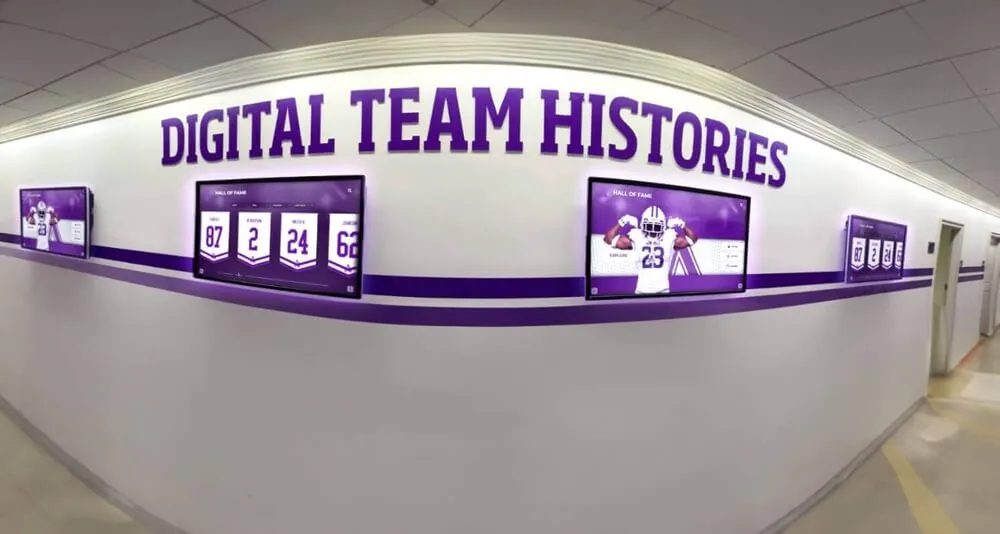
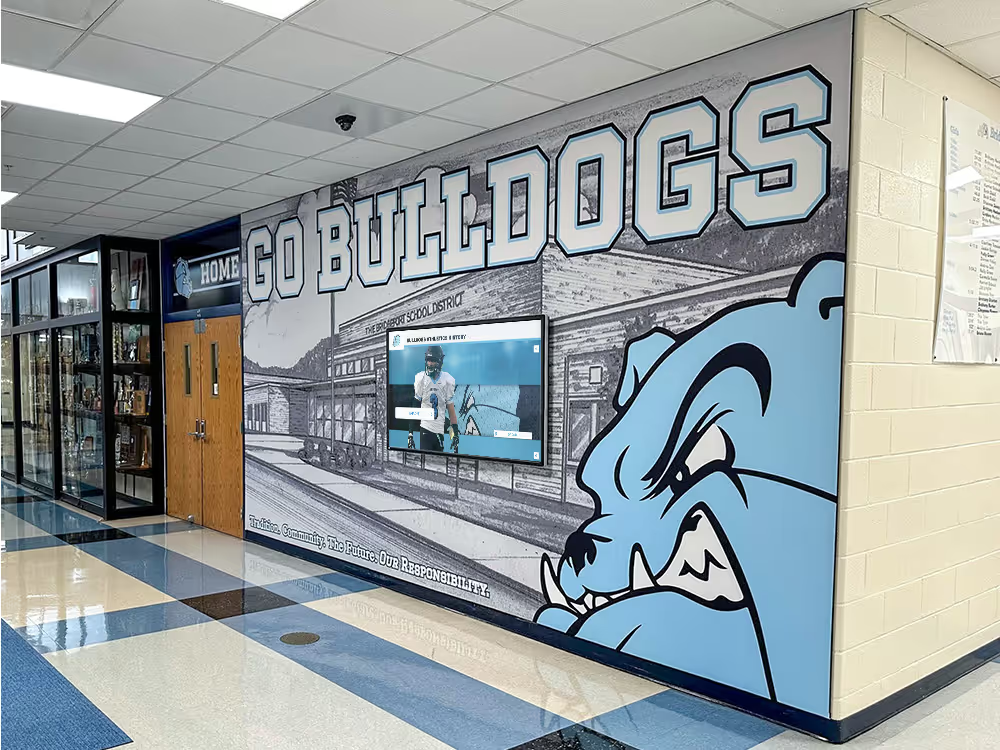
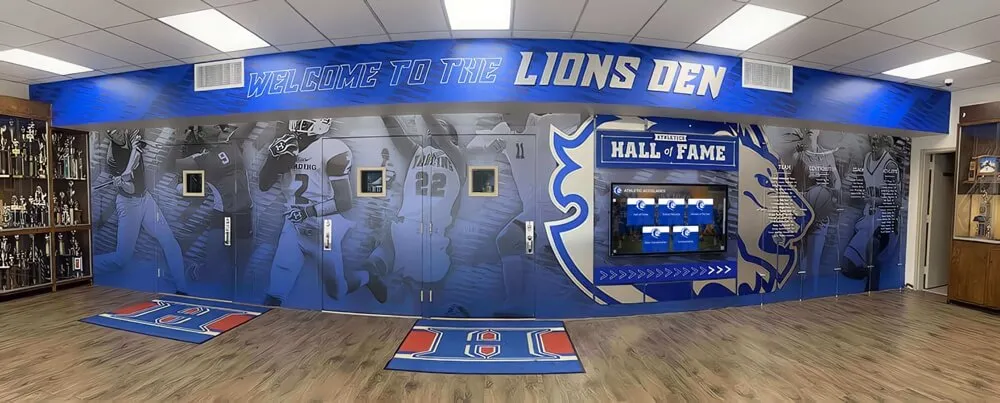
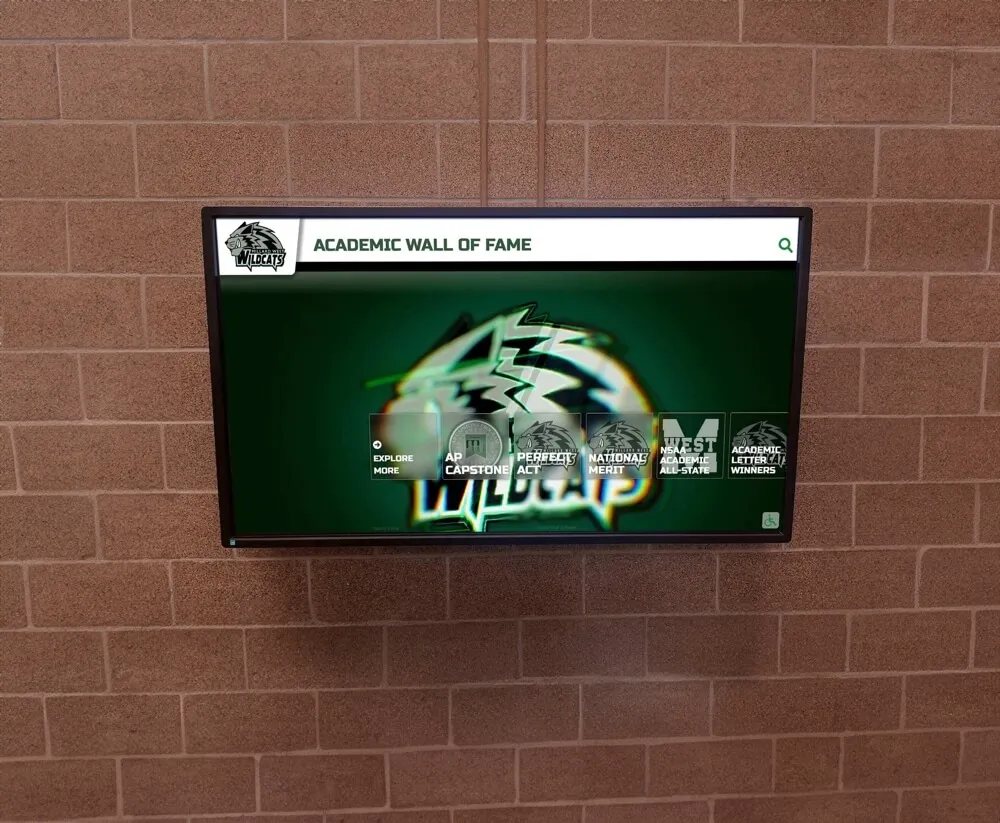
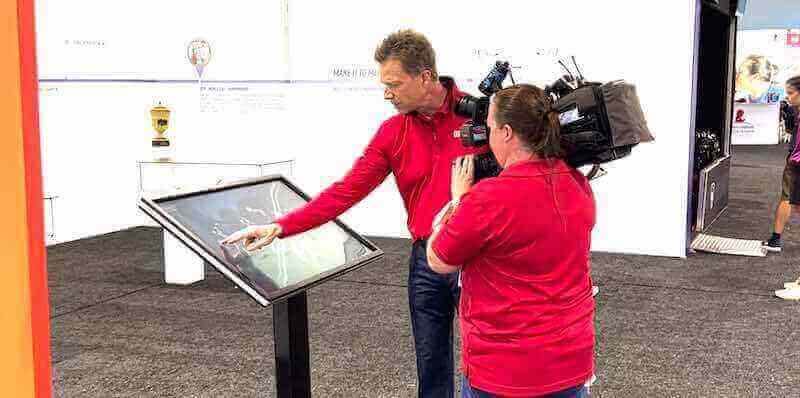
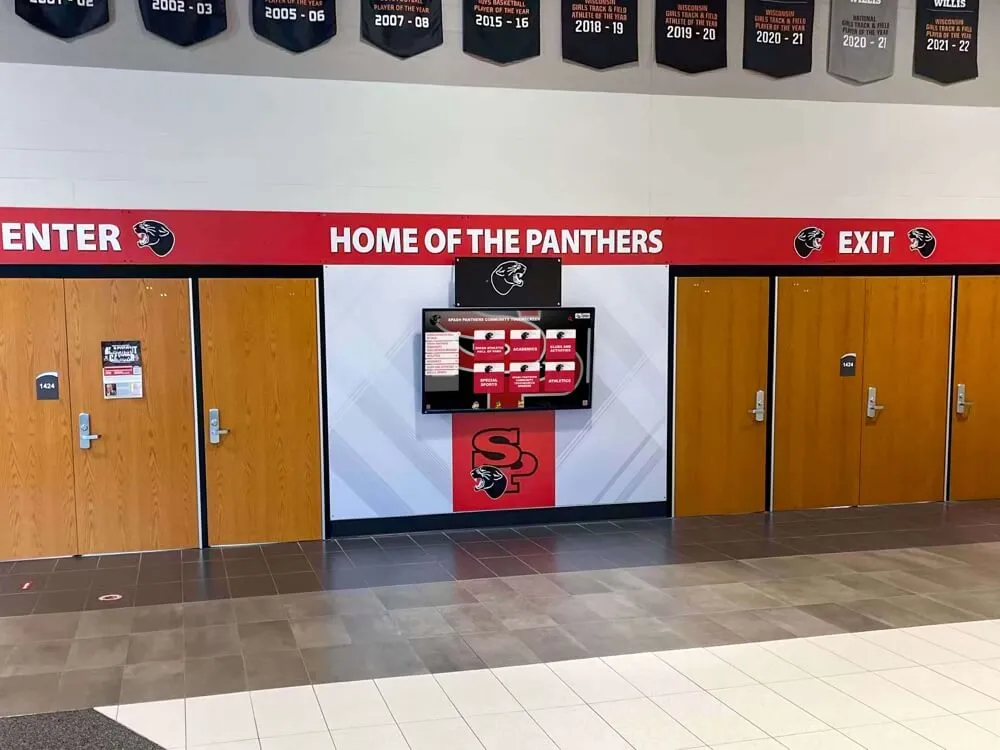
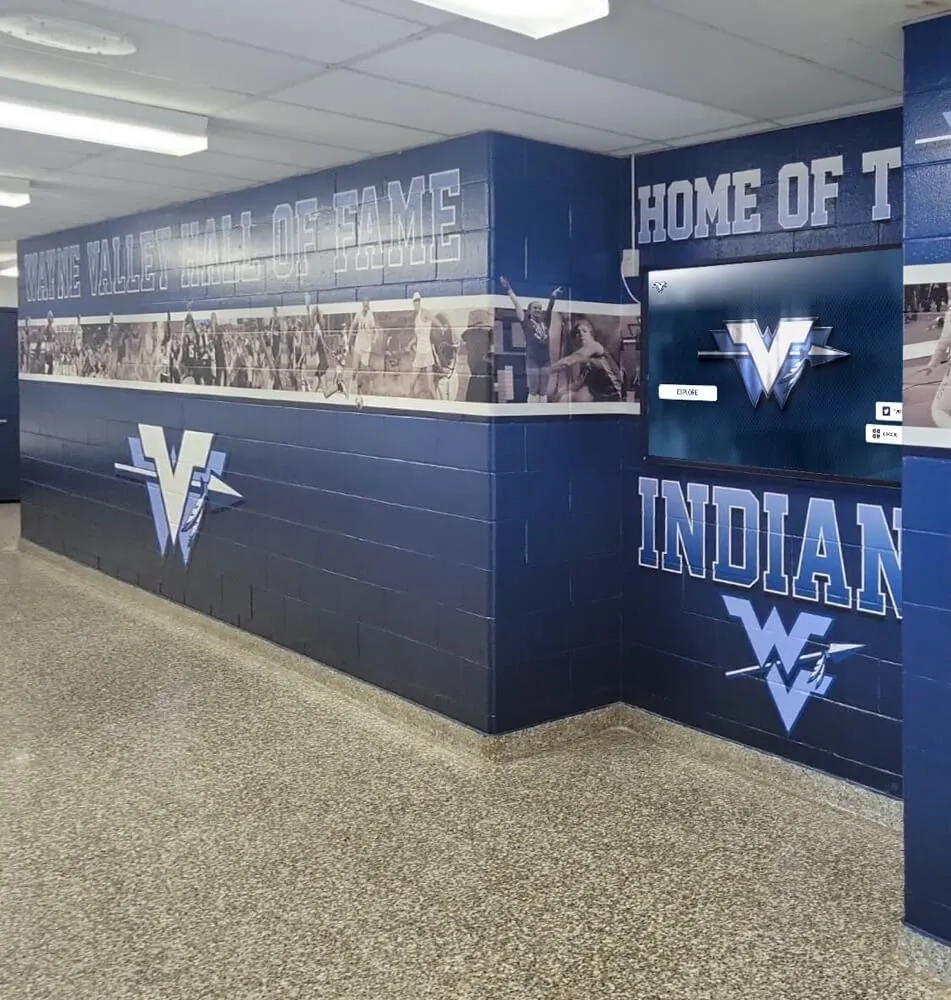
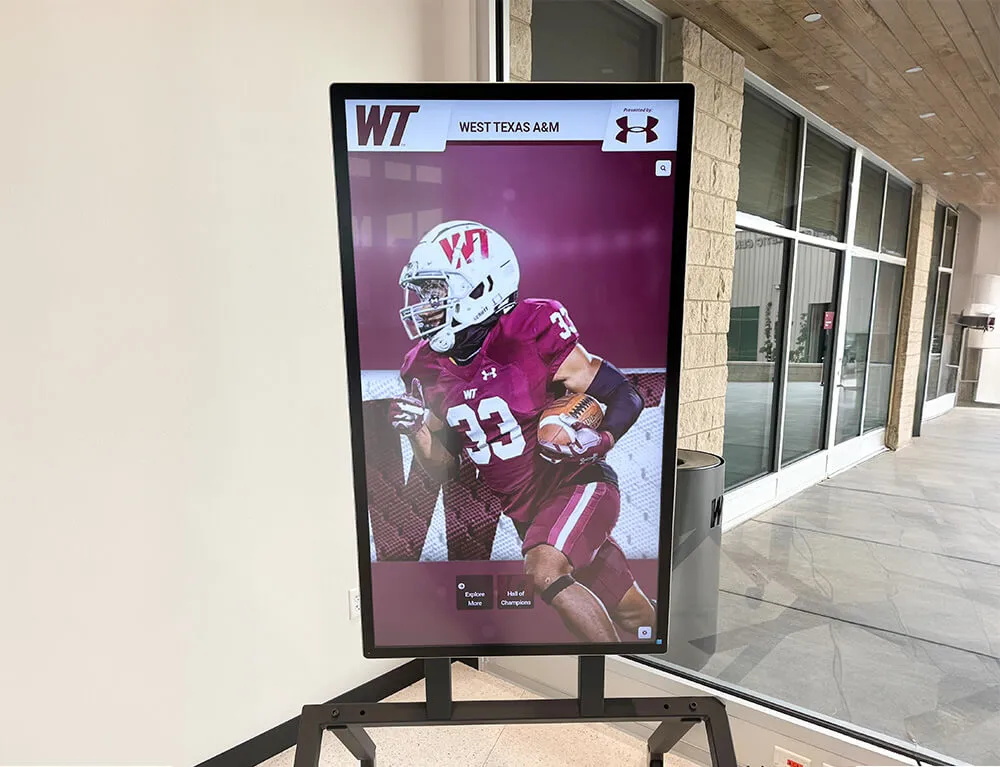
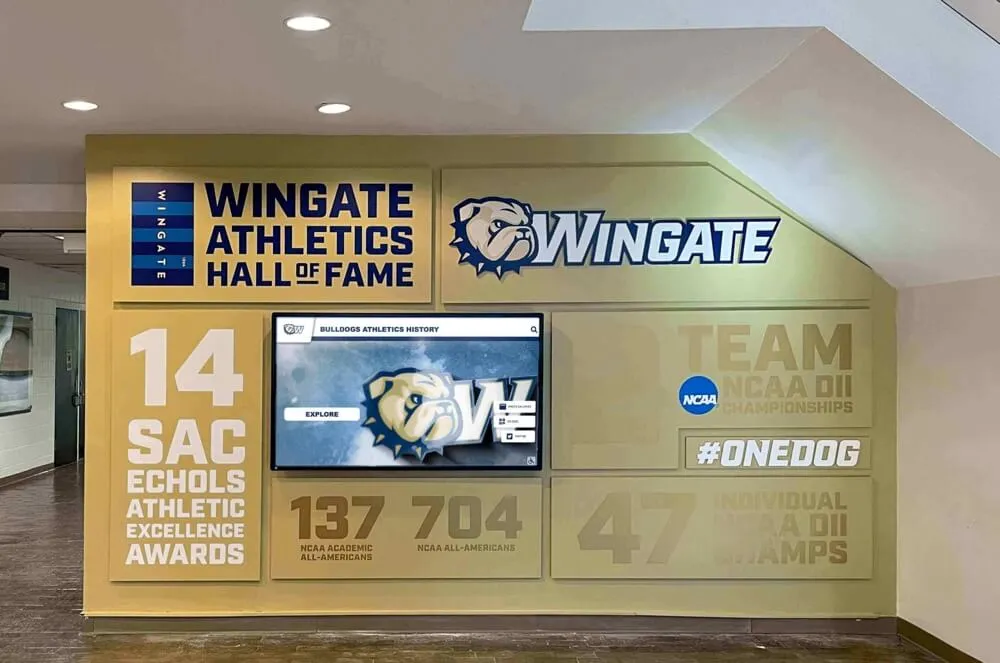
Modern recognition systems make employee achievements visible throughout organizations, creating cultures where excellence is systematically celebrated
Why Most Employee Recognition Programs Fail
Before exploring effective recognition ideas, understanding common failures helps organizations avoid predictable pitfalls.
The Generic Recognition Trap
Many organizations implement recognition programs that check boxes without creating meaningful impact:
Symptoms of Ineffective Recognition
- Obligatory employee of the month programs where selection feels arbitrary
- Annual service awards that feel transactional rather than appreciative
- Recognition limited to top performers, ignoring 95% of contributing employees
- Generic certificates and impersonal plaques lacking thoughtful acknowledgment
- Inconsistent recognition that fades after initial enthusiasm
Why These Approaches Fail
Employees quickly distinguish authentic appreciation from perfunctory gestures. Recognition that lacks specificity, feels politically motivated, or excludes most contributors generates cynicism rather than motivation. When only sales teams receive visibility while operations, customer service, and administrative staff go unacknowledged, organizations communicate that certain work matters more than others—undermining organizational cohesion.
Organizations serving educational or institutional contexts often implement comprehensive recognition approaches that celebrate achievements across all roles and contribution types.
The Visibility Problem
Even thoughtful recognition delivers minimal impact when nobody sees it:
Hidden Recognition Challenges
- Email announcements buried in overflowing inboxes
- Recognition limited to department meetings reaching only immediate teams
- Physical displays in low-traffic locations
- One-time acknowledgment with no lasting tribute
- Recognition inaccessible to remote or distributed teams
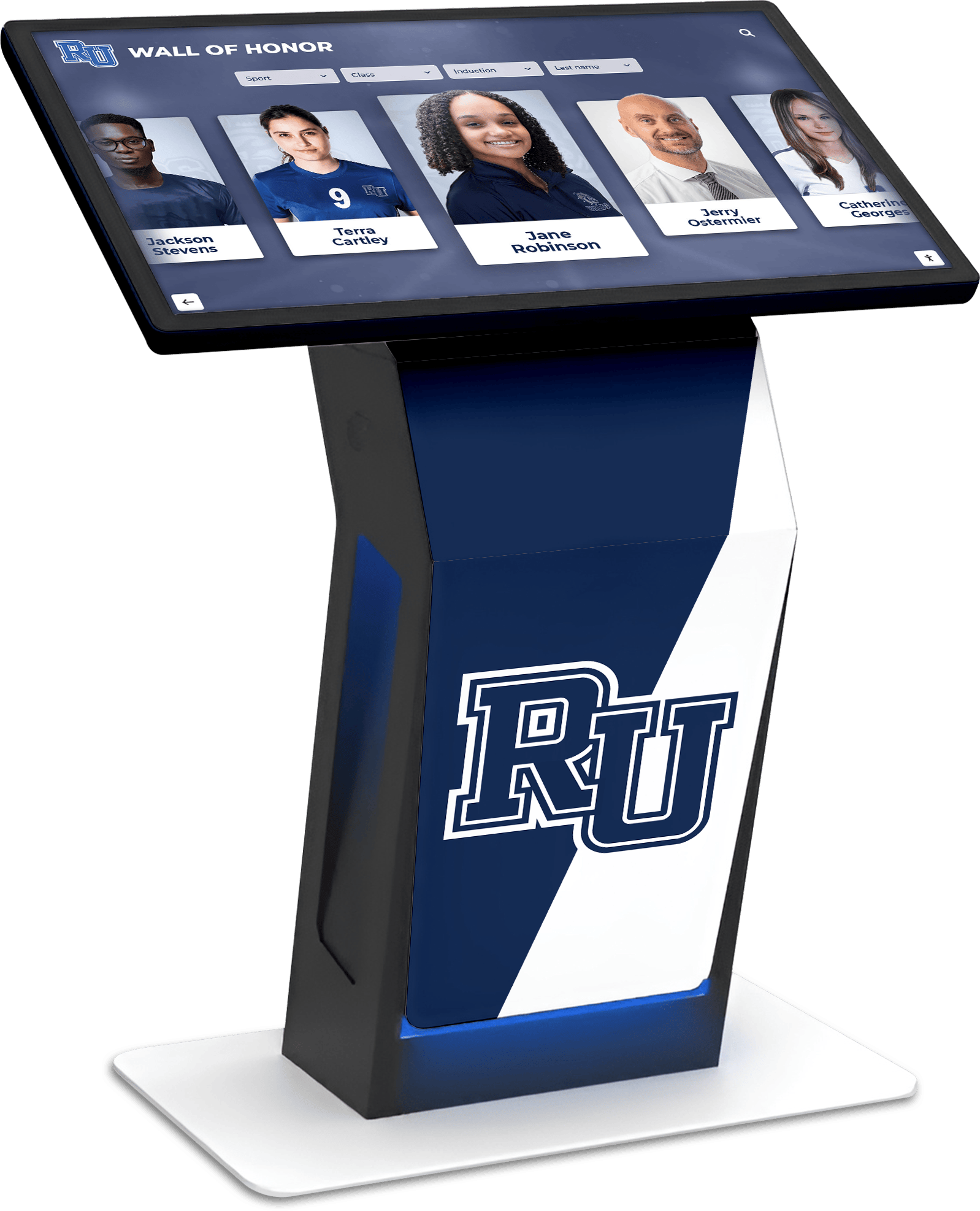
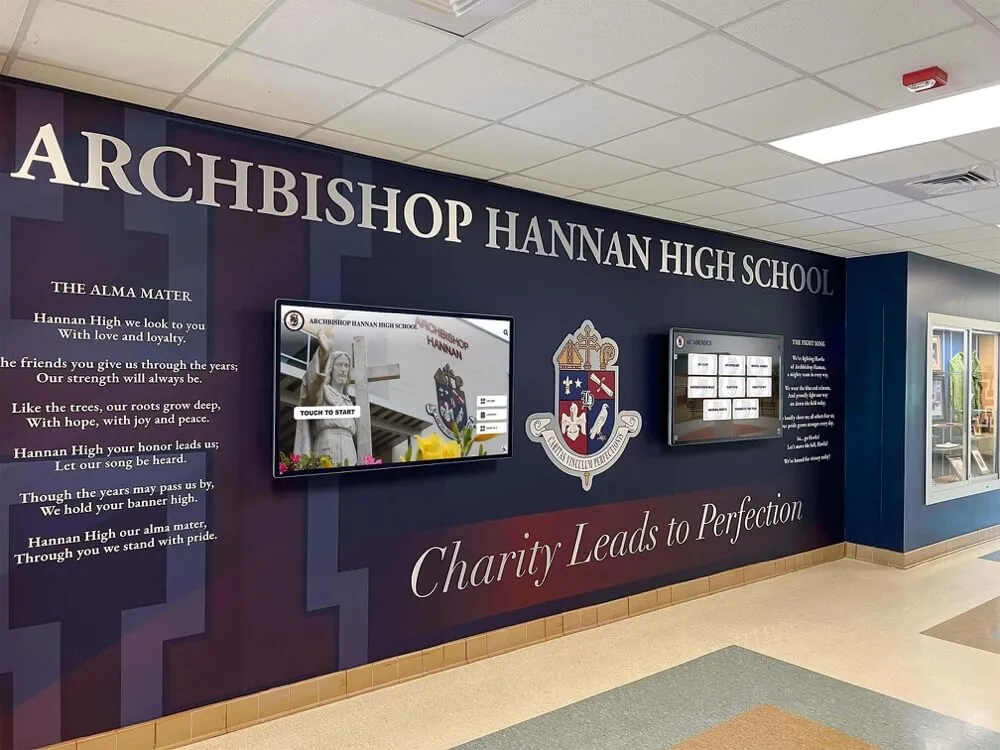
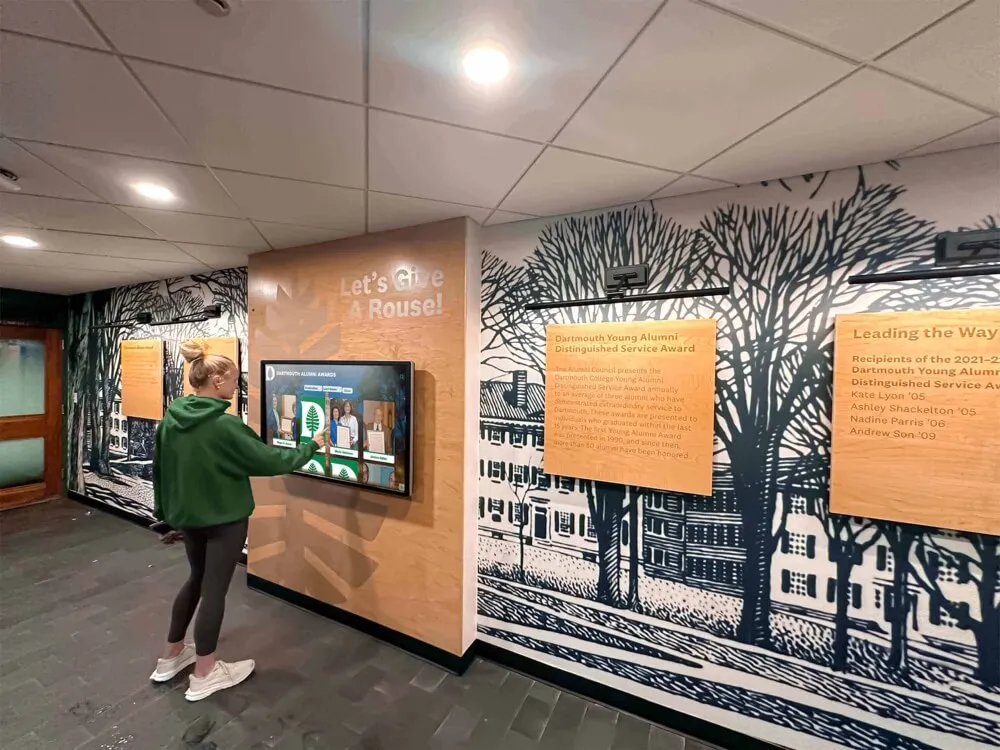
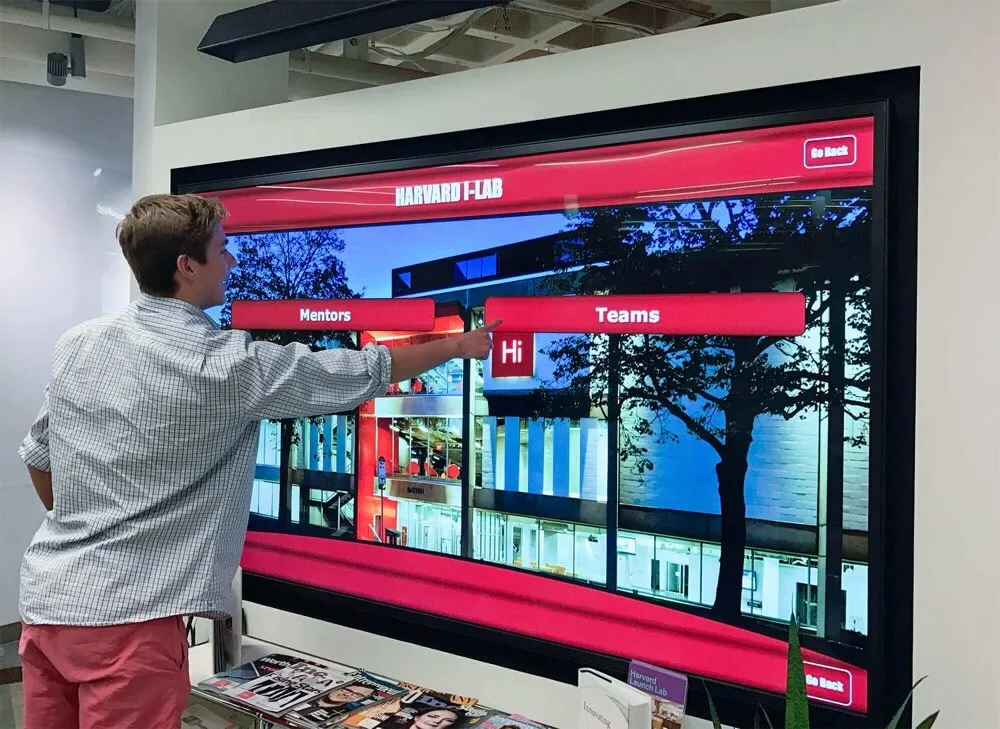
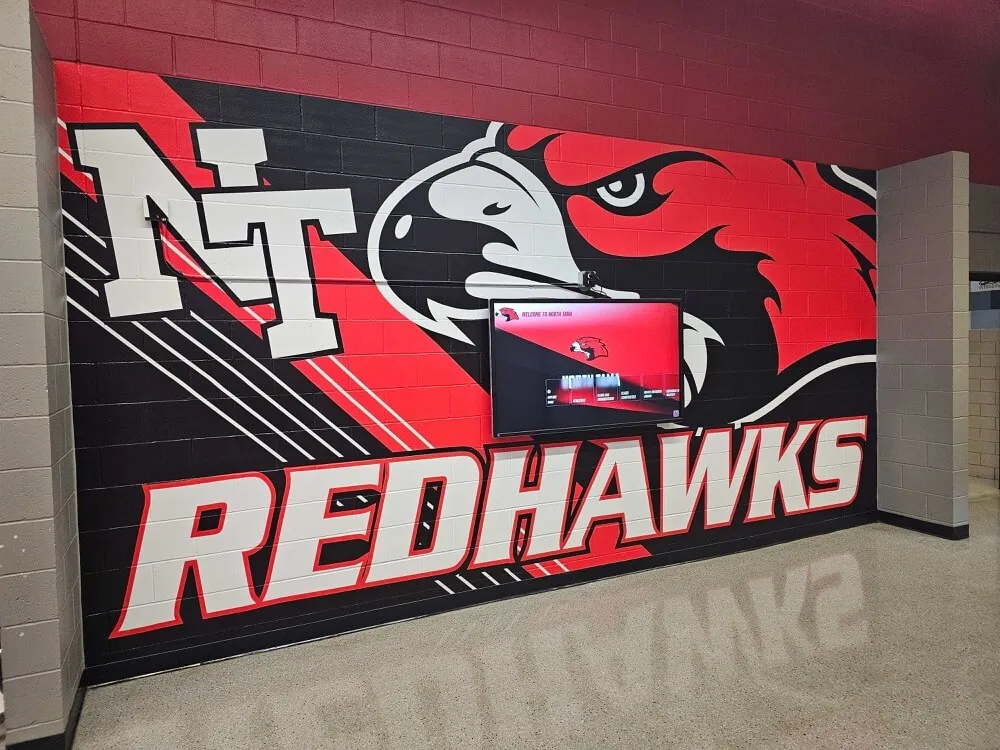
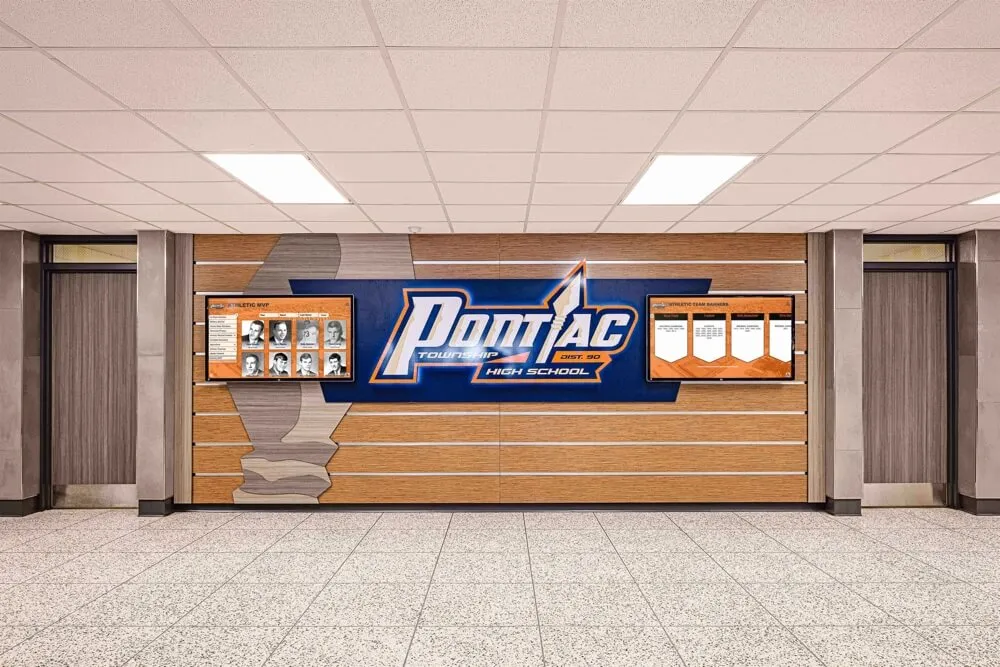
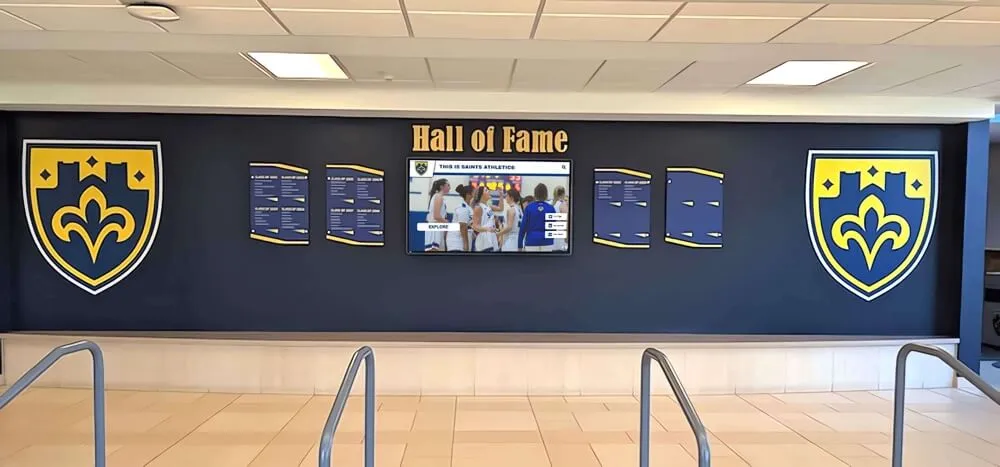
Interactive recognition displays provide engaging platforms for celebrating achievements across entire organizations
The Visibility Solution
Effective recognition requires multiple touchpoints ensuring achievements gain visibility across organizations. Combining immediate acknowledgment with lasting recognition creates both motivation and cultural impact. When new employees can explore organizational excellence through comprehensive recognition displays, they understand what success looks like and feel inspired to contribute meaningfully.
Daily and Weekly Recognition Ideas
Frequent, informal recognition builds the foundation of appreciation cultures.
Peer Recognition Systems
Enabling colleagues to acknowledge each other creates powerful cultural momentum:
Implementation Approaches
- Digital Recognition Platforms: Tools enabling employees to give kudos publicly with specific achievement descriptions
- Recognition Boards: Physical or digital spaces where team members post appreciation notes
- Slack/Teams Channels: Dedicated channels for celebrating colleague contributions
- Weekly Team Callouts: Regular meeting time for acknowledging peer support and excellence
- Peer Nomination Programs: Employees nominate colleagues for monthly or quarterly recognition
Why Peer Recognition Works
Manager recognition matters, but peer acknowledgment often carries equal or greater weight. When colleagues recognize each other’s contributions, it validates work quality while strengthening team relationships. Peer recognition also surfaces contributions managers might not directly observe—the colleague who stays late helping others, the team member who consistently solves difficult customer problems, or the person whose positive attitude elevates team morale.
Organizations implementing recognition programs across distributed locations benefit from digital systems ensuring acknowledgment reaches all facilities and work arrangements.
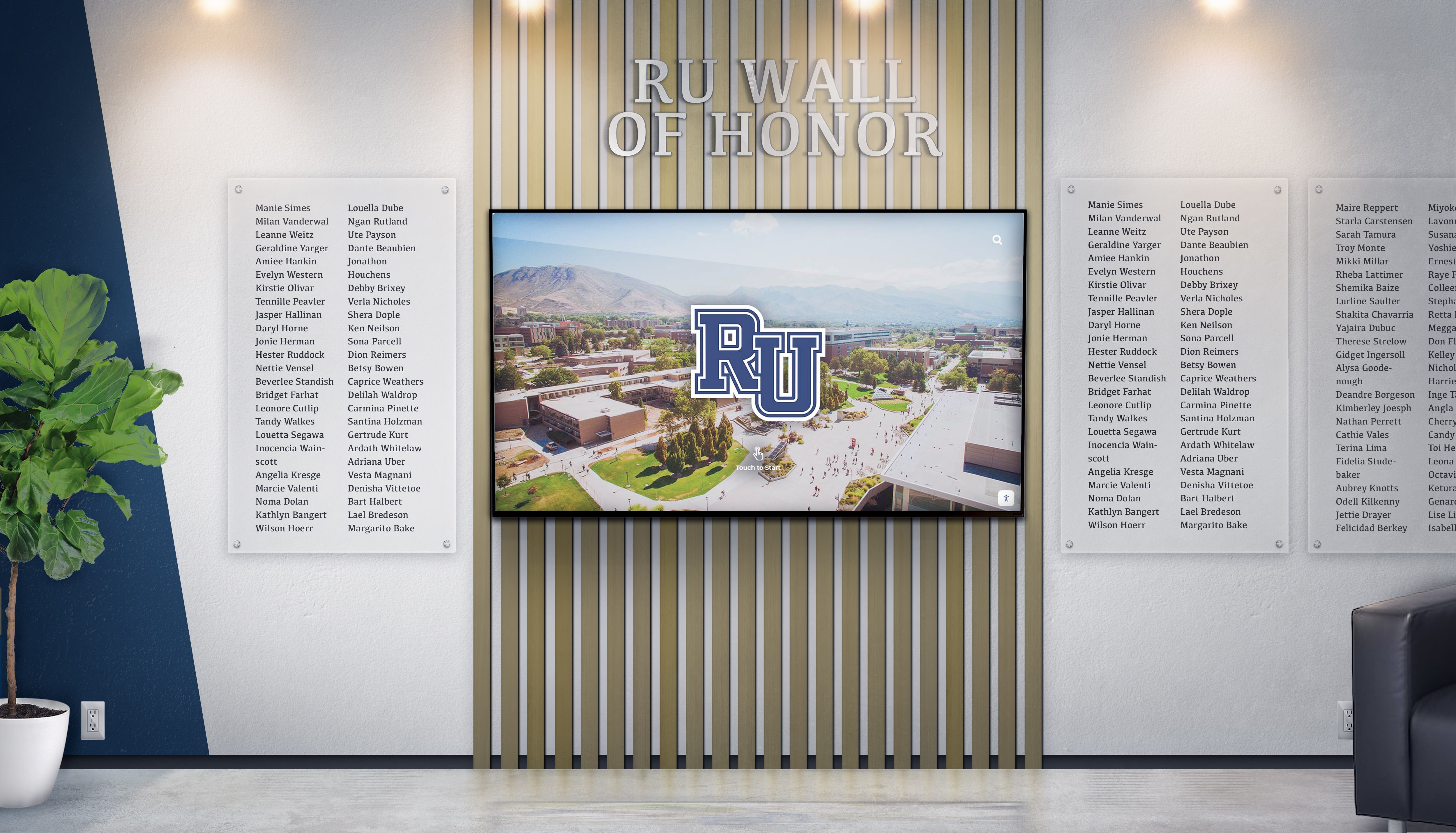
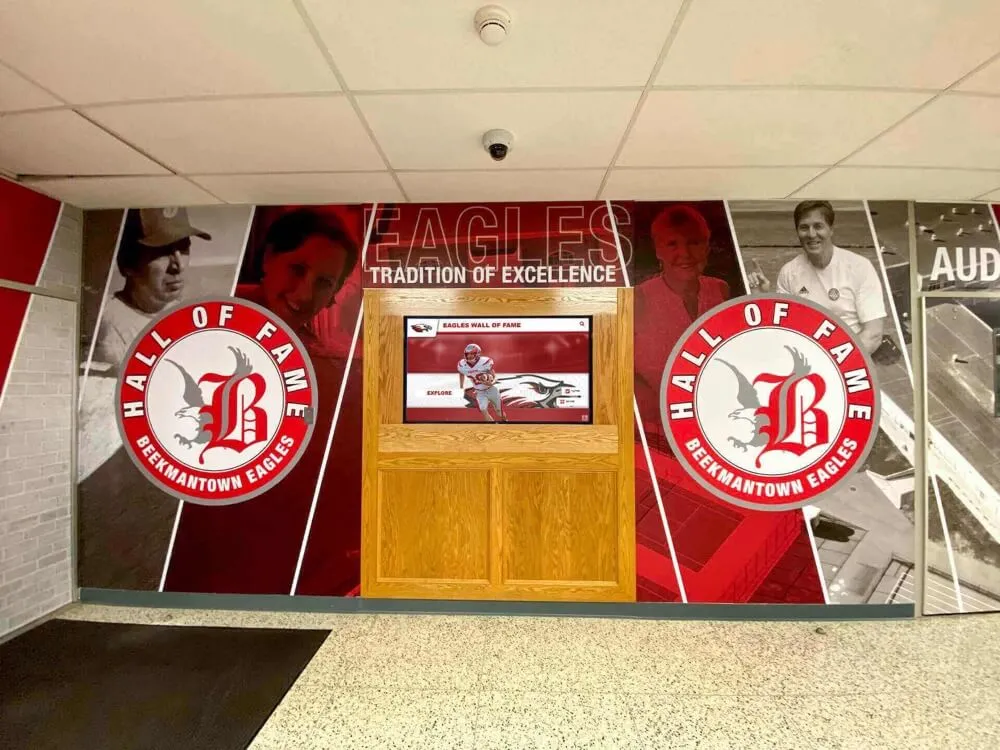
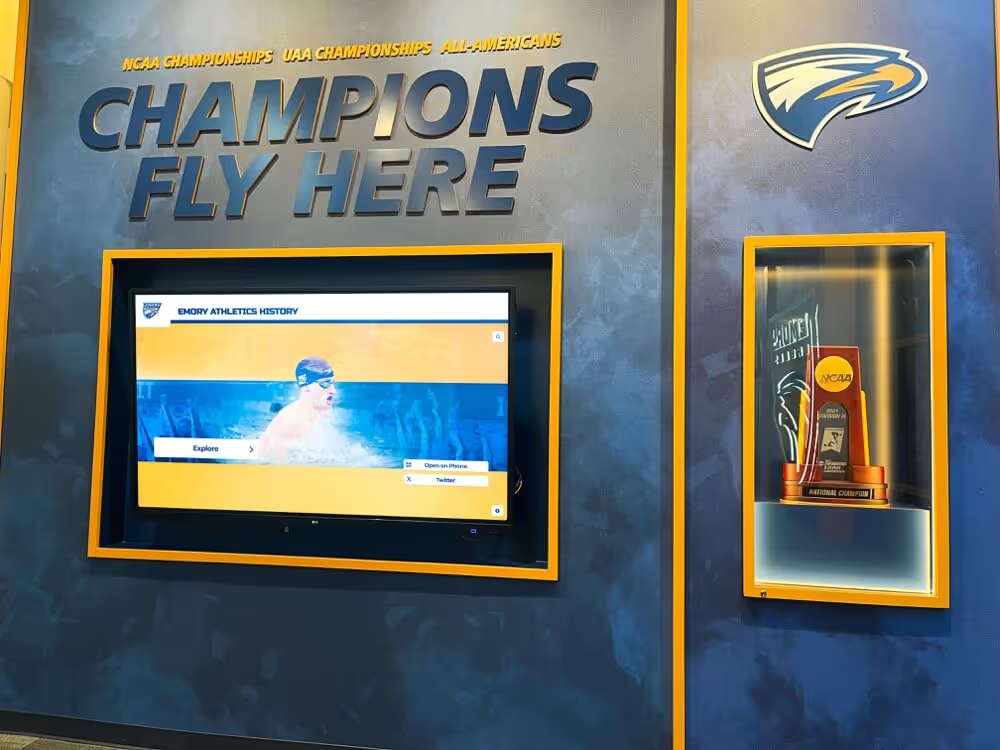
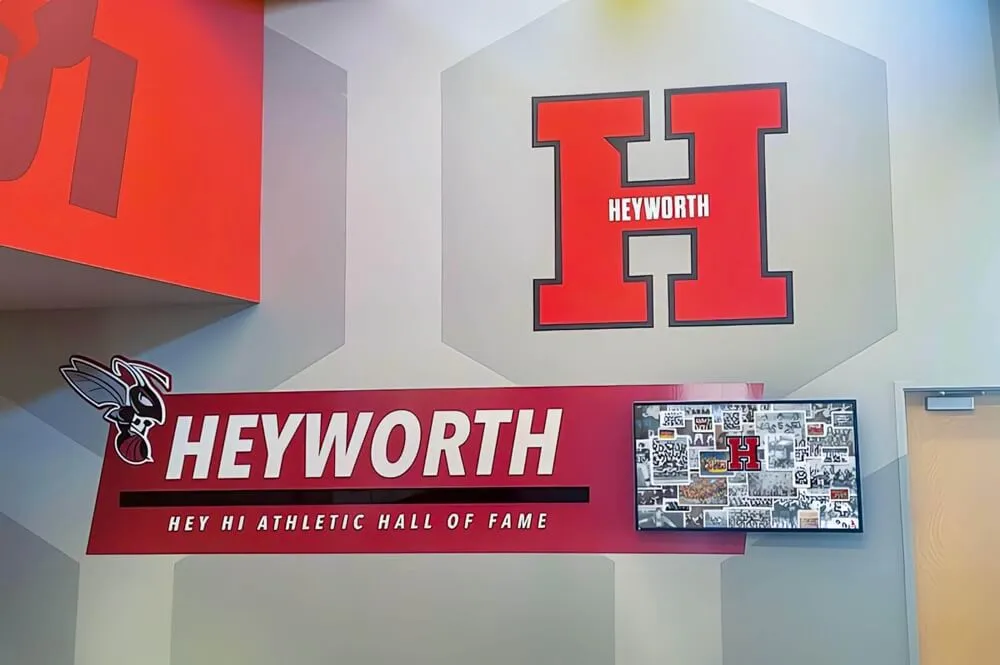
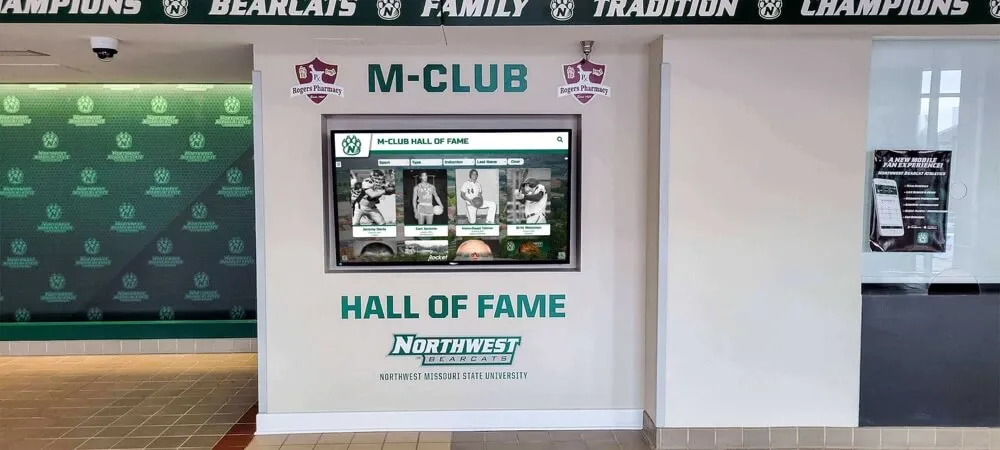
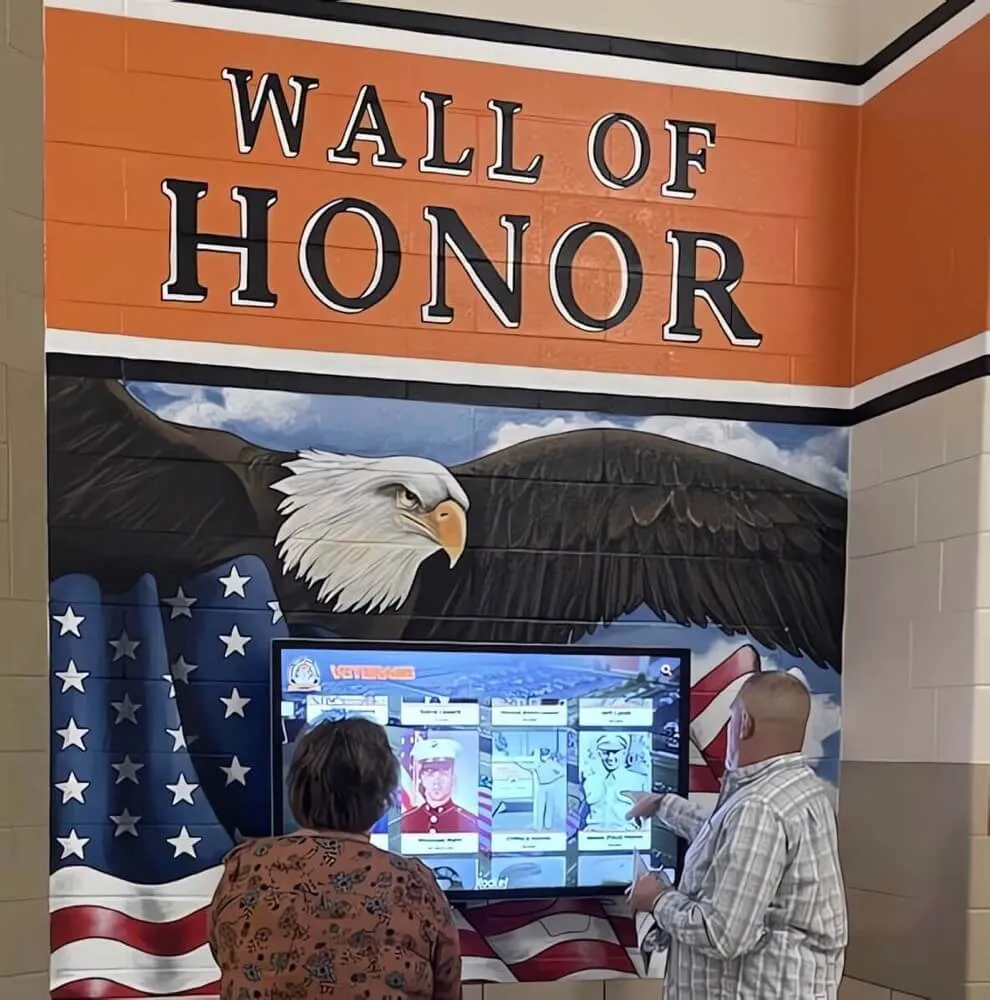
Integrated recognition systems combine immediate acknowledgment with permanent tributes honoring career-long contributions
Manager Recognition Best Practices
Direct supervisors play critical roles in employee appreciation:
Effective Manager Recognition
- Specific Acknowledgment: Detailed descriptions of what employees did well and why it mattered
- Immediate Recognition: Timely acknowledgment soon after achievement rather than delayed feedback
- Public and Private Recognition: Balancing visibility with personal appreciation based on employee preferences
- Contribution Connection: Explaining how individual work connects to team and organizational success
- Behavioral Reinforcement: Recognizing specific actions worth replicating, not just outcomes
Recognition Timing Matters
The most impactful recognition happens close to the achievement it celebrates. When managers notice excellent work and acknowledge it within days (or even hours), they reinforce desired behaviors while the work remains fresh. Delayed recognition loses motivational power and feels perfunctory rather than genuine.
Celebrating Small Wins
Recognition shouldn’t wait for major achievements—daily excellence deserves acknowledgment:
Small Win Recognition Ideas
- Morning Stand-up Shoutouts: Brief daily acknowledgment of yesterday’s contributions
- Project Milestone Celebrations: Recognizing progress toward larger goals
- Problem-Solving Recognition: Acknowledging creative solutions and innovation
- Customer Feedback Sharing: Celebrating positive client comments and testimonials
- Learning and Growth Recognition: Acknowledging skill development and professional growth
Cultural Impact of Small Win Recognition
When organizations systematically celebrate incremental progress, they create cultures where people feel motivated to maintain excellence daily rather than only during annual review periods. This consistent positive reinforcement builds momentum, making sustained high performance feel achievable and appreciated.
Companies managing recognition across multiple departments and locations benefit from coordinated systems ensuring consistent acknowledgment reaches all teams.
Monthly and Quarterly Recognition Programs
Regular formal recognition programs provide predictable acknowledgment opportunities while maintaining meaning and prestige.
Employee of the Month Done Right
Traditional employee of the month programs fail when poorly designed, but thoughtful implementation creates genuine value:
Avoiding Common Pitfalls
- Clear Selection Criteria: Published standards employees understand and perceive as fair
- Diverse Recognition: Rotating focus across departments, roles, and contribution types
- Peer and Manager Nominations: Multiple input sources preventing favoritism perception
- Substantive Rewards: Meaningful benefits beyond token certificates
- Lasting Recognition: Permanent visibility rather than brief announcements
Recognition Categories to Rotate
Rather than generic “employee of the month,” consider rotating recognition focus:
- Innovation Award: Recognizing creative problem-solving and process improvements
- Customer Champion: Celebrating exceptional client service and relationship building
- Team Player Award: Acknowledging collaboration and peer support
- Growth Mindset Recognition: Honoring learning, development, and skill advancement
- Values Ambassador: Recognizing embodiment of organizational core values
Organizations implementing comprehensive employee achievement displays create systems where monthly recognition contributes to permanent career-long tributes.
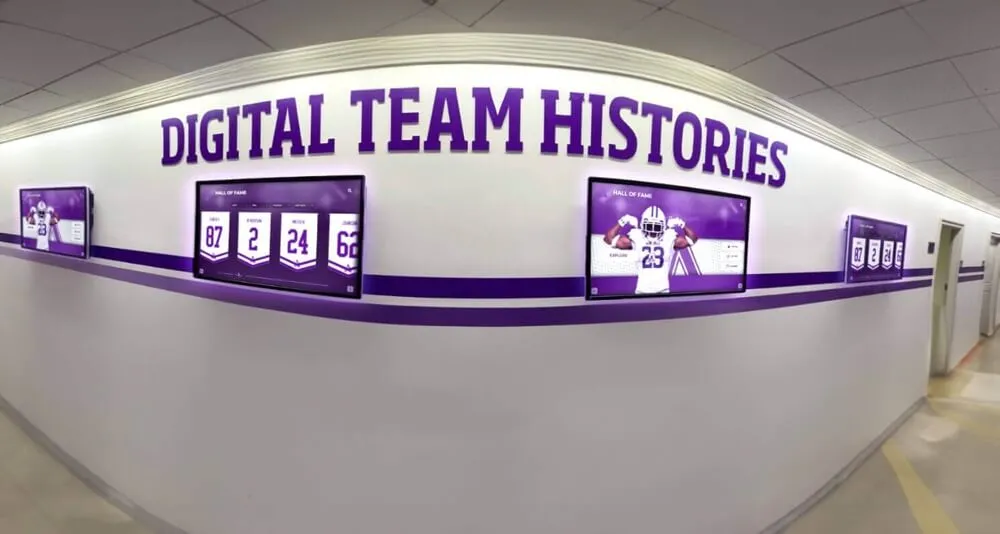
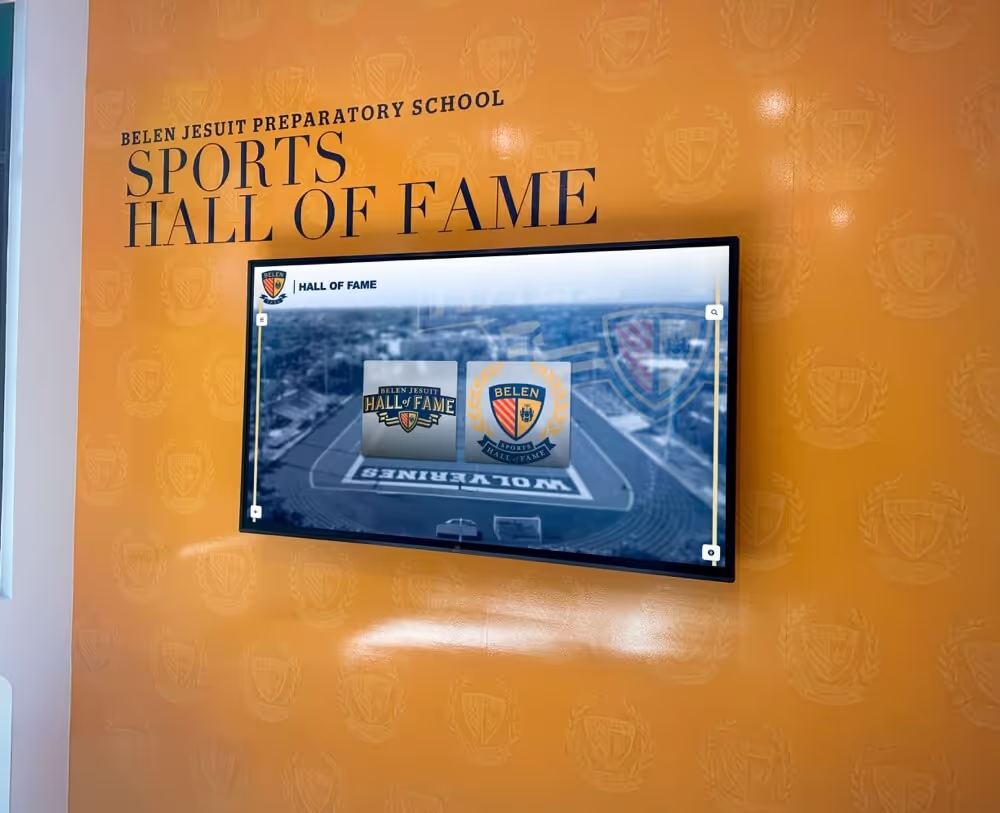
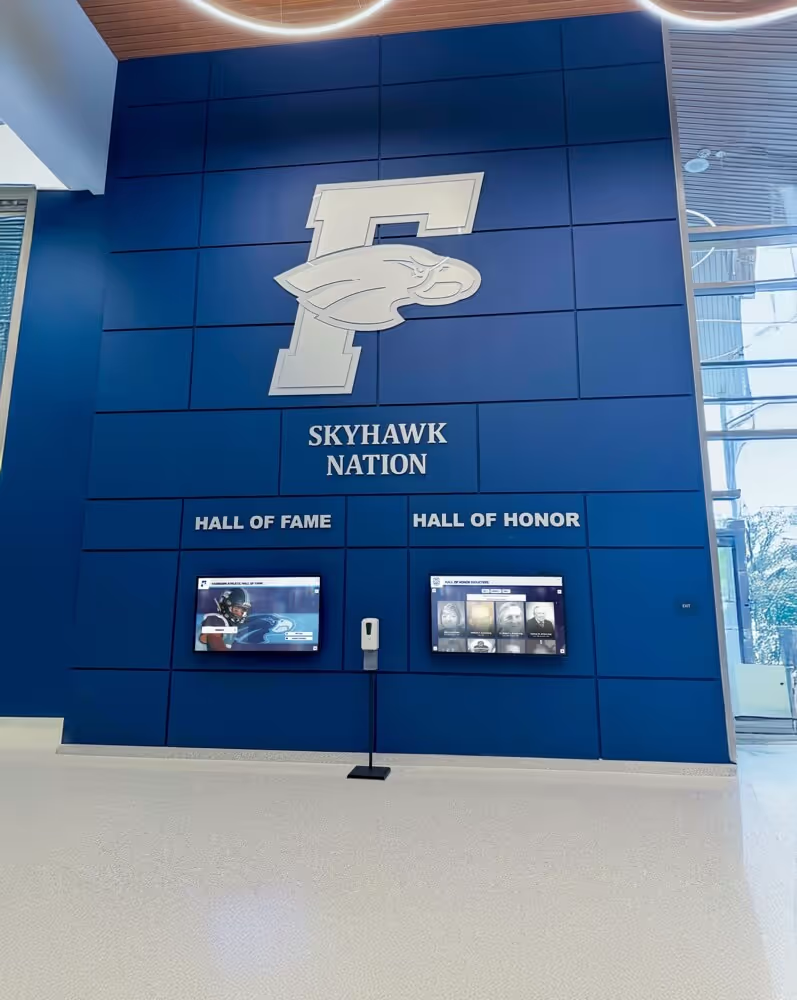
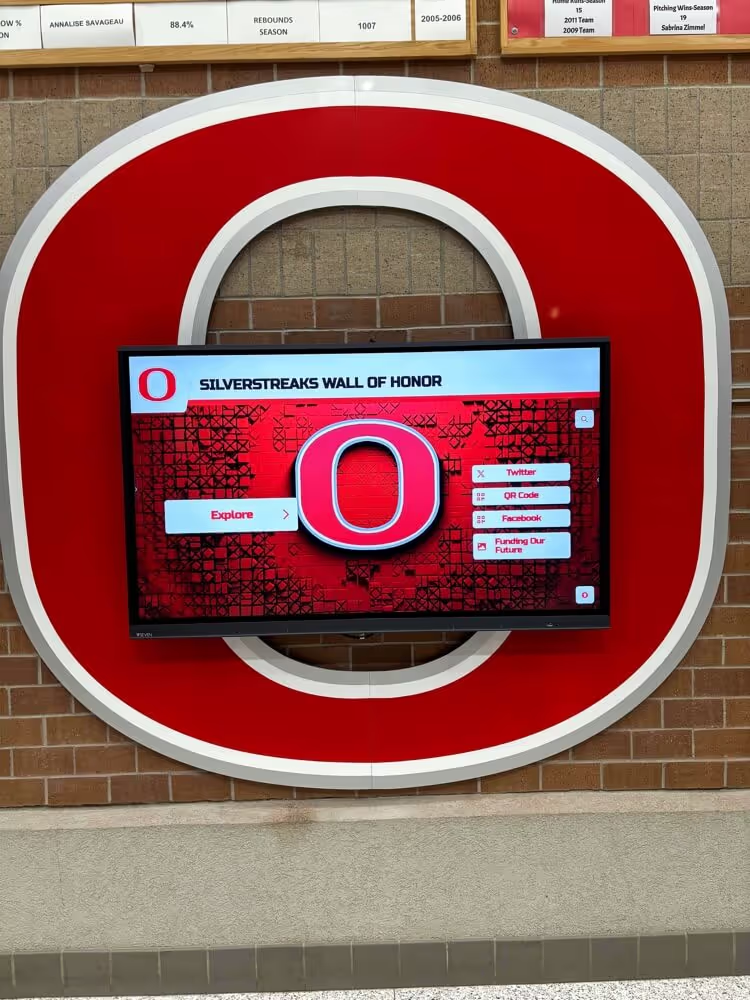
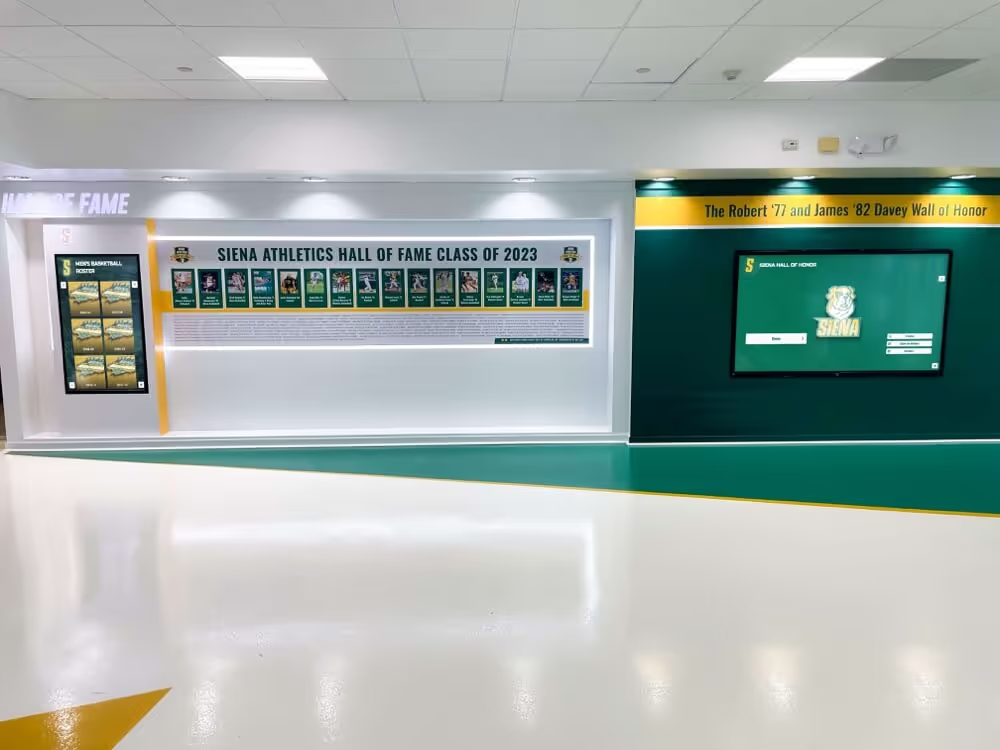
Networked recognition displays provide consistent employee acknowledgment across multiple locations while enabling centralized management
Department and Team Recognition
Celebrating collective achievement builds cohesion while acknowledging individual contributions:
Team Recognition Ideas
- Quarterly Team Excellence Awards: Recognizing departments achieving exceptional results
- Cross-Functional Collaboration Recognition: Celebrating effective partnership across teams
- Project Completion Celebrations: Acknowledging teams delivering complex initiatives
- Customer Satisfaction Leaders: Recognizing departments earning highest feedback scores
- Innovation Team Recognition: Celebrating groups driving improvement and change
Balancing Team and Individual Recognition
Effective programs acknowledge both collective achievement and individual excellence within teams. When entire departments receive recognition, spotlight specific contributors who exemplified team success—ensuring individuals feel personally valued while celebrating collaborative accomplishment.
Milestone Recognition Programs
Systematic milestone acknowledgment ensures no achievement goes unnoticed:
Professional Milestones to Celebrate
- Performance Milestones: Sales goals, production targets, quality benchmarks
- Skill Development Achievements: Certifications, training completions, expertise advancement
- Tenure Milestones: Work anniversaries at meaningful intervals (1, 3, 5, 10+ years)
- Project Leadership: Successfully leading significant initiatives or teams
- Mentorship Contributions: Developing other employees and knowledge sharing
Organizations managing recognition for diverse achievement types benefit from flexible systems accommodating various contribution categories without physical space limitations.
Annual Recognition Events and Programs
Formal annual recognition creates memorable experiences celebrating outstanding contributions.
Recognition Ceremony Design
Thoughtful event planning transforms recognition from obligatory to memorable:
Effective Recognition Event Elements
- Executive Participation: Leadership presence demonstrating organizational commitment
- Detailed Achievement Narratives: Specific stories explaining why recipients earned recognition
- Peer Testimonials: Colleagues sharing impact of recognized employees’ contributions
- Family Inclusion: Inviting significant others to participate in celebration
- Professional Presentation: Quality venue, catering, and production creating special experience
Ceremony Format Options
Different organizational cultures require adapted approaches:
- Formal Award Banquets: Traditional dinner events with structured presentations
- Casual Celebration Gatherings: Relaxed events emphasizing community over formality
- Department-Specific Celebrations: Smaller, more intimate recognition events
- Virtual Recognition Events: Inclusive celebrations for distributed workforces
- Hybrid Formats: Combining in-person and remote participation
Service Anniversary Recognition
Long-term employee retention deserves special celebration:
Service Milestone Programs
- 1-Year Recognition: Celebrating successful integration and early contributions
- 5-Year Milestones: Acknowledging established value and expertise development
- 10-Year Recognition: Honoring sustained commitment and institutional knowledge
- 15, 20, 25+ Year Celebrations: Recognizing career-long dedication
- Retirement Recognition: Comprehensive celebration of complete career contributions
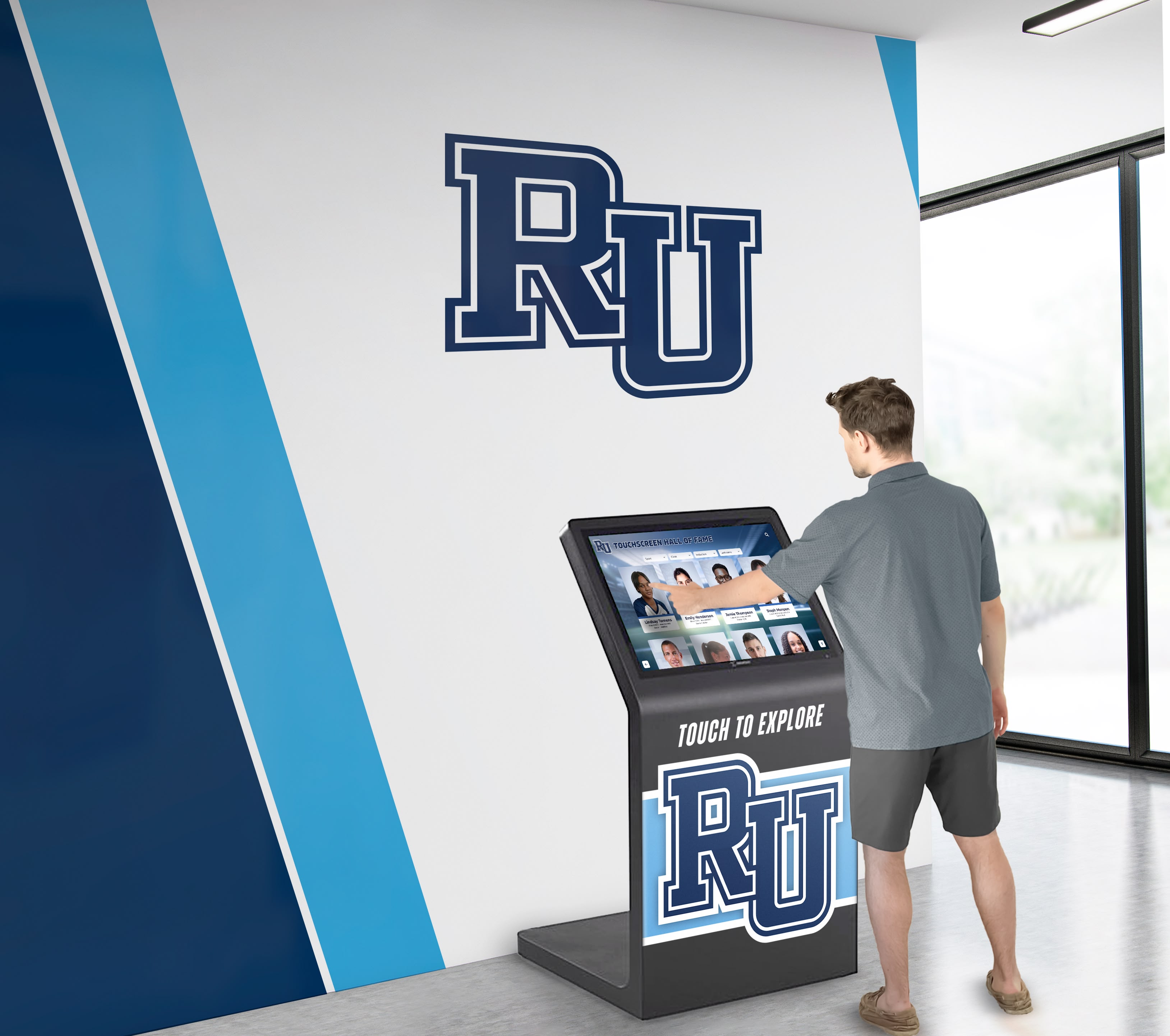
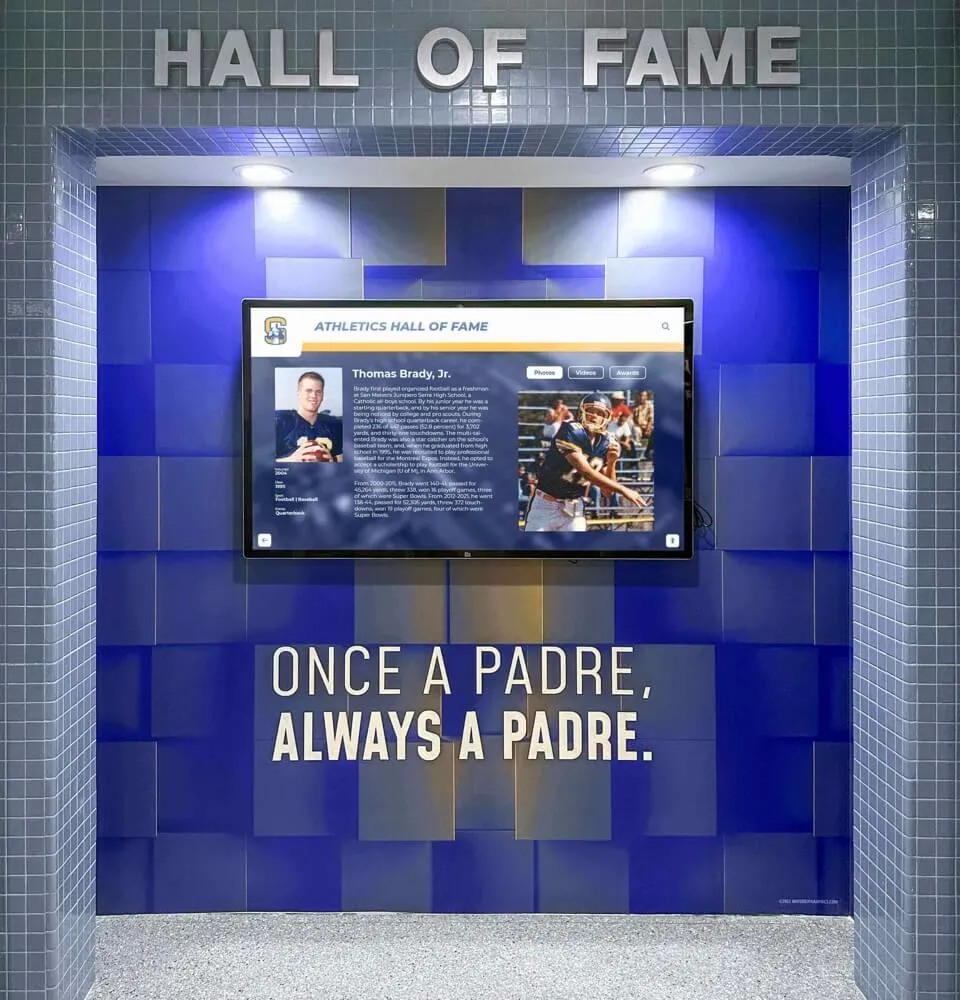
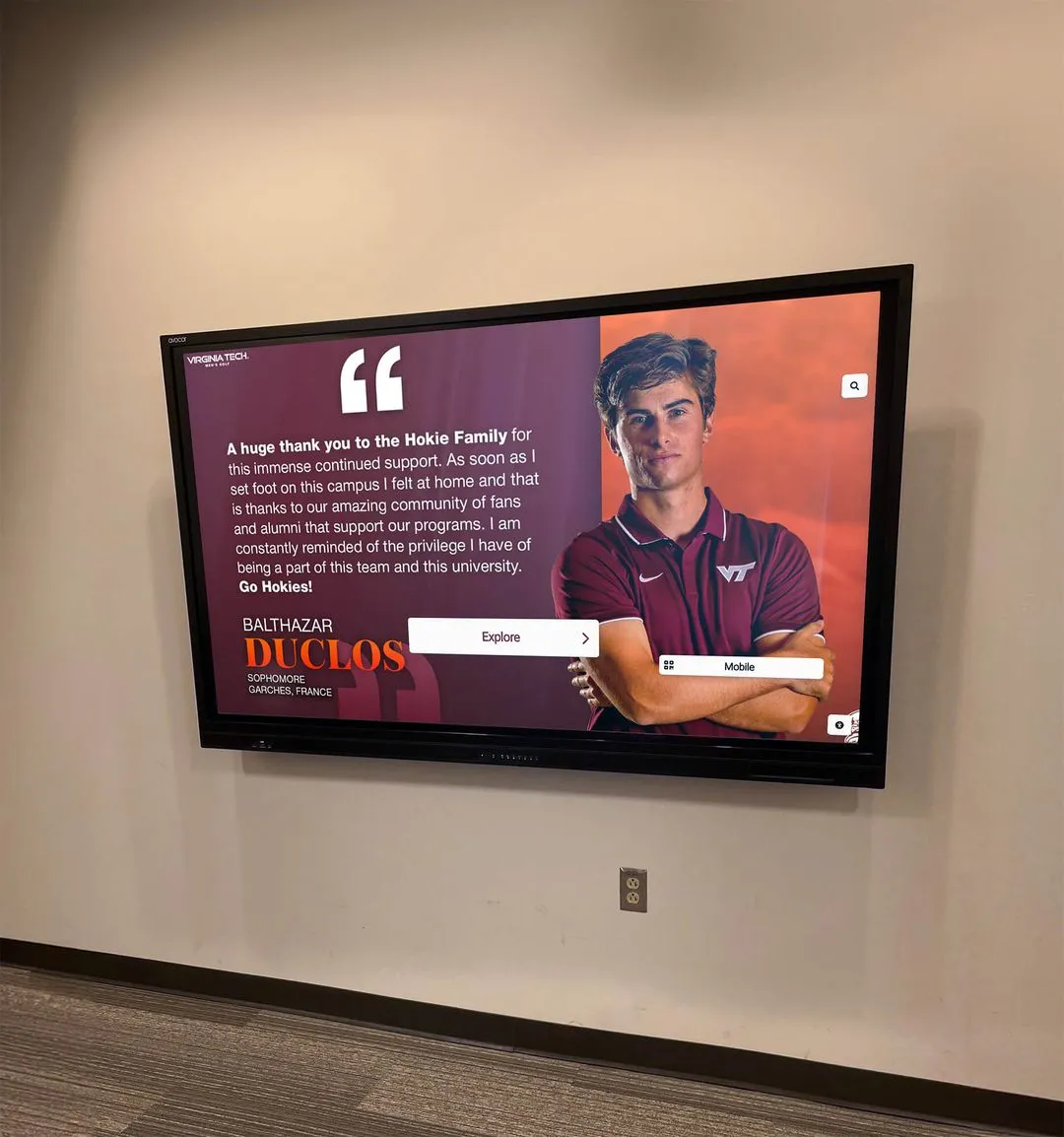
Interactive displays enable employees and visitors to explore achievement stories and organizational excellence
Service Recognition Components
Meaningful service recognition combines multiple elements:
- Personalized Acknowledgment: Letters from leadership detailing specific contributions
- Tangible Awards: Gifts or benefits reflecting service length and organizational gratitude
- Public Recognition: Company-wide acknowledgment of service milestone
- Permanent Recognition: Inclusion in service award displays or recognition systems
- Optional Time Off: Additional vacation days or sabbatical opportunities
Organizations implementing comprehensive career recognition systems create platforms where service milestones and achievement recognition coexist meaningfully.
Hall of Excellence Programs
Organizations with substantial history benefit from formal halls of excellence honoring exceptional contributors:
Eligibility and Selection Criteria
- Sustained Excellence: Multiple years or decades of outstanding performance
- Significant Impact: Measurable contributions advancing organizational success
- Innovation and Leadership: Driving change and developing others
- Cultural Embodiment: Exemplifying organizational values and mission
- Peer and Leadership Nomination: Multi-source recognition ensuring credibility
Hall of Excellence Implementation
Creating lasting tributes to exceptional employees:
- Annual Induction: Formal ceremonies celebrating new honorees
- Permanent Displays: Physical or digital recognition featuring all hall members
- Detailed Profiles: Comprehensive documentation of career achievements
- Video Testimonials: Colleagues and leadership sharing impact stories
- Alumni Connection: Maintaining recognition beyond active employment
These programs transform recognition from periodic acknowledgment to permanent celebration of those who built organizational success, creating inspiration for current and future team members.
Creating Permanent Recognition Displays
While immediate acknowledgment motivates, lasting recognition creates cultural impact that endures throughout careers and beyond.
Digital Recognition Display Solutions
Modern technology enables organizations to create sophisticated recognition systems overcoming traditional limitations:
Advantages of Digital Employee Recognition
- Unlimited Capacity: Showcase all deserving employees without physical space constraints
- Rich Multimedia Content: Include photos, achievement narratives, and career stories
- Easy Updates: Add new recipients and update information remotely without installation costs
- Searchable Archives: Enable employees to find colleagues and explore achievements easily
- Multiple Location Display: Show same recognition across distributed facilities
- Cost Efficiency: Eliminate recurring costs of ordering and installing new plaques
Organizations implementing digital recognition platforms report that unlimited capacity and easy management transform recognition from burdensome administrative tasks to engaging cultural initiatives.
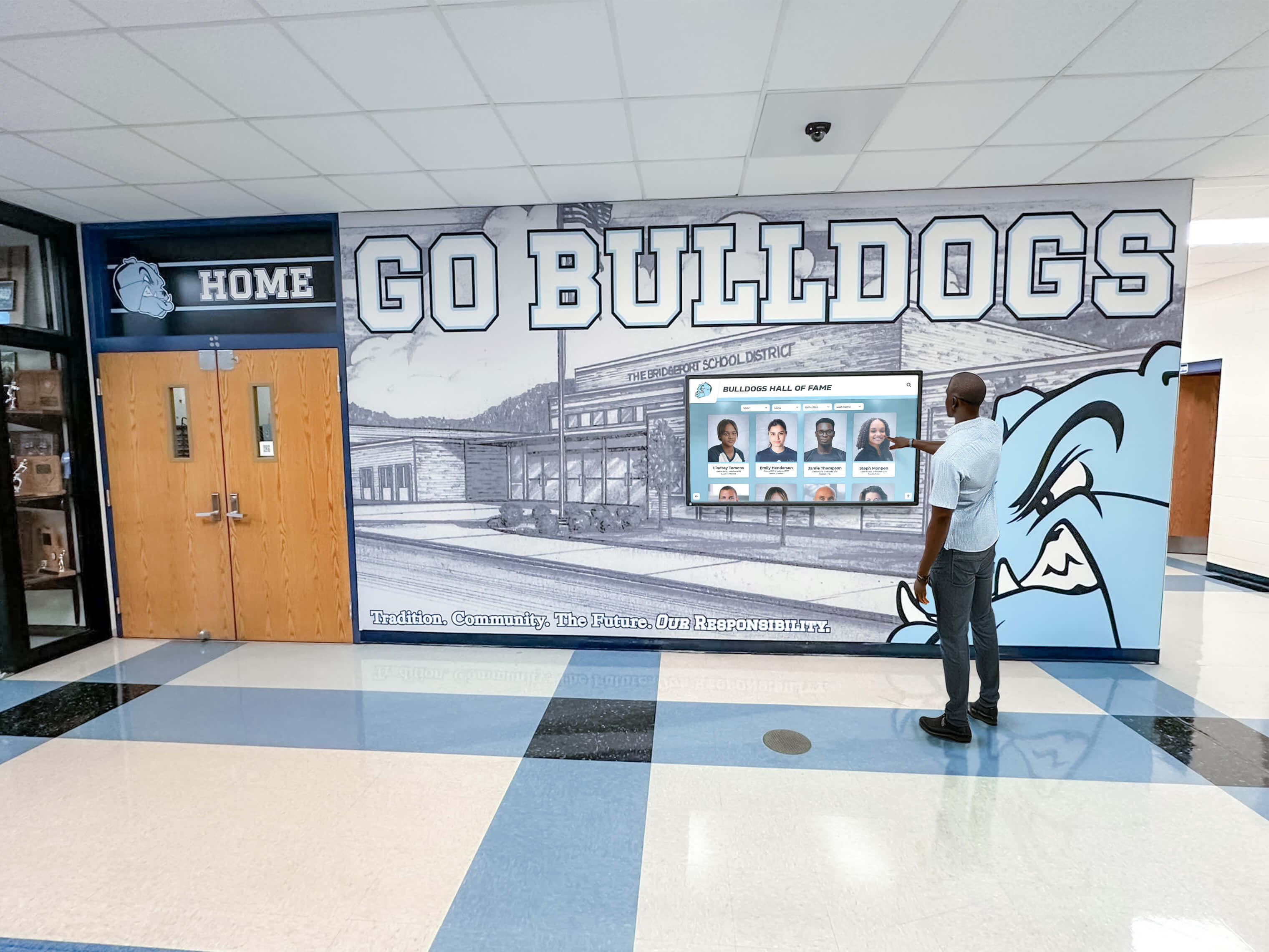
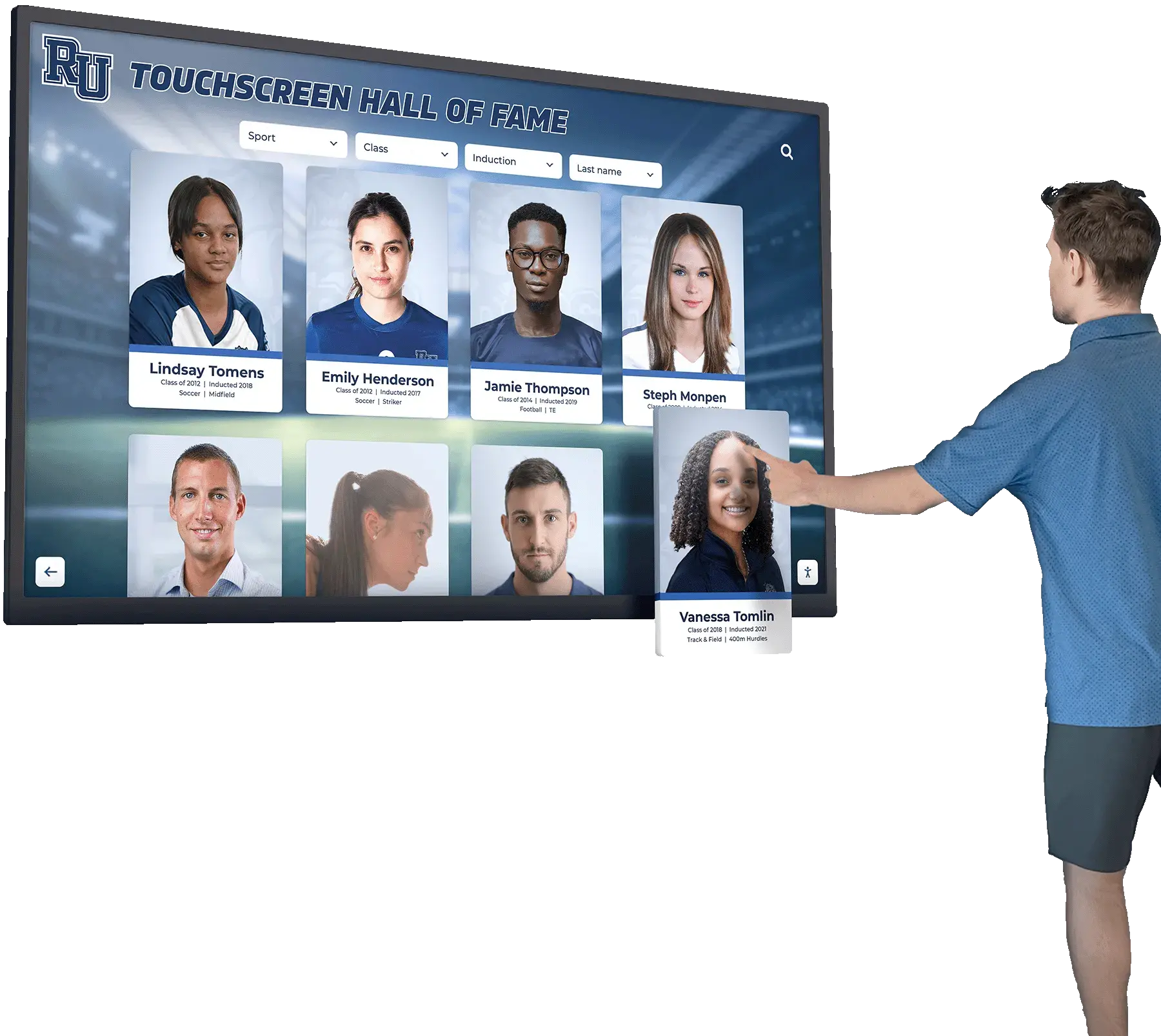
Touchscreen recognition systems create engaging platforms where employees can explore achievements across entire organizations
Implementation Considerations
Strategic placement maximizes recognition visibility:
- Lobby Installations: High-visibility entrance displays ensuring all visitors see recognition
- Department-Specific Displays: Localized recognition creating team-specific celebration
- Break Room Displays: Common area installations reaching employees across all shifts
- Conference Room Integration: Recognition visible during meetings and events
- Web-Accessible Platforms: Online recognition extending reach beyond physical locations
Solutions like Rocket Alumni Solutions provide comprehensive recognition platforms designed specifically for organizations seeking professional employee acknowledgment systems that remain easily manageable as staff evolve and achieve new milestones.
Traditional vs. Modern Recognition Displays
Understanding tradeoffs helps organizations choose appropriate approaches:
Traditional Physical Recognition
Advantages:
- Permanent, tangible installations feeling substantial
- No technology dependencies or update requirements
- Classic aesthetic matching traditional environments
- Immediate visibility without interaction required
Limitations:
- Fixed capacity limiting total recognition possible
- Expensive per-person costs for adding new recipients ($200-500 each)
- Space constraints forcing difficult exclusion decisions
- Minimal information beyond names and dates
- Difficult updates requiring physical installation
Digital Recognition Systems
Advantages:
- Unlimited capacity accommodating unlimited employees
- Rich profiles with photos, stories, and achievement details
- Zero incremental cost for adding new recognition
- Instant remote updates from any location
- Searchable, filterable, and engaging interactive experience
- Analytics showing engagement and usage patterns
Considerations:
- Requires technology comfort and ongoing management
- Hardware replacement needs every 5-7 years
- Software updates and maintenance requirements
- Less tangible than permanent physical installations
Many organizations implement hybrid approaches—traditional recognition for highest-level achievements combined with digital systems accommodating broader employee recognition.
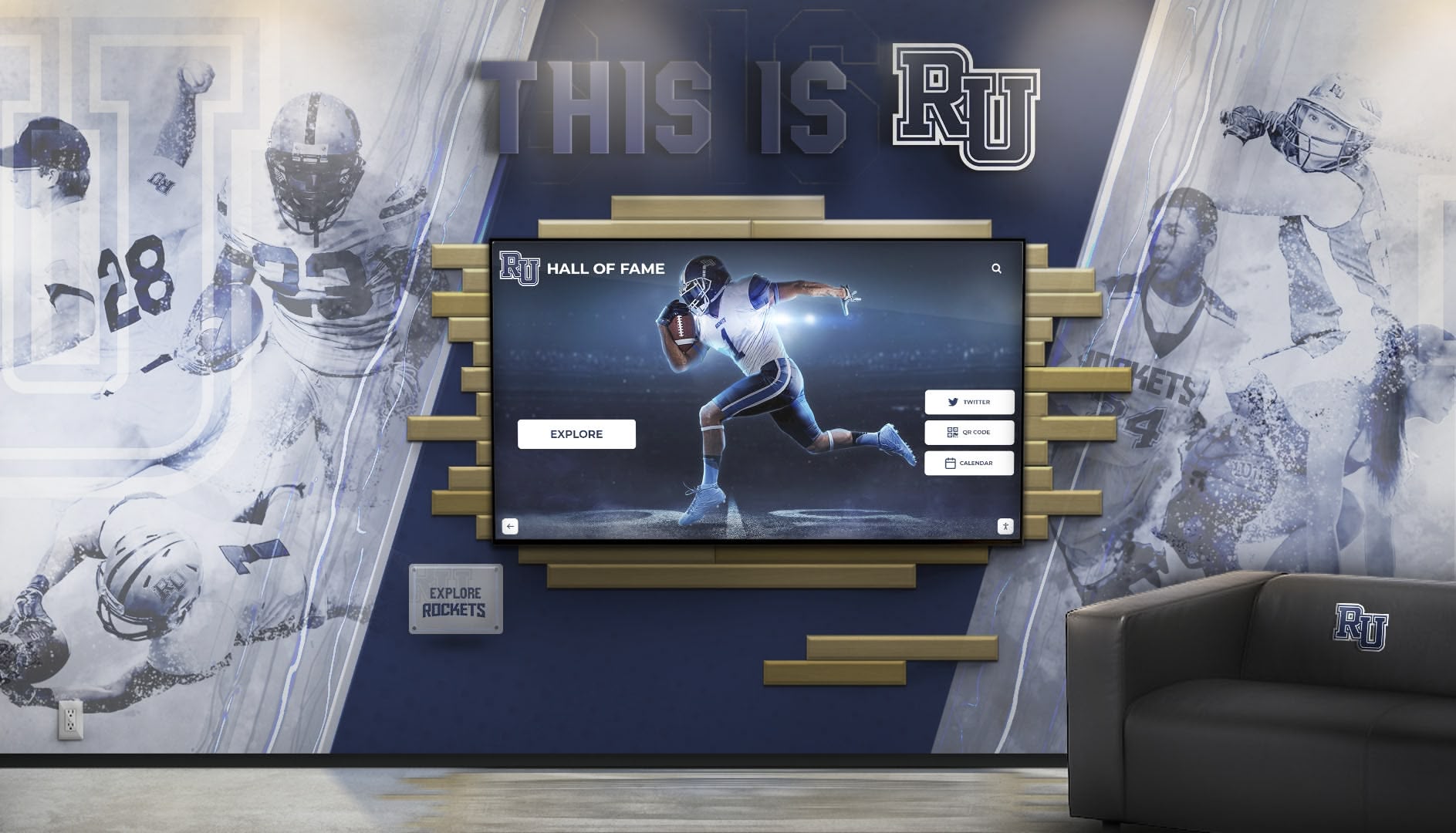
Hybrid recognition systems combine traditional design elements with modern digital capabilities, offering flexibility while honoring organizational aesthetics
Content Strategies for Recognition Displays
Effective recognition extends beyond names and titles:
Comprehensive Employee Profiles Should Include
- Professional Photos: High-quality images humanizing recognition
- Achievement Narratives: Specific descriptions of contributions and accomplishments
- Career Progression: Documentation of growth and development over time
- Colleague Testimonials: Quotes from peers and managers explaining impact
- Values Alignment: Examples of how employees embody organizational culture
- Personal Context: Optional information about motivations and professional passions
Engaging Recognition Content
Organizations creating compelling recognition develop content showcasing:
- Stories explaining why achievements matter to the organization
- Context connecting individual contributions to team and company success
- Multiple achievement dimensions beyond single metrics
- Growth narratives showing development over time
- Personal elements making recognition authentic and memorable
Companies managing comprehensive recognition programs report that rich, story-based content generates significantly higher engagement than simple name listings.
Recognition Ideas by Industry and Context
Different organizational types require adapted recognition approaches aligned with specific cultures and contexts.
Corporate Office Recognition
Professional services and corporate environments benefit from structured recognition frameworks:
Recognition Categories for Corporate Settings
- Client Excellence: Exceptional customer service and relationship management
- Innovation Recognition: Process improvements and creative problem-solving
- Cross-Functional Collaboration: Effective partnership across departments
- Project Excellence: Successful delivery of complex initiatives
- Leadership Development: Mentoring and developing other employees
Corporate Recognition Formats
Professional environments commonly implement:
- Quarterly recognition meetings presenting awards and acknowledgment
- Digital displays in main lobbies and common areas
- Intranet features highlighting recognized employees
- Executive recognition letters and acknowledgment
- Annual recognition events celebrating top performers
Organizations managing corporate recognition across distributed locations benefit from digital systems ensuring consistent acknowledgment across all facilities.
Healthcare and Service Industry Recognition
Patient-facing and service-intensive organizations prioritize recognition reflecting mission-critical values:
Healthcare Recognition Focus
- Compassionate Care: Exceptional patient care and empathy demonstrations
- Safety Excellence: Error prevention and protocol adherence
- Team Collaboration: Effective partnership during high-stress situations
- Clinical Innovation: Improvements benefiting patient outcomes
- Reliability and Dependability: Consistent excellence across all shifts
Service Industry Recognition
Customer-facing roles deserve systematic acknowledgment:
- Customer Satisfaction Excellence: Consistently high feedback scores
- Problem Resolution: Effective handling of challenging situations
- Service Consistency: Reliable, high-quality customer experiences
- Positive Attitude: Maintaining professionalism and warmth under pressure
- Team Support: Helping colleagues deliver excellent service
Healthcare facilities implementing recognition systems across multiple shifts and departments ensure all employees receive visibility regardless of work schedules.
Manufacturing and Operations Recognition
Production-focused organizations emphasize recognition supporting operational excellence:
Manufacturing Recognition Categories
- Safety Performance: Incident prevention and protocol excellence
- Quality Achievement: Consistency and defect reduction
- Production Efficiency: Output goals and efficiency improvements
- Equipment Care: Maintenance excellence and asset management
- Process Improvement: Suggestions and implementation driving better outcomes
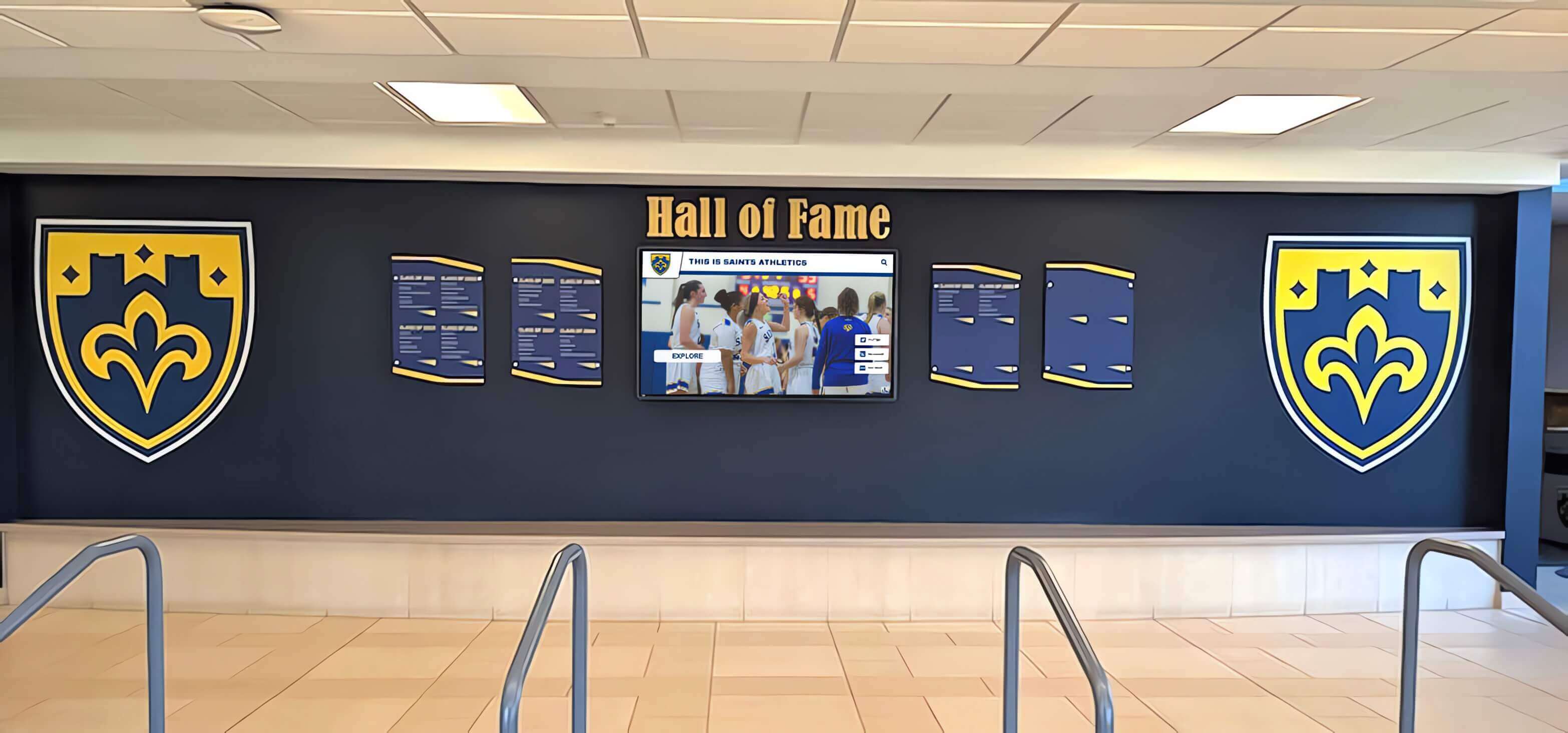
Strategic placement of recognition in high-traffic areas ensures achievements remain visible to all employees and visitors
Operations Recognition Best Practices
Manufacturing environments benefit from:
- Recognition displays positioned where all shifts see acknowledgment
- Safety-focused recognition reinforcing crucial behaviors
- Team-based recognition celebrating collective achievement
- Immediate acknowledgment of quality and efficiency milestones
- Visible connection between recognition and operational priorities
Organizations implementing recognition for 24/7 operations require systems ensuring equitable visibility across all work schedules.
Educational Institution Staff Recognition
Schools, colleges, and universities implement recognition acknowledging diverse staff contributions:
Educational Staff Recognition Categories
- Teaching Excellence: Outstanding instruction and student connection
- Administrative Support: Operational excellence enabling institutional success
- Student Support Services: Counseling, advising, and student development
- Facilities and Operations: Maintaining safe, welcoming environments
- Innovation in Education: Creative approaches improving student outcomes
Educational institutions benefit from recognition systems honoring both staff excellence and student achievement through integrated platforms, creating comprehensive celebration of institutional community.
Budget-Friendly Recognition Ideas
Meaningful recognition doesn’t require substantial budgets—creativity and consistency matter more than expense.
Zero-Cost Recognition Ideas
Powerful acknowledgment requiring only intention and time:
No-Budget Recognition Strategies
- Handwritten Thank-You Notes: Personal acknowledgment from leadership
- Public Recognition in Meetings: Verbal appreciation with specific achievement details
- Social Media Shoutouts: Celebrating employees through company channels
- Preferred Project Assignments: Rewarding high performers with desirable work
- Flexible Scheduling: Offering schedule preferences as recognition
- Professional Development Opportunities: Access to training and growth experiences
- Leadership Face Time: Lunch or coffee with executives
Why Low-Cost Recognition Works
Research consistently shows that thoughtful, specific acknowledgment often motivates more effectively than expensive gifts. When leaders invest personal time recognizing contributions—through handwritten notes, face-to-face conversations, or public acknowledgment—employees feel genuinely valued. The key lies in specificity, sincerity, and appropriate visibility.
Cost-Effective Recognition Programs
Modest budgets still enable systematic recognition:
Affordable Recognition Ideas ($100-500 per recognition)
- Team Lunches: Catered meals celebrating department achievements
- Gift Cards: Modest but flexible rewards employees value
- Extra Paid Time Off: Additional vacation days or personal time
- Professional Development Funding: Books, courses, or conference attendance
- Office Upgrades: Better equipment or workspace improvements
- Local Experience Gifts: Restaurant certificates, entertainment tickets
Scaling Recognition to Budget
Organizations with limited resources can implement meaningful recognition by:
- Focusing on frequent, low-cost acknowledgment rather than expensive annual gestures
- Leveraging digital recognition systems eliminating per-person physical costs
- Prioritizing visibility and sincerity over expensive awards
- Creating recognition cultures through systematic practices requiring minimal budget
- Combining free recognition (public acknowledgment, notes, flexibility) with modest periodic rewards
Companies implementing cost-effective digital recognition find that technology investments deliver substantially better long-term value than repeated physical recognition costs.
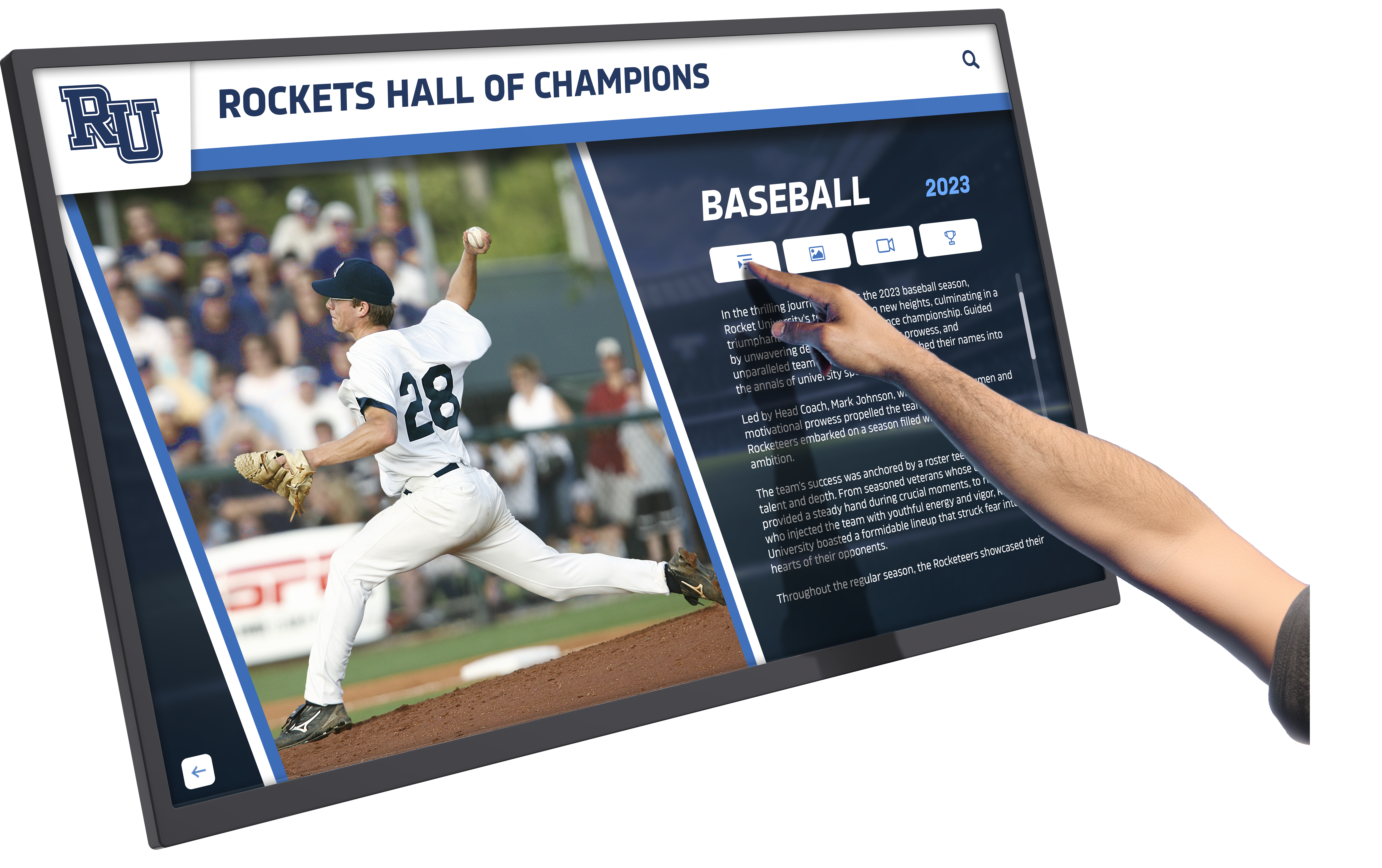
Modern touchscreen interfaces create intuitive experiences enabling employees to explore organizational excellence
Measuring Recognition Program Effectiveness
Systematic assessment ensures recognition investments deliver intended value and inform continuous improvement.
Quantitative Recognition Metrics
Employee Engagement Indicators
- Recognition program participation rates (nominations, acknowledgment given)
- Employee satisfaction scores related to appreciation and value
- Survey results measuring recognition program awareness
- Digital display interaction rates and engagement duration
- Recognition mention frequency in employee feedback
Retention and Performance Metrics
- Turnover rates comparing recognized versus non-recognized employees
- Retention improvements following recognition program implementation
- Performance metric changes among regularly recognized employees
- Internal promotion rates for recognition recipients
- Application rates from external candidates citing culture
Program Operational Metrics
- Recognition distribution across departments and demographics ensuring equity
- Cost per recognized employee and budget efficiency
- Administrative time required for recognition program management
- Communication reach and engagement with recognition announcements
- Recognition frequency meeting intended program goals
Qualitative Assessment
Employee Perception Research
- Focus groups discussing recognition program effectiveness and improvement opportunities
- Anonymous surveys assessing perceived fairness, meaningfulness, and impact
- Exit interviews exploring recognition’s role in retention decisions
- New hire feedback about recognition as attraction factor
- Recognition recipient interviews about experience and lasting impact
Cultural Impact Observation
- Changes in workplace atmosphere and employee collegiality
- Employee discussions about recognition and achievement aspirations
- Peer support and celebration of colleagues’ accomplishments
- Leadership modeling of appreciation and recognition behaviors
- Organizational pride and identification strengthening
Regular assessment enables continuous improvement, ensuring recognition programs remain meaningful and aligned with organizational evolution.
Best Practices for Recognition Program Success
Organizations maintaining effective employee recognition over years implement these key strategies:
Authenticity and Consistency
Genuine Appreciation Requirements
Recognition must feel authentic rather than perfunctory. Leaders should invest time understanding contributions and expressing specific, sincere appreciation. Generic praise undermines program credibility and can actually decrease satisfaction by feeling insincere.
Reliable Implementation
Consistent scheduling and dependable processes build program credibility. Skipped recognition periods, delayed acknowledgment, or inconsistent selection damages employee trust. Successful organizations treat recognition as non-negotiable priority receiving consistent attention and resources.
Fairness and Transparency
Clear Criteria and Processes
Published, objective selection criteria enable employees to understand what organizations value and see pathways to recognition. Vague or changing standards breed cynicism and disengagement. Transparent processes—even when specific nominations remain confidential—build trust in recognition fairness.
Diverse Recognition Distribution
Tracking ensures recognition reaches all departments, roles, and demographic groups. Programs perceived as favoring specific teams or demographics lose credibility with broader workforces. Intentional monitoring and course correction maintain program integrity and effectiveness.
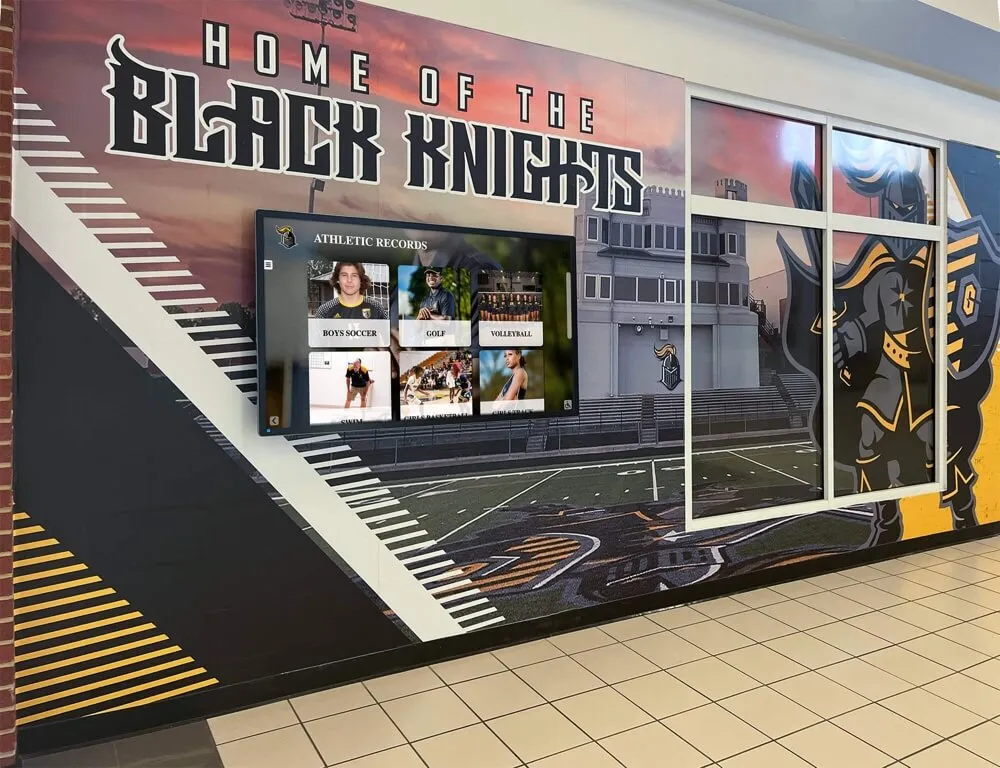
Recognition integrated throughout workplace environments creates cultures where excellence is systematically celebrated
Meaningful and Lasting Recognition
Substantial Acknowledgment
Token gestures feel insulting rather than appreciative. Award value and recognition quality should reflect genuine organizational gratitude and importance. This doesn’t necessarily mean expensive gifts—thoughtful, personalized acknowledgment often means more than generic luxury items.
Permanent Visibility
Brief announcements provide minimal impact compared to sustained recognition through displays, communications, and organizational memory. Creating permanent records honoring contributions—especially for long-serving employees—demonstrates that excellence becomes part of organizational legacy.
Organizations ready to implement comprehensive, professional recognition systems benefit from digital platforms providing turnkey solutions that remain easily manageable as workforces evolve and employees achieve new milestones.
Conclusion: Building Recognition-Rich Workplace Cultures
Employee recognition represents far more than courtesy—it’s strategic investment in organizational culture, retention, and performance. When companies create systematic recognition ensuring contributions are noticed, achievements are celebrated, and excellence becomes visible throughout organizations, they build environments where exceptional work feels valued, appreciated, and worth sustaining.
The recognition ideas explored in this guide provide practical frameworks for building programs that honor diverse achievements while remaining sustainable, fair, and aligned with organizational values. From daily peer acknowledgment to permanent digital displays preserving career-long legacies, these approaches transform recognition from occasional gestures to systematic celebration woven throughout workplace culture.
Transform Your Employee Recognition Program
Discover how modern digital recognition solutions can help you celebrate every employee achievement and build a thriving culture of excellence. Interactive touchscreen systems provide professional platforms for acknowledging outstanding performance while preserving recognition throughout careers.
Request a DemoTechnology increasingly enables even resource-constrained organizations to provide comprehensive, lasting recognition that previous generations could achieve only with significant investment. Digital recognition displays transform employee appreciation from temporary announcements to permanent tributes, ensuring exceptional performers feel valued throughout careers while their achievements inspire colleagues and future employees.
Most importantly, effective employee recognition demonstrates that people matter, that contributions are noticed, and that excellence receives appropriate celebration. When organizations systematically acknowledge those who drive success—through daily appreciation, periodic formal recognition, and permanent tributes to career-long excellence—they create environments where talented people choose to build careers, where innovation flourishes, and where organizational cultures become sustainable competitive advantages.
Start building your enhanced recognition program today, beginning with achievable improvements while working toward the comprehensive acknowledgment your employees deserve. Every employee who receives genuine recognition for their contributions reinforces your organizational culture and inspires colleagues to pursue the excellence that drives collective success.
Ready to create professional recognition honoring your employee excellence? Explore comprehensive recognition solutions designed specifically for organizations seeking to celebrate achievements and build thriving workplace cultures through modern digital displays that engage employees and strengthen organizational identity.