



As the school year winds down, educators face a meaningful opportunity to celebrate student growth, character development, and unique contributions that extend far beyond report cards. While academic excellence certainly deserves recognition, end of year awards become truly transformative when they acknowledge the full spectrum of student achievement—from acts of kindness and creative thinking to leadership, perseverance, and the qualities that make each student remarkable.
Traditional award categories often create a recognition gap where the same high-achieving students receive multiple honors while many deserving students never hear their names called. This narrow approach misses opportunities to celebrate diverse strengths, validate different forms of intelligence, and motivate students who excel in ways that standardized assessments cannot measure.
This comprehensive guide explores creative end of year awards for students that go beyond academics, providing recognition frameworks ensuring every student can experience the confidence boost and motivation that comes from being celebrated for their authentic strengths.
Effective end-of-year recognition programs balance acknowledging traditional academic excellence with celebrating the character qualities, creative abilities, leadership skills, and personal growth that define well-rounded education. When schools diversify recognition categories, they communicate that multiple pathways to excellence exist and that every student brings valuable contributions to the school community.

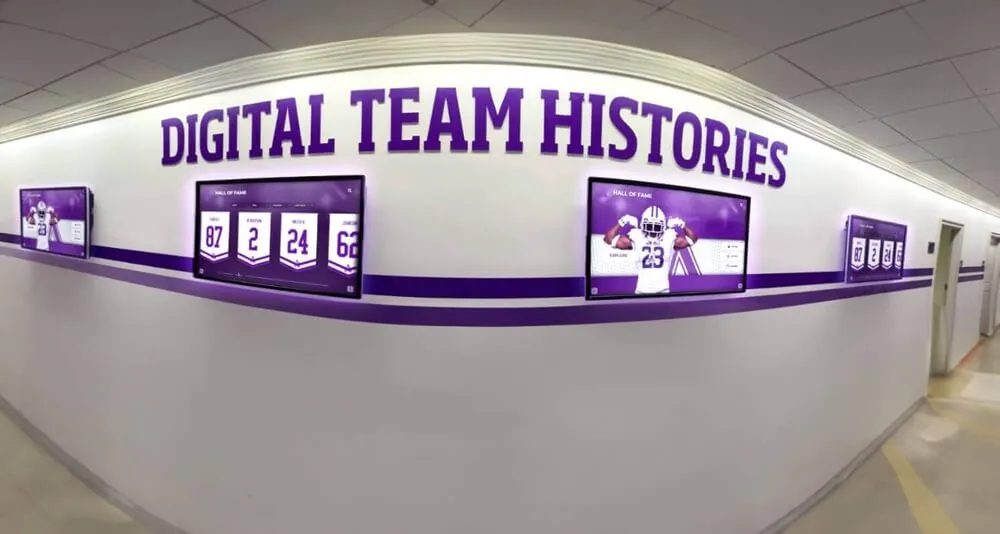
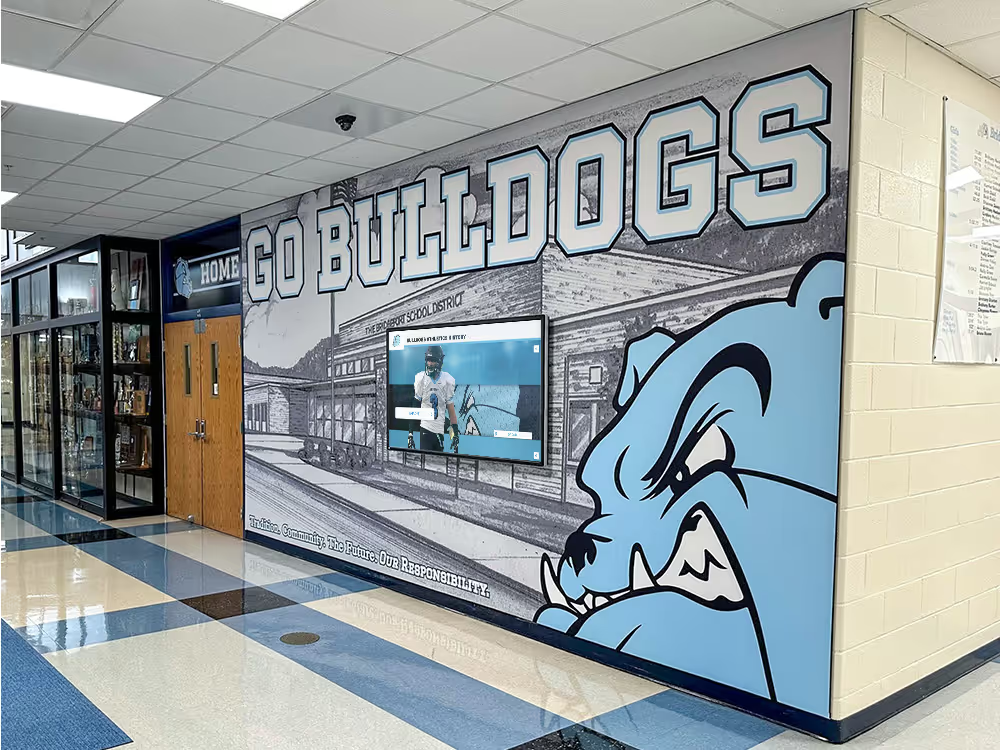
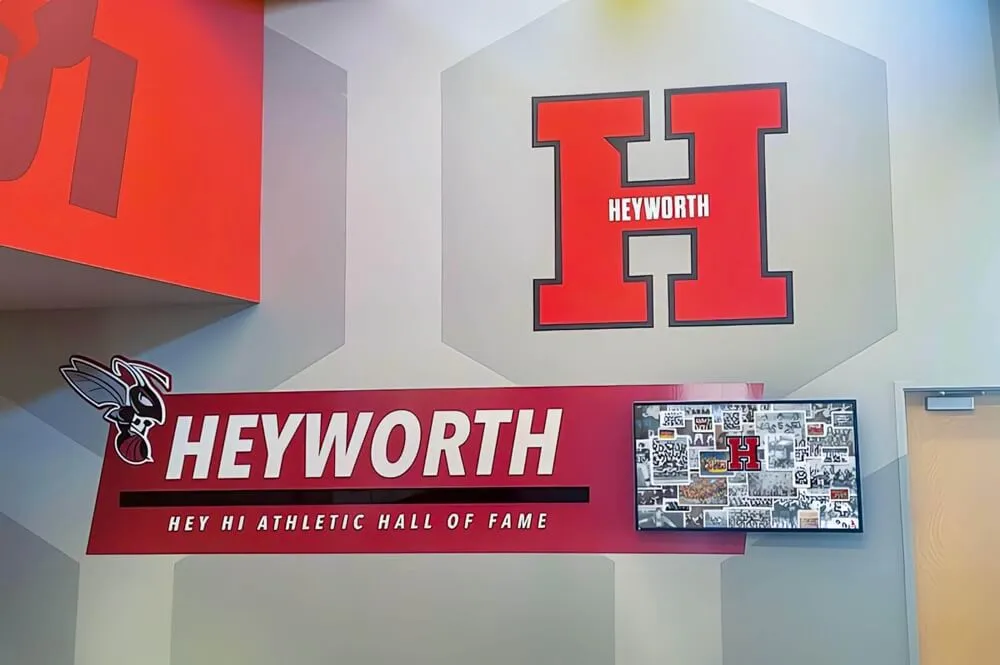
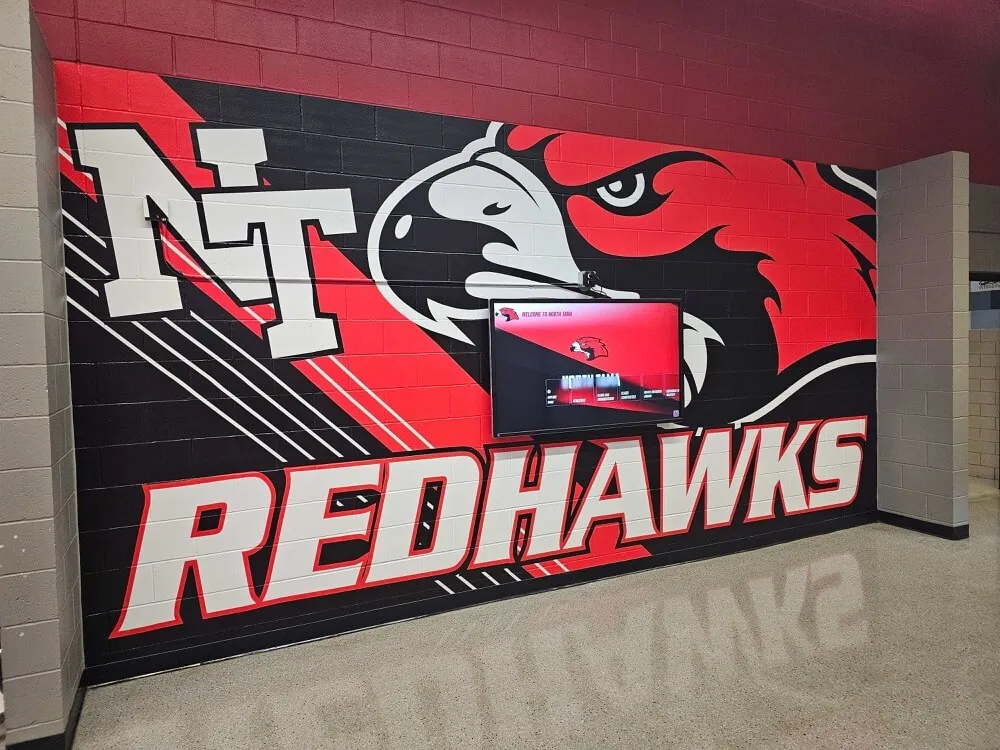
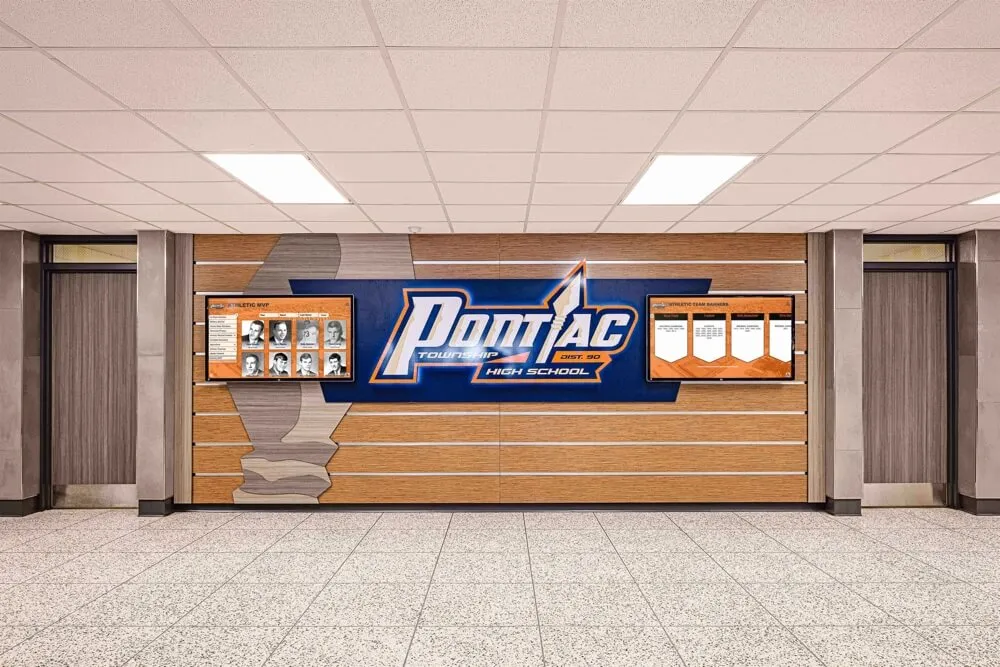
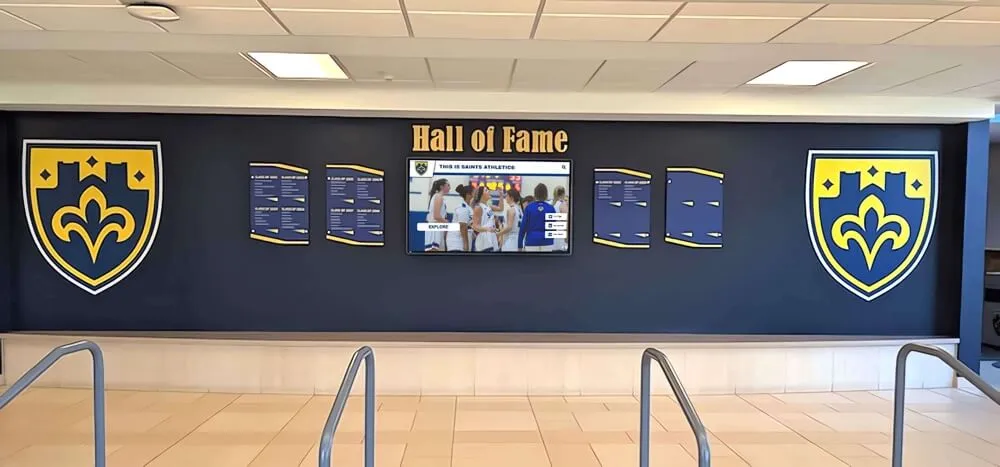
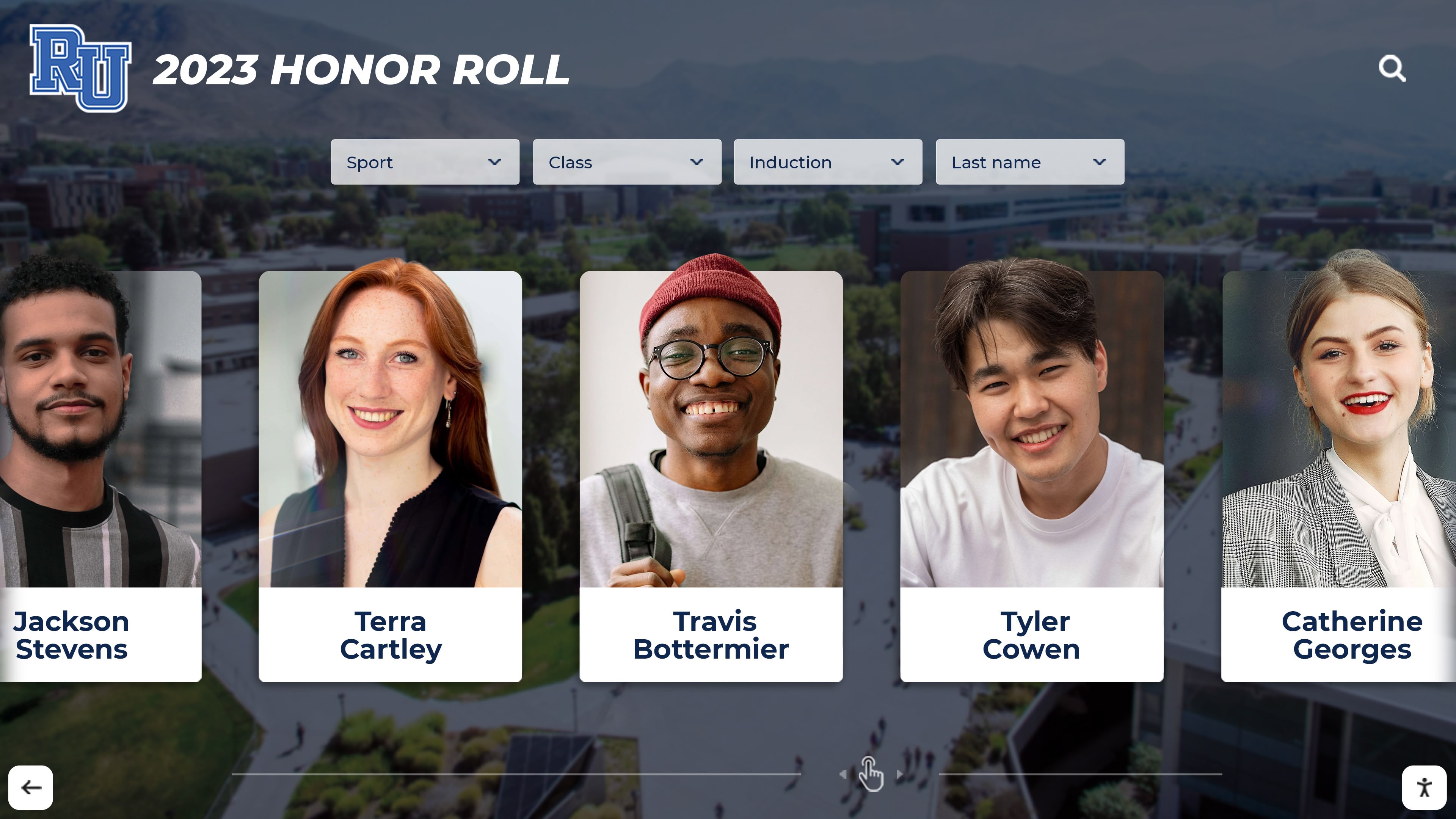
Modern recognition systems enable schools to celebrate diverse student achievements through personalized digital profiles
Why End of Year Awards Matter for Student Development
Understanding the developmental impact of recognition helps educators design award programs that genuinely benefit students.
The Psychology of Recognition in Education
Research in educational psychology consistently demonstrates that meaningful recognition produces measurable benefits:
Motivation and Engagement Enhancement
Recognition creates powerful motivational effects:
- Students who receive authentic recognition show increased school engagement
- Acknowledgment of specific behaviors encourages repetition and development
- Recognition reduces achievement gaps by motivating underperforming students
- Diverse award categories ensure more students find pathways to success
- Public celebration normalizes excellence across multiple dimensions
According to research from the Character Lab, students who receive recognition for character strengths (not just academic achievement) demonstrate greater resilience, higher engagement, and improved social-emotional development.
Identity Development and Self-Concept
Awards influence how students see themselves:
- Recognition validates students’ emerging identity and strengths
- Specific award categories help students articulate their unique capabilities
- Public acknowledgment from trusted adults shapes self-perception
- Award moments create lasting memories influencing self-confidence
- Recognition for effort and growth reinforces healthy achievement attitudes
Social Connection and Belonging
End-of-year awards strengthen school community bonds:
- Celebration creates shared positive experiences
- Recognition events bring families into school community
- Diverse awards demonstrate that school values all students
- Peer recognition creates positive social dynamics
- Award ceremonies become tradition connecting past and future students
Common Pitfalls in Traditional Award Programs
Many schools inadvertently limit recognition impact through narrow approaches:
Overemphasis on Academic Achievement
Traditional programs focus too heavily on grades:
- Same students receive multiple academic awards
- Non-academic excellence goes unrecognized
- Students with different learning styles feel undervalued
- Recognition becomes predictable rather than motivating
- Limited categories exclude most students

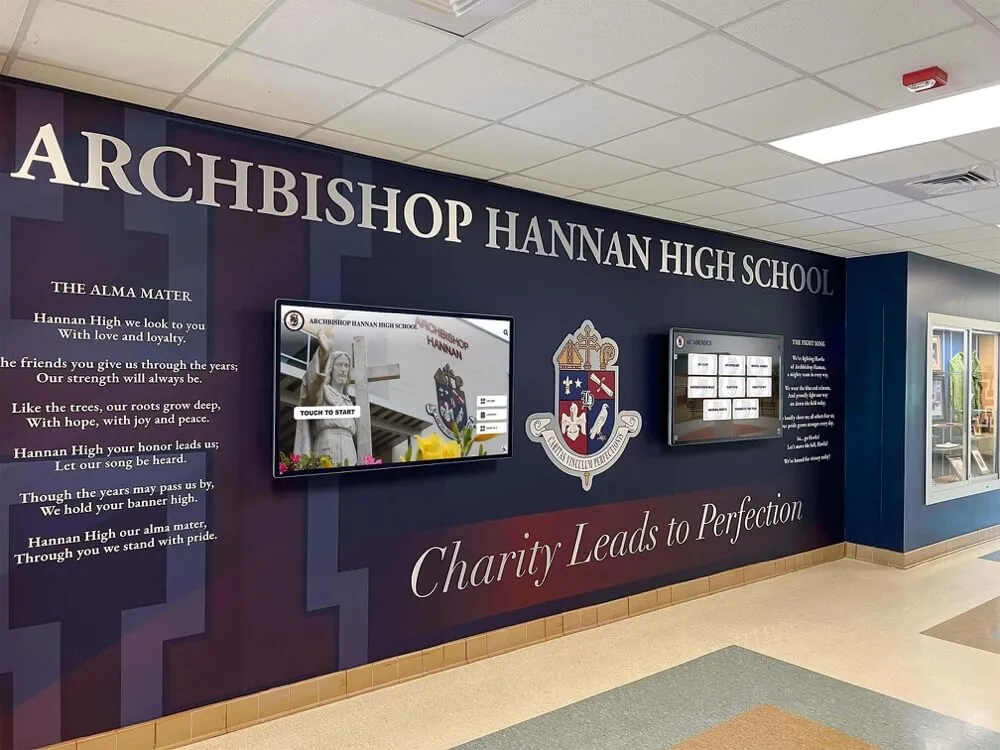
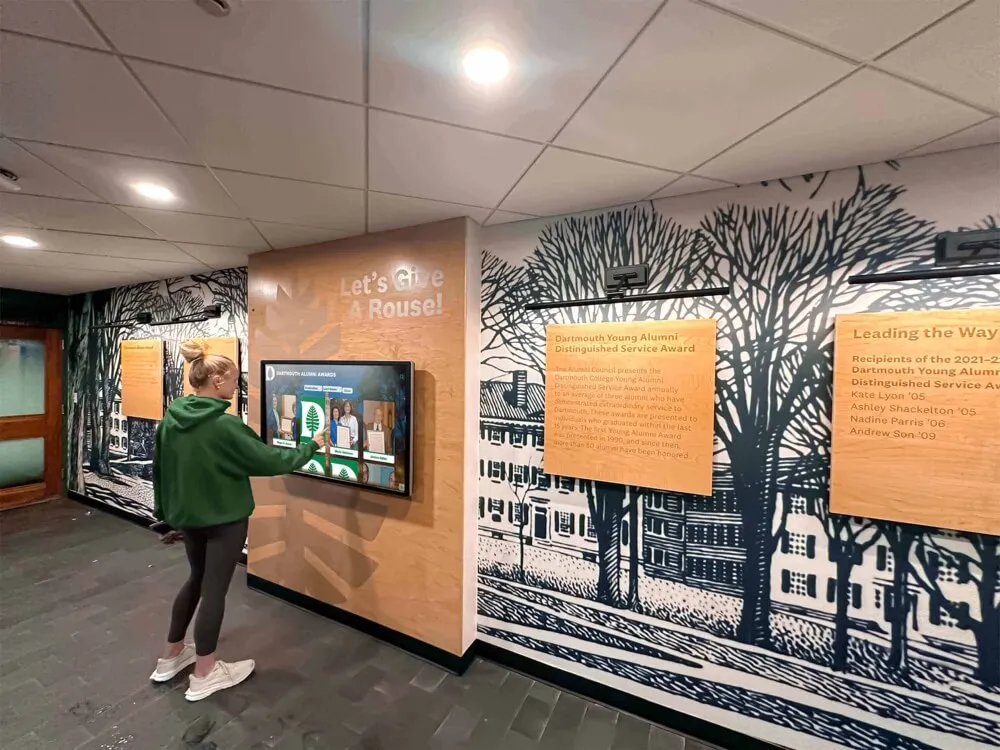
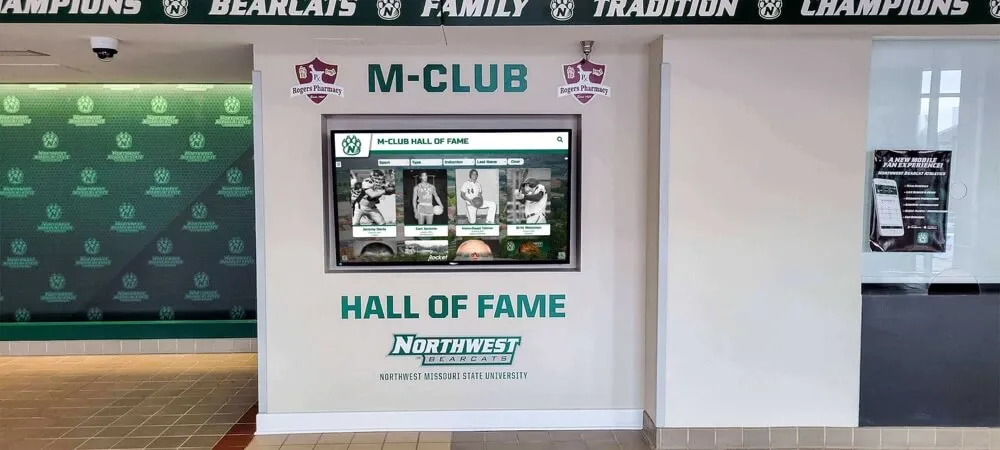
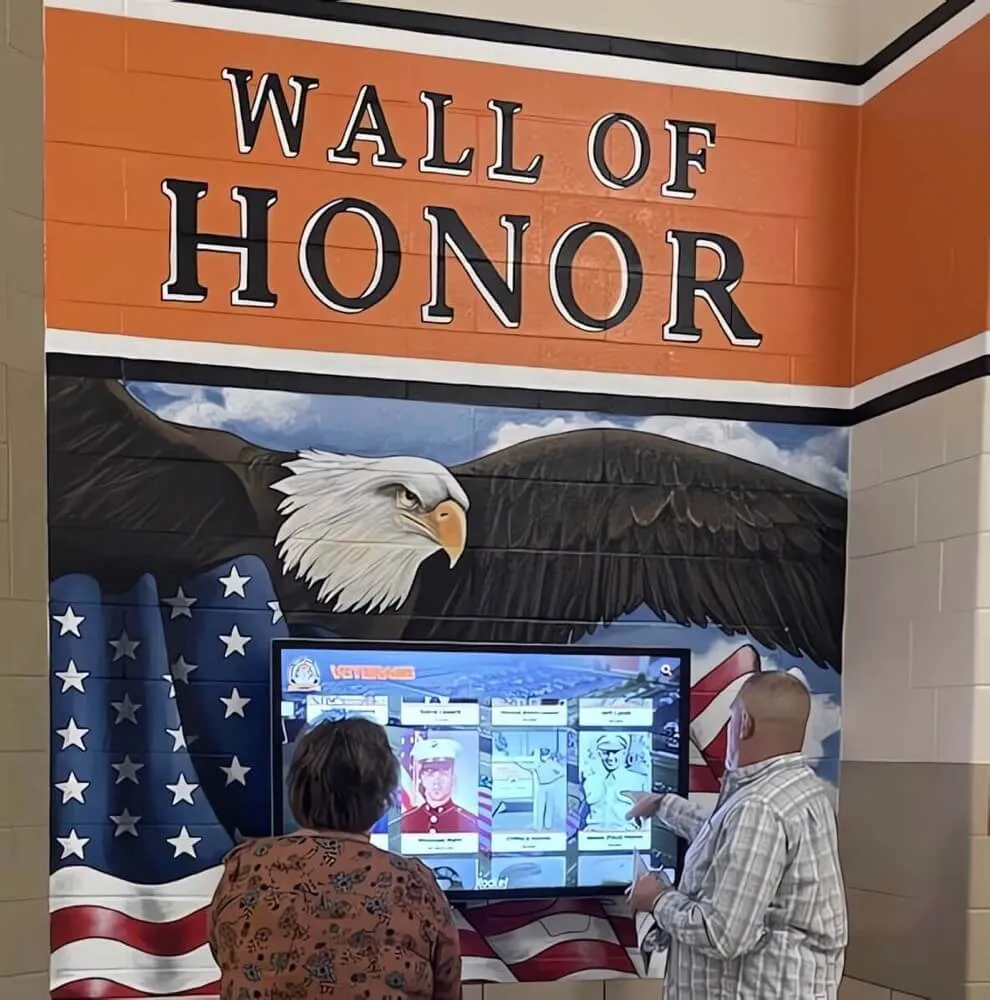
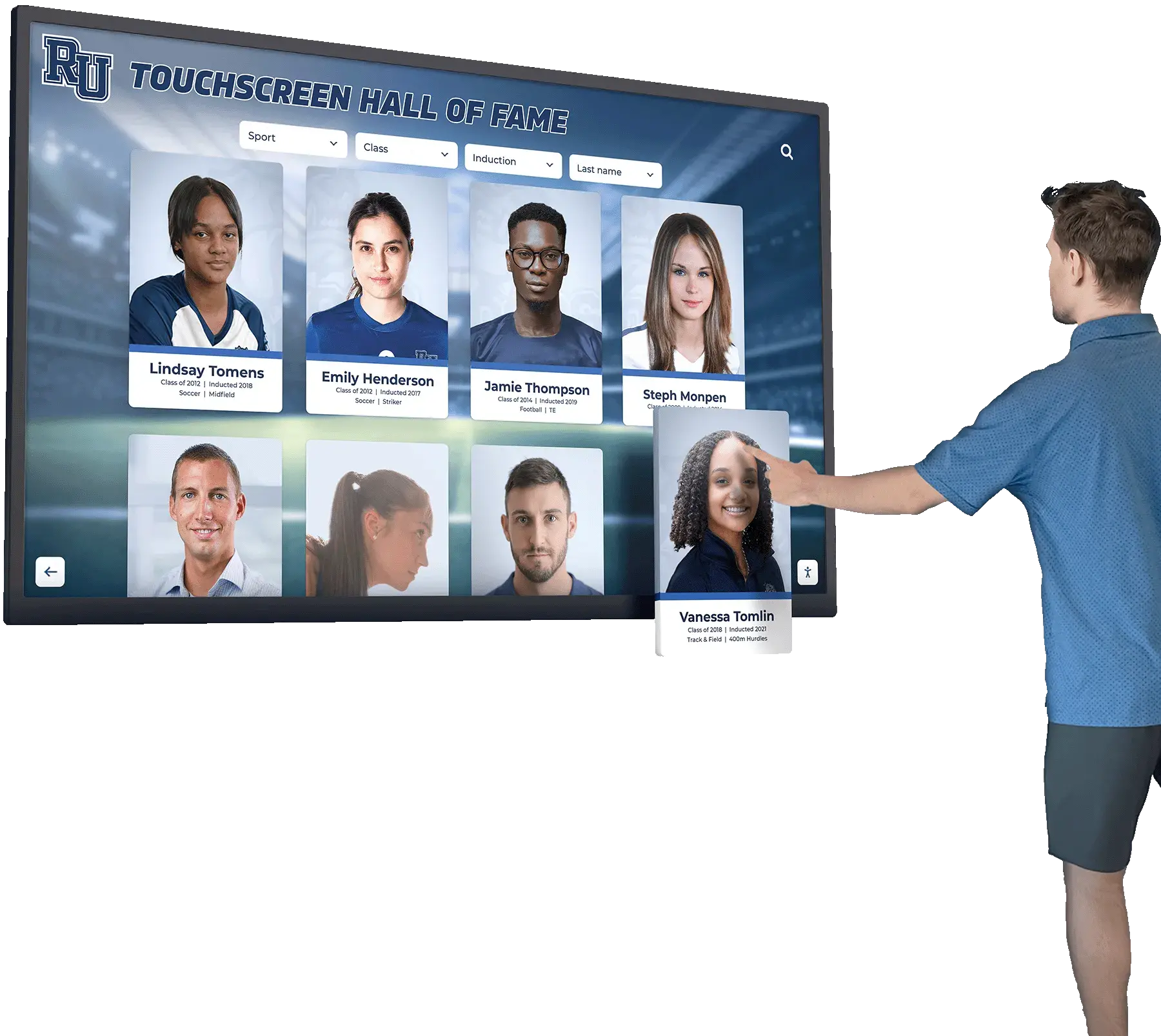
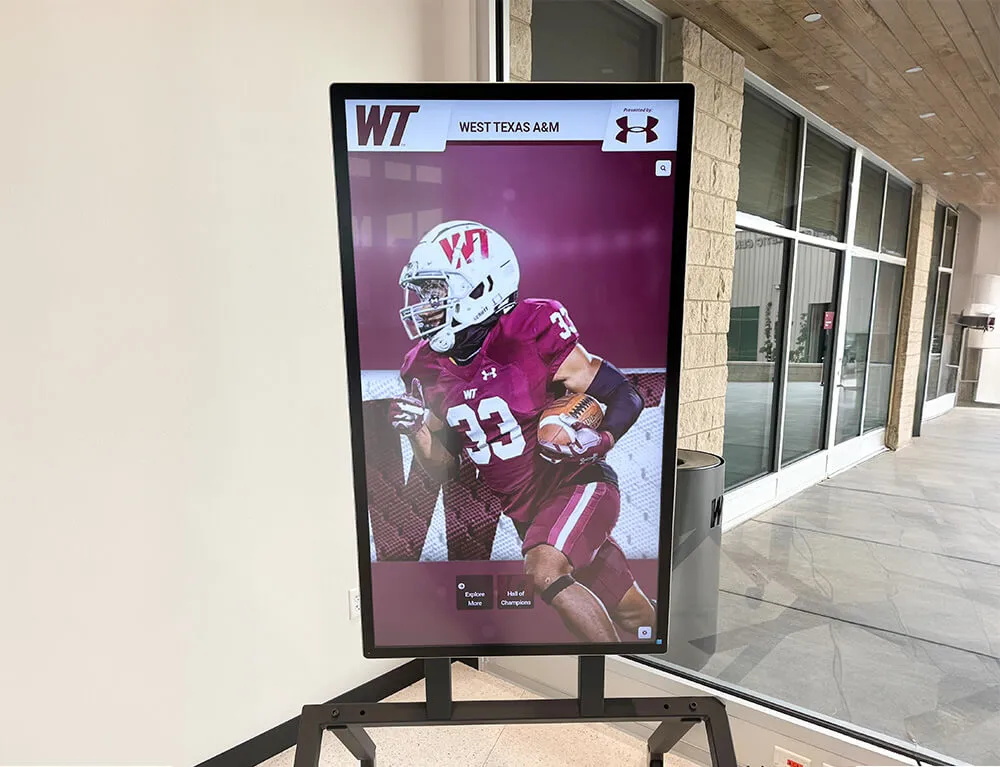
Interactive displays enable families to explore and celebrate student achievements together
Insufficient Recognition Quantity
Limited award opportunities create gaps:
- Small number of awards leaves most students unrecognized
- Competitive awards create winners and losers rather than celebrating growth
- Focus on year-end ceremony misses ongoing recognition opportunities
- Budget constraints limit physical awards and ceremonies
- Administrative burden prevents comprehensive programs
Generic or Unclear Recognition
Vague awards lack meaning:
- Generic “participation” awards feel like consolation prizes
- Unclear criteria create perception of favoritism
- Awards without specific examples lack authenticity
- Trophy-only recognition misses opportunity to tell student stories
- One-size-fits-all approaches fail to honor unique contributions
Creative Academic Recognition Categories
While expanding beyond academics, schools should maintain meaningful academic recognition with fresh approaches:
Subject-Specific Excellence Awards
Moving beyond general honor roll creates more specific acknowledgment:
STEM Achievement Recognition
- Mathematical Thinking Award for creative problem-solving approaches
- Scientific Inquiry Award for curiosity and experimental design
- Technology Innovation Award for creative use of digital tools
- Engineering Mindset Award for design thinking and iterative improvement
Humanities and Arts Excellence
- Literary Achievement Award for writing development or analysis
- Historical Thinking Award for contextual understanding and synthesis
- Artistic Expression Award for creative visual or performing arts contributions
- Multilingual Communication Award for language learning progress
Most Improved Academic Categories
- Subject-Specific Growth Award documenting learning gains
- Study Skills Development Award for organizational improvements
- Reading Progress Award celebrating literacy advancement
- Math Confidence Award recognizing attitude and effort improvements
Growth Mindset Academic Recognition
Celebrating improvement and effort reinforces healthy achievement attitudes:
Effort and Persistence Awards
- Determined Learner Award for students who persist through challenges
- Question Asker Award for intellectual curiosity and engagement
- Revision Champion Award for students who embrace feedback and improve work
- Challenge Seeker Award for students who voluntarily attempt difficult work
Learning Process Recognition
- Research Skills Award for information literacy development
- Collaborative Learning Award for group work contributions
- Self-Directed Learning Award for independent project work
- Metacognitive Growth Award for students developing learning strategies
For schools seeking comprehensive academic recognition alongside character awards, explore academic recognition program frameworks integrating multiple achievement dimensions.
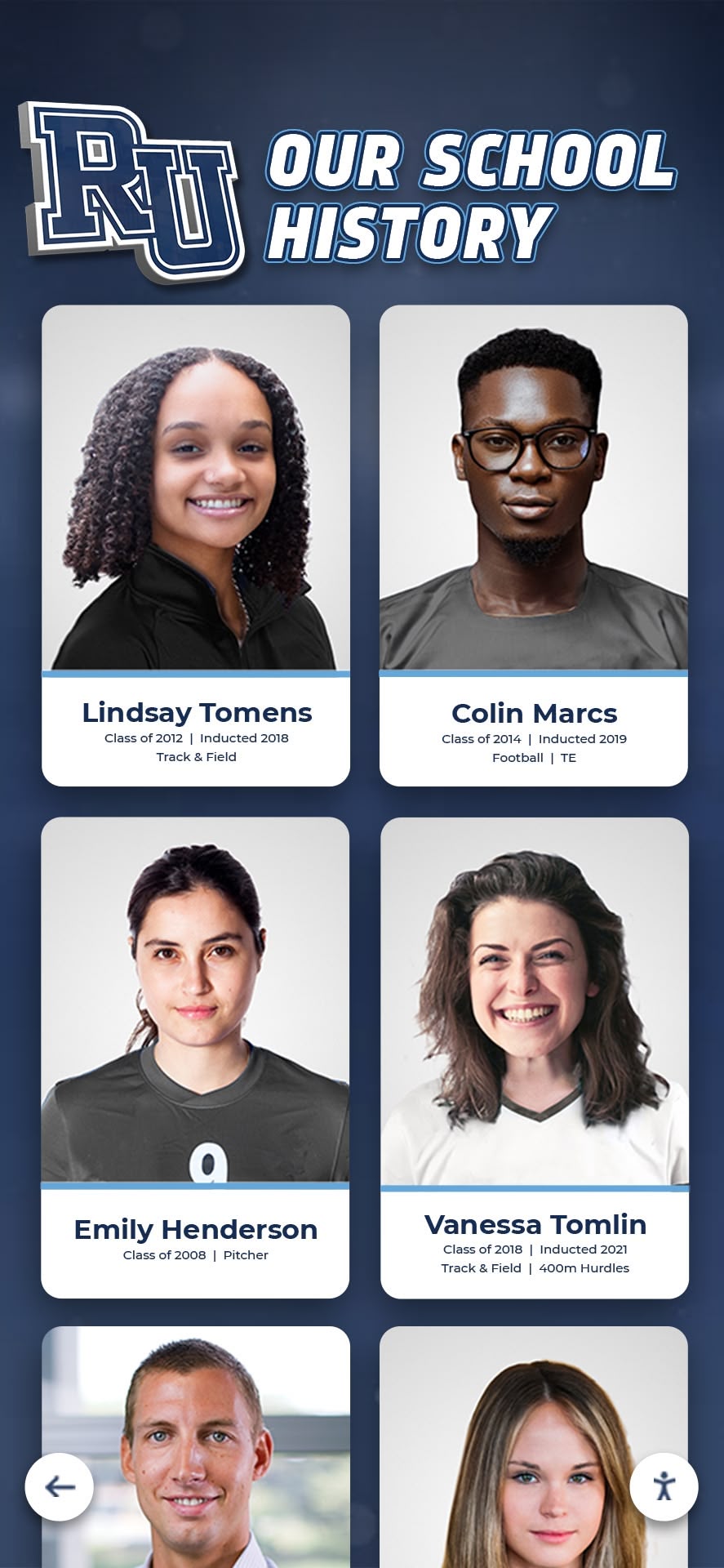
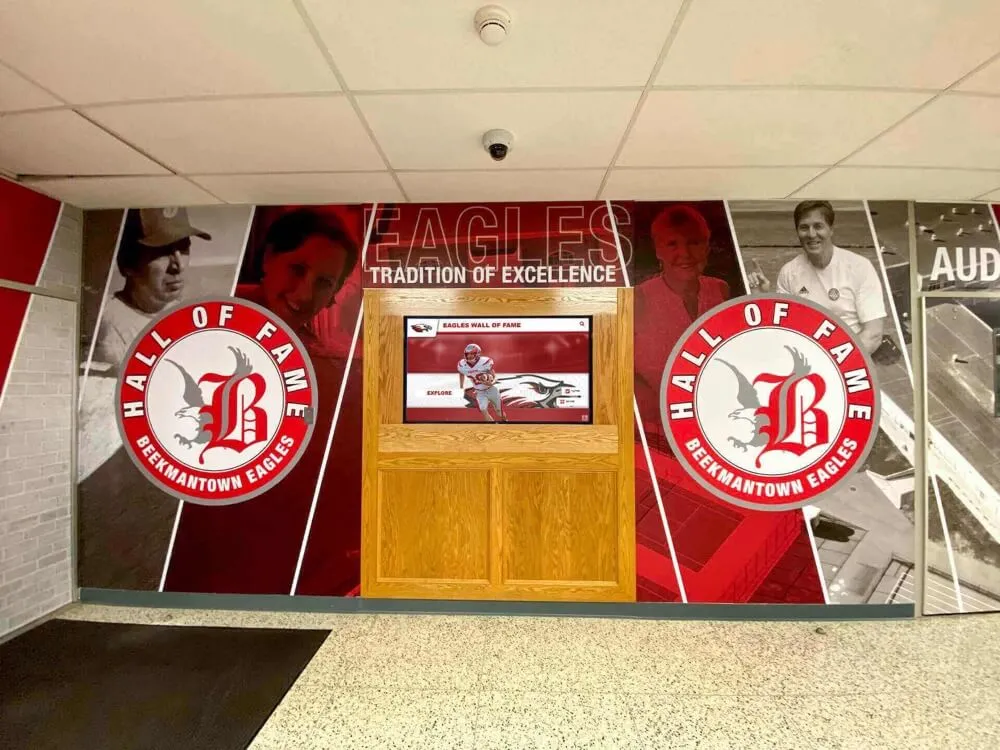
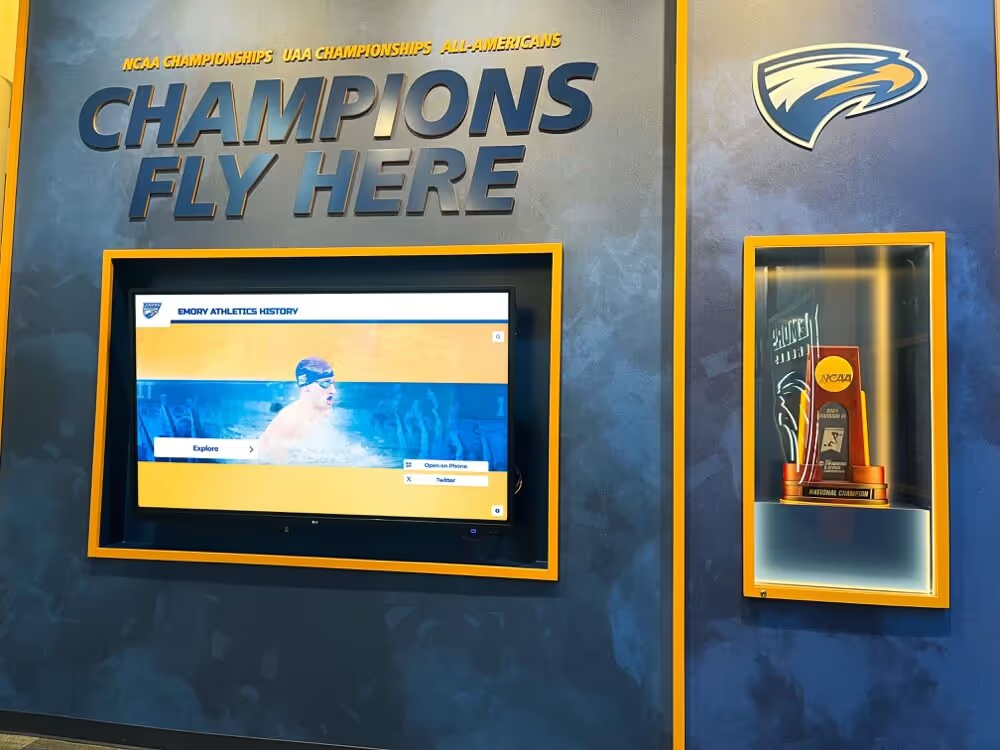
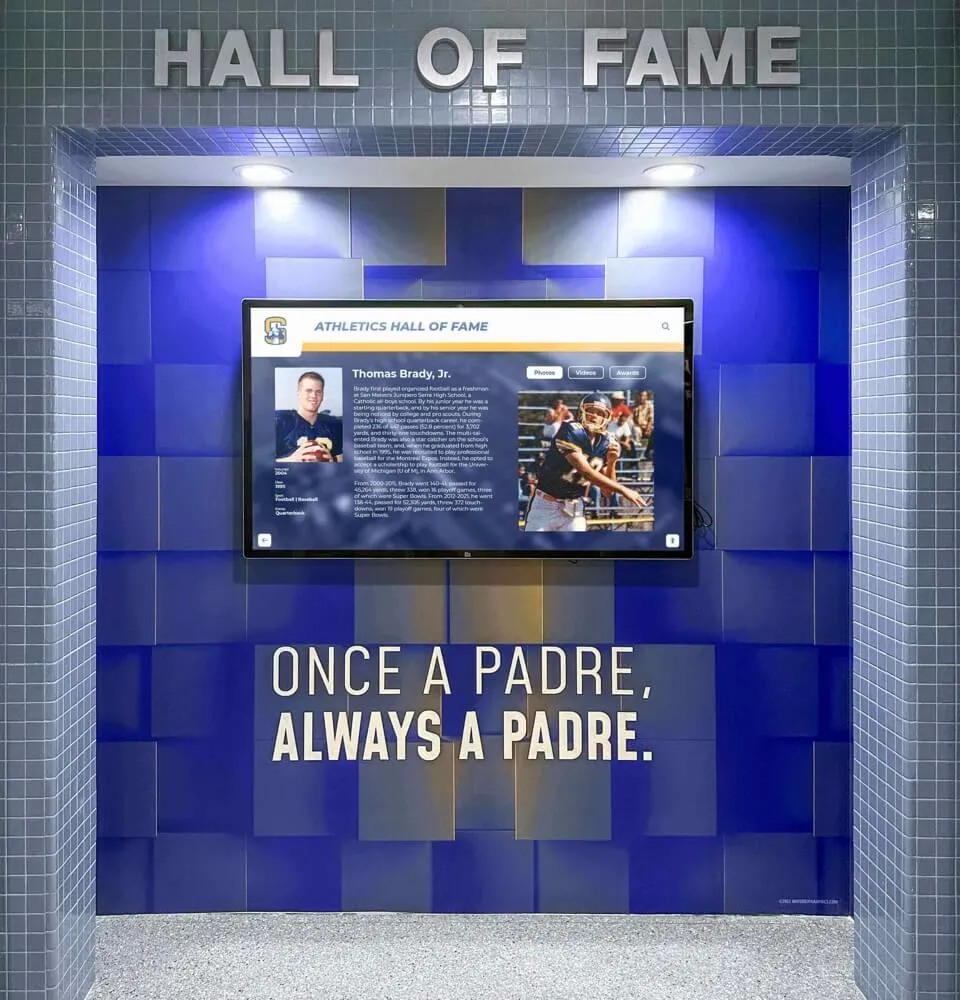
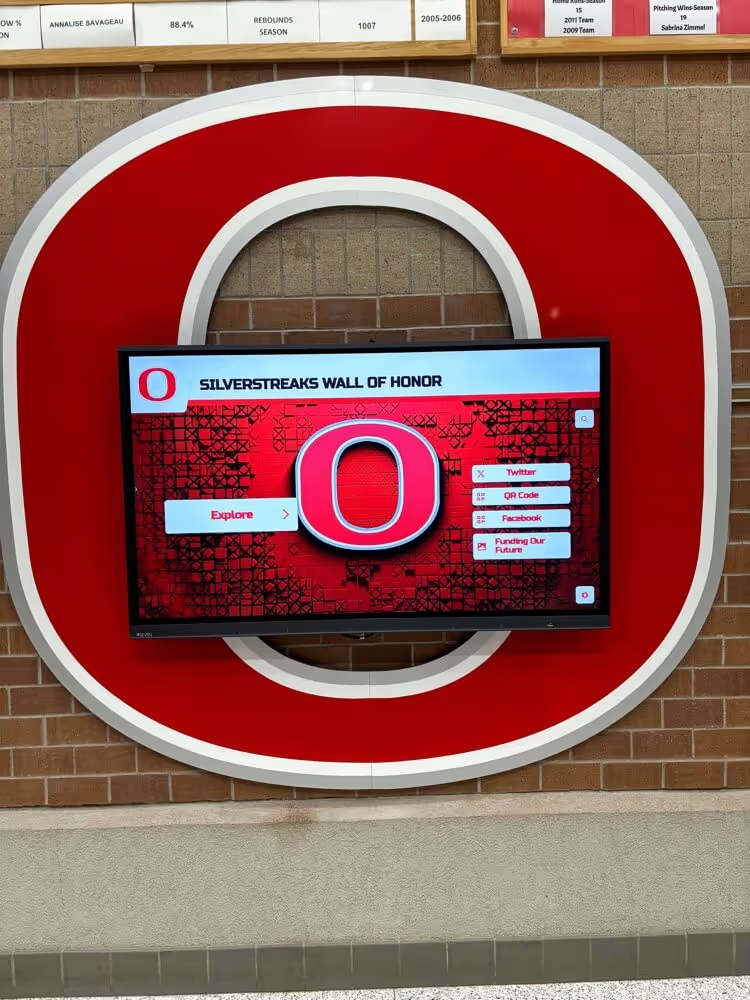
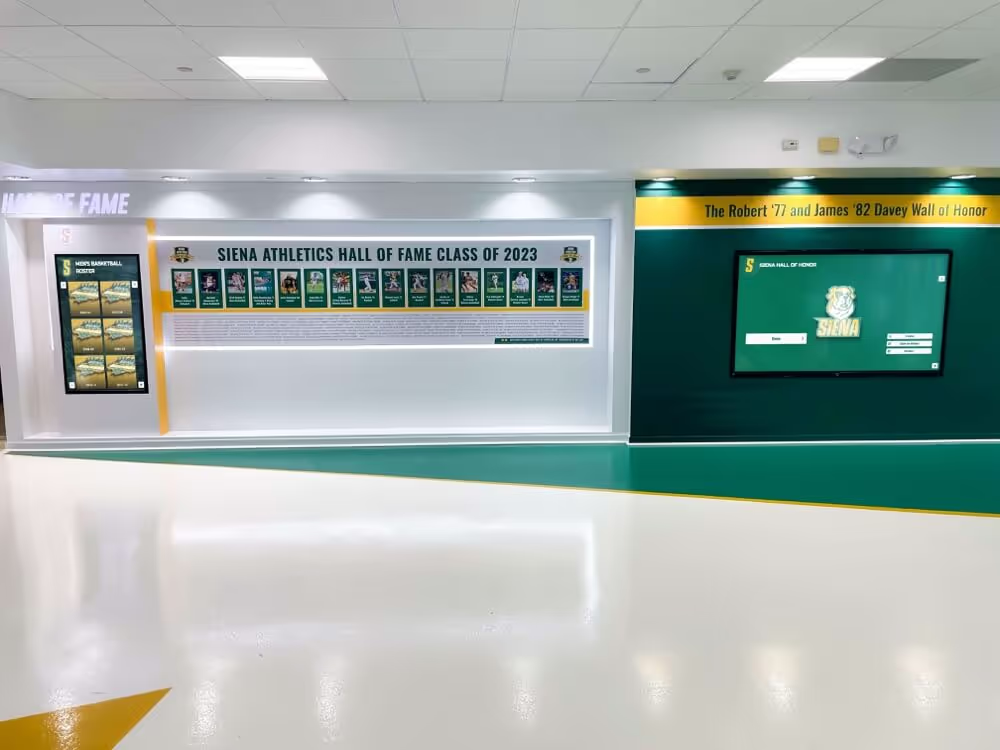
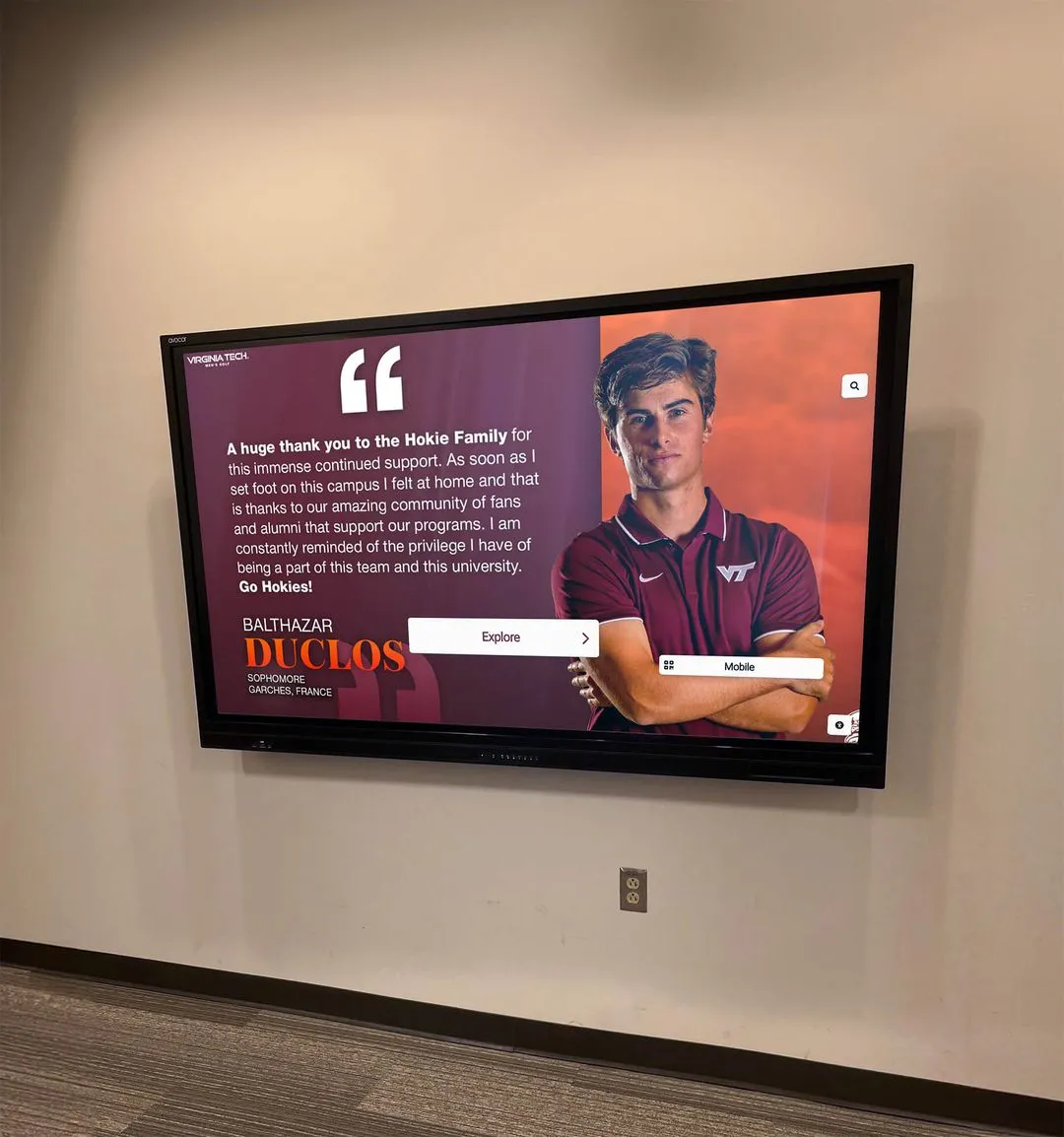
Individual achievement profiles document specific accomplishments and growth stories
Character and Social-Emotional Awards
Character recognition acknowledges qualities essential for lifelong success:
Citizenship and Leadership Awards
Recognizing students who strengthen school community:
Leadership Recognition Categories
- Peer Mentor Award for students who help classmates succeed
- Class Representative Award for student government contributions
- Initiative Award for students who start positive projects
- Quiet Leader Award for students who lead through example rather than spotlight
- Emerging Leader Award for younger students showing leadership potential
Citizenship and Service Awards
- Good Citizen Award for consistent rule following and positive behavior
- Community Service Award for volunteer work and giving back
- Environmental Steward Award for sustainability efforts and environmental awareness
- School Spirit Award for students who promote positive school culture
- Kindness Award for daily acts of compassion and consideration
Personal Character Awards
Celebrating individual character strengths:
Resilience and Perseverance Awards
- Perseverance Award for students who overcome significant obstacles
- Comeback Award for students who recovered from difficult circumstances
- Growth Mindset Award for students who embrace challenges as opportunities
- Courage Award for students who face fears or speak up for beliefs
- Optimism Award for students who maintain positive outlook
Integrity and Responsibility Awards
- Integrity Award for consistent ethical behavior and honesty
- Reliability Award for students who consistently follow through
- Self-Management Award for organizational skills and responsibility
- Digital Citizenship Award for responsible online behavior
- Academic Integrity Award for honest work and citing sources
Empathy and Interpersonal Awards
- Empathy Award for students who show exceptional understanding of others
- Conflict Resolution Award for students who help resolve disputes peacefully
- Inclusivity Award for students who welcome and include others
- Team Player Award for collaboration and supporting others’ success
- Friendship Award for students who build bridges between groups
For educators developing comprehensive character recognition, see student recognition programs balancing achievement and character development.
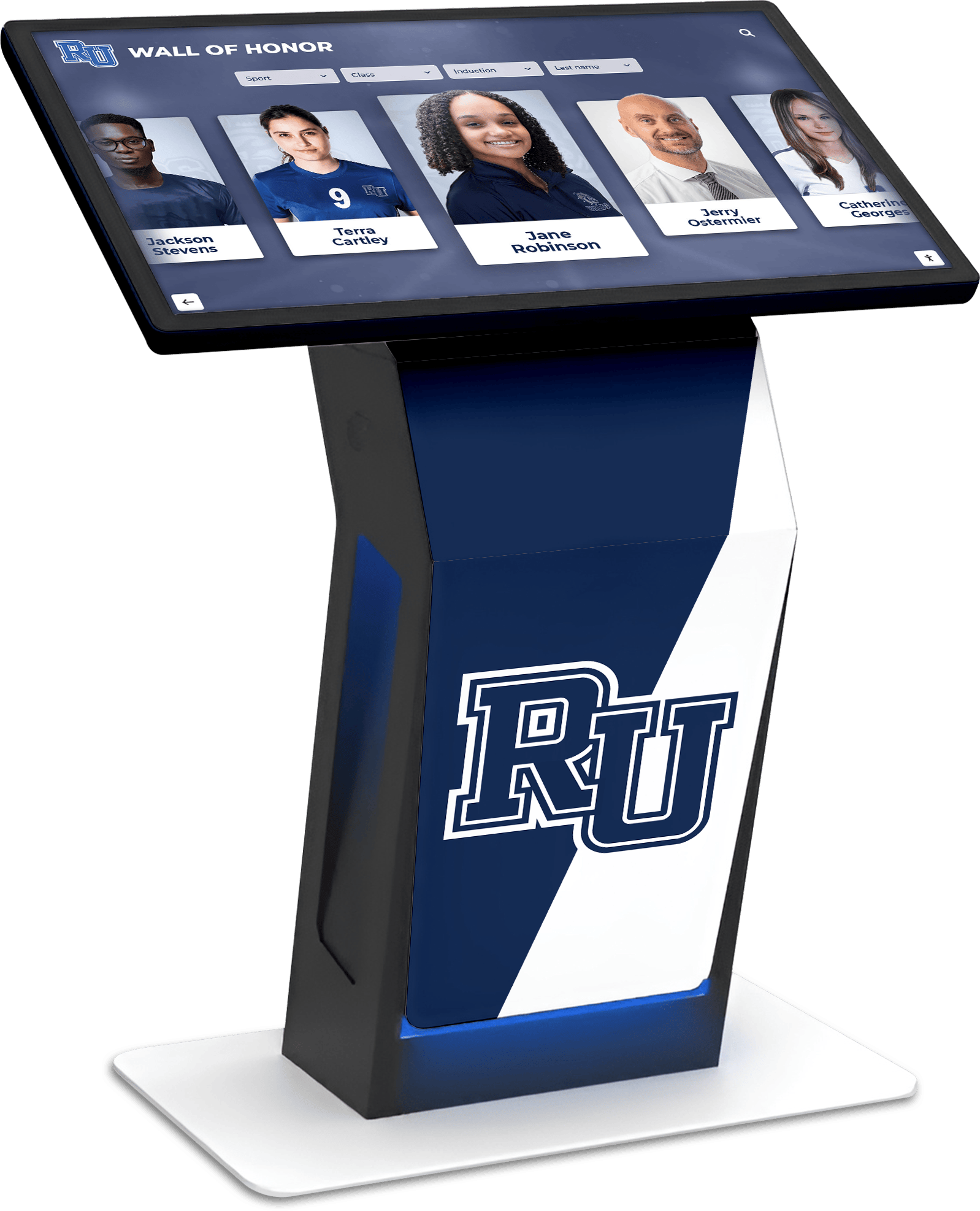
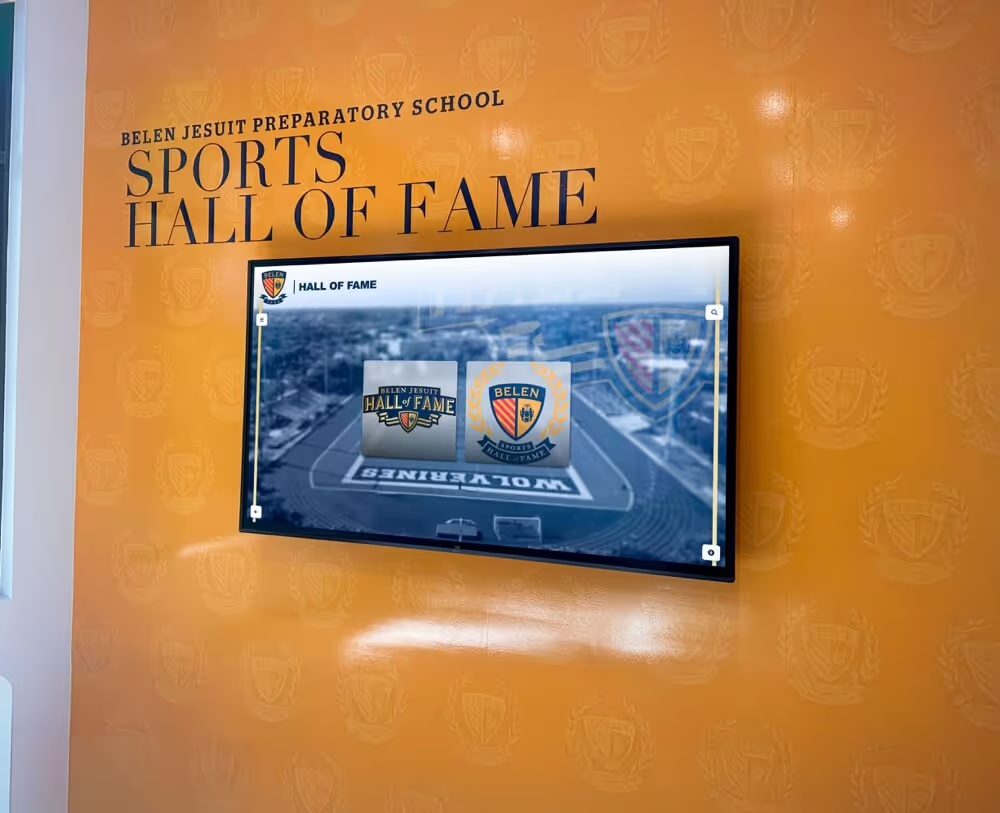
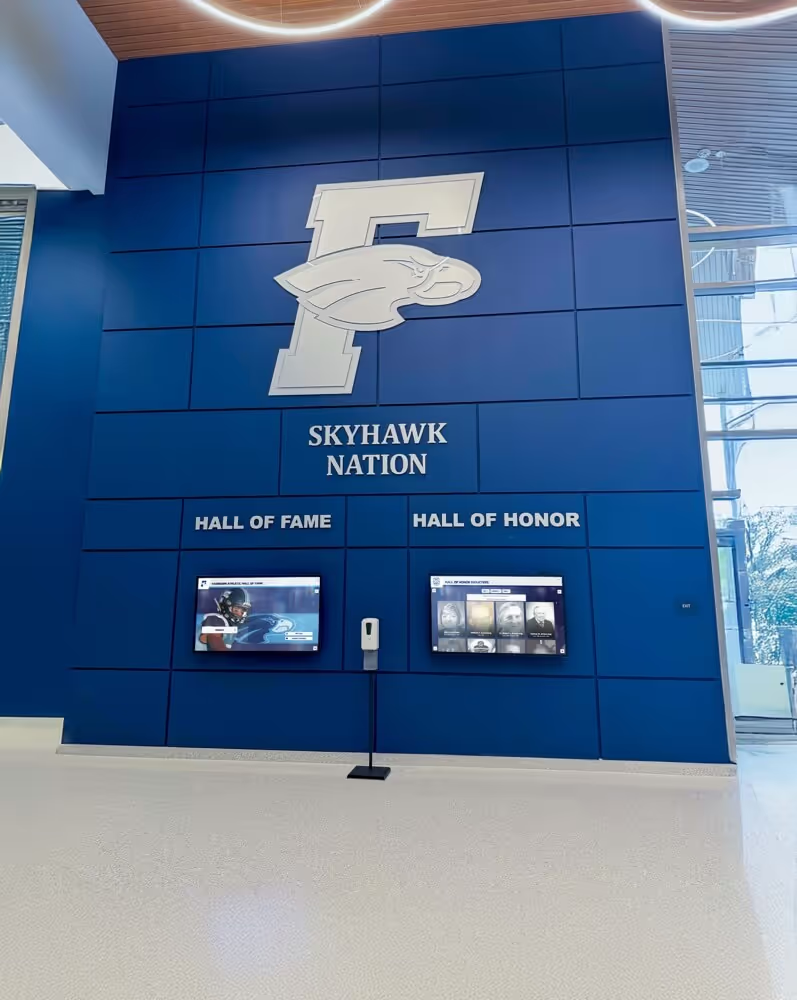
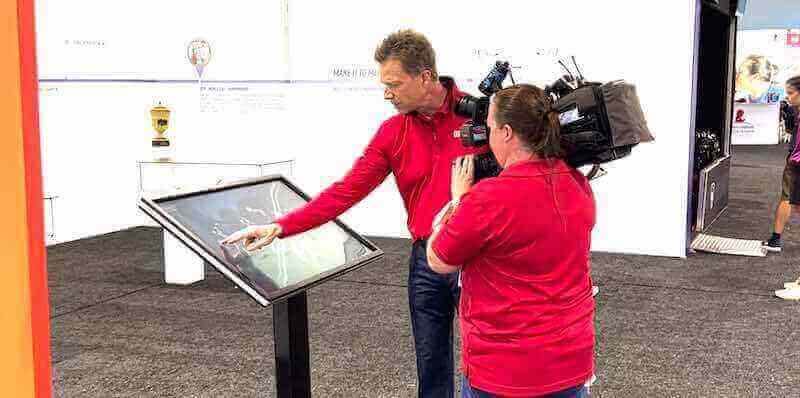
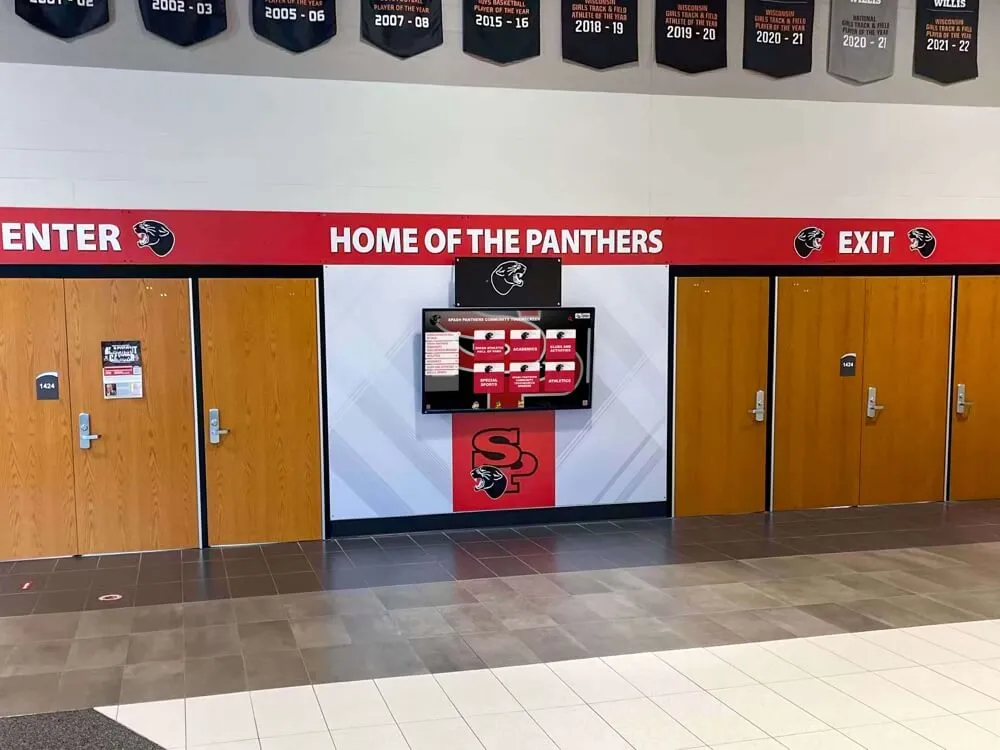
Modern kiosks enable schools to showcase comprehensive recognition programs without space constraints
Creative and Unique Award Categories
Moving beyond traditional awards creates opportunities to celebrate diverse student strengths:
Creativity and Innovation Awards
Recognizing students who think differently:
Creative Thinking Recognition
- Creative Problem Solver Award for innovative solution approaches
- Original Thinker Award for unique perspectives and ideas
- Imagination Award for creative stories, projects, or artwork
- Inventor’s Award for students who create new things or processes
- Design Thinking Award for innovative approaches to challenges
Artistic and Performance Awards
- Expressive Artist Award for students who communicate through art
- Performer Award for drama, music, or public presentation excellence
- Creative Writer Award for original stories, poetry, or creative writing
- Maker Award for hands-on creation and building projects
- Digital Creator Award for video, graphic design, or multimedia work
Specialized Talent Recognition
Celebrating unique abilities and interests:
Special Skills Awards
- Technology Whiz Award for exceptional tech skills
- Multilingual Star Award for language abilities
- Athletic Achievement Award (non-team sports)
- Musical Talent Award for instrument or vocal ability
- Chess Master/Strategic Thinking Award
Interest and Passion Awards
- Reading Enthusiast Award for students who love books
- Science Enthusiast Award for passionate scientific curiosity
- History Buff Award for students deeply interested in historical topics
- Nature Lover Award for environmental interest and knowledge
- Math Lover Award for students who embrace mathematical thinking
Classroom Culture Contributors
Recognizing students who make class better for everyone:
Positive Influence Awards
- Class Comedian Award (for appropriate humor that lightens mood)
- Encourager Award for students who lift others up
- Peacemaker Award for students who reduce conflicts
- Energy Bringer Award for students who create positive enthusiasm
- Thoughtful Question Asker Award for students who deepen discussions
Helper and Support Awards
- Always Willing to Help Award for students who assist without being asked
- Technology Helper Award for students who support classmates with tech
- Classroom Organizer Award for students who keep things running smoothly
- Peer Tutor Award for students who explain concepts to classmates
- New Student Ambassador Award for welcoming and supporting new students
For additional creative award ideas across multiple categories, explore youth recognition program examples adaptable for school settings.
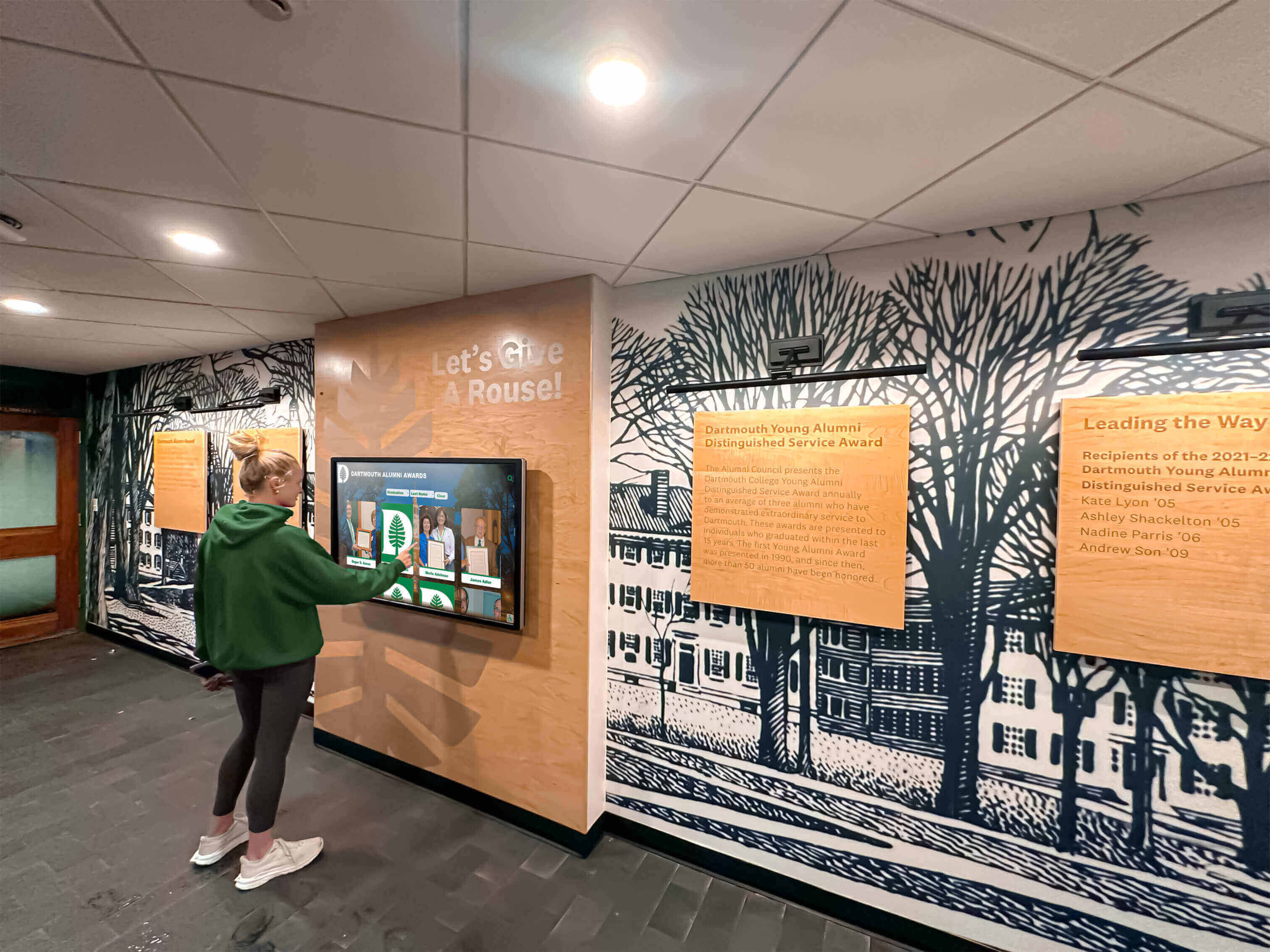
Student-accessible displays enable peers to explore recognition and celebrate each other's achievements
Grade-Level Specific Award Considerations
Award programs should adapt to developmental stages and school contexts:
Elementary School Awards (K-5)
Young learners benefit from frequent, specific recognition:
Early Elementary (K-2) Award Ideas
- Best Friend Award for kindness to classmates
- Good Listener Award for following directions and paying attention
- Hard Worker Award for consistent effort
- Improving Reader Award for literacy growth
- Playground Friend Award for inclusive play
- Classroom Helper Award for contributing to class routines
- Curiosity Award for asking great questions
- Sharing Award for generosity with materials and ideas
Upper Elementary (3-5) Award Ideas
- Problem Solver Award for tackling challenges independently
- Responsible Student Award for self-management
- Growth Mindset Award for embracing challenges
- Teamwork Award for collaboration skills
- Leadership Award for taking positive initiative
- Creative Thinker Award for original ideas
- Improved Behavior Award for positive changes
- Independent Worker Award for self-directed learning
Middle School Awards (6-8)
Adolescents need recognition that respects emerging maturity:
Social-Emotional Recognition
- Positive Attitude Award despite middle school challenges
- Resilience Award for navigating adolescent difficulties
- Peer Support Award for helping others through tough times
- Self-Advocacy Award for speaking up about needs appropriately
- Identity Explorer Award for healthy identity development
Academic and Interest Development
- Intellectual Risk-Taker Award for trying challenging work
- Subject Passion Award for demonstrating deep interest
- Project-Based Learning Award for extended work excellence
- Research Skills Award for information literacy development
- Digital Literacy Award for responsible and skilled technology use
Social Contribution Awards
- Anti-Bullying Award for promoting respect and inclusion
- School Improvement Award for suggestions or initiatives
- Mentor Award for supporting younger students
- Club Leadership Award for extracurricular involvement
- Community Connection Award for service beyond school
High School Awards (9-12)
Secondary recognition should connect to college, career, and adult life:
Achievement and Excellence Awards
- Academic Excellence by subject area
- College and Career Readiness Award
- Advanced Placement Achievement Award
- Research and Independent Study Award
- Senior Legacy Award for cumulative contributions
Leadership and Service Recognition
- Student Government Leadership Award
- Service Hour Achievement Award (specific hour milestones)
- Club President Excellence Award
- Event Coordinator Award for organizing school activities
- Mentor Leadership Award for supporting underclassmen
Character and Growth Awards
- Overcoming Adversity Award
- Work-Life Balance Award for managing academics and commitments
- Athletic Leadership Award (non-performance based)
- Artistic Achievement Award
- Most Improved Student Award (overall)
For high school-specific award program guidance, see comprehensive senior recognition frameworks honoring graduating classes.
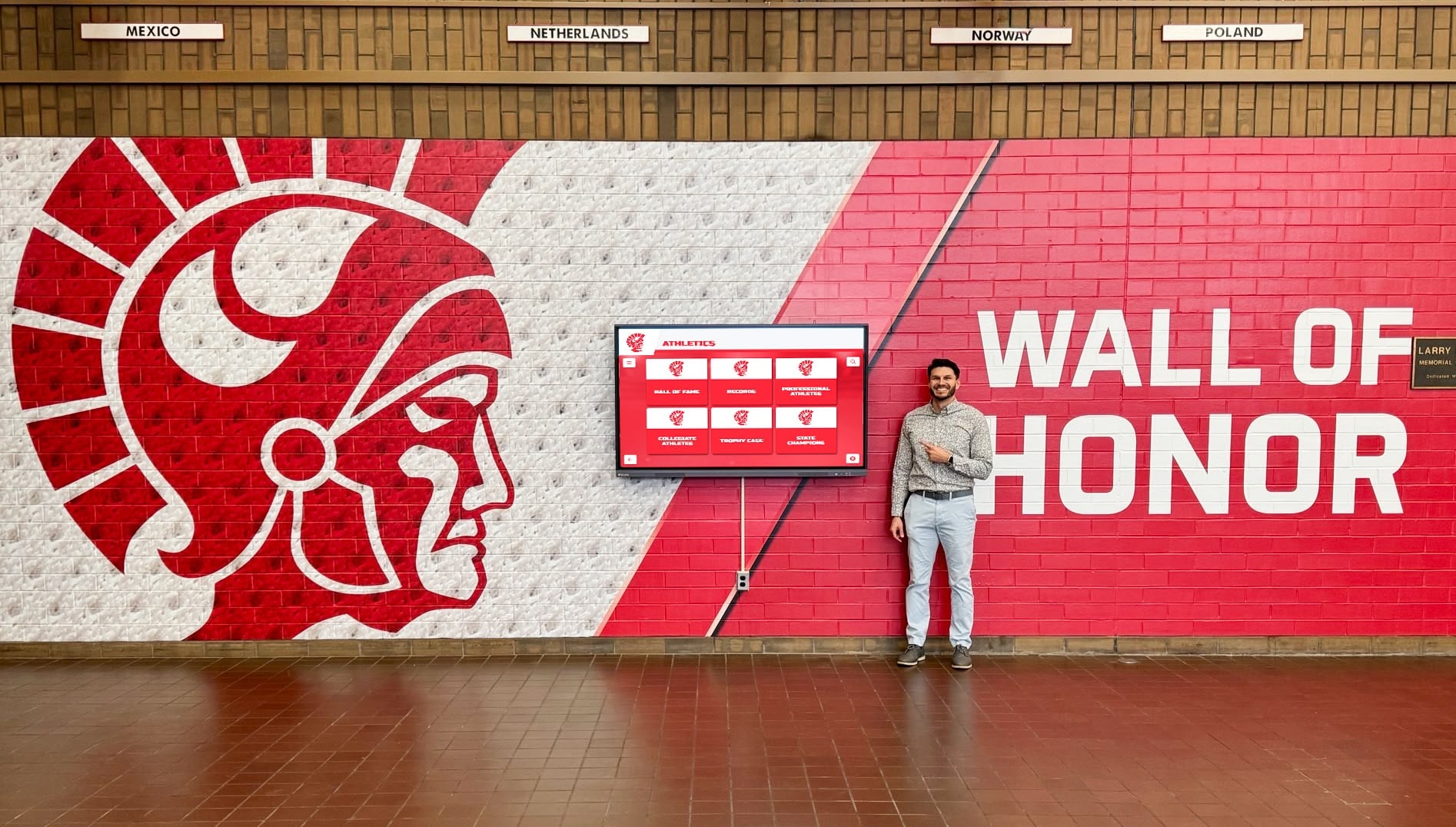
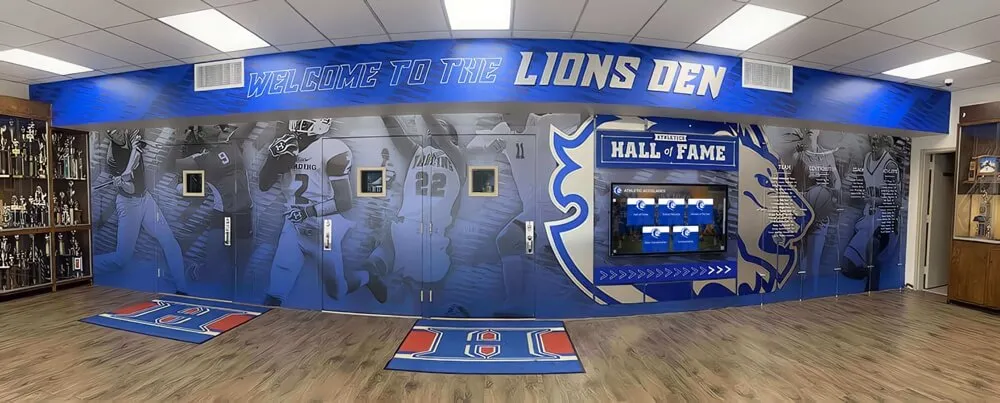
Permanent recognition displays celebrate student achievement and create tradition within school facilities
Implementing Fair and Inclusive Award Selection
Credible recognition programs require systematic selection processes preventing favoritism:
Establishing Clear Award Criteria
Transparent criteria ensure fairness and meaning:
Creating Specific Descriptors
Each award needs clear definition:
- Specific behaviors or qualities the award recognizes
- Observable evidence supporting award decisions
- Frequency or consistency requirements
- Examples of what the award looks like in practice
- Connection to school values or educational mission
Setting Nomination and Selection Processes
Systematic approaches prevent bias:
- Teacher nomination forms with specific evidence requirements
- Student self-nomination opportunities where appropriate
- Peer nomination possibilities for social awards
- Administrator review ensuring consistency and fairness
- Parent input for certain recognition categories
- Rubrics or checklists for evaluating nominations
Ensuring Diverse Recognition Distribution
Comprehensive programs ensure broad student acknowledgment:
Tracking Recognition Distribution
Monitor who receives awards:
- Percentage of students receiving some recognition
- Distribution across demographic groups
- Grade level representation
- Special education and general education balance
- English language learner representation
- Gender balance across award categories
Creating Multiple Recognition Opportunities
Expand beyond single ceremony:
- Monthly recognition programs throughout year
- Classroom-specific awards in addition to school-wide
- Quarterly celebration events
- Multiple winners for popular categories
- Tiered recognition levels (honorable mention, winner, excellence)
- Teacher-specific recognition in addition to formal awards
Avoiding Recognition Concentration
Prevent same students dominating awards:
- Limit number of awards single students can receive
- Create diverse award categories reaching different students
- Separate academic, character, and special achievement recognition
- Use nomination review to ensure broad distribution
- Consider rotating categories ensuring variety across years
For equity-focused recognition strategies, explore inclusive recognition program design ensuring all students find success pathways.
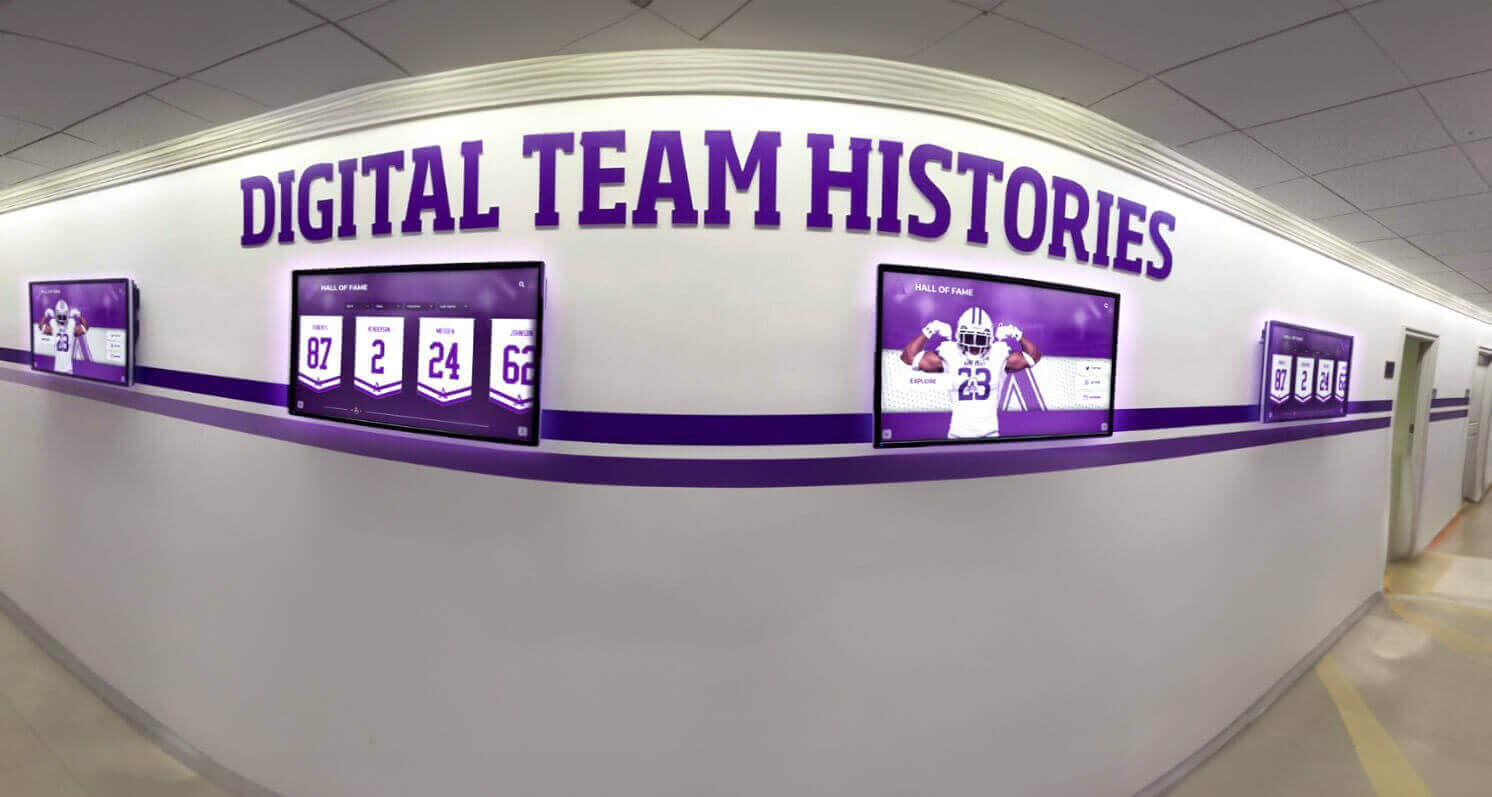
Multiple coordinated displays enable comprehensive recognition across categories and grade levels
Presentation Strategies That Maximize Impact
How awards are presented significantly influences recognition effectiveness:
Recognition Ceremony Planning
Thoughtful ceremonies create memorable experiences:
Ceremony Format Options
- Traditional end-of-year assembly for all students
- Grade-level specific ceremonies enabling age-appropriate approach
- Classroom-based recognition creating intimate setting
- Combined academic and behavior awards program
- Separate specialized recognition events (arts, athletics, service)
Ceremony Elements
- Opening remarks connecting awards to school values
- Student speakers sharing recognition meaning
- Specific award descriptions before announcing winners
- Brief explanation of why each student earned recognition
- Photo opportunities for families
- Reception enabling celebration and connection
Making Ceremonies Engaging
- Student-created videos or presentations
- Testimonials from teachers or peers
- Award recipient speeches or reflections
- Musical or artistic performances
- Visual displays showing award descriptions and criteria
- Recognition of all nominees, not just winners
Beyond the Ceremony: Ongoing Recognition
Effective programs extend beyond single event:
Multiple Recognition Formats
Diverse approaches maximize impact:
- Certificates appropriate for all award recipients
- Physical trophies or medals for top honors
- Personalized letters describing specific achievements
- Photo displays in hallways showing award winners
- Social media recognition (with parent permission)
- School newsletter features highlighting recipients
Digital Recognition Solutions
Modern technology enables permanent acknowledgment:
- Interactive touchscreen displays showcasing all recipients
- School website award galleries with searchable databases
- Digital yearbook integration
- Email announcements to families
- Mobile-accessible recognition platforms
- Video montages celebrating recipients
Creating Lasting Recognition
Permanent displays extend impact:
- Hallway recognition boards updated annually
- Digital displays cycling through award recipients
- Award archives preserving institutional history
- Alumni connections showing award recipient trajectories
- Historical displays showing evolution of recognition
- Interactive systems enabling exploration of past recipients
For schools considering comprehensive digital recognition, explore student achievement display systems extending beyond physical limitations.
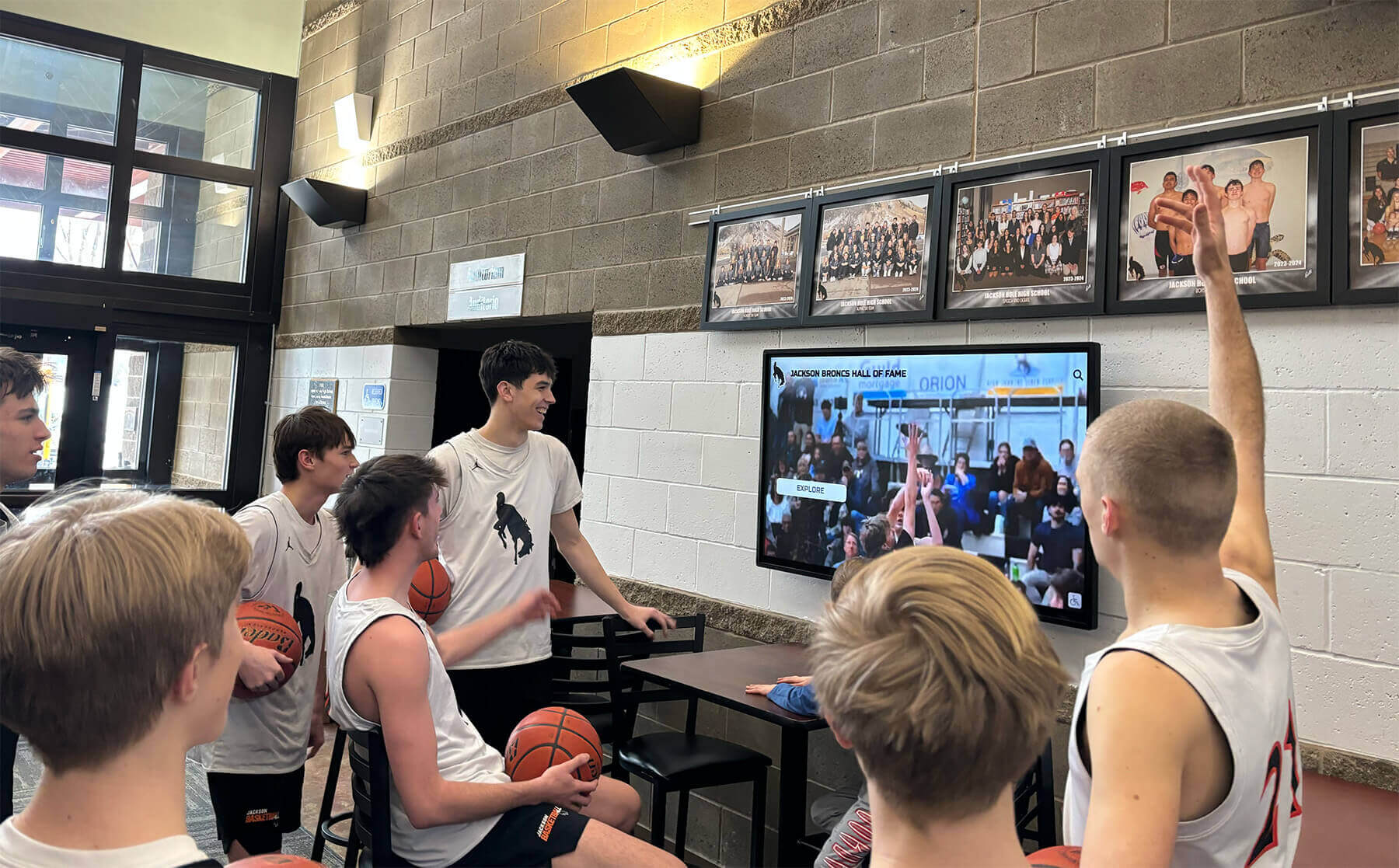
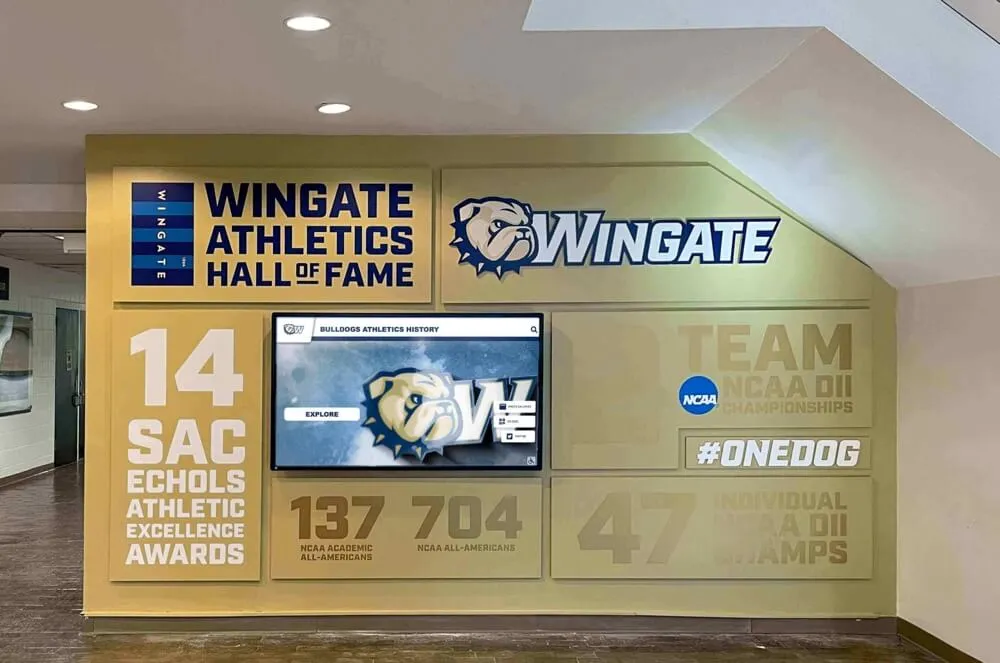
Large displays create gathering points for students and families to explore achievements together
Communicating Recognition to Families and Community
Award impact extends through strategic communication:
Family Engagement Strategies
Parents and guardians amplify recognition value:
Pre-Award Communication
- Information about award categories and criteria
- Timeline for nominations and selections
- Ceremony invitation details and logistics
- Explanation of how families can celebrate recipients
- Photos or descriptions of past ceremonies
- Ways families can nominate or provide input
Post-Award Communication
- Individual letters to families explaining specific award
- Certificates or physical recognition for home display
- Photos from ceremony shared digitally
- Social media celebration (with permission)
- Newsletter features about award recipients
- Year-end summary highlighting all recognition
Community Recognition Extension
Broader visibility strengthens impact:
Local Media Coverage
- Press releases about major awards and recipients
- Photos and brief descriptions for community papers
- Feature stories about unique or compelling awards
- End-of-year recognition roundup articles
- Social media announcements tagged to school accounts
Community Partner Involvement
- Local business sponsorship of award categories
- Community leaders presenting certain awards
- Workplace recognition for family members
- Display of award information in community venues
- Alumni presentation of scholarships or awards
Building Recognition Tradition
Consistent communication builds anticipation:
- Annual recognition program guide
- Historical context showing program evolution
- Alumni testimonials about award impact
- Comparison showing year-over-year growth
- Future vision for recognition expansion
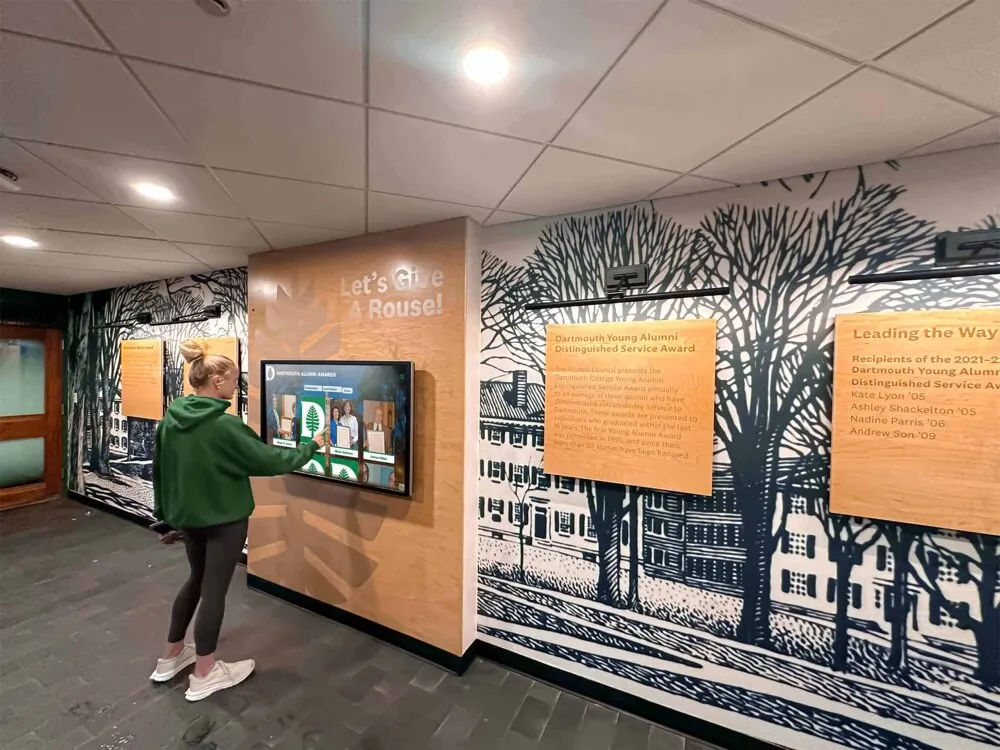
Strategic placement in high-traffic areas ensures maximum visibility for student recognition
Budget-Conscious Recognition Approaches
Meaningful recognition doesn’t require extensive budgets:
Low-Cost Award Ideas
Effective recognition within budget constraints:
Creative Certificate Options
- School-designed certificates printed on quality paper
- Student art department-designed award certificates
- Digital certificates emailed and displayed
- Classroom-created recognition with personal touches
- Recycled or reused certificate frames
Meaningful Non-Trophy Recognition
- Handwritten letters from teachers or principals
- Photo collages celebrating recipients
- Special privileges (lunch with teacher, free dress day)
- Donated items from community businesses
- Student-created awards or recognition pieces
- Special seating or designation for following year
Leveraging Technology for Recognition
Digital solutions reduce ongoing costs:
Digital Display Benefits
Modern platforms eliminate recurring expenses:
- Unlimited recognition capacity without physical space constraints
- Easy updates without purchasing new plaques or trophies
- Searchable archives enabling exploration of past recipients
- Multi-location display without duplicating materials
- Web accessibility extending reach beyond campus
- Professional appearance without design costs
Implementation Considerations
For schools exploring digital recognition options:
- One-time investment eliminates annual award purchasing
- Cloud-based management enables remote updates
- Integration with student information systems
- Photo uploads replacing physical framing
- Template systems ensuring consistent professional appearance
- Analytics showing engagement and usage
Solutions like Rocket Alumni Solutions provide schools with comprehensive digital recognition platforms transforming award programs without proportional budget increases.
Seeking Award Sponsorships
Community partnerships can fund recognition:
Sponsorship Opportunities
- Local businesses sponsor specific award categories
- Alumni association funding for senior awards
- PTO/PTA support for recognition programs
- Community organization partnerships for character awards
- Local foundations supporting educational recognition
- Corporate partners providing award materials or funding
Transform Your Student Recognition Program
Discover how modern digital recognition displays can help you celebrate every student's achievements while eliminating the space constraints and maintenance burden of traditional award displays.
Request a DemoMeasuring Recognition Program Effectiveness
Systematic assessment ensures programs achieve intended goals:
Student Impact Indicators
Track recognition program effects on students:
Engagement and Motivation Measures
- Attendance rates among recognized versus non-recognized students
- Participation in extracurricular activities following recognition
- Academic performance trajectories post-recognition
- Discipline referral patterns for recognized students
- Student surveys about recognition program awareness and impact
- Goal-setting and achievement patterns
Equity and Inclusion Assessment
- Percentage of student body receiving some recognition
- Distribution across demographic groups
- Special population representation in award programs
- Gender balance across different award types
- Grade level participation rates
- Comparison of intended versus actual distribution
Program Quality Evaluation
Assess recognition program components:
Process Quality Measures
- Nomination submission rates from teachers
- Selection timeline adherence
- Ceremony attendance rates
- Family satisfaction surveys
- Clarity of criteria based on stakeholder feedback
- Perceived fairness ratings from students and families
Cultural Impact Indicators
- School climate survey results
- Student sense of belonging measures
- Family engagement levels
- Staff satisfaction with recognition programs
- Community awareness and perception
- Long-term alumni reflection on award impact
For schools developing comprehensive assessment frameworks, explore recognition program evaluation methods measuring effectiveness.
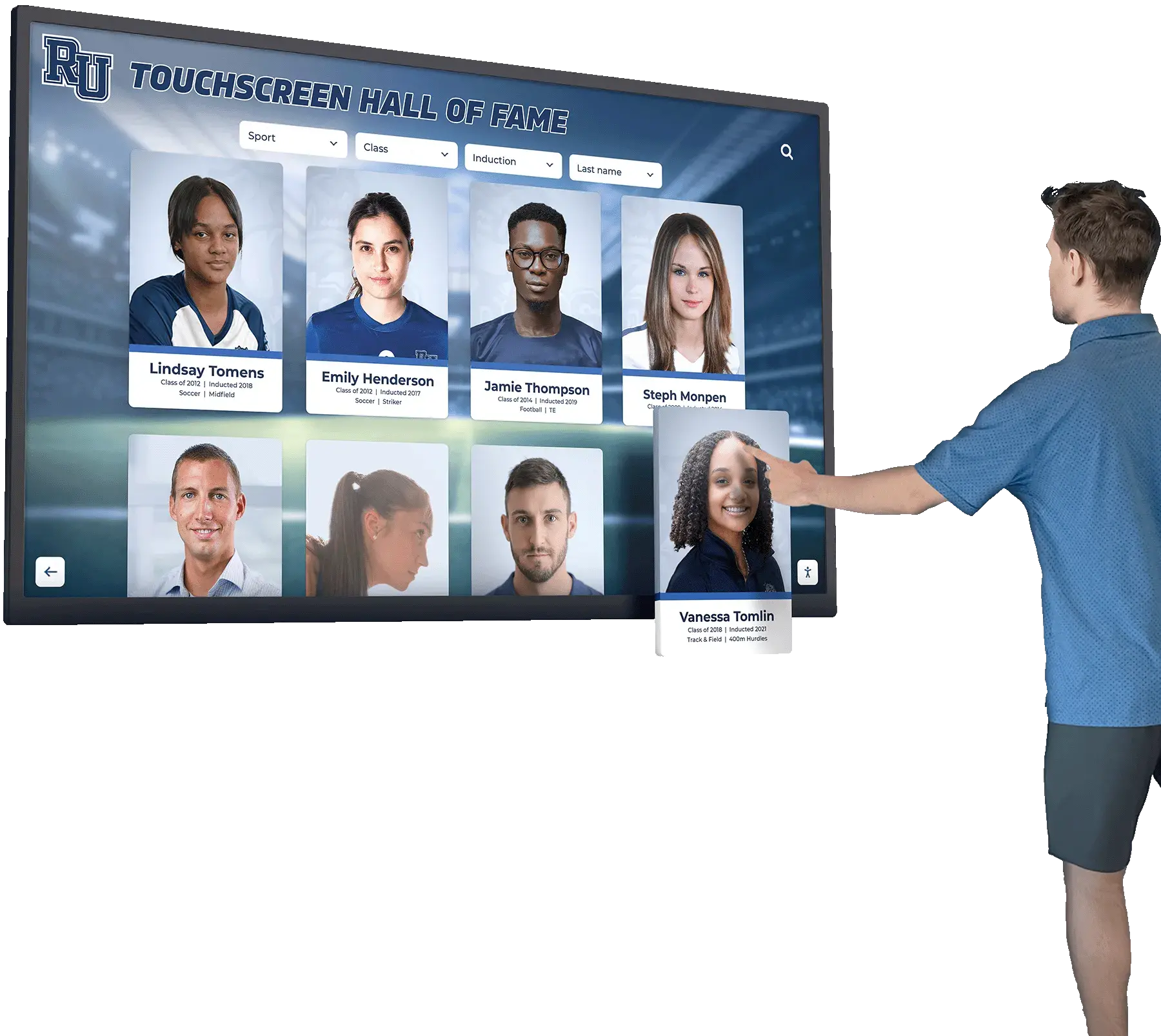
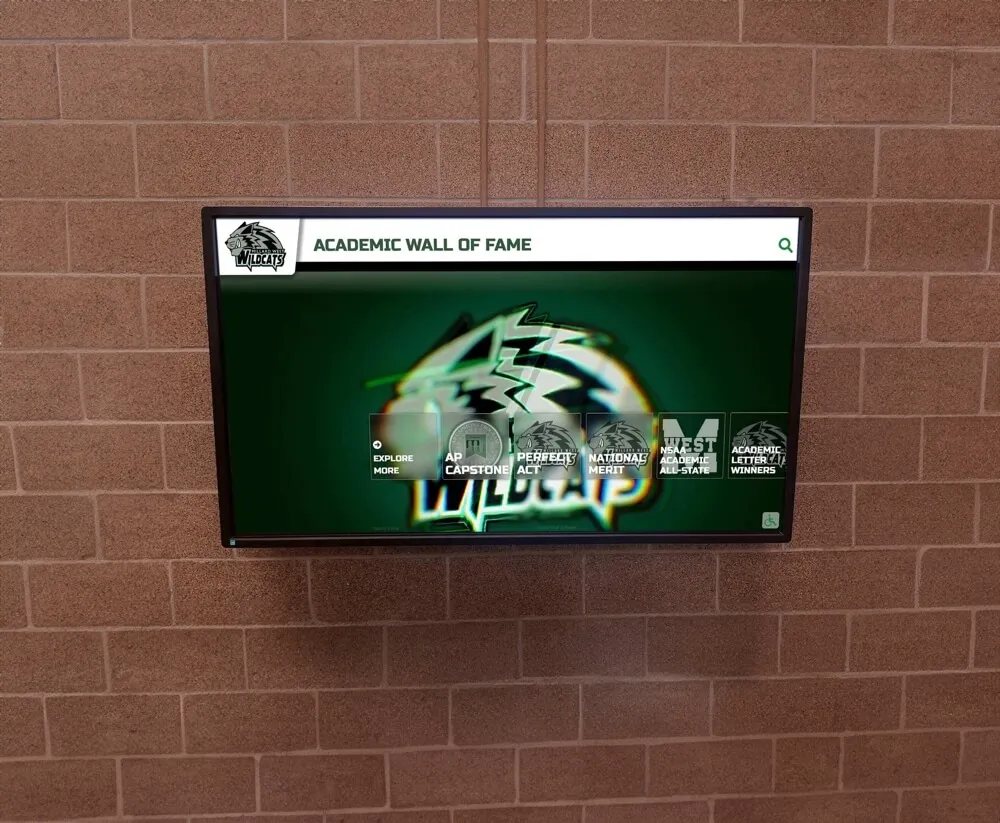
Interactive systems enable detailed exploration of student achievements and recognition stories
Planning Timeline for End-of-Year Awards
Systematic planning ensures successful recognition programs:
Fall Semester Planning (August-December)
Early preparation enables comprehensive programs:
Program Design Phase
- Review previous year’s awards and identify improvements
- Survey staff about award categories and criteria
- Establish clear selection criteria for each award
- Create nomination forms and process documentation
- Budget allocation and approval
- Technology or display system planning if applicable
Communication Launch
- Announce award categories to students and families
- Share criteria and nomination processes
- Create excitement and awareness about opportunities
- Distribute nomination materials to teachers
- Publish timeline for entire recognition process
Spring Semester Implementation (January-May)
Execute recognition program systematically:
Nomination Period (January-March)
- Open teacher nomination submission
- Allow student self-nomination where appropriate
- Accept peer nominations for applicable categories
- Track submission patterns and send reminders
- Address questions about criteria or process
Selection Process (March-April)
- Review committee meets to evaluate nominations
- Apply criteria consistently across nominees
- Make final selections with documentation
- Verify awardee information and permissions
- Prepare recognition materials and displays
Recognition Execution (May-June)
- Notify award recipients and families
- Prepare certificates, trophies, or digital recognition
- Coordinate ceremony logistics and schedule
- Update displays or digital systems
- Conduct recognition ceremonies
- Distribute awards and recognition materials
- Document events through photos and video
Post-Recognition Follow-Up (June)
- Send thank-you communications to nominators
- Archive recognition documentation
- Update permanent displays or databases
- Assess program effectiveness
- Collect feedback for next year improvements
- Begin planning for following year
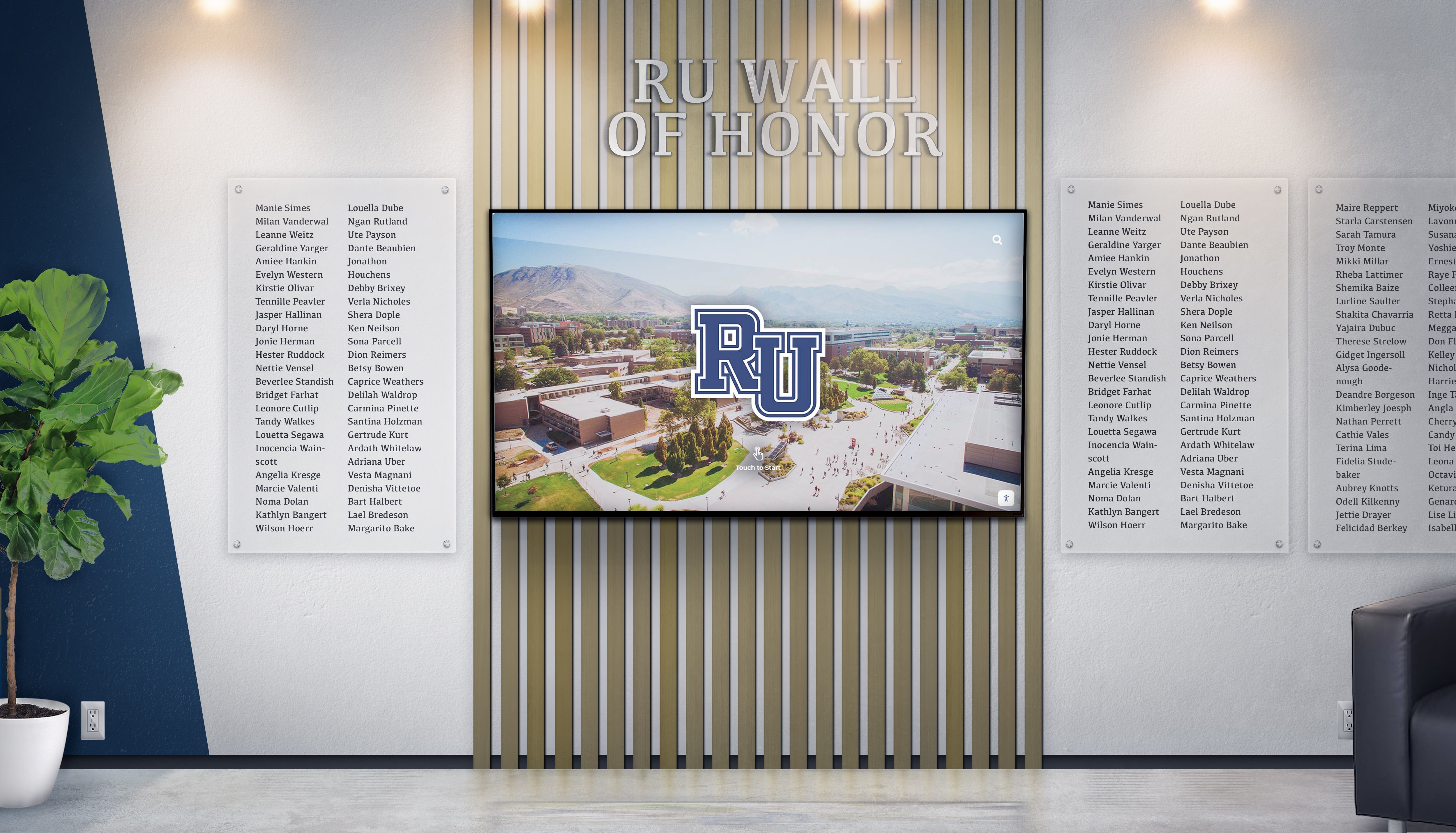
Integrated systems combine digital displays with traditional elements creating comprehensive recognition spaces
Special Considerations for Diverse Learning Communities
Recognition programs should adapt to school contexts:
Inclusive Recognition for Special Education
Ensure all students can participate meaningfully:
Adapted Award Categories
- IEP Goal Achievement Awards recognizing documented progress
- Skill Mastery Awards celebrating specific milestone achievements
- Self-Advocacy Awards for students learning to communicate needs
- Transition Skills Awards for vocational or life skills development
- Inclusive Classroom Participation Awards
Presentation Accommodations
- Sensory-friendly ceremony options
- Advance ceremony preparation for students who need it
- Multiple recognition format options (avoid spotlight if uncomfortable)
- Alternative participation methods for non-verbal students
- Family-inclusive celebrations recognizing support systems
Multilingual and Multicultural Recognition
Diverse communities need culturally responsive approaches:
Language Considerations
- Bilingual award certificates and materials
- Ceremony interpretation services when needed
- Translated nomination forms and criteria
- Multicultural names pronounced correctly and respectfully
- Cultural celebration integration in recognition events
Culturally Responsive Recognition
- Awards celebrating multicultural contributions
- Recognition of heritage language maintenance
- Cultural bridge-building awards for students connecting communities
- Inclusive family participation accounting for cultural norms
- Diverse representation in award presenters and speakers
For schools serving diverse populations, explore inclusive recognition frameworks celebrating all students authentically.
Leveraging Recognition for School Culture Development
Strategic recognition shapes overall school environment:
Building Positive School Climate
Recognition programs influence broader culture:
Values Communication Through Awards
Awards signal what schools truly value:
- Character awards emphasize social-emotional importance
- Diverse academic awards show breadth of valued knowledge
- Improvement awards communicate growth mindset philosophy
- Service awards demonstrate community commitment priority
- Creative awards celebrate innovation and original thinking
Creating Recognition Culture
Year-round recognition reinforces values:
- Monthly mini-recognition programs throughout year
- Hallway displays showcasing ongoing achievements
- Morning announcements featuring daily recognition
- Classroom-level celebration before school-wide programs
- Peer recognition systems enabling student participation
- Teacher recognition modeling adult appreciation
Connecting Recognition to Educational Mission
Awards should align with institutional values:
Mission Alignment
Ensure recognition supports stated mission:
- Awards directly reflecting mission statement values
- Recognition criteria tied to portrait of graduate competencies
- Celebration connecting to strategic plan goals
- Community partner involvement reinforcing mission
- Alumni examples demonstrating long-term mission alignment
Using Recognition for Strategic Priorities
Leverage awards to advance institutional goals:
- STEM awards supporting academic focus areas
- Global citizenship awards reinforcing international emphasis
- Innovation awards encouraging creative thinking priorities
- Service awards building community engagement culture
- Leadership awards developing student capacity
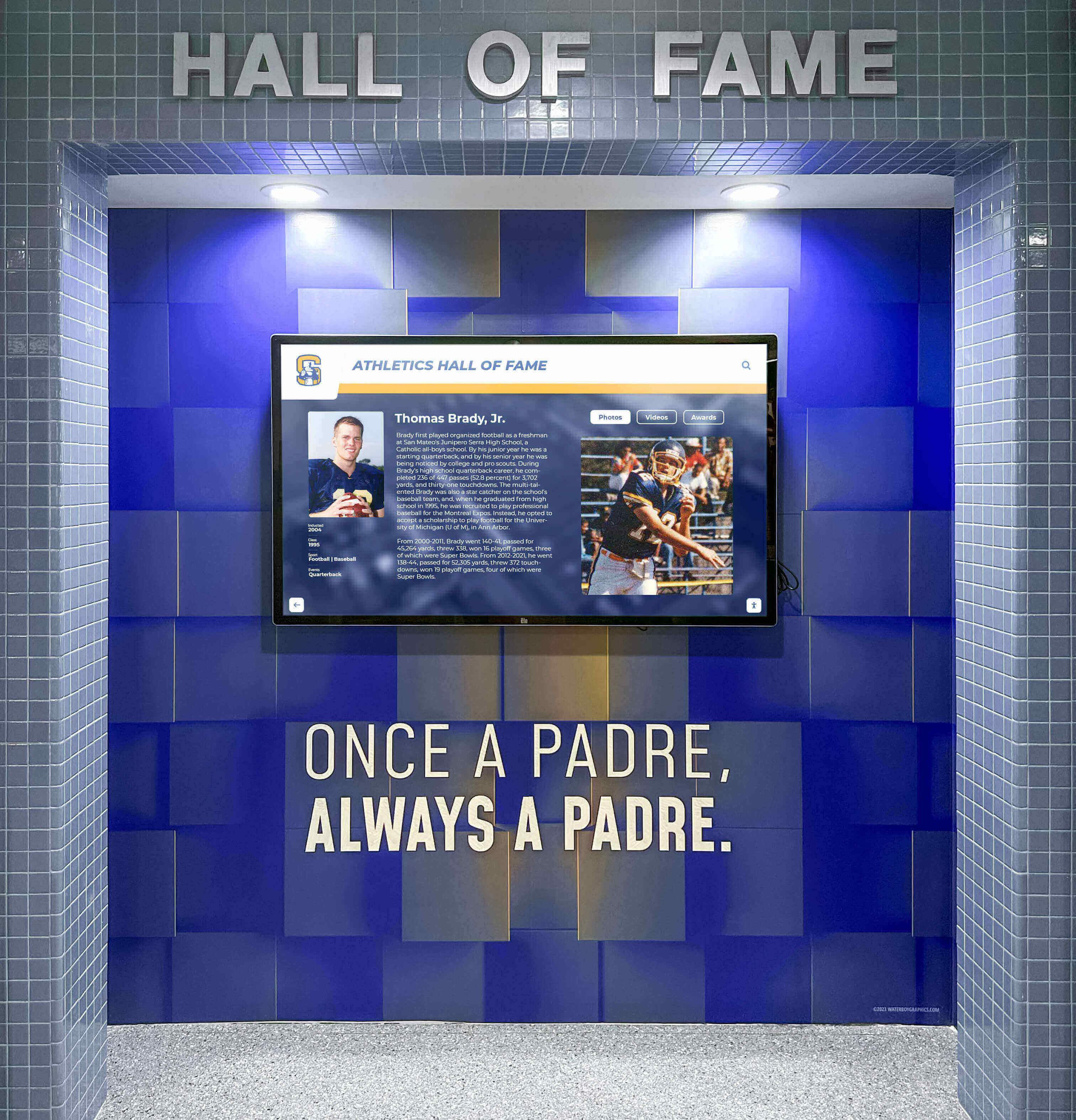
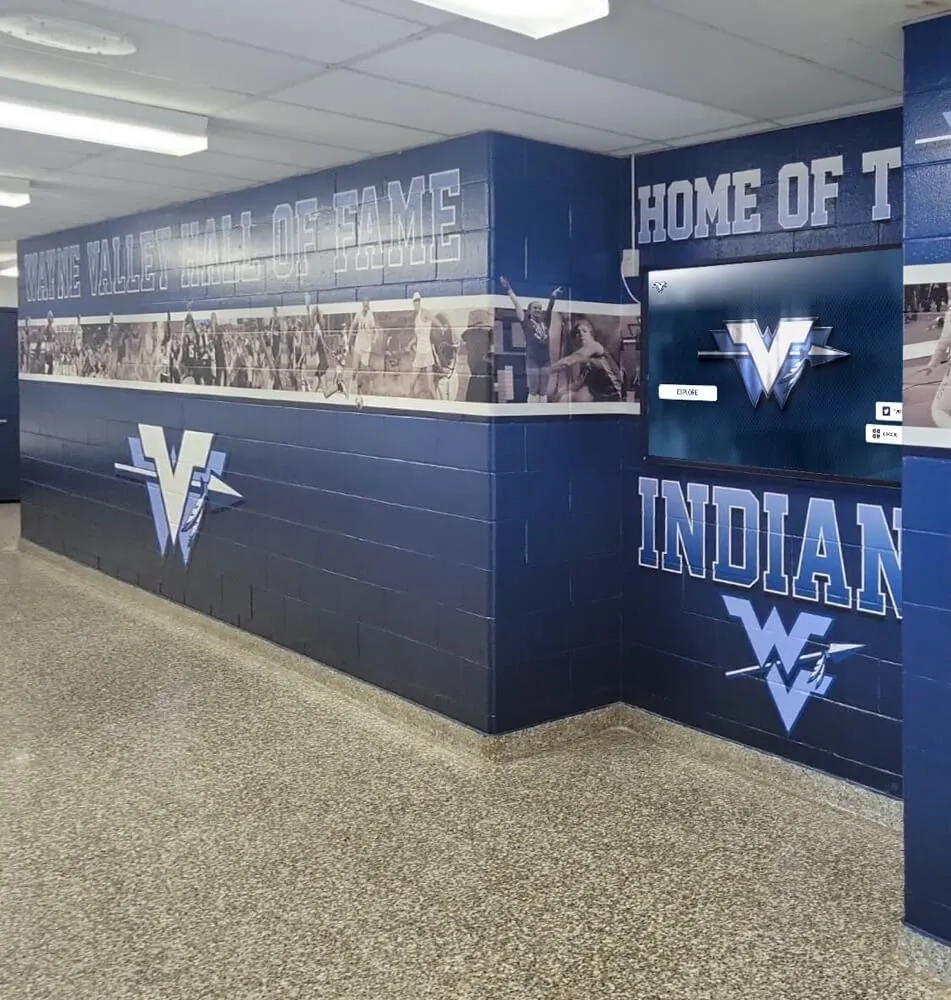
Professional installations create lasting recognition systems that define school identity and culture
Conclusion: Creating Meaningful Recognition That Inspires Every Student
End of year awards for students represent far more than ceremonial tradition—they provide strategic opportunities to acknowledge diverse achievements, reinforce institutional values, and ensure every student experiences the confidence boost that comes from authentic recognition. When schools move beyond narrow academic-only recognition to celebrate character, creativity, growth, and the unique contributions each student brings, they create environments where all learners feel valued and motivated to continue developing.
The recognition frameworks explored in this guide provide practical approaches for designing award programs that balance celebrating excellence with ensuring broad participation, honoring achievement while acknowledging growth, and maintaining meaningful standards while creating diverse pathways to success. From establishing clear selection criteria to leveraging modern digital display technology, these strategies enable schools to implement comprehensive recognition that genuinely impacts students and strengthens school culture.
Modern recognition platforms like Touch Archive eliminate the traditional constraints that limited how many students schools could honor, how much space recognition required, and how difficult maintaining displays proved over time. Digital solutions enable unlimited recognition capacity, permanent preservation of achievement stories, and professional presentation without proportional administrative burden increases.
Start planning your end-of-year recognition program with confidence that thoughtful attention to diverse award categories, fair selection processes, meaningful presentation approaches, and lasting preservation will create experiences students remember for years. Every student who receives genuine recognition for their authentic strengths reinforces your school’s commitment to developing the whole child and celebrating the multiple forms excellence takes.
Ready to transform how your school celebrates student achievement? Explore Touch Archive solutions for comprehensive student recognition and school history preservation, or request a demo to discover how interactive digital displays can help you celebrate every student’s unique contributions and create lasting recognition that inspires current and future learners alike.