



The final weeks of the school year bring an opportunity to pause, reflect, and celebrate the accomplishments that defined months of learning, growth, and community building. End of year awards represent more than ceremonial tradition—they provide structured recognition that validates student effort, reinforces institutional values, and creates lasting memories that shape how students perceive their capabilities and contributions.
Yet many schools struggle to design award programs that feel meaningful rather than perfunctory. Traditional approaches often concentrate recognition among the same high-achieving students while leaving many deserving peers unacknowledged. Limited award categories, unclear selection criteria, rushed ceremonies, and insufficient documentation can transform what should be celebratory moments into formulaic obligations that fail to inspire or motivate.
This comprehensive guide explores how to create end of year awards programs that celebrate diverse student achievements through thoughtful category design, fair selection processes, engaging ceremonies, and permanent recognition systems ensuring every student finds pathways to acknowledgment.
Effective end-of-year recognition balances celebrating academic excellence with honoring character development, creative achievement, leadership growth, and the countless contributions students make beyond test scores and grade point averages. When schools expand recognition frameworks beyond narrow traditional categories, they communicate that multiple forms of excellence exist and that every student brings valuable strengths deserving celebration.

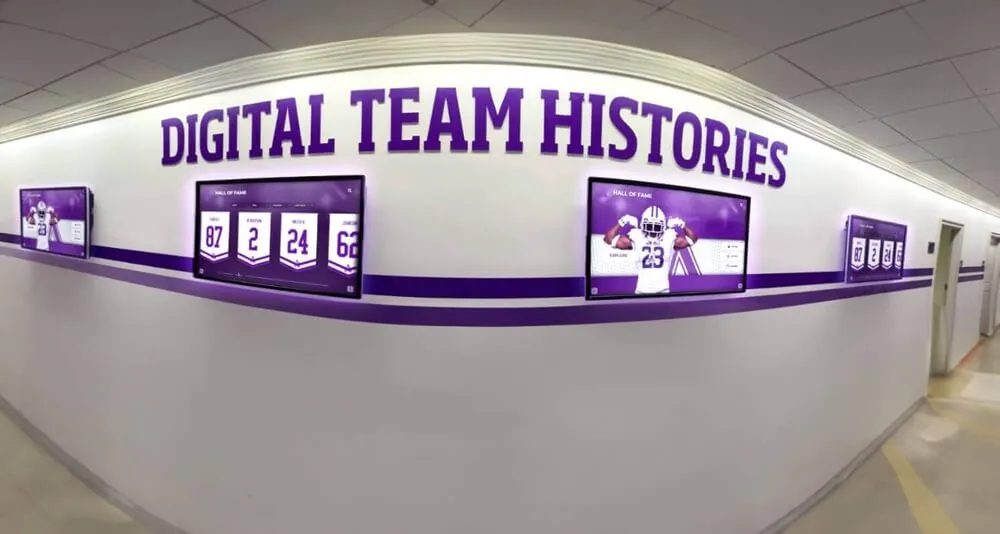
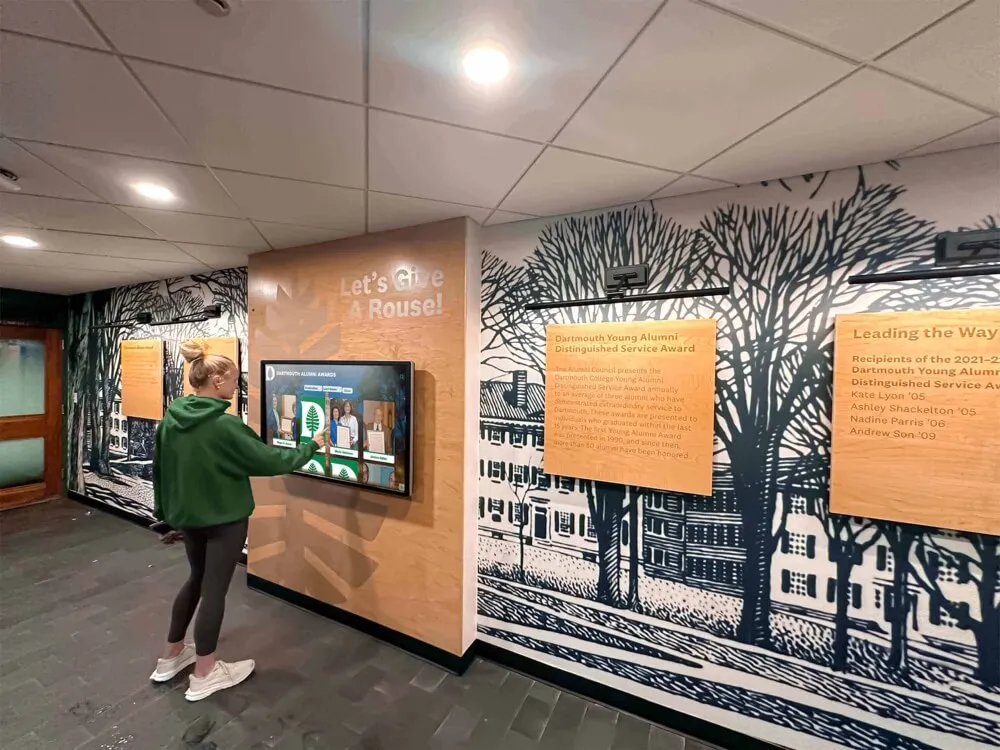
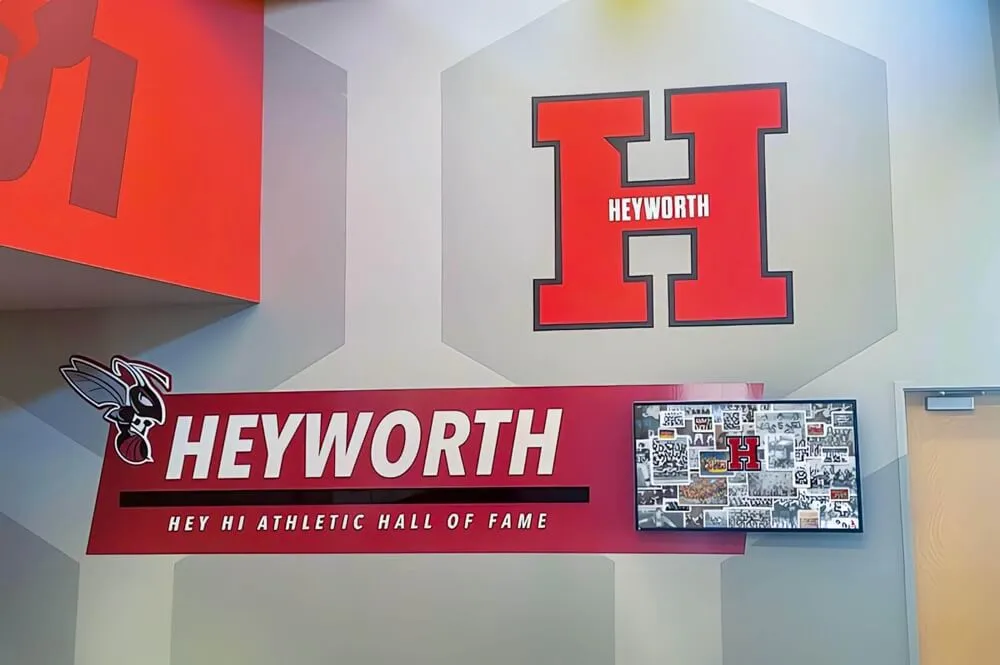
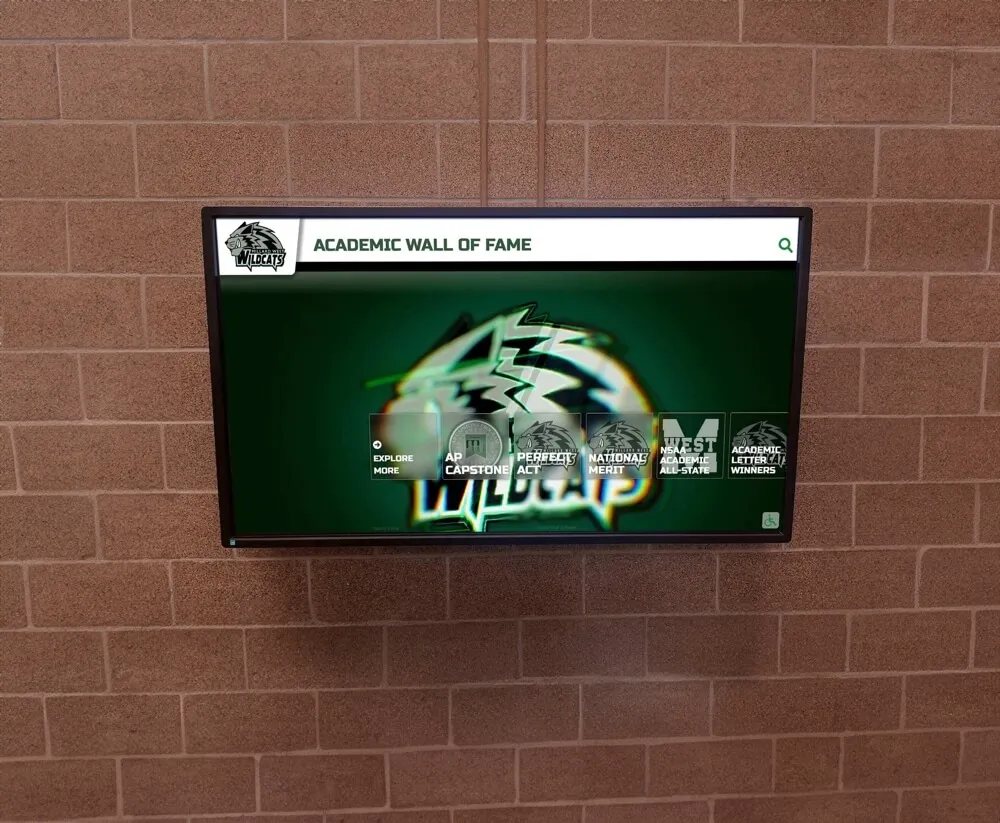
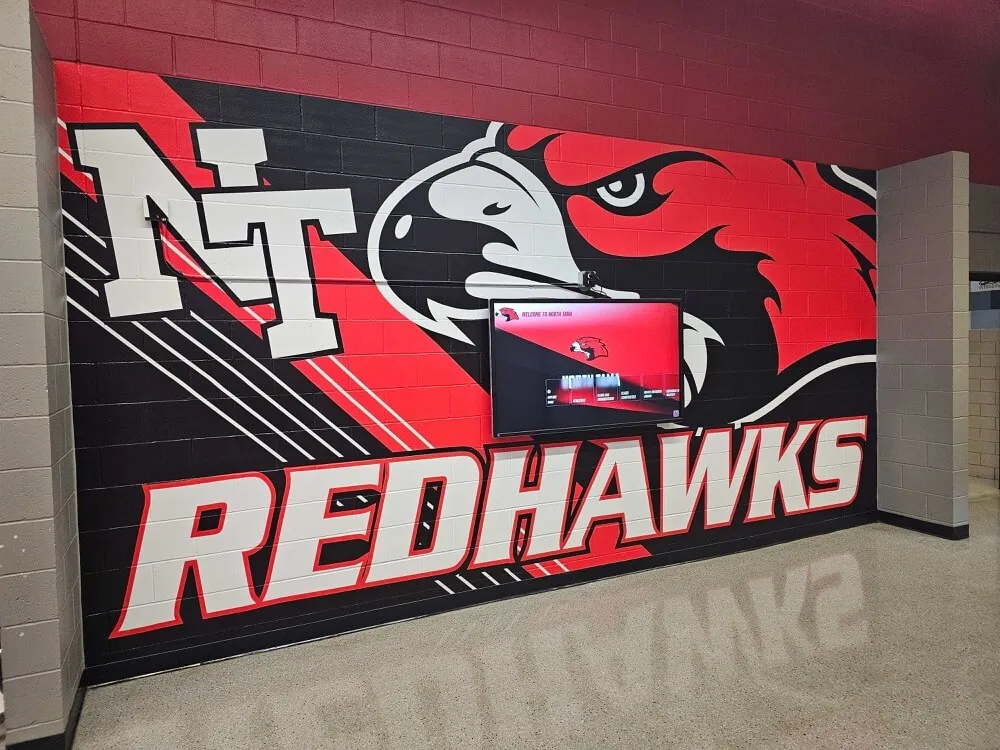
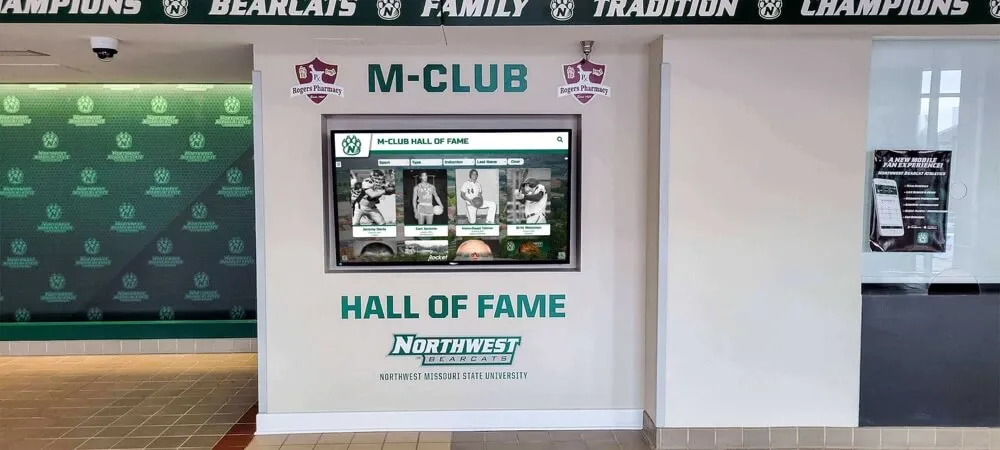
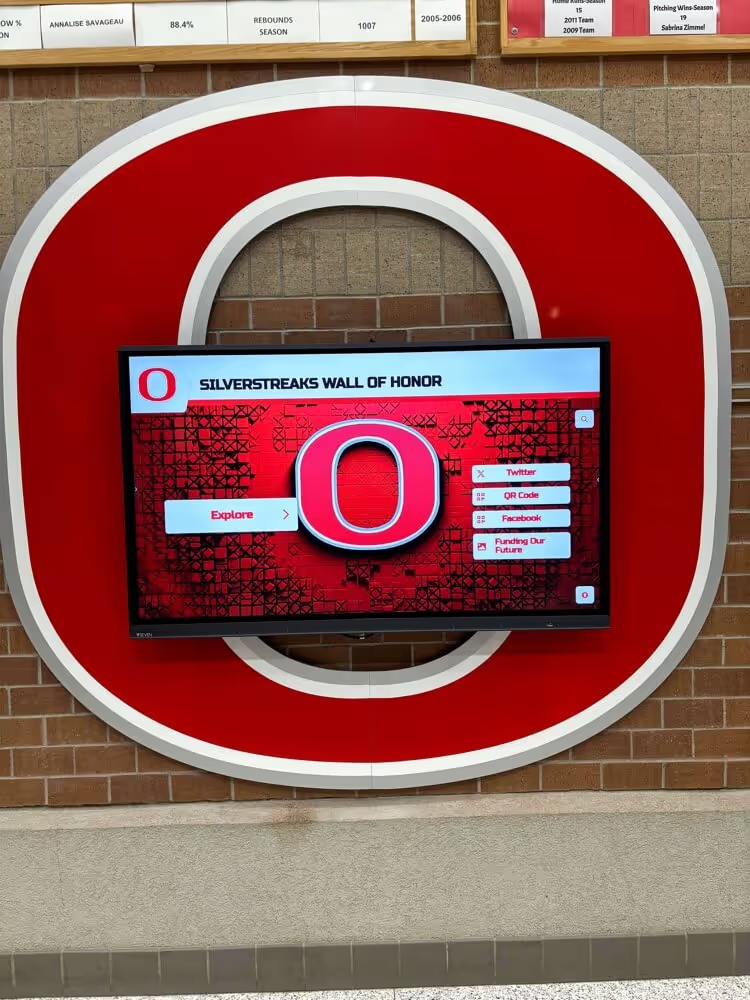
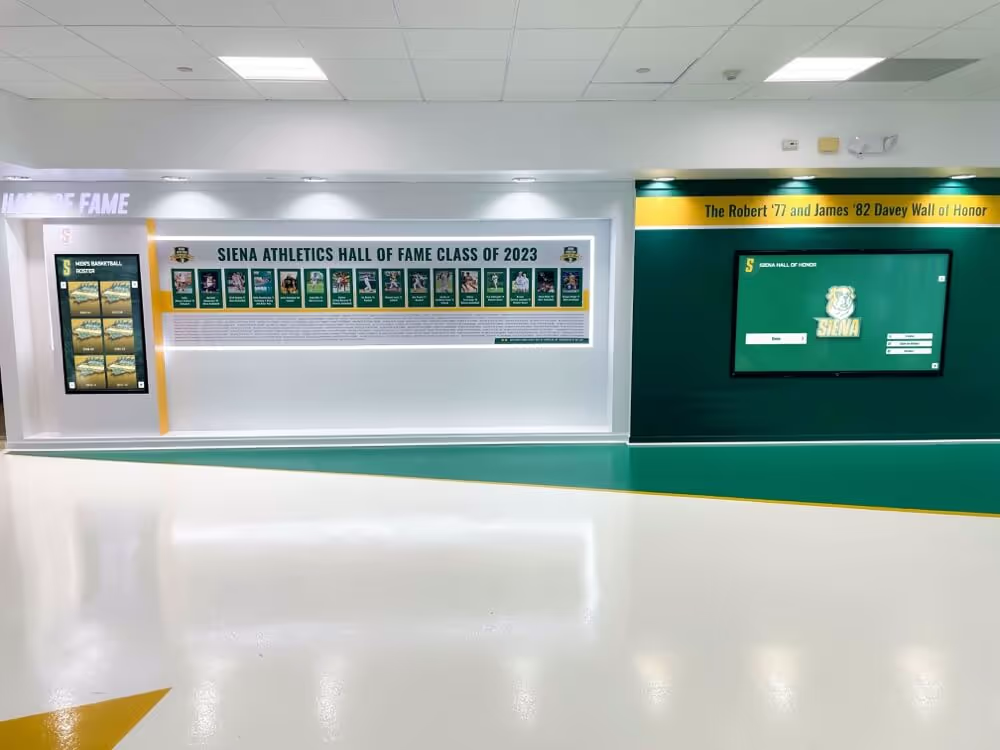
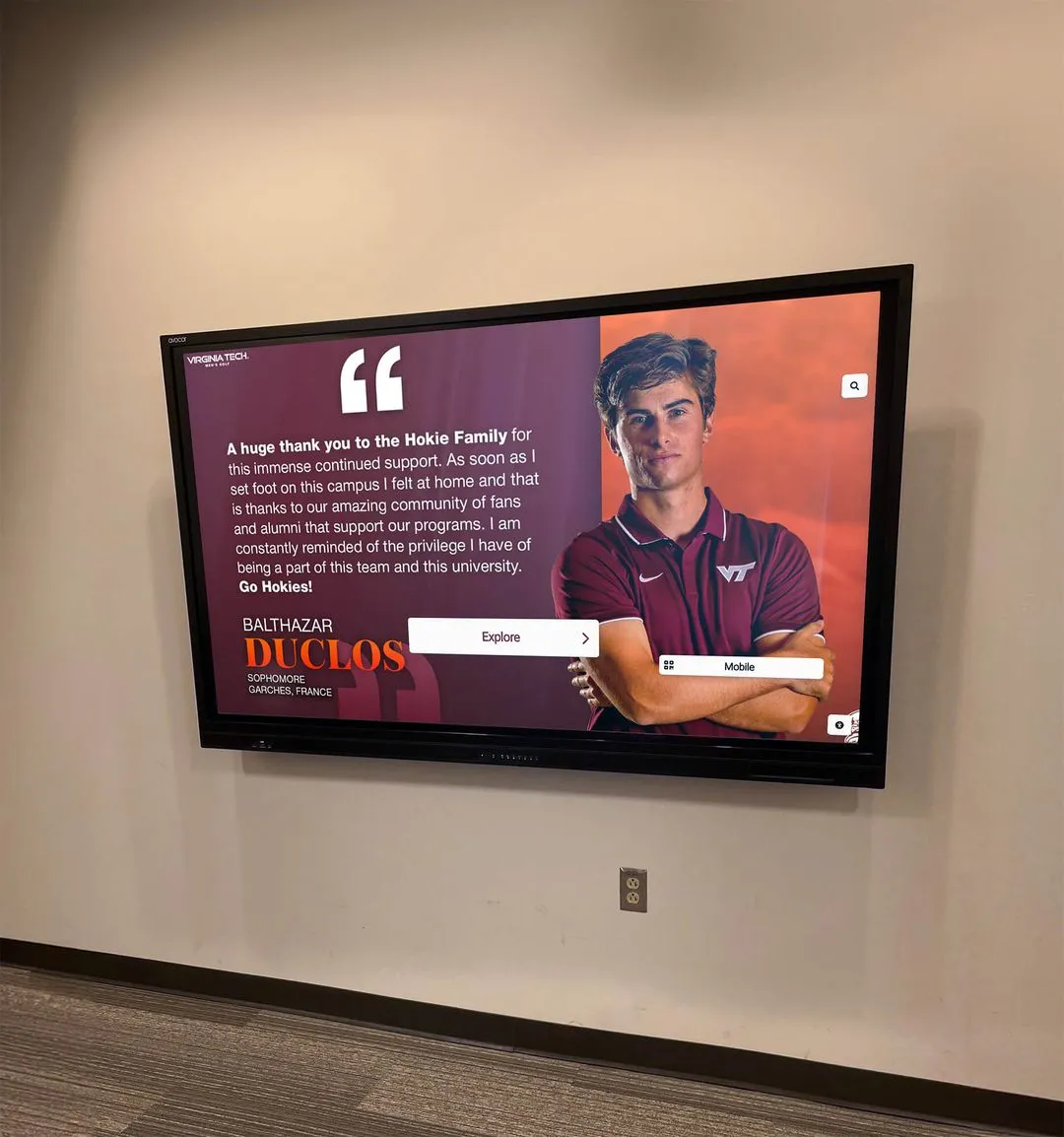
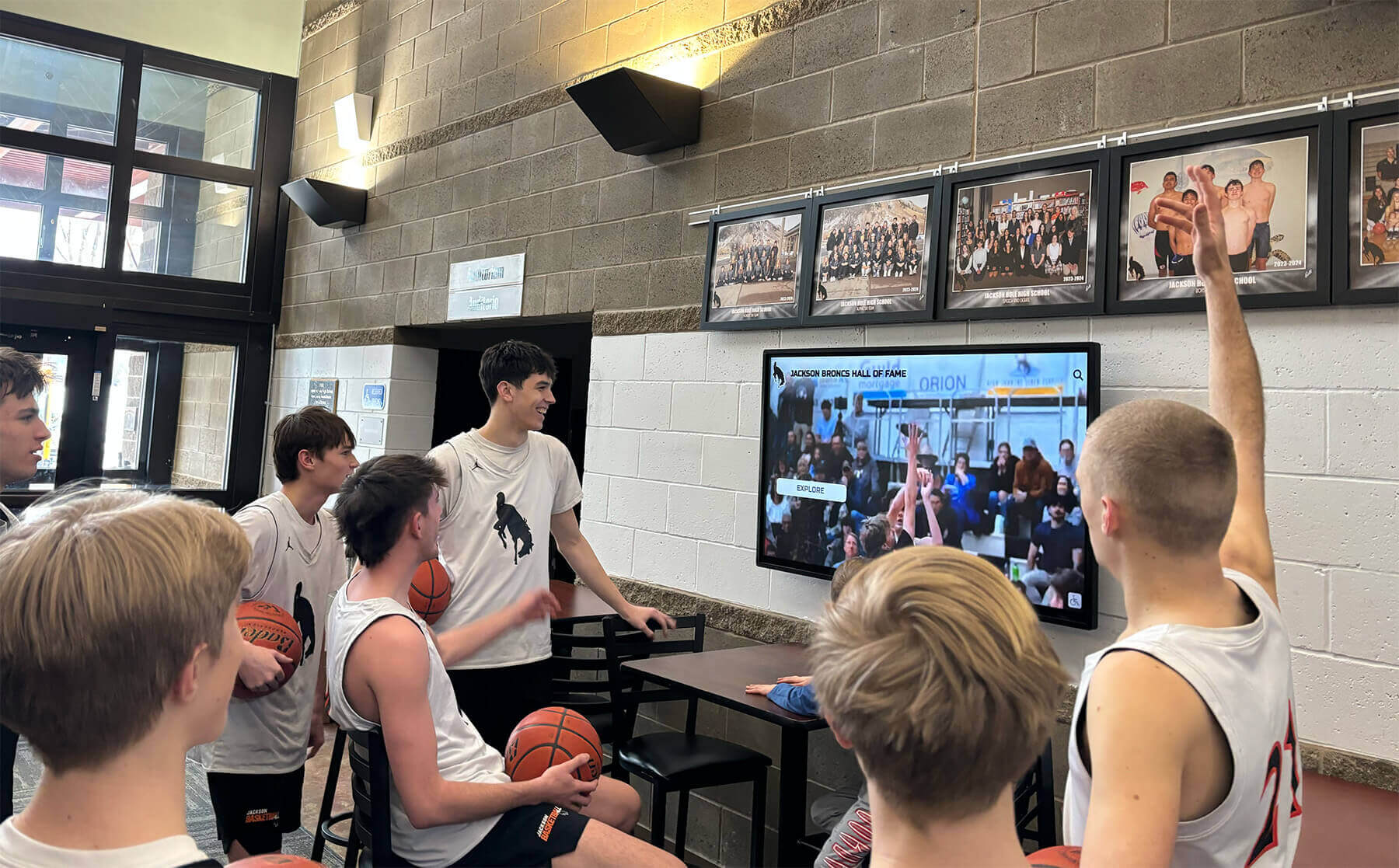
Modern recognition systems create gathering points for students and families to explore and celebrate achievements together
Planning Comprehensive End of Year Awards Programs
Strategic planning transforms awards from administrative checklists into meaningful celebrations that reinforce school culture.
Establishing Award Program Goals
Begin with clear objectives guiding award design:
Recognition Distribution Goals
Define how broadly awards should reach:
- Percentage of student body receiving some recognition
- Balance between elite achievement and participation acknowledgment
- Grade level representation ensuring equitable distribution
- Subject area coverage across curriculum
- Character and extracurricular inclusion beyond academics
- Special population representation (special education, English learners, transfer students)
Cultural and Educational Objectives
Connect awards to institutional mission:
- Reinforcing specific school values through recognition categories
- Supporting strategic priorities like STEM focus or global citizenship
- Building inclusive culture where diverse strengths receive acknowledgment
- Motivating continued student engagement and effort
- Strengthening family connection to school community
- Creating traditions that define school identity
Practical Implementation Parameters
Establish realistic boundaries:
- Budget availability for certificates, trophies, and ceremony costs
- Staff time allocation for selection and planning
- Ceremony length constraints maintaining engagement
- Facility capacity for family attendance
- Technology infrastructure supporting digital recognition
- Timeline working backward from end-of-year calendar
Clear goals enable systematic decision-making about categories, criteria, and presentation approaches.
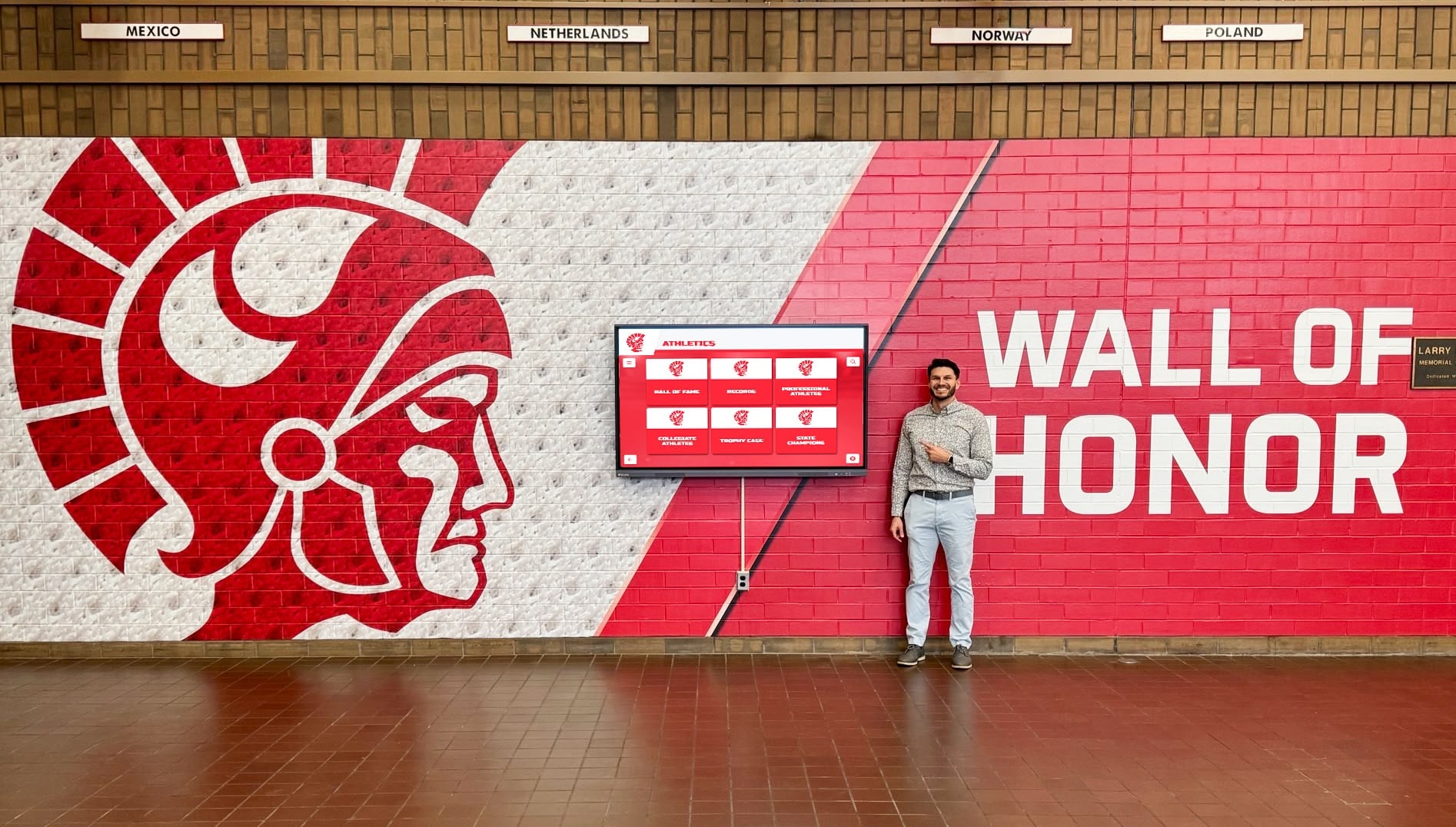
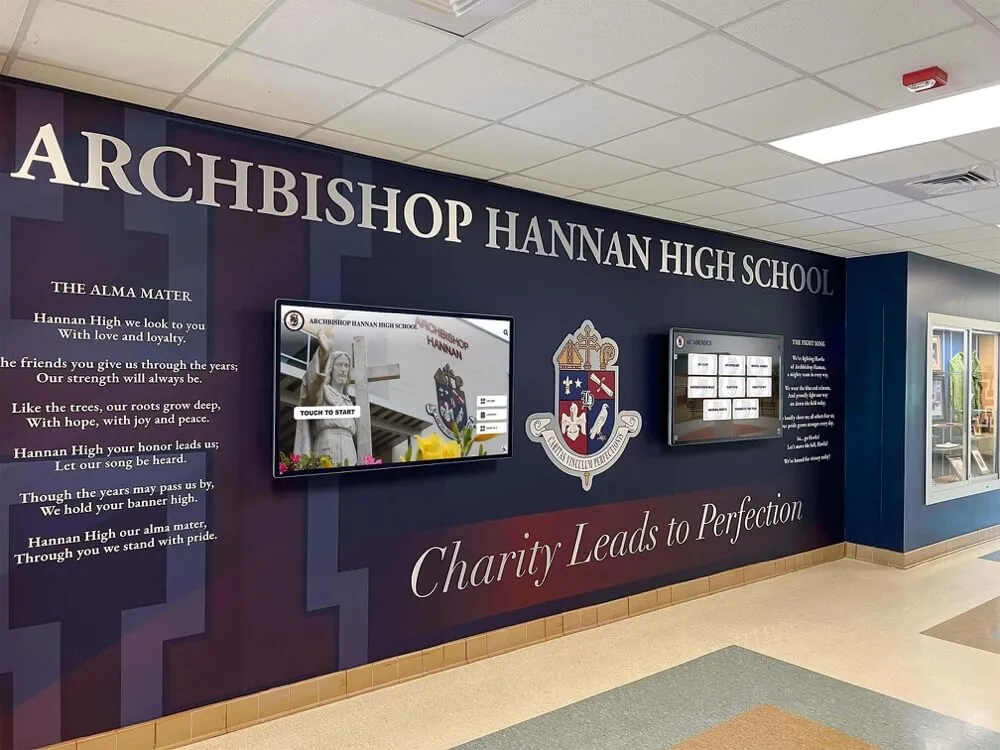
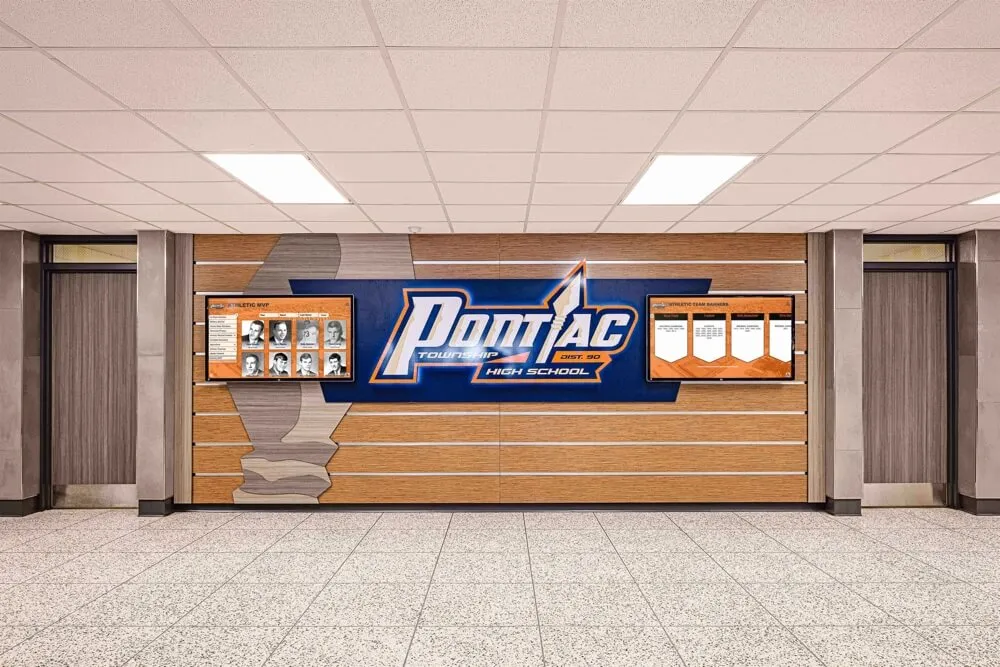
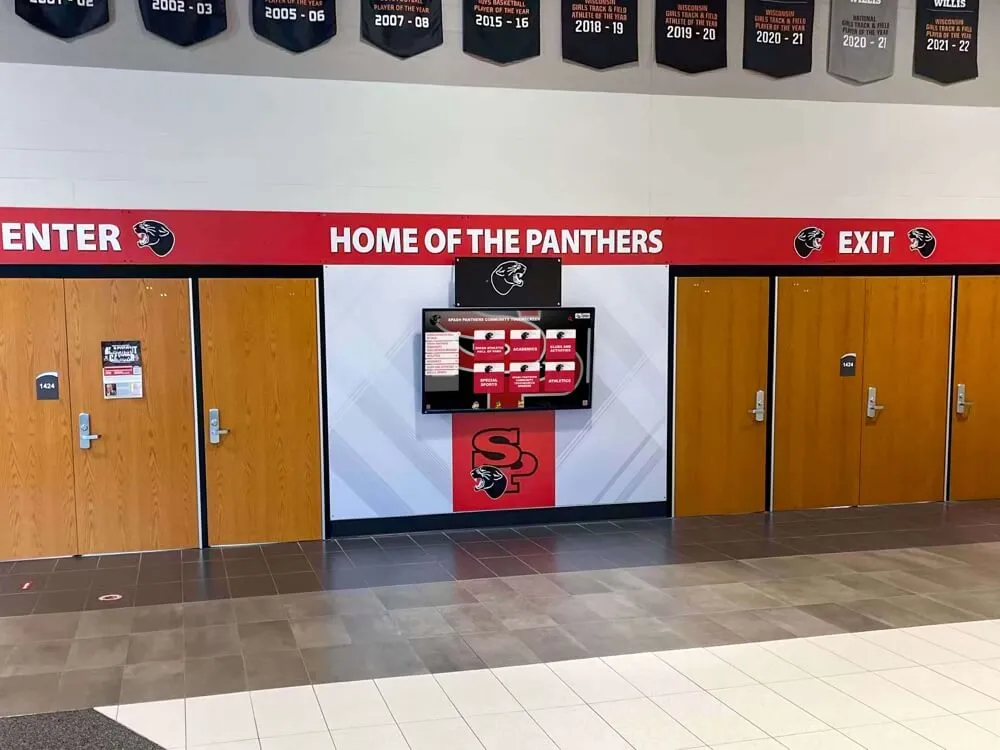
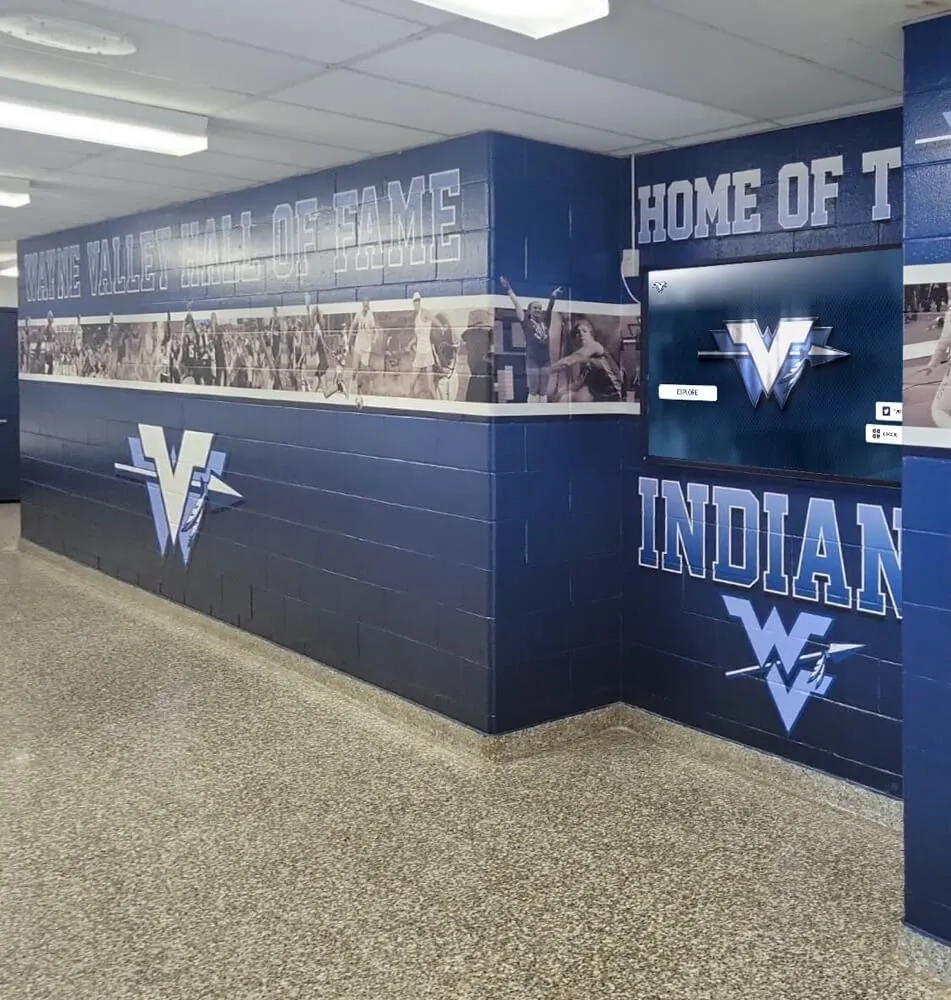
Permanent recognition displays in high-traffic areas ensure year-round visibility for award recipients
Award Program Timeline Development
Systematic planning prevents last-minute chaos:
Fall Semester Planning Phase (August-October)
Early preparation enables comprehensive programs:
- Form award planning committee with diverse representation
- Review previous year’s awards and identify improvements
- Survey faculty about suggested categories and criteria
- Establish budget and secure funding sources
- Create award category framework and selection criteria
- Design nomination forms and process documentation
- Purchase or order awards with adequate lead time
- Reserve facilities for award ceremonies
Winter Implementation (November-February)
Mid-year activities maintain momentum:
- Communicate award categories and criteria to faculty, students, families
- Begin collecting academic performance data for year-end evaluation
- Launch nomination processes for character and special achievement awards
- Track submission patterns and send reminders to nominators
- Address questions about criteria or nomination processes
- Plan ceremony logistics, programs, and presentation elements
- Order additional awards based on category popularity
Spring Selection and Execution (March-June)
Final phase brings plans to fruition:
- Close nomination periods with final reminders (March-April)
- Selection committees review nominations and finalize recipients (April)
- Notify award recipients and families appropriately (May)
- Prepare certificates, engraved awards, and presentation materials
- Conduct ceremonies with appropriate fanfare (May-June)
- Update permanent displays and digital recognition systems
- Archive documentation for historical records
- Assess program effectiveness and plan improvements
Adequate timeline prevents common failure points like insufficient nomination submission, rushed selection decisions, and ceremony planning stress.
Building Representative Planning Committees
Diverse input improves award programs:
Committee Composition Considerations
Include varied perspectives:
- Administrative leadership providing institutional vision
- Faculty representatives across grade levels and departments
- Counselors offering student development perspective
- Student representatives contributing peer insights
- Parent association members representing family views
- Support staff observing students across contexts
- Community partners with external perspective
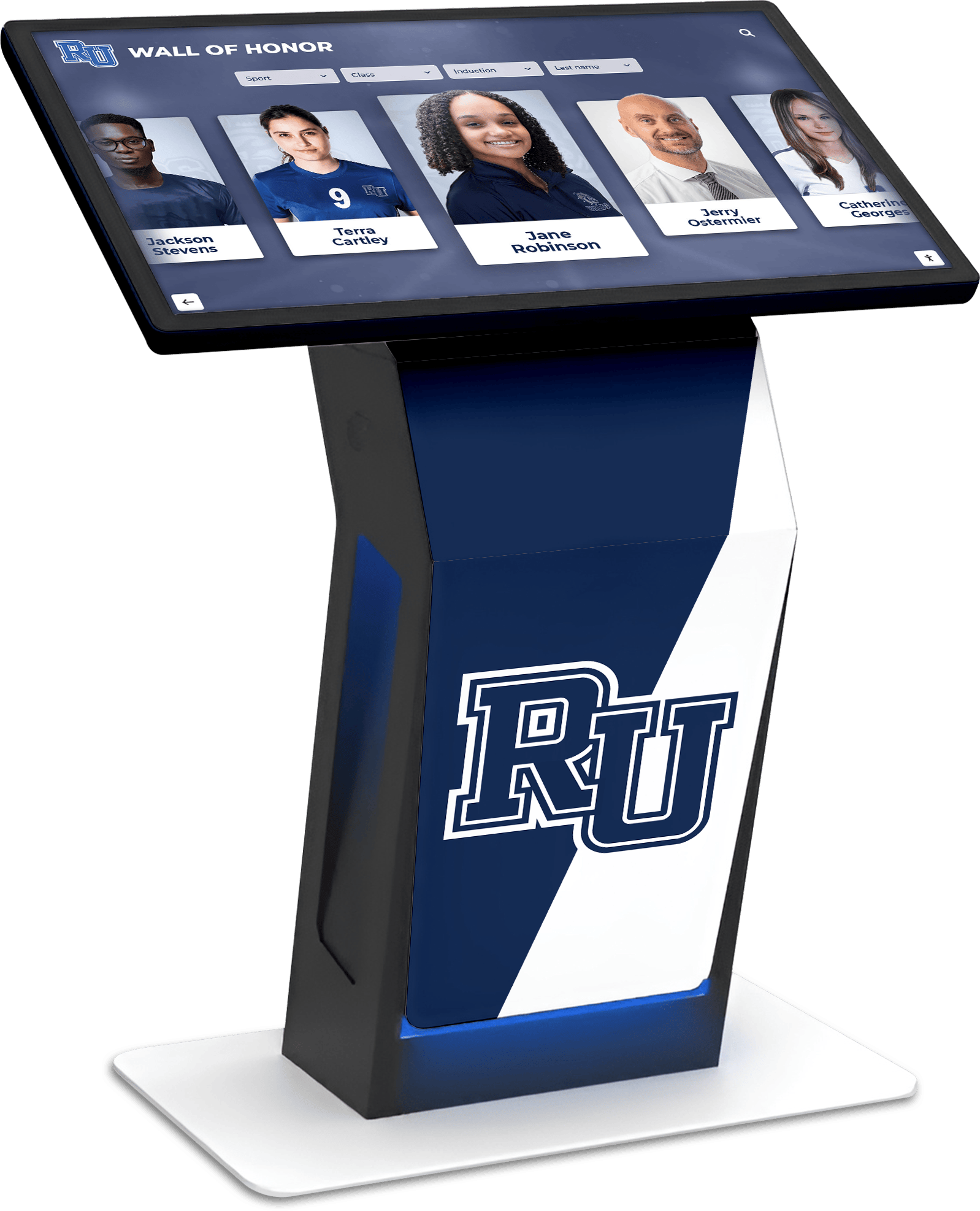
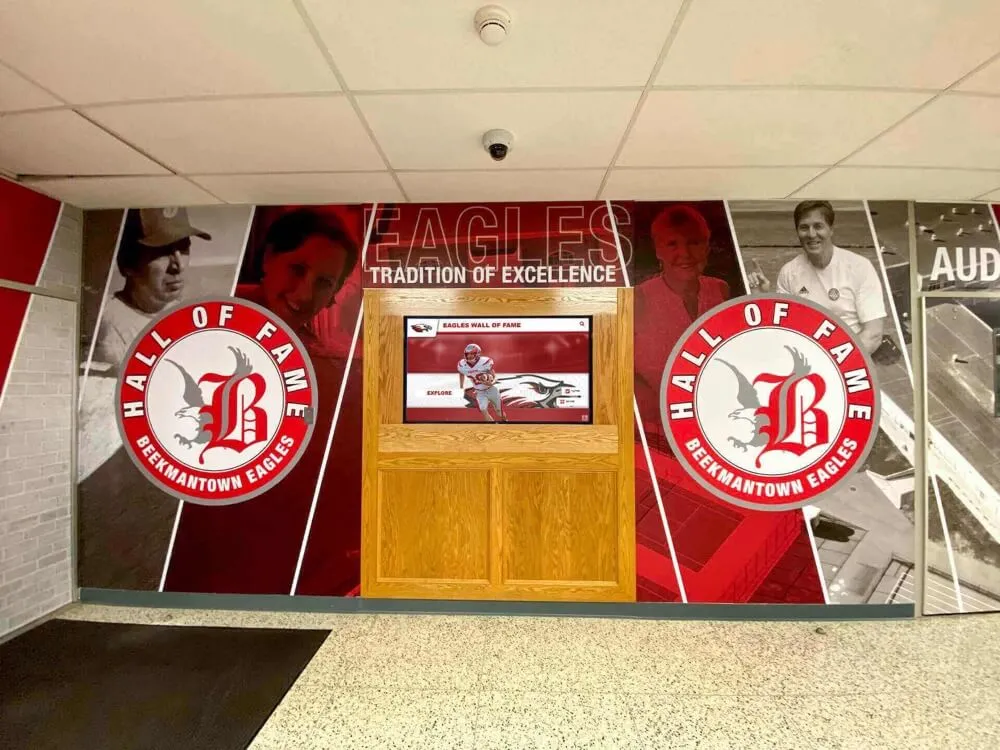
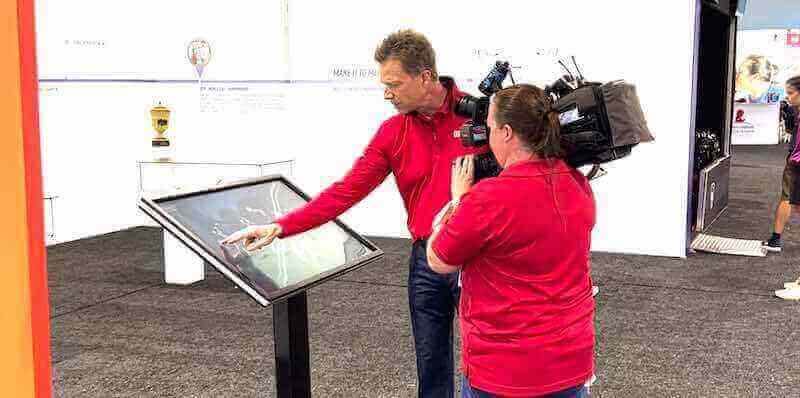
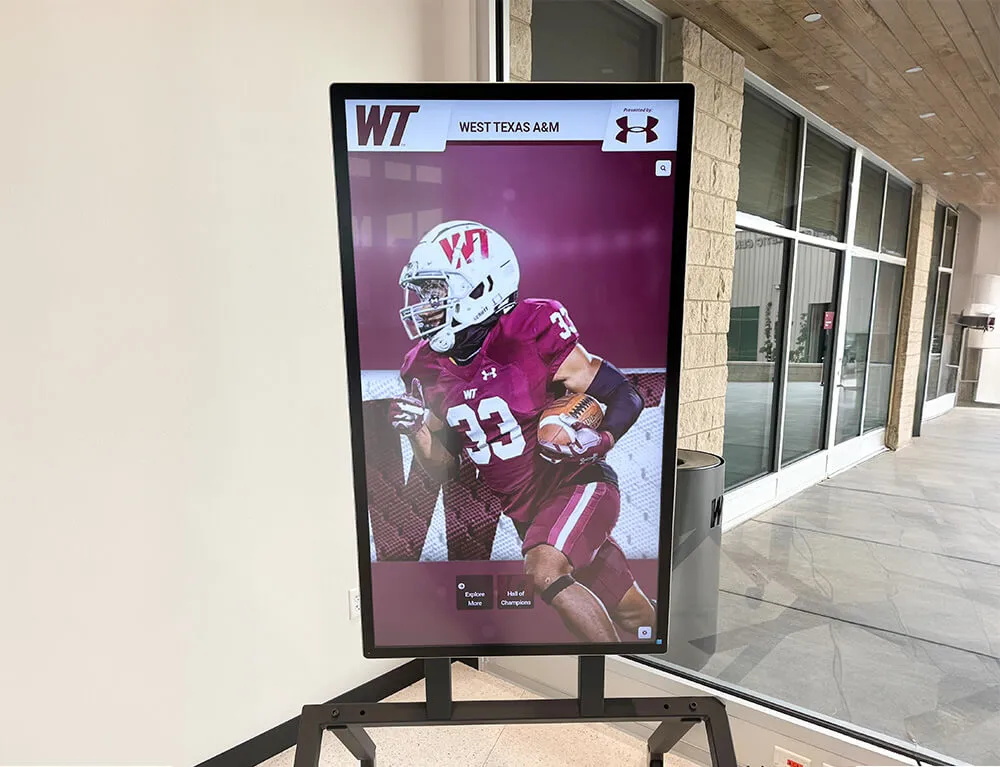
Modern kiosks enable comprehensive recognition without physical space constraints
Committee Role Definition
Establish clear responsibilities:
- Category development and criteria establishment
- Nomination process design and management
- Selection oversight ensuring fairness and consistency
- Ceremony planning and logistics coordination
- Communication with stakeholders throughout process
- Assessment and continuous improvement recommendations
Inclusive planning prevents blind spots while building stakeholder investment in program success.
Creating Meaningful Award Categories
Thoughtful category design ensures diverse students find recognition pathways while maintaining meaningful standards.
Academic Excellence Awards
Academic recognition remains important while avoiding overconcentration:
Subject-Specific Academic Achievement
Recognize excellence across curriculum:
- English/Language Arts Excellence Awards for reading comprehension, writing skill, literary analysis
- Mathematics Achievement Awards for problem-solving ability, computational skill, mathematical reasoning
- Science Excellence Awards for scientific inquiry, experimental design, analytical thinking
- Social Studies Achievement Awards for historical understanding, civic knowledge, cultural awareness
- World Language Excellence Awards for communication proficiency, cultural competency, language advancement
- Fine Arts Achievement Awards for artistic expression, technical skill, creative development
- Physical Education Excellence Awards for athletic skill, sportsmanship, fitness commitment
Academic Growth and Improvement Recognition
Celebrate development regardless of achievement level:
- Most Improved Student Awards by subject area documenting significant growth
- Reading Progress Awards for literacy advancement at any level
- Math Growth Awards for increased confidence and competency
- Study Skills Development Awards for organizational improvement
- Academic perseverance recognition for consistent effort despite challenges
Advanced Achievement Recognition
Acknowledge exceptional academic accomplishment:
- Honor Roll Recognition (various GPA thresholds)
- AP Scholar Awards for Advanced Placement excellence
- Academic honor distinctions for graduating seniors
- Perfect Attendance Academic Awards combining attendance with achievement
- Research Excellence Awards for independent study or capstone projects
- National Merit Scholar Recognition for standardized test excellence
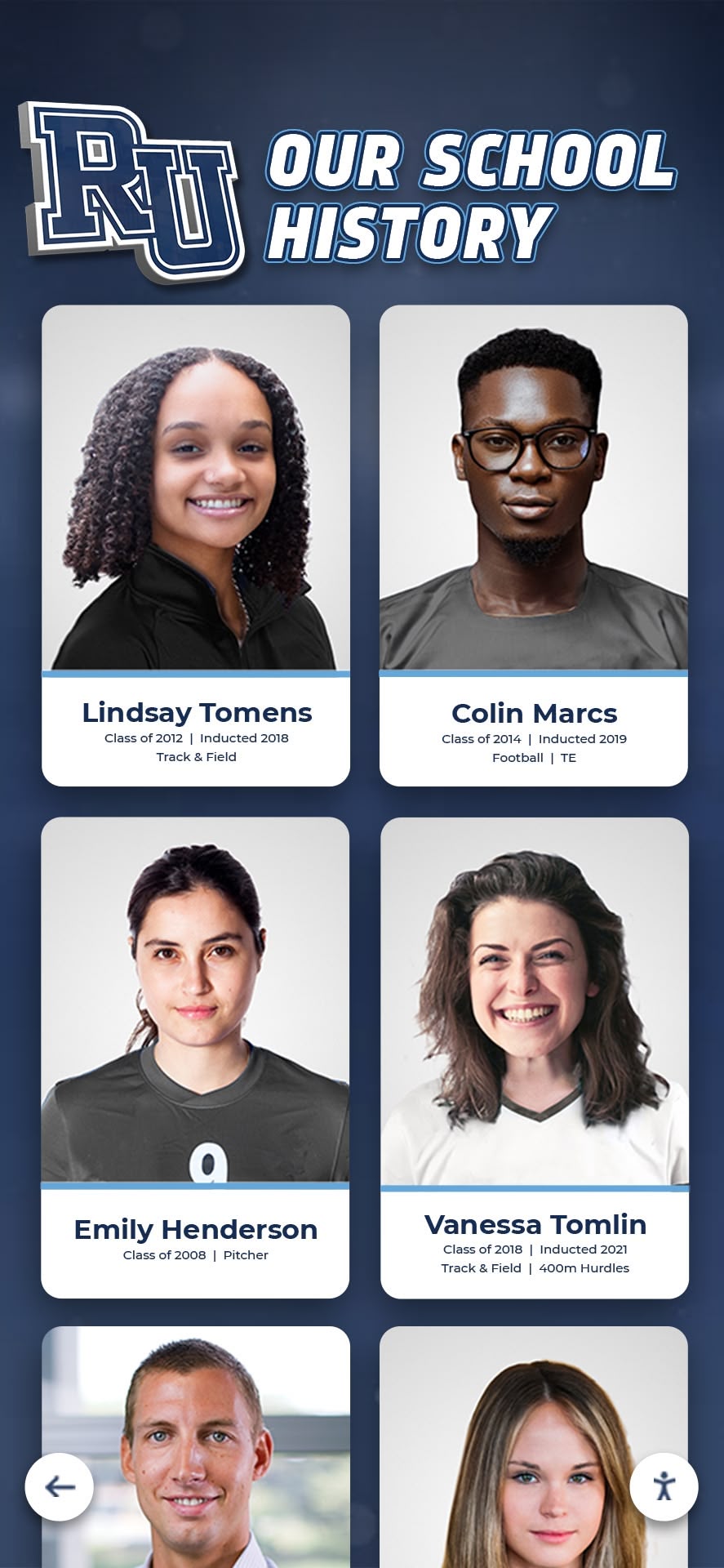
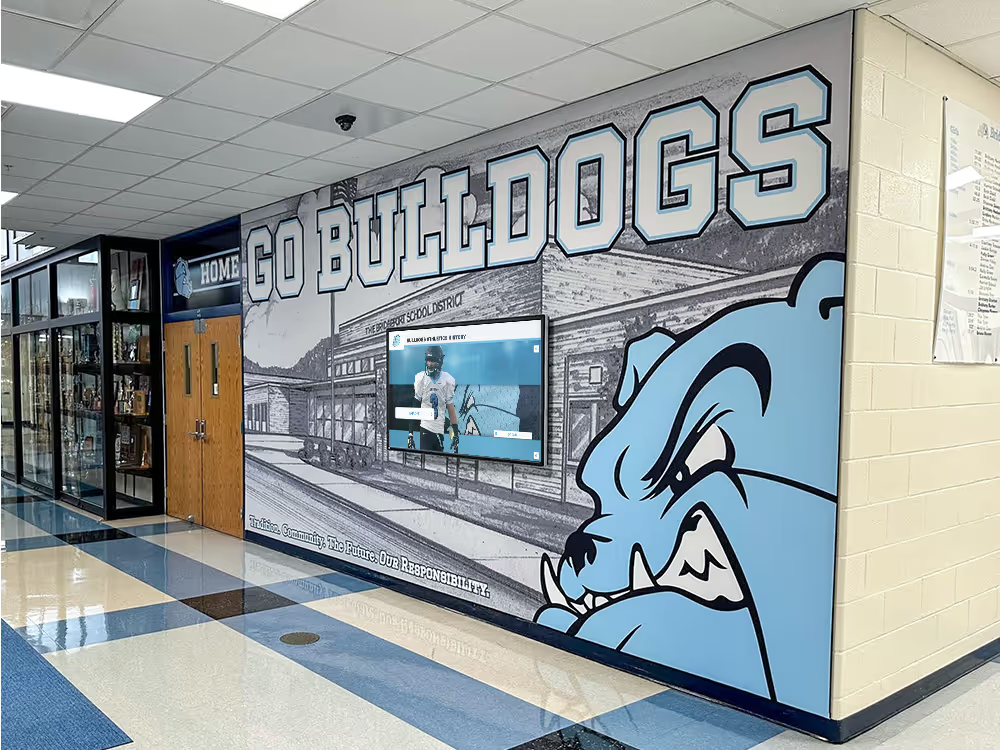
Individual achievement profiles document specific accomplishments and tell student success stories
Character and Citizenship Awards
Character recognition acknowledges qualities essential for life success:
Core Character Trait Awards
Celebrate fundamental virtues:
- Integrity Award for consistent ethical behavior and honesty
- Kindness Award for compassion and consideration toward others
- Perseverance Award for resilience in facing challenges
- Responsibility Award for reliability and follow-through
- Courage Award for standing up for beliefs or facing fears
- Respect Award for treating others with dignity across differences
- Empathy Award for understanding and supporting others’ experiences
Citizenship and Community Awards
Honor contributions to school community:
- Good Citizenship Award for exemplary behavior and rule following
- School Spirit Award for promoting positive school culture
- Service Learning Award for community service commitment
- Environmental Steward Award for sustainability efforts
- Peer Mentor Award for supporting classmates’ success
- Student leadership recognition for student government contributions
- Ambassador Award for welcoming new students and visitors
Social-Emotional Growth Awards
Acknowledge developmental progress:
- Self-Advocacy Award for appropriately communicating needs
- Conflict Resolution Award for peaceful problem-solving
- Emotional Regulation Award for managing feelings constructively
- Growth Mindset Award for embracing challenges as opportunities
- Inclusivity Award for welcoming others and building bridges
For comprehensive student recognition frameworks, explore academic recognition program guides that balance achievement with character development.
Creative and Specialized Talent Awards
Non-academic talents deserve equal celebration:
Arts and Performance Excellence
Recognize creative achievement:
- Visual Arts Excellence Award for artistic skill and creative expression
- Performing Arts Achievement Award for drama, music, or dance excellence
- Creative Writing Award for original stories, poetry, or journalism
- Design Thinking Award for innovative problem-solving approaches
- Digital Arts Award for multimedia, graphic design, or technology creativity
- Music Excellence Award for instrumental, vocal, or composition achievement
Special Interest and Passion Recognition
Honor enthusiasm and dedication:
- STEM Enthusiast Award for science, technology, or engineering passion
- Reading Enthusiast Award for avid readers who inspire others
- History Buff Award for deep historical interest and knowledge
- Maker Award for hands-on building and creation projects
- Language Lover Award for multilingual interest or linguistic excellence
- Athletics Achievement Award for non-team sport excellence
Innovation and Original Thinking Awards
Celebrate unique contributions:
- Creative Problem Solver Award for innovative solution approaches
- Original Thinker Award for unique perspectives and ideas
- Inventor’s Award for creating new things or improving existing processes
- Entrepreneurial Spirit Award for initiative and resourcefulness
- Technology Innovation Award for novel uses of digital tools
Leadership and Service Recognition
Leadership at all levels merits acknowledgment:
Student Leadership Awards
Recognize leadership in action:
- Class Officer Recognition for student government service
- Club President Excellence Award for extracurricular leadership
- Team Captain Awards for athletic leadership
- Peer Leadership Award for influence through positive example
- Emerging Leader Award for younger students showing leadership potential
- Event Coordinator Award for organizing school activities
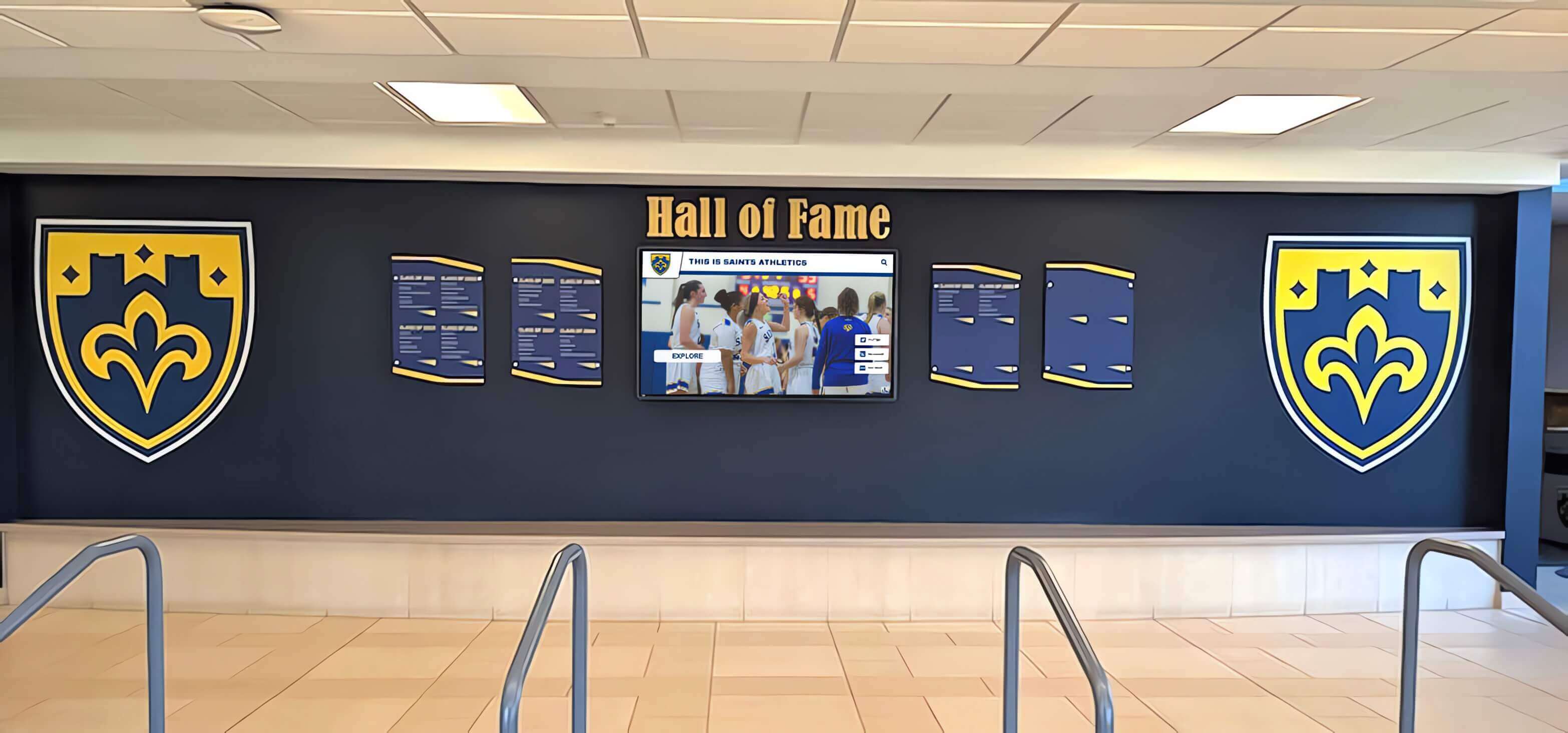
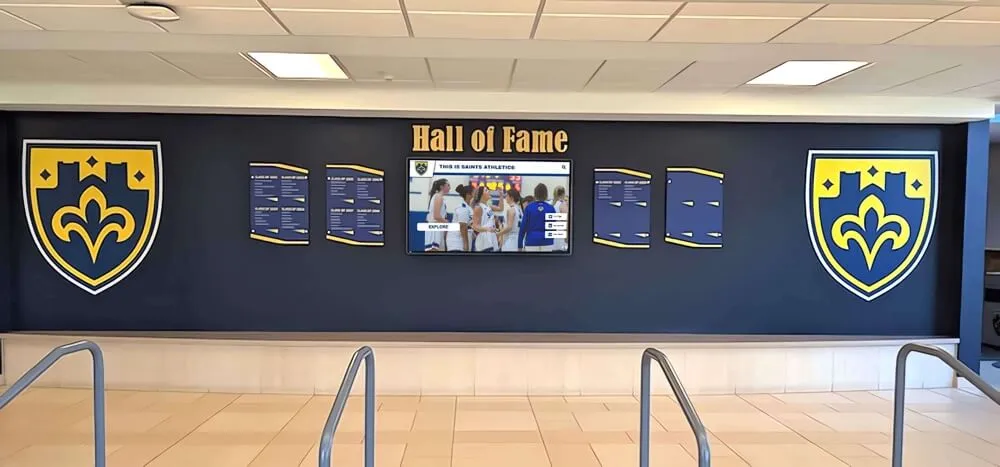
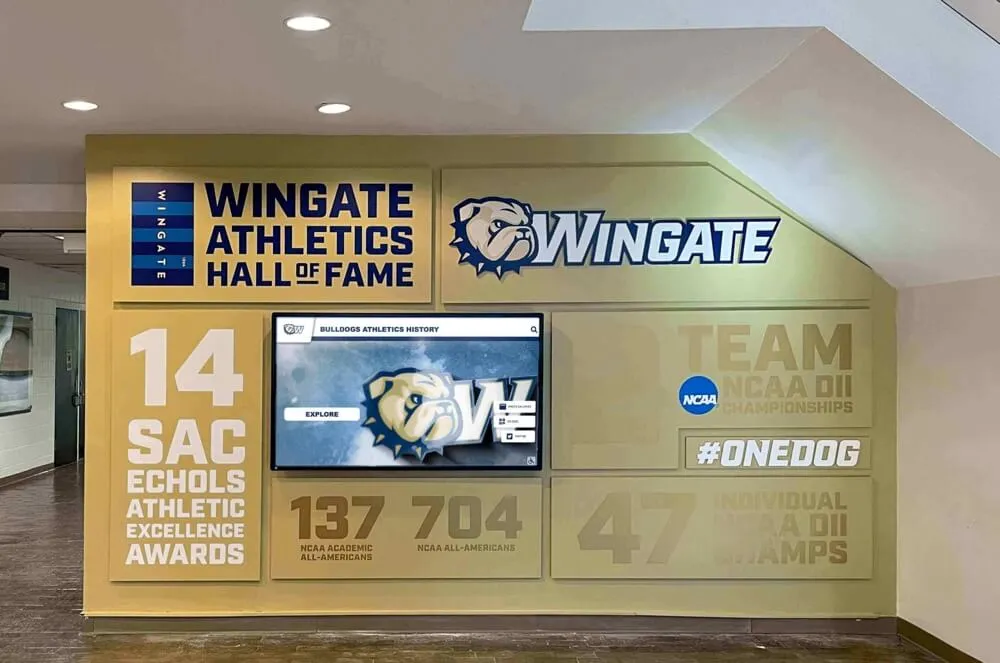
Combined traditional and digital recognition creates comprehensive acknowledgment systems
Service and Contribution Recognition
Honor students who give back:
- Community Service Award for volunteer hour milestones
- School improvement contributions for initiatives enhancing school
- Volunteer Excellence Award for sustained service commitment
- Social Justice Award for advocacy and equity work
- Fundraising Achievement Award for charitable campaign success
- Mentor Award for supporting younger students or peers
Athletic Recognition Beyond Performance
Honor diverse athletic contributions:
Sportsmanship and Character Awards
Recognize how athletes compete:
- Sportsmanship Award for exemplary behavior on and off field
- Teammate Award for supporting others’ success
- Athletic leadership beyond statistics
- Heart and Hustle Award for consistent effort
- Practice Player Award for preparation contributions
- Coaches’ Award for intangibles and team impact
Athletic Development Recognition
Celebrate growth and dedication:
- Most Improved Athlete Award for measurable development
- Dedication Award for training commitment and work ethic
- Multi-Sport Athlete Award for participation across seasons
- Scholar-Athlete Award combining academics with athletics
- Comeback Award for overcoming injury or adversity
For comprehensive athletic recognition ideas, see sports banquet planning guides incorporating diverse award categories.
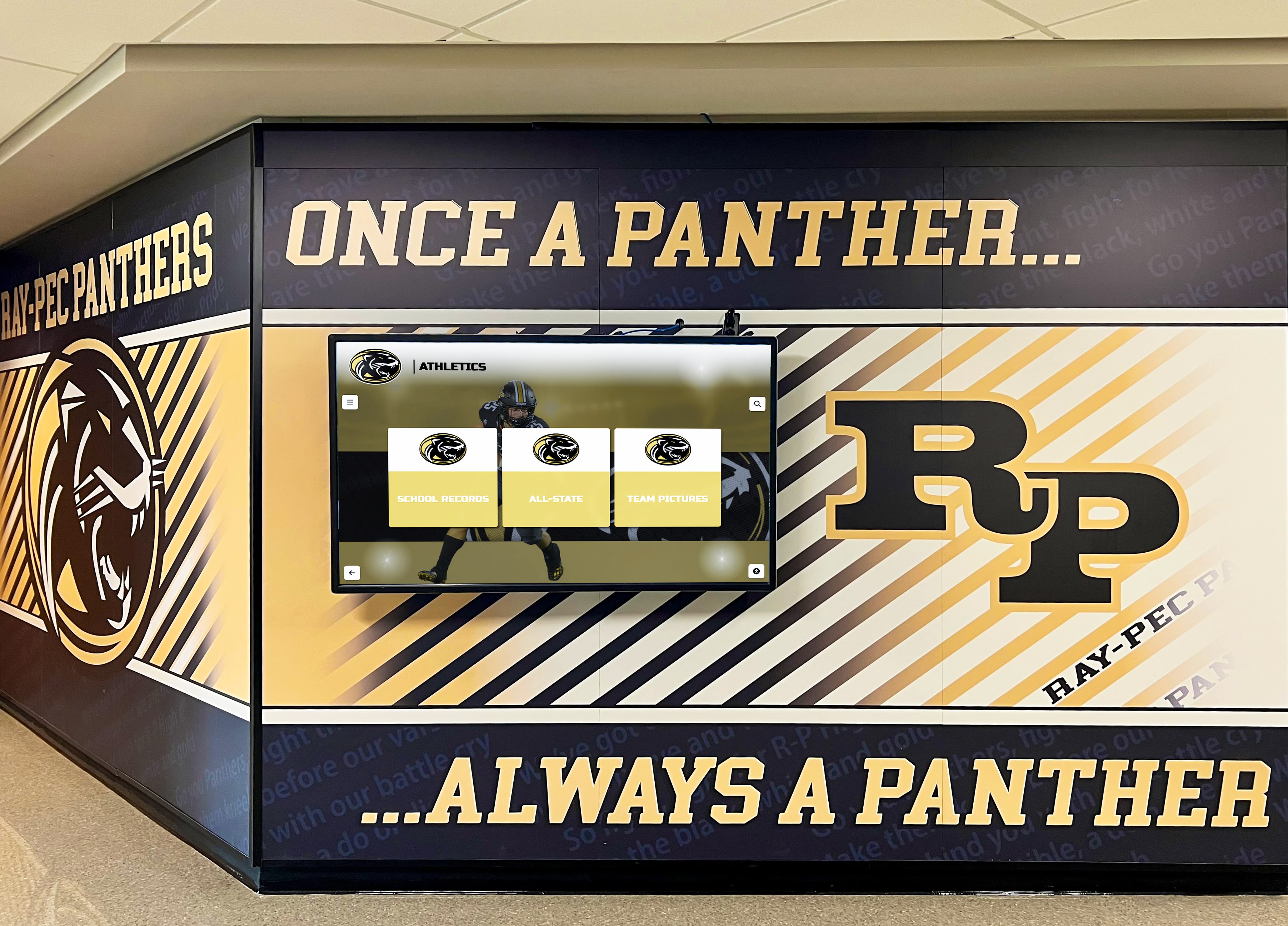
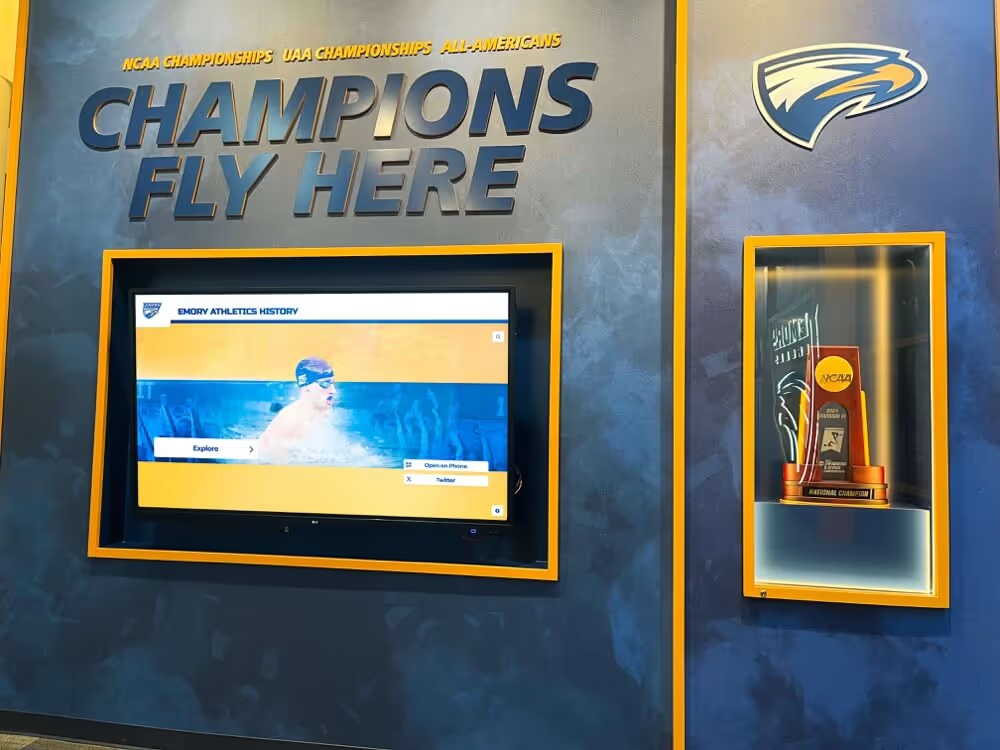
Athletic facility displays showcase diverse achievements beyond championship trophies
Establishing Fair Selection Processes
Credible recognition requires transparent, systematic selection preventing favoritism perceptions.
Defining Clear Selection Criteria
Specific criteria ensure fairness and meaning:
Creating Observable Descriptors
Make criteria concrete and measurable:
- Specific behaviors or achievements each award recognizes
- Observable evidence that supports award decisions
- Frequency or consistency requirements over time
- Examples illustrating what recognition looks like in practice
- Connection to school values or educational mission
- Distinguishing characteristics separating award from others
Quantitative Criteria Elements
Numbers provide objectivity where applicable:
- GPA thresholds for academic awards
- Specific grade requirements by subject area
- Service hour minimums for volunteer recognition
- Attendance standards for perfect attendance awards
- Statistical thresholds for athletic achievement
- Participation requirements ensuring adequate assessment
Qualitative Assessment Guidelines
Structured evaluation for subjective criteria:
- Rubrics with defined performance levels
- Multiple examples at each proficiency level
- Nomination forms requiring specific evidence
- Comparative standards across candidates
- Committee discussion protocols
- Documentation requirements for final decisions
Transparent criteria published in advance enable students to understand recognition pathways while preventing selection committee inconsistency.
Nomination and Selection Workflow
Systematic processes prevent oversights and bias:
Nomination Phase Management
Structured input gathering:
- Faculty nomination forms with evidence requirements
- Student self-nomination opportunities where appropriate
- Peer nomination for social and character awards
- Parent input for certain recognition categories
- Digital submission systems tracking nominations
- Nomination deadline enforcement with reminders
- Anonymous nomination options for sensitive categories
Selection Committee Structure
Representative evaluation teams:
- Grade level or department specific committees
- Cross-functional committees for school-wide awards
- Administrative oversight ensuring consistency
- Clear voting or consensus protocols
- Documentation of selection rationale
- Conflict of interest policies
- Appeal or review mechanisms if needed
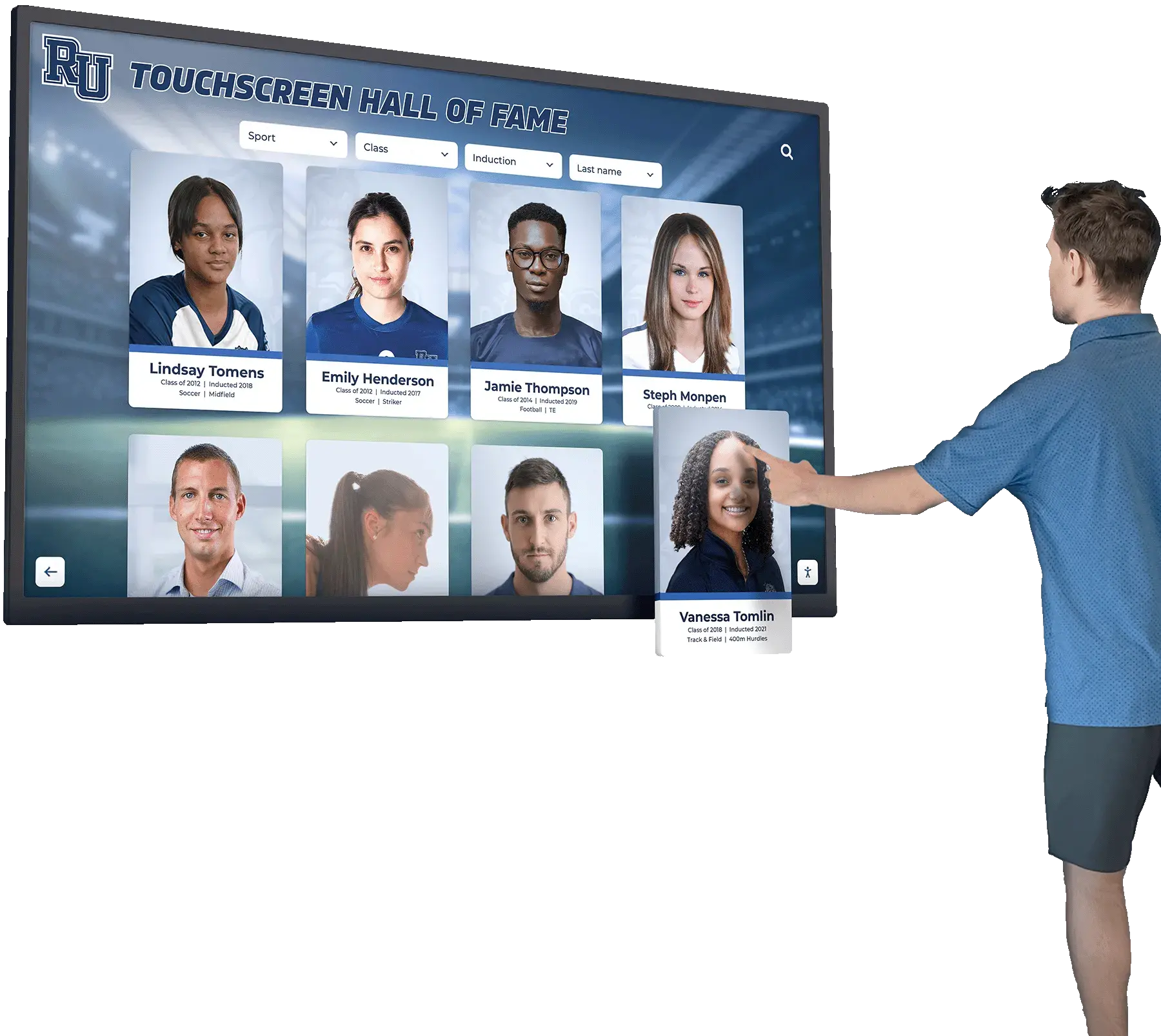
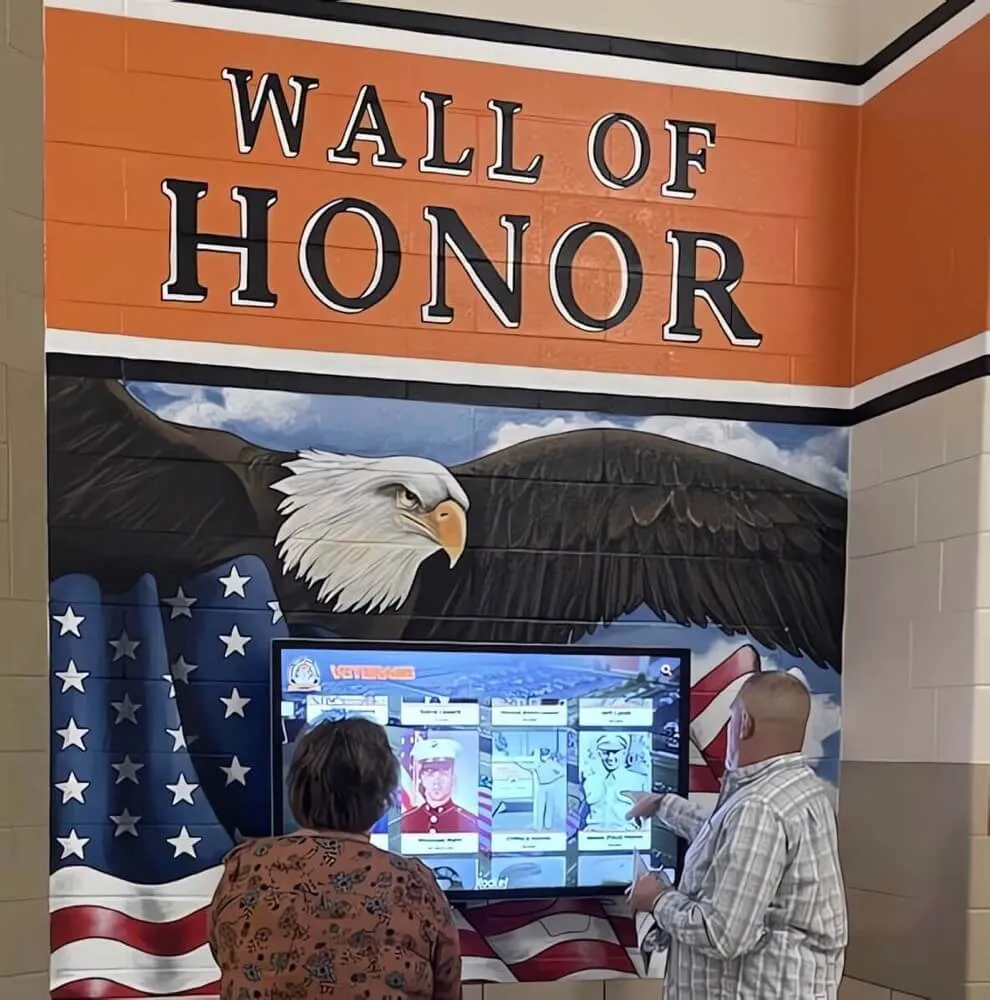
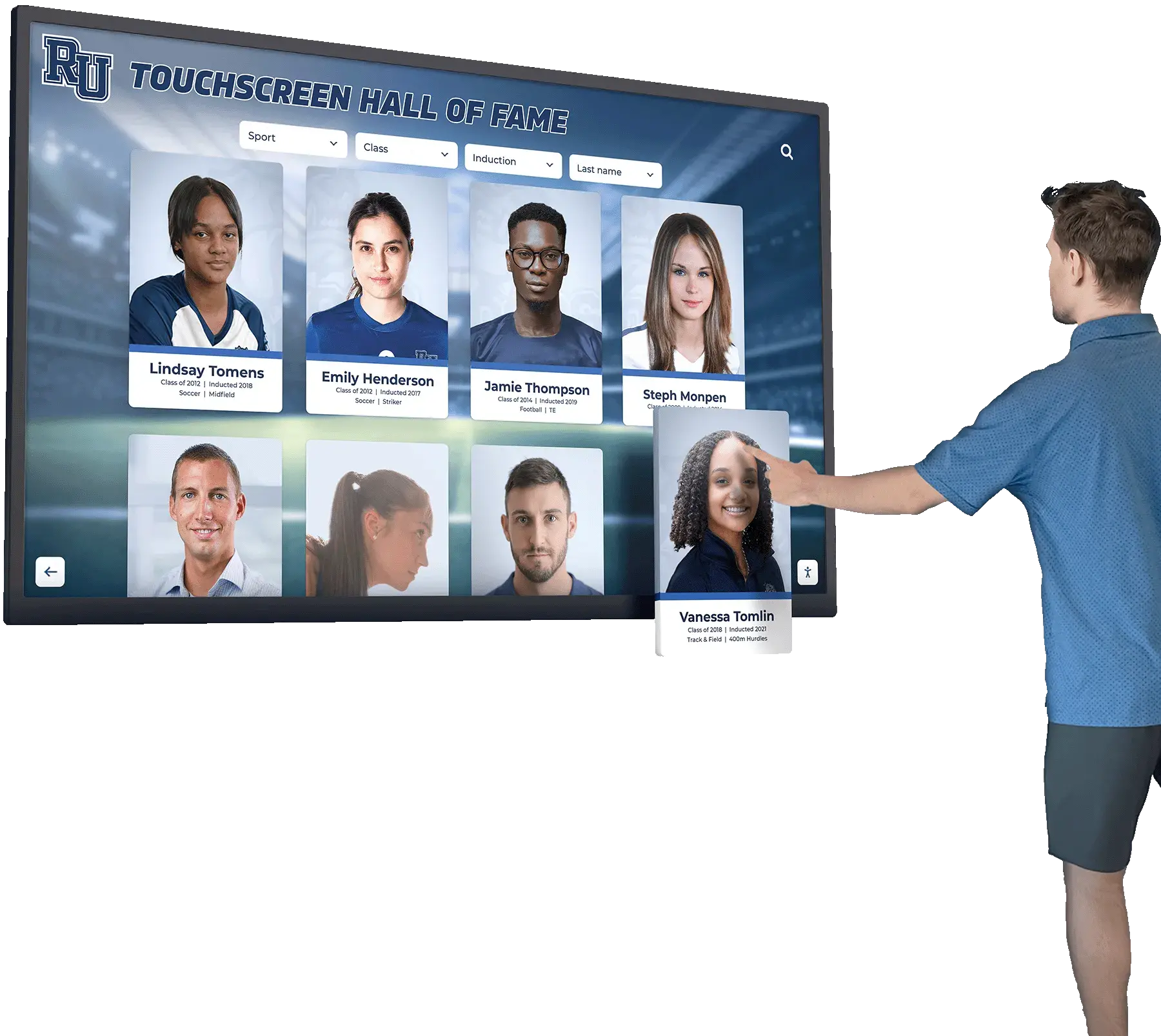
Interactive displays enable detailed exploration of student achievements and recognition stories
Review and Approval Process
Final validation ensuring quality:
- Administrator review of all selections
- Distribution analysis ensuring equitable recognition
- Verification of student information accuracy
- Family notification and permission protocols
- Handling of declined awards or conflicts
- Final approval before public announcement
- Backup plan for unforeseen issues
Ensuring Equitable Recognition Distribution
Monitor patterns preventing concentration or gaps:
Distribution Analysis Metrics
Track recognition patterns:
- Percentage of student body receiving recognition
- Distribution across demographic groups
- Gender balance across award categories
- Grade level representation
- Special education and general education balance
- English language learner recognition
- Comparison to previous years’ patterns
Addressing Recognition Gaps
Proactive gap correction:
- Additional award categories targeting underrepresented groups
- Multiple winners for popular categories
- Honorable mention or runner-up recognition
- Classroom-specific awards supplementing school-wide
- Monthly recognition throughout year beyond ceremony
- Creative categories ensuring broader reach
Preventing Award Concentration
Avoid same students dominating recognition:
- Limit number of major awards single students receive
- Separate academic, character, and special achievement recognition
- Different evaluation committees across categories
- Timing stagger enabling sequential rather than simultaneous consideration
- Committee awareness of distribution goals
- Alternative recognition for repeat winners
For equity-focused recognition strategies, explore inclusive recognition frameworks ensuring all students find success pathways.
Planning Engaging Award Ceremonies
Presentation quality significantly affects recognition impact and memorability.
Ceremony Format Options
Different structures serve varied purposes:
All-School Assembly Ceremonies
Traditional whole-school recognition:
- Advantages: Creates shared experience, maximizes visibility, efficient time use, emphasizes community celebration
- Challenges: Length constraints limiting individual attention, potential for disengagement, difficult family attendance during school day, less intimate setting
- Best for: Large comprehensive awards programs, grade-level specific ceremonies, schools prioritizing community gathering
Grade-Level or Division Ceremonies
Targeted recognition events:
- Advantages: Age-appropriate content, manageable ceremony length, stronger personal connection, easier family scheduling
- Challenges: Resource multiplication across events, scheduling complexity, reduced cross-grade community building
- Best for: Schools with large student populations, elementary schools with developmental variation, institutions prioritizing intimate recognition
Classroom-Based Recognition
Intimate teacher-led celebrations:
- Advantages: Personal connection, every student acknowledged, flexible timing, minimal resource requirements, authentic teacher-student moments
- Challenges: Inconsistent quality across classrooms, limited family participation, reduced prestige, potential for inequity
- Best for: Supplementing school-wide programs, elementary settings, schools with limited ceremony resources
Hybrid Recognition Approaches
Combining multiple formats:
- Major awards at school-wide ceremony
- Grade-level events for broader recognition
- Classroom celebrations for participation acknowledgment
- Digital platforms providing permanent visibility
- Family reception enabling personal celebration
Strategic format selection balances recognition impact with logistical constraints.
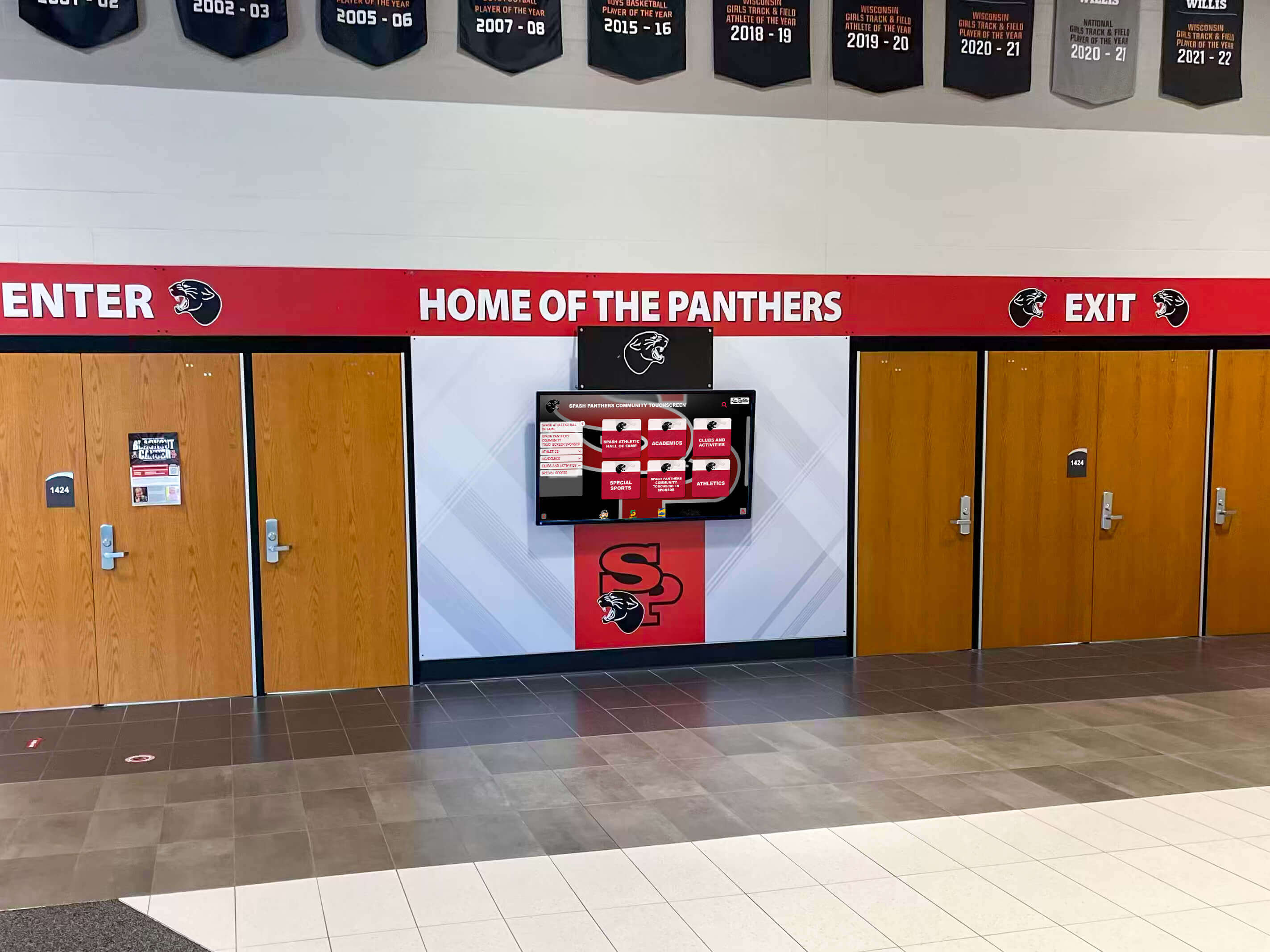
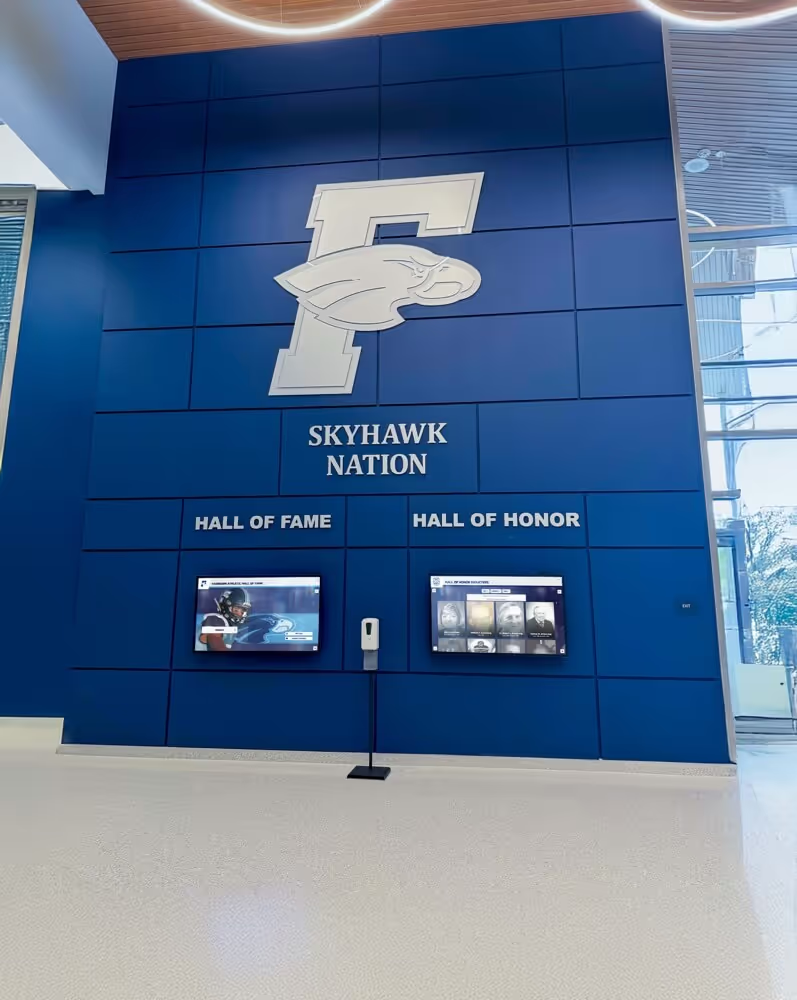
Entrance displays create welcoming environments while showcasing student achievements
Ceremony Program Design
Thoughtful structure maintains engagement:
Essential Program Elements
Include key components:
- Welcome and opening remarks connecting awards to school values
- Introduction of selection process and award significance
- Recognition presentation by category with recipient stories
- Special performances or student testimonials
- Senior or grade-specific recognition segments
- Administrator or guest speaker remarks
- Closing acknowledgments and invitation to reception
- Photo opportunities and informal celebration
Timing and Pacing Considerations
Maintain audience engagement:
- Total ceremony length 60-90 minutes maximum
- Individual award presentation 1-2 minutes each
- Efficient transitions between categories
- Strategic placement of performances or videos
- Standing ovations limited to major milestones
- Reception time separate from formal program
- Clear communication of total expected duration
Enhancing Presentation Quality
Professional touches increase impact:
- Quality audiovisual setup for visibility and clarity
- Presentation slides with award descriptions and photos
- Background music during transitions
- Appropriate lighting for professional atmosphere
- Trained student or staff emcees
- Microphone availability for all speakers
- Video recording for absent families and archives
Creating Meaningful Award Moments
Individual recognition quality matters:
Presenting Awards with Context
Explain why each recipient earned recognition:
- Brief description of award criteria and meaning
- Specific examples illustrating why student earned honor
- Accomplishments or qualities distinguishing recipient
- Impact of student’s contribution on community
- Future potential unlocked through achievement
- Personal anecdote from nominating teacher when possible
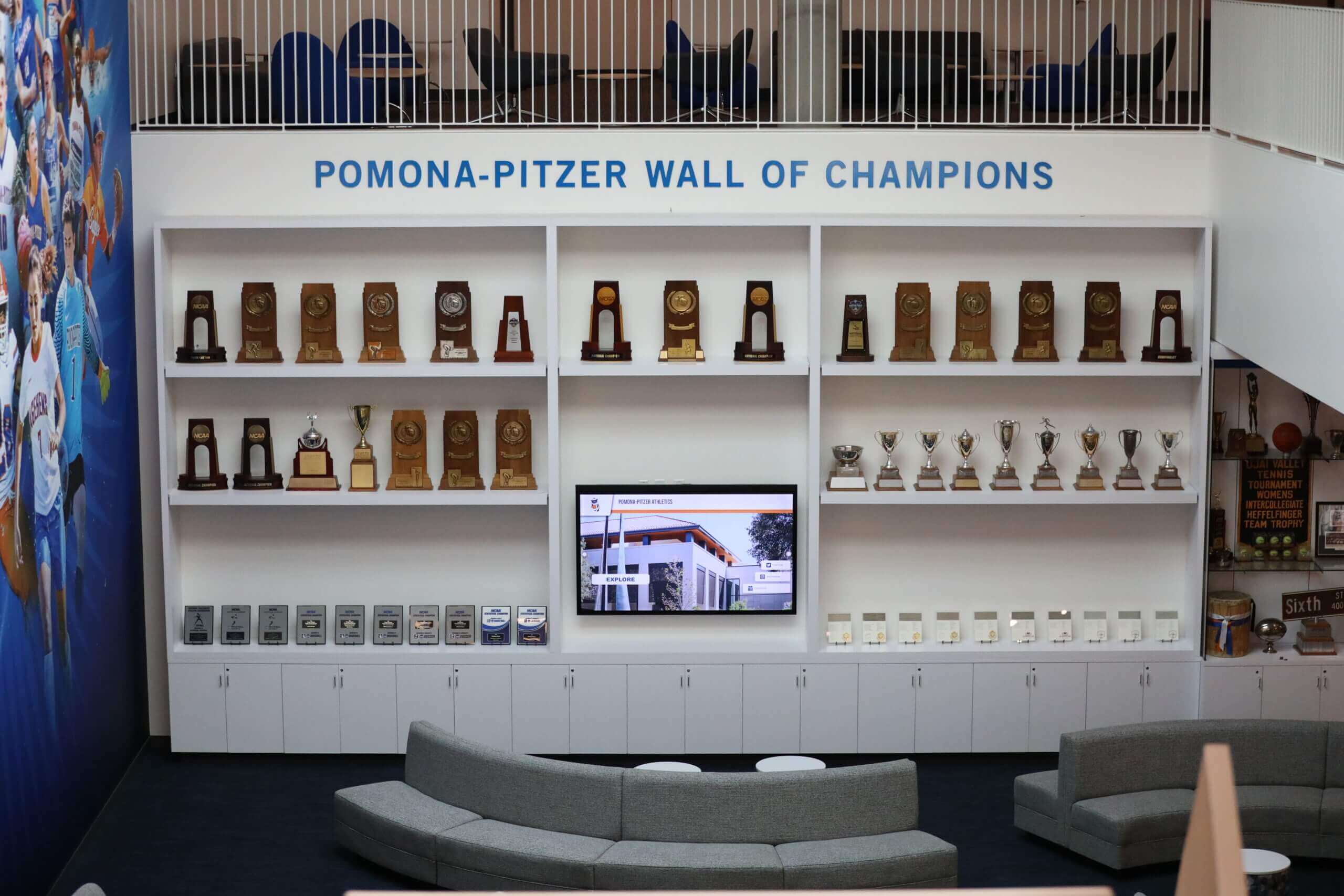
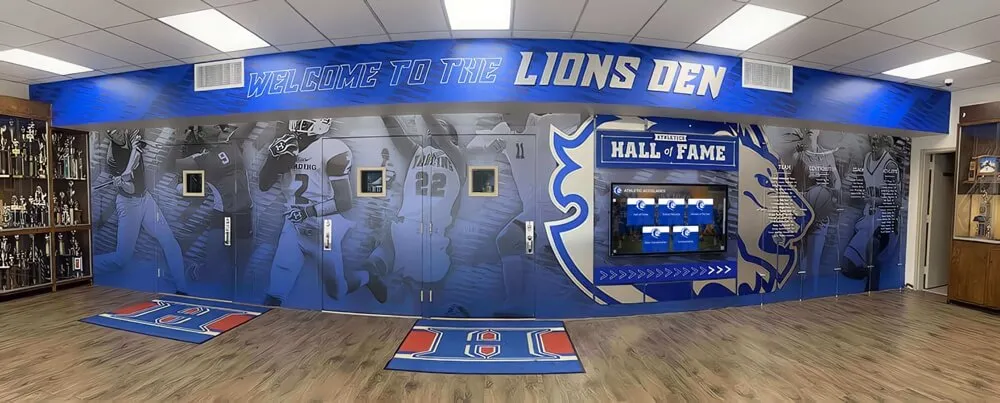
Recognition spaces create environments celebrating diverse student achievements
Photo Opportunities and Documentation
Capture moments for lasting memory:
- Professional photographer or designated volunteer
- Individual photos of each award recipient
- Group photos by award category
- Family photos with award recipients
- Candid ceremony moments
- Organized photo retrieval process post-event
- Digital sharing via school communication platforms
Avoiding Common Ceremony Pitfalls
Prevent engagement killers:
- Overly long speeches or administrator remarks
- Reading lists of names without context or stories
- Technical difficulties from inadequate testing
- Uncomfortable or poorly organized transitions
- Insufficient seating or visibility for families
- Delayed start times testing patience
- Absence of refreshments or reception space
For ceremony planning resources, see school celebration guides with detailed logistics.
Selecting Appropriate Award Formats
Physical recognition reinforces achievement acknowledgment:
Traditional Award Options
Classic formats remain popular:
Certificate Recognition
Versatile and cost-effective:
- Professional certificate design reflecting school branding
- Quality paper stock or cardstock material
- Personalized with recipient name, award, date, signatures
- Frameable size suitable for home display
- Digital certificate options for environmental sustainability
- Bulk printing efficiency for large programs
- Template systems ensuring consistency
Trophy and Medal Awards
Tangible keepsakes with prestige:
- Trophy quality proportional to award significance
- Engraved plaques with achievement details
- Medal recognition for broader participation awards
- Consistent design family creating program identity
- Durable materials for long-term preservation
- Appropriate sizing for student age and accomplishment level
- Vendor relationships enabling cost management
Plaque and Recognition Plates
Permanent installations honoring achievements:
- Wall-mounted plaques for major awards
- Trophy cases displaying accomplishments
- Name plates on donor walls or recognition boards
- Academic achievement hall displays
- Athletic recognition in gymnasium or commons
- Library or classroom acknowledgment spaces
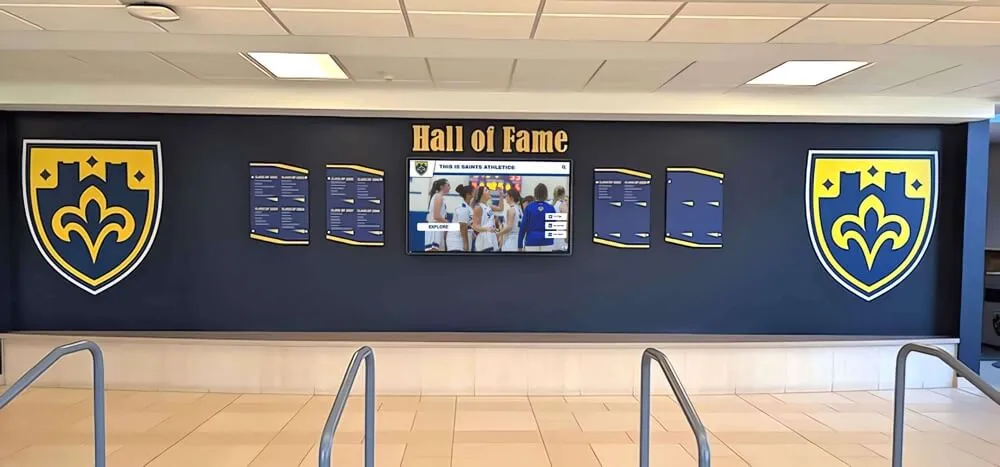
Combined physical and digital recognition creates comprehensive permanent acknowledgment
Modern Digital Recognition Solutions
Technology enables unlimited recognition capacity:
Interactive Touchscreen Displays
Contemporary recognition platforms:
- Unlimited student capacity without space constraints
- Easy updates without purchasing new physical awards
- Multimedia profiles with photos, videos, and detailed stories
- Searchable databases enabling exploration
- Remote management through cloud-based systems
- Professional appearance without ongoing design costs
- Analytics tracking engagement and usage
Permanent Recognition Benefits
Digital systems extend beyond ceremonies:
- Year-round visibility in high-traffic locations
- Alumni access creating long-term connection
- Historical archives preserving institutional memory
- Mobile accessibility extending reach beyond campus
- Integration with school websites and systems
- Cost efficiency eliminating recurring physical award expenses
- Environmental sustainability reducing material consumption
Implementation Considerations
Digital recognition deployment:
Modern schools increasingly invest in comprehensive digital recognition displays that preserve award recipient information permanently while providing professional presentation accessible to students, families, and community members year-round. Solutions like Rocket Alumni Solutions enable schools to transform single-evening ceremonies into lasting acknowledgment through interactive touchscreen systems engaging visitors continuously while maintaining unlimited recognition capacity as programs grow.
- Hardware selection appropriate for installation location
- Software platforms with intuitive content management
- Installation in high-visibility locations
- Staff training for system updates and maintenance
- Integration with student information systems
- Photo and content collection workflows
- Long-term support and system updates
For schools exploring modern recognition technology, see comprehensive guides on digital recognition wall implementation.
Combining Physical and Digital Recognition
Hybrid approaches maximize impact:
Complementary Recognition Strategies
Best of both formats:
- Physical certificates or trophies presented at ceremony
- Digital profiles providing detailed achievement documentation
- Hallway displays featuring award recipient photos
- Social media celebration (with family permission)
- School website galleries highlighting recipients
- Alumni networks connecting past and present winners
- Historical archives preserving program evolution
Budget-Conscious Hybrid Approaches
Maximize recognition within constraints:
- Certificates for all recipients (low cost, high reach)
- Select rotating trophies for major awards
- Digital display as primary permanent recognition
- Community partner sponsorships funding physical awards
- PTO/PTA support for ceremony and award costs
- In-house design and production reducing expenses
- Volunteer photographers eliminating documentation costs
Communicating Recognition Effectively
Strategic communication extends award impact beyond ceremonies:
Pre-Award Communication
Build anticipation and engagement:
Award Category and Criteria Announcement
Transparency enables student motivation:
- Early-year communication of all award categories
- Published criteria for each recognition type
- Nomination process explanation and timeline
- Examples of previous winners and achievements
- Faculty guidance about nomination processes
- Student assembly introducing award program
- Parent communication through newsletters and websites
Student and Family Education
Help stakeholders understand opportunities:
- Grade-level assemblies explaining recognition pathways
- Classroom discussions about diverse achievement forms
- Counselor conversations during student meetings
- Parent night presentations about award program
- FAQ documents addressing common questions
- Timeline reminders throughout nomination period
- Success story features inspiring participation
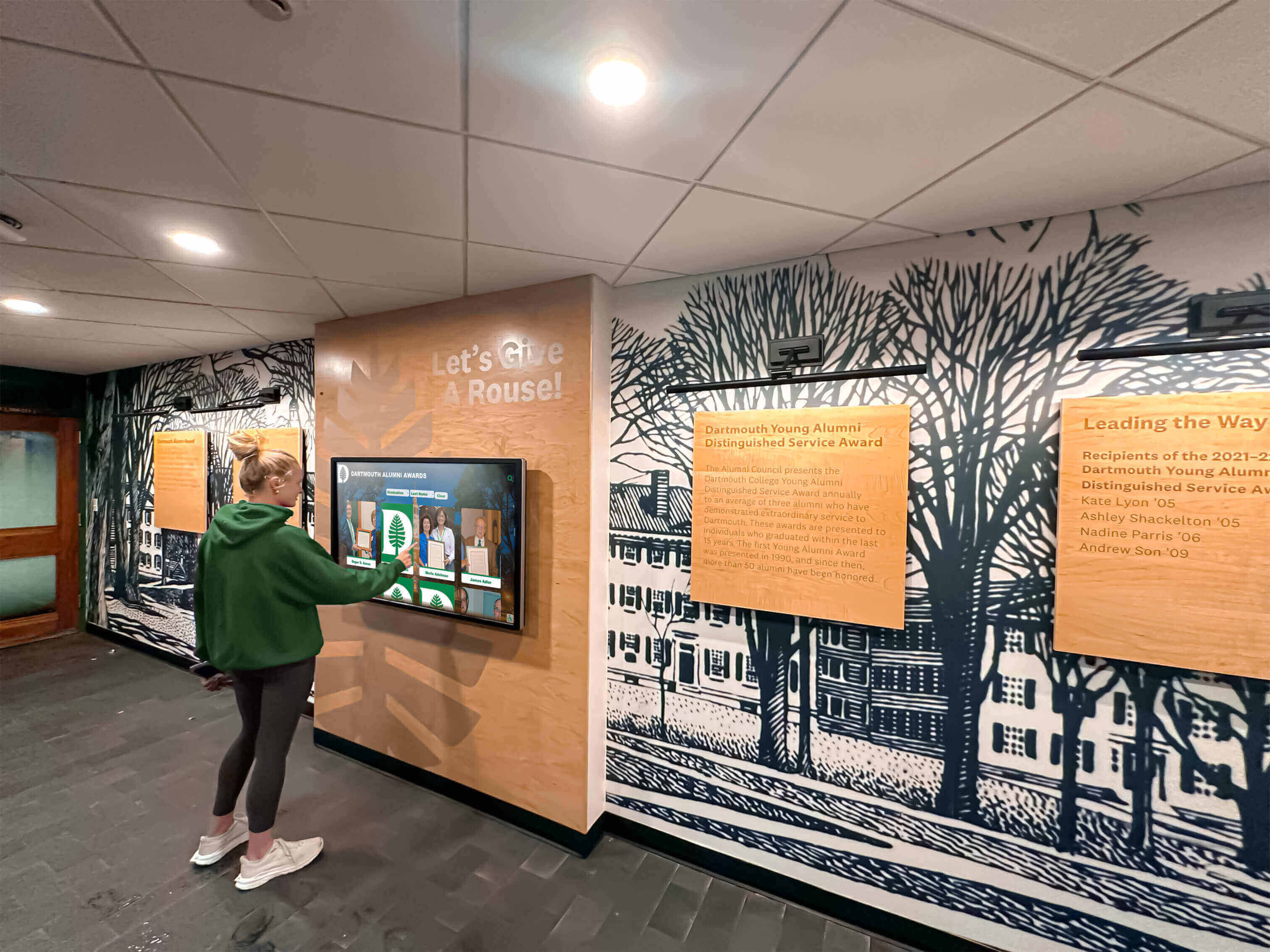
Student-accessible displays enable peer exploration of achievements and recognition stories
Award Recipient Communication
Thoughtful notification enhances experience:
Recipient Notification Process
Personal and timely communication:
- Individual notification before public announcement
- Personal letters explaining award significance
- Family notification enabling ceremony attendance
- Adequate notice for families requiring travel
- Ceremony details and participation expectations
- Permission forms for photos and media coverage
- Special accommodation inquiry for unique needs
Handling Declined Awards
Respectful response to refusals:
- Understanding family or student concerns
- Alternative recognition formats when possible
- Maintaining confidentiality about declination
- Backup recipient consideration protocols
- Documentation for program improvement
- Respect for privacy and comfort preferences
Post-Award Communication and Celebration
Extend recognition beyond ceremony:
Multi-Channel Recognition Amplification
Maximize visibility and impact:
- School newsletter features highlighting recipients
- Social media spotlights celebrating achievements
- Local media press releases for major awards
- School website galleries with recipient profiles
- Morning announcements recognizing honorees
- Classroom recognition of student achievements
- Display updates in hallways and common areas
Family and Community Engagement
Involve broader network:
- Professional photo sharing with families
- Certificate or award mailing if absent
- Community partner acknowledgment of sponsored awards
- Alumni network communication connecting generations
- Recognition in school publications
- Video highlights posted to school channels
- Thank you communication to nominators and supporters
Building Long-Term Recognition Culture
Create sustained impact:
- Historical comparison showing program growth
- Longitudinal tracking of award recipient trajectories
- Alumni testimonials about award program impact
- Recognition system integration in facilities
- Annual program assessment and refinement
- Tradition building through consistent elements
- Student aspiration development for future recognition
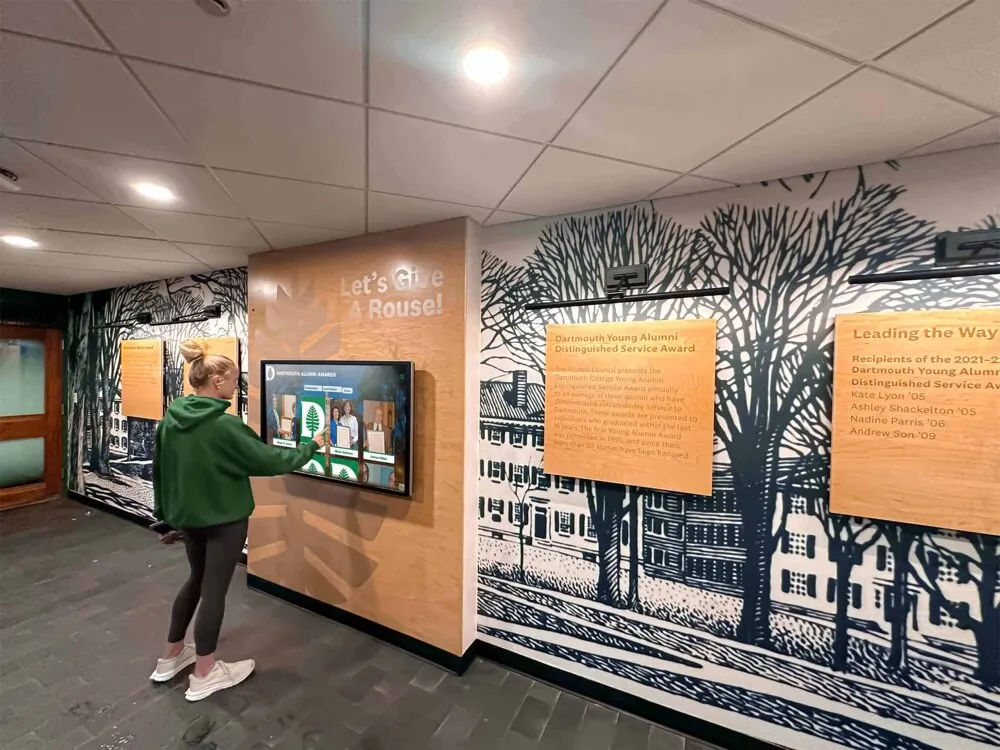
Strategic placement in common areas ensures continuous visibility and engagement
Grade-Level Specific Considerations
Award programs should adapt to developmental stages:
Elementary School Awards (K-5)
Young learners benefit from frequent, specific recognition:
Primary Grades (K-2) Recognition
Developmentally appropriate awards:
- Kindness and Friendship Awards
- Good Listener and Direction Follower Awards
- Hard Worker and Good Effort Recognition
- Reading Progress and Math Growth Awards
- Playground Friend and Sharing Awards
- Clean Desk and Organization Awards
- Art and Music Participation Recognition
- Perfect Attendance and Punctuality Awards
Upper Elementary (3-5) Awards
Building on foundational recognition:
- Subject-Specific Academic Excellence
- Most Improved by Subject Area
- Leadership and Responsibility Awards
- Problem-Solving and Critical Thinking Recognition
- Citizenship and School Spirit Awards
- Perseverance and Growth Mindset Awards
- Creative Expression in Arts
- Athletic sportsmanship recognition
Elementary Ceremony Approaches
Age-appropriate celebration:
- Shorter ceremony length (30-45 minutes)
- Every student receives some recognition
- Parent attendance during school day
- Celebratory rather than formal tone
- Movement and engagement elements
- Take-home certificates for all students
- Refreshment reception afterward
Middle School Awards (6-8)
Adolescents need recognition respecting emerging maturity:
Academic and Growth Recognition
Achievement appropriate to developmental stage:
- Subject-Area Excellence Awards
- STEM and Humanities Achievement
- Most Improved Academic Performance
- Study Skills and Organization Awards
- Reading and Research Excellence
- Technology and Digital Literacy Recognition
- Foreign Language Achievement
Social-Emotional and Character Awards
Acknowledging adolescent developmental challenges:
- Positive Attitude Despite Middle School Challenges
- Resilience and Perseverance Awards
- Peer Support and Inclusivity Recognition
- Anti-Bullying Leadership Awards
- Self-Advocacy and Communication Growth
- Emotional Intelligence Development
- Identity Explorer Awards
Middle School Ceremony Considerations
Balancing maturity with engagement needs:
- 45-60 minute ceremony length
- Optional family attendance (evening ceremonies)
- Peer recognition opportunities
- Student performances or testimonials
- Formal but not stuffy atmosphere
- Clear connection to high school pathways
- Social time enabling peer celebration
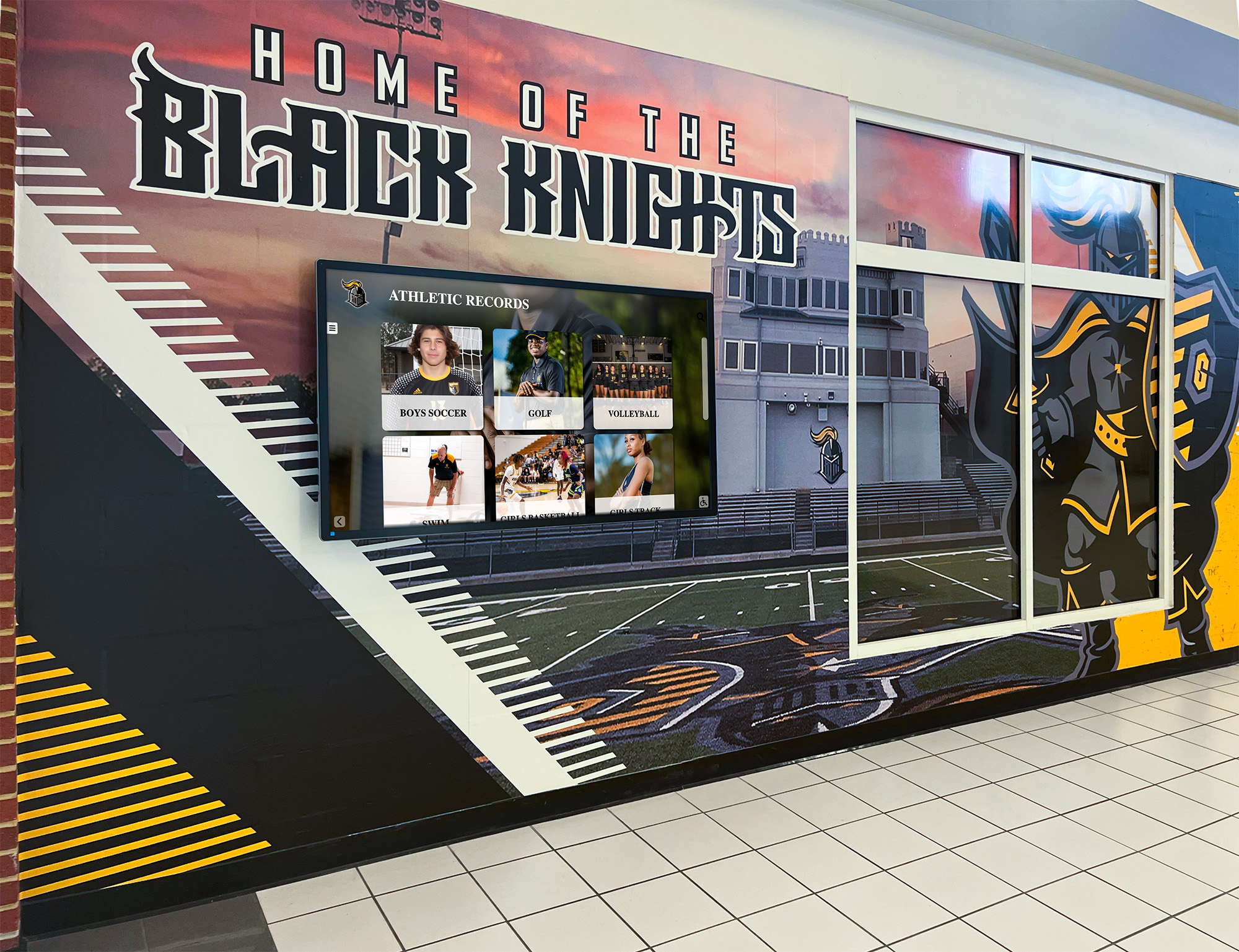
Multi-purpose displays integrate academic, athletic, and character recognition
High School Awards (9-12)
Secondary recognition connects to future opportunities:
Academic Excellence and Achievement
Rigorous recognition standards:
- Department Academic Excellence Awards
- Valedictorian and Salutatorian honors
- Honor Roll Recognition (various levels)
- AP Scholar and Advanced Achievement
- Subject-Specific Departmental Awards
- National Honor Society recognition
- College Scholarship Awards
- Career and Technical Education Excellence
Leadership, Service, and Character
Preparing for adult roles:
- Student Government Leadership Awards
- Service Hour Milestone Recognition
- Club and Organization Leadership Excellence
- Community Impact Awards
- Mentor and Peer Leadership Recognition
- Social Justice and Advocacy Awards
- Character and Integrity Recognition
Senior-Specific Recognition
Honoring graduating class:
- Senior Legacy Awards for four-year contributions
- College Commitment Celebration
- Scholarship Winner Recognition
- Career Pathway Achievement Awards
- Military Service Acknowledgment
- Most Likely To… Superlative Awards (positive focus)
- Alumni Network Welcome Recognition
High School Ceremony Approaches
Formal celebration connecting past and future:
- 60-90 minute evening ceremony
- Family attendance expected and facilitated
- Guest speakers or alumni testimonials
- Connection to graduation ceremonies
- College and career pathway recognition
- Senior class-specific elements
- Reception enabling college counselor conversations
For comprehensive high school recognition, explore graduation ceremony integration approaches.
Budget-Conscious Recognition Strategies
Meaningful recognition doesn’t require excessive spending:
Low-Cost Recognition Options
Creative approaches reducing expenses:
Certificate and Paper-Based Recognition
Affordable yet meaningful:
- School-designed templates printed on quality paper
- Student art department-created certificate designs
- Digital certificates emailed and projected at ceremony
- Classroom-created personalized recognition
- Laminated certificates for durability
- Reusable certificate frames from thrift stores
Meaningful Non-Trophy Recognition
Creative acknowledgment alternatives:
- Handwritten personalized letters from teachers or principal
- Photo collages celebrating recipient achievements
- Special privileges (lunch with principal, free dress day)
- Donated items from community business partners
- Student-created awards or artistic recognition
- Special seating, parking, or designation for following year
- Name added to permanent wall or plaque
Leveraging Digital Solutions
Technology reduces recurring costs:
- One-time investment in digital display system
- Eliminates annual trophy and plaque purchasing
- Unlimited recognition capacity without space costs
- Professional appearance without design expenses
- Remote updates avoiding installation labor
- Environmental sustainability reducing waste
- Permanent archive without storage requirements

Multiple coordinated displays enable comprehensive recognition across categories
Seeking Recognition Sponsorships
Community partnerships fund programs:
Business Sponsorship Opportunities
Local companies supporting education:
- Specific award category sponsorships
- Ceremony venue provision or refreshments
- Award materials (trophies, certificates) donation
- Printing and program production support
- Recognition display funding or installation
- Digital platform sponsorship or hosting
- Photography and documentation services
Parent and Alumni Support
Institutional network resources:
- PTO/PTA funding for recognition programs
- Alumni association support for graduates
- Booster club investment in athlete recognition
- Foundation grants for recognition infrastructure
- Community fundraising campaigns
- In-kind donation solicitation
Maintaining Sponsorship Relationships
Ensuring continued support:
- Public acknowledgment at ceremonies
- Logo placement on programs and materials
- Social media recognition and appreciation
- Tax documentation for charitable contributions
- Impact reports demonstrating student benefit
- Invitation to ceremonies and celebrations
- Renewal solicitation for subsequent years
Documenting and Preserving Awards History
Systematic records create institutional memory:
Award Documentation Systems
Comprehensive record-keeping:
Annual Award Records
Essential documentation elements:
- Complete list of recipients by category and year
- Selection criteria and nomination materials
- Ceremony programs and presentations
- Recipient photos and biographical information
- Selection committee notes and rationale
- Attendance records and participation data
- Assessment feedback for program improvement
Historical Archive Development
Long-term preservation:
- Digitization of historical award records
- Database creation enabling searchability
- Photo scanning and digital preservation
- Video archival of ceremonies
- Integration into school history systems
- Backup systems ensuring information security
- Cloud storage for accessibility
Accessibility and Exploration
Making history usable:
- Web-accessible award databases
- Alumni exploration platforms
- Student research resources
- Interactive displays showing historical awards
- Mobile-friendly access enabling broad reach
- Social media throwback features
- Community engagement through historical sharing
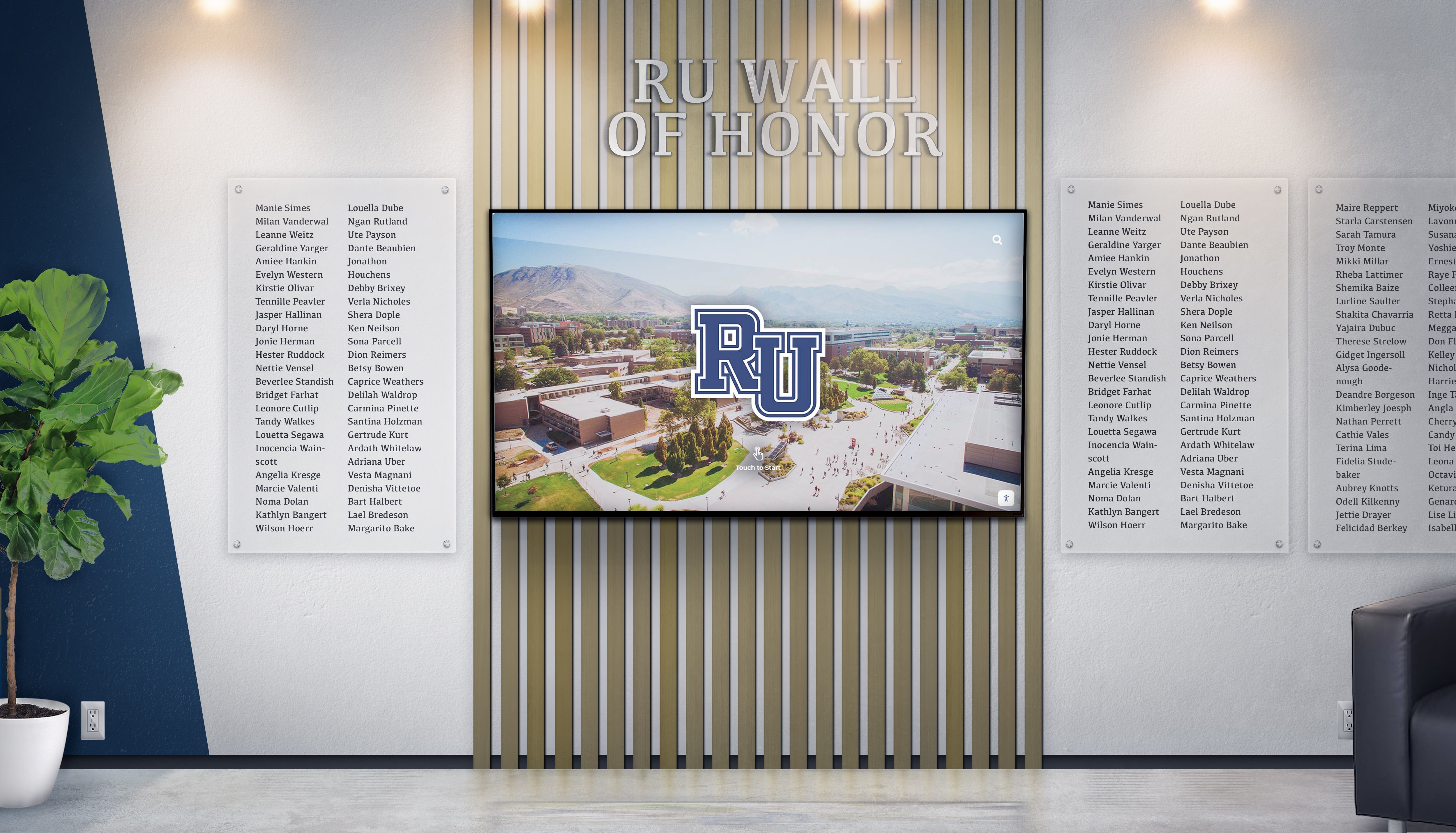
Integrated systems combine digital archives with traditional elements creating comprehensive recognition
Assessing Program Effectiveness
Systematic evaluation enables improvement:
Impact Measurement
Tracking recognition program effects:
- Student engagement and motivation indicators
- Participation rates across demographic groups
- Distribution equity analysis
- Family satisfaction surveys
- Faculty feedback about program value
- Ceremony attendance and involvement patterns
- Long-term alumni reflection on award impact
Process Quality Assessment
Evaluating implementation effectiveness:
- Nomination submission rates and patterns
- Selection timeline adherence
- Ceremony quality and engagement levels
- Communication effectiveness measures
- Cost efficiency analysis
- Technology system performance
- Stakeholder satisfaction ratings
Continuous Improvement Processes
Using assessment for enhancement:
- Annual debrief sessions with planning committees
- Faculty and student input solicitation
- Comparison to exemplar programs
- Category adjustment based on participation patterns
- Criteria refinement ensuring clarity
- Ceremony format experimentation
- Technology and display system optimization
Special Considerations and Challenges
Certain situations require adapted approaches:
Inclusive Recognition for Diverse Learners
Ensuring all students can participate:
Special Education Inclusion
Adapted recognition ensuring access:
- IEP goal achievement awards
- Skill mastery milestone recognition
- Individualized growth celebration
- Inclusive ceremony accommodations
- Multiple format options (avoid spotlight when uncomfortable)
- Family-inclusive celebrations
- Strengths-based category design
English Language Learner Recognition
Multilingual acknowledgment:
- Language acquisition progress awards
- Bilingual achievement celebration
- Cultural bridge-building recognition
- Translated certificates and materials
- Interpretation services at ceremonies
- Culturally responsive recognition practices
- Heritage language maintenance acknowledgment
Economically Diverse Communities
Avoiding cost barriers:
- Free participation in all recognition
- No required attire or purchases
- Transportation assistance for evening events
- Food provision at celebrations
- Accessible ceremony scheduling
- Virtual attendance options
- Dignity in all recognition forms
Managing Sensitive Situations
Thoughtful handling of challenges:
Award Refusals or Conflicts
Respectful responses:
- Understanding and honoring preferences
- Alternative private recognition options
- Maintaining confidentiality appropriately
- Backup selection protocols when needed
- Family communication and support
- Documentation for improvement
Multiple Deserving Candidates
Handling difficult decisions:
- Clear tie-breaking protocols
- Multiple winner options for popular awards
- Runner-up or honorable mention recognition
- Category expansion enabling broader recognition
- Transparent communication about decisions
Controversial or Borderline Cases
Addressing edge situations:
- Referral to administrator for complex situations
- Additional review by expanded committee
- Documentation of extraordinary circumstances
- Consistent application of published criteria
- Learning from edge cases for criteria refinement
Transform Your End of Year Recognition Program
Discover how Touch Archive digital recognition displays help schools celebrate every student's achievements permanently. Interactive touchscreen systems showcase unlimited award recipients while creating engaging experiences extending celebration beyond single-night ceremonies.
Request a DemoConclusion: Creating Meaningful Recognition That Inspires Every Student
End of year awards represent far more than ceremonial obligation—they provide strategic opportunities to acknowledge diverse student achievements, reinforce institutional values, and ensure every learner experiences authentic recognition validating their contributions and strengthening their connection to school community. When schools design award programs celebrating character alongside academics, creativity with achievement, and growth beyond performance, they create environments where all students feel valued and motivated to continue developing.
The recognition frameworks explored in this guide provide practical approaches for designing award programs that balance elite achievement celebration with broad participation, meaningful standards with diverse pathways to success, and memorable ceremonies with permanent documentation. From establishing transparent selection criteria to leveraging modern digital display technology, these strategies enable schools to implement comprehensive recognition genuinely impacting students and strengthening institutional culture.
Modern recognition platforms like Touch Archive eliminate traditional constraints that limited award programs—physical space restrictions, maintenance burdens, and costs multiplying with recognition expansion. Digital solutions enable unlimited recognition capacity, professional presentation without proportional expense increases, and permanent preservation of achievement stories inspiring current and future students throughout their educational journeys.
Most importantly, thoughtful end of year recognition communicates that participation in your school community matters—that diverse forms of excellence deserve celebration, that character development equals academic achievement in importance, and that every student brings valuable contributions worthy of formal acknowledgment. These messages resonate powerfully throughout school communities while signaling to prospective families that your institution takes holistic student development seriously and celebrates commitment appropriately.
Start planning your end of year awards program with confidence that systematic attention to category diversity, fair selection processes, engaging ceremonies, and lasting preservation will create experiences students remember throughout their lives. Every student who receives genuine recognition for authentic strengths reinforces your school’s commitment to developing whole individuals and celebrating the multiple forms excellence takes in educational communities.
Ready to explore how interactive digital displays can transform your recognition program? Discover Touch Archive solutions for comprehensive student recognition and permanent achievement preservation, or request a demo to see how modern touchscreen systems can help you celebrate every student’s unique contributions while creating lasting recognition that inspires excellence across generations.