



As summer heat gives way to crisp autumn air, high school campuses across America transform into hubs of athletic energy. Friday night lights illuminate football fields, volleyball teams pack gymnasiums with cheering students, soccer players battle for conference titles, and cross country runners navigate challenging courses through changing leaves. Fall high school sports represent the academic year’s opening act—a season when new team identities form, traditions renew, and athletic excellence creates memories that last lifetimes.
Yet the fall sports season presents unique challenges for athletic directors, coaches, and school communities. Multiple sports compete simultaneously for facility access, fan attention, and recognition resources. Championship schedules compress into tight timeframes before winter weather arrives. Senior athletes anticipate their final fall seasons with heightened emotions. Meanwhile, schools seek meaningful ways to celebrate diverse achievements across sports with different competitive structures, team sizes, and community visibility.
This comprehensive guide explores fall high school sports from multiple perspectives—understanding the season’s unique characteristics, supporting athletes across varied sports, creating recognition systems that honor diverse achievements, and building traditions that strengthen athletic programs while fostering school spirit throughout autumn months.
Fall sports occupy special positions in school culture, launching academic years with excitement while establishing athletic department momentum that carries through subsequent seasons. Understanding what makes fall sports distinctive helps schools maximize their impact on students, families, and communities.

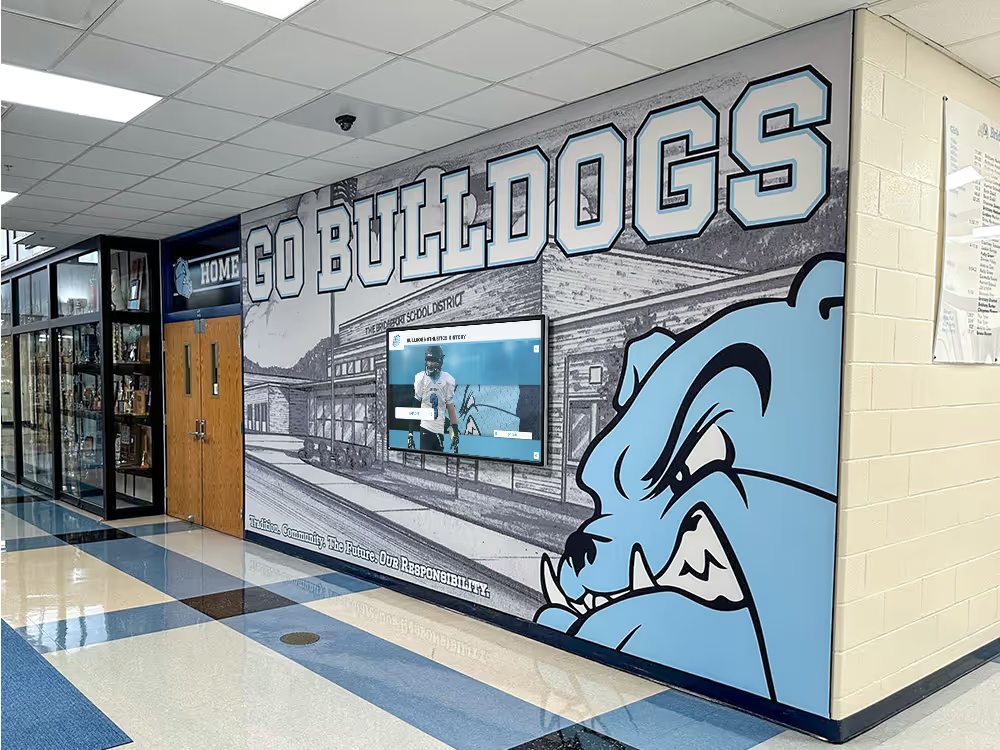
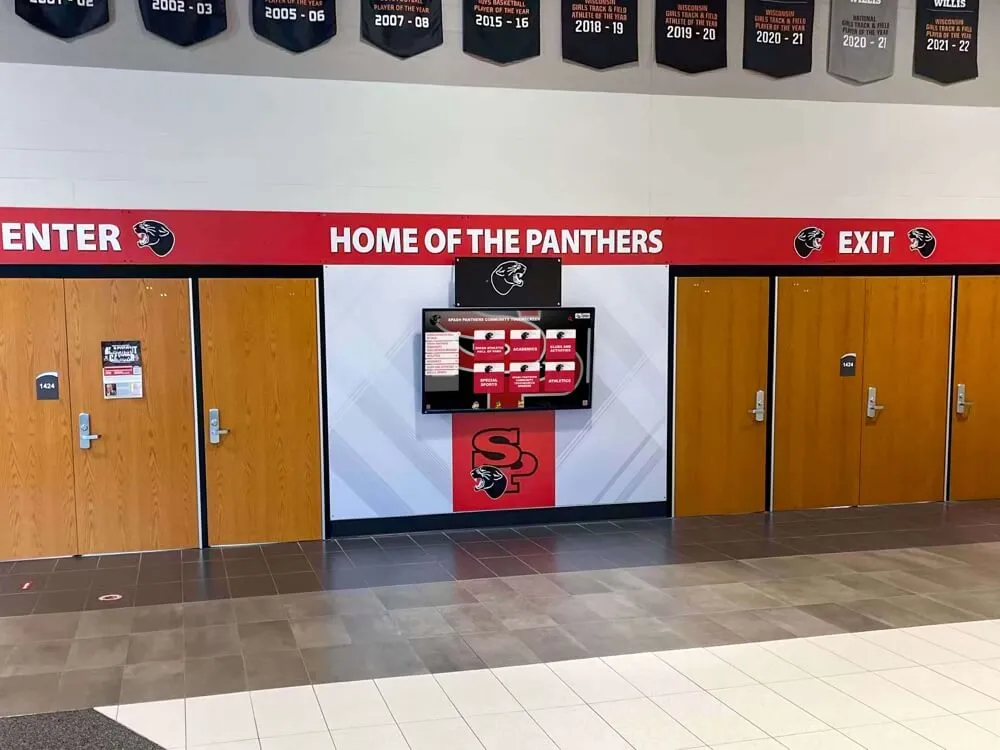
Fall high school sports create opportunities for athletic achievement and community recognition across multiple sports simultaneously
Understanding the Fall Sports Season
Fall sports shape school culture in distinctive ways compared to winter and spring athletic seasons.
Core Fall High School Sports
Most high schools offer similar fall sport options, though program availability varies by school size, regional traditions, and resource allocation:
Major Team Sports
The most visible and popular fall team sports include:
- Football: The cornerstone fall sport in many communities, featuring Friday night games that become major school events
- Soccer: Both boys’ and girls’ programs competing simultaneously in most schools
- Volleyball: Predominantly girls’ teams at the high school level, with increasing boys’ programs
- Field Hockey: Common in certain regions, particularly the Northeast and Mid-Atlantic states
- Water Polo: Growing sport in areas with aquatic facility access
Individual and Dual Sports
Fall individual sports create different recognition dynamics:
- Cross Country: Both boys’ and girls’ teams racing simultaneously at invitational meets
- Golf: Fall season in most regions, with individual and team competition formats
- Tennis: Fall tennis season in many states, featuring singles and doubles tournaments
- Swimming and Diving: Fall season in some regions, winter in others
- Gymnastics: Fall gymnastics programs at schools with facilities and coaching
Each sport brings distinct scheduling patterns, recognition traditions, and community engagement approaches.
Fall Season Timeline and Structure
The compressed fall sports calendar creates intensity absent in longer seasons:
Typical Season Progression
Most fall sports follow similar patterns:
- Early August: Practices begin as summer winds down, with heat acclimation and conditioning focus
- Late August/Early September: Regular season competition commences, often before school year begins
- September-October: Peak regular season with conference matchups and invitational tournaments
- Late October/Early November: Conference championships and playoff qualification determined
- November: State championship tournaments and postseason recognition
This concentrated timeline means fall athletes experience complete competitive arcs—from preseason preparation through championship pursuit—within approximately 12 weeks.
Weather Considerations
Fall weather significantly impacts scheduling:
- Early season heat requiring practice modifications and hydration protocols
- Autumn rain affecting outdoor sports like football, soccer, and cross country
- Temperature drops in northern regions compressing competitive windows
- Daylight reduction affecting practice and competition scheduling
- Weather-related cancellations condensing already tight schedules
These factors create urgency in fall seasons absent when spring sports have April through June timeframes.
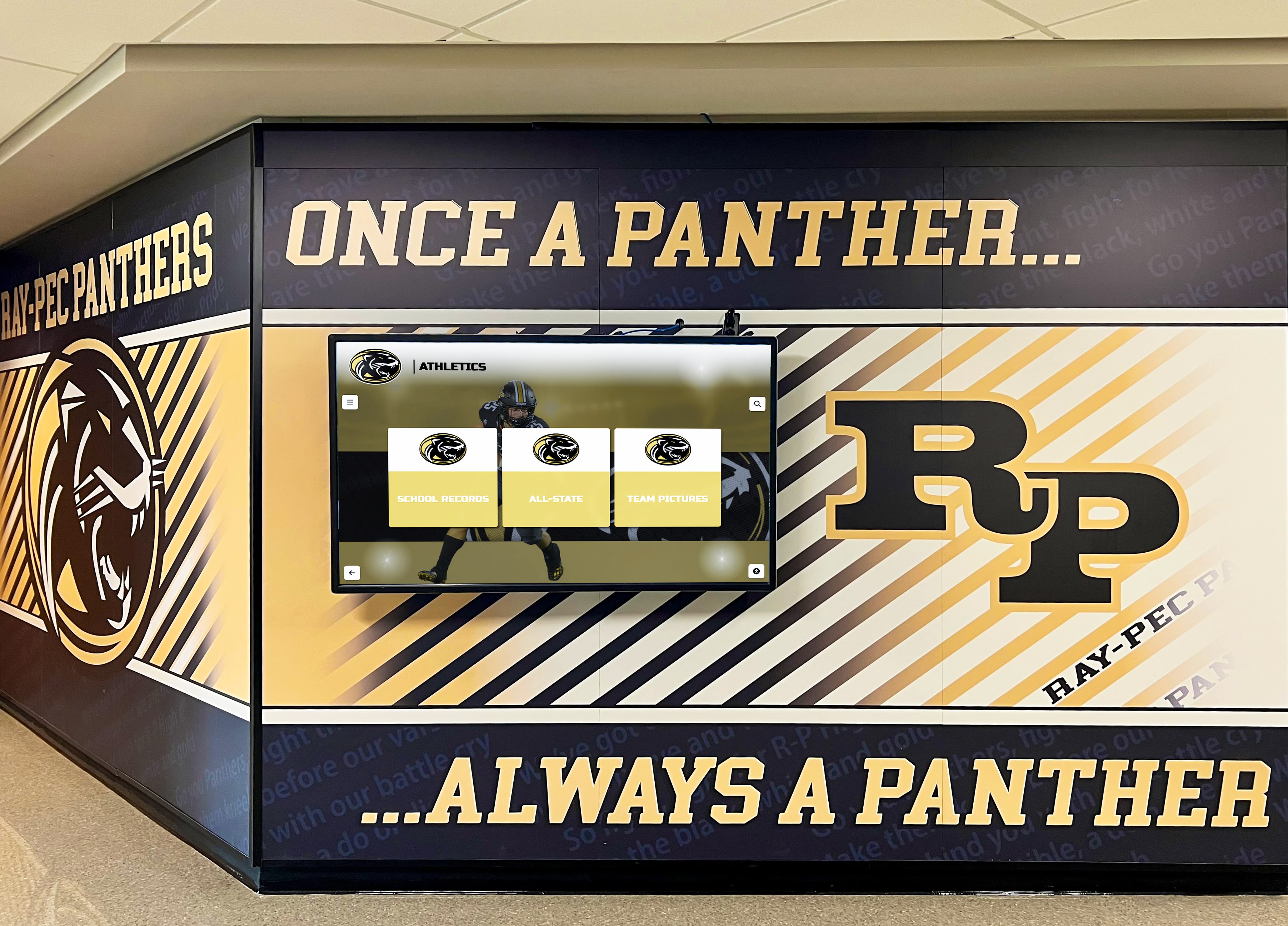
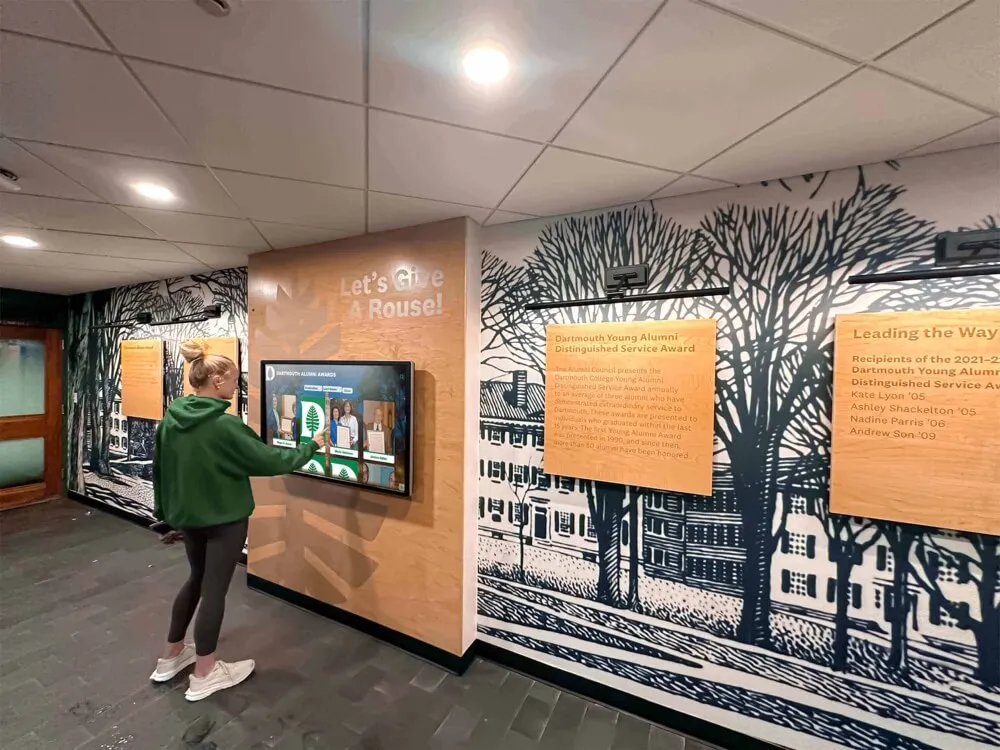
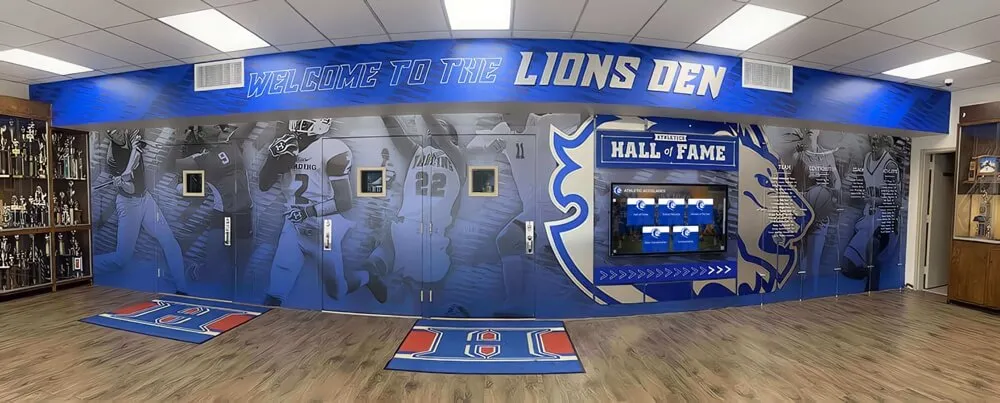
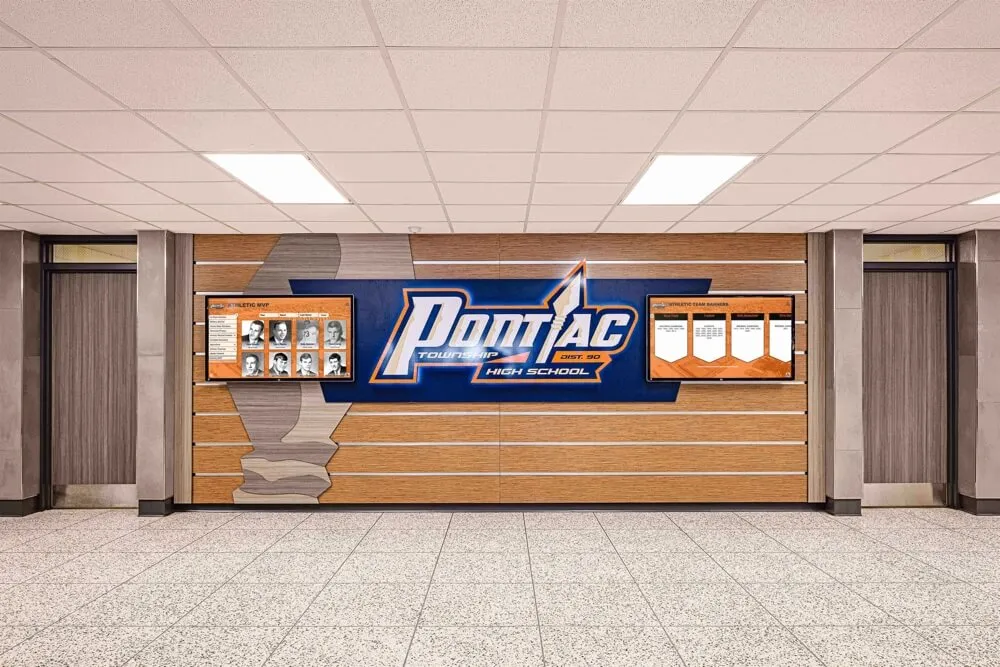
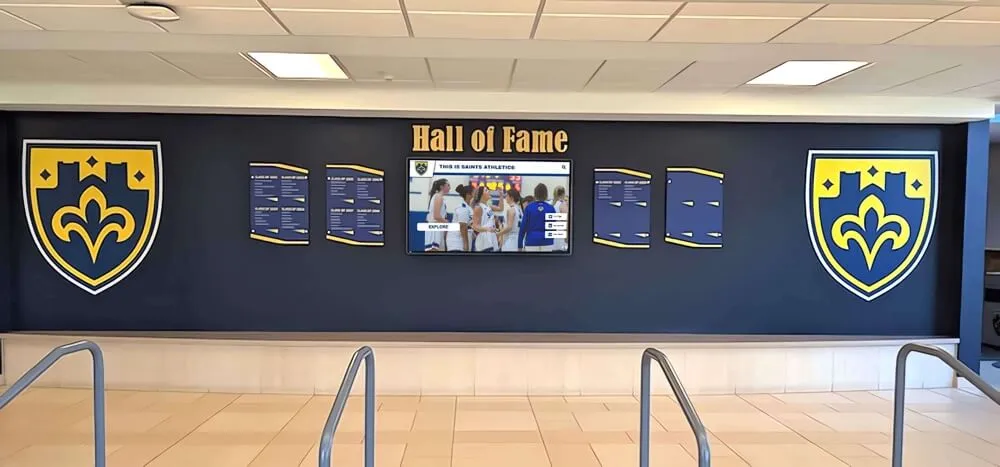
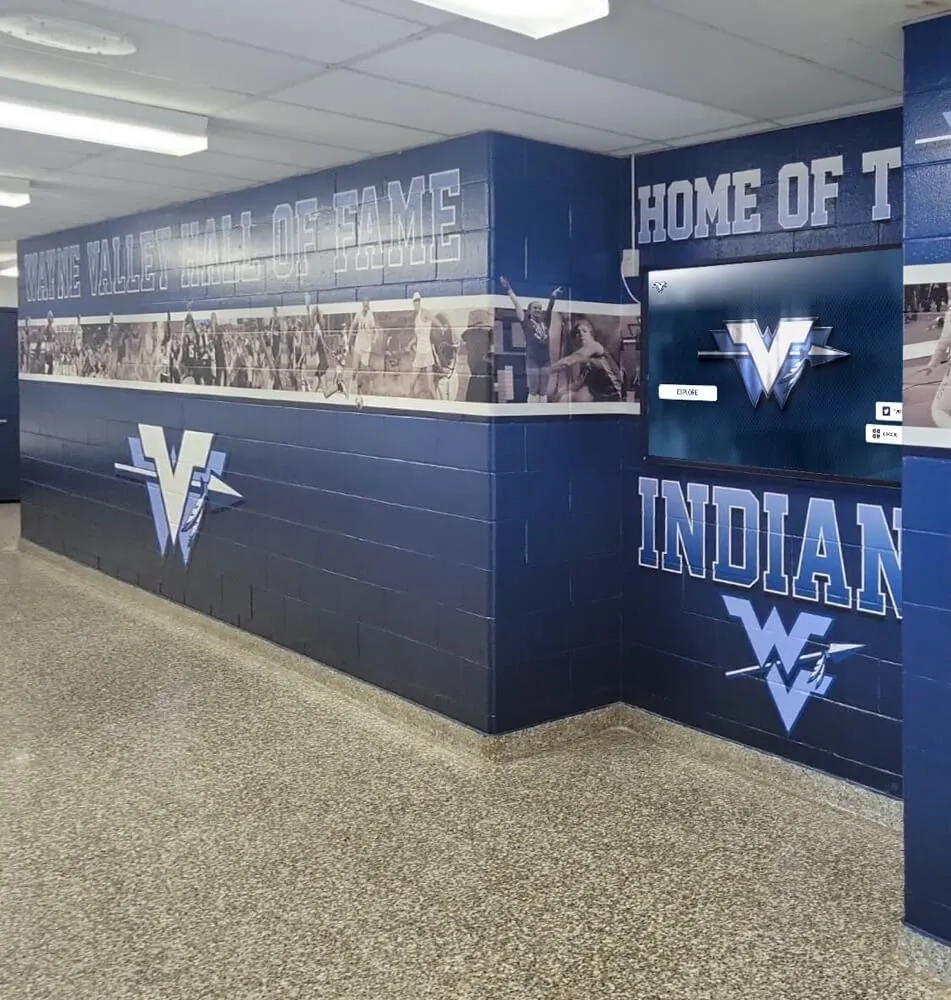
Athletic facilities showcase fall sports achievements alongside historical program traditions
Cultural Significance of Fall Sports
Fall athletics hold unique positions in school and community culture:
Academic Year Launch
Fall sports kick off school years with energy:
- Creating excitement as students return to campus
- Establishing school spirit early in academic year
- Providing immediate extracurricular involvement opportunities
- Building class unity through shared athletic support
- Setting competitive tone for all subsequent sports seasons
Community Gathering Focus
Fall sports events become social anchors:
- Friday night football games as community traditions
- Soccer matches drawing families throughout weekends
- Volleyball games filling gymnasiums with student sections
- Cross country meets bringing together multiple schools
- Homecoming events centered around fall athletic competitions
These gatherings strengthen community bonds while providing visibility for athletic programs.
College Recruitment Intensity
Fall represents critical recruitment period:
- Senior athletes showcasing abilities for college coaches
- Standardized tournament schedules facilitating college scout attendance
- Commitment timelines for certain sports occurring during fall season
- Recruiting contact rules varying by sport and division level
- High-stakes performances influencing scholarship opportunities
This recruitment pressure adds significance to fall competitions beyond just team success.
For schools planning comprehensive recognition that spans all athletic seasons, year-round athletic display systems provide frameworks honoring diverse sports appropriately.
Supporting Athletes Across Multiple Fall Sports
Simultaneous competition across various sports creates unique support challenges and opportunities.
Balancing Attention Across Sports
Athletic directors must ensure equitable support despite varying sport profiles:
Resource Allocation Challenges
Distributing limited resources fairly:
- Facility Access: Scheduling practices and competitions across limited spaces
- Budget Distribution: Allocating funds proportionally while acknowledging different sport needs
- Coaching Support: Ensuring quality coaching across all programs regardless of visibility
- Equipment and Uniforms: Maintaining safety and program standards across sports
- Transportation: Coordinating travel to away events for multiple teams simultaneously
Schools with dominant football programs often struggle ensuring soccer, volleyball, and cross country receive proportional support relative to participant numbers.
Recognition Parity
Creating balanced acknowledgment systems:
- Social media coverage distributed equitably across sports
- Assembly recognition time allocated fairly
- Announcement emphasis balanced between high-profile and smaller programs
- Homecoming and special event integration including all fall sports
- Award and honor systems applicable to diverse competitive structures
Digital recognition systems help address visibility disparities by showcasing all athletic achievements equally, regardless of sport prominence.
Community Engagement Strategies
Building support across sports:
- Multi-sport promotion packages for season passes
- Combined athletic newsletters featuring all fall teams
- Facility displays recognizing achievements across all programs
- Parent booster organizations supporting all fall athletics
- Student spirit sections encouraged to support diverse sports
- Local media encouraged to cover full fall sports landscape
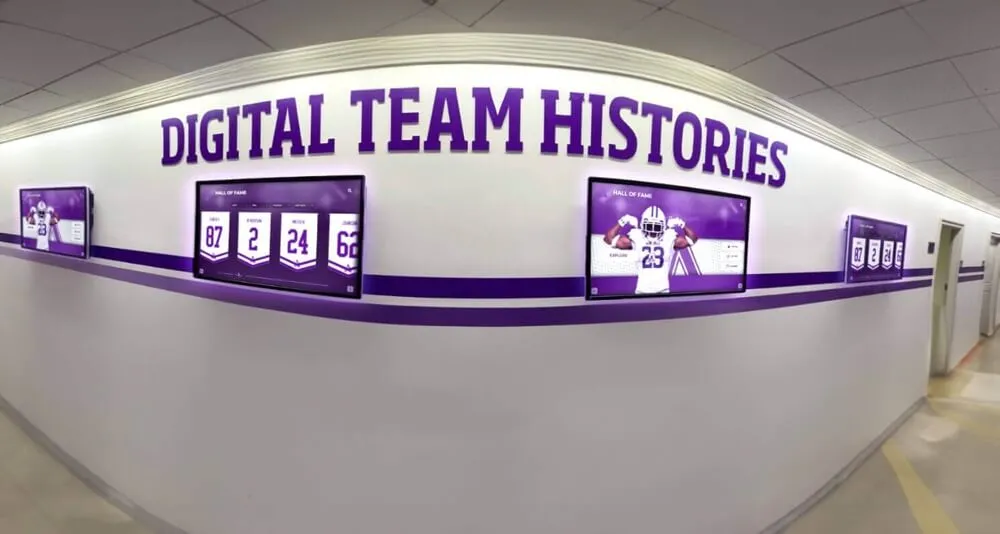
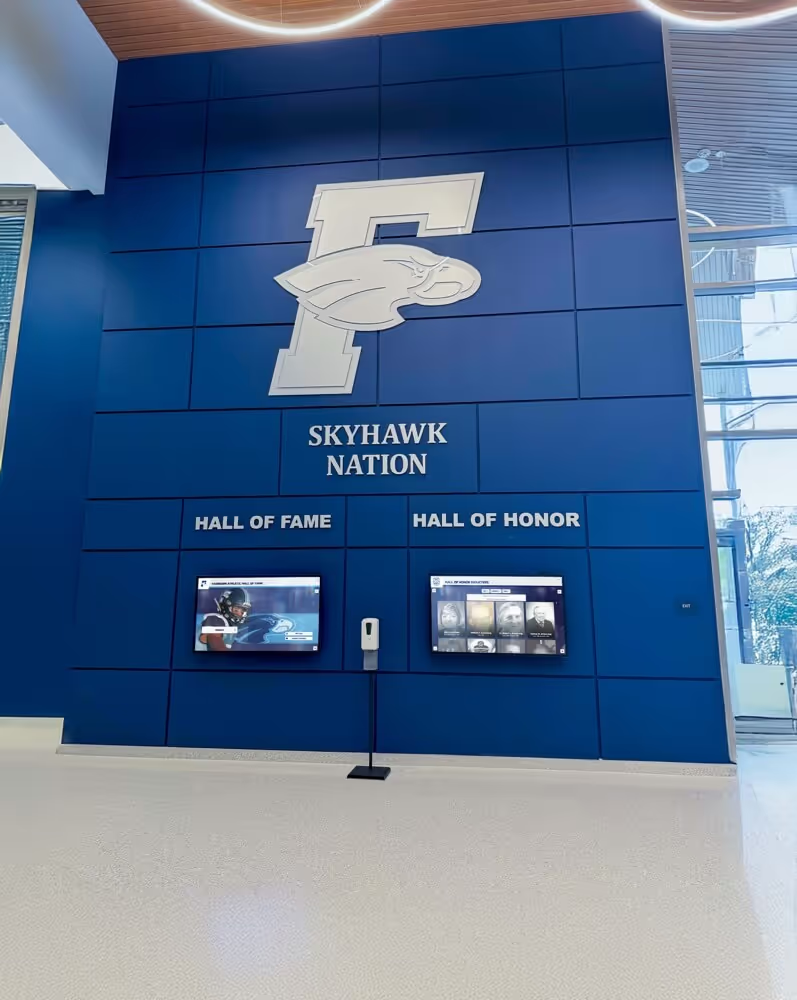
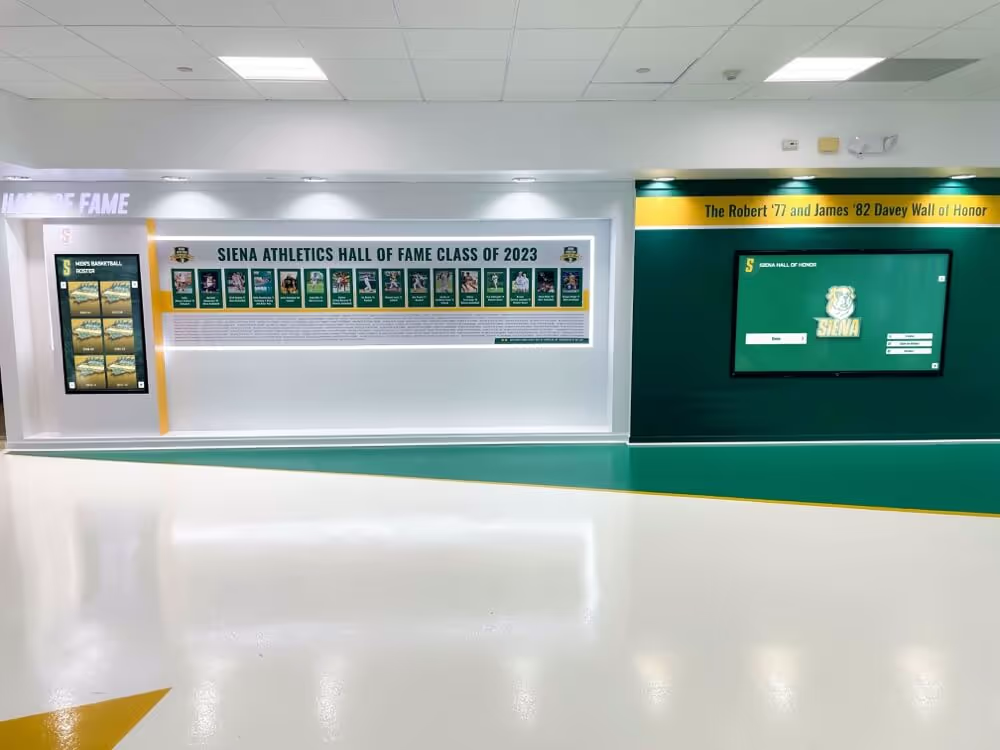
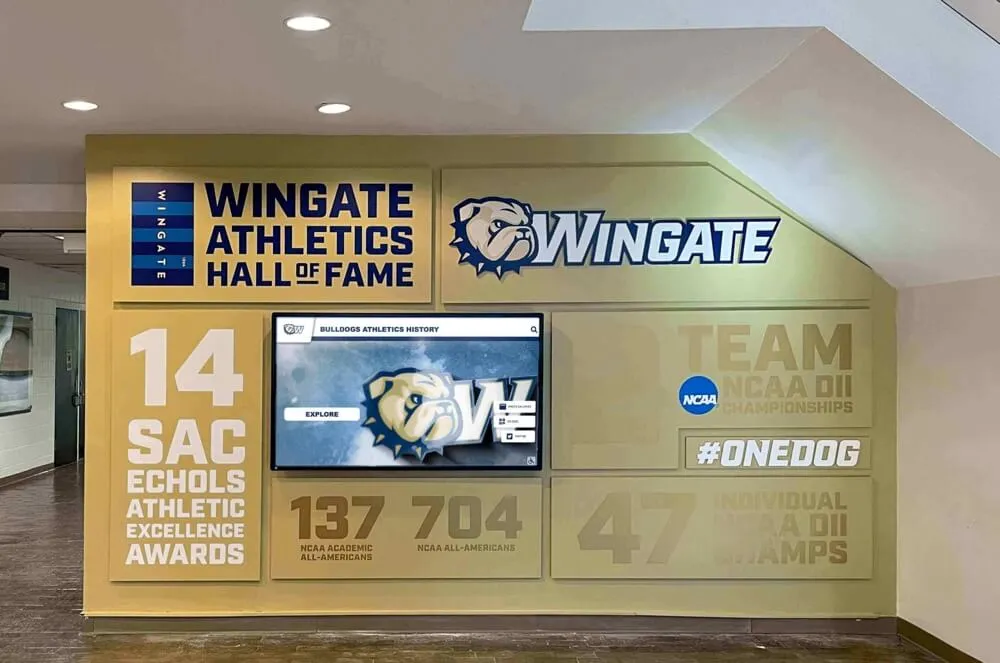
Comprehensive displays honor achievements across all fall sports, ensuring balanced recognition
Managing Scheduling Complexity
Coordinating multiple teams creates logistical challenges:
Facility Coordination
Strategic scheduling maximizes limited space:
- Staggered practice times allowing shared facility use
- Home event scheduling preventing competition conflicts
- Field and court maintenance balancing high-use demands
- Weather contingency plans for displaced outdoor practices
- Multi-purpose space allocation prioritizing competitive needs
Transportation and Travel
Bus availability often limits scheduling:
- Coordinated departure times for multiple teams traveling
- Overnight trip management for distant competitions
- Parent volunteer transportation supplementing school resources
- Regional tournament travel affecting multiple sports simultaneously
- Cost management for extensive travel requirements
Academic Integration
Supporting student-athletes academically:
- Study hall coordination for teams with similar schedules
- Communication with teachers about competition schedules
- Academic eligibility monitoring across all fall programs
- Missed class management for frequent away competitions
- Tutoring support during intensive competition periods
These coordinated efforts ensure athletic participation enhances rather than compromises educational priorities.
Sport-Specific Success Factors
Each fall sport presents distinctive characteristics requiring tailored approaches:
Football Programs
The most visible fall sport demands comprehensive support:
- Large rosters requiring extensive coaching staffs and equipment
- Significant game-day operations with ticket sales and concessions
- Friday night scheduling creating community event expectations
- Marching band, cheerleading, and dance team integration
- Substantial injury risk requiring comprehensive medical coverage
- High-profile nature creating intense community interest and pressure
Soccer Teams
Often running both boys’ and girls’ programs simultaneously:
- Gender equity requiring parallel resource allocation
- Multiple field needs for practices and competitions
- Tournament schedules potentially affecting both programs
- Goalkeeper equipment and position-specific training needs
- Growing diversity in school demographics reflected in soccer participation
- Weather flexibility with matches rescheduled more easily than football
Volleyball Programs
Predominantly girls’ teams with specific considerations:
- Gymnasium scheduling coordinating with basketball practice start
- Tournament formats requiring full-day commitments
- Net and equipment setup for practices and matches
- Position specialization requiring technical skill development
- Indoor sport providing weather independence
- Senior night ceremonies honoring graduating athletes
Cross Country Running
Individual sport with team scoring dynamics:
- Course access requiring creative solutions without dedicated facilities
- Transportation to off-campus meet locations
- Early morning competitions common on Saturdays
- Recognition systems celebrating team placement and individual performance
- Minimal equipment needs but substantial coaching time investment
- Inclusive nature allowing large team participation
Understanding each sport’s unique requirements enables athletic departments to provide appropriate support across diverse programs.
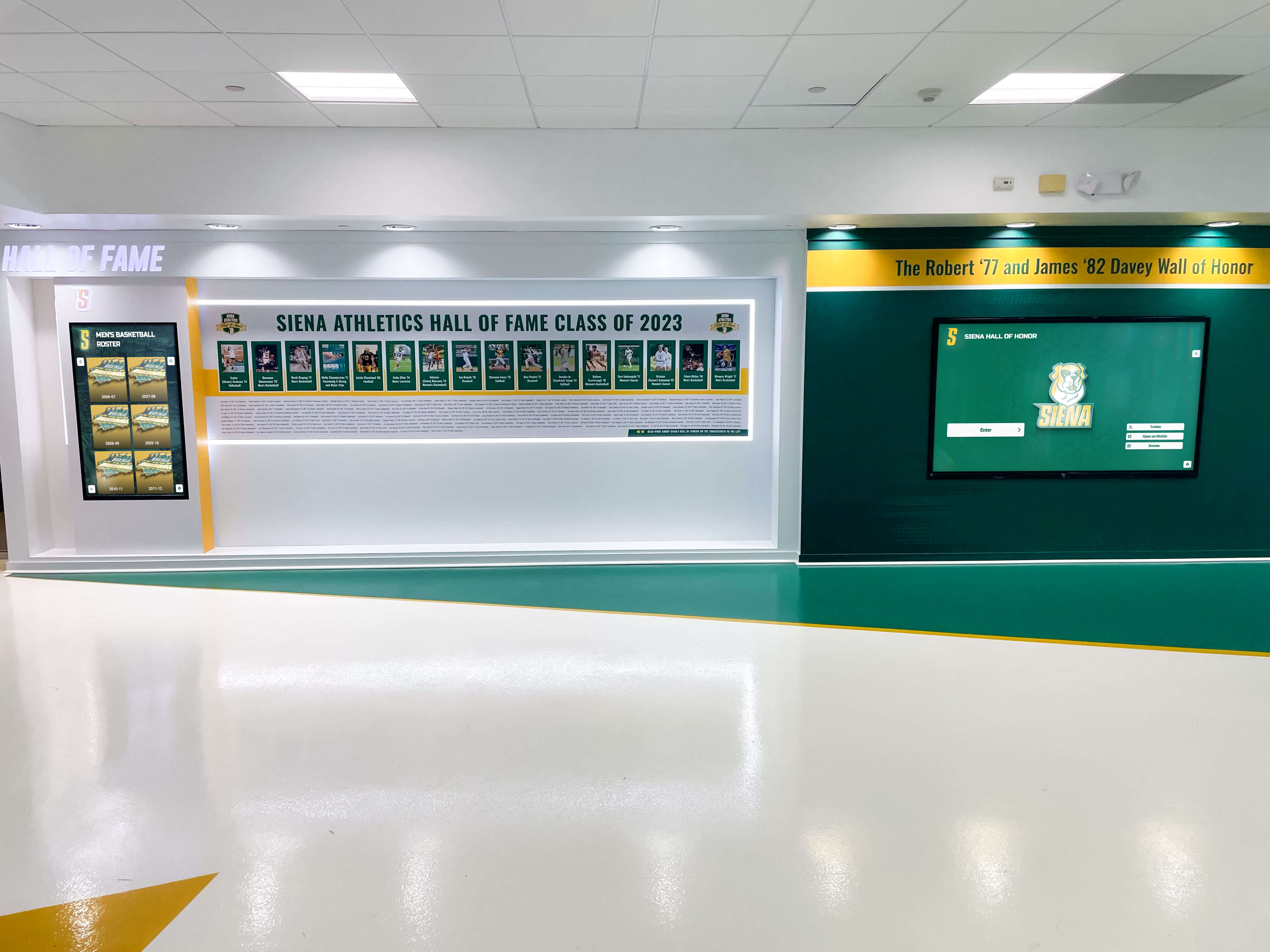
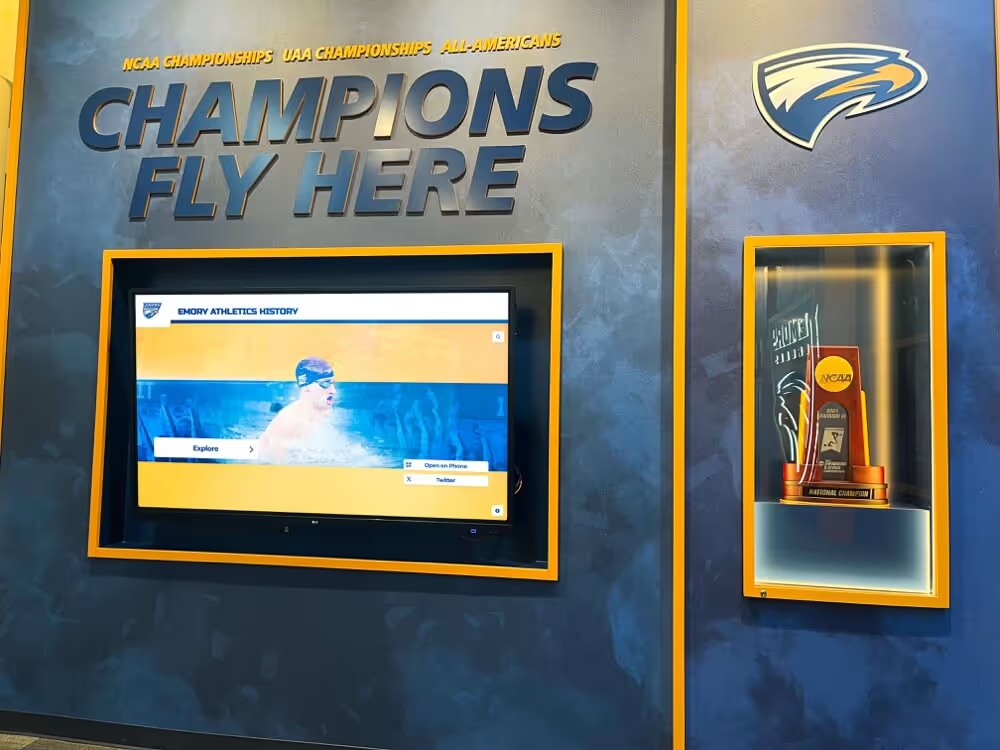
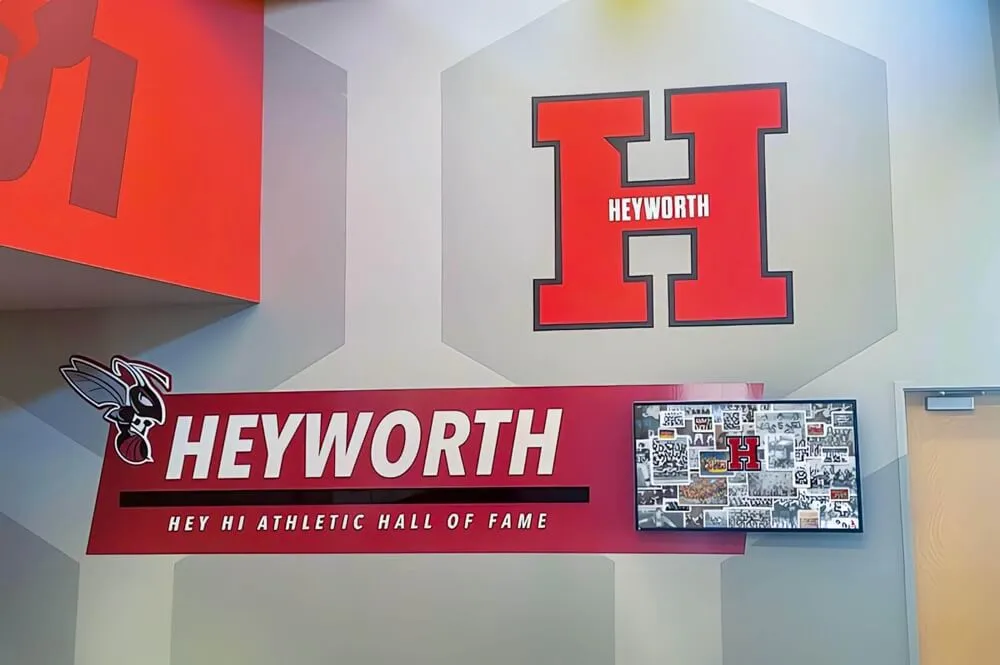
Championship displays celebrate conference and state titles across all fall sports programs
Fall Sports Recognition and Celebration
Meaningful recognition during compressed fall seasons requires intentional planning and systematic approaches.
In-Season Recognition Strategies
Celebrating achievements as they occur maintains momentum:
Weekly Achievement Highlights
Consistent acknowledgment throughout season:
- Athlete of the Week selections across all fall sports
- Statistical leader recognition in sport-specific categories
- Social media spotlights featuring different sports daily
- Morning announcement honors for notable performances
- Classroom visits by athletes sharing competitive experiences
- Scoreboard and display updates showing current achievements
Real-Time Celebration
Immediate recognition of significant accomplishments:
- Conference championship celebrations at schools following victories
- Social media recognition within hours of notable achievements
- Photo displays updated throughout season in athletic facilities
- Team success acknowledged at school assemblies and events
- Coach recognition for program milestones and achievements
- Parent and community communication about team successes
Player Milestone Acknowledgment
Individual achievement markers:
- Career statistical milestones (1,000 career points, etc.)
- School record performances recognized immediately
- College commitment announcements and celebrations
- Academic honor roll recognition for student-athletes
- Community service accomplishments by team members
- Leadership positions and captain selections
Regular recognition throughout seasons demonstrates that achievements matter beyond just championship outcomes.
Senior Night Celebrations
Fall senior nights require special consideration given seasonal timing:
Scheduling Senior Recognition
Strategic planning for senior celebrations:
- Coordinating senior nights across multiple sports to avoid family conflicts
- Weather contingencies for outdoor sport senior nights
- Timing celebrations late enough for emotional impact but early enough before playoffs
- Family notification and coordination for working parents
- Photography and documentation planning
- Gift and keepsake preparation timelines
Sport-Specific Senior Night Elements
Tailoring celebrations to sport characteristics:
Football Senior Nights
- Pre-game recognition with families on field
- Large senior classes requiring efficient ceremony formats
- Band, cheer, and dance senior recognition integration
- Community attendance creating larger audience for celebrations
- Ceremony timing around kickoff and television considerations
Soccer Senior Nights
- Gender-specific or combined boys’/girls’ recognition approaches
- Parents walking seniors onto field during pre-match ceremonies
- Team gift presentations and coach speeches
- Photo opportunities with families at midfield
- Coordination with opposing team for ceremony timing respect
Volleyball Senior Nights
- Between-set or pre-match ceremony timing
- Decorated nets and court areas creating celebratory atmosphere
- Team photo opportunities in gymnasium
- Poster displays created by underclassmen
- Recognition of multi-sport senior athletes
Cross Country Senior Nights
- Meet location coordination complicating ceremony logistics
- Recognition during team dinners or final home meets
- Special senior race or honor lap traditions
- Underclassmen gifts and speeches for graduating runners
- Photo collages and memory books from season
Each sport’s competitive format influences optimal senior night approaches.
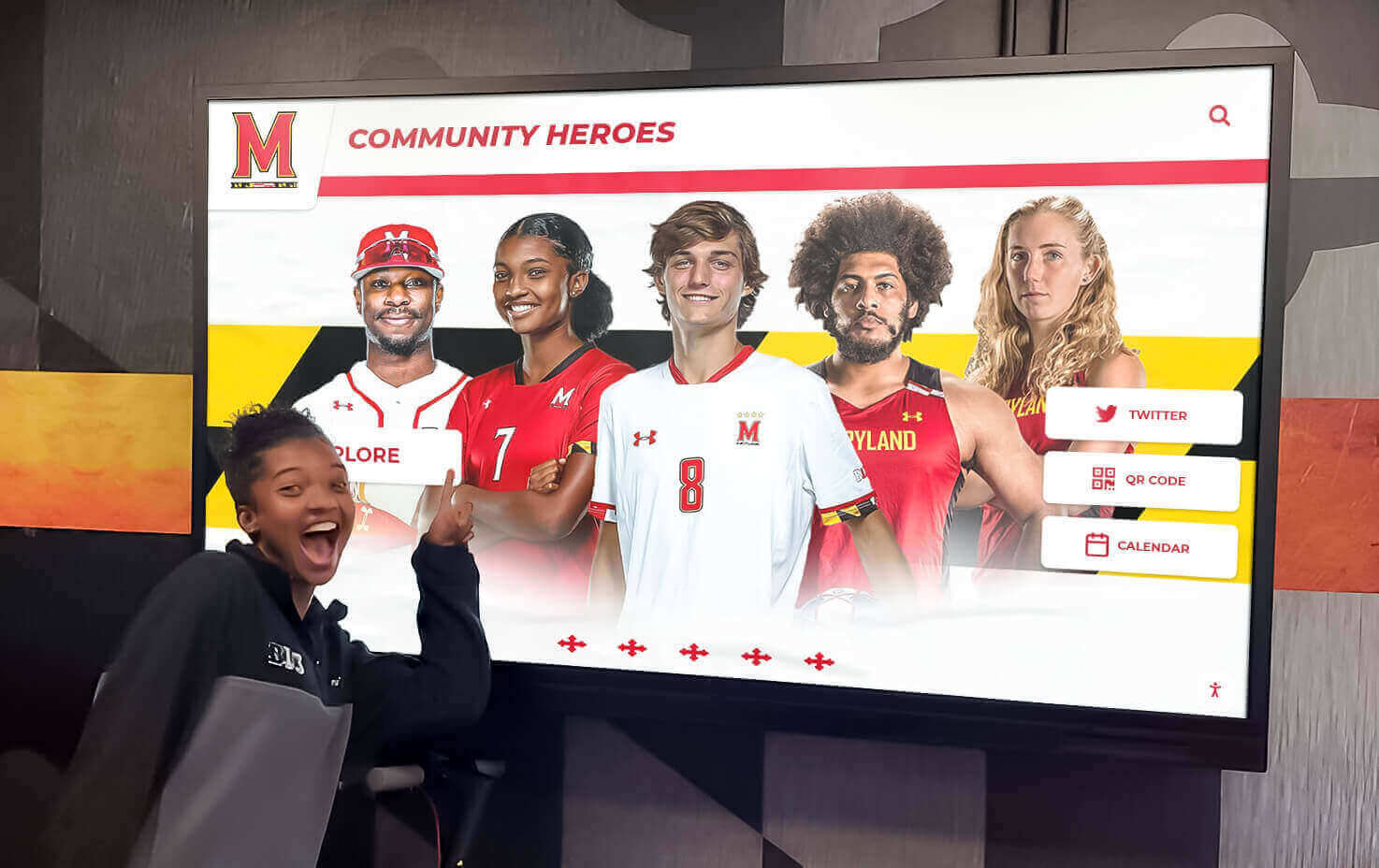
Permanent displays preserve senior recognition beyond single-night ceremonies, honoring graduating athletes indefinitely
Championship and Postseason Recognition
Fall championship seasons create peak recognition opportunities:
Conference Championship Celebrations
Acknowledging regular season success:
- Trophy or banner presentations to conference champion teams
- School-wide recognition through assemblies or announcements
- Social media campaigns celebrating championship achievements
- Local media coverage and press releases
- Pep rally celebrations for teams heading to playoffs
- Community recognition through signage and promotions
State Tournament Support
Rallying behind playoff teams:
- Travel support and fan bus coordination for state tournaments
- Fundraising for tournament expenses
- School-wide sendoffs for teams advancing
- Remote viewing parties for away championship games
- Social media coverage of tournament progression
- Welcome home celebrations regardless of outcomes
Championship Team Recognition
Permanent acknowledgment of ultimate success:
- State championship banners added to facilities
- Ring or jacket ceremonies for championship team members
- School board recognition and community celebrations
- Media coverage and championship documentation
- Athletic hall of fame inductions for historic teams
- Digital archive entries preserving championship seasons
These celebrations create lasting memories while building program traditions.
Post-Season Award Programs
Comprehensive recognition extends beyond championships:
Individual Sport Awards
Position and achievement-based honors:
- Most Valuable Player selections
- All-Conference and All-State recognition
- Position-specific awards (Offensive/Defensive Player of Year, etc.)
- Statistical achievement awards
- Most Improved Player honors
- Coaches’ Awards for intangible contributions
Character and Academic Recognition
Honoring well-rounded student-athletes:
- Scholar-Athlete awards for academic excellence
- Sportsmanship recognition
- Leadership awards for team captains
- Community Service acknowledgment
- Teammate awards voted by peers
- Iron Person or Dedication awards for commitment
Team Achievement Awards
Collective recognition:
- Championship team honors
- Record-breaking team performances
- Undefeated season acknowledgment
- Tournament advancement recognition
- Rivalry victory commemorations
- Spirit and culture awards
Programs implementing comprehensive award systems ensure diverse athlete contributions receive appropriate acknowledgment.
Building Fall Sports Traditions
Established traditions strengthen program identity and create continuity across seasons.
Game Day and Competition Traditions
Rituals enhance competitive experiences:
Pre-Game Traditions
Activities building team unity:
- Team meals or breakfasts before competitions
- Locker room routines and pre-game speeches
- Warm-up music playlists and traditions
- Team chants or cheers before taking field/court
- Captain meetings and leadership rituals
- Mental preparation routines
Fan Engagement Traditions
Creating memorable atmospheres:
- Theme nights for home competitions (blackout, neon, decades, etc.)
- Student section traditions and organized cheering
- Halftime entertainment and activities
- Concession stand favorites becoming event staples
- Traditional game day foods or spirit items
- Rivalry game amplification
Post-Competition Traditions
Celebrating together regardless of outcomes:
- Team huddles after competitions with coach reflections
- Handshake lines and sportsmanship demonstrations
- Social media recap posts following format
- Team songs or celebrations after victories
- Family meet-and-greet opportunities post-competition
- Recovery and preparation routines
Consistent traditions create identity while building team cohesion.
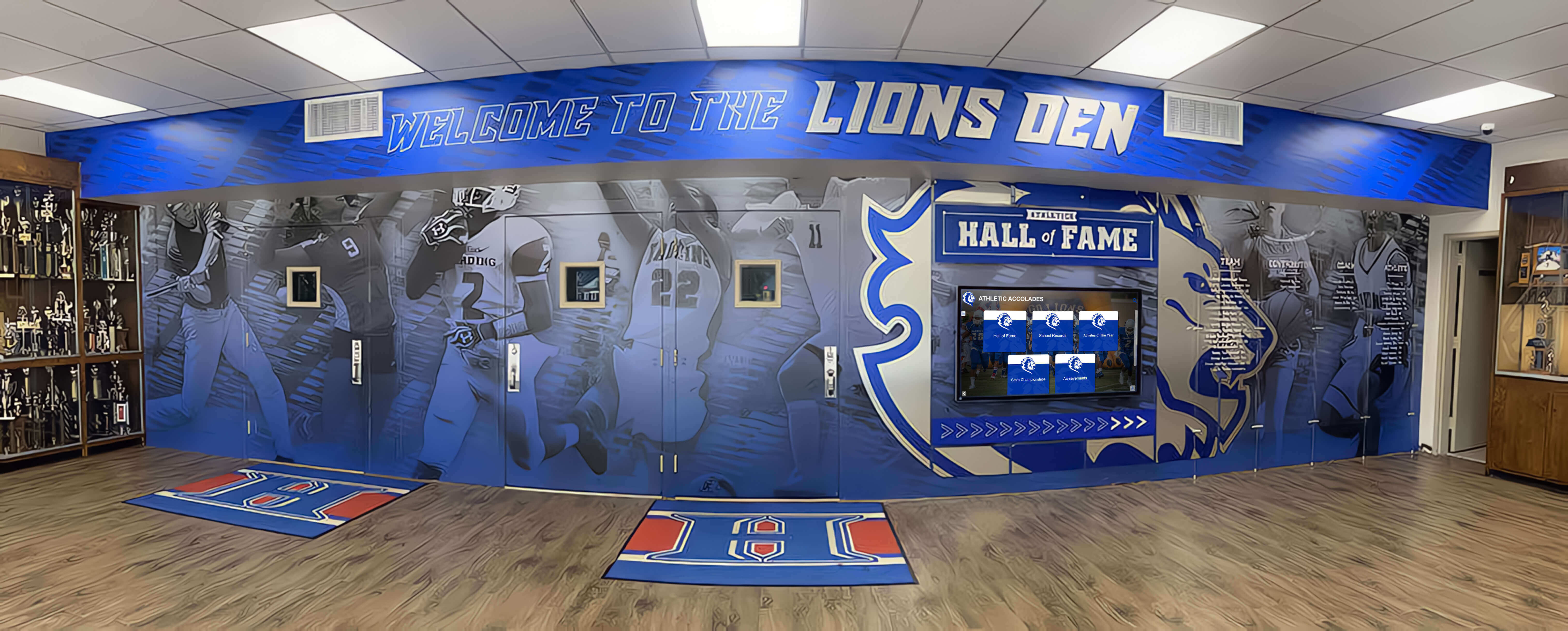
Facility displays showcase program traditions while honoring championship teams and individual excellence
Homecoming Integration
Fall sports naturally connect with homecoming celebrations:
Athletic Event Coordination
Homecoming planning involving fall sports:
- Football games traditionally serving as homecoming focal points
- Other fall sports hosting homecoming-weekend competitions
- Multi-sport recognition during halftime or breaks
- Alumni athlete recognition and introductions
- Current team presentations to homecoming court
- Spirit week activities involving athletic teams
Homecoming Court Participation
Athlete involvement in traditions:
- Fall sport athletes nominated to homecoming court
- Team representation in homecoming parade
- Float competition participation
- Spirit competition between teams and classes
- Dress-up days and theme participation
Alumni Engagement
Connecting current and former athletes:
- Alumni game opportunities for graduated players
- Hall of fame inductions during homecoming weekend
- Reunions coordinated around homecoming events
- Facility tours showcasing program improvements
- Fundraising campaigns launched during homecoming
- Mentorship connections between alumni and current athletes
These integrations strengthen school culture while celebrating athletic programs.
Seasonal Recognition Displays
Physical displays creating year-round awareness:
Traditional Recognition Approaches
Standard athletic facility displays:
- Championship banners hanging in gymnasiums
- Trophy cases showcasing team and individual awards
- Wall plaques listing conference champions by year
- Record boards documenting statistical achievements
- Team photo displays showing current and historical teams
- Hall of fame plaques honoring exceptional athletes
Digital Recognition Innovation
Modern alternatives addressing traditional limitations:
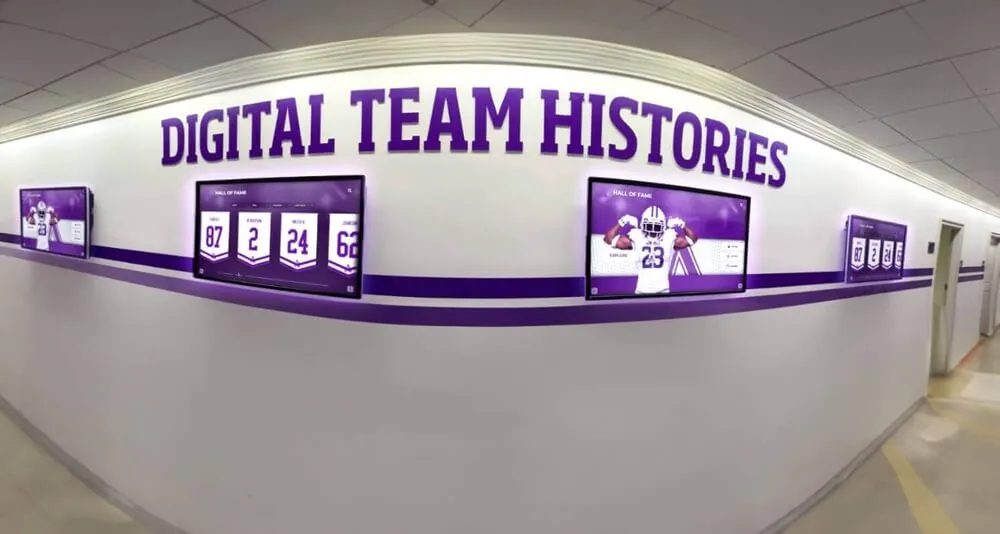
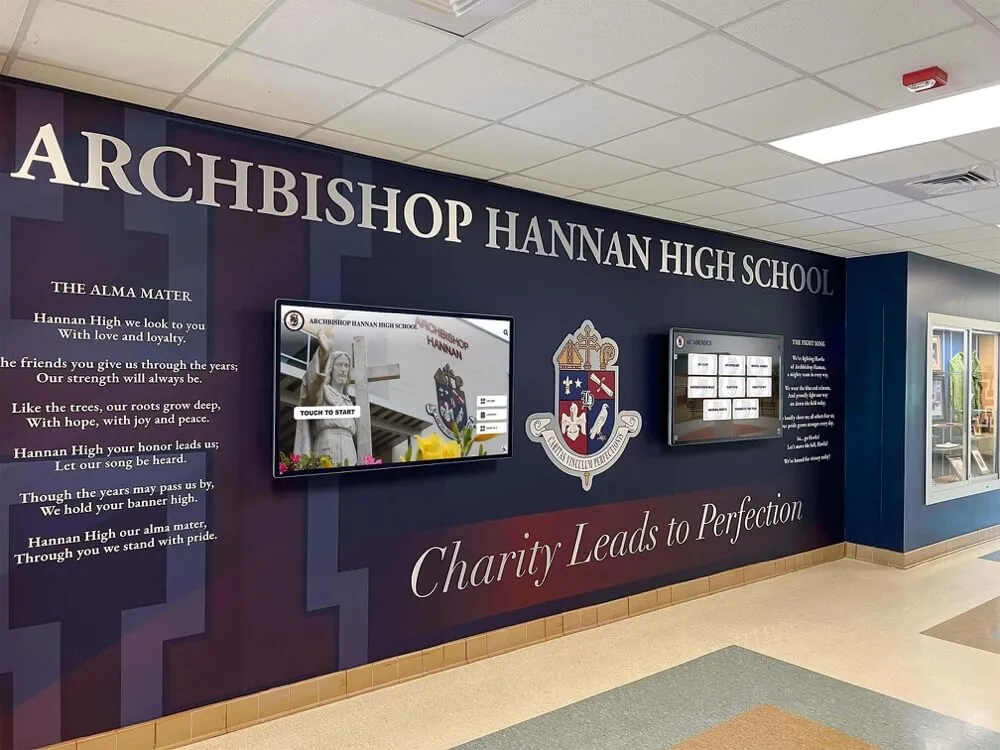
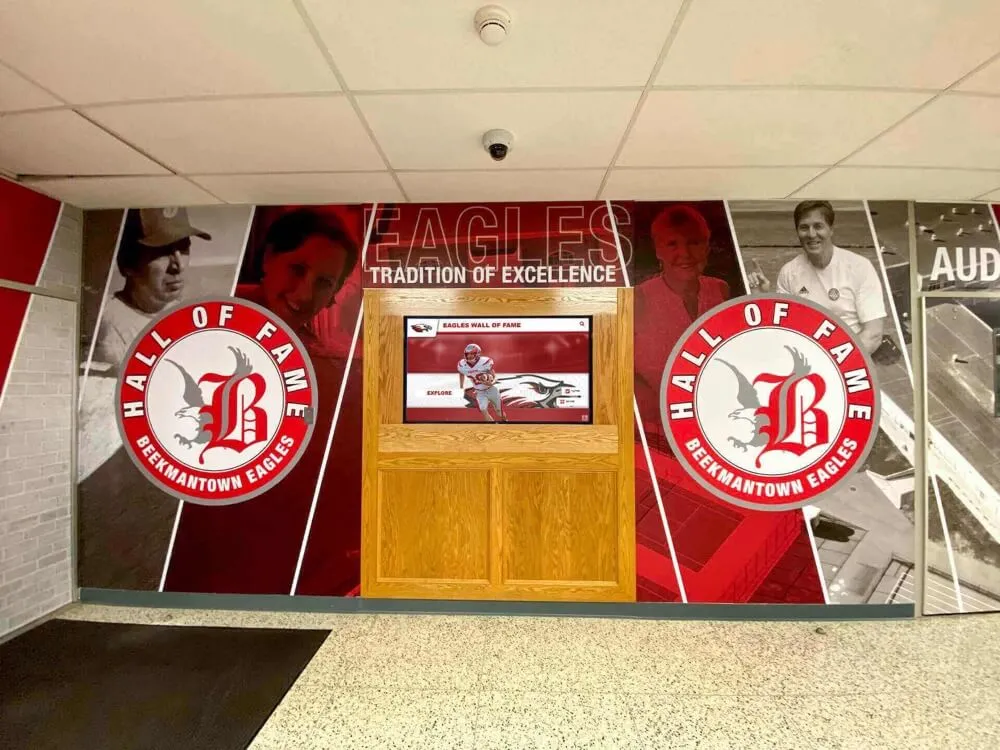
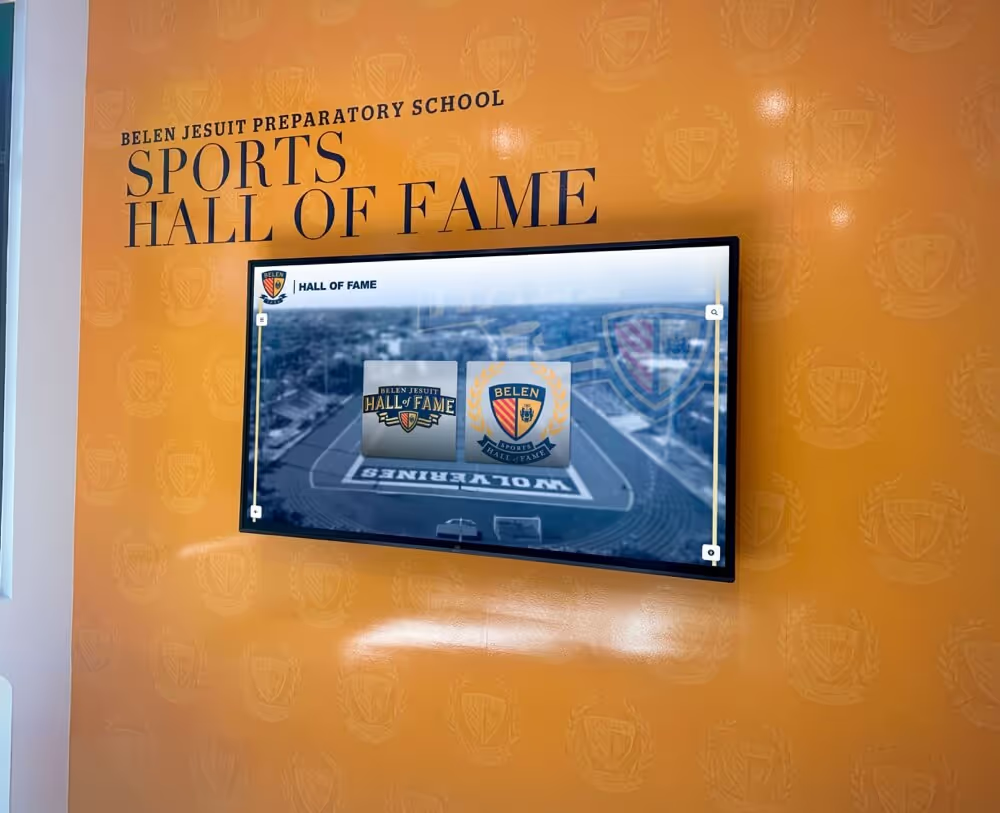
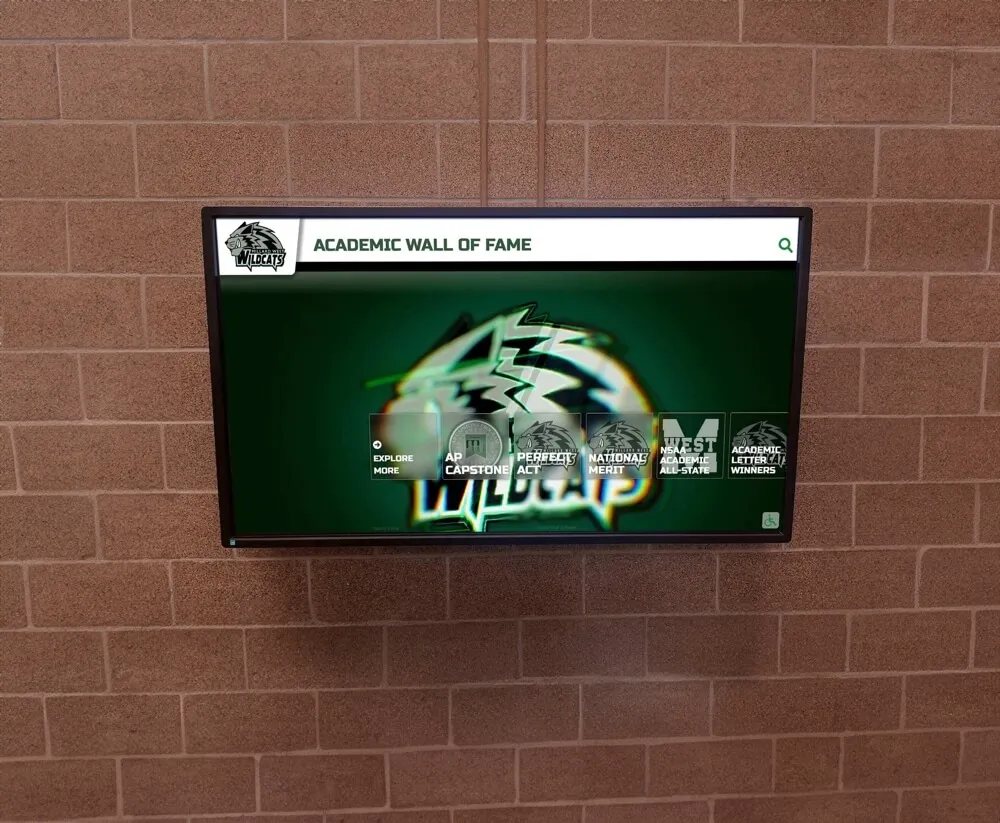
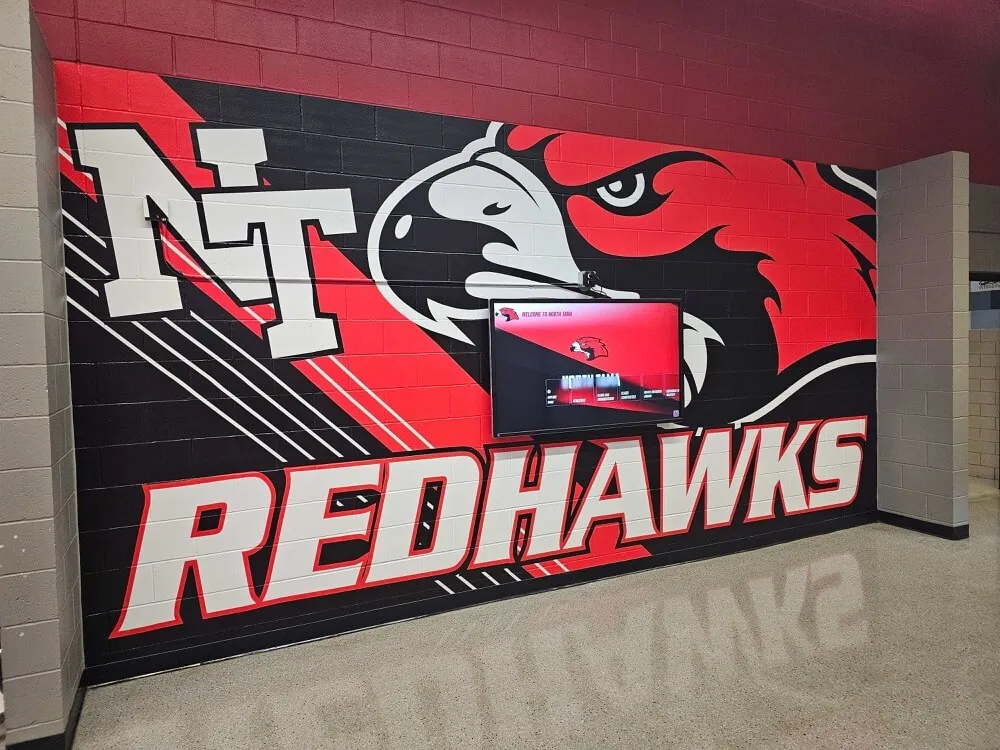
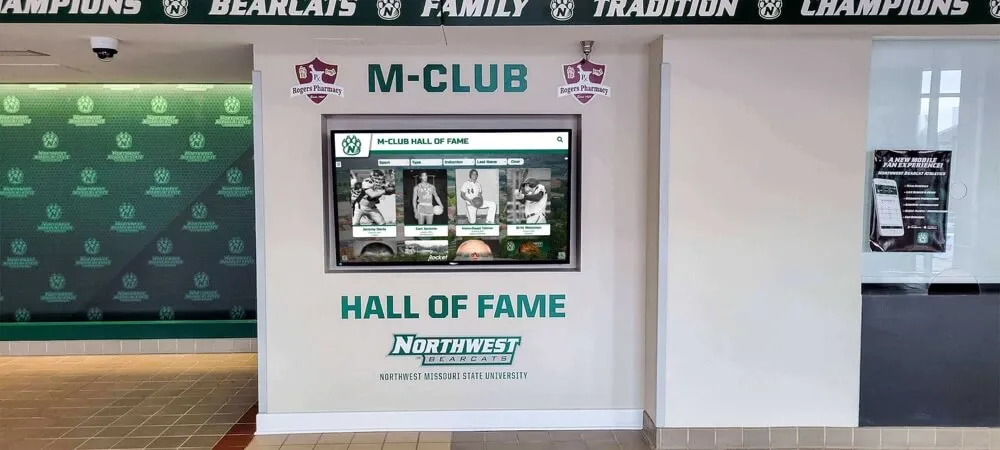
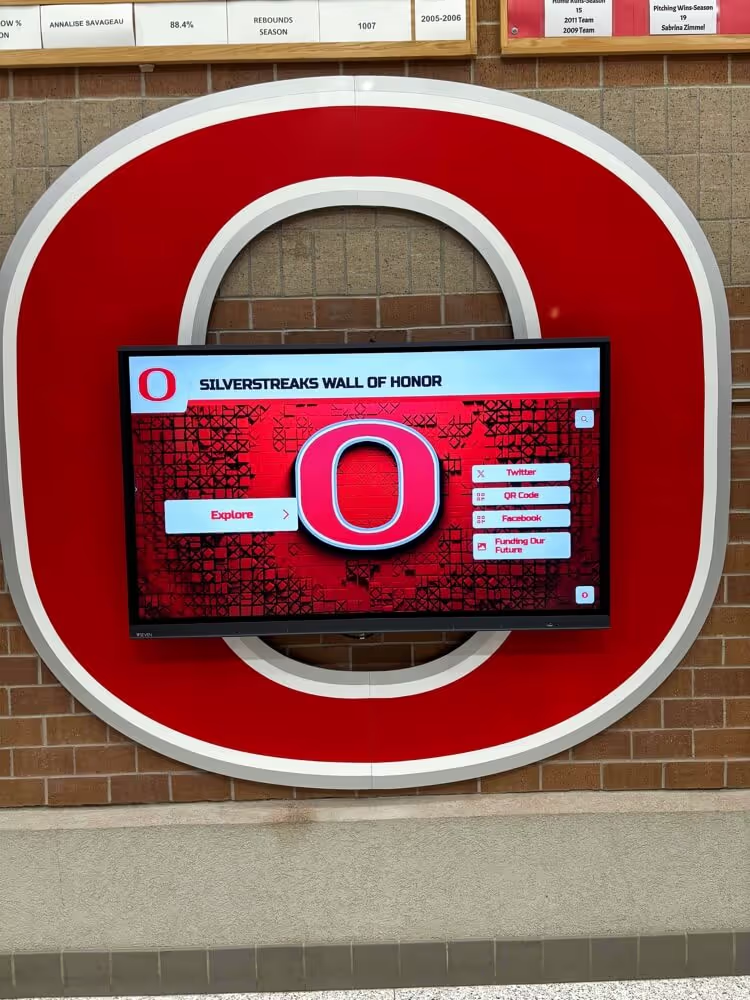
Solutions like Touch Archive transform how schools preserve and celebrate fall sports achievements:
- Unlimited Recognition Capacity: Single display showcasing every athlete, team, and achievement without space constraints
- Multimedia Documentation: Photos, videos, statistics, and narratives creating rich sport histories
- Searchable Archives: Families and alumni easily locating specific athletes or seasons
- Current Relevance: Immediate updates throughout season maintaining display currency
- Cost Effectiveness: No recurring banner or plaque production expenses
- Inclusive Recognition: Every participant honored regardless of sport prominence
Programs implementing comprehensive digital displays report increased engagement from students, families, and community members compared to traditional static recognition.
Integrated Recognition Systems
Combining approaches strategically:
- Traditional championship banners for most significant achievements
- Digital systems documenting comprehensive program histories
- Entrance displays welcoming visitors with current season highlights
- Locker room motivational displays inspiring current athletes
- Community-accessible displays extending recognition beyond campus
- Mobile-optimized content enabling anywhere access to athletic archives
These layered approaches ensure fall sports achievements receive appropriate visibility while preserving complete program narratives.
For schools exploring modern recognition that grows with programs over time, athletic hall of fame systems provide frameworks honoring accomplishments across decades.
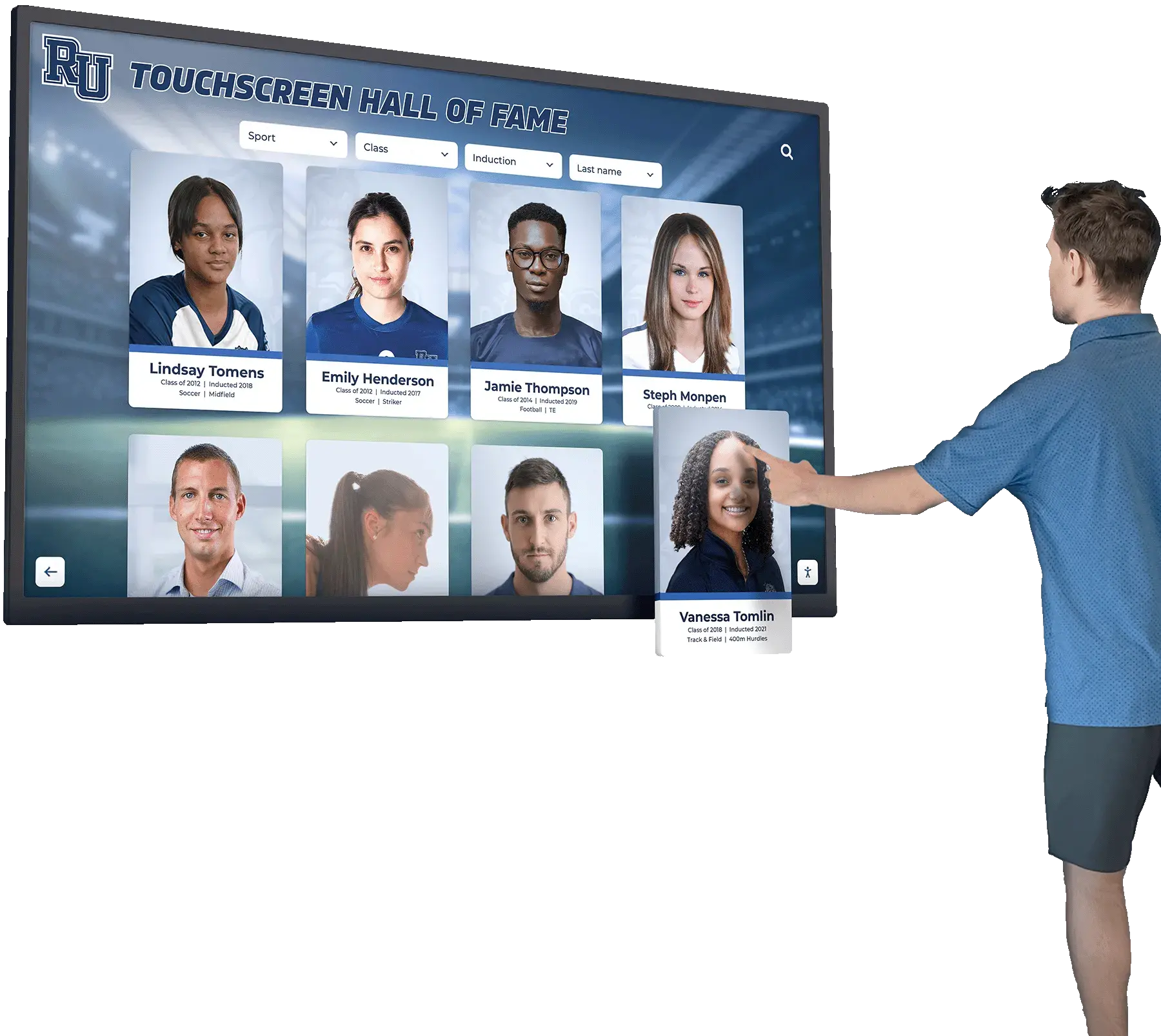
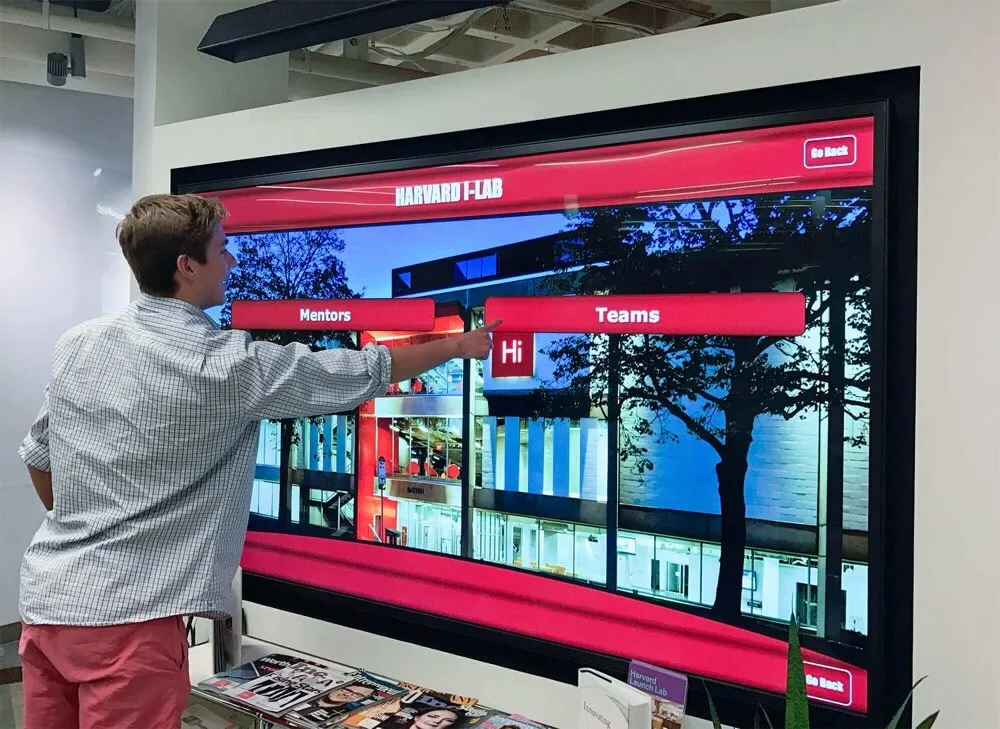
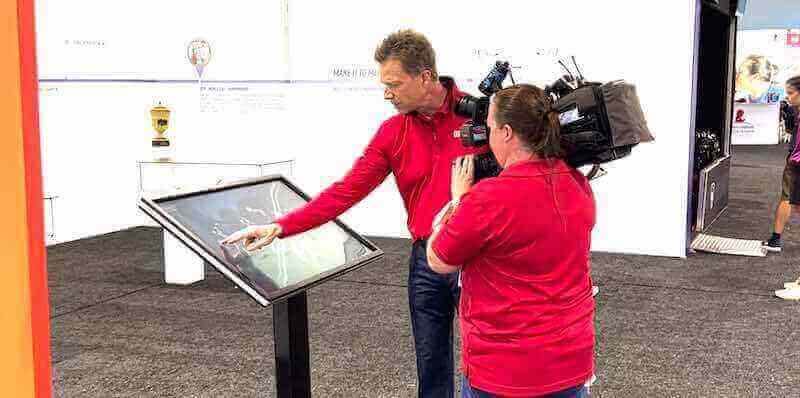
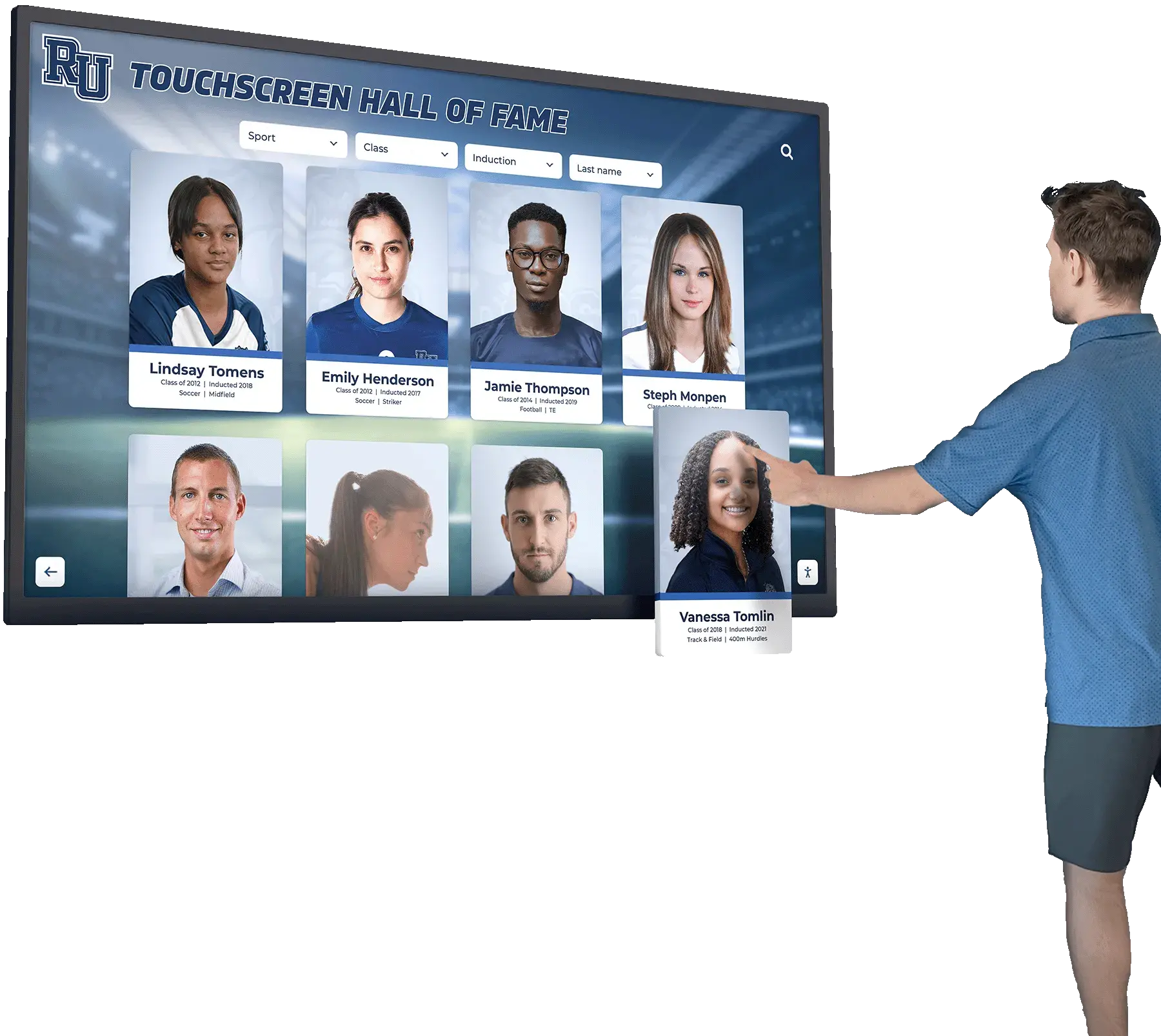
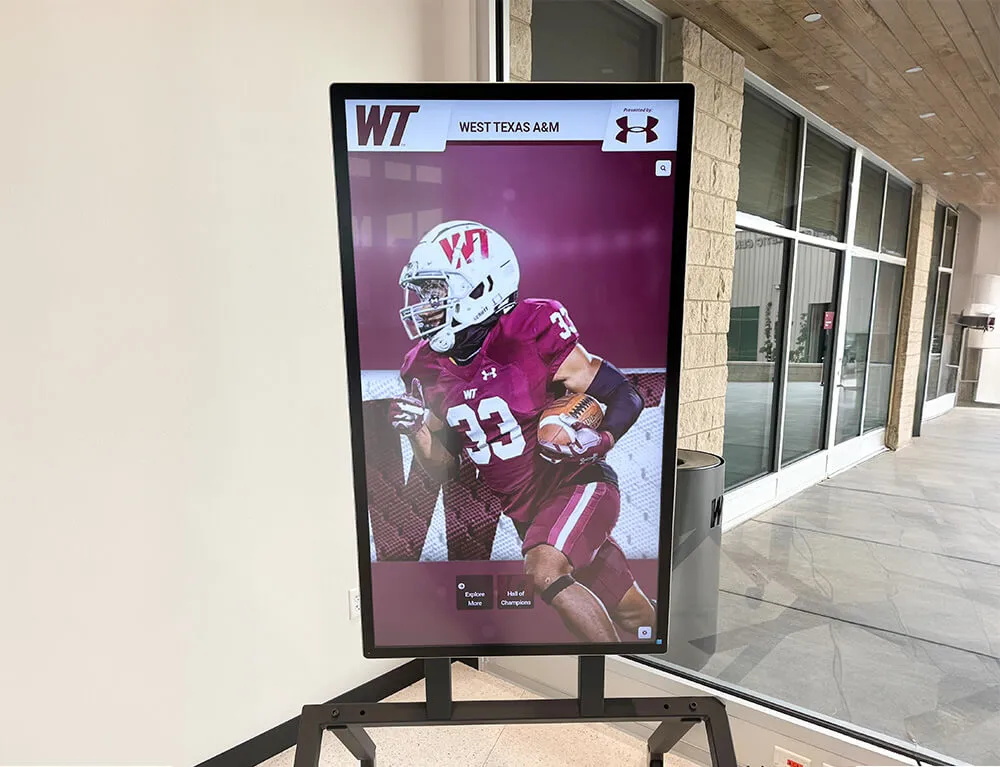
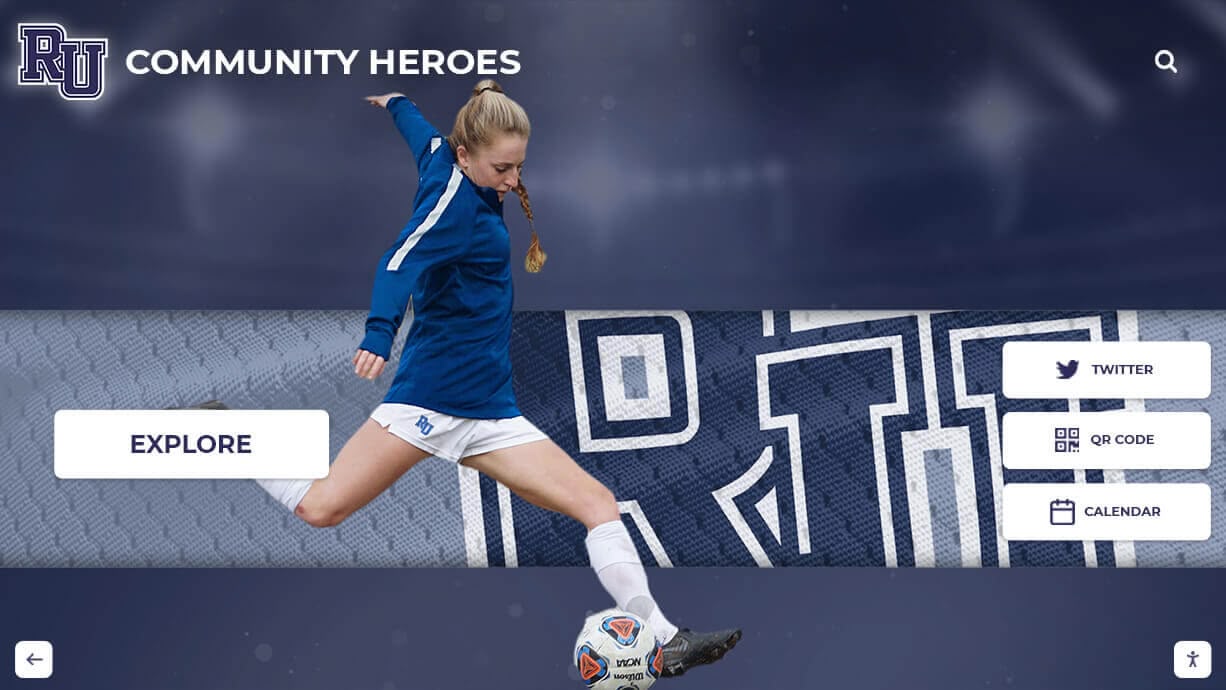
Interactive displays enable intuitive exploration of fall sports histories and athlete achievements
Supporting Student-Athletes Holistically
Fall sports participation benefits extend beyond competitive outcomes when schools provide comprehensive support.
Academic Support Systems
Maintaining educational priorities during intensive athletic seasons:
Structured Study Time
Ensuring academic progress:
- Mandatory study halls for teams with academic support staff
- Tutoring services coordinated with athletic schedules
- Academic progress monitoring throughout season
- Communication systems between teachers and coaches
- Eligibility tracking preventing late-season surprises
- Recognition programs celebrating scholar-athletes
Schedule Management
Balancing competing demands:
- Advanced notification to teachers about competition schedules
- Make-up work policies accommodating athletic commitments
- Test and assignment deadline flexibility when appropriate
- Class absence management systems
- Time management skill development
- College planning support for senior athletes
Academic Recognition Integration
Honoring educational achievement:
- GPA requirements for certain honors and awards
- Scholar-athlete designations on programs and announcements
- Academic honor roll recognition alongside athletic awards
- College acceptance celebrations for senior athletes
- Academic improvement acknowledgment
- Balanced messaging about education primacy
These supports communicate that student comes before athlete in student-athlete identity.
Mental Health and Wellness
Recognizing psychological demands of competitive athletics:
Performance Pressure Management
Supporting athletes navigating stress:
- Sports psychology resources for team and individual consultation
- Pressure management skill development
- Healthy competition framework distinguishing effort from worth
- Coach training on recognizing mental health concerns
- Parent education about supporting athlete wellness
- Confidential counseling access
Injury and Setback Support
Helping athletes through challenges:
- Comprehensive injury management and rehabilitation
- Mental health support for injured athletes
- Role adjustment maintaining team connection during recovery
- Return-to-play protocols balancing safety and eagerness
- Career-ending injury counseling and transition support
- Team culture including injured members meaningfully
Burnout Prevention
Maintaining healthy athletic experiences:
- Rest and recovery emphasis in training programs
- Off-season expectations appropriate to sport demands
- Multi-sport participation encouragement avoiding year-round specialization
- Realistic expectation setting about college athletics
- Fun and enjoyment emphasis alongside competitive excellence
- Exit ramps allowing graceful sport withdrawal when appropriate
Holistic athlete support creates sustainable athletic experiences benefiting participants long-term.
Life Skills Development
Athletics teaching transferable competencies:
Leadership Growth
Captain and team leadership opportunities:
- Formal leadership training for captains and senior athletes
- Peer mentorship programs connecting upperclassmen with younger players
- Community service projects led by athletic teams
- Athlete involvement in program decision-making where appropriate
- Public speaking opportunities for athlete representatives
- Conflict resolution and team dynamic management
Character Formation
Sports teaching values and ethics:
- Sportsmanship emphasis in competitions and practices
- Integrity cultivation through rule adherence and honest competition
- Resilience development through adversity navigation
- Teamwork and collaboration emphasis
- Respect for opponents, officials, and traditions
- Responsibility for commitments and obligations
Future Readiness
Preparing for life after high school athletics:
- College recruitment process education and support
- Scholarship application and financial aid guidance
- Time management and organizational skill development
- Work ethic and discipline applicable beyond sports
- Goal setting and achievement pathway planning
- Identity development beyond athletic participation
These competencies provide lasting value regardless of athletic career continuation.
For schools interested in comprehensive student recognition beyond athletics, academic recognition programs provide frameworks celebrating diverse student achievements.
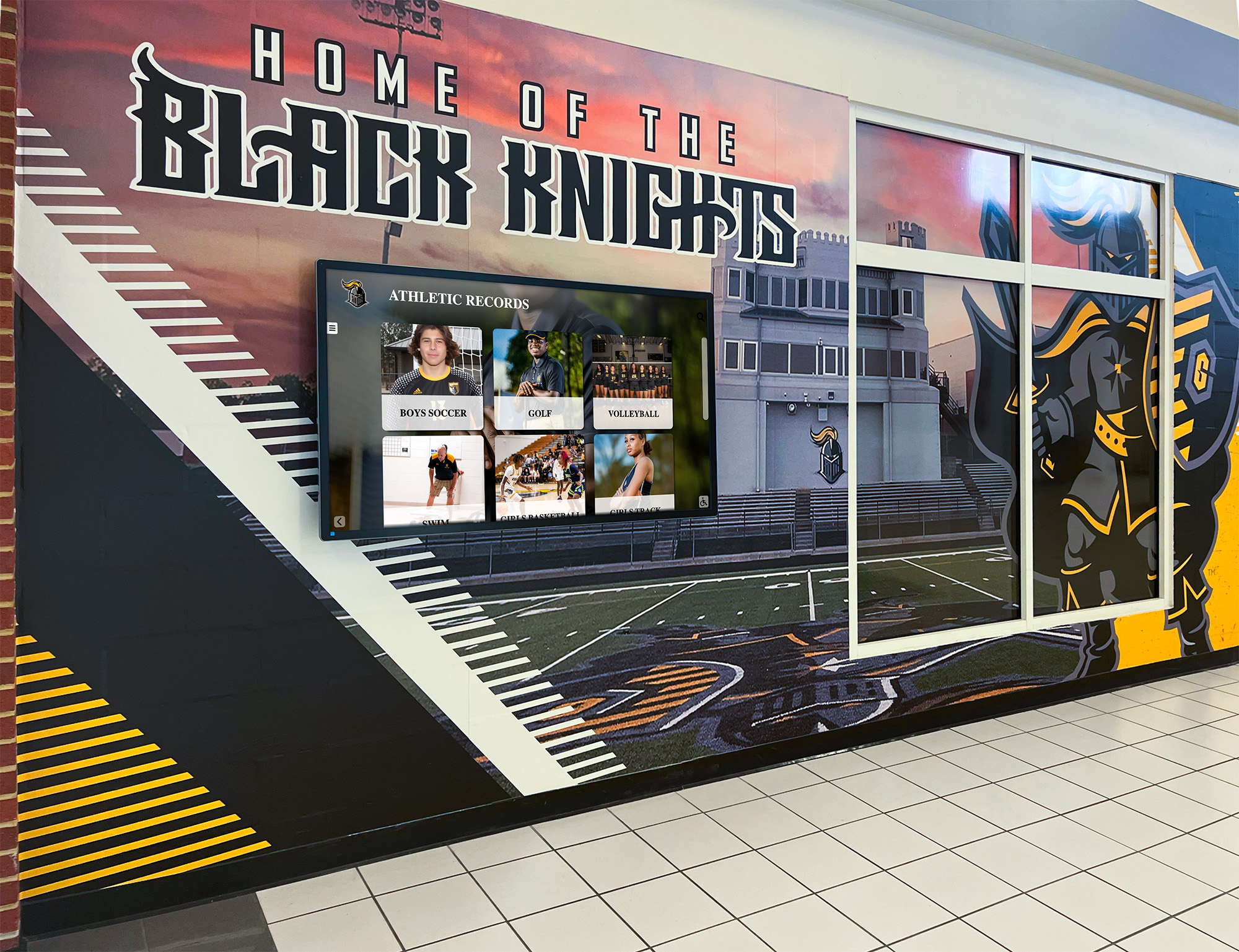
Athletic displays celebrating both competitive success and character development communicate holistic program values
Engaging Families and Communities
Fall sports thrive when schools cultivate family and community investment.
Family Communication and Involvement
Keeping families informed and engaged:
Communication Strategies
Systematic family information sharing:
- Season preview meetings explaining expectations and schedules
- Weekly email updates from coaches with competition results and upcoming events
- Social media groups for team families
- Mobile apps providing schedules, updates, and emergency communications
- Parent representatives facilitating coach-family communication
- Translated communications for diverse language communities
Volunteer Opportunities
Meaningful family participation:
- Concession stand staffing
- Game day operations support
- Transportation assistance
- Equipment management help
- Fundraising coordination
- Social event planning
Family Inclusive Events
Building community among athletic families:
- Team dinners and social gatherings
- Parent appreciation nights
- Family sections at competitions
- Season kickoff and end-of-season celebrations
- Awards banquets honoring athletes and families
- Alumni family recognition across generations
These efforts create partnership between schools and families supporting athletic programs.
Community Partnership Development
Extending support beyond immediate athletic families:
Local Business Engagement
Building mutually beneficial relationships:
- Program sponsorships supporting equipment and operations
- Advertisement opportunities in programs and facilities
- Discount programs for athletes and families
- Facility naming rights for major donors
- Career connection programs linking businesses and athletes
- Community service partnerships
Youth Sports Connections
Pipeline development and community building:
- High school athletes coaching or mentoring youth programs
- Youth athletes attending high school competitions
- Shared facility usage and resource coordination
- Skills clinics and camps led by high school programs
- Recognition of youth programs during competitions
- Pathway communication from youth through high school programs
Civic Organization Partnerships
Broadening community support:
- Rotary, Lions Club, and civic group recognition of teams
- Community foundation grants supporting athletics
- Parks and recreation collaboration
- Chamber of commerce involvement
- Veterans’ organizations and patriotic event participation
- Cultural organization connections through diverse athlete participation
These relationships embed athletic programs in broader community fabric.
Media Relations and Promotion
Strategic communication amplifying fall sports:
Traditional Media Coverage
Print and broadcast relationships:
- Regular game results and statistics submission
- Feature story pitches about noteworthy athletes and teams
- Press conference coordination for significant achievements
- Photography access for local newspapers
- Radio interview opportunities for coaches and athletes
- Television coverage of championship competitions
Digital and Social Media Strategy
Modern communication platforms:
- Consistent posting across Instagram, Twitter, Facebook, etc.
- Live streaming competitions for broader access
- Highlight videos and season recaps
- Athlete and team spotlights throughout season
- Real-time updates during significant competitions
- User-generated content encouragement with team hashtags
Content Strategy
Storytelling beyond scores:
- Human interest features on athletes overcoming challenges
- Behind-the-scenes content showing team culture
- Historical program features and alumni connections
- Academic achievement spotlights
- Community service stories
- Multi-generational program involvement features
Comprehensive communication builds awareness and support for fall sports programs.
For schools exploring how digital displays enhance community engagement, interactive recognition systems create gathering points celebrating athletic achievement.
Planning for Success Across Fall Sports
Strategic planning maximizes fall season impact while managing complexity.
Pre-Season Preparation
Summer and early fall activities setting stage for success:
Facility Readiness
Preparing spaces for fall competition:
- Field and court maintenance and preparation
- Equipment inventory and replacement
- Locker room organization and team space allocation
- Signage and visual identity updates
- Safety inspection and compliance verification
- Technology and timing system testing
Schedule Coordination
Managing complex fall athletics calendar:
- Competition schedule finalization across all sports
- Transportation coordination and route planning
- Official assignment and confirmation
- Conflict resolution between multiple sports
- Weather contingency planning
- Tournament and playoff preparation
Team Building
Creating cohesive teams:
- Pre-season camps and conditioning programs
- Team bonding activities and social events
- Captain selection and leadership development
- Goal setting and expectation establishment
- Parent meetings and communication system launch
- Alumni connections and tradition introduction
Thorough preparation prevents reactive crisis management during intensive competition periods.
Budget and Resource Management
Financial planning for sustainable programs:
Revenue Generation
Funding fall sports operations:
- Ticket sales for football and high-profile sports
- Season pass packages encouraging multi-sport attendance
- Concession stand operations
- Spirit wear and program sales
- Sponsorship development
- Booster club fundraising events
Expense Management
Strategic resource allocation:
- Equipment purchases and maintenance
- Uniform replacement cycles
- Transportation costs
- Official fees
- Tournament entry fees
- Recognition and award expenses
Equitable Distribution
Ensuring fairness across programs:
- Per-participant funding formulas
- Need-based allocation considering sport requirements
- Title IX compliance in resource distribution
- Facility access equity
- Coaching compensation consistency
- Recognition resource parity
Transparent budget processes prevent perceptions of favoritism while maintaining program viability.
Risk Management and Safety
Protecting athlete welfare:
Injury Prevention
Proactive safety measures:
- Pre-participation physical examinations
- Proper equipment fitting and maintenance
- Conditioning programs reducing injury risk
- Hydration and heat illness prevention protocols
- Sport-specific technique coaching emphasizing safety
- Appropriate rest and recovery emphasis
Emergency Preparedness
Response planning for incidents:
- Athletic trainer availability at competitions and high-risk practices
- Emergency action plans for each facility
- Automated external defibrillator (AED) access and training
- Concussion protocol implementation and compliance
- Severe weather procedures
- Communication systems for emergency notifications
Insurance and Liability
Protecting programs and participants:
- Adequate insurance coverage verification
- Waiver and permission document systems
- Coach certification and compliance
- Facility safety inspection documentation
- Transportation safety procedures
- Legal review of policies and procedures
Comprehensive risk management protects everyone involved in fall sports.
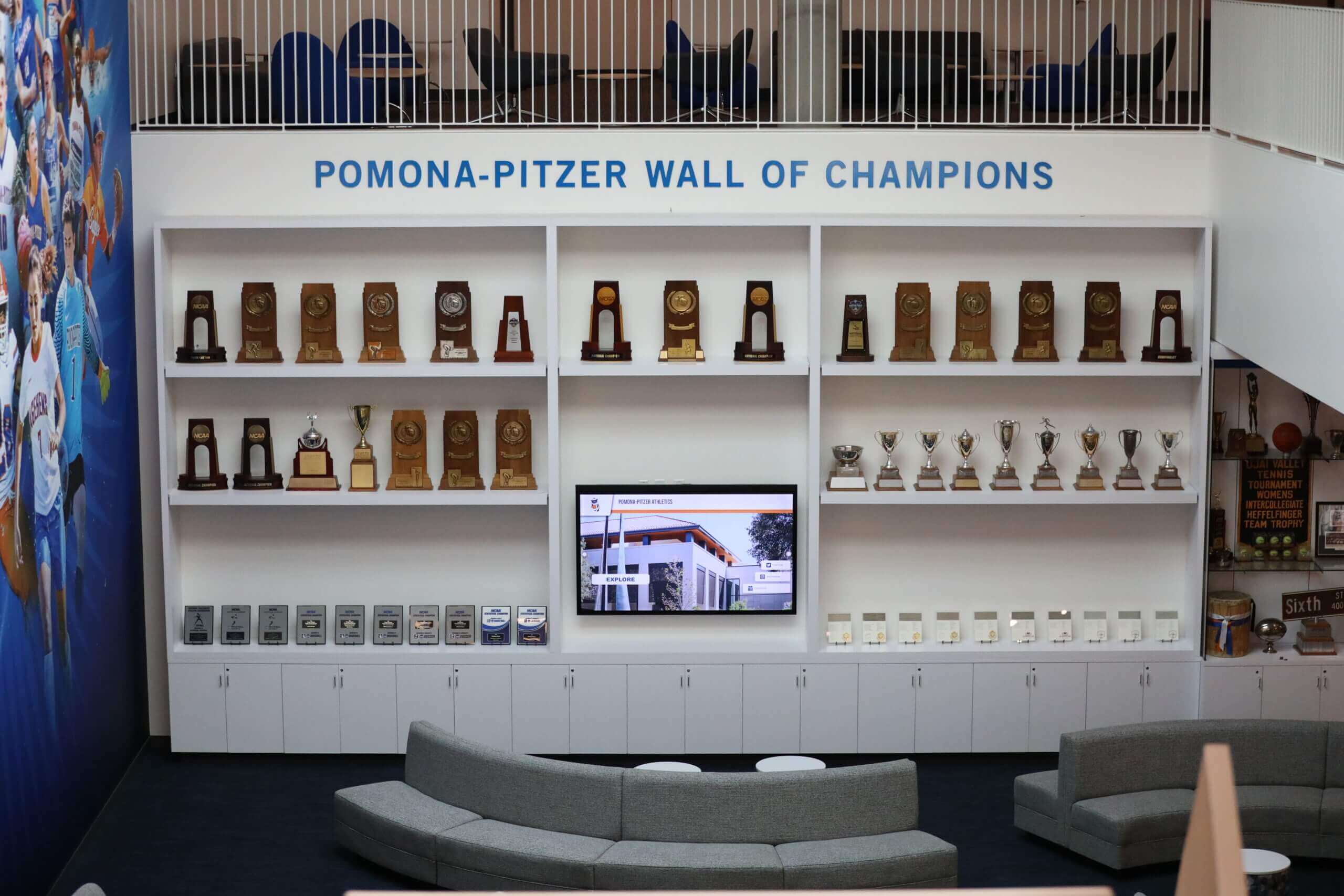
Championship displays celebrate fall sports excellence while preserving program history across decades
Preserving Fall Sports History
Systematic documentation ensures achievements endure beyond competitive seasons.
Creating Comprehensive Archives
Building institutional memory:
Season Documentation
Recording each year systematically:
- Team rosters with athlete information
- Complete season statistics and records
- Photography from competitions and team events
- Video highlights and significant moments
- News clippings and media coverage
- Awards and recognition documentation
Historical Context
Connecting seasons across time:
- Program records and comparisons
- Coach tenure and achievement documentation
- Facility evolution and improvement history
- Tradition origin stories and evolution
- Notable alumni and their accomplishments
- Community context and school history integration
Accessibility Planning
Making archives usable:
- Organized digital filing systems
- Physical archive preservation in climate-controlled environments
- Online access to historical information
- Research protocols for students, media, and historians
- Permission systems for historical image and video usage
- Regular archive updating and maintenance
Systematic documentation prevents loss of institutional knowledge during transitions.
Digital Preservation Solutions
Modern technology transforming archive accessibility:
Interactive Recognition Platforms
Comprehensive digital systems:
Organizations implementing solutions like Rocket Alumni Solutions create permanent digital archives that:
- Preserve complete rosters and athlete profiles across decades
- Document championship seasons with photos, statistics, and narratives
- Enable searchable databases locating specific athletes or achievements instantly
- Provide remote access for alumni and families anywhere in world
- Integrate multimedia content impossible with physical displays
- Update continuously without production costs or space constraints
Cloud-Based Storage
Secure, accessible preservation:
- Redundant backup preventing data loss
- Geographic distribution protecting against local disasters
- Scalable storage accommodating growing archives
- Version control maintaining historical accuracy
- Multi-user access enabling collaborative management
- Mobile optimization for anywhere access
Interactive Experiences
Engaging users with history:
- Touchscreen kiosks in athletic facilities
- Web-based access from any device
- Comparison features showing statistical progressions
- Timeline views showing program evolution
- Social sharing enabling alumni connection
- QR codes linking physical locations to digital content
These technologies ensure fall sports achievements remain accessible and relevant indefinitely.
For schools exploring comprehensive athletic documentation systems, modern platforms integrate record-keeping with recognition and engagement.
Connecting Generations
Using history to build program culture:
Alumni Engagement
Maintaining connections with former athletes:
- Social media groups for fall sports alumni by sport and decade
- Reunion events during homecoming and special anniversaries
- Alumni game opportunities for graduated athletes
- Mentorship programs connecting alumni with current athletes
- Career networking through athletic connections
- Fundraising appeals leveraging emotional program connections
Tradition Transmission
Teaching current athletes program history:
- Orientation programs for new athletes covering tradition and history
- Facility tours highlighting historical achievements
- Alumni speaker opportunities sharing experiences
- Historical jersey retirement or honor ceremonies
- Anniversary celebrations of significant program milestones
- Record board context showing current athletes’ place in history
Legacy Building
Creating continuity across eras:
- Senior class legacy projects leaving permanent impacts
- Historical documentation projects as educational activities
- Oral history interviews with retired coaches and notable alumni
- Facility naming honoring significant contributors
- Hall of fame inductions connecting generations
- Time capsule projects preserving current era for future discovery
These connections demonstrate that participation in fall sports means joining ongoing tradition extending beyond individual seasons.
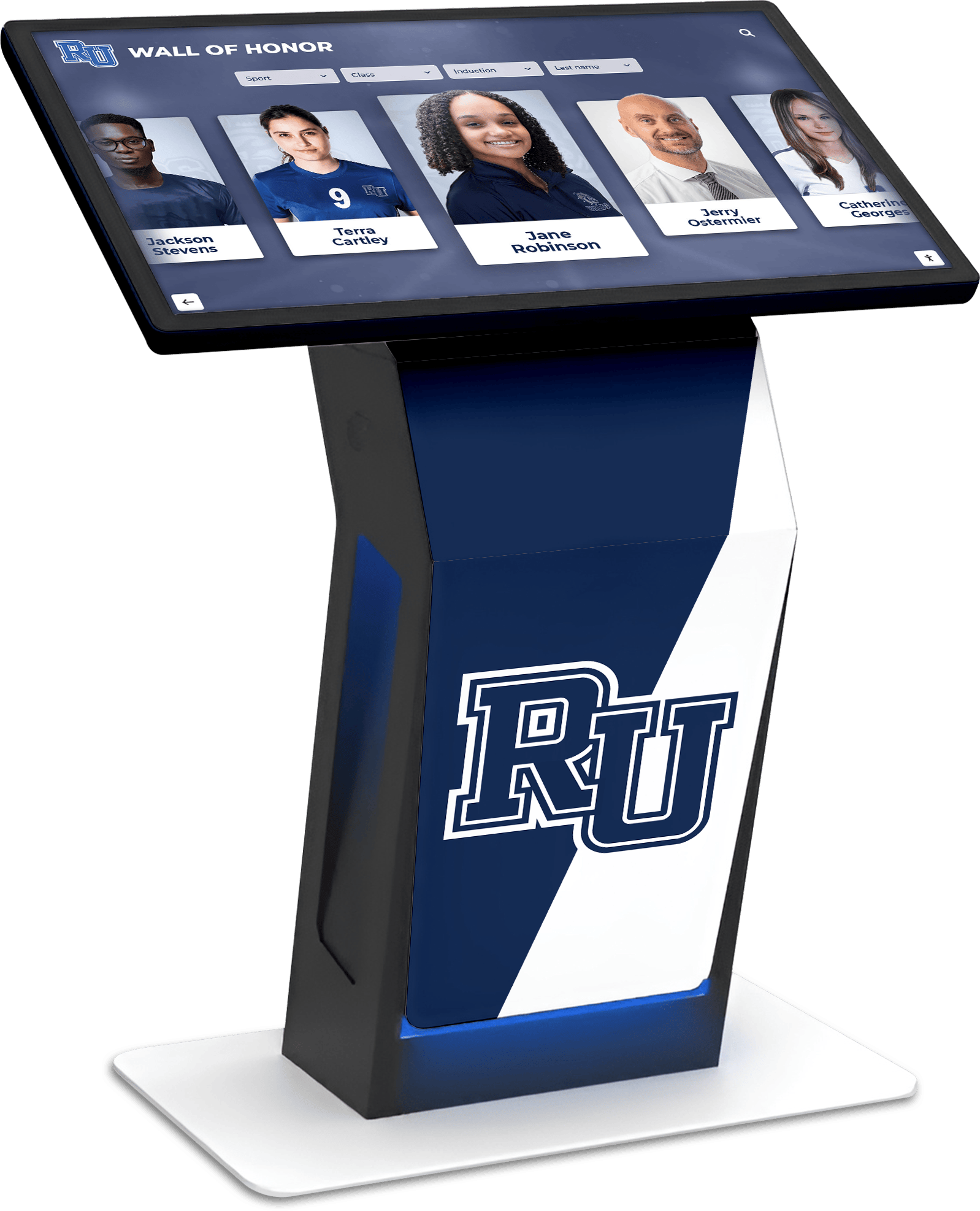
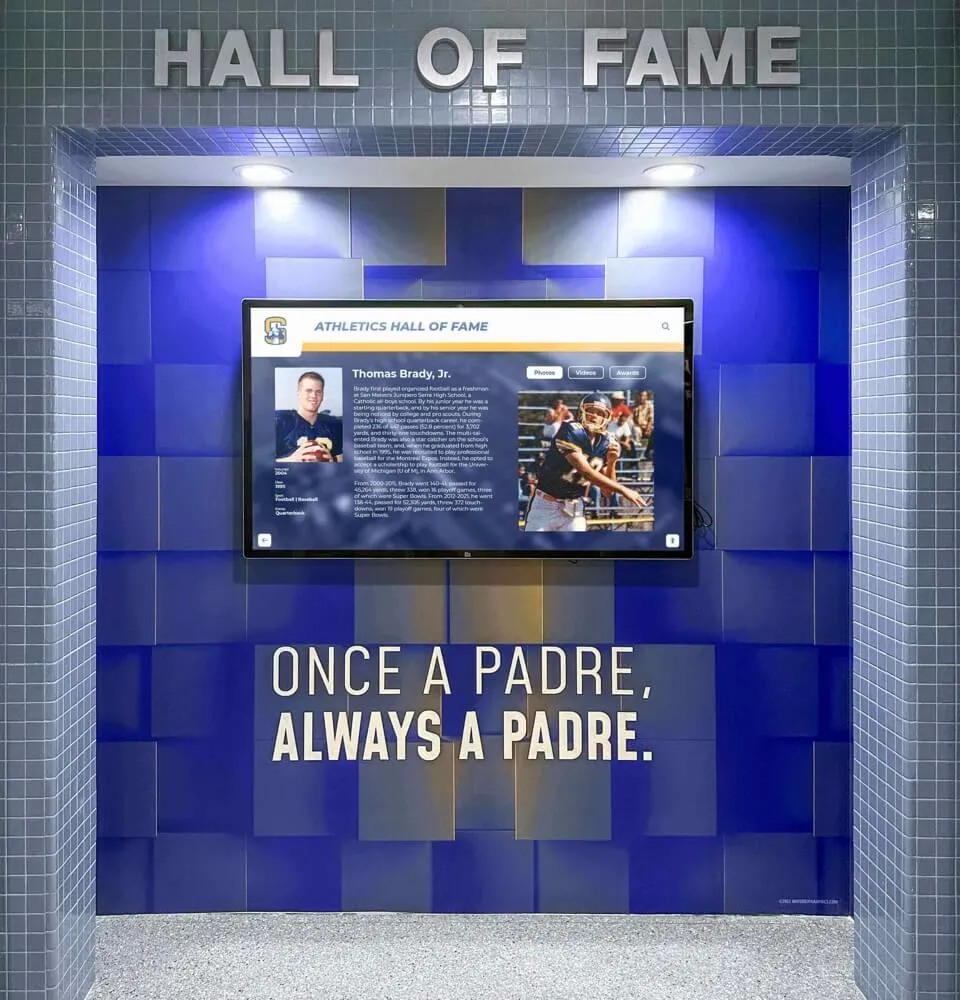
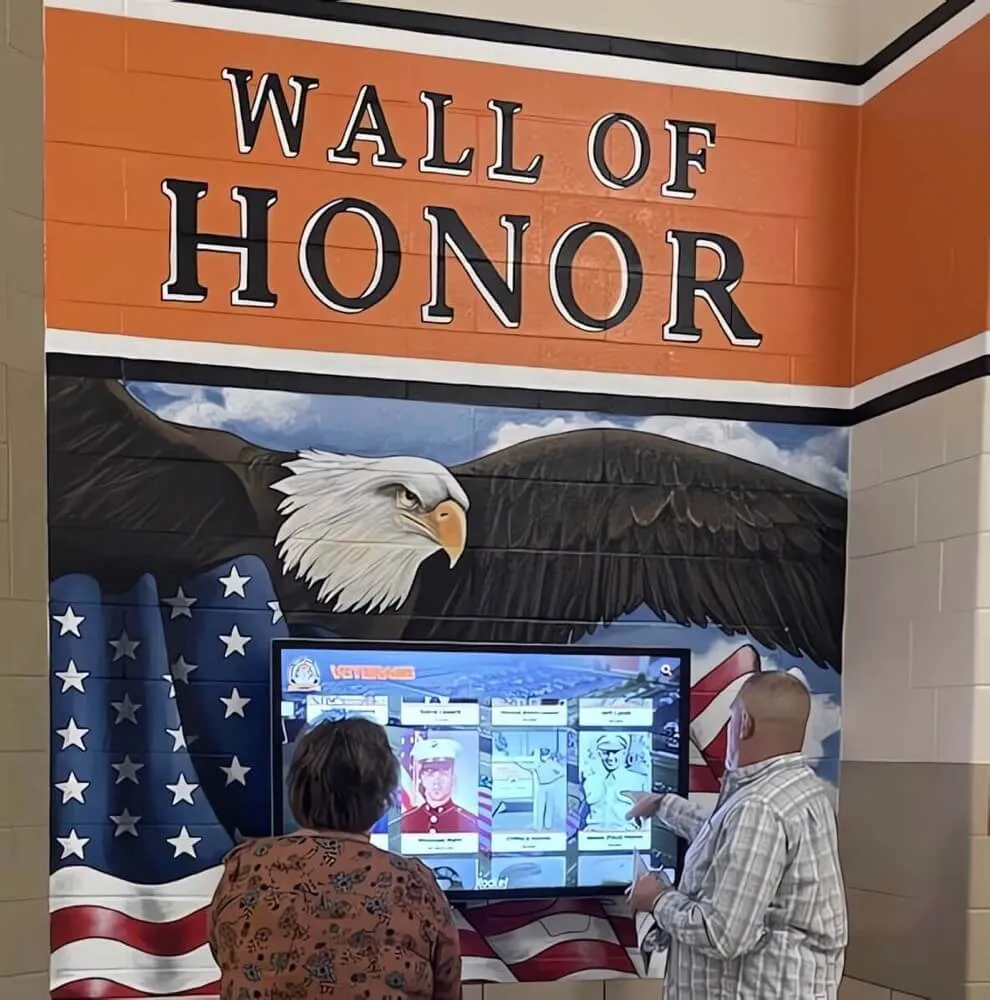
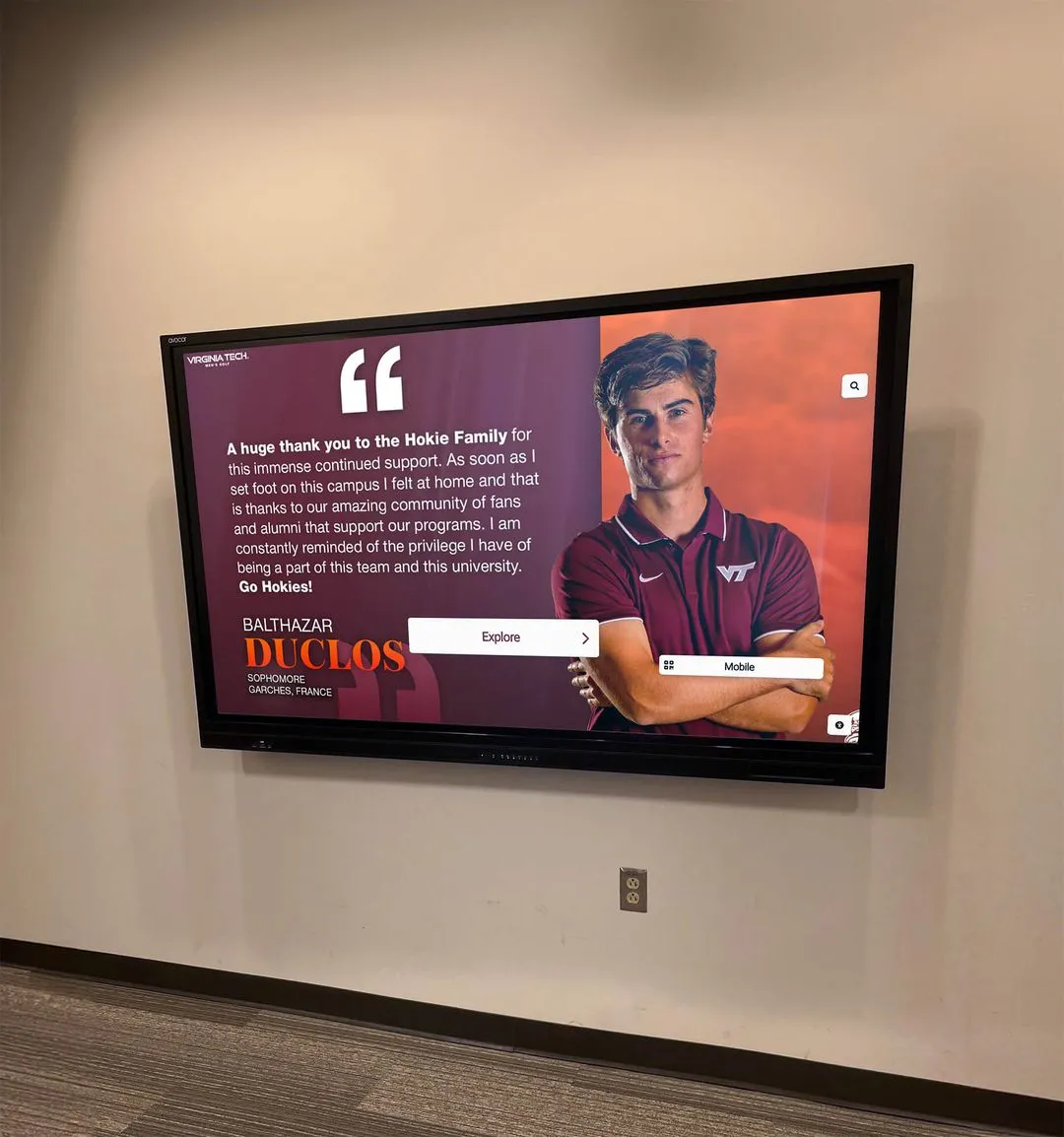
Modern recognition kiosks preserve complete fall sports histories while creating engaging exploration experiences for current students and returning alumni
Looking Forward: The Future of Fall High School Sports
Fall athletics continue evolving in response to changing student needs, community expectations, and competitive landscapes.
Emerging Trends
Developments shaping future fall sports:
Participation Pattern Changes
Shifting athlete involvement:
- Declining multi-sport participation as specialization increases
- Growing interest in individual versus team sports among some students
- Non-traditional sport additions expanding fall offerings
- Adaptive sports programs creating inclusive opportunities
- Co-ed teams in traditionally single-gender sports
- Club sport proliferation competing for athletes with school programs
Technology Integration
Innovation enhancing experiences:
- Performance tracking and analytics influencing training
- Video analysis tools improving technique development
- Live streaming making competitions accessible beyond physical attendance
- Social media reshaping communication and promotion
- Digital ticketing and cashless concessions improving operations
- Virtual reality training applications
Recognition Evolution
Changing acknowledgment approaches:
- Move toward inclusive recognition celebrating diverse contributions
- Digital platforms enabling comprehensive documentation
- Reduced emphasis on physical trophies and plaques
- Social media recognition replacing traditional media coverage
- Video tributes complementing or replacing written programs
- Interactive celebration methods engaging younger generations
Adapting to these trends while maintaining core values ensures fall sports remain relevant.
Sustaining Excellence
Long-term program development:
Coach Development
Investing in leadership:
- Ongoing professional development and education
- Mentorship programs for new coaches
- Competitive compensation and retention
- Work-life balance support preventing burnout
- Recognition systems honoring coaching excellence
- Succession planning for retiring coaches
Facility Investment
Maintaining competitive venues:
- Regular maintenance and upgrade cycles
- Accessibility improvements serving all community members
- Technology integration supporting modern programs
- Environmental sustainability in facility operations
- Multi-purpose design maximizing space utility
- Donor campaigns funding major improvements
Cultural Sustainability
Building lasting program characteristics:
- Values-based coaching emphasizing character alongside competition
- Inclusive cultures welcoming diverse participants
- Academic priority maintaining educational mission primacy
- Community partnership sustaining broad support
- Alumni engagement creating ongoing investment
- Tradition balance respecting history while embracing innovation
These investments ensure fall sports programs thrive across generations.
Celebrate Fall Sports Excellence Permanently
Discover how Touch Archive digital recognition displays help schools honor achievements across all fall sports—from football championships to cross country personal records. Create comprehensive recognition systems that celebrate every athlete while preserving complete program history.
Request a DemoConclusion: Making Fall Sports Season Meaningful
Fall high school sports represent far more than athletic competitions compressed into autumn months. They provide formative experiences where students develop physically, socially, and emotionally while representing their schools and communities. The Friday night lights, Saturday morning cross country meets, weeknight volleyball matches, and soccer tournament weekends create memories and relationships lasting lifetimes—moments when young people discover capabilities they didn’t know they possessed and develop resilience that serves them throughout their lives.
The strategies explored in this guide provide frameworks for maximizing fall sports impact—from supporting diverse programs equitably to creating recognition systems that honor achievements appropriately, from building traditions that strengthen program identities to preserving histories that connect generations. Whether managing large athletic departments with multiple fall sports or coordinating smaller programs with limited resources, the core principles remain consistent: every athlete deserves meaningful recognition, every sport merits appropriate support, and every achievement warrants preservation in program memory.
Modern technology increasingly enables schools to overcome traditional limitations in athletic recognition. Solutions like Touch Archive help programs create permanent digital archives that honor every fall sport athlete regardless of team prominence or championship success. These systems document complete program histories—the state championship football teams alongside the improved cross country runner who never made state but embodied program values, the record-breaking soccer scorer and the dedicated volleyball player who contributed from the bench. This comprehensive recognition communicates that participation matters and dedication deserves acknowledgment regardless of competitive outcomes.
Most importantly, successful fall sports programs remember that ultimate success transcends won-loss records. The character developed through discipline and commitment, the relationships built through shared challenge, the resilience cultivated through setbacks, and the confidence gained through achievement—these outcomes determine whether athletic participation genuinely benefits young people. When schools maintain this focus while celebrating competitive excellence, fall sports become transformative experiences that shape positive development extending far beyond autumn seasons.
Start planning for your next fall sports season today with confidence that intentional support, meaningful recognition, and thoughtful tradition-building will create experiences your student-athletes treasure throughout their lives. Every athlete who feels valued and every achievement that receives appropriate celebration reinforces your program culture while inspiring the next generation to commit themselves to excellence deserving recognition and lasting acknowledgment.
Ready to transform how your school recognizes fall sports achievement? Learn how Touch Archive helps athletic programs create comprehensive recognition systems celebrating athletes across all sports, preserving complete program histories, and building traditions that strengthen school communities through engaging interactive displays accessible to current students, returning alumni, and proud communities throughout generations.