Field Hockey Drills: 10 Practice Exercises to Build Stick Skills, Speed, and Team Play
- Home /
- Touch Archive Blog /
- Field Hockey Drills: 10 Practice Exercises to Build Stick Skills, Speed, and Team Play
The Easiest Touchscreen Solution




Live Example: Rocket Alumni Solutions Touchscreen Display
Interact with a live example (16:9 scaled 1920x1080 display). All content is automatically responsive to all screen sizes and orientations.
Field hockey success emerges from the practice field long before game day. The sport’s unique combination of stick handling, spatial awareness, speed, and tactical positioning requires dedicated drill work that builds muscle memory, sharpens decision-making, and develops the automatic responses that separate capable players from standout performers. Whether you’re coaching youth athletes learning basic techniques or high school varsity players preparing for championship runs, the right practice structure transforms raw potential into polished performance.
Many coaches struggle to design practice sessions that keep players engaged while systematically developing the skills field hockey demands. Drills can become repetitive without clear progression, stick work practice may emphasize control without game-speed decision-making, and conditioning often gets separated from skill development rather than integrated into realistic scenarios. Meanwhile, players practice for hours without understanding how individual drills connect to actual game situations they’ll face.
This comprehensive guide provides ten essential field hockey drills organized by skill category—stickwork fundamentals, passing and receiving, defensive positioning, and game conditioning—that build the complete skill set championship programs require.
Field hockey demands technical precision in ways few other sports replicate. The restricted stick face requires players to maneuver the ball exclusively on their forehand side, creating asymmetrical movement patterns that feel unnatural initially but become second nature through deliberate practice. Successful programs structure training around drill progressions that develop foundational skills before layering in speed, pressure, and tactical complexity.

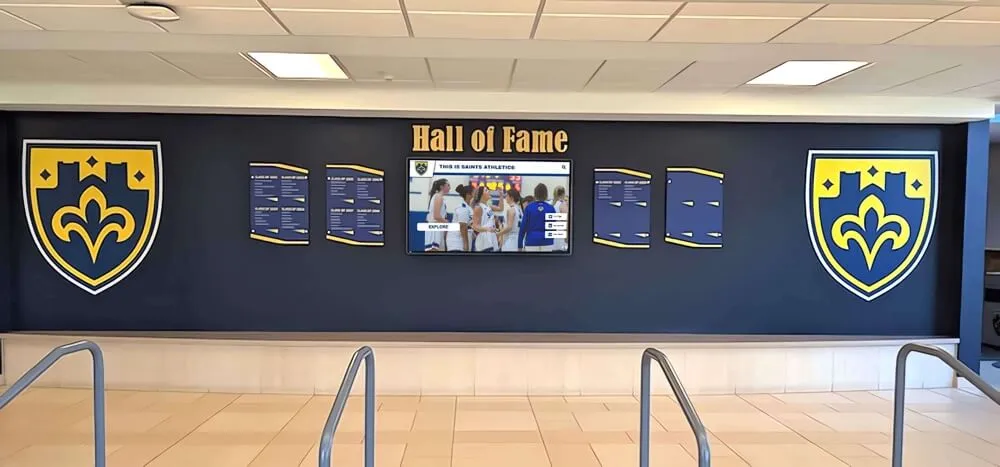
Championship field hockey programs build systematic skill development through structured drill progressions and recognition of achievement milestones
Category 1: Stickwork Fundamentals
Stick control forms the foundation of field hockey performance. Players who develop reliable ball handling under various speeds and pressures create offensive opportunities while maintaining possession under defensive challenge.
Drill 1: Cone Weave Dribbling
Purpose: Develops close control dribbling with both Indian dribble technique and forehand pulls
Setup:
- Place 8-10 cones in a straight line with 3-foot spacing
- Use additional cones to mark starting and ending points
- Players line up at starting cone with one ball each
Execution:
- Players dribble through cones using Indian dribble (alternating small taps from both sides of stick)
- Maintain low body position with knees bent and ball within one stick length
- Progress to speed variations: slow control, moderate pace, then full speed
- Add constraint: players must complete weave in under 10 seconds while maintaining control
Coaching Points:
- Keep hands separated on stick for better control
- Eyes should alternate between ball and next cone
- Stick angle stays consistent—avoid excessive lifting
- Body weight stays balanced over feet rather than leaning backward
Progression: Arrange cones in zigzag pattern, then in random scattered formation requiring change of direction decisions.
Drill 2: Wall Ball Stick Skills
Purpose: Builds stick-handling consistency, quick hands, and reactive ball control
Setup:
- Players position 5 yards from solid wall or rebound board
- Each player has one ball
- Mark target zones on wall at various heights
Execution:
- Players perform continuous tapping against wall, receiving and immediately returning ball
- Complete 30-second intervals focusing on: forehand push only, reverse stick only, alternating forehand/reverse
- Increase distance from wall as skill improves
- Add movement: side shuffle while maintaining wall taps
Coaching Points:
- Soft hands absorb ball energy before redirecting
- Weight transfer drives power from legs, not just arms
- Maintain athletic ready position throughout
- Quick stick repositioning between forehand and reverse
Progression: Incorporate targets on wall that players must hit in sequence, developing accuracy under speed.
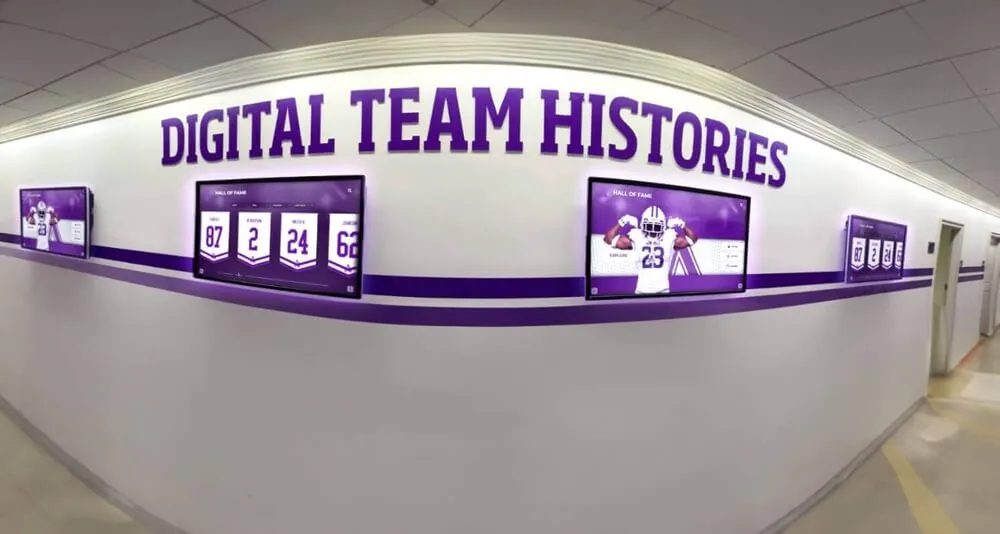
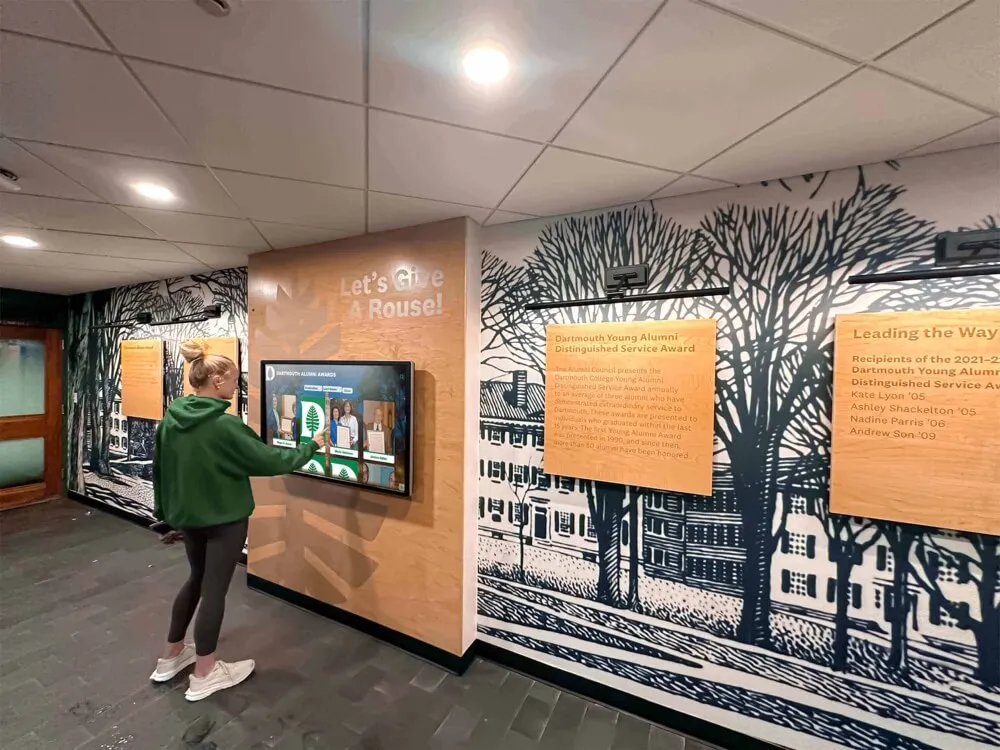
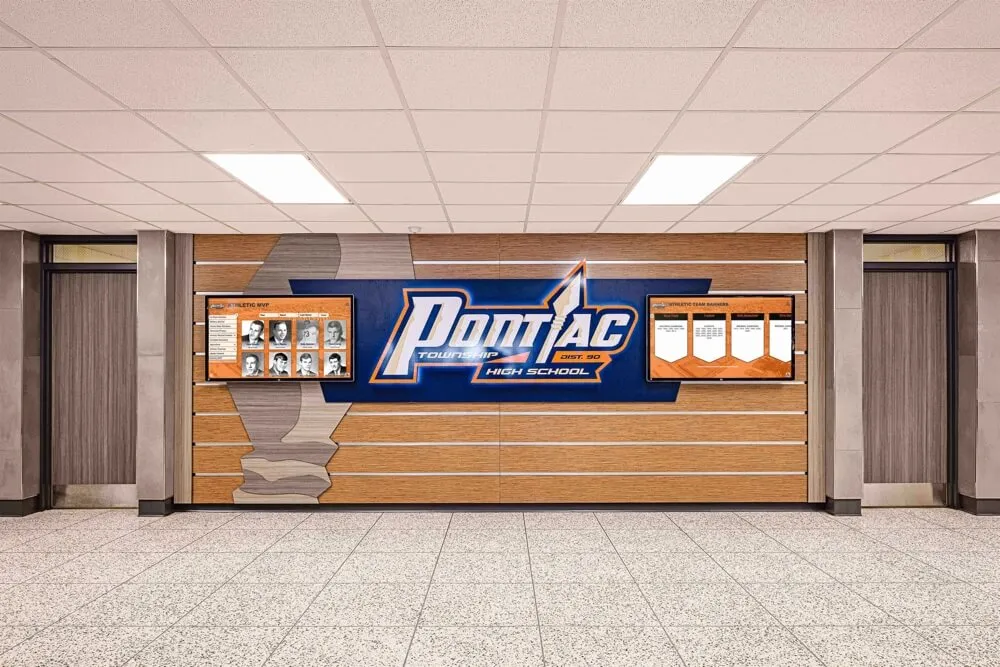
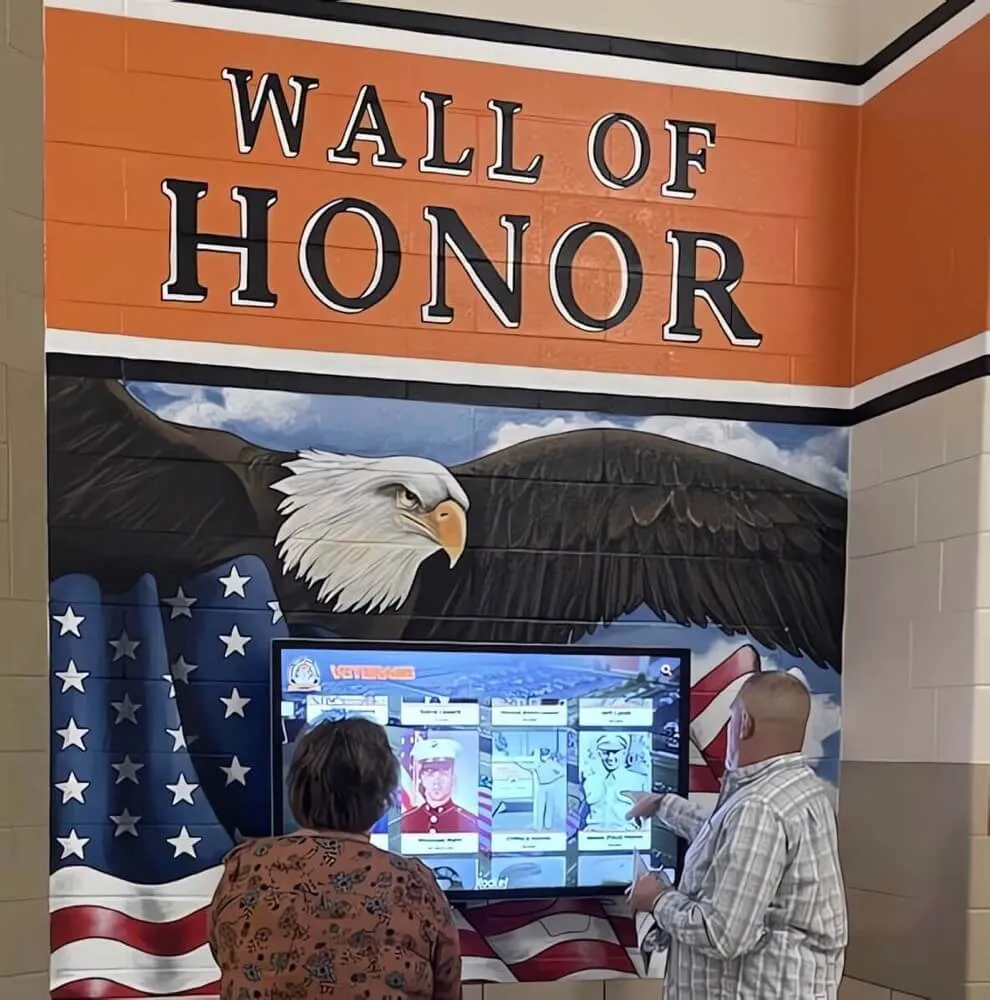
Many programs that invest in comprehensive skill development create the multi-year standouts who eventually appear on digital recognition displays showcasing program achievements.
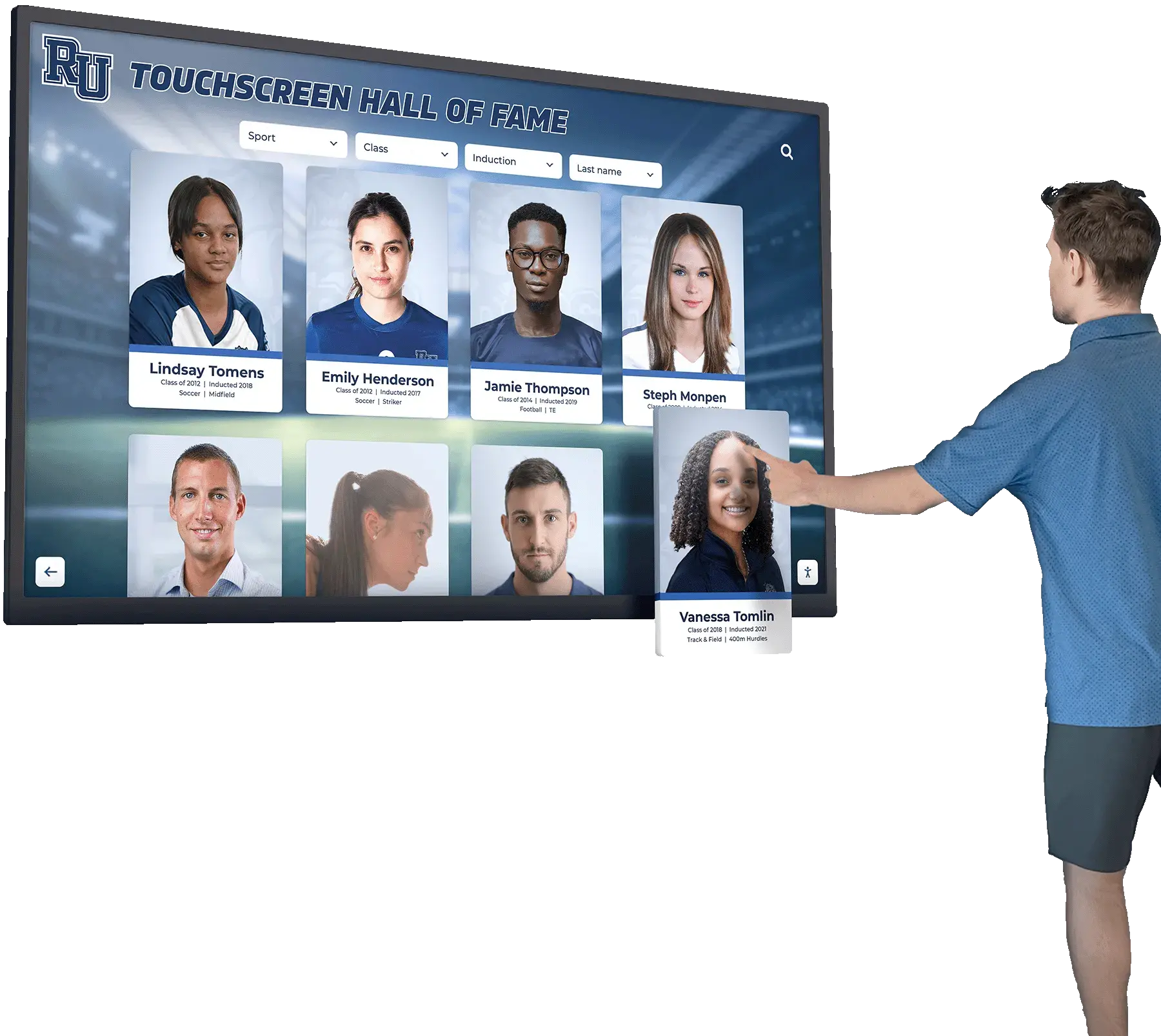
Systematic drill work develops the consistent performers whose achievements define program excellence
Category 2: Passing and Receiving
Field hockey’s fast pace requires players to move the ball quickly and accurately while teammates create spacing and timing runs. Passing drills must replicate game scenarios where receivers are moving and defenders apply pressure.
Drill 3: Triangle Passing Sequence
Purpose: Develops passing accuracy, receiving on the move, and tactical awareness of passing angles
Setup:
- Three players form triangle with 10-yard spacing between positions
- One ball starts with designated player
- Cones mark each position
Execution:
- Player 1 passes to Player 2, then sprints to replace Player 3
- Player 2 receives, controls, and passes to Player 3, then sprints to replace Player 1
- Player 3 receives, controls, and passes to new Player 1 (original Player 2)
- Continuous rotation maintains triangle shape while players move through positions
Coaching Points:
- Passes should lead receivers slightly, arriving as they reach position
- First touch should set up immediate next pass
- Communication: call for ball and announce passing intention
- Maintain triangle spacing—players drift too close when fatigued
Progression: Add defender in middle attempting to intercept, requiring quicker decision-making and precise passes.
Drill 4: Pressure Passing Lines
Purpose: Builds passing accuracy under defensive pressure and quick ball movement
Setup:
- Two lines of players face each other 15 yards apart
- One defender positions in middle
- First player in each line has a ball
Execution:
- Player A attempts to pass to Player B on opposite line
- Middle defender attempts to intercept or deflect pass
- Successful receiver immediately passes to next player in opposite line
- Defender stays in middle for 60 seconds before rotating
- Failed passes result in point for defender
Coaching Points:
- Disguise passing direction with body positioning
- Weight of pass must account for distance—underpowered passes get intercepted
- Timing: wait for defender to commit before releasing pass
- Follow through points toward intended target
Progression: Add second defender to create more pressure and require faster decision-making.
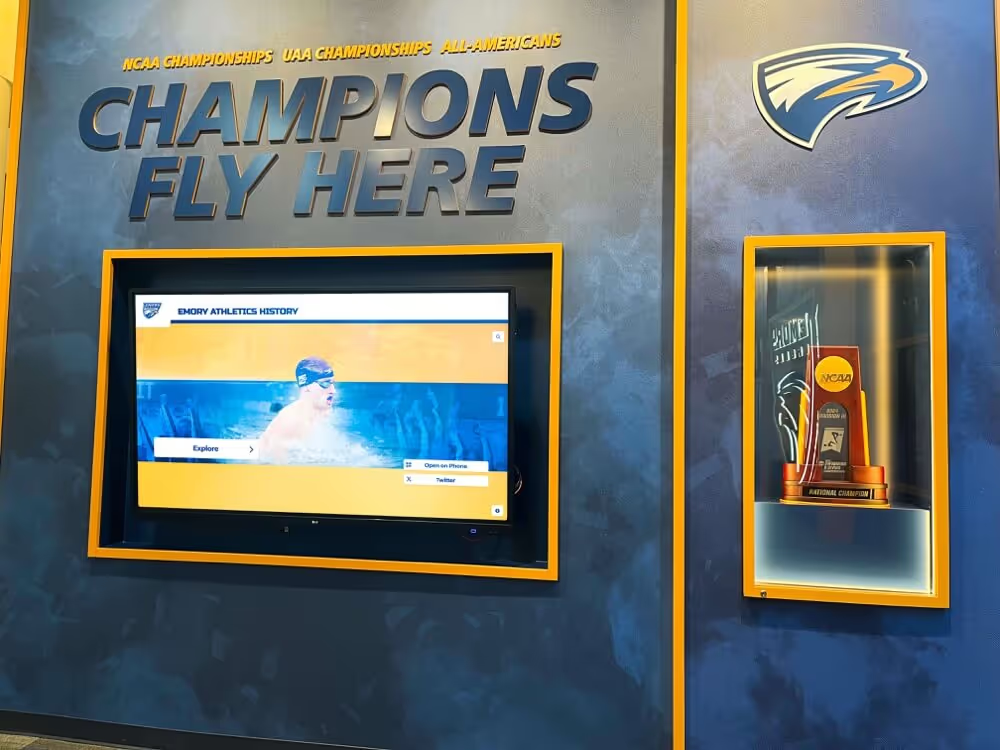
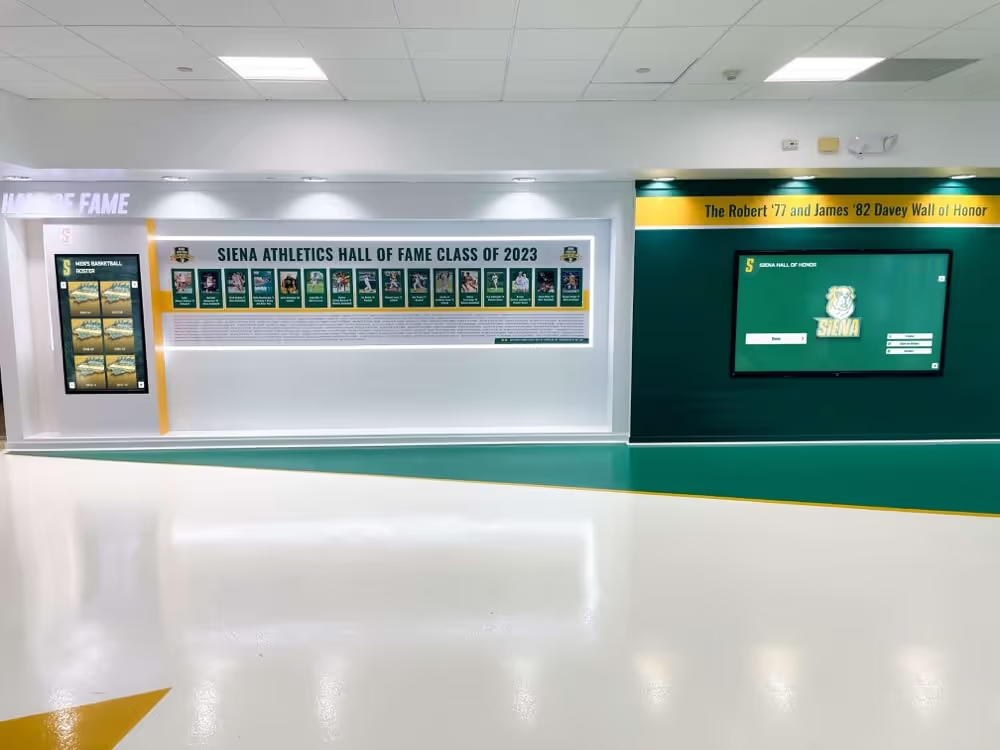
Athletic programs building comprehensive skill development benefit from the systematic tracking that Division II athletics digital recognition systems provide for monitoring player progression over multiple seasons.
Drill 5: Circle Edge Combination Passing
Purpose: Replicates penalty corner passing patterns and scoring circle entry passes
Setup:
- Mark top of circle (16-yard line) with cones
- Position players at left post, right post, top of circle, and injector position
- Goalkeeper or coach in goal for realistic finishing
Execution:
- Injector passes to top of circle player
- Top player has three options: direct shot, pass left, or pass right
- Receiving players time runs to arrive at shooting position as ball arrives
- After shot attempt, players rotate positions
Coaching Points:
- Injection pass must be crisp and accurate—this initiates entire sequence
- Top player’s first touch should face goal for shooting option
- Wing players run to post, not behind goal line
- Timing is critical: arrive too early and you’re static; too late and opportunity closes
Progression: Add defenders rushing from goal line after injection to create time pressure.
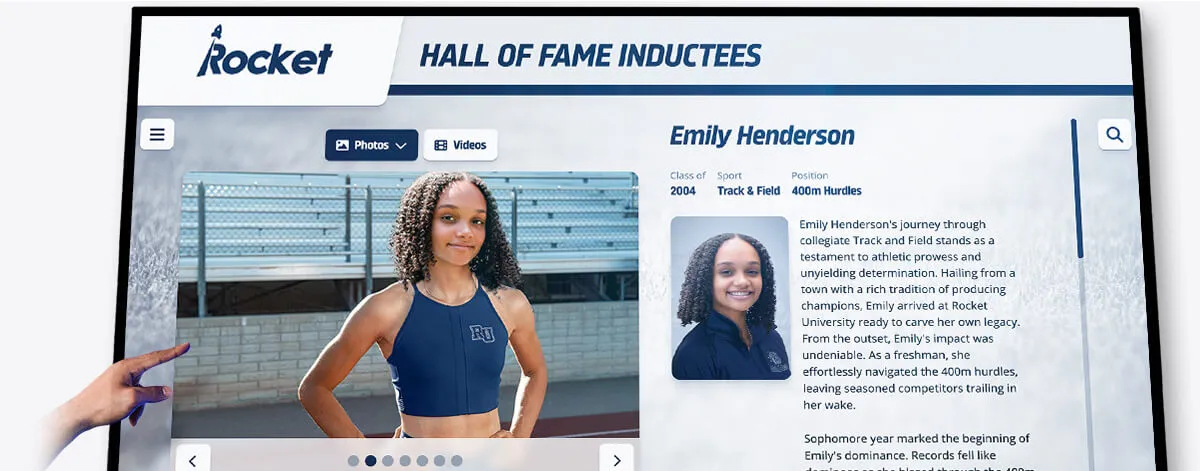
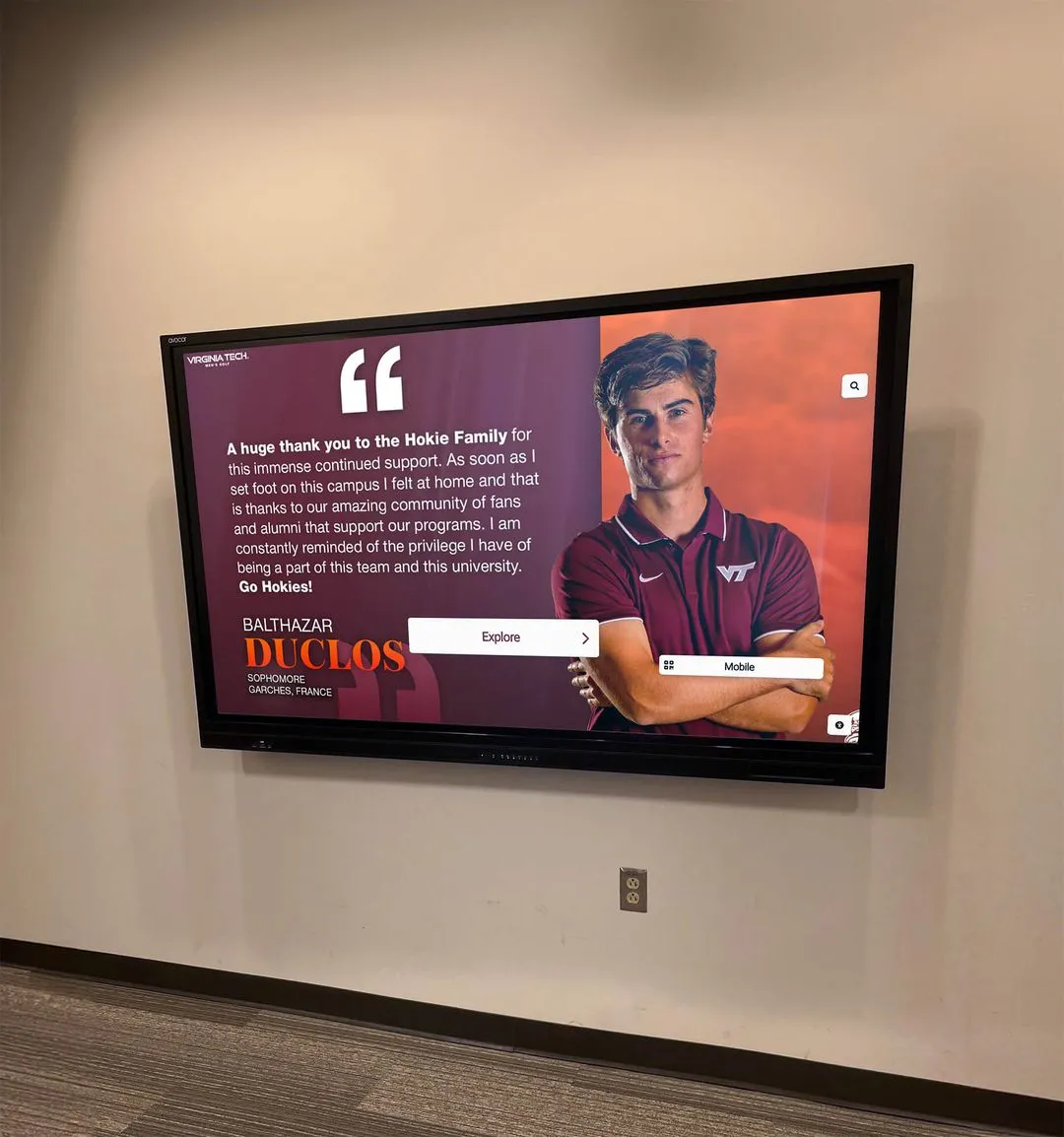
Players who master passing and receiving fundamentals create the scoring opportunities that programs celebrate for generations
Category 3: Defensive Positioning and Tackling
Strong defensive play requires proper positioning, patient approach, and decisive tackling when opportunities present themselves. These drills develop the judgment that separates reactive defenders from those who control attacking players.
Drill 6: Channel Defense 1v1
Purpose: Teaches defensive positioning, footwork, and timing for tackles
Setup:
- Create 10-yard wide channel using cones, 25 yards long
- Defender starts at one end, attacker with ball at opposite end
- Goal or target area marks defensive end zone to protect
Execution:
- Attacker attempts to dribble past defender and reach end zone
- Defender must stay between attacker and goal while looking for tackling opportunity
- Defender uses footwork to mirror attacker’s movements
- Tackle executes when attacker’s touch is too heavy or attention diverts
Coaching Points:
- Low defensive stance with stick extended toward ball
- Force attacker to their weak side (reverse stick) when possible
- Patience: rushing in creates easy dodge opportunities
- After successful tackle, immediate transition to offense
Progression: Narrow channel width to increase difficulty, or allow attacker to pass to supporting teammate entering channel.
Drill 7: Recovery Run Defense
Purpose: Develops transition defense, recovery speed, and defensive decision-making
Setup:
- Two attackers start at midfield with ball
- One defender starts 5 yards behind attackers
- Goal or scoring zone 30 yards downfield
Execution:
- On whistle, attackers advance toward goal in 2v1 situation
- Defender sprints to recover, attempting to prevent shot or force poor passing decision
- Defender must decide: pressure ball carrier or cover passing lane
- Drill concludes with shot attempt or defensive stop
Coaching Points:
- Sprint recovery angle should cut off most dangerous option
- As you close distance, slow approach to maintain defensive balance
- Force attackers wide rather than allowing central penetration
- Communication if multiple defenders recovering together
Progression: Add second defender recovering from different angle, requiring communication about coverage responsibilities.
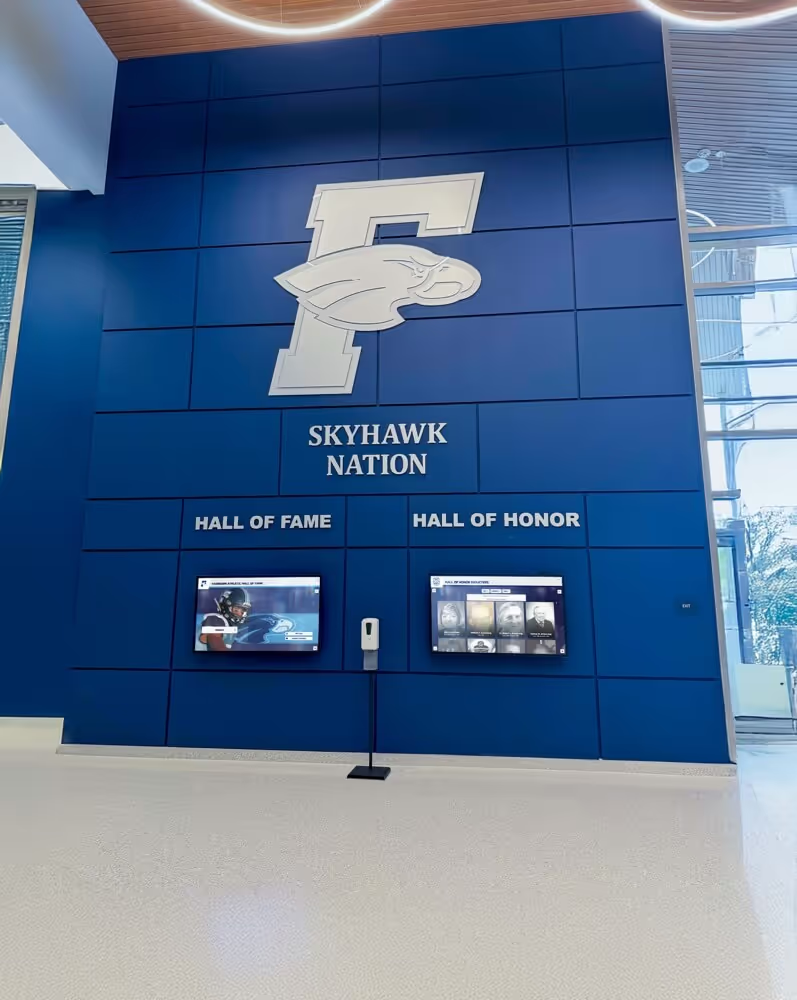
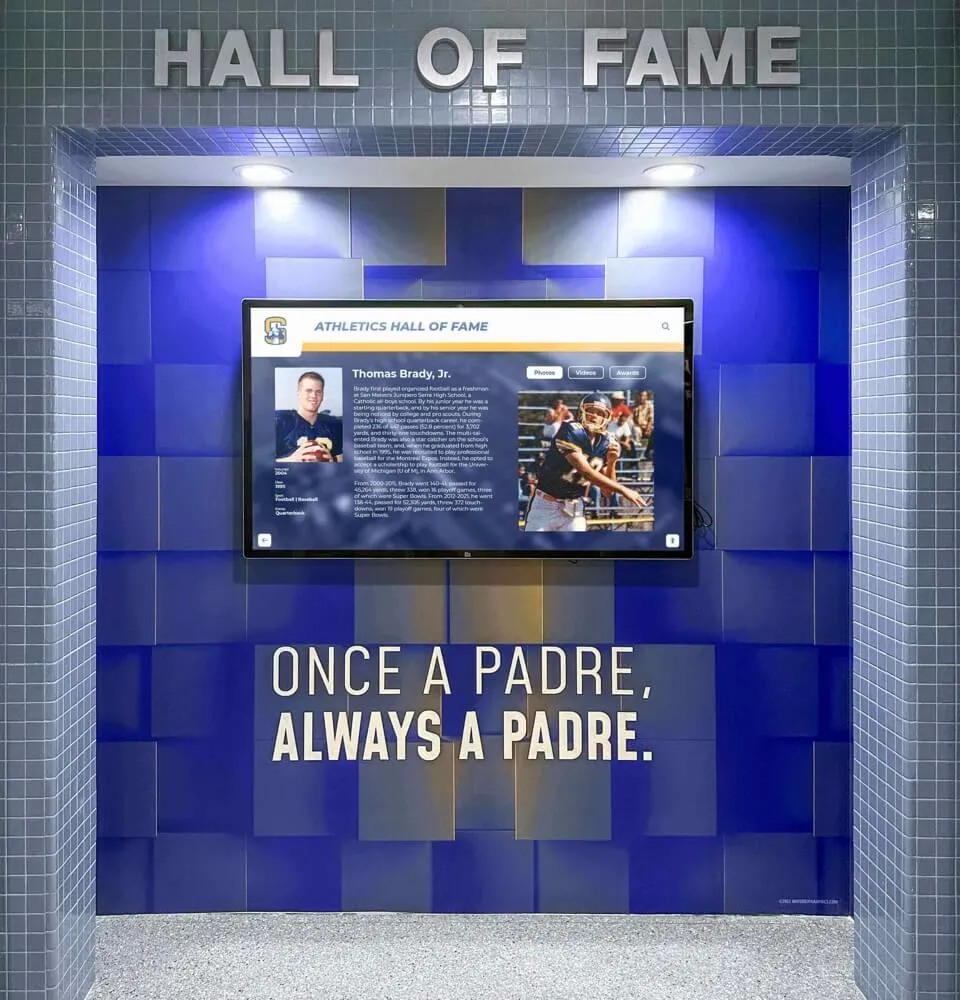
Programs that develop strong two-way players—those who excel in both attack and defense—often create the kind of versatile athletes celebrated in athletic hall of fame displays showcasing individual excellence.
Drill 8: Block Tackle Repetition
Purpose: Perfects the fundamental block tackle technique under various approach angles
Setup:
- Pairs of players with one ball per pair
- Cones mark 5-yard square working area
- Players alternate roles every 5 repetitions
Execution:
- Attacker dribbles at half speed through the square
- Defender times approach and executes block tackle (stick blocks ball while body stays low and balanced)
- Successful tackle results in defender gaining possession
- Failed tackle requires defender to recover and attempt second tackle
Coaching Points:
- Lead with stick, not with body
- Strong wrist and forearm engagement holds stick firm against ball contact
- Low center of gravity prevents attacker from dribbling around tackle
- Immediate ball control after tackle—don’t just knock ball away
Progression: Increase attacker speed, vary approach angles, add constraint where defender must tackle within specific zone.
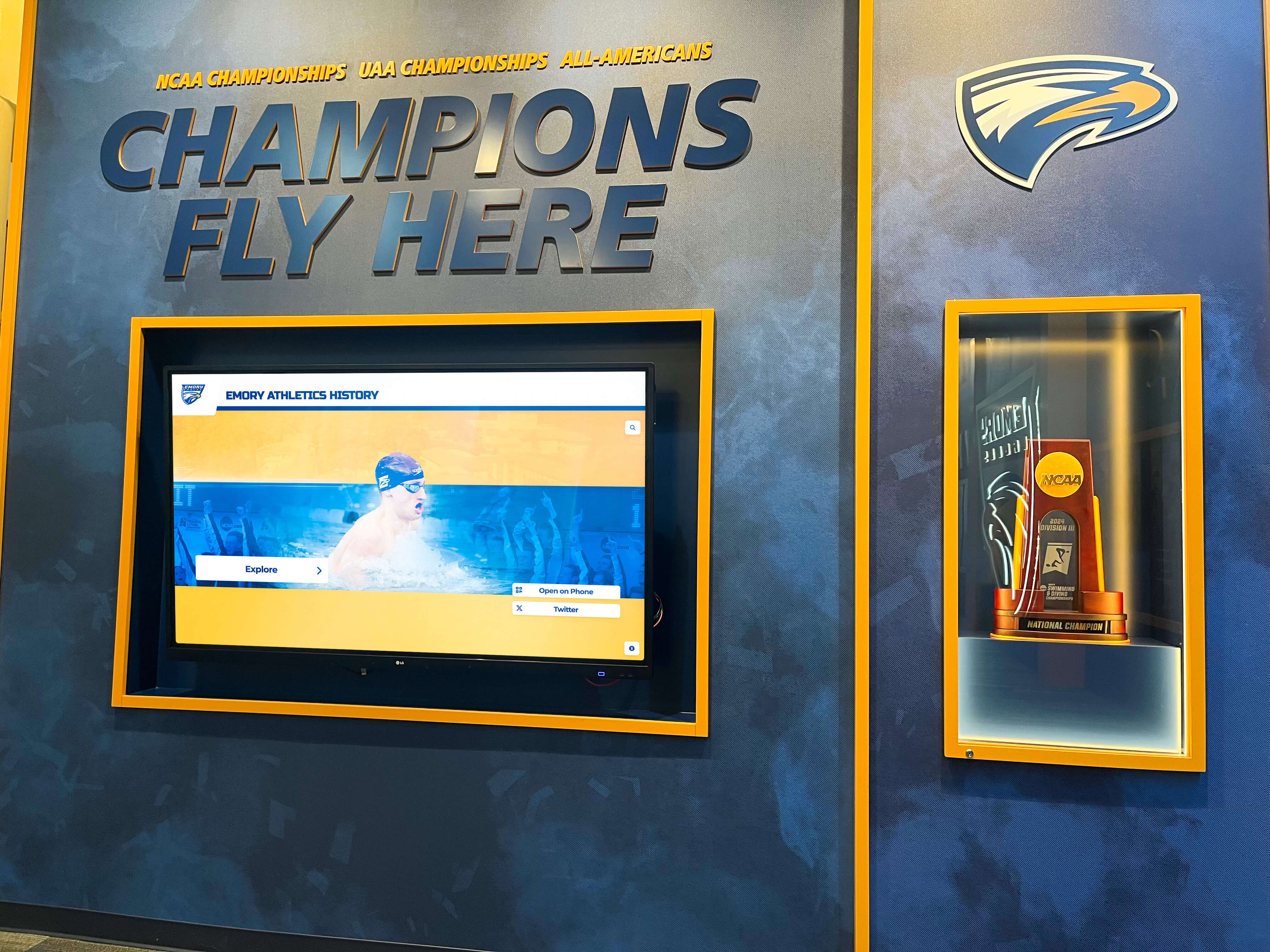
Defensive excellence requires thousands of repetitions in practice, building the instincts that produce championship performances
Category 4: Game Conditioning and Transition Play
Field hockey’s continuous play and large field dimensions demand exceptional fitness combined with technical execution under fatigue. Conditioning drills should replicate game demands while maintaining skill focus.
Drill 9: Suicide Sprints with Ball Control
Purpose: Builds speed endurance while maintaining stick skills under fatigue
Setup:
- Mark lines at 10, 20, 30, and 40 yards from starting line
- Players start with ball on stick
- Groups of 4-5 players per lane
Execution:
- Players sprint with ball to 10-yard line, execute quick stop and reverse direction
- Sprint back to start, then immediately to 20-yard line and back
- Continue pattern through all four distances
- Maintain ball control throughout—any loss of control adds penalty repetition
Coaching Points:
- Ball control cannot deteriorate as fatigue sets in
- Quick deceleration and direction change mirrors game scenarios
- Breathing rhythm: exhale during exertion, rhythmic breathing during recovery
- Competitive element: first to finish each round earns rest period
Progression: Add requirement to execute specific skill at each line (pull back, spin move, pass to partner) before returning.
Drill 10: Full-Field Transition Drill
Purpose: Develops transition play, positional awareness, and sustained effort through attack-defend-attack sequences
Setup:
- Use full or half field depending on available space
- Divide team into two squads
- Position goals or target areas at each end
Execution:
- Drill begins with 5v4 attacking situation for Team A
- After shot attempt or defensive stop, immediate transition to Team B attacking in opposite direction
- Team that was defending now has numbers advantage (5v4 or 6v5)
- Continuous transition for 3-minute intervals with 2-minute recovery
Coaching Points:
- Immediate transition mentality: defense to offense happens in one touch
- Supporting players sprint into attacking positions during transition
- Defenders must recover quickly even after defensive stop
- Communication essential: organize defensive shape while retreating
Progression: Add constraints such as requiring minimum number of passes before shot, or designating specific players who must touch ball during attack phase.
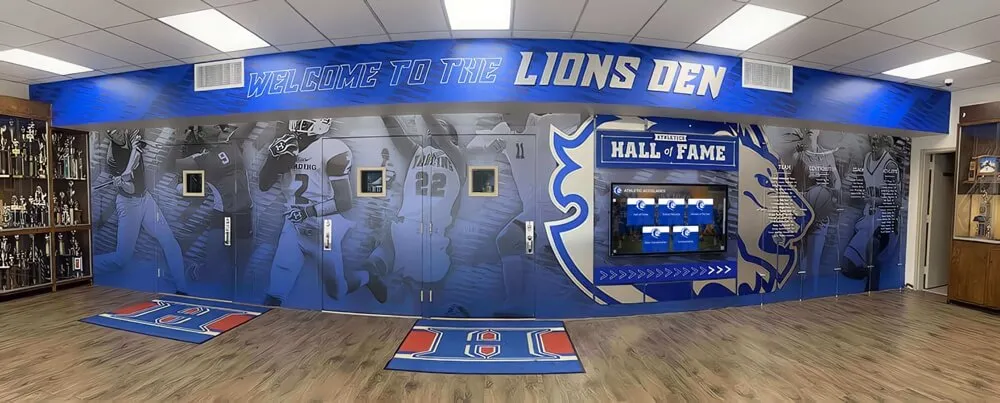
Schools that emphasize comprehensive athletic development—combining skill work with conditioning and tactical awareness—create the kind of well-rounded athletes whose achievements deserve permanent recognition. Modern digital record boards preserve these accomplishments while inspiring future generations of field hockey players.
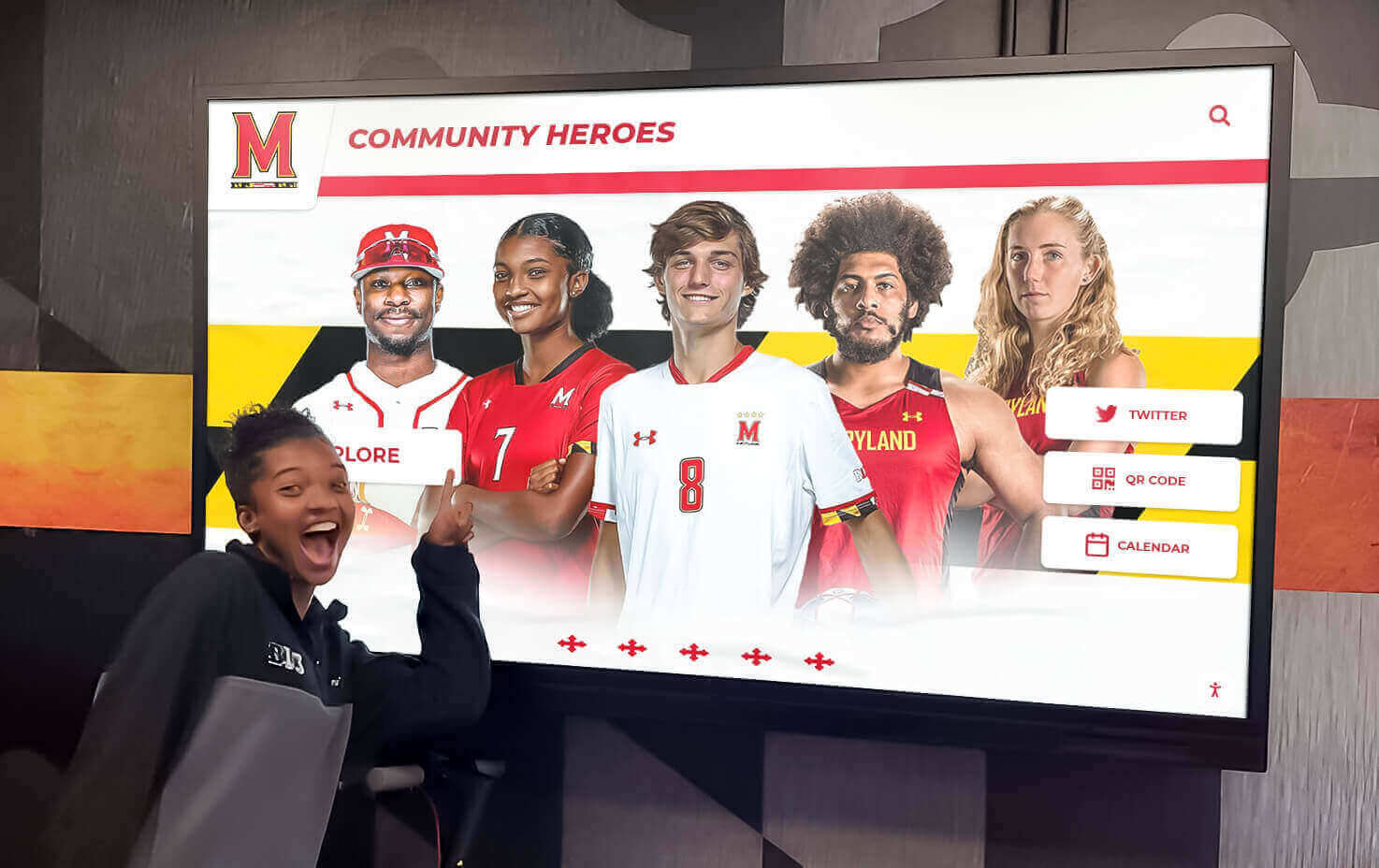
Systematic drill progressions develop the complete athletes whose achievements inspire younger players pursuing field hockey excellence
Structuring Effective Practice Sessions
Individual drills provide skill-building blocks, but organizing them into coherent practice sessions maximizes development and maintains player engagement.
Sample 90-Minute Practice Structure
Warm-up and Activation (15 minutes)
- Dynamic stretching with ball handling
- Light dribbling in pairs
- Drill 1 (Cone Weave Dribbling) at moderate intensity
Technical Focus (25 minutes)
- Drill 2 (Wall Ball Stick Skills) - 12 minutes
- Drill 3 (Triangle Passing Sequence) - 13 minutes
- Water break
Tactical Application (25 minutes)
- Drill 6 (Channel Defense 1v1) - 12 minutes
- Drill 5 (Circle Edge Combination Passing) - 13 minutes
- Brief group discussion of tactical observations
Game-Speed Integration (20 minutes)
- Drill 10 (Full-Field Transition Drill)
- Emphasize combining skills from earlier in practice under pressure
Cool-down and Recovery (5 minutes)
- Static stretching
- Coach debrief highlighting practice successes and focus for next session
This structure progresses from controlled technical work through tactical application to game-speed execution, matching how skills transfer from practice to competition.
Seasonal Drill Progression
Early season practices should emphasize fundamental skill development with lower intensity and higher repetition. As the season progresses, increase speed, add defensive pressure, and incorporate more complex tactical scenarios. Late-season practices often feature position-specific work and game-situation rehearsal that prepares for playoff competition.
The most successful programs track player development systematically, identifying which athletes demonstrate mastery of specific skills and adjusting individual practice plans accordingly. This differentiated approach ensures advanced players continue developing while those still mastering fundamentals receive appropriate support.
Athletic directors and coaches building championship field hockey programs understand that consistent recognition motivates continued effort. Digital recognition systems allow schools to celebrate skill development milestones, seasonal achievements, and career accomplishments in ways that inspire current players while honoring program history.
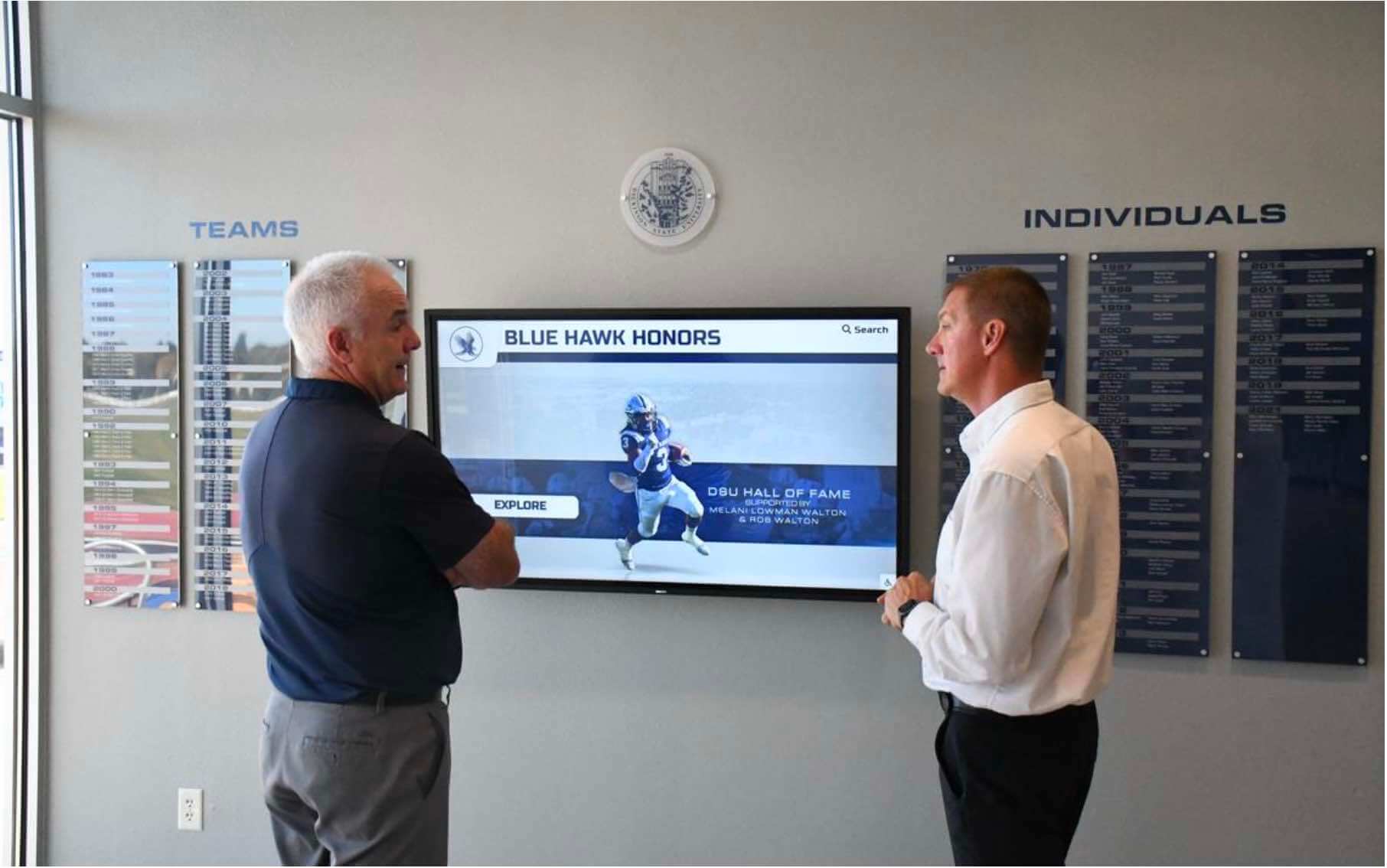
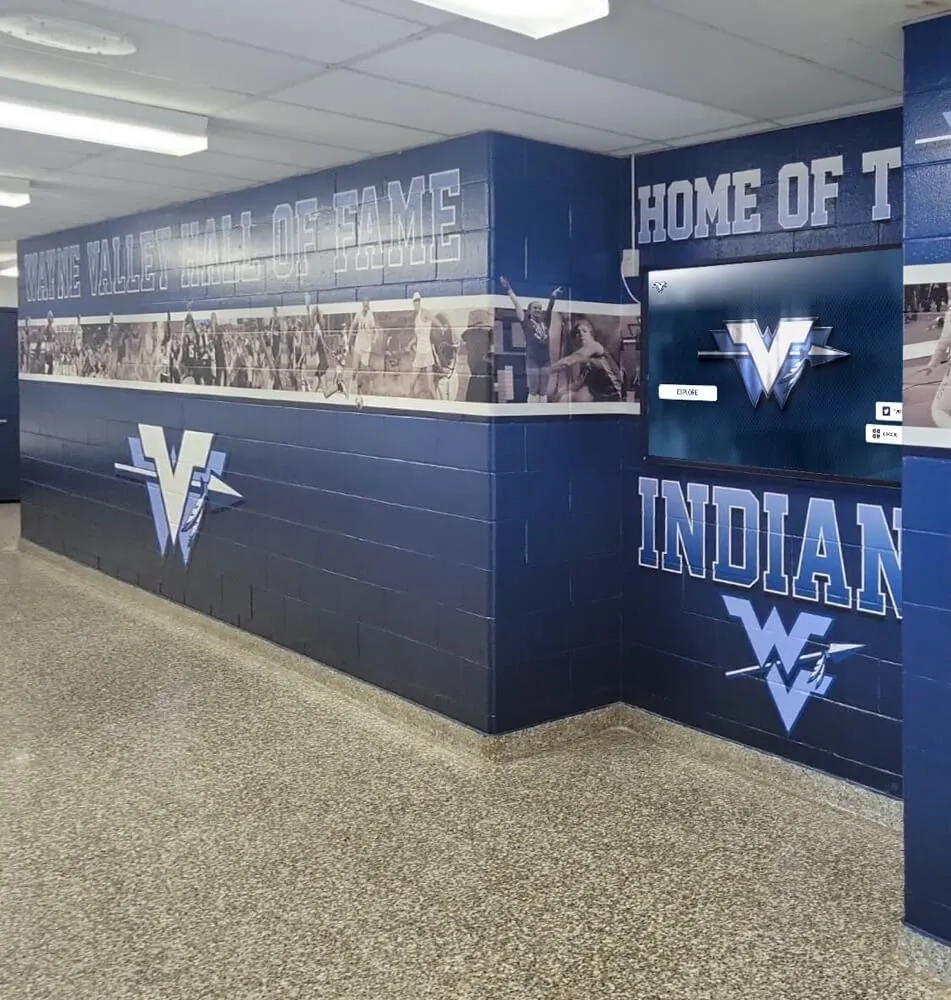
Championship field hockey programs celebrate both individual skill development and team achievements through permanent recognition displays
Adapting Drills for Different Skill Levels
The ten drills presented accommodate athletes at various development stages through simple modifications.
Youth and Beginning Players
For players still developing basic stick familiarity:
- Reduce drill distance and field dimensions
- Eliminate or minimize defensive pressure
- Allow more time for skill repetition at controlled speeds
- Focus on proper technique before adding speed or complexity
- Provide more frequent breaks to prevent fatigue from compromising form
Beginning players benefit from clear success criteria and immediate feedback. Coaches should celebrate proper technique even when execution isn’t perfect, building confidence alongside competence.
Intermediate Players
Athletes with solid fundamental skills benefit from:
- Adding time constraints to force quicker decision-making
- Incorporating passive defenders who pressure without tackling
- Requiring left-foot/weak-side variations of drills
- Small-sided games that apply skills in fluid situations
- Position-specific drill variations that mirror game responsibilities
Intermediate players should begin connecting individual skills to tactical team concepts, understanding not just how to execute techniques but when to apply them strategically.
Advanced and Varsity Players
High-skill athletes require maximum challenge:
- Full-speed execution with active defensive pressure
- Complex decision-making scenarios with multiple options
- Conditioning standards that exceed game demands
- Film review connecting drill execution to game performance
- Individual accountability for skill mastery and leadership demonstration
Advanced players should self-coach during drills, identifying their own technical breakdowns and making real-time adjustments without constant coach intervention.
Programs serving athletes across all skill levels often celebrate progression milestones in addition to championship achievements. The same recognition systems that honor varsity excellence can showcase youth development accomplishments, creating continuity throughout the athletic experience.
Common Field Hockey Drill Mistakes to Avoid
Even well-designed drills lose effectiveness when execution issues undermine their purpose.
Insufficient Repetition
Field hockey skills require thousands of correct repetitions to become automatic. Coaches who change drills too frequently prevent skill consolidation. Better approach: master core drills through multiple practice sessions before introducing variations.
Neglecting Weak-Side Development
The reverse stick represents many players’ weakness, yet some drills allow athletes to favor their stronger side. Intentionally require reverse-stick execution in specific drill sets, developing balanced capabilities.
Drill Speed Without Control
Rushing to game-speed execution before establishing technical consistency ingrains poor habits. Progression should follow “slow and correct” to “moderate and correct” to “fast and correct”—never accepting incorrect technique at any speed.
Static Drills That Don’t Transfer
Field hockey happens in motion. Drills where players stand still waiting for the ball, or that don’t require decision-making, create limited transfer to actual games. Most drills should incorporate movement before, during, and after skill execution.
Ignoring Conditioning Integration
Separating “skill time” from “conditioning time” misses opportunities to build game-realistic endurance. Skills break down under fatigue in games; practice should replicate these demands rather than always providing complete recovery between repetitions.
Lack of Competition Element
Drill monotony reduces engagement. Adding competitive scoring, time challenges, or elimination formats maintains intensity and focus while replicating the competitive pressure of games.
Schools building field hockey programs that emphasize both technical excellence and competitive success create the kind of sustained achievement worth celebrating. Modern recognition platforms allow programs to showcase athletic achievements in ways that traditional trophy cases cannot match, preserving program history while inspiring future players.
Measuring Drill Effectiveness and Player Progress
Systematic assessment ensures drills produce intended skill development rather than just consuming practice time.
Skill Assessment Benchmarks
Establish measurable standards for key drills:
- Cone weave time trials with control requirement
- Wall ball consecutive tap count in 60 seconds
- Passing accuracy percentage from specific distances
- 1v1 success rate (both offensive and defensive)
- Conditioning drill completion times
Test athletes monthly, tracking individual progress and identifying areas needing additional emphasis. Publicly recognizing improvement motivates continued effort while data guides practice planning.
Video Analysis Integration
Recording drill execution allows athletes to see their own technique, accelerating learning through visual feedback. Simple phone video of stick positioning during dribbling or body mechanics during passing helps players make corrections that verbal coaching alone may not achieve.
Position-specific video compilations showing proper technique from advanced players provides modeling for those still developing skills. Comparing player execution against these benchmarks creates clear improvement targets.
Practice-to-Game Transfer Assessment
The ultimate drill effectiveness measure comes from game performance. Track whether skills practiced during the week appear consistently in weekend competitions. Drill modifications may be necessary when practice execution doesn’t transfer to game situations.
Statistical tracking of game performance—passing completion rates, tackles won, turnovers forced—provides objective data about which skills need additional practice emphasis. The most successful programs align practice priorities with game performance needs rather than assuming all drills produce equal value.
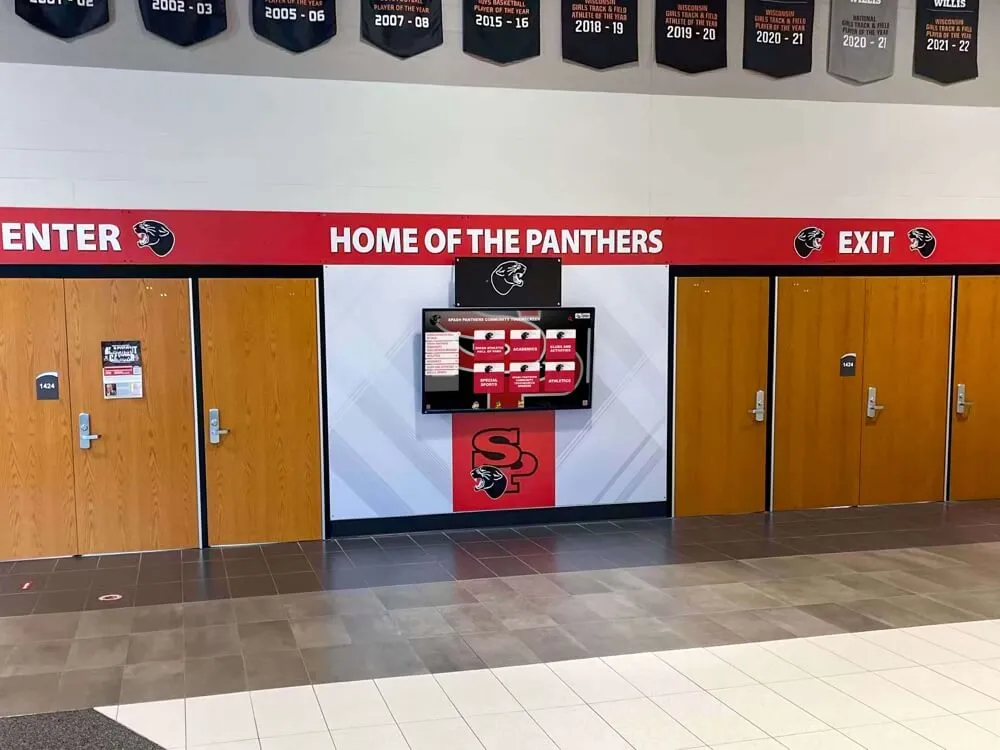
Athletic programs that track achievement systematically often benefit from digital display systems that preserve records and celebrate milestones in accessible formats that traditional recognition cannot provide.
Building a Championship Field Hockey Culture Through Practice
The drills themselves matter less than the culture surrounding practice. Programs that produce sustained excellence share common characteristics beyond their specific drill selection.
Accountability and Standards
Championship programs establish clear expectations about effort, technique, and competitive intensity during practice. Players police each other’s commitment rather than coaches constantly enforcing standards. This peer accountability transfers directly to game situations where coaches cannot control every decision.
Purposeful Practice Environment
Athletes should understand not just what drill they’re executing but why it matters for game success. Coaches who connect drills to specific game situations—“This is the same passing angle you’ll need when entering the circle against zone defense”—create purposeful practice that increases engagement and transfer.
Celebration of Improvement
While game results matter, practice culture should celebrate skill development and effort regardless of immediate outcomes. Players who see improvement recognized feel motivated to continue growth even when progress seems incremental.
Modern recognition displays allow programs to highlight practice excellence alongside game achievements, honoring the “Practice Player of the Week” or celebrating skill mastery milestones that traditional recognition systems overlook.
Competitive Practice Segments
While some drill work requires controlled environments, building in competitive segments where teammates challenge each other replicates game pressure. King-of-the-court style drills, elimination challenges, and team competitions maintain intensity while preventing practice monotony.
The culture created through thousands of practice hours produces the kind of sustained program excellence that deserves permanent recognition. Programs investing in systematic skill development create multi-year standouts whose achievements become part of institutional history.
Conclusion: From Practice Field to Program Excellence
Field hockey success emerges from the systematic skill development that structured drill work provides. The ten drills presented—spanning stickwork fundamentals, passing and receiving, defensive positioning, and game conditioning—offer a foundation that coaches can adapt for athletes at any level. Combined with purposeful practice structure, progressive skill challenges, and systematic assessment, these exercises develop the complete field hockey players who create championship programs.
The most successful coaches understand that individual drills represent only one component of comprehensive development. Practice culture, athlete accountability, competitive intensity, and connection between drill work and game application determine whether practice time translates into performance improvement. Programs that invest in all these elements create the sustained excellence that defines championship traditions.
As your field hockey program develops players and celebrates achievements, consider how you’ll preserve and showcase the excellence your athletes demonstrate. Rocket Alumni Solutions provides digital recognition systems that transform how schools celebrate athletic achievement, creating interactive displays that honor individual milestones, team accomplishments, and program history in formats that inspire current athletes while preserving legacy for future generations. Request a demo to see how your field hockey program’s story deserves to be told.
Live Example: Rocket Alumni Solutions Touchscreen Display
Interact with a live example (16:9 scaled 1920x1080 display). All content is automatically responsive to all screen sizes and orientations.