



The urge to reconnect with childhood memories often starts with a simple question: “How can I find my elementary school yearbook?” Whether you’re searching for a specific photograph, reconnecting with former classmates, or sharing memories with your own children, locating yearbooks from decades past can feel overwhelming when you don’t know where to start.
Elementary school yearbooks hold irreplaceable snapshots of formative years—class photos, teacher names, friend signatures, and candid moments that defined childhood. Unlike high school yearbooks that many people keep throughout adulthood, elementary yearbooks often get lost during moves, stored in parents’ basements, or accidentally discarded, making them challenging to recover years later.
This comprehensive guide provides step-by-step strategies for locating elementary school yearbooks through school archives, public libraries, online databases, alumni networks, and modern digital platforms that preserve historical school records for future generations.
Finding your elementary school yearbook requires patience and persistence, but knowing where to look dramatically increases your chances of success. Most searchers eventually locate copies by combining multiple search strategies rather than relying on a single source.

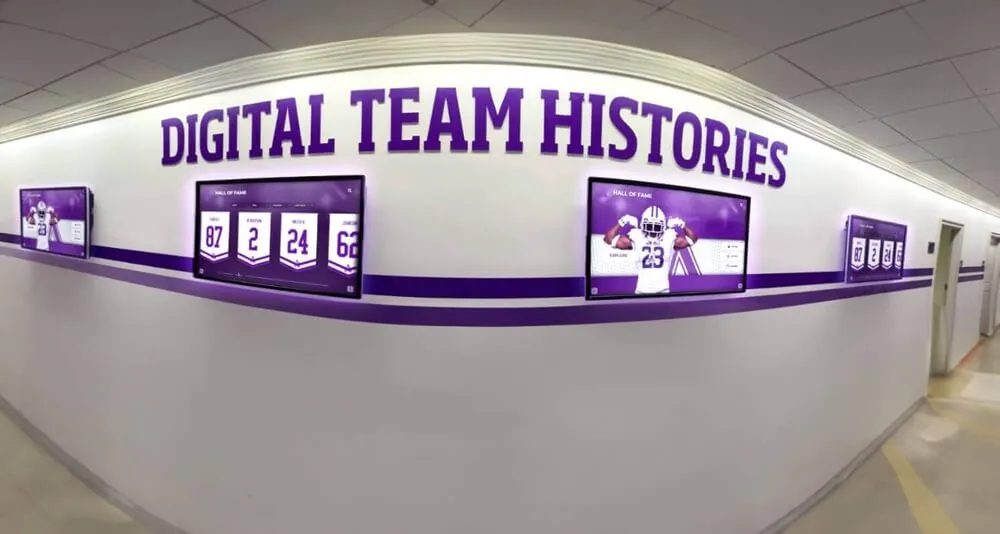
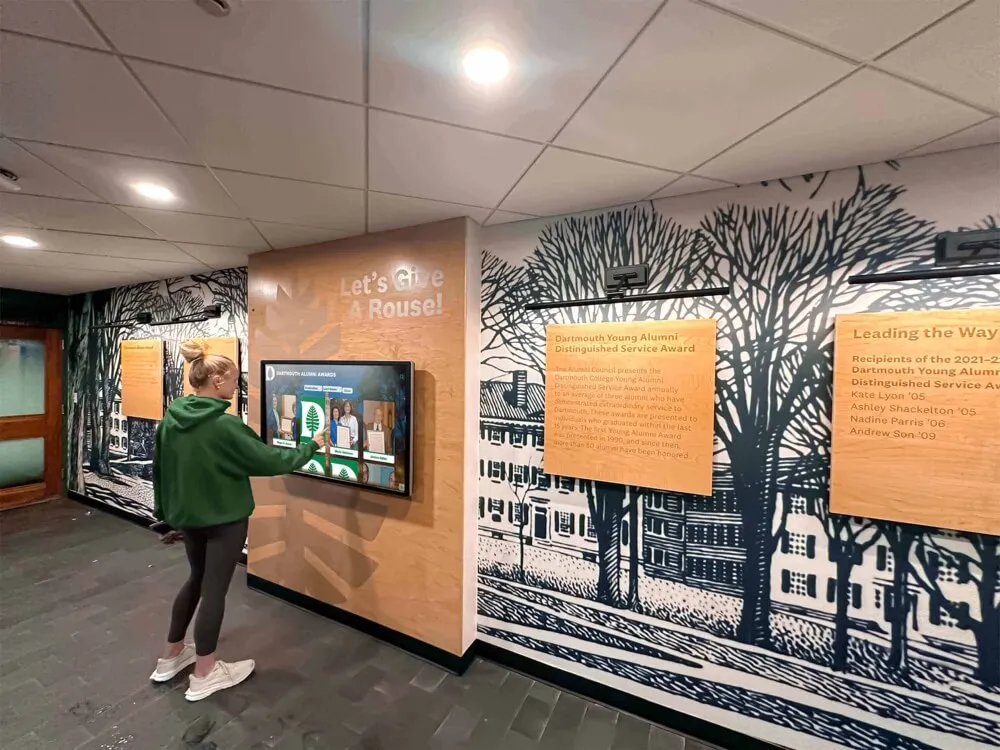
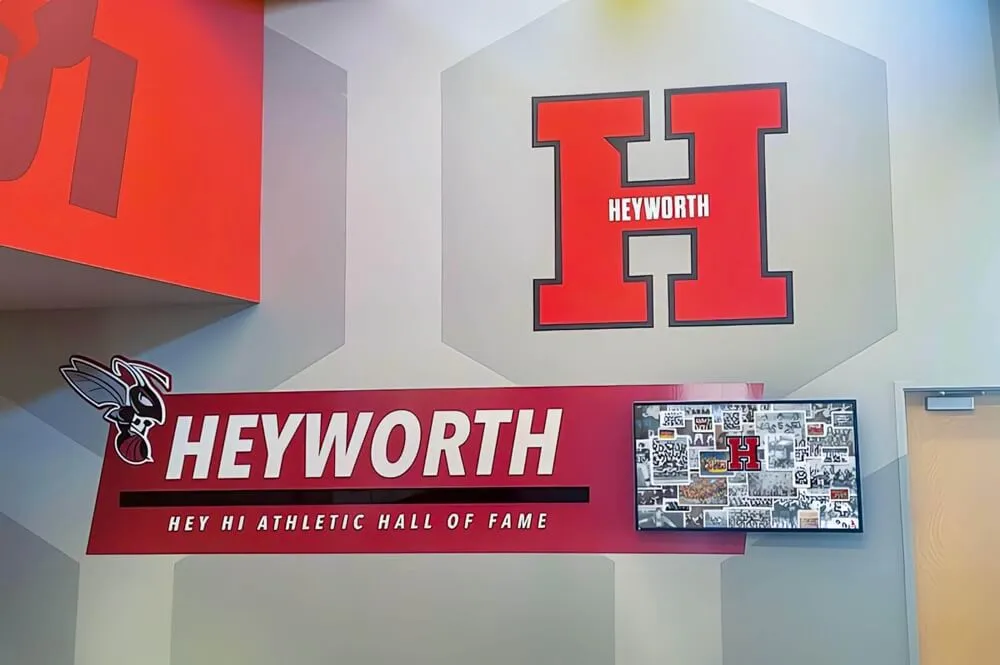
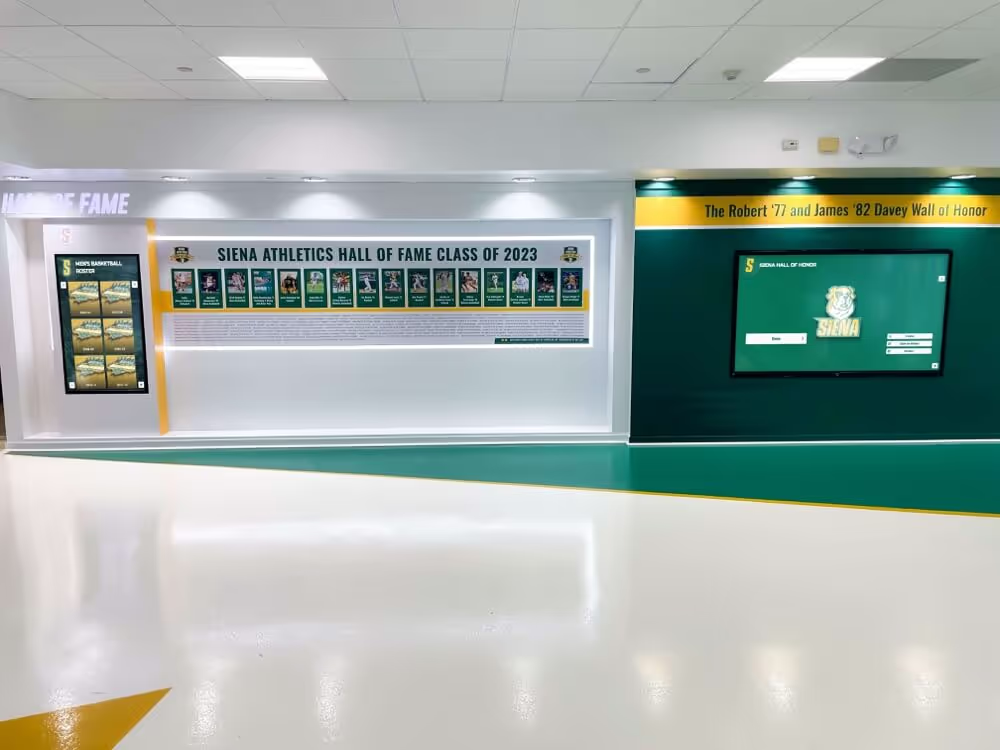
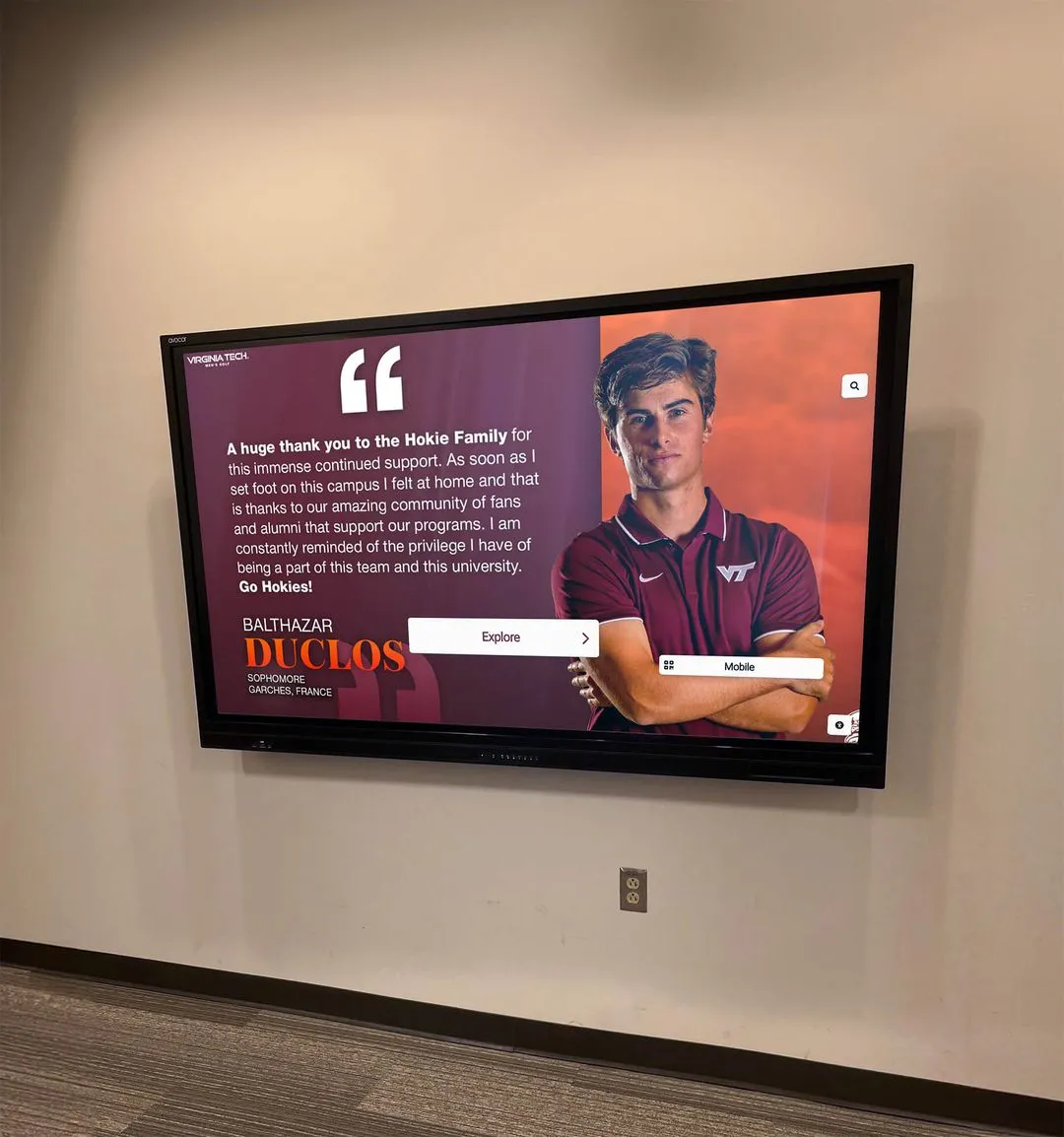
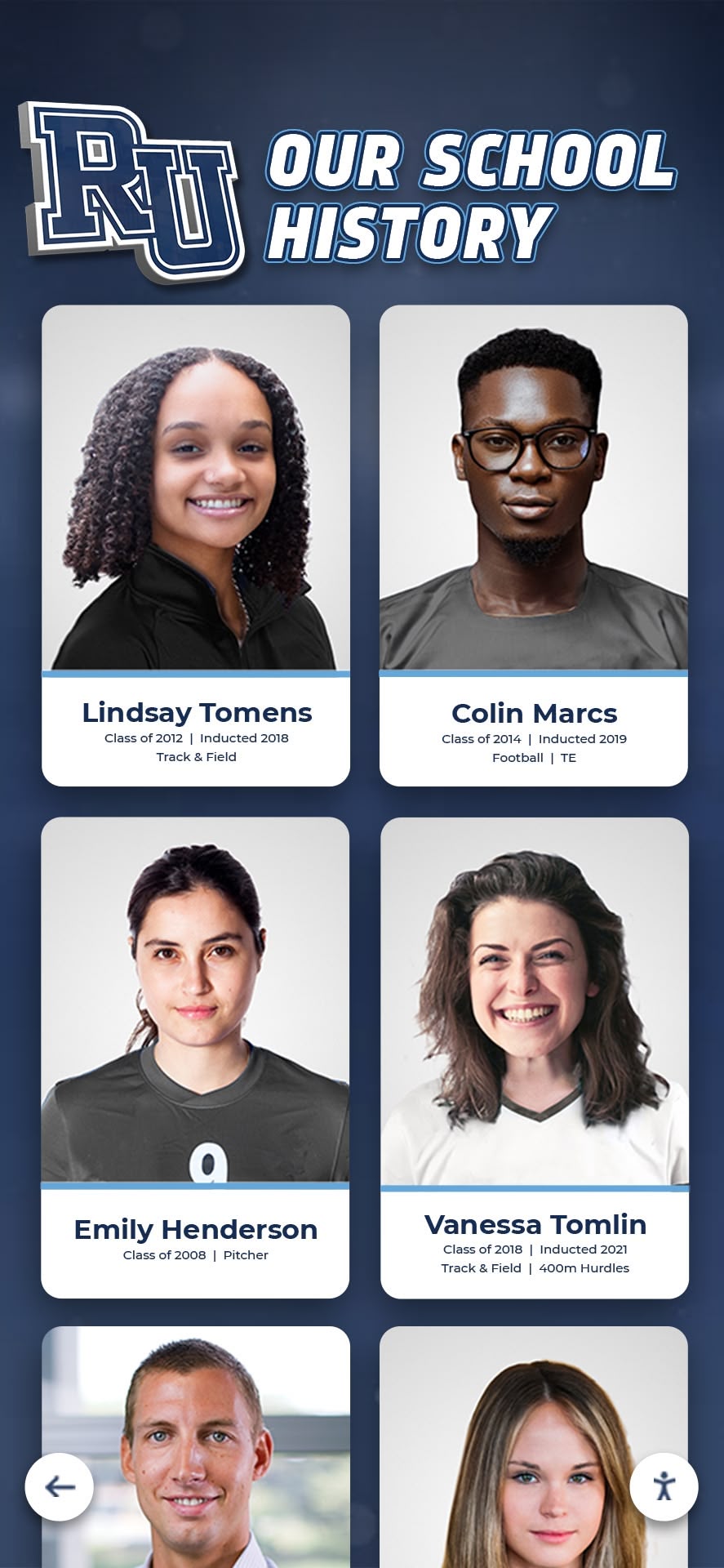
Schools preserve student memories through yearbooks and digital archives that connect alumni to their educational history
Start with Your School District
Your first and most direct resource is the elementary school itself or the school district that manages historical records.
Contact the School Directly
Many elementary schools maintain yearbook archives, though organization and accessibility vary significantly:
Current School Staff
If your elementary school still operates, contact the main office:
- Request to speak with the principal, librarian, or office manager who handles historical records
- Explain which year(s) you need and why you’re searching
- Ask whether they maintain a yearbook archive accessible to alumni
- Inquire about viewing policies (some schools allow in-person viewing only, while others provide photocopies or scans)
- Confirm whether they charge fees for copies or digital files
Schools typically keep yearbooks in storage rooms, libraries, or administrative offices. Smaller schools may have complete collections dating back decades, while larger districts might transfer older records to centralized archives.
District-Level Archives
School districts often consolidate historical records from closed schools or maintain district-wide archives:
- Contact the district’s central administrative office
- Ask specifically about yearbook collections and historical student records
- Request information about closed schools if your elementary school no longer operates
- Inquire whether the district has digitized older yearbooks
- Ask about alumni resource centers that may maintain yearbook collections
Districts serving areas with high mobility or schools that merged may transfer yearbooks to local historical societies or public libraries when schools close.
Understanding School Record Retention Policies
Schools operate under varying record retention requirements that affect yearbook availability:
Privacy and Access Restrictions
Federal and state laws govern school record access:
- Yearbooks typically fall outside FERPA (Family Educational Rights and Privacy Act) restrictions because they’re published materials
- Schools may still limit access to protect student privacy or prevent unauthorized commercial use
- Most schools allow former students to view or copy pages featuring themselves
- Alumni requesting bulk copies or entire yearbooks may face different policies than those seeking specific pages
Retention Timelines
Different districts maintain yearbooks for varying periods:
- Some schools keep all yearbooks indefinitely as historical records
- Others retain yearbooks for specific periods (25-50 years) before transferring to archives
- Budget constraints and storage limitations affect retention decisions
- Digital storage has improved retention rates at forward-thinking districts
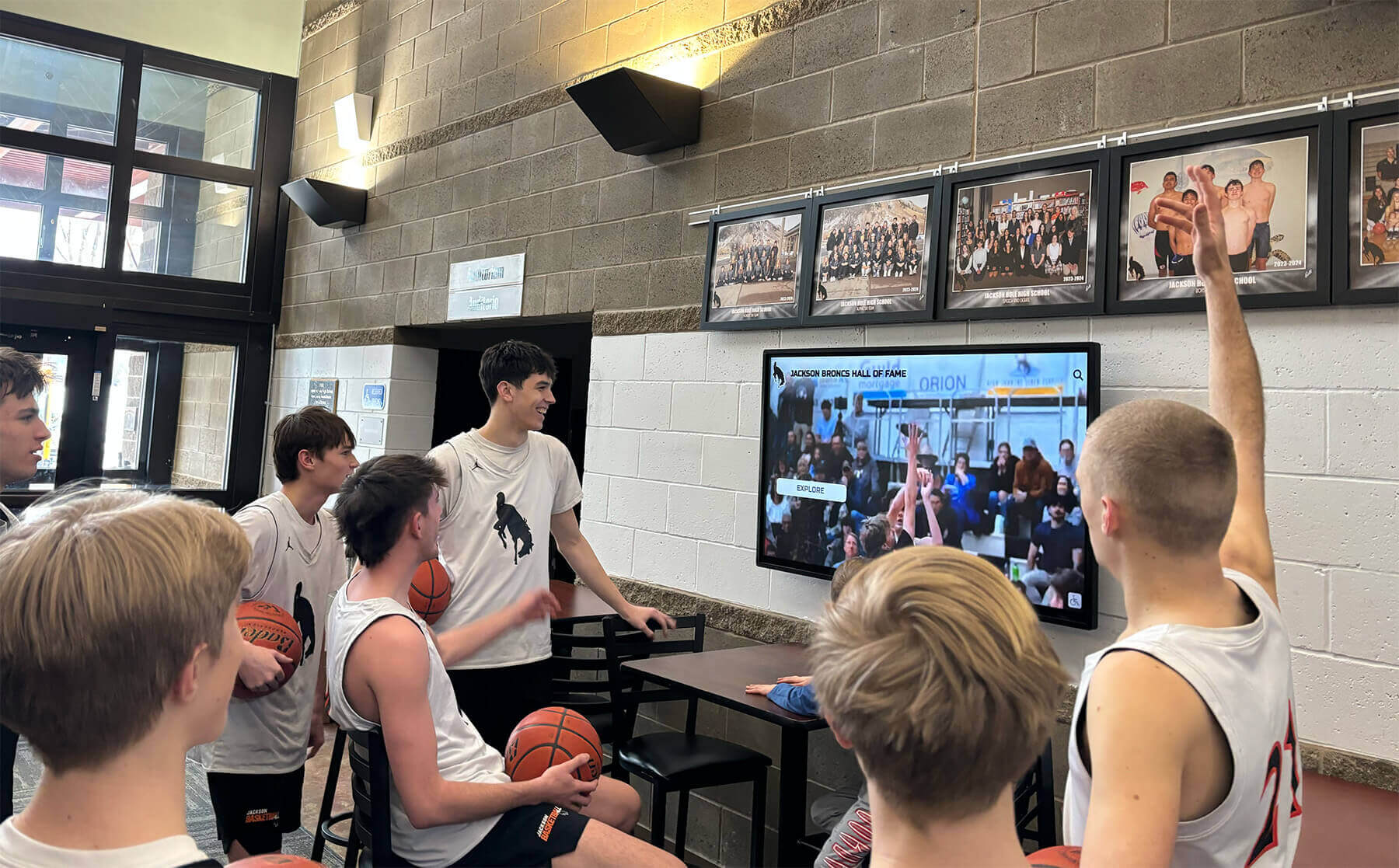
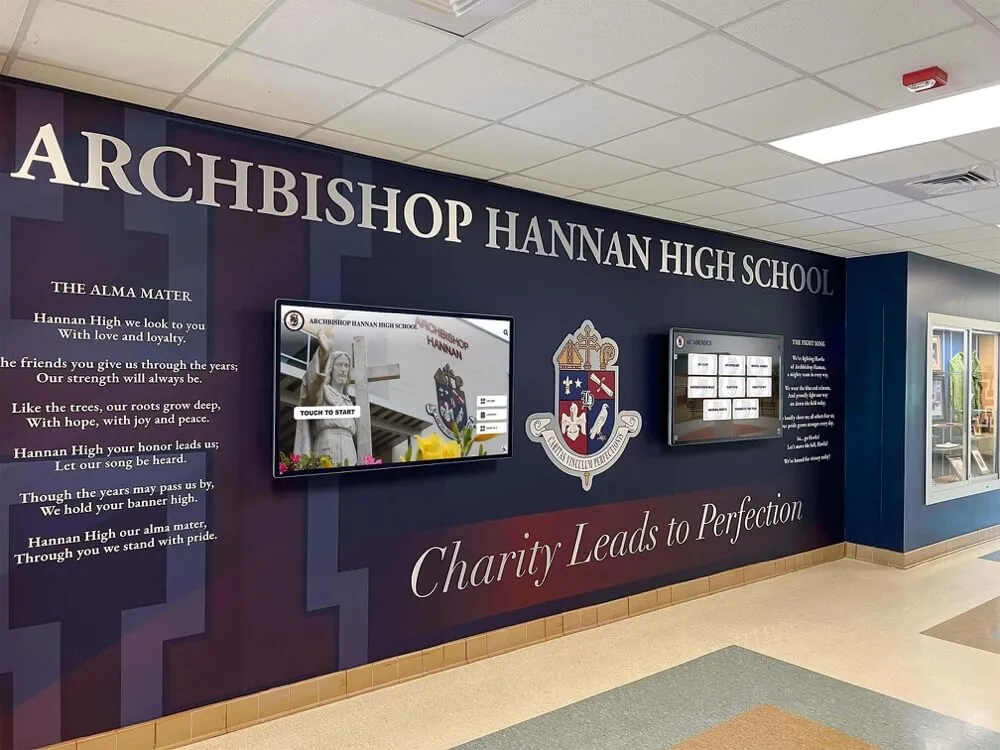
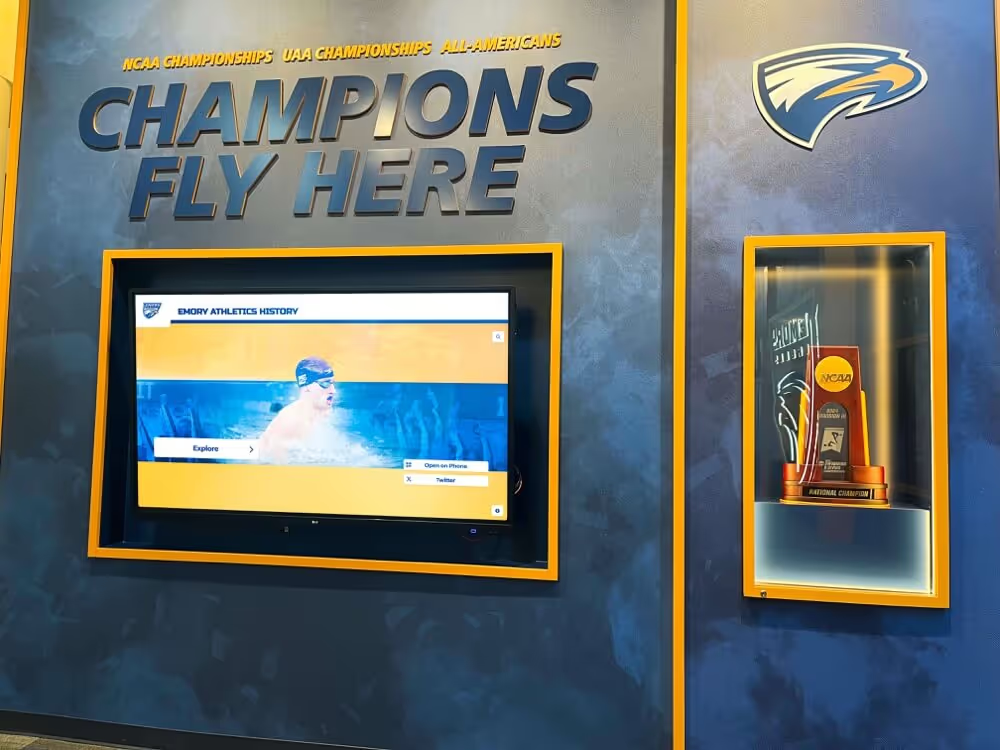
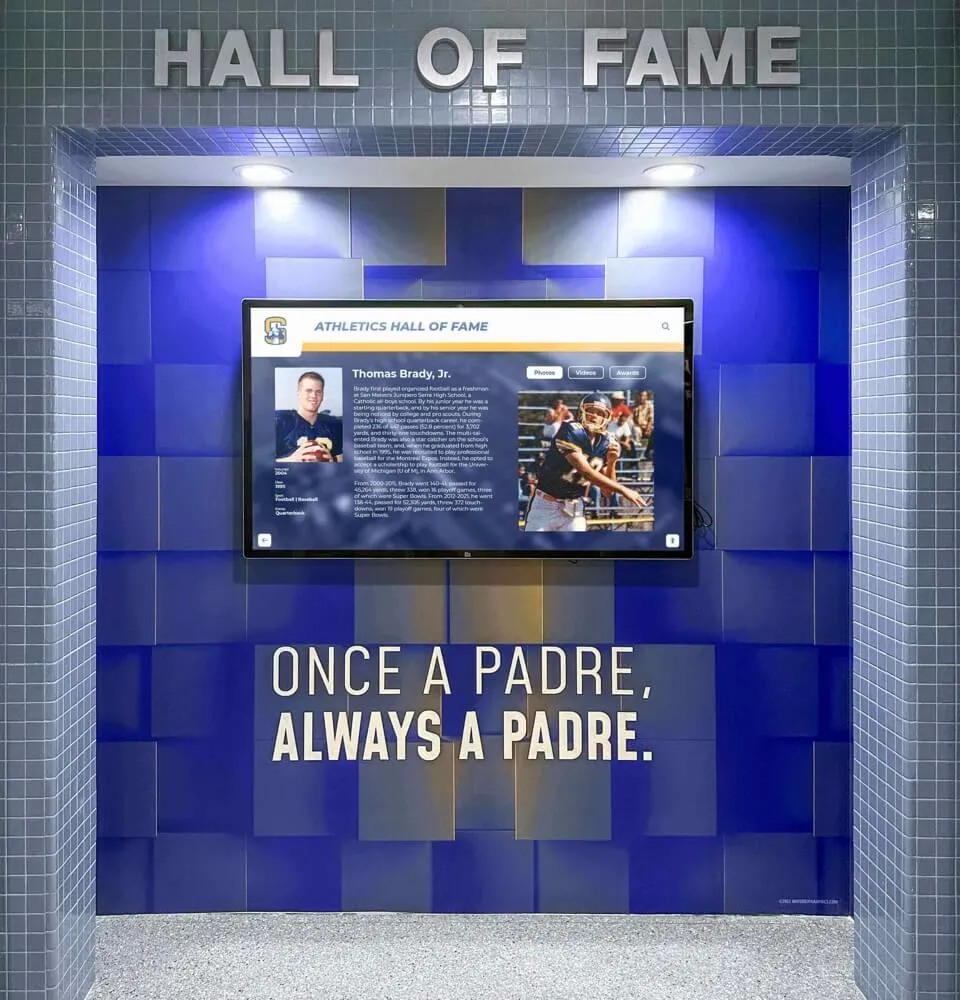
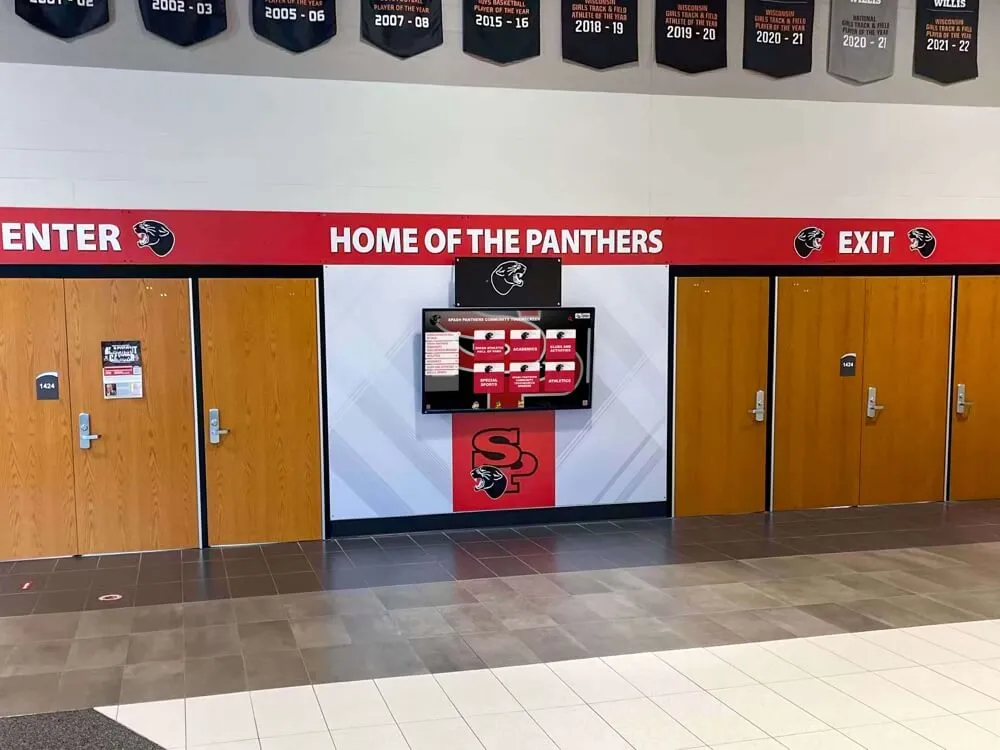
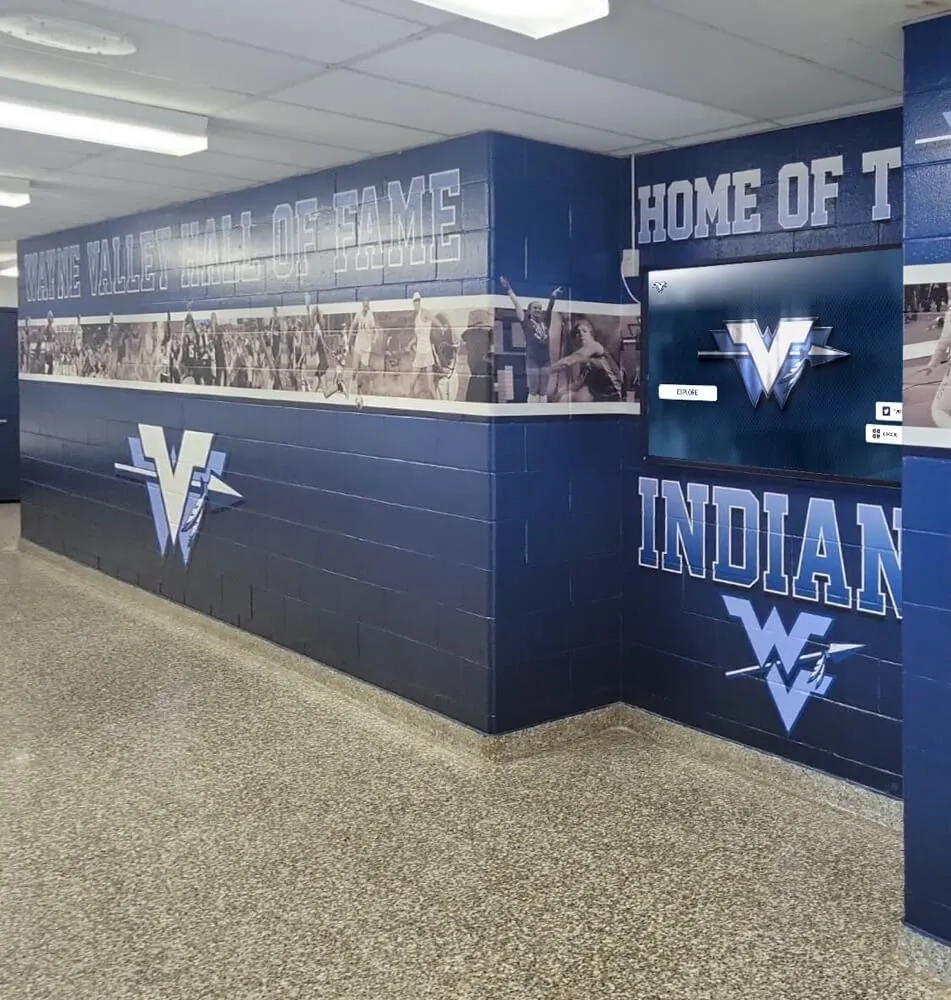
Modern schools increasingly preserve and share historical content through digital platforms that make memories accessible to alumni
Search Public Libraries and Local Historical Societies
When schools lack yearbook archives, public libraries and historical societies often maintain local history collections that include yearbooks.
Local Public Library Archives
Public libraries, especially those serving the community where your elementary school was located, frequently collect local yearbooks:
Main Library Collections
Check with the main branch of your local library system:
- Visit the local history or genealogy section that typically houses yearbook collections
- Request assistance from reference librarians specializing in local history research
- Ask whether they maintain digital databases of local yearbooks
- Inquire about interlibrary loan options if yearbooks are stored at different branches
- Check whether your library provides online catalog access to view yearbook holdings before visiting
Many libraries catalog yearbooks by school and year, making searches straightforward once you identify the correct institution.
Special Collections and Archives
Larger library systems maintain dedicated archives departments:
- University libraries near your elementary school often collect yearbooks from local K-12 institutions
- Research libraries may have digitized yearbook collections searchable online
- Some libraries participate in collaborative digitization projects making yearbooks available through state or regional databases
- Archives may require appointments for access but often provide better-organized collections than individual schools
Historical Societies and Museums
Local historical societies preserve community history, including educational institutions:
County and Town Historical Societies
These organizations often maintain comprehensive local yearbook collections:
- Contact historical societies serving the area where you attended elementary school
- Ask specifically about school-related collections and yearbook holdings
- Inquire about visiting hours and access procedures for viewing yearbooks
- Check whether they offer copying or scanning services for a fee
- Ask if they know of other local resources for yearbook research
Historical societies serving small towns or rural areas may have particularly complete collections because community members frequently donate materials.
Digital Archives and Online Databases
Many historical organizations have digitized portions of their collections:
- Search county or state digital history websites for yearbook databases
- Check whether your state library maintains a statewide yearbook collection
- Explore genealogy-focused historical databases that include school records
- Look for local history projects that digitized yearbooks as part of preservation initiatives
Online Yearbook Databases and Websites
Several online platforms specialize in digitizing and hosting yearbooks, though elementary school coverage varies compared to high school yearbooks.
Classmates.com
Classmates.com remains one of the largest yearbook archives online:
Coverage and Features
The platform’s yearbook collection includes many elementary schools:
- Search by school name, location, and year to identify available yearbooks
- Basic browsing is free, allowing you to see whether your yearbook exists in their database
- Full access requires membership for viewing complete yearbook pages
- You can view thumbnails and determine if your yearbook is available before subscribing
- The platform also connects you with former classmates who may have physical yearbooks
Search Strategy
Maximize your Classmates.com search:
- Search using both current and historical school names (schools often change names)
- Try variations of your school’s name or abbreviations
- Check surrounding years if your specific year isn’t available
- Look for district-level listings if individual school listings don’t appear
- Connect with classmates who may have scanned and uploaded pages
E-Yearbook.com
E-Yearbook.com focuses specifically on digitizing school yearbooks:
Access and Availability
The platform works differently from social networking sites:
- Primarily hosts yearbooks uploaded by schools, libraries, or individuals
- Coverage of elementary schools varies significantly by region
- Some content is freely accessible while other yearbooks require membership
- Search functionality allows filtering by state, city, and school name
- You can request specific yearbooks to be added if not currently available
Ancestry.com and MyHeritage
Genealogy platforms increasingly include yearbooks in their historical record collections:
Yearbooks in Genealogy Research
These platforms integrate yearbooks into family history research:
- School yearbooks appear in their U.S. School Yearbooks collection
- Coverage tends to focus on high schools but includes many elementary schools
- Subscriptions provide access to entire database collections including yearbooks
- Search by name to find appearances across multiple yearbooks
- Download capabilities allow saving relevant pages for personal use
Many genealogy enthusiasts upload yearbooks to these platforms, expanding coverage beyond what schools and libraries maintain.
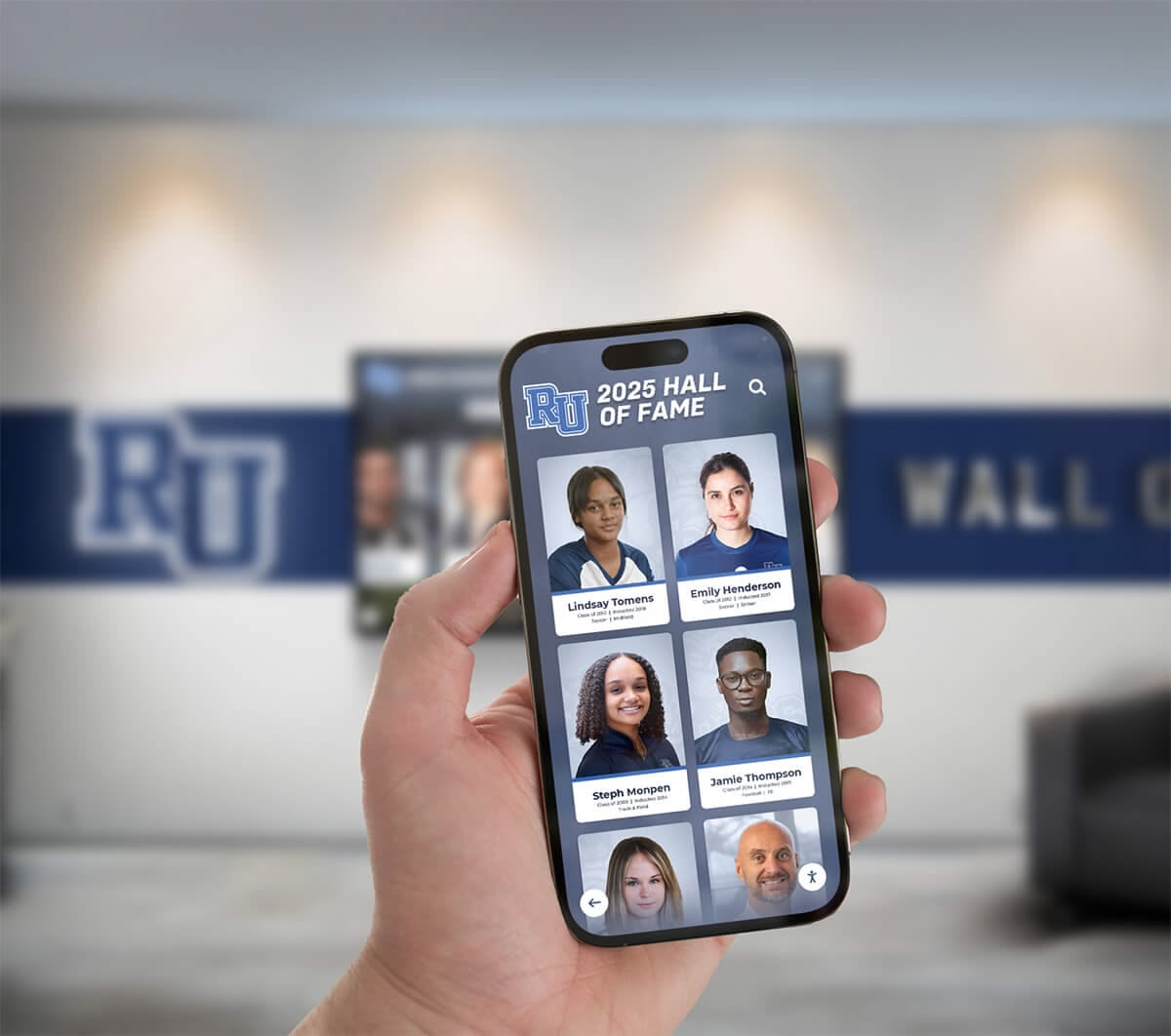
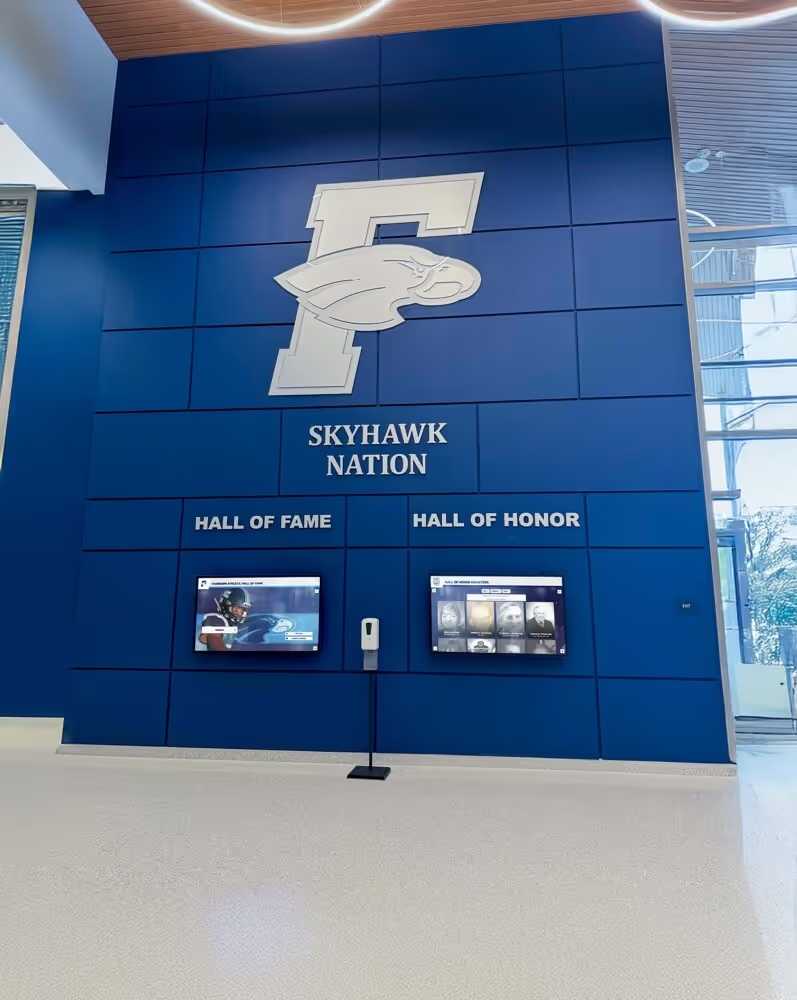
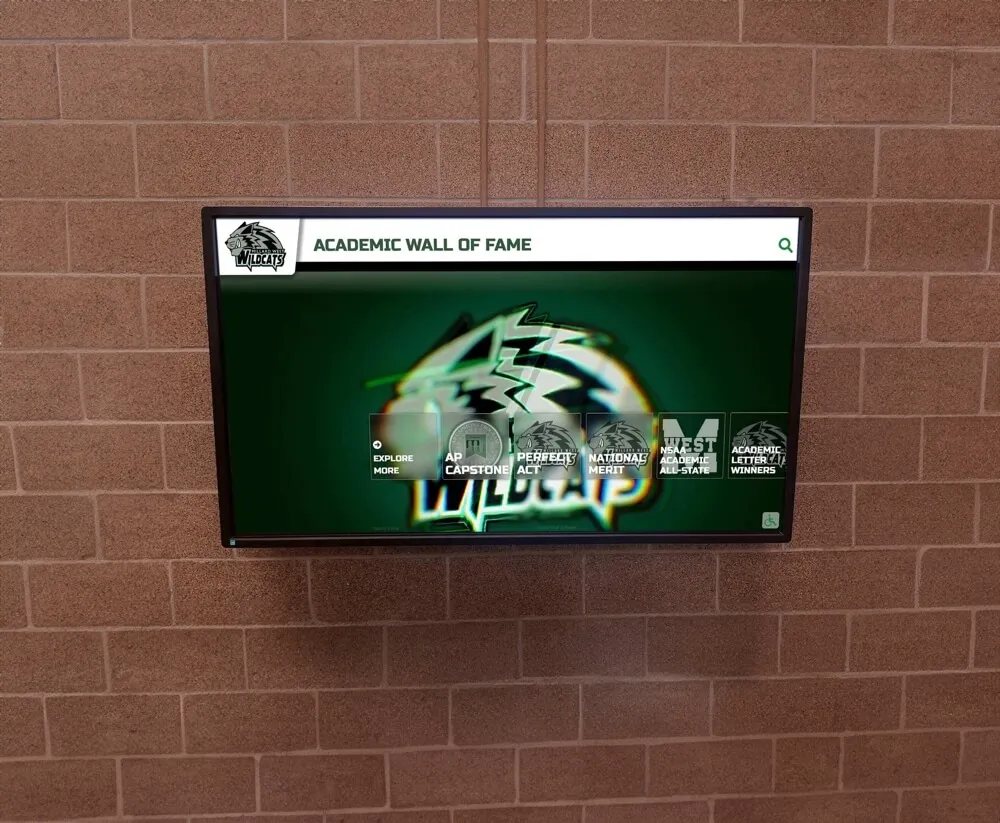
Digital platforms make school memories accessible from anywhere, connecting alumni to their educational history
Social Media and Alumni Networks
Social media platforms and alumni networks provide informal but often effective yearbook search channels.
Facebook Groups and Pages
Facebook hosts numerous school-specific alumni groups:
School Alumni Groups
Search for groups dedicated to your elementary school:
- Look for groups named “[School Name] Alumni” or “[School Name] Memories”
- Join groups and post requests asking if members have yearbooks from your year
- Offer to pay for photocopies or scans if someone has the yearbook you need
- Share your own yearbook pages if you have them to encourage reciprocal sharing
- Connect with classmates who may maintain personal yearbook collections
These groups often include parents, former students, and community members who collect local history.
Community History Pages
Broader community groups sometimes share yearbook content:
- Follow pages dedicated to local history in your hometown
- Check [neighborhood name] or [city name] history groups
- Look for pages focused on vintage photographs from your area
- Monitor these groups as members occasionally post yearbook pages
- Request specific yearbooks from group administrators who may have connections to local archives
LinkedIn and Professional Networks
Professional networking platforms can help locate classmates who might have yearbooks:
Locating Former Classmates
Use LinkedIn’s search functionality strategically:
- Search for people who attended your elementary school during your years
- Message former classmates directly asking if they kept their yearbooks
- Explain that you’re searching for specific years and offer to compensate for scanning costs
- Join school-specific alumni groups on LinkedIn
- Participate in alumni association activities that may provide yearbook access
Many schools now recognize the value of preserving memories for alumni engagement, with forward-thinking institutions implementing digital recognition systems that archive historical photographs and yearbooks alongside modern student achievements.
School Alumni Associations and Reunions
Formal alumni organizations often maintain resources specifically designed to help graduates reconnect with school history.
Alumni Association Resources
Many elementary schools, particularly private or independent schools, maintain active alumni associations:
Association Archives
Contact your school’s alumni association if one exists:
- Alumni offices frequently maintain comprehensive yearbook collections
- They may offer digital archives accessible to verified alumni
- Some associations scan and share yearbook pages upon request
- Alumni associations often have connections to classmates who donate historical materials
- Check whether your school has an alumni website with digital resources
Private and parochial elementary schools typically maintain stronger alumni associations than public schools, though this varies by institution.
Reunion Planning Committees
Class reunion organizers often collect yearbooks while planning events:
Connecting with Reunion Planners
Reunion committees serve as unofficial yearbook archives:
- Search for reunion announcements or planning committees for your graduating class
- Contact reunion organizers who often scan yearbook pages for promotional materials
- Attend reunions where classmates frequently bring and share yearbooks
- Volunteer to help plan reunions, giving you access to materials others share
- Join reunion planning groups on social media where yearbook scans get posted
Even if you missed your class reunion, organizers often maintain Facebook groups or email lists where you can request yearbook information.
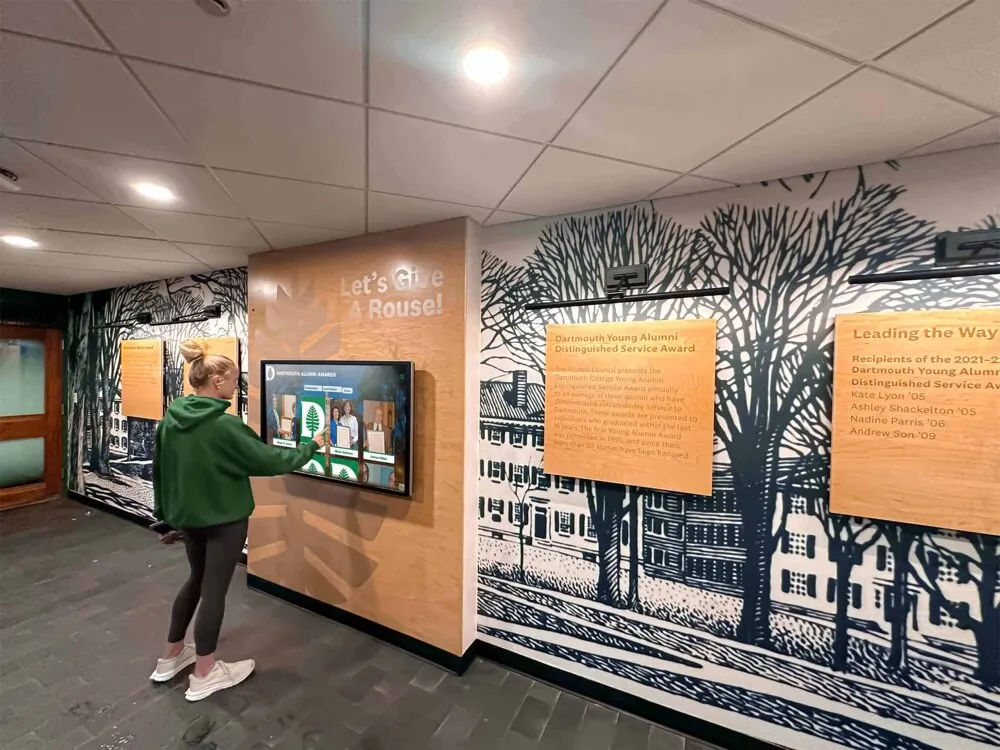
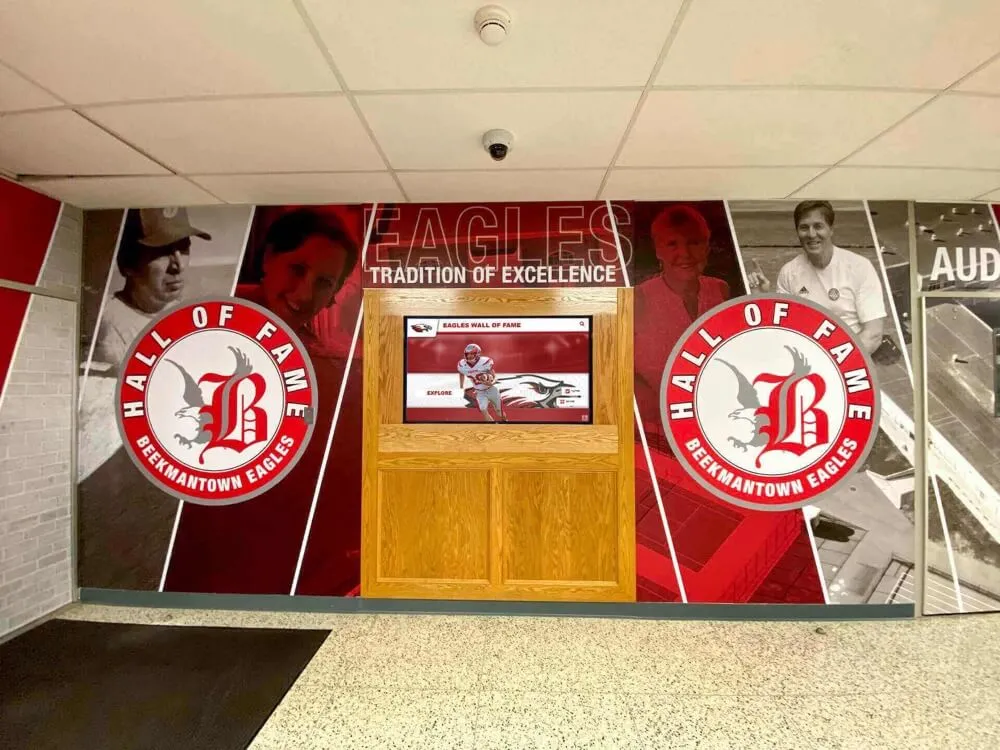
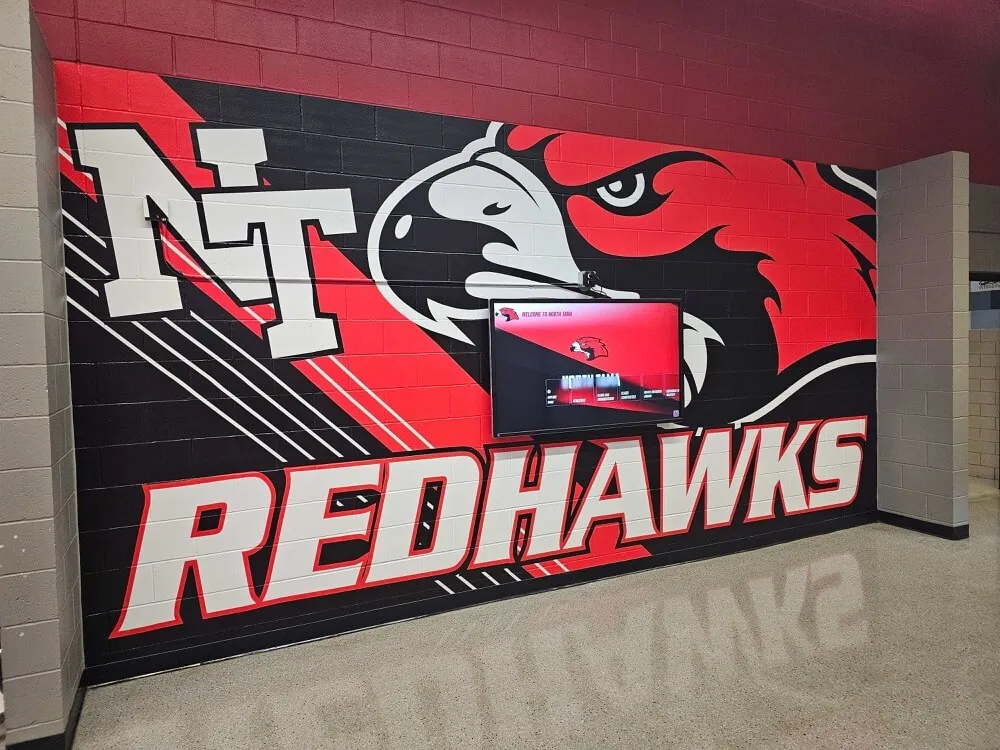
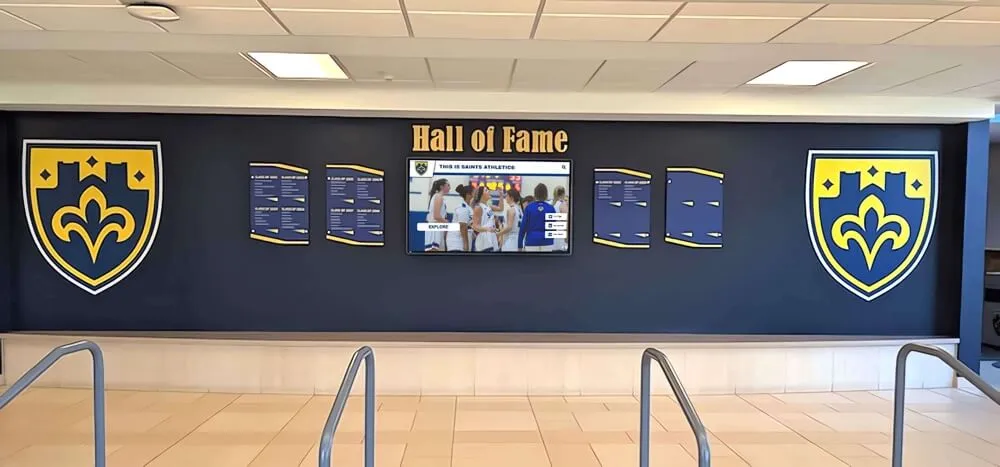
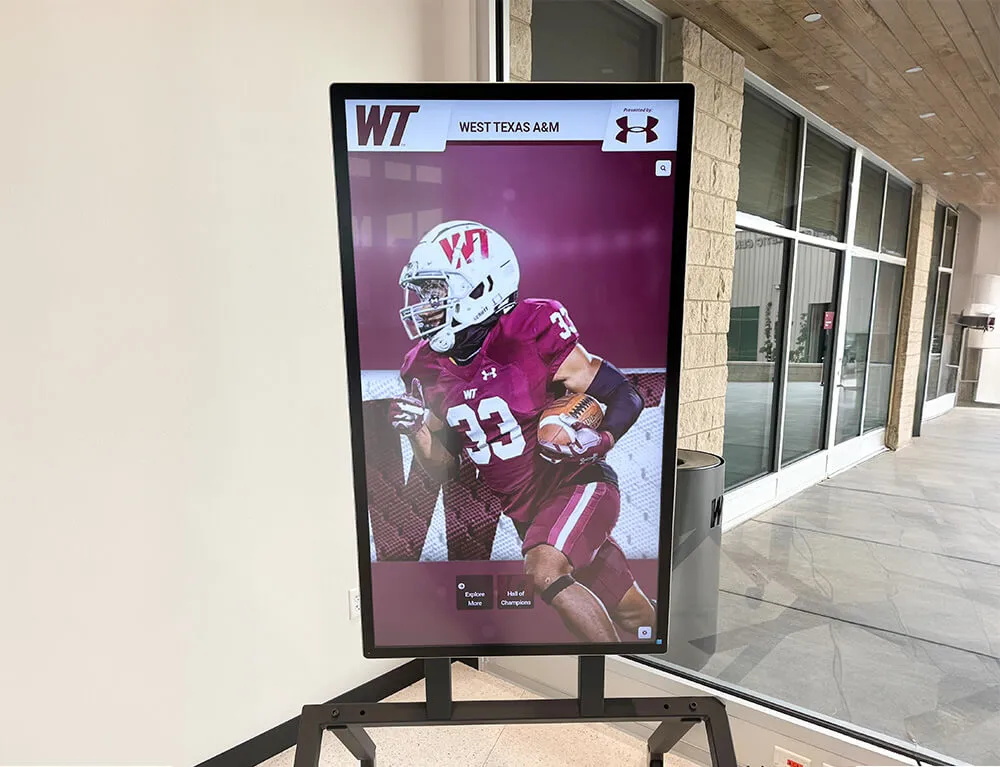
Interactive digital displays let alumni browse historical photos, yearbooks, and achievements when visiting their former schools
Creative Alternative Search Strategies
When traditional sources don’t produce results, alternative strategies may uncover yearbooks through unexpected channels.
Contact Former Teachers and Staff
Former elementary school teachers and staff sometimes keep yearbooks:
Teacher Collections
Educators frequently maintain yearbooks from their teaching careers:
- Search for retired teachers from your elementary school on social media
- Contact former principals who may have kept comprehensive yearbook collections
- Reach out to school secretaries or office managers who often maintain historical records
- Ask current staff if they know how to contact long-retired teachers
- Offer to cover copying costs if teachers have yearbooks but don’t want to part with original copies
Teachers who worked at schools for decades sometimes have the most complete yearbook collections because they received copies each year.
Used Bookstores and Online Marketplaces
Yearbooks occasionally surface through resale channels:
Online Marketplaces
Check platforms where people sell used books and memorabilia:
- Search eBay for “[Your School Name] yearbook” plus relevant years
- Set up saved searches with email notifications when matching yearbooks get listed
- Check AbeBooks, which aggregates used bookstore inventories nationwide
- Browse local Facebook Marketplace listings, especially in your hometown area
- Monitor Etsy where vintage yearbooks occasionally appear
- Search Craigslist in the city where your elementary school was located
Yearbooks on these platforms typically cost $20-50 depending on age and condition, though rare yearbooks from closed schools command higher prices.
Local Thrift Stores and Estate Sales
Physical resale locations sometimes have unexpected treasures:
- Visit thrift stores and consignment shops near your former elementary school
- Attend estate sales in neighborhoods where classmates’ families lived
- Check antique stores that specialize in local history items
- Ask resale shop owners to contact you if school yearbooks come in
- Visit library book sales where donated yearbooks sometimes appear
Estate sales from longtime community members occasionally include extensive yearbook collections.
School Photographers and Yearbook Publishers
The companies that produced elementary school yearbooks maintain archives in some cases:
Photography Company Archives
Portrait photography companies sometimes keep yearbook copies:
- Research which photography company served your school during your years
- Contact national school photography companies like Lifetouch, Inter-State Studio, or Strawbridge Studios
- Ask whether they maintain historical yearbook archives
- Inquire about ordering reprints or accessing digital files if available
- Check if they can identify the photographer even if they don’t have archives
While most photographers don’t maintain long-term yearbook storage, some have archives dating back decades.
Yearbook Publishing Companies
Companies like Jostens, Herff Jones, and Balfour produce millions of yearbooks:
- Contact the publisher identified in your yearbook (often listed on the title page or last page)
- Ask whether they keep archive copies of yearbooks they published
- Inquire about digital files that might exist from production
- Request contact information for local representatives who served your school
- Check whether they can direct you to other resources if they don’t maintain archives
Publishers typically don’t store finished yearbooks long-term, but some maintain production files that could be accessed.
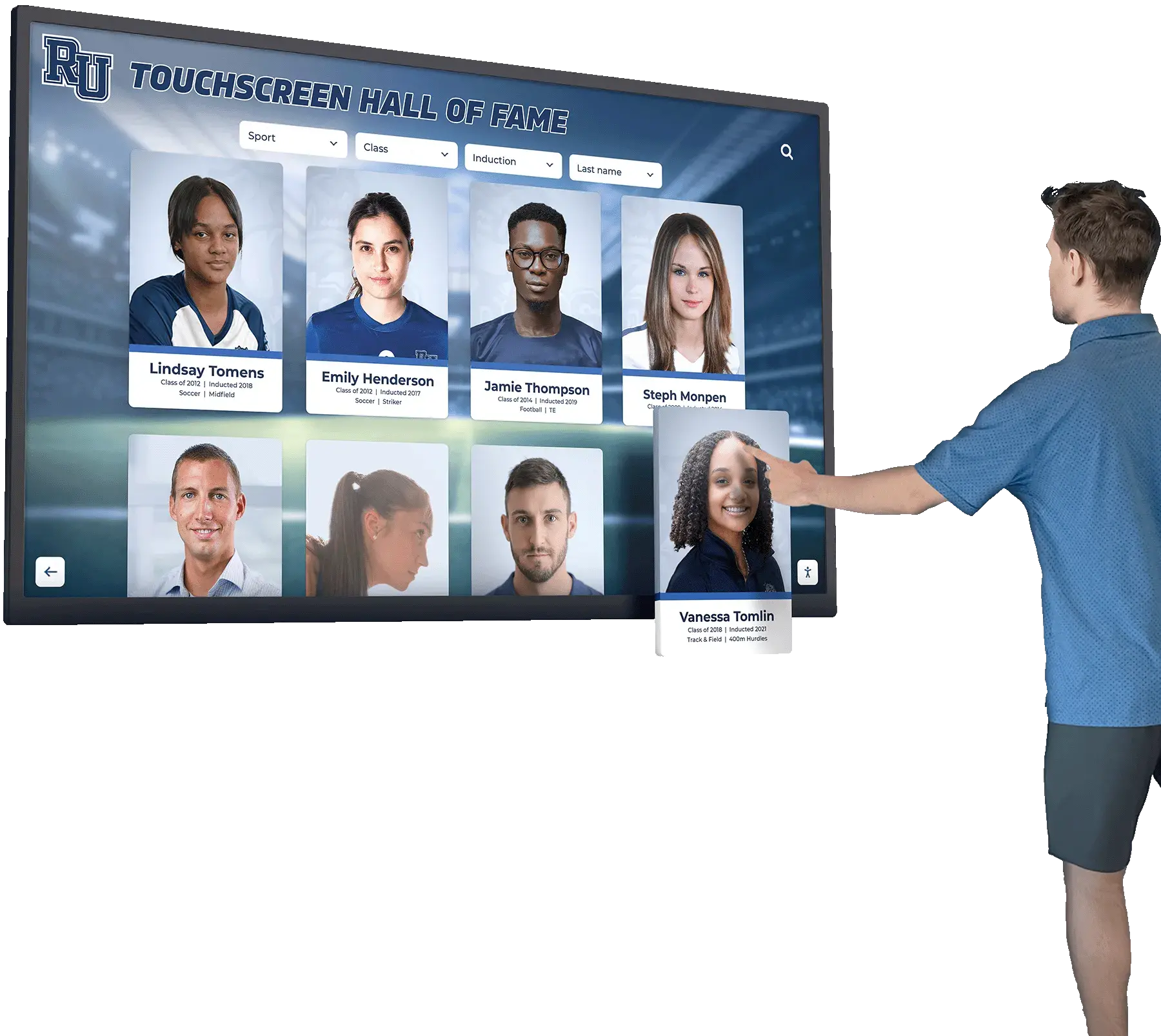
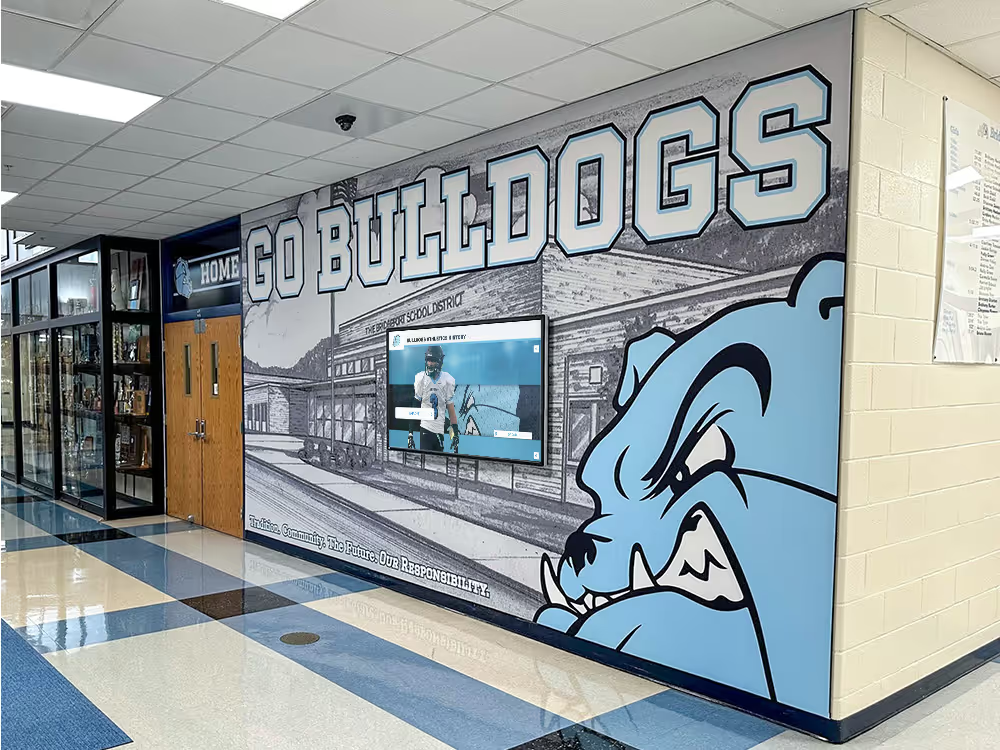
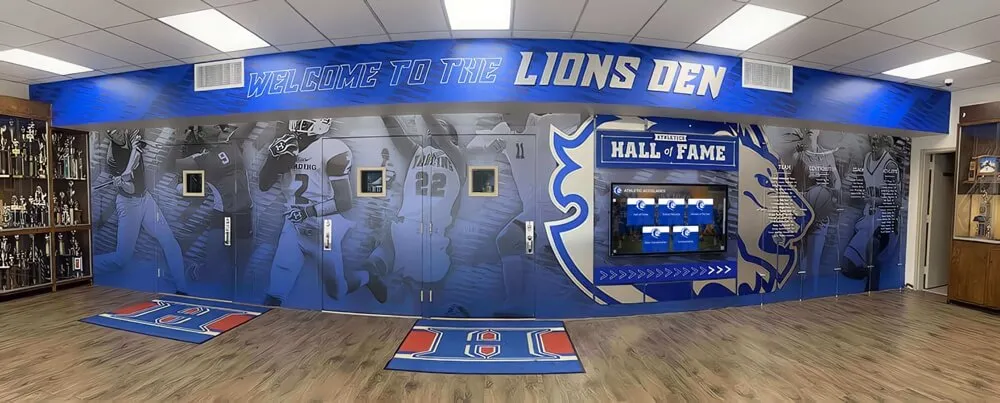
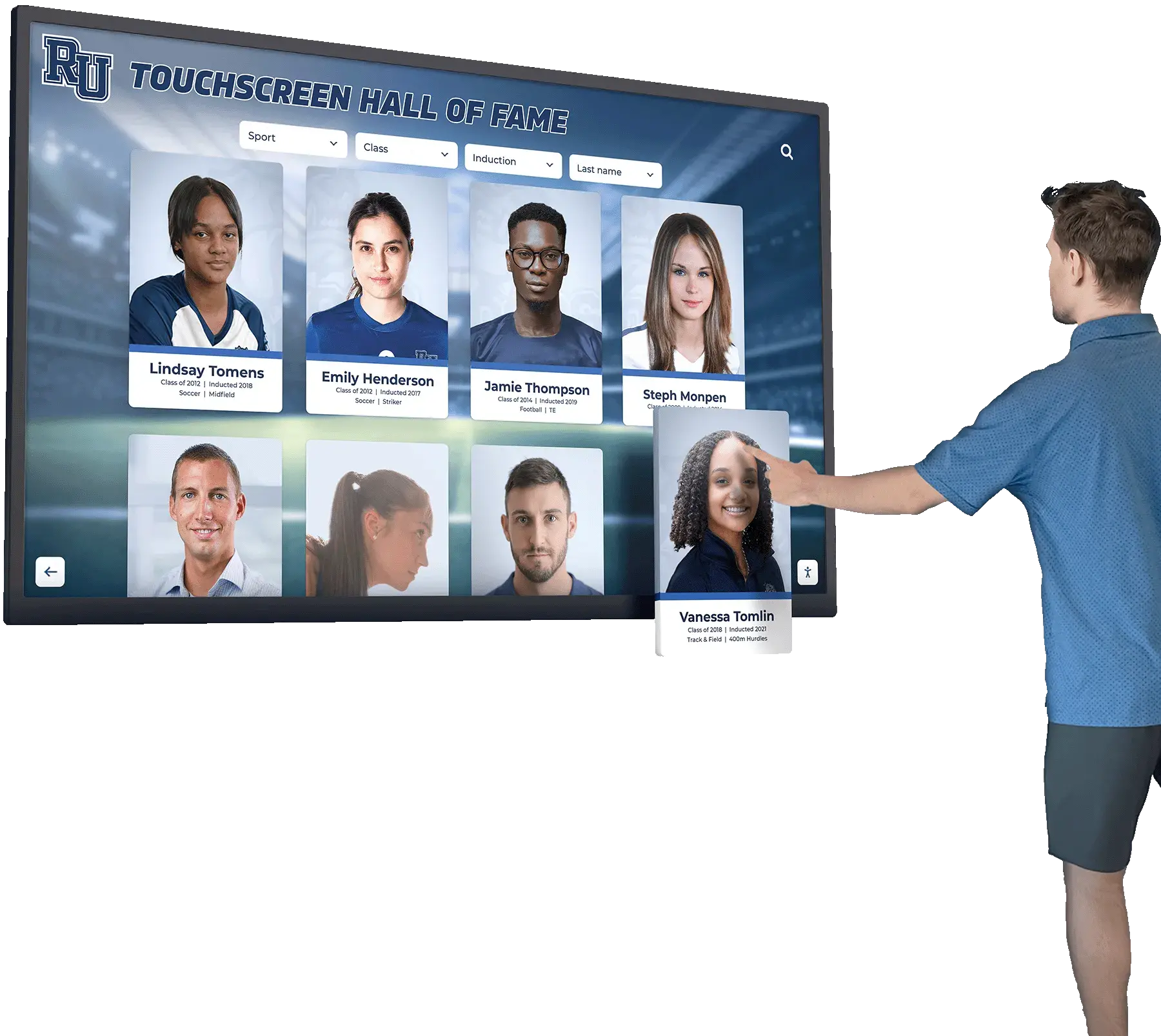
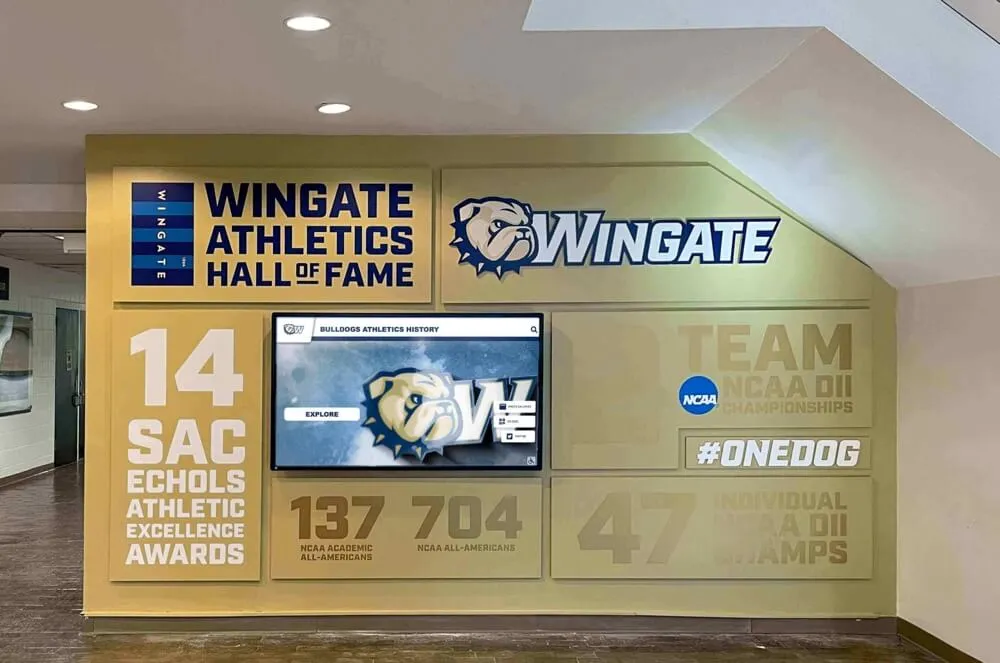
Digital touchscreen displays make browsing historical school content intuitive and engaging for alumni visitors
Digitizing and Preserving Yearbooks You Find
Once you locate your elementary school yearbook, consider preserving it digitally and sharing it with others searching for the same resource.
Scanning and Digital Preservation
Creating digital copies protects yearbooks from further deterioration:
Scanning Methods
Choose appropriate digitization approaches:
- Use flatbed scanners for best quality, scanning at 300-600 DPI resolution
- Consider professional yearbook scanning services for delicate or valuable yearbooks
- Use smartphone scanning apps like Adobe Scan or Microsoft Lens for quick digitization
- Scan both individual pages and the cover to capture complete yearbooks
- Save files in PDF format for easy sharing and archiving
- Organize files clearly by school name, year, and section
Professional scanning services handle fragile yearbooks carefully and produce superior results compared to DIY scanning, particularly for yearbooks showing age-related deterioration.
Storage and Backup
Protect digital files properly:
- Store digital yearbooks on multiple devices (computer, external drive, cloud storage)
- Use cloud services like Google Drive, Dropbox, or OneDrive for accessibility
- Organize files in clearly labeled folders by school and year
- Consider creating lower-resolution versions for sharing to reduce file sizes
- Maintain original high-resolution scans as archival copies
Sharing with Other Alumni
Make your digitized yearbooks available to classmates:
Online Sharing Options
Several platforms facilitate yearbook sharing:
- Upload to Google Drive or Dropbox and share links in alumni groups
- Post to school-specific Facebook groups with download links
- Contribute scans to online yearbook databases that accept user submissions
- Share with your school or district for their archives
- Create private websites or Google Sites dedicated to your class year
Many alumni appreciate access to yearbooks they no longer have, creating goodwill and potentially encouraging others to share yearbooks from different years.
Privacy Considerations
Be thoughtful about sharing yearbooks online:
- Consider that some former students may not want their childhood photos publicly available
- Limit sharing to private groups requiring membership verification when possible
- Avoid posting to completely public websites without considering privacy implications
- Remove pages upon request if someone objects to their inclusion
- Respect that yearbooks from recent decades raise different privacy concerns than vintage yearbooks
How Schools Are Modernizing Historical Archives
Forward-thinking educational institutions increasingly recognize the value of preserving and sharing school history through digital platforms that make archives accessible to alumni regardless of location.
Digital Archive Systems
Modern schools implement comprehensive digital preservation:
Centralized Digital Platforms
Schools invest in systems that organize historical content:
- Digital asset management systems store yearbooks, photographs, and historical documents
- Cloud-based platforms allow alumni to access archives from anywhere
- Search functionality helps alumni quickly locate specific years or individuals
- Integration with alumni databases connects historical records to current contact information
- Ongoing digitization projects gradually expand archives to include older materials
These systems particularly benefit schools serving geographically dispersed alumni communities or institutions celebrating milestone anniversaries.
Interactive Alumni Displays
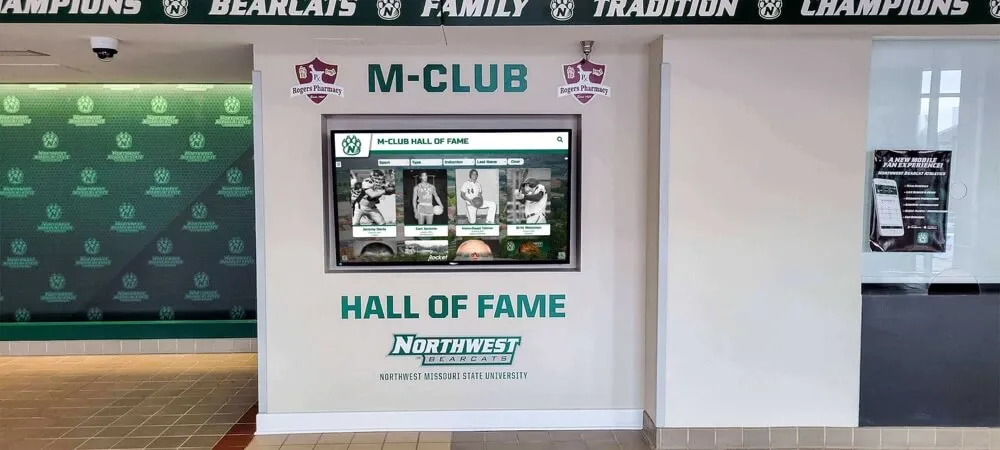
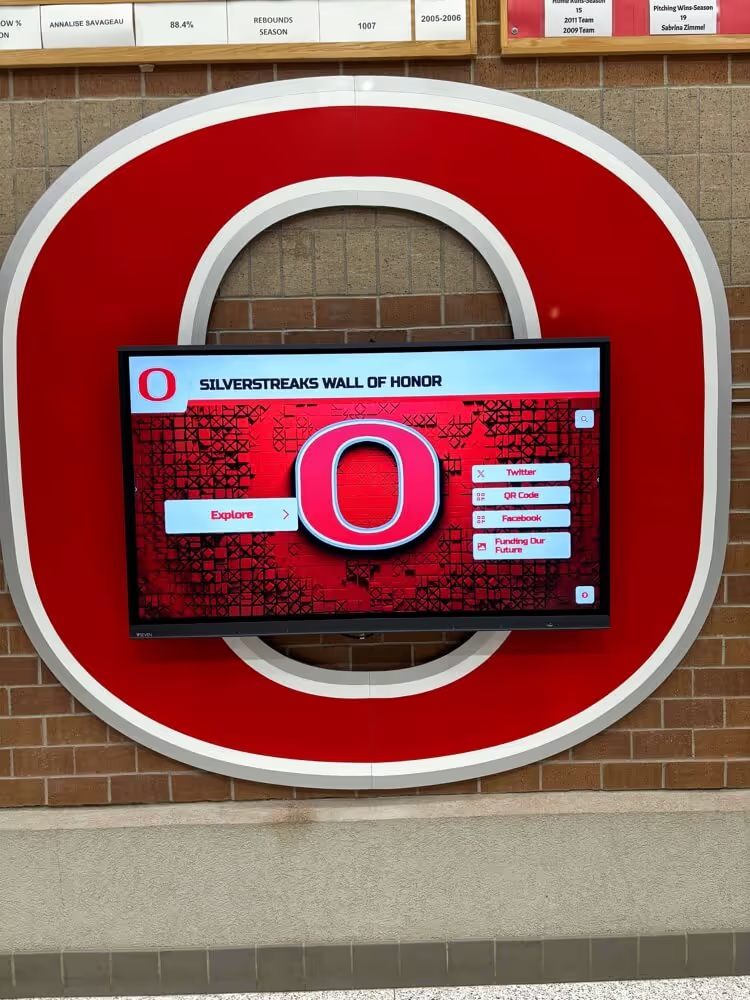
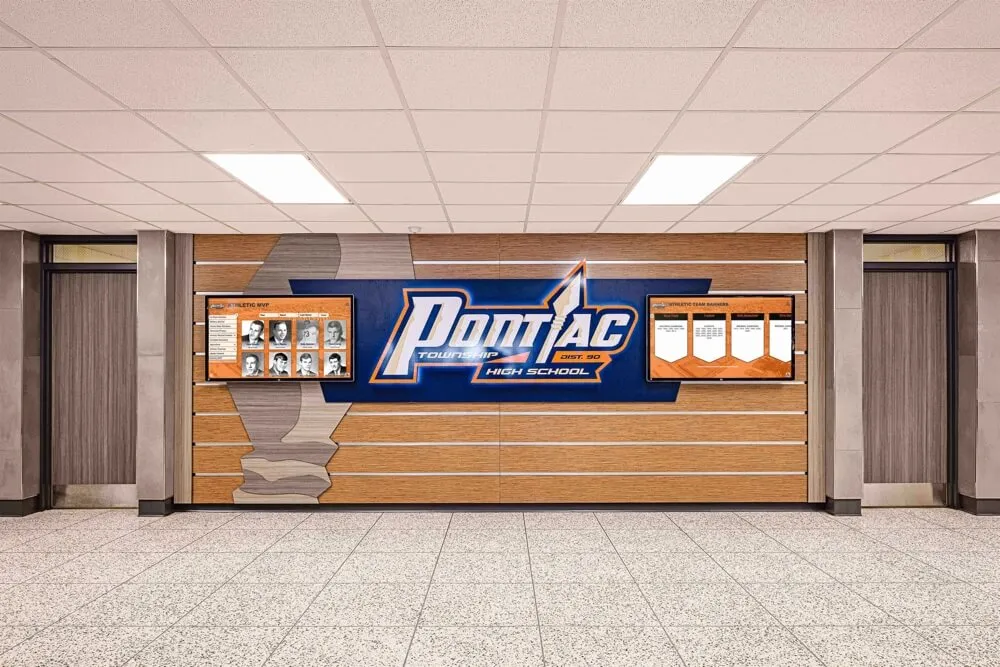
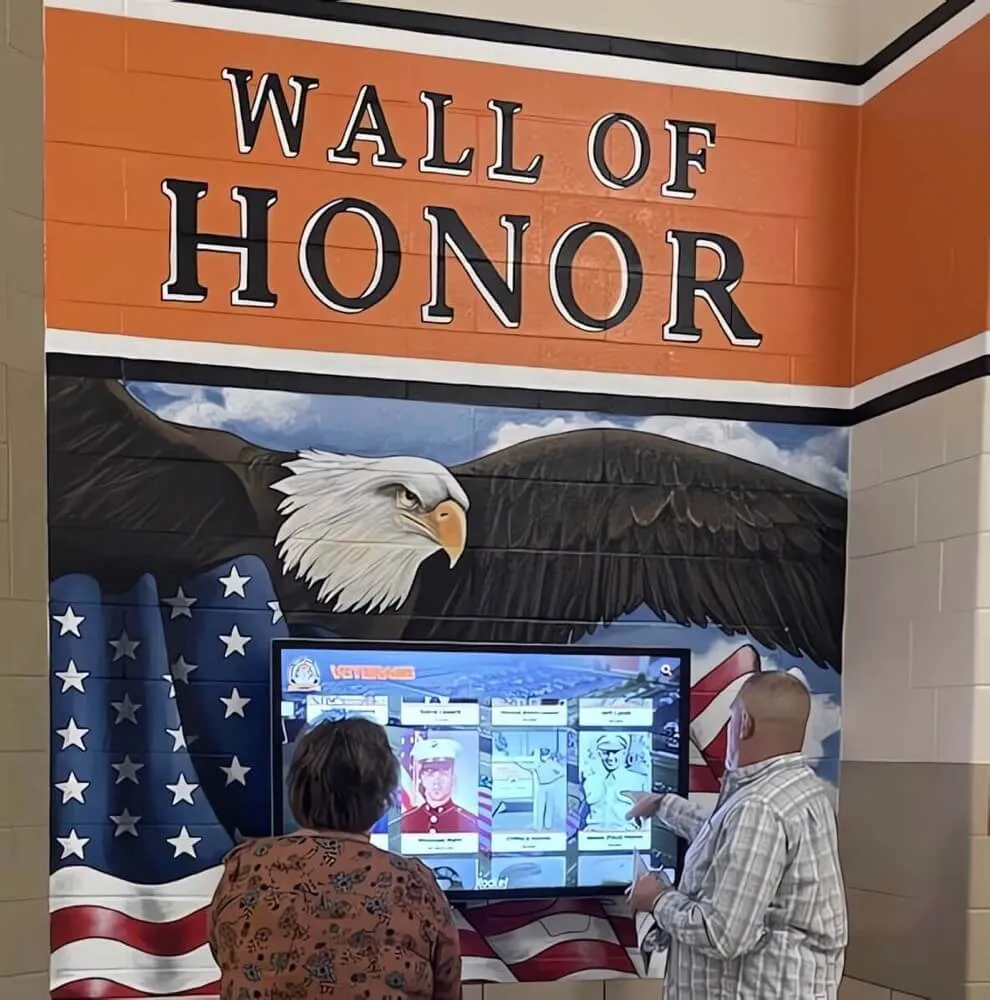
Many schools now install interactive digital displays in lobbies and common areas that showcase historical content including yearbook pages, photographs, and achievement records. These touchscreen systems allow visitors to browse decades of school history, search for specific individuals or years, and explore how their school evolved over time.
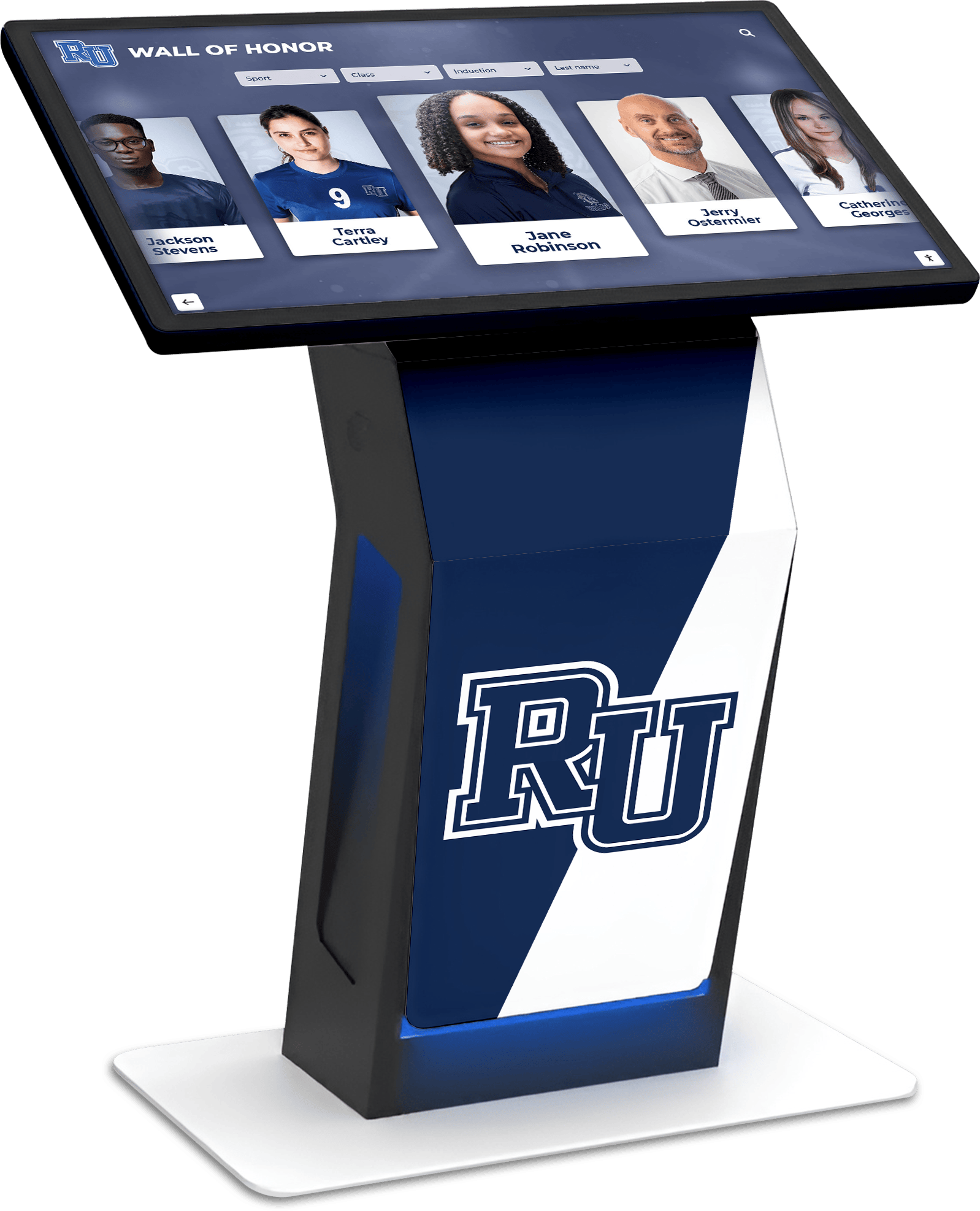
Touchscreen archive displays provide engaging ways for alumni to explore school history during visits
Schools installing these systems typically digitize yearbooks as source content, creating opportunities for alumni to access historical yearbooks during school visits even if physical copies aren’t readily available. These digital recognition platforms serve multiple purposes—celebrating current students while preserving history for alumni engagement.
Alumni Engagement Through Historical Content
Smart schools leverage historical archives to strengthen alumni connections:
Strategic Use of Yearbook Content
Schools employ yearbook archives for community building:
- Share “throwback” posts on social media featuring yearbook pages from various decades
- Create alumni recognition programs that incorporate historical photographs and yearbook content
- Publish anniversary materials featuring yearbook pages showing school evolution
- Use yearbook content in fundraising appeals that trigger nostalgia and emotional connections
- Develop alumni newsletters incorporating historical yearbook photographs
These engagement strategies often prompt alumni to share their own yearbooks, expanding school archives organically.
Tips for Successful Yearbook Searches
Maximize your chances of finding elementary school yearbooks by following proven search strategies.
Start Your Search Early
Yearbook hunting requires time and patience:
Timeline Expectations
Set realistic expectations for your search:
- Allow several weeks to months for comprehensive searching
- Some sources respond slowly (schools, historical societies, libraries)
- Online marketplace listings appear sporadically, requiring ongoing monitoring
- Building alumni connections takes time but often produces best results
- Don’t get discouraged if initial searches don’t immediately produce results
Starting early particularly matters if you need yearbooks for specific events like reunions, anniversary celebrations, or family history projects with deadlines.
Use Multiple Search Terms and Variations
Schools change names, merge, or get referenced differently over time:
Search Term Strategies
Try various name formats when searching:
- Full official school name (John F. Kennedy Elementary School)
- Abbreviated versions (JFK Elementary, Kennedy Elementary)
- School plus neighborhood or district (Kennedy Elementary Riverside District)
- Historical names if your school was renamed
- Street address plus “elementary school”
- School mascot names combined with location
Yearbook databases, online marketplaces, and library catalogs may index schools under different name variations, so comprehensive searching uses multiple terms.
Document Your Search Progress
Track where you’ve searched to avoid duplicating efforts:
Maintain a Search Log
Create a simple tracking system:
- List all sources you’ve contacted with dates and responses received
- Note which online databases you’ve checked and what years they cover
- Record contact information for helpful librarians, teachers, or alumni
- Track any costs incurred for membership fees or copy services
- Save links to online resources you discover
This log prevents wasted time re-searching places you’ve already checked and helps identify gaps in your search strategy.
Consider Hiring Professional Researchers
For particularly challenging searches, professional help may be worthwhile:
Professional Research Services
Genealogists and historical researchers offer yearbook location services:
- Professional genealogists often search for yearbooks as part of family history research
- Local history researchers in your school’s area may have access to archives you can’t reach remotely
- Some librarians offer private research services using their institutional access
- Rates typically range from $25-75 per hour depending on researcher expertise
- Most valuable for alumni living far from their elementary school or searching for very old yearbooks
Professional researchers particularly help alumni living overseas or those whose schools closed decades ago.
What to Do When Yearbooks Cannot Be Found
Despite exhaustive searching, some elementary school yearbooks simply no longer exist in accessible formats.
Alternative Memory Recovery Options
When yearbooks can’t be located, alternative strategies may still recover memories:
Classmate Outreach
Connect directly with former classmates:
- Contact classmates through social media and ask if they have yearbooks
- Offer to reimburse costs if classmates will scan and share pages
- Create a group effort where multiple classmates share pages from partial yearbooks
- Organize informal digitization projects where multiple people contribute scans
- Start class-specific Facebook groups to coordinate yearbook sharing
Even a few classmates with yearbooks can help reconstruct most of your class year.
School Photograph Collections
Many schools maintained photo archives separate from yearbooks:
- Ask schools about class photograph collections stored separately from yearbooks
- Check whether local newspapers published elementary school class photos (common through the 1990s)
- Contact school photographers directly asking about archived class photos
- Look for school anniversary publications that may include historical class photos
- Check whether your school maintains digital displays featuring historical photographs from your era
Creating New Connections Without Yearbooks
Yearbooks facilitate reconnection, but alternatives exist:
Alumni Platforms and Databases
Use people-search resources:
- Alumni.net and similar platforms help locate classmates without requiring yearbooks
- Facebook’s search functionality can identify people who listed your elementary school
- LinkedIn allows searching by school and graduation year
- Classmate-finding services can locate former students for reunion planning
- DNA testing websites like Ancestry.com help some people reconnect with childhood friends through family connections
Memory Sharing Projects
Create new records of shared experiences:
- Start online memory-sharing groups where classmates contribute stories
- Organize virtual or in-person reunions to rebuild connections
- Create collaborative digital scrapbooks using photos classmates share
- Record oral histories with classmates about shared elementary school experiences
- Compile crowd-sourced memory books with contributions from multiple alumni
These projects sometimes produce richer connections than simply viewing yearbooks alone.
Preserving Elementary School History for Future Generations
Your yearbook search journey highlights the importance of preserving educational history for future alumni.
Advocate for School Archives
Encourage your elementary school to prioritize historical preservation:
Working with Schools
Alumni can support archival efforts:
- Volunteer to help organize yearbook archives at your former school
- Donate yearbooks you no longer need to school libraries or archives
- Support digitization initiatives financially or with volunteer time
- Advocate for digital archive systems that make historical content accessible
- Share your yearbook search experience with administrators to demonstrate demand for accessible archives
Schools often lack awareness of how much alumni value historical records. Demonstrating this interest can inspire preservation investments.
Support Modern Archive Solutions
Today’s elementary students will become tomorrow’s alumni searching for yearbooks:
Digital-First Preservation
Modern solutions prevent future search challenges:
- Encourage schools to implement digital yearbook platforms alongside or instead of print-only versions
- Support cloud-based archive systems that won’t be lost when schools move or close
- Advocate for redundant storage ensuring yearbooks survive technological changes
- Promote interactive digital displays that make historical content engaging and accessible
- Encourage schools to grant alumni access to digital archives through password-protected portals
Digital preservation ensures that future generations won’t face the same challenges current alumni encounter when searching for decades-old yearbooks.
Conclusion: Patience and Persistence Pay Off
Finding your elementary school yearbook may require exploring multiple sources, reaching out to numerous contacts, and waiting for the right connection to surface. Most successful searches combine several strategies—contacting the school district, checking library archives, joining alumni groups, and networking with former classmates all contribute to eventual success.
While not every search yields a complete yearbook, the process of looking often produces unexpected rewards: reconnecting with childhood friends, discovering forgotten memories through classmate stories, and contributing to historical preservation efforts that help other alumni.
As schools increasingly recognize the value of preserving educational history through modern digital platforms, tomorrow’s alumni will find their yearbooks more easily than today’s searchers. Schools installing touchscreen archive displays, digitizing historical yearbooks, and implementing comprehensive alumni engagement systems ensure that future generations can easily access the memories you’re working hard to locate today.
Whether you find your elementary school yearbook through a dusty school archive, a helpful librarian, a generous classmate, or a lucky online marketplace discovery, the connection to your childhood these pages provide makes the search worthwhile.
Ready to see how modern schools are preserving memories for future alumni? Explore digital archive solutions that ensure today’s students won’t struggle to find their yearbooks decades from now.