



Every spring, coaches gather rosters of talented student-athletes, document their achievements through demanding seasons, and then watch those records quietly disappear into dusty binders or overloaded filing cabinets. By the time a school wants to nominate a former player for a hall of fame, plan a recognition banquet, or answer an alumni’s question about a championship season from fifteen years ago, the details are gone.
A structured softball player profile template solves this problem at the source. When programs capture the right information systematically—player by player, season by season—they build an archive that serves recognition programs, hall of fame nominations, banquet planning, and alumni engagement for decades. This guide provides a complete free softball player profile template covering every field your program should capture, along with practical guidance on how to collect, store, and eventually display that information permanently.
A well-designed player profile does more than record statistics. It preserves a student-athlete’s complete story: who she was as a competitor, what she contributed to the team, where she came from, and where she went after graduation. That story becomes the raw material for every recognition effort your program undertakes—from annual award ceremonies to eventual hall of fame inductions.

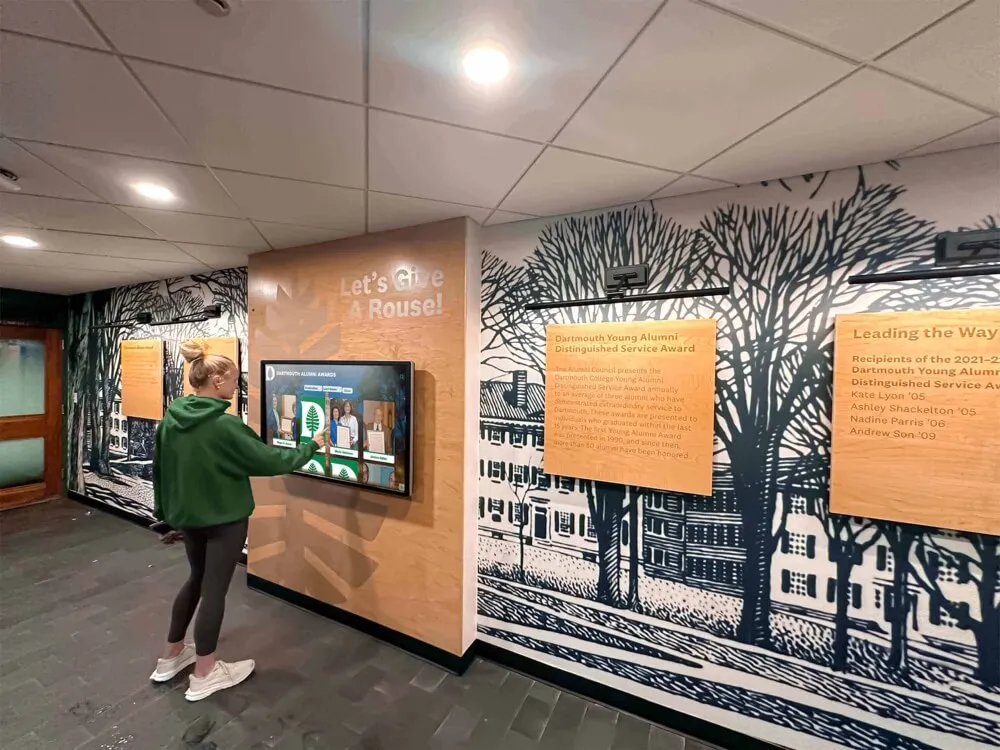
Comprehensive player profiles provide the foundation for every recognition effort, from seasonal awards to permanent displays honoring program history
Why Schools Need a Standardized Softball Player Profile Template
Most athletic programs collect some player information—emergency contacts, jersey sizes, physical clearance forms. What they rarely collect systematically is the documentation that powers recognition: career statistics, personal achievements, memorable moments, academic honors, and post-graduation updates.
The gap shows up painfully at banquets, when coaches scramble to compile career totals from scattered scorebooks. It shows up again when athletic directors receive hall of fame nomination requests and realize there are no comprehensive records for players who graduated more than five years ago. It shows up at alumni events, when returning players find that their contributions simply are not documented anywhere accessible.
A standardized template eliminates all of these gaps by establishing what to collect and when. When every player in the program completes the same profile at the beginning of the season—updated at the end—the cumulative result is a genuine institutional archive rather than a collection of fragments.
For programs building broader recognition infrastructure, academic recognition program frameworks offer useful models for structuring multi-dimensional student documentation alongside athletic records.
Free Softball Player Profile Template: Complete Field List
The following template covers every category schools should capture. Programs can use this as a PDF form distributed at the start of each season, a digital intake form, or a structured spreadsheet—the format matters less than the consistency of collection.
Section 1: Personal and Contact Information
| Field | Notes / Format |
|---|---|
| Full Legal Name | First, Middle, Last |
| Preferred Name / Nickname | For display and ceremony use |
| Graduation Year | Expected year of graduation |
| Jersey Number(s) | Record all numbers worn over career |
| Hometown / City, State | For program guides and display profiles |
| Parent / Guardian Names | For recognition ceremony programs |
| Email Address | For post-graduation alumni contact |
| Photo Release Signed | Yes / No — required for archive display use |
Section 2: Athletic Position and Participation
| Field | Notes / Format |
|---|---|
| Primary Position | P, C, 1B, 2B, 3B, SS, LF, CF, RF, DP, UTIL |
| Secondary Position(s) | All positions played during career |
| Bats / Throws | R, L, or Switch |
| Varsity Years Lettered | List each season (e.g., 2023, 2024, 2025) |
| JV / Freshman Participation | Seasons and teams prior to varsity |
| Captain / Leadership Roles | Year(s) named captain or team leader |
| Uniform Retired | Yes / No — note if jersey number is honored |
Section 3: Career Statistics
| Statistical Category | Per Season + Career Totals |
|---|---|
| Games Played / Games Started | Track each season and cumulative totals |
| Batting Average (AVG) | Per season and career |
| At-Bats (AB) | Per season and career |
| Hits (H) | Per season and career |
| Doubles (2B) / Triples (3B) | Per season and career |
| Home Runs (HR) | Per season and career |
| Runs Batted In (RBI) | Per season and career |
| Stolen Bases (SB) | Per season and career |
| On-Base Percentage (OBP) | Per season and career |
| Slugging Percentage (SLG) | Per season and career |
| Fielding Percentage | By position, per season |
| Pitching: ERA / IP / K / W-L | For pitchers — per season and career |
| School Records Held | Note record category, value, and year set |
Section 4: Awards and Recognition
| Recognition Category | Details to Capture |
|---|---|
| All-Conference / All-Region | Year, conference, and team designation (1st, 2nd, honorable mention) |
| All-State Honors | Year and state association |
| Team Awards Received | MVP, Most Improved, Coaches Award, etc. — year and description |
| Tournament Honors | All-tournament team selections, MVP awards |
| Academic All-Conference | Year and qualifying GPA |
| National Honors | NFHS All-American, NAIA, or equivalent recognitions |
| Team Championships | State, regional, district, conference titles — year and finish |
Section 5: Academic and Personal Achievements
| Field | Notes / Format |
|---|---|
| GPA at Graduation | Cumulative or sport-season GPA |
| Honor Roll / NHS Membership | Years recognized |
| College Signed / Committed | School name and division level |
| Scholarship Details | Athletic, academic, or departmental scholarship received |
| Intended Major / Career Goal | For ceremony programs and archival context |
| Community Involvement | Volunteer work, clubs, service hours |
| Coach's Profile Notes | Coach's written summary of player's character and impact |
Section 6: Archive and Post-Graduation Updates
| Field | Notes / Format |
|---|---|
| College Softball Participation | College, years played, position, career stats summary |
| Post-Graduation Career | Profession and notable milestones — updated periodically |
| Hall of Fame Eligible | Year becomes eligible and nomination status |
| Profile Photos on File | Action photo, senior portrait, graduation photo — file names |
| Digitized Materials Held | Game programs, newspaper clippings, awards paperwork scanned |
| Last Updated | Date profile was last reviewed and updated |
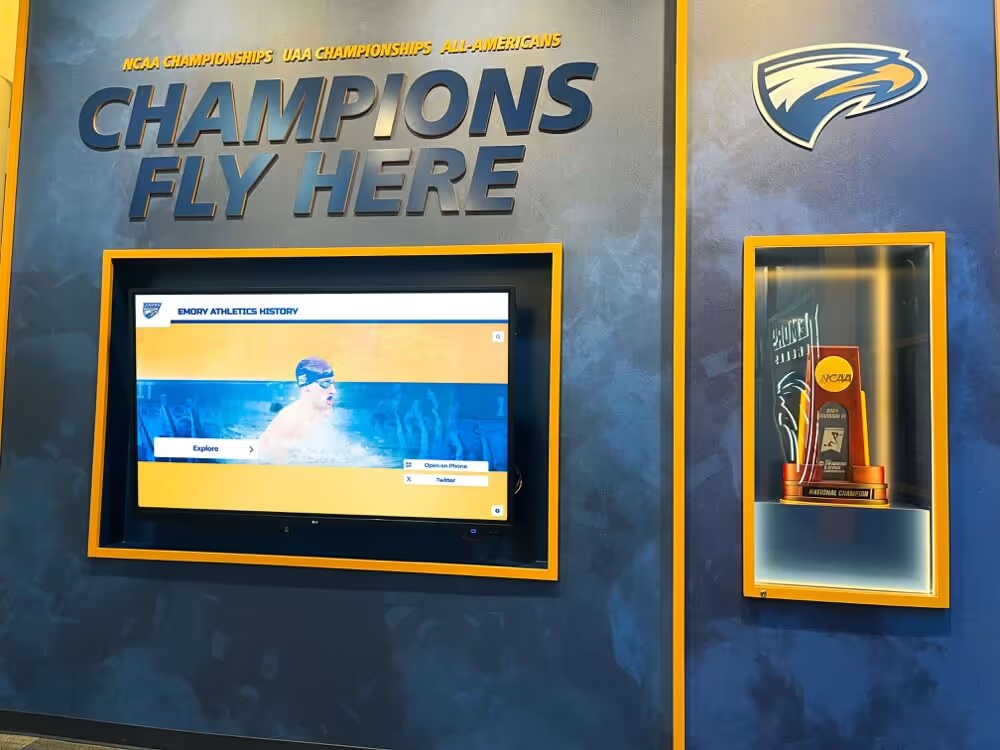
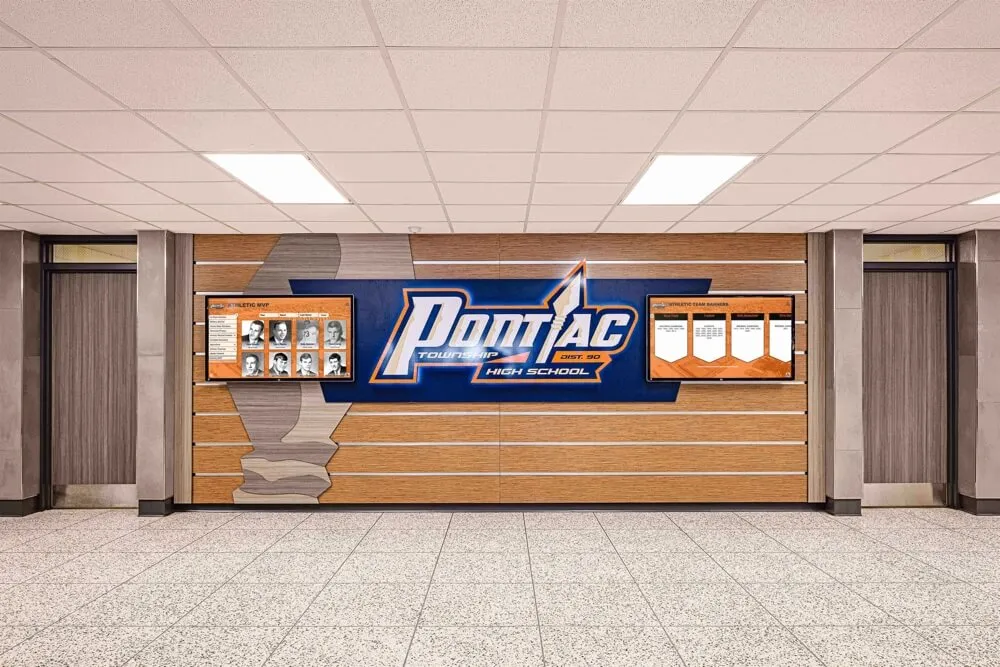
When player profiles are complete, they translate directly into rich archive displays that showcase every athlete's full story
How to Use This Template: Collection, Updates, and Archival
A template is only as valuable as the process built around it. Programs that collect profiles once and never revisit them end up with incomplete archives. The most useful approach treats the player profile as a living document with three distinct update moments.
At the Start of Each Season
Distribute the personal, contact, and participation sections to every player during preseason paperwork. Collect the photo release at the same time. For returning players, confirm that previous information is still accurate and add the new season to their participation record.
This early collection ensures you have foundational data before the season starts—and before anyone gets injured, transfers, or leaves the program unexpectedly.
At the End of Each Season
After the final game, update statistics, add any awards received during the season, and complete the team championships section. This is also the moment to capture the coach’s profile notes while impressions are fresh. End-of-season updates typically take less than ten minutes per player when done consistently.
Programs building broader school archives policies should formalize this end-of-season documentation as a required step in the athletic department calendar.
At Graduation
Complete the academic section, confirm college commitment details, and take a formal senior portrait if one is not already on file. Graduating seniors are often willing to write a brief personal statement for their profile—those statements become valuable archival material when the same player is nominated for a hall of fame twenty years later.
Ongoing Post-Graduation Updates
The archive section of the profile is specifically designed for updates that come after a player leaves. Build a system for collecting post-graduation information annually—a simple email survey to graduating classes, LinkedIn monitoring for notable career achievements, or a formal alumni update request tied to reunion cycles. Programs that maintain these updates create archives valuable enough to sustain meaningful player of the month and ongoing recognition culture long after athletes have graduated.
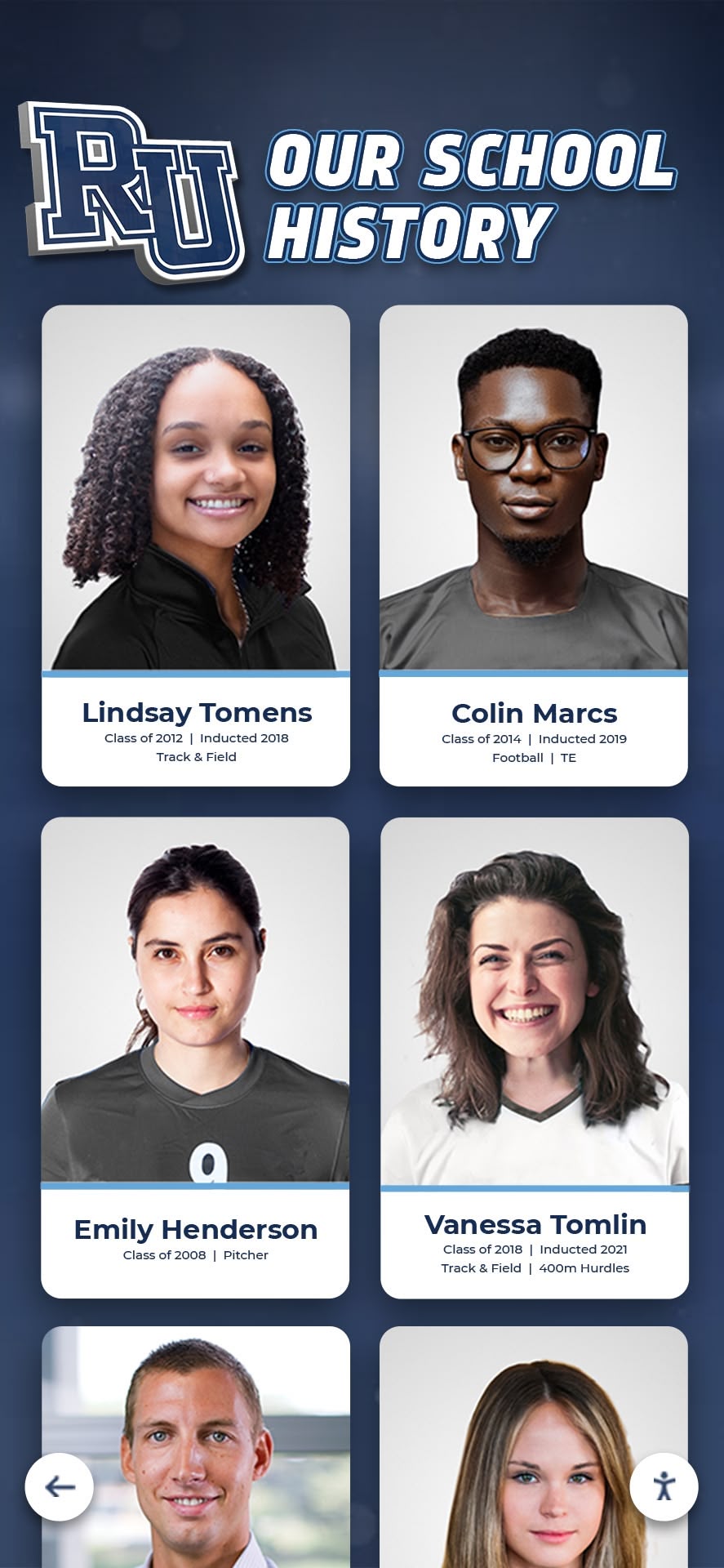
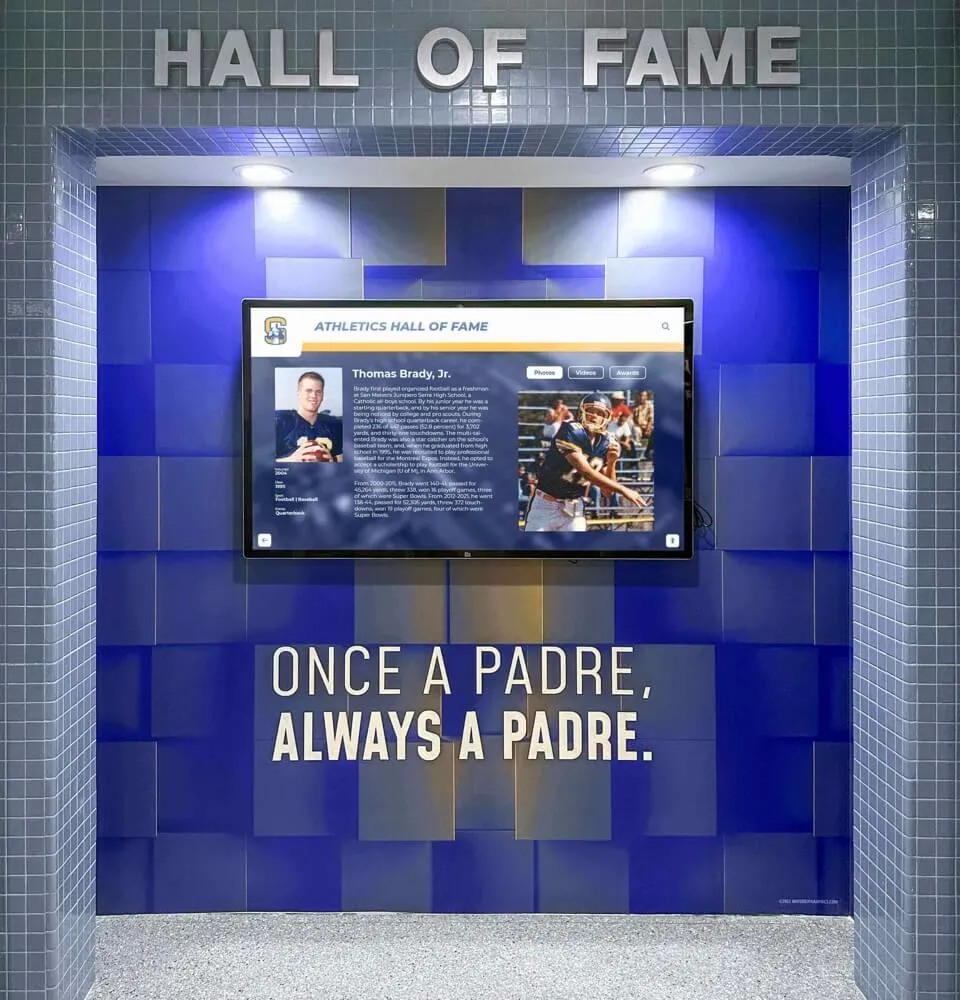
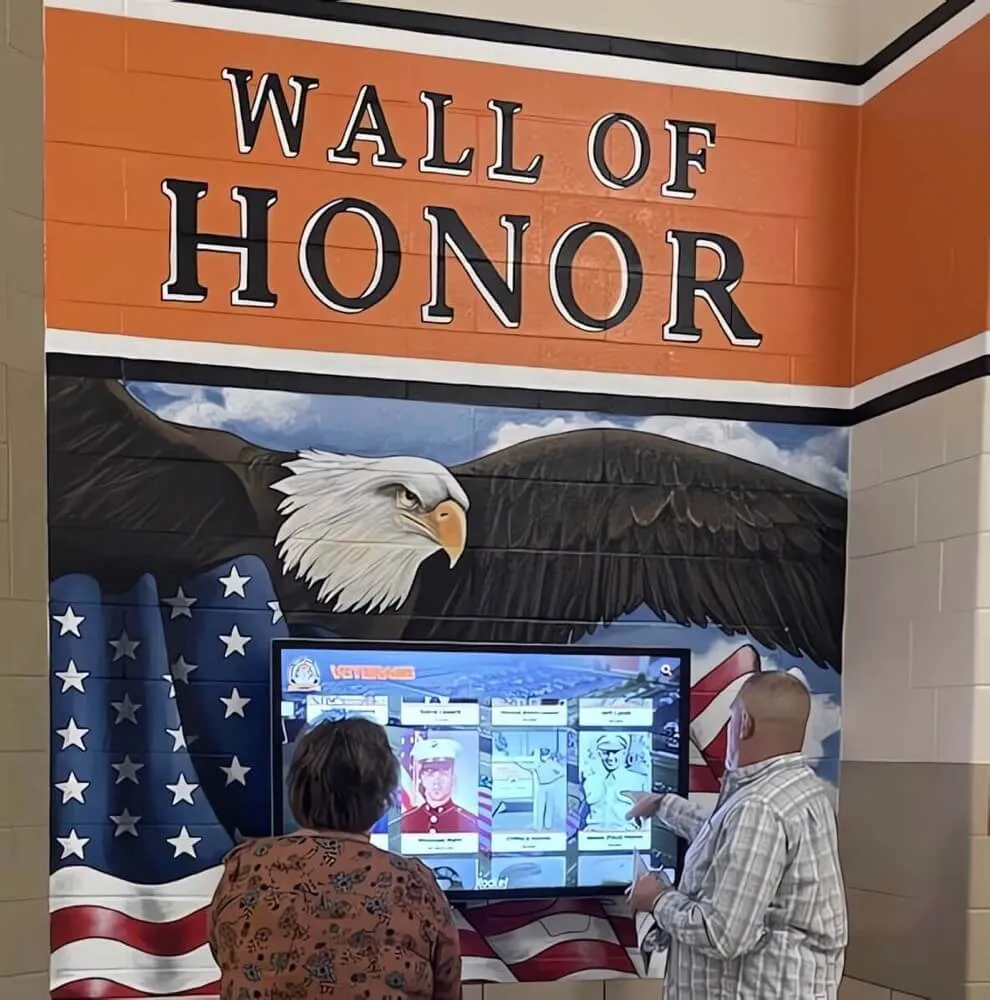
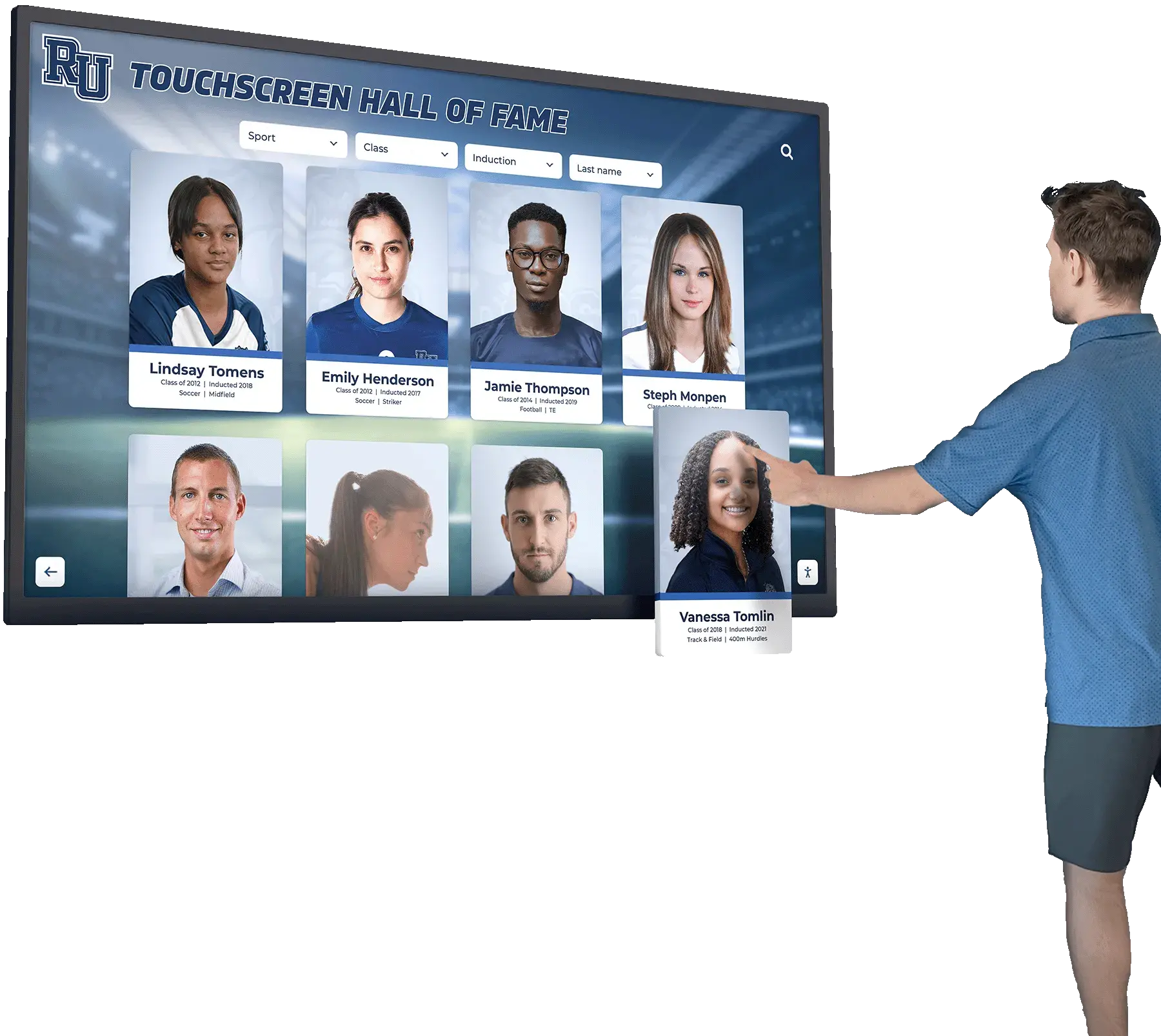
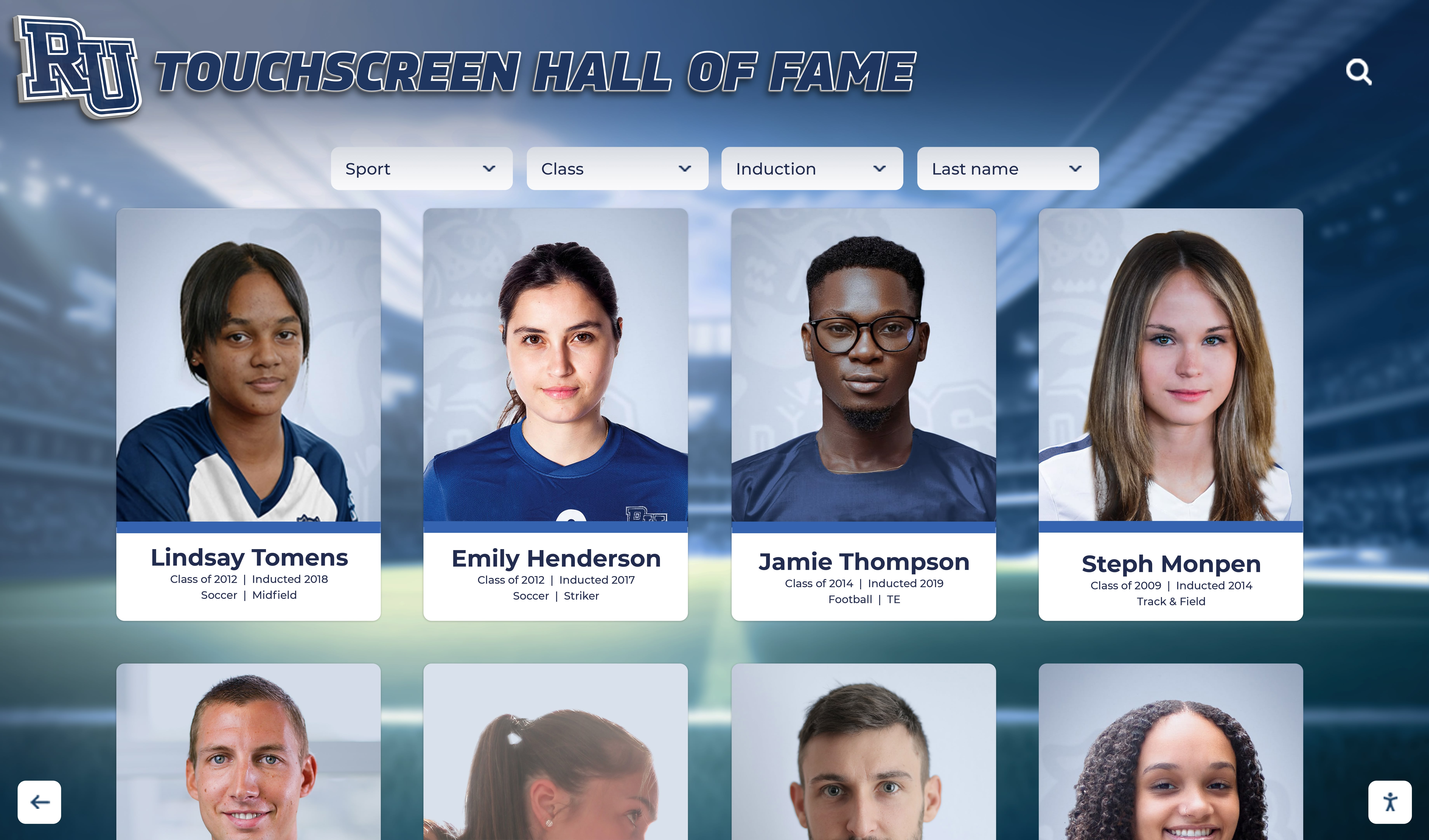
Alumni profile cards built from complete player documentation create searchable archives that serve recognition programs for decades
What Complete Player Profiles Enable
The real payoff of systematic documentation becomes clear when programs need to act on that data. Complete, well-maintained softball player profiles directly enable several important recognition activities.
Award Ceremonies and Banquets
End-of-season banquets are far more impactful when coaches have access to complete statistical records, notable moments, and personal details for every player. Instead of scrambling to compile batting averages from scattered scorebooks, staff can focus on crafting meaningful presentations. Programs celebrating achievements across multiple sports will find that softball awards and recognition ideas translate much more easily into memorable moments when player data is already organized and accessible.
Hall of Fame Nominations
Most school and conference hall of fame nomination processes require documented career statistics, awards history, and a written narrative about the nominee’s contributions. Programs with complete player profiles can respond to nomination cycles immediately rather than spending weeks researching records that may no longer exist. Comparing what well-maintained archives enable versus starting from scratch is similar to the difference between baseball recognition systems at various levels—organizations with existing infrastructure move faster and recognize more completely.
Recruitment and Program Promotion
Prospective players and their families evaluate programs in part based on what happens to athletes after they graduate. Visible archives demonstrating that former players are honored, documented, and celebrated communicate the kind of culture that attracts committed recruits. Schools that have invested in building complete player databases can use that material in facility tours, recruiting presentations, and program media guides.
Alumni Engagement and Fundraising
Alumni who feel their contributions were recognized and preserved are more likely to give back to programs. Complete player profiles create a genuine connection between the institution and its athletic history—one that can be activated during fundraising campaigns, reunion events, and facility expansion initiatives. For schools building academic recognition programs alongside athletic ones, academic and athletic recognition program integration models show how comprehensive documentation amplifies engagement across both dimensions.

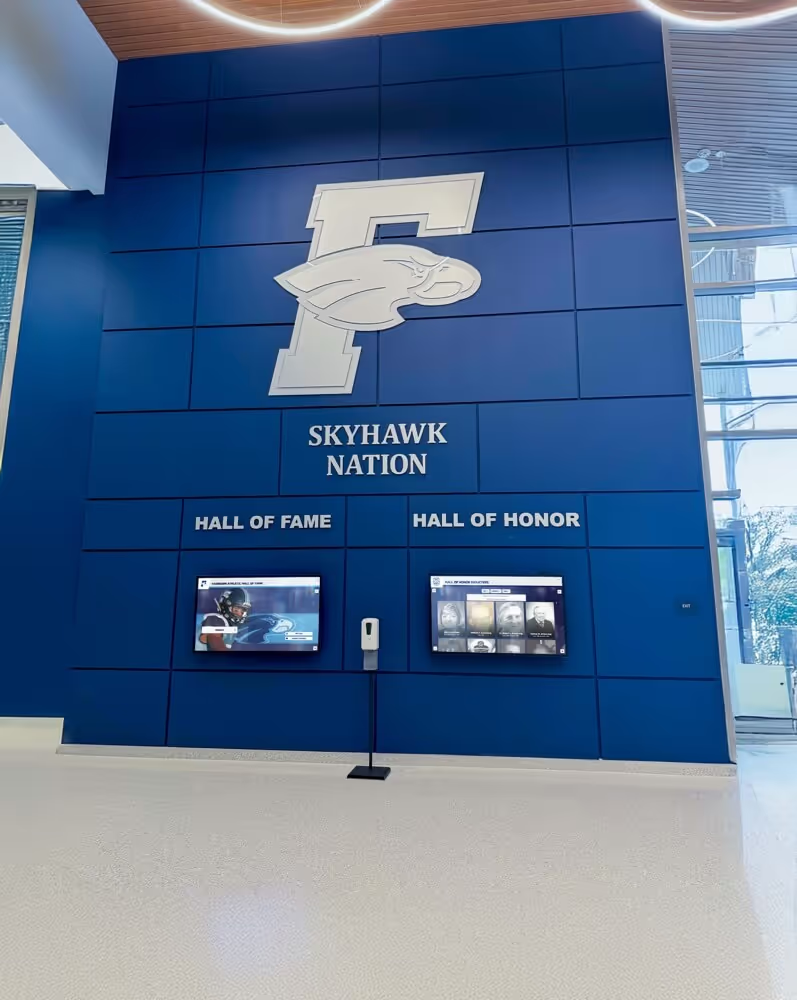
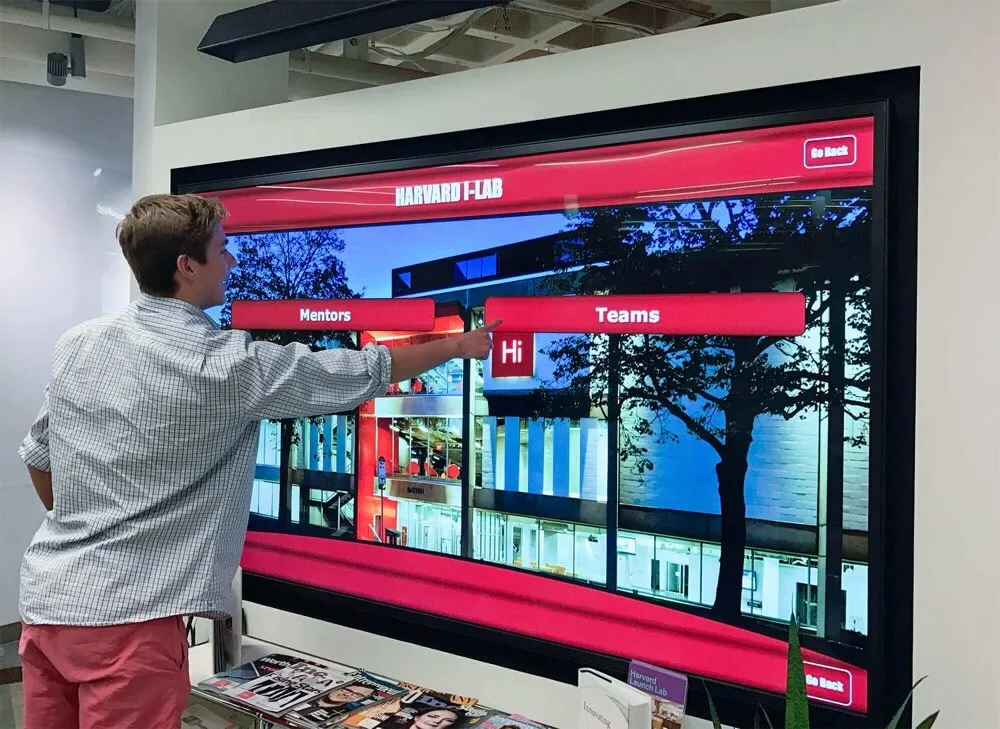
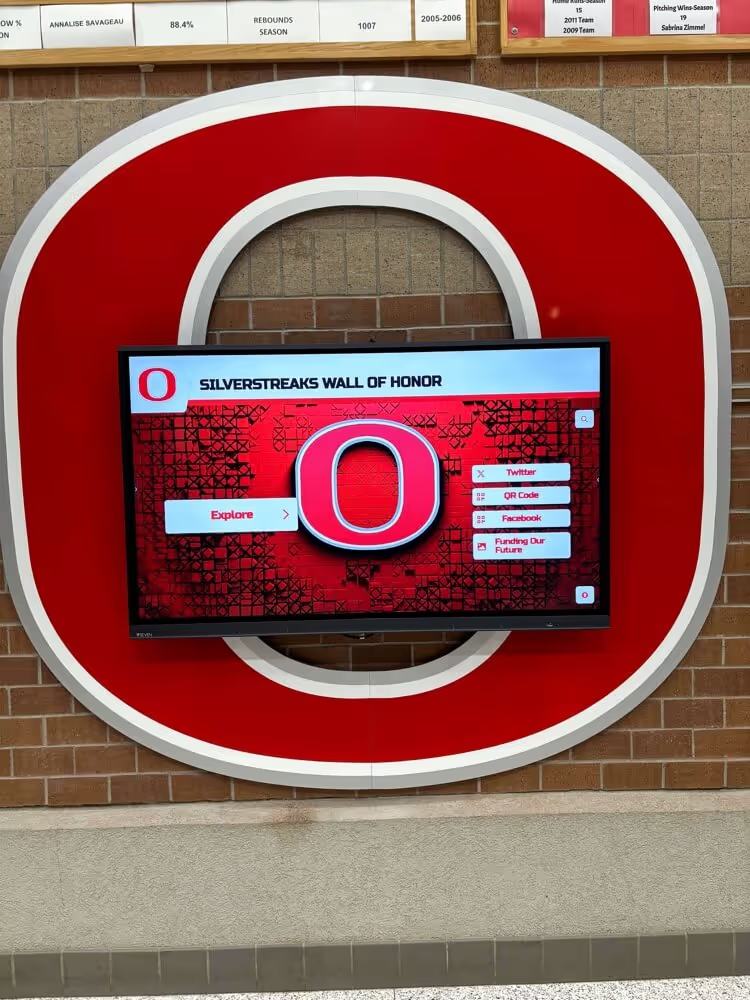
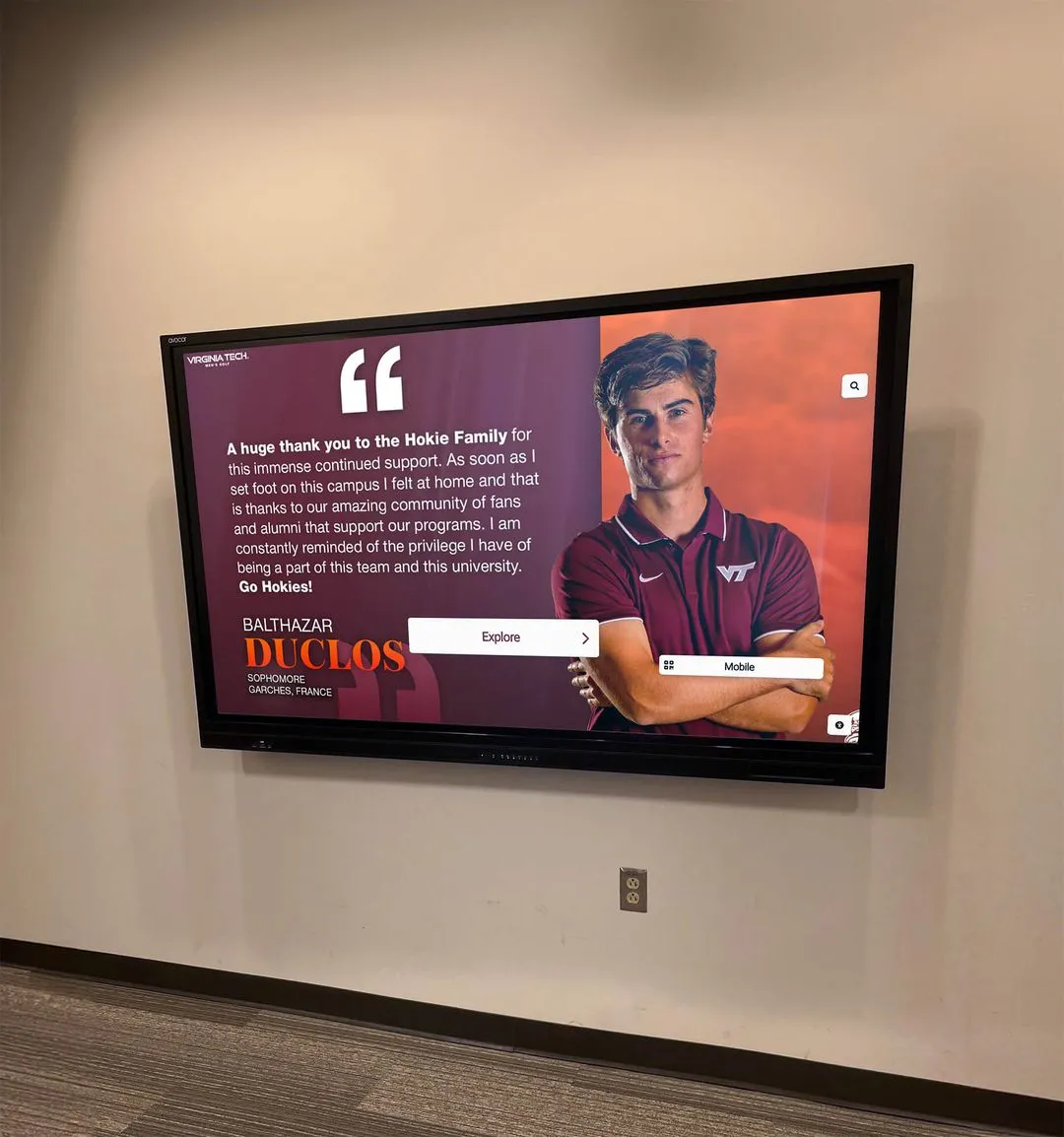
Interactive displays make complete player profiles accessible to current students, returning alumni, and facility visitors year-round
Beyond the PDF: Moving Player Profiles into a Permanent Digital Archive
A PDF template is an excellent starting point, but paper and static digital files have fundamental limitations as archival formats. PDFs get lost, storage systems change, and searching across hundreds of individual files becomes impractical once a program has documented more than a few graduating classes.
The Limitations of Static File Archives
Programs that store player profiles as individual PDFs or spreadsheet rows typically encounter several compounding problems:
Accessibility gaps — Profiles exist but cannot be searched, browsed, or displayed without manually opening individual files. Answering a question like “who holds our career stolen base record?” becomes a manual exercise even when the data technically exists.
Update fragmentation — Post-graduation updates get added inconsistently. Some alumni profiles are current; others haven’t been touched since the player’s senior year. Without a system enforcing consistent updates, the archive gradually becomes unreliable.
Display disconnect — Static files can’t be displayed interactively in athletic facilities. A PDF on a shared drive does nothing to help visitors, prospective recruits, or current players understand the program’s history.
Long-term preservation risk — File formats change, storage systems migrate, and institutional knowledge about where archives are located turns over with staff. Programs relying on static files routinely rediscover this problem when a key administrator leaves.
Interactive Archive Systems as the Next Step
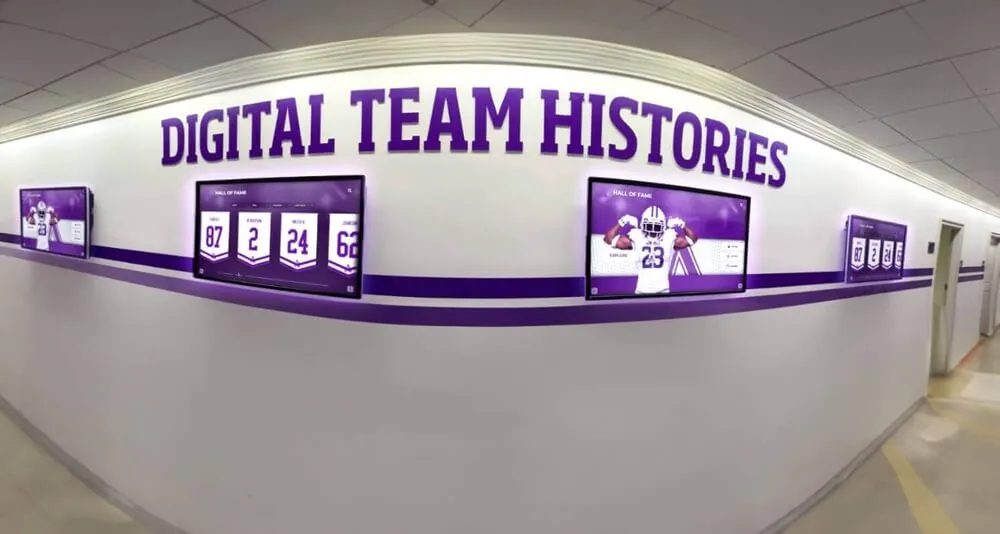
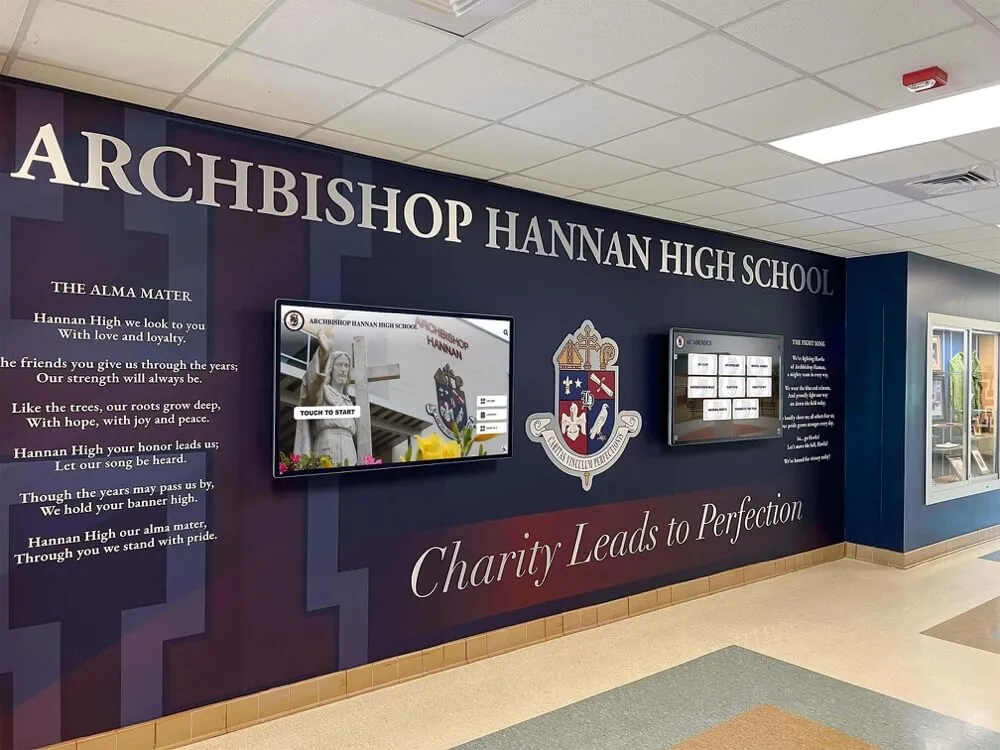
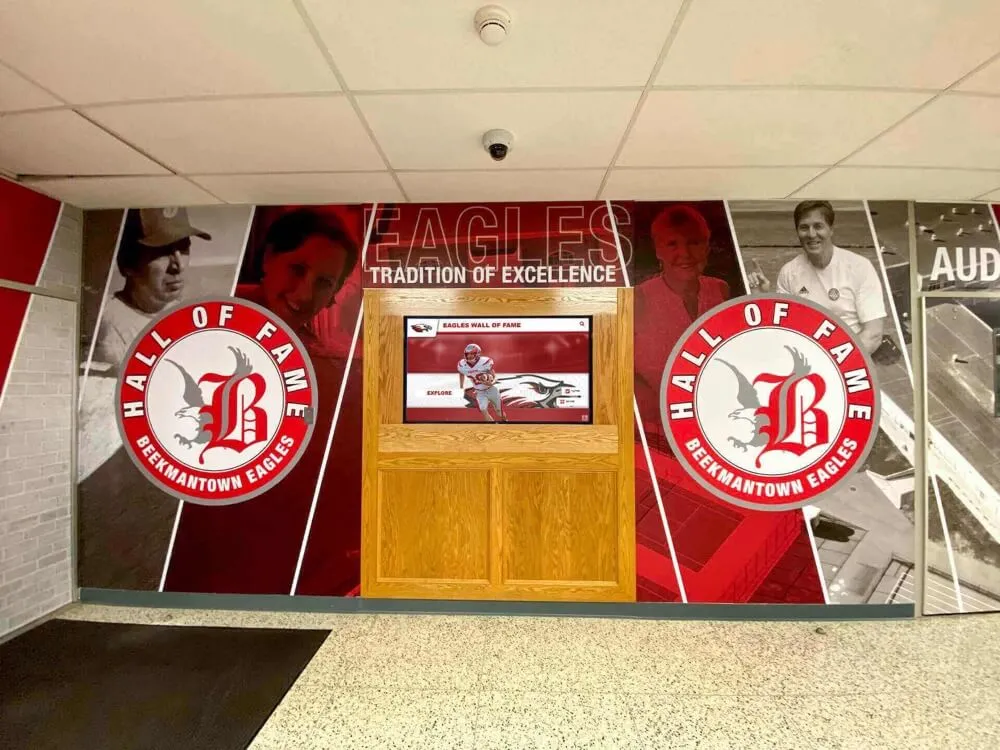
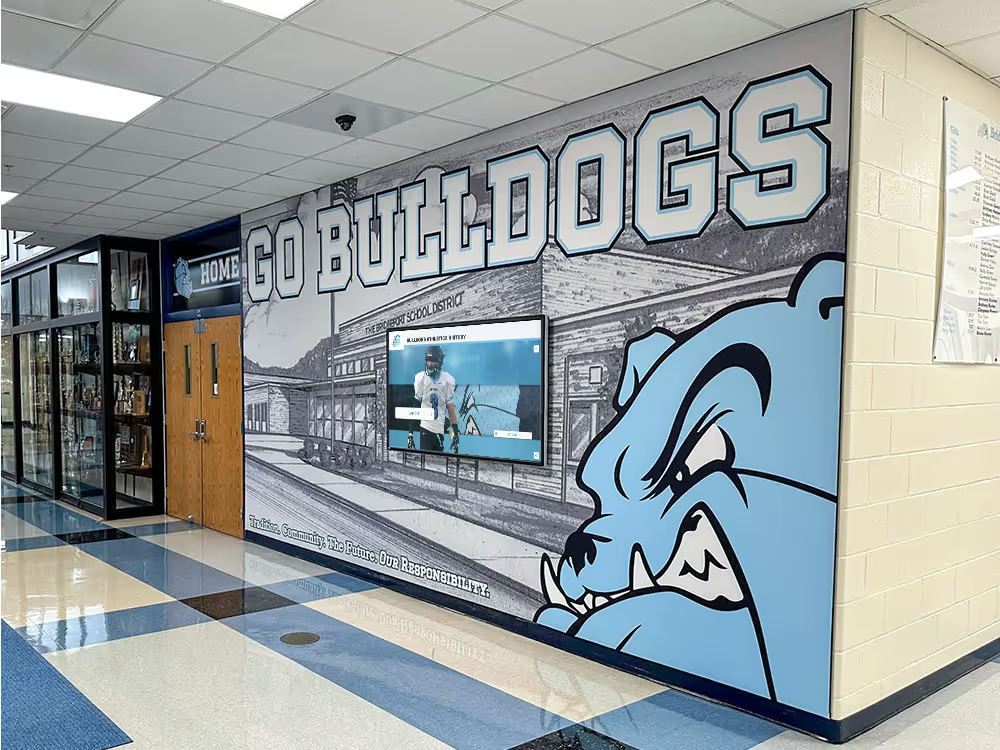
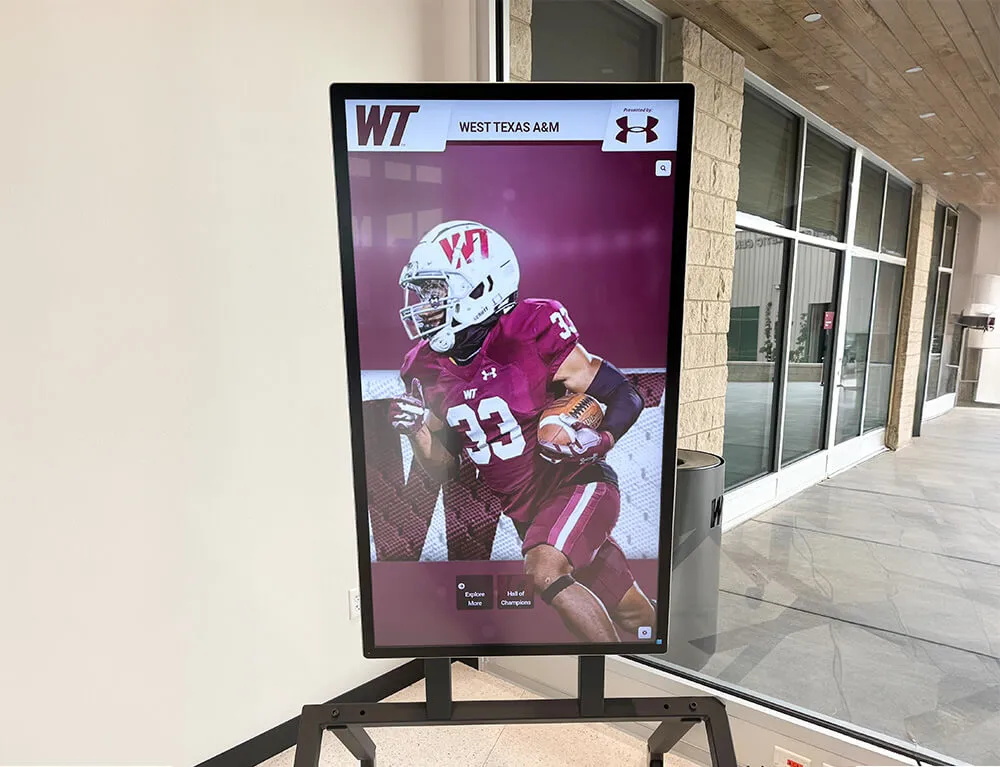
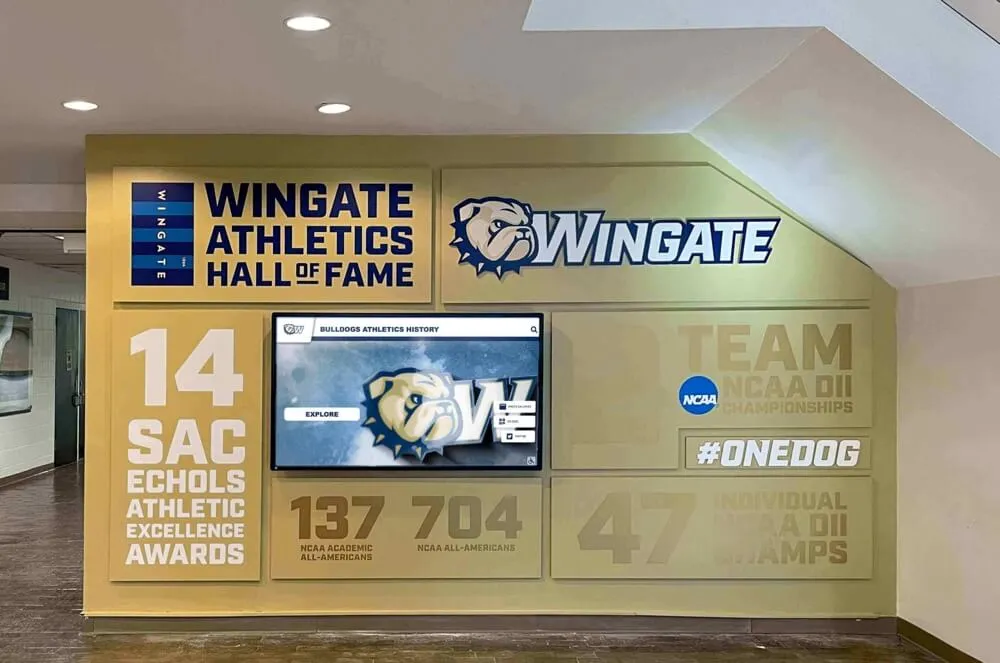
Schools that have built complete player profile databases are well-positioned to move those records into an interactive display system. Rocket Alumni Solutions builds touchscreen archive displays that transform structured player data into searchable, browsable profiles displayed permanently in athletic facilities—allowing coaches, families, and alumni to explore program history the way a library lets you explore a collection rather than rummaging through storage boxes.
Interactive archive systems solve each of the limitations above. Every player profile becomes a searchable record. Updates to individual profiles reflect immediately across the display. The archive is visible and accessible in the facility rather than locked in a shared drive. And cloud-based storage protects records from the hardware and staffing changes that routinely destroy static archives.
For programs exploring what modern digital recognition tools look like relative to traditional options, reviews of free design tools for school athletic programs provide useful context for evaluating the full landscape of available resources.
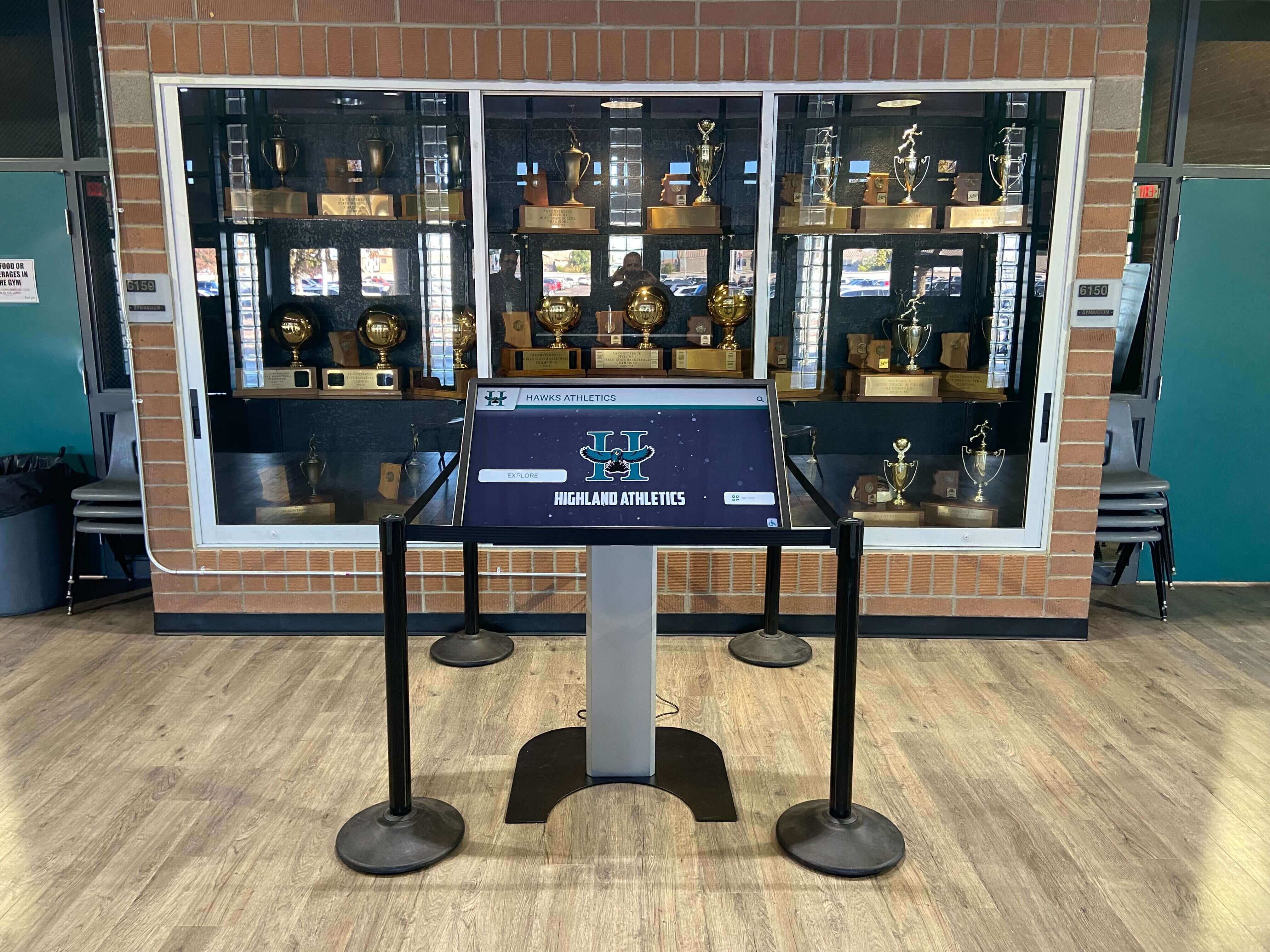
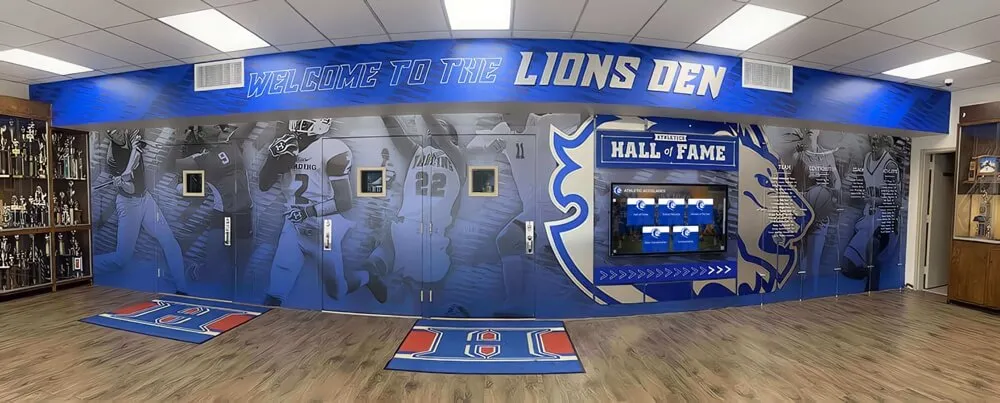
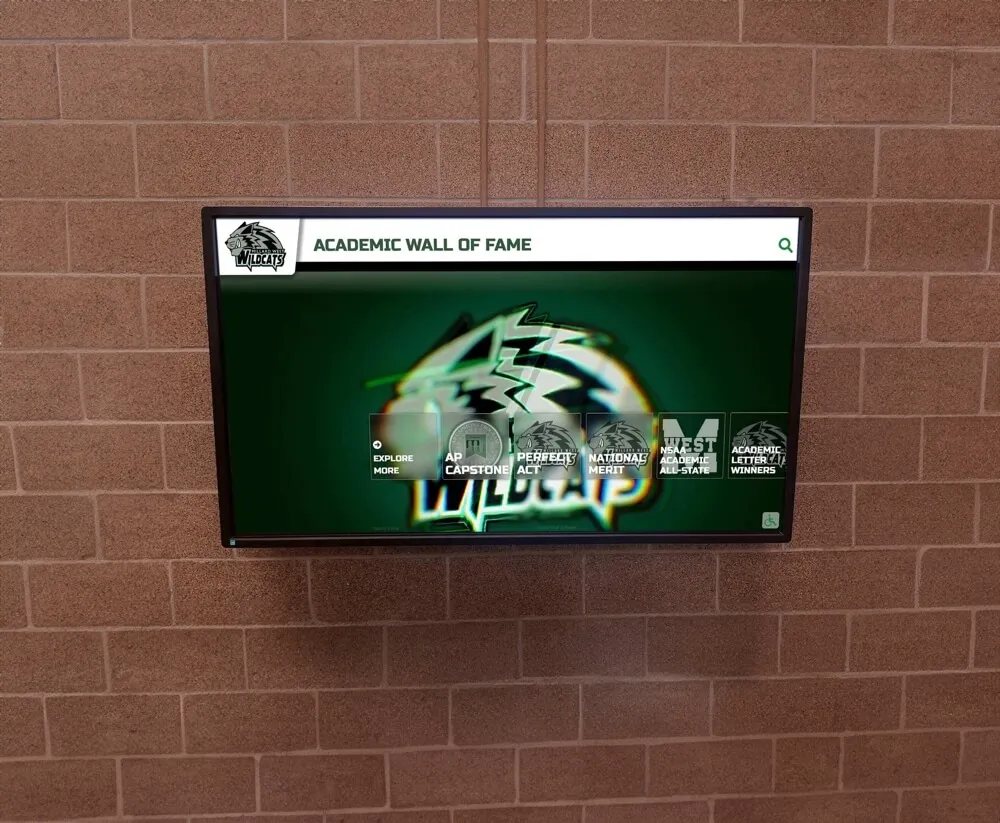
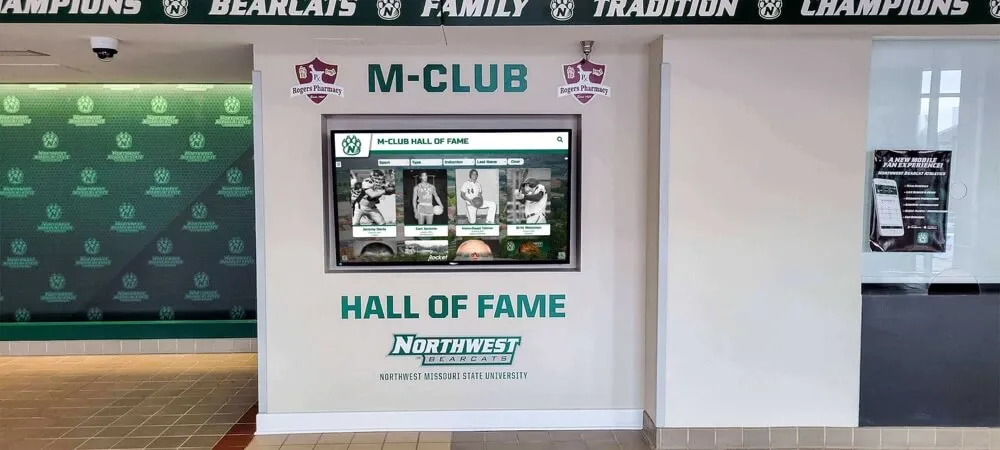
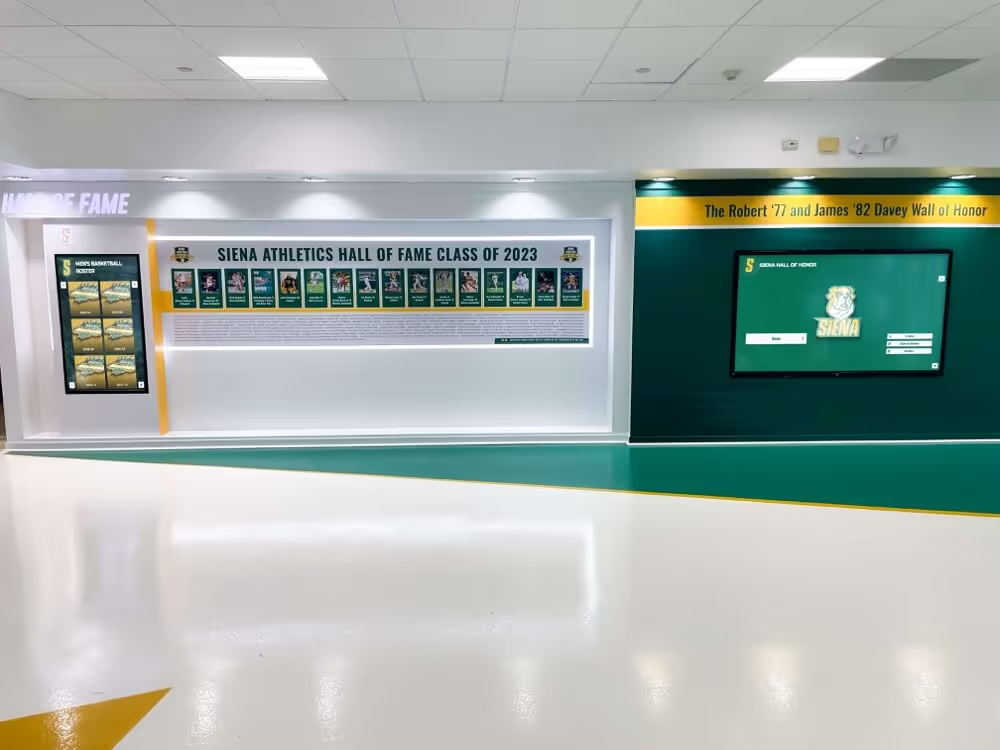
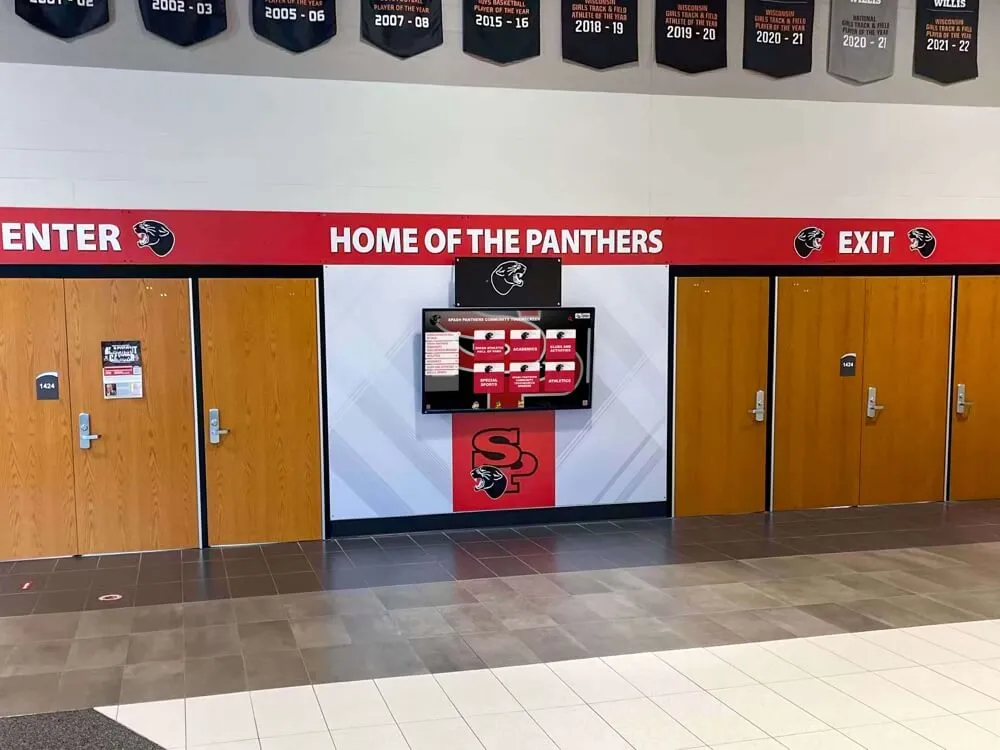
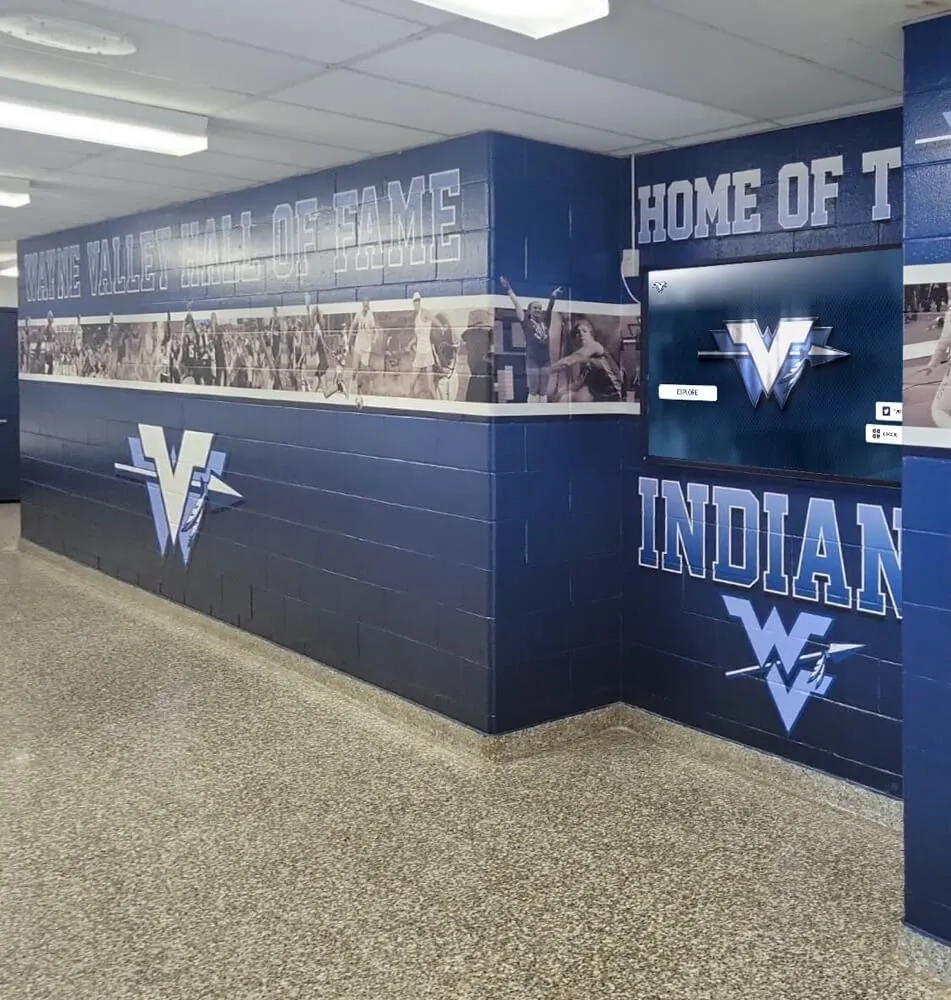
Touchscreen kiosks installed alongside traditional trophy cases transform static collections into navigable archives that honor every player on record
Adapting the Template for Different Program Contexts
The template above is designed as a complete framework. Individual programs may need to adapt it based on their specific context.
High School Programs
High school programs typically emphasize graduation year, college commitment, and team championship records. The academic section—GPA, honor roll, NHS membership—is particularly important for high school documentation because it captures the student-athlete identity rather than just the athlete.
Programs that also run robust academic recognition should note that AP Scholar Awards and academic achievement celebration approaches can be integrated into the same archive system that houses athletic profiles—creating a comprehensive student achievement record rather than siloed athletic documentation.
College and University Programs
College programs typically need more detailed pitching statistics, transfer history, and redshirt year tracking. The post-graduation section should capture professional softball career data if applicable, along with graduate school completion and career milestones.
Club and Travel Organizations
Club and travel softball programs often lack formal record-keeping infrastructure. For these organizations, the template serves a slightly different purpose: it creates documentation that players can take with them when they transition to school programs and provides the basis for year-end recognition events. Schools evaluating different recognition approaches for their programs can also explore how digital display alternatives compare for athletic program communication.
Photography and Media Requirements for Archive-Ready Profiles
Complete player profiles include more than text fields. Quality photography is the element most programs underinvest in—and the one most regretted when displays are built years later.
Required Photographs for Each Player
Formal portrait — A consistent, clean headshot taken in uniform at the beginning of each season. Consistent framing, background, and lighting makes later display design far more cohesive. Avoid cropped action shots as substitutes for formal portraits.
Action photography — At least one quality action photo per season showing the player in their primary role (pitching, fielding, batting). These images become the most used assets in recognition displays and hall of fame materials.
Senior portrait — A formal senior-year portrait separate from the in-uniform athletic photo. This image becomes the primary profile photo for alumni recognition.
Team photo — Annual team photos with complete player identification documented. Team photos establish historical context and are frequently the most searched archive item by returning alumni.
Photo Release and Consent Documentation
Every photo used in a public-facing display or archive requires documented consent. The photo release line in Section 1 of the template is not optional—programs that display player images without documented consent expose themselves to unnecessary risk. Build photo release collection into the same process as physical clearance forms at the start of each season.
For broader institutional context on how recognition programs approach documentation and consent requirements, multi-disciplinary recognition program approaches show how different programs handle media consent across activity types.
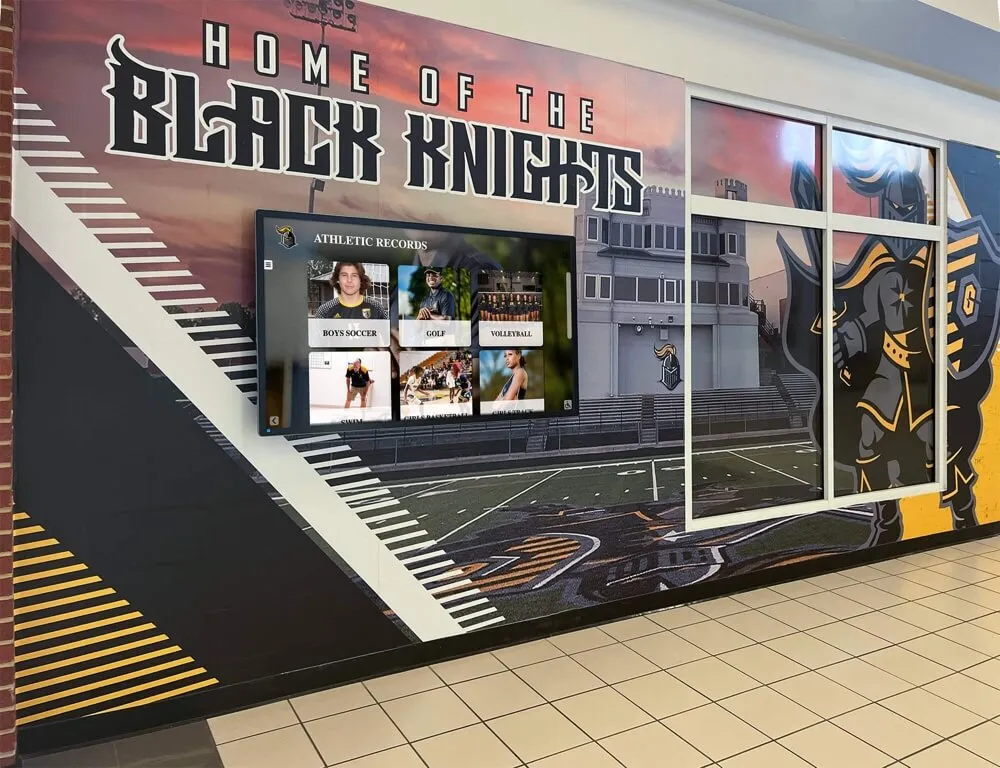
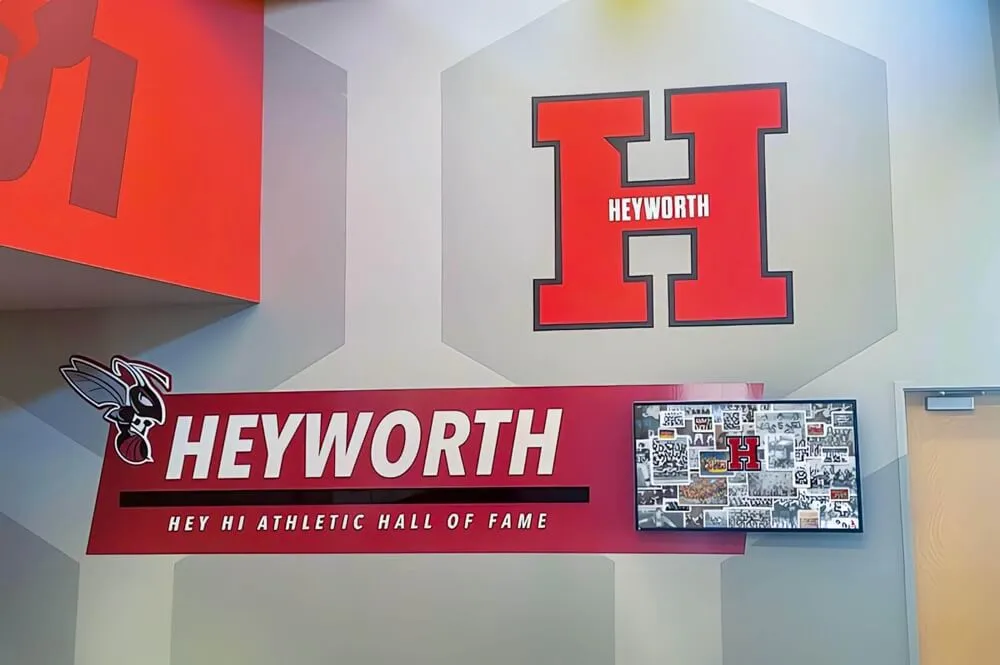
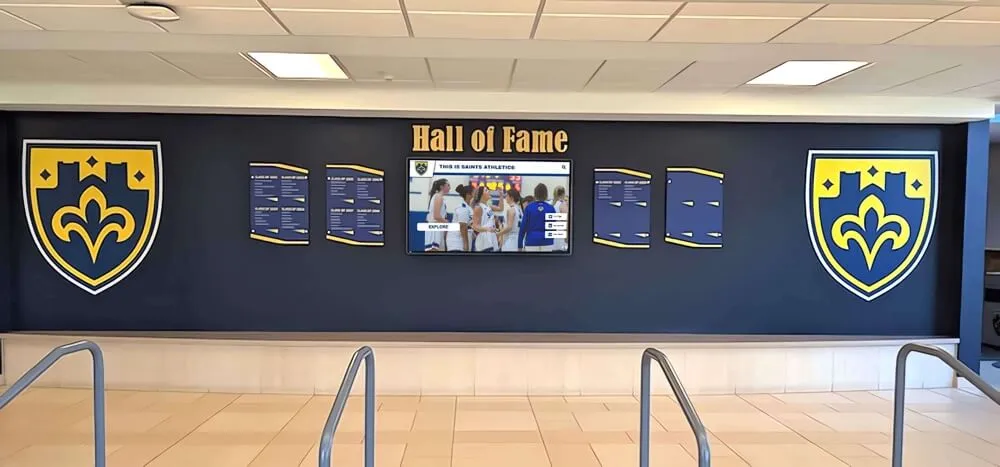
When player profiles are systematically collected and preserved, they provide the foundation for facility displays that honor the full scope of a program's history
Building the Habit: Getting Coaches to Complete Profiles Consistently
The most common reason player documentation gaps exist is not that programs lack templates—it is that profile collection never becomes a reliable habit. A few structural choices make consistent collection much more likely.
Attach collection to existing workflows. Distribute profile forms at the same time as physical clearance paperwork, jersey assignments, or preseason parent meetings. When profile collection is a standalone ask, it gets deferred. When it happens alongside mandatory processes, completion rates improve substantially.
Assign ownership. Designate a specific person—team manager, athletic department coordinator, or senior player—as responsible for collecting, tracking, and filing completed profiles each season. Shared responsibility frequently becomes no responsibility.
Create a completion checklist. Post a simple checklist in the athletic office showing which players have completed initial profiles, which need end-of-season updates, and which graduating seniors still need post-graduation archival information. Visible tracking creates accountability without requiring frequent reminders.
Review profiles before banquets and ceremonies. Build a calendar reminder two to three weeks before the end-of-season banquet to review all player profiles for completeness. This creates a natural deadline that motivates updates while there is still time to fill gaps before recognition events.
Programs that build these habits over two or three seasons typically find that their archive grows into a genuine institutional asset—one that makes every subsequent recognition effort faster, richer, and more meaningful.
Conclusion: From Template to Lasting Legacy
A free softball player profile template PDF is where every good athletic archive starts. The fields in this template—personal information, athletic statistics, awards, academic achievements, and post-graduation updates—represent the full picture of a student-athlete’s contribution to a program. Collecting that information systematically, updating it consistently, and eventually moving it into an accessible digital archive transforms individual profiles into a living record of program history.
The schools and athletic programs that do this work well are the ones where returning alumni walk into the facility thirty years later and find their story still being told—where current players understand the tradition they are now part of, and where recognition feels meaningful because it is backed by genuine, preserved documentation.
Ready to Move Your Profiles Beyond Paper?
See how interactive touchscreen archive displays can transform your softball player profiles into a permanent, searchable collection that honors every athlete who has ever worn your uniform.
Request a Demo