Free Yearbook Archive Resources: How Schools Preserve Decades of History Without a Big Budget
- Home /
- Touch Archive Blog /
- Free Yearbook Archive Resources: How Schools Preserve Decades of History Without a Big Budget
The Easiest Touchscreen Solution




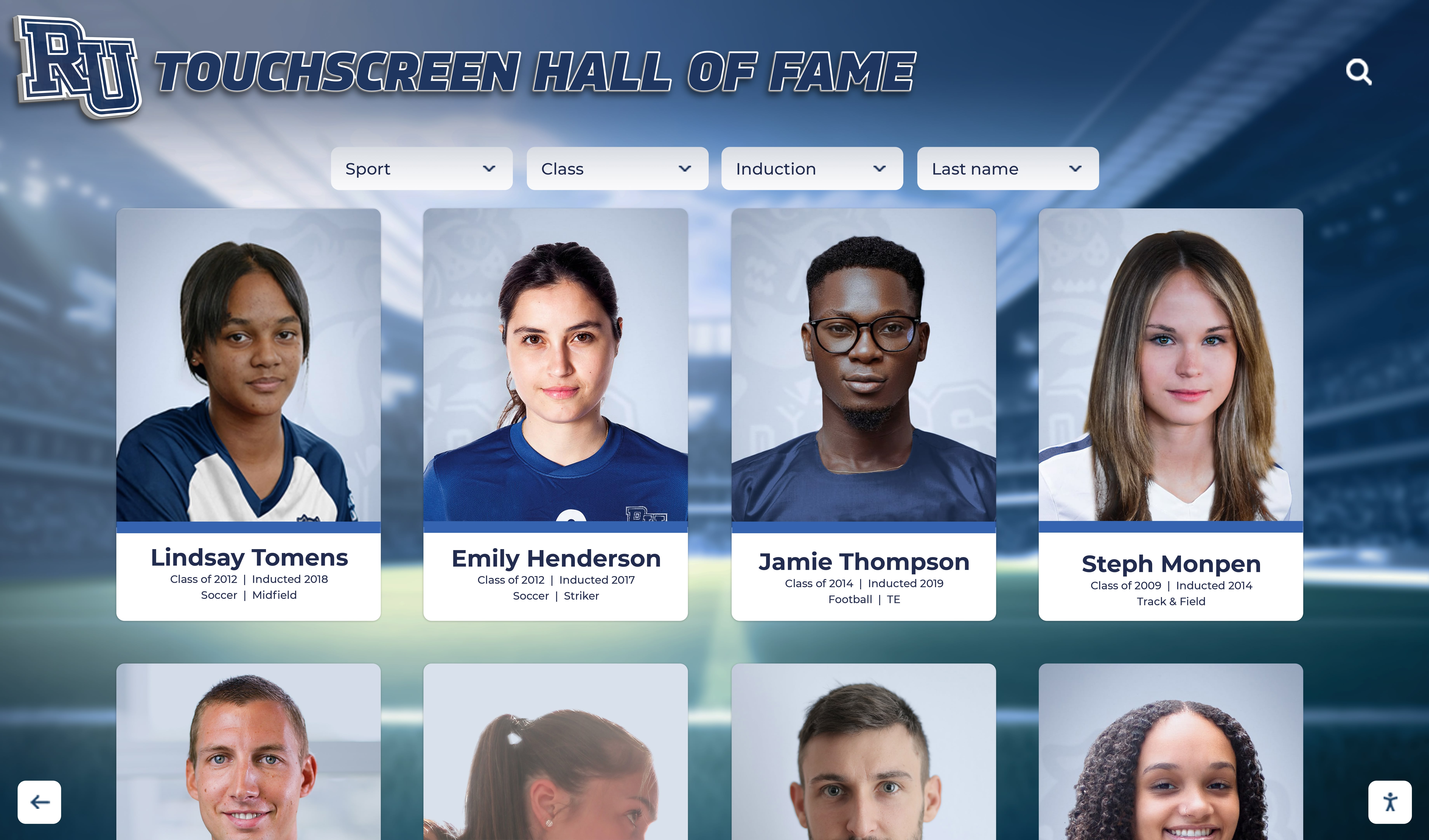
Live Example: Rocket Alumni Solutions Touchscreen Display
Interact with a live example (16:9 scaled 1920x1080 display). All content is automatically responsive to all screen sizes and orientations.
Every school accumulates decades of yearbooks—cardboard time capsules documenting generations of students, championship teams, beloved teachers, and evolving campus traditions. These volumes represent irreplaceable institutional memory, yet many schools face a frustrating paradox: their richest historical archives sit deteriorating in storage rooms, inaccessible to current students and distant alumni who’d treasure reconnecting with these memories. The barrier isn’t desire but budget—professional digitization services can cost thousands of dollars, placing comprehensive yearbook preservation beyond reach for schools already stretched thin.
The good news? Creating accessible yearbook archives no longer requires enterprise budgets or specialized expertise. A combination of free digital tools, volunteer coordination strategies, and low-cost equipment options now enables even small schools with minimal budgets to preserve and share their institutional history effectively. Schools across the country have successfully digitized decades of yearbooks using student volunteers, parent scanning stations, and free archival platforms—transforming dusty storage boxes into searchable digital collections accessible to their entire community.
This guide reveals practical, budget-conscious approaches schools use to build yearbook archives without significant financial investment. Whether you’re a librarian at a small private school, an alumni coordinator at a resource-limited district, or a volunteer tasked with preserving your alma mater’s history, you’ll discover proven strategies for making your school’s yearbook collection accessible to everyone who values these memories.
Schools often assume that preserving historical yearbooks requires expensive professional services or sophisticated technology. In reality, the most successful school archive projects combine freely available tools with the most valuable resource schools already possess: community members who care about institutional memory and are willing to contribute time toward preservation efforts.

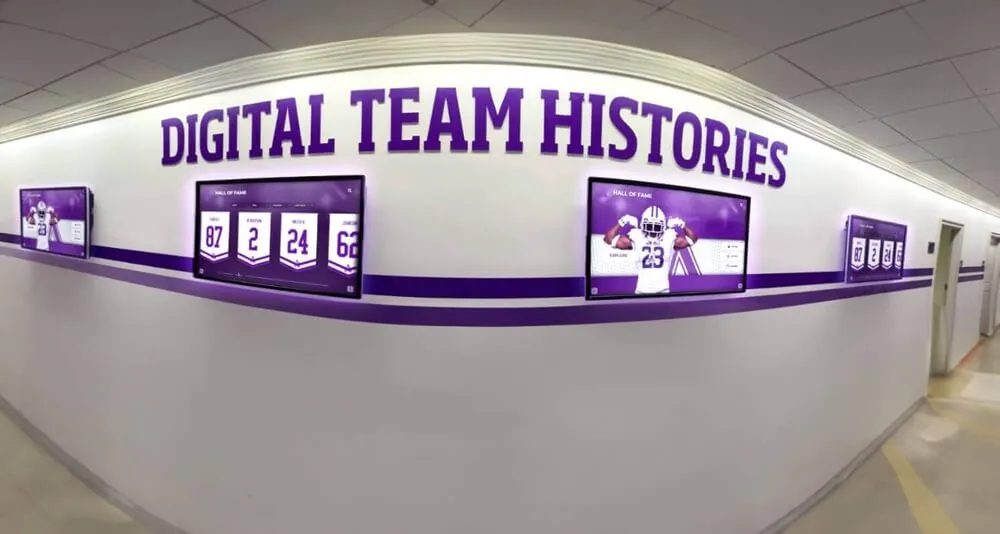
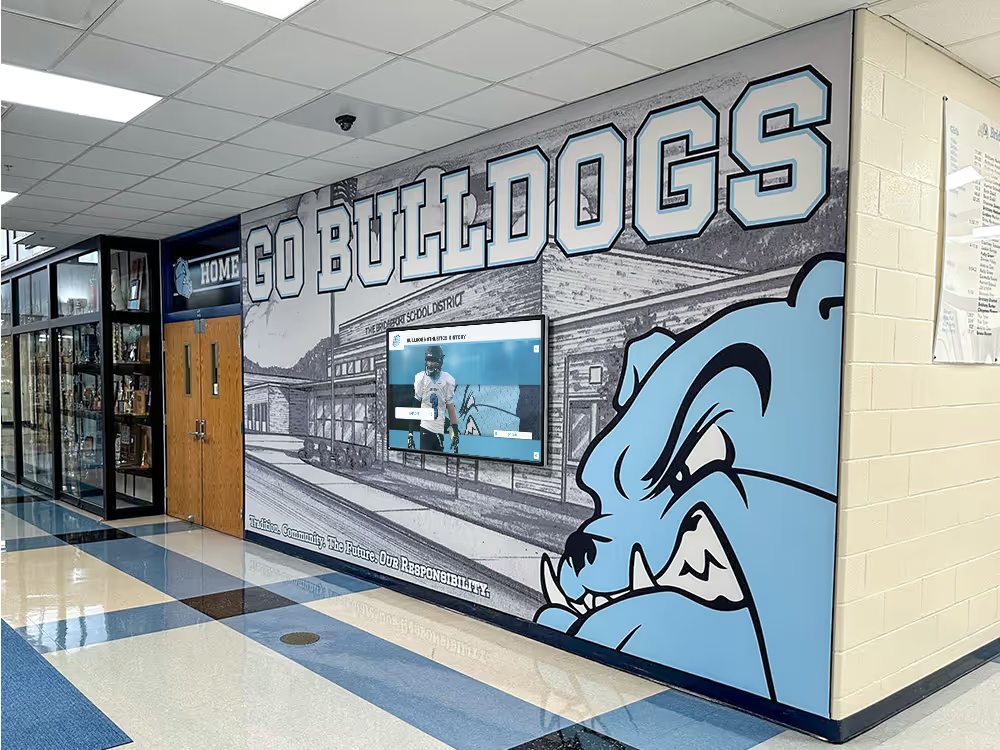
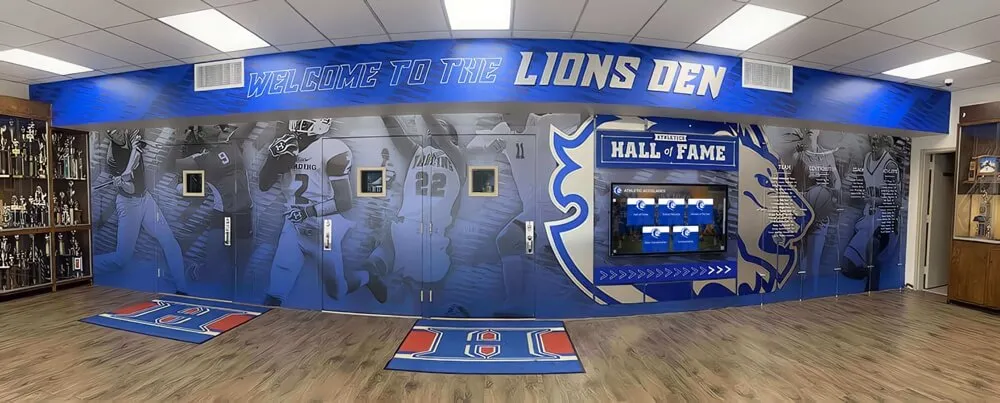
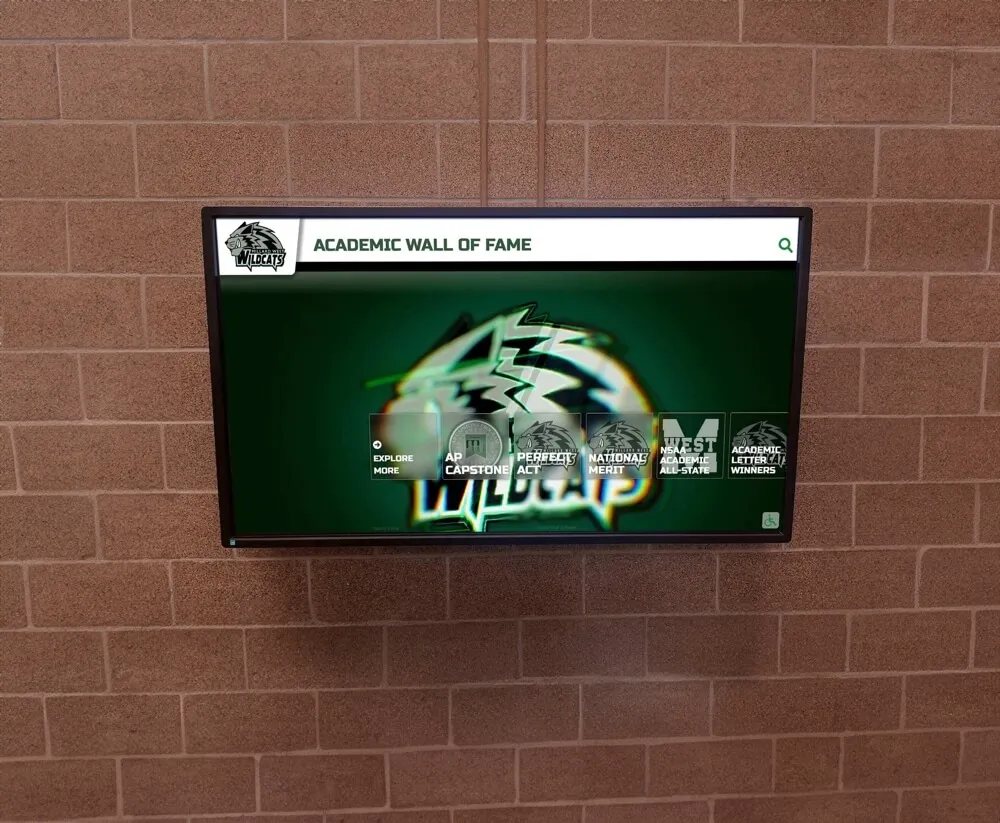
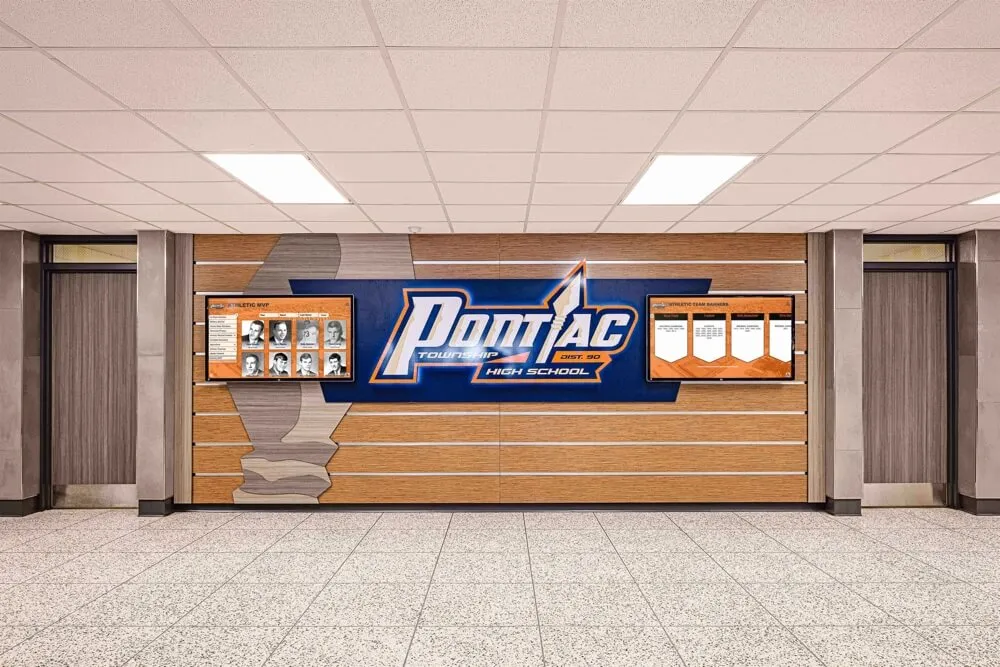
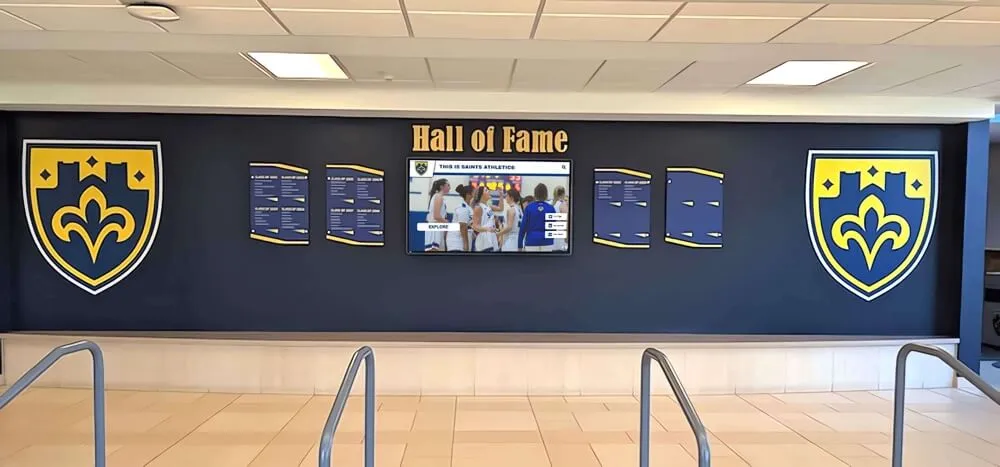
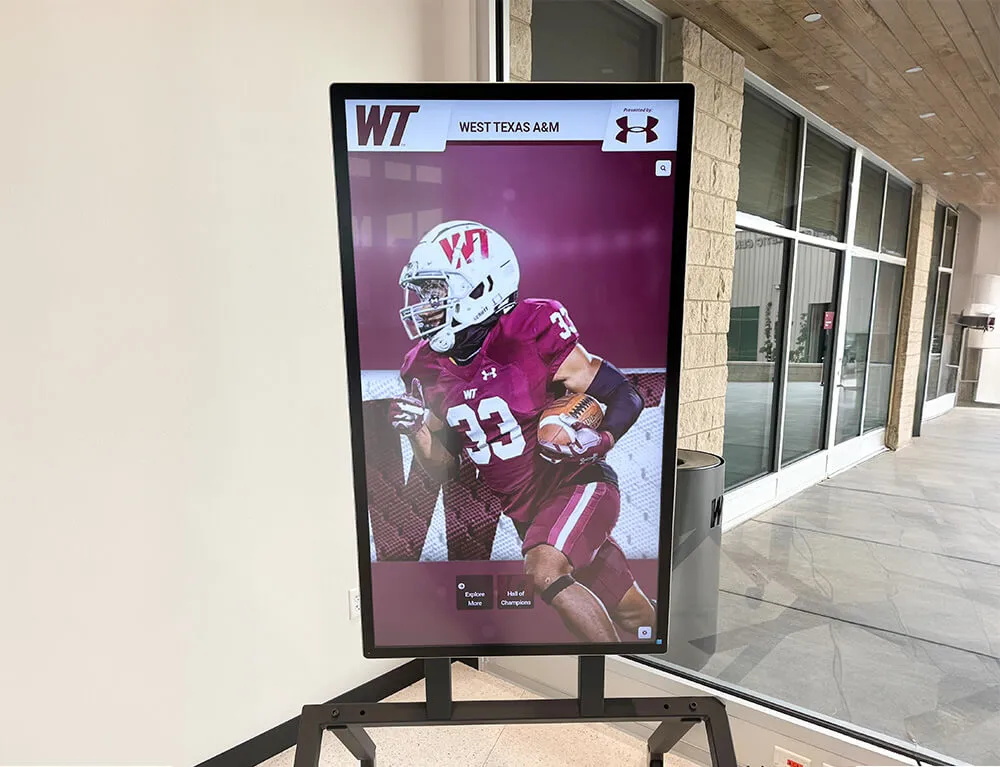
Modern digital displays can showcase digitized yearbook archives, making decades of school history accessible to current students and visiting alumni
Why Schools Need Accessible Yearbook Archives
Before exploring free archive solutions, understanding the tangible benefits schools gain from accessible yearbook collections helps build the case for investing volunteer time and modest resources in digitization projects.
Connecting Current Students with Institutional Legacy
Yearbook archives serve as powerful educational tools that help students understand their place in ongoing school traditions:
Building School Identity and Pride
When students can access decades of yearbooks, they discover:
- Their school’s evolution over time through changing fashions, activities, and priorities
- Connections between current traditions and historical origins
- Family members who attended the same school in previous generations
- Championship teams and academic achievements that built the school’s reputation
- Teachers and coaches who’ve dedicated careers to the institution
This historical perspective transforms abstract school pride into tangible connection with students who came before. A freshman discovering their grandparent’s senior portrait in a 1970 yearbook experiences school differently than one who sees the building as merely four years of required attendance.
Supporting Academic Research and Projects
History and social studies teachers leverage yearbook archives for authentic primary source research:
- Local history projects documenting community changes across decades
- Sociology assignments analyzing cultural shifts through fashion, language, and activities
- Comparative studies of educational priorities across different eras
- Oral history projects where students interview alumni about their yearbook memories
- Digital literacy skills developed through archive navigation and research
Schools that make yearbooks accessible online expand these educational opportunities beyond the physical limits of library hours and archive room access. Students working on evening projects or conducting summer research can explore materials anytime.
Strengthening Alumni Engagement and Fundraising
Alumni associations and development offices discover that yearbook archives significantly boost engagement with former students:
Reunion Planning and Attendance
Alumni coordinators report that accessible yearbook archives drive reunion participation:
- Graduates can preview classmate photos before committing to attendance
- Reunion committees use yearbook images in promotional materials and invitations
- Alumni share yearbook discoveries on social media, sparking conversations with former classmates
- Memory-sharing before events builds excitement and encourages registration
- First-time reunion attendees feel more comfortable recognizing familiar faces in advance
One alumni director noted that making yearbooks accessible online increased 25-year reunion registration by 40% as graduates discovered and reconnected with classmates they’d lost touch with decades earlier.
Creating Touchpoints for Development Outreach
Development officers use yearbook anniversaries and historical milestones to create natural donor outreach opportunities:
- Milestone reunion years (10th, 25th, 50th) trigger personalized outreach including yearbook excerpts
- Championship team anniversaries provide hooks for athletic facility fundraising campaigns
- Historical teacher or coach tributes create naming opportunities for classrooms or facilities
- Digital archives enable personalized cultivation materials referencing specific donor memories
- Searchable yearbooks help identify alumni with specific interests or affiliations worth targeting
Schools implementing digital recognition displays find that combining historical yearbook content with modern donor recognition creates compelling narratives connecting institutional legacy with current advancement priorities.
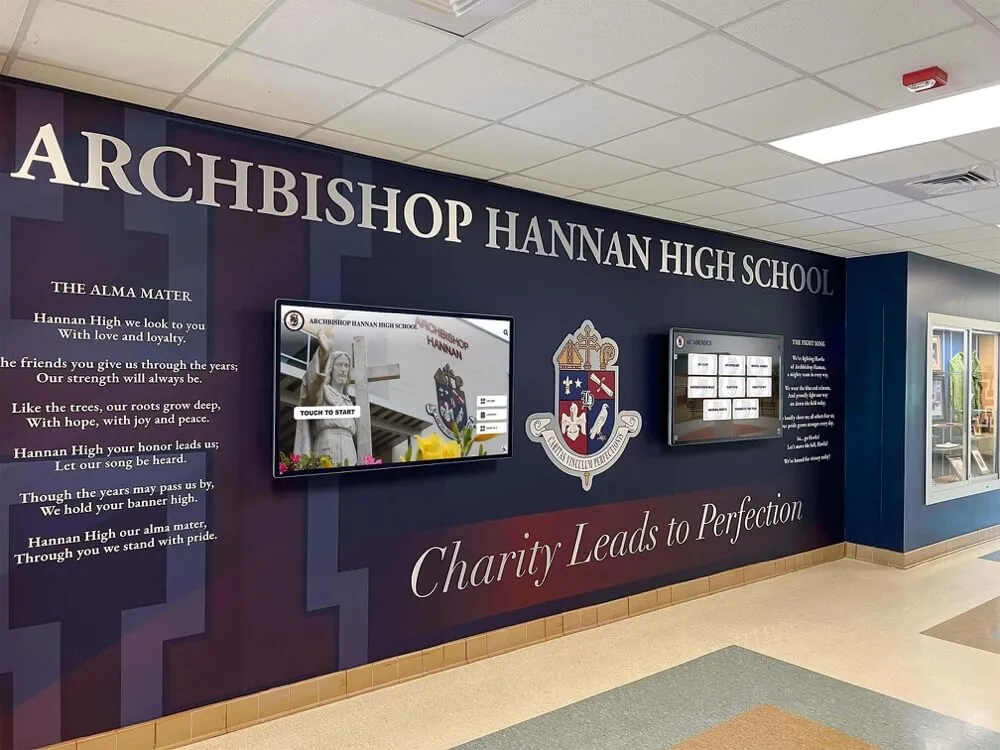
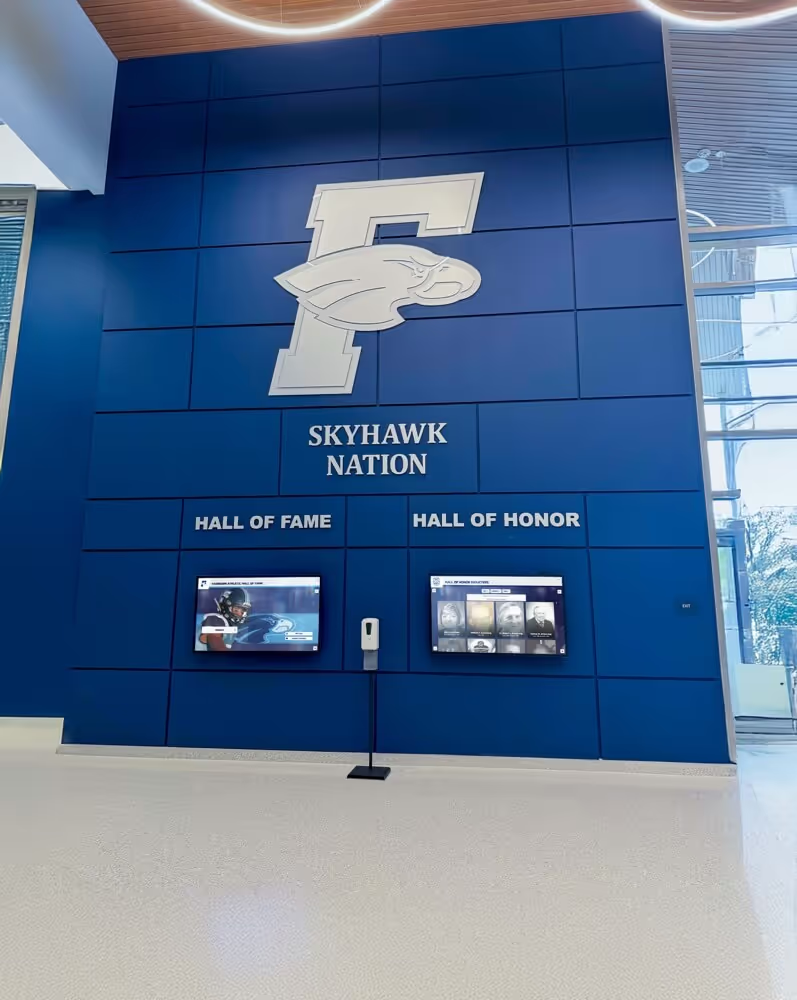
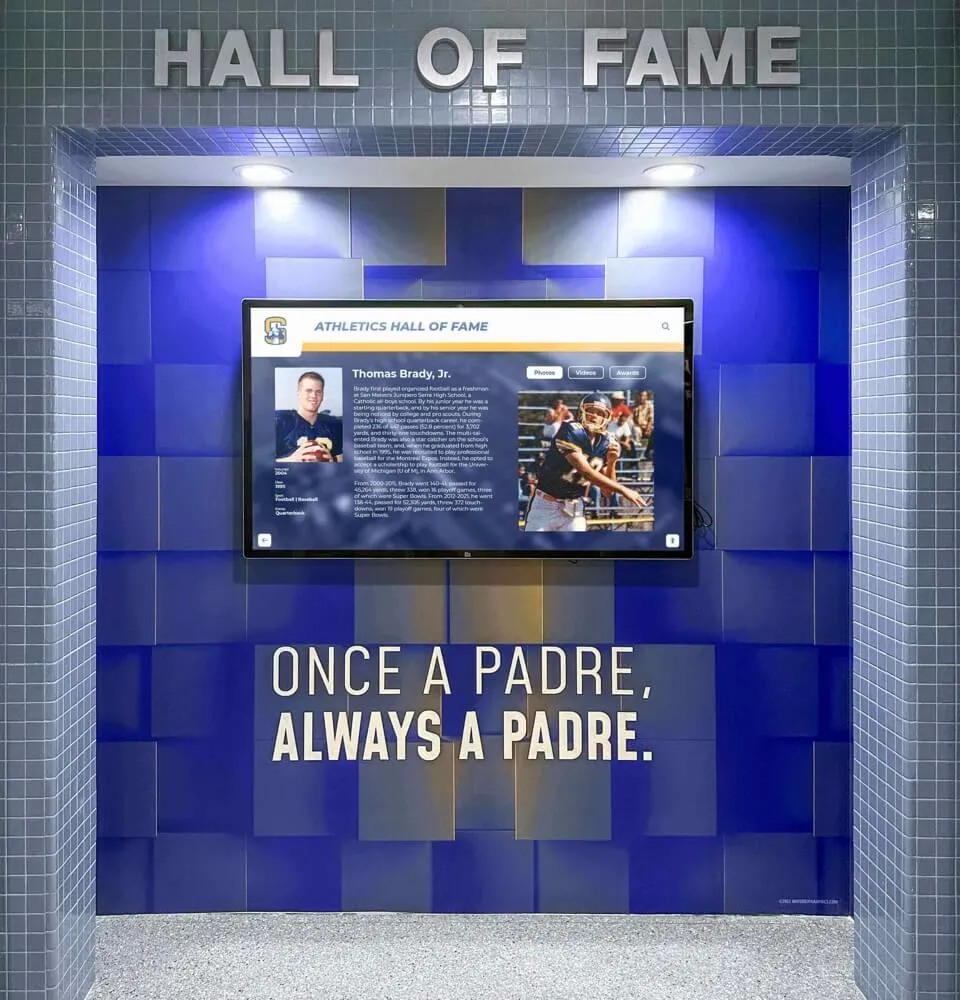
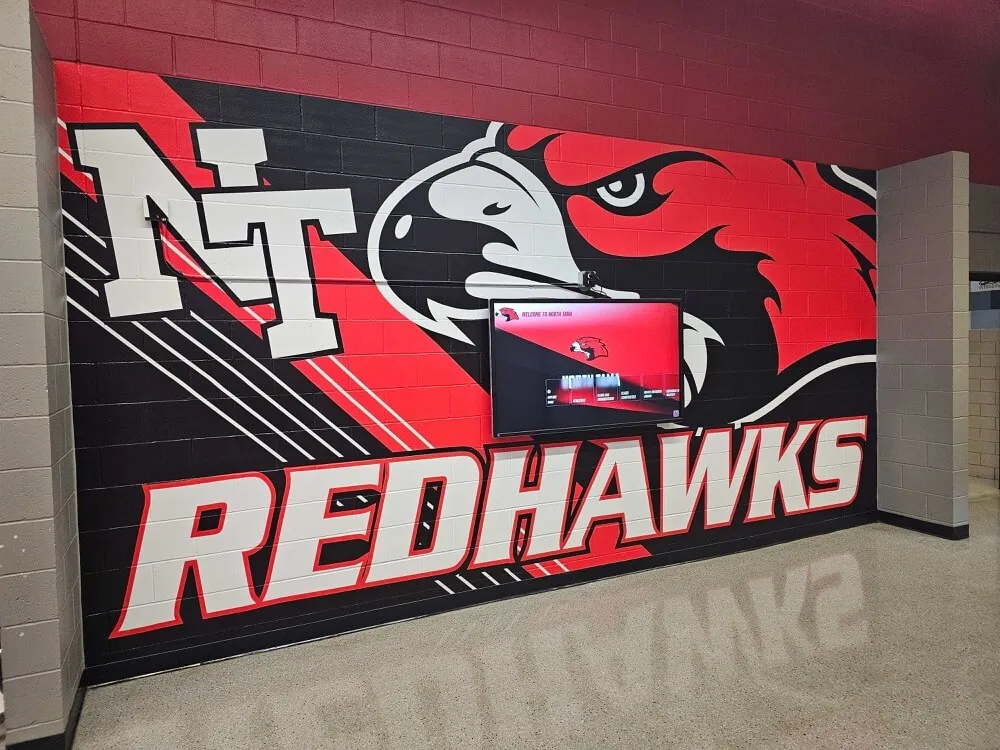
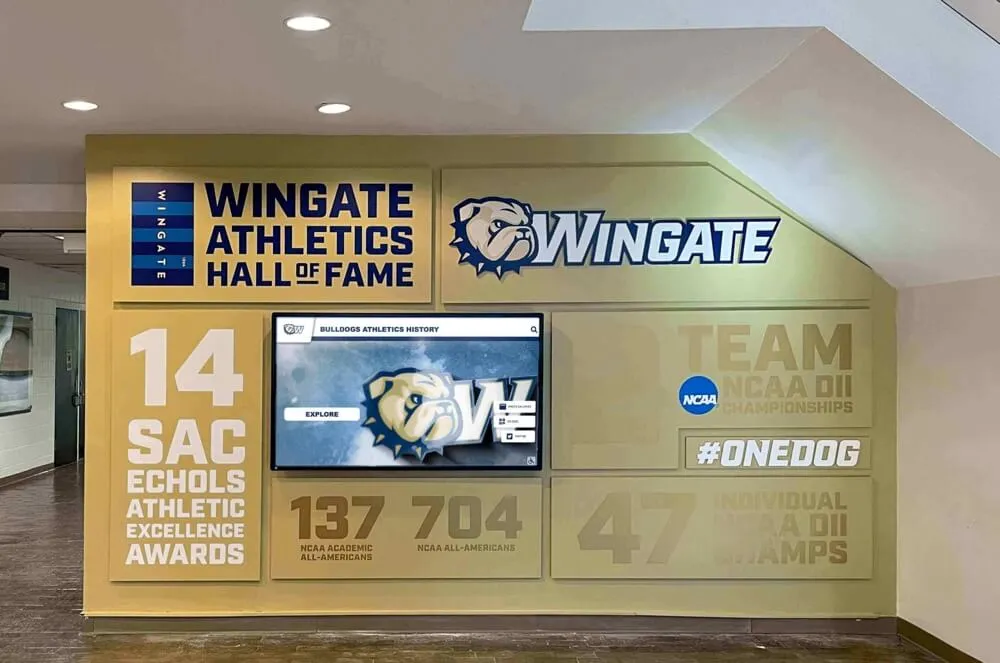
Schools create powerful connections between history and present through displays combining archival materials with modern recognition systems
Preserving Institutional Memory Before Physical Deterioration
Yearbooks stored in typical school conditions face inevitable deterioration that threatens permanent memory loss:
Common Preservation Challenges
Schools discover archive damage from multiple sources:
- Basement storage rooms with fluctuating humidity levels cause page brittleness and binding separation
- Water damage from roof leaks, pipe bursts, or flooding destroys irreplaceable volumes
- Improper storage leads to mold growth, insect damage, or accelerated aging
- Repeated handling during manual browsing stresses bindings and tears fragile pages
- Theft or loss when yearbooks leave controlled environments for loans or displays
Digitization creates protective backup copies ensuring that even if physical volumes deteriorate or disappear, the visual content survives for future generations. Multiple schools report discovering that specific yearbook years were completely missing from physical archives—only to have alumni provide replacement copies after seeing digitization requests posted on social media.
Free and Low-Cost Yearbook Scanning Options
The first major budget hurdle schools face is converting physical yearbooks into digital files. Several approaches enable this transformation without expensive professional services.
Using Existing School Equipment
Most schools already own equipment capable of adequate yearbook digitization:
Document Scanner Approaches
Modern document scanners in libraries or administrative offices often include features supporting bound volume scanning:
- Flatbed scanners with deep lids accommodate thick yearbooks when scanned as individual spreads
- Document feeders work for loose or separated pages requiring individual scanning
- Automatic document feeders (ADF) on multifunction printers handle pages removed from severely damaged bindings
- Most scanners bundled with schools’ copier leases include software with batch scanning and PDF compilation features
- Cloud-connected devices enable direct upload to Google Drive or OneDrive for immediate access
The limitation with standard flatbed scanners involves time—each page spread requires manual placement, scanning, and removal. However, for schools with small collections (25-50 yearbooks) or abundant volunteer time, this approach costs nothing beyond staff or volunteer hours.
Smartphone Photography Methods
Modern smartphone cameras capture resolution sufficient for readable digital yearbook copies:
- iPhone and Android flagship models produce 12+ megapixel images exceeding standard 300 DPI scan quality
- Built-in document scanning apps (Apple Notes, Google Drive, Microsoft Office Lens) automatically crop, straighten, and enhance page photos
- Tripods or book stands create consistent positioning for uniform capture quality
- Natural lighting or simple desk lamps provide adequate illumination without specialized equipment
- Apps like Adobe Scan or Genius Scan compile individual photos into searchable PDFs automatically
Several schools have successfully digitized entire yearbook collections using volunteer coordinators with smartphones and $20 book stands purchased from office supply retailers. This grassroots approach trades professional polish for accessibility—getting 95% quality results with 5% of typical digitization budgets.
Volunteer-Driven Scanning Stations
Schools amplify scanning capacity by establishing volunteer stations where parents, alumni, or student service organizations contribute scanning time:
Creating Functional Scanning Spaces
Dedicated scanning areas enable multiple volunteers to work independently:
- Library table or unused office space designated for archive project
- Simple scanning station with equipment, instructions, and materials organized systematically
- Yearbooks organized chronologically with clear tracking system preventing duplicate scanning or missed volumes
- Step-by-step instructions (laminated cards) enabling volunteers to work without constant supervision
- Quality control checklist ensuring volunteers verify scan readability before moving to next yearbook
Schools report that 2-3 hour volunteer shifts work well—long enough to complete several yearbooks but short enough to attract busy parents or students fulfilling community service requirements.
Recruiting and Coordinating Volunteers
Successful volunteer coordination requires clear communication and appreciation:
- National Honor Society students fulfill service hours through scanning projects
- Parent volunteers during school breaks or evening hours when buildings remain accessible
- Alumni reunion committees adopt specific graduation years as digitization projects
- Retired community members seeking regular volunteer opportunities
- Local genealogy societies interested in preserving community history records
One suburban high school digitized 60 years of yearbooks in four months using a rotating volunteer schedule where two parents worked three-hour shifts twice weekly. The project coordinator spent roughly 30 minutes weekly organizing materials and checking quality—minimal time investment for significant institutional gain.

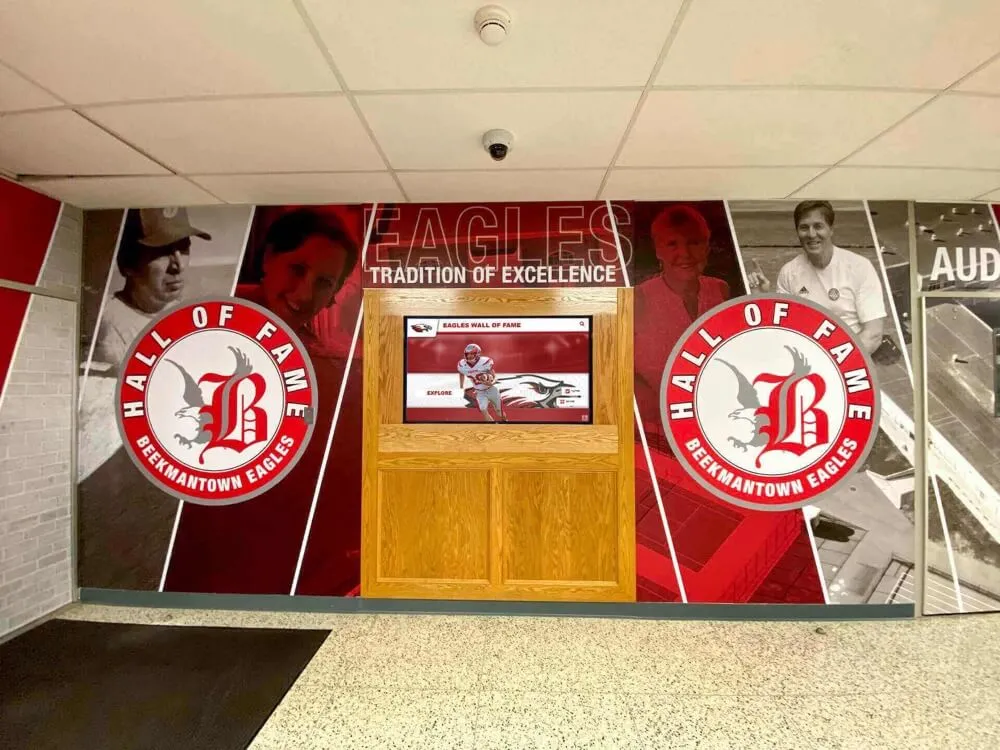
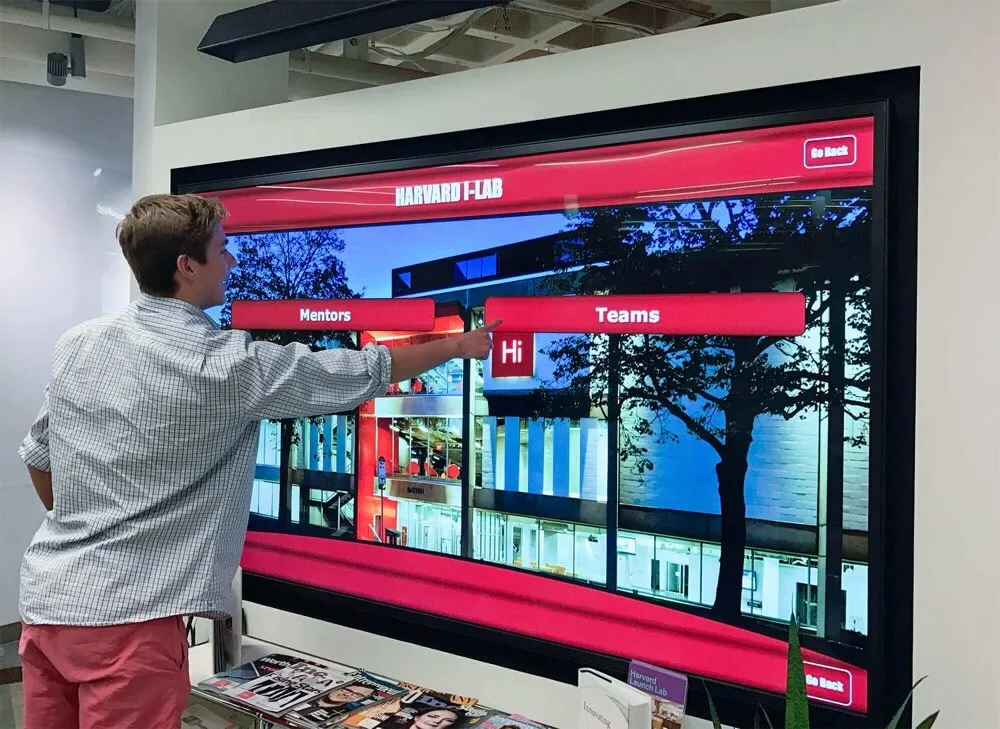
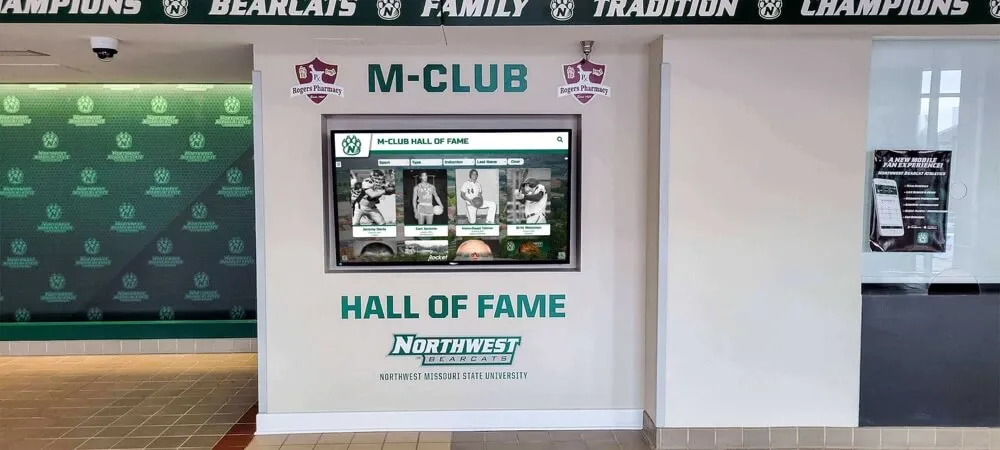
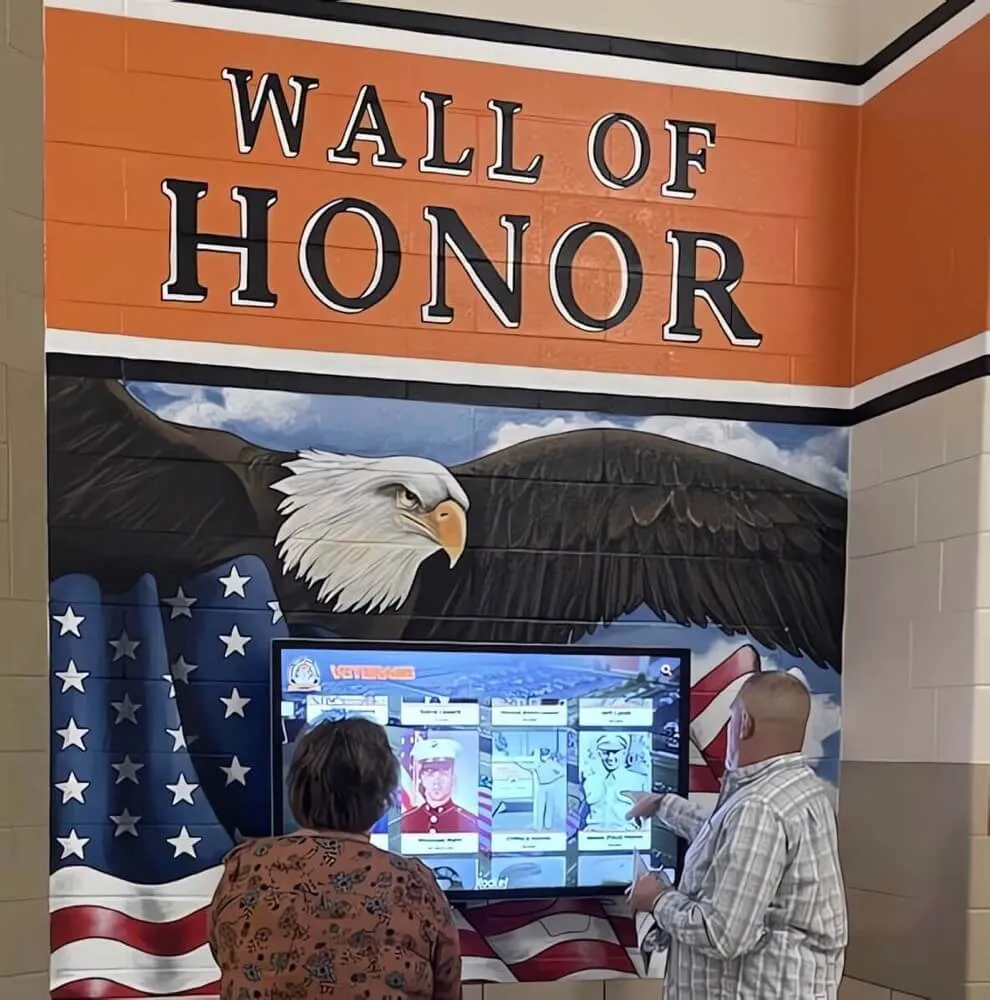
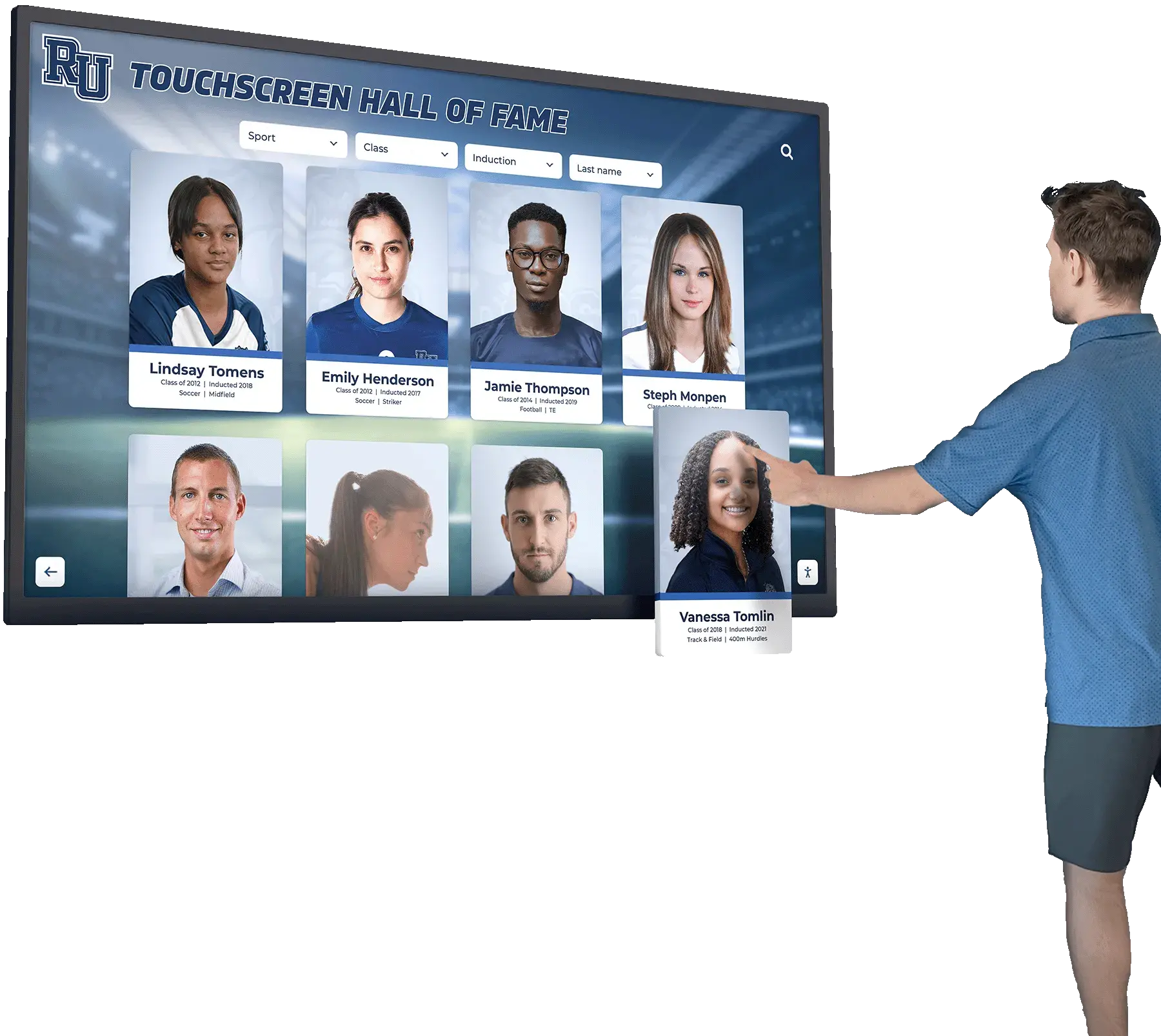
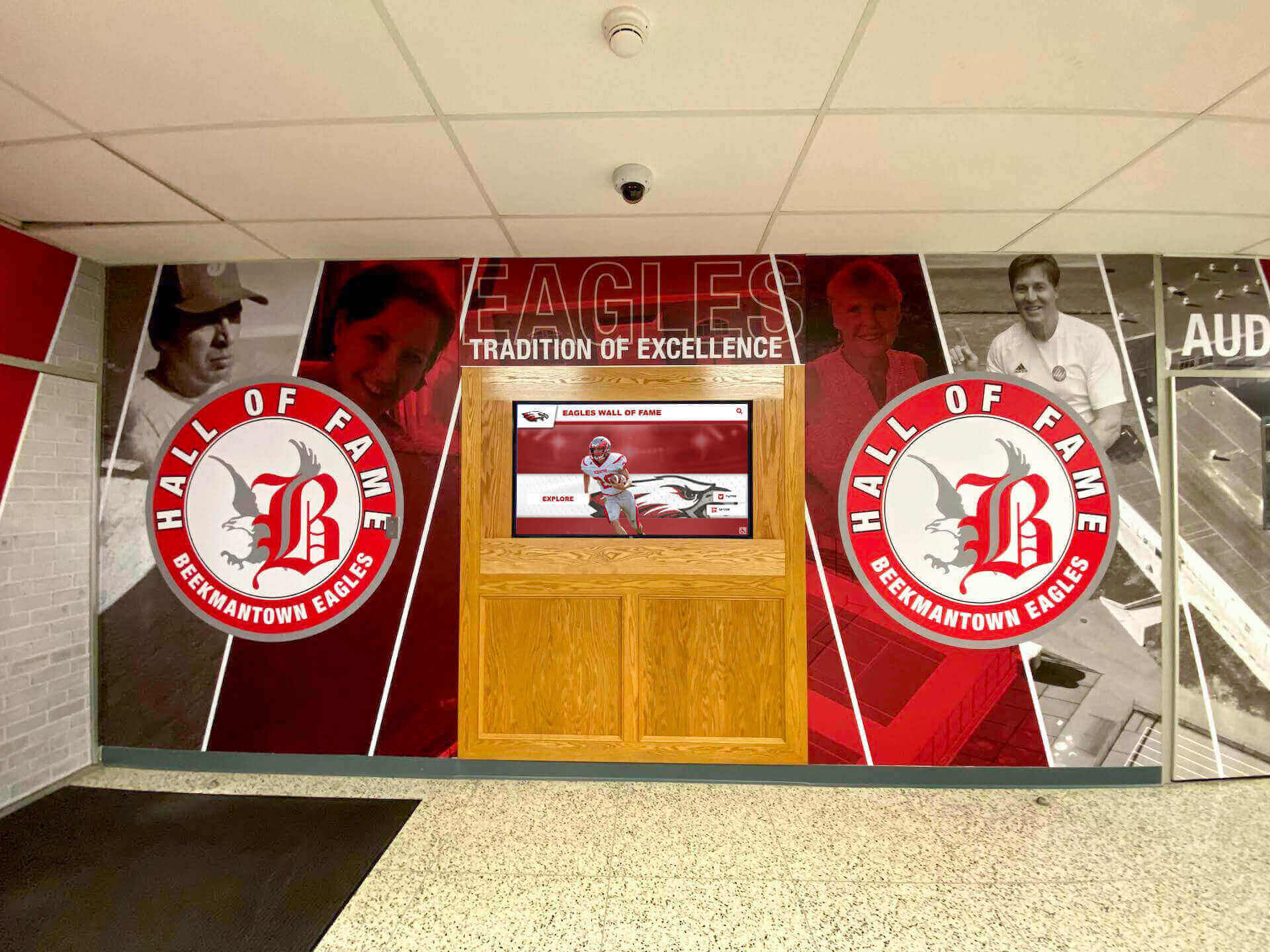
Interactive digital displays make historical yearbook content accessible and engaging for school visitors and community members
Free Digital Archive Platforms and Tools
After digitizing yearbooks, schools need accessible platforms for organizing and sharing these materials with their communities. Multiple free or low-cost options provide robust functionality without enterprise software expenses.
Google Drive and Google Sites
Schools already using Google Workspace for Education gain powerful archive tools at no additional cost:
Google Drive for Storage and Organization
Google Workspace provides unlimited storage for educational institutions:
- Upload full yearbooks as PDF files organized in clearly labeled folders (by decade and year)
- Share specific folders with different permissions (view-only for public, edit for administrators)
- Enable file previewing so users browse yearbooks without downloading
- Use Drive’s basic search functionality to locate specific yearbook years
- Create shareable links for embedding yearbooks in websites or email communications
Schools can create folder structures like “Yearbooks > 1980s > 1985.pdf” enabling intuitive navigation while maintaining organized back-end systems administrators can manage easily.
Google Sites for Public Access Portals
Google Sites provides free website builders for creating yearbook archive portals:
- Build simple archive websites without coding knowledge using drag-and-drop interface
- Embed Google Drive yearbook PDFs directly into site pages
- Create searchable directories organized by decade or graduating class
- Add context like historical timelines, notable alumni, or institutional milestones
- Publish to custom school domain or free Google Sites URL
- Mobile-responsive design ensures accessibility on phones and tablets
A school librarian with basic computer skills can build functional yearbook archive sites in 2-3 hours, then maintain them with minimal ongoing time investment. These sites integrate seamlessly with existing school websites or stand alone as dedicated alumni resources.
Archive.org and Internet Archive
The Internet Archive’s free services enable schools to preserve and share yearbooks as part of the world’s largest digital library:
Uploading to Archive.org
Schools can contribute yearbooks to permanent digital preservation:
- Free account creation for educational institutions
- Unlimited uploads of PDF yearbooks
- Automatic OCR (optical character recognition) enabling text search within yearbooks
- Permanent URL for each yearbook ensuring links never break
- Embedded viewer allowing browsing without downloads
- Download options in multiple formats (PDF, ePub, text file)
Archive.org serves as both primary archive and backup—even if school systems fail or change, yearbooks remain permanently accessible through Internet Archive’s infrastructure. Several schools use Archive.org as primary public access while maintaining local copies for internal administration.
Benefits of Internet Archive Hosting
Public archival platforms provide advantages beyond basic storage:
- Preservation commitment ensures content survives institutional changes or budget cuts
- Discoverability through search engines and Archive.org’s own search tools
- No bandwidth costs or hosting fees regardless of access volume
- Integration with genealogy research and historical documentation projects
- Automated metadata extraction and cataloging assistance
Schools concerned about copyright or privacy can restrict access to specific yearbooks while still benefiting from Archive.org’s preservation infrastructure—useful for recent yearbooks where students may prefer limited distribution.
Digital Collections Platforms
Several open-source and freemium platforms specifically designed for institutional archives offer more sophisticated features than general storage services:
Omeka and CollectiveAccess
Free, open-source collection management systems provide museum-quality features:
- Professional metadata standards enabling detailed cataloging
- Advanced search and filtering capabilities
- Customizable public interfaces matching institutional branding
- Support for multiple media types (yearbooks, photos, documents, video)
- User contribution features allowing alumni to submit memories or identify individuals
The trade-off involves technical complexity—these platforms require installation on web hosting (often available free through educational hosting agreements) and initial configuration by someone with technical skills. Schools with IT staff support or tech-savvy volunteers can implement sophisticated archive systems without software licensing costs.
Comparison of Free Archive Platforms
Google Drive/Sites
- Easiest setup and maintenance
- Best for schools with existing Google Workspace
- Limited advanced features
- Excellent for quick implementation
Archive.org
- Maximum preservation security
- Built-in OCR and text search
- Public by default (privacy controls available)
- Minimal customization options
Open-Source Platforms (Omeka, CollectiveAccess)
- Most sophisticated features
- Requires technical expertise
- Highly customizable
- Professional-grade results
Hybrid Approaches
- Use Archive.org for preservation backup
- Google Drive for internal access
- Custom site for polished public presentation
- Balances ease, security, and presentation
Schools often succeed by starting simple (Google Drive) then expanding to more sophisticated platforms as technical capacity and community demand grow. The important step is beginning digitization rather than waiting for perfect infrastructure.
Organizing and Cataloging Yearbook Archives
Raw digital files provide minimal value without organization systems enabling efficient discovery and navigation. Effective cataloging transforms scanned yearbooks into useful archives.
File Naming and Folder Structure Best Practices
Consistent naming conventions prevent confusion as collections grow:
Standard Naming Formats
Systematic file names enable alphabetical sorting and quick identification:
- Format: SchoolName_Year_YearbookTitle.pdf
- Example: LincolnHigh_1985_CentralSpirit.pdf
- Use four-digit years (1985 not 85) ensuring proper chronological sorting
- Include official yearbook titles when they vary year to year
- Avoid special characters or spaces (use underscores instead)
Folder Organization Systems
Hierarchical folder structures help users navigate large collections:
- Top level: Decades (1980s, 1990s, 2000s, etc.)
- Second level: Individual years within decades
- Third level: Supplementary materials (separate folders for programs, newspapers, photo collections)
- Related materials grouped logically (all 1985 materials in 1985 subfolder)
This structure scales effectively—a school adding 2020s yearbooks simply creates a new decade folder using the established pattern.
Creating Searchable Indexes
Finding specific individuals, teams, or events requires searchable metadata beyond basic chronological browsing:
OCR (Optical Character Recognition)
Converting scanned images to searchable text dramatically improves usability:
- Free OCR tools like Adobe Acrobat’s built-in OCR or Google Drive’s automatic processing
- Archive.org automatically performs OCR on uploaded PDFs
- OCR enables keyword searching within yearbooks (student names, teacher names, activities)
- Accuracy depends on scan quality—clear, high-contrast scans produce better OCR results
- Manual review of OCR results catches errors (common with older fonts or degraded pages)
Schools discover that even imperfect OCR (85-90% accuracy) provides significantly better functionality than image-only PDFs requiring manual page-by-page browsing to locate specific content.
Creating Master Indexes and Finding Aids
Simple spreadsheets provide powerful discovery tools:
- Master index listing all digitized yearbooks with years, titles, and access links
- Notable contents documentation (championship teams, special events, historical milestones)
- Missing years clearly identified to guide collection development
- Faculty/staff index noting which yearbooks feature specific long-serving teachers
- Alumni can request notifications when specific graduation years become available
Student volunteers or alumni with institutional knowledge contribute indexing work—transforming research into accessible metadata benefiting future users. Schools implementing digital asset management approaches find that systematic organization multiplies the value of digitization investments.
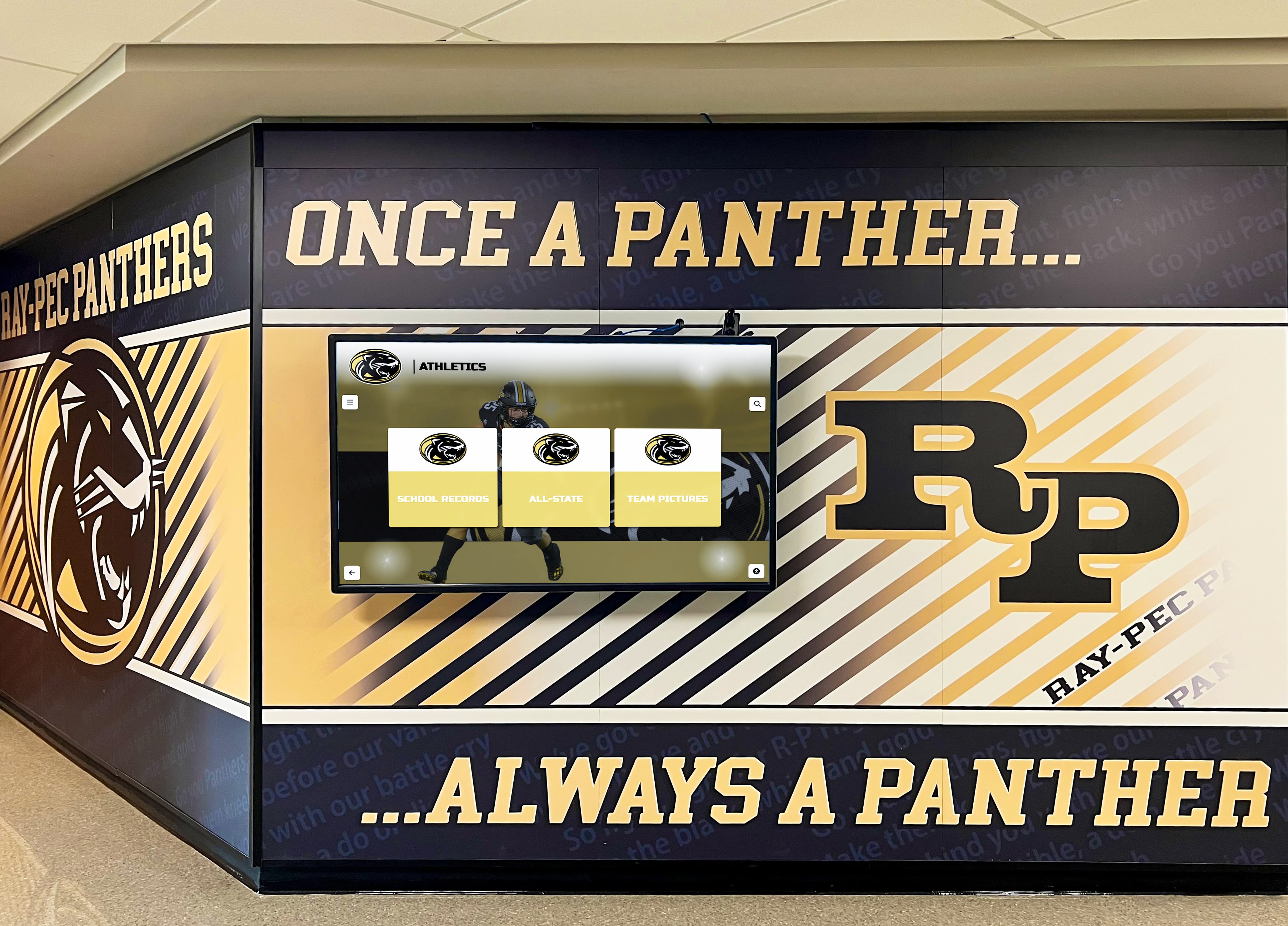
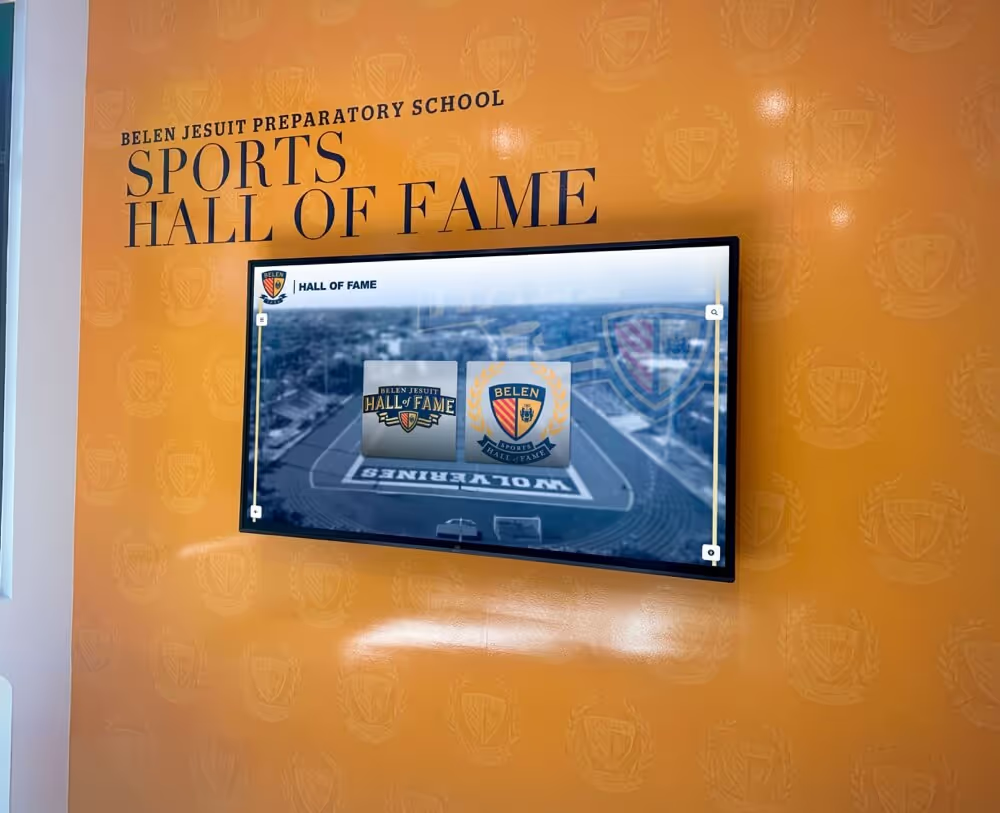
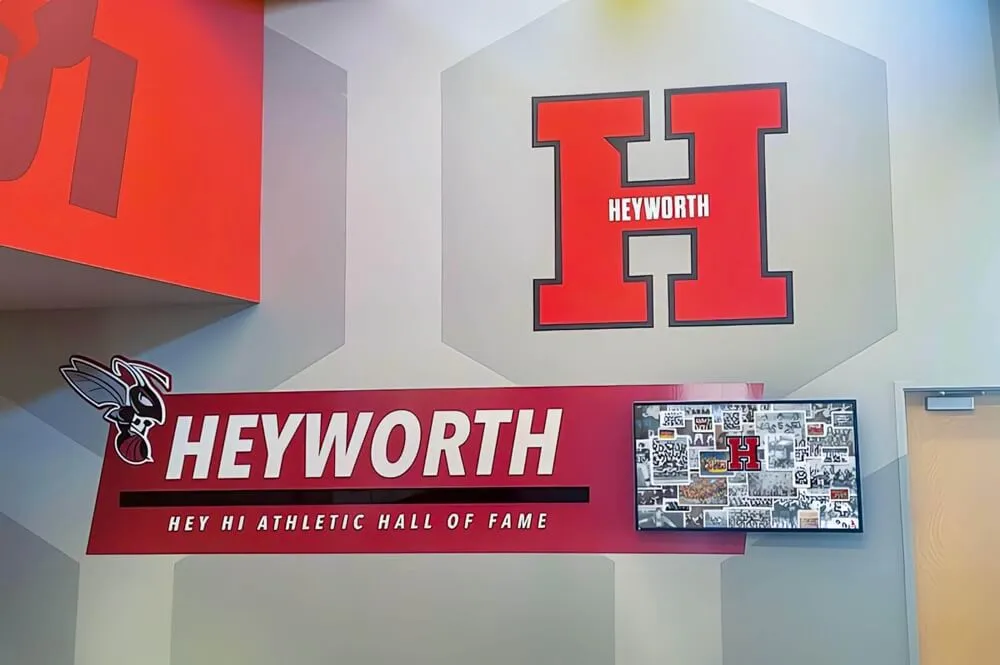
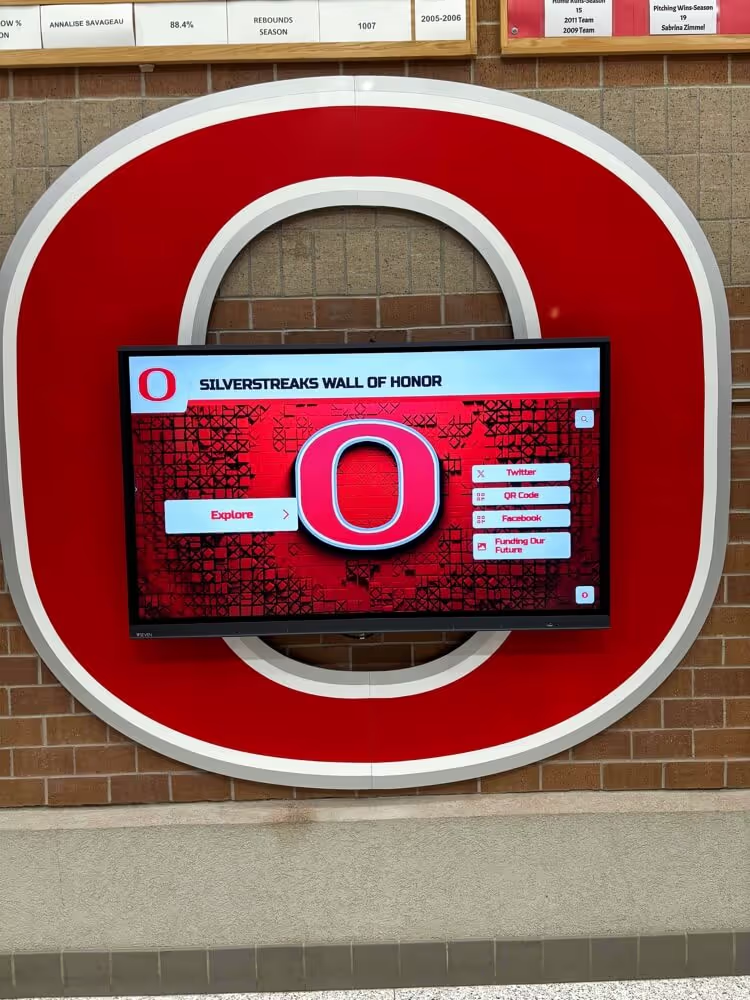
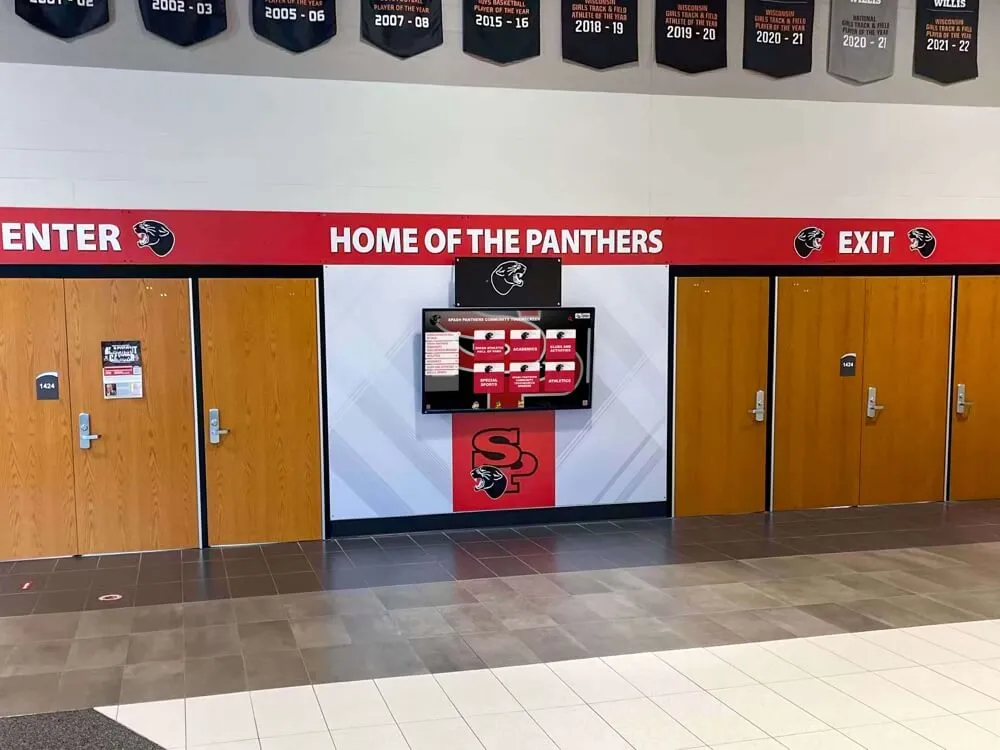
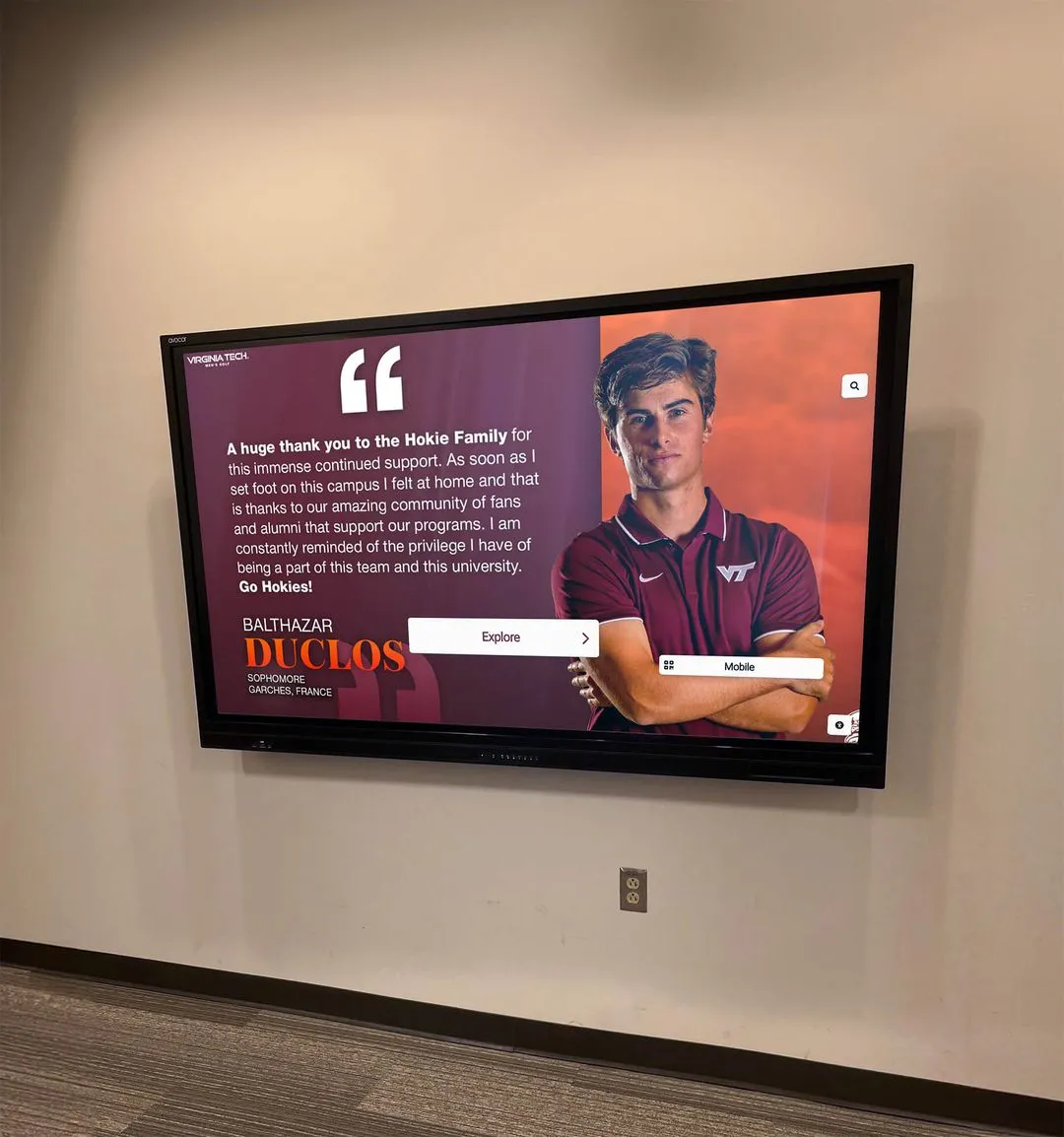
Digital displays throughout school buildings can showcase rotating historical yearbook content, connecting students with institutional legacy daily
Copyright, Privacy, and Permission Considerations
Before making yearbook archives publicly accessible, schools must address legal and ethical considerations around historical materials containing images of minors and potentially copyrighted content.
Understanding Yearbook Copyright
Yearbook copyright presents complex questions with varying answers depending on specific circumstances:
Copyright Ownership Factors
Multiple parties may hold rights to yearbook content:
- School districts typically own copyright to yearbooks produced as official school publications
- Yearbook publishers may retain rights to specific design elements or layouts
- Individual photographers may own rights to contributed photos
- Students who created content (photos, artwork, writing) may retain partial rights
Most schools discover they own sufficient rights to create digital archives for educational and institutional memory purposes, even if complete copyright documentation is unclear. Schools concerned about specific rights questions consult with district legal counsel before proceeding with public archives.
Fair Use and Educational Exceptions
Copyright law provides significant flexibility for educational institutions:
- Archiving and preservation constitute transformative uses supporting fair use claims
- Educational purposes receive broader copyright latitude than commercial uses
- Non-profit access for alumni and researchers strengthens fair use arguments
- Age of materials affects copyright analysis—older yearbooks have fewer active copyright concerns
Schools making yearbooks available free for research, alumni engagement, and educational purposes typically operate well within copyright fair use boundaries.
Privacy Protection for Historical Materials
Digital yearbooks raise privacy considerations even for decades-old content:
Balancing Access and Privacy
Schools navigate competing interests around historical materials:
- Alumni generally appreciate yearbook access and view historical materials positively
- Individuals with specific privacy concerns may request removal or restricted access
- Schools can restrict access to recent yearbooks (last 10-20 years) while making older materials fully public
- Password protection for recent yearbooks limits access to verified alumni only
- Opt-out processes allow individuals to request removal of specific pages or photos
Most schools adopt graduated approaches: fully public access for yearbooks more than 20-25 years old, restricted access requiring alumni verification for recent decades, and explicit permission for current yearbooks still in active student use.
Handling Removal Requests
Clear policies guide responses to privacy concerns:
- Designated point of contact for privacy requests published on archive site
- Simple removal process requiring requestor to identify specific yearbook page
- Documentation of removal requests for institutional records
- Balancing individual requests against community access interests
- Honoring reasonable requests while maintaining archive integrity
Schools implementing thoughtful privacy policies experience minimal removal requests—most alumni enthusiastically support yearbook preservation and appreciate access to materials documenting their school experiences.
Promoting Your Free Yearbook Archive
Building excellent archives provides limited value if target audiences never discover the resources. Strategic promotion ensures schools maximize the community benefit from yearbook preservation efforts.
Internal School Community Promotion
Current students, staff, and parents represent the most accessible audience for yearbook archives:
Classroom Integration
Teachers incorporate archives into instruction when they understand available resources:
- Professional development sessions demonstrating archive capabilities for history and social studies teachers
- Sample lesson plans showing how yearbooks support curriculum objectives
- Library orientations introducing students to local history research using yearbook archives
- Research project assignments specifically requiring yearbook archive consultation
- Student presentations showcasing discoveries made through yearbook exploration
Schools report that archive usage increases dramatically after intentional teacher training sessions demonstrating practical classroom applications.
School Communications
Regular mentions in standard school communications build awareness:
- New yearbook uploads announced in staff newsletters and parent communications
- School website homepage featuring archive links and highlighted historical photos
- Social media posts sharing historical photos with “On This Day” themes
- Student newspaper articles about archive project progress and volunteer opportunities
- Morning announcements during history-focused celebrations or milestones
Consistent visibility transforms archives from obscure resources into recognized community assets that parents, students, and staff regularly engage with and share.
Alumni Engagement Strategies
Alumni represent the audience most emotionally invested in yearbook access:
Reunion-Focused Outreach
Milestone reunions create natural promotion opportunities:
- Reunion invitation emails include direct links to relevant graduation year yearbooks
- Reunion planning committees receive digital yearbook files for creating nostalgia materials
- Alumni directory updates mention yearbook archive availability
- Class Facebook groups receive posts highlighting newly digitized yearbooks
- Reunion events display historical yearbooks on screens or tablets for browsing
Alumni coordinators report that yearbook promotion during reunion outreach generates sustained engagement extending well beyond specific events as graduates share discoveries with classmates and family members.
Social Media Campaigns
Strategic social media creates viral moments around yearbook content:
- “Throwback Thursday” posts featuring historical yearbook photos from specific decades
- Challenges encouraging alumni to identify themselves in yearbook photos
- Contests for best yearbook quotes or most changed alumni comparisons
- Historical anniversaries tied to yearbook documentation (championship teams, building dedications)
- Tagging systems enabling alumni to tag classmates in historical photos
Shareable content spreads organically as alumni tag friends and share posts, exponentially expanding archive visibility beyond followers of official school accounts. Schools celebrating traditions through digital recognition displays create physical spaces reinforcing online engagement with institutional history.
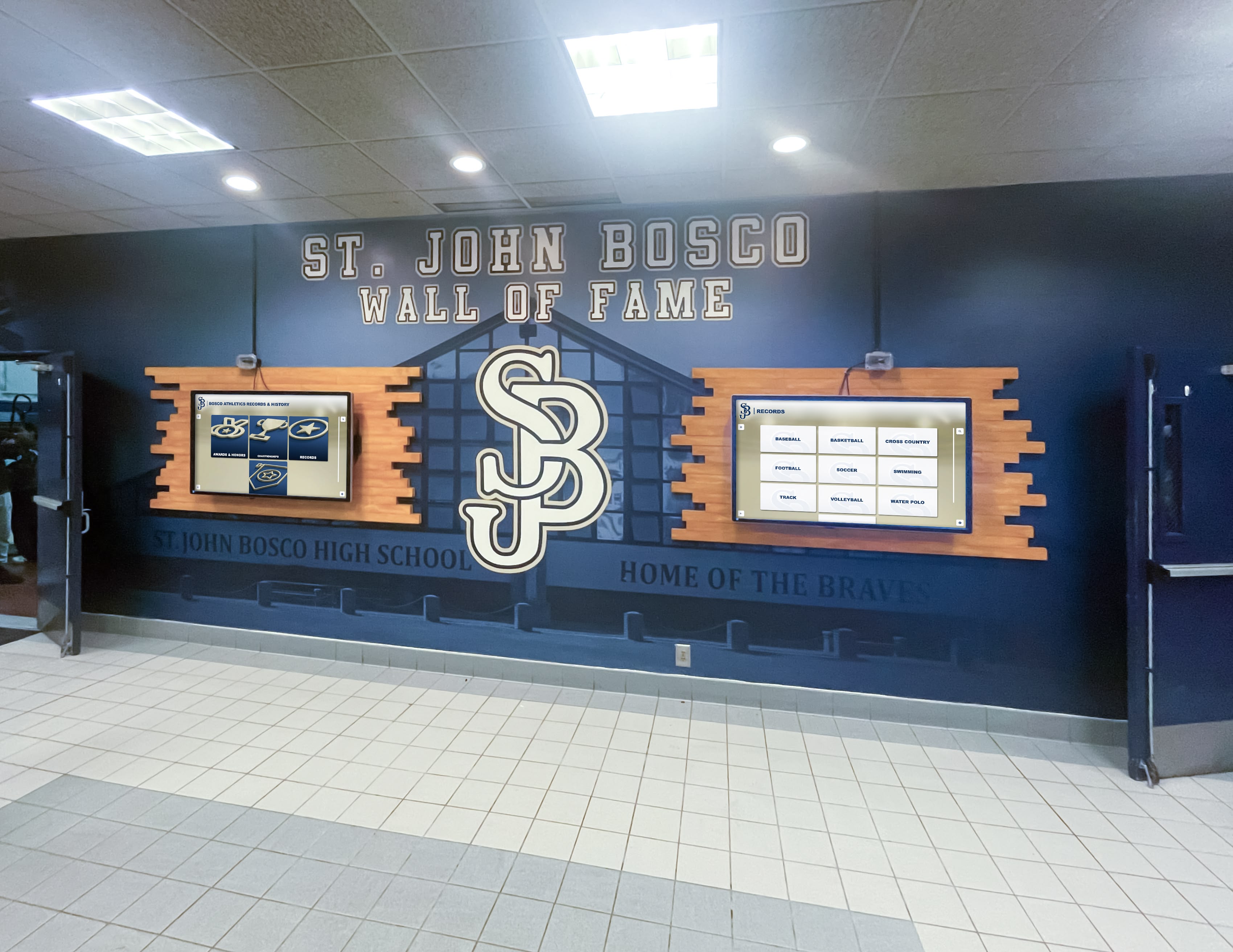
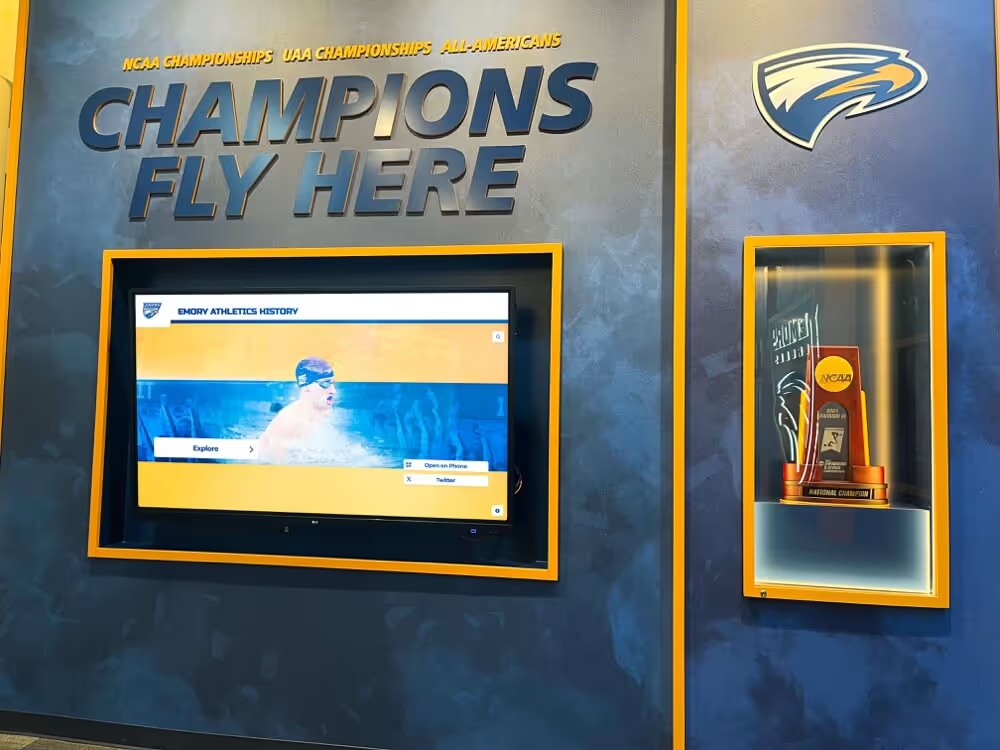
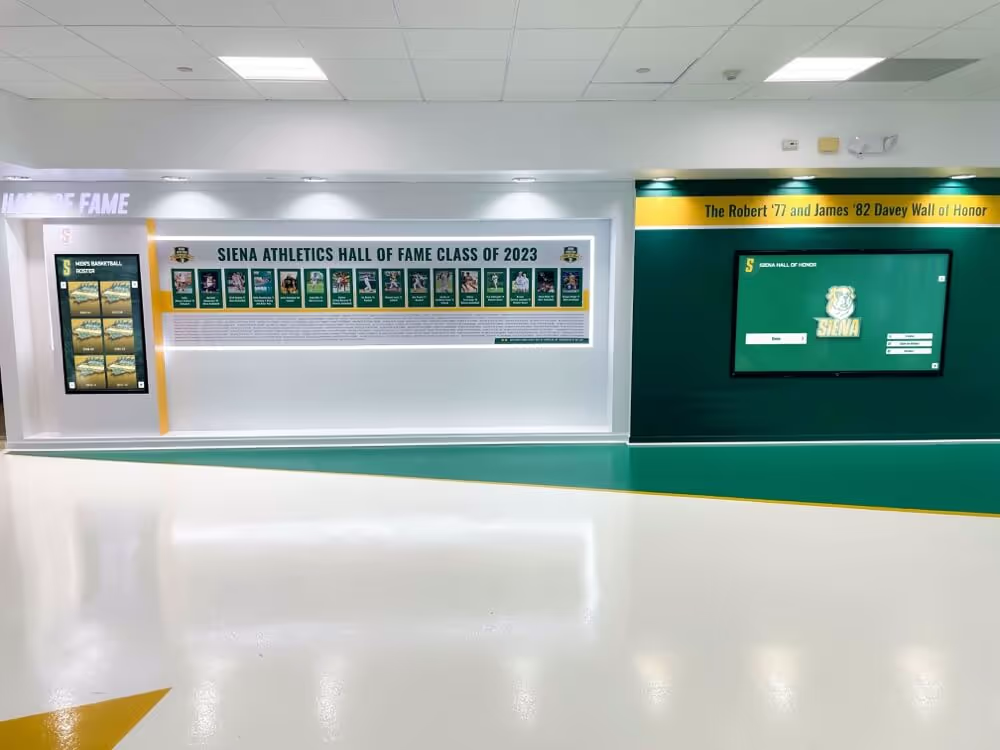
Dual-screen digital displays can showcase historical yearbook content alongside current achievements, creating visual timelines of institutional excellence
Community and Genealogy Connections
Local historians and genealogy researchers discover immense value in yearbook archives:
Genealogy Community Outreach
Family historians actively search for yearbook documentation:
- Register archives with genealogy research sites (FamilySearch, Ancestry forums)
- Contact local genealogy societies about archive availability
- Include yearbooks in local library catalog systems with subject headings for genealogy
- Respond to genealogy research requests from distant researchers
- Participate in local history preservation networks
Schools surprise themselves discovering demand from community historians researching families with no current school connection—yearbooks document broader community history beyond just institutional memory.
Budget-Friendly Physical Display Options
Digital archives provide remote access, but physical displays in school buildings create daily touchpoints with institutional history for current students and visitors.
Creating Yearbook Display Walls
Simple physical displays complement digital archives:
Rotating Historical Displays
Low-cost bulletin board exhibits showcase archive highlights:
- Monthly themes featuring specific yearbook decades or activities
- Anniversary recognition for milestone graduating classes
- Comparison displays showing “then and now” photo pairings
- Student-created exhibits researching specific historical topics using yearbook archives
- Protective display frames protecting original yearbooks while enabling viewing
Display materials cost minimal amounts—poster board, printed photos, protective frames from office supply retailers—while creating visible celebration of institutional history throughout campus.
Digital Displays and Kiosks
Schools with modest technology budgets create engaging digital archive access points:
Repurposing Existing Displays
Many schools already own equipment suitable for yearbook display:
- Lobby TVs or digital signage systems can rotate historical yearbook photos
- Retired computer monitors become dedicated archive browsing stations in libraries
- Tablets mounted in protective cases provide touchscreen yearbook access
- Existing smartboards in common areas display yearbook slideshows during passing periods
- Computer lab stations dedicated to archive research during free periods
The key is making archives visible and accessible rather than hidden in digital folders requiring students to actively seek them out. When yearbook content appears naturally in daily school environments, students engage organically rather than needing explicit assignments prompting exploration.
Low-Cost Interactive Solutions
Modest investments create impressive interactive experiences:
- Raspberry Pi computers ($35) connected to TVs provide full-featured browsing stations
- Used tablets or computers repurposed as dedicated archive access points
- Free software like Kodi or custom web apps create user-friendly navigation interfaces
- Motion sensors trigger historical slideshow displays when visitors approach
- QR codes throughout buildings link to specific yearbook content on personal devices
Schools implementing interactive touchscreen systems designed specifically for archival content report dramatically increased student engagement compared to purely web-based access—physical presence creates constant visibility and organic exploration.
Leveraging Community Resources and Partnerships
Schools rarely need to accomplish yearbook preservation independently—community organizations often provide resources, expertise, or funding supporting archive projects.
Local Library Partnerships
Public libraries frequently support community history preservation:
Library Resources and Expertise
Librarians bring specialized skills to archive projects:
- Professional archivists on staff providing consultation on best practices
- Access to institutional scanners and digitization equipment
- Cataloging expertise ensuring proper metadata and organization
- Experience with digital collection platforms and public access systems
- Grant writing support for archive projects qualifying for cultural preservation funding
Several schools have partnered with public libraries to make yearbook archives available through library websites, dramatically expanding access while leveraging library technical infrastructure schools lack independently.
Historical Society Collaboration
Local historical societies view school yearbooks as significant community documentation:
Mutual Benefit Partnerships
Historical societies often eagerly collaborate on school archive projects:
- Historical societies may provide digitization funding or equipment access
- Expertise in historical documentation and preservation best practices
- Connections to community volunteers interested in preservation work
- Promotion through historical society channels reaching genealogy researchers
- Physical archive backup storage in climate-controlled historical society facilities
Schools contribute yearbooks to permanent community historical documentation while historical societies gain access to materials documenting decades of local social history—clear mutual benefit justifying partnership investment.
University and College Partnerships
Higher education institutions support K-12 archive initiatives through multiple pathways:
Academic Partnership Opportunities
Universities gain research access while supporting community institutions:
- Digital humanities programs seeking real-world projects for students
- Archives and library science programs providing practicum placements
- History departments conducting oral history projects with alumni
- Education programs connecting pre-service teachers with authentic local history materials
- Technology programs building custom archive interfaces as capstone projects
K-12 schools provide authentic project experiences while universities contribute expertise, labor, and often equipment access through collaborative arrangements benefiting both institutions.
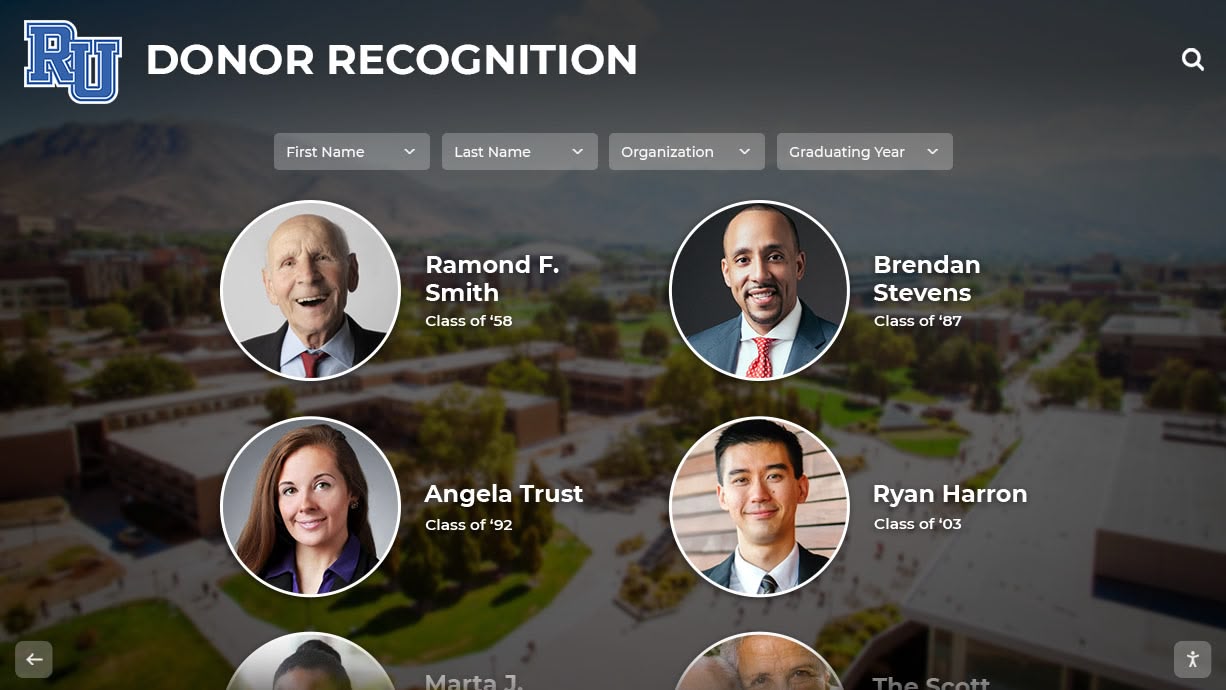
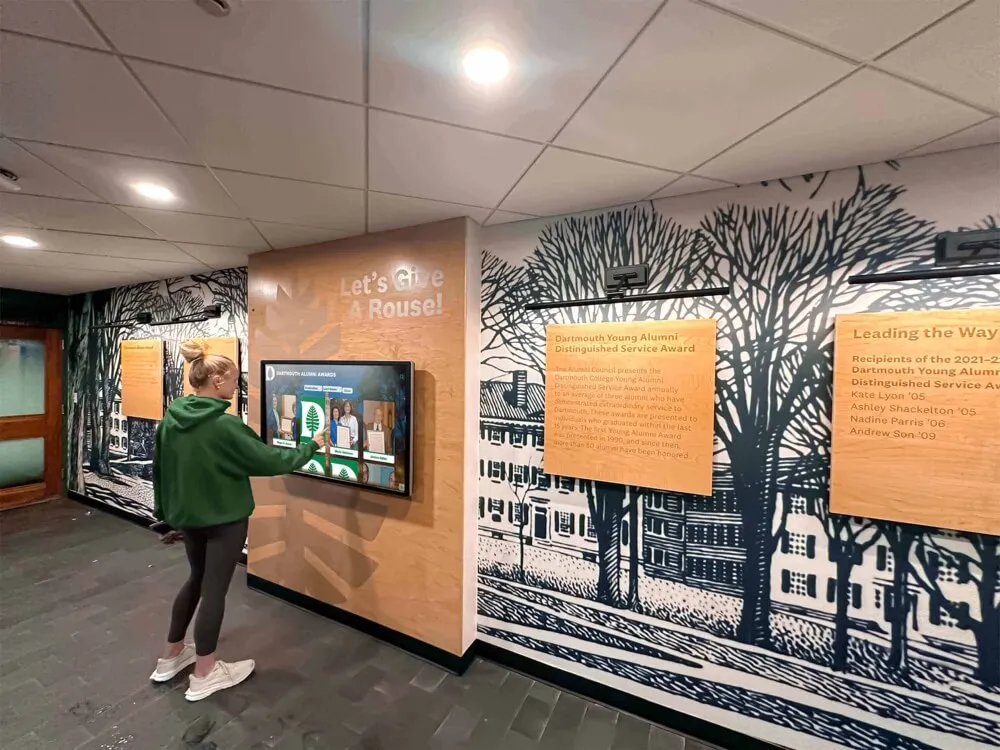
Universities demonstrate how historical portrait archives can be integrated into modern donor recognition and campus beautification initiatives
Grant Opportunities for Archive Projects
While this guide focuses on free approaches, modest grant funding can dramatically accelerate archive projects or enable professional-quality results:
Common Grant Sources for School Archives
Multiple funding streams support educational history preservation:
Cultural Heritage Grants
State humanities councils and preservation organizations fund school archive projects:
- State historical records advisory boards (SHRAB) support digitization initiatives
- State library systems provide competitive grants for educational archives
- National Endowment for the Humanities offers preservation grants
- Institute of Museum and Library Services (IMLS) supports educational collections
- Local community foundations include cultural preservation in funding priorities
Grant amounts typically range from $2,500-$25,000—sufficient to purchase quality scanning equipment, hire professional digitization services, or fund comprehensive cataloging projects transforming volunteer efforts into professionally managed archives.
Alumni Association and Booster Club Funding
Internal fundraising supports archive projects through existing school organizations:
- Alumni associations view yearbook preservation as mission-aligned investment
- Booster clubs fund athletic archive components documenting team history
- Parent-teacher organizations support projects benefiting current and future students
- Memorial fund donations dedicated to preserving institutional memory
- Crowdfunding campaigns through platforms like GoFundMe or DonorsChoose
Schools successfully frame yearbook preservation as alumni engagement infrastructure rather than mere nostalgia—archives directly support reunion attendance, donor cultivation, and community connection justifying organizational investment.
From Basic Archives to Comprehensive Recognition Systems
Schools beginning with free yearbook archives often discover growing interest in more sophisticated approaches to showcasing institutional history and celebrating ongoing achievements. While budget-conscious solutions provide excellent starting points, understanding how archives can evolve helps schools plan long-term preservation strategies.
Integrating Historical Archives with Current Recognition
The most powerful institutional memory systems connect past and present:
Creating Historical Continuity
Modern digital recognition platforms enable seamless integration:
- Current student achievements displayed alongside historical precedents
- Record boards showing progression of school records across decades
- Hall of fame systems connecting historical athletic excellence with contemporary honorees
- Alumni networks linking current students with graduates in similar fields or activities
- Digital trophy cases presenting physical artifacts alongside digital yearbook documentation
This integration transforms archives from backward-looking nostalgia into forward-looking motivation—students see themselves as part of continuing traditions rather than isolated cohorts disconnected from institutional history.
Professional Recognition Display Options
Schools that successfully implement grassroots yearbook archives often invest in professional-grade recognition systems as budgets allow:
Comprehensive Digital Recognition Platforms
Purpose-built systems designed specifically for educational institutions offer features beyond general-purpose archives:
- Interactive touchscreens enabling intuitive exploration of decades of yearbook content
- Automated content management allowing easy updates as new yearbooks are published
- Advanced search capabilities finding specific students, teams, or activities instantly
- Mobile integration enabling smartphone access to full archive content
- Professional design reflecting institutional brand and quality standards
While these systems involve investment beyond free DIY approaches, they represent logical evolution for schools that have proven community demand through successful grassroots archive projects. Starting with free Google Drive archives demonstrates value, justifying future budget allocation for enhanced systems serving growing user bases.
Ready to Showcase Your School's Complete History?
While free tools help schools begin yearbook preservation, discover how purpose-built interactive touchscreen displays can transform your historical archives into engaging, accessible showcases of institutional excellence. Rocket Alumni Solutions creates comprehensive digital recognition systems that integrate decades of yearbook content with current student achievements—preserving your school's complete story in stunning, interactive displays that inspire students and honor alumni. Start with free archives, then explore how professional systems multiply community engagement and institutional pride.
Explore Recognition SolutionsGetting Started: Your First Steps Toward Free Yearbook Archives
Understanding available options means little without concrete implementation plans. These prioritized steps help schools move from intention to action.
Month One: Assessment and Planning
Week 1-2: Inventory and Assessment
- Locate all yearbooks currently in school possession
- Document missing years through staff interviews and school record review
- Assess physical condition identifying volumes requiring special handling
- Recruit project coordinator (librarian, alumni director, volunteer)
- Identify available equipment (scanners, computers, storage)
Week 3-4: Platform Selection and Setup
- Choose initial archive platform based on technical capacity (Google Drive for simplicity, Archive.org for permanence)
- Create organizational structure (folders, naming conventions, documentation systems)
- Establish quality standards (resolution, file format, naming patterns)
- Develop volunteer instructions and training materials
- Set realistic goals (number of yearbooks per month based on available resources)
Months Two-Four: Initial Digitization
Launching Volunteer Scanning
- Recruit initial volunteers through parent communications and alumni outreach
- Schedule regular scanning sessions with clear time commitments
- Begin with recent complete decades (1990s, 2000s) or specific requested years
- Implement quality checks ensuring readable, properly named files
- Document progress and celebrate milestones publicly
Building Initial Digital Collection
- Upload completed yearbooks to chosen platform systematically
- Create basic finding aids listing available yearbooks
- Test access and usability with sample users
- Address technical issues before public launch
- Prepare promotional materials announcing archive availability
Months Five-Six: Public Launch and Promotion
Soft Launch and Feedback
- Share archive access with friendly test audience (active alumni, supportive parents)
- Gather feedback on usability, navigation, and missing content
- Address major issues before broad promotion
- Recruit additional volunteers based on initial interest
- Refine processes based on lessons learned
Public Promotion Campaign
- Announce archive availability through school communications
- Launch social media campaign with historical content
- Contact reunion classes with relevant yearbook links
- Integrate archives into classroom instruction
- Media outreach to local newspapers about preservation project
Ongoing: Sustained Growth and Improvement
Continuous Improvement
- Regular volunteer scanning sessions continuing digitization
- Systematic approach to completing collection (decade by decade, or newest to oldest)
- Enhanced metadata and searching capabilities as collection grows
- Physical displays showcasing archive highlights
- Regular content promotion maintaining community awareness
Schools maintaining consistent progress—even just 3-4 yearbooks monthly—complete significant collections within 1-2 years while building sustainable volunteer systems supporting ongoing preservation as new yearbooks are published annually.
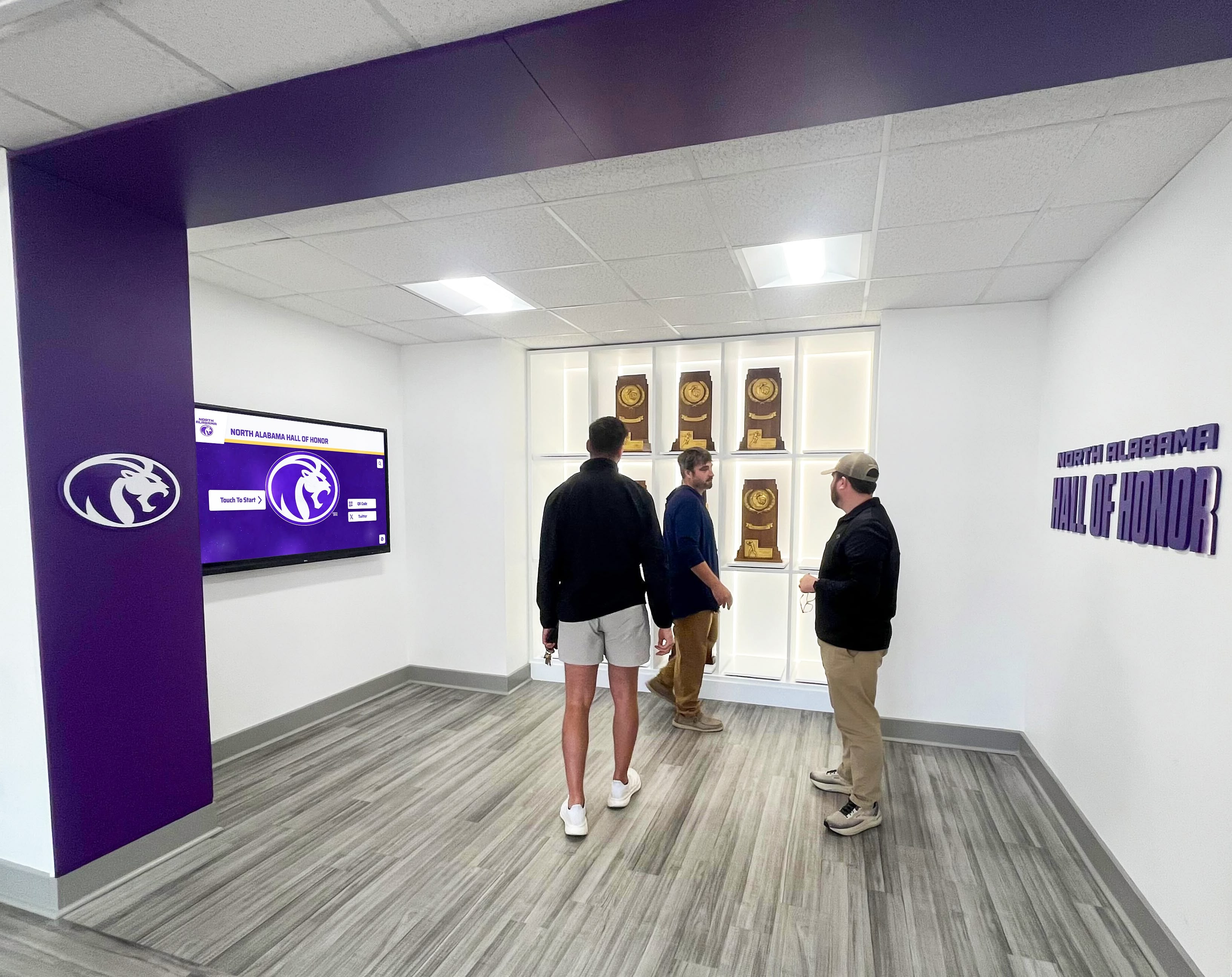
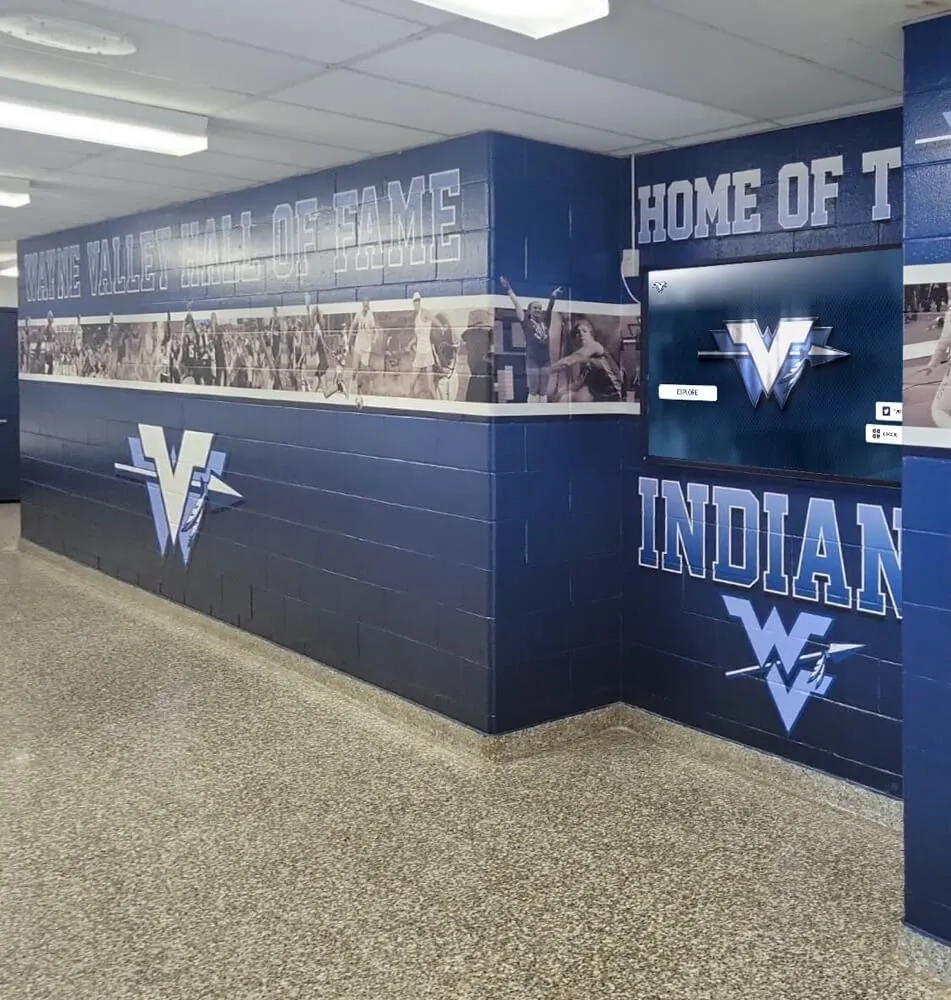
Engaging physical displays complement digital archives, creating spaces where community members gather to explore and celebrate institutional history together
Common Challenges and Solutions
Schools implementing yearbook archives encounter predictable obstacles. Anticipating these challenges enables proactive solutions preventing project stalls.
Challenge: Volunteer Recruitment and Retention
Problem: Initial volunteer enthusiasm fades, leaving projects incomplete
Solutions:
- Recognize volunteers publicly in school communications and social media
- Provide clear, achievable goals showing measurable progress
- Create comfortable scanning environment with appropriate furniture and lighting
- Schedule convenient shifts accommodating volunteer availability
- Rotate volunteers preventing burnout from repetitive tasks
- Frame participation as meaningful legacy contribution, not mere labor
Schools succeeding long-term treat volunteers as valued partners rather than free labor—appreciation and recognition sustain participation more effectively than guilt or obligation.
Challenge: Copyright and Privacy Concerns
Problem: Uncertainty about legal permissions prevents project launch
Solutions:
- Consult district legal counsel for institutional guidance on specific concerns
- Implement graduated access (public for old yearbooks, restricted for recent)
- Establish clear opt-out processes for individuals with specific objections
- Research practices at similar schools navigating same questions
- Start with clearly permissible materials (50+ year old yearbooks) while researching contemporary issues
- Document good-faith effort to respect rights while serving educational mission
Most schools discover that reasonable, thoughtful approaches encounter minimal objections—alumni overwhelmingly support preservation efforts and appreciate access to historical materials.
Challenge: Missing Yearbooks in Collection
Problem: Gaps in physical collection prevent complete digital archive
Solutions:
- Public appeals requesting alumni donations of missing yearbook years
- Contact yearbook publishers about archived copies potentially available
- Check local libraries and historical societies for community-donated copies
- Borrow yearbooks from alumni for temporary scanning and return
- Document missing years prominently, encouraging discovery and contribution
- Accept that complete collections may take years as missing volumes surface
Several schools have successfully crowdsourced missing yearbooks through Facebook appeals reaching thousands of alumni within hours—social media dramatically expands search reach beyond traditional communication channels.
Challenge: Technical Difficulties and Learning Curves
Problem: Volunteers struggle with equipment or upload processes
Solutions:
- Create detailed photo-illustrated instructions for common tasks
- Designate tech-savvy point person for troubleshooting support
- Start volunteers with supervised sessions before independent work
- Use simplest available technology matching volunteer skill levels
- Record video tutorials demonstrating processes step by step
- Pair experienced volunteers with newcomers for peer mentoring
Technology intimidates many potential volunteers—schools that demystify processes through clear instruction and patient support successfully engage participants who initially feel unqualified.
Measuring Success and Demonstrating Value
Quantifying archive impact helps sustain support and justify ongoing resource allocation:
Key Metrics to Track
Usage Statistics
Digital platforms provide data demonstrating community engagement:
- Number of yearbook views/downloads monthly
- Peak usage periods (reunion seasons, graduation)
- Geographic distribution of users (local alumni versus distant)
- Most frequently accessed yearbook years or content
- Search queries revealing user interests and research needs
Community Engagement Indicators
Qualitative measures complement quantitative data:
- Volunteer hours contributed to digitization
- Alumni donations or contacts attributed to archive discovery
- Classroom usage by teachers and students
- Media coverage and community recognition
- Testimonials from users describing meaningful archive discoveries
Cost Effectiveness
Demonstrating value relative to investment justifies continuation:
- Total yearbooks digitized compared to professional service cost savings
- Volunteer hour value at comparable market rates for similar work
- Alumni engagement increases following archive launch
- Grant funding or donations secured because archive infrastructure exists
- Staff time saved answering individual yearbook access requests
Schools that demonstrate measurable community value find that initially skeptical administrators become archive champions once results prove community demand and appreciation.
The Long-Term Impact of Accessible Yearbook Archives
School yearbook archives deliver benefits extending far beyond the immediate satisfaction of seeing decades of dusty volumes transformed into accessible digital collections. These preservation efforts fundamentally change how institutions understand themselves and how community members connect with educational experiences that shaped their development.
Alumni separated by decades discover common experiences through yearbook archives—the same beloved cafeteria worker, the same championship traditions, the same inspiring teachers. Current students recognize that school challenges they face today echo those confronted by grandparents’ generations, creating perspective and resilience. Teachers access primary source materials documenting institutional evolution, enabling authentic local history instruction impossible without archival access.
Most profoundly, accessible yearbook archives transform schools from temporary way stations in students’ lives into permanent communities spanning generations. A freshman who discovers their grandmother’s senior portrait develops different relationship with the institution than one experiencing school as merely four years of required attendance disconnected from broader meaning. When schools successfully preserve and share institutional memory, they create belonging extending backward through history and forward into futures shaped by shared traditions.
The remarkable reality is that this transformation requires no extraordinary budgets or specialized expertise—merely commitment to preserving what already exists and making those preserved memories accessible to communities that value them. Every school already possesses the raw materials: yearbooks documenting decades of student experiences. Free digital tools eliminate traditional barriers to archive creation. Volunteer community members provide the labor once requiring professional services.
What remains is the decision to begin: to pull yearbooks from storage boxes, to recruit the first volunteers, to upload the first digitized files to free platforms, and to share those preserved memories with alumni who will treasure reconnecting with formative experiences and current students who will benefit from understanding the institutional legacies they inherit.
Schools that have completed this journey universally report the same realization: the most challenging part was starting. Once projects launch, community support and appreciation fuel continued progress. Volunteers emerge from unexpected places. Alumni share discoveries with networks that expand awareness geometrically. Teachers integrate archives into instruction. Students explore their institutional heritage during free moments. The archive becomes not a completed project but a living resource continuously growing and serving evolving community needs.
For schools beginning this journey today, remember that every major archive started with a single yearbook, a single volunteer, and a single coordinator who decided that institutional memory deserved preservation. Your school’s history matters—to alumni seeking connection with formative experiences, to current students discovering continuity with the past, to future generations who will inherit traditions you preserve today.
The tools exist. The approaches work. The community support awaits. All that remains is taking that first step: opening that first yearbook, scanning that first page, and beginning the transformation from deteriorating physical volumes into permanent digital memories accessible to everyone whose lives your institution has touched across generations of service.
Ready to take your yearbook preservation to the next level? Explore how digital recognition displays can transform your digitized archives into engaging, interactive showcases throughout your campus. Contact Rocket Alumni Solutions to discover how schools are combining free archive strategies with professional recognition systems that honor institutional history while celebrating current student achievements in stunning, accessible formats that inspire pride and strengthen community connections across all generations.
Live Example: Rocket Alumni Solutions Touchscreen Display
Interact with a live example (16:9 scaled 1920x1080 display). All content is automatically responsive to all screen sizes and orientations.