



Friday nights across Georgia transform into community celebrations as high school football teams battle toward one ultimate goal: hoisting a state championship trophy in December at Mercedes-Benz Stadium or Georgia State Stadium. The Georgia High School Association (GHSA) oversees one of the nation’s most competitive prep football landscapes, with over 400 programs competing across seven classifications for the honor of being crowned state champions.
For schools throughout the Peach State, winning a GHSA football championship represents more than athletic achievement—it creates lasting community pride, establishes program legacies, and generates memories celebrated for generations. Yet many fans, families, and administrators remain uncertain about Georgia’s playoff structure, classification system, and how teams navigate the path from regular season through championship weekend.
This comprehensive guide explores everything you need to know about Georgia high school football championships, from tournament structure and qualification criteria to celebrating and preserving these remarkable achievements that define institutional excellence.
Georgia’s football tradition runs deep, with programs from Atlanta suburbs to rural South Georgia demonstrating that championship excellence transcends geography and school size. Understanding how the GHSA championship system works helps communities appreciate the journey teams take from Week 1 through potential state title glory.

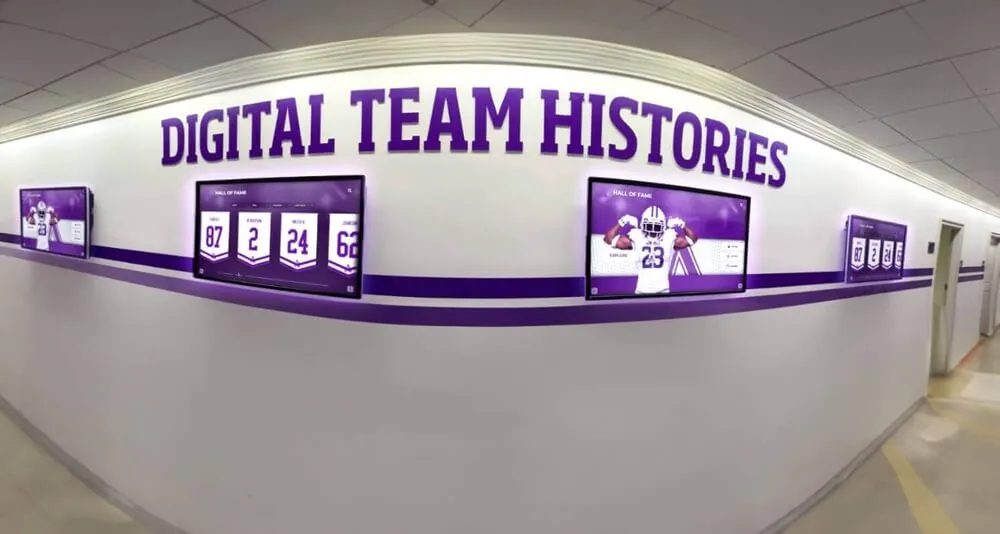
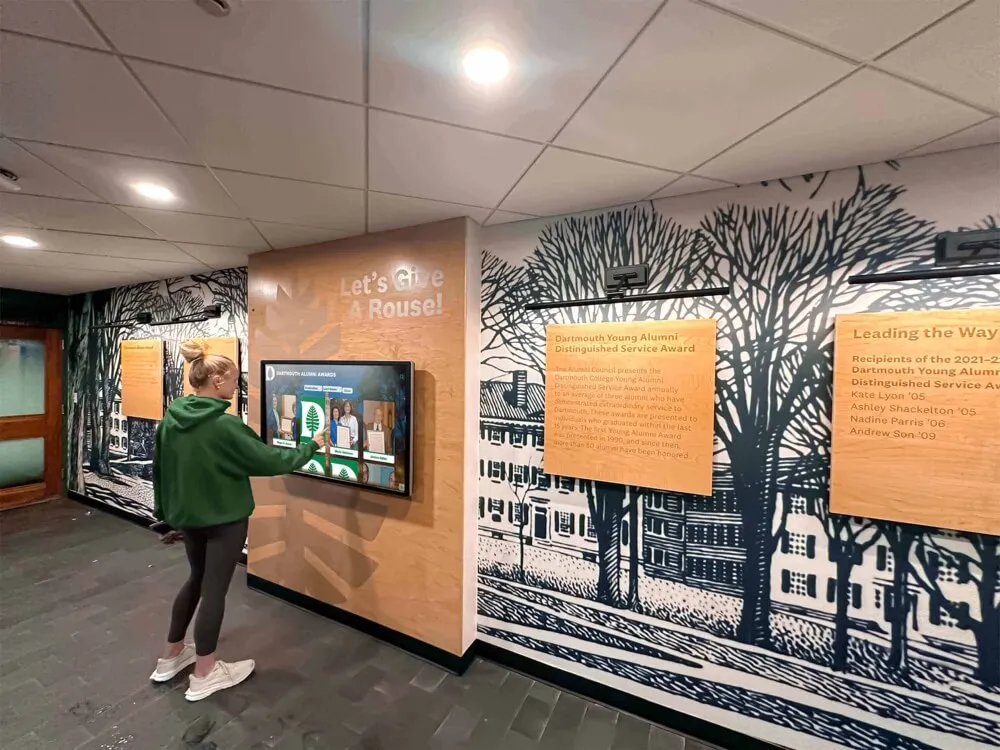
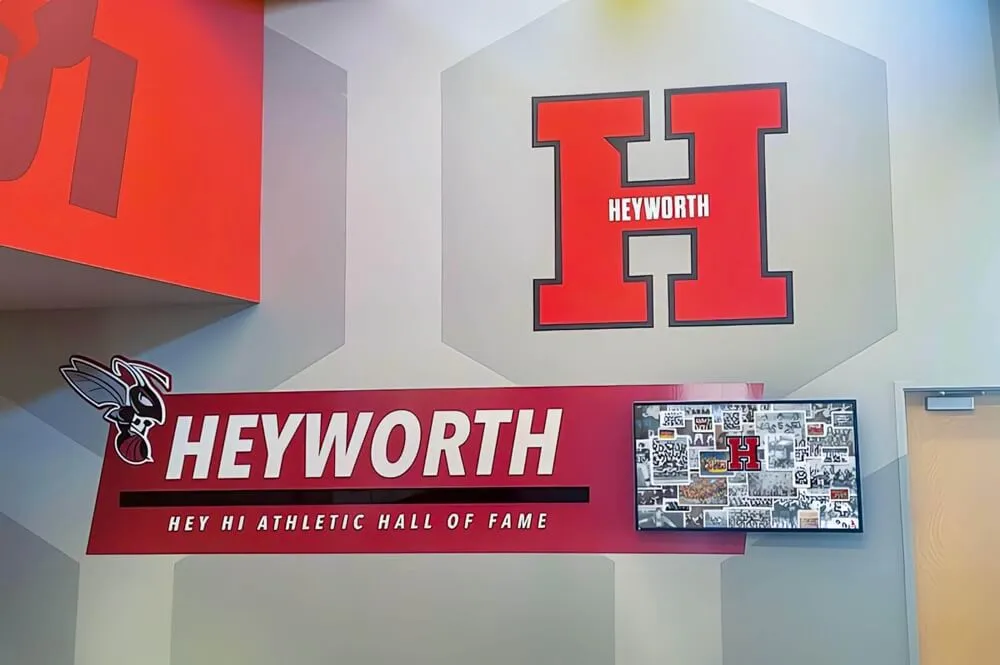
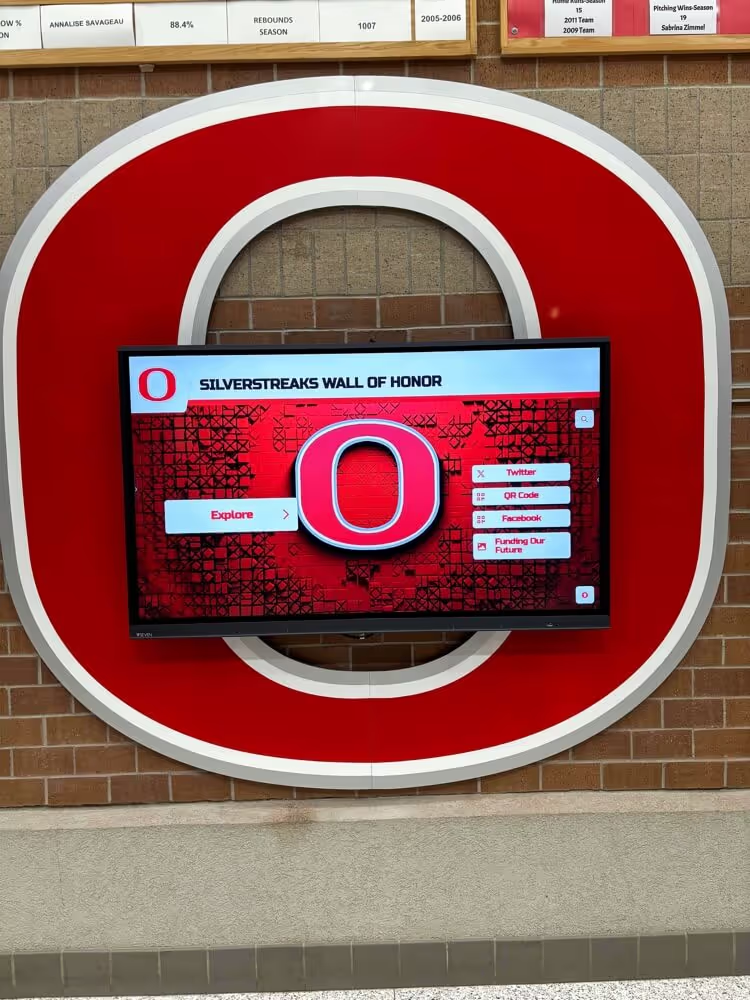
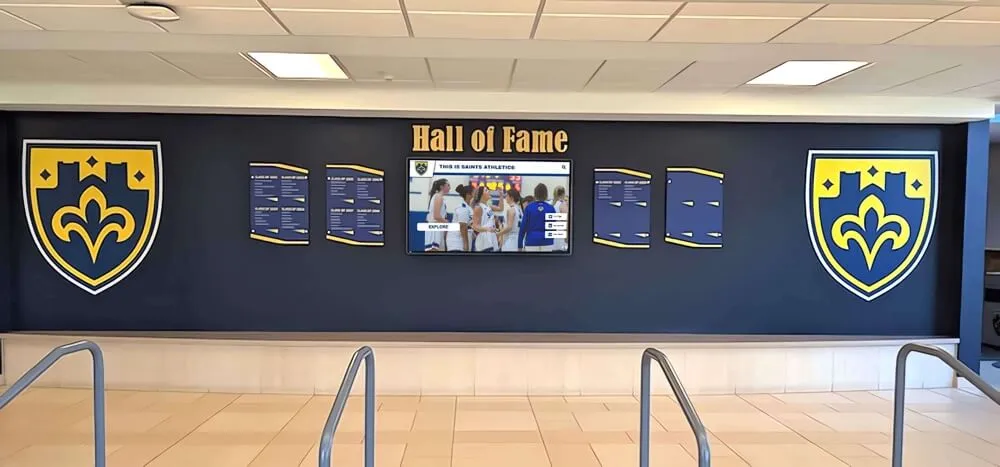
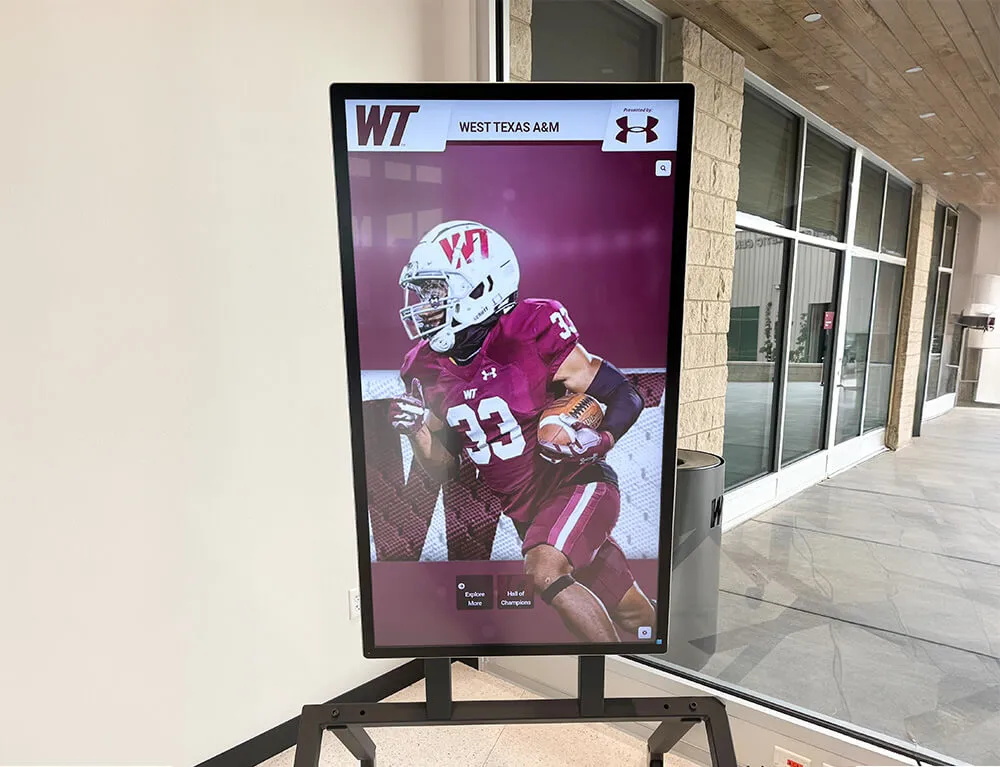
Georgia high schools celebrate championship achievements through comprehensive displays honoring state title teams and program excellence
Understanding the GHSA Classification System
The Georgia High School Association organizes football competition through a classification structure designed to create balanced competition across the state’s diverse school landscape.
Seven-Classification Framework
Georgia divides football programs into seven classes based on enrollment, ensuring schools compete against similarly-sized opponents:
Classification by Enrollment
- Class 7A: Largest schools (typically 2,300+ students) featuring suburban Atlanta powerhouses and major metro programs
- Class 6A: Large programs (1,900-2,300 students) from growing suburban communities
- Class 5A: Upper-mid-size schools (1,500-1,900 students) blending suburban and regional programs
- Class 4A: Mid-size schools (1,150-1,500 students) representing diverse Georgia communities
- Class 3A: Smaller programs (850-1,150 students) with strong regional traditions
- Class 2A: Small-town schools (450-850 students) serving rural and small-city communities
- Class A: Smallest classification divided into public (A-Public) and private (A-Private) divisions
This classification ensures teams compete in appropriate contexts, recognizing that a championship in any class represents exceptional achievement within that competitive environment.
Public vs. Private School Considerations
Georgia’s unique approach to Class A creates separate championship paths for public and private schools:
Division Rationale
The GHSA separates Class A into public and private divisions to address competitive equity concerns. Private schools can draw students from broader geographic areas compared to public schools limited to attendance zones. This separation has generated both support from public school advocates and criticism from those preferring unified competition.
Classification Methodology
Schools receive classification assignments based on:
- Full-time equivalent (FTE) student enrollment counts
- Reclassification occurring every two years based on updated enrollment data
- Geographic considerations for region assignments within classifications
- Historical success having no impact on classification (unlike some states’ competitive equity systems)
Programs near classification boundaries monitor enrollment closely, as movements between classes significantly impact competitive expectations and championship opportunities.
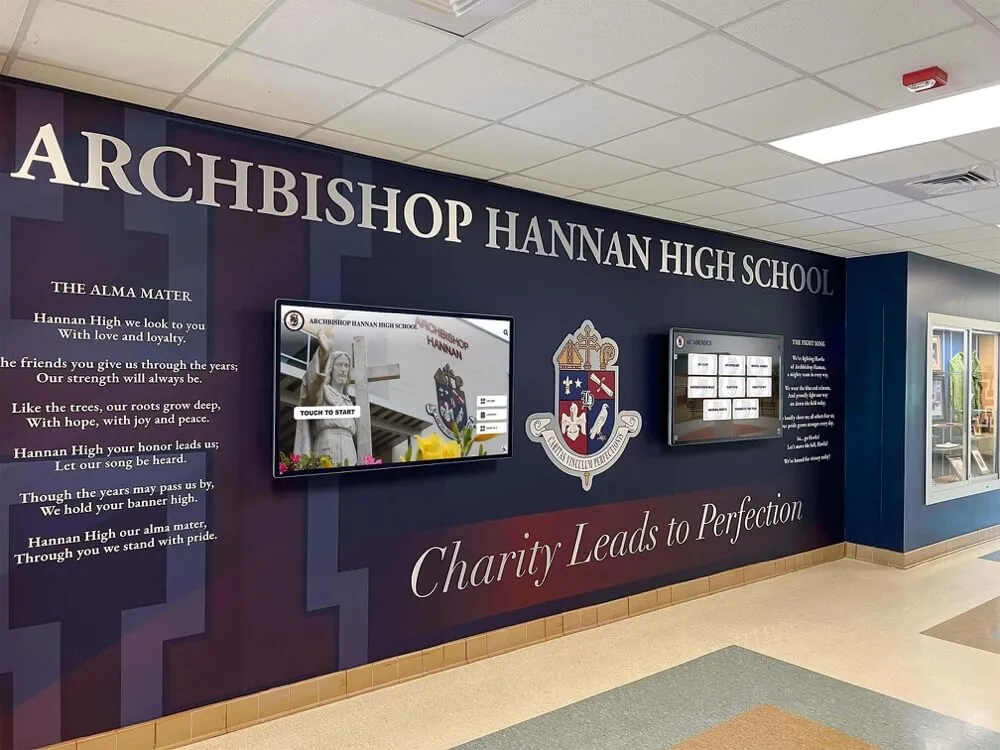
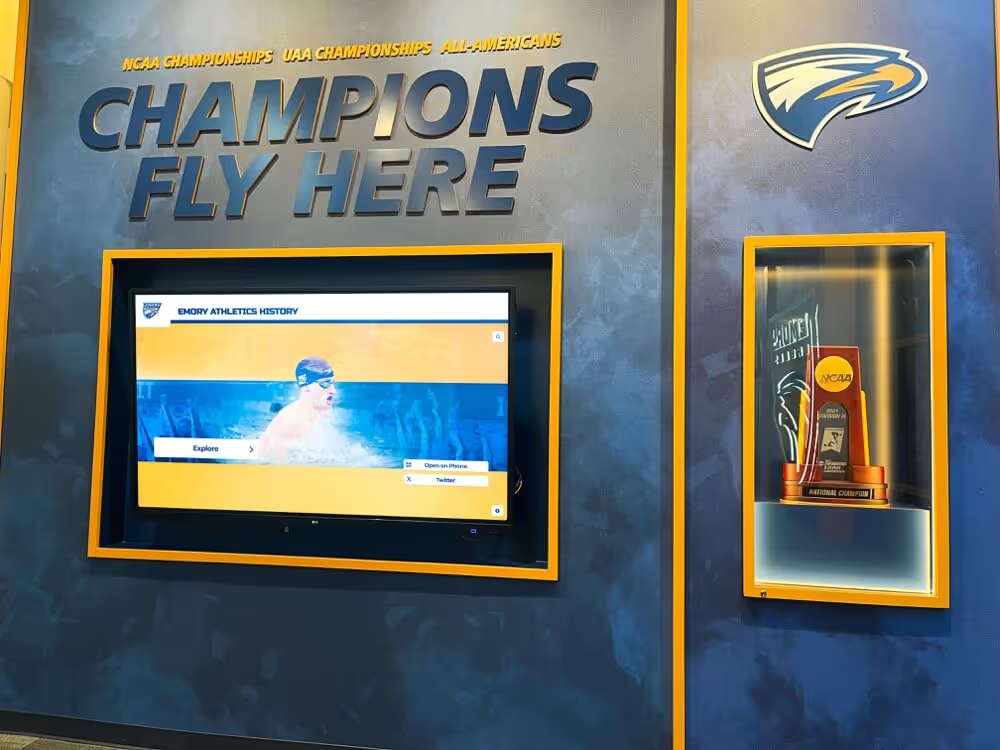
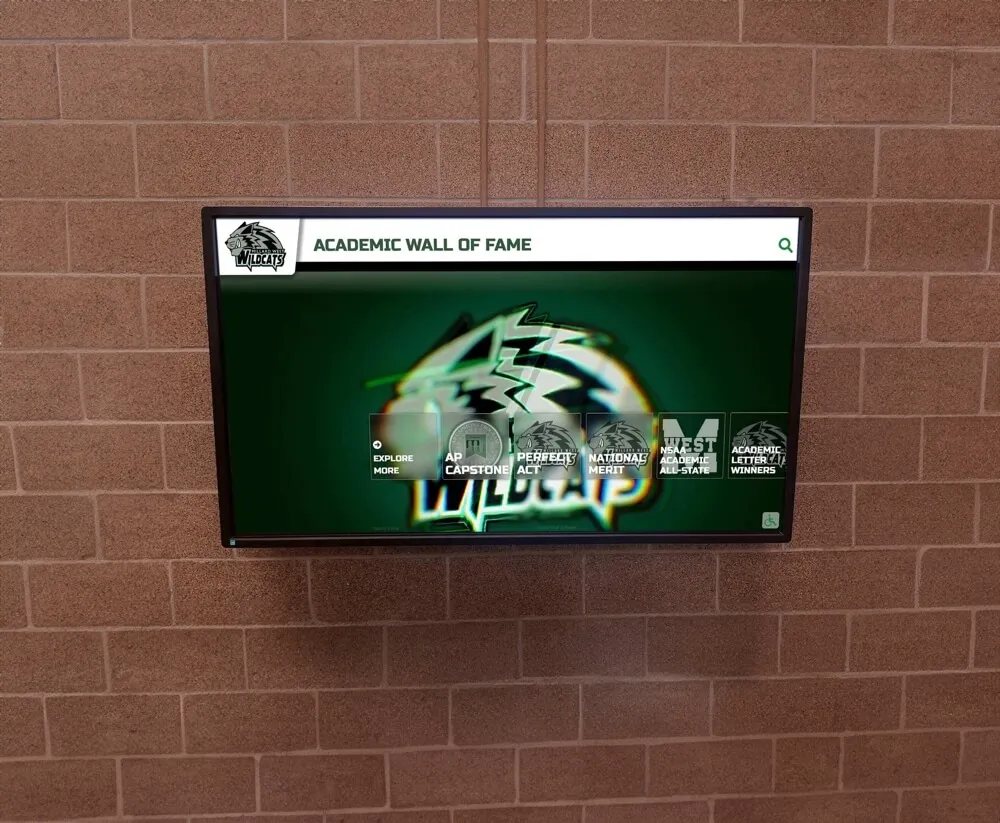
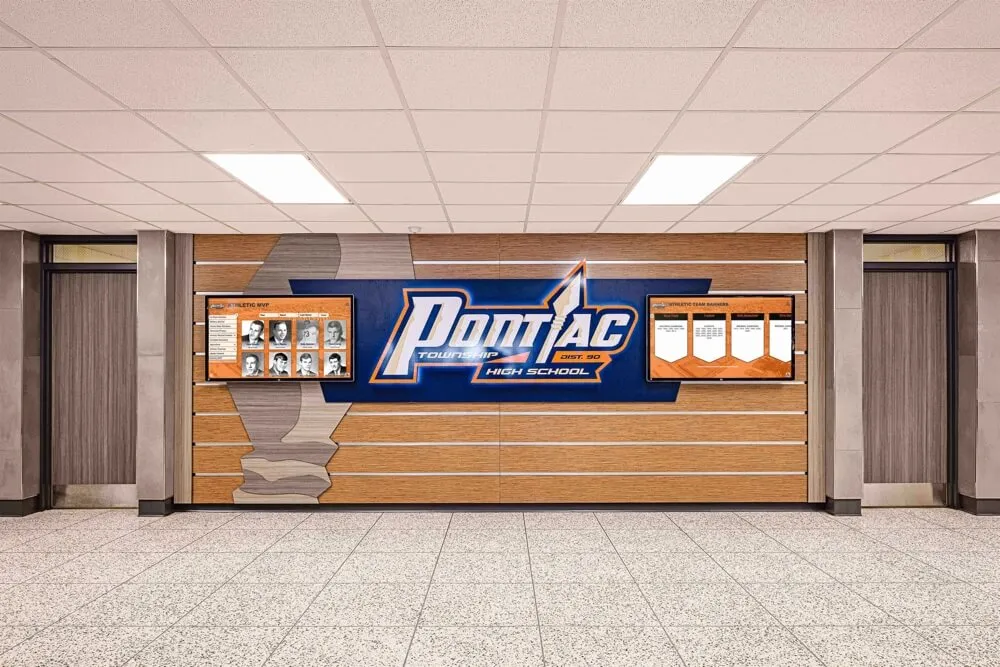
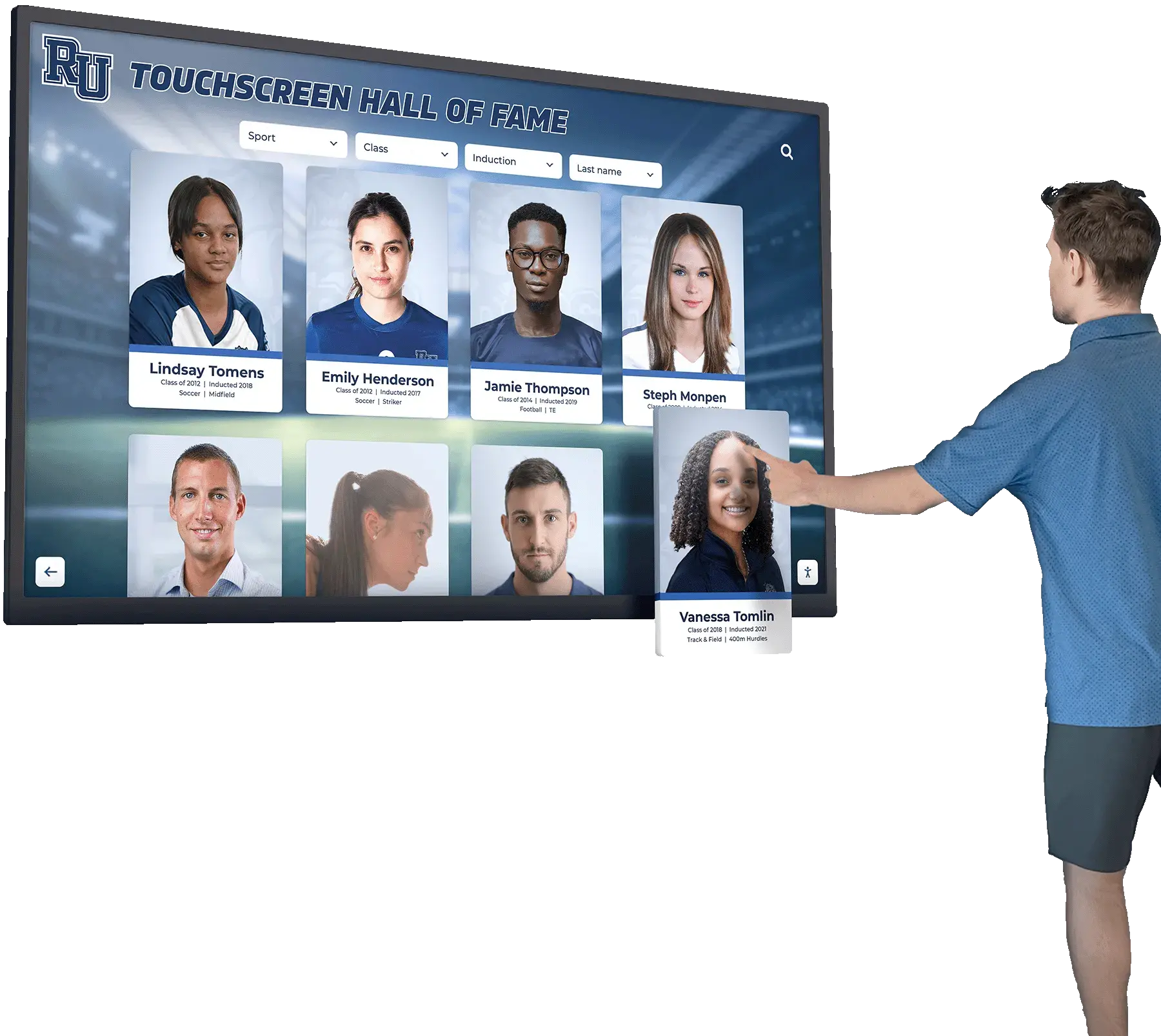
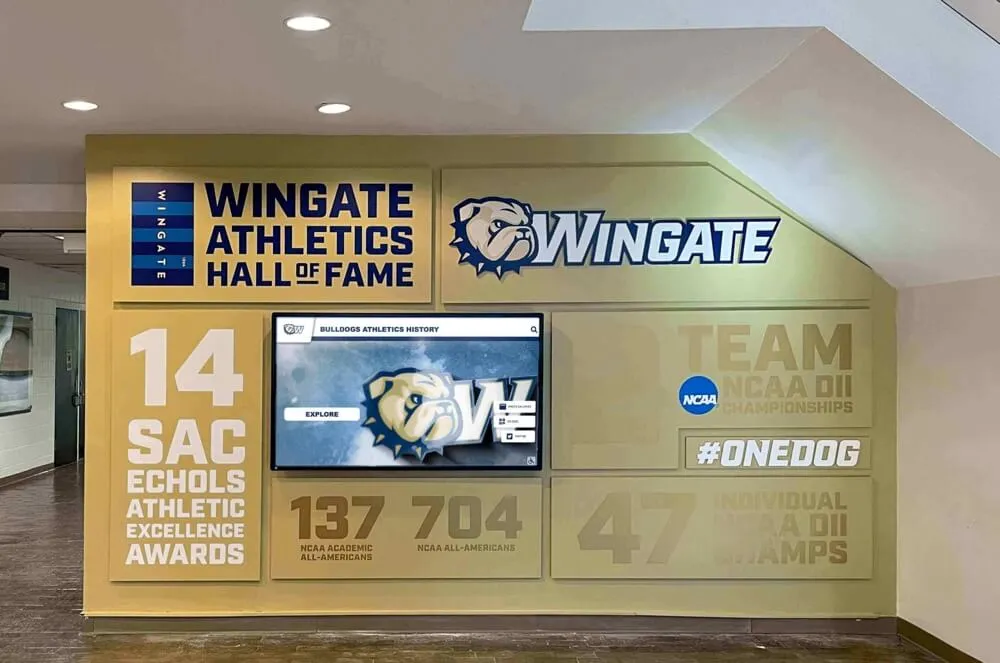
Modern recognition systems preserve complete championship histories including classification contexts and competitive achievements
GHSA Playoff Structure and Tournament Format
Georgia’s playoff system creates pathways for teams across all classifications to compete for state championships.
Regular Season and Playoff Qualification
The journey to championship weekend begins with regular season success:
Regular Season Framework
- Ten-game regular season (Week 1 through Week 10)
- Region competition determining automatic playoff qualifiers
- Non-region games providing strength-of-schedule context
- Final regular season rankings establishing playoff seeding
Qualification Criteria
Each classification features multiple regions with 6-8 teams per region. Playoff qualification follows clear guidelines:
- Top four teams from each region automatically qualify for playoffs
- 32 teams per classification reach postseason (except Class A with 16 teams in each division)
- Region champions receive higher seeding for home field advantage
- Non-region record serves as tiebreaker for region standings
This structure rewards region success while providing at-large opportunities for strong teams from competitive regions. Programs in challenging regions may enter playoffs with multiple losses, while teams from weaker regions might qualify with fewer defeats.
Five-Week Playoff Tournament
Once qualified, teams enter single-elimination tournament play:
Playoff Round Structure
- First Round (Week 11): 32 teams reduced to 16 (Class 2A-7A) or 16 to 8 (Class A divisions)
- Second Round (Week 12): Quarterfinal positioning begins
- Quarterfinals (Week 13): Elite Eight status achieved
- Semifinals (Week 14): Final Four representing state’s best
- State Championships (Week 15): Eight title games crown class champions
Championship weekend typically occurs during Thanksgiving week at neutral sites including Mercedes-Benz Stadium (Atlanta Falcons home) and Georgia State Stadium, providing collegiate atmospheres that motivate teams throughout their playoff journeys.
Home Field Advantage and Seeding
Playoff seeding significantly impacts championship paths:
Seeding Benefits
- Higher seeds host games through semifinals
- Home crowds provide substantial advantage
- Familiar field conditions benefit preparation
- Reduced travel costs and logistics
- Weather advantages in November conditions
Strategic Implications
Region championships become critical objectives beyond just playoff qualification. A #1 seed hosting all playoff games through semifinals has substantially better championship odds than a #4 seed facing road games from first round forward.

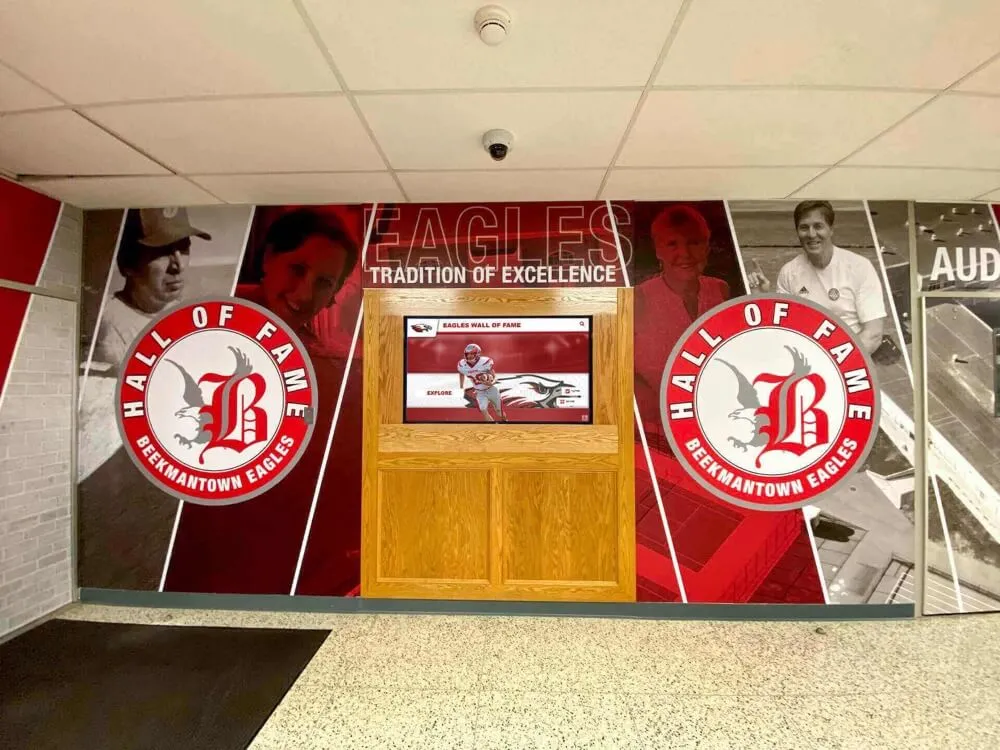
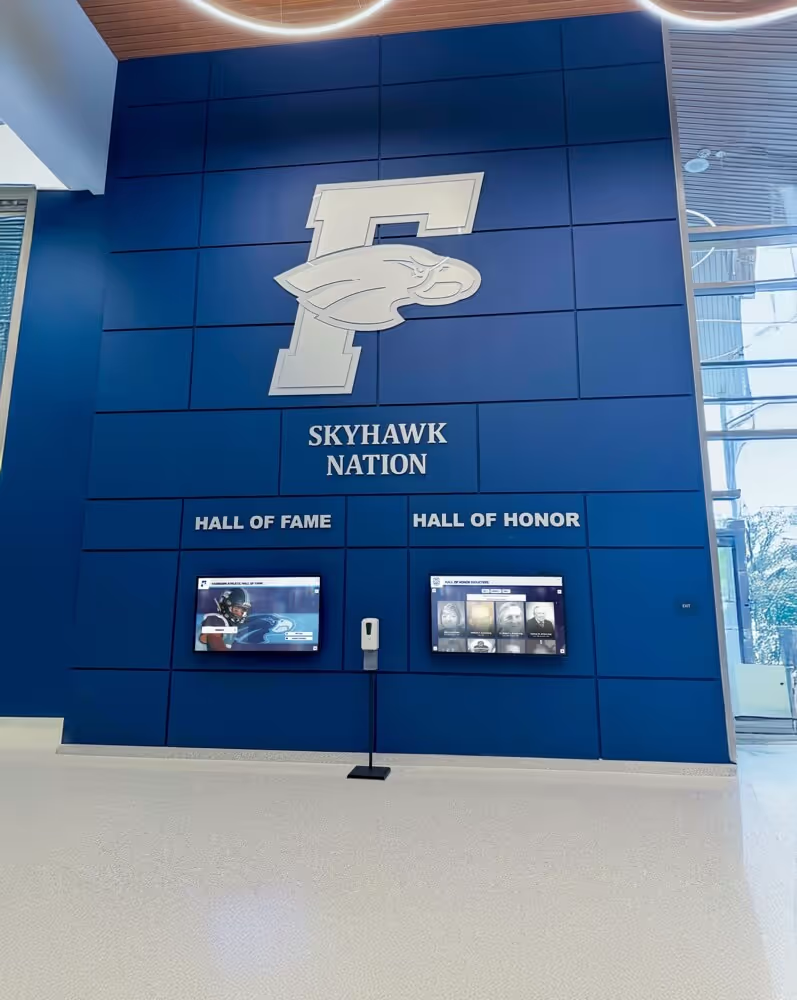
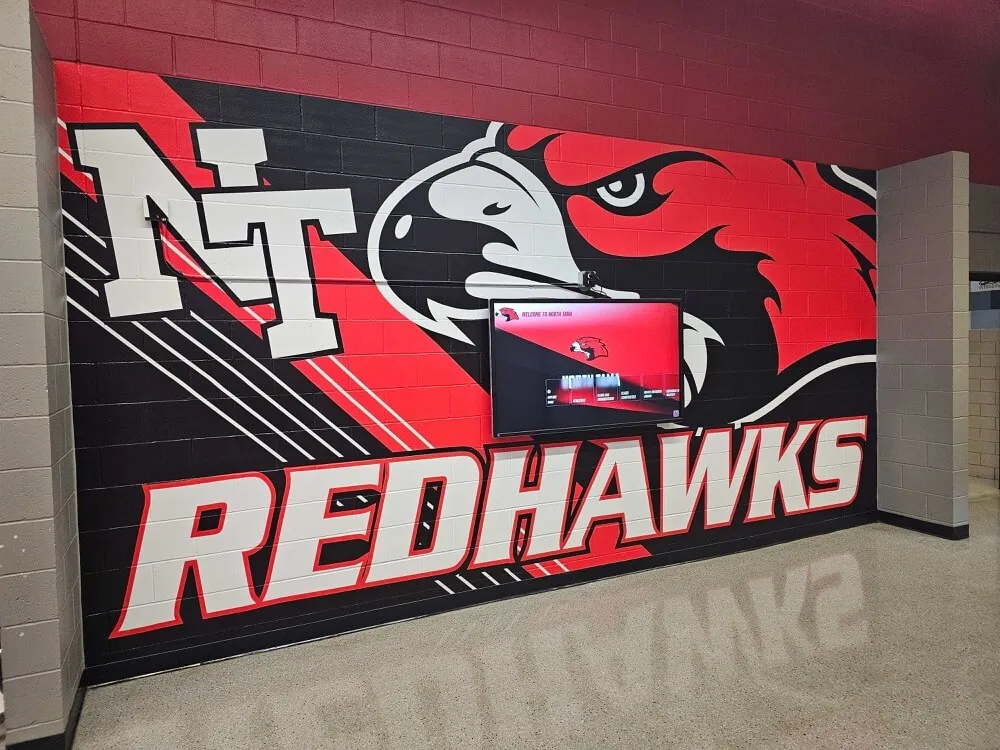
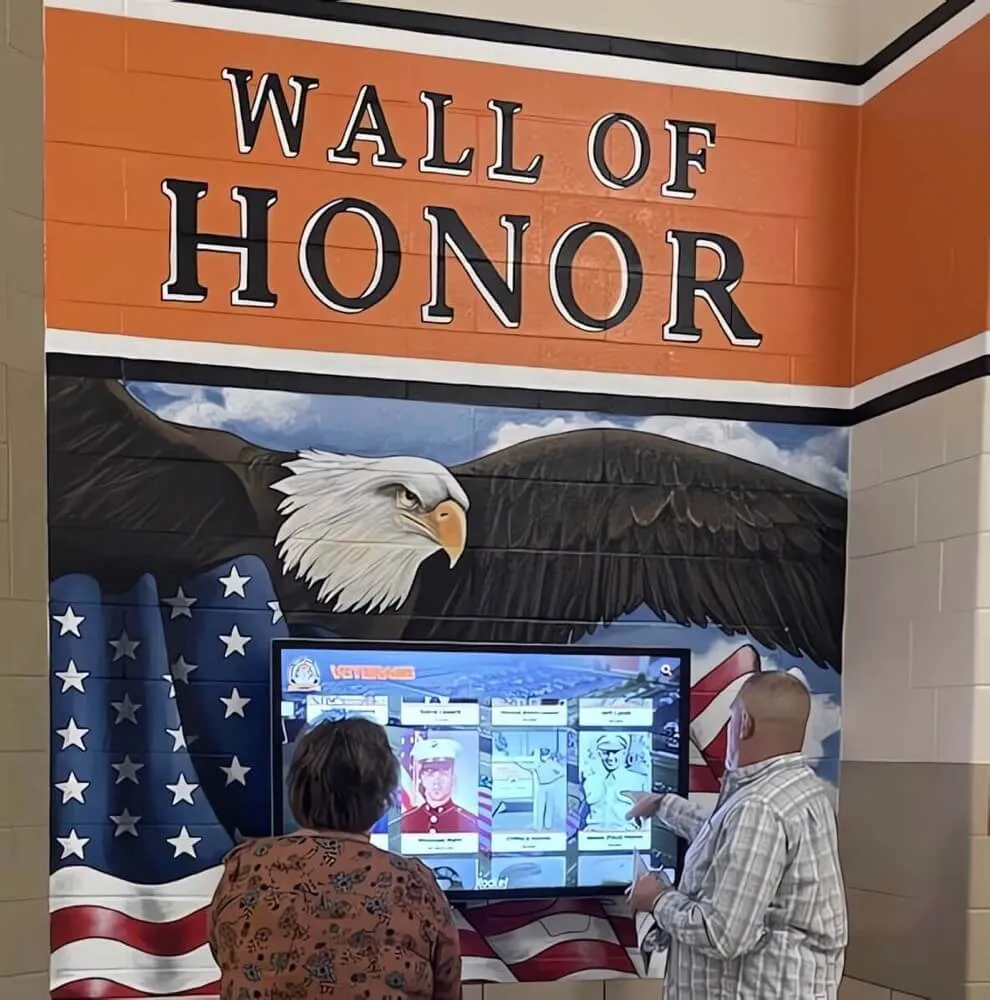
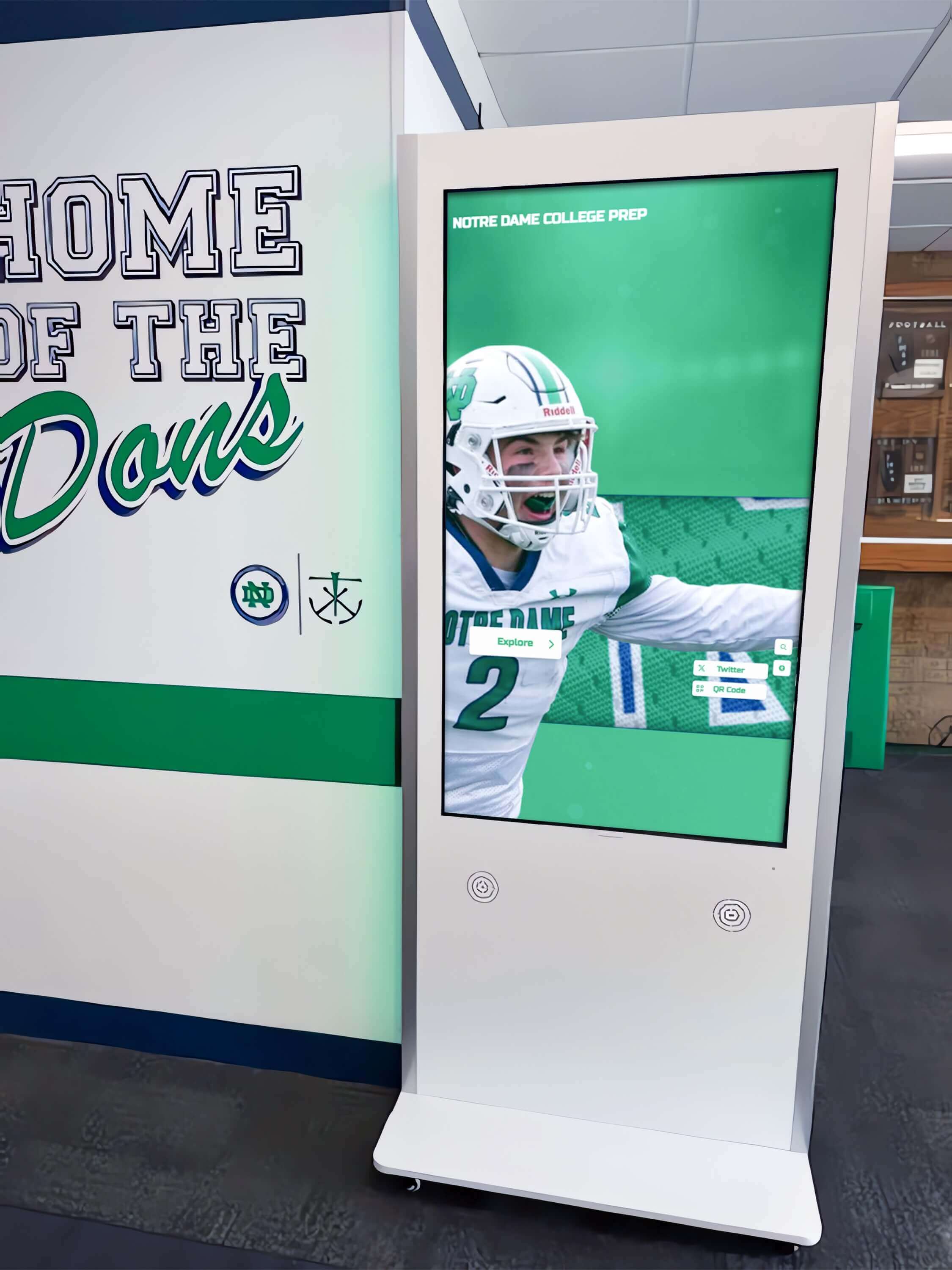
Interactive displays document complete playoff journeys including seeding, bracket positions, and championship progressions
Schools documenting playoff qualification and championship runs find that state championship recognition displays provide engaging ways to celebrate these achievements.
Historic Georgia Football Powerhouses
Georgia high school football features programs with sustained championship excellence spanning multiple decades.
Metro Atlanta Dynasty Programs
The Atlanta metropolitan area produces many of Georgia’s most successful championship programs:
North Fulton County Powers
Programs like Milton, Walton, and North Gwinnett have established consistent championship contention in Class 7A, benefiting from large enrollment pools, quality coaching, and competitive youth programs. These schools compete in some of the nation’s toughest regions, where region games carry playoff-atmosphere intensity.
Gwinnett County Excellence
Gwinnett County features remarkable concentration of championship-caliber programs including Buford, Mill Creek, and Grayson. These schools demonstrate that Georgia’s football excellence extends across multiple suburban communities.
Traditional Private School Powers
Programs including Blessed Trinity, Marist, and Greater Atlanta Christian maintain consistent championship competitiveness, demonstrating strong program cultures and coaching continuity that transcend individual player cycles.
South Georgia Football Tradition
Below the fall line, football represents community identity in ways unique to rural Georgia:
Small-Town Championship Culture
Communities like Valdosta, Warner Robins, and Thomasville feature programs where football traditions span generations. These programs often enjoy exceptional community support, state-of-the-art facilities funded by passionate supporters, and multi-generational coaching staffs.
Public School Excellence
Programs including Coffee County, Lee County, and Ware County demonstrate that public school programs in smaller markets can compete with larger metro area schools through exceptional coaching, community commitment, and systematic program development.
Programs celebrating decades of football tradition benefit from comprehensive archival systems that preserve both championship seasons and sustained competitive excellence.
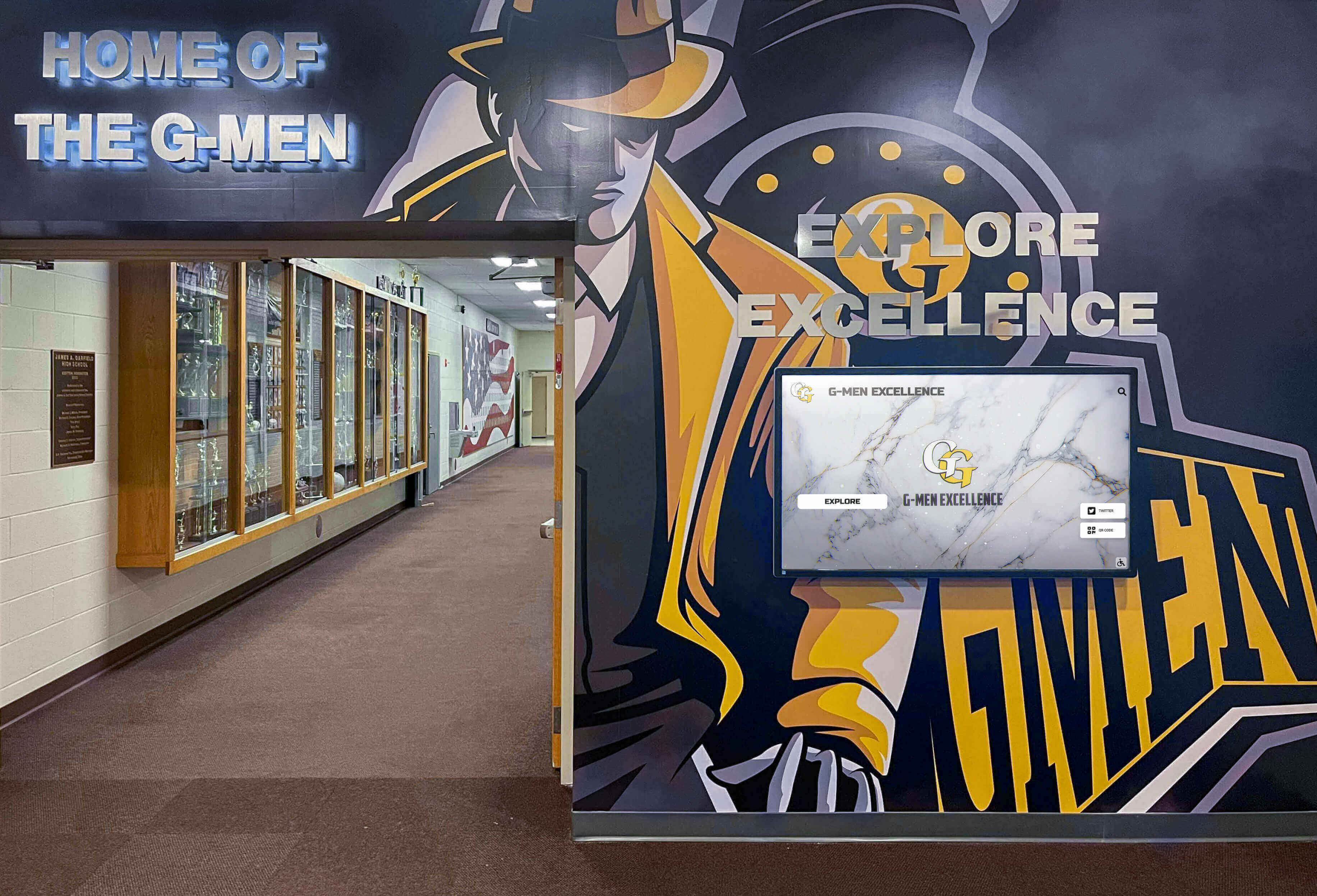
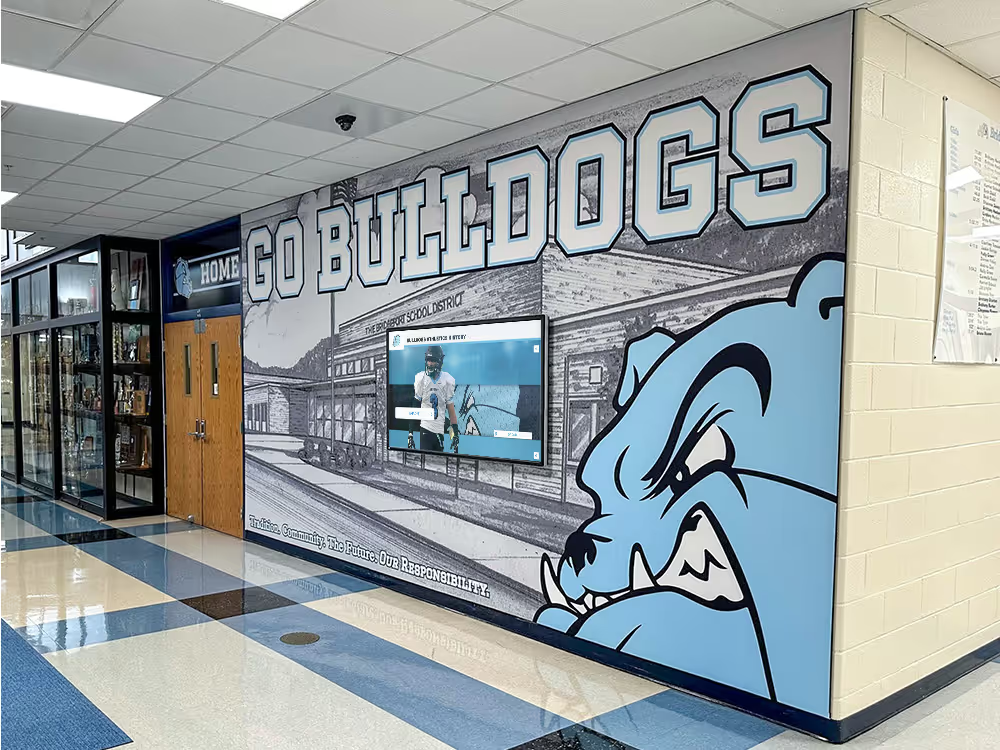
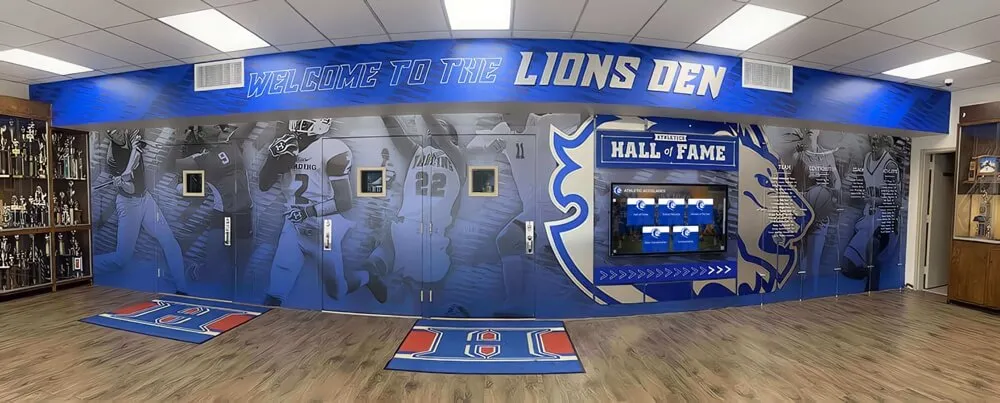
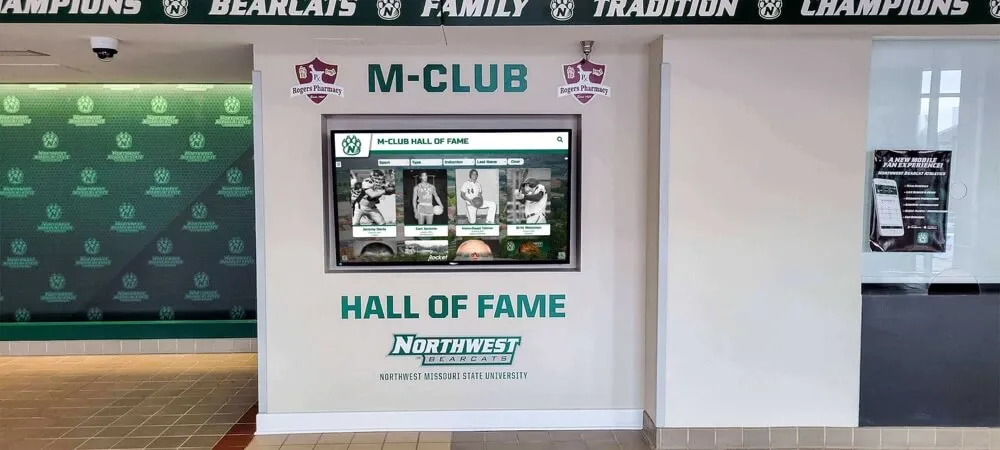
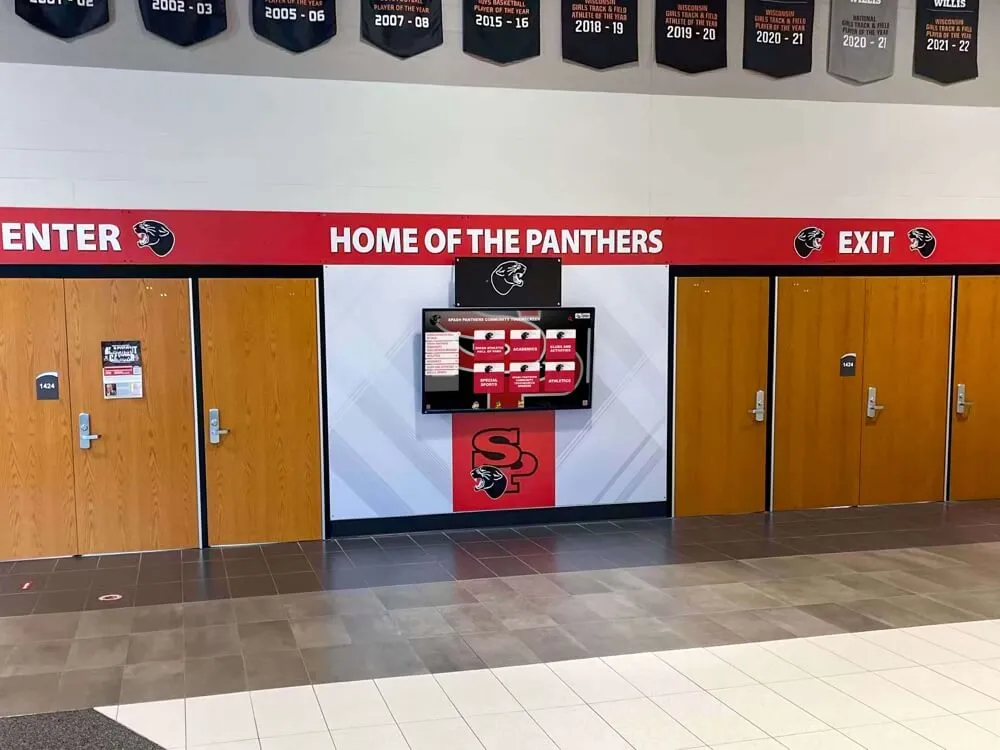
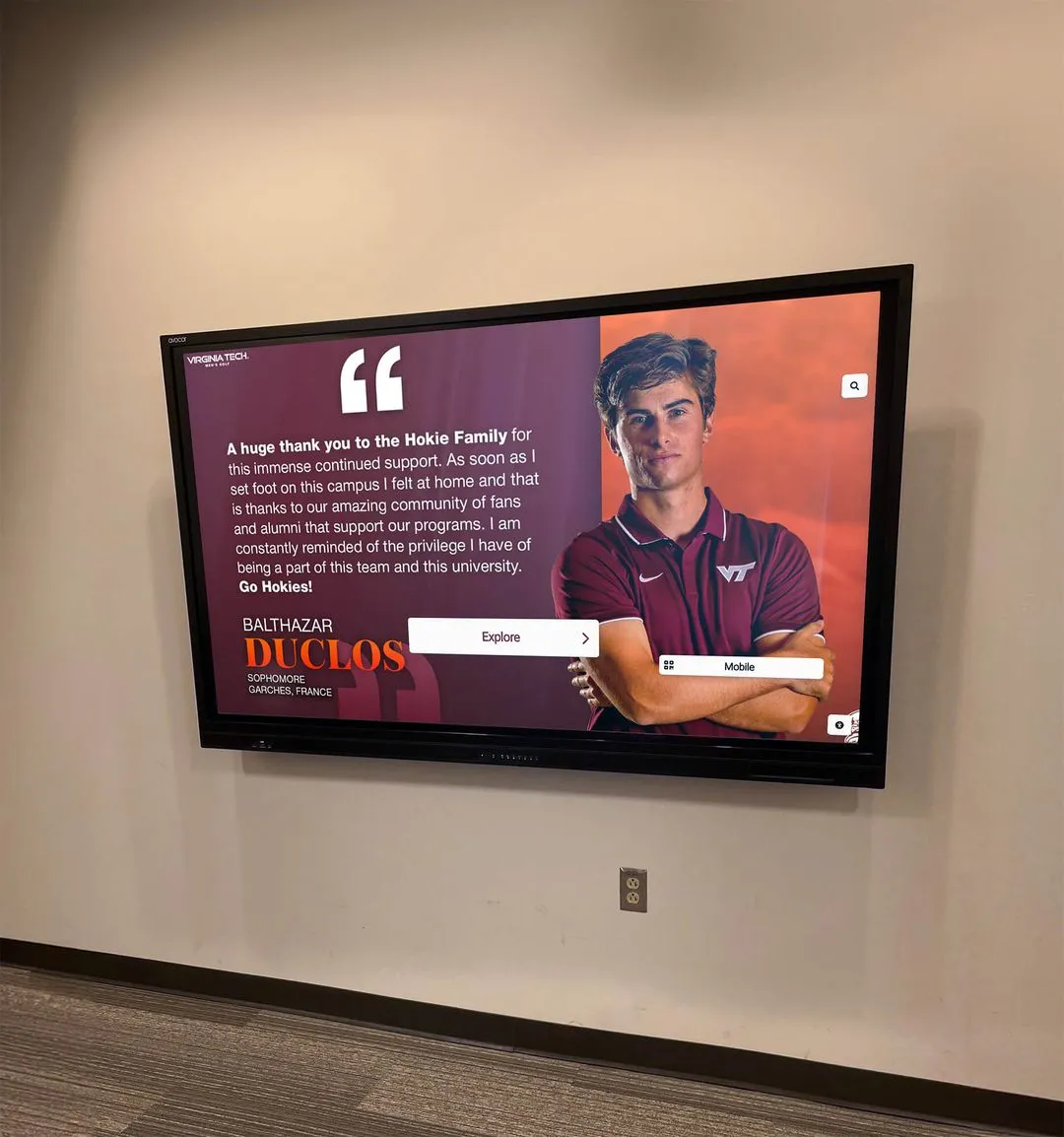
Comprehensive displays celebrate program traditions including championship victories, playoff appearances, and sustained excellence
The Championship Week Experience
Championship weekend represents the culmination of months of preparation and creates memories lasting lifetimes.
Mercedes-Benz Stadium Championships
Playing in the Atlanta Falcons’ home stadium provides unprecedented experiences:
Facility Atmosphere
Championship teams experience:
- NFL-quality playing surfaces and locker rooms
- Stadium capacity exceeding 70,000 providing electric atmosphere
- Professional broadcast production with stadium video boards
- College gameday environment motivating players throughout season
- Family and community sections creating unified support
Logistical Considerations
Schools advancing to Mercedes-Benz Stadium face unique planning challenges:
- Ticket allocation and distribution to school communities
- Hotel accommodations for teams and traveling supporters
- Transportation coordination for teams and bands
- Practice facility arrangements in Atlanta area
- Media obligations and championship week activities
These logistical demands test athletic departments but create unforgettable experiences for participants and supporters.
Georgia State Stadium Championships
Some classification championships occur at Georgia State Stadium in downtown Atlanta:
Venue Characteristics
- Intimate collegiate atmosphere with 25,000+ capacity
- Convenient downtown Atlanta location
- Quality playing surface and facilities
- Traditional football stadium feel
- Strong sight lines and fan experience
Both championship venues provide neutral-site advantages ensuring fair competition while offering remarkable stages for crowning state champions.
Championship Week Traditions
Schools develop traditions around championship appearances:
Community Celebrations
- Send-off rallies before teams depart for Atlanta
- Community watch parties for supporters unable to attend
- Victory celebrations upon teams’ return home
- Championship parade and recognition events
- School assemblies honoring championship teams
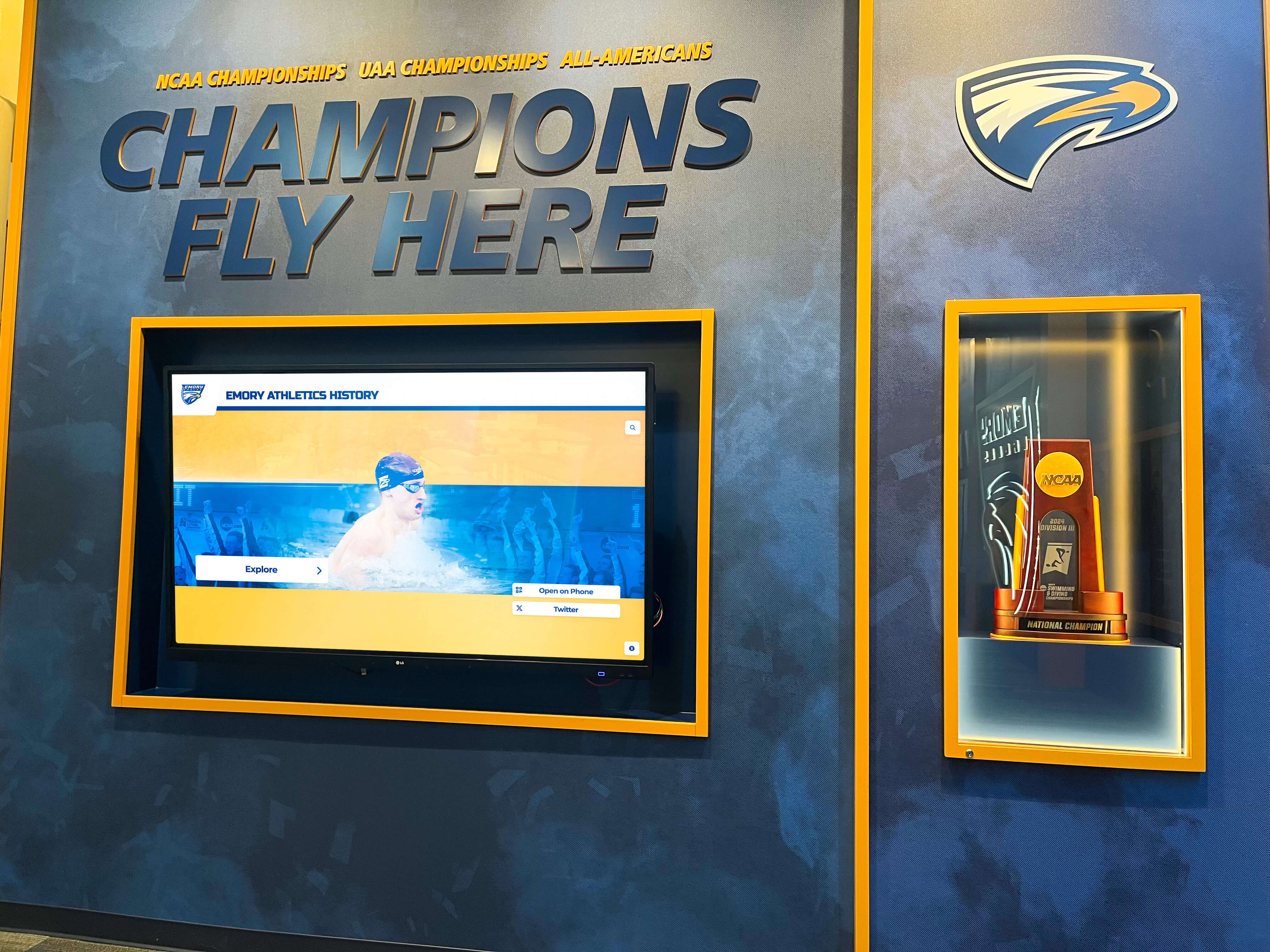
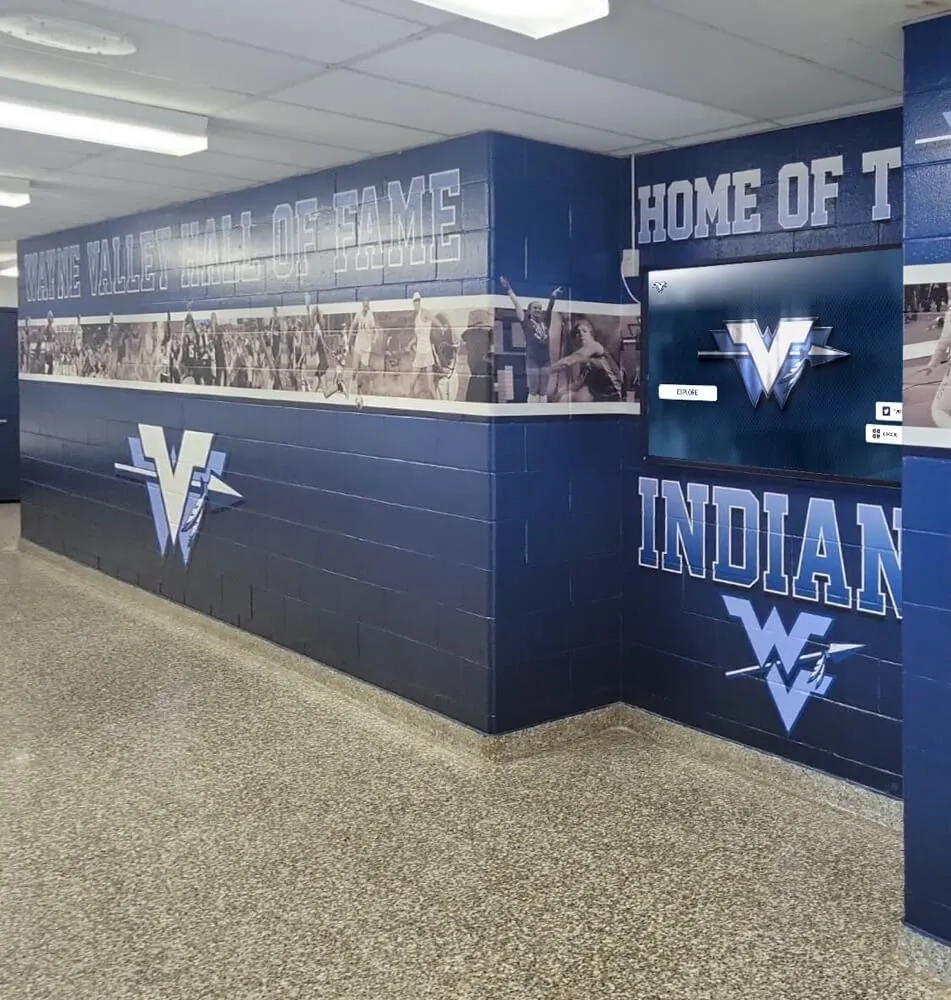
Championship achievements receive prominent recognition through displays combining physical trophies with comprehensive documentation
These traditions create community bonds that strengthen regardless of championship game outcomes, demonstrating how championship opportunities unite schools and communities.
For schools planning athletic celebration events following successful seasons, systematic approaches ensure appropriate recognition for championship achievements.
Preserving Championship Legacies
Georgia schools have developed creative approaches to honoring state championship achievements for future generations.
Traditional Recognition Methods
Time-honored approaches remain popular across Georgia programs:
Physical Championship Displays
- State championship trophies in prominent trophy cases
- Championship banners hanging in gymnasiums and field houses
- Engraved plaques listing championship team rosters
- Championship ring displays for players and coaches
- Framed team photos from championship seasons
Facility Dedications
- Championship fields or stadiums named after title-winning coaches
- Press boxes honoring program contributors
- Stadium signage acknowledging championship seasons
- Locker room plaques inspiring current players
- Weight room recognition connecting generations
Traditional Limitations
Physical displays face inherent constraints that limit their effectiveness:
- Limited space forcing difficult choices about prominence
- Aging materials requiring replacement
- Static presentations lacking engagement for younger generations
- Difficulty showcasing complete team rosters and season narratives
- Inability to update easily as new championships occur
These limitations lead many Georgia programs to complement traditional approaches with modern recognition solutions.
Digital Recognition Advantages
Technology transforms how schools celebrate state championships:
Interactive Championship Archives
Modern touchscreen displays overcome traditional limitations:
- Complete Championship Documentation: Every title season preserved with full rosters, statistics, and game summaries
- Season Narratives: Championship runs documented with bracket progressions and key moment descriptions
- Player Recognition: Individual profiles for every championship team member, not just stars
- Multimedia Integration: Photos, videos, and highlight clips bringing championships to life
- Searchable Access: Families easily find specific seasons or players decades later
Solutions like digital recognition displays enable schools to showcase unlimited achievements without physical space constraints.
Real-Time Playoff Updates
During championship runs, digital displays provide:
- Live bracket updates showing team progression
- Weekly opponent scouting reports and game previews
- Historical context comparing current runs to past championships
- Social media integration amplifying community celebration
- Statistics tracking toward program and individual records
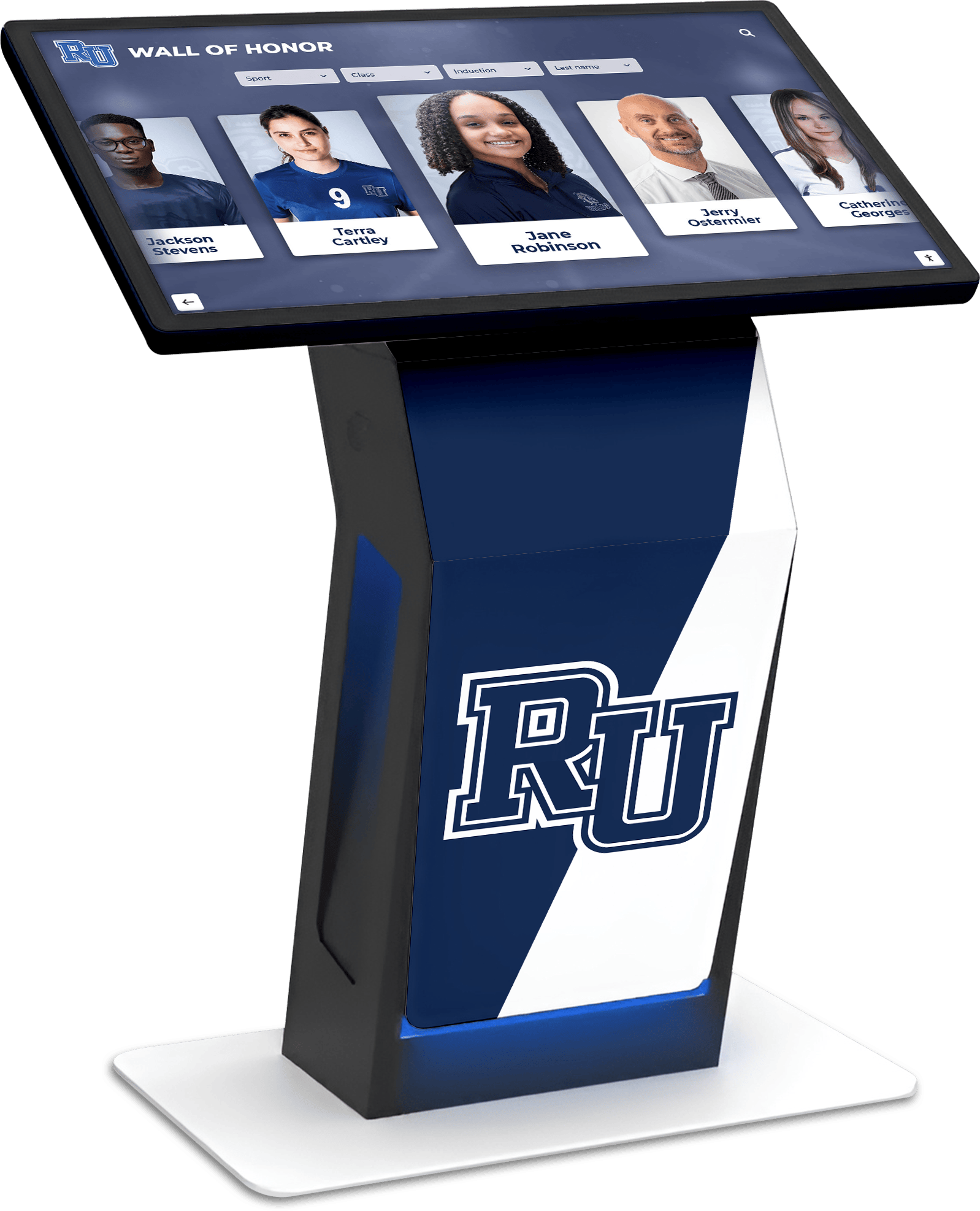
Interactive kiosks provide engaging access to complete championship histories, season documentation, and individual player recognition
Combining Traditional and Digital Approaches
The most effective recognition strategies blend physical and digital elements:
Hybrid Recognition Systems
- Championship trophies displayed physically in prominent locations
- Digital displays adjacent to trophies providing complete season context
- Physical banners for championships, digital documentation for all playoff runs
- Trophy cases featuring highlights, touchscreens offering comprehensive details
- Stadium signage for major championships, digital archives for complete program history
Strategic Placement
Recognition displays positioned in high-traffic areas maximize impact:
- Main entrance lobbies welcoming visitors with championship achievements
- Athletic facility hallways connecting locker rooms to field houses
- Cafeterias engaging entire student body, not just athletes
- Stadium concourses reinforcing tradition during games
- Alumni centers connecting past champions to current programs
Schools exploring comprehensive recognition should evaluate platforms like Rocket Alumni Solutions that integrate championship documentation with broader athletic achievement celebration.
Notable Georgia Championship Moments
Georgia high school football has produced legendary championship moments across multiple decades.
Historic Championship Games
Certain title games become part of Georgia football lore:
Overtime Classics
Multiple-overtime championship games featuring dramatic comebacks and clutch performances become legendary. These contests showcase football’s unpredictability while creating lifetime memories for participants and communities.
Underdog Championships
Lower-seeded teams navigating difficult playoff paths to win championships provide inspiring narratives. These Cinderella stories demonstrate that preparation, execution, and team unity can overcome talent disparities.
Dynasty Establishment
Programs winning consecutive championships establish dynasties remembered for generations. These sustained excellence periods reflect comprehensive program development, coaching continuity, and community commitment to football excellence.
Individual Championship Performances
Star players often deliver remarkable performances on championship stages:
Record-Breaking Games
Rushing for 300+ yards, throwing 5+ touchdown passes, or accumulating 200+ receiving yards in championship games create individual legends. These performances occur under ultimate pressure, validating exceptional talent.
Two-Way Excellence
Players dominating both offense and defense throughout championship runs while contributing on special teams demonstrate remarkable versatility. These complete efforts inspire teammates and embody championship culture.
Championship Moments
Game-winning touchdown drives, goal-line stands, fourth-quarter interceptions, and successful two-point conversions in championship games become defining career moments. These clutch plays reveal character under pressure.
Programs preserving these memorable moments through comprehensive historical archives ensure future generations understand program traditions and defining achievements.

Interactive displays enable visitors to explore historical championship moments, legendary performances, and program traditions
Building Championship-Caliber Programs
Sustained championship competitiveness requires systematic program development across multiple dimensions.
Championship Culture Development
Consistent title contenders share cultural characteristics:
Year-Round Commitment
Championship programs emphasize:
- Off-season strength and conditioning programs building physical foundations
- Spring and summer skill development periods refining techniques
- Mental toughness training preparing players for pressure situations
- Academic expectations ensuring eligibility and graduation
- Community service and character development creating well-rounded individuals
Coaching Excellence
Programs with sustained success feature:
- Quality head coaches with clear program philosophies
- Strong assistant coaching staffs with defined responsibilities
- Systematic succession planning for coaching transitions
- Ongoing professional development for entire coaching staff
- Alumni involvement connecting past and present
Youth Program Integration
Elite programs develop talent from early ages:
- Coordinated youth programs teaching consistent fundamentals
- High school coaches involved in youth program oversight
- Age-appropriate skill progression frameworks
- Cultural expectations established at youth levels
- Pathways connecting youth through varsity programs
Resource and Facility Investment
Championship programs require ongoing investment:
Facility Excellence
- Quality practice and game fields with proper maintenance
- Weight rooms with modern equipment and supervision
- Film study facilities with quality technology
- Medical and training resources supporting player health
- Locker rooms and meeting spaces reinforcing program pride
Equipment Standards
- Helmets, pads, and protective equipment meeting highest safety standards
- Uniforms reflecting program commitment to excellence
- Practice equipment enabling effective skill development
- Technology resources for film study and performance analysis
Schools building comprehensive athletic programs benefit from systematic approaches to resource allocation and facility development.
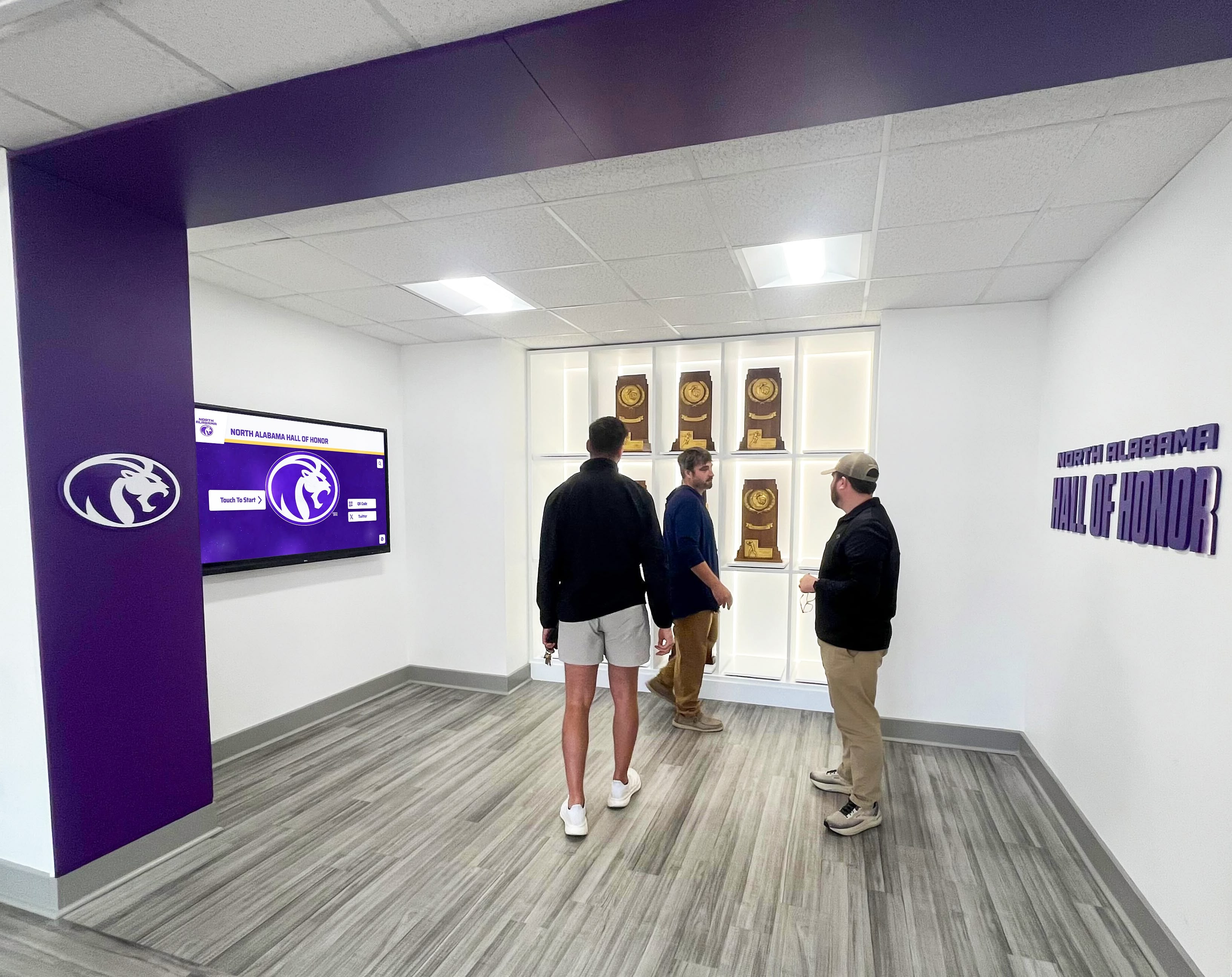
Comprehensive recognition systems document program development and championship achievements across multiple eras
Community Impact of Championship Success
State championships create ripple effects throughout schools and communities that extend far beyond football.
Student Body Engagement
Championship runs unify entire schools:
School Spirit
Championship seasons generate:
- Increased student attendance at games and playoff contests
- School-wide celebrations and recognition assemblies
- Student section coordination and spirit initiatives
- Academic integration connecting championships to curriculum
- Reduced behavioral issues as students rally around positive purpose
Educational Integration
Teachers incorporate championship runs into lessons:
- Math classes calculate playoff scenarios and statistics
- History classes connect to community traditions
- English classes document team journeys through writing
- Science classes explore athletic performance factors
These integrations demonstrate education’s connection to real-world events students care about deeply.
Economic and Community Benefits
Championship runs generate tangible community impacts:
Local Economic Activity
- Playoff home games bring thousands of visitors to communities
- Hotels, restaurants, and retail businesses benefit from increased traffic
- Gate receipts provide athletic department revenue
- Championship merchandise sales generate ongoing income
Community Identity
Championships shape community identity for generations:
- Championship seasons become reference points connecting generations
- Community pride and unity around shared achievement
- Residential desirability enhanced by quality athletic programs
- Alumni engagement strengthened by championship success
Programs understanding these broader impacts often implement comprehensive community engagement strategies that leverage athletic success for lasting community benefit.
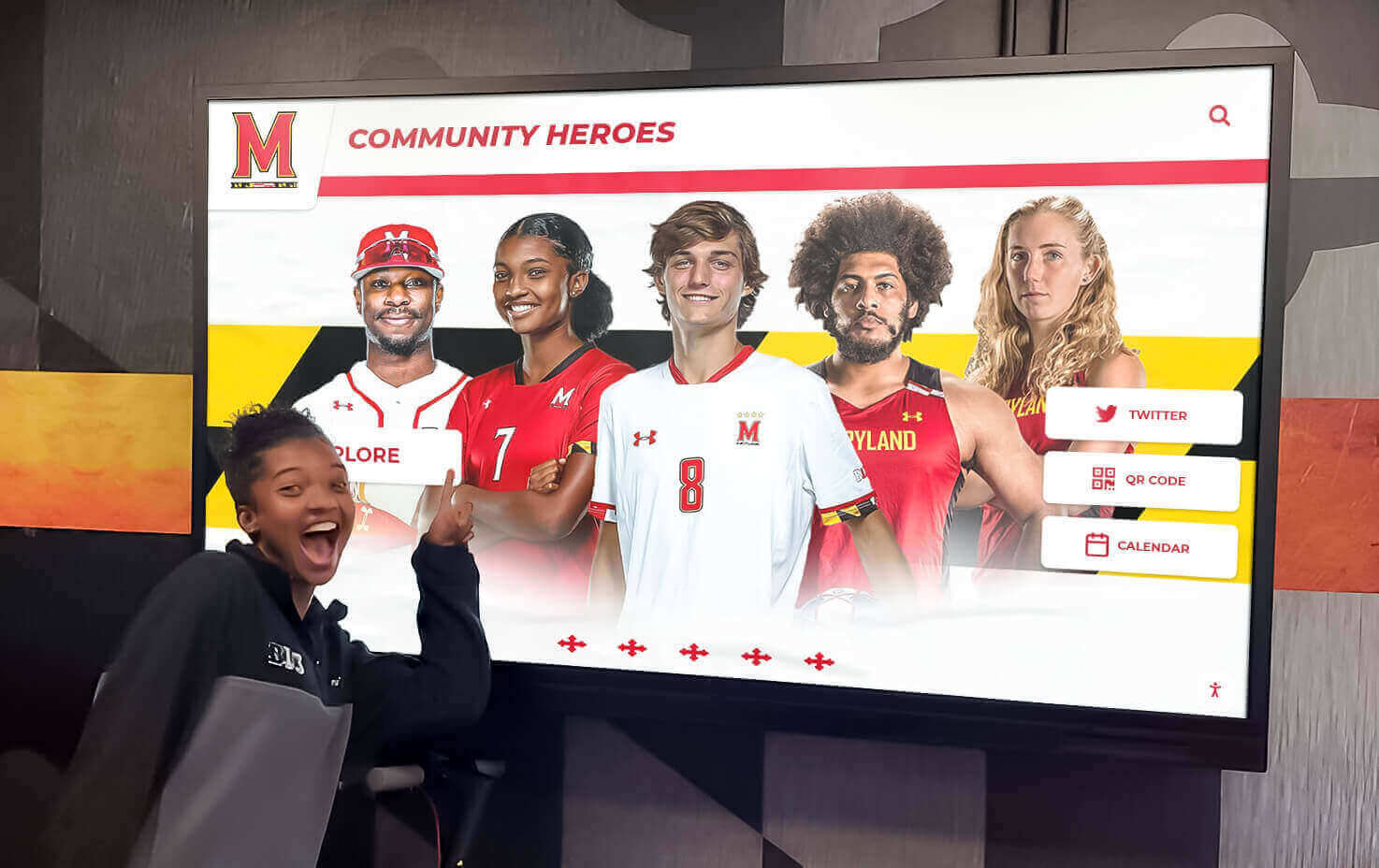
Public displays enable entire school communities to engage with championship achievements and program traditions
Implementing Recognition Systems for Championships
Schools anticipating or celebrating championship success benefit from systematic recognition approaches.
Planning Recognition Infrastructure
Proactive planning ensures championships receive appropriate celebration:
Infrastructure Decisions
Before championship seasons, consider:
- Display locations for championship hardware and documentation
- Digital recognition system capabilities and capacity
- Facility signage plans for championship acknowledgment
- Budget allocations for recognition materials
- Long-term vision accommodating multiple championships
Content Strategy
Develop systems for capturing:
- Complete game photography throughout championship runs
- Player and coach interviews after significant victories
- Community reaction and celebration documentation
- Statistical compilation and record tracking
- Alumni and family testimonials about championship experiences
Immediate Response Plans
Championship victories require immediate recognition:
- Social media announcement strategies
- Local and state media notification protocols
- Community celebration event planning
- School-wide acknowledgment approaches
- Recognition timeline from championship through following season
Technology Selection for Recognition
Schools evaluating recognition platforms should assess:
Capacity and Scalability
- Can the system accommodate unlimited achievements across decades?
- Does it support football alongside other sport recognition?
- Can it integrate physical trophies with digital archives?
- Does it allow easy updates without professional installation?
- Will it remain relevant as technology evolves?
Content Management
- Can school staff update content without technical expertise?
- Does it support photos, videos, statistics, and narrative text?
- Can multiple administrators access and manage content?
- Does it include templates maintaining consistent presentation?
- Are there ongoing training and support resources?
Engagement Features
- Can visitors search for specific seasons, games, or players?
- Does it provide filtering by championship year or classification?
- Can alumni access content remotely via web interfaces?
- Does it include social sharing capabilities?
- Are there analytics showing which content generates most interest?
Schools evaluating options should explore platforms specifically designed for preserving and celebrating athletic achievements including championship success.

Strategic recognition system implementation ensures championship achievements receive prominent, accessible, and engaging celebration
Recent Georgia Championship Trends
Understanding recent patterns helps predict future championship landscapes.
Classification Competitive Balance
Recent championship results reveal competitive trends:
Class 7A Dominance Patterns
The state’s largest classification features concentrated excellence among suburban Atlanta programs with resources and enrollment supporting championship-caliber football. Multiple programs trade championships creating competitive cycles.
Small Classification Parity
Lower classifications demonstrate greater parity with programs from across Georgia reaching championship games. This reflects coaching excellence and community commitment mattering as much as enrollment size.
Private School Success
Class A-Private features sustained excellence among programs with strong traditions, though public schools compete effectively demonstrating championship culture transcends school type.
Championship Preparation Evolution
Modern championship teams demonstrate evolving approaches:
Advanced Analytics
- Film study technology enabling detailed opponent preparation
- Statistical analysis informing strategic decisions
- Player performance tracking optimizing training
- Injury prevention science extending player availability
Strength and Conditioning
- Year-round training programs building physical foundations
- Sports science integration optimizing performance
- Nutrition education supporting player development
- Recovery protocols maintaining health through playoffs
Mental Skills Training
- Sports psychology integration building mental toughness
- Pressure situation practice preparing for championships
- Team building creating resilient cultures
- Leadership development empowering player ownership
These modern approaches complement traditional program building elements creating comprehensive preparation systems.
Coaching Legacy and Championship Recognition
Championship success defines coaching careers and merits systematic recognition.
Coaching Achievement Documentation
Effective recognition systems honor coaching excellence:
Career Milestones
- Championship victories and playoff records
- Career win totals and winning percentages
- Region and classification awards
- Coaching tree and assistant coach development
- Player college placement and development
Program Building Impact
- Culture and tradition establishment
- Facility and resource development advocacy
- Community relationship cultivation
- Youth program integration
- Coaching staff mentorship
Schools interested in celebrating coaching excellence alongside player achievement benefit from comprehensive recognition platforms honoring mentorship producing championship success.
Multi-Generational Program Success
Georgia features programs with championship success spanning decades:
Sustained Excellence
Programs maintaining championship competitiveness across coaching changes and player cycles demonstrate:
- Strong institutional cultures transcending individuals
- Community commitment to football excellence
- Resource investment in program infrastructure
- Youth program development creating talent pipelines
- Alumni engagement connecting generations
These programs understand championships result from comprehensive systems rather than individual talent or coaching alone.

Comprehensive recognition systems celebrate coaches who build championship traditions alongside the athletes they develop
State Championship Records and Statistics
Understanding Georgia’s championship history provides context for current achievements.
Most State Championships by Program
Certain programs have established remarkable championship legacies:
Historic Powers
Programs with multiple state championships across classifications and eras demonstrate sustained excellence. These schools’ championship counts reflect decades of commitment, quality coaching, and community support.
Recent Dynasty Programs
Programs dominating recent championship competitions create modern legacies. These schools often feature cutting-edge approaches combining traditional program building with modern analytics and training methods.
Championship Game Records
Individual and team records in championship games become program legends:
Offensive Records
- Single-game rushing yards in championship contests
- Passing yards and touchdowns in title games
- Total points scored in championship victories
- Most points in championship losses (competitive heartbreak)
Defensive Excellence
- Championship shutouts and limited opponent scoring
- Turnovers forced in championship games
- Goal-line stands preserving championship victories
- Fourth-quarter defensive performances securing titles
Programs documenting these records create measurable standards motivating current players while honoring past achievements.
Preparing Your School for Championship Recognition
Schools building toward championship success can plan recognition approaches proactively.
Long-Term Recognition Planning
Championship-focused recognition planning includes:
Phased Implementation
- Initial recognition system establishing framework
- Expansion plans accommodating growth
- Budget allocation across multiple years
- Technology refresh planning as systems evolve
- Content strategy for ongoing documentation
Stakeholder Engagement
- Administrative support for recognition initiatives
- Booster club involvement and funding
- Alumni engagement and contribution
- Community partnership opportunities
- Student input ensuring relevance
Sustainability Considerations
- Staff training for content management
- Update protocols and responsibilities
- Maintenance planning and budgeting
- Archive preservation ensuring longevity
- Technology vendor relationships and support
Funding Championship Recognition
Recognition systems require financial planning:
Funding Sources
- Athletic department budget allocations
- Booster club fundraising designated for recognition
- Alumni donations supporting legacy preservation
- Corporate sponsorships offsetting costs
- Championship celebration fundraising campaigns
Return on Investment
Effective recognition systems provide:
- Enhanced recruitment appeal attracting quality athletes
- Increased alumni engagement and donation potential
- Community pride strengthening program support
- Marketing benefits promoting school excellence
- Educational value teaching students about achievement and legacy
Even modest recognition investments yield significant returns through enhanced community engagement and program pride.
Conclusion: Celebrating Georgia Football Championships
Georgia high school football championships represent the pinnacle of prep athletics in the Peach State. From first-round playoff battles through championship weekend at Mercedes-Benz Stadium, these tournaments create memories lasting lifetimes while unifying communities around shared pursuit of excellence.
Understanding Georgia’s unique championship structure—from the seven-classification system and playoff qualification to bracket advancement and championship venues—enhances appreciation for the journey teams take from regular season through potential state title glory. Whether your school competes in Class 7A or Class A, championship success represents exceptional achievement worthy of comprehensive celebration and preservation.
Preserve Your Championship Legacy
Discover how interactive touchscreen displays can help you celebrate state championships, document playoff achievements, and honor every player who contributed to your program's success.
Request a DemoModern recognition technology enables schools to honor championship achievements comprehensively regardless of physical space limitations or budget constraints. Digital touchscreen systems preserve complete championship histories, document title seasons with photos and narratives, and create engaging experiences for current students, returning alumni, and community visitors.
Every state championship represents countless hours of athlete dedication, coaching excellence, and community support. These achievements deserve recognition that honors past accomplishments while inspiring future teams to add new chapters to your program’s championship legacy. Whether celebrating your program’s first state title or documenting your tenth championship, thoughtful recognition strengthens program culture and community connection.
Georgia high school football championships will continue creating defining moments for communities across the state. Your program’s championship journey—from qualification battles through state title glory—tells a story worth preserving and celebrating for generations to come.
Ready to transform how your school celebrates football achievement? Explore comprehensive recognition solutions for athletic excellence and program history, or request a demonstration showing how your championship achievements can be preserved through interactive displays that engage your entire community.