



When the final buzzer sounds on a close basketball game or a volleyball match reaches match point, every eye in the gymnasium turns to the scoreboard. This essential piece of athletic equipment does far more than display numbers—it creates atmosphere during competitions, provides crucial game information to officials and spectators, and serves as a focal point for the entire facility. For athletic directors planning gymnasium renovations or new construction, selecting the right gym scoreboard represents a significant investment that will shape the competition experience for years or even decades.
The decision between traditional scoreboards and modern digital video display systems presents challenges beyond simple cost comparison. Traditional scoreboards offer proven reliability, straightforward operation, and lower upfront investment, making them appealing for budget-conscious schools with basic display needs. Digital video boards provide dynamic content capabilities, sponsorship revenue potential, and engaging visual experiences that modern audiences increasingly expect. Yet many athletic directors discover that advanced features come with operational complexity, maintenance requirements, and price tags that may not align with institutional priorities or available resources.
This comprehensive guide examines gym scoreboard options from both practical and strategic perspectives, helping schools and universities evaluate traditional versus digital systems based on actual program needs, realistic budgets, and long-term facility goals rather than simply pursuing the most technologically advanced option available.
The right gym scoreboard serves your specific program needs without overextending budgets or creating operational burdens that diminish rather than enhance the athletic experience. Understanding the true differences between scoreboard types enables informed decisions that athletic directors can defend confidently to administrators, booster clubs, and communities.
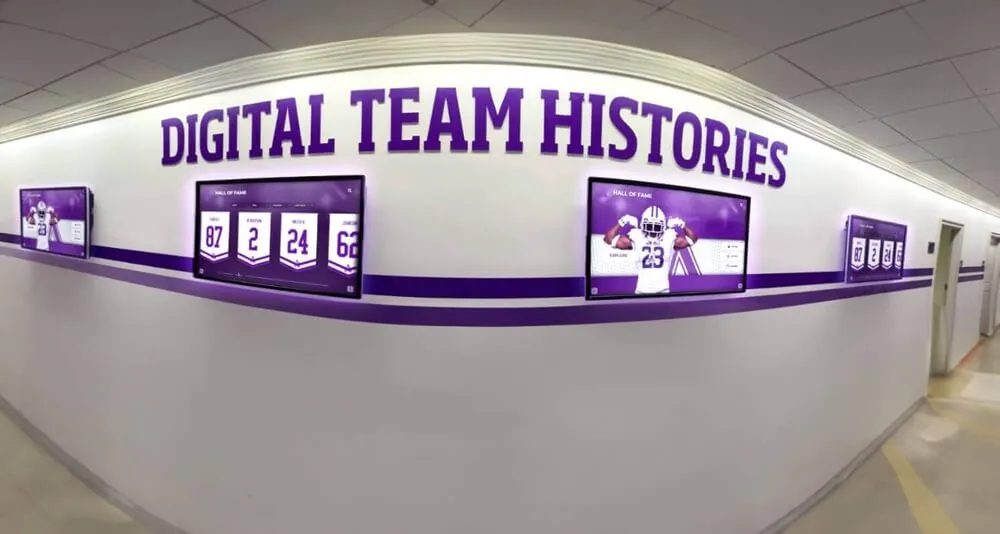
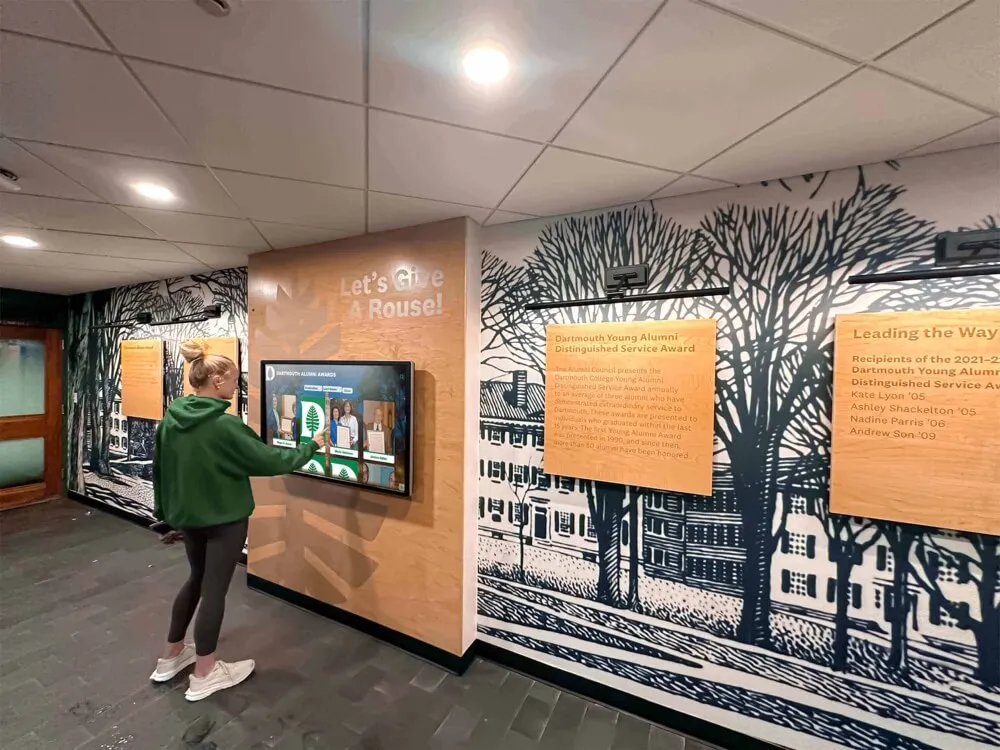
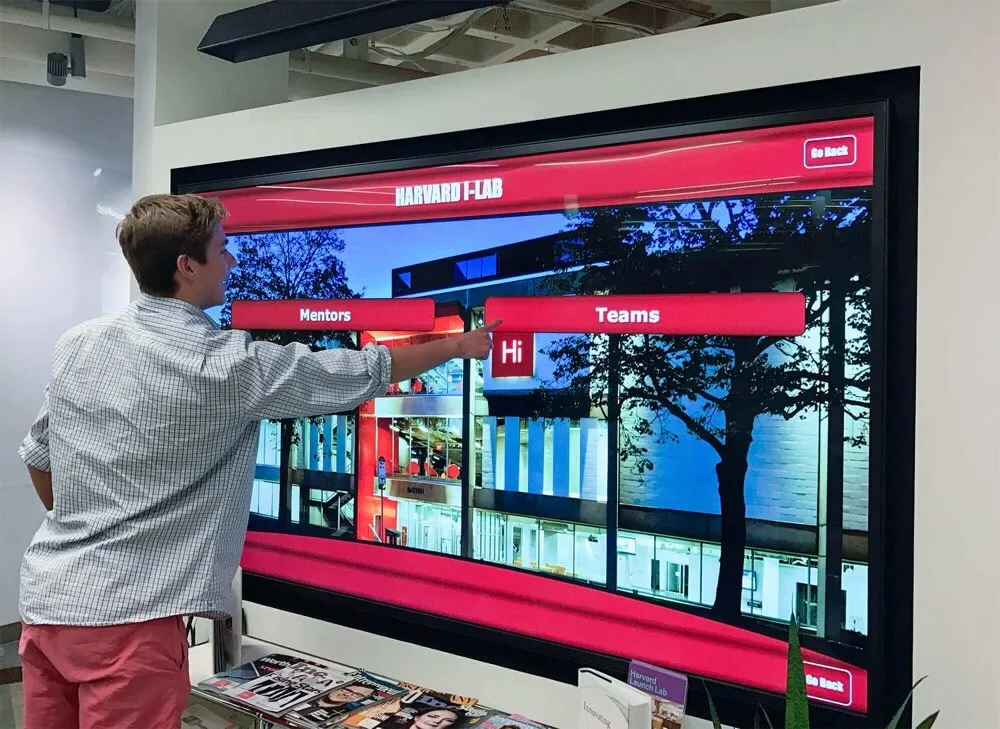
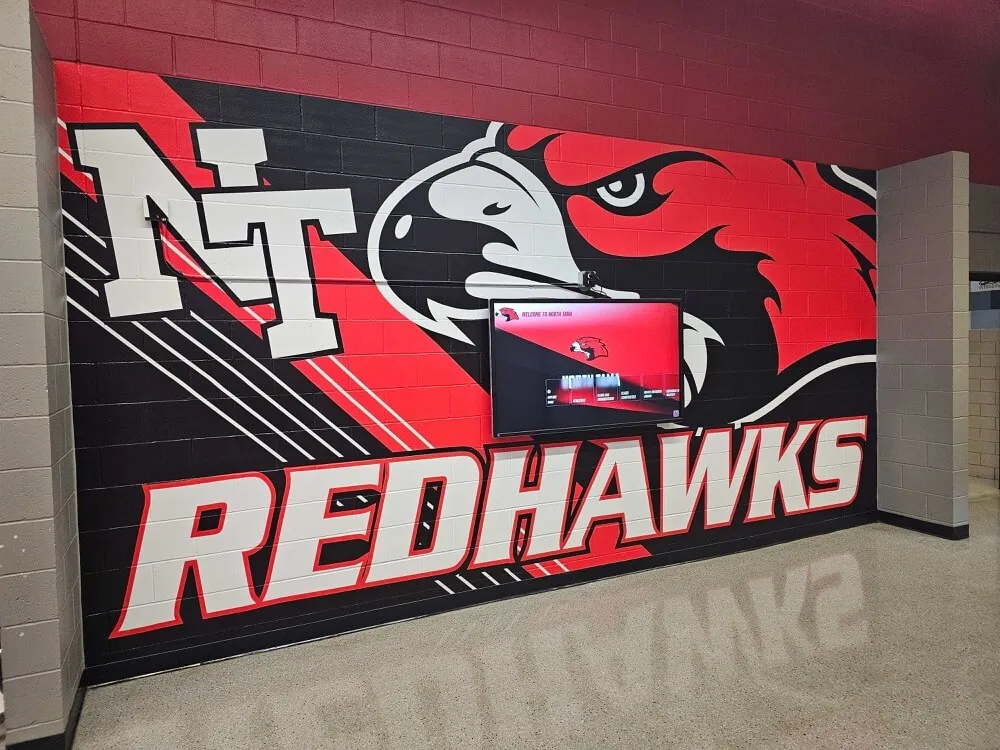
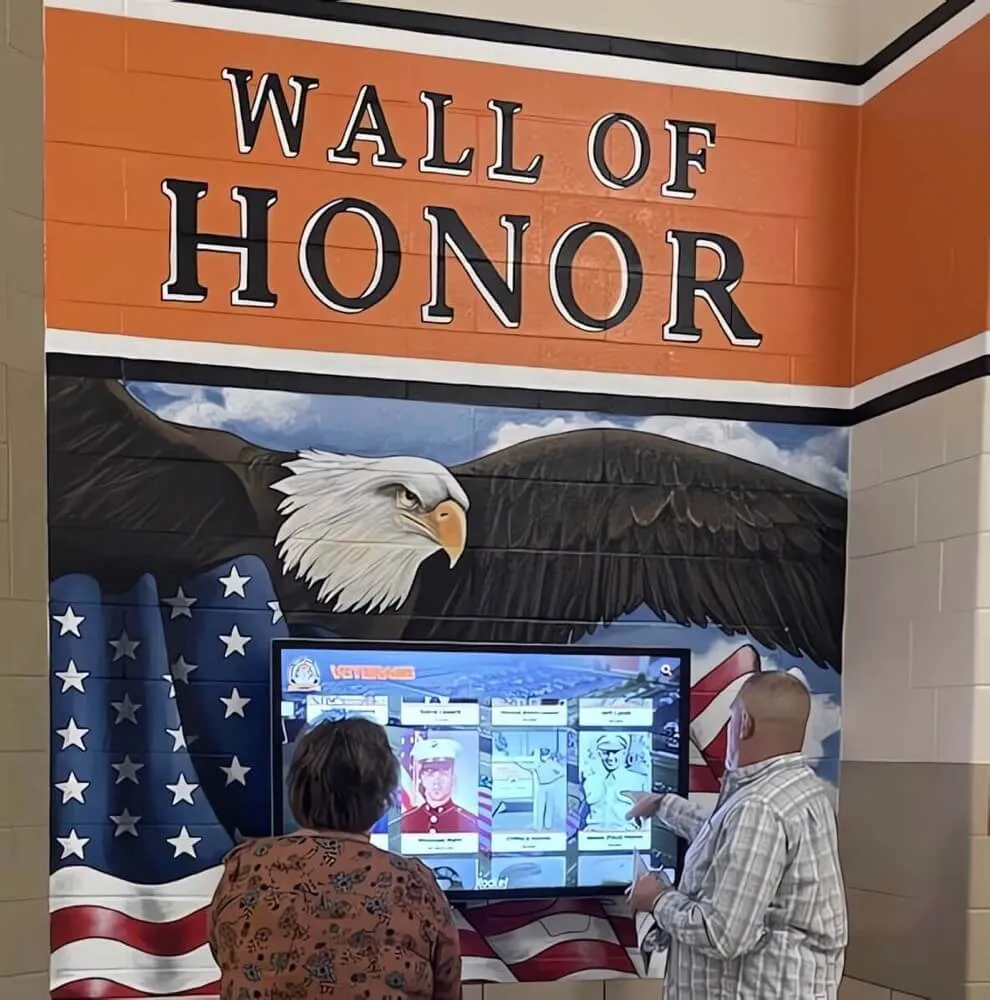
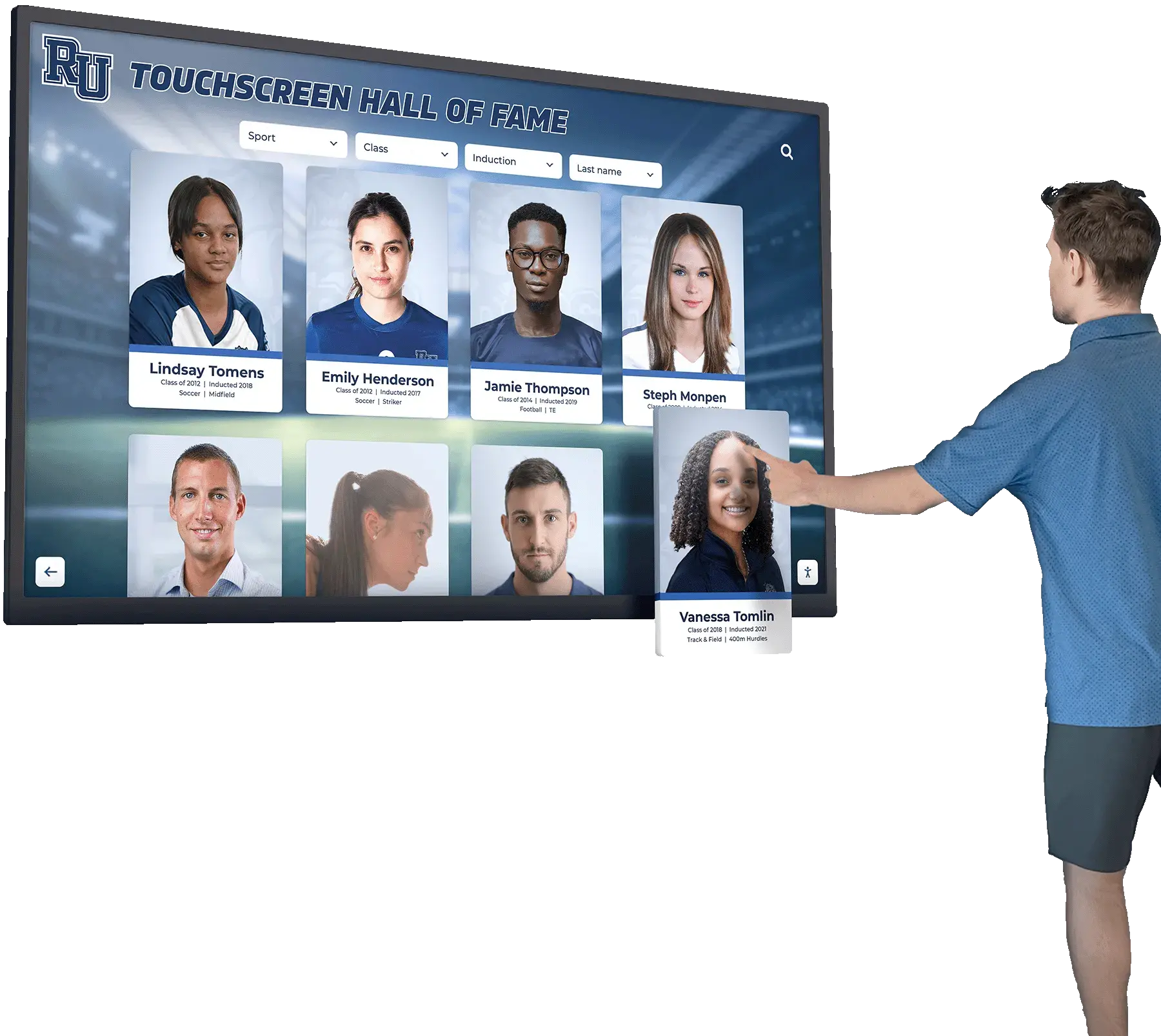
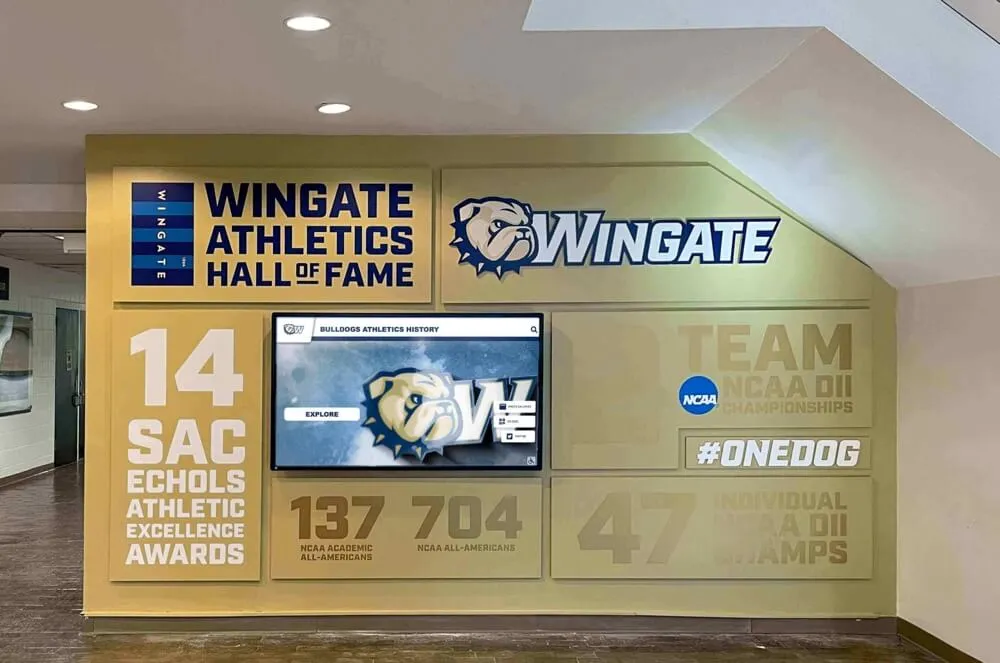
Digital displays in athletic facilities can serve multiple purposes beyond game scoring, showcasing highlights and achievements
Understanding Traditional Gym Scoreboards
Traditional scoreboards have served gymnasiums reliably for decades, providing essential game information through LED or flip-digit displays designed specifically for athletic competition.
Traditional Scoreboard Design and Functionality
Core Display Capabilities
Traditional gymnasium scoreboards deliver focused functionality:
- Large-format time and score displays visible throughout facilities
- Team fouls, period indicators, and possession arrows
- Player number displays for personal fouls
- Dual sport configurations supporting basketball and volleyball
- Auxiliary displays for statistics and game information
- Wireless or wired controller systems operated from scorer’s tables
- Reliable LED technology providing clear visibility
These scoreboards excel at their primary purpose—displaying game scores and essential information clearly and reliably without unnecessary complexity.
Physical Construction and Durability
Traditional scoreboards feature robust construction designed for long service lives:
- Heavy-duty steel or aluminum frames supporting display panels
- Protected LED modules resistant to impact from basketballs
- Weather-resistant enclosures for facilities without climate control
- Modular design enabling component replacement without complete system replacement
- Minimal moving parts reducing maintenance requirements
- Service life expectations of 15-20+ years with proper maintenance
Schools installing quality traditional scoreboards in 2026 can reasonably expect continued operation into the 2040s, representing excellent long-term value for institutions prioritizing reliability over advanced features.
Traditional Scoreboard Advantages
Lower Initial Investment
Budget considerations often drive scoreboard selection:
- Complete traditional systems typically cost $15,000-$30,000 installed
- Straightforward installation requiring minimal electrical work
- No specialized infrastructure beyond standard power supply
- Controller equipment included with base system pricing
- Fewer ongoing maintenance costs compared to video systems
- Replacement parts readily available from multiple vendors
- Lower insurance costs compared to expensive video displays
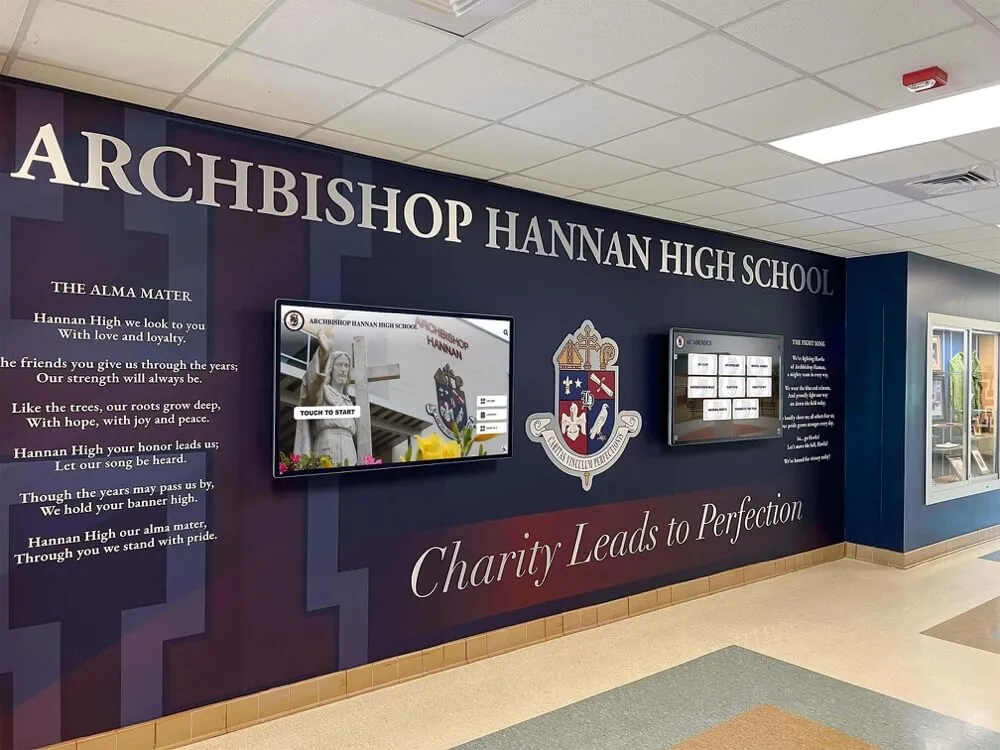
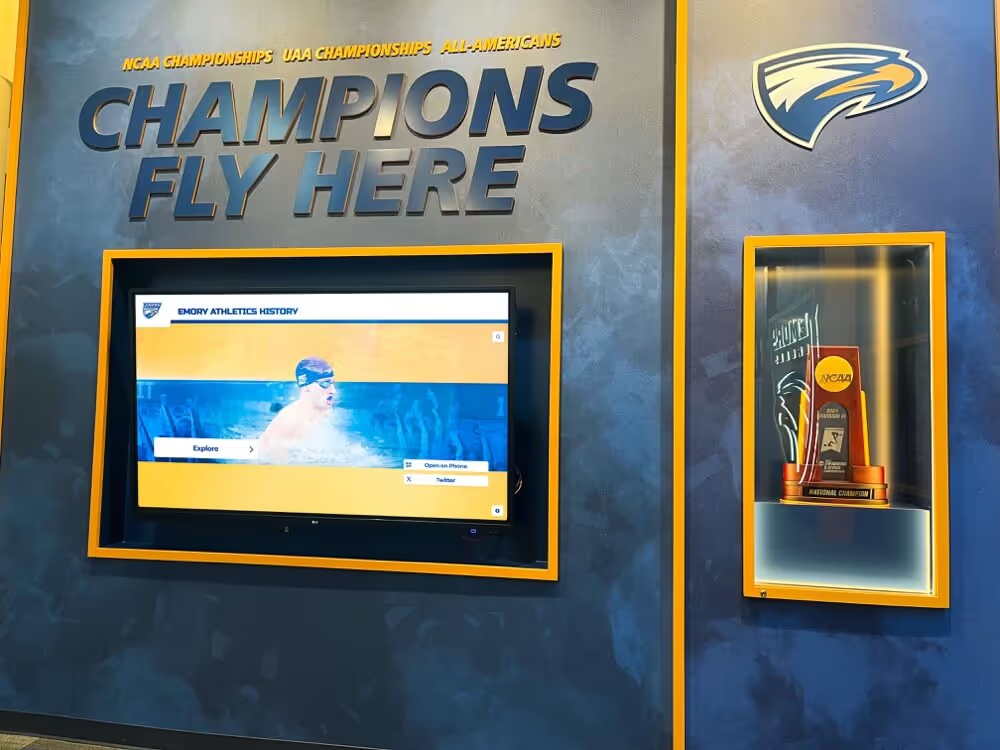
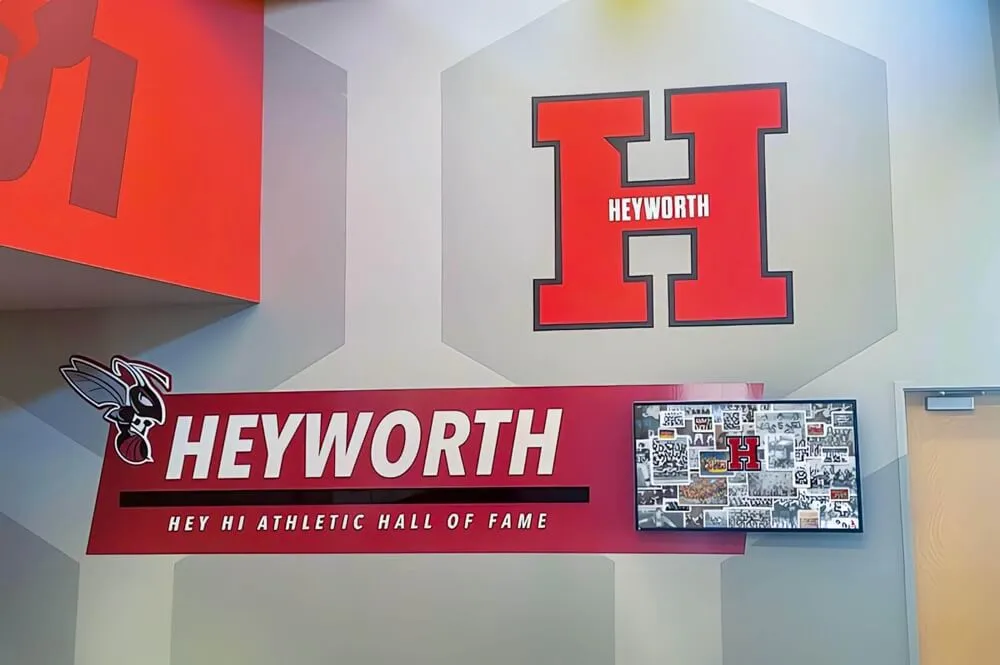
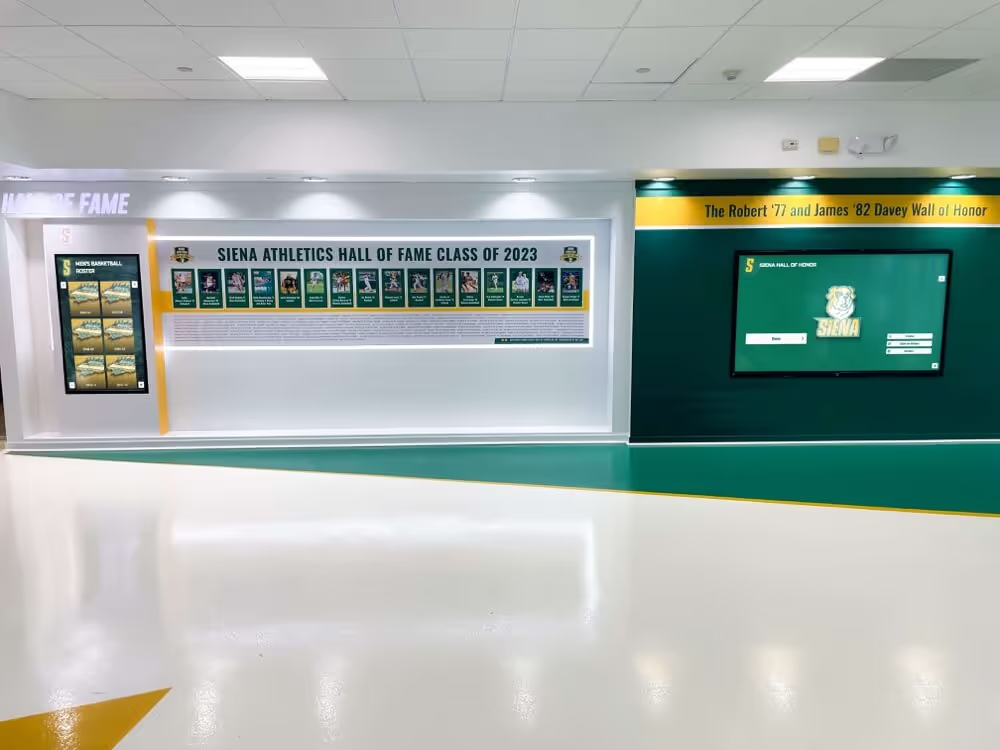
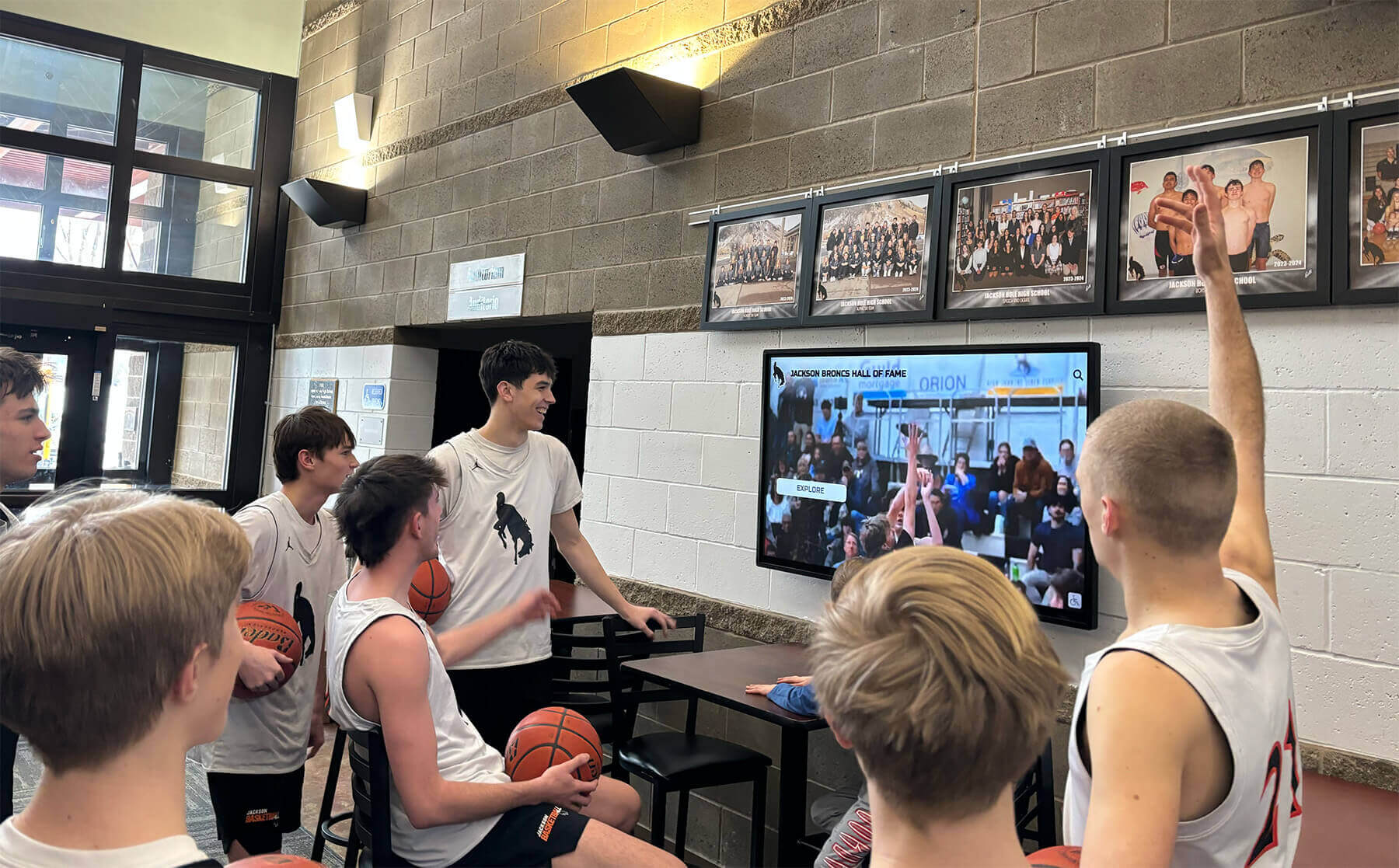
While digital displays excel at recognition and engagement, traditional scoreboards focus specifically on game operations
Operational Simplicity
Traditional scoreboards require minimal training:
- Intuitive controls learned quickly by operators
- Dedicated buttons for specific functions (score, time, fouls)
- Minimal technical troubleshooting during events
- No content management or software updates required
- Reliable operation without network connectivity
- Backup controller systems preventing single points of failure
- Student operators trained in minutes rather than hours
This simplicity particularly benefits schools with frequent operator turnover, limited technical support staff, or facilities used by multiple community organizations requiring straightforward equipment operation.
Proven Reliability
Traditional scoreboards minimize event disruptions:
- Decades of proven technology with established reliability
- Minimal failures compared to complex video systems
- Quick replacement of failed components during events
- No software crashes or system reboots required
- Continued operation during network or power disruptions with battery backup
- Simple troubleshooting procedures when issues occur
Athletic directors relying on traditional scoreboards rarely face mid-game failures that halt competitions or create embarrassing situations during playoff games or championship events.
Traditional Scoreboard Limitations
Functional Constraints
Traditional scoreboards serve specific purposes but lack flexibility:
- Fixed display formats providing only game information
- No video playback capabilities for highlights or replays
- Limited sponsorship or advertising display options
- Static appearance offering no visual variety
- Inability to display detailed statistics or information
- No integration with streaming or broadcast systems
Schools pursuing engaging game-day experiences find traditional scoreboards fulfill basic needs without providing entertainment elements modern audiences increasingly expect.
Aesthetic Considerations
Traditional scoreboards project specific visual identities:
- Industrial appearance lacking aesthetic appeal
- Fixed mounting positions limiting architectural integration
- Visible from all angles including behind the board
- Limited customization beyond basic colors and logos
- Cannot adapt appearance for different events or seasons
- May appear dated compared to opponent facilities with video boards
While these aesthetic limitations don’t affect scoreboard functionality, they influence facility impressions during recruit visits and community perceptions of program investment.
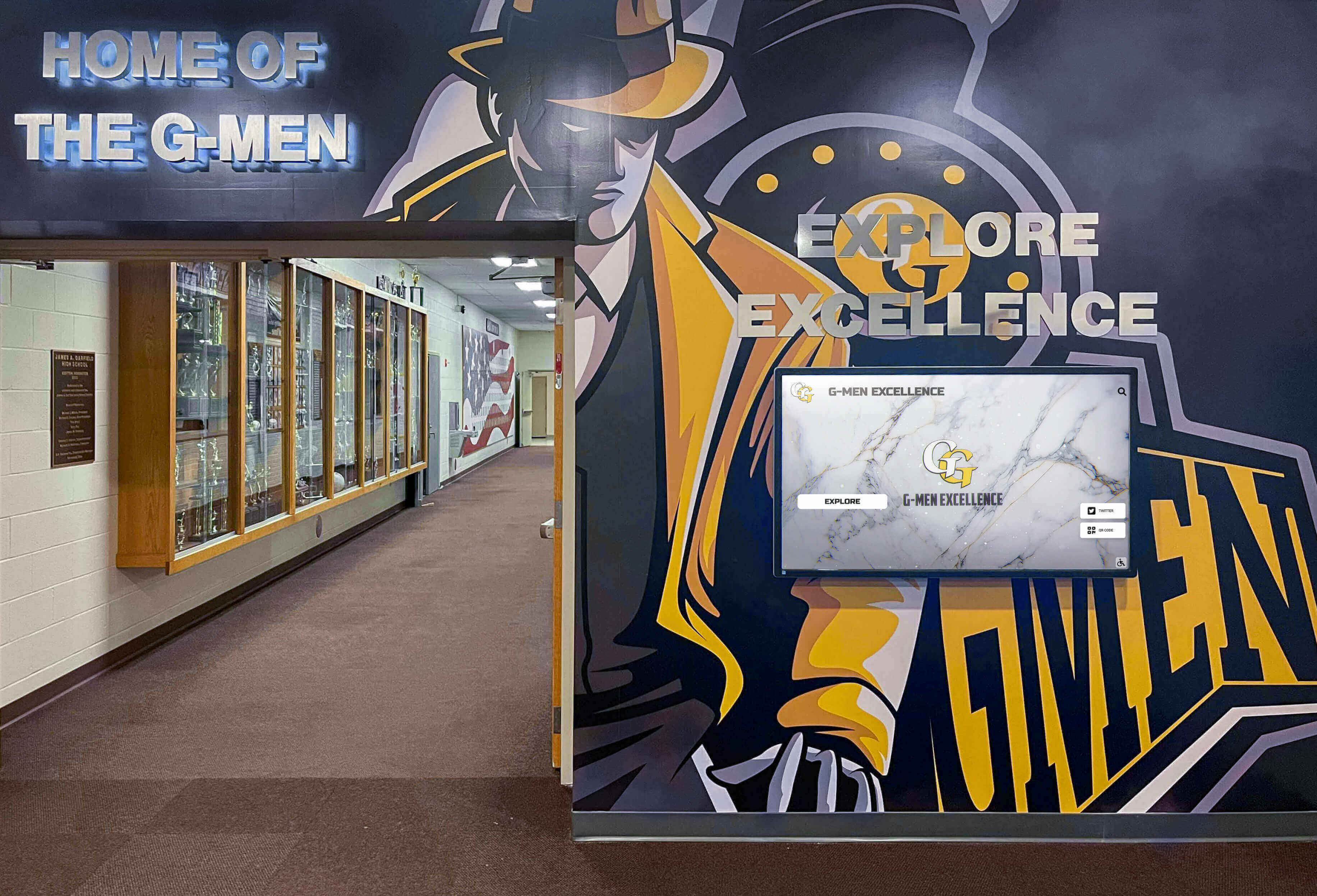
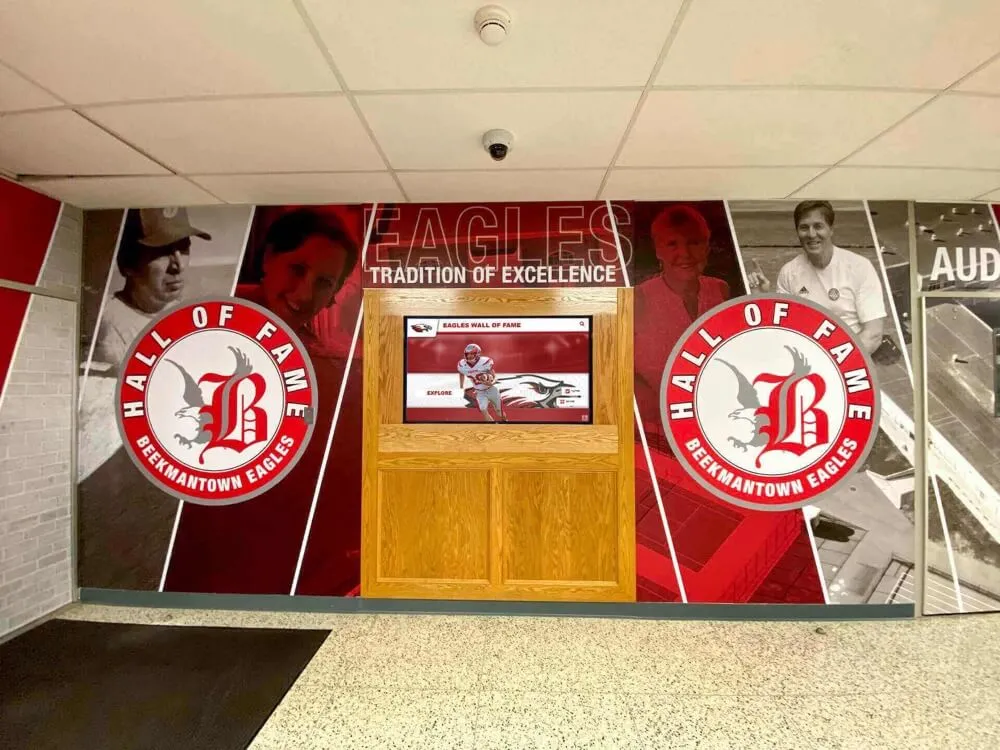
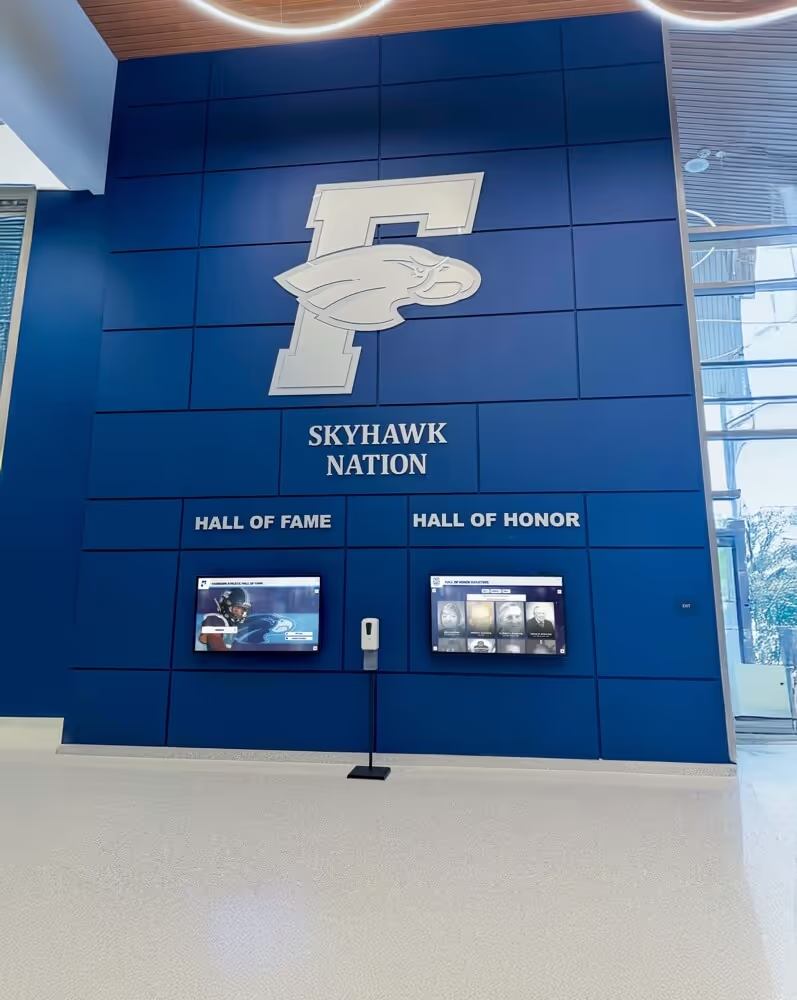
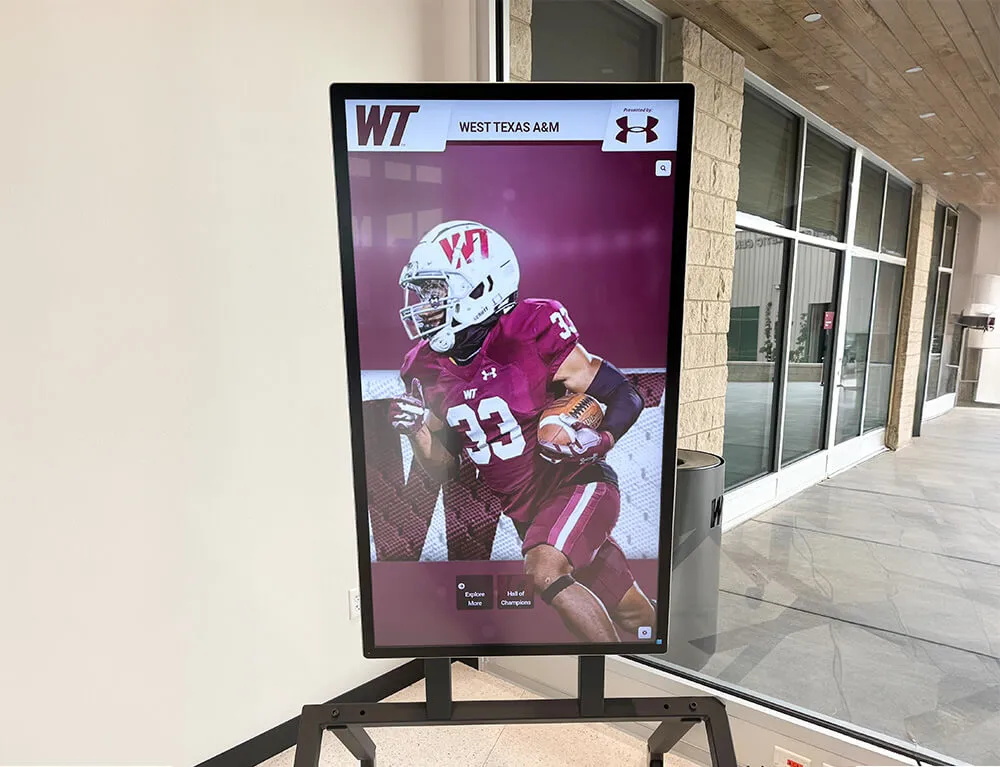
Many schools combine traditional functional equipment with modern digital displays in lobbies for recognition and engagement
Exploring Digital Video Scoreboard Systems
Digital video scoreboards represent significant technological advancement, transforming basic score displays into multimedia presentation platforms that engage audiences while serving traditional timing and scoring functions.
Digital Video Board Capabilities
Multimedia Display Features
Video scoreboards provide extensive content capabilities:
- High-definition video playback for game highlights and replays
- Animated graphics and dynamic visual presentations
- Custom content creation for player introductions and celebrations
- Multiple simultaneous content zones (score, video, statistics, advertising)
- Integration with camera systems for instant replay
- Sound system coordination for synchronized audio-visual presentations
- Professional broadcast-quality output for streaming integration
These capabilities transform gymnasiums from simple competition venues into entertainment experiences comparable to professional sports facilities.
Flexible Content Management
Digital systems enable varied presentations:
- Easily switch between basketball, volleyball, wrestling, and other sport configurations
- Display ceremony content for graduations, assemblies, and community events
- Show instructional videos during physical education classes
- Present recognition content during award ceremonies
- Stream live broadcasts during special events
- Display emergency information when needed
- Customize content for different audiences and occasions
This versatility maximizes facility investment by serving multiple institutional purposes beyond athletic competitions.
Sponsorship and Revenue Potential
Video boards create advertising opportunities:
- Rotating sponsor graphics during timeouts and breaks
- Video commercial playback generating advertising revenue
- Static sponsor recognition throughout events
- Customizable sponsor packages at varied price points
- Professional appearance increasing sponsor value perception
- Potential to offset equipment costs through multi-year sponsorship agreements
Schools successfully selling sponsorships can generate $10,000-$30,000+ annually, though actual revenue depends on market size, program visibility, and sales effort investment.
Digital Video Board Investment Considerations
Significant Upfront Costs
Video scoreboards require substantial financial commitment:
- Complete systems typically cost $50,000-$150,000+ depending on size and features
- Larger displays appropriate for gymnasiums trend toward higher price ranges
- Installation costs include specialized electrical work and structural support
- Network infrastructure and control systems add additional expenses
- Professional installation essential given equipment value and complexity
- Contingency budgets recommended for unexpected installation challenges
This investment level requires careful justification and typically involves multi-year budget planning, capital campaigns, or significant booster club fundraising efforts.
Operational Complexity
Video boards demand more sophisticated operation:
- Training requirements for operators managing content systems
- Pre-event content preparation and testing
- Technical staff needed for troubleshooting during events
- Software updates and system maintenance schedules
- Backup plans when technical issues arise
- Ongoing content creation requiring graphics or video skills
- Coordination between scoring personnel and content operators
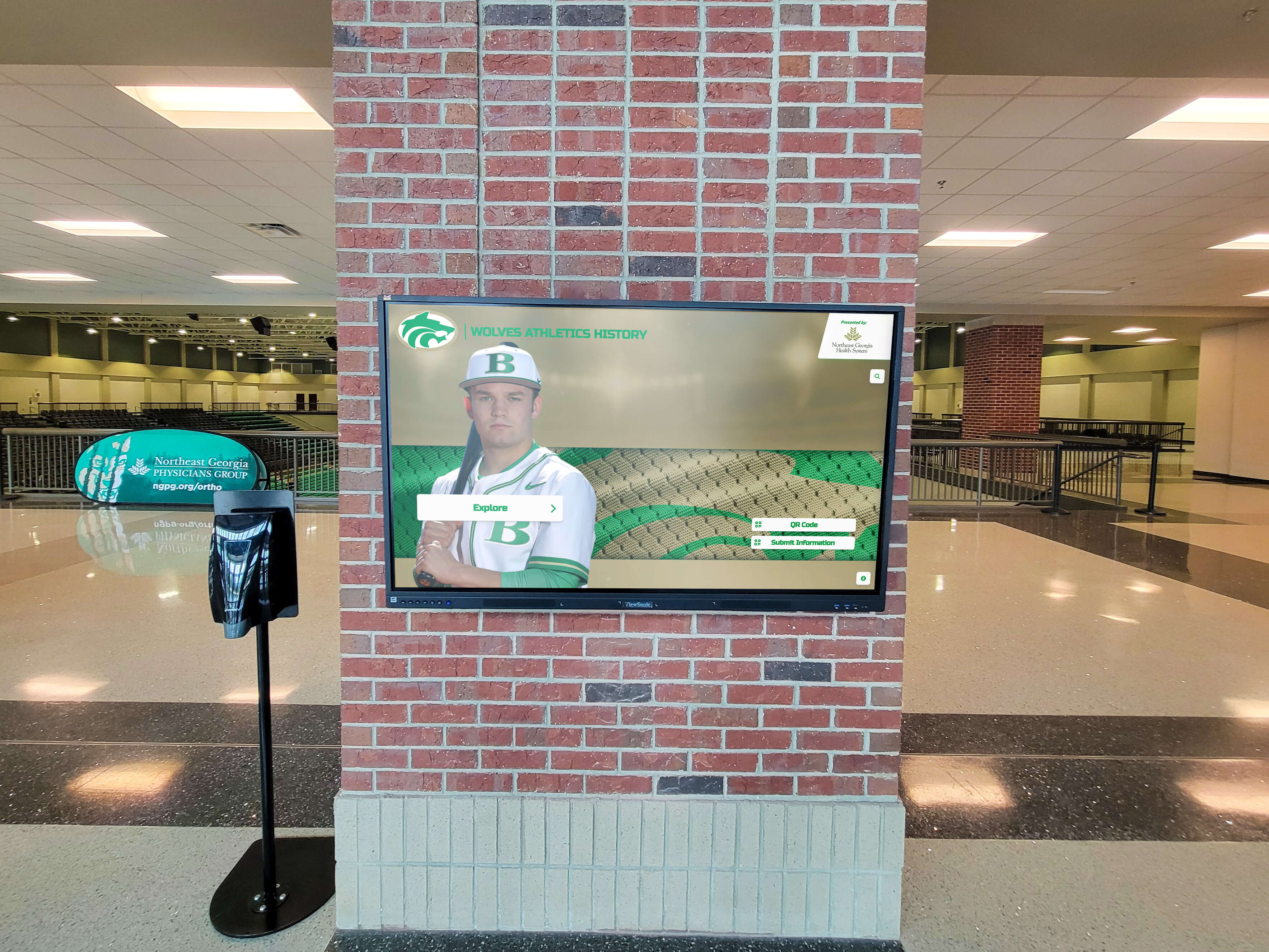
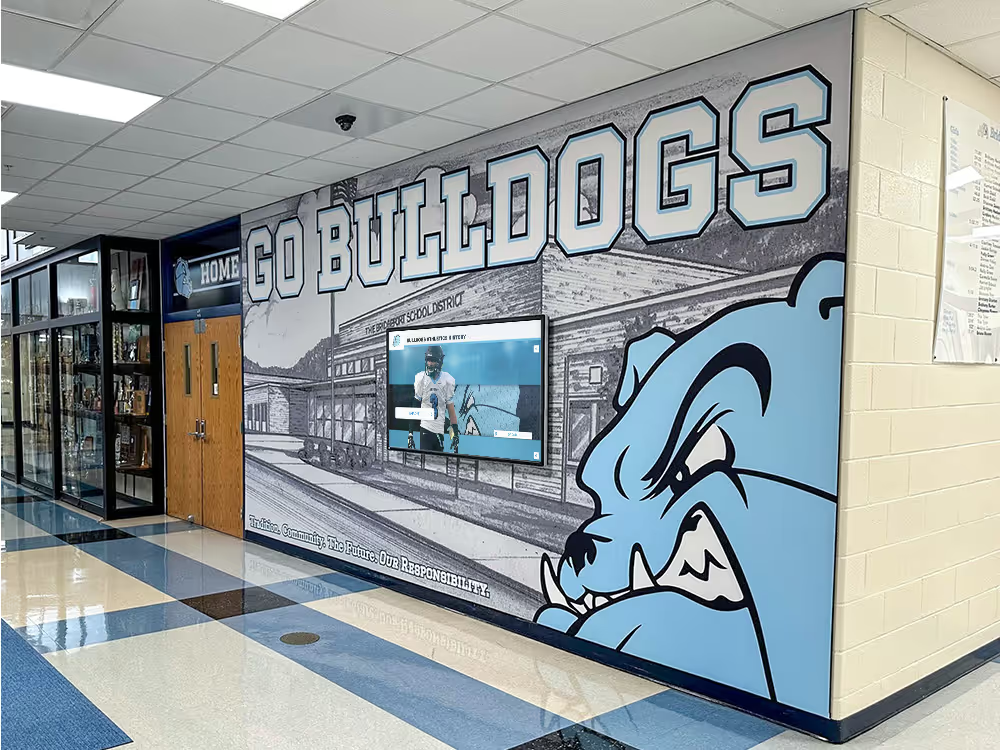
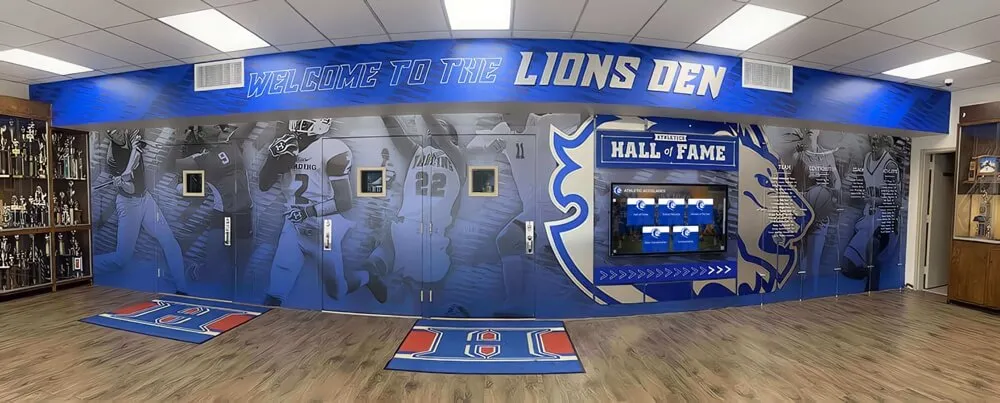
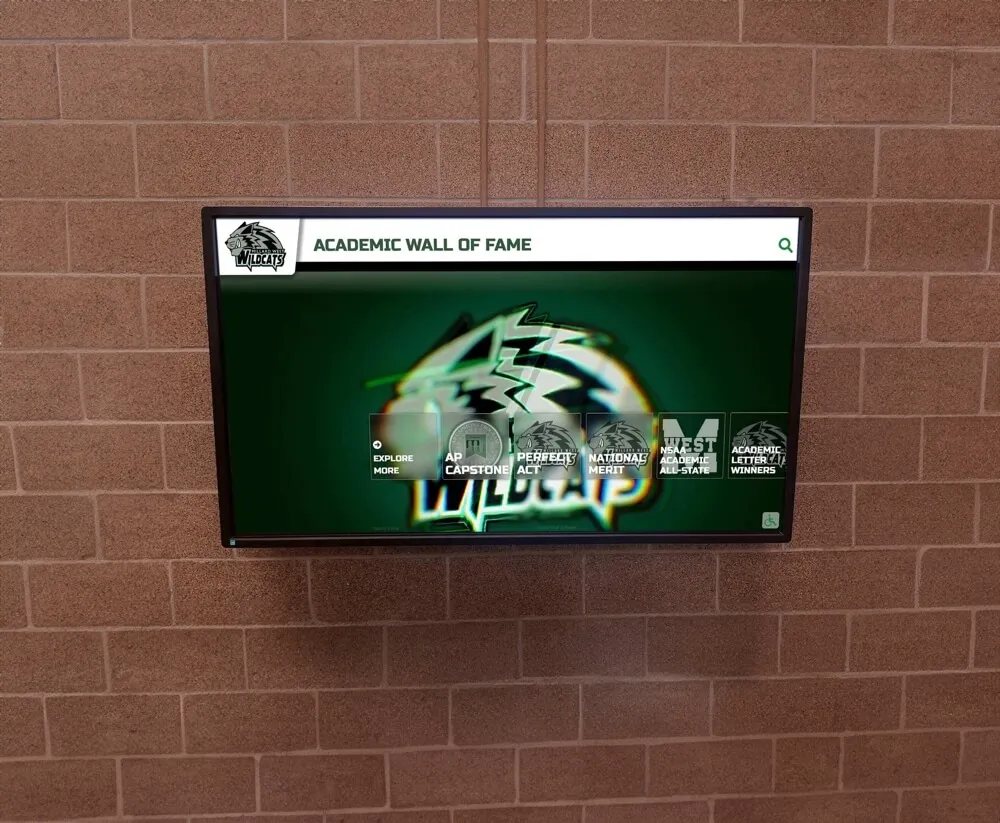
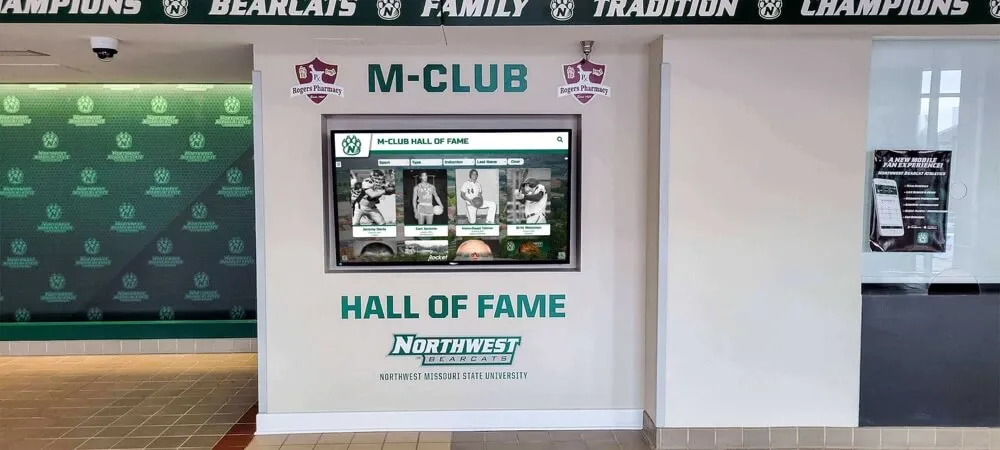
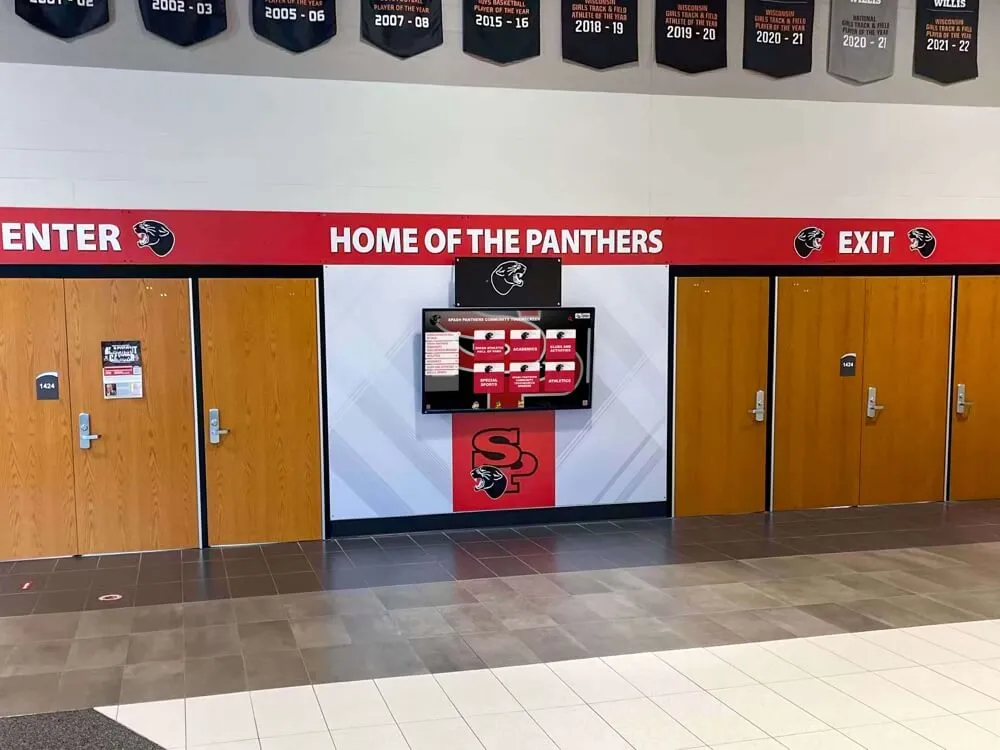
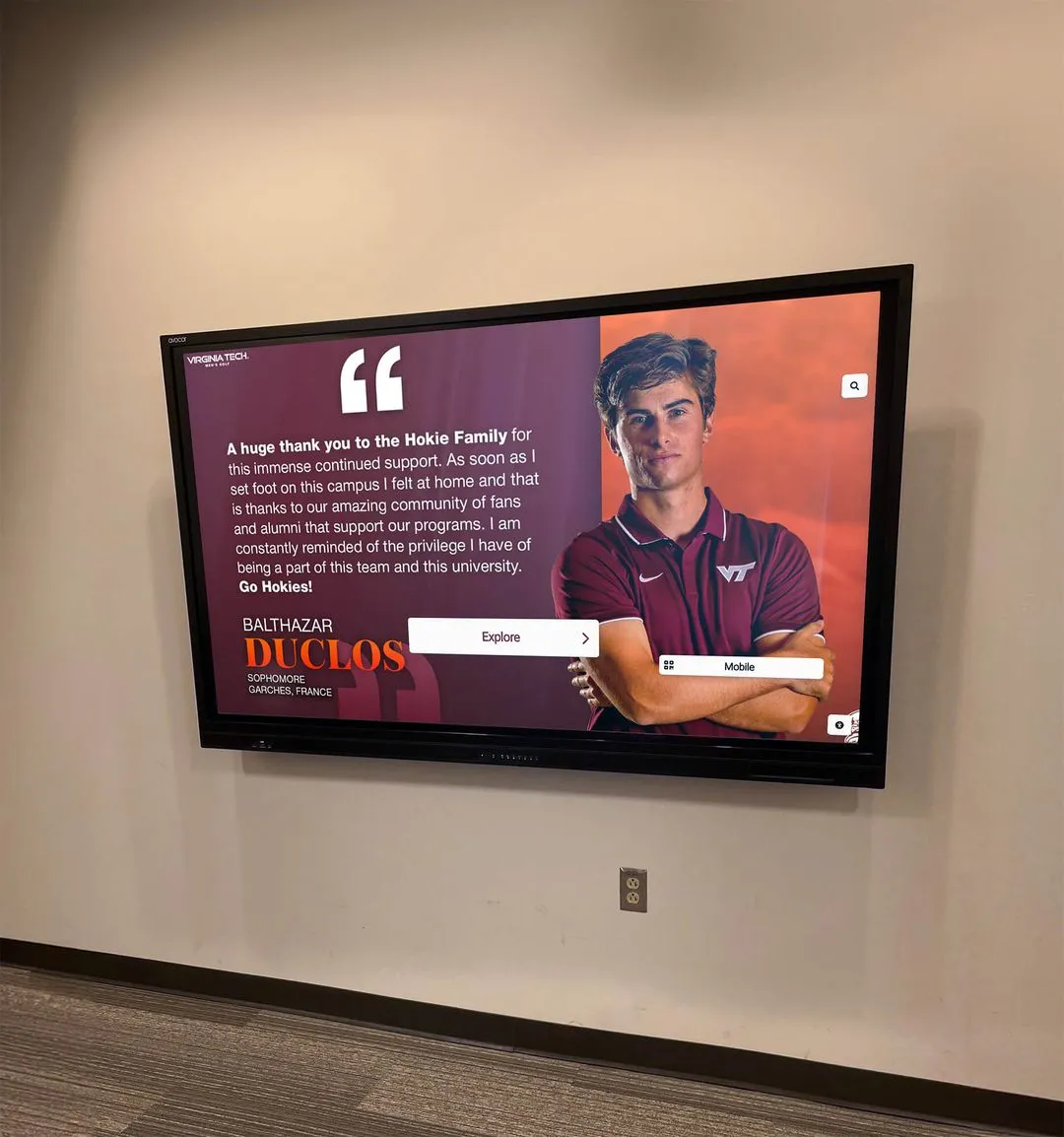
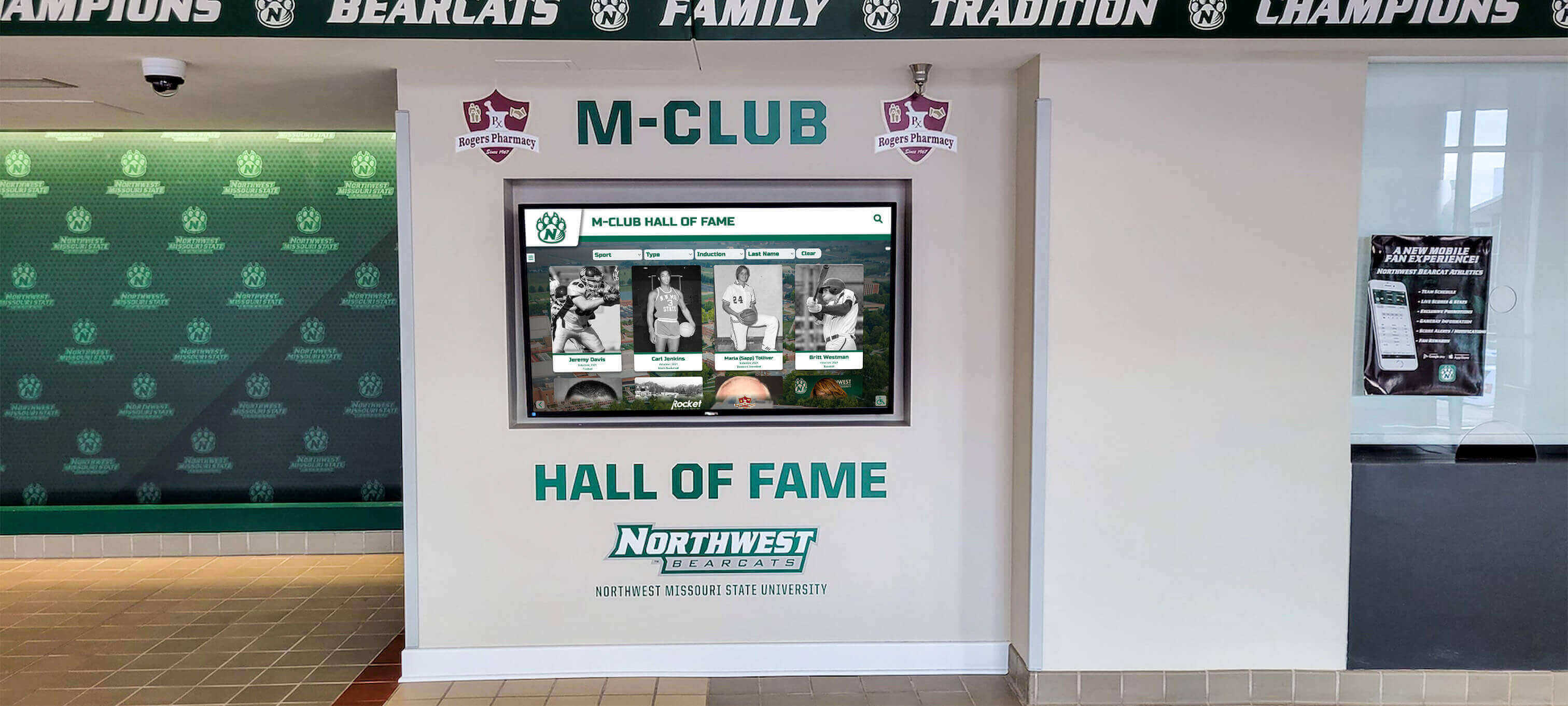
Digital displays excel in lobbies and common areas for recognition, while scoreboard needs require different consideration
Schools without dedicated technical staff or personnel capable of managing video systems may find operational complexity creates more challenges than benefits, particularly during events when technical failures prove most embarrassing.
Ongoing Maintenance and Support
Video boards require continuous technical attention:
- Software licensing fees for control systems and content management platforms
- Technical support contracts ensuring rapid response to failures
- Component replacement costs higher than traditional scoreboard parts
- Shorter effective service life (10-15 years) before technology obsolescence
- Regular software updates maintaining system security and functionality
- Potential for expensive repairs when specialized components fail
These recurring costs must be factored into total ownership calculations beyond initial purchase prices when comparing scoreboard options.
Digital Scoreboard Limitations
Technical Vulnerability
Complex systems present additional failure points:
- Software crashes potentially halting games mid-competition
- Network connectivity issues affecting system operation
- Display panel failures more expensive than traditional LED repairs
- Longer troubleshooting processes when problems occur
- Potential incompatibility issues during software updates
- Greater sensitivity to power fluctuations or surges
- Higher stakes when failures occur during important games
Athletic directors choosing video boards should maintain contingency plans—backup portable scoreboards or procedures for completing games when primary systems fail.
Content Creation Burden
Maximizing video board value requires consistent effort:
- Quality content creation demands graphics skills and software expertise
- Time investment preparing custom content for each event
- Ongoing need for fresh content preventing repetitive presentations
- Pressure to match production quality of professional broadcasts
- Student recruitment and retention for technical roles supporting video operations
- Equipment and software for content development adding additional costs
Schools investing in video boards without corresponding investment in content creation often underutilize expensive equipment, displaying only basic scoring information that traditional scoreboards provide at fraction of cost.
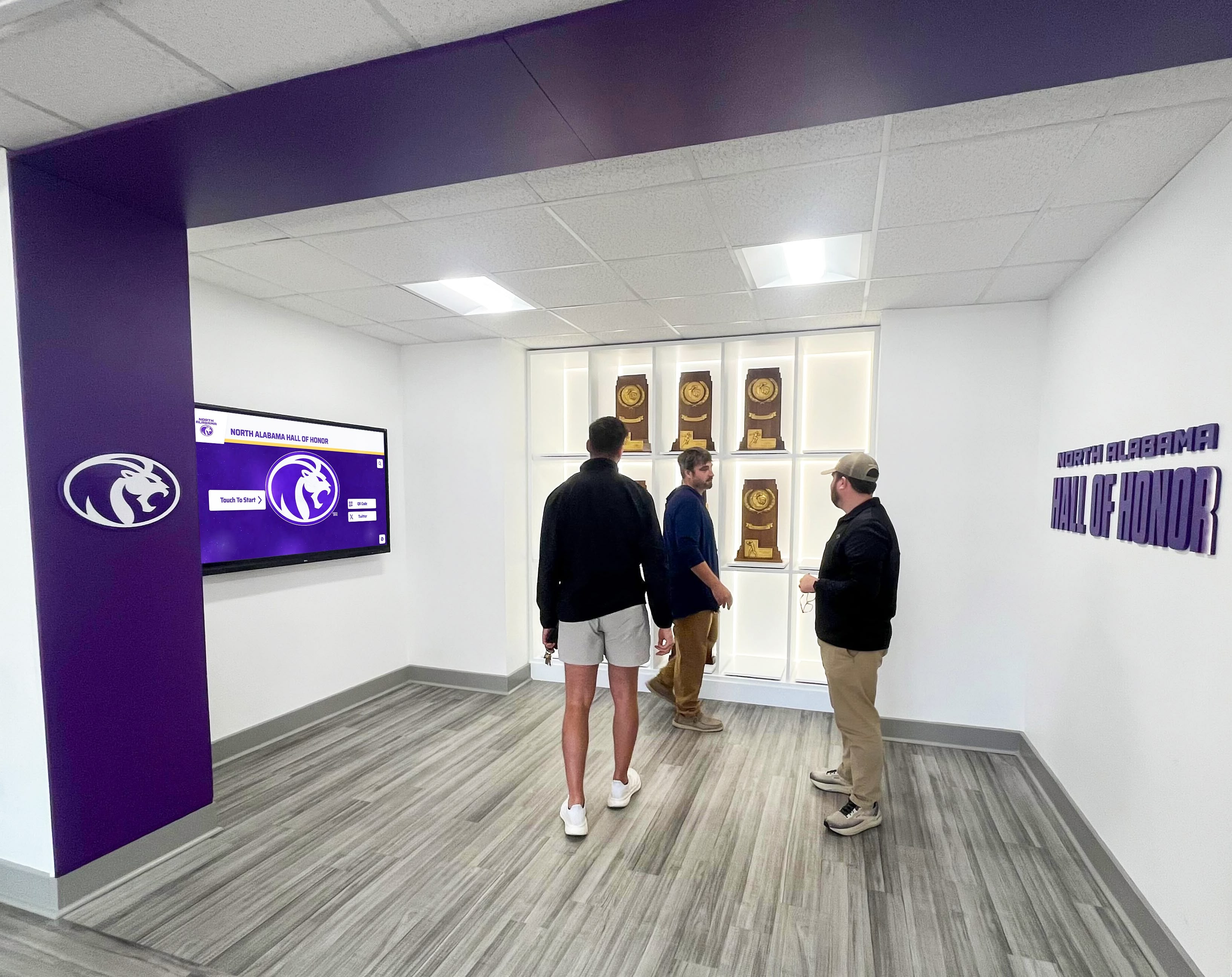
Many schools find better value investing in lobby recognition displays rather than premium scoreboard technology
Making Strategic Scoreboard Decisions
Choosing appropriate gymnasium scoreboards requires honest assessment of institutional priorities, available resources, and actual program needs rather than simply pursuing the most advanced technology available.
Evaluating Your Actual Needs
Primary Use Case Assessment
Consider how scoreboards actually serve your programs:
Basic Competition Needs
- Regular season games requiring only score and time display
- Multiple sports using facilities with different display requirements
- Limited spectator attendance at most events
- Straightforward game presentation without elaborate production
- Focus on competition rather than entertainment elements
Schools fitting this profile often find traditional scoreboards serve needs perfectly without underutilized video capabilities.
Enhanced Presentation Priorities
- Tournament hosting generating significant spectator attendance
- Strong community support expecting professional game atmosphere
- Fundraising capacity to invest in premium experiences
- Technical staff capable of supporting sophisticated systems
- Revenue opportunities through sponsorships offsetting costs
These factors strengthen cases for video board investment when resources and operational capacity support advanced systems.
Budget Reality Assessment
Total Cost of Ownership Analysis
Compare complete financial pictures rather than just purchase prices:
Traditional Scoreboard Lifecycle Costs
- Initial investment: $15,000-$30,000
- Installation: $2,000-$5,000
- Annual maintenance: $500-$1,000
- Component replacement: $1,000-$2,000 over 20 years
- Expected service life: 15-20+ years
- Total 20-year cost: Approximately $30,000-$50,000
Digital Video Board Lifecycle Costs
- Initial investment: $50,000-$150,000
- Installation and infrastructure: $10,000-$25,000
- Annual maintenance and licensing: $3,000-$8,000
- Component replacement: $10,000-$30,000 over 15 years
- Expected service life: 10-15 years
- Total 15-year cost: Approximately $100,000-$300,000
These comparisons demonstrate that video boards cost 3-6 times more than traditional systems over their service lives when including all ownership expenses.
Funding Source Evaluation
Consider how projects will be financed:
- District capital budgets typically favor lower-cost traditional options
- Booster club fundraising more successful for visible video board projects
- Sponsorship revenue potentially offsetting video board costs over time
- Grant opportunities sometimes available for technology investments
- Donor naming opportunities more valuable for premium video systems
- Phased approaches enabling traditional scoreboards with future video upgrades
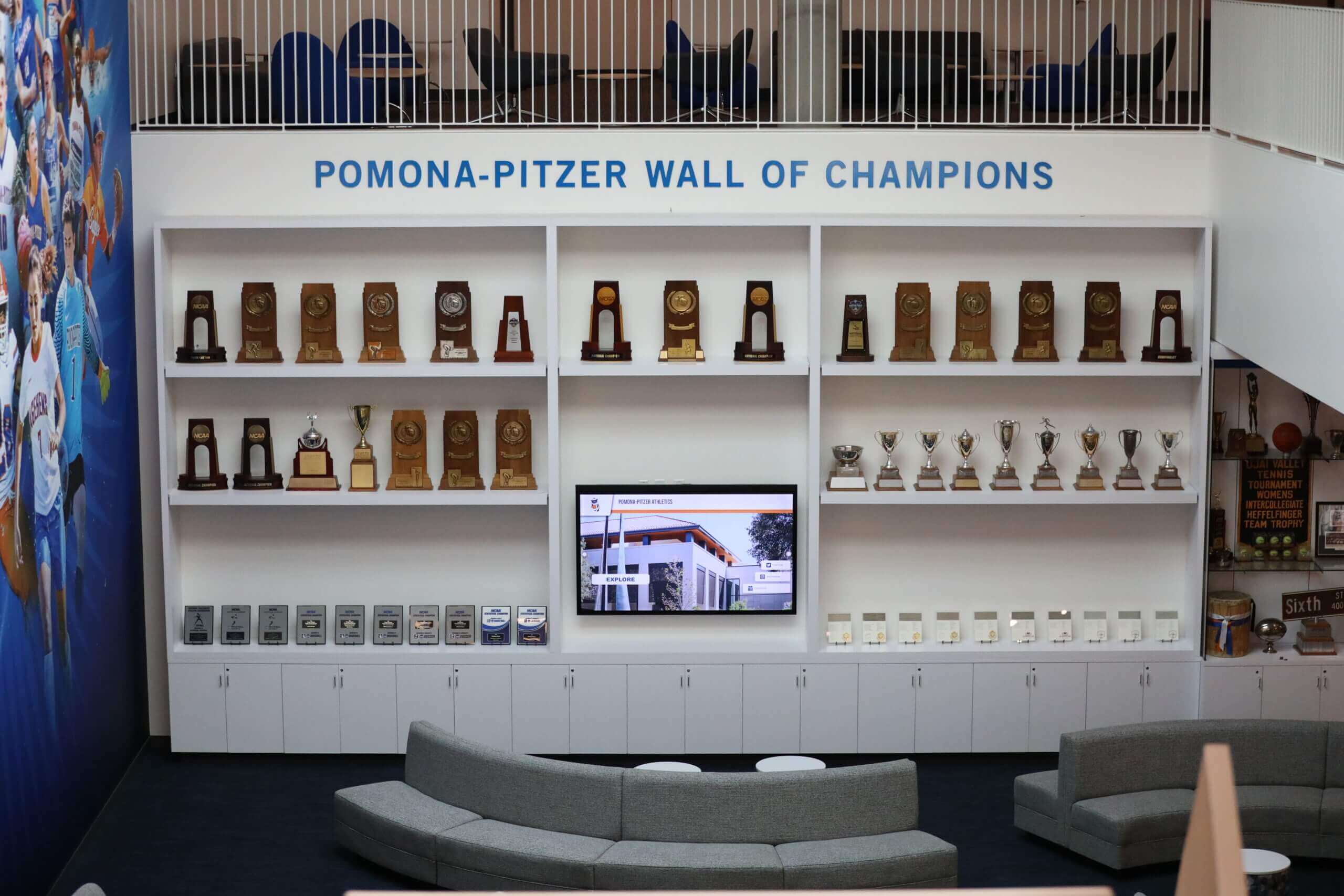
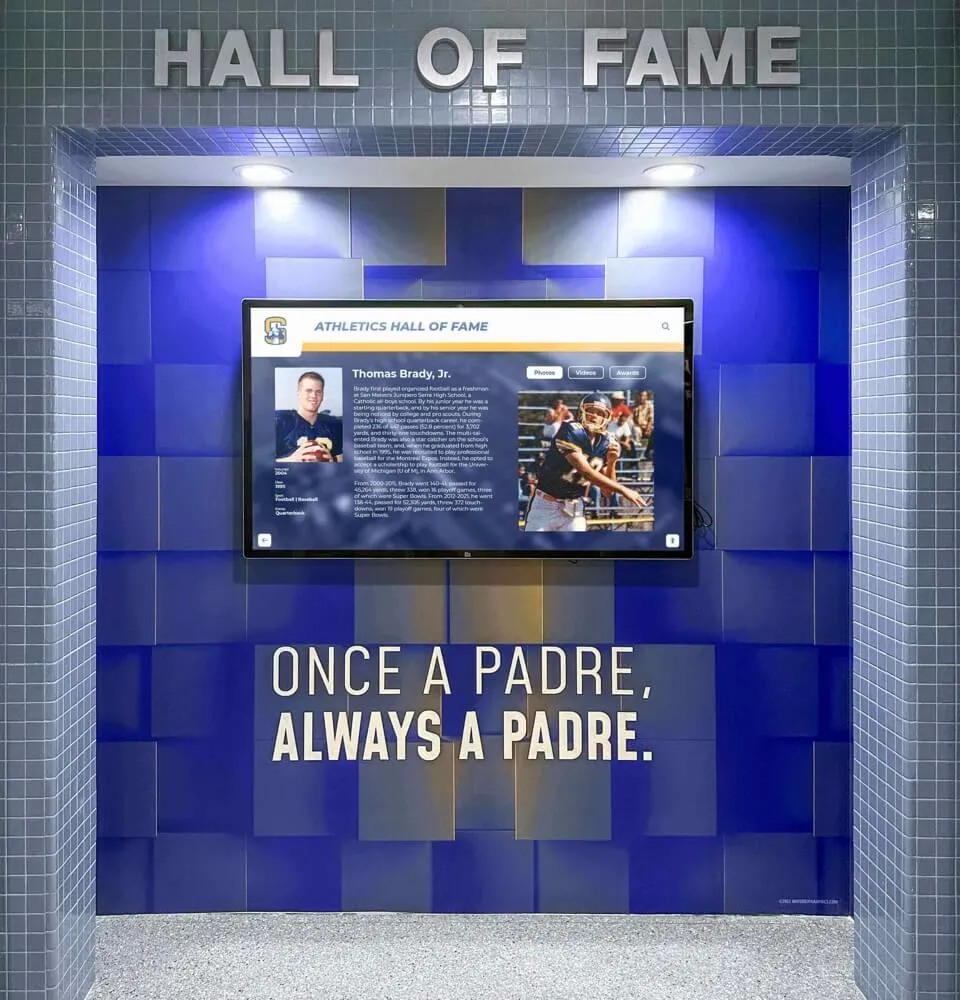
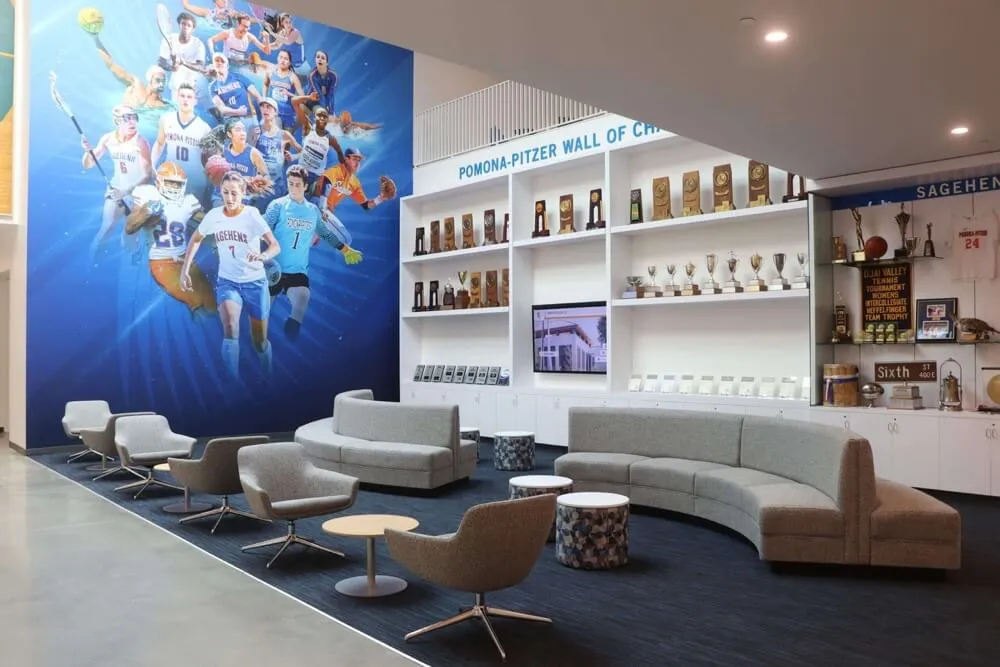
Athletic facilities can create impressive environments through strategic investment in multiple elements beyond just scoreboards
Facility Context Considerations
Gymnasium Size and Configuration
Scoreboard selection should match facility scale:
Smaller Gymnasiums (Less than 5,000 square feet)
- Traditional scoreboards provide adequate visibility
- Video boards may overwhelm intimate spaces
- Limited spectator capacity reducing entertainment justification
- Budget limitations favoring cost-effective traditional options
Mid-Size Gymnasiums (5,000-10,000 square feet)
- Either option works depending on priorities and budget
- Traditional scoreboards serve functional needs completely
- Video boards provide enhanced experiences when budget permits
- Decision often driven by tournament hosting or community expectations
Large Gymnasiums (10,000+ square feet)
- Larger display sizes required for visibility throughout spaces
- Video boards increasingly competitive on cost at larger sizes
- Tournament and championship hosting strengthening video board cases
- Spectator capacity supporting enhanced entertainment experiences
Technology Integration Strategy
Comprehensive Facility Approach
Consider scoreboards within broader technology investments:
Rather than concentrating all technology budget into premium scoreboards, many schools find greater overall value through strategic distribution across multiple facility enhancements. For example, installing a traditional scoreboard while investing in digital recognition displays for lobbies, upgraded sound systems, or improved lighting creates more comprehensive facility improvements than a video scoreboard alone.
Digital recognition systems like Rocket Alumni Solutions provide engaging visual technology in high-traffic lobby areas where they’re accessible before and after events, during school hours, and whenever facilities are open. This approach delivers technology benefits—touchscreen interaction, multimedia content, dynamic presentations—in contexts where they create maximum engagement without the pressure of operating complex systems during live competitions.
Separate Function Optimization
Strategic athletic directors often separate functional needs:
- Traditional scoreboards for reliable game operations
- Lobby digital displays for recognition and engagement
- Quality sound systems for announcements and atmosphere
- Professional lighting for visibility and streaming
- Network infrastructure supporting all systems
This distributed approach often creates better overall facility experiences than concentrating excessive resources into single premium scoreboard systems.
Institutional Culture and Priorities
Matching Decisions to Values
Scoreboard selection reflects institutional priorities:
Tradition and Reliability Focus
- Programs valuing proven approaches over latest technology
- Conservative financial management favoring cost-effective solutions
- Emphasis on competition fundamentals rather than entertainment
- Limited technical support staff or infrastructure
- Community appreciation for functional rather than flashy investments
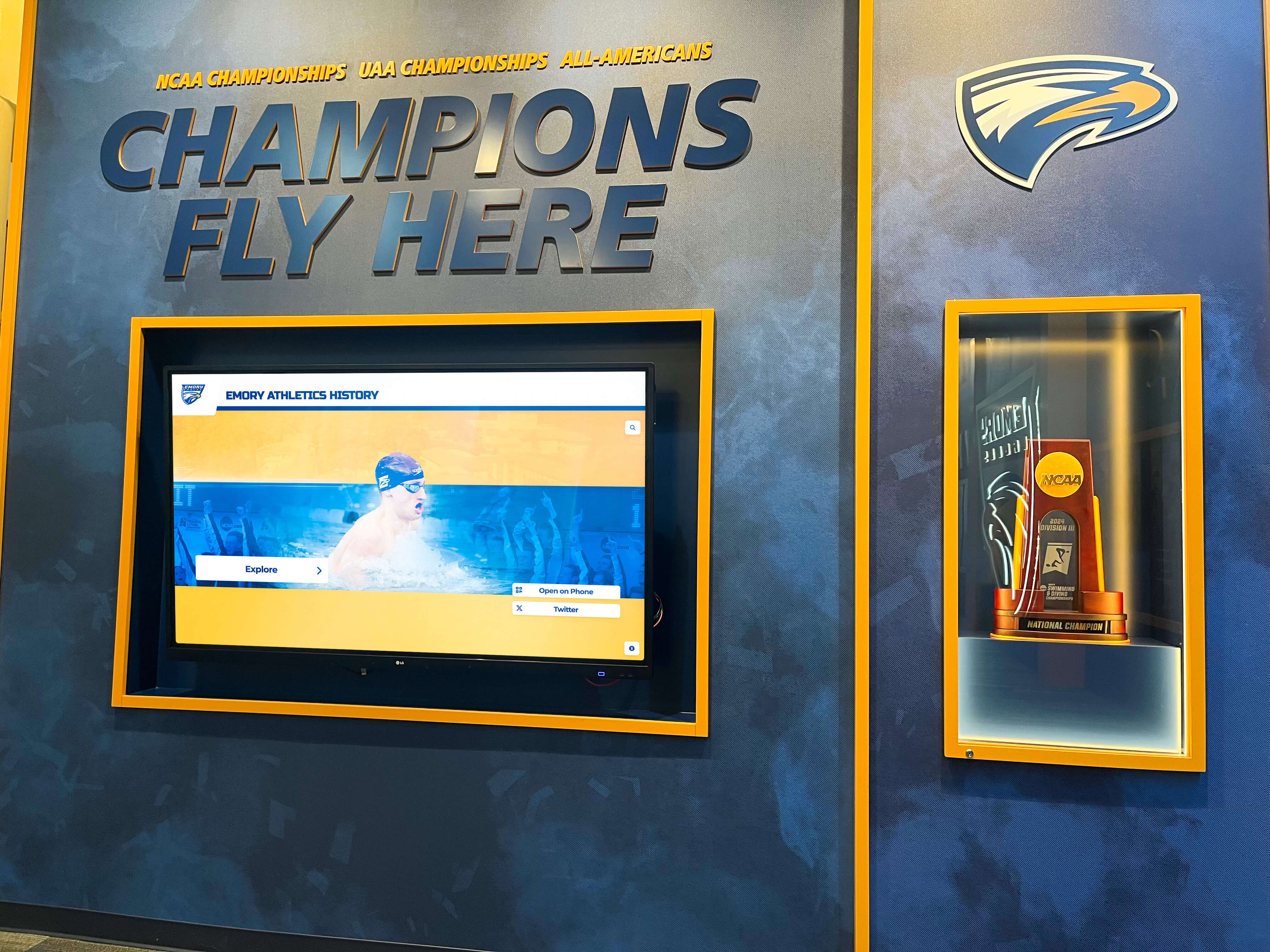
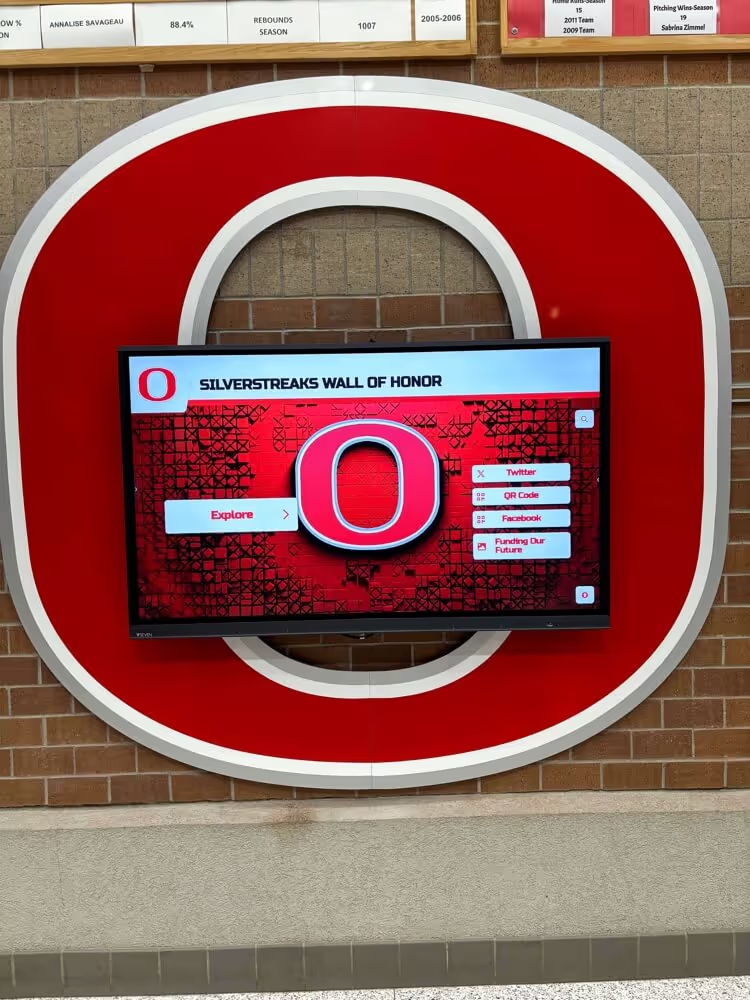
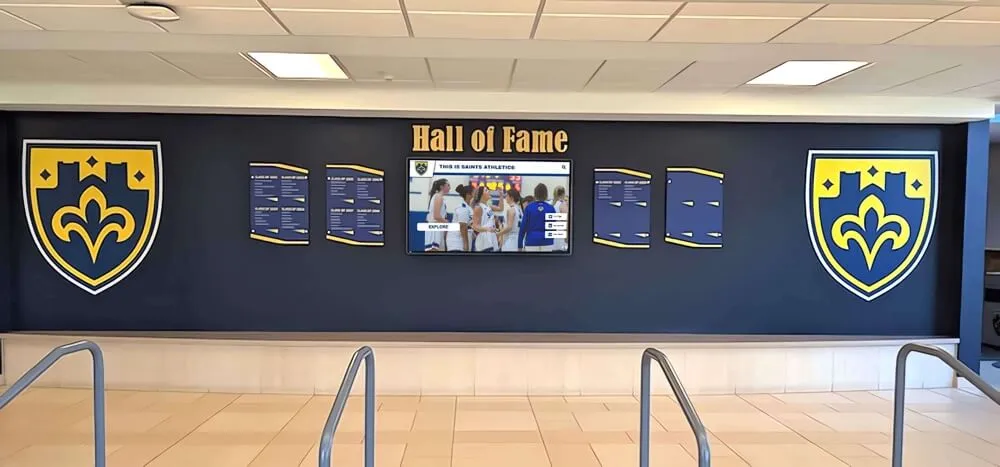
Championship achievements deserve prominent recognition, whether through traditional displays or modern interactive systems
Innovation and Experience Emphasis
- Forward-looking programs embracing technology advancements
- Strong fundraising capacity supporting premium investments
- Priority on creating memorable spectator experiences
- Technical infrastructure and staffing supporting complex systems
- Competitive pressure to match facilities at rival schools
Neither approach is inherently superior—the right choice aligns scoreboard investment with actual institutional culture and priorities.
Installation and Implementation Considerations
Beyond equipment selection, successful scoreboard projects require careful planning addressing installation logistics, operational preparation, and long-term support.
Installation Planning
Structural Requirements
Gym scoreboards require secure mounting:
Traditional Scoreboard Installation
- Weight typically 300-800 pounds requiring adequate structural support
- Mounting to gymnasium ceiling structures or walls
- Professional engineering assessment ensuring safety
- Electrical circuits providing adequate power supply
- Controller cable runs between scorer’s table and display
- Installation typically completed in 1-2 days
Video Board Installation
- Weight 800-2,000+ pounds demanding robust structural support
- Advanced engineering calculations ensuring safety margins
- Significant electrical infrastructure for power and data
- Network connectivity for content management systems
- Professional rigging and mounting by experienced installers
- Installation requiring 3-7 days including programming and testing
Both systems demand professional installation—gymnasium scoreboard mounting involves life safety considerations given equipment weight and positioning above spectators.
Operational Training and Support
Preparing Staff and Volunteers
Successful scoreboard operation requires preparation:
Traditional System Training
- Basic controller orientation covering standard operations
- Sport-specific procedures for basketball, volleyball, wrestling
- Troubleshooting common issues during events
- Backup procedures when primary controllers fail
- Annual refresher training before each season
- Written documentation for reference during events
Most schools complete traditional scoreboard training in single one-hour session, with new operators comfortable after observing one or two events.
Video Board Training
- Comprehensive system overview covering all capabilities
- Content management software instruction
- Pre-event preparation procedures and checklists
- Coordination protocols between scoring and content operators
- Advanced troubleshooting for technical issues
- Ongoing training as software updates introduce new features
- Professional development for content creation skills
Video board operations typically require dedicated staff positions or significant student organization commitment providing consistent trained operators across all events.
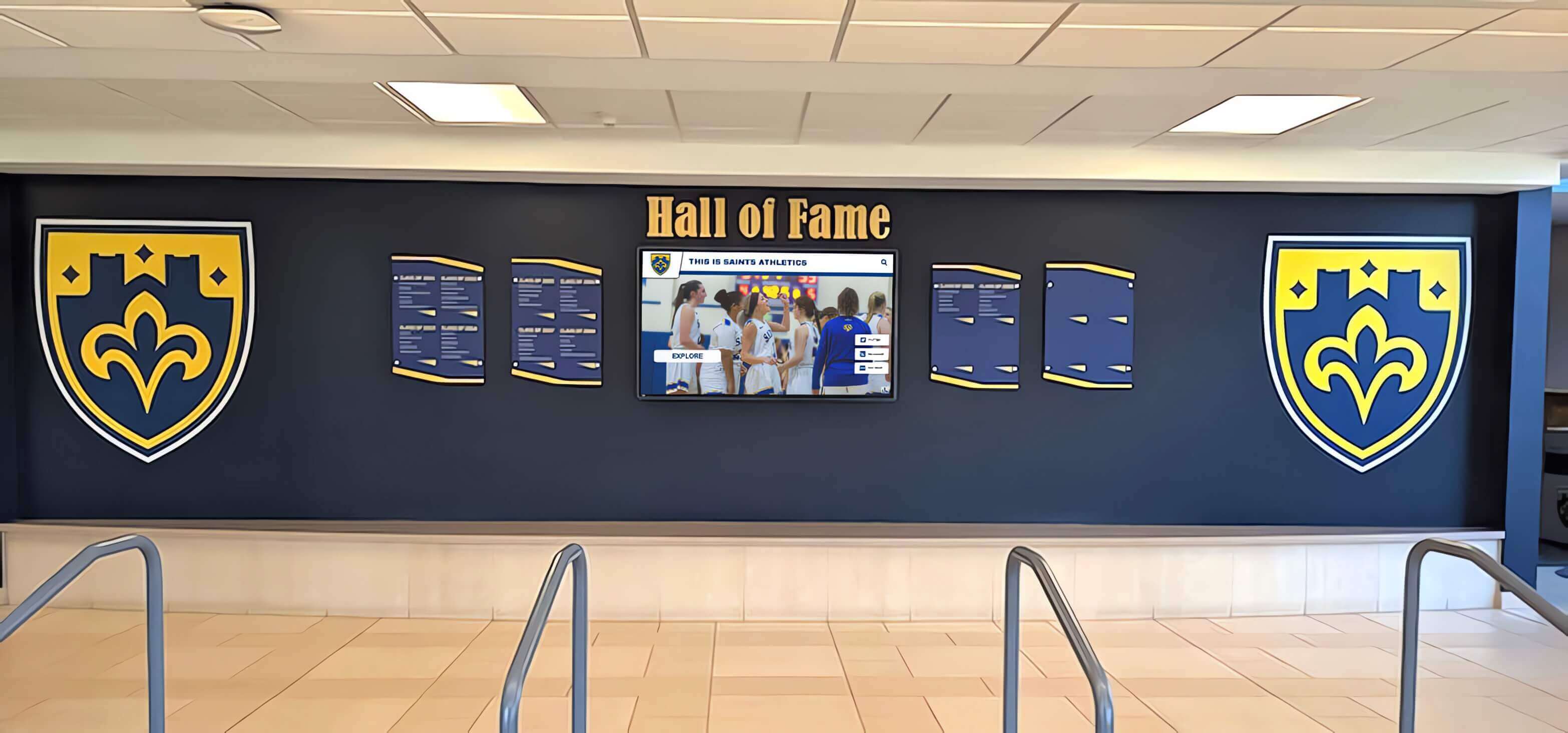
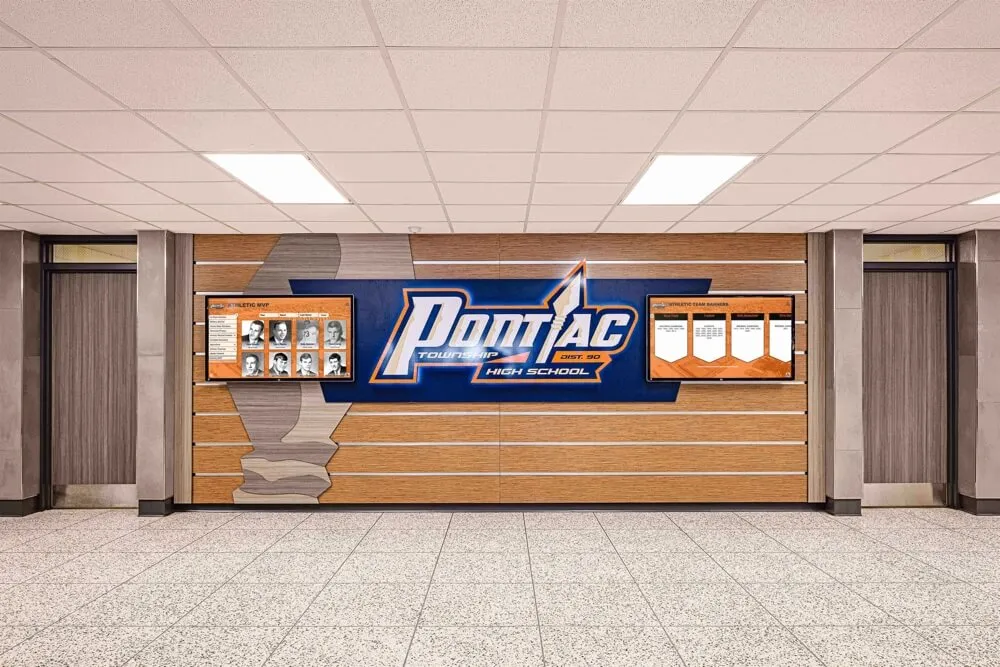
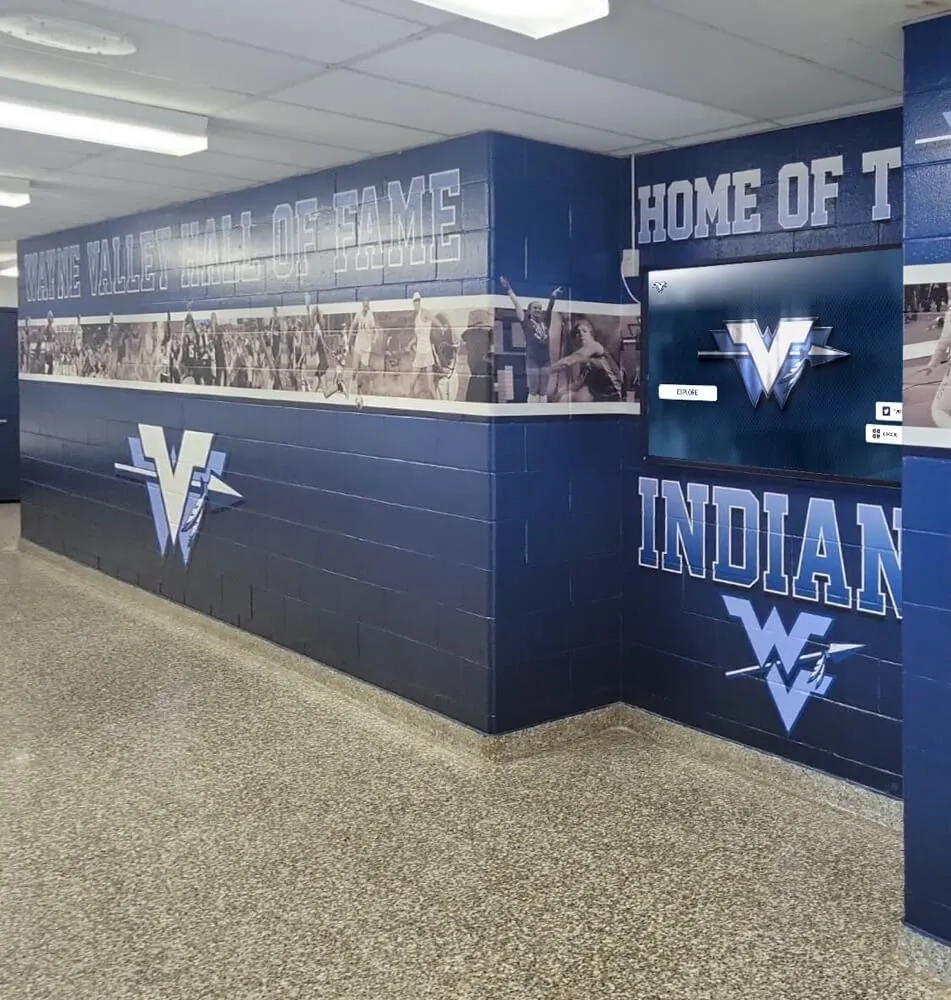
Lobby displays complement gymnasium scoreboards by showcasing achievements and program history in high-traffic areas
Maintenance and Long-Term Support
Ensuring Continued Performance
Both scoreboard types require ongoing attention:
Traditional Scoreboard Maintenance
- Annual inspection of mounting hardware and connections
- LED module replacement as individual segments fail
- Controller battery replacement every 2-3 years
- Software updates for digital control systems (if applicable)
- Cleaning to maintain visibility and appearance
- Replacement parts typically available from multiple vendors
Maintenance costs remain modest, typically $500-$1,500 annually for routine service and occasional component replacement.
Video Board Maintenance
- Software licensing renewals for content management systems
- Display panel calibration maintaining color consistency
- Component replacement for failed processors or power supplies
- Network security updates and patches
- Professional service contracts ensuring rapid repair response
- Technology refresh cycles every 7-10 years as systems become outdated
Video board maintenance proves more expensive, with annual costs of $3,000-$8,000 typical for service contracts, licensing, and component replacement.
Alternative and Hybrid Approaches
Scoreboard decisions need not represent simple either/or choices between traditional and video systems.
Phased Implementation Strategies
Starting Practical, Upgrading When Justified
Many schools implement graduated approaches:
Phase 1: Traditional Scoreboard
- Install reliable traditional system meeting current needs
- Allocate remaining budget to other facility improvements
- Build gymnasium use and community engagement
- Develop technical capacity and support infrastructure
- Assess actual video board need based on experience
Phase 2: Video Board Upgrade
- Replace traditional system when justified by need and budget
- Leverage increased fundraising capacity from program growth
- Install video board when technical support capacity exists
- Maintain original traditional scoreboard as backup system
- Implement with stronger operational foundation
This approach prevents premature video board investment before schools can support systems effectively while ensuring facilities remain functional with quality traditional equipment.
Hybrid Display Systems
Combining Scoreboard Types
Some facilities benefit from mixed approaches:
- Traditional scoreboard for primary score and time display
- Smaller auxiliary video screens for replays and entertainment
- Cost savings compared to full center-hung video board
- Operational simplicity for core game management
- Enhanced entertainment without full video board complexity
This strategy provides some video capabilities while maintaining traditional scoreboard reliability for essential functions.
Strategic Budget Allocation
Maximizing Overall Facility Value
Consider scoreboard investment within comprehensive facility planning:
Rather than maximizing scoreboard investment, strategic allocation across multiple improvements often creates better overall facilities:
- $25,000 traditional scoreboard
- $20,000 quality sound system upgrade
- $15,000 LED lighting improvements
- $25,000 lobby recognition display system
- $15,000 network infrastructure improvements
This $100,000 distributed investment delivers comprehensive facility improvements versus single $100,000 video scoreboard providing limited benefit beyond basic scoring.
Facility investments should create comprehensive environments rather than concentrating excessive resources in single elements
Special Considerations for Different Programs
Scoreboard needs vary based on program characteristics, competition levels, and institutional contexts.
High School Athletics
Multi-Sport Facility Demands
High school gymnasiums serve diverse programs:
- Basketball and volleyball as primary scoreboard users
- Wrestling, cheerleading, and dance competitions requiring adaptable displays
- Physical education classes using facilities daily
- Community events and rentals demanding operational simplicity
- Budget constraints favoring cost-effective solutions
- Limited technical support staff supporting all school technology
Most high schools find traditional scoreboards serve multi-purpose gymnasium needs effectively without complexity that video boards introduce. Schools hosting regular tournaments or playoff events may justify video boards through enhanced spectator experiences and potential sponsorship revenue.
University and College Athletics
Competition Level Considerations
Collegiate programs face different factors:
Division III and NAIA Programs
- Similar constraints to high schools regarding budgets and staffing
- Traditional scoreboards often most appropriate for program scale
- Focus on academic and athletic balance rather than entertainment
- Community engagement through competition rather than presentation
- Cost-effective solutions enabling budget allocation to scholarships and coaching
Division II Programs
- Growing expectations for enhanced game atmosphere
- Moderate budgets enabling selective video board investment
- Sponsorship opportunities helping offset costs
- Recruiting considerations favoring modern facility appearances
- Balance between fiscal responsibility and competitive positioning
Division I Programs
- Professional presentation expectations from recruits and fans
- Significant budgets supporting premium technology investments
- Revenue generation through sponsorships and advertising
- Broadcast production requiring sophisticated display integration
- Competitive pressure to maintain facilities comparable to peer institutions
Division I programs increasingly view video boards as essential rather than optional, while Division II and III schools should carefully evaluate whether investments align with program priorities and available resources.
Community and Recreational Facilities
Multi-Use Venue Requirements
Public recreation centers and community gymnasiums serve varied users:
- Multiple sports leagues using facilities throughout years
- Varied operator skill levels from volunteers to staff
- Community events requiring operational simplicity
- Budget accountability to taxpayers favoring cost-effective solutions
- Durability requirements for heavy continuous use
- Minimal dedicated technical support for complex systems
Community facilities particularly benefit from traditional scoreboard reliability and operational simplicity. Video boards in these contexts often create more operational challenges than benefits unless facilities employ dedicated technical staff.
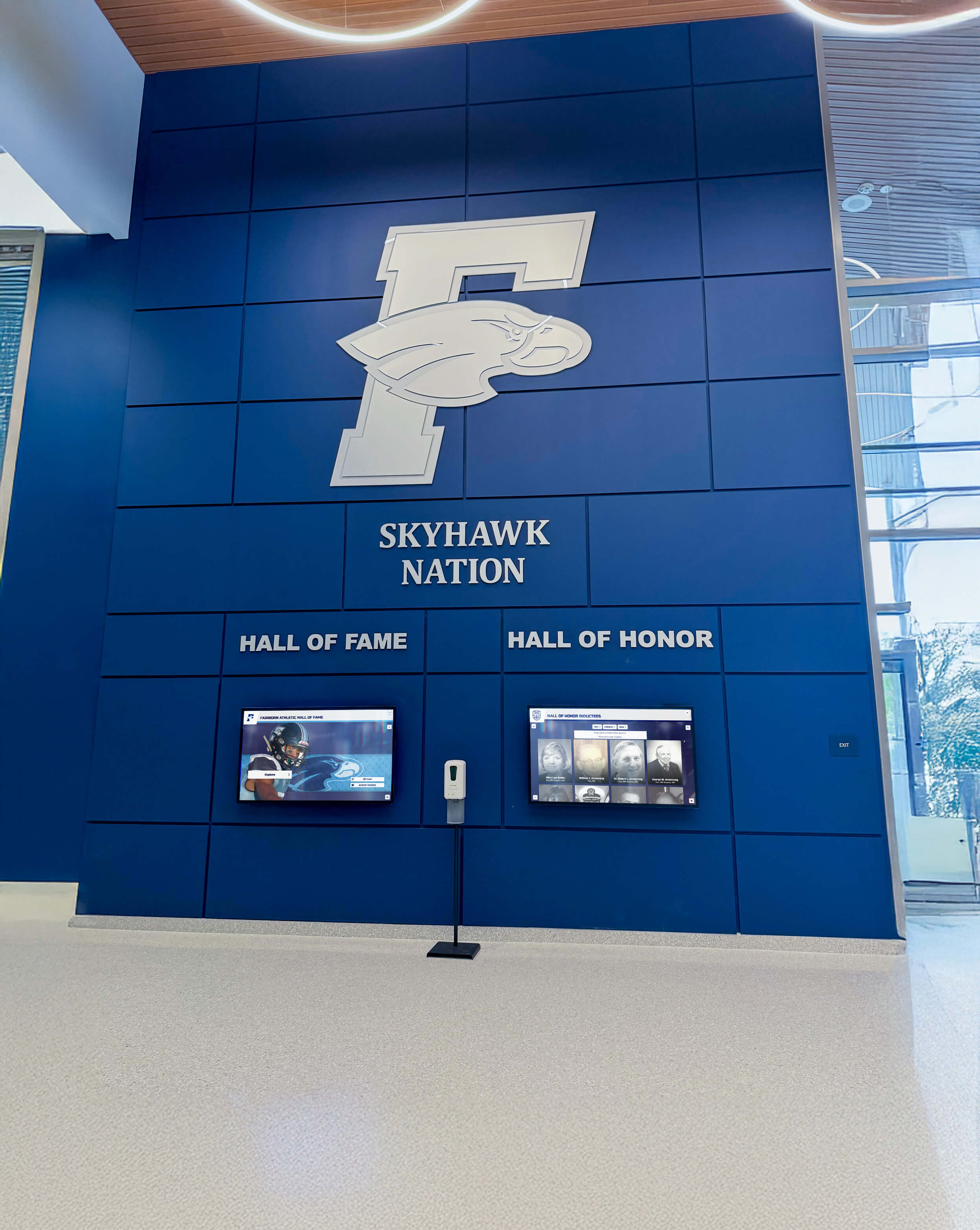
Recognition displays in lobbies provide lasting value by honoring achievements year-round rather than only during competitions
Vendor Selection and Procurement
Choosing quality scoreboard suppliers and managing procurement processes protects institutional investments.
Evaluating Scoreboard Vendors
Key Selection Criteria
Assess vendors beyond price comparisons:
Product Quality and Reputation
- Years in business and market reputation
- Installation base at comparable institutions
- Product warranties and coverage terms
- Component quality and expected service life
- References from recent customers
- Financial stability ensuring long-term support
Installation and Support Capabilities
- Experienced installation teams with gymnasium-specific expertise
- Training programs for operators and maintenance staff
- Service response times when issues arise
- Replacement parts availability and lead times
- Software support and updates (for digital systems)
- Local service presence or national coverage
Total Value Proposition
- Competitive pricing relative to features and quality
- Inclusive installation and training in base pricing
- Comprehensive warranties protecting initial investment
- Ongoing support costs and service contract terms
- Customization capabilities meeting specific needs
Procurement Best Practices
Competitive Bidding Processes
Ensure transparent fair vendor selection:
- Detailed specifications documenting required features and performance
- Multiple qualified vendor solicitations ensuring competition
- Standardized evaluation criteria applied consistently
- Reference checks with other schools about vendor performance
- Total cost of ownership analysis including installation and support
- Contract terms protecting institutional interests
- Payment schedules tied to installation milestones and acceptance testing
Public institutions typically require formal competitive bidding processes. Even private schools benefit from structured procurement ensuring best value and minimizing concerns about procurement fairness.
Installation Oversight
Protecting Your Investment
Careful project management ensures quality installations:
- Pre-installation meetings confirming scope and schedule
- Daily monitoring during installation periods
- Documentation of installed equipment and configuration
- Comprehensive testing before contractor departure
- Operator training completion before final payment
- Punch list completion addressing any deficiencies
- Final acceptance confirming system meets specifications
Athletic directors should remain engaged throughout installation processes, asking questions and ensuring contracted work meets expectations rather than discovering issues after contractors have left.
Making Your Final Decision
After examining all factors, systematic decision frameworks help athletic directors reach conclusions they can defend confidently to administrators, boards, and communities.
Decision Matrix Approach
Scoring Scoreboard Options
Evaluate alternatives against weighted criteria:
| Criteria | Weight | Traditional | Digital Video |
|---|---|---|---|
| Initial Cost | 20% | 9/10 | 3/10 |
| Operating Costs | 15% | 9/10 | 4/10 |
| Reliability | 15% | 9/10 | 6/10 |
| Operational Simplicity | 10% | 9/10 | 4/10 |
| Feature Capabilities | 15% | 5/10 | 10/10 |
| Spectator Experience | 10% | 6/10 | 9/10 |
| Revenue Potential | 10% | 2/10 | 8/10 |
| Maintenance Requirements | 5% | 8/10 | 4/10 |
Weighting reflects institutional priorities—schools emphasizing cost-effectiveness and reliability favor traditional scoreboards while programs prioritizing enhanced experiences and revenue generation lean toward video boards.
Common Decision Scenarios
When Traditional Scoreboards Make Sense
Choose traditional systems when:
- Budget constraints limit scoreboard investment to $30,000 or less
- Gymnasium primarily serves regular competition rather than entertainment
- Limited technical support staff or infrastructure exists
- Operational simplicity and reliability are paramount
- Other facility needs warrant budget allocation beyond scoreboard
- Community and administration prioritize fiscal conservatism
- Multi-sport use demands straightforward operation by varied users
When Digital Video Boards Warrant Investment
Select video systems when:
- Budget supports $75,000+ scoreboard investment comfortably
- Strong technical infrastructure and staffing exist supporting complex systems
- Significant sponsorship revenue potential offsets ownership costs
- Tournament hosting and championship events justify enhanced presentations
- Recruiting advantages from modern facilities prove strategically important
- Content creation capacity exists producing quality video and graphics
- Community expectations support premium technology investments
Building Consensus
Stakeholder Communication
Successful scoreboard projects require broad support:
Administrative Approval
- Clear justification tied to institutional priorities
- Comprehensive budget including all ownership costs
- Comparison to alternatives with objective analysis
- Risk mitigation for operational concerns
- Long-term value proposition and expected service life
Booster and Community Engagement
- Transparent communication about decision factors
- Involvement in vendor selection and evaluation when appropriate
- Recognition opportunities for major donors
- Realistic expectations about capabilities and limitations
- Appreciation for fundraising support regardless of final decision
Coaching and Staff Input
- Involvement in specifications ensuring needs are met
- Training commitment from those operating systems
- Feedback incorporation into final specifications
- Support building through inclusive processes
Inclusive decision processes create stronger final outcomes while building commitment to successful implementation regardless of which scoreboard type is ultimately selected.
Transform Your Athletic Recognition Beyond Game Day
While selecting the right gym scoreboard enhances competition experiences, comprehensive athletic recognition extends far beyond games. Discover how Touch Archive digital recognition displays create engaging lobby experiences showcasing unlimited athletes, championships, and program history through interactive touchscreen systems that complement your gymnasium investments while providing sustainable long-term value. Our recognition solutions serve programs 365 days per year, engaging students, visitors, and communities when gymnasiums sit empty between events.
Request a DemoConclusion: Selecting Scoreboards That Serve Your Program
Gym scoreboard selection represents significant investment requiring careful evaluation balancing costs, capabilities, operational requirements, and institutional priorities. The “best” scoreboard is not necessarily the most technologically advanced option but rather the system that serves your specific program needs effectively within available resources while supporting rather than complicating athletic operations.
Traditional scoreboards continue serving schools excellently when reliability, operational simplicity, and cost-effectiveness align with institutional values and budget constraints. These proven systems deliver decades of dependable service displaying essential game information clearly without the complexity, maintenance requirements, or expense that video boards introduce. Athletic directors should feel confident selecting traditional scoreboards when comprehensive analysis indicates they meet program needs appropriately—choosing cost-effective solutions demonstrates fiscal responsibility rather than technological inadequacy.
Digital video scoreboards provide legitimate advantages for programs positioned to leverage advanced capabilities effectively. Schools with strong technical infrastructure, dedicated operational staff, significant budgets, and clear strategies for maximizing video board features through content creation and sponsorship sales can achieve excellent returns on premium scoreboard investments. However, honest assessment must precede commitment—video boards purchased without corresponding operational capacity often underperform expensive potential while creating frustration among staff struggling with complex systems during events.
Strategic athletic directors increasingly recognize that comprehensive facility excellence results from balanced investment across multiple elements rather than concentration of excessive resources into single premium components. Installing quality traditional scoreboards while allocating resources to lobby recognition displays, sound system improvements, lighting upgrades, and network infrastructure often creates more impressive overall facilities than video scoreboards alone.
Solutions like Rocket Alumni Solutions complement scoreboard decisions by providing engaging digital technology in high-traffic lobby areas where interactive displays honor unlimited athletes and championships year-round. These recognition systems deliver touchscreen interaction, multimedia storytelling, and dynamic presentations without the operational pressure of managing complex systems during live competitions. Many schools discover that distributing technology investment between functional gymnasium scoreboards and engaging lobby recognition creates better comprehensive facility experiences than concentrating budgets exclusively on premium scoreboards.
Ultimately, your gym scoreboard should enhance rather than complicate athletic competitions while representing responsible stewardship of institutional resources. Whether selecting traditional or digital systems, comprehensive planning addressing total ownership costs, operational requirements, stakeholder priorities, and long-term facility goals ensures scoreboard investments serve programs effectively for years ahead while supporting the student-athletes and communities that give athletic facilities their purpose and meaning.
Ready to explore how interactive recognition displays can complement your gymnasium improvements while creating year-round engagement with athletic achievements and tradition? Learn how Touch Archive helps schools create comprehensive facility excellence through strategic technology investment that honors athletes, engages communities, and preserves championship traditions through interactive touchscreen systems designed specifically for educational athletics.