



Athletic directors and school administrators often face questions about hall of fame selections: Who deserves induction? What criteria determine eligibility? How should the selection committee evaluate candidates? And once inducted, how should these honorees be recognized in ways that preserve their achievements permanently while making them accessible to current students, alumni, and visitors?
Schools typically establish hall of fame programs to honor exceptional achievements in athletics, academics, leadership, or service. According to a 2024 study by the National Interscholastic Athletic Administrators Association, approximately 68% of high schools nationwide maintain some form of hall of fame or wall of honor program. However, many struggle with inconsistent selection criteria, subjective evaluation processes, and physical display limitations that restrict how inductees are recognized and celebrated.
This comprehensive guide explores how successful schools establish clear selection criteria, implement fair nomination and voting processes, and transform recognition through digital touchscreen displays that showcase inductees with detailed profiles, statistics, photos, videos, and searchable content accessible to entire communities year-round.
Establishing a hall of fame program requires careful consideration of selection standards, transparent procedures, and recognition methods that honor deserving individuals while maintaining integrity and fairness across generations of potential inductees.

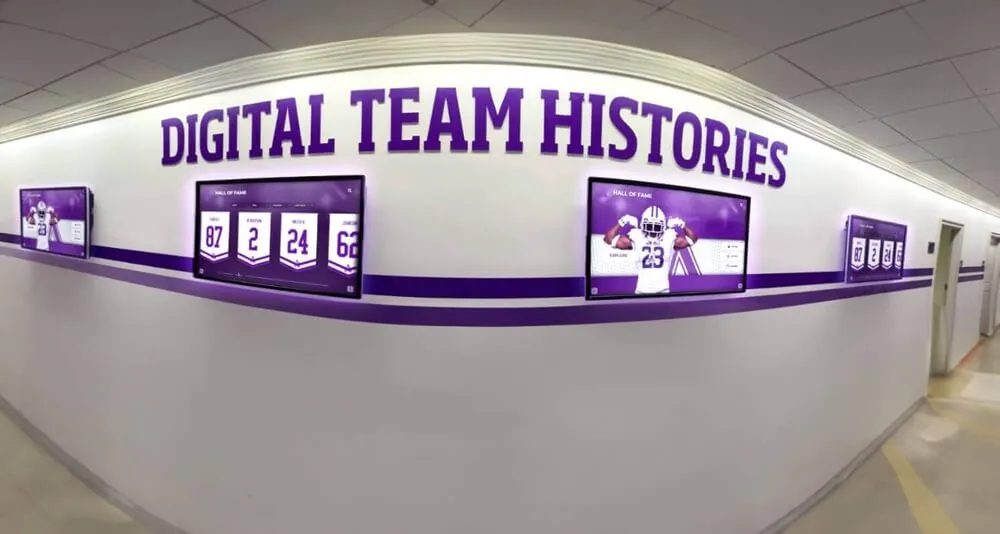
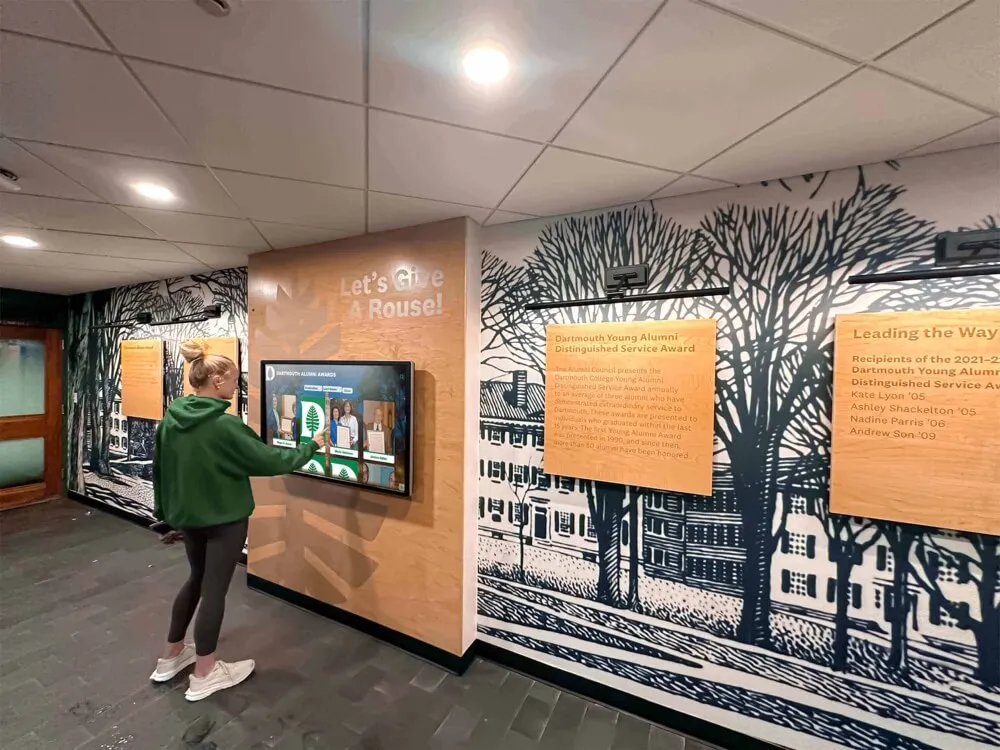
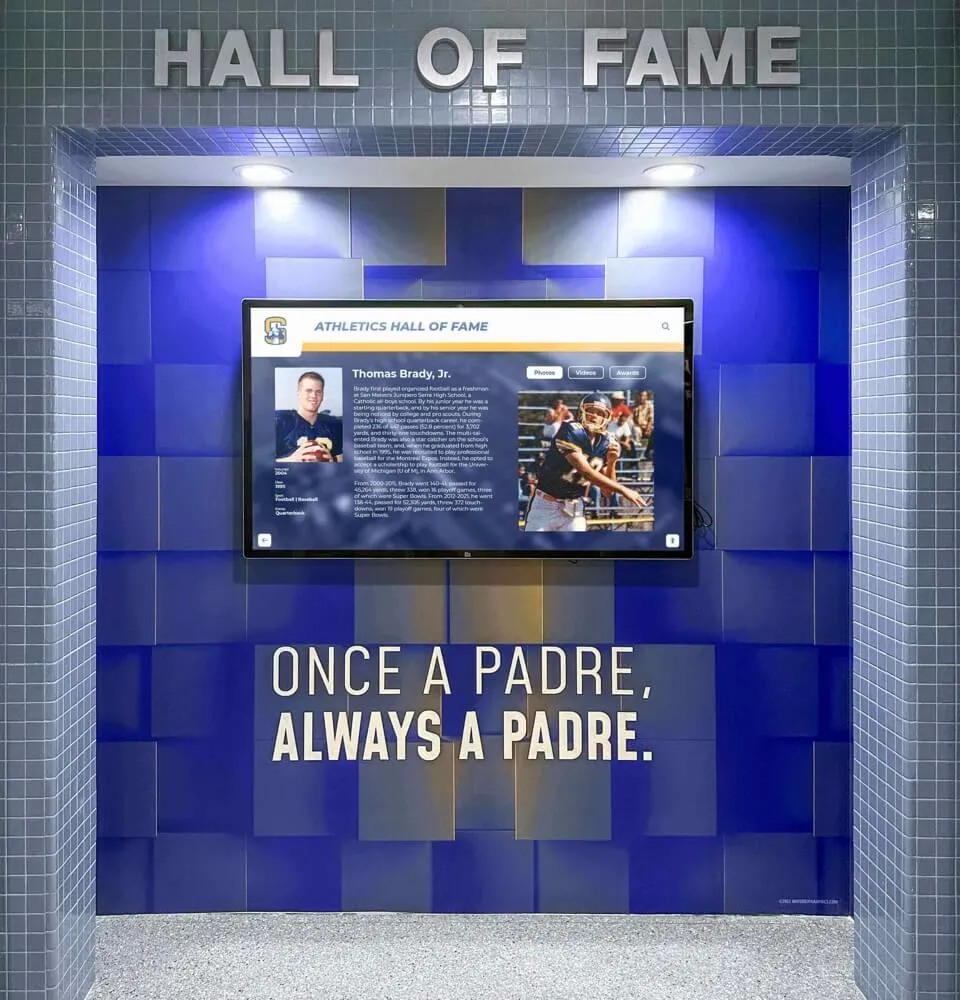
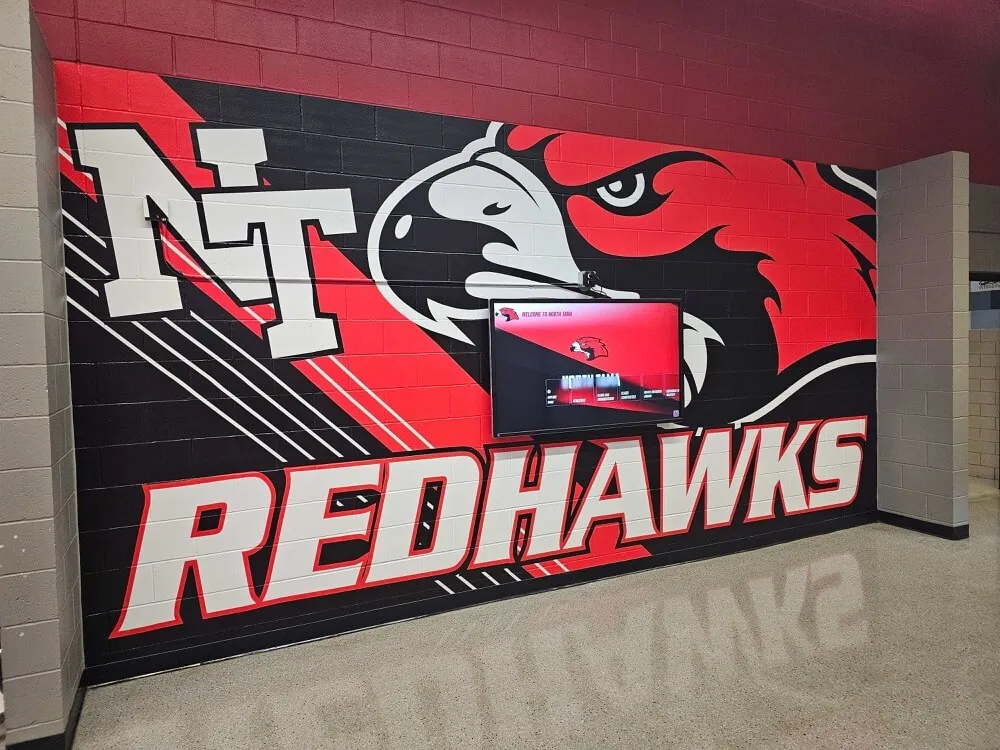
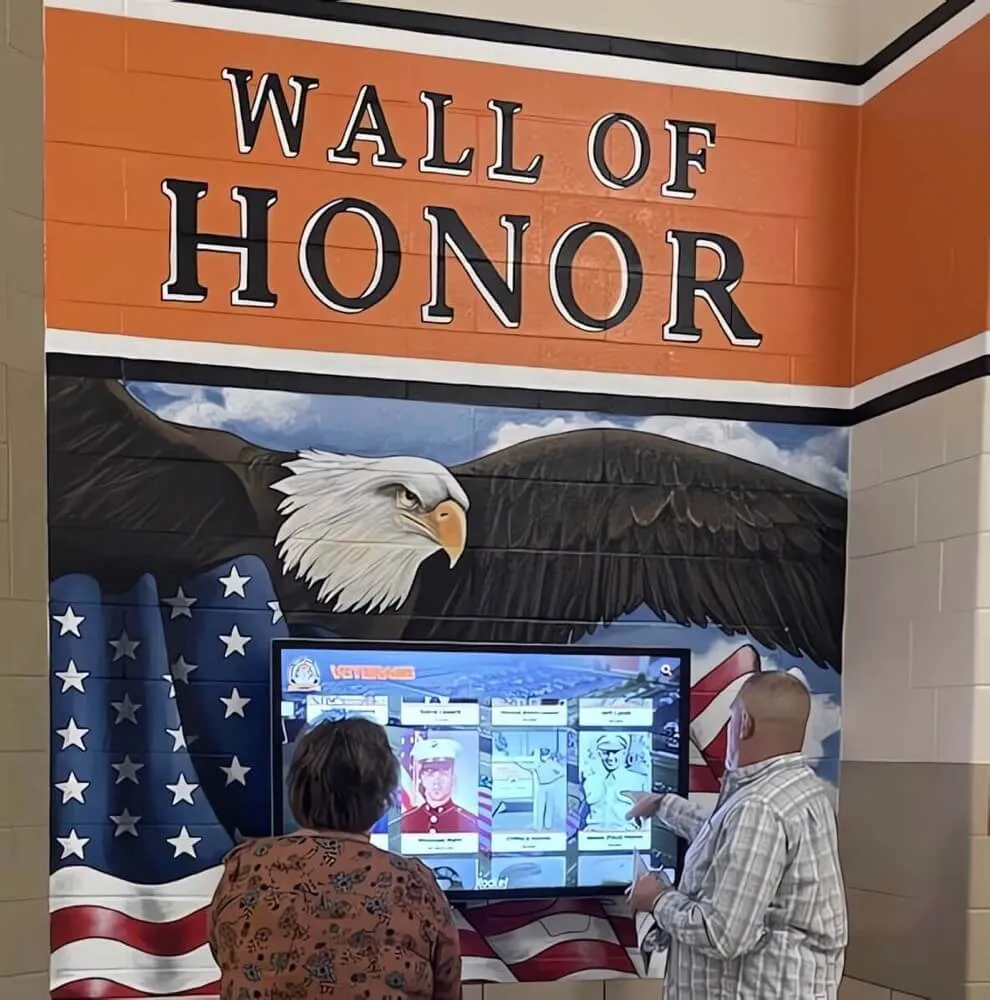
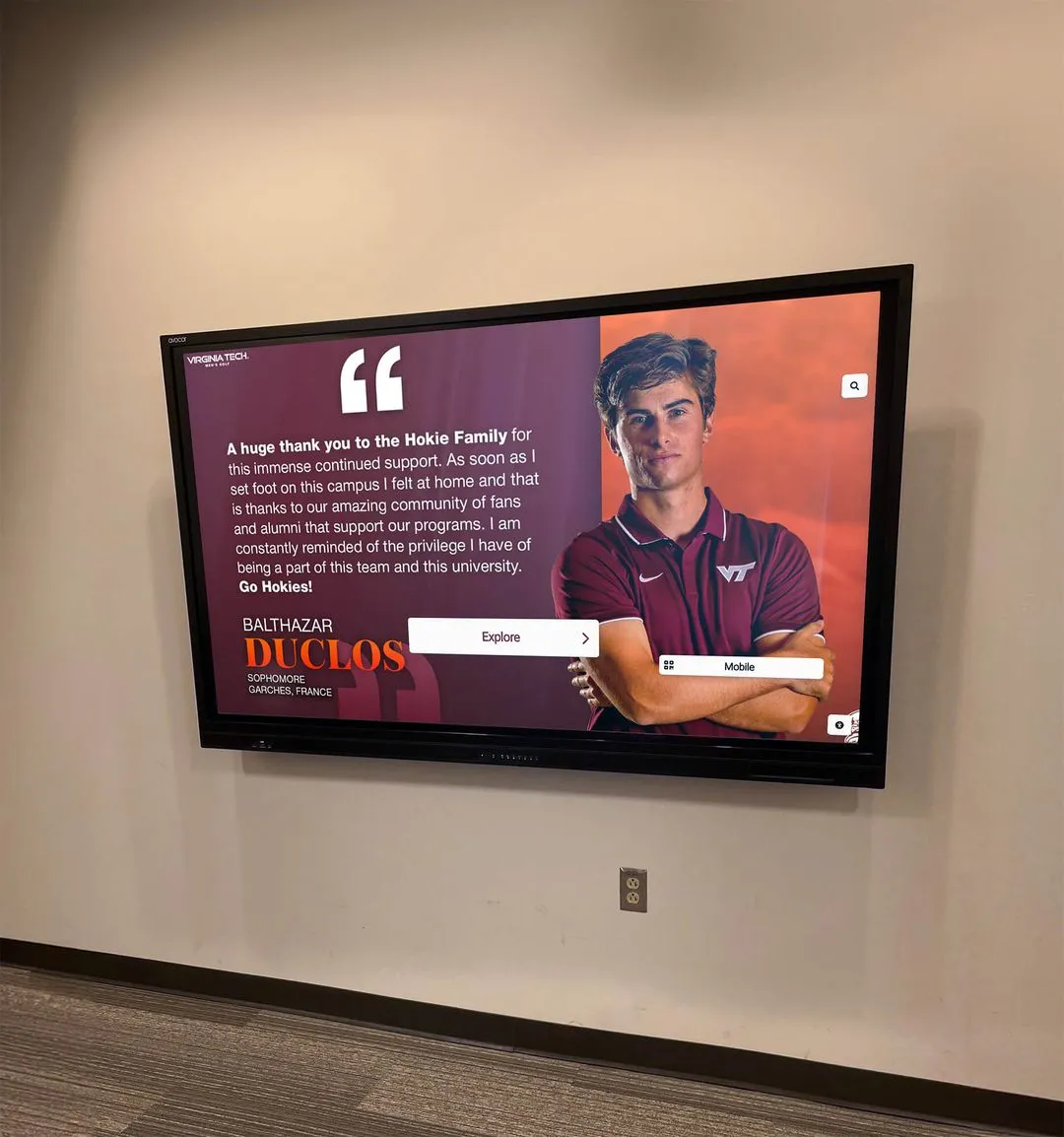
Modern digital displays provide comprehensive inductee recognition that traditional plaques cannot match
Why Hall of Fame Selection Criteria Matter
Before examining specific criteria, it’s important to understand why well-defined standards prove essential for credible hall of fame programs.
Building Program Credibility Through Consistency
Hall of fame programs gain respect and legitimacy when selections follow consistent, published criteria that apply equally to all candidates regardless of era, sport, or personal relationships. When schools apply subjective standards or make exceptions for popular individuals, the program’s credibility erodes.
Benefits of clear selection criteria:
- Objective evaluation: Specific achievement thresholds reduce bias and favoritism
- Transparency: Candidates understand requirements and expectations
- Defensibility: Committees can explain decisions based on documented standards
- Longevity: Consistent criteria work across decades as programs evolve
- Fairness: All candidates evaluated using identical benchmarks
- Community trust: Stakeholders respect selections when processes appear fair
Schools that publish detailed criteria, maintain selection records, and review standards periodically develop hall of fame programs that communities value and trust across generations.
Balancing Achievement with Character
Most successful programs evaluate both on-field accomplishments and personal character. Athletic excellence alone does not guarantee induction—honorees should exemplify values schools want to celebrate: sportsmanship, leadership, integrity, and positive representation of the institution.
This dual focus creates hall of fame programs that inspire current students not just through achievement records but through examples of how excellence pairs with character. Many schools include explicit character requirements in their criteria, similar to how National Honor Society programs balance scholarship with service and leadership.
Common Selection Challenges
Programs without clear criteria face recurring issues:
Inconsistent Standards:
- Different expectations applied to different sports
- Changing requirements across eras creating inequity
- Confusion about achievement thresholds
- Subjective assessments favoring recent candidates
Political Pressure:
- Community lobbying for popular candidates
- Donor influence on selection decisions
- Alumni demanding induction of friends
- Administrative pressure for specific individuals
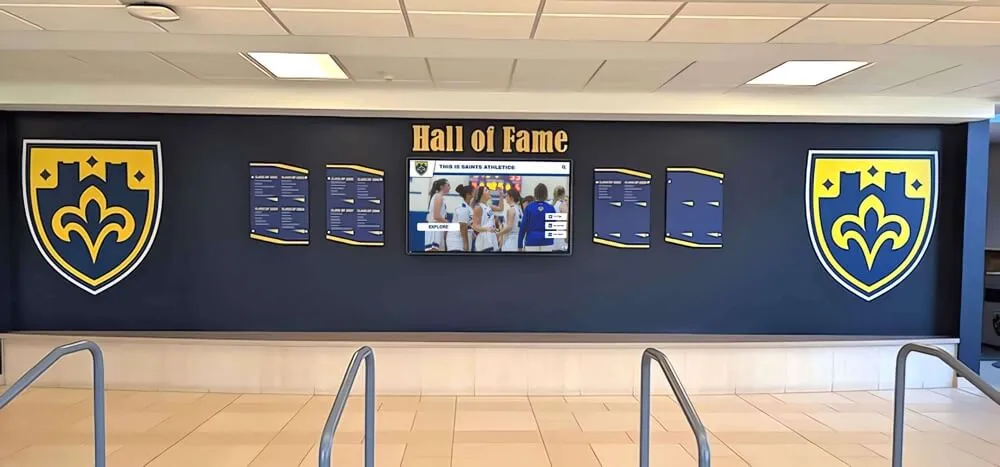
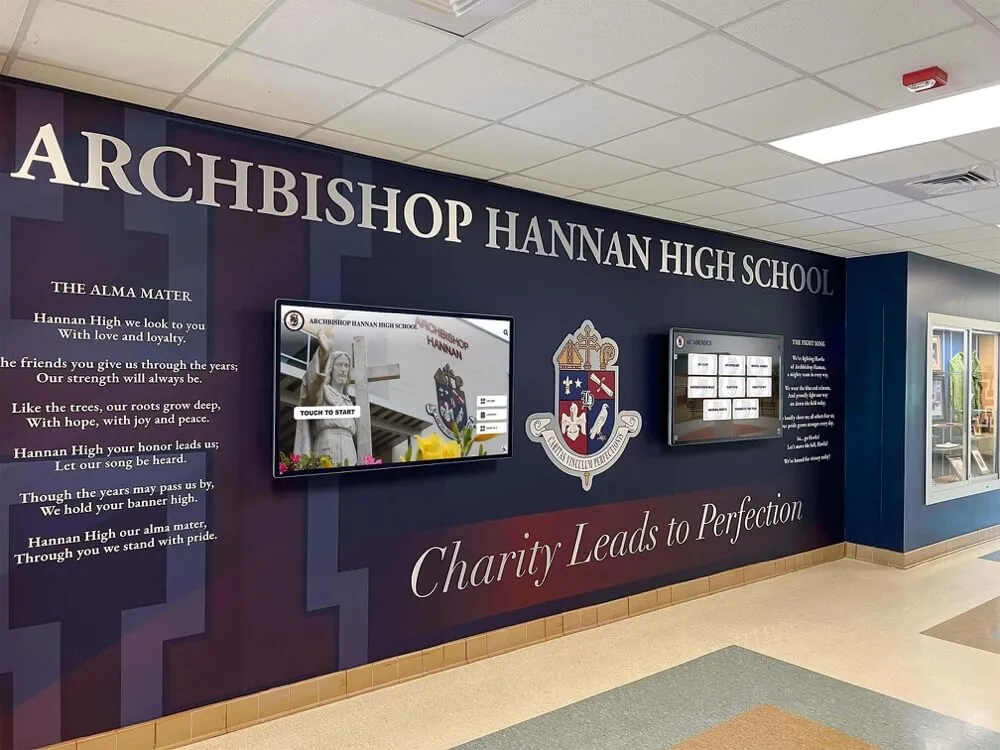
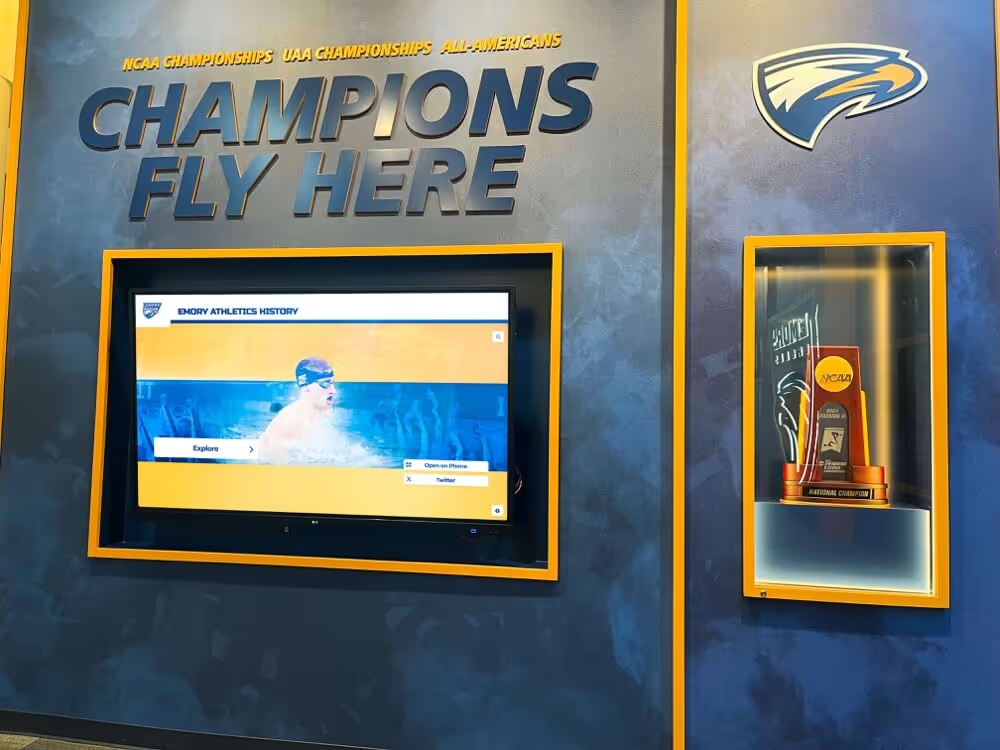
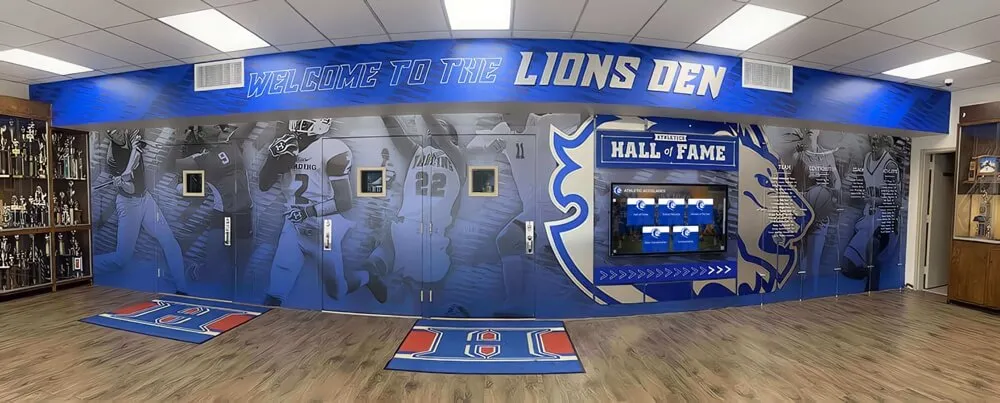
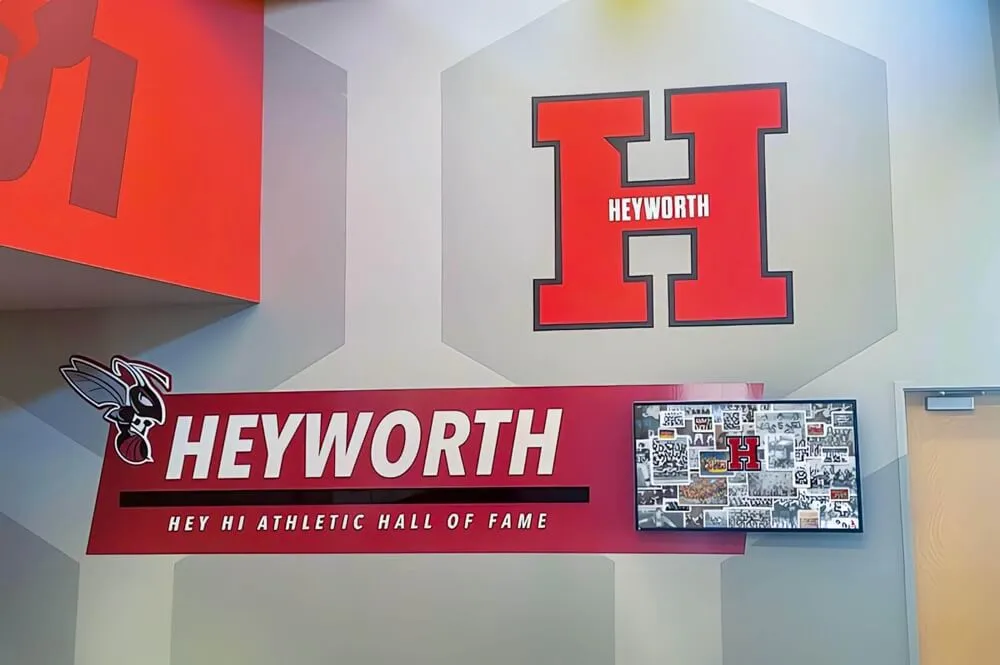
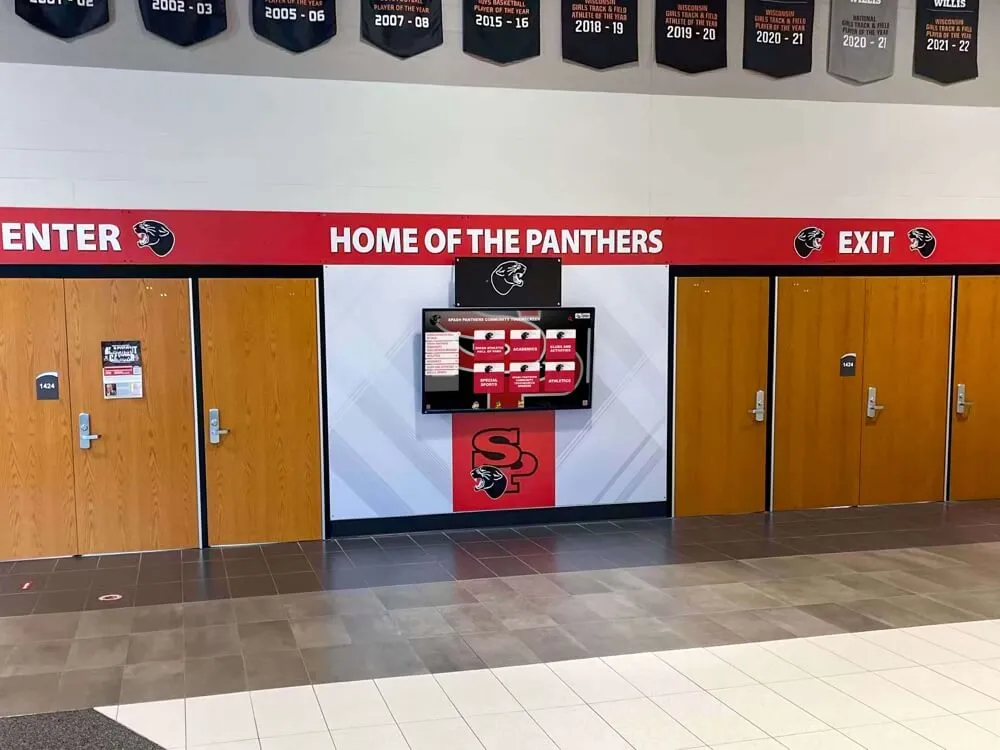
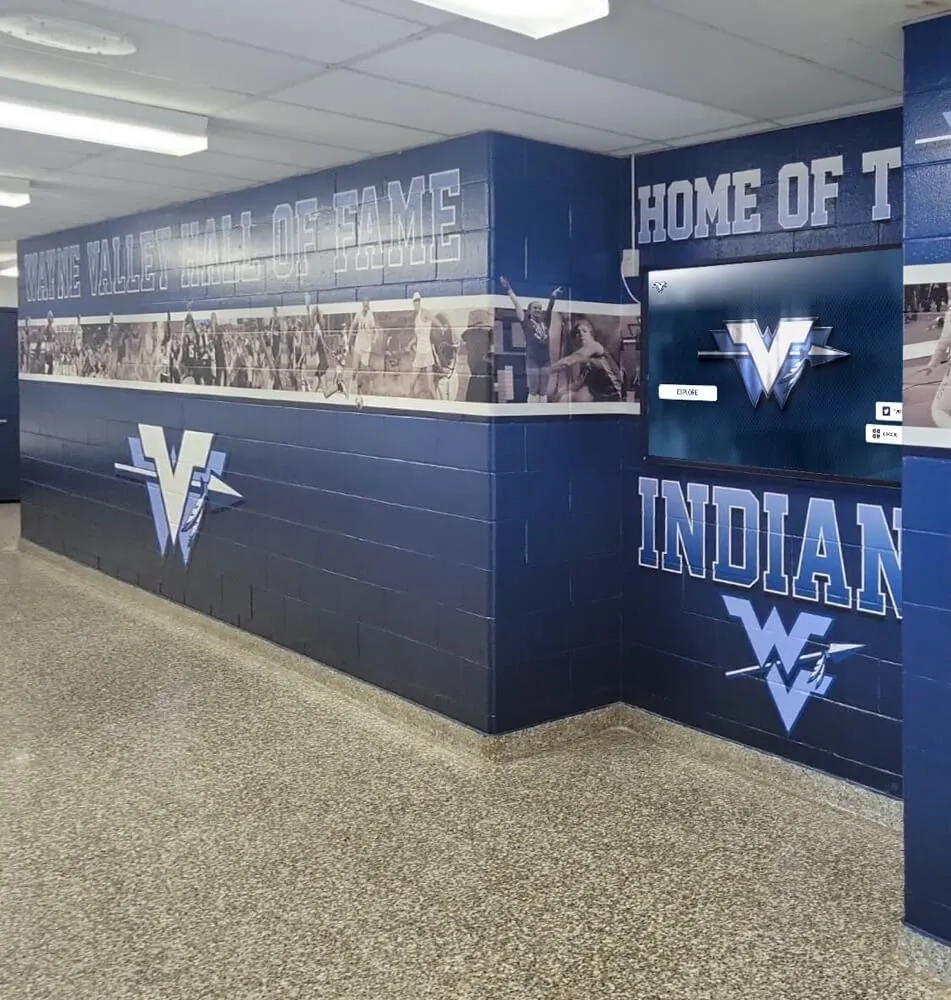
Combining traditional displays with digital technology preserves history while enhancing accessibility
Athletic Hall of Fame Selection Criteria
Athletic hall of fame programs typically represent the most common type at schools, honoring former student-athletes, coaches, teams, and contributors who demonstrated exceptional achievement.
Individual Athlete Criteria
Most programs establish specific achievement thresholds athletes must meet for eligibility:
Minimum Time Since Graduation: Schools typically require 5-10 years between graduation and eligibility. This waiting period provides perspective on achievements, ensures candidates matured beyond high school, and prevents recency bias favoring recent graduates over historical figures.
Athletic Achievement Standards: Quantifiable accomplishments that demonstrate excellence:
- All-conference or all-state honors in their sport
- Conference or state championship participation
- School record holders in measurable statistics
- Team captain or leadership recognition
- Multi-sport participation at varsity level
- Individual championship titles or awards
Character and Citizenship Requirements: Behavioral standards ensuring honorees represent school values positively:
- Maintained academic eligibility throughout career
- Demonstrated sportsmanship and leadership
- Avoided serious disciplinary issues or violations
- Represented school with integrity
- Contributed positively to school culture
- Maintained positive post-graduation reputation
Post-High School Considerations: Some programs factor in accomplishments after graduation:
- College athletic participation or success
- Professional sports achievement
- Community service and contributions
- Career accomplishments in any field
- Continued association with school or program
Coach and Contributor Criteria
Recognition extends beyond athletes to those who built successful programs:
Coach Qualifications:
- Minimum years of service (typically 10+ years)
- Championship or playoff success
- Winning percentage benchmarks
- Development of all-conference or college-recruited athletes
- Positive impact on program culture
- Mentorship and character development
Contributor Recognition: Individuals who supported programs through non-coaching roles:
- Athletic directors who built successful departments
- Boosters who funded facility improvements or programs
- Officials who served programs for extended periods
- Community members who provided extraordinary support
- Medical staff, trainers, or support personnel

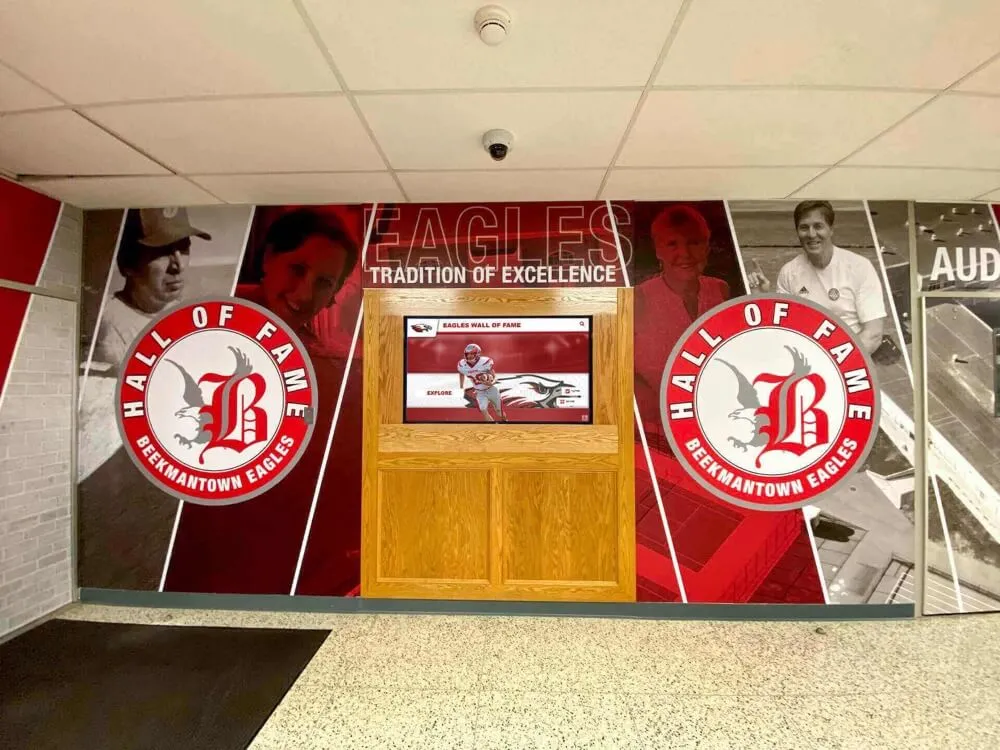
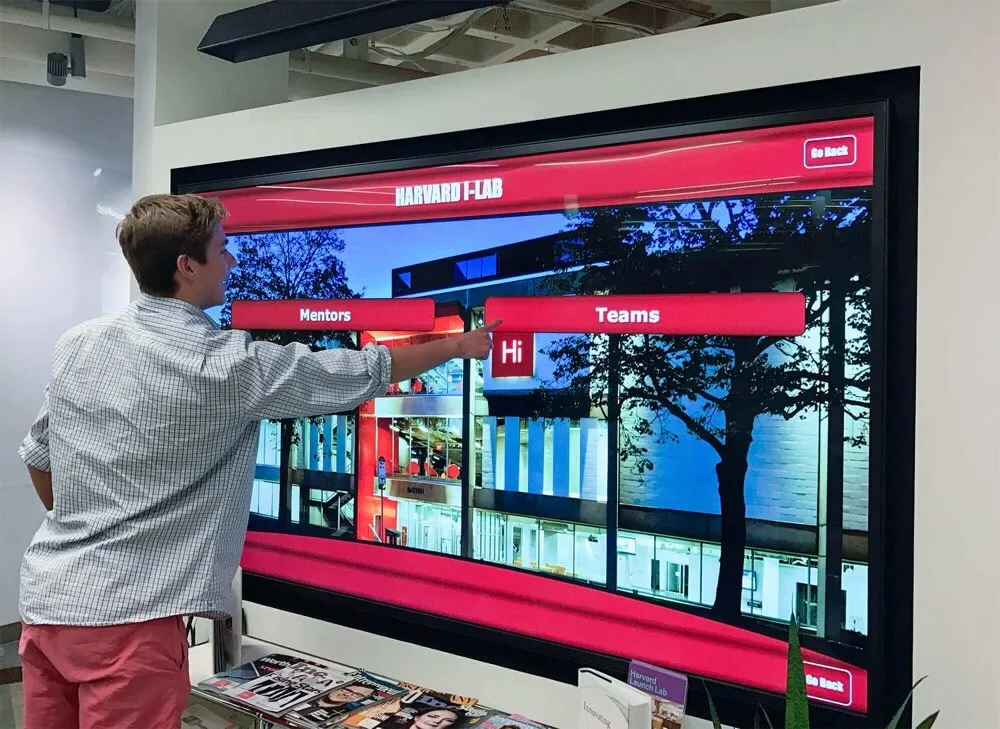
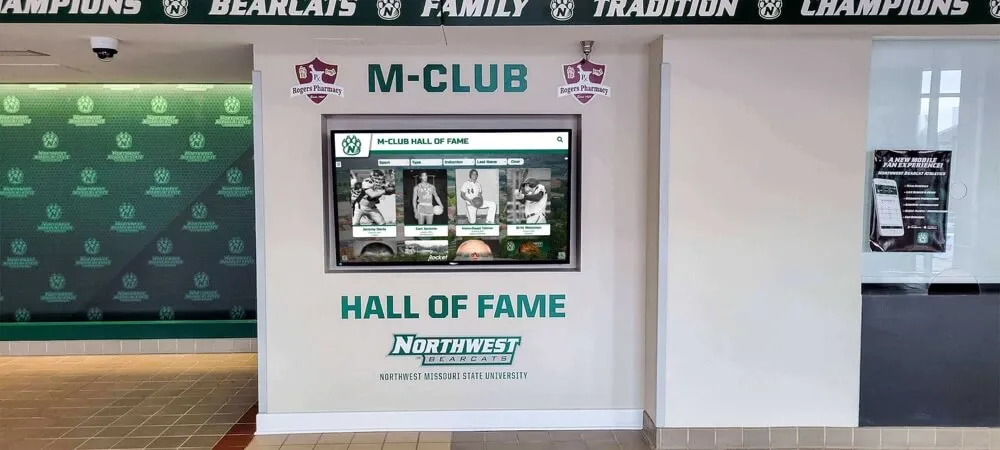
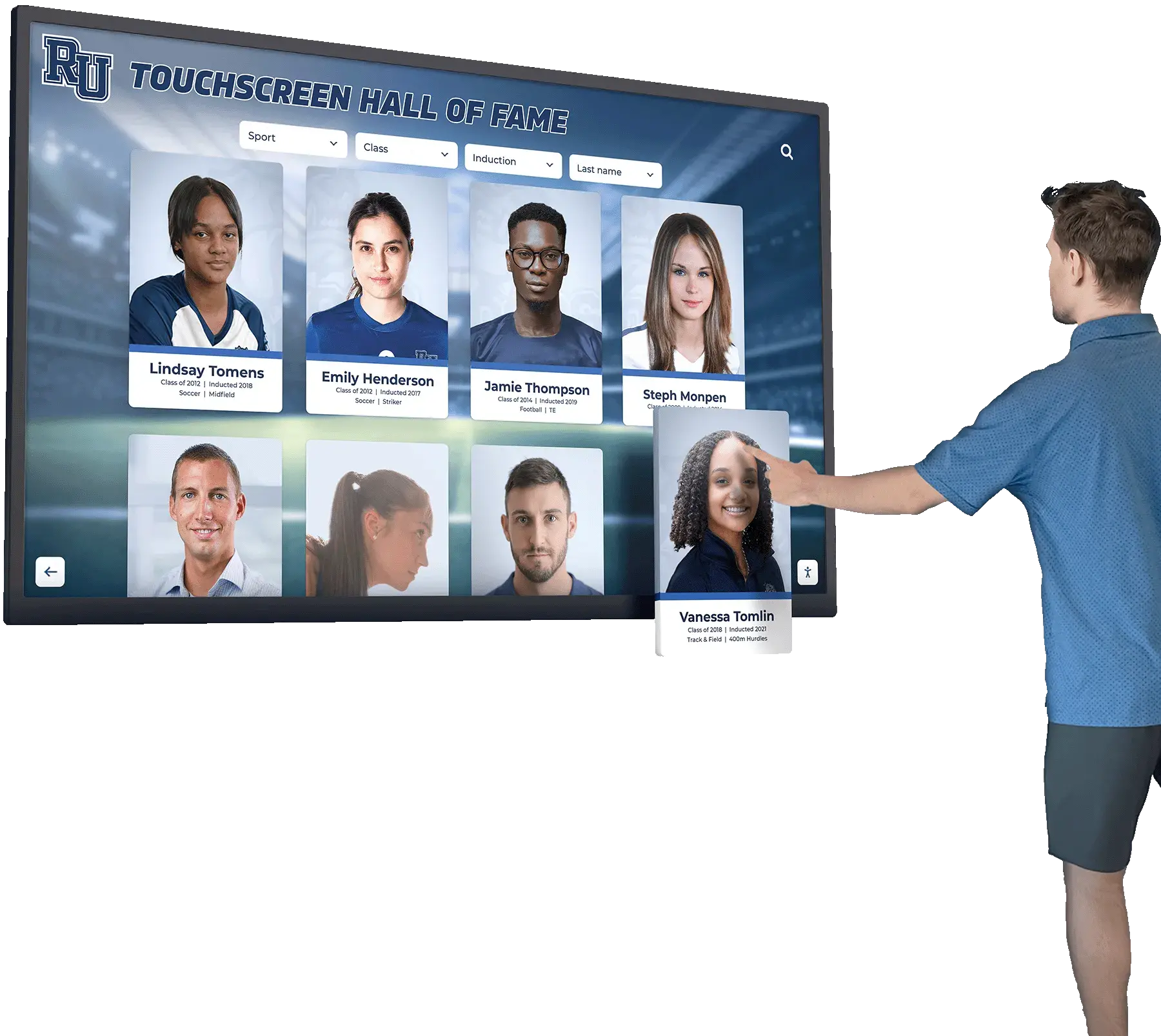
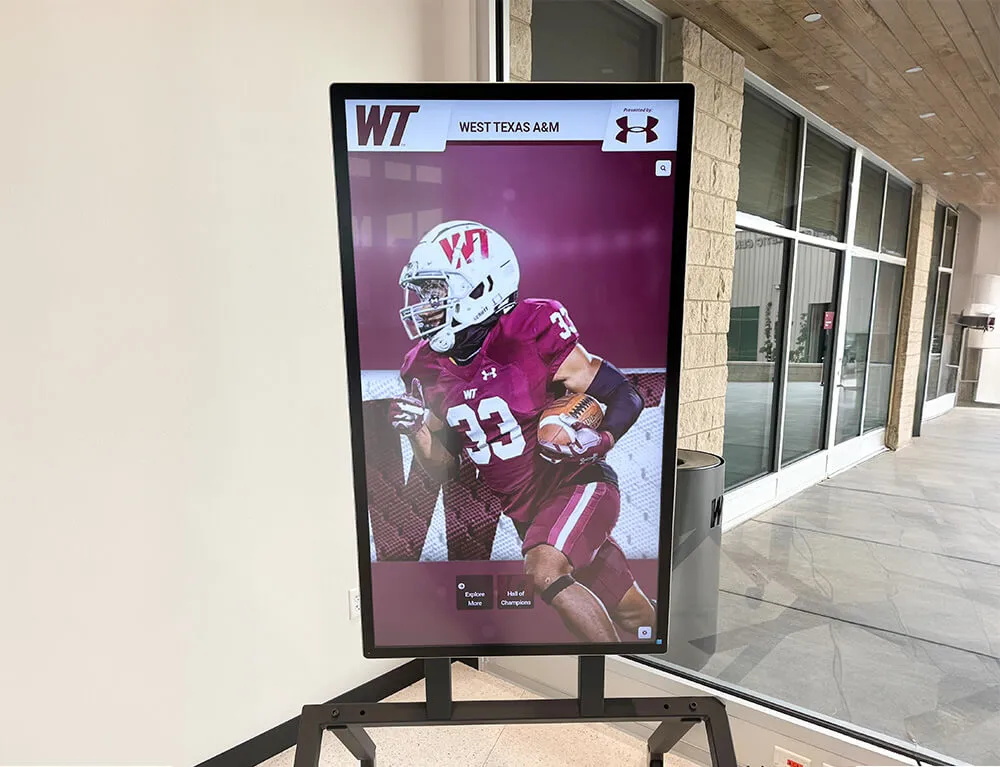
Touchscreen displays allow visitors to explore detailed inductee profiles with photos, statistics, and career highlights
Team Recognition Standards
Outstanding teams earn collective induction:
Team Achievement Criteria:
- State or national championships
- Undefeated or record-setting seasons
- Historic win streaks or achievements
- Multiple all-state performers on roster
- Dominance within conference or region
- Cultural impact beyond just records
The establishment of clear athletic criteria helps schools create comprehensive recognition programs that honor deserving individuals fairly while maintaining program integrity across decades.
Academic and Leadership Hall of Fame Criteria
Many schools extend hall of fame recognition beyond athletics to celebrate intellectual achievement, artistic excellence, and community leadership.
Academic Excellence Recognition
Scholar Criteria:
- Valedictorian or salutatorian designation
- National Merit Scholar or similar national recognition
- Perfect standardized test scores (ACT/SAT)
- Advanced Placement Scholar awards
- Academic competition championships (Quiz Bowl, Science Olympiad, etc.)
- Significant research or publication accomplishments
Post-Graduation Academic Achievement:
- Advanced degrees from prestigious universities
- Significant scholarly contributions or research
- Patents, inventions, or innovations
- Academic awards or fellowships
- Teaching or professorship at notable institutions
Fine Arts and Special Achievement
Recognition for excellence beyond traditional academics and athletics:
Fine Arts Criteria:
- State or national competition success in music, art, or theater
- Professional performance or artistic careers
- Significant creative contributions or recognition
- Leadership in school arts programs
Service and Leadership:
- Student government leadership demonstrating impact
- Significant community service contributions
- Creation of lasting programs benefiting school or community
- Leadership recognitions or awards
- Post-graduation civic contributions
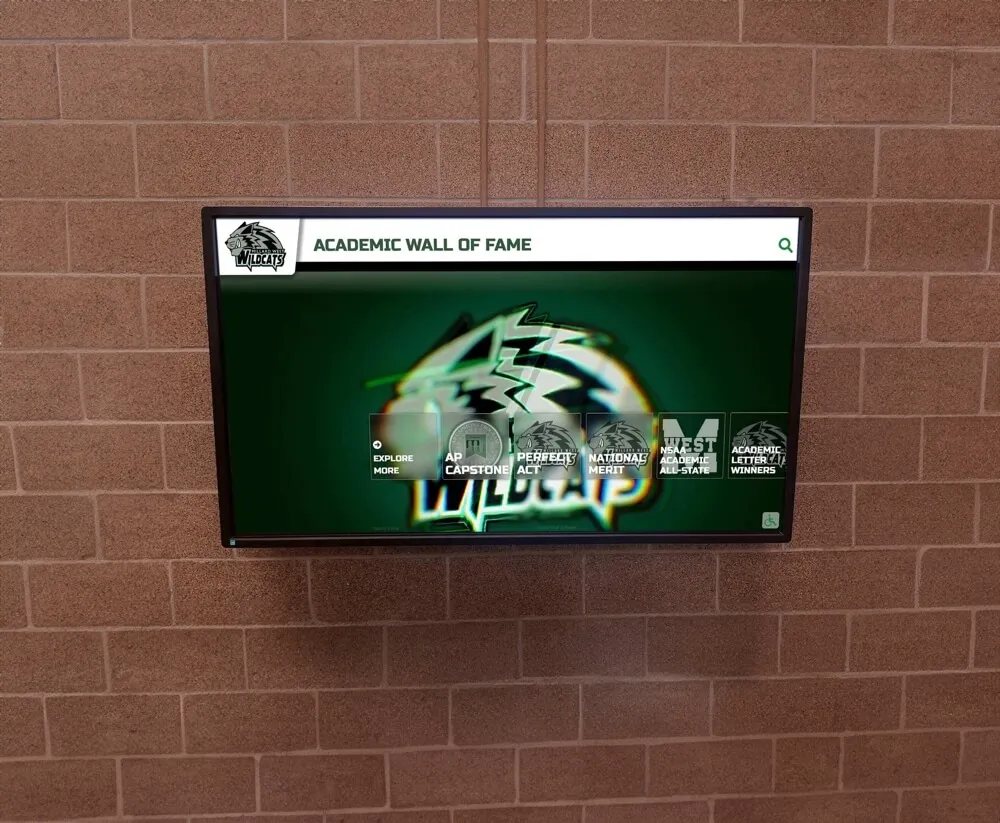
Schools implementing comprehensive academic recognition often create separate hall of fame categories or integrate academic honorees into broader recognition programs celebrating all forms of excellence.
The Nomination and Selection Process
Clear criteria mean nothing without transparent, fair processes for identifying candidates, evaluating qualifications, and making final selections.
Establishing the Selection Committee
Committee Composition: Successful committees include diverse perspectives:
- Athletic director or activities coordinator (chair)
- Current coaches representing different sports
- Faculty representatives
- Alumni representatives from different graduation eras
- Community members or booster club leadership
- Administrators providing institutional perspective
Committee Size: Most programs function effectively with 7-11 members. Smaller committees act decisively but lack diversity; larger committees represent more perspectives but struggle reaching consensus.
Term Limits: Rotating committee membership every 3-5 years prevents entrenched perspectives while maintaining institutional knowledge through staggered terms.
Nomination Procedures
Open Nominations: Many programs accept nominations from multiple sources:
- Current students nominating notable alumni
- Alumni submitting candidates
- Community members proposing deserving individuals
- Faculty or staff recommendations
- Self-nominations (when appropriate)
- Committee members identifying candidates
Nomination Requirements: Standardized submission forms ensure complete information:
- Candidate biographical information
- Athletic or achievement statistics
- Supporting documentation of accomplishments
- Personal statements or letters of support
- Character references
- Explanation of candidate’s impact and legacy
Nomination Deadlines: Annual nomination periods (typically 2-3 months) provide adequate time for thoughtful submissions while preventing year-round administrative burden.
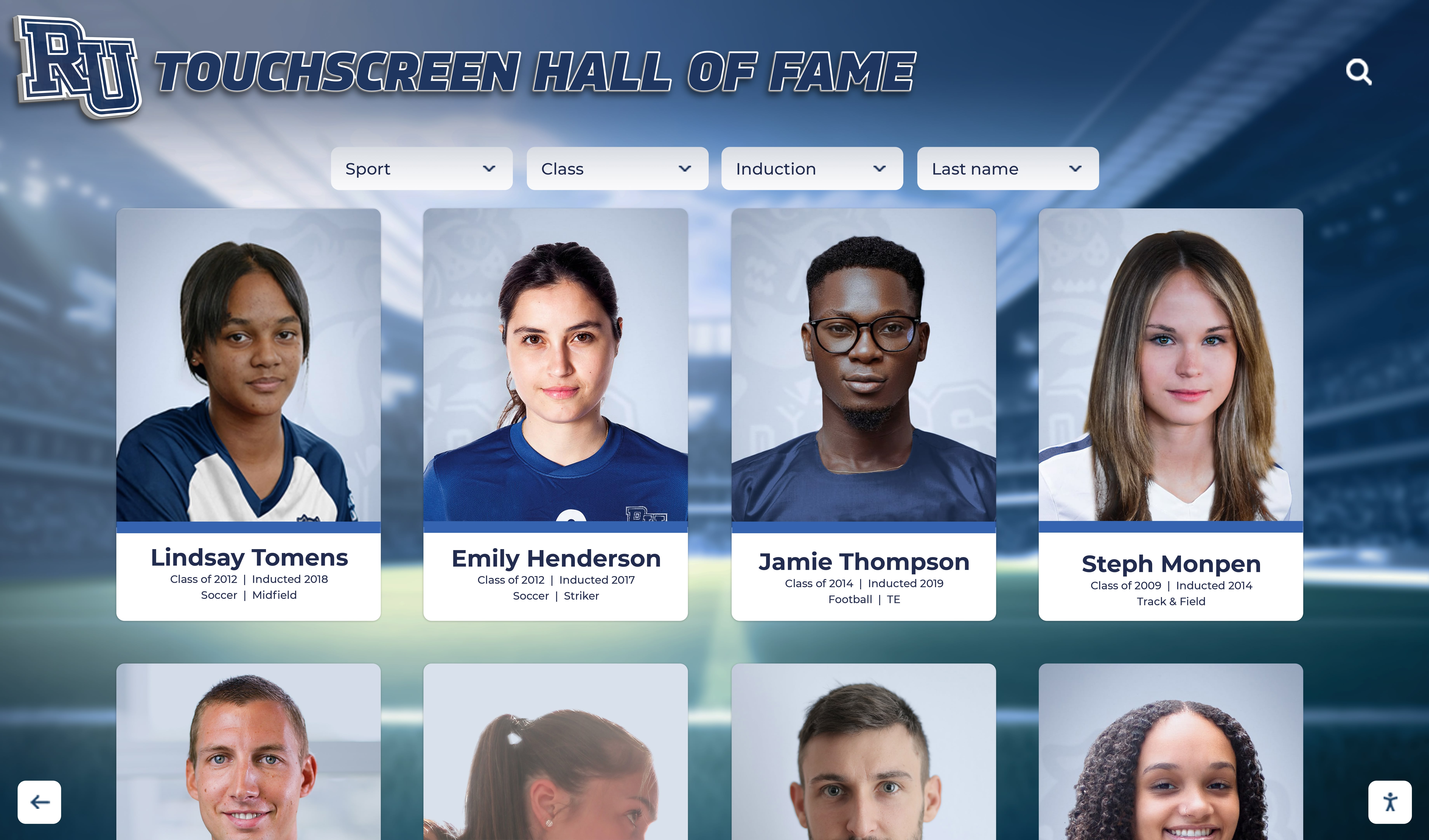
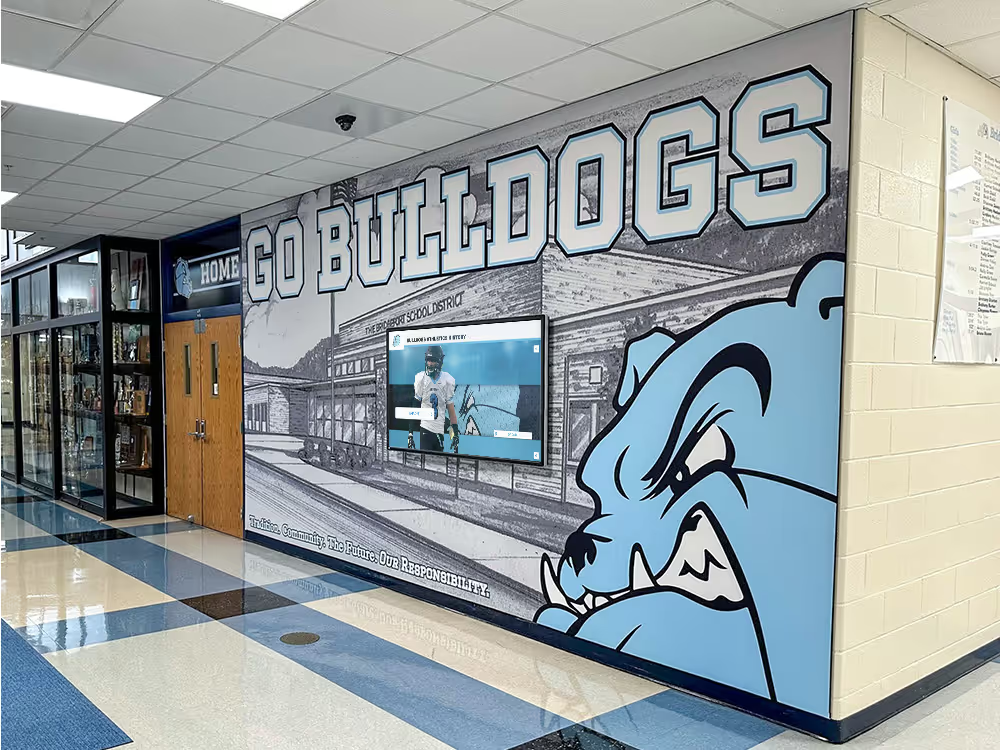
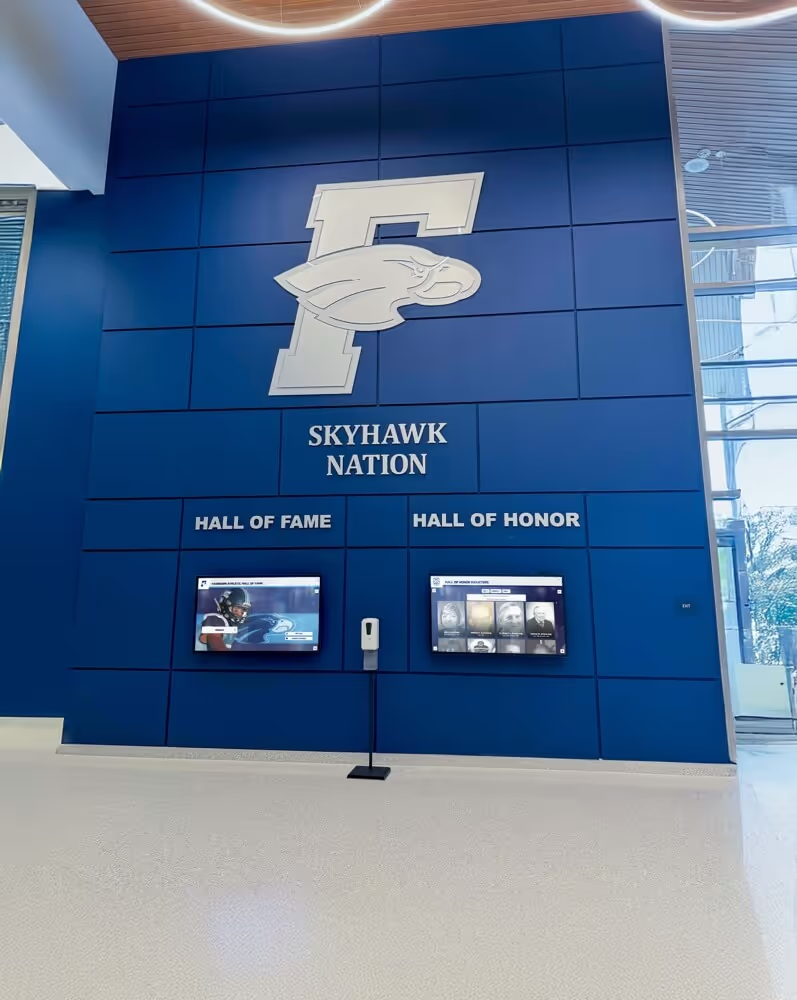
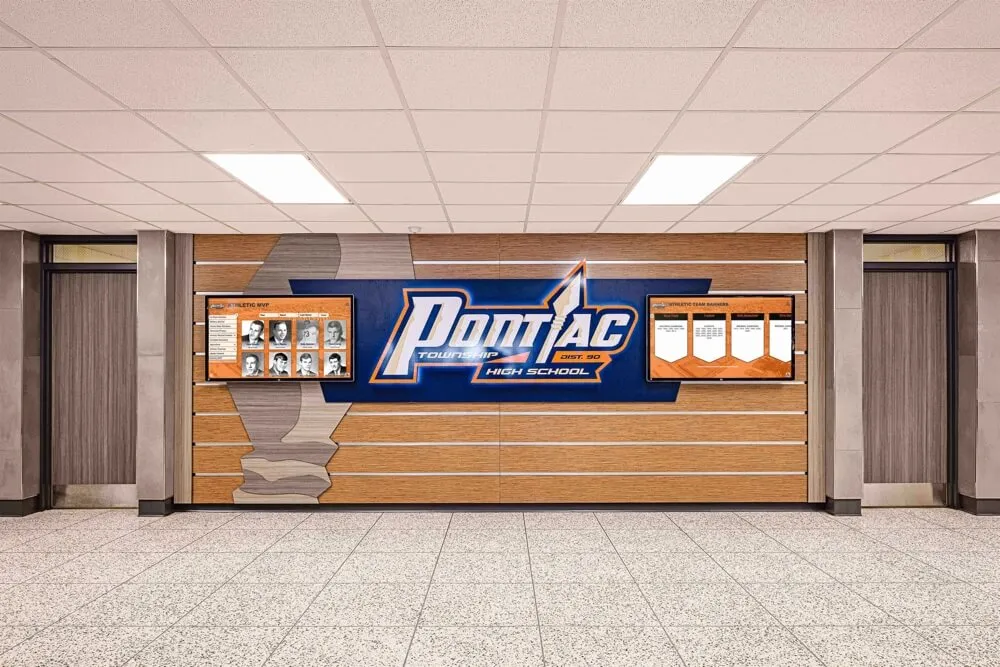
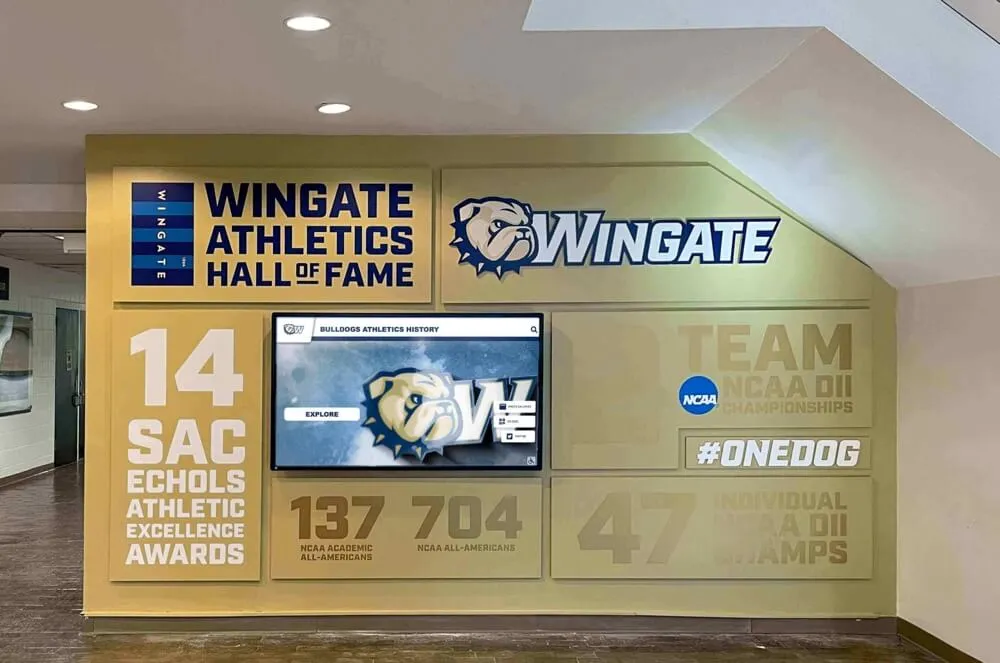
Digital displays showcase detailed inductee profiles that tell complete stories beyond basic statistics
Evaluation and Voting Process
Initial Review: Committee reviews all nominations against published criteria. Candidates clearly not meeting minimum standards are eliminated early, allowing focused discussion on qualified nominees.
Detailed Evaluation: Remaining candidates receive thorough committee review:
- Achievement verification against historical records
- Comparison to previous inductees ensuring consistency
- Character assessment through reference checks
- Discussion of candidate’s legacy and impact
- Consideration of era-specific context
Voting Methods: Schools employ various voting approaches:
Simple Majority: Each committee member votes; candidates receiving majority support gain induction. Straightforward but may result in variable class sizes.
Ranked Choice: Members rank candidates; top vote-getters up to predetermined class size earn induction. Ensures consistent class sizes.
Consensus Building: Discussion continues until committee reaches unanimous or near-unanimous agreement. Time-intensive but builds confidence in selections.
Supermajority Requirements: Candidates must receive 60-75% support. Higher bar ensures strong consensus while preventing a few members blocking worthy candidates.
Annual Class Size: Most programs induct 3-8 individuals annually. Too many inductees dilutes significance; too few limits recognition opportunities and creates long waiting lists. Programs like the Pro Football Hall of Fame limit selections to 5-8 annually, even from a candidate pool of hundreds.
Appeals and Reconsideration
Declining Candidates: What happens when nominated individuals decline induction? Most programs respect these decisions while keeping individuals eligible for future reconsideration.
Posthumous Inductions: Many programs honor deceased individuals meeting criteria. Family notification and involvement ensures respectful recognition.
Reconsideration of Previously Declined Candidates: Unsuccessful nominees typically remain eligible in future years unless explicitly withdrawn from consideration.
Displaying Hall of Fame Inductees: From Physical Plaques to Digital Recognition
Once selections are made, schools face the critical question of how to display and honor inductees in ways that preserve their achievements permanently while making recognition accessible and engaging.
Limitations of Traditional Physical Displays
Physical plaques and trophy cases present significant constraints:
Space Restrictions: Wall space fills quickly. A program inducting six people annually exhausts typical hallway display space within 10-15 years, forcing difficult choices about which inductees receive visibility.
Limited Information: Plaques typically show only names, graduation years, and brief achievement summaries—usually fewer than 50 words. This brevity fails to tell complete stories or capture the depth of accomplishments.
Maintenance Challenges: Physical displays require ongoing upkeep: polishing plaques, replacing damaged materials, updating information when errors are discovered, and reorganizing as space constraints increase.
Accessibility Issues: Static displays offer no search functionality, making it difficult to find specific inductees among hundreds of plaques. Visitors cannot easily explore connections or learn detailed stories.
Cost Escalation: Quality plaques cost $100-300 each. Programs inducting six individuals annually spend $600-1,800 yearly just on physical displays, accumulating significant expenses over decades while facing eventual space exhaustion.
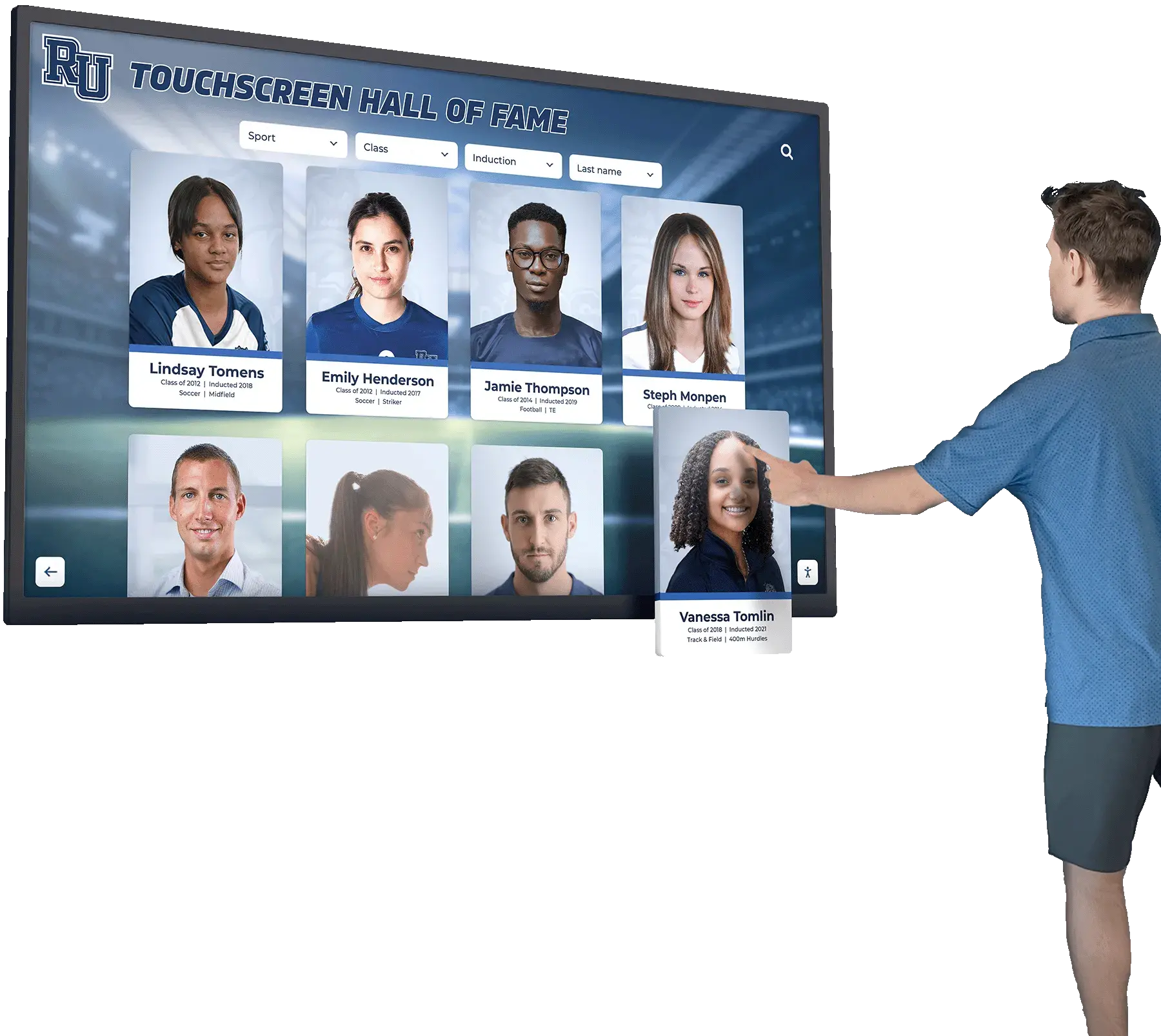
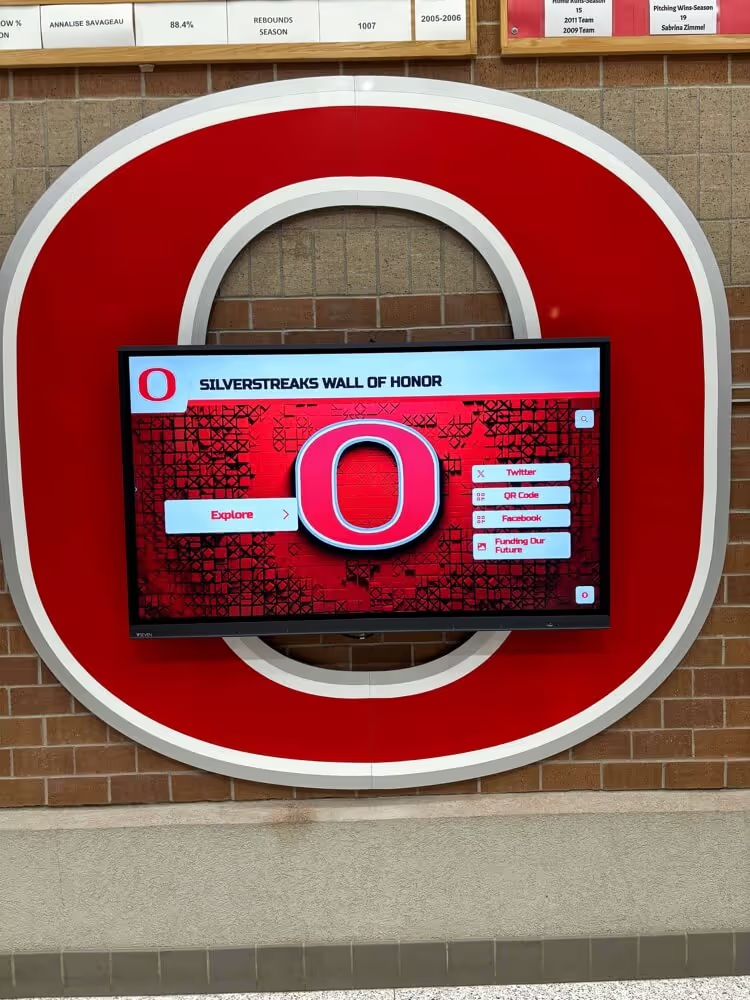
Interactive touchscreens enable detailed exploration of inductee achievements impossible with static plaques
Digital Display Solutions Transform Recognition
Digital touchscreen displays solve traditional limitations while creating engaging recognition experiences that preserve achievements permanently in accessible formats.
Unlimited Storage Capacity: Digital systems eliminate space constraints. Schools can induct individuals annually without worrying about physical space limitations. Systems like Rocket Alumni Solutions support unlimited inductee profiles, ensuring programs never face capacity issues regardless of growth.
Comprehensive Profiles: Digital displays showcase complete inductee stories:
- Full biographical information and career narratives
- Detailed statistics and achievement records
- Multiple photographs from playing days to present
- Video highlights, interviews, or acceptance speeches
- Quotes from coaches, teammates, or the inductees themselves
- Context about era-specific achievements and competition level
- Post-graduation accomplishments and career paths
- Family information and personal background
Advanced Search and Discovery: Visitors can search by name, graduation year, sport, achievement type, or keyword. Filter inductees by decade, sport, or accomplishment category. Explore related inductees through connections and team relationships.
Dynamic Content Updates: Digital systems allow easy updates:
- Correct errors or add newly discovered information
- Include recent accomplishments of living inductees
- Add photographs or videos as they’re obtained
- Update biographical information as careers progress
- Incorporate anniversary tributes or special features
Multi-Location Access: Digital platforms can display throughout facilities—gymnasium lobbies, main entrances, athletic department offices, media centers—ensuring visibility at multiple touchpoints. Web-based access extends recognition beyond physical campus to global alumni.
Cost Effectiveness: While initial investment exceeds a single plaque, digital displays prove cost-effective long-term. Schools implementing systems like those from Rocket Alumni Solutions eliminate recurring plaque costs while gaining unlimited capacity and enhanced functionality.
What Information to Include in Digital Inductee Profiles
Essential Elements:
- Full name and any nicknames
- Graduation year and school years attended
- Primary sport(s) or achievement area
- Major awards and honors received
- Career statistics or measurable accomplishments
- High-quality portrait photograph
- Induction year and class
Enhanced Content:
- Action photographs from competitive career
- Video clips of performances, interviews, or highlights
- Detailed achievement narratives explaining context
- Quotes about or from the inductee
- Information about coaches, teams, or influences
- Post-graduation career information
- Family or personal background adding human interest
- Connections to other inductees or notable figures
Interactive Features:
- Links to related inductees (teammates, coaches, same-era athletes)
- Comparison statistics showing record-setting achievements
- Timeline views showing career progression
- Award and honor category filters
- Team photos and rosters
- Championship or significant game information
Schools creating comprehensive digital hall of fame displays find that detailed profiles transform recognition from simple name listings into rich historical archives that educate and inspire current generations.
Implementing Your Hall of Fame Program
Establishing or upgrading a hall of fame program requires systematic planning and stakeholder engagement.
Initial Program Development
Form Steering Committee: Gather administrators, coaches, alumni, and community members to develop program vision, criteria, and procedures. This diverse group ensures broad perspective and community buy-in.
Research Best Practices: Study hall of fame programs at comparable schools. Review criteria from organizations like the National High School Hall of Fame. Identify approaches that align with your school’s values and goals.
Draft Written Guidelines: Document all aspects:
- Detailed eligibility criteria for each category
- Nomination procedures and deadlines
- Selection committee composition and terms
- Evaluation and voting processes
- Induction ceremony plans
- Display and recognition methods
Seek Community Input: Share draft guidelines with broader stakeholder groups: alumni associations, booster clubs, faculty, and community members. Incorporate feedback before finalizing.
Administrative Approval: Ensure school board or administrative leadership formally approves program guidelines, providing institutional support and legitimacy.
Building Historical Foundation
Identify Historical Honorees: Retroactively apply criteria to identify individuals from school history who clearly merit recognition. This inaugural class establishes program caliber and honors deserving figures from earlier eras.
Research Past Achievements: Gather records, yearbooks, newspaper archives, and community knowledge to document historical accomplishments. Many schools discover notable alumni whose achievements were never properly recognized.
Balance Eras: Ensure initial inductee classes represent different generations, sports, and achievement types, preventing overemphasis on recent or popular figures while neglecting historical excellence.
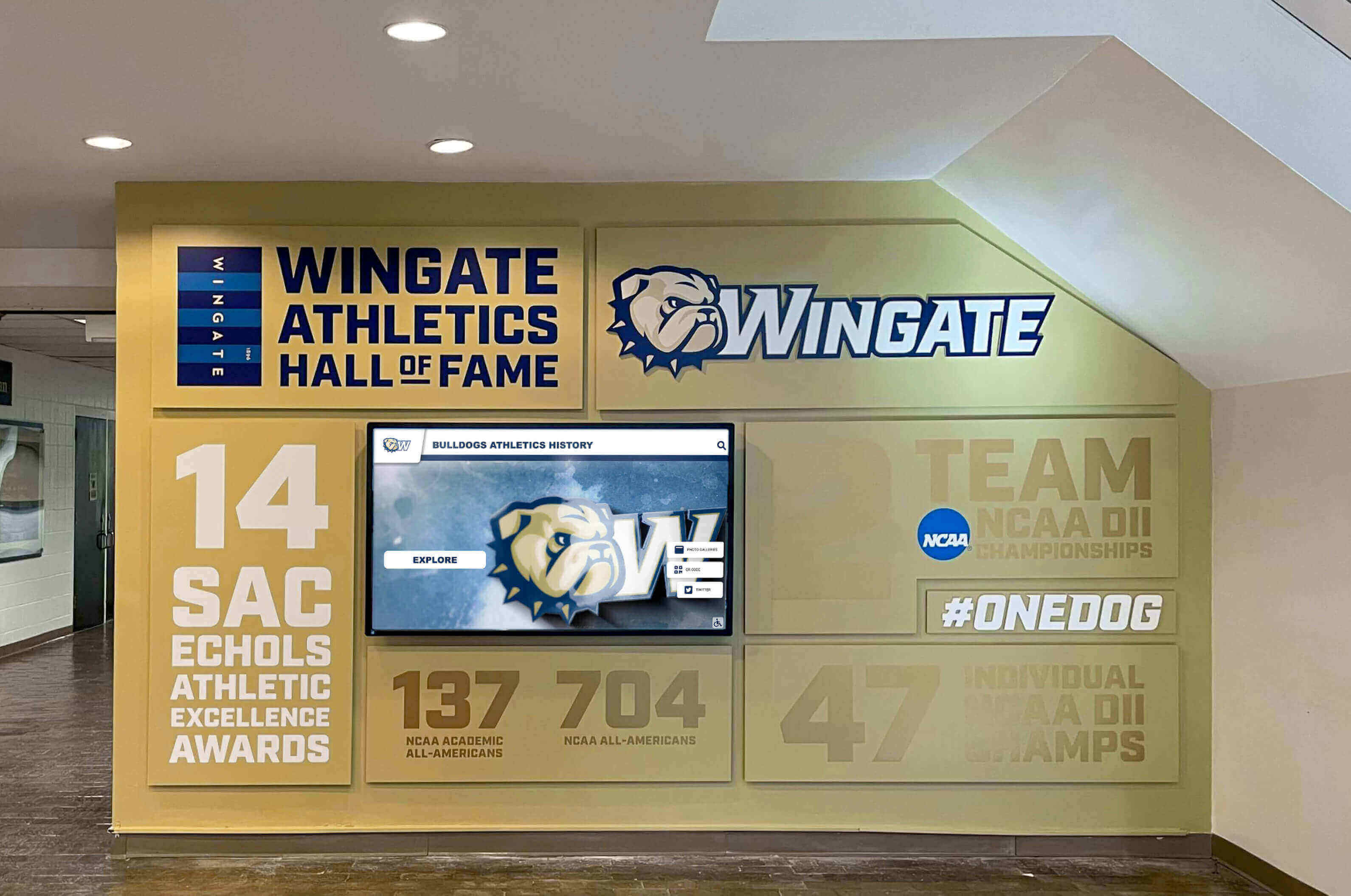
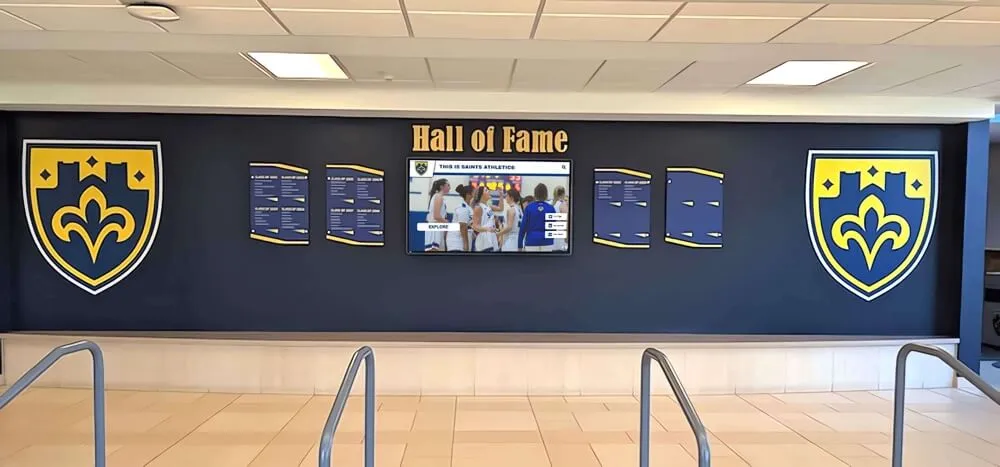
Lobby displays create prominent recognition while serving as gathering spaces for induction ceremonies and celebrations
Annual Program Operations
Nomination Period: Establish consistent annual timeline:
- Nomination period opens (typically fall or winter)
- Deadline for submission (2-3 months later)
- Committee review and evaluation (1-2 months)
- Final selection announcement (late winter/spring)
- Induction ceremony planning (spring)
- Ceremony and recognition (typically spring or fall)
Committee Operations:
- Annual kickoff meeting reviewing procedures and criteria
- Individual review period for committee members
- Discussion meetings evaluating candidates
- Voting session determining inductees
- Documentation of decisions and rationale
Induction Ceremonies: Plan meaningful celebration events:
- Formal dinner or reception for inductees, families, and community
- Public ceremony at athletic events or school assemblies
- Recognition presentations explaining achievements
- Video tributes or multimedia presentations
- Opportunities for inductees to address audiences
- Permanent display unveiling or update
Ongoing Communication:
- Announce new nominations call annually
- Update community on selection process timeline
- Celebrate selections when announced
- Promote induction ceremonies
- Maintain media coverage and social engagement
- Update digital displays immediately following induction
Schools can explore how comprehensive recognition platforms streamline program operations while enhancing how inductees are celebrated and remembered.
Maintaining Program Integrity
Periodic Criteria Review: Every 5-10 years, assess whether criteria remain appropriate:
- Do standards fairly evaluate current vs. historical candidates?
- Have competitive levels changed requiring adjustment?
- Are character requirements clear and enforceable?
- Do achievement thresholds align with program goals?
Selection Consistency: Document all selection decisions and rationale. This record ensures future committees understand precedents and maintain consistent standards across years.
Avoiding Common Pitfalls:
- Resist pressure to lower standards for popular individuals
- Maintain waiting period requirements without exceptions
- Apply character criteria consistently regardless of achievement level
- Avoid quid-pro-quo selections or political considerations
- Ensure transparency in processes and decisions
Program Assessment: Regularly evaluate program health:
- Community perception and respect for selections
- Nomination quality and quantity
- Induction ceremony attendance and engagement
- Display visibility and accessibility
- Budget sustainability
Integration with Broader Recognition Programs
Hall of fame programs work most effectively when integrated into comprehensive institutional recognition strategies.
Connecting Multiple Recognition Initiatives
Schools often maintain several recognition programs:
- Athletic hall of fame
- Academic hall of fame or honor roll systems
- Fine arts recognition
- Service and leadership honors
- Donor recognition for supporters
- Historical timeline displays
- Team championship recognition
Digital platforms enable integration of these diverse programs into unified recognition systems. Rather than separate displays competing for limited space, comprehensive solutions present all recognition types through cohesive interfaces accessible at multiple locations.
Year-Round Engagement
Hall of fame programs should not limit recognition to annual induction ceremonies:
Continuous Visibility: Digital displays ensure inductees receive recognition every day, not just during ceremonies. Students, visitors, and alumni encounter hall of fame content regularly as they move through school facilities.
Educational Integration: Teachers can reference inductees as examples during lessons about school history, perseverance, or achievement. Students research inductees for projects or presentations.
Alumni Connection: Hall of fame programs strengthen alumni engagement by celebrating accomplished graduates. Digital access allows alumni worldwide to explore recognition content regardless of physical distance from campus.
Recruitment and Promotion: Prospective students and families touring facilities engage with hall of fame displays that showcase institutional excellence and tradition. This recognition demonstrates program quality and commitment to honoring achievement.
Transform Your Hall of Fame Recognition with Digital Displays
Discover how Touch Archive digital recognition systems help schools honor hall of fame inductees with comprehensive profiles, unlimited capacity, and engaging touchscreen displays that preserve legacy achievements permanently while making them accessible to entire communities.
Book a DemoSpecial Considerations for Different Program Types
Hall of fame programs vary significantly based on institutional type, size, and focus.
Small Schools vs. Large Programs
Small School Approaches (Under 300 Students):
- May combine athletic and academic recognition into unified programs
- Smaller annual inductee classes (2-4 individuals)
- Strong emphasis on community contributors and supporters
- Often include team recognitions given smaller pool of individual standouts
- Digital displays particularly valuable for ensuring visibility without space constraints
Large School Considerations (1000+ Students):
- May maintain separate athletic, academic, and fine arts halls of fame
- Larger annual classes (6-10 individuals) given bigger candidate pools
- More specialized selection committees for different categories
- Greater likelihood of maintaining historical records and documentation
- Need for multiple display locations throughout larger facilities
Public vs. Private Institutions
Public Schools:
- Broader community engagement in nomination and selection
- Greater emphasis on transparency and documented processes
- Budget considerations may affect display options
- Strong connection to civic pride and community identity
Private Schools:
- Often include donor and benefactor recognition alongside achievement
- May maintain more extensive alumni networks aiding research
- Additional resources sometimes available for enhanced recognition systems
- Tradition and legacy often emphasized strongly
Program Focus Variations
Athletic-Only Programs: Most common hall of fame type, focusing exclusively on sports achievement. Clear statistical criteria often make evaluation more objective. Strong connection to team success and championship history.
Comprehensive Recognition: Honors achievement across all domains—athletics, academics, arts, service, leadership. Requires careful calibration ensuring fair evaluation across diverse accomplishment types. Creates inclusive culture celebrating all forms of excellence.
Distinguished Alumni: Emphasizes post-graduation accomplishments in any field. Recognizes alumni who achieved notable success regardless of high school activities. Maintains connection between institution and accomplished graduates.
Technology Solutions for Modern Hall of Fame Programs
Digital recognition technology has transformed how institutions honor and display hall of fame inductees.
Platform Capabilities to Evaluate
When considering digital hall of fame solutions, assess these capabilities:
Content Management:
- User-friendly interface for adding and updating inductee profiles
- Ability to include diverse media types (photos, videos, documents)
- Unlimited storage capacity as program grows
- Version control and content approval workflows
Display Functionality:
- Touchscreen interface enabling visitor exploration
- Multiple viewing modes (grid views, individual profiles, search)
- High-resolution photo and video playback
- Responsive design adapting to different screen sizes
Search and Discovery:
- Text search by name or keyword
- Filtering by year, sport, achievement type, or category
- Related content suggestions connecting inductees
- Timeline or chronological views
Accessibility:
- WCAG 2.2 AA compliance ensuring accessibility for all visitors
- Text-to-speech capabilities for visually impaired users
- Multiple language support when appropriate
- Mobile-responsive design for smartphone access
Integration:
- Web-based access extending beyond physical displays
- Social media sharing capabilities
- QR code connections from print materials
- API access for integration with school websites or apps
Administration:
- Remote management from any internet-connected device
- Multi-user access with permission controls
- Analytics showing popular content and usage patterns
- Scheduled publishing for timed reveals or special features
Solutions like Rocket Alumni Solutions provide these comprehensive capabilities while ensuring schools maintain complete control over their content and recognition programs.
Implementation Considerations
Hardware Requirements:
- Touchscreen display size (typically 43"-75" for hall of fame applications)
- Mounting options (wall-mounted, kiosk, tabletop)
- Display location(s) throughout facilities
- Network connectivity requirements
- Power and electrical needs
Content Development:
- Gathering historical information and photos for existing inductees
- Establishing content standards and templates
- Assigning responsibility for ongoing content management
- Training staff on content management system
- Creating workflow for adding new inductees annually
Budget Planning:
- Initial hardware and software investment
- Content development costs for historical inductees
- Ongoing subscription or maintenance fees
- Staff time for content management
- Future expansion to additional display locations
Timeline:
- Platform selection and contract: 1-2 months
- Hardware procurement and installation: 1-2 months
- Content development for initial inductees: 2-4 months
- Staff training and testing: 2-4 weeks
- Public launch and promotion: 1 month
Schools interested in modern recognition technology can explore how digital displays transform hall of fame programs while eliminating traditional limitations.
Conclusion: Building Hall of Fame Programs That Endure
Successful hall of fame programs require three essential elements: clear selection criteria that ensure fair, consistent evaluation of deserving candidates; transparent processes that build community trust and program credibility; and comprehensive recognition displays that preserve inductee achievements permanently while making them accessible and engaging for current and future generations.
When schools establish objective criteria balancing athletic accomplishment with character, implement nomination and selection processes that incorporate diverse perspectives, and create recognition systems that tell complete inductee stories beyond basic name plaques, they develop hall of fame programs that communities respect and value across decades.
The shift from physical plaques to digital touchscreen displays represents more than just technological advancement—it fundamentally transforms how schools honor excellence. Digital platforms eliminate space constraints that force difficult choices about which achievements receive visibility. They enable rich storytelling that contextualizes accomplishments and inspires current students. They provide search and discovery capabilities making recognition accessible to all visitors regardless of when honorees were inducted. And they create sustainable recognition systems that grow indefinitely without escalating costs or space limitations.
Most importantly, thoughtful hall of fame programs communicate clear messages about institutional values and priorities. When schools recognize diverse forms of achievement, maintain rigorous standards preventing favoritism, honor character alongside accomplishment, and preserve these legacies through modern technology, they create programs that strengthen school culture, inspire current students, engage alumni, and build traditions that define institutional identity.
Ready to transform your hall of fame program with digital recognition technology that honors inductees comprehensively while eliminating space and cost limitations? Explore how Touch Archive helps schools create impressive hall of fame displays that preserve legacy achievements permanently while making them accessible to entire communities through interactive touchscreen technology that brings inductee stories to life.