



High school graduation ceremonies represent the pinnacle of academic celebration—formal occasions marking the culmination of thirteen years of education and the transition from adolescence to adulthood. These milestone events unite graduating seniors, families, faculty, and communities in acknowledging achievement while launching students toward college, careers, and independent futures.
Yet orchestrating meaningful graduation ceremonies challenges even experienced administrators. Venue logistics, program timing, speaker selection, academic regalia coordination, crowd management, and weather contingencies compete for attention during already-busy spring months. Meanwhile, the most memorable graduations balance ceremonial tradition with personal recognition, creating experiences graduates remember throughout their lives while honoring the diverse accomplishments that defined their high school years.
This comprehensive guide explores high school graduation ceremony planning from initial conception through execution, examining how to create celebrations that appropriately honor graduate achievements while building recognition cultures extending celebration beyond single-day events.
Effective graduation planning requires balancing ceremonial formality with authentic celebration, logistical precision with flexibility, and efficient processing of large groups with individual recognition ensuring every graduate feels personally acknowledged. Schools that excel at graduation ceremony planning create traditions students anticipate throughout high school while maintaining professional execution that honors the significance of this educational milestone.

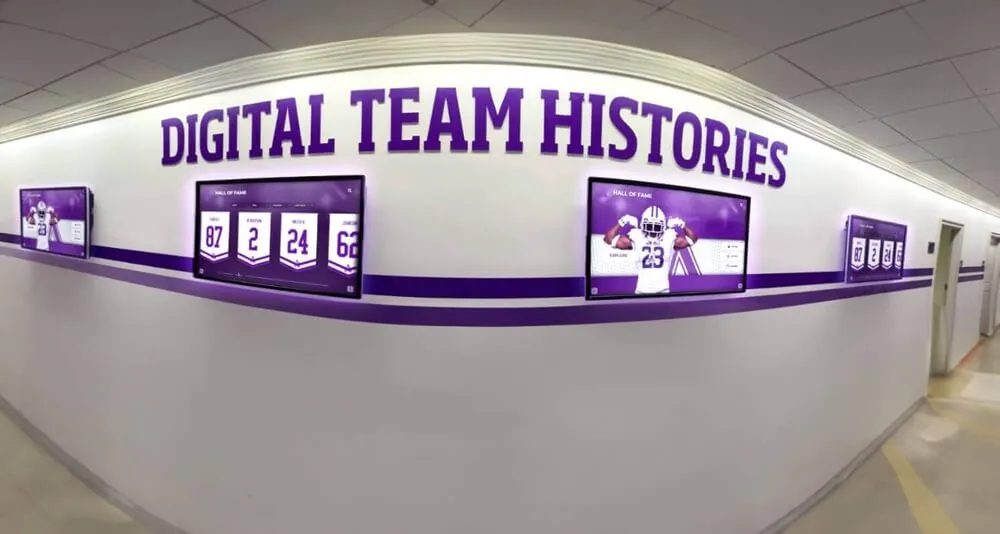
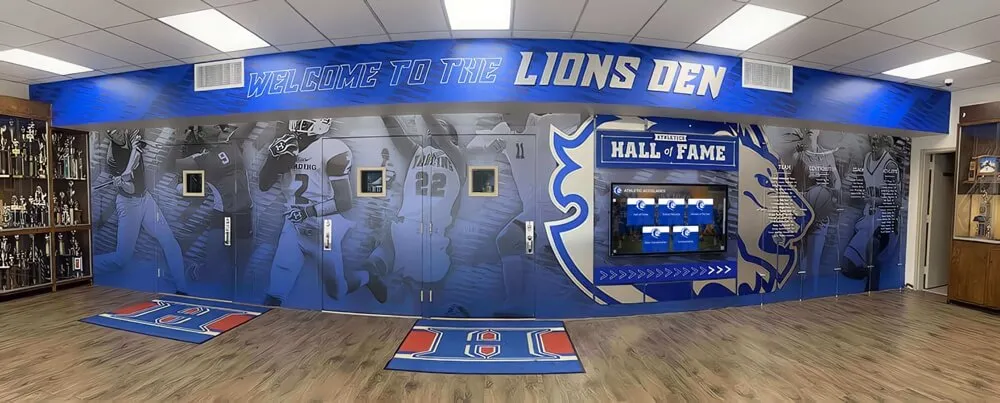
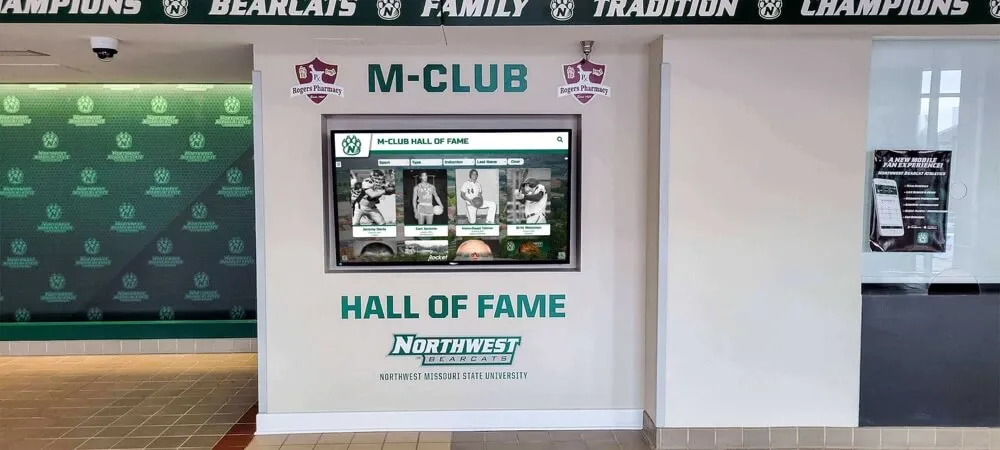
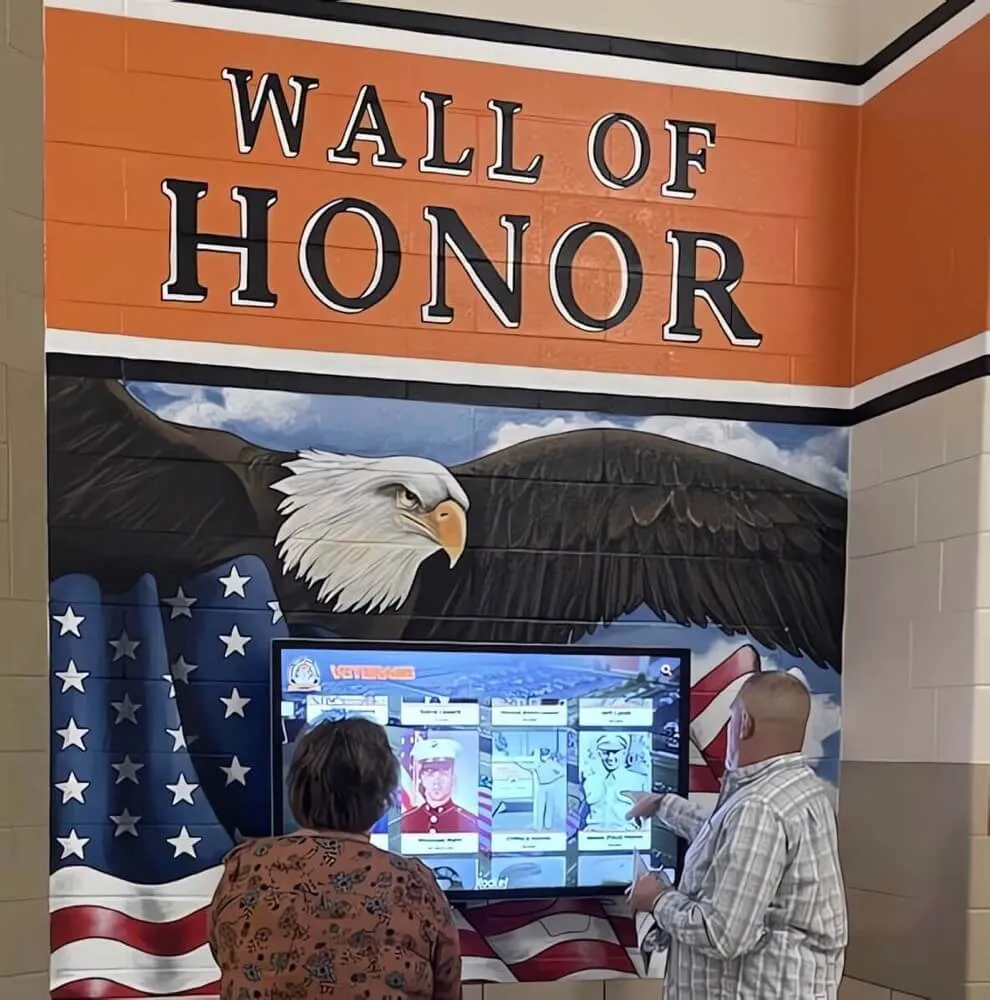
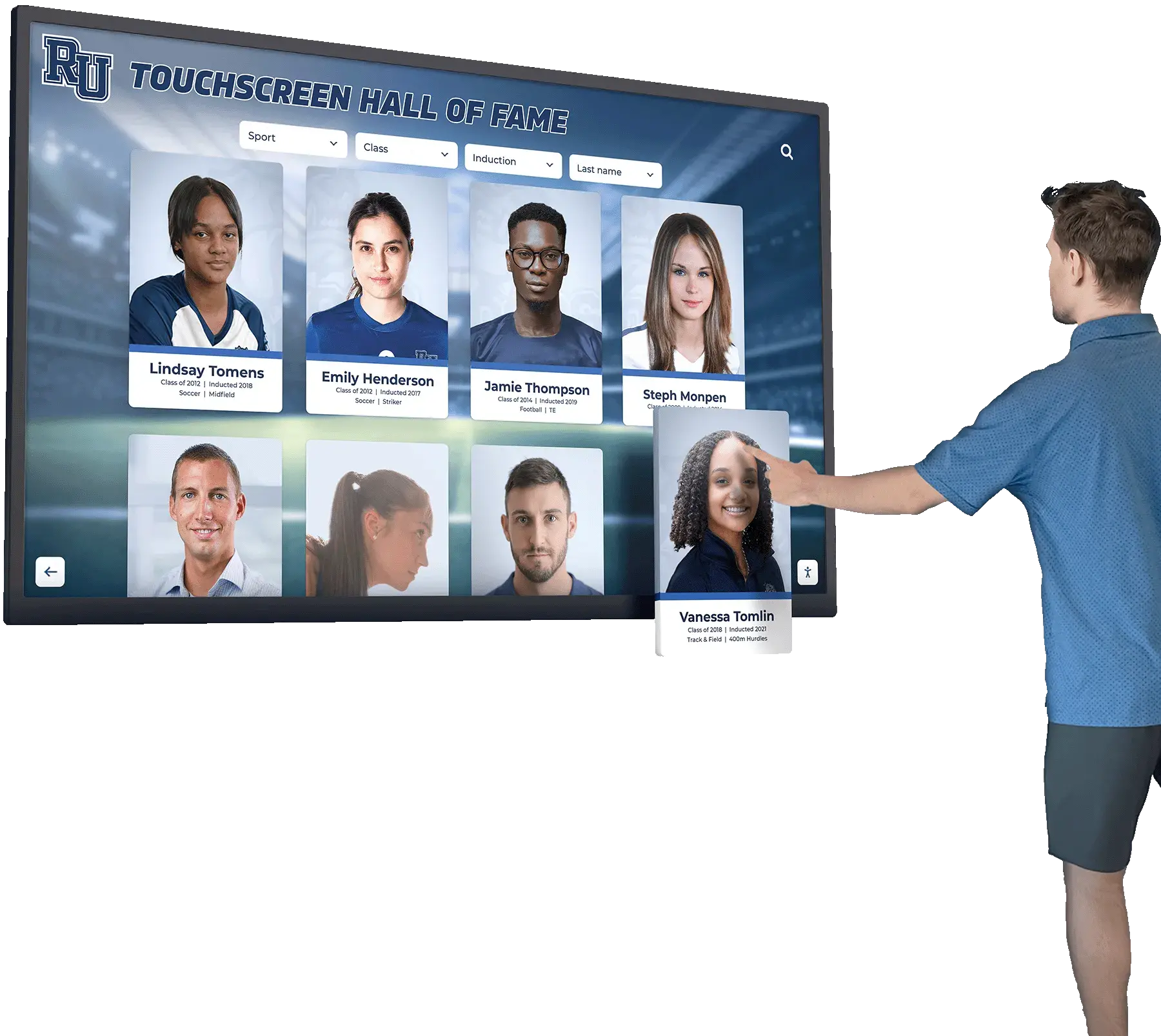
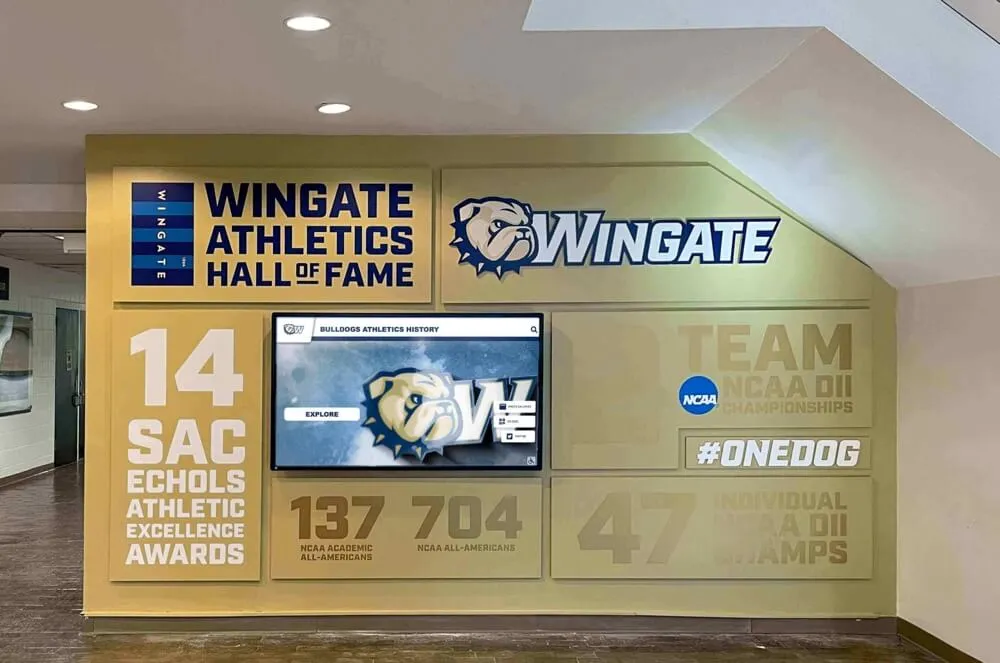
Modern recognition systems preserve graduation celebrations and graduate accomplishments beyond ceremony day
Understanding Graduation Ceremony Purpose and Significance
Before addressing logistics, consider what makes graduation ceremonies meaningful versus merely obligatory.
Multiple Stakeholder Perspectives
Graduation ceremonies serve diverse audiences with different needs:
Graduate Recognition and Transition
Students experience critical rites of passage:
- Formal acknowledgment of academic completion and achievement
- Public recognition among peers, family, and community
- Symbolic transition from student to graduate status
- Culmination of relationships with teachers, classmates, and institution
- Celebration launching next life chapter
- Memory creation through ceremony participation
- Validation that years of effort reached completion
For many students, graduation represents the first major formal ceremony where they receive individual public recognition.
Family Celebration and Pride
Parents and guardians seek meaningful experiences:
- Opportunity to celebrate children’s major milestone
- Formal ceremony marking parenting phase completion
- Visible demonstration of student achievement to extended family
- Photo opportunities documenting graduation day
- Recognition of family sacrifice supporting education
- Connection to school community and peers’ families
- Ceremonial closure enabling emotional transition
Graduation ceremonies often represent parents’ first opportunity to see their student acknowledged individually before the entire school community.
Institutional Mission Fulfillment
Schools achieve core educational objectives:
- Demonstration of successful student completion rates
- Celebration affirming institutional values and priorities
- Alumni network expansion and connection building
- Community visibility showcasing educational excellence
- Tradition continuation linking past and present graduates
- Senior recognition preserving graduate legacy
- Faculty acknowledgment celebrating teaching excellence
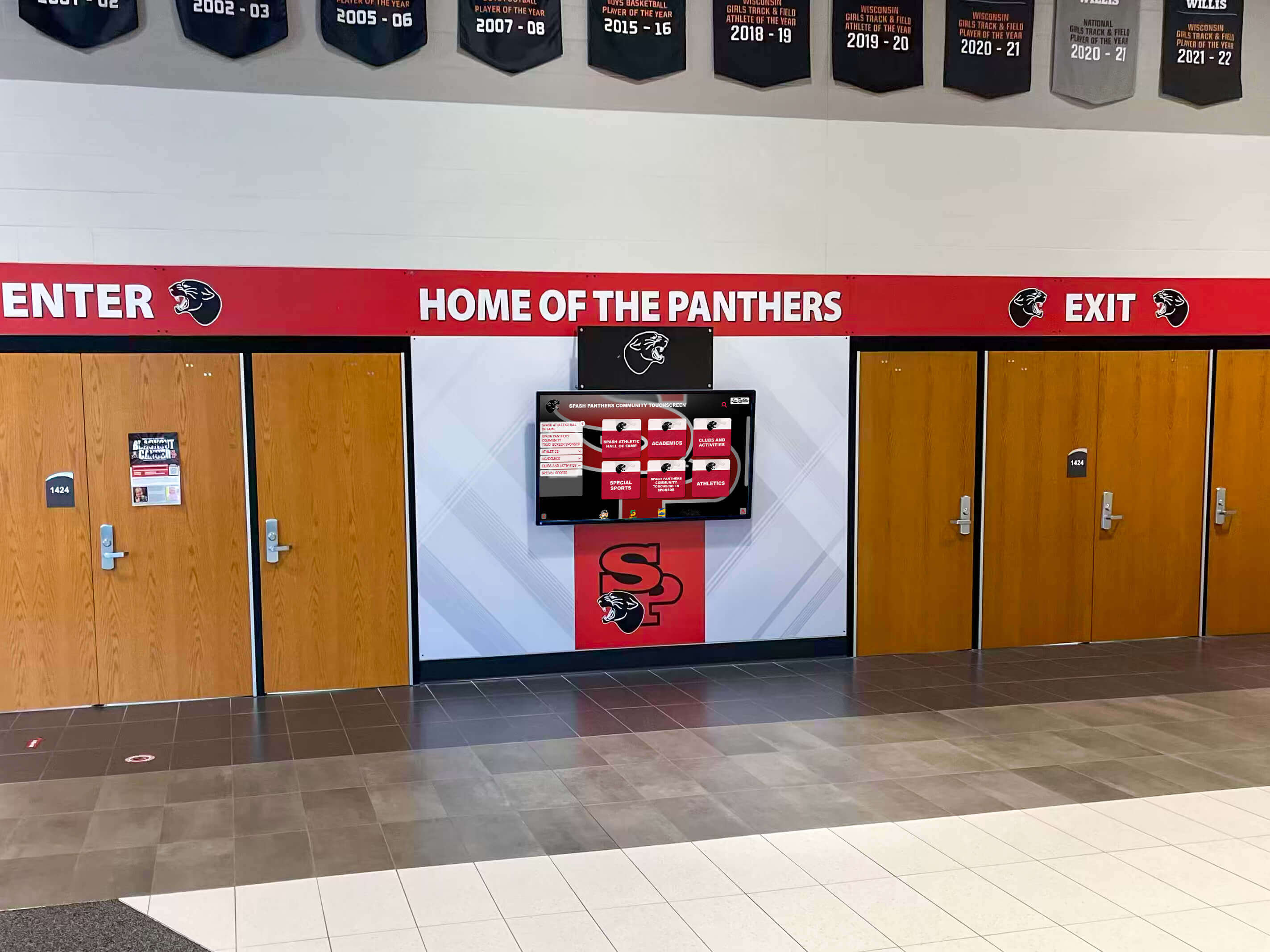
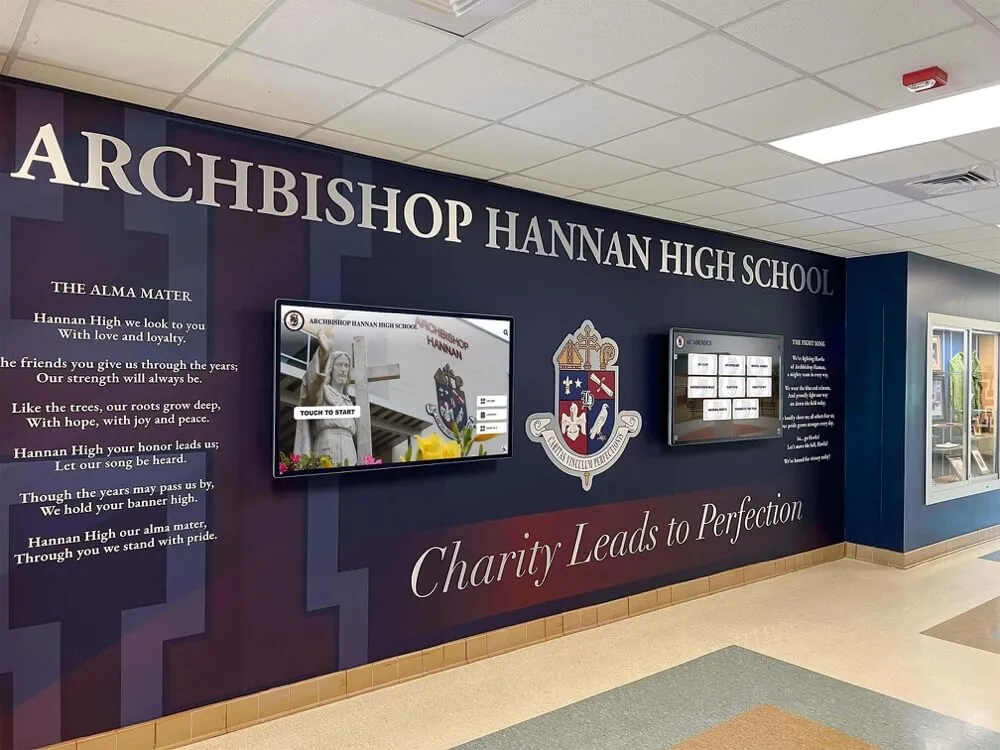
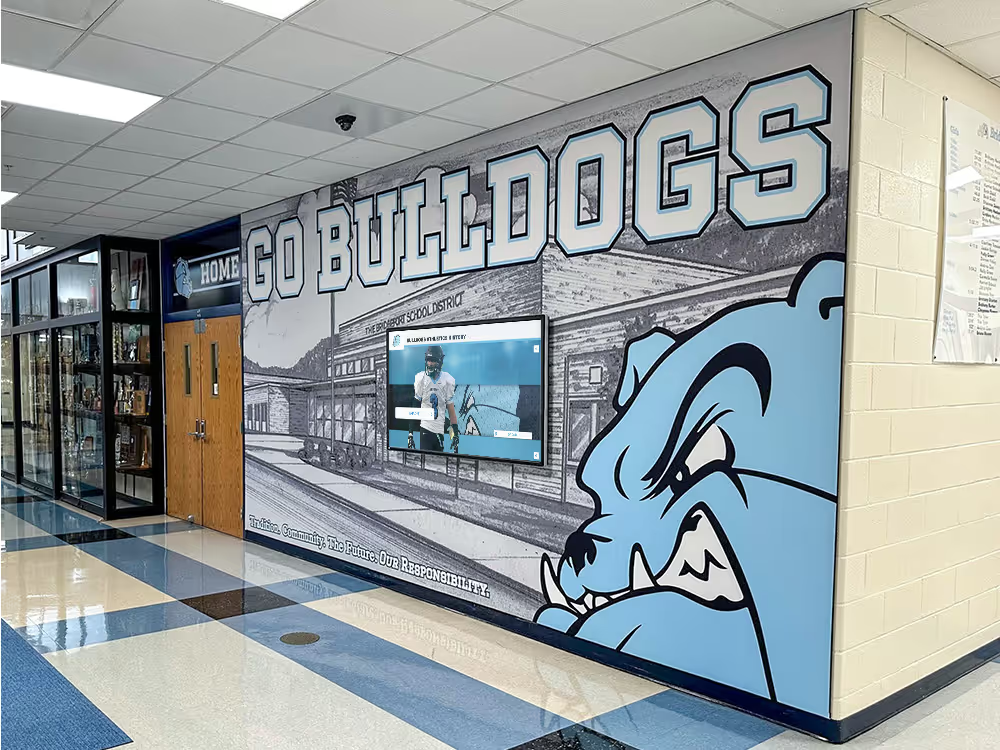
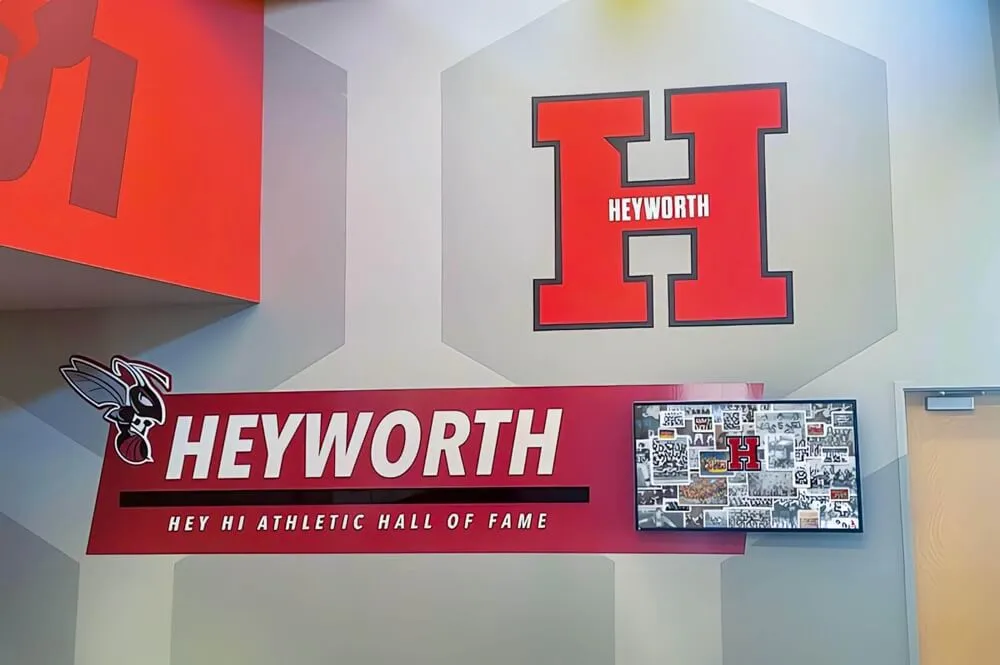
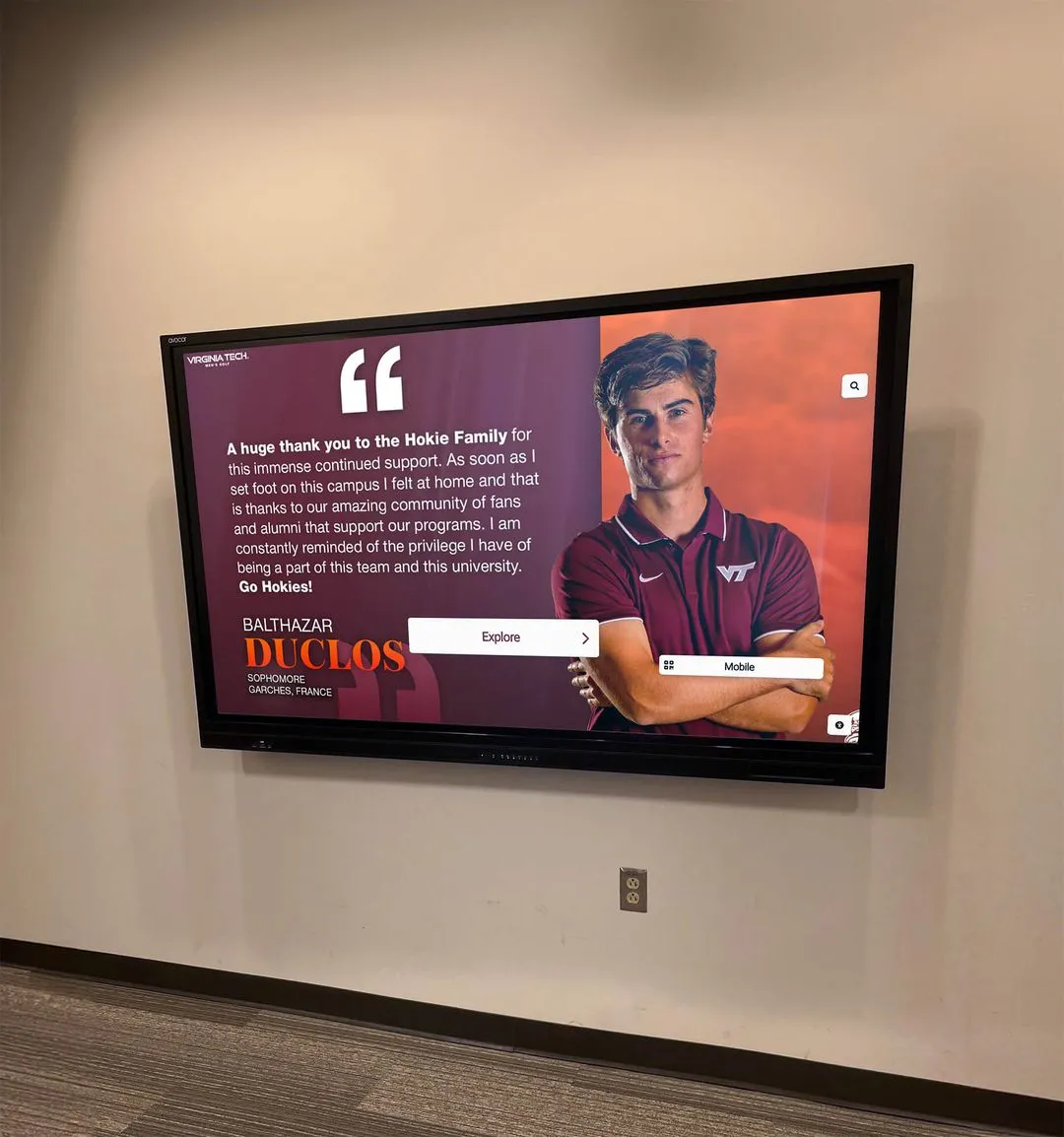
Entrance displays create welcoming environments for graduation guests while showcasing school tradition
Community Engagement Opportunities
Broader stakeholders participate in celebration:
- Board of education recognition of district achievement
- Business and community partner connection to schools
- Alumni engagement linking graduates across generations
- Media coverage promoting positive school narratives
- Elected official participation demonstrating education support
- Donor and supporter acknowledgment showing impact
Ceremony Format Considerations
Traditional approaches balance formality with celebration:
Processional Elements
Opening ceremony components:
- Faculty procession demonstrating institutional presence
- Administrative leadership and board member participation
- Graduate processional entering as formal cohort
- Class officer recognition leading class entrance
- Color guard presentation or national anthem
- Opening remarks welcoming attendees
- Ceremonial elements setting formal tone
Program Components
Core ceremony elements:
- Welcome and opening remarks from administration
- Salutatory address from class salutatorian
- Student speaker or class president remarks
- Faculty speaker representing teaching staff
- Special recognition for academic honors
- Guest speaker providing inspiration and perspective
- Valedictorian address as culminating student voice
- Diploma conferral and graduate recognition
- Turning of tassels marking official graduation
- Recessional and celebration
Balance program elements ensuring appropriate ceremony length while maintaining audience engagement throughout.
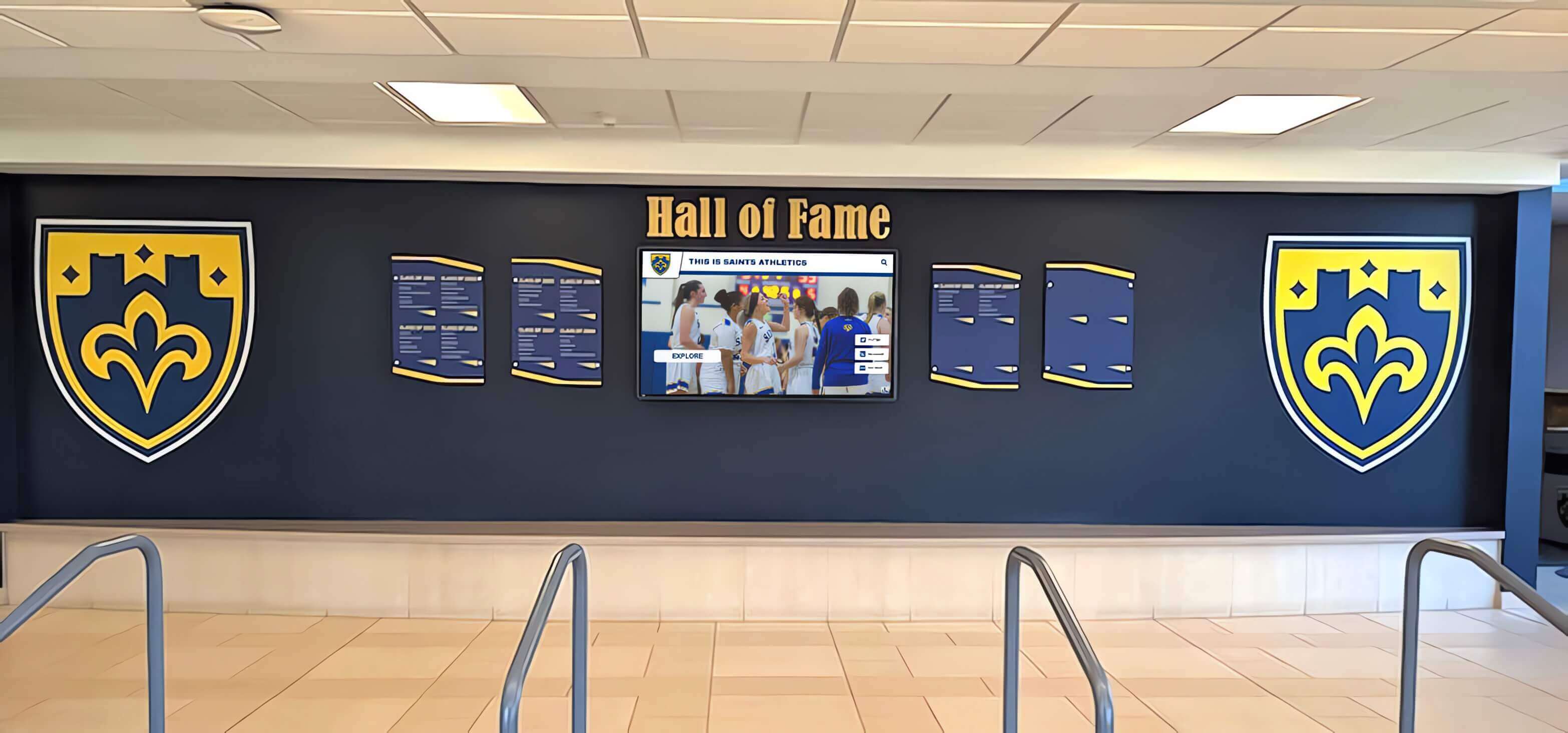
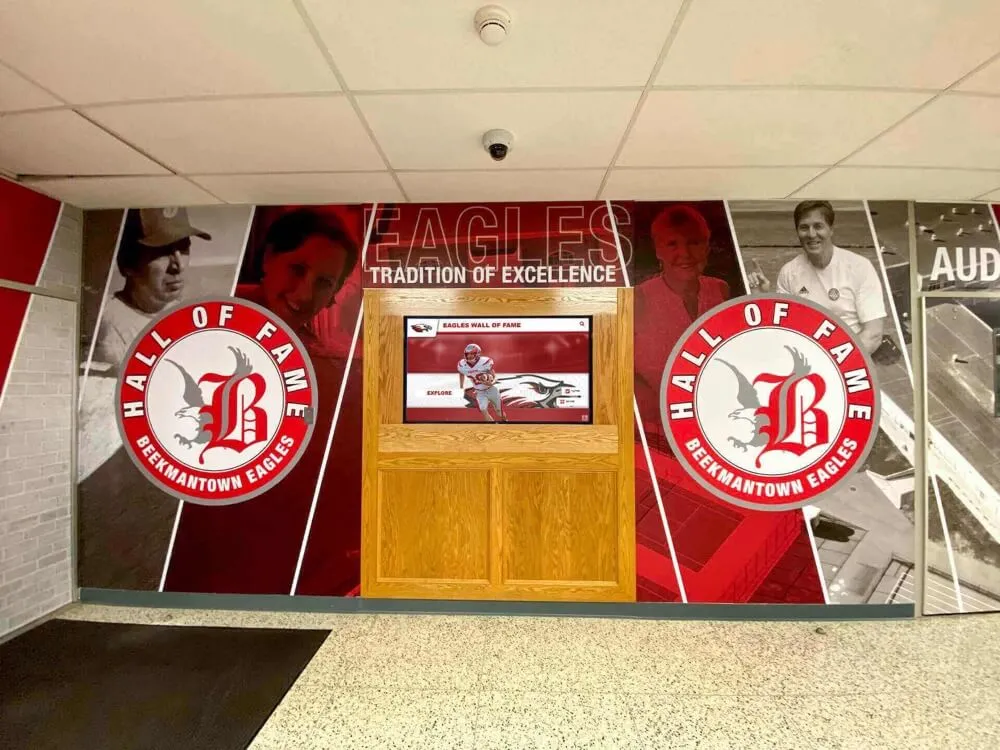
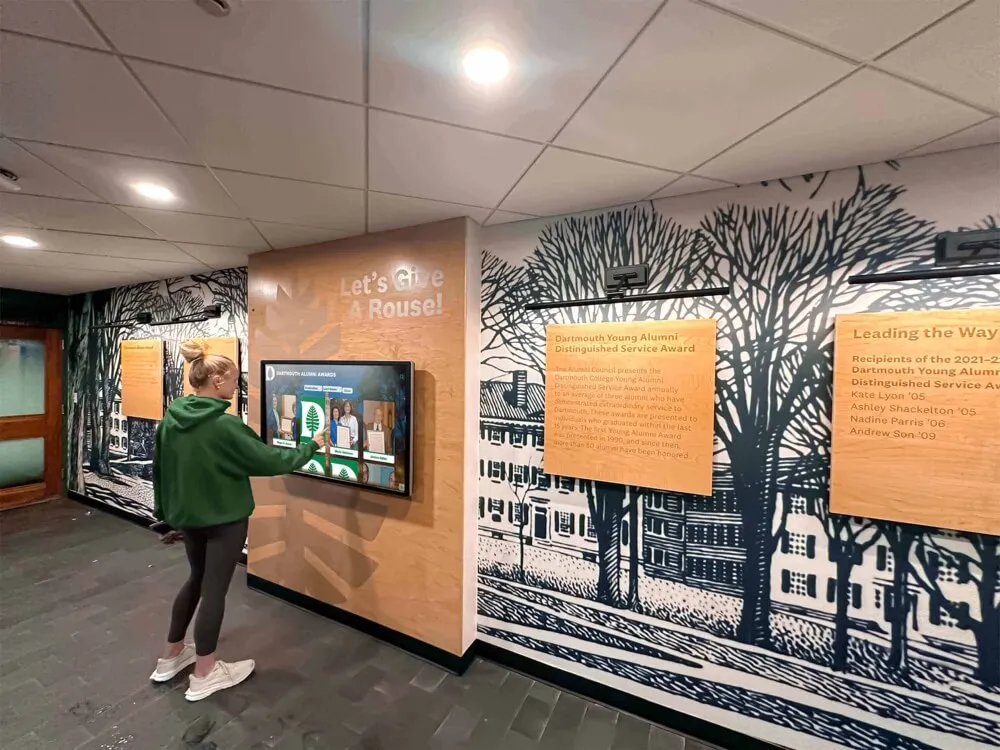
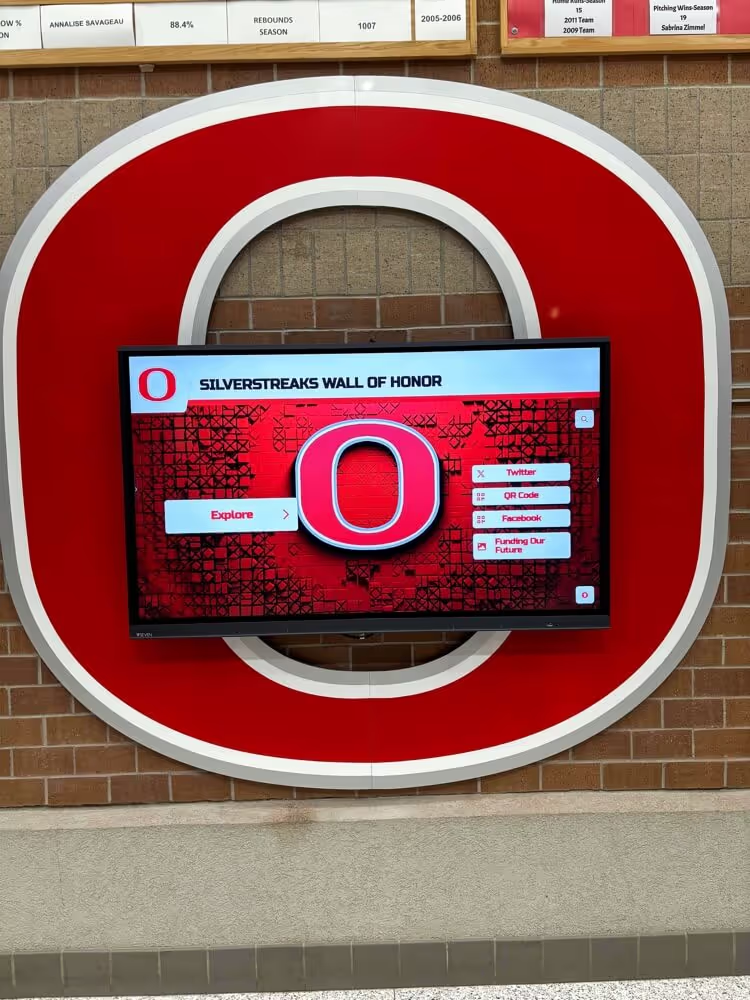
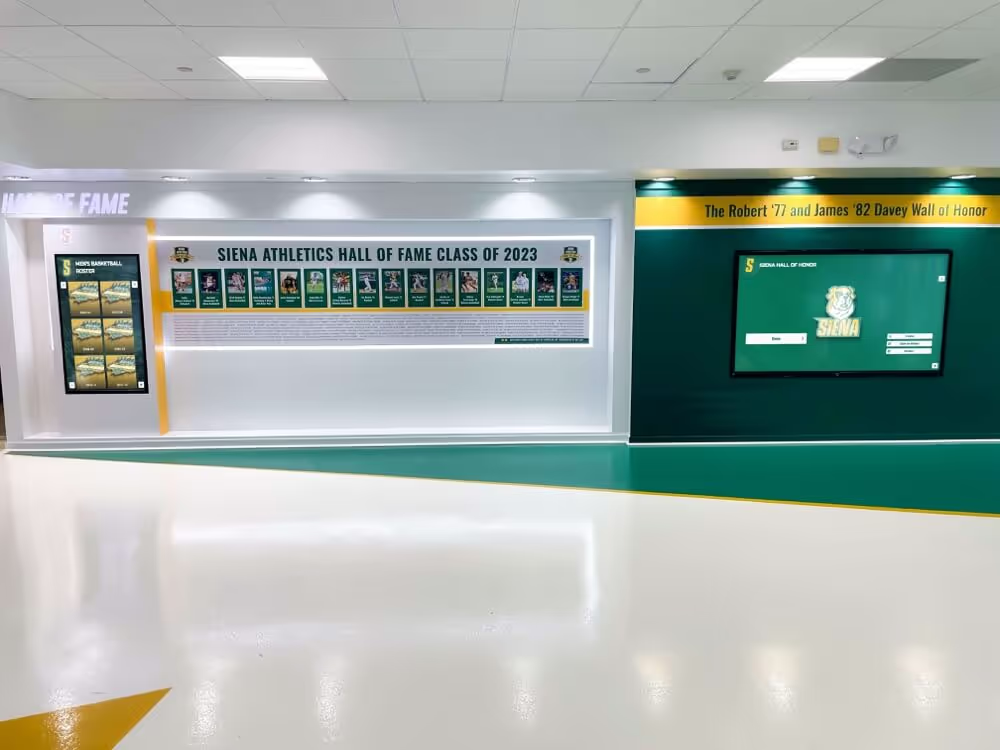
Recognition displays integrate graduation traditions with year-round acknowledgment
Graduation Planning Timeline and Logistics
Systematic planning prevents last-minute stress while ensuring professional execution.
Planning Timeline Development
Fall Semester Planning (September-December)
Early preparation enables comprehensive ceremonies:
- Form graduation planning committee with diverse representation
- Review previous year’s ceremony and identify improvements
- Establish ceremony date and time accounting for conflicts
- Reserve primary and backup venue facilities
- Budget development and funding source identification
- Academic regalia vendor selection and ordering timeline
- Initial speaker invitation and confirmation
- Graduate information collection systems development
Winter Planning Phase (January-March)
Mid-year activities maintain momentum:
- Venue walkthrough and logistics planning
- Rehearsal scheduling and communication planning
- Invitation and program design development
- Photography and videography vendor selection
- Security and crowd management planning
- Parking and traffic flow coordination
- Weather contingency plan development
- Speaker preparation and program refinement
Spring Execution Phase (April-June)
Final preparation brings plans to fruition:
- Graduate eligibility verification and honor determination
- Academic regalia distribution and fitting
- Ceremony rehearsal with graduates and staff
- Final program printing and materials preparation
- Vendor coordination and final confirmation
- Staff assignment and responsibility clarification
- Senior recognition display updates in facilities
- Post-ceremony celebration planning
- Media coordination and coverage facilitation
Adequate timeline prevents common failure points like insufficient rehearsal, rushed program decisions, and vendor scheduling conflicts.
Venue Selection and Logistics
Appropriate locations accommodate large crowds while maintaining ceremony dignity:
On-Campus Facility Options
School-based venues provide familiar settings:
Gymnasium or Auditorium
- Advantages: No rental cost, climate-controlled, familiar to graduates, adequate seating capacity, minimal transportation complexity
- Challenges: Limited guest capacity, potential acoustics issues, generic atmosphere, competing spring event scheduling
- Best for: Schools with adequate indoor capacity, budget-conscious celebrations, predictable weather regions
Outdoor Facilities
- Advantages: Larger capacity, beautiful setting, traditional graduation aesthetic, photo opportunities, natural ventilation
- Challenges: Weather dependence requiring backup plans, sound system complexity, guest comfort considerations, setup labor intensity
- Best for: Schools with suitable fields, pleasant June weather regions, large graduating classes exceeding indoor capacity
Off-Campus Venue Considerations
External locations offer expanded options:
Convention Centers or Arenas
- Significantly larger capacity accommodating unlimited guests
- Professional facilities with established event infrastructure
- Climate control eliminating weather concerns
- Neutral territory providing fresh setting
- Rental costs and transportation logistics
- Advanced booking required during busy graduation season
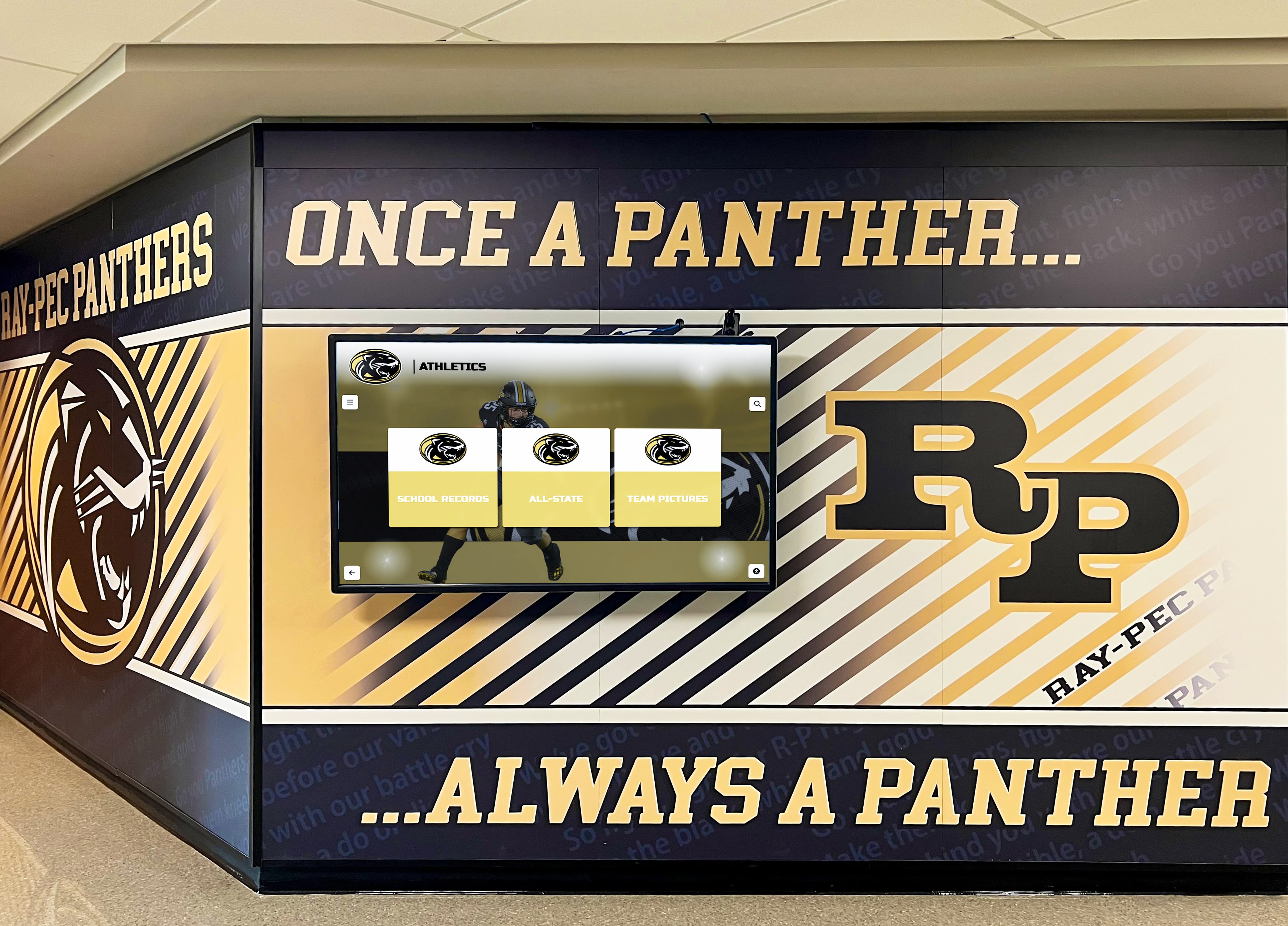
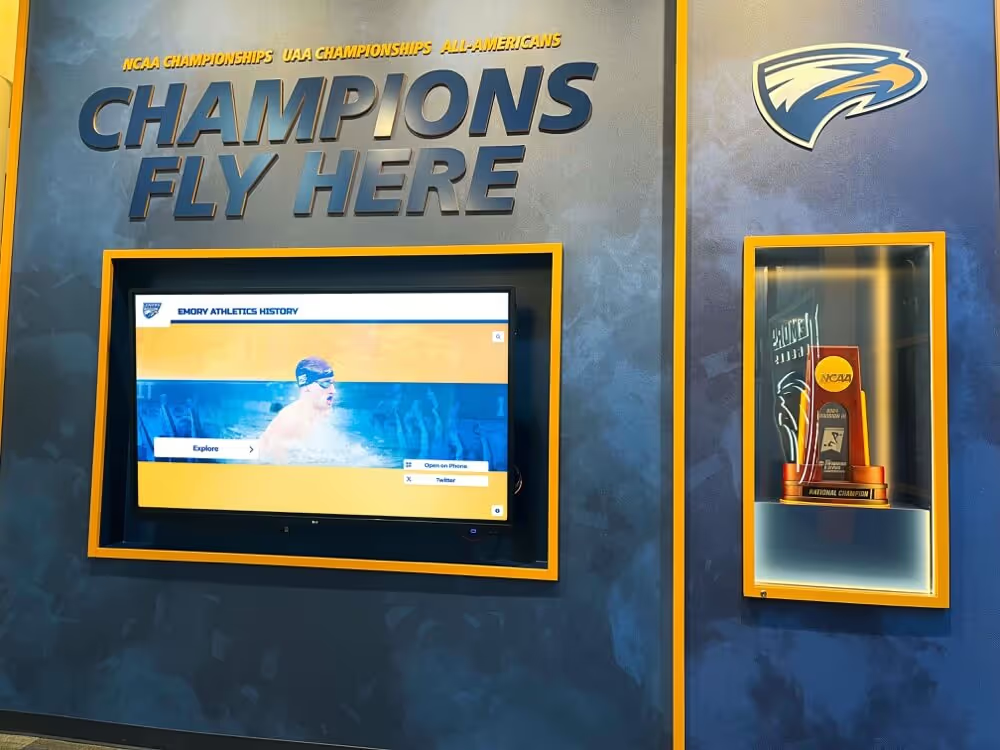
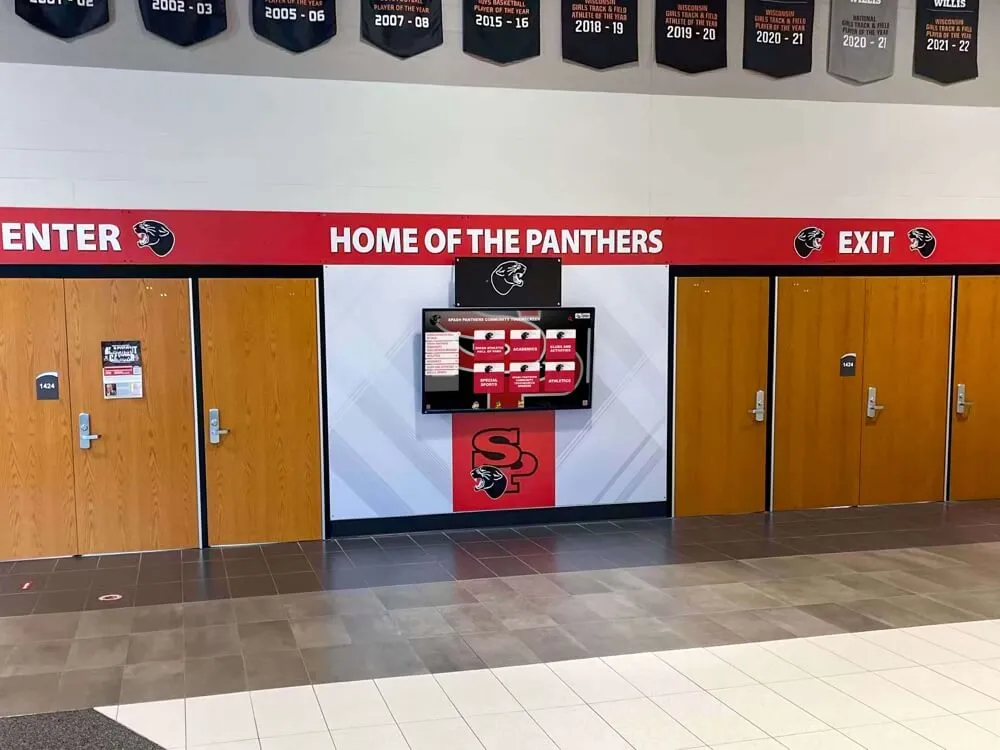
Facility displays provide graduation day wayfinding while showcasing school achievement
College or University Facilities
- Prestigious setting elevating ceremony formality
- Large capacity with established graduation infrastructure
- Symbolism connecting high school to college transition
- Coordination complexity with external institution
- Potential scheduling conflicts with university graduations
Outdoor Parks or Special Venues
- Unique memorable settings differentiating ceremony
- Beautiful backdrops for photos and memories
- Significant logistical complexity
- Weather backup requiring indoor alternative
- Permitting and facility rental considerations
Venue Selection Criteria
Evaluate options systematically:
- Graduate capacity plus guests (typically 4-8 guests per graduate)
- Accessibility for attendees with mobility limitations
- Parking adequacy and traffic flow patterns
- Acoustic quality and sound system infrastructure
- Stage and platform space for ceremony participants
- Climate control or weather protection
- Restroom facilities adequate for large crowds
- Cost considerations and budget alignment
- Setup and breakdown timeline requirements
- Backup facility availability for weather contingencies
Academic Regalia and Materials Coordination
Proper attire and materials ensure ceremonial formality:
Cap and Gown Procurement
Systematic ordering process:
- Vendor selection balancing quality with affordability
- School color and design specifications
- Sizing timeline enabling proper fitting
- Ordering deadline ensuring delivery before ceremony
- Distribution process and payment collection
- Rental versus purchase decision based on budget
- Keepsake versus return requirements
- Cleaning and return logistics if applicable
Honor Distinction Recognition
Visual identification of special achievement:
- Honor cords for academic recognition
- Stoles for special programs or organizations
- Sashes for club or activity leadership
- Medals for valedictorian, salutatorian, and top scholars
- Pin or badge distinction for National Honor Society
- Policy development regarding appropriate distinction display
- Communication ensuring understanding of honor cord meaning
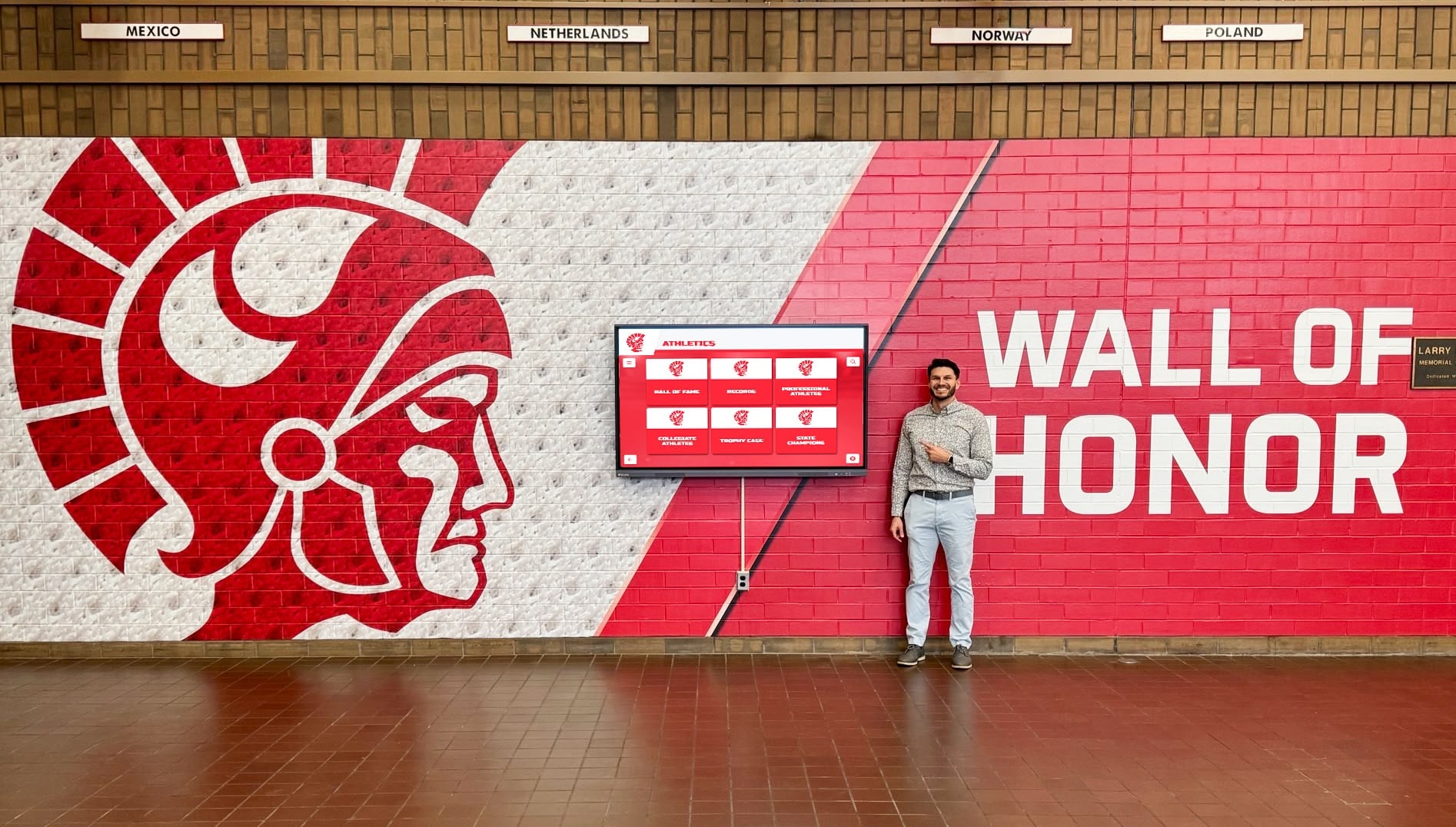
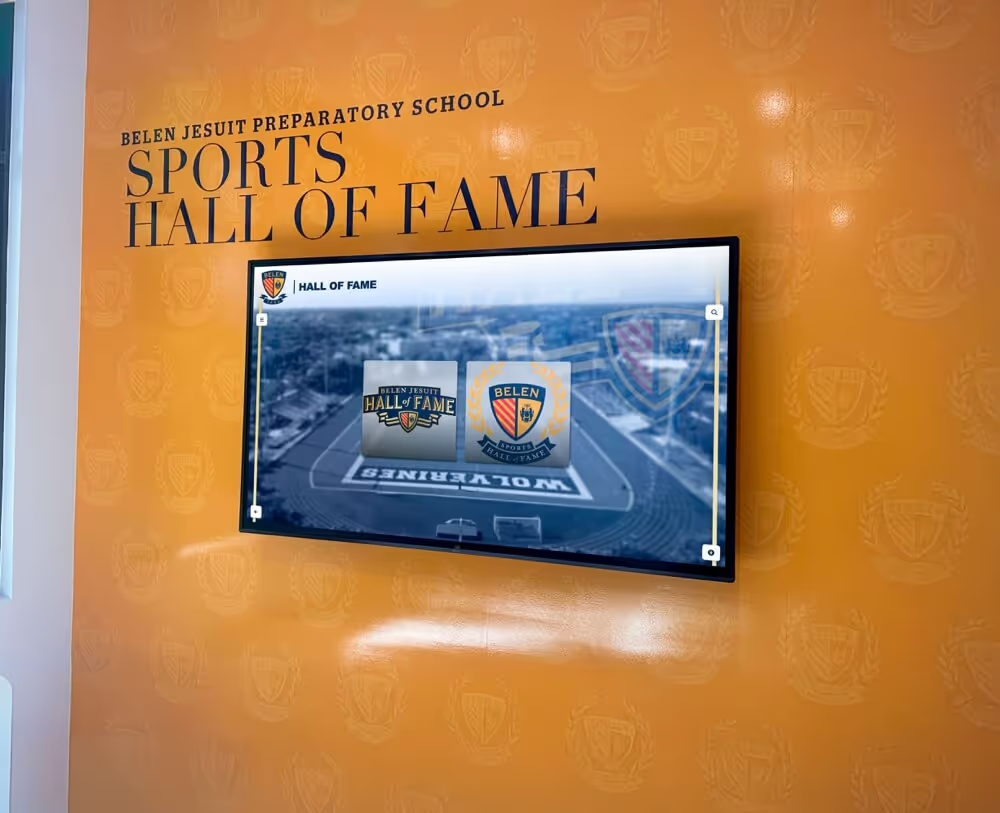
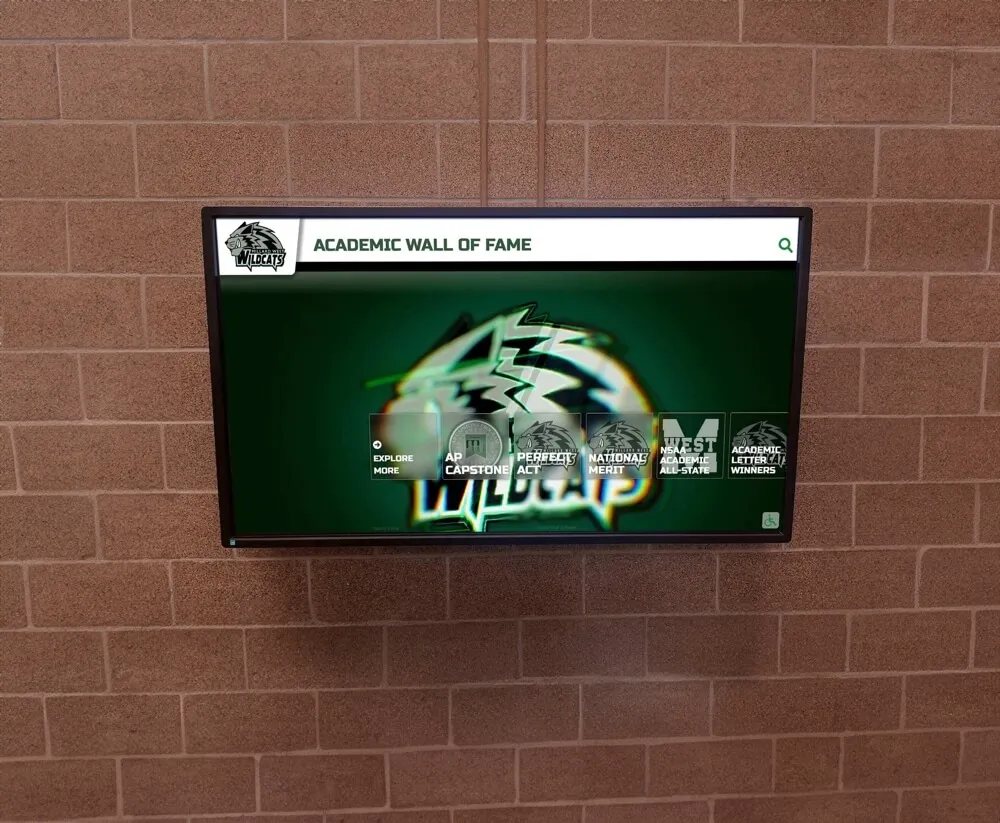
Permanent displays document graduation honors and academic distinctions beyond ceremony day
Program Materials Development
Professional printed materials:
- Graduate listing in processional order
- Honor graduate designation and special recognition
- Program agenda and timing
- Speaker biographies providing context
- Institutional history or mission statement
- Senior class achievements and statistics
- Acknowledgments for supporters and volunteers
- Digital program alternatives reducing printing costs
Diploma Preparation
Credential management:
- Official diploma printing with appropriate signatures
- Diploma cover selection reflecting school branding
- Alphabetical organization for efficient distribution
- Backup diploma system for name pronunciation needs
- Empty cover distribution option if diplomas pending
- Security measures preventing loss or damage
- Post-ceremony pickup process for absent graduates
Managing the Ceremony Experience
Execution quality significantly affects graduation memorability:
Rehearsal Planning and Execution
Thorough practice ensures smooth ceremony:
Graduate Rehearsal Requirements
Comprehensive preparation session:
- Mandatory attendance policy with clear expectations
- Processional order and spacing instruction
- Stage crossing and diploma receiving practice
- Tassel turning timing and direction
- Proper decorum and behavior expectations
- Cell phone and device usage policies
- Photography timing and designated moments
- Recessional procedure and dismissal process
Staff and Volunteer Coordination
Behind-scenes team preparation:
- Greeter and usher training for guest management
- Stage manager and diploma presenter coordination
- Name reader practice ensuring proper pronunciation
- Music director and sound system operation
- Photography and videography coordination
- Security and crowd management assignments
- Emergency response procedure review
- Communication system testing (radios, phones)
Processional and Ceremony Flow
Strategic sequencing maintains engagement:
Processional Organization
Opening ceremony impact:
- Faculty entering first demonstrating institutional presence
- Administrative leadership and board members
- Graduate marshal or class officers leading class
- Alphabetical graduate entry enabling family identification
- Processional music selection and timing
- Photography opportunities during entry
- Seating arrangement enabling efficient diploma distribution
- Stage setup allowing smooth flow
Diploma Conferral Efficiency
Individual recognition without excessive length:
- Name reading with proper pronunciation
- Brief pause enabling applause acknowledgment
- Diploma handoff from appropriate dignitary
- Photo opportunity with administrator or board president
- Handshake or congratulatory greeting
- Controlled exit maintaining flow
- 5-10 seconds per graduate enabling 350-700 graduates per hour
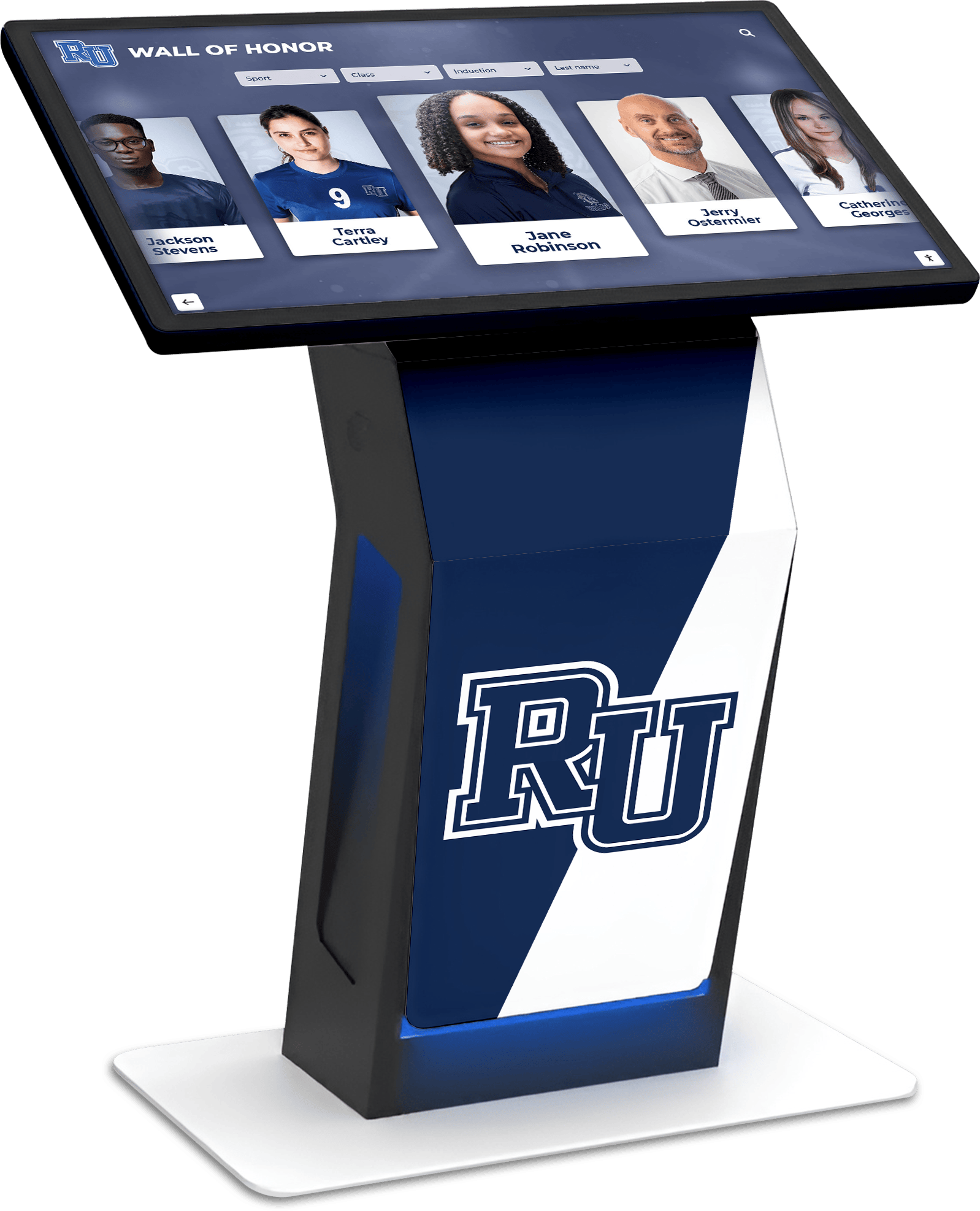
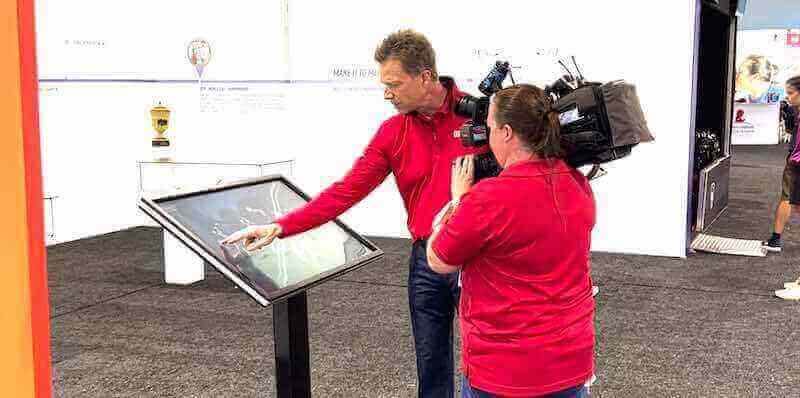
Recognition kiosks enable graduates and families to explore achievements before and after ceremony
Managing Ceremony Length
Balancing completeness with audience endurance:
- Total ceremony 90-120 minutes maximum for typical class
- Speaker time limits enforced respectfully but firmly
- Efficient transitions between program elements
- Strategic placement of standing or participation moments
- Reasonable graduate processing pace maintaining dignity
- Pre-ceremony music and seating period
- Post-diploma reception enabling extended celebration
Speaker Selection and Management
Engaging speakers enhance ceremony memorability:
Guest Speaker Criteria
Selecting compelling voices:
- Alumni who achieved notable success demonstrating pathway
- Community leaders providing relevant perspective
- College representatives discussing higher education
- Business leaders connecting education to careers
- Motivational speakers inspiring graduate action
- Faculty members representing teaching dedication
- Graduate parents offering family perspective
Speaker Preparation Support
Ensuring quality presentations:
- Clear time limit communication (typically 8-12 minutes)
- Audience demographic information and context
- Ceremony theme or messaging guidance
- Appropriate content guidelines and expectations
- Technology and presentation equipment availability
- Rehearsal or preparation consultation
- Backup speaker contingency for emergencies
Student Speaker Selection
Representing graduate voice:
- Valedictorian address as traditional top academic honor
- Salutatorian remarks providing additional perspective
- Class president representing student government
- Selection committee-chosen speakers ensuring diverse representation
- Application or audition process for competitive selection
- Speech review balancing authenticity with appropriateness
- Practice and coaching support
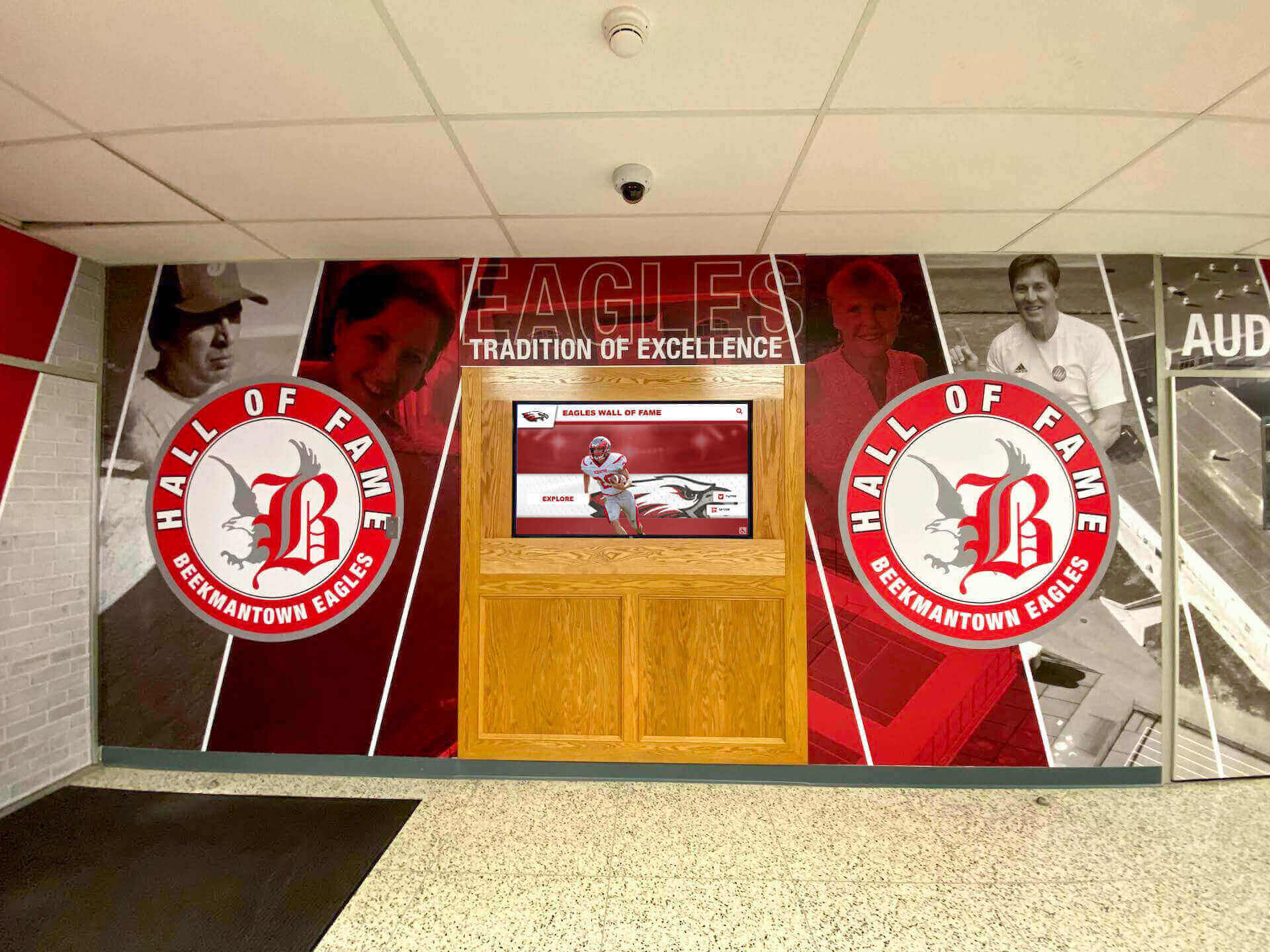
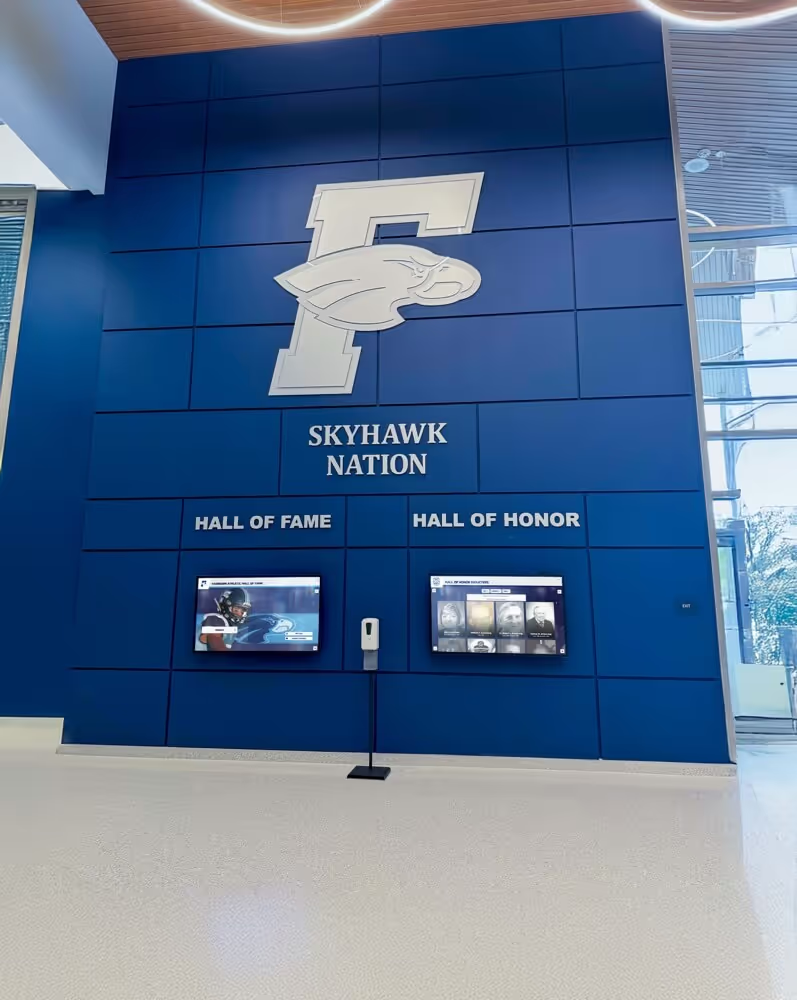
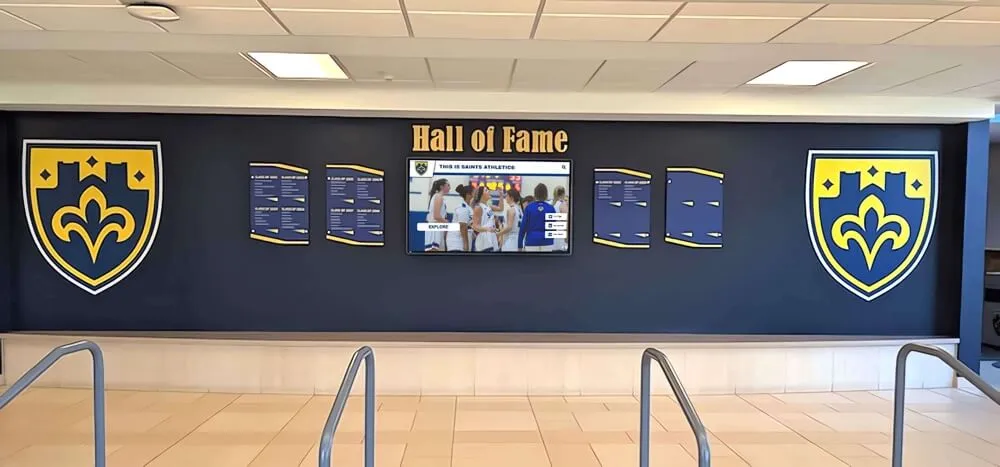
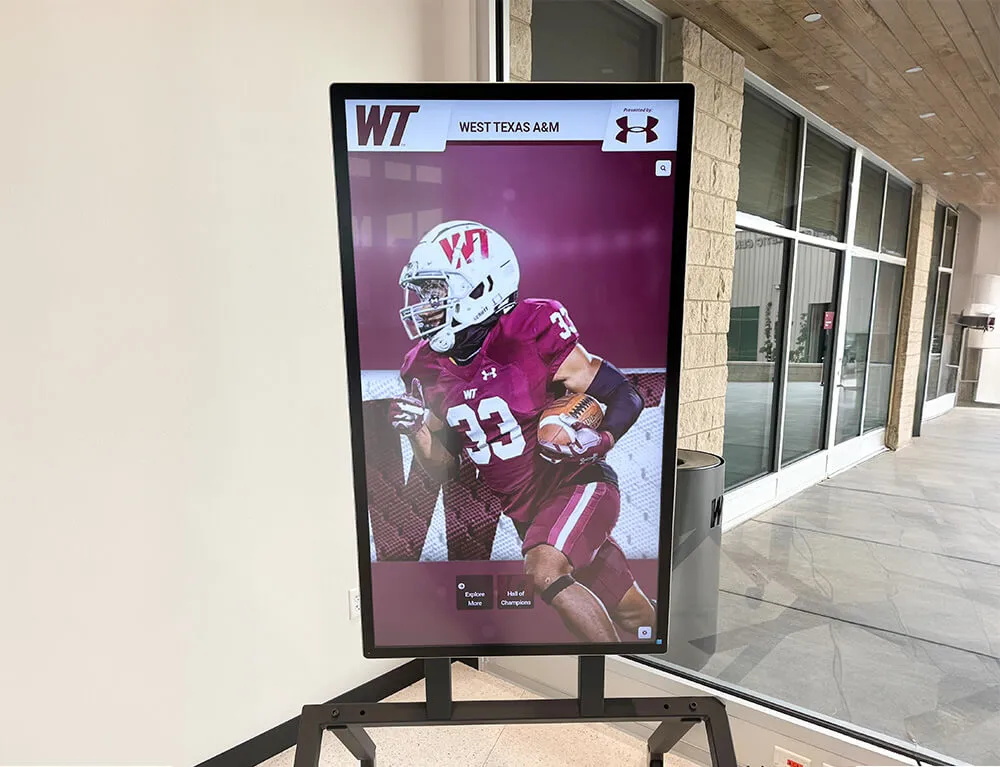
Lobby displays create impressive environments for graduation day visitors while preserving school tradition
Graduate Recognition Beyond Ceremony Day
Effective recognition extends celebration beyond single events:
Special Achievement Acknowledgment
Formal recognition of exceptional accomplishment:
Academic Honor Recognition
Celebrating intellectual achievement:
- Valedictorian and salutatorian formal introduction
- Summa cum laude, magna cum laude, cum laude designation
- Academic awards for departmental excellence
- Perfect attendance throughout high school
- College scholarship winner acknowledgment
- Advanced Placement Scholar recognition
- State and national honor society membership
Athletic and Extracurricular Excellence
Comprehensive achievement celebration:
- State championship team or individual recognition
- All-state and all-conference athlete acknowledgment
- Athletic signing day and college commitment honors
- Performing arts achievement and competition success
- Student government and leadership recognition
- Community service hour milestones
- Special talent or unique accomplishment acknowledgment
Post-Secondary Pathway Recognition
Honoring future plans:
- College acceptance and enrollment celebration
- Military service commitment acknowledgment
- Career and technical certification completion
- Apprenticeship or employment pathway recognition
- Gap year or service year appreciation
- Entrepreneurial venture support
Digital Recognition Systems Integration
Modern platforms extend graduation celebration:
Permanent Graduate Recognition
Year-round acknowledgment solutions:
Schools increasingly complement graduation ceremonies with permanent digital recognition displays showcasing graduate achievements throughout years:
- Senior class profiles with photos and accomplishments
- Graduate destination tracking (colleges, careers, military)
- Academic honor and achievement documentation
- Activity and leadership role preservation
- Senior tribute videos and photo galleries
- Alumni network connection enabling ongoing engagement
Solutions like Rocket Alumni Solutions enable schools to transform single-day graduation ceremonies into permanent acknowledgment accessible year-round through interactive touchscreen displays in main entrances, guidance offices, and common areas.
Searchable Graduate Archives
Historical preservation benefits:
- Alumni browsing enabling graduate self-discovery
- Family access to graduate profiles and achievements
- Reunion event integration connecting class years
- Institutional memory preservation across decades
- Mobile access extending reach beyond physical campus
- Social media integration amplifying recognition
- Analytics tracking engagement and usage patterns
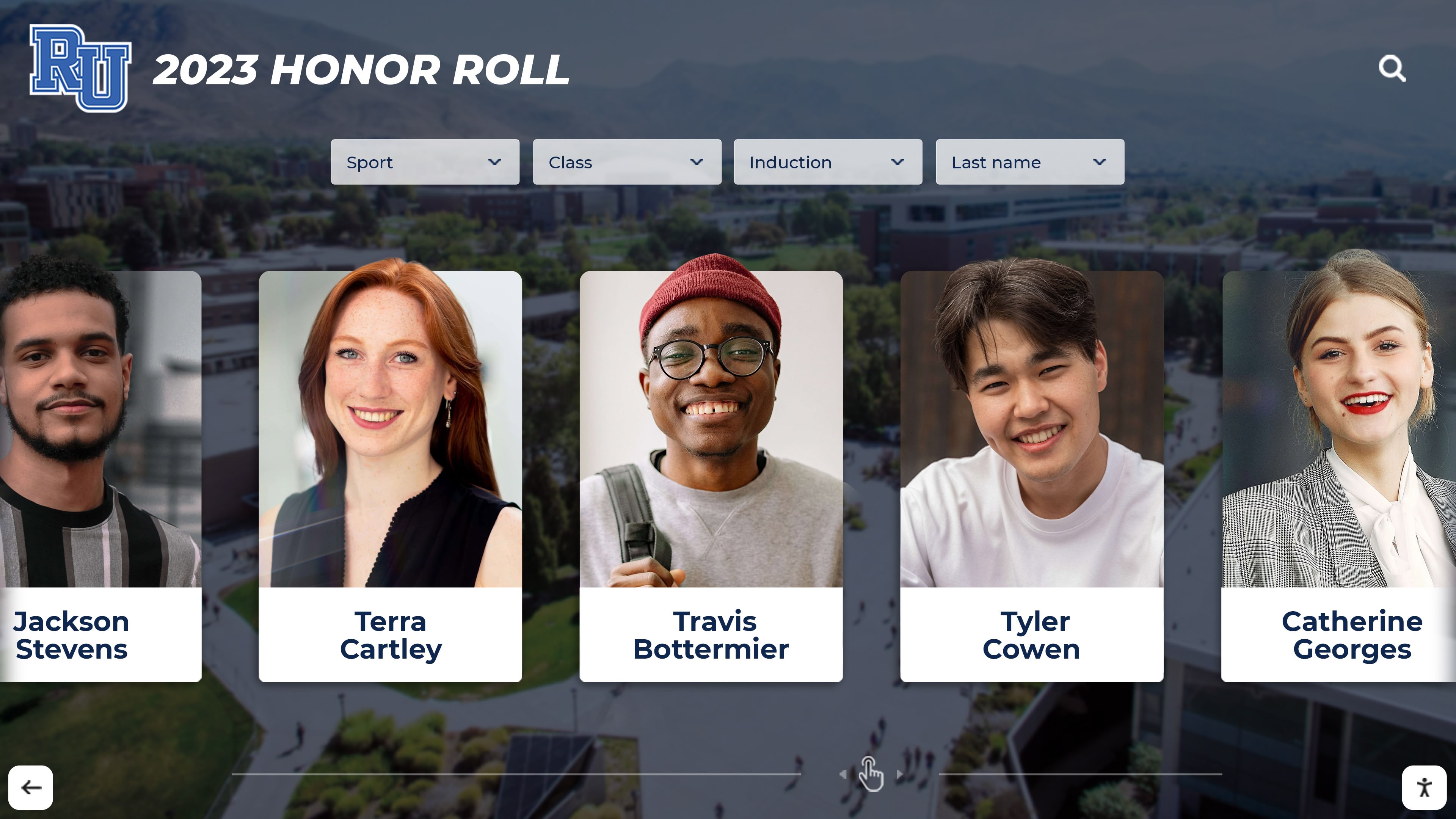
Individual graduate profiles preserve achievements and provide permanent acknowledgment
Addressing Common Ceremony Challenges
Proactive planning prevents typical complications:
Weather Contingency Planning
Outdoor ceremony backup strategies:
Decision Timeline Development
Clear weather call procedures:
- Decision deadline (typically 2-4 hours before ceremony)
- Weather monitoring and forecasting sources
- Administrator authority designating decision maker
- Communication cascade to graduates, families, staff
- Multiple notification channels (email, text, social media, website)
- Rain date alternative versus indoor relocation
- Vendor notification and adjustment coordination
Indoor Backup Preparation
Alternative venue readiness:
- Pre-arranged indoor facility reservation
- Reduced guest capacity communication
- Ticket or reservation system implementation
- Simulcast or overflow viewing area setup
- Modified ceremony program adapted to space
- Dual setup preparation for uncertain weather
- Graduate and family advance communication
Crowd Management and Security
Large gathering safety considerations:
Guest Access and Seating
Efficient crowd flow:
- Reserved graduate family seating versus general admission
- Ticket distribution limiting guests if capacity constrained
- Early arrival encouragement preventing overcrowding
- Multiple entrance points reducing congestion
- Clear signage directing guests
- Accessible seating for guests with disabilities
- Overflow areas or simulcast for excess guests
Security and Emergency Planning
Safety protocol development:
- Law enforcement or security presence
- Bag check or screening if appropriate
- Emergency exit identification and communication
- Medical response plan and first aid availability
- Severe weather shelter procedures
- Communication system enabling rapid response
- Prohibited item policy and enforcement
Graduate Behavior and Decorum
Maintaining ceremony dignity:
Expectation Communication
Clear behavioral standards:
- Pre-ceremony rehearsal instruction
- Written guidelines distributed in advance
- Family communication about appropriate conduct
- Consequence clarification for violations
- Celebration moment designation (tassel turning)
- Photography policy enforcement
- Post-diploma celebration boundaries
Addressing Disruptions
Handling challenges gracefully:
- Staff positioned to address issues discretely
- Removal protocols for serious violations
- Diploma withholding for egregious behavior
- Family education about disruption impact
- Positive reinforcement of appropriate behavior
- Celebration opportunity timing reducing disruption urge
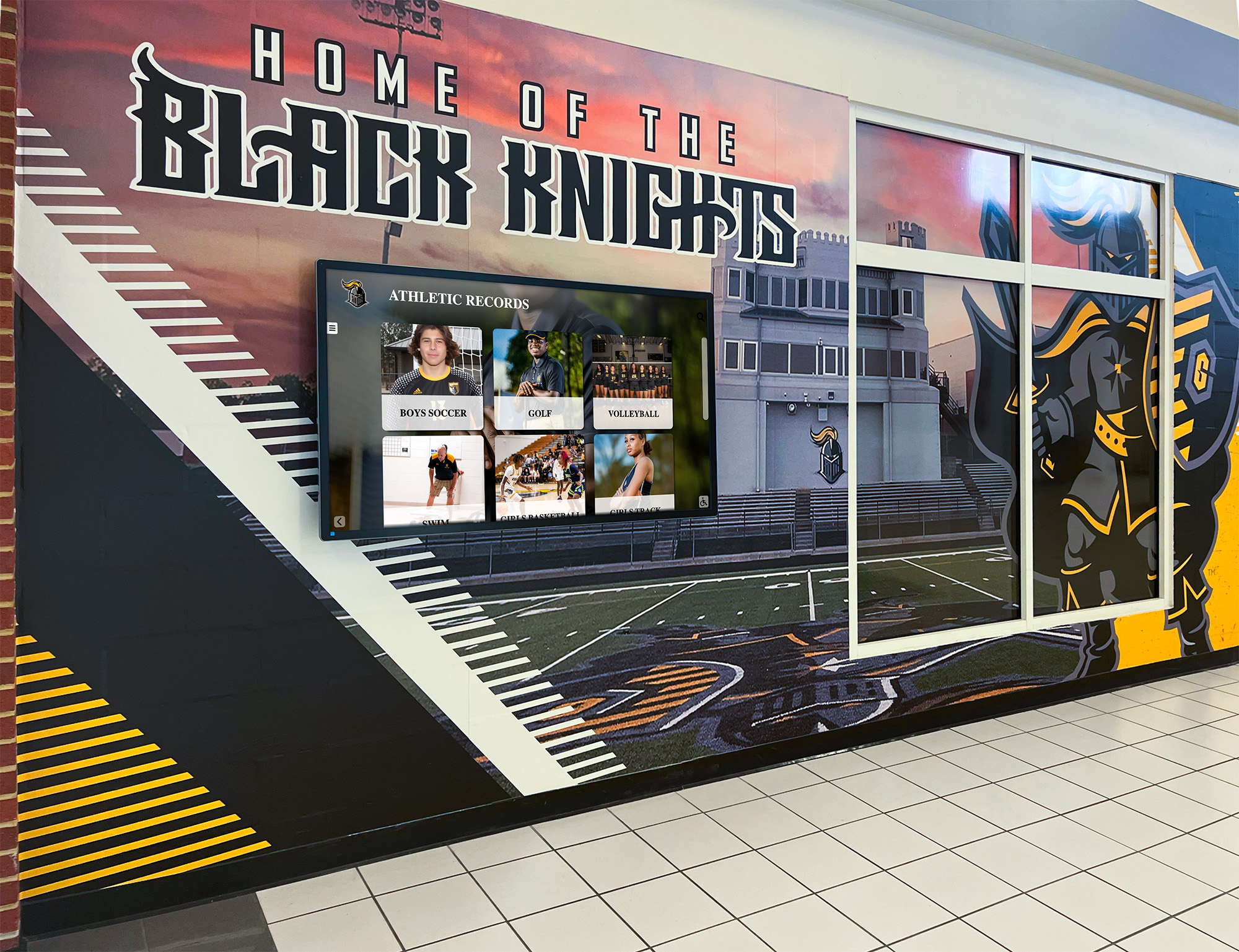
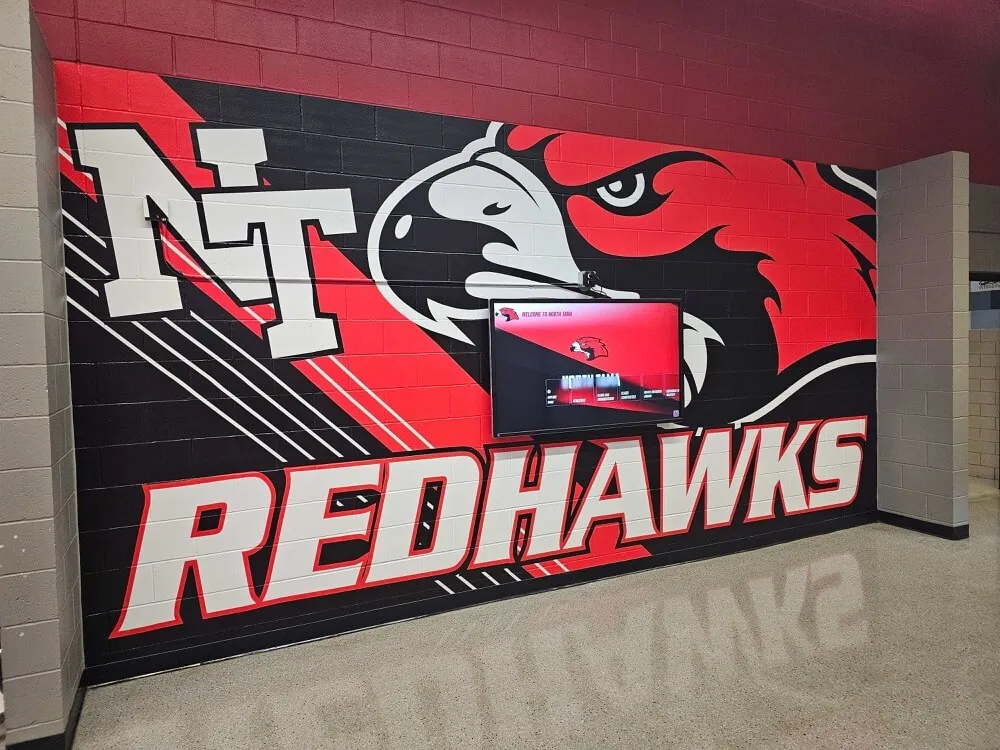
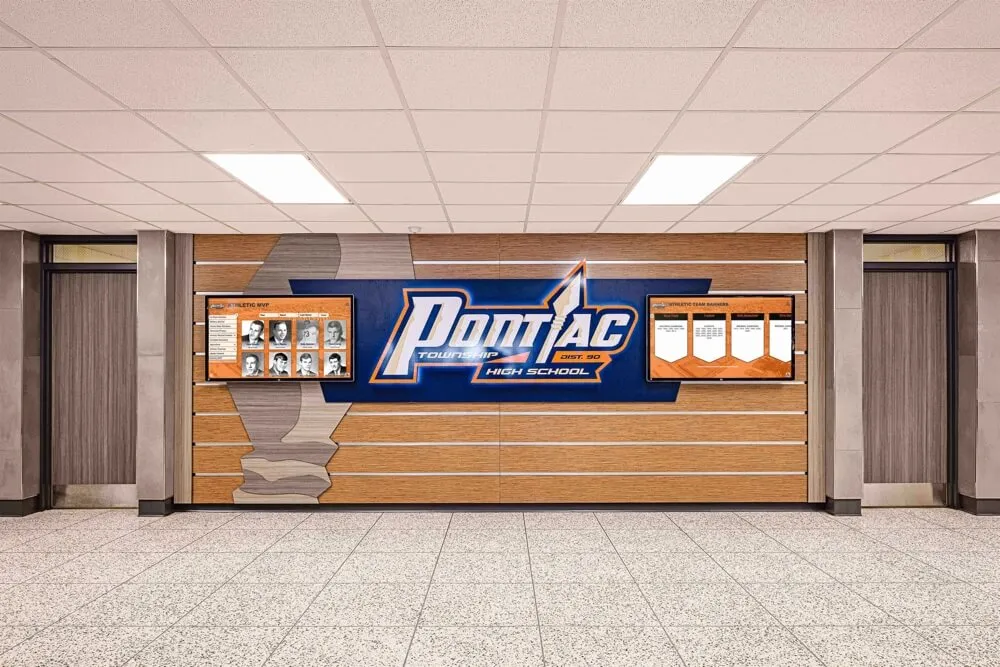
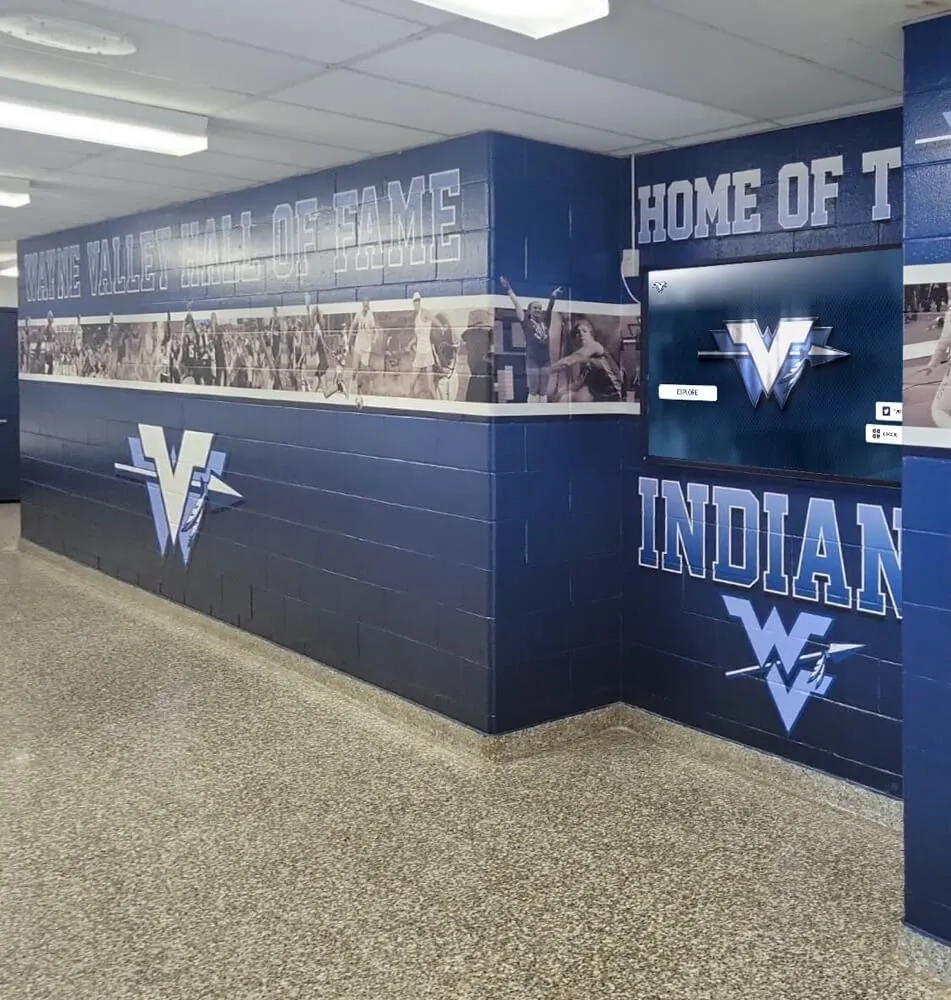
Hallway displays integrate graduation recognition with ongoing school achievement celebration
Post-Ceremony Considerations
Ceremony conclusion begins next phase:
Immediate Post-Ceremony Activities
Structured celebration transition:
Recessional and Dismissal
Organized conclusion:
- Graduate recessional maintaining processional dignity
- Controlled family reunion area or process
- Photography opportunity designation
- Faculty and staff appreciation moment
- Facility exit flow preventing congestion
- Lost and found coordination
- Immediate venue breakdown if required
Celebration Reception Options
Extended gathering opportunities:
- School-hosted reception with refreshments
- Designated photo opportunity locations
- Senior class gathering space
- Faculty congratulations receiving line
- Interactive displays enabling graduate exploration
- Organized dismissal preventing chaos
- Family restaurant or celebration coordination
Documentation and Archival
Preserving ceremony memories:
Photography and Videography
Professional documentation:
- Professional ceremony photography capturing key moments
- Individual graduate portrait during diploma receipt
- Full ceremony video recording
- Family photo opportunity management
- Digital photo gallery creation and sharing
- Yearbook integration and publication
- Alumni association archive preservation
- Social media appropriate content sharing
Graduate Records Management
Administrative documentation:
- Diploma distribution verification
- Graduate contact information collection
- Alumni database enrollment
- Transcript finalization and distribution
- Honor designation official recording
- Ceremony attendance documentation
- Post-secondary destination tracking
- Historical record preservation
Alumni Transition Support
Launching graduate success:
Alumni Network Introduction
Ongoing connection development:
- Alumni association membership invitation
- Reunion planning and communication
- Career networking and mentorship opportunities
- Continued school connection encouragement
- Alumni recognition programs acknowledging accomplishments
- Digital platforms enabling continued engagement
- School pride cultivation throughout alumni life
Resource Connection
Post-graduation support:
- College transition resources and guidance
- Career exploration and job search assistance
- Community service opportunities
- Returning graduate speaker programs
- Financial literacy and life skills support
- Mental health and wellness resources
- Scholarship and opportunity communication
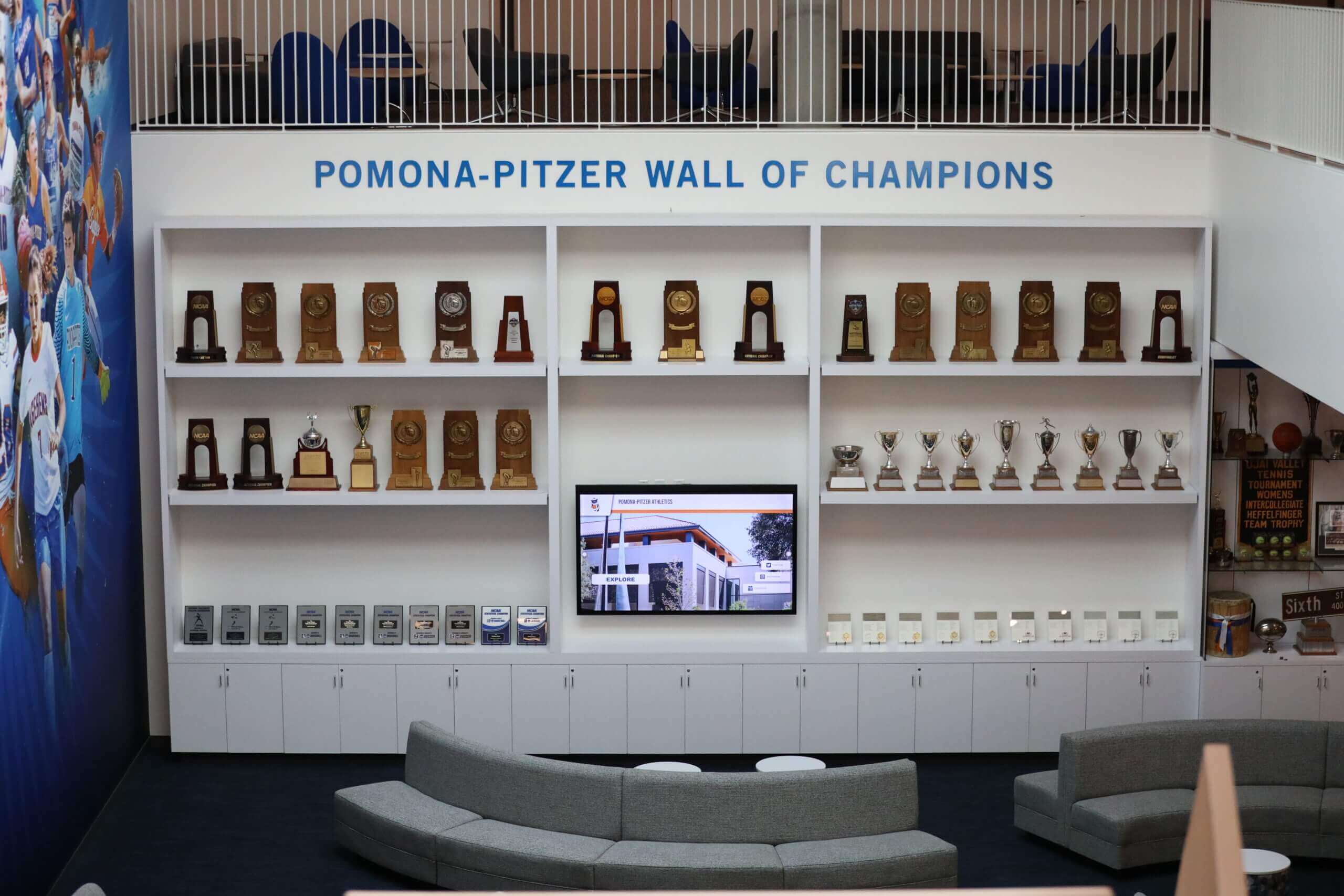
Recognition spaces celebrate graduate achievements alongside ongoing institutional excellence
Budget Considerations and Cost Management
Resource-conscious ceremony planning:
Essential versus Optional Expenses
Prioritizing ceremony investments:
Required Core Costs
Fundamental ceremony expenses:
- Venue rental if using external facility
- Academic regalia purchase or rental
- Diploma printing and covers
- Program printing and materials
- Sound system rental if not included
- Stage and seating setup if not permanent
- Security or staff overtime if required
- Insurance or permits if mandated
Value-Added Enhancement Costs
Optional improvements:
- Professional photography and videography
- Guest speaker honorarium or travel
- Ceremony flowers and decorations
- Reception refreshments
- Premium program printing
- Graduate gift or keepsake
- Video production and editing
- Digital recognition display systems
Cost Reduction Strategies
Budget-conscious approaches:
- On-campus venues eliminating rental fees
- Student or volunteer photography
- Digital programs reducing printing costs
- Simple decorations or school colors
- Graduate family contributions or fundraising
- Multi-class cost sharing for permanent investments
- Community sponsor partnerships
- Reusable ceremony infrastructure
Funding Sources and Partnerships
Revenue generation supporting ceremonies:
Traditional Funding Mechanisms
Standard support sources:
- School district operational budget allocation
- Senior class fundraising throughout four years
- Graduation fee charged to participating students
- PTO or booster club support
- Alumni association contributions
- Educational foundation grants
Community Partnership Opportunities
External support cultivation:
- Business sponsorships underwriting ceremony costs
- Local organization support for specific elements
- In-kind donations (flowers, printing, venues)
- Media partnership for documentation
- Vendor relationships offering educational discounts
- Community service organizations supporting graduates
Extend Graduation Celebration Beyond Ceremony Day
Discover how Touch Archive digital recognition displays help schools preserve graduation celebrations, showcase graduate achievements permanently, and create engaging experiences connecting alumni across generations. Interactive touchscreen systems provide unlimited capacity for graduate recognition while creating accessible archives inspiring current students.
Request a DemoConclusion: Creating Meaningful Graduation Celebrations
High school graduation ceremonies represent far more than administrative obligations—they provide crucial opportunities to formally acknowledge student achievement, celebrate families supporting education, honor faculty dedication, and launch graduates toward futures built on educational foundations. When planned thoughtfully with attention to logistics, meaningful recognition, engaging programs, and appropriate celebration, graduations become cherished memories graduates carry throughout their lives while reinforcing institutional values and community connections.
The planning frameworks explored in this guide provide comprehensive approaches for graduation ceremony development addressing venue selection, program design, regalia coordination, crowd management, and tradition building. Whether orchestrating intimate ceremonies for small graduating classes or managing large-scale events processing hundreds of graduates, core principles remain consistent: systematic planning preventing last-minute stress, meaningful recognition honoring diverse accomplishments, professional execution creating dignified experiences, and thoughtful follow-through preserving graduation memories permanently.
Most importantly, successful graduation ceremonies communicate that high school completion matters—that years of dedication deserve formal celebration, that diverse paths to graduation merit equal acknowledgment, and that educational achievement represents community value worthy of ceremonial recognition. These messages resonate powerfully with graduates while signaling to younger students that their own graduation moments await when they persist through challenges toward completion.
Modern technology increasingly enables schools to extend graduation recognition beyond single-day ceremonies. Solutions like Rocket Alumni Solutions help institutions create permanent digital displays showcasing graduate achievements, senior class profiles, and institutional history year-round through interactive touchscreen systems engaging students, families, alumni, and facility visitors continuously while preserving graduation traditions across decades.
Start planning your graduation ceremony today with confidence that systematic attention to purpose, logistics, recognition, and celebration will create experiences your graduates never forget. Every graduate who walks across your stage to receive their diploma represents educational mission fulfillment deserving appropriate ceremony and lasting acknowledgment inspiring the next generation of students pursuing their own graduation moments.
Ready to explore how interactive recognition displays can complement your graduation traditions while preserving graduate achievements permanently? Learn how Touch Archive helps schools create comprehensive recognition systems that honor graduation ceremonies, preserve graduate legacies, and strengthen alumni connections across generations through engaging digital displays accessible to school communities throughout years.