



High school gym renovation represents one of the most significant capital investments athletic directors will oversee during their careers. These multipurpose spaces serve as competition venues, community gathering centers, physical education classrooms, and the physical embodiment of athletic program identity. A well-planned gymnasium renovation enhances student-athlete experience, strengthens community connections, improves safety and accessibility, and creates modern environments where programs can thrive for decades.
Yet gym renovation planning presents complex challenges requiring careful coordination across competing priorities. Tight budgets demand strategic resource allocation between urgent infrastructure needs and aspirational improvements. Aging flooring systems, inadequate lighting, outdated scoreboards, overflowing trophy cases, and cramped locker facilities all compete for limited funding. Meanwhile, athletic directors must maintain operational continuity throughout construction, comply with evolving building codes, meet Title IX equity requirements, and balance stakeholder expectations from coaches, administrators, booster clubs, and community members who all envision different priorities.
The most successful high school gym renovation projects begin with comprehensive planning that establishes clear priorities, realistic budgets, and phased implementation strategies. Schools that invest time upfront examining facility needs, exploring modern solutions, and building consensus around renovation goals create athletic environments that serve diverse programs effectively while honoring tradition and building for the future.
This comprehensive guide walks athletic directors through every phase of high school gym renovation planning—from initial assessment through project completion—exploring strategies that maximize value, minimize disruption, and create facilities where students and communities gather with pride for generations.
Assessing Your High School Gym Renovation Needs
Before contacting architects or soliciting contractor bids, conduct systematic assessment establishing renovation priorities based on facility condition, program requirements, and institutional goals.
Facility Condition Evaluation
Start with honest appraisal of current gymnasium condition across critical systems:
Structural and Safety Assessment
Critical infrastructure requiring professional evaluation:
- Foundation integrity and structural soundness
- Roof condition and waterproofing performance
- HVAC system functionality and efficiency
- Electrical capacity and code compliance
- Plumbing systems including locker room facilities
- Fire suppression and alarm systems
- Emergency exits and egress requirements
- Bleacher safety and structural certification
Engage qualified inspectors assessing systems objectively. Deferred maintenance issues often prove more extensive and expensive than visual inspection suggests. Athletic directors discovering foundation issues or electrical deficiencies mid-renovation face budget overruns and extended timelines that proper assessment prevents.
Athletic Surface and Equipment Condition
Competition and practice spaces requiring evaluation:
- Gymnasium flooring age, condition, and remaining lifespan
- Court line marking clarity and sport configuration
- Wall padding safety and coverage adequacy
- Basketball goal systems functionality and safety
- Volleyball equipment and net systems
- Bleacher seating capacity, safety, and accessibility
- Locker room facilities, showers, and restroom adequacy
- Storage spaces for equipment and seasonal sports gear
Most gymnasium hardwood flooring systems serve 30-40 years with proper maintenance before requiring replacement. Athletic directors should obtain professional flooring assessment rather than relying solely on appearance—structural issues beneath visible surfaces often necessitate complete replacement versus simple refinishing.
Recognition and Display Infrastructure
Visual program identity elements requiring attention:
- Trophy case capacity and condition
- Championship banner mounting systems
- Scoreboard functionality and visibility
- Digital display systems (if present)
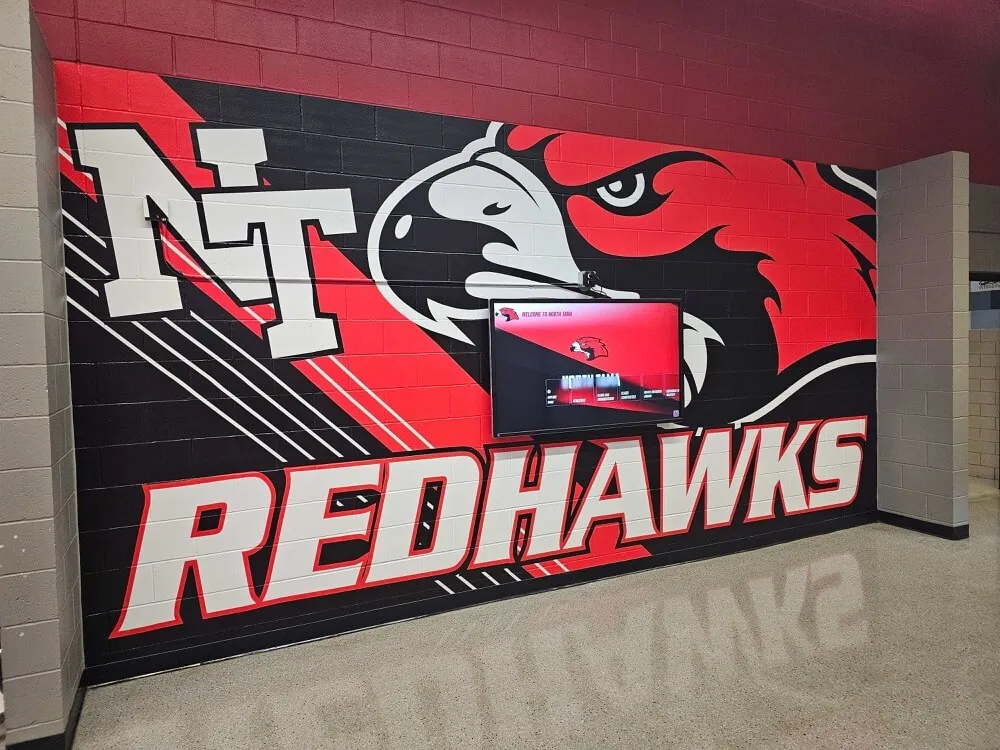
- Wall graphics, murals, and school branding
- Record boards and achievement displays
- Wayfinding signage and facility identification
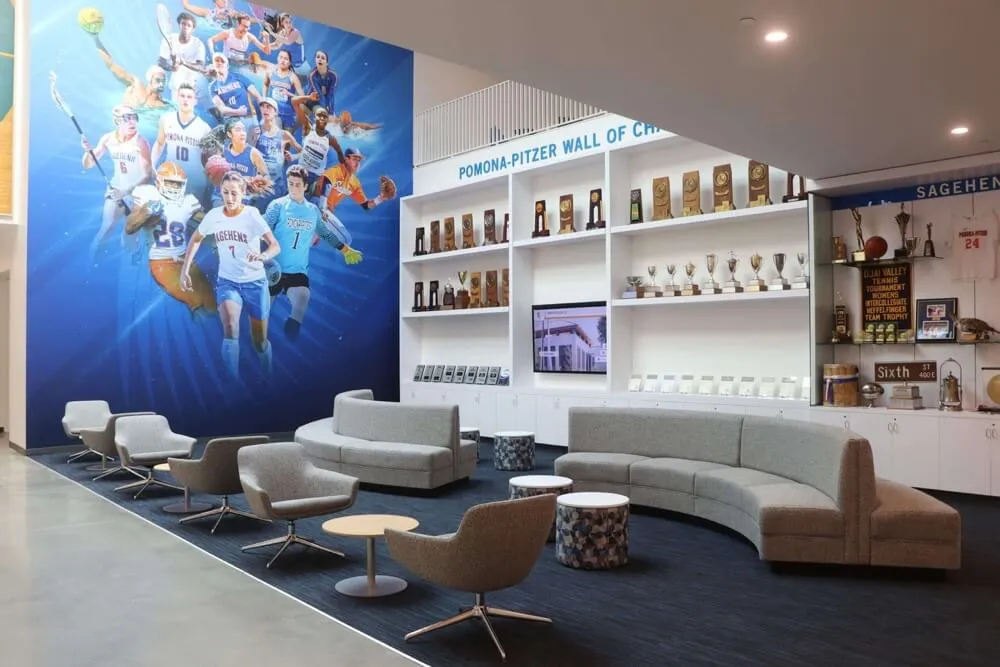
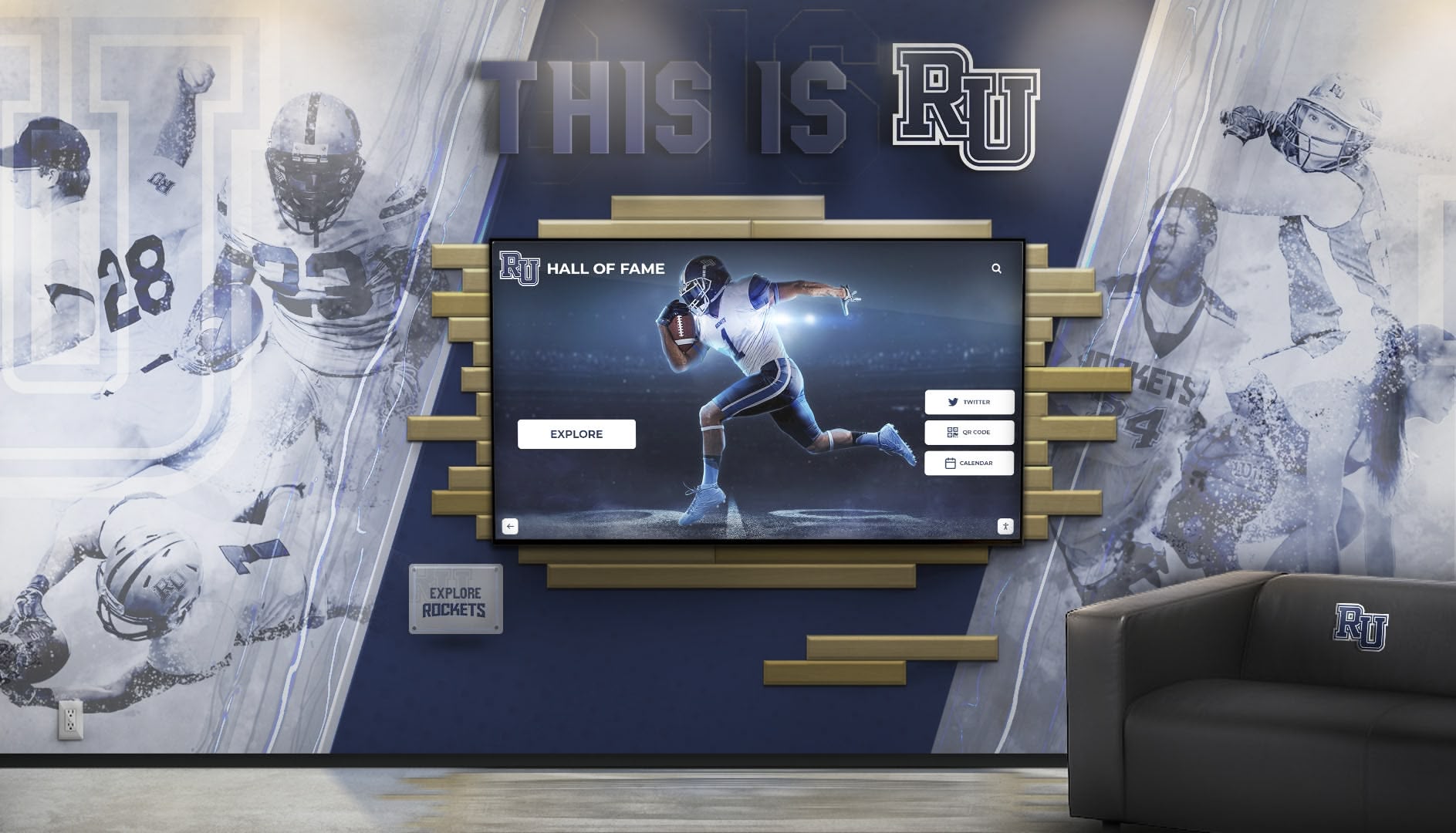
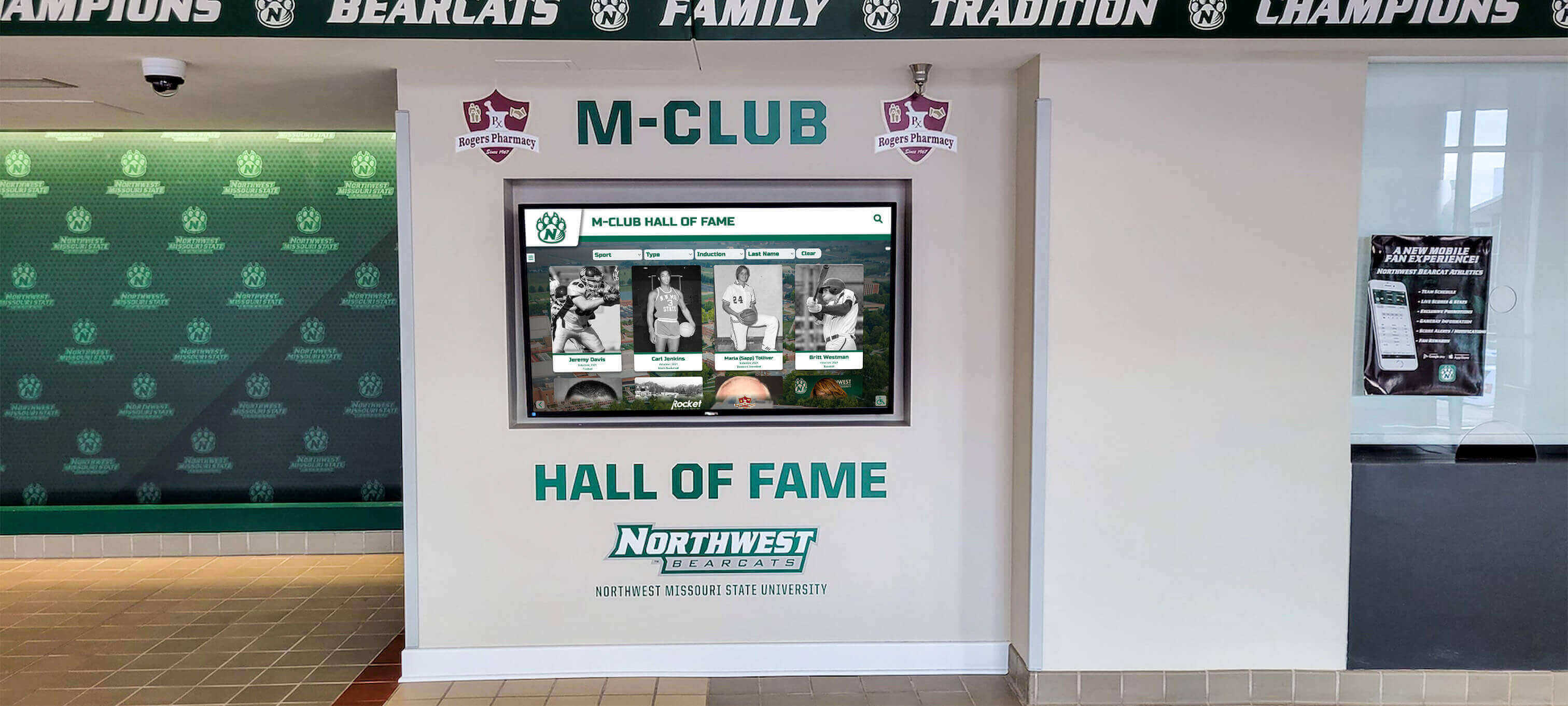
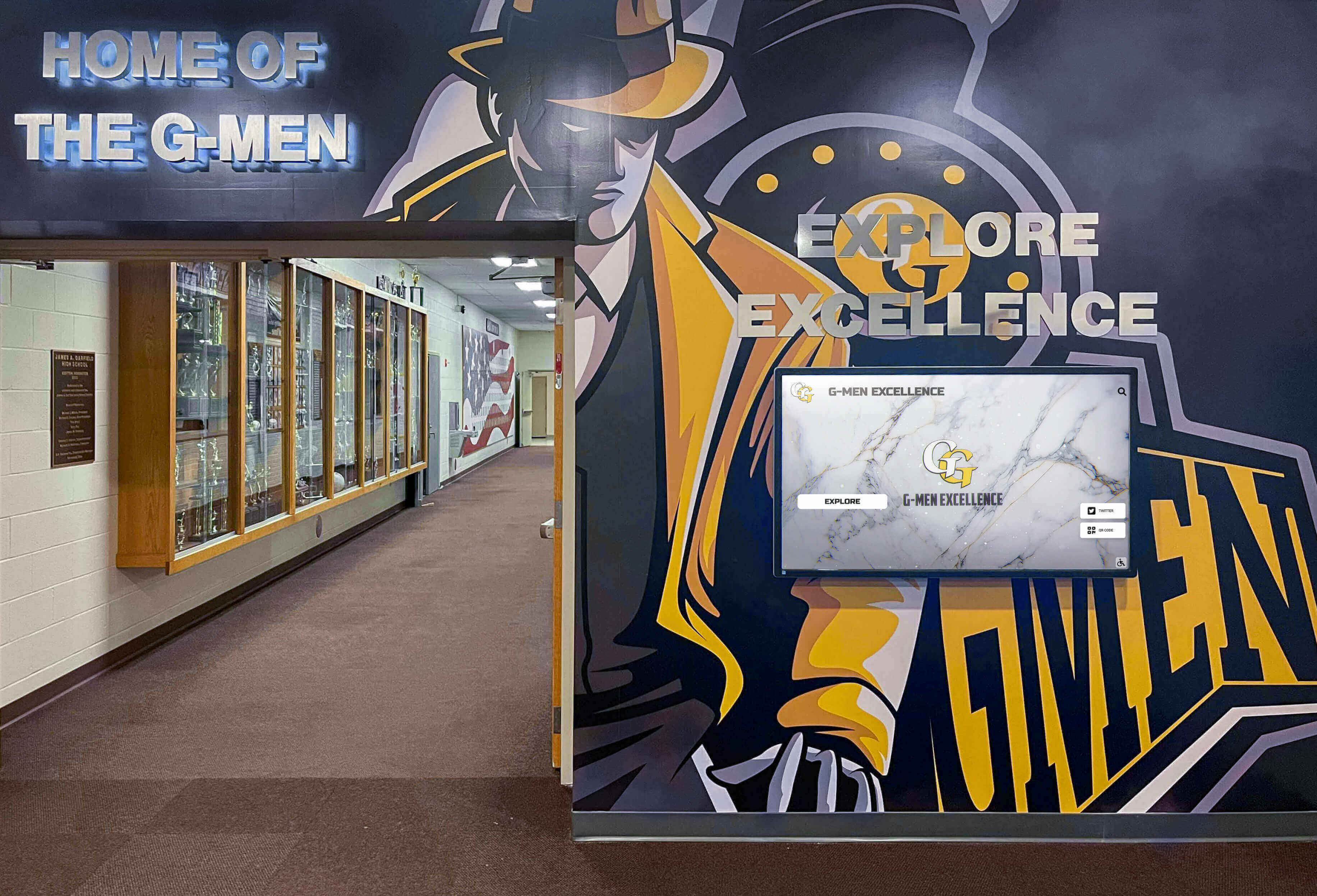
Traditional trophy cases accumulate decades of awards eventually exceeding available space. Schools often discover recognition infrastructure limitations only when championship teams have nowhere to display new achievements. Modern digital recognition solutions provide unlimited capacity addressing space constraints inherent in physical displays.
Program Requirement Analysis
Beyond facility condition, examine how spaces serve current program needs:
Multi-Sport Utilization Patterns
High school gymnasiums serve diverse athletics:
- Basketball and volleyball primary competition use
- Wrestling, cheerleading, and dance team practice spaces
- Physical education classes throughout school days
- Intramural and recreational programming
- Community use and rental arrangements
- Special events including assemblies and ceremonies
Document how different programs use gymnasium spaces throughout years. Renovation plans accommodating multiple sports create more value than single-sport optimization. Flooring selections, lighting systems, and equipment mounting all benefit from multi-sport perspective during planning.
Spectator Experience and Community Access
Gymnasiums function as community gathering venues:
- Seating capacity for typical events
- Sightline quality from various locations
- Accessibility for elderly and disabled spectators
- Restroom and concession adequacy
- Parking sufficiency for peak attendance
- Entry and exit flow during crowded events
- Press facilities for media coverage
- Acoustic quality for announcements and music
Schools hosting playoff games or tournaments often discover capacity limitations and spectator amenity inadequacies during high-profile events. Renovation planning should address peak usage scenarios rather than designing only for regular season needs.
Athletic Director and Coaching Operations
Facility design affects program administration:
- Office spaces for athletic director and coaching staff
- Meeting rooms for team gatherings and film study
- Storage adequacy for multiple sport equipment
- Training room and athletic trainer facilities
- Team locker room quantity and condition
- Official and visiting team accommodations
- Equipment check-out and management systems
Stakeholder Input Collection
Comprehensive planning benefits from diverse perspectives:
Coach and Staff Feedback
Those using facilities daily provide valuable insights:
- Sport-specific needs and limitations
- Safety concerns and incident history
- Operational inefficiencies and workflow problems
- Equipment storage and access challenges
- Technology and presentation needs
- Recruiting impression and competitive comparison
Conduct individual meetings with head coaches from all programs using gymnasium facilities. Their firsthand experience reveals practical problems administrators may not observe directly. Coaches often identify creative solutions addressing multiple sport needs simultaneously.
Student-Athlete Perspectives
Current athletes offer user experience insights:
- Locker room condition and privacy adequacy
- Practice and training space functionality
- Safety concerns and incident experiences
- School pride and facility appearance
- Comparison to opponent facilities
- Technology and modern amenity expectations
Student focus groups or surveys provide candid feedback athletes may hesitate sharing directly with coaches or administrators. Their perspectives help prioritize improvements affecting daily experience versus administrative convenience.
Community and Booster Input
External stakeholders supporting programs deserve voice:
- Fundraising capacity for specific projects
- Community priorities and support areas
- Historical preservation preferences
- Accessibility and inclusion concerns
- Event hosting and rental considerations
Booster clubs often demonstrate greater willingness funding visible improvements like scoreboards or recognition displays compared to infrastructure like HVAC systems. Understanding donor preferences helps match fundraising appeals to supporter interests while ensuring critical but unglamorous needs receive adequate budget attention.
Establishing Renovation Priorities and Budget
Assessment reveals numerous needs; realistic budget planning requires strategic prioritization.
Priority Classification Framework
Organize potential projects by urgency and impact:
Critical Infrastructure and Safety (Tier 1)
Non-negotiable repairs addressing safety, code compliance, and facility operation:
- Structural repairs ensuring building integrity
- Roof replacement preventing water damage
- Electrical upgrades meeting code requirements
- HVAC systems providing adequate climate control
- Fire suppression and alarm system compliance
- Bleacher certification and safety repairs
- ADA accessibility improvements
- Emergency exit and egress corrections
These foundational needs take precedence over aesthetic improvements. Athletic directors discovering roof leaks damaging gymnasium flooring during basketball season experience expensive emergency repairs that proper prioritization prevents. Critical infrastructure provides poor fundraising appeal but warrants board budget allocation and strategic communication explaining necessity to stakeholders.
Functional Improvements Enhancing Programs (Tier 2)
Upgrades directly improving athletic experience and program operations:
- Gymnasium flooring replacement or refinishing
- Lighting upgrades improving visibility and efficiency
- Scoreboard and timing system modernization
- Sound system upgrades for events and ceremonies
- Locker room renovation and equipment upgrades
- Training room and athletic trainer facility improvements
- Court equipment and goal system replacement
These improvements directly benefit student-athletes, coaches, and spectators while addressing deferred maintenance. Replacing worn gym flooring protects athlete safety while creating fresh, professional appearance—a high-value investment worthy of budget priority and fundraising emphasis.
Recognition and Identity Projects (Tier 3)
Visible enhancements strengthening program culture and school pride:
- Recognition display systems for athletic achievements
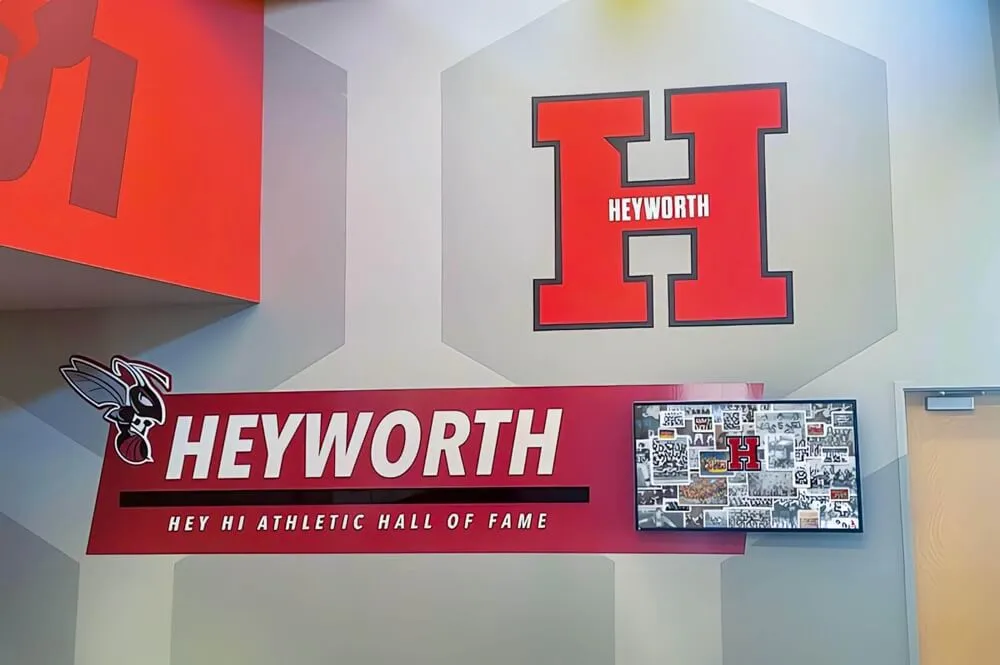
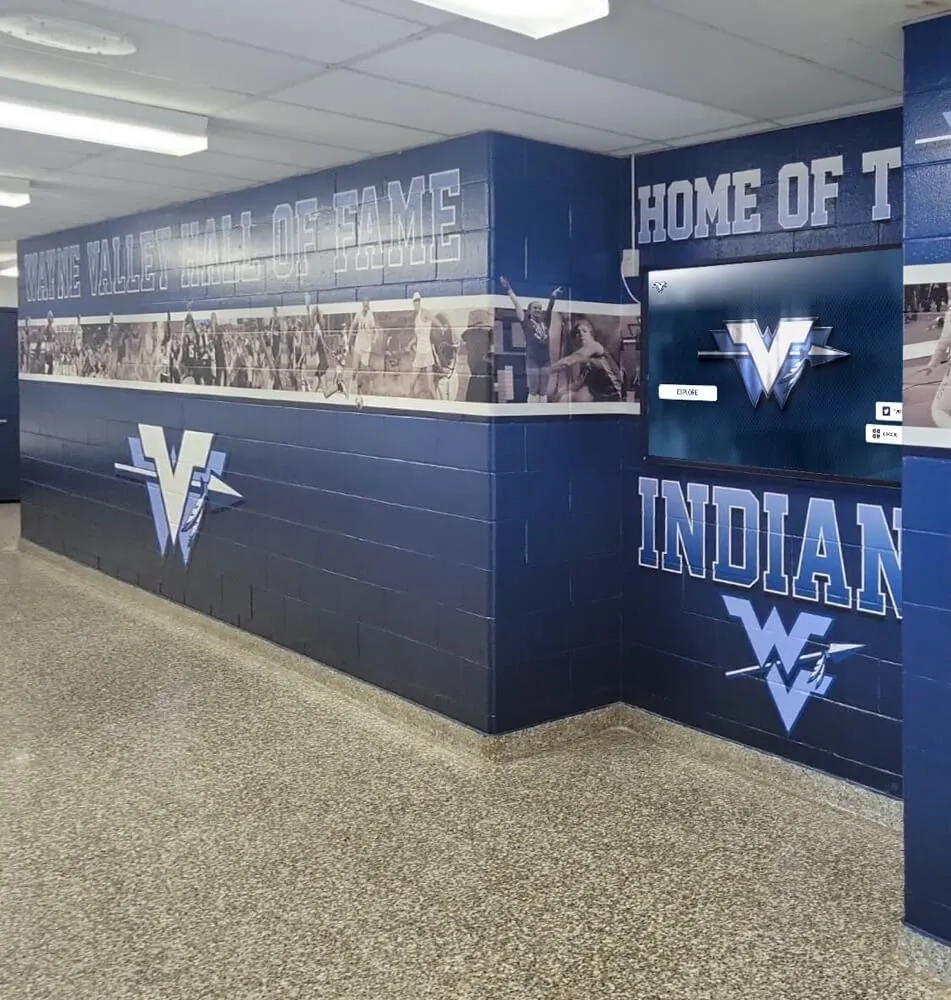
- Wall graphics, murals, and school branding
- Trophy display modernization
- Championship banner systems
- Digital display technology for engagement
- School spirit and tradition elements
- Lobby and entry area enhancements
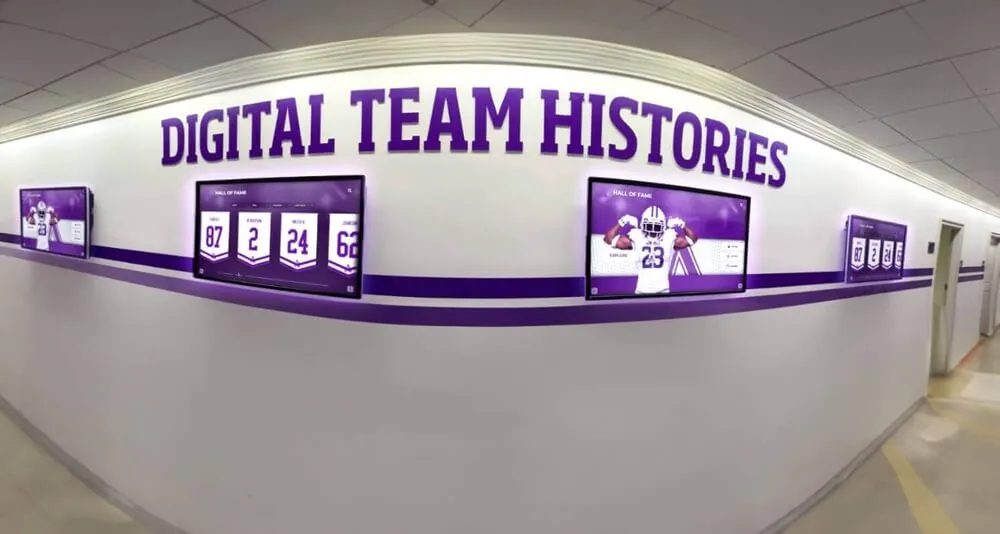
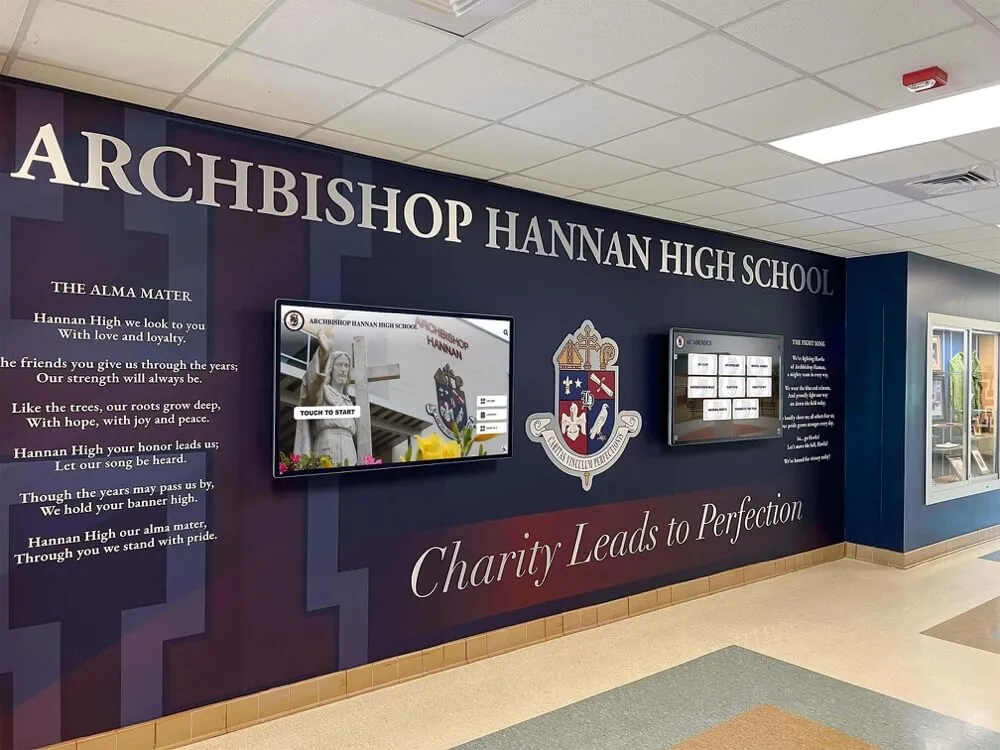
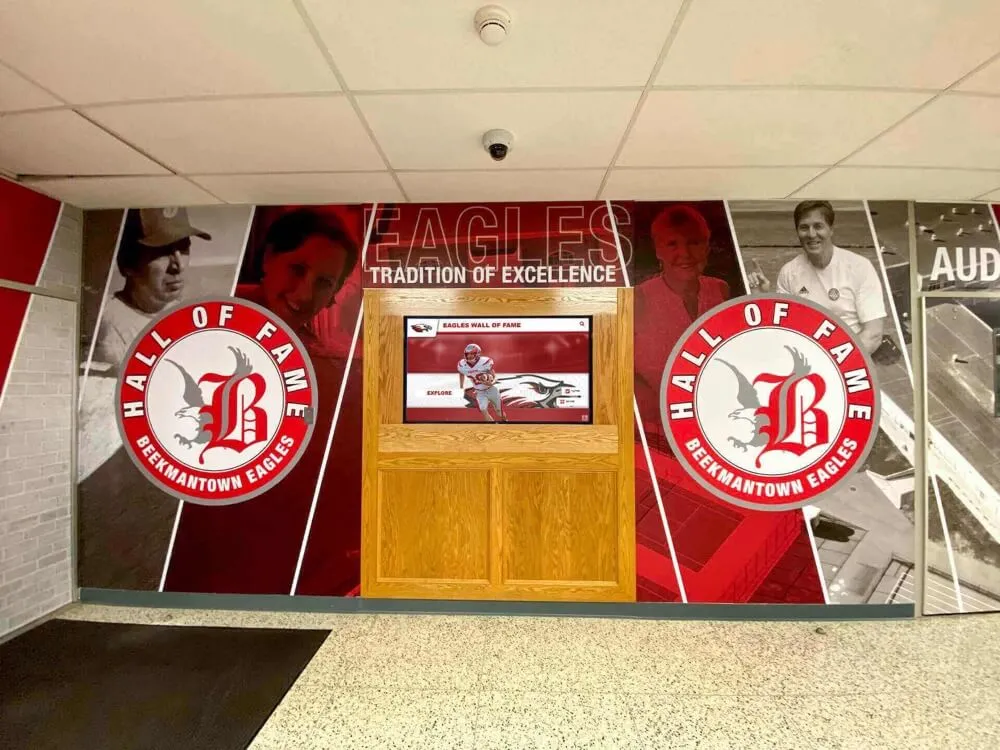
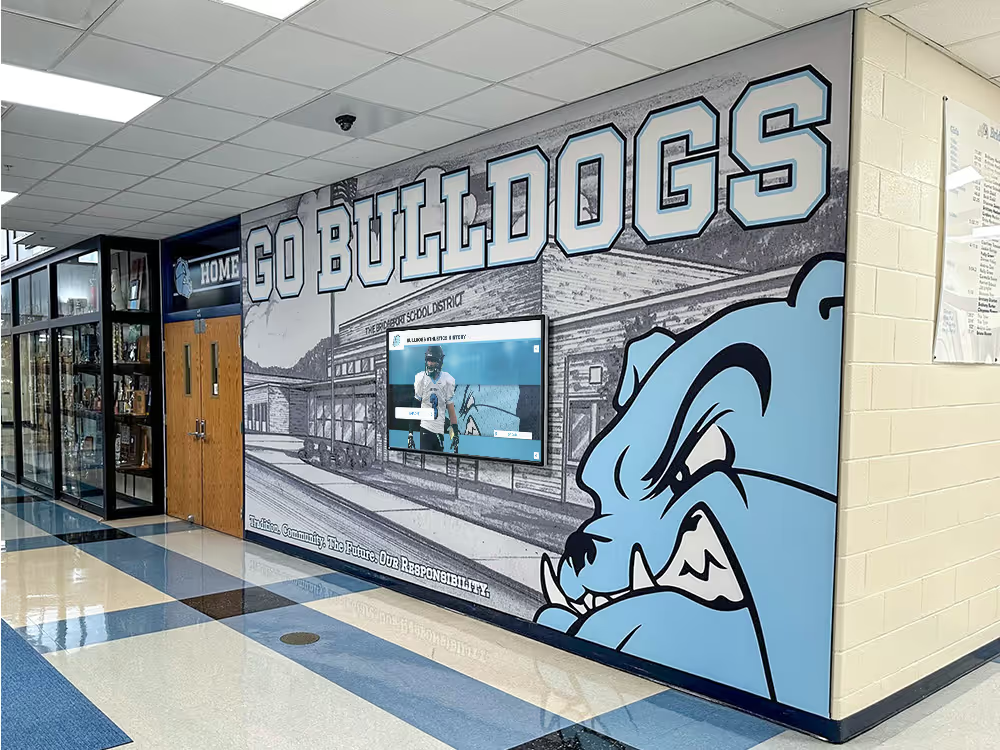
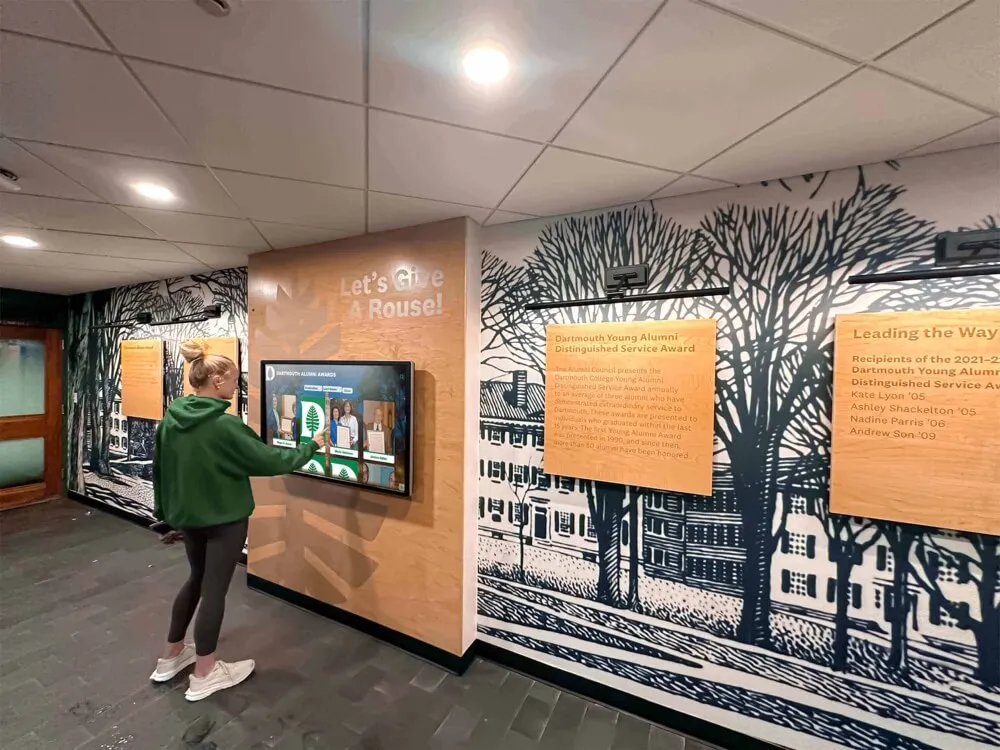
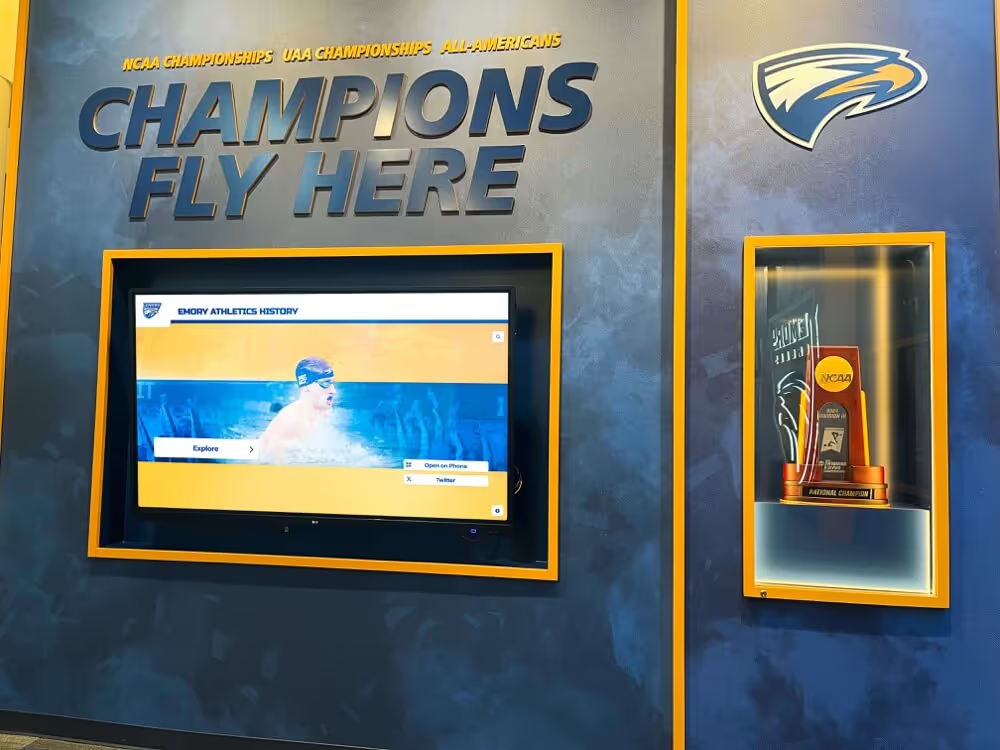
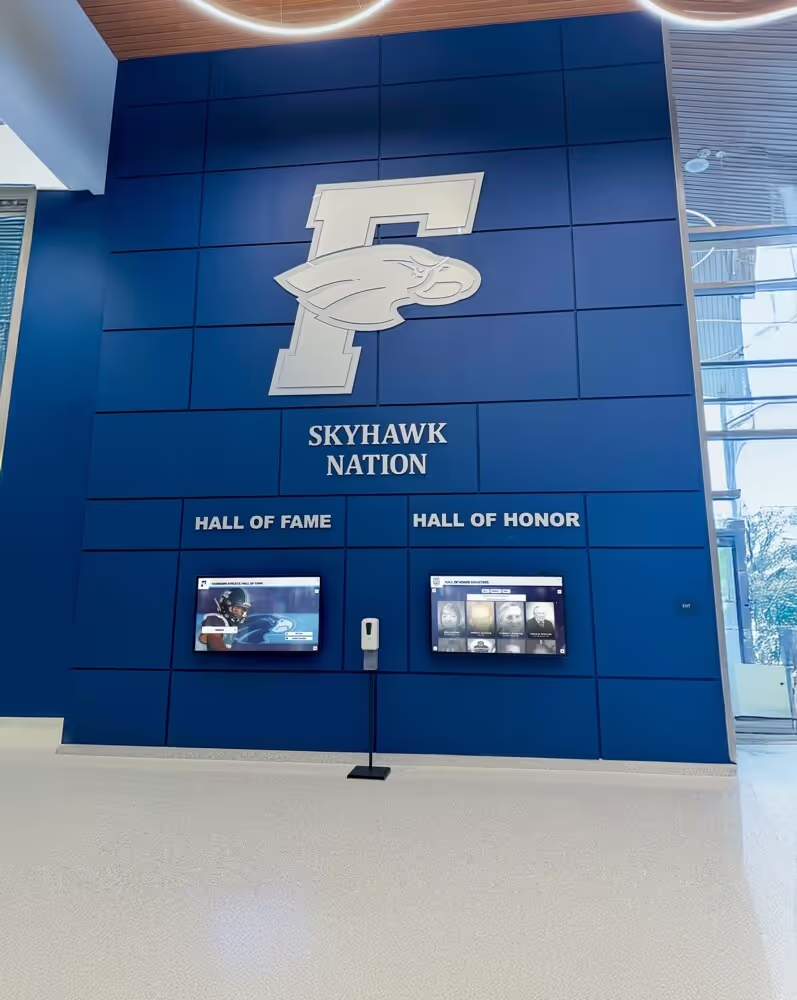
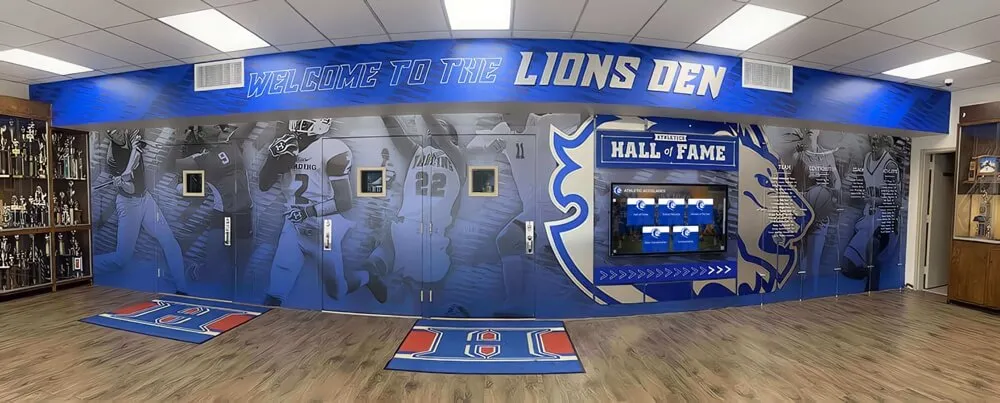
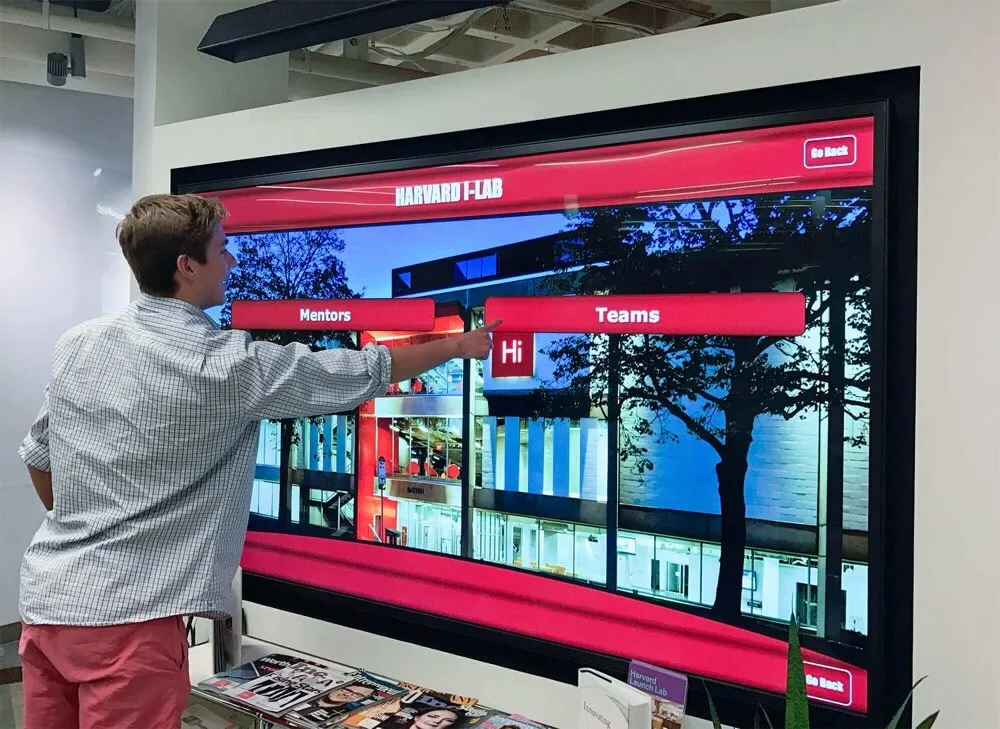
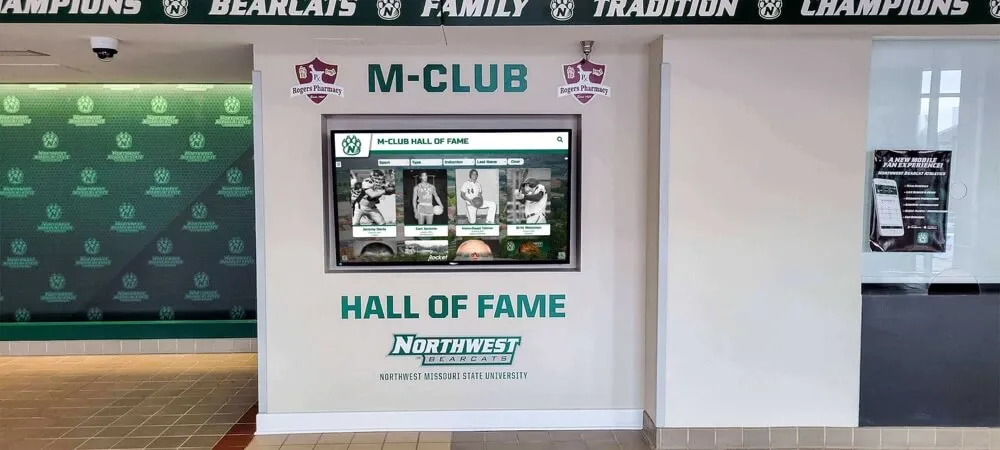
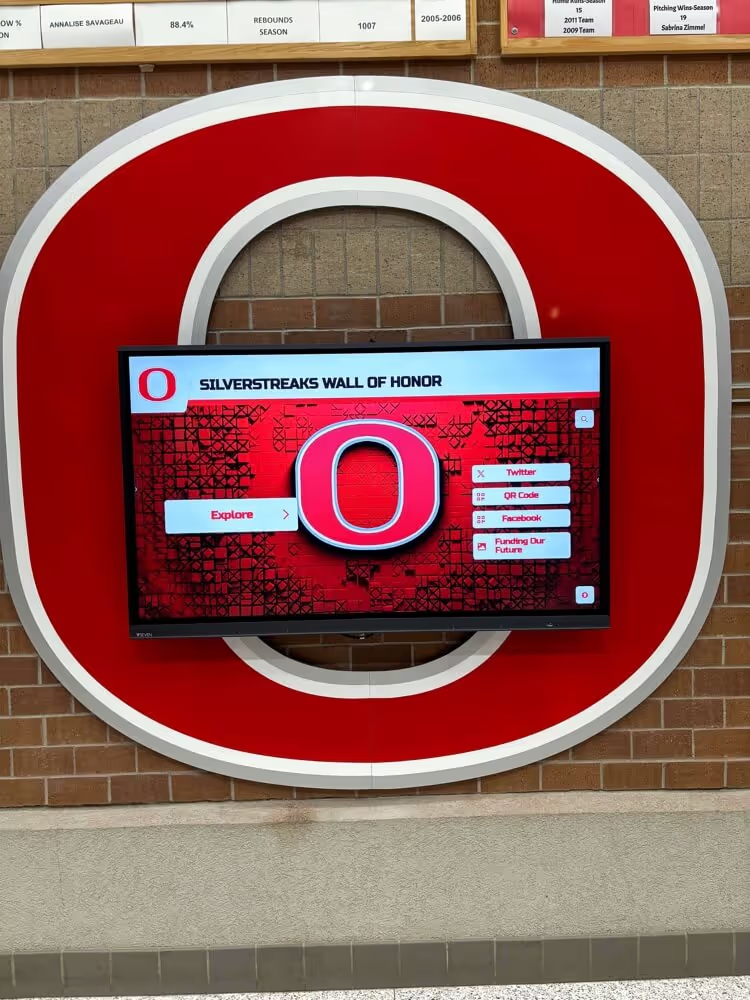
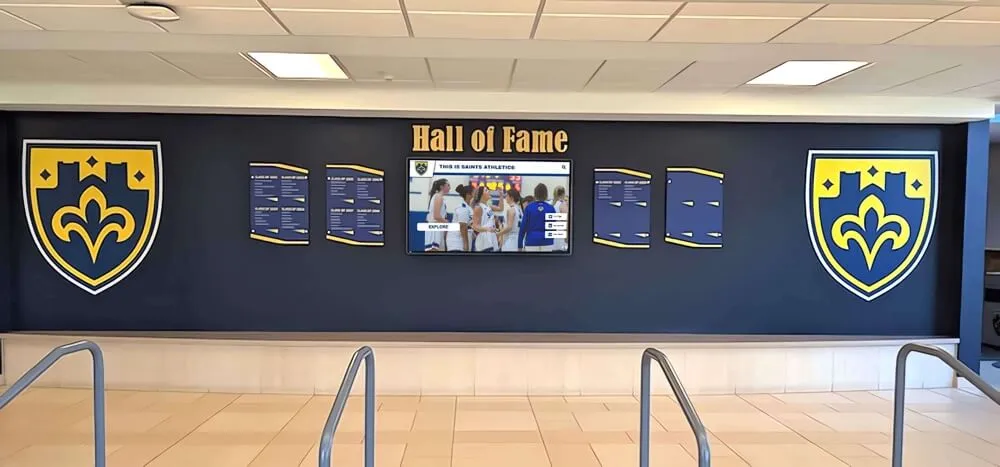
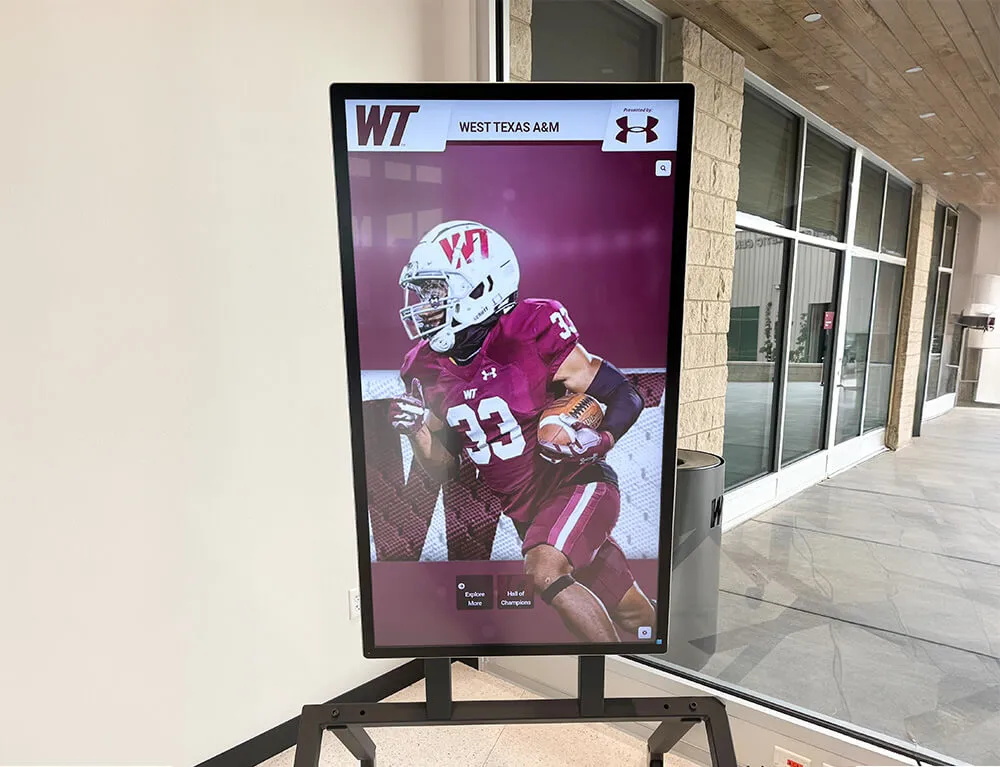
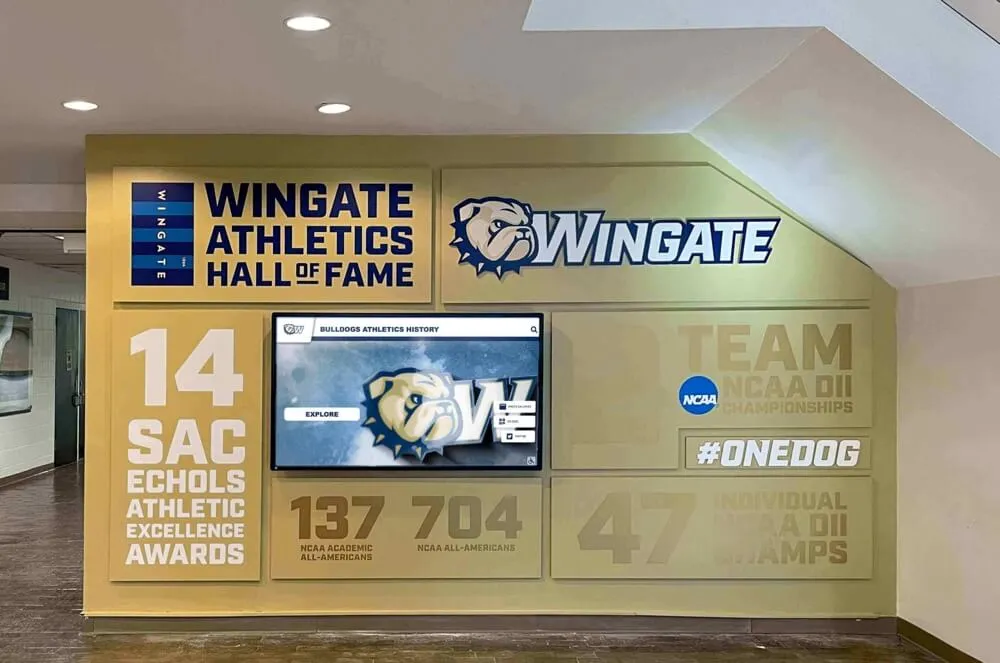
While lower priority than safety needs, recognition improvements significantly impact program culture, student engagement, and recruiting impressions. Modern digital recognition systems provide sustainable alternatives to physical trophy cases that eventually overflow, offering unlimited capacity through interactive touchscreen displays that engage students and preserve championship history comprehensively.
Aesthetic and Community Enhancements (Tier 4)
Nice-to-have improvements elevating overall appearance:
- Seating area upgrades and expansions
- Concession and restroom renovations
- Paint, finishes, and visual refreshes
- Landscaping and exterior improvements
- Spectator amenity additions
- Flexible space enhancements for events
These projects improve user experience without addressing critical needs. Budget permitting, they complete comprehensive renovations creating polished, modern facilities. More commonly, athletic directors implement these improvements incrementally across multiple years as resources allow.
Developing Realistic Budget Estimates
Accurate cost projection prevents mid-project funding shortfalls:
Construction and Material Costs
Major expense categories for typical high school gym renovations:
Gymnasium Flooring Replacement
- Hardwood system: $7-12 per square foot installed
- Synthetic system: $4-8 per square foot installed
- Typical 8,000-10,000 square foot gym: $40,000-120,000
- Additional costs for court line painting and finishing
Lighting System Upgrades
- LED gymnasium lighting: $20,000-50,000 depending on size
- Controls and dimming systems: $5,000-15,000
- 50-70% energy cost reduction versus older systems
- Instant-on functionality and improved light quality
HVAC System Replacement
- Complete gymnasium system: $75,000-200,000
- Dependent on building size and system complexity
- Energy efficiency generating long-term operational savings
- Often eligible for utility rebates and incentives
Locker Room Renovation
- Complete team locker room: $30,000-100,000
- Includes lockers, benches, showers, and finishes
- Plumbing and ventilation critical components
- Multiple teams requiring multiple spaces
Scoreboard and Technology
- Basic gymnasium scoreboard: $15,000-30,000
- Advanced video board systems: $50,000-150,000+
- Sound systems: $10,000-25,000
- Technology infrastructure and network: $15,000-40,000
Recognition Display Systems
- Traditional trophy cases: $5,000-15,000 each (limited capacity)
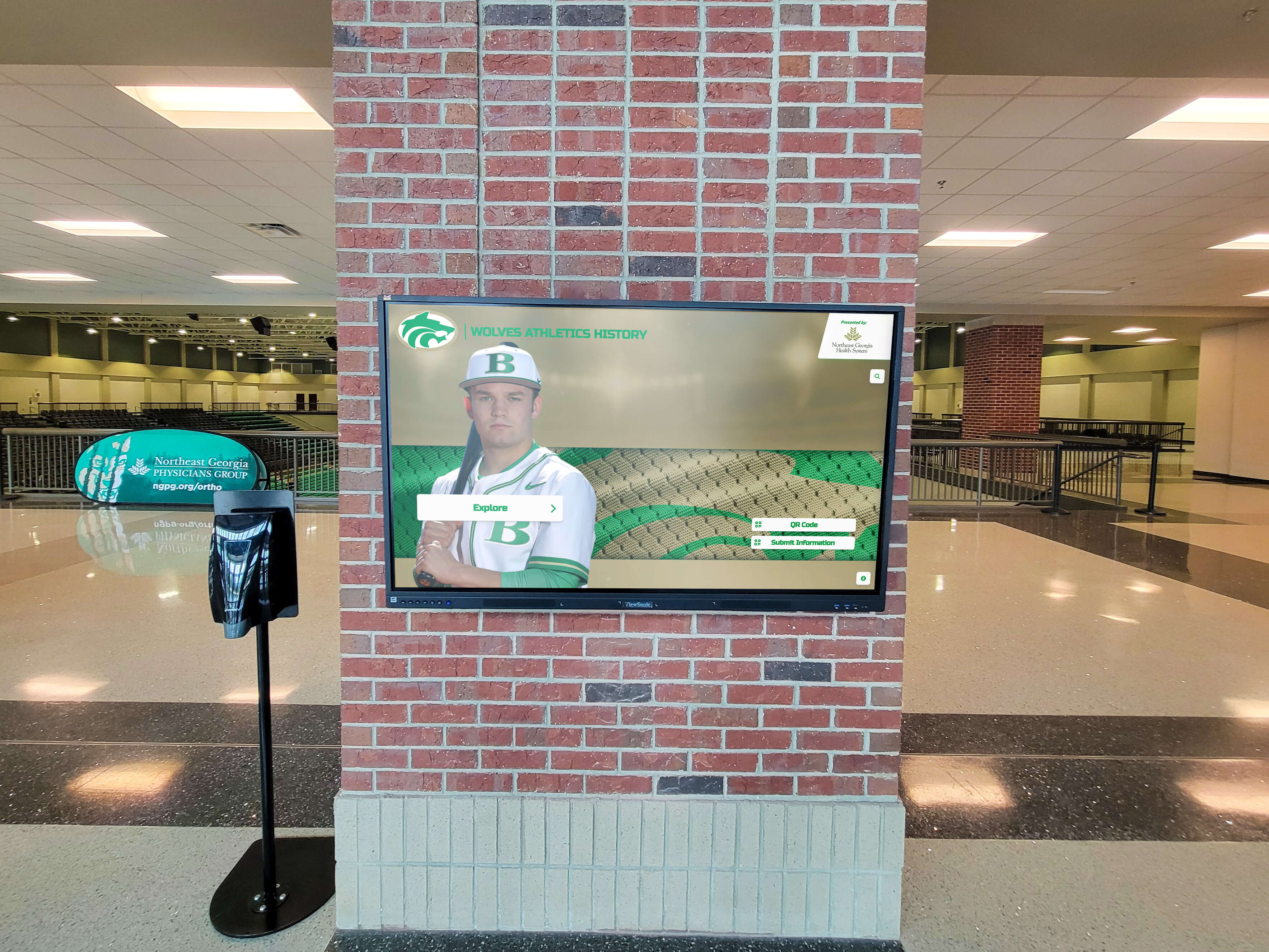
- Interactive digital displays: $8,000-25,000 per screen
- Professional installation: $2,000-5,000
- Content development and setup: Included with quality systems
- Unlimited recognition capacity and easy updates
Digital recognition displays represent strategic long-term investment compared to traditional approaches. Solutions like Rocket Alumni Solutions eliminate recurring costs for plaque engraving, banner printing, and trophy case expansion while accommodating unlimited growth as programs accumulate additional achievements across decades.
Soft Costs and Contingencies
Beyond construction, budget for professional services:
- Architectural and engineering design fees (8-12% of construction cost)
- Permit fees and code compliance inspections
- Project management and construction administration
- Testing and commissioning services
- Temporary facilities or schedule accommodations during construction
- Contingency reserves for unforeseen conditions (10-15% recommended)
Phased Implementation Strategies
Budget constraints often necessitate multi-year renovation approaches:
Phase 1: Critical Safety and Infrastructure (Year 1)
- Address structural, electrical, and code compliance issues
- Replace failing HVAC or roof systems
- Correct accessibility and safety deficiencies
- Establish foundation for future improvements
Phase 2: Athletic Surface and Core Systems (Year 2)
- Gymnasium flooring replacement or refinishing
- Lighting system upgrades
- Scoreboard and timing system modernization
- Primary competition space improvements
Phase 3: Locker Rooms and Support Spaces (Year 3)
- Team locker room renovations
- Training room and athletic trainer facilities
- Storage and equipment management systems
- Coaching and administrative spaces
Phase 4: Recognition and Identity (Year 4)
- Digital recognition display implementation
- Wall graphics, murals, and branding
- Championship display systems
- Program culture and tradition elements
Phase 5: Spectator and Community Amenities (Year 5+)
- Seating upgrades or expansion
- Concession and restroom improvements
- Aesthetic enhancements and finishes
- Community space flexibility improvements
Phased approaches enable progress within annual budget constraints while creating comprehensive multi-year renovation vision that builds support and momentum. Athletic directors should communicate complete vision while implementing incrementally—helping stakeholders understand ultimate goals even when budget requires patience.
Key High School Gym Renovation Components
Examine major renovation elements warranting detailed consideration during planning.
Gymnasium Flooring Systems
Athletic surfaces represent significant investment affecting safety, performance, and facility identity:
Hardwood Maple Flooring
Traditional choice offering performance and aesthetic advantages:
- Superior ball bounce and consistent playing characteristics
- Professional appearance and visual appeal
- Refinishing capability extending lifespan (30-40 years)
- Customizable court line configurations and artwork
- Preferred surface for competitive basketball
- Higher initial cost with lower lifecycle expenses
- Requires climate control protecting against moisture
Hardwood systems provide excellent long-term value for primary competition gymnasiums. Modern floating floor systems with resilient underlayment improve shock absorption reducing athlete injury risk compared to older installations nailed directly to concrete.
Synthetic and Rubber Flooring
Alternative surfaces suitable for auxiliary or multi-purpose spaces:
- Lower initial cost versus hardwood
- Excellent durability in high-traffic areas
- Moisture resistance for humid climates
- Quick installation with minimal downtime
- Available in modular tile systems
- Lower performance characteristics for competitive basketball
- More suitable for practice facilities or fitness areas
Flooring Selection Considerations
Balance multiple factors during selection:
- Primary sport program priorities and competition needs
- Budget available for initial installation
- Expected facility usage patterns and traffic
- Maintenance capabilities and lifecycle costs
- Climate control and environmental conditions
- Multi-sport requirements and line painting needs
Most athletic directors prioritize hardwood for primary competition gymnasiums while considering synthetic alternatives for practice facilities, weight rooms, or multi-purpose auxiliary spaces where appearance and competition characteristics matter less than durability and cost.
Lighting System Upgrades
Modern gymnasium lighting dramatically improves visibility while reducing operational costs:
LED Technology Benefits
Contemporary lighting systems provide multiple advantages:
- 50-70% energy consumption reduction
- Instant-on functionality eliminating warm-up delays
- Dimming capability supporting varied activities
- 50,000+ hour lifespan reducing maintenance
- Superior light quality and color rendering
- Reduced heat generation improving HVAC efficiency
- Minimal light loss throughout system life
Schools replacing metal halide or fluorescent systems with LED lighting report dramatic energy savings that partially offset installation costs within 3-5 years through reduced electrical consumption and maintenance requirements.
Lighting Design Considerations
Professional gymnasium lighting addresses specific needs:
- Adequate illumination levels for competition and practice (50-100 foot-candles)
- Uniform distribution preventing shadows and dark spots
- Glare control protecting athlete vision
- Spectator area lighting appropriate for safety and viewing
- Control systems enabling scene selection for varied uses
- Emergency lighting meeting code requirements
Work with lighting professionals specializing in athletic facilities rather than general commercial applications. Proper design prevents problems including inadequate corner court lighting, excessive glare affecting ball tracking, and insufficient illumination for video recording that many gymnasiums experience from poorly planned systems.
Scoreboard and Technology Integration
Modern display and audio systems enhance event experience while serving multiple functions:
Video Board Versus Traditional Scoreboards
Consider technology appropriate to needs and budget:
Traditional Scoreboards
- Lower cost ($15,000-30,000 installed)
- Reliable technology with minimal maintenance
- Clear game score and time display
- Limited functionality beyond scoring
- Long service life (15-20+ years)
- Suitable for budget-conscious schools
Video Display Systems
- Higher investment ($50,000-150,000+ depending on size)
- Flexible content display including video highlights
- Sponsorship and advertising revenue potential
- Player introductions and recognition capabilities
- Statistics and game information presentation
- Requires content management and operation
Schools should honestly assess whether advanced video capabilities warrant significant additional investment. Many programs benefit more from investing savings into other renovation priorities rather than pursuing video boards primarily for perceived competitive appearance.
Sound System Quality
Often overlooked, quality audio significantly affects event atmosphere:
- Clear announcements audible throughout facility
- Music reproduction for introductions and atmosphere
- Multiple input sources and control locations
- Microphone systems for ceremonies and presentations
- Volume appropriate to space without distortion
- Professional installation ensuring coverage and quality
Poor gymnasium acoustics challenge even quality sound systems. Acoustic treatment addressing excessive reverberation often proves necessary in conjunction with speaker upgrades creating intelligible announcements and quality music reproduction.
Recognition Display Modernization
Championship tradition preservation faces space limitations in aging facilities:
Traditional Trophy Case Limitations
Physical displays encounter inherent constraints:
- Fixed capacity eventually filling completely
- Additional cases requiring wall space and construction
- Static presentation lacking engagement
- Difficult updates requiring fabrication
- Dust and maintenance issues
- Physical trophies requiring storage when cases fill
- Space consuming more than single sport programs
Athletic directors discover recognition capacity problems gradually as decades of achievements accumulate. Adding trophy cases addresses symptoms temporarily but fundamentally limited approach that simply delays inevitable space exhaustion.
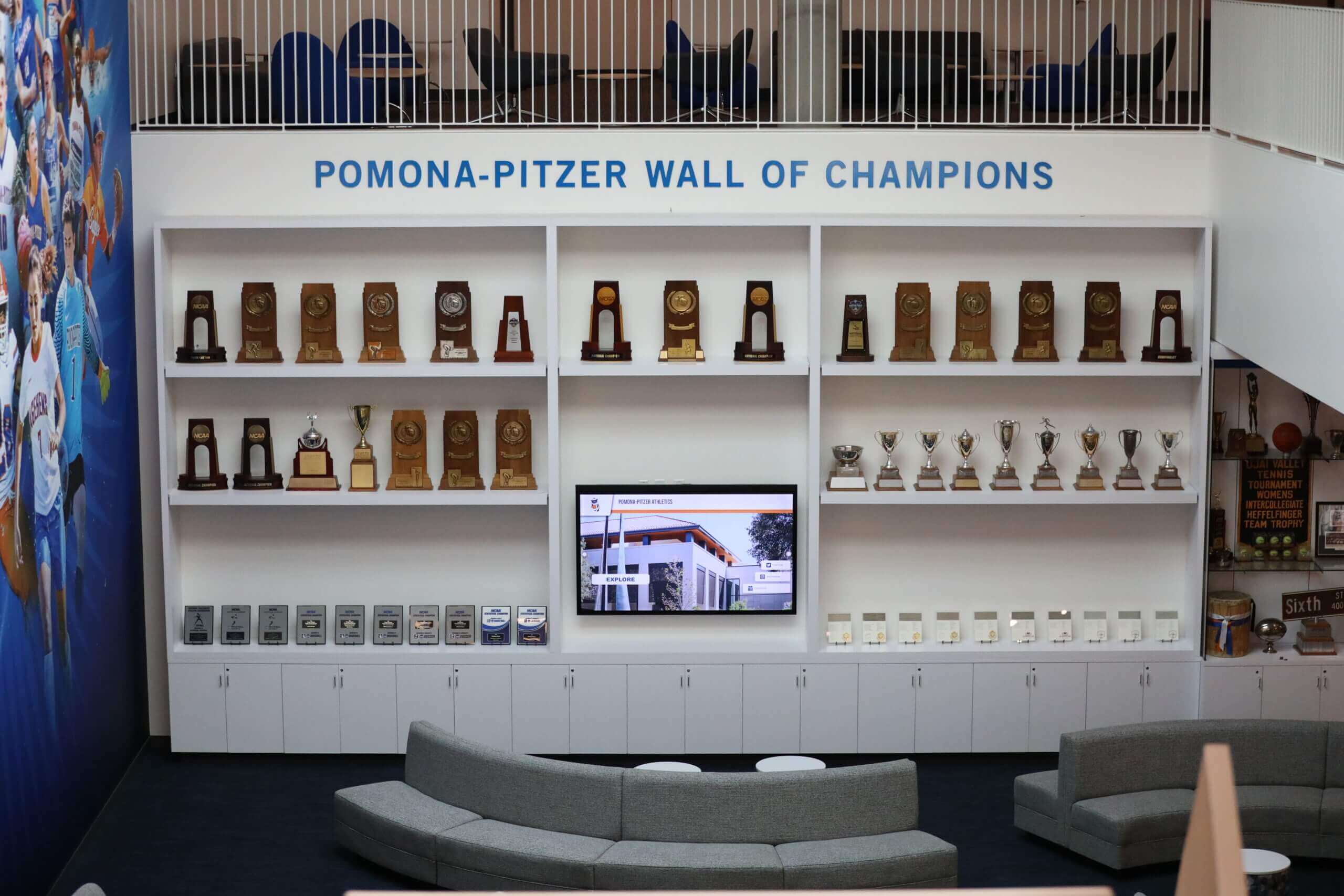
Digital Recognition Solutions
Modern interactive displays provide sustainable alternative:
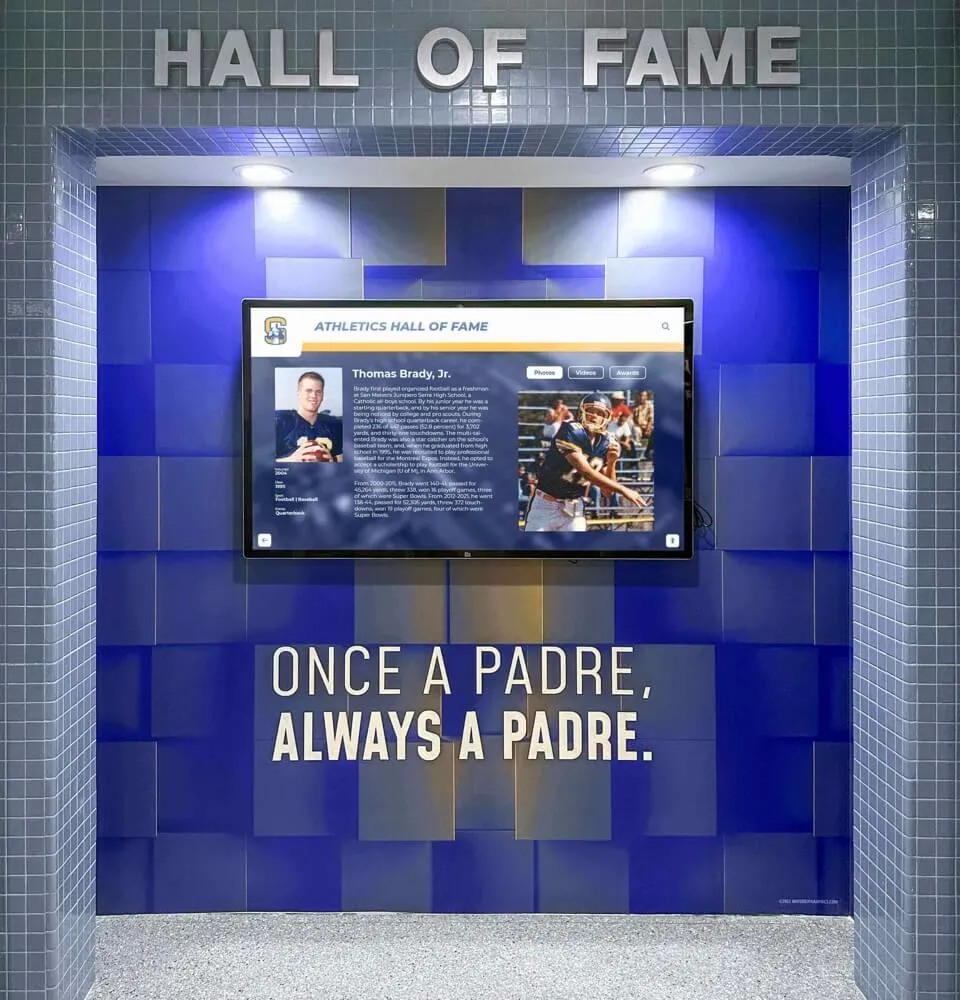
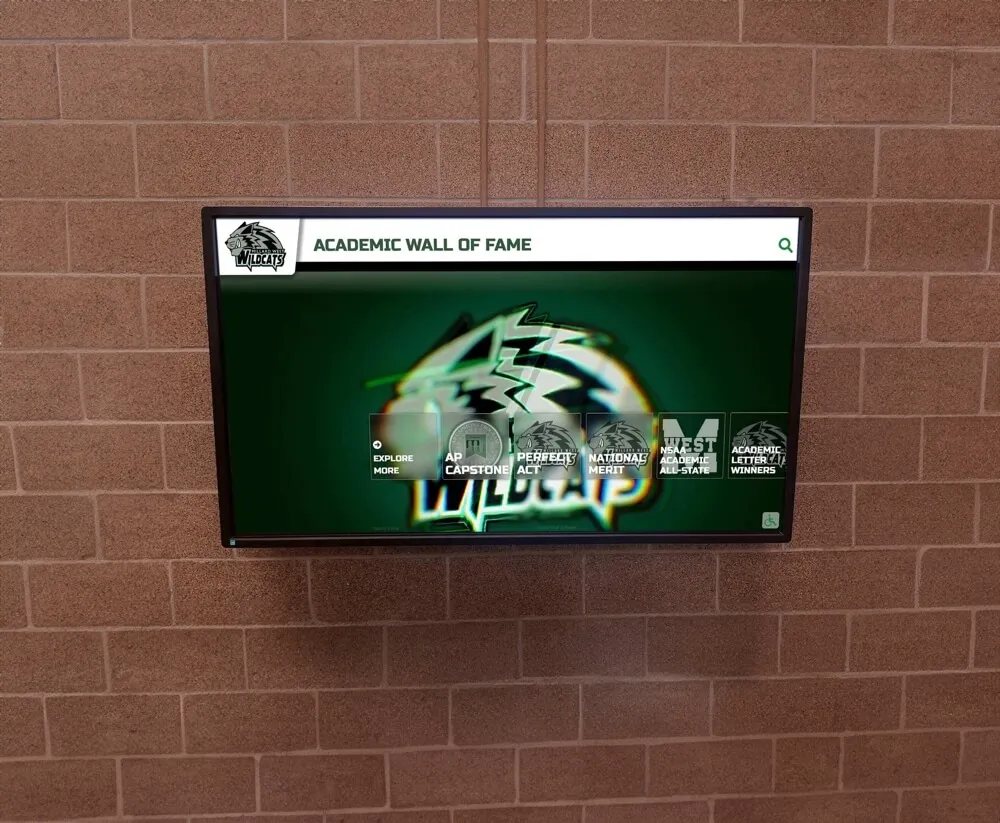
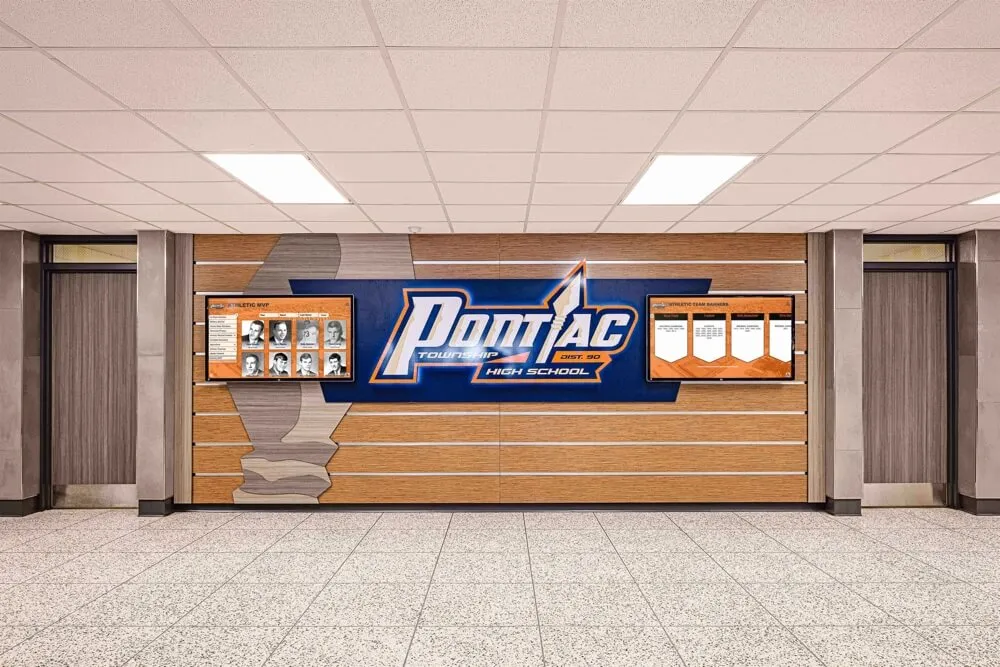
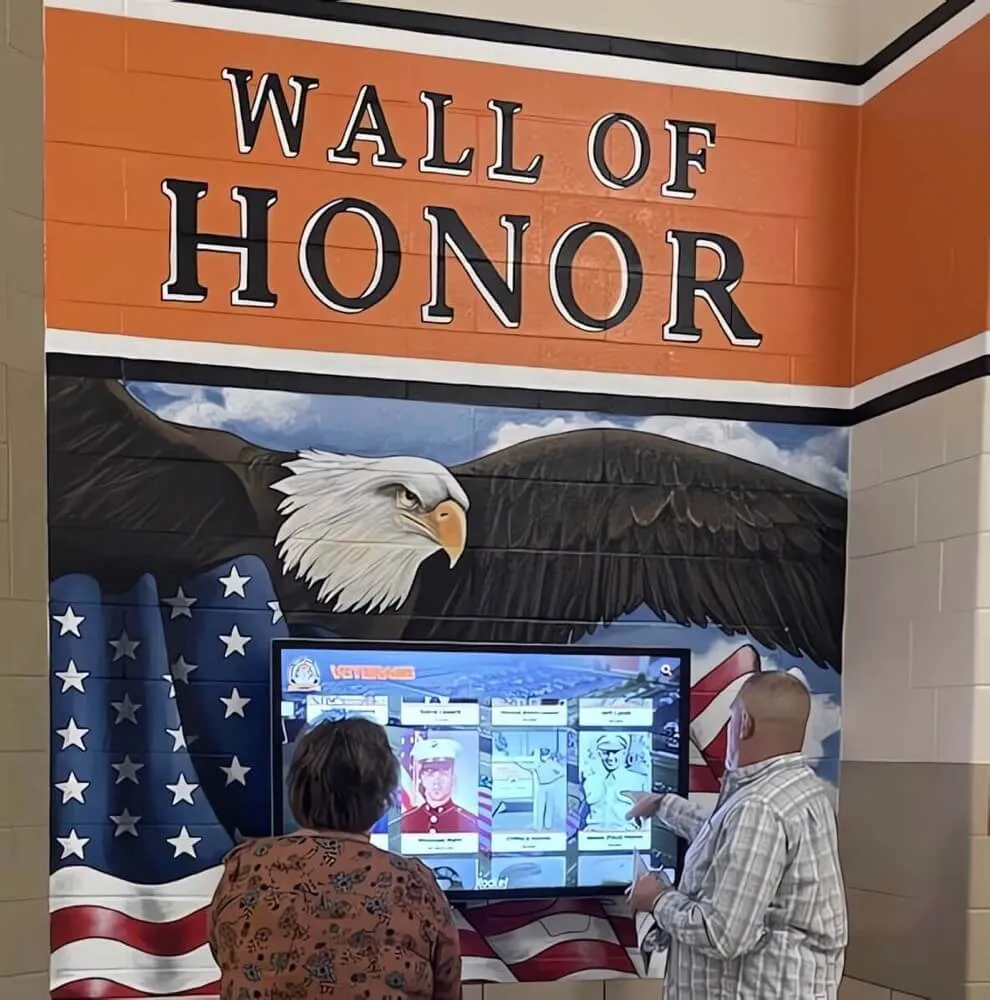
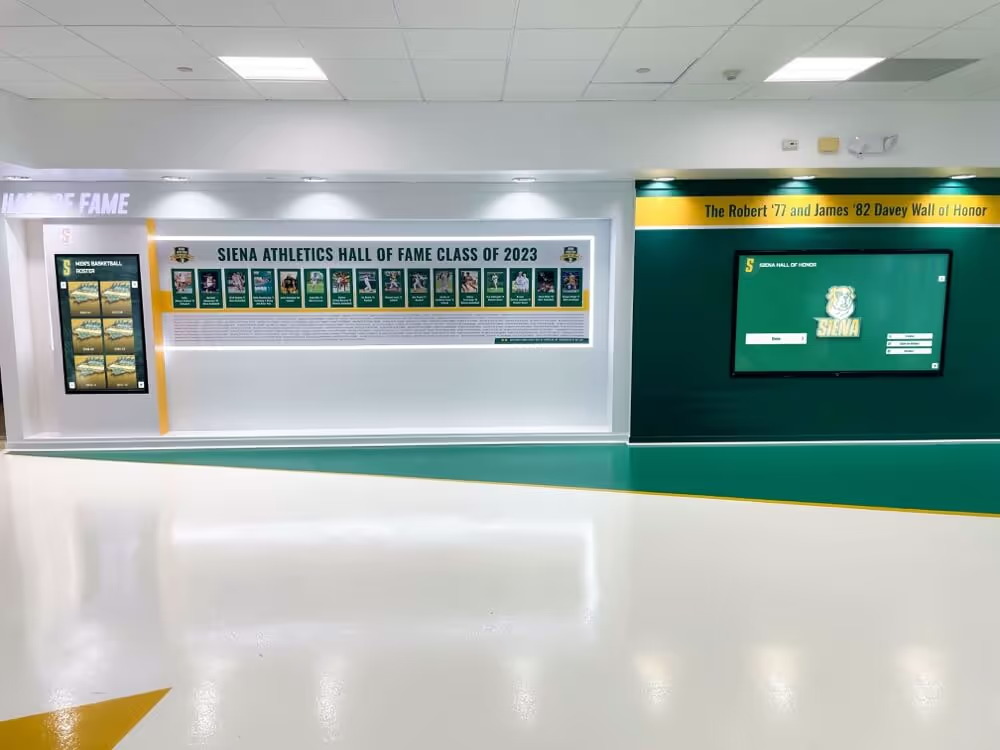
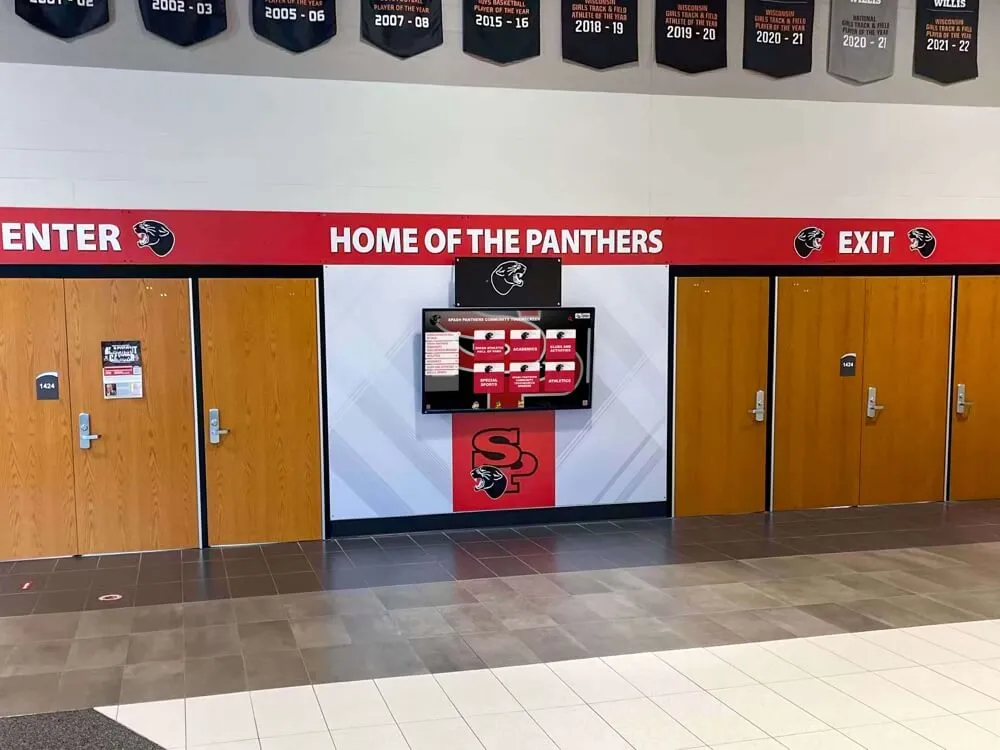
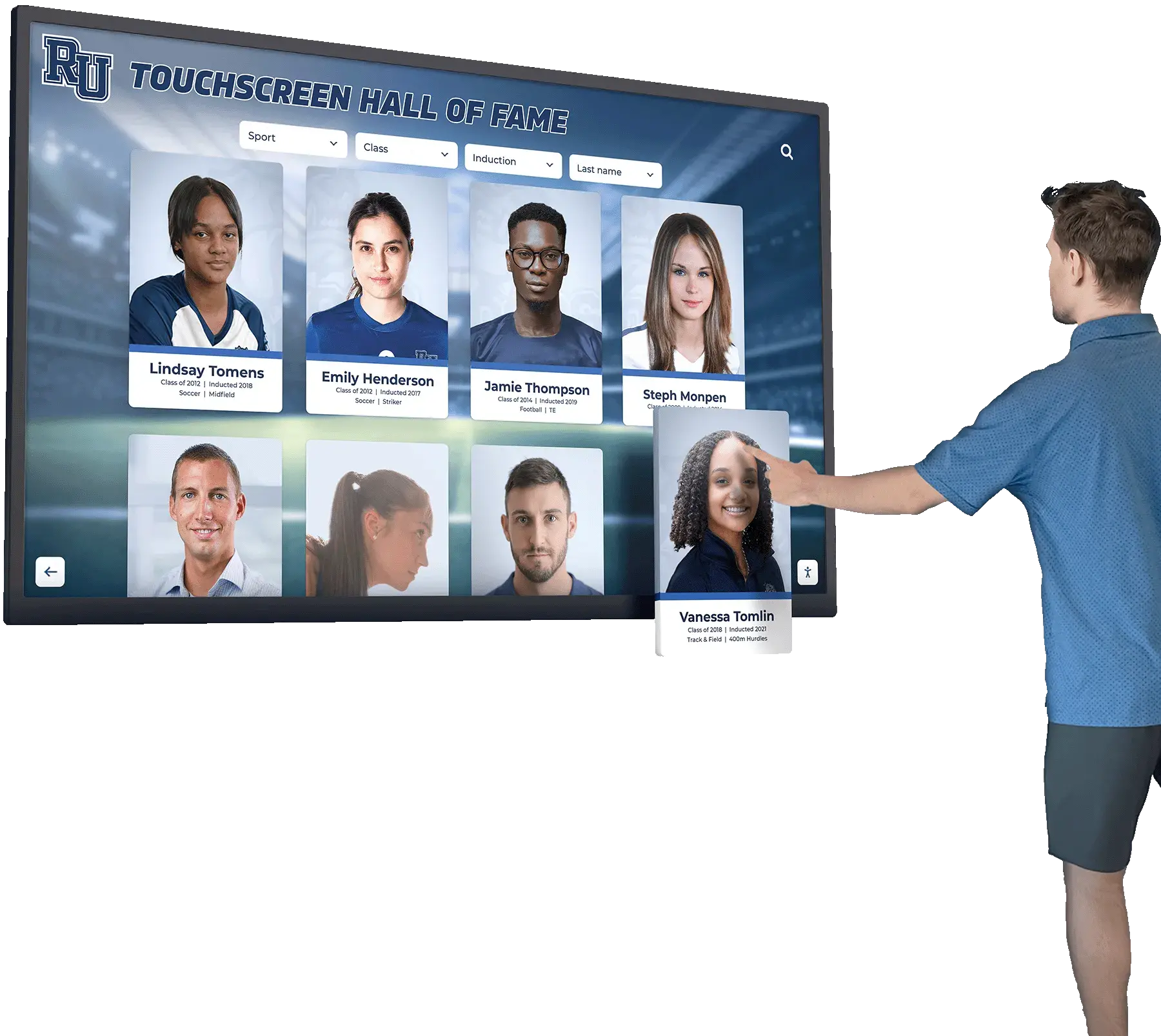
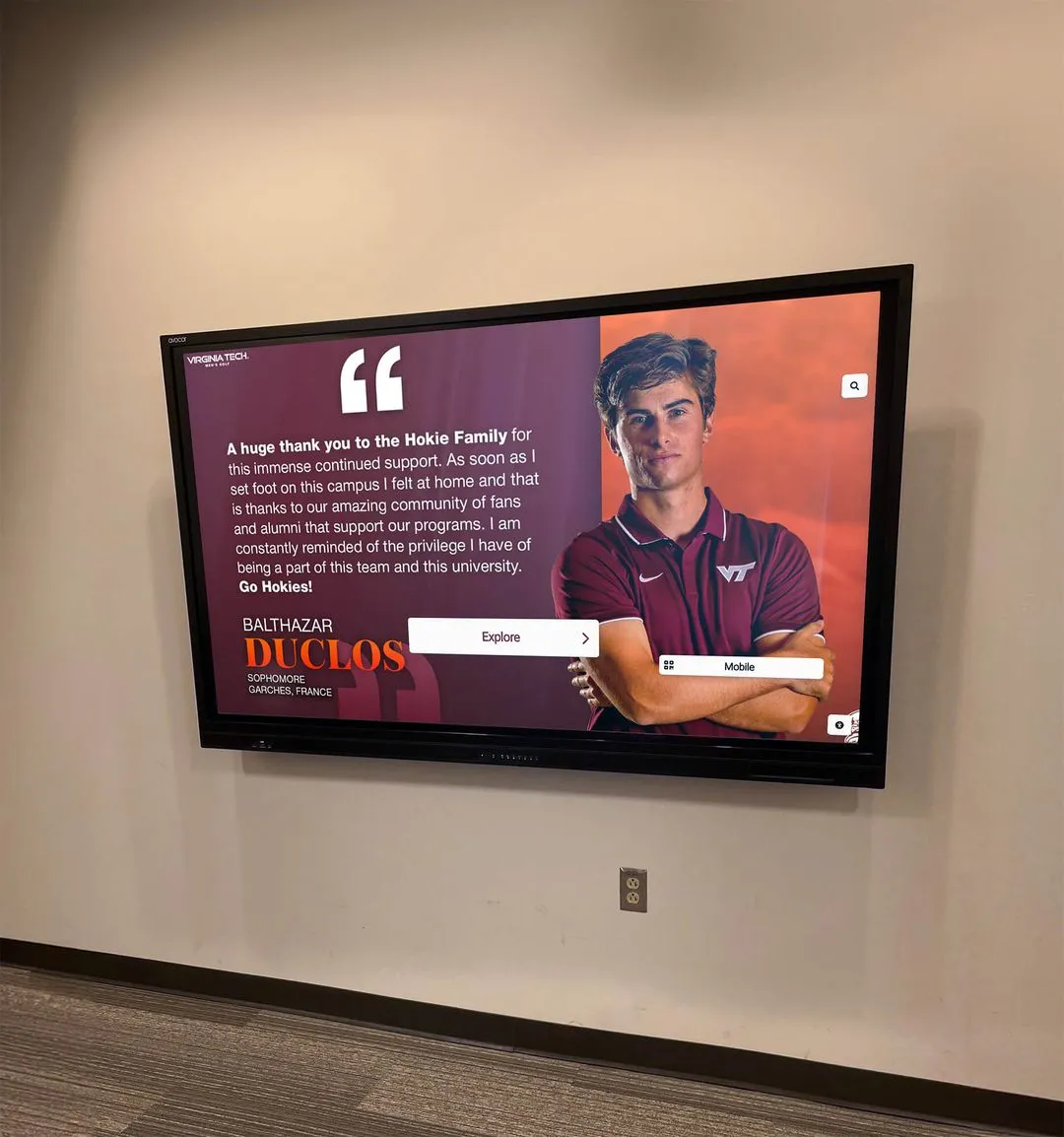
Digital hall of fame systems transform recognition approaches through unlimited capacity, engaging presentation, and easy maintenance. A single touchscreen display can showcase every letter winner, championship team, and record holder from complete program history through searchable databases featuring photos, videos, statistics, and stories that static plaques cannot convey.
Digital Recognition Advantages:
- Unlimited capacity accommodating perpetual growth
- Interactive exploration engaging students and visitors
- Rich multimedia content including photos and videos
- Easy updates without fabrication or construction
- Comprehensive athlete profiles with detailed information
- Searchable access finding specific individuals or achievements
- Professional presentation enhancing facility appearance
- Cost-effective compared to continuous case addition
- Integration with existing physical trophies and banners
Implementation considerations include placement location, network connectivity, power access, and content development. Solutions like Rocket Alumni Solutions provide turnkey implementation including display hardware, mounting, content management systems, and initial setup—eliminating technical complexity for athletic directors while creating professional recognition systems serving programs across decades.
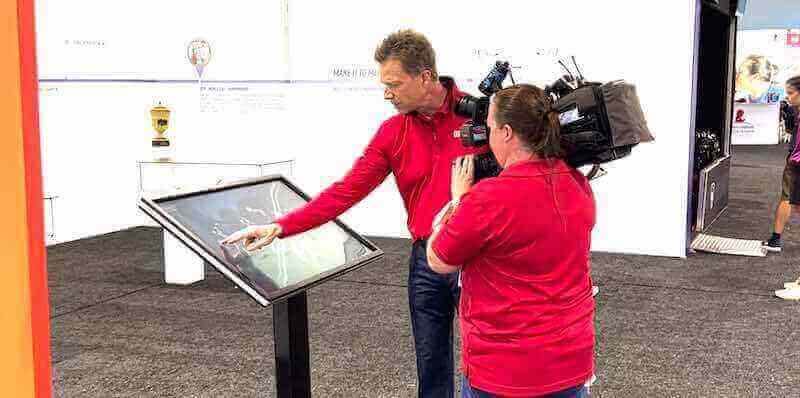
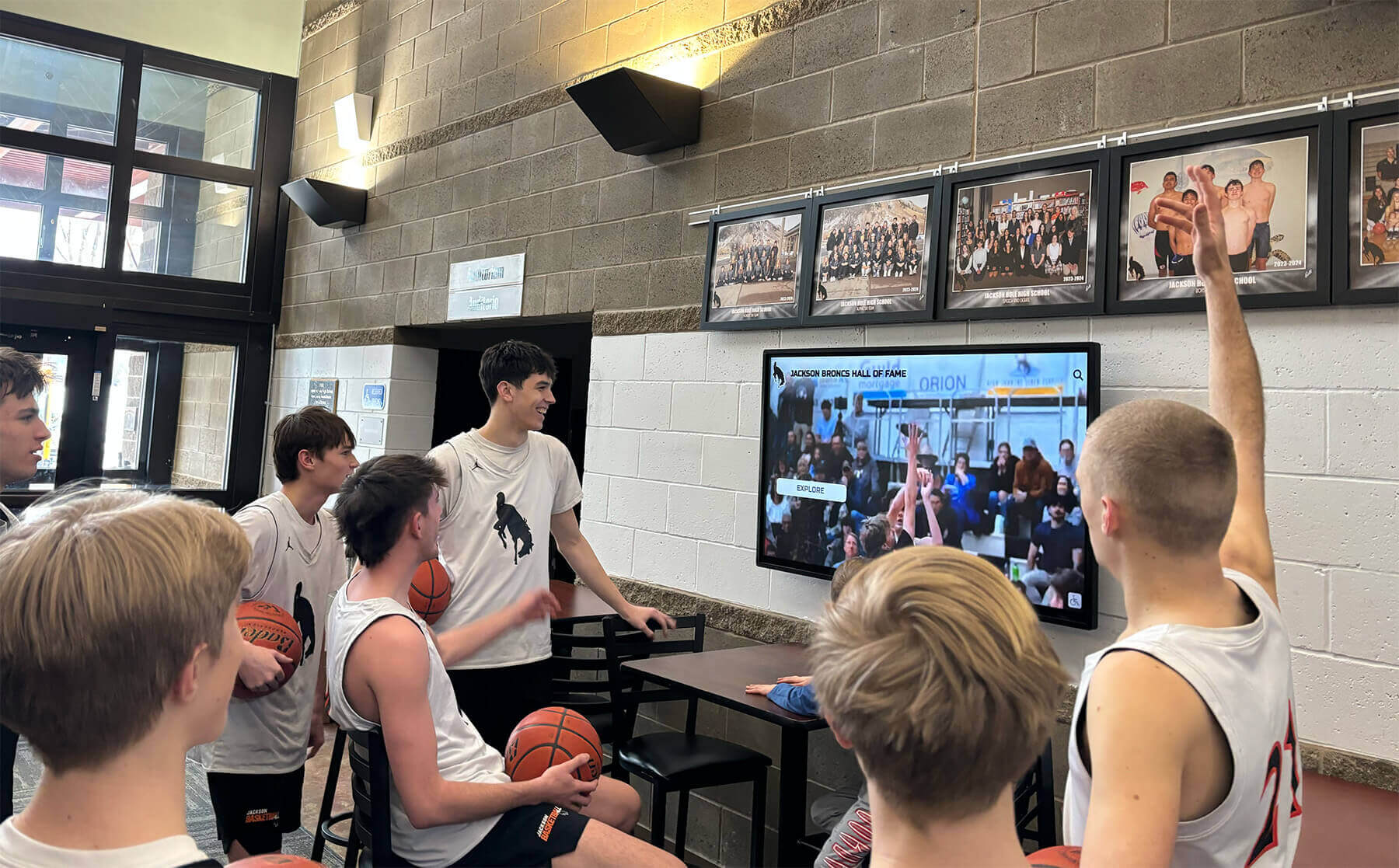
Schools implementing digital recognition report increased student engagement with program history compared to static displays. Younger athletes explore achievements through familiar touchscreen interfaces they use daily on devices, while recruits visiting facilities spend significantly more time examining program accomplishments on interactive displays than they would scanning traditional trophy cases.
Locker Room Renovation
Team spaces significantly affect athlete experience and program culture:
Functional Design Elements
Effective locker rooms address numerous practical needs:
- Adequate locker space for all roster members
- Durable construction withstanding heavy use
- Ventilation preventing odor and moisture problems
- Adequate shower and restroom facilities
- Team meeting and gathering space
- Coach supervision and communication access
- Equipment storage and organization
- Laundry and uniform maintenance areas
Consider separate varsity and sub-varsity spaces when budget permits. Combined locker rooms create scheduling conflicts when multiple teams practice simultaneously or require facility access.
Gender Equity and Title IX Compliance
Legal requirements mandate equivalent facilities:
- Comparable locker room quality across programs
- Equal amenity access regardless of gender
- Equivalent size and location
- Similar equipment and maintenance standards
- Accessible facilities meeting ADA requirements
Schools must demonstrate genuine equity rather than token compliance. Renovation planning should address any disparities ensuring all programs receive equal facility investment and quality.
Navigating Renovation Project Execution
Thoughtful planning transitions into successful construction requiring project management and coordination.
Architect and Contractor Selection
Professional team quality determines project outcomes:
Architectural Design Services
Engage firms with educational athletic facility experience:
- Portfolio demonstrating relevant gymnasium projects
- Understanding of athletic program needs and operations
- Ability to balance aspirations with budget constraints
- Knowledge of building codes and accessibility requirements
- Experience with phased construction and occupied renovations
- Clear communication and stakeholder engagement approach
Architect fees typically range 8-12% of construction costs. While this seems significant, quality design prevents costly change orders, ensures code compliance, and creates functional spaces serving programs effectively across decades—worthwhile investment protecting much larger construction expenditures.
General Contractor Procurement
Select builders through competitive transparent process:
- Multiple bid solicitation from qualified contractors
- Detailed scope documentation ensuring comparable proposals
- Reference checks with recent similar projects
- Schedule and timeline commitments
- Payment structures and change order procedures
- Insurance and bonding verification
- Safety protocols and school coordination
Schools should resist automatically accepting lowest bids without evaluating contractor qualifications, schedule commitments, and past performance. Inexperienced contractors often submit artificially low bids then encounter problems necessitating change orders that eliminate initial savings while compromising quality and timelines.
Construction Scheduling and Operational Continuity
Maintain program operations throughout renovation:
Summer Construction Windows
Academic breaks provide optimal renovation timing:
- Minimal disruption to physical education classes
- Reduced student safety concerns during construction
- Athletic team off-season reducing competition conflicts
- Compressed timelines requiring efficient contractor execution
- Weather cooperation critical for roof or exterior work
- Premium contractor demand increasing costs potentially
Most major gymnasium renovations occur during summer months. Athletic directors should secure contractor commitments early—waiting until spring to plan summer construction often results in contractor unavailability or premium pricing.
Phased Construction Approaches
Maintaining facility use during multi-phase projects:
- Sectional renovation enabling partial facility operation
- Temporary relocation to alternative practice venues
- Modified team schedules working around construction
- Clear communication preventing stakeholder frustration
- Safety protocols protecting students near construction areas
- Flexible competition scheduling if needed
Schools with single gymnasium facilities face particular challenges maintaining program operations during renovation. Early planning identifying alternative practice spaces, adjusting schedules, and communicating clearly with coaches and families prevents crises when construction begins.
Quality Control and Project Oversight
Protect district investment through active management:
Regular Inspection and Communication
Athletic directors should remain engaged throughout construction:
- Scheduled site visits monitoring progress
- Regular contractor meetings discussing status and issues
- Architect oversight ensuring quality and specification compliance
- Documentation of construction progress through photos
- Change order review and approval processes
- Payment draw verification tied to completion milestones
- Safety protocol enforcement protecting students and staff
Many project problems result from insufficient oversight allowing small issues becoming major deficiencies only discovered after contractor departure. Athletic directors need not possess construction expertise but should ask questions, document concerns, and ensure contracted work meets specifications and expectations.
Funding High School Gym Renovation Projects
Capital projects require diverse revenue sources and strategic fundraising:
Institutional Budget Allocation
Traditional funding through school district resources:
Bond Issues and Capital Campaigns
Voter-approved funding mechanisms:
- District-wide facility improvement bonds
- Multi-year capital campaigns
- Required voter approval and community support
- Typically finance major infrastructure and construction
- Long repayment timelines spreading cost across years
- Competitive priorities across multiple school needs
Athletic directors should engage early in bond planning ensuring gymnasium needs receive consideration alongside academic facilities, technology, and other district priorities. Comprehensive facility assessments documenting safety issues and program impact strengthen cases for bond inclusion.
Operating Budget Allocations
Annual appropriations for smaller projects:
- Incremental improvements across fiscal years
- Maintenance and equipment replacement
- Technology upgrades and additions
- Suitable for projects under $50,000 typically
- Competes with all district operational needs
- More flexible than bond-funded construction
Booster Club and Community Fundraising
External support supplementing institutional resources:
Capital Campaign Strategies
Organized fundraising efforts targeting specific projects:
- Clear compelling project vision and communication
- Named recognition opportunities for major donors
- Multi-year pledge commitments from supporters
- Business and corporate sponsorship solicitation
- Alumni engagement and giving programs
- Foundation grants and community organization support
Visible projects like scoreboards, recognition displays, and championship banners generate stronger fundraising response than infrastructure needs. Athletic directors can leverage donor interest in these areas to secure funding enabling budget reallocation toward less exciting but critical infrastructure improvements.
Ongoing Fundraising Programs
Sustained revenue supporting incremental improvements:
- Annual giving programs
- Spirit wear and merchandise sales
- Event fundraisers and auctions
- Concession and program sales revenue
- Booster membership dues and donations
- Sponsorship programs with local businesses
Consistent fundraising year-over-year accumulates resources enabling flexibility when opportunities arise. Booster organizations maintaining reserves can rapidly fund time-sensitive opportunities without waiting for formal campaign organization.
Alternative Financing and Partnerships
Creative approaches supplementing traditional funding:
Public-Private Partnerships
Community arrangements sharing costs and benefits:
- Local recreation department cost sharing for community use access
- Business partnerships providing funding for naming or advertising rights
- Equipment manufacturer partnerships providing discounted products
- Alumni corporate connections facilitating donations
- Foundation grants targeting educational facility improvement
Phased Financing Strategies
Budget-friendly approaches spreading investment across time:
- Phase 1 funded through available resources
- Future phase funding sought after demonstrating success
- Momentum building as community sees progress
- Priority adjustments based on emerging needs
- Opportunistic implementation when funding becomes available
Athletic directors implementing successful early renovation phases often discover subsequent phases attract funding more easily. Visible progress demonstrates project feasibility while building confidence among potential donors that contributions will achieve meaningful results.
Incorporating Modern Technology and Future-Proofing
Ensure renovation investments serve programs across decades:
Network Infrastructure Planning
Technology requires robust connectivity:
Comprehensive Connectivity
Modern gymnasiums depend on network infrastructure:
- Gigabit ethernet supporting high-bandwidth needs
- Wireless access points providing comprehensive coverage
- Scoreboard and display system connectivity
- Recognition display network access
- Sound system and control integration
- Security and access control systems
- Future technology accommodation
Schools often underestimate network requirements during renovation. Inadequate infrastructure necessitates expensive retrofits adding visible conduit and reducing aesthetic quality. Invest properly during initial construction when walls are open and infrastructure installation costs substantially less than future additions.
Flexible Design Accommodating Evolution
Athletic programs change over decades:
Adaptable Space Planning
Design supporting varied future uses:
- Multi-sport line configurations accommodating program changes
- Removable or movable equipment systems
- Flexible storage supporting different seasonal needs
- Technology mounting provisions enabling future additions
- Power and data access in varied locations
- Space allocations supporting potential program expansion
Recognition systems particularly benefit from forward-thinking design. Digital displays accommodate unlimited growth as programs accumulate achievements across decades—a single installation in 2026 still serves program effectively in 2046 and beyond without physical expansion, simply through content additions as championships and athletes accumulate annually.
Sustainability and Operational Efficiency
Long-term value includes reduced operating costs:
Energy Efficiency Investments
Systems reducing ongoing expenses:
- LED lighting cutting electrical consumption 50-70%
- High-efficiency HVAC reducing heating and cooling costs
- Improved building envelope reducing energy loss
- Automated controls optimizing system operation
- Water-efficient plumbing reducing consumption
- Daylighting strategies reducing lighting needs
While energy-efficient systems cost more initially, operational savings accumulate across decades. Many schools discover renovation projects funded partially through operational budget reallocation when energy savings from efficient systems offset costs over 10-15 year timeframes.
Conclusion: Creating Gymnasiums That Inspire Excellence
High school gym renovation represents strategic investment in student-athlete development, program success, and community engagement extending far beyond physical improvements. Thoughtfully renovated gymnasiums create environments where students train with pride, communities gather to celebrate achievement, and athletic traditions flourish across generations. Comprehensive planning addressing facility condition, program needs, budget realities, and future adaptability ensures renovation projects deliver maximum value while serving diverse stakeholders effectively for decades.
Athletic directors embarking on gymnasium renovation benefit from systematic approaches examining all facility systems, establishing clear priorities, developing realistic budgets, and building stakeholder consensus before construction begins. The most successful projects balance tradition preservation with modern innovation—honoring championship history while embracing technology and design approaches that strengthen contemporary program culture and operational efficiency.
Recognition displays increasingly represent focal renovation components where athletic directors can achieve disproportionate impact relative to investment. Modern digital recognition solutions like Rocket Alumni Solutions provide sustainable alternatives to traditional trophy cases that inevitably overflow with decades of achievements. Interactive touchscreen displays honor unlimited athletes through engaging interfaces featuring photos, videos, statistics, and stories while accommodating perpetual program growth without physical expansion—creating lasting value that serves programs across multiple generations of student-athletes.
Budget constraints need not prevent meaningful gymnasium improvement. Phased renovation approaches enable progress within annual resource limitations while building toward comprehensive long-term facility visions. Athletic directors communicating complete renovation goals while implementing incrementally create momentum and support even when immediate budgets permit only modest initial steps. Each successful phase demonstrates progress and builds confidence attracting additional funding for subsequent improvements.
The gymnasiums athletic directors renovate today will shape student experiences, define program identities, and serve communities throughout careers of coaches not yet hired teaching athletes not yet born. Investment in comprehensive planning, quality design, and innovative recognition approaches creates lasting value transcending any single season or championship—building traditions that inspire excellence across decades of athletic achievement while honoring the championship history that defines program identity and community pride.
Ready to explore how digital recognition displays can transform your gymnasium’s approach to honoring athletic achievements and tradition? Discover how Touch Archive helps high schools create engaging recognition systems that showcase unlimited athletes, preserve championship history, and inspire future generations through interactive touchscreen displays that complement facility renovations while providing sustainable long-term solutions addressing space limitations inherent in traditional trophy cases.