



High school wrestling rankings provide essential frameworks for understanding competitive positioning, motivating athlete development, and recognizing achievement in one of America’s most demanding high school sports. From state association systems to national ranking services, these rankings help wrestlers set goals, coaches evaluate progress, and programs celebrate excellence while preserving the achievements that define institutional wrestling tradition.
Yet navigating wrestling’s ranking landscape presents challenges. Multiple ranking systems use different methodologies, weight class structures create complexity, and achievement documentation often relies on outdated recognition approaches that fail to preserve complete program histories. Meanwhile, wrestlers pursue state qualifications and national recognition hoping their accomplishments will be remembered—but traditional trophy cases and painted record boards lack space to honor every achievement comprehensively.
This guide explores how high school wrestling rankings function, what they mean for wrestlers and programs, and how schools can systematically document and celebrate ranking achievements through recognition systems that honor past champions while inspiring current competitors.
Wrestling stands apart from team sports through its unique combination of individual competition and team scoring. A wrestler’s ranking reflects personal achievement earned through victories on the mat, yet these individual successes contribute to team standings and championship pursuits—creating layered recognition opportunities that programs must navigate thoughtfully.

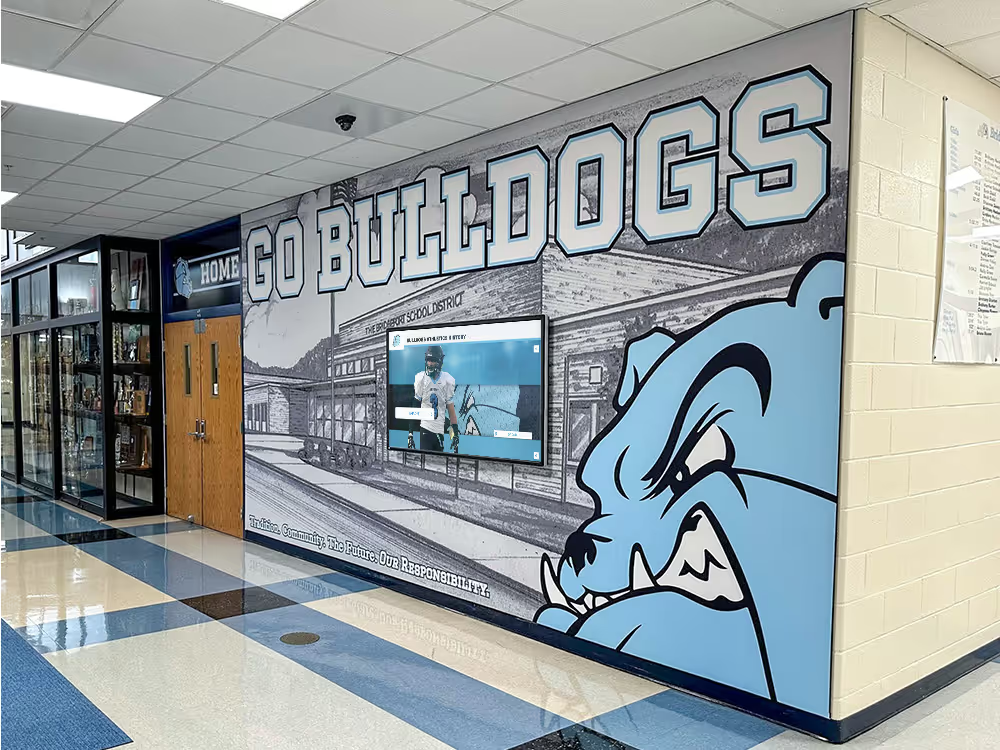
Comprehensive recognition systems preserve wrestling achievements permanently, connecting current wrestlers to program tradition
Understanding Wrestling Ranking Systems
Multiple ranking organizations evaluate high school wrestlers using varying methodologies and criteria.
State Association and Conference Rankings
Most state high school athletic associations maintain official ranking systems:
State-Level Ranking Structures
- Weekly or periodic rankings throughout wrestling season
- Weight class specific rankings (14 weight classes typically)
- Division or classification rankings based on school enrollment
- Separate rankings for different competitive regions or sections
- Pre-tournament seeding rankings for state championships
State Ranking Methodologies
Different states employ various approaches:
- Win-loss records and winning percentages
- Quality of competition and opponent strength
- Tournament performance and placement results
- Head-to-head results between ranked wrestlers
- Coach and committee input in some states
States like Pennsylvania, Ohio, New Jersey, California, and Iowa feature particularly prominent ranking systems given their deep wrestling traditions and competitive depth.
Conference and Regional Rankings
Beyond statewide systems:
- Conference rankings within league competitions
- Regional rankings for large states divided into sections
- District or sectional rankings determining tournament seeding
- Area rankings published by local wrestling communities
- Dual meet standings affecting team competition rankings
These localized systems provide immediate competitive context for wrestlers while state rankings offer broader recognition.
National Wrestling Ranking Services
Several organizations rank high school wrestlers nationally:
MatScouts Rankings
Leading national ranking service features:
- Weight-by-weight national rankings across multiple weight classes
- Graduation year specific rankings (Class of 2026, 2027, etc.)
- Pound-for-pound rankings across all weights
- State-by-state wrestler evaluations
- Recruiting rankings for college-bound athletes
FloWrestling Rankings
Prominent wrestling media platform provides:
- National high school rankings by weight class
- Top-100 overall wrestler rankings regardless of weight
- Freshman, sophomore, and underclass specific rankings
- Ranking updates following major tournaments
- Analysis and commentary explaining ranking movements
USA Wrestling and Preseason Nationals
USA Wrestling sanctions key events:
- Preseason and postseason national tournament results
- All-American status for top placers
- Age-group national rankings
- Folkstyle and freestyle/Greco-Roman rankings
- Cadet and junior level rankings for younger wrestlers
WIN Magazine and Track Wrestling
Additional ranking systems include:
- WIN Magazine’s “Fab 50” national rankings
- Track Wrestling’s ranking algorithms and tournament data
- InterMat Wrestling’s high school rankings
- State-specific ranking services and publications
This multiplicity means wrestlers may hold different rankings across services, requiring understanding of each system’s methodology.

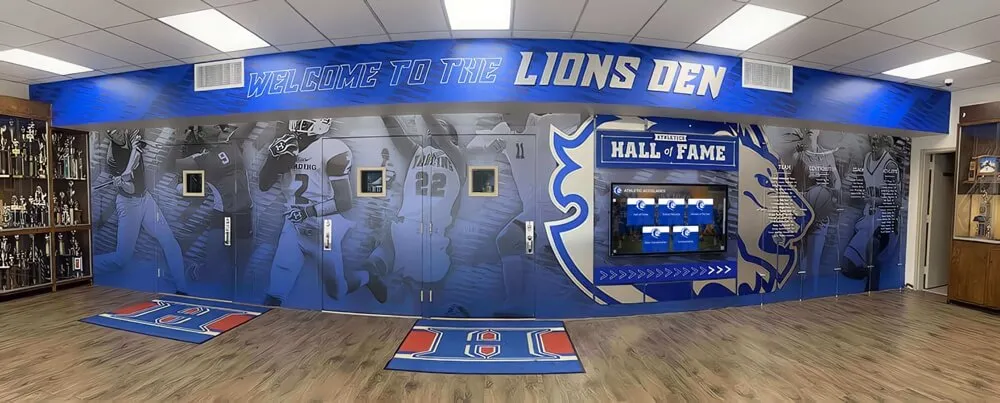
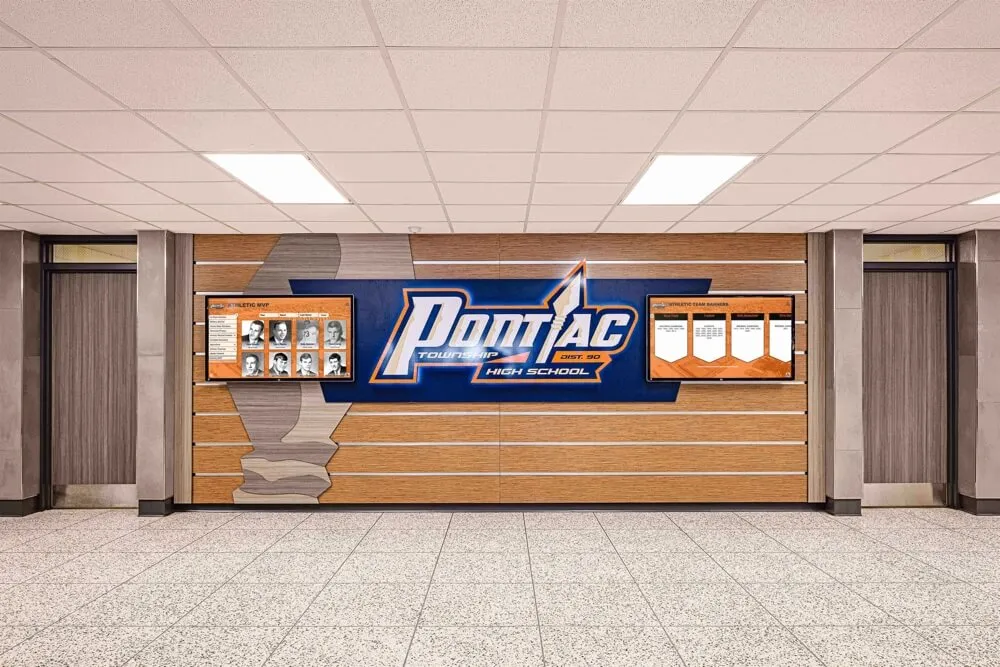
Modern displays allow schools to document ranking achievements alongside championships and program history
How Wrestling Rankings Are Determined
Understanding ranking methodologies helps wrestlers, coaches, and families interpret competitive positioning.
Win-Loss Records and Competition Strength
Fundamental ranking factors include:
Match Results Foundation
- Overall season win-loss record
- Win percentage against ranked opponents
- Quality wins over highly ranked wrestlers
- Losses to ranked opponents weighted less negatively
- Recent performance trajectory throughout season
Strength of Schedule Considerations
Rankings emphasize competition quality:
- Competing against ranked opponents boosts ranking
- Tournament strength affects placement value
- Out-of-state competition against top wrestlers
- Dual meet opponents’ overall records
- Weight class depth in wrestler’s region or state
A wrestler with fewer wins but stronger schedule may rank higher than one with more wins against weaker competition.
Head-to-Head Results
Direct matchups significantly impact rankings:
- Head-to-head wins over nearby-ranked wrestlers
- Margin of victory (pin, technical fall, major decision, decision)
- Circumstances of matches (tournament finals vs. early rounds)
- Multiple meetings between wrestlers throughout season
- Neutral site versus home/away considerations
Tournament Performance and Placement
Tournament results heavily influence rankings:
Tournament Prestige Hierarchy
Not all tournaments carry equal weight:
- Major national tournaments (Ironman, Fargo, Super 32, Geary)
- Elite state invitationals and showcases
- State championship tournaments
- Regional and sectional qualifiers
- Local tournaments and dual meets
Placing high at prestigious tournaments significantly elevates rankings regardless of overall record.
Placement Value
Ranking systems weigh tournament finishes:
- Championship victories provide maximum ranking boost
- Runner-up and podium finishes (3rd-6th place)
- Number of quality wins accumulated during tournament
- Wrestlers defeated en route to placement
- Consolation bracket performance and improvement
Consistent tournament success across multiple events demonstrates ranking-worthy performance.
Weight Class Considerations
Wrestling’s weight class structure affects rankings uniquely:
Weight-Specific Rankings
- Separate rankings for each weight class
- Pound-for-pound rankings comparing across weights
- Wrestlers moving between weights during season
- Weight class depth affecting ranking difficulty
- Competition quality varying by weight

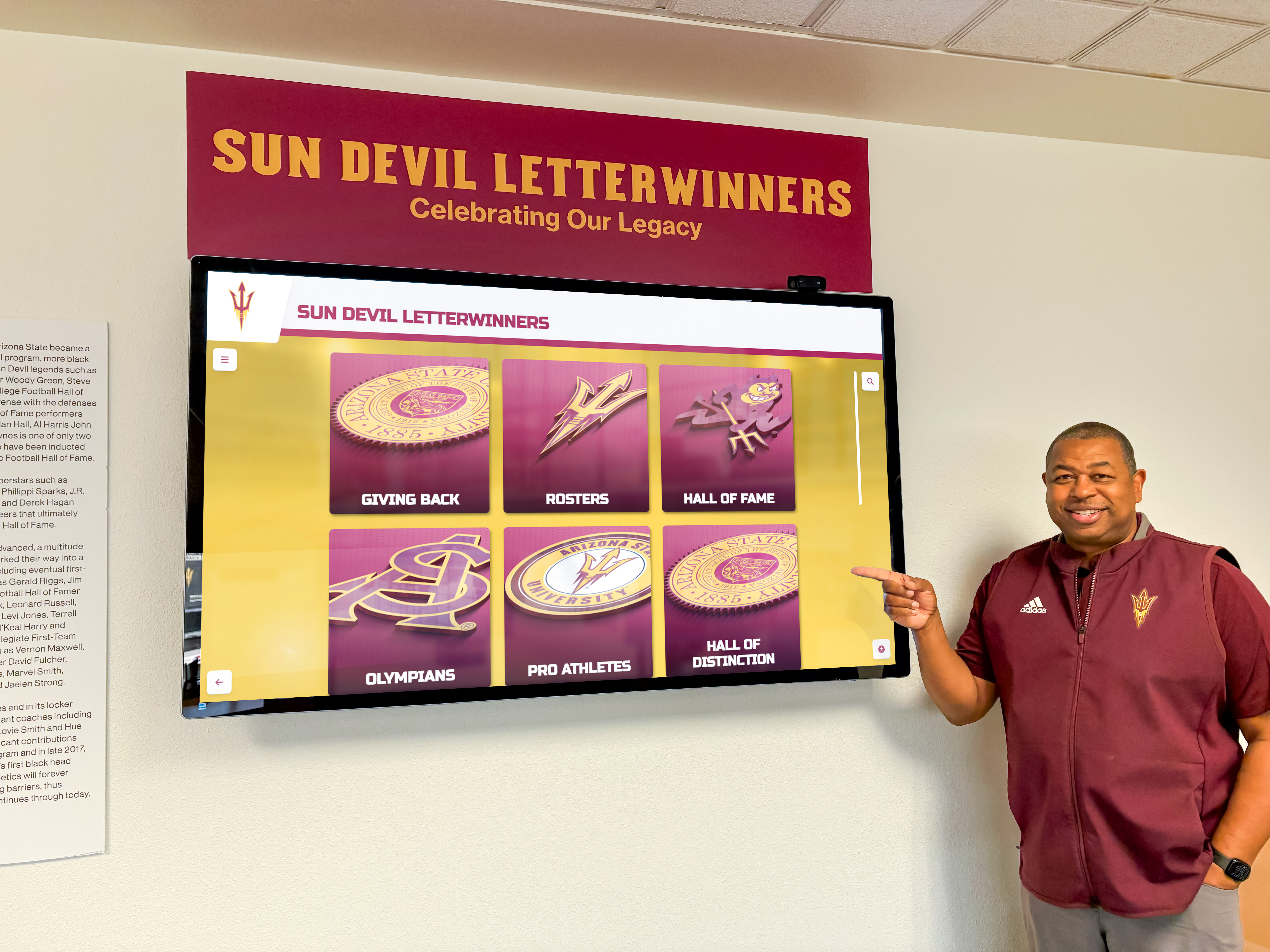
Searchable recognition systems enable exploring wrestler achievements by weight class, year, or ranking milestone
Multi-Weight Competition
Some wrestlers compete at multiple weights:
- Rankings may reflect strongest weight class performance
- Flexibility across weights demonstrates versatility
- Strategic weight changes affect ranking trajectory
- Season-end weight class often determines primary ranking
- Dual meet versus tournament weight considerations
State Championship Qualification and Rankings
Rankings directly influence state tournament participation and seeding.
Qualifying Through Rankings
State championship qualification varies by state:
Ranking-Based Qualification
- Top-ranked wrestlers in each weight automatic qualifiers
- Certain number of spots per region or section based on rankings
- At-large bids for highly-ranked wrestlers from tough regions
- Wildcard selections considering ranking and performance
- Ranking cutoffs determining tournament invitation
Tournament Qualification Pathways
Multiple routes to state championships:
- Conference tournament champions qualify automatically
- District or sectional tournament placers advance
- Regional qualifiers based on placement
- Combined ranking and tournament performance requirements
- Petitions based on ranking for injured wrestlers
Rankings determine seeding even when tournament qualification comes through placement rather than ranking alone.
State Tournament Seeding
Rankings establish competitive brackets:
Seeding Methodology
- Pre-tournament rankings determine bracket seeds
- Top-ranked wrestlers receive preferential bracket positions
- Higher seeds face lower seeds in early rounds
- Bracket balance attempting competitive equity
- Previous head-to-head results considered in close ranking cases
Strong seeding provides significant advantage throughout tournaments by ensuring top wrestlers don’t meet until later rounds.
Impact on Championship Probability
Seeding affects championship paths:
- Top seeds face easier early competition
- Bracket positioning influences matchup difficulty
- Higher seeds receive benefit of doubt in close seeding calls
- Home state advantage in ranking and seeding discussions
- Historical program success sometimes influencing borderline seeds
Wrestlers prioritize earning top rankings precisely because seeding dramatically affects championship opportunities.
For schools documenting state championship achievements alongside rankings, wrestling hall of fame systems provide comprehensive frameworks for celebrating wrestler success.

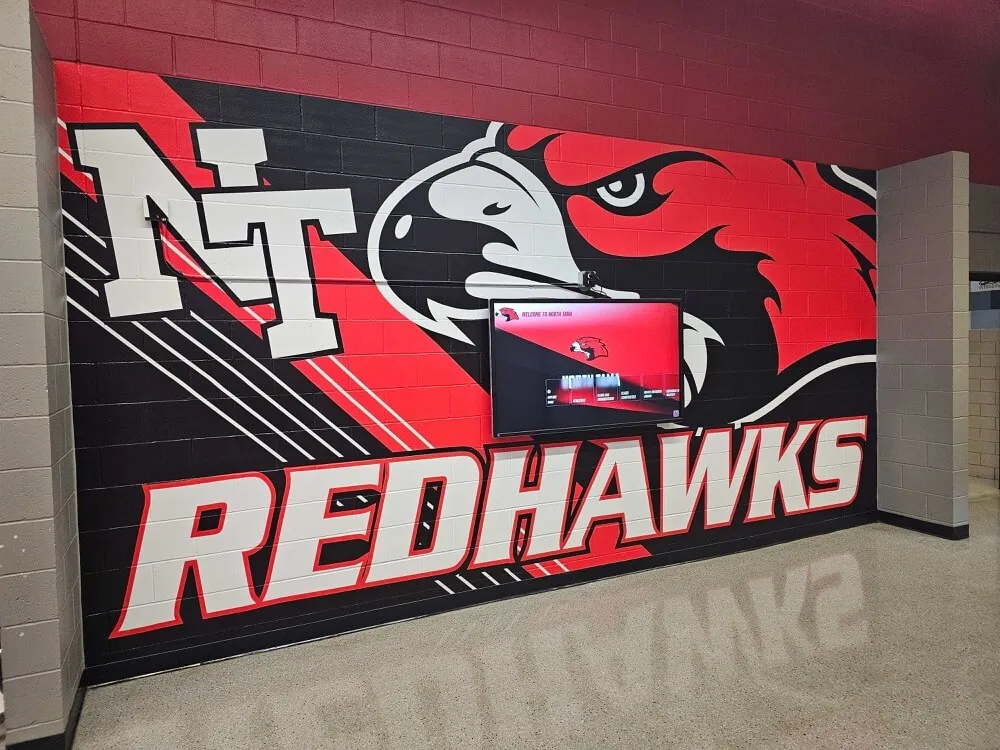
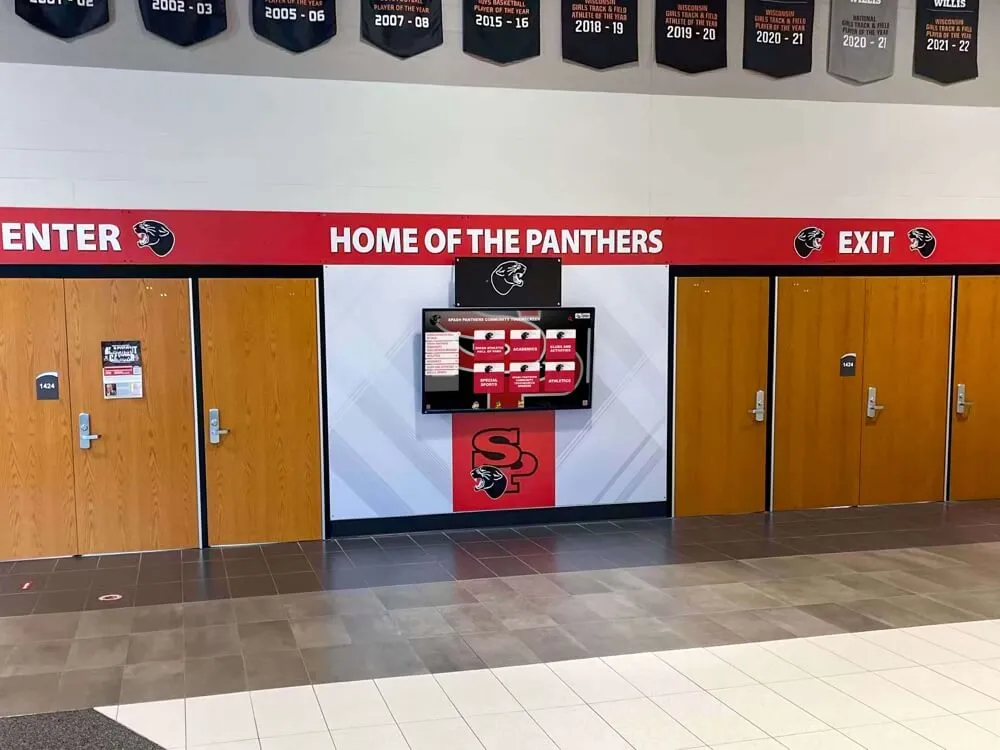
Integrating ranking achievements with school athletic displays creates visible recognition of wrestling excellence
National Rankings and Elite Competition
Top high school wrestlers pursue national recognition beyond state boundaries.
National Tournament Circuit
Elite wrestlers compete across state lines:
Major National Events
- Ironman Tournament: Prestigious Ohio tournament attracting top wrestlers nationally
- Super 32: Elite invitational in North Carolina
- Beast of the East: Major tournament in Delaware
- Who’s Number One?: FloWrestling’s dual-style showcase event
- Preseason and Postseason Nationals: USA Wrestling sanctioned events
- Fargo Nationals: Freestyle and Greco-Roman national championships
These events provide opportunities for national ranking elevation and head-to-head competition against elite wrestlers from across America.
Interstate Competition Benefits
Competing nationally offers:
- Exposure to college coaches and recruiting attention
- Validation of ranking against broader competition
- Experience facing diverse wrestling styles and techniques
- National ranking establishment and improvement
- Preparation for potential collegiate careers
Geographic Ranking Variations
Wrestling strength concentrates regionally:
- Traditional wrestling states (PA, OH, NJ, IA, OK, CA) feature deeper competition
- A top-10 state ranking carries different weight depending on state
- National rankings attempt equitable comparison across regions
- Out-of-state competition validates in-state rankings
- Migration patterns affecting regional competitive balance
College Recruiting and Rankings
National rankings significantly impact college recruiting:
Division I Recruiting Considerations
- Major programs recruit nationally-ranked wrestlers heavily
- National ranking serves recruiting evaluation shorthand
- Ranking trajectory matters as much as absolute position
- Weight class needs affecting college interest regardless of ranking
- Academic qualifications complementing athletic rankings
Scholarship Opportunities
Rankings influence recruiting:
- Top-ranked wrestlers receive scholarship offers earlier
- National ranking threshold for Division I interest
- Multiple ranking systems provide recruiting confirmation
- Ranking improvements during junior/senior years attracting attention
- Post-season national tournament performance validating rankings
For wrestlers and families, national rankings represent tangible measures of recruiting competitiveness and college placement potential. Schools can honor wrestlers achieving national rankings through athletic hall of fame displays documenting these prestigious achievements.
Using Rankings to Build Wrestling Programs
Coaches and administrators leverage rankings strategically for program development.
Scheduling for Ranking Improvement
Thoughtful scheduling enhances ranking opportunities:
Strength of Schedule Planning
- Scheduling dual meets against ranked opponents
- Attending tournaments with strong fields
- Seeking out-of-state competition for exposure
- Balancing development matches with ranking opportunities
- Strategic weight class positioning for optimal matchups
Tournament Selection Strategy
Choosing events wisely:
- Targeting tournaments appropriate to wrestler skill level
- Mixing developmental tournaments with elite competitions
- Geographic diversity exposing wrestlers to different styles
- Building confidence through progressive difficulty
- End-of-season peak performance at key ranking events
Risk-Reward Calculations
Strategic wrestling decisions:
- Wrestling up in weight to avoid tough opponents
- Taking matches against ranked wrestlers for ranking points
- Avoiding excessive losses that harm ranking trajectory
- Injury management affecting competition selection
- Senior year scheduling to maximize college exposure
Motivating Athletes Through Rankings
Rankings provide tangible goals and competitive frameworks:
Goal Setting Applications
- Beginning season with ranking target goals
- Weekly ranking updates motivating consistent performance
- Weight class specific ranking pursuits
- State ranking milestones (top-25, top-10, top-5)
- National ranking aspirations for elite wrestlers
Performance Tracking
Rankings enable progress monitoring:
- Ranking improvement demonstrating development
- Comparison against rival wrestlers and programs
- Historical program ranking comparisons
- Team ranking aggregation from individual wrestlers
- Post-season ranking validation of season success
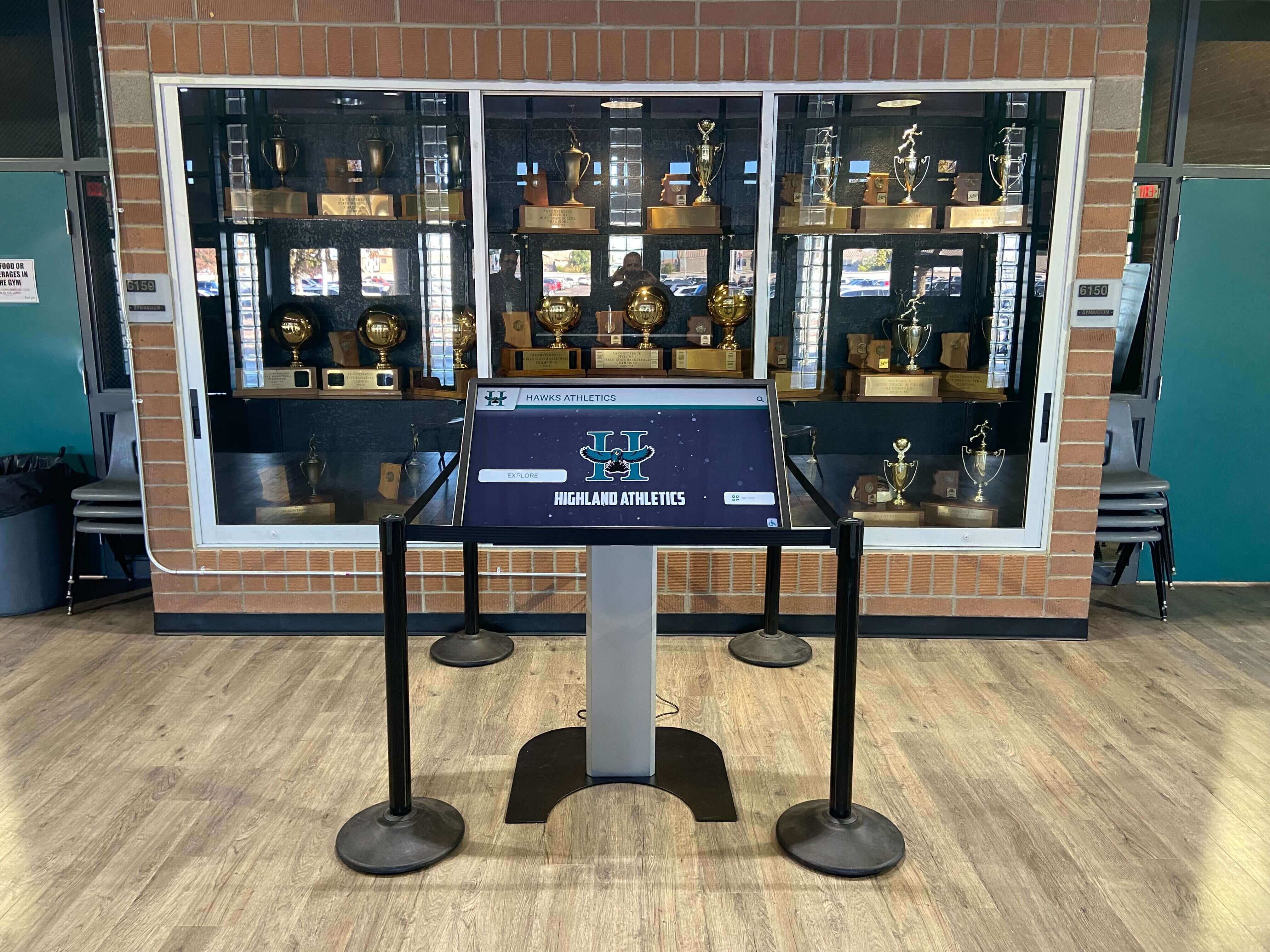
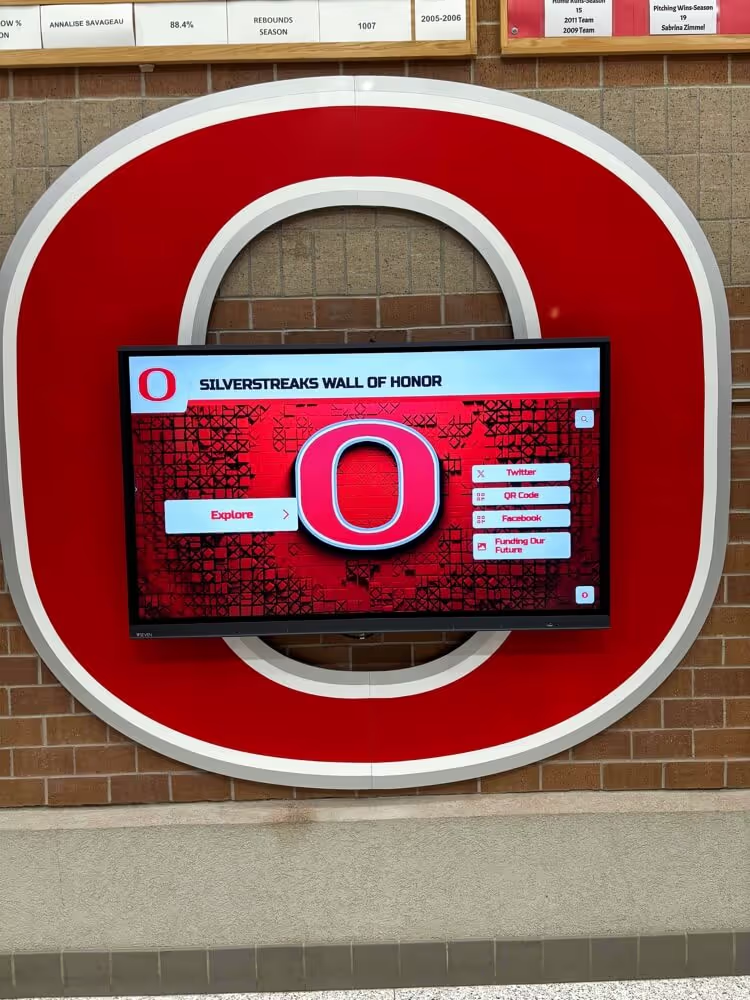
Combining digital recognition with traditional displays provides comprehensive documentation of ranking and tournament achievements
Program Culture and Competitive Identity
Rankings shape program perception:
Building Competitive Reputation
- Consistently producing ranked wrestlers
- Team rankings in dual meet competitions
- Multiple ranked wrestlers across weight classes
- Historical ranking traditions and program legacy
- Community pride in wrestling program success
Recruiting and Youth Program Impact
Rankings affect program sustainability:
- Youth wrestlers aspiring to ranked high school program
- Transfer interest from wrestlers seeking competitive environments
- Community support and booster engagement
- Facility investment justification through competitive success
- Coaching staff recruitment and retention
Programs systematically producing ranked wrestlers develop cultures where competitive excellence becomes institutional expectation passed across generations.
Weight Class Dynamics in Wrestling Rankings
Wrestling’s weight class structure creates unique ranking considerations.
Weight Class Depth Variations
Competitive depth varies significantly by weight:
Traditional “Loaded” Weight Classes
- 138-145-152 lb weights often deepest
- 126 lb and 160 lb historically competitive
- Heavyweight features distinct competition style
- Lower weights (106-113) with fewer but skilled wrestlers
- Middle weights typically most challenging rankings
Regional Weight Class Variations
Different areas show different patterns:
- Geographic body type variations affecting depth
- Program emphasis on particular weights
- Multi-sport athletes clustering at certain weights
- Coaching specialization affecting weight development
- Training room culture around weight management
A state ranking at 145 pounds might require significantly better record than same ranking at 220 pounds due to depth differences.
Moving Weight Classes
Wrestlers changing weights create ranking complications:
Weight Movement Strategies
- Moving up for better tournament seeding
- Dropping weight to avoid particularly tough opponents
- Season-long weight management affecting performance
- Growth spurts forcing weight changes
- Strategic weight flexibility during dual meet season
Ranking Impacts
Weight changes affect rankings:
- Establishing ranking at new weight takes time
- Previous weight class achievements may transfer partially
- Ranking services tracking primary weight class
- Tournament results at various weights considered
- End-of-season weight determining primary ranking classification
Multi-Weight Recognition
Schools should acknowledge:
- Wrestlers competing successfully at multiple weights
- Flexibility demonstrating versatility
- Team-first weight changes for program benefit
- Rankings achieved at different weights during career
- Season-end primary weight class for historical records
For programs documenting wrestler achievements across weight classes and ranking milestones, comprehensive digital recognition systems provide unlimited capacity for celebrating diverse accomplishments.
Documenting and Displaying Ranking Achievements
Preserving ranking accomplishments creates lasting recognition for wrestlers.
Traditional Recognition Approaches
Physical displays documenting rankings:
Trophy Cases and Plaques
- State finalist and placer recognition
- Team ranking achievements
- Individual ranking milestones
- National tournament qualifications
- All-American and national placer honors

Interactive displays enable exploring complete wrestling history including ranking achievements across decades
Banners and Wall Displays
- State qualifier banners in wrestling rooms
- Championship and placer recognition
- Team ranking accomplishments
- Individual season highlights
- Historical program ranking traditions
Yearbook and Media Recognition
- Season-end ranking summaries
- Tournament placement documentation
- Individual wrestler profiles with rankings
- Team accomplishments and rankings
- Historical ranking comparisons
Digital Recognition Systems
Modern platforms overcome traditional limitations:
Unlimited Historical Capacity
Digital displays eliminate space constraints:
- Complete wrestler profiles with ranking histories
- Season-by-season ranking documentation
- Weight class specific ranking achievements
- State and national ranking milestones
- Comparison of rankings across eras
Dynamic Updates
Cloud-based systems enable:
- Real-time ranking updates during season
- Tournament result integration
- Current wrestler ranking tracking
- Historical ranking preservation
- Searchable databases by wrestler, year, or weight class
Multimedia Integration
Digital platforms support:
- Match video highlights from ranking-defining moments
- Photo galleries of ranked wrestlers
- Tournament bracket displays
- Coach and wrestler interviews about achieving rankings
- Ranking progression timelines
Solutions like Touch Archive provide comprehensive platforms specifically designed for documenting athletic achievements including wrestling rankings and tournament success.
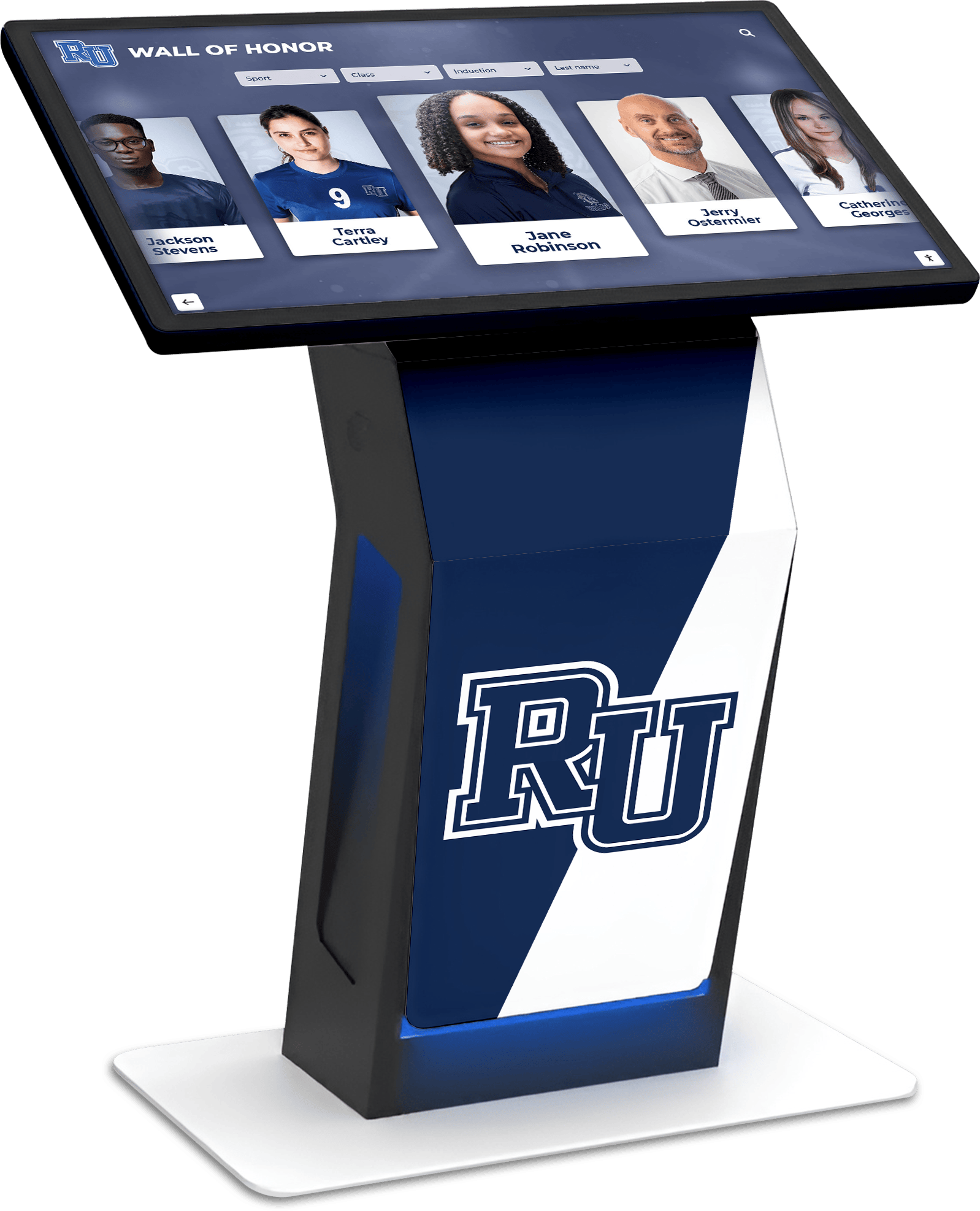
Modern recognition kiosks create engaging experiences for exploring wrestling program history and ranking achievements
Challenges and Controversies in Wrestling Rankings
Ranking systems face inherent limitations and criticism.
Subjectivity and Methodology Debates
Rankings involve subjective elements:
Ranking Criteria Disagreements
- Weight given to head-to-head results
- Tournament prestige valuations
- Strength of schedule calculations
- Regional bias in national rankings
- Timing of ranking updates
Eye Test Versus Algorithm
Different philosophical approaches:
- Computer rankings prioritizing objective data
- Committee rankings incorporating context and observation
- Hybrid systems attempting to balance both
- Fan and coach input creating pressure
- Ranking service reputation and credibility
Geographic Bias Concerns
National rankings face:
- Limited inter-state competition for verification
- Traditional wrestling state over-representation
- East coast versus West coast comparisons
- Southern and Western wrestling growth creating new powers
- Travel limitations preventing comprehensive national comparison
Impact of Injuries and Circumstances
Rankings struggle accounting for situational factors:
Injury Effects
- Injured wrestlers losing ranking despite no competitive losses
- Returning from injury requiring re-establishing ranking
- Weight management injuries affecting performance
- Season-ending injuries before state tournaments
- Medical forfeits and withdrawals affecting records
Circumstances Beyond Win-Loss
Other factors affecting rankings:
- Illness impacting performance at key tournaments
- Family circumstances affecting training and competition
- Academic eligibility issues
- Transfer situations and residency rules
- Coaching changes and program instability
Rankings based purely on results can’t capture these realities, sometimes penalizing wrestlers for circumstances beyond their control.
Rankings Versus Tournament Results
Sometimes rankings and competition results diverge:
Upsets and Ranking Validation
- Lower-ranked wrestlers defeating higher-ranked opponents
- Tournament results contradicting pre-event rankings
- Head-to-head superiority versus overall ranking position
- Post-season ranking adjustments based on championship results
- Ranking as prediction versus retrospective assessment
The relationship between rankings and tournament success remains imperfect, with rankings serving as informed projections rather than definitive competitive hierarchies.
Rankings at Different Competitive Levels
Ranking systems adapt to various high school classifications.
Large School and Competitive Divisions
Top classifications feature:
Division I / Class AAA Characteristics
- Deepest talent pools and competition
- Multiple nationally-ranked wrestlers per weight
- Intense ranking competition for state qualifications
- College recruiting attention concentrated at this level
- Traditional wrestling powerhouse programs dominating
Ranking Difficulty
Top classification challenges:
- Achieving high ranking requires exceptional performance
- State top-10 ranking highly prestigious
- National ranking possibilities for elite wrestlers
- Every match against quality competition
- Margin for error extremely limited
Smaller School Classifications
Lower divisions feature different dynamics:
Small School Wrestling Culture
- Tight-knit wrestling communities
- Multi-sport athletes competing in wrestling
- Fewer wrestlers per school affecting depth
- Less specialization in training and technique
- Traditional rural wrestling strongholds
Ranking Considerations
Small school ranking factors:
- Limited competition pool affecting ranking establishment
- Regional tournaments critical for ranking validation
- State ranking meaningful within classification
- Cross-classification comparison difficulties
- Pound-for-pound recognition for multi-weight competitors
Recognition Equity
All classifications deserve equal celebration:
- Small school champions achieving excellence in their context
- Class-specific rankings providing appropriate frameworks
- Historical preservation regardless of school size
- Community significance of wrestling success
- Academic and athletic recognition balance across all programs
Schools should document classification-appropriate achievements comprehensively, ensuring small school success receives recognition equal to large school accomplishments.
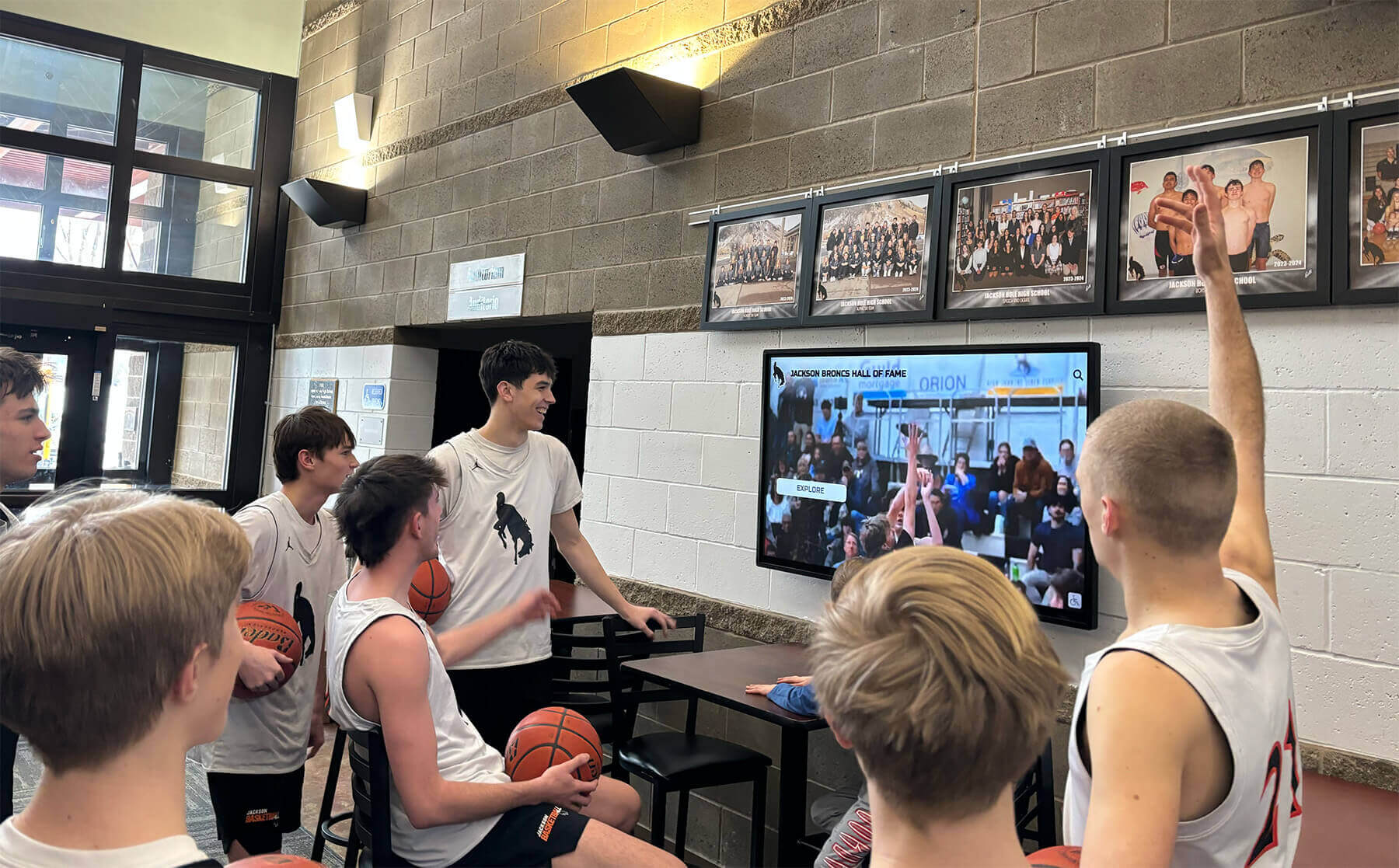
Public displays in school lobbies enable families and visitors to explore wrestling achievements and program history
Season-Long Ranking Tracking and Updates
Rankings evolve throughout wrestling season requiring systematic monitoring.
Regular Season Ranking Updates
Tracking rankings benefits programs:
Weekly Ranking Reviews
- Monitor state ranking publications
- Track national ranking updates
- Compare wrestler positioning to goals
- Identify ranking-critical upcoming matches
- Celebrate ranking improvements and milestones
Communication Strategies
Sharing ranking information:
- Team meetings discussing current rankings
- Individual wrestler conversations about positioning
- Parent communication about achievement and progress
- Social media celebration of ranking milestones
- School announcements recognizing ranked wrestlers
Performance Analysis
Using rankings for improvement:
- Identifying areas affecting ranking trajectory
- Strength of schedule evaluation and planning
- Weight class decisions informed by ranking landscape
- Tournament selection based on ranking opportunities
- Injury and recovery timing considering ranking implications
Post-Season Ranking Finalization
Season-end rankings provide lasting recognition:
Final Rankings Significance
- Career-defining achievement for senior wrestlers
- Historical documentation of season success
- College recruiting validation
- Program prestige and reputation
- End-of-season award criteria and recognition
Archival and Recognition
Preserving final rankings:
- Digital archive integration
- Physical recognition displays
- Yearbook and publication documentation
- Social media and website updates
- Alumni communication and celebration
Post-season final rankings represent permanent achievement deserving systematic preservation through recognition systems that honor wrestlers’ accomplishments for years to come.
Building a Culture Around Rankings
Successful programs create healthy ranking-focused environments.
Emphasizing Process Over Outcome
Healthy ranking culture focuses on:
Development-Centered Approach
- Rankings reflecting improvement and growth
- Celebrating ranking gains regardless of absolute position
- Process goals (technique, conditioning, mental preparation)
- Long-term development over single-season ranking
- Multiple recognition pathways beyond rankings alone
Team-First Mentality
Balancing individual and team:
- Individual rankings contributing to team success
- Weight class flexibility for team benefit
- Celebrating teammates’ ranking achievements
- Team rankings alongside individual recognition
- Collective pursuit of program excellence
Resilience and Perspective
Teaching through ranking setbacks:
- Losses to ranked opponents as learning opportunities
- Ranking drops motivating renewed focus
- Understanding ranking limitations and subjectivity
- Long-term trajectory over short-term fluctuation
- Character development through competitive adversity
Recognition Beyond Rankings
Comprehensive athlete acknowledgment:
Multiple Achievement Dimensions
- Rankings alongside academic recognition
- Character and leadership awards
- Improvement and dedication recognition
- Team contribution beyond individual success
- Post-high school achievement tracking
Historical Context
Connecting present to past:
- Program ranking traditions and legacies
- Historical wrestler comparisons
- Alumni ranking achievements
- Generational excellence in wrestling families
- Program history preservation through comprehensive archives
Technology Enabling Ranking Documentation
Modern platforms transform ranking recognition.
Real-Time Data Integration
Advanced systems connect:
Automated Updates
- Tournament result feeds
- Ranking service integrations
- Season statistics tracking
- Head-to-head result documentation
- Championship bracket updates
Mobile Accessibility
Extending beyond physical displays:
- Mobile-optimized recognition access
- Alumni and family remote viewing
- Recruiting portfolio integration
- Social media sharing capabilities
- Web-accessible wrestler profiles
Comprehensive Historical Archives
Digital preservation enables:
Multi-Decade Documentation
- Complete program ranking history
- Wrestler-by-wrestler ranking records
- Weight class evolution over time
- State and national ranking milestones
- Tournament performance and placement
Search and Discovery
Interactive exploration:
- Search by wrestler name, year, weight class
- Filter by ranking achievement level
- Compare eras and coaching tenures
- Track family wrestling legacies
- Identify program records and traditions
Multimedia Storytelling
Rich content presentation:
- Action photography from ranked wrestlers
- Video highlights of ranking-defining matches
- Interview content with coaches and alumni
- Historical context and narrative
- Tournament bracket and result displays

Strategic placement of recognition displays ensures wrestling achievements remain visible to diverse audiences
Conclusion: Rankings as Program-Building Tools
High school wrestling rankings serve multiple critical functions beyond simple competitive hierarchies. They provide wrestlers with tangible goals and measurable progress indicators, offer coaches recruitment and scheduling guidance, create community pride through recognizable achievement, and enable programs to document excellence systematically for future generations. When understood thoroughly and applied thoughtfully, ranking systems become powerful tools for building wrestling program cultures that honor individual excellence while emphasizing team success.
The comprehensive exploration in this guide demonstrates how ranking systems function, what they mean for wrestlers and programs, and how schools can leverage rankings strategically while maintaining healthy competitive perspectives. From state association systems to national ranking services, these frameworks provide essential context for achievement while creating recognition opportunities that extend beyond championship tournaments to honor consistent excellence throughout seasons and careers.
Preserve Your Wrestling Program's Legacy
Discover how interactive touchscreen displays can help you document ranking achievements, tournament success, and complete program history, creating lasting recognition that inspires current wrestlers while honoring past champions.
Request a DemoMost importantly, modern recognition technology enables programs to document ranking achievements comprehensively regardless of resources. Digital platforms eliminate the space constraints and update costs that made traditional recognition approaches impossible to maintain comprehensively. Every ranked wrestler, every weight class achievement, every state qualification and national tournament appearance can be preserved permanently through systems that current athletes, returning alumni, and future wrestlers can explore indefinitely.
Whether your program consistently produces nationally-ranked wrestlers or celebrates first-time state qualifiers, these achievements deserve systematic documentation through recognition approaches that honor dedication and excellence. Rankings represent countless hours of training, disciplined weight management, competitive courage, and personal sacrifice—achievements that define wrestlers’ high school experiences and contribute to institutional wrestling tradition.
Start building comprehensive recognition systems today that capture ranking milestones alongside tournament results, championship achievements, and the human stories that make wrestling such a demanding and rewarding sport. Technology now enables every program to preserve wrestling excellence permanently, ensuring achievements that matter today remain celebrated tomorrow and for generations to come.
Ready to transform how your program recognizes wrestling achievement? Explore Touch Archive solutions for comprehensive athletic recognition and complete program history preservation, or request a demo to see how your wrestlers’ rankings and accomplishments can be celebrated permanently through engaging interactive displays.