



Every game-winning puck tells a story—a championship-clinching goal in overtime, a rivalry victory that defined a season, or a milestone achievement that made program history. Hockey pucks from these significant moments deserve proper preservation and display, yet many athletic directors struggle to select hockey puck display cases that protect memorabilia while creating compelling presentations that engage players, alumni, and fans.
Poor display choices lead to predictable frustrations: pucks fading from UV exposure, cluttered arrangements that diminish individual achievements, mounting systems that fail over time, or cheap cases that undermine the significance of the moments being honored. Programs invest significantly in developing championship-caliber teams, only to watch irreplaceable memorabilia deteriorate in inadequate displays or disappear into storage due to space limitations.
This comprehensive guide helps athletic directors, hockey coaches, and booster clubs select hockey puck display cases and create recognition programs that preserve championship memories while inspiring current players and connecting alumni to program traditions.
Hockey programs generate remarkable memorabilia—pucks from state tournament runs, milestone goals, shutout games, and rivalry victories. Proper display case selection ensures these artifacts remain preserved and accessible while creating recognition environments that celebrate program culture and history.

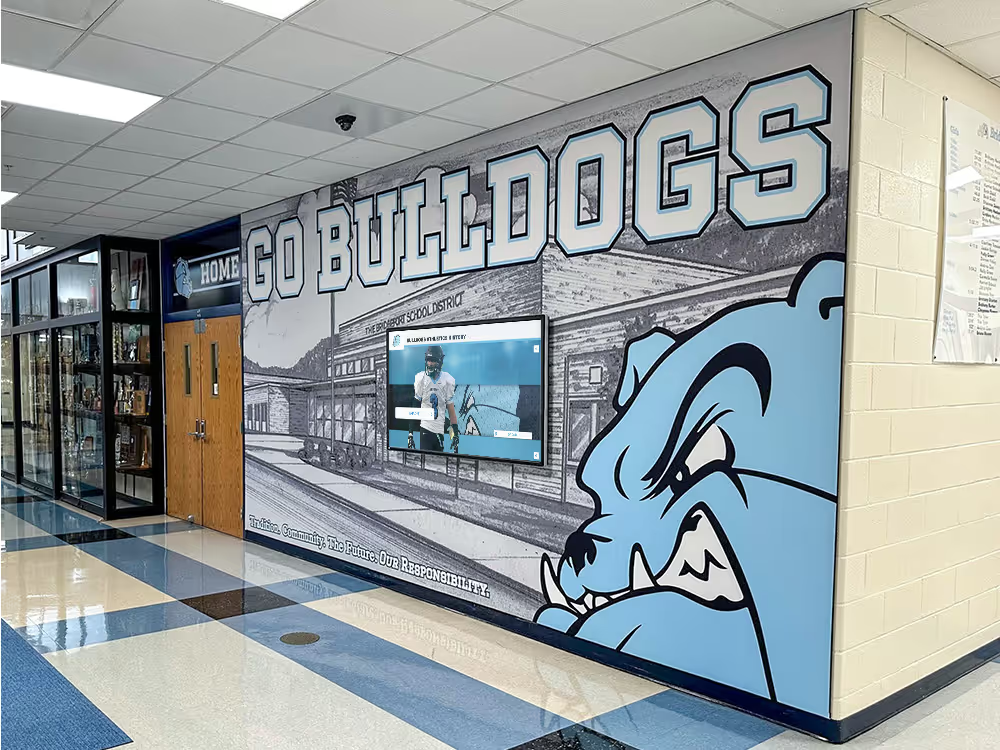
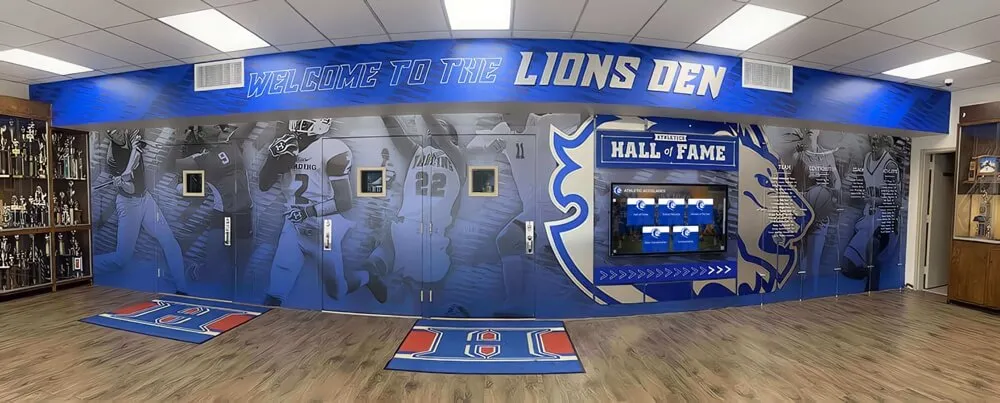
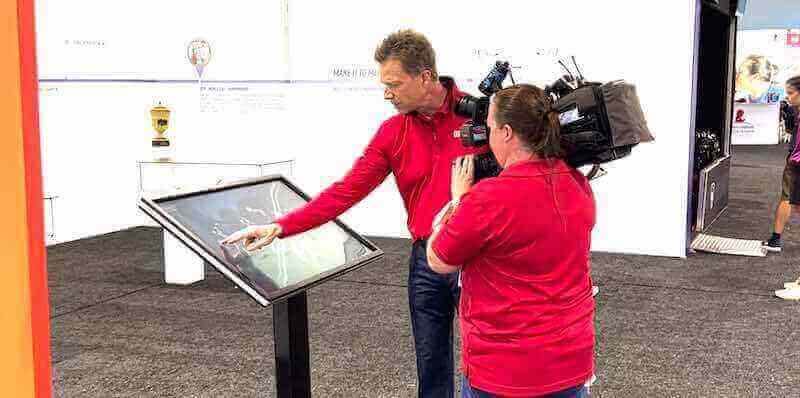
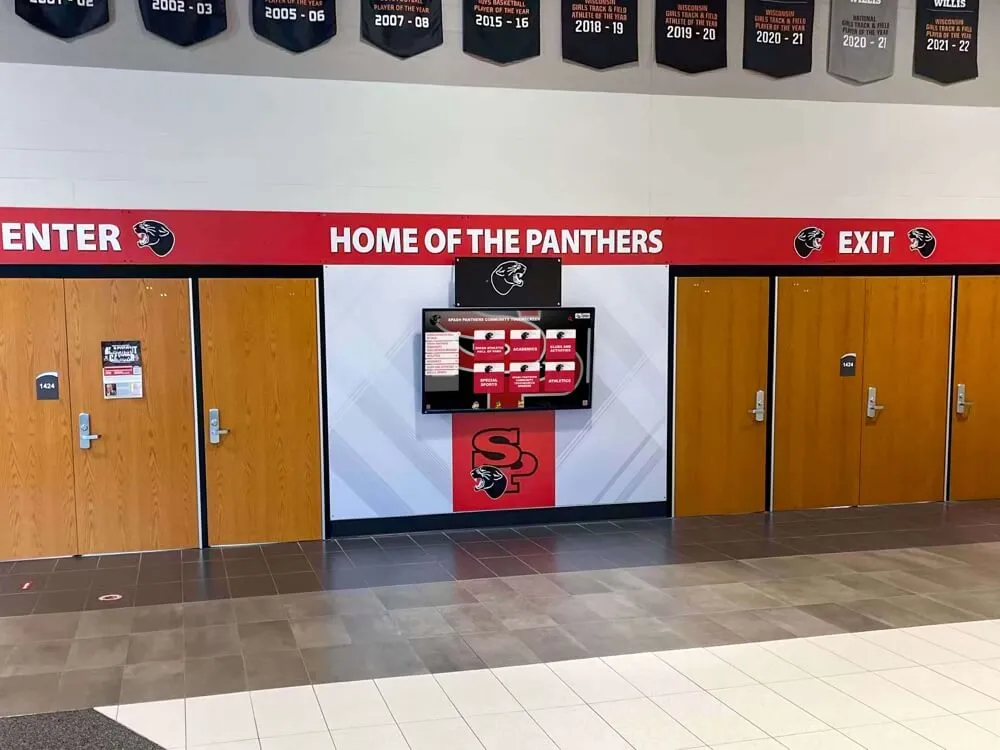
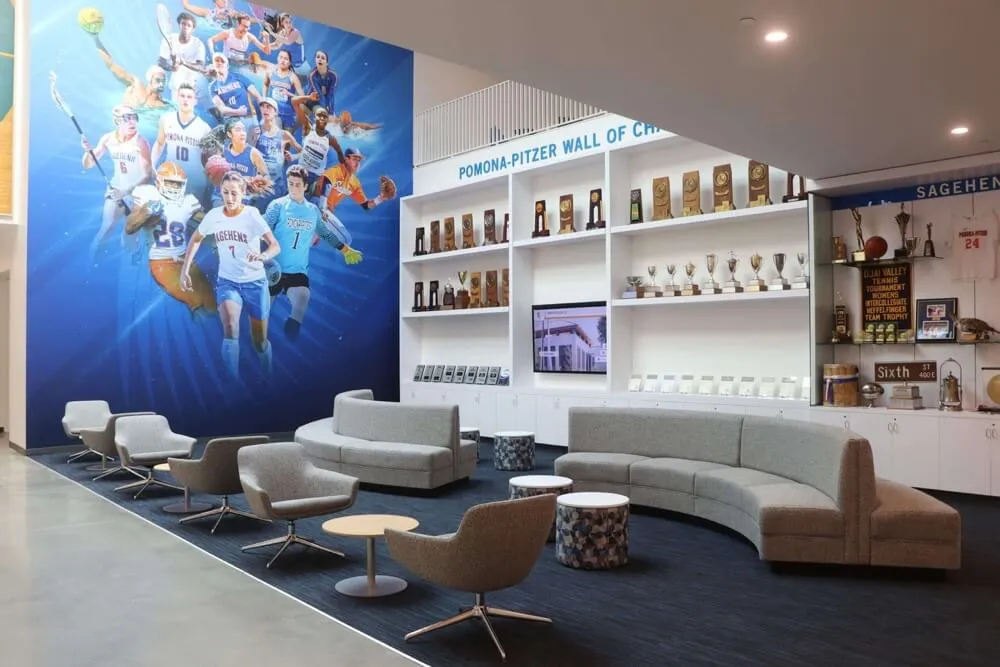
Modern hockey recognition combines trophy displays with environmental design to create immersive spaces celebrating program achievements and traditions
Understanding Hockey Puck Display Case Options
Different display case styles serve specific purposes within hockey recognition programs. Understanding these options helps you match cases to your memorabilia, space constraints, and presentation goals.
Wall-Mounted Display Cases
Wall-mounted hockey puck display cases maximize floor space while creating eye-level visibility for memorabilia:
Single Puck Display Cases
Individual puck displays work best for especially significant memorabilia:
- Championship-winning goal pucks from state or regional tournaments
- Shutout game pucks from perfect goaltending performances
- Milestone pucks (first goal, 100th program win, senior night)
- Hat trick pucks from exceptional individual performances
- Rivalry game winners from traditional matchup victories
- Alumni autographed pucks from players who advanced to higher levels
Single puck cases typically measure 5-7 inches square, featuring clear fronts with black or team-colored backing. Premium versions include museum-grade UV-protective acrylic, while budget options use standard plastic that offers limited protection from light damage.
Multi-Puck Display Cases
Cases holding 6-12 pucks create cohesive presentations telling broader stories:
- Tournament run displays showing progression from quarterfinals through championship
- Season highlight collections featuring notable victories
- Senior class recognition displays grouping final-year achievements
- Decade retrospectives celebrating program eras
- Coach milestone collections honoring career victories
Multi-puck cases provide better value per unit than individual displays, though they require careful curation to avoid appearing cluttered. Strategic arrangement—chronological, by achievement type, or thematic grouping—helps viewers understand relationships between displayed pucks.
Shadow Box and Deep Frame Options
Shadow boxes accommodate pucks alongside contextual items:
Puck-Plus-Photo Combinations
Pairing pucks with imagery creates richer storytelling:
- Game action photos showing the goal being scored
- Team celebration images capturing the moment
- Scoreboard photos documenting final scores
- Newspaper clippings providing contemporary context
- Ticket stubs and programs from significant games
These combined displays help casual viewers—especially current players who weren’t present for historic moments—understand why particular pucks merit recognition.
Jersey and Puck Displays
Larger shadow boxes can combine multiple memorabilia types:
- Game-worn jersey sections with championship pucks
- Captain’s patches displayed with leadership recognition
- Tournament medals or patches paired with corresponding pucks
- Autographed sticks segments alongside signed pucks
- Team photos with season-defining pucks
These comprehensive displays work particularly well for end-of-hallway focal points or lobby areas where larger installations make visual impact.
Freestanding Display Cabinets
Floor-standing units accommodate extensive collections:
Tower Display Cases
Multi-shelf cabinets maximize vertical space:
- Standard heights of 5-7 feet offering multiple display levels
- Adjustable glass shelving accommodating various puck arrangements
- Slim profiles (12-18 inches deep) fitting along hallways
- Tempered glass construction providing durability
- Interior LED lighting with separate shelf controls
- Locking mechanisms securing valuable memorabilia
Tower cabinets work effectively for programs with decades of history requiring display space for numerous significant pucks without consuming excessive wall area. They’re particularly useful in comprehensive athletic recognition programs where hockey shares space with other sports.
Pedestal Display Cases
Single-pedestal units create centerpiece presentations:
- Height typically 36-48 inches providing viewing from multiple angles
- 360-degree glass or acrylic visibility
- Internal shelving accommodating 4-8 pucks with spacing
- Built-in LED lighting highlighting memorabilia
- Heavy bases preventing tipping in high-traffic areas
- Locking top panels securing contents
Pedestal cases suit lobby areas or trophy room centers where visitors can view displays from all directions, making them ideal for state championship pucks or particularly historic memorabilia.
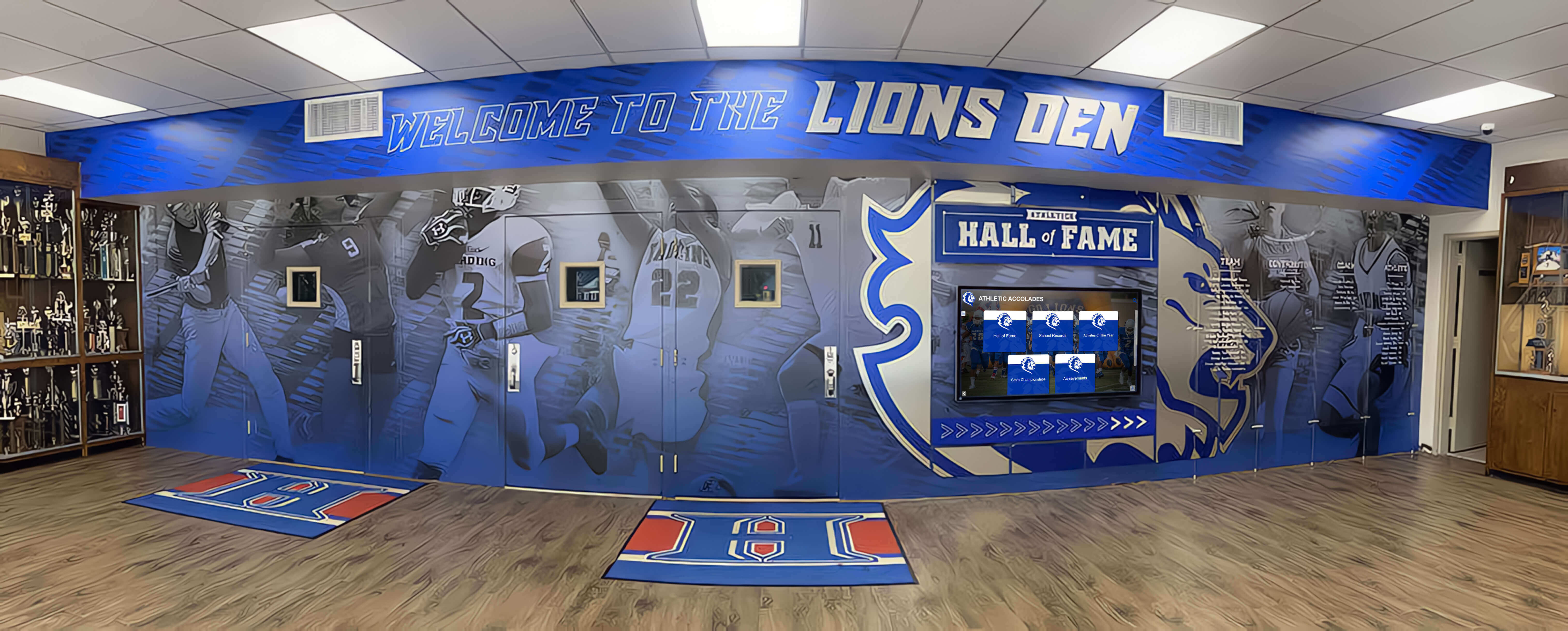
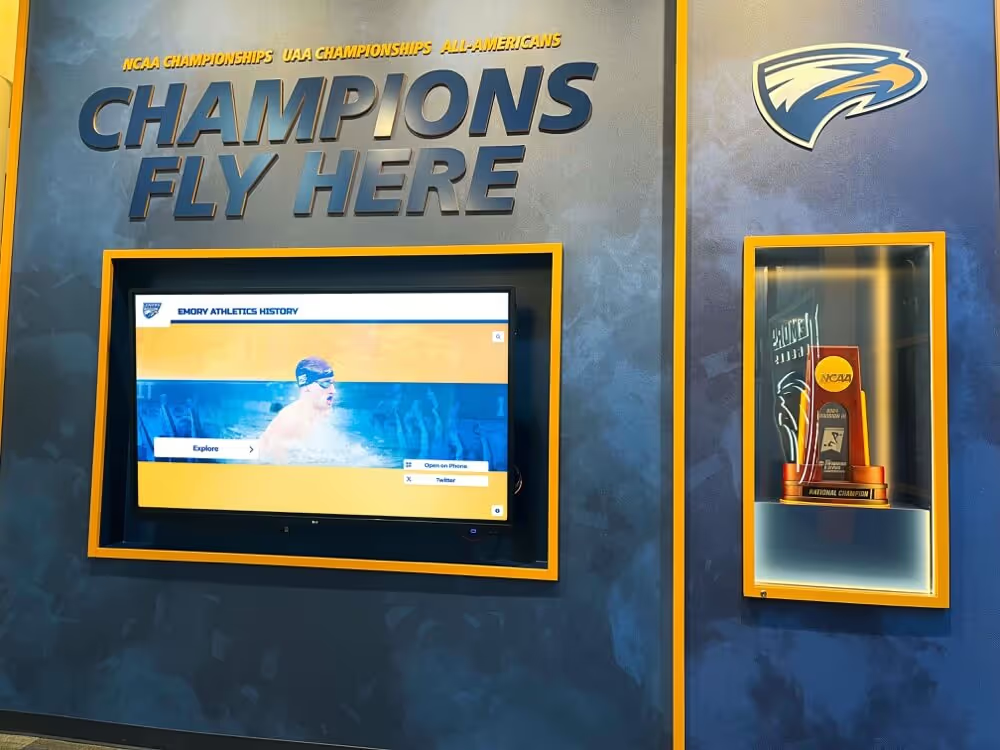
Traditional trophy cases provide essential foundations for hockey memorabilia while setting the stage for comprehensive program recognition
Key Selection Factors for Hockey Puck Display Cases
Beyond style preferences, several critical factors determine whether display cases protect memorabilia effectively while fitting your program’s needs and budget.
Material Quality and UV Protection
Material selection directly impacts both preservation and presentation quality:
Glass vs. Acrylic Considerations
Each material offers distinct advantages for hockey puck displays:
Glass Benefits:
- Superior scratch resistance maintaining clarity for decades
- True optical clarity without yellowing over time
- Easier cleaning without special products
- Perceived quality suggesting permanence
- Better moisture barrier in humid rink environments
Glass Drawbacks:
- Heavier weight requiring stronger wall mounts
- Higher cost, especially for larger multi-puck cases
- Breaks into dangerous shards if impacted
- More difficult to customize or modify
Acrylic Benefits:
- Lighter weight simplifying installation
- Shatterproof safety important near high-traffic areas
- More affordable for larger displays
- Easier to fabricate for custom team-colored backing
- Better impact resistance near active use areas
Acrylic Drawbacks:
- Scratches more easily showing handling marks
- Can yellow over 10-15 years without UV protection
- Requires special cleaners to avoid scratching
- Less premium appearance than glass
For permanent installations displaying championship pucks and valuable memorabilia, museum-grade UV-protective glass justifies the investment. For temporary displays or locker room areas where safety outweighs optical perfection, premium acrylic provides practical protection.
UV Protection Importance for Hockey Memorabilia
Hockey pucks, despite appearing durable, suffer UV damage:
- Puck surfaces yellow and discolor from light exposure
- Autographs fade becoming illegible within 2-3 years near windows
- Logo printing deteriorates losing sharpness and color
- Standard glass blocks only 50% of UV rays—insufficient for preservation
- Museum-grade UV glass blocks 97-99% of damaging light
- UV-protective acrylic blocks 95-98% depending on quality
Given that game pucks from championship moments are irreplaceable, investing in proper UV protection preserves memorabilia indefinitely. The cost difference between standard and UV-protective materials is minimal compared to memorabilia value.
Size and Mounting Configurations
Proper sizing ensures displays look intentional rather than haphazard:
Standard Hockey Puck Dimensions
Official game pucks measure approximately:
- Diameter: 3 inches
- Thickness: 1 inch
- Weight: 5.5-6 ounces
Display cases should account for these dimensions plus backing materials and spacing:
- Single puck cases: 5-7 inches square (minimum)
- Multi-puck cases: 18-24 inches wide for 6-puck displays
- Depth: 2-3 inches for single-layer displays
- Shadow boxes: 4-6 inches deep for pucks with photos or jersey pieces
Wall Mounting Planning
Calculate dimensions accounting for surrounding space:
- Allow 3-4 inches between adjacent cases for visual separation
- Position displays 60-65 inches from floor to center (eye level)
- Plan vertical arrangements of 3-4 cases maximum
- Consider sight lines from primary traffic flow
- Account for hallway width ensuring safe clearances
Programs frequently make the mistake of cramming too many cases into available wall space, creating cluttered displays that diminish individual pucks’ significance. Strategic spacing with breathing room actually increases memorabilia impact.
Growth Planning
Championship programs should anticipate future achievements:
- Design layouts assuming 20-30% growth over 5-10 years
- Install cases allowing expansion in logical patterns
- Choose modular systems enabling additions matching existing styles
- Document original manufacturers and models for future purchasing
- Leave intentional gaps for future championship seasons
Planning only for current memorabilia requires awkward retrofitting when new championships occur—an inevitable outcome in successful programs.
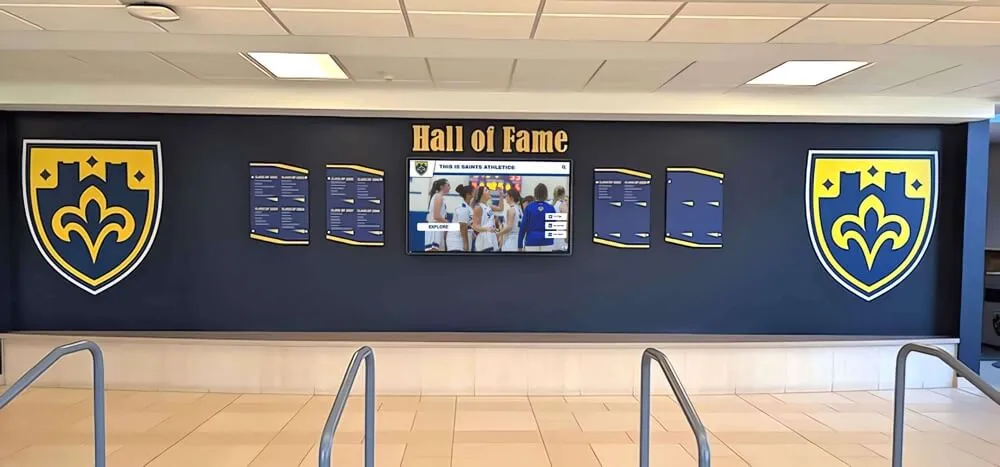
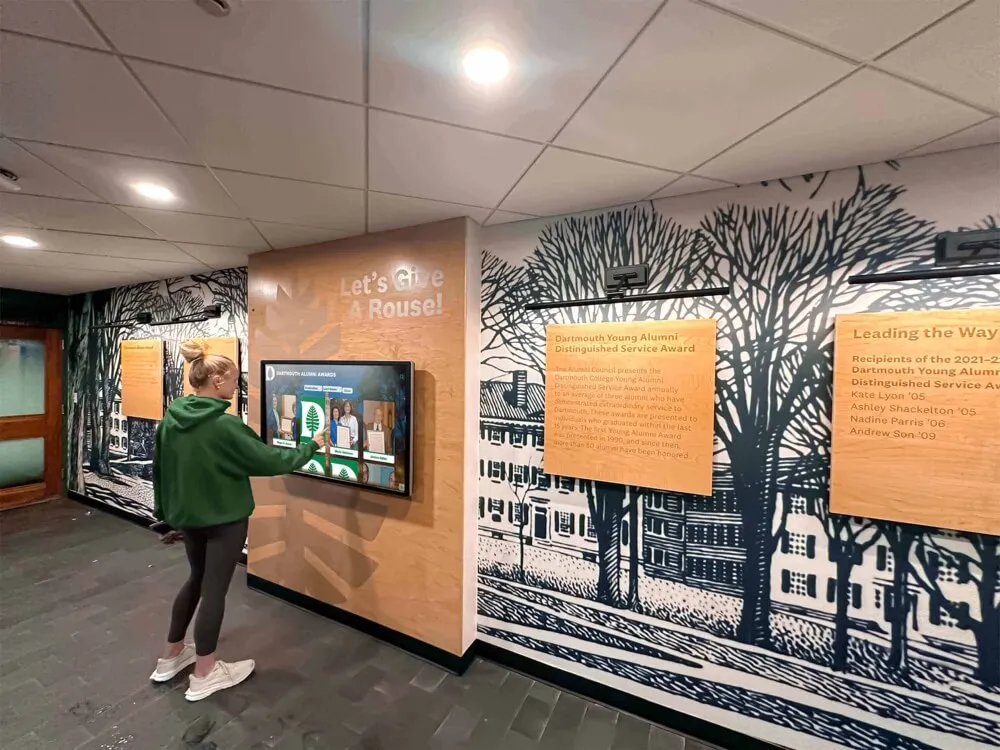
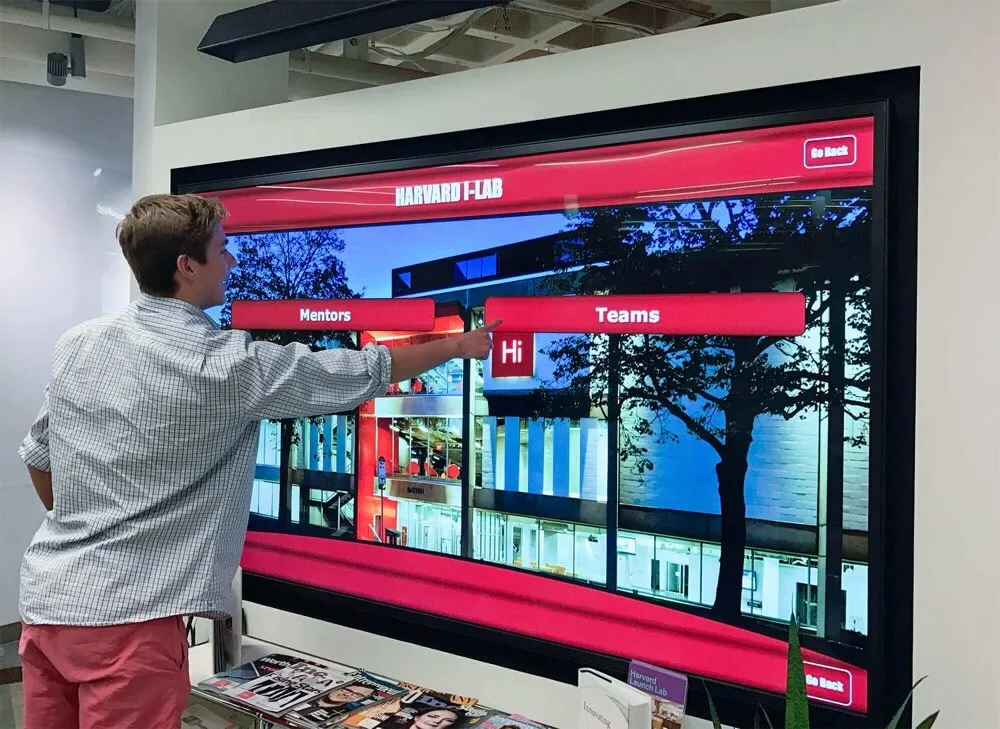
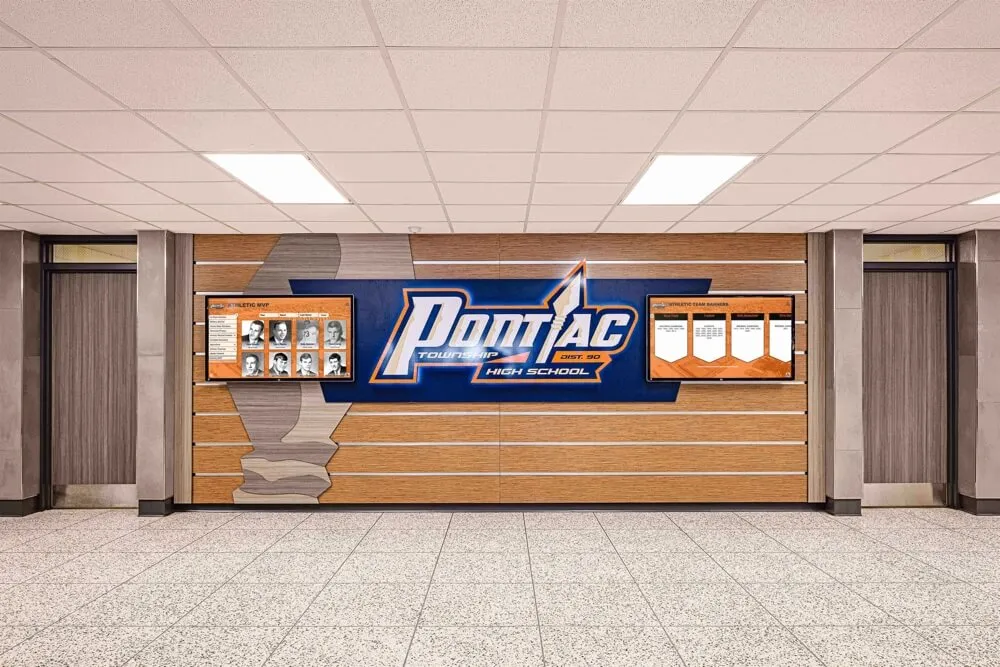
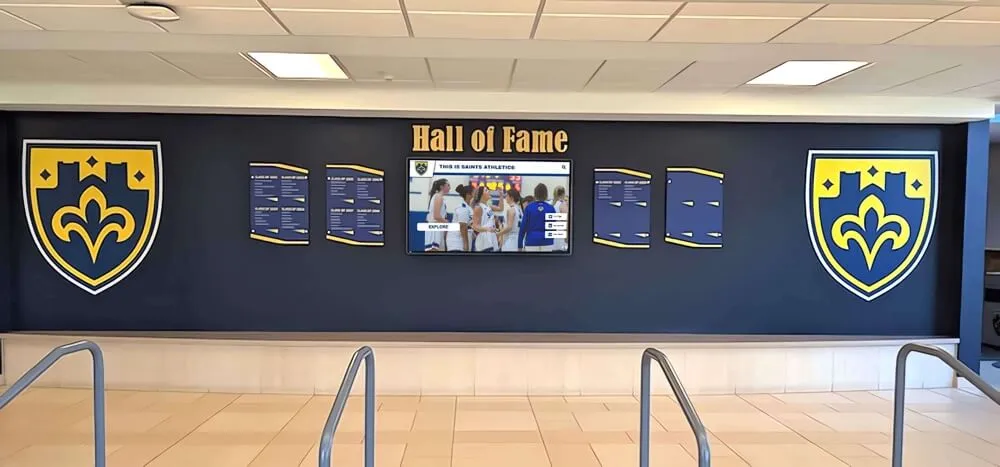
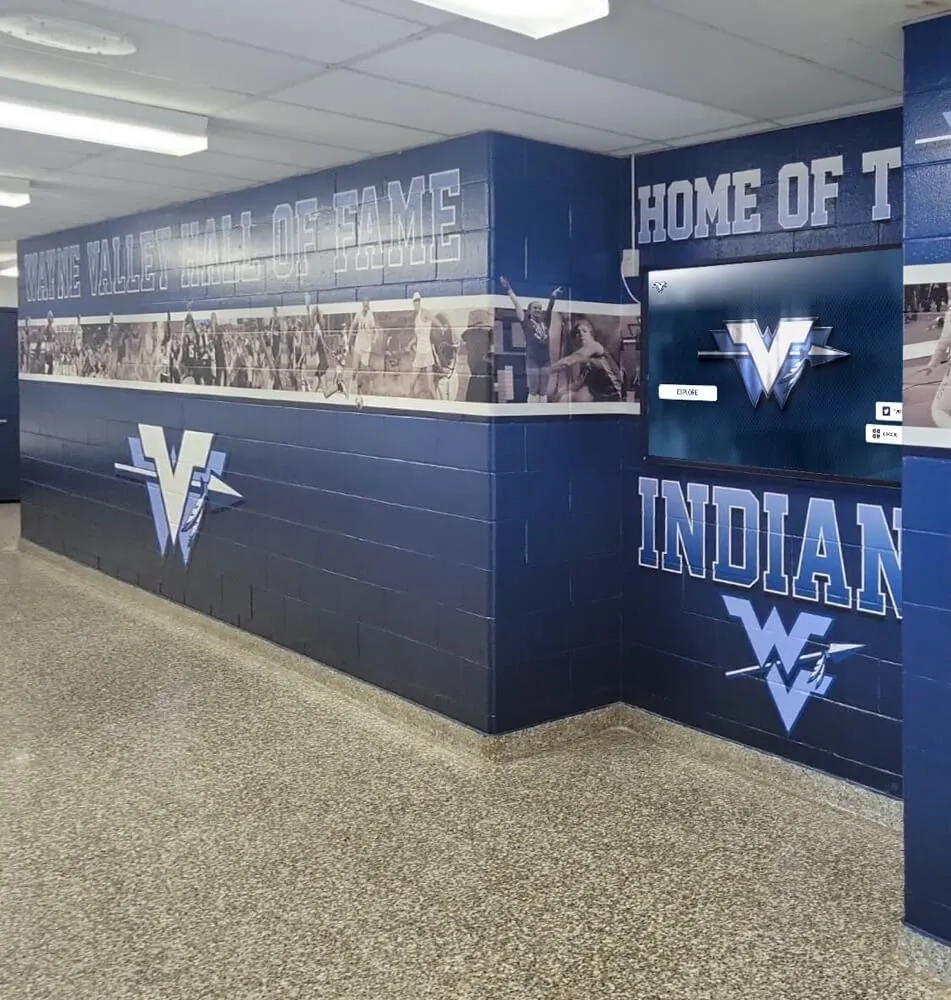
Successful hockey recognition integrates physical memorabilia with digital systems creating comprehensive program storytelling
Presentation Strategies: Making Pucks Tell Stories
The most effective hockey puck displays do more than store memorabilia—they create narratives that engage viewers and preserve program history.
Creating Display Narratives
Thoughtful arrangement transforms individual pucks into program stories:
Chronological Presentations
Timeline arrangements show program evolution:
- Decade-by-decade displays showing program growth
- Season-by-season championship progression
- Coach era groupings highlighting different periods
- Facility evolution (old rink, current facility, future plans)
- Alumni career progressions from high school to college/professional
These chronological approaches help current players understand their place within program traditions, seeing themselves as the latest chapter in ongoing legacies.
Achievement-Based Groupings
Thematic organization emphasizes specific accomplishments:
- Championship displays (conference, state, regional)
- Individual milestone achievements (hat tricks, shutouts)
- Rivalry game collections highlighting traditional matchups
- Tournament run displays showing playoff progressions
- Record-setting performances (goals, saves, team wins)
Achievement-based groupings work particularly well when paired with state championship recognition displays documenting complete tournament histories.
Player-Focused Recognition
Highlighting individuals creates personal connections:
- Senior class displays grouping final-year achievements
- Captain’s collections honoring leadership contributions
- Alumni progression displays showing post-high school careers
- Award winner recognition (MVP, sportsmanship, academic excellence)
- Jersey retirement displays pairing numbers with significant pucks
These player-focused presentations resonate strongly with families and teammates, creating emotional engagement beyond simple game documentation.
Adding Context Through Supporting Elements
Pucks alone often lack context casual viewers need to understand significance:
Engraved Plates and Labels
Quality engraving provides essential information:
- Game date, opponent, and final score
- Specific achievement (championship win, milestone goal, shutout)
- Player name and jersey number
- Coach name and season year
- Tournament round or rivalry game significance
Professional engraving costs $15-40 per plate but transforms anonymous pucks into documented historical artifacts. Some programs use consistent plate styles creating visual cohesion across all displays.
Supporting Photography
Images bring moments to life:
- Game action shots showing goals being scored
- Team celebration photos capturing emotion
- Scoreboard images documenting final scores
- Newspaper coverage providing contemporary context
- Player portraits connecting faces to achievements
Combining pucks with photography creates significantly higher engagement than either element alone. Visitors spend 3-5 times longer viewing displays that include imagery compared to puck-only presentations.
Statistical Context
Numbers help viewers appreciate significance:
- Season records and standings
- Tournament brackets showing path to championships
- Player career statistics
- Team history comparisons (first championship in 20 years, etc.)
- Program milestones (500th win, consecutive playoff appearances)
This statistical context transforms individual achievements into meaningful program narratives, helping viewers understand why particular pucks merit recognition. Similar approaches enhance athletic record displays across all sports.
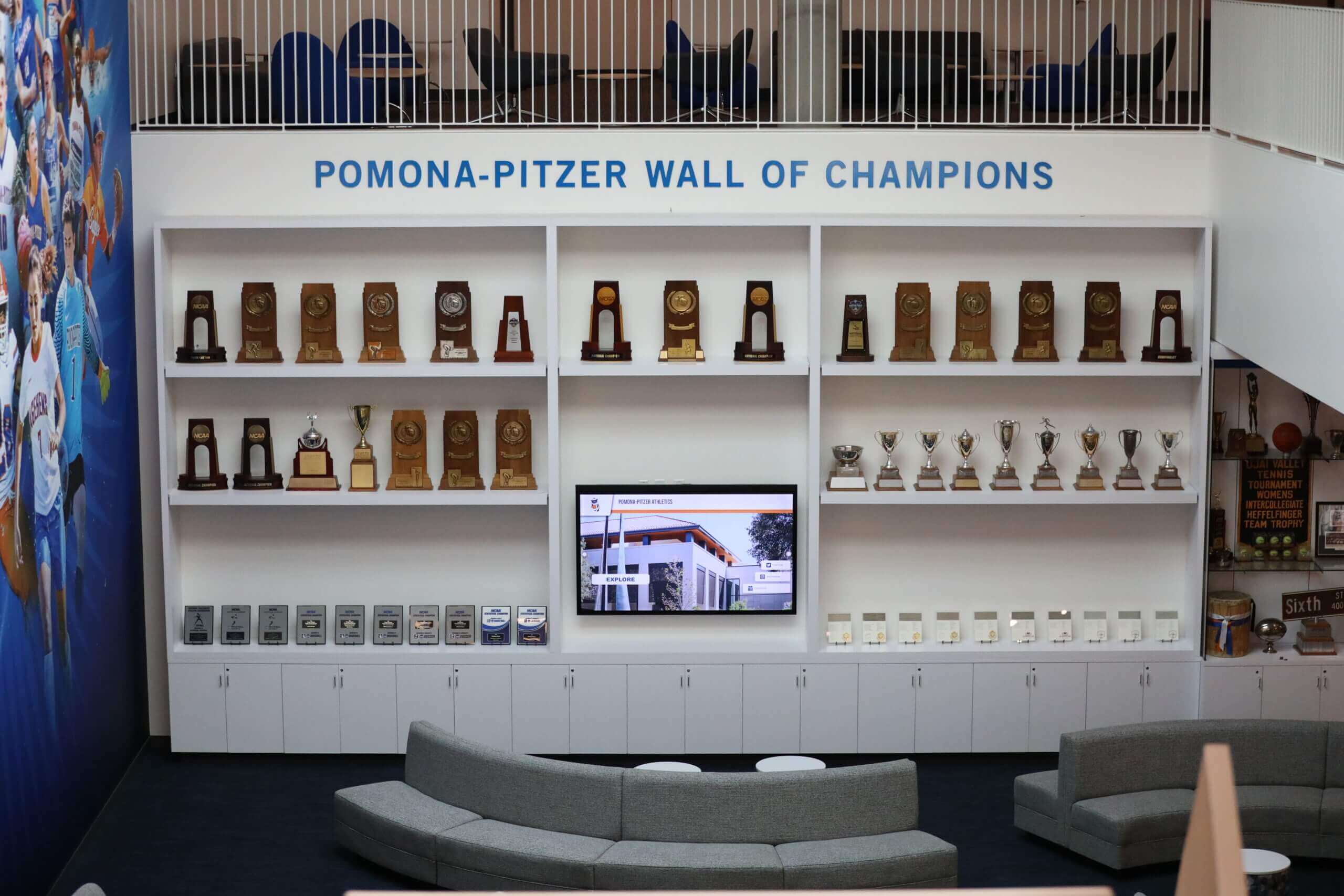
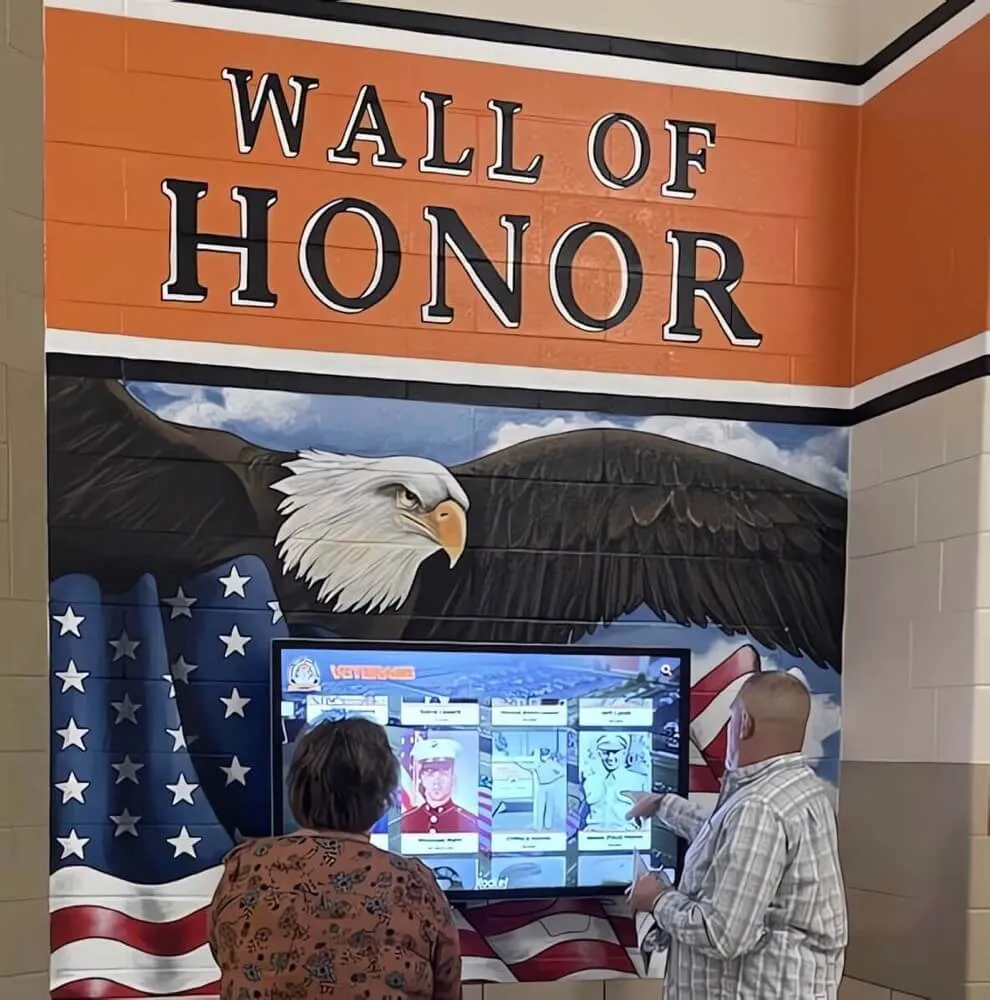
Trophy display areas create gathering spaces where hockey players and alumni connect with program history and traditions
Budget Considerations and Value Planning
Hockey puck display case costs vary significantly based on quality, size, and features. Understanding pricing helps allocate budgets effectively while maximizing impact.
Price Ranges by Case Type
Typical costs for quality hockey puck display cases:
Individual Puck Cases
- Budget models (basic plastic, no UV protection): $20-40
- Mid-range (basic acrylic, limited UV): $60-120
- Premium (UV-protective glass, hardwood frames): $150-300
- Custom engraved or museum-grade: $400-800+
Multi-Puck Wall Cases
- 6-puck standard case: $120-250
- 9-puck premium case: $300-550
- 12-puck display with lighting: $600-1,200
- Custom configuration with team colors: $1,200-2,500
Shadow Boxes
- Basic puck-and-photo box: $80-150
- Premium lighted shadow box: $200-400
- Large jersey-and-puck display: $400-900
- Custom team-branded shadow box: $800-1,800
Freestanding Cabinets
- Basic tower cabinet (unlit): $500-1,000
- Premium lighted tower: $1,200-2,500
- Pedestal display case: $1,500-4,000
- Professional museum-quality cabinet: $4,000-12,000
These ranges reflect quality differences in materials, craftsmanship, and features. Budget products may require replacement within 5-7 years, while premium cases last decades—making lifetime costs comparable.
Strategic Budget Allocation
Maximize impact by prioritizing spending:
Tier 1: Championship Recognition (40-50% of budget)
Allocate premium cases to most significant achievements:
- State tournament championship pucks
- Conference championship winners
- Record-setting performances
- Alumni professional success memorabilia
- Historic program milestones
These achievements deserve the best display cases, creating focal points that anchor entire recognition programs.
Tier 2: Significant Achievements (30-40% of budget)
Use mid-range cases for important but less historic items:
- Playoff victory pucks
- Rivalry game winners
- Individual performance milestones
- Senior night recognition
- Coach career milestones
Quality cases that provide good value without premium pricing work well for this tier.
Tier 3: General Recognition (10-20% of budget)
Budget-friendly cases for broader program documentation:
- Regular season highlight games
- Team tradition documentation
- Practice achievement recognition
- Junior varsity accomplishments
- Developmental program milestones
Allocating some budget to these items ensures comprehensive recognition while maintaining focus on top-tier achievements.
Cost-Saving Strategies
Strategic purchasing reduces expenses without compromising quality:
Bulk Ordering Benefits
Purchasing multiple cases simultaneously provides advantages:
- Manufacturer discounts typically 15-25% for orders of 5+ units
- Single shipping cost versus multiple deliveries
- Consistent styling across entire display area
- Simplified warranty management with single vendor
- Better negotiating position for installation inclusion
Planning complete hockey recognition area renovations rather than piecemeal additions captures these economies of scale.
Phased Implementation
Budget constraints don’t require delaying entire projects:
- Phase 1: Display championship and most significant pucks in premium cases
- Phase 2: Add mid-range cases for playoff and rivalry achievements
- Phase 3: Complete collection with budget cases for additional recognition
- Phase 4: Upgrade earlier budget cases as funding permits
This approach establishes recognition programs quickly while maintaining quality for most important displays. Many programs fund phases through season-specific fundraising or booster club campaigns tied to successful seasons.
Placement and Integration Within Hockey Facilities
Display case effectiveness depends heavily on positioning within athletic facilities and integration with broader recognition strategies.
Strategic Location Selection
Position displays where they maximize impact:
High-Visibility Areas
Place significant displays where engagement is guaranteed:
- Main arena entrances capturing immediate attention
- Lobby areas where fans wait before games
- Hallways connecting locker rooms to ice surface
- Concourse areas with extended fan dwell time
- Trophy room or hall of fame dedicated spaces
Research on visitor behavior shows displays in these high-visibility locations receive 4-6 times more viewing time than identical items placed in secondary hallways or corners.
Team-Focused Spaces
Position displays to inspire current players:
- Locker room entrance areas reinforcing program standards
- Player-only hallways creating daily exposure
- Team meeting rooms providing discussion context
- Coach’s office areas for recruiting conversations
- Practice facility entrances setting daily tone
Teams regularly exposed to championship memorabilia develop stronger identity and commitment to maintaining program traditions, making display positioning impact current performance beyond historical preservation.
Community Engagement Locations
Create access for broader audiences:
- Public concourse areas maximizing fan engagement
- Alumni gathering spaces during reunions
- Booster club meeting areas
- Youth hockey program facilities inspiring development players
- Facility tour routes for recruits and visitors
These community-focused placements build support networks extending beyond current rosters, strengthening programs through donations, volunteer time, and advocacy. Similar strategies enhance team celebration and recognition programs across all sports.
Lighting and Environmental Design
Proper illumination and design integration dramatically improve displays:
Lighting Strategies
Quality lighting transforms presentations:
- LED spot lighting creating drama for featured championship pucks
- Internal case lighting eliminating shadows
- Track lighting systems adjustable as displays evolve
- Dimming controls adapting to ambient light conditions
- Evening visibility ensuring impact during night games
Lighting investments of $150-400 per display area create disproportionate visual impact relative to modest costs.
Background Design Elements
Surrounding environment provides context:
- Team colors and logos creating branded environments
- Timeline graphics showing program history
- Championship banners complementing physical displays
- Historic photographs documenting program evolution
- Motivational quotes from coaches or notable alumni
These environmental elements transform display areas from simple storage into immersive program history experiences engaging visitors emotionally.
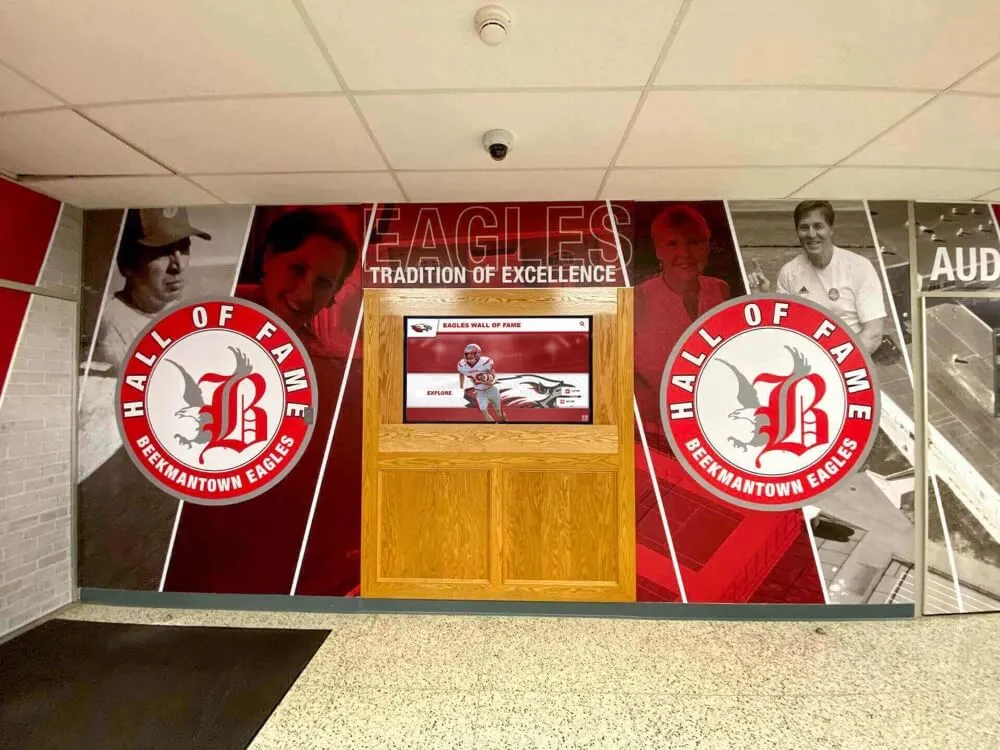
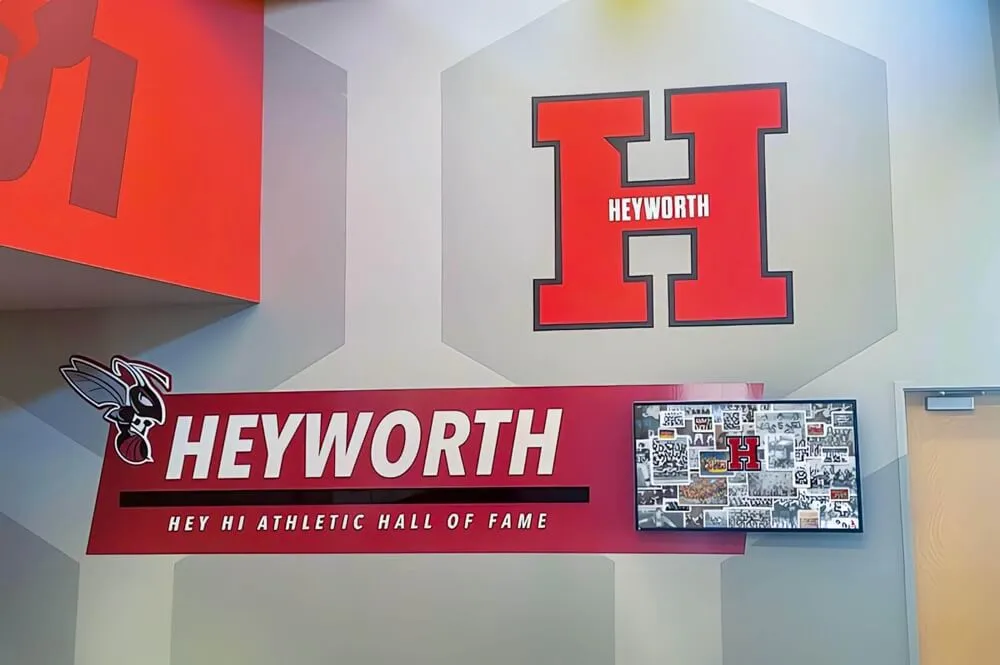
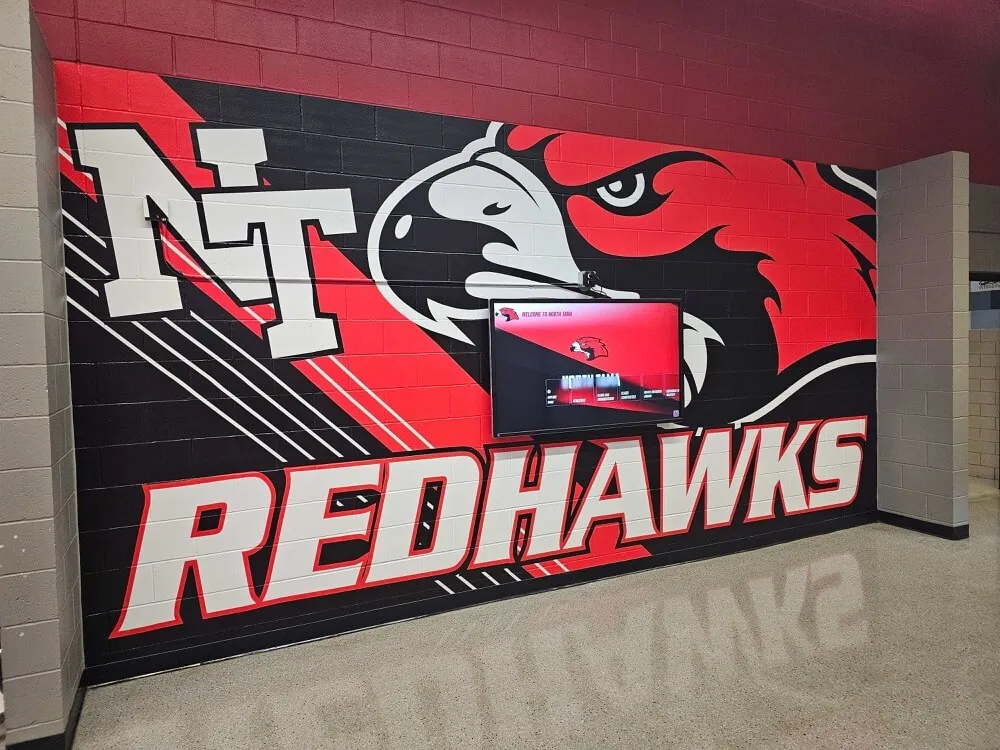
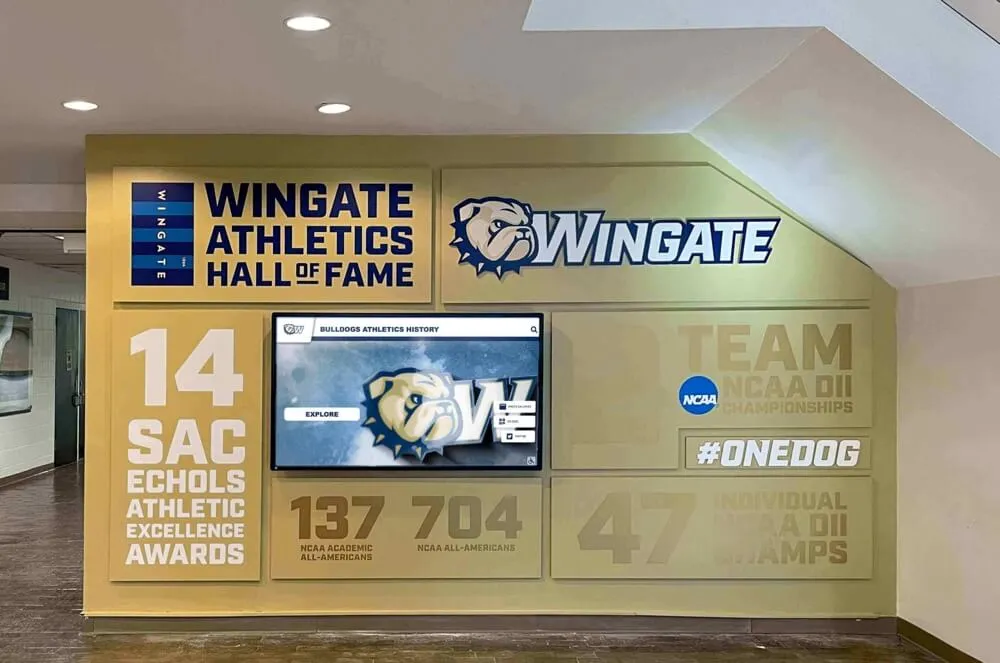
Comprehensive hockey recognition creates branded environments where physical memorabilia combines with design elements telling complete program stories
Integrating Digital Recognition with Physical Puck Displays
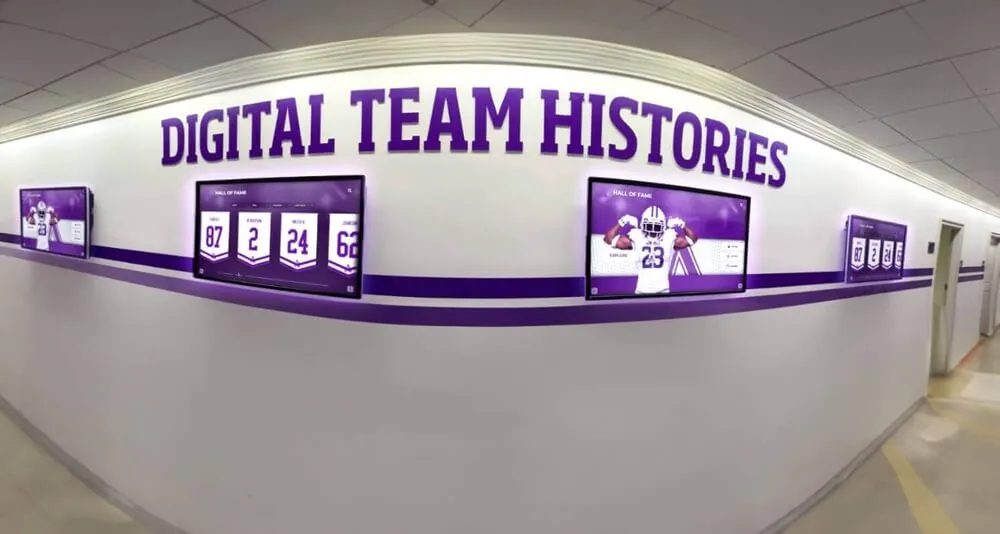
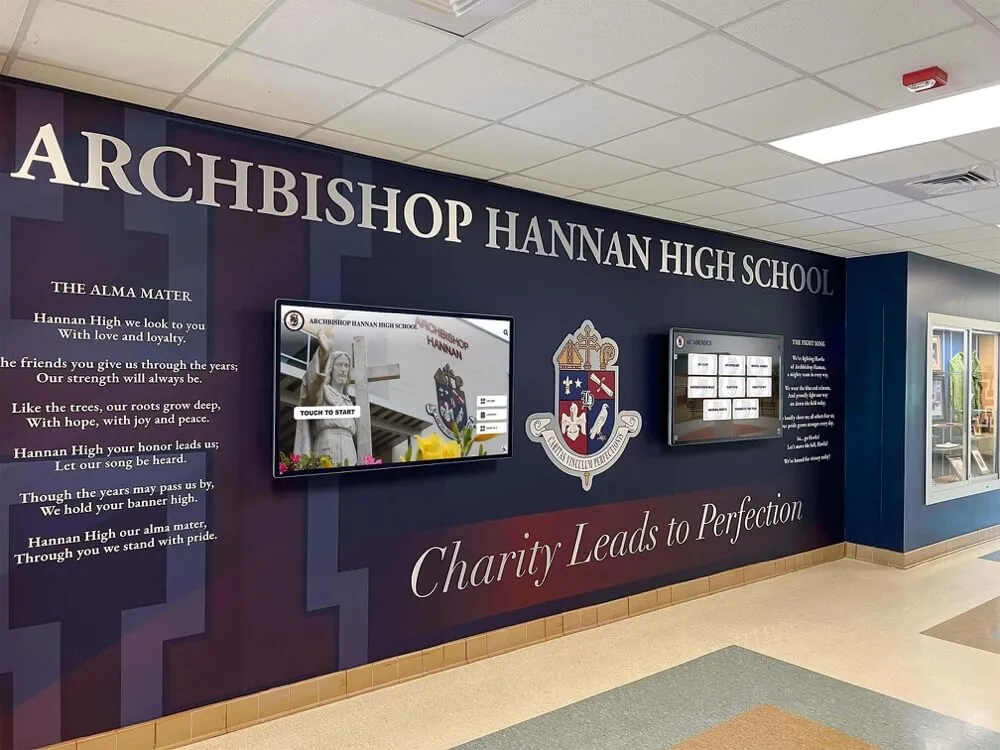
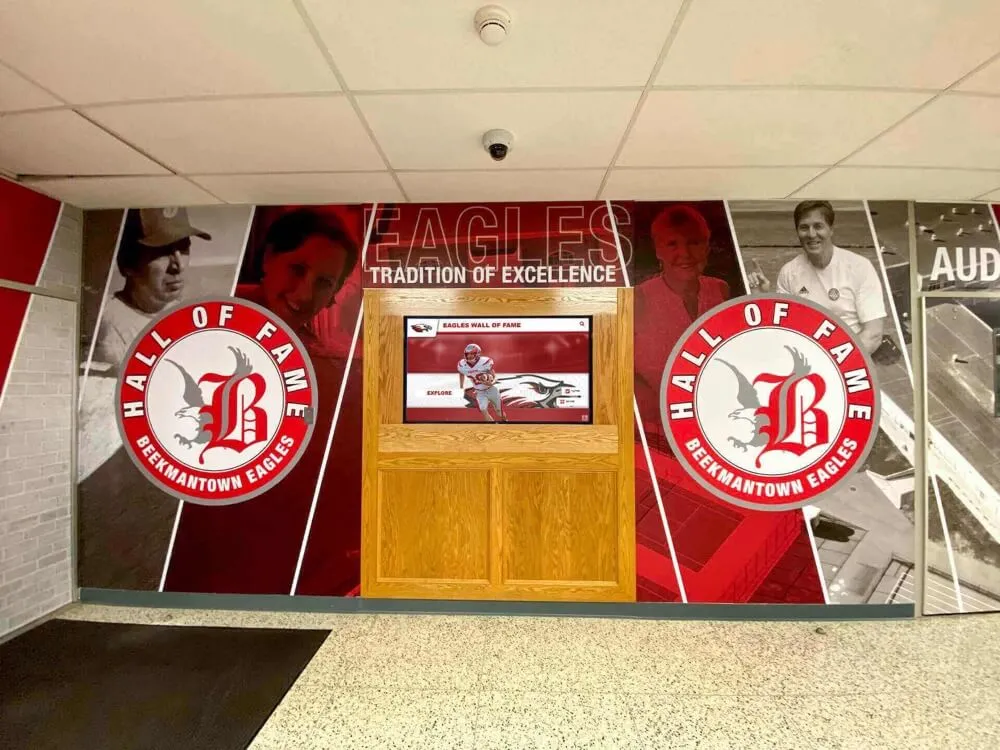
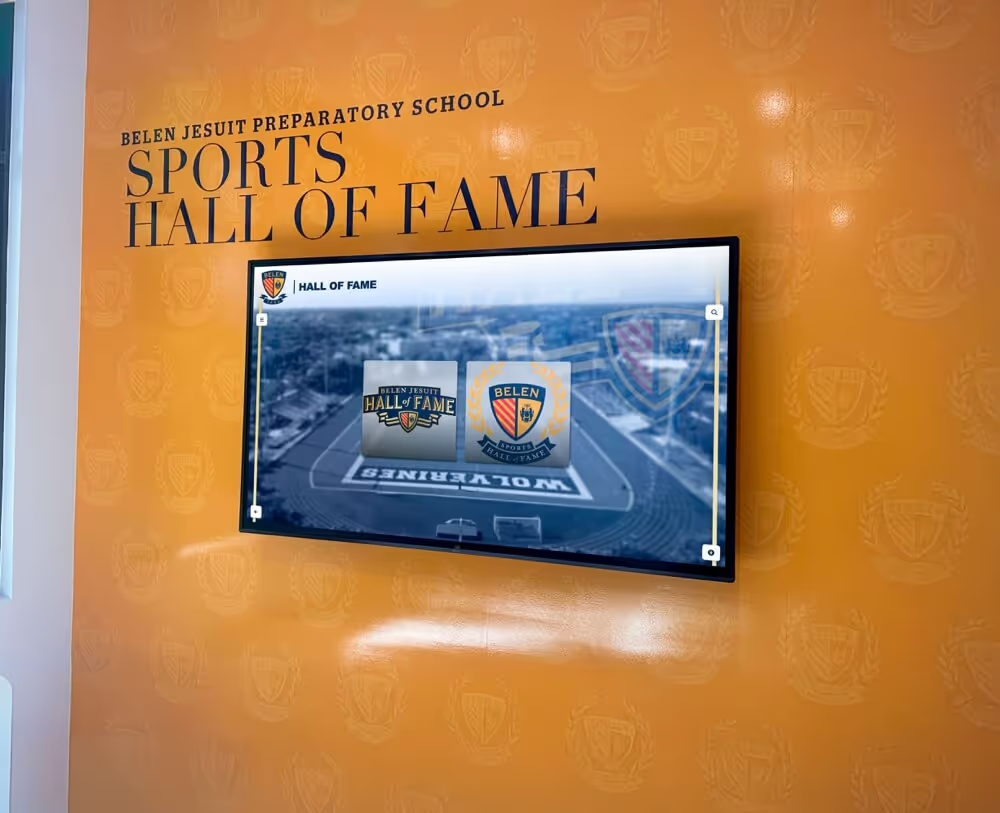
Modern hockey programs increasingly combine traditional display cases with digital recognition systems, creating dynamic environments where physical artifacts and athlete stories complement each other effectively.
Why Hockey Programs Add Digital Components
Digital displays address inherent limitations in physical-only recognition:
Space Constraints
Physical cases consume significant facility space:
- Limited square footage restricts how many pucks can be displayed
- Valuable memorabilia often remains in storage
- Rotating displays require staff time and risk damage
- Expansion requires construction or eliminates other space uses
Digital systems display unlimited content without additional physical space, enabling programs to recognize every achievement without choosing which moments to exclude.
Storytelling Depth
Pucks in cases lack context viewers need:
- Game circumstances and stakes aren’t apparent
- Player backgrounds and careers remain unknown
- Team records and season narratives get lost
- Historical context within program history is missing
- Post-graduation athlete success isn’t connected
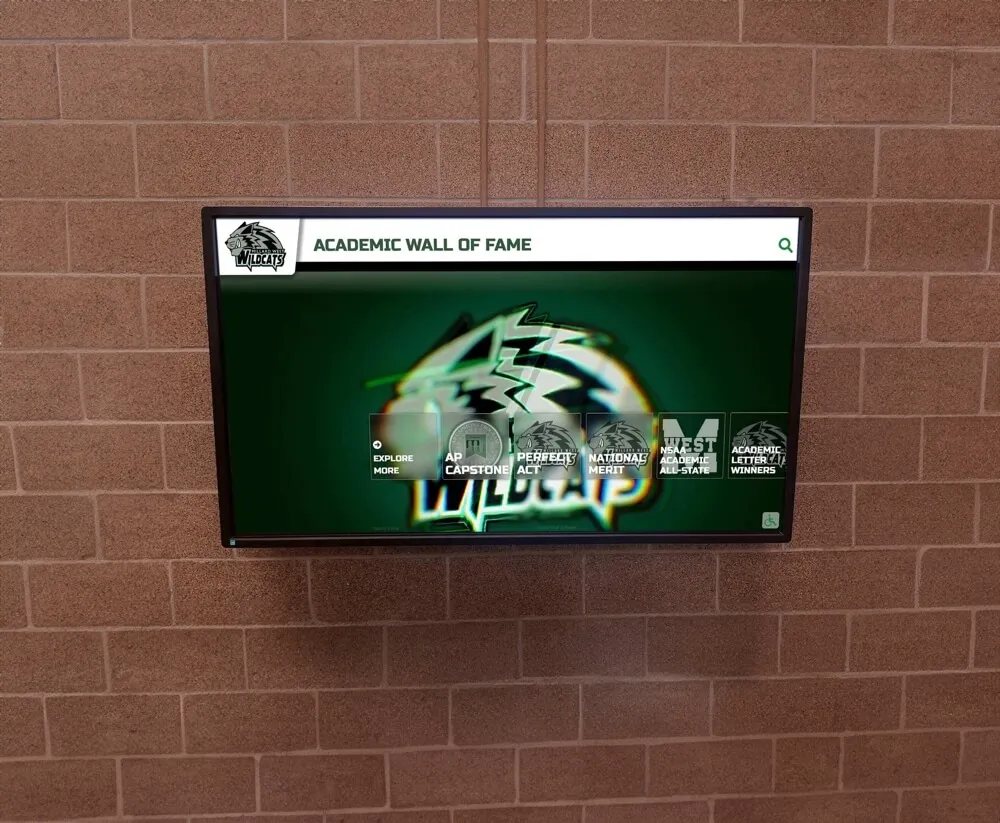
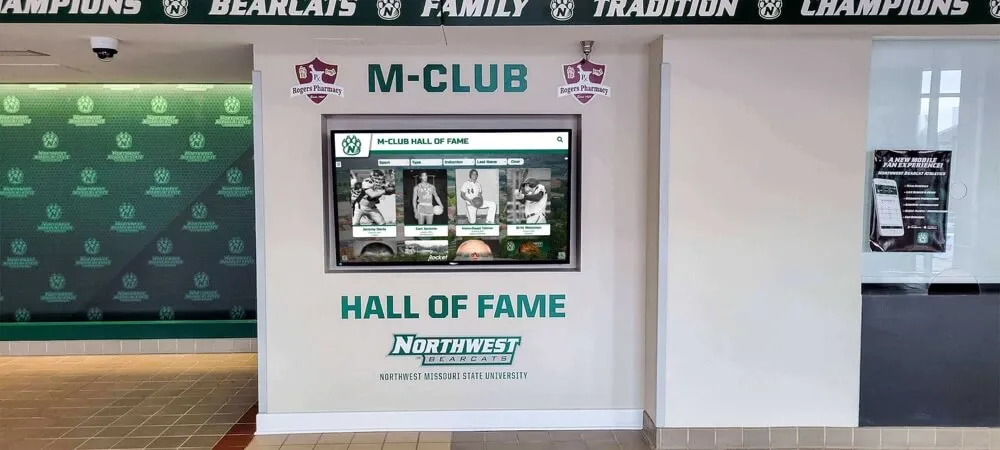
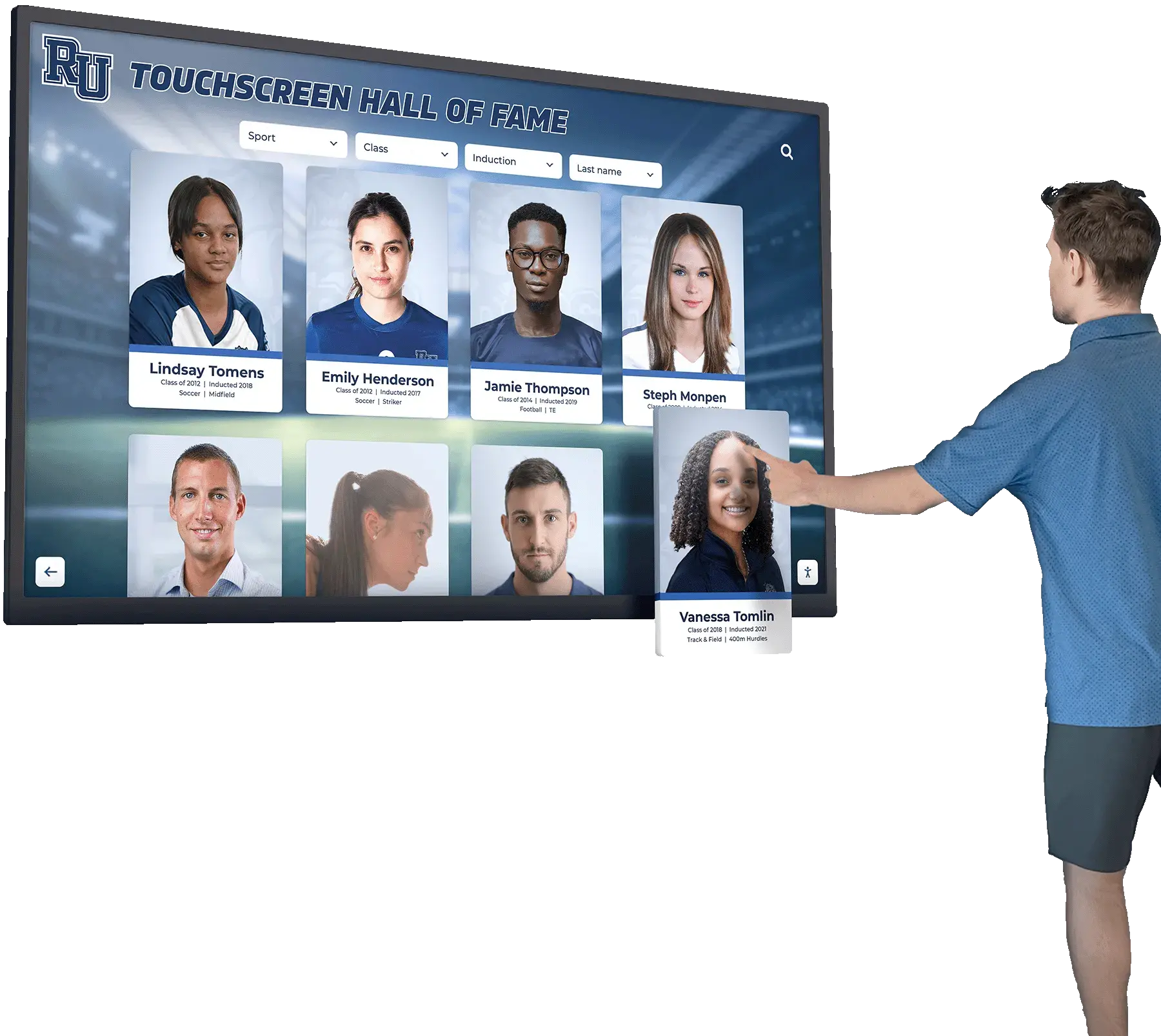
Interactive digital hall of fame touchscreen displays provide biographies, statistics, photos, videos, and contextual information bringing memorabilia to life for audiences decades removed from original events.
Maintenance and Updates
Physical displays require ongoing attention:
- Opening locked cases to add new pucks
- Rearranging existing items to accommodate additions
- Updating labels and engraving
- Cleaning cases and memorabilia
- Managing deterioration or damage
Digital systems update remotely without physical access, allowing coaches to add new achievements immediately after games while maintaining consistent presentation quality.
Hybrid Display Strategies
The most effective hockey recognition combines physical and digital elements strategically:
Premium Items in Physical Cases
Reserve display cases for truly exceptional memorabilia:
- State championship-winning goal pucks
- Tournament MVP performance pucks
- Program milestone achievements (1000th goal, etc.)
- Professional alumni autographed memorabilia
- Historic breakthrough victories (first state appearance, etc.)
These items deserve physical display due to their intrinsic value and visitor interest in seeing authentic artifacts.
Comprehensive Coverage in Digital Systems
Use touchscreen displays for broader recognition:
- Season-by-season team histories with complete rosters
- Individual player profiles with statistics and achievements
- Game highlights and memorable moments from multiple decades
- Alumni career progressions showing post-graduation success
- Coach profiles and career milestones
- Championship tournament documentation with complete brackets
This approach preserves the impact of select physical displays while ensuring no achievement goes unrecognized due to space limitations.
Connected Experiences
Link physical and digital displays for enhanced engagement:
- QR codes on case plaques linking to digital player profiles
- Digital displays showing historical context for nearby physical pucks
- Interactive timelines highlighting specific games represented by displayed memorabilia
- Video clips showing goals or saves commemorated by physical pucks
- Alumni interview videos discussing significance of displayed achievements
These connections help visitors understand relationships between physical artifacts and broader program stories, creating more meaningful experiences than either format alone provides. Similar integration strategies enhance historical photo archives across school facilities.
Benefits of Touchscreen Recognition Systems
Schools implementing digital recognition alongside physical puck displays gain several advantages:
Always-Current Recognition
Staff update digital content without construction:
- New achievements added immediately after games
- Current season highlights featured prominently
- Historical content remaining accessible through search
- Statistics automatically updating as records fall
- Alumni information enriched as careers progress
This immediacy ensures recognition happens when it matters most—while players are still competing and achievement memories remain fresh.
Multi-Generational Engagement
Different audiences interact meaningfully:
- Current players exploring profiles of siblings or parents who played
- Alumni searching their own profiles during reunions
- Recruits researching program history and development success
- Parents discovering broader context for their children’s achievements
- Youth hockey families learning about program traditions
These diverse use cases explain why programs report significantly higher trophy area engagement after adding digital recognition to existing physical installations.
Celebrating Complete Program Culture
Digital systems recognize contributions beyond statistics:
- Practice players and team managers rarely appearing in games
- Sportsmanship and leadership awards highlighting character
- Academic achievement by student-athletes
- Community service and citizenship
- Support from families, boosters, and community
These elements create complete program stories rather than focusing solely on goals and wins, helping build stronger hockey community and inclusive cultures.
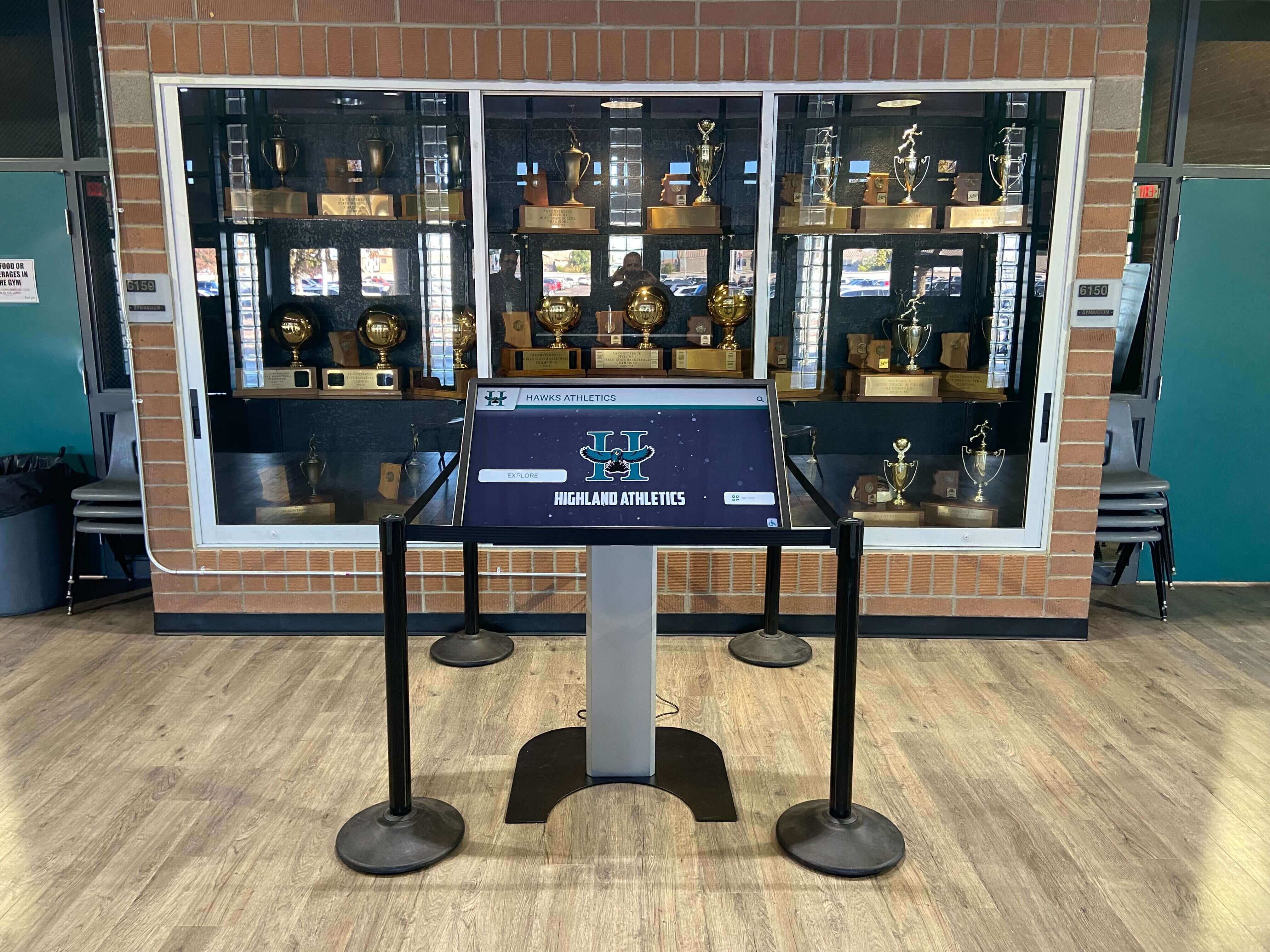
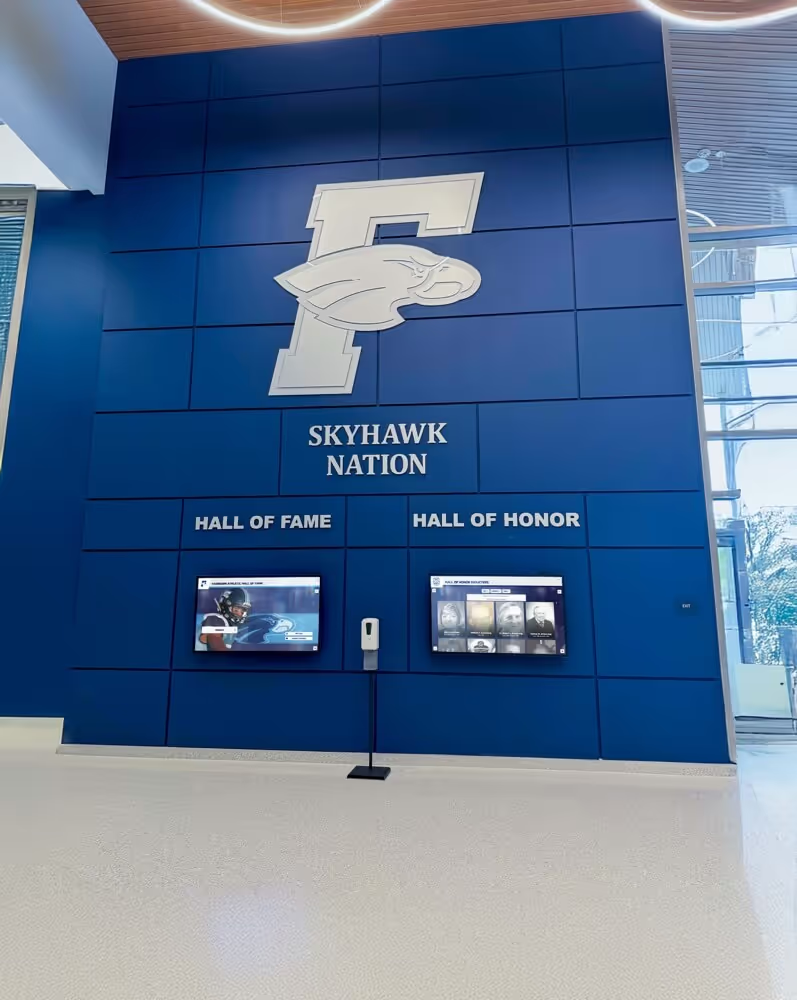
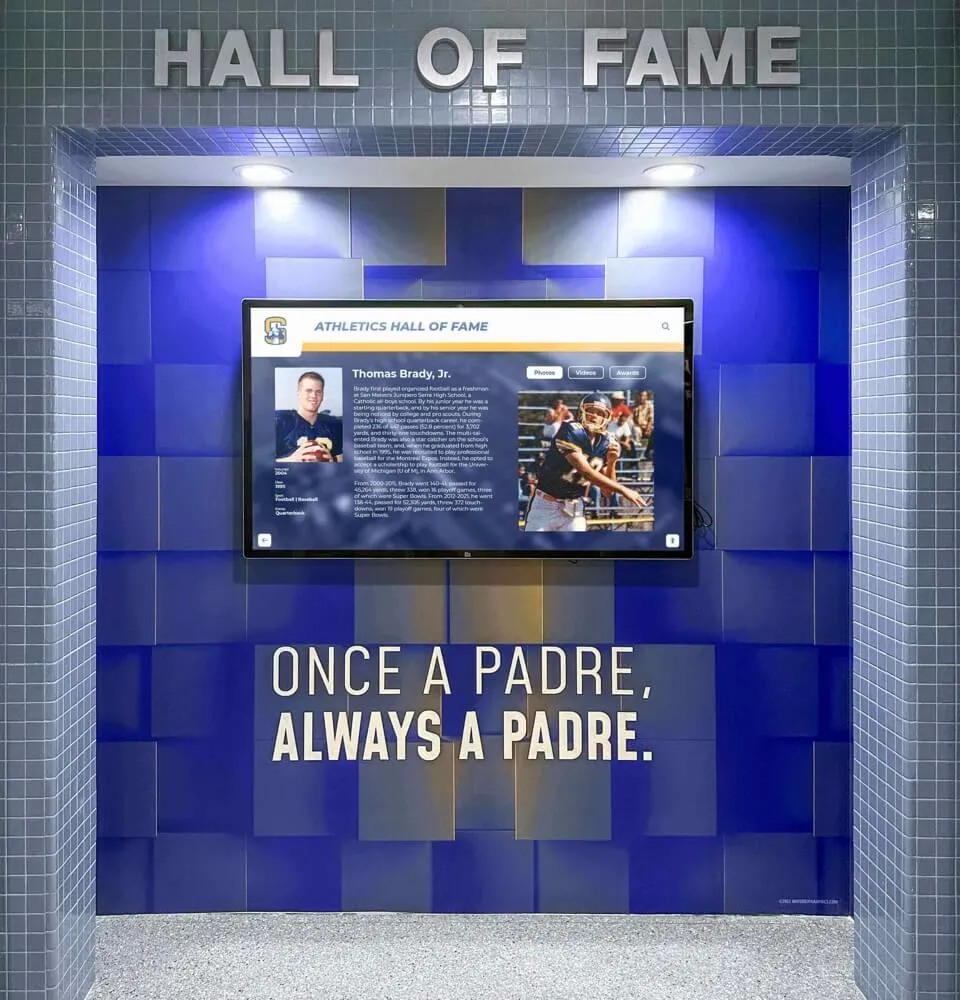
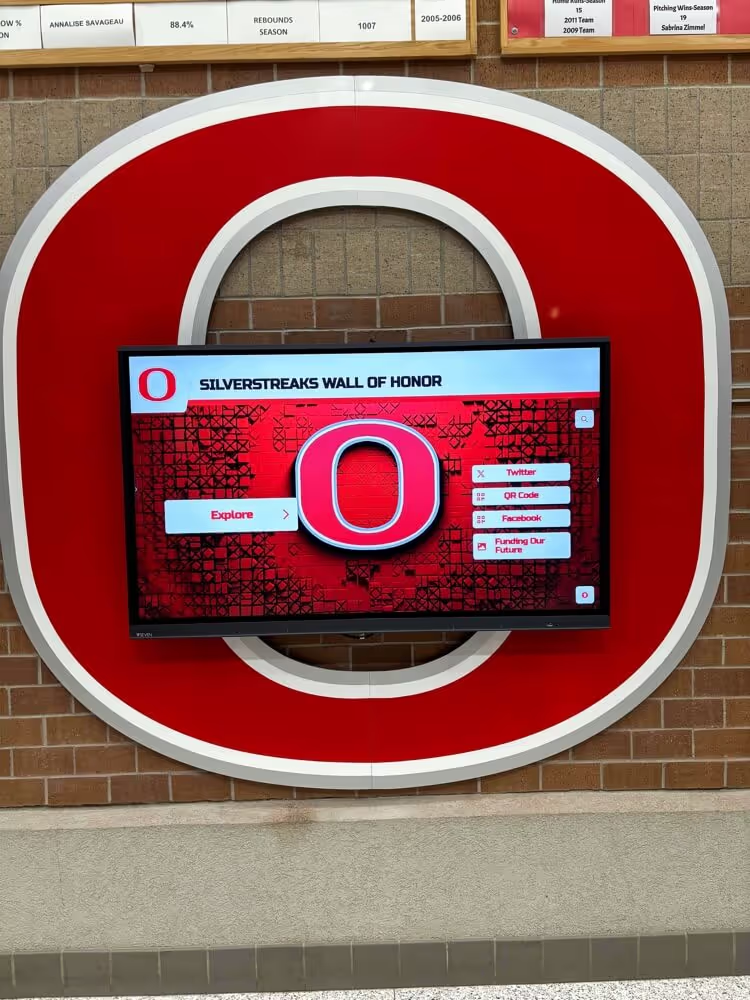
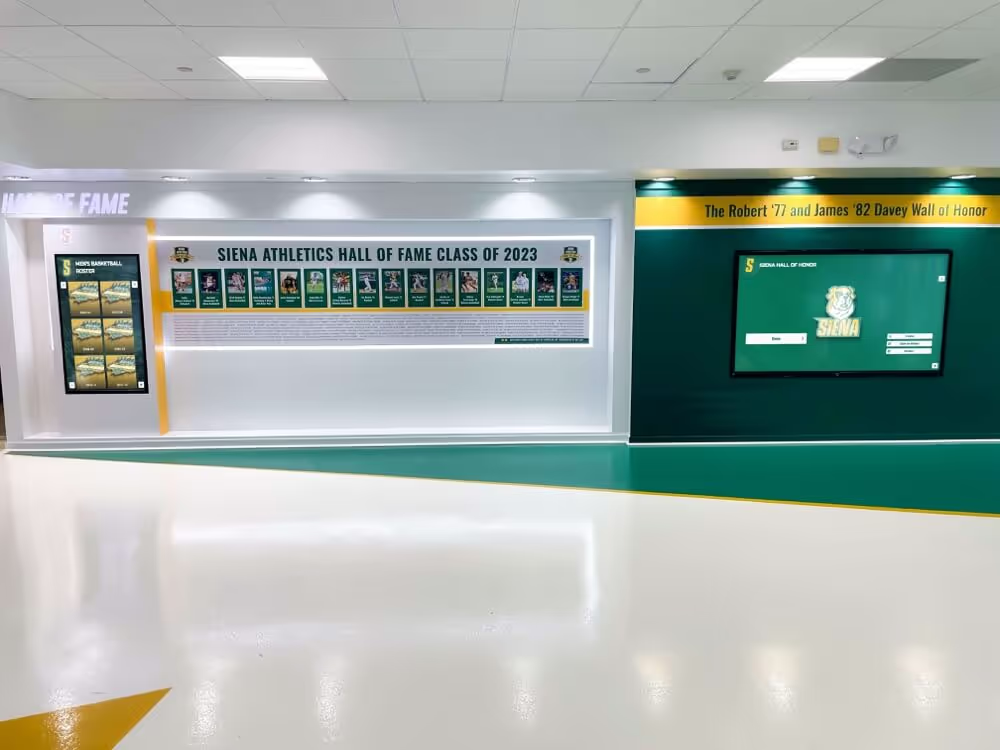
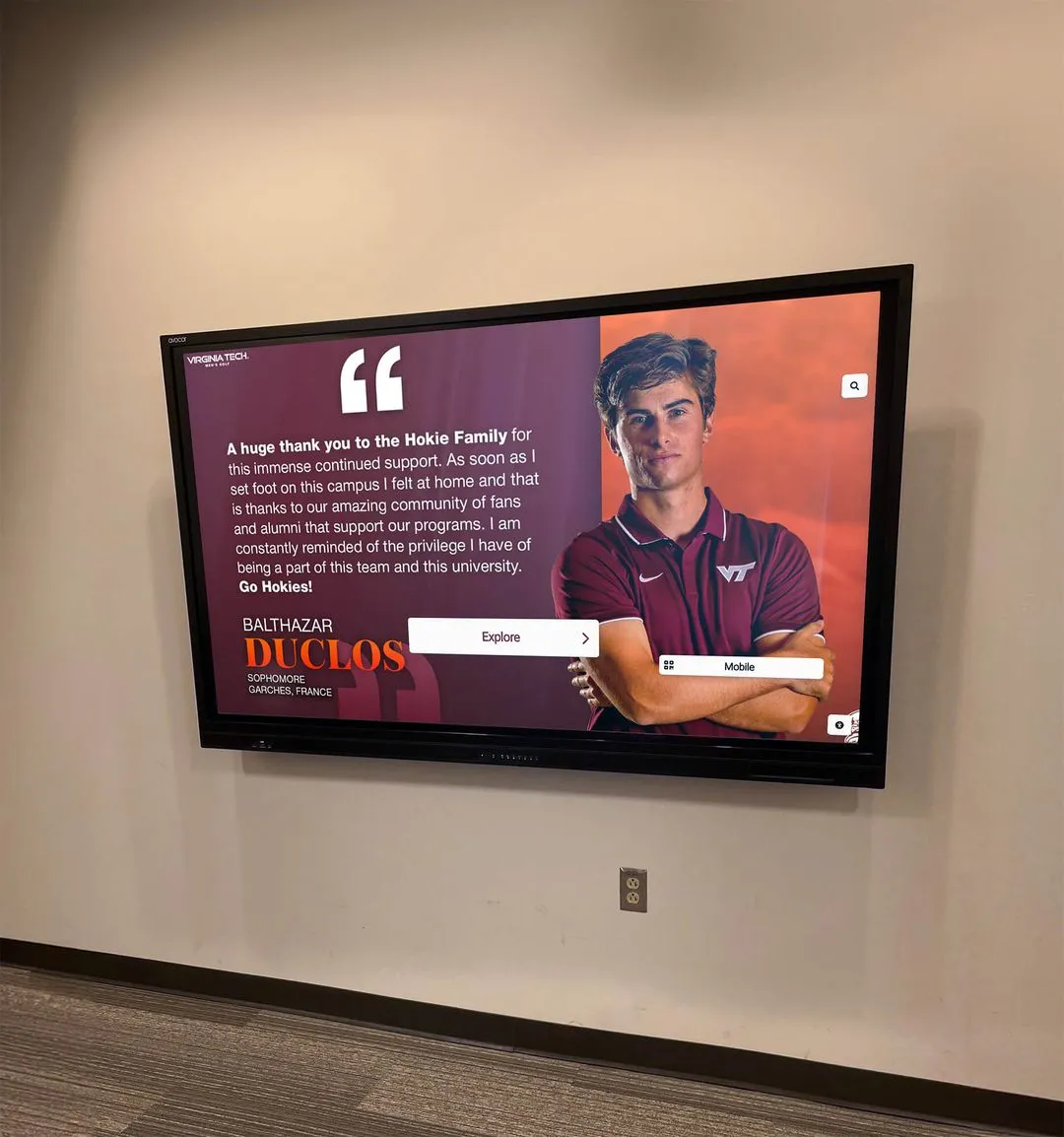
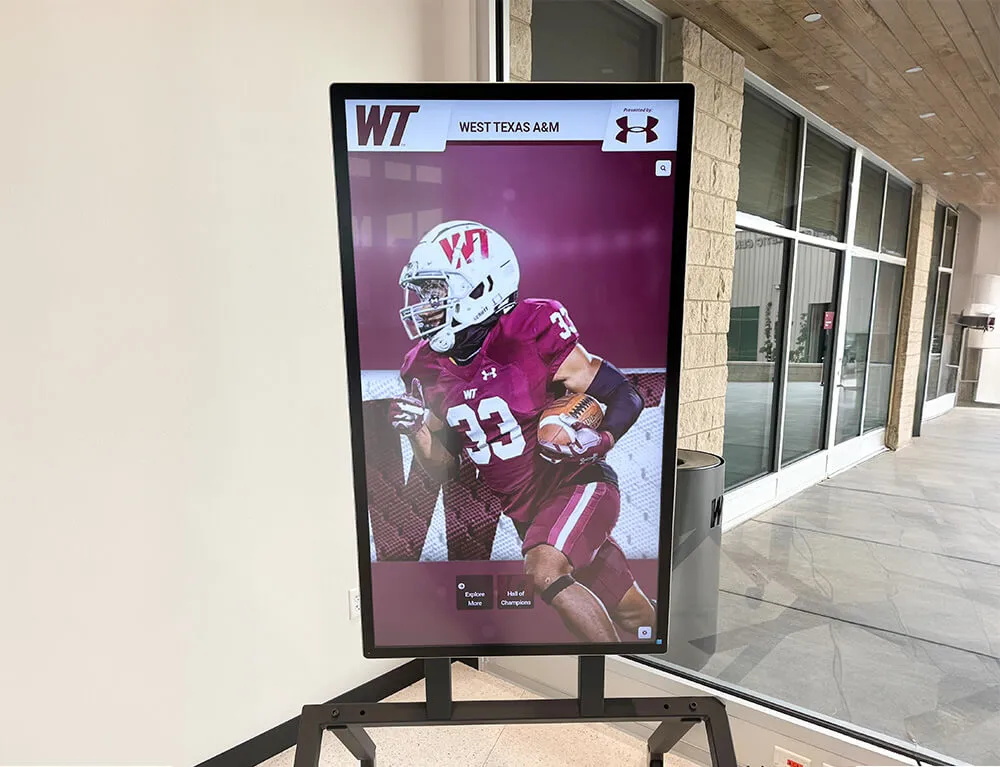
Modern hockey recognition integrates touchscreen displays with traditional trophy cases creating comprehensive programs celebrating both achievements and people
Maintenance and Long-Term Preservation
Proper maintenance preserves display case appearance and memorabilia condition for decades.
Regular Cleaning Protocols
Establish consistent maintenance routines:
Weekly Tasks
- Dust exterior case surfaces with microfiber cloths
- Clean glass or acrylic with appropriate products (no ammonia on acrylic)
- Check locks for proper function
- Verify lighting operation
- Remove fingerprints from high-touch surfaces
Monthly Tasks
- Clean interior surfaces without removing pucks
- Inspect seals and gaskets for wear
- Tighten any loose mounting hardware
- Test alarm systems if installed
- Document condition with photographs
Annual Tasks
- Deep clean all surfaces including puck removal
- Inspect UV protection effectiveness (test strips available)
- Replace deteriorating seals or gaskets
- Service or replace lighting as needed
- Professional assessment of valuable memorabilia condition
Assigning these tasks to specific staff members—assistant coaches, equipment managers, or facilities personnel—ensures accountability and consistency.
Monitoring Puck Condition
Watch for deterioration signs requiring intervention:
Puck Deterioration Indicators
- Surface yellowing or discoloration
- Autograph fading becoming illegible
- Logo printing deterioration
- Rubber degradation or cracking
- Odors indicating mold or improper storage
Catching these issues early allows professional conservation before damage becomes irreversible.
Environmental Control
Stable conditions prevent most deterioration:
- Temperature maintained between 65-72°F consistently
- Relative humidity kept at 45-55% year-round
- Direct sunlight completely eliminated even with UV protection
- Air circulation preventing moisture accumulation
- Pollution filtration removing particles and gases
Trophy areas in climate-controlled facilities generally maintain adequate conditions, while those in older rink areas may require dedicated environmental systems.
Common Mistakes to Avoid
Learn from these frequent hockey puck display errors:
Prioritizing Price Over Quality
Budget cases requiring replacement within 5-7 years cost more long-term than premium cases lasting decades. Cheap materials also undermine the significance of championship achievements being recognized.
Ignoring UV Protection
Standard materials allow UV damage that fades autographs and discolors pucks irreversibly. The cost difference for UV-protective materials is minimal compared to memorabilia value.
Poor Spacing and Layout
Cramming too many cases into available space creates cluttered displays reducing individual puck impact. Strategic spacing with breathing room increases visibility and significance.
Forgetting Growth Planning
Designing displays around current memorabilia without room for expansion requires awkward retrofitting when new championships occur. Successful programs should plan for continued success.
Inadequate Context
Pucks displayed without labels, dates, or contextual information leave viewers confused about significance. Proper engraving and supporting elements transform memorabilia into documented history.
Neglecting Security
Positioning valuable memorabilia in unsupervised areas or using inadequate locks invites theft. Strategic placement and appropriate security prevent losses.
Inconsistent Recognition Philosophy
Some programs over-recognize minor achievements while under-recognizing championships, creating confused hierarchies. Clear recognition criteria maintain program standards and significance.
Creating Comprehensive Hockey Recognition Programs
The most successful programs think holistically about hockey recognition beyond simply selecting display cases.
Connecting Multiple Recognition Elements
Effective programs integrate various components:
Physical Displays
- Championship puck displays in premium cases
- Trophy cabinets for team awards
- Trophy shelf arrangements for individual awards
- Jersey retirement displays
- Team photos and composite displays
Digital Recognition
- Interactive touchscreen player databases
- Season history archives
- Game highlight videos
- Alumni career tracking
- Statistical record displays
Environmental Elements
- Championship banners
- Team color schemes and branding
- Historical timeline graphics
- Motivational quotes and program values
- Facility naming recognition
These elements work together creating immersive environments celebrating complete program histories.
Engaging Current Players
Recognition should inspire current rosters:
- Position displays where players pass daily (locker room routes)
- Include recent achievements showing current relevance
- Feature multiple achievement levels acknowledging various contributions
- Update regularly maintaining freshness
- Create traditions around new displays being added
Teams regularly exposed to program history develop stronger identity and commitment to maintaining standards, making recognition investments impact current performance beyond historical preservation.
Involving Alumni and Community
Hockey recognition strengthens community bonds:
- Invite alumni to contribute memorabilia or stories
- Host reunions or ceremonies in trophy areas
- Encourage alumni facility visits with families
- Share digital content through social media
- Recognize community support alongside player achievements
These connections build networks supporting programs through donations, volunteer time, and advocacy—benefits extending far beyond aesthetic improvements.
Celebrating Complete Student-Athletes
Recognition focused exclusively on goals and wins misses opportunities:
- Academic achievement deserves equivalent recognition
- Character, sportsmanship, and leadership matter as much as statistics
- Community service and citizenship represent program values
- Improvement and dedication count even for role players
- Post-graduation success demonstrates program impact beyond hockey
Comprehensive recognition programs build cultures where every player feels valued, increasing participation, retention, and team cohesion. Similar philosophies enhance team award programs across all sports.
Making Your Selection: A Step-by-Step Process
Follow this systematic approach to choose hockey puck display cases matching your program’s needs:
Step 1: Inventory Your Memorabilia
Document what you need to display:
- List all significant pucks with achievement descriptions
- Determine significance tiers (championship, playoff, milestone, general)
- Photograph memorabilia for reference during case selection
- Note any special requirements (extreme value, temperature sensitivity)
- Estimate future additions over next 3-5 years
This inventory prevents purchasing cases that don’t fit actual memorabilia or allow for reasonable growth.
Step 2: Assess Your Space
Understand physical constraints:
- Measure available wall space in target areas
- Note ceiling heights, electrical access, structural support
- Consider traffic patterns and viewing angles
- Identify high-visibility versus secondary locations
- Document lighting conditions and climate control
- Photograph spaces from multiple angles for planning reference
Step 3: Define Your Budget
Establish realistic spending parameters:
- Calculate total available funds including installation
- Allocate spending by priority tiers
- Research vendor pricing understanding market rates
- Include 20% contingency for unexpected expenses
- Plan multi-year budgets if phasing implementation
Work with booster clubs on fundraising if budgets fall short—donors often support tangible projects like recognition programs more readily than general athletic budgets.
Step 4: Request Vendor Quotes
Gather competitive proposals:
- Contact 3-5 display case suppliers with requirements
- Request detailed quotes including shipping and installation
- Ask for material specifications and warranty information
- Review customer references from similar hockey program installations
- Compare lead times for delivery and installation
Vendor selection significantly impacts satisfaction—prioritize companies with hockey program experience over generic display suppliers.
Step 5: Plan Implementation
Organize installation logistics:
- Schedule work during off-season when disruption acceptable
- Arrange temporary storage for memorabilia during installation
- Coordinate with facilities staff on electrical and mounting needs
- Plan unveiling event to celebrate completion
- Prepare maintenance protocols and assign responsibilities
Rushed installations frequently result in alignment issues, damage, or incomplete work requiring callbacks.
Start Building Your Hockey Recognition Legacy
Choosing the right hockey puck display cases protects irreplaceable memorabilia while creating recognition environments that inspire current players and preserve program history. Whether you select wall-mounted cases for championship pucks, shadow boxes combining memorabilia with contextual elements, or freestanding cabinets for comprehensive collections, thoughtful planning ensures investments deliver lasting value.
The most effective hockey recognition programs balance tradition with innovation—honoring physical artifacts that connect generations while embracing modern tools that make every achievement accessible and engaging. Display cases form the foundation, but comprehensive recognition requires thinking beyond containers to consider how you tell complete program stories that strengthen community, inspire athletes, and preserve legacies worth celebrating.
As you evaluate hockey puck display case options for your program, remember that you’re not simply purchasing storage—you’re making investments in team culture, player motivation, and program memory that will impact your hockey tradition for decades to come.
Ready to explore how digital recognition systems can complement your hockey puck display cases and create comprehensive athletic recognition programs? Discover how Rocket Alumni Solutions helps hockey programs preserve championship moments while engaging current players and alumni through interactive touchscreen displays that bring memorabilia to life.