



Athletic directors face a common challenge: championship jerseys, signed balls, team photos, and historic equipment accumulate in storage closets instead of inspiring current athletes. These meaningful artifacts deserve proper display, yet traditional trophy cases consume expensive wall space, require professional installation, and offer limited capacity as programs continue achieving new milestones.
Shadow boxes provide an elegant solution for showcasing three-dimensional memorabilia that can’t fit in standard frames. Whether preserving a retiring coach’s whistle and championship medals, honoring a state championship season, or creating senior athlete recognition displays, well-designed shadow boxes transform memorabilia into compelling visual stories.
This comprehensive guide walks through every step of creating professional-quality shadow boxes for school athletic programs, from selecting materials and designing layouts to mounting techniques and preservation best practices that protect memorabilia for decades.
Shadow boxes elevate school memorabilia from forgotten storage items to celebrated displays that strengthen program identity, connect alumni to their legacy, and motivate current student-athletes by showcasing the achievements that came before them.

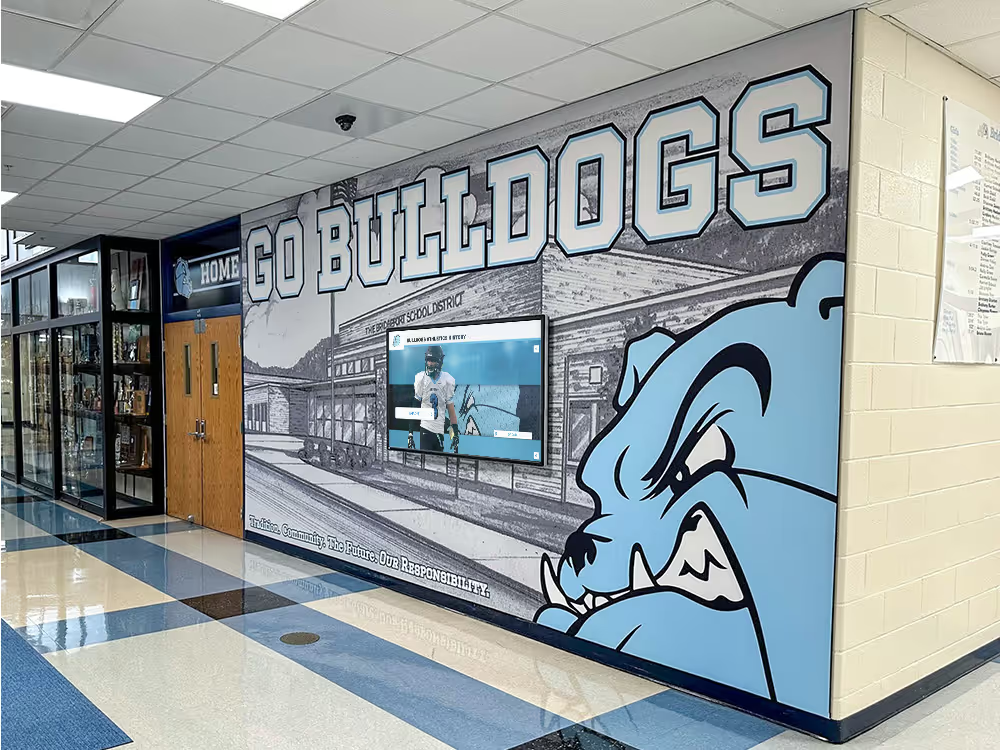
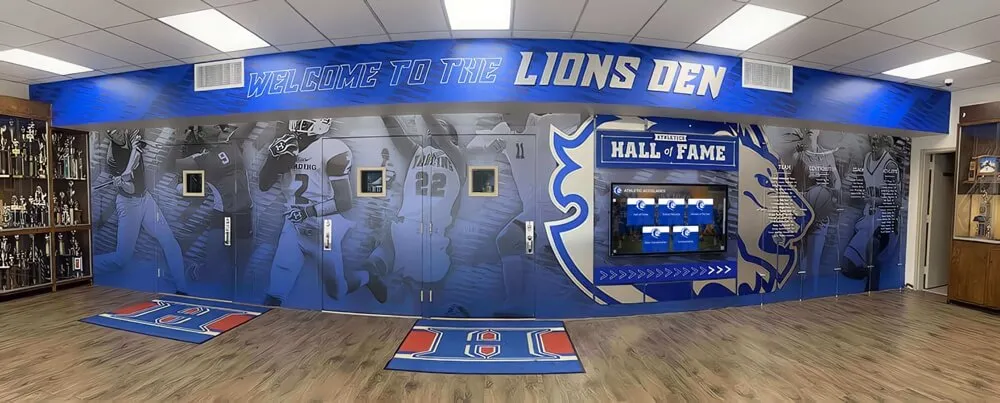
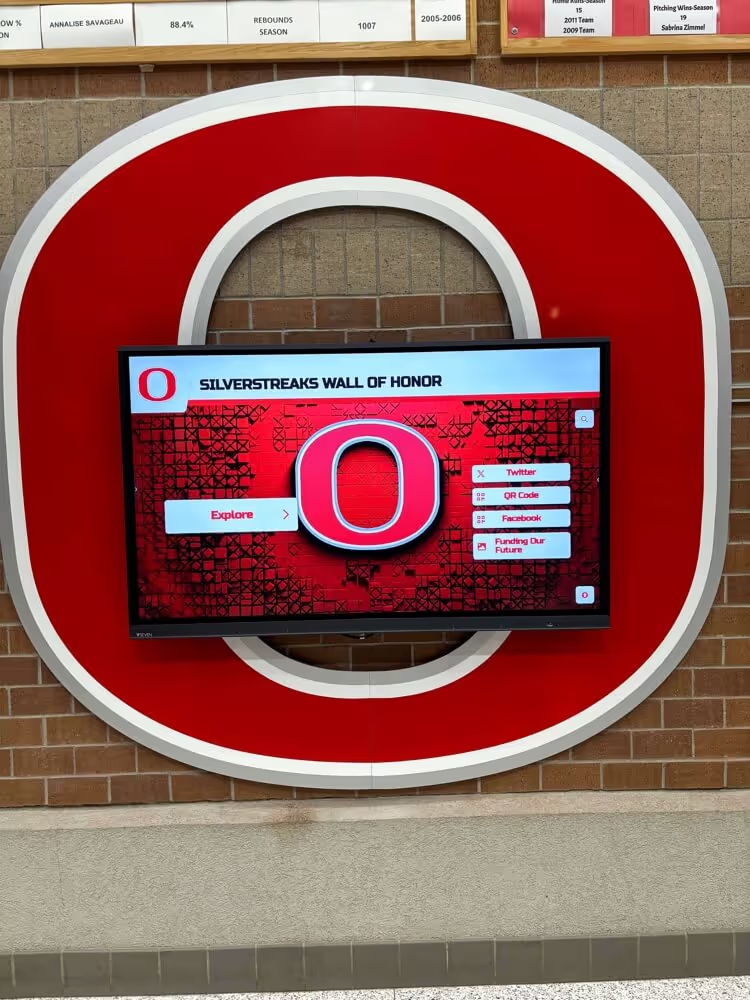
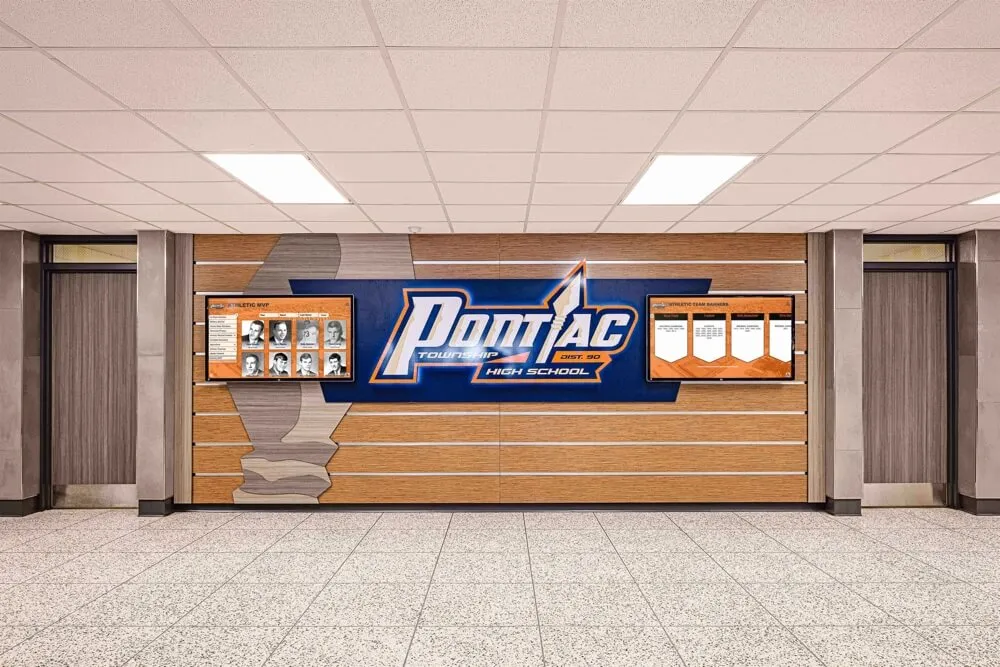
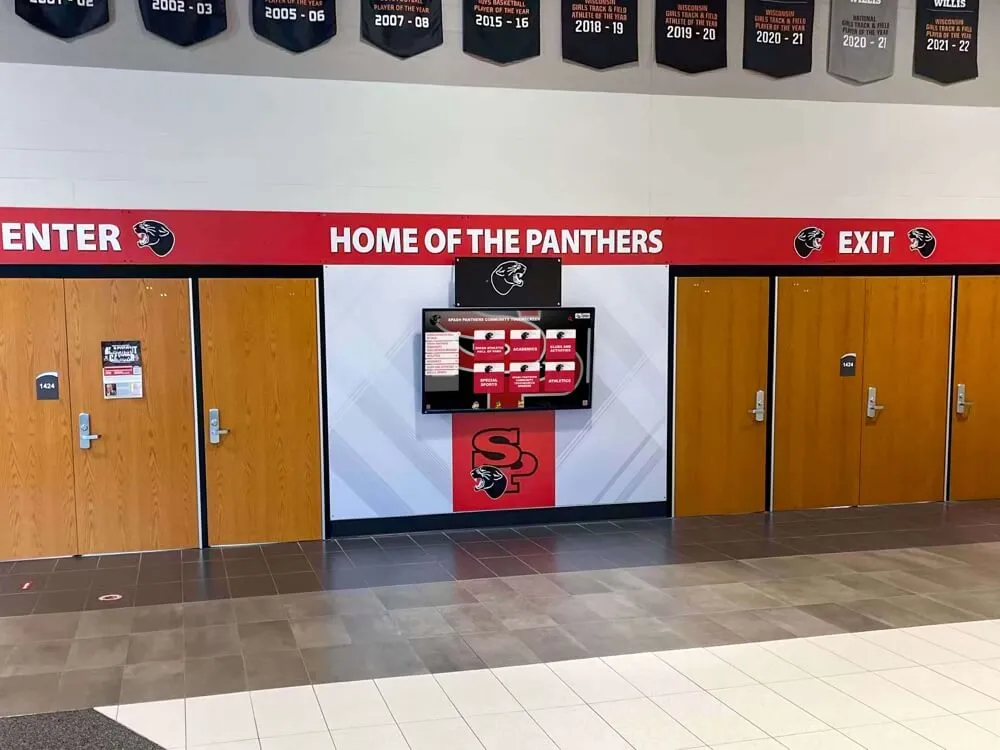
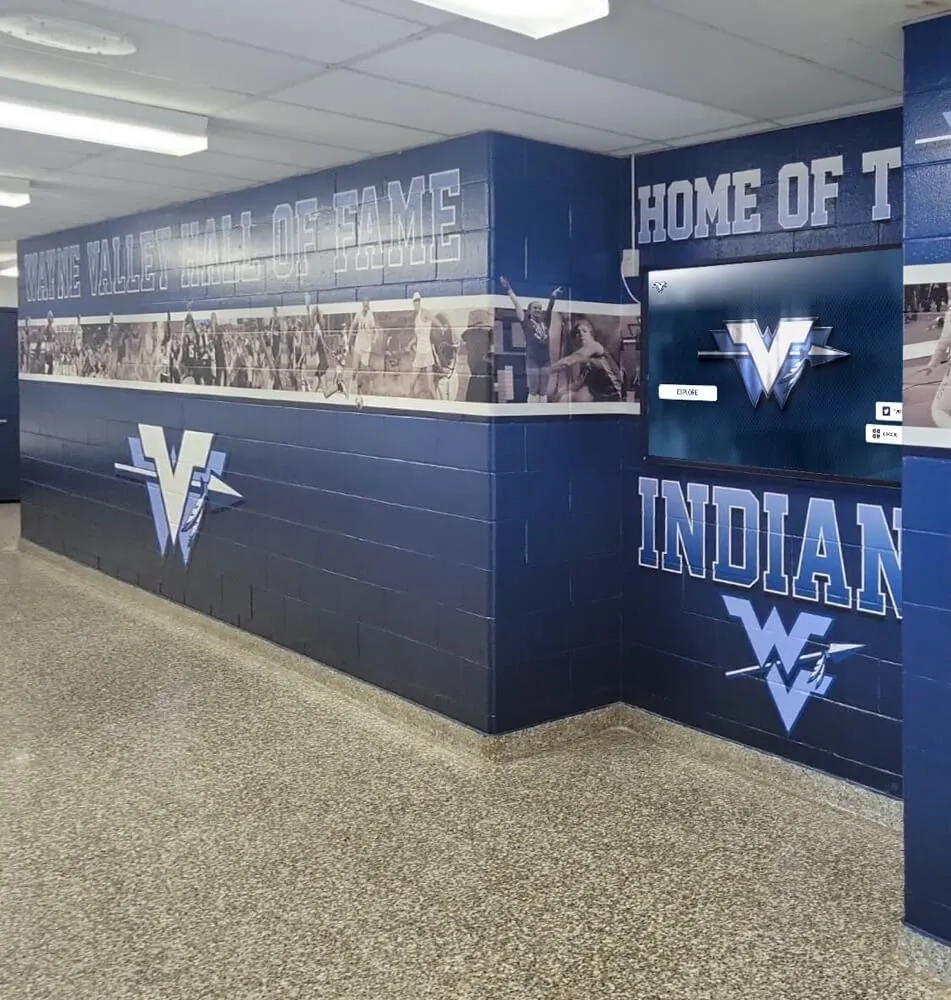
Modern schools combine traditional shadow box displays with digital recognition to maximize limited wall space while showcasing extensive program histories
What Is a Shadow Box and Why Schools Use Them
A shadow box is a deep-frame display case designed to hold three-dimensional objects rather than flat artwork or photos. The “shadow” refers to the depth created between the background and the glass front, allowing memorabilia to maintain its dimensional quality while remaining protected.
Traditional Applications for School Athletic Programs
Athletic departments use shadow boxes to preserve and display:
Championship Season Commemorations
Complete season stories in single displays:
- Game-worn championship jersey (varsity letter, captain patch)
- Team photo from championship game
- Game ball or puck with final score notation
- Newspaper clippings from tournament coverage
- Championship bracket showing path to title
- Section or state championship medal
- Final stats sheet or lineup card
Retiring Numbers and Jersey Ceremonies
Permanent tributes for exceptional athletes:
- Retired jersey with player name and number
- Individual action photos from career highlights
- Career statistics card showing records set
- All-conference or all-state certificates
- College commitment or signing day memorabilia
- Quotes from coaches about player’s impact
- Timeline showing progression from freshman to senior seasons
Coach Milestone Recognition
Honoring career achievements for longtime coaches:
- Commemorative whistle or coaching clipboard
- Career wins milestone ball or puck
- Championship rings or medals from title seasons
- Photos spanning coaching career decades
- Letter from athletic director recognizing contributions
- List of players who advanced to collegiate or professional levels
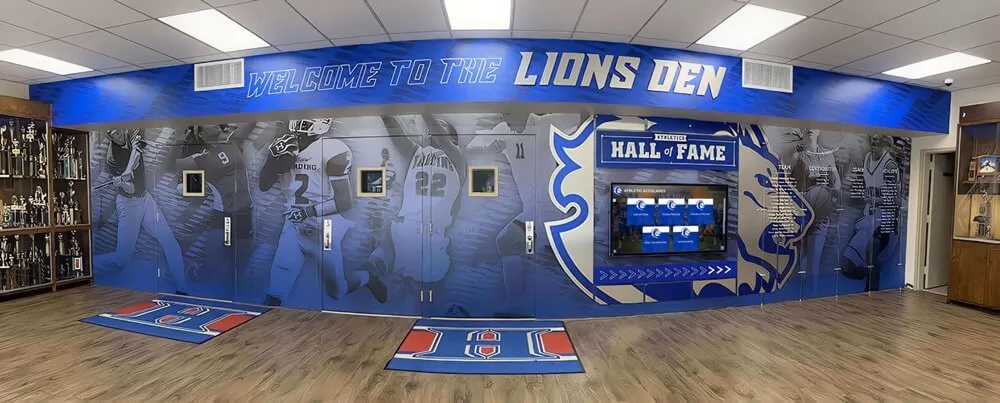
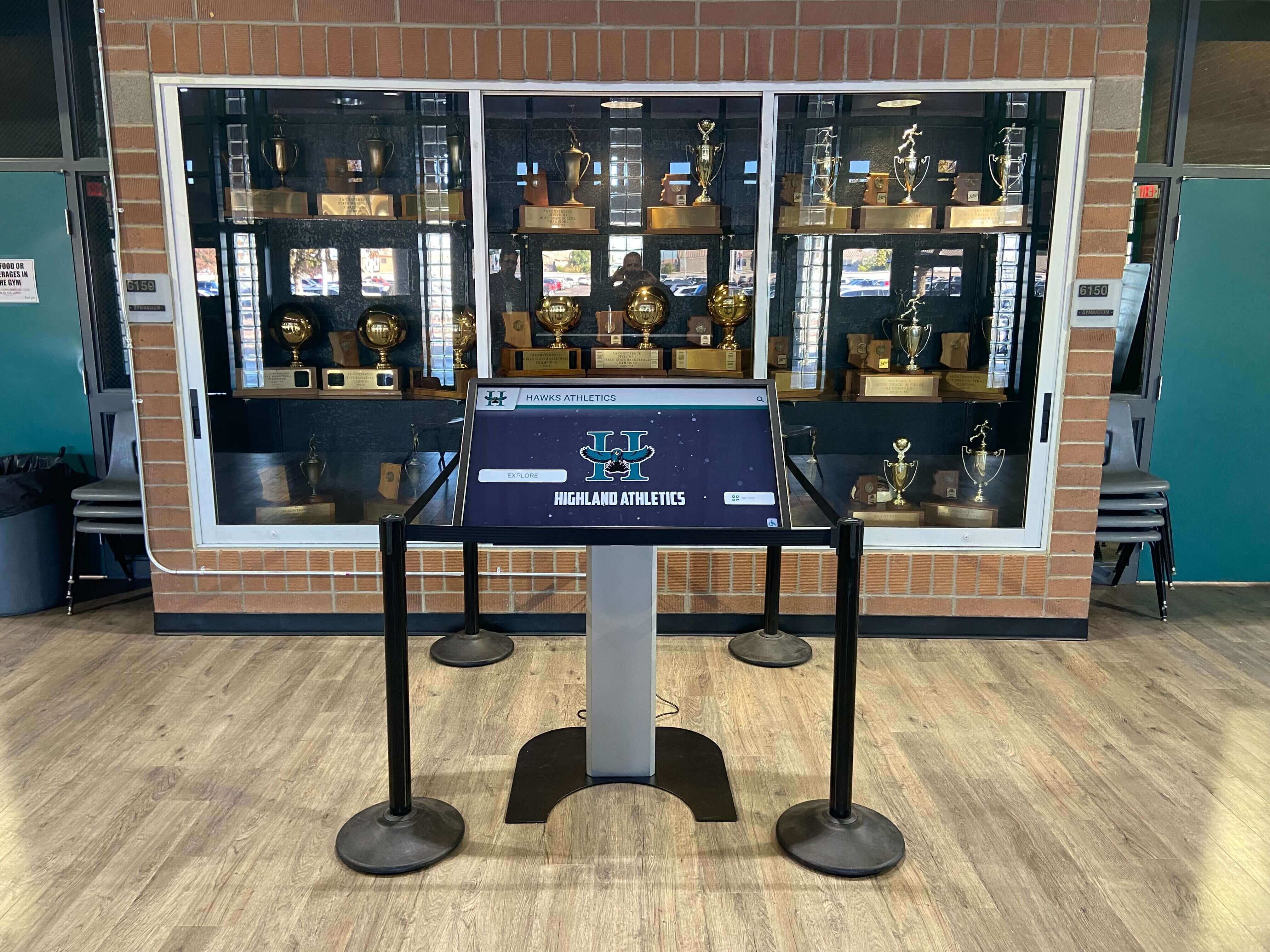
Schools strategically combine trophy cases and shadow boxes to create layered recognition systems that accommodate diverse memorabilia types
Benefits Over Standard Display Cases
Shadow boxes offer specific advantages for athletic memorabilia:
Dimensional Flexibility
Standard trophy cases require items to fit on shelves, limiting options for displaying jerseys, equipment, or oversized memorabilia. Shadow boxes accommodate items of varying depths within a single display, from flat certificates to three-dimensional balls or helmets.
Narrative Storytelling
Unlike trophy shelves that simply store items, shadow boxes create visual narratives. Arranging photos, equipment, and documentation around a central jersey tells complete championship stories that engage viewers and convey significance beyond individual objects.
Wall-Mounted Efficiency
Freestanding trophy cases consume floor space in already-crowded hallways. Wall-mounted shadow boxes utilize vertical space effectively, particularly important for schools with limited display areas.
Professional Appearance
Well-designed shadow boxes elevate memorabilia presentation beyond improvised displays. The defined frame, coordinated background, and intentional arrangement communicate that achievements merit proper recognition.
Dust and UV Protection
Closed shadow boxes protect memorabilia from dust, fingerprints, and UV damage that deteriorate items displayed openly on shelves. Proper materials preserve jerseys, photos, and paper memorabilia for decades.
Essential Materials and Tools for Shadow Box Construction
Creating professional-quality shadow boxes requires specific materials that protect memorabilia while creating visually appealing displays.
Frame and Box Components
Shadow Box Frames
Pre-made shadow box frames simplify construction:
- Depth options: 1-inch depth for thin memorabilia (medals, patches), 2-3 inch depth for jerseys or balls, 4-6 inch depth for helmets or large equipment
- Frame materials: Wood frames provide traditional appearance and accept mounting hardware easily; metal frames suit modern aesthetics and offer durability
- Glass vs. acrylic: Museum-grade acrylic provides UV protection and lighter weight; glass offers traditional look but increases weight and breakage risk
- Standard sizes: 16x20 inches for individual athlete tributes, 24x36 inches for team season displays, 30x40 inches for comprehensive championship commemorations
Custom-Built Shadow Boxes
Building frames from scratch allows precise sizing:
- Frame molding: Pre-routed shadow box molding from framing suppliers includes depth channel for backboard
- Backing materials: Acid-free foam core for lightweight displays, plywood for heavy memorabilia requiring substantial mounting
- Spacers: Wood strips creating depth between layers for dimensional arrangements
- Glass cutting: Professional glass cutting services ensure precise fitting and beveled edges
Background and Mounting Materials
Background Fabrics and Papers
Background selection impacts visual presentation significantly:
- Felt or suede cloth: Provides texture, accepts pins easily, available in school colors
- Matboard: Acid-free matboard in school colors creates clean, professional look
- Burlap or linen: Adds texture for rustic or vintage presentations
- Team logo backgrounds: Printed backgrounds featuring school logos or mascots (ensure licensing compliance)
Mounting Supplies
Proper mounting protects memorabilia while securing items:
- Archival mounting tape: Acid-free, removable tape that won’t damage jerseys or photos over time
- Conservation-grade pins: Stainless steel pins that won’t rust or leave permanent marks
- Monofilament (fishing line): Clear support for suspended items like medals or balls
- Velcro strips: Museum-grade hook-and-loop fasteners for removable mounting
- Jersey mounting boards: Pre-cut mounting boards sized for standard jerseys
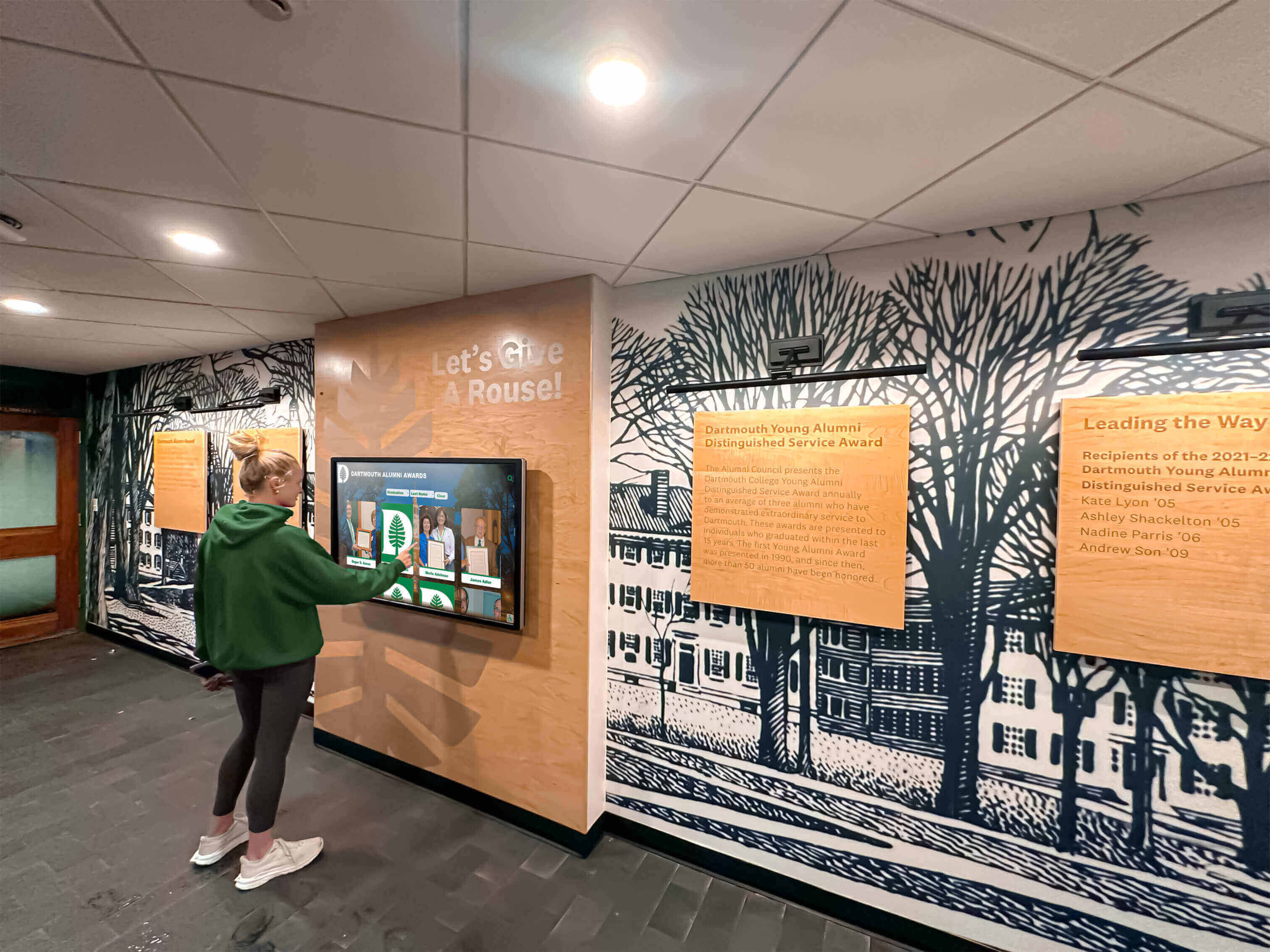
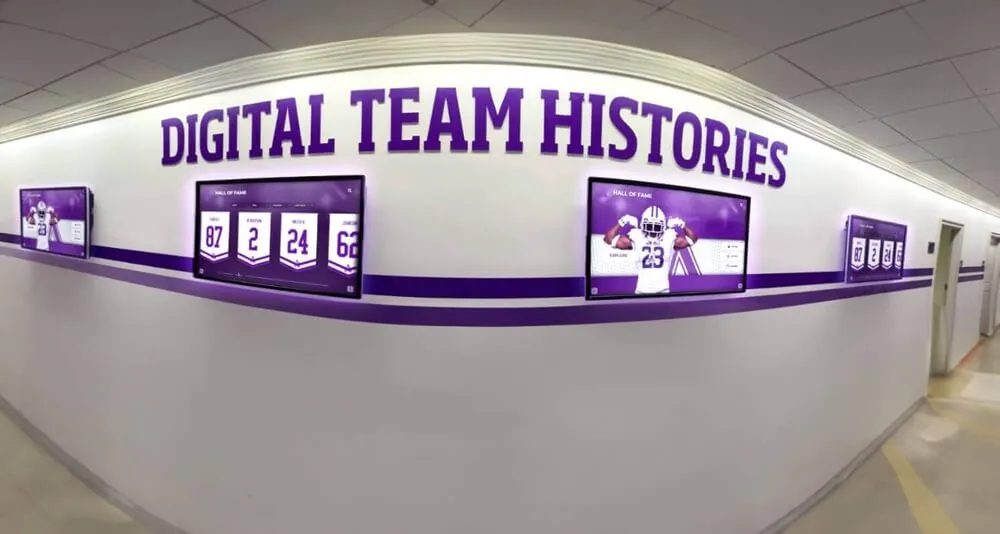
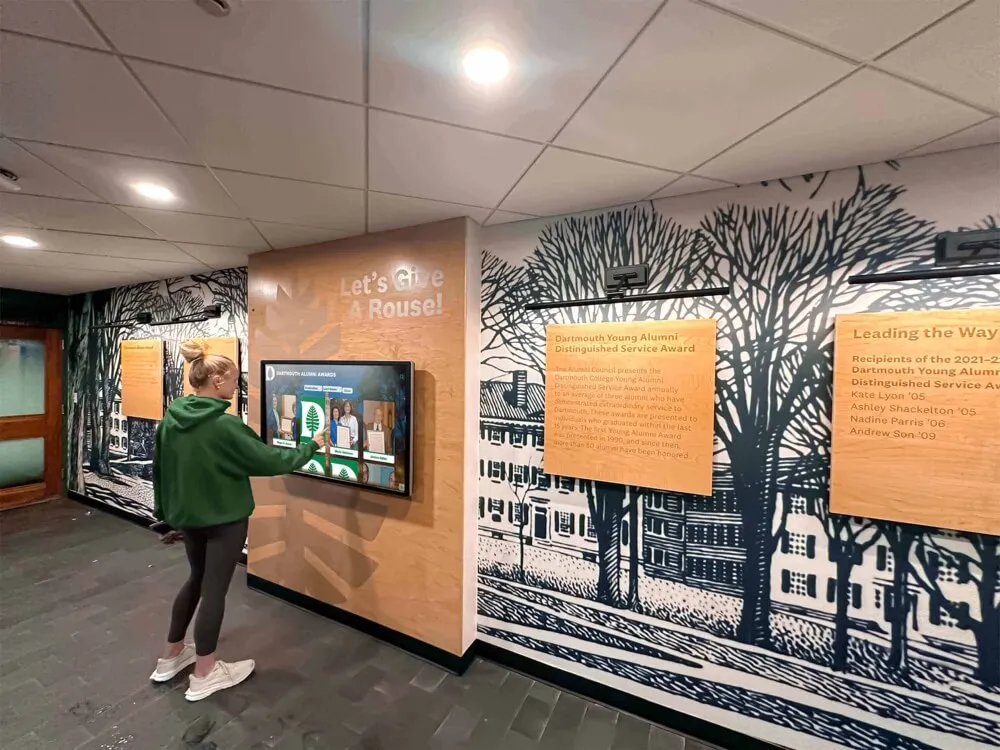
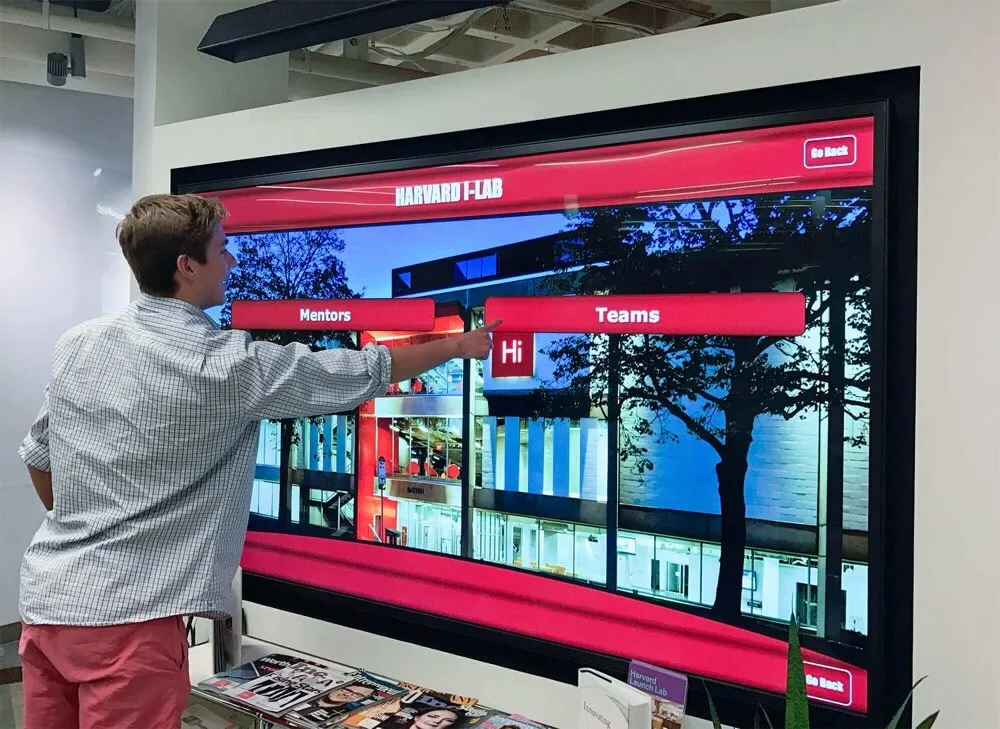
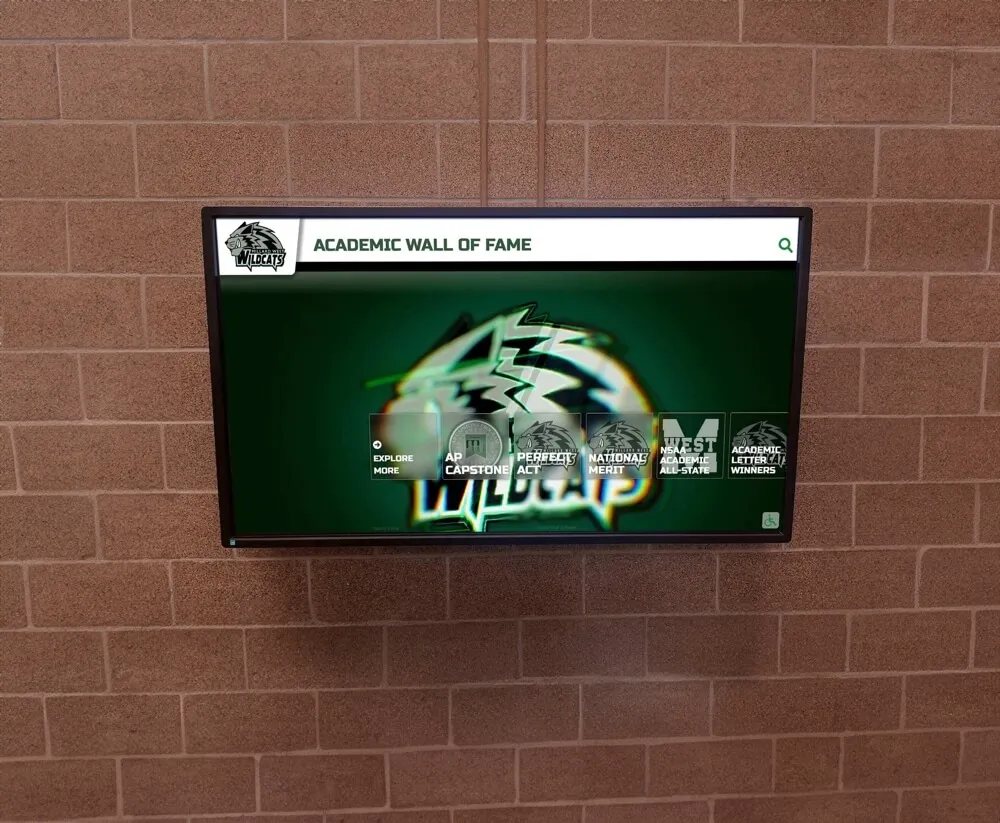
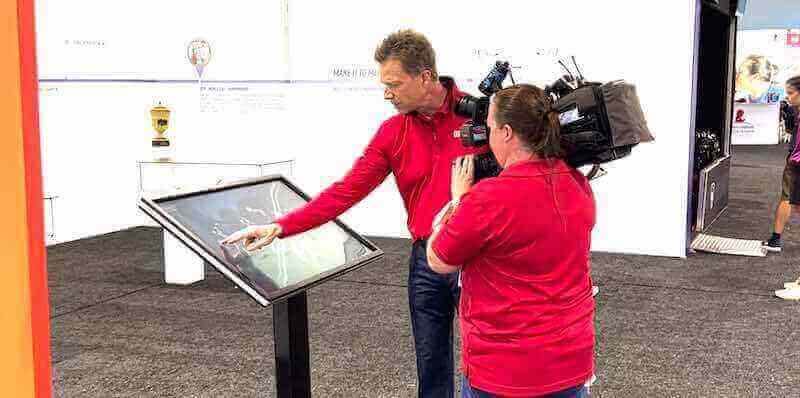
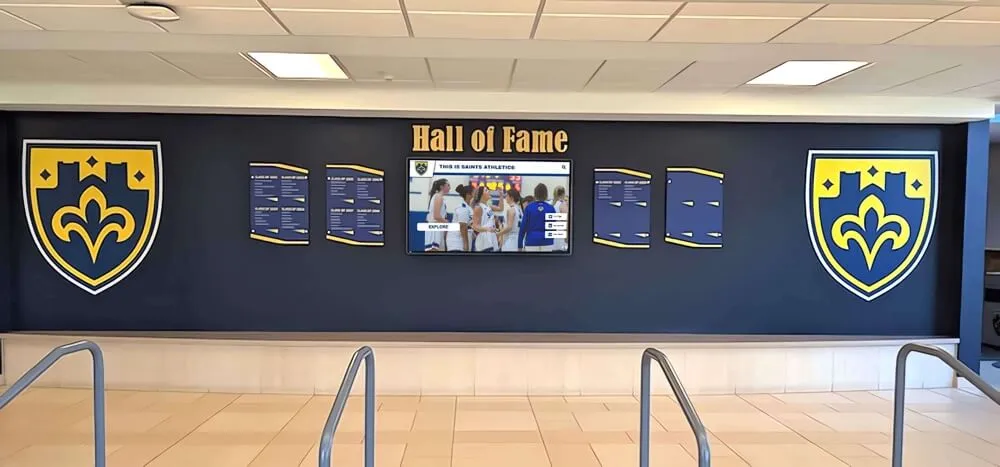
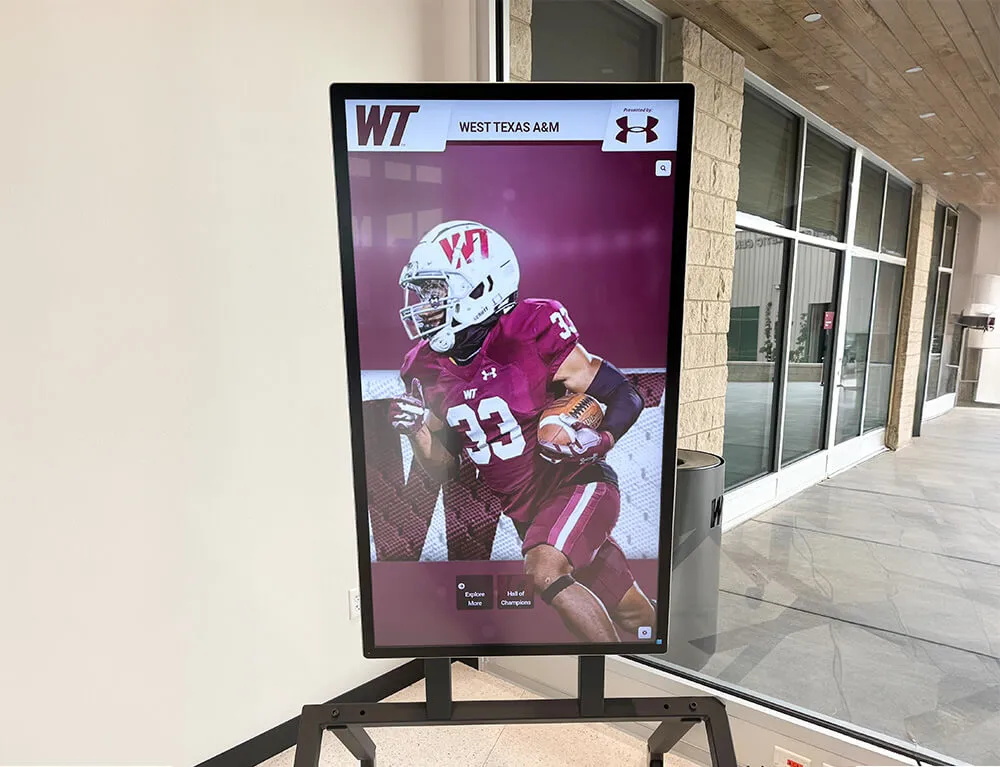
While shadow boxes preserve physical artifacts, digital displays enable students and visitors to explore full team histories and athlete biographies interactively
Tools and Hardware
Construction Tools
Essential tools for assembly:
- Drill with bits: For mounting hanging hardware and creating attachment points
- Hot glue gun: Quick adhesion for lightweight items (use archival PVA glue for permanent installations)
- Scissors and craft knife: Precise cutting of backgrounds and mounting materials
- Measuring tape and level: Ensuring accurate dimensions and straight installations
- Staple gun: Securing fabric backgrounds to backing boards
Hanging Hardware
Proper installation hardware prevents accidents:
- D-rings or sawtooth hangers: Appropriate weight rating for finished shadow box
- Wall anchors: Drywall anchors or wall studs for secure mounting (shadow boxes with memorabilia often exceed 15-20 pounds)
- Bumper pads: Small felt pads preventing wall damage and keeping frame level
- Security hardware: Locking screws or theft-deterrent hangers for valuable memorabilia in accessible locations
Step-by-Step Shadow Box Construction Process
Follow this systematic approach to create professional shadow boxes that properly preserve and present school memorabilia.
Step 1: Planning and Design Layout
Inventory Your Memorabilia
Before beginning construction, gather all items for the display:
- Primary centerpiece item (jersey, ball, helmet)
- Supporting artifacts (photos, certificates, medals)
- Contextual elements (newspaper clippings, game programs, stats sheets)
- Identification elements (name plates, date markers, achievement descriptions)
Photograph items arranged in potential layouts before committing to final design. Testing arrangements digitally or on the floor helps identify the most effective composition.
Determine Dimensions
Calculate required shadow box size:
- Measure your largest item (typically jersey or team photo)
- Add minimum 2-3 inches of border space around all edges
- Account for depth needed (jerseys typically require 2-3 inches, balls need 3-4 inches)
- Consider display location constraints (hallway width, ceiling height, viewing distance)
Sketch Your Layout
Create a scale drawing showing:
- Item placement with specific measurements from edges
- Layering order (which items sit in front/behind others)
- Text placement for names, dates, achievements
- Color scheme for background and matting
- Mounting method for each item
Schools often create templates for recurring shadow box types (senior athlete tributes, championship commemorations) to maintain consistent appearance across multiple displays.
Step 2: Preparing the Shadow Box Frame
Select or Build Your Frame
For pre-made frames:
- Remove glass/acrylic and backing materials
- Clean interior frame channels thoroughly
- Check for any defects or damage requiring repair
For custom-built frames:
- Cut frame molding to exact dimensions using miter saw at 45-degree angles
- Join corners using wood glue and finishing nails
- Allow 24 hours for glue to cure completely
- Sand any rough edges and apply finish matching school aesthetic
Prepare the Backing Board
The backing provides the foundation for mounting:
- Cut backing material (foam core or plywood) to fit frame exactly
- If using fabric background, cut fabric 2 inches larger than backing on all sides
- Center fabric over backing and pull taut to one edge
- Staple or tape fabric edge to back of board
- Work around edges, pulling fabric tight to eliminate wrinkles
- Trim excess fabric after securing all edges
Alternative approach: Adhere matboard or paper backgrounds directly to backing using acid-free adhesive spray, working from center outward to prevent bubbles.
Step 3: Mounting the Memorabilia
Jersey Mounting Techniques
Jerseys form the centerpiece of most athletic shadow boxes:
Flat Mount Method:
- Place jersey face-down on clean surface
- Insert mounting board through neck opening
- Arrange sleeves in natural position (straight out or slightly angled)
- Pin jersey to backing through shoulders and sides (pins hidden under fabric)
- Smooth wrinkles and ensure numbers/lettering display clearly
Dimensional Mount Method (for added depth):
- Stuff jersey lightly with acid-free tissue to create dimension
- Mount on slightly smaller board set forward from main backing
- Use spacers behind jersey board to create 1-2 inch depth
- Secure with pins around jersey perimeter
Photo and Document Mounting
Preserve paper memorabilia properly:
- Use photo corners or archival mounting strips (never permanent adhesive directly on photos)
- Mat photos with acid-free matboard in school colors
- Arrange photos in visual hierarchy (largest/most important as focal points)
- Create spacing between photos to prevent cluttered appearance
- Angle photos slightly for dynamic composition rather than rigid grid
Three-Dimensional Object Mounting
Secure balls, equipment, and artifacts safely:
Balls and Pucks:
- Clear acrylic ball holders screwed into backing board
- Monofilament cradles suspended from top of frame
- Custom-cut foam with ball-sized depression
Medals and Awards:
- Pin ribbon to backing so medal hangs naturally
- Small clear hooks for hanging medals by loops
- Shadow box within shadow box (small display case for valuable medals)
Equipment (Helmets, Gloves, Shoes):
- L-brackets secured to backing, then to equipment
- Clear monofilament supports for suspended appearance
- Platform shelves for items requiring stable base
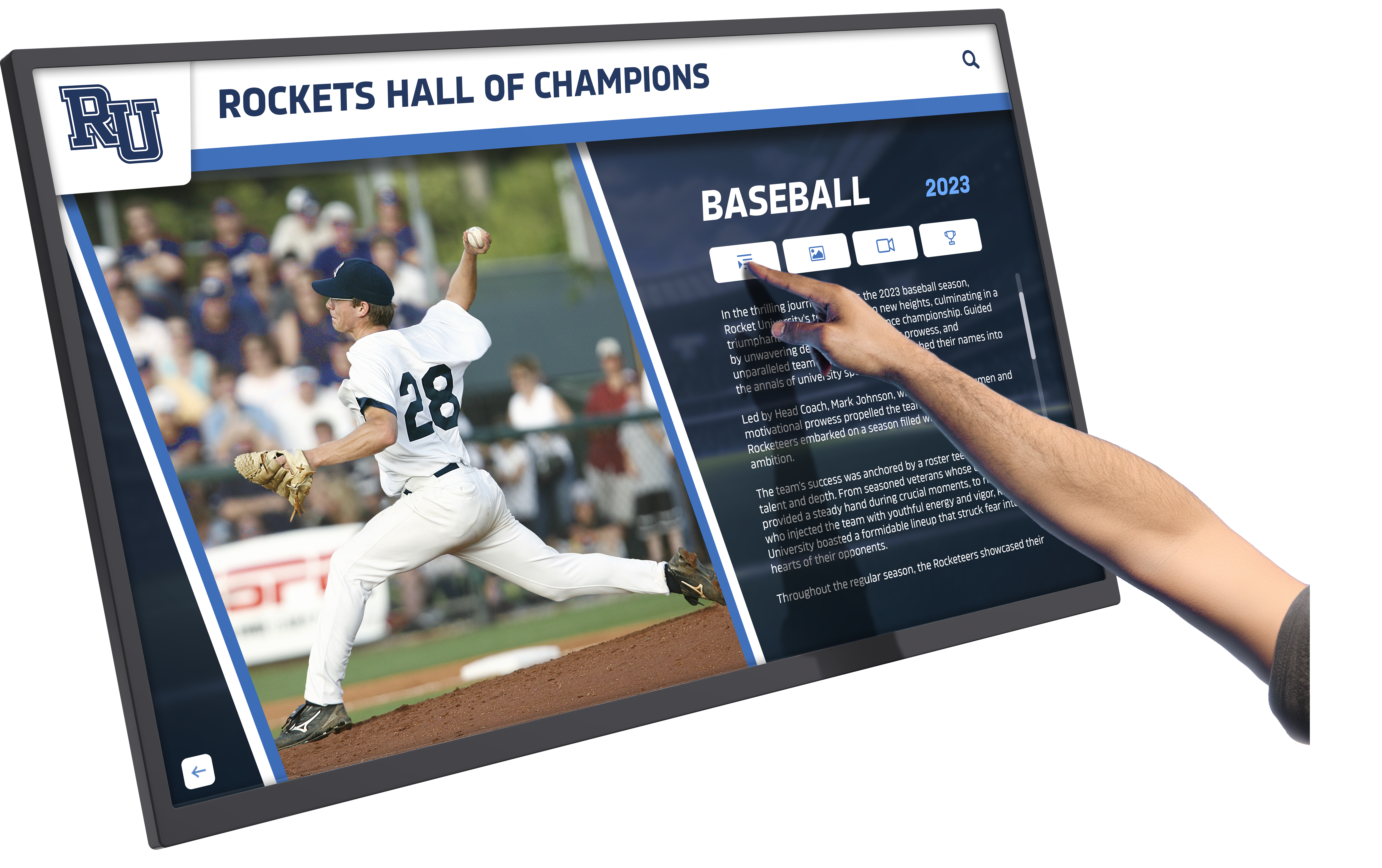
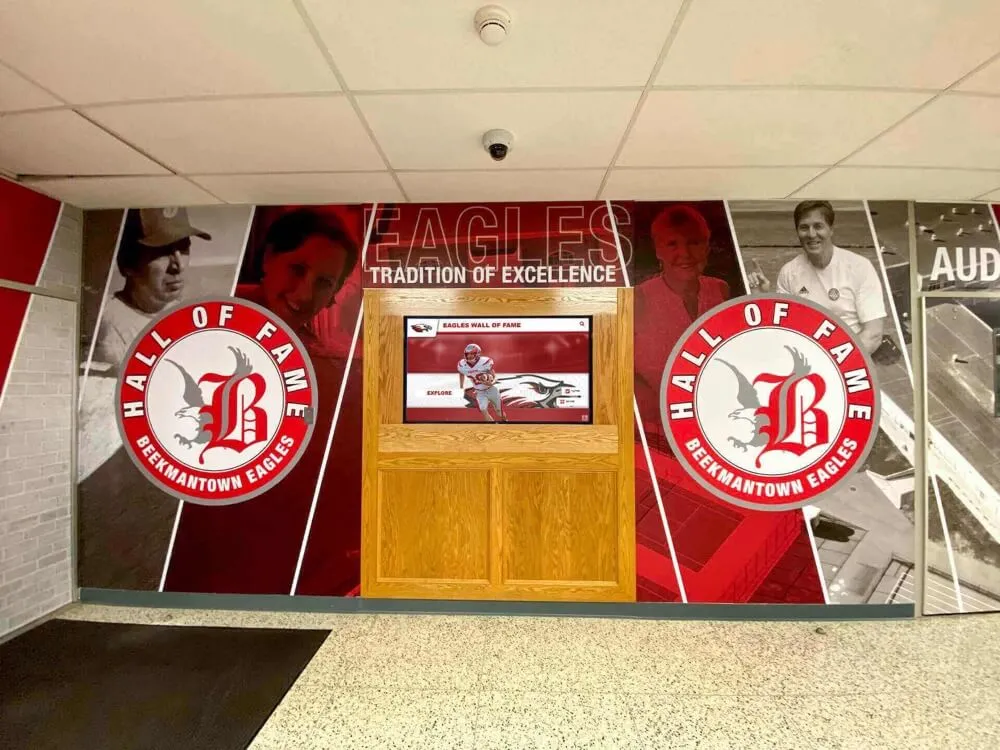
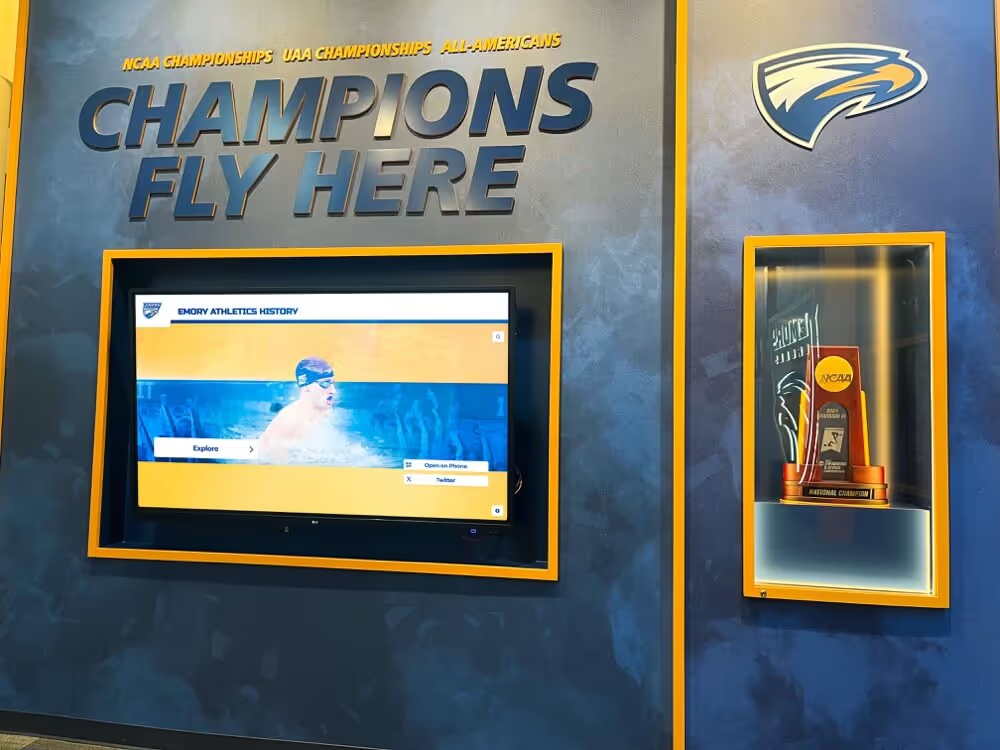
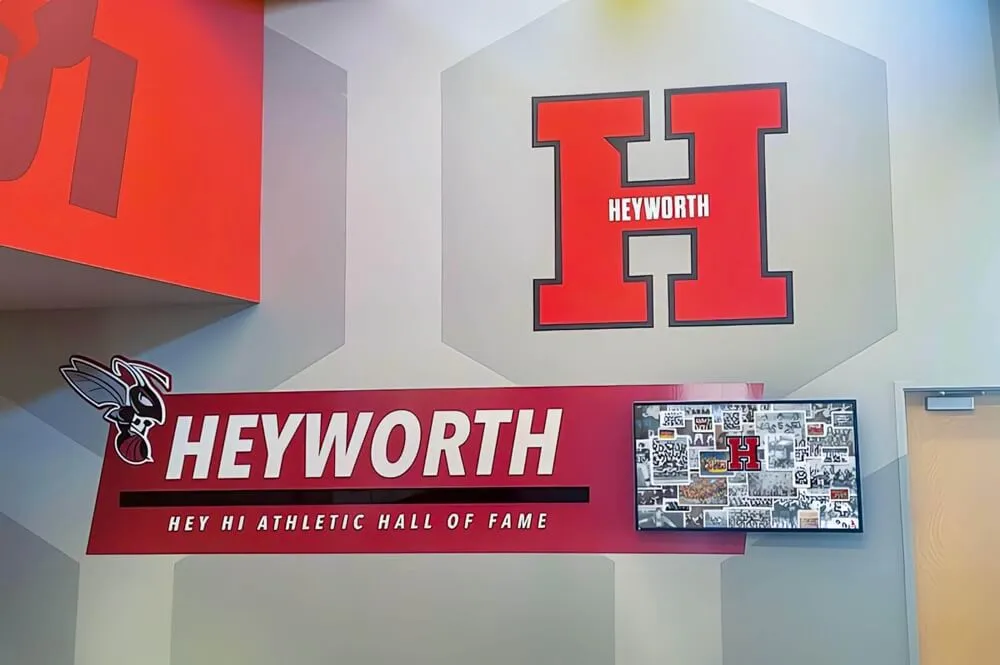
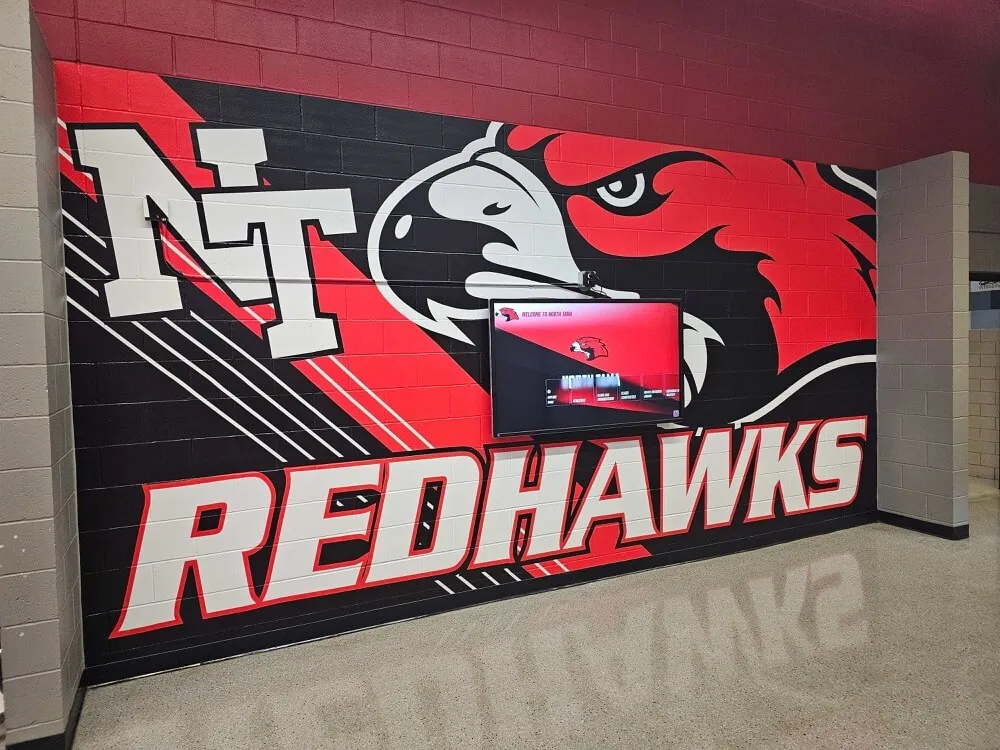
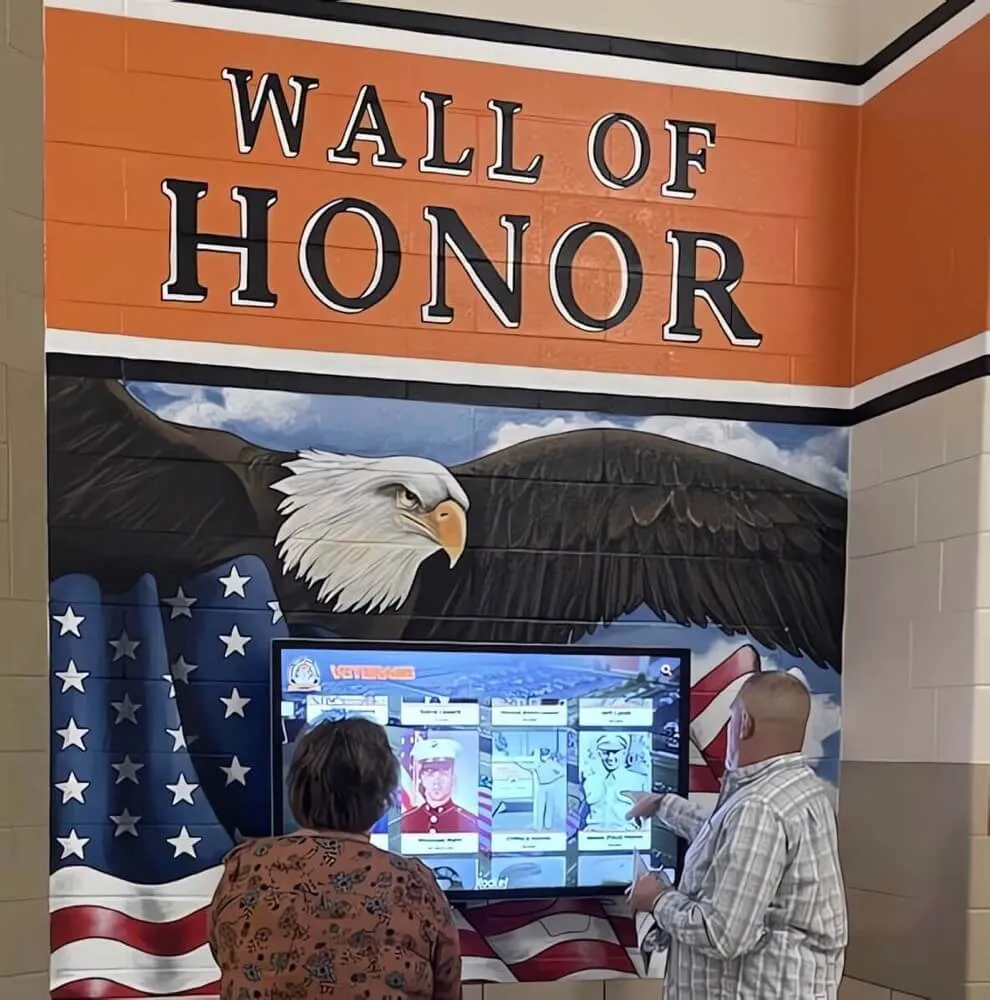
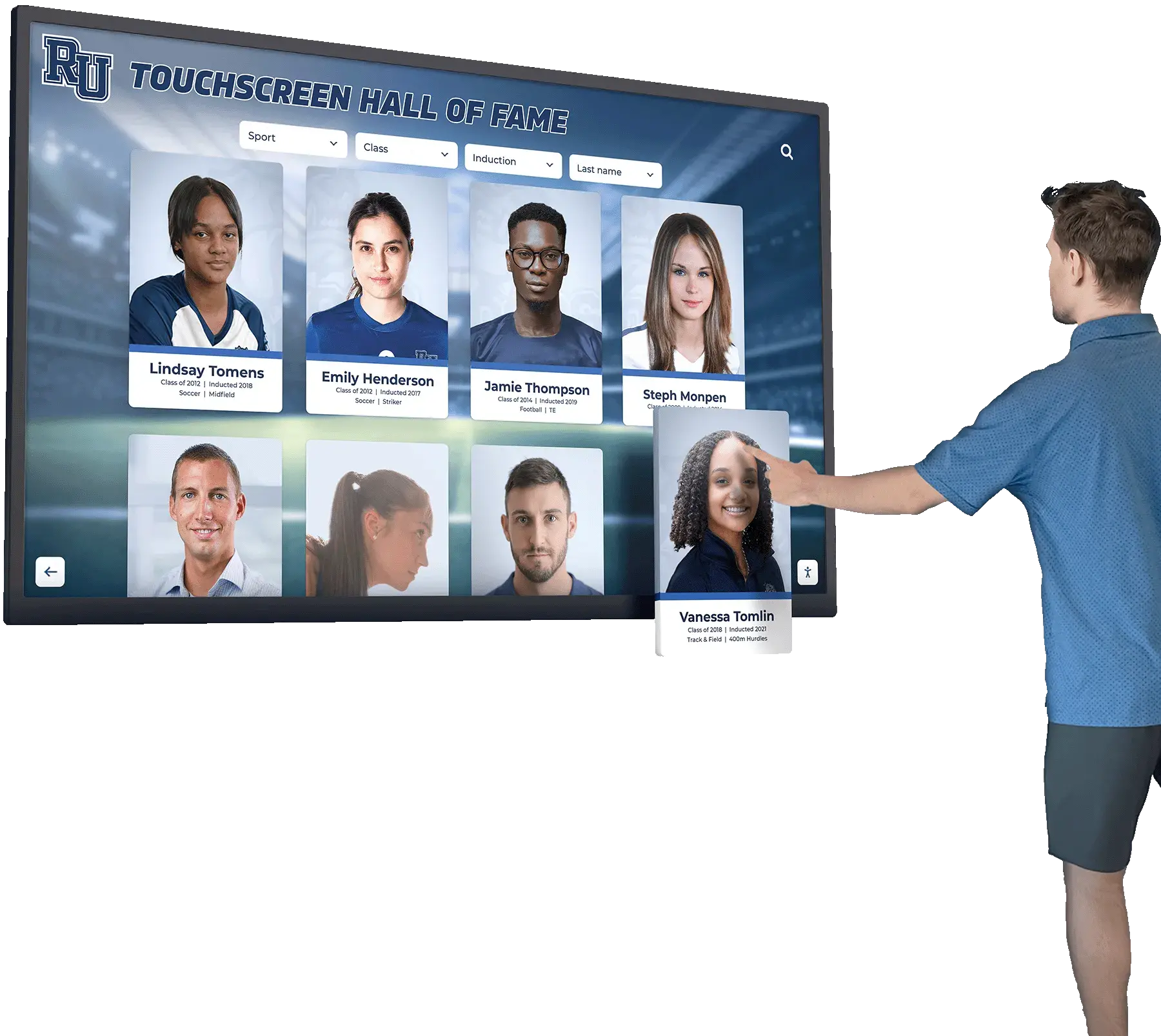
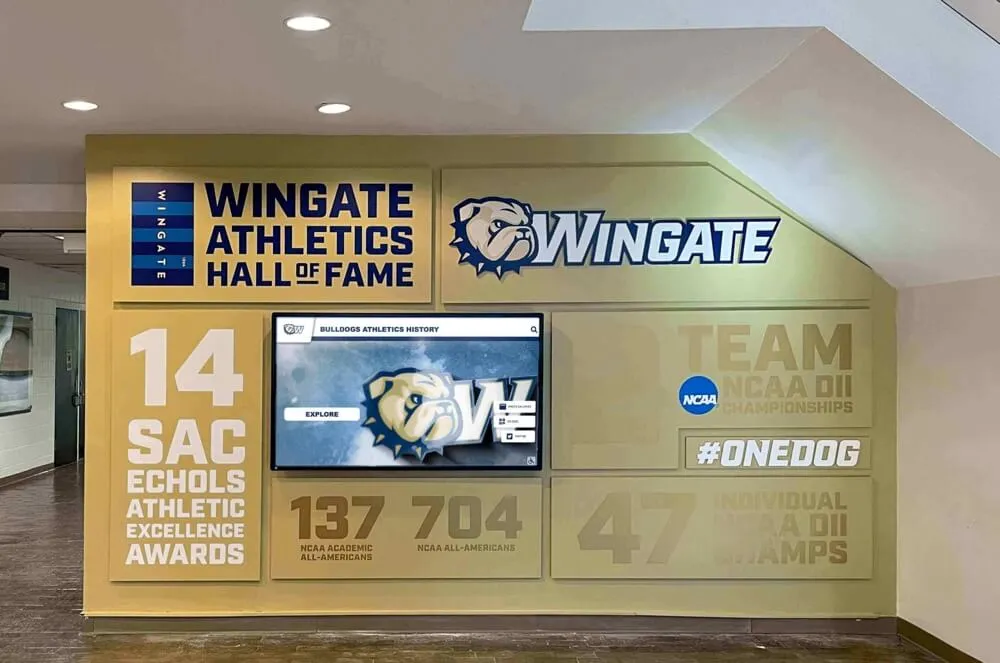
As programs accumulate more achievements, [digital recognition systems](https://digital-trophy-case.com/blog/digital-hall-of-fame-vs-traditional-trophy-case-school-hallway/?utm_source=organic&utm_medium=seo-auto&utm_content=toucharchives&utm_campaign=how-to-make-a-shadow-box&utm_term=seo) provide unlimited capacity without consuming additional wall space
Step 4: Adding Labels and Context
Name Plates and Achievement Text
Identify what’s displayed and why it matters:
Professional Engraved Plates:
- Order custom brass or aluminum plates from trophy shops
- Include athlete name, year, achievement, records set
- Mount using adhesive backing or small screws
Printed Labels:
- Design in school fonts and colors using Canva or similar tools
- Print on cardstock or photo paper
- Mat with contrasting color for visibility
- Adhere using archival mounting corners
Vinyl Lettering:
- Custom vinyl lettering applied directly to background
- Clean, modern appearance matching contemporary athletic displays
- Permanent but professional solution
Context and Storytelling Elements
Help viewers understand significance:
- Brief quote from coach or athlete about season/achievement
- “Did You Know?” facts highlighting records or milestones
- Game statistics from championship contest
- Timeline showing progression through season or career
- Roster listing all team members (for team championship displays)
Step 5: Assembly and Sealing
Final Arrangement Check
Before sealing the shadow box:
- Place backing with mounted memorabilia in frame opening
- View from normal display distance (6-10 feet for hallway displays)
- Verify all items are secure and properly positioned
- Check that no mounting hardware is visible from front
- Ensure labels are level and readable
- Photograph arrangement for records before sealing
Installing the Glass or Acrylic
Protect the display:
- Clean glass/acrylic thoroughly on both sides (fingerprints show prominently)
- Place glass into frame channel carefully
- Ensure glass sits flush against frame on all sides
- Check for any gaps that could allow dust entry
Securing the Backing
Seal the shadow box permanently:
- Place backing board with memorabilia against glass
- Secure using framing points, staples, or screws (depending on frame type)
- Install dust cover (brown paper adhered to frame back) for professional finish
- Attach hanging hardware appropriate for total weight
- Apply bumper pads to bottom corners
Quality Control Inspection
Final check before installation:
- Verify glass is completely clean
- Ensure no items have shifted during assembly
- Check that frame is square and undamaged
- Test hanging hardware security
- Confirm all labels are readable and correctly spelled
Installation and Display Best Practices
Proper installation ensures shadow boxes remain secure and visible while protecting memorabilia from environmental damage.
Selecting Display Locations
High-Traffic Areas for Maximum Impact
Strategic placement increases engagement:
- Main athletic hallway connecting locker rooms to gymnasium
- Lobby areas where parents and visitors gather before games
- Outside coaching offices or athletic director’s suite
- Team meeting rooms or locker room areas for team-specific displays
- Alumni gathering spaces or booster club meeting rooms
Environmental Considerations
Protect memorabilia by avoiding:
- Direct sunlight exposure (causes fading of jerseys, photos, documents)
- High humidity areas (locker rooms, pool facilities) without sealed frames
- Temperature fluctuations (near exterior doors, uninsulated walls)
- Low-hanging positions where contact damage could occur
- Areas above water fountains or near sprinkler systems
Proper Mounting Techniques
Wall Surface Assessment
Different wall types require specific approaches:
Drywall Installation:
- Locate wall studs using stud finder
- Mount directly into studs when possible for maximum security
- Use appropriate drywall anchors rated for shadow box weight (typically 25-50 pounds)
- Two mounting points minimum; three points for larger shadow boxes
Concrete or Brick Walls:
- Use masonry anchors or concrete screws
- Pre-drill holes using masonry bit
- Install plastic anchors before inserting screws
- Consider professional installation for valuable displays
Hanging Hardware Configuration
Ensure level, secure mounting:
- Measure and mark desired position on wall
- Use level to ensure marks are perfectly horizontal
- Install wall anchors or locate studs
- Hang shadow box and verify level before final tightening
- Test security by gently pulling frame away from wall
Creating Cohesive Display Groupings
Championship Wall Galleries
Group related shadow boxes for impact:
- Arrange chronologically to show program progression over decades
- Maintain consistent frame sizes and colors for unified appearance
- Space evenly with 3-4 inches between frames
- Consider symmetrical arrangements (centered primary display with smaller flanking boxes)
Sport-Specific Halls of Fame
Dedicate wall sections to individual sports:
- Create visual hierarchy with larger shadow boxes for major championships
- Integrate shadow boxes with trophy cases and digital displays
- Use consistent background colors matching team colors
- Include sport-identifying signage or graphics
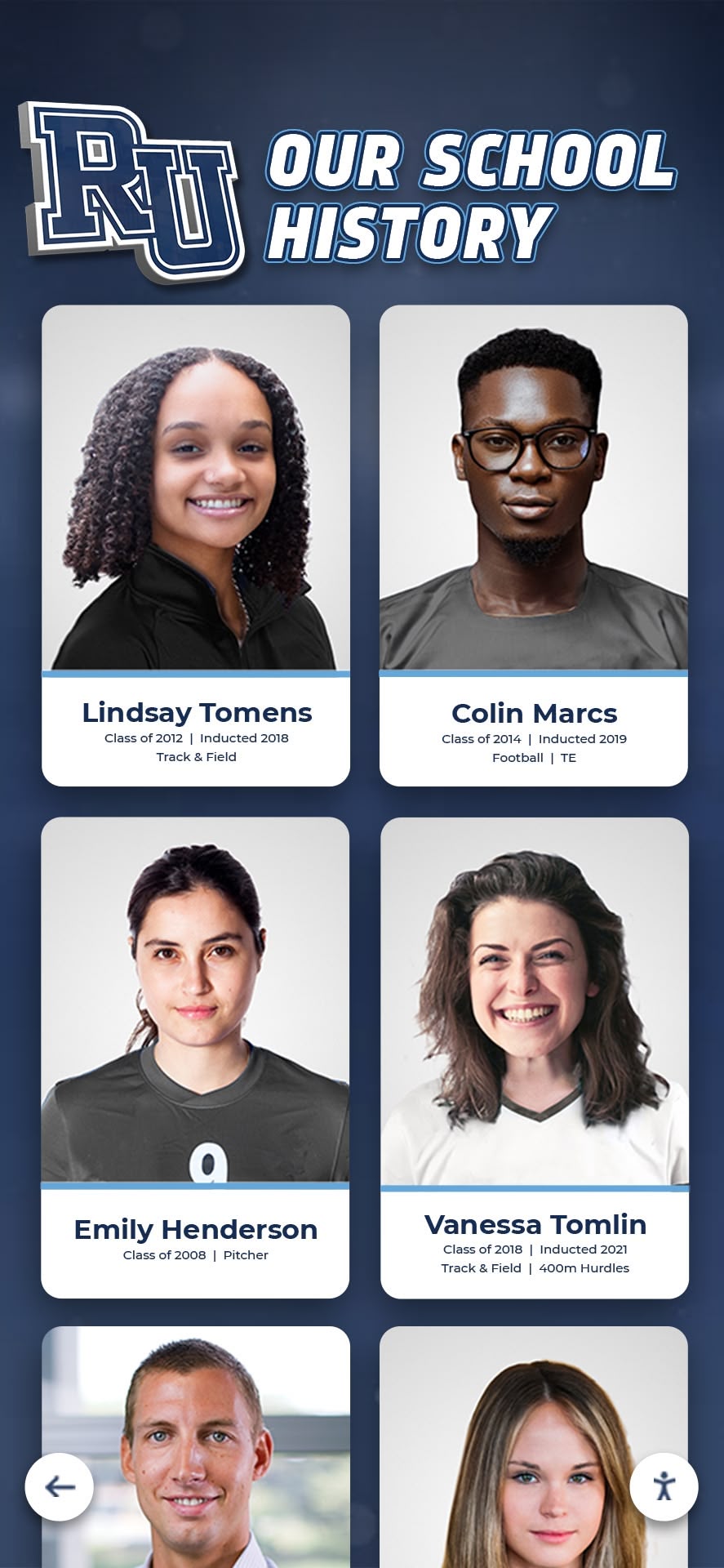
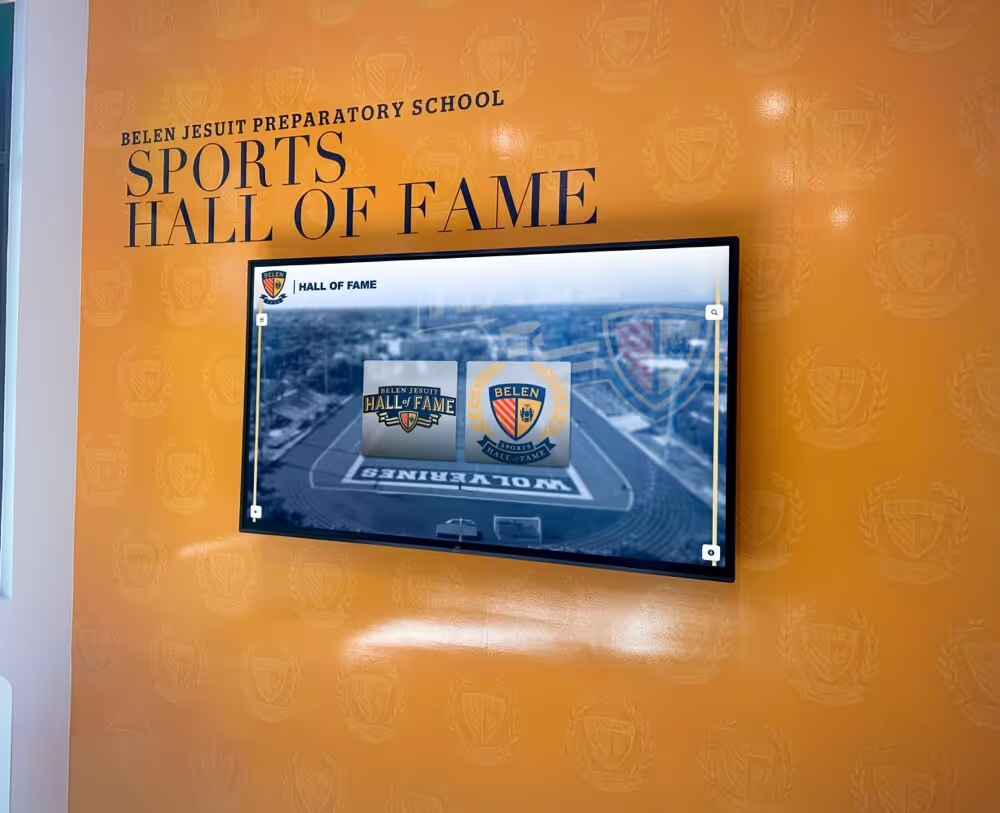
Schools managing extensive memorabilia collections benefit from systematic archival approaches that preserve stories beyond what physical display space allows
Maintenance and Preservation Over Time
Shadow boxes require minimal but important maintenance to preserve memorabilia for decades.
Regular Inspection Schedule
Monthly Visual Checks
Quick assessments catch problems early:
- Check for any items that have shifted or fallen
- Look for moisture accumulation inside glass (indicates seal failure)
- Verify hanging hardware remains secure
- Note any fading or discoloration of items
Annual Deep Maintenance
Thorough yearly review:
- Remove shadow box from wall for close inspection
- Check backing board for warping or damage
- Verify all mounting adhesives remain secure
- Clean glass inside and out (requires temporary disassembly)
- Inspect hanging hardware and replace if showing wear
Addressing Common Issues
Fading and UV Damage
Prevent color deterioration:
- Install UV-filtering glass or acrylic in shadow boxes exposed to sunlight
- Apply UV-blocking window film to nearby windows
- Relocate shadow boxes showing fading to lower-light areas
- Consider rotating displays periodically to limit exposure
Adhesive Failure
Items falling or shifting inside shadow box:
- Use archival-quality adhesives rated for long-term use
- Avoid hot glue for anything except temporary displays
- Reinforce important items with multiple attachment methods (pins plus adhesive)
- Replace degraded adhesives during annual maintenance
Moisture and Humidity Damage
Protect against environmental damage:
- Seal shadow boxes completely to prevent moisture entry
- Use silica gel packets inside boxes in high-humidity areas
- Monitor for mold or mildew on fabric items
- Store removed shadow boxes in climate-controlled areas
Frame Damage
Maintain structural integrity:
- Touch up scratched or chipped frame finish promptly
- Tighten loose corner joints before they worsen
- Replace cracked glass immediately to maintain protection
- Update outdated frames to match current displays
Modern Alternatives: Digital Shadow Boxes and Recognition Systems
As athletic programs accumulate decades of achievements, even extensive shadow box installations face practical limitations. Wall space fills up, maintenance demands increase, and older displays in hallways see diminishing engagement from students unfamiliar with athletes from years past.
The Shadow Box Capacity Problem
Traditional physical displays create predictable constraints:
Space Limitations
Most schools face finite display capacity:
- Average school hallway accommodates 15-25 shadow boxes before appearing cluttered
- Each shadow box requires 3-6 square feet of wall space
- Programs with 50+ years of history have hundreds of athletes and teams deserving recognition
- Every new championship means removing older displays or finding new wall space
Accessibility Challenges
Physical shadow boxes limit how stories are told:
- Static displays show one jersey, one photo, limited context
- Viewers can’t access full team rosters, season statistics, or athlete biographies
- No search functionality for finding specific athletes or achievements
- Alumni visiting campus can’t easily locate their own teams or teammates
Maintenance Requirements
Each shadow box demands ongoing care:
- Annual inspection and cleaning multiplied across dozens of displays
- Replacement costs when frames degrade or glass breaks
- Storage challenges for removed shadow boxes
- Difficult decisions about which achievements remain displayed vs. stored
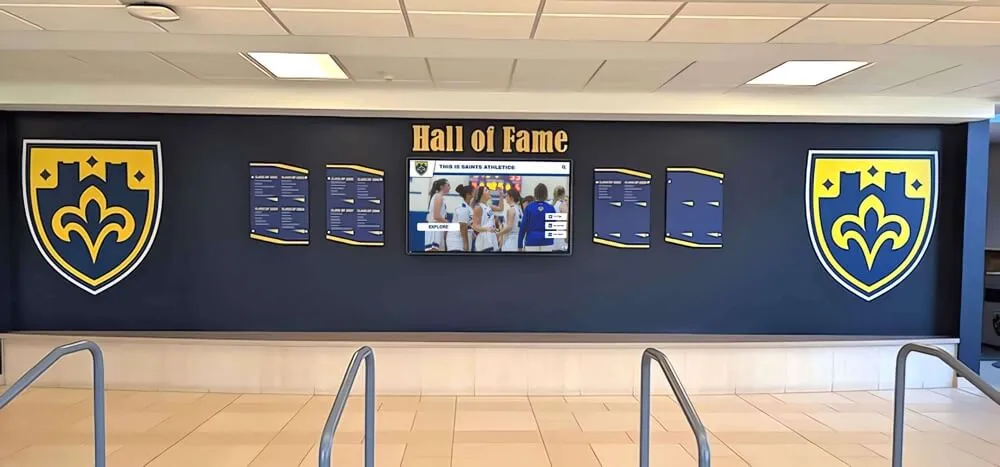
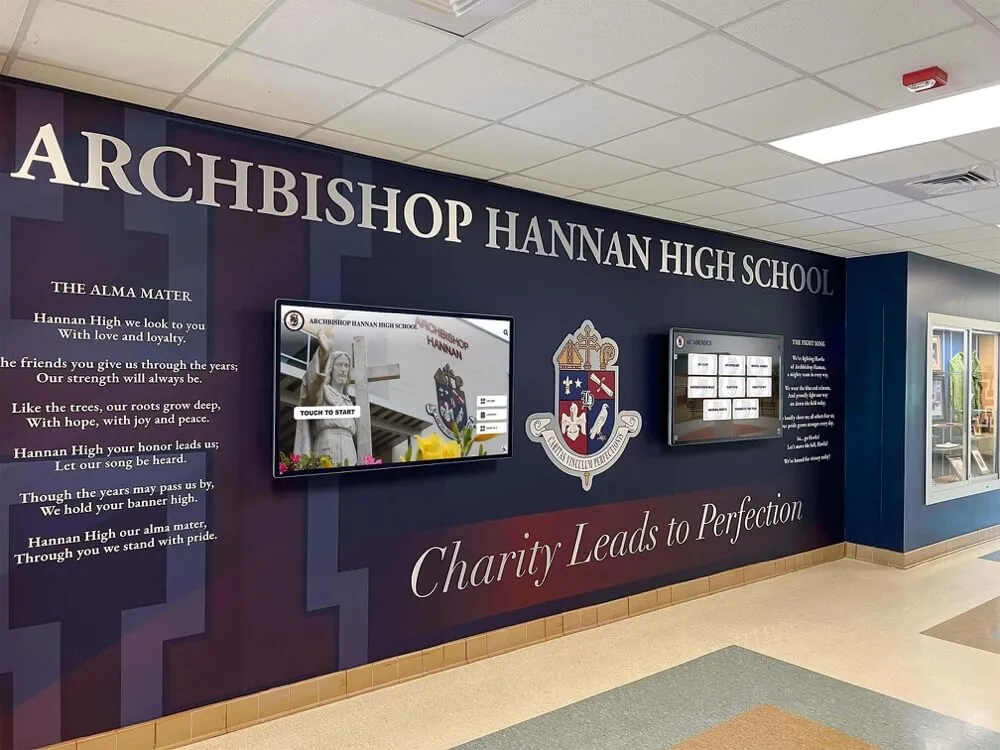
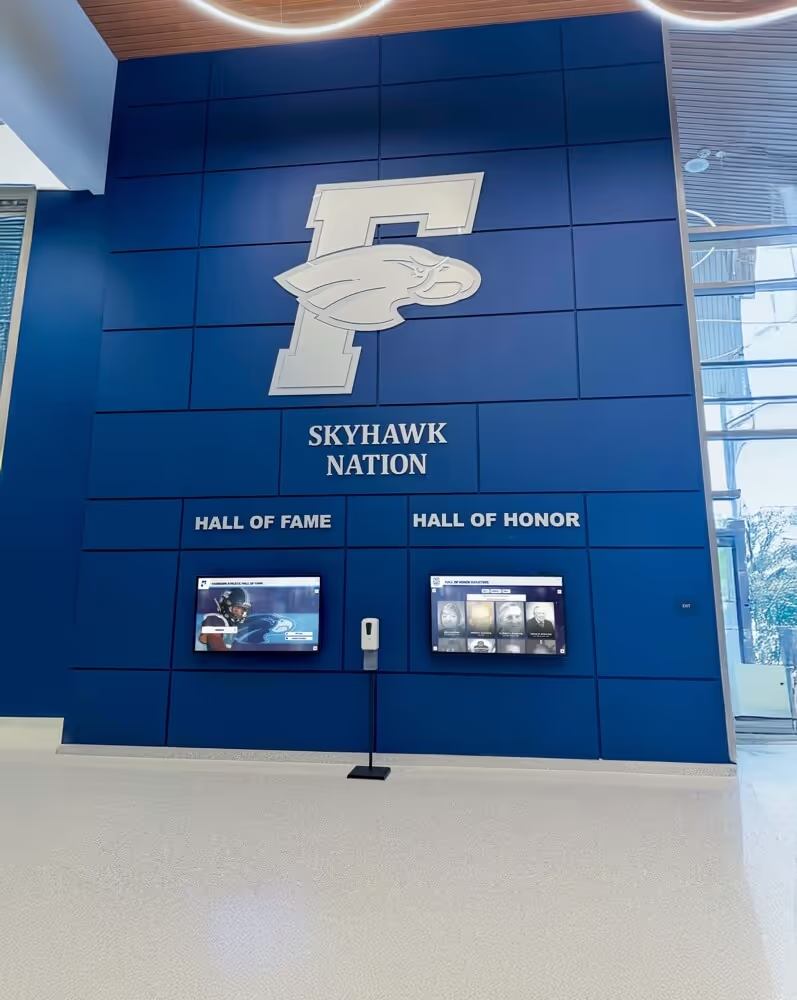
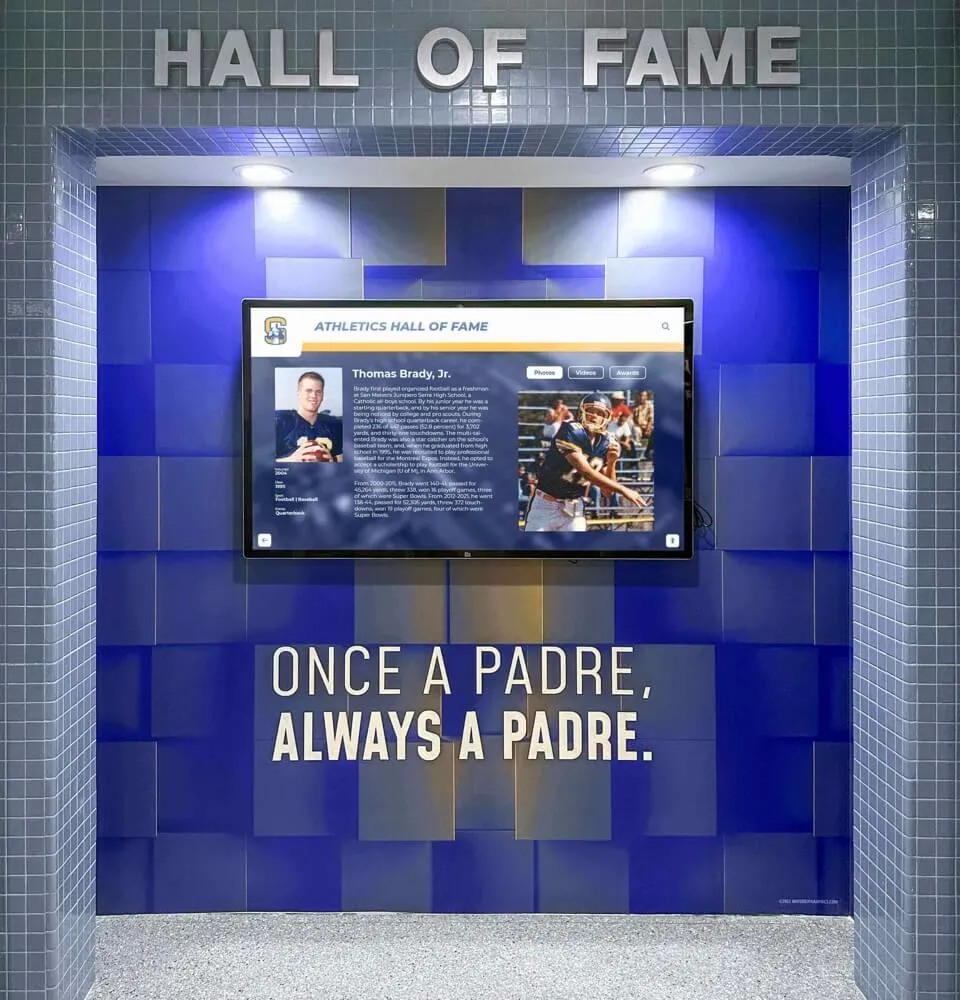
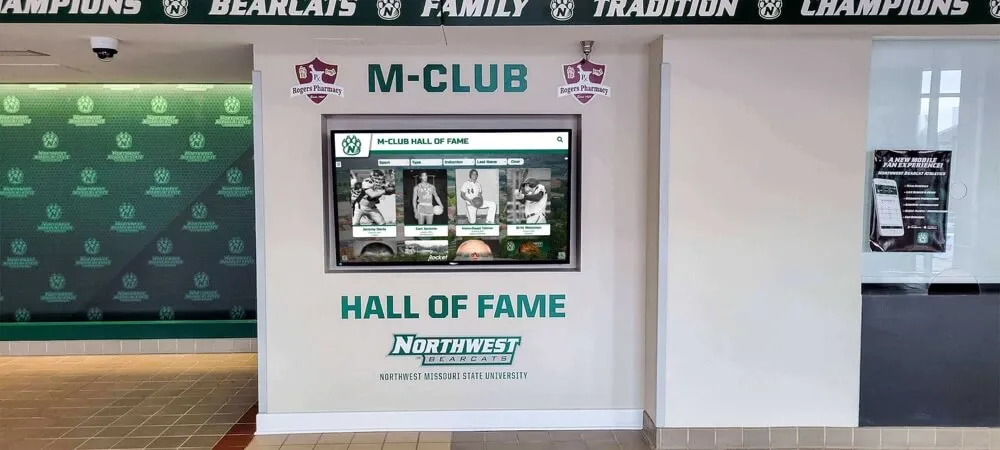
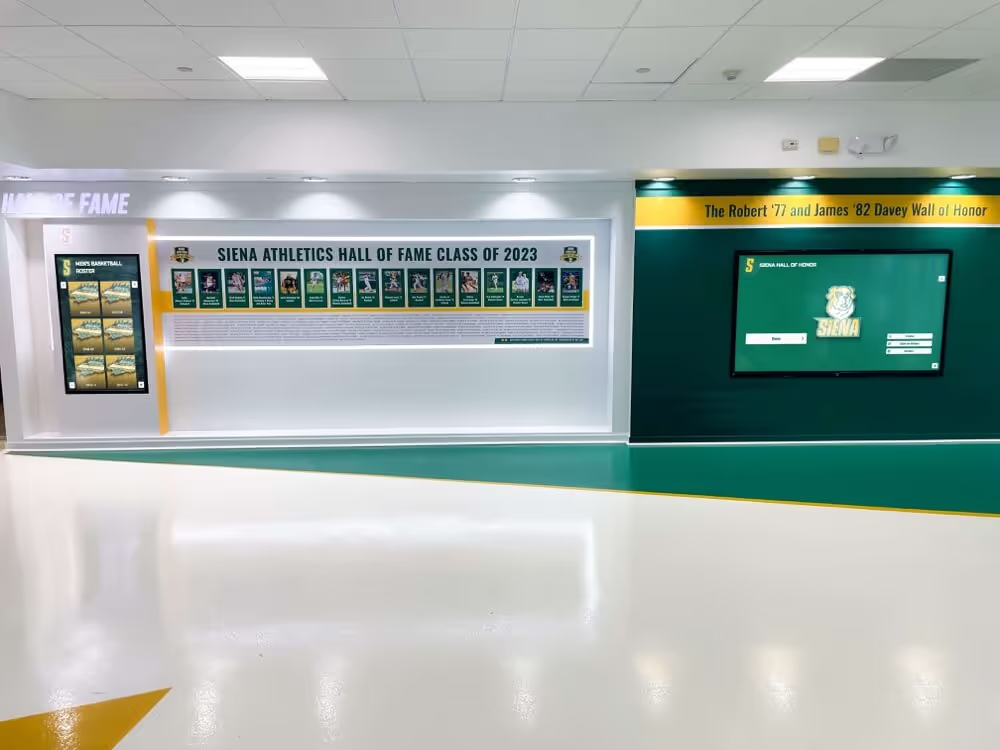
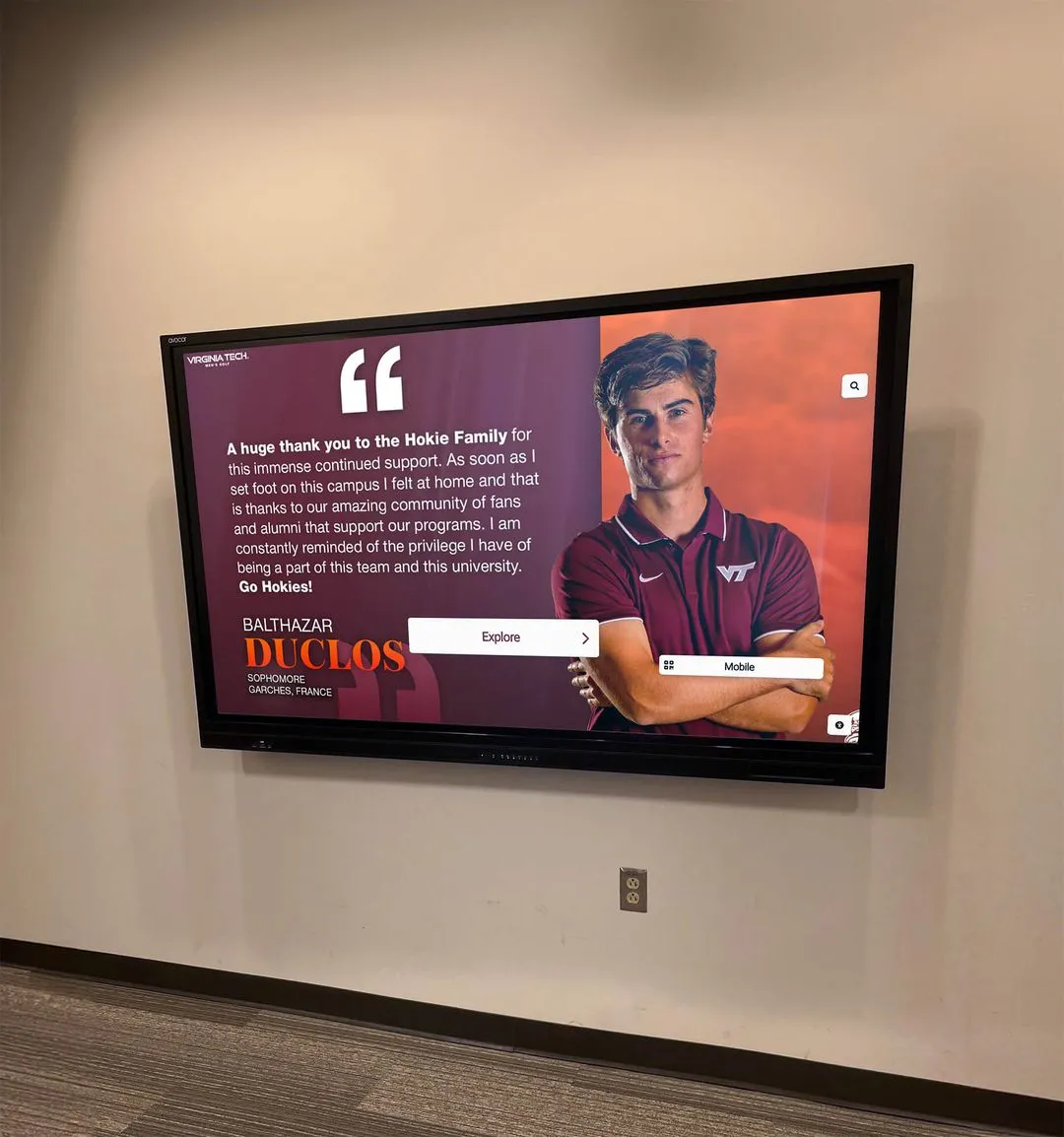
Forward-thinking schools integrate traditional memorabilia displays with digital systems that provide unlimited capacity and interactive exploration of program history
Digital Recognition as Complementary Solution
Modern athletic programs increasingly combine physical shadow boxes for the most significant achievements with digital systems that provide comprehensive historical preservation.
Unlimited Display Capacity
Digital platforms eliminate space constraints:
- Showcase every team photo, athlete biography, and championship season from program history
- Add unlimited entries without requiring additional wall space or budget
- Feature current athletes alongside hall of fame legends
- Display statistics, records, and achievements across all sports in searchable formats
Enhanced Storytelling
Interactive displays offer context physical shadow boxes cannot:
- Multiple photos per athlete showing career progression
- Video highlights from championship games
- Searchable databases allowing visitors to find specific athletes, teams, or years
- Team rosters with individual athlete profiles linked
- Career statistics and records with automatic ranking
Preservation Without Deterioration
Digital archiving protects history permanently:
- No UV fading, no adhesive failure, no moisture damage
- Cloud-based storage ensures memorabilia survives facility renovations or disasters
- Easy updates as athletes achieve collegiate or professional success
- Remote content management allowing updates from any location
Practical Implementation Approach
Schools typically adopt hybrid models:
- Reserve shadow boxes for truly exceptional achievements (state championships, retired numbers, major milestones)
- Digitize comprehensive program history for interactive touchscreen displays
- Scan physical memorabilia (jerseys, photos, documents) creating digital archives
- Use touchscreens for day-to-day recognition (current rosters, season highlights, recent achievements)
- Maintain physical shadow boxes for highest honors while digital displays handle comprehensive history
This approach honors tradition while solving the practical limitations that prevent most schools from adequately recognizing their full athletic legacy.
Cost Considerations and Budget Planning
Understanding shadow box costs helps athletic directors and booster clubs plan recognition initiatives realistically.
Materials and Construction Costs
DIY Shadow Box Budget
Per-unit costs for self-built displays:
- Basic shadow box frame (16x20): $30-60
- Larger frame (24x36): $75-150
- Custom frame with UV glass (30x40): $200-350
- Background materials (fabric, matboard): $15-40
- Mounting supplies: $20-50
- Engraved name plate: $25-75
- Total per shadow box: $90-665 depending on size and materials
Budget approximately $150-250 per shadow box for good quality materials while keeping costs reasonable.
Professional Custom Shadow Boxes
Outsourcing to framing professionals:
- Small displays (16x20): $200-400
- Standard athletic displays (24x36): $400-750
- Large championship displays (30x40): $650-1,200
- Premium with museum glass and custom elements: $1,000-2,500
Professional framing ensures archival quality and saves labor but doubles or triples costs compared to DIY approaches.
Long-Term Investment Analysis
Per-Athlete Recognition Costs
For programs recognizing multiple athletes annually:
- Shadow boxes for 5 senior athletes annually: $750-1,250/year
- 10 years of senior recognition: 50 shadow boxes, $7,500-12,500 total
- Wall space required: 125-300 square feet
- Maintenance over 10 years: $500-1,000
Scalability Challenges
As programs grow recognition:
- Each sport adding senior shadow boxes multiplies costs
- Championship teams requiring displays add unpredictable expenses
- Wall space exhaustion forces removal of older displays (wasted initial investment)
- Storage costs for removed shadow boxes add ongoing expenses
Alternative Budget Allocation
Digital Recognition Investment
One-time digital system compared to ongoing shadow box costs:
- Professional touchscreen display system: $8,000-15,000 installed
- Unlimited athlete and team entries: No per-recognition costs
- No wall space limitations: Single display showcases entire program history
- Minimal maintenance: Software updates, no physical repairs
- Immediate updates: Add new achievements remotely without additional costs
For programs planning to recognize 50+ athletes or teams over the system’s lifetime, digital displays deliver lower per-recognition costs while providing superior accessibility and preservation.
Hybrid Approach Budget
Balanced investment maximizing both tradition and practicality:
- Reserve $3,000-5,000 for 10-15 premium shadow boxes (state championships, retired numbers, major milestones)
- Invest $10,000-15,000 in digital display system for comprehensive program history
- Allocate annual budget of $500-1,000 for updating both physical and digital displays
- Total initial investment: $13,000-20,000 for complete recognition program
- Ongoing annual costs: $500-1,000 vs. $1,500-3,000 for shadow boxes alone
This approach honors the most significant achievements with tangible shadow box displays while ensuring every athlete, team, and achievement receives proper digital recognition regardless of wall space constraints.
Conclusion: Preserving Athletic Legacy Through Thoughtful Recognition
Creating professional shadow boxes for school athletic memorabilia preserves program history in displays that inspire current athletes while honoring past achievements. The process—from carefully planning layouts and selecting archival materials to properly mounting jerseys and sealing finished displays—transforms forgotten storage closet items into compelling visual narratives that strengthen school pride and athletic tradition.
Whether building a single shadow box to commemorate a championship season or developing comprehensive recognition programs spanning decades of achievements, the techniques outlined in this guide ensure memorabilia remains preserved and properly presented for years to come.
For athletic directors facing limited wall space, mounting maintenance demands, or growing recognition needs that exceed what physical displays can accommodate, exploring how digital recognition systems complement traditional shadow boxes provides a path forward that honors both heritage and practicality. Modern programs successfully combine cherished physical displays for the most significant achievements with digital platforms that ensure comprehensive program history remains accessible to current students, visiting alumni, and future generations.
Discover how interactive touchscreen displays can expand your athletic recognition program while preserving the tradition and impact of your existing shadow box installations.