



Every fall, over 500 Illinois high schools compete for the opportunity to hoist a championship trophy in the state’s most celebrated athletic pursuit. The Illinois High School Association (IHSA) football playoffs represent the culmination of months of preparation, Friday night battles, and community rallies that define autumn in the Prairie State.
Yet for many fans, players, and families new to Illinois football, the playoff structure can seem bewildering. With eight competitive classes, automatic and at-large qualifiers, point systems, and bracket complexities, understanding how teams reach the postseason—and ultimately advance to championship weekend—requires navigating a unique system that has evolved significantly over the past decade.
This comprehensive guide explains everything you need to know about Illinois high school football playoffs, from qualification criteria to championship celebrations, while exploring how schools preserve these remarkable achievements for future generations.
Illinois high school football creates lifetime memories for athletes, coaches, and communities. Understanding the playoff structure enhances appreciation for the journey teams take from Week 1 through potential state championship glory at the University of Illinois or Northern Illinois University.

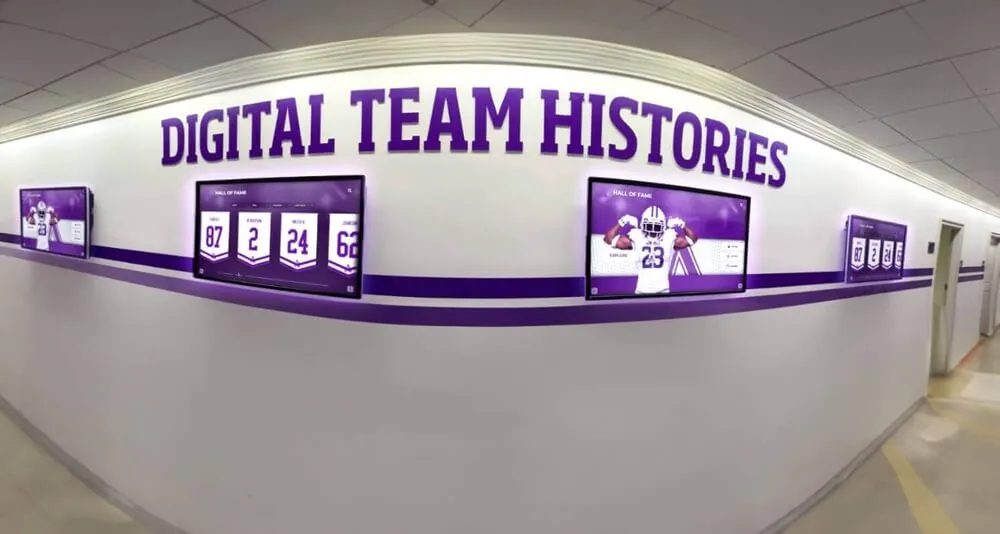
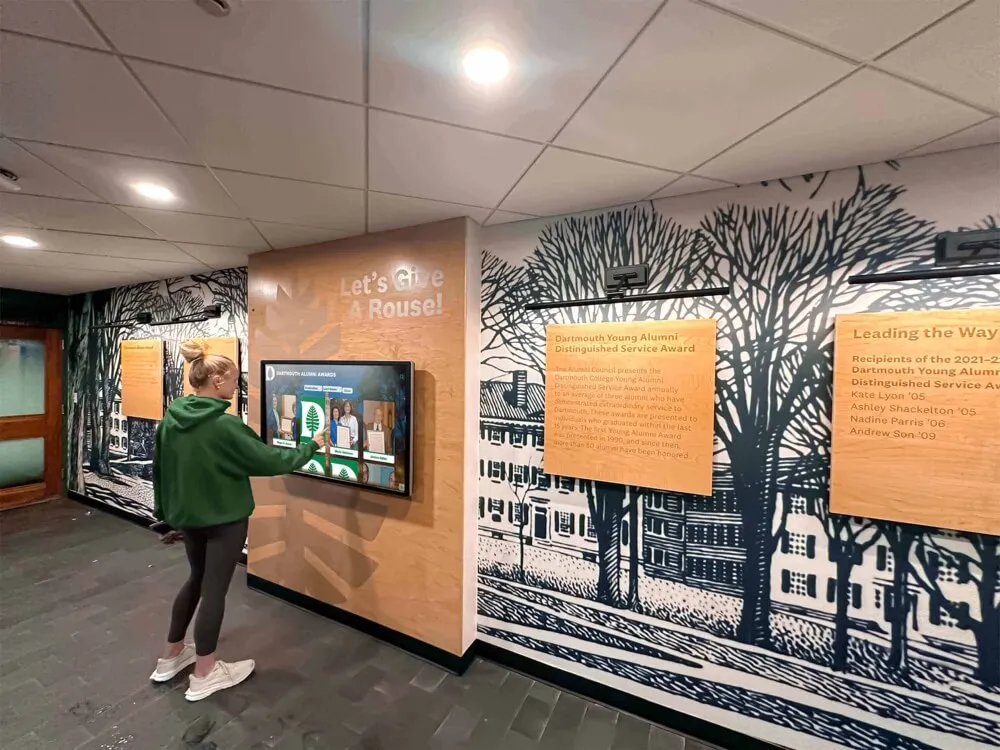
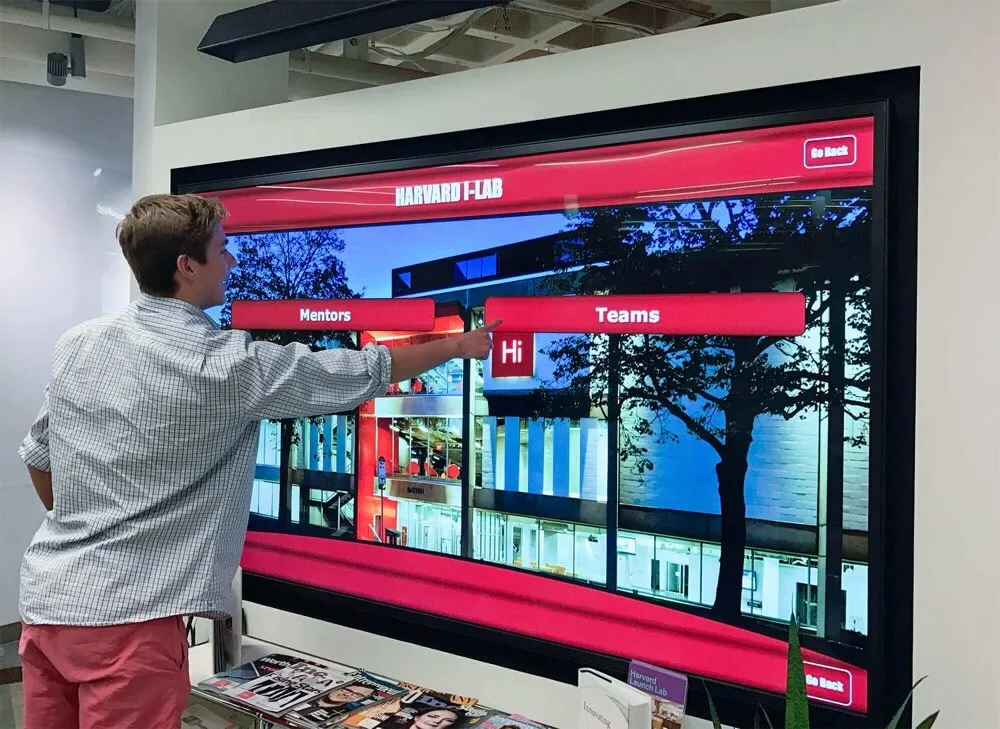
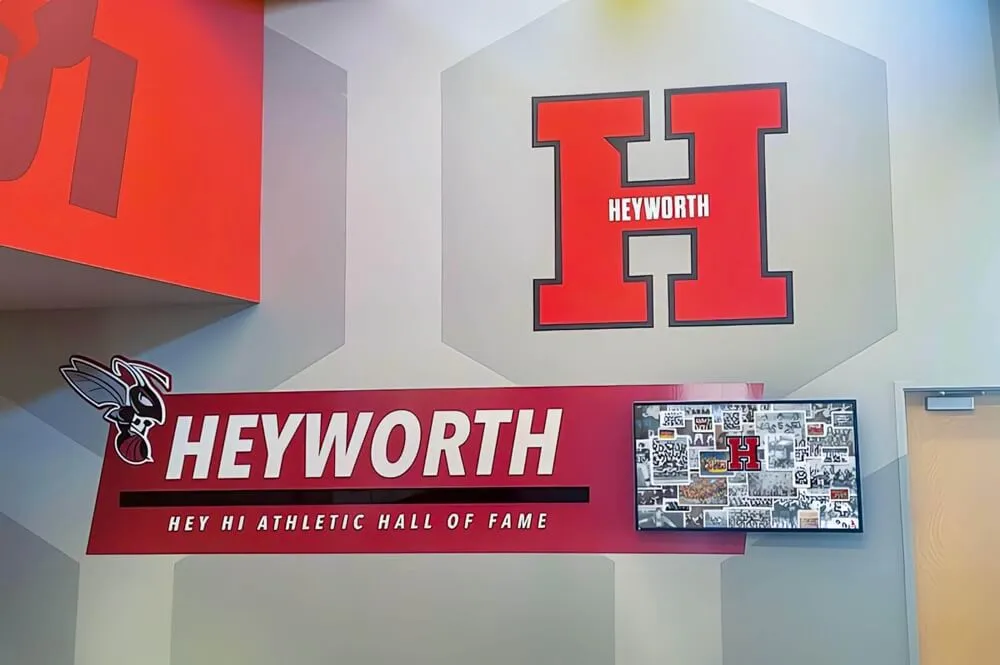
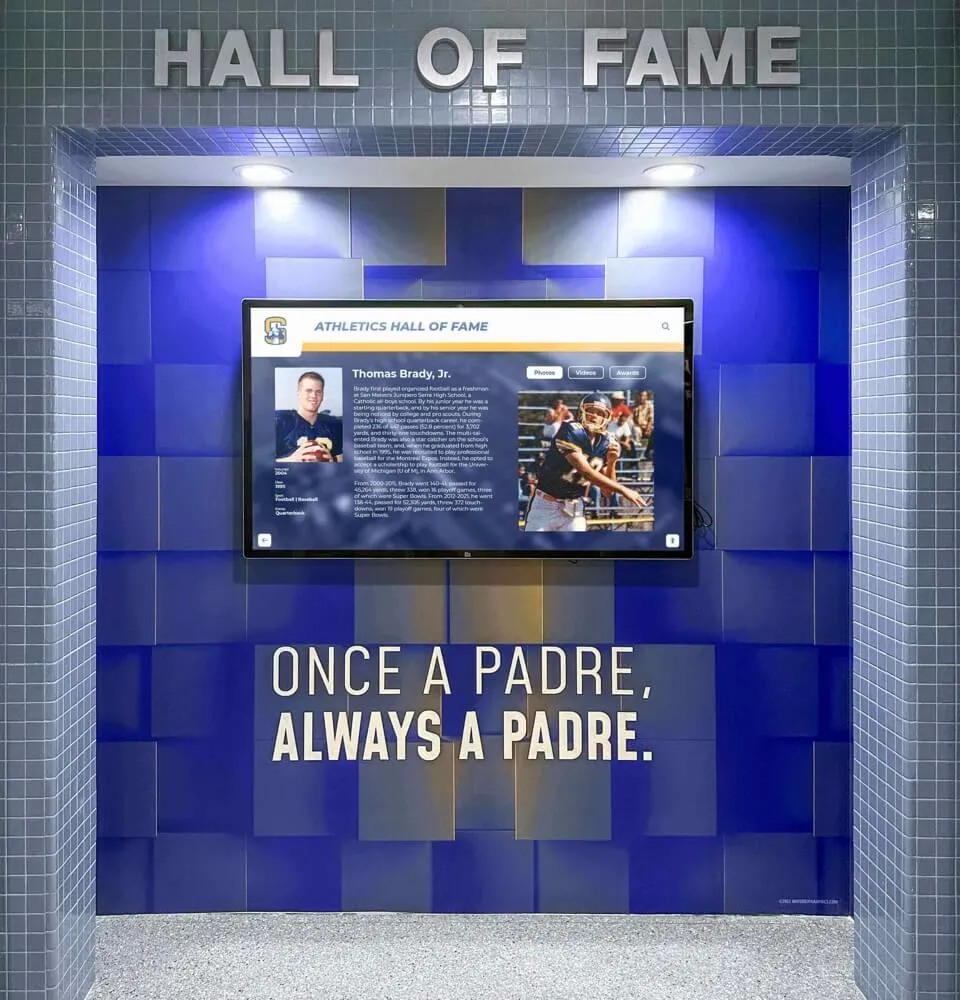
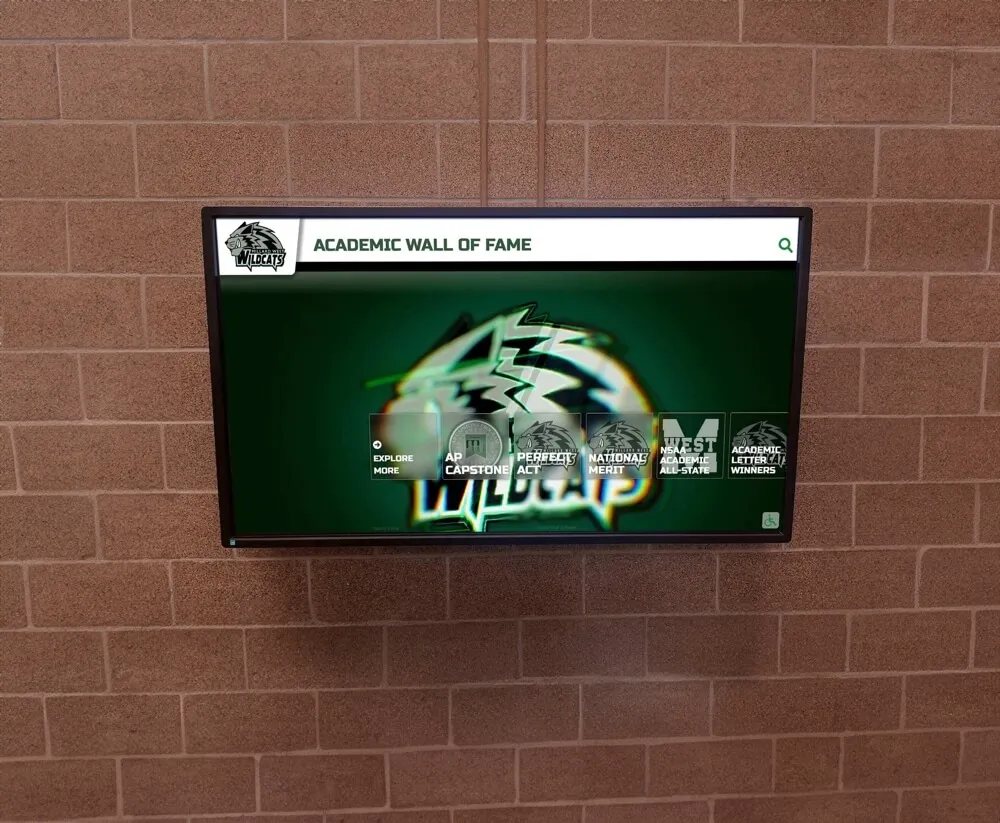
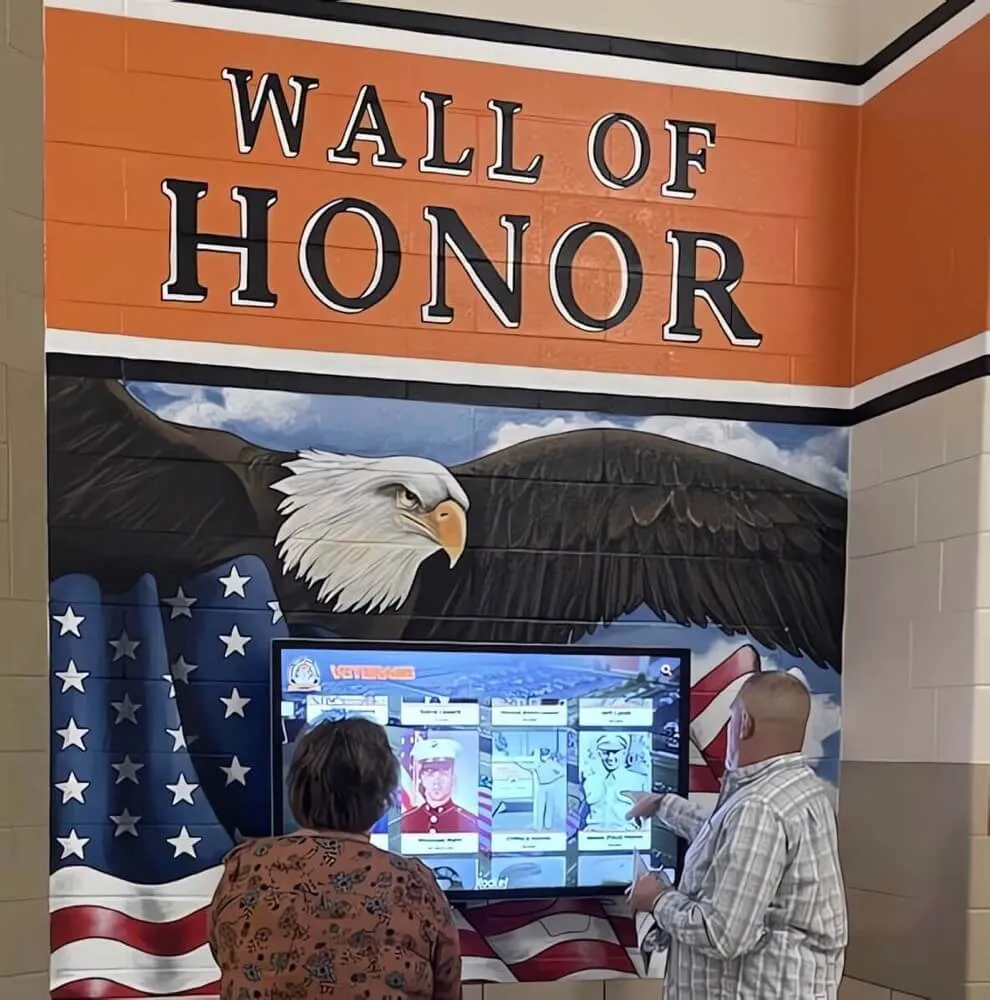
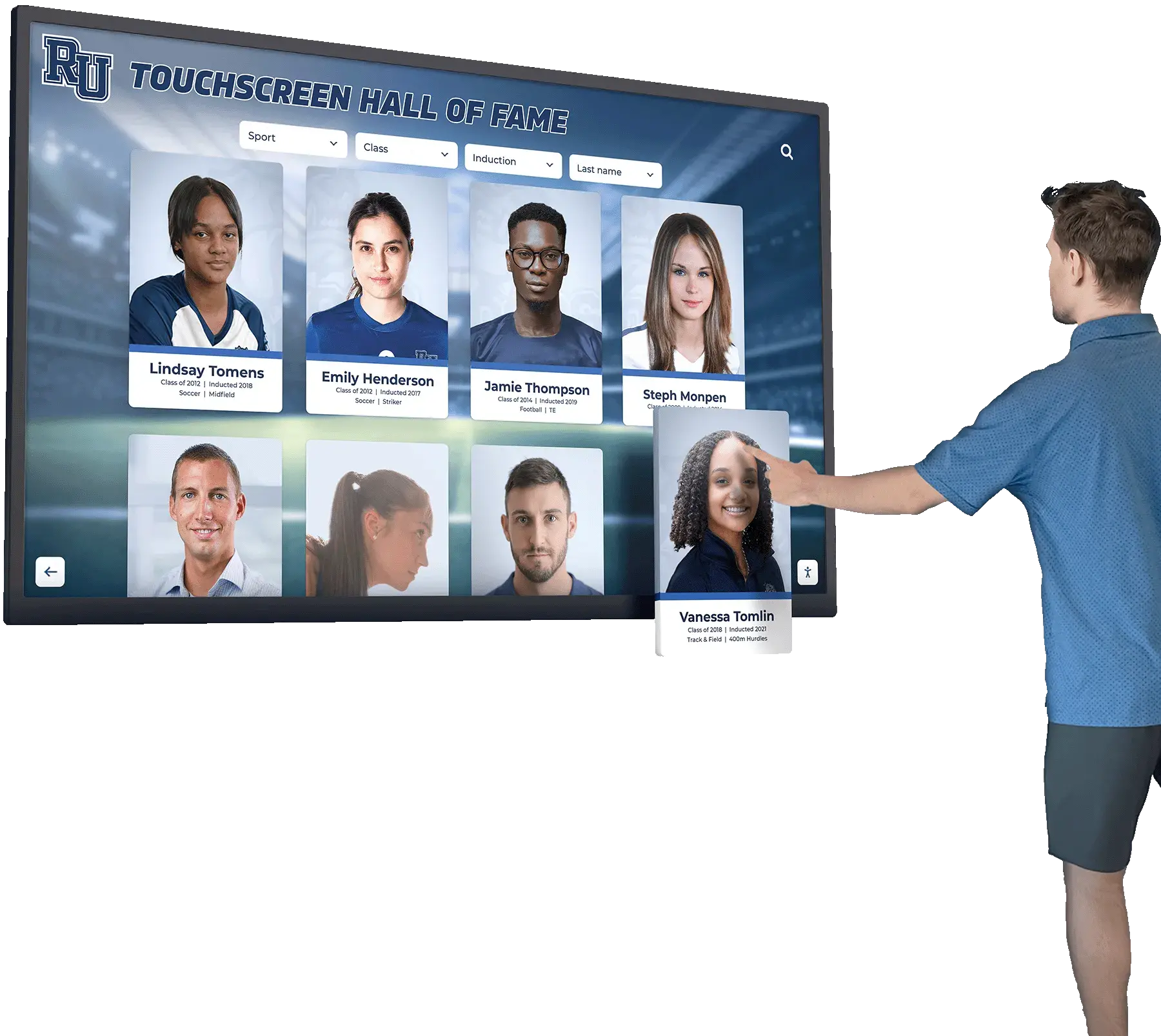
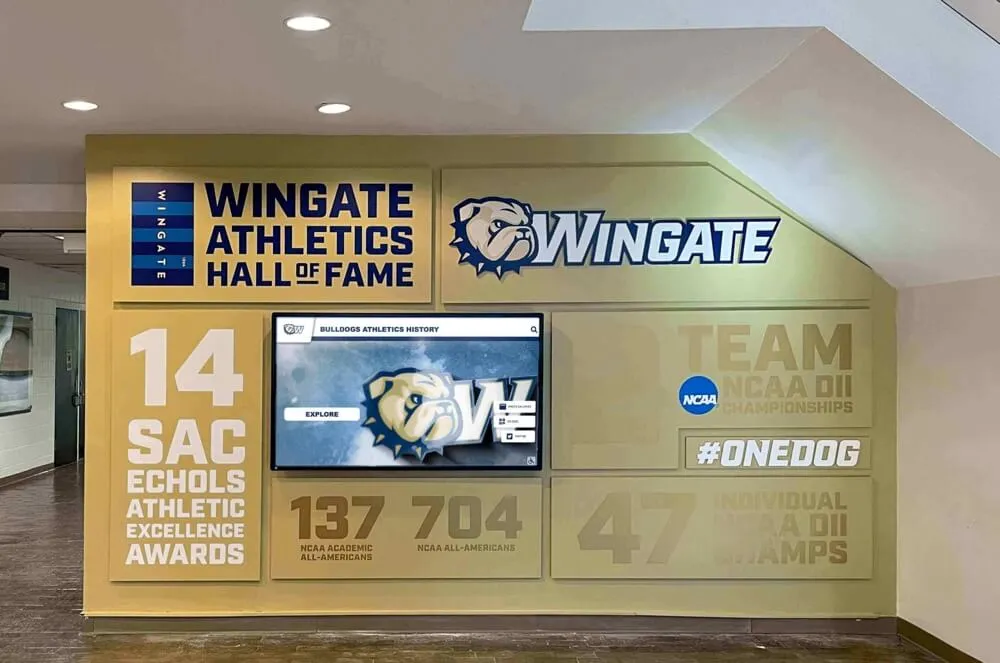
Illinois high schools celebrate playoff achievements through comprehensive displays honoring championship runs and program excellence
Understanding the IHSA Playoff Structure
The Illinois High School Association oversees one of the nation’s most comprehensive playoff systems, ensuring teams from Chicago suburbs to rural southern Illinois compete for championships appropriate to their enrollment and competitive context.
The Eight-Class System
Illinois organizes football playoffs across eight classes based on enrollment, creating balanced competition:
Classification by Enrollment
- Class 8A: Largest schools (typically 2,000+ students) featuring suburban powerhouses
- Class 7A: Large programs (1,500-2,000 students) from major metropolitan areas
- Class 6A: Upper-mid-size schools (1,200-1,500 students) blending urban and suburban programs
- Class 5A: Mid-size schools (900-1,200 students) representing diverse communities
- Class 4A: Smaller programs (650-900 students) with competitive regional traditions
- Class 3A: Small-town schools (450-650 students) serving rural and small-city communities
- Class 2A: Rural programs (280-450 students) with deep community connections
- Class 1A: Smallest schools (under 280 students) demonstrating remarkable football dedication
This classification ensures teams compete against similarly-sized opponents throughout the playoffs, recognizing that a championship in any class represents exceptional achievement within that competitive context.
Enrollment Multiplier Considerations
Private schools in Illinois face a 1.65 multiplier on their enrollment for classification purposes, acknowledging broader recruiting territories. This adjustment aims to create competitive equity while generating ongoing debate about fair classification. Schools near classification cutoffs monitor enrollment numbers closely as boundary changes can significantly impact playoff paths and championship opportunities.
Playoff Expansion and Format Evolution
Illinois playoff football has evolved dramatically over recent decades:
Historical Context
- Prior to 1974: No official state playoff system existed
- 1974-1999: Gradual expansion from 2 to 5 classes
- 2000-2007: Further growth to 8 classes
- 2008-present: 256-team playoff field (32 teams per class) representing approximately half of all programs
This expansion philosophy reflects the IHSA’s commitment to maximizing postseason opportunities while maintaining championship prestige. Critics argue dilution of playoff significance, while supporters celebrate increased participation and community engagement across more schools.
Current Playoff Format
Each of the eight classes features 32 teams competing in a single-elimination bracket:
- Round 1: 32 teams reduced to 16 (Week 10)
- Round 2: 16 teams to 8 quarterfinals (Week 11)
- Quarterfinals: 8 teams to 4 semifinals (Week 12)
- Semifinals: 4 teams to 2 championship finalists (Week 13)
- Championships: 8 title games across classes (Week 14)
This five-week tournament crowns eight state champions annually, with championship weekend typically occurring during Thanksgiving week at neutral sites including Memorial Stadium in Champaign and Huskie Stadium in DeKalb.
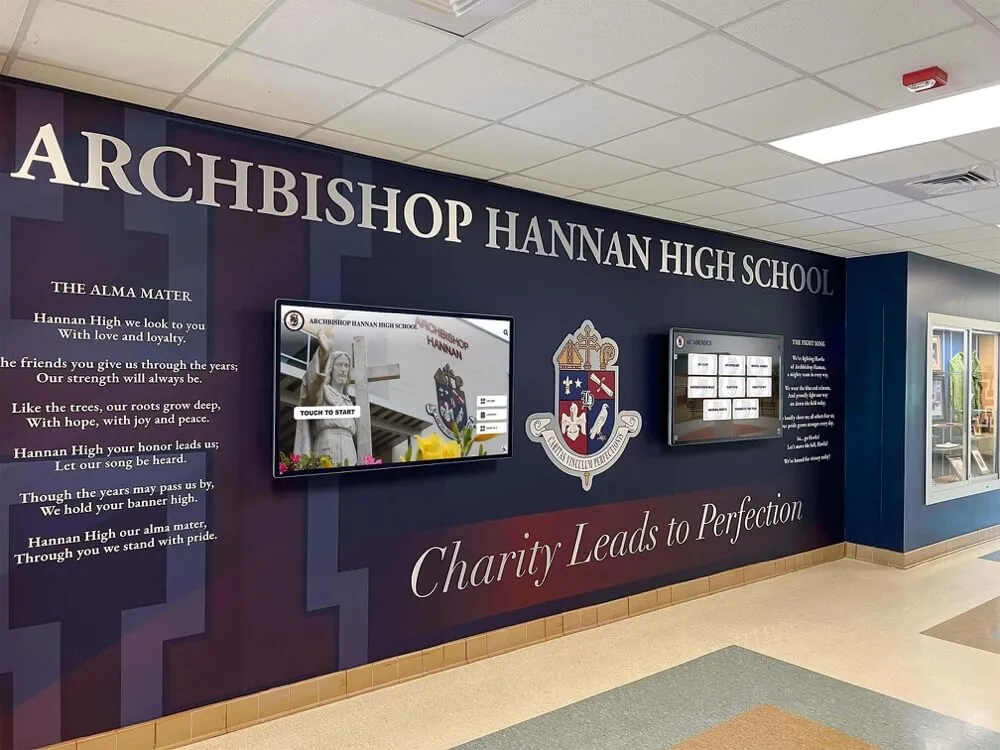
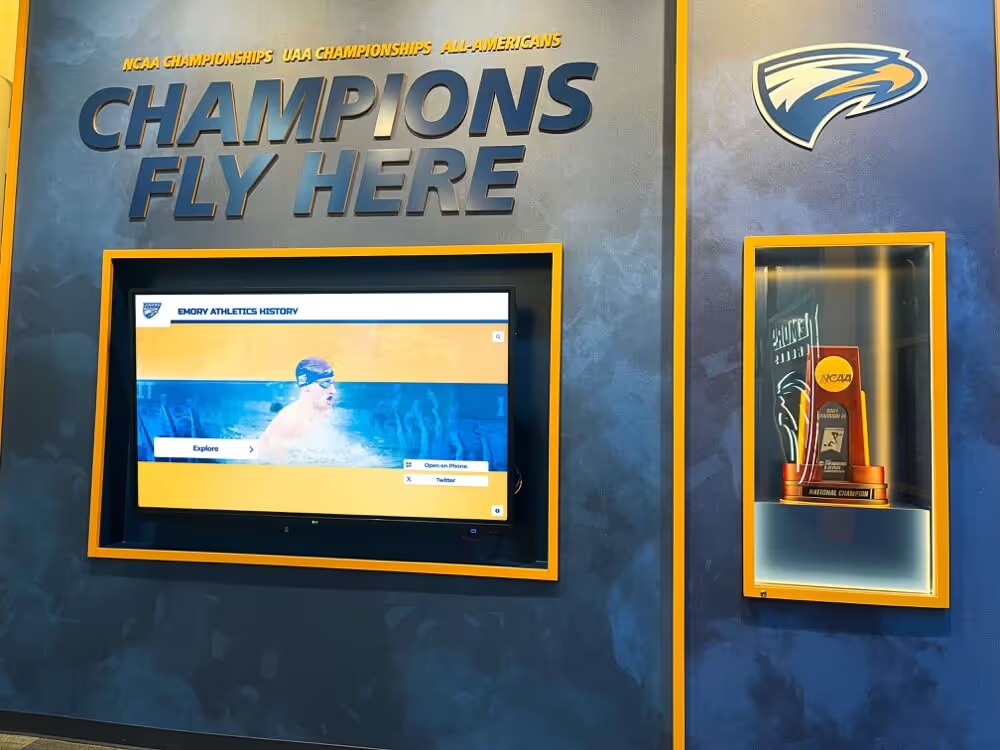
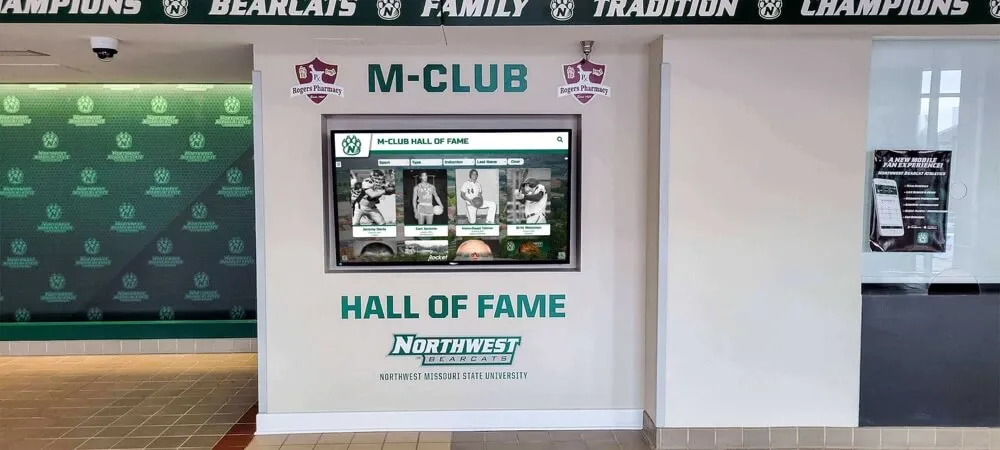
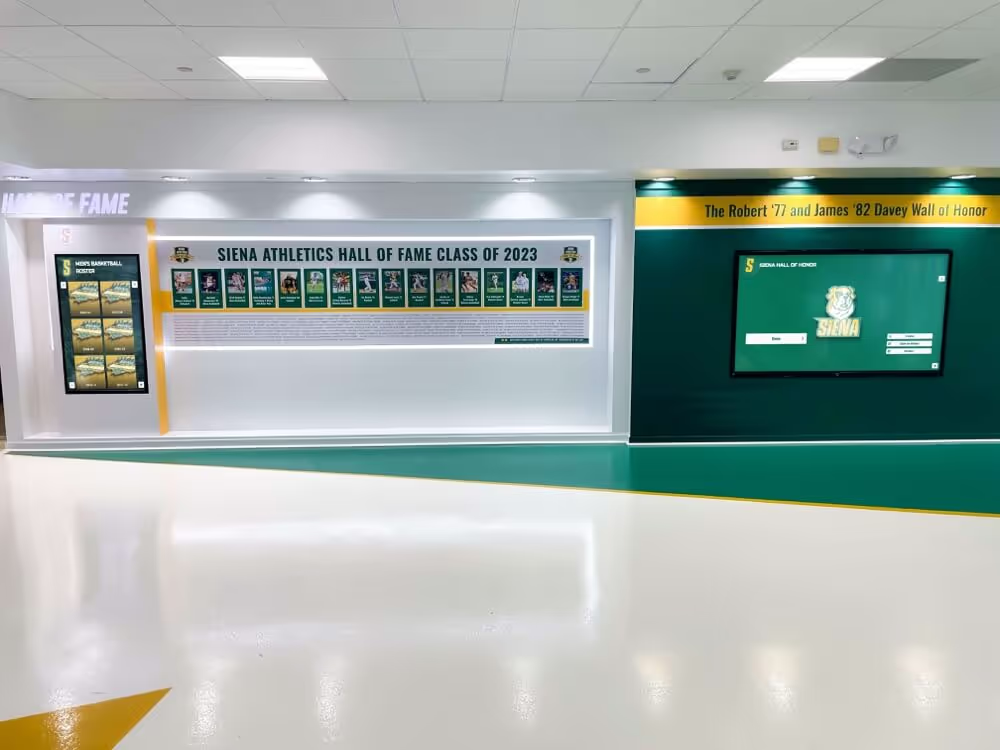
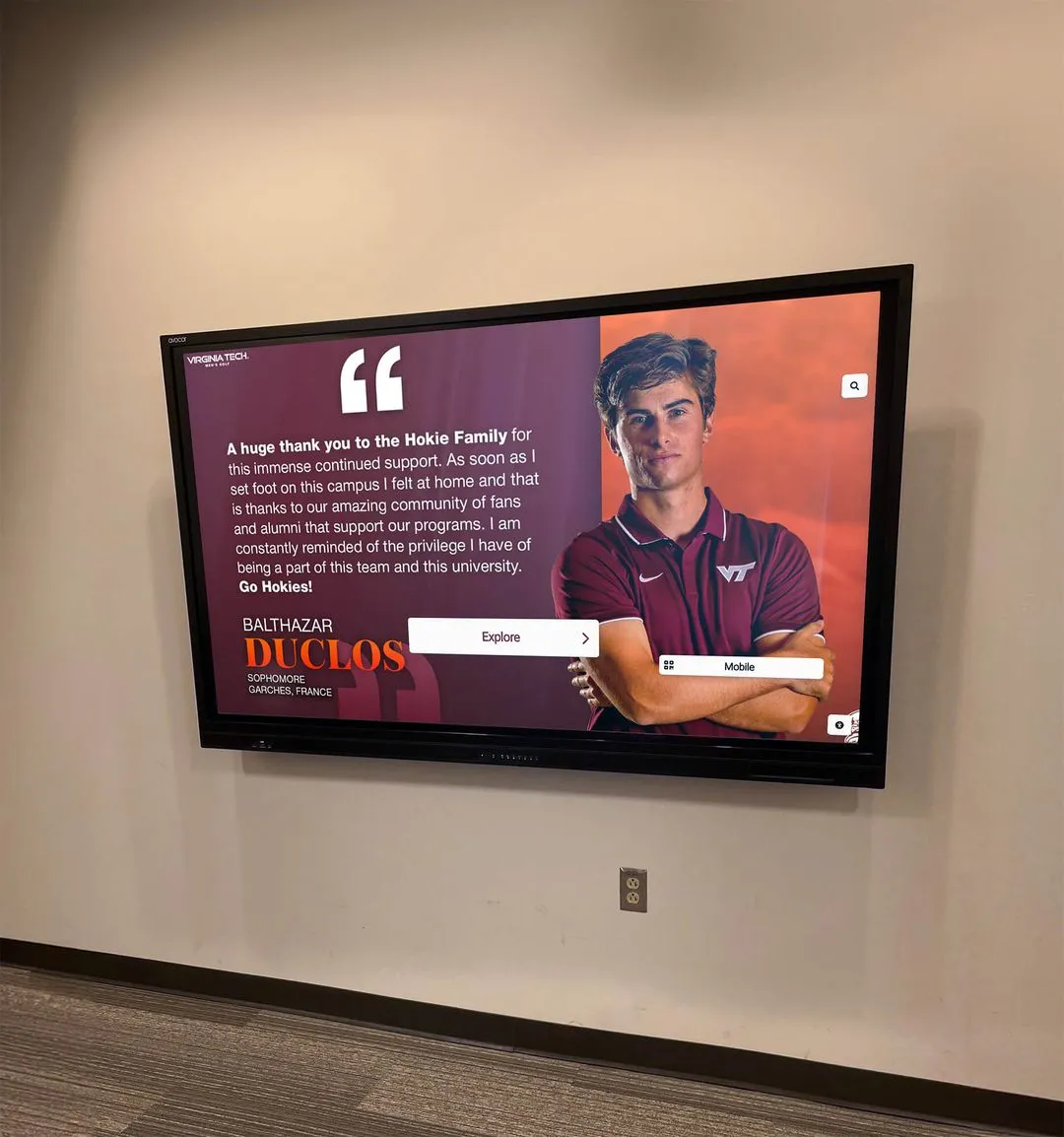
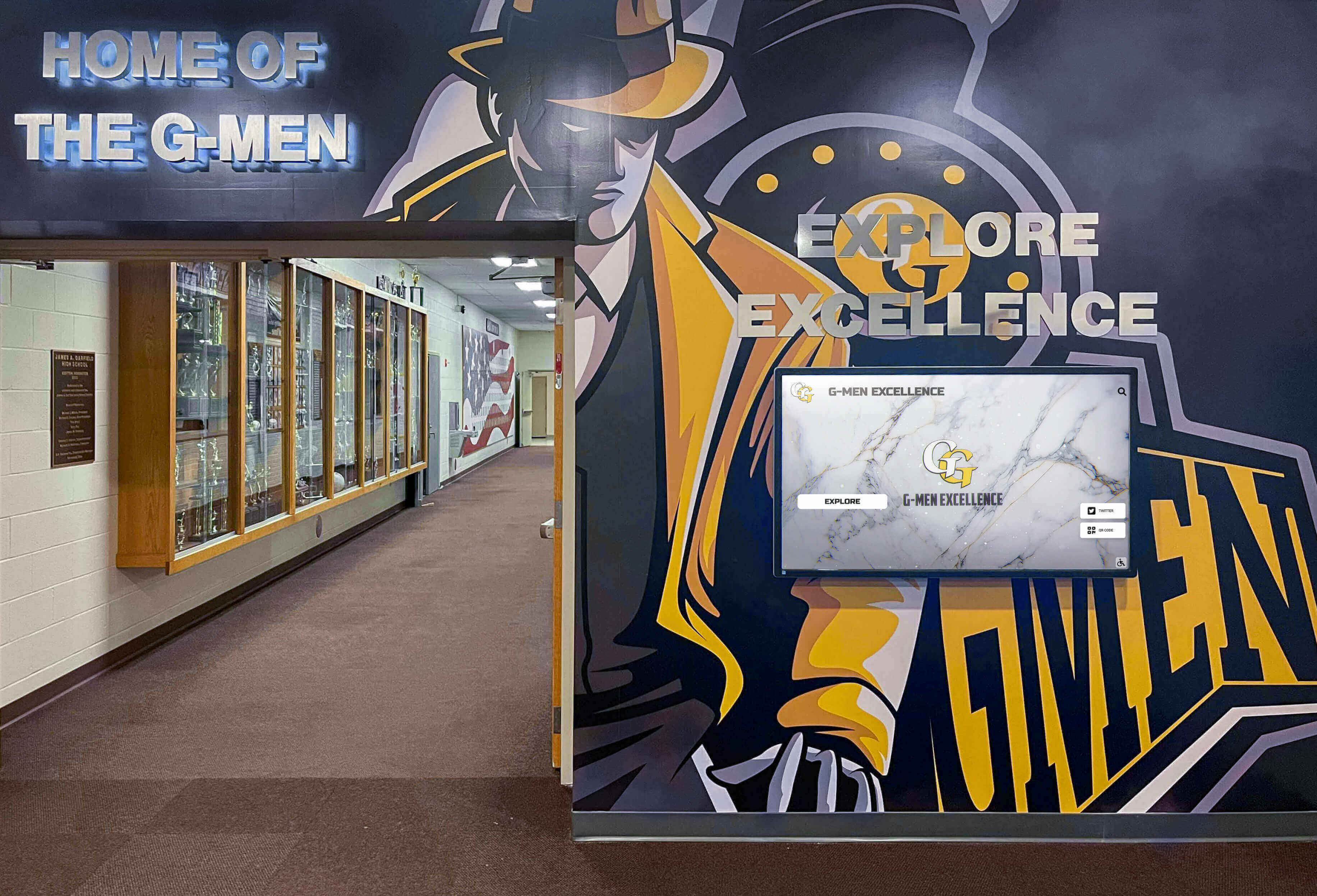
Modern recognition systems preserve complete playoff histories including bracket progressions and championship achievements
Playoff Qualification: How Teams Get In
Understanding Illinois playoff qualification requires familiarity with the IHSA point system that determines automatic qualifiers and at-large selections.
The Playoff Point System
Illinois uses a victory-based point system with strength-of-schedule considerations:
Point Allocation
- Win against qualifying playoff team: 4 points
- Win against non-qualifying team: 3 points
- Tie against playoff team: 2 points
- Tie against non-qualifying team: 1.5 points
- Loss: 0 points
This system incentivizes defeating quality opponents while rewarding winning regardless of opponent strength. The circular nature creates complexity—team A’s point total depends on whether team B makes playoffs, which depends on whether team C makes playoffs, creating calculations that often aren’t finalized until the regular season’s final whistle.
Unique Characteristics
Unlike systems emphasizing margin of victory, Illinois awards identical points for narrow wins and blowouts, theoretically discouraging running up scores while making close games equally valuable as decisive victories. This approach reflects IHSA’s sportsmanship priorities while occasionally frustrating coaches who believe dominant performances deserve additional recognition.
Automatic Qualification
The most straightforward playoff path: win enough games to guarantee entry.
Win Thresholds
- 6-3 or better: Virtually guaranteed playoff berth in all classes
- 5-4 record: Usually sufficient for qualification, especially with wins against strong opponents
- 4-5 record: Possible in weaker regions or with victories against playoff-bound teams
The 256-team field (32 per class) typically accommodates all 6-3 and most 5-4 teams, making regular season success the primary playoff determinant. Teams monitor weekly playoff projection updates on sites like IHSA.org and MaxPreps, tracking their standing relative to the 32-team cutoff in their respective classes.
Conference Championship Implications
Conference titles carry no automatic playoff bid in Illinois. A team winning their conference at 5-4 has no guaranteed advantage over a 5-4 non-champion, creating occasional controversy but maintaining the statewide point system’s supremacy over regional conference structures.
At-Large Selections
Teams outside automatic qualifying thresholds enter at-large consideration:
Selection Criteria
When more than 32 teams have qualifying records in a class:
- Total playoff points determine ranking
- Head-to-head results serve as tiebreakers
- Coin flips resolve remaining ties (rare but memorable when they occur)
When fewer than 32 teams have qualifying records:
- Best-record teams from remaining pool selected
- 4-5 teams typically fill remaining slots, selected by point totals
- Occasionally 3-6 teams reach playoffs in classes with limited depth
Strategic Scheduling Implications
Savvy programs schedule strategically, balancing likely victories against weaker opponents with challenging games against projected playoff teams that could yield valuable 4-point wins. This calculus influences non-conference scheduling, with programs weighing playoff point accumulation against player safety, travel costs, and traditional rivalries.
Schools documenting playoff qualification across multiple seasons find that digital recognition displays provide flexible platforms for celebrating both championship hardware and consistent postseason appearances.
Playoff Seeding and Home Field Advantage
Once the 32-team field is set, seeding determines matchups:
Seeding Methodology
- Teams ranked 1-32 by playoff point totals
- Higher seed hosts first-round games
- Higher remaining seed hosts subsequent rounds
- Neutral sites for championship games
Home Field Impact
Home field advantage matters significantly in Illinois November weather. Teams minimize travel, play on familiar fields, and benefit from supportive crowds, making higher seeding valuable beyond easier first-round matchups. Conversely, lower seeds face difficult road challenges but gain playoff experience valuable for program development.
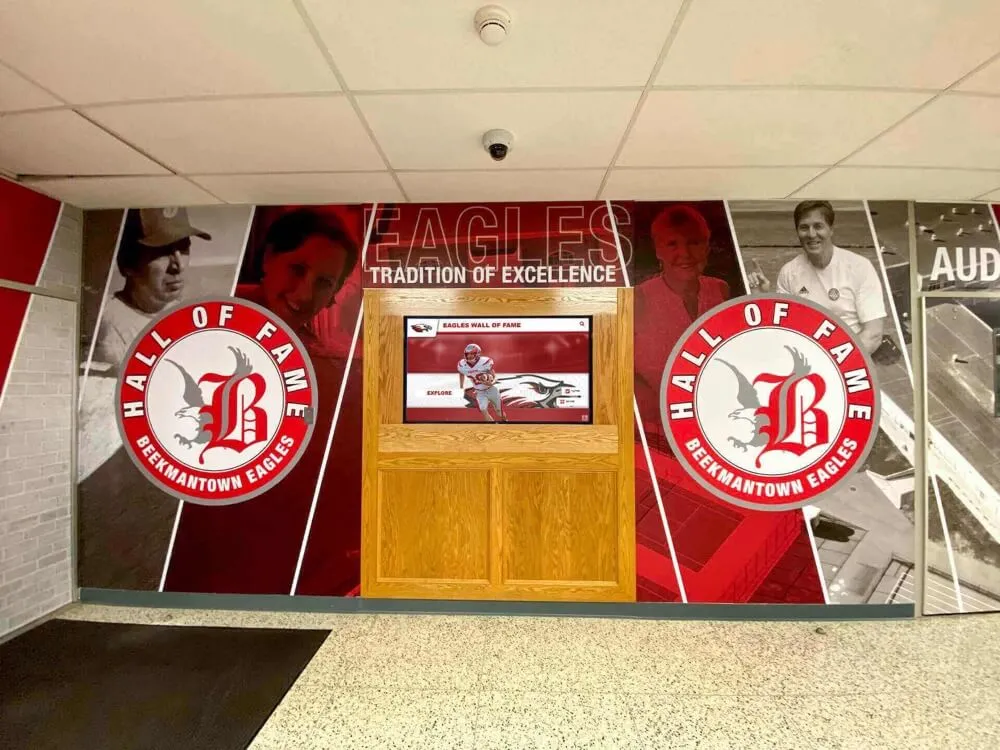
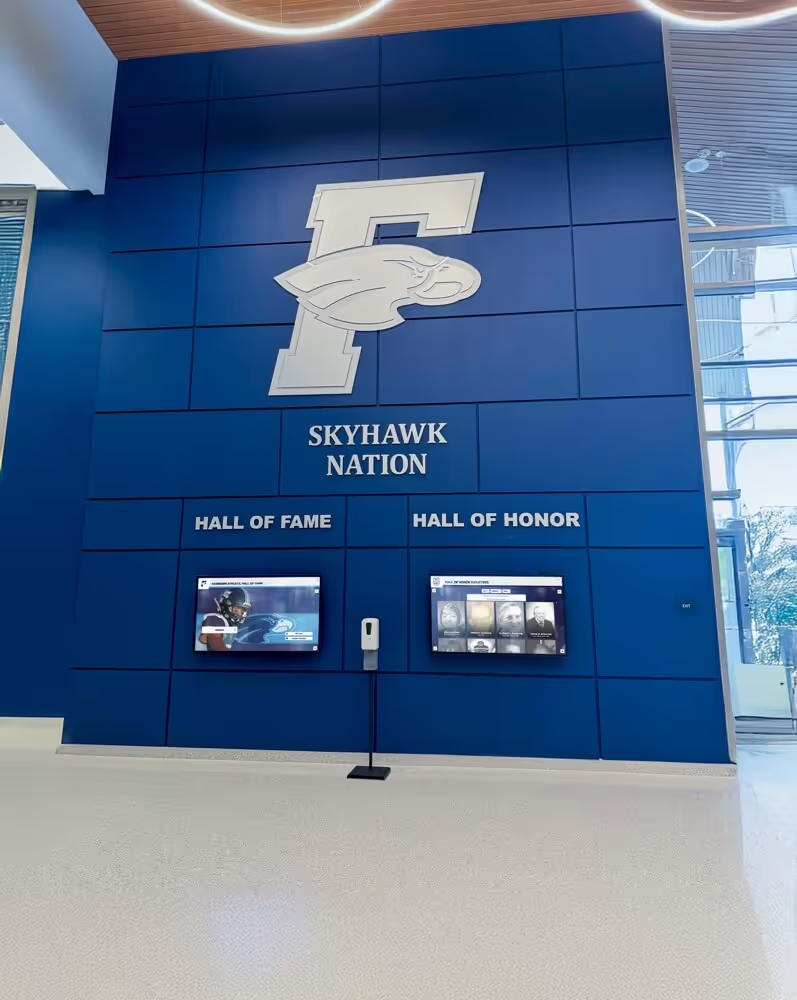
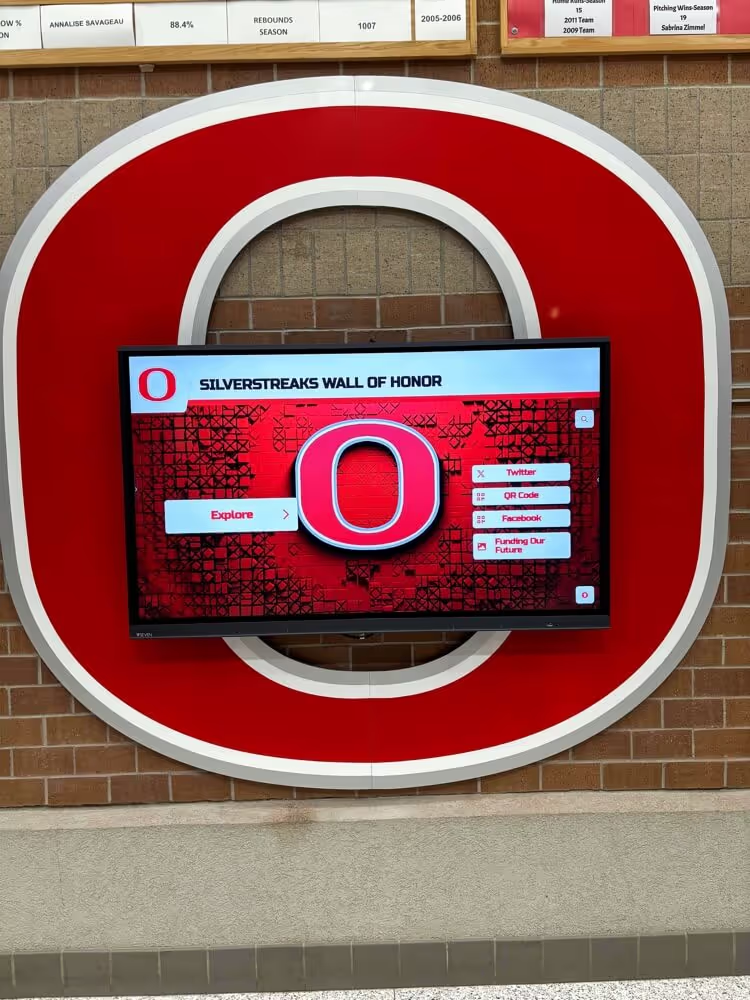
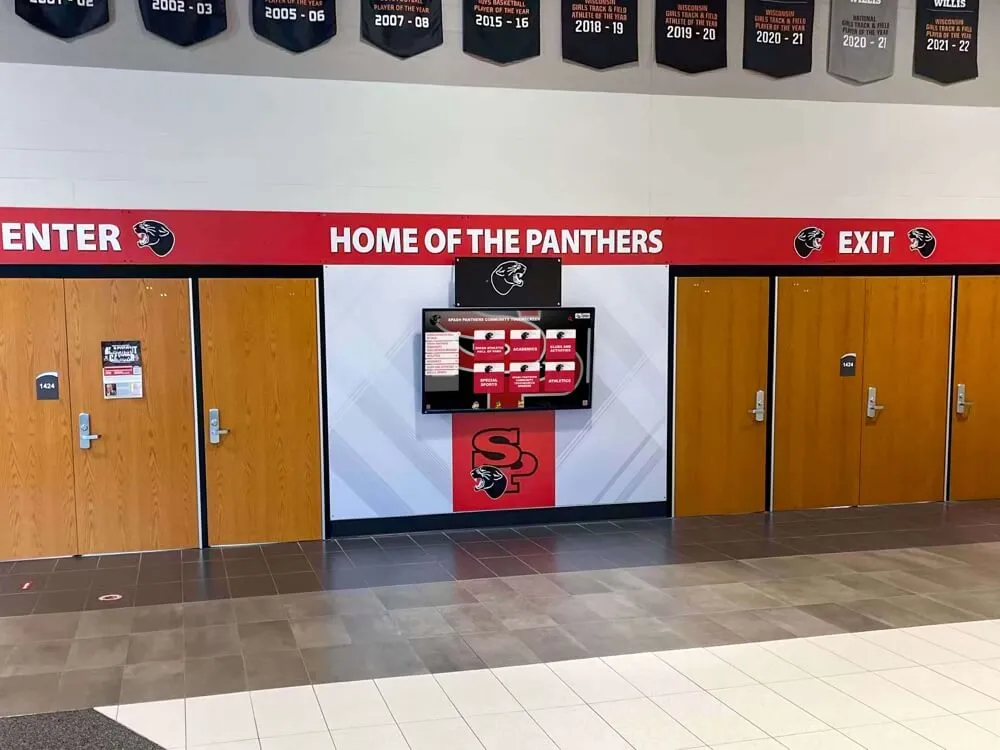
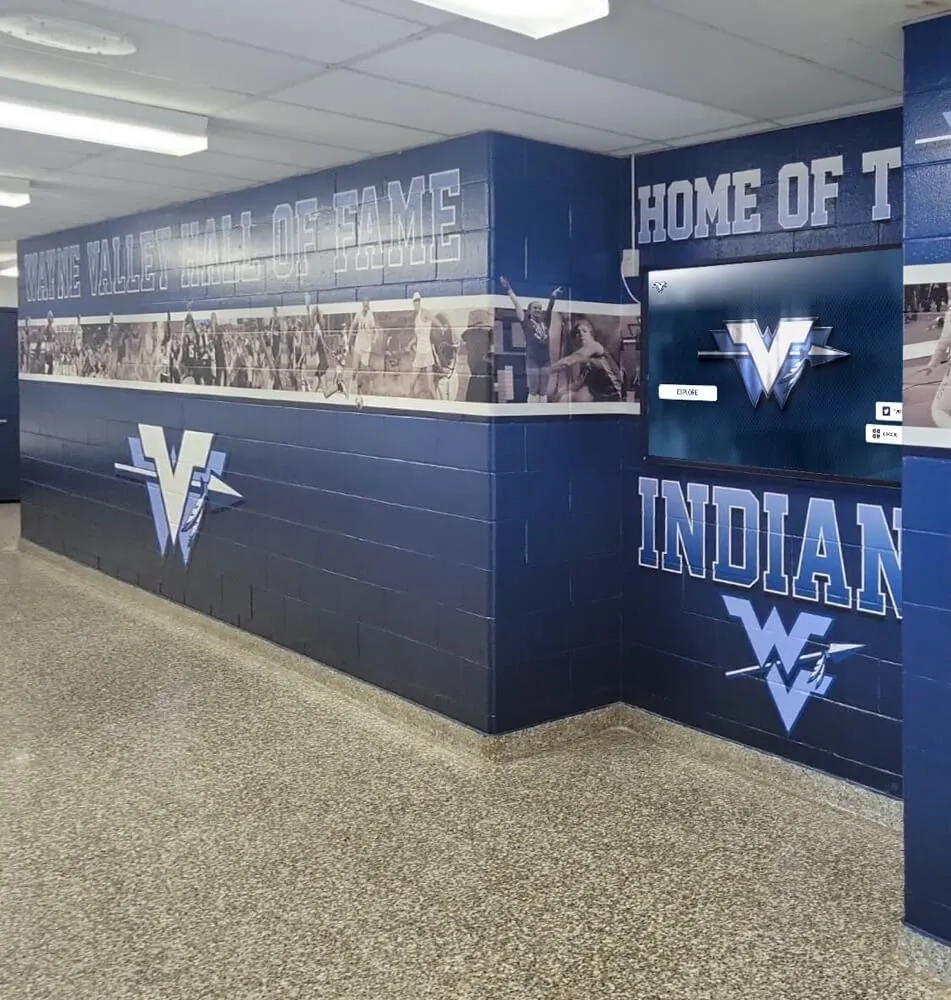
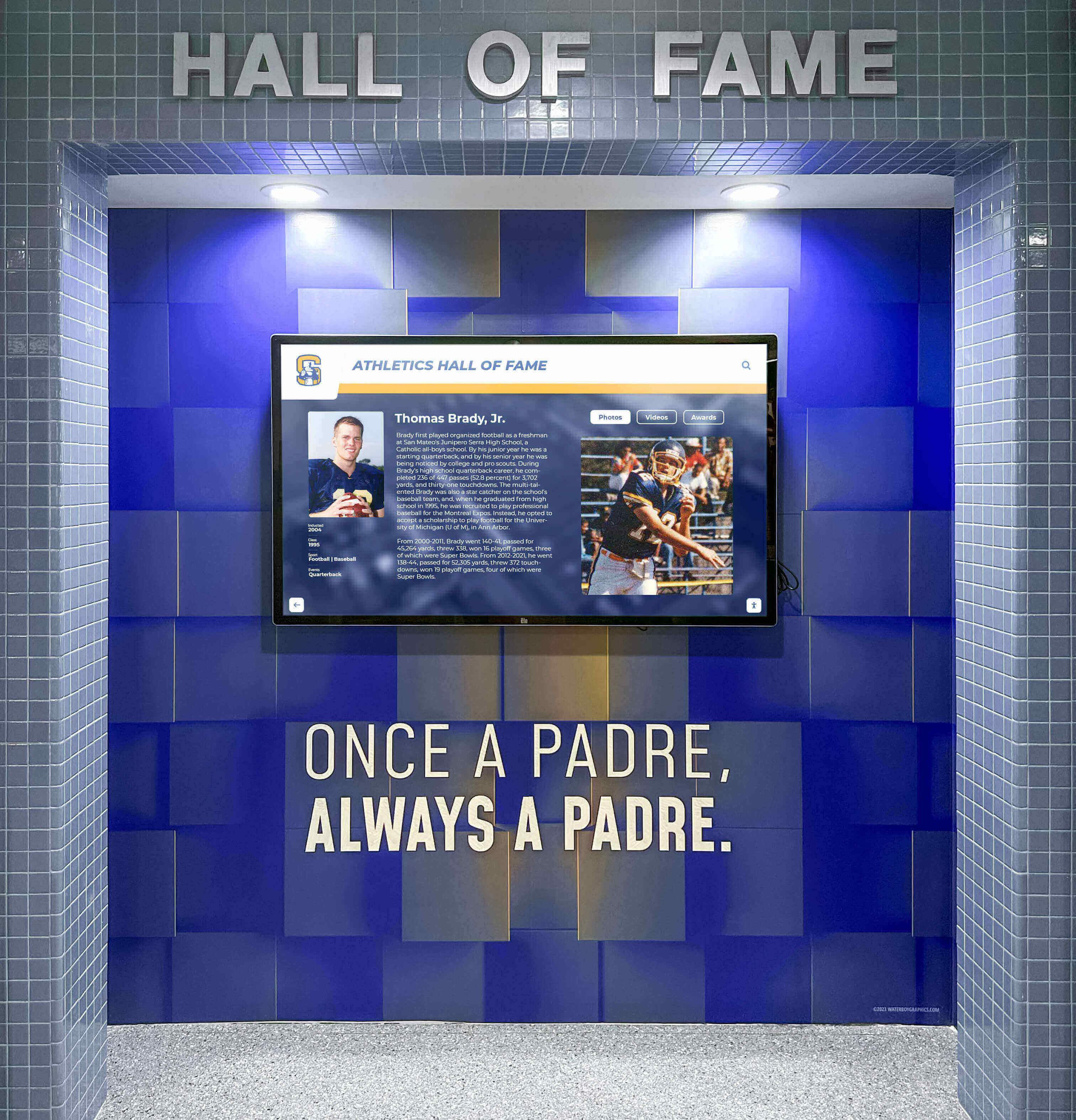
Interactive displays document complete playoff journeys including seeding, bracket positions, and championship progressions
Strategic Considerations
Some programs prefer 5-4 records with challenging schedules yielding high seeding over 7-2 records with weak schedules resulting in lower seeds. This philosophical difference—schedule for development versus schedule for wins—influences program building approaches across the state.
Regional Playoff Powerhouses and Traditions
Illinois football playoffs feature programs with sustained excellence across multiple decades.
Chicagoland Area Dominance
The Chicago metropolitan area produces many of Illinois’ most successful playoff programs:
Traditional Powers
Programs like Lincoln-Way East, Mount Carmel, Loyola Academy, and Maine South have established consistent playoff appearances and multiple championships. These schools benefit from large enrollment pools, quality coaching continuity, and competitive youth programs feeding varsity rosters.
The Catholic League and CCL/ESCC conferences feature particularly intense regular season competition, often sending multiple teams deep into playoffs. Friday night games between these programs draw thousands and influence playoff positioning throughout the season.
Urban Chicago Programs
Chicago Public Schools programs including Phillips, Simeon, and Morgan Park demonstrate that championship-caliber football thrives in the city proper despite facility limitations and resource challenges facing urban education. These programs serve as community pillars, with playoff success celebrated throughout their neighborhoods.
Downstate Playoff Traditions
Southern and central Illinois feature programs with remarkable playoff consistency:
Small-Town Football Excellence
Communities like Rochester, Montini Catholic (Lombard), Richmond-Burton, and Sacred Heart-Griffin (Springfield) demonstrate that playoff success transcends enrollment size. These programs often feature multi-generational coaching staffs, community-wide support, and youth programs establishing fundamentals that pay dividends at varsity level.
Rural Football Culture
For many smaller communities, high school football represents the primary Friday night entertainment and community gathering. Playoff runs unify towns in ways urban areas rarely experience, creating memories that become part of community identity for decades.
Programs celebrating decades of football tradition benefit from comprehensive archival systems that preserve both championship seasons and consistent playoff competitiveness.
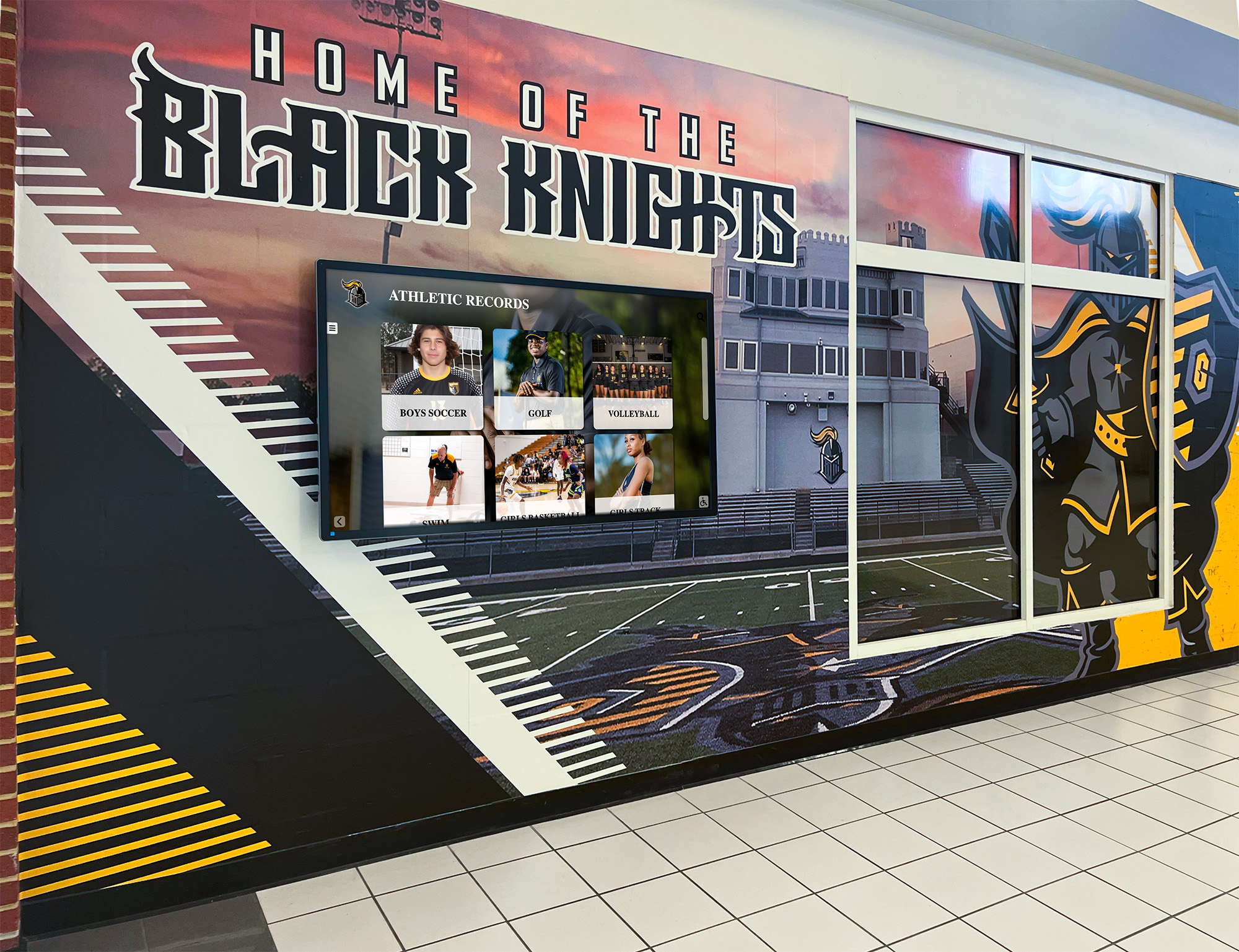
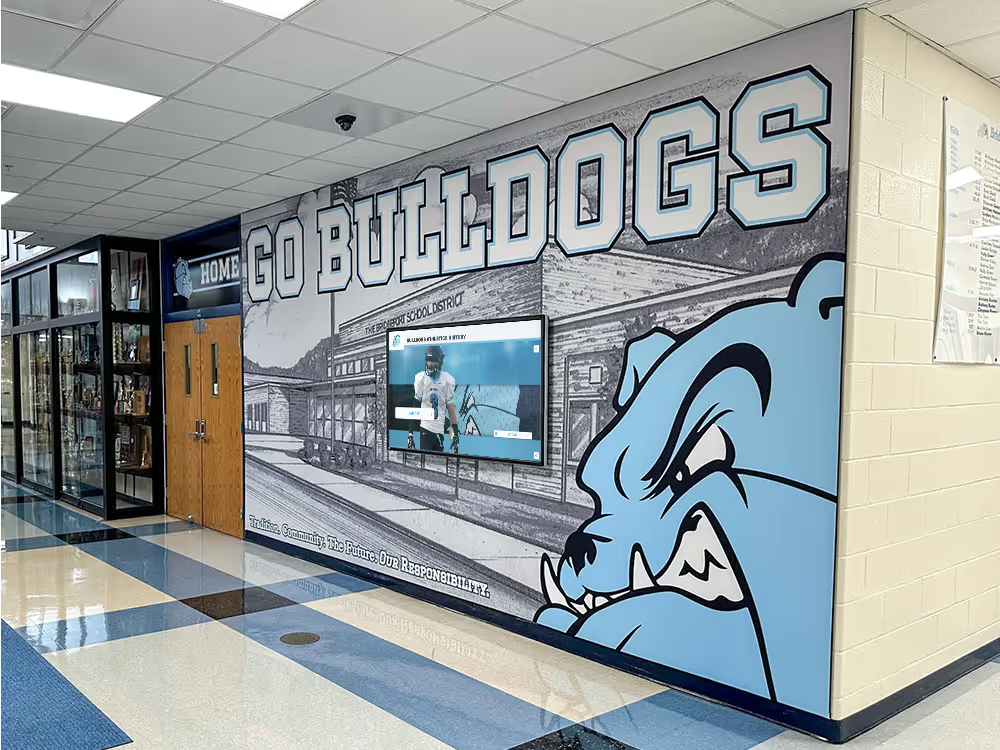
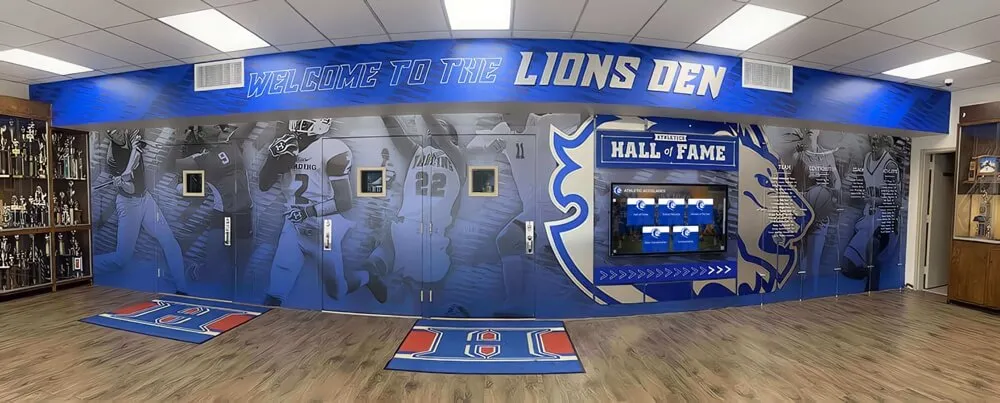
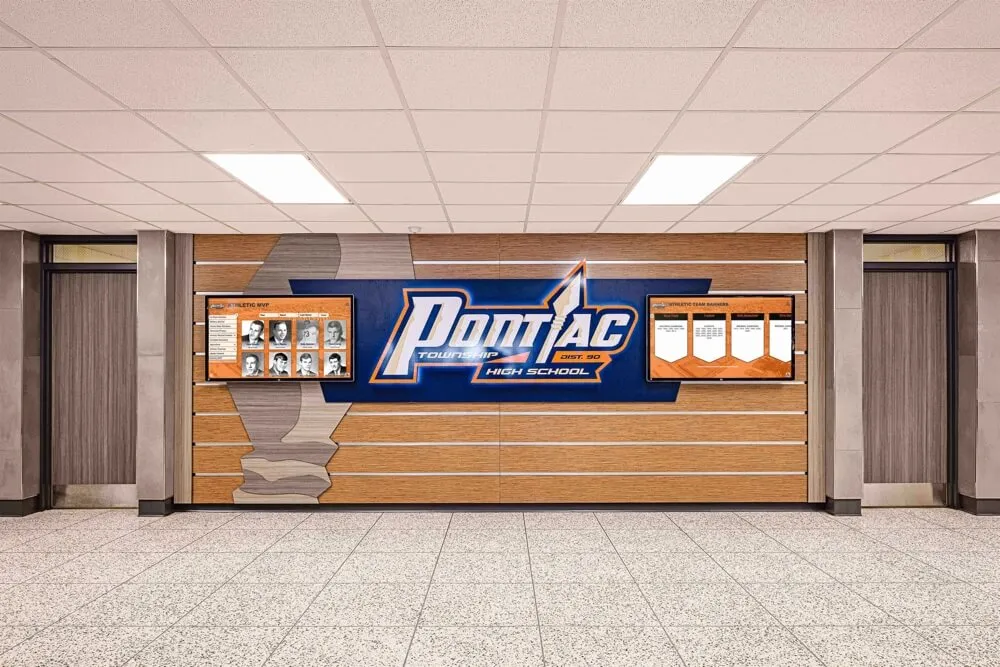
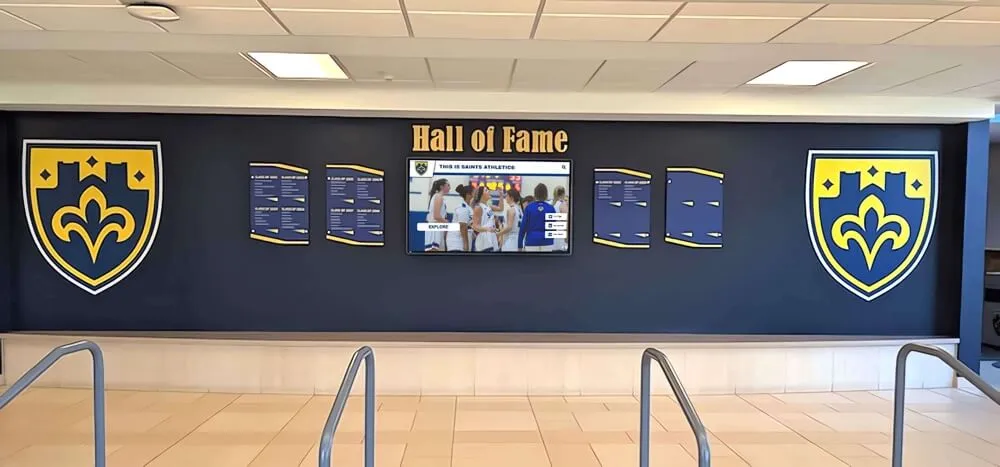
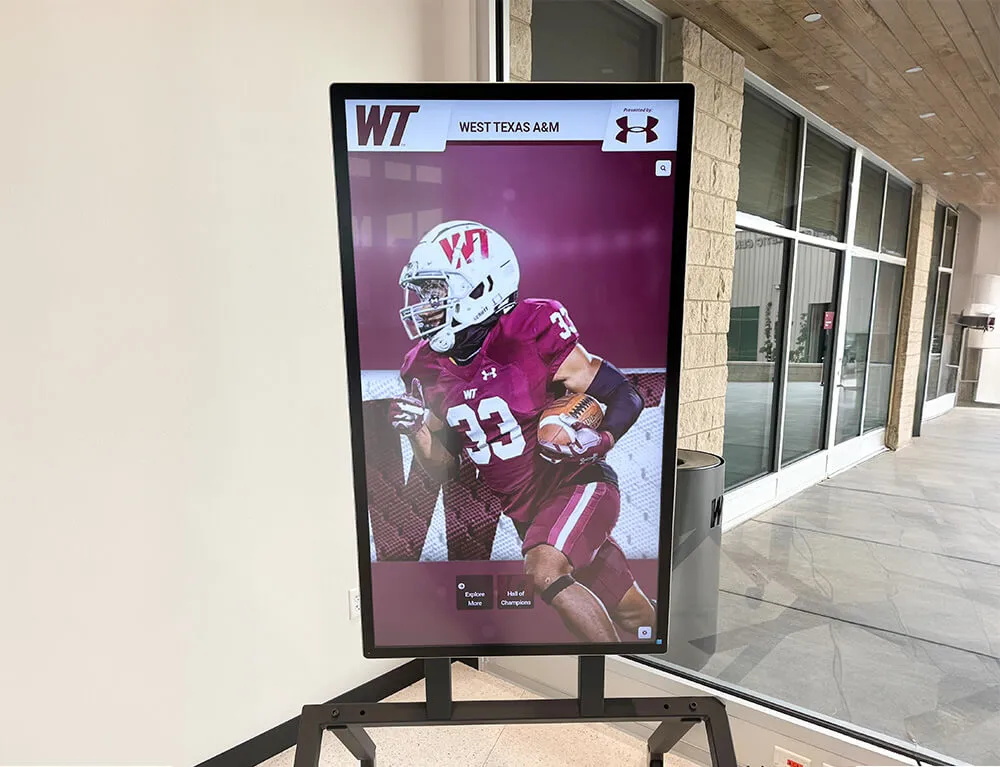
Comprehensive displays celebrate program traditions including playoff appearances, championship runs, and sustained competitive excellence
The Playoff Journey: Week by Week
Understanding what each playoff round represents helps appreciate championship paths.
First Round (Week 10): Survival Mode
The opening round eliminates half the field immediately:
Matchup Dynamics
- Top 8 seeds face bottom 8 seeds in each class
- Home field advantage significant in late October weather
- Upsets common as motivated lower seeds embrace underdog role
- First playoff experience for younger teams builds foundation
Common Scenarios
Higher seeds typically advance but face occasional stunning defeats. First-round upsets become legendary in upset-winner communities while serving as cautionary tales for favored programs. Teams making deep runs often cite first-round scares that focused their preparation for subsequent weeks.
Celebration Milestones
For programs with limited playoff history, first-round victories merit significant celebration. Communities that rarely experience postseason success embrace these wins as validation of program building efforts, creating momentum for sustained improvement.
Second Round (Week 11): Separating Contenders
The Round of 16 features 16 teams with legitimate championship aspirations:
Increased Intensity
Second-round matchups typically feature more evenly-matched teams than first round, with home field advantage remaining crucial. Weather becomes increasingly challenging as November progresses, with cold, wind, and occasional snow testing team toughness and preparation.
Regional Recognition
Advancing to the second round places teams among the top 16 in their class, significant recognition in a field that began with 100+ programs. Local media coverage intensifies, community support grows, and players experience heightened attention that comes with sustained playoff success.
Quarterfinals (Week 12): Elite Eight Status
Reaching the quarterfinals means ranking among the class’s top 8 teams:
Championship Atmosphere
Quarterfinal games feature intense competition between proven programs. Teams at this level typically have strong fundamentals, quality coaching, depth for injuries, and playoff experience. Single mistakes or momentary lapses often determine outcomes in games between closely-matched opponents.
Travel Considerations
Geographic distance between quarterfinal opponents can be substantial, with northern teams potentially traveling hours south and vice versa. These road trips create team bonding opportunities while testing school resources and community commitment.
Historical Significance
Many programs celebrate quarterfinal appearances as program pinnacles. Schools that reach this level join elite company, validating years of program development and establishing standards for future teams to pursue.
Schools managing comprehensive athletic achievement recognition often highlight quarterfinal runs alongside championships as defining program moments.
Semifinals (Week 13): Final Four Distinction
Semifinal berths represent exceptional achievement:
Neutral Site Consideration
Some semifinal matchups move to neutral sites accommodating larger crowds and providing equal conditions. These games carry championship-level atmosphere while determining who advances to title weekend.
Recruiting and Recognition
Semifinal teams receive significant recruiting attention from college programs, with scouts evaluating talent under high-pressure conditions. Players understand they’re competing on prominent stages, adding intensity to already-significant games.
Community Investment
Communities rally around semifinal teams with unprecedented support. Local businesses display signage, residents wear school colors, and send-offs before road games draw thousands, creating memories transcending individual game outcomes.
Championship Weekend (Week 14): The Ultimate Stage
Eight championship games across classes crown Illinois’ best:
Venue Prestige
Championship games at Memorial Stadium (Champaign) or Huskie Stadium (DeKalb) provide collegiate atmospheres. Players experience locker rooms, facilities, and field conditions typically reserved for college athletes, creating powerful motivation throughout the playoff journey.
Statewide Recognition
Championship weekend receives extensive media coverage, with games broadcast and streamed statewide. Winning teams join prestigious company, with championship rosters, coaches, and moments preserved in Illinois football history.
Legacy Creation
State championships define coaching careers, create lifetime bonds between teammates, and establish program legacies celebrated for generations. Communities embrace championship teams as sources of immense pride, supporting programs long after championship seasons conclude.
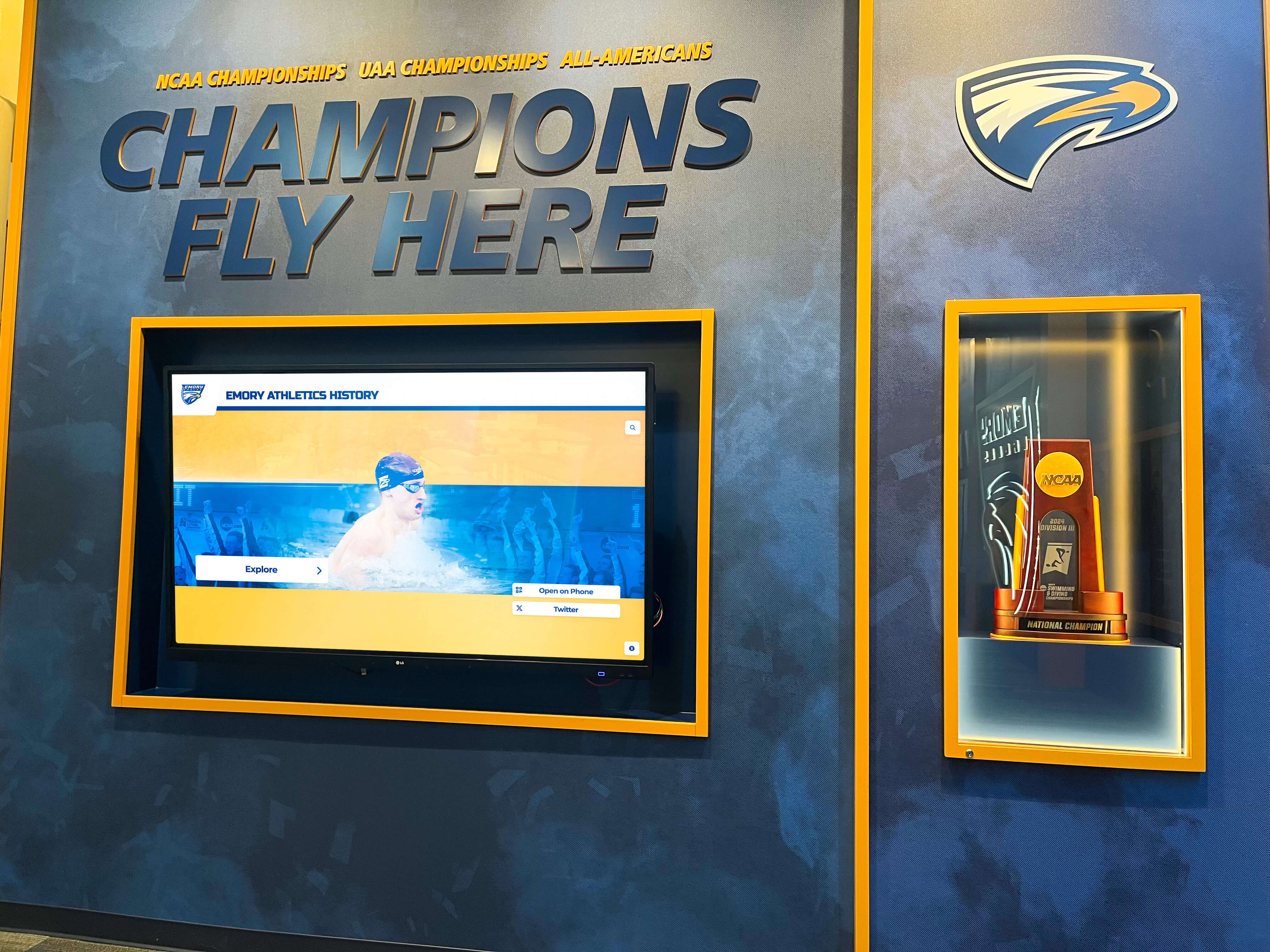
Championship achievements receive prominent recognition through displays combining physical trophies with comprehensive digital documentation
Celebrating and Preserving Playoff Success
Illinois schools have developed creative approaches to honoring playoff achievements and championship success.
Traditional Recognition Approaches
Time-honored methods remain popular across Illinois programs:
Physical Championship Displays
- State championship trophies in prominent display cases
- Championship banners hanging in gymnasiums and field houses
- Engraved plaques listing championship team rosters
- Framed team photos from championship seasons
- Trophy cases featuring runner-up and semifinal hardware
Facility Naming and Dedications
Programs sometimes name fields, press boxes, or facilities after championship coaches or significant contributors. These permanent tributes connect current players to program traditions while honoring those who established championship legacies.
Stadium and Venue Recognition
Championship signage on stadium exteriors, entrance gates, and scoreboards reminds communities of program excellence. Visiting opponents see championship acknowledgment, reinforcing home team tradition and competitive expectations.
Traditional Limitations
Physical displays face inherent constraints:
- Limited space forcing difficult choices about what to display prominently
- Aging materials requiring replacement or restoration
- Static presentations lacking engagement for younger generations
- Difficulty updating as new championships accumulate
- Inability to showcase complete team rosters, statistics, or season narratives
These limitations lead many programs to complement traditional approaches with modern recognition solutions.
Digital Recognition Advantages
Technology transforms how schools celebrate playoff success:
Interactive Playoff Archives
Modern touchscreen displays overcome traditional recognition limitations:
- Complete Playoff Histories: Every playoff season documented with brackets, scores, and team rosters
- Season Narratives: Championship runs preserved with game-by-game summaries, statistics, and key moments
- Player Recognition: Individual profiles for every playoff team member, not just stars
- Multimedia Integration: Photos, videos, and highlight clips bringing championship seasons to life
- Searchable Access: Families easily find specific seasons, games, or players regardless of year
Solutions like digital trophy displays enable schools to showcase unlimited achievements without physical space constraints.
Real-Time Playoff Updates
During playoff runs, digital displays provide:
- Live bracket updates showing team progression
- Weekly opponent information and game previews
- Playoff point standings and seeding scenarios
- Historical context comparing current run to past seasons
- Social media integration amplifying community celebration
Unlimited Capacity Benefits
Traditional trophy cases fill quickly, forcing difficult decisions about which achievements merit display. Digital systems eliminate this constraint:
- Every championship, semifinal, and quarterfinal run documented equally
- Conference championships and regular season achievements included
- Individual player statistics and records preserved comprehensively
- Coaching histories connecting mentors to successful seasons
- Alumni accomplishments tracked after graduation
Programs implementing comprehensive digital recognition report significantly higher engagement from current students, returning alumni, and facility visitors.
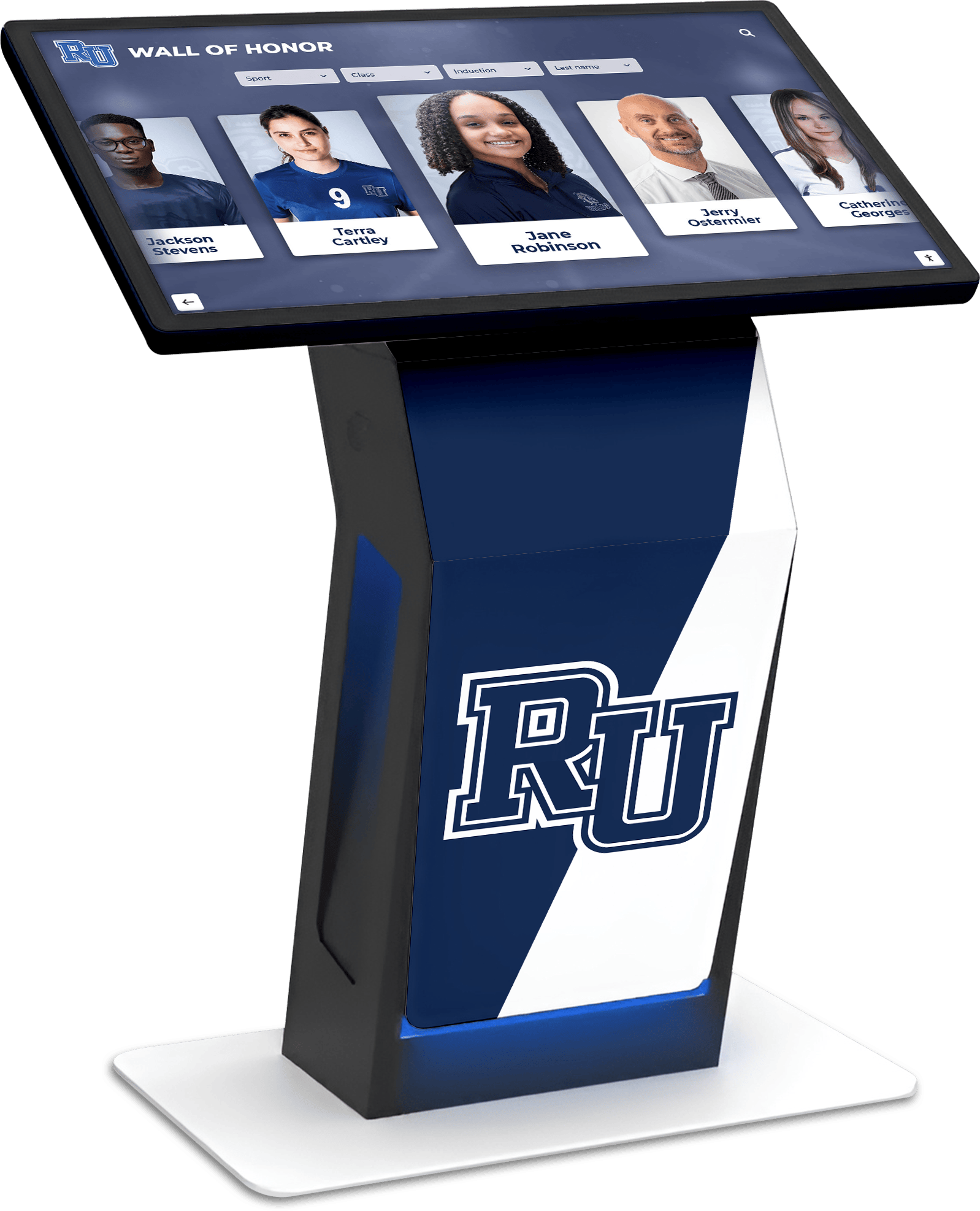
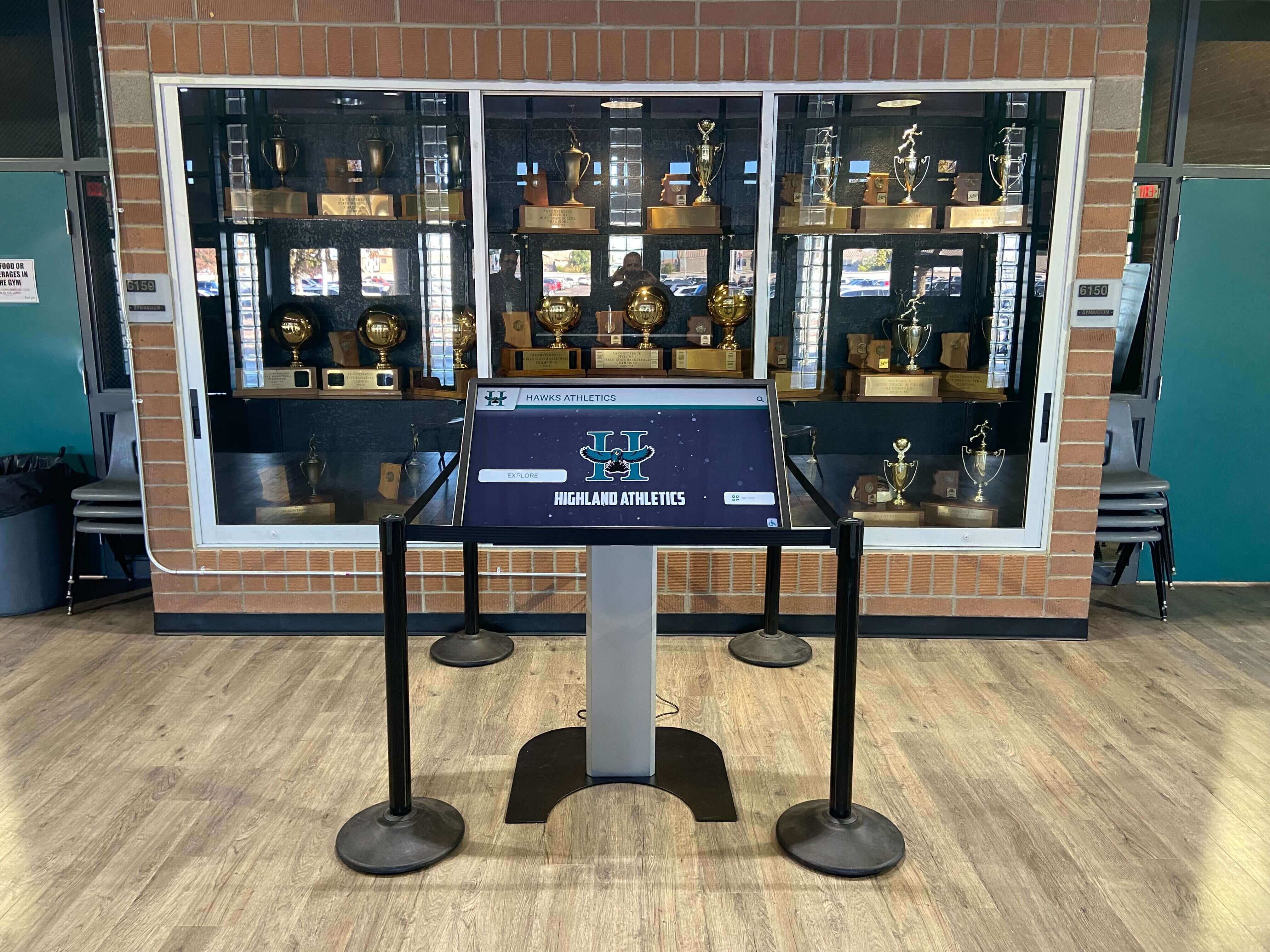
Interactive kiosks provide engaging access to complete playoff histories, championship documentation, and individual player recognition
Combining Traditional and Digital Approaches
The most effective recognition strategies blend physical and digital elements:
Hybrid Recognition Systems
- Championship trophies displayed physically in prominent cases
- Digital displays adjacent to trophies providing complete season context
- Historical plaques complemented by searchable digital archives
- Physical banners for championships, digital documentation for all playoff runs
- Trophy cases featuring highlights, touchscreens offering comprehensive details
Strategic Placement
Recognition displays positioned in high-traffic areas maximize impact:
- Main entrance lobbies welcoming visitors with championship achievements
- Athletic hallways connecting locker rooms to gymnasiums
- Cafeterias and commons areas engaging entire student body
- Field houses and stadiums reinforcing tradition during games
- Alumni centers connecting past players to current programs
Easy Updates
Cloud-based management enables instant updates:
- Weekly playoff results added during tournament runs
- Championship victories documented immediately
- Alumni achievements incorporated as former players accomplish notable goals
- Historical corrections made as new information discovered
- Photo galleries expanded throughout seasons
Schools exploring comprehensive recognition should evaluate platforms like Rocket Alumni Solutions that integrate playoff documentation with broader athletic achievement celebration.
Understanding Playoff Brackets and Advancement
Navigating tournament brackets helps fans follow championship paths.
Bracket Structure and Progression
Each class’s 32-team bracket follows predictable patterns:
Seeding Distribution
- Seeds 1-16 placed in top half of bracket
- Seeds 17-32 placed in bottom half
- Highest seeds avoid each other until finals
- Geographic considerations minimize when possible but seeding takes priority
Advancement Paths
A top seed’s theoretical path:
- Round 1: Host 32nd seed
- Round 2: Host 16/17 seed winner
- Quarterfinals: Host 8/9 seed winner
- Semifinals: Face 4/5 seed winner (potentially road game if lower seed upset higher seed)
- Championship: Face other bracket winner at neutral site
Upset Impact
When lower seeds defeat favorites, bracket dynamics shift dramatically. A 16-seed reaching semifinals by defeating 1, 8, and 4 seeds creates compelling storylines while potentially opening paths for other teams. These Cinderella runs captivate Illinois football fans and become legendary program moments.
Regional Considerations
Illinois geography creates interesting playoff dynamics:
North-South Divide
First-round matchups often pit northern Illinois teams against southern opponents, creating long travel distances. These games introduce teams to different playing styles, facilities, and community atmospheres, adding richness to playoff experiences.
Chicago Suburbs Concentration
Classes 7A and 8A feature heavy suburban Chicago representation, often resulting in same-region matchups throughout brackets. Conversely, smaller classes may send southern Illinois teams north for multiple consecutive rounds.
Weather Variables
November weather varies significantly across Illinois. Northern teams may play in snow while southern teams face merely cold conditions, creating home field advantages beyond crowd support.
Tracking Playoff Progress
Modern technology enables comprehensive bracket tracking:
Digital Bracket Updates
- IHSA website provides official brackets with live score updates
- Mobile apps enable real-time notification of results
- Social media provides instant game updates and highlights
- Local media covers brackets with analysis and predictions
- School websites feature team-specific bracket positions
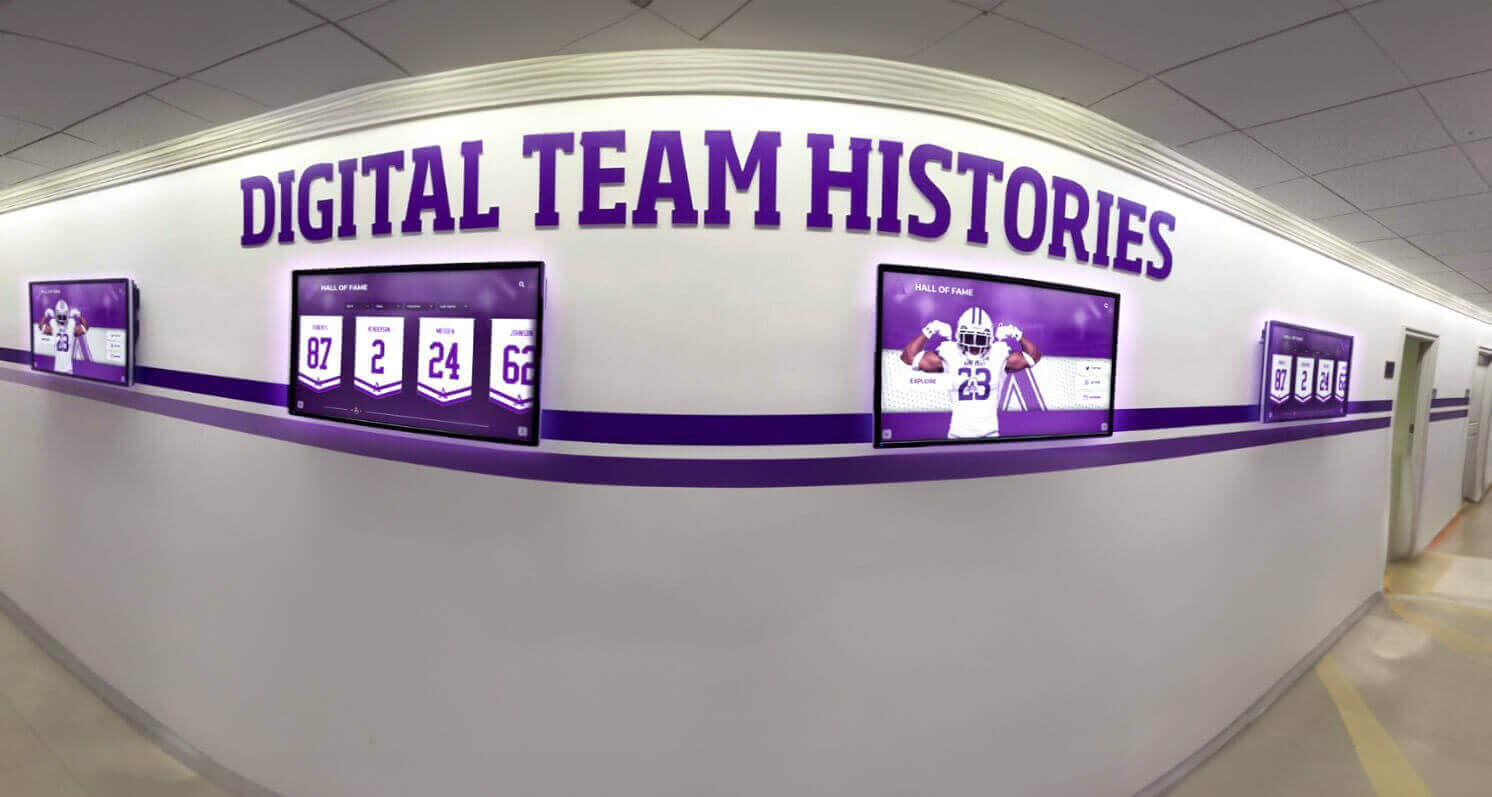
Digital displays track playoff progressions in real-time while preserving historical bracket achievements permanently
Historical Bracket Archives
Schools preserving complete playoff histories benefit from documenting:
- Bracket positions and seeding for every playoff season
- Round-by-round advancement with scores and opponents
- Statistical leaders and key performances each round
- Championship paths comparing different seasons’ difficulty
- Near-miss seasons reaching semifinals or finals
These comprehensive archives create context helping current teams appreciate historical achievements while establishing standards for future success.
Playoff Preparation and Competition
Successful playoff teams exhibit consistent preparation characteristics.
Physical and Mental Preparation
Postseason football requires heightened readiness:
Injury Management
Regular season injuries accumulate by Week 10, making health management critical. Programs with depth and quality training programs gain advantages as playoffs progress. Teams managing injuries creatively while maintaining competitive performance often outperform more talented but depleted opponents.
Mental Toughness Development
Playoff pressure reveals team character. Programs with strong cultures, experienced leaders, and effective coaching staffs typically handle adversity better than talented but inexperienced squads. Close games and momentum swings test mental resilience built throughout seasons.
Weather Adaptation
November conditions differ drastically from August practice weather. Teams practicing in adverse conditions, adjusting offensive schemes for wind and cold, and maintaining positive attitudes despite difficult conditions gain competitive edges.
Coaching and Strategy
Playoff football demands tactical excellence:
Opponent Preparation
Limited preparation time (one week) requires efficient film study and game planning. Coaches identify opponent tendencies, strengths, and weaknesses while implementing strategic adjustments. Players’ capacity to absorb and execute new game plans often determines outcomes.
Personnel Management
Determining which players to rest, when to substitute, and how to manage playing time becomes crucial as seasons extend. Programs with quality depth can keep players fresh while maintaining competitive performance.
Situational Awareness
Playoff games often come down to critical fourth-quarter possessions, fourth-down decisions, and clock management. Coaching staffs with playoff experience typically handle these situations more effectively than first-time playoff coaches.
Programs building sustained playoff competitiveness often document successful strategies and approaches through institutional knowledge systems, creating frameworks for consistent excellence.
For schools interested in celebrating coaching excellence alongside player achievement, comprehensive recognition platforms provide frameworks honoring mentorship that produces playoff success.
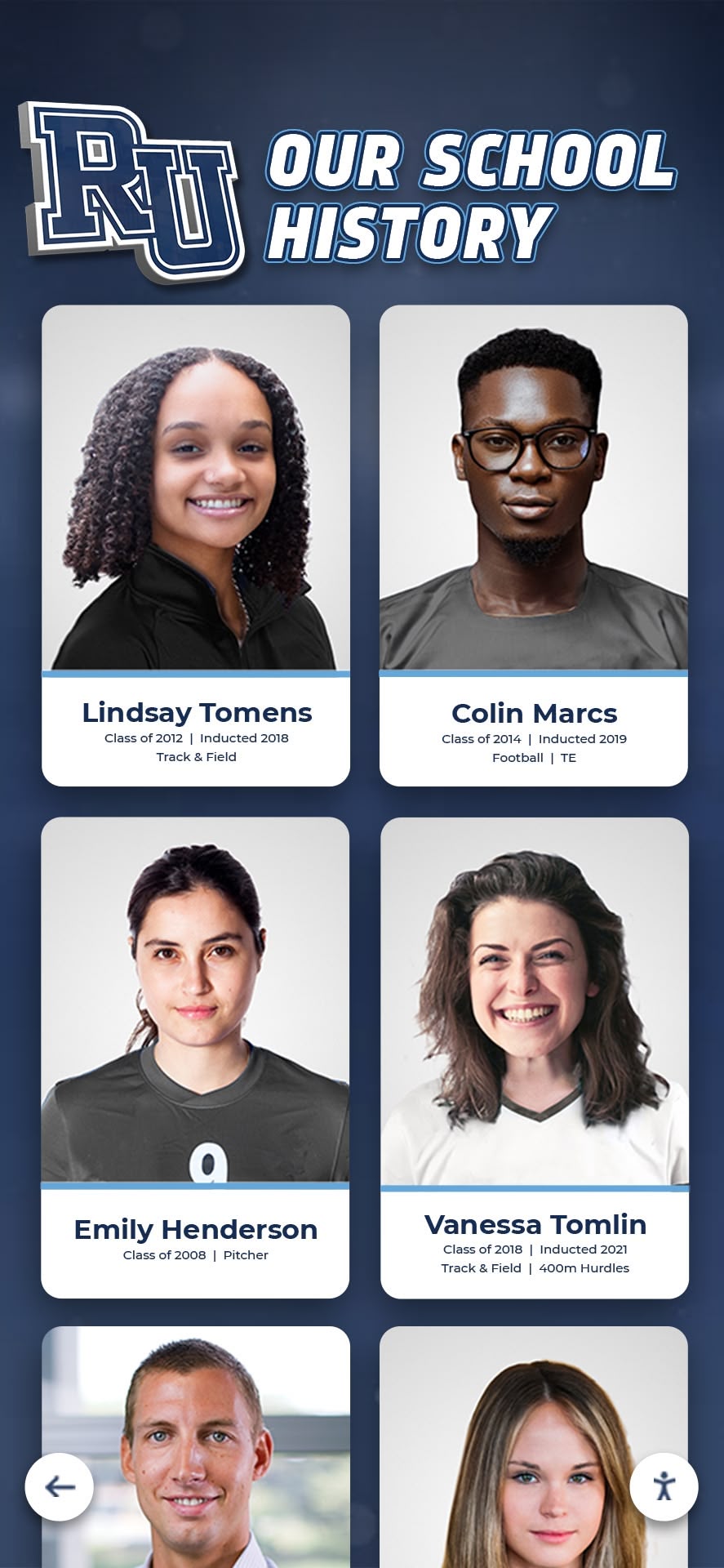
Comprehensive recognition systems celebrate both athletes and coaches who build championship traditions
Community Impact of Playoff Success
Playoff runs create ripple effects throughout schools and communities.
Student Body Engagement
Postseason football unifies schools:
Spirit and Attendance
Playoff games draw larger student sections than regular season contests. Schools organize buses, coordinate student cheering sections, and create celebratory atmospheres. These communal experiences build school spirit transcending football seasons.
Academic Integration
Teachers incorporate playoff runs into lessons—math classes calculate playoff scenarios, history classes connect to community traditions, writing classes document team journeys. These integrations demonstrate education’s connection to real-world events students care about.
Reduced Disciplinary Issues
Schools often report fewer behavioral problems during playoff runs as students rally around positive common purpose. Athletic success creates pride that manifests in improved school climate and student conduct.
Community Economic Impact
Deep playoff runs generate economic activity:
Local Business Benefits
Restaurants, hotels, and retail establishments benefit from visiting team families and fans. Championship runs bring thousands of visitors to host communities, creating substantial short-term economic impacts.
School Revenue
Gate receipts from home playoff games provide significant athletic department revenue, funding off-season programs, equipment purchases, and facility improvements. Successful programs often reinvest playoff revenue into sustaining competitive excellence.
Fundraising Opportunities
Playoff success creates momentum for booster club fundraising, alumni donations, and community contributions. Supporters excited about program achievement become more willing to invest financially in sustained success.
Long-Term Community Identity
Championship success shapes community identity for decades:
Generational Connections
Championship seasons become reference points connecting generations. Residents decades removed from high school recall championship teams, creating shared community memory transcending individual participation.
Property Values and Desirability
Communities known for quality athletic programs often see residential desirability benefits. Families selecting communities research school quality, with successful athletic programs enhancing overall institutional reputation.
Community Pride and Unity
In divided times, successful sports teams provide common ground uniting diverse community members. Championship runs create temporary utopias where typical divisions fade behind collective celebration.
Programs understanding these broader impacts often implement comprehensive community engagement strategies that leverage athletic success for lasting community benefit.
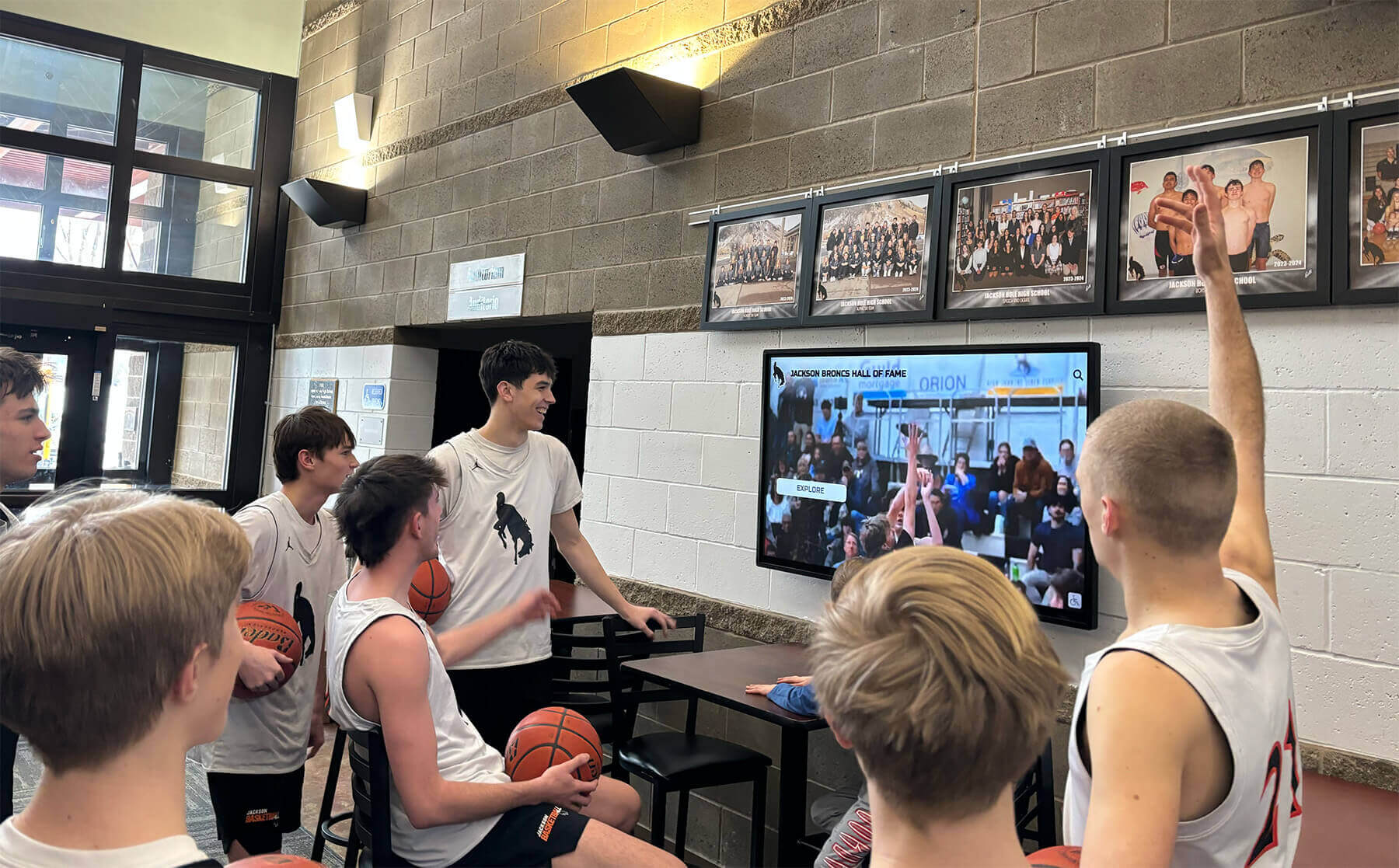
Public displays enable entire school communities to engage with playoff achievements and championship celebrations
Notable Illinois Playoff Moments and Traditions
Illinois football playoffs have produced memorable moments across multiple decades.
Historic Championship Games
Certain championship contests become legendary:
Overtime Classics
Multiple-overtime championship games featuring lead changes, heroic performances, and dramatic finishes become part of Illinois football lore. These contests showcase football’s unpredictability while creating lifetime memories for participants and spectators.
Underdog Triumphs
Lower-seeded teams reaching championships and defeating favorites provide compelling narratives. These Cinderella stories inspire communities and demonstrate that preparation, heart, and execution can overcome talent disparities.
Dynasty Establishment
Programs winning multiple consecutive championships establish dynasties remembered decades later. These sustained excellence periods reflect comprehensive program development, quality coaching, and community commitment to athletic achievement.
Individual Playoff Performances
Star players often save best performances for postseason:
Record-Breaking Games
Rushing for 400+ yards, throwing 6 touchdown passes, or accumulating 200+ receiving yards in championship games create individual legends. These performances occur under highest pressure, validating exceptional talent.
Iron Man Efforts
Players excelling on both offense and defense throughout playoff runs while playing special teams demonstrate remarkable dedication and versatility. These complete efforts often inspire teammates to elevate their own performances.
Clutch Moments
Game-winning touchdowns, goal-line stands, fourth-quarter interceptions, and successful two-point conversions in championship games become defining career moments for players involved. These clutch performances reveal character under ultimate pressure.
Coaching Milestones
Playoff success defines coaching legacies:
Career Win Milestones
Coaches achieving 200, 300, or more career wins often reach these milestones during playoff runs, creating dual celebrations. These longevity achievements reflect sustained program building and community commitment.
First-Time Champions
Coaches winning first championships after years of near-misses create emotional storylines. These breakthrough victories validate program building philosophies and establish coaches as community legends.
Multiple-Class Championships
Coaches winning championships at different schools or in multiple classes demonstrate adaptable excellence. These accomplishments establish coaches among Illinois’ all-time greats, transcending individual programs.
Schools preserving these memorable moments through comprehensive historical archives ensure future generations understand program traditions and defining achievements.

Interactive displays enable visitors to explore historical playoff moments, championship seasons, and individual performances
Preparing Your School for Playoff Recognition
Schools anticipating playoff success can plan recognition approaches in advance.
Planning Recognition Systems
Proactive planning ensures playoff achievements receive appropriate celebration:
Infrastructure Decisions
Before playoff seasons begin, consider:
- Display locations for potential championship hardware
- Digital recognition system capabilities and capacity
- Facility signage plans for championship acknowledgment
- Budget allocations for recognition materials and installations
- Long-term vision for accommodating multiple championships
Content Strategy
Develop systems for capturing:
- Game-by-game photography throughout playoff runs
- Player and coach interviews after significant victories
- Community reaction and celebration documentation
- Statistical compilation and record tracking
- Alumni and family testimonials about playoff experiences
Immediate Response Plans
Championship victories require immediate recognition:
- Social media announcement strategies
- Local media notification protocols
- Community celebration event planning
- School-wide acknowledgment approaches
- Recognition timeline from championship through following season
Technology Selection Considerations
Schools evaluating recognition platforms should assess:
Capacity and Scalability
- Can the system accommodate unlimited achievements over decades?
- Does it support both playoff documentation and other athletic recognition?
- Can it integrate championship trophies with digital archives?
- Does it allow easy updates without professional installation?
- Will it remain relevant as technology evolves?
Content Management
- Can school staff update content without technical expertise?
- Does it support photos, videos, statistics, and narrative text?
- Can multiple administrators access and manage content?
- Does it include templates maintaining consistent presentation?
- Are there ongoing training and support resources?
Engagement Features
- Can visitors search for specific seasons, games, or players?
- Does it provide filtering by championship, playoff round, or year?
- Can alumni access content remotely via web interfaces?
- Does it include social sharing capabilities?
- Are there analytics showing which content generates most interest?
Total Cost Considerations
- What are upfront hardware and software costs?
- Are there recurring licensing or subscription fees?
- What support and maintenance services are included?
- How long before hardware replacement is necessary?
- What is cost per recognized athlete compared to traditional approaches?
Schools evaluating options should explore platforms like Touch Archive specifically designed for preserving and celebrating athletic achievements including playoff success.
Funding Recognition Systems
Championship recognition requires financial planning:
Funding Sources
- Athletic department budgets allocating recognition resources
- Booster club fundraising designated for displays
- Alumni donations supporting program legacy preservation
- Corporate sponsorships offsetting recognition costs
- Grant opportunities for educational technology
Return on Investment
Effective recognition systems provide:
- Enhanced recruitment appeal attracting quality athletes
- Increased alumni engagement and donation potential
- Community pride strengthening program support
- Educational value teaching students about legacy and achievement
- Marketing benefits promoting school excellence
Budget-Friendly Approaches
Resource-constrained schools can:
- Implement digital systems gradually, starting with single display
- Leverage volunteers for content development and photography
- Partner with local businesses providing matching funds
- Apply for grants supporting educational technology
- Coordinate recognition updates with natural facility renovation cycles
Even modest investments in recognition infrastructure yield significant returns through enhanced community engagement and program pride.
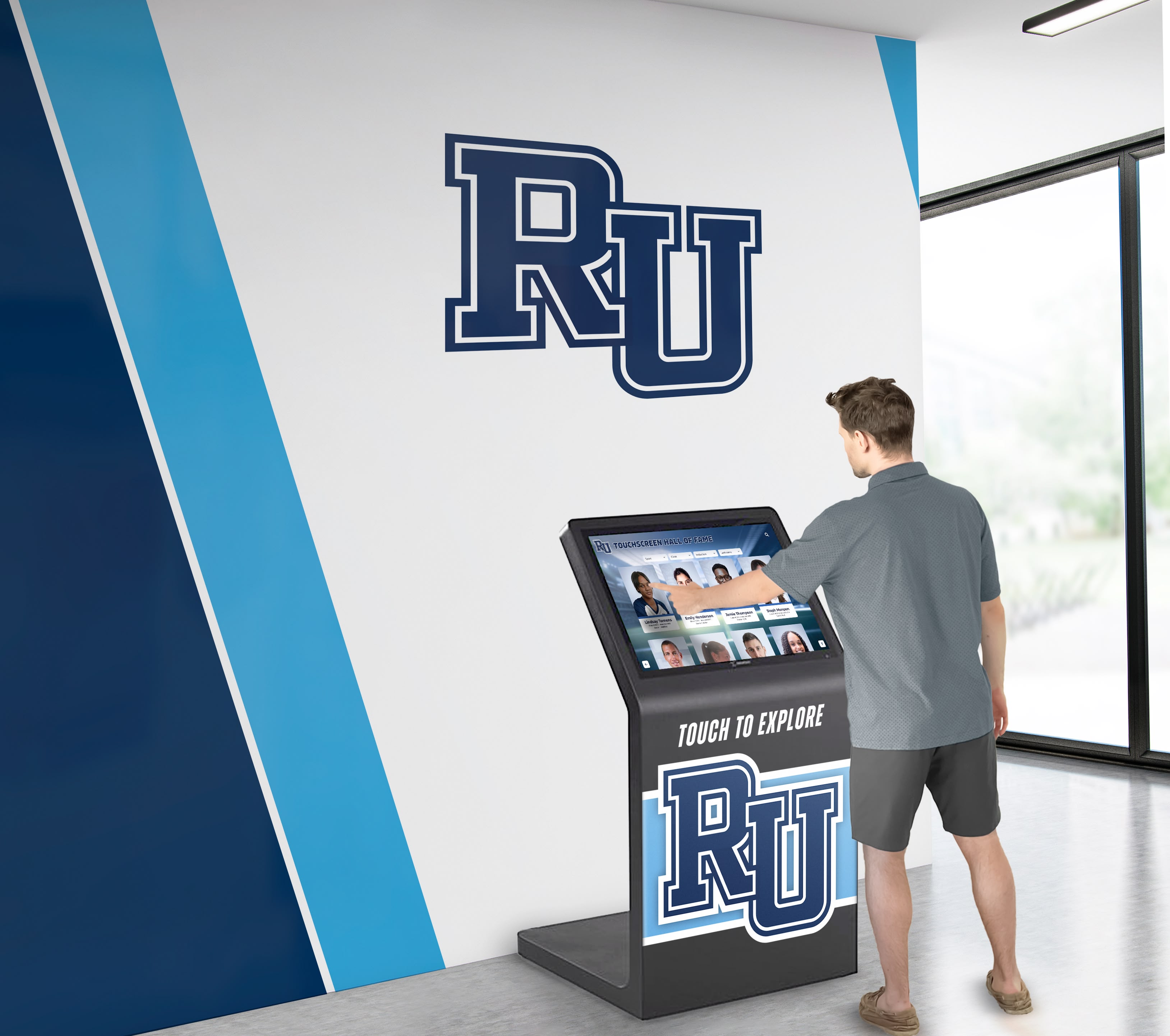
Strategic recognition system implementation ensures playoff achievements receive prominent, accessible, and engaging celebration
Maintaining Competitive Excellence
Sustained playoff success requires systematic program development.
Building Championship Culture
Consistent playoff contenders share cultural characteristics:
Year-Round Commitment
Championship programs emphasize:
- Off-season strength and conditioning programs
- Spring and summer skill development
- Mental toughness and leadership training
- Academic expectations for all participants
- Community service and character development
Coaching Continuity
Programs with sustained success typically feature:
- Long-tenured head coaches establishing consistent philosophies
- Quality assistant coaching staffs with defined responsibilities
- Systematic succession planning for coaching transitions
- Ongoing professional development for coaching staffs
- Alumni involvement connecting past and present
Youth Program Integration
Elite programs develop talent from early ages:
- Coordinated youth programs teaching consistent fundamentals
- High school coaches involved in youth program oversight
- Age-appropriate skill progression frameworks
- Cultural expectations established at youth levels
- Pathways connecting youth through varsity programs
Facility and Resource Investment
Competitive programs require ongoing investment:
Facility Excellence
- Quality practice and game fields with proper maintenance
- Weight rooms with modern equipment and supervision
- Film study facilities with quality technology
- Medical and training resources supporting player health
- Locker rooms and meeting spaces reinforcing program pride
Equipment Standards
- Helmets, pads, and protective equipment meeting highest safety standards
- Uniform quality reflecting program commitment to excellence
- Practice equipment enabling effective skill development
- Technology resources for film study and performance analysis
- Adequate equipment inventory supporting full roster needs
Support Staff Resources
- Athletic trainers ensuring player health and injury management
- Strength and conditioning coaches optimizing physical development
- Academic support staff helping athletes balance school and sports
- Administrative assistance enabling coaches to focus on coaching
- Volunteer coordination maximizing community support benefits
Schools building comprehensive athletic programs benefit from systematic approaches to resource allocation and facility development.
Data-Driven Program Management
Modern programs leverage analytics and information:
Performance Tracking
- Individual player statistics across seasons
- Team performance metrics identifying strengths and weaknesses
- Opponent analysis informing strategic preparation
- Injury data guiding training modifications
- Academic tracking ensuring eligibility and graduation
Recruitment and Retention
- Enrollment projections influencing classification planning
- Participation trends identifying program health
- Position-specific needs informing youth program priorities
- Transfer and mobility patterns requiring strategic adaptation
- Alumni connection data supporting mentorship programs
Historical Context
- Complete program history preserving institutional knowledge
- Championship and playoff records establishing expectations
- Individual and team record progressions motivating current athletes
- Coaching evolution documenting program development
- Tradition documentation connecting generations
Programs implementing comprehensive data management through recognition systems gain competitive intelligence advantages while celebrating achievements.
Conclusion: Celebrating Illinois Playoff Football
The Illinois High School Association football playoffs represent the pinnacle of prep athletics in the Prairie State. From the opening round of Week 10 through championship weekend during Thanksgiving, these tournaments create memories that last lifetimes while unifying communities around shared pursuit of excellence.
Understanding Illinois’ unique playoff structure—from the eight-class system and point-based qualification to bracket advancement and championship venues—enhances appreciation for the journey teams take from regular season through potential state title glory. Whether your school competes in Class 1A or 8A, playoff football represents exceptional achievement worthy of comprehensive celebration and preservation.
Preserve Your Playoff Legacy
Discover how interactive touchscreen displays can help you celebrate playoff achievements, document championship runs, and honor every player who contributed to your program's postseason success.
Request a DemoModern recognition technology now enables schools to honor playoff achievements comprehensively regardless of physical space limitations or budget constraints. Digital touchscreen systems preserve complete playoff histories, document championship seasons with photos and narratives, and create engaging experiences for current students, returning alumni, and community visitors.
Every playoff appearance represents countless hours of athlete dedication, coaching excellence, and community support. These achievements deserve recognition that honors past accomplishments while inspiring future teams to add new chapters to your program’s competitive legacy. Whether celebrating your program’s first playoff berth or documenting your tenth state championship, thoughtful recognition strengthens program culture and community connection.
Illinois high school football playoffs will continue creating defining moments for communities across the state. Your program’s playoff journey—from qualification battles through championship glory—tells a story worth preserving and celebrating for generations to come.
Ready to transform how your school celebrates football achievement? Explore comprehensive recognition solutions for athletic excellence and program history, or request a demonstration showing how your playoff achievements can be preserved through interactive displays that engage your entire community.