



Walk into any high school athletic department today and you might encounter an unexpected sight: students in team jerseys hunched over computers, coaches calling plays from behind their competitors, and spectators watching action unfold on large displays. These aren’t traditional athletes preparing for football or basketball—they’re esports competitors training for tournaments that draw millions of viewers and offer scholarship opportunities rivaling conventional sports.
The question “is esports a sport?” has evolved from internet forum debates into serious institutional conversations. High schools across America now field competitive gaming teams. Colleges offer esports scholarships worth thousands of dollars. State athletic associations grapple with whether to officially sanction competitive gaming alongside football and basketball. Meanwhile, traditional sports organizations increasingly embrace esports as viewership numbers challenge conventional athletics.
This comprehensive guide explores the multifaceted debate over whether esports qualifies as sport, examining the arguments on both sides, how institutions are recognizing competitive gaming achievement, and what this means for schools adapting their athletic programs to include this rapidly growing competitive discipline.
The esports phenomenon represents one of the fastest-growing competitive activities globally. Global esports revenue exceeded $1.8 billion in 2025, with viewership surpassing 640 million people worldwide. For context, that’s roughly equivalent to the entire population of North America watching competitive gaming events—a number that continues growing annually.
Yet despite these impressive statistics and the undeniable skill required to compete at elite levels, heated debate continues about whether esports deserves recognition alongside traditional athletics. Understanding this debate requires examining what actually defines sport and whether competitive gaming meets those criteria.

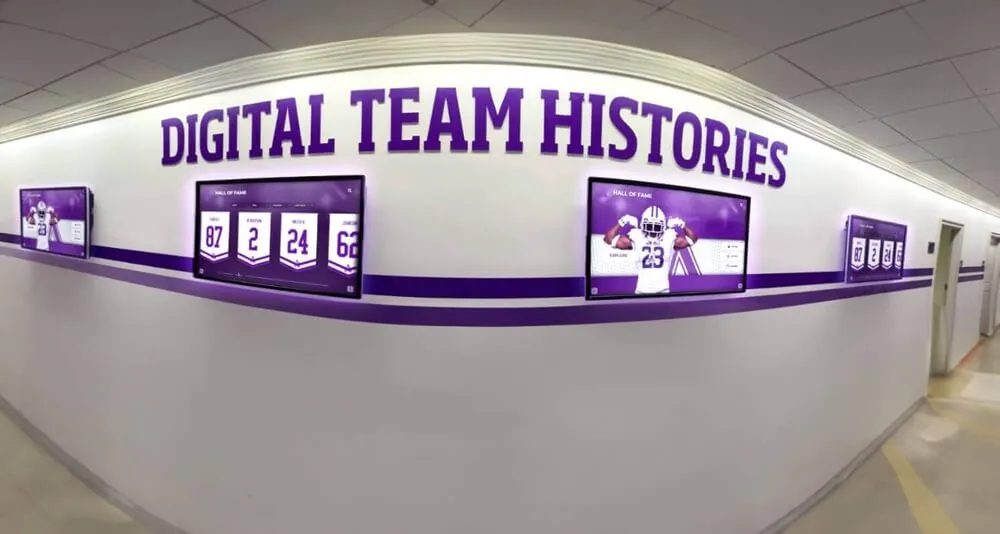
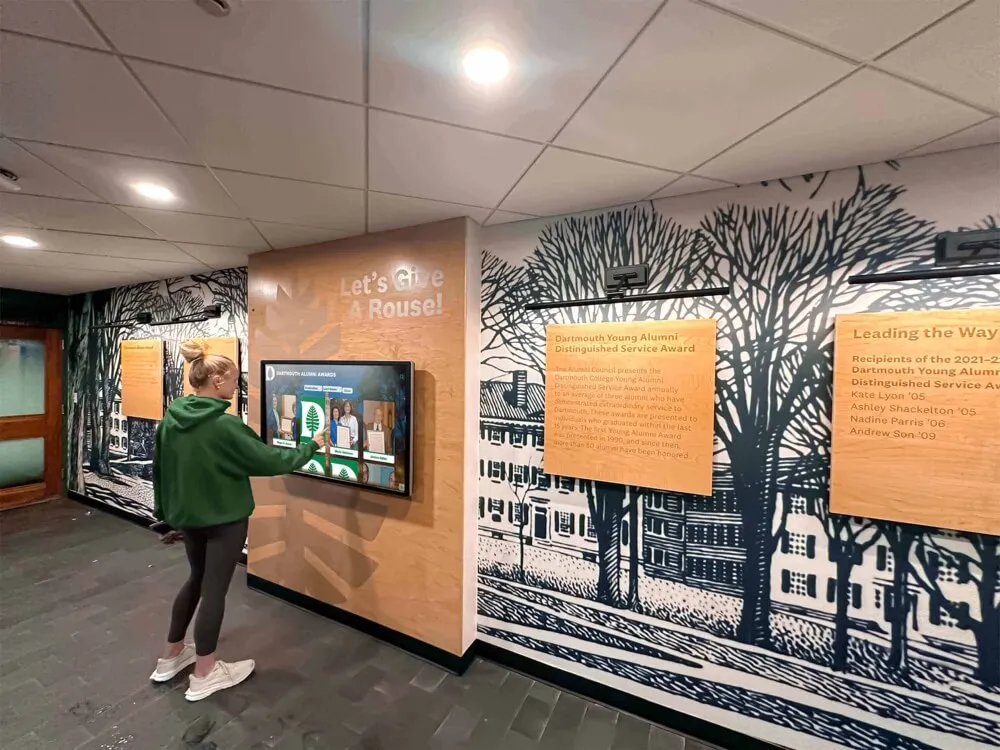
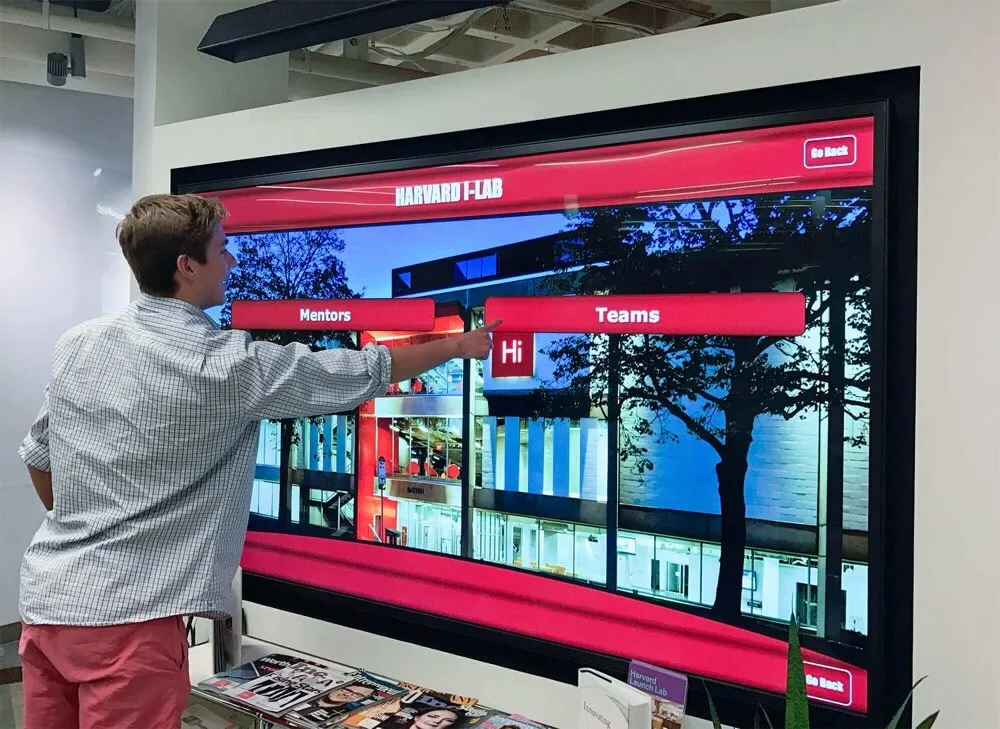
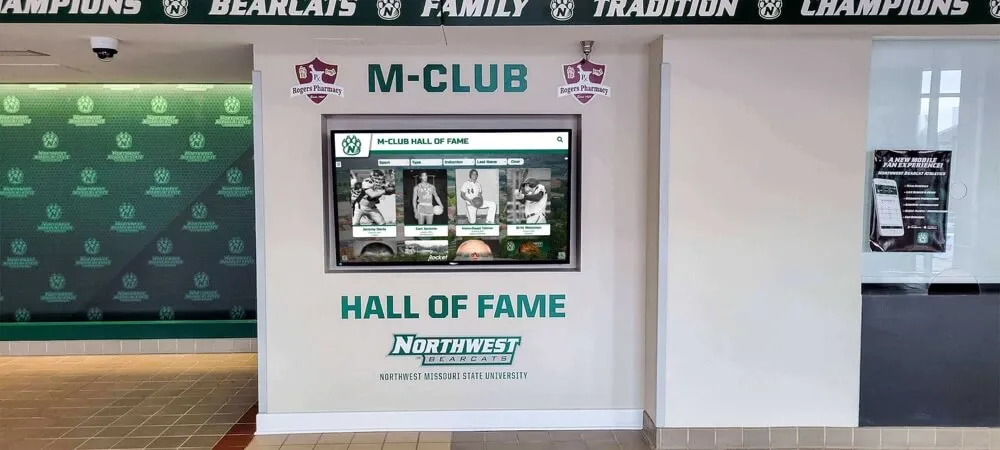
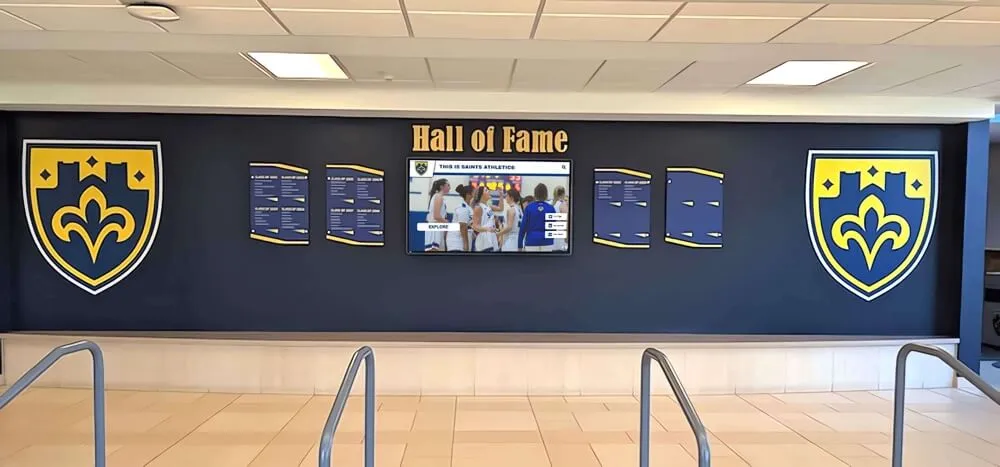
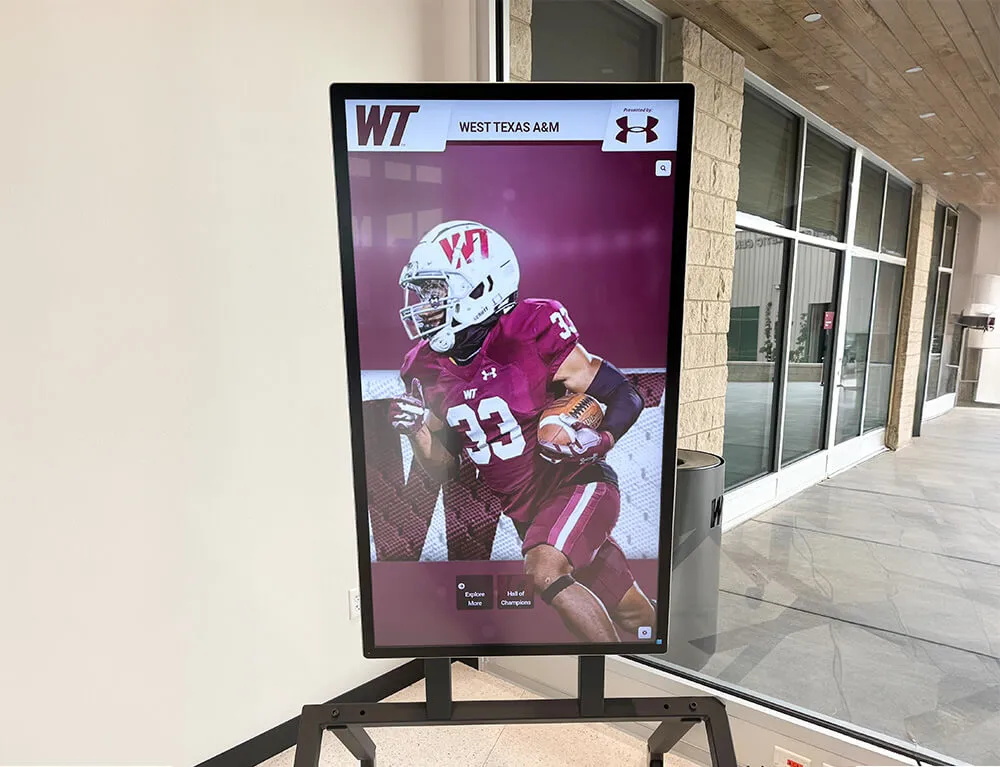
Modern recognition systems accommodate diverse achievement types including emerging competitive activities like esports
Defining Sport: What Makes an Activity Athletic?
Before determining whether esports qualifies as sport, we must establish clear criteria for what constitutes athletic competition.
Traditional Sports Definitions
Dictionary definitions and sports governing bodies generally characterize sport as physical activity requiring skill, governed by rules, undertaken competitively. The International Olympic Committee defines sports as activities requiring physical exertion and skill, competitive in nature, and organized under standardized rules.
Common Sport Characteristics
- Physical skill and coordination requirements
- Competitive structure with clear winning/losing outcomes
- Standardized rules and regulations governing play
- Organized competition from amateur through professional levels
- Training regimens developing specific competitive abilities
- Measurable performance metrics and statistics
- Spectator appeal and entertainment value
- Team or individual competitive structures
Traditional sports like football, basketball, and track clearly meet these criteria with obvious physical demands. But the definition becomes murkier when examining activities like chess, competitive fishing, or motorsports—activities many consider sports despite limited cardiovascular exertion.
Physical vs. Mental Athletic Demands
The emphasis on physical exertion as sport’s defining characteristic creates the primary argument against esports recognition. Critics point out that gaming competitors sit at computers, questioning whether button pressing and mouse movements constitute genuine athletic activity.
However, this physical requirement has always been somewhat arbitrary. The International Olympic Committee recognizes chess as sport despite minimal physical demands beyond moving pieces. Competitive shooting sports require little cardiovascular fitness. Professional poker players compete for millions in televised events often categorized as sport.

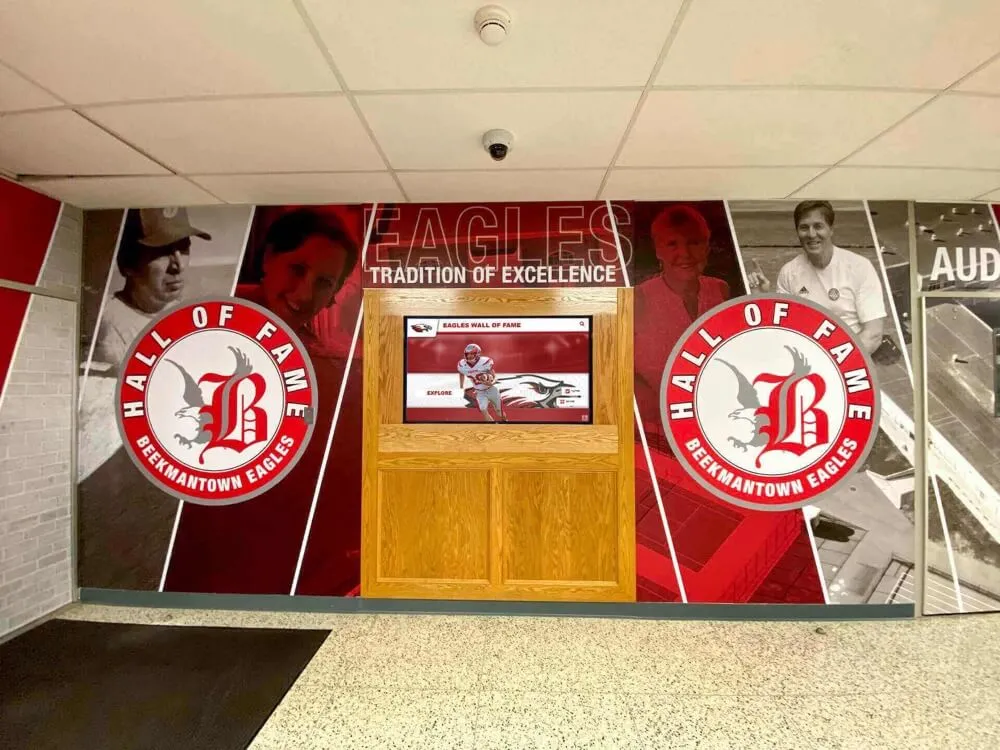
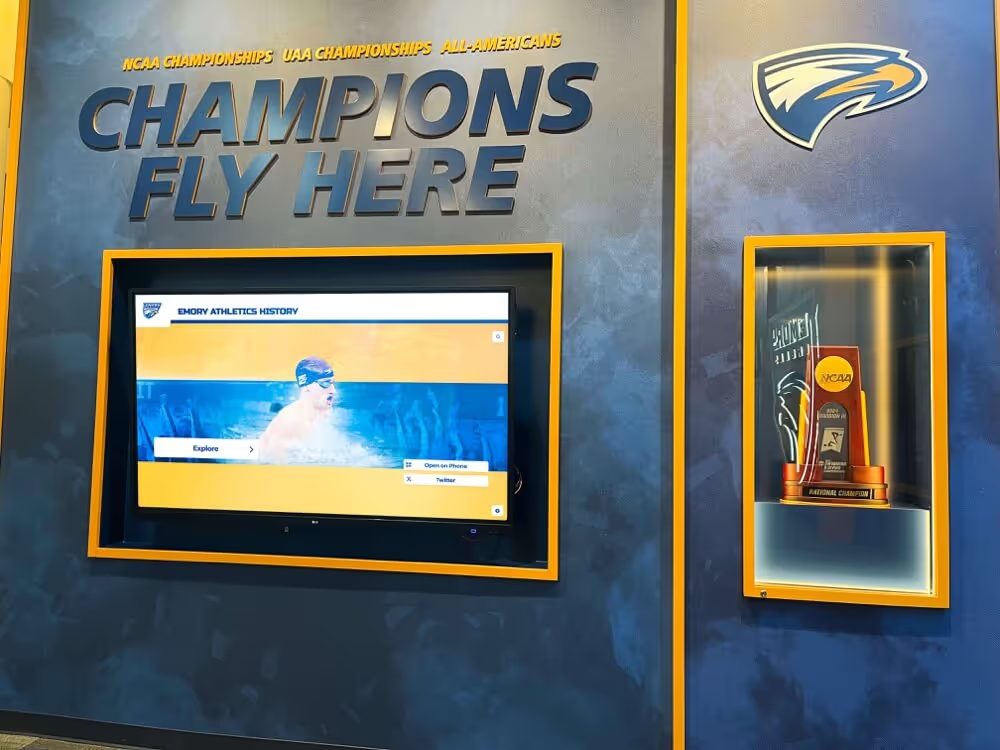
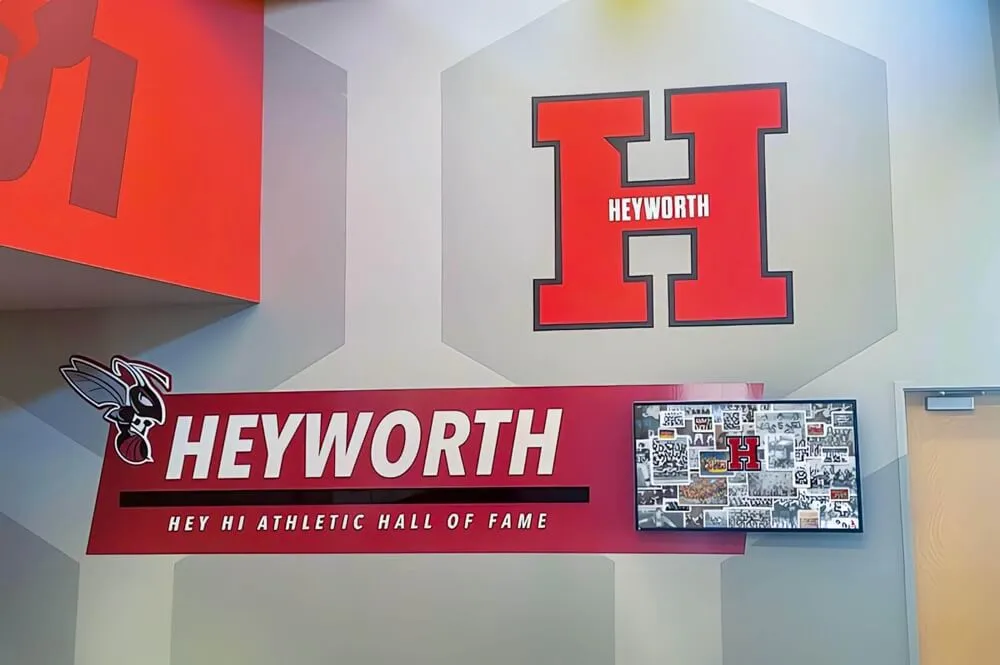
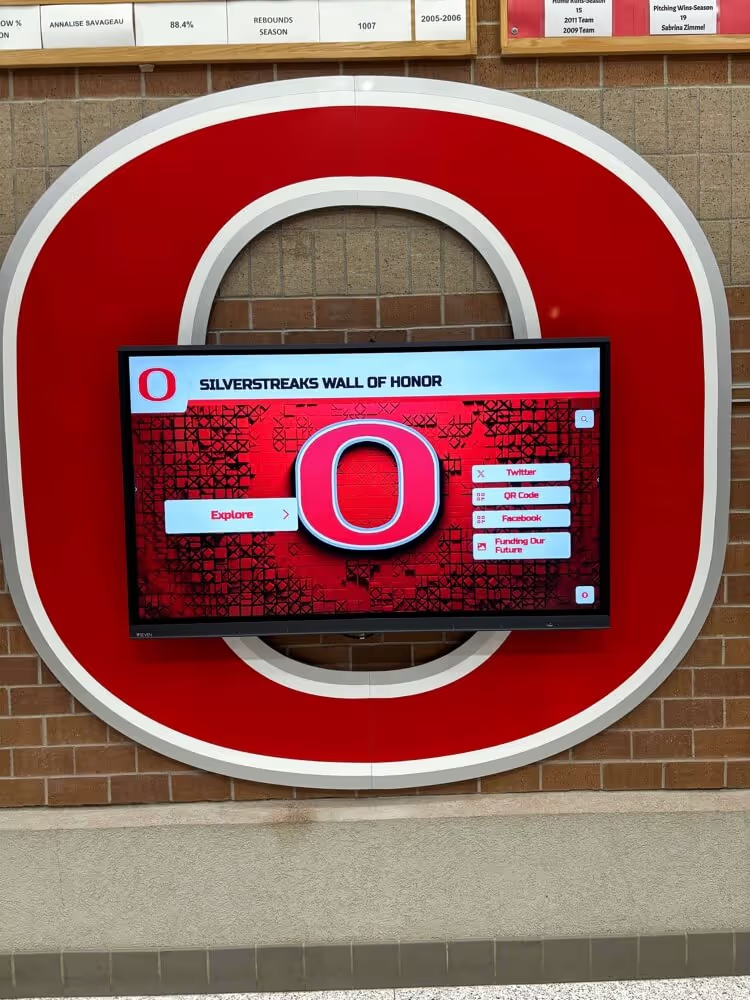
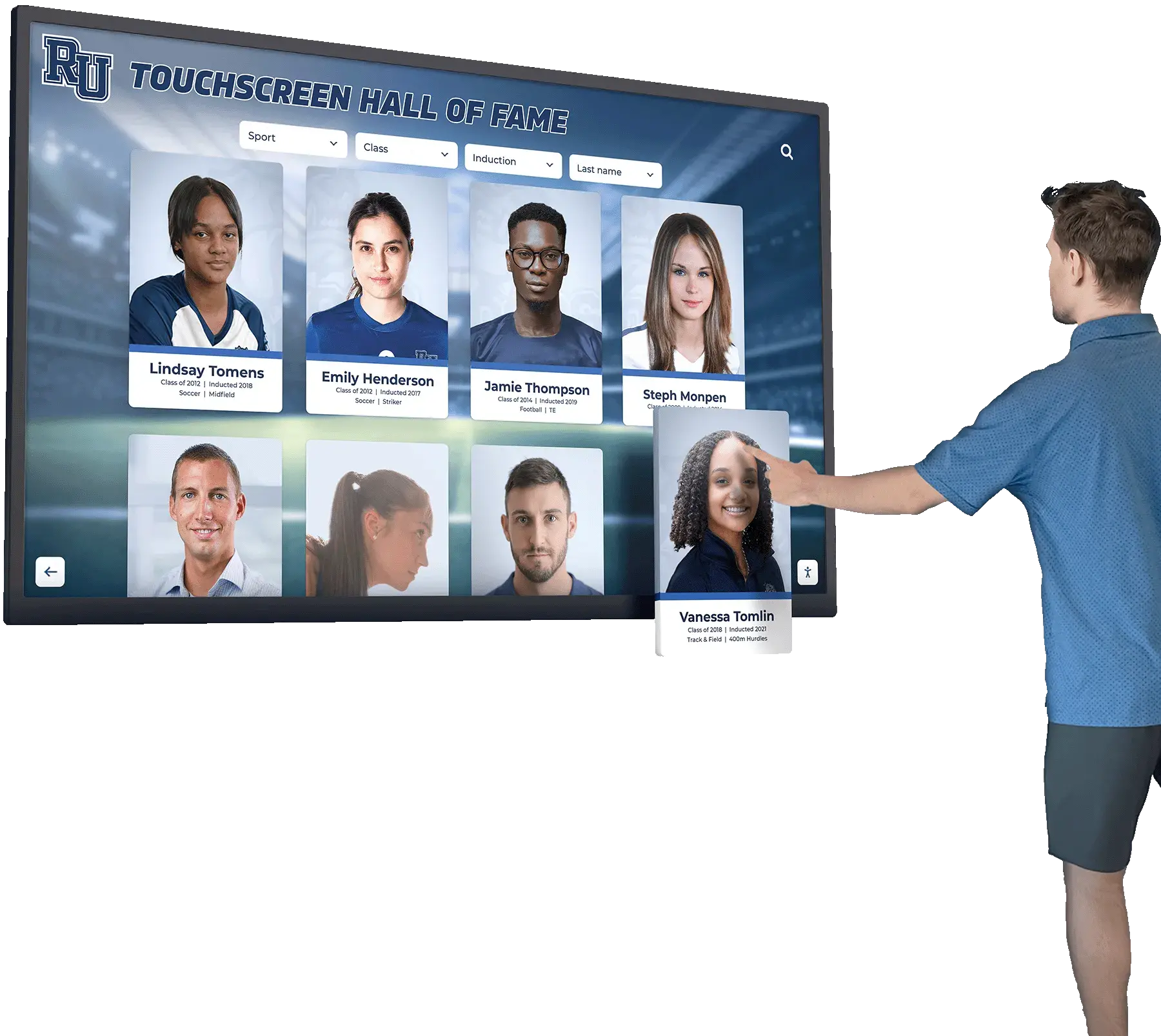
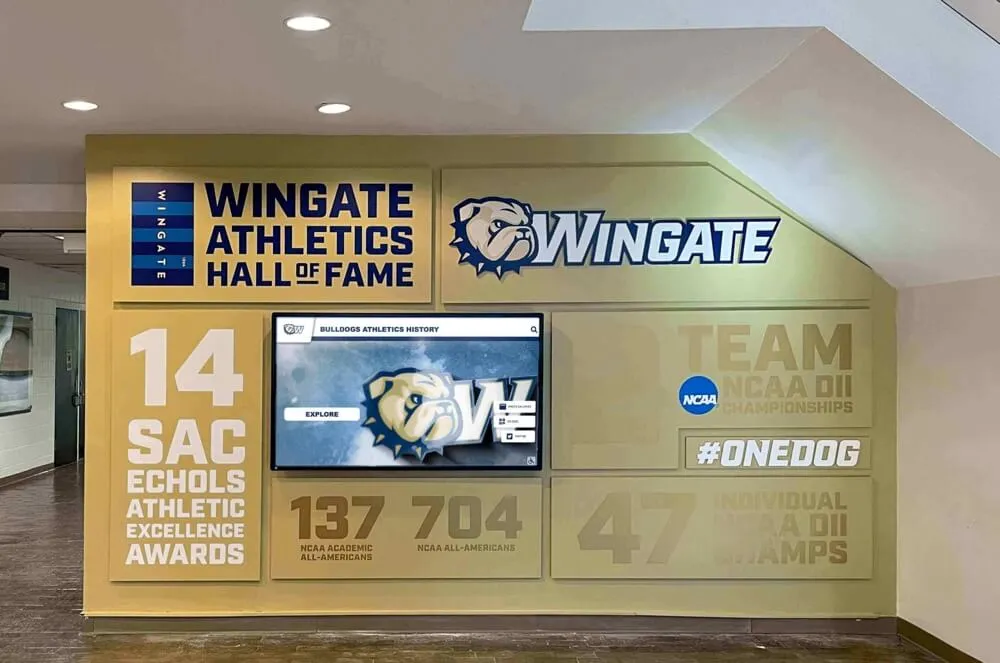
Recognition systems evolve to honor diverse competitive achievements across traditional and emerging disciplines
Cognitive and Reactive Physical Demands in Esports
Competitive gaming requires specific physical capabilities often underappreciated by casual observers:
- Reaction time faster than 150 milliseconds (comparable to combat sports)
- Hand-eye coordination at elite levels matching any traditional sport
- Fine motor control executing 300-400 actions per minute in games like StarCraft II
- Sustained focus during competitions lasting 6-8 hours
- Physical endurance for multi-day tournaments with minimal rest
- Strategic thinking and split-second decision-making under pressure
- Team communication and coordination comparable to traditional team sports
Professional esports athletes train 8-12 hours daily, follow strict exercise and nutrition regimens, and work with coaches, analysts, and sports psychologists. The physical and mental demands, while different from basketball or football, are nonetheless real and substantial.
The Case for Esports as Sport
Proponents of esports recognition present compelling arguments that competitive gaming meets sport’s fundamental criteria.
Competitive Structure and Organization
Esports features highly organized competitive ecosystems rivaling traditional athletics:
Professional League Structure
- League of Legends Championship Series operates like professional sports leagues with franchised teams, regular seasons, and championship tournaments
- Overwatch League features city-based franchises mirroring traditional sports geography
- Call of Duty League provides structured competitive seasons with millions in prize pools
- Multiple game titles support professional careers for top competitors
- International competitions including world championships drawing massive audiences
Collegiate and Scholastic Competition
The National Association of Collegiate Esports (NACE) governs college competitive gaming with over 200 member institutions offering esports programs. High schools increasingly field competitive gaming teams that practice regularly, compete in organized leagues, and earn recognition alongside traditional athletics.
Some states have moved toward official athletic association sanctioning. Connecticut became one of the first states where esports received official recognition from the state athletic conference, creating competitive structures parallel to conventional sports.

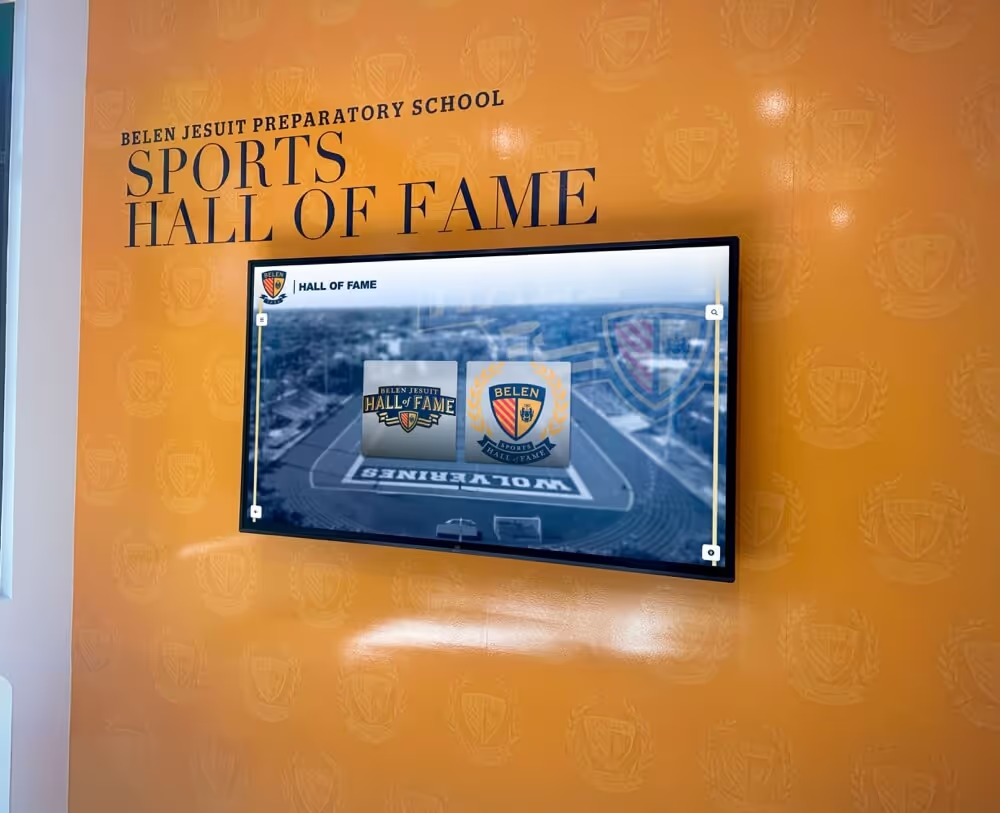
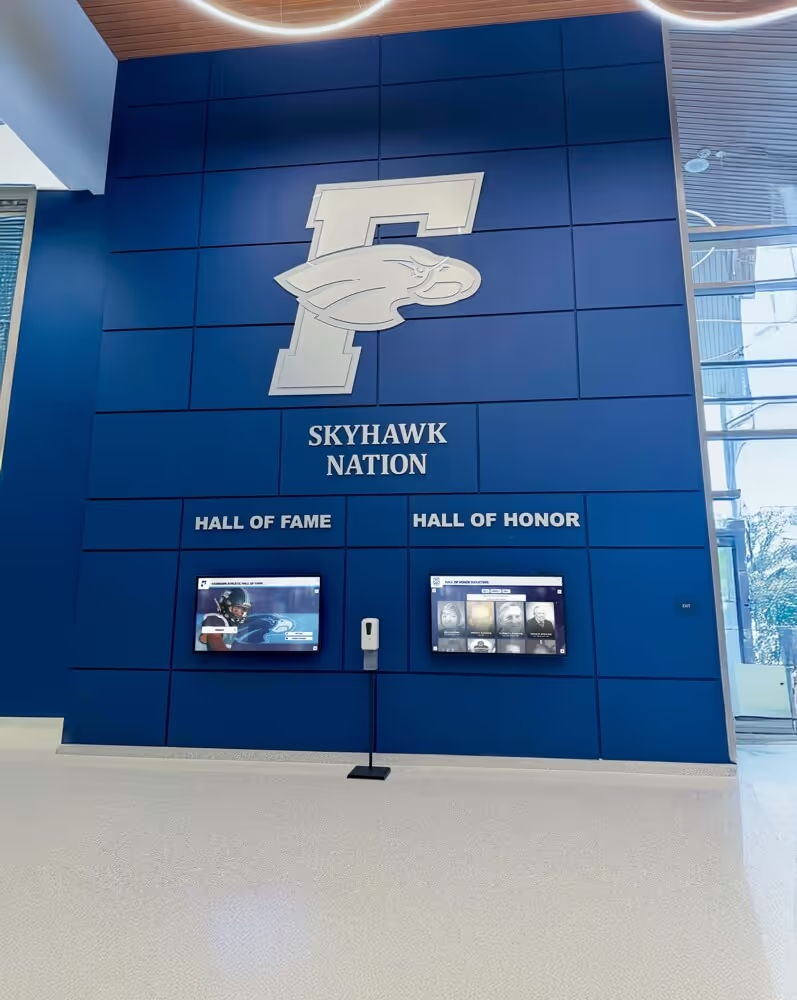
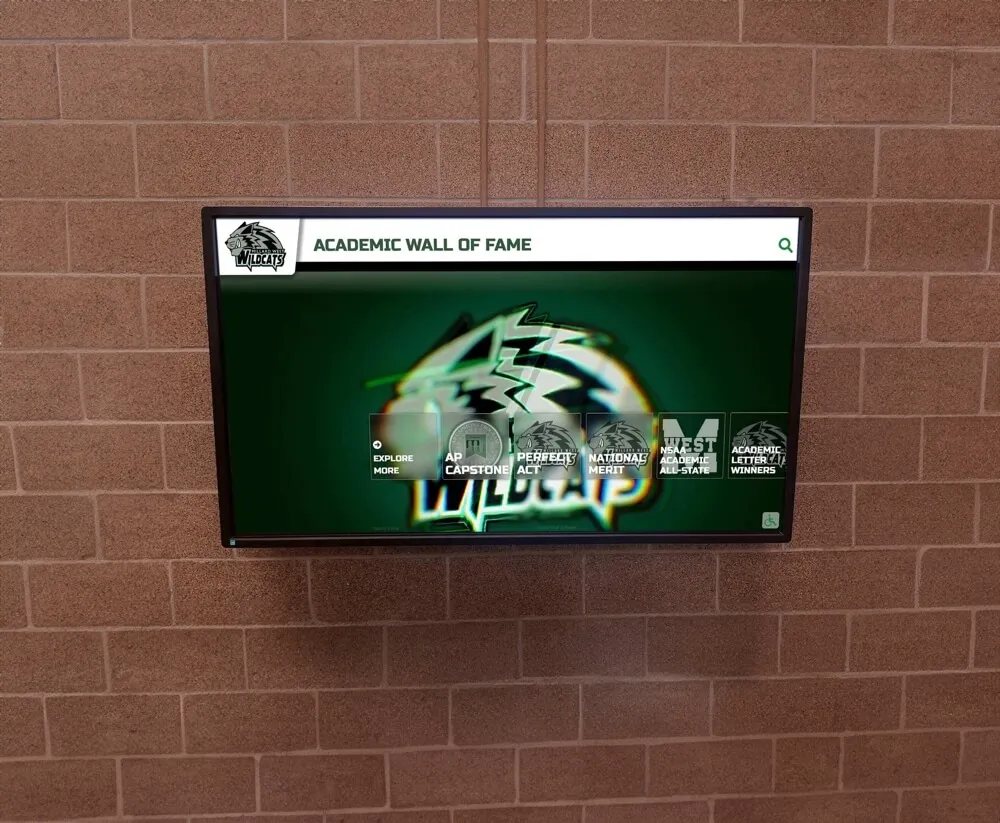
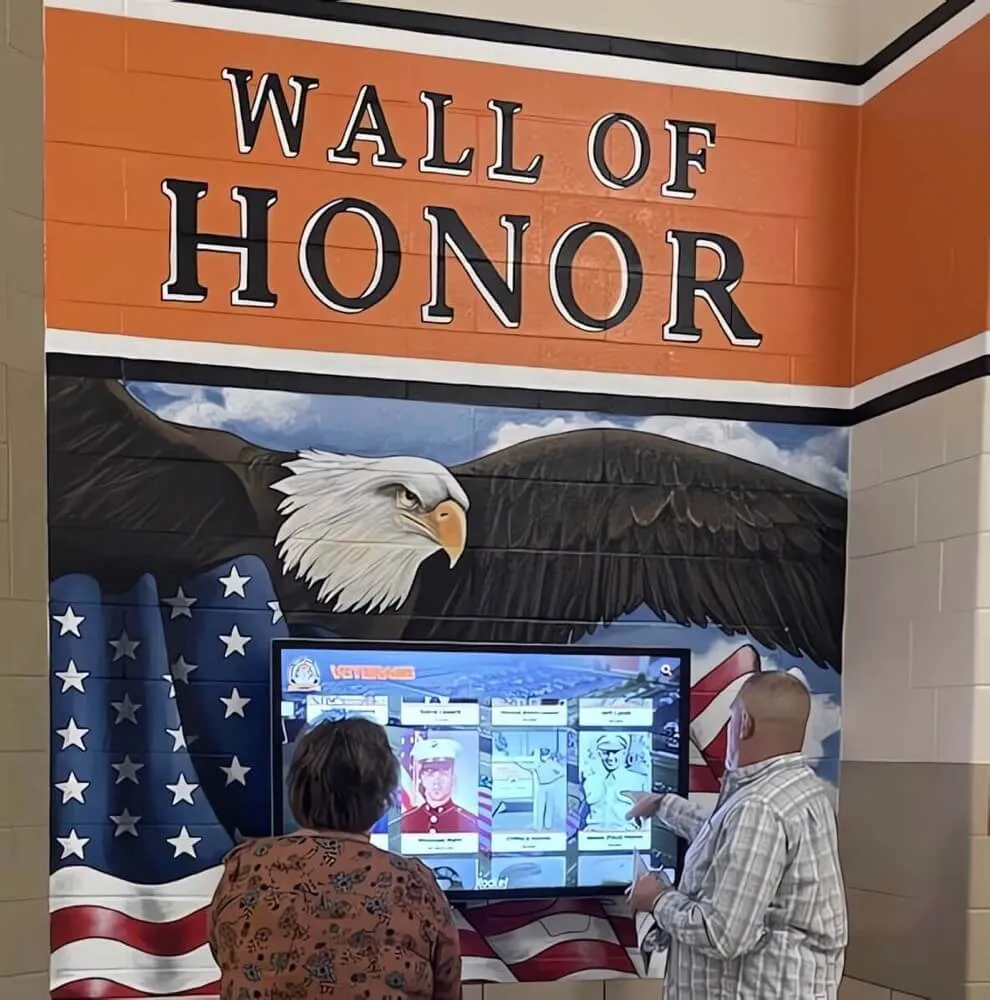
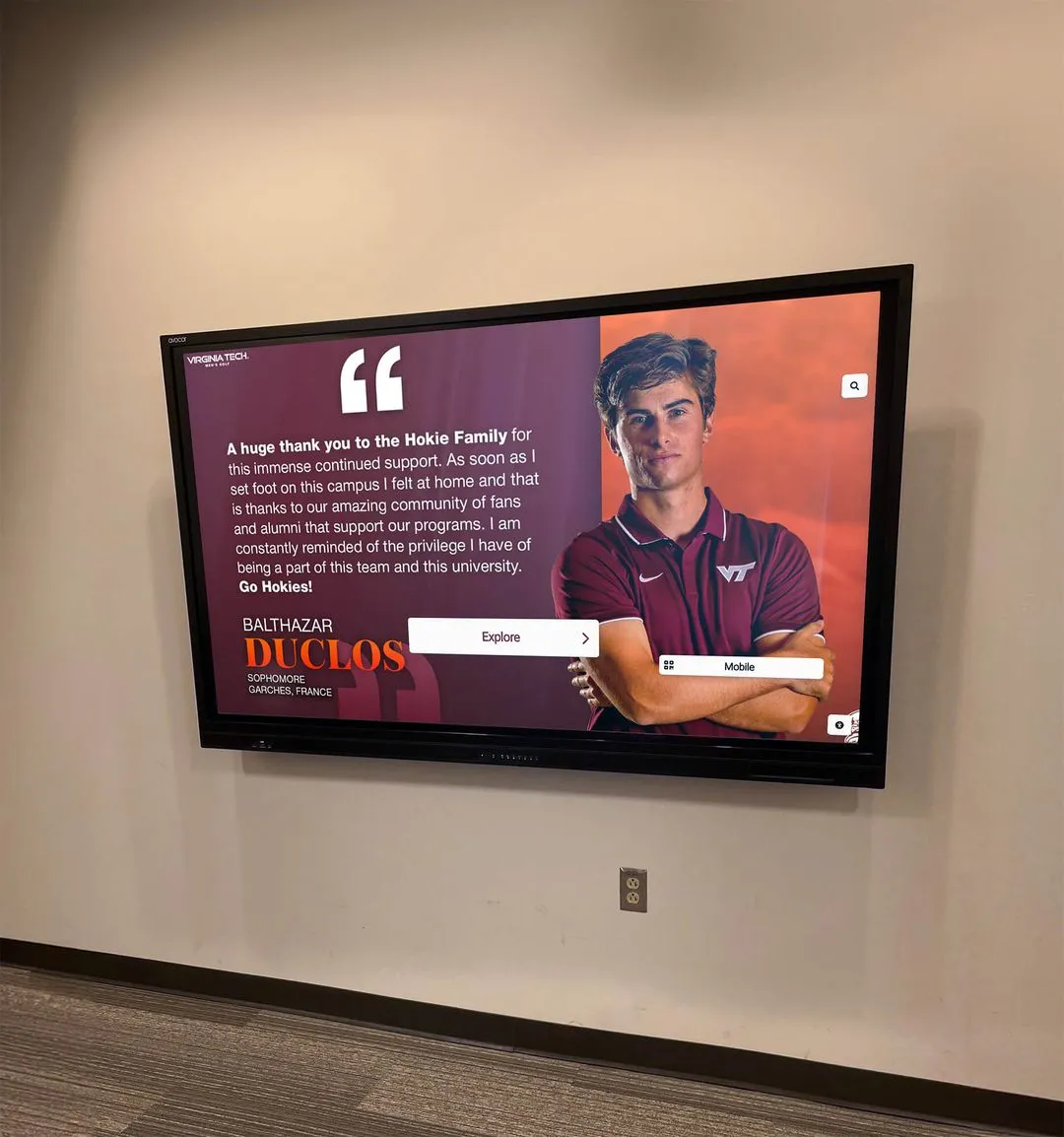
Digital recognition platforms enable schools to honor diverse competitive achievements including esports
Scholarship Opportunities and Career Pathways
Esports now offers legitimate educational and career opportunities comparable to traditional athletics:
College Scholarship Programs
- Over 170 colleges offer esports scholarships totaling millions annually
- Scholarship values range from $1,000 to full tuition, room, and board
- Major universities including UC Irvine, Ohio State, and University of Utah field competitive teams
- Academic requirements mirror traditional athletic eligibility standards
- Many programs provide dedicated facilities, coaching staff, and support services
Professional Career Viability
Top esports competitors earn significant income through tournament winnings, team salaries, endorsements, and streaming. The highest-earning esports athletes have career earnings exceeding $20 million—compensation rivaling many traditional sports professionals.
Beyond playing, esports creates career pathways in coaching, event management, broadcasting, analytics, marketing, and team operations. The industry employs tens of thousands globally across diverse roles supporting competitive gaming.
Skill Development and Competition Rigor
Elite esports performance requires years of dedicated training developing specialized skills:
Training Requirements
- Professional teams practice 8-12 hours daily with structured training schedules
- Dedicated coaching staff analyzing gameplay, developing strategies, and managing players
- Physical fitness programs recognizing that cardiovascular health and strength training enhance gaming performance
- Mental training including sports psychology, stress management, and communication development
- Nutritional guidance supporting sustained cognitive performance
- Sleep optimization recognizing rest’s importance for reaction time and decision-making
Measurable Performance Metrics
Like traditional sports, esports features comprehensive statistics tracking individual and team performance. Actions per minute, accuracy percentages, kill/death ratios, objective completions, and team coordination metrics enable objective performance evaluation comparable to conventional athletic statistics.
Professional analysts study gameplay footage similarly to how football coaches review game film. Teams invest in data analytics measuring everything from player positioning to resource management efficiency.
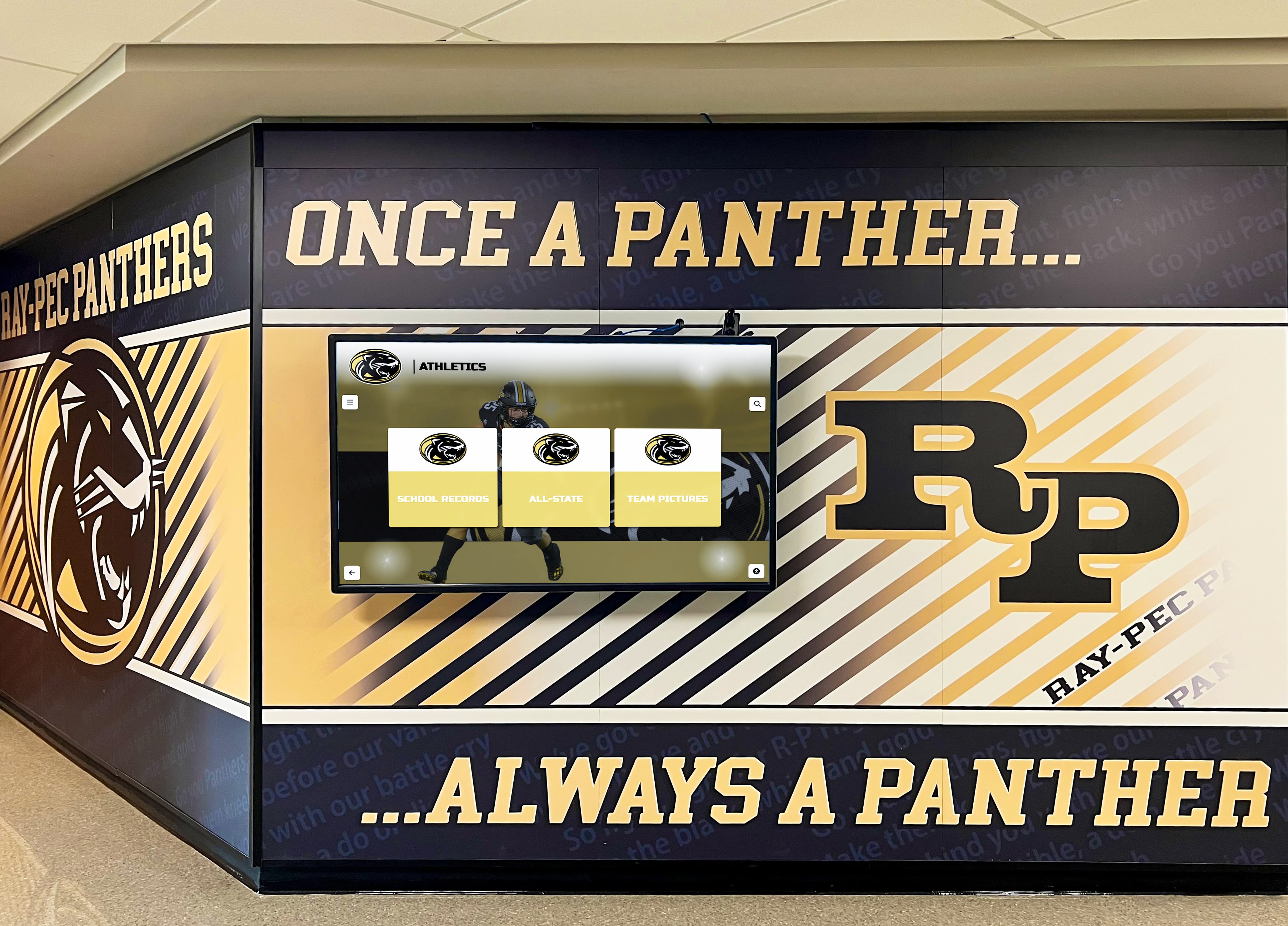
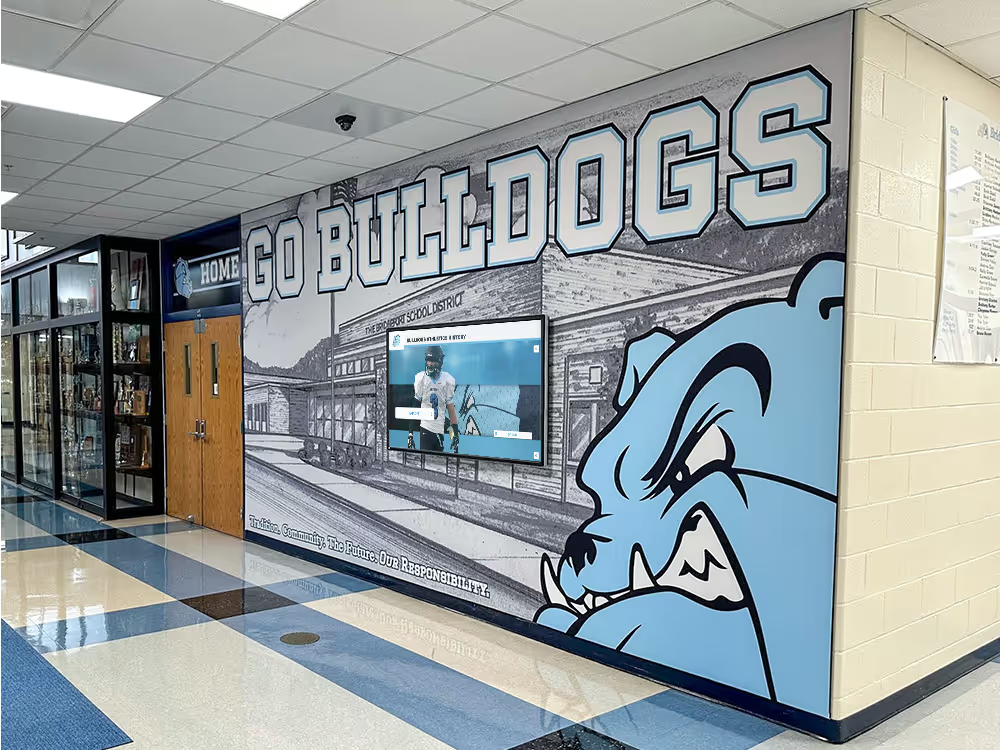
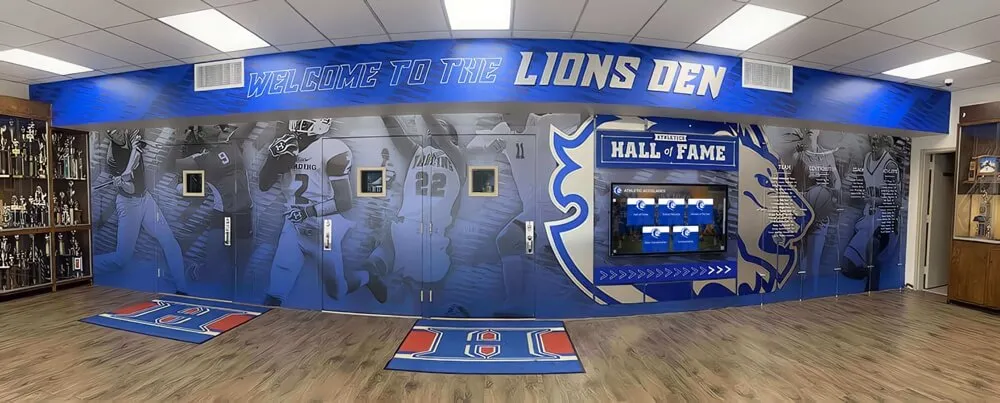
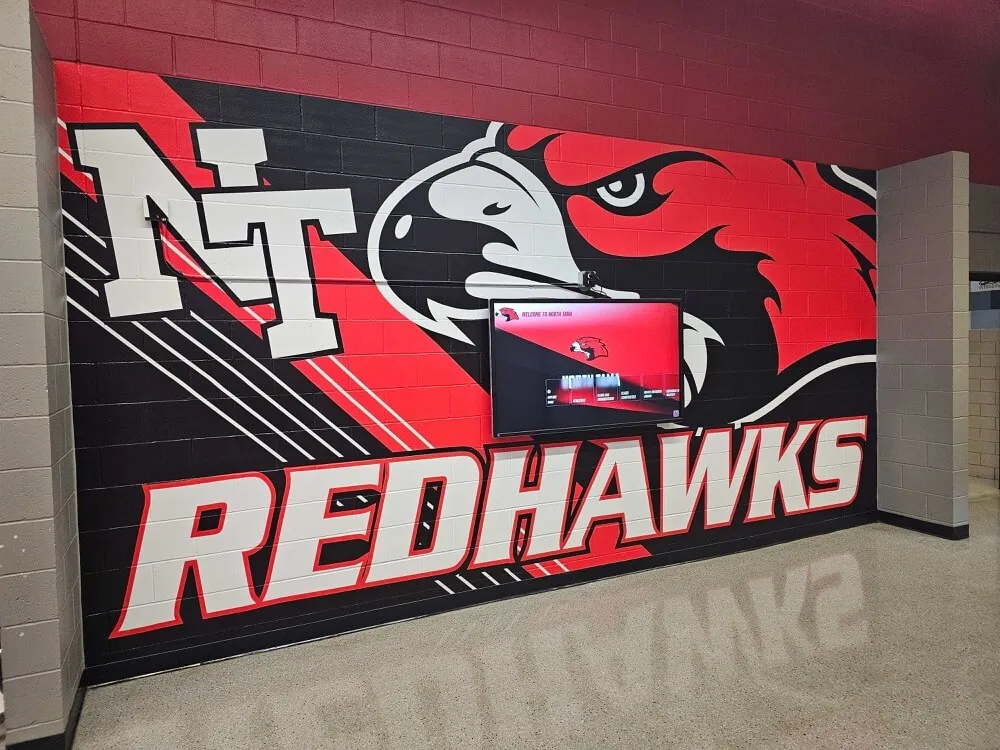
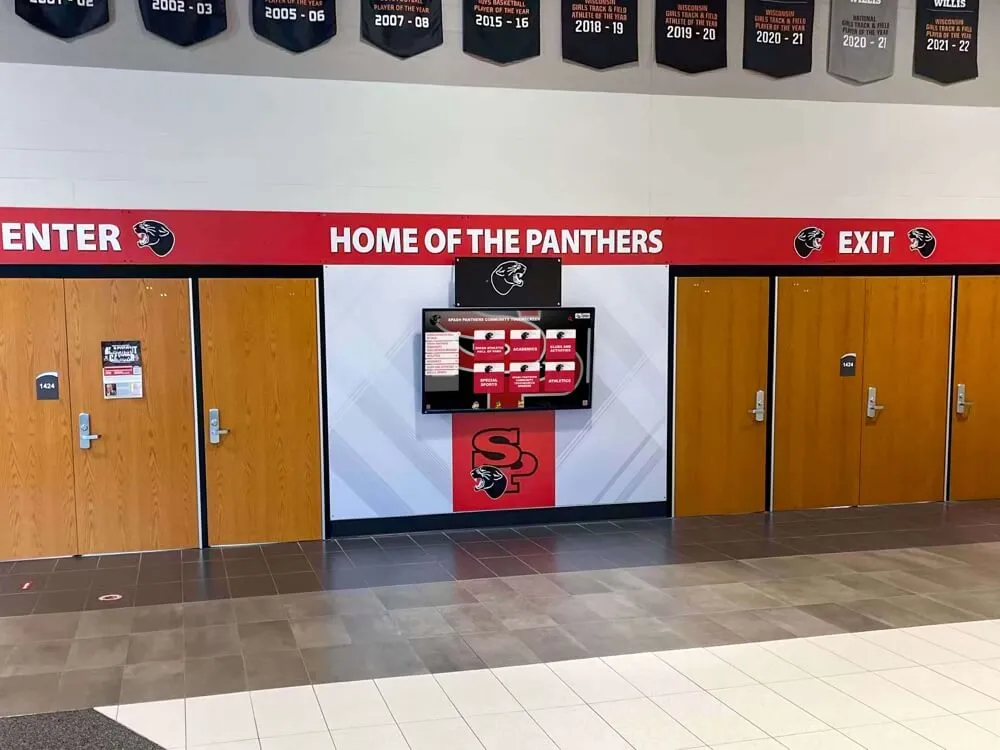
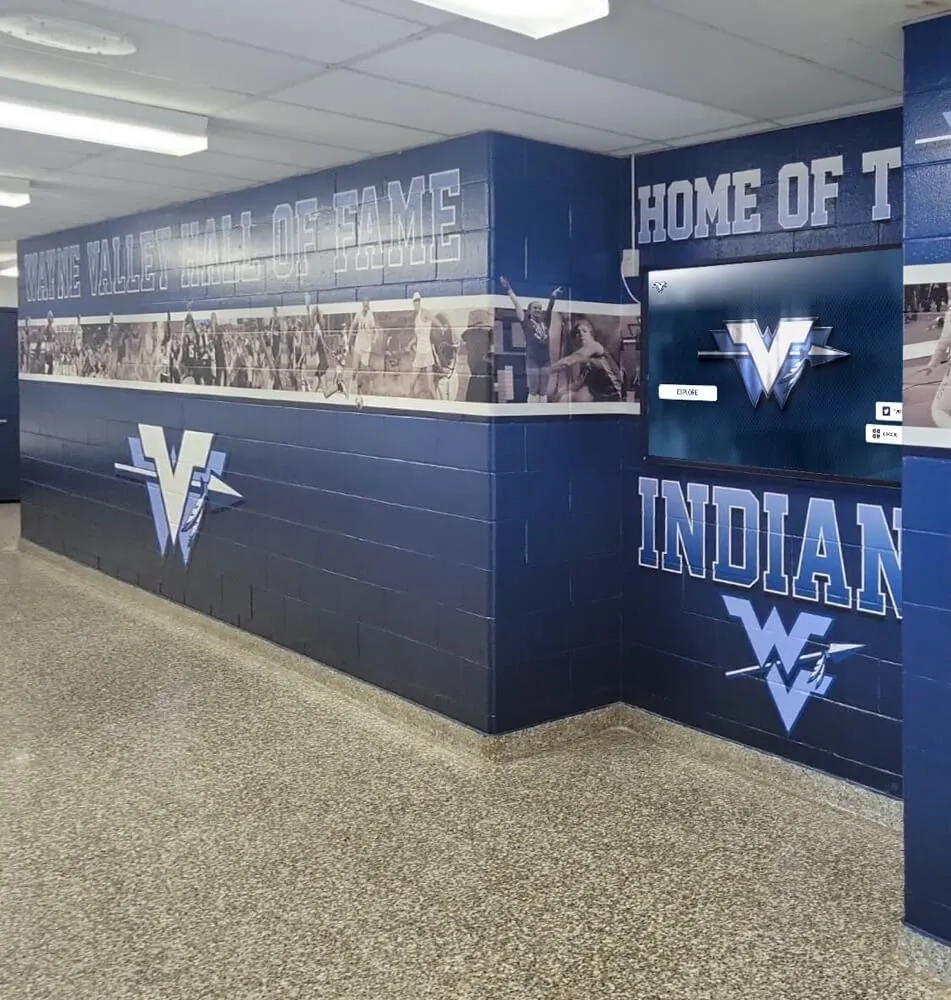
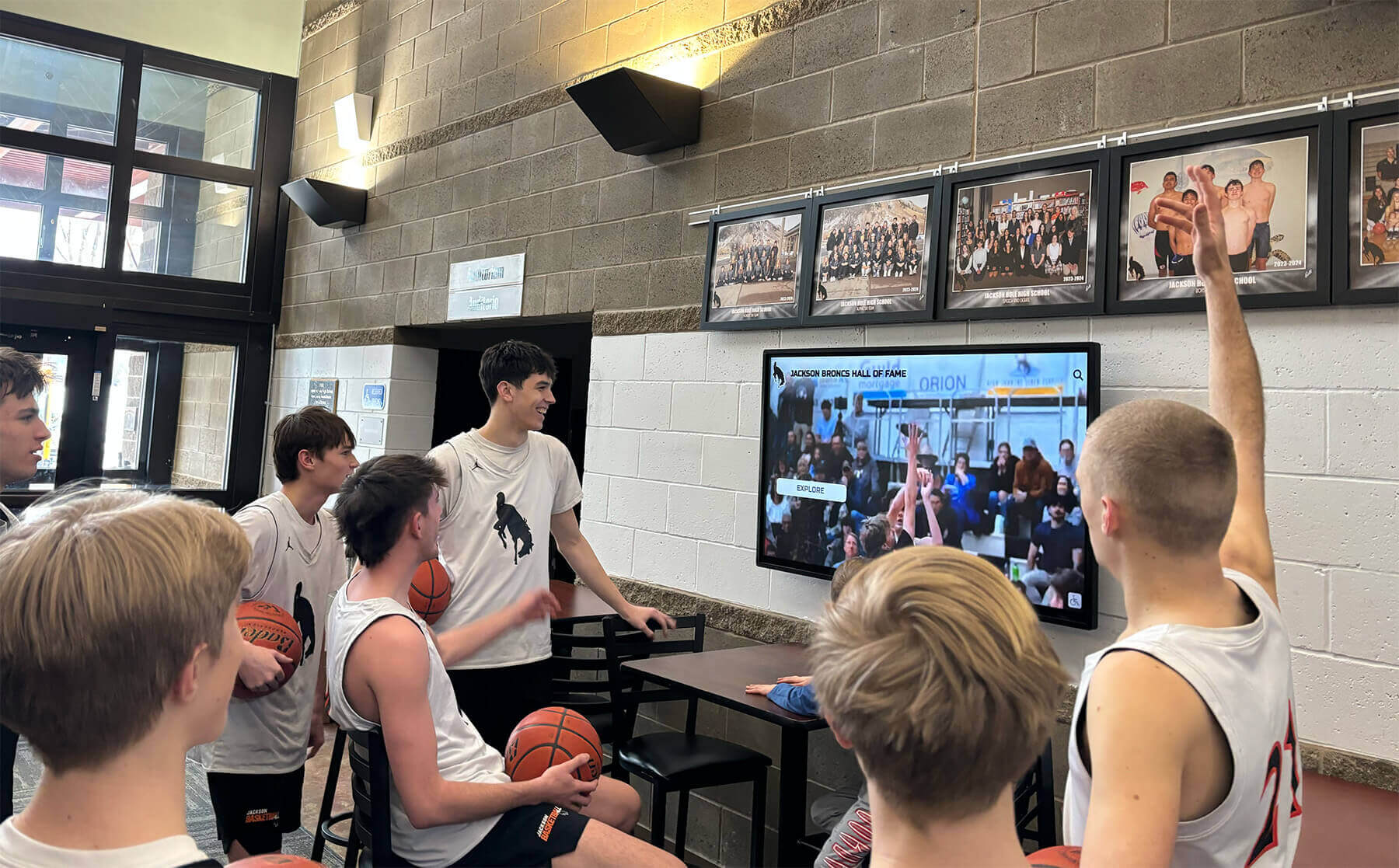
Schools integrating esports recognition alongside traditional athletics demonstrate evolving definitions of competitive achievement
The Case Against Esports as Sport
Despite esports’ growth and organization, significant resistance remains to categorizing competitive gaming as sport.
Physical Activity Requirements
Critics argue that sport’s defining characteristic involves substantial physical exertion, which competitive gaming largely lacks:
Physical Exertion Arguments
- Sitting at computers doesn’t develop cardiovascular fitness or overall physical health
- Button pressing and mouse movement don’t constitute genuine athletic activity
- Esports doesn’t promote physical fitness or healthy lifestyle habits
- Traditional sports develop physical capabilities applicable across life contexts
- Gaming encourages sedentary behavior contradicting athletics’ health benefits
- Physical education and athletic programs exist partly to promote student fitness and well-being
The Ohio High School Athletic Association, when declining to sanction esports, specifically cited the lack of “athletic activity involving physical exertion and skill” as the primary barrier to recognition.
Dependency on Technology and Corporate Entities
Unlike traditional sports with centuries of history, esports depends entirely on commercial products controlled by private corporations:
Technology Dependency Concerns
- Games are proprietary products owned by game publishers who control rules unilaterally
- Publishers can modify games dramatically or discontinue support entirely
- Competitive viability depends on game balance controlled by commercial entities
- No democratic governance structures like traditional sports governing bodies
- Equipment requirements create financial barriers exceeding traditional athletics
- Game popularity cycles mean competitive titles become obsolete within years
- Corporate interests may prioritize profit over competitive integrity
When a game publisher decides to stop supporting a competitive title, entire esports ecosystems can collapse overnight—a level of instability foreign to traditional athletics.
Health and Wellness Concerns
Unlike traditional athletics promoting physical health, esports raises legitimate health concerns:
Physical Health Risks
- Prolonged sitting increases cardiovascular disease and metabolic syndrome risks
- Repetitive strain injuries affecting hands, wrists, and arms from intense gameplay
- Eye strain and vision problems from extended screen time
- Potential for gaming addiction particularly among youth
- Reduced physical activity conflicting with public health goals
- Sleep disruption from irregular competition schedules
Athletic programs traditionally promote student health and fitness. Esports’ potential health risks create philosophical conflicts with educational athletics’ core purposes.
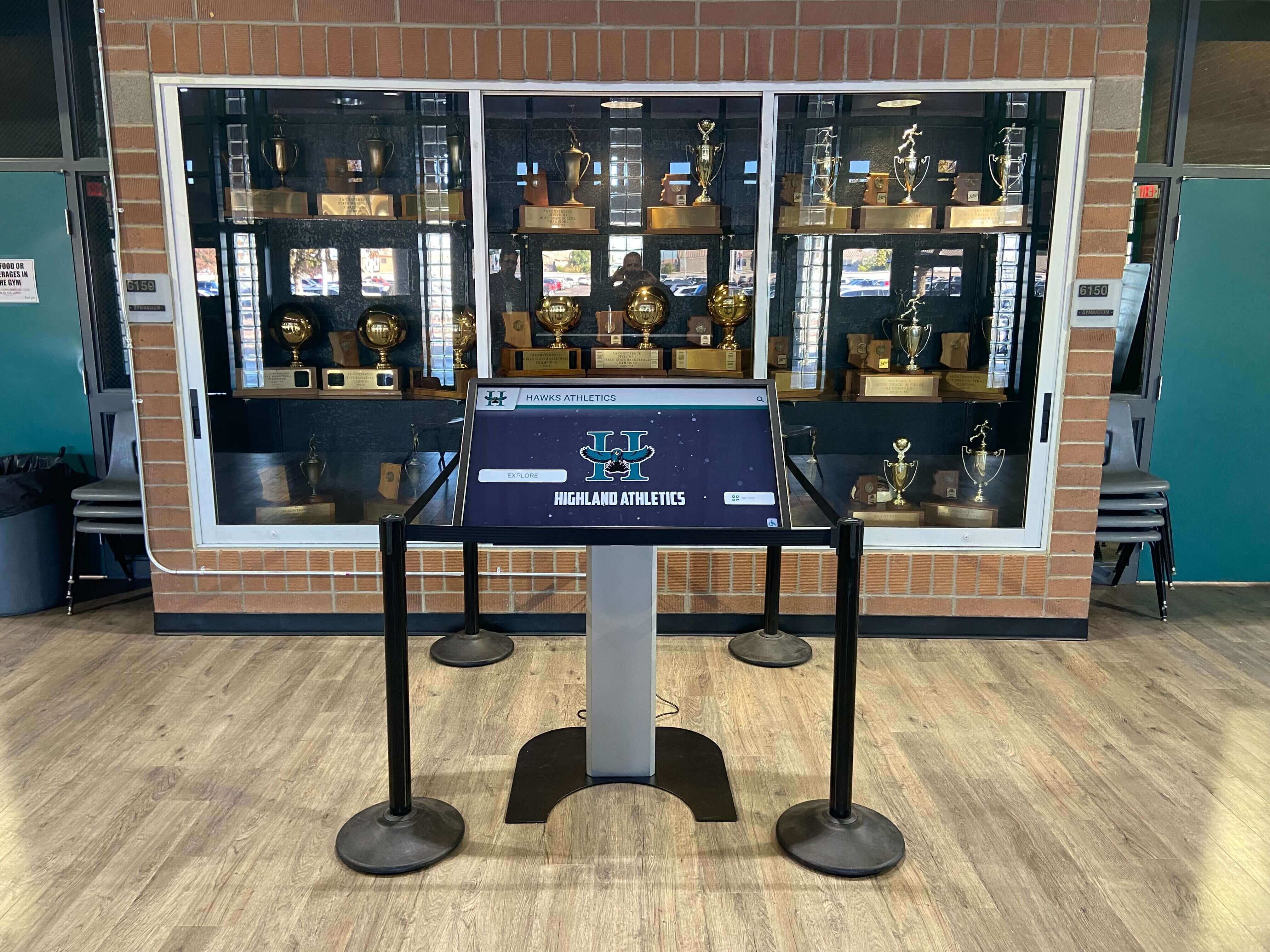
Integrating emerging competition forms with traditional athletic recognition requires thoughtful institutional approaches
How Schools Are Addressing Esports
Educational institutions nationwide are developing varied approaches to esports, balancing recognition of student achievement with concerns about gaming’s place in academic environments.
High School Esports Programs
Secondary schools increasingly establish esports programs as competitive activities, club sports, or full varsity programs:
Program Structure Models
- Varsity Programs: Schools treating esports identically to traditional sports with tryouts, practice schedules, team competitions, and end-of-year awards
- Club Activities: Less formal organizations allowing broader participation without varsity program demands
- Extracurricular Programs: Competitive gaming offered alongside debate team, robotics, and other academic competitions
- Physical Education Integration: Some schools incorporate esports into PE curricula emphasizing strategy, teamwork, and competitive thinking
The High School Esports League (HSEL) provides competitive structures for thousands of schools with organized seasons, playoff tournaments, and scholarship opportunities. PlayVS operates as official esports provider for state athletic associations, facilitating interscholastic competition.
Recognition and Awards for Esports Competitors
Schools recognizing esports face questions about how to acknowledge competitive gaming achievements alongside traditional athletics:
Recognition Approaches
Some institutions fully integrate esports into athletic programs, including competitive gamers in:
- Athletic banquet recognition alongside traditional teams
- Varsity letter awards for competitive gaming participation
- School record boards tracking tournament results and championship achievements
- Athletic hall of fame consideration for exceptional esports competitors
- Team captain designations and leadership recognition
- Most Valuable Player awards and team-specific honors
Others maintain separation, recognizing esports through:
- Academic competition frameworks alongside robotics or debate
- Separate recognition ceremonies specific to competitive gaming
- Technology or digital media program integration
- Distinct awards separate from athletic achievement categories
Solutions like digital recognition displays enable schools to honor diverse achievement types—traditional athletics, esports, academics, arts—without forcing competitive programs into categories that may not perfectly fit.
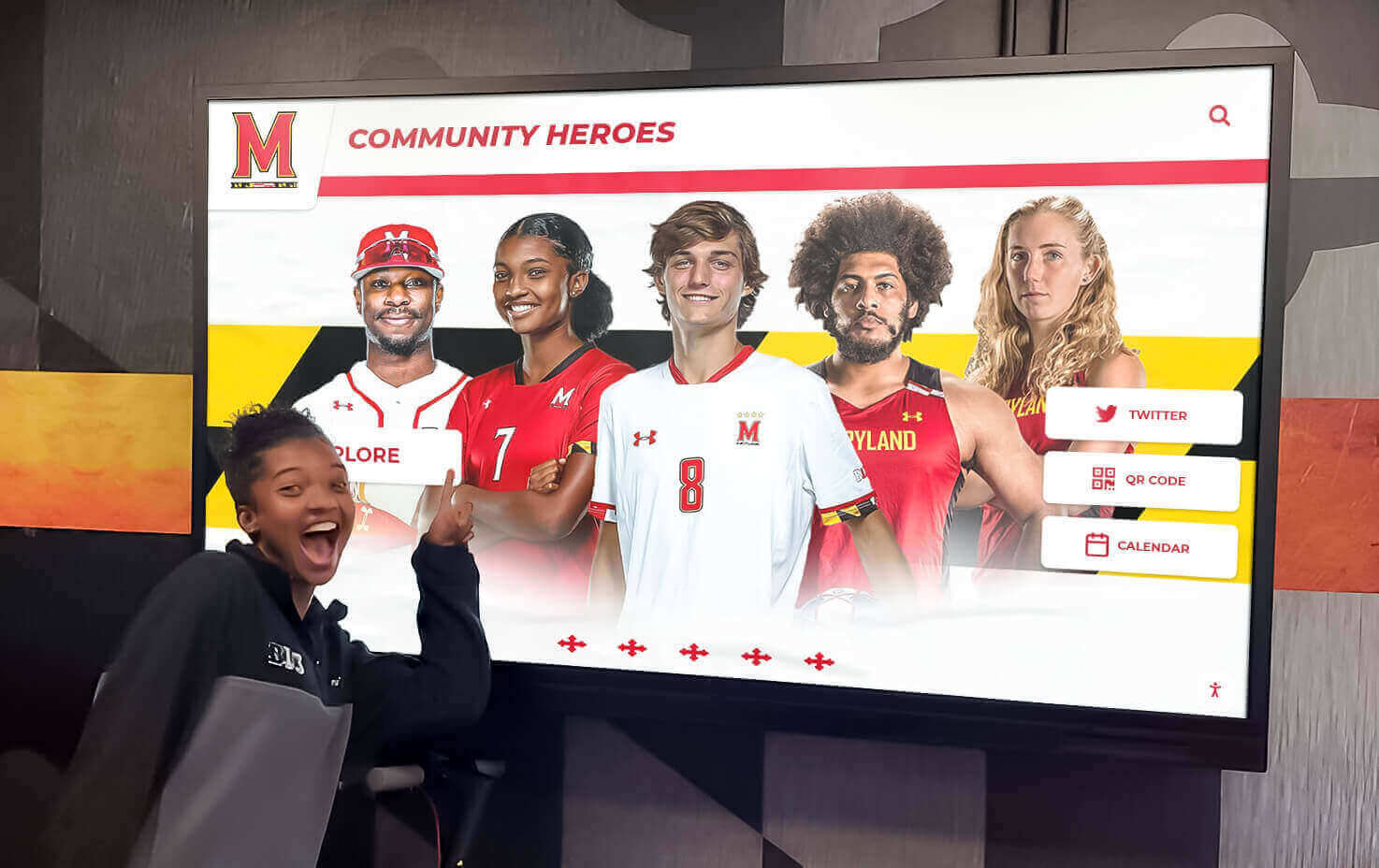
Comprehensive recognition systems celebrate student excellence across diverse competitive and achievement categories
Facility and Equipment Considerations
Schools establishing esports programs must address practical implementation challenges:
Infrastructure Requirements
- Dedicated gaming spaces with appropriate computers, monitors, and peripherals
- High-speed internet connectivity supporting simultaneous competitors
- Streaming and broadcast equipment for competition viewing
- Coaching and supervision resources
- Equipment maintenance and upgrade cycles
- Budgeting for gaming licenses, league fees, and tournament travel
Some schools repurpose computer labs during after-school hours. Others create dedicated esports arenas with broadcast capabilities mirroring collegiate facilities. Resource allocation decisions reflect institutional philosophy about competitive gaming’s place within school programs.
Collegiate Esports Recognition
Higher education has embraced esports more comprehensively than secondary schools, with hundreds of institutions fielding competitive teams.
University Esports Programs
Major universities treat esports as legitimate competitive programs:
Program Development Models
- Athletic Department Integration: Some universities place esports within athletic departments with similar resources and support structures
- Student Affairs Management: Others position esports through student life divisions emphasizing recreational and community aspects
- Academic Program Connection: Universities with game design or digital media programs often connect esports to academic curricula
- Standalone Esports Departments: Largest programs create dedicated administrative structures focused exclusively on competitive gaming
The University of California, Irvine opened a $250,000 esports arena in 2016, signaling serious institutional commitment to competitive gaming. Harrisburg University in Pennsylvania became the first institution offering esports scholarships in 2010, pioneering collegiate competitive gaming recognition.
Esports Scholarships and Recruitment
College esports scholarships now represent significant educational opportunities:
Scholarship Landscape
- Athletic scholarships through athletic departments at some institutions
- Academic scholarships tied to esports participation at others
- Merit-based awards recognizing competitive achievement
- Partial awards supplementing other financial aid
- Full-ride scholarships covering tuition, room, board, and equipment
Competitive gaming creates college access for students who might not qualify for traditional athletic scholarships but possess elite gaming skills. High school esports competitors now navigate recruitment processes similar to conventional athletes, with college coaches scouting talent and competitors choosing schools based on program quality.
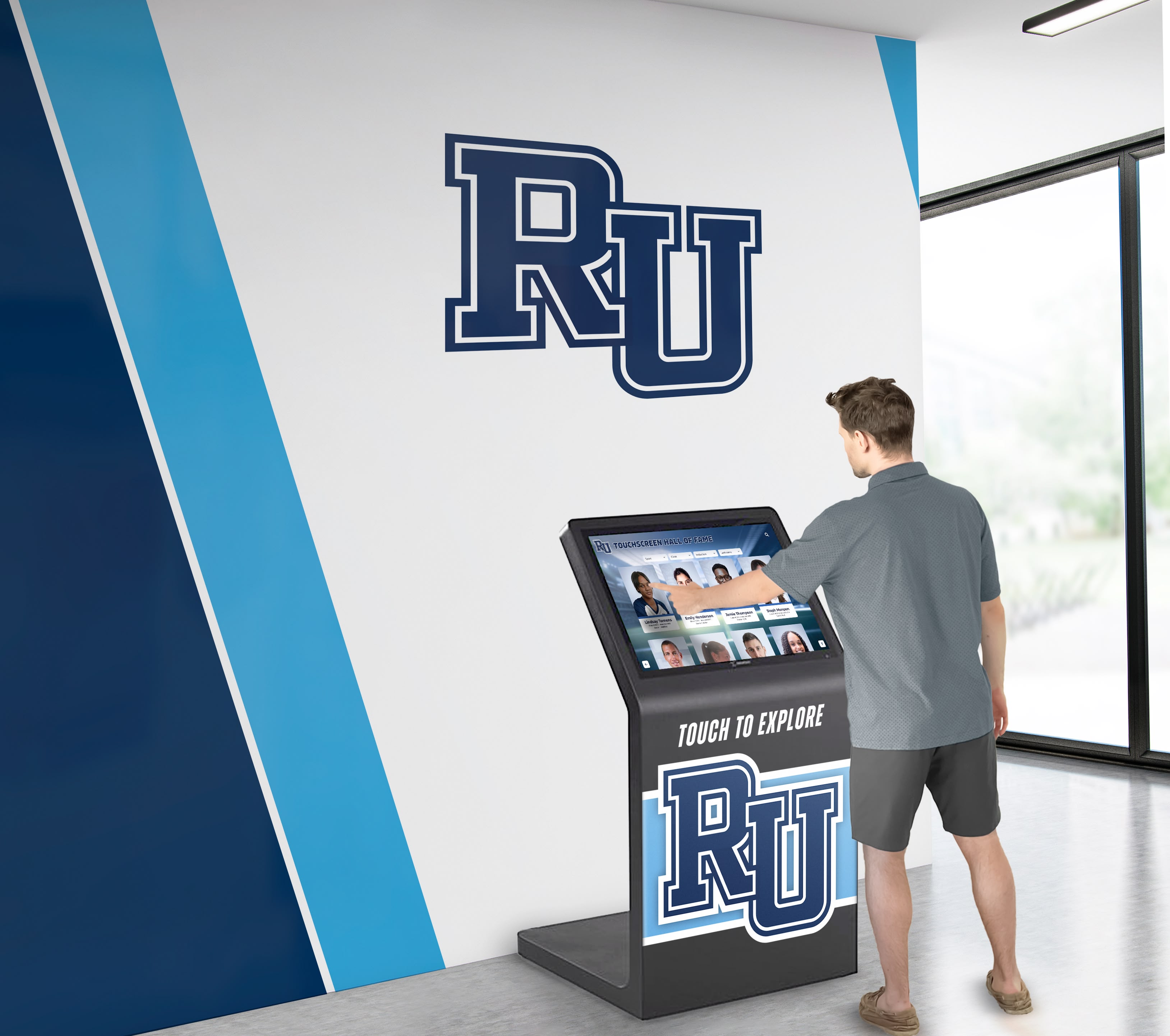
University recognition systems increasingly accommodate diverse competitive achievements including esports
Professional Esports and Mainstream Recognition
Beyond educational institutions, professional esports continues gaining recognition from mainstream sports organizations and media.
Traditional Sports Organizations Embracing Esports
Conventional sports entities increasingly invest in competitive gaming:
Crossover Investment and Ownership
- NBA teams including Philadelphia 76ers, Golden State Warriors, and Cleveland Cavaliers own professional esports franchises
- NFL owners invested in Overwatch League franchises
- Major League Baseball teams created esports divisions
- Formula 1 developed official esports championship series
- Individual professional athletes from traditional sports invest in esports teams
This traditional sports engagement validates esports’ competitive legitimacy while providing infrastructure, expertise, and credibility from established athletic organizations.
Media Coverage and Broadcasting
Esports broadcasting now rivals traditional sports media presence:
Media Landscape
- ESPN broadcasts esports events and maintains dedicated esports content
- Traditional sports networks including TBS and Fox Sports air competitive gaming
- Streaming platforms Twitch and YouTube Gaming attract millions of concurrent viewers
- Dedicated esports media outlets provide comprehensive coverage
- Mainstream sports journalists increasingly cover competitive gaming
The 2019 League of Legends World Championship finals attracted 44 million peak concurrent viewers—viewership exceeding many traditional championship sporting events. Such numbers force mainstream media recognition of competitive gaming’s cultural significance.
Olympic Consideration
The International Olympic Committee has discussed potential esports inclusion in future Olympic Games, though significant barriers remain:
Olympic Integration Challenges
- Physical activity requirements conflicting with IOC sport definitions
- Game violence in popular competitive titles contradicting Olympic values
- Corporate control of competitive titles versus traditional sports governance
- Rapid game evolution creating standardization challenges
- Youth appeal versus traditional Olympic sport demographics
- Recognition systems evolving to include non-traditional competitive activities
Despite these obstacles, the Olympic Esports Week launched in 2023, signaling IOC interest in engaging gaming communities. Some predict eventual Olympic inclusion of esports or related gaming competitions within decades.
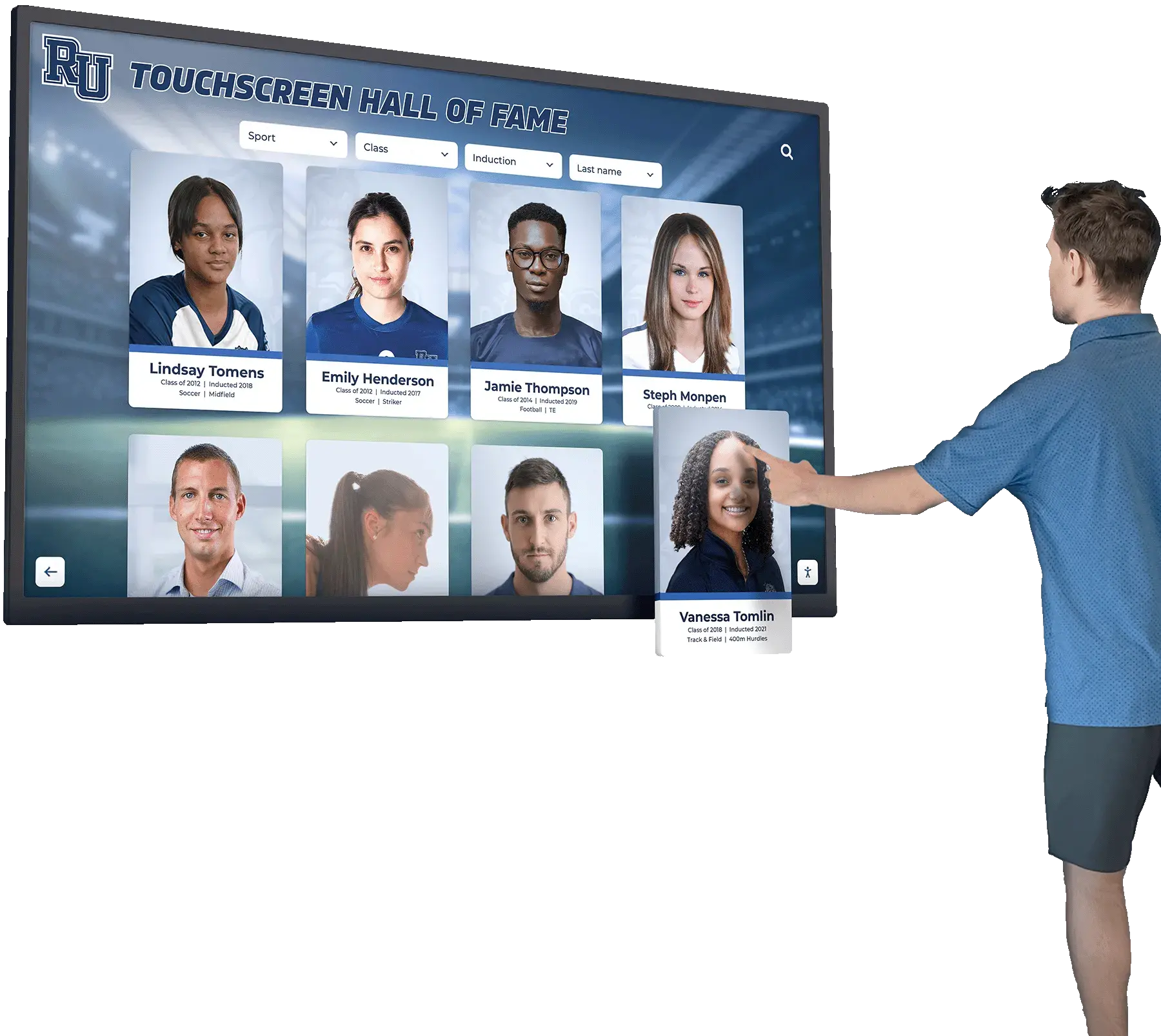
Professional recognition displays accommodate diverse achievement types from traditional athletics through emerging competition forms
The Middle Ground: Competitive Activity Recognition
Rather than forcing binary sport/non-sport categorization, many institutions adopt nuanced approaches recognizing esports as legitimate competitive activity deserving acknowledgment without requiring athletic department integration.
Esports as Competitive Activity
This middle-ground position acknowledges esports’ competitive rigor while maintaining distinctions from traditional athletics:
Hybrid Recognition Model
- Recognizing competitive gaming as skilled competition requiring training, practice, and dedication
- Acknowledging legitimate educational and career pathways through esports
- Providing institutional support, facilities, and resources for competitive gaming programs
- Offering recognition and awards celebrating esports achievement
- Maintaining categorical separation from traditional physical education and athletics
- Positioning esports alongside academic competitions, performing arts, and other skilled competitive activities
This approach respects both esports’ competitive legitimacy and traditional athletics’ unique physical development focus, avoiding conflicts while providing appropriate recognition for diverse student achievement types.
Benefits of Institutional Esports Programs
Regardless of whether schools categorize esports as sport, competitive gaming programs offer valuable benefits:
Educational and Developmental Value
- Teamwork and communication skill development through cooperative gameplay
- Strategic thinking and problem-solving under pressure
- Leadership opportunities through team captaincy and coaching
- Technology literacy and digital fluency increasingly relevant in modern careers
- College scholarship opportunities providing educational access
- Community building among students sharing gaming interests
- Inclusive participation opportunities for students not drawn to traditional athletics
Schools report that esports programs increase student engagement, improve attendance, and create belonging for students who might otherwise feel disconnected from school activities. For institutions focused on student development rather than definitional debates, these practical benefits may matter more than categorical placement.
Recognizing Esports Achievements Appropriately
For schools and institutions embracing esports programs, thoughtful recognition approaches honor competitive gaming achievement while respecting program values.
Award Categories for Esports Programs
Competitive gaming supports diverse recognition approaches paralleling traditional athletics:
Performance-Based Awards
- Most Valuable Player recognizing top competitive performers
- Championship team member acknowledgment for tournament success
- Individual statistical leaders across relevant game metrics
- Most Improved Player celebrating skill development
- Clutch Performer awards for crucial competitive moments
- All-Conference and All-State team selections where applicable
Character and Leadership Recognition
- Team Captain designation for leadership and communication
- Sportsmanship Award honoring respectful competition
- Coach’s Award for dedication and coachability
- Teammate Award for positive team culture contribution
- Practice Player recognition for training commitment
- Leadership development through esports team structures
Academic Achievement Recognition
- Scholar-Athlete awards combining gaming success with academic excellence
- Academic All-Conference recognition
- Balance awards honoring commitments to gaming and academics
- College signing recognition for esports scholarship recipients
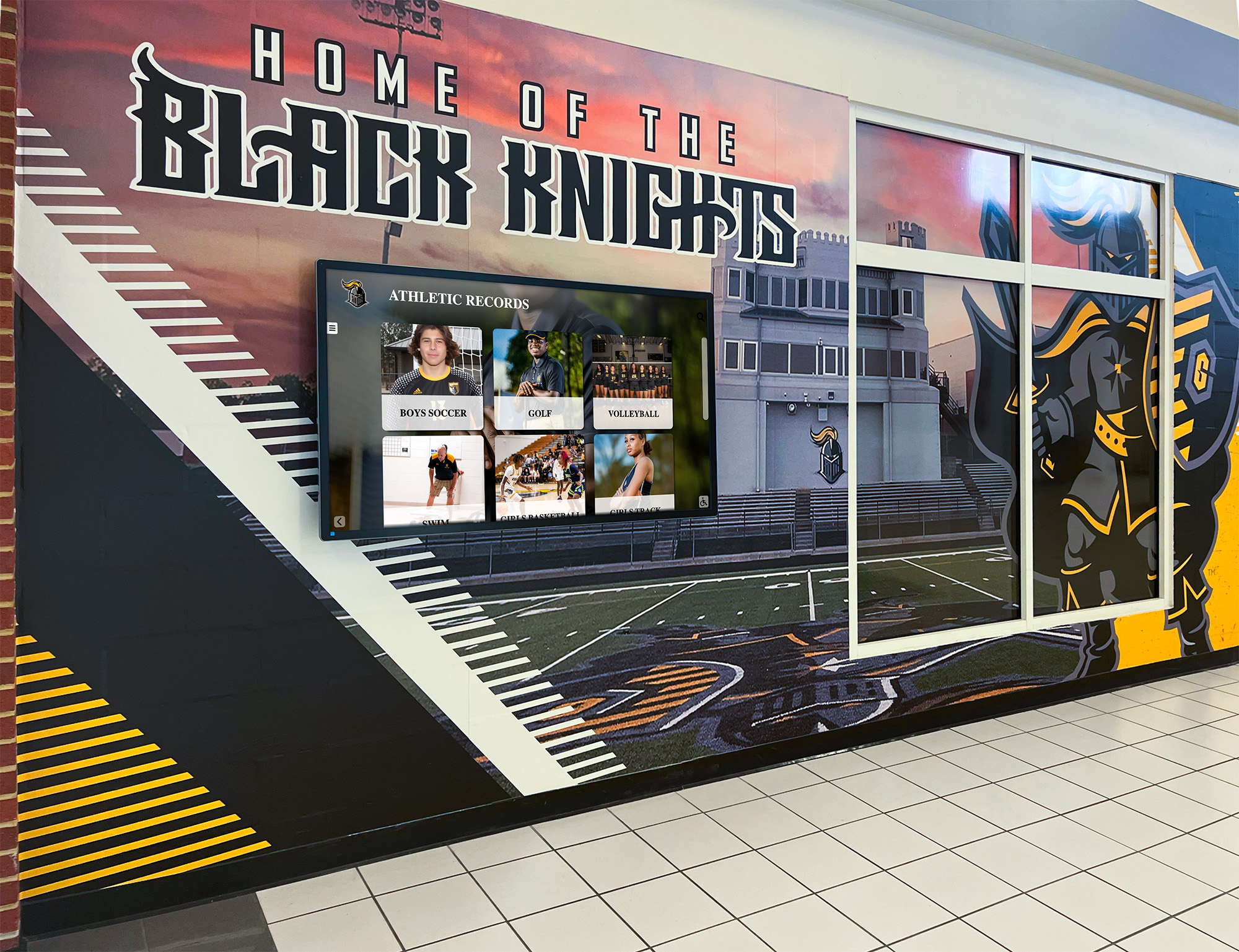
Modern school recognition integrates diverse achievement types creating inclusive celebration of student excellence
Digital Recognition for Diverse Achievement Types
Modern recognition systems accommodate esports alongside traditional athletics and academic achievements without forcing awkward categorizations:
Comprehensive Recognition Platforms
Digital display systems enable schools to:
- Create separate recognition categories for athletics, esports, academics, arts, and service
- Provide equal visibility and prominence across achievement types
- Update esports achievements in real-time as tournaments conclude
- Showcase team rosters, individual statistics, and championship results
- Include multimedia content like competition highlights and player profiles
- Allow filtering and searching across all recognition categories
- Maintain unlimited capacity as programs grow
Solutions like Rocket Alumni Solutions provide frameworks for comprehensive student achievement recognition that transcend traditional athletic-only systems. Schools can honor state championship football teams, debate team national qualifiers, esports tournament winners, and National Merit Scholars within unified recognition displays that celebrate diverse excellence.
This approach acknowledges that modern student achievement takes many forms—all deserving appropriate institutional recognition and preservation.
Preserving Esports History and Legacy
As esports programs mature, preserving competitive gaming history becomes increasingly important:
Historical Documentation
- Season-by-season team records and tournament results
- Individual player statistics and career achievements
- Championship documentation with rosters and bracket results
- Program milestone acknowledgment (first competitive season, tournament wins, scholarship recipients)
- Alumni achievement tracking as competitors advance to collegiate and professional gaming
- Coaching history and program development timeline
Digital archive systems prevent achievement loss as esports programs evolve. Unlike physical trophy cases that fill within years, digital recognition platforms provide unlimited capacity ensuring that pioneering esports competitors receive lasting acknowledgment even as programs expand and new teams emerge.
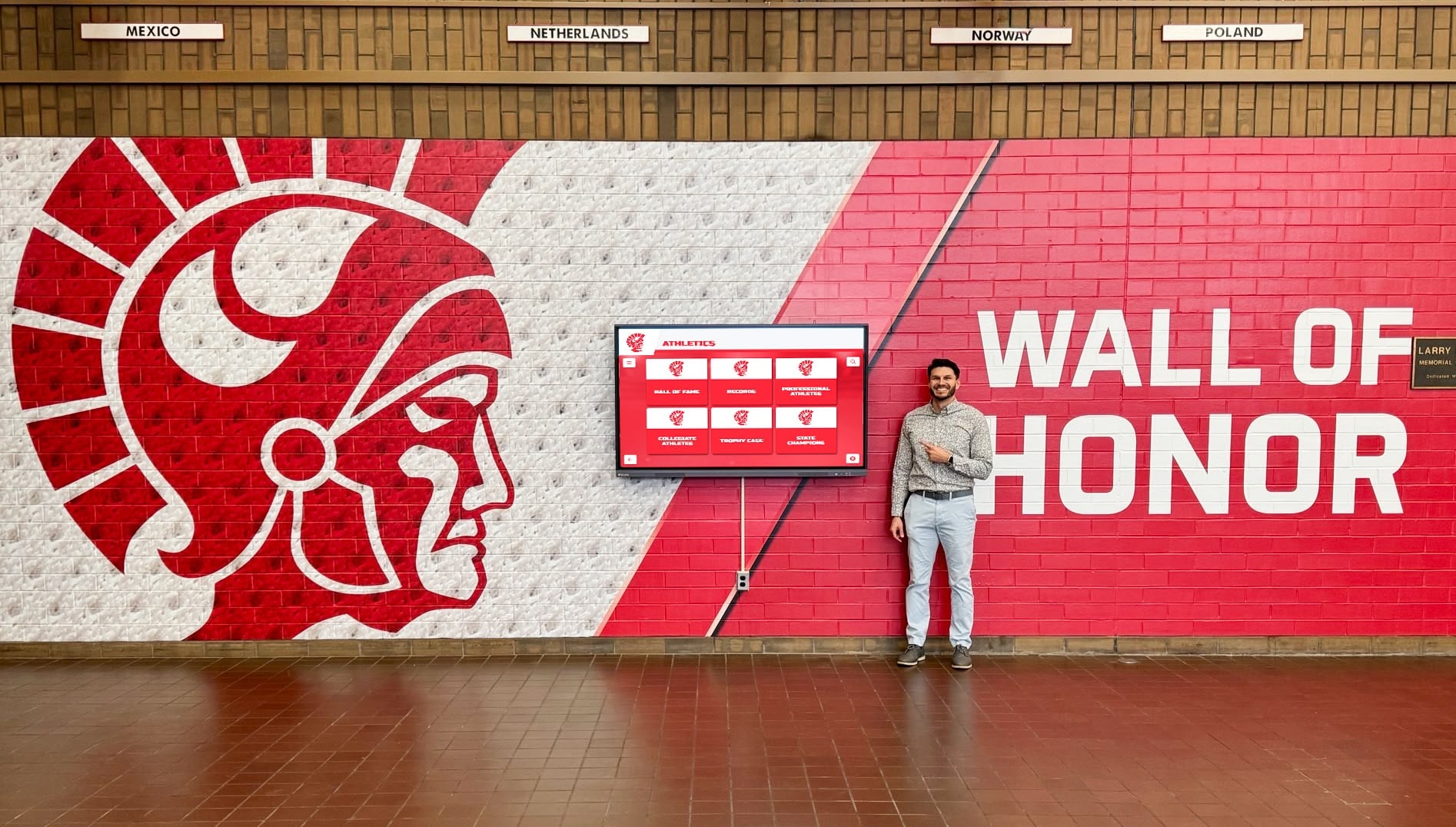
Recognition walls evolving to celebrate diverse achievement types demonstrate institutional commitment to honoring all forms of student excellence
The Future of Esports Recognition
As competitive gaming continues maturing, institutional recognition approaches will likely continue evolving.
Growing State Athletic Association Involvement
More state athletic associations will grapple with esports sanctioning decisions. Some will maintain traditional athletics focus, positioning esports as extracurricular activity. Others will create hybrid models or full sanctioning as competitive gaming’s educational benefits become clearer.
State-level recognition frameworks would provide:
- Standardized competition structures across schools
- Officiating and governance consistency
- Championship tournament organization
- Eligibility requirements paralleling traditional sports
- Safety and conduct standards protecting student competitors
Integration with Traditional Athletic Recognition
Schools may increasingly integrate esports recognition within comprehensive athletic and achievement displays rather than maintaining separate systems:
- Combined athletic and esports banquets celebrating competitive excellence across activities
- Unified school trophy case displays featuring championships across all competitive programs
- Letter jacket awards recognizing esports participation alongside traditional athletics
- Hall of fame consideration for exceptional esports competitors making lasting program impacts
- Recognition of team captains across all competitive activities
Professional Growth Influencing Educational Programs
Continued professional esports expansion will strengthen educational program legitimacy. As more former high school and college competitors pursue viable esports careers, institutional recognition of competitive gaming as legitimate pathway will increase.
The esports industry’s economic growth—projected to exceed $2.5 billion by 2028—ensures competitive gaming remains culturally relevant. Educational institutions respond to student interests and career pathways, suggesting esports recognition will continue expanding regardless of definitional debates.
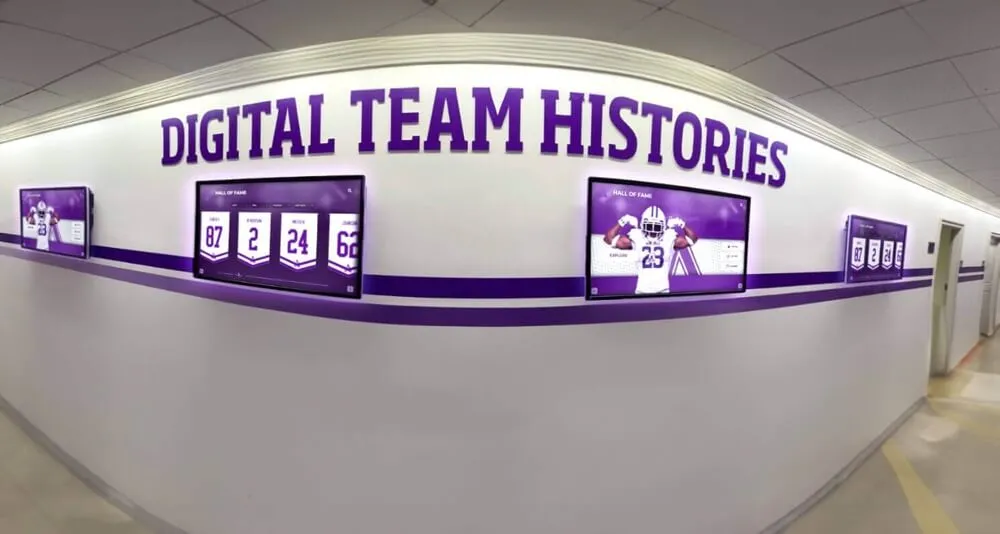
Future recognition systems will seamlessly integrate traditional and emerging competitive achievements
Conclusion: Recognition Beyond Definitions
The question “is esports a sport?” may matter less than ensuring appropriate recognition for students dedicating themselves to competitive gaming excellence. Whether institutions categorize esports as athletics, academic competition, extracurricular activity, or create entirely new competitive categories, the fundamental challenge remains identical: acknowledging student achievement meaningfully while preserving program history appropriately.
Educational institutions exist to develop students across diverse dimensions—physical, intellectual, social, emotional. Some students find belonging through football teams. Others discover community through debate competitions. Still others develop leadership and teamwork through esports. All these pathways deserve recognition when students commit themselves to excellence, train systematically, compete with integrity, and represent their institutions with pride.
Honor All Forms of Student Competitive Excellence
Discover how digital recognition displays can help your institution celebrate diverse achievements—traditional athletics, esports, academics, arts, and community service—creating inclusive systems that honor every form of student dedication and success.
Request a DemoModern recognition technology enables institutions to transcend limiting binary categorizations. Digital display platforms accommodate unlimited achievement types without forcing competitions into categories that may not perfectly fit. Schools can honor state championship wrestling teams, Academic Decathlon qualifiers, marching band competition winners, and esports tournament champions within comprehensive recognition frameworks that celebrate all forms of excellence.
The esports debate ultimately reflects broader questions about how educational institutions adapt to cultural change. Today’s definitional arguments about competitive gaming mirror historical debates about whether activities like cheerleading, debate, or marching band deserved athletic recognition. In each case, institutional recognition evolved as activities demonstrated competitive rigor, developed student skills, and created meaningful community belonging.
For schools establishing esports programs, focus less on definitional debates and more on ensuring these programs serve students well—developing skills, creating community, teaching sportsmanship, and providing recognition that validates participants’ dedication. Whether your institution calls esports “sport,” “competitive activity,” or creates entirely new categories matters far less than ensuring students pursuing competitive gaming excellence receive acknowledgment comparable to peers excelling in other competitive domains.
As esports continues growing, institutional recognition approaches will continue evolving. Schools that thoughtfully integrate competitive gaming recognition—honoring achievement authentically while maintaining values important to their communities—will best serve students navigating this emerging competitive landscape.
Ready to create recognition systems celebrating diverse student achievement? Explore Touch Archive solutions for comprehensive student recognition across athletics, esports, academics, and activities, or request a demo to see how your institution can honor all forms of competitive excellence through digital displays that engage students, families, and alumni while preserving program history permanently.