



The power of a university education extends far beyond the classroom. While degrees open doors to careers and knowledge transforms minds, the enduring value of higher education often lies in something equally powerful: the alumni network. The largest alumni networks in America represent communities of hundreds of thousands—sometimes millions—of graduates connected by shared experiences, institutional loyalty, and mutual support that spans lifetimes.
These massive networks function as informal professional organizations, mentorship pipelines, career accelerators, and social communities. They provide job referrals, business partnerships, friendship circles, and philanthropic platforms. For current students, robust alumni networks offer invaluable career guidance and opportunity access. For graduates, they deliver professional advantages and personal connections that compound throughout decades.
This comprehensive guide examines the largest alumni networks in America, explores what makes these graduate communities extraordinarily successful, and reveals the strategies, technologies, and cultural elements that transform millions of individual graduates into powerful, interconnected communities. Whether you’re a university administrator seeking to strengthen alumni engagement, an advancement professional building network infrastructure, or simply curious about these remarkable communities, understanding how top institutions cultivate lifelong graduate connections offers valuable insights.
America’s largest alumni networks didn’t develop by accident. They resulted from intentional cultivation, strategic investment, cultural tradition, and technological infrastructure that keeps graduates engaged long after commencement. These networks represent competitive advantages for their institutions, recruitment tools for prospective students, fundraising engines for advancement offices, and career resources for graduates navigating professional transitions.

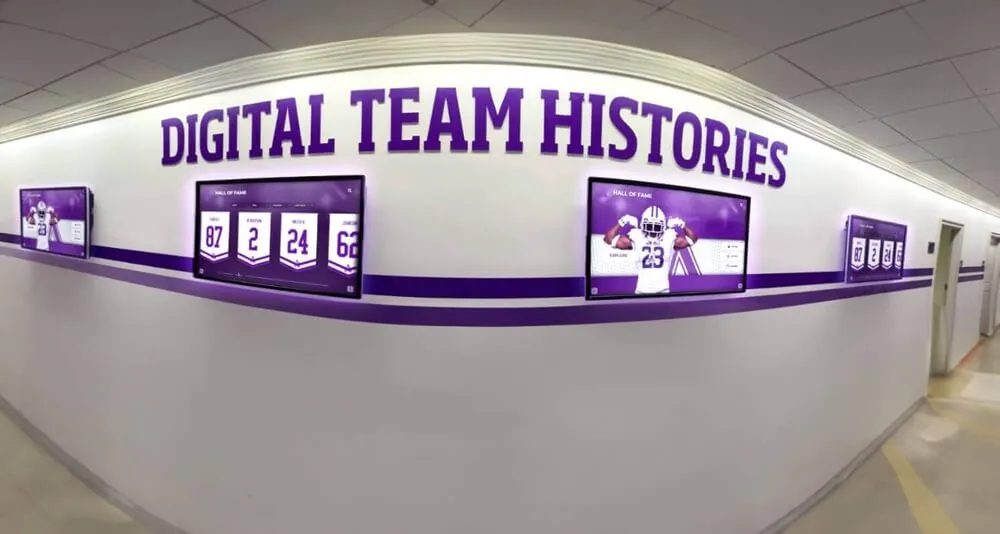
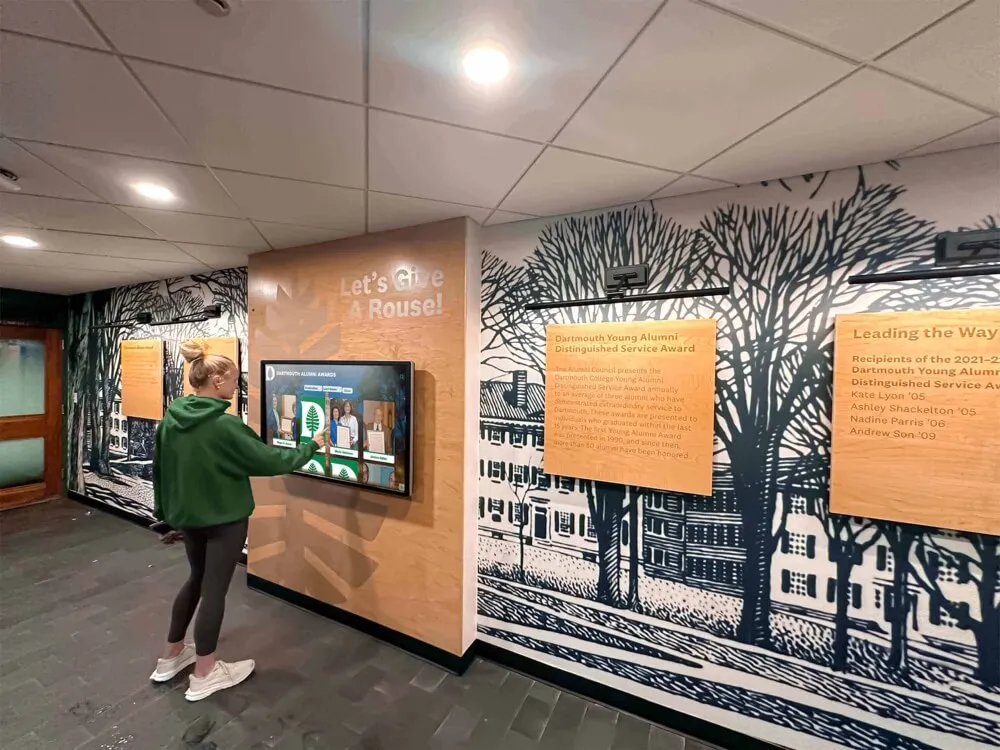
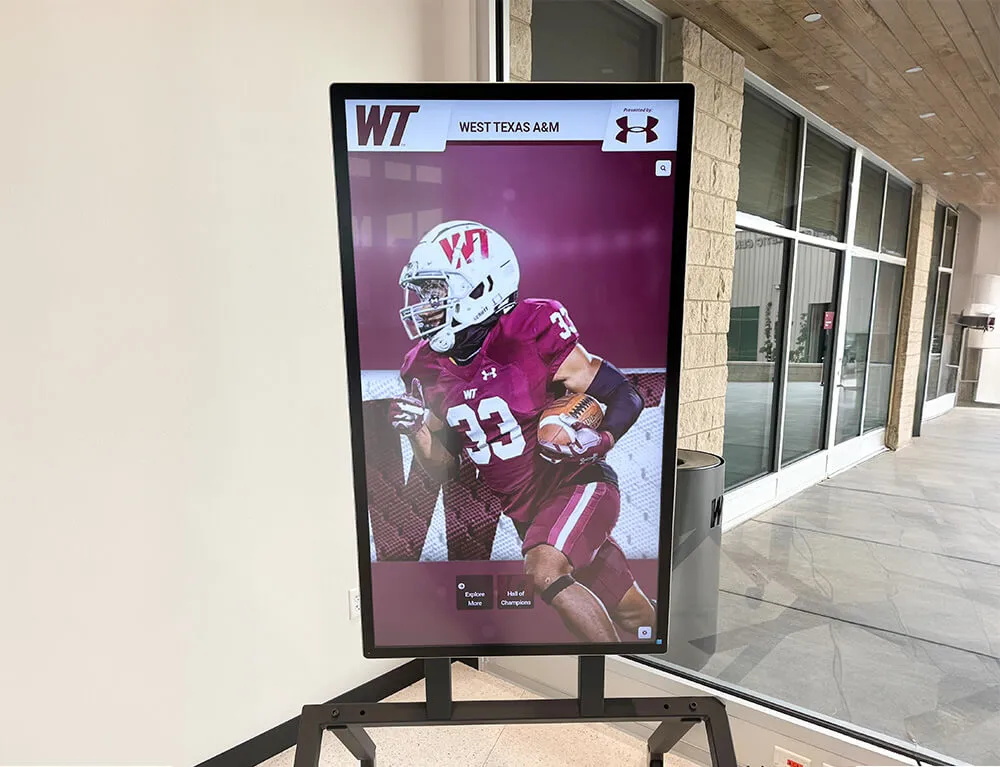
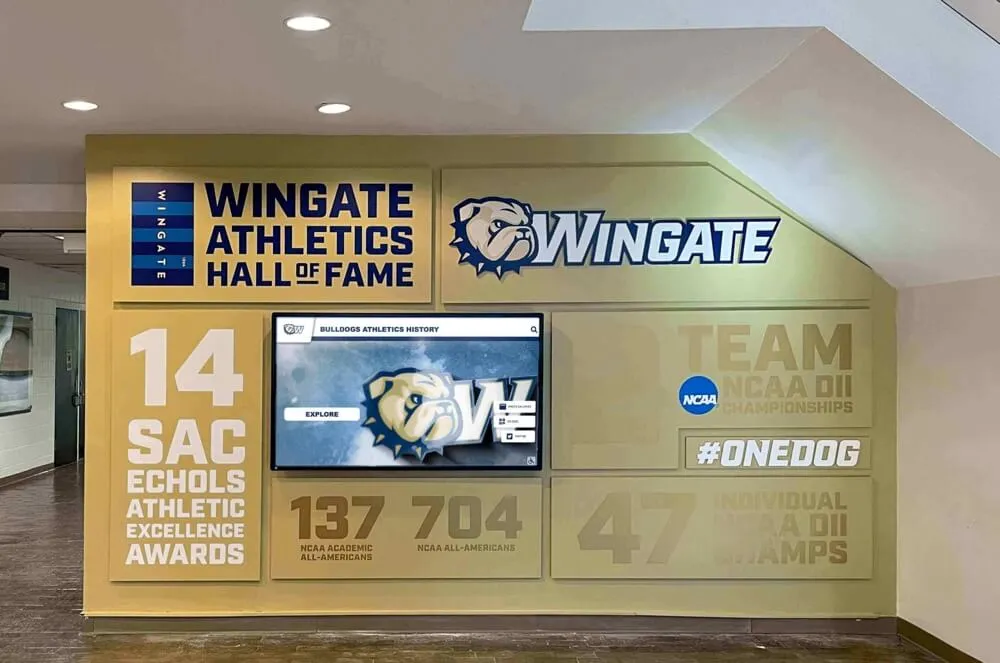
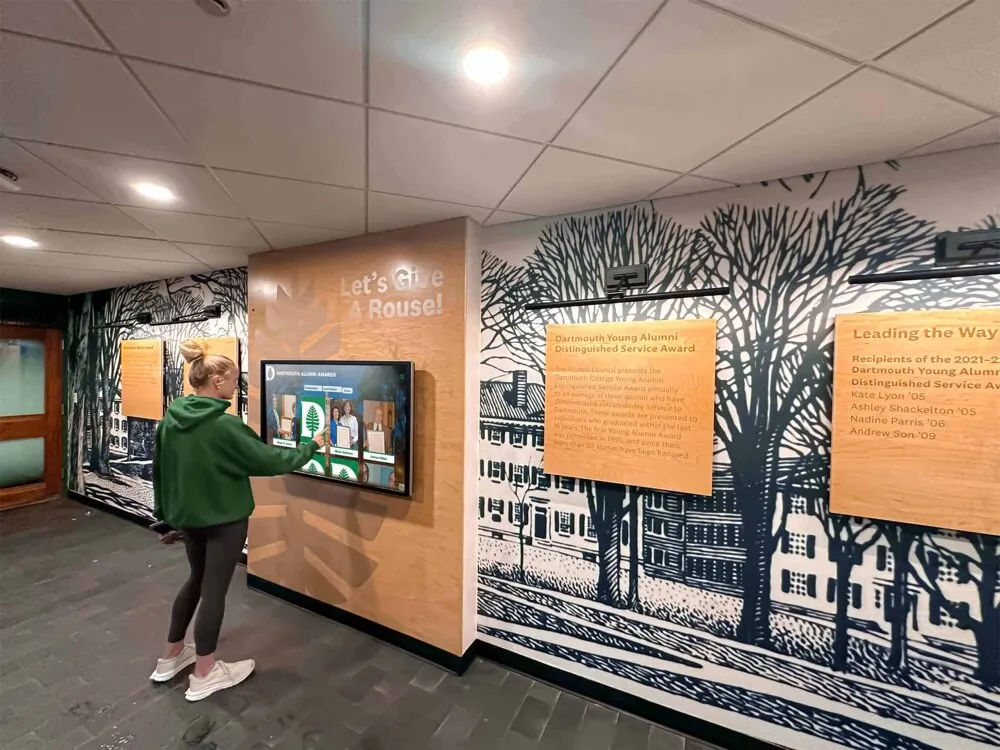
Modern alumni engagement combines traditional programming with interactive technology that keeps graduates connected to institutional history and community
The Largest Alumni Networks in America: Rankings by Size
When measuring alumni network size, several universities stand out for the sheer scale of their graduate communities. These institutions have produced hundreds of thousands of degree holders over decades or centuries of operation.
Pennsylvania State University (Penn State)
Penn State boasts one of the largest alumni networks in America with over 750,000 living alumni worldwide. The Penn State Alumni Association maintains 175+ chapters globally, creating geographic communities that sustain engagement regardless of where graduates live or work. This network’s legendary loyalty manifests in donation participation rates, game attendance, and professional support systems that help graduates throughout their careers.
The institution’s commitment to alumni relations appears in dedicated staff, comprehensive programming, and investment in technology platforms that facilitate connections. Penn State alumni famously identify themselves through the phrase “We Are Penn State,” demonstrating the tribal identity that transforms individual graduates into a cohesive community.
University of California System
The University of California system collectively represents one of America’s largest educational alumni networks, with each campus maintaining its own substantial graduate community:
- UC Berkeley: Over 500,000 living alumni
- UCLA: Over 500,000 living alumni
- UC San Diego: Over 250,000 living alumni
- UC Davis: Over 250,000 living alumni
Combined, the UC system has produced millions of graduates who contribute to California’s economic, political, and cultural landscape. Individual campuses maintain distinct alumni associations while occasionally collaborating on system-wide initiatives that leverage the broader UC identity.
University of Michigan
The University of Michigan claims over 640,000 living alumni worldwide, supported by the Michigan Alumni Association—one of the oldest and most active alumni organizations in America. Michigan alumni chapters span all 50 states and 50+ countries, providing global reach that serves graduates wherever life takes them.
Michigan’s alumni engagement success stems partly from powerful school spirit cultivated during undergraduate years, partly from strategic programming that delivers value, and partly from cultural traditions that create belonging. The institution’s investment in alumni relations infrastructure—staff, technology, events, communications—demonstrates understanding that network strength requires continuous cultivation.
Ohio State University
Ohio State University has produced over 600,000 living alumni, making it one of the nation’s largest graduate communities. The Ohio State Alumni Association maintains 200+ chapters worldwide and delivers extensive programming addressing career development, social connection, and lifelong learning.
Ohio State’s alumni network particularly excels at professional networking, with industry-specific groups connecting graduates within finance, healthcare, engineering, education, and other fields. This segmentation creates targeted value rather than treating all alumni identically regardless of career path or life stage.
University of Texas at Austin
The University of Texas at Austin serves over 482,000 living alumni through the Texas Exes, one of the nation’s most influential alumni associations. Texas alumni maintain fierce loyalty to their institution, evidenced by donation rates, event attendance, and the iconic “Hook ’em Horns” hand signal recognized globally.
The Texas Exes operates with substantial autonomy and resources, employing dedicated staff who deliver services ranging from career coaching to travel programs. This professional approach to alumni relations creates experiences worthy of graduates’ time and engagement.
University of Wisconsin-Madison
Wisconsin has cultivated a network of over 470,000 living alumni worldwide, supported by the Wisconsin Alumni Association (WAA). The WAA pioneered many alumni engagement practices now considered standard, including alumni publications, travel programs, and benefit packages that provide ongoing value beyond nostalgia.
Wisconsin’s approach recognizes that alumni engagement requires delivering tangible benefits—career services, discounted insurance, travel opportunities, continuing education—rather than simply requesting donations. This value-first philosophy builds goodwill that eventually translates into philanthropic support.
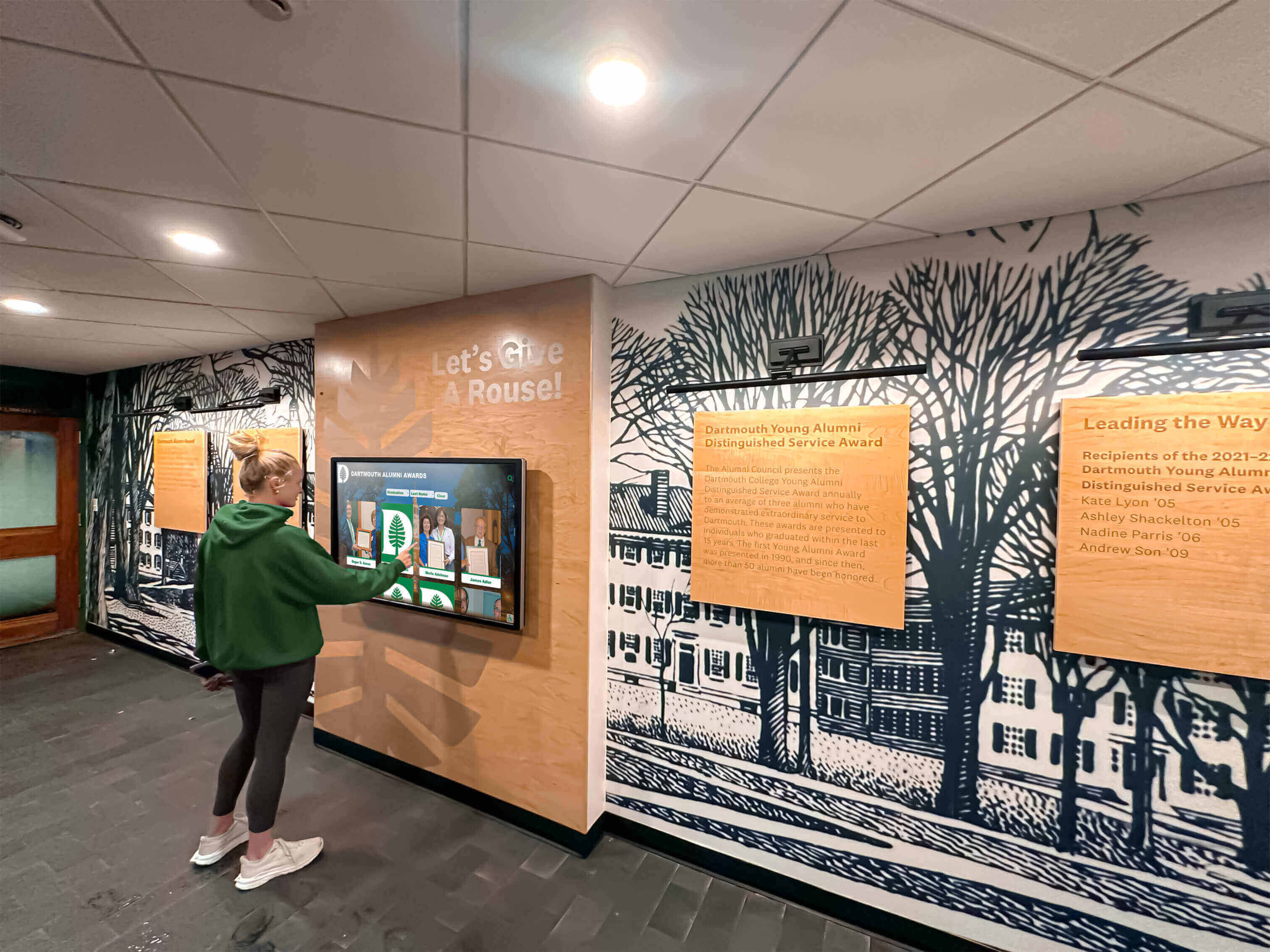
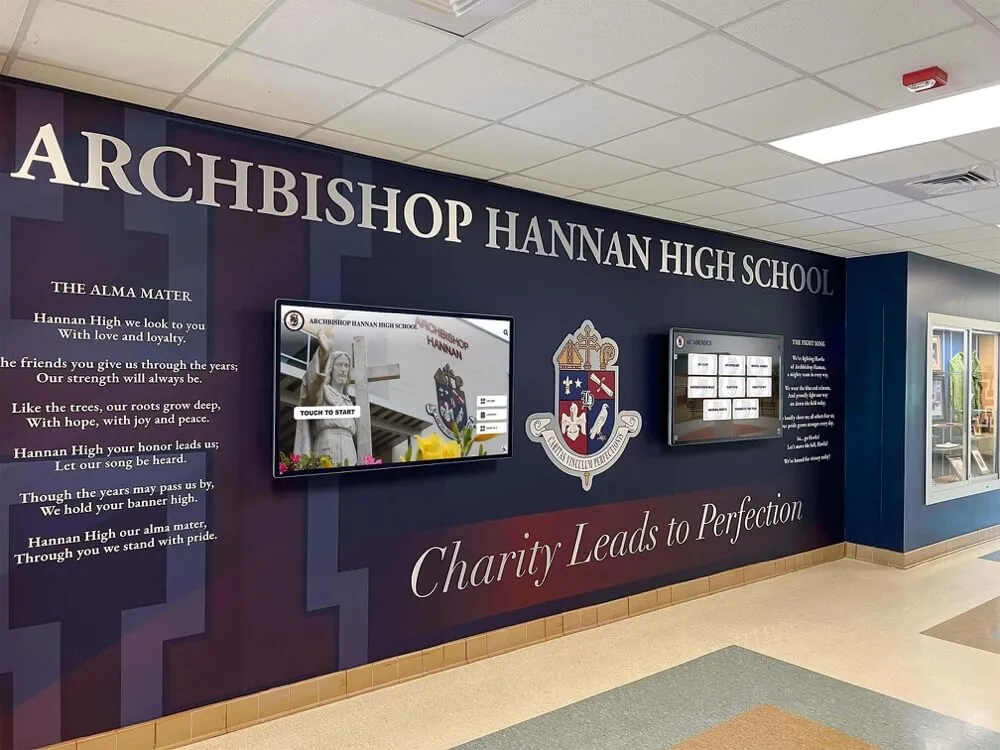
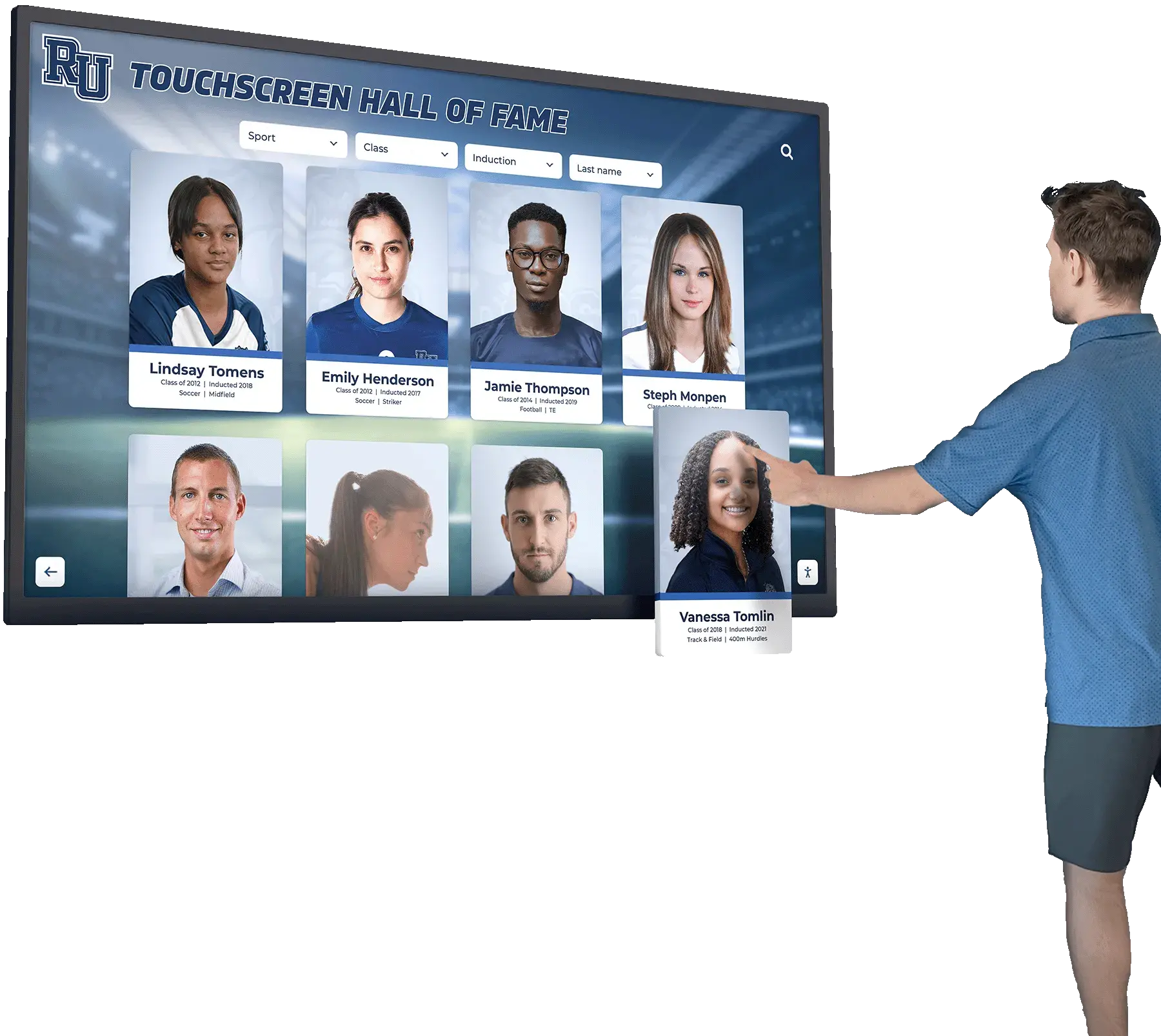
Interactive displays allow current students to explore accomplished alumni, creating aspirational connections while celebrating graduate achievements
University of Minnesota
The University of Minnesota claims over 540,000 living alumni globally, supported by comprehensive programming that spans career networking, social events, volunteer opportunities, and lifelong learning. Minnesota’s alumni association operates as an independent organization with its own board, staff, and budget—a model that provides flexibility and focus.
Minnesota particularly excels at engaging young alumni through targeted programming addressing early career challenges, student loan management, professional networking, and social connection. This early engagement creates habits and relationships that sustain participation throughout decades.
Indiana University
Indiana University serves approximately 740,000 living alumni through the IU Alumni Association, which maintains extensive chapter networks and delivers diverse programming. IU’s cultural traditions—basketball fanaticism, musical heritage, beautiful campus—create emotional connections that alumni carry throughout lives.
The institution recognizes that alumni engagement begins during undergraduate years. Students who feel connected to their institutions as undergraduates become engaged alumni. This focus on student experience as alumni engagement infrastructure demonstrates sophisticated understanding of relationship lifecycle.
University of Florida
The University of Florida has produced over 415,000 living alumni, creating a powerful network particularly concentrated in Florida but extending nationwide. The UF Alumni Association delivers programming emphasizing career advancement, social connection, and institutional support.
Florida’s network strength appears in professional outcomes: UF alumni frequently hire fellow graduates, partner in business ventures, and provide mentorship to younger alumni. This reciprocal support system creates tangible career advantages that justify continued engagement.
Arizona State University
Arizona State University claims over 560,000 living alumni worldwide, with rapid growth reflecting the institution’s expansion over recent decades. ASU’s alumni association has modernized engagement through digital platforms, virtual programming, and innovative approaches that meet alumni where they already spend time rather than demanding they attend traditional events.
ASU’s embrace of technology in alumni relations—mobile apps, social platforms, digital recognition systems—positions the institution well for engaging millennials and Generation Z graduates who expect digital-first experiences.
What Makes Large Alumni Networks Successful?
Size alone doesn’t determine network effectiveness. Some institutions with smaller graduate populations maintain more engaged, supportive alumni communities than larger universities. The most successful large alumni networks share common characteristics that transform numbers into genuine community.
Strategic Alumni Relations Infrastructure
Successful networks require professional staff, adequate budgets, technological systems, and institutional commitment. Top universities employ dozens of alumni relations professionals who manage chapters, coordinate events, oversee communications, analyze engagement data, and cultivate donor relationships.
This infrastructure doesn’t develop accidentally. It requires sustained investment and recognition that alumni engagement generates measurable returns through donations, student recruitment, career placement, and institutional reputation.
Geographic Chapter Networks
Large alumni populations scatter across the country and globe after graduation. Geographic chapters maintain local connection points where alumni can engage without returning to campus. The most effective chapter networks operate semi-autonomously with volunteer leadership, dedicated programming budgets, and institutional support.
Chapters host networking events, game watches, service projects, and social gatherings that sustain institutional connection within convenient geographic proximity. For many alumni, chapters represent their primary engagement mechanism, particularly for those living far from campus.
Affinity Groups and Segmentation
Treating all alumni identically ignores the reality that graduates have vastly different interests, career paths, and engagement preferences. Successful networks create affinity groups around shared characteristics:
- Academic affinity: College of Engineering, School of Business, Department of History
- Identity affinity: Black Alumni Association, LGBTQ+ Alumni Network, First-Generation Alumni
- Career affinity: Alumni in Healthcare, Alumni Entrepreneurs, Alumni Educators
- Interest affinity: Alumni Band, Alumni Athletes, Alumni Volunteers
Segmentation allows targeted programming delivering specific value rather than generic events attempting to appeal to everyone while resonating with no one.
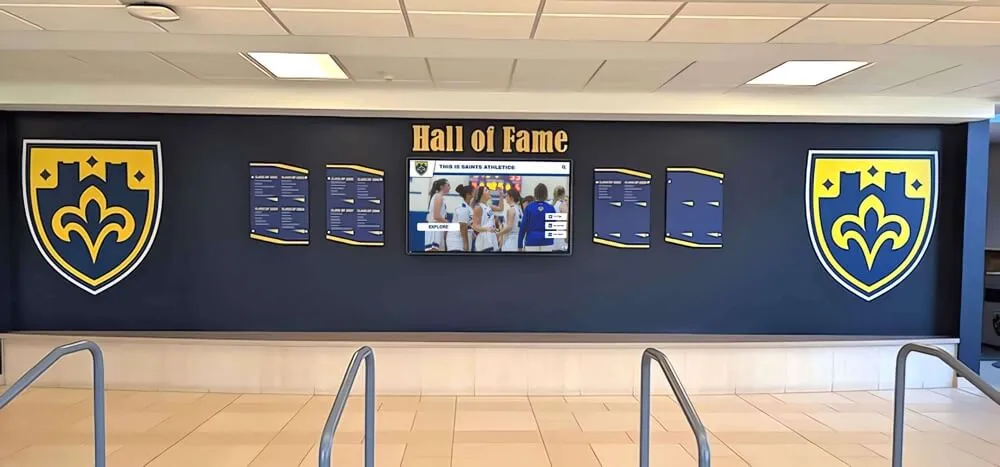
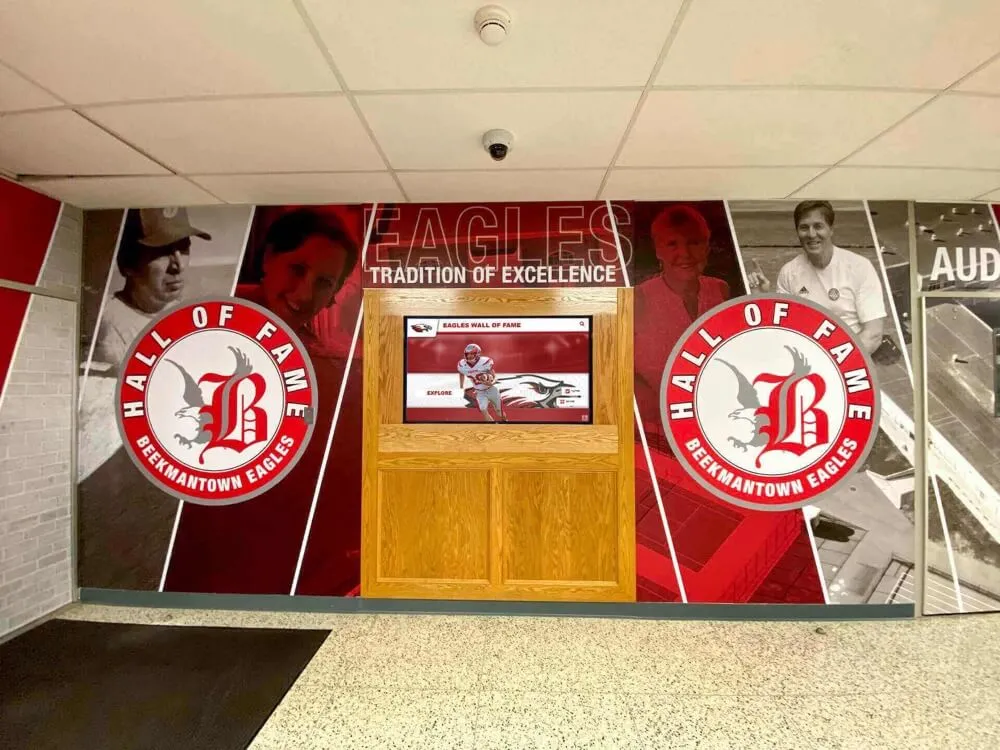
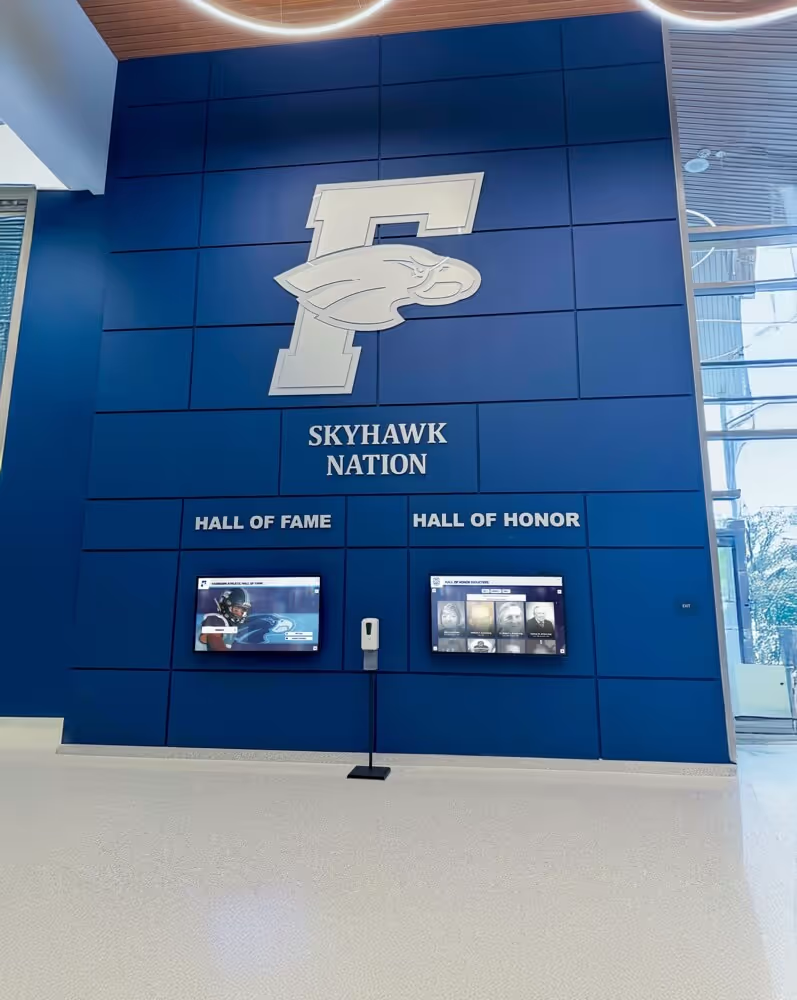
Permanent recognition displays celebrate distinguished alumni while creating physical gathering points during campus visits and reunions
Technology Platforms Enabling Connection
Modern alumni networks leverage technology platforms that facilitate direct connections between graduates without requiring institutional intermediaries for every interaction. Online directories allow alumni to search for fellow graduates by location, industry, or graduation year. Mentorship platforms match experienced alumni with young professionals seeking guidance. Job boards connect alumni employers with alumni job seekers.
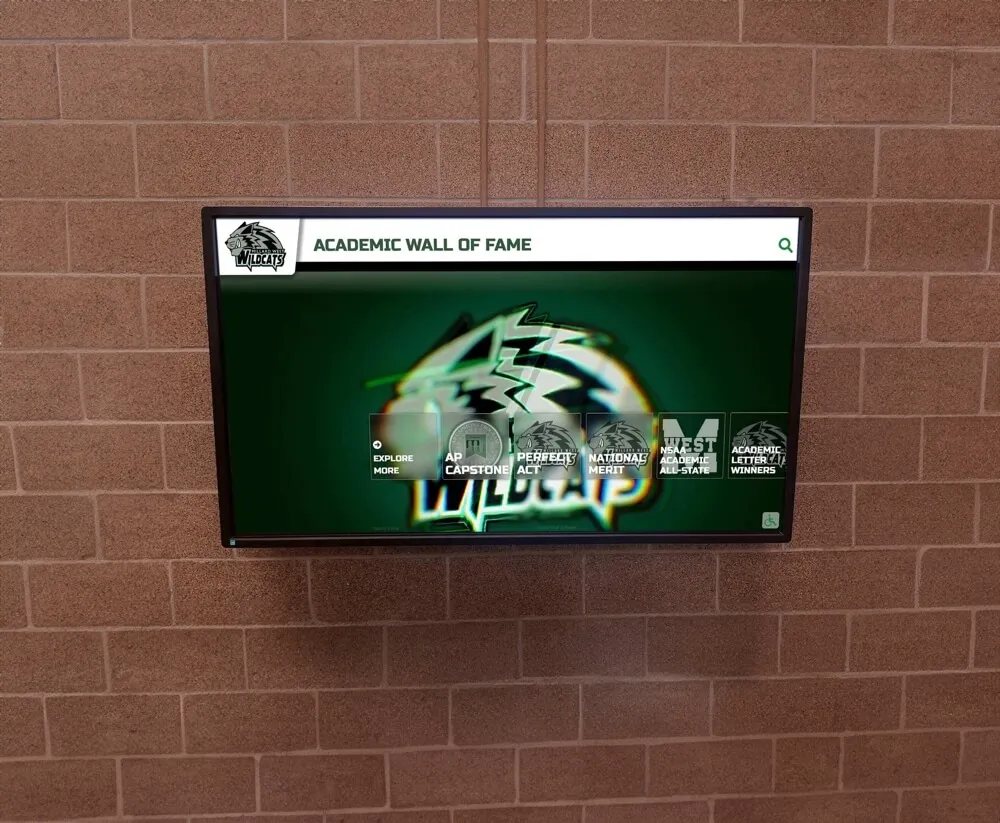
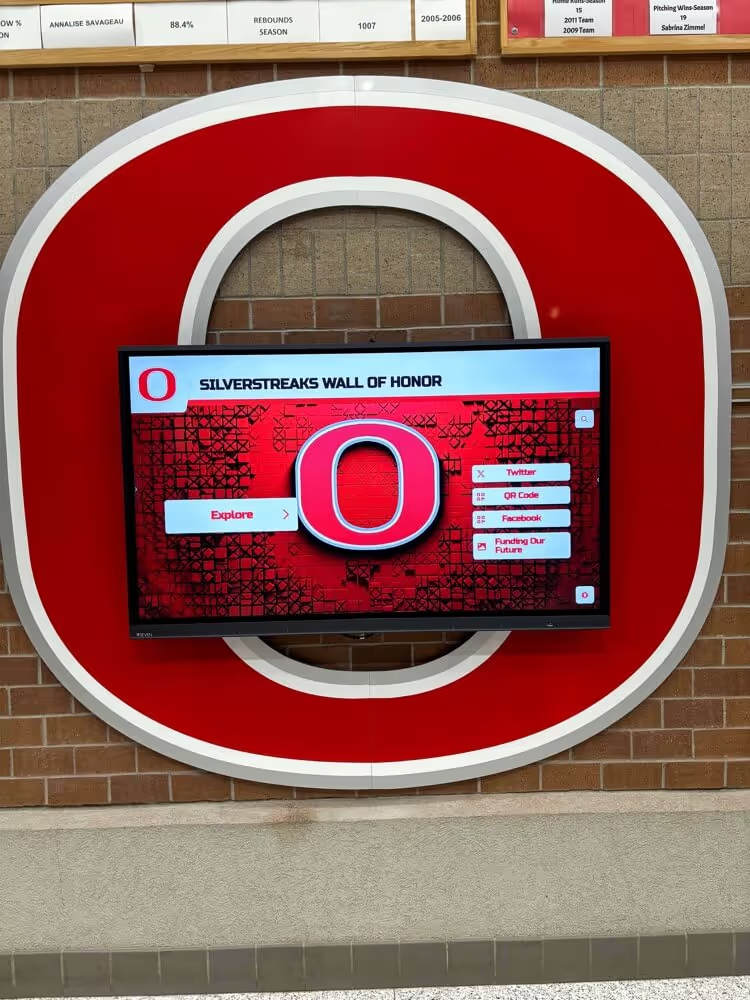
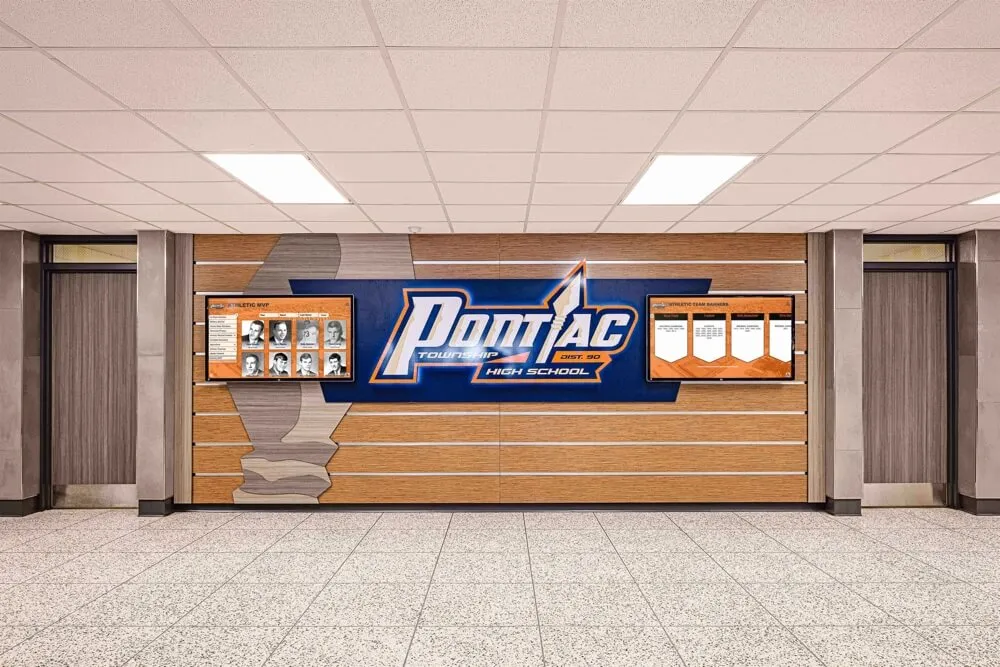
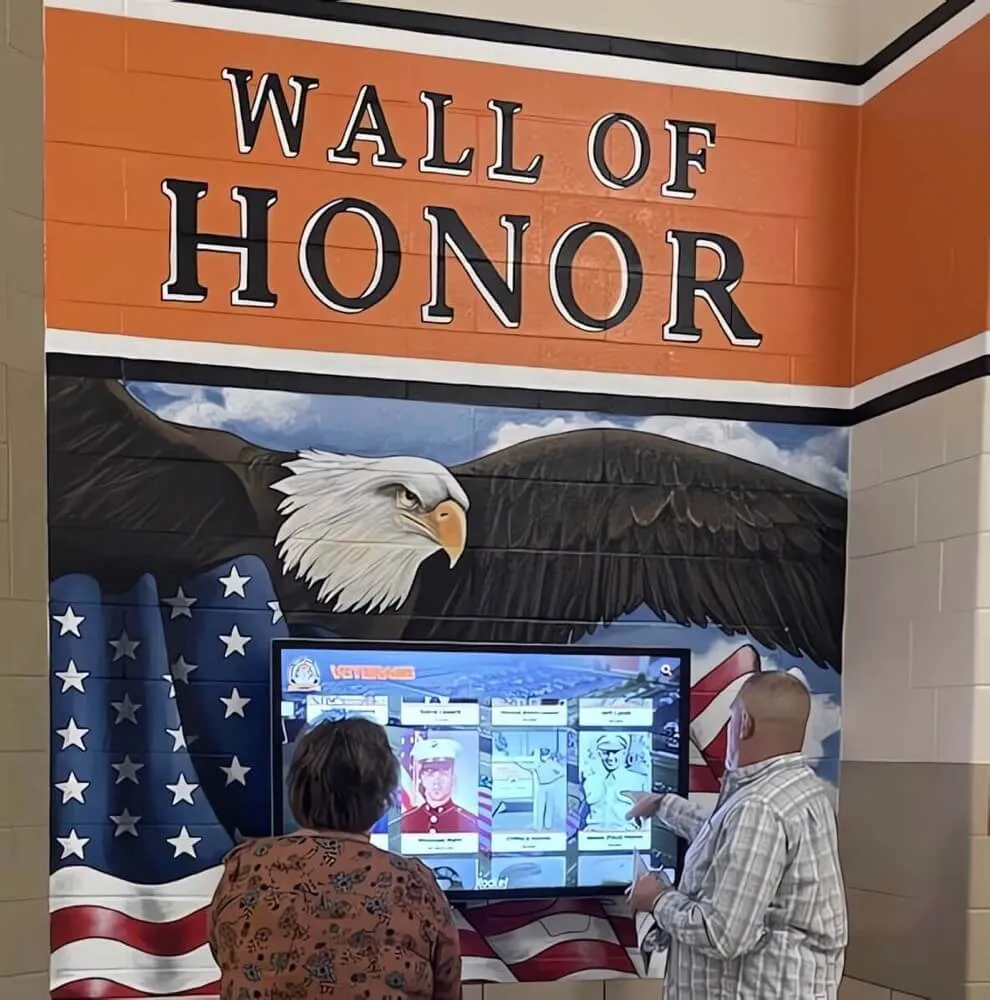
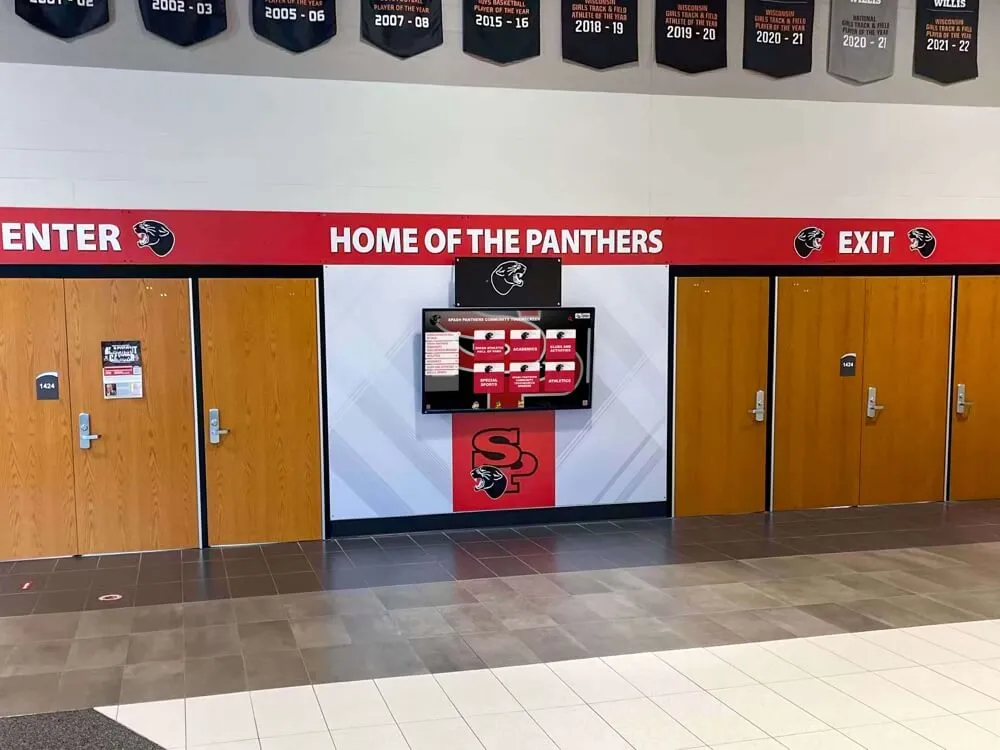
Solutions like digital recognition displays have transformed how institutions celebrate graduate achievements while creating interactive experiences that engage visitors. These systems showcase alumni accomplishments through searchable touchscreen displays, QR code access, and rich multimedia content that traditional plaques cannot accommodate.
Career Services and Professional Value
Alumni remain engaged when networks deliver tangible professional benefits. The most successful universities extend career services beyond graduation, offering:
- Job boards featuring opportunities from alumni employers
- Resume review and interview coaching from career counselors
- Networking events connecting job seekers with hiring managers
- Industry panels featuring successful alumni sharing insights
- Mentorship programs pairing experienced professionals with young alumni
This professional development programming transforms alumni associations from nostalgic social clubs into career resources worthy of sustained engagement. Graduates who receive job leads, business referrals, or professional mentorship through alumni networks maintain active participation.
Lifelong Learning and Intellectual Engagement
Universities represent intellectual communities, not just degree-granting institutions. Alumni who valued learning during undergraduate years often crave continued intellectual stimulation throughout lives. Successful networks provide:
- Guest lectures featuring distinguished faculty and alumni experts
- Online courses and certificate programs for continuing education
- Book discussions and reading groups exploring timely topics
- Behind-the-scenes campus tours showcasing research and facilities
- Access to libraries, museums, and cultural programming
These educational offerings honor the intellectual curiosity that drew students to universities initially while demonstrating that institutions remain committed to graduate development beyond commencement.
Tradition and Cultural Identity
The largest alumni networks often belong to institutions with powerful traditions, rituals, and cultural identities that create tribal belonging. Fight songs, mascots, rivalries, homecoming customs, architectural landmarks, and shared experiences create emotional bonds that transcend rational calculation.
Schools cultivate these traditions intentionally, understanding that emotional connection drives sustained engagement more effectively than logical arguments about networking benefits. Alumni who identify deeply with institutional culture participate regardless of immediate tangible returns because membership itself provides psychological value.
Multi-Generational Family Connections
Many large alumni networks benefit from legacy attendance patterns where parents, children, and siblings all attend the same institutions. These multi-generational connections create family traditions that compound engagement across decades. Families attend games together, participate in homecoming events as groups, and maintain continuous institutional contact across lifespans.
Universities recognize and honor these legacy relationships through special programming, recognition systems, and admissions considerations that strengthen family bonds to institutions.
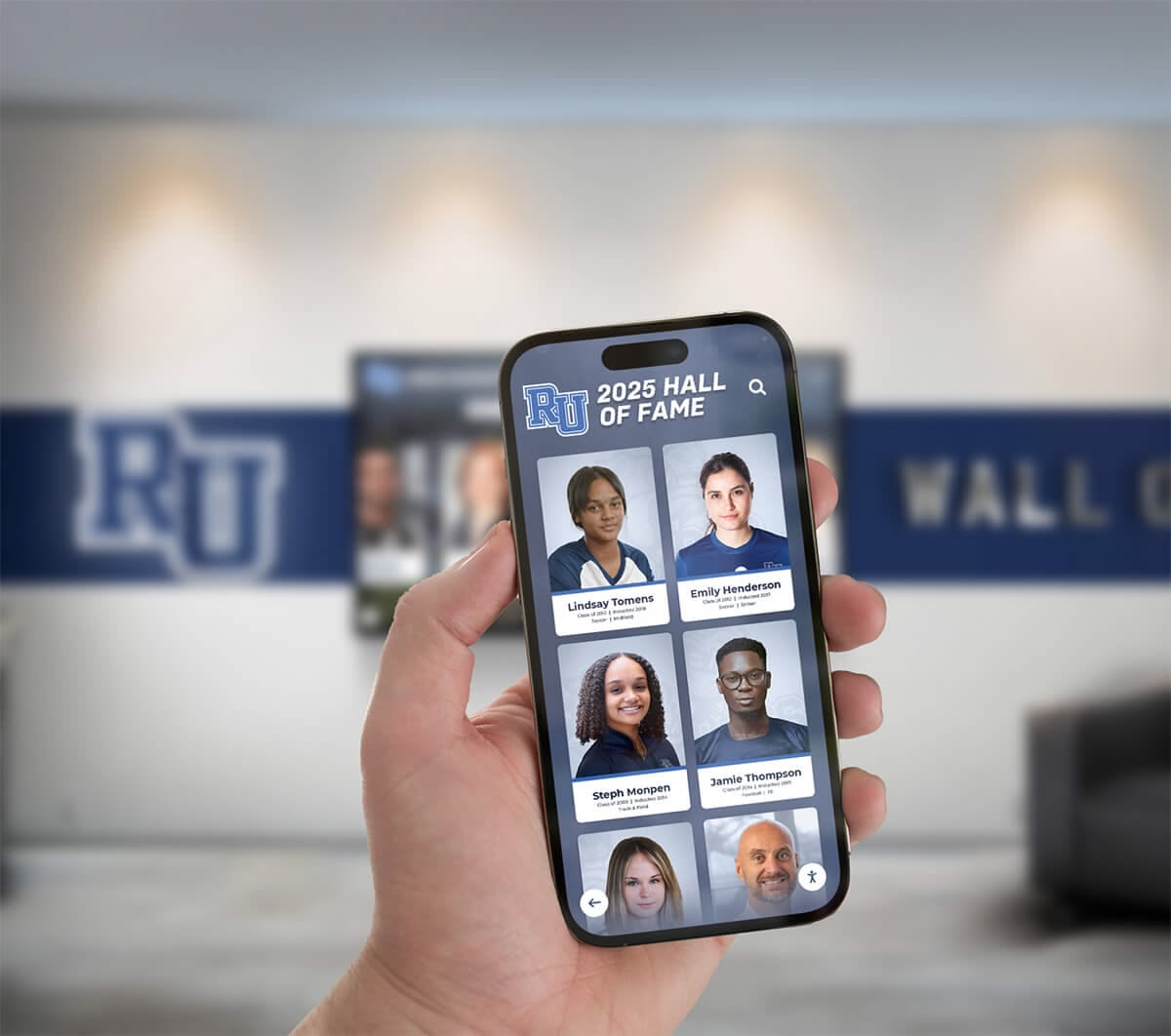
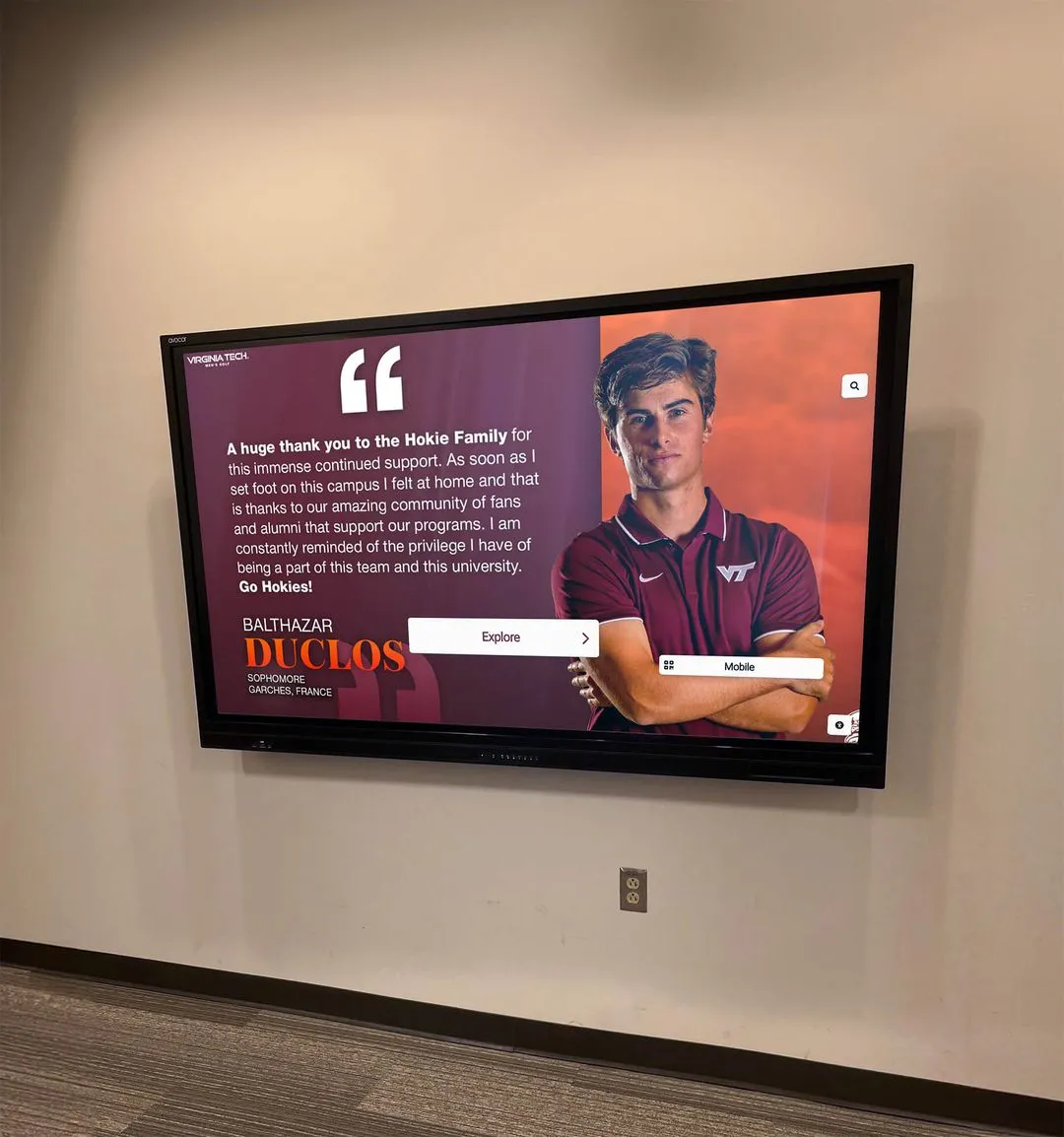
Mobile technology extends alumni engagement beyond physical displays, allowing graduates to explore institutional history from anywhere
How Universities Build and Sustain Large Alumni Networks
Creating massive, engaged graduate communities requires intentional strategies executed consistently over years or decades. The most successful institutions employ specific tactics that transform individual alumni into cohesive networks.
Start During Undergraduate Years
Alumni engagement begins before graduation. Students who feel connected to their institutions, participate in traditions, develop meaningful relationships with peers and mentors, and have positive experiences become engaged alumni. Universities that treat student experience as alumni relations infrastructure understand this connection.
Orientation programs, student organizations, athletic events, academic traditions, and campus culture all contribute to emotional bonds that sustain engagement after graduation. Poor undergraduate experiences create disengaged alumni no amount of post-graduation outreach can fully overcome.
Communicate Consistently and Strategically
Large networks require sophisticated communication strategies that maintain regular contact without overwhelming alumni. The most effective institutions employ multi-channel approaches:
- Alumni magazines delivering high-quality editorial content quarterly or semi-annually
- Email newsletters providing timely updates about institutional news, alumni achievements, and upcoming events
- Social media presence maintaining active Facebook, LinkedIn, Instagram, and Twitter channels
- Personal outreach through phone calls, handwritten notes, and video messages from leadership
- Class-specific communications targeting milestone reunion years with personalized content
Communications should deliver value—interesting stories, useful information, career resources—rather than simply requesting donations. The most successful messages make alumni feel proud of their affiliations and informed about institutional developments.
Deliver Exceptional Events
Events create face-to-face connection opportunities that digital communication cannot replace. The largest networks invest substantially in event programming:
- Homecoming weekends combining athletic competitions, social gatherings, and campus tours
- Regional chapter events bringing alumni together locally for networking and socializing
- Milestone reunions celebrating 5th, 10th, 25th, and 50th anniversaries of graduation
- Career networking events connecting alumni within industries or geographic regions
- Service projects enabling alumni to contribute beyond financial donations
- Family programming allowing alumni to introduce spouses and children to institutional communities
Event quality matters more than quantity. A single excellent program executed professionally creates more value than multiple mediocre gatherings attempted without adequate resources. Many institutions have discovered that planning memorable alumni events requires attention to detail, understanding audience preferences, and delivering experiences worthy of alumni time.
Recognize and Celebrate Alumni Achievements
Public recognition motivates continued engagement while inspiring current students. The most effective recognition systems celebrate diverse achievements:
- Distinguished alumni awards honoring career accomplishments and community contributions
- Young alumni awards recognizing rising stars early in their careers
- Service awards celebrating volunteer contributions to institutions and communities
- Athletic halls of fame inducting accomplished student-athletes
- Faculty honors recognizing beloved professors and mentors
Modern institutions increasingly use interactive digital displays to showcase alumni achievements, providing unlimited recognition capacity, rich storytelling through photos and videos, and searchable databases that make exploration engaging. Unlike traditional plaques with finite space, digital recognition systems accommodate unlimited honorees while remaining easily updatable as alumni achieve new milestones.
Create Mentorship Infrastructure
Formal mentorship programs connect experienced alumni with young professionals, creating reciprocal value for both parties. Mentees receive career guidance, industry insights, and professional networking. Mentors experience the satisfaction of contributing to next-generation success while potentially identifying talented recruits for their organizations.
The most successful mentorship programs provide structure, training, and support rather than simply matching pairs and hoping for the best. Clear expectations, suggested discussion topics, regular check-ins, and appreciation for mentor contributions increase program effectiveness.
Leverage Digital Platforms for Connection
Technology enables alumni to connect directly without institutional intermediaries facilitating every interaction. Online directories, networking platforms, mentorship matching systems, and social communities create infrastructure for peer-to-peer engagement.
The most effective platforms balance privacy concerns with discovery capabilities, allowing alumni to control their visibility while making it easy for fellow graduates to find classmates, industry peers, or geographic neighbors. Mobile apps extend engagement beyond desktop computers, meeting alumni where they already spend time.
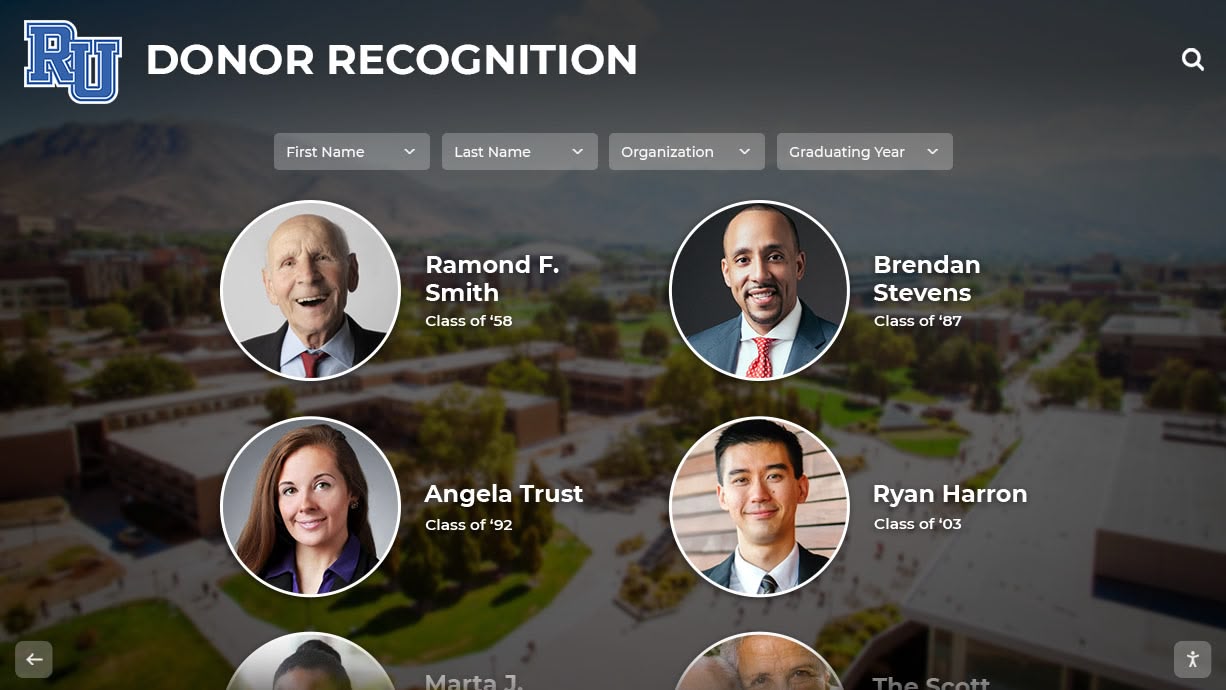
Donor recognition systems celebrate philanthropic alumni while inspiring giving culture within broader graduate communities
Engage Young Alumni Strategically
Recent graduates face unique challenges: student loan debt, early career navigation, geographic relocation, and life transitions. Institutions that recognize these circumstances and tailor programming accordingly build relationships with alumni during formative years when engagement patterns develop.
Young alumni programming should emphasize:
- Career support through resume services, interview preparation, and job boards
- Social connection helping recent graduates build friend groups in new cities
- Low-cost events respecting limited budgets during early career years
- Mentorship access connecting young professionals with established alumni
- Student loan education providing financial literacy and debt management resources
Universities that engage graduates during their twenties and thirties create participation habits that sustain throughout decades, while institutions that ignore young alumni struggle to re-engage them later when they possess greater financial capacity.
Measure Engagement and Optimize Continuously
Sophisticated alumni relations operations track engagement metrics and use data to optimize programming:
- Participation rates across different event types and demographic segments
- Communication engagement measuring email open rates, click-throughs, and social media interaction
- Giving patterns tracking donor acquisition, retention, and upgrade trajectories
- Career outcomes assessing professional advancement and satisfaction
- Sentiment analysis gauging alumni attitudes toward institutions
Data reveals which programs succeed, which populations remain under-engaged, and where resources generate maximum returns. Evidence-based decision making replaces anecdotal impressions and institutional assumptions.
Building Alumni Networks at All Institution Types
While this article focuses on the largest university networks, the principles enabling successful graduate communities apply across educational contexts. High schools, colleges, specialized programs, and even athletic organizations benefit from intentional alumni engagement strategies.
High School Alumni Networks
High schools increasingly recognize that graduate relationships provide value beyond college matriculation statistics. Strong high school alumni networks offer:
- Mentorship for current students navigating college decisions and early careers
- Financial support for programs, scholarships, and facility improvements
- Community connections sustaining institutional reputation and enrollment
- Nostalgic engagement opportunities celebrating shared hometown experiences
Many high schools now employ advancement professionals dedicated to alumni relations, host milestone reunions, and create digital recognition systems showcasing distinguished graduates. These efforts build community while generating philanthropic support.
Graduate Program Alumni Networks
MBA programs, law schools, medical schools, and specialized graduate programs create powerful professional networks where alumni engagement directly impacts careers. The most successful graduate program networks emphasize:
- Industry networking connecting alumni within shared professional fields
- Continuing education delivering specialized knowledge and certifications
- Executive programming appealing to accomplished mid-career and senior professionals
- Global reach accommodating internationally dispersed graduates
Graduate program alumni often maintain stronger engagement than undergraduate communities because professional benefits create immediate career value worthy of time investment.
Athletic Program Alumni Networks
Athletes form uniquely tight bonds through shared sacrifice, competition, and team identity. Athletic program alumni networks sustain connections through:
- Reunions and homecoming events bringing former teammates together
- Mentorship programs connecting current athletes with professional alumni
- Hall of fame inductions celebrating distinguished athletic careers
- Donor societies supporting scholarship funds and facility improvements
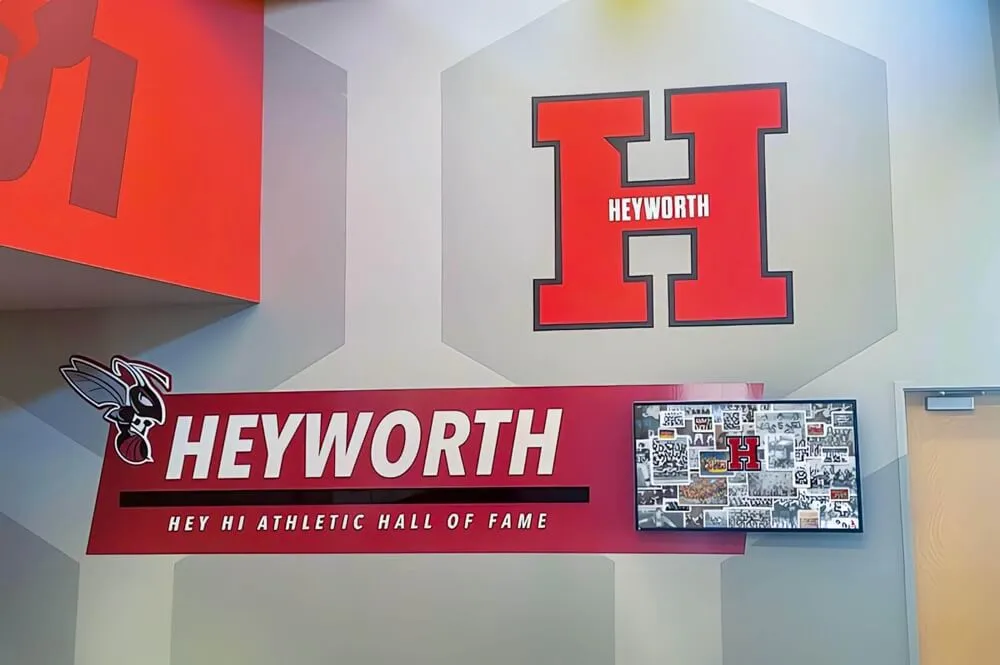
Universities increasingly use interactive athletic recognition displays to celebrate championship teams, record holders, and hall of fame inductees, creating engaging tributes that resonate with athletic alumni while inspiring current student-athletes.
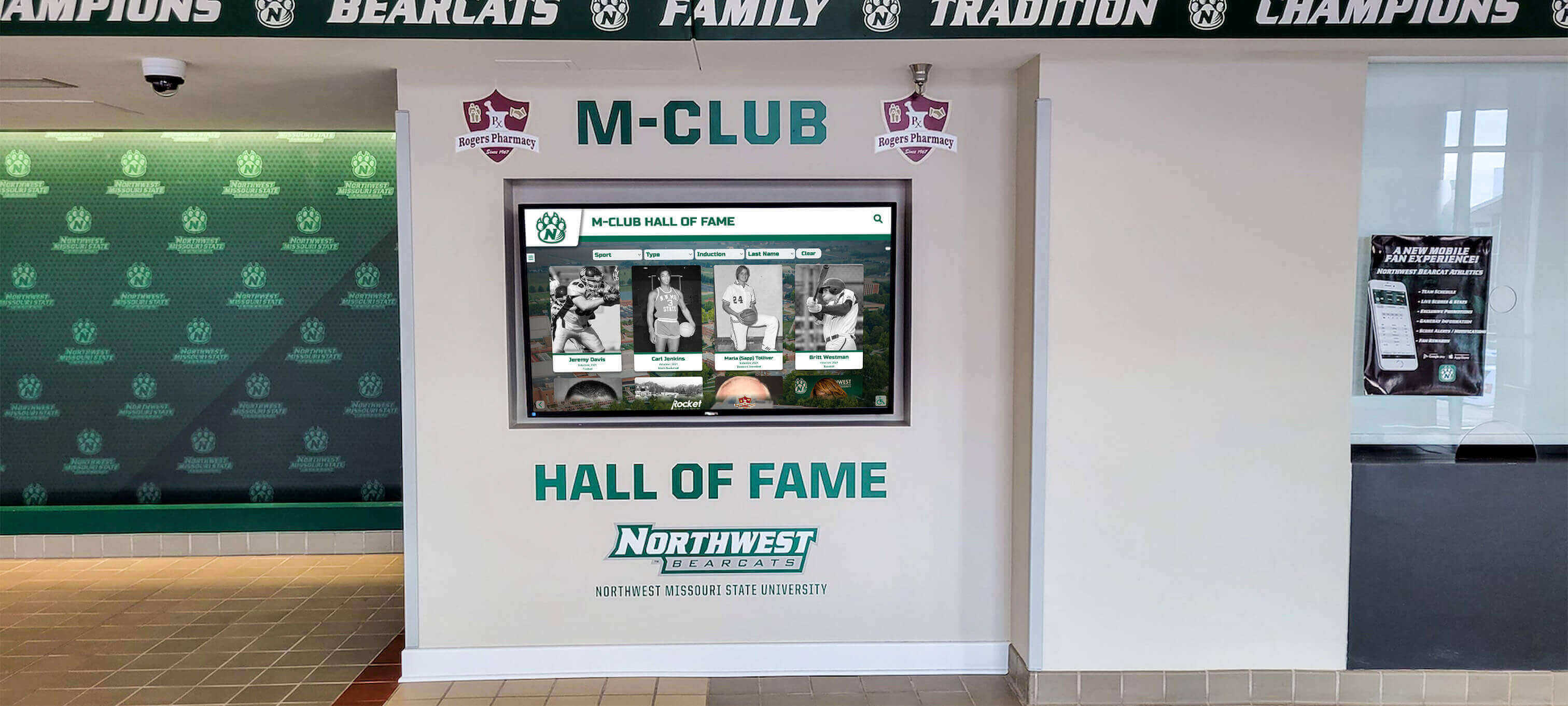
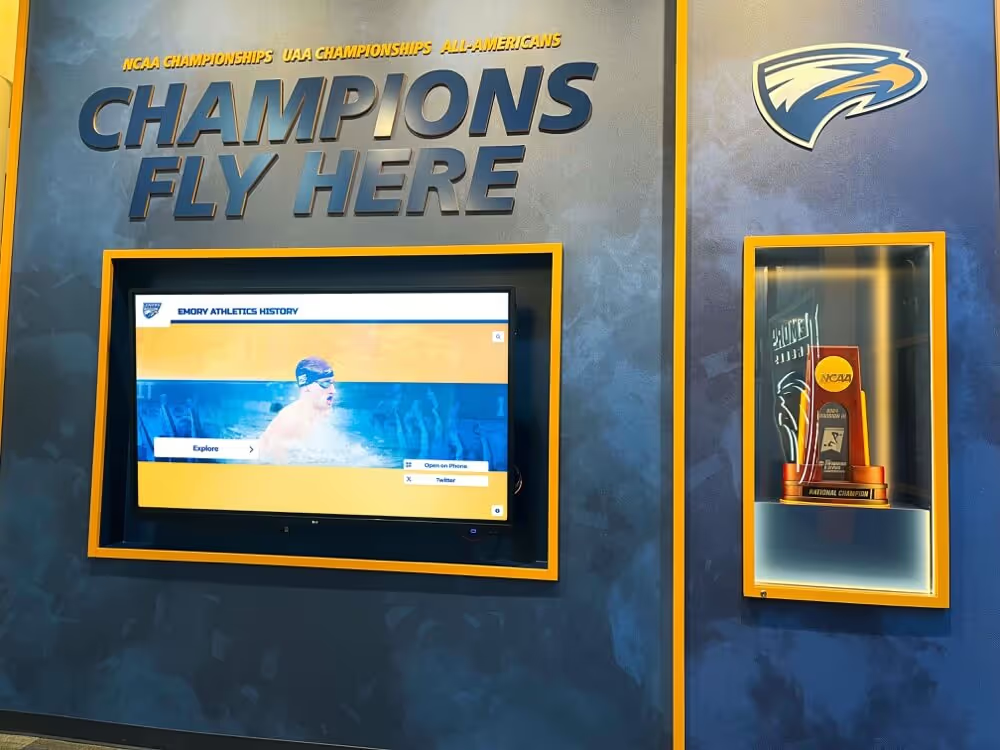
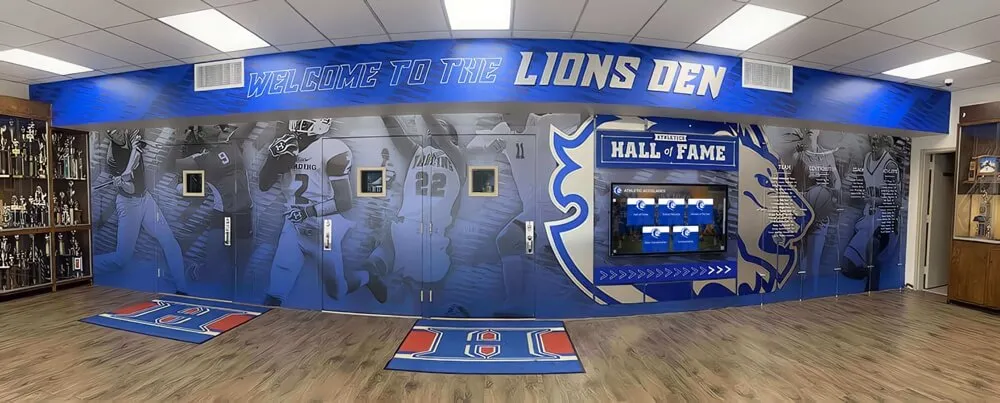
Athletic halls of fame honor competitive excellence while strengthening bonds between current athletes and accomplished alumni
The Future of Alumni Networks: Technology and Innovation
Alumni engagement continues evolving as technology creates new connection possibilities and demographic shifts change graduate expectations. Several trends shape the future of alumni networks.
Virtual and Hybrid Programming
The 2020 pandemic accelerated adoption of virtual programming that extends reach to geographically dispersed alumni while accommodating busy schedules. The most innovative institutions now deliver hybrid experiences combining in-person gatherings with simultaneous virtual participation.
Virtual programming particularly benefits international alumni, working parents, individuals with mobility limitations, and those unable to attend campus events due to distance or cost. Rather than replacing in-person events, virtual options supplement traditional programming to maximize accessibility.
Personalization Through Data Analytics
Advanced data analytics enable unprecedented personalization of alumni communications and programming. Institutions now segment communications based on engagement history, career industry, geographic location, giving capacity, volunteer interests, and demographic characteristics.
Machine learning algorithms identify alumni likely to engage with specific programs, predict donation likelihood, and recommend connection opportunities between graduates with shared interests. This personalization creates relevant experiences while respecting alumni time.
Mobile-First Experiences
Younger alumni expect mobile-native experiences rather than desktop websites requiring laptop access. The most forward-thinking institutions deliver mobile apps providing directory access, event registration, giving opportunities, career resources, and community features optimized for smartphone usage.
Mobile platforms enable push notifications about local alumni gatherings, professional networking opportunities, or institutional news—meeting alumni where they already spend attention rather than demanding they navigate to dedicated alumni websites.
Enhanced Digital Recognition Systems
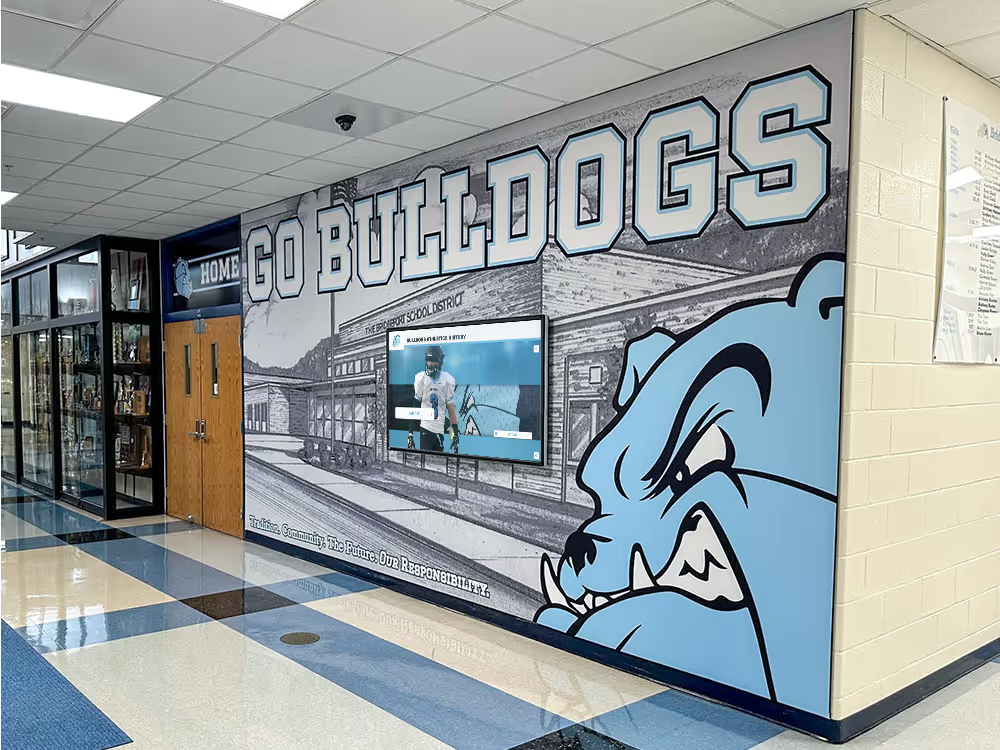
Traditional recognition plaques and physical halls of fame face space limitations, update challenges, and accessibility barriers. Modern institutions increasingly deploy interactive digital recognition systems that address these constraints while creating engaging visitor experiences.
Solutions like Rocket Alumni Solutions offer unlimited recognition capacity, rich multimedia storytelling, searchable databases, remote content updates, and accessibility features that traditional approaches cannot match. These systems integrate with school hallway displays, event venues, and athletic facilities, creating touchpoints where alumni naturally gather.
Gamification and Engagement Incentives
Some institutions experiment with gamification mechanics that reward alumni engagement through points, badges, leaderboards, and recognition tiers. Activities like event attendance, volunteer hours, donations, mentorship participation, and social media sharing generate engagement credits that unlock benefits or status.
While gamification remains controversial—critics argue it trivializes meaningful engagement—early adopters report increased participation rates, particularly among younger demographics comfortable with game mechanics from consumer apps.
Professional Networking Platforms
Generic alumni directories evolved into sophisticated professional networking platforms rivaling LinkedIn in functionality. These specialized systems help alumni discover fellow graduates working in their industries, identify potential mentors or mentees, post job opportunities, and facilitate business partnerships.
The most advanced platforms use algorithms to recommend connections based on shared interests, career trajectories, and networking goals—creating serendipitous relationships that might never form through manual directory searching.
Diversity, Equity, and Inclusion Initiatives
Alumni networks historically reflected—and sometimes perpetuated—institutional inequities, with programming and recognition disproportionately benefiting privileged demographic groups. Forward-thinking institutions now intentionally design inclusive alumni engagement:
- Identity-based affinity groups creating belonging for underrepresented populations
- Financial accessibility offering free or low-cost programming removing economic barriers
- Diverse recognition celebrating achievements across varied career paths and life contributions
- Inclusive communications representing graduate diversity in imagery, storytelling, and featured alumni
- Accessibility accommodations ensuring alumni with disabilities can fully participate
These equity initiatives strengthen networks by engaging previously marginalized populations while demonstrating institutional values.
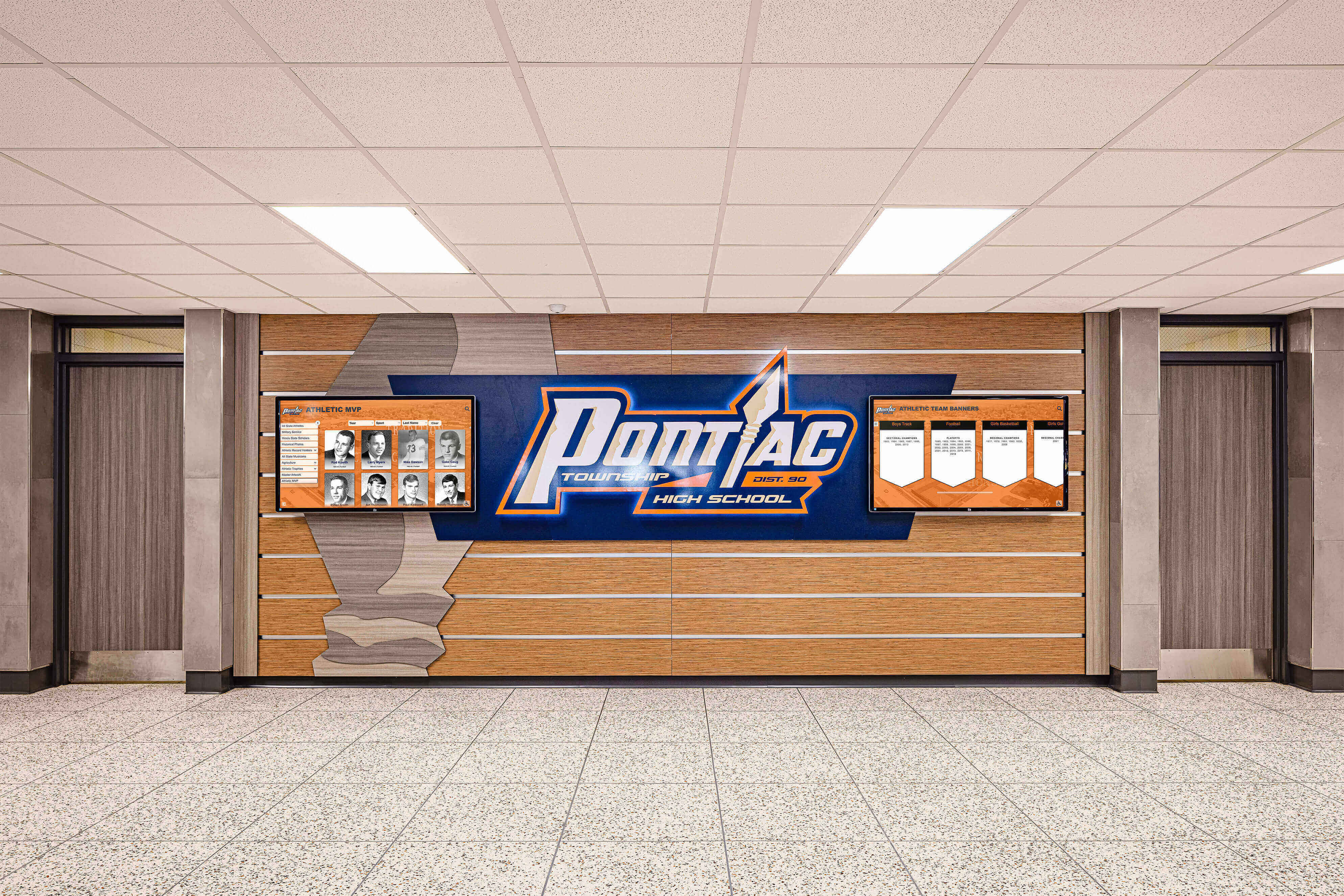
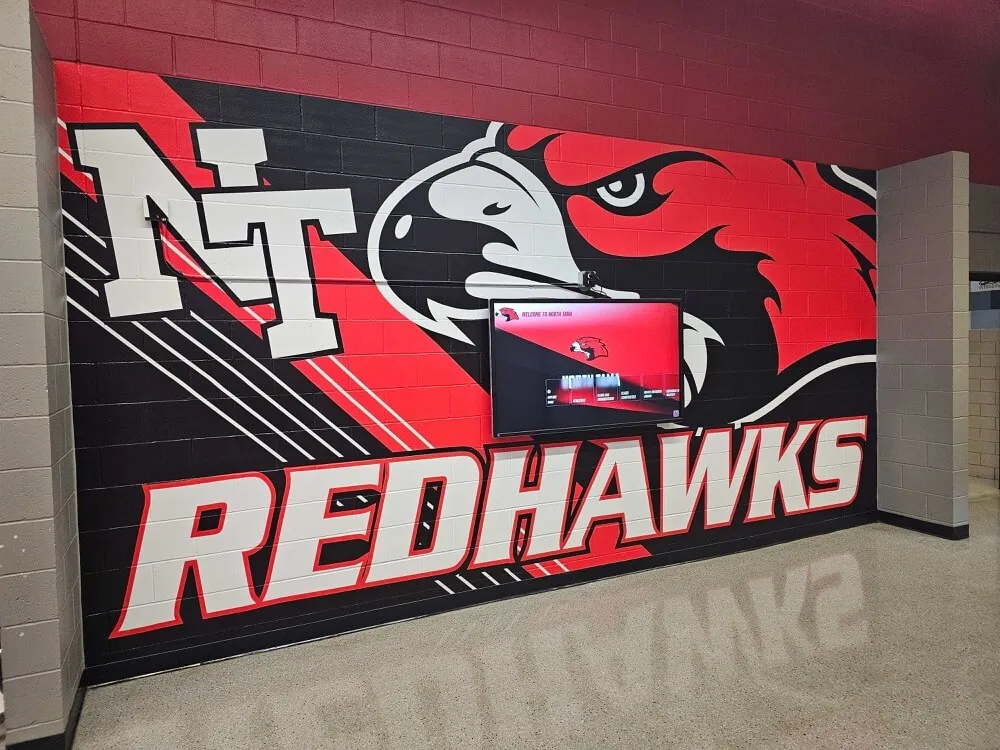
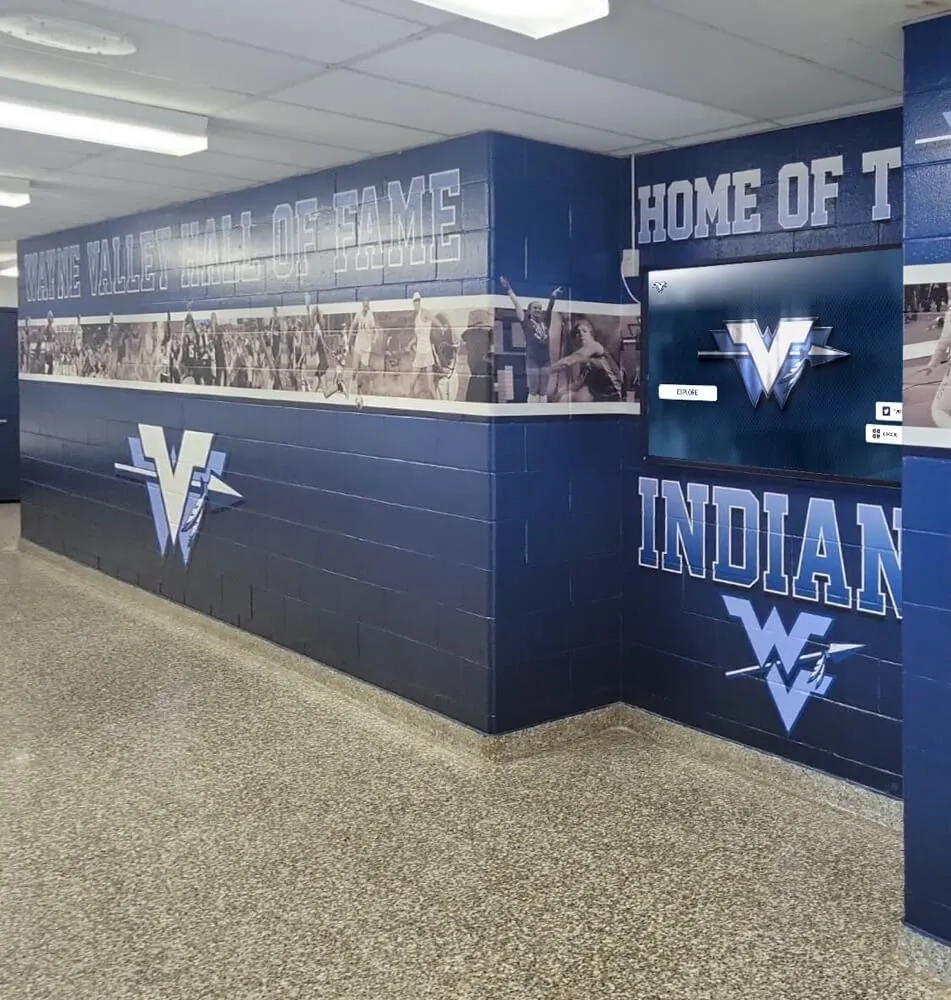
Hallway displays create constant touchpoints with alumni history, reinforcing institutional pride among current students while honoring graduate legacies
Challenges Facing Large Alumni Networks
Despite their advantages, massive graduate communities face unique challenges that smaller networks avoid.
Maintaining Personal Connection at Scale
As networks grow into hundreds of thousands or millions of members, creating personal connections becomes increasingly difficult. Alumni can feel like numbers in databases rather than valued community members. The most successful large networks address scale challenges through:
- Segmentation creating smaller affinity communities within massive populations
- Volunteer leadership structures distributing relationship responsibility
- Personalized communications using data to tailor messaging
- Local chapter networks maintaining human-scale gatherings
Engaging Passive Majorities
In large alumni networks, active participants typically represent small percentages of total populations. The Pareto principle applies: 20% of alumni generate 80% of engagement, volunteering, and donations. This creates challenges:
- Over-relying on small volunteer cohorts risks burnout
- Inactive majorities represent untapped potential
- Programming designed for active minorities may not appeal to broader populations
- Resources concentrate on already-engaged alumni rather than activating dormant ones
Successful networks continuously experiment with activation strategies attempting to convert passive alumni into active participants.
Geographic Dispersion
Large networks scatter graduates across states, countries, and continents. This dispersion challenges efforts to create local community and meaningful face-to-face interaction. Virtual programming and robust chapter networks partially address geographic challenges, but maintaining cohesive community across distances requires sustained effort and resources.
Generational Diversity
Networks spanning decades of graduating classes include Silent Generation members, Baby Boomers, Generation X, Millennials, and Generation Z alumni with vastly different communication preferences, life circumstances, and engagement expectations. Programming appealing to recent graduates may bore established professionals, while events designed for senior alumni may not resonate with young professionals.
The most effective networks vary programming across demographic segments rather than attempting one-size-fits-all approaches satisfying no one.
Competition for Attention
Alumni face endless demands on limited time and attention: careers, families, hobbies, civic engagement, religious communities, and countless other commitments. Alumni associations compete not only with other educational institutions but with every organization requesting volunteer time, attention, or donations.
This attention scarcity requires alumni relations professionals to deliver exceptional value justifying alumni engagement. Generic programming and transactional fundraising solicitations fail when alumni can invest time and resources elsewhere more productively.
Resource Constraints
Even well-funded alumni associations face budget limitations affecting staff capacity, programming quality, technology investments, and communications sophistication. Resource constraints force difficult prioritization decisions about which populations to serve, which programs to offer, and which technologies to deploy.
Institutions must balance alumni relations investment against other priorities: academic programs, financial aid, facility maintenance, athletic budgets, and administrative operations. Demonstrating alumni engagement return on investment helps justify sustained resource allocation.
Lessons for Institutions Building Alumni Networks
Institutions aspiring to strengthen graduate communities can learn from the largest networks’ successes and challenges:
Start Early: Alumni engagement begins during undergraduate years through positive student experiences, tradition cultivation, and relationship development.
Invest Appropriately: Robust networks require professional staff, adequate budgets, technology platforms, and sustained institutional commitment rather than volunteer-run operations with minimal resources.
Deliver Value: Alumni remain engaged when networks provide tangible benefits—career advancement, intellectual stimulation, social connection, or contribution opportunities—beyond nostalgic appeals.
Segment Thoughtfully: Different alumni populations require different approaches. Targeted programming delivers specific value rather than generic events attempting universal appeal.
Measure and Optimize: Track engagement metrics, analyze participation patterns, and use data to continuously improve programming and resource allocation.
Embrace Technology: Modern platforms enable connection, recognition, and engagement at scales impossible through traditional approaches. Institutions that leverage digital recognition displays and networking technologies create advantages over competitors relying on outdated methods.
Honor Tradition While Innovating: Balance respect for institutional heritage with willingness to experiment with new approaches meeting evolving alumni expectations.
Think Long-Term: Alumni engagement investment pays dividends across decades rather than quarters. Patient institutions building genuine relationships eventually convert engagement into giving, volunteering, and advocacy.
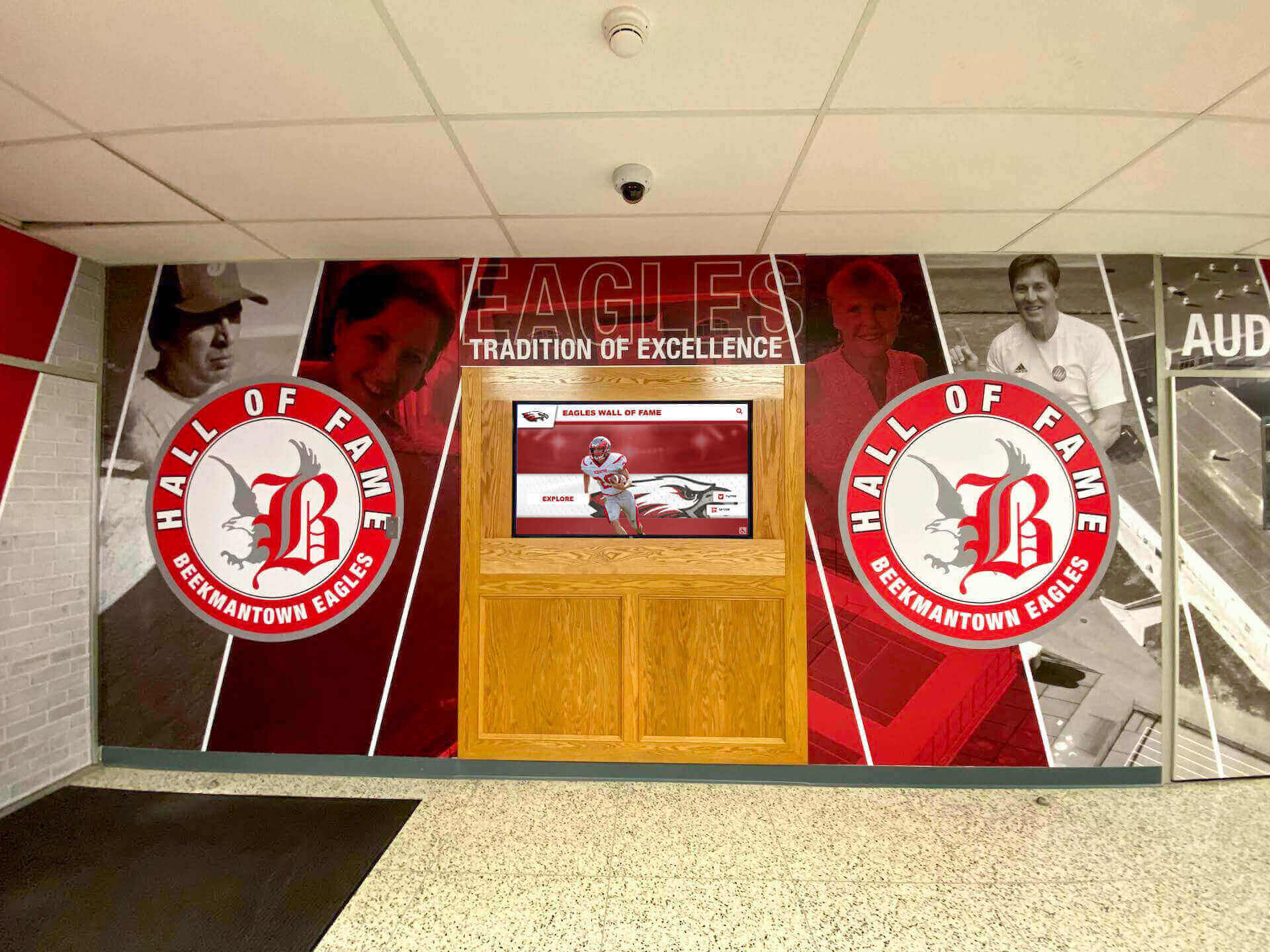
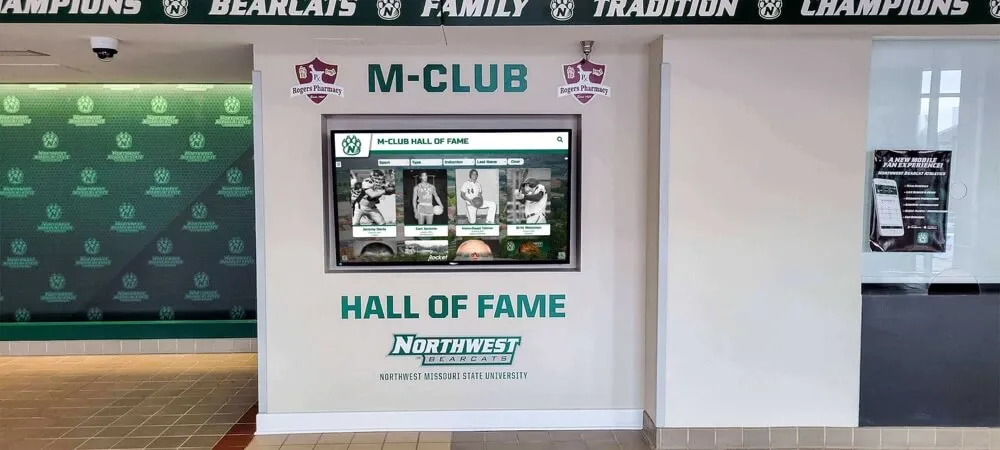
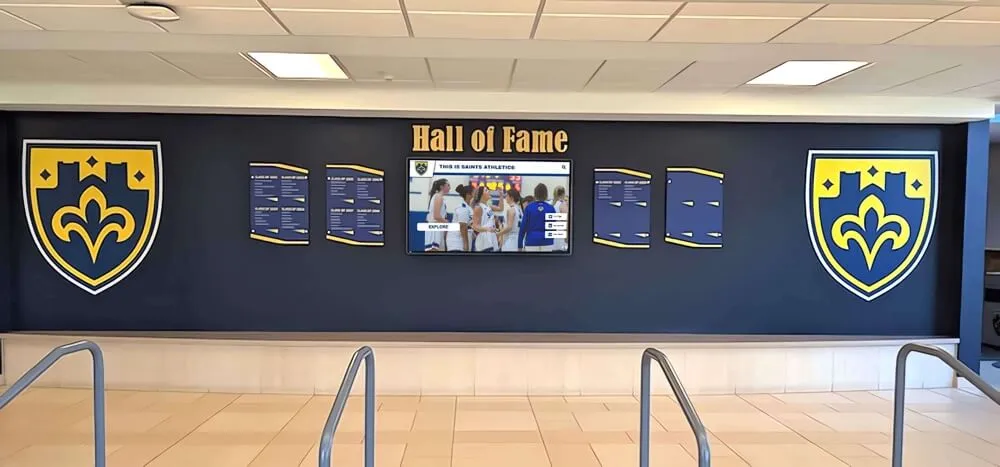
Lobby installations create welcoming focal points celebrating alumni achievements while reinforcing institutional pride among all campus visitors
How Digital Recognition Technology Strengthens Alumni Networks
While events, communications, and programming create periodic alumni touchpoints, permanent recognition infrastructure maintains year-round engagement. Interactive digital displays showcasing alumni achievements, historical milestones, and institutional evolution serve multiple functions within alumni network strategies:
Unlimited Recognition Capacity: Traditional plaques accommodate finite honorees due to physical space constraints. Digital systems display unlimited alumni profiles, ensuring every graduate can receive recognition regardless of when they contribute or achieve distinction.
Rich Storytelling: Digital formats enable photographs, videos, career timelines, and personal narratives that static plaques cannot convey. Alumni explore peer accomplishments through engaging multimedia rather than text-only inscriptions.
Easy Updates: When alumni achieve new milestones, institutions update digital profiles remotely without fabrication delays or installation costs. Recognition remains current rather than freezing achievements at induction moments.
Searchable Exploration: Alumni search by name, graduation year, major, or achievement category, discovering classmates and exploring institutional history naturally. This interactive discovery creates engagement traditional static displays cannot match.
Event Integration: During reunions and gatherings, digital displays create natural congregation points where alumni browse memories together, facilitating conversations and reconnection around shared discoveries.
Accessibility: ADA-compliant touchscreens ensure all alumni can explore recognition displays, while QR codes enable smartphone access for those unable to physically visit campus locations.
Analytics and Insights: Usage data reveals which alumni profiles generate most interest, which historical periods attract attention, and how visitors navigate content—insights informing future programming and communication strategies.
Institutions recognizing graduates through comprehensive digital systems demonstrate long-term commitment to celebrating accomplishments while creating infrastructure supporting sustained engagement beyond individual events.
Conclusion: The Enduring Value of Alumni Networks
The largest alumni networks in America represent more than impressive statistics or institutional bragging rights. They function as mutual support systems, professional resources, philanthropic engines, and communities providing lifelong belonging. These networks create competitive advantages for their universities, opening doors for graduates while attracting prospective students seeking powerful post-graduation communities.
Building massive, engaged alumni networks requires intentional cultivation rather than passive hope that graduates will remain connected. The most successful institutions invest appropriately in staff, technology, programming, and communications while delivering genuine value worthy of alumni time and attention.
As higher education faces demographic headwinds, escalating costs, and public skepticism about value propositions, strong alumni networks become increasingly important institutional assets. Engaged graduates donate generously, recruit prospective students, hire fellow alumni, and champion institutional priorities—contributions that compound across decades.
Whether your institution maintains hundreds of thousands of alumni or thousands, the principles enabling successful graduate communities remain consistent: start engagement during student years, communicate consistently, deliver exceptional programming, recognize achievements appropriately, leverage technology thoughtfully, and demonstrate that alumni membership provides lifelong value beyond nostalgia.
The largest alumni networks didn’t develop accidentally. They resulted from sustained commitment, strategic investment, and cultural cultivation that transformed individual graduates into powerful, interconnected communities. Any institution willing to make similar investments can strengthen its own alumni network, creating competitive advantages that serve graduates, students, and institutions throughout generations.
Ready to enhance your alumni recognition and engagement infrastructure? Explore how interactive digital displays create year-round connection opportunities while celebrating graduate achievements in ways traditional plaques cannot match.
Sources:
- “Alumni Engagement in Higher Education,” Council for Advancement and Support of Education (CASE)
- University alumni association public records and annual reports
- “The Power of Alumni Networks,” Harvard Business Review
- National alumni association membership statistics
- “Building Engaged Alumni Communities,” Association of Alumni Relations Professionals