



When graduation day arrives and names are called to receive diplomas, certain students walk across the stage with special Latin designations attached to their degrees—cum laude, magna cum laude, and summa cum laude. These ancient Latin phrases represent the highest academic distinctions universities can bestow, signaling exceptional scholarship, sustained excellence, and intellectual achievement that sets graduates apart.
Yet despite their prevalence across American higher education, Latin honors remain surprisingly misunderstood. Students and families often wonder what these designations actually mean, how they differ from one another, what GPA thresholds determine each level, and whether the requirements vary across institutions. Understanding these distinctions matters not just for personal achievement but also for graduate school applications, employment opportunities, and lifelong professional credibility.
This comprehensive guide demystifies Latin honors, explaining the historical origins, specific requirements, institutional variations, and recognition strategies that help universities celebrate their highest-achieving graduates while inspiring academic excellence across entire student populations.
Latin honors represent standardized markers of academic excellence recognized across higher education institutions worldwide. While specific GPA requirements and qualification criteria vary by university, these three designations create a clear hierarchy acknowledging different levels of outstanding academic achievement that extends far beyond simply passing courses or meeting minimum graduation requirements.

Universities recognize academic excellence through Latin honors designations that celebrate exceptional scholarship
What Are Latin Honors? Historical Context and Modern Meaning
Understanding the origins and evolution of Latin honors helps clarify their contemporary significance in higher education.
The Historical Origins of Latin Honors
Latin honors trace their roots to European university traditions dating back centuries:
Medieval European Universities
- Oxford and Cambridge established early distinction systems in the 1700s
- Latin served as the universal academic language across European institutions
- Graduated recognition levels acknowledged varying degrees of scholarly achievement
- Honor designations distinguished exceptional graduates from their peers
- Academic ceremonies conducted entirely in Latin included honor announcements
American Adoption and Standardization
- Harvard College introduced Latin honors to American higher education in 1869
- Other prestigious institutions quickly adopted similar recognition systems
- Latin phrases maintained connection to classical educational traditions
- Standardization across institutions created nationally recognized achievement markers
- Three-tier system became standard across American universities
The phrases themselves translate directly from Latin: cum laude means “with honor,” magna cum laude means “with great honor,” and summa cum laude means “with highest honor.” These straightforward translations reflect the graduated levels of academic distinction they represent.
Why Latin Honors Matter Today
In contemporary higher education, Latin honors serve multiple important functions:
Graduate Recognition and Motivation
- Visible acknowledgment of exceptional academic achievement
- Clear goals motivating sustained academic excellence throughout college
- Distinction on diplomas and transcripts with permanent significance
- Recognition during commencement ceremonies before peers and families
- Lifetime credential signaling intellectual capability and work ethic

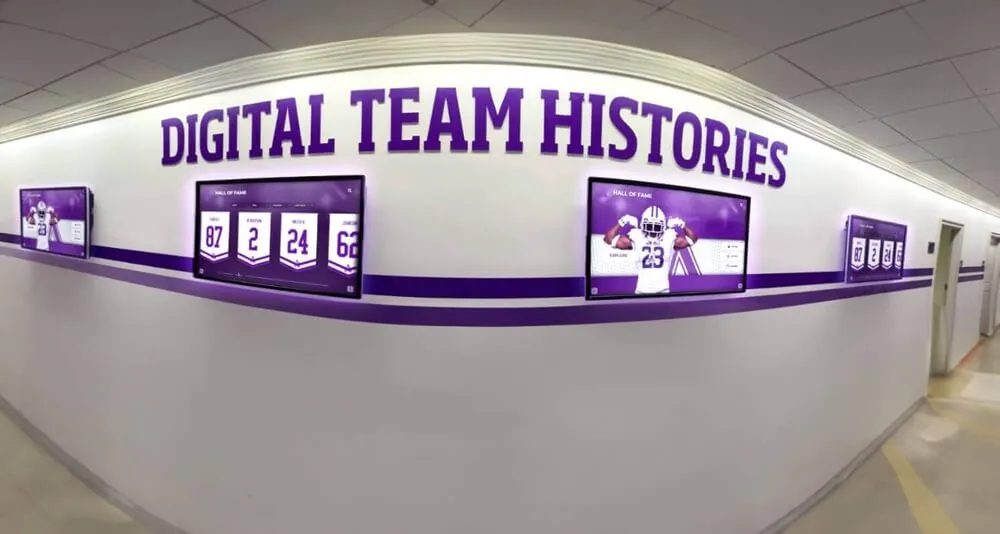
Modern institutions display academic achievers prominently, creating visible recognition of intellectual excellence
Professional and Academic Advancement
- Graduate school applications strengthened by Latin honors designation
- Competitive fellowship and scholarship programs favor honors graduates
- Employers recognize Latin honors as indicators of capability and dedication
- Professional credentials enhanced by undergraduate academic distinction
- Networking opportunities through honors societies and alumni connections
According to the National Association of Colleges and Employers, employers consistently rank academic achievement among top factors in hiring decisions, with Latin honors serving as an immediate signal of exceptional performance.
Cum Laude: Understanding the First Level of Latin Honors
Cum laude represents the entry point into Latin honors recognition, acknowledging students whose academic performance significantly exceeds standard graduation requirements.
Typical Cum Laude Requirements
While specific thresholds vary by institution, common cum laude standards include:
GPA Thresholds
- GPA typically ranging from 3.5 to 3.7 on a 4.0 scale
- Some institutions use percentage-based systems (top 25-35% of graduating class)
- Calculation usually based on cumulative GPA across all coursework
- Transfer credits may be included or excluded depending on institutional policy
- Certain schools require minimum credit hours earned at their institution
Additional Qualification Criteria
- Completion of all degree requirements without academic integrity violations
- Minimum credit hours completed (often 60 semester hours at the awarding institution)
- No failing grades or academic probation during enrollment
- Some institutions require thesis or capstone project completion
- Departmental honors may have separate or additional requirements
Different universities establish cum laude requirements based on their academic cultures and student body characteristics. Highly selective institutions may set higher thresholds recognizing their already accomplished student populations, while other schools aim to honor roughly the top third of graduates.
The Significance of Cum Laude Recognition
Earning cum laude distinction provides meaningful benefits:
Academic and Professional Value
- Demonstrates sustained academic performance across multiple years
- Signals commitment to intellectual excellence beyond minimum requirements
- Enhances graduate school applications and scholarship opportunities
- Provides talking points for job interviews and professional introductions
- Creates eligibility for honors-specific alumni networks and resources
Personal Achievement Milestone
- Validates years of dedicated study and academic focus
- Provides tangible recognition families can celebrate
- Distinguishes graduates in commencement programs and ceremonies
- Appears permanently on official transcripts and diplomas
- Represents accomplishment requiring consistent effort across entire undergraduate career
Many graduates who achieve cum laude recognition describe it as affirmation that their academic dedication produced measurable results. The designation acknowledges not just intelligence but sustained effort, effective time management, and commitment to academic excellence throughout the college experience.
For universities building comprehensive academic recognition programs, Latin honors provide an established framework students and families immediately understand and value.
Magna Cum Laude: The Second Tier of Academic Excellence
Magna cum laude elevates recognition beyond cum laude, acknowledging students who have achieved exceptional academic performance placing them among their institution’s top scholars.
Typical Magna Cum Laude Requirements
Magna cum laude standards reflect significantly higher academic achievement:
GPA Thresholds
- GPA typically ranging from 3.7 to 3.9 on a 4.0 scale
- Percentage-based systems often designate top 10-15% of graduating class
- Higher minimum institutional credit hour requirements at some universities
- More stringent policies regarding transfer credit inclusion
- Some institutions require honors coursework or advanced seminars
Enhanced Qualification Standards
- Stricter enforcement of academic integrity requirements
- Required participation in honors programs or advanced curricula
- Completion of research projects, thesis work, or independent study
- Departmental approval or faculty recommendation at certain institutions
- Demonstrated engagement beyond classroom through academic activities

Universities create prominent displays celebrating students who achieve exceptional academic distinction
Distinguishing Magna Cum Laude Achievement
The gap between cum laude and magna cum laude represents substantial additional accomplishment:
Academic Performance Indicators
- Consistent A and A- grades across nearly all coursework
- Excellence in major field coursework specifically
- Successful completion of challenging advanced-level courses
- Strong performance in quantitative and writing-intensive requirements
- Minimal or no grades below B throughout undergraduate career
Competitive Selection Process
- Only students in roughly top 10-15% qualify for magna cum laude
- Selection becomes increasingly competitive at prestigious institutions
- Grade point differences of even 0.1 can determine eligibility
- Course difficulty and rigor considered at some institutions
- Strong performance required consistently across all four years
Students earning magna cum laude recognition typically demonstrate not just intelligence but exceptional work ethic, effective study strategies, and commitment to academic excellence that goes beyond what most peers achieve. This level of distinction significantly enhances graduate school and career opportunities.
Institutions that implement digital recognition systems can showcase magna cum laude graduates alongside other high achievers, creating visible celebration of multiple forms of excellence.
Summa Cum Laude: The Highest Level of Academic Distinction
Summa cum laude represents the pinnacle of undergraduate academic achievement, reserved for students who have demonstrated truly exceptional scholarship throughout their entire college experience.
Typical Summa Cum Laude Requirements
Summa cum laude standards reflect the highest academic performance thresholds:
GPA Thresholds
- GPA typically ranging from 3.9 to 4.0 on a 4.0 scale
- Percentage-based systems often limited to top 2-5% of graduating class
- Near-perfect academic records required at most institutions
- Virtually all coursework completed at the awarding institution
- Some schools maintain 4.0 GPA as minimum summa cum laude requirement
Exceptional Qualification Standards
- Flawless academic integrity record throughout enrollment
- Required completion of honors thesis or major research project
- Faculty nomination or departmental approval at selective institutions
- Participation in advanced honors seminars or special programs
- Demonstrated scholarly contribution through research or publication
The Elite Nature of Summa Cum Laude
Summa cum laude achievement places graduates among institutional elite:
Statistical Rarity
- Only 2-5% of graduates typically achieve summa cum laude
- At highly selective institutions, percentages may be even smaller
- Requires near-perfect performance across four years
- No room for academic missteps or performance inconsistency
- Often requires exceeding standard graduation requirements

Interactive displays enable universities to showcase summa cum laude graduates with detailed achievement profiles
Professional and Academic Impact
- Summa cum laude designation carries significant weight in graduate admissions
- Top fellowship programs specifically seek summa cum laude graduates
- Employers recognize summa designation as marker of exceptional capability
- Professional schools (law, medicine) view summa as strong predictor of success
- Alumni networks and mentorship opportunities often prioritize summa graduates
What It Takes to Achieve Summa Cum Laude
Students who earn summa cum laude distinction typically share certain characteristics:
Academic Behaviors and Strategies
- Exceptional time management and organizational skills
- Strategic course selection balancing challenge with performance capability
- Consistent study habits and proactive engagement with material
- Strong relationships with faculty providing mentorship and support
- Effective utilization of academic resources and support services
Beyond Raw Intelligence
- Sustained dedication and work ethic across entire undergraduate experience
- Ability to excel in diverse subject areas and course formats
- Resilience in managing academic pressure and high expectations
- Balance between academic excellence and holistic personal development
- Intrinsic motivation for learning beyond grades and recognition
According to research from the American Council on Education, students who achieve summa cum laude typically demonstrate not just high intelligence but also exceptional self-regulation, goal-setting capabilities, and growth mindset orientation that serves them throughout professional careers.
Universities celebrating summa cum laude graduates through digital recognition displays create powerful messages about institutional values and achievement culture.
How Universities Determine Latin Honors: Institutional Variations
While Latin honors follow general patterns, significant variations exist across institutions in how these distinctions are awarded.
GPA-Based vs. Percentage-Based Systems
Universities employ different methodologies for determining Latin honors eligibility:
GPA Threshold Approach
- Fixed GPA minimums established for each honor level
- Thresholds remain consistent year to year
- Students can calculate eligibility by tracking their GPA
- Number of honor graduates may vary significantly by graduating class
- Transparent system students understand from freshman year
Percentage-Based Approach
- Fixed percentages of graduating class receive each honor level
- Top 5% receive summa, next 10% magna, next 15% cum laude (typical percentages)
- Creates consistent proportion of honors graduates annually
- Final determination occurs after all grades submitted
- More competitive as student competes directly against classmates
Hybrid Systems
- Combination of minimum GPA thresholds and percentage caps
- Protects against grade inflation while ensuring minimum standards
- May include both cumulative GPA and major GPA requirements
- Considers course difficulty through weighted calculations
- Department-specific requirements overlay institutional standards
Institutional-Specific Requirements
Beyond GPA, universities impose various additional qualification criteria:
Credit Hour Residency Requirements
- Minimum credits earned at degree-granting institution (often 60+ semester hours)
- Transfer students may face higher thresholds
- Study abroad credit treatment varies by institution
- Summer and winter session credit inclusion policies differ
- Online and in-person course equivalency considerations
Honors Program Participation
- Some universities require enrollment in formal honors programs
- Completion of honors thesis or capstone project
- Participation in honors seminars and specialized coursework
- Service or leadership requirements at certain institutions
- Interview or application process for honors program admission
Departmental and College Variations
- Individual colleges within universities may set distinct standards
- Engineering or science programs may have different thresholds
- Major-specific GPA requirements overlay general education performance
- Departmental honors separate from general Latin honors at some schools
- Professional programs (business, nursing) may have unique criteria

Modern recognition technology helps institutions celebrate academic achievers while engaging current students
Elite University Practices
Highly selective institutions often implement distinctive Latin honors approaches:
Highly Competitive Standards
- Institutions like Harvard, Princeton, and Stanford set exceptionally high bars
- Summa cum laude may require 3.95+ GPA and faculty nomination
- Thesis defense or comprehensive examination requirements
- Limited number of summa graduates regardless of performance
- Departmental voting on Latin honors recipients
Alternative Recognition Systems
- Some elite schools have moved away from Latin honors entirely
- Replaced with honors designations specific to their institution
- Focus on departmental honors rather than general academic distinction
- Emphasis on research, thesis, and scholarly contribution over GPA
- Concern about grade inflation undermining honors meaningfulness
Several Ivy League institutions have adjusted Latin honors policies in recent years, with some limiting the percentage of graduates who can receive honors designations to maintain their prestige and meaning.
For institutions developing comprehensive student recognition programs, understanding these variations helps create systems that complement rather than compete with Latin honors frameworks.
Displaying and Celebrating Latin Honors Graduate Achievement
How universities recognize and celebrate Latin honors graduates significantly impacts program effectiveness and institutional culture.
Commencement Recognition Strategies
Graduation ceremonies provide the primary venue for Latin honors acknowledgment:
During the Ceremony
- Honor level announced as graduate crosses stage
- Special cords, stoles, or medallions worn with academic regalia
- Summa cum laude graduates recognized with gold cords or tassels
- Magna cum laude typically designated with silver cords
- Cum laude graduates may wear bronze or specific institutional colors
- Separate recognition section in printed commencement programs
- Sometimes called forward as group before general diploma conferral
Visual Distinction During Commencement
- Honor graduates easily identified by families and peers through regalia
- Creates aspirational images for underclassmen attending ceremonies
- Photo opportunities highlight achievement for families
- Media coverage often focuses on honors graduates
- Institutional marketing materials feature honors students
Permanent Recognition and Display
Beyond commencement, universities create lasting recognition for honors graduates:
Traditional Recognition Methods
- Names engraved on permanent plaques in academic buildings
- Honors designation printed on diploma and all official transcripts
- Inclusion in Dean’s List and academic achievement publications
- Featured profiles in alumni magazines and institutional communications
- Recognition at departmental ceremonies and receptions
Digital Recognition Innovation
- Interactive touchscreen displays showcasing honors graduates by year
- Searchable databases allowing visitors to explore graduate achievements
- Digital walls featuring graduate photos, majors, and accomplishments
- QR codes connecting physical displays to detailed online profiles
- Social media recognition campaigns highlighting honors students

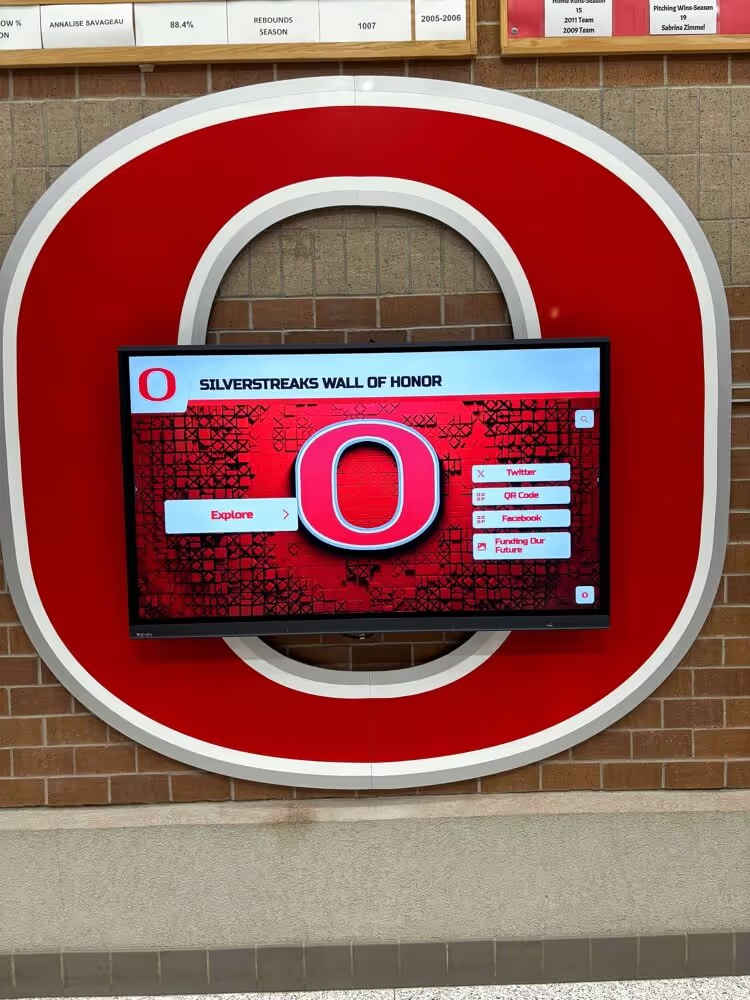
Digital displays enable universities to celebrate academic excellence while creating engaging visitor experiences
Modern Display Technology for Academic Recognition
Contemporary recognition systems offer advantages over traditional approaches:
Space and Scalability
- Digital displays accommodate unlimited honorees without physical space constraints
- Easy annual updates without expensive engraving or plaque replacement
- Searchable interfaces allow quick location of specific graduates
- Multimedia content includes photos, videos, and detailed profiles
- Cost-effective expansion as programs grow
Engagement and Accessibility
- Interactive technology engages prospective students and campus visitors
- Alumni can access recognition displays remotely through web portals
- Regular content updates maintain visitor interest and return engagement
- Integration with other institutional recognition programs
- Analytics tracking which displays receive most engagement
Universities implementing modern touchscreen recognition systems find they can celebrate academic excellence alongside athletic achievements, donor recognition, and institutional history within unified platforms that maximize visibility and impact.
Latin Honors and Career Advancement: Real-World Impact
Understanding how Latin honors influence post-graduation opportunities helps students appreciate their significance beyond ceremonial recognition.
Graduate School Applications
Latin honors significantly impact competitive graduate program admissions:
Admissions Advantage
- Top graduate programs use Latin honors as initial screening criteria
- PhD programs specifically seek summa and magna cum laude graduates
- Professional schools (medicine, law, business) weigh honors heavily
- Fellowship and assistantship decisions favor honors graduates
- Letters of recommendation strengthened by honors achievement
Specific Program Preferences
- Medical schools track undergraduate Latin honors in admissions data
- Law schools report honors designation in class profiles
- Competitive PhD programs expect summa cum laude from top applicants
- MBA programs view honors as indicator of analytical capability
- Graduate assistantships and funding often prioritize honors students
According to the Association of American Medical Colleges, students graduating with Latin honors have significantly higher medical school acceptance rates compared to peers with equivalent MCAT scores but no honors designation.
Employment and Career Outcomes
Employers recognize Latin honors as markers of exceptional capability:
Hiring Decisions
- Competitive employers use honors as resume screening criterion
- Latin honors designation signals work ethic and intellectual capability
- Particularly valued in consulting, finance, and technology sectors
- Government fellowships and programs prioritize honors graduates
- International employers recognize Latin honors across cultural contexts
Long-Term Career Impact
- Honors graduates report higher starting salaries on average
- Faster career advancement in professional services industries
- Enhanced credibility when pursuing professional certifications
- Networking advantages through honors alumni connections
- Lifetime credential relevant throughout career transitions
Research from the National Association of Colleges and Employers indicates that employers consistently rank academic achievement—particularly honors designations—among the top five factors influencing hiring decisions for entry-level positions.
Professional Credibility and Networking
Latin honors create ongoing professional advantages:
Alumni Network Benefits
- Honors graduates often connect through exclusive networking events
- University career services provide enhanced support for honors alumni
- Mentorship programs pair honors graduates across generational cohorts
- Professional associations recognize undergraduate honors achievement
- Enhanced institutional affinity and engagement as alumni
Professional Development Opportunities
- Honors designation opens doors to competitive leadership programs
- Selection for management training favors honors graduates
- International opportunities and exchanges consider honors achievement
- Speaking and thought leadership invitations reference academic credentials
- Board appointments and advisory roles enhanced by honors background
Many successful professionals describe their undergraduate Latin honors designation as a credential that continued opening doors decades after graduation, signaling not just past achievement but ongoing commitment to excellence.
Strategies for Students Pursuing Latin Honors
Students targeting Latin honors recognition need strategic approaches that maximize success potential while maintaining well-being.
Early Planning and Goal Setting
Successful honors pursuit begins freshman year:
Understanding Institutional Requirements
- Research specific Latin honors criteria at your institution
- Clarify whether system is GPA-based or percentage-based
- Identify any additional requirements beyond GPA thresholds
- Understand transfer credit policies if considering study abroad
- Meet with academic advisors to develop honors-focused academic plan
Developing Academic Strategy
- Select appropriate course difficulty balancing challenge with performance
- Build strong foundation in general education requirements
- Consider professor reputation and grading practices
- Plan demanding courses strategically across semesters
- Protect GPA by avoiding unnecessary risks in course selection
Freshman and Sophomore Focus
- Establish strong academic habits and study routines early
- Build relationships with faculty who can provide mentorship
- Explore major options allowing highest performance potential
- Maintain consistent academic performance from first semester
- Understand that early GPA damage proves difficult to overcome
Maintaining Performance Throughout College
Sustaining honors-level achievement requires consistent effort:
Time Management and Study Skills
- Develop effective study systems and note-taking strategies
- Utilize campus academic support resources proactively
- Form study groups with similarly motivated peers
- Balance course load avoiding overcommitment
- Plan ahead for finals and major assignment deadlines
Strategic Course Selection
- Fulfill requirements through courses aligned with your strengths
- Research course difficulty and professor expectations before enrolling
- Spread challenging requirements across multiple semesters
- Consider audit or pass/fail options for exploratory courses when allowed
- Sequence courses to build knowledge progressively
Managing Academic Pressure
- Develop stress management and mental health support systems
- Maintain realistic expectations and self-compassion
- Seek help early when struggling in courses
- Balance academic goals with holistic personal development
- Remember that worth extends beyond grades and recognition
Balancing Excellence with Well-Being
Sustainable honors pursuit avoids burnout:
Holistic College Experience
- Participate in extracurricular activities providing fulfillment
- Maintain social connections and friendship networks
- Pursue internships and experiences beyond academics
- Allow time for rest, recreation, and personal interests
- Recognize that perfect grades shouldn’t require sacrificing well-being
When Latin Honors May Not Be Worth Pursuing
- If academic pressure compromises mental health significantly
- When other valuable opportunities require academic trade-offs
- If your institution’s requirements seem unattainable despite strong effort
- When career goals don’t particularly value Latin honors designation
- If pursuing honors prevents experiences more valuable for your development
Students should remember that while Latin honors provide real advantages, they represent one credential among many that contribute to successful, fulfilling careers and lives. The habits developed pursuing honors—work ethic, time management, intellectual curiosity—often matter more than the designation itself.
Institutions supporting student success through recognition programs help students see their efforts acknowledged at multiple points along the journey, not just at graduation.
Common Questions About Latin Honors
Addressing frequently asked questions helps clarify Latin honors systems:
Do Latin Honors Appear on Your Diploma?
Yes, Latin honors designation appears directly on your diploma:
- Honor level printed along with degree and major
- Appears on all official transcripts permanently
- Cannot be added retroactively after graduation
- Remains part of academic record throughout life
- Universities cannot revoke honors except for academic integrity violations
Can You Graduate With Multiple Latin Honors?
No, students receive only the highest honor level they achieve:
- If you qualify for both cum laude and magna cum laude, you receive magna
- Achieving summa cum laude supersedes lower honor designations
- Some institutions award separate departmental honors alongside general honors
- Honors in your major may be designated separately from general Latin honors
- College honors and university honors may both be awarded at some institutions
What If You Miss Latin Honors By a Small Margin?
Unfortunately, Latin honors have fixed thresholds without exceptions:
- Missing honors by 0.01 GPA points still means no designation
- Appeals or petitions rarely succeed for borderline cases
- Institutional policies typically prohibit exceptions for equity reasons
- Grade changes after graduation deadlines don’t affect honors determination
- Focus on achievements and experiences rather than single missed milestone
Do Graduate Schools Have Latin Honors?
Some graduate programs offer similar distinctions but with different names:
- Law schools award “Order of the Coif” and law review distinctions
- MBA programs may designate “With Distinction” or “High Distinction”
- Master’s programs less commonly use Latin honors compared to undergraduate
- PhD programs typically don’t use honors systems as all graduates meet high standards
- Professional programs may have field-specific recognition systems
How Do Employers Verify Latin Honors?
Employers can verify honors through official channels:
- Designation appears on official transcripts requested during hiring
- Background check companies verify academic credentials including honors
- LinkedIn profiles can display honors but should be verifiable
- Resume misrepresentation of Latin honors can result in job offer withdrawal
- Universities maintain permanent records confirming graduate honors status

Recognition displays create lasting celebration of academic achievement that inspires future students
Building Institutional Culture Around Academic Excellence
Universities that effectively leverage Latin honors create broader cultures valuing intellectual achievement.
Integrating Latin Honors into Institutional Identity
Making academic excellence central to campus culture:
Visibility and Celebration
- Prominent display of honors graduates in high-traffic campus locations
- Regular communication highlighting current students on track for honors
- Feature stories about honors graduates and their post-graduation success
- Integration of honors messaging in admissions and recruitment materials
- Alumni events specifically for Latin honors graduates
Connection to Institutional Mission
- Latin honors alignment with academic excellence mission statements
- President and senior leaders regularly celebrating honors achievement
- Integration of honors recognition in fundraising and development communications
- Research demonstrating honors graduates’ contributions to institutional reputation
- Strategic planning incorporating academic excellence metrics and recognition
Supporting Students Throughout the Journey
Effective institutions support honors pursuit proactively:
Academic Support Infrastructure
- Early warning systems identifying students struggling academically
- Proactive advising for students pursuing Latin honors
- Study skills and time management workshops
- Peer tutoring and academic coaching programs
- Mental health resources addressing academic pressure
Recognition Beyond Final Honors
- Dean’s List and semester-based recognition for strong performance
- Milestone recognition as students progress toward honors eligibility
- Subject-specific awards complementing Latin honors
- Research and creative achievement celebration regardless of GPA
- Student recognition programs acknowledging diverse achievements
Creating Multi-Dimensional Excellence Recognition
Latin honors work best as part of comprehensive recognition systems:
Balancing Academic and Co-Curricular Achievement
- Leadership awards complementing academic honors
- Service recognition for community engagement
- Athletic achievement celebrated alongside intellectual excellence
- Creative and artistic accomplishment featured prominently
- Career and professional development milestone recognition
Ensuring Inclusive Recognition
- Multiple pathways to recognition beyond GPA alone
- Celebrating academic growth and improvement
- Recognition accessible to students at different starting points
- Acknowledging challenges overcome and resilience demonstrated
- Creating environments where diverse strengths receive validation
Universities implementing comprehensive digital recognition systems can showcase Latin honors graduates alongside student athletes, service leaders, and other high achievers, demonstrating institutional commitment to excellence across multiple dimensions.
Conclusion: The Enduring Value of Latin Honors
Latin honors—cum laude, magna cum laude, and summa cum laude—represent more than ceremonial designations or resume credentials. These ancient distinctions embody sustained intellectual achievement, exceptional work ethic, and commitment to academic excellence that extends across entire undergraduate experiences. For students who earn them, Latin honors provide lifetime validation of their scholarly capabilities and dedication to learning.
Understanding the specific requirements, institutional variations, and strategic approaches to achieving Latin honors helps students make informed decisions about their academic goals while pursuing excellence in ways aligned with their values and aspirations. Whether targeting summa cum laude or simply seeking to perform at your highest capability, the habits and skills developed through rigorous academic pursuit serve graduates throughout their personal and professional lives.
Celebrate Academic Excellence at Your Institution
Discover how modern digital recognition displays can help you honor Latin honors graduates, create engaging academic achievement showcases, and build a campus culture that celebrates intellectual excellence alongside every form of student success.
Request a DemoFor universities, Latin honors programs work most effectively when integrated into broader recognition systems that celebrate achievement across multiple dimensions. Modern recognition technology enables institutions to showcase Latin honors graduates alongside athletic accomplishments, leadership recognition, creative achievement, and service contributions—creating comprehensive displays that demonstrate what the institution truly values.
Creating visible, engaging celebration of academic excellence sends powerful messages throughout campus communities. When prospective students, current undergraduates, visiting families, and alumni see Latin honors graduates prominently featured, intellectual achievement becomes aspirational and celebrated as central to institutional identity.
The students who achieve Latin honors distinctions deserve recognition extending beyond brief commencement mention. Their sustained dedication, intellectual curiosity, and exceptional performance represent precisely the outcomes universities seek to cultivate. By implementing thoughtful recognition strategies—from traditional plaques to innovative digital displays—institutions honor these remarkable graduates while inspiring future students toward their own academic excellence.
Whether you’re a student planning your academic journey, a parent supporting a college student, or an institutional leader developing recognition programs, understanding Latin honors helps you appreciate these time-honored distinctions that continue celebrating exceptional scholarship in higher education today just as they have for centuries.
Ready to explore comprehensive academic recognition solutions? Learn more about digital recognition systems for schools and universities or contact our team to see how modern technology can transform how your institution celebrates Latin honors graduates and all forms of student achievement.