



Creating memorial displays that appropriately honor lives lost presents unique challenges for schools, hospitals, and community organizations. These tributes must balance dignity with accessibility, permanence with flexibility, and personal remembrance with community celebration—all while respecting the grieving process of families and providing meaningful spaces for reflection.
Many institutions struggle to create memorial displays that serve diverse needs. Traditional plaques become crowded as time passes, static tributes can’t accommodate multimedia memories that bring individuals to life, and limited budgets force difficult decisions about who receives recognition and how comprehensively their stories can be told. Families seeking connection to lost loved ones deserve more than hastily assembled photo boards or overwhelmed display cases that fail to capture the fullness of lives lived.
This comprehensive guide explores memorial display ideas that honor individuals with the dignity they deserve while creating accessible, engaging tributes that preserve legacies for current and future generations.
Memorial displays serve profound purposes beyond simple recognition. They provide physical spaces where communities gather to remember, where families find comfort in knowing loved ones aren’t forgotten, and where individuals’ contributions continue inspiring those who come after. Whether honoring fallen students, commemorating hospital donors, celebrating community heroes, or preserving the memory of dedicated staff members, thoughtfully designed memorial displays transform grief into enduring celebration of lives that mattered.

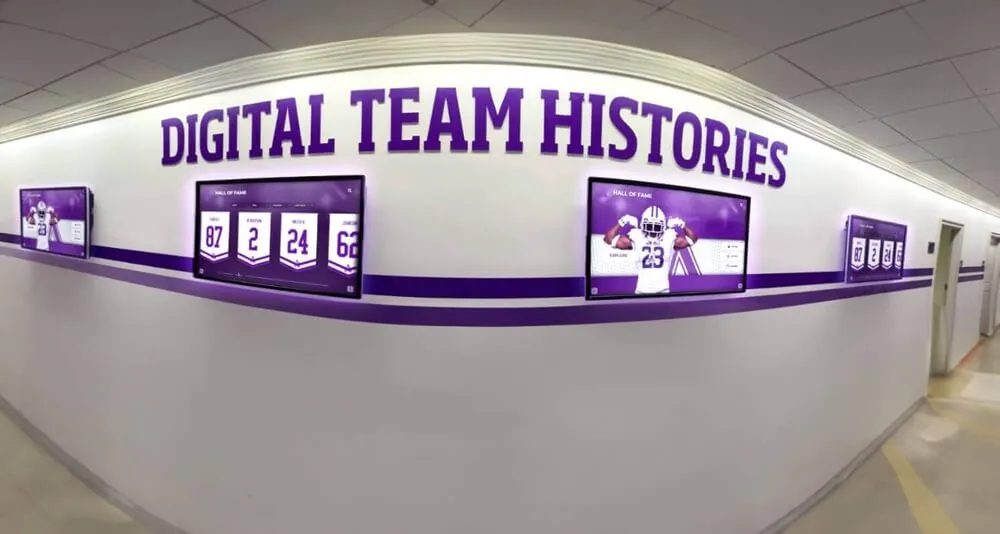
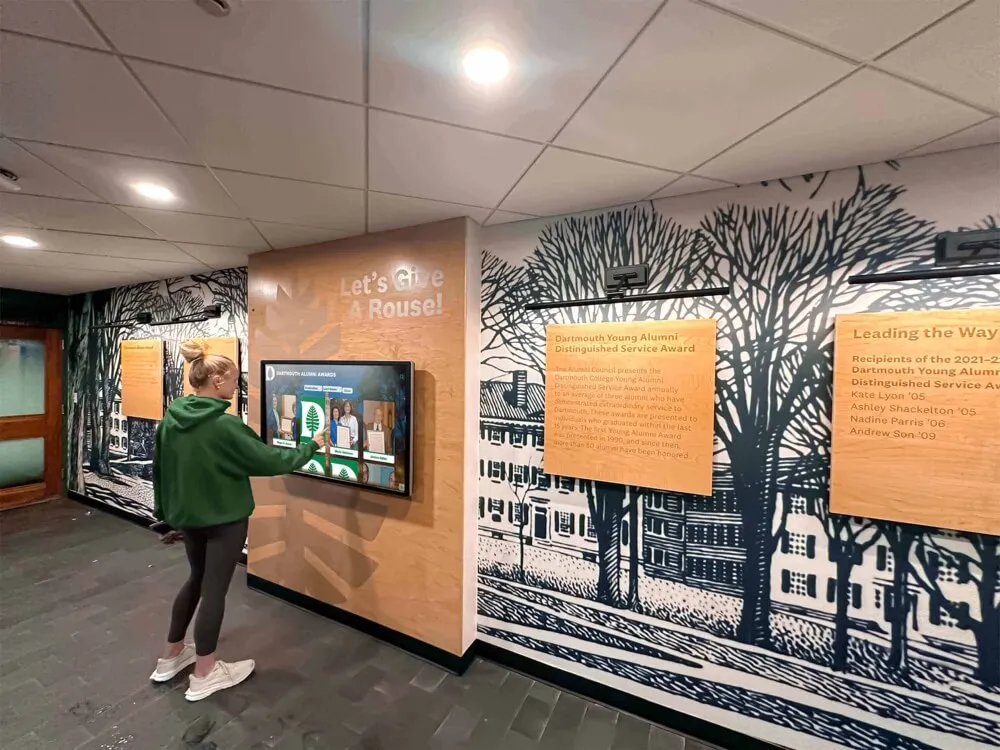
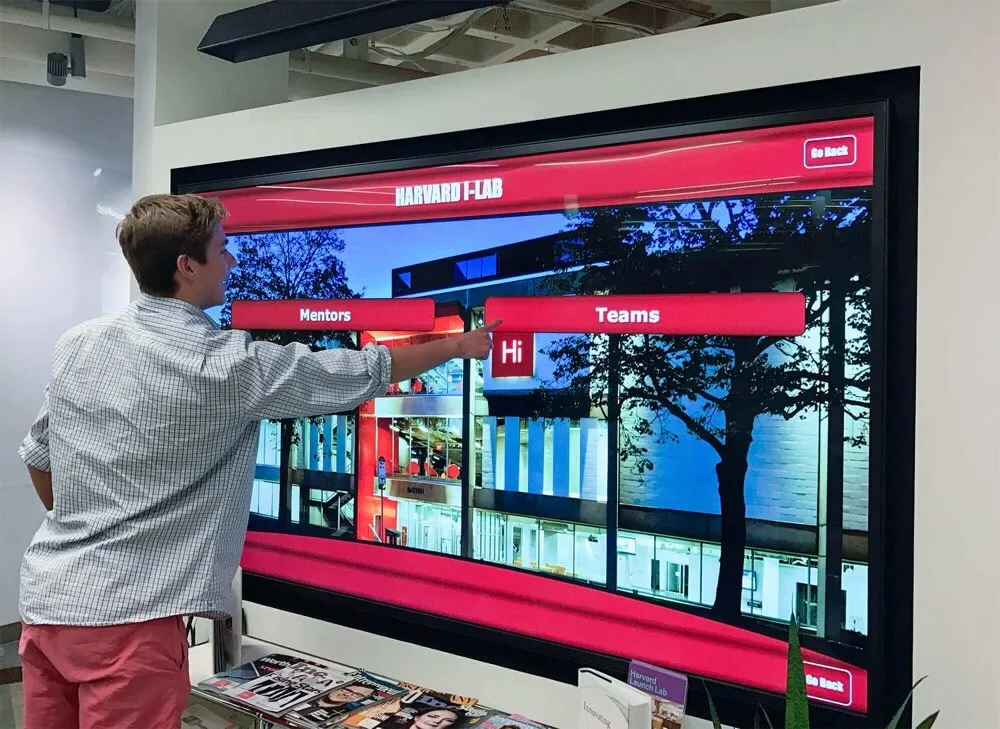
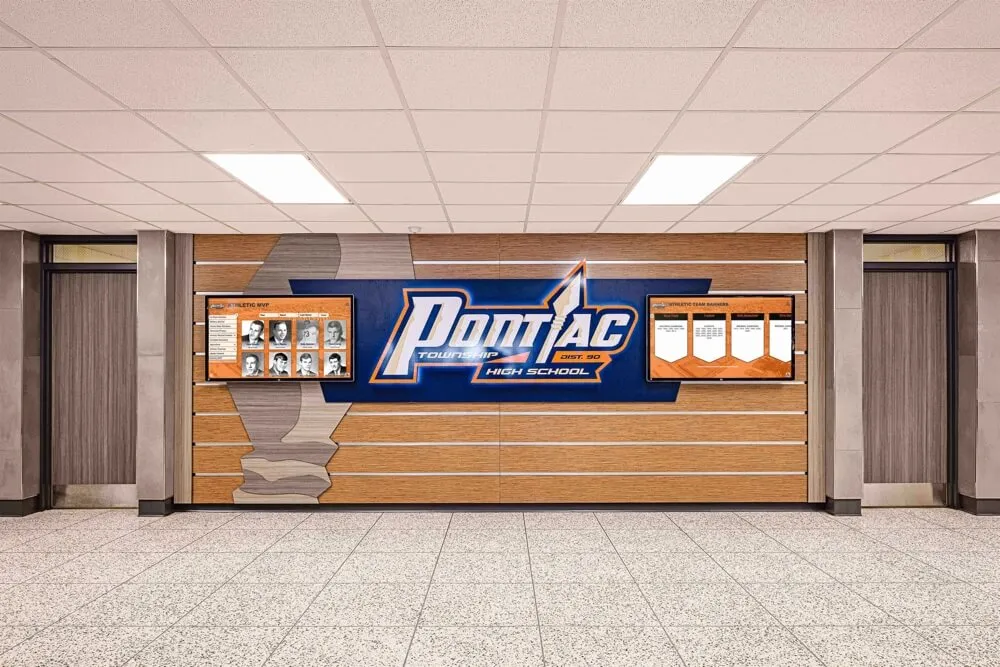
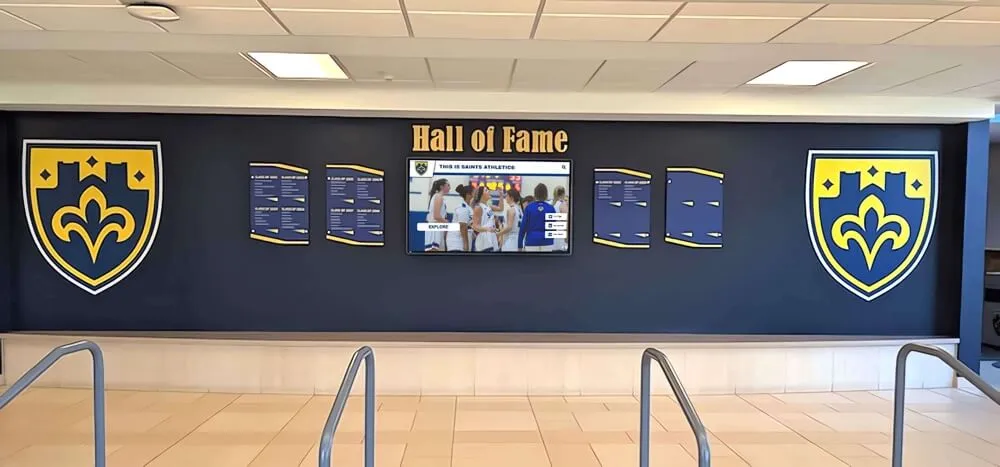
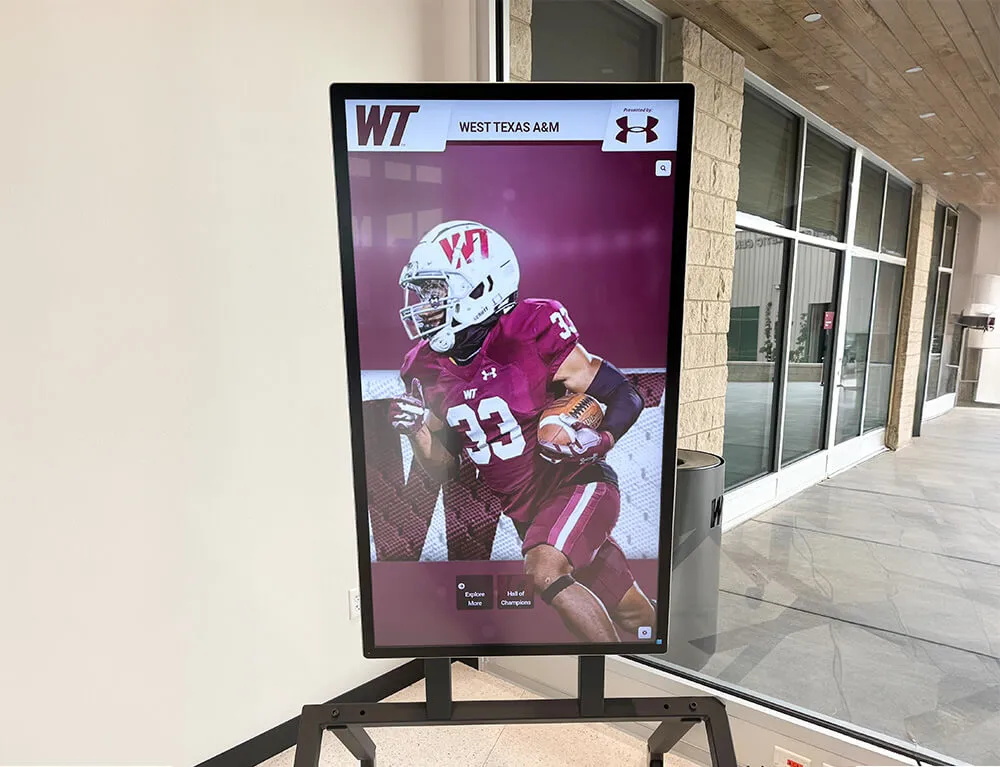
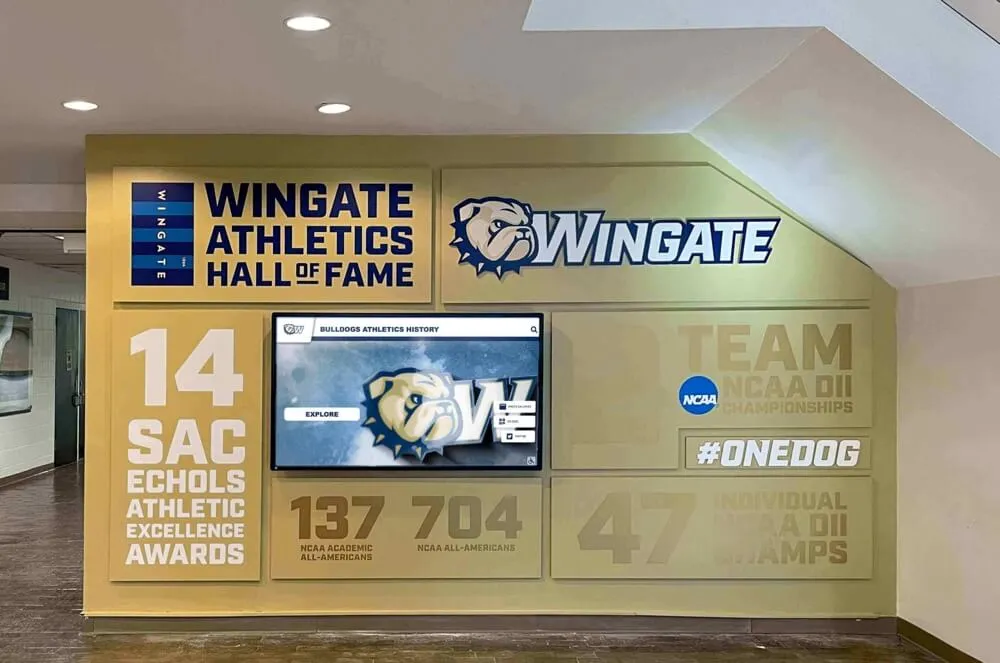
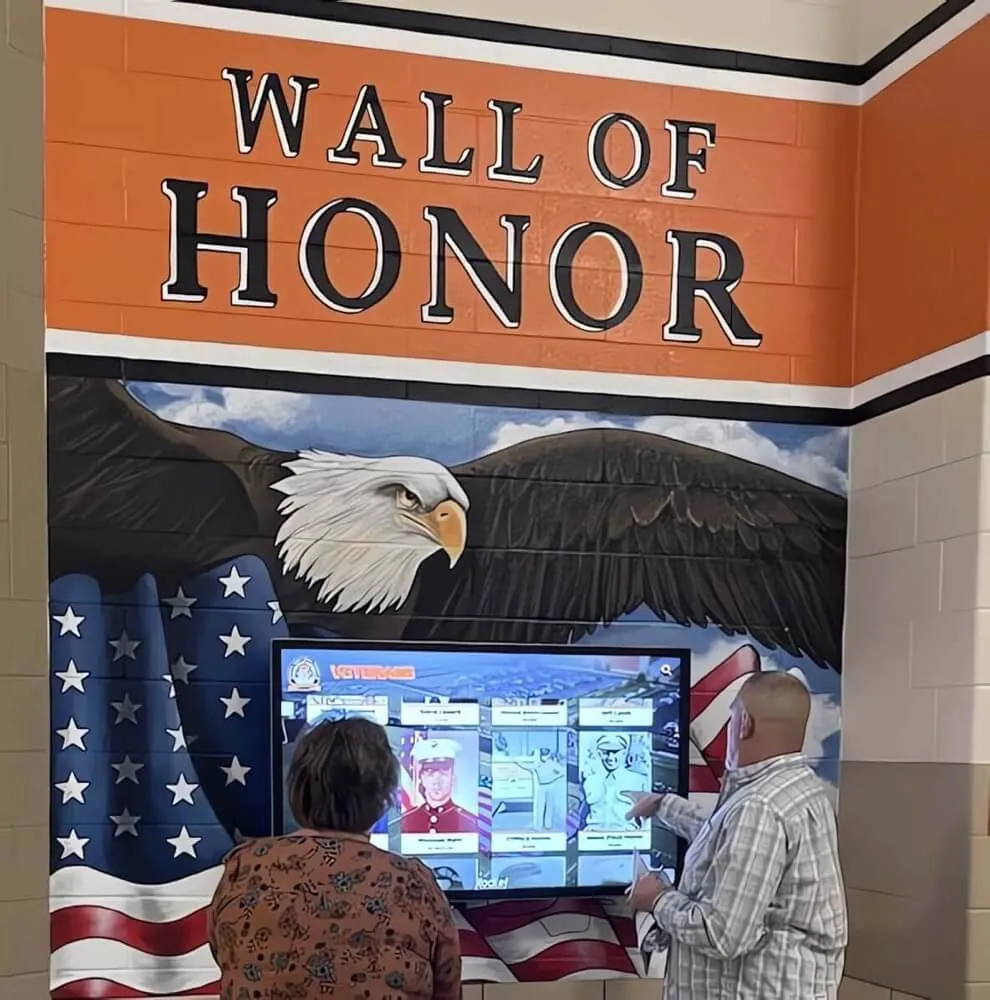
Thoughtfully designed memorial displays create meaningful spaces for remembrance while preserving individual legacies
Understanding Memorial Display Purposes and Audiences
Effective memorial displays begin with clarity about who they serve and what functions they fulfill within your institution.
Defining Memorial Display Objectives
Different memorial contexts require distinct approaches:
School Memorial Displays
- Honoring students lost to tragedy, illness, or accidents
- Commemorating alumni who made ultimate sacrifices in military service
- Remembering faculty and staff who dedicated careers to education
- Preserving legacies of significant school benefactors
- Creating spaces for student reflection and community healing
Hospital and Healthcare Memorial Recognition
- Celebrating lives of donors whose generosity advanced medical missions
- Honoring healthcare workers lost while serving patients
- Remembering patients who contributed to medical research
- Commemorating organ donors who gave the gift of life
- Providing spaces for families and staff to process grief
Community Memorial Displays
- Honoring first responders fallen in line of duty
- Remembering community leaders and civic contributors
- Commemorating victims of local tragedies
- Celebrating military veterans and service members
- Preserving memories of cultural or religious community figures
Each context carries unique sensitivities and expectations that should shape display design and content.
Identifying Memorial Display Audiences
Understanding who interacts with memorials influences design decisions:
Primary Audiences
- Families and loved ones seeking connection to deceased individuals
- Peers and colleagues remembering shared experiences
- Current students or staff drawing inspiration from predecessors
- Community members paying respects
- Future generations learning about institutional history
Diverse Needs Across Audiences
- Families may desire comprehensive, personal tributes
- Casual visitors often engage with accessible, compelling narratives
- Younger audiences respond to interactive, multimedia elements
- Community members appreciate local context and connections
- Researchers need accurate, detailed historical information
Balancing these sometimes-competing needs requires thoughtful design that layers information—providing immediate emotional connection while enabling deeper exploration for interested viewers.
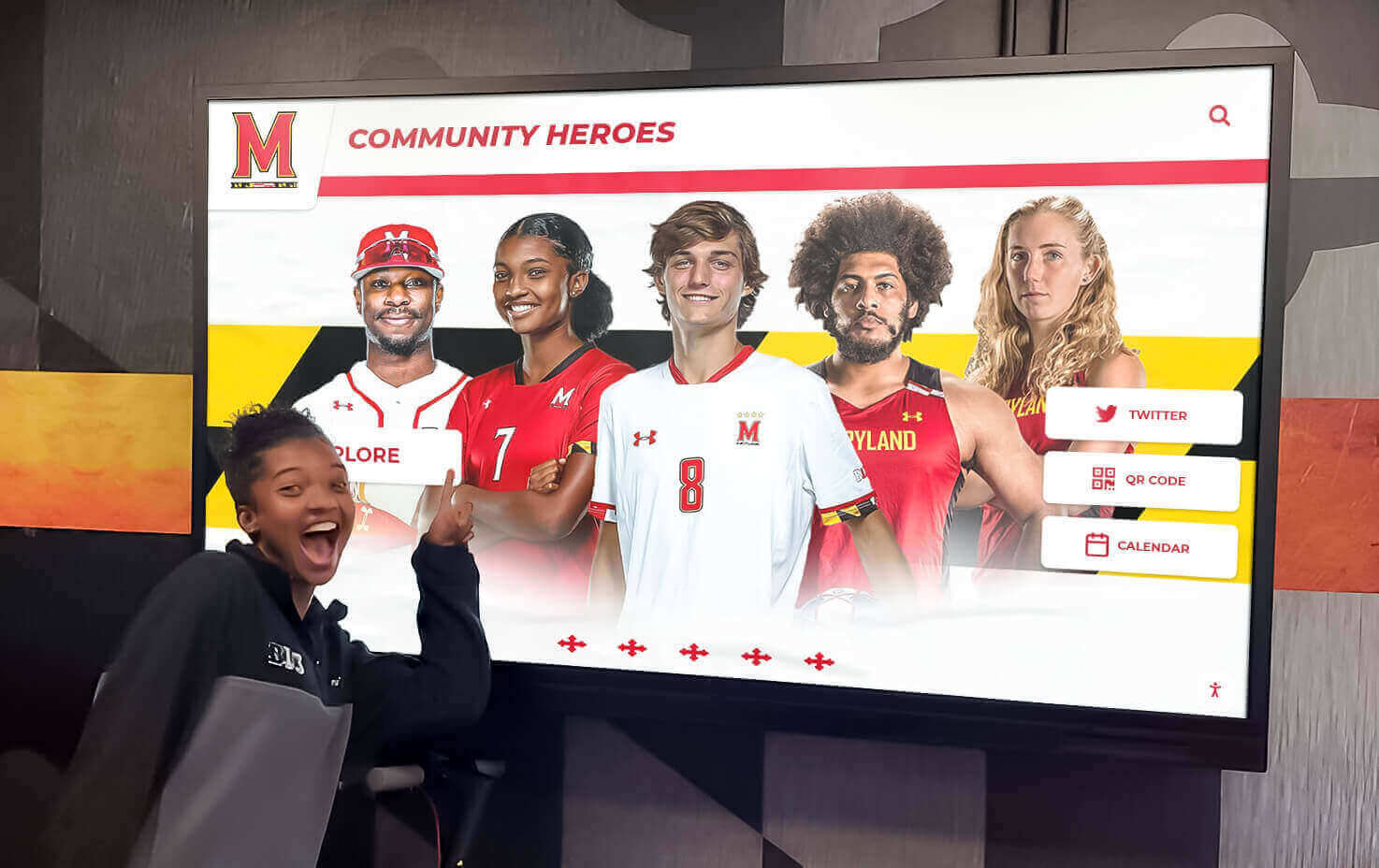
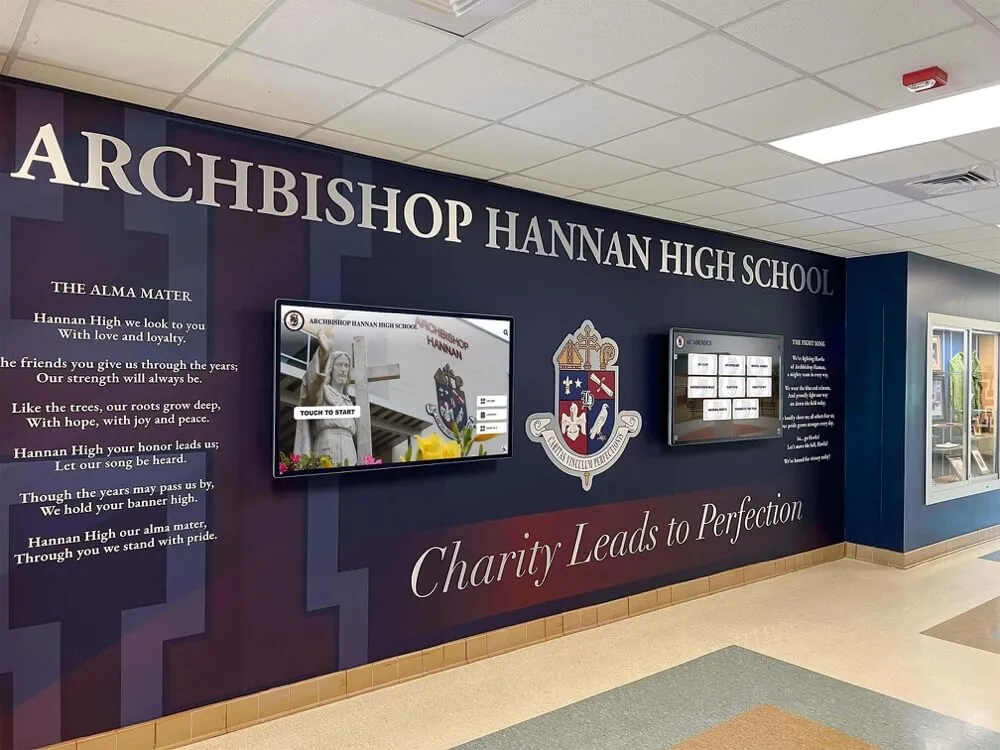
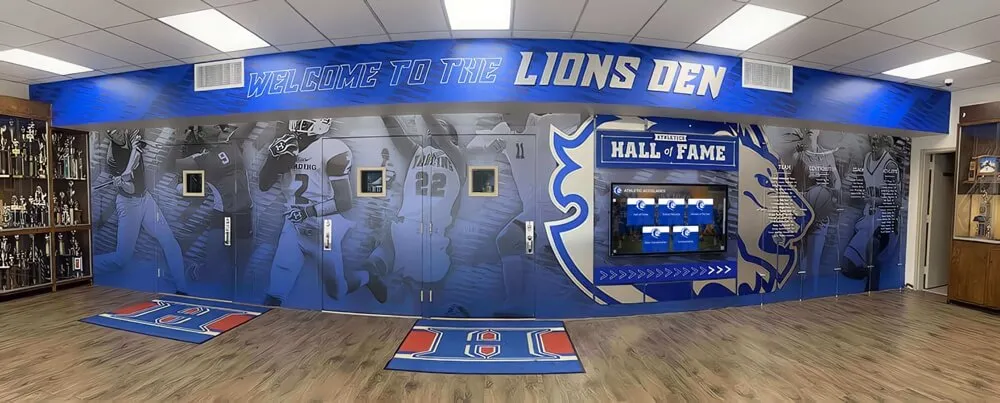
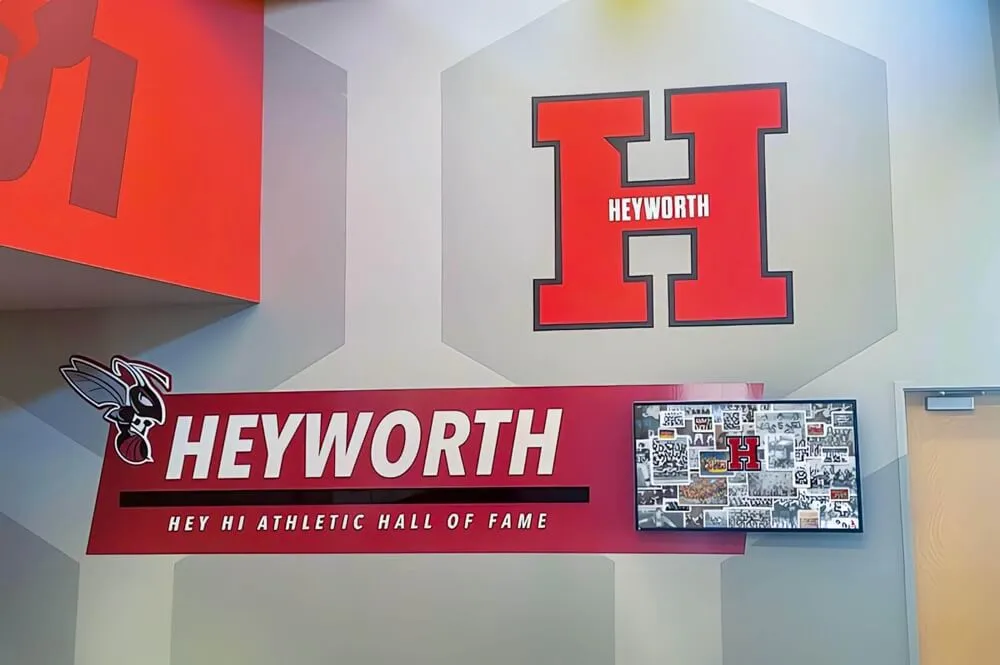
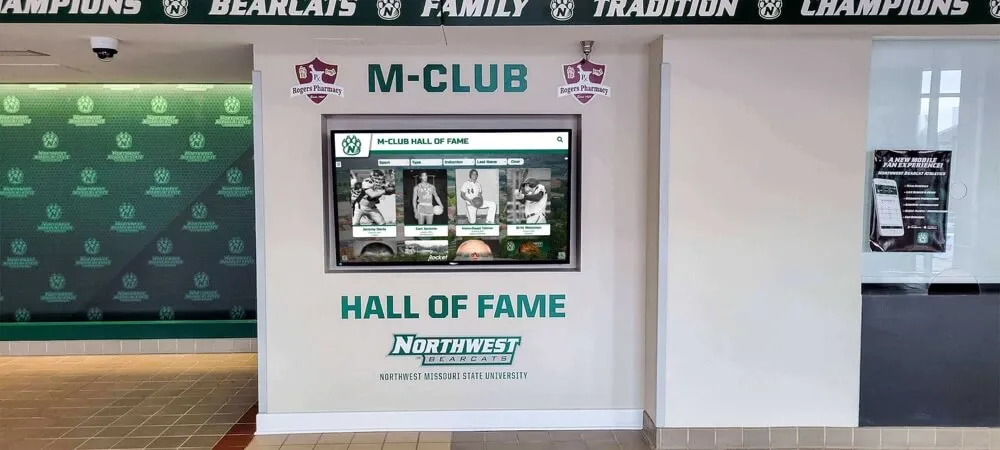
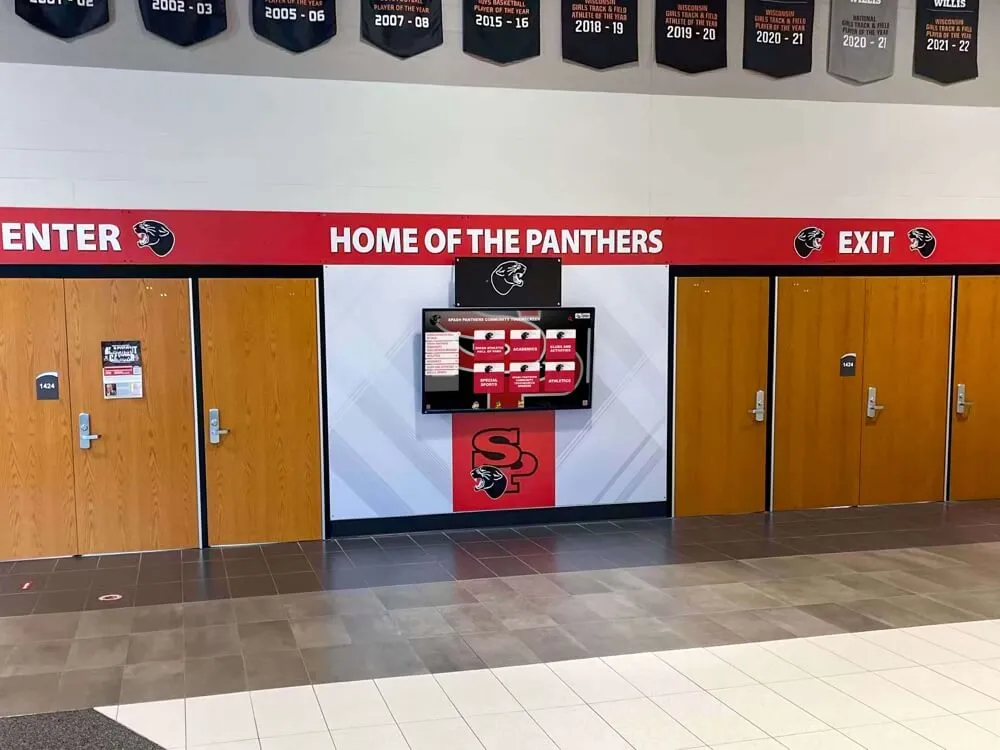
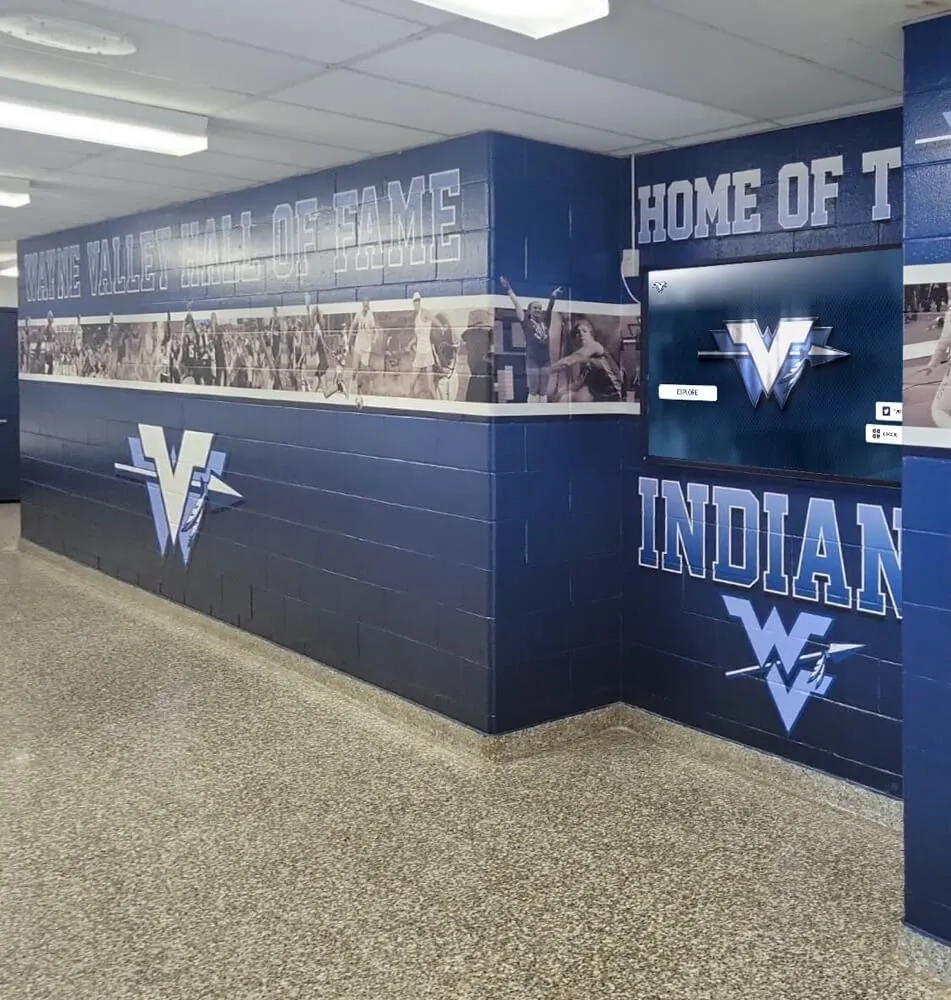
Memorial displays serve diverse audiences from grieving families to curious students seeking inspiration
Traditional Memorial Display Approaches
Time-honored memorial formats provide dignity and permanence that many communities value.
Engraved Plaques and Memorial Walls
Plaques remain among the most common memorial approaches:
Standard Plaque Memorial Elements
- Individual’s full name, birth and death dates
- Brief biographical summary or accomplishment highlights
- Photograph or artistic representation
- Quotes or personal statements reflecting values
- Organizational affiliations or service details
Memorial Wall Configurations
- Chronological arrangements by date of death
- Alphabetical ordering by surname
- Grouped displays by affiliation (graduating class, department, etc.)
- Thematic organization around shared experiences
- Geographic arrangements for institutions with multiple locations
Material and Design Considerations
- Bronze, brass, or stainless steel for durability
- Granite or marble for permanence and gravitas
- Wood for warmth and traditional aesthetics
- Acrylic or glass for modern, clean presentations
- Weather-resistant materials for outdoor installations
These traditional approaches convey respect and permanence but face practical limitations as memorial populations grow.
Limitations of Static Memorial Displays
Physical plaques encounter inherent constraints:
Space Capacity Issues
- Finite wall space limiting total individuals who can be honored
- Difficult decisions about whose memory receives physical recognition
- Additions requiring expensive fabrication and installation
- Renovations or relocations threatening memorial continuity
- Inconsistent plaque designs as standards evolve over time
Content Restrictions
- Limited text space preventing comprehensive life stories
- Single photographs unable to capture individuals across life stages
- No capacity for multimedia (video, audio recordings, extensive galleries)
- Static information that can’t update with new discoveries or context
- Uniform formats that don’t accommodate unique circumstances
Accessibility and Engagement Challenges
- Fixed locations requiring physical presence
- No search functionality for finding specific individuals
- Minimal engagement beyond passive viewing
- Difficulty contextualizing for younger generations unfamiliar with individuals
- No mechanisms for families to contribute memories or updates
These limitations often result in memorials that serve immediate communities but gradually lose relevance as time passes and institutional memory fades.
If you’re honoring military service members or first responders, explore comprehensive frameworks in guides like honoring fallen soldiers and memorial recognition that address unique aspects of service-related memorials.
Memorial Gardens and Physical Spaces
Outdoor memorial spaces offer contemplative environments:
Memorial Garden Elements
- Dedicated benches with memorial plaques
- Commemorative trees or plantings
- Memorial stones or monuments
- Walkways or reflection paths
- Water features creating peaceful atmosphere
- Seasonal plantings symbolizing renewal and continuation
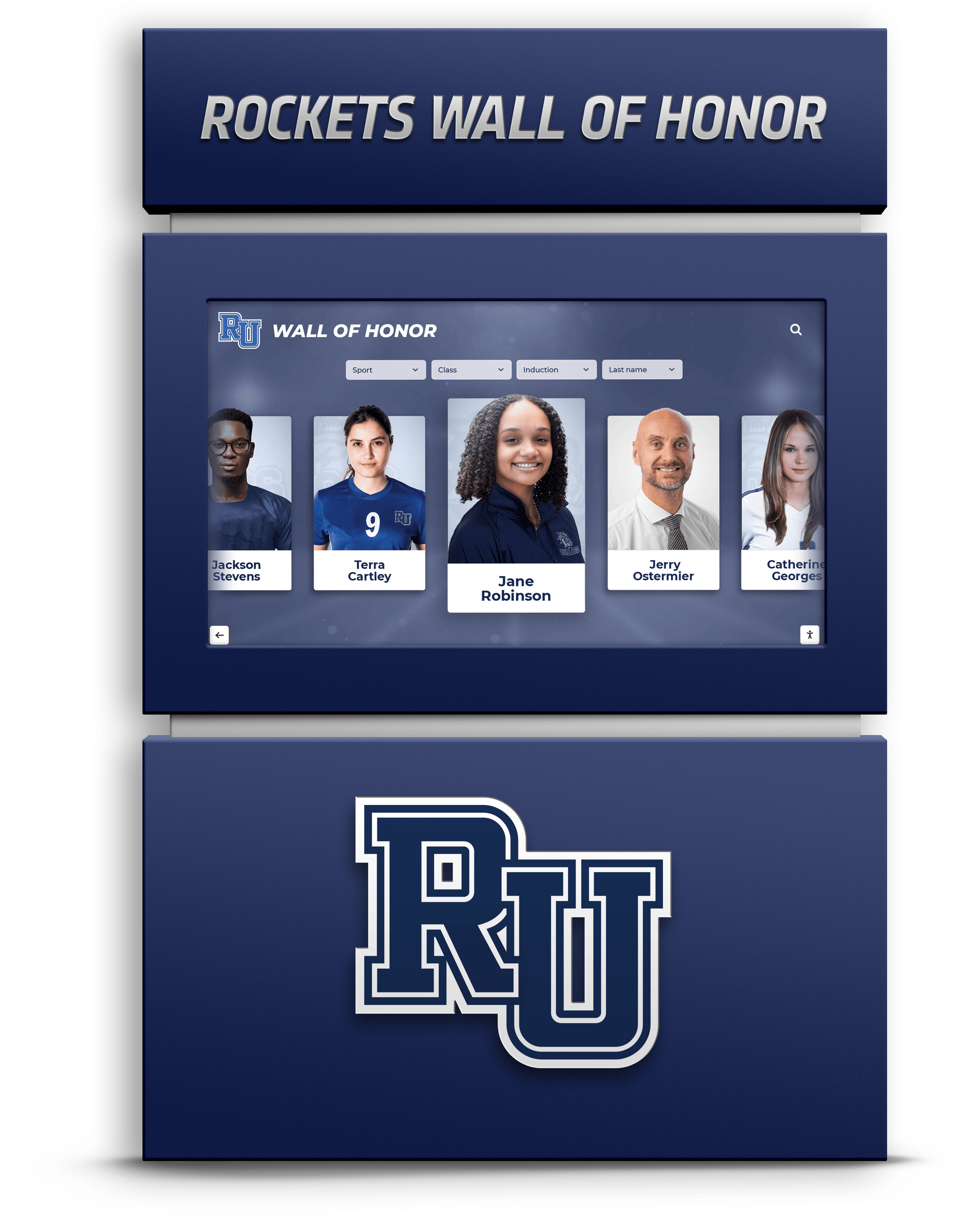
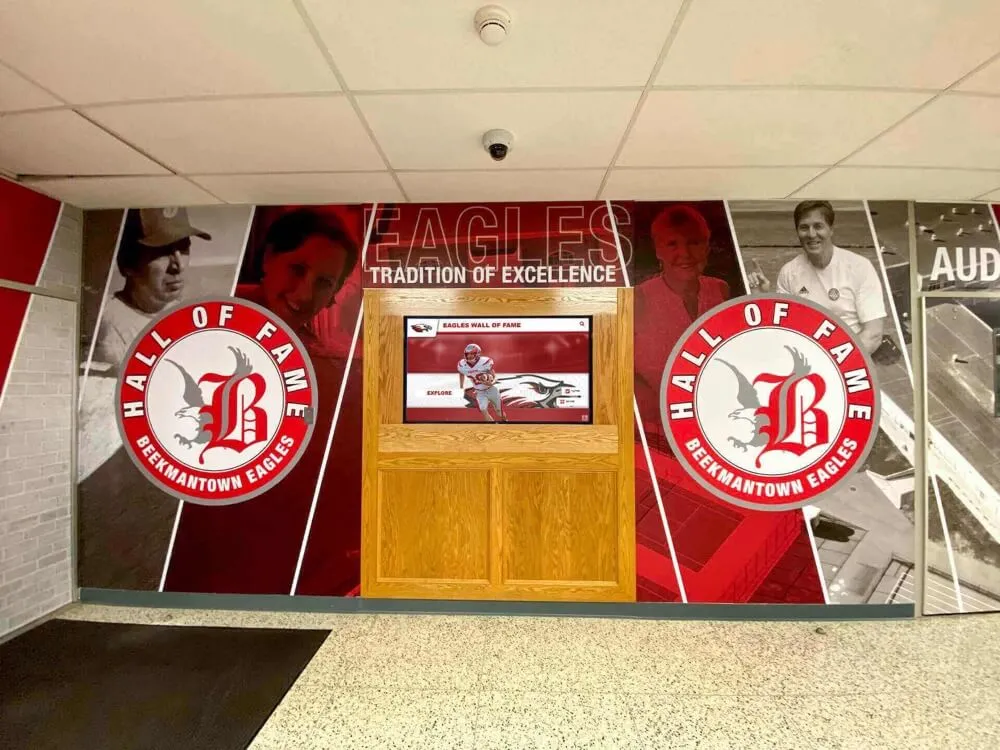
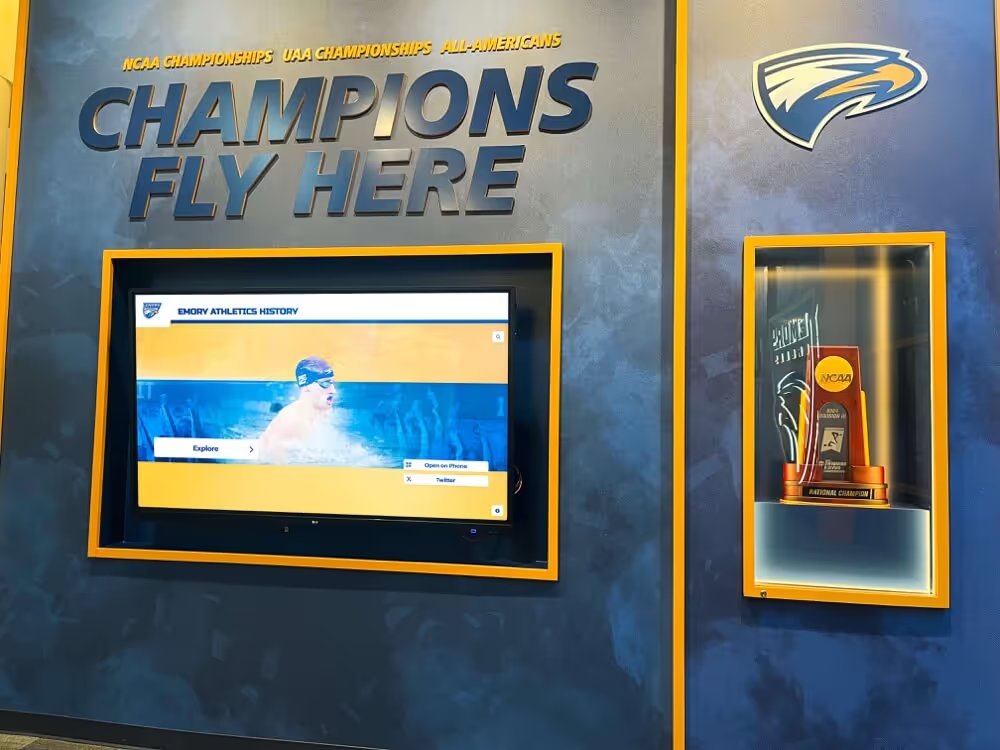
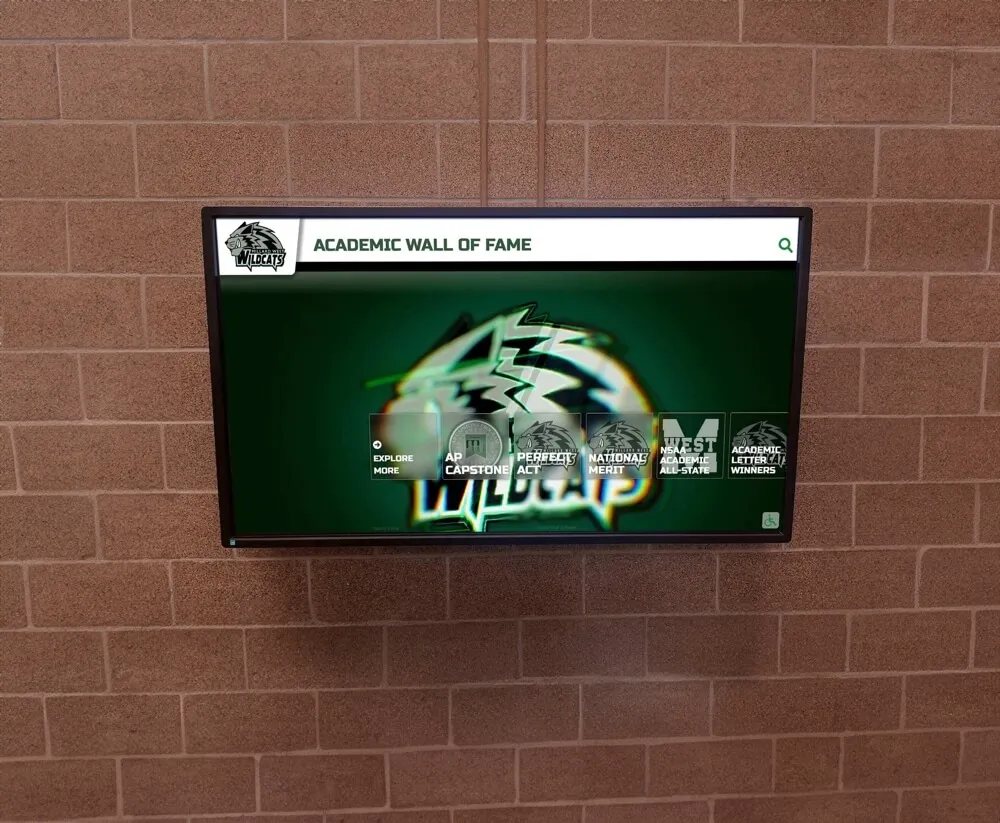
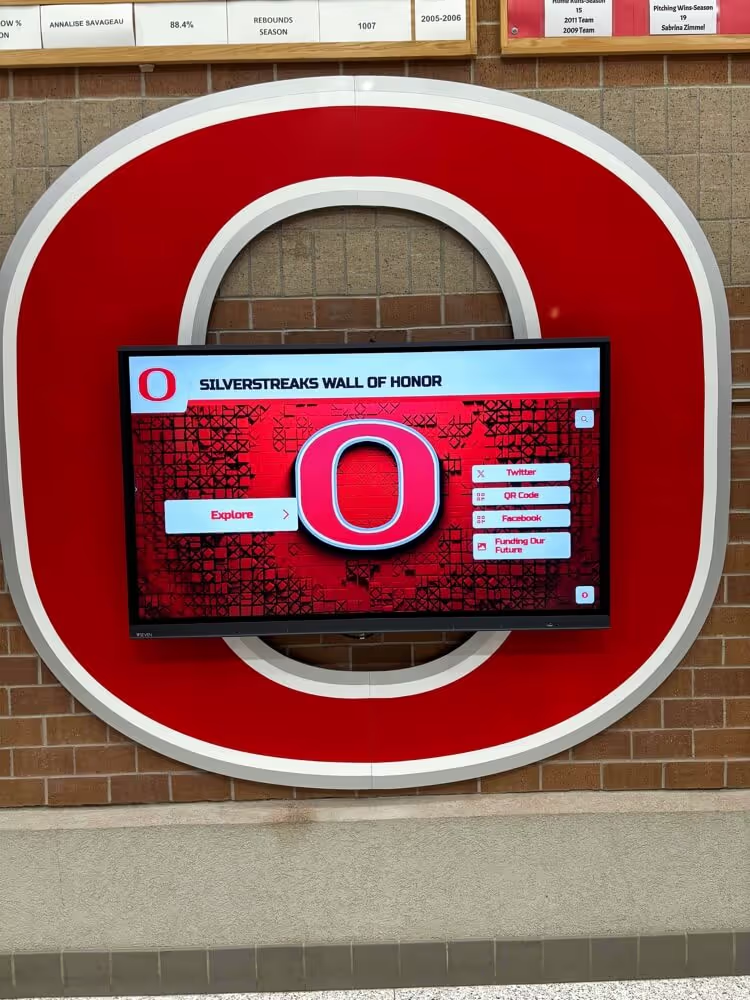
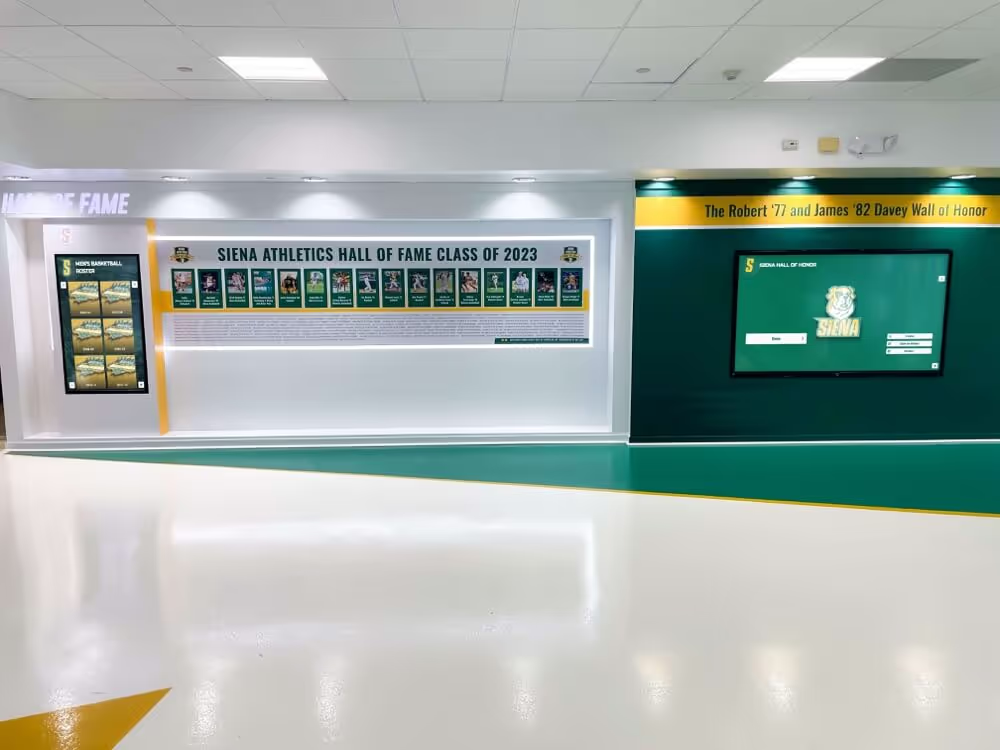
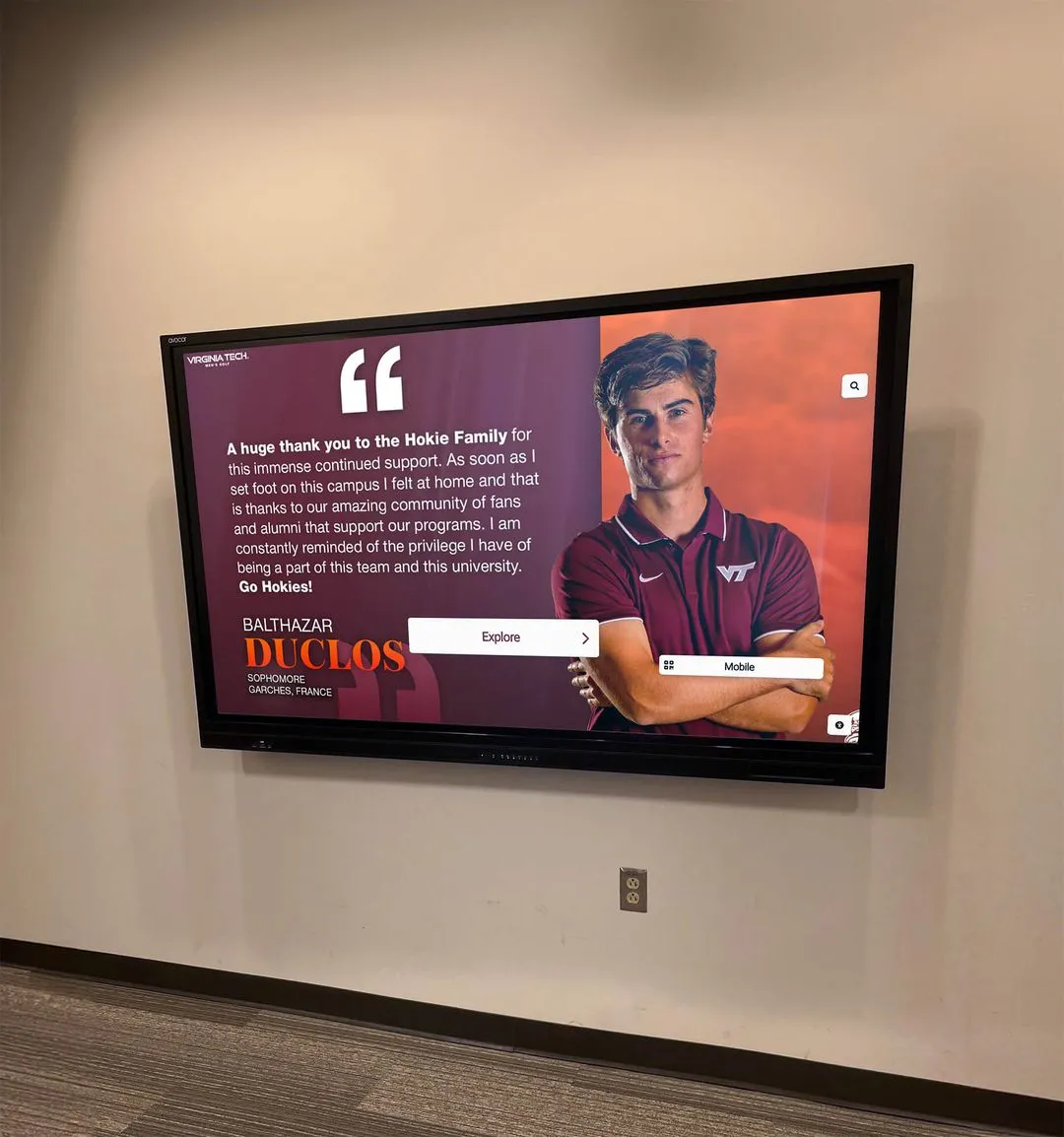
Modern memorial solutions combine physical presence with digital capabilities expanding what can be preserved
Advantages of Memorial Gardens
- Natural, peaceful settings appropriate for reflection
- Living tributes through plants and landscaping
- Spaces accommodating gatherings and ceremonies
- Seasonal changes reflecting life’s cycles
- Integration with campus or facility landscapes
Memorial Garden Challenges
- Significant land requirements
- Ongoing maintenance needs and costs
- Weather impact on accessibility and usability
- Limited information capacity about individuals honored
- Potential conflicts with future facility development plans
Memorial gardens work particularly well when combined with other recognition approaches that provide detailed biographical information.
Interactive Digital Memorial Displays
Technology enables memorial displays that overcome traditional limitations while enhancing engagement and accessibility.
Touchscreen Memorial Kiosk Systems
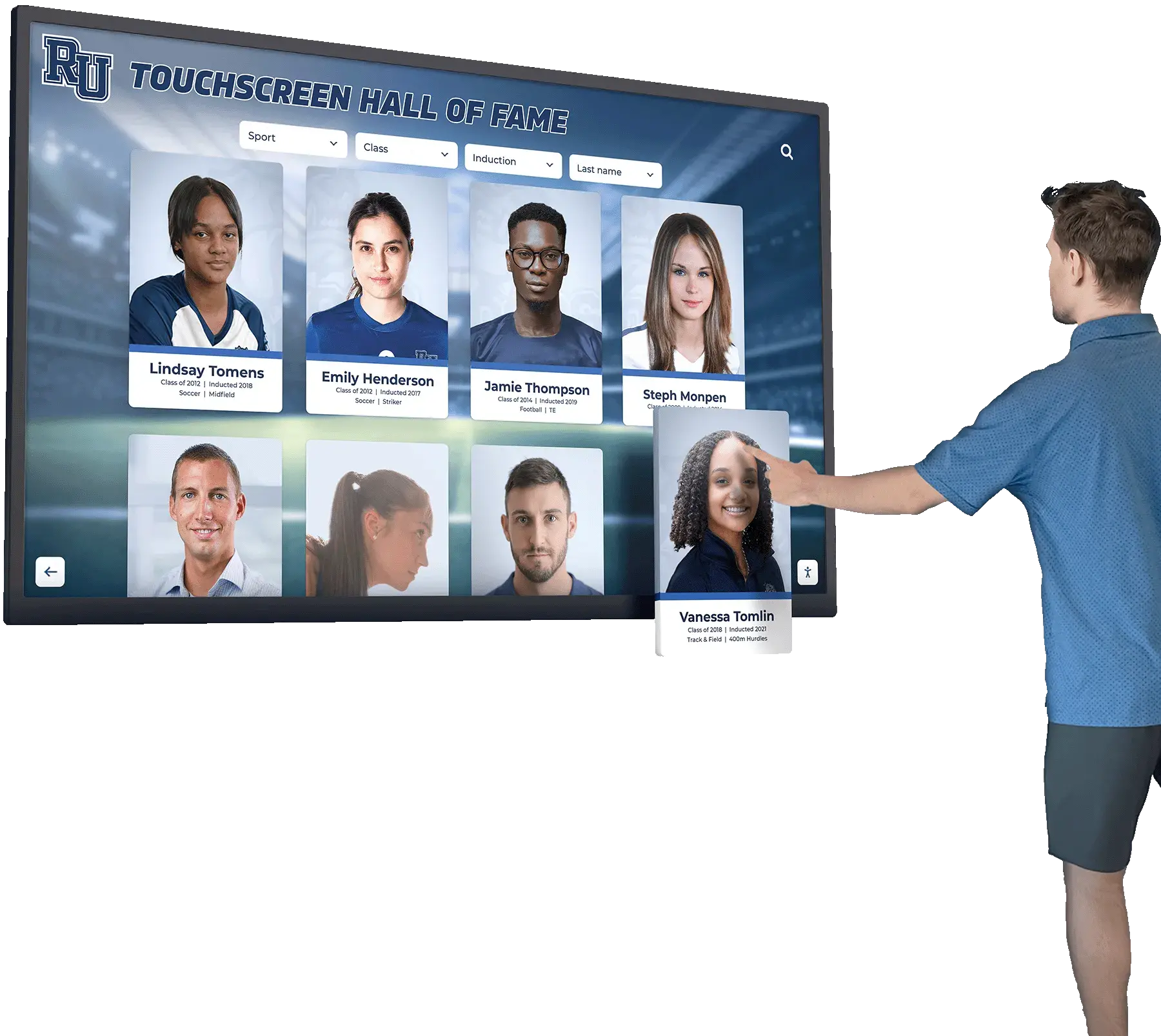
Interactive displays transform how communities experience memorial tributes:
Core Capabilities of Digital Memorial Displays
- Unlimited capacity honoring all individuals without space constraints
- Comprehensive profiles with extensive biographies, achievements, and stories
- Multimedia integration including photo galleries, videos, and audio recordings
- Searchable databases enabling visitors to quickly find specific individuals
- Easy updates adding new honorees or enriching existing profiles without installation costs
Enhanced Storytelling Through Digital Platforms Digital memorials enable richer narratives impossible with physical plaques:
- Complete life stories rather than brief summaries
- Multiple photographs showing individuals across life stages
- Video tributes featuring moving images and voices
- Audio recordings preserving individuals’ own words
- Family testimonials and remembrances adding personal dimensions
- Career timelines documenting professional contributions
- Awards, honors, and achievements comprehensively documented
Modern digital memorial display solutions provide institutional-quality platforms specifically designed for sensitive memorial contexts while offering technical reliability essential for permanent installations.
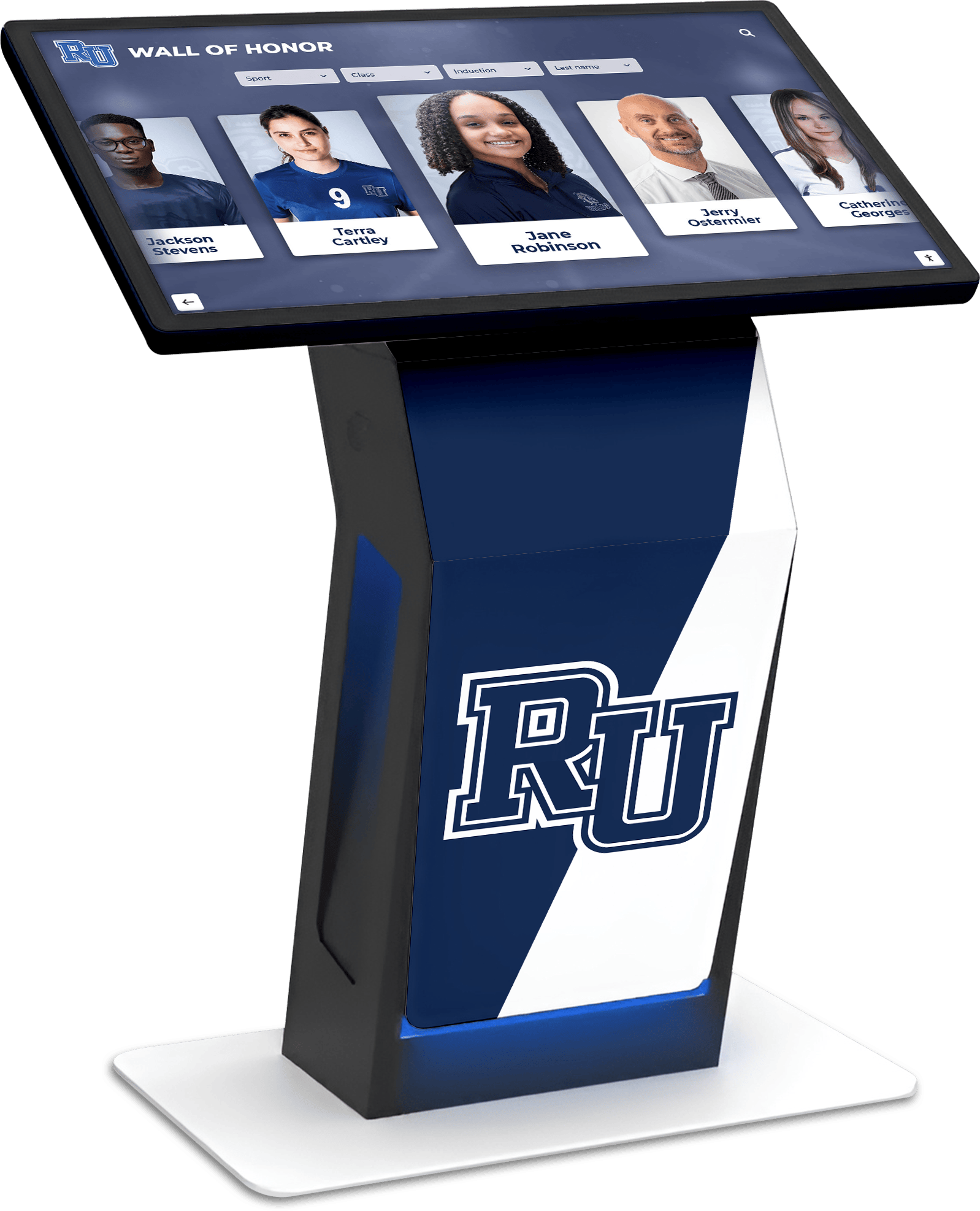
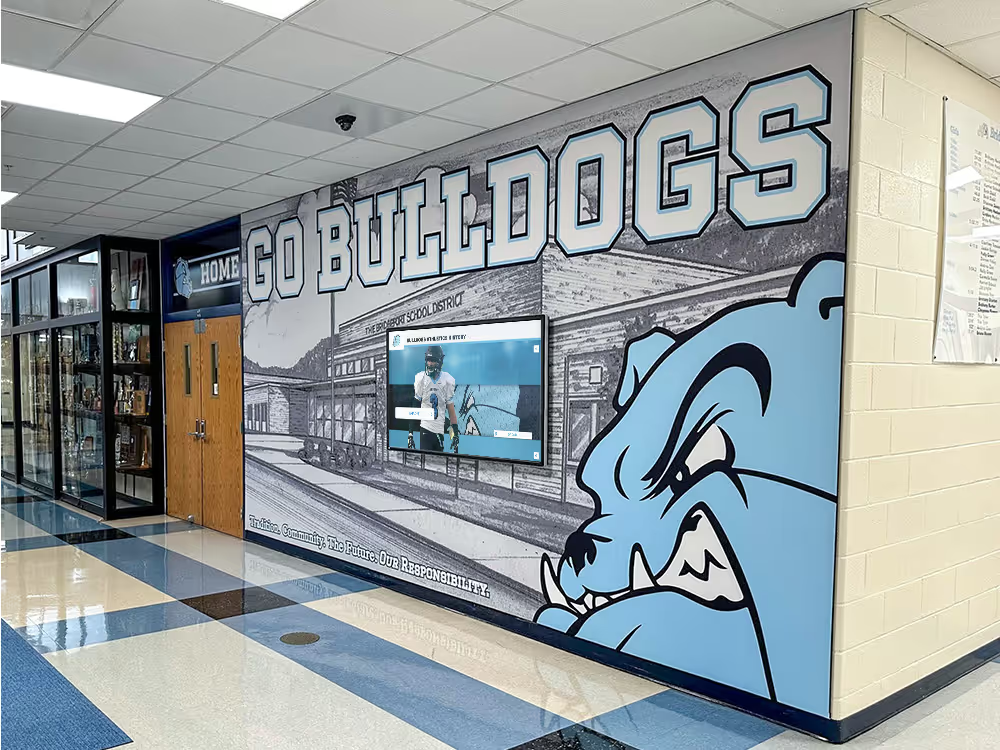
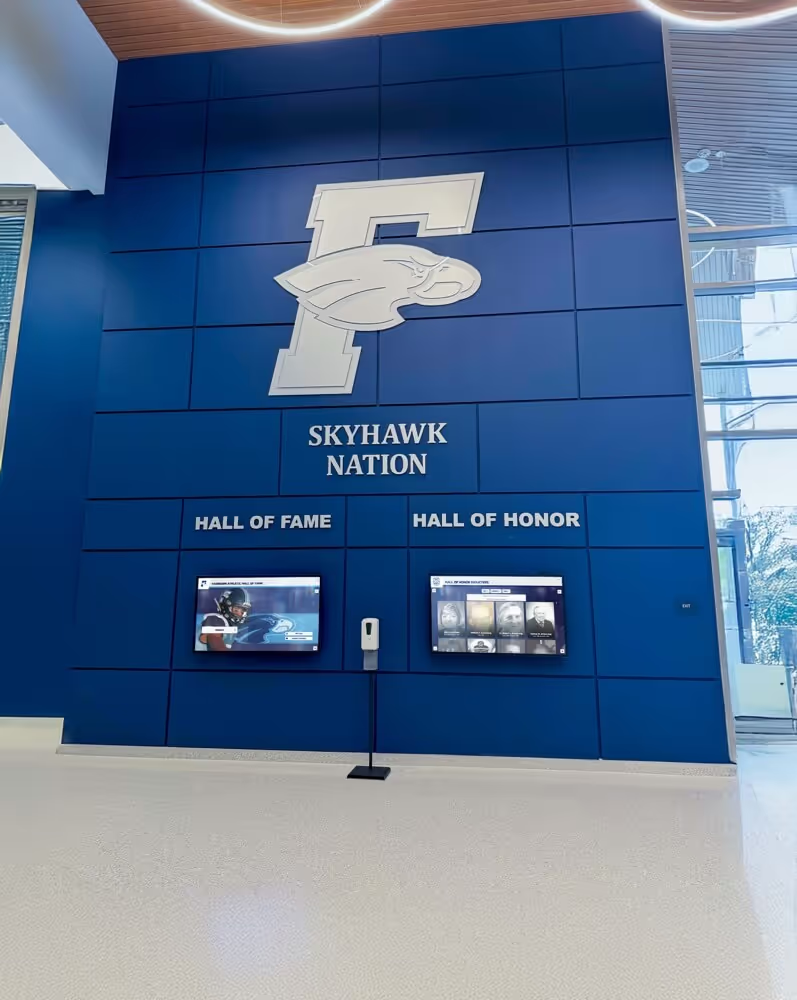
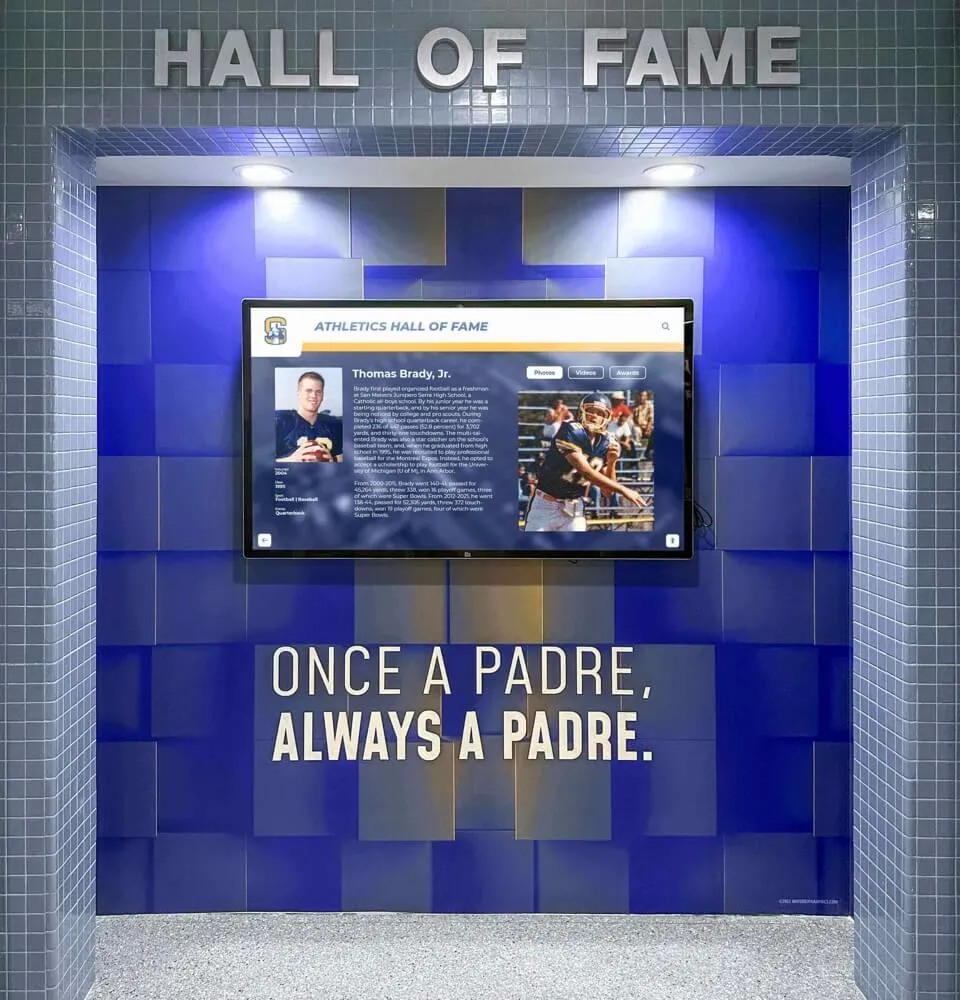
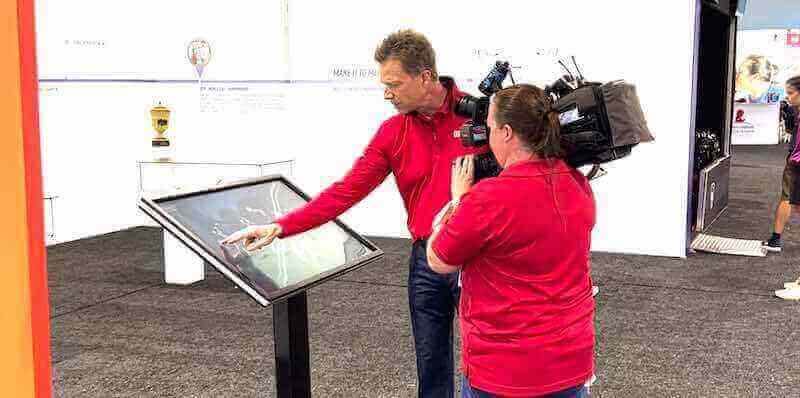
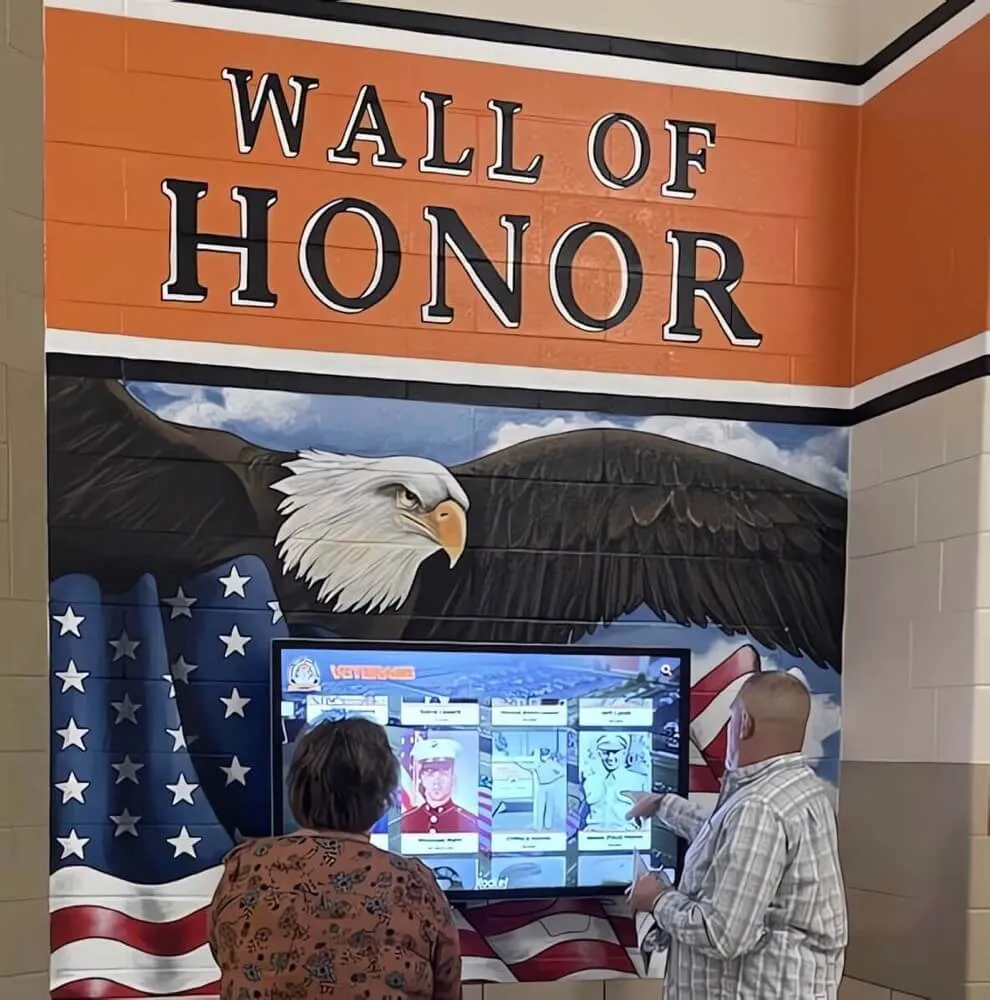
Interactive memorial kiosks enable comprehensive tributes with multimedia elements bringing individuals to life
Benefits of Digital Memorial Archives
Interactive systems provide advantages across multiple dimensions:
Accessibility and Discoverability
- Search functionality by name, date, affiliation, or keyword
- Alphabetical browsing enabling systematic exploration
- Category filters organizing by time period, department, or circumstance
- Remote access capabilities for families unable to visit physically
- Mobile-responsive interfaces enabling smartphone and tablet viewing
Equity and Inclusion
- Equal recognition opportunity regardless of when individual is added
- Consistent profile formats ensuring dignified treatment for all
- No space limitations forcing difficult choices about who receives memorial
- Easy inclusion of diverse communities and affiliations
- Accommodation of various languages for multicultural institutions
Family Involvement and Contribution
- Mechanisms for families to submit photos, stories, and memories
- Community testimonials enriching official biographical information
- Ongoing updates as family circumstances change or new information emerges
- Direct family participation in shaping how loved ones are remembered
- Sense of control and agency during grief processes
Preservation and Permanence
- Cloud-based storage protecting against physical damage or loss
- Digital archiving preserving fragile historical photographs and documents
- Format migration ensuring accessibility as technology evolves
- Redundant backups preventing irreplaceable memory loss
- Professional-grade platforms with institutional longevity
These capabilities make digital memorial displays particularly appropriate for institutions serving diverse, geographically distributed communities.
Hybrid Approaches Combining Physical and Digital
The most effective solutions often integrate traditional and technological elements:
Physical Monument with Digital Enhancement
- Traditional memorial wall or structure providing physical focal point
- Embedded touchscreen enabling deep exploration of individuals honored
- Physical presence conveying gravitas and permanence
- Digital capabilities overcoming space and content limitations
- Unified design language connecting physical and digital elements
Implementation Approaches
- Memorial walls with integrated display screens
- Traditional plaque areas complemented by nearby kiosks
- QR codes on physical memorials linking to comprehensive digital profiles
- Touchscreen directories helping visitors locate specific physical tributes
- Projected displays in memorial spaces showing rotating tributes
This hybrid approach respects communities valuing traditional memorial aesthetics while providing modern capabilities that significantly enhance memorial experiences.
For institutions creating comprehensive recognition systems, frameworks used in digital hall of fame designs can be adapted for memorial contexts with appropriate sensitivity adjustments.
Memorial Displays for Schools and Educational Institutions
Schools creating memorial displays navigate unique dynamics involving student communities, grieving peers, and sensitive family relationships.
Honoring Deceased Students
Student memorials require particular sensitivity and age-appropriate approaches:
Elementary and Middle School Student Memorials
- Simplified language appropriate for younger audiences
- Focus on positive memories and personality traits
- Involvement of student’s classmates and teachers in creating tributes
- Integration with grief counseling and emotional support resources
- Temporary memorial periods before permanent installation
High School Student Memorial Considerations
- Peer testimonials and friendship tributes
- Academic and extracurricular achievement highlights
- Photos from school events, sports, and social activities
- Balance between celebrating life and acknowledging grief
- Coordination with family preferences and privacy concerns
Sensitive Content Decisions Schools must thoughtfully address:
- Circumstances of death (particularly for suicides, overdoses, or violent incidents)
- Privacy considerations for families
- Impact on surviving students, particularly close friends
- Potential for memorials to inadvertently glorify dangerous behaviors
- Professional guidance from counselors and administrators
Ongoing Support Integration Memorial displays should connect to:
- School counseling resources for students struggling with grief
- Annual remembrance events or ceremonies
- Peer support groups for students who’ve lost classmates
- Educational programs addressing relevant issues (mental health, substance abuse prevention, etc.)
- Family liaison ensuring parents feel their child is honored appropriately
These considerations ensure student memorials serve healing rather than potentially causing additional harm.
Commemorating Faculty and Staff
Educator and staff memorials celebrate careers dedicated to institutional missions:
Career Highlight Elements
- Years of service and positions held
- Subjects taught, departments led, or administrative roles
- Student testimonials about impact on lives and learning
- Colleague reflections on professional contributions
- Awards, recognition, and professional achievements
Personal Dimensions Worth Preserving
- Signature teaching styles or memorable characteristics
- Favorite quotes, advice, or life philosophies
- Extracurricular involvement (coaching, club advising, event organizing)
- Community engagement beyond school responsibilities
- Family information (when appropriate and desired)
Creating Living Legacies Memorial displays can extend educator influence:
- Scholarship funds established in educators’ names
- Teaching awards honoring their educational philosophies
- Mentorship programs continuing their commitment to students
- Archived lesson materials or teaching resources they developed
- Student artwork, projects, or performances dedicated to their memory
Schools often find that comprehensive school display case alternatives incorporating memorial recognition alongside other achievements provide context showing how individuals contributed to institutional excellence.
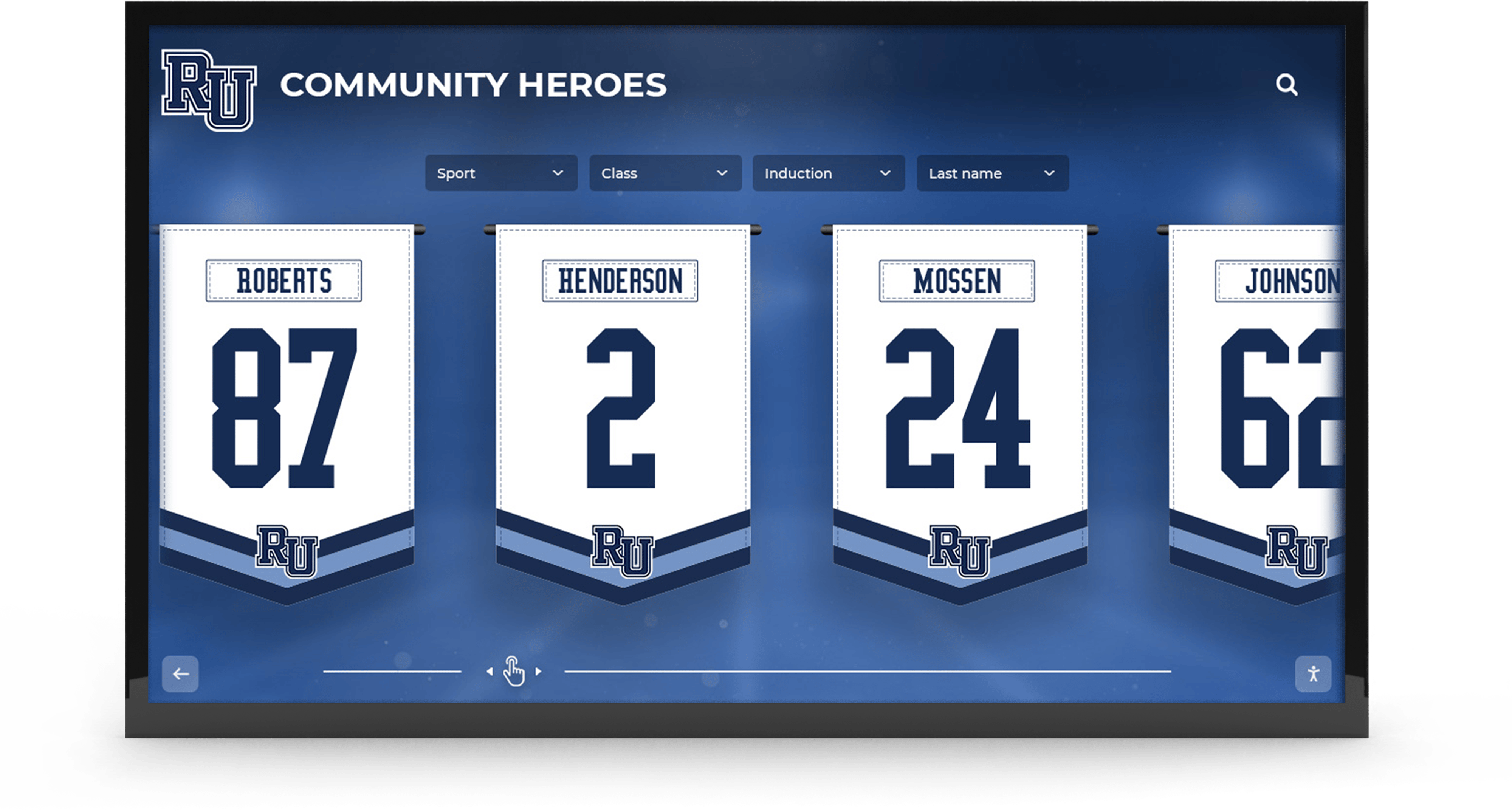
Schools use memorial displays to celebrate individuals who embodied community values and inspired others
Military Service and Veteran Memorials
Schools with strong military traditions or significant veteran populations create dedicated military memorial displays:
Honoring Alumni Who Made Ultimate Sacrifice
- Military service branch, rank, and unit information
- Deployment history and service dates
- Circumstances of death (when appropriate to share)
- Military awards and commendations
- School years attended and graduation class
- Athletic, academic, or extracurricular involvement as students
Living Veteran Recognition
- Comprehensive service documentation for alumni veterans
- Deployment histories and service experiences
- Post-service careers and community contributions
- Connections between school experiences and military service
- Opportunities for veterans to share stories and mentor students
Educational Integration Military memorials can support learning:
- History curriculum connections to conflicts and service periods
- Veterans Day and Memorial Day programming
- Student research projects documenting service member stories
- Military career exploration for students considering service
- Character education emphasizing sacrifice, duty, and service
These displays honor specific individuals while teaching broader lessons about service, sacrifice, and citizenship.
Hospital and Healthcare Memorial Displays
Healthcare institutions create memorials serving distinct purposes within medical environments.
Donor Recognition and Memorial Giving
Hospital donors often receive memorial recognition reflecting their philanthropic impact:
Living Memorial Gifts
- Facilities, equipment, or programs named in honor of deceased individuals
- Endowed funds supporting ongoing medical research or patient care
- Scholarship programs for medical students or nursing staff
- Patient support services (counseling, transportation, financial assistance)
- Capital campaign recognition for major facility improvements
Donor Memorial Display Elements
- Donor name and memorial dedication information
- Description of what gift supports (research area, equipment, program)
- Impact statements showing how contributions advance medical mission
- Family statements about why this recognition was meaningful
- Photos of individuals honored alongside programs they support
Hospitals should explore comprehensive donor recognition approaches that integrate memorial giving within broader philanthropic recognition systems.
Honoring Healthcare Workers
Medical professionals lost while serving deserve distinctive recognition:
Physician and Nurse Memorials
- Medical specialties and practice areas
- Years of service and career highlights
- Patient care philosophies and approaches
- Teaching and mentorship contributions
- Research or clinical innovations
- Colleague testimonials about professional impact
Support Staff Recognition Healthcare extends beyond physicians and nurses:
- Administrative staff who kept hospitals functioning
- Maintenance and facilities workers providing safe environments
- Food service personnel nourishing patients and staff
- Security officers ensuring safety
- Volunteers donating countless hours
Pandemic and Crisis Response Memorials Recent years highlighted healthcare worker sacrifice:
- COVID-19 memorials honoring those lost during pandemic response
- Recognition of risks assumed caring for infectious patients
- Mental health and wellness resources for surviving staff
- Community gratitude expressions for healthcare dedication
- Educational value showing medical professionals’ commitment
These memorials validate healthcare workers’ dedication while providing comfort to grieving colleagues and families.
Patient Memorial Displays
Some healthcare institutions create memorials for patients:
Organ Donor Recognition
- Celebrating patients who gave life-saving gifts
- De-identified tributes respecting privacy requirements
- Educational information about organ donation
- Connection to transplant program success stories
- Inspiration encouraging others to become donors
Research Participant Memorials
- Honoring patients who contributed to medical research
- Explaining how participation advanced medical knowledge
- Specific breakthroughs or treatments enabled by research
- Gratitude expressions from medical researchers
- Privacy-compliant recognition approaches
Pediatric and Neonatal Loss Memorials Particularly sensitive contexts requiring:
- Age-appropriate language and imagery
- Family involvement in memorial design
- Connection to grief support resources
- Seasonal memorial events or remembrance ceremonies
- Privacy protections for bereaved families
Healthcare memorials should balance celebration with sensitivity to ongoing patient care environments and emotional needs of families receiving difficult medical news.
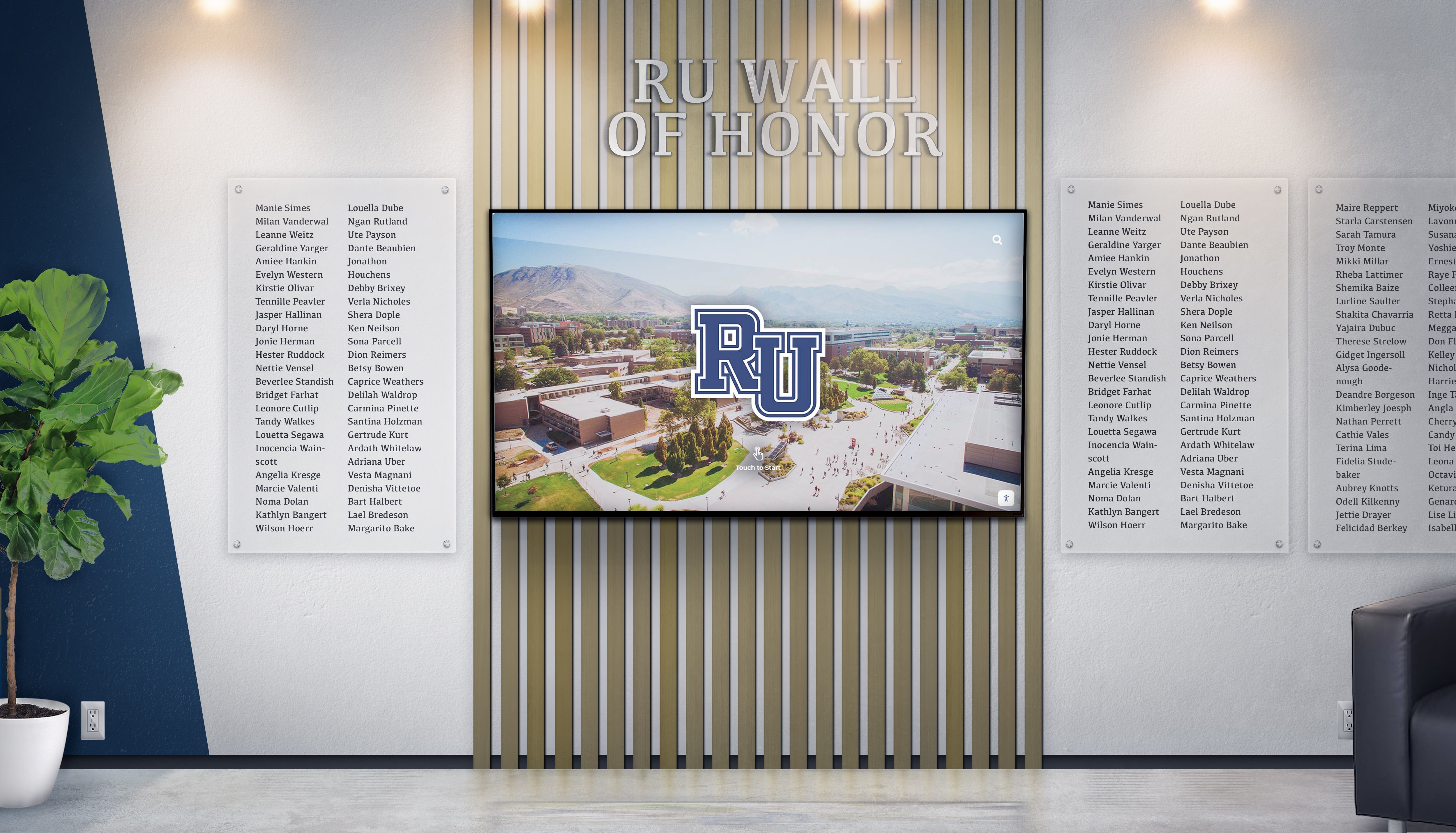
Healthcare institutions create memorial displays that honor diverse contributors from donors to dedicated staff
Community and Public Space Memorial Displays
Communities create memorials in public spaces requiring accessibility and broad appeal.
First Responder and Public Safety Memorials
Communities honor those who protect and serve:
Law Enforcement Officer Memorials
- Officers fallen in line of duty
- Service details including departments, ranks, and years served
- Circumstances of death (when appropriate to document)
- Awards and commendations for valor or service
- Community impact statements
- Family survivor information
Firefighter Memorial Recognition
- Fire department affiliations and service periods
- Emergency responses and lives saved
- Training and specializations
- Brotherhood/sisterhood testimonials from fellow firefighters
- Community service beyond emergency response
- Historical context for significant fires or incidents
EMS and Emergency Medical Services
- Paramedics and EMTs lost while serving
- Critical saves and patient care highlights
- Training and certifications
- Dispatch and support personnel
- Integration with broader public safety recognition
9/11 and National Tragedy Connections Communities with local victims of national tragedies often create:
- Individual tributes within broader memorial contexts
- Connections to national memorials and commemoration efforts
- Educational programming for generations without direct memory
- Annual remembrance ceremonies
- Oral history projects preserving community experiences
These memorials often become focal points for annual ceremonies, school field trips, and civic education programs.
Veteran and Military Community Memorials
Separate from school memorials, communities create comprehensive veteran recognition:
War-Specific Memorials
- World War II, Korea, Vietnam veteran listings
- Iraq, Afghanistan, and Gulf War service members
- Service branch organization (Army, Navy, Air Force, Marines, Coast Guard)
- Unit and deployment information
- Combat decorations and valor awards
Living Veteran Walls of Honor
- Comprehensive community service member documentation
- Veterans from multiple conflicts in unified displays
- Non-combat military service recognition
- Military career highlights and post-service contributions
- Opportunities for veterans to share stories and experiences
Gold Star Family Recognition
- Families who lost service members
- Support organization connections
- Continuing legacy programs
- Educational components about sacrifice and service
- Memorial Day and Veterans Day programming integration
Communities creating comprehensive veteran recognition can adapt frameworks from online hall of fame systems to create searchable, comprehensive digital archives honoring all who served.
Tragedy and Disaster Memorials
Communities healing from tragedies create memorials serving multiple purposes:
Individual Victim Recognition
- Names, ages, and biographical information
- Personal stories humanizing statistics
- Photos and life celebrations
- Survivor family connections
- Personal effects or meaningful objects (when appropriate)
Community Impact Documentation
- Context explaining tragedy circumstances
- Community response and resilience narratives
- Recovery timelines and rebuilding processes
- Support organization recognition
- Lessons learned and prevention efforts
Ongoing Healing Integration
- Connection to counseling and support resources
- Annual remembrance events
- Community gathering spaces for reflection
- Educational programming preventing future tragedies
- Advocacy efforts addressing underlying causes
Sensitive Content Balancing Tragedy memorials must thoughtfully address:
- Graphic details versus sanitized versions
- Blame, responsibility, and systemic failures
- Ongoing legal proceedings or investigations
- Family privacy and varying comfort with publicity
- Age-appropriate information for young visitors
These complex memorials require extensive community input and ongoing management ensuring they serve healing rather than reopening wounds.
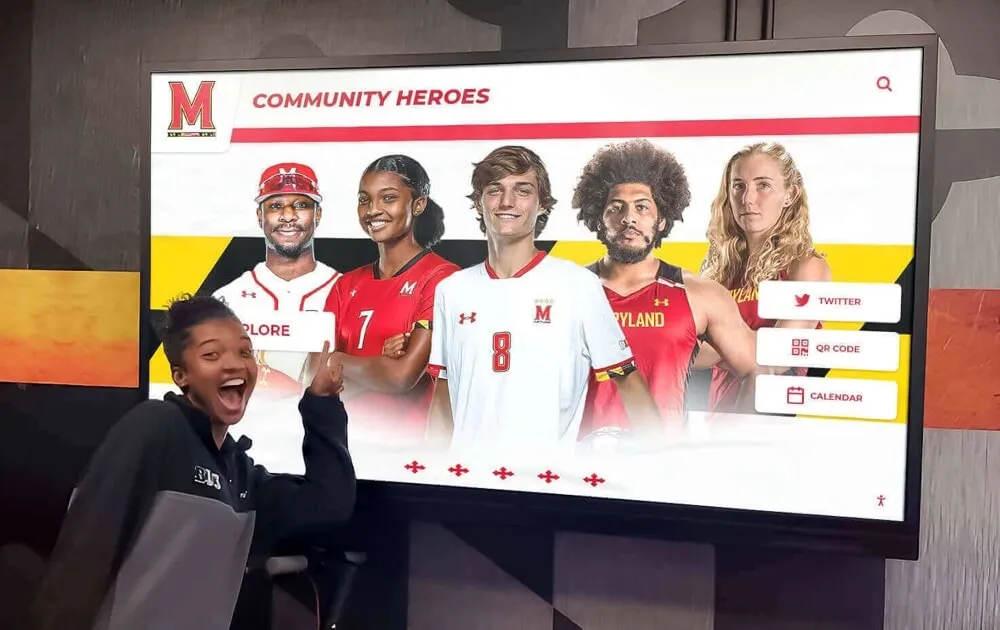
Community memorial displays educate future generations while providing spaces for collective remembrance
Designing Effective Memorial Content
Content creation significantly impacts whether memorials achieve their purposes.
Biographical Information Best Practices
Comprehensive yet accessible biographies require thoughtful construction:
Essential Biographical Elements
- Full name including maiden names, nicknames, or preferred names
- Birth and death dates (or service dates for living memorials)
- Family information (parents, spouse, children when appropriate)
- Educational background and degrees
- Career highlights and professional achievements
- Community involvement and volunteer activities
- Hobbies, interests, and personal passions
- Awards, honors, and recognition received
Writing Style Considerations
- Third-person narrative for formal, respectful tone
- Active voice creating engaging, readable text
- Specific anecdotes and details bringing individuals to life
- Quotes from individuals themselves when available
- Testimonials from family, friends, and colleagues adding personal dimensions
- Consistent format across all individuals ensuring equitable treatment
Length and Depth Balancing
- Brief summaries (100-150 words) providing overview
- Expanded biographies (300-500 words) for deeper exploration
- Extended narratives (800+ words) for particularly significant individuals
- Tiered information architecture enabling casual viewing or deep research
- Visual breaks and formatting preventing overwhelming text blocks
Quality biographical content transforms names on memorials into three-dimensional people visitors feel they’ve come to know.
Gathering and Preserving Memorial Content
Systematic content collection ensures comprehensive, accurate tributes:
Family and Survivor Engagement
- Initial outreach explaining memorial project and requesting participation
- Questionnaires or interview guides helping families share information
- Photo submission processes with quality and rights guidelines
- Story collection opportunities for personal remembrances
- Review and approval processes before content publication
Archival Research and Documentation
- Newspaper obituaries and death notices
- School yearbooks, employment records, and organizational archives
- Military service records and deployment documentation
- Community newspaper articles and public records
- Historical society collections and local history resources
Multimedia Collection Strategies
- Photo scanning and digitization services for family materials
- Video interviews with family members and close associates
- Audio recordings of individuals themselves when available
- Documents, letters, or writings authored by individuals
- Artwork, creative works, or professional outputs
Rights and Permissions Management
- Clear agreements about content ownership and usage
- Family approval processes for sensitive information
- Privacy protections for living family members
- Copyright considerations for professional photographs
- Long-term archival storage and preservation planning
Systematic collection processes ensure memorials comprehensively honor individuals while respecting families’ wishes and legal requirements.
For institutions managing extensive photo and document collections, photo organization systems for communities provide frameworks for managing memorial multimedia assets.
Sensitive Language and Tone
Memorial content requires particular attention to language choices:
Death References
- “Passed away,” “lost their life,” or “died” rather than euphemisms
- Specific language for circumstances when appropriate (“killed in action,” “lost battle with cancer”)
- Avoidance of language that could cause additional pain
- Consistency in death reference formatting
- Respect for cultural and religious terminology preferences
Mental Health and Suicide When addressing suicide:
- Factual, non-sensational language
- Avoidance of phrases like “committed suicide” (which implies criminality)
- Connection to mental health resources and crisis support
- Balance between honesty and sensitivity to surviving family
- Adherence to journalism best practices for suicide reporting
Illness and Disease
- Person-first language (“person with cancer” rather than “cancer victim”)
- Accurate medical terminology when relevant
- Respect for privacy around medical details
- Emphasis on life lived rather than illness endured
- Family preferences about disease disclosure
Celebrating Life While Acknowledging Loss Effective memorials:
- Emphasize achievements, relationships, and positive impact
- Acknowledge grief and loss without dwelling in sadness
- Balance celebration with space for continuing sadness
- Provide both uplift and permission to mourn
- Focus on legacy and ongoing influence
Thoughtful language choices demonstrate respect while creating content that comforts rather than causes pain.
Memorial Display Placement and Environment
Physical location significantly impacts memorial effectiveness and visitor experience.
Strategic Location Selection
Memorial placement communicates significance and affects accessibility:
High-Traffic Institutional Locations
- Main building lobbies and entryways
- Central hallways with regular foot traffic
- Cafeterias, commons areas, or gathering spaces
- Chapels, auditoriums, or ceremonial rooms
- Athletic facilities, libraries, or academic buildings
Contemplative Space Considerations Memorials benefit from:
- Adequate space for visitors to pause and reflect
- Seating areas enabling extended viewing
- Reduced noise and distraction
- Natural light when possible
- Architectural features creating defined memorial zones
Accessibility Requirements
- ADA-compliant placement and viewing heights
- Wheelchair-accessible approaches
- Adequate clearance around memorial displays
- Braille or audio accessibility for visually impaired visitors
- Multi-language support for diverse communities
Visibility and Prominence
- Locations signaling institutional priority and respect
- Integration with other honor and recognition displays
- Clear wayfinding and directional signage
- Lighting highlighting memorial importance
- Protection from environmental damage or vandalism
Location selection should involve stakeholder input including families, staff, and community members ensuring placement honors individuals appropriately.
Creating Appropriate Memorial Atmosphere
Environmental design supports contemplative engagement:
Lighting Design
- Soft, warm lighting creating respectful ambiance
- Spotlights highlighting specific memorial elements
- Dimmable systems allowing atmospheric adjustment
- Natural light integration when available
- Emergency lighting ensuring safety
Acoustic Management
- Sound dampening materials reducing noise intrusion
- Separation from high-noise areas
- Quiet zones for reflection
- Audio privacy for visitors having emotional responses
- Background music or silence depending on context
Visual Design Elements
- Color palettes conveying dignity (deep blues, grays, subtle earth tones)
- Materials suggesting permanence (stone, metal, quality woods)
- Thoughtful integration with surrounding architecture
- Symbolic imagery appropriate to memorial purpose
- Living plants or natural elements providing life affirmation
Seating and Gathering Spaces
- Benches enabling extended viewing and reflection
- Small gathering areas for groups visiting together
- Private nooks for individual contemplation
- Accessibility for visitors with mobility challenges
- Durability for institutional environments
These environmental elements transform memorial displays from mere information sources into meaningful spaces for connection and healing.
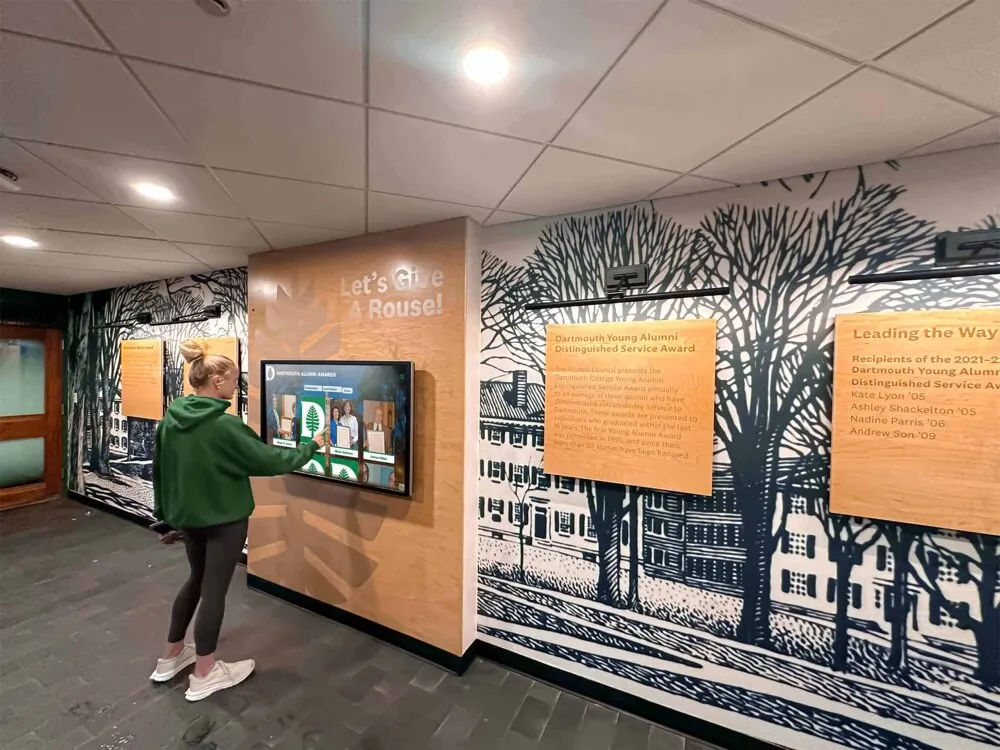
Strategic memorial placement in high-traffic yet respectful locations ensures accessibility while maintaining appropriate dignity
Managing Memorial Display Programs
Ongoing administration ensures memorials remain current, accurate, and meaningful.
Establishing Memorial Criteria and Standards
Clear policies prevent difficult situations and ensure equitable treatment:
Eligibility Criteria
- Who qualifies for memorial recognition (students, staff, donors, community members)
- Service length requirements for staff or organizational members
- Timing requirements (immediate memorial versus waiting periods)
- Distinction between memorial displays and general recognition
- Family or survivor request processes
Content Standards
- Biographical information requirements
- Photo quality and format specifications
- Video or multimedia guidelines
- Review and approval workflows
- Update and correction procedures
Equity and Consistency
- Equal treatment regardless of prominence or position
- Consistent format across all memorial entries
- Prohibition of paid enhanced recognition within memorials
- Non-discrimination based on identity characteristics
- Respect for diverse cultural and religious traditions
Review and Governance
- Committee structure for memorial decisions
- Family input and approval processes
- Administrative oversight and final authority
- Appeals or reconsideration procedures
- Regular policy review and updating
Written, publicly available policies provide clarity while demonstrating thoughtful, respectful memorial program management.
Maintaining and Updating Memorial Content
Memorial displays require ongoing attention:
Regular Maintenance Schedule
- Physical cleaning and care for display components
- Technology updates for digital systems
- Content accuracy verification
- Broken link repairs for digital memorials
- Photo quality improvement as technology advances
Addition Processes
- Systematic procedures for adding new memorial entries
- Timeline from notification of death to memorial publication
- Family notification when memorials go live
- Announcement processes for new additions
- Anniversary recognition for significant milestones
Content Enrichment
- Ongoing collection of additional photos or materials
- Family submissions of new information or memories
- Community testimonial collection
- Historical research filling gaps in biographical information
- Multimedia additions enhancing original entries
Correction and Update Procedures
- Processes for families to request changes
- Fact-checking and verification requirements
- Decision authority for content disputes
- Documentation of changes made
- Notification to stakeholders when updates occur
Systematic maintenance ensures memorials remain accurate, comprehensive, and respectful over decades.
Anniversary Events and Ongoing Commemoration
Memorials provide focal points for regular remembrance:
Annual Remembrance Ceremonies
- Dates selected for collective memorial observance
- New memorial additions announced
- Family invitations to participate
- Student or staff involvement in ceremony
- Readings, music, or ritualized elements
Individual Anniversary Recognition
- Commemoration on death anniversaries
- Birthday celebrations for individuals honored
- Service anniversary recognition for staff
- Graduation anniversary connections for students
- Social media remembrances on significant dates
Integration With Institutional Traditions
- Memorial Day, Veterans Day, or specific commemorative dates
- Beginning or end of year ceremonies
- Homecoming or reunion events
- Graduation ceremonies acknowledging deceased alumni
- Fundraising events supporting memorial-related programs
Educational Programming
- Guest speakers on grief, healing, or relevant topics
- Student projects researching individuals memorialized
- Community service events honoring memorial subjects
- Scholarship presentations in individuals’ names
- Art, music, or performance tributes
Regular events demonstrate ongoing commitment to memory preservation while providing repeated opportunities for community connection and healing.
When planning comprehensive recognition that includes memorial components, explore approaches used in academic recognition programs that can be adapted for memorial contexts.
Budget Considerations for Memorial Displays
Creating meaningful memorials at various budget levels:
Low-Cost Memorial Approaches
Dignity doesn’t require expensive installations:
DIY and In-House Solutions
- Photo collages created by staff or volunteers
- Printed materials in quality frames
- School or organizational databases expanded to include memorials
- Existing website memorial pages
- Social media memorial groups or pages
Volunteer and Donated Resources
- Community members with design or construction skills
- Local businesses donating materials or services
- Student or staff projects creating memorial components
- Photography or videography donated by professionals
- Pro bono legal or administrative assistance
Incremental Building
- Starting with basic memorial structure
- Adding elements as funding becomes available
- Phased implementation of comprehensive plans
- Annual fundraising supporting memorial enhancements
- Planned giving programs supporting long-term memorial needs
Maximizing Existing Resources
- Repurposing display cases or wall space
- Utilizing existing digital screens for memorial content
- Integrating memorials within broader recognition systems
- Leveraging organizational communication channels
- Borrowing equipment or materials from other departments
Even modest budgets can create dignified memorials when creativity and community engagement supplement financial resources.
Investment in Permanent Digital Solutions
Long-term value of comprehensive digital memorial platforms:
Initial Investment Components
- Touchscreen display hardware
- Mounting and installation
- Content management software
- Design and customization
- Initial content development and migration
Ongoing Cost Considerations
- Cloud hosting and data storage
- Software updates and technical support
- Content addition and maintenance services
- Hardware warranty and replacement planning
- Staff training and administration
Total Cost of Ownership Comparison Digital memorials often prove cost-effective long-term:
- No per-person engraving or fabrication costs
- Unlimited additions without space constraints
- Easy updates preventing expensive renovations
- Reduced physical maintenance compared to outdoor monuments
- Multi-purpose use supporting various recognition needs beyond memorials
Funding Strategies
- Capital campaign inclusion
- Memorial gift programs where families contribute
- Grants from foundations supporting community infrastructure
- Alumni or community fundraising
- Naming opportunities for memorial display areas
Institutions should evaluate memorial investments across decades rather than single fiscal years, as memorial programs serve communities in perpetuity.
Memorial Gift and Tribute Opportunities
Memorial displays can facilitate ongoing philanthropic support:
Memorial Giving Programs
- Donors contribute in memory of loved ones
- Contributions support memorial platform maintenance
- Gifts fund programs aligned with individuals’ interests
- Scholarship endowments in individuals’ names
- Facilities or equipment named for memorial subjects
Tribute Recognition Approaches
- Memorial gifts acknowledged on digital displays
- Donor names included alongside memorial subjects (when appropriate)
- Giving levels supporting enhanced memorial features
- Anniversary giving campaigns
- Legacy society membership for memorial supporters
Balancing Commerce and Dignity Memorial programs must carefully:
- Avoid appearance of “purchasing” memorial space
- Ensure equal recognition regardless of financial contributions
- Separate memorial qualification from fundraising
- Maintain focus on honoring lives rather than soliciting funds
- Respect families’ varying financial circumstances
When structured thoughtfully, memorial giving programs support both comprehensive recognition and institutional missions.
For organizations managing donor recognition including memorial tributes, comprehensive donor acknowledgement approaches ensure appropriate integration of philanthropy and remembrance.
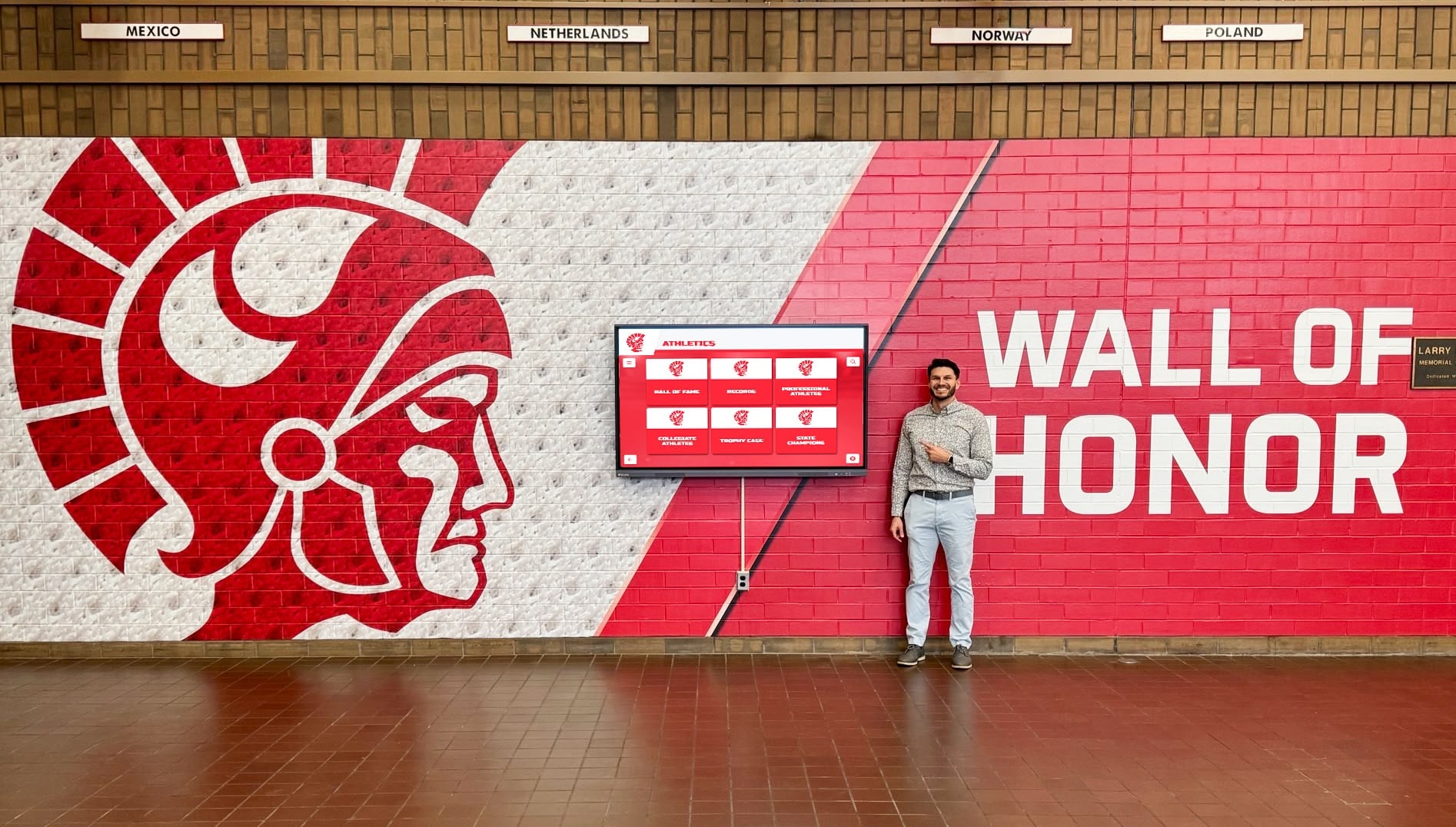
Memorial displays become enduring institutional assets serving communities across generations
Cultural and Religious Sensitivity in Memorial Displays
Diverse communities require culturally responsive memorial approaches:
Understanding Cultural Memorial Traditions
Different cultures approach death and memorialization distinctly:
Cultural Variation Examples
- Attitudes toward death imagery and symbolism
- Preferred memorial timing (immediate versus delayed)
- Family versus individual focus in memorialization
- Use of photographs or physical likenesses
- Color symbolism in memorial contexts
- Text versus visual memorial preferences
Research and Community Engagement
- Consultation with cultural community leaders
- Family conversations about preferences and traditions
- Expert guidance from cultural competency professionals
- Inclusive design processes involving diverse stakeholders
- Ongoing learning and adaptation
Flexible Memorial Frameworks
- Customizable elements accommodating various traditions
- Multiple format options for memorial entries
- Opt-in rather than automatic inclusion policies
- Family control over biographical information shared
- Cultural advisory input on memorial design
Culturally responsive memorials honor individuals according to their own traditions rather than imposing dominant cultural assumptions.
Religious Considerations
Faith traditions influence memorial preferences:
Diverse Religious Memorial Perspectives
- Christian traditions emphasizing eternal life and resurrection
- Jewish customs regarding gravestones and yahrzeit
- Islamic approaches to death remembrance
- Buddhist perspectives on impermanence and remembrance
- Hindu traditions around cremation and memorial
- Secular or humanist memorial approaches
Accommodating Religious Diversity
- Inclusive language avoiding exclusively Christian terminology
- Opportunities for religious symbols or imagery when families desire
- Respect for traditions prohibiting certain memorial practices
- Chaplain or religious leader consultation
- Seasonal or holy day considerations for memorial events
Secular Memorial Environments
- Public institutions maintaining religious neutrality
- Individual memorial entries reflecting personal beliefs
- Overall memorial design avoiding religious favoritism
- Equal respect for religious and non-religious perspectives
- Focus on universal values (service, love, community)
Religiously sensitive memorials honor individuals’ faiths while maintaining institutional inclusivity.
Addressing Diversity in Memorial Representation
Memorials should reflect communities they serve:
Demographic Representation
- Racial and ethnic diversity in memorial subjects
- Gender representation and non-binary inclusion
- Socioeconomic diversity preventing elite-only memorials
- Age range from young to elderly
- Various role representations (leaders and everyday contributors)
Inclusive Biographical Approaches
- LGBTQ+ relationships recognized equally
- Chosen families acknowledged alongside biological
- Preferred names and pronouns respected
- Diverse career paths and life choices celebrated
- Intersectional identities honored comprehensively
Language and Accessibility
- Multilingual content for diverse linguistic communities
- Plain language avoiding exclusionary jargon
- Visual accessibility for those with vision impairments
- Audio options for those preferring listening
- Multiple literacy level options
Truly inclusive memorials ensure all community members see themselves reflected and feel their potential future memorialization will honor their full identities.
Technology and Innovation in Memorial Displays
Emerging technologies create new memorial possibilities:
Advanced Digital Memorial Features
Modern platforms enable sophisticated memorial experiences:
Artificial Intelligence Applications
- Facial recognition identifying individuals in group photos
- Automatic photo enhancement improving historical image quality
- Voice synthesis creating audio from written materials
- Translation services making memorials accessible across languages
- Content recommendations connecting related individuals
Interactive Storytelling
- Branching narratives allowing visitors to explore different aspects of lives
- Timeline visualizations showing life progression
- Map integrations displaying locations relevant to individuals
- Network diagrams showing relationships between people honored
- Comparative tools finding patterns across memorial populations
Multimedia Integration
- High-quality video tribute playback
- Audio interviews or speeches
- Photo galleries with hundreds of images
- Scanned documents, letters, or creative works
- 3D object modeling of meaningful artifacts
Remote Access and Virtual Memorials
- Online memorial portals accessible anywhere
- Mobile apps for memorial exploration
- Virtual reality memorial environments
- Live-streaming of memorial ceremonies
- Social media integration enabling sharing and commenting
These technologies dramatically expand what memorials can preserve and how communities can engage with them.
QR Codes and Mobile Integration
Simple technologies create powerful connections:
QR Code Applications
- Physical plaques linking to comprehensive digital profiles
- Cemetery markers connecting to memorial websites
- Print materials at memorial events directing to resources
- Wayfinding tools guiding visitors to specific memorials
- Fundraising connections enabling mobile donations
Mobile-First Memorial Design
- Responsive interfaces functioning on smartphones
- Mobile apps dedicated to memorial exploration
- Push notifications for anniversaries or new additions
- Location-based alerts when near memorial sites
- Social sharing enabling personal memorial posts
Augmented Reality
- Overlaying historical images on current locations
- Interactive elements activated by scanning memorial spaces
- Animated content bringing memorials to life
- Educational layers providing context and information
- Gamification encouraging younger audience engagement
These accessible technologies meet communities where they already spend time—on their smartphones.
Future Memorial Technologies
Emerging innovations will continue transforming memorials:
Holographic and Projection Technologies
- Life-size holographic displays of individuals
- Projected imagery creating immersive memorial environments
- Gesture-controlled interactions
- Multi-sensory experiences including sound and light
Archival and Preservation Advances
- Blockchain certification ensuring permanent record preservation
- Decentralized storage preventing memorial loss
- AI-assisted biography creation from historical materials
- Deep learning restoration of damaged historical content
- Long-term digital preservation standards
Personalization and Customization
- Visitor-specific memorial experiences based on relationships
- Family portals controlling memorial content
- Crowdsourced memory collection
- Living memorial evolution as new information emerges
- Predictive algorithms suggesting relevant content
While technology evolves, memorial core purposes—honoring lives, supporting healing, preserving legacies—remain constant.
For institutions considering technological memorial solutions, frameworks in interactive touchscreen kiosk software for schools can be adapted for memorial contexts.
Working With Families and Survivors
Family engagement critically influences memorial success:
Initial Outreach and Communication
Approaching bereaved families requires sensitivity:
Timing Considerations
- Waiting appropriate period after death before memorial discussions
- Respecting family grief timeline and readiness
- Offering rather than demanding participation
- Providing extended deadlines for responses
- Following up gently if initial outreach goes unanswered
Communication Approaches
- Personal letters rather than form communications
- Multiple contact attempts through various channels
- Offers to meet in person when appropriate
- Clear explanation of memorial purpose and process
- No-pressure invitations emphasizing family control
Managing Diverse Family Dynamics
- Identifying appropriate family contacts
- Navigating disagreements between family members
- Respecting complex family relationships
- Honoring chosen families alongside biological
- Mediating when necessary to reach consensus
Emotional Support Resources
- Acknowledgment that memorial participation may be difficult
- Connection to grief counseling if available
- Flexibility for families declining participation
- Understanding that families may change minds over time
- Patience with emotional responses during process
Thoughtful initial contact establishes trust essential for meaningful family engagement.
Collaborative Content Development
Families provide irreplaceable memorial content:
Information Gathering Processes
- Questionnaires or interview guides
- Recorded oral history interviews
- Photo and document collection events
- Written memory submissions
- Collaborative biography writing sessions
Family Review and Approval
- Draft content sharing before publication
- Multiple revision opportunities
- Final approval authority for families
- Ongoing amendment rights
- Transparency about what appears publicly
Managing Difficult Content
- Discussions about what to include or exclude
- Balancing honesty with dignity
- Navigating family disagreements about portrayal
- Professional guidance on sensitive topics
- Respect for families’ ultimate decision-making
Recognition and Gratitude
- Thank you communications acknowledging contributions
- Invitations to memorial unveiling or dedication events
- Ongoing updates about memorial engagement
- Annual communications on anniversaries
- Long-term relationship maintenance
Families who feel respected partners in memorial creation become memorial program advocates.
Supporting Ongoing Family Engagement
Memorial relationships extend beyond initial content creation:
Continued Family Access
- Mechanisms for families to update information
- Submission portals for new photos or materials
- Contact information for memorial program staff
- Annual check-ins inviting updates
- Respect for families preferring minimal contact
Anniversary and Milestone Recognition
- Personalized communications on death anniversaries
- Birthday remembrances for individuals honored
- Invitations to memorial ceremonies and events
- Feature content highlighting specific individuals periodically
- Social media remembrance posts
Family Events and Programming
- Special events for memorial families
- Support groups for bereaved families
- Educational programs relevant to loss circumstances
- Fundraising events supporting related causes
- Ongoing community building among families
Feedback and Improvement
- Surveys assessing family satisfaction
- Advisory committees including family members
- Responsiveness to family concerns or requests
- Transparency about memorial program decisions
- Continuous improvement based on family input
These ongoing connections honor not just individuals memorialized but families continuing to carry their legacies.
Conclusion: Creating Memorials That Honor and Heal
Memorial displays serve profound purposes within communities—preserving legacies, supporting healing, educating future generations, and demonstrating that lives mattered and won’t be forgotten. Whether honoring students lost too young, celebrating healthcare workers’ dedication, commemorating community heroes, or remembering beloved educators, thoughtfully designed memorials become sacred spaces where grief transforms into gratitude and memory becomes inspiration.
The approaches explored in this guide provide frameworks for creating memorials that balance dignity with accessibility, permanence with flexibility, and individual recognition with community celebration. From traditional plaques to sophisticated digital archives, from memorial gardens to interactive touchscreens, effective memorials employ whatever tools best serve their communities’ needs and values.
Preserve Legacies With Comprehensive Digital Memorial Displays
Discover how Touch Archive can help your institution create meaningful memorial tributes that honor every individual with dignity while providing families and communities accessible, engaging ways to remember and celebrate lives well-lived.
Request a Memorial Display DemoTechnology now enables memorial displays that overcome traditional limitations—space constraints, content restrictions, accessibility barriers—while enhancing what memorials can preserve and how communities can engage with them. Interactive digital platforms allow unlimited individuals to receive comprehensive, multimedia tributes equal to their contributions. Cloud-based systems ensure memories survive physical damage or institutional changes. Mobile access brings memorials to distant family members unable to visit in person.
Yet technology serves rather than replaces memorial core purposes. The most sophisticated digital platform fails if content lacks authentic connection to individuals honored, if families feel excluded from memorial processes, or if institutions treat memorials as projects completed rather than ongoing commitments requiring care, updating, and community engagement.
Successful memorial programs maintain focus on people—individuals being honored, families seeking comfort, communities healing from loss, and future generations learning from those who came before. Clear policies ensure equitable treatment, systematic content collection preserves comprehensive stories, culturally sensitive approaches honor diverse traditions, and ongoing administration demonstrates institutional commitment extending across decades.
Start planning your memorial display today with confidence that thoughtful attention to purposes, audiences, content, design, and family engagement will create lasting tributes worthy of the lives they celebrate. Every individual whose memory is preserved with dignity and accessibility reinforces community values while providing comfort to those who grieve and inspiration to those who follow.
Ready to transform how your institution honors those who have passed? Explore comprehensive memorial and recognition solutions designed specifically for schools, hospitals, and community organizations, or request a demonstration to see how interactive memorial displays can preserve legacies and support healing for generations to come.