Memorial Service Music: Curating a Playlist That Honors a Life Well Lived
- Home /
- Touch Archive Blog /
- Memorial Service Music: Curating a Playlist That Honors a Life Well Lived
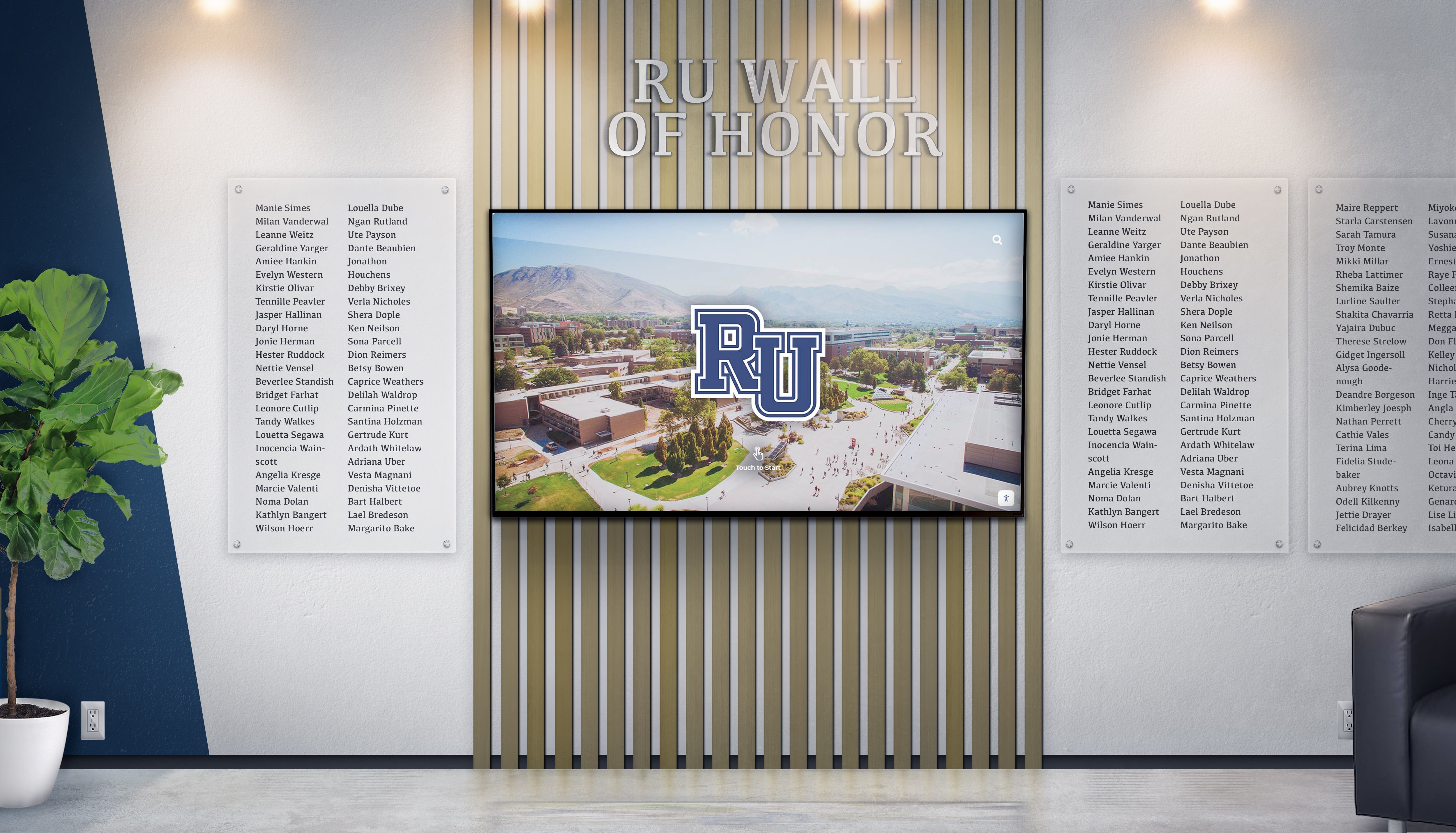
The Easiest Touchscreen Solution




Live Example: Rocket Alumni Solutions Touchscreen Display
Interact with a live example (16:9 scaled 1920x1080 display). All content is automatically responsive to all screen sizes and orientations.
The right music transforms a memorial service from a somber gathering into a powerful celebration of a life well lived. When mourners hear a beloved song—one that defined a person’s era, captured their spirit, or soundtracked their most cherished moments—memories flood back with vivid clarity. Suddenly that person stands before them again, not in loss, but in the fullness of who they were: their laughter, their passions, their impact on every life they touched.
Music bypasses our analytical minds and speaks directly to emotion and memory. A carefully curated memorial service playlist honors the deceased by letting their personality, values, and story unfold through songs that mattered to them. Whether classical pieces that stirred their soul, rock anthems from their youth, spiritual hymns that guided their faith, or contemporary songs that became family soundtracks, each selection adds dimension to the tribute.
This comprehensive guide helps you select memorial service music that authentically represents your loved one while providing comfort to grieving family and friends. You’ll discover practical strategies for building playlists, balancing solemnity with celebration, incorporating diverse musical tastes, and creating a sonic experience that honors both the person remembered and those gathering to remember them.
Planning a memorial service requires thoughtful attention to every detail that helps mourners connect with the person being honored. Music serves as one of the most powerful tools for evoking memories, expressing emotions that words cannot capture, and creating shared moments of reflection and celebration.

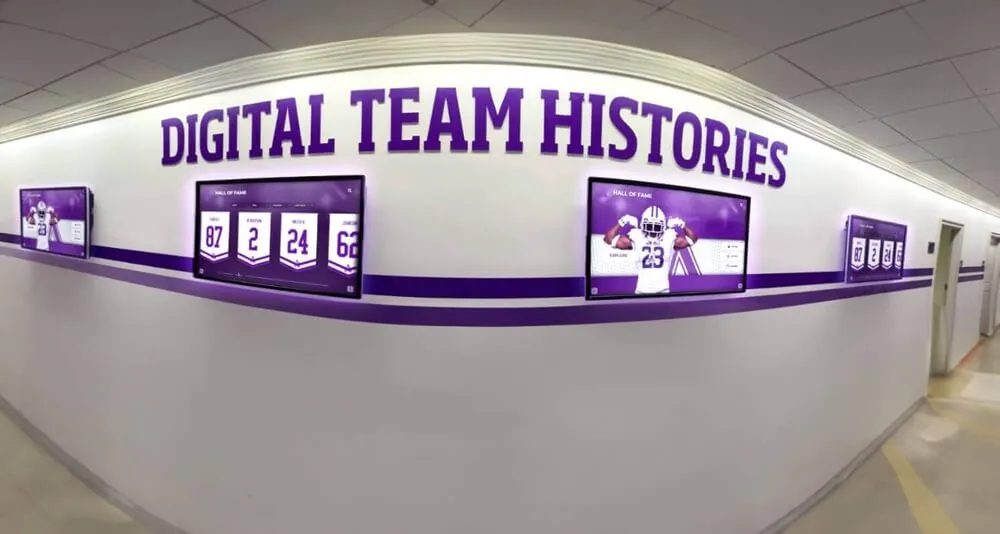
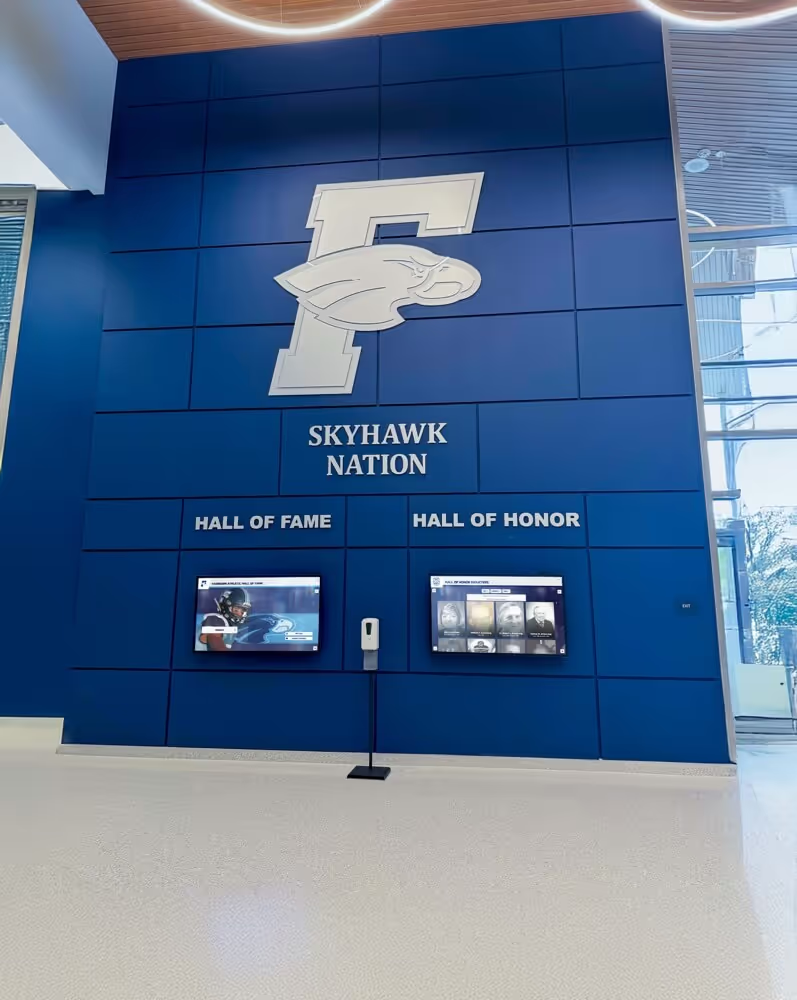
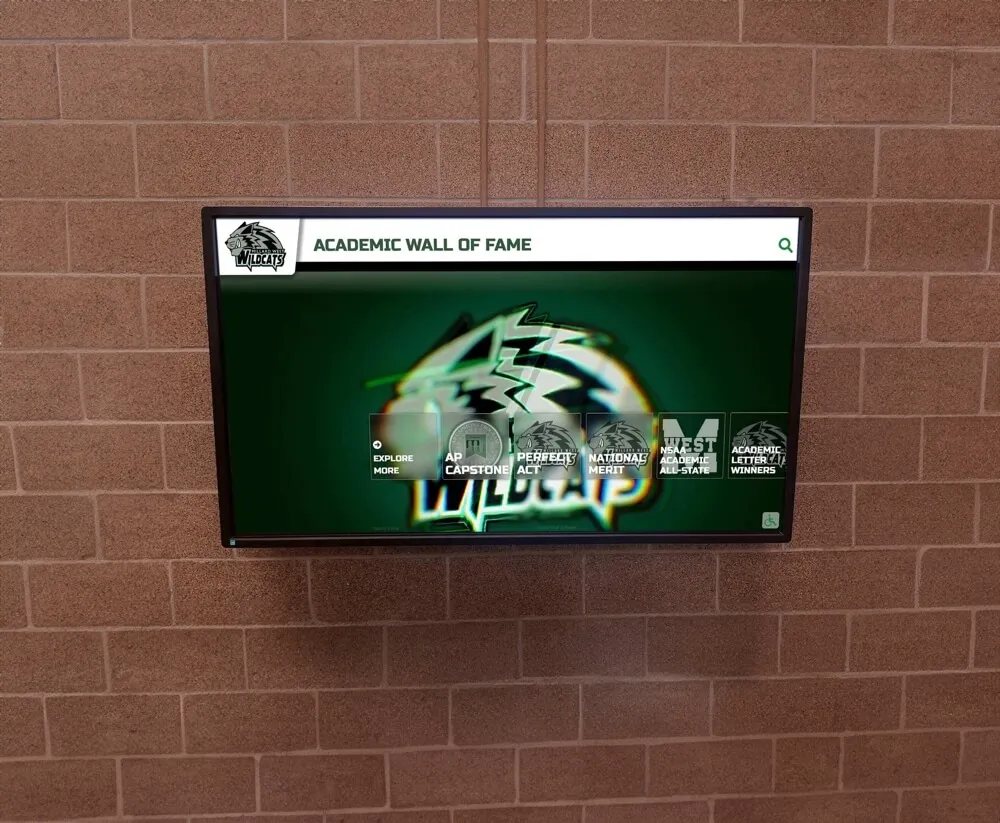
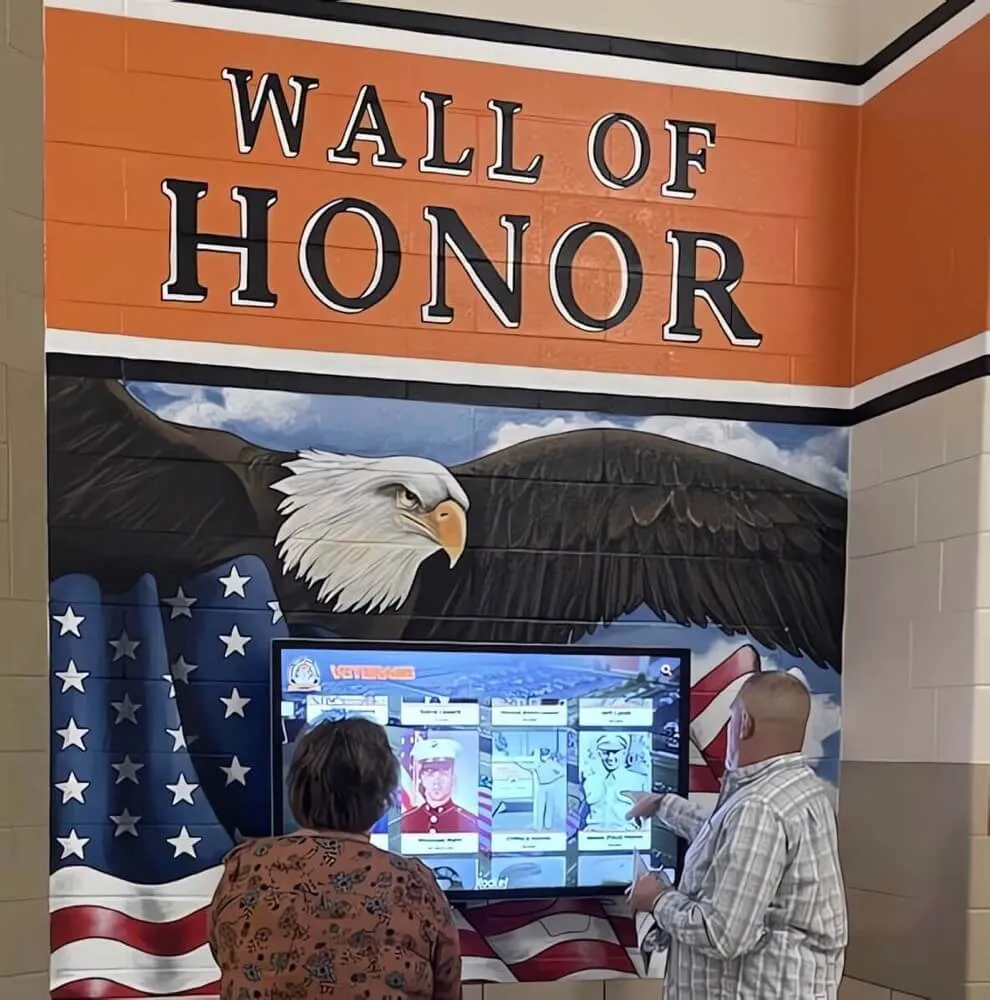
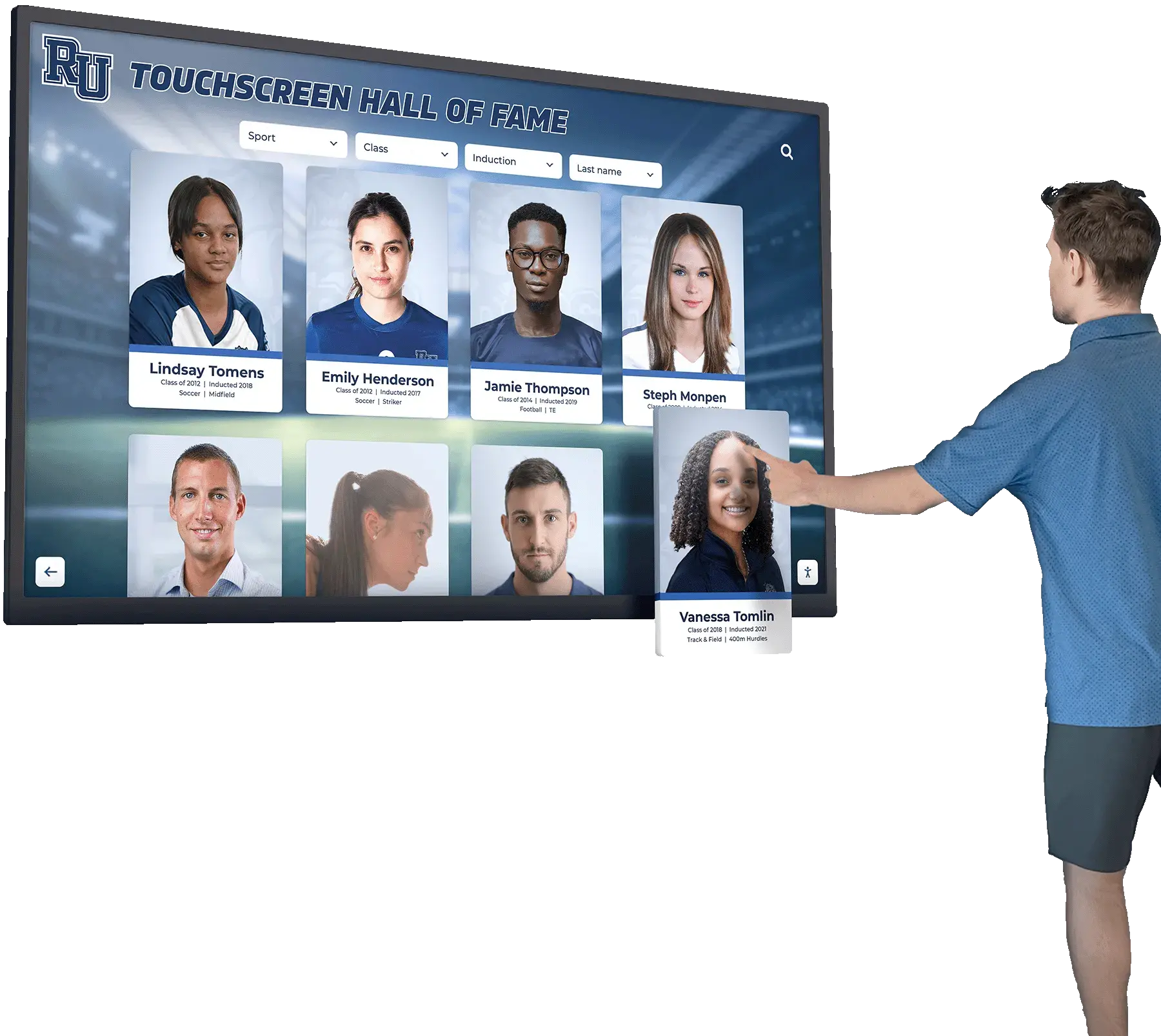
Memorial tributes combine visual and auditory elements to create meaningful spaces for remembrance and reflection
Understanding the Role of Music in Memorial Services
Before selecting specific songs, understanding how music functions in memorial contexts helps frame your curation decisions.
Music as Memory Trigger
Memorial service music activates autobiographical memories in ways few other stimuli can match:
Temporal Transportation
Music has unique power to transport listeners to specific moments in time:
- Songs from formative years trigger vivid memories of that era
- Music associated with significant events recalls those occasions in detail
- Familiar melodies activate neural pathways connected to specific people and places
- Repeated songs from someone’s life create strong memory associations
- Musical nostalgia helps mourners access cherished memories during grief
Research in music cognition shows that songs linked to emotional experiences create stronger, more persistent memories than nearly any other form of remembrance.
Emotional Expression
Music provides socially acceptable emotional release during memorial services:
- Allows mourners to cry without discomfort
- Gives permission to feel complex, conflicting emotions
- Creates moments for private reflection within public gatherings
- Expresses feelings that words cannot adequately convey
- Unifies diverse mourners through shared emotional experience
The right musical selections acknowledge grief while celebrating life, creating space for authentic emotional expression.
Creating Shared Experience
Memorial music unifies attendees through collective listening:
Communal Connection
Music creates synchronized emotional experiences among mourners:
- Shared cultural or generational songs create instant connection
- Familiar hymns or spiritual songs unite faith communities
- Songs associated with the deceased remind everyone why they gathered
- Musical interludes provide natural pauses for collective reflection
- Coordinated emotional moments through music build community support
When diverse groups gather—family, friends, colleagues, community members—music often provides common ground and shared focal points.
Honoring Community Impact
Memorial services for educators, coaches, or community leaders often incorporate music that reflects their broader impact. Schools honoring deceased faculty and staff may include songs from school traditions, performances, or eras that defined their tenure.
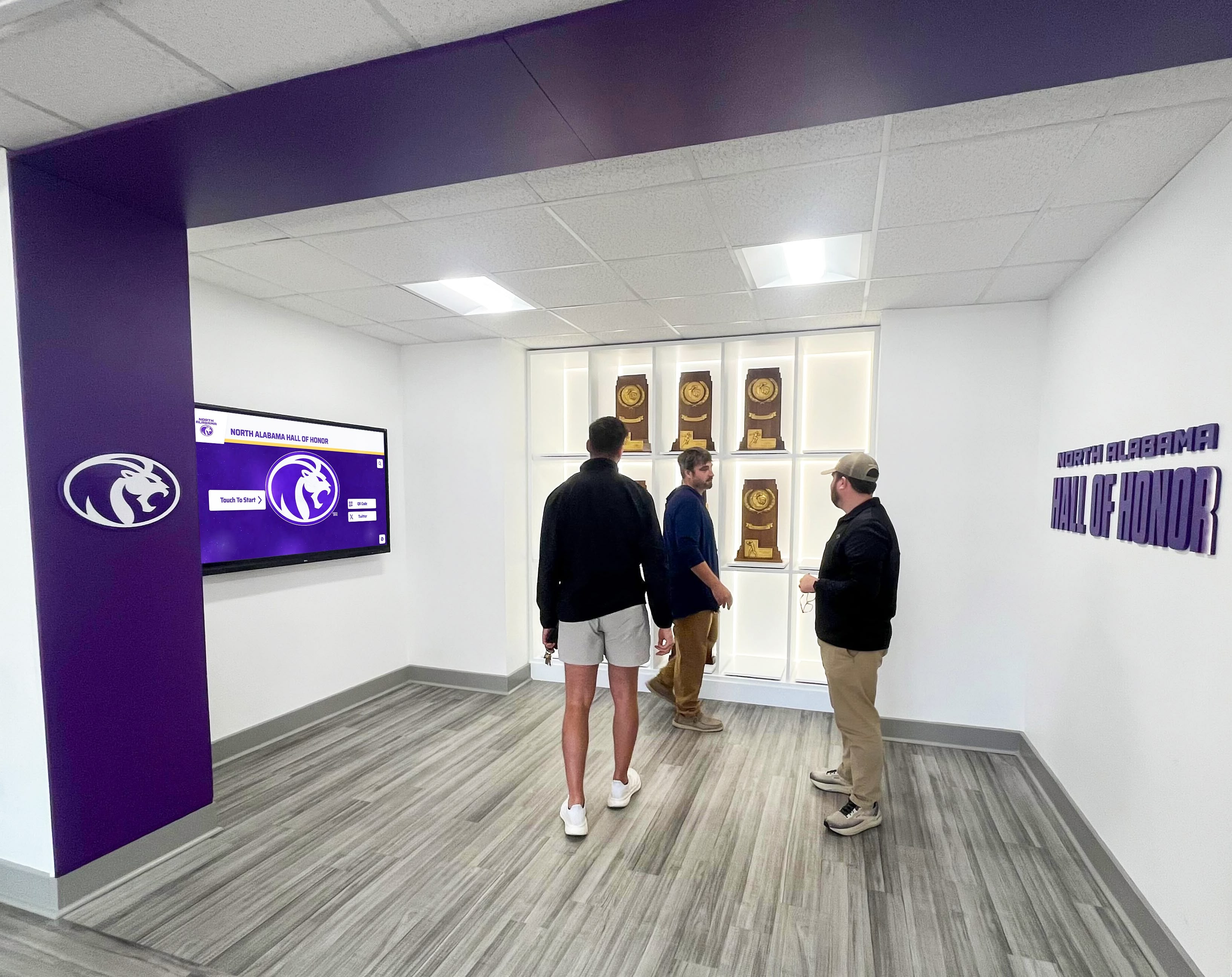
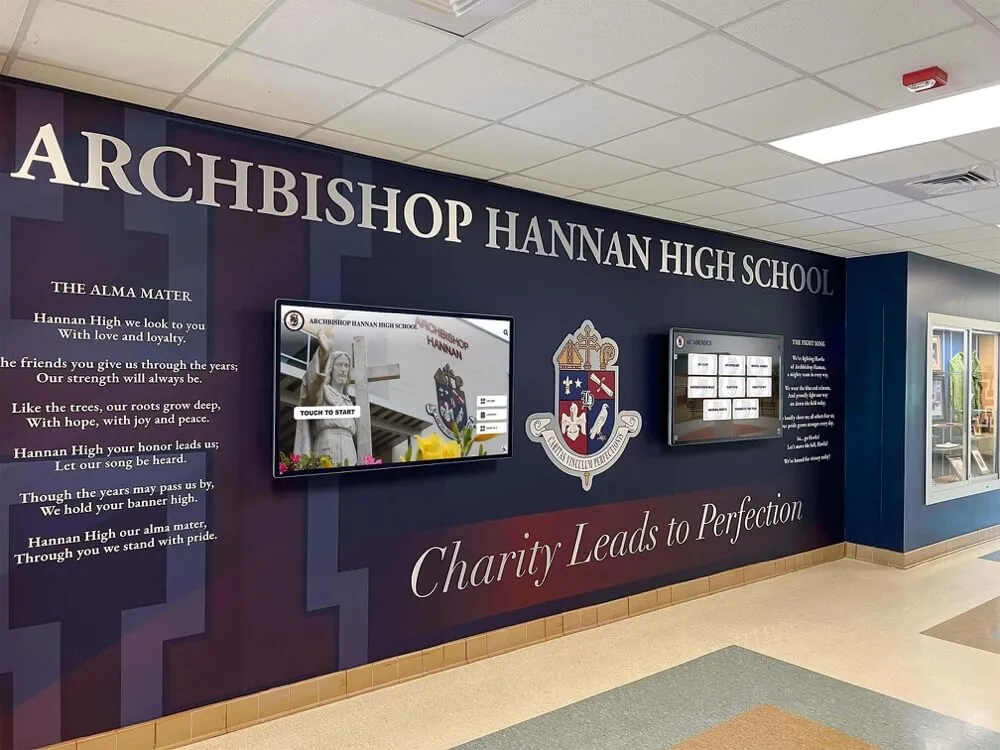
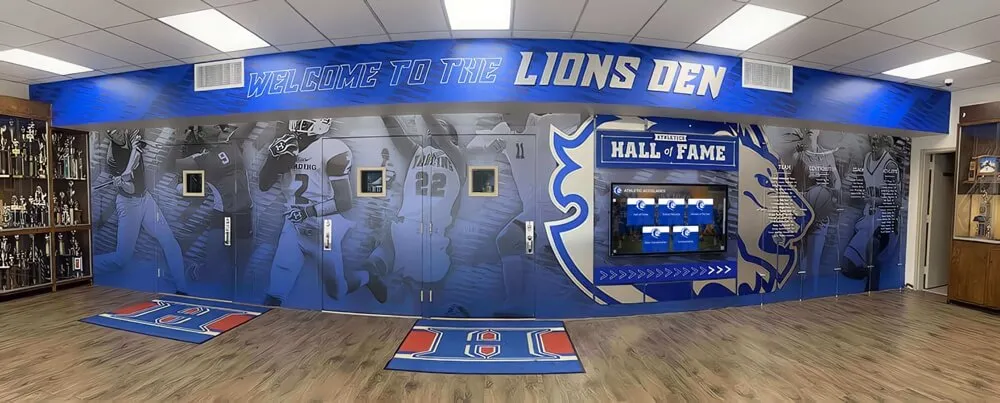
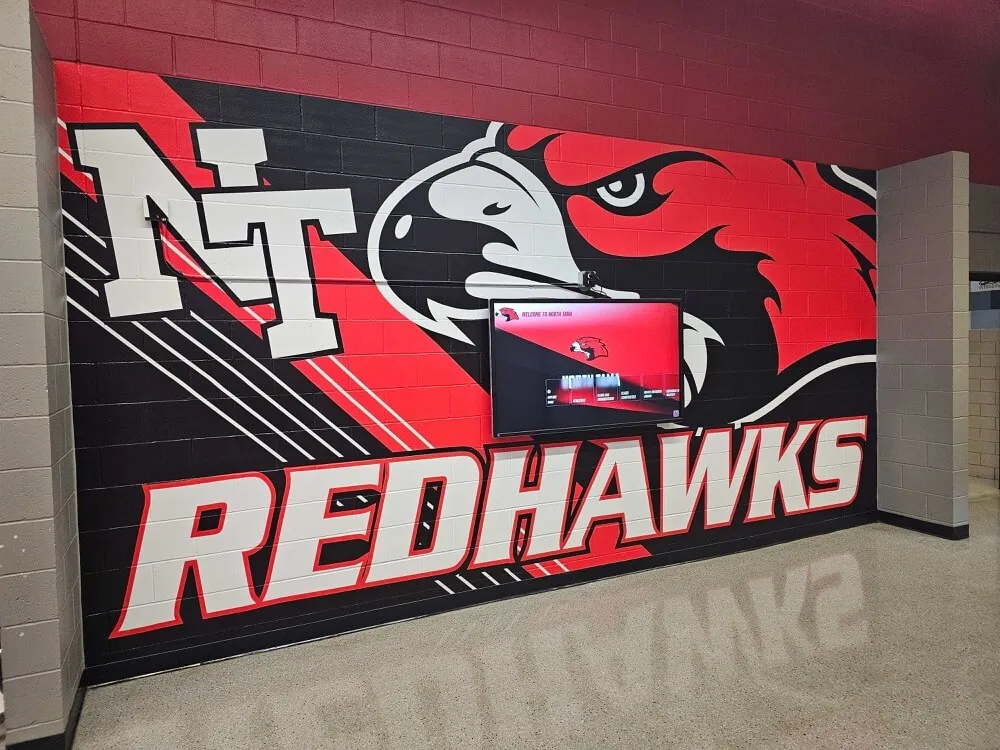
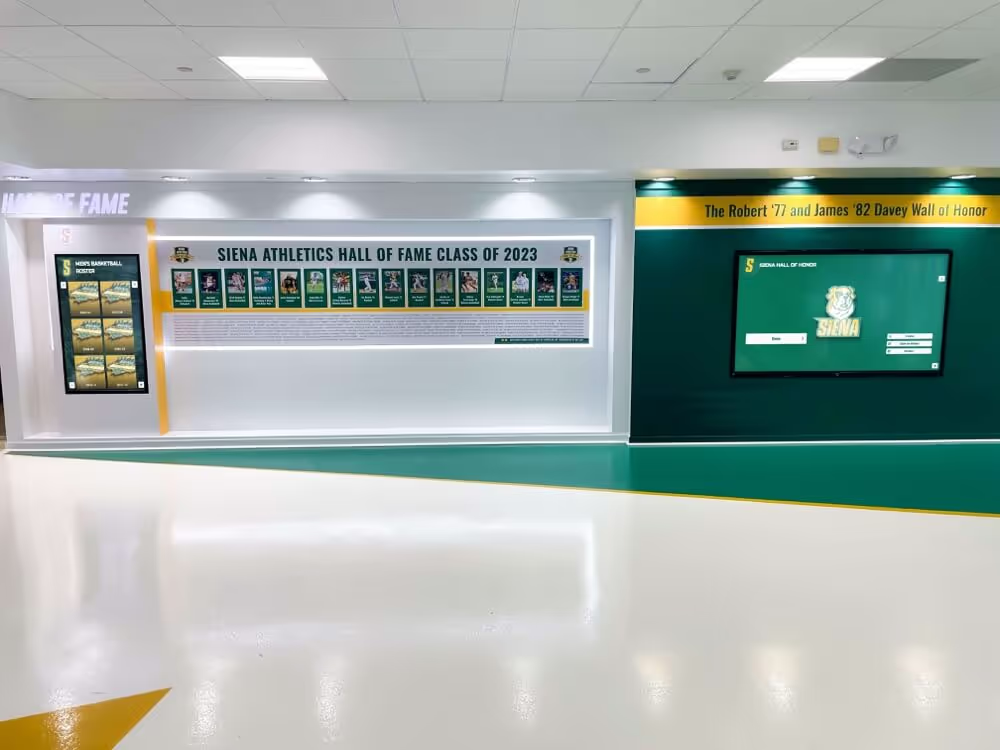
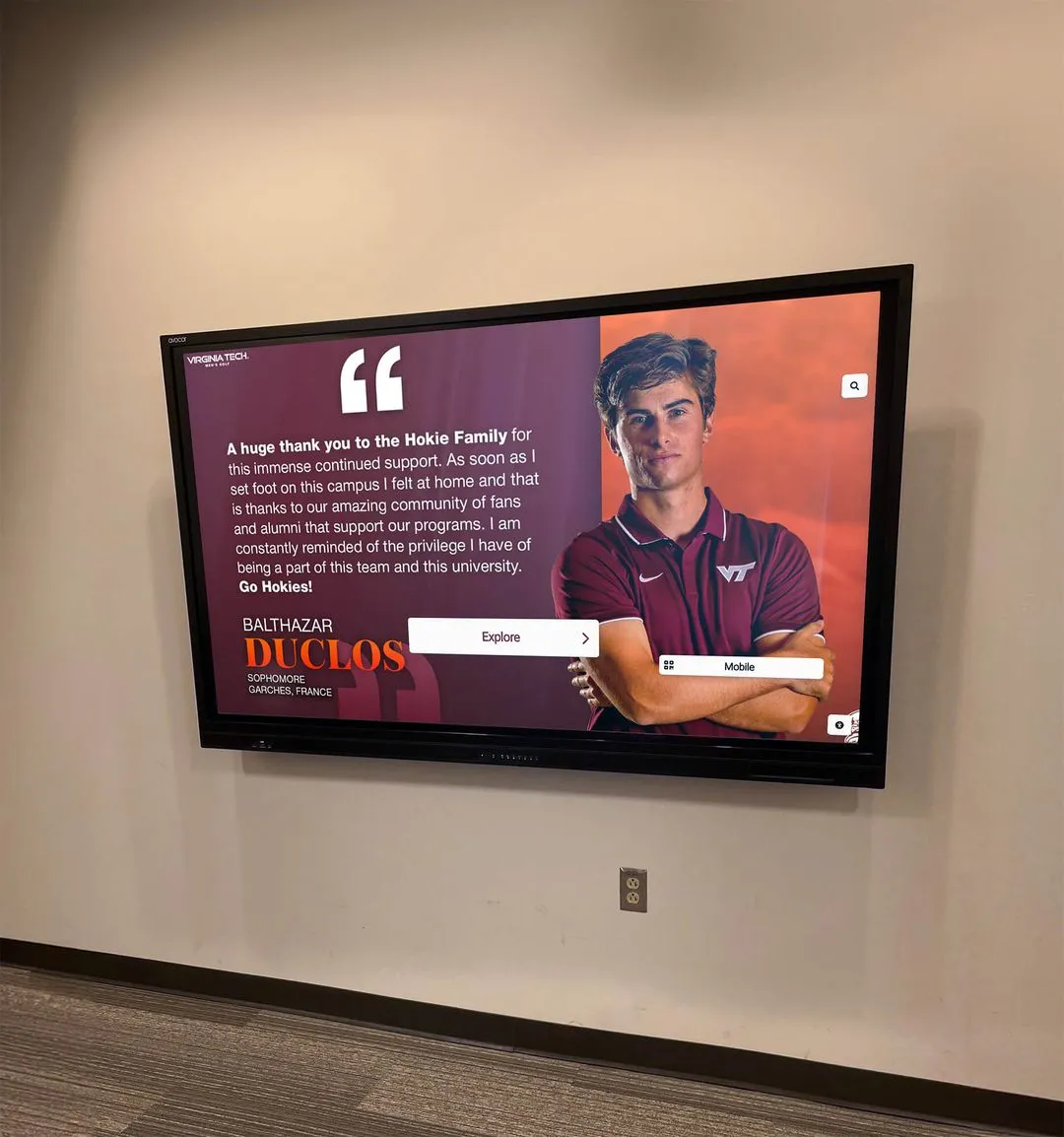
Memorial spaces provide focal points for reflection and celebration of lives that impacted communities
Types of Memorial Service Music: Finding the Right Balance
Effective memorial playlists typically blend multiple musical categories, each serving different purposes during the service.
Traditional Hymns and Spiritual Songs
Sacred music remains foundational for many memorial services:
Classic Hymns
Traditional hymns offer comfort through familiar melodies and spiritual reassurance:
- “Amazing Grace” – universal appeal across denominations
- “How Great Thou Art” – celebration of faith and creation
- “The Old Rugged Cross” – Christian imagery of sacrifice and redemption
- “Abide with Me” – request for divine presence during darkness
- “It Is Well with My Soul” – peace despite circumstances
These songs carry centuries of tradition while expressing enduring spiritual themes.
Contemporary Christian Music
Modern worship songs speak to believers with updated musical styles:
- “I Can Only Imagine” by MercyMe – anticipation of heaven
- “Oceans (Where Feet May Fail)” by Hillsong United – faith amid uncertainty
- “10,000 Reasons” by Matt Redman – gratitude and worship
- “In Christ Alone” by Keith Getty and Stuart Townend – foundation of faith
- “Blessed Be Your Name” by Matt Redman – worship through joy and pain
Contemporary Christian selections appeal especially to younger mourners while maintaining spiritual focus.
Gospel Music
Gospel traditions bring powerful emotion and celebration:
- “Precious Lord, Take My Hand” by Thomas A. Dorsey
- “His Eye Is on the Sparrow” – divine care and protection
- “Take My Hand, Precious Lord” – request for guidance
- “I’ll Fly Away” – joyful anticipation of heaven
- “Oh Happy Day” – celebration of salvation
Gospel music’s emotional intensity and call-and-response elements can transform memorial gatherings into celebrations.
Classical and Instrumental Music
Classical selections provide elegant, contemplative atmosphere:
Orchestral Pieces
Classical compositions offer profound beauty without words:
- “Canon in D” by Johann Pachelbel – peaceful, flowing beauty
- “Adagio for Strings” by Samuel Barber – profound sadness and beauty
- “Clair de Lune” by Claude Debussy – gentle, dreamlike quality
- “Air on the G String” by Johann Sebastian Bach – serene elegance
- “Nimrod” from Enigma Variations by Edward Elgar – dignified nobility
Instrumental music allows mourners to project their own memories and emotions onto the soundscape.
Solo Instrumental
Simple instrumental performances create intimate moments:
- Piano solos – “Moonlight Sonata,” “Gymnopédie No. 1”
- Violin performances – “Ave Maria,” “The Swan”
- Guitar pieces – classical Spanish guitar, fingerstyle arrangements
- Harp music – ethereal, angelic quality
- Flute solos – “Danny Boy,” simple hymn arrangements
Solo instruments particularly suit smaller, intimate gatherings or specific memorial moments.
Popular and Contemporary Music
Secular popular music often most authentically represents the deceased:
Classic Rock and Pop
Songs from formative decades evoke powerful nostalgia:
- “Stairway to Heaven” by Led Zeppelin
- “Imagine” by John Lennon – hopeful vision of peace
- “What a Wonderful World” by Louis Armstrong – gratitude for life’s beauty
- “My Way” by Frank Sinatra – individualism and self-determination
- “Wind Beneath My Wings” by Bette Midler – honoring supporters
- “Time to Say Goodbye” by Andrea Bocelli and Sarah Brightman
Popular songs often capture personality more vividly than traditional memorial music.
Country Music
Country traditions embrace life, faith, and farewell themes:
- “Go Rest High on That Mountain” by Vince Gill
- “Holes in the Floor of Heaven” by Steve Wariner
- “I Hope You Dance” by Lee Ann Womack
- “Live Like You Were Dying” by Tim McGraw
- “One More Day” by Diamond Rio
Country music’s storytelling tradition and emotional directness resonates particularly in certain regions and communities.
Contemporary Pop
Modern songs connect with younger mourners and family:
- “See You Again” by Wiz Khalifa featuring Charlie Pattinson
- “Supermarket Flowers” by Ed Sheeran
- “The Dance” by Garth Brooks
- “Tears in Heaven” by Eric Clapton
- “Hallelujah” by Leonard Cohen (various artists)
Contemporary selections acknowledge that memorial music evolves with each generation.
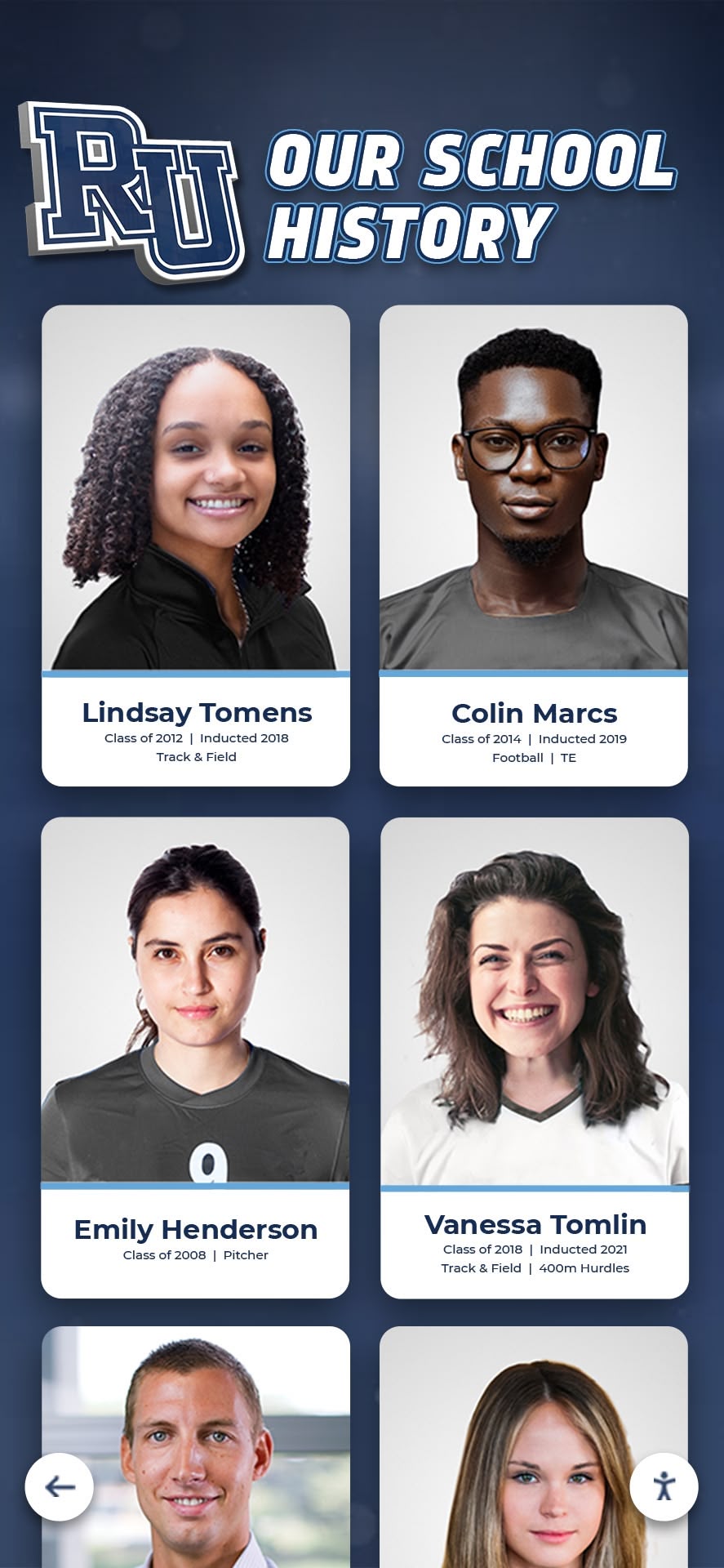
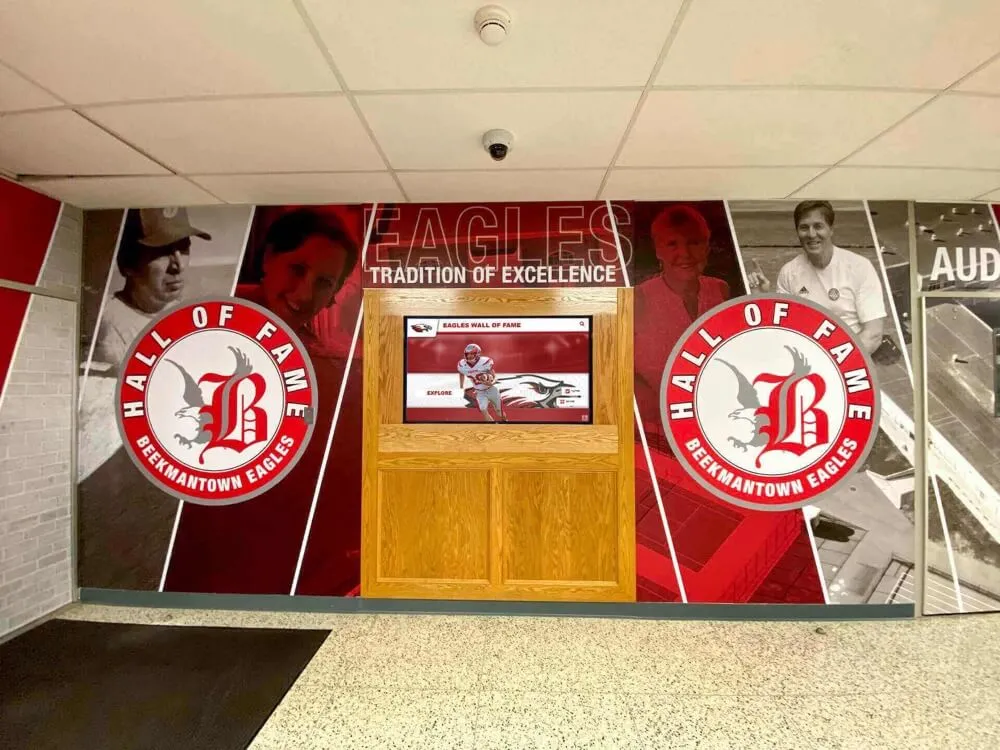
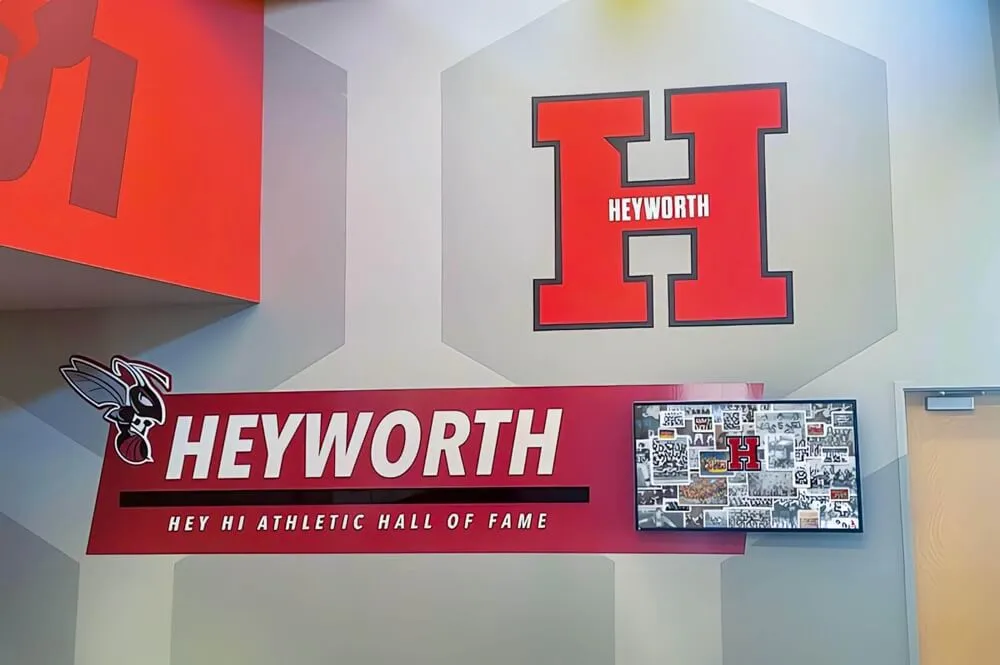
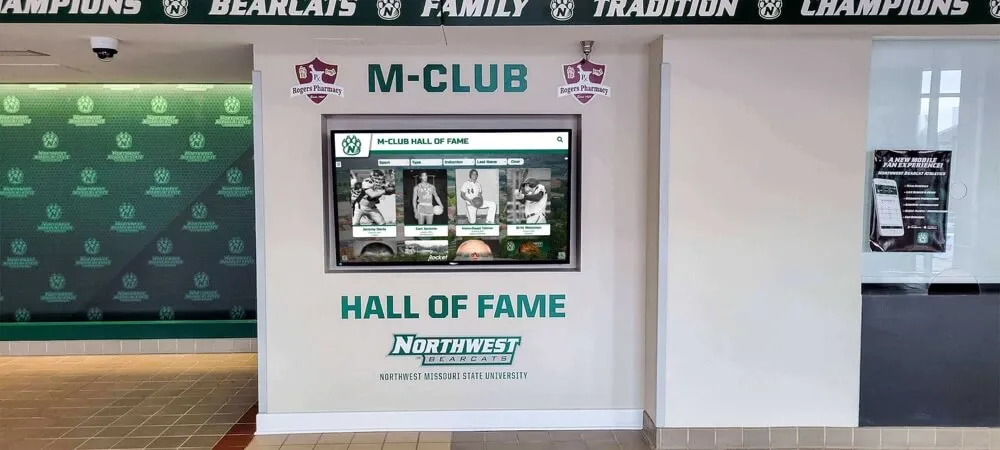
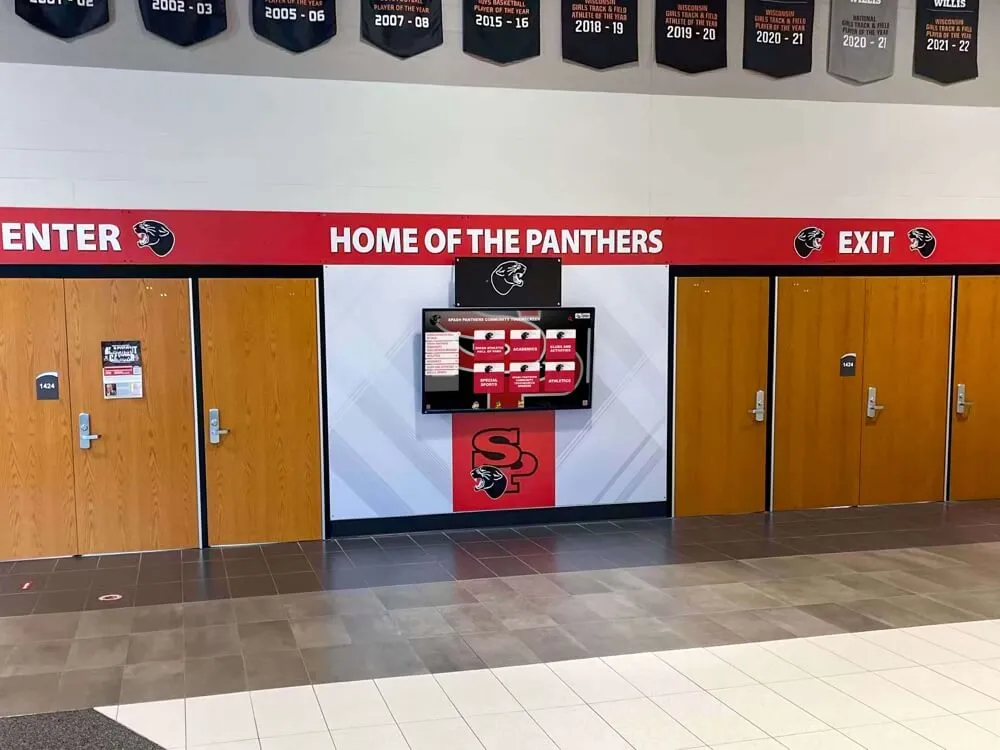
Individual portraits preserve memories and celebrate unique contributions to communities
Creating Your Memorial Service Playlist: Step-by-Step Process
Building an effective memorial playlist requires balancing personal significance, emotional tone, practical logistics, and diverse attendee preferences.
Step 1: Gather Input from Family and Close Friends
Begin playlist creation by collecting suggestions from people who knew the deceased well:
Identifying Significant Songs
Ask family members about music connected to key life moments:
- What songs did they request repeatedly?
- What music played during important celebrations (wedding, anniversaries, parties)?
- What artists or genres did they love?
- What songs make you think immediately of this person?
- What music would they want played at their service?
Often the deceased expressed preferences about memorial music directly, or family members have clear sense of appropriate selections.
Considering Diverse Perspectives
Gather input from different relationship circles:
- Spouse or partner – intimate knowledge of daily preferences
- Children – generational perspective on parent’s music
- Siblings – shared childhood and family music memories
- Close friends – social and recreational music connections
- Colleagues – professional or community-related songs
- Faith community – spiritual music preferences
Each relationship provides unique insight into different facets of the person’s life and musical tastes.
Step 2: Organize Songs by Service Section
Structure your playlist according to memorial service flow:
Prelude Music (15-30 minutes before service)
Gentle background music as guests arrive and find seats:
- Instrumental versions of meaningful songs
- Classical selections
- Quiet acoustic arrangements
- Familiar but not attention-demanding pieces
- Volume set for conversation with subtle musical backdrop
Prelude music sets contemplative tone while allowing natural conversation.
Processional Music (As family enters)
More formal music marking service commencement:
- Traditional hymn or classical piece
- Dignified, respectful tone
- 2-4 minutes duration typically
- Signals transition from informal gathering to formal service
Service Music (During the memorial)
Songs interspersed throughout the program:
- 4-8 songs depending on service length
- Mix of instrumental and vocal performances
- Balance between solemn and uplifting
- Include special performances by family or friends if desired
- Coordinate with speakers, readings, and other program elements
Recessional Music (As service concludes)
Music as family exits and service formally ends:
- Often more uplifting than processional
- Celebratory rather than purely somber
- Signals transition from formal service to reception
- 2-3 minutes typically
Reception Music (Following formal service)
Background music for informal gathering:
- More extensive playlist (30-60+ minutes)
- Can include favorites not appropriate for formal service
- Mix of tempos and moods
- Conversational volume
- Represents deceased’s personality and preferences
Organizing songs by service section ensures appropriate musical tone throughout the experience.
Step 3: Balance Emotional Tone
Effective memorial playlists acknowledge grief while celebrating life:
Allowing Sadness
Include music that validates mourning:
- Songs acknowledging loss and absence
- Music expressing longing and remembrance
- Pieces that give permission to cry
- Selections honoring the pain of goodbye
Grief needs acknowledgment—music that only celebrates without honoring sadness feels incomplete.
Incorporating Celebration
Balance sadness with music celebrating the life lived:
- Uplifting songs about legacy and impact
- Music celebrating personality, humor, passions
- Joyful pieces about reunion or continuation
- Songs expressing gratitude for time shared
- Celebratory music reflecting faith in afterlife or continuation
Many families prefer “celebration of life” services with predominately uplifting music punctuated by moments of acknowledged grief.
Creating Emotional Arc
Structure playlist to guide mourners through emotional journey:
- Begin with somber acknowledgment of loss
- Progress through memories and celebration
- Include peaks of both sadness and joy
- End with hopeful, forward-looking selections
- Allow natural emotional flow rather than forcing constant mood
Thoughtful sequencing helps mourners process complex emotions.
Step 4: Consider Practical Logistics
Memorial music must work within real-world service constraints:
Timing Considerations
Coordinate music with service duration:
- Typical memorial services run 45-90 minutes
- Include 4-8 featured songs within formal service
- Account for live performances taking slightly longer
- Build buffer time for emotional moments extending beyond planned duration
- Prepare extended playlist for any section running longer than anticipated
Always have more music prepared than minimum needed.
Venue Acoustics and Equipment
Ensure your selected music works with available technology:
- Verify sound system quality and capabilities
- Test recorded music playback in advance
- Arrange for appropriate microphones for live performances
- Consider venue size and natural acoustics
- Coordinate with venue staff on technical requirements
- Prepare backup playback method (phone/laptop if sound system fails)
Technical failures during memorial services cause unnecessary stress—advance preparation prevents problems.
Live Performance Logistics
If including live musical performances:
- Confirm performers have appropriate accompaniment or backing tracks
- Provide sheet music or recordings for unfamiliar songs
- Schedule brief rehearsal in actual venue if possible
- Prepare recorded backup if live performance becomes too emotional
- Allow time for performer setup and soundcheck
Live performances add meaningful personal touches but require additional coordination.
Schools and organizations creating permanent memorial spaces often coordinate music and visual elements in comprehensive tributes. Programs honoring community heroes and local legends integrate musical elements with photographic and historical displays.
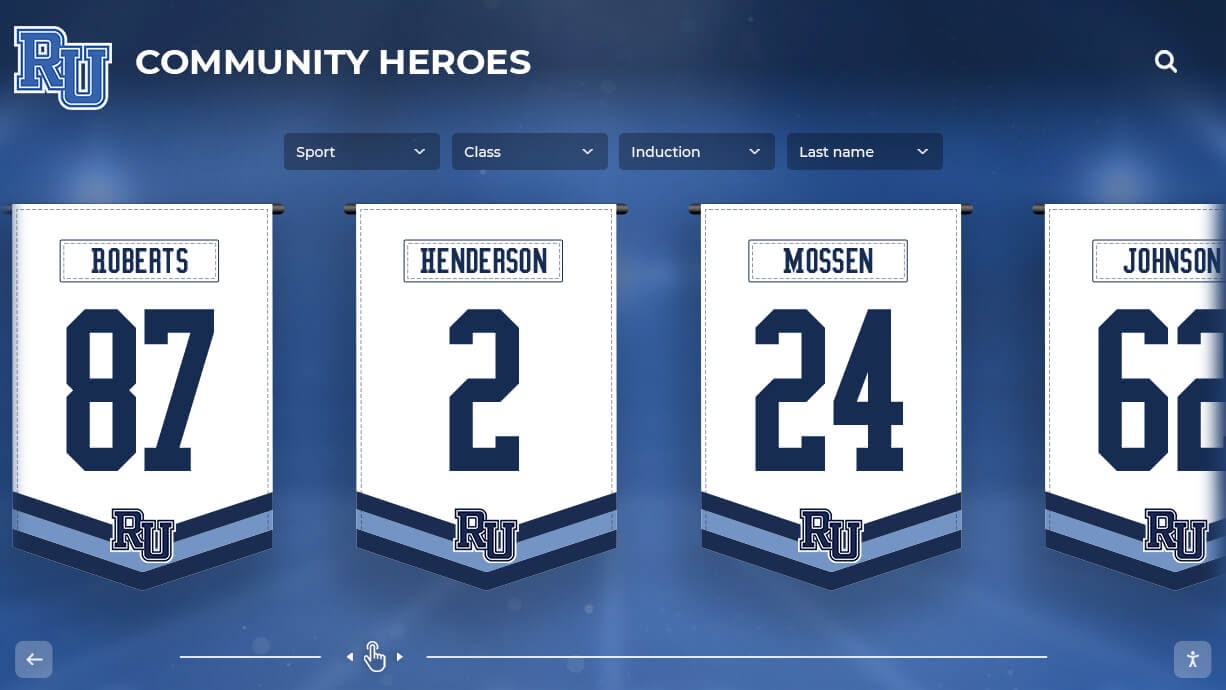
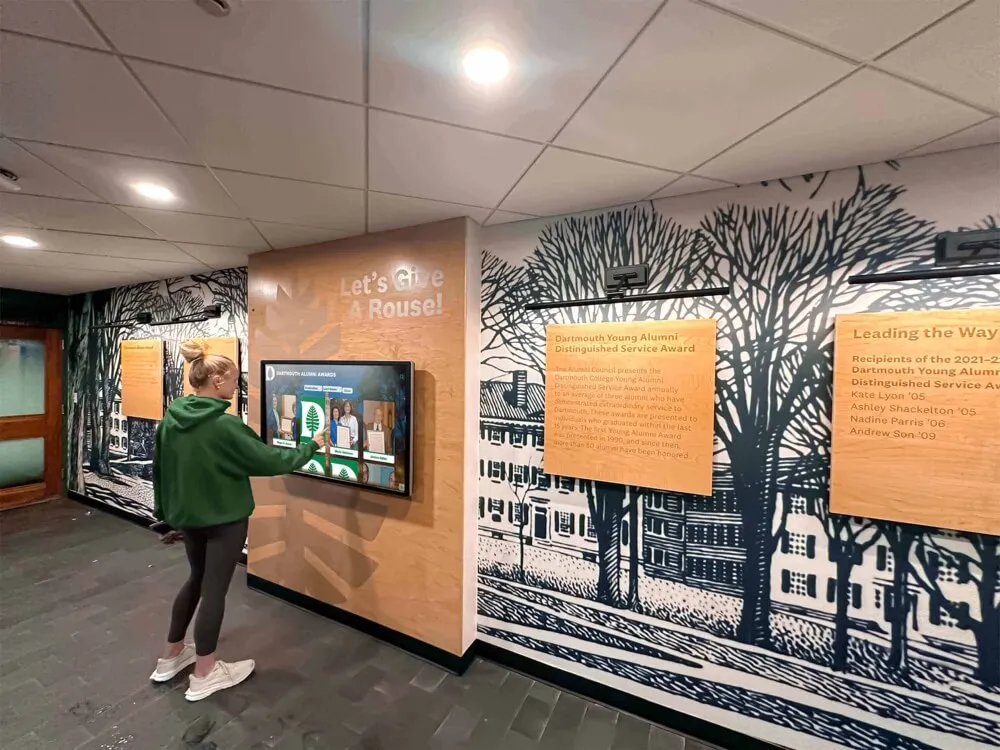
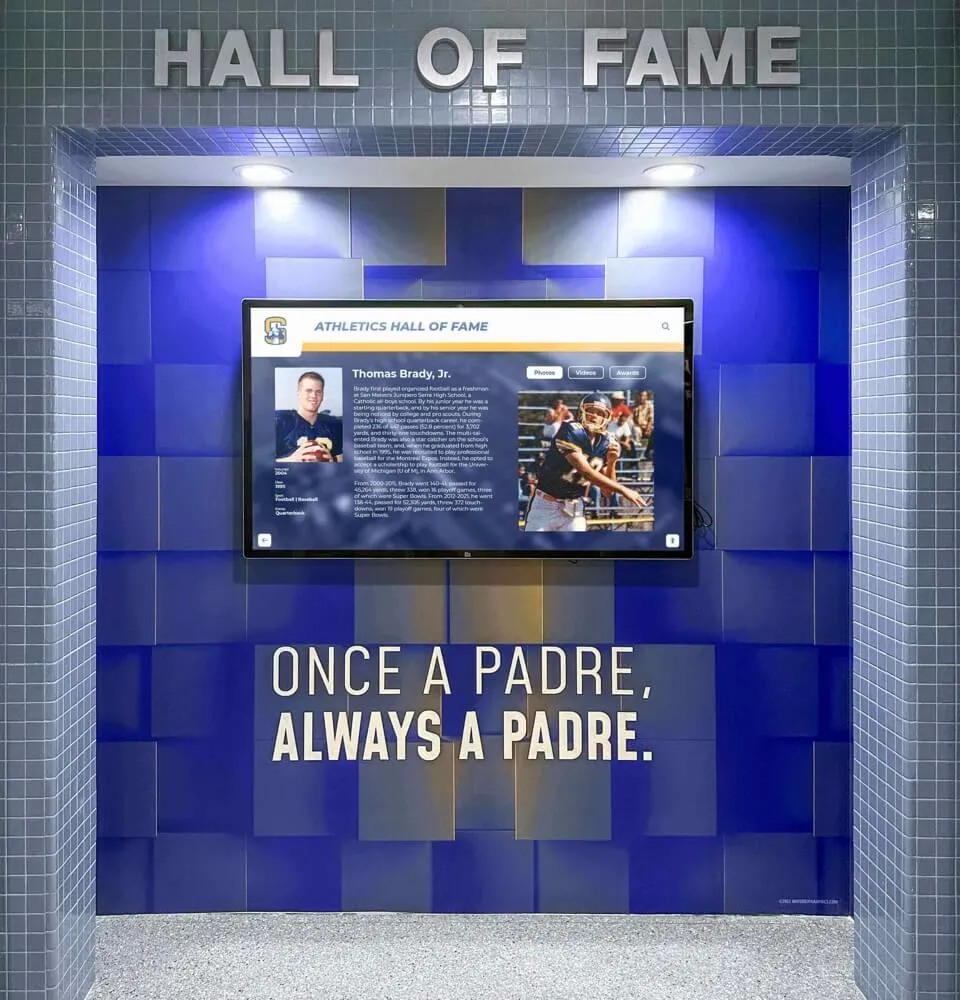
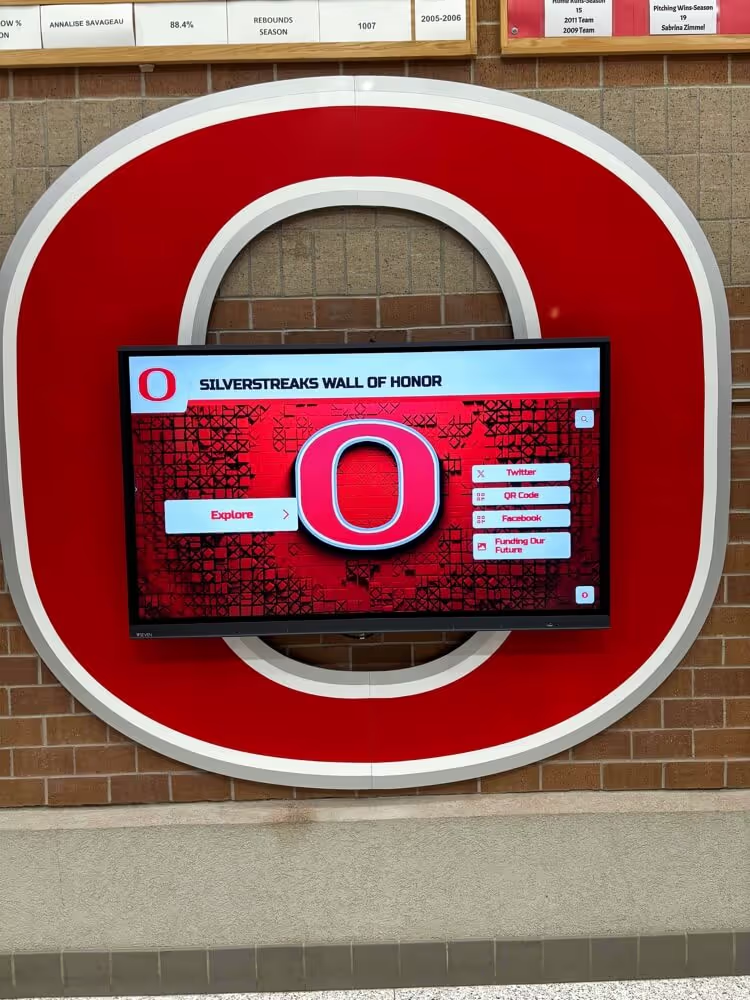
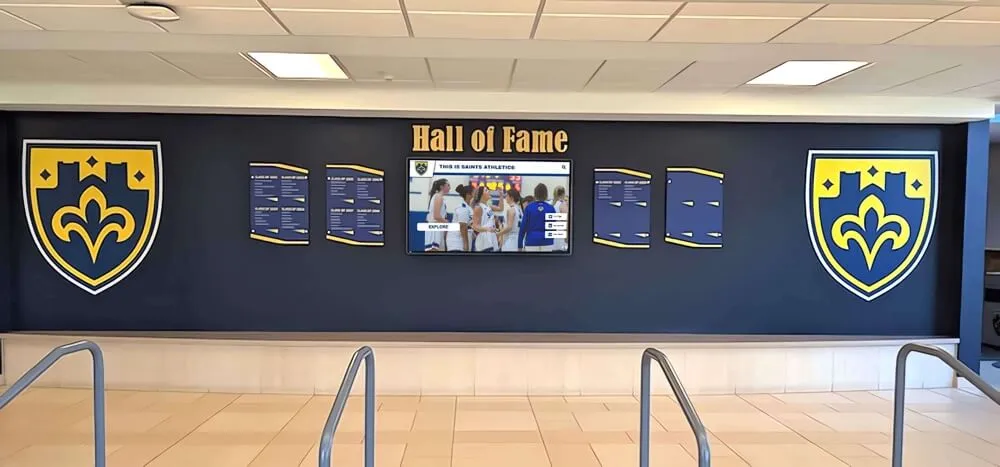
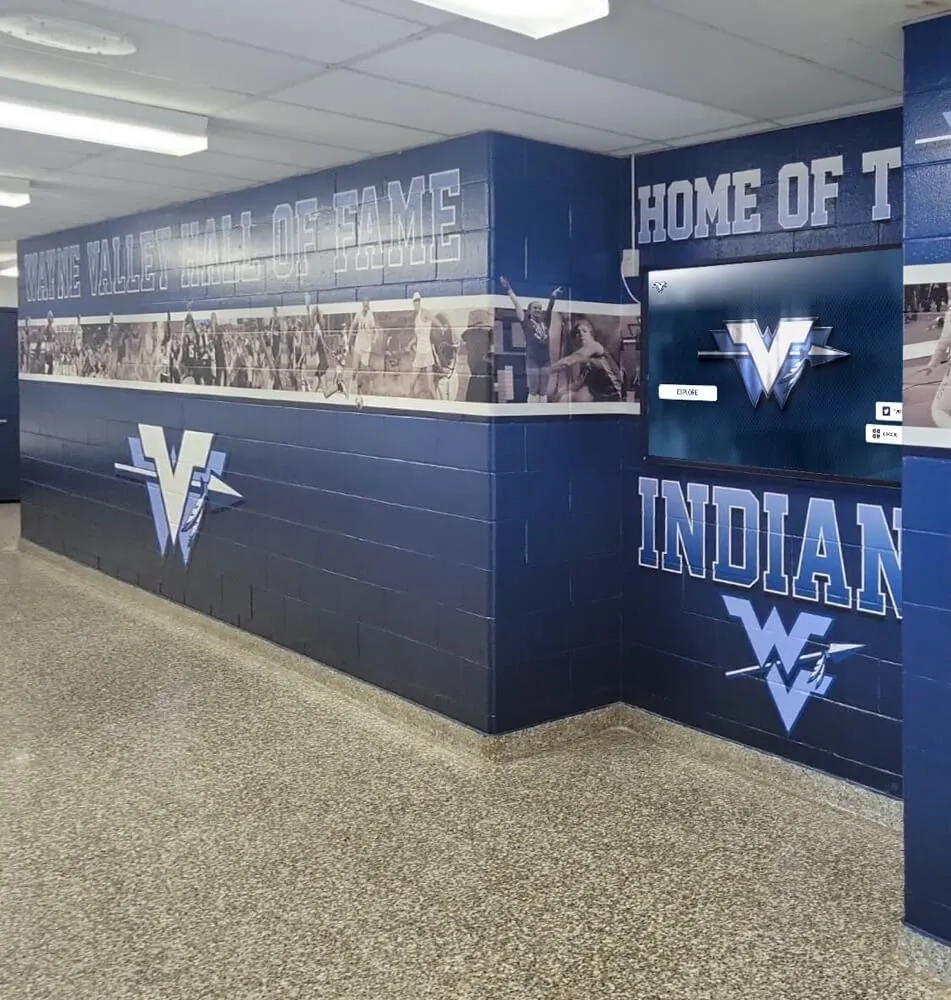
Community memorial displays celebrate individuals whose contributions shaped local institutions and traditions
Special Considerations for Different Types of Memorial Services
Memorial music varies significantly based on service type, cultural context, and the person being honored.
School and Educational Memorial Services
When schools honor deceased students, faculty, or staff, music often reflects institutional traditions:
Incorporating School Songs
Educational memorials may include:
- Alma mater or school song
- Fight songs or athletic anthems for coaches and athletes
- Songs from school performances or concerts
- Music from decades when deceased attended or worked at institution
- Traditional songs connecting multiple generations of school community
School memorial services balance personal tribute with institutional remembrance, creating connections across diverse community members who may not have known the deceased personally.
Honoring Student Life
Memorial services for students often include:
- Contemporary music popular during their time at school
- Songs from school performances, musicals, or concerts they participated in
- Music representing their friend groups and social connections
- Genres and artists they loved
- Mix of youthful energy with recognition of life cut short
Student memorials particularly benefit from peer input on musical selections that authentically represent their friend’s personality.
Schools increasingly complement memorial services with permanent tribute displays that preserve memories beyond single gatherings. Digital recognition systems allow institutions to create lasting memorial spaces where students and visitors can access tributes incorporating photos, accomplishments, and meaningful remembrances.
Athletic and Coaching Memorials
Services honoring coaches, athletes, or sports figures often feature:
Sports-Related Music
- “We Are the Champions” by Queen
- “Eye of the Tiger” by Survivor
- Team or league anthems
- Music from championship celebrations
- Fight songs and rally music
Balancing Competition and Reflection
Athletic memorials celebrate competitive spirit while honoring human connection beyond sports:
- Include both pumped-up anthems and reflective pieces
- Music from significant games or seasons
- Songs capturing team unity and camaraderie
- Selections honoring mentorship and lasting impact
- Balance individual achievement with community contribution
Similar to senior night celebrations that honor athletic careers, memorial services for sports figures highlight competitive achievements while emphasizing personal relationships and mentorship legacies.
Military and Service Memorials
Services honoring military members or first responders incorporate ceremonial music:
Traditional Military Music
- “Taps” – traditional memorial salute
- “Amazing Grace” on bagpipes
- National anthem
- Branch-specific songs (Marines’ Hymn, Anchors Aweigh, etc.)
- Patriotic selections
Balancing Service and Individual
Military memorials honor both service sacrifice and individual personality:
- Include formal military music honoring service
- Add personal music selections reflecting individual beyond uniform
- Consider music from military era or deployment locations
- Include both solemn tribute and celebration of service
- Balance reverence with authentic personal remembrance
Cultural and Religious Considerations
Memorial music must respect cultural traditions and religious beliefs:
Catholic Memorials
Traditional Catholic funeral masses include specific liturgical music:
- Entrance hymn as casket enters
- Responsorial psalm
- Gospel acclamation
- Preparation of gifts music
- Communion hymns
- “Song of Farewell”
- Recessional hymn
Catholic services follow structured liturgy with designated musical moments.
Jewish Memorials
Jewish funeral traditions emphasize simplicity:
- Limited musical elements in traditional services
- “El Malei Rachamim” prayer for the deceased
- “Kaddish” mourner’s prayer
- Generally minimal instrumentation
- Music more prominent at shiva gatherings following burial
Islamic Memorials
Islamic funeral traditions typically avoid music:
- Quran recitation rather than musical performances
- Focus on spoken prayer and remembrance
- Musical elements, if any, typically at separate memorial gatherings
- Respect for religious guidelines on music and mourning
Cultural Music Traditions
Many cultures incorporate specific musical traditions:
- Gospel music central to many African American services
- Mariachi bands at some Hispanic memorials
- Bagpipes at Irish or Scottish services
- Specific cultural instruments and song styles
- Music in native languages for immigrant communities
Always consult with family about cultural and religious musical expectations.
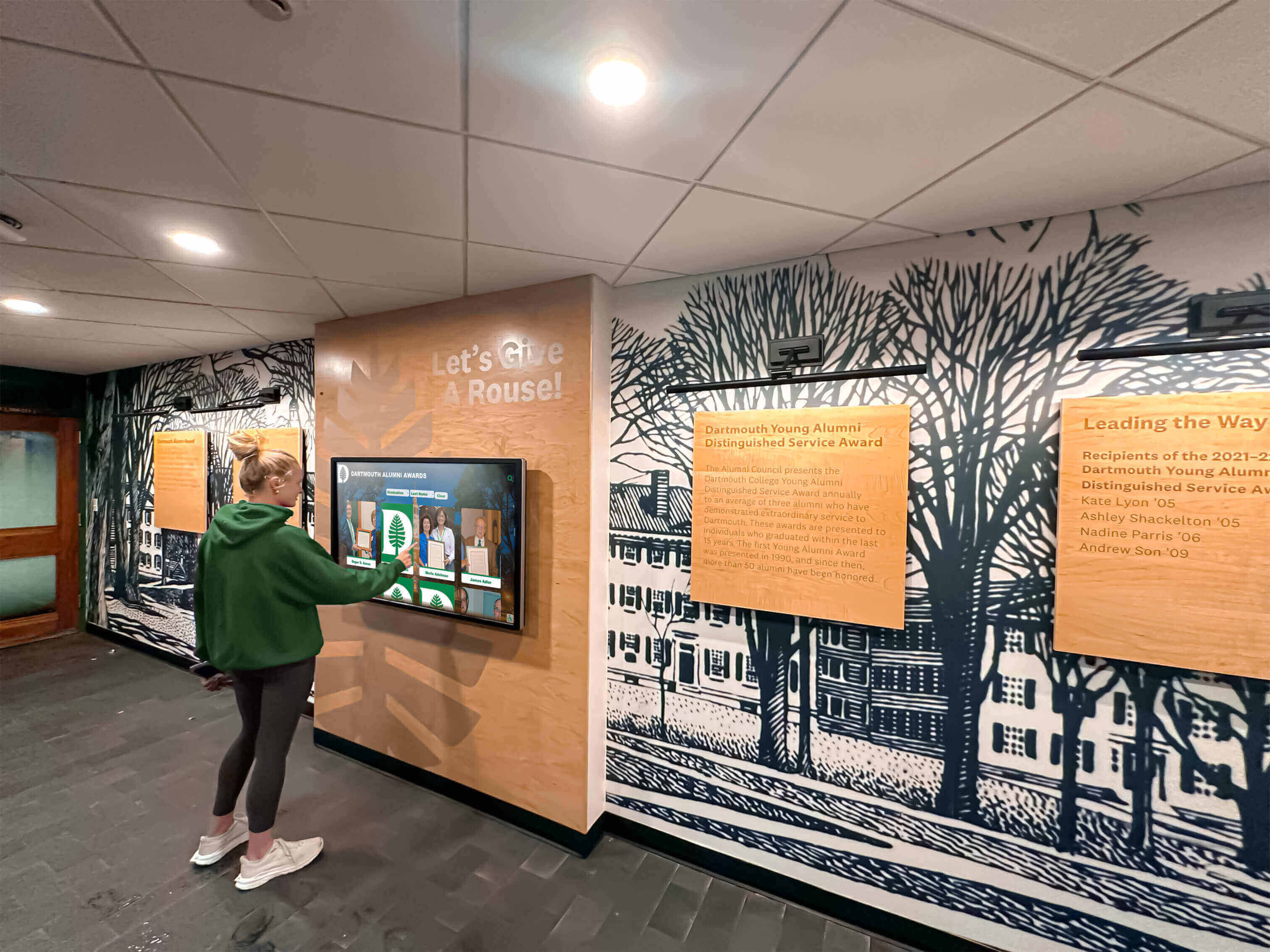
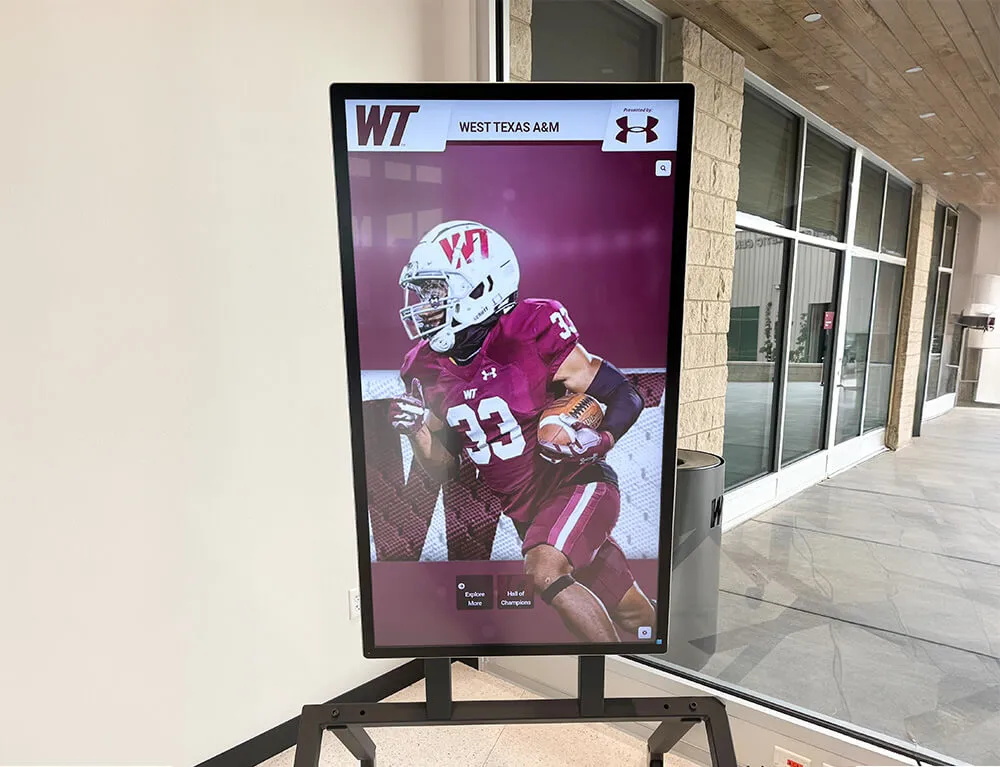
Interactive memorial displays allow visitors to explore tributes, memories, and legacies at their own pace
Sample Memorial Service Playlists
These sample playlists demonstrate different approaches to memorial music curation:
Traditional/Religious Service Playlist
Prelude Music (20 minutes)
- “Jesu, Joy of Man’s Desiring” – J.S. Bach (instrumental)
- “Ave Maria” – Schubert (instrumental)
- “Be Still My Soul” – instrumental hymn arrangement
- “Panis Angelicus” – Franck
Service Music
- Processional: “Amazing Grace” – congregation
- First Hymn: “How Great Thou Art”
- Special Music: “The Lord’s Prayer” – vocal solo
- Reflection Music: “It Is Well with My Soul” – instrumental
- Final Hymn: “Abide with Me”
- Recessional: “I’ll Fly Away”
Reception Music Instrumental hymn arrangements, classical selections, peaceful ambient music
Celebration of Life Playlist (Contemporary)
Prelude Music
- “Here Comes the Sun” – The Beatles (instrumental)
- “What a Wonderful World” – Louis Armstrong
- “Somewhere Over the Rainbow” – Israel Kamakawiwo’ole
- “Three Little Birds” – Bob Marley
Service Music
- Processional: “Time to Say Goodbye” – Andrea Bocelli
- First Song: “I Hope You Dance” – Lee Ann Womack
- Special Music: “Hallelujah” – performed by family member
- Reflection: “The Dance” – Garth Brooks
- Celebration: “Don’t Stop Believin’” – Journey
- Recessional: “I’ve Had the Time of My Life”
Reception Music Favorite songs representing different life decades, upbeat selections, meaningful family songs
Military Veteran Memorial Playlist
Prelude Music Patriotic instrumentals, service branch songs, contemporary military tribute songs
Service Music
- Processional: “America the Beautiful”
- Opening: National Anthem
- Hymn: “Eternal Father, Strong to Save” (Navy Hymn)
- Special Music: “God Bless America”
- Reflection: “Amazing Grace” on bagpipes
- Honor Guard: “Taps”
- Recessional: “Armed Forces Medley”
Reception Music Music from veteran’s era of service, big band if WWII veteran, classic rock for Vietnam era, etc.
Musical Life Celebration (For Musician)
Prelude Music Recordings of deceased’s performances, favorite composers and artists
Service Music
- Processional: Piece they frequently performed
- First Selection: Recording of their signature song/piece
- Guest Performance: Colleague or student performing meaningful work
- Family Performance: Song connecting to family memories
- Ensemble Performance: Musical community tribute
- Recessional: Triumphant, celebratory piece they loved
Reception Music Extensive playlist of their favorite music across genres, recordings of their performances, music they introduced to others
These samples demonstrate structure while emphasizing that every memorial playlist should reflect the unique individual being honored.
Create Lasting Memorial Tributes Beyond the Service
While memorial service music honors loved ones on a single day, permanent digital tribute displays preserve memories and legacies for years to come. Discover how interactive touchscreen systems help schools, organizations, and communities create enduring memorial spaces where visitors can explore photos, accomplishments, and remembrances celebrating lives well lived.
Explore Memorial SolutionsWorking with Musicians and Music Professionals
Professional musical support can elevate memorial services significantly.
Hiring Live Musicians
Live performances create powerful memorial moments:
Finding Appropriate Musicians
Sources for memorial service musicians:
- Church musicians and music directors
- Local music teachers and professors
- Professional soloists and ensembles
- Music students from nearby colleges
- Community choir or orchestra members
- Friends or family with musical abilities
Coordinating Musical Details
When working with hired musicians:
- Provide song selections well in advance (2-4 weeks minimum)
- Discuss any special arrangement preferences
- Share context about deceased and their connection to selected music
- Confirm compensation, arrival time, setup needs
- Provide contact person for day-of coordination
- Prepare appropriate introduction for performer during service
Live music requires coordination but creates memorable, personal moments that recorded music cannot replicate.
Working with Music Directors
Many venues have music directors who coordinate service music:
Collaborating with Church Musicians
Religious venue music directors offer valuable expertise:
- Familiarity with venue acoustics and equipment
- Knowledge of appropriate liturgical music
- Experience coordinating service flow and timing
- Access to vocalists and instrumentalists
- Understanding of religious music traditions and requirements
Planning Timeline
Coordinate with music directors:
- Initial consultation: 2-4 weeks before service
- Provide song selections and any recordings/sheet music
- Discuss live performances vs. recorded music
- Confirm sound system needs
- Final confirmation: few days before service
Creating Professional Recordings
Some families commission professional recordings:
Memorial Music Projects
Custom musical tributes include:
- Recording deceased’s favorite songs as memorial gift
- Compiling tribute album from multiple performers
- Professional arrangement of meaningful song for service
- Video tribute with custom musical score
- Permanent recording of service music for family archive
Professional recordings become lasting keepsakes extending beyond the memorial service itself.
Similar to how schools create permanent award ceremony programs combining live and recorded elements, memorial services can integrate various musical formats for maximum impact.
Music Technology and Practical Tools
Modern technology simplifies memorial music planning and execution.
Digital Music Sources
Numerous platforms provide access to memorial service music:
Streaming Services
Use streaming platforms for music research and preparation:
- Spotify – create memorial playlists, explore similar artists
- Apple Music – extensive catalog, playlist sharing
- YouTube – find specific performances, rare recordings
- Amazon Music – comprehensive library with unlimited plans
Create private playlists while planning, then download or arrange professional playback for service.
Purchasing Downloads
For permanent ownership and reliable playback:
- iTunes/Apple Music downloads
- Amazon MP3 purchases
- Bandcamp for independent artists
- Google Play Music
- Direct artist websites
Downloaded music ensures reliable playback without internet dependency or streaming interruptions.
Playlist Management Tools
Organize memorial service music systematically:
Creating Master Playlist
Effective playlist organization includes:
- Separate playlists for each service section (prelude, service, reception)
- Clear naming conventions indicating order and duration
- Backup copies on multiple devices
- Volume levels normalized across songs
- Tested playback on actual sound system before service
Timing Tools
Manage music timing precisely:
- Total playlist duration for each section
- Individual song durations
- Transition timing between songs
- Fade in/out settings if desired
- Backup music if any section runs longer than planned
Sound System Considerations
Ensure quality music playback:
Equipment Checklist
Required audio equipment includes:
- Reliable playback device (laptop, tablet, phone with adequate battery)
- Appropriate cables connecting device to sound system
- Backup device with identical playlist
- Microphone for live performances
- Speaker system appropriate for venue size
- Volume control accessible to designated operator
Testing Protocol
Always test audio setup in advance:
- Visit venue before service if possible
- Test playback volume and clarity
- Verify all songs play correctly
- Practice transitions between songs
- Identify who controls playback during service
- Prepare written cue sheet for audio operator
Technical problems during memorial services create unnecessary stress—thorough preparation prevents issues.
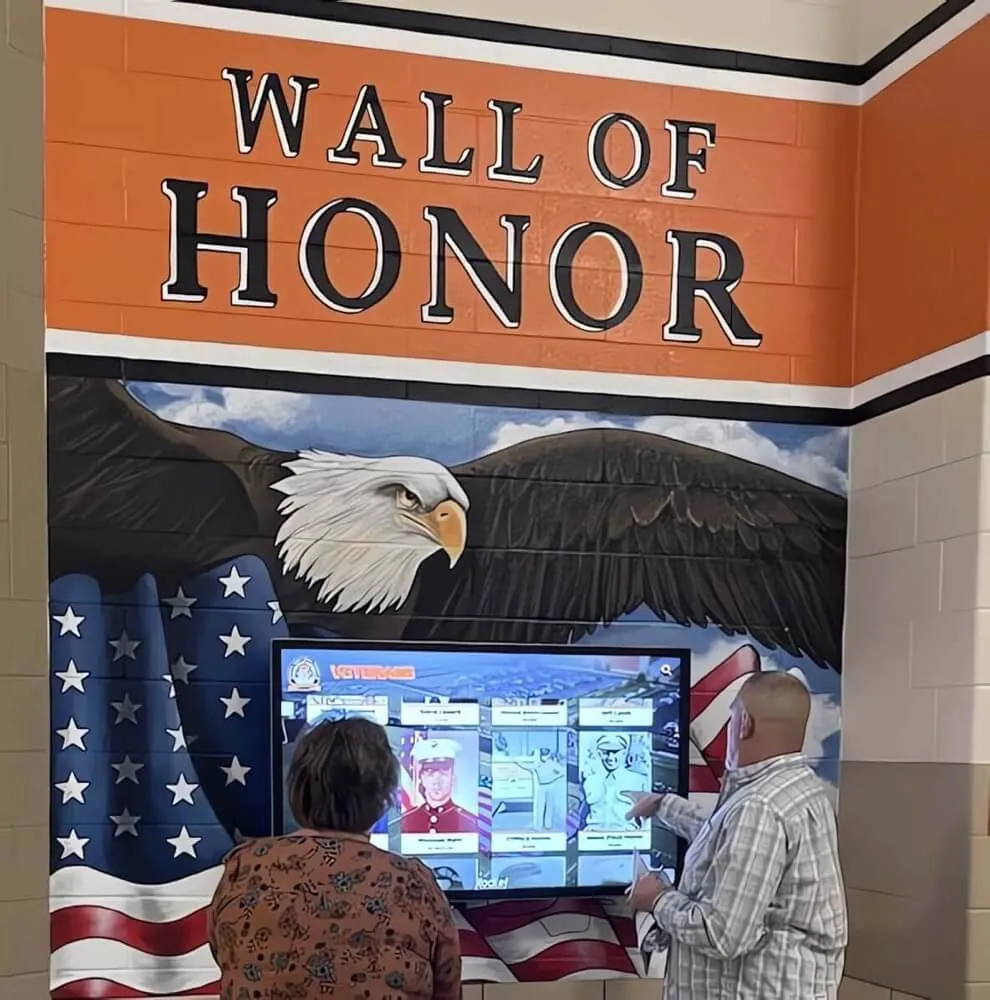
Permanent memorial displays create dedicated spaces for ongoing remembrance and community connection
Common Memorial Music Challenges and Solutions
Even well-planned memorial music encounters occasional challenges.
Challenge 1: Conflicting Musical Preferences
Family members may disagree about appropriate songs:
Solution: Democratic Selection Process
- Collect suggestions from all immediate family
- Categorize songs by service section
- Prioritize selections connecting directly to deceased
- Include diverse options representing different relationships
- Reserve some sections for specific family member choices
- Remember that variety honors multifaceted lives
Solution: Separate Service Sections
- Formal service includes traditional or broadly appropriate music
- Reception features more personalized, casual selections
- Different family members curate different sections
- Create slideshow or memory video with alternative song choices
Challenge 2: Emotional Performances
Live performers may become too emotional to complete songs:
Solution: Preparation and Backup
- Record backup version of any live performance
- Prepare performer emotionally for difficulty of performing
- Position supportive person near performer during service
- Have alternate performer ready if needed
- Accept that imperfect, emotional performances can be deeply meaningful
Solution: Strategic Song Selection
- Choose less personally connected songs for live performance
- Save most emotional selections for recorded playback
- Consider instrumental pieces for live performance
- Select songs performer can manage emotionally
Challenge 3: Inappropriate Song Lyrics
Beloved songs may contain elements unsuitable for memorial services:
Solution: Edited Versions
- Use radio edits of songs with explicit lyrics
- Create custom edited versions removing problematic sections
- Choose instrumental or covered versions with modified lyrics
- Play meaningful excerpts rather than complete songs
Solution: Context and Framing
- Briefly explain why questionable song matters to deceased
- Frame unconventional choices as honoring authentic personality
- Reserve controversial selections for reception rather than formal service
- Trust that mourners understand context and meaning
Challenge 4: Technical Failures
Audio equipment malfunctions cause service disruptions:
Solution: Comprehensive Backup Plan
- Multiple playback devices with identical playlists
- Multiple cable types and adapters
- Portable speaker as ultimate backup
- Designated tech-savvy person managing audio
- Printed order of service allows continuing without music if necessary
Solution: Professional Audio Support
- Hire audio professional for larger services
- Use venue’s experienced sound technician
- Rent professional equipment for important services
- Conduct thorough sound check before service
Being prepared for technical issues prevents them from derailing memorial tributes.
Organizations planning memorial events can learn from schools’ experience coordinating awards nights and recognition ceremonies that successfully integrate music, technology, and live presentations.
Beyond the Service: Music and Ongoing Remembrance
Memorial service music extends beyond the gathering itself.
Creating Memorial Playlists for Family
Preserve memorial music as ongoing comfort:
Sharing Memorial Playlists
After the service:
- Share complete memorial playlist with family members
- Create family group playlist with everyone’s meaningful songs
- Add songs to existing family music libraries
- Build anniversary or birthday remembrance playlists
- Compile songs for specific memories or occasions
Family members often replay memorial music during anniversaries, holidays, or moments when they particularly miss their loved one.
Music and Annual Remembrances
Incorporate music into ongoing memorial traditions:
Anniversary Observances
Mark death anniversaries with music:
- Play memorial service songs on anniversary dates
- Add new meaningful songs discovered since service
- Share musical memories among family
- Include favorite songs at anniversary gatherings
- Create annual ritual around specific meaningful song
Birthday Celebrations
Remember birthdays through music:
- Play songs from birth year or formative decades
- Include favorite party or celebration songs
- Share playlists on social media honoring birthday
- Family gathering with background music they loved
Holiday Traditions
Maintain musical connections during holidays:
- Include their favorite Christmas or holiday songs
- Play songs associated with family traditions they started
- Incorporate music into memorial ornament or tradition
- Share “what they would be listening to now” playlists
Music keeps memory alive and provides comfort through ongoing connection.
Memorial Music and Permanent Tributes
Schools and organizations creating permanent memorial spaces often integrate audio elements:
Multi-Sensory Memorial Displays
Comprehensive memorial tributes combine:
- Visual displays with photos and accomplishments
- Interactive touchscreens with biographical information
- Audio elements with voice recordings or favorite music
- Video tributes compiling photos with musical scores
- QR codes linking to expanded memorial content
Modern memorial technology allows visitors to experience not just visual remembrances but auditory connections to people being honored.
Just as schools create alumni engagement experiences combining multiple sensory elements, memorial displays can incorporate music as integral component of lasting tribute.
The Lasting Power of Memorial Music
Memorial service music transcends the single gathering where songs are first played. The right musical selections create powerful memory anchors—years later, when mourners hear those songs unexpectedly, they’re transported instantly back to the person they honored, the community that gathered, and the love that connected them all.
Thoughtfully curated memorial playlists accomplish multiple purposes simultaneously: they comfort grieving family and friends, celebrate the personality and passions of the deceased, create shared emotional experiences among diverse mourners, honor cultural and religious traditions, and provide lasting connection to cherished memories. Songs that might otherwise simply be pleasant listening become sacred—forever associated with someone deeply loved.
The memorial music planning process itself offers value beyond the service it supports. As family members collaborate on song selections, they share memories, discover aspects of their loved one’s life they didn’t know, and begin processing grief through creative tribute. Disagreements about appropriate songs often lead to important conversations about how each person knew and experienced the deceased—acknowledging that multifaceted human lives cannot be reduced to single musical genres or simple categorizations.
Whether your memorial service features traditional hymns sung by grieving congregations, classical pieces performed by professional musicians, recorded pop songs from formative decades, or eclectic mixes spanning generations and genres, the music you choose writes the emotional score for the most important tribute you’ll ever plan. Take time selecting songs that authentically represent the person you’re honoring. Trust that the “right” music is whatever meaningfully connects to that specific individual, regardless of convention or tradition.
Gather input from everyone who knew your loved one well. Balance celebration with acknowledgment of loss. Create emotional arc guiding mourners through grief toward acceptance. Attend to practical details ensuring flawless execution. And remember that imperfect, emotional moments often create the most powerful memories—the performer who cries partway through a song, the congregation singing slightly off-key through tears, the recording that skips slightly but continues anyway. These human imperfections remind everyone why they gathered: to honor someone irreplaceable, to support each other through loss, and to celebrate a life well lived.
As memorial traditions evolve, many families and institutions now complement single-day services with permanent tribute spaces preserving memories for ongoing reflection and community connection. Whether through traditional memorial gardens, dedicated plaques and displays, or modern interactive digital systems, these lasting tributes extend the comfort and celebration that memorial service music provides in a single gathering.
Ready to create enduring memorial tributes that honor loved ones beyond a single service? Explore how Touch Archive’s interactive touchscreen memorial displays help schools, organizations, and communities preserve legacies through comprehensive digital tributes combining photos, accomplishments, personal stories, and meaningful remembrances accessible to visitors for generations. Contact us today to discover how permanent memorial recognition systems complement memorial services by creating dedicated spaces where communities gather to remember, reflect, and celebrate lives that shaped their institutions and touched countless hearts.
Live Example: Rocket Alumni Solutions Touchscreen Display
Interact with a live example (16:9 scaled 1920x1080 display). All content is automatically responsive to all screen sizes and orientations.