



Friday nights in Minnesota bring communities together under the lights for one of the state’s most cherished traditions: high school football. From the Twin Cities suburbs to small rural towns across the prairies, Minnesota high school football rankings serve as the compass for understanding competitive excellence throughout the fall season. These rankings guide playoff seeding, spark community conversations, and help schools understand where their programs stand in the state’s rich football landscape.
The Minnesota State High School League (MSHSL) oversees one of the nation’s most competitive prep football environments, with nearly 300 programs competing across six enrollment-based classes. Unlike some states with centralized ranking systems, Minnesota’s section-based structure creates unique dynamics where understanding your competitive position requires familiarity with both local section standings and statewide performance metrics.
This comprehensive guide explores Minnesota high school football rankings, from how programs earn their positions to the prestigious championship traditions that define excellence in the North Star State, while examining how schools preserve these competitive achievements for future generations.
Minnesota’s football culture runs deep, with programs building multi-generational traditions that connect alumni, current students, and entire communities. Understanding the ranking systems that determine playoff paths and championship opportunities helps stakeholders appreciate the competitive journey teams undertake each season.

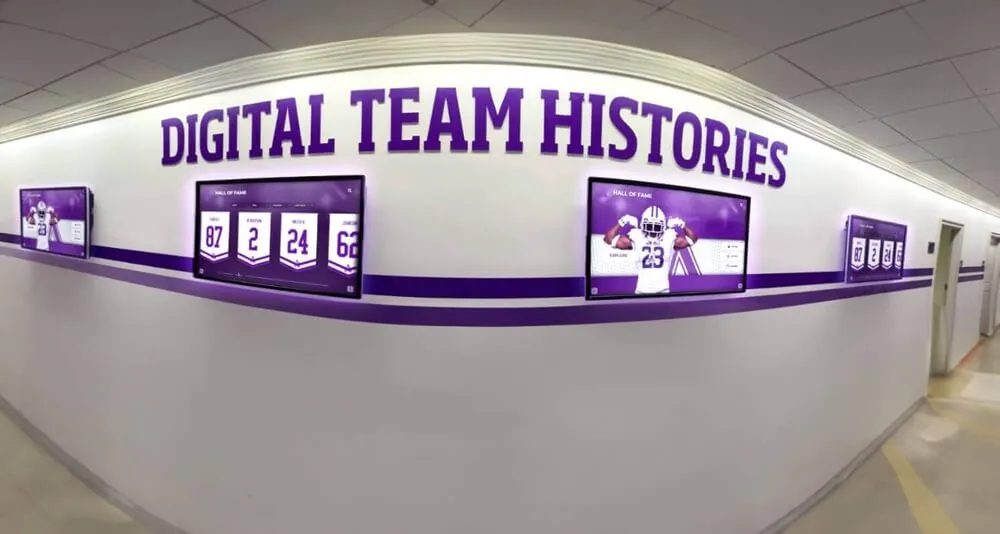
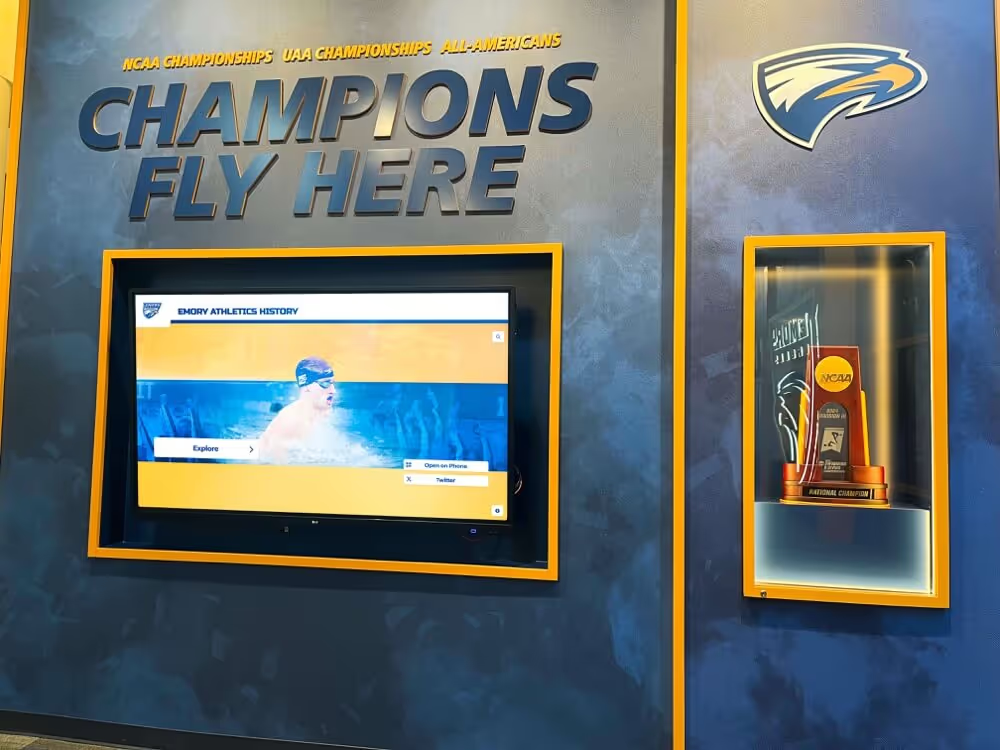
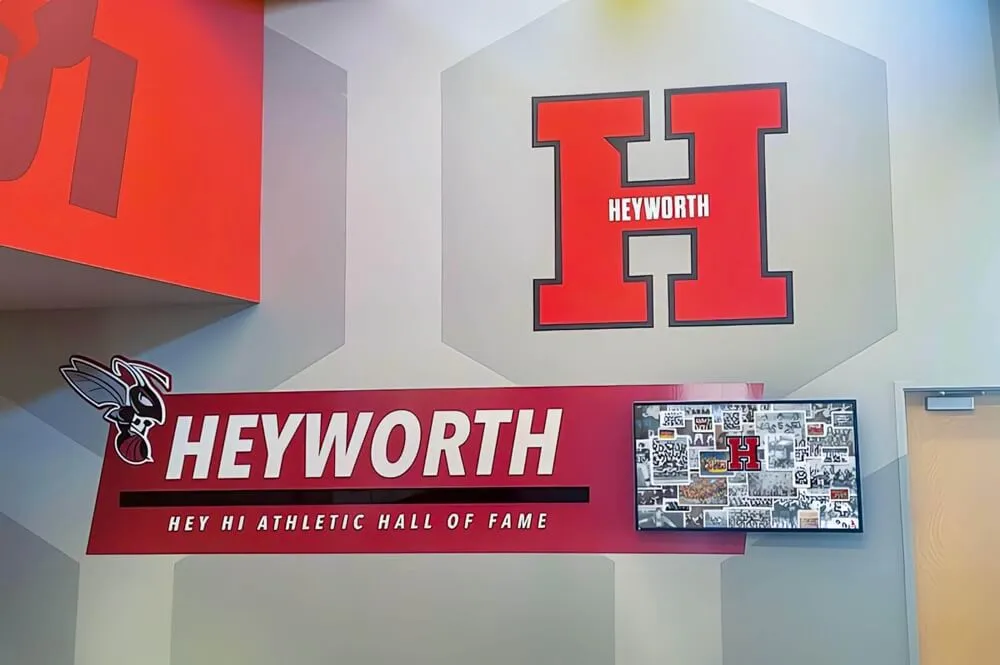
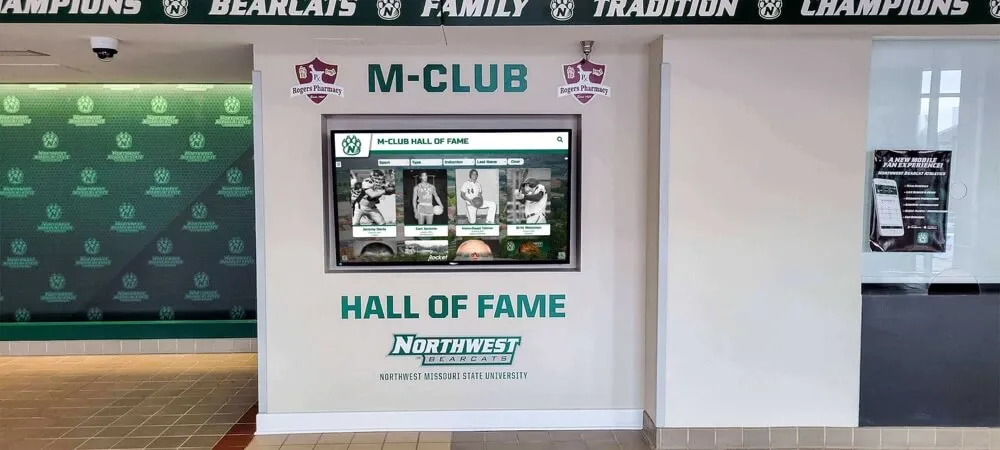
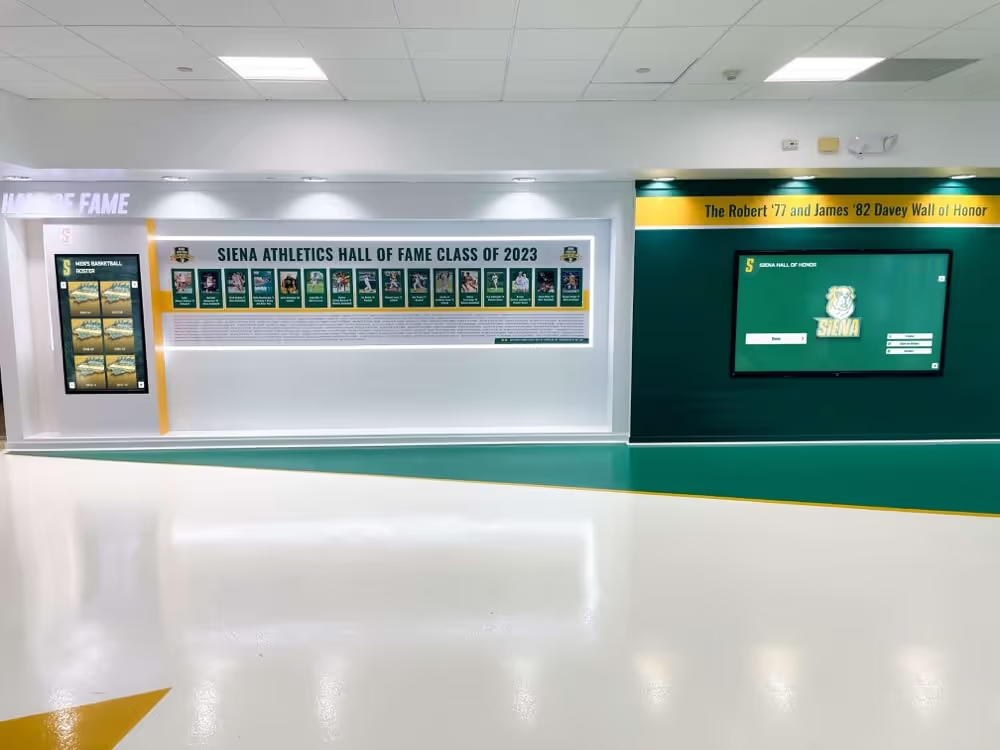
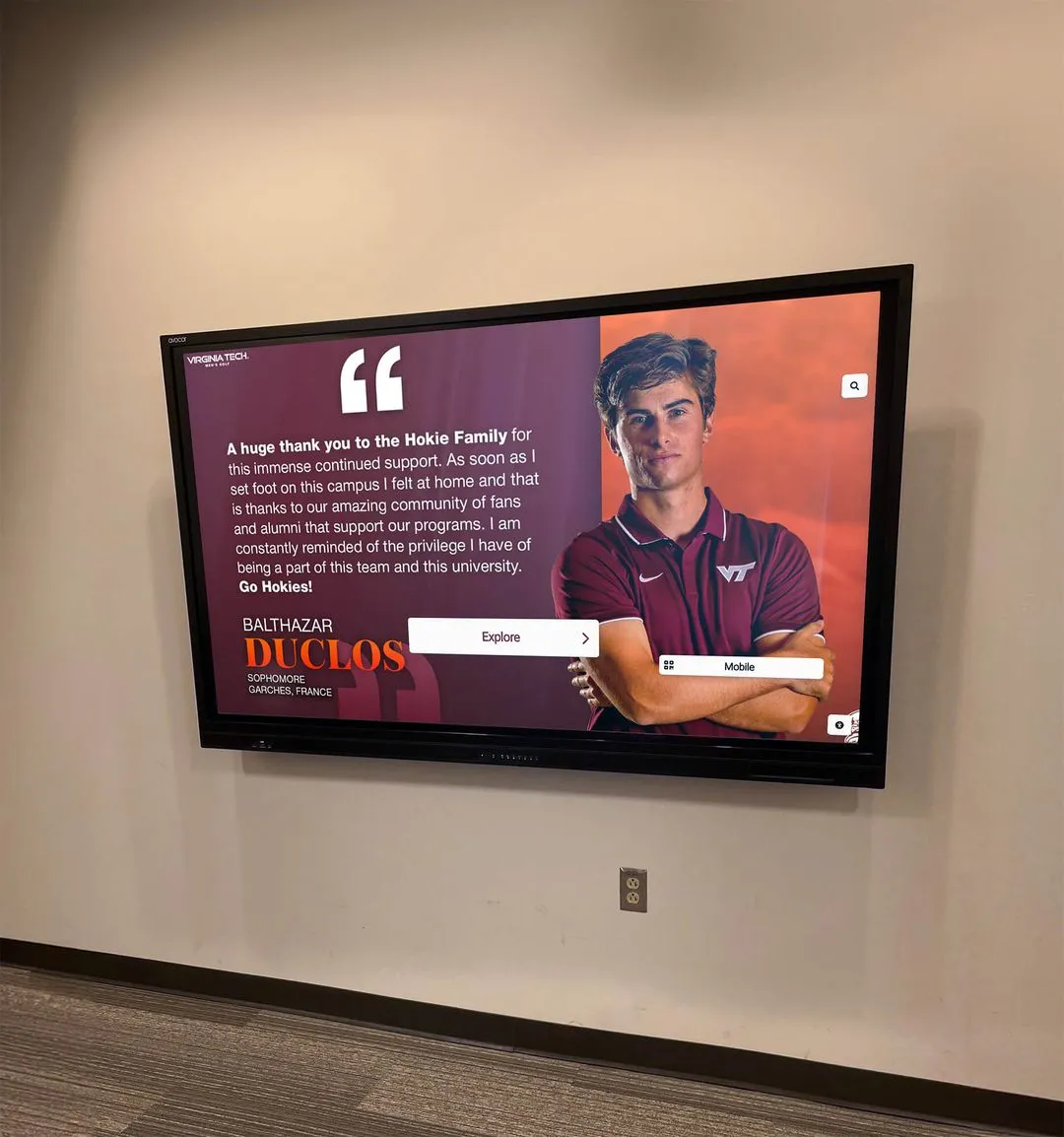
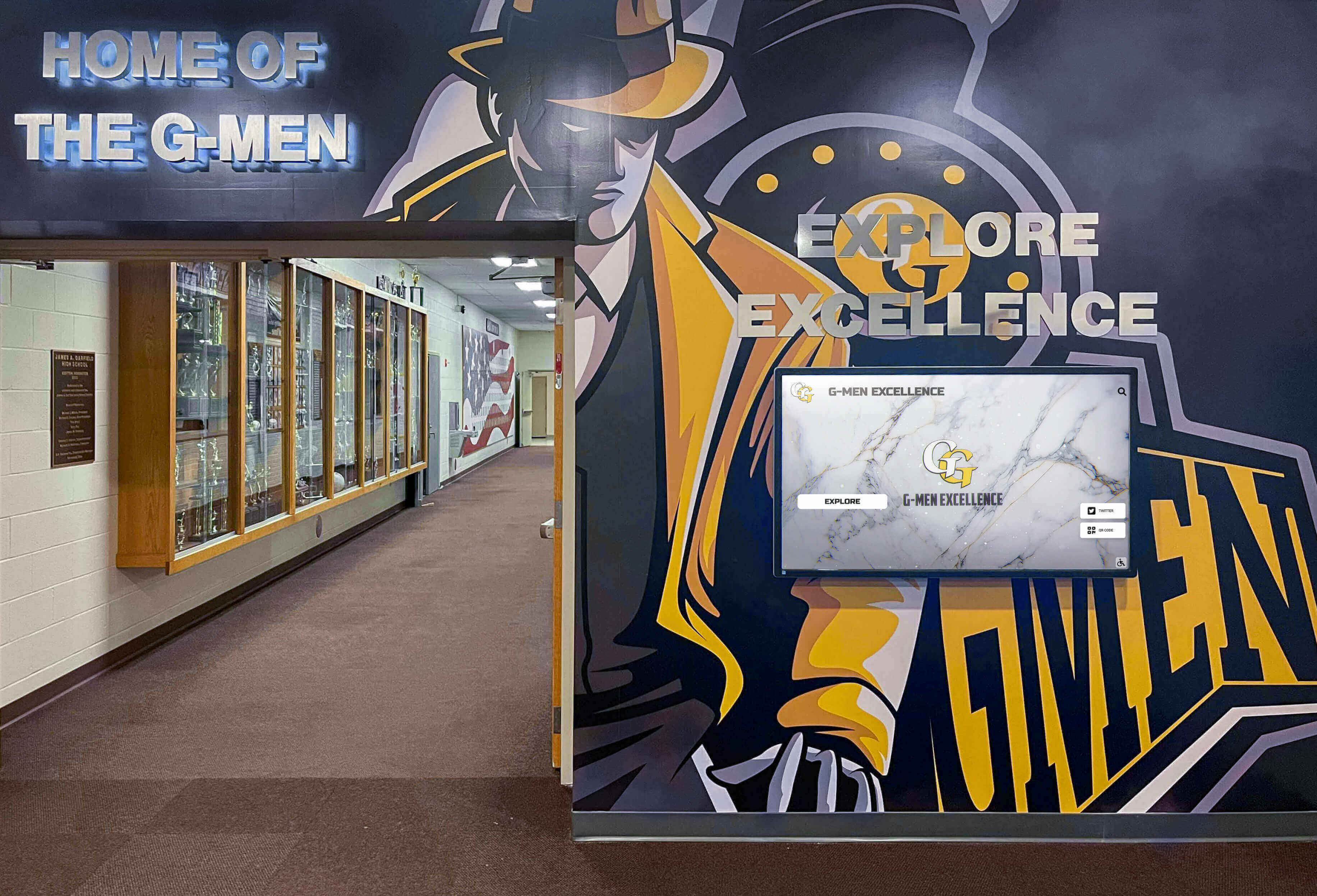
Minnesota high schools celebrate ranking achievements and championship traditions through displays honoring program excellence
Understanding the MSHSL Classification System
The Minnesota State High School League organizes football competition through an enrollment-based classification structure ensuring competitive equity across the state’s diverse school landscape.
Six-Class Competitive Structure
Minnesota divides football programs into six classes based on enrollment numbers:
Classification Breakdown
- Class 6A: Largest schools (typically 1,500+ students) featuring suburban Twin Cities powerhouses
- Class 5A: Large programs (1,100-1,500 students) from major metropolitan areas and larger cities
- Class 4A: Upper mid-size schools (800-1,100 students) representing suburban and mid-sized communities
- Class 3A: Mid-size programs (550-800 students) across diverse Minnesota regions
- Class 2A: Smaller schools (350-550 students) serving rural and small-town communities
- Class 1A: Smallest programs (under 350 students) demonstrating remarkable dedication despite enrollment limitations
This six-class system creates balanced competition where schools face opponents of similar size throughout regular seasons and playoffs. Classification assignments occur every two years based on enrollment counts, meaning programs may shift between classes as student populations change.
Classification Reclassification Process
The MSHSL conducts enrollment counts during specified periods, reviewing data to ensure proper classification placement:
- Schools near classification boundaries monitor enrollment trends closely
- Reclassification affects not just competitive level but also playoff paths and championship opportunities
- Programs may request reviews when unusual circumstances affect enrollment counts
- Multi-school cooperative programs combine enrollments for classification purposes
Understanding classification context matters when evaluating rankings—a top-ranked Class 3A program operates in a different competitive environment than a top Class 6A team, though both represent excellence within their respective classes.
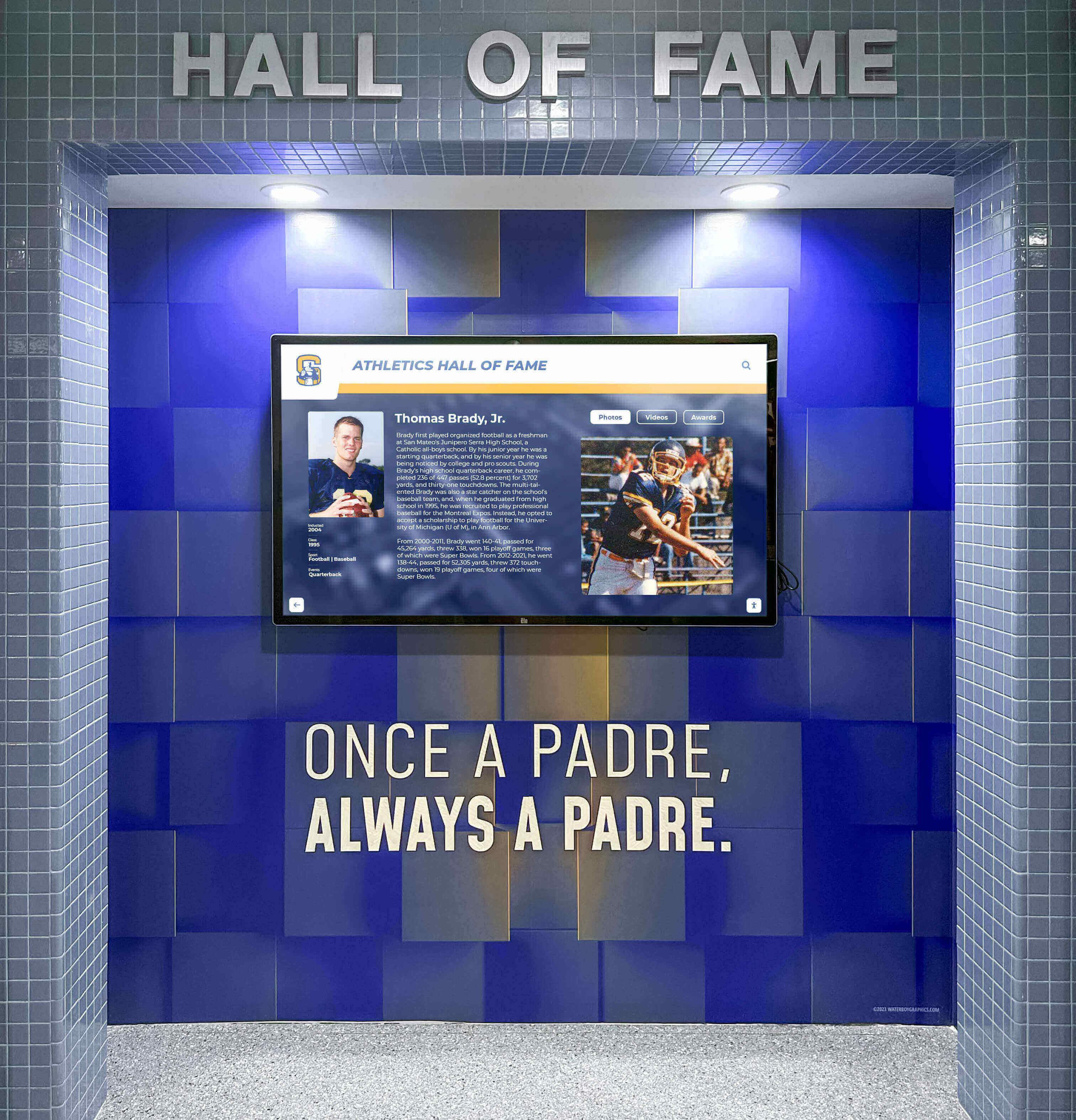
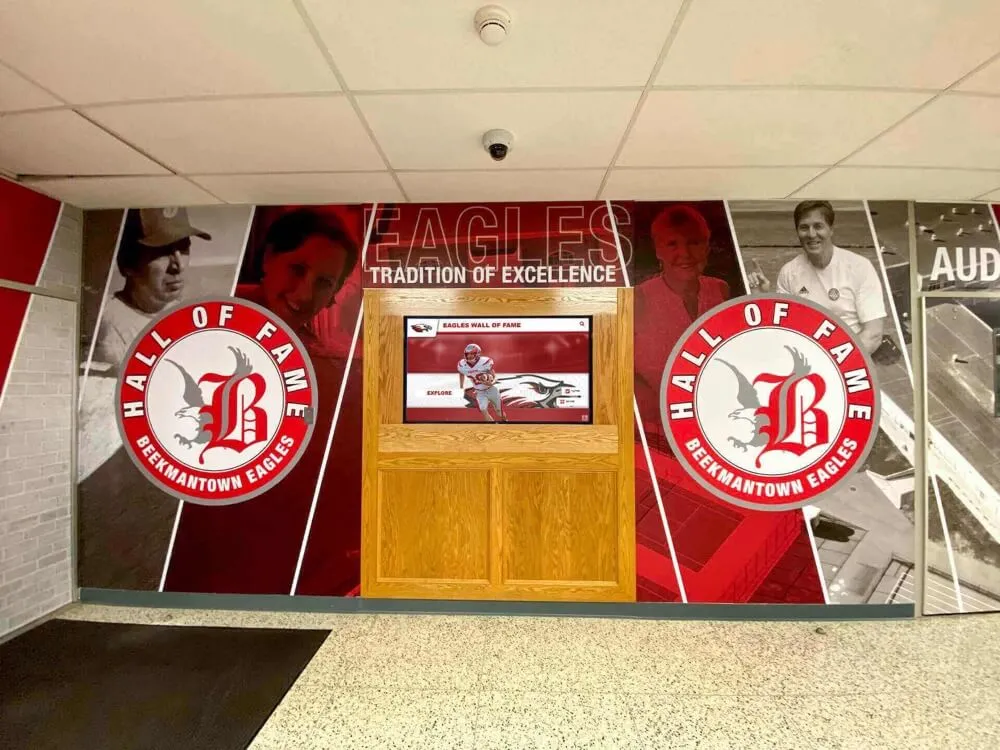
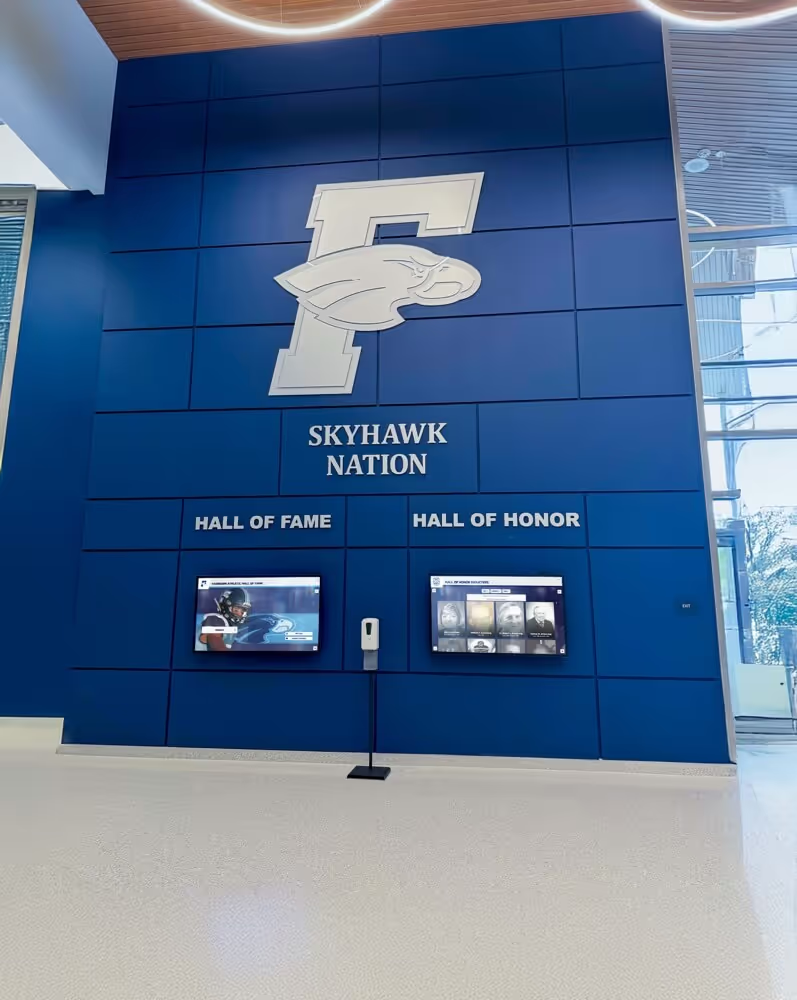
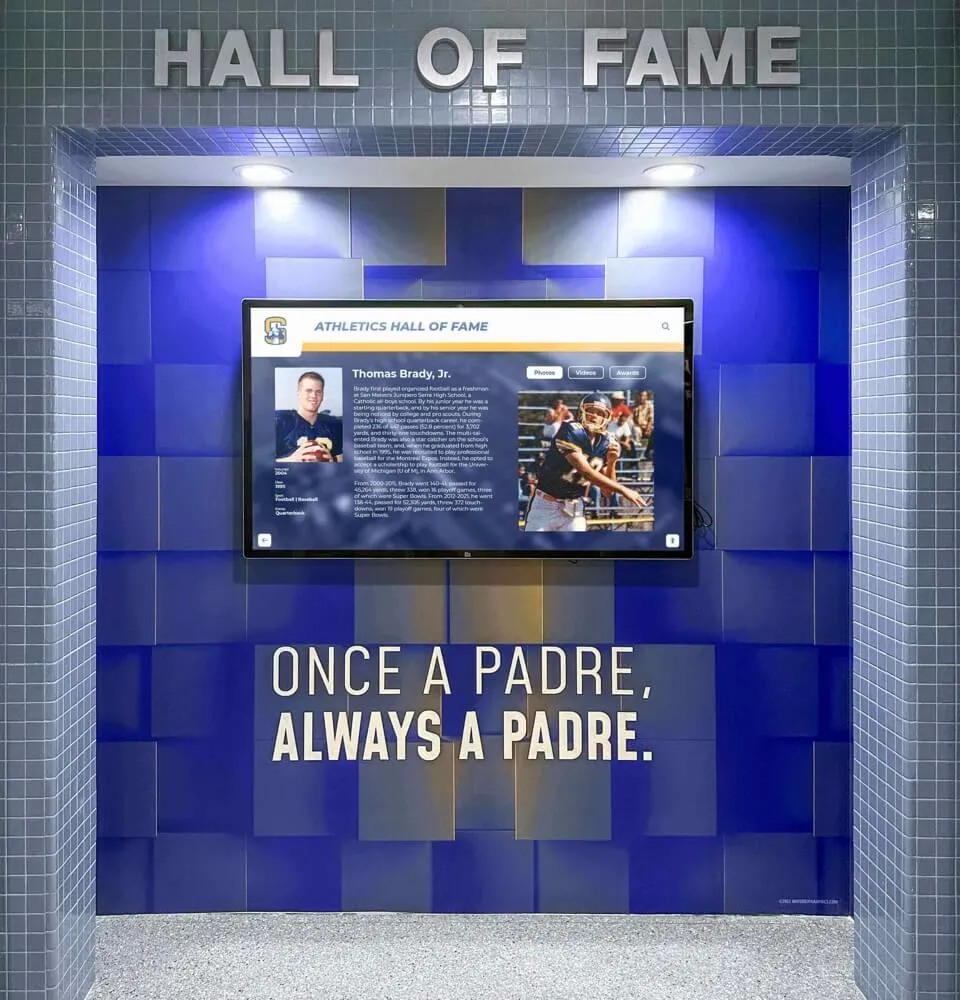
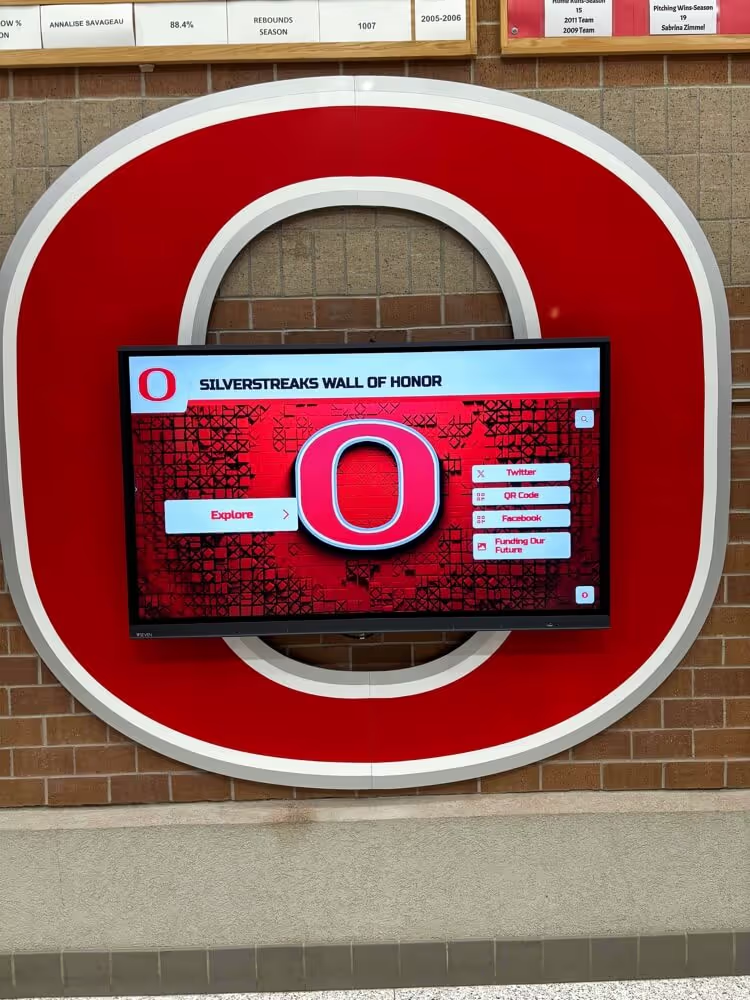
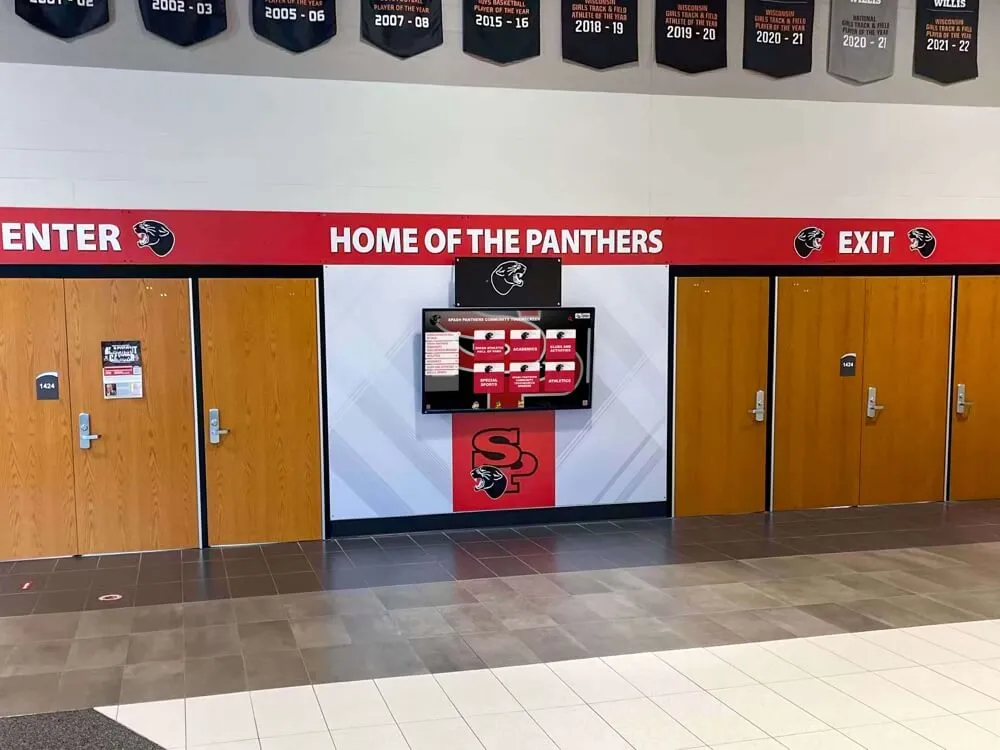
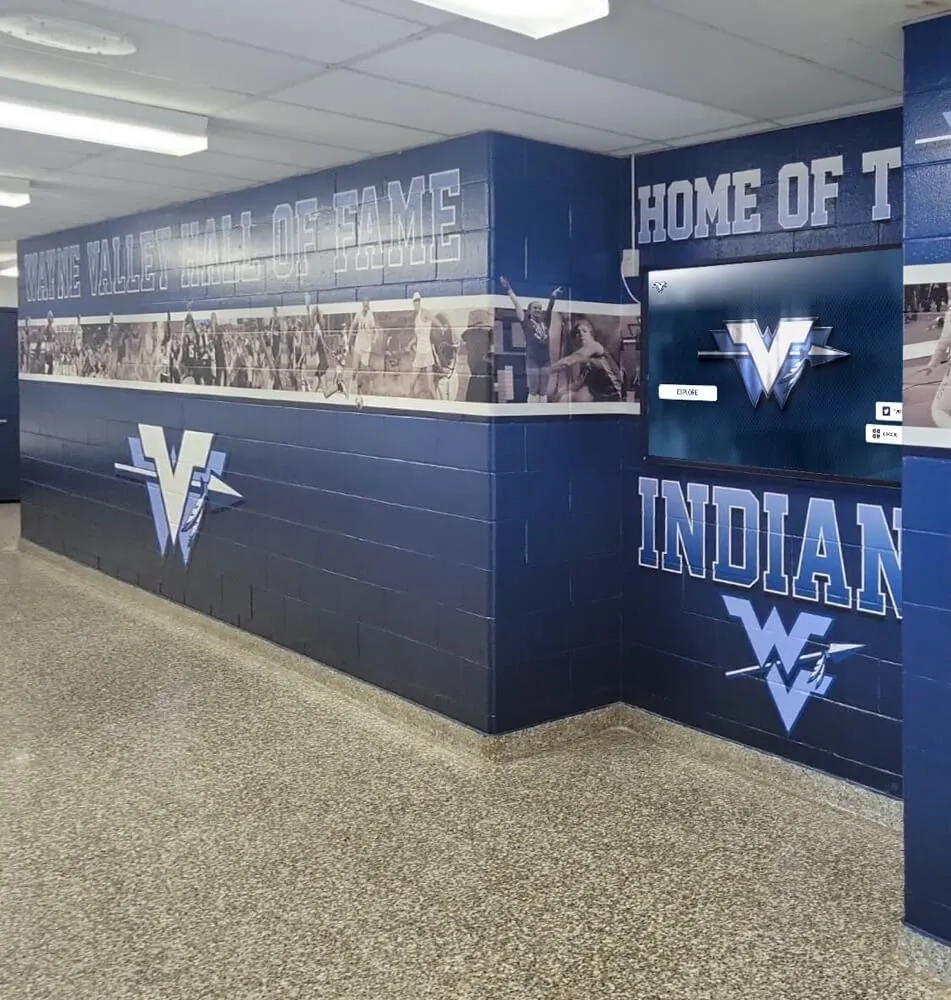
Modern recognition systems document program achievements across different classifications, preserving complete competitive history
Section-Based Playoff Structure
Unlike some states with statewide brackets, Minnesota organizes playoffs through geographic sections within each class:
Section Competition Framework
- Classes divide into sections based on geography and enrollment distribution
- Typically 2-4 sections per class depending on program density
- Section champions advance to state tournament quarterfinals or semifinals
- Section playoffs occur during Weeks 9-11 of the season
- State tournament follows section championship completion
This section structure means a program’s regular season schedule heavily features section opponents, making section rankings critically important for playoff seeding and advancement. Teams monitor their position within section standings throughout the season, understanding that section championship games determine which programs continue toward state championship opportunities.
Section Competitive Dynamics
Some sections develop reputations for deeper competitive fields than others:
- Twin Cities suburban sections often feature multiple nationally-ranked programs
- Rural sections may have 2-3 dominant programs with significant gaps to other teams
- Geographic size of sections varies, affecting travel requirements and traditional rivalries
- Section realignment occurs periodically to maintain competitive balance
Schools documenting their competitive history should include section placement context alongside overall rankings. When preserving program records, digital recognition systems enable comprehensive documentation of section championships and statewide achievements.
Major Minnesota Football Ranking Systems
Multiple ranking methodologies attempt to compare programs across Minnesota’s competitive landscape, each offering different perspectives on team strength and competitive positioning.
MaxPreps Minnesota Rankings
MaxPreps provides the most widely-referenced statewide football rankings using computer algorithms combined with editorial input:
MaxPreps Methodology
- Computer calculations based on game results and opponent strength
- Strength of schedule adjustments rewarding quality wins
- Separate rankings for each class plus overall state rankings
- Weekly updates throughout the regular season and playoffs
- National context comparing top Minnesota programs to teams nationwide
MaxPreps generates both class-specific rankings showing the top teams within each enrollment division and overall state rankings that compare programs regardless of classification. This dual approach helps stakeholders understand both divisional excellence and absolute competitive strength.
MaxPreps Impact on Perception
Schools appearing in MaxPreps top-10 rankings gain significant visibility:
- College recruiters reference rankings when evaluating programs and prospects
- Media coverage increases for highly-ranked teams
- Community pride grows when local programs achieve ranking recognition
- Scheduling opportunities improve as quality opponents seek challenging matchups
- Historical rankings provide context for comparing current teams to past seasons
Programs celebrating ranking achievements often feature MaxPreps recognition in their athletic facilities, documenting these competitive milestones alongside championship hardware.
QRF Minnesota Rankings
The Quarterback Rankings Forum (QRF) provides detailed Minnesota football analysis and rankings respected throughout the state:
QRF Ranking Approach
- Expert analysis combining statistical data with subjective evaluation
- Consideration of injuries, schedule difficulty, and quality of play
- Detailed written rationale explaining ranking positions
- Active community discussion and engagement
- Historical perspective connecting current rankings to program traditions
QRF rankings often differ from purely algorithmic systems by incorporating contextual factors computers cannot capture. This hybrid approach appeals to fans who value expert analysis alongside raw data.
QRF Community Engagement
The QRF platform fosters vibrant discussion about Minnesota football:
- Weekly ranking debates engage passionate fan bases
- Detailed game previews for marquee matchups
- Historical comparisons identifying all-time great teams
- Playoff projections helping fans understand championship paths
- Alumni connections sharing memories of past great teams
This community engagement makes QRF rankings culturally significant beyond their technical methodology, creating shared conversation points across Minnesota football communities.
For programs tracking rankings across multiple seasons, interactive displays for schools and sports programs provide platforms documenting both current standing and historical ranking achievements.
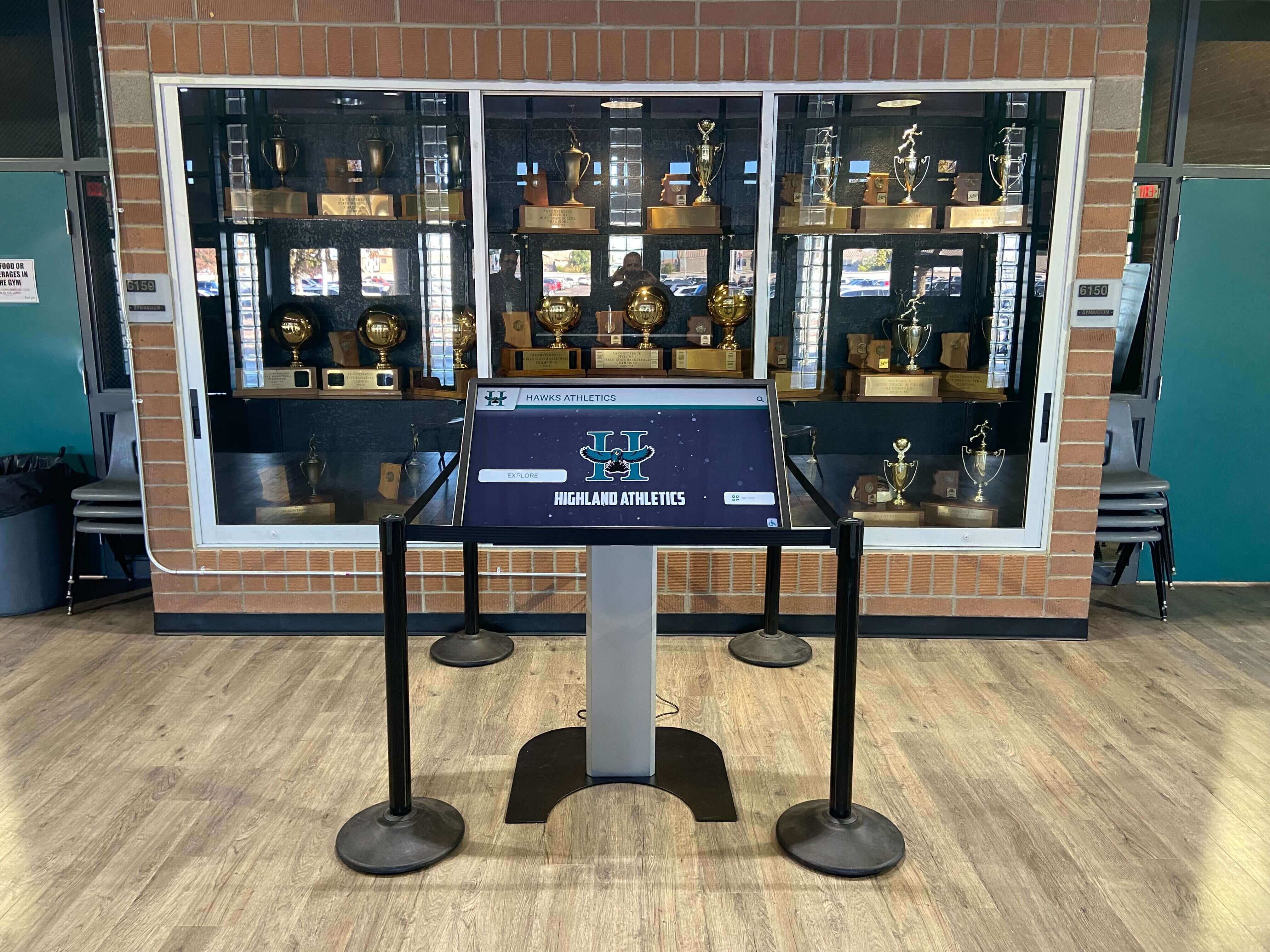
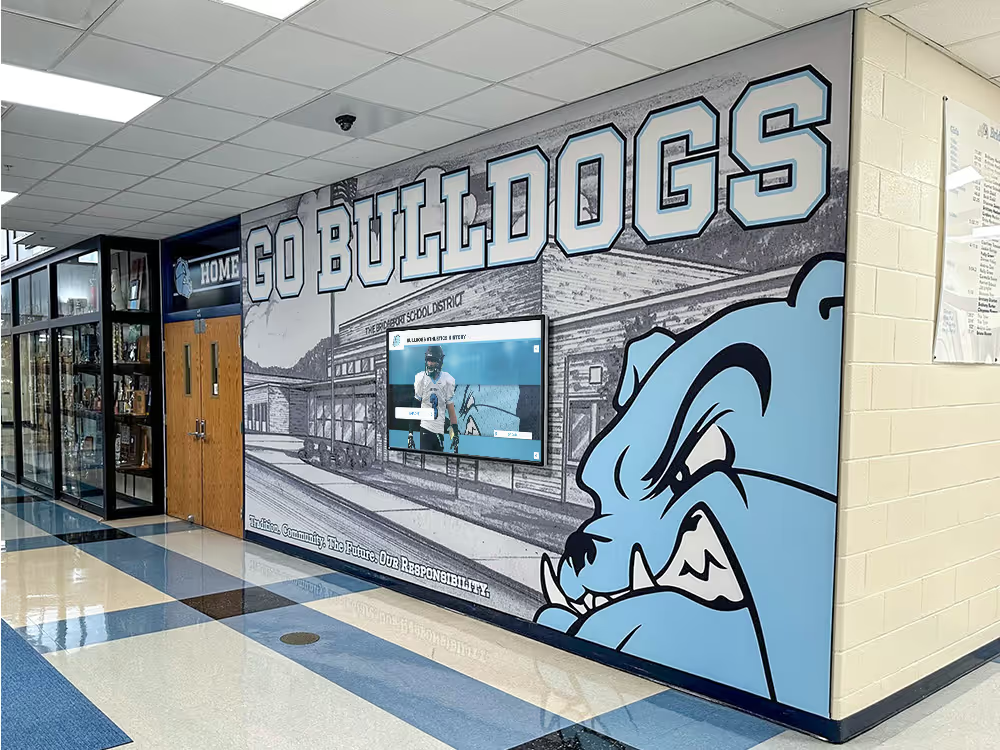
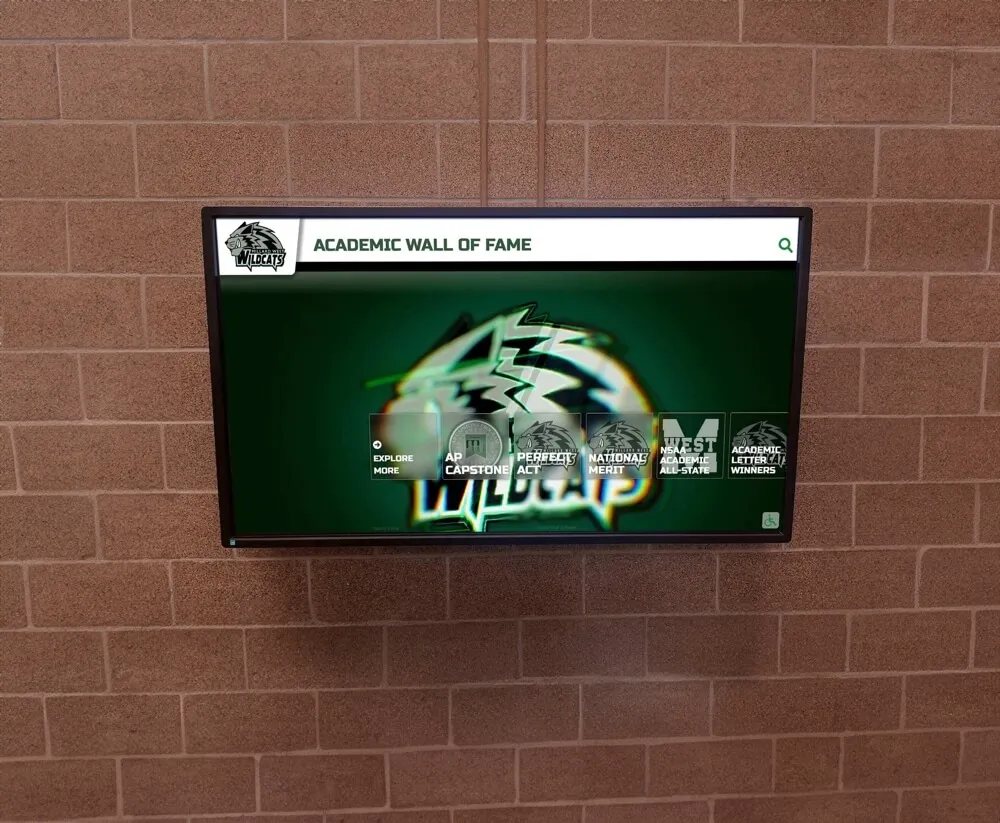
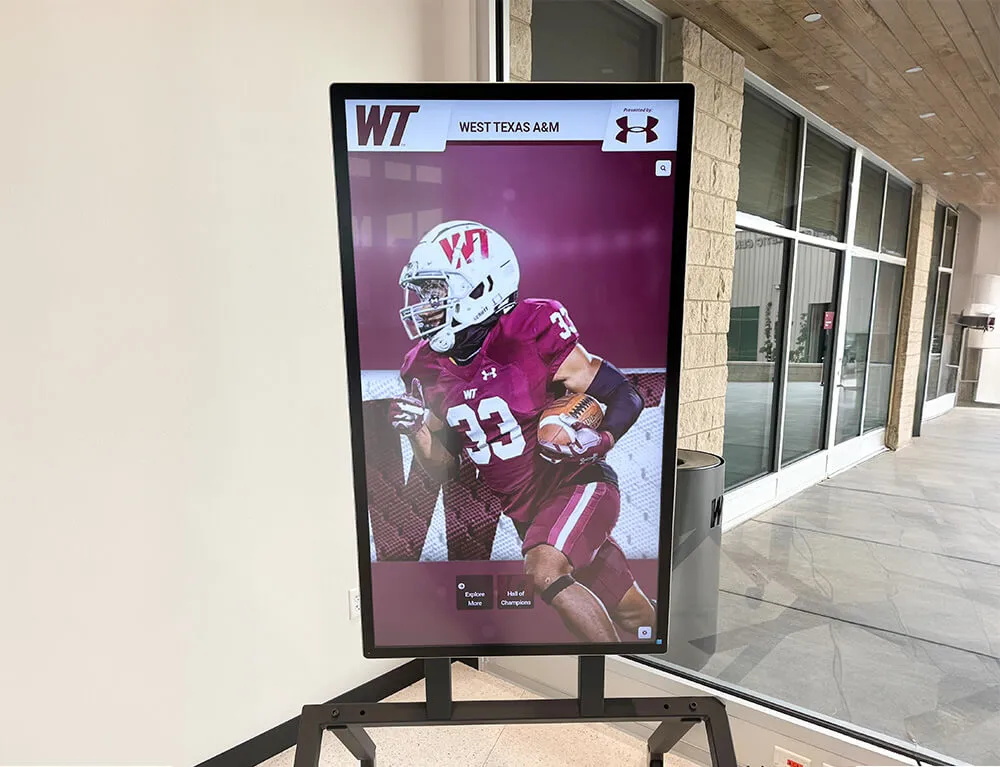
Interactive displays document complete ranking histories including weekly progressions and season-end positions
Associated Press Rankings
The Associated Press Minnesota Football Poll provides traditional media-driven rankings:
AP Poll Methodology
- Panel of sportswriters and broadcasters vote weekly
- Top-25 teams in each class receive recognition
- First-place votes indicate consensus best teams
- Points system aggregates voter preferences
- Published weekly during regular season
AP rankings carry historical prestige dating back decades, making them culturally significant despite competition from newer computer-based systems. Many longtime Minnesota football fans reference AP polls when discussing program competitiveness.
Media Integration Benefits
AP rankings receive prominent coverage:
- Newspaper publications in both metropolitan and rural markets
- Radio discussion and analysis throughout the week
- Television broadcast mentions during high school sports segments
- Historical archives documenting decades of Minnesota football excellence
- Alumni connections to past AP-ranked teams
Schools celebrating AP poll recognition showcase these achievements alongside championship trophies, preserving media recognition as part of program legacy documentation.
Section Seeding Rankings
Perhaps most consequential for playoff advancement, section seeding rankings determine bracket positions:
Section Seeding Process
- Section committees or algorithms rank teams within geographic sections
- Seeding determines playoff matchups and home field advantage
- Higher seeds host playoff games through section championships
- Methodologies vary by section—some use points systems, others committee decisions
- Head-to-head results factor heavily in tiebreaker scenarios
Section seeding directly impacts championship paths, making these rankings arguably more important than statewide recognition for teams focused on winning titles. A program seeded third in a difficult section may have harder advancement than the top seed in a weaker section.
Strategic Scheduling Implications
Section seeding influences how programs approach scheduling:
- Balancing challenging non-section games building competitive preparation
- Protecting home field advantage for critical section matchups
- Considering strength of schedule when seeding uses power points
- Managing player health across demanding schedules
- Building confidence with winnable games while seeking quality competition
Programs managing comprehensive athletic achievement recognition document section championships alongside statewide rankings, recognizing both local and broader competitive excellence.
Minnesota’s Elite Football Programs
Certain Minnesota programs have established consistent ranking presence and championship traditions spanning multiple decades.
Twin Cities Suburban Powers
The Minneapolis-St. Paul metropolitan area produces many of Minnesota’s most consistently ranked programs:
Perennial Championship Contenders
Programs like Eden Prairie, Minnetonka, Lakeville North, and Wayzata appear regularly in top-10 rankings across multiple decades. These schools benefit from:
- Large enrollment pools providing roster depth
- Quality coaching with competitive compensation
- Excellent facilities including turf fields and strength training resources
- Strong youth football programs feeding varsity rosters
- Competitive regular season schedules preparing teams for playoffs
Twin Cities suburban sections often feature multiple state-ranked teams, creating intense regular season competition where section championships require defeating several quality opponents.
East Metro Competitive Excellence
St. Paul suburbs including Mounds View, Rosemount, and Cretin-Derham Hall maintain consistent competitive standards. The East Metro produces college prospects annually while building programs around academic excellence and athletic achievement.
Greater Minnesota Program Traditions
Beyond the Twin Cities, programs across Minnesota demonstrate that championship-caliber football thrives in diverse communities:
Rochester and Southern Minnesota
Rochester schools competing against Twin Cities programs while serving as southern Minnesota football hubs demonstrate consistent competitiveness. These programs bridge suburban and rural football cultures.
St. Cloud and Central Minnesota
St. Cloud area programs including Rocori, Sartell-St. Stephen, and St. Cloud Tech maintain strong traditions serving central Minnesota communities where Friday night football defines fall culture.
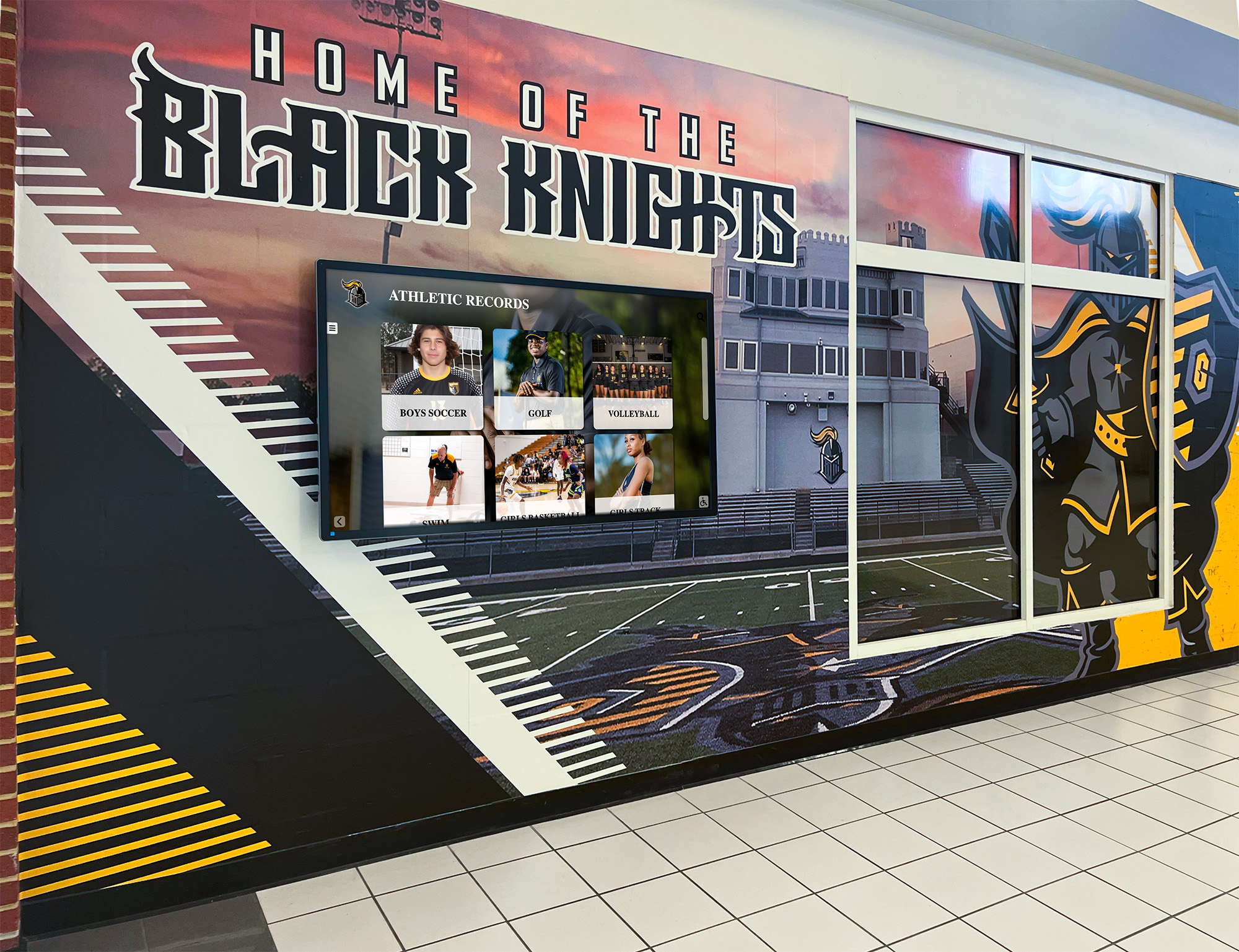
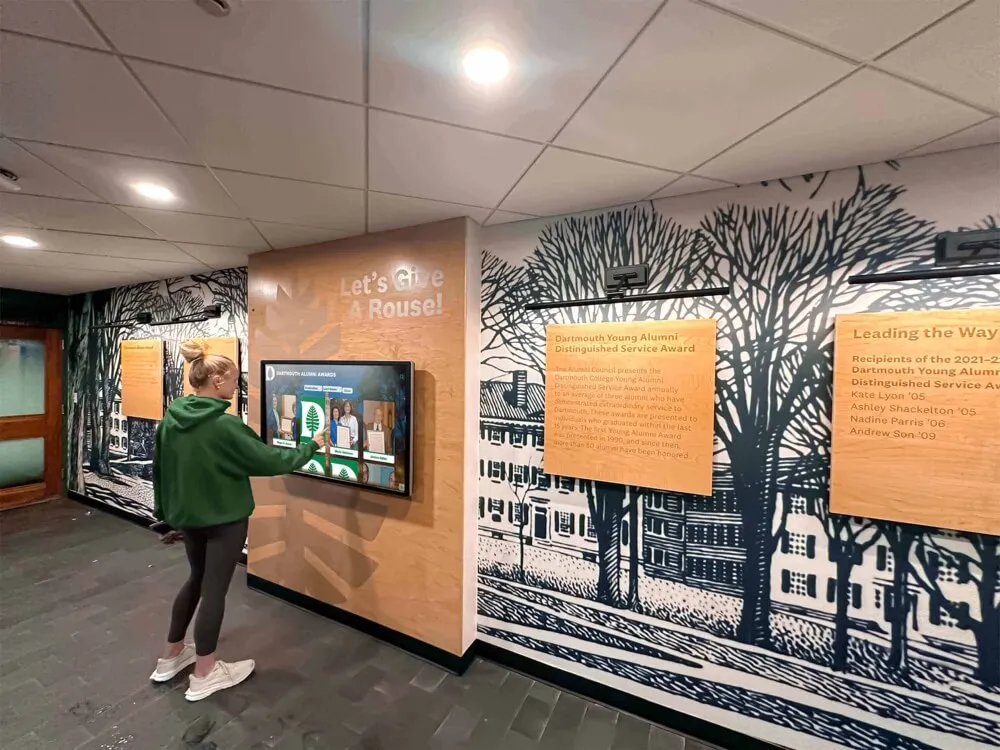
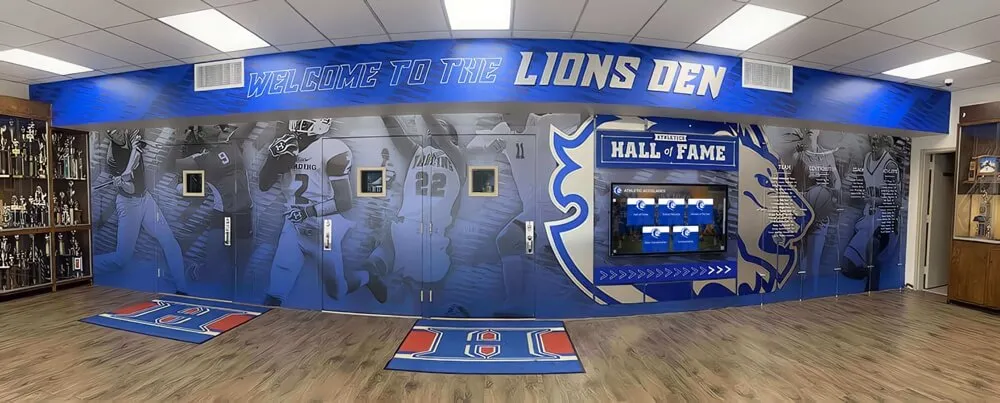
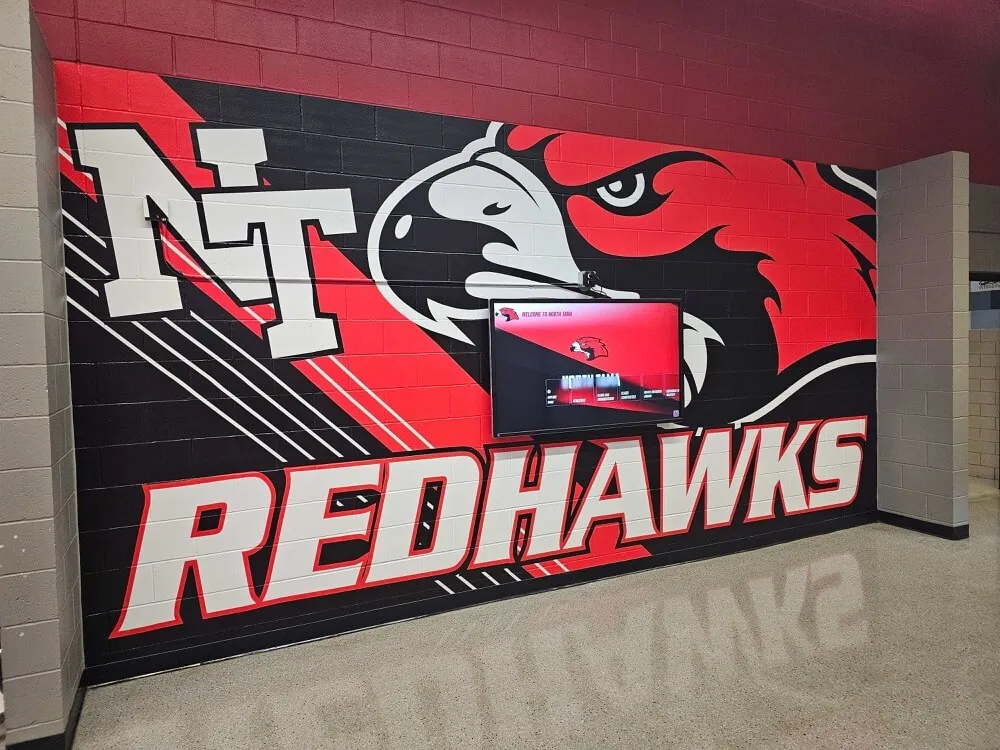
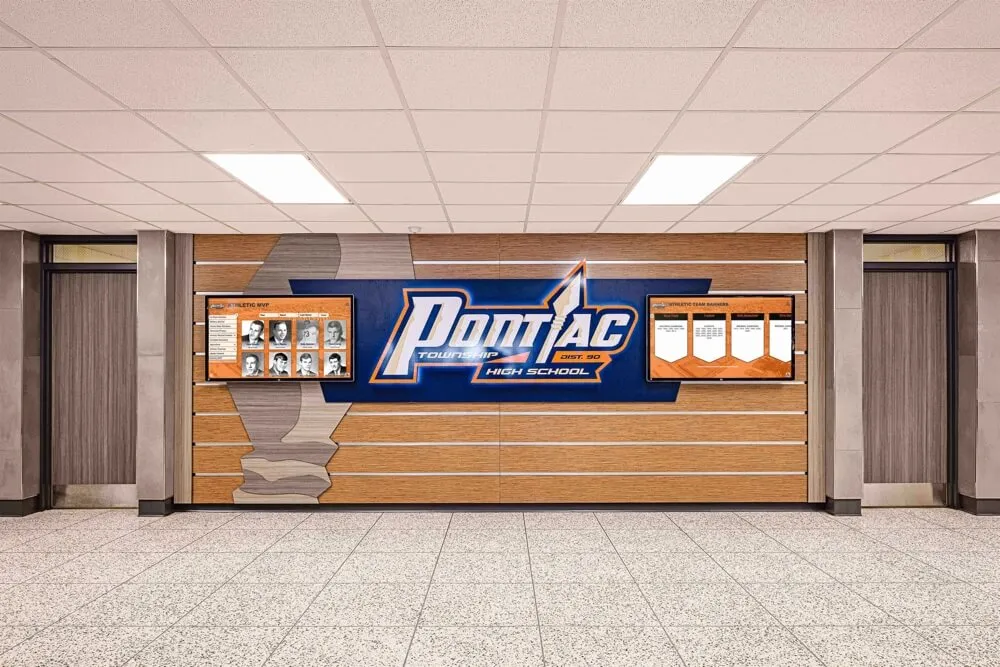
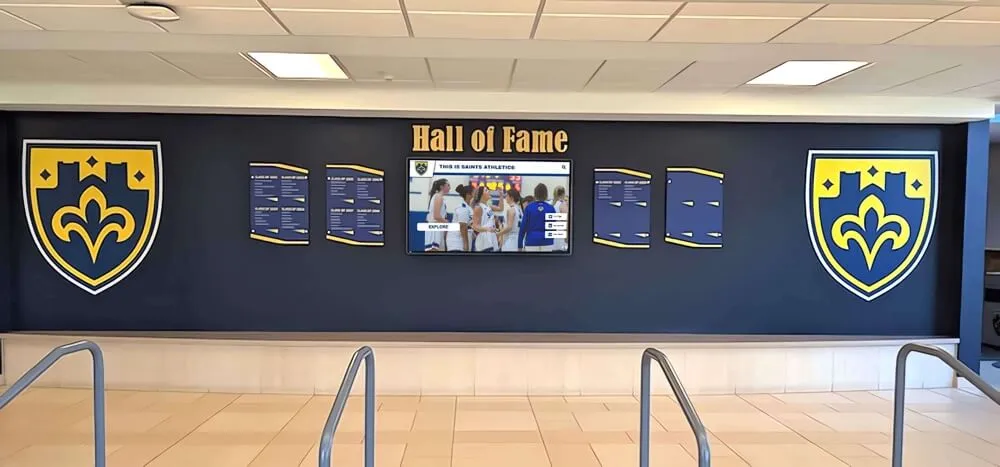
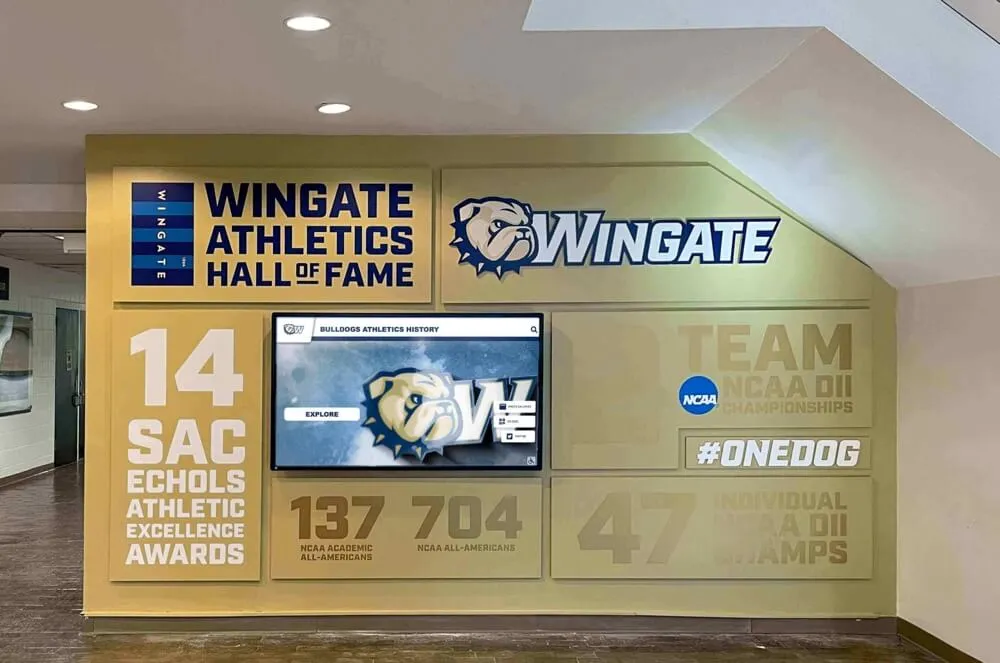
Comprehensive displays celebrate program traditions including rankings, championships, and sustained competitive excellence
Iron Range Football Heritage
Northern Minnesota Iron Range communities including Proctor, Hibbing, and Hermantown produce tough, disciplined teams reflecting their blue-collar cultural roots. These programs punch above their enrollment weight through exceptional conditioning and fundamentals.
Small School Football Excellence
Minnesota’s smaller classifications feature programs with remarkable championship traditions:
Class 1A and 2A Dynasties
Programs like BOLD, Barnesville, Caledonia, and Mahnomen/Waubun demonstrate that football excellence transcends enrollment size. These small-town programs achieve success through:
- Total community investment in program support
- Multi-sport athletes bringing diverse skills to football
- Continuity through generational coaching families
- Innovative schemes maximizing limited roster sizes
- Intense preparation compensating for depth limitations
Small school championships represent extraordinary achievements requiring entire communities to unite behind programs. These accomplishments deserve celebration equal to large school success, achieved within different but equally challenging competitive contexts.
Schools celebrating decades of athletic tradition benefit from comprehensive archival systems preserving complete program histories regardless of classification level.
Factors Influencing Minnesota Football Rankings
Multiple variables affect how teams earn and maintain high ranking positions throughout seasons.
Schedule Strength Considerations
Quality of opposition significantly impacts ranking calculations:
Non-Conference Scheduling Strategy
Programs seeking high rankings must balance:
- Challenging opponents building computer rating strength
- Winnable games maintaining player confidence and team morale
- Geographic proximity limiting travel costs and time away from school
- Traditional rivalries honoring community connections and history
- Showcase opportunities against nationally-recognized programs
Elite programs increasingly schedule difficult non-section opponents to boost strength of schedule metrics. These strategic matchups sometimes result in losses but provide competitive preparation and ranking credibility.
Section Difficulty Variables
Section placement dramatically affects ranking difficulty:
- Programs in sections with multiple top-ranked teams face weekly battles
- Schools in weaker sections may achieve undefeated records against modest competition
- Computer rankings attempt adjusting for section strength differences
- Section championship games sometimes feature two top-10 ranked teams
- State tournament success often correlates with section difficulty
Head-to-Head Results Impact
Direct competition between ranked teams creates clear comparison points:
- Victories over highly-ranked opponents boost rankings substantially
- Quality losses to elite teams affect rankings less than losses to weaker programs
- Margin of victory matters in some ranking systems but not others
- Late-season head-to-head results carry additional weight in some methodologies
- Playoff matchups between previously unplayed opponents test ranking accuracy
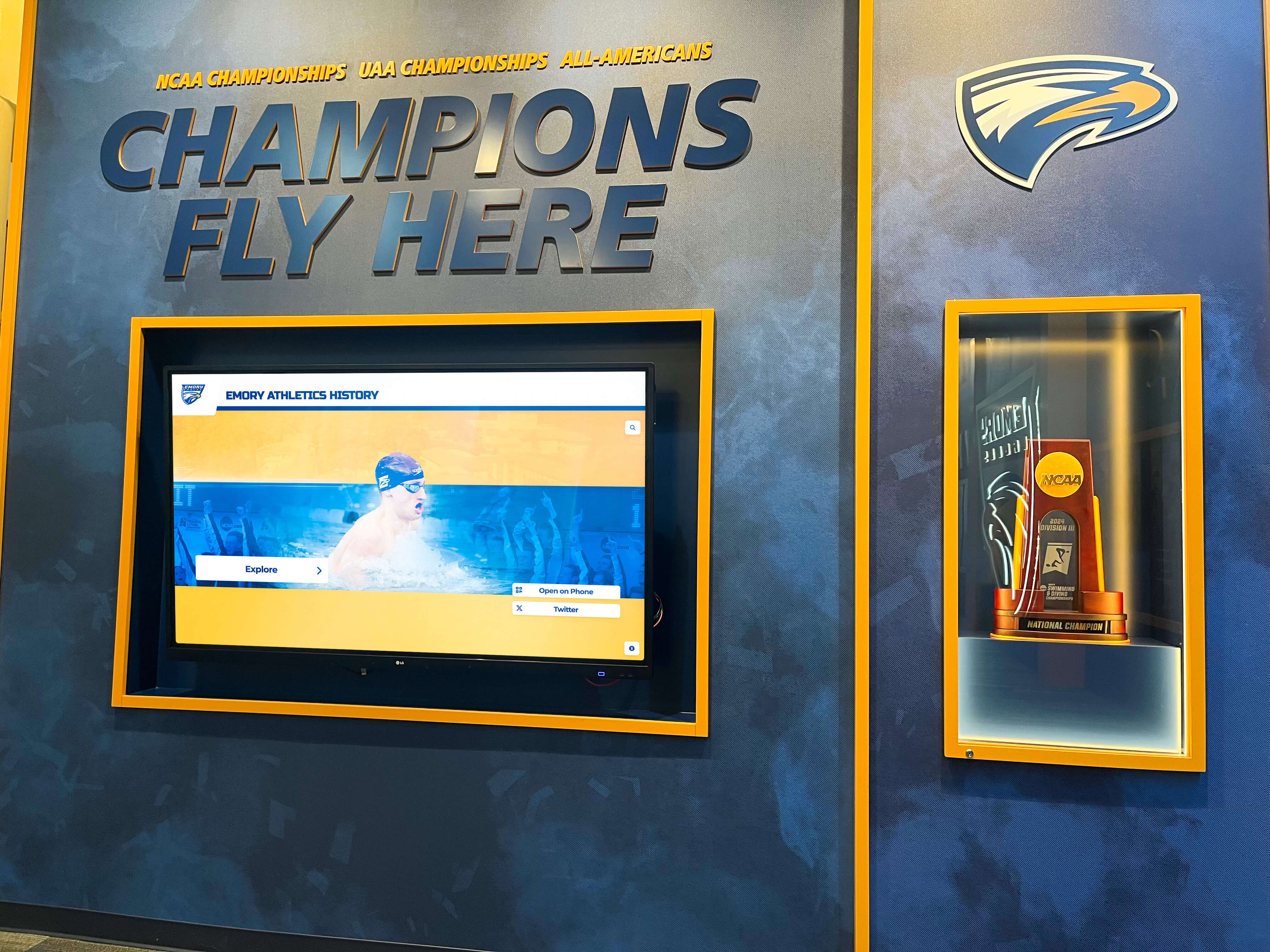
Championship achievements receive prominent recognition through displays documenting competitive success and ranking milestones
Statistical Performance Metrics
Individual and team statistics influence some ranking methodologies:
Offensive Production
- Points per game indicating scoring efficiency
- Yards per play measuring consistent offensive effectiveness
- Turnover differential reflecting ball security and takeaway ability
- Red zone efficiency showing finishing capability
- Third-down conversion rates demonstrating sustained drive success
Defensive Excellence
- Points allowed per game as fundamental defensive measure
- Yards allowed indicating defensive consistency
- Sacks and tackles for loss showing defensive disruption
- Turnovers forced creating short fields and momentum
- Red zone defense preventing opponent scoring in critical areas
Special Teams Impact
While often overlooked, special teams excellence affects game outcomes:
- Field goal and extra point accuracy providing reliable scoring
- Punting excellence controlling field position
- Return game creating explosive scoring opportunities
- Kick coverage preventing opponent big plays
- Fake plays and trick play execution in critical moments
Programs tracking comprehensive performance data benefit from systems documenting both statistical excellence and competitive results across multiple seasons.
Program Momentum and Trends
Rankings reflect not just current performance but program trajectory:
Seasonal Momentum Factors
- Early season struggles followed by late improvement
- Injury returns improving team quality mid-season
- Young teams developing chemistry and execution throughout year
- Weather adaptation as Minnesota fall progresses from September warmth to November cold
- Playoff experience gained in previous seasons
Multi-Year Program Building
Rankings often reward programs demonstrating sustained improvement:
- Consistent regular season success across multiple years
- Playoff advancement depth showing program elevation
- Youth program development creating talent pipelines
- Coaching stability maintaining system continuity
- Facility investments reflecting institutional commitment
Schools implementing comprehensive recognition programs document program building trajectories alongside single-season achievements, creating complete historical narratives.
The Path to State Championships
Minnesota’s state tournament represents the culmination of the football season, bringing together section champions to determine state champions across all six classes.
Prep Bowl Championship Weekend
The MSHSL Prep Bowl has crowned Minnesota state champions since 1972, creating one of high school football’s most prestigious championship events:
Prep Bowl Tradition and Format
- All six championship games held at a single venue over two days
- Originally at the Metrodome, currently at U.S. Bank Stadium in Minneapolis
- Championship weekend typically occurs during Thanksgiving holiday weekend
- Neutral site creates special atmosphere unlike any regular season game
- Media coverage provides statewide visibility for competing programs
Playing at U.S. Bank Stadium, home of the NFL’s Minnesota Vikings, creates motivation throughout seasons. Athletes dream of competing on the professional field, making state championship qualification a powerful goal driving program preparation.
State Tournament Qualification
Advancing to state tournaments requires navigating section playoffs:
- Section semifinals and championship games determine state qualifiers
- Higher section seeds host playoff games until neutral championship sites
- Single-elimination format creates high-stakes pressure throughout playoffs
- Weather becomes factor as November progresses in Minnesota’s challenging climate
- Section championship victories celebrated as major accomplishments even before state tournament
Championship Week Experience
State championship week provides extraordinary experiences:
- Practice schedules adjusted to accommodate stadium field time
- Team hotels and meals creating special championship atmosphere
- School pep rallies and send-offs unifying entire communities
- Opponent scouting condensed into limited preparation time
- Media coverage including broadcast and streaming to statewide audiences
These experiences create lifetime memories for athletes, coaches, and communities, making state championship seasons defining moments in program histories.
Programs celebrating state championship achievements should implement recognition systems preserving complete championship journeys including section advancement and state tournament competition.
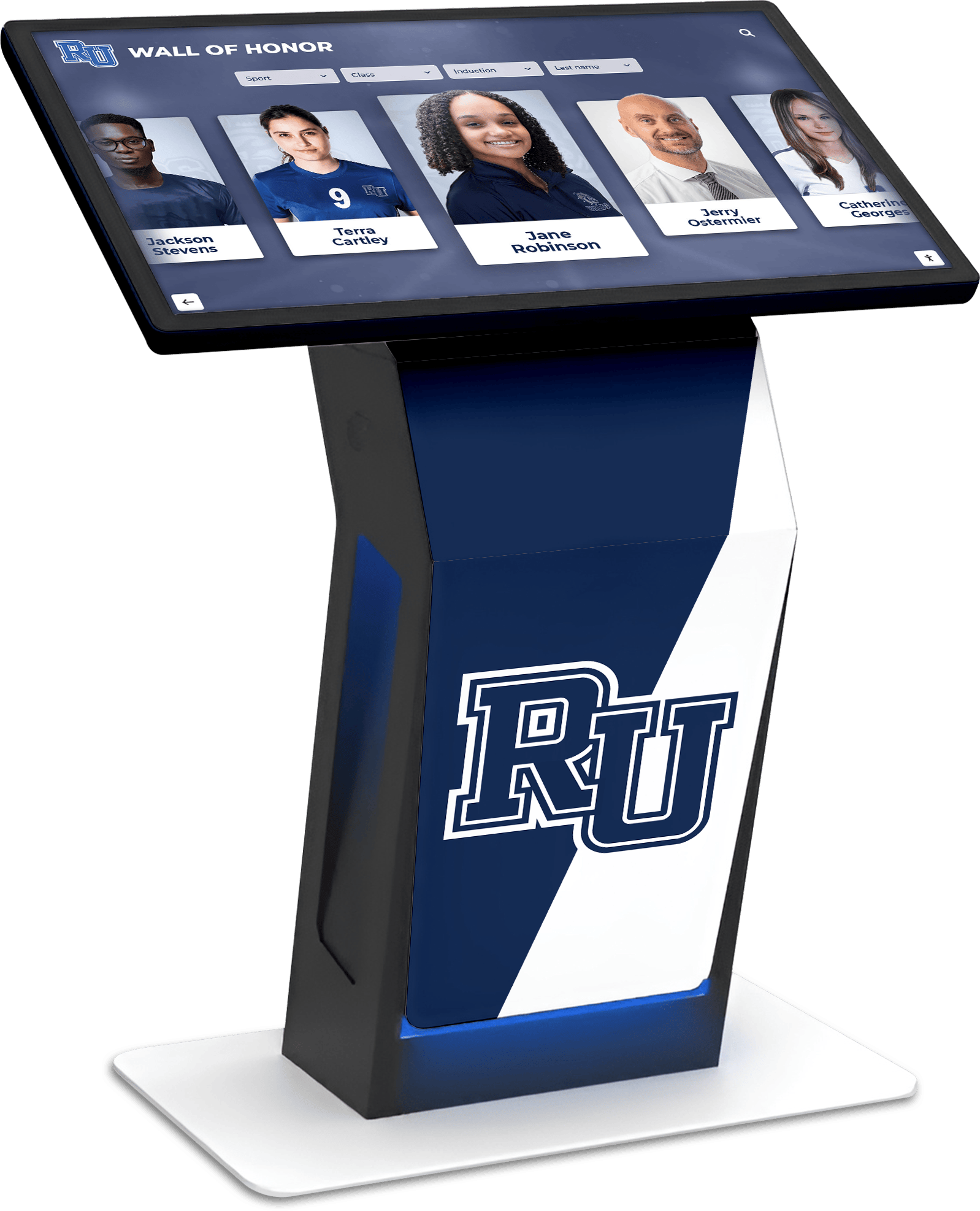
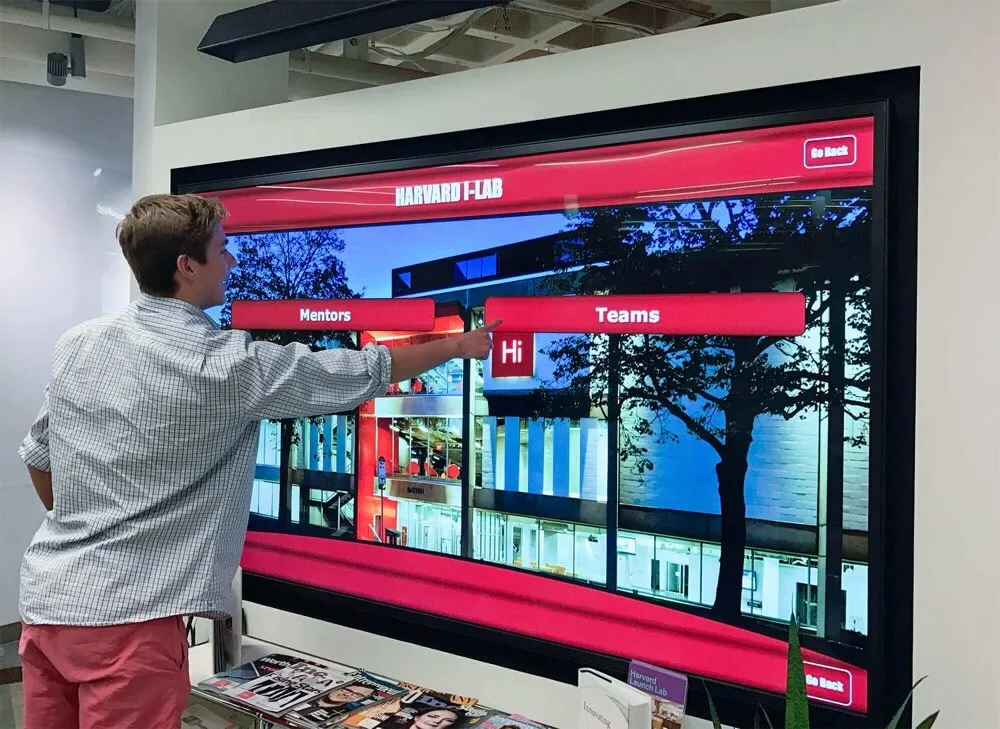
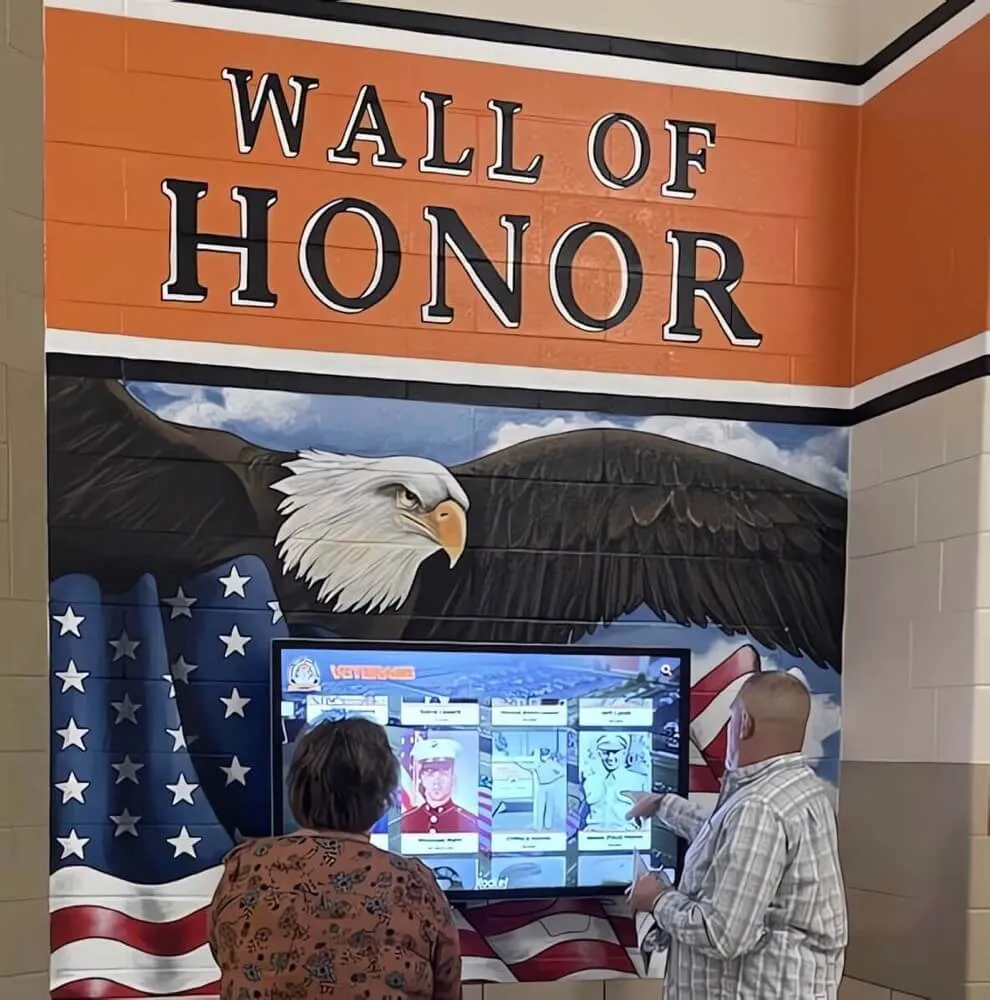
Interactive kiosks provide engaging access to complete championship histories, ranking progressions, and individual player recognition
Historic Prep Bowl Moments
Minnesota’s state championship history features memorable games and performances:
Dynasty Programs
Certain programs have established Prep Bowl dynasties through multiple championships:
- Eden Prairie’s dominant run including multiple consecutive titles
- Totino-Grace’s championship tradition across different eras
- BOLD’s remarkable small-school dominance in Class 1A
- Rochester Mayo’s historical excellence including undefeated championship seasons
- Mankato West’s competitive consistency producing multiple championships
These dynasty periods become reference points for Minnesota football excellence, with championship teams celebrated for decades.
Underdog Championship Stories
Lower-seeded section champions defeating favorites in state finals create legendary narratives:
- Small-town programs overcoming metropolitan area powerhouses
- Rebuilding programs achieving unexpected championship breakthroughs
- Multi-overtime classics featuring dramatic finishes
- Individual performances reaching historic levels under ultimate pressure
- Coach milestones including first championships after years of building programs
These stories become part of Minnesota football lore, inspiring future teams facing long championship odds.
Individual Championship Performances
State championship games showcase exceptional talent:
- 300+ yard rushing performances in championship games
- Quarterbacks throwing 4+ touchdown passes in finals
- Defensive performances including multiple turnovers and goal-line stands
- Game-winning drives in final minutes of championship contests
- Two-way player dominance on both offense and defense
Schools should document these individual achievements alongside team championships, recognizing the exceptional athletes whose performances drove championship success.
Preserving Ranking Achievements and Championship Traditions
Minnesota football programs deserve comprehensive recognition systems honoring competitive excellence and championship accomplishments.
Traditional Recognition Methods
Time-honored approaches remain popular across Minnesota programs:
Physical Championship Displays
- State championship trophies in prominent lobby display cases
- Championship banners hanging in gymnasiums and field houses
- Section championship plaques documenting playoff success
- Team photos from ranking seasons and championship years
- Media clippings featuring ranking recognition and championship coverage
Facility Recognition Elements
- Scoreboards listing championship years visible during games
- Stadium entrance signage acknowledging championship tradition
- Press box or facility naming honoring championship coaches
- Field naming recognizing program builders and major donors
- Wall murals depicting program history and tradition
These traditional methods effectively communicate program excellence but face inherent limitations:
- Physical space constraints forcing difficult choices about display priorities
- Static presentations lacking engagement for digital-native generations
- Difficulty updating as new achievements accumulate
- Limited capacity for detailed season narratives and individual player recognition
- Maintenance challenges as materials age and deteriorate over decades
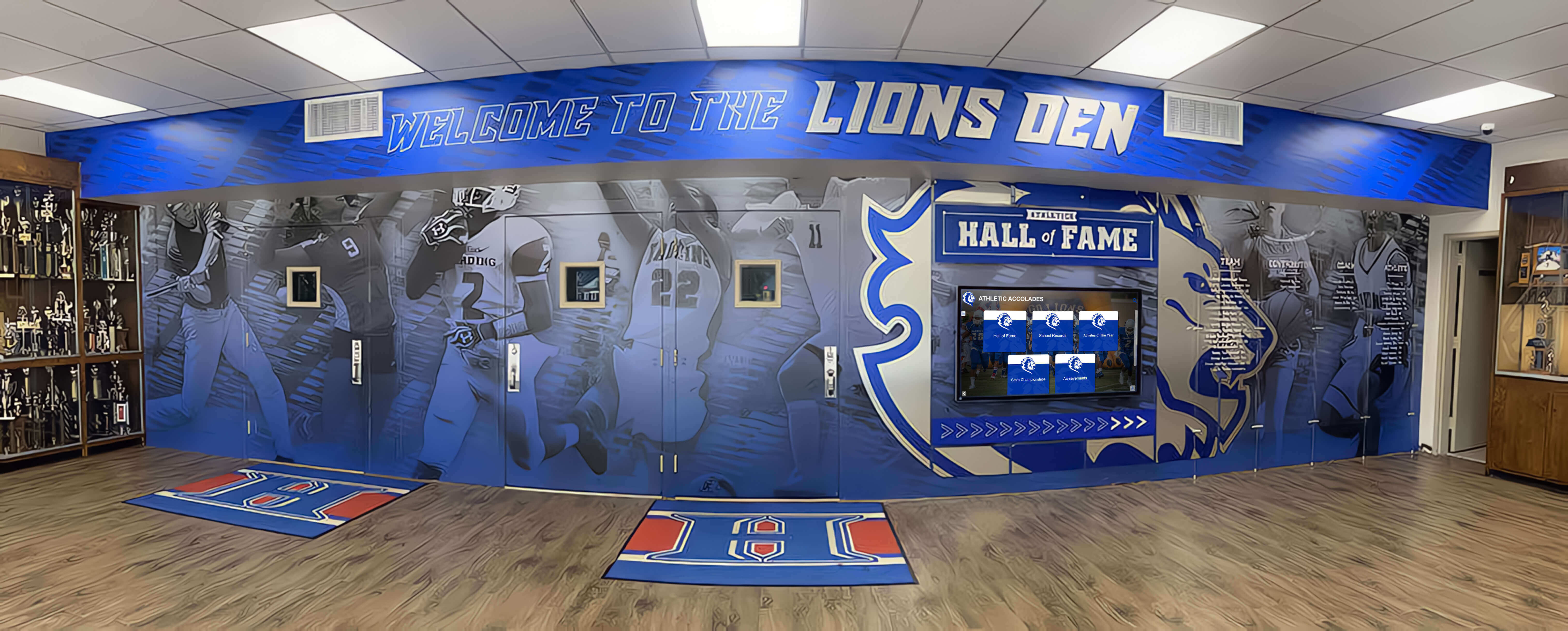
Traditional trophy cases combined with modern displays create comprehensive recognition honoring both past and present achievements
Digital Recognition Transformation
Modern technology revolutionizes how schools preserve and celebrate football excellence:
Interactive Touchscreen Advantages
Solutions like Rocket Alumni Solutions provide comprehensive platforms specifically designed for athletic achievement preservation:
- Unlimited Historical Capacity: Single display showcases every ranked season, championship team, and significant achievement throughout program history without space limitations
- Rich Multimedia Integration: Photos, videos, season narratives, and statistics create engaging stories impossible with static plaques
- Searchable Archives: Students, alumni, and visitors easily explore specific seasons, players, or achievements from any era
- Weekly Ranking Updates: Current season rankings updated throughout fall, building community engagement during active seasons
- Complete Season Documentation: Bracket progressions, game-by-game results, and playoff journeys preserved comprehensively
Real-Time Competitive Tracking
During active seasons, digital systems provide:
- Current MaxPreps and AP poll positions updated weekly
- Section standings and playoff projections
- Comparison to historical program rankings showing trajectory
- Upcoming opponent information and competitive analysis
- Social media integration amplifying community celebration
Comprehensive Player Recognition
Digital archives enable recognizing every contributing athlete:
- Individual player profiles for all team members, not just stars
- Career statistics and milestone achievements
- Post-graduation accomplishments including college placement
- Alumni profiles connecting past players to current programs
- Family connections documenting multi-generational program participation
These capabilities transform recognition from highlighting isolated achievements to preserving complete program narratives accessible to entire school communities.
Schools exploring comprehensive recognition should evaluate digital hall of fame platforms that integrate football achievements with broader athletic and academic excellence.
Hybrid Recognition Strategies
The most effective approaches combine traditional and digital elements:
Strategic Integration
- Championship trophies displayed physically in prominent cases
- Adjacent touchscreen displays providing complete championship season context
- Historical banners complemented by searchable digital archives
- Physical displays for latest achievements, digital documentation for complete history
- Traditional lobby elements driving visitors to interactive exploration stations
Optimal Placement Locations
Recognition displays positioned strategically maximize community engagement:
- Main entrance lobbies welcoming visitors with program achievements
- Athletic corridors connecting locker rooms to competition venues
- Cafeterias and commons engaging entire student body daily
- Stadium concourses providing game-day visibility for opponents and visitors
- Alumni centers connecting past players to current program excellence
Content Management Efficiency
Cloud-based platforms enable easy updates:
- Weekly ranking updates during active seasons requiring minutes not hours
- Championship celebrations documented immediately after victories
- Alumni achievements incorporated as former players accomplish notable goals
- Historical corrections made as alumni share previously undocumented information
- Photo gallery expansion throughout seasons capturing program moments
This combination honors tradition through physical elements while leveraging technology’s capacity for comprehensive, engaging, and easily-updated recognition.
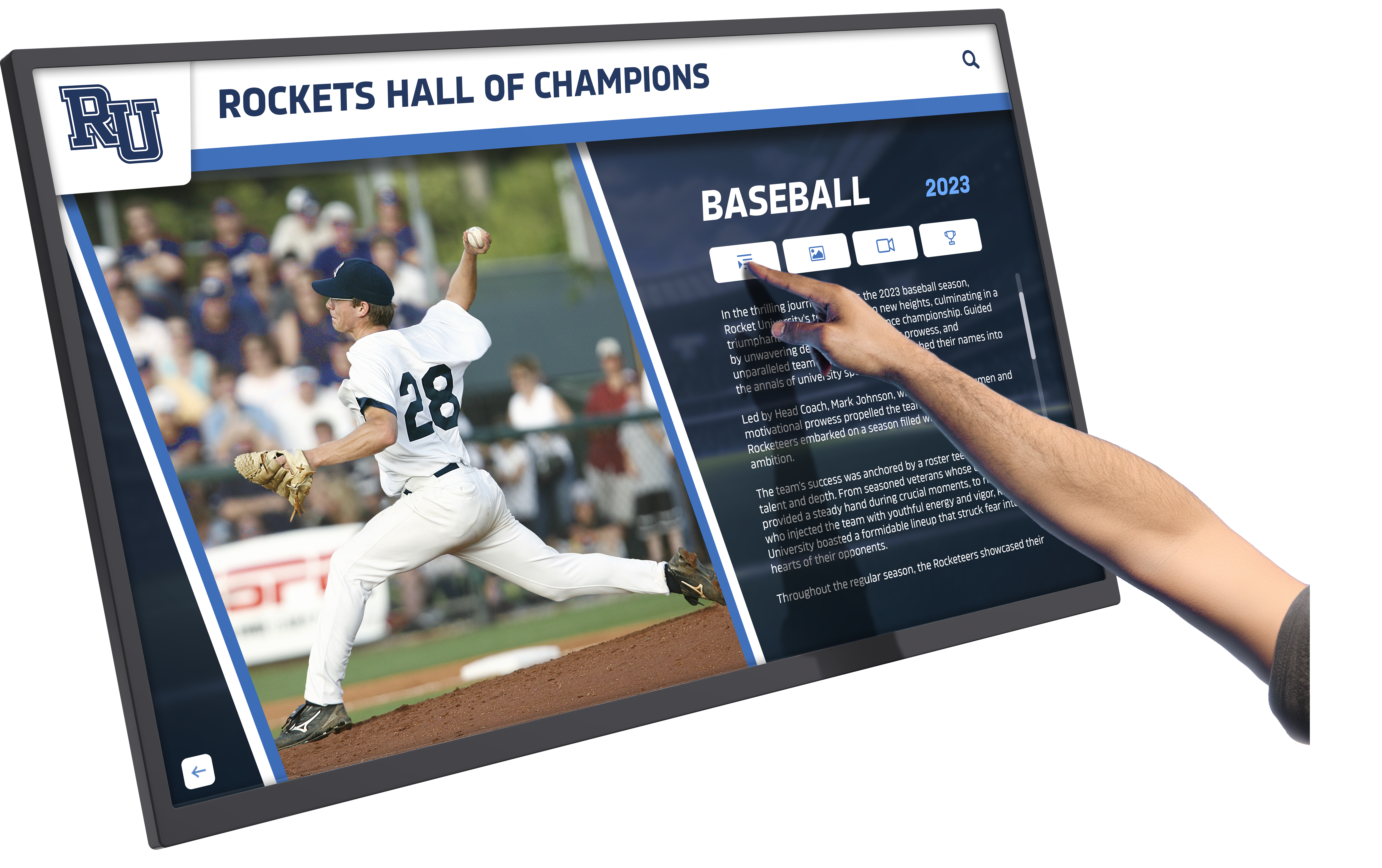
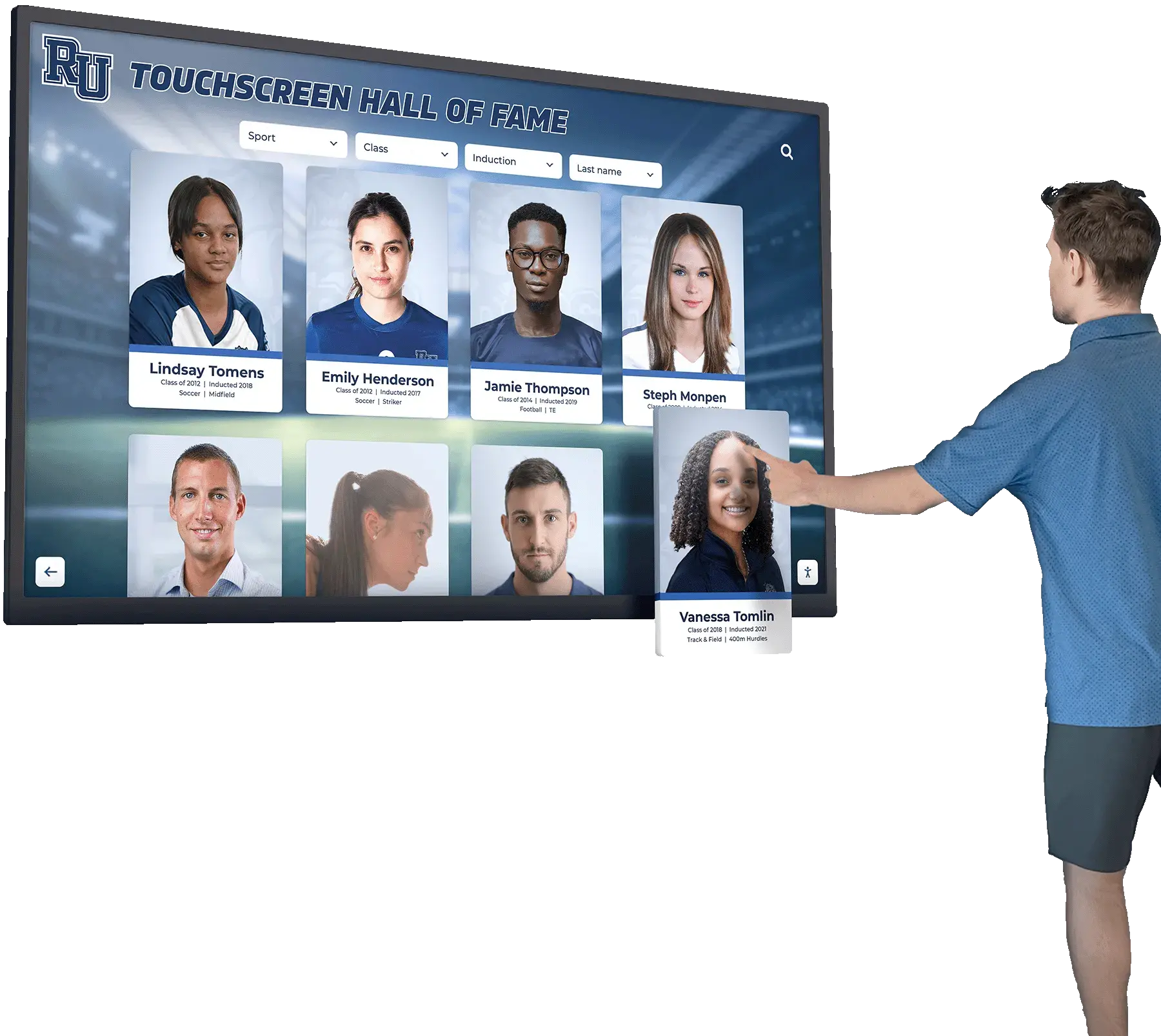
Touchscreen interfaces create engaging experiences enabling exploration of rankings, championships, and individual player achievements
College Recruitment and Rankings Impact
Minnesota high school football rankings influence college recruitment processes and opportunities for student-athletes.
Recruitment Visibility Benefits
High ranking positions provide college recruitment advantages:
College Scout Attention
- Division I programs monitor highly-ranked teams for prospect identification
- State championship games provide showcase opportunities before college coaches
- MaxPreps national rankings attract attention from programs outside Minnesota
- Competitive schedules against quality opponents validate player statistics
- Team success provides context demonstrating player performance under pressure
Prospect Evaluation Context
College recruiters use rankings to evaluate prospects:
- Statistics accumulated against highly-ranked opponents carry more weight
- Leadership on competitive teams demonstrates player intangibles
- Playoff performance shows how prospects handle high-stakes pressure
- Team success indicates player contributions to winning culture
- Coaching quality at ranked programs suggests good fundamental development
Regional vs. National Recognition
Minnesota’s top programs gain varying levels of national attention:
- Class 6A programs appear in national rankings when achieving elite status
- Smaller classification programs rarely receive national recognition despite state excellence
- College recruiters understand Minnesota’s competitive depth attracts quality programs
- State championship success provides resume enhancement for college recruitment
- Individual awards from competitive programs carry additional credibility
Programs tracking comprehensive athletic achievement including college placement demonstrate program value to prospective families and athletes.
Balancing Rankings and Player Development
Successful programs focus on development over rankings:
Long-Term Program Building
Elite programs emphasize:
- Fundamental skill development over winning at all costs
- Player safety and health prioritized over short-term success
- Character development and academic achievement alongside athletic excellence
- Positive team culture creating sustainable competitive environments
- Alumni connections mentoring current players through recruitment
Avoiding Ranking Obsession
Healthy program cultures maintain perspective:
- Rankings recognized as one measure among many of team quality
- Player and team development prioritized over maintaining ranking positions
- Losses viewed as learning opportunities rather than ranking disasters
- Community pressure managed to protect player mental health
- Success defined broadly including non-ranking achievements
This balanced approach creates sustainable excellence rather than boom-and-bust cycles chasing rankings at expense of program health.
Future of Minnesota Football Rankings
Minnesota’s ranking systems continue evolving with technology and changing competitive landscapes.
Analytics Integration Trends
Advanced statistics increasingly inform ranking methodologies:
Emerging Analytical Approaches
- Expected points calculations measuring play efficiency
- Win probability models evaluating close game performance
- Situational statistics beyond traditional box score metrics
- Player tracking data when available from advanced filming
- Predictive modeling projecting team performance trajectories
As analytics sophistication increases, ranking systems may incorporate more nuanced competitive evaluations beyond traditional statistics.
Digital Recognition Evolution
How schools showcase rankings continues advancing:
Technology Trends
- Cloud-based systems enabling real-time ranking updates
- Mobile accessibility extending recognition beyond physical campuses
- Augmented reality features enhancing visitor experiences
- Social media integration amplifying achievement celebration
- Alumni access to historical rankings and program data from anywhere
Modern recognition solutions increasingly incorporate these technological advances, creating recognition experiences that engage stakeholders across age groups and geographic distances.

Modern interactive displays enable visitors to explore comprehensive program histories including rankings, championships, and player achievements
Classification and Structure Discussions
Minnesota football stakeholders periodically discuss potential structural changes:
Potential Evolution Areas
- Classification boundaries adjusting for enrollment distribution changes
- Section realignment reflecting population shifts across Minnesota
- Playoff expansion or contraction debates balancing opportunity and prestige
- State tournament format discussions including bye considerations
- Private school multiplier debates similar to other states
These discussions reflect Minnesota football’s dynamic nature, adapting to demographic and competitive changes while honoring championship tradition.
Building Championship Recognition Programs
Schools planning comprehensive recognition systems should consider multiple factors ensuring long-term success.
Planning and Implementation
Effective recognition requires systematic planning:
Infrastructure Assessment
- Available locations for recognition displays in high-traffic areas
- Existing trophy case capacity and condition
- Budget allocation for both initial installation and ongoing maintenance
- Technical capabilities and Wi-Fi infrastructure for digital systems
- Staff capacity for content management and updates
Content Development Strategy
- Historical research documenting complete program history
- Photo collection from program archives, yearbooks, and alumni
- Statistical compilation from record books and media archives
- Interview collection from coaches, alumni, and community members
- Video gathering from game footage and championship celebrations
Stakeholder Engagement
- Alumni involvement providing historical knowledge and content
- Booster club support funding recognition investments
- Coaching staff input ensuring accurate program documentation
- Student engagement building current connections to tradition
- Community partnerships extending recognition impact beyond campus
Programs implementing comprehensive athletic recognition benefit from systematic approaches integrating football achievements with broader institutional excellence.
Funding Recognition Investments
Championship recognition requires financial planning:
Funding Sources
- Athletic department budget allocations
- Booster club fundraising designated for recognition projects
- Alumni donations supporting legacy preservation
- Corporate sponsorships offsetting recognition costs
- Grant opportunities for educational technology
Return on Investment
Effective recognition systems provide:
- Enhanced recruitment appeal attracting quality athletes to programs
- Increased alumni engagement strengthening donation potential
- Community pride supporting sustained program investment
- Educational value teaching students about legacy and achievement
- Marketing benefits promoting school excellence to prospective families
Even modest recognition investments yield significant returns through enhanced community connection and program pride supporting sustained competitive excellence.
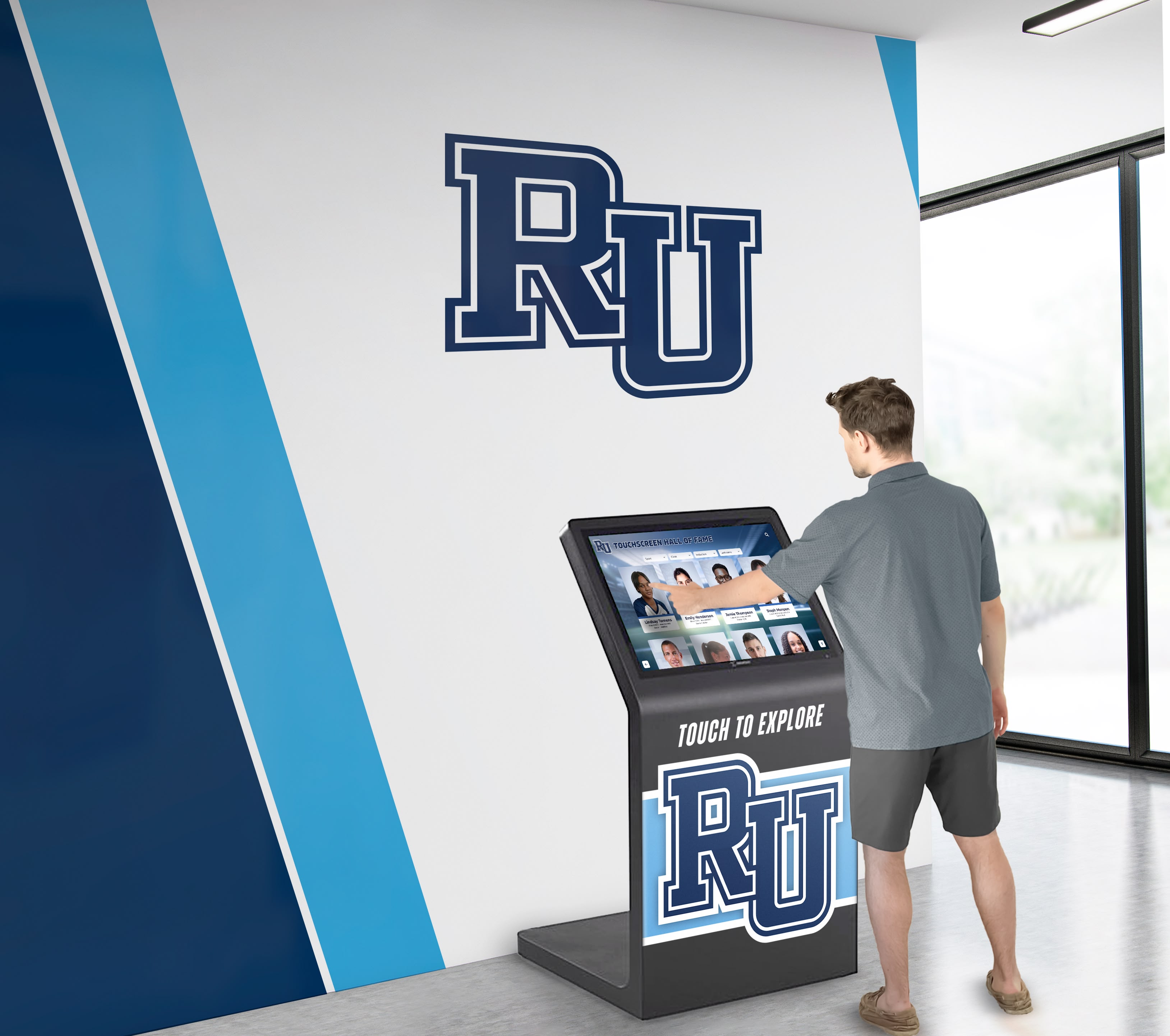
Strategic recognition system implementation ensures ranking achievements and championships receive prominent, accessible celebration
Conclusion: Celebrating Minnesota Football Excellence
Minnesota high school football rankings provide essential frameworks for understanding competitive positioning, guiding playoff advancement, and recognizing program achievement across the state’s diverse football landscape. From MaxPreps computer algorithms to AP media polls and section seeding systems, these ranking methodologies offer multiple perspectives on team quality while creating frameworks for fair playoff competition.
For Minnesota schools, systematic recognition of ranking achievements and championship success preserves football legacy while building community connection. Whether your program competes for top-10 statewide rankings in Class 6A or celebrates section championships in smaller classifications, these achievements represent extraordinary dedication deserving comprehensive documentation and celebration.
Preserve Your Football Program's Ranking Legacy
Discover how interactive touchscreen displays can help you showcase your team's ranking achievements, championship history, and program tradition for current students and future generations.
Request a DemoThe strategies explored in this guide provide comprehensive understanding of Minnesota football ranking systems while highlighting opportunities for celebrating program achievements through modern recognition approaches. From digital archive displays preserving decades of football history to interactive systems enabling students and alumni to explore program traditions, technology now enables recognition capabilities impossible with traditional static displays.
Rankings matter because they provide context for achievement, motivation for continued excellence, and frameworks for fair competition across Minnesota’s rich high school football landscape. Your program’s ranking achievements—whether section championships, state tournament appearances, or top-10 statewide recognition—represent countless hours of athlete dedication, coaching excellence, and community support deserving permanent celebration.
Every ranking milestone, playoff victory, and championship season contributes to your program’s story. Modern recognition systems ensure these achievements remain accessible and engaging for current students discovering program traditions, alumni reconnecting with their competitive eras, and communities celebrating the football excellence that unites generations.
Start documenting your football program’s ranking history today, creating comprehensive archives that honor past achievements while inspiring future teams to add new chapters to your competitive legacy. The combination of Minnesota’s passionate football culture, competitive ranking systems, and modern recognition technology creates unprecedented opportunities to celebrate and preserve your program’s excellence.
Ready to transform how your school recognizes football achievement? Explore Touch Archive solutions for comprehensive athletic recognition and program history preservation that bring your ranking achievements and championships to life through engaging, interactive displays accessible to your entire school community.